

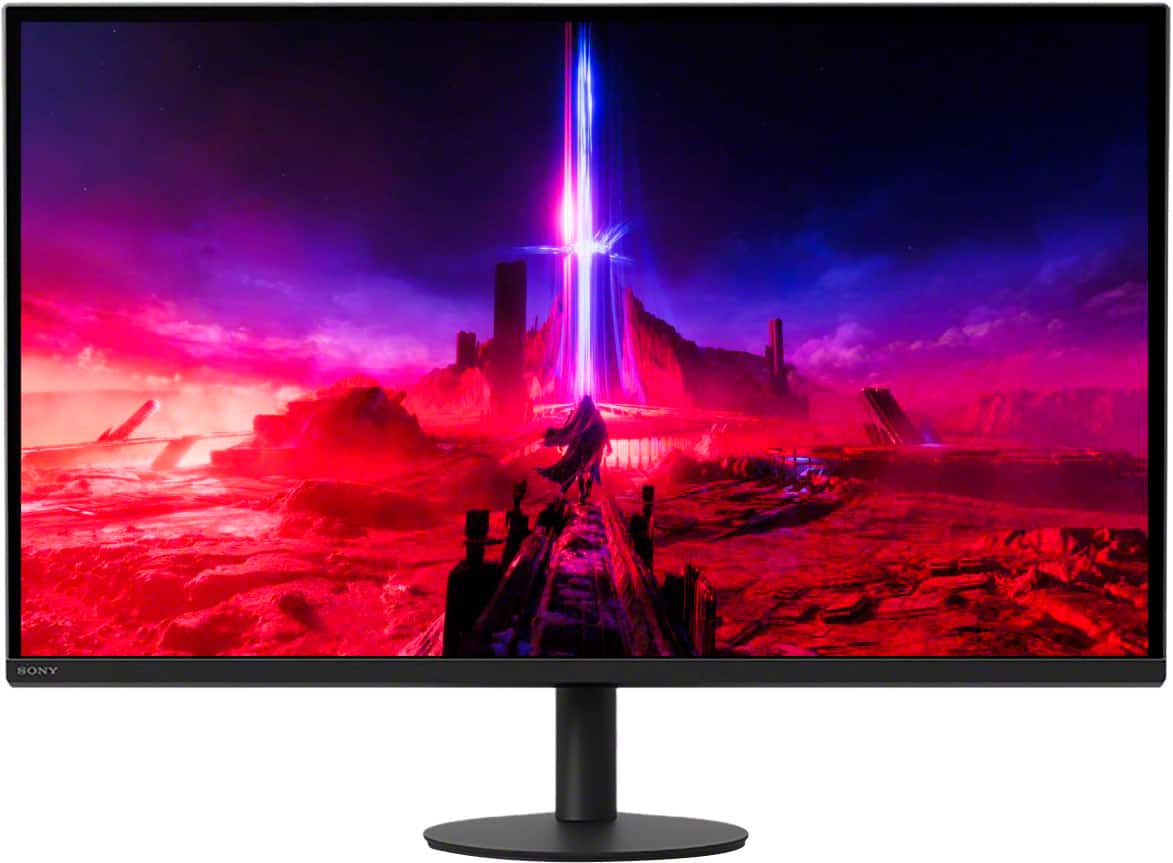
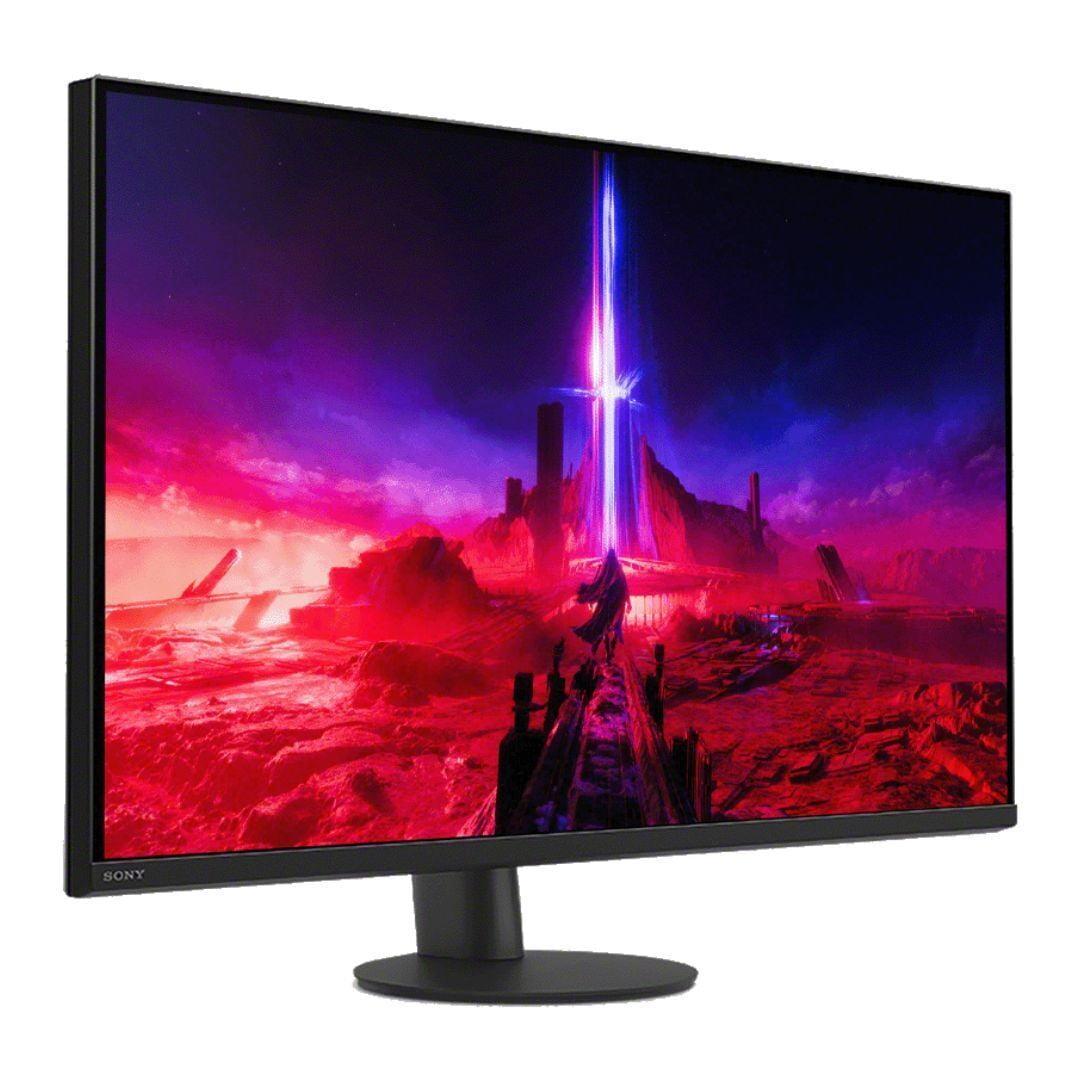
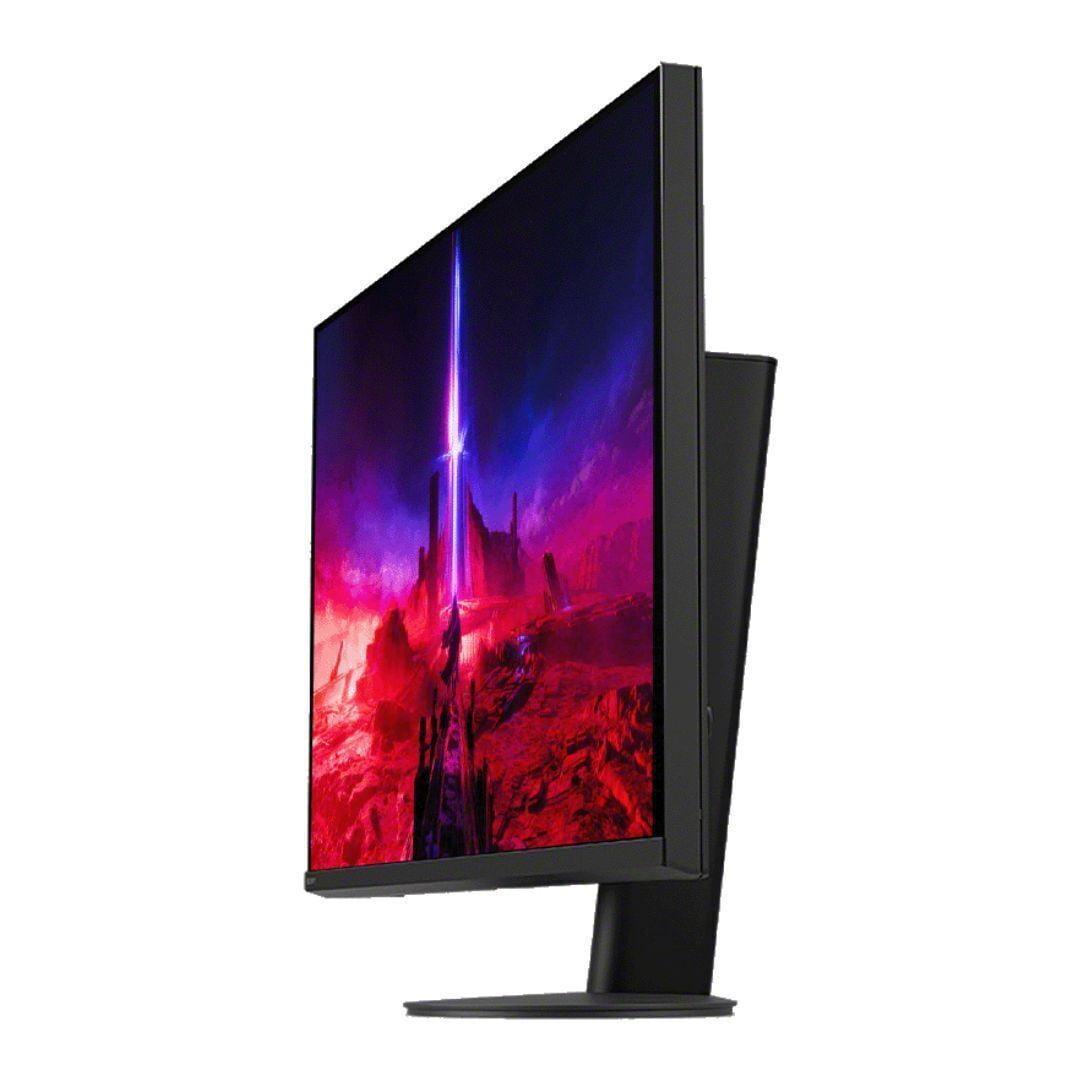
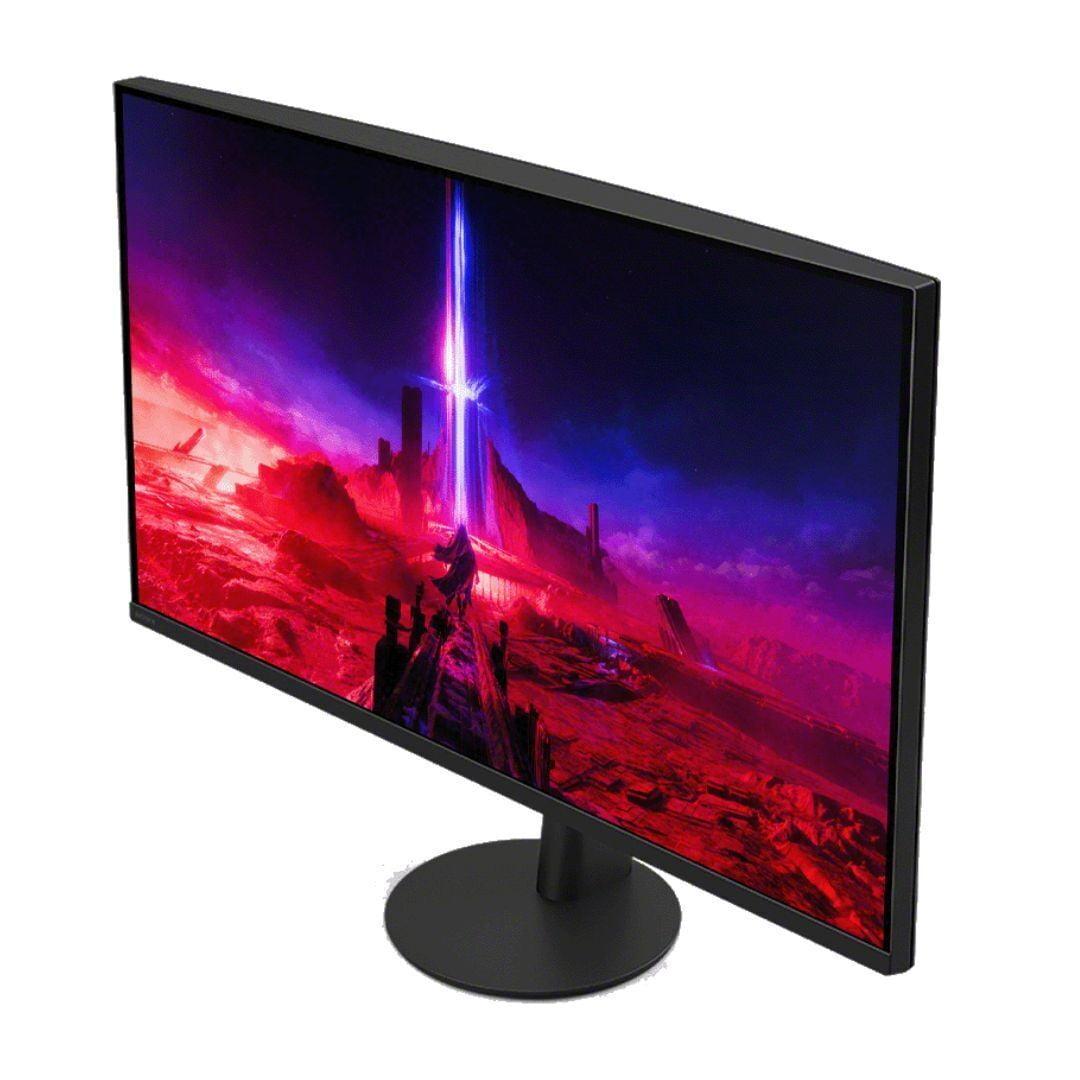
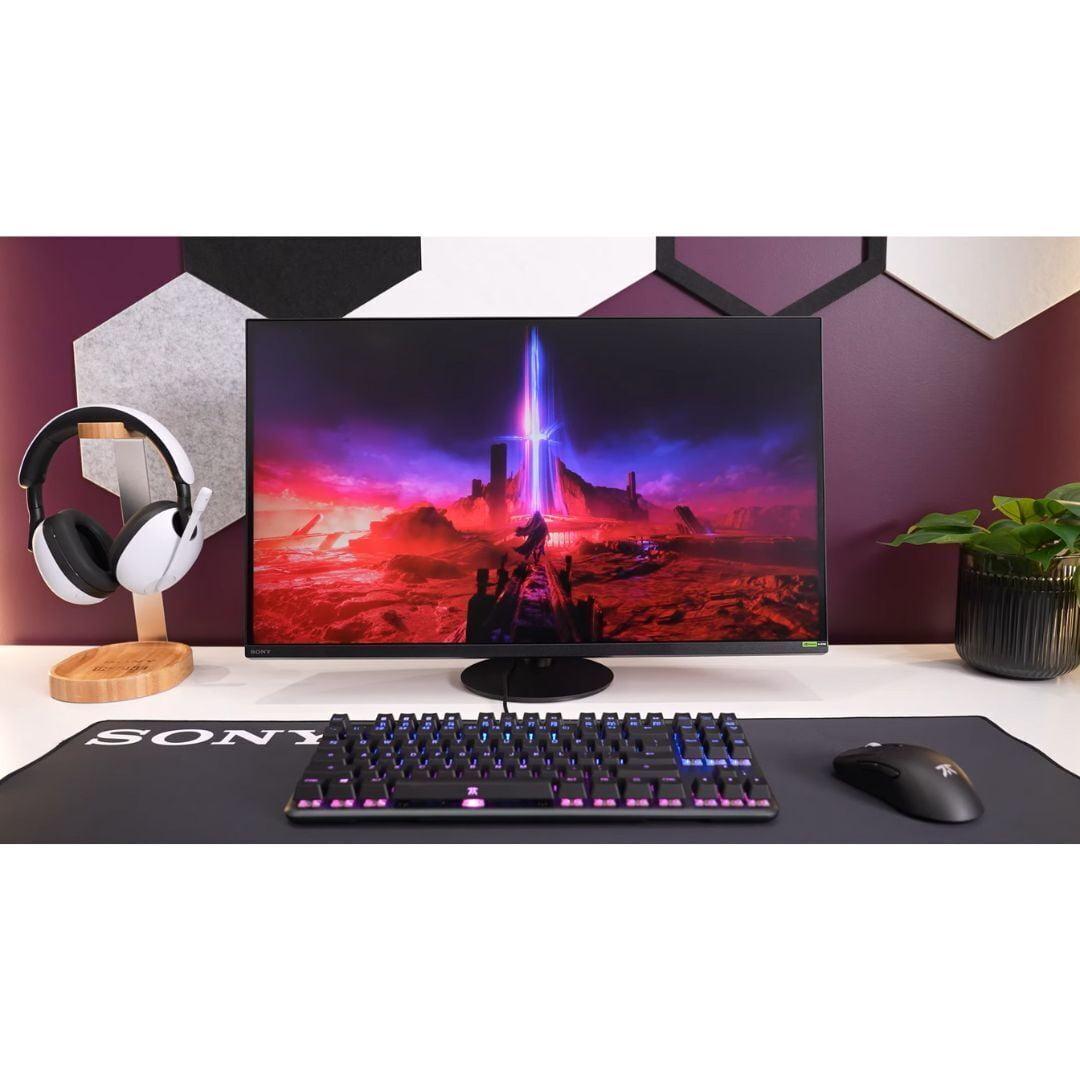
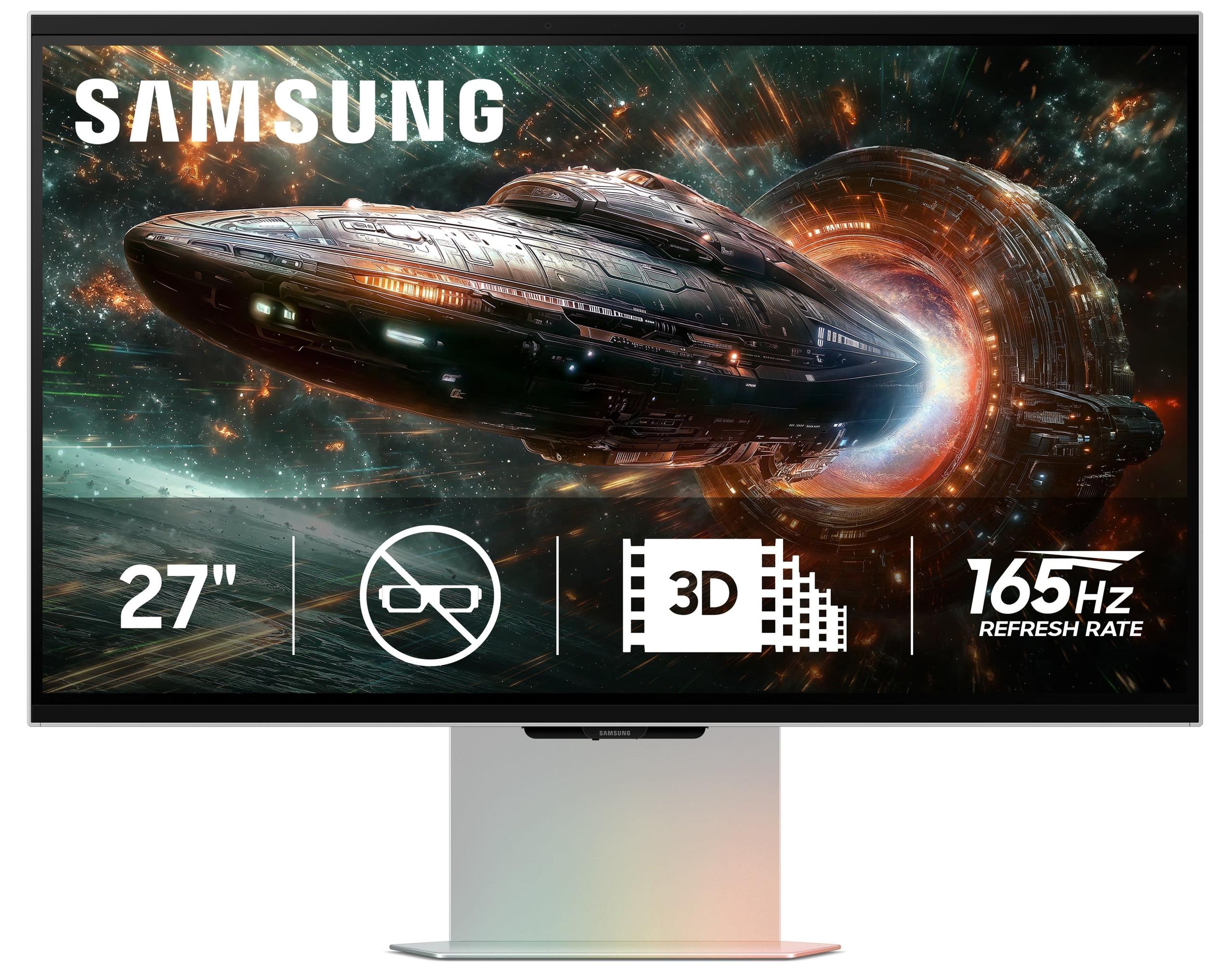
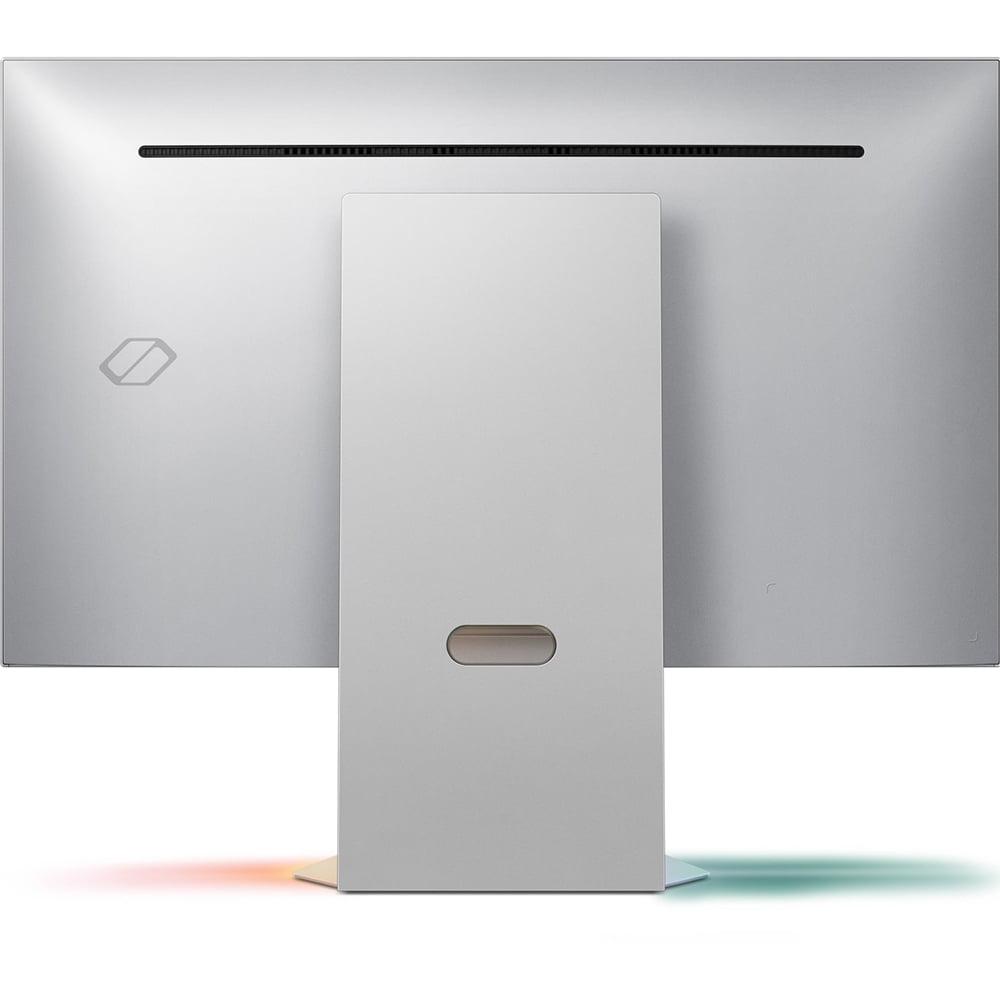
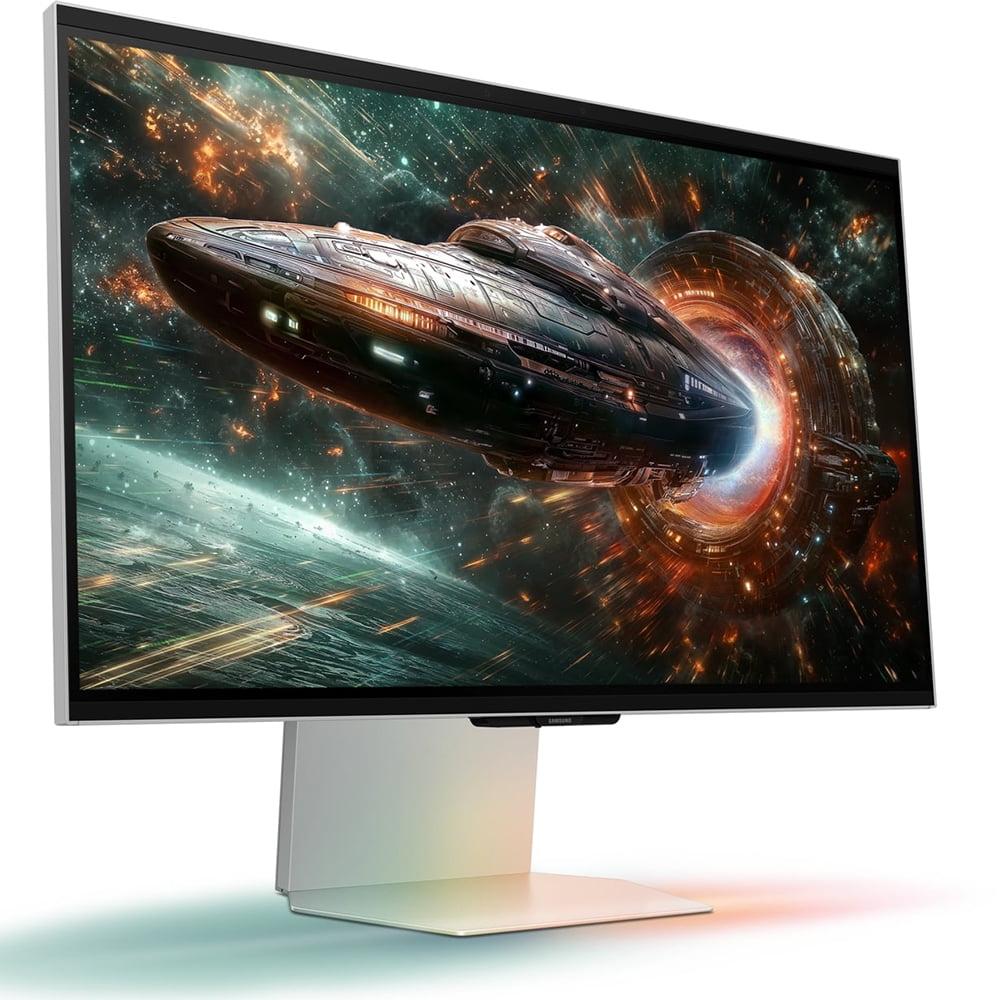

The world of premium gaming monitors has never been more exciting—or more confusing. You've got traditional powerhouses delivering incredible image quality alongside experimental newcomers promising to revolutionize how we see games. Two monitors perfectly embody this divide: the Sony INZONE M9 II and the Samsung 27" Odyssey 3D G90XF.
Both offer 4K resolution and high refresh rates, but they take completely different approaches to the premium gaming experience. One focuses on perfecting proven technology, while the other pioneers glasses-free 3D gaming. The price gap between them tells the story—at the time of writing, the Sony INZONE M9 II costs roughly half what you'll pay for the Samsung Odyssey 3D.
Before diving into specifics, let's talk about what makes a gaming monitor truly premium. It's not just about having a high refresh rate anymore—though that's certainly important. Modern premium monitors need to excel across multiple dimensions: image quality, gaming responsiveness, color accuracy, and specialized features that enhance your experience.
The most critical performance metrics are refresh rate (how many times per second the screen updates), response time (how quickly pixels change color), input lag (delay between your actions and what appears on screen), and contrast ratio (the difference between the brightest whites and darkest blacks). HDR performance—High Dynamic Range, which provides brighter highlights and better color depth—has become equally crucial for modern gaming.
What separates premium monitors from budget options isn't just better specs on paper. It's about implementing those specs well, with proper calibration, consistent performance, and features that actually enhance your gaming rather than just looking good in marketing materials.
Released in 2024, the Sony INZONE M9 II represents Sony's refined take on premium gaming displays. It's the successor to their original INZONE M9, incorporating feedback and improvements learned from that first generation. Sony entered the gaming monitor space relatively recently but brought decades of display expertise from their TV and professional monitor divisions.
The heart of the Sony INZONE M9 II is its Full Array Local Dimming (FALD) system. This technology places LED backlights directly behind the screen in a grid pattern—specifically 96 zones arranged in an 8x12 configuration. Think of it like having 96 individual dimmer switches across your screen. When part of an image should be dark, those specific zones dim down, while bright areas keep their zones at full brightness. This creates much better contrast than traditional edge-lit displays where the entire screen shares the same backlight intensity.
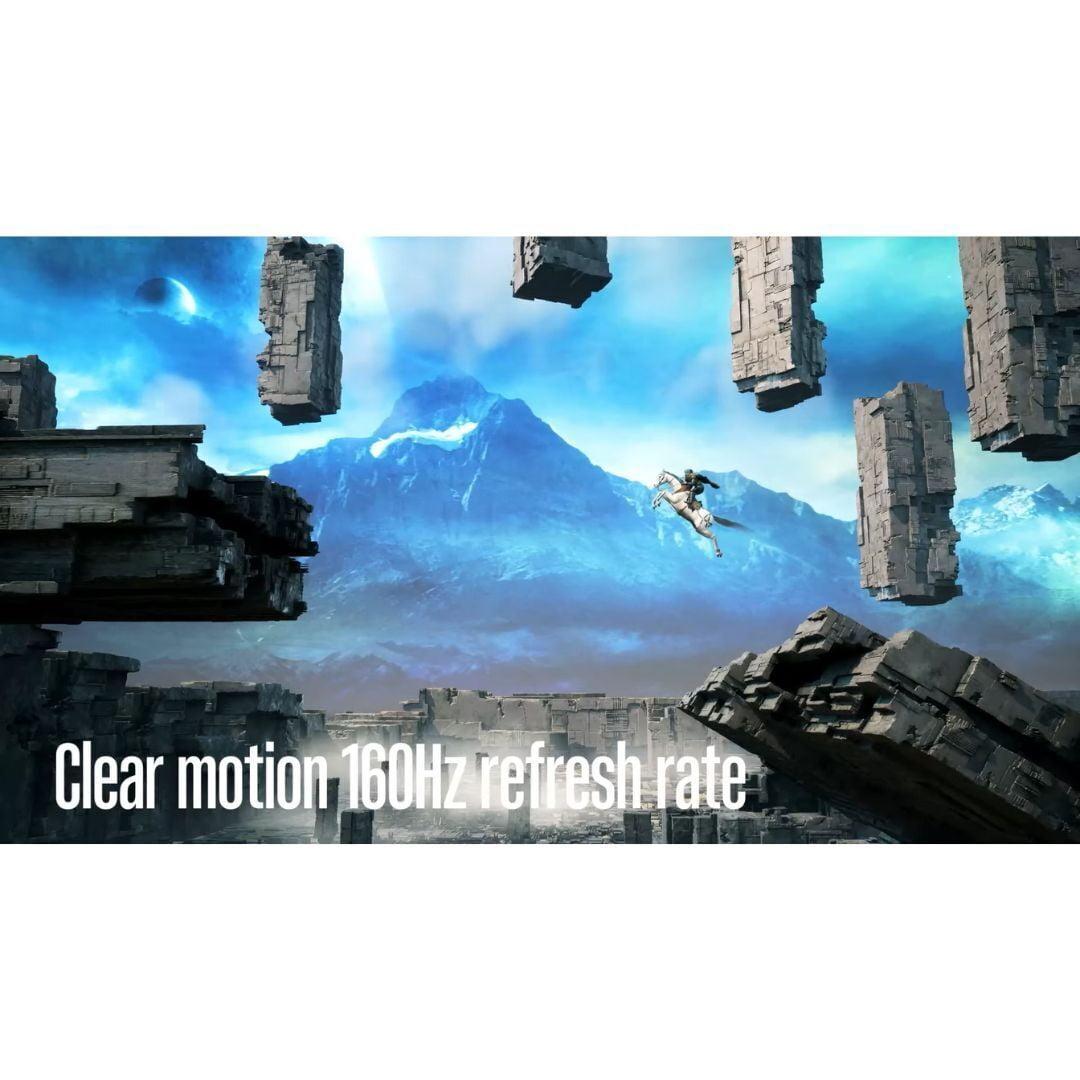
The monitor delivers 4K resolution at 160Hz, which hits a sweet spot for most gaming scenarios. While competitive esports players might want higher refresh rates, 160Hz provides butter-smooth motion for virtually every game type. The 1ms response time ensures pixels change color fast enough to avoid ghosting—those annoying trails that can follow moving objects on slower displays.
Where the Sony INZONE M9 II really shines is HDR performance. With 750 nits peak brightness and DisplayHDR 600 certification, it can display genuinely bright highlights that make HDR content pop. Many monitors claim HDR support but lack the brightness to deliver meaningful improvements over standard dynamic range content. This Sony actually has enough brightness to make HDR worthwhile.
The PlayStation 5 integration deserves special mention. Sony didn't just slap their logo on a generic monitor—they built specific features for console gaming. Auto HDR Tone Mapping automatically optimizes HDR settings when you connect a PS5, eliminating the usual trial-and-error process of finding the right picture mode. The monitor also switches picture modes automatically based on game genres, applying different optimizations for racing games versus first-person shooters.
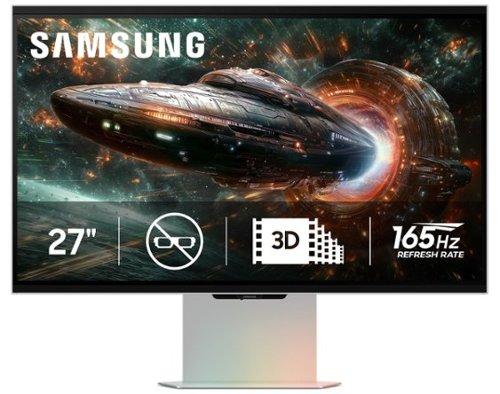
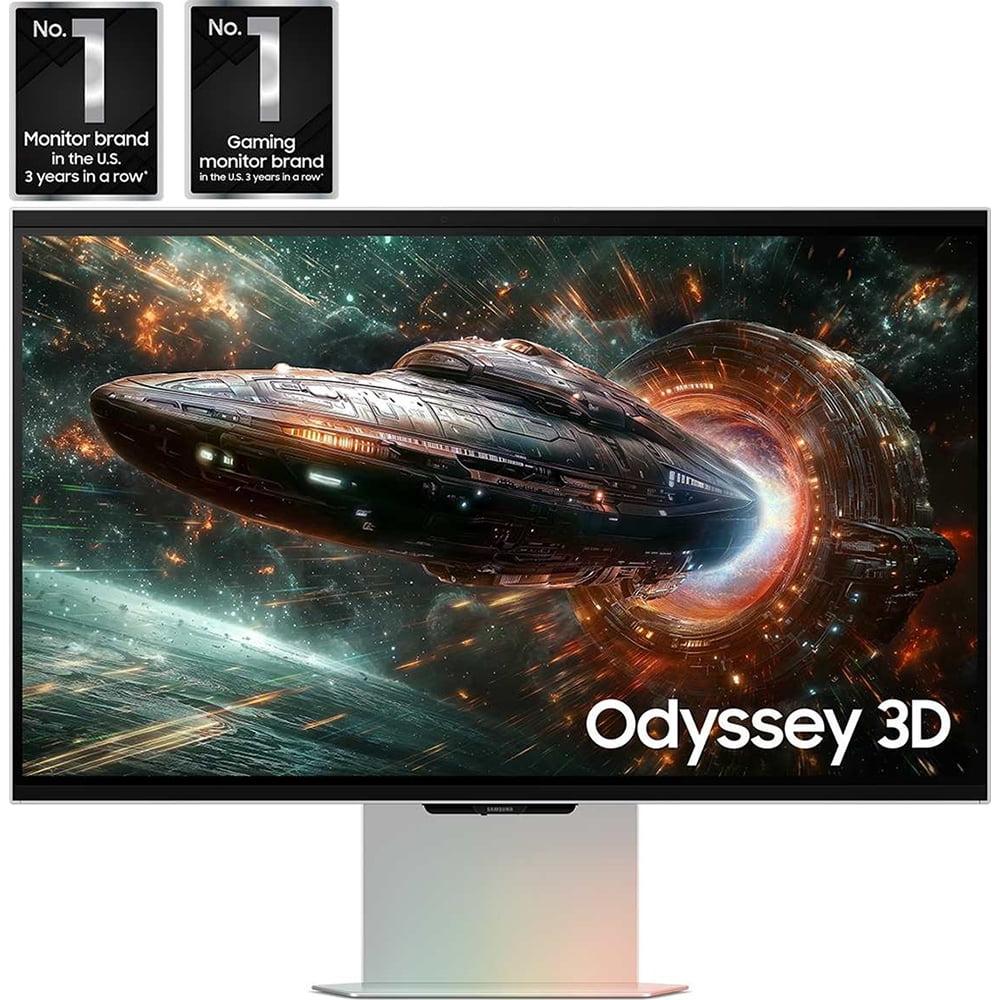
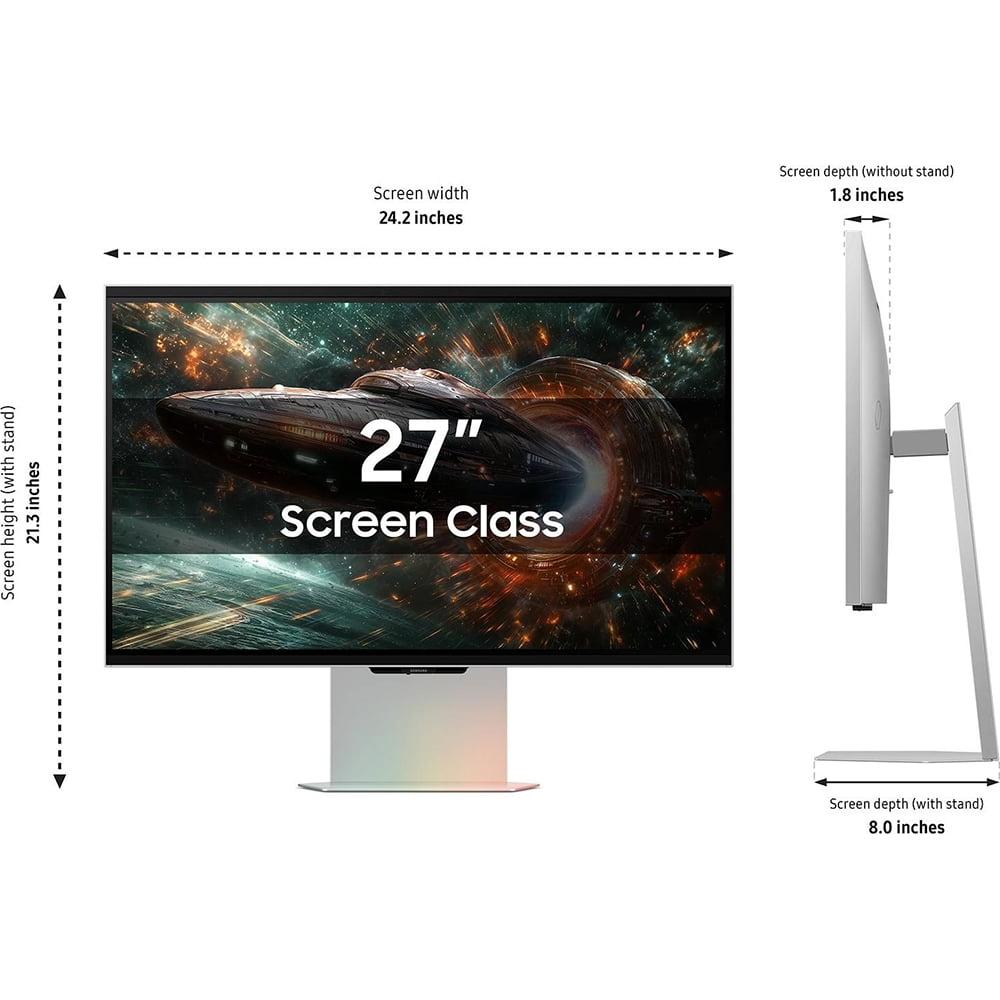
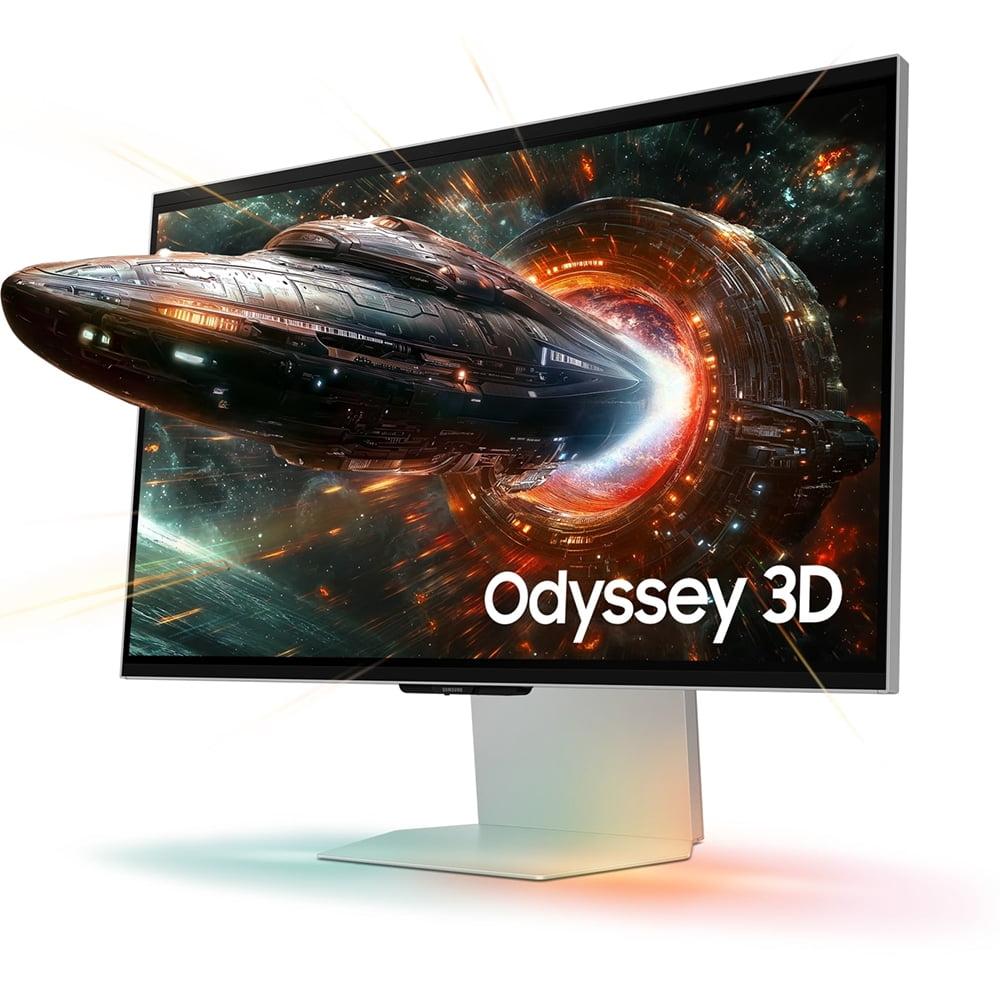
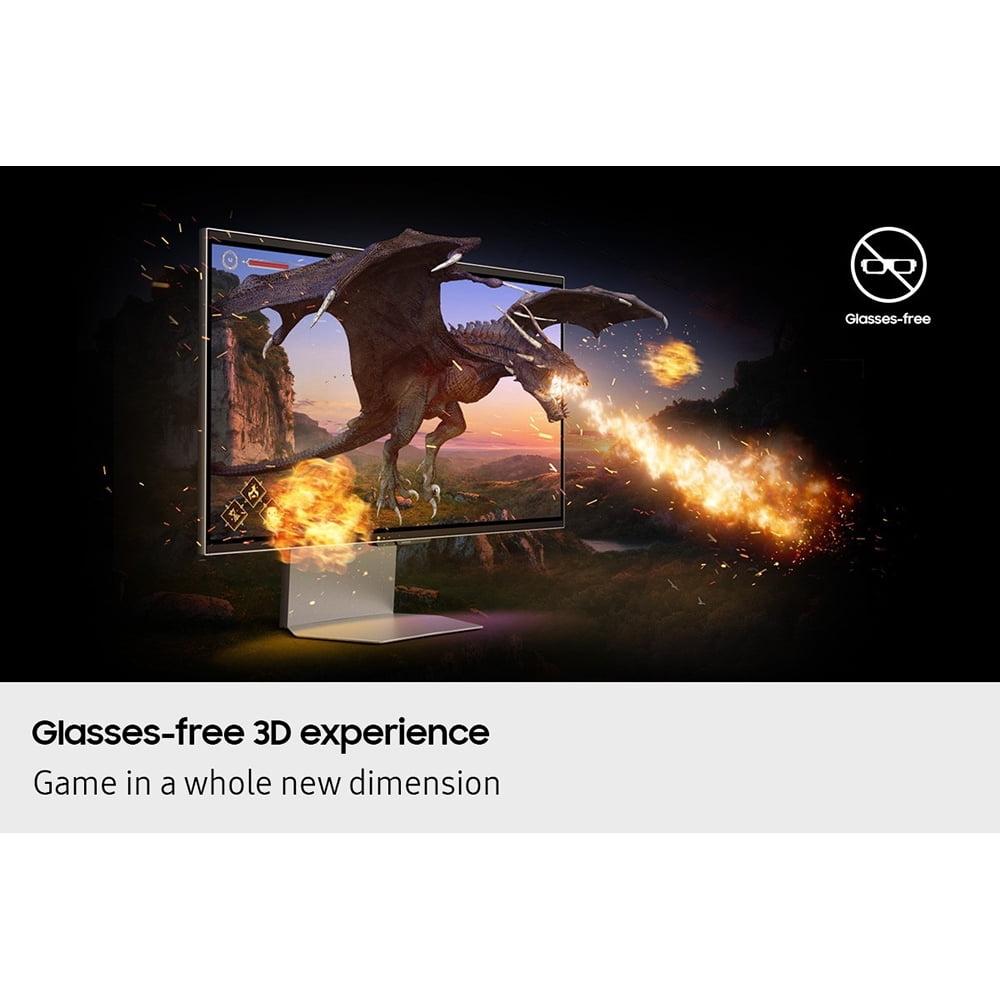
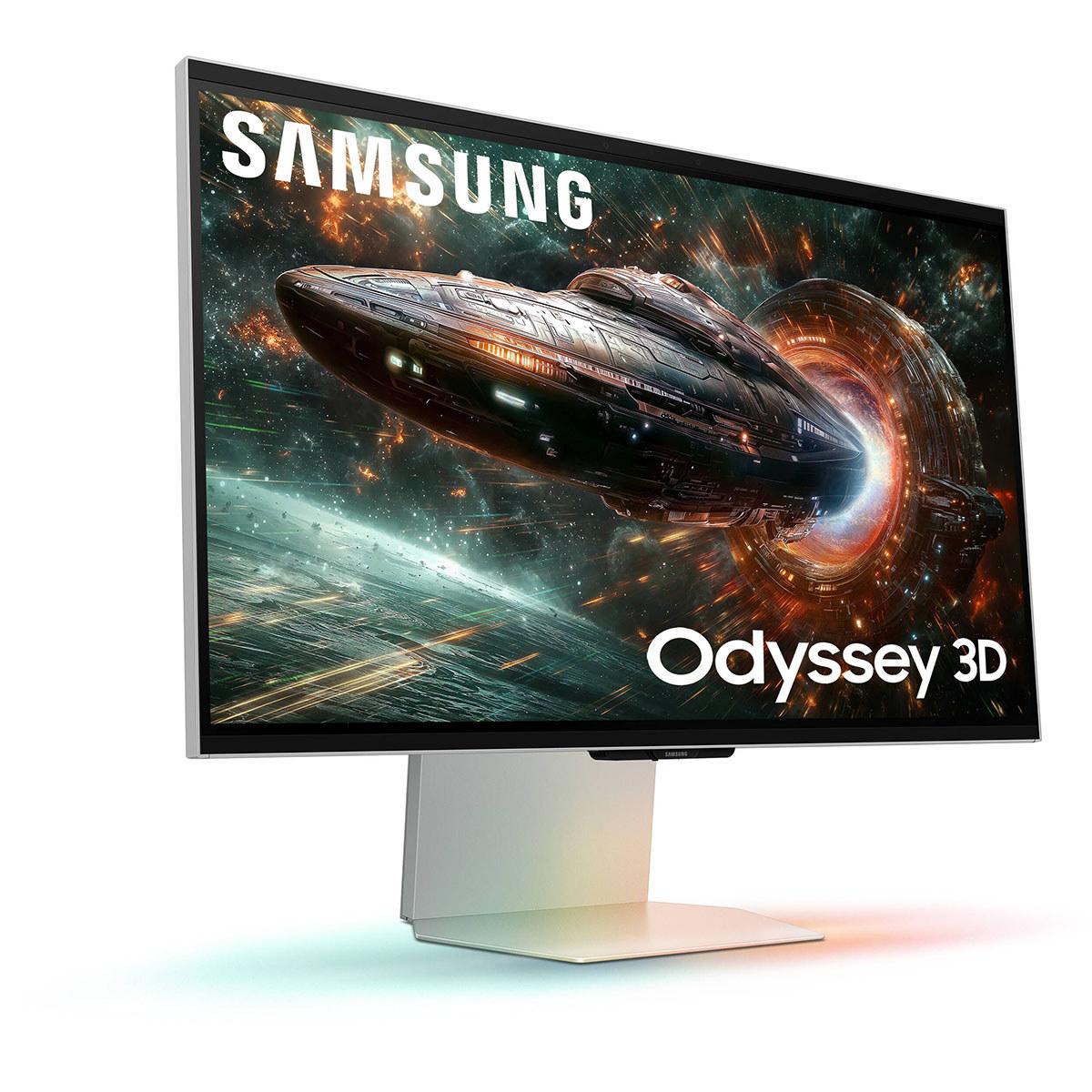
The Samsung Odyssey 3D G90XF, also released in 2024, takes a completely different approach. Instead of perfecting traditional display technology, Samsung decided to reinvent the gaming monitor entirely by bringing back 3D—but without the glasses that made previous 3D attempts so cumbersome.
This isn't the same 3D technology from those disappointing 3D TVs of the early 2010s. The Samsung Odyssey 3D uses lenticular lens technology combined with eye-tracking cameras. The lenticular lenses are tiny ridged surfaces that direct different images to each of your eyes, while dual cameras track your head position to adjust the 3D effect in real-time. It's like having a holographic display that responds to where you're looking.
The technical achievement here is genuinely impressive. Traditional 3D displays required you to sit in a specific sweet spot and wear uncomfortable glasses. This system tracks your movement and adjusts accordingly, creating a much more natural 3D experience. When it works well, objects genuinely appear to float in front of the screen, and depth in games becomes tangible rather than implied.
Samsung includes AI-powered 2D-to-3D conversion, which analyzes regular content and adds depth information in real-time. This means you can potentially experience 3D effects even with games that weren't designed for it. The Odyssey 3D Hub software manages this process and provides access to specifically optimized 3D content.
However, the Samsung Odyssey 3D uses a more conventional IPS panel underneath all that 3D technology. It lacks the advanced local dimming of the Sony, resulting in typical IPS contrast limitations. Peak brightness sits around 350 nits—adequate for indoor use but significantly lower than the Sony's HDR capabilities.
For standard 2D gaming, the Sony INZONE M9 II delivers superior image quality across most metrics. Its Full Array Local Dimming provides better shadow detail and more convincing dark scenes. Playing atmospheric games like horror titles or dark sci-fi adventures reveals this advantage immediately—you'll see details in shadows that would be lost on displays with poor contrast.
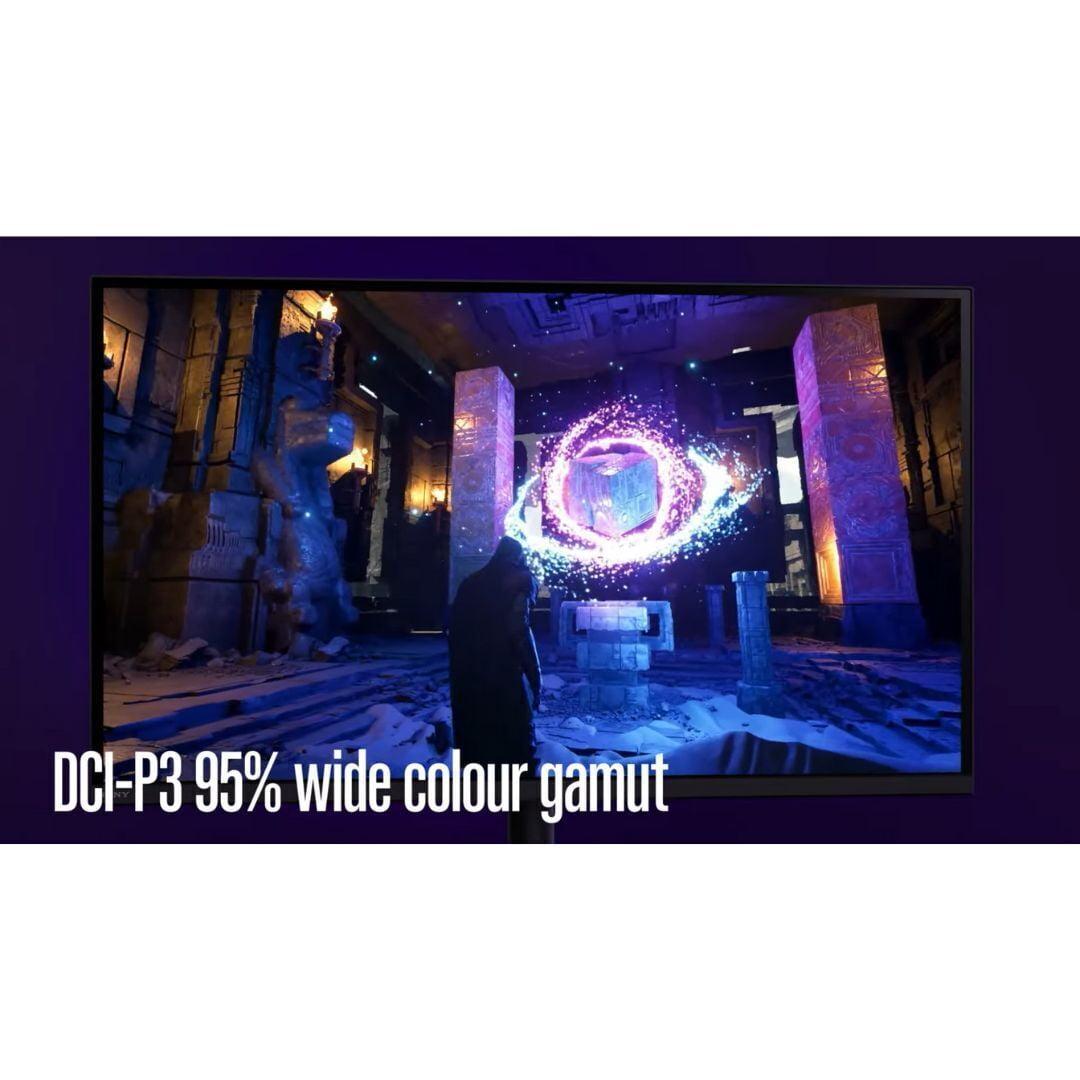
The Sony's color accuracy is excellent out of the box, covering 95% of the DCI-P3 color space used by modern games and movies. This translates to more vibrant, realistic colors without oversaturation. The Samsung Odyssey 3D offers good color accuracy too, with 99% sRGB coverage, but its overall color volume—the total range of colors it can display at different brightness levels—is more limited due to its lower peak brightness.
HDR gaming represents the biggest performance gap between these monitors. The Sony INZONE M9 II with its 750-nit peak brightness can display genuinely bright highlights that make HDR content impactful. When you're driving toward the sun in a racing game or watching explosions in an action title, those bright elements actually look bright rather than just "less dark."
The Samsung Odyssey 3D struggles here with only 350 nits typical brightness. Its HDR implementation feels more like marketing checkboxes than meaningful visual enhancement. Additionally, you can't use HDR and 3D simultaneously, forcing you to choose between better contrast and the 3D effect.
This limitation matters more than it might initially seem. Many modern games are designed with HDR in mind, and losing that dynamic range significantly impacts visual impact, especially in single-player story-driven games where atmosphere is crucial.
Both monitors deliver excellent gaming performance in terms of responsiveness. The Sony INZONE M9 II and Samsung Odyssey 3D both achieve 1ms response times and support variable refresh rate technologies like G-SYNC and FreeSync. Input lag—the delay between your controller input and screen response—is minimal on both.
The Sony includes backlight scanning technology, which briefly dims the backlight during pixel transitions to reduce motion blur. This creates sharper motion, particularly beneficial for competitive gaming where tracking moving targets is crucial.
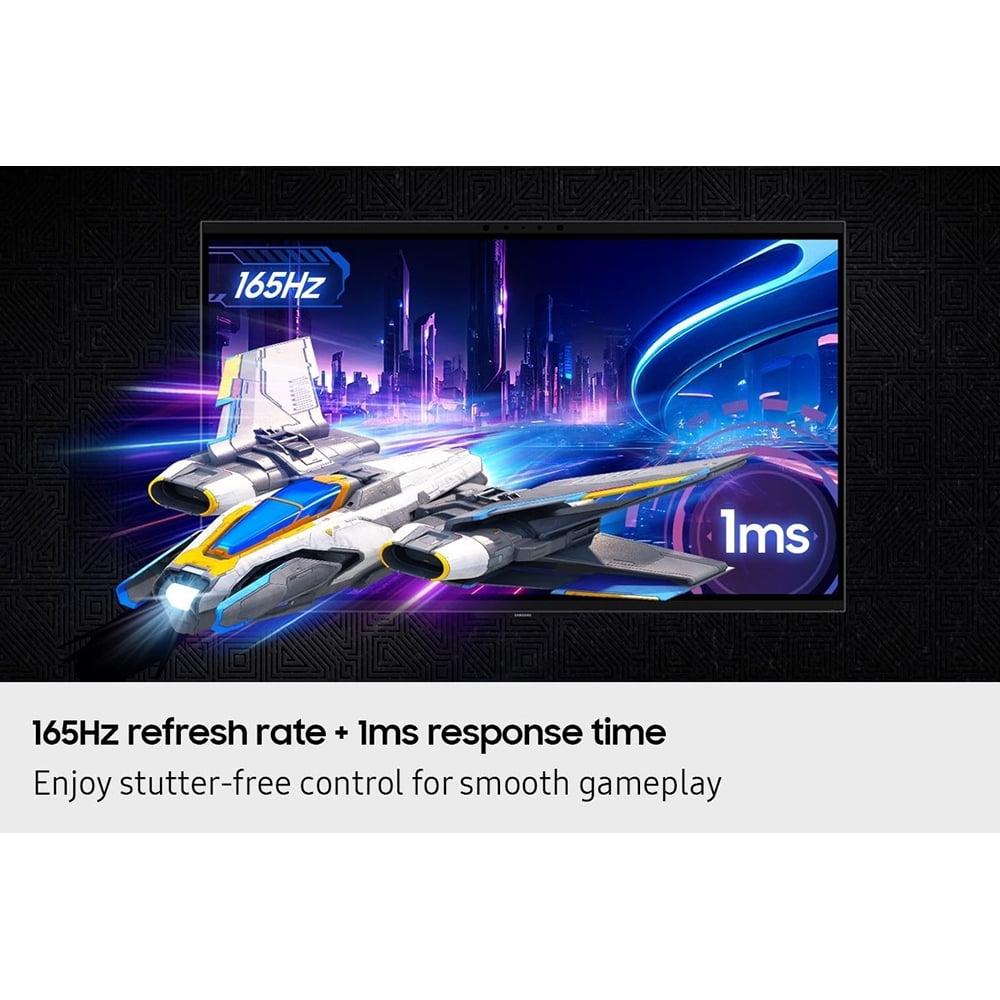
The Samsung's 165Hz refresh rate versus the Sony's 160Hz is functionally irrelevant. The 5Hz difference won't be perceptible to human eyes, and both refresh rates provide smooth gaming well beyond what most people can meaningfully distinguish.
Here's where the Samsung Odyssey 3D either justifies its premium or reveals its limitations, depending on your perspective and use case. When the 3D effect works well with supported content, it's genuinely impressive. Games like "The First Berserker: Khazan" that were specifically designed for this monitor create a sense of depth that's unlike anything you've experienced on a traditional display.
The problem is content support. At launch, only a handful of games were specifically optimized for the 3D effect. While the AI conversion can add depth to other games, the results are inconsistent. Some titles translate beautifully, while others create weird artifacts or unconvincing depth that can be more distracting than impressive.
The system requirements are also demanding. Running 4K at high refresh rates in 3D essentially means rendering the game twice—once for each eye—requiring graphics cards like the RTX 4080 or better for optimal performance. This significantly limits who can actually use the monitor's headline feature effectively.
For console gamers, particularly PlayStation 5 owners, the Sony INZONE M9 II offers significant advantages. The Auto HDR Tone Mapping feature alone is worth considering—it eliminates the guesswork of HDR setup that often leaves console gamers with washed-out or overly dark images.
The monitor's dual HDMI 2.1 ports support the PS5's 4K 120Hz output without compromise. Many monitors require you to choose between 4K resolution and high refresh rates on consoles, but the Sony handles both simultaneously.
The Samsung Odyssey 3D doesn't support 3D with consoles—the feature is PC-exclusive. While it still functions as an excellent traditional gaming monitor for consoles, you're paying a significant premium for a feature you can't use with your PS5 or Xbox Series X.
Both monitors can serve double duty for movie and TV viewing, but with different strengths. The Sony INZONE M9 II excels here thanks to its superior HDR performance and better contrast. Netflix HDR content, 4K Blu-rays, and streaming services all benefit from the monitor's higher peak brightness and local dimming.
The Samsung Odyssey 3D can convert 2D video content to 3D using its AI system, which works surprisingly well with certain types of content. Watching movies with the 3D effect can be engaging, though the novelty may wear off for some viewers. The lower brightness and contrast make it less ideal for traditional home theater use.
Both monitors include built-in speakers, but they're more convenience features than serious audio solutions. For home theater use, you'll want external speakers or a soundbar regardless of which monitor you choose.
The display technology landscape has evolved rapidly in recent years. OLED gaming monitors have become more affordable and offer superior contrast to both of these LED-based displays. However, OLED technology still has limitations like potential burn-in and, until recently, size restrictions in the 27-inch range.
The Sony INZONE M9 II represents the maturation of LED local dimming technology. While it can't match OLED's infinite contrast, it offers excellent performance without burn-in concerns and better brightness than most OLED panels.
The Samsung Odyssey 3D is harder to evaluate for future-proofing. If 3D gaming gains traction and content support expands, early adopters will be well-positioned. However, if the technology remains niche, you'll have paid a significant premium for a feature with limited utility.
The choice between these monitors ultimately depends on your priorities, budget, and tolerance for experimental technology.
Choose the Sony INZONE M9 II if you want proven, excellent performance across all traditional gaming scenarios. It's particularly compelling for PlayStation 5 owners who'll benefit from the console-specific optimizations. The superior HDR performance makes it better for both gaming and media consumption. At the time of writing, it offers significantly better value, delivering premium performance at roughly half the cost of the Samsung.
The Samsung Odyssey 3D makes sense for a much smaller audience: PC gaming enthusiasts with high-end hardware who are excited about experiencing cutting-edge display technology. You need to accept that you're paying a substantial premium for an experimental feature with limited current content support.
If you're primarily interested in the best possible image quality and gaming performance per dollar, the Sony is the clear choice. If you're fascinated by the possibility of glasses-free 3D gaming and have both the budget and hardware to support it, the Samsung offers a genuinely unique experience you can't get anywhere else.
Both monitors are excellent at what they do, but they serve very different audiences. The Sony perfects traditional gaming monitor technology, while the Samsung pioneers something entirely new. Your choice should reflect whether you want the best version of what exists today, or a glimpse of what might exist tomorrow.
| Sony INZONE M9 II | Samsung Odyssey 3D G90XF |
|---|---|
| Display Technology - Determines contrast quality and HDR performance | |
| Full Array Local Dimming with 96 zones | Standard IPS with lenticular lens overlay for 3D |
| Peak Brightness - Critical for HDR gaming and bright room viewing | |
| 750 nits (genuine HDR experience) | 350 nits typical (limited HDR impact) |
| Refresh Rate - Higher is smoother for competitive gaming | |
| 160Hz (excellent for all gaming types) | 165Hz (minimal real-world difference) |
| HDR Certification - Indicates true HDR capability | |
| DisplayHDR 600 certified | HDR10/HDR10+ support but lower brightness limits impact |
| 3D Gaming Support - Unique immersive experience | |
| None (traditional 2D gaming only) | Glasses-free 3D with eye tracking (PC only) |
| Console Integration - Optimizations for PlayStation and Xbox | |
| Auto HDR Tone Mapping for PS5/PS5 Pro | Standard gaming features, no 3D support for consoles |
| Color Gamut Coverage - Affects color vibrancy and accuracy | |
| 95% DCI-P3 (wide gamut for modern content) | 99% sRGB (standard but narrower gamut) |
| Local Dimming Quality - Better contrast and shadow detail | |
| 96-zone Full Array Local Dimming | Poor local dimming system |
| Connectivity Options - Flexibility for different devices | |
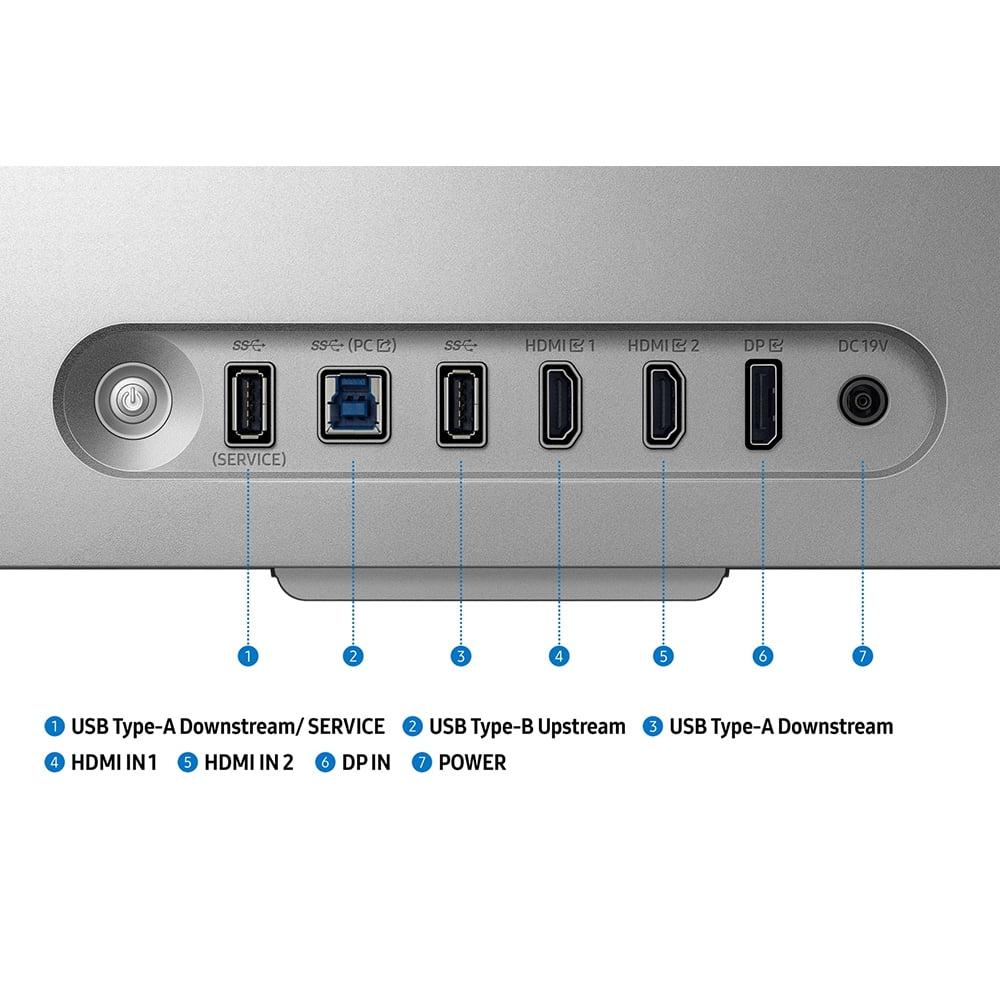
| 2x HDMI 2.1, DisplayPort 1.4, USB-C alt mode | DisplayPort 1.4, 2x HDMI 2.1, USB 3.1 |
| Content Ecosystem - Available optimized content | |
| All games and media work optimally | Limited 3D game library, AI conversion varies |
| System Requirements - Hardware needed for full features | |
| Works with any 4K-capable system | Requires RTX 3080+ for 4K 3D gaming |
| Stand Ergonomics - Desk placement flexibility | |
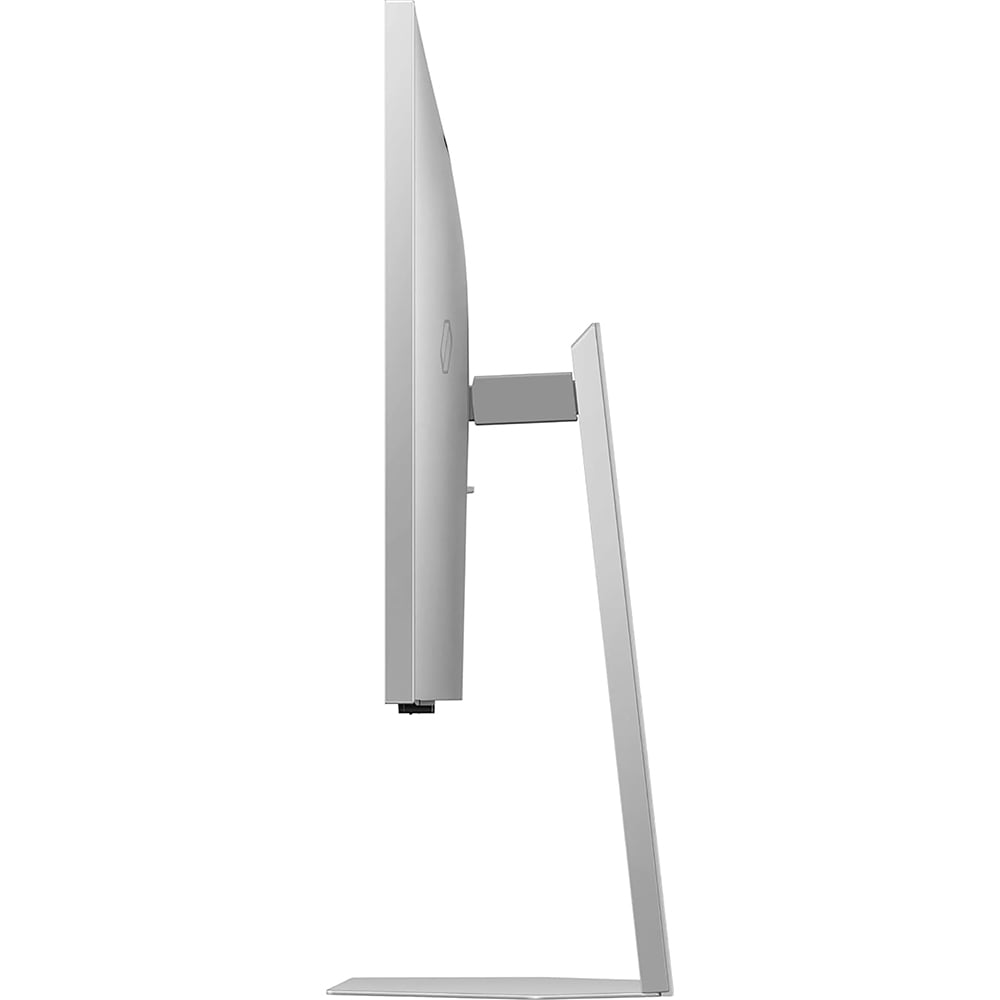
| 360-degree swivel, height adjustment | Height/tilt adjustment, no swivel |
| Price Positioning - Value relative to features offered | |
| Premium performance at accessible price | Ultra-premium experimental technology |
The Sony INZONE M9 II is specifically designed for PlayStation 5 with Auto HDR Tone Mapping, automatic picture mode switching, and dual HDMI 2.1 ports optimized for console gaming. The Samsung Odyssey 3D G90XF doesn't support 3D with consoles and lacks PlayStation-specific optimizations, making the Sony the clear choice for PS5 owners.
The primary difference is that the Samsung Odyssey 3D G90XF offers glasses-free 3D gaming technology with eye tracking, while the Sony INZONE M9 II focuses on superior traditional 2D gaming performance with Full Array Local Dimming and better HDR capabilities.
The Sony INZONE M9 II delivers superior picture quality with 750 nits peak brightness, Full Array Local Dimming with 96 zones, and DisplayHDR 600 certification. The Samsung Odyssey 3D has lower brightness at 350 nits and weaker contrast, making the Sony better for traditional gaming visuals.
The 3D feature on the Samsung Odyssey 3D G90XF is impressive when it works but has significant limitations including a small library of supported games, PC-only compatibility, and the need for high-end graphics cards. It's mainly worthwhile for early adopters interested in experimental technology rather than mainstream gamers.
The Sony INZONE M9 II offers significantly better value, providing excellent HDR performance, console optimization, and proven reliability at roughly half the cost of the Samsung Odyssey 3D. You're paying a substantial premium for Samsung's 3D technology.
No, the Samsung Odyssey 3D G90XF cannot display HDR and 3D simultaneously - you must choose between them. This is a significant limitation since many modern games are designed with HDR in mind, forcing you to sacrifice visual quality for the 3D effect.
The Sony INZONE M9 II is better for home theater use due to its superior HDR performance with 750 nits brightness and better contrast from Full Array Local Dimming. While the Samsung Odyssey 3D can convert movies to 3D, its lower brightness and contrast make it less ideal for traditional media viewing.
The Sony INZONE M9 II works with any graphics card capable of 4K gaming. However, the Samsung Odyssey 3D G90XF requires high-end hardware like an RTX 3080 or better to run games in 4K 3D mode, significantly limiting who can use its main feature effectively.
Both monitors feature solid construction, but they differ in ergonomics. The Sony INZONE M9 II offers 360-degree swivel and better adjustability, while the Samsung Odyssey 3D has a sleek design with LED lighting but lacks swivel functionality and has a highly reflective screen that can be problematic in bright rooms.
The Samsung Odyssey 3D G90XF launched with very limited 3D game support, with only a handful of specifically optimized titles. While AI conversion can add 3D effects to other games, results are inconsistent and often unconvincing compared to native 3D content.
Both the Sony INZONE M9 II and Samsung Odyssey 3D offer excellent responsiveness with 1ms response times and high refresh rates. The Sony includes a 24.5-inch esports mode and backlight scanning for reduced motion blur, while the Samsung's 3D feature isn't useful for competitive gaming, making the Sony slightly better for esports.
Choose the Sony INZONE M9 II if you want proven excellent performance, PlayStation 5 optimization, superior HDR, and better value. Choose the Samsung Odyssey 3D G90XF only if you're a PC gaming enthusiast with high-end hardware who's excited about experimental 3D technology and willing to pay a significant premium for a feature with limited current content support.
We've done our best to create useful and informative comparisons to help you decide what product to buy. Our research uses advanced automated methods to create this comparison and perfection is not possible - please contact us for corrections or questions. These are the sites we've researched in the creation of this article: bestbuy.com - bestbuy.com - rtings.com - rtings.com - tomshardware.com - youtube.com - bhphotovideo.com - bestbuy.com - sony.com - techpowerup.com - electronics.sony.com - sony.com - displayspecifications.com - direct.playstation.com - youtube.com - sony.com - sony.com - displayspecifications.com - bhphotovideo.com - displayspecifications.com - hometechnologyreview.com - substack.com - rtings.com - youtube.com - techaeris.com - versus.com - tomsguide.com - avsforum.com - youtube.com - versus.com - bestbuy.com - samsung.com - samsung.com - samsung.com - samsung.com - m.media-amazon.com

Privacy Policy
Terms and Conditions - Affiliate Policy
Home Security
© Copyright 2008-2026.
11816 Inwood Rd #1211, Dallas, TX 75244