

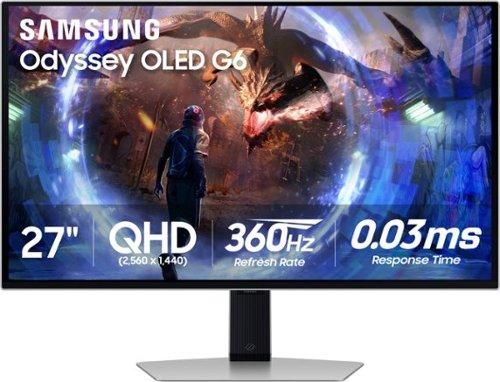
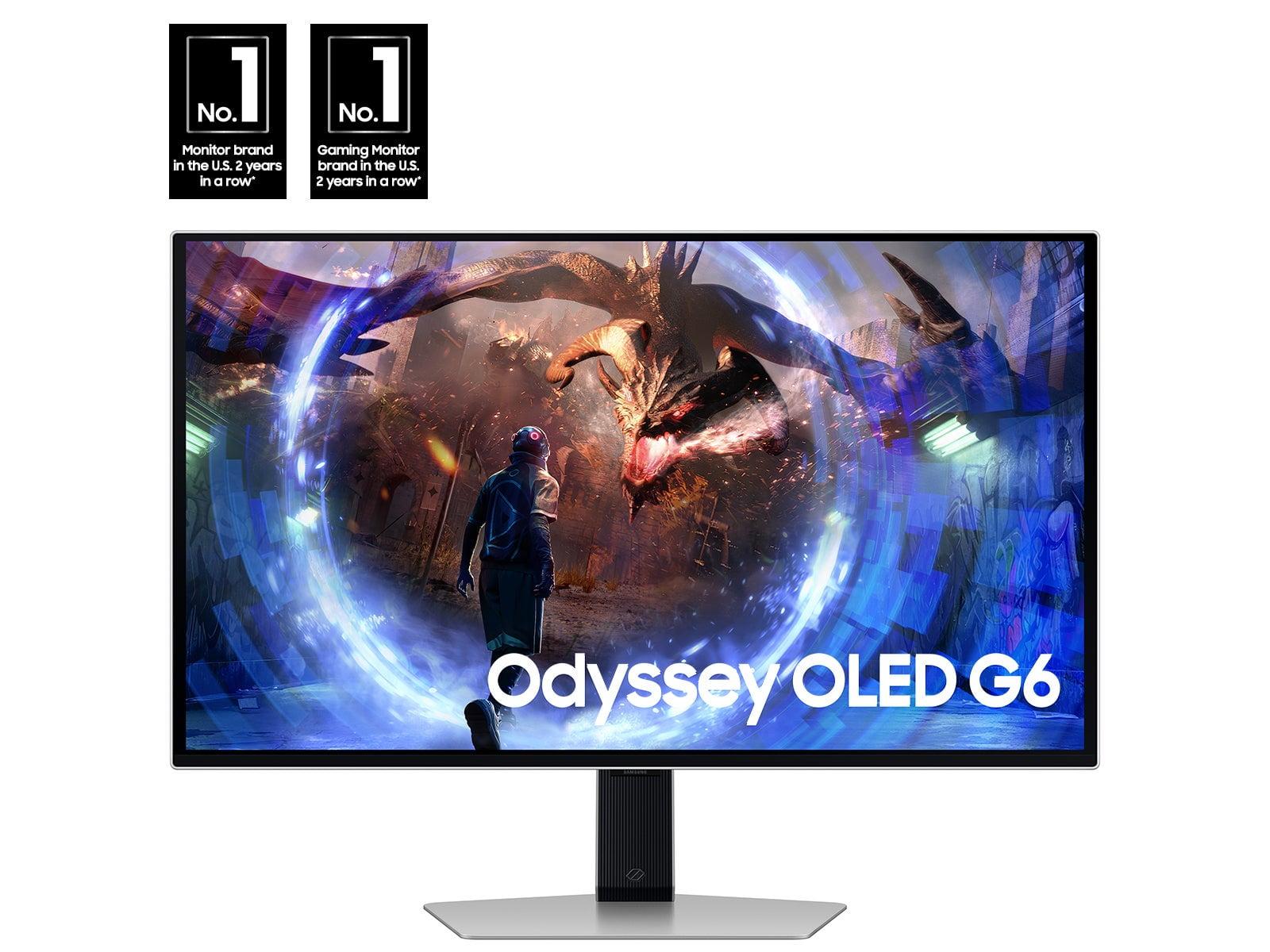

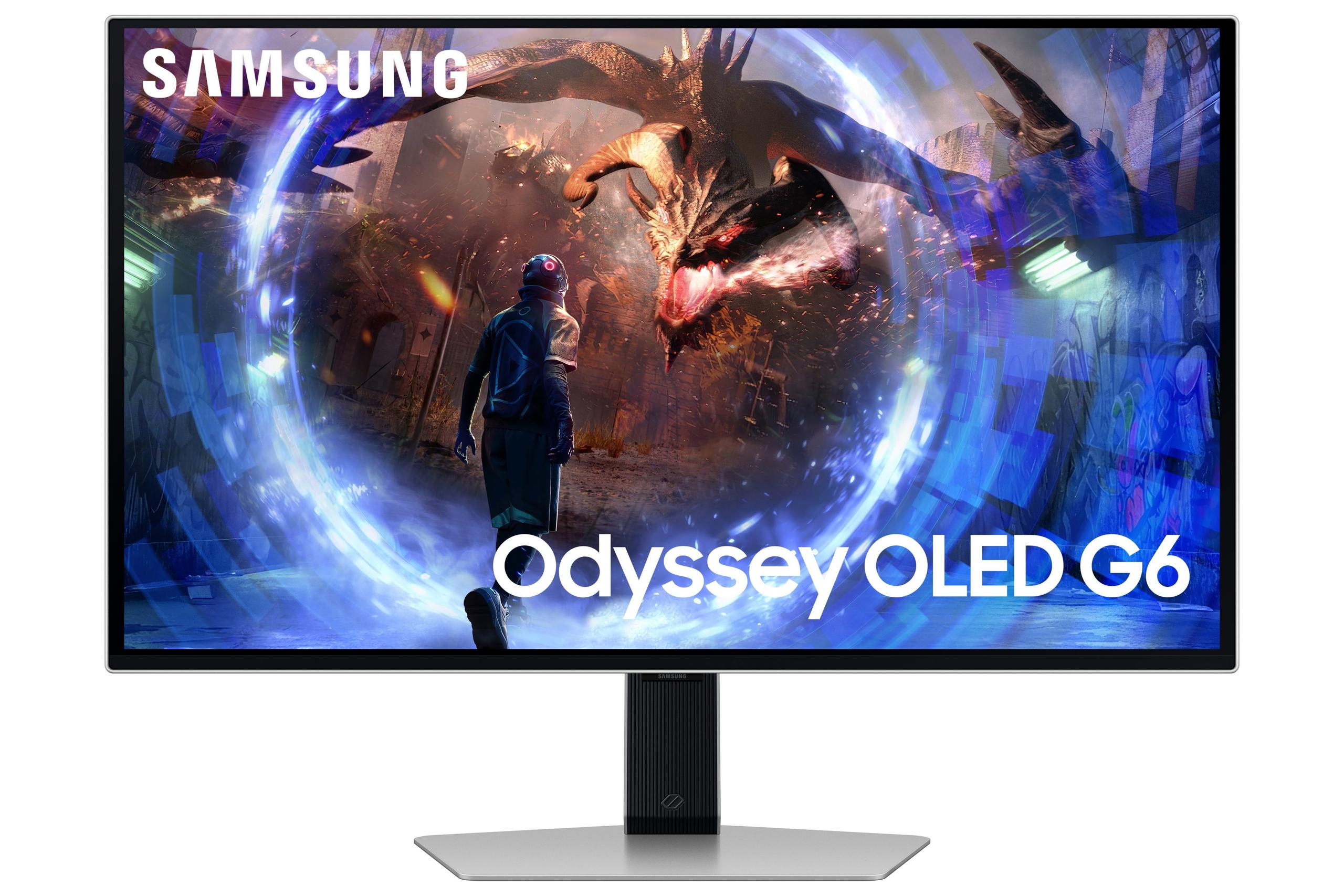
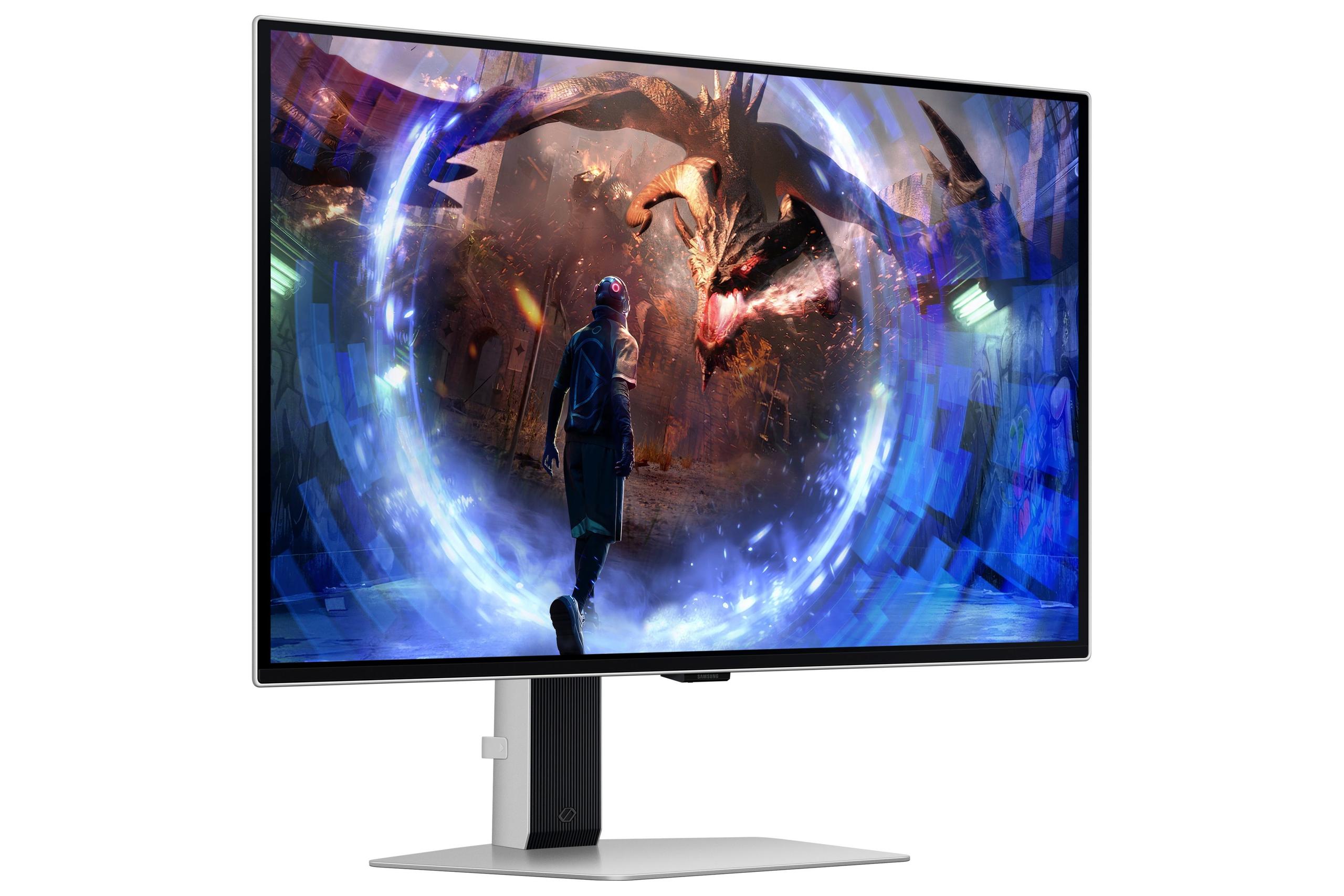
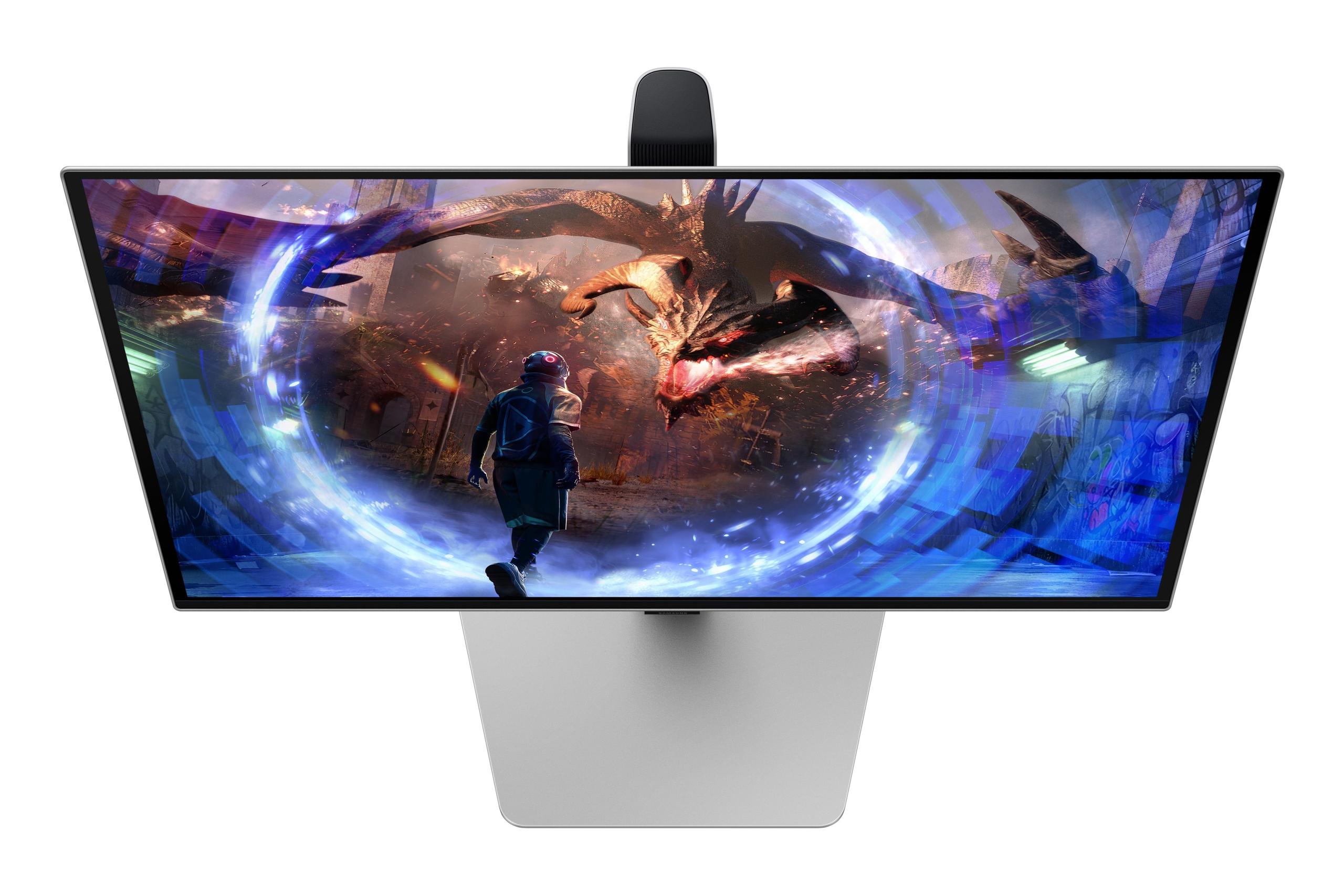

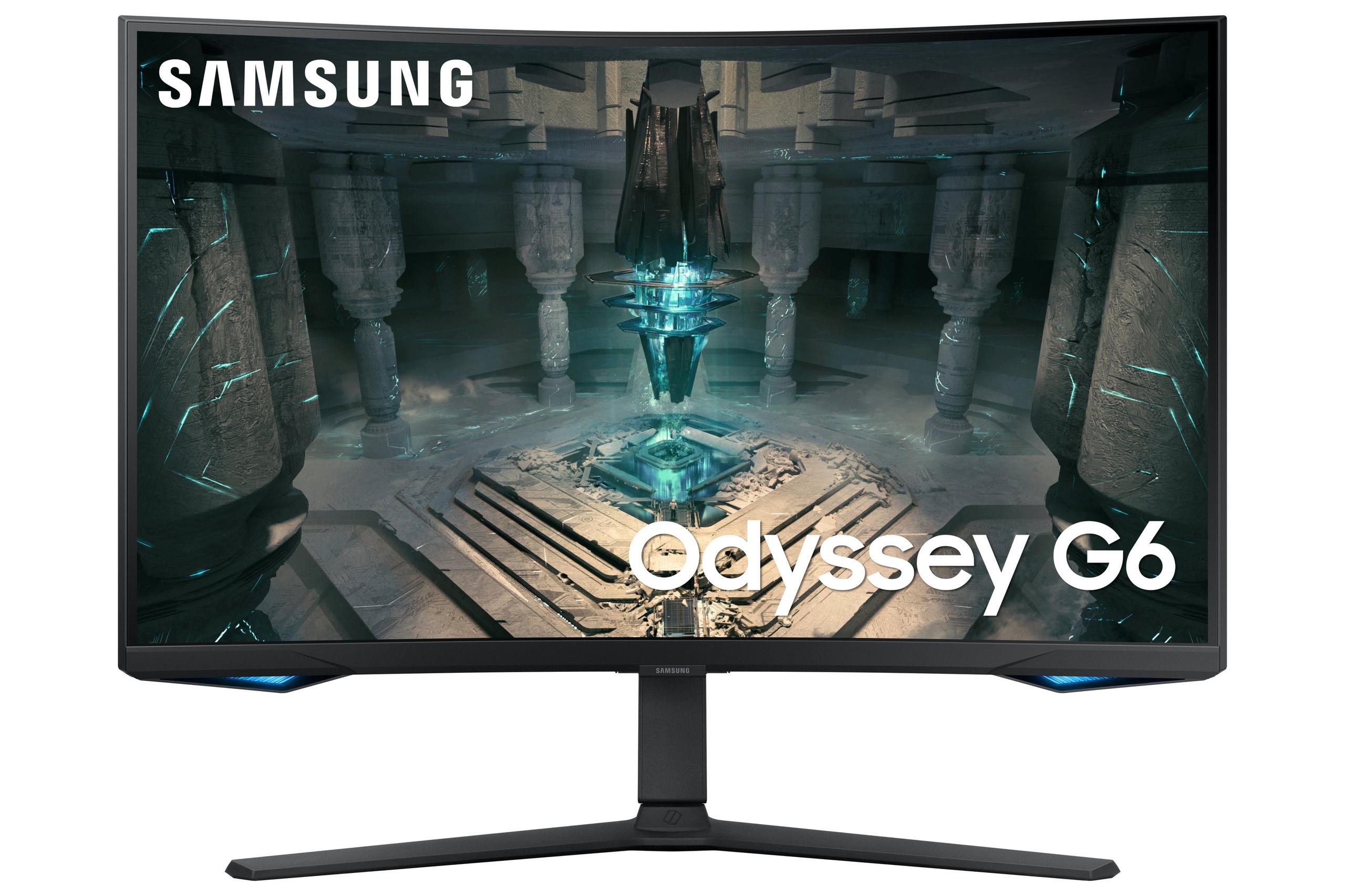
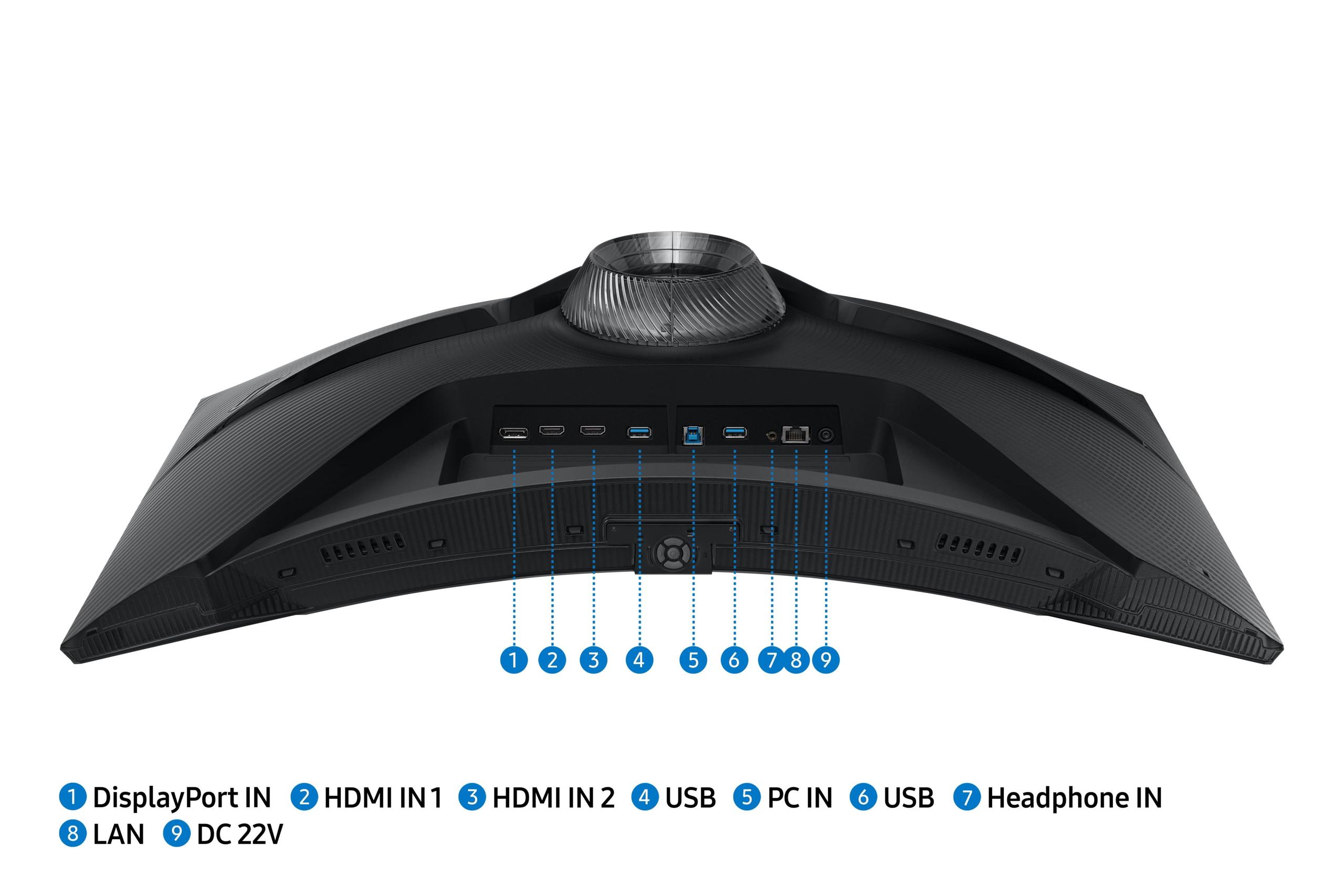
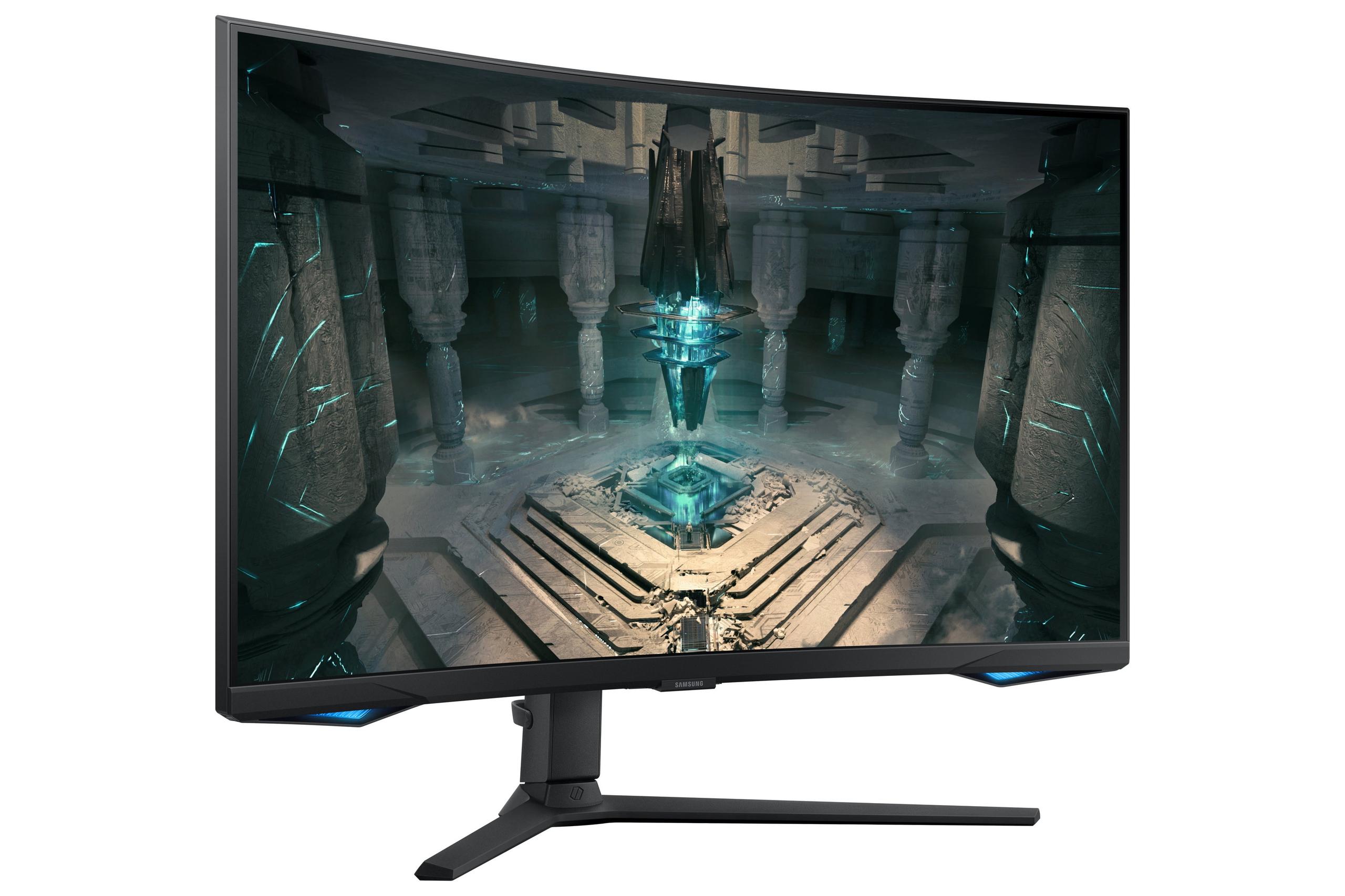
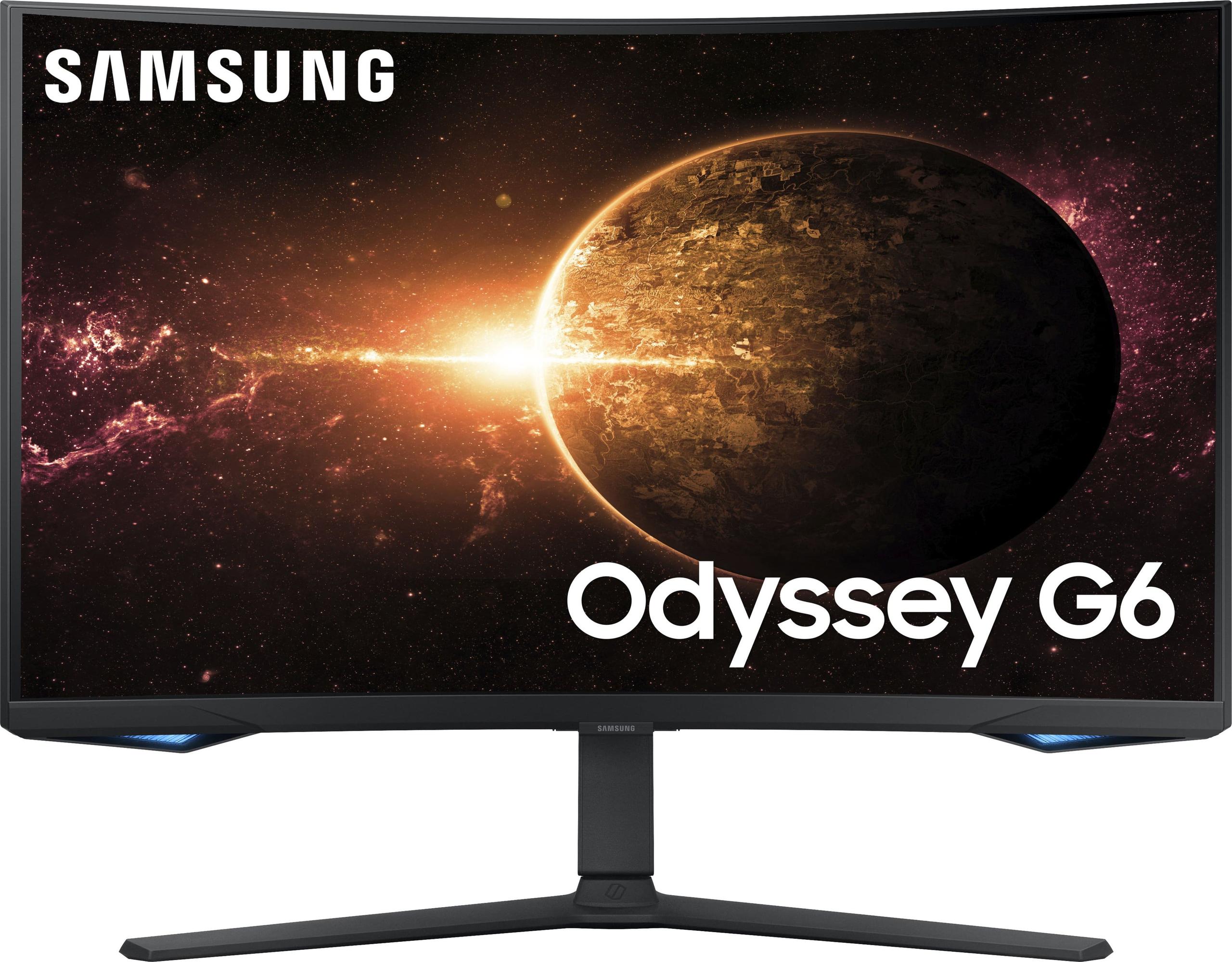
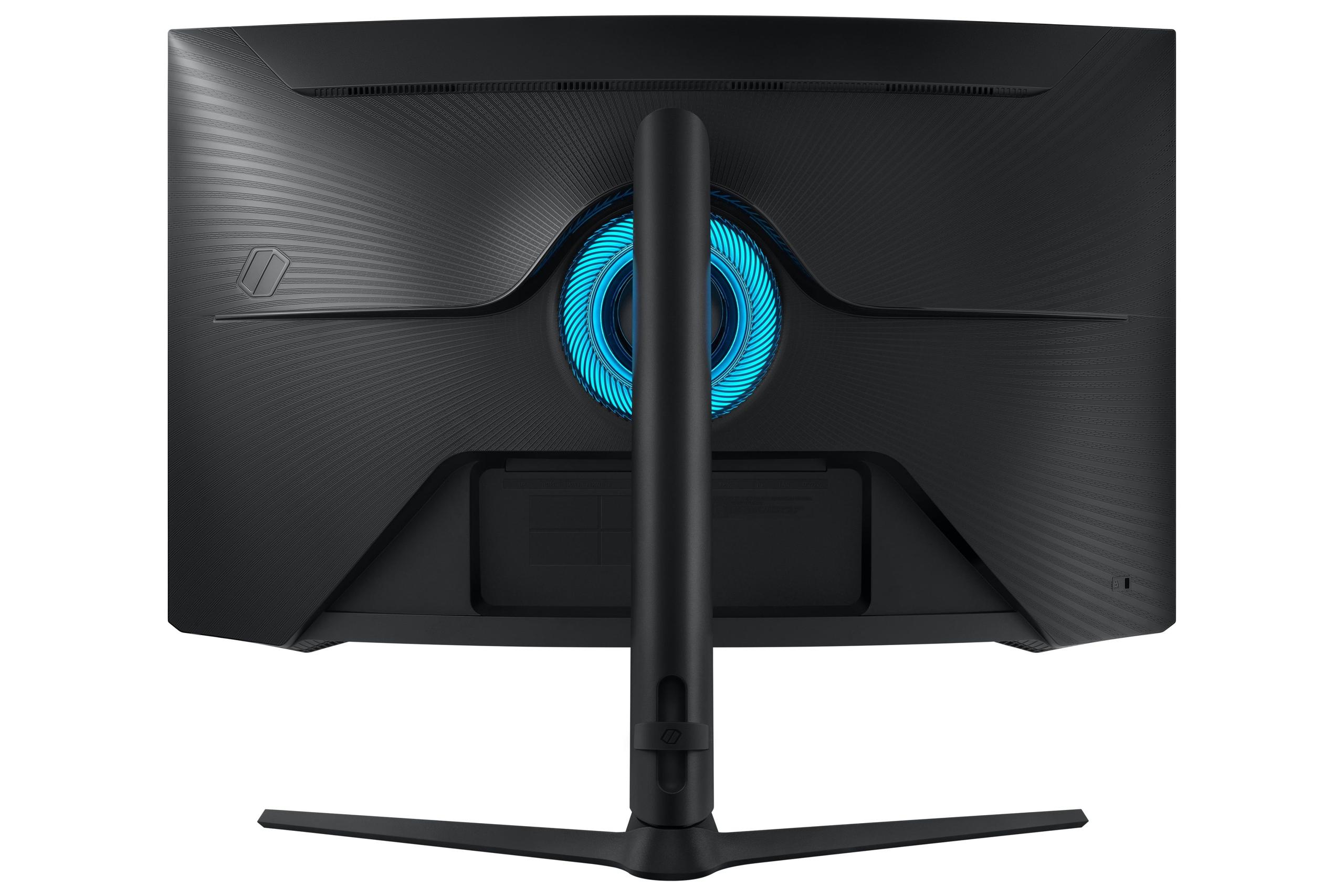
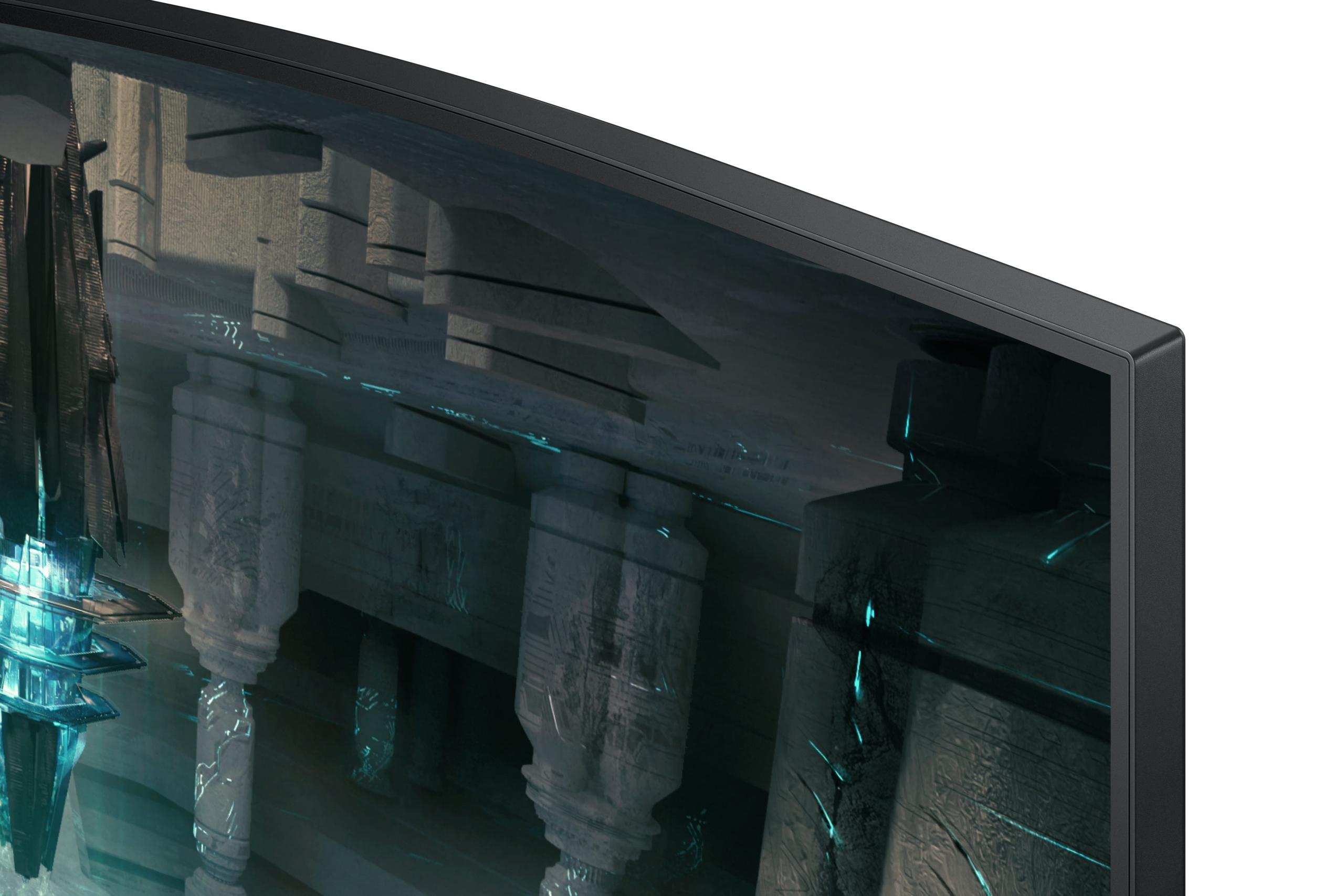
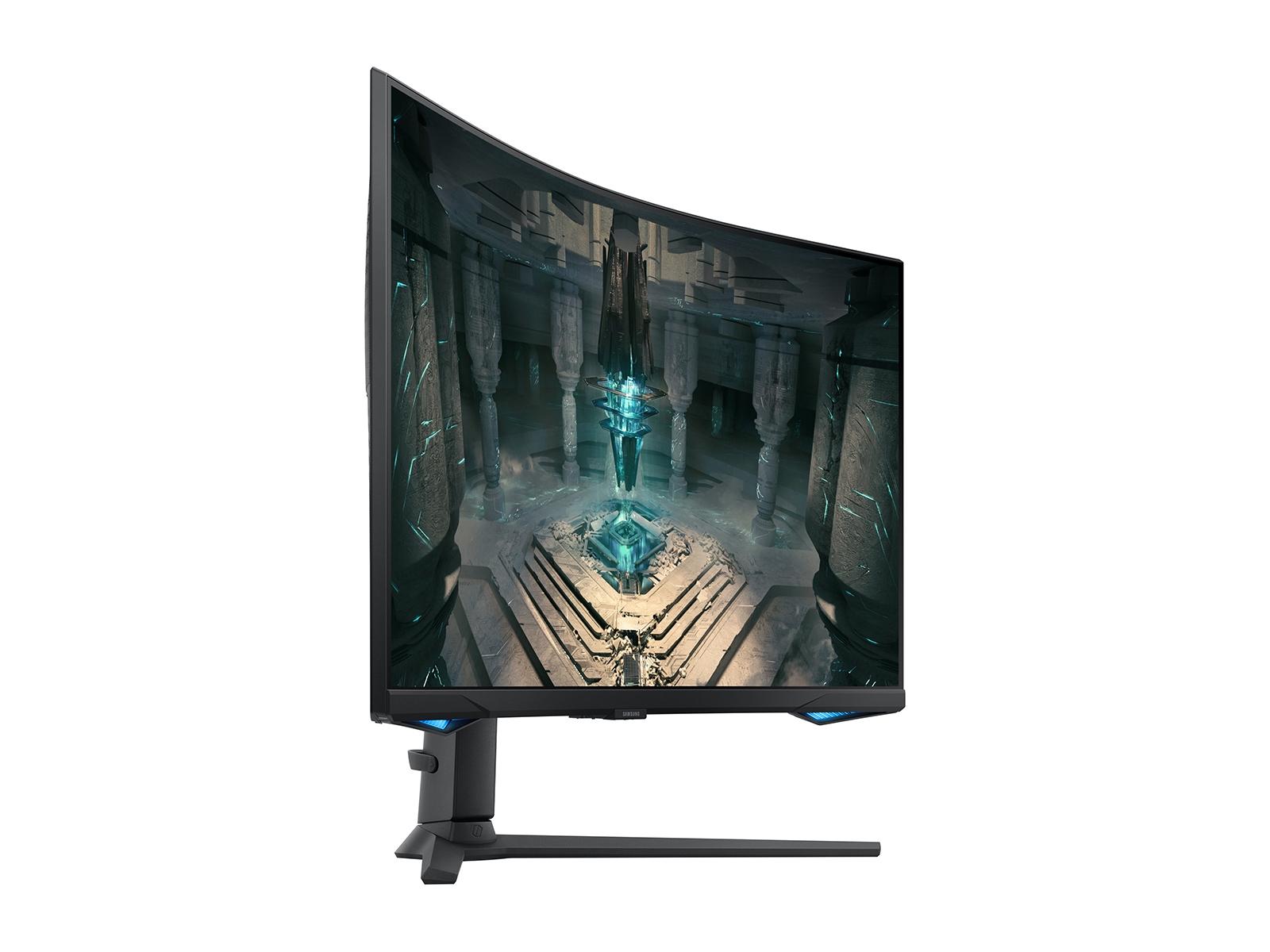
When you're shopping for a new gaming monitor, the choices can feel overwhelming. Two monitors that often catch gamers' attention are the Samsung 27" Odyssey OLED G6 and the Samsung Odyssey G65B. These represent two very different approaches to gaming displays, and understanding their differences can help you make the right choice for your setup and budget.
Before diving into specifics, let's talk about what makes a gaming monitor special. Unlike regular computer monitors or TVs, gaming displays prioritize speed and responsiveness above all else. The key factors that separate good gaming monitors from great ones include refresh rate (how many times per second the screen updates), response time (how quickly pixels can change colors), input lag (delay between your controller and what appears on screen), and display technology itself.
The gaming monitor landscape has evolved dramatically over the past few years. In 2022, when the G65B launched, curved VA panels with high refresh rates represented the sweet spot for serious gamers. Fast forward to 2024, and OLED technology—once reserved for premium TVs—has made its way into gaming monitors like the OLED G6. This shift represents one of the biggest advances in gaming display technology in recent years.
The most fundamental difference between these monitors lies in their display technology. The G65B uses a VA (Vertical Alignment) panel, which is a type of LCD technology that uses liquid crystals sandwiched between two glass plates. When voltage is applied, these crystals twist to control how much light passes through from the backlight behind them. VA panels are known for their high contrast ratios—the difference between the darkest blacks and brightest whites they can display.
The OLED G6, on the other hand, uses Organic Light-Emitting Diode technology. Instead of requiring a backlight, each pixel generates its own light. When a pixel needs to display black, it simply turns off completely, creating what's called "perfect black." This fundamental difference means OLED displays can achieve contrast ratios of 1,000,000:1 compared to the G65B's still-impressive 2,500:1 ratio.
What does this mean in practical terms? When you're playing a dark game like a horror title or exploring caves in an RPG, the OLED G6 will show deeper, more convincing shadows with details that might be lost on other display types. Colors also appear more vibrant because they're not fighting against a backlight bleeding through.
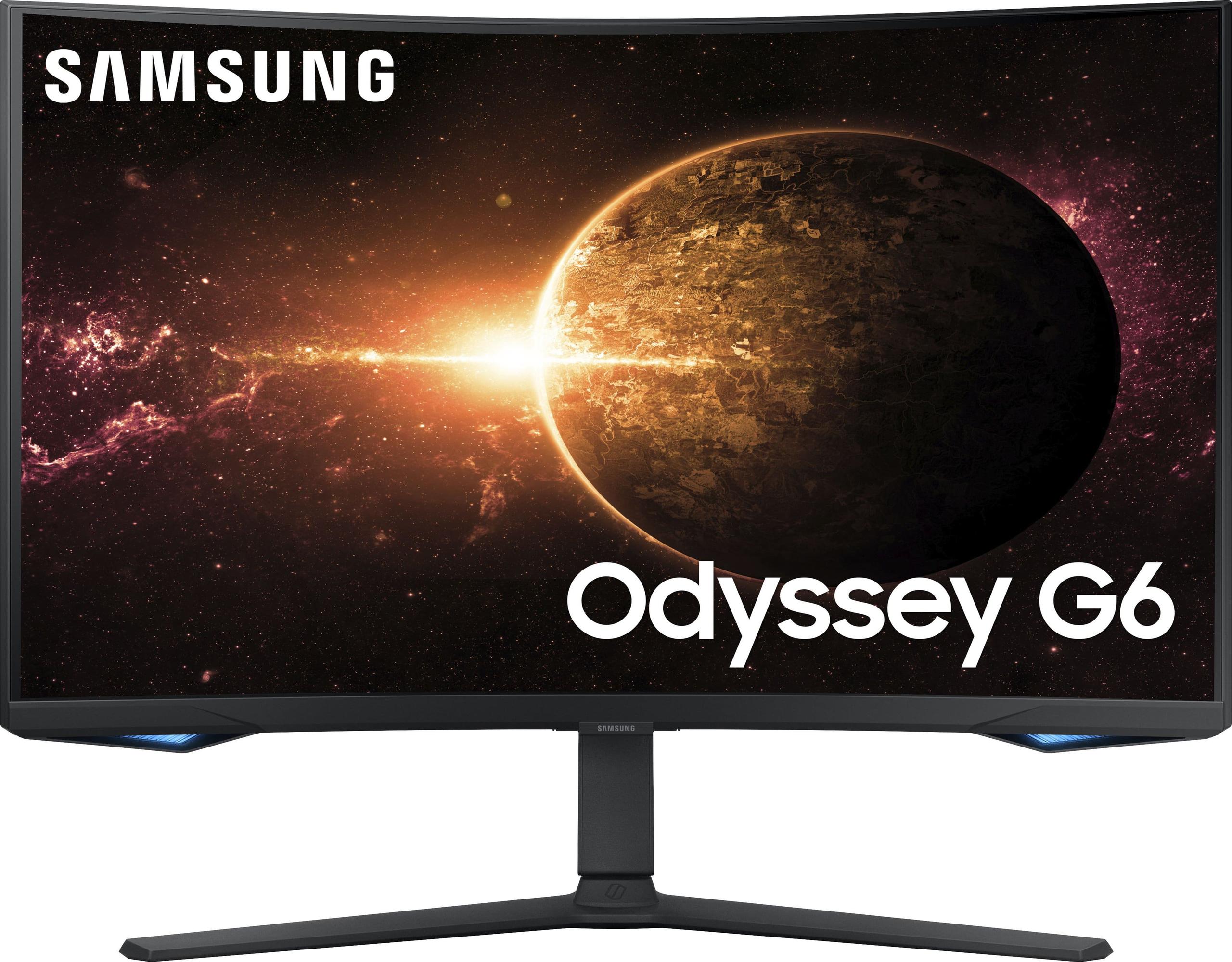
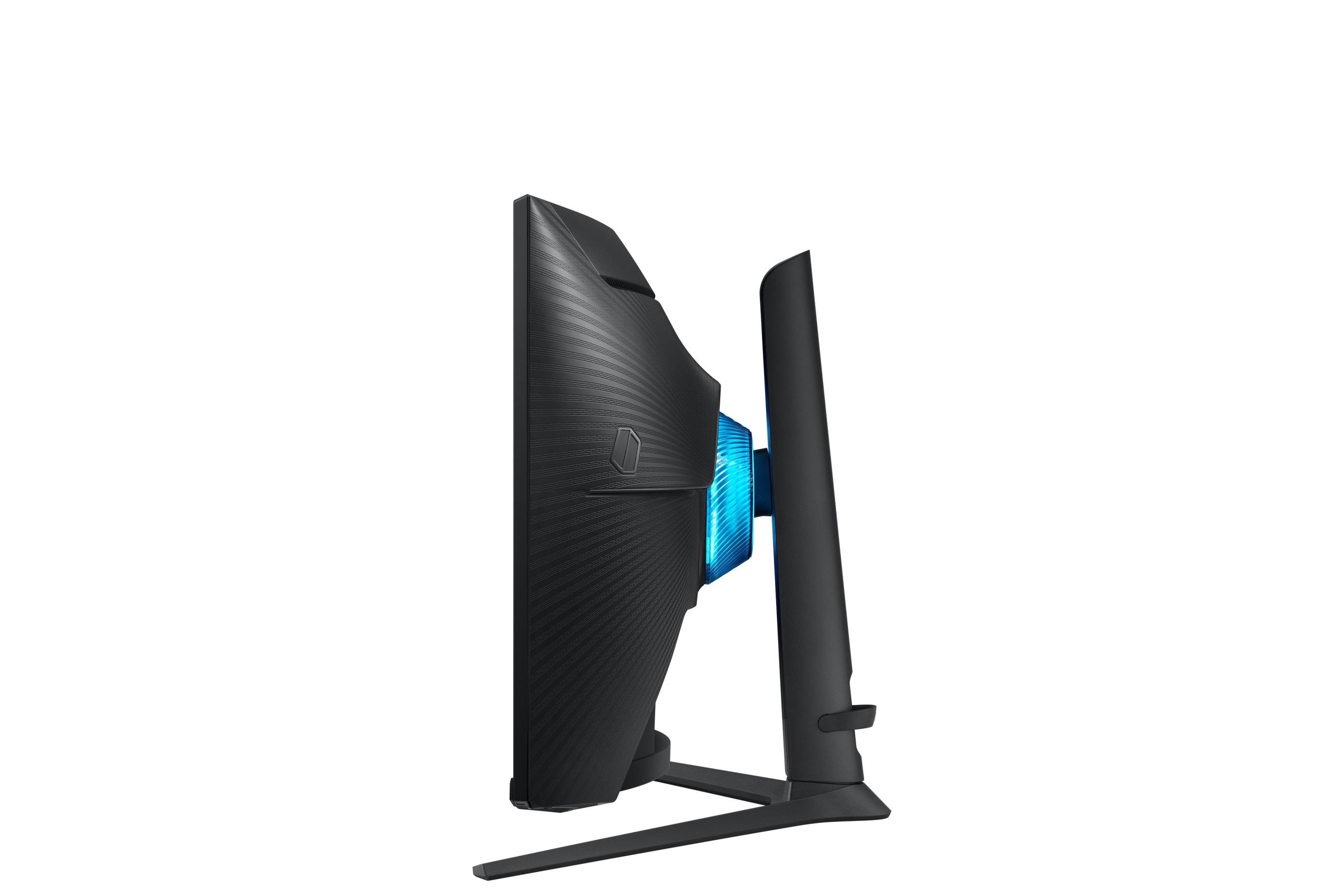
The G65B takes a different approach with its aggressive 1000R curvature. The "R" stands for radius—if you extended the curve into a complete circle, it would have a radius of 1000 millimeters (about 3.3 feet). This tight curve wraps around your peripheral vision, creating an immersive experience that can make you feel like you're inside the game world. Some gamers swear by curved displays for this reason, while others find them distracting or unnatural.
Gaming performance comes down to two critical measurements: refresh rate and response time. The OLED G6 pushes the envelope with a 360Hz refresh rate, meaning it can display up to 360 unique frames per second. The G65B operates at 240Hz, which is still excellent but noticeably lower.
Here's where it gets interesting: most games and gaming hardware can't actually output 360 frames per second consistently. A high-end graphics card might hit those numbers in competitive esports titles like Counter-Strike or Valorant, but demanding games like Cyberpunk 2077 or the latest Call of Duty will run at much lower frame rates even on premium hardware. However, higher refresh rates still provide benefits even when your graphics card isn't maxing them out—motion appears smoother and input feels more responsive.
Response time is equally crucial. The OLED G6 achieves an incredibly fast 0.03ms response time, which is nearly instantaneous. OLED pixels can change colors almost immediately because they don't need to wait for liquid crystals to twist or for backlights to adjust. The G65B's 1ms response time is still very good, but in fast-paced competitive gaming, every millisecond can matter.
I've noticed this difference particularly in first-person shooters. With faster response times, moving objects appear cleaner and more defined, with less ghosting or blur trails. It's the kind of advantage that might not be obvious in casual gaming but becomes apparent during intense multiplayer matches.
High Dynamic Range (HDR) represents a significant upgrade over standard video, providing brighter highlights and deeper shadows that more closely match what our eyes see in real life. Both monitors support HDR, but their approaches differ significantly.
The G65B carries DisplayHDR 600 certification, meaning it can reach peak brightness levels of 600 nits (a measurement of luminance) in certain areas of the screen. It uses edge-lit local dimming with 8 zones, which means the backlight can dim or brighten different sections independently, though with limited precision.
OLED technology in the OLED G6 handles HDR differently. Since each pixel controls its own brightness, it can display perfect blacks right next to bright highlights without the blooming or halo effects common in LCD displays. While OLED monitors typically can't reach the extreme peak brightness of some high-end LCD panels, the infinite contrast ratio makes HDR content appear more realistic and impactful.
For gaming, this translates to more atmospheric experiences. Dark areas in games like Resident Evil or atmospheric titles like Cyberpunk 2077 show subtle details that might be crushed to black on lesser displays, while bright explosions or sunlight effects pop without washing out surrounding details.
Both monitors support AMD FreeSync Premium Pro, a technology that synchronizes your graphics card's output with the monitor's refresh rate. This eliminates screen tearing (when the display shows parts of multiple frames at once) and reduces stuttering when frame rates fluctuate. They're also compatible with NVIDIA's G-SYNC technology, even though they're not officially certified.
The G65B does suffer from VRR (Variable Refresh Rate) brightness flickering, where the screen's brightness can visibly fluctuate as frame rates change. This can be distracting during gameplay, particularly in darker scenes. The OLED G6 handles VRR more smoothly, likely due to its superior pixel-level control.
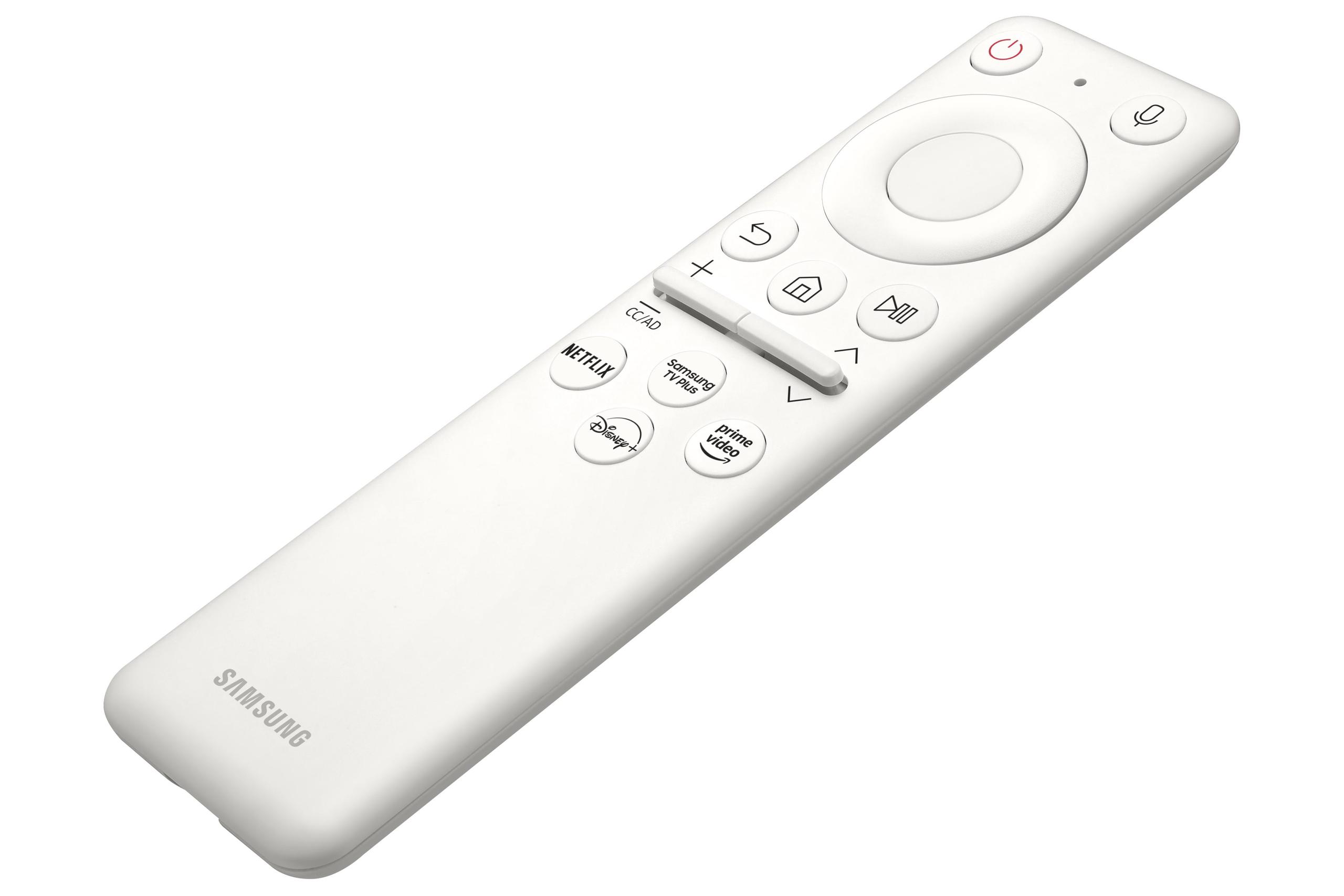
One interesting feature of the G65B is its smart platform integration. It runs Samsung's Tizen operating system, allowing you to access streaming services, cloud gaming platforms, and even productivity apps without connecting a computer. While this doesn't directly impact gaming performance, it adds versatility for users who want an all-in-one entertainment solution.
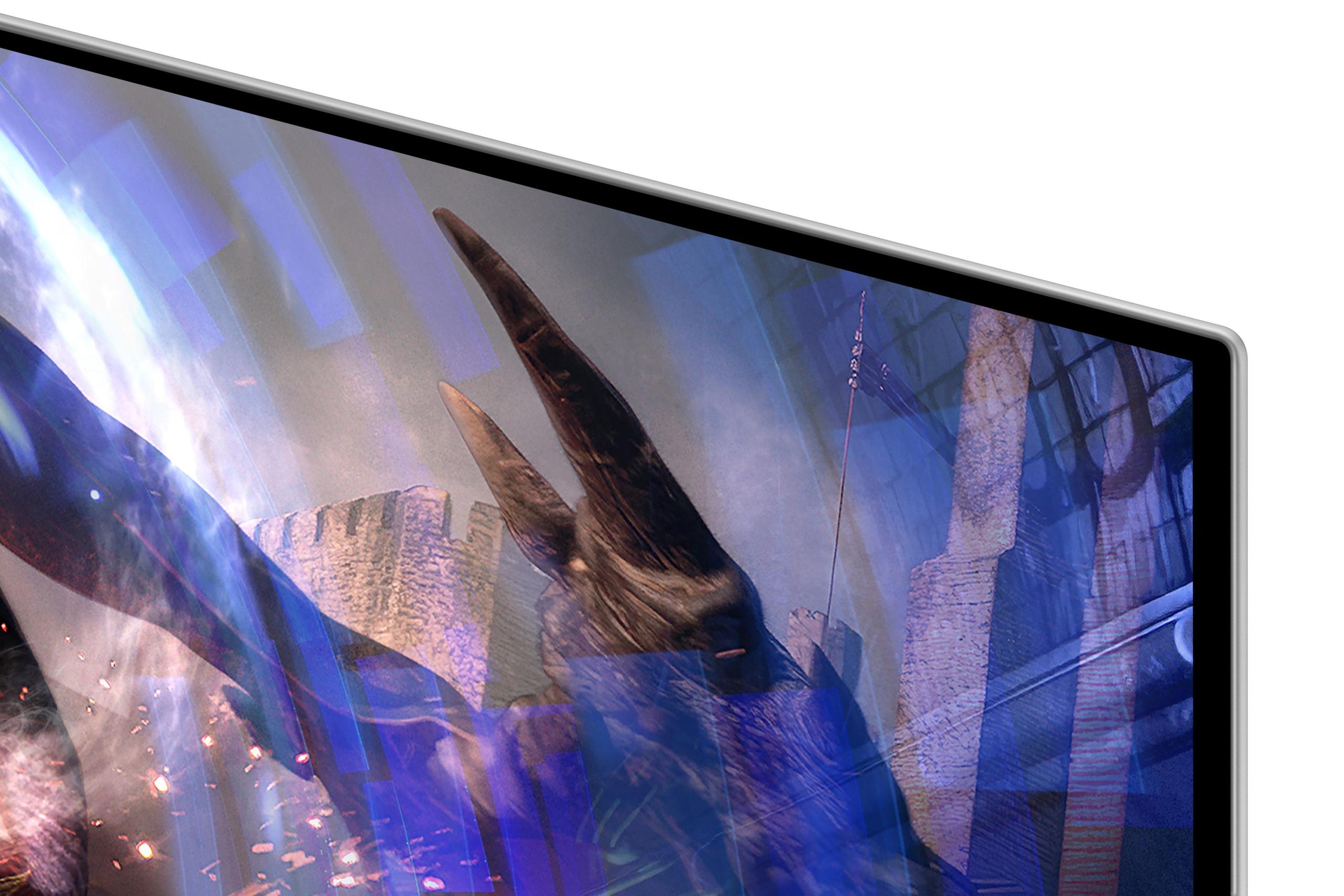
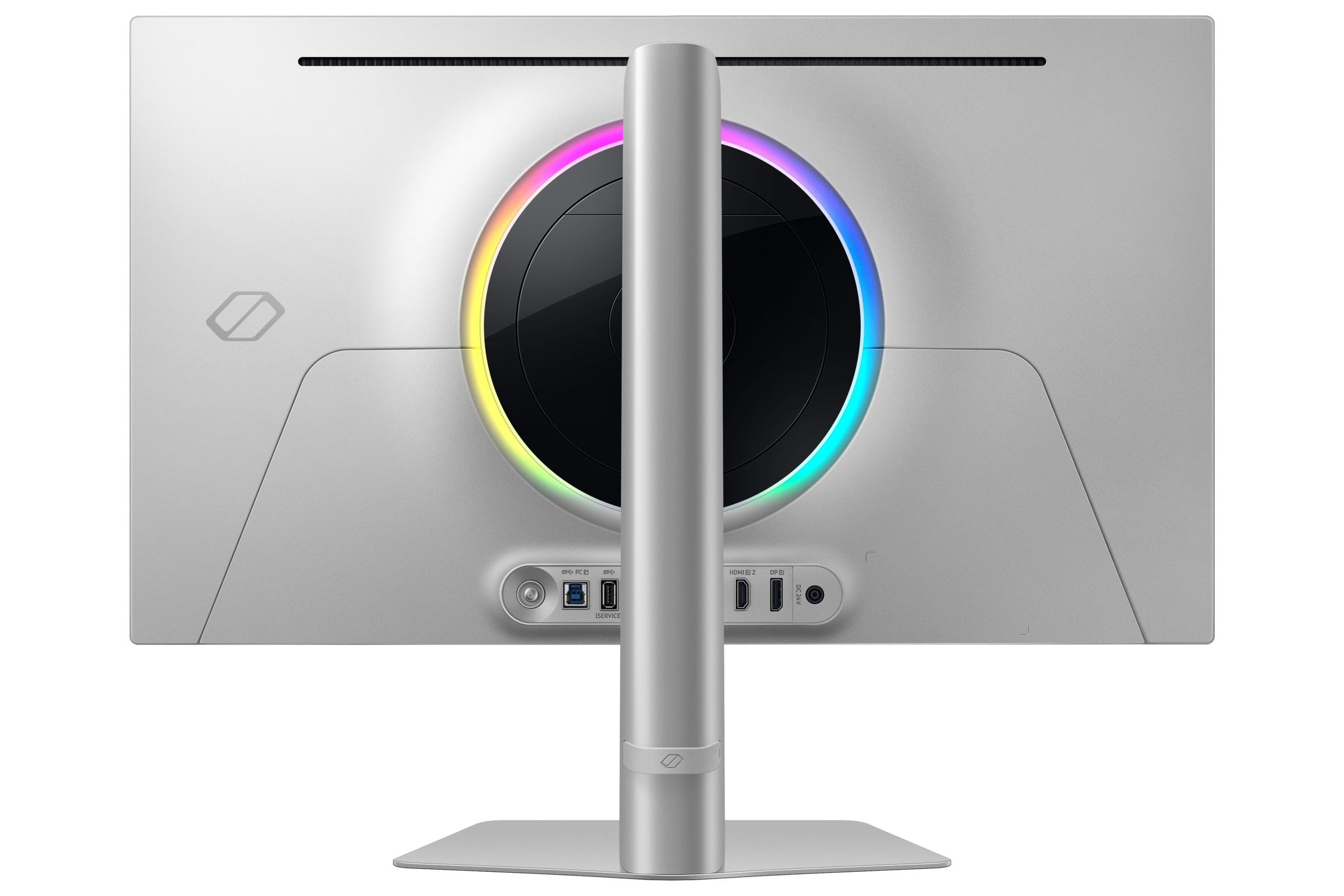
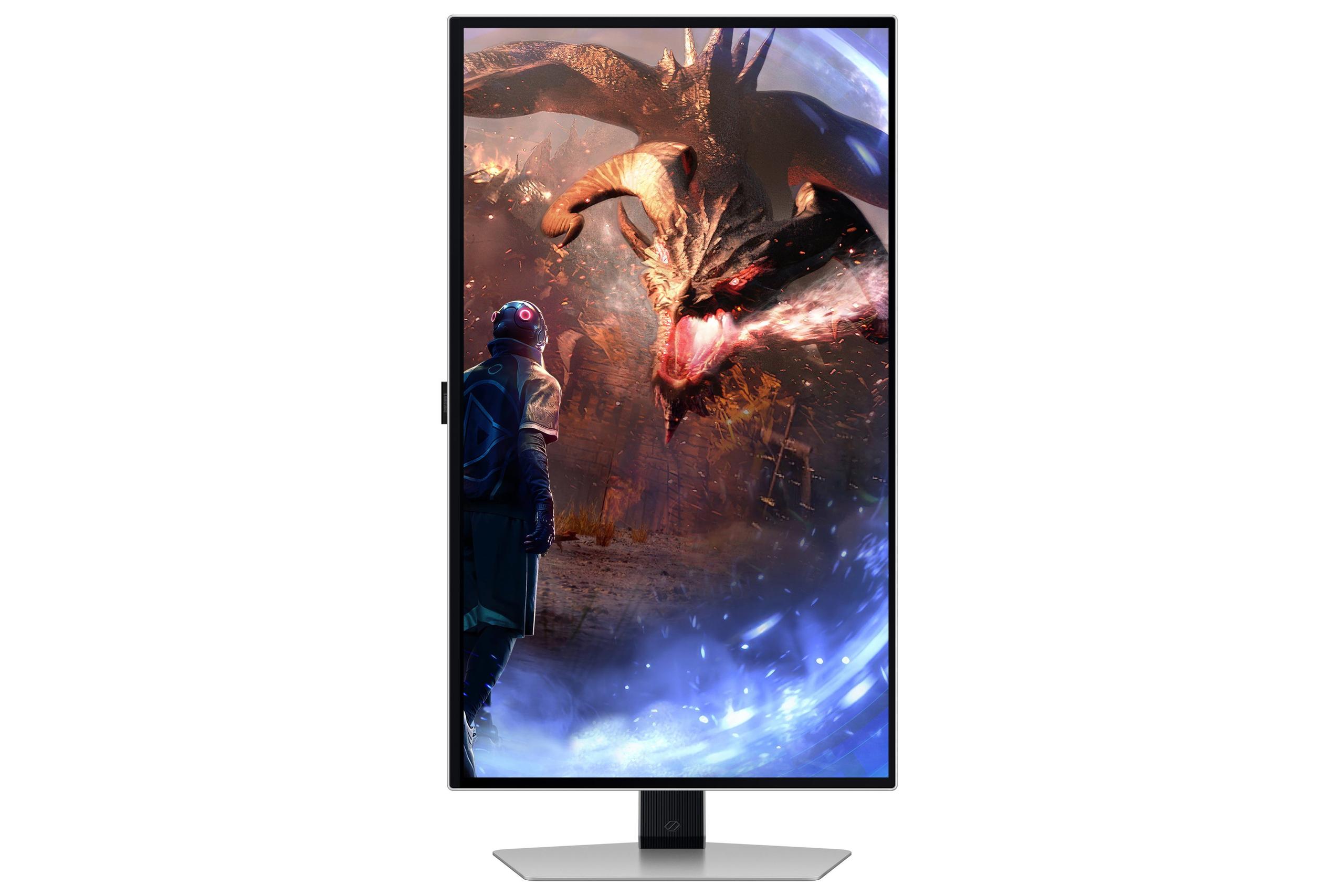
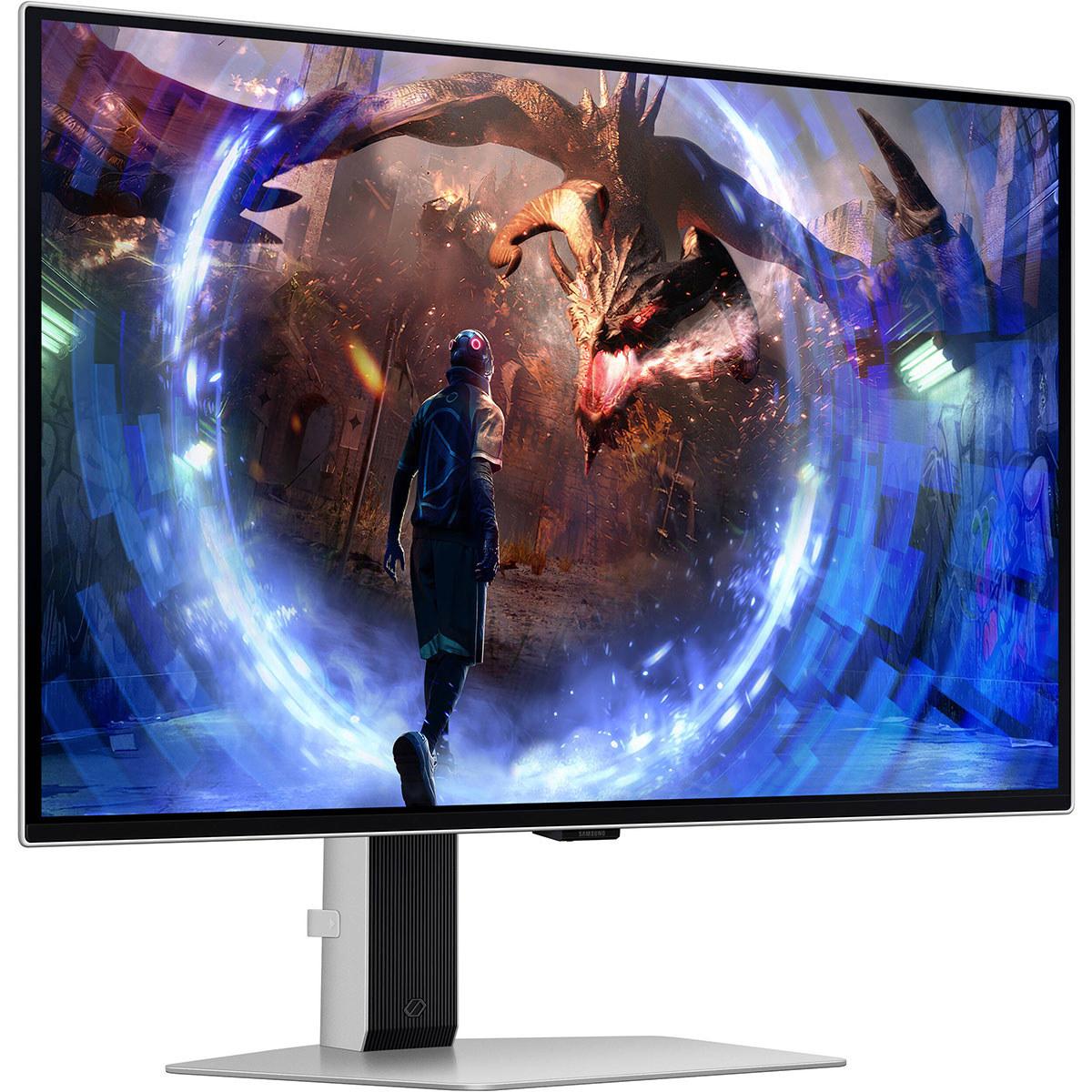
The physical designs reflect their different target audiences. The OLED G6 features a sleek, modern aesthetic with a flat screen that fits naturally into most setups. Its metal construction feels premium, and the stand offers full ergonomic adjustability including height, tilt, and swivel. The subtle RGB lighting on the back adds a gaming touch without being overwhelming.
The G65B embraces a more aggressive gaming aesthetic with its dramatic curve and RGB accent lighting. The build quality is solid, and like its premium sibling, it offers comprehensive ergonomic adjustments. However, that 1000R curve is polarizing—it creates an undeniably immersive experience for compatible content, but some users find it uncomfortable for general computer use or productivity tasks.
Both monitors include features to reduce eye strain during long gaming sessions. The OLED G6 incorporates Flicker Free technology and an Eye Saver mode that reduces blue light emission. The G65B offers similar eye comfort features plus built-in speakers—while they're not audiophile quality, they're surprisingly decent for a monitor and eliminate the need for separate speakers in basic setups.
OLED technology brings up concerns about burn-in, where static images can permanently "ghost" into the screen. Samsung addresses this with OLED Safeguard+ technology, which includes dynamic cooling systems, thermal modulation, logo detection, and automatic screen savers. The OLED G6 comes with a comprehensive 3-year warranty, suggesting Samsung's confidence in the technology's durability.
The G65B uses proven VA panel technology that doesn't face burn-in risks, though it includes a more standard 1-year warranty. VA panels have their own potential issues, including viewing angle limitations where colors and brightness can shift when viewed from the side, but these are generally less concerning for single-user gaming setups.
For users considering these monitors in home theater setups, both offer compelling but different advantages. The OLED G6's superior contrast and color accuracy make it excellent for movie watching, particularly in darker rooms where OLED technology truly shines. The flat screen design also works better for multiple viewers.
The G65B's smart platform integration gives it an edge for entertainment versatility. You can access Netflix, Amazon Prime, and other streaming services directly without additional hardware. The built-in speakers, while not room-filling, provide adequate audio for casual viewing. However, the aggressive curve works best for single-viewer scenarios.
At the time of writing, these monitors represent very different value propositions. The G65B offers exceptional gaming performance at a much more accessible price point. For many gamers, its 240Hz refresh rate and 1ms response time provide all the performance they need, while the smart features and curved design add extra value.
The OLED G6 commands a significant premium—roughly double the price—but delivers cutting-edge display technology that represents the future of gaming monitors. The question becomes whether the superior image quality, faster response times, and premium build justify the additional cost for your specific needs and budget.
Since 2022, we've seen OLED gaming monitors become more mainstream, with prices gradually decreasing as production scales up. The technology improvements in just two years have been remarkable, with better burn-in protection, improved brightness, and gaming-specific optimizations that weren't available in earlier OLED displays.
Choose the OLED G6 if you prioritize cutting-edge display technology and have the budget to support it. This monitor makes sense for serious competitive gamers who need every possible advantage, content creators who require accurate colors, or enthusiasts who simply want the best image quality available. The flat screen design also makes it more versatile for general computer use and multi-person viewing.
The G65B is the smarter choice for budget-conscious gamers who still want excellent performance. Its 240Hz refresh rate handles virtually any game you can throw at it, and the curved design creates an immersive experience that many gamers prefer. The smart features add functionality that extends beyond gaming, making it a more versatile entertainment hub.
Consider your primary use case carefully. If you mainly play competitive online games where every millisecond counts, the OLED G6's advantages become more meaningful. If you enjoy single-player adventures, RPGs, or want a monitor that doubles as an entertainment center, the G65B offers tremendous value.
Both monitors represent excellent choices within their respective market segments. The G65B proves that you don't need to spend premium prices for premium gaming performance, while the OLED G6 showcases what's possible when cost is less of a constraint. Your decision ultimately comes down to balancing performance needs, aesthetic preferences, and budget considerations—but either way, you'll end up with a monitor that can handle whatever games throw at it.
| Samsung 27" Odyssey OLED G6 | Samsung Odyssey G65B |
|---|---|
| Display Technology - The fundamental difference that affects all image quality | |
| OLED with perfect blacks and infinite contrast | VA panel with 2,500:1 contrast ratio |
| Screen Design - Impacts immersion and desk compatibility | |
| Flat 27" screen for versatile use | Aggressive 1000R curved screen for immersion |
| Refresh Rate - Higher numbers mean smoother motion in fast games | |
| 360Hz (excellent for competitive esports) | 240Hz (more than adequate for most gaming) |
| Response Time - Lower is better for eliminating motion blur | |
| 0.03ms (near-instantaneous pixel response) | 1ms GtG (very good but not quite as fast) |
| HDR Performance - Better HDR means more realistic lighting effects | |
| HDR10+ with perfect pixel-level control | DisplayHDR 600 with 8-zone local dimming |
| Color Accuracy - Important for content creation and vibrant gaming | |
| 99% DCI-P3, 1 billion colors (professional-grade) | 95% DCI-P3, wide color gamut (very good) |
| Smart Features - Extra functionality beyond PC gaming | |
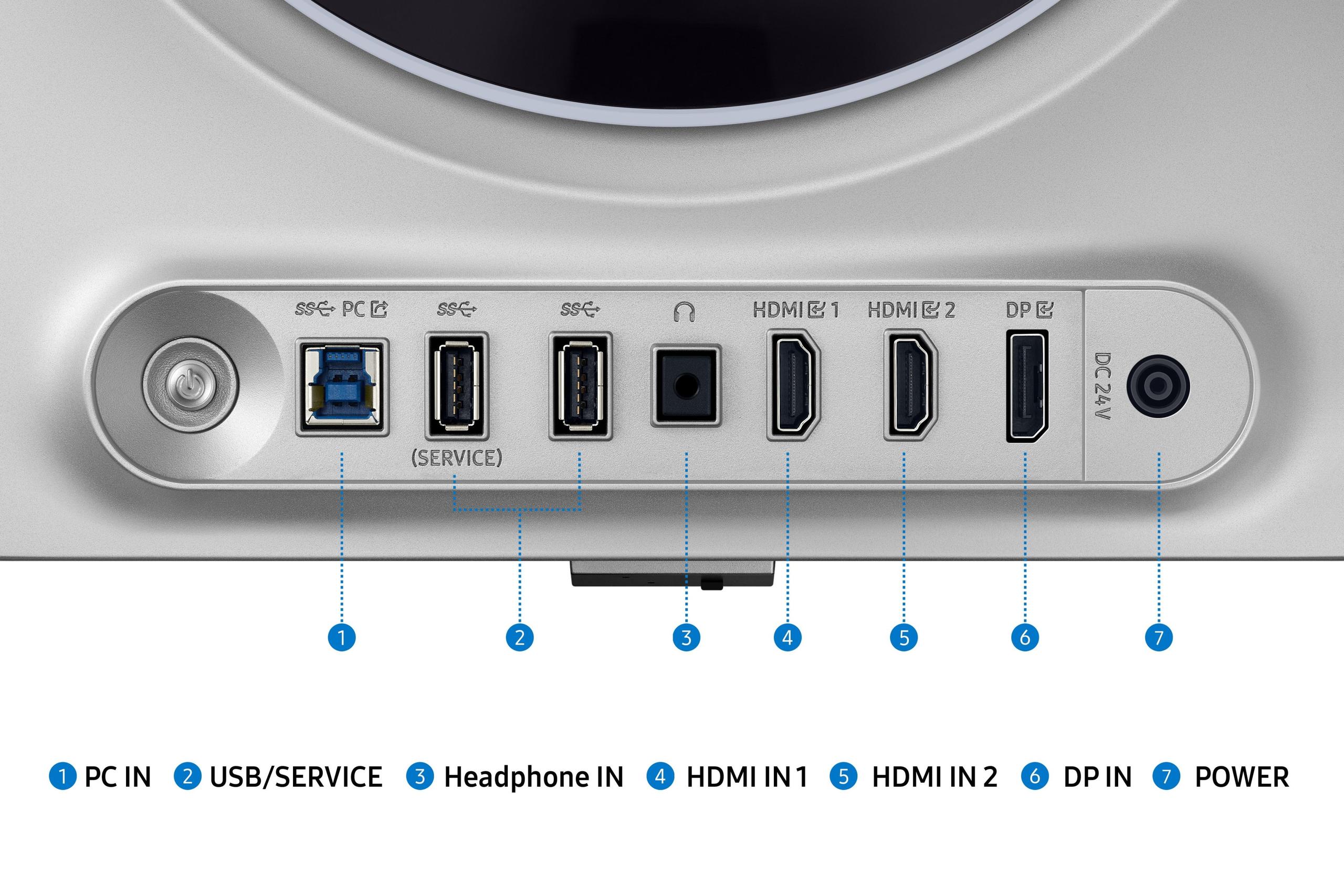
| Basic connectivity and gaming features | Full Tizen OS with streaming apps and Gaming Hub |
| Burn-in Protection - OLED-specific longevity features | |
| Advanced OLED Safeguard+ with dynamic cooling | Not applicable (VA panels don't suffer burn-in) |
| Warranty Coverage - Reflects manufacturer confidence | |
| 3 years (premium coverage for OLED) | 1 year (standard for this price category) |
| Best For - Who should consider each monitor | |
| Enthusiasts wanting cutting-edge tech and perfect image quality | Budget-conscious gamers wanting great performance and smart features |
The Samsung 27" Odyssey OLED G6 is superior for competitive gaming due to its 360Hz refresh rate and 0.03ms response time. These specs provide smoother motion and faster pixel response than the Samsung Odyssey G65B's 240Hz and 1ms response time. However, the G65B still offers excellent competitive performance at a more accessible price point.
OLED technology in the Samsung 27" Odyssey OLED G6 produces perfect blacks and infinite contrast by turning pixels completely off, while the Samsung Odyssey G65B's VA panel uses a backlight system that can't achieve true blacks. This means the OLED G6 delivers superior image quality with deeper shadows and more vibrant colors.
The Samsung Odyssey G65B's 1000R curve creates an immersive gaming experience by wrapping around your peripheral vision, which many gamers love for single-player adventures. However, the flat screen of the Samsung 27" Odyssey OLED G6 is more versatile for general computer use and appeals to a broader range of users.
The Samsung Odyssey G65B provides exceptional value with 240Hz gaming performance, smart TV features, and built-in speakers at a significantly lower cost. The Samsung 27" Odyssey OLED G6 costs considerably more but delivers premium OLED technology and cutting-edge performance for those who prioritize image quality.
Most gamers don't need 360Hz, as few games and graphics cards can consistently output that many frames per second. The Samsung Odyssey G65B's 240Hz is more than sufficient for most gaming scenarios. The Samsung 27" Odyssey OLED G6's 360Hz primarily benefits competitive esports players and those with high-end gaming hardware.
The Samsung 27" Odyssey OLED G6 provides superior HDR performance due to its perfect blacks and pixel-level brightness control. While the Samsung Odyssey G65B offers DisplayHDR 600 certification with decent HDR, it can't match the contrast and visual impact that OLED technology delivers.
Modern OLED monitors like the Samsung 27" Odyssey OLED G6 include advanced burn-in protection with OLED Safeguard+ technology and come with a 3-year warranty. The Samsung Odyssey G65B doesn't face burn-in risks due to its VA panel technology, making it worry-free for users concerned about long-term durability.
The Samsung Odyssey G65B excels for entertainment with its built-in Tizen OS, allowing access to Netflix, gaming hubs, and streaming services without a PC. The Samsung 27" Odyssey OLED G6 offers superior image quality for movies but lacks the smart platform integration of the G65B.
The Samsung 27" Odyssey OLED G6's 0.03ms response time virtually eliminates motion blur and ghosting, while the Samsung Odyssey G65B's 1ms response time is still very good but slightly slower. This difference is most noticeable in fast-paced competitive games where pixel response speed affects visual clarity.
The Samsung 27" Odyssey OLED G6 offers superior color accuracy with 99% DCI-P3 coverage and 1 billion color support, making it ideal for content creation. The Samsung Odyssey G65B provides good color performance with 95% DCI-P3 coverage, which is sufficient for gaming and general use.
Yes, both the Samsung 27" Odyssey OLED G6 and Samsung Odyssey G65B support AMD FreeSync Premium Pro and are NVIDIA G-SYNC compatible. However, the G65B can experience VRR brightness flickering, while the OLED G6 handles variable refresh rates more smoothly.
Choose the Samsung 27" Odyssey OLED G6 if you prioritize cutting-edge display technology, have a higher budget, and want the best possible image quality for gaming and content creation. Select the Samsung Odyssey G65B if you want excellent gaming performance with smart features at a more affordable price point, especially if you enjoy the immersive curved screen experience.
We've done our best to create useful and informative comparisons to help you decide what product to buy. Our research uses advanced automated methods to create this comparison and perfection is not possible - please contact us for corrections or questions. These are the sites we've researched in the creation of this article: bestbuy.com - gamesradar.com - gamesradar.com - versus.com - youtube.com - versus.com - player2.net.au - youtube.com - rtings.com - youtube.com - samsung.com - files.bbystatic.com - techpowerup.com - samsung.com - bestbuy.com - samsung.com - bhphotovideo.com - bestbuy.com - youtube.com - de.shi.com - pangoly.com - bestbuy.com - versus.com - uk.shi.com - youtube.com - youtube.com - displayspecifications.com - rtings.com - versus.com - samsung.com - rtings.com - businessdirect.bt.com - productchart.com - samsung.com - displayspecifications.com - gradeatechnology.co.uk - samsung.com - bestbuy.com - samsung.com - samsung.com

Privacy Policy
Terms and Conditions - Affiliate Policy
Home Security
© Copyright 2008-2026.
11816 Inwood Rd #1211, Dallas, TX 75244