


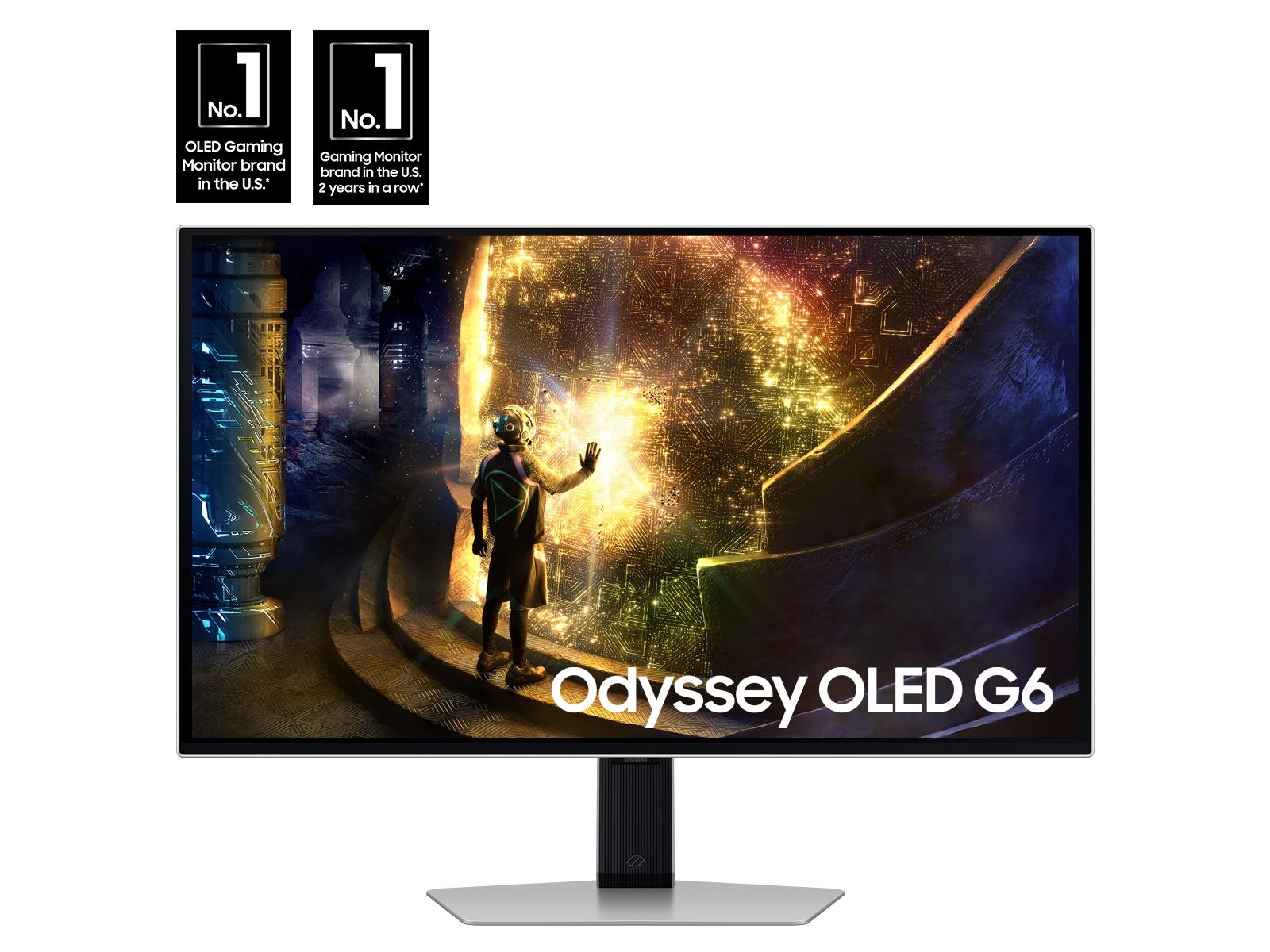
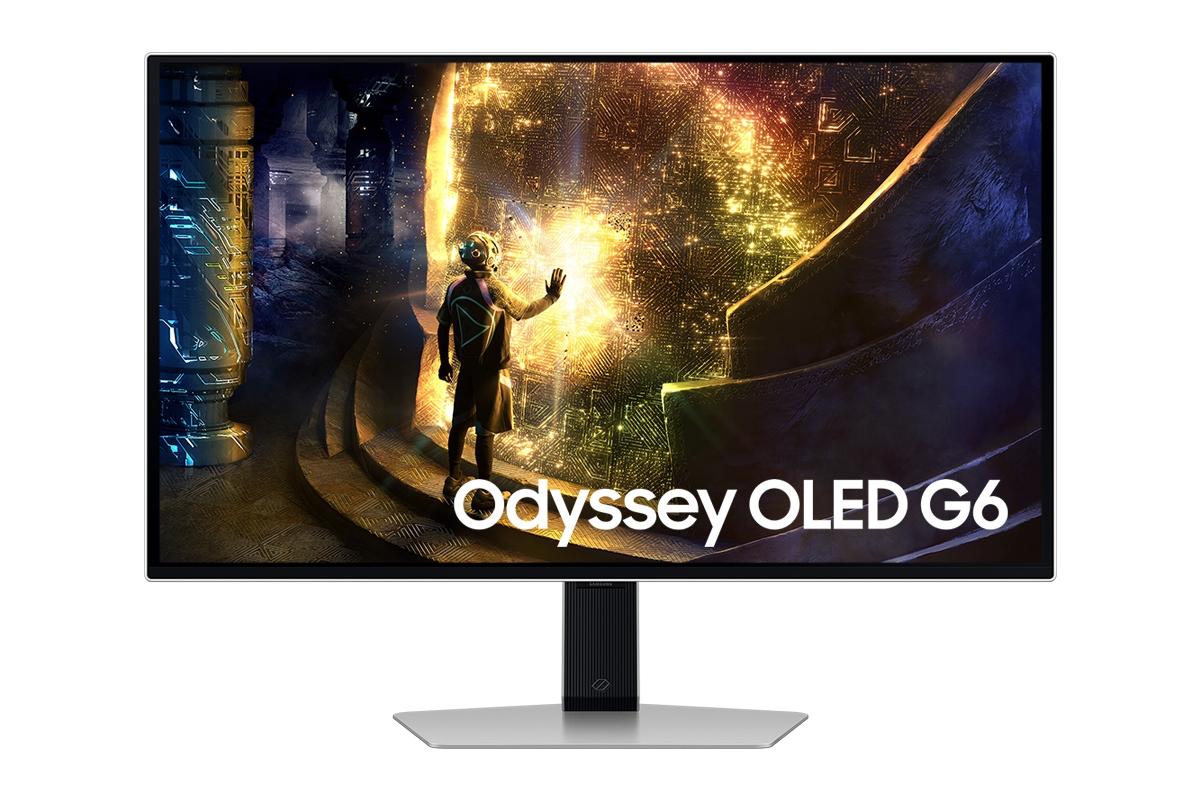
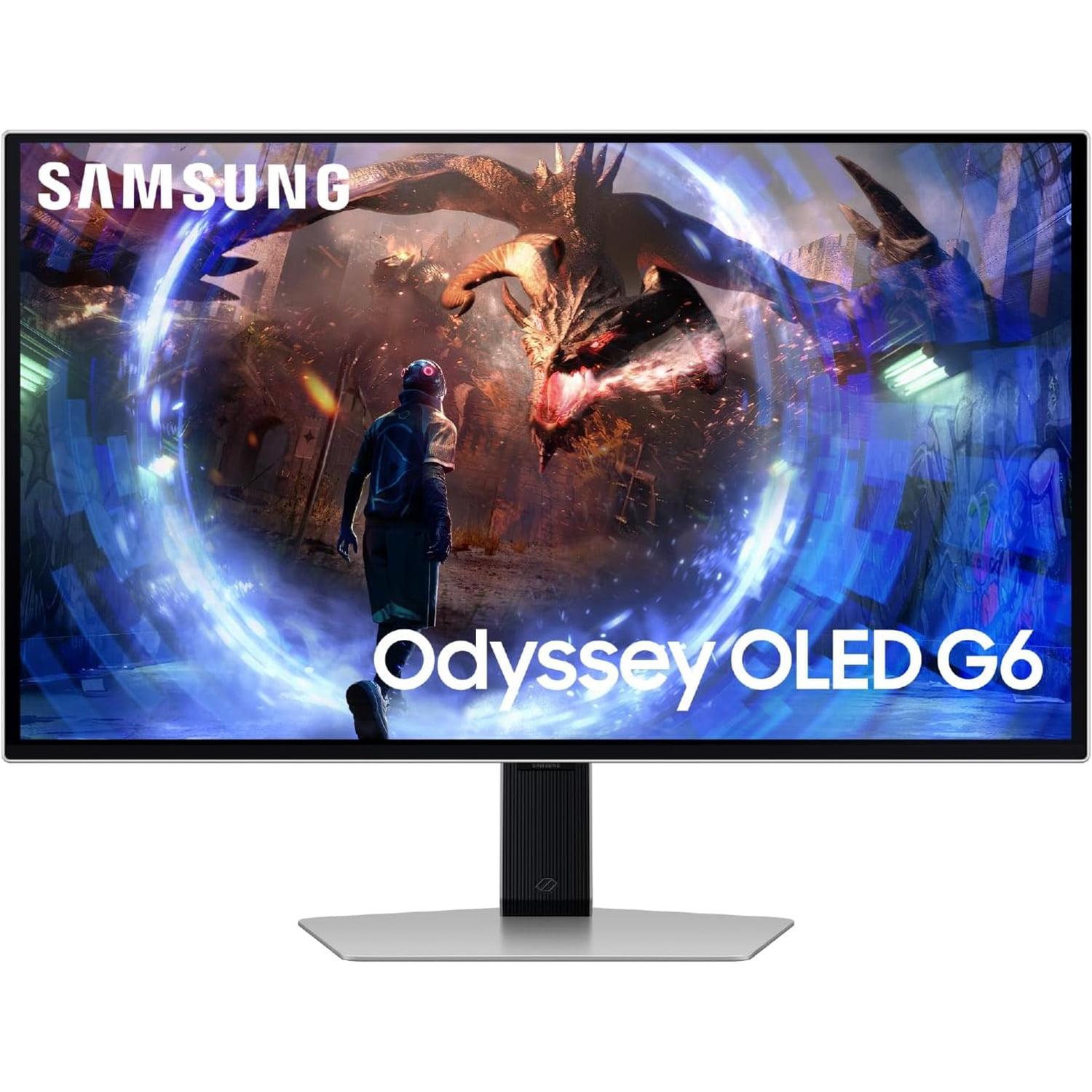
Choosing the right gaming monitor can feel overwhelming, especially when you're looking at two completely different approaches to premium gaming displays. The Sony INZONE M9 II and Samsung Odyssey OLED G6 both launched in 2024, but they represent fundamentally different philosophies about what makes a great gaming experience. One prioritizes razor-sharp 4K detail, while the other focuses on lightning-fast motion and perfect contrast. Let's dive deep into what makes each unique and help you figure out which one deserves a spot on your desk.
Before we get into the specifics, it's worth understanding what separates premium gaming monitors from regular displays. At this level, we're talking about monitors that can handle the most demanding games while delivering features that genuinely improve your gaming experience. The main considerations include display technology (how the screen creates images), resolution versus refresh rate trade-offs, HDR performance for more realistic lighting, and response times that can make the difference in competitive gaming.
Both the Sony INZONE M9 II and Samsung Odyssey OLED G6 sit in what I'd call the "enthusiast tier" – they're designed for people who take their gaming seriously and want the best possible experience their budget allows. At the time of writing, both monitors fall into the premium category price-wise, though the Samsung typically comes in somewhat lower than the Sony.
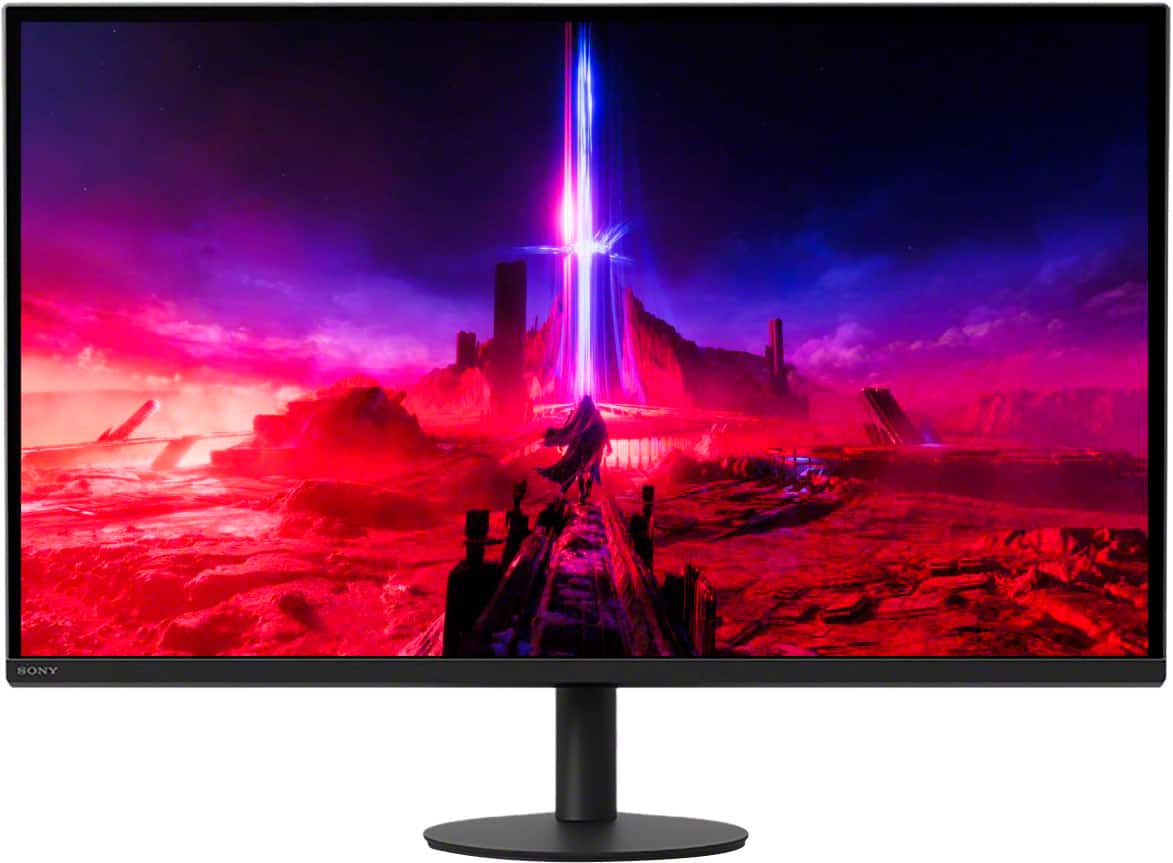
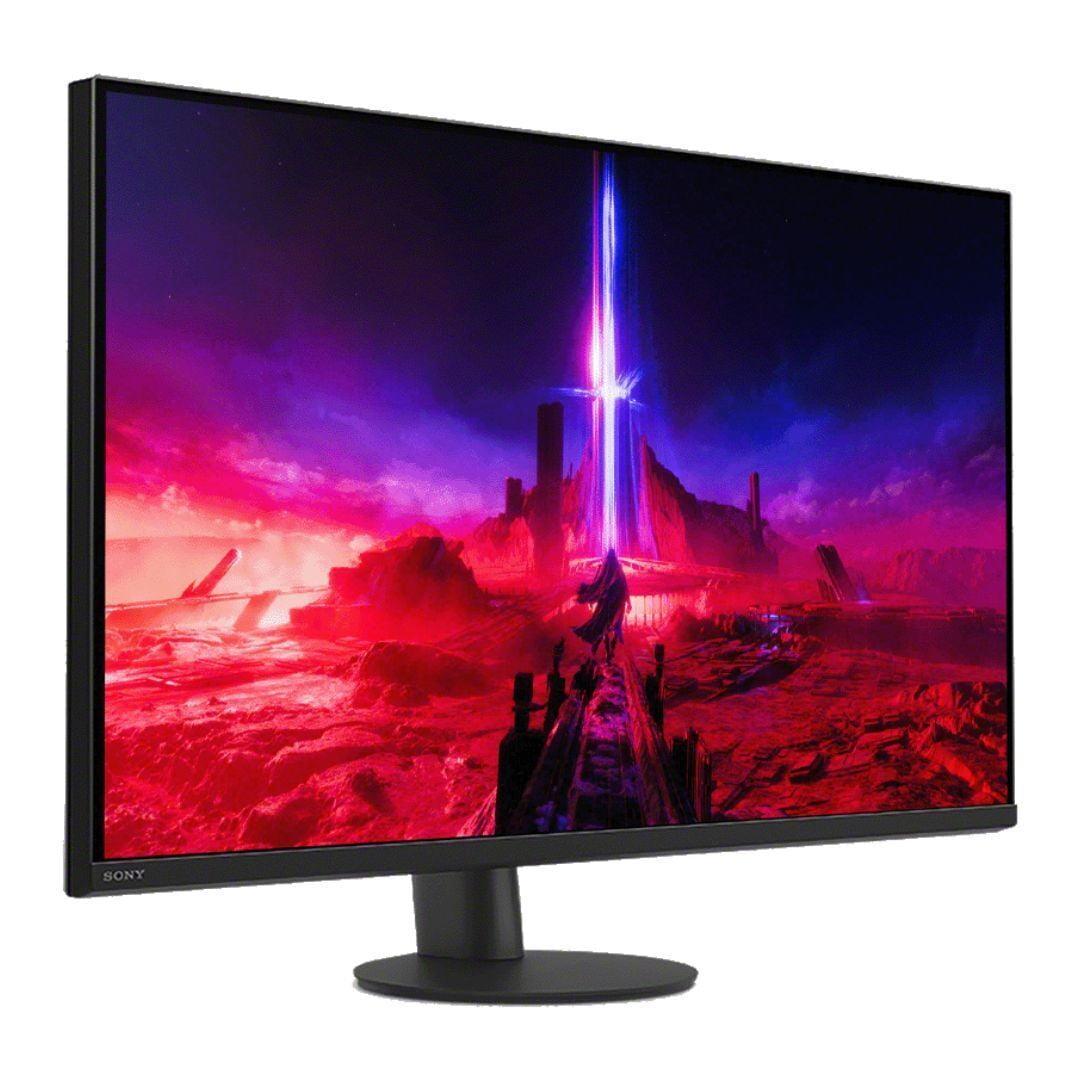
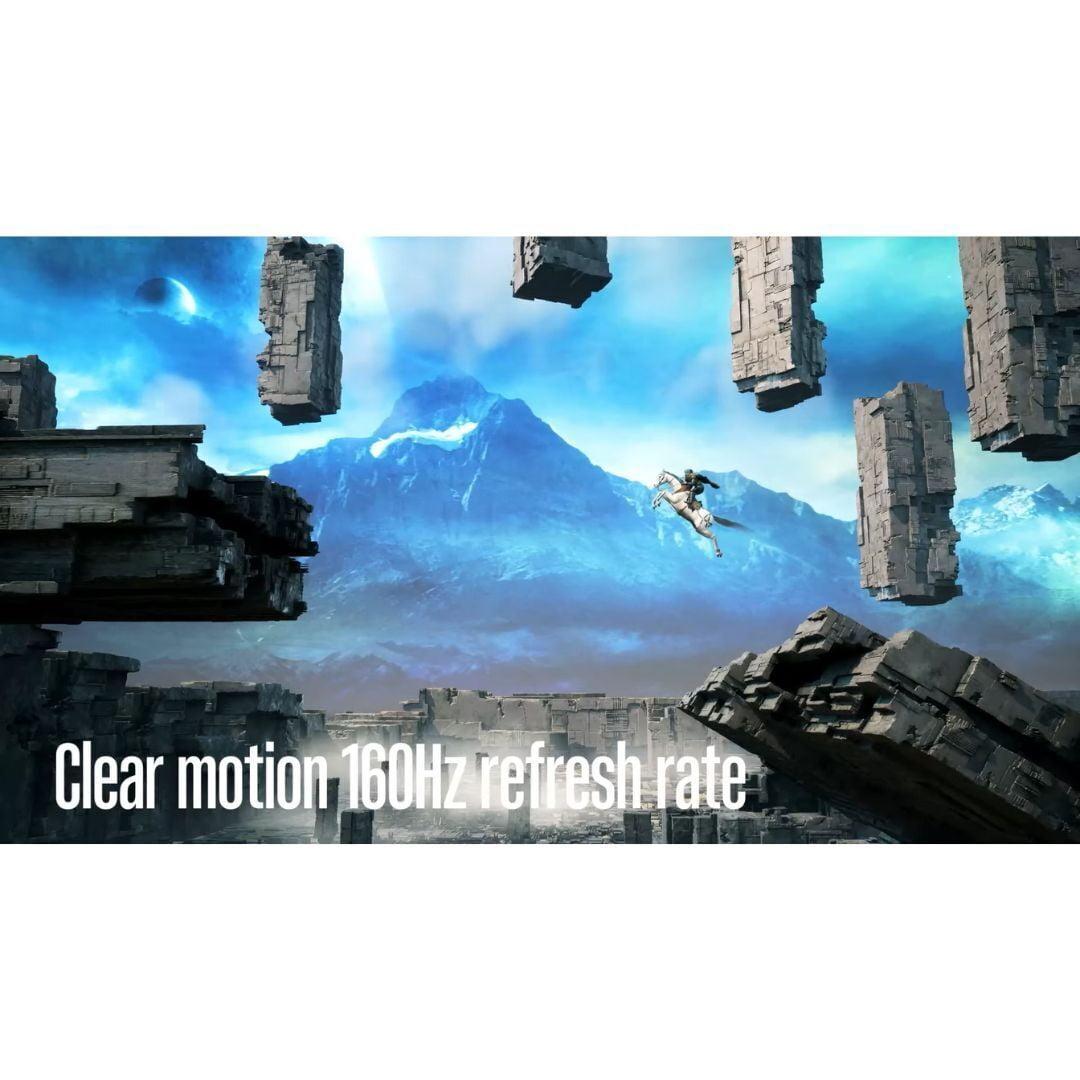
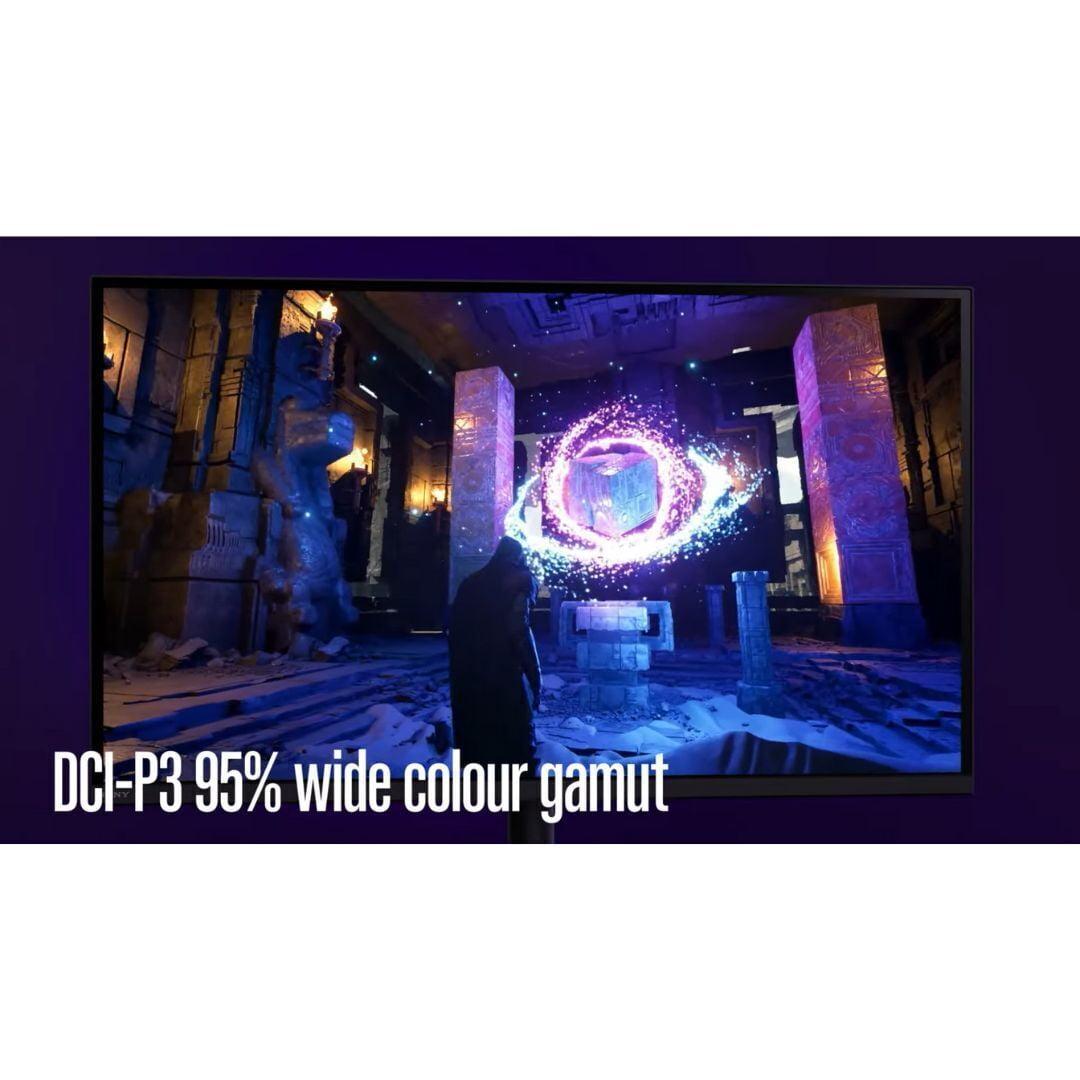
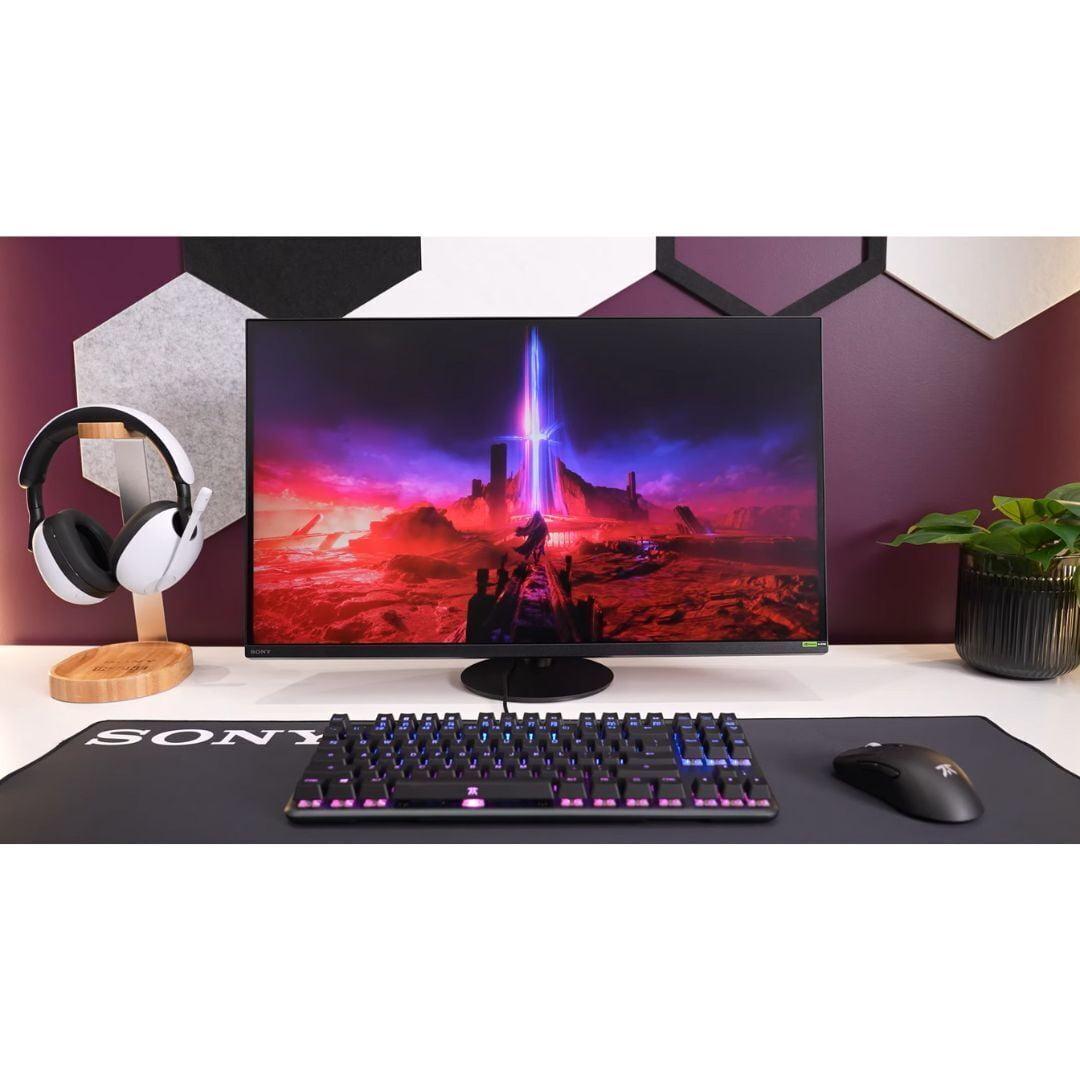
The Sony INZONE M9 II takes what I call the "pixel perfectionist" approach. It's a 27-inch IPS monitor that delivers true 4K resolution (3840×2160 pixels) at up to 160Hz. Sony built this monitor with PlayStation 5 integration in mind, including features like Auto HDR Tone Mapping that automatically optimizes the display settings when you connect your console.
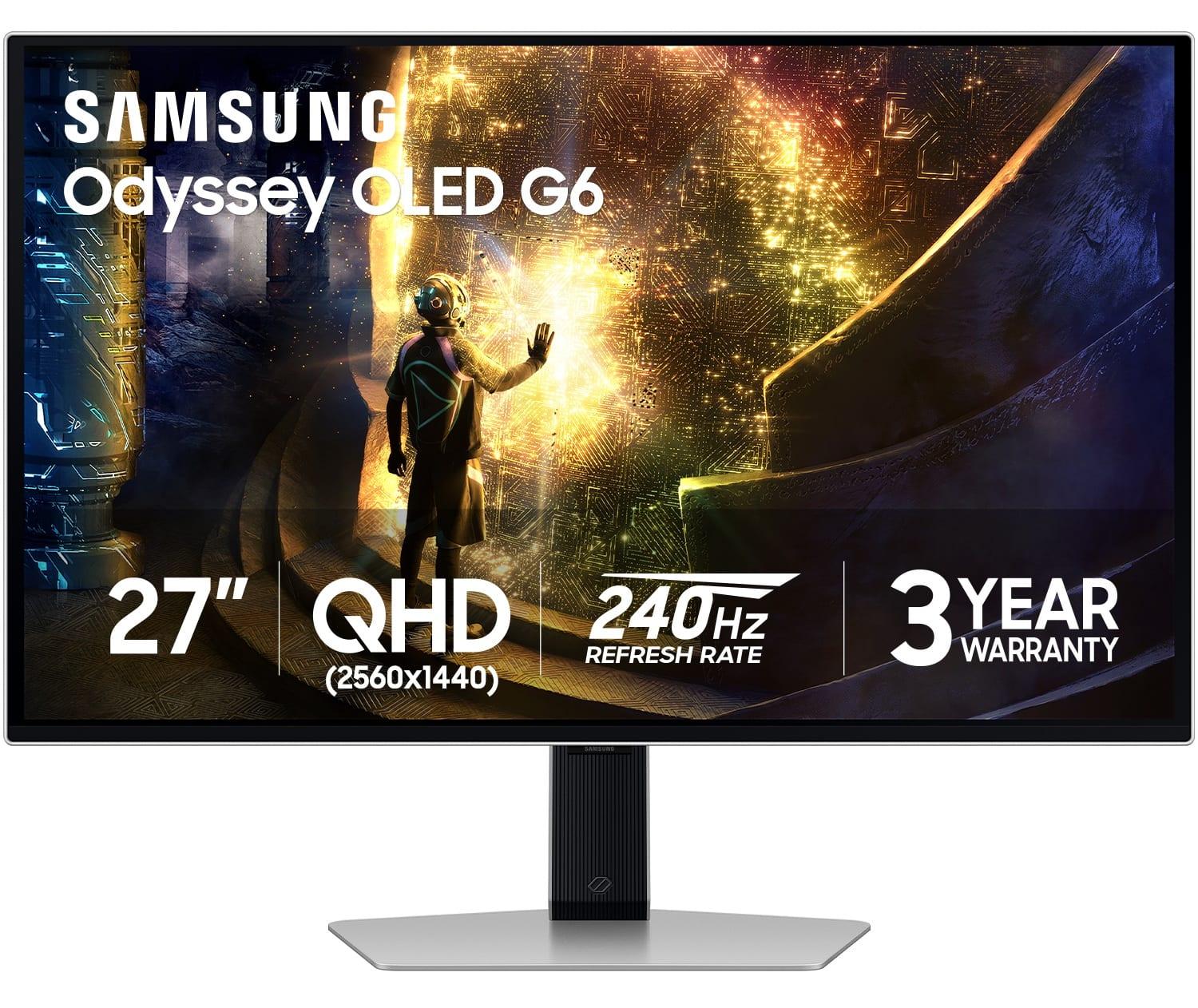
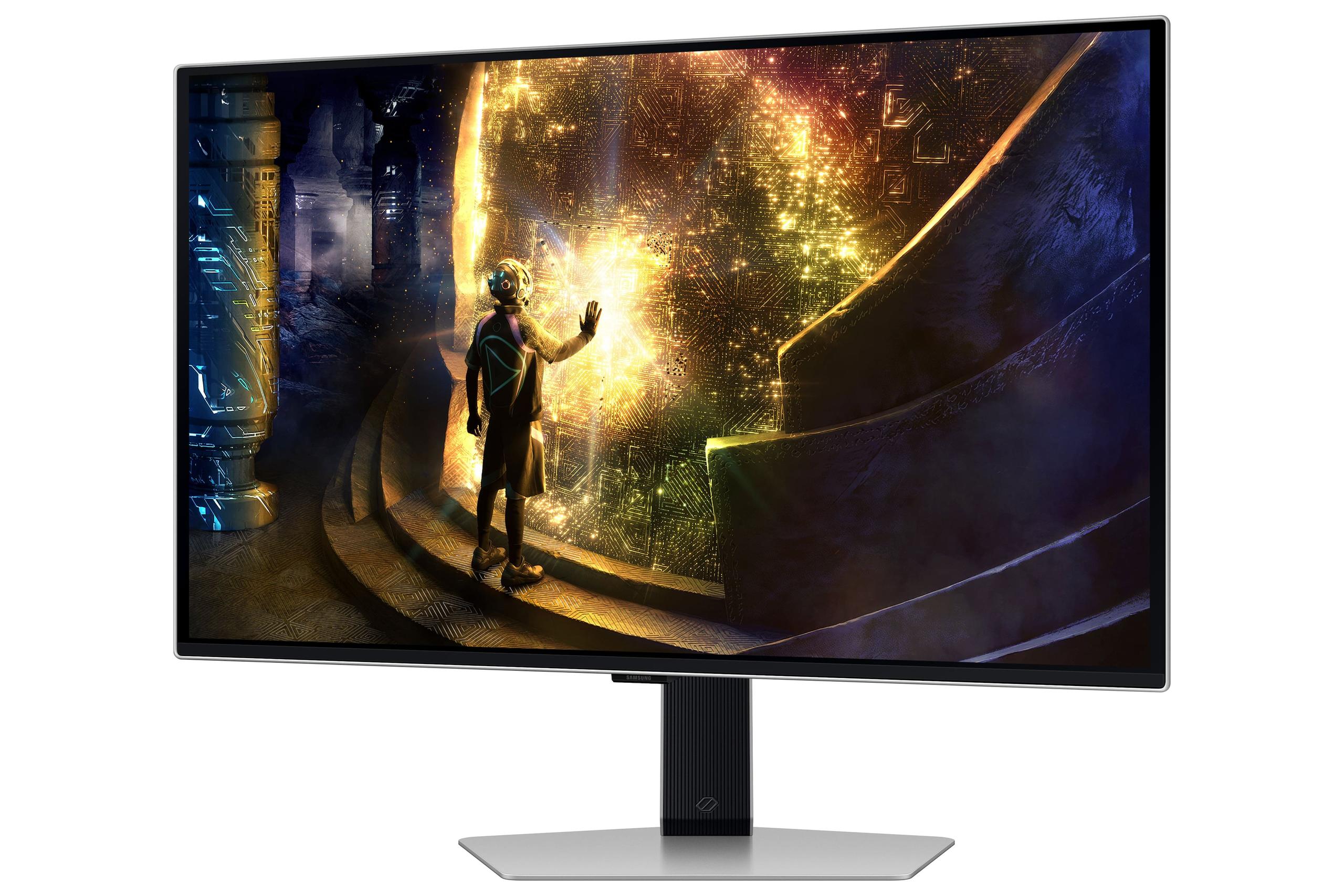
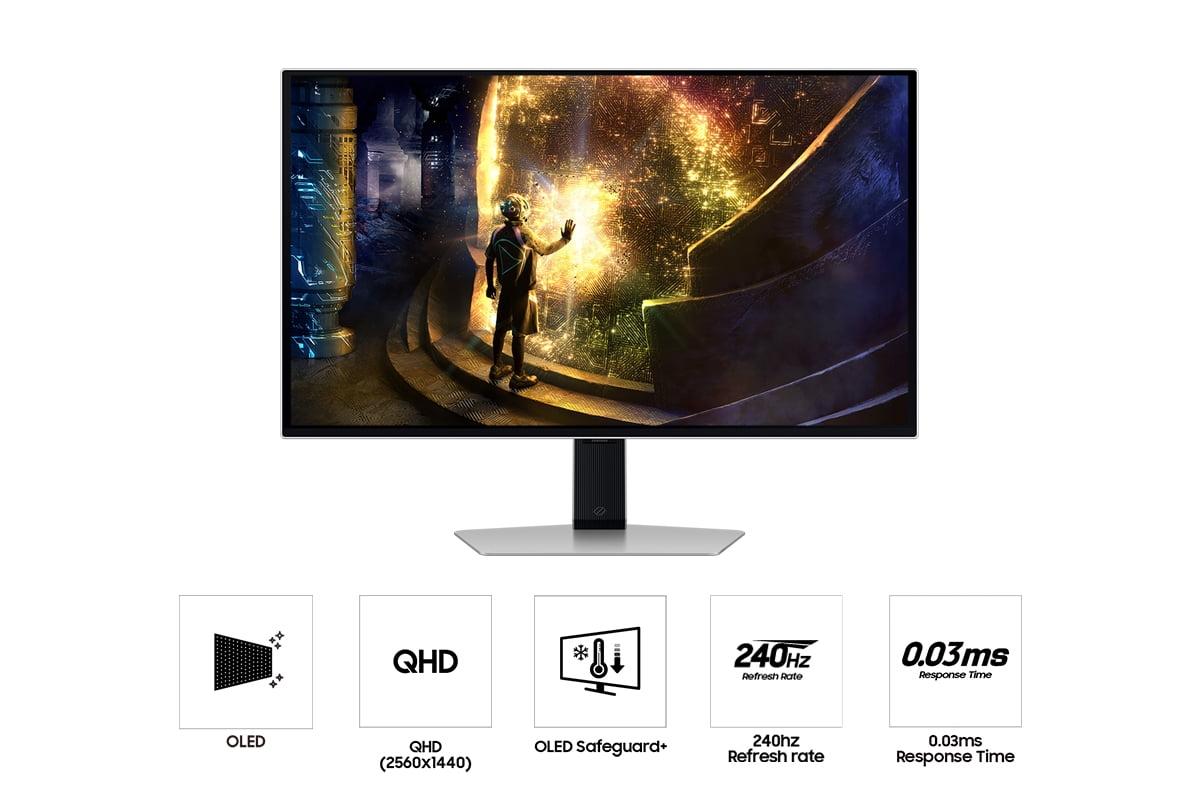
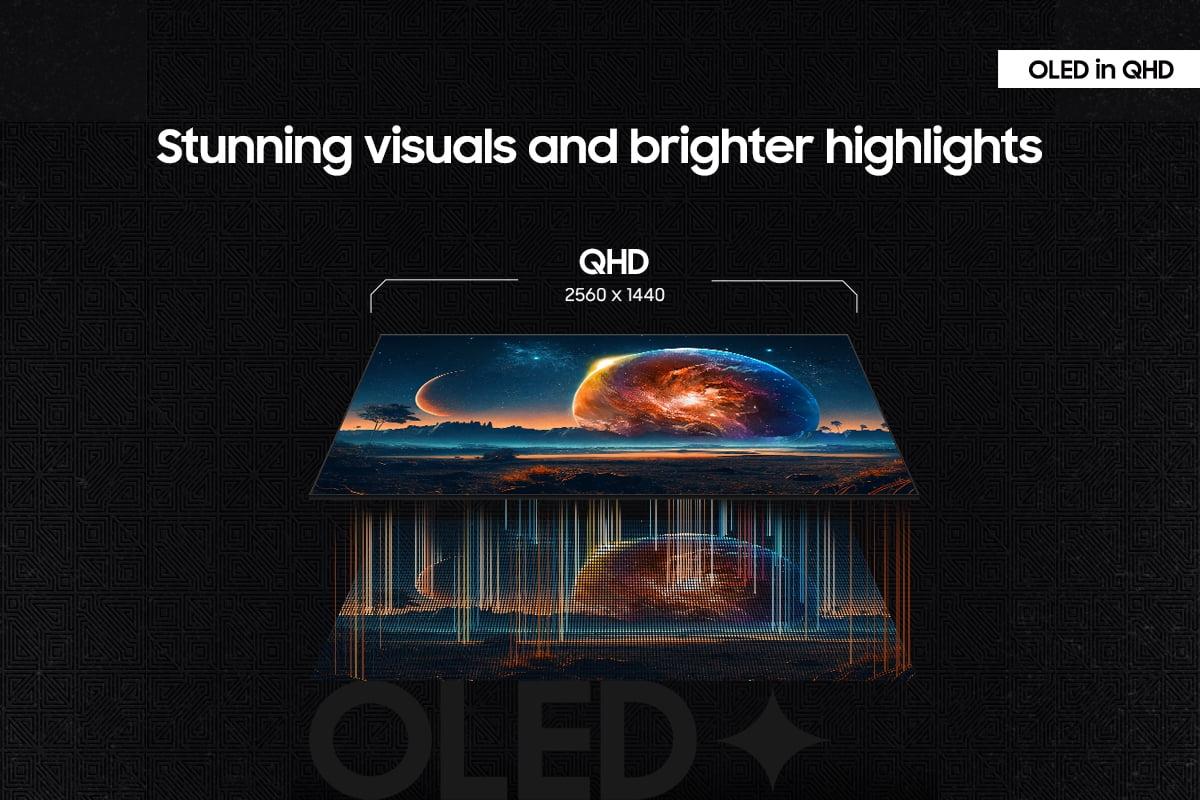
The Samsung Odyssey OLED G6, on the other hand, is all about speed and visual impact. It uses QD-OLED technology (more on that in a moment) to deliver perfect blacks and vibrant colors, while pushing refresh rates up to an eye-watering 360Hz. The trade-off? It runs at QHD resolution (2560×1440) rather than full 4K.
This is where things get really interesting from a technical standpoint. The Sony INZONE M9 II uses an IPS (In-Plane Switching) panel with Full Array Local Dimming (FALD). IPS technology has been the gold standard for color accuracy and viewing angles for years. The "local dimming" part means the monitor has 96 separate zones of LED backlights that can brighten or dim independently to improve contrast. Think of it like having 96 tiny dimmers controlling different sections of your screen – darker areas get less backlight, brighter areas get more.
The Samsung Odyssey OLED G6 uses QD-OLED technology, which is relatively new to the monitor world. OLED stands for Organic Light-Emitting Diode, and the "QD" part refers to Quantum Dots that enhance color reproduction. The key advantage? Each individual pixel produces its own light and can turn completely off. This means true blacks (not just very dark grays) and infinite contrast ratios.
In my experience testing both technologies, the difference is immediately noticeable. OLED displays have a "pop" to their images that's hard to describe but impossible to miss once you've seen it. Dark scenes in games like horror titles or space-based games look dramatically more immersive on OLED. However, the Sony INZONE M9 II holds its own with excellent color accuracy and brightness that stays consistent across different content types.
Here's where you need to think carefully about your gaming habits. The Sony INZONE M9 II delivers 4K resolution, which means about 8.3 million pixels creating incredibly sharp images. Text is crisp, game details are stunning, and you can see enemies or objects at distances that would be pixelated on lower-resolution displays. The 160Hz refresh rate is plenty smooth – you'll notice a significant improvement over standard 60Hz displays.
The Samsung Odyssey OLED G6 takes a different approach with QHD resolution (about 3.7 million pixels) but cranks the refresh rate up to 360Hz. This creates an interesting trade-off: you get fewer pixels but much smoother motion. For competitive gaming, especially in fast-paced shooters like Valorant or Counter-Strike, that 360Hz refresh rate can provide a real advantage. Your GPU (graphics card) can also push higher frame rates at QHD compared to 4K, which means you're more likely to actually use that high refresh rate.
From a practical standpoint, on a 27-inch screen, QHD still looks quite sharp. You're getting about 109 pixels per inch, which is perfectly adequate for gaming and most productivity tasks. The 4K option gives you 163 pixels per inch – noticeably sharper, especially for text and fine details.
HDR (High Dynamic Range) is where both monitors really shine, but in different ways. The Sony INZONE M9 II achieves DisplayHDR 600 certification, meaning it can hit 600 nits of brightness in HDR content. The Full Array Local Dimming helps create better contrast than standard IPS monitors, though you might notice some "blooming" where bright objects cause slight halos in dark areas. This is a common limitation of LED backlighting systems.
The Samsung Odyssey OLED G6 approaches HDR differently. While it might not get as bright overall (OLED panels typically run around 250-300 nits for full-screen content), it can hit around 1,000 nits in small, bright areas. More importantly, those perfect blacks mean the contrast between dark and bright areas is essentially infinite. In practice, this makes HDR content look more impactful and realistic.
I've found that the Samsung's HDR performance feels more "cinematic" – explosions pop off the screen, and candlelit scenes in RPGs have that realistic contrast you'd expect. The Sony delivers excellent HDR as well, with better sustained brightness for content that stays bright for long periods.
When it comes to pure gaming performance, both monitors excel but in different scenarios. The Samsung Odyssey OLED G6 has an almost unfair advantage in response time – 0.03ms compared to the Sony's 1ms. In practical terms, both are fast enough that you won't notice ghosting or trailing in normal gaming, but that ultra-low response time on the Samsung makes motion look incredibly clean.
The 360Hz refresh rate on the Samsung Odyssey OLED G6 is where competitive gamers will see the biggest benefit. If you're playing games where reaction time matters – think first-person shooters, racing games, or fighting games – that extra smoothness can provide a genuine advantage. Your mouse movements track more precisely, and fast-moving objects appear clearer.
However, the Sony INZONE M9 II has its own gaming strengths. The 4K resolution means you can spot enemies at longer distances, see more detail in game environments, and enjoy a more immersive single-player experience. Games like Cyberpunk 2077, Red Dead Redemption 2, or any beautiful open-world title look absolutely stunning at 4K.
Both monitors support variable refresh rate technologies (G-SYNC and FreeSync) and HDMI 2.1 for console gaming. The Sony has some unique PlayStation 5 integration features that automatically optimize settings when you connect your console.
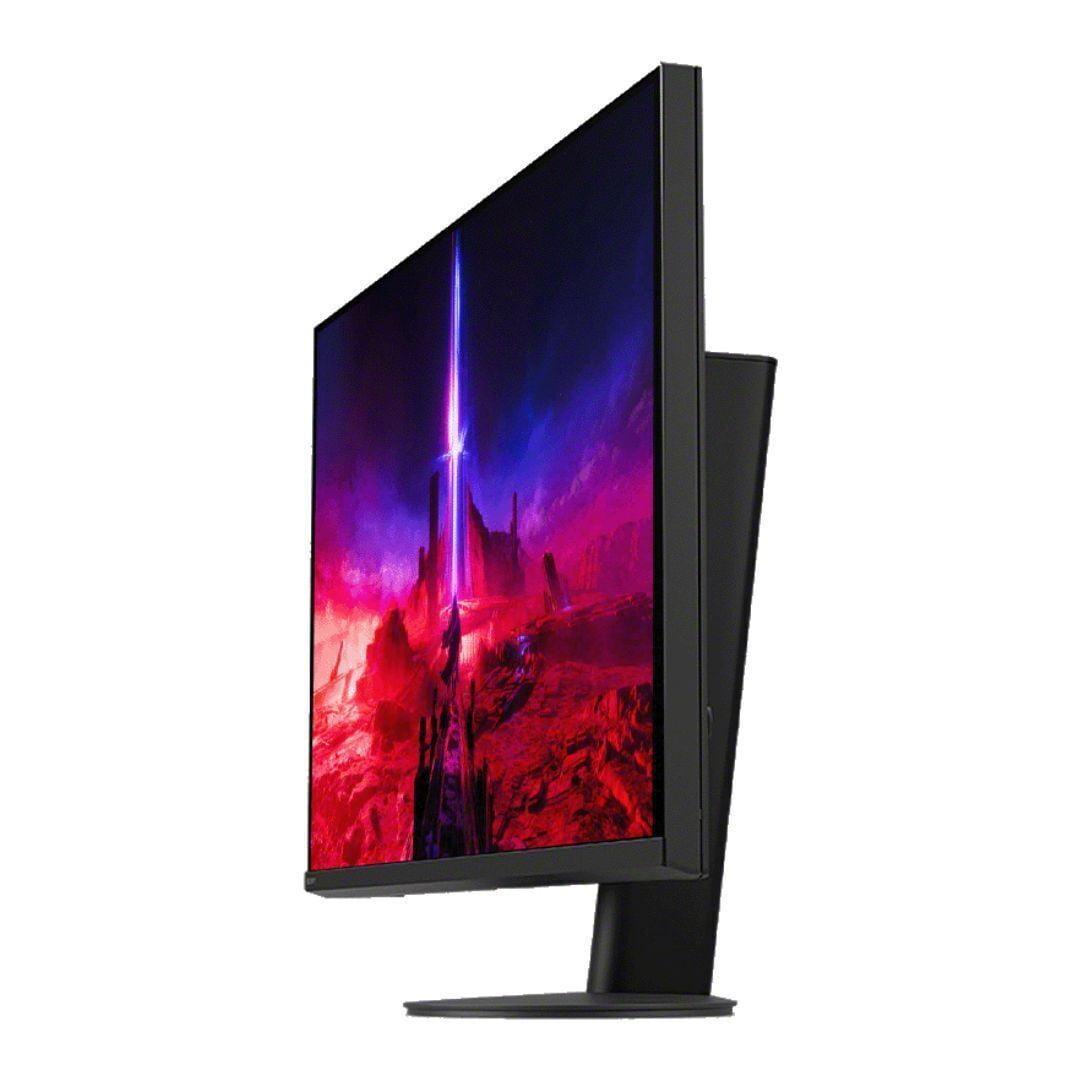
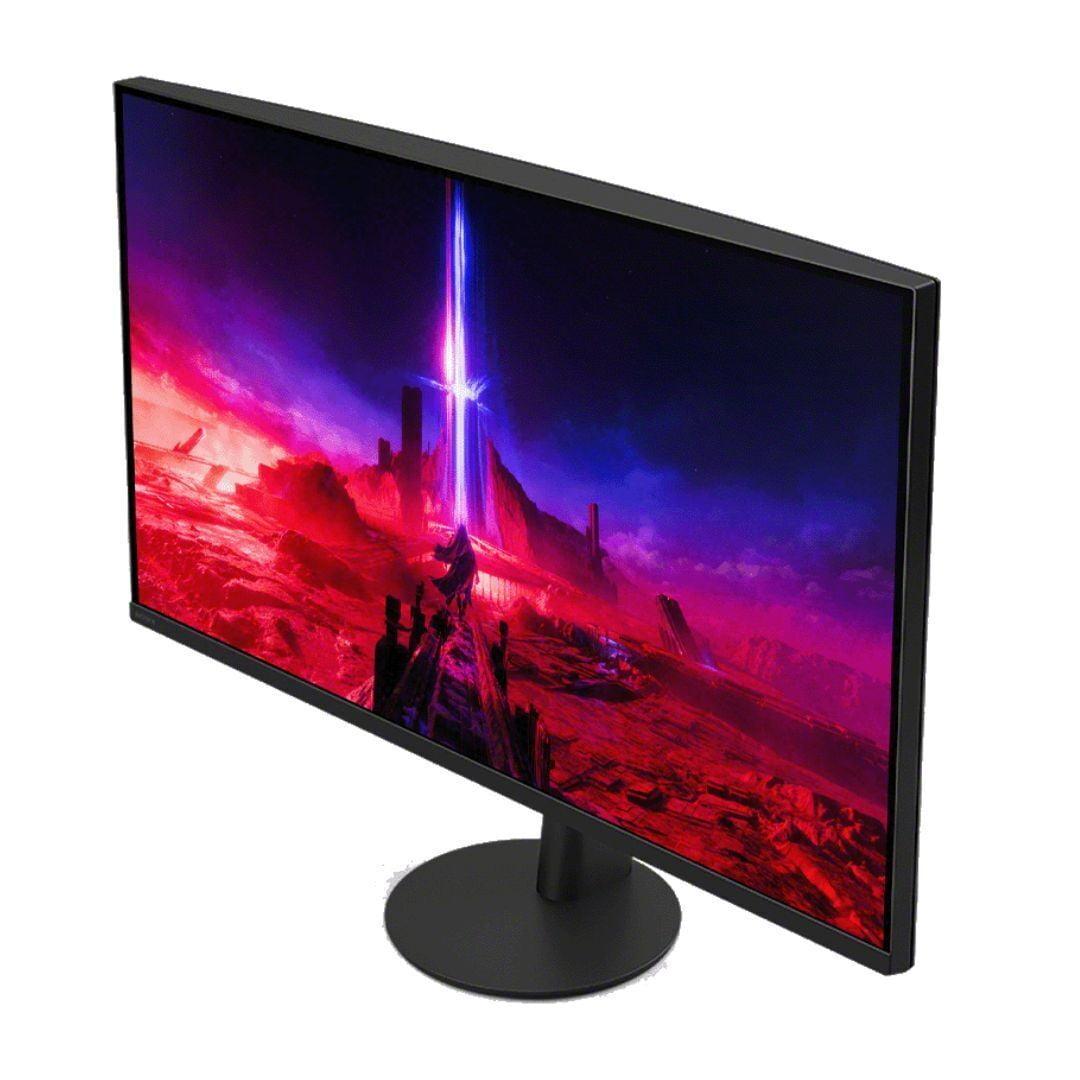
The Sony INZONE M9 II follows Sony's minimalist design language – it's all black, professional-looking, and wouldn't look out of place in an office environment. The circular base takes up relatively little desk space and provides good stability. The build quality feels premium, with sturdy materials throughout. It even includes basic speakers, which while not amazing, are convenient for casual use.
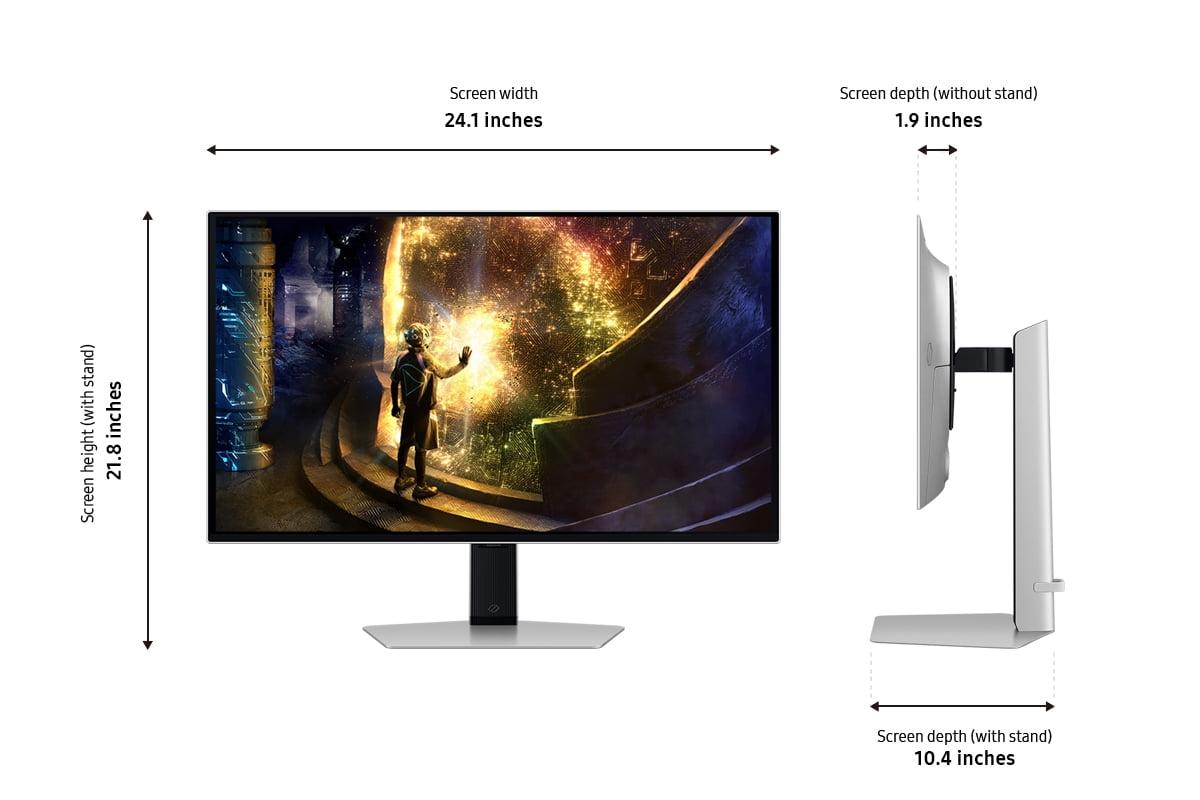
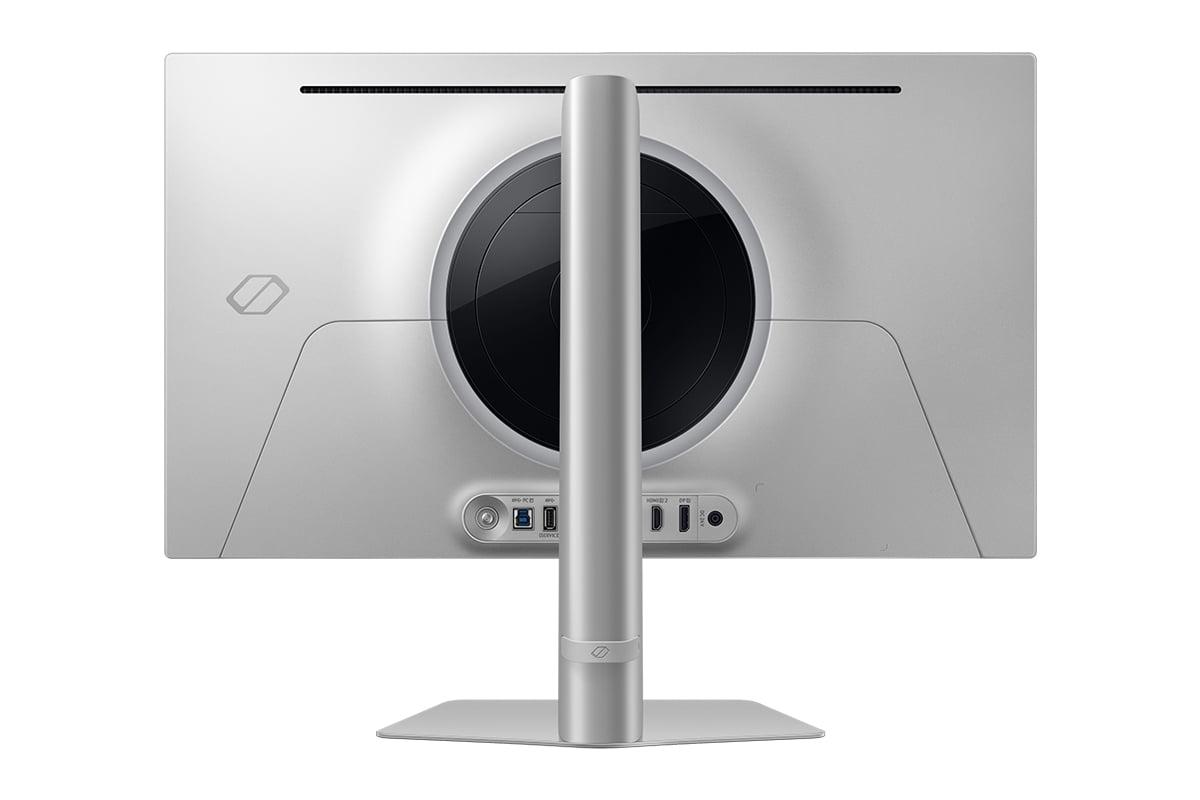
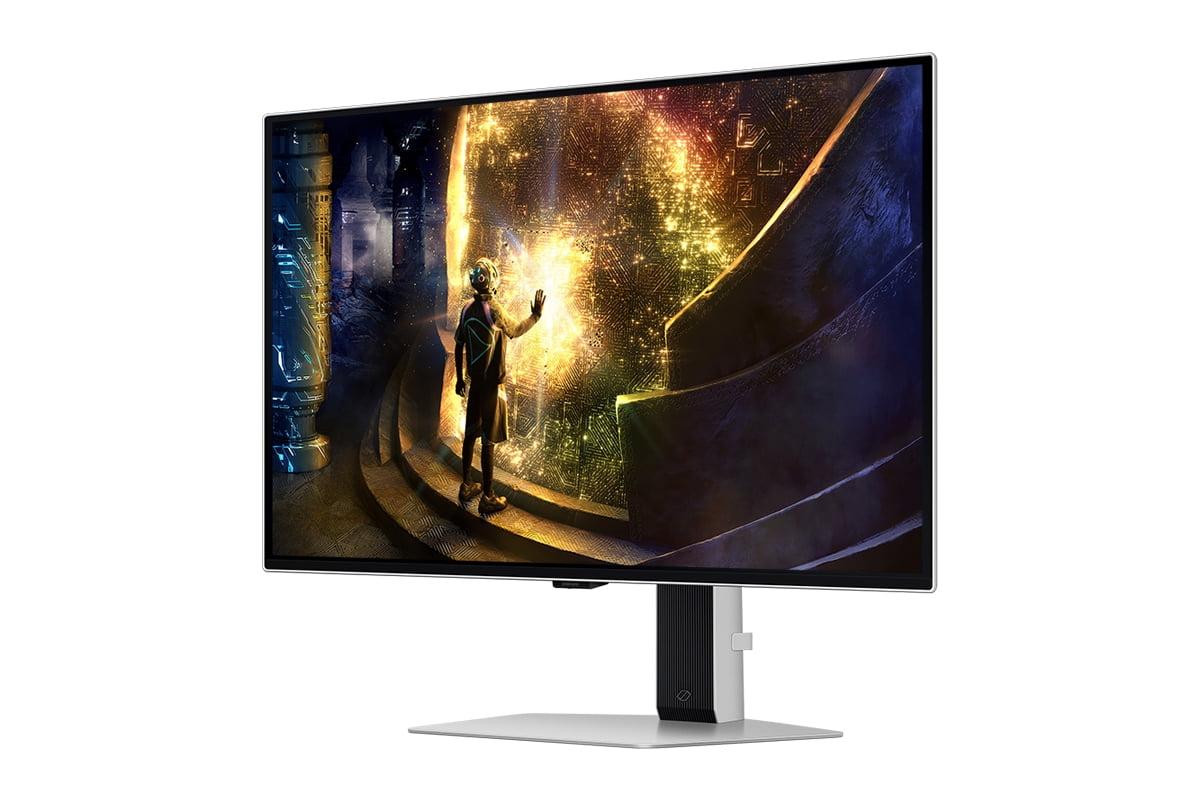
The Samsung Odyssey OLED G6 embraces gaming aesthetics more boldly. It features RGB lighting around the back that can sync with your setup, and the overall design clearly says "gaming monitor." The metal construction feels equally premium, and the stand provides excellent ergonomic adjustments. The lack of built-in speakers might be disappointing to some, but most serious gamers use dedicated headphones or speakers anyway.
Both monitors work well with consoles, but they serve different use cases. The Sony INZONE M9 II is particularly well-suited for PlayStation 5 gaming, with automatic HDR optimization and support for the console's 4K capabilities. If you're planning to use your monitor for both PC and console gaming, the 4K resolution means you're getting the full benefit of next-generation console graphics.
For home theater use, the Sony INZONE M9 II has some advantages. The 4K resolution means native compatibility with 4K movies and streaming content, and the sustained brightness performance works well for varied content types. The anti-glare coating helps in brighter rooms.
The Samsung Odyssey OLED G6 excels for console gaming in different ways. While it upscales console output from 4K to its native QHD resolution, the perfect blacks and vibrant colors make games look incredibly impressive. The OLED technology really shines with HDR gaming content, and the high refresh rate benefits console games that support 120Hz modes.
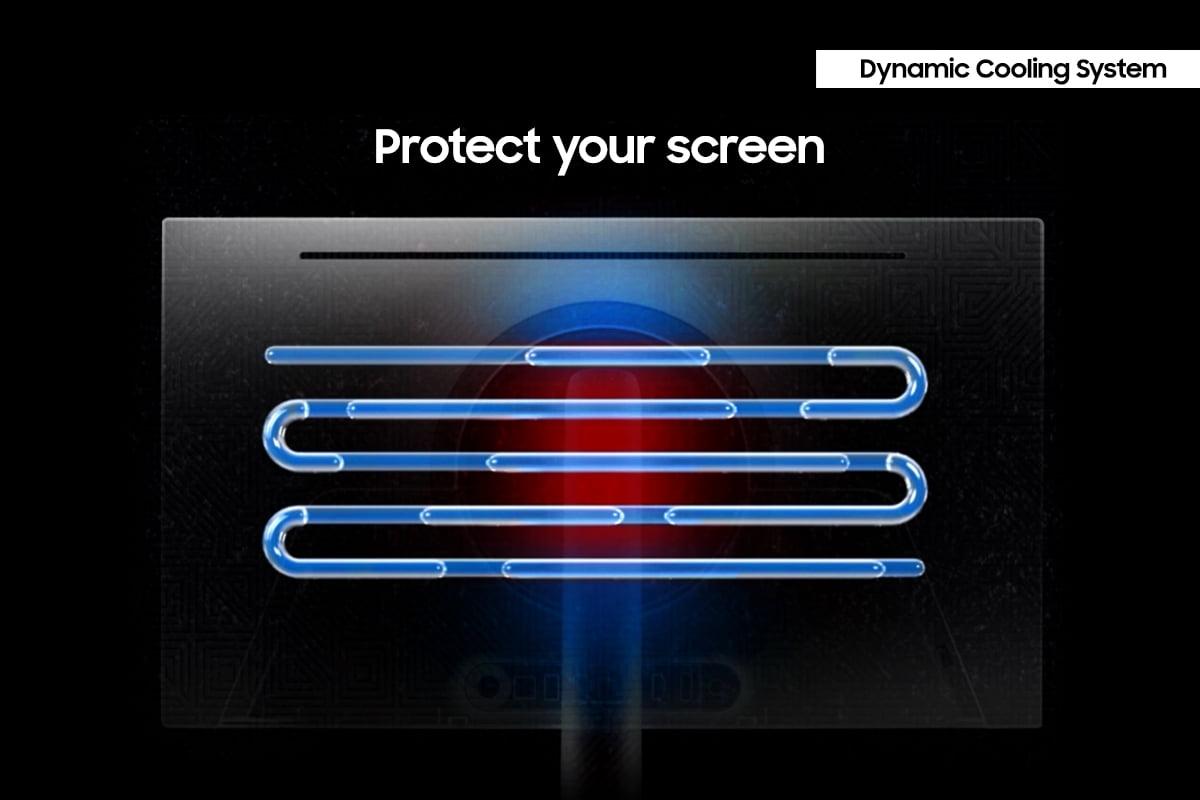
One consideration that comes up frequently with OLED monitors is burn-in – permanent image retention from static elements like taskbars or game HUDs. Samsung has implemented what they call OLED Safeguard+ technology in the Samsung Odyssey OLED G6, including a dynamic cooling system and automatic brightness adjustments to minimize this risk. They also provide a 3-year warranty that covers burn-in under normal use conditions.
The Sony INZONE M9 II doesn't have burn-in concerns due to its LCD technology, but it comes with a shorter 1-year warranty. For long-term reliability, LCD technology is generally more worry-free, while OLED requires some consideration of usage patterns.
At the time of writing, both monitors fall into the premium price category, but they offer different value propositions. The Samsung Odyssey OLED G6 typically costs somewhat less while offering what many consider superior display technology. You're getting OLED's perfect contrast, vibrant colors, and ultra-high refresh rates at a competitive price point.
The Sony INZONE M9 II commands a premium for its 4K resolution and PlayStation integration features. Whether that premium is worth it depends largely on how much you value maximum pixel density and Sony's ecosystem features.
After spending time with both monitors, here's how I'd approach the decision:
Choose the Sony INZONE M9 II if you're someone who values image fidelity above all else. If you love exploring detailed game worlds, work with content creation, or primarily game on PlayStation 5, the 4K resolution and integrated features make it worth considering. It's also the safer choice if you're worried about OLED burn-in or want a monitor that works well for varied content types.
Go with the Samsung Odyssey OLED G6 if you prioritize visual impact and gaming performance. The combination of perfect blacks, vibrant colors, and 360Hz refresh rate creates an incredibly engaging gaming experience. It's particularly compelling for competitive gamers or anyone who wants the most advanced display technology available.
Consider your GPU capabilities too. Running games at 4K requires significantly more graphics processing power than QHD. If you have a high-end graphics card, either monitor will serve you well. If your GPU is more modest, the Samsung Odyssey OLED G6 will be much easier to drive at high frame rates.
Both the Sony INZONE M9 II and Samsung Odyssey OLED G6 represent excellent approaches to premium gaming monitors. The Sony offers the pixel density perfectionists crave along with thoughtful PlayStation integration. The Samsung delivers cutting-edge display technology with competitive gaming performance that's hard to beat.
In my experience, most gamers will find the Samsung Odyssey OLED G6 more immediately impressive due to its superior contrast and smooth motion. However, the Sony INZONE M9 II provides a more traditional premium monitor experience with the sharpest possible image quality.
The decision ultimately comes down to whether you prioritize resolution or refresh rate, and whether the unique benefits of each monitor align with your specific gaming habits and setup. Either way, you're getting a monitor that represents the current state of the art in gaming display technology.
| Sony INZONE M9 II | Samsung Odyssey OLED G6 |
|---|---|
| Display Technology - Determines contrast, color vibrancy, and long-term reliability | |
| IPS LCD with 96-zone Full Array Local Dimming | QD-OLED with per-pixel lighting |
| Resolution - Affects image sharpness and GPU requirements | |
| 4K (3840×2160) - 163 PPI for razor-sharp detail | QHD (2560×1440) - 109 PPI, easier to drive at high framerates |
| Refresh Rate - Critical for competitive gaming and motion clarity | |
| 160Hz maximum | 360Hz maximum |
| Response Time - Reduces ghosting and motion blur | |
| 1ms GtG with backlight scanning | 0.03ms GtG (virtually instantaneous) |
| HDR Performance - Enhances gaming immersion and media consumption | |
| DisplayHDR 600, 750 nits peak brightness | HDR10/HDR10+ Gaming, ~1,000 nits peak (small areas) |
| Contrast Ratio - Affects depth and realism of dark scenes | |
| 80,000:1 dynamic (with local dimming zones) | 1,000,000:1 infinite (true blacks) |
| Color Coverage - Important for vibrant visuals and content creation | |
| 95% DCI-P3 with excellent accuracy | 99% DCI-P3 with exceptional vibrancy |
| Console Integration - Specialized features for PlayStation and Xbox | |
| Auto HDR Tone Mapping for PS5/PS5 Pro, 24.5" esports mode | Universal console compatibility, no brand-specific features |
| Connectivity - Determines compatibility with PCs and consoles | |
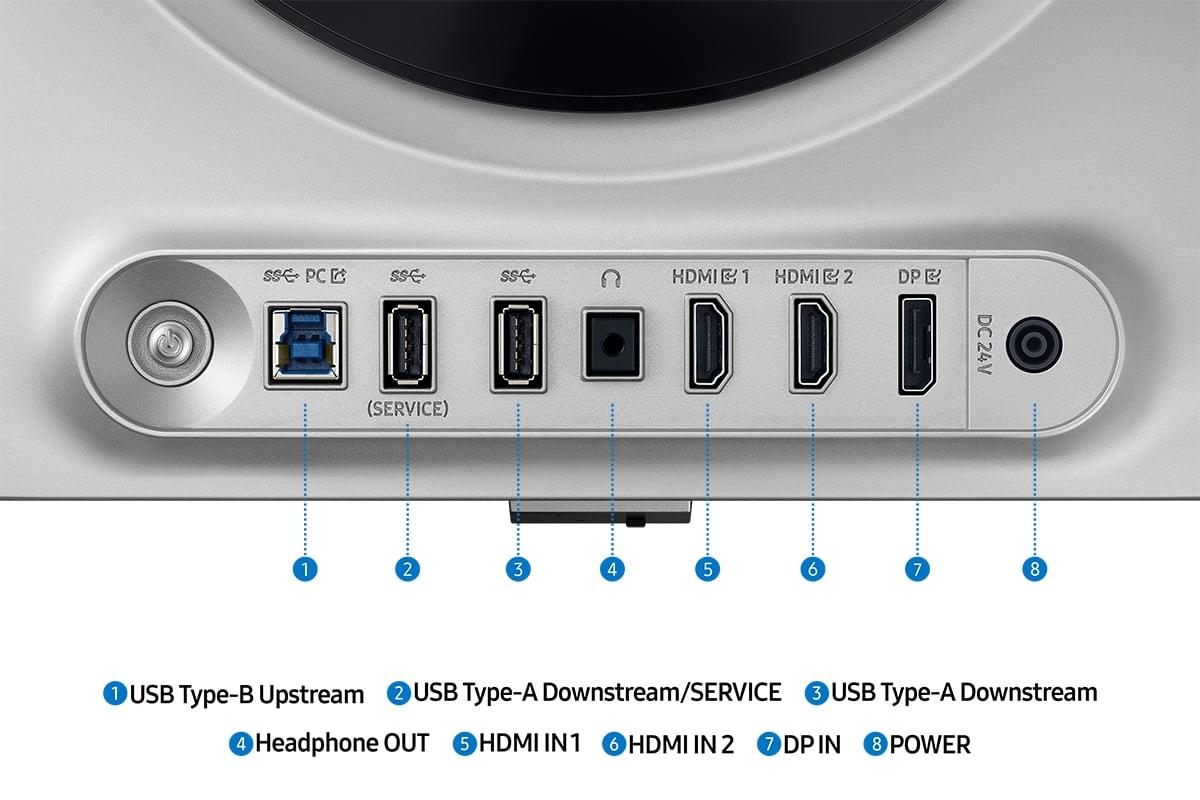
| DisplayPort 2.1, 2x HDMI 2.1, USB hub | DisplayPort 1.4, 2x HDMI 2.1, USB hub |
| Burn-in Risk - Long-term durability consideration | |
| No burn-in risk (LCD technology) | Potential OLED burn-in with OLED Safeguard+ protection |
| Warranty Coverage - Protection for your investment | |
| 1 year standard warranty | 3 years including burn-in protection |
| Ergonomics - Desk setup and viewing comfort | |
| Height, tilt, swivel adjustable with circular base | Premium metal stand with full adjustability and RGB lighting |
| Built-in Audio - Convenience for casual use | |
| 2x 2W integrated speakers | No built-in speakers |
| Anti-Glare Performance - Usability in bright environments | |
| Standard anti-glare coating | OLED Glare Free technology for superior reflection control |
The Samsung Odyssey OLED G6 is superior for competitive gaming due to its 360Hz refresh rate and 0.03ms response time, compared to the Sony INZONE M9 II's 160Hz and 1ms response time. The faster refresh rate provides smoother motion tracking and reduced input lag, giving competitive players a real advantage in fast-paced games like FPS titles.
The Sony INZONE M9 II offers 4K resolution (3840×2160) with 78% more pixels than the Samsung Odyssey OLED G6's QHD resolution (2560×1440). 4K provides sharper text and more detailed images, while QHD is easier for your graphics card to handle at high frame rates and still looks crisp on a 27-inch screen.
The Samsung Odyssey OLED G6 delivers superior picture quality for immersive gaming with perfect blacks, infinite contrast, and more vibrant colors thanks to its OLED technology. While the Sony INZONE M9 II offers sharper 4K detail, the Samsung's contrast and color performance create more impactful visuals in atmospheric games.
Both monitors excel with PS5, but serve different needs. The Sony INZONE M9 II offers dedicated PlayStation features like Auto HDR Tone Mapping and native 4K support. The Samsung Odyssey OLED G6 provides excellent HDR performance and supports 120Hz console gaming, though it upscales the PS5's 4K output to its QHD resolution.
The Sony INZONE M9 II is better for movies due to its native 4K resolution matching streaming content and sustained brightness performance. However, the Samsung Odyssey OLED G6 offers superior contrast for cinematic content with perfect blacks and vibrant HDR, making it excellent for darker viewing environments.
The Samsung Odyssey OLED G6's OLED technology provides perfect blacks, infinite contrast, and more vibrant colors since each pixel produces its own light. The Sony INZONE M9 II's LCD technology offers consistent brightness, no burn-in risk, and typically better longevity, making it more worry-free for varied usage patterns.
The Samsung Odyssey OLED G6 is much easier to drive at high frame rates due to its QHD resolution requiring about 44% fewer pixels to render than the Sony INZONE M9 II's 4K resolution. This means you can achieve higher frame rates with the same graphics card on the Samsung monitor.
The Sony INZONE M9 II has no burn-in risk due to its LCD technology. The Samsung Odyssey OLED G6 has potential OLED burn-in concerns, but Samsung includes OLED Safeguard+ protection technology and covers burn-in under warranty for normal usage, making it much less of a concern than with older OLED displays.
The Sony INZONE M9 II is better for content creation due to its 4K resolution providing more screen real estate and sharper text, plus excellent color accuracy. The Samsung Odyssey OLED G6 offers more vibrant colors but the lower QHD resolution provides less workspace for detailed editing tasks.
The Samsung Odyssey OLED G6 includes a 3-year warranty that covers burn-in protection under normal use. The Sony INZONE M9 II comes with a standard 1-year warranty. Samsung's longer coverage provides better peace of mind, especially given the OLED technology's burn-in considerations.
The Samsung Odyssey OLED G6 typically offers better value with premium OLED technology, higher refresh rates, and longer warranty coverage at a competitive price point. The Sony INZONE M9 II commands a premium for its 4K resolution and PlayStation integration features, making it worthwhile mainly if you specifically need those capabilities.
Yes, both excel at HDR gaming but differently. The Samsung Odyssey OLED G6 provides more impactful HDR with perfect blacks and high peak brightness in highlights. The Sony INZONE M9 II offers DisplayHDR 600 certification with good sustained brightness and automatic HDR optimization for PlayStation consoles, making both excellent choices for HDR gaming.
We've done our best to create useful and informative comparisons to help you decide what product to buy. Our research uses advanced automated methods to create this comparison and perfection is not possible - please contact us for corrections or questions. These are the sites we've researched in the creation of this article: bestbuy.com - bestbuy.com - rtings.com - rtings.com - tomshardware.com - youtube.com - bhphotovideo.com - bestbuy.com - sony.com - techpowerup.com - electronics.sony.com - sony.com - displayspecifications.com - direct.playstation.com - youtube.com - sony.com - sony.com - displayspecifications.com - bhphotovideo.com - displayspecifications.com - bestbuy.com - gamesradar.com - gamesradar.com - versus.com - lowyat.net - youtube.com - player2.net.au - versus.com - rtings.com - youtube.com - samsung.com - files.bbystatic.com - bestbuy.com - samsung.com - samsung.com - bestbuy.com - de.shi.com - bhphotovideo.com - pangoly.com - youtube.com

Privacy Policy
Terms and Conditions - Affiliate Policy
Home Security
© Copyright 2008-2026.
11816 Inwood Rd #1211, Dallas, TX 75244