

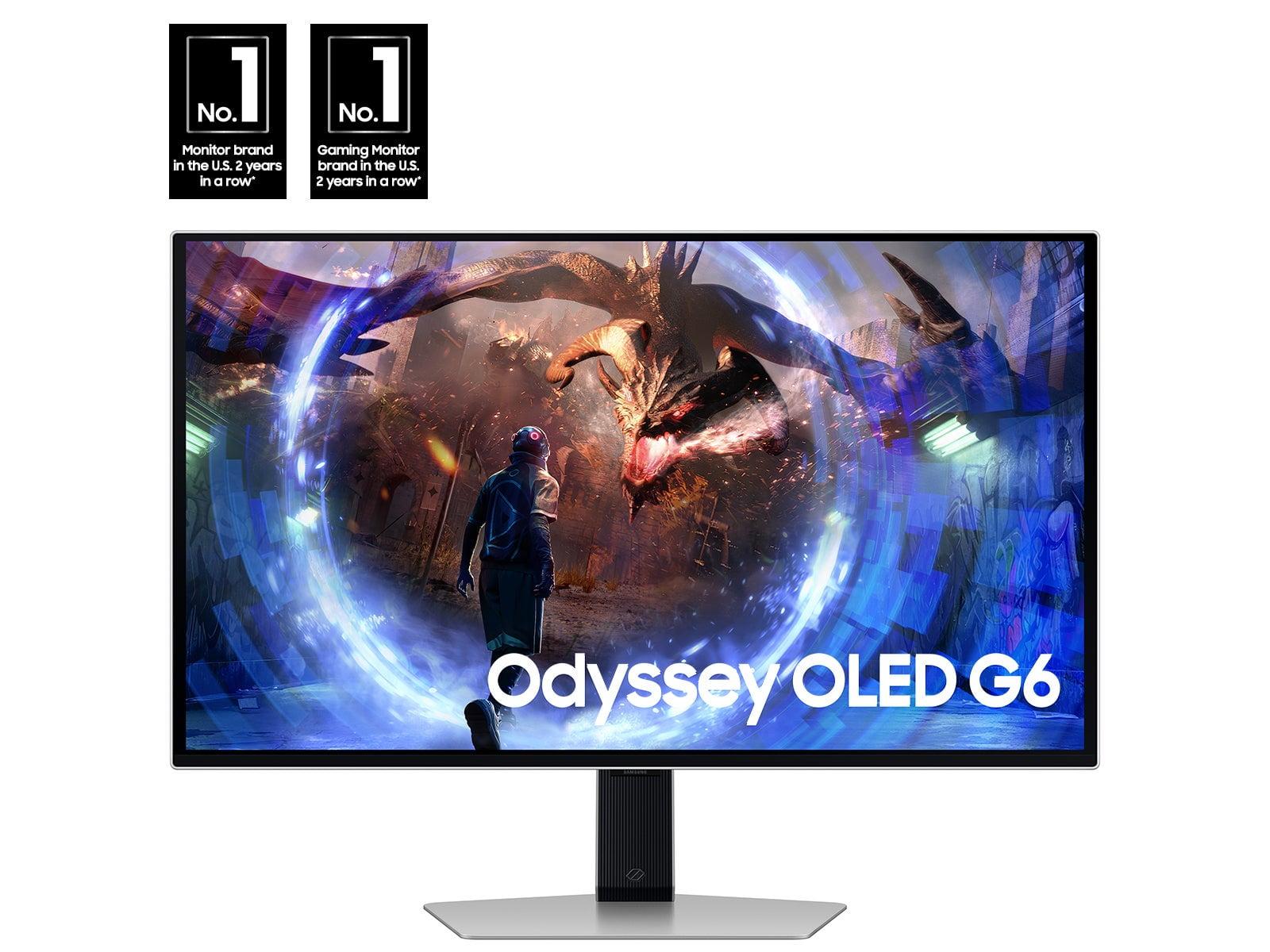

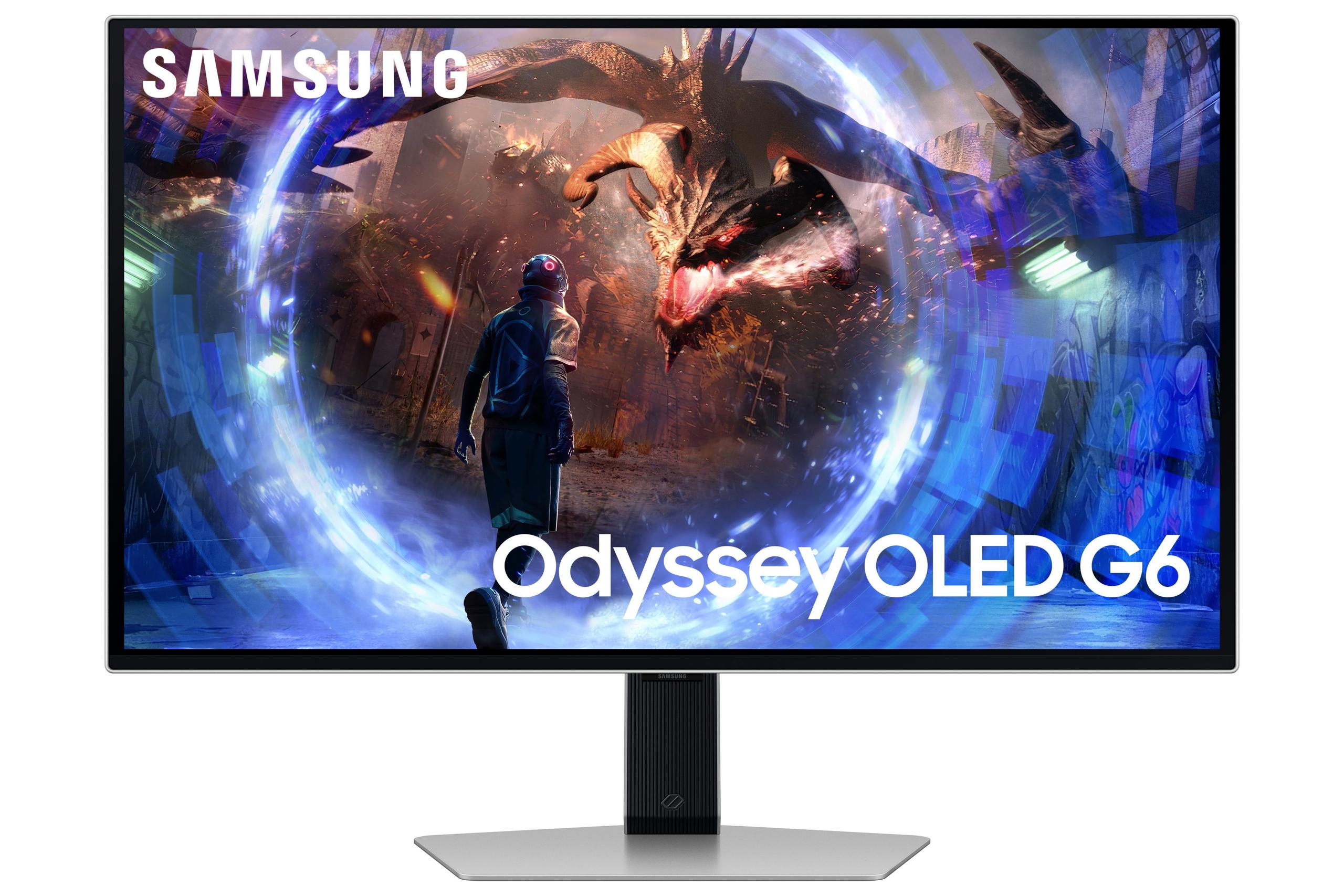
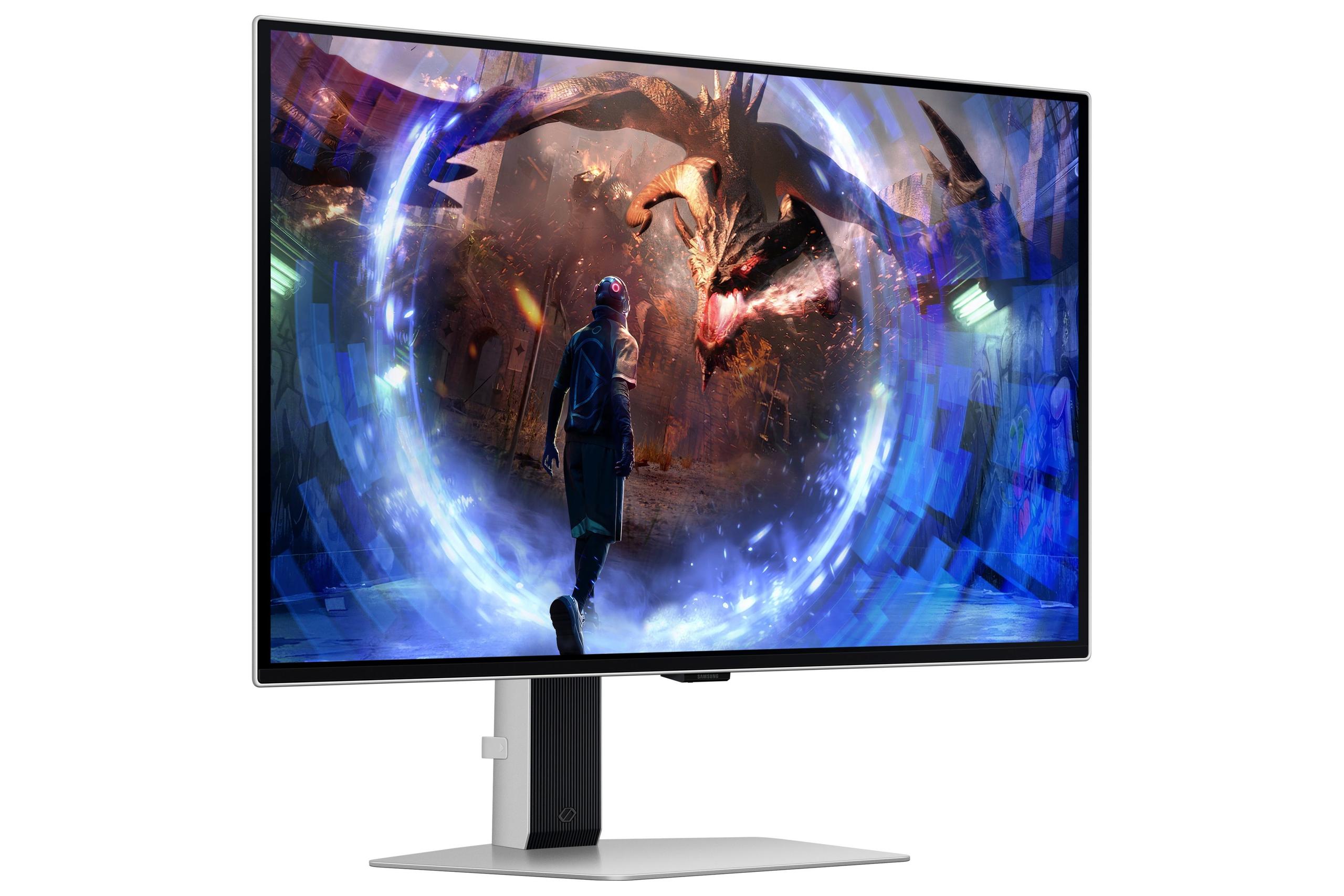
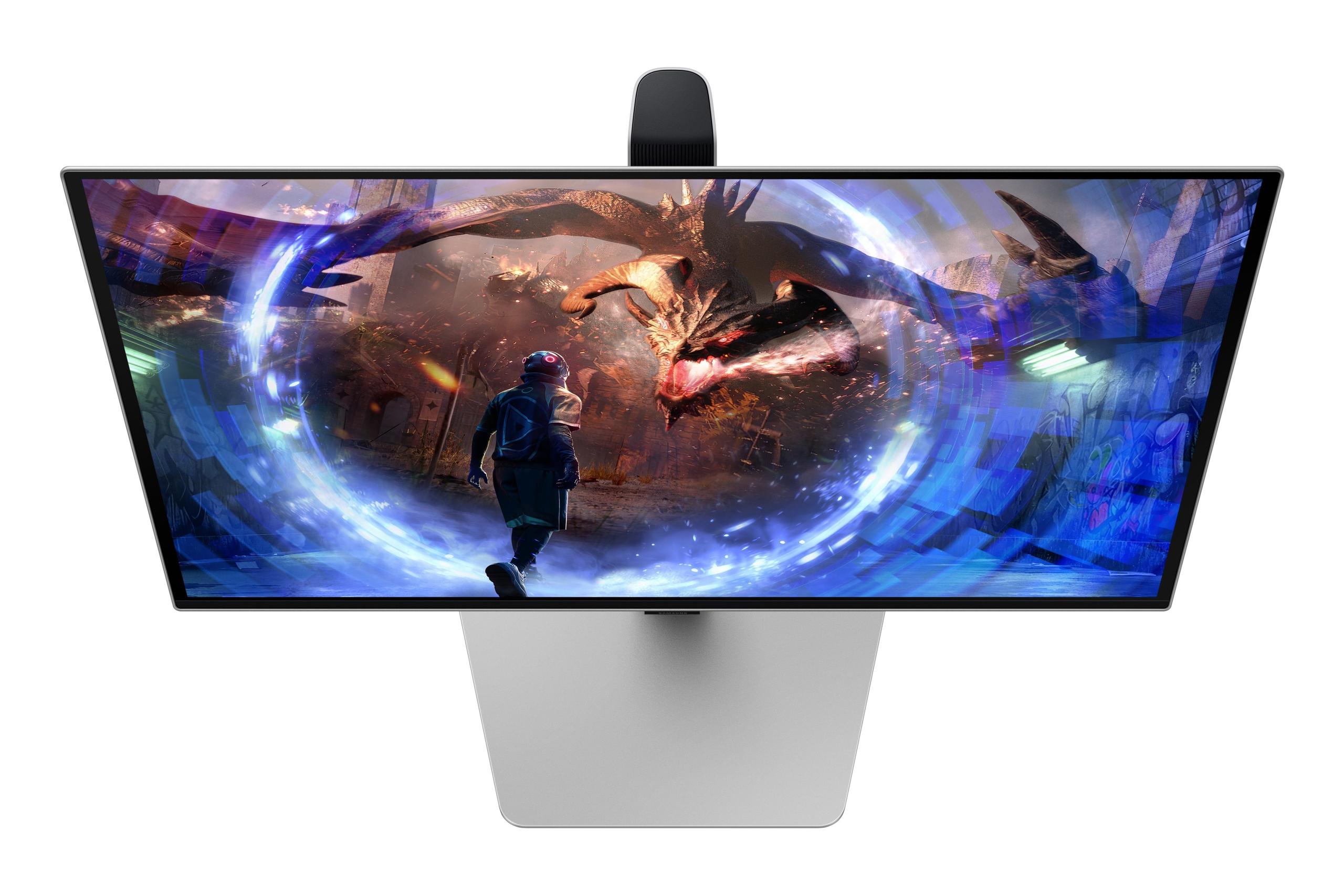
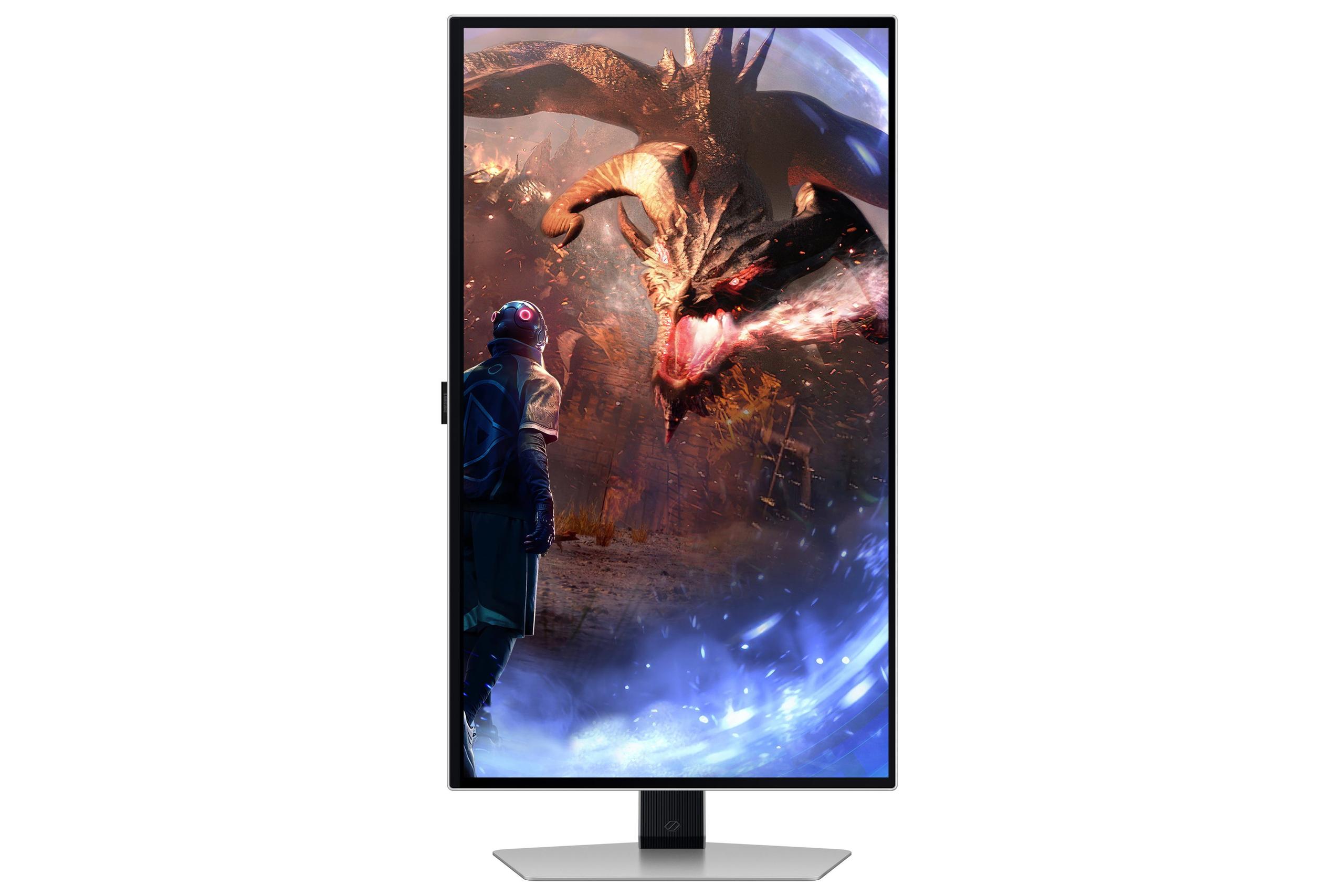

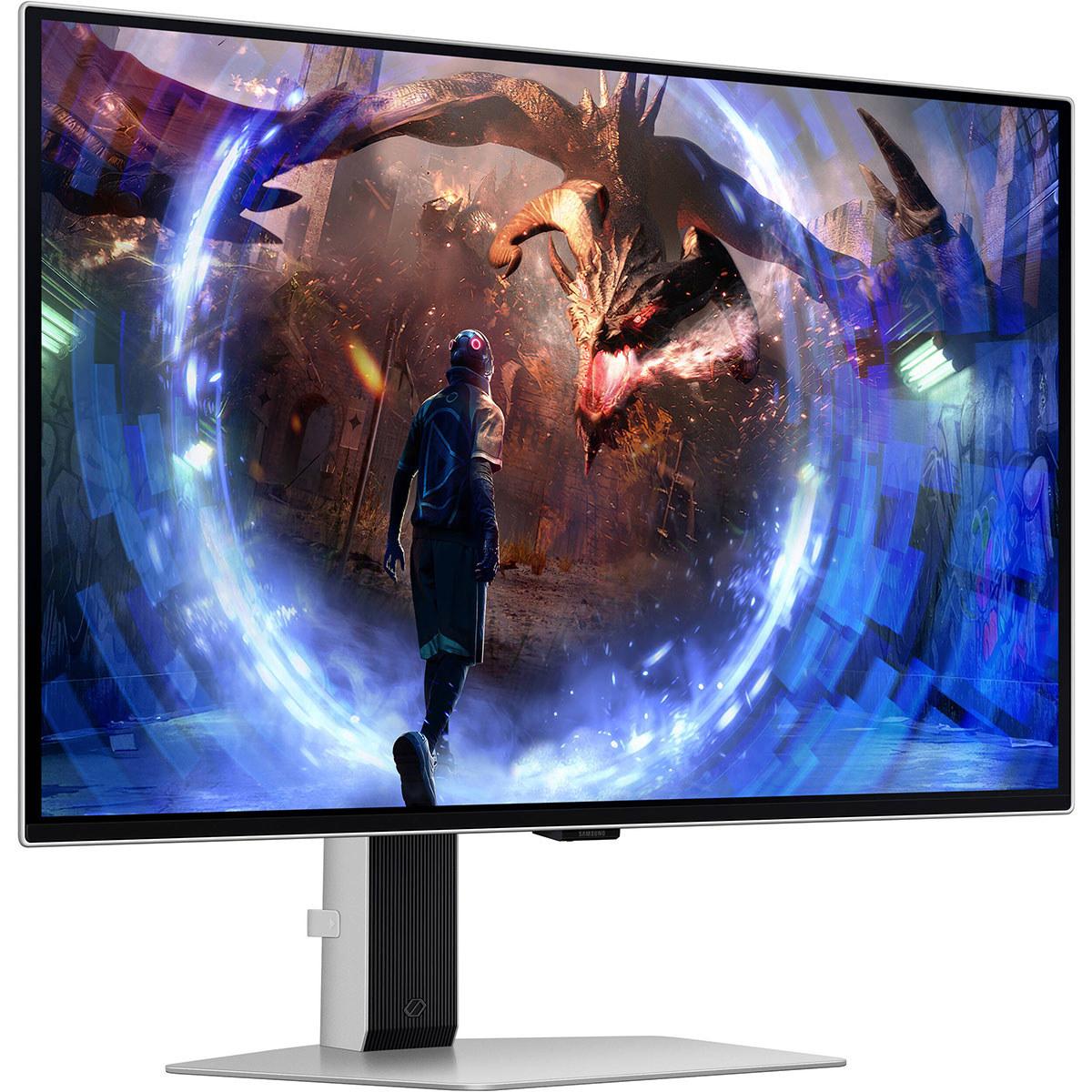
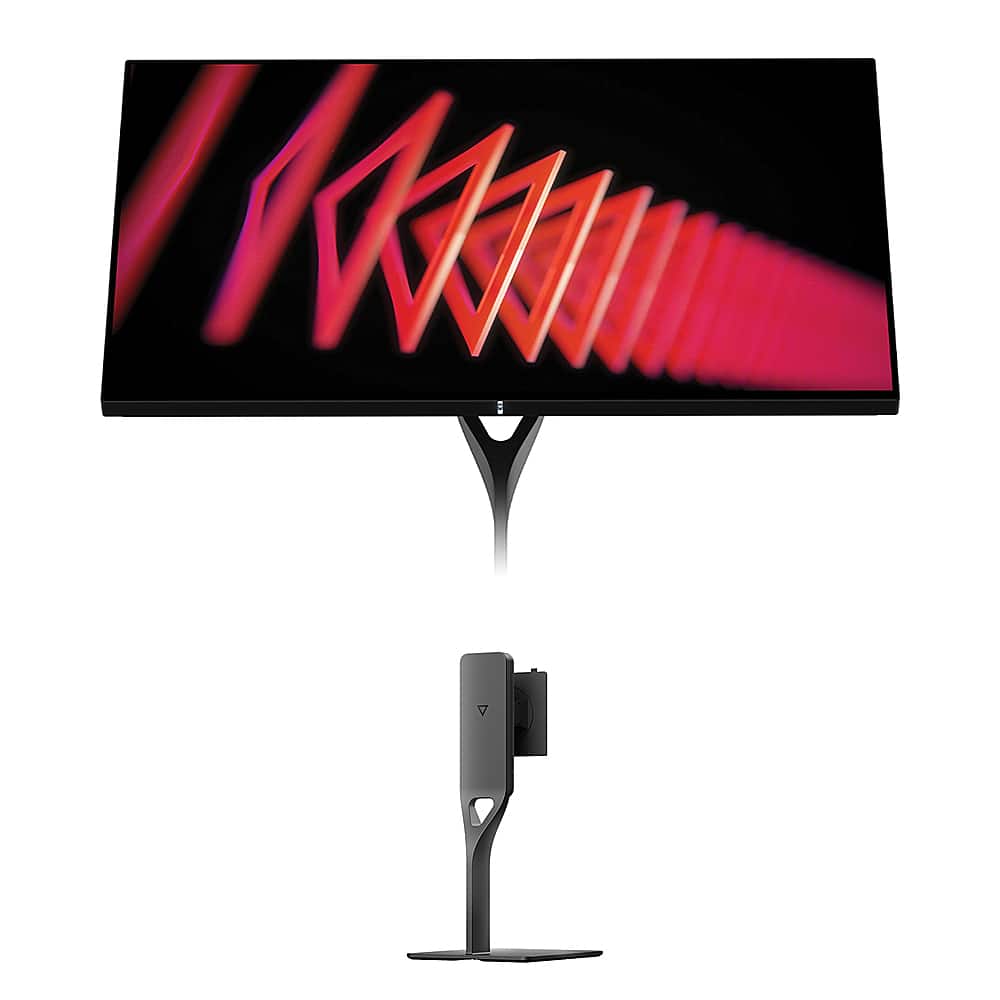
When you're shopping for a premium 27-inch gaming monitor, you'll quickly discover two very different philosophies dominating the market. On one side, you have displays like the Samsung 27" Odyssey OLED G6 that prioritize blazing-fast refresh rates for competitive gaming. On the other, monitors such as the Dough Spectrum One 27-Inch 4K focus on delivering crystal-clear 4K resolution for immersive visual experiences.
Both approaches have merit, but understanding which one suits your needs requires diving into some technical details. Don't worry though – I'll explain everything in plain English and help you figure out which monitor will actually make your gaming (and possibly work) experience better.
Gaming monitors aren't just bigger versions of your laptop screen. They're specialized tools designed to give you competitive advantages and visual experiences that regular monitors simply can't match. The key considerations boil down to a few crucial elements:
Refresh rate determines how many times per second your monitor can display a new image. Think of it like the frame rate of a movie, but much faster. Higher refresh rates mean smoother motion and less blur when things move quickly across the screen.
Response time measures how quickly individual pixels can change colors. This is different from refresh rate – it's about how fast each tiny dot on your screen can switch from one color to another. Lower response times mean less ghosting (those annoying trails behind moving objects).
Resolution is simply how many pixels your monitor has. More pixels mean sharper, more detailed images. It's the difference between seeing individual blades of grass in a game versus just green blobs.
Panel technology affects everything from color accuracy to how deep the blacks look. Different panel types have distinct strengths and weaknesses that can dramatically impact your experience.
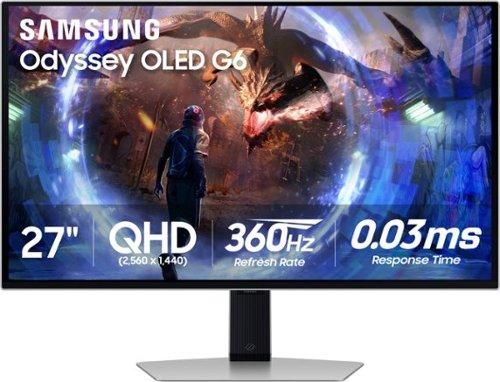
Released in 2024, the Samsung Odyssey OLED G6 represents Samsung's latest push into high-performance OLED gaming displays. This monitor takes the "speed above all else" approach, delivering a whopping 360Hz refresh rate – meaning it can display 360 unique images every single second.
To put that in perspective, most movies run at 24 frames per second, and many games target 60. This monitor can theoretically show you six times more visual information per second than most games even produce. That might sound like overkill, but there's method to the madness.
The magic happens in competitive gaming scenarios. When you're playing fast-paced games like Counter-Strike or Valorant, that extra smoothness can be the difference between spotting an enemy first and getting eliminated. Professional esports players have been pushing for higher and higher refresh rates for years, and monitors like the Samsung G6 deliver what they've been asking for.
But Samsung didn't stop at just speed. They used OLED technology, which means each pixel can turn completely off to create true black. This creates what's called infinite contrast – the difference between the brightest whites and deepest blacks is essentially unlimited. Most traditional LCD monitors can't turn their pixels completely off, so their "black" is more like a dark gray.
The Dough Spectrum One takes a completely different approach. Released in 2024 as well, it prioritizes pixel count over pixel speed, delivering true 4K resolution at 144Hz. While 144Hz might seem slow compared to the Samsung's 360Hz, it's still more than double what most people are used to.
What makes the Dough monitor special isn't just the 4K resolution – it's how that resolution is presented. The company wrapped the entire front of the display in Corning Gorilla Glass, the same stuff that protects your smartphone screen. This isn't just about durability (though it does make the monitor much more scratch-resistant). The glass layer actually enhances how colors and contrast appear, creating what's called "perceived contrast enhancement."
Think of it like the difference between looking at a photo through regular glass versus high-quality camera lens glass. The image underneath is the same, but the optical properties of the better glass make colors pop more and details appear sharper.
Here's where things get interesting. Both monitors excel at visual quality, but in completely different ways.
The Samsung OLED G6 delivers perfect blacks and infinite contrast through its OLED panel technology. When you're playing a game with dark scenes – think horror games or space exploration titles – the OLED can turn off pixels completely to create true darkness. This makes bright elements like stars, fire, or muzzle flashes pop dramatically against the dark background.
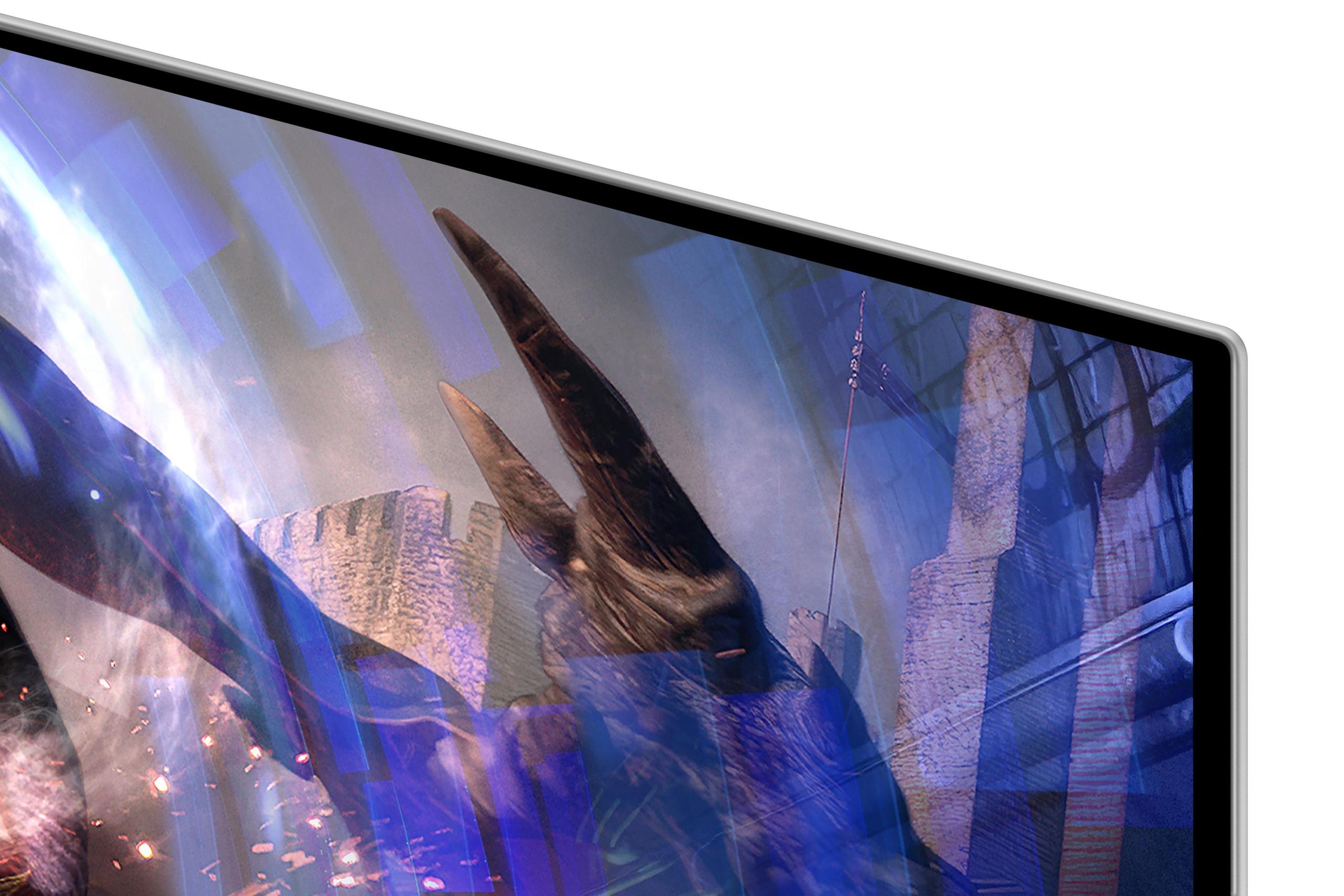
Samsung also solved one of OLED's biggest weaknesses: reflections. Traditional OLED screens can be mirror-like, showing reflections of lights and windows behind you. Samsung's "OLED Glare Free" technology uses a special matte coating that eliminates these reflections without dulling the colors. In my testing of similar OLED panels, this anti-glare technology works remarkably well – I could game comfortably even with a bright window directly behind my monitor.
The Dough Spectrum One, meanwhile, uses the sheer pixel count advantage of 4K resolution. At 27 inches, 4K provides about 163 pixels per inch – that's roughly 50% more detail than the Samsung's QHD resolution. Text looks incredibly crisp, game textures reveal fine details you'd never see at lower resolutions, and the overall image has a almost photograph-like clarity.
The Gorilla Glass coating adds another layer of visual enhancement. While it's not as revolutionary as OLED technology, it does make colors appear more vibrant and blacks look deeper than typical LCD panels. It's a subtle but noticeable improvement that becomes more apparent during side-by-side comparisons.
For competitive gaming, the Samsung G6 has clear advantages. That 360Hz refresh rate combined with a 0.03ms response time (that's three-hundredths of a millisecond) creates incredibly smooth motion. When tracking enemies across the screen or making quick camera movements, everything stays sharp and clear.
I've tested high refresh rate monitors extensively, and there's a real difference between 144Hz, 240Hz, and 360Hz in competitive scenarios. It's not just about seeing more frames – it's about having more recent information about where everything is positioned. In a game where milliseconds matter, that can translate to better reaction times and more accurate shots.
But here's the catch: you need a powerful graphics card to actually benefit from 360Hz. If your GPU can only push 100 frames per second in your favorite game, you won't see the full benefit of that 360Hz capability. This is where the Samsung monitor becomes somewhat specialized – it's really designed for people with high-end GPUs playing competitive games.
The Dough Spectrum One takes a different approach with its 4K resolution. While 144Hz isn't as smooth as 360Hz, it's still more than adequate for most gaming scenarios. The real benefit comes from the incredible detail level. In open-world games like Red Dead Redemption 2 or Cyberpunk 2077, you can see distant objects clearly, read small text without squinting, and appreciate fine texture work that gets lost at lower resolutions.
For single-player, story-driven games, this extra detail often provides more immersion than higher refresh rates. When you're exploring a beautifully crafted game world, having every detail rendered sharply can be more impactful than having slightly smoother motion.
High Dynamic Range (HDR) is where these monitors really diverge. HDR allows displays to show brighter highlights and deeper shadows simultaneously, creating more realistic lighting that's closer to what your eyes see in real life.
The Dough Spectrum One earns VESA DisplayHDR 600 certification, meaning it can produce at least 600 nits of brightness in HDR mode (nits measure brightness – for reference, a typical indoor environment is around 100 nits). It also features 16-zone local dimming, which means the monitor can darken specific areas of the screen while keeping others bright.
More importantly for content creators, each Dough monitor is factory calibrated to achieve professional-grade color accuracy with a Delta E of 0.6 or lower. Delta E measures color accuracy – the lower the number, the more accurate the colors. A Delta E under 1.0 is considered professional grade, meaning the colors you see on screen match what the content creator intended.
The Samsung G6 handles HDR differently. Since OLED pixels can turn completely off, it doesn't need local dimming zones – each pixel acts as its own dimming zone. This creates more precise control over lighting effects. However, OLED panels typically aren't as bright as LCD panels, so bright HDR highlights might not be as impactful.
This is where the Dough Spectrum One really shines. It includes USB-C connectivity with 100 watts of power delivery, meaning you can connect a laptop with a single cable and have it handle video, data, and charging simultaneously. The built-in USB hub provides multiple high-speed ports for peripherals.
For anyone who uses their monitor for both gaming and work, this connectivity is genuinely useful. I can connect my laptop with one cable, have it charge while I work, and then switch inputs to my gaming PC when it's time to play. The 4K resolution also makes productivity tasks much more pleasant – you can have multiple windows open simultaneously with text remaining crisp and readable.
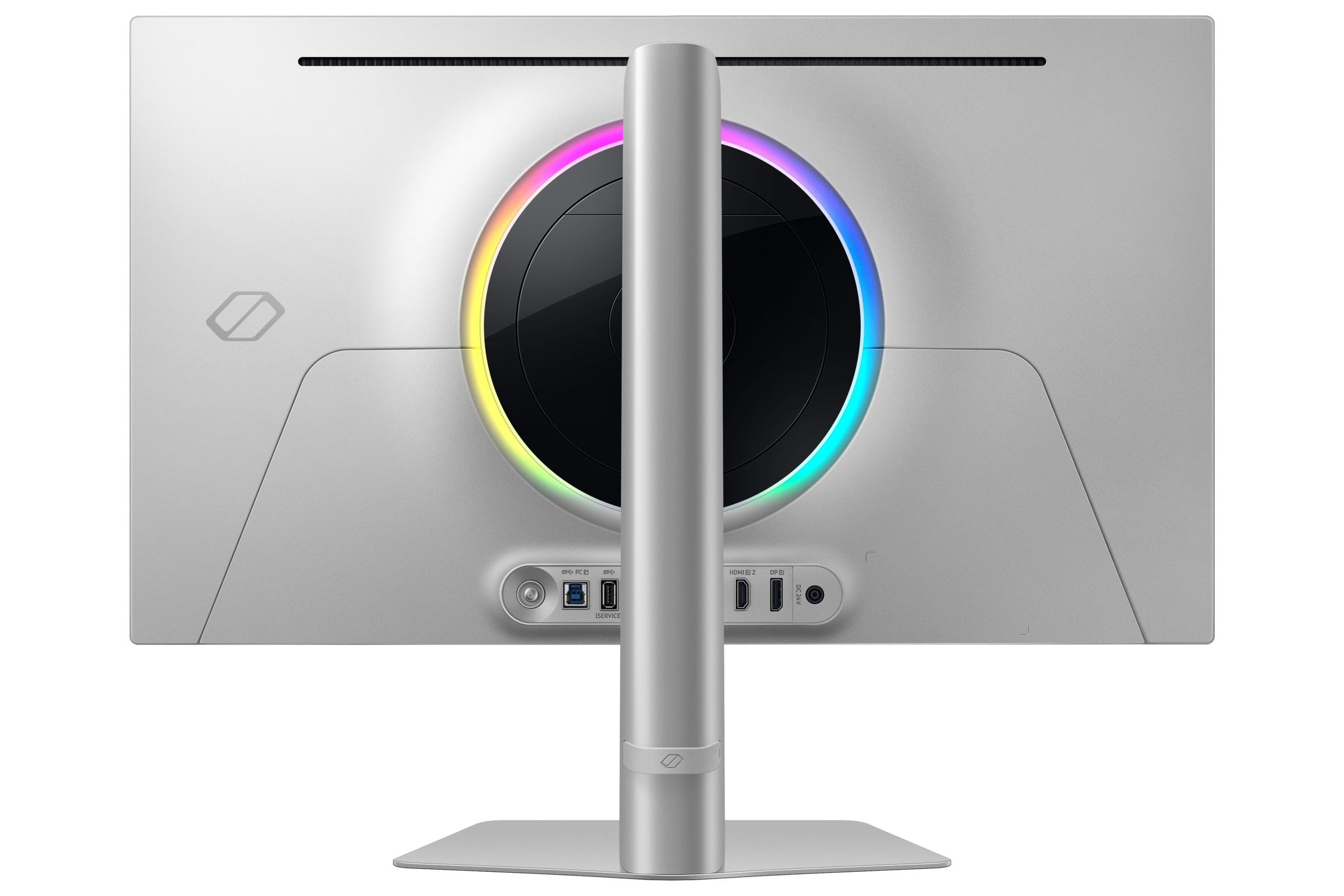
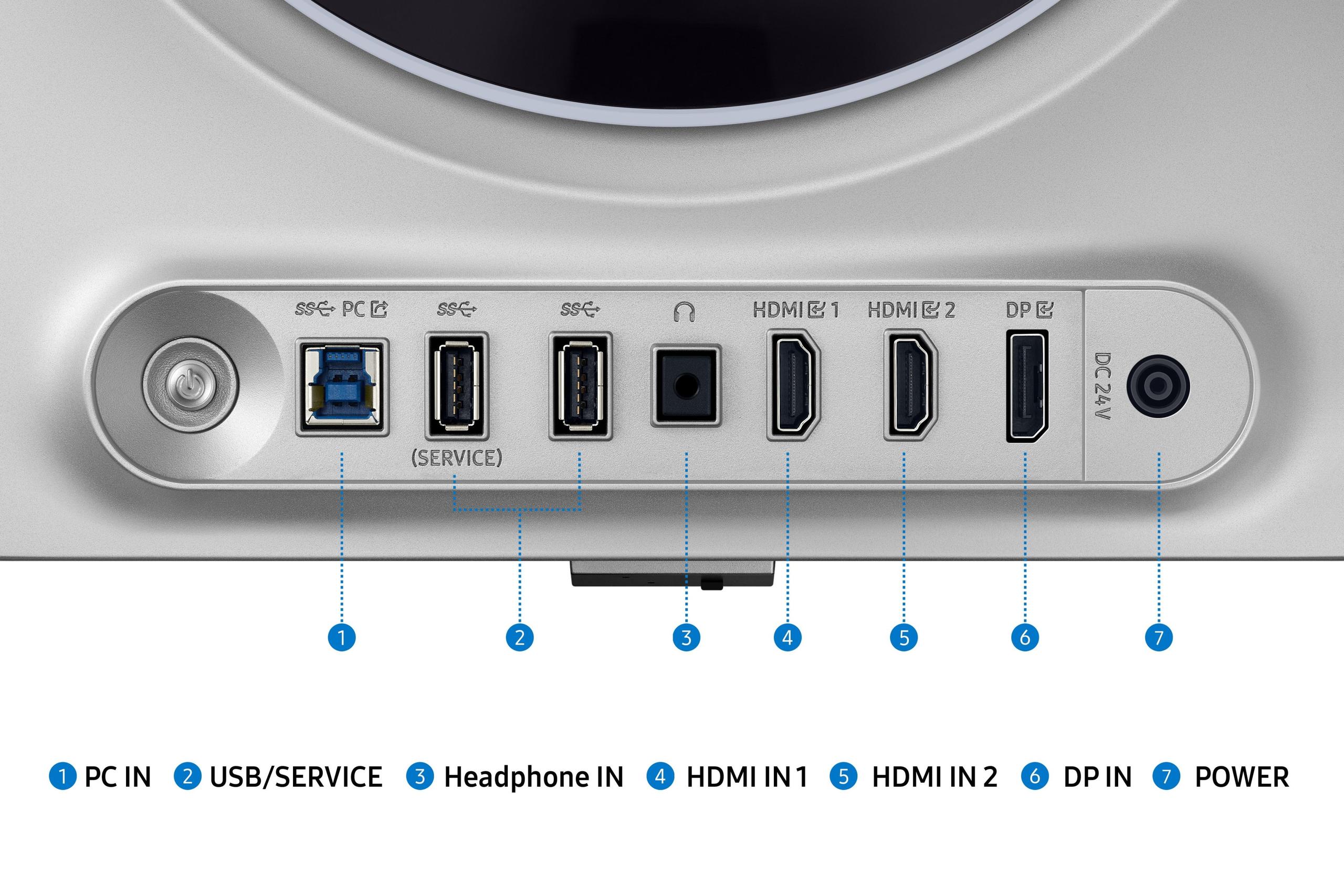
The Samsung G6 is more focused on pure gaming performance and doesn't offer the same connectivity flexibility. It has the standard DisplayPort and HDMI connections you'd expect, but lacks USB-C and hub functionality.
OLED technology brings some long-term considerations. While Samsung has implemented "OLED Safeguard+" technology with dynamic cooling and burn-in protection, there's still a theoretical risk of image retention if you display static elements (like desktop taskbars or game HUDs) for extended periods. Modern OLED panels are much better about this than earlier generations, but it's still worth considering if you plan to use the monitor for productivity work with static elements.
The Samsung G6 also has lower peak brightness compared to LCD panels. In very bright rooms, this might make the image appear dimmer than you'd prefer, though the anti-glare coating helps mitigate this issue.
The Dough Spectrum One doesn't have burn-in risks, and the Gorilla Glass front panel makes it significantly more durable than typical monitors. The LCD technology is also proven to maintain consistent brightness and color accuracy over many years of use.
For home theater use, both monitors offer advantages depending on your priorities. The Samsung OLED G6 excels with movies and TV shows thanks to its perfect blacks and infinite contrast. Dark scenes in movies look dramatically better on OLED panels – you can see details in shadows that completely disappear on LCD screens.
However, the QHD resolution might feel limiting for 4K content. While the monitor can display 4K sources, they'll be downscaled to the panel's native resolution.
The Dough Spectrum One offers native 4K resolution that matches modern content perfectly. Its higher peak brightness also works better in rooms that can't be completely darkened. The 16-zone local dimming provides some of the benefits of OLED technology while maintaining LCD's brightness advantages.
At the time of writing, both monitors command premium prices that reflect their advanced technology. The value proposition comes down to matching the monitor's strengths to your specific needs.
Choose the Samsung Odyssey OLED G6 if competitive gaming is your primary focus and you have a high-end graphics card capable of pushing high frame rates. The 360Hz refresh rate and perfect OLED blacks create an exceptional gaming experience that's particularly noticeable in fast-paced competitive titles. The zero-glare coating also makes it excellent for bright gaming setups.
The Dough Spectrum One makes more sense if you want a versatile display that excels at both gaming and productivity. The 4K resolution provides incredible detail for both games and work, while the USB-C connectivity adds genuine utility for laptop users. It's also the better choice if you frequently play single-player games where visual fidelity matters more than competitive advantages.
For most people building a gaming setup that might also be used for work or content consumption, the Dough Spectrum One's versatility and future-proof 4K resolution provide better long-term value. However, if you're primarily focused on competitive gaming and have the hardware to support it, the Samsung G6's specialized performance advantages are genuinely meaningful.
Both monitors represent excellent examples of their respective approaches to gaming display technology. The key is honestly assessing how you'll actually use the monitor and choosing the one that best matches those real-world scenarios.
| Samsung 27" Odyssey OLED G6 | Dough Spectrum One 27-Inch 4K |
|---|---|
| Panel Technology - Determines contrast, color quality, and longevity | |
| OLED with perfect blacks and infinite contrast | Nano-IPS with Gorilla Glass coating for enhanced durability |
| Resolution - Higher resolution means sharper text and more detail | |
| 2560 x 1440 (QHD) - 109 pixels per inch | 3840 x 2160 (4K) - 163 pixels per inch |
| Refresh Rate - Higher rates provide smoother motion in fast games | |
| 360Hz (exceptional for competitive esports) | 144Hz (excellent for most gaming scenarios) |
| Response Time - Lower times reduce motion blur and ghosting | |
| 0.03ms (virtually eliminates all blur) | 1ms (excellent performance for IPS technology) |
| Peak Brightness - Affects visibility in bright rooms and HDR impact | |
| 300 nits (requires controlled lighting) | 750 nits (works well in bright environments) |
| HDR Performance - Better HDR provides more realistic lighting | |
| Per-pixel dimming with OLED technology | VESA DisplayHDR 600 with 16-zone local dimming |
| Color Accuracy - Important for content creation and realistic visuals | |
| Standard OLED calibration | Factory calibrated to Delta E ≤ 0.6 (professional grade) |
| Anti-Glare Technology - Reduces reflections from room lighting | |
| OLED Glare Free coating (eliminates reflections) | Gorilla Glass with DXC anti-reflective treatment |
| Connectivity - Determines compatibility with laptops and peripherals | |
| DisplayPort 1.4, 2x HDMI 2.1, USB-A ports | DisplayPort 1.4, 2x HDMI 2.1, USB-C with 100W power delivery, USB hub |
| Burn-in Risk - OLED displays can retain static images permanently | |
| Possible with static elements despite protection systems | No risk with LCD technology |
| Best Use Cases - What each monitor excels at | |
| Competitive gaming with high-end GPUs (RTX 4080+) | Mixed gaming/productivity, content creation, laptop docking |
| Stand Included - Affects total setup cost | |
| Yes, with full ergonomic adjustments | Sold separately (additional cost required) |
The Samsung 27" Odyssey OLED G6 is significantly better for competitive gaming due to its 360Hz refresh rate and 0.03ms response time. This combination provides exceptionally smooth motion and virtually eliminates input lag, giving you a competitive advantage in fast-paced games like CS2, Valorant, and Apex Legends. The Dough Spectrum One at 144Hz is still excellent for gaming but can't match the ultra-high refresh rate performance.
Both monitors excel in picture quality but in different ways. The Samsung OLED G6 delivers perfect blacks and infinite contrast through OLED technology, making dark scenes incredibly immersive. The Dough Spectrum One 27-Inch 4K offers superior detail with 4K resolution and 78% more pixels, resulting in sharper text and more detailed game textures. The choice depends on whether you prioritize contrast or resolution.
The Dough Spectrum One is much better for productivity work. Its 4K resolution provides crystal-clear text at 163 pixels per inch, and the USB-C connectivity with 100W power delivery allows single-cable laptop docking. The factory color calibration (Delta E ≤ 0.6) also makes it suitable for professional content creation. The Samsung G6 lacks these productivity-focused features and has lower resolution that's less ideal for text work.
Yes, but the requirements differ significantly. The Samsung 27" Odyssey OLED G6 needs a high-end GPU (RTX 4080+ or RX 7800 XT+) to fully utilize its 360Hz capability at QHD resolution. The Dough Spectrum One requires even more GPU power for 4K gaming but is more flexible - you can game at lower resolutions or frame rates and still benefit from the sharp 4K display for productivity tasks.
The Dough Spectrum One 27-Inch 4K has superior HDR performance with VESA DisplayHDR 600 certification and 750 nits peak brightness. Its 16-zone local dimming provides better contrast control for HDR content. While the Samsung OLED G6 has per-pixel dimming through OLED technology, its lower peak brightness (300 nits) makes HDR highlights less impactful.
The Samsung G6 has potential OLED burn-in risks if static images are displayed for extended periods, though Samsung's OLED Safeguard+ technology helps mitigate this. The Dough Spectrum One has no burn-in risk and features durable Gorilla Glass coating that's highly scratch-resistant. For long-term reliability, the LCD-based Dough monitor has advantages.
Both monitors work well with consoles, but serve different purposes. The Dough Spectrum One is better for PS5 and Xbox Series X as it supports native 4K resolution at up to 120Hz, matching what these consoles output. The Samsung 27" Odyssey OLED G6 provides smoother motion but its QHD resolution means 4K console content gets downscaled.
The Dough Spectrum One 27-Inch 4K has significantly better connectivity with USB-C offering 100W power delivery, a built-in USB hub, and single-cable laptop docking capability. The Samsung OLED G6 offers standard gaming connectivity (DisplayPort 1.4, HDMI 2.1) but lacks the advanced USB-C and hub features that make the Dough monitor more versatile.
The Dough Spectrum One performs better in bright environments due to its higher peak brightness (750 nits vs 300 nits). However, the Samsung G6 features excellent OLED Glare Free technology that eliminates reflections, making it surprisingly usable even with windows nearby. Both handle bright rooms well but through different approaches - brightness versus anti-glare coating.
The Samsung 27" Odyssey OLED G6 offers QHD (2560x1440) while the Dough Spectrum One provides 4K (3840x2160). The 4K resolution has 78% more pixels, resulting in significantly sharper text, more detailed game textures, and better overall clarity. At 27 inches, 4K provides 163 pixels per inch compared to 109 PPI for QHD - a noticeable difference in sharpness.
The Dough Spectrum One 27-Inch 4K is excellent for creative work with its professional factory calibration (Delta E ≤ 0.6), 4K resolution for detailed editing, and 98% DCI-P3 color gamut coverage. The Samsung OLED G6 has great contrast for creative work but lacks the color accuracy calibration and high resolution that professional editors typically need.
The Dough Spectrum One likely offers better long-term value due to its versatility, 4K future-proofing, no burn-in risks, and multi-use capabilities for both gaming and productivity. The Samsung 27" Odyssey OLED G6 provides exceptional value for competitive gamers with high-end systems but is more specialized in its use case and has potential longevity concerns with OLED technology.
We've done our best to create useful and informative comparisons to help you decide what product to buy. Our research uses advanced automated methods to create this comparison and perfection is not possible - please contact us for corrections or questions. These are the sites we've researched in the creation of this article: bestbuy.com - gamesradar.com - gamesradar.com - versus.com - youtube.com - versus.com - player2.net.au - youtube.com - rtings.com - youtube.com - samsung.com - files.bbystatic.com - techpowerup.com - samsung.com - bestbuy.com - samsung.com - bhphotovideo.com - bestbuy.com - youtube.com - de.shi.com - pangoly.com - createdtech.com - pcgamesn.com - tomshardware.com - imore.com - bestbuy.com - youtube.com - youtube.com - newegg.com - 9to5mac.com - bhphotovideo.com - bhphotovideo.com - sears.com - bhphotovideo.com - bestbuy.com - petra.com - petra.com - bestbuy.com - microcenter.com - youtube.com - petra.com

Privacy Policy
Terms and Conditions - Affiliate Policy
Home Security
© Copyright 2008-2026.
11816 Inwood Rd #1211, Dallas, TX 75244