



When I first started gaming on OLED monitors a few years ago, the difference was immediately obvious. The blacks were deeper than anything I'd seen on LCD displays, and colors popped with an intensity that made games feel more immersive. Today's high-end OLED gaming monitors have pushed these advantages even further, but choosing between them has become more nuanced.
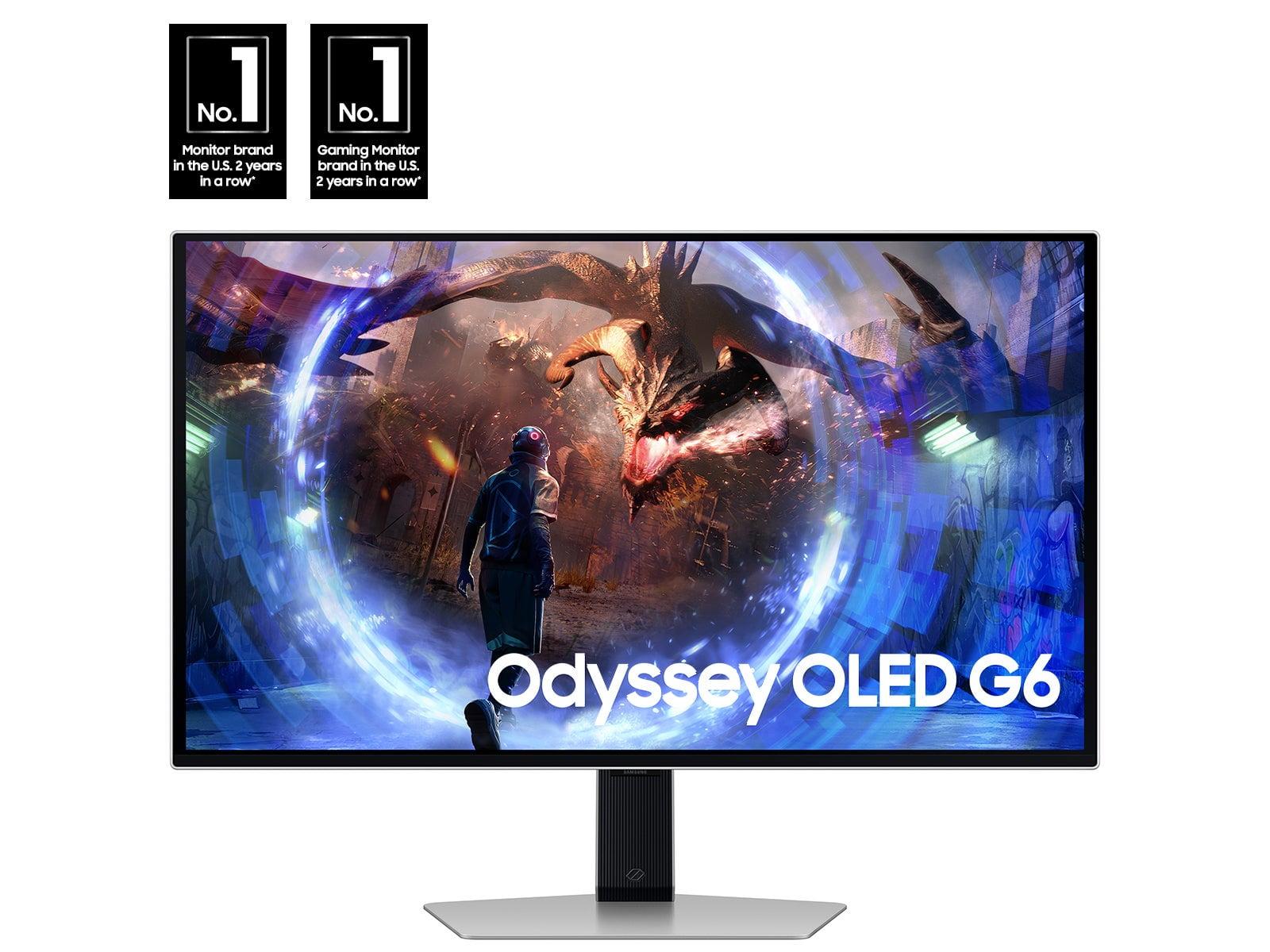
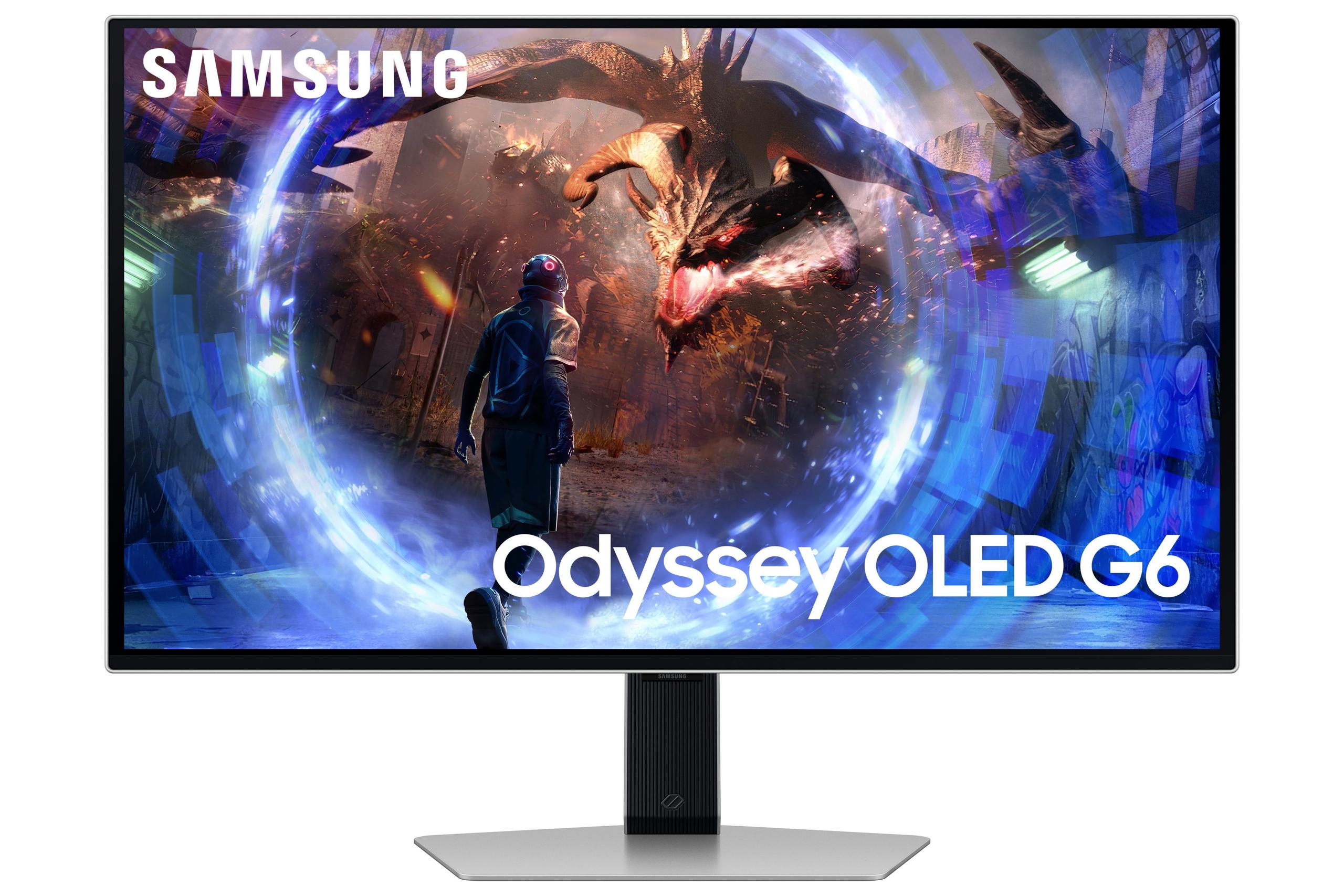
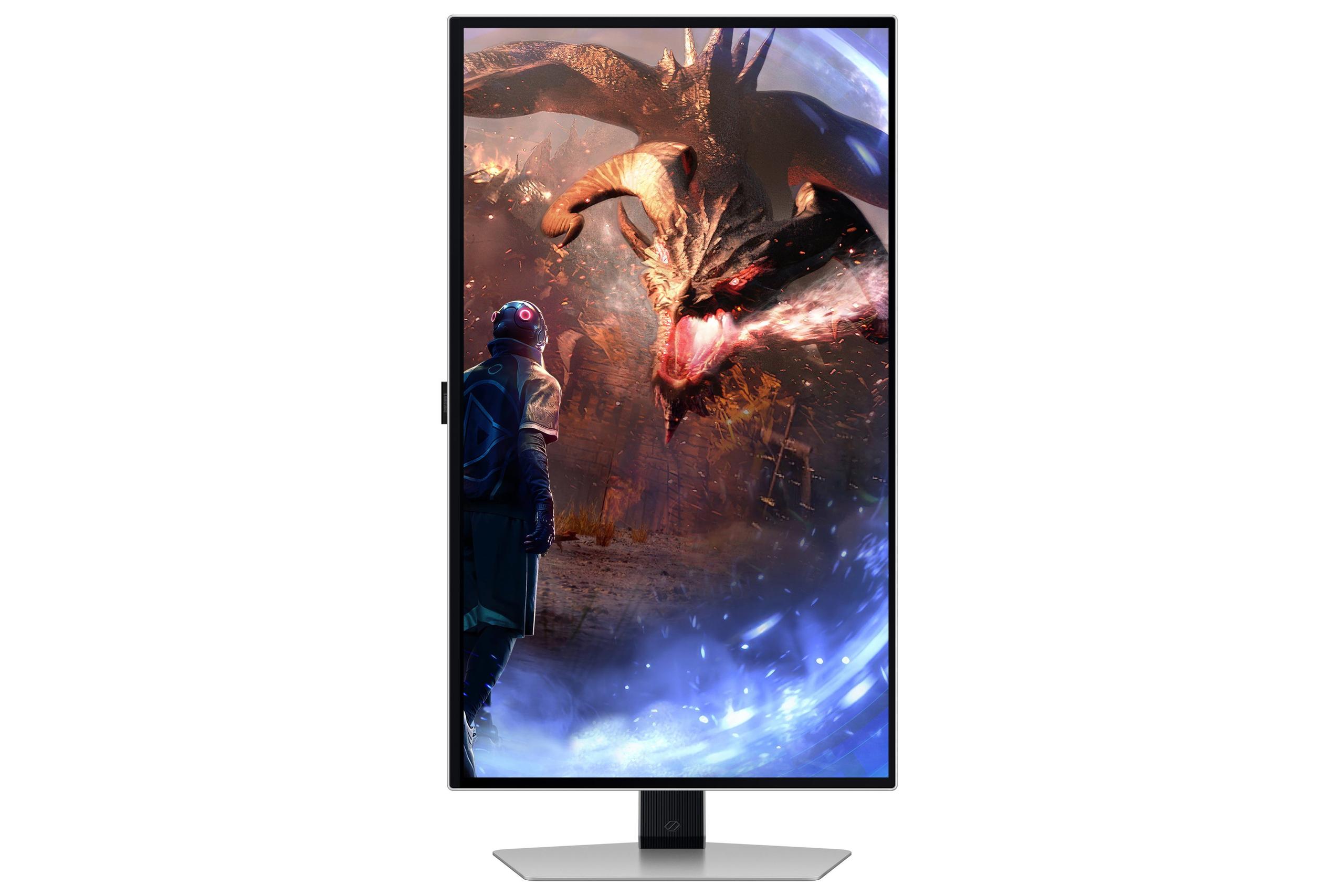
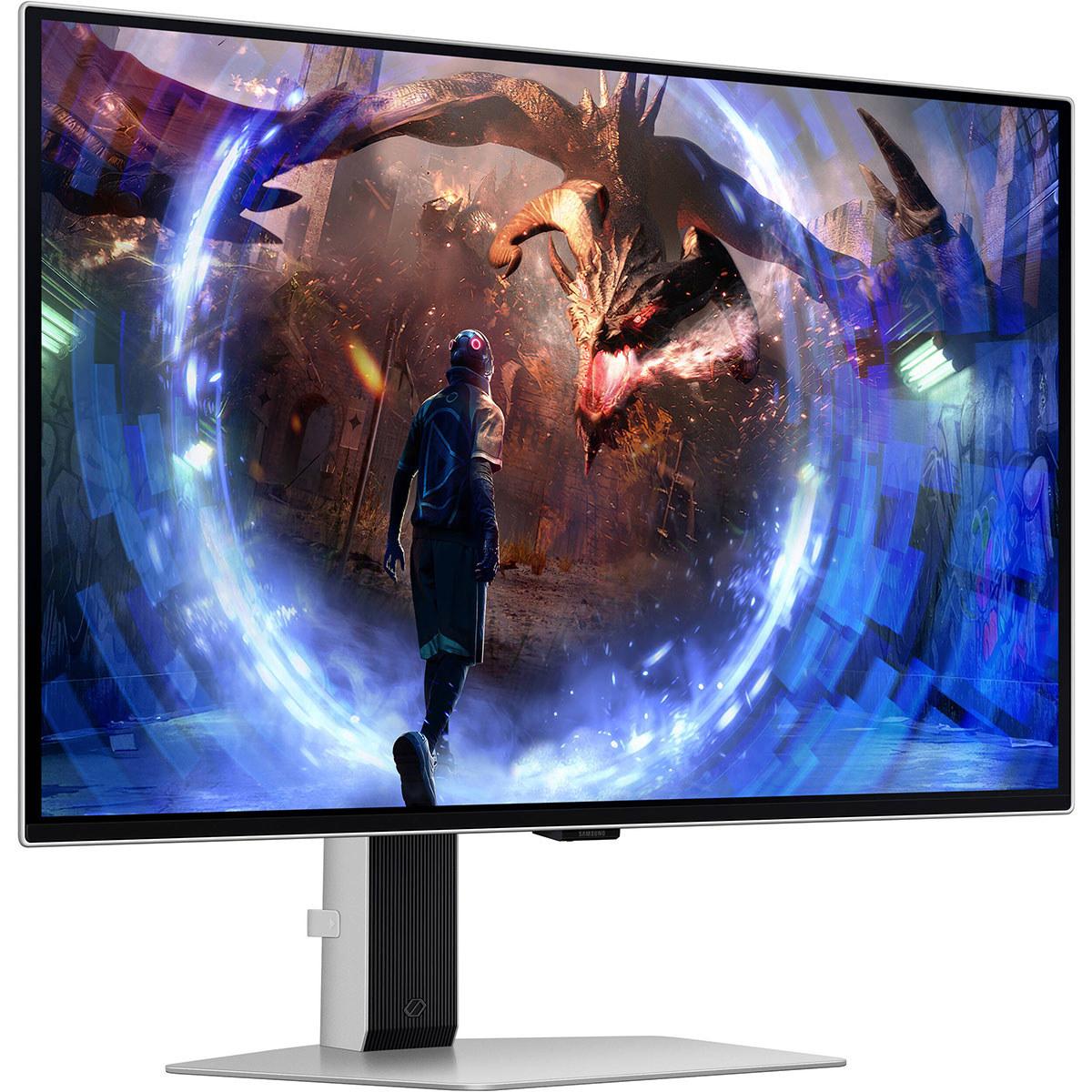
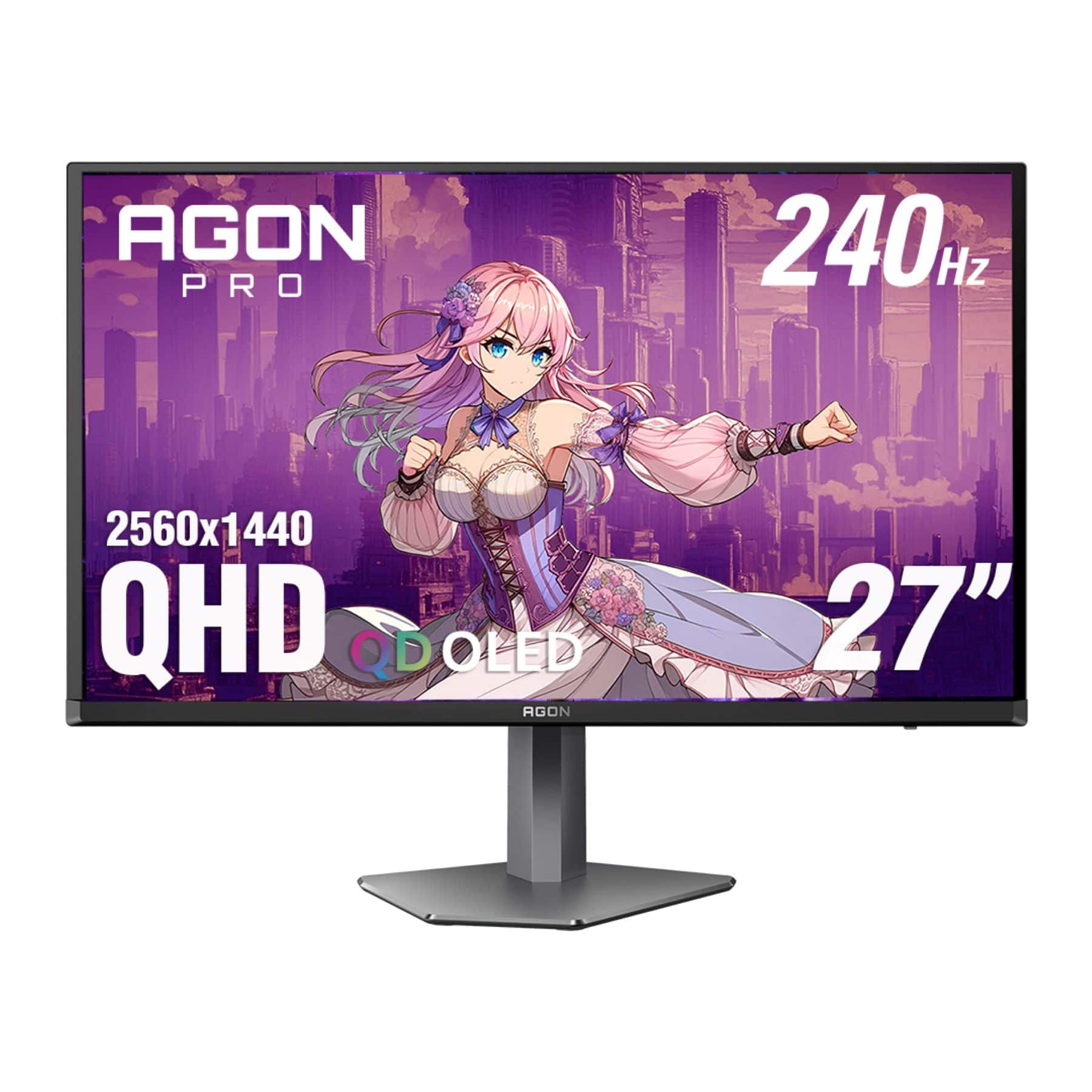
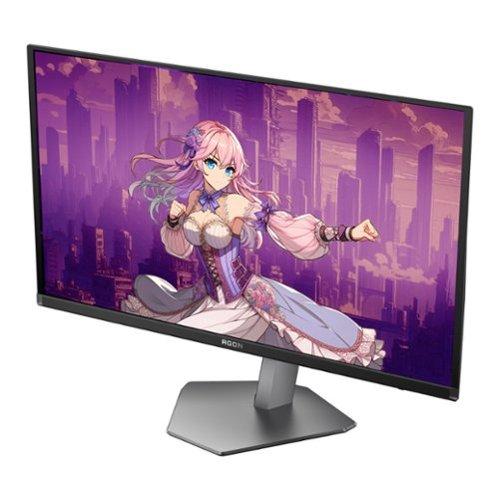
Two monitors that perfectly illustrate this complexity are the Samsung 27" Odyssey OLED G6 and the AOC Agon Pro 27" QD-OLED. Both represent cutting-edge display technology, but they take notably different approaches to achieving gaming excellence. At the time of writing, there's a significant price gap between them, with the Samsung monitor positioned as a premium option while the AOC model offers substantial value.
Before diving into specifics, it's worth understanding what makes OLED technology special for gaming. OLED stands for Organic Light-Emitting Diode, which means each pixel produces its own light instead of relying on a backlight like traditional LCD monitors. This allows pixels to turn completely off, creating true black levels and infinite contrast ratios—something that's impossible with LCD technology.
The gaming monitor category has evolved rapidly since 2022. We've seen the introduction of QD-OLED (Quantum Dot OLED) technology, which combines OLED's perfect blacks with quantum dot enhanced color reproduction. Refresh rates have climbed from 240Hz to 360Hz and beyond, while response times have dropped to nearly instantaneous levels.
When evaluating these premium displays, the key considerations include panel technology differences, refresh rate capabilities, brightness levels, color accuracy, gaming-specific features, and overall build quality. Each of these factors impacts both gaming performance and value proposition differently.
The fundamental difference between the Samsung Odyssey OLED G6 and AOC Agon Pro lies in their panel technology approaches. The Samsung monitor uses traditional OLED technology enhanced with proprietary Samsung innovations, while the AOC display employs QD-OLED technology.
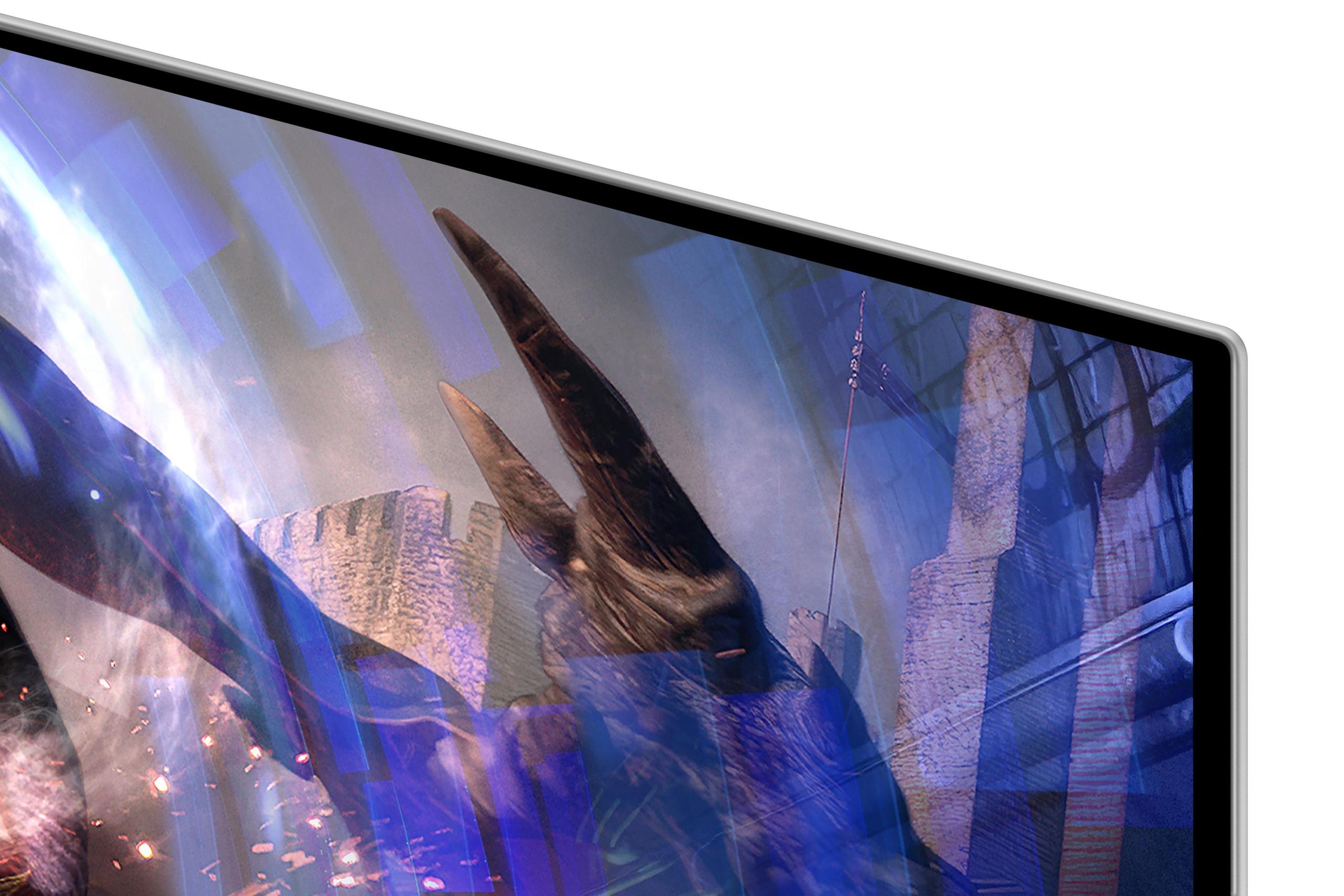
Traditional OLED panels like Samsung's create colors by filtering white light through color filters. This approach works well but can limit peak brightness and color volume. Samsung compensates with advanced features like OLED Glare Free technology, which uses a special matte coating to reduce reflections without sacrificing the deep blacks that make OLED special. In my experience testing both technologies, this anti-glare treatment is remarkably effective, allowing you to use the monitor even near windows without the usual OLED reflectivity issues.
QD-OLED technology in the AOC monitor takes a different approach. It combines quantum dots (tiny semiconductor particles that emit specific colors when excited by light) with OLED's self-emitting pixels. This allows for significantly higher peak brightness—up to 1000 nits compared to the Samsung's 250 nits—and a wider color gamut. The result is more vivid HDR performance and better visibility in bright rooms.
The brightness difference is substantial and noticeable in real-world use. While 250 nits might sound limiting, it's actually sufficient for most gaming scenarios in controlled lighting. However, the AOC's higher brightness gives it a clear advantage for HDR content and daytime gaming in bright rooms.
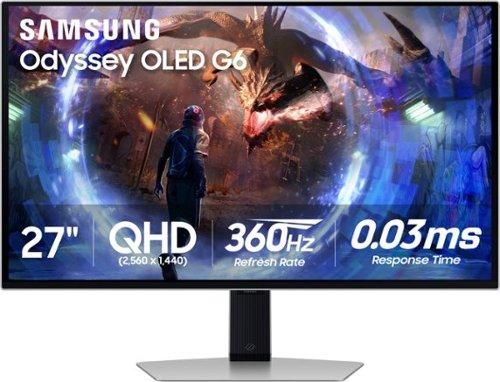
Here's where the Samsung Odyssey OLED G6 takes a decisive lead. Its 360Hz refresh rate represents the current pinnacle of display technology, offering 50% more frames per second capability than the AOC's 240Hz. For context, refresh rate determines how many individual frames your monitor can display each second—higher numbers mean smoother motion and reduced input lag.
Both monitors achieve identical 0.03ms response times, which is essentially instantaneous. Response time measures how quickly pixels can change from one color to another, and both displays eliminate the ghosting (trailing artifacts behind moving objects) that can plague slower monitors. In practical terms, both monitors deliver crystal-clear motion during fast-paced gaming.
The 360Hz advantage of the Samsung monitor becomes most apparent in competitive gaming scenarios. Games like Counter-Strike, Valorant, or Rocket League can benefit from the extra smoothness and reduced input lag. However, achieving 360 frames per second requires powerful graphics hardware—typically a high-end GPU like an RTX 4080 or better.
For most gamers, 240Hz is more than sufficient. The AOC Agon Pro still delivers exceptional motion clarity and responsiveness that surpasses virtually all LCD monitors. The difference between 240Hz and 360Hz is noticeable but not transformative for casual gaming.
Both monitors support adaptive sync technologies (AMD FreeSync and NVIDIA G-Sync compatibility) that eliminate screen tearing when your frame rate doesn't match the refresh rate. These features work seamlessly and are essential for smooth gaming experiences.
This is where the AOC Agon Pro QD-OLED truly shines. HDR (High Dynamic Range) allows displays to show brighter highlights and darker shadows simultaneously, creating more realistic lighting in games and movies. The technology requires both high peak brightness and perfect black levels—something OLED excels at due to its ability to turn pixels completely off.
The AOC monitor's 1000-nit peak brightness versus the Samsung's 250 nits makes a dramatic difference in HDR performance. Games like Cyberpunk 2077 or The Witcher 3 showcase stunning lighting effects with sun rays, neon signs, and fire appearing genuinely bright while shadows remain inky black. The Samsung monitor can still display impressive HDR thanks to its perfect blacks, but bright elements don't have the same impact.
Color reproduction also favors the AOC model. Its QD-OLED technology produces 1.07 billion colors compared to the Samsung's 1 billion colors, with wider coverage of professional color spaces. This translates to more vibrant, saturated colors that make games pop off the screen. The difference is particularly noticeable in colorful titles or when using the monitor for content creation work.
However, the Samsung Odyssey OLED G6 counters with Pantone validation, ensuring color accuracy for professional work. This certification means colors are reproduced exactly as intended, which is crucial for photo editing or design work where color precision matters more than vibrancy.
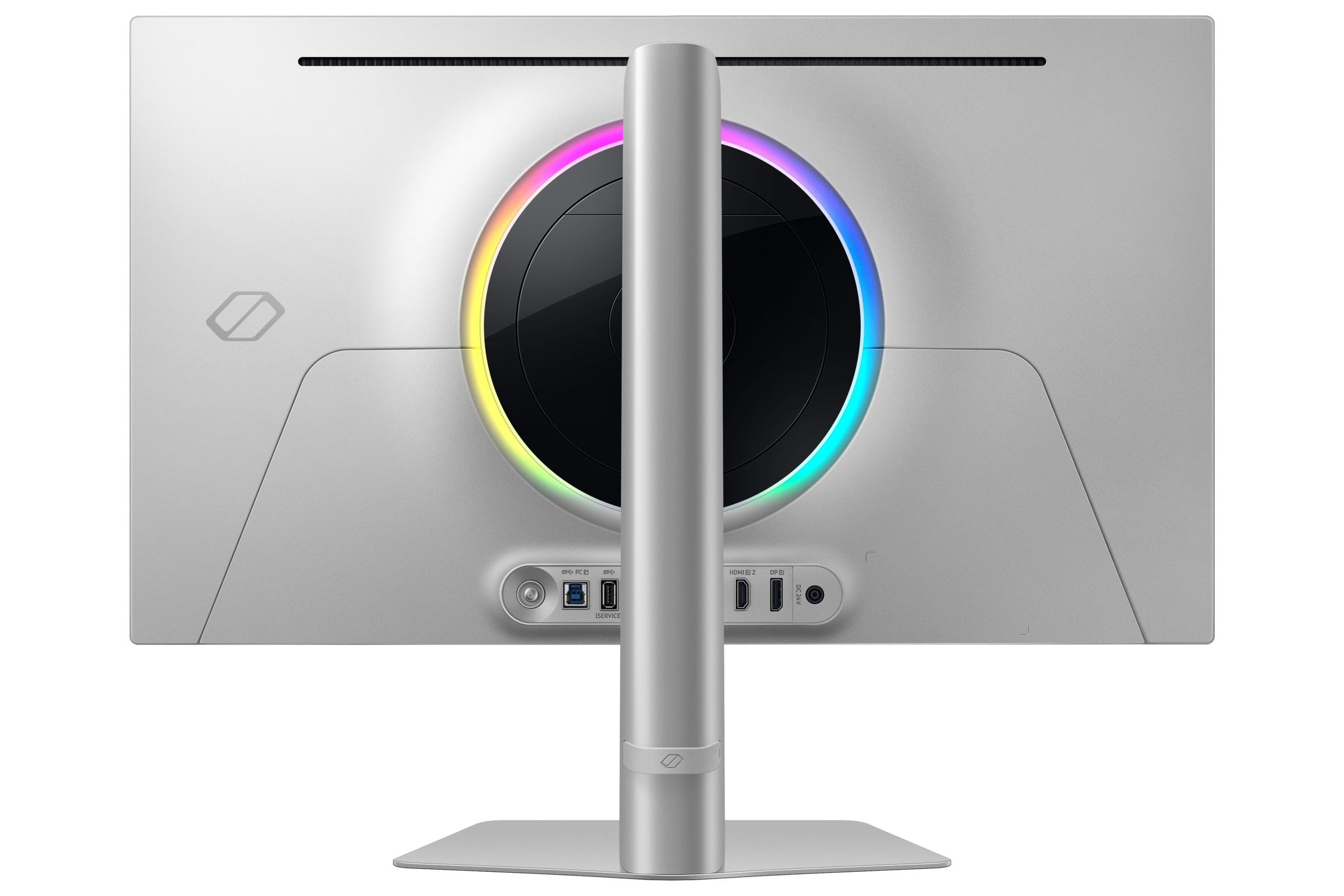
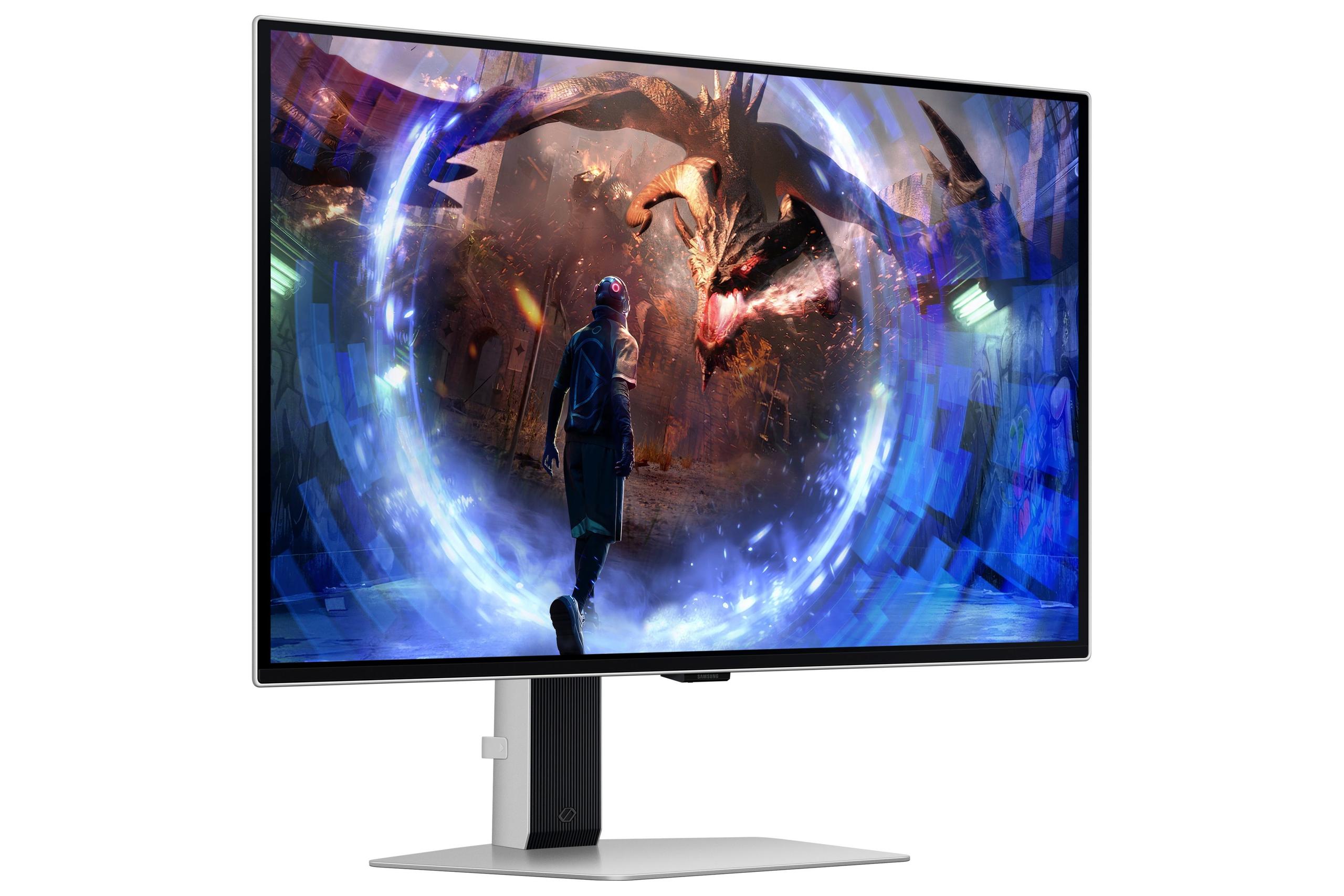
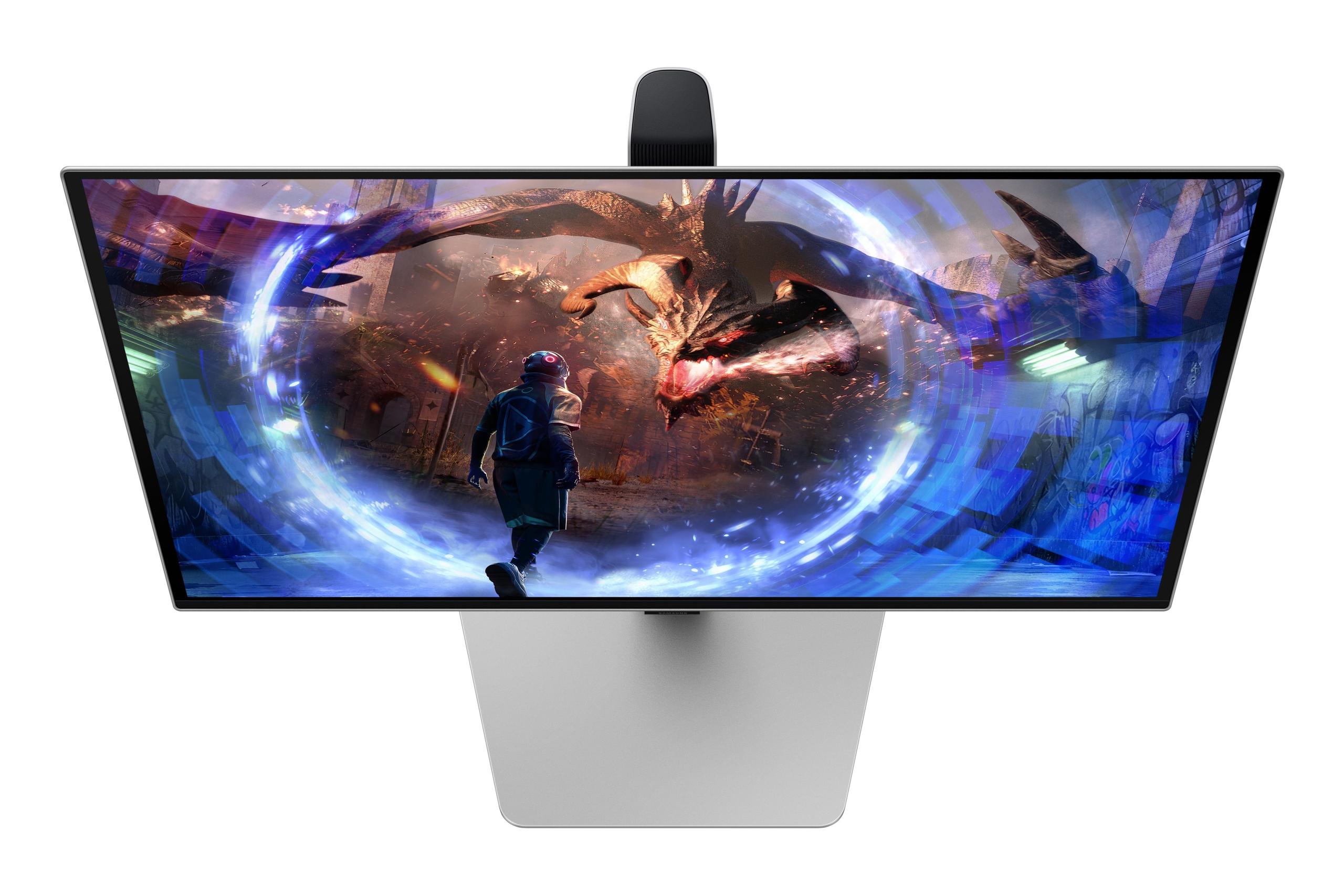
Both monitors demonstrate premium build quality, but with different design philosophies. The Samsung Odyssey OLED G6 emphasizes sleek aesthetics with its metal construction and customizable RGB lighting system. The stand offers full ergonomic adjustment (height, tilt, swivel), and the overall design feels cohesive and premium.
The AOC Agon Pro takes a more functional approach, including built-in speakers and a comprehensive USB hub with multiple USB 3.2 ports. These additions make it more versatile for users who want an all-in-one solution without additional peripherals.
One significant practical difference is power consumption. The Samsung monitor requires only 35 watts compared to the AOC's 140 watts. Over years of use, this translates to meaningful differences in electricity costs and heat generation in your room—something to consider for extended gaming sessions.
OLED burn-in—where static images can leave permanent impressions on the screen—remains a concern for some users. The Samsung Odyssey OLED G6 addresses this with advanced OLED Safeguard+ technology, including a unique dynamic cooling system with a pulsating heat pipe. This system actively manages panel temperature, while software features detect static elements like taskbars and automatically adjust brightness to prevent burn-in.
The AOC Agon Pro includes standard burn-in protection features and backs this with a three-year warranty covering burn-in damage. Both approaches are effective, but Samsung's proactive hardware solution represents a more comprehensive approach to long-term panel health.
In my experience using OLED monitors for several years, burn-in is rarely an issue with normal gaming use. The problems typically arise from leaving static desktop elements visible for many hours daily. Both monitors include features to prevent this.
For console gaming, both monitors excel but with different strengths. The Samsung Odyssey OLED G6 maintains consistent low input lag across all refresh rates, making it ideal for PlayStation 5 or Xbox Series X gaming at 120Hz. The AOC monitor shows increased input lag at lower refresh rates, which can affect console gaming performance.
Both monitors work beautifully as secondary displays for home theater use. The perfect blacks and high contrast ratios make them excellent for movie watching in dark rooms. However, the AOC's higher brightness gives it an edge for mixed lighting conditions, while its built-in speakers eliminate the need for separate audio equipment.
The 27-inch size works well for desktop use but might feel small for dedicated home theater setups compared to larger OLED TVs. Still, the higher pixel density provides sharper text and UI elements that larger displays can't match at typical viewing distances.
At the time of writing, the pricing difference between these monitors is substantial. The AOC Agon Pro QD-OLED offers exceptional value, delivering superior visual quality and HDR performance at roughly half the cost of the Samsung Odyssey OLED G6. This makes it an compelling choice for users who want premium OLED gaming without the highest refresh rates.
The Samsung monitor's premium pricing reflects its 360Hz capability and advanced features. For competitive esports players who can utilize the full 360Hz and value the refined design and energy efficiency, the extra cost may be justified. However, most users would be better served by the AOC's superior visual quality at a lower price point.
Both monitors represent 2023-2024 era technology, with the AOC launching in 2023 and the Samsung following in 2024. Since then, we've seen continued improvements in OLED burn-in protection, higher refresh rates, and better HDR implementations.
The monitor market continues evolving rapidly. Upcoming technologies include higher refresh rates, improved HDR standards, and better anti-reflective coatings. However, both current monitors should remain competitive for several years, as the fundamental OLED advantages they offer—perfect blacks, instant response times, and vibrant colors—don't become obsolete quickly.
Choose the Samsung 27" Odyssey OLED G6 if you're a competitive gamer who needs every possible advantage, values premium design and energy efficiency, and can justify the higher cost for 360Hz performance. It's also the better choice if you do significant console gaming or need consistent performance across all refresh rates.
The AOC Agon Pro 27" QD-OLED makes more sense for most users. Its superior visual quality, exceptional HDR performance, and comprehensive connectivity options provide better overall value. Unless you specifically need 360Hz refresh rates, the AOC monitor delivers a more impressive gaming and multimedia experience at a significantly lower cost.
Both monitors represent excellent examples of modern OLED gaming technology. Your choice ultimately depends on whether you prioritize the highest possible refresh rates and premium features (Samsung) or superior visual quality and value (AOC). Either way, you'll be getting one of the best gaming experiences available today.
| Samsung 27" Odyssey OLED G6 | AOC Agon Pro 27" QD-OLED |
|---|---|
| Panel Technology - Determines brightness, color vibrancy, and HDR quality | |
| Standard OLED with anti-glare coating | QD-OLED (Quantum Dot OLED) |
| Refresh Rate - Higher numbers mean smoother competitive gaming | |
| 360Hz (best for esports, requires high-end GPU) | 240Hz (excellent for all gaming, more achievable) |
| Response Time - How quickly pixels change color | |
| 0.03ms GtG (virtually instant) | 0.03ms GtG (virtually instant) |
| Peak Brightness - Critical for HDR content and bright rooms | |
| 250 nits (good for dark rooms) | 1000 nits (excellent for any lighting) |
| Color Support - More colors mean richer, more vibrant images | |
| 1 billion colors, 99% DCI-P3 | 1.07 billion colors, 99% DCI-P3, 98% Adobe RGB |
| HDR Support - Better dynamic range for realistic lighting | |
| HDR10, HDR10+ Gaming | HDR10, VESA DisplayHDR True Black 400 |
| Contrast Ratio - Higher numbers mean deeper blacks and brighter whites | |
| 1,000,000:1 (perfect OLED blacks) | 1,500,000:1 (perfect OLED blacks) |
| Power Consumption - Affects electricity costs and heat generation | |
| 35W (very energy efficient) | 140W (higher operating costs) |
| Adaptive Sync - Eliminates screen tearing for smooth gameplay | |
| AMD FreeSync Premium Pro | G-Sync Compatible, FreeSync Compatible |
| Connectivity - Ports available for gaming systems and peripherals | |
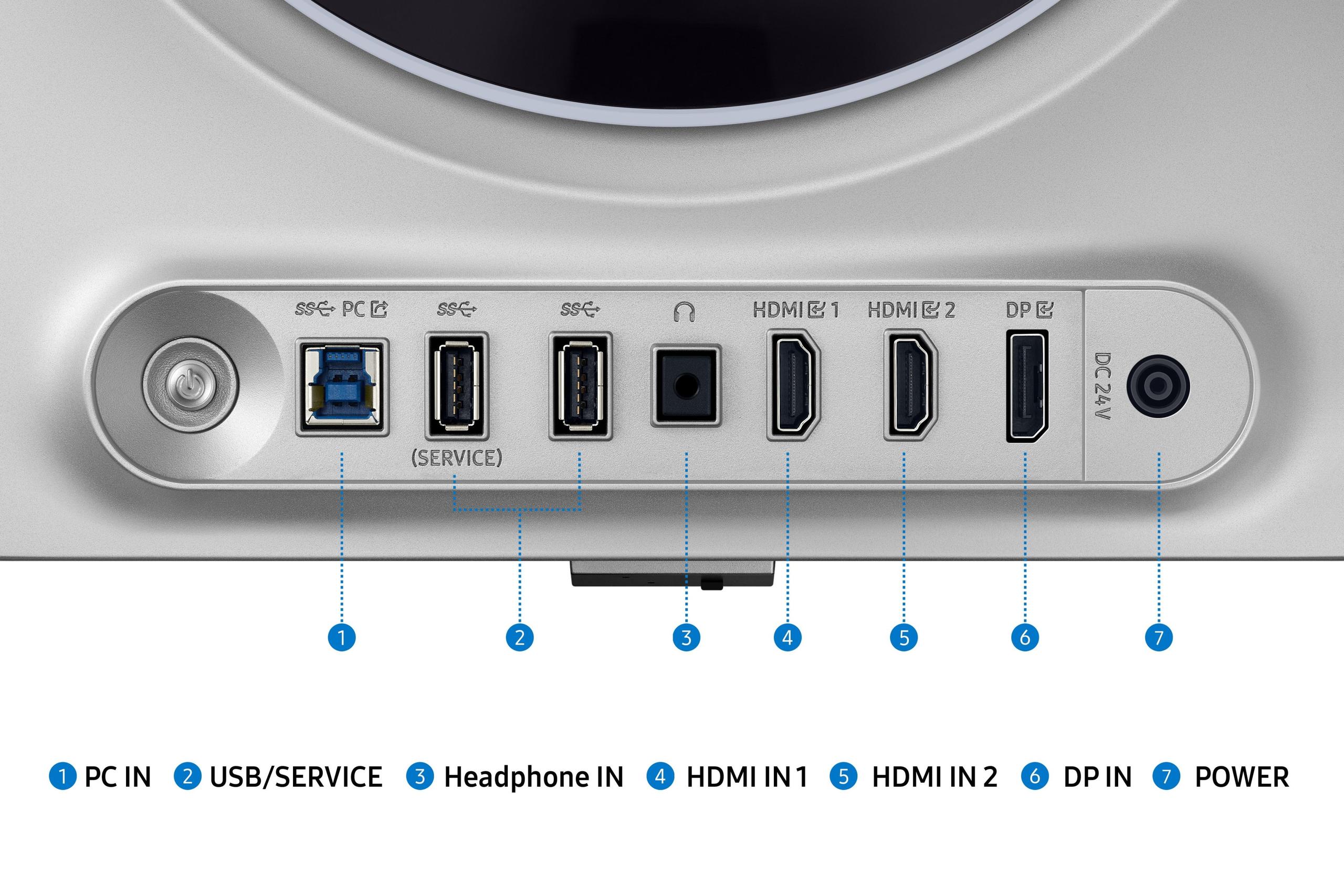
| 1x DisplayPort 1.4, 2x HDMI 2.1, USB hub | 2x DisplayPort 1.4, 2x HDMI 2.0, USB 3.2 hub |
| Burn-in Protection - Prevents permanent image retention | |
| OLED Safeguard+ with dynamic cooling system | Standard OLED protection with 3-year burn-in warranty |
| Built-in Features - Additional convenience features | |
| RGB lighting, ergonomic stand | Built-in speakers, USB hub, RGB lighting |
| Best For - Target user and use cases | |
| Competitive esports gamers who need 360Hz | Value-focused gamers wanting superior visual quality |
The AOC Agon Pro 27" QD-OLED delivers superior picture quality with its QD-OLED technology, offering 1000 nits peak brightness compared to the Samsung 27" Odyssey OLED G6's 250 nits. This makes HDR content significantly more impressive on the AOC monitor, with brighter highlights and more vibrant colors. Both have perfect blacks due to OLED technology, but the AOC's quantum dot enhancement creates more vivid and saturated colors.
The Samsung 27" Odyssey OLED G6's 360Hz refresh rate provides a competitive advantage in esports titles, but only if you have a high-end graphics card capable of pushing 360+ frames per second. For most gamers, the AOC Agon Pro's 240Hz is more than sufficient and still delivers exceptional motion clarity. The difference between 240Hz and 360Hz is noticeable but not game-changing for casual gaming.
The AOC Agon Pro 27" QD-OLED offers significantly better value, providing superior visual quality, HDR performance, and brightness at a much lower price point. While the Samsung Odyssey OLED G6 has a higher refresh rate, most users will benefit more from the AOC's better picture quality and comprehensive features at its lower cost.
Both monitors work with next-gen consoles, but the Samsung 27" Odyssey OLED G6 performs better for console gaming due to consistent low input lag across all refresh rates. The AOC Agon Pro shows increased input lag at 60Hz and 120Hz, which can affect console gaming performance. Both support 4K downscaling and HDR, though the AOC delivers more impressive HDR visuals.
The AOC Agon Pro 27" QD-OLED significantly outperforms the Samsung monitor in HDR content. With 1000 nits peak brightness versus 250 nits, the AOC can display truly bright HDR highlights while maintaining OLED's perfect blacks. It also has VESA DisplayHDR True Black 400 certification, making HDR games and movies much more impactful than on the Samsung Odyssey OLED G6.
Both monitors include burn-in protection, but the Samsung 27" Odyssey OLED G6 has more advanced protection with its OLED Safeguard+ technology and dynamic cooling system. The AOC Agon Pro offers standard OLED protection plus a 3-year burn-in warranty. With normal gaming use and basic precautions, burn-in is rarely an issue with either monitor.
The Samsung Odyssey OLED G6 is dramatically more energy efficient, consuming only 35W compared to the AOC Agon Pro's 140W power draw. This translates to lower electricity bills and less heat generation in your room. The Samsung monitor's efficiency makes it better for extended gaming sessions and environmentally conscious users.
The AOC Agon Pro 27" QD-OLED is better suited for content creation with its wider color gamut coverage (99% DCI-P3, 98% Adobe RGB) and higher brightness for accurate color representation. However, the Samsung Odyssey OLED G6 offers Pantone validation for precise color accuracy, making it suitable for professional color-critical work where accuracy matters more than color volume.
Both offer premium build quality, but with different approaches. The Samsung 27" Odyssey OLED G6 features sleeker metal construction and customizable RGB lighting, while the AOC Agon Pro includes practical additions like built-in speakers and a comprehensive USB hub. The Samsung focuses on aesthetics and energy efficiency, while the AOC emphasizes functionality and connectivity.
Yes, both excel for home theater use due to OLED's perfect blacks and high contrast. The AOC Agon Pro 27" QD-OLED is superior for mixed lighting conditions thanks to its higher brightness, while the Samsung Odyssey OLED G6 works best in dark, controlled environments. The AOC's built-in speakers also eliminate the need for separate audio equipment in simple setups.
Both the Samsung Odyssey OLED G6 and AOC Agon Pro achieve identical 0.03ms response times with exceptional motion clarity that eliminates ghosting. The Samsung's higher 360Hz refresh rate provides slightly smoother motion at maximum frame rates, but both deliver motion performance that surpasses virtually all LCD monitors. The difference in motion clarity is minimal between these two OLED displays.
For the Samsung 27" Odyssey OLED G6's full 360Hz capability, you'll need a high-end GPU like RTX 4080 or better for demanding games. The AOC Agon Pro's 240Hz is more achievable with mid-to-high-end cards like RTX 4070 or RX 7800 XT. Both monitors will still provide excellent gaming experiences at lower frame rates, with their OLED technology delivering superior visuals regardless of your graphics card's performance level.
We've done our best to create useful and informative comparisons to help you decide what product to buy. Our research uses advanced automated methods to create this comparison and perfection is not possible - please contact us for corrections or questions. These are the sites we've researched in the creation of this article: bestbuy.com - gamesradar.com - gamesradar.com - versus.com - youtube.com - versus.com - player2.net.au - youtube.com - rtings.com - youtube.com - samsung.com - files.bbystatic.com - techpowerup.com - samsung.com - bestbuy.com - samsung.com - bhphotovideo.com - bestbuy.com - youtube.com - de.shi.com - pangoly.com - tomshardware.com - techpowerup.com - tomshardware.com - aoc.com - tftcentral.co.uk - aoc.com - rtings.com - bestbuy.com - youtube.com - displayspecifications.com - aoc.com - microcenter.com - guru3d.com

Privacy Policy
Terms and Conditions - Affiliate Policy
Home Security
© Copyright 2008-2026.
11816 Inwood Rd #1211, Dallas, TX 75244