

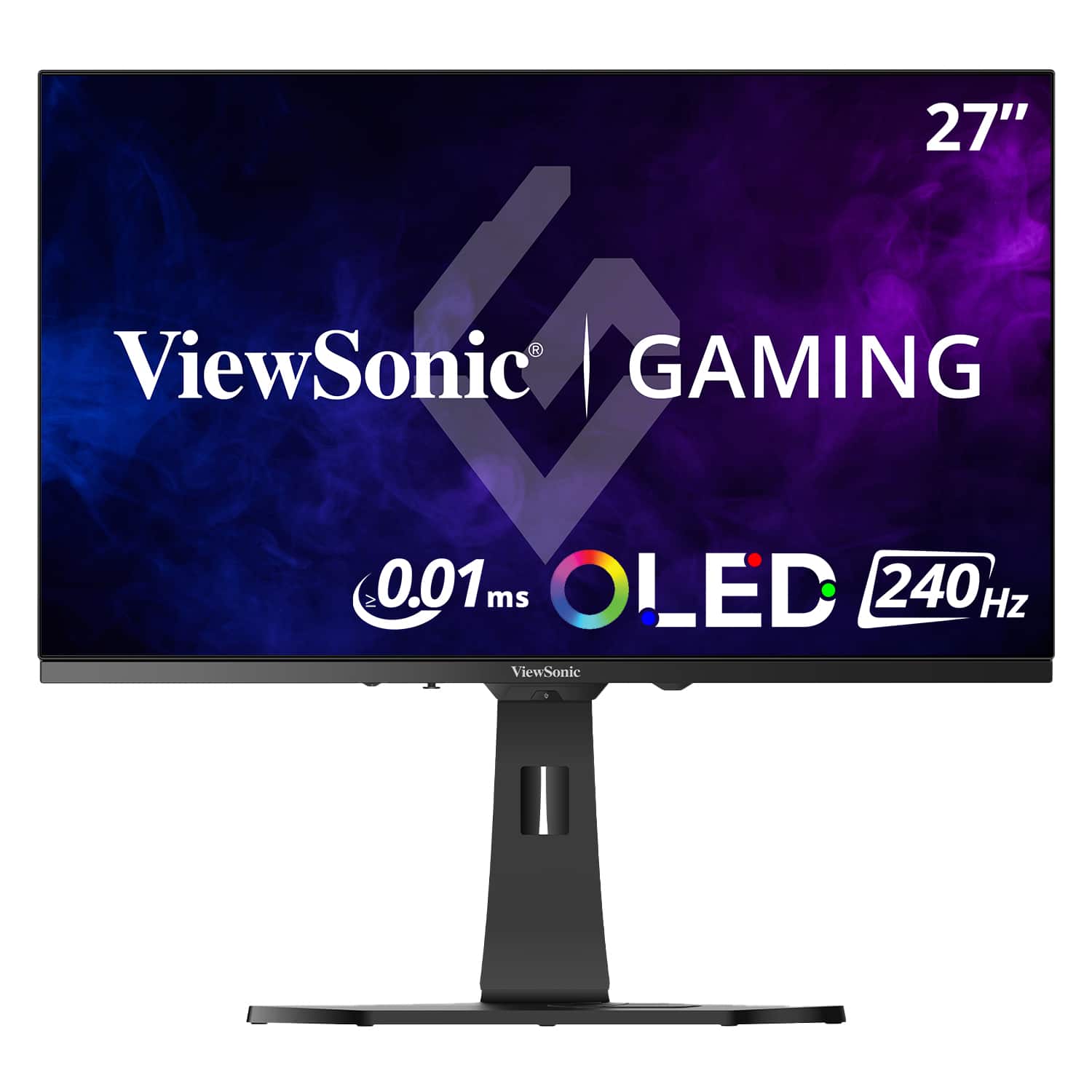
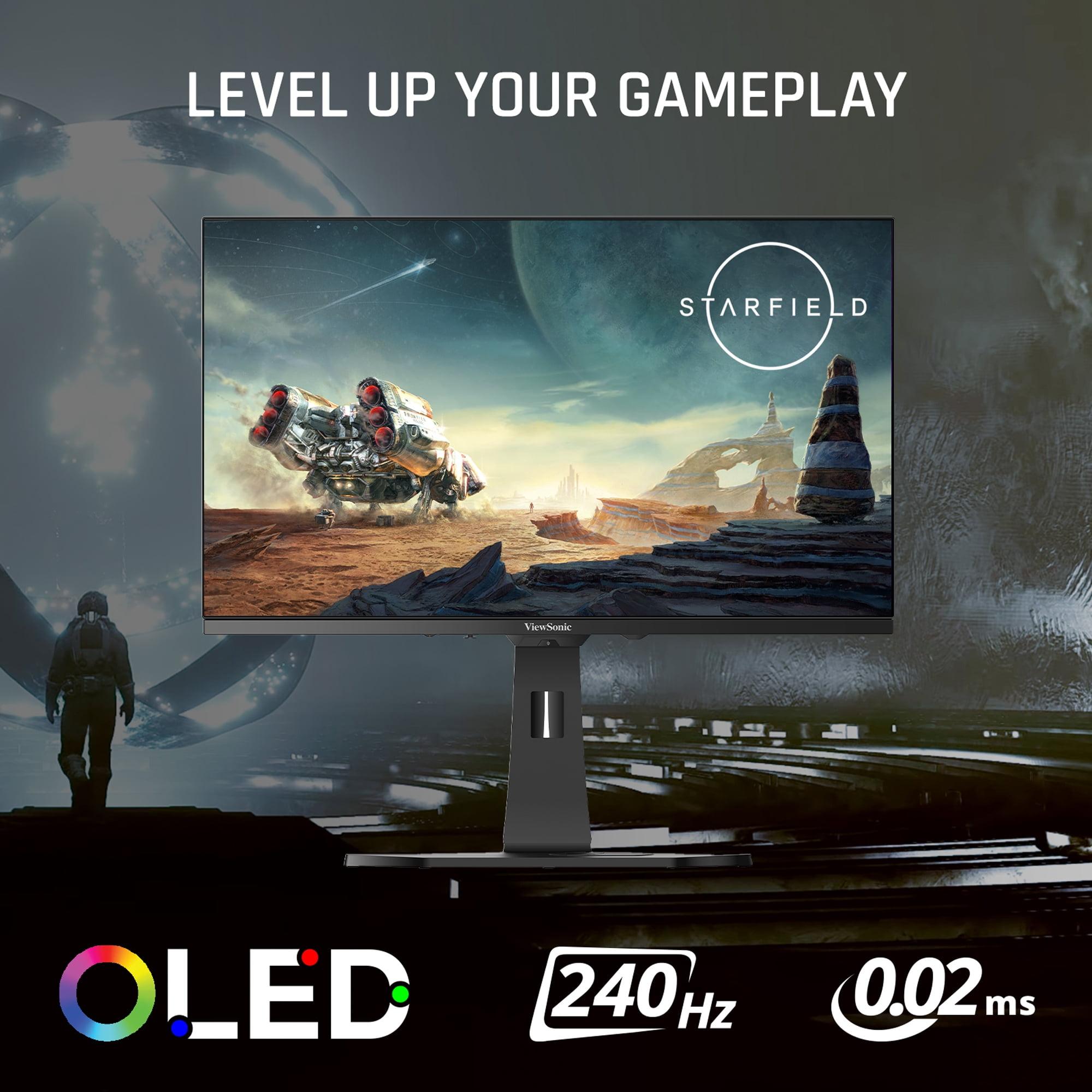
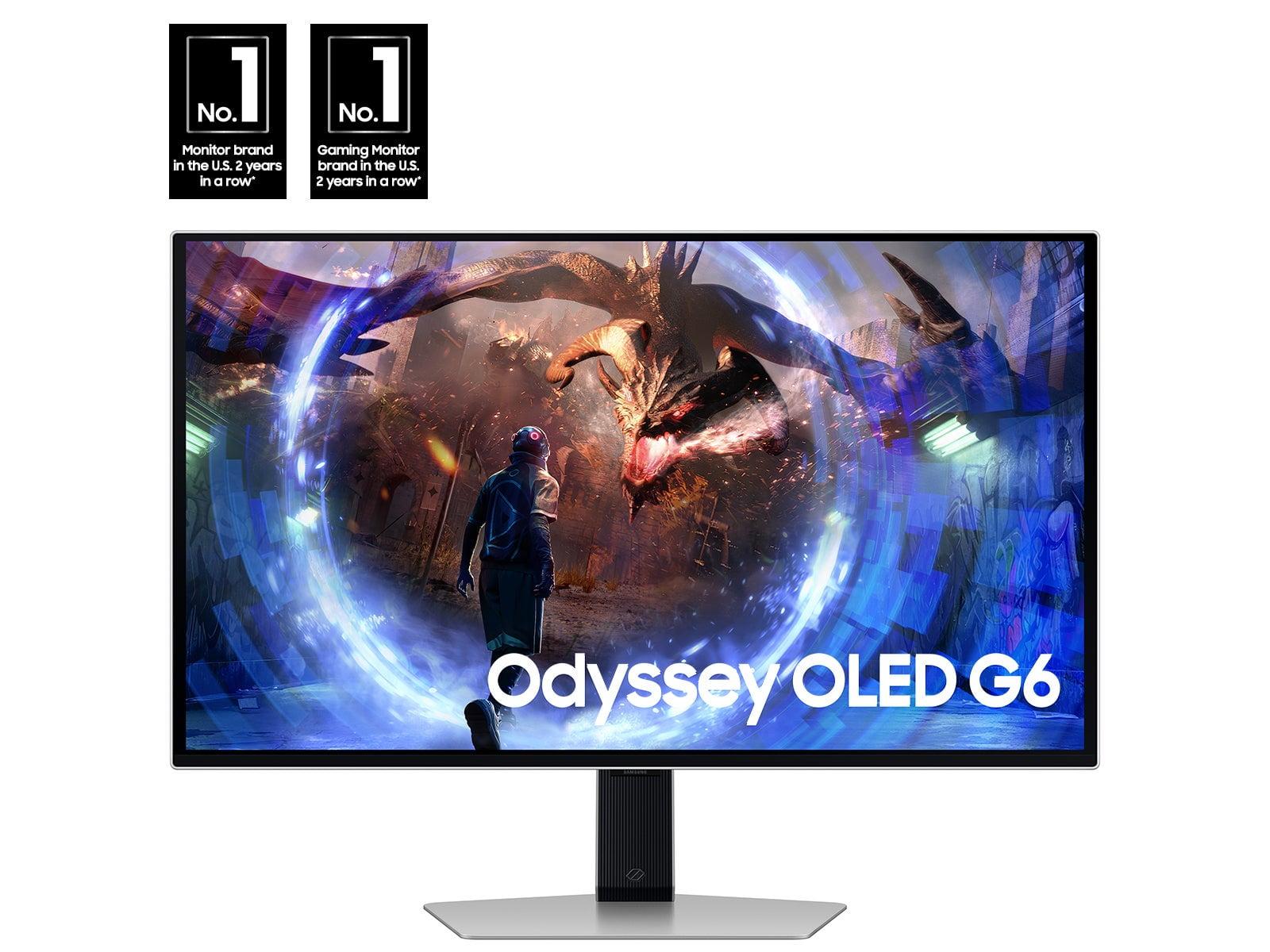

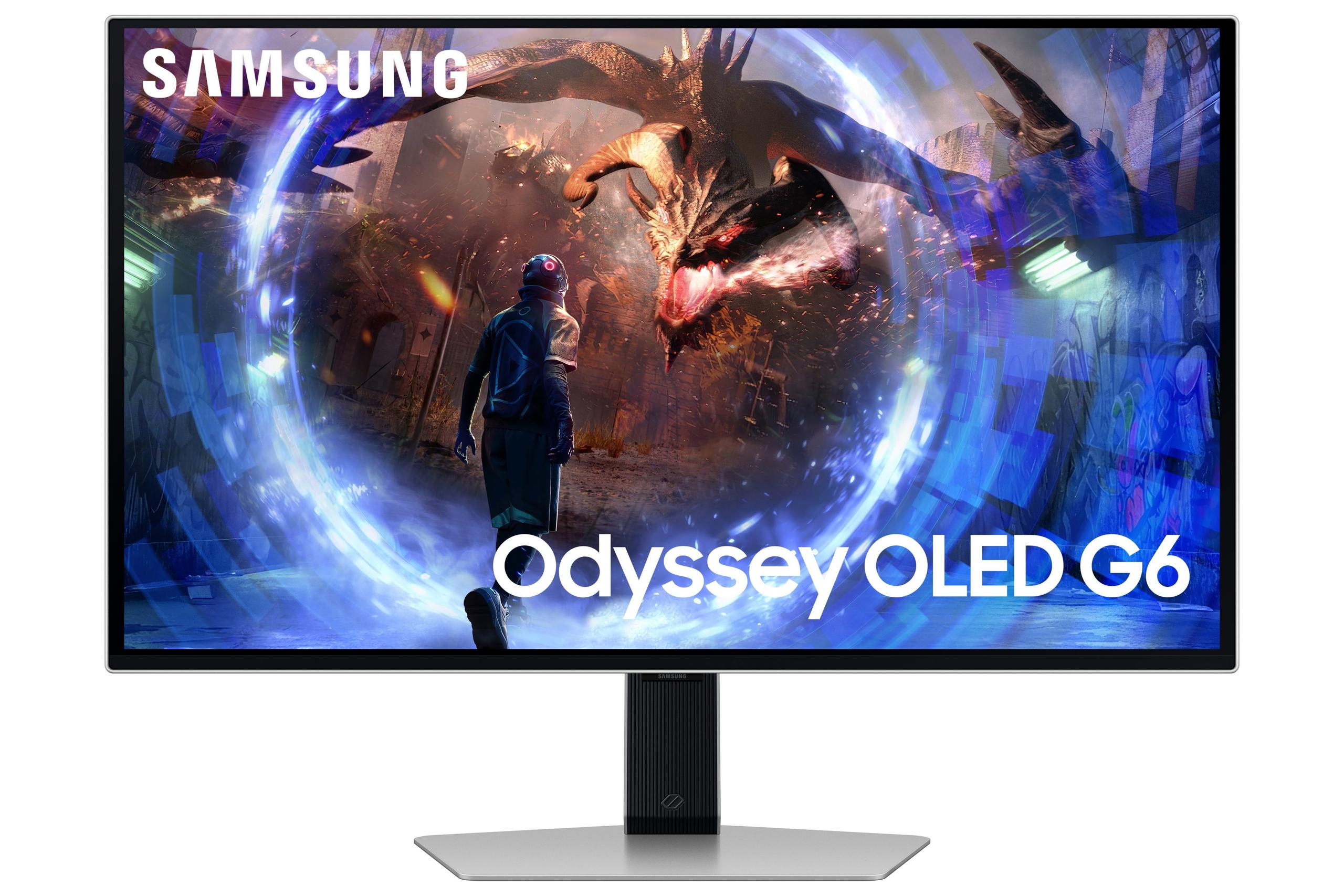
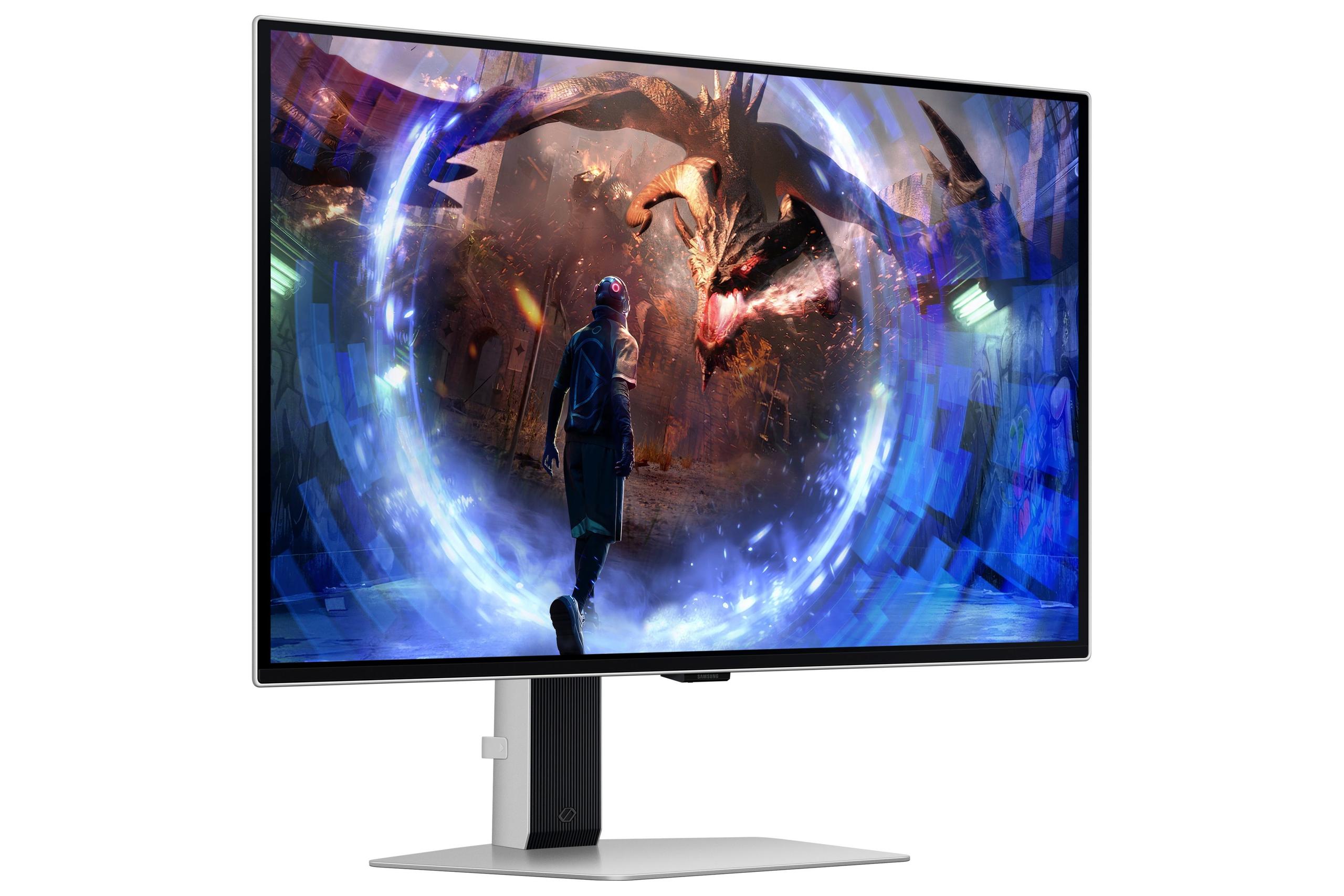
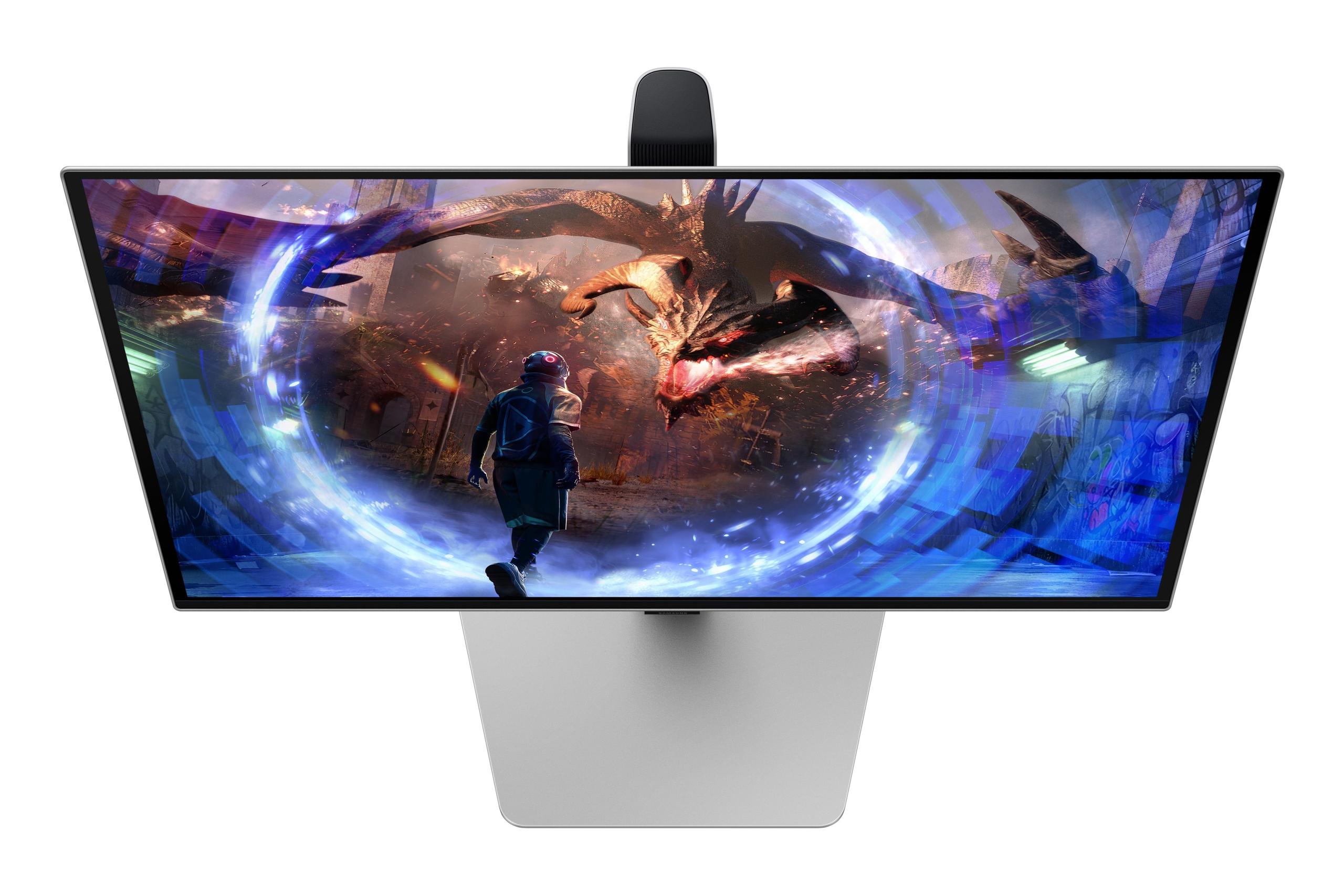
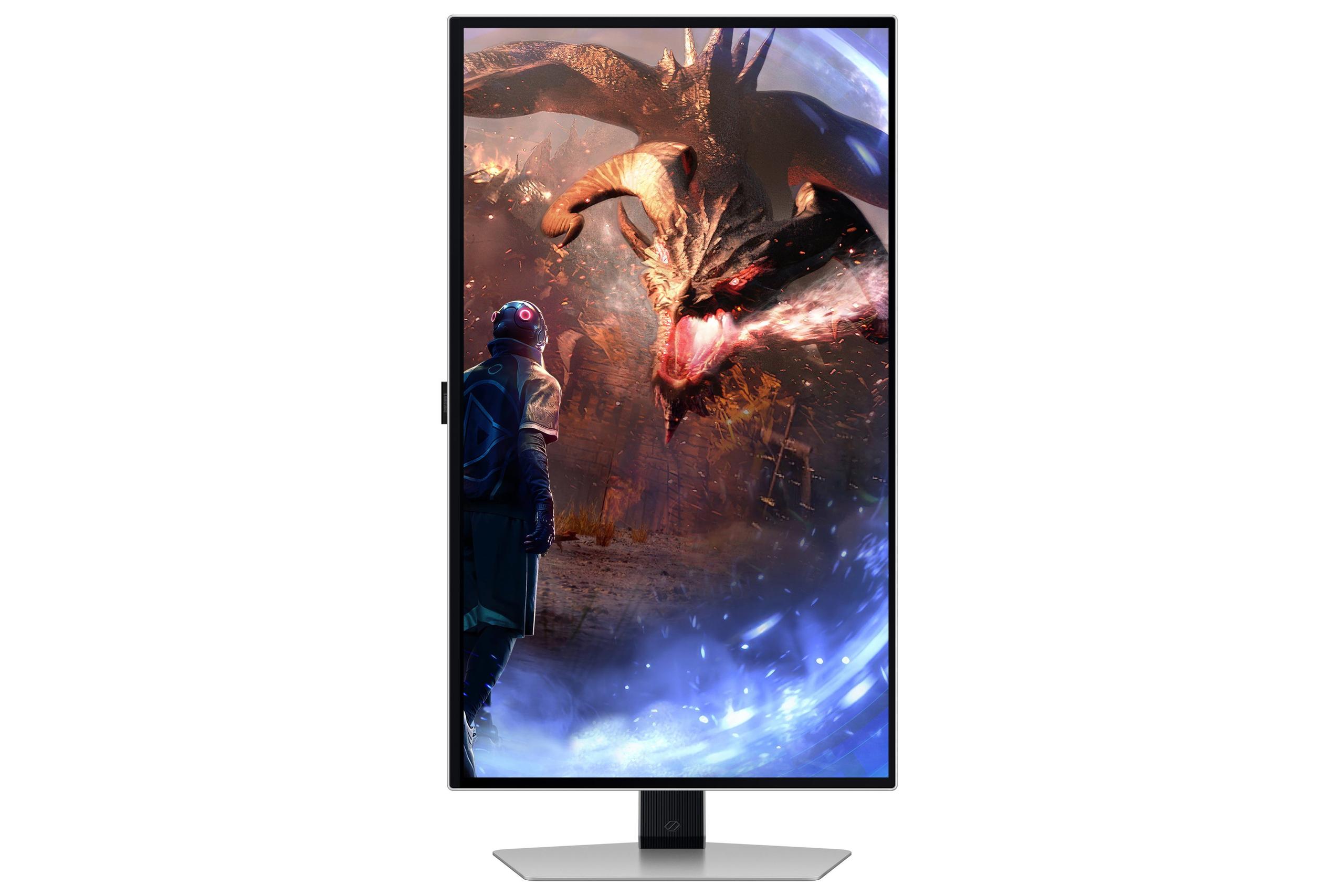

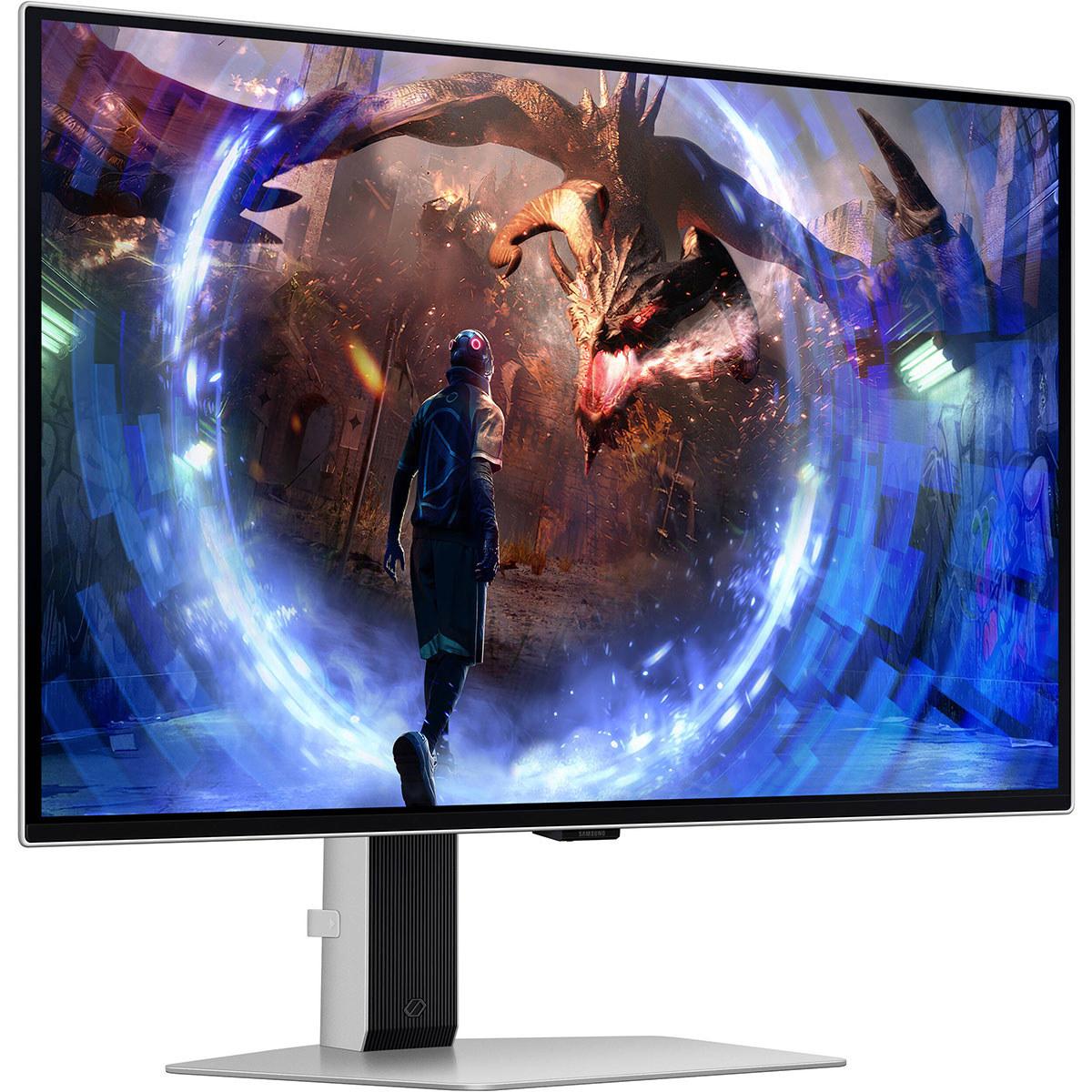
When OLED technology finally made its way to gaming monitors in recent years, it felt like we'd been waiting forever. After years of compromising between fast LCD panels that looked decent or slow IPS displays with great colors, OLED promised to deliver both lightning-fast response times and the kind of image quality that makes your jaw drop. The ViewSonic XG272-2K-OLED and Samsung Odyssey OLED G6 represent two different approaches to this premium technology, and choosing between them isn't as straightforward as you might think.
Before diving into these specific monitors, let's talk about why OLED gaming displays have become such a big deal. Traditional LCD monitors use a backlight that shines through liquid crystal pixels, which means those pixels can never truly block all the light – resulting in grayish "blacks" instead of true black. OLED (Organic Light-Emitting Diode) panels are fundamentally different because each pixel produces its own light. When a pixel needs to be black, it simply turns off completely.
This creates what's called an "infinite contrast ratio" – the difference between the brightest whites and the darkest blacks. In practical terms, this means shadows in games look properly dark and mysterious, bright explosions have real impact, and colors appear more vibrant because they're not competing with light bleeding from nearby pixels.
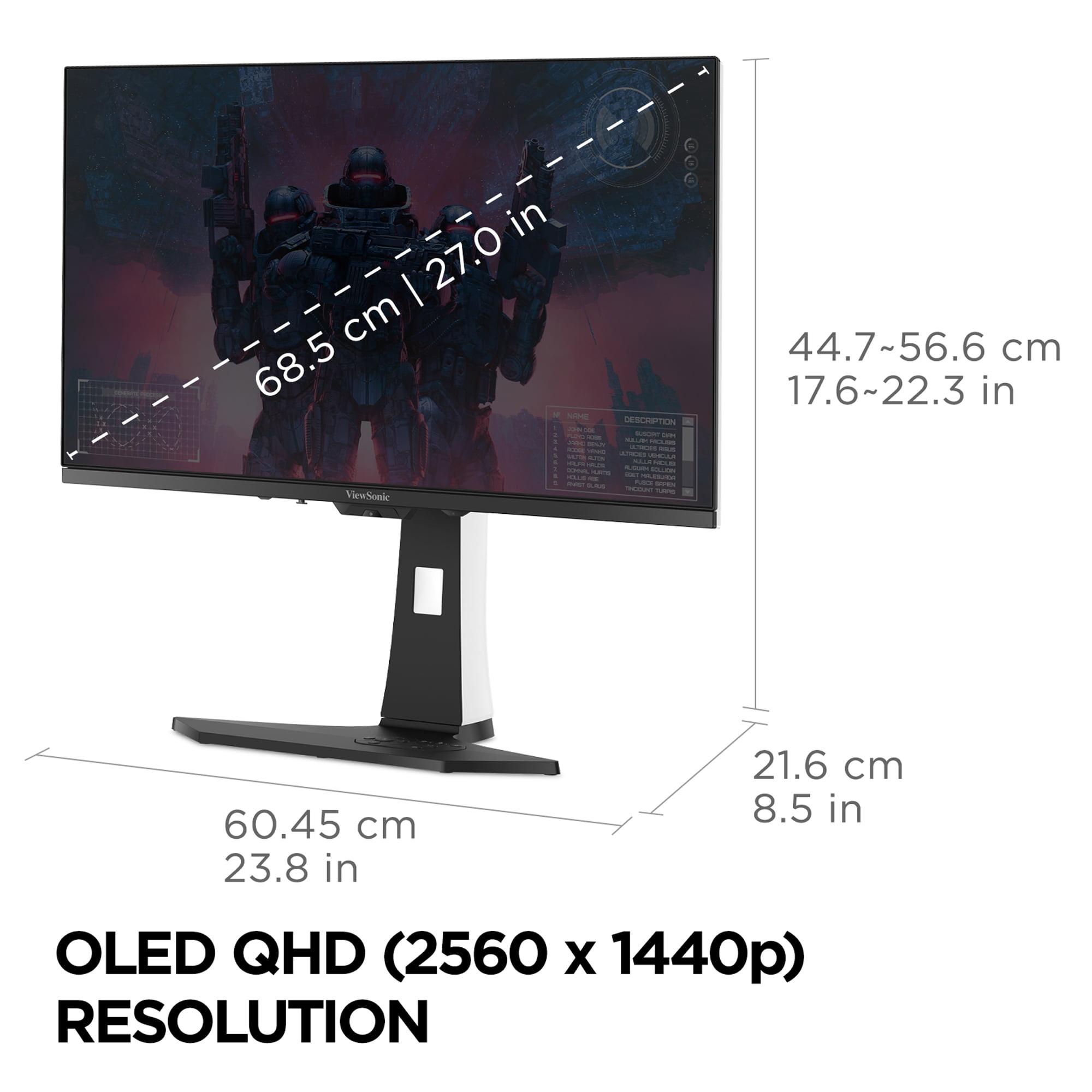
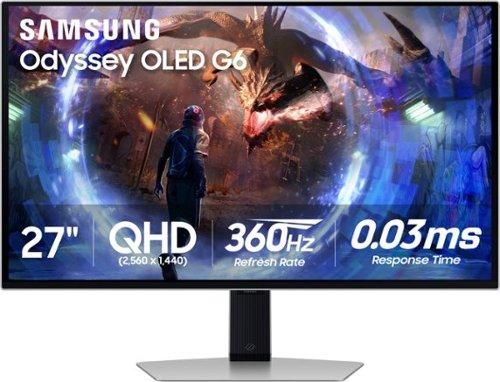
The 27-inch QHD (2560x1440 resolution) size has become the sweet spot for serious gaming. It's large enough to be immersive without requiring you to move your head constantly, and the resolution provides significantly more detail than 1080p while being much easier to drive than 4K. Your graphics card doesn't have to work as hard, which means you can achieve higher frame rates – crucial for competitive gaming.
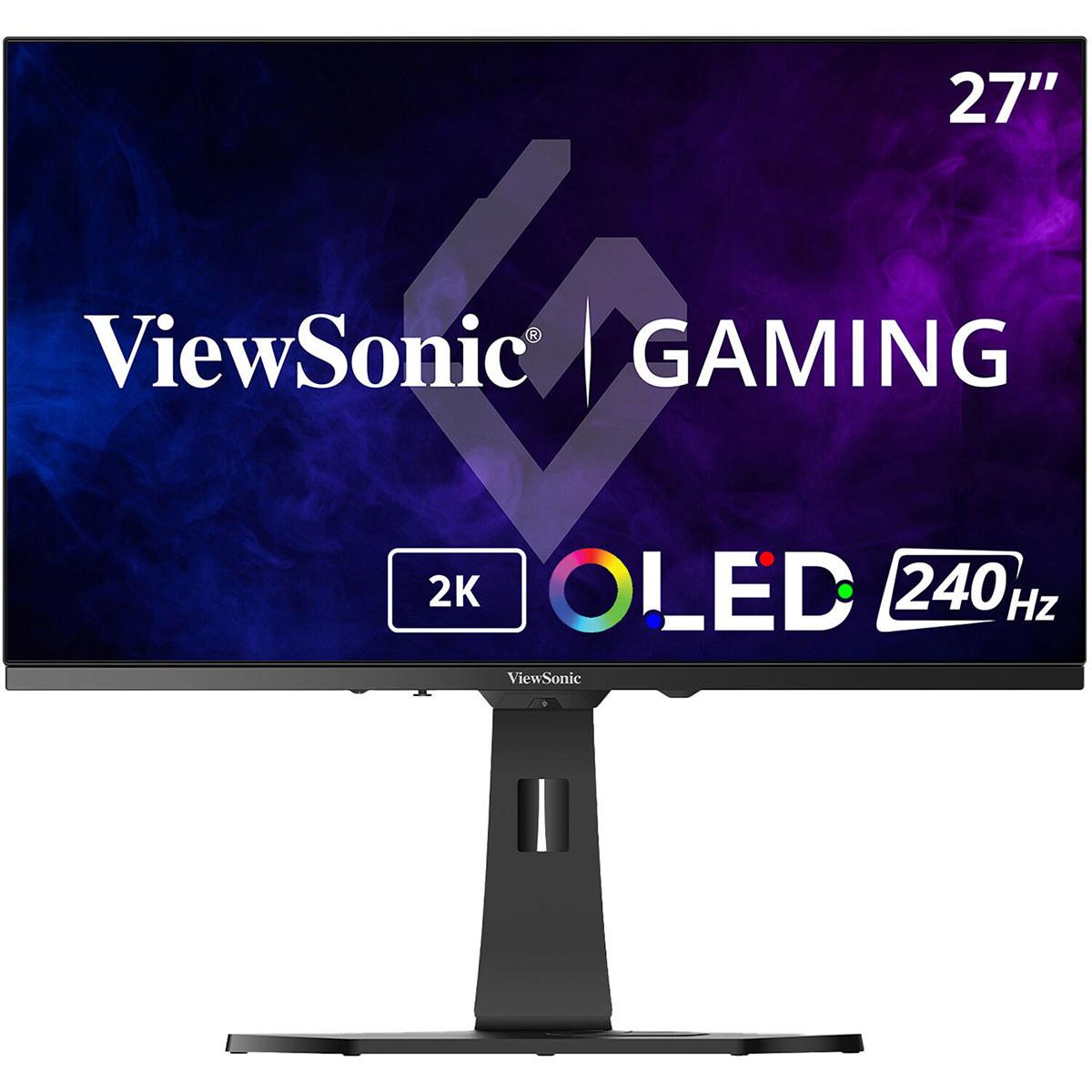
The ViewSonic XG272-2K-OLED launched in 2024 as a premium offering focused on overall display quality and HDR performance. At the time of writing, it commands a significantly higher price than Samsung's alternative, positioning itself as the choice for enthusiasts who want the best possible image quality alongside their gaming performance.
The Samsung Odyssey OLED G6 arrived later in 2024 with a different strategy: deliver the highest possible refresh rate while keeping costs more reasonable. Samsung's approach targets competitive gamers who prioritize pure speed over absolute image quality perfection.
These different philosophies become clear when you examine their core specifications and how they perform in real-world use.
The most obvious difference between these monitors is refresh rate – how many times per second the display can show a new image. The Samsung G6 operates at 360Hz, while the ViewSonic monitor caps out at 240Hz. That's a 50% difference, but what does it actually mean for your gaming experience?
In competitive first-person shooters like Counter-Strike or Valorant, higher refresh rates can provide a genuine advantage. When an enemy rounds a corner, a 360Hz display shows their movement in smaller increments, making it easier to track and react. The difference between 240Hz and 360Hz isn't as dramatic as going from 60Hz to 144Hz, but it's noticeable if you're playing at a high level.
However – and this is important – you need a graphics card powerful enough to actually generate 360 frames per second at 1440p resolution. Even high-end GPUs struggle to maintain those frame rates in demanding games. In many titles, you'll be limited by your hardware rather than the monitor's capabilities.
Response time measures how quickly individual pixels can change colors, typically measured in milliseconds. Both monitors excel here, with the ViewSonic claiming a slightly faster 0.01ms response compared to Samsung's 0.03ms. In practice, both are so fast that ghosting (trailing images behind moving objects) is virtually eliminated.
The ViewSonic monitor includes an interesting feature called Black Frame Insertion (BFI), which briefly flashes black frames between regular images to reduce motion blur. This can be particularly helpful if your graphics card can't maintain extremely high frame rates, as it improves motion clarity even at lower refresh rates. It's like having a backup plan when your hardware can't keep up with the monitor's capabilities.
One of the most significant differences between these monitors is brightness output. The ViewSonic XG272-2K-OLED produces 450 nits compared to the Samsung G6's 250 nits – an 80% advantage that has real-world implications.
HDR (High Dynamic Range) gaming depends heavily on brightness to create convincing bright highlights. When you're playing a game like Cyberpunk 2077 at night and neon signs need to pop against dark city streets, or when sunlight streams through windows in a realistic way, higher brightness makes these effects more believable. The ViewSonic monitor can display these bright elements much more convincingly.
This brightness advantage also matters for room lighting conditions. If you game in a room with windows or bright overhead lights, the Samsung monitor's 250-nit output might look washed out, while the ViewSonic display maintains better visibility and color saturation.
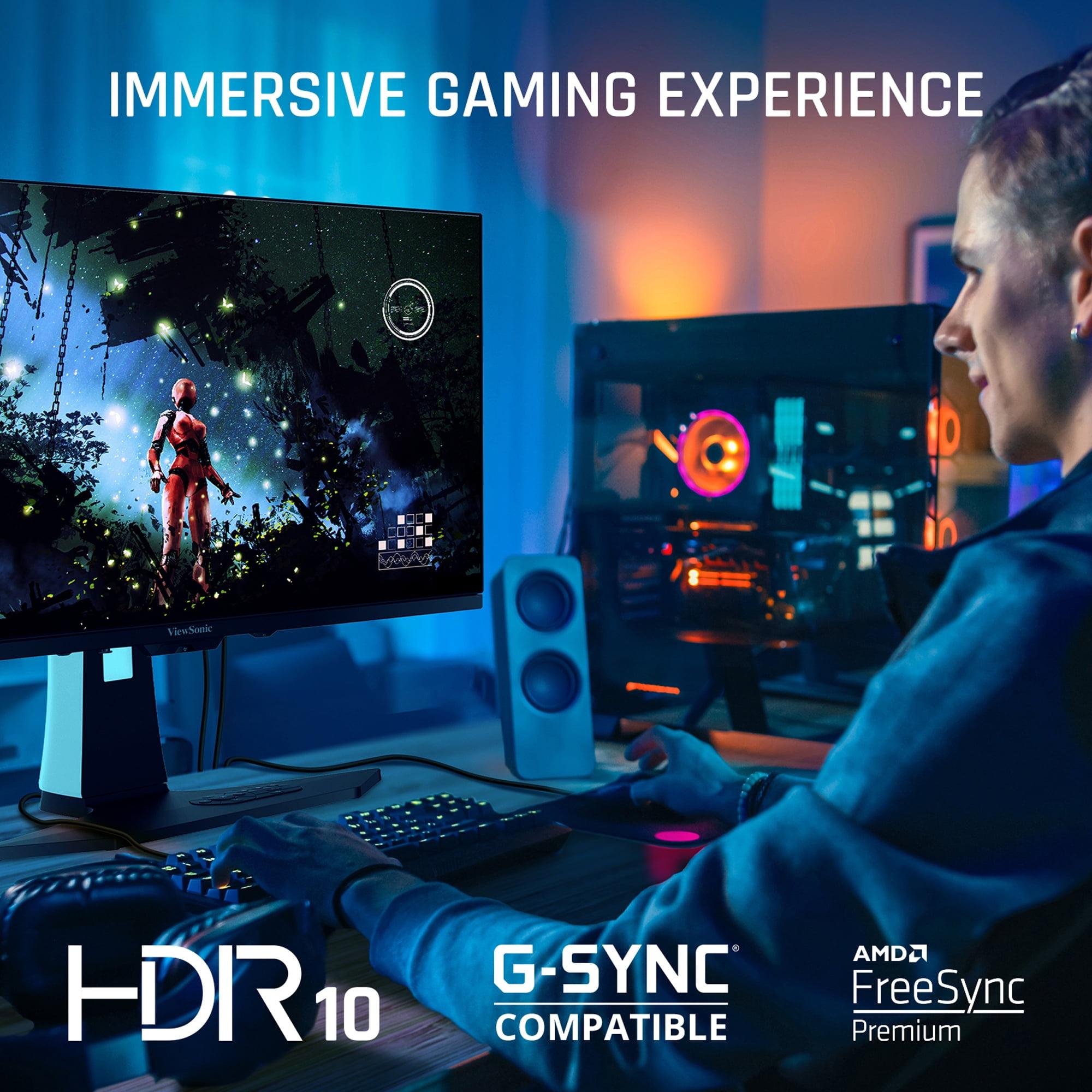
Both monitors support HDR10, but there's a catch with OLED technology: while it excels at deep blacks and infinite contrast, most OLED gaming monitors can't match the peak brightness of high-end LCD displays designed specifically for HDR. Even the brighter ViewSonic monitor falls short of what you'd get from a premium HDR television. However, OLED's perfect blacks often create more impactful HDR experiences despite lower peak brightness.
The Samsung G6 uses Quantum Dot OLED (QD-OLED) technology, which adds a quantum dot layer to enhance color reproduction. This results in coverage of 99% of the DCI-P3 color space – the standard used by movie studios and game developers for HDR content. The ViewSonic monitor covers 97% of DCI-P3, which is still excellent but slightly less comprehensive.
In practical terms, the Samsung display might show slightly more vibrant blues and greens, particularly in content specifically mastered for wide color gamuts. However, both monitors will display far more accurate and vibrant colors than traditional LCD panels.
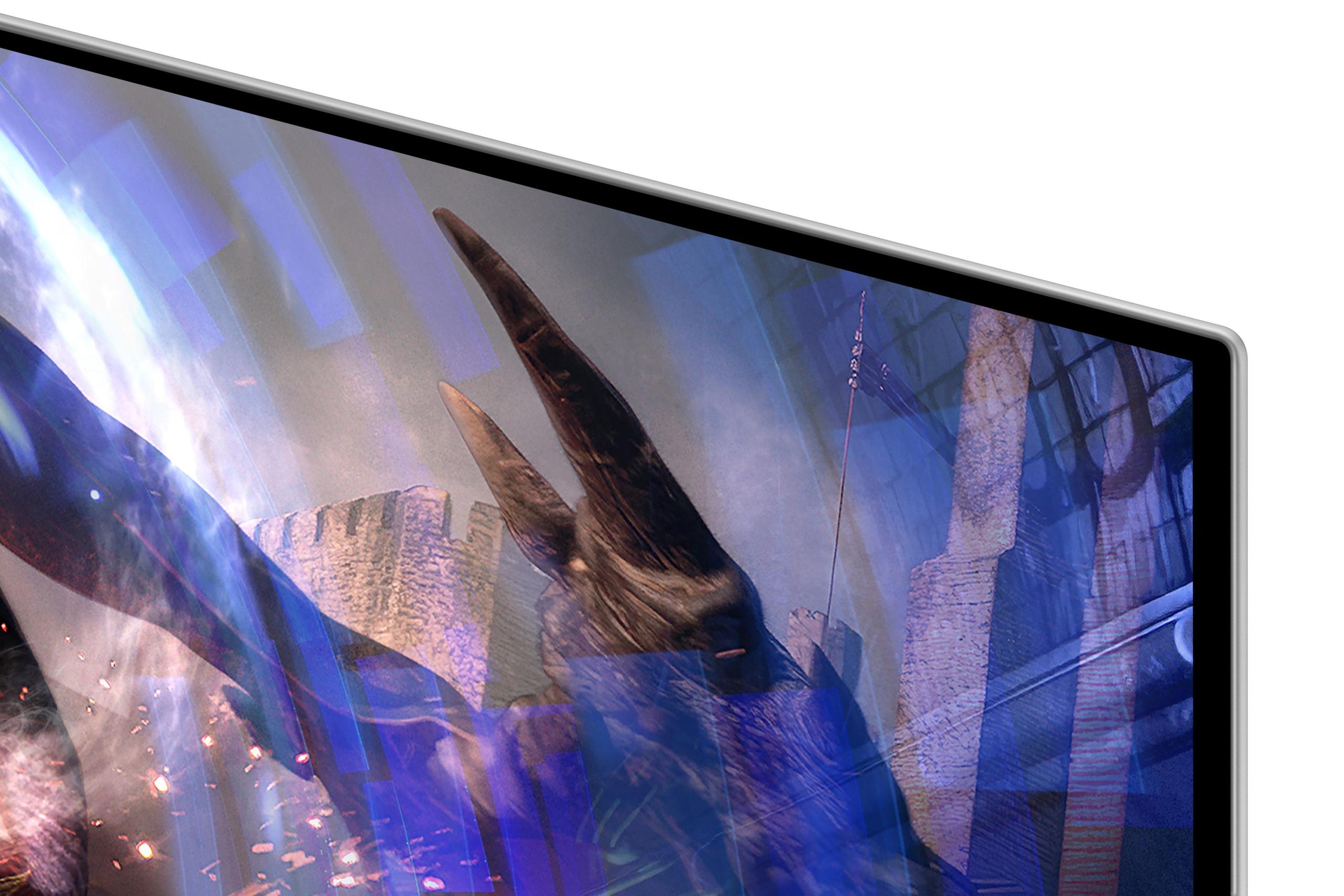
The ViewSonic monitor uses an anti-glare matte coating, while the Samsung G6 has a glossy finish. This creates a trade-off: Samsung's glossy screen makes colors appear more vivid and "pop" off the display, but it's more susceptible to reflections from room lighting. ViewSonic's matte coating reduces reflections significantly but can make colors appear slightly less vibrant.
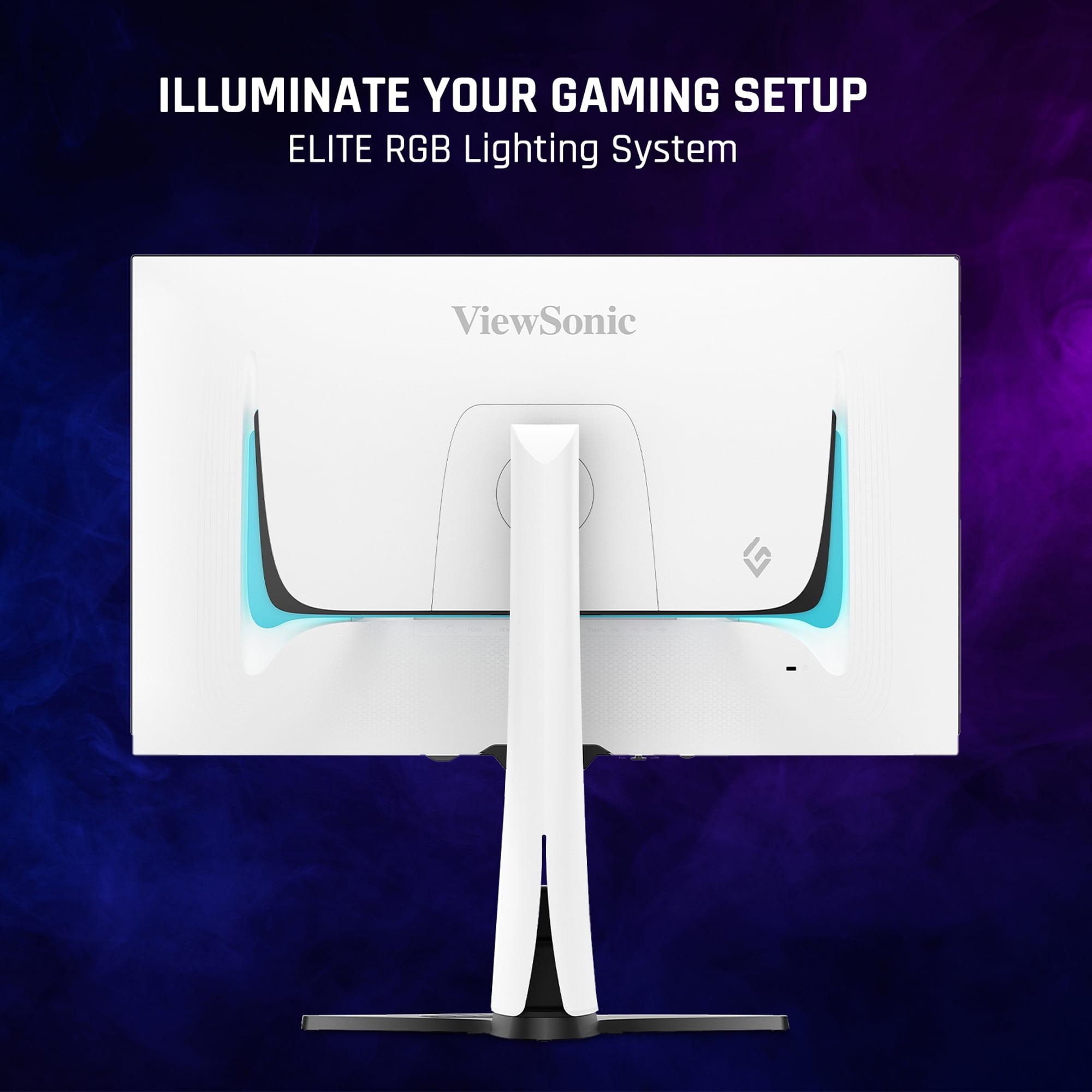
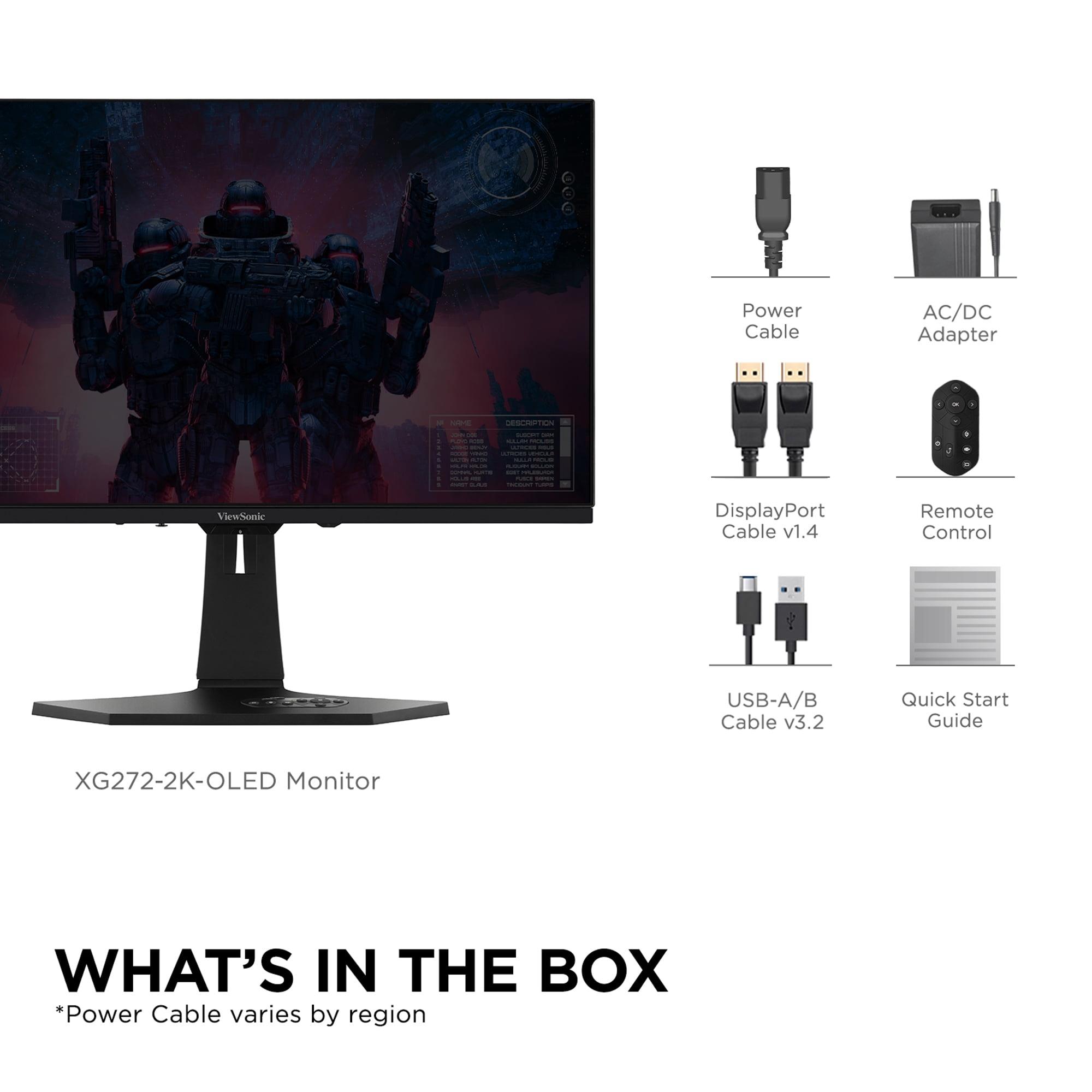
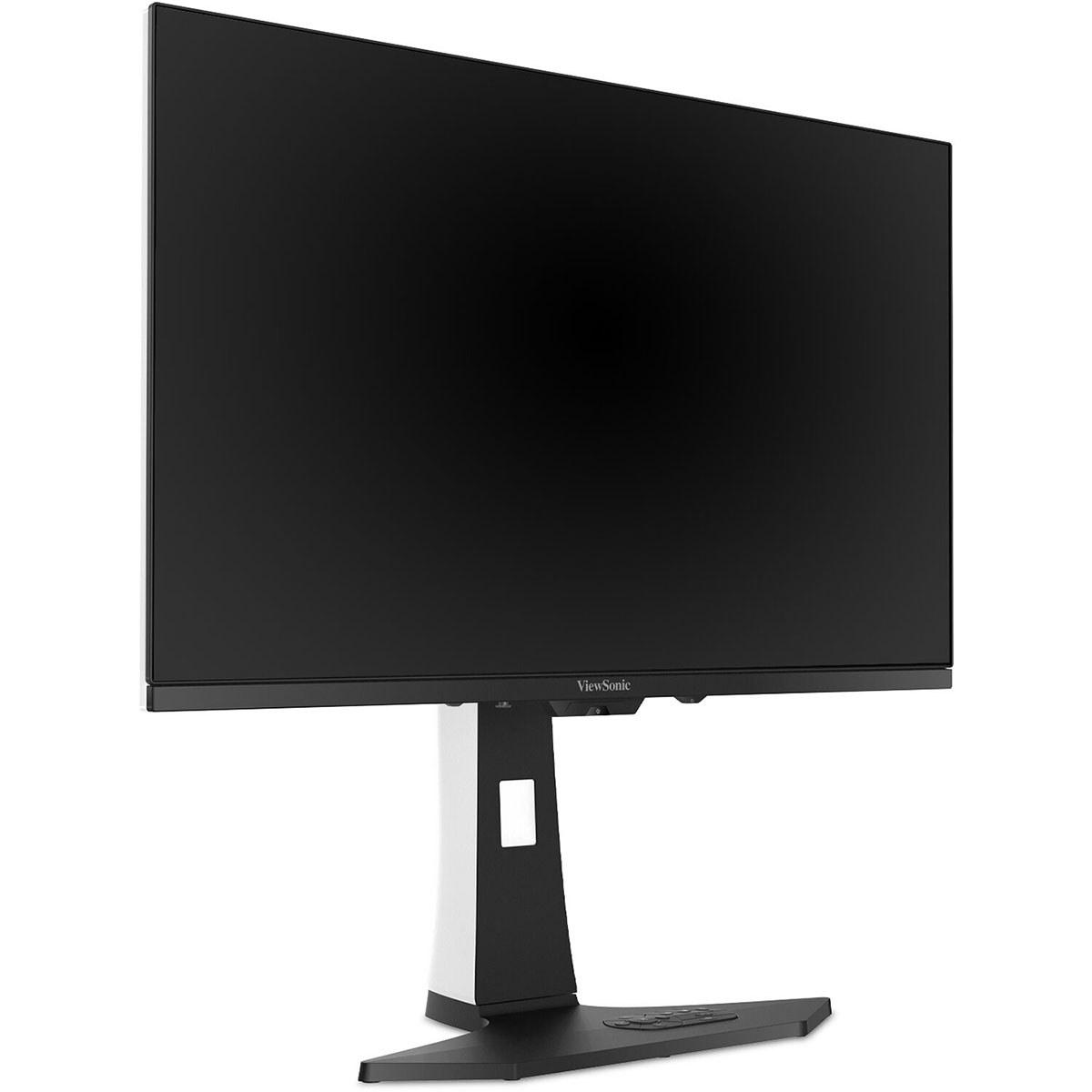
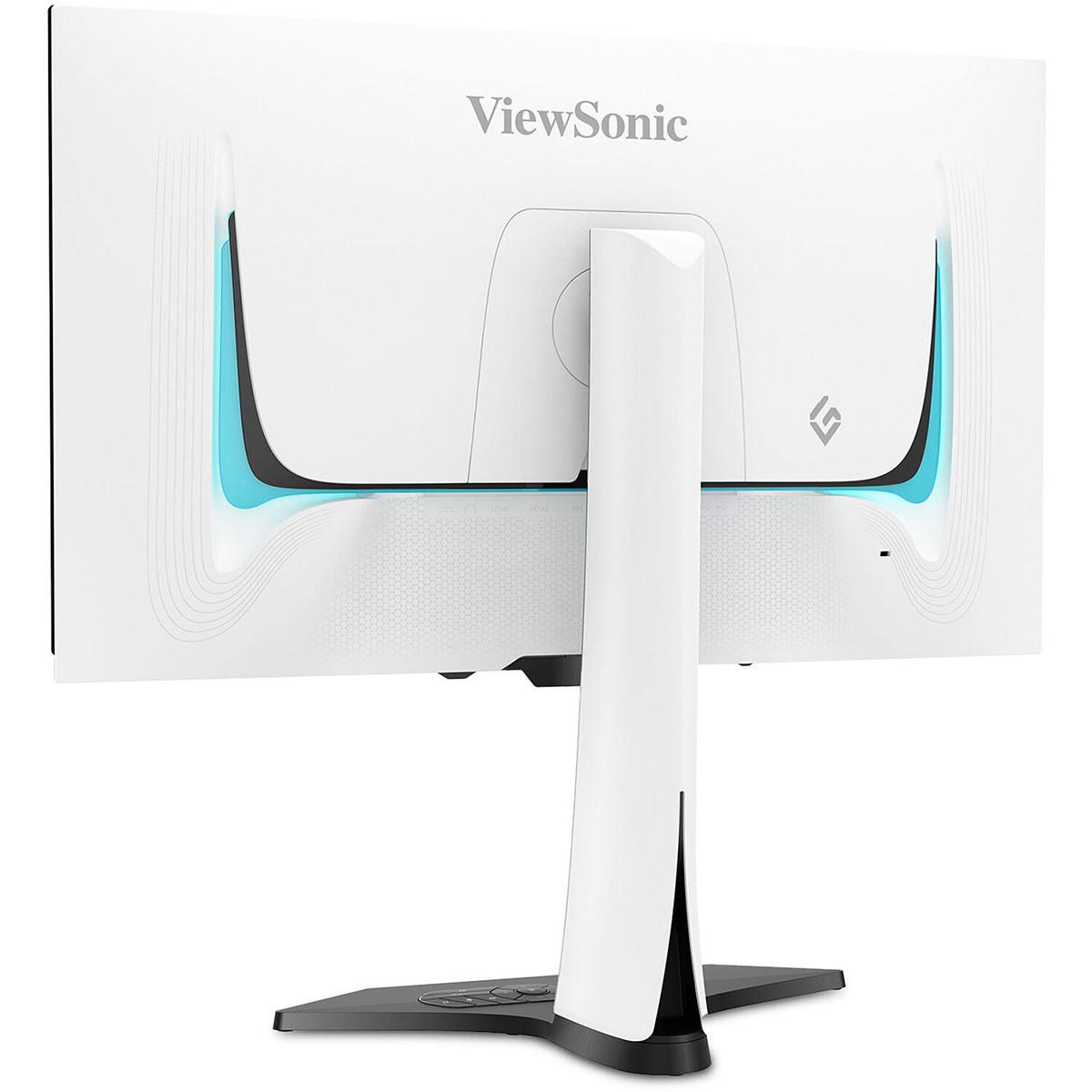
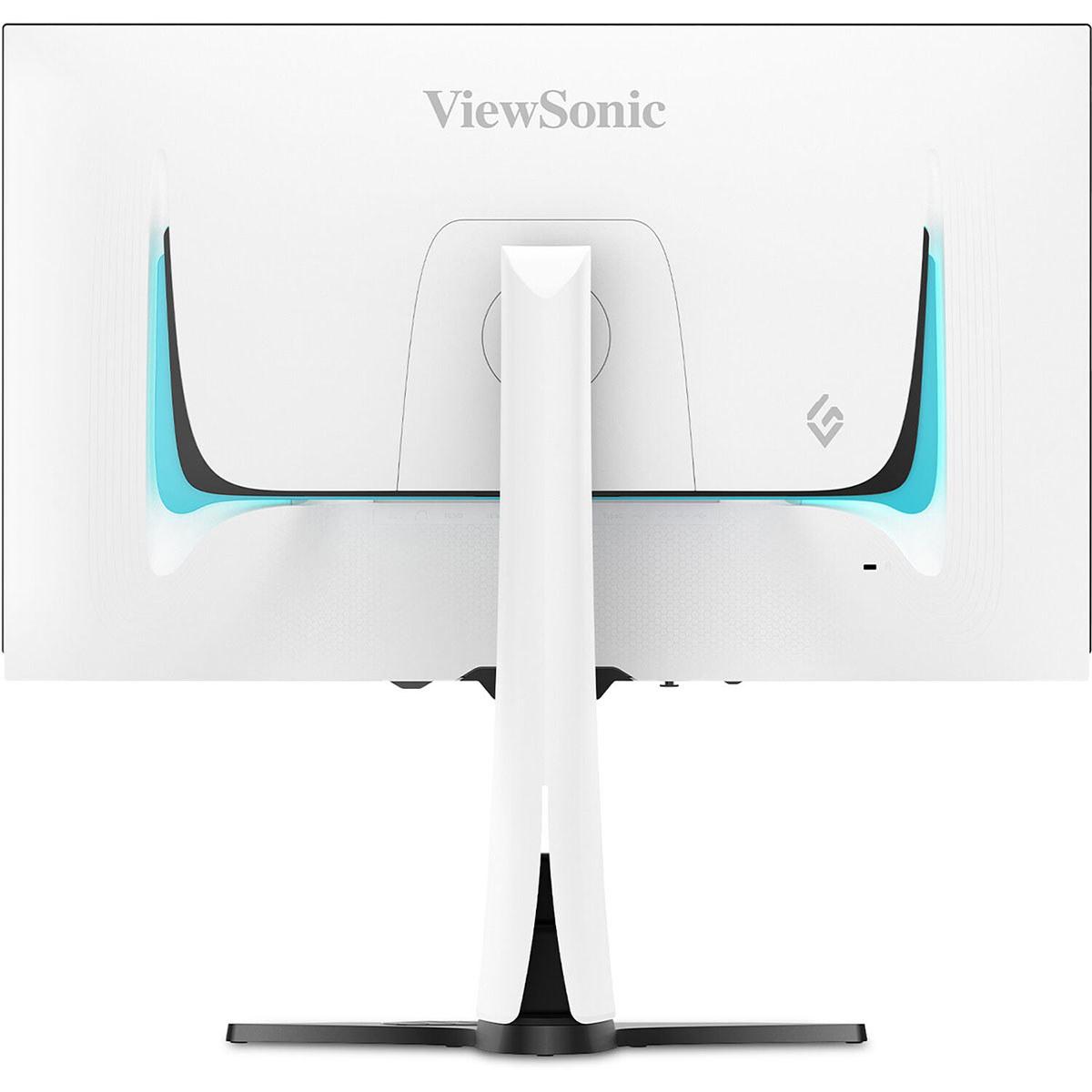
The ViewSonic XG272-2K-OLED takes a premium approach to design with its distinctive white chassis and integrated RGB lighting. The included remote control makes navigating the on-screen menus much easier than using physical buttons – a thoughtful touch that enhances the user experience.
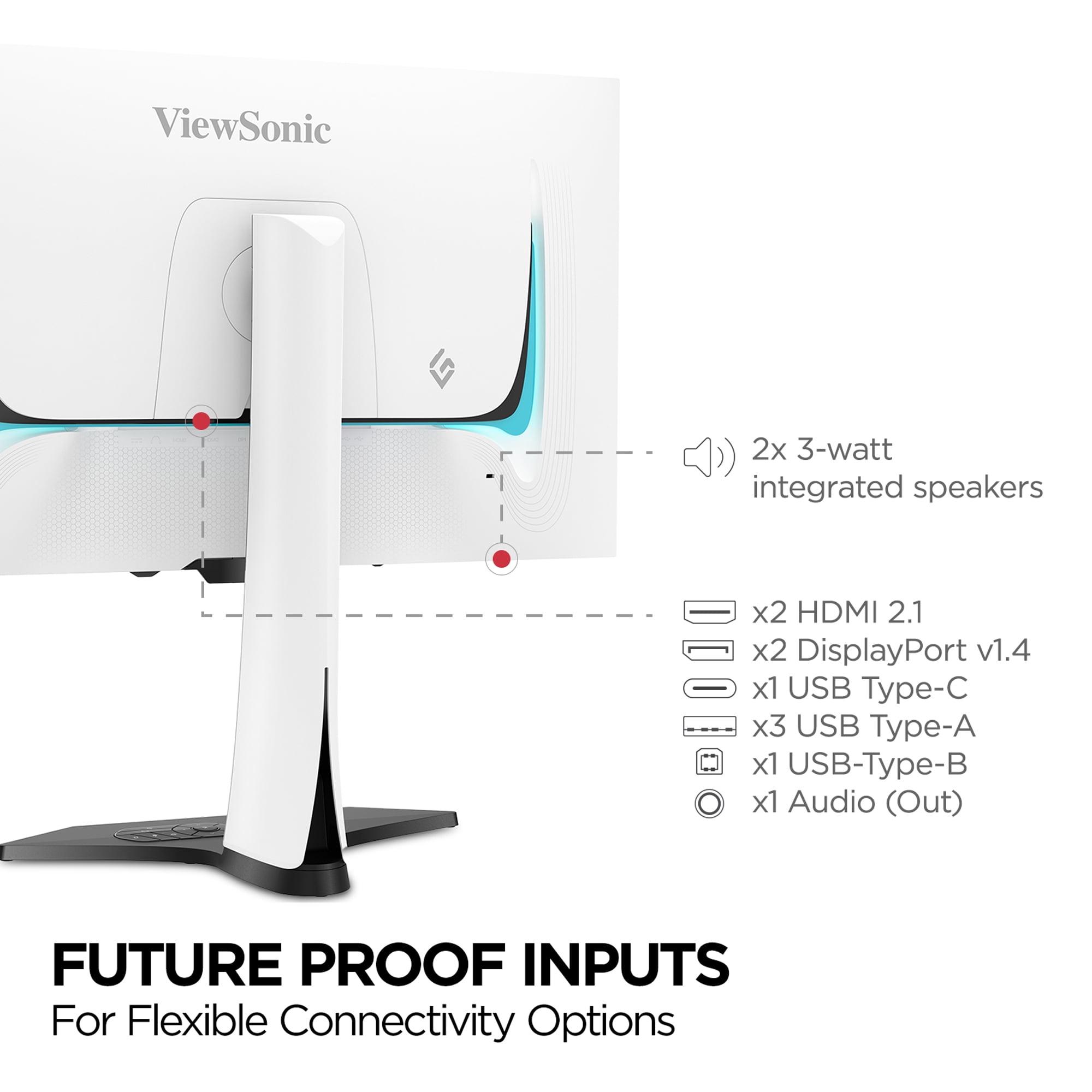
Connectivity is more comprehensive on the ViewSonic monitor, including USB-C with power delivery and a built-in USB hub. This means you can connect and charge a laptop with a single cable while also connecting peripherals like keyboards and mice through the monitor. For users who switch between gaming PCs and work laptops, this flexibility is valuable.
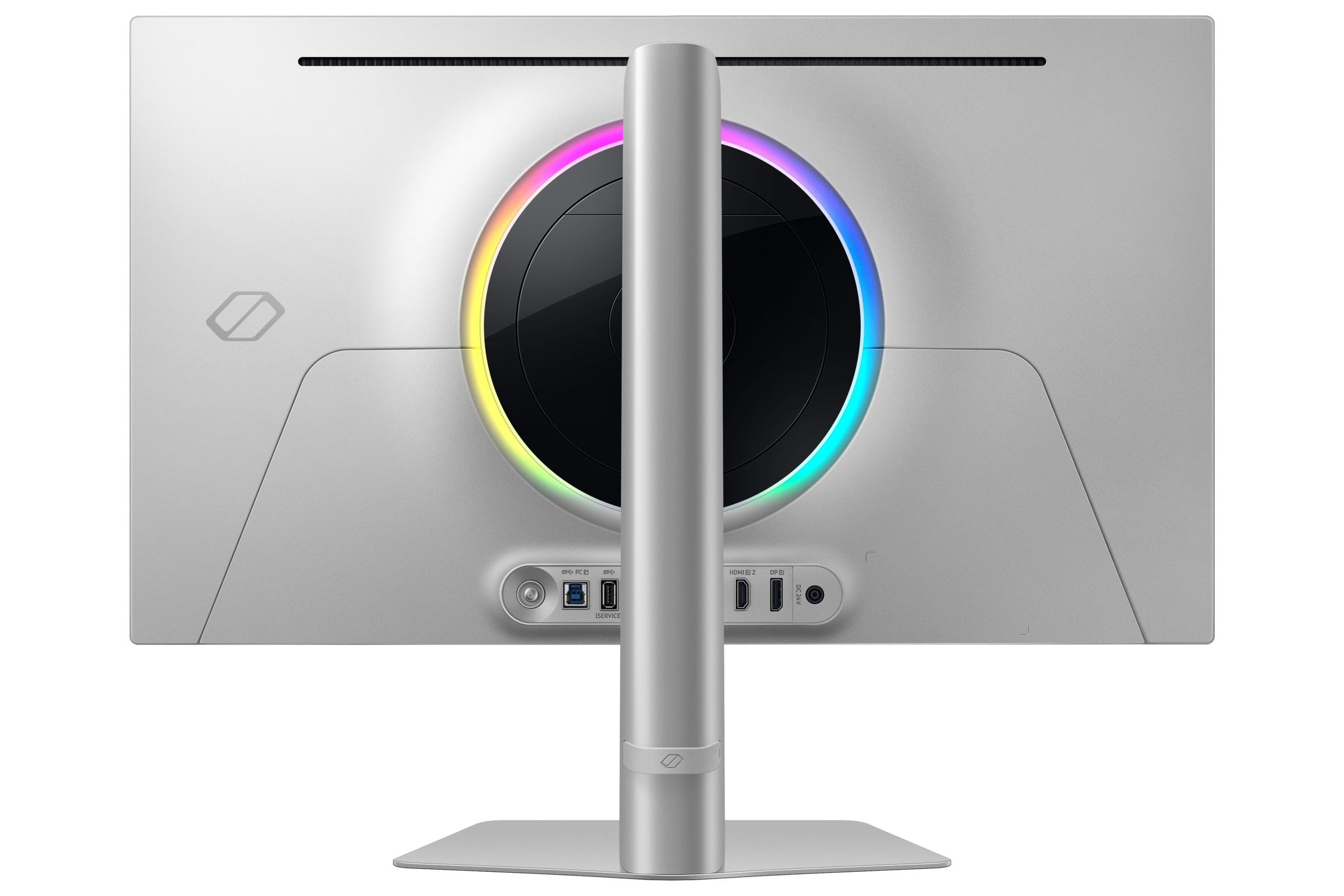
The Samsung G6 prioritizes a sleeker, more compact design. It's thinner and lighter, taking up less desk space – important if you're considering a multi-monitor setup or have limited room. The build quality feels solid, but the design is more understated compared to ViewSonic's distinctive aesthetic.
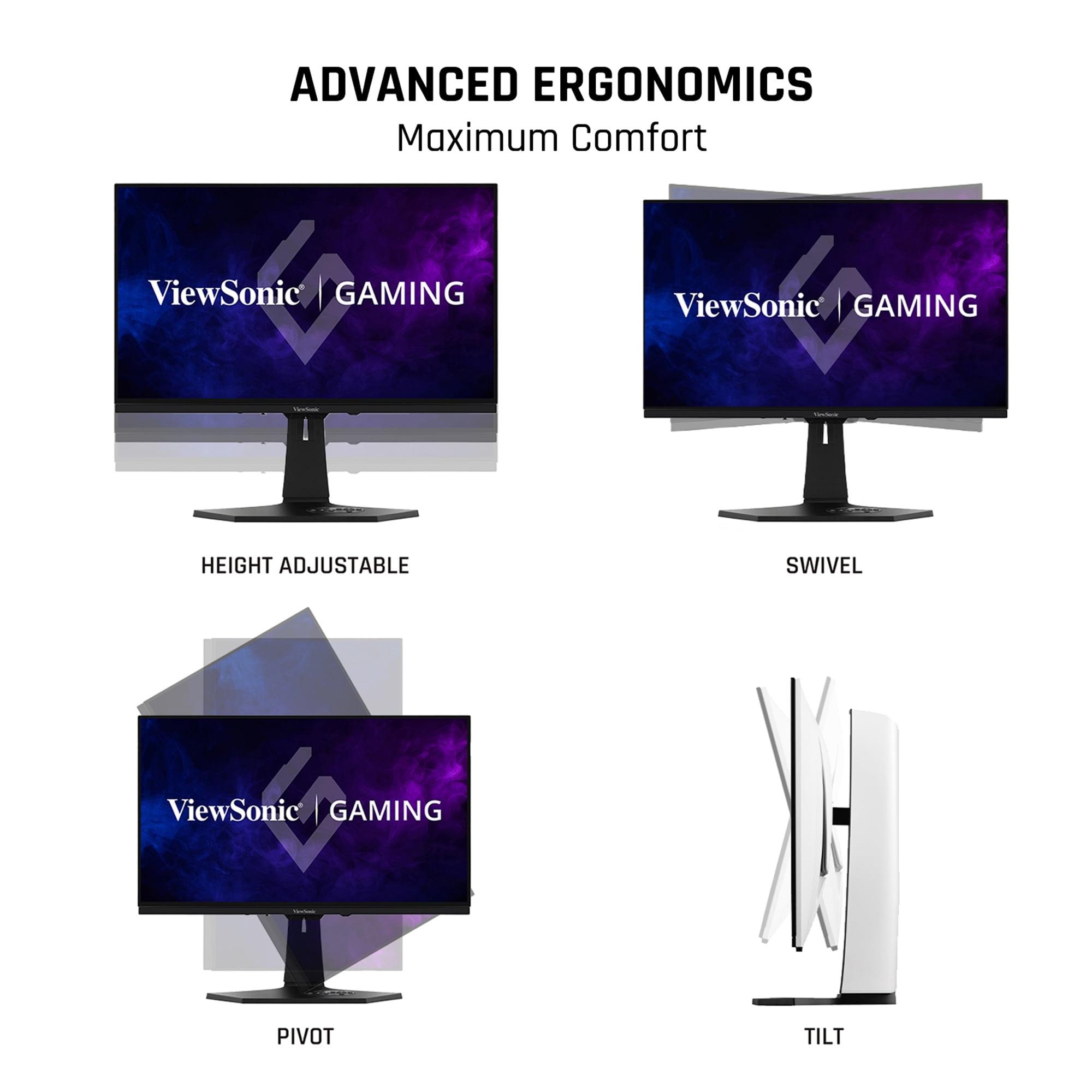
Both monitors offer comprehensive ergonomic adjustments, including height, tilt, swivel, and pivot capabilities. This adjustability is crucial for long gaming sessions and proper viewing angles.
One concern with OLED technology is burn-in – permanent image retention that occurs when static elements (like game HUDs or desktop taskbars) remain on screen for extended periods. Both manufacturers have implemented protection measures, but their approaches differ.
The Samsung G6 features OLED Safeguard+ with a Dynamic Cooling System that uses a pulsating heat pipe to manage temperatures more effectively than traditional methods. Heat accelerates OLED degradation, so better cooling directly impacts longevity.
The ViewSonic monitor relies primarily on software-based protection, including pixel shifting (slightly moving the image to prevent static elements from affecting the same pixels) and automatic dimming when static content is detected. While effective, these measures are less sophisticated than Samsung's hardware-based cooling approach.
In practical use, both monitors should last for years with normal gaming usage. The risk of burn-in is often overstated – it typically requires extreme usage patterns like displaying the same static image for hundreds of hours.
For competitive esports titles like Valorant, Counter-Strike, or Rocket League, the Samsung G6's 360Hz refresh rate provides a measurable advantage. These games often run at high frame rates on modern hardware, and the extra responsiveness can improve your reaction times in crucial moments.
For single-player games with rich visuals like Red Dead Redemption 2, Horizon Zero Dawn, or any HDR-enabled title, the ViewSonic monitor's superior brightness and HDR performance create more immersive experiences. The difference in image quality is immediately apparent when comparing bright outdoor scenes or dramatic lighting effects.
Console gaming presents an interesting consideration. While the PlayStation 5 and Xbox Series X support HDMI 2.1 and high refresh rates, they typically output at lower frame rates than high-end PCs. Both monitors work well with consoles, but you won't fully utilize the high refresh rates. The ViewSonic's better HDR performance might be more noticeable than Samsung's higher refresh rate in console gaming scenarios.
While primarily designed for gaming, both monitors can serve as displays for movie and TV content. The ViewSonic XG272-2K-OLED has advantages here due to its higher brightness and better HDR performance, making it more suitable for HDR movies and streaming content.
However, 27 inches is relatively small for home theater use compared to dedicated TVs. If you're primarily interested in movie watching, you might want to consider larger OLED TVs instead. These monitors work best as secondary displays or in smaller spaces where a large TV isn't practical.
At the time of writing, the Samsung G6 represents significantly better value for competitive gaming, offering 50% higher refresh rate at a substantially lower price point. For gamers whose primary focus is esports performance and who game in darker environments, Samsung's approach makes financial sense.
The ViewSonic XG272-2K-OLED commands a premium price but delivers premium features. The 80% brightness advantage, comprehensive connectivity, and superior build quality justify the higher cost for users who prioritize overall display quality and versatility.
Choose the Samsung Odyssey OLED G6 if you're primarily focused on competitive gaming performance. The 360Hz refresh rate provides a genuine advantage in fast-paced esports titles, and the lower price makes premium OLED technology more accessible. It's also the better choice if you have limited desk space or prefer a more understated design.
The Samsung monitor works well for gamers who play in darker environments where its lower brightness isn't a limitation. If your primary games are competitive titles like FPS games or MOBAs, and you have hardware capable of driving high frame rates, Samsung's speed-focused approach aligns well with your priorities.
Select the ViewSonic XG272-2K-OLED if you want the best possible image quality alongside excellent gaming performance. The superior HDR capabilities and higher brightness make it better for varied gaming experiences, from competitive esports to visually stunning single-player adventures.
The ViewSonic monitor is also the better choice for mixed usage scenarios – if you work from home during the day and game at night, or if you consume a lot of HDR movie content alongside gaming. The comprehensive connectivity and premium build quality make it feel more like a long-term investment.
Both the ViewSonic XG272-2K-OLED and Samsung Odyssey OLED G6 represent excellent implementations of OLED gaming technology, but they prioritize different aspects of the gaming experience.
Samsung focuses on pure competitive performance and value, delivering the fastest possible gaming experience at a more accessible price point. ViewSonic takes a more comprehensive approach, balancing gaming performance with superior image quality and premium features.
Your choice ultimately depends on your gaming priorities, room environment, and budget. Both monitors will provide a significant upgrade over traditional LCD displays, with the perfect blacks, vibrant colors, and ultra-fast response times that make OLED technology so compelling for gaming.
The good news is that you can't really go wrong with either choice – they represent the current state of the art in gaming monitor technology, just with different emphases on what matters most in your gaming setup.
| ViewSonic XG272-2K-OLED | Samsung Odyssey OLED G6 |
|---|---|
| Refresh Rate - Higher rates provide smoother motion in competitive gaming | |
| 240Hz (excellent for most gaming scenarios) | 360Hz (maximum competitive advantage) |
| Response Time - Lower is better for eliminating ghosting | |
| 0.01ms (marginally faster pixel switching) | 0.03ms (still exceptionally fast for OLED) |
| Brightness - Critical for HDR performance and bright room visibility | |
| 450 nits (80% brighter, superior HDR experience) | 250 nits (adequate for darker gaming environments) |
| Color Gamut - Wider coverage means more vibrant, accurate colors | |
| 97% DCI-P3, 137% sRGB (excellent color reproduction) | 99% DCI-P3 (slightly better thanks to QD-OLED technology) |
| Panel Technology - Affects color vibrancy and reflection handling | |
| Standard OLED with anti-glare matte coating | QD-OLED with glossy finish (more vibrant but reflects light) |
| Burn-in Protection - Important for OLED longevity | |
| Software-based pixel shifting and dimming | OLED Safeguard+ with Dynamic Cooling System (more advanced) |
| Connectivity - More ports mean better device compatibility | |
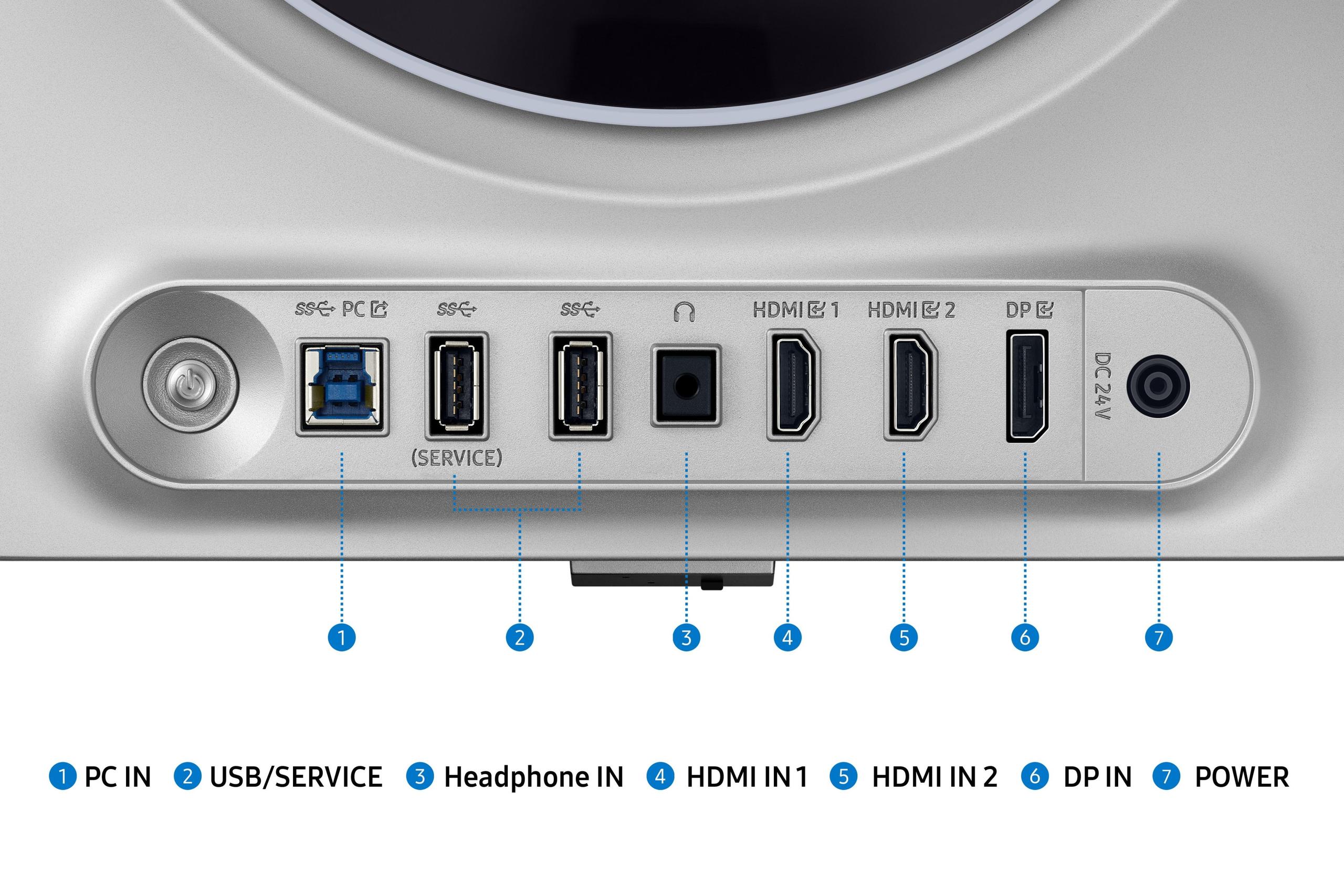
| 2x HDMI 2.1, 2x DP 1.4, USB-C with 15W power, USB hub | 2x HDMI 2.1, 1x DP 1.4, USB 3.0 ports, 3.5mm audio |
| Design Features - Aesthetic and functional considerations | |
| White chassis with RGB lighting, includes remote control | Sleek metal design, thinner profile, lighter weight |
| Gaming Features - Additional tools for competitive advantage | |
| Black Frame Insertion, customizable RGB, comprehensive OSD | VRR Control, Virtual Aim Point, Eye Saver mode |
| HDR Support - Enhanced dynamic range for realistic lighting | |
| HDR10 (benefits significantly from higher brightness) | HDR10, HDR10+ Gaming (limited by lower brightness output) |
| Warranty Coverage - Protection for premium investment | |
| 3-year warranty (standard for premium monitors) | 3-year warranty (includes advanced OLED protections) |
The Samsung Odyssey OLED G6 is better for competitive gaming due to its 360Hz refresh rate compared to the ViewSonic XG272-2K-OLED's 240Hz. The higher refresh rate provides smoother motion and can give you a competitive edge in fast-paced games like Counter-Strike or Valorant, assuming your graphics card can generate enough frames per second to take advantage of it.
The primary difference is refresh rate versus brightness. The Samsung G6 prioritizes speed with 360Hz refresh rate for competitive gaming, while the ViewSonic monitor focuses on image quality with 450 nits brightness for better HDR performance. Samsung targets esports players, while ViewSonic appeals to gamers who want superior visual quality.
The ViewSonic XG272-2K-OLED delivers better picture quality for single-player games due to its 450 nits brightness compared to Samsung's 250 nits. This 80% brightness advantage makes HDR content more impactful and creates more realistic lighting effects in visually demanding games like Cyberpunk 2077 or Red Dead Redemption 2.
Yes, both the ViewSonic XG272-2K-OLED and Samsung Odyssey OLED G6 work well with PlayStation 5 and Xbox Series X consoles. However, since consoles typically output lower frame rates, you won't fully utilize the high refresh rates. The ViewSonic's better HDR performance might be more noticeable than Samsung's higher refresh rate for console gaming.
The Samsung Odyssey OLED G6 offers better value for competitive gamers, providing 50% higher refresh rate at a lower price point. However, the ViewSonic XG272-2K-OLED provides better value for users who prioritize image quality, HDR performance, and comprehensive features, justifying its premium pricing.
Both monitors include burn-in protection, but with different approaches. The Samsung G6 features OLED Safeguard+ with a Dynamic Cooling System using hardware-based thermal management. The ViewSonic monitor uses software-based protection including pixel shifting and automatic dimming. Samsung's approach is more advanced for long-term OLED preservation.
The ViewSonic XG272-2K-OLED performs better in bright rooms due to its 450 nits brightness output and anti-glare matte coating. The Samsung G6's 250 nits output may appear washed out in bright lighting conditions, though its glossy finish provides more vibrant colors in darker environments.
The ViewSonic XG272-2K-OLED provides more comprehensive connectivity with USB-C power delivery, built-in USB hub, 2x HDMI 2.1, and 2x DisplayPort 1.4. The Samsung Odyssey OLED G6 offers standard gaming connectivity with 2x HDMI 2.1, 1x DisplayPort 1.4, and USB 3.0 ports, but lacks USB-C functionality.
Both monitors deliver excellent color accuracy, but with slight differences. The Samsung G6 uses QD-OLED technology achieving 99% DCI-P3 coverage for slightly more vibrant colors. The ViewSonic monitor covers 97% DCI-P3 and 137% sRGB, providing excellent color reproduction with broader standard color gamut coverage.
The ViewSonic XG272-2K-OLED is better suited for mixed work and gaming use due to its USB-C connectivity with power delivery, comprehensive USB hub, and anti-glare coating that reduces eye strain. The Samsung G6 focuses primarily on gaming performance and may be less ideal for extended productivity work.
Both offer premium build quality with different design philosophies. The ViewSonic XG272-2K-OLED features a distinctive white chassis with RGB lighting and includes a remote control for easy menu navigation. The Samsung Odyssey OLED G6 has a sleeker, more compact metal design that's thinner and lighter, better for space-constrained setups.
The ViewSonic XG272-2K-OLED significantly outperforms the Samsung G6 for HDR content due to its 450 nits brightness versus 250 nits. This makes HDR games and movies much more impactful with brighter highlights and better contrast. Both support HDR10, but ViewSonic's higher brightness delivers the HDR experience as intended by content creators.
We've done our best to create useful and informative comparisons to help you decide what product to buy. Our research uses advanced automated methods to create this comparison and perfection is not possible - please contact us for corrections or questions. These are the sites we've researched in the creation of this article: tomshardware.com - viewsonic.com - cgmagonline.com - bhphotovideo.com - forums.blurbusters.com - pangoly.com - youtube.com - rtings.com - youtube.com - bhphotovideo.com - viewsonic.com - assetserver.net - viewsonic.com - viewsonic.com - colamco.com - viewsonic.com - store.connectcause.com - displayspecifications.com - bhphotovideo.com - manuals.viewsonic.com - viewsonic.com - pangoly.com - visioncomputers.com - bestbuy.com - bestbuy.com - gamesradar.com - gamesradar.com - versus.com - youtube.com - versus.com - player2.net.au - youtube.com - rtings.com - youtube.com - samsung.com - files.bbystatic.com - techpowerup.com - samsung.com - bestbuy.com - samsung.com - bhphotovideo.com - bestbuy.com - youtube.com - de.shi.com - pangoly.com

Privacy Policy
Terms and Conditions - Affiliate Policy
Home Security
© Copyright 2008-2026.
11816 Inwood Rd #1211, Dallas, TX 75244