

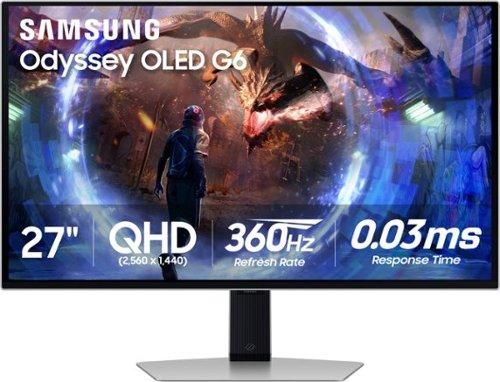
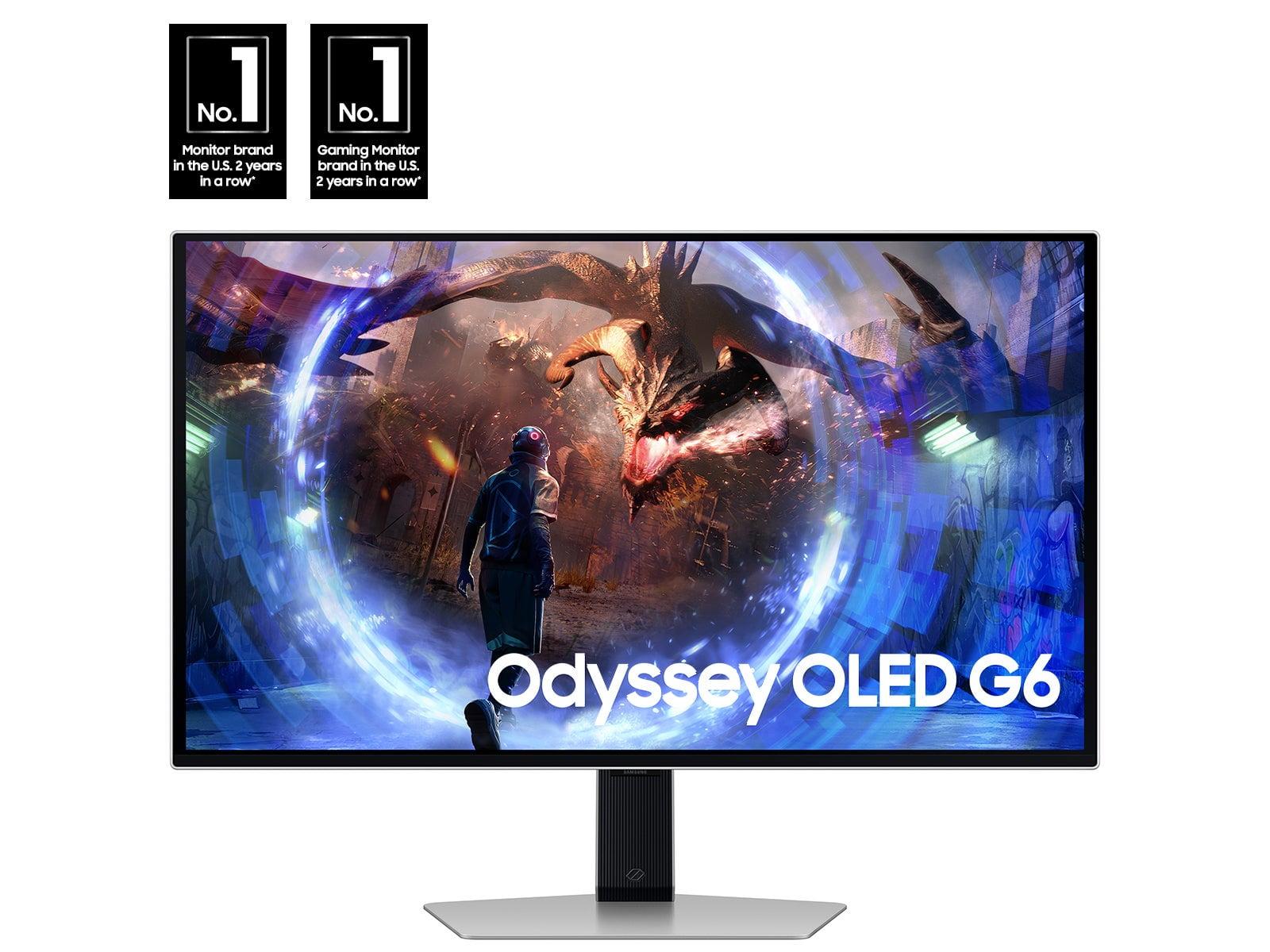

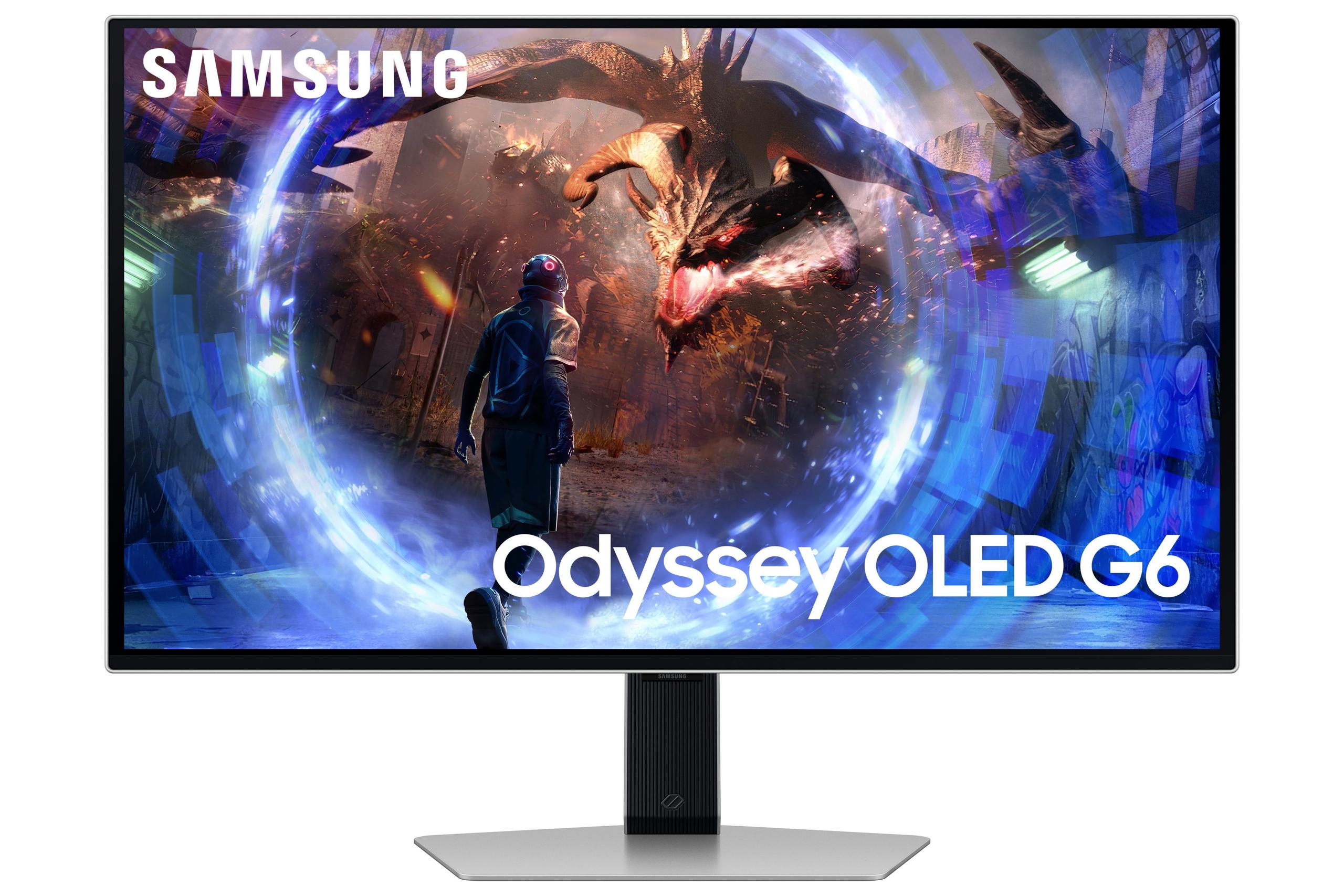
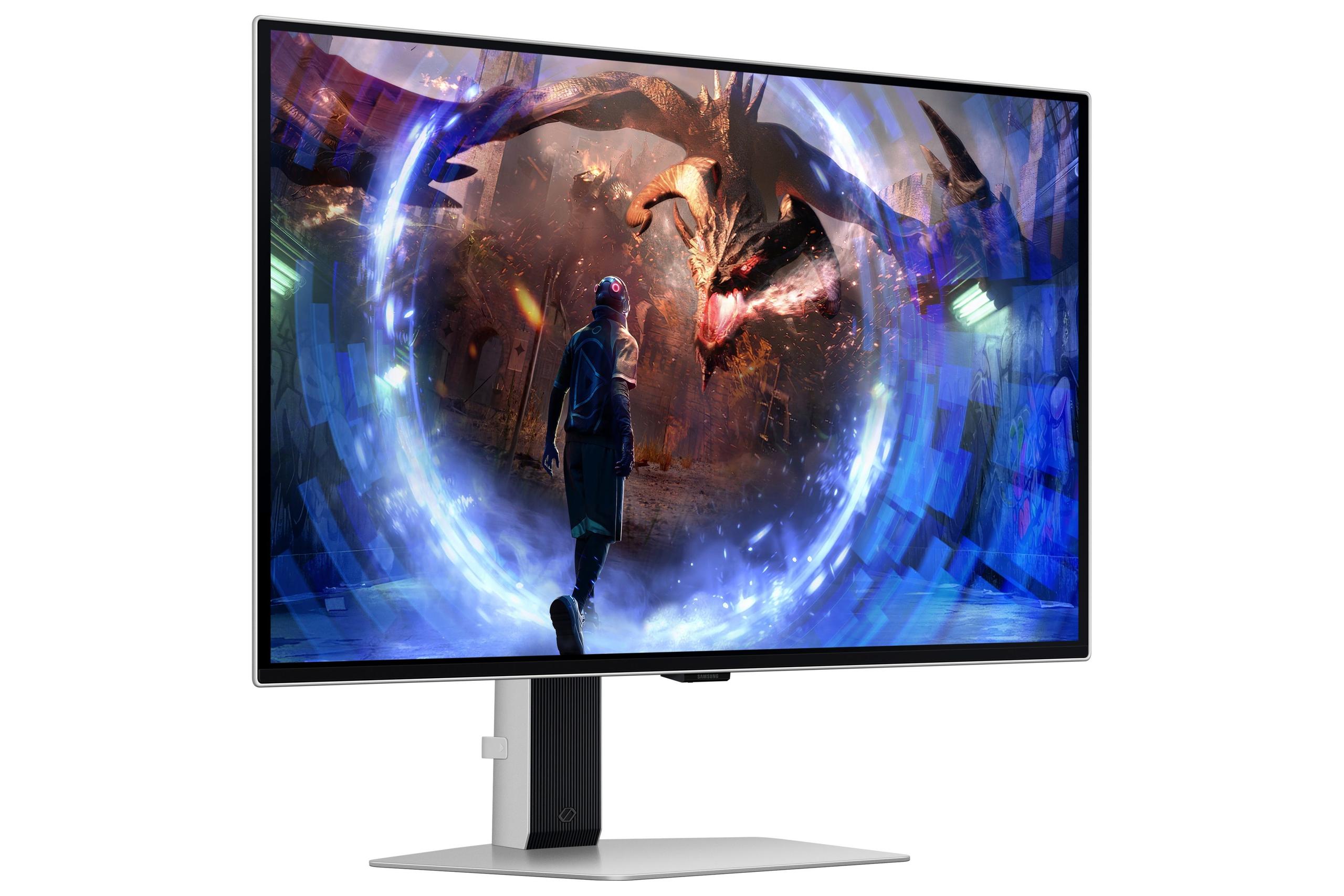
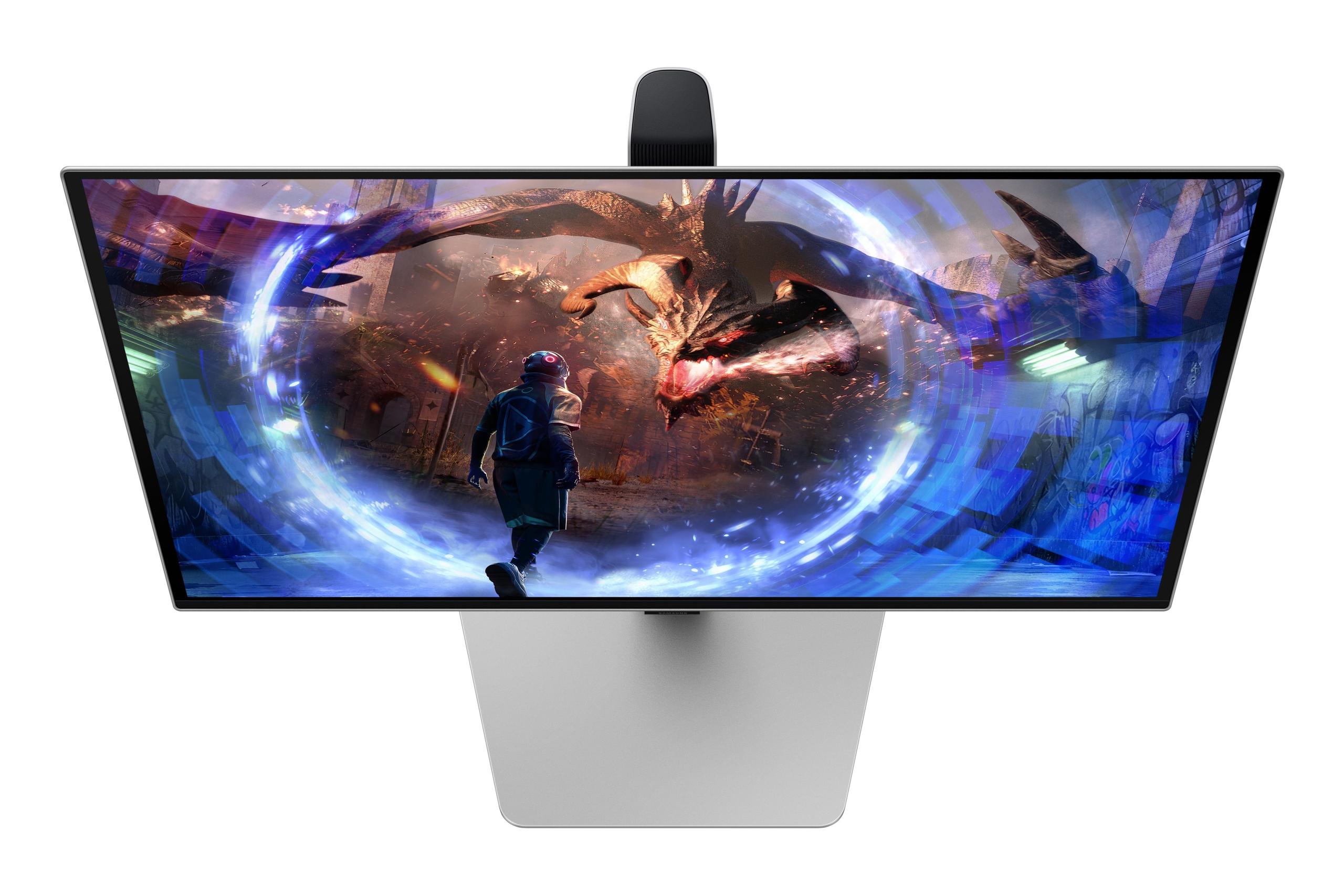
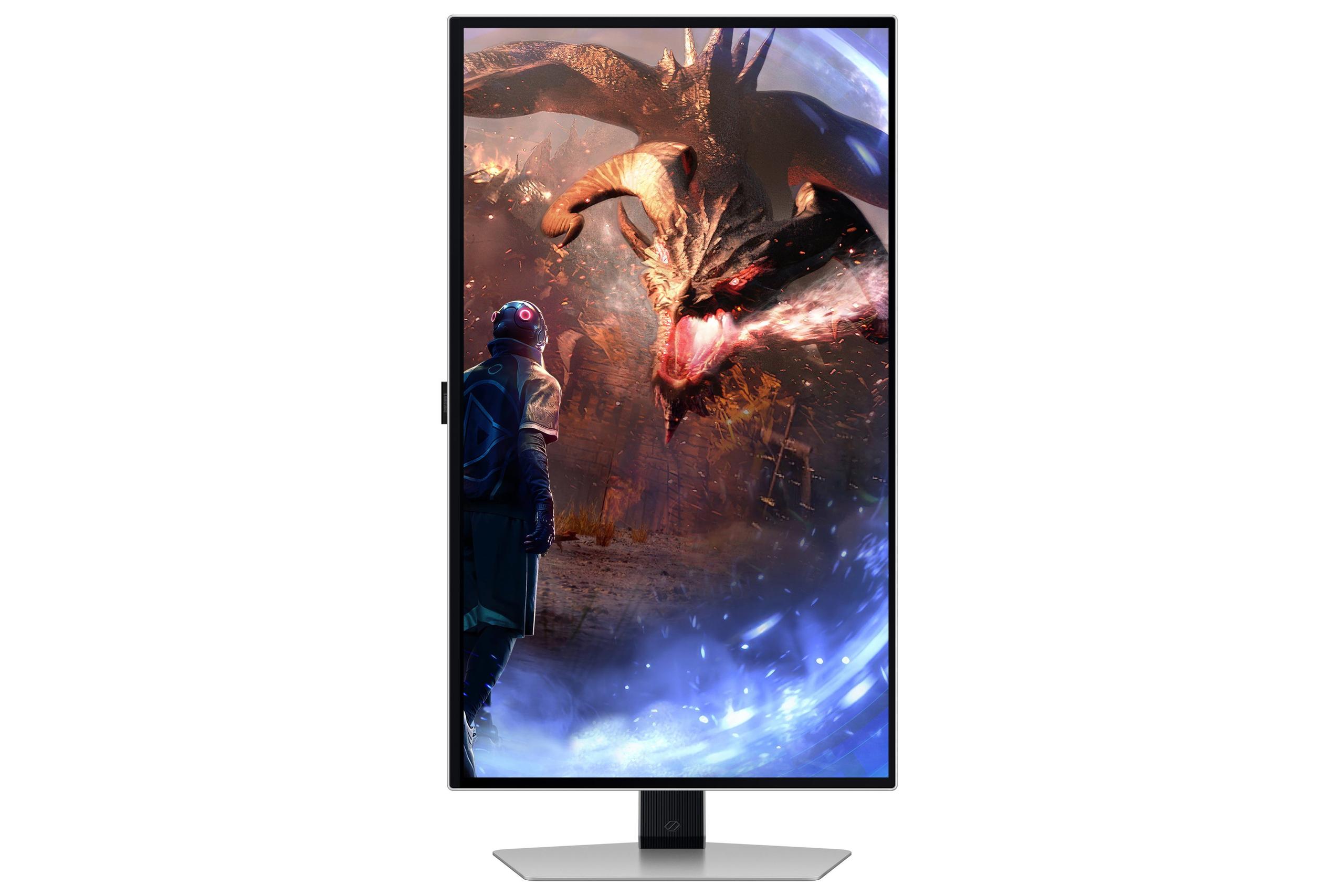

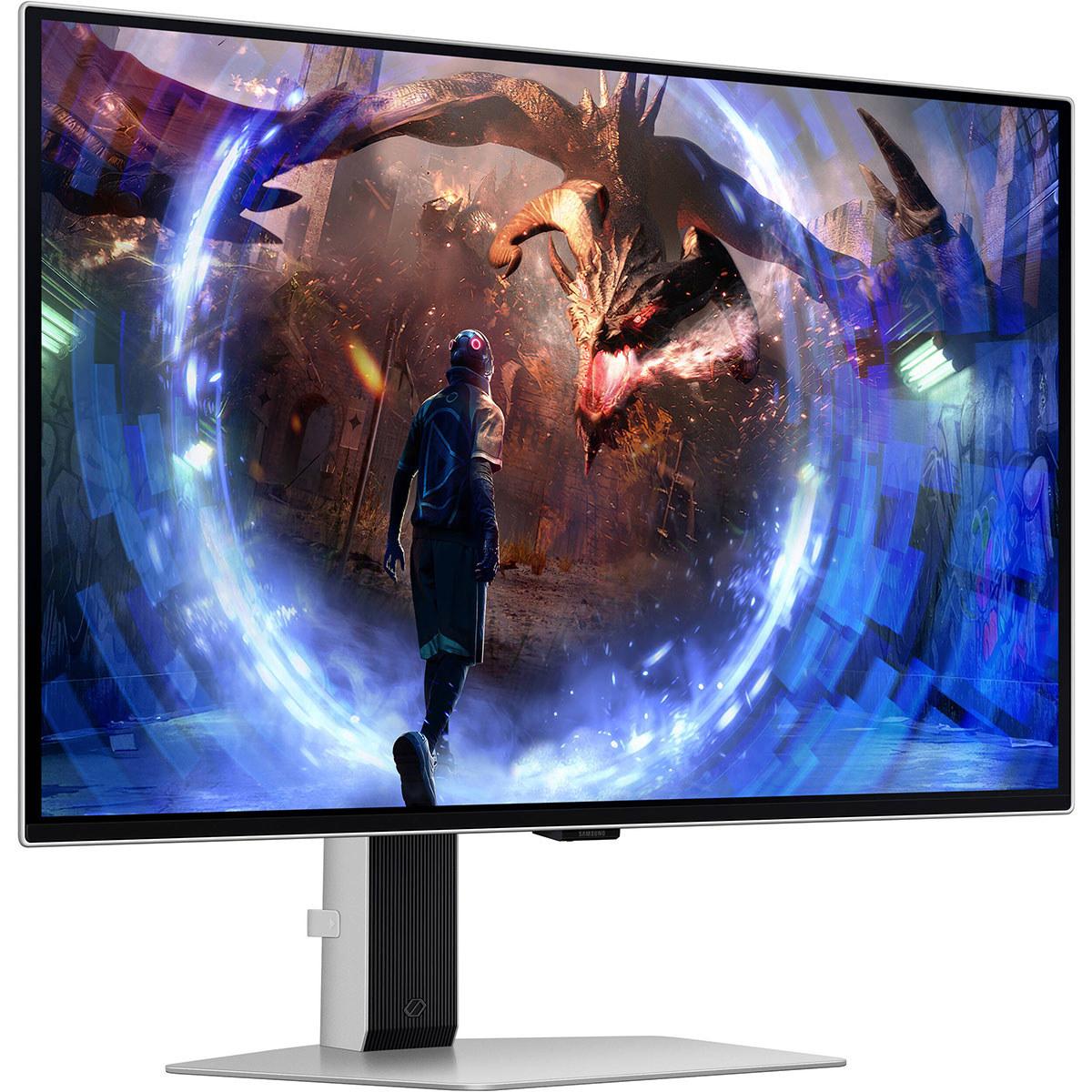
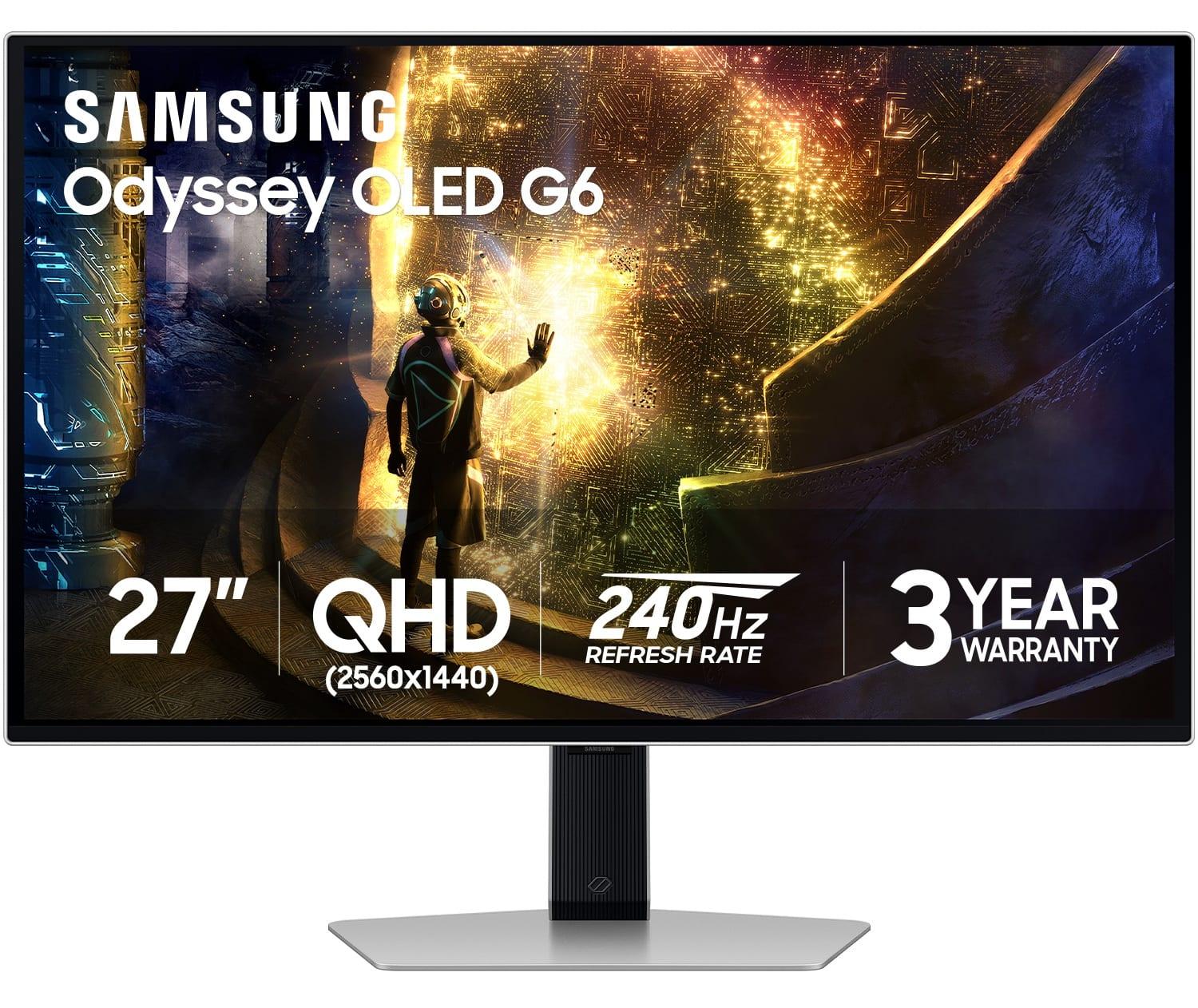
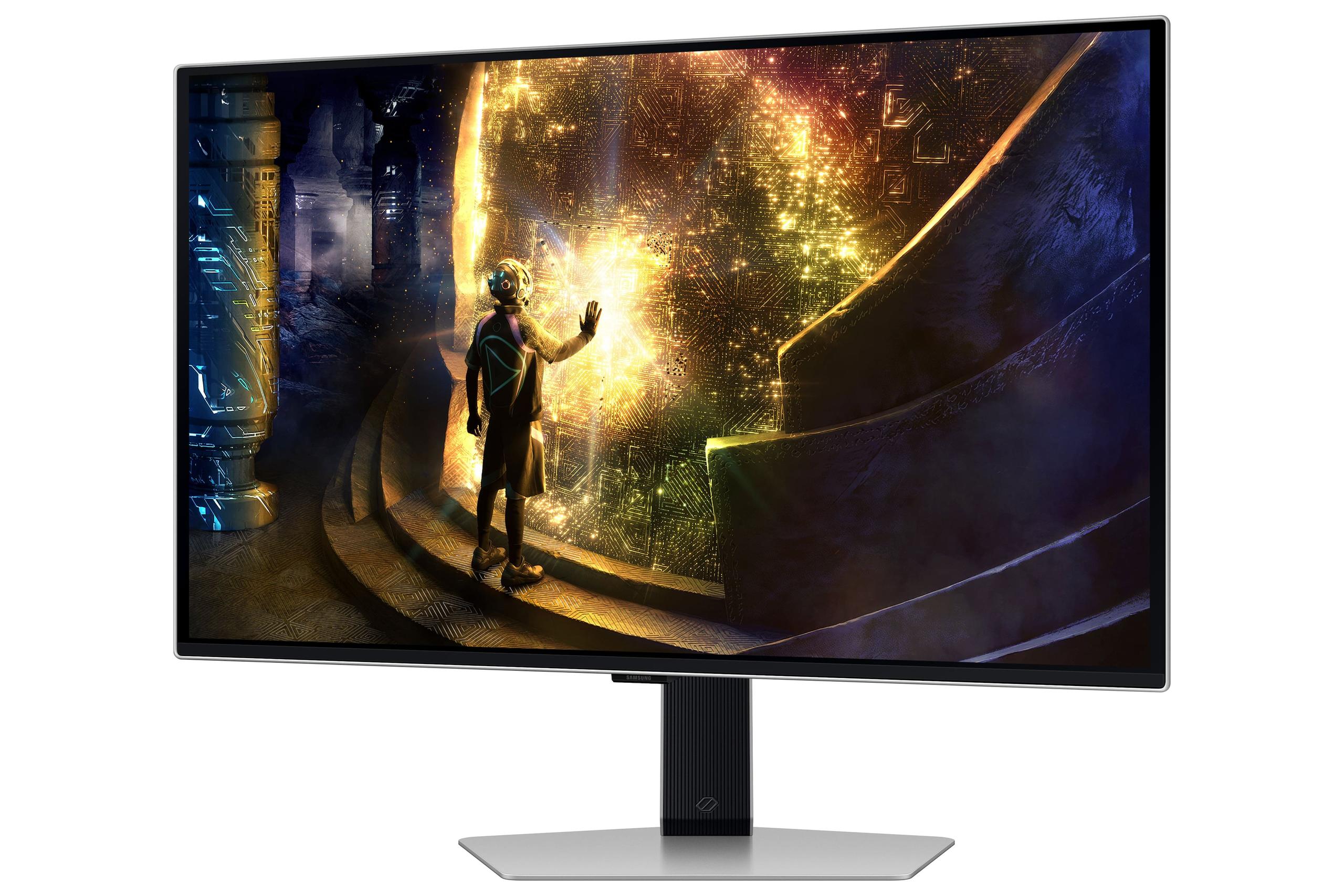

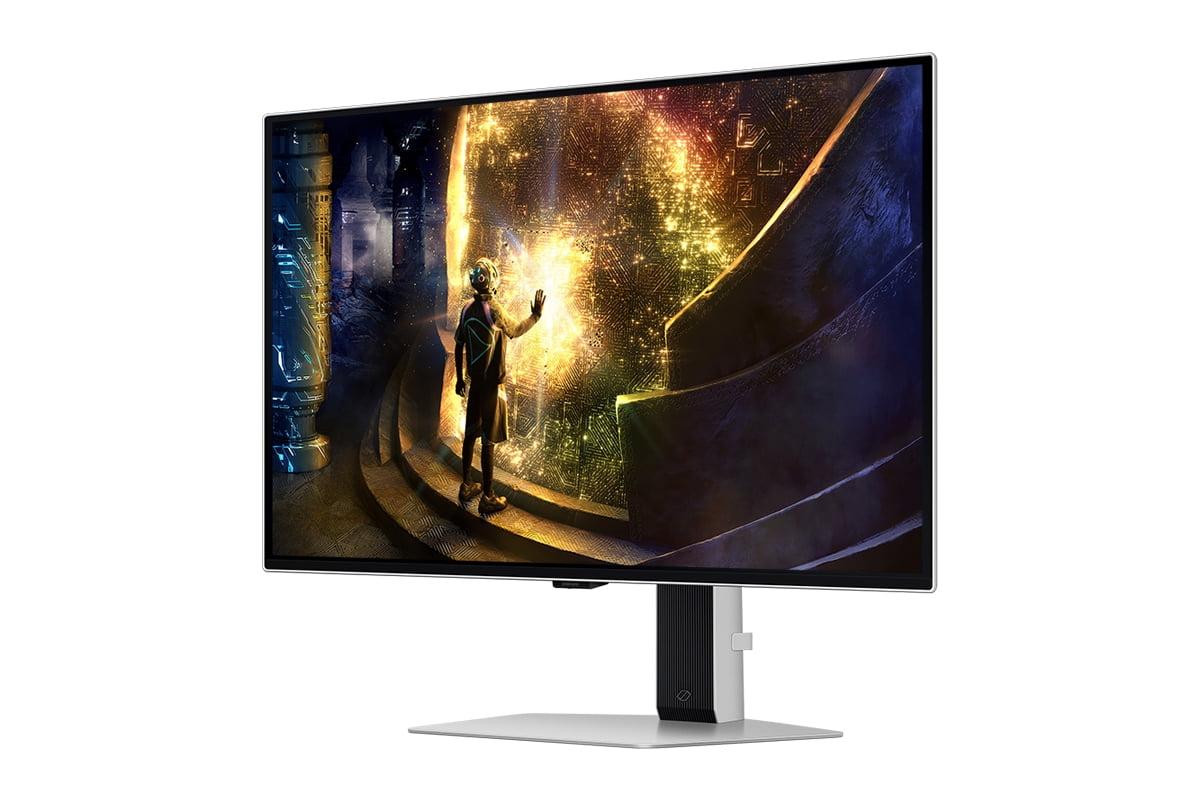
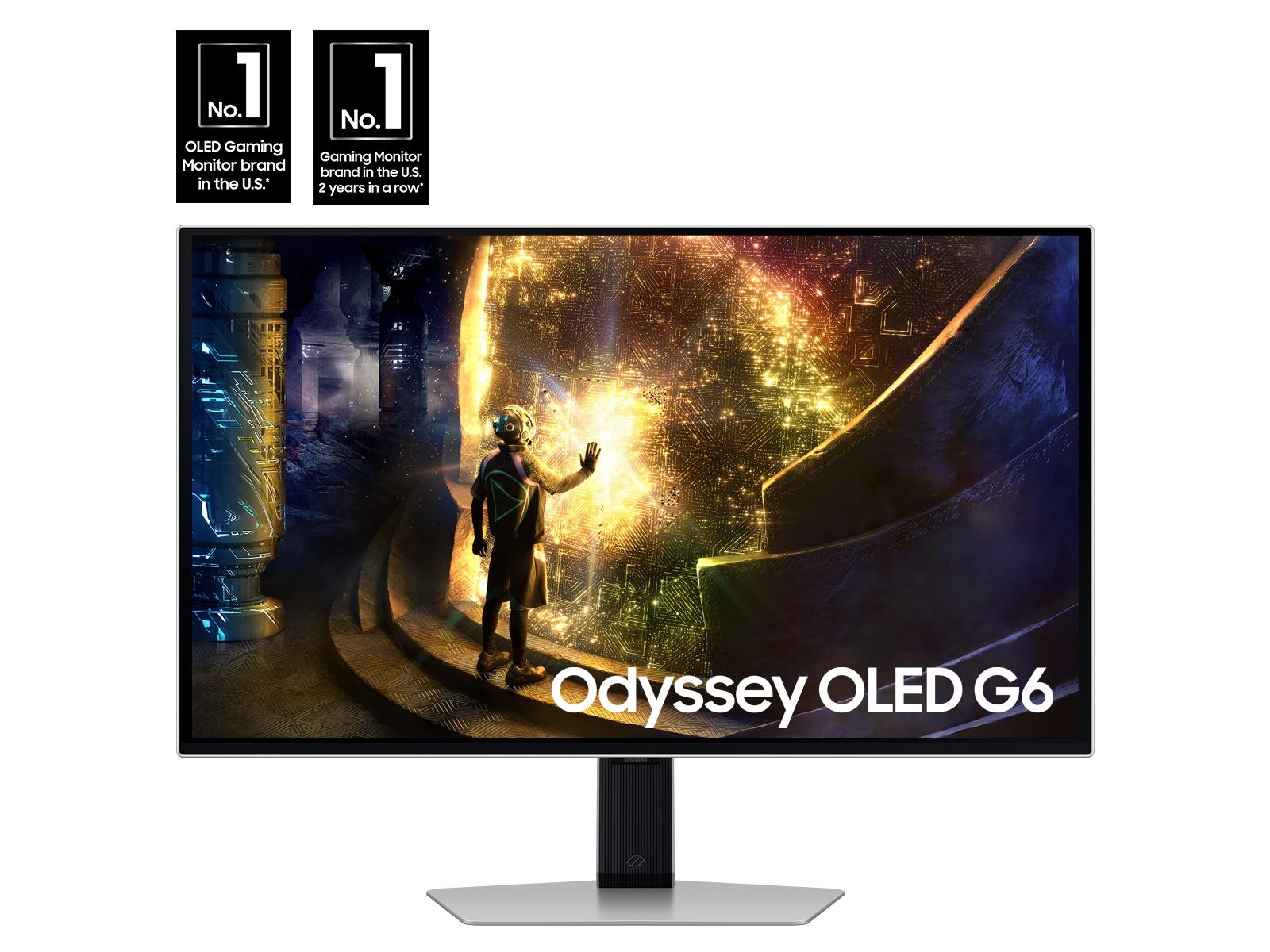
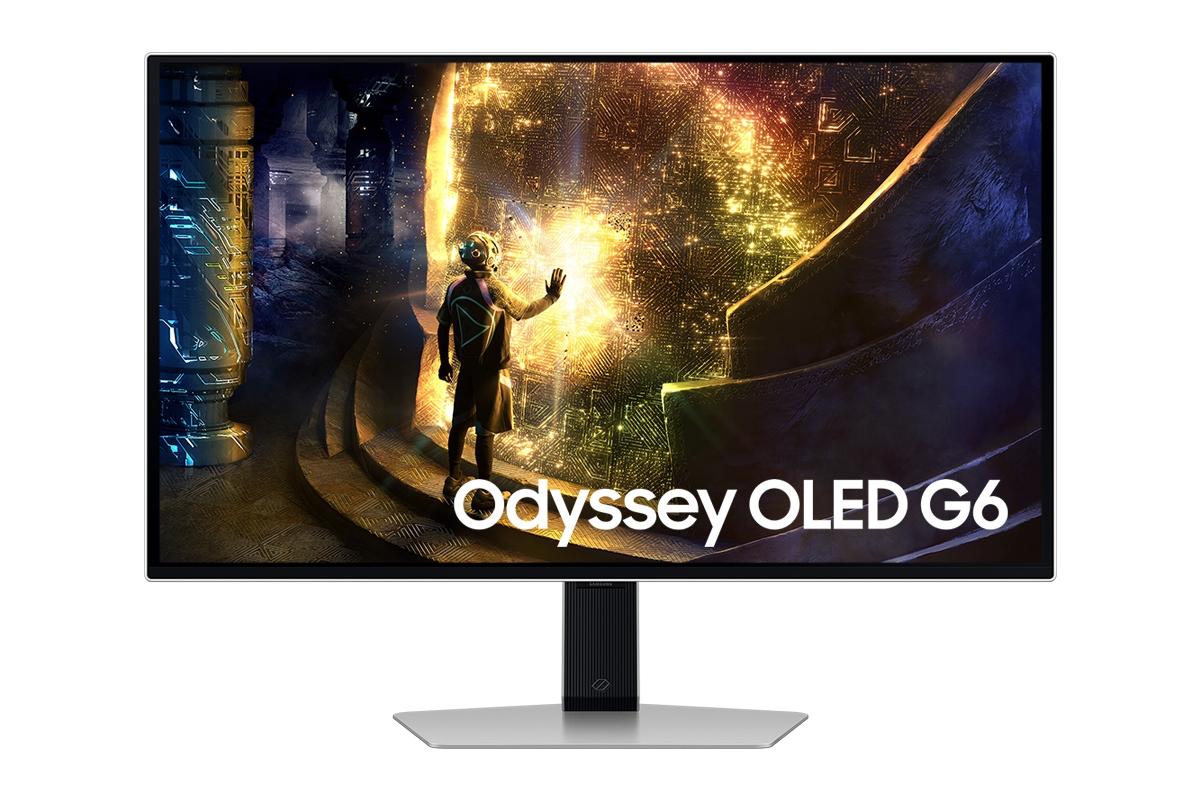
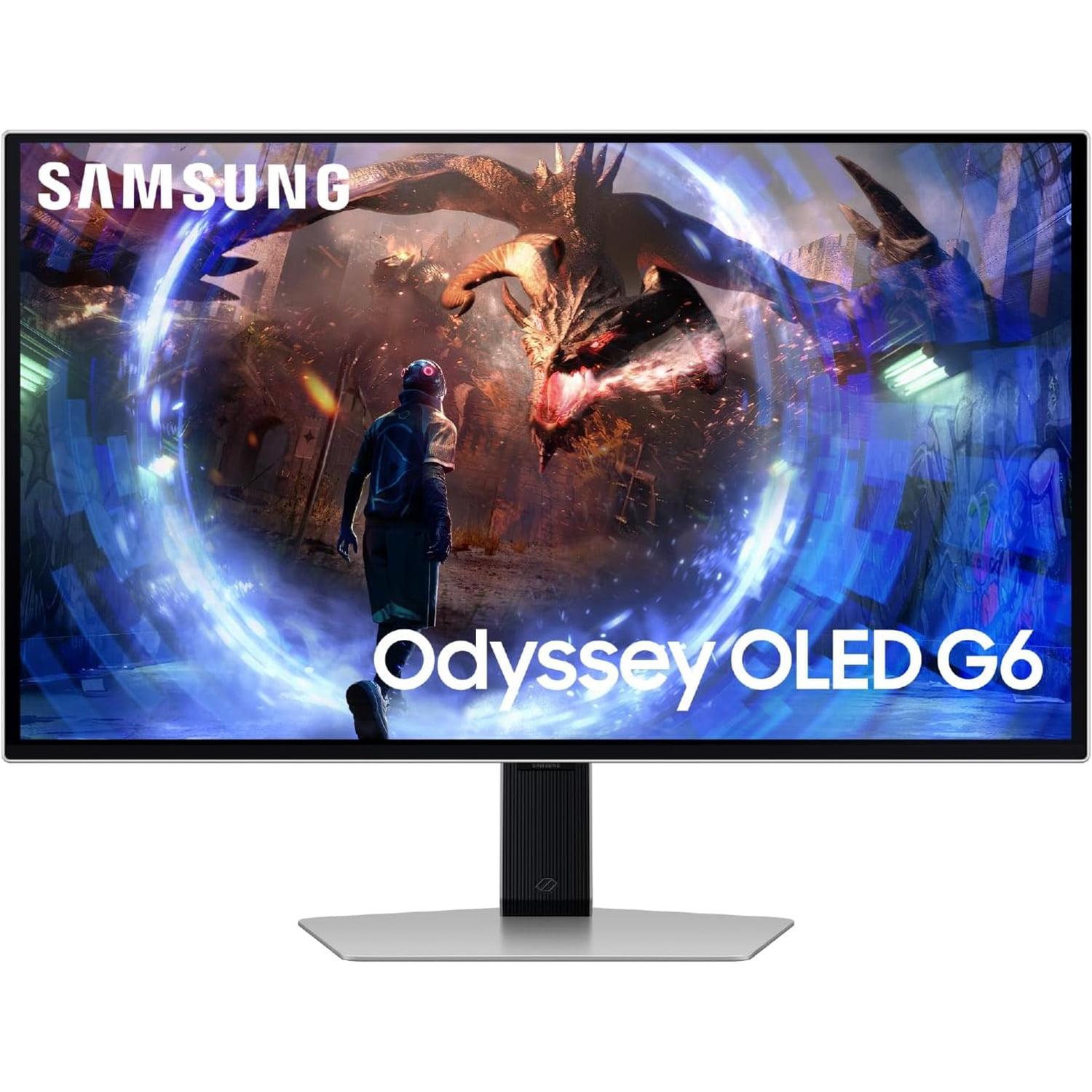
Gaming monitors have evolved dramatically over the past few years, and OLED technology has finally made its way from TVs into the desktop space. The Samsung Odyssey OLED G6 represents Samsung's serious push into premium gaming displays, but you might notice what appears to be two versions of this same monitor floating around with significantly different price points. Let me help you understand what's going on and which option makes the most sense for your setup.
Before diving into the specifics, it's worth understanding what makes a gaming monitor truly special in 2024. We're living in an era where the gap between good and great has narrowed considerably, but the jump to exceptional still requires some serious technology.
The main things that separate a decent gaming monitor from a game-changing one are refresh rate (how many times per second the screen updates), response time (how quickly pixels can change colors), input lag (the delay between your actions and seeing them on screen), and display quality (color accuracy, contrast, and brightness). Think of refresh rate like the frame rate of a movie - higher numbers mean smoother motion. Response time is crucial for fast-paced games where ghosting (trailing images behind moving objects) can give you a competitive disadvantage.
OLED technology brings something special to this equation. Unlike traditional LCD panels that use a backlight shining through liquid crystals, OLED pixels emit their own light. This means perfect blacks (because pixels can completely turn off) and incredible contrast ratios. It's the difference between looking at a photograph through a window on a cloudy day versus seeing it in perfect lighting.
The Samsung Odyssey OLED G6 launched in 2024 as Samsung's answer to the growing demand for high-performance OLED gaming monitors. What makes this monitor particularly interesting is its combination of OLED technology with an extremely high 360Hz refresh rate - something that was virtually impossible just a few years ago.
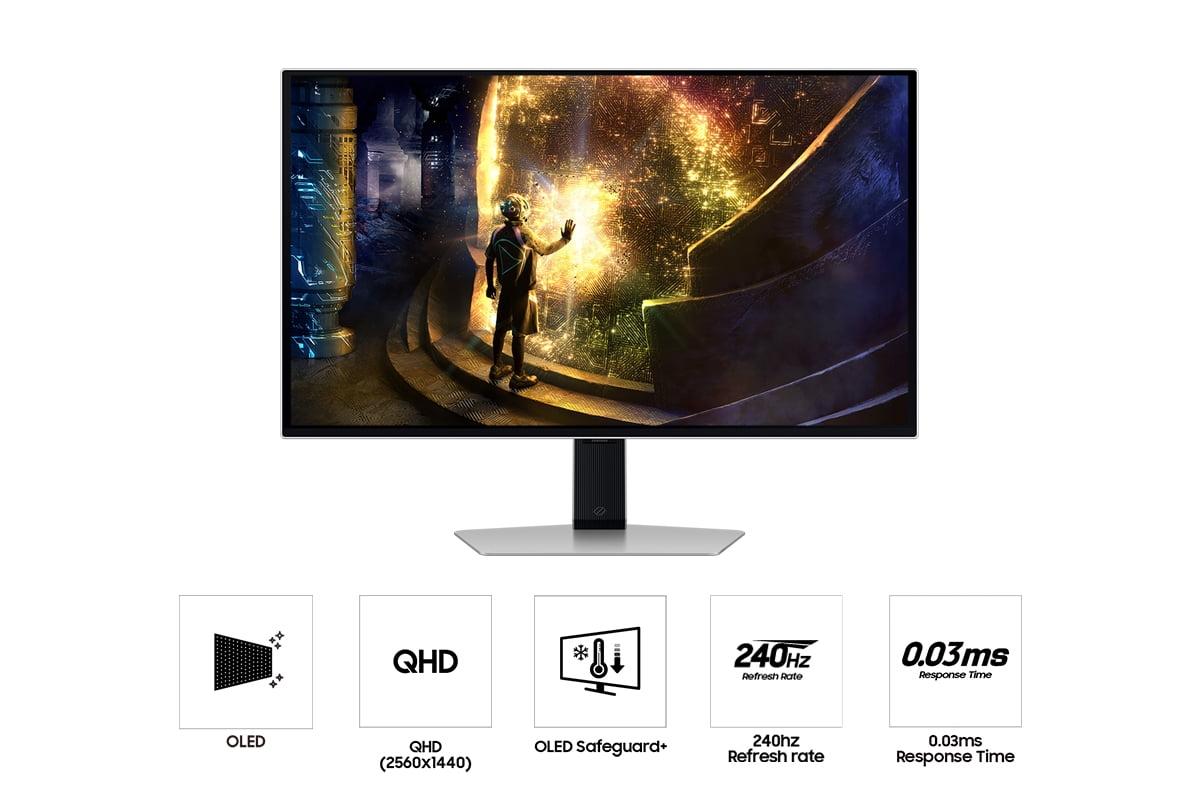
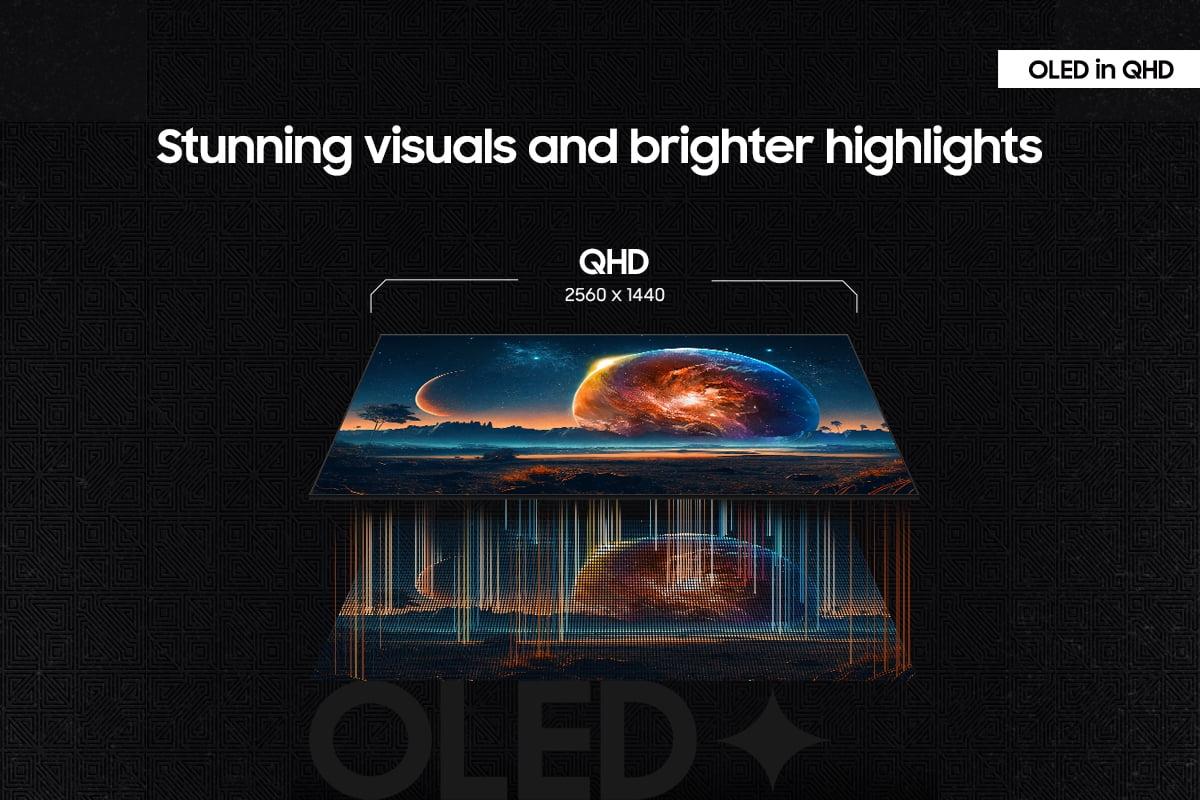
Both versions of this monitor share identical core specifications, which is important to understand upfront. You're looking at a 27-inch QD-OLED (Quantum Dot OLED) panel with a resolution of 2560 x 1440 pixels - what we call QHD or 1440p. This resolution hits a sweet spot for gaming: it's significantly sharper than 1080p but doesn't require the graphics horsepower that 4K demands.
The QD-OLED technology deserves special attention because it represents Samsung's unique approach to OLED displays. Traditional OLED uses organic compounds that emit colored light directly. QD-OLED combines this with quantum dots - tiny semiconductor particles that can produce very pure colors when energized. The result is an OLED panel that can get brighter than typical OLEDs while maintaining those perfect blacks and infinite contrast ratios.
The standout feature of both Samsung Odyssey OLED G6 monitors is that blazing 360Hz refresh rate. To put this in perspective, most gaming monitors top out at 144Hz or 240Hz. The jump to 360Hz might seem like overkill, but there's real science behind why it matters.
At 360Hz, each frame displays for just 2.78 milliseconds. Compare that to a 60Hz monitor where each frame shows for 16.67 milliseconds, and you start to understand why competitive gamers get excited about these numbers. The difference isn't just academic - in fast-paced shooters or racing games, that extra smoothness can help you track targets more accurately and react faster to changing situations.
The 0.03ms response time (Gray-to-Gray) is equally impressive. This measures how quickly a pixel can change from one shade of gray to another, which directly affects ghosting and motion blur. For context, many good gaming monitors achieve 1-5ms response times. At 0.03ms, the Samsung Odyssey OLED G6 essentially eliminates motion blur entirely.
Both monitors deliver identical visual performance, and it's honestly spectacular. The QD-OLED panel covers 99% of the DCI-P3 color space, which is the standard used in digital cinema. This means colors look incredibly vibrant and accurate - whether you're gaming, watching movies, or doing creative work.
The contrast ratio is listed as 1,000,000:1, but with OLED technology, it's effectively infinite since pixels can turn completely off. This creates an almost three-dimensional quality to images, especially in dark scenes where you can see details in shadows that would be completely lost on LCD monitors.
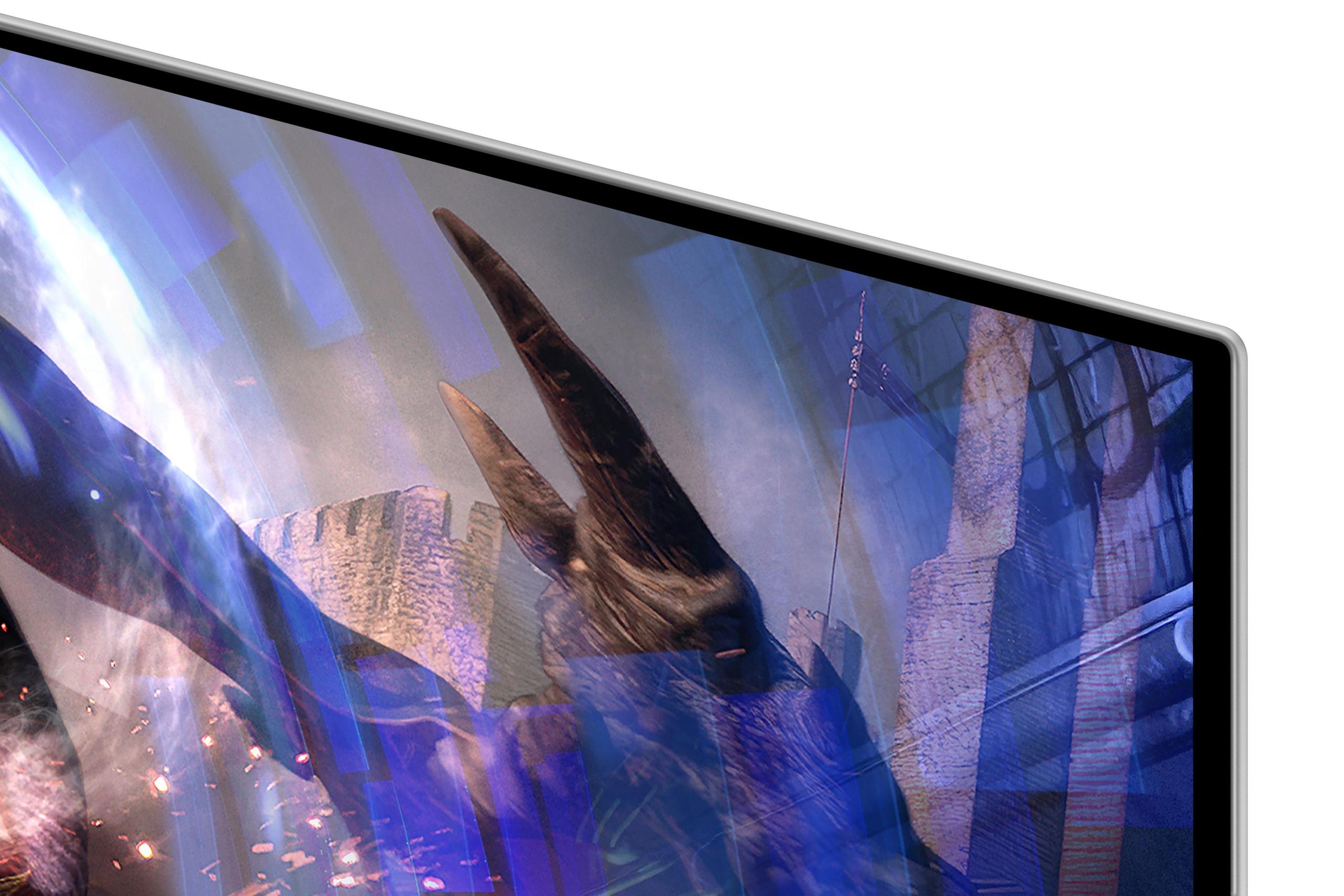
Brightness is where OLED traditionally struggles compared to high-end LCD displays, and the Samsung Odyssey OLED G6 is no exception. With typical brightness around 250 cd/m², it's adequate for most rooms but won't punch through bright ambient light like some LCD gaming monitors can. However, Samsung's OLED Glare Free technology helps considerably by using a matte coating that reduces reflections by about 54% compared to conventional anti-glare treatments.
HDR (High Dynamic Range) support has become increasingly important for gaming, and both monitors handle it exceptionally well. They support HDR10 and HDR10+ Gaming, with peak brightness reaching 1000 cd/m² in small highlights. This creates those dramatic lighting effects you see in modern games - bright explosions that actually look bright, deep shadows with visible detail, and more realistic lighting overall.
What's particularly impressive is how well HDR works in Windows on these monitors. Many gaming monitors struggle with HDR implementation in desktop environments, but Samsung seems to have solved most of these issues. Games like Cyberpunk 2077 or Assassin's Creed Valhalla showcase the technology beautifully, with lighting that feels natural rather than overprocessed.
One of the biggest concerns with OLED gaming monitors has always been burn-in - permanent image retention that can occur when static elements (like game HUDs or desktop icons) remain on screen for extended periods. Samsung has addressed this with their OLED Safeguard+ technology, which is genuinely innovative.
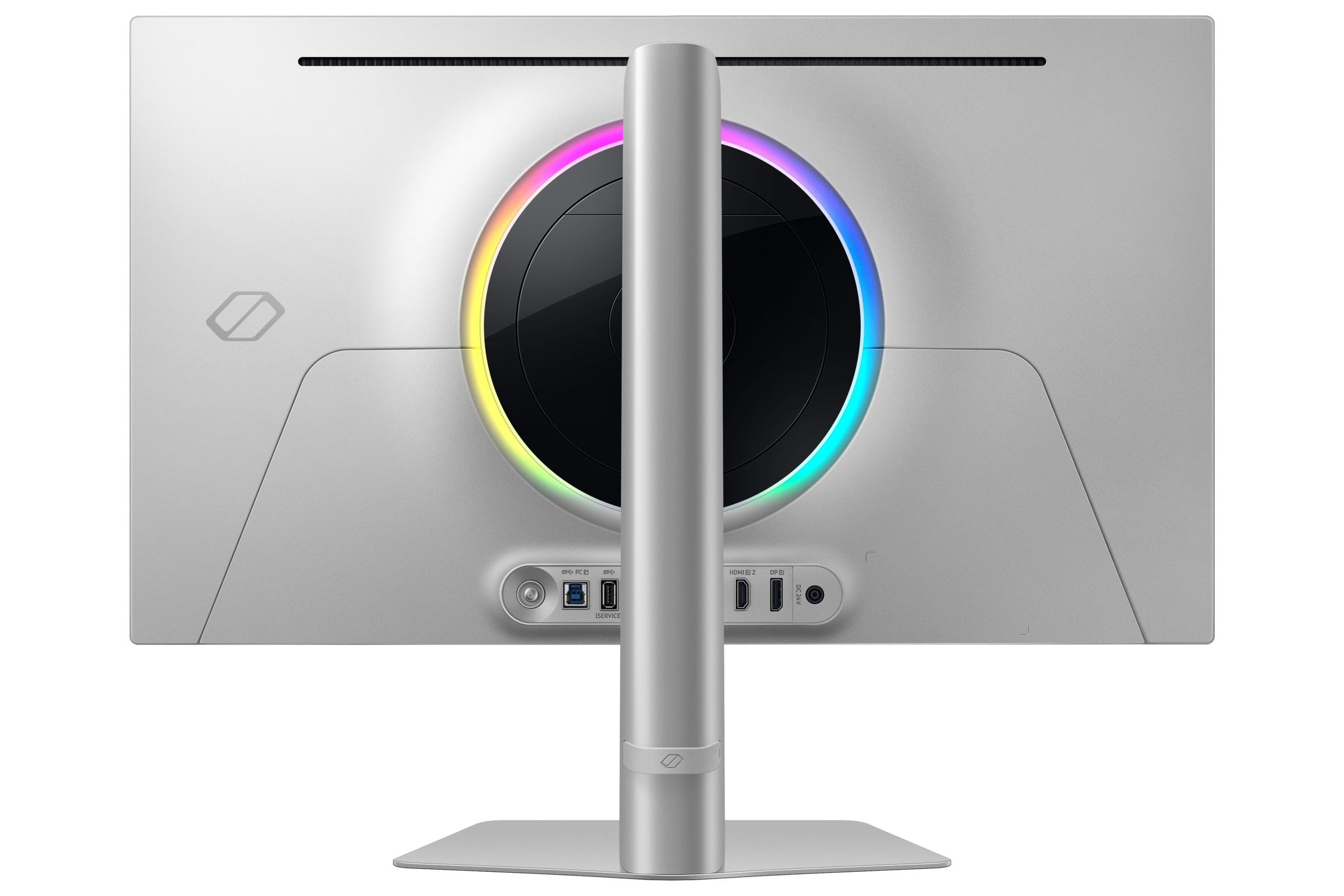
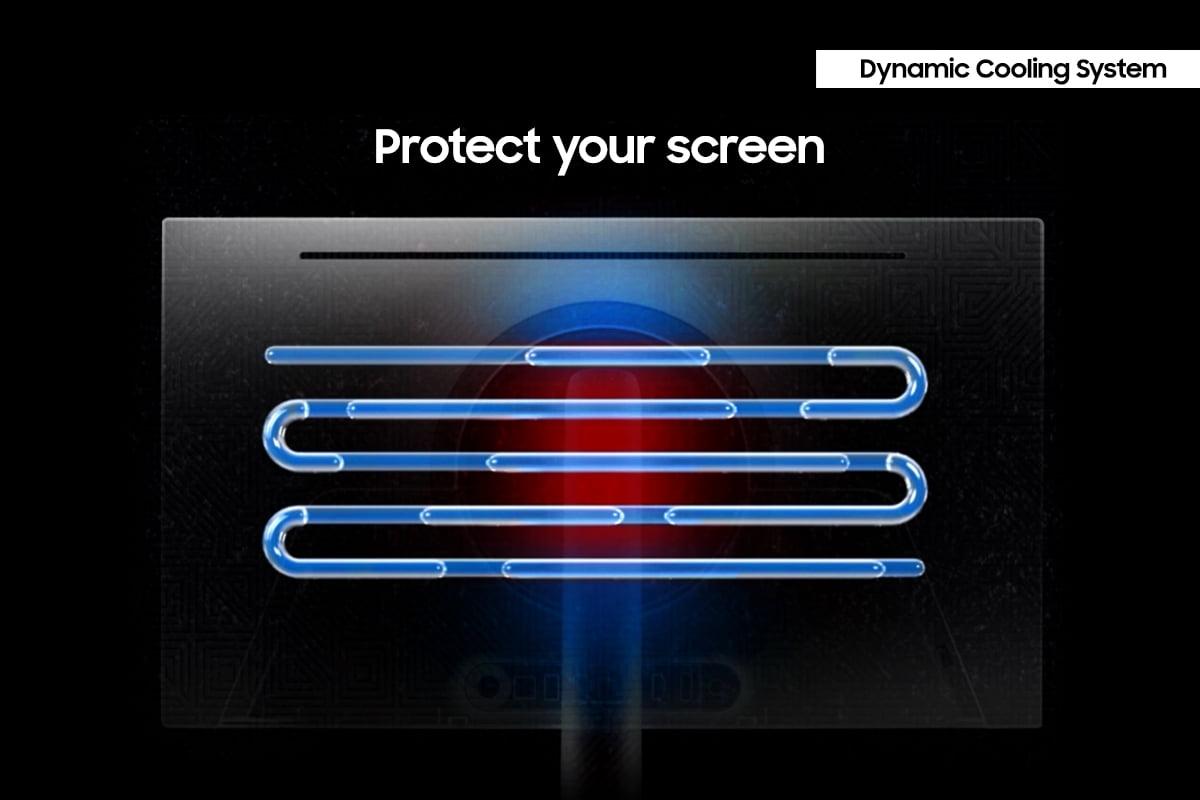
The Dynamic Cooling System uses a pulsating heat pipe - essentially a sealed tube containing coolant that evaporates and condenses to transfer heat away from the panel. This is the first implementation of this technology in a monitor, and it's five times more effective at heat dissipation than traditional graphite sheet cooling. Since heat accelerates OLED degradation, better cooling directly translates to longer panel life.
The Thermal Modulation System uses AI algorithms to predict surface temperature and automatically adjust brightness to prevent hot spots. Combined with logo detection (which dims static interface elements) and automatic screen savers, these systems work together to minimize burn-in risk significantly.
Both versions of the Samsung Odyssey OLED G6 include the same three-year warranty that covers burn-in under normal usage conditions, which shows Samsung's confidence in these protection systems.
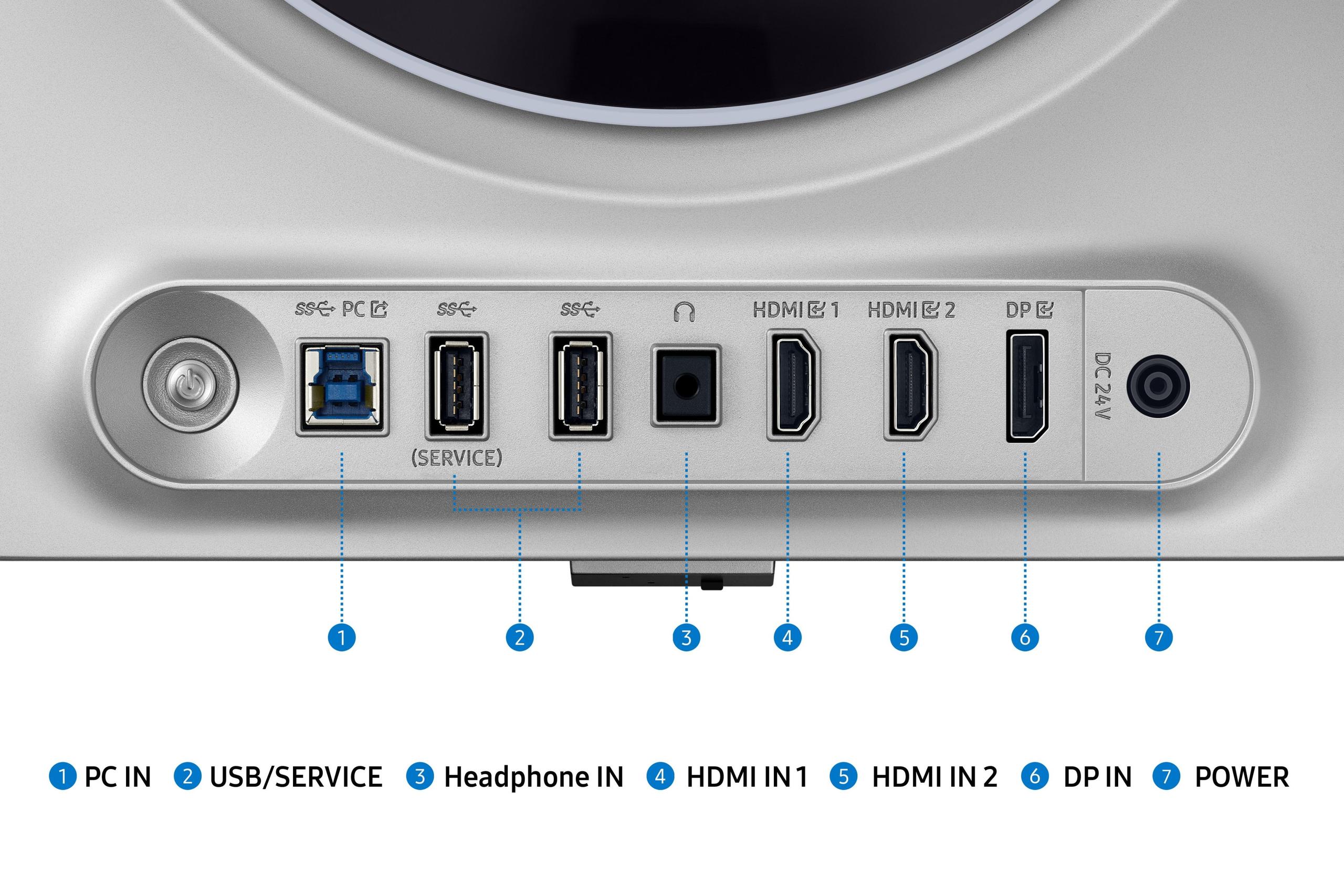
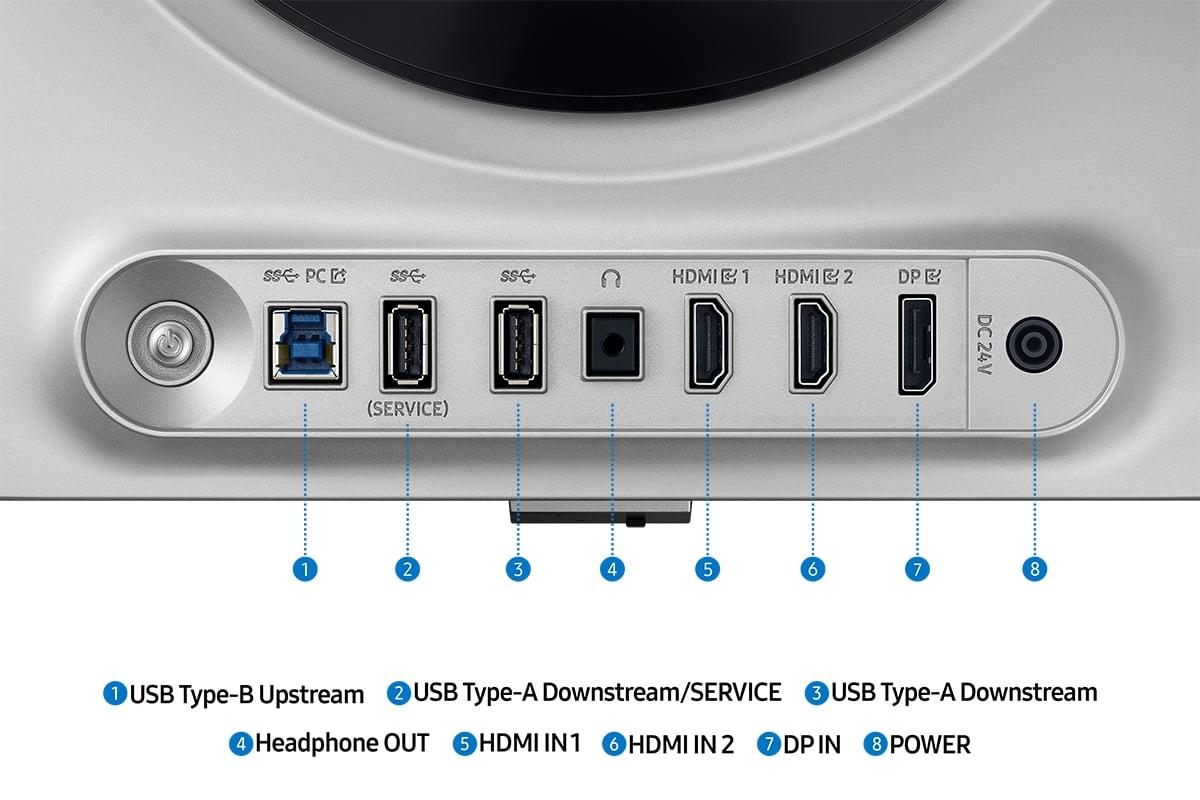
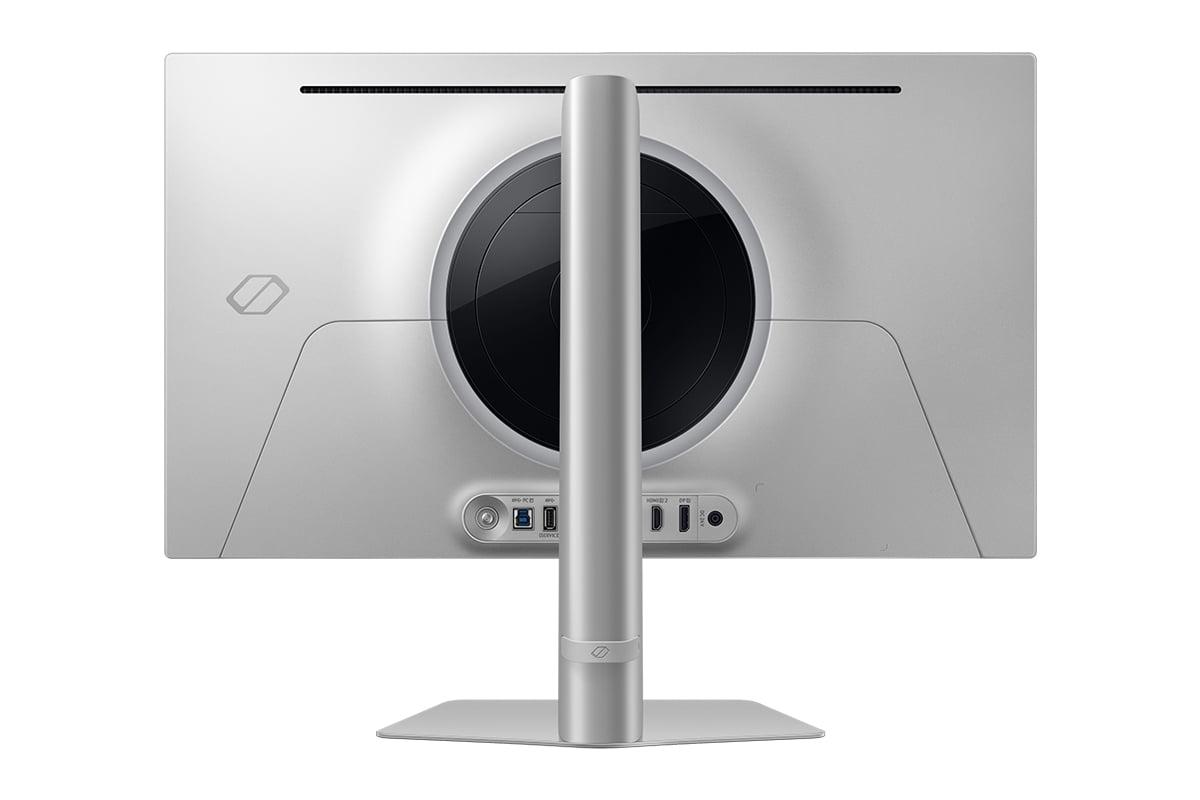
Modern gaming requires modern connectivity, and both monitors deliver with DisplayPort 1.4 and dual HDMI 2.1 ports. The HDMI 2.1 support is crucial for next-gen console gaming, allowing full 4K 120Hz from PlayStation 5 or Xbox Series X (though at the monitor's 1440p resolution, you'll get that silky 360Hz refresh rate).
The monitors also include USB 3.0 ports for peripheral connectivity and a standard headphone jack. What's notably missing is USB-C connectivity, which would have been nice for laptop users or streamlined desk setups. This omission feels more significant in late 2024, as USB-C has become increasingly common on premium displays.
Both support AMD FreeSync Premium Pro and are NVIDIA G-SYNC Compatible, ensuring smooth, tear-free gaming regardless of your graphics card choice. The variable refresh rate range spans from 48Hz to 360Hz, providing adaptive sync across a wide performance spectrum.
While these are primarily gaming monitors, their exceptional picture quality makes them compelling for home theater use in smaller spaces. The OLED technology delivers the same benefits here that make OLED TVs so popular - perfect blacks for movie night, excellent color accuracy for streaming content, and HDR support for compatible media.
The 27-inch size works well for desktop viewing distances (2-3 feet), but might feel small for traditional living room setups where you'd typically sit 6-8 feet away. The matte coating, while helpful for reducing glare in bright rooms, does sacrifice some of the "inky black" quality that glossy OLED displays are known for.
For console gaming in a living room setup, both monitors work well, though the high refresh rate benefits are somewhat limited since most console games cap at 60-120fps. The real advantage comes from the superior image quality and near-instant input response.
At the time of writing, these two versions of what appears to be the same monitor are available at significantly different price points. The higher-priced option includes a complete accessory package with HDMI cable, DisplayPort cable, and USB cable. The lower-priced version includes only a DisplayPort cable.
From a pure performance standpoint, both monitors are identical. You're getting the same panel, the same gaming performance, and the same innovative cooling and burn-in protection systems. The price difference essentially comes down to included accessories and potentially different retail channels or timing of availability.
The value proposition becomes clear when you consider that the necessary cables can be purchased separately for a fraction of the price difference between these two options. Unless you specifically need the convenience of a complete retail package or prefer purchasing directly from Samsung with full retail support, the lower-priced option represents exceptional value.
The higher-priced Samsung Odyssey OLED G6 makes sense if you value convenience and want everything included out of the box. It's also worth considering if you're setting up a professional gaming station where having manufacturer-supplied cables matters, or if you're purchasing for an organization where complete retail packages are preferred for warranty and support reasons.
The lower-priced Samsung Odyssey OLED G6 is the clear choice for most enthusiasts and gamers. You're getting identical performance for significantly less money, with the only trade-off being the need to source additional cables if needed. For anyone comfortable with basic tech purchases, this represents outstanding value.
Both options excel for competitive gaming, content creation work that requires color accuracy, and premium console gaming. The 360Hz refresh rate future-proofs your setup for upcoming games and graphics hardware, while the OLED technology provides a visual experience that's genuinely transformative compared to traditional LCD monitors.
The Samsung Odyssey OLED G6 represents a significant achievement in gaming monitor technology, combining cutting-edge OLED visuals with ultra-high refresh rates that were impossible just a few years ago. Whether you choose the higher or lower-priced option, you're getting access to the same exceptional gaming performance and innovative features.
For most buyers, the lower-priced version offers the better value proposition, delivering premium OLED gaming performance without paying extra for accessories that can be sourced independently. The money saved could go toward a better graphics card, additional peripherals, or simply stay in your pocket - all while enjoying the same stunning visuals and lightning-fast response that make this monitor special.
The technology improvements since this monitor's 2024 launch have been incremental, making this a solid choice that should remain competitive for years to come. OLED gaming monitors represent the current pinnacle of display technology for enthusiasts, and the Samsung Odyssey OLED G6 delivers that experience with the reliability and innovation you'd expect from Samsung's premium gaming brand.
| Samsung 27" Odyssey OLED G6 QHD 360Hz Gaming Monitor | Samsung 27" Odyssey OLED G6 QHD 360Hz Gaming Monitor |
|---|---|
| Display Technology - Core visual performance foundation | |
| 27" QD-OLED, 2560x1440, matte anti-glare coating | 27" QD-OLED, 2560x1440, matte anti-glare coating |
| Refresh Rate & Response Time - Critical for competitive gaming | |
| 360Hz maximum, 0.03ms GtG response time | 360Hz maximum, 0.03ms GtG response time |
| Contrast & Color - What makes OLED displays special | |
| 1,000,000:1 contrast, 99% DCI-P3, 1 billion colors | 1,000,000:1 contrast, 99% DCI-P3, 1 billion colors |
| Brightness Levels - Important for room lighting compatibility | |
| 250 cd/m² typical, 1000 cd/m² HDR peak | 250 cd/m² typical, 1000 cd/m² HDR peak |
| OLED Protection - Key for long-term durability | |
| OLED Safeguard+ with Dynamic Cooling System | OLED Safeguard+ with Dynamic Cooling System |
| HDR Support - Enhanced gaming and media experience | |
| HDR10, HDR10+ Gaming, VESA DisplayHDR 400 True Black | HDR10, HDR10+ Gaming, VESA DisplayHDR 400 True Black |
| Adaptive Sync - Eliminates screen tearing | |
| AMD FreeSync Premium Pro, NVIDIA G-SYNC Compatible | AMD FreeSync Premium Pro, NVIDIA G-SYNC Compatible |
| Connectivity - Gaming device compatibility | |
| 1x DP 1.4, 2x HDMI 2.1, 2x USB 3.0, headphone jack | 1x DP 1.4, 2x HDMI 2.1, 2x USB 3.0, headphone jack |
| Release Date - Availability and market timing | |
| Available since June 2024 | Available since October 2024 |
| Included Accessories - Out-of-box convenience | |
| HDMI cable, DisplayPort cable, USB cable | DisplayPort cable only |
| Warranty Coverage - Peace of mind for OLED technology | |
| 3-year warranty including burn-in protection | 3-year warranty including burn-in protection |
| Best For - Ideal buyer profile | |
| Users wanting complete retail package with all cables | Value-conscious buyers comfortable sourcing cables separately |
No, both the Samsung 27" Odyssey OLED G6 and Samsung 27" Odyssey OLED G6 are the same monitor model (G60SD) with identical specifications and performance. The main differences are availability timing, included accessories, and pricing from different retailers or promotional periods.
The Samsung 27" Odyssey OLED G6 typically offers better value since it provides identical gaming performance and display quality at a lower price point. The only trade-off is fewer included accessories, but necessary cables can be purchased separately for much less than the price difference.
Yes, both the Samsung 27" Odyssey OLED G6 and Samsung 27" Odyssey OLED G6 deliver identical gaming performance with 360Hz refresh rate, 0.03ms response time, and support for AMD FreeSync Premium Pro and NVIDIA G-SYNC compatibility.
The Samsung 27" Odyssey OLED G6 includes HDMI cable, DisplayPort cable, and USB cable, while the Samsung 27" Odyssey OLED G6 includes only a DisplayPort cable. Both versions include the monitor and stand.
Yes, both monitors feature identical QD-OLED panels with 2560x1440 resolution, 1,000,000:1 contrast ratio, 99% DCI-P3 color coverage, and the same OLED Glare Free anti-reflective coating technology.
Both the Samsung 27" Odyssey OLED G6 and Samsung 27" Odyssey OLED G6 include identical OLED Safeguard+ technology with Dynamic Cooling System, thermal modulation, and automatic brightness adjustment to prevent burn-in.
Both monitors offer identical competitive gaming performance with 360Hz refresh rate and 0.03ms response time. Your choice between the Samsung 27" Odyssey OLED G6 and Samsung 27" Odyssey OLED G6 should be based on value and accessory preferences rather than gaming performance.
Yes, both the Samsung 27" Odyssey OLED G6 and Samsung 27" Odyssey OLED G6 feature identical connectivity with DisplayPort 1.4, dual HDMI 2.1 ports, USB 3.0 hub, and headphone jack for complete gaming setup compatibility.
Both monitors excel for console gaming with HDMI 2.1 support for PlayStation 5 and Xbox Series X. The Samsung 27" Odyssey OLED G6 and Samsung 27" Odyssey OLED G6 deliver identical performance for console users with superior OLED image quality.
Both the Samsung 27" Odyssey OLED G6 and Samsung 27" Odyssey OLED G6 include the same 3-year warranty coverage, including protection against OLED burn-in under normal usage conditions.
Both monitors offer identical color accuracy with 99% DCI-P3 coverage and 1 billion color support, making either the Samsung 27" Odyssey OLED G6 or Samsung 27" Odyssey OLED G6 excellent for content creation work requiring precise colors.
Choose the Samsung 27" Odyssey OLED G6 for better value if you can source cables separately, or the Samsung 27" Odyssey OLED G6 if you prefer complete retail packaging with all accessories included. Both deliver identical performance and display quality.
We've done our best to create useful and informative comparisons to help you decide what product to buy. Our research uses advanced automated methods to create this comparison and perfection is not possible - please contact us for corrections or questions. These are the sites we've researched in the creation of this article: bestbuy.com - gamesradar.com - gamesradar.com - versus.com - youtube.com - versus.com - player2.net.au - youtube.com - rtings.com - youtube.com - samsung.com - files.bbystatic.com - techpowerup.com - samsung.com - bestbuy.com - samsung.com - bhphotovideo.com - bestbuy.com - youtube.com - de.shi.com - pangoly.com - lowyat.net - versus.com

Privacy Policy
Terms and Conditions - Affiliate Policy
Home Security
© Copyright 2008-2026.
11816 Inwood Rd #1211, Dallas, TX 75244