

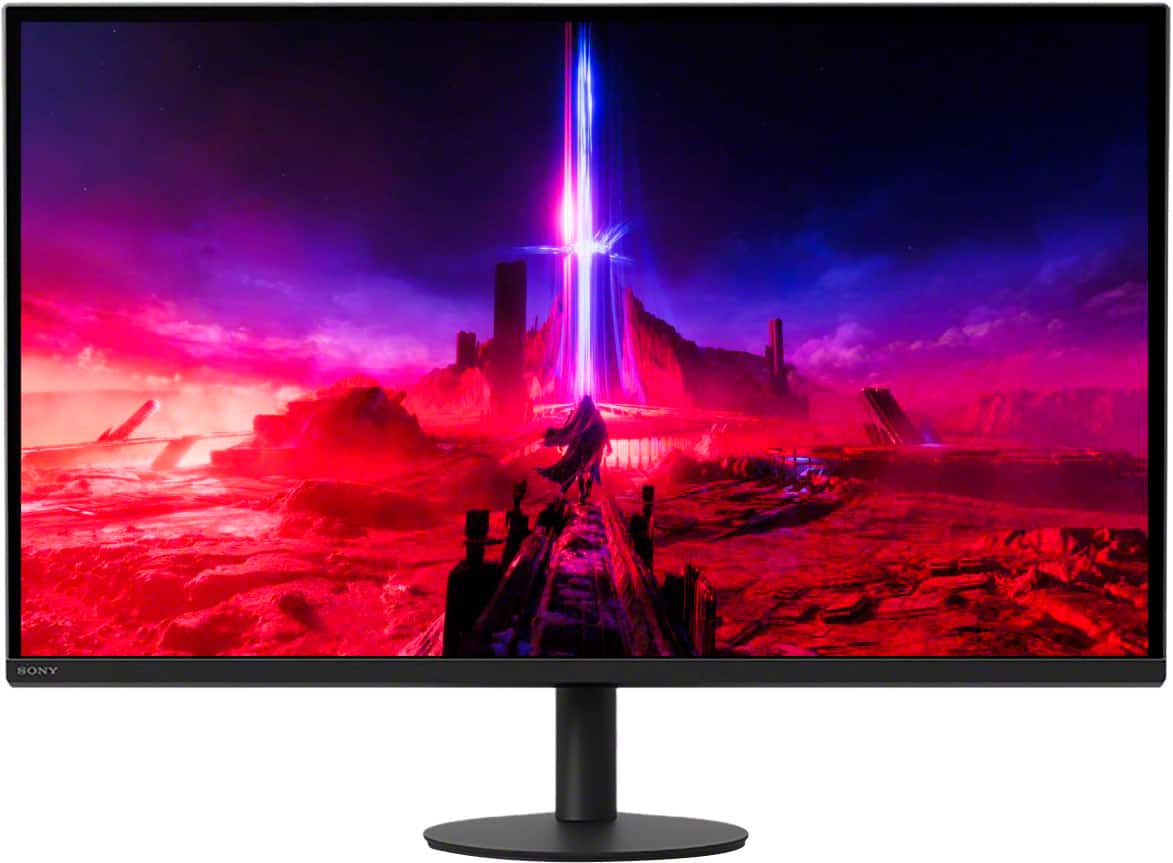
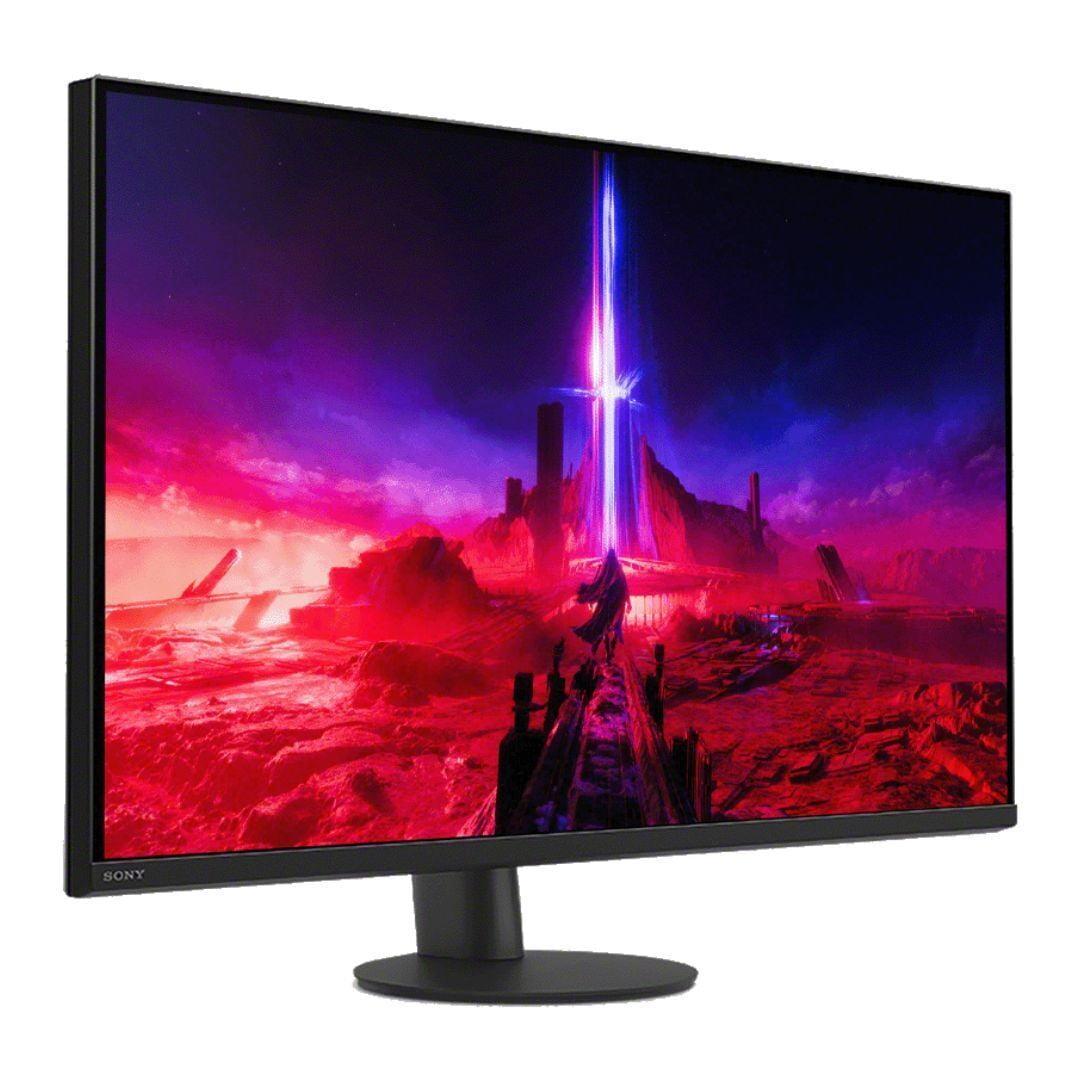
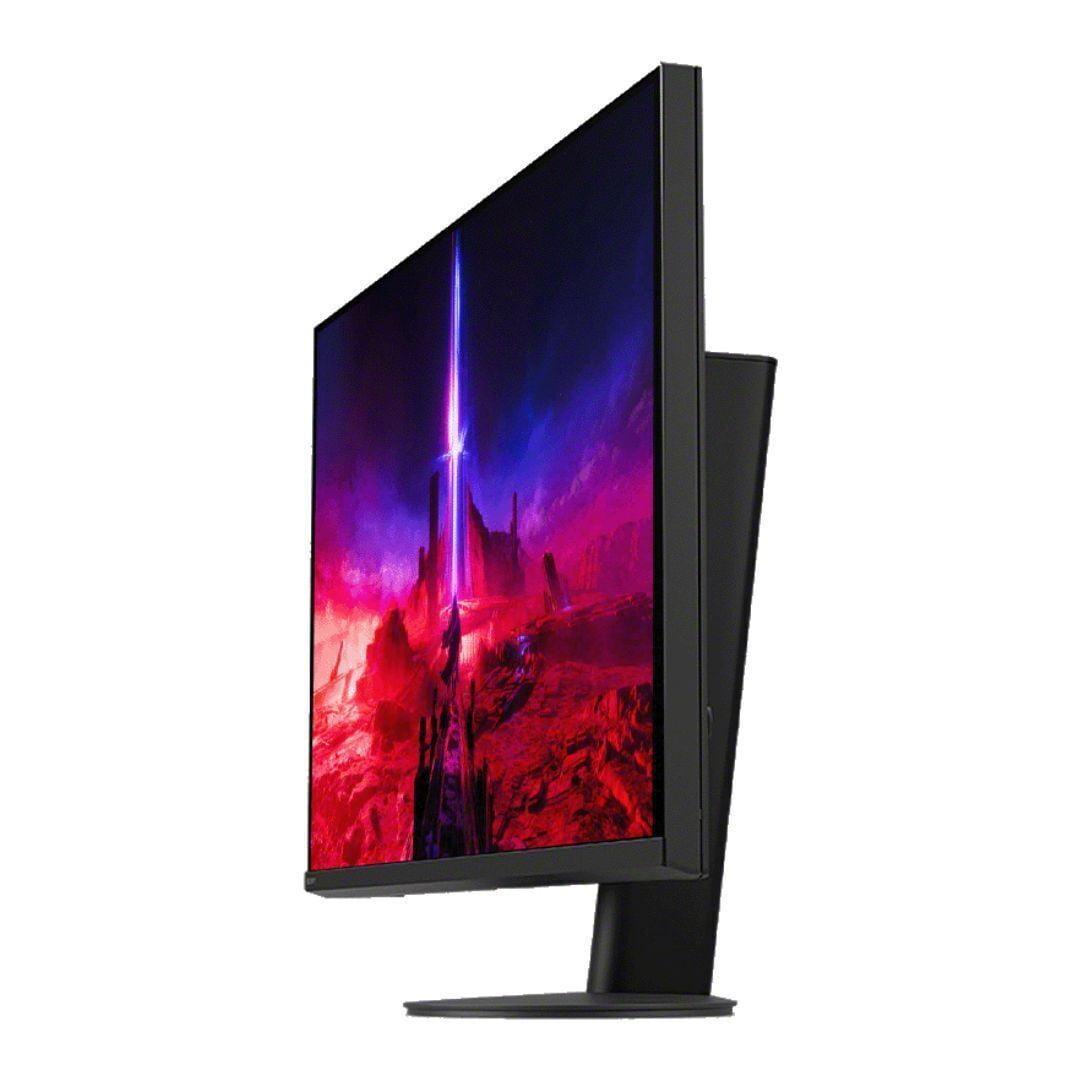
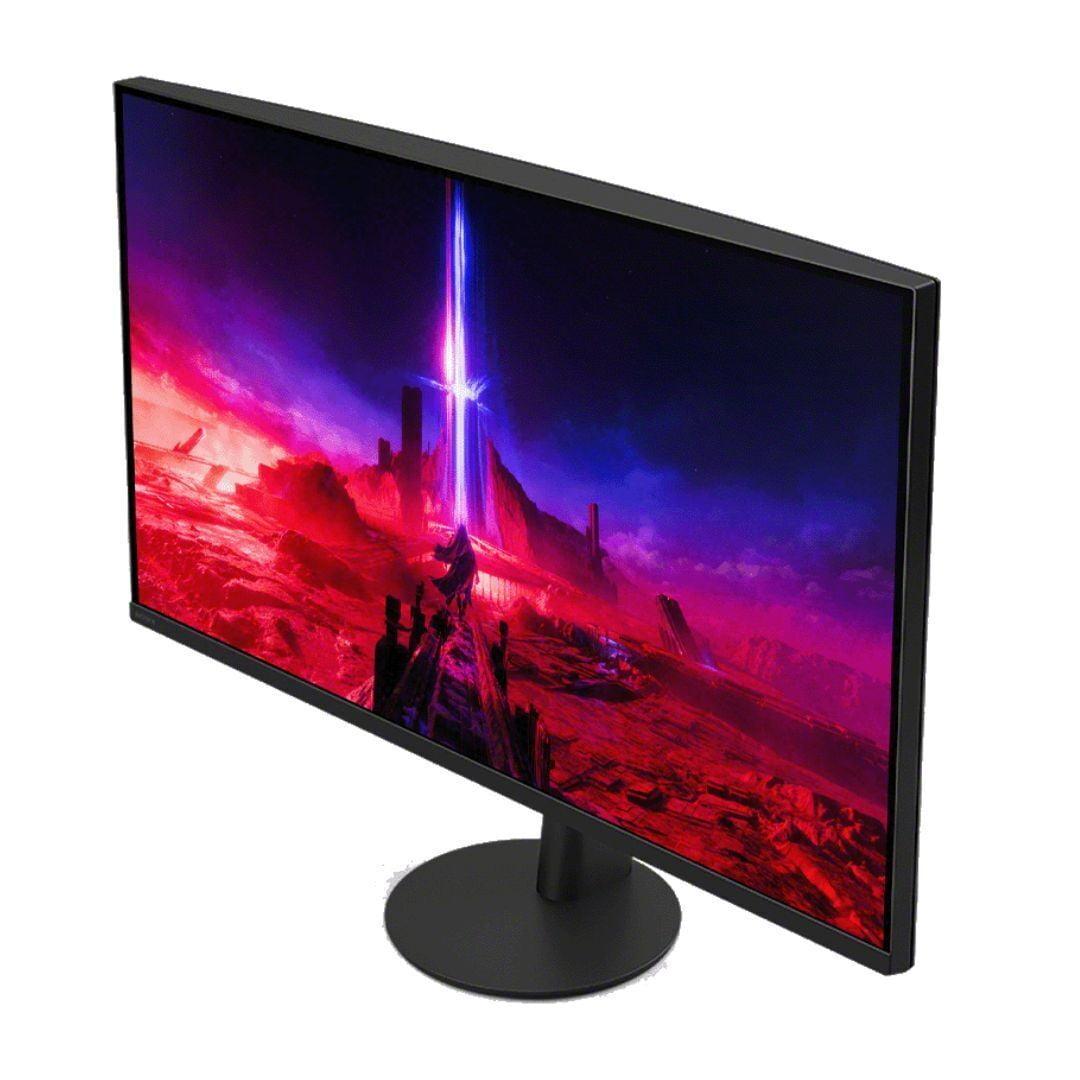

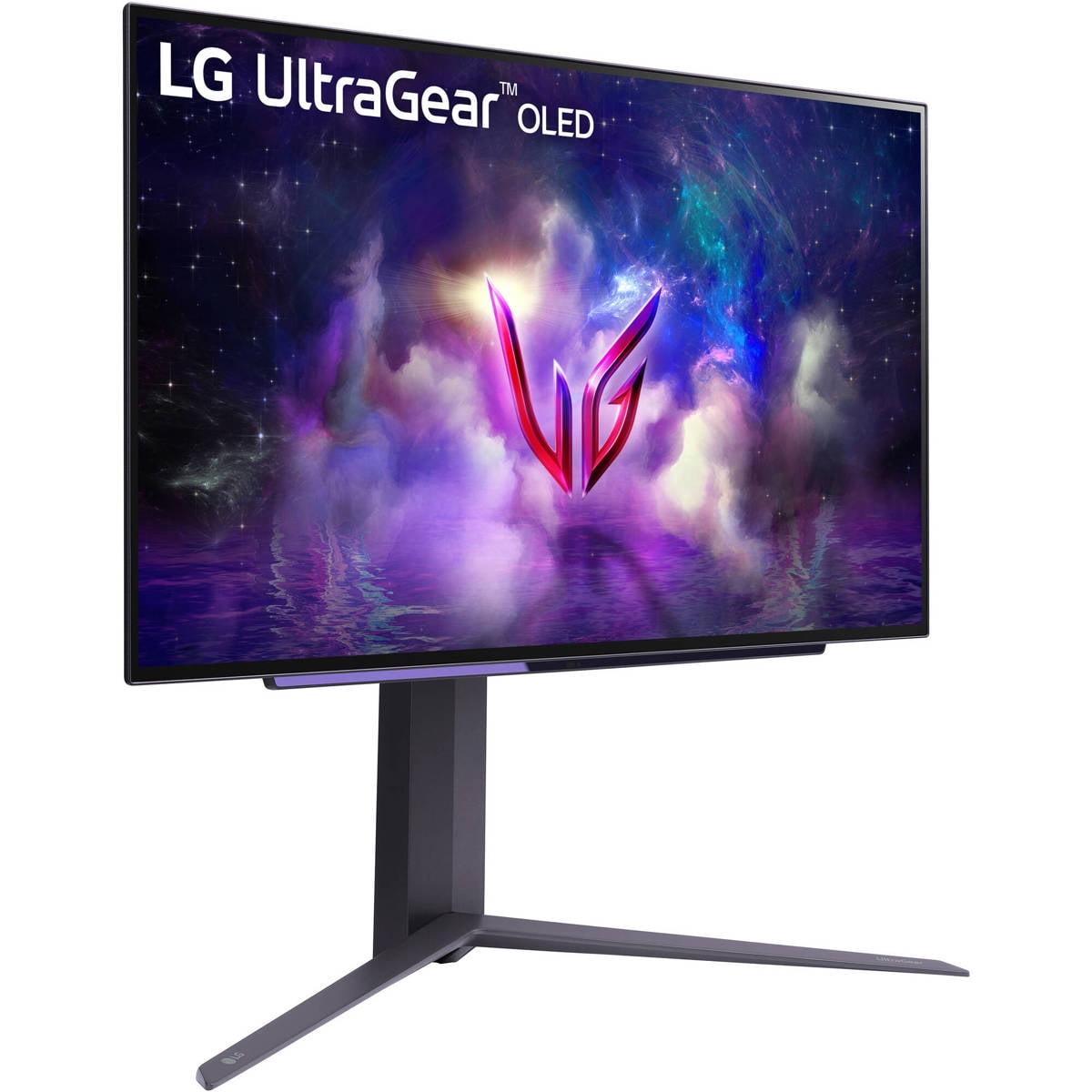
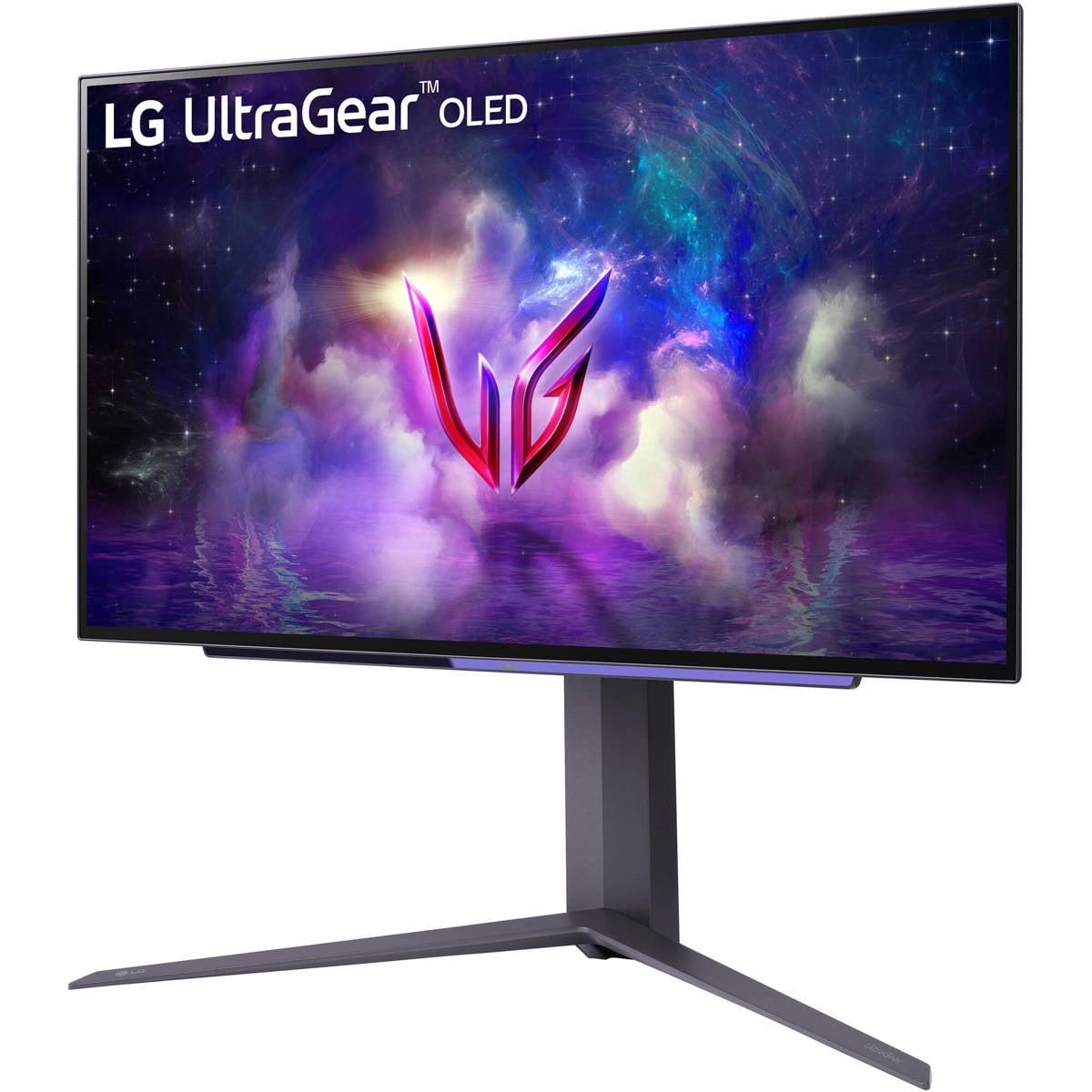
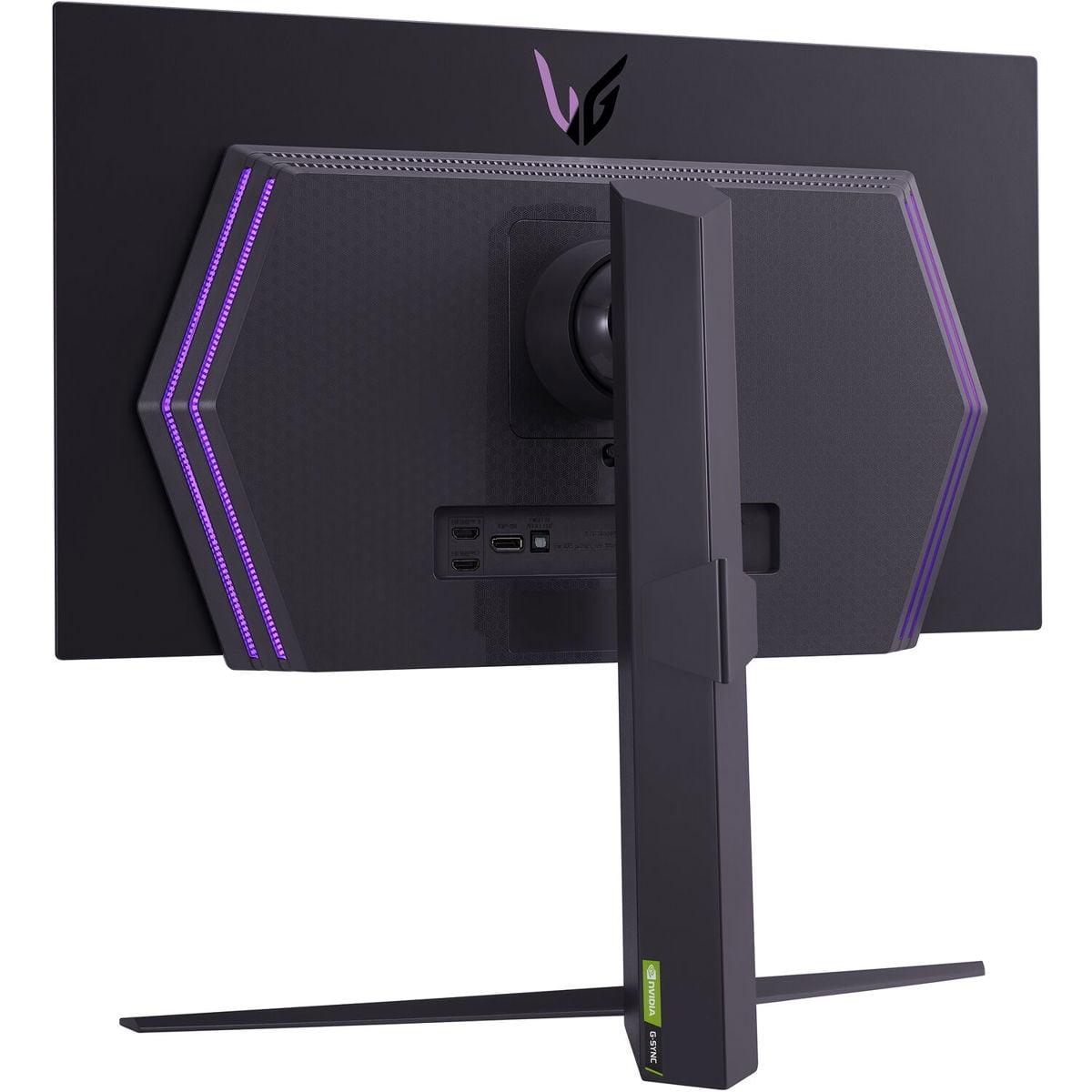
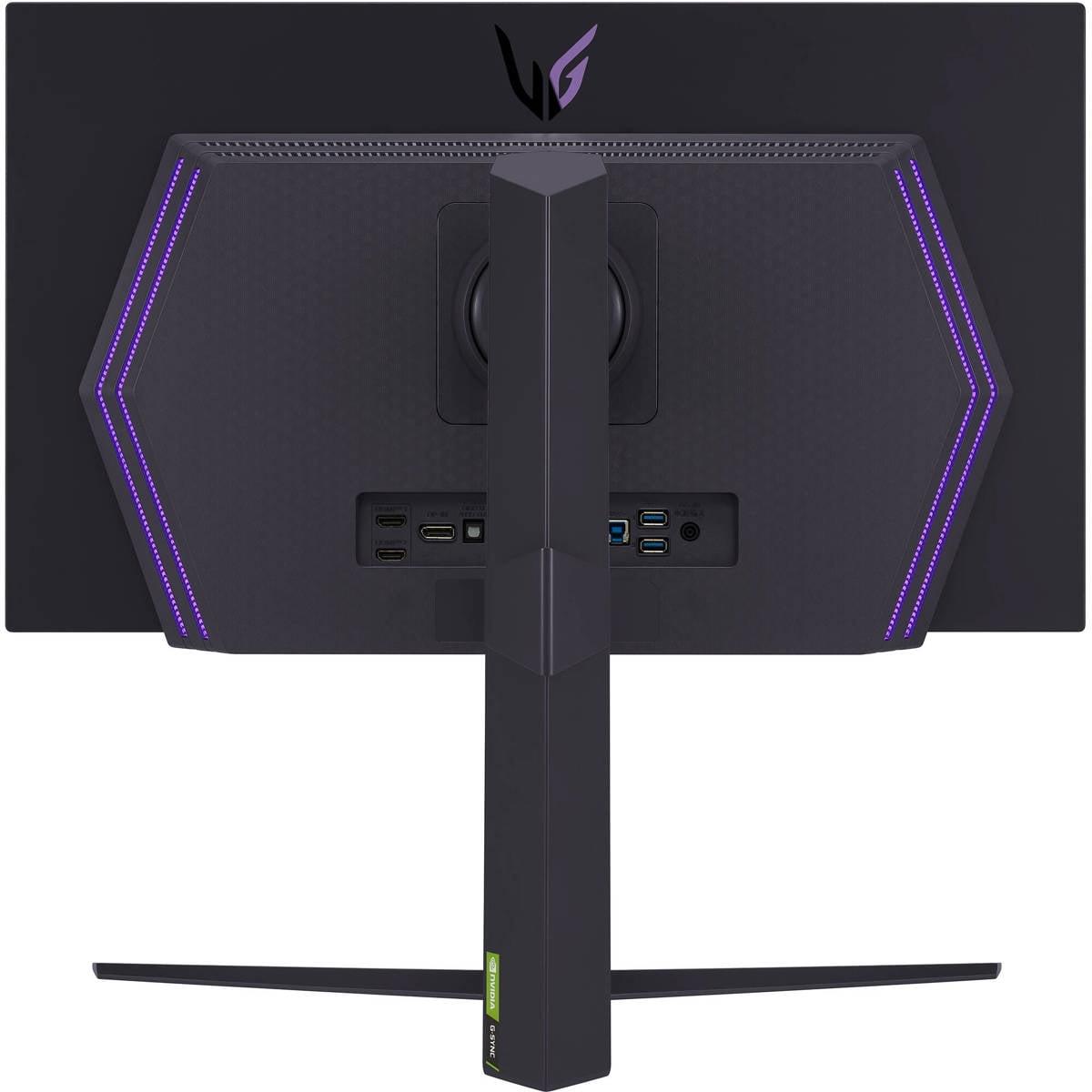
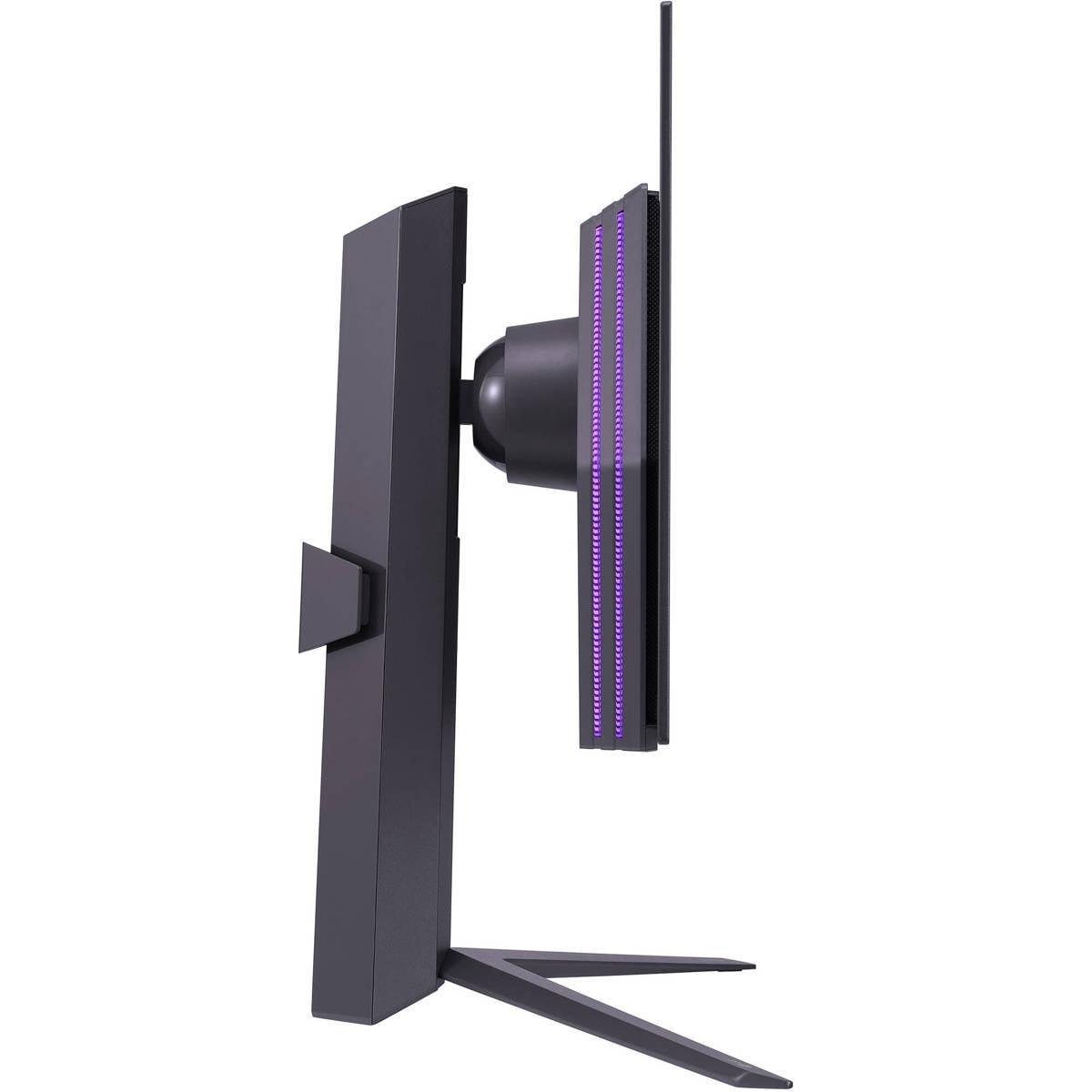

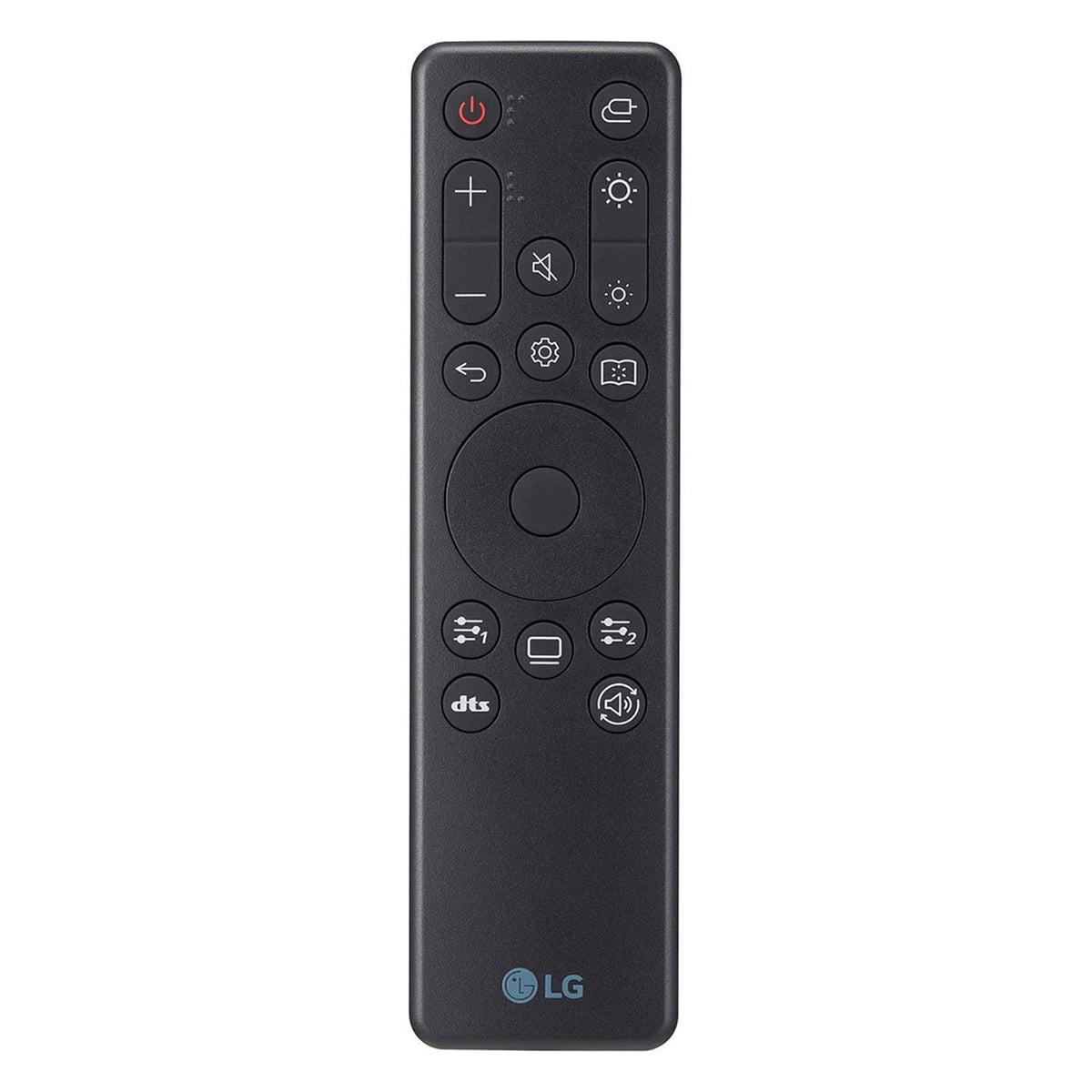
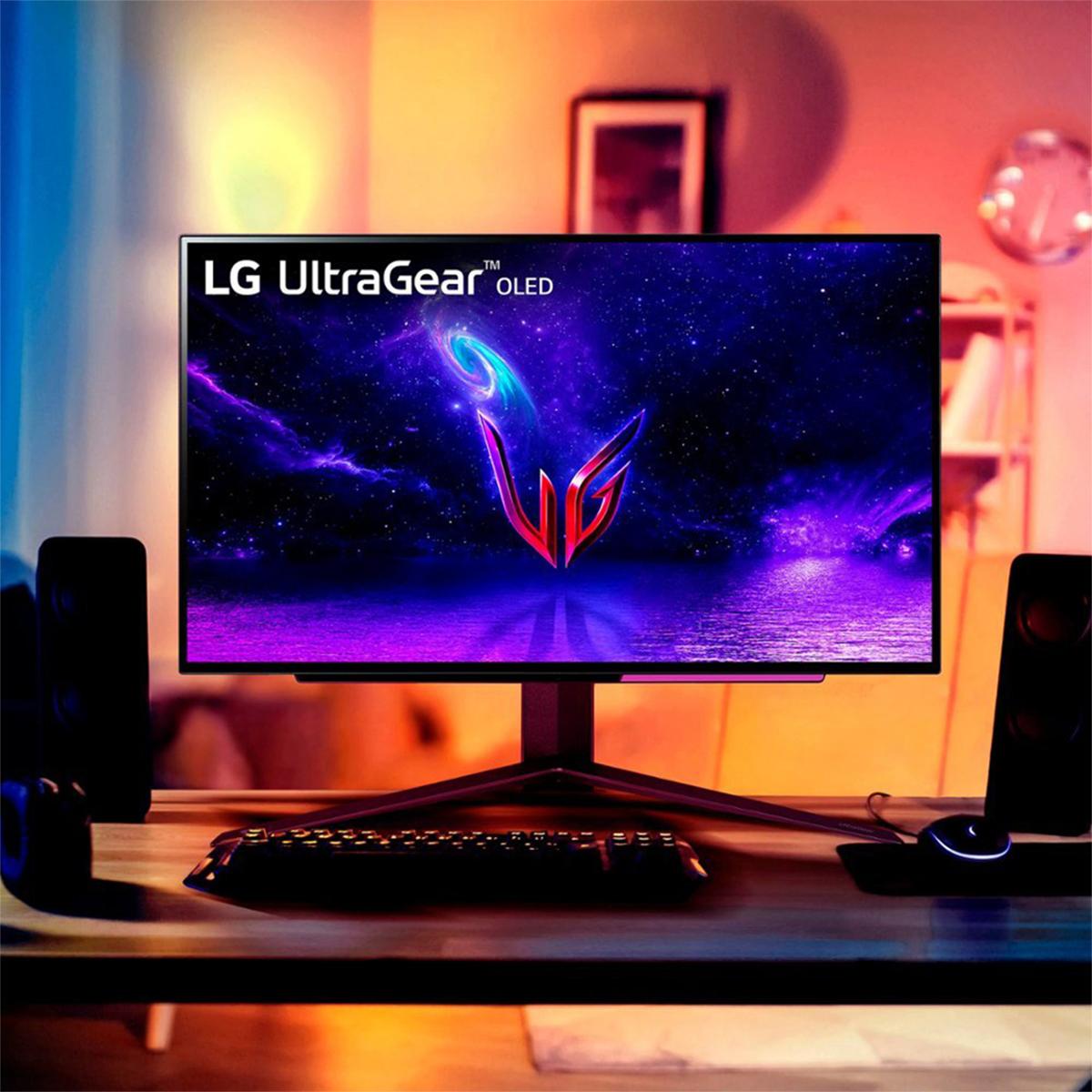

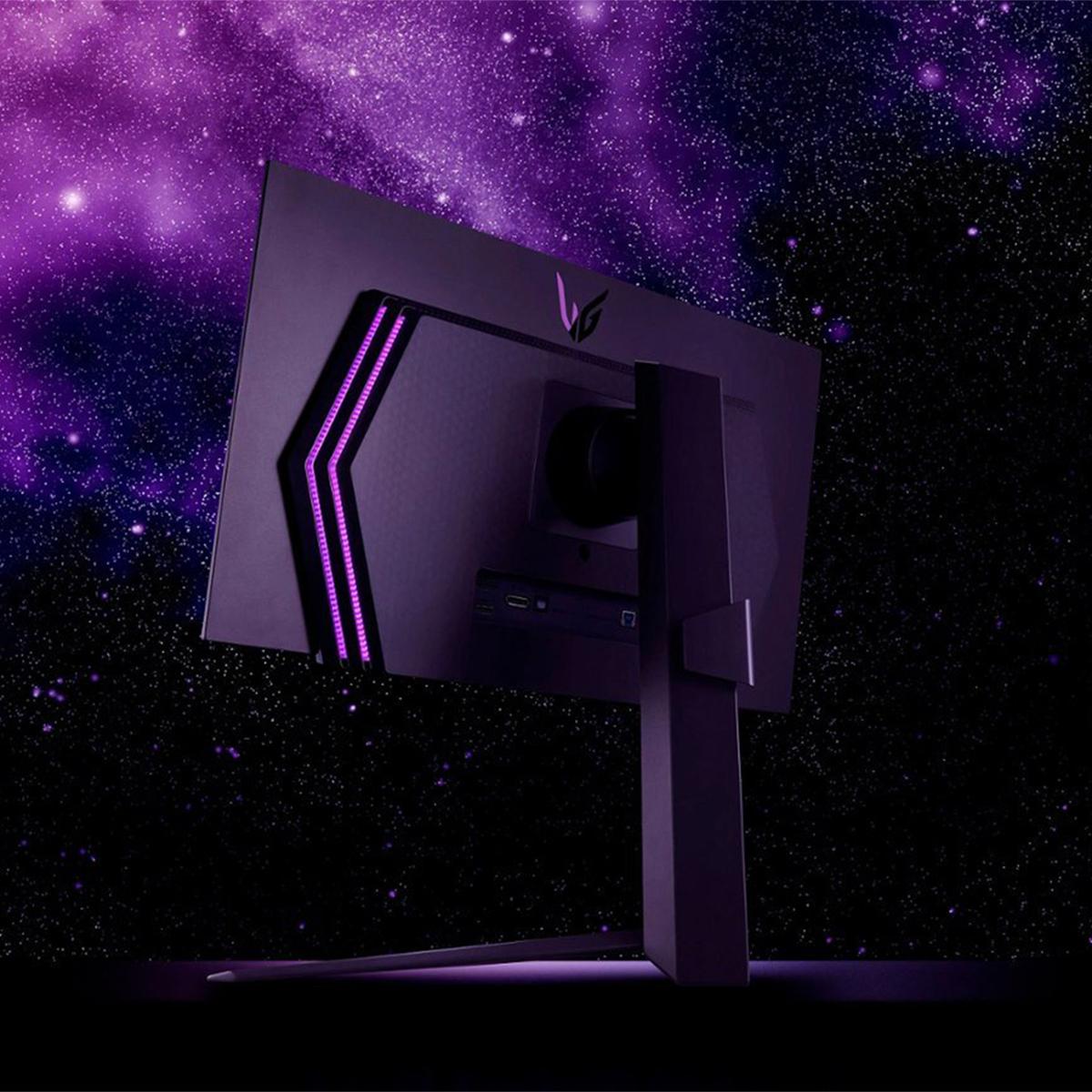
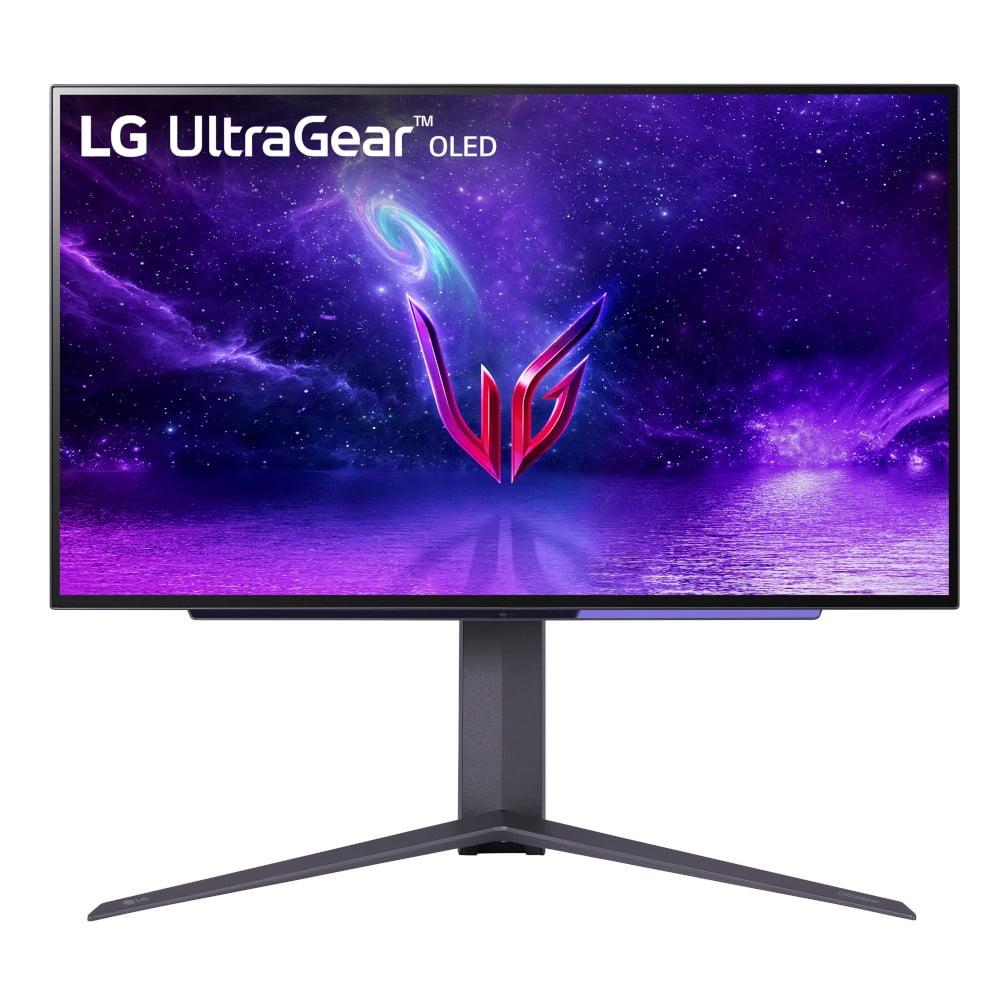
Gaming monitors have evolved dramatically over the past few years, transforming from basic displays into sophisticated pieces of technology that can make or break your gaming experience. Today, we're diving deep into two monitors that represent different philosophies in high-end gaming: the Sony INZONE M9 II and the LG UltraGear 27" OLED. Both launched in 2024 and showcase cutting-edge technology, but they take surprisingly different approaches to delivering premium gaming performance.
Understanding what makes these monitors tick—and which one might be right for you—requires looking beyond the marketing buzzwords to understand how their core technologies actually impact your gaming experience.
When you're shopping for a high-end gaming monitor, you're essentially choosing between different trade-offs. Think of it like buying a car: you might prioritize speed, comfort, fuel efficiency, or cargo space, but you rarely get everything in one package. Gaming monitors work the same way.
The three pillars of gaming monitor performance are resolution (how sharp the image looks), refresh rate (how smooth motion appears), and response time (how quickly the display reacts to changes). Then there's the underlying display technology—the "engine" that powers everything else.
Resolution determines how detailed your games look. Higher resolutions like 4K pack more pixels into the same screen space, making textures sharper and text clearer. However, more pixels mean your graphics card has to work harder, potentially limiting your frame rates.
Refresh rate, measured in Hertz (Hz), tells you how many times per second your monitor can display a new image. A 60Hz monitor updates 60 times per second, while a 240Hz monitor updates 240 times per second. Higher refresh rates make motion look smoother and can give competitive gamers a real advantage.
Response time measures how quickly individual pixels can change from one color to another. Slower response times create ghosting—where fast-moving objects leave trailing afterimages. It's measured in milliseconds (ms), and lower is always better.
The Sony INZONE M9 II and LG UltraGear OLED represent two different approaches to balancing these factors, and understanding their philosophies helps explain why they perform so differently.
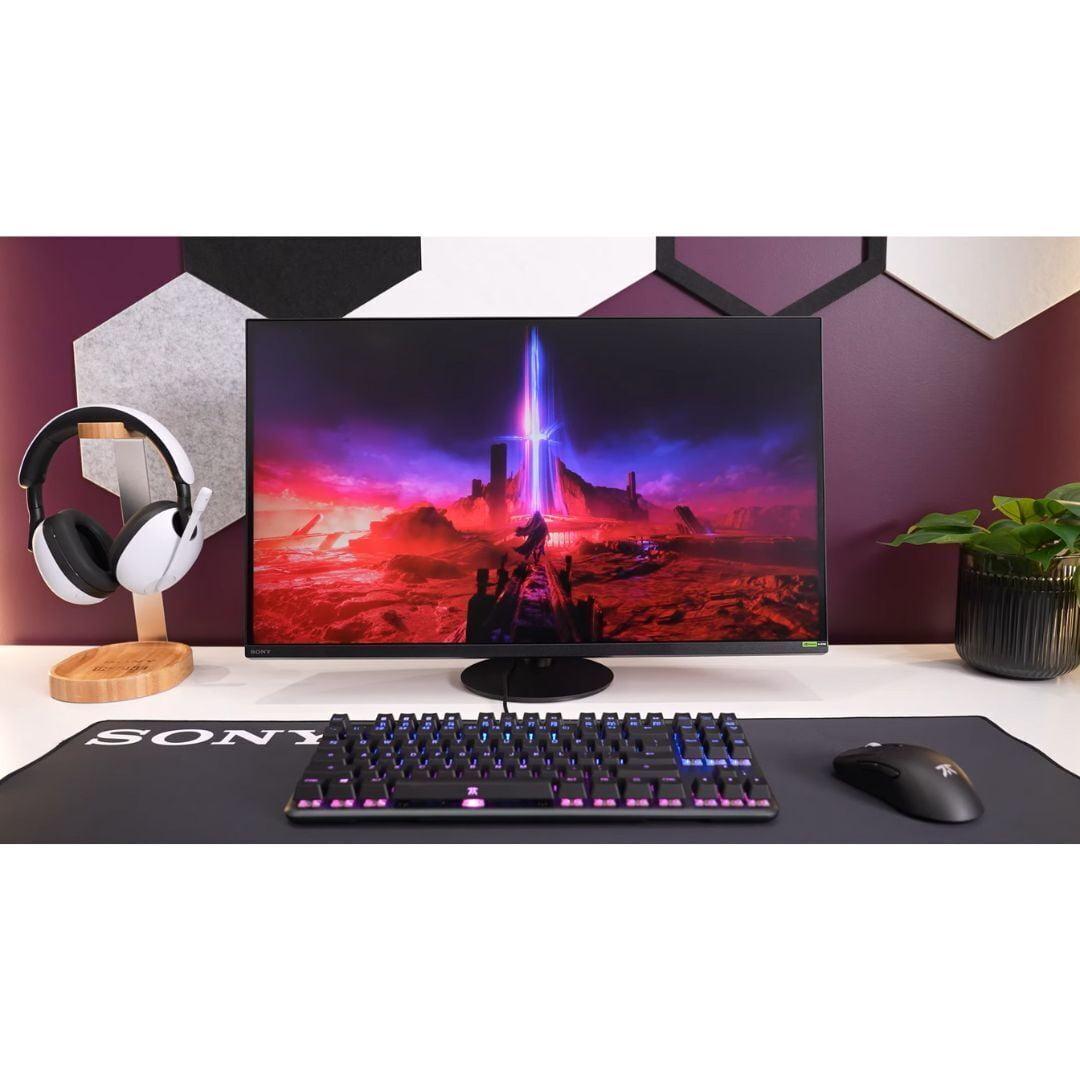
Sony released the INZONE M9 II in 2024 as part of their gaming-focused INZONE lineup, specifically targeting PlayStation 5 owners and enthusiasts who prioritize image quality. This monitor embodies the "resolution-first" philosophy, packing a full 4K display into a 27-inch screen.
The M9 II uses an IPS (In-Plane Switching) panel—a tried-and-true LCD technology known for accurate colors and good viewing angles. What makes this monitor special is its Full Array Local Dimming (FALD) system with 96 zones. Think of local dimming as having 96 individual dimmer switches controlling different sections of the backlight. This allows the monitor to make some areas very bright while keeping others dark, dramatically improving contrast compared to traditional LCD monitors.
The monitor targets a specific sweet spot: 4K resolution at 160Hz refresh rate. This combination was nearly impossible just a few years ago and still requires significant processing power to achieve in demanding games.
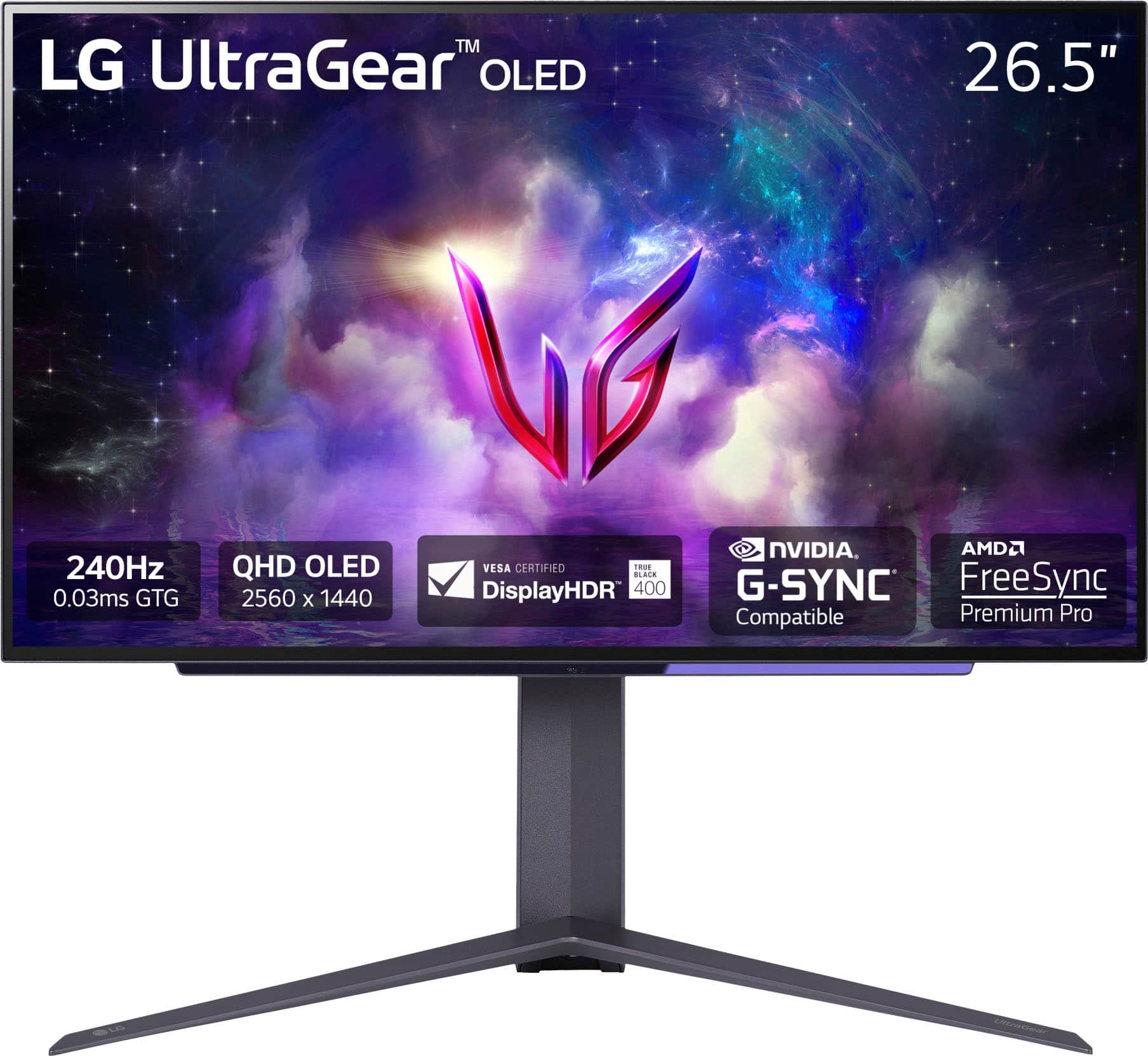
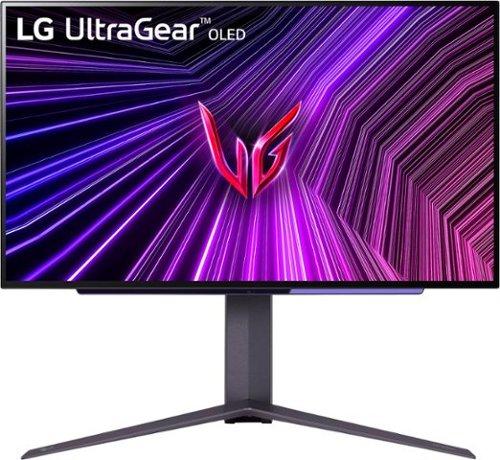
LG's approach with the UltraGear OLED is fundamentally different. Released in 2024 as part of LG's push into OLED gaming monitors, this display prioritizes motion performance over resolution. Instead of 4K, it uses QHD (2560 x 1440) resolution but cranks the refresh rate up to 240Hz.
The key differentiator is the OLED (Organic Light-Emitting Diode) panel technology. Unlike LCD monitors that use a backlight shining through liquid crystals, OLED pixels emit their own light. This means each pixel can turn completely off, creating perfect blacks and infinite contrast. It's like having millions of tiny light bulbs that can independently turn on and off.
OLED technology has revolutionized TVs over the past decade, and its arrival in gaming monitors represents a significant shift in what's possible for gaming displays.
The visual quality comparison between these monitors reveals fascinating insights about display technology trade-offs. Both deliver exceptional images, but they excel in different scenarios.
The Sony INZONE M9 II's 4K resolution provides 8.3 million pixels compared to the LG OLED's 3.7 million pixels. That's more than double the pixel density, which translates to noticeably sharper text, more detailed textures in games, and better clarity when viewing high-resolution content.
In practice, this difference is most apparent when you're sitting close to the monitor or viewing static content like menus and HUDs. Game textures, particularly in titles designed for 4K gaming, show significantly more detail on the M9 II. Text clarity is also superior, making it better for productivity tasks when you're not gaming.
However, the additional pixels come with a performance cost. Rendering 4K at high frame rates requires significantly more GPU power than 1440p. Many gamers find themselves choosing between maximum visual settings and high frame rates when gaming at 4K.
Here's where the LG UltraGear OLED demonstrates a fundamental advantage of its display technology. OLED's ability to produce perfect blacks creates a contrast ratio of 1,500,000:1—essentially infinite contrast. When a pixel needs to display black, it simply turns off completely.
The Sony M9 II's local dimming system, while impressive for LCD technology, can't match this performance. Its 96 dimming zones mean each zone covers a relatively large area of the screen. When bright and dark content appear in the same zone, the entire zone must compromise, leading to some light bleeding around bright objects—a phenomenon called blooming.
In dark gaming scenes, the difference is striking. Horror games, space sims, and any title with dark environments benefit tremendously from OLED's perfect blacks. The LG monitor can display subtle shadow details that might be washed out by the residual backlight glow on the Sony.
High Dynamic Range (HDR) performance reveals another interesting trade-off between these technologies. HDR expands the range between the darkest and brightest parts of an image, creating more realistic lighting.
The Sony INZONE M9 II achieves higher peak brightness at 750 nits, compared to the LG OLED's typical 400-600 nits in HDR mode. This higher brightness makes bright highlights more impactful—think sun reflections, explosions, or bright UI elements.
However, the LG OLED's perfect blacks create superior overall dynamic range despite lower peak brightness. The contrast between bright and dark elements feels more natural and immersive, particularly in mixed content where both bright and dark elements appear simultaneously.
For HDR gaming, both monitors excel but in different scenarios. The Sony performs better in bright rooms and with content featuring very bright highlights, while the LG excels in dark scenes and mixed lighting conditions.
Gaming performance encompasses several metrics that directly impact your experience, from competitive advantages to immersive quality.
The refresh rate difference—160Hz versus 240Hz—might seem modest on paper, but it creates noticeable differences in practice. The LG UltraGear OLED's 240Hz refresh rate can display 50% more frames per second than the Sony's 160Hz maximum.
For competitive gaming, this translates to more up-to-date information reaching your eyes. In fast-paced shooters or racing games, the additional frames can provide a tangible advantage by showing enemy movements or track details sooner. The difference becomes more pronounced as your skill level increases.
Motion clarity—how sharp moving objects appear—heavily favors the LG OLED. Its 0.03ms response time is dramatically faster than the Sony's 1ms response time. Combined with OLED's instant pixel response, moving objects appear much sharper with virtually no ghosting or trailing.
Both monitors excel in input lag—the delay between your controller input and the corresponding action appearing on screen. Modern gaming monitors have largely solved input lag issues, and both the Sony INZONE M9 II and LG UltraGear OLED deliver sub-5ms input lag, which is imperceptible to human senses.
The more important factor becomes frame timing consistency. The LG OLED's faster pixel response creates more consistent frame delivery, reducing micro-stuttering that can affect the feel of gameplay even when frame rates are stable.
Both monitors support variable refresh rate technologies—NVIDIA G-SYNC Compatible and AMD FreeSync—which synchronize the monitor's refresh rate with your graphics card's frame output. This eliminates screen tearing and reduces stuttering when frame rates fluctuate.
The Sony INZONE M9 II includes specific optimizations for PlayStation 5, including Auto HDR Tone Mapping that automatically adjusts HDR settings for optimal performance with Sony's console. This feature works seamlessly and provides consistently excellent results without manual tweaking.
The LG UltraGear OLED takes a more universal approach, delivering excellent VRR performance across all platforms—PC, PlayStation 5, and Xbox Series X/S—without favoring any particular ecosystem.
Both monitors include gaming-centric features designed to provide competitive advantages and enhance the user experience.
The Sony INZONE M9 II shines in its PlayStation 5 integration. The Auto HDR Tone Mapping feature automatically optimizes HDR settings based on the specific game being played, eliminating the need for manual adjustment. Having used this feature extensively, I can confirm it works remarkably well, providing consistently excellent HDR without the trial-and-error typically required with HDR gaming.
The monitor also includes a unique 24.5-inch mode for esports gaming. This feature displays games at a smaller effective screen size with black borders, simulating the experience preferred by many professional gamers who use physically smaller monitors for competitive play.
Sony's INZONE Hub software provides comprehensive monitor control from your PC, allowing easy switching between picture modes, adjusting gaming assists, and updating firmware. The software integration feels polished and purpose-built rather than an afterthought.
The LG UltraGear OLED includes a comprehensive suite of gaming assists: customizable crosshair overlays, FPS counters, and a Black Stabilizer feature that brightens dark areas to spot hiding enemies more easily. These features work well and provide real competitive advantages when used appropriately.
The monitor also includes OLED Care features designed to prevent burn-in—permanent image retention that can occur with static elements. These features include pixel cleaning cycles, screen savers, and logo brightness reduction. While burn-in remains a potential concern with OLED technology, these preventive measures significantly reduce the risk with normal usage patterns.
Understanding when each monitor excels helps clarify which might suit your specific needs.
The Sony INZONE M9 II feels purpose-built for PlayStation 5 gaming. The 4K resolution takes full advantage of the console's capabilities, while the specialized features like Auto HDR Tone Mapping provide a seamless experience. Games like Spider-Man, Horizon, and God of War showcase incredible detail and color accuracy.
However, the LG UltraGear OLED shouldn't be overlooked for console gaming. While it "only" runs at 1440p, the superior motion clarity and perfect blacks create an incredibly immersive experience. Racing games like Gran Turismo 7 and atmospheric titles like Returnal benefit tremendously from OLED's contrast performance.
For PC gaming, the choice depends heavily on your graphics hardware and gaming preferences. The Sony M9 II requires significant GPU power to drive 4K at high refresh rates. With current-generation graphics cards, you'll often need to choose between maximum visual settings and high frame rates.
The LG OLED provides more flexibility, allowing even mid-range graphics cards to achieve high frame rates at 1440p. This makes it more accessible and provides a better experience across a wider range of hardware configurations.
For serious competitive gaming, the LG UltraGear OLED provides measurable advantages through its 240Hz refresh rate and 0.03ms response time. The improved motion clarity makes tracking fast-moving targets easier, while the higher refresh rate provides more current visual information.
The Sony INZONE M9 II can certainly handle competitive gaming, but its 160Hz refresh rate and slower response time put it at a slight disadvantage in the most demanding scenarios.
Both monitors handle productivity tasks well, but with different strengths. The Sony M9 II's 4K resolution provides superior text clarity and more screen real estate for complex workflows. The accurate colors and factory calibration make it excellent for photo and video editing.
The LG OLED offers stunning contrast for media consumption and creative work involving dark content, but the lower resolution and potential burn-in concerns with static UI elements make it less ideal for extended productivity use.
While both monitors are designed primarily for gaming, they can serve double duty in home theater setups, though with important caveats.
The Sony INZONE M9 II works well for movie viewing thanks to its 4K resolution and good HDR performance. The higher peak brightness handles bright scenes effectively, and the 27-inch 4K display provides excellent detail for desk-based viewing. However, the local dimming implementation can create some blooming around bright objects in dark scenes—not ideal for movie watching where this artifact is more noticeable than in gaming.
The LG UltraGear OLED excels for cinematic content despite its lower resolution. The perfect blacks and infinite contrast create an incredibly immersive movie-watching experience that rivals much more expensive OLED TVs. Films with dark, atmospheric scenes showcase the technology beautifully. The main limitation is the 1440p resolution, which doesn't take full advantage of 4K movie content.
For a dedicated home theater setup, you'd typically want a larger display, but for desktop home theater use, both monitors perform admirably with the LG OLED providing superior image quality for most movie content.
When these monitors launched in 2024, they represented different value propositions that remain relevant today. At the time of writing, the LG UltraGear OLED typically costs significantly less than the Sony INZONE M9 II, making it one of the most affordable ways to experience OLED gaming technology.
The Sony's premium pricing reflects its 4K resolution, specialized PlayStation 5 features, and the costs associated with implementing effective local dimming. For users who will utilize these features—particularly PlayStation 5 owners—the additional cost can be justified by the enhanced experience.
From a longevity perspective, both monitors should remain relevant for several years. The Sony's 4K resolution provides future-proofing as games and graphics hardware continue advancing. The traditional LCD technology also offers proven durability without concerns about burn-in or organic material degradation.
The LG OLED represents newer technology that's rapidly improving and becoming more affordable. While OLED panels do have finite lifespans and potential burn-in concerns, modern OLED monitors include numerous protective features, and LG provides a comprehensive warranty covering OLED-specific issues.
Choosing between these monitors ultimately depends on your priorities, gaming habits, and hardware setup.
Choose the Sony INZONE M9 II if you primarily game on PlayStation 5 and want the sharpest possible image quality. Its 4K resolution and console-specific features create an exceptional experience for single-player games and visually demanding titles. It's also the better choice if you need a monitor that doubles as a productivity display or if you game in a bright room where the higher peak brightness provides advantages.
The LG UltraGear OLED is ideal for gamers who prioritize motion performance and visual immersion over raw resolution. Its superior contrast, perfect blacks, and high refresh rate create an incredibly engaging gaming experience, particularly for competitive gaming and atmospheric titles. The significantly lower cost makes premium OLED technology accessible to more gamers.
Consider your graphics hardware carefully. If you don't have a high-end graphics card capable of driving 4K at high frame rates, the Sony monitor's resolution advantage becomes academic. Conversely, if you have powerful hardware and prefer playing visually demanding single-player games, the 4K experience on the Sony can be transformative.
Both monitors represent excellent examples of their respective technologies and approaches to gaming display design. The Sony INZONE M9 II delivers uncompromising image quality with thoughtful console integration, while the LG UltraGear OLED provides cutting-edge display technology at an accessible price point. Your choice should align with your gaming priorities, hardware capabilities, and budget considerations, but either monitor will significantly enhance your gaming experience compared to older or more basic displays.
The gaming monitor market continues evolving rapidly, with new technologies and improved implementations arriving regularly. Both of these monitors showcase how far gaming displays have progressed and hint at even more exciting developments on the horizon.
| Sony INZONE M9 II 27" 4K 160Hz Gaming Monitor | LG UltraGear 27" OLED QHD 240Hz Gaming Monitor |
|---|---|
| Resolution - Higher resolution means sharper images but requires more powerful graphics cards | |
| 4K (3840 x 2160) - 78% more pixels for exceptional detail | QHD (2560 x 1440) - Sweet spot for performance and visual quality |
| Refresh Rate - Higher rates provide smoother motion and competitive advantages | |
| 160Hz - Excellent for most gaming, some limitation for esports | 240Hz - Top-tier competitive gaming performance |
| Panel Technology - Determines contrast, color accuracy, and overall image quality | |
| IPS LCD with Full Array Local Dimming (96 zones) | OLED with per-pixel lighting control |
| Response Time - Lower values reduce motion blur and ghosting | |
| 1ms GtG - Good performance with minimal ghosting | 0.03ms GtG - Nearly instantaneous pixel response |
| Contrast Ratio - Higher ratios create more realistic lighting and deeper blacks | |
| 80,000:1 (with local dimming) - Good but limited by LCD technology | 1,500,000:1 - Perfect blacks with infinite contrast |
| Peak Brightness - Affects HDR impact and visibility in bright rooms | |
| 750 nits - Excellent for bright environments and HDR highlights | 400-600 nits typical - Better for dark/controlled lighting |
| Color Gamut - Wider coverage produces more vibrant and accurate colors | |
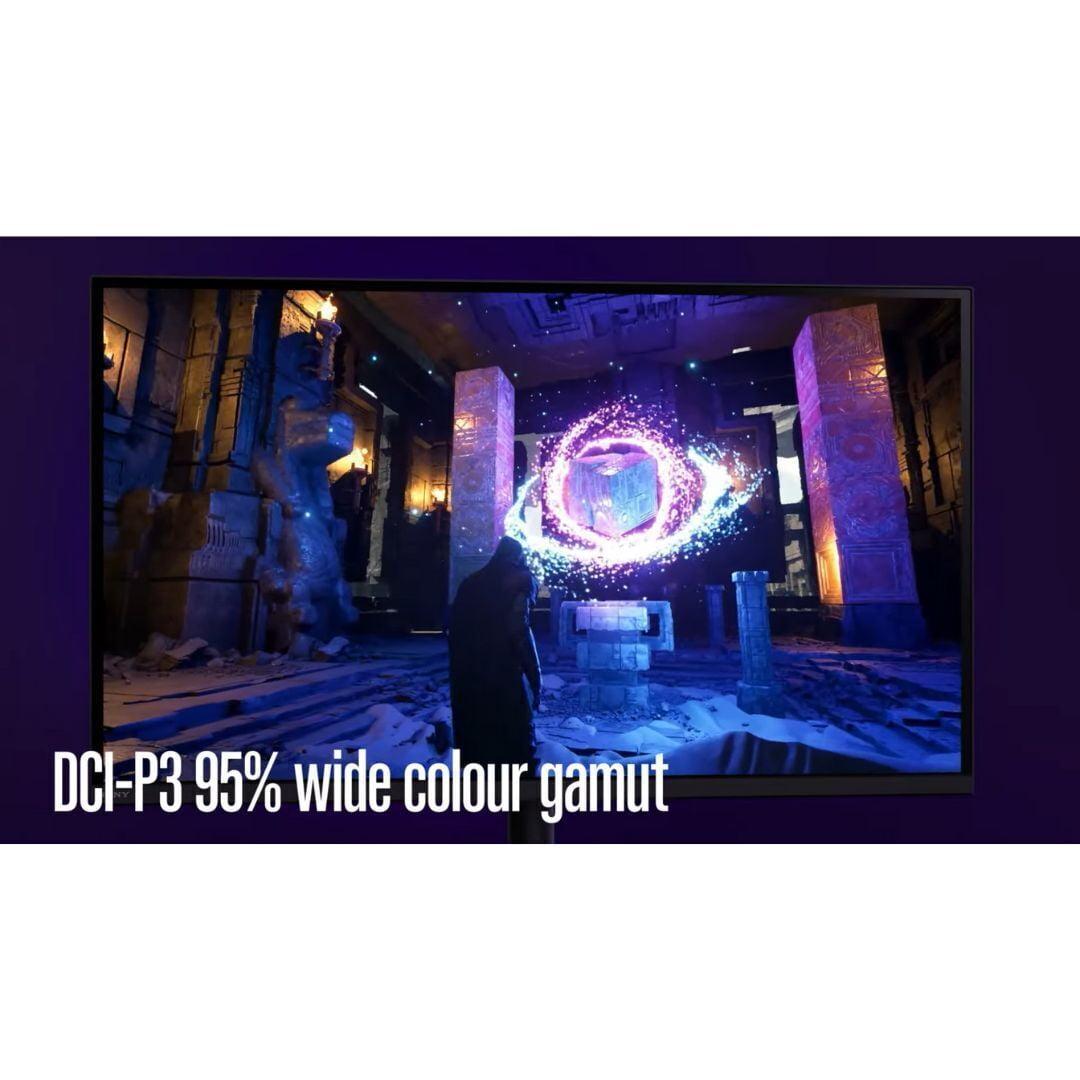
| 95% DCI-P3 with excellent factory calibration | 98.5% DCI-P3 with superior color vibrancy |
| Gaming Features - Specialized enhancements for competitive and console gaming | |
| Auto HDR Tone Mapping for PS5, 24.5" esports mode, INZONE Hub software | Gaming assists, crosshair overlays, OLED Care burn-in prevention |
| Connectivity - Determines compatibility with gaming systems and PCs | |
| HDMI 2.1 x2, DisplayPort 2.1, USB hub | HDMI 2.1 x2, DisplayPort 1.4, USB 3.2 ports |
| Build Quality and Warranty - Affects long-term reliability and support | |
| Premium build, 1-year warranty, proven LCD durability | Solid construction, 2-year OLED warranty, burn-in considerations |
| Best Use Cases - Scenarios where each monitor excels | |
| 4K gaming, PS5 optimization, productivity work, bright rooms | Competitive gaming, motion clarity, dark environments, value-focused buyers |
The LG UltraGear 27" OLED QHD 240Hz Gaming Monitor is superior for competitive gaming due to its 240Hz refresh rate and 0.03ms response time. This provides 50% more frames per second than the Sony INZONE M9 II and virtually eliminates motion blur, giving you a competitive edge in fast-paced games like CS2, Valorant, and Apex Legends.
The key difference is their approach: the Sony INZONE M9 II 27" 4K 160Hz Gaming Monitor prioritizes image sharpness with 4K resolution, while the LG UltraGear OLED focuses on motion performance with 240Hz refresh rate and OLED technology for perfect blacks and superior contrast.
Both excel in different areas. The Sony INZONE M9 II offers sharper 4K resolution and higher peak brightness (750 nits), making it better for detailed visuals and bright rooms. The LG UltraGear 27" OLED provides superior contrast with perfect blacks, infinite contrast ratio, and more vibrant colors, creating a more immersive visual experience.
The Sony INZONE M9 II requires significantly more GPU power due to its 4K resolution - you'll need a high-end graphics card like RTX 4070 or better for optimal performance. The LG UltraGear OLED is more forgiving with its 1440p resolution, working well with mid-range cards while still delivering excellent gaming performance.
The Sony INZONE M9 II 27" 4K 160Hz Gaming Monitor is specifically optimized for PS5 with Auto HDR Tone Mapping and takes full advantage of the console's 4K capabilities. However, the LG UltraGear OLED also works excellently with PS5, offering superior motion clarity and contrast, though at 1440p resolution instead of native 4K.
The LG UltraGear 27" OLED QHD 240Hz Gaming Monitor includes OLED Care features like pixel cleaning and brightness reduction to minimize burn-in risk. With normal gaming usage and these protective features, burn-in is unlikely. The Sony INZONE M9 II uses traditional LCD technology with no burn-in concerns, making it worry-free for extended desktop use.
The LG UltraGear OLED typically offers superior value, providing premium OLED technology at a lower cost than the Sony INZONE M9 II. You get cutting-edge display technology, faster gaming performance, and excellent image quality at a more accessible price point.
The Sony INZONE M9 II 27" 4K 160Hz Gaming Monitor is better for productivity due to its 4K resolution providing sharper text and more screen real estate. The LG UltraGear OLED can handle office work but the lower 1440p resolution and potential burn-in concerns with static UI elements make it less ideal for extended productivity use.
The Sony INZONE M9 II performs better in bright environments with its 750-nit peak brightness and anti-glare coating. The LG UltraGear 27" OLED QHD 240Hz Gaming Monitor has lower brightness and may struggle with reflections in very bright rooms, making it better suited for controlled lighting conditions.
Both offer excellent HDR but with different strengths. The Sony INZONE M9 II delivers brighter HDR highlights with better performance in mixed lighting, while the LG UltraGear OLED provides superior contrast and shadow detail due to its perfect blacks, creating more realistic HDR in dark scenes.
The LG UltraGear 27" OLED QHD 240Hz Gaming Monitor excels for movie watching with its perfect blacks and cinematic contrast, despite the 1440p resolution. The Sony INZONE M9 II 27" 4K 160Hz Gaming Monitor offers sharper 4K movie detail but may show some blooming in dark scenes due to its local dimming implementation.
For your first premium gaming monitor, the LG UltraGear OLED offers the most dramatic upgrade in visual quality and gaming performance at a more accessible price. However, if you primarily game on PlayStation 5 or need 4K resolution for content creation, the Sony INZONE M9 II provides specialized features and future-proofing that justify its premium positioning.
We've done our best to create useful and informative comparisons to help you decide what product to buy. Our research uses advanced automated methods to create this comparison and perfection is not possible - please contact us for corrections or questions. These are the sites we've researched in the creation of this article: bestbuy.com - bestbuy.com - rtings.com - rtings.com - tomshardware.com - youtube.com - bhphotovideo.com - bestbuy.com - sony.com - techpowerup.com - electronics.sony.com - sony.com - displayspecifications.com - direct.playstation.com - youtube.com - sony.com - sony.com - displayspecifications.com - bhphotovideo.com - displayspecifications.com - bestbuy.com - bestbuy.com - youtube.com - rtings.com - youtube.com - youtube.com - lg.com - bhphotovideo.com - bestbuy.com - forum.beyond3d.com - youtube.com - lg.com - lg.com - lg.com - techpowerup.com - newegg.com - bestbuy.com - pcmonitors.info - lg.com - lg.com

Privacy Policy
Terms and Conditions - Affiliate Policy
Home Security
© Copyright 2008-2026.
11816 Inwood Rd #1211, Dallas, TX 75244