

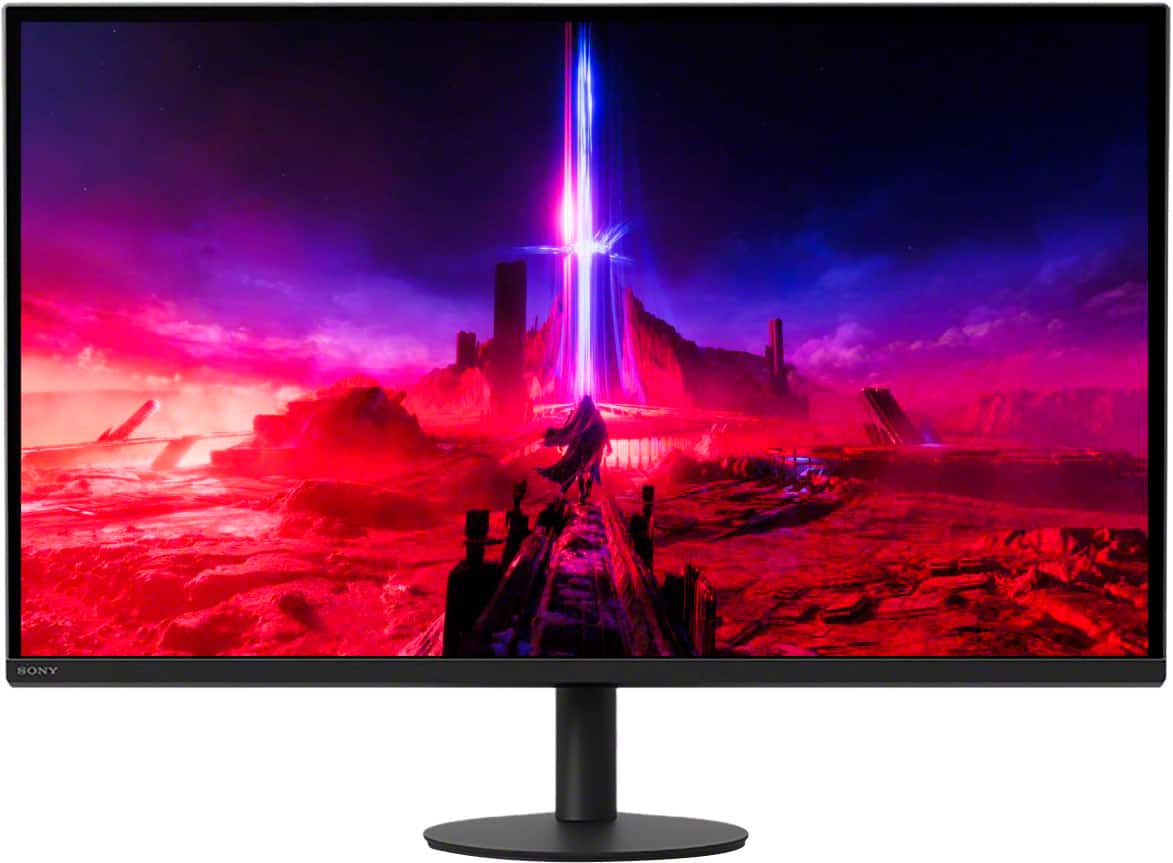

If you're shopping for a 27-inch 4K gaming monitor, you've probably noticed there's a massive price gap between budget and premium options. The Sony INZONE M9 II and HP Omen 27K perfectly illustrate this divide—one sits at the premium end while the other delivers excellent value. Both were released in 2023-2024, representing the latest generation of 4K gaming displays, but they take very different approaches to achieving smooth, high-resolution gaming.
Before diving into these specific monitors, let's talk about what makes a good 4K gaming display. At 27 inches, 4K resolution (3840 x 2160 pixels) creates incredibly sharp visuals—you get four times the pixels of standard 1080p displays packed into the same screen size. This pixel density means text is crisp, game details are razor-sharp, and you can sit closer to the screen without seeing individual pixels.
The challenge with 4K gaming has always been performance. Your graphics card needs serious horsepower to push all those pixels at high frame rates. That's where refresh rate becomes crucial. A higher refresh rate (measured in Hz) means the screen can display more frames per second, creating smoother motion. Think of it like a flipbook—more pages per second creates smoother animation.
HDR (High Dynamic Range) is another critical factor. Traditional displays show a limited range of brightness and color, but HDR expands this range dramatically. Instead of everything looking flat, you get deeper shadows, brighter highlights, and more vibrant colors that better match what your eyes see in real life.
Local dimming is where things get technical but important. Traditional monitors use a single backlight for the entire screen, but local dimming divides the backlight into zones that can brighten or dim independently. This creates better contrast—dark areas can be truly dark while bright areas stay brilliant.
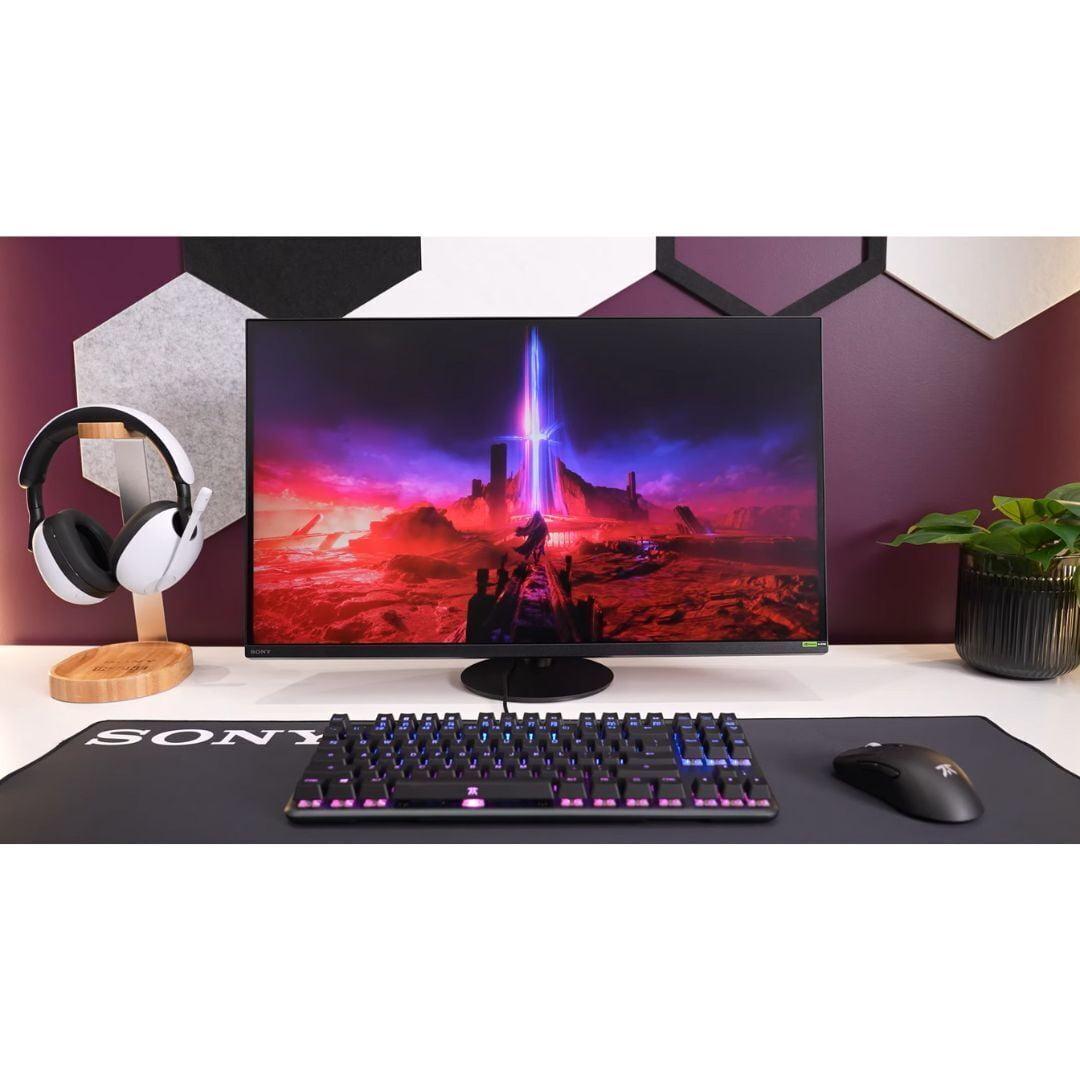
The Sony INZONE M9 II represents Sony's premium gaming monitor approach, building on their experience with PlayStation integration and professional displays. Released in late 2023, it's positioned as the ultimate companion for both PC and console gaming, with a price tag that reflects its premium aspirations.
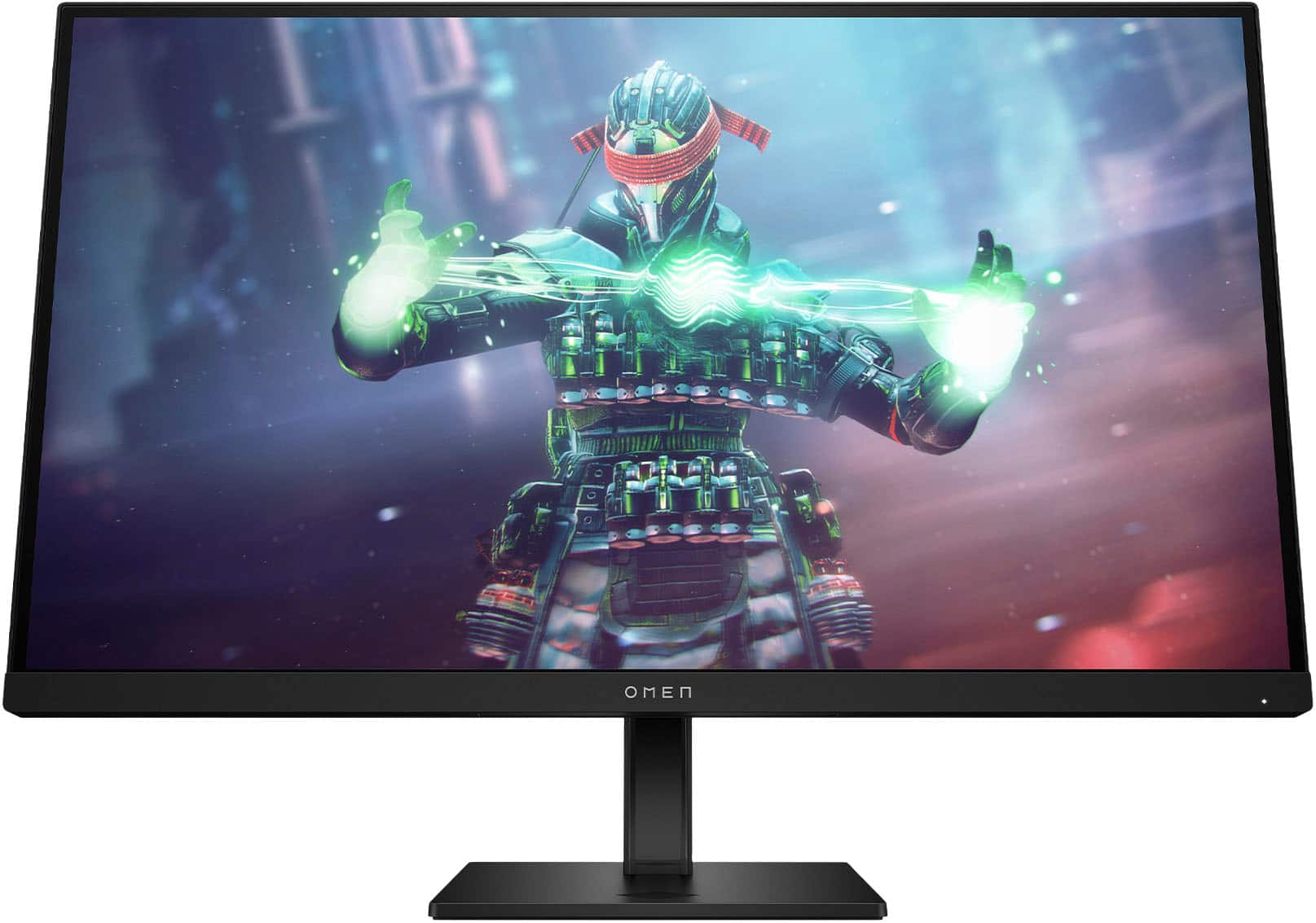
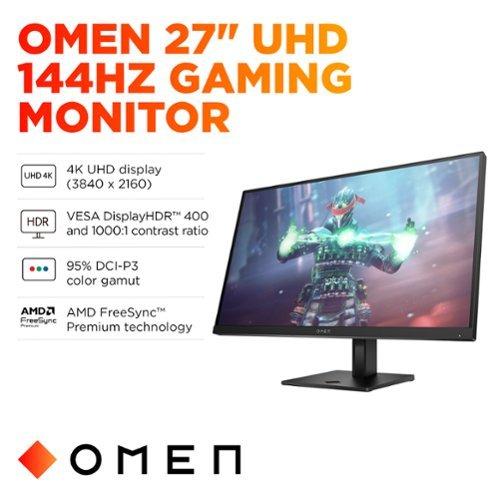
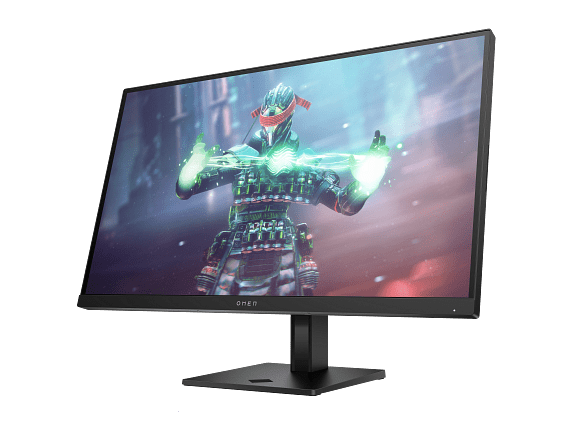
The HP Omen 27K, released around the same time, takes a completely different approach. HP focused on delivering excellent 4K gaming performance while keeping costs reasonable. It's aimed at gamers who want the 4K experience without paying premium prices.
At the time of writing, these monitors sit in very different price brackets—the Sony INZONE M9 II commands nearly twice the price of the HP Omen 27K. This price difference immediately raises questions about what you're actually paying for and whether the premium features justify the cost.
This is where the Sony INZONE M9 II and HP Omen 27K diverge most dramatically. Sony implements what's called Full Array Local Dimming (FALD) with 96 separate dimming zones across the display. Each zone can independently adjust its brightness, theoretically creating better contrast and more realistic HDR effects.
The Sony INZONE M9 II achieves DisplayHDR 600 certification, meaning it can hit 600 nits of brightness in specific test patterns and maintain that brightness across a portion of the screen. In practice, this monitor can peak at 750 nits, creating genuinely impressive highlights in HDR games and movies. When you're exploring a dark cave in a game and suddenly emerge into bright sunlight, the effect can be genuinely striking.
However, here's where real-world experience becomes important. While Sony's 96-zone system sounds impressive on paper, the zones are relatively large compared to high-end mini-LED displays. Users consistently report visible "blooming" around bright objects on dark backgrounds—imagine a bright streetlight creating a visible halo of light around it. This can be particularly noticeable when scrolling through dark menus or reading white text on black backgrounds.
The HP Omen 27K takes a more modest approach with just 8 edge-lit dimming zones and DisplayHDR 400 certification. This might sound inferior, but it creates fewer artifacts. The simpler system produces less dramatic HDR effects but also fewer distracting visual anomalies. Professional reviews have measured the HP Omen 27K achieving contrast ratios exceeding 7,300:1, which is genuinely impressive for an edge-lit display.
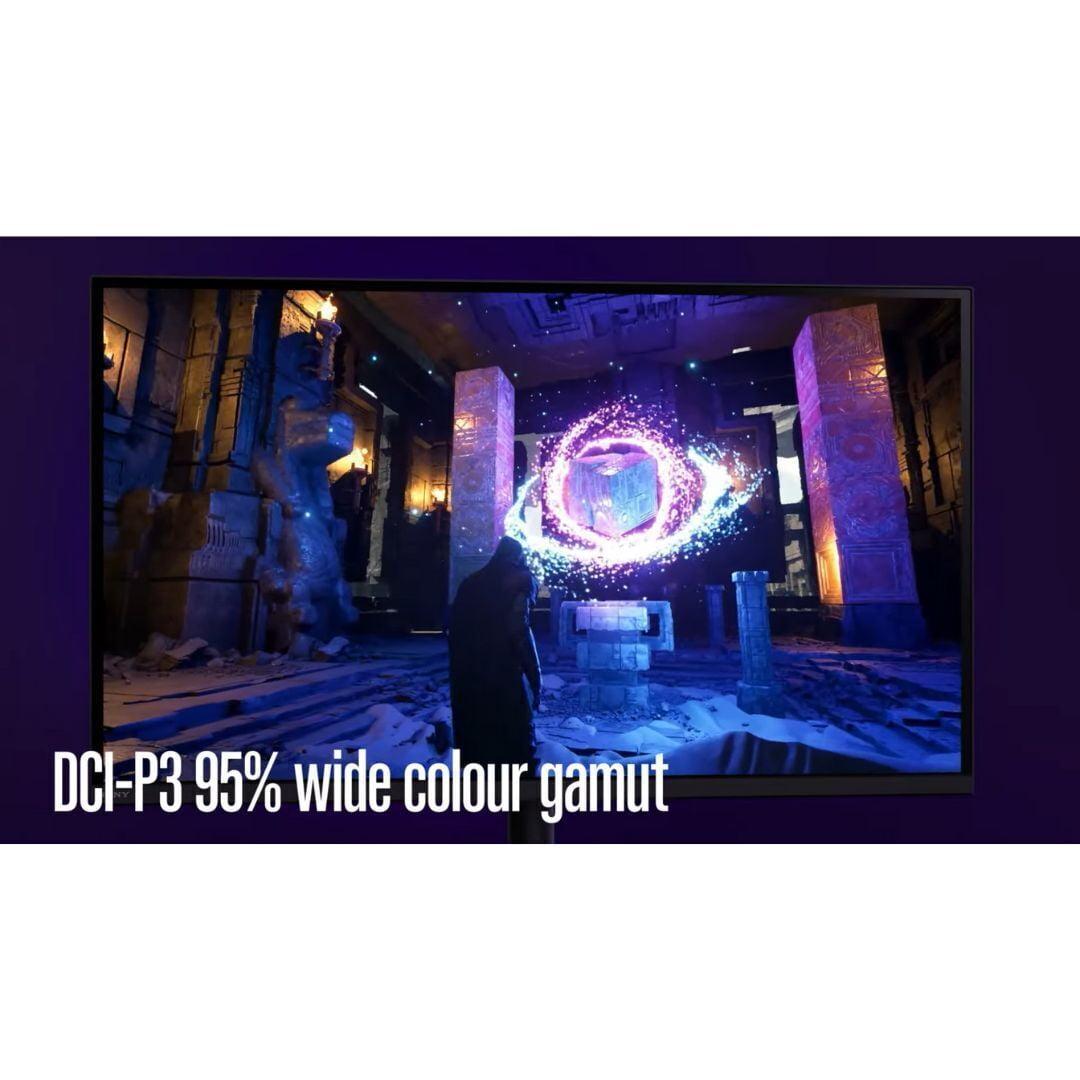
Both monitors excel in color reproduction, which matters whether you're gaming or doing creative work. The Sony INZONE M9 II covers 95% of the DCI-P3 color space—this is the color standard used in digital cinema, so games and movies appear as their creators intended.
The HP Omen 27K matches that DCI-P3 coverage while also achieving 99% sRGB coverage. sRGB is the standard color space for web content and most computer applications. Professional reviews consistently praise the HP Omen 27K for excellent out-of-box color accuracy, meaning you likely won't need professional calibration for accurate colors.
Both displays use IPS (In-Plane Switching) panel technology, which provides wide viewing angles and consistent colors regardless of where you're sitting. This is particularly valuable if you're using the monitor for both gaming and productivity work.
Here's where the Sony INZONE M9 II claims a technical advantage with its 160Hz refresh rate via DisplayPort, compared to the HP Omen 27K's 144Hz. In practical terms, this means Sony's monitor can display up to 160 frames per second while HP's tops out at 144.
For most gaming scenarios, both refresh rates provide excellent smoothness. The difference between 144Hz and 160Hz is far less noticeable than the jump from 60Hz to 144Hz. However, if you're playing competitive esports games where every millisecond matters, that extra 16 frames per second could provide a slight advantage.
Both monitors achieve the crucial 1ms gray-to-gray response time, which measures how quickly pixels can change from one shade of gray to another. Faster response times reduce motion blur and ghosting in fast-moving scenes. However, both monitors only achieve this 1ms rating with their most aggressive overdrive settings enabled, which can introduce inverse ghosting artifacts. In practice, you'll probably use a moderate overdrive setting that provides a good balance between speed and visual quality.
Both monitors support adaptive sync technologies, which synchronize the display's refresh rate with your graphics card's frame output. This eliminates screen tearing (where parts of different frames appear simultaneously) and reduces stuttering.
The Sony INZONE M9 II supports NVIDIA G-SYNC Compatible certification and Variable Refresh Rate (VRR) over HDMI 2.1. The HP Omen 27K goes a step further by supporting both AMD FreeSync Premium and NVIDIA G-SYNC Compatible, providing broader graphics card compatibility.
This is where the Sony INZONE M9 II shows its PlayStation DNA. It includes Auto HDR Tone Mapping specifically for PlayStation 5 and PS5 Pro consoles, automatically optimizing HDR settings for the best possible image quality. There's even a 24.5-inch mode for esports gaming, which displays games at a smaller size with black borders—something competitive players sometimes prefer.
The HP Omen 27K takes a more universal approach. Its HDMI 2.1 connectivity enables 4K gaming at 120Hz for both Xbox Series X and PlayStation 5. More impressively, it includes a built-in KVM (Keyboard, Video, Mouse) switch, allowing you to control multiple connected devices with a single keyboard and mouse setup. This is incredibly useful if you're switching between a gaming PC and console regularly.
The HP Omen 27K clearly wins in connectivity versatility. Beyond the KVM switch, it includes USB-C with DisplayPort Alt Mode, meaning you can connect modern laptops with a single cable (though it doesn't provide power delivery for charging). The comprehensive port selection includes HDMI 2.1, HDMI 2.0, DisplayPort 1.4, and a USB hub.
The Sony INZONE M9 II offers DisplayPort 2.1 and dual HDMI 2.1 ports, plus USB connectivity. While it has fewer port options, the DisplayPort 2.1 connection theoretically supports higher bandwidth for future applications.
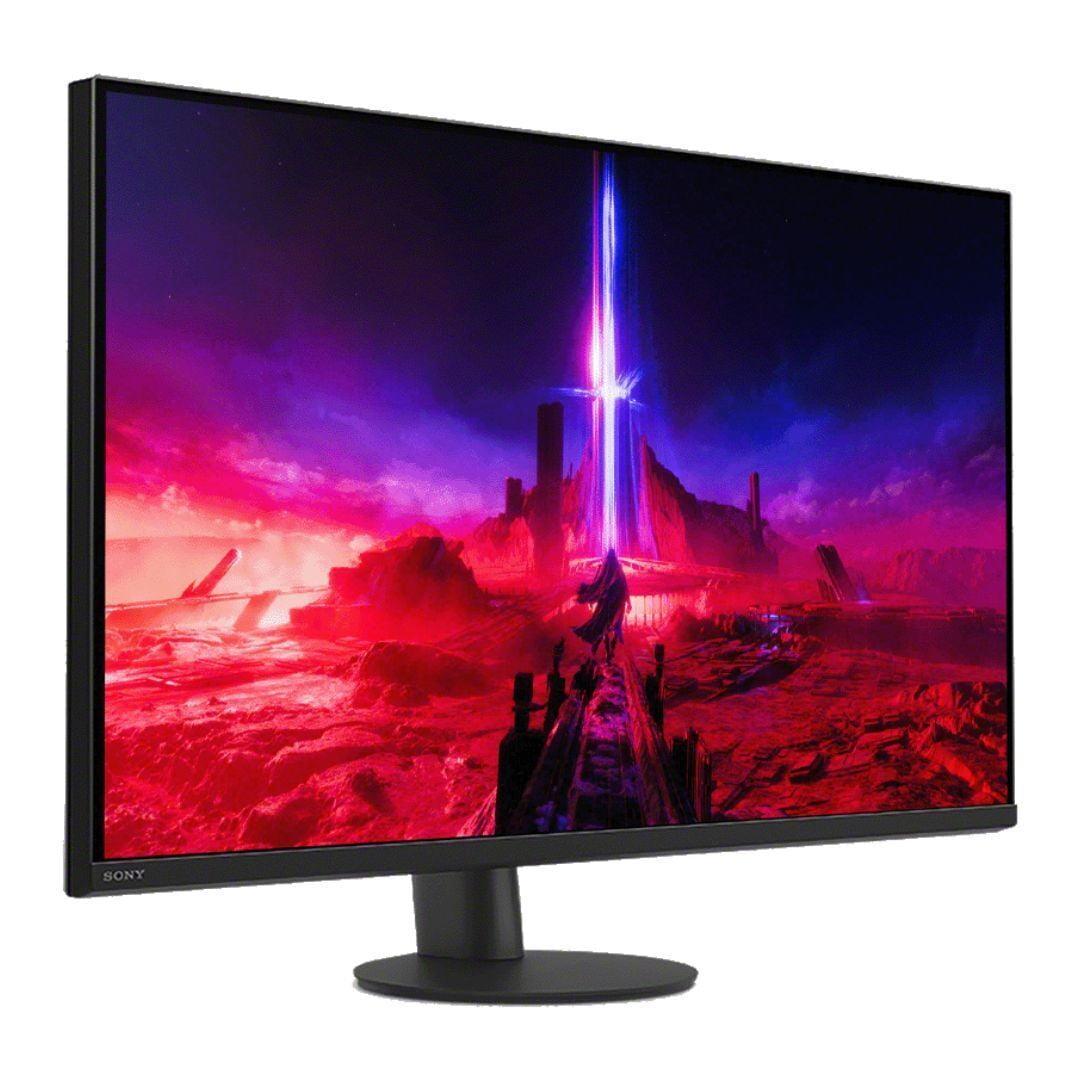
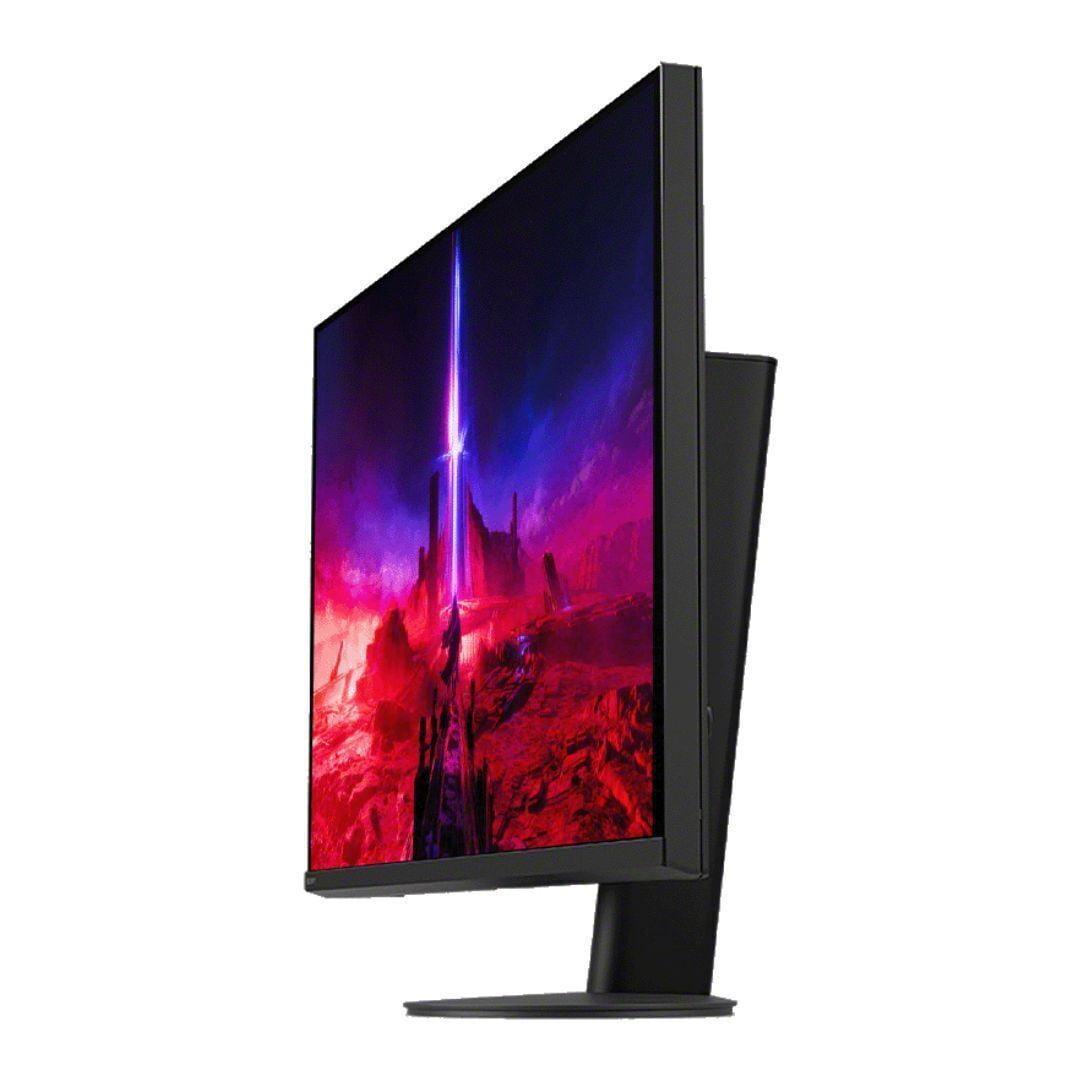
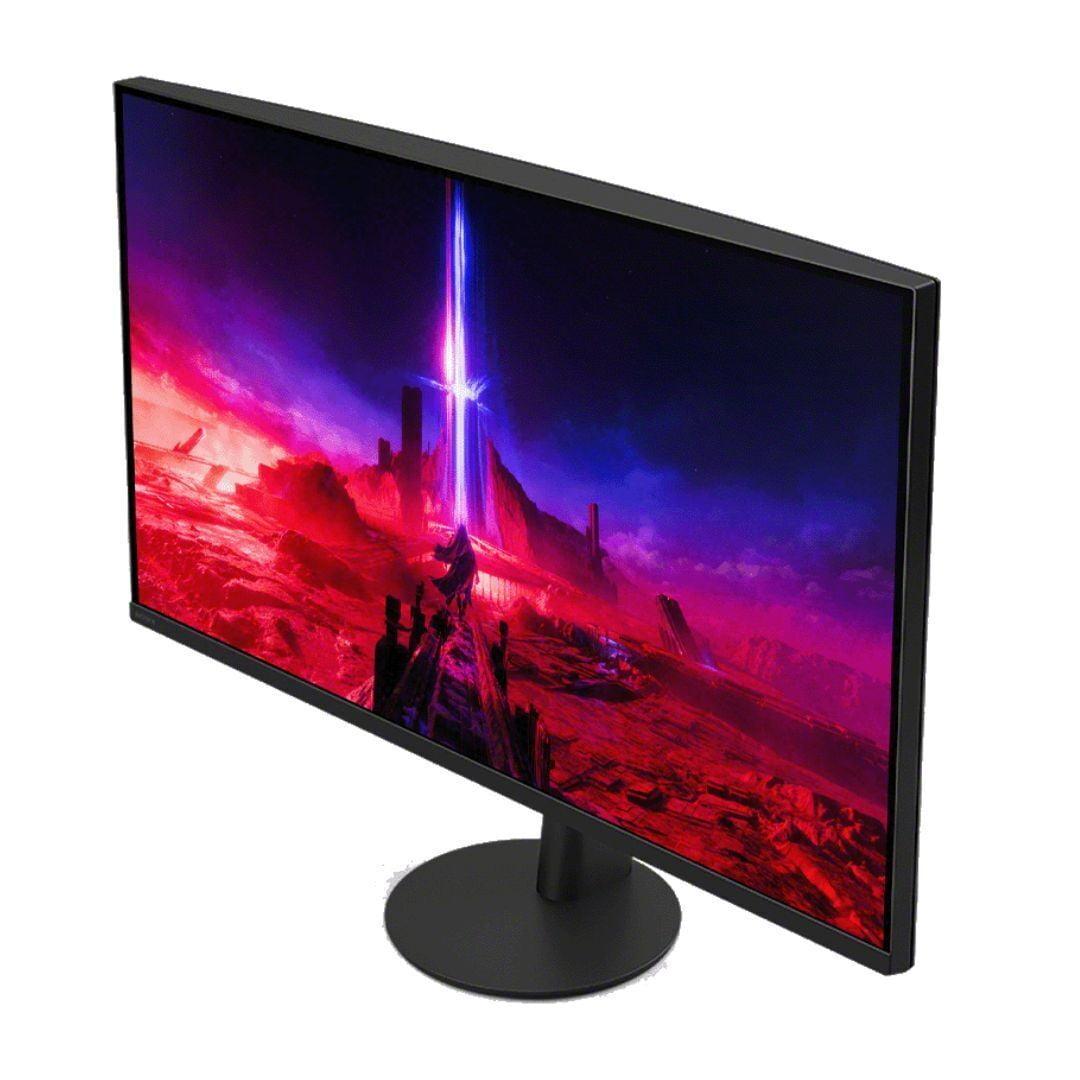
The Sony INZONE M9 II feels more premium with its all-black design and robust construction. The circular stand allows 360-degree swivel, which is genuinely useful for showing content to others or adjusting viewing angles. However, some users find the design somewhat bulky with limited cable management options.
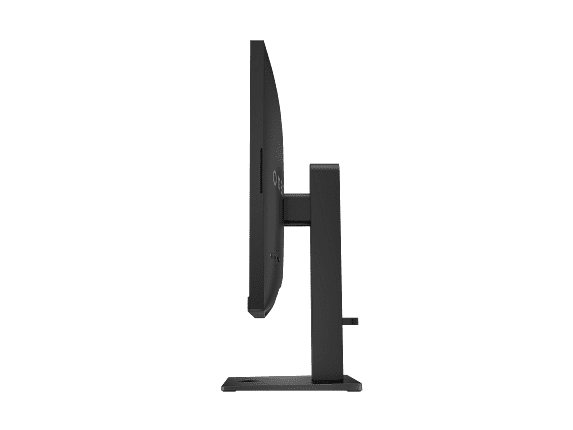
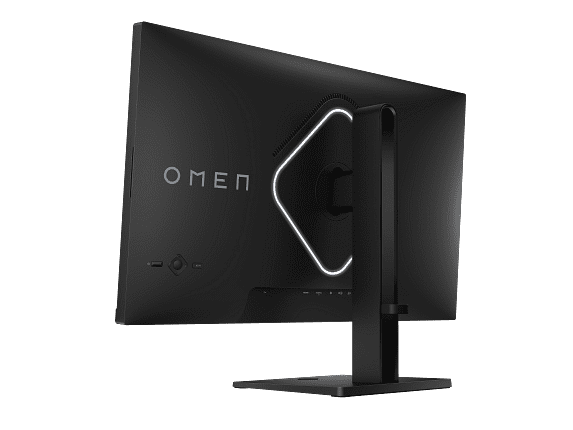
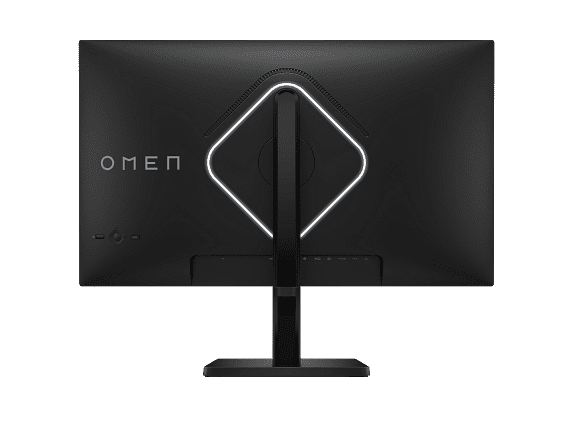
The HP Omen 27K provides solid build quality without the premium materials. The stand offers height, tilt, and pivot adjustments, which covers most ergonomic needs. It includes customizable RGB lighting around the back, which adds visual flair to gaming setups.
If you're considering either monitor for home theater use, both have merit but different strengths. The Sony INZONE M9 II's superior HDR performance makes movies and streaming content more impactful, though the blooming artifacts can be noticeable in dark movie scenes.
The HP Omen 27K provides a more consistent viewing experience without distracting artifacts. Its broader device compatibility makes it easier to connect various media sources. For a mixed-use setup where the display serves both gaming and entertainment purposes, the HP Omen 27K's versatility might be more valuable than the Sony INZONE M9 II's HDR prowess.
At the time of writing, the price difference between these monitors is substantial. The Sony INZONE M9 II commands a significant premium over the HP Omen 27K, roughly double the cost.
What are you getting for that premium? Mainly the superior local dimming implementation, higher peak brightness, the extra 16Hz refresh rate, and PlayStation-specific features. Whether these improvements justify the cost depends heavily on your priorities and budget.
The HP Omen 27K delivers approximately 90% of the gaming performance at roughly half the price. For most users, that's an excellent value proposition. The KVM switch alone adds significant utility that the Sony lacks.
However, if HDR quality is your primary concern and you're willing to accept some artifacts for better peak performance, the Sony INZONE M9 II does deliver genuinely superior HDR experiences in the right content.
Choose the Sony INZONE M9 II if you're primarily a PlayStation 5 gamer who values the automated HDR optimization, if you want the absolute best HDR performance available (artifacts aside), or if you're building a premium gaming setup where cost is less important than peak performance.
The HP Omen 27K makes more sense for most buyers. It provides excellent 4K gaming performance, superior connectivity options, practical features like the KVM switch, and outstanding value. If you're working with multiple devices, doing both gaming and productivity work, or simply want great performance without premium pricing, it's the clear choice.
Both monitors represent the current state of 4K gaming display technology well. The Sony INZONE M9 II pushes boundaries in HDR performance, while the HP Omen 27K democratizes 4K gaming by making it accessible without sacrificing quality. Your choice ultimately depends on whether you value peak performance or practical excellence—and both approaches have merit in today's competitive monitor market.
The good news is that either choice will provide years of excellent 4K gaming. The technology has matured to the point where even the more affordable option delivers genuinely impressive performance, making this a great time to make the jump to 4K gaming.
| Sony INZONE M9 II 27" 4K 160Hz Gaming Monitor | HP Omen 27K 4K UHD 144Hz Gaming Monitor |
|---|---|
| Screen Size & Resolution - Both deliver razor-sharp 4K visuals at the ideal 27" size | |
| 27" IPS, 3840 x 2160 (163 PPI) | 27" IPS, 3840 x 2160 (163 PPI) |
| Refresh Rate - Higher numbers mean smoother motion in fast games | |
| 160Hz via DisplayPort, 144Hz via HDMI | 144Hz (all connections) |
| HDR Performance - Critical for realistic lighting and contrast | |
| DisplayHDR 600, 750 nits peak, 96-zone FALD | DisplayHDR 400, 400+ nits peak, 8-zone edge-lit |
| Local Dimming - More zones create better contrast but can cause artifacts | |
| 96-zone Full Array Local Dimming (superior contrast, visible blooming) | 8-zone edge-lit (fewer artifacts, less dramatic HDR) |
| Response Time - Lower is better for competitive gaming | |
| 1ms GtG (with overdrive) | 1ms GtG (with overdrive) |
| Color Accuracy - Important for both gaming and creative work | |
| 95% DCI-P3 coverage | 95% DCI-P3, 99% sRGB (better out-of-box accuracy) |
| Gaming Features - Console-specific optimizations vs universal compatibility | |
| PS5 Auto HDR Tone Mapping, 24.5" esports mode | KVM switch, broader AMD/NVIDIA support |
| Connectivity - Modern ports for multiple devices | |
| 2x HDMI 2.1, 1x DisplayPort 2.1, USB hub | 1x HDMI 2.1, 1x HDMI 2.0, DisplayPort 1.4, USB-C, KVM switch |
| Build Quality - Premium materials vs practical design | |
| Premium black finish, 360° swivel stand | Solid construction, RGB lighting, standard ergonomics |
| Unique Selling Point - What sets each monitor apart | |
| Best-in-class HDR for PlayStation gaming | Exceptional value with KVM functionality |
| Best For - Target audience for each monitor | |
| PlayStation enthusiasts wanting premium HDR | Multi-device users seeking excellent value |
The HP Omen 27K provides significantly better value, delivering excellent 4K gaming performance at roughly half the cost of the Sony INZONE M9 II. While the Sony offers premium features like superior HDR and higher refresh rates, the HP Omen 27K covers 90% of gaming needs at a much more accessible price point.
The Sony INZONE M9 II features DisplayHDR 600 certification with 96-zone Full Array Local Dimming and 750 nits peak brightness, creating more dramatic HDR effects. The HP Omen 27K uses DisplayHDR 400 with 8-zone edge-lit dimming, producing less impressive but also less artifact-prone HDR performance.
The Sony INZONE M9 II is specifically designed for PlayStation integration, featuring Auto HDR Tone Mapping for PS5/PS5 Pro and a dedicated 24.5" esports mode. However, the HP Omen 27K also supports PS5 excellently with HDMI 2.1 connectivity enabling 4K 120Hz gaming.
Yes, both support high refresh rates. The Sony INZONE M9 II offers 160Hz via DisplayPort and 144Hz via HDMI, while the HP Omen 27K provides 144Hz across all connections. Both refresh rates deliver smooth gaming performance for most users.
The HP Omen 27K wins in connectivity versatility with HDMI 2.1, HDMI 2.0, DisplayPort 1.4, USB-C, and a built-in KVM switch for controlling multiple devices. The Sony INZONE M9 II offers DisplayPort 2.1 and dual HDMI 2.1 ports but fewer overall connection options.
Both monitors excel for mixed gaming and productivity use. The HP Omen 27K offers superior out-of-box color accuracy and broader connectivity, making it ideal for professional work. The Sony INZONE M9 II provides excellent color coverage but is primarily gaming-focused.
The Sony INZONE M9 II handles bright rooms better with its 750 nits peak brightness and anti-glare coating. The HP Omen 27K reaches 400+ nits, which is adequate for most lighting conditions but less impressive in very bright environments.
Both monitors are excellent for console gaming. The Sony INZONE M9 II offers PlayStation-specific optimizations, while the HP Omen 27K provides universal console support with HDMI 2.1 for both Xbox Series X and PS5 at 4K 120Hz.
The Sony INZONE M9 II features premium materials and a distinctive design with 360-degree swivel capability. The HP Omen 27K offers solid construction with practical ergonomics and customizable RGB lighting, providing good quality at a lower price point.
Both monitors achieve 1ms GtG response times and handle motion similarly well. The Sony INZONE M9 II includes backlight scanning technology for slightly better motion clarity, but both provide excellent performance for fast-paced gaming.
The monitors offer different gaming strengths. The Sony INZONE M9 II provides PlayStation-specific features and premium HDR gaming. The HP Omen 27K offers practical features like the KVM switch, broader adaptive sync support, and versatile connectivity for multi-platform gaming.
Both monitors work excellently with AMD and NVIDIA graphics cards. The HP Omen 27K officially supports both AMD FreeSync Premium and NVIDIA G-SYNC Compatible, while the Sony INZONE M9 II focuses on G-SYNC Compatible certification. Either choice will work well regardless of your GPU brand.
We've done our best to create useful and informative comparisons to help you decide what product to buy. Our research uses advanced automated methods to create this comparison and perfection is not possible - please contact us for corrections or questions. These are the sites we've researched in the creation of this article: bestbuy.com - bestbuy.com - rtings.com - rtings.com - tomshardware.com - youtube.com - bhphotovideo.com - bestbuy.com - sony.com - techpowerup.com - electronics.sony.com - sony.com - displayspecifications.com - direct.playstation.com - youtube.com - sony.com - sony.com - displayspecifications.com - bhphotovideo.com - displayspecifications.com - tomshardware.com - windowscentral.com - digitaltrends.com - youtube.com - hp.com - youtube.com - hp.com - hp.com - displayspecifications.com - files.bbystatic.com - newegg.com - hp.com - hp.com - hp.com - hp.com - target.com - files.bbystatic.com - displayspecifications.com

Privacy Policy
Terms and Conditions - Affiliate Policy
Home Security
© Copyright 2008-2026.
11816 Inwood Rd #1211, Dallas, TX 75244