

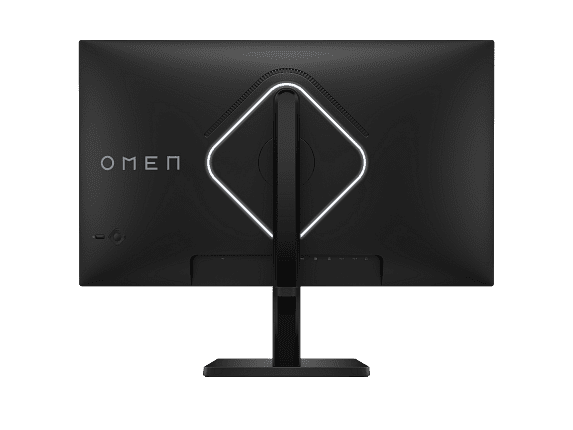
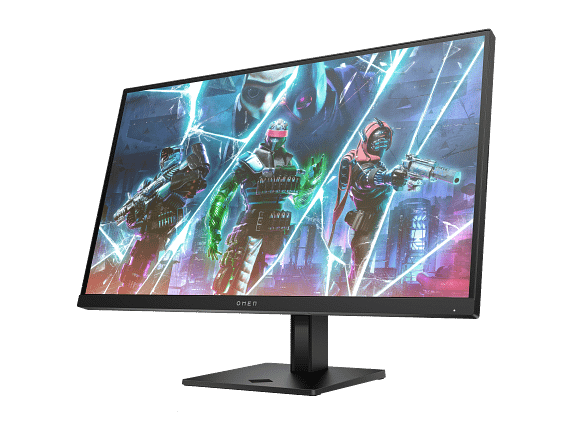
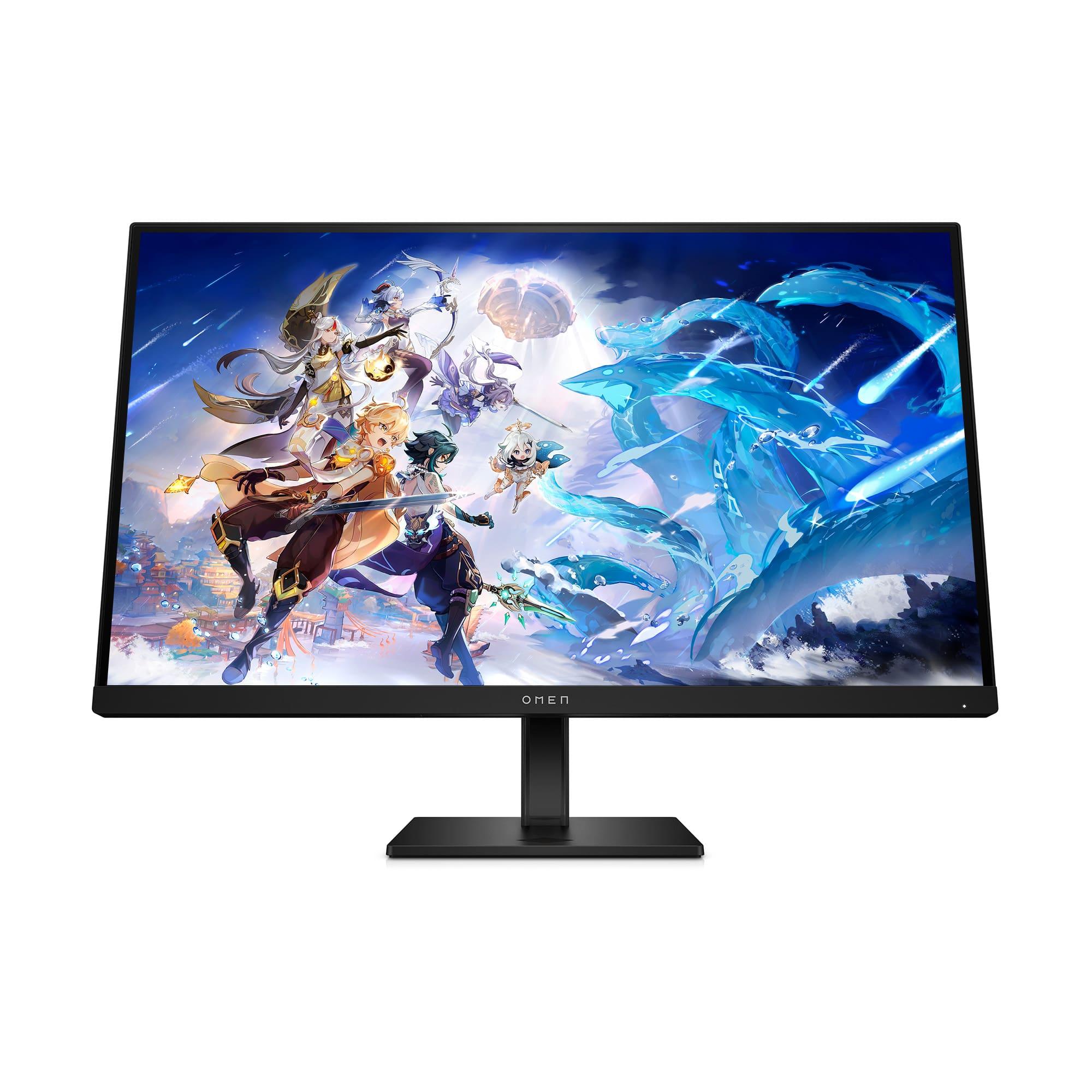

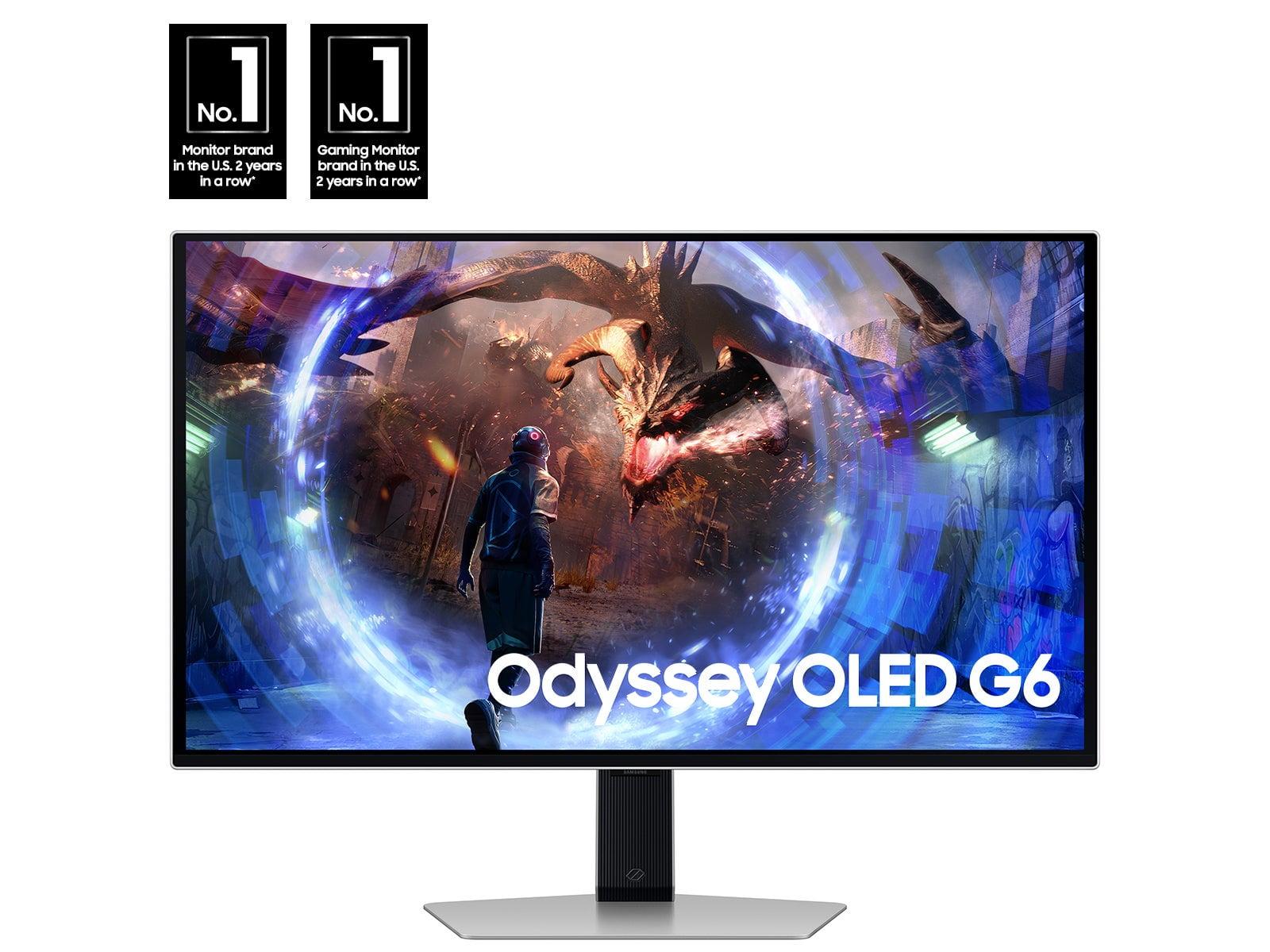

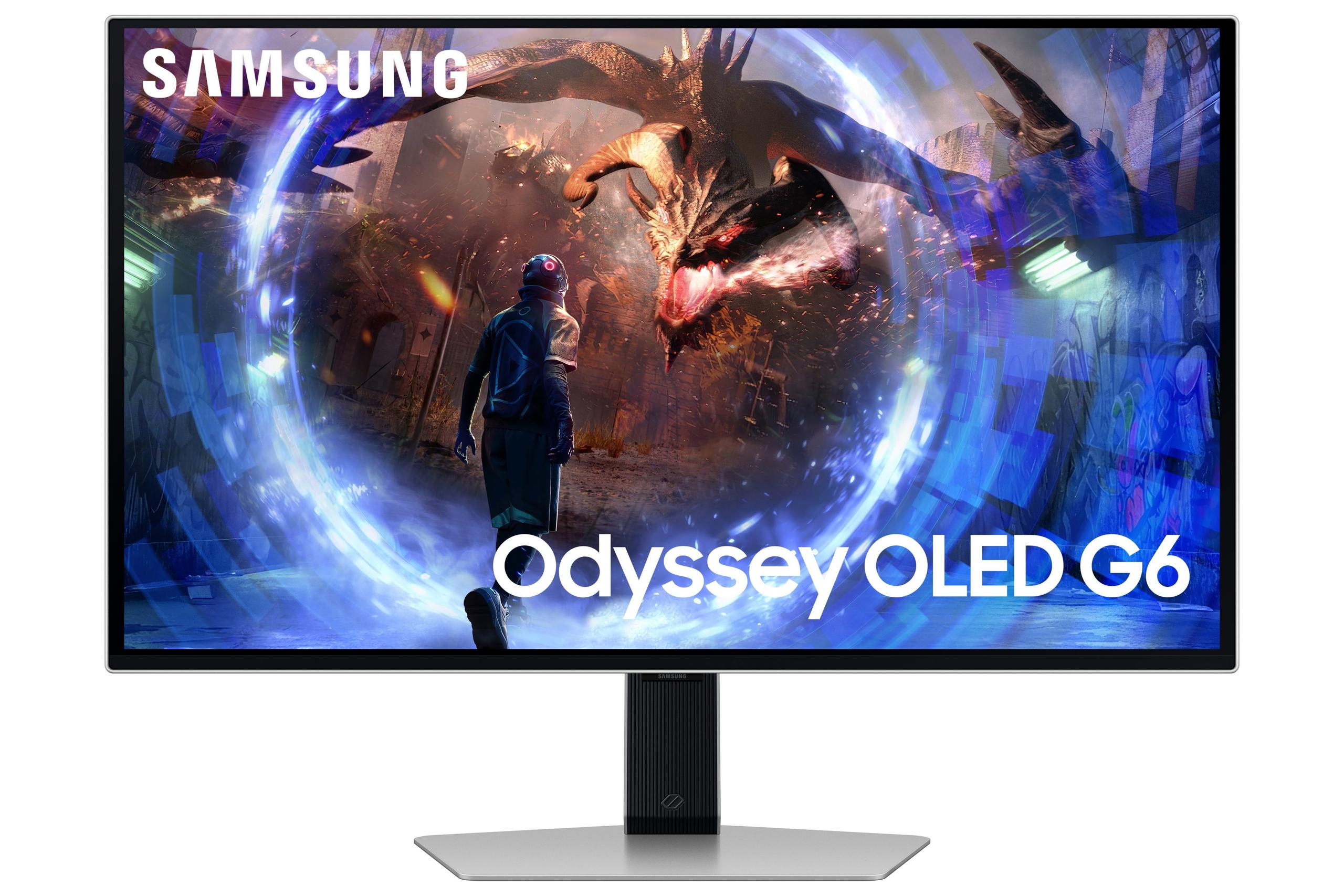
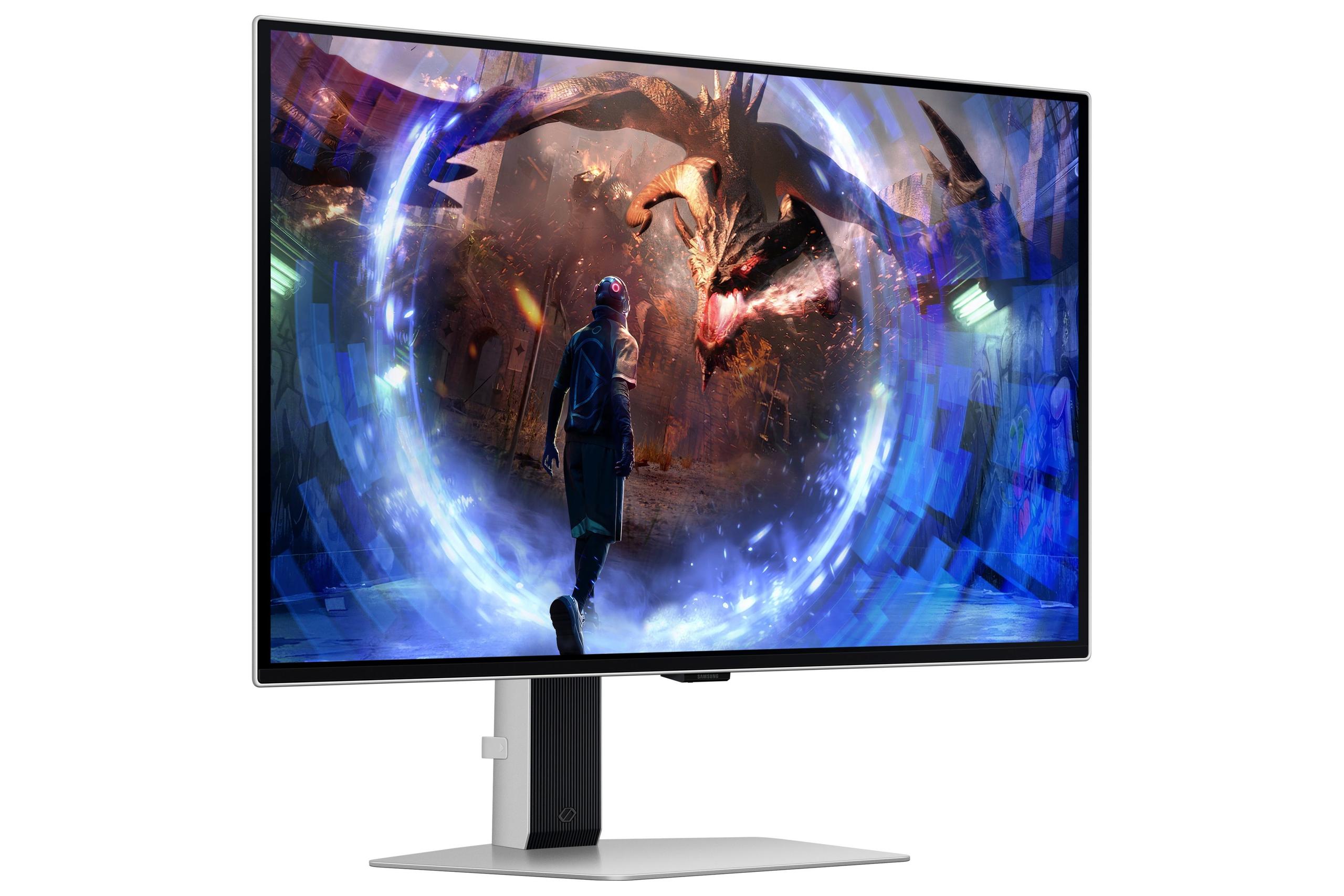
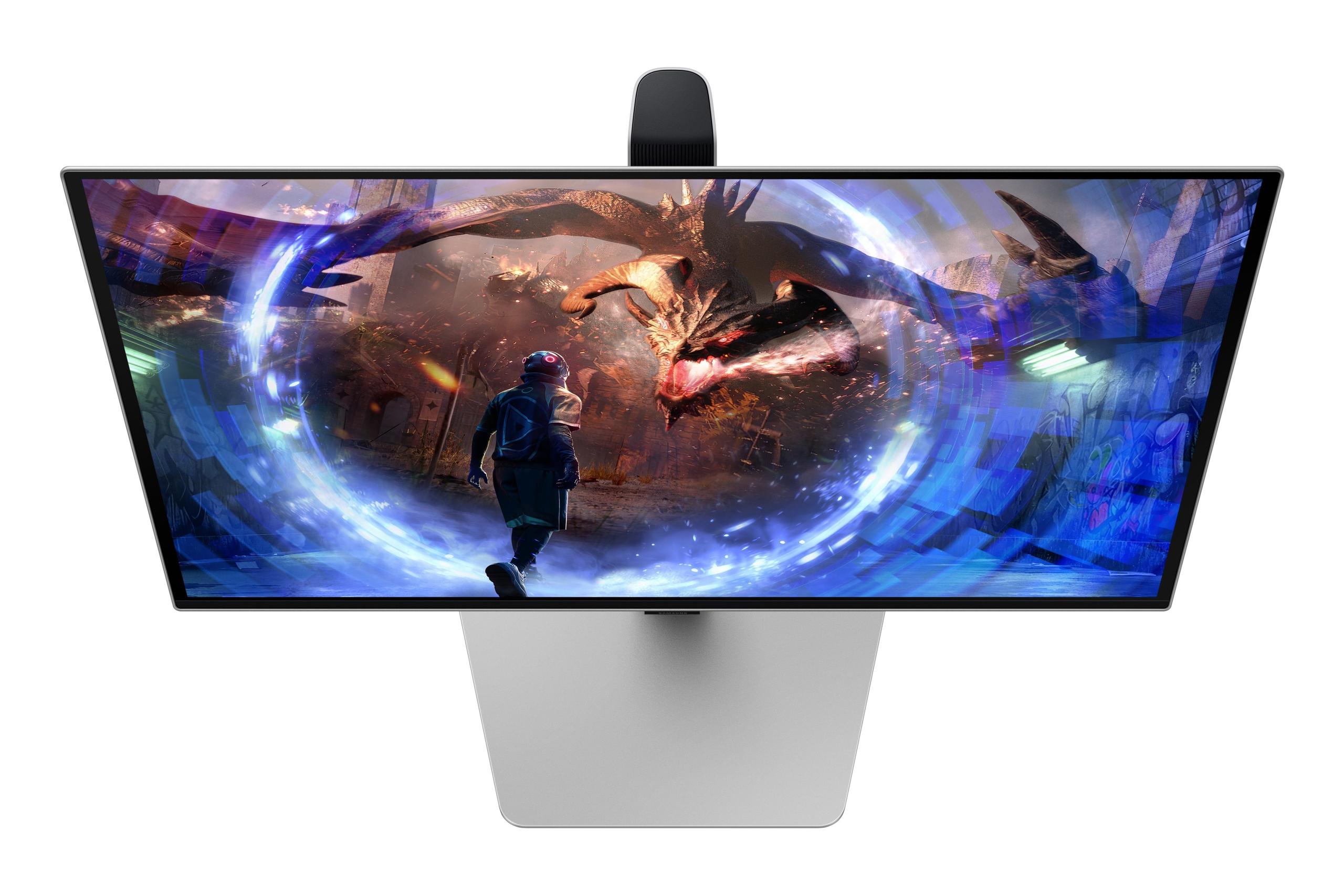
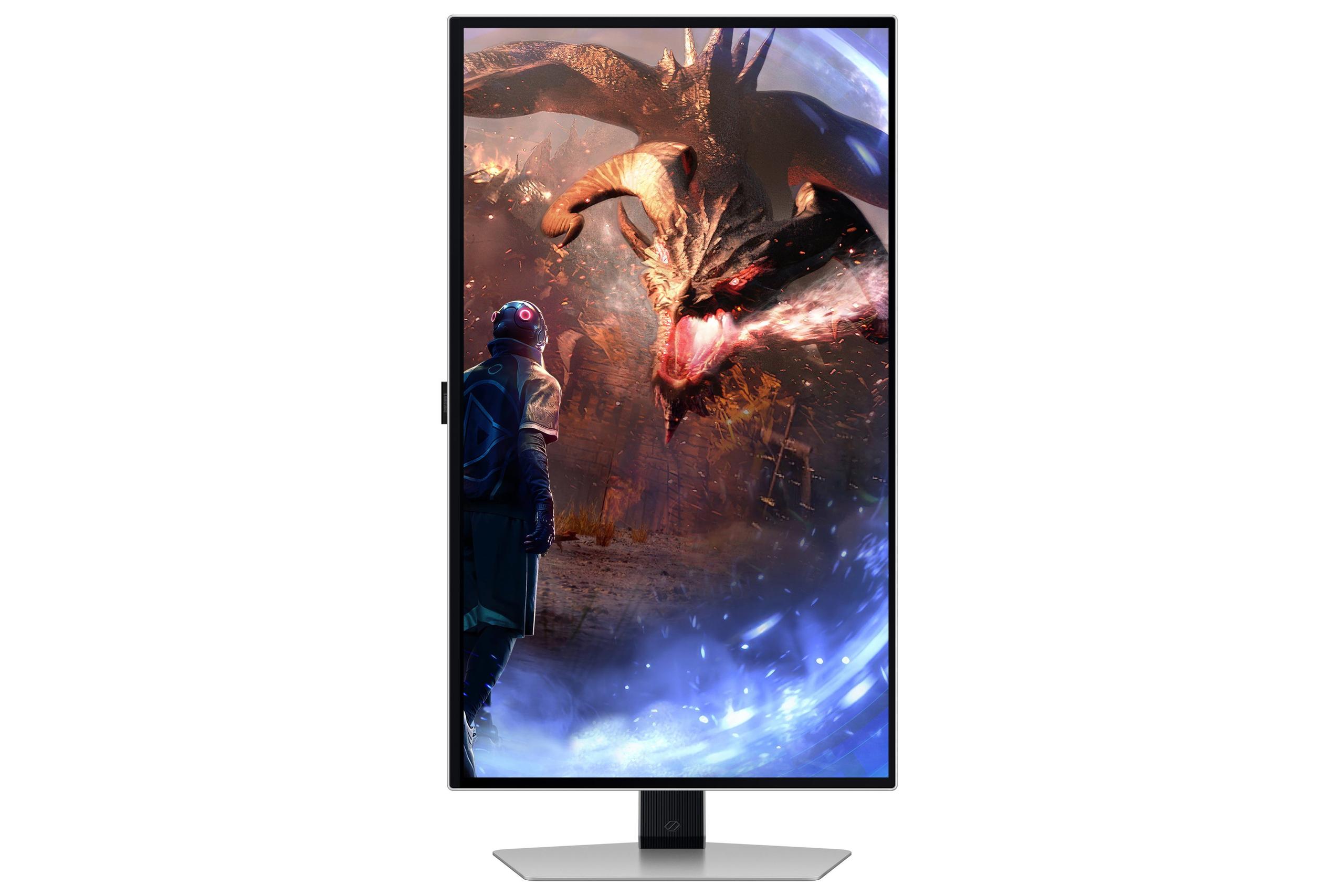

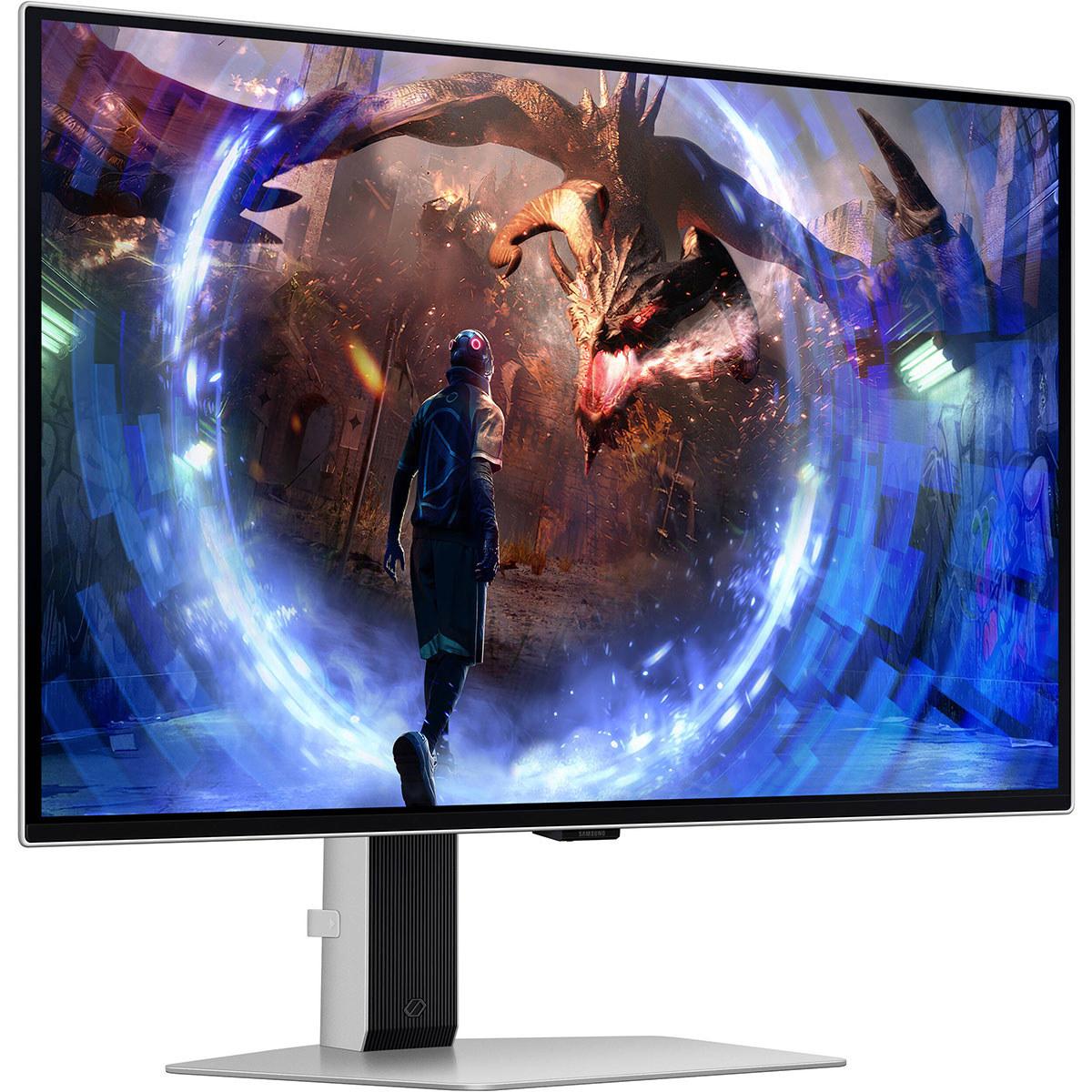
Choosing a high-refresh gaming monitor can feel overwhelming with all the technical jargon and competing specs. Today we're comparing two fundamentally different approaches to gaming displays: the HP OMEN 27s, a competitive esports champion, and the Samsung Odyssey OLED G6, a visual powerhouse that pushes display technology forward.
At the time of writing, these monitors represent a classic value versus premium decision. The HP OMEN 27s delivers exceptional competitive gaming performance at roughly half the cost of the Samsung OLED G6. But that price difference tells a deeper story about what each monitor prioritizes and who they're designed for.
Gaming monitors have evolved dramatically since 2020. What started as simple "gaming" displays have split into distinct categories: esports-focused speed demons that prioritize frame rates above all else, and premium displays that blend cutting-edge visual quality with competitive performance.
The most important considerations when choosing a gaming monitor are refresh rate (how many times per second the screen updates), response time (how quickly pixels change colors), resolution (image sharpness), and display technology (the underlying panel type). These factors directly impact your gaming experience, whether you're fragging opponents in Counter-Strike or exploring vast open worlds.
Response time matters more than most people realize. When you move your mouse or press a key, every millisecond counts in competitive gaming. Display technology affects everything from color vibrancy to how long your monitor will last. Resolution determines both visual clarity and how much your graphics card has to work.
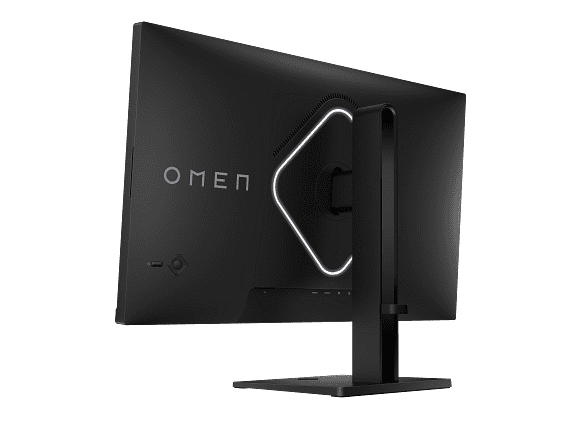
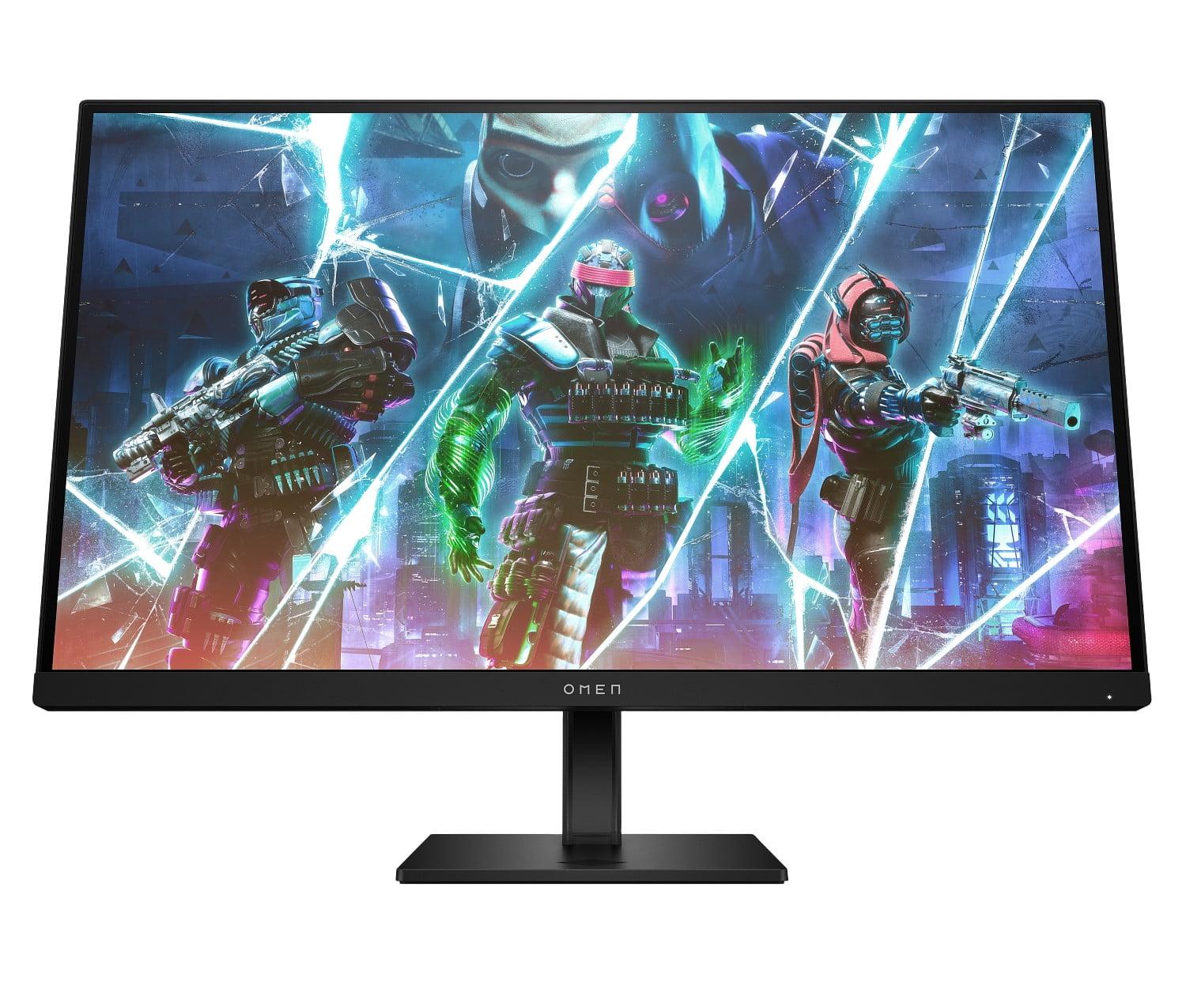
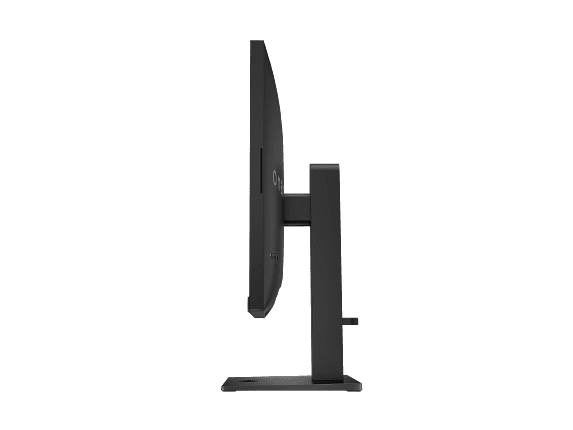
The HP OMEN 27s, released in 2023, represents the "frames over pixels" philosophy. It uses a 27-inch IPS (In-Plane Switching) panel—a mature LCD technology known for consistent colors and wide viewing angles—running at 1920×1080 resolution with a blazing 240Hz refresh rate. HP designed this monitor for gamers who want every competitive advantage without breaking the bank.
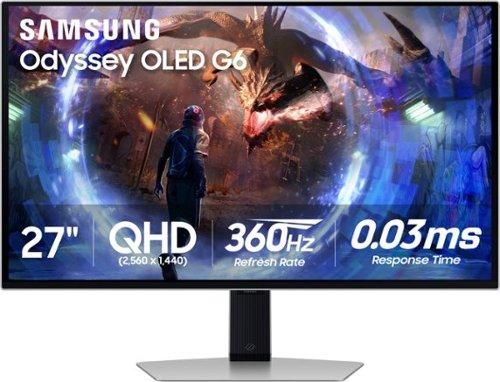
The Samsung Odyssey OLED G6, arriving in 2024, takes the opposite approach with "quality over quantity" thinking. It features cutting-edge QD-OLED (Quantum Dot Organic Light-Emitting Diode) technology, pushes resolution up to 2560×1440, and cranks the refresh rate to an eye-watering 360Hz. Samsung built this for enthusiasts who demand the absolute best visual experience modern technology can deliver.
These different approaches create dramatically different user experiences, and understanding why requires diving into the technical details.
The technology gap between these monitors is enormous. The HP OMEN 27s uses traditional IPS LCD technology with LED backlighting. Think of it like a flashlight shining through a stained glass window—the backlight provides brightness while liquid crystals act like shutters, blocking or allowing light through to create images. This creates good color reproduction and wide viewing angles, but the backlight is always on, preventing true black colors.
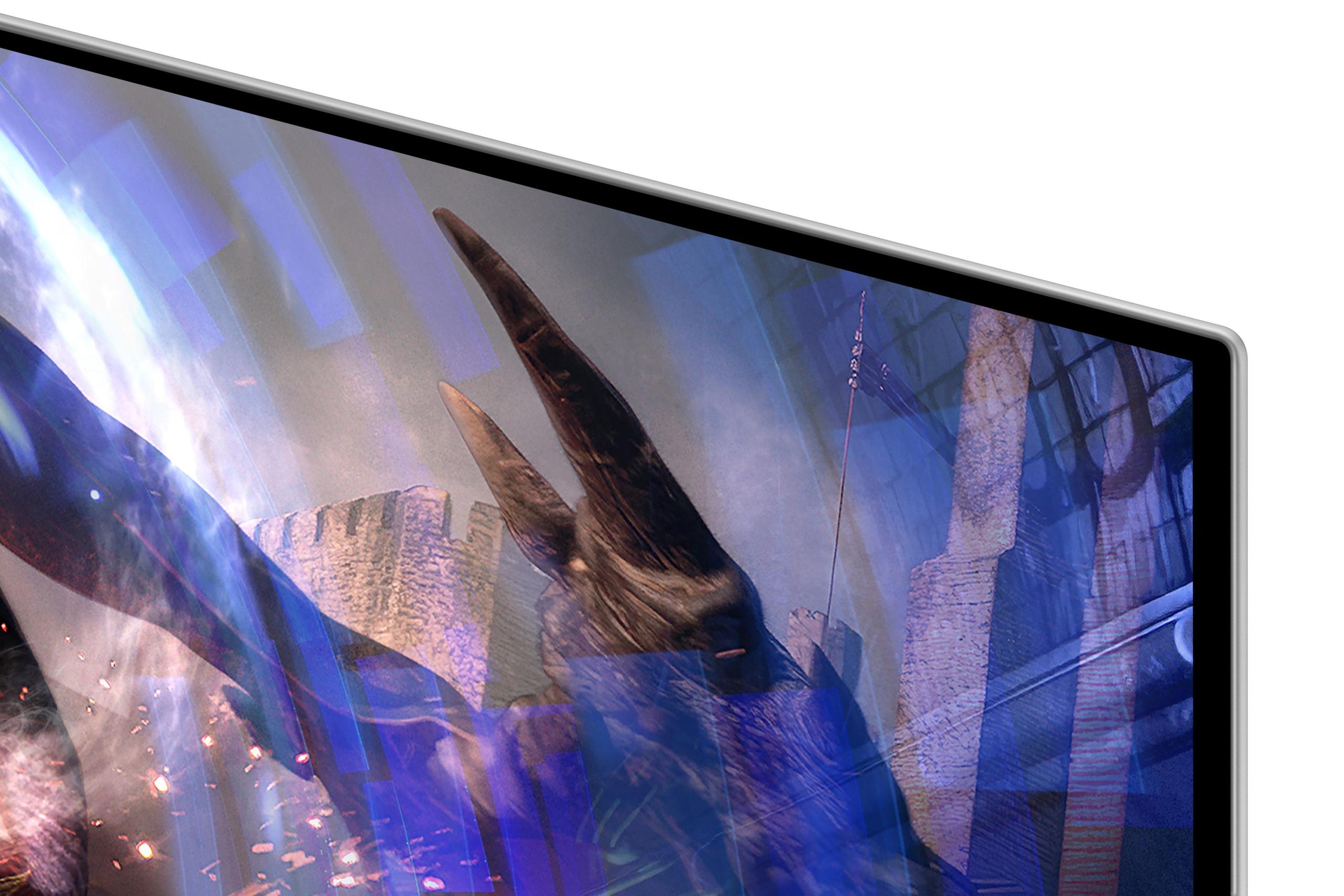
The Samsung OLED G6 uses revolutionary OLED technology where each pixel generates its own light. Imagine millions of tiny colored light bulbs that can turn completely on or off independently. When displaying black, those pixels simply turn off, creating perfect darkness and infinite contrast. This fundamental difference means the Samsung can display colors that pop off the screen with a depth the HP simply cannot match.
Samsung's QD-OLED implementation adds quantum dots—microscopic crystals that convert blue light into pure red and green wavelengths. This creates more vibrant, accurate colors than traditional OLED panels. The result is a contrast ratio of 1,000,000:1 compared to the HP's 1,000:1 ratio. In practical terms, watching a movie scene with stars in space reveals the difference immediately—the Samsung shows perfect black space with brilliant white stars, while the HP shows slightly gray space with less dramatic contrast.
However, OLED technology brings trade-offs. The Samsung peaks at around 250 nits of brightness (a measure of how bright the screen can get) compared to the HP's 400 nits. In bright rooms with lots of windows, the HP maintains better visibility. OLED panels can also suffer from burn-in—permanent image retention when static elements like taskbars or game HUDs display for extended periods. Samsung addresses this with their OLED Safeguard+ technology, including dynamic cooling systems and automatic brightness adjustments, but the risk remains.
The resolution difference significantly impacts both visual quality and performance requirements. The HP OMEN 27s runs 1920×1080 (FHD), delivering roughly 2.1 million pixels, while the Samsung OLED G6 pushes 2560×1440 (QHD) with about 3.7 million pixels—77% more information to display.
On a 27-inch screen, this translates to 81 pixels per inch for the HP versus 108 for the Samsung. Text appears noticeably sharper on the Samsung, especially important for productivity work between gaming sessions. Games look more detailed too—you'll spot enemies hiding in distant foliage more easily on the Samsung.
But here's the crucial trade-off: those extra pixels require significantly more graphics processing power. A mid-range GPU like an RTX 4060 can easily push 240+ frames per second in competitive games at 1080p on the HP OMEN 27s. The same GPU struggles to maintain even 144fps at 1440p on the Samsung OLED G6. To fully utilize the Samsung's 360Hz capability, you need a high-end graphics card like an RTX 4070 or better.
This creates a hidden cost consideration. If you currently own a mid-range GPU, the Samsung might force an expensive graphics card upgrade to realize its potential.
Both monitors offer exceptional refresh rates, but the Samsung OLED G6 pushes further with 360Hz compared to the HP OMEN 27s's 240Hz. Refresh rate determines how many times per second your monitor can display a new image. Higher refresh rates create smoother motion and can provide competitive advantages in fast-paced games.
The difference between 240Hz and 360Hz is less dramatic than jumping from 60Hz to 144Hz, but it's still noticeable. Professional esports players often swear by every hertz they can get, claiming it improves their reaction times and target tracking. For most gamers, 240Hz feels incredibly smooth already, making the Samsung's 360Hz more of a future-proofing feature than an immediate necessity.
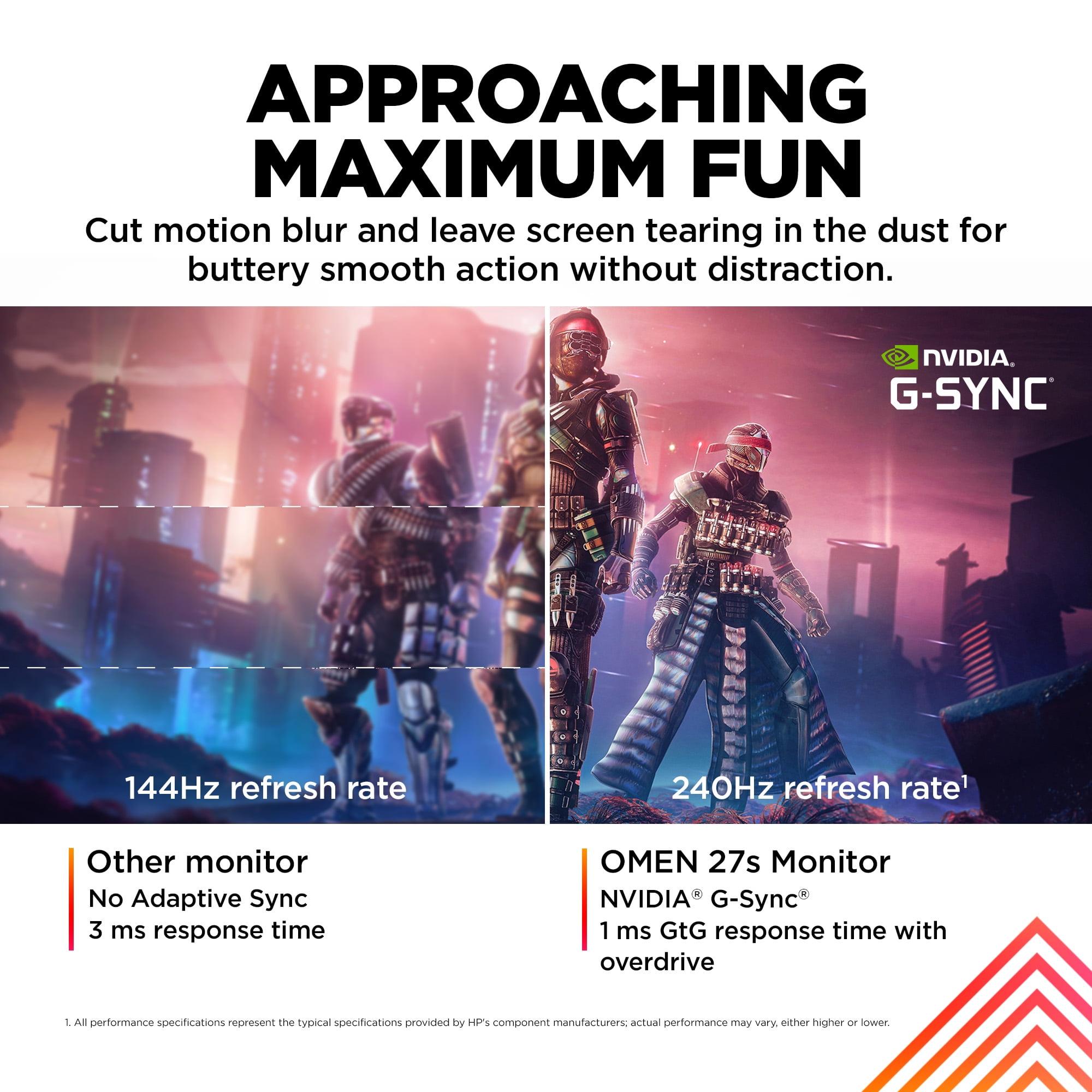
Response time tells a more compelling story. The HP OMEN 27s achieves 1ms gray-to-gray (GtG) response time with overdrive technology—essentially pushing extra voltage to pixels to make them change faster. This virtually eliminates motion blur in fast-paced scenes.
The Samsung OLED G6 delivers an astounding 0.03ms response time naturally, without needing overdrive tricks. OLED pixels can change states almost instantaneously because they don't rely on liquid crystal rotation like LCD panels. This creates the cleanest motion clarity available in current display technology, making fast-moving objects appear sharp and clear even during rapid camera movements.
Our research into user reviews consistently highlights this difference. Players switching from LCD to OLED monitors frequently comment on how much cleaner motion appears, especially in competitive shooters where tracking moving targets is crucial.
The performance differences translate to real gaming scenarios in interesting ways. In competitive esports titles like Counter-Strike, Valorant, or Rocket League, the HP OMEN 27s excels because these games prioritize frame rates over visual fidelity. Most pro players actually prefer 1080p for its performance benefits, and the HP's 240Hz refresh rate provides plenty of smoothness for competitive advantage.
The Samsung OLED G6 shines in visually demanding games like Cyberpunk 2077, Red Dead Redemption 2, or Horizon Forbidden West. The higher resolution reveals more detail in game environments, while OLED's superior contrast makes HDR content truly spectacular. Dark scenes that appear muddy on LCD monitors reveal hidden details on the Samsung, providing actual gameplay advantages in atmospheric games.
Both monitors support variable refresh rate technologies—NVIDIA G-SYNC Compatible and AMD FreeSync—which synchronize the monitor's refresh rate with your graphics card's output to eliminate screen tearing (horizontal lines that appear when frame rates don't match refresh rates). This works excellently on both displays, though the Samsung's wider refresh rate range provides more flexibility.
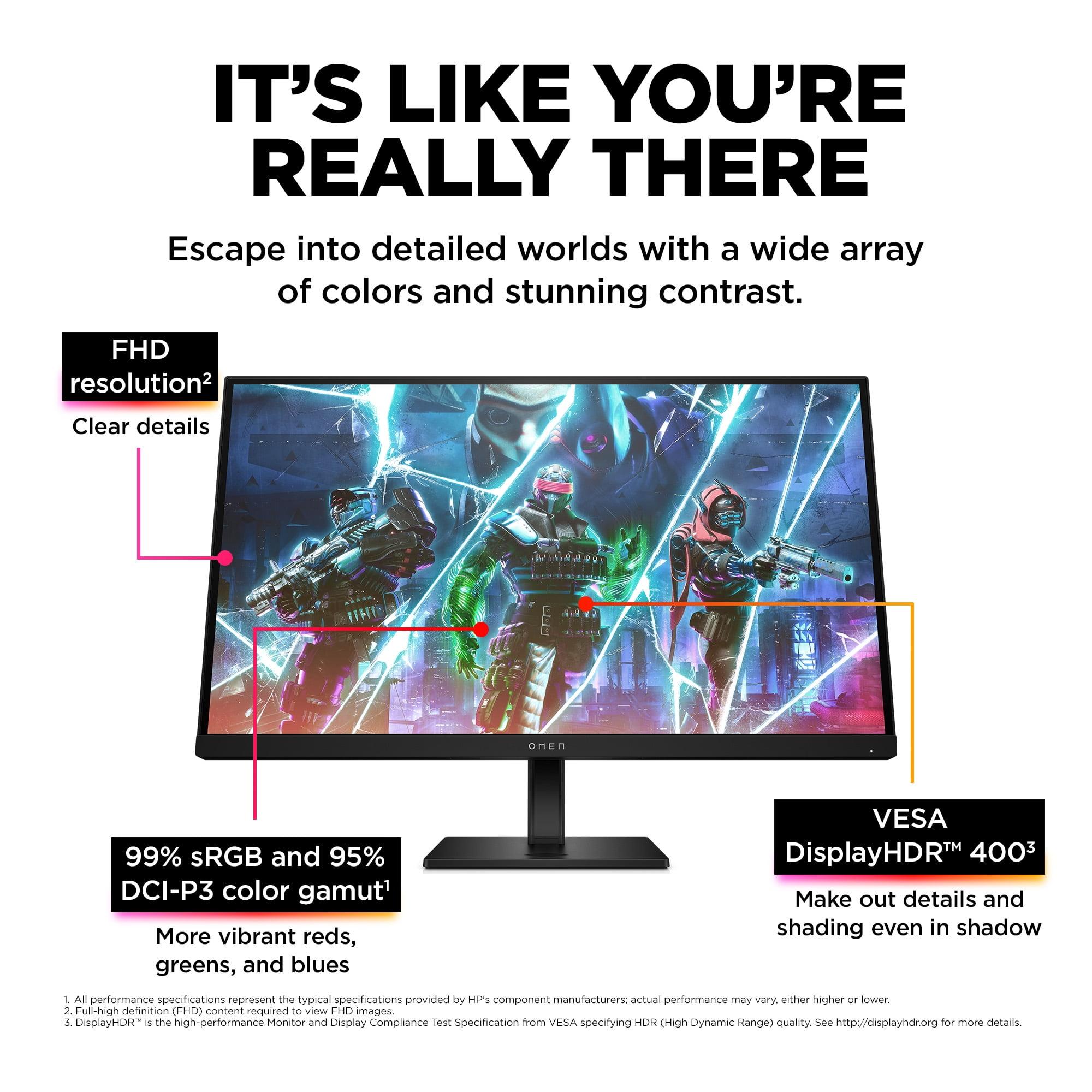
Color accuracy separates these monitors significantly. The HP OMEN 27s covers 99% of the sRGB color space and 95% of DCI-P3, which represents very good color reproduction for a gaming-focused display. Colors appear vibrant and consistent, with HP's factory calibration ensuring decent accuracy out of the box.
The Samsung OLED G6 naturally delivers superior color performance due to OLED's pixel-level control. Each subpixel can produce its exact intended color without interference from nearby pixels, creating more accurate and vibrant colors. The Samsung also supports a wider color gamut, displaying colors that simply don't exist on traditional LCD panels.
For content creators who edit photos or videos between gaming sessions, the Samsung provides professional-grade color accuracy that rivals dedicated editing monitors. The HP remains excellent for gaming but lacks the color precision for serious creative work.
Both monitors offer solid connectivity, but with different approaches. The HP OMEN 27s includes a useful USB hub with two USB-A 3.2 ports, letting you connect peripherals directly to your monitor. This simplifies desktop setups and makes switching between PC and console gaming easier. The integrated speakers, while not audiophile-quality, provide convenient audio for casual use.
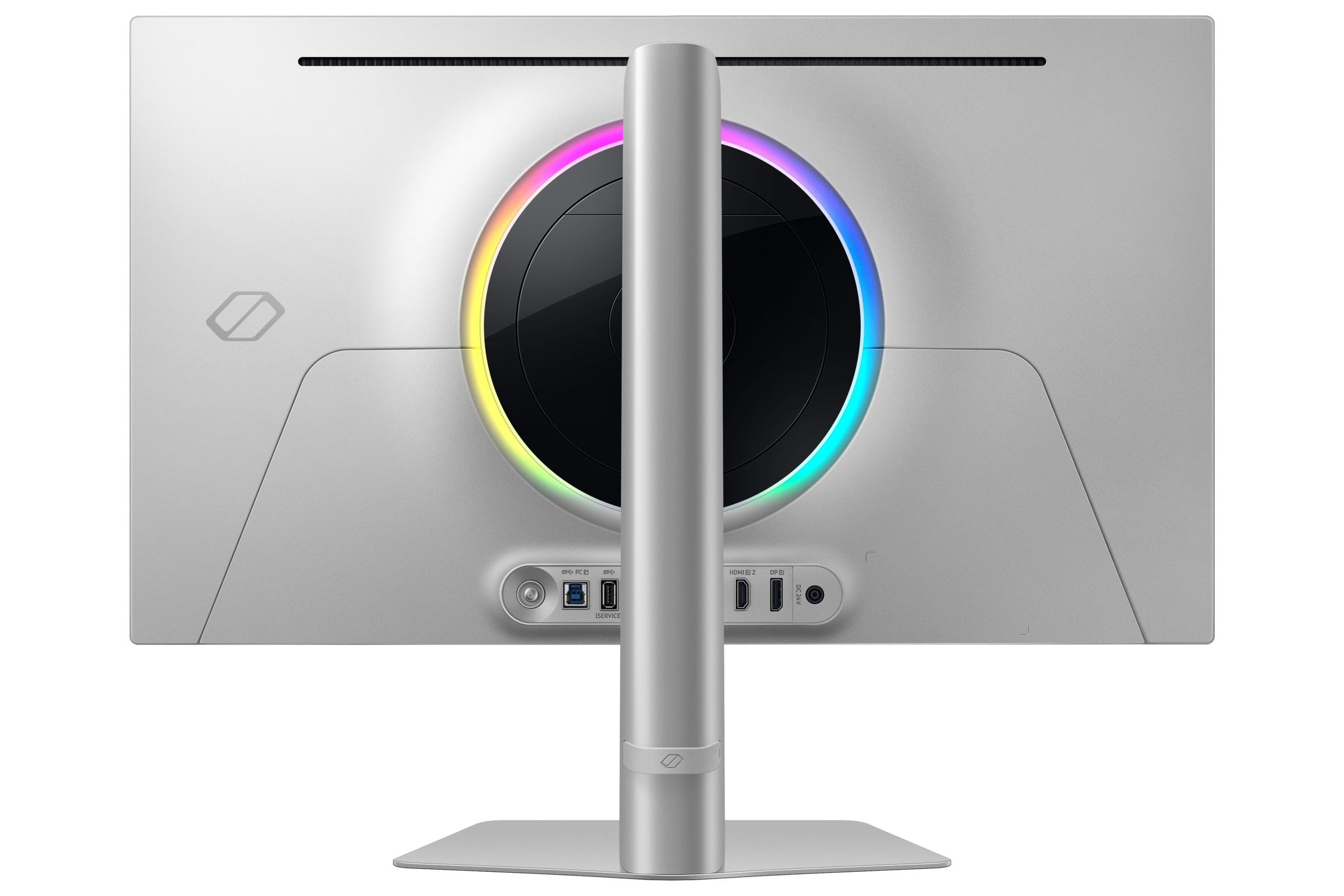
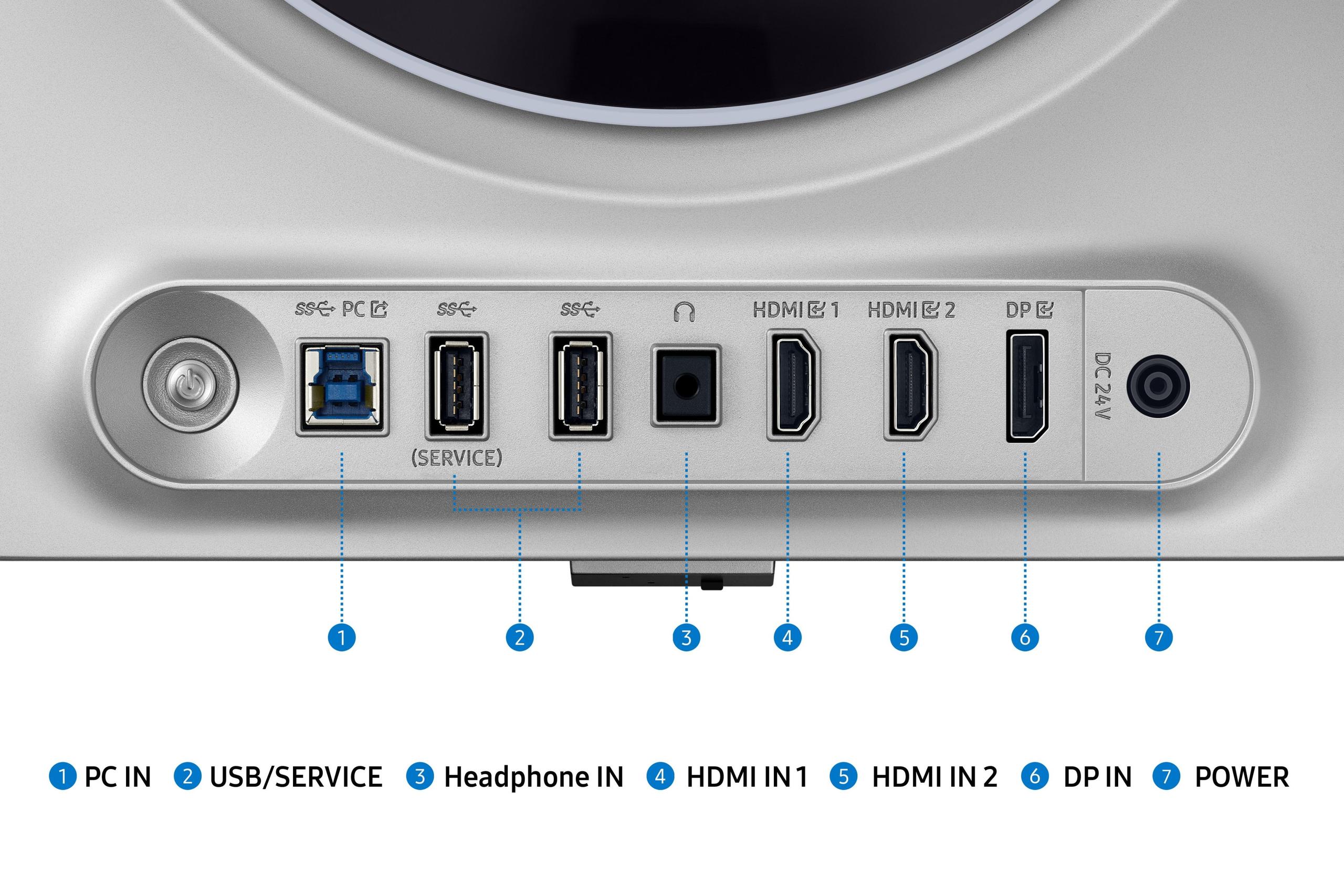
The Samsung OLED G6 focuses on premium features like HDMI 2.1 support for next-generation consoles and customizable RGB lighting. The build quality feels more premium with its metal construction and refined aesthetics, though it lacks the HP's practical USB hub.
Both monitors offer extensive customization through their respective software. HP's OMEN Gaming Hub provides crosshair overlays and game-specific settings, while Samsung's software focuses on color calibration and OLED protection features.
While primarily gaming monitors, both can serve double duty for movie watching, with very different results. The Samsung OLED G6 excels as a home theater display thanks to its perfect blacks, excellent HDR support, and wide color gamut. Watching movies feels cinematic, with inky black space scenes and vibrant colors that rival dedicated home theater projectors.
The HP OMEN 27s provides a good movie experience but cannot match OLED's contrast performance. Bright scenes look excellent thanks to its higher peak brightness, but dark scenes appear somewhat gray compared to true OLED blacks. For users who frequently stream content or watch movies at their desk, the Samsung justifies its premium more easily.
Longevity considerations favor different monitors depending on usage patterns. The HP OMEN 27s uses proven IPS technology that should last many years without degradation. LCD panels typically maintain their performance for 50,000+ hours of use, and there's no risk of burn-in from static content.
The Samsung OLED G6 introduces some uncertainty. OLED panels can suffer from burn-in if static images display for extended periods, though Samsung's protection systems significantly reduce this risk. More concerning is potential color shifting over time as organic compounds degrade at different rates. However, Samsung backs the display with a three-year warranty, suggesting confidence in their technology.
Our evaluation of long-term user reports shows modern OLED monitors lasting 5-7 years with normal use, while LCD panels often exceed 10 years. For users who keep monitors for many years, this becomes an important consideration.
The HP OMEN 27s makes perfect sense for competitive gamers who prioritize performance over visual spectacle. If you primarily play esports titles, have a mid-range graphics card, or game in bright environments, the HP delivers exceptional value. It's also ideal for users who want reliable, proven technology without worrying about burn-in or degradation.
The Samsung OLED G6 targets enthusiasts willing to invest in cutting-edge technology. If you own a high-end graphics card, play visually demanding single-player games, or create content requiring color accuracy, the Samsung justifies its premium pricing. It's particularly compelling for users who game in controlled lighting environments and want the absolute best visual quality available.
Consider your entire setup when deciding. A mid-range system pairs beautifully with the HP, while the Samsung demands high-end components to reach its potential. Factor in potential GPU upgrade costs when calculating total investment.
Both monitors excel at their intended purposes, making this decision about matching your needs rather than finding an objective "winner." The HP OMEN 27s represents outstanding value for competitive gaming, delivering professional-grade performance at an accessible price point. The Samsung OLED G6 showcases the future of display technology, providing visual quality that fundamentally changes how games and media appear.
At the time of writing, the price difference reflects their market positioning—the HP targets gamers seeking maximum performance per dollar, while the Samsung courts enthusiasts wanting the latest technology regardless of cost. Both succeed admirably at their goals, leaving buyers to choose based on priorities, budget, and tolerance for bleeding-edge technology's inevitable trade-offs.
For most gamers, the HP OMEN 27s provides everything needed for an exceptional gaming experience. For those seeking the absolute pinnacle of visual quality and willing to invest accordingly, the Samsung OLED G6 delivers an experience that truly must be seen to be appreciated.
| HP OMEN 27s FHD 240Hz Gaming Monitor | Samsung 27" Odyssey OLED G6 QHD 360Hz Gaming Monitor |
|---|---|
| Display Technology - Determines contrast, color quality, and longevity | |
| IPS LCD with LED backlight (proven reliability, no burn-in risk) | QD-OLED (superior contrast and colors, potential burn-in concerns) |
| Resolution - Affects image sharpness and GPU requirements | |
| 1920 x 1080 FHD (easier to drive high frame rates) | 2560 x 1440 QHD (77% sharper, requires powerful GPU) |
| Refresh Rate - Higher rates provide smoother motion and competitive edge | |
| 240Hz (excellent for esports, well-matched to 1080p gaming) | 360Hz (cutting-edge smoothness, overkill for most users) |
| Response Time - Lower is better for eliminating motion blur | |
| 1ms GtG with overdrive (very fast, minimal ghosting) | 0.03ms naturally (virtually instantaneous, best-in-class) |
| Contrast Ratio - Determines depth of blacks and color vibrancy | |
| 1,000:1 typical IPS contrast (decent blacks, some backlight glow) | 1,000,000:1 OLED contrast (perfect blacks, infinite contrast) |
| Peak Brightness - Higher brightness better for bright rooms | |
| 400 nits (good for most lighting conditions) | 250 nits SDR (may struggle in very bright rooms) |
| Color Gamut - Wider coverage means more vibrant, accurate colors | |
| 99% sRGB, 95% DCI-P3 (very good for gaming) | Superior natural OLED color accuracy (excellent for content creation) |
| HDR Support - Enhanced dynamic range for compatible content | |
| VESA DisplayHDR 400 (entry-level HDR experience) | HDR10+ Gaming (exceptional HDR with perfect blacks) |
| Connectivity - Ports and features for versatility | |
| 2x HDMI 2.0, 1x DP 1.4, USB hub, built-in speakers | 2x HDMI 2.1, 1x DP 1.4, premium build, RGB lighting |
| GPU Requirements - Graphics card power needed for optimal performance | |
| Mid-range GPU (RTX 4060, RX 7600) for 240+ fps | High-end GPU (RTX 4070+, RX 7800 XT+) for full 360Hz |
| Ideal Use Cases - Best scenarios for each monitor | |
| Competitive esports, budget builds, bright rooms | Premium gaming, content creation, dark room setups |
| Warranty - Manufacturer confidence and protection | |
| 1 year standard warranty | 3 years (reflects OLED technology confidence) |
The HP OMEN 27s is generally better for competitive esports gaming. Its 1080p resolution is easier for mid-range graphics cards to drive at high frame rates, and most professional esports players prefer 1080p for maximum performance. While the Samsung OLED G6 offers faster 360Hz refresh rates, the performance difference between 240Hz and 360Hz is minimal compared to the GPU requirements needed to actually achieve those frame rates at 1440p resolution.
The primary difference is display technology and resolution. The HP OMEN 27s uses traditional IPS LCD technology at 1080p resolution, prioritizing high frame rates and affordability. The Samsung OLED G6 uses cutting-edge OLED technology at 1440p resolution, delivering superior image quality with perfect blacks and vibrant colors but at a significantly higher cost.
The Samsung OLED G6 has dramatically better picture quality. OLED technology provides perfect blacks, infinite contrast ratio, and more vibrant colors compared to the HP OMEN 27s's IPS panel. The Samsung also has higher 1440p resolution for sharper images. However, the HP is brighter in peak brightness, which can be better in very bright rooms.
For the HP OMEN 27s, a mid-range graphics card like RTX 4060 or RX 7600 can easily achieve 240+ fps in competitive games at 1080p. The Samsung OLED G6 requires a high-end graphics card like RTX 4070 or RX 7800 XT or better to take full advantage of its 360Hz refresh rate at 1440p resolution.
The HP OMEN 27s uses proven IPS LCD technology with no burn-in risk and typically lasts 10+ years. The Samsung OLED G6 has potential OLED burn-in concerns with static content, though Samsung includes protection features. OLED panels typically last 5-7 years with normal use, but Samsung backs it with a 3-year warranty versus HP's 1-year warranty.
The Samsung OLED G6 is significantly better for movies and streaming content. OLED's perfect blacks create a cinematic experience, especially for dark scenes, and it has excellent HDR support. The higher 1440p resolution also provides sharper detail. The HP OMEN 27s is decent for media but cannot match OLED's contrast performance for movie watching.
The Samsung OLED G6 has a much faster 0.03ms response time compared to the HP OMEN 27s's 1ms response time. This means virtually zero motion blur on the Samsung versus minimal motion blur on the HP. For most gamers, both feel incredibly responsive, but competitive players may notice the difference in fast-paced games.
The HP OMEN 27s offers better value for most gamers. It delivers excellent competitive gaming performance at roughly half the cost of the Samsung OLED G6. The Samsung provides premium features and superior image quality, but the price difference may not be justified unless you specifically need OLED's advantages or create content professionally.
Both monitors work with PlayStation 5 and Xbox Series X/S, but with different benefits. The HP OMEN 27s pairs well with consoles for high frame rate gaming at 1080p. The Samsung OLED G6 supports HDMI 2.1 and provides better visual quality for single-player console games, though consoles can't utilize the full 360Hz refresh rate.
The Samsung OLED G6 has noticeably sharper text due to its higher 1440p resolution (108 PPI vs 81 PPI). If you do productivity work alongside gaming, the Samsung is better for reading text, web browsing, and general desktop use. The HP OMEN 27s has decent text clarity but may appear less sharp on a 27-inch screen at 1080p resolution.
The HP OMEN 27s performs better in bright rooms with its 400 nits peak brightness compared to the Samsung OLED G6's 250 nits. However, the Samsung includes anti-glare coating that reduces reflections. If you game near windows or in well-lit spaces, the HP maintains better visibility, while the Samsung works best in controlled lighting environments.
Yes, both the HP OMEN 27s and Samsung OLED G6 support NVIDIA G-SYNC Compatible and AMD FreeSync technologies. This eliminates screen tearing and provides smooth gameplay regardless of whether you use NVIDIA or AMD graphics cards. Both implementations work excellently, with the Samsung offering a wider variable refresh rate range due to its higher maximum refresh rate.
We've done our best to create useful and informative comparisons to help you decide what product to buy. Our research uses advanced automated methods to create this comparison and perfection is not possible - please contact us for corrections or questions. These are the sites we've researched in the creation of this article: bestbuy.com - hp.com - shi.com - hp.com - bestbuy.com - hp.com - tomshardware.com - hp.com - rtings.com - hp.com - displayspecifications.com - support.hp.com - publicsector.shidirect.com - objects.icecat.biz - files.bbystatic.com - hp.com - displayspecifications.com - bestbuy.com - gamesradar.com - gamesradar.com - versus.com - youtube.com - versus.com - player2.net.au - youtube.com - rtings.com - youtube.com - samsung.com - files.bbystatic.com - techpowerup.com - samsung.com - bestbuy.com - samsung.com - bhphotovideo.com - bestbuy.com - youtube.com - de.shi.com - pangoly.com

Privacy Policy
Terms and Conditions - Affiliate Policy
Home Security
© Copyright 2008-2026.
11816 Inwood Rd #1211, Dallas, TX 75244