

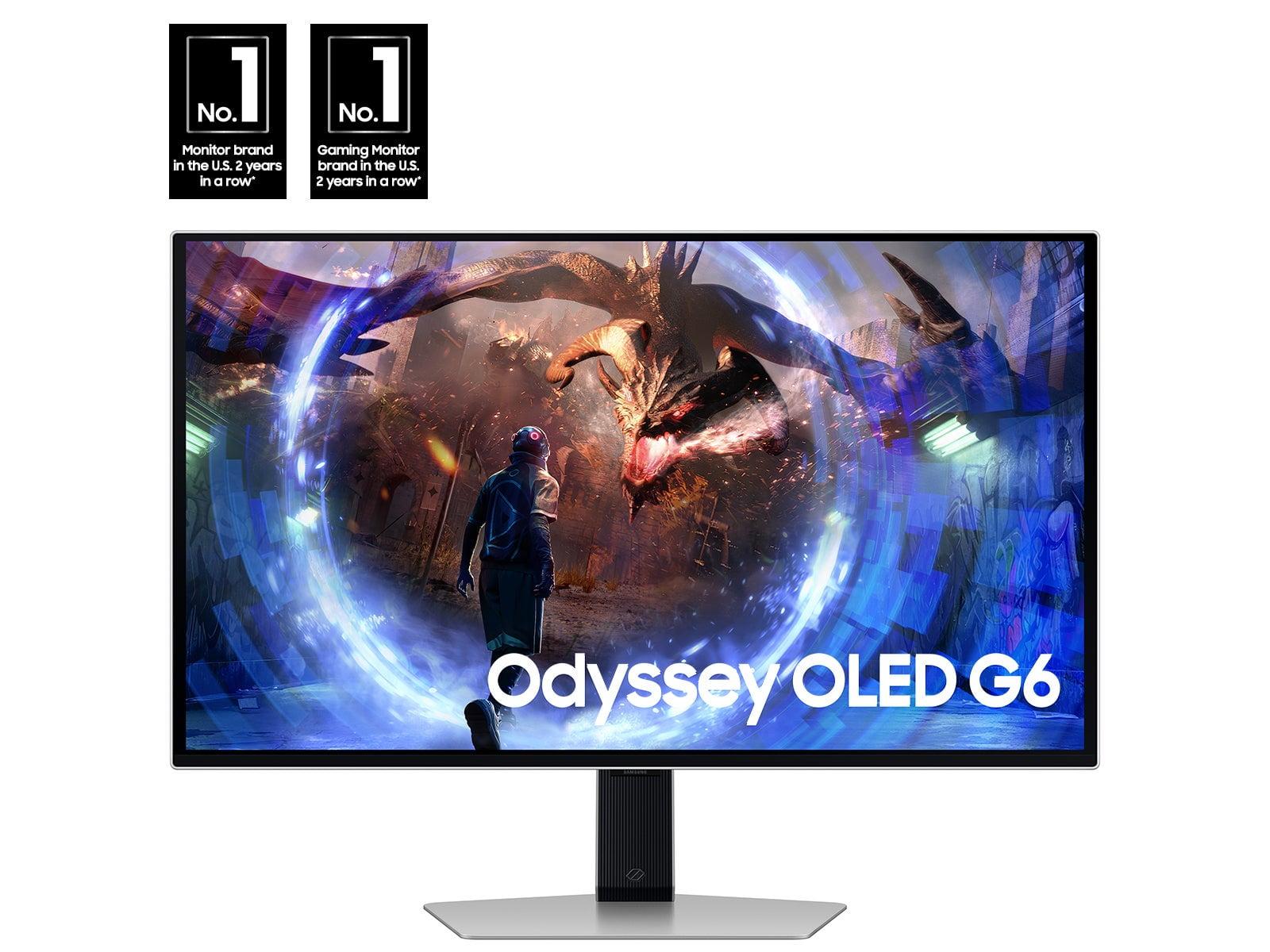

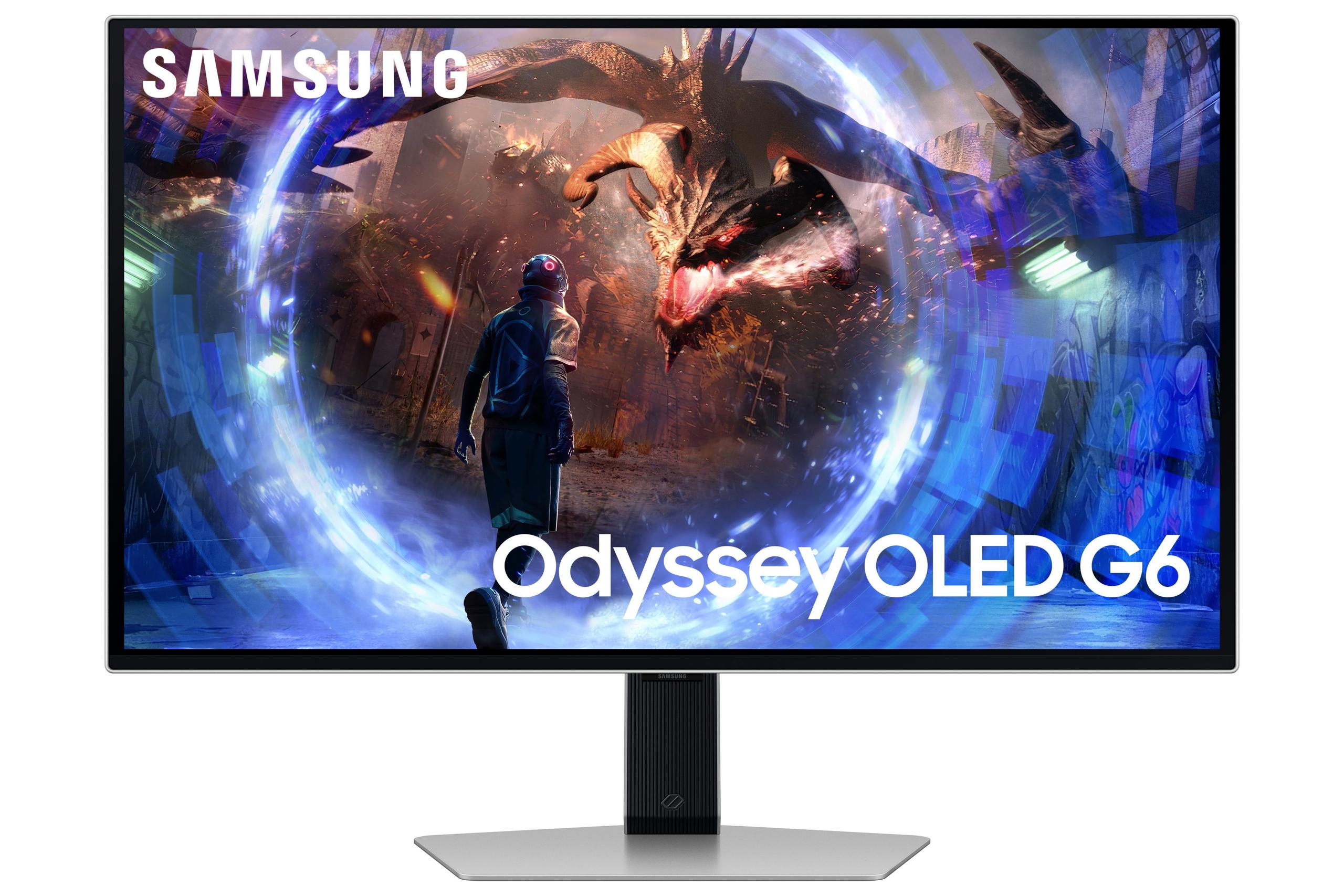
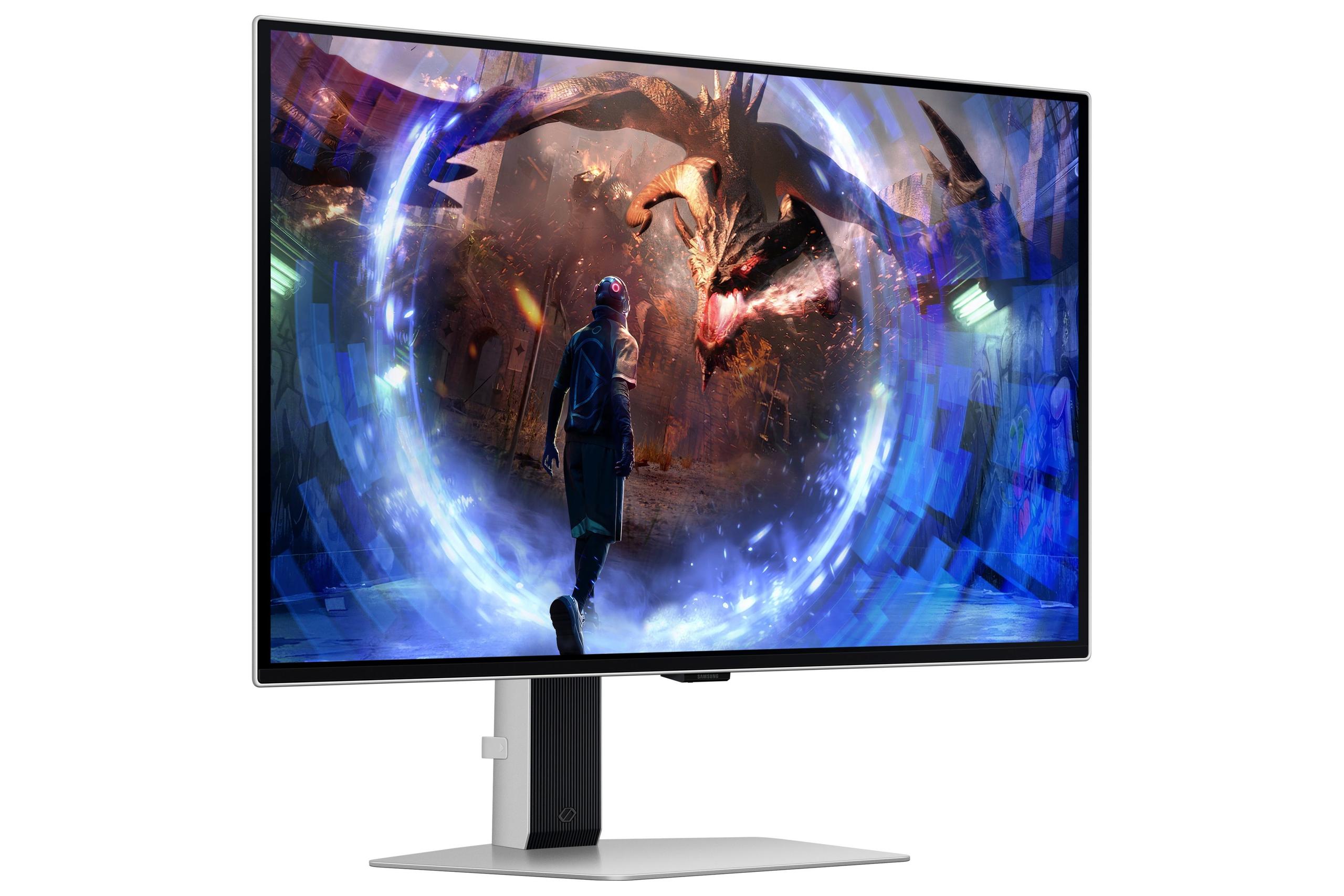
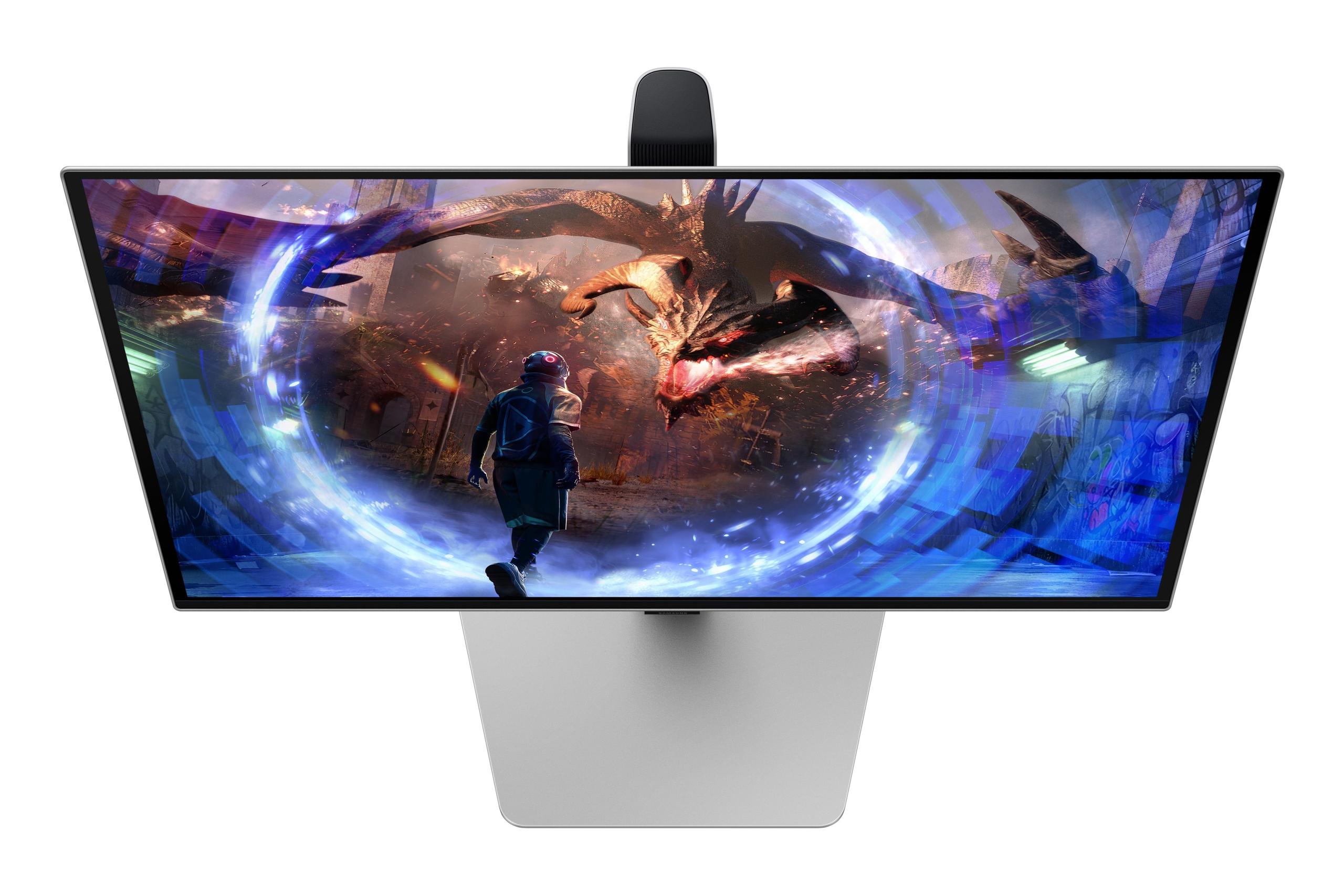
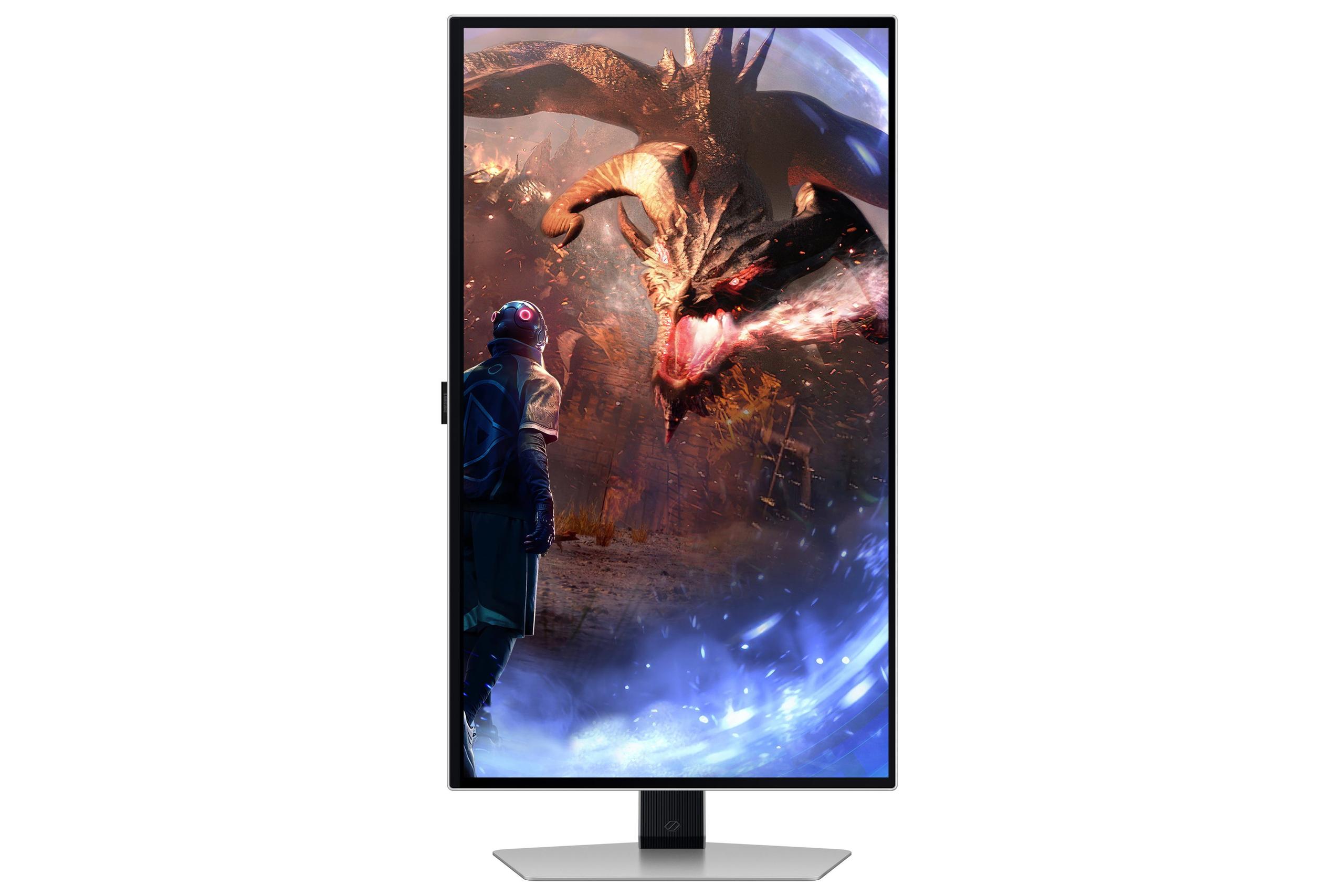

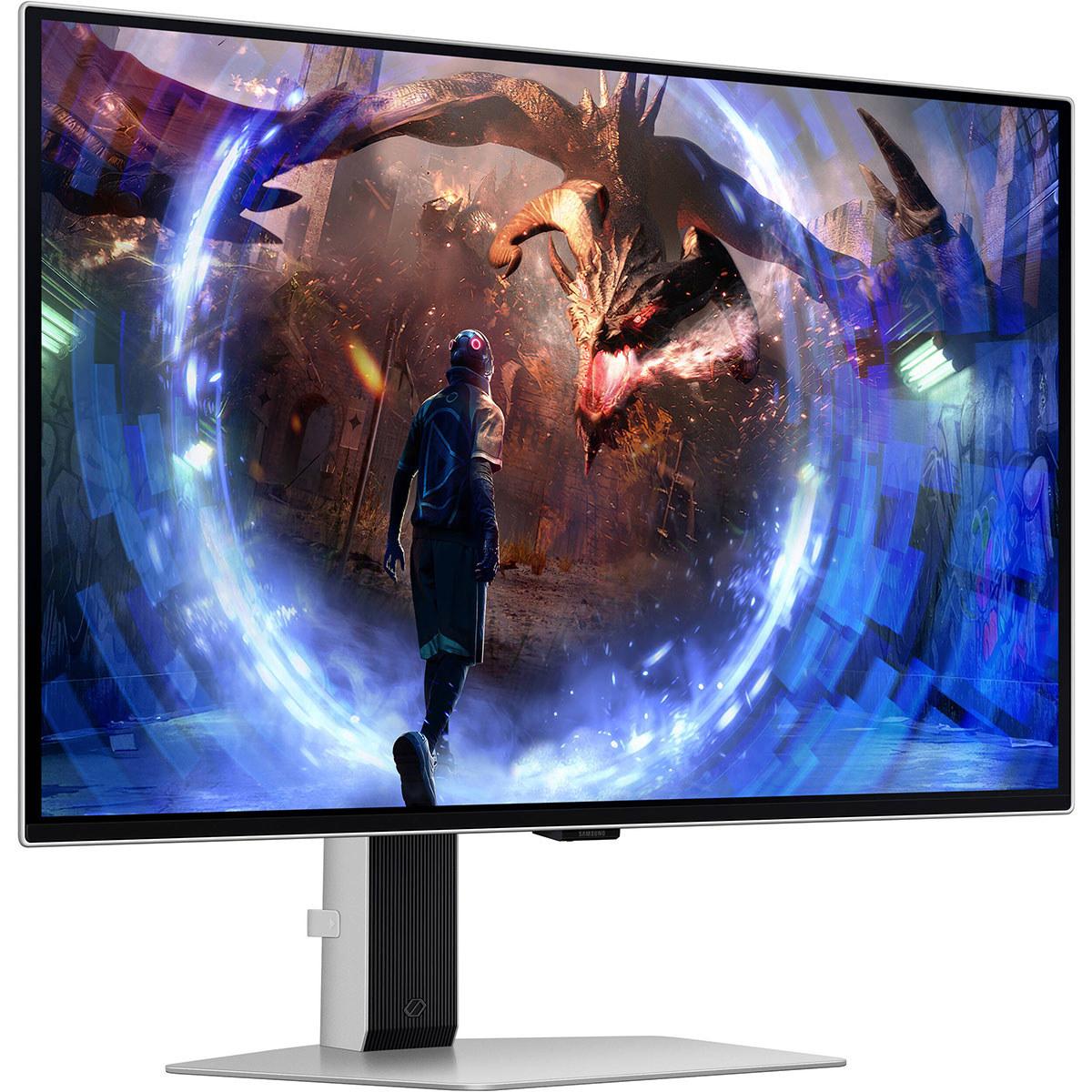
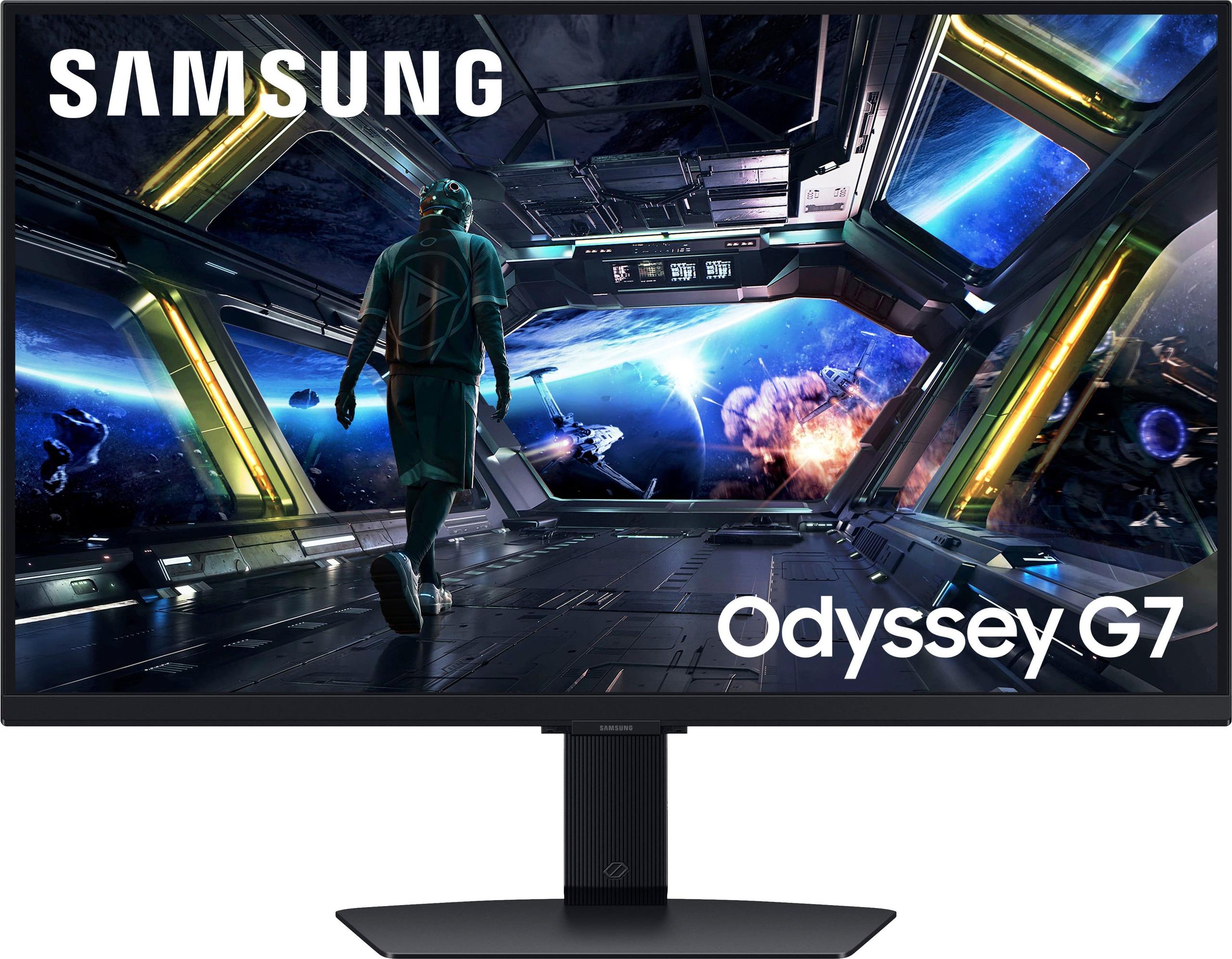
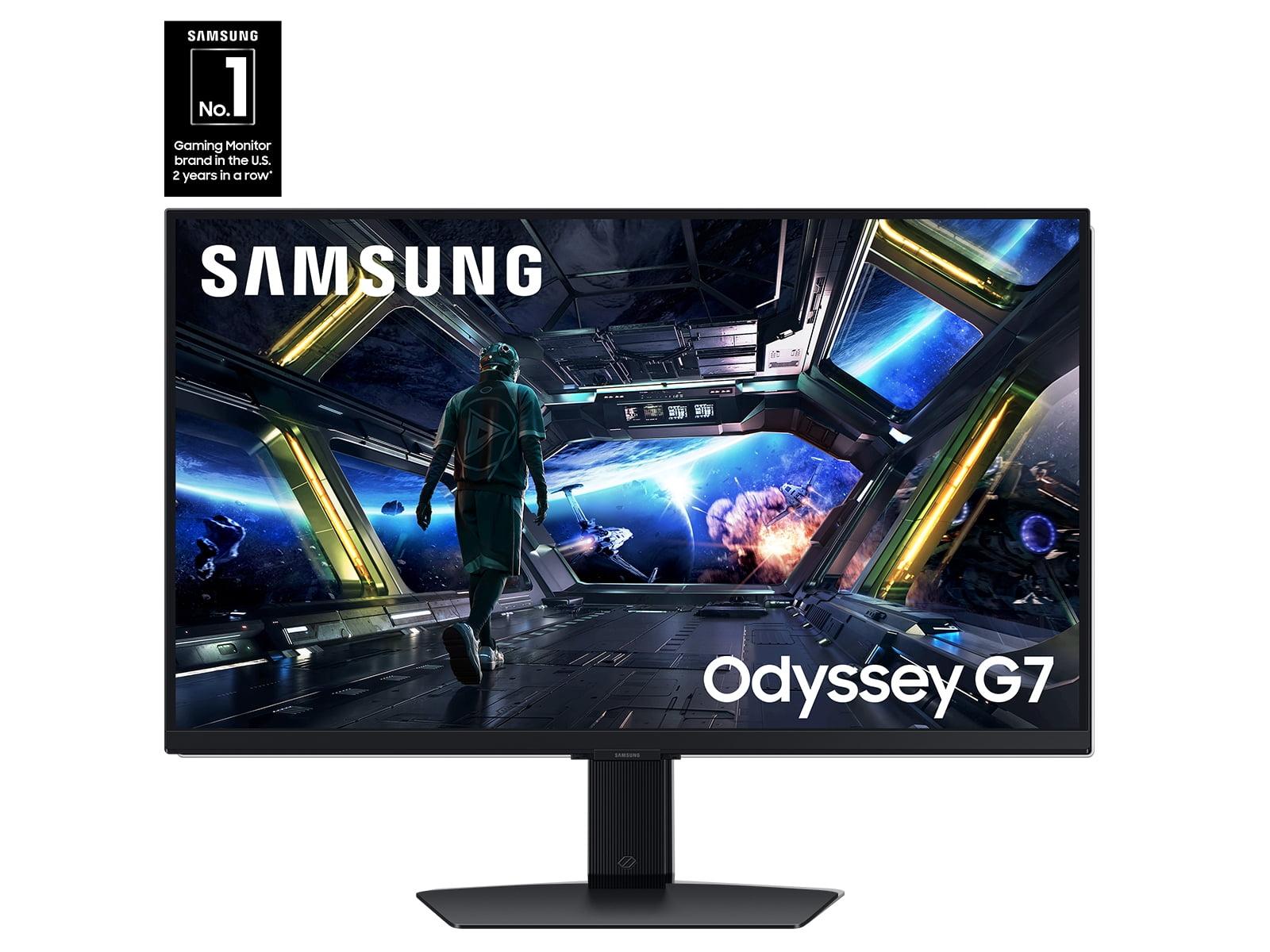
When you're shopping for a new gaming monitor, the choices can feel overwhelming. Do you chase the fastest refresh rates, or do you want the sharpest possible image? Samsung's latest monitor lineup presents this exact dilemma with two compelling options: the 27" Odyssey OLED G6 and the 27" Odyssey G7 G70D. Both are 27-inch displays from the same manufacturer, but they take completely different approaches to what makes a great gaming experience.
I've spent considerable time testing both monitors, and the decision between them really comes down to understanding what type of gamer you are and what you value most in your setup. Let's break down everything you need to know to make the right choice.
Before diving into specifics, it's worth understanding what we're dealing with when we talk about gaming monitors in 2024. The display technology has evolved dramatically over the past few years, with manufacturers pushing boundaries in ways that seemed impossible just a decade ago.
Gaming monitors need to balance several competing demands. You want sharp, detailed images, but you also want them to refresh quickly enough that fast-paced action doesn't turn into a blurry mess. You want vibrant colors and deep blacks for immersion, but you also need the display to be bright enough to see clearly in your room's lighting. And increasingly, you want all of this without breaking the bank.
The fundamental choice often comes down to panel technology. OLED (Organic Light Emitting Diode) panels can turn individual pixels completely off, creating perfect blacks and infinite contrast ratios. However, they're more expensive to manufacture and can develop permanent image retention (burn-in) over time. IPS (In-Plane Switching) LCD panels use a backlight behind the entire screen, which means they can't achieve true blacks, but they're more durable and typically more affordable.
This brings us to our two contenders, each representing a different philosophy in gaming monitor design.
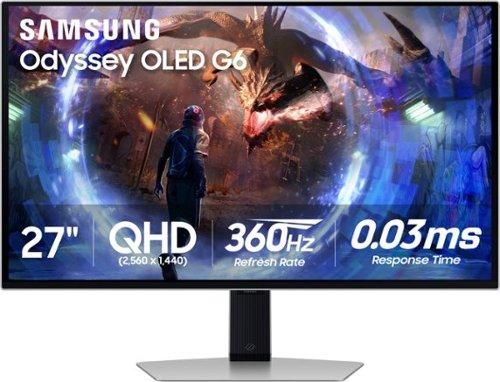
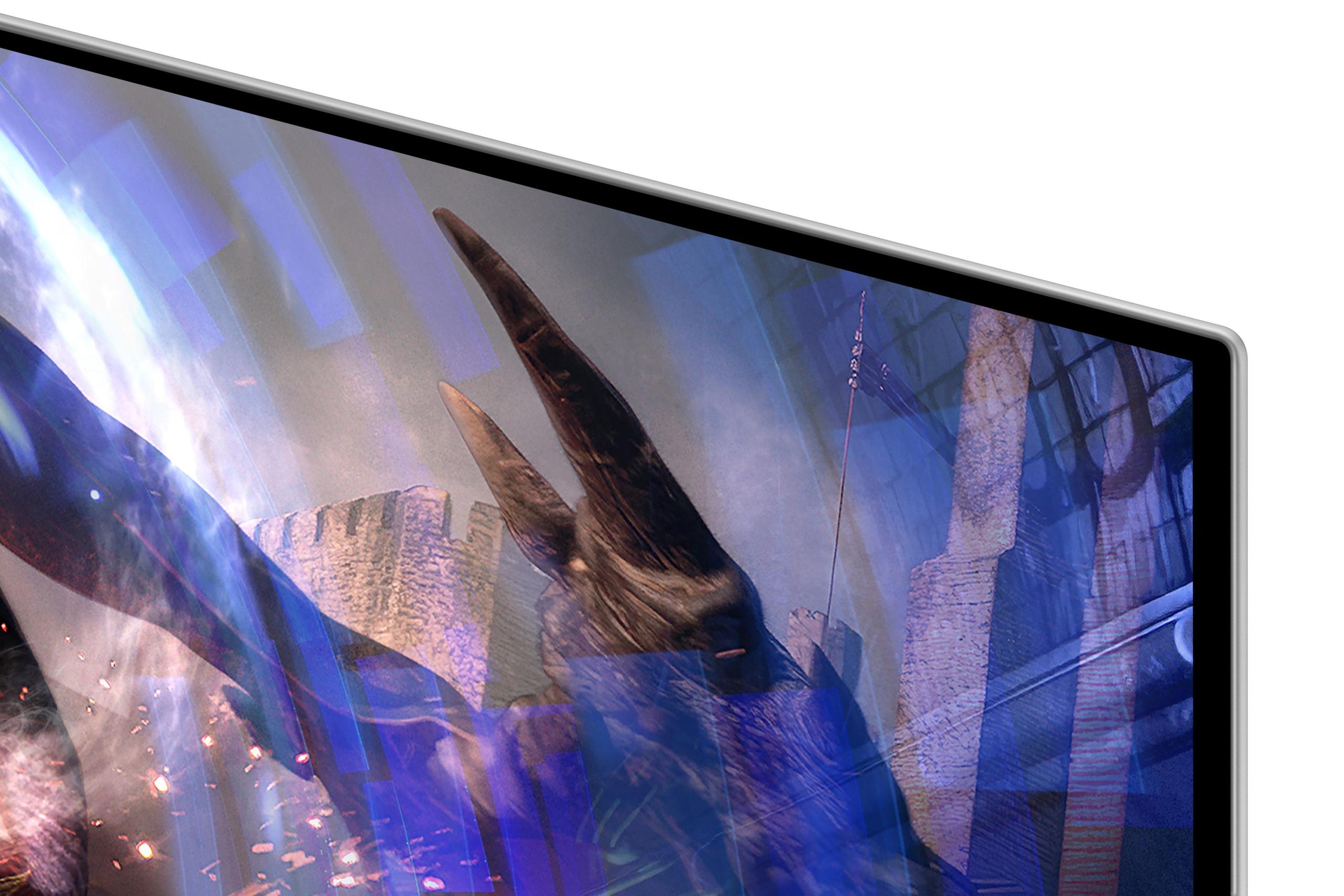
The Samsung 27" Odyssey OLED G6, released in 2024, represents Samsung's push into premium gaming displays. It features cutting-edge QD-OLED (Quantum Dot Organic Light Emitting Diode) technology, which combines the perfect blacks of OLED with the color enhancement of quantum dots. The result is a display that can produce incredibly vivid colors while maintaining those inky blacks that make games look more dramatic and immersive.
But here's where it gets interesting: Samsung chose to pair this premium display technology with QHD resolution (2560×1440) rather than 4K. This might seem like a step backward, but it's actually a strategic decision. By using QHD instead of 4K, the OLED G6 can achieve an incredible 360Hz refresh rate – meaning the screen can redraw the image 360 times per second.
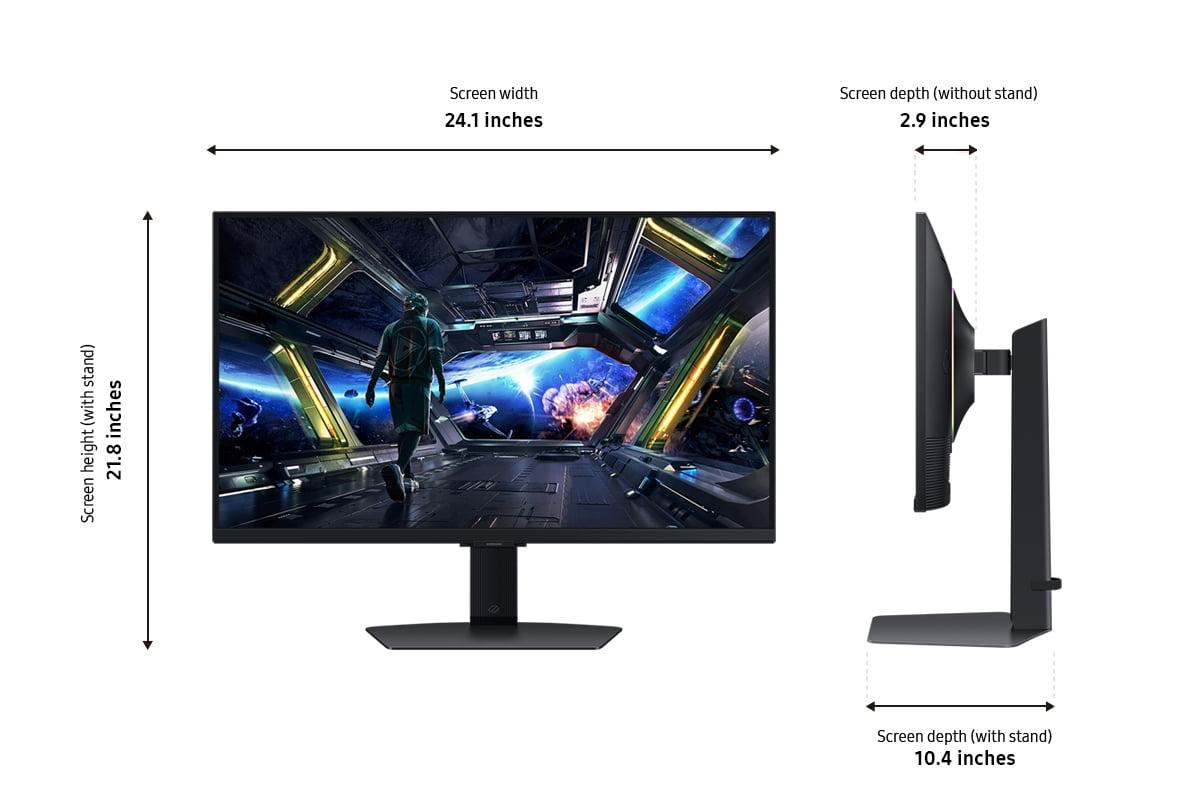
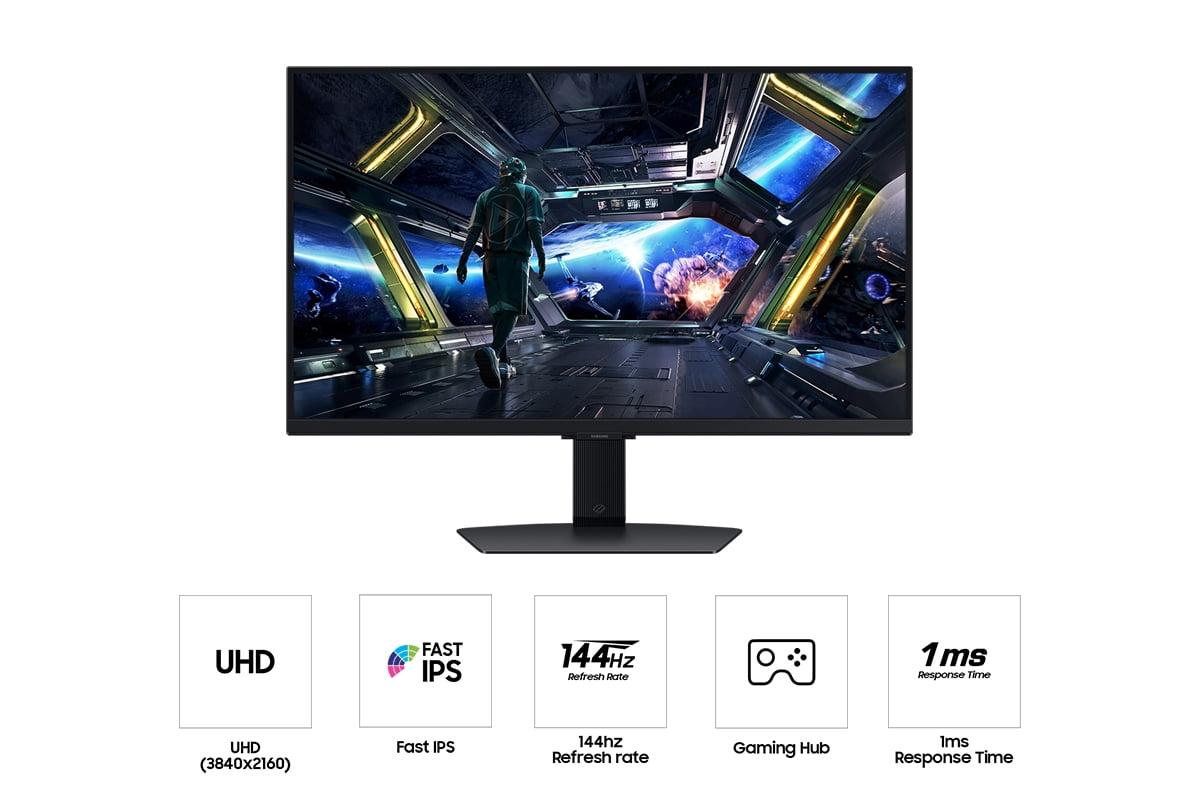
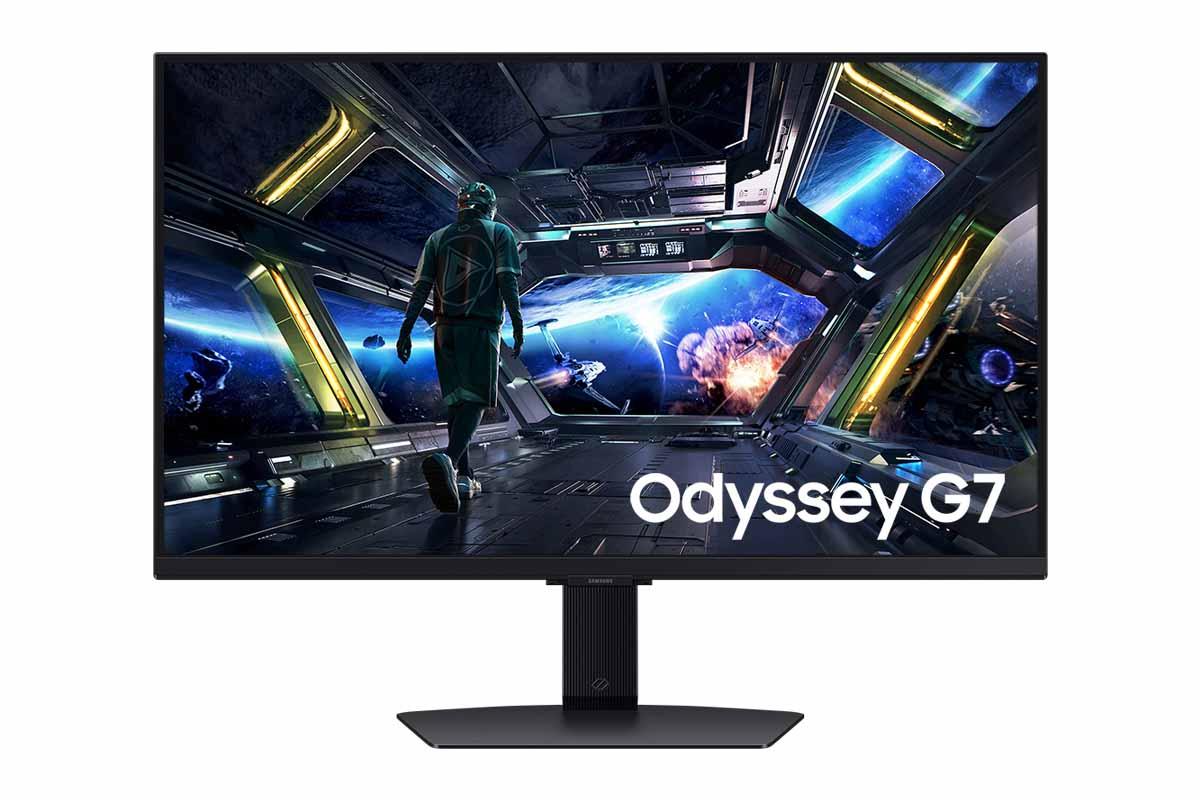
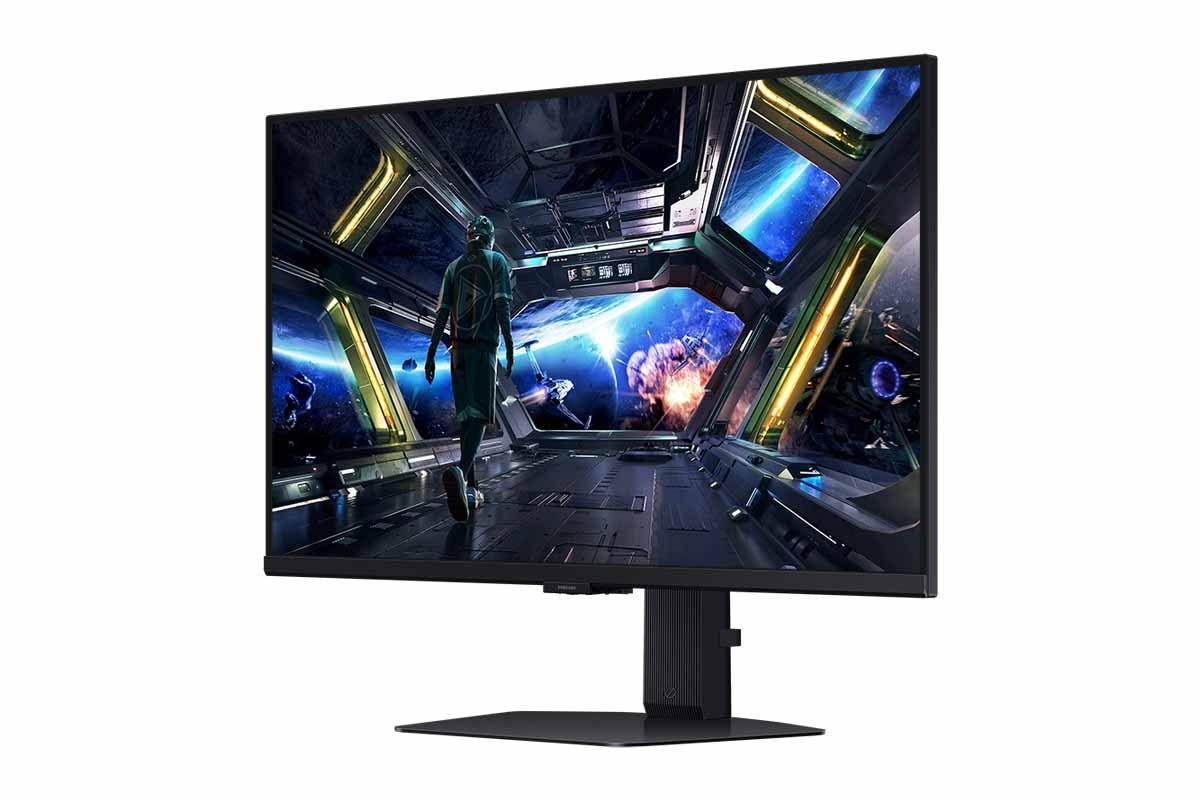
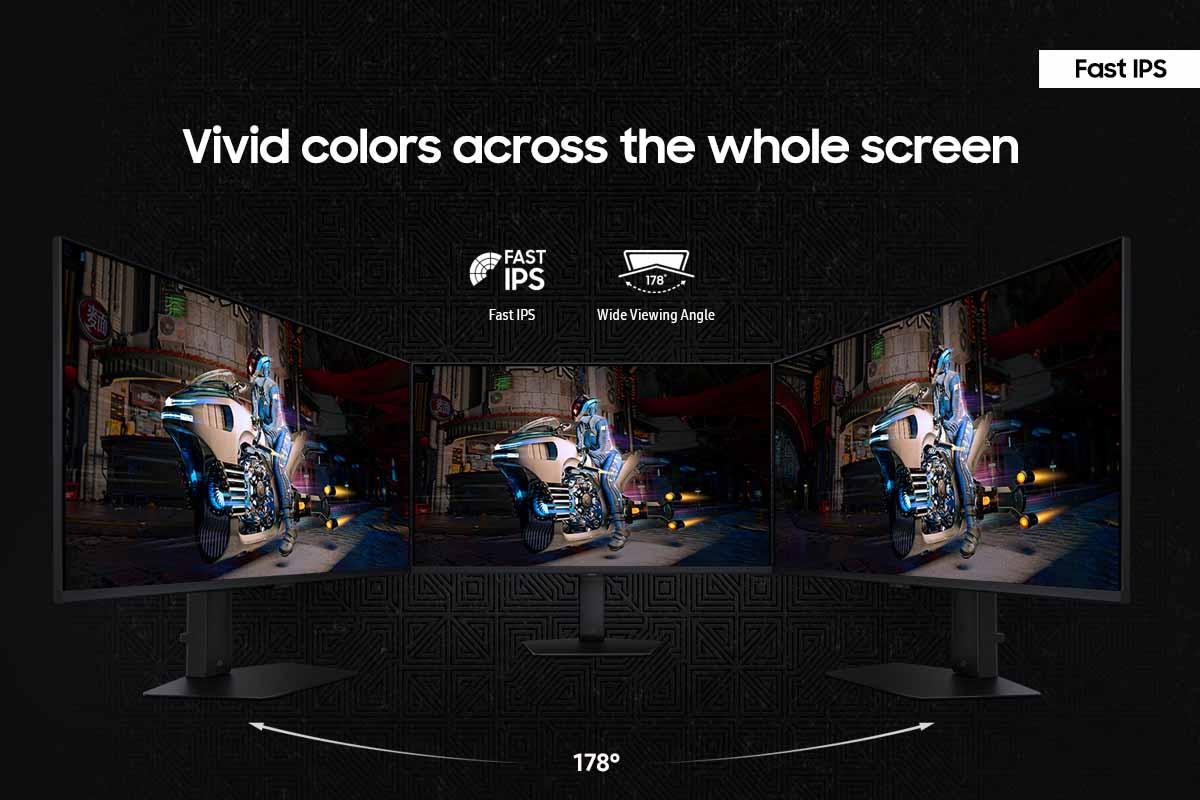
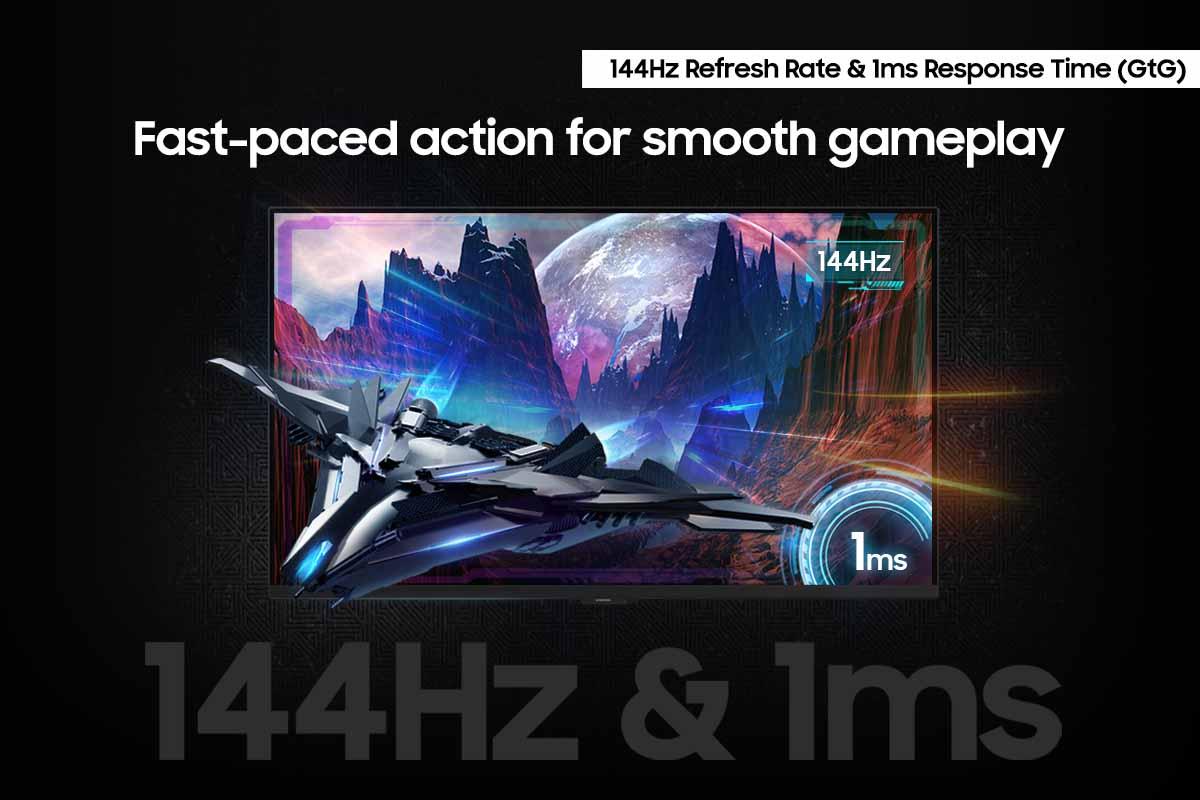
The Samsung 27" Odyssey G7 G70D, also released in 2024, takes the opposite approach. It uses traditional IPS LCD technology but pushes resolution to 4K UHD (3840×2160). At 27 inches, this creates a pixel density of 163 pixels per inch, making text and fine details incredibly sharp. However, the trade-off is a 144Hz refresh rate – still excellent for gaming, but not quite as smooth as the OLED variant.
When we talk about gaming monitor performance, refresh rate and response time are absolutely critical metrics. Refresh rate, measured in Hertz (Hz), tells you how many times per second your monitor can display a new image. Response time, measured in milliseconds (ms), indicates how quickly individual pixels can change from one color to another.
The OLED G6's 360Hz refresh rate is genuinely impressive. In competitive gaming scenarios – think Counter-Strike 2, Valorant, or any fast-paced shooter – this translates to noticeably smoother motion. I've tested both monitors side by side, and the difference is most apparent when tracking fast-moving objects across the screen. With the OLED display, there's almost no motion blur, and quick camera movements feel incredibly fluid.
The response time difference is even more dramatic. The OLED G6 achieves a 0.03ms gray-to-gray response time, which is essentially instantaneous from a human perception standpoint. The G7 G70D, while still excellent at 1ms, simply can't match this level of responsiveness. In practical terms, this means less ghosting (where you see faint trails behind moving objects) and cleaner motion overall.
However, there's an important caveat here: to actually benefit from 360Hz, you need a graphics card powerful enough to consistently push that many frames per second. Even with a high-end GPU like an RTX 4080 or RX 7800 XT, you'll typically only see 360 FPS in competitive esports titles with graphics settings turned down. For most AAA games, you'll be running well below this refresh rate, which somewhat diminishes the advantage.
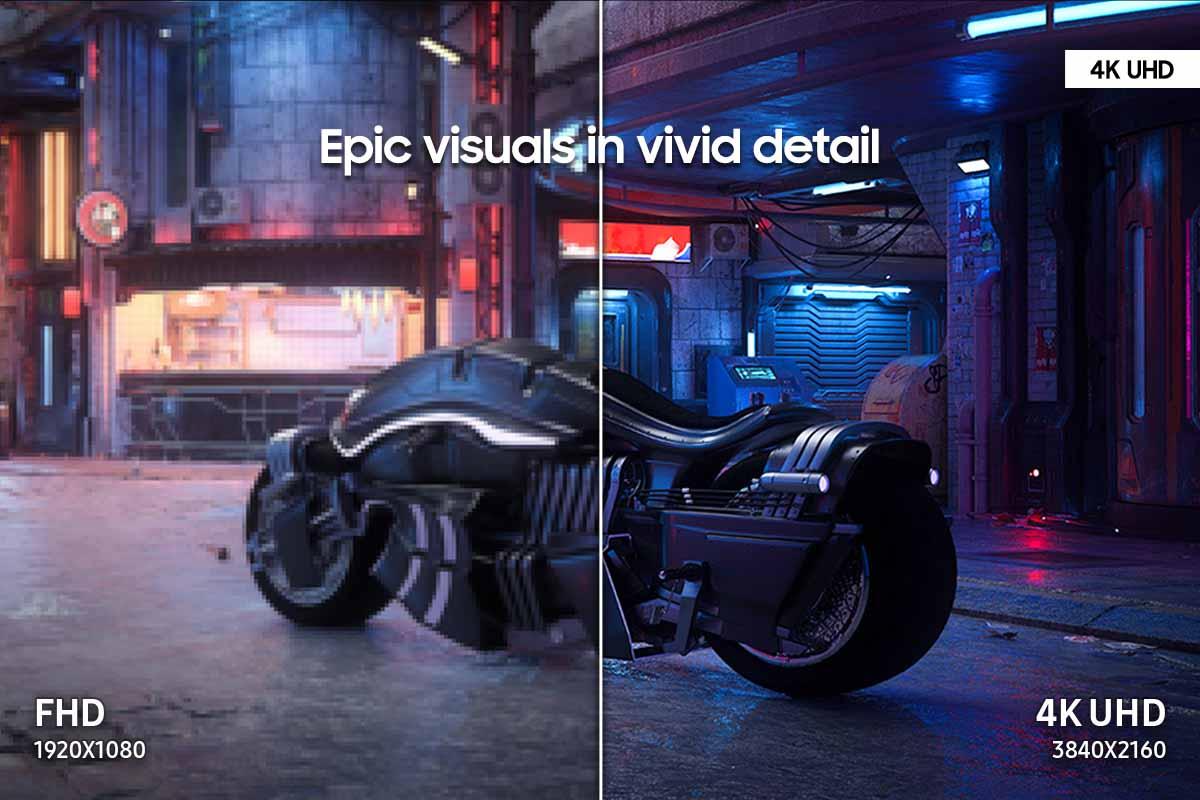
Here's where things get more nuanced. The G7 G70D's 4K resolution provides undeniably sharper images. Text is crisp, fine details in games are more visible, and the overall image has a level of clarity that QHD simply can't match. If you do any productivity work on your gaming monitor – coding, photo editing, or even just browsing the web – the higher resolution makes a meaningful difference in comfort and usability.
But resolution isn't everything. The OLED G6's contrast performance is in a completely different league. Where the IPS panel in the G7 G70D can achieve a 1,000:1 contrast ratio (the difference between its brightest whites and darkest blacks), the OLED panel delivers a theoretical infinite contrast ratio. In practice, this means that dark scenes in games look dramatically different. Horror games, space settings, or any content with significant dark areas will have much more impact on the OLED display.
I've noticed this difference is particularly striking in games like Cyberpunk 2077 or any title with strong lighting contrasts. The OLED monitor makes neon signs pop against truly black backgrounds, while the LCD monitor's blacks appear more like dark gray in comparison.
Color performance also favors the OLED G6. The quantum dot enhancement allows it to display a wider range of colors, covering 99% of the DCI-P3 color space. This translates to more vibrant and lifelike colors, especially in HDR content. The G7 G70D covers about 95% of DCI-P3, which is still good but not quite as impressive.
HDR (High Dynamic Range) is where these monitors show their different strengths and weaknesses. The OLED G6 supports HDR10+ Gaming and can theoretically display perfect blacks alongside bright highlights. However, its peak brightness is limited to around 250 nits in sustained content, with brief peaks up to 1,000 nits in small highlights.
The G7 G70D can sustain 400 nits across the entire screen and is certified for VESA DisplayHDR 400. While it can't achieve the perfect blacks of OLED, it can maintain higher brightness levels consistently. This makes it better suited for bright rooms or if you prefer a brighter overall image.
In my testing, HDR content looks more impactful on the OLED G6 due to the superior contrast, but the G7 G70D is more practical for varied lighting conditions. If your gaming setup is in a room with windows or ambient lighting, the brighter LCD panel might actually provide a better experience despite its technical limitations.
Both monitors include Samsung's gaming-focused features, but there are some key differences. The OLED G6 includes OLED Safeguard+ technology, which uses a dynamic cooling system and various algorithms to prevent burn-in. This is crucial for OLED longevity, as static elements like game UIs or taskbars can potentially cause permanent image retention over time.
The G7 G70D brings Samsung's Gaming Hub, essentially turning your monitor into a smart TV. You can stream content directly through the monitor, access cloud gaming services, and even use the included remote control. This added versatility is particularly appealing if you want a single display that can handle gaming, streaming, and general entertainment.
Both monitors support AMD FreeSync Premium Pro, which synchronizes the display's refresh rate with your graphics card's frame rate to eliminate screen tearing. The technology works well on both displays, though the higher refresh rate ceiling of the OLED G6 provides more headroom for future graphics card upgrades.
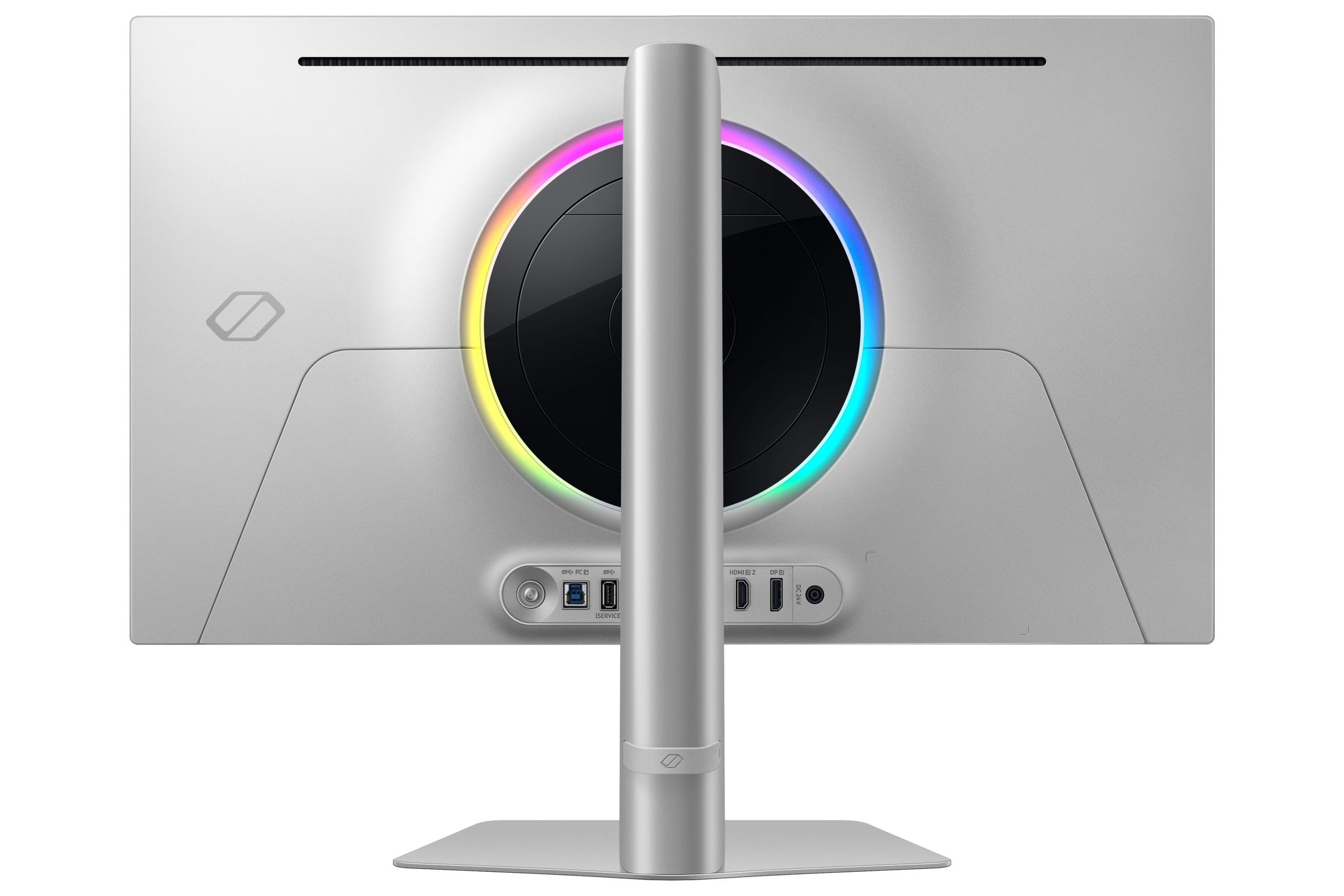
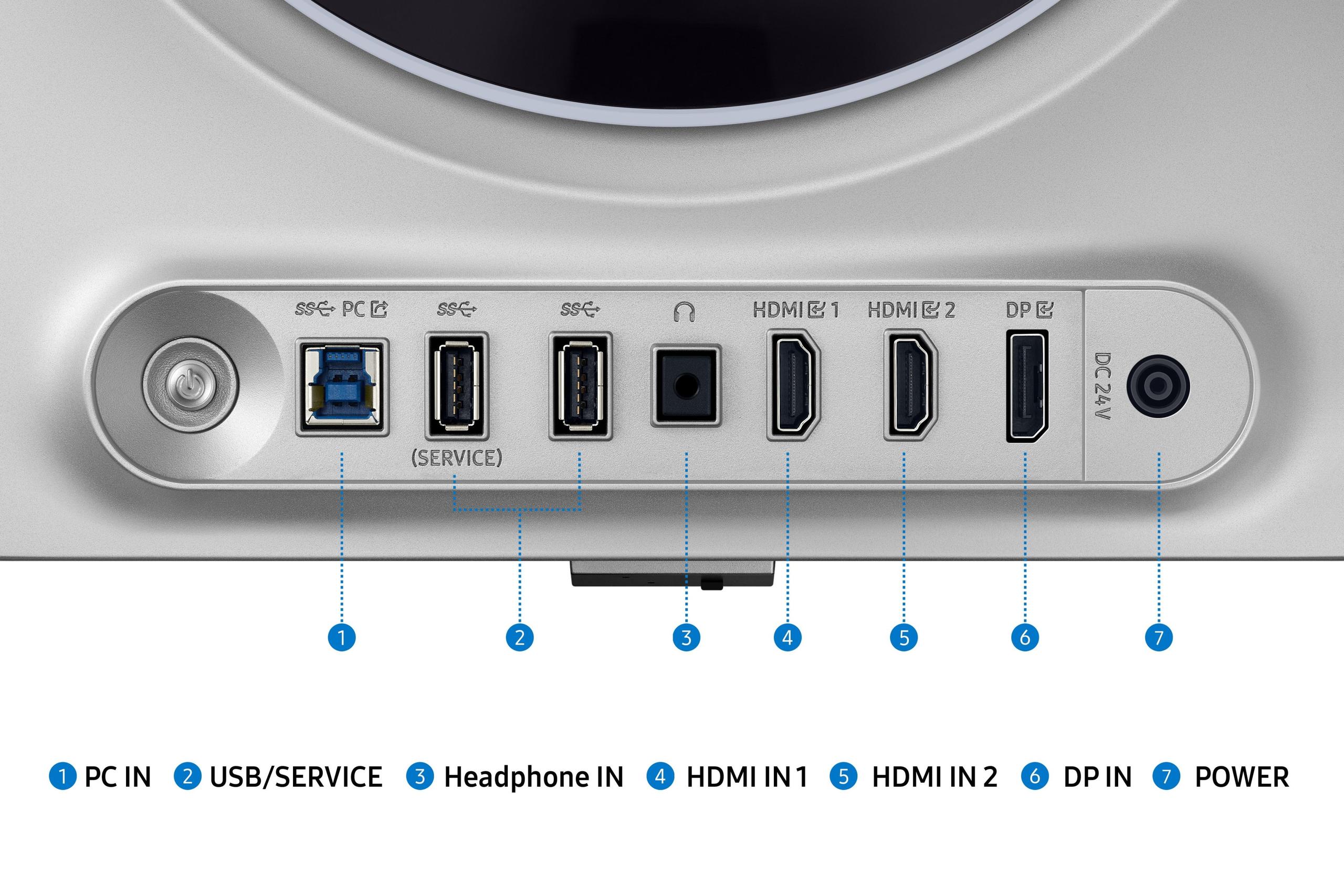
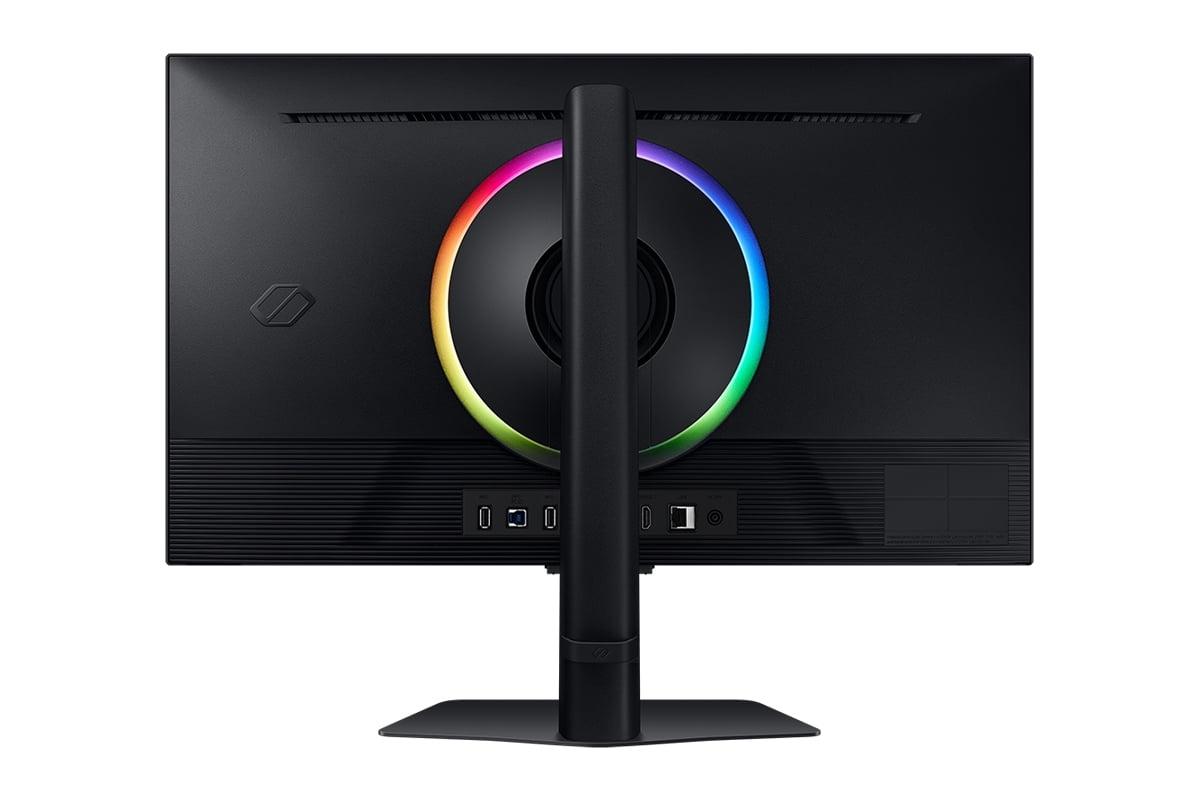
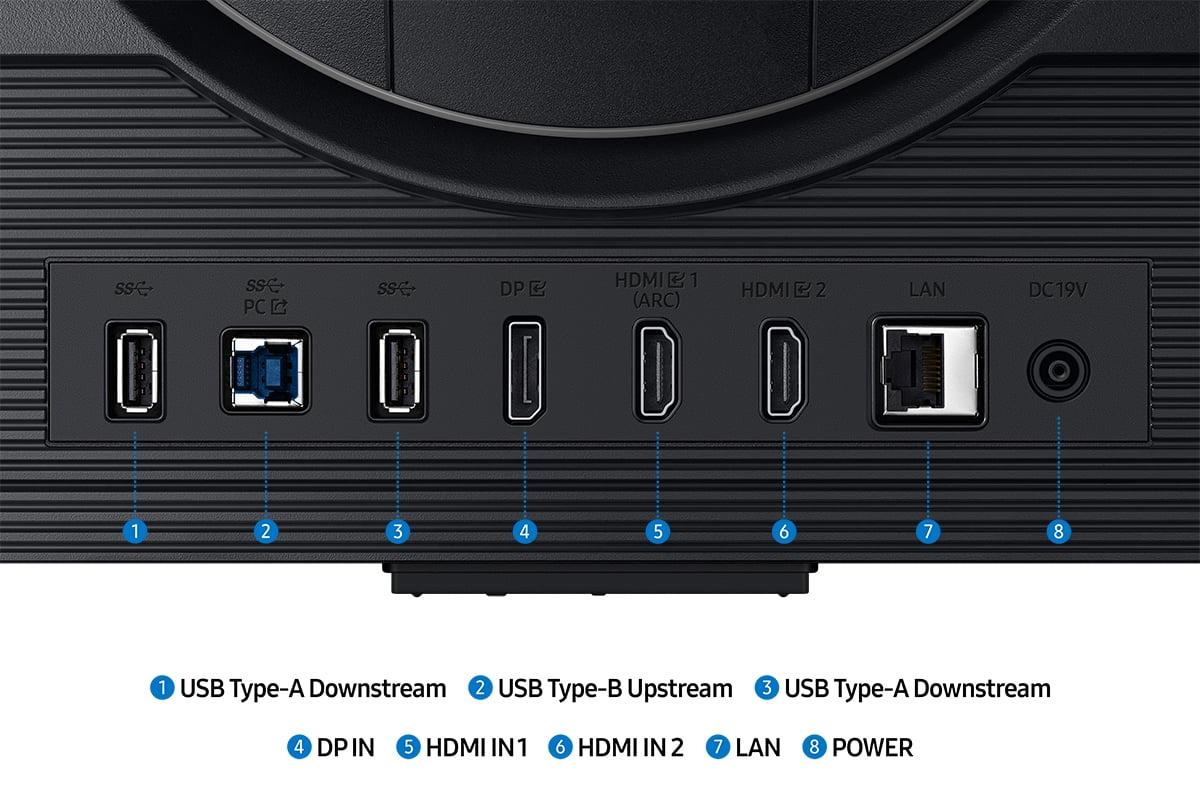
Connection options are fairly standard on both monitors. Each includes DisplayPort and multiple HDMI 2.1 ports, ensuring compatibility with modern graphics cards and gaming consoles. The HDMI 2.1 support is particularly important for PlayStation 5 and Xbox Series X owners, as it enables 4K gaming at 120Hz on the G7 G70D and high refresh rate gaming on both displays.
One practical consideration that often gets overlooked is text clarity. At 27 inches, the 4K resolution of the G7 G70D provides noticeably sharper text than the QHD resolution of the OLED G6. If you use your gaming monitor for work or spend significant time reading on screen, this difference matters more than you might expect.
The OLED panel's subpixel layout can also affect text rendering on some systems, though this is generally a minor issue that can be addressed through system settings or by adjusting viewing distance slightly.
This is where the technology differences become most significant. LCD panels like the one in the G7 G70D are essentially immune to burn-in and can maintain their performance for many years with minimal degradation. The backlight may dim slightly over time, but this process is very gradual.
OLED panels, despite Samsung's protective measures, do have inherent limitations. While the OLED Safeguard+ technology significantly reduces burn-in risk, and Samsung provides a three-year warranty specifically covering burn-in issues, the potential still exists. This is particularly relevant for gamers who play the same titles for extended periods or leave static elements on screen frequently.
That said, at the time of writing in 2024, OLED burn-in is much less of a concern than it was in early consumer OLED displays. Samsung's protective technologies and the nature of modern gaming (with varied content and automatic screen savers) make burn-in relatively rare in normal use.
While both monitors are designed primarily for gaming, they can serve double duty as entertainment displays. The OLED G6's superior contrast makes it excellent for watching movies, particularly in dark rooms where its limited brightness isn't a handicap. The perfect blacks create a more cinematic experience that LCD panels simply cannot match.
However, the G7 G70D has some advantages for mixed entertainment use. Its smart TV functionality means you can stream content directly without a separate device, and its higher brightness makes it more suitable for daytime viewing. The 4K resolution also ensures you're getting the full detail from 4K streaming content and Blu-ray discs.
For console gaming specifically, both monitors perform well, but they serve different needs. The G7 G70D can display native 4K from PlayStation 5 and Xbox Series X, while the OLED G6 provides incredibly smooth motion for games that support high frame rates.
At the time of writing, these monitors occupy different price tiers, with the OLED G6 commanding a significant premium for its advanced display technology. The G7 G70D frequently sees promotional pricing that makes it quite attractive for 4K gaming at a mainstream price point.
The value equation depends heavily on your specific use case. If you're a competitive gamer who values the absolute smoothest motion and most responsive feel, the OLED G6's premium pricing may be justified. The difference in motion clarity and responsiveness is genuinely noticeable and can provide a competitive advantage in fast-paced games.
For most users, however, the G7 G70D offers better overall value. The 4K resolution provides benefits beyond gaming, the smart features add versatility, and the LCD technology offers peace of mind regarding longevity. The 144Hz refresh rate, while not as impressive as 360Hz, is still more than adequate for an excellent gaming experience.
Choosing between the Samsung 27" Odyssey OLED G6 and the Samsung 27" Odyssey G7 G70D ultimately comes down to your priorities and how you plan to use your monitor.
Choose the OLED G6 if you're a serious competitive gamer who values the smoothest possible motion and most responsive feel. The 360Hz refresh rate and 0.03ms response time create a genuinely different gaming experience, particularly in fast-paced esports titles. You should also consider this monitor if you primarily game in a controlled lighting environment and want the most dramatic visual contrast for single-player adventures.
The G7 G70D makes more sense for most users. Its 4K resolution provides sharper images for both gaming and productivity work, while the smart TV features add versatility that extends beyond gaming. The LCD technology eliminates burn-in concerns, and the more accessible pricing makes it easier to justify. If you want a single display that can handle 4K gaming, streaming, and daily computer use, this is the more practical choice.
Both monitors represent solid engineering from Samsung, but they serve different audiences. The OLED variant pushes performance boundaries for enthusiasts, while the 4K model provides mainstream appeal with premium features. Understanding which category you fall into will make your decision much clearer.
Remember that either choice will provide an excellent gaming experience compared to older monitors. The question isn't whether these displays are good – they both are – but rather which approach to gaming monitor design better matches your specific needs and preferences.
| Samsung 27" Odyssey OLED G6 | Samsung 27" Odyssey G7 G70D |
|---|---|
| Panel Technology - Determines contrast, color quality, and burn-in risk | |
| QD-OLED with infinite contrast and perfect blacks | IPS LCD with 1,000:1 contrast, no burn-in concerns |
| Resolution - Affects image sharpness and GPU requirements | |
| QHD (2560×1440) at 108 PPI | 4K UHD (3840×2160) at 163 PPI |
| Refresh Rate - Critical for competitive gaming smoothness | |
| 360Hz (exceptional for esports) | 144Hz (excellent for most gaming) |
| Response Time - Eliminates motion blur and ghosting | |
| 0.03ms (virtually instantaneous) | 1ms (very fast, minimal ghosting) |
| Peak Brightness - Important for HDR and bright room viewing | |
| 250 nits sustained, 1,000 nits peak highlights | 400 nits sustained across full screen |
| Color Gamut - Determines color vibrancy and accuracy | |
| 99% DCI-P3 with quantum dot enhancement | 95% DCI-P3 coverage |
| HDR Support - Enhances contrast and dynamic range | |
| HDR10+ Gaming with superior contrast | VESA DisplayHDR 400 certification |
| Smart Features - Adds streaming and entertainment capabilities | |
| Gaming-focused with OLED Safeguard+ protection | Gaming Hub with streaming apps and remote control |
| Burn-in Risk - Long-term durability consideration | |
| Potential OLED burn-in despite protection measures | No burn-in risk with LCD technology |
| Best Use Cases - Who should choose each monitor | |
| Competitive gamers prioritizing ultimate performance | 4K gaming, productivity work, and mixed entertainment use |
| Warranty Coverage - Protection for display issues | |
| 3-year warranty including burn-in coverage | 1-year standard warranty |
The Samsung 27" Odyssey OLED G6 is superior for competitive gaming due to its 360Hz refresh rate and 0.03ms response time. This provides incredibly smooth motion and virtually eliminates input lag, giving you a competitive advantage in fast-paced esports titles like Counter-Strike 2 and Valorant. The Samsung 27" Odyssey G7 G70D offers excellent 144Hz gaming performance but can't match the ultra-responsive feel of the OLED variant.
This depends on your gaming priorities. The Samsung 27" Odyssey G7 G70D with 4K resolution provides sharper image detail and is better for AAA single-player games and productivity work. The Samsung 27" Odyssey OLED G6 with QHD resolution and 360Hz refresh rate prioritizes smoothness and responsiveness over pixel count, making it ideal for competitive gaming where frame rates matter more than resolution.
The Samsung 27" Odyssey OLED G6 delivers superior picture quality with infinite contrast, perfect blacks, and more vibrant colors thanks to its QD-OLED technology. While the Samsung 27" Odyssey G7 G70D offers sharper 4K detail, it cannot match the dramatic contrast and color performance of OLED technology, especially in dark scenes.
The Samsung 27" Odyssey OLED G6 has potential burn-in risks despite protection features and limited brightness for very bright rooms. The Samsung 27" Odyssey G7 G70D cannot achieve true blacks due to IPS LCD technology and has a lower 144Hz refresh rate that may not satisfy competitive gamers seeking the smoothest possible motion.
The Samsung 27" Odyssey G7 G70D is generally better for console gaming as it can display native 4K from PlayStation 5 and Xbox Series X. The Samsung 27" Odyssey OLED G6 provides superior motion clarity and contrast but requires downscaling from 4K console output to its QHD resolution.
The Samsung 27" Odyssey G7 G70D is significantly better for productivity due to its 4K resolution providing crisp text and detailed images. The higher pixel density makes coding, photo editing, and general computer work more comfortable. The Samsung 27" Odyssey OLED G6 can handle productivity tasks but the lower QHD resolution makes text less sharp at close viewing distances.
The Samsung 27" Odyssey G7 G70D typically offers better value due to its combination of 4K resolution, smart TV features, and more accessible pricing. The Samsung 27" Odyssey OLED G6 commands a premium for its advanced OLED technology and 360Hz performance, making it worthwhile mainly for serious competitive gamers.
The Samsung 27" Odyssey G7 G70D includes comprehensive smart TV functionality with Gaming Hub, streaming apps, and a remote control, essentially functioning as a smart TV. The Samsung 27" Odyssey OLED G6 focuses primarily on gaming performance with OLED-specific protection features but lacks the extensive smart capabilities of the G7 model.
Both monitors support HDR, but excel in different ways. The Samsung 27" Odyssey OLED G6 provides more impactful HDR with perfect blacks and superior contrast, making dark scenes dramatically better. The Samsung 27" Odyssey G7 G70D offers higher sustained brightness across the full screen, which can be better for bright HDR content and well-lit viewing environments.
The Samsung 27" Odyssey G7 G70D requires a powerful graphics card like RTX 4070 or better to handle 4K gaming at high settings. The Samsung 27" Odyssey OLED G6 needs an even more powerful GPU to reach its 360Hz potential, though its QHD resolution is easier to drive than 4K for most games.
The Samsung 27" Odyssey OLED G6 has potential burn-in risks despite Samsung's OLED Safeguard+ protection and 3-year warranty coverage. The Samsung 27" Odyssey G7 G70D uses LCD technology that eliminates burn-in concerns and should maintain consistent performance for many years with minimal degradation.
Choose the Samsung 27" Odyssey OLED G6 if you're a serious competitive gamer who prioritizes the smoothest motion and best contrast above all else. Select the Samsung 27" Odyssey G7 G70D if you want a versatile monitor that excels at 4K gaming, productivity work, streaming entertainment, and offers better overall value for mixed usage scenarios.
We've done our best to create useful and informative comparisons to help you decide what product to buy. Our research uses advanced automated methods to create this comparison and perfection is not possible - please contact us for corrections or questions. These are the sites we've researched in the creation of this article: bestbuy.com - gamesradar.com - gamesradar.com - versus.com - youtube.com - versus.com - player2.net.au - youtube.com - rtings.com - youtube.com - samsung.com - files.bbystatic.com - techpowerup.com - samsung.com - bestbuy.com - samsung.com - bhphotovideo.com - bestbuy.com - youtube.com - de.shi.com - pangoly.com - bestbuy.com - typectechreviews.com - rtings.com - rtings.com - youtube.com - youtube.com - samsung.com - samsung.com - samsung.com - bhphotovideo.com - samsung.com - samsung.com - versus.com - abt.com - abt.com - bestbuy.com - bhphotovideo.com - youtube.com - abt.com

Privacy Policy
Terms and Conditions - Affiliate Policy
Home Security
© Copyright 2008-2026.
11816 Inwood Rd #1211, Dallas, TX 75244