

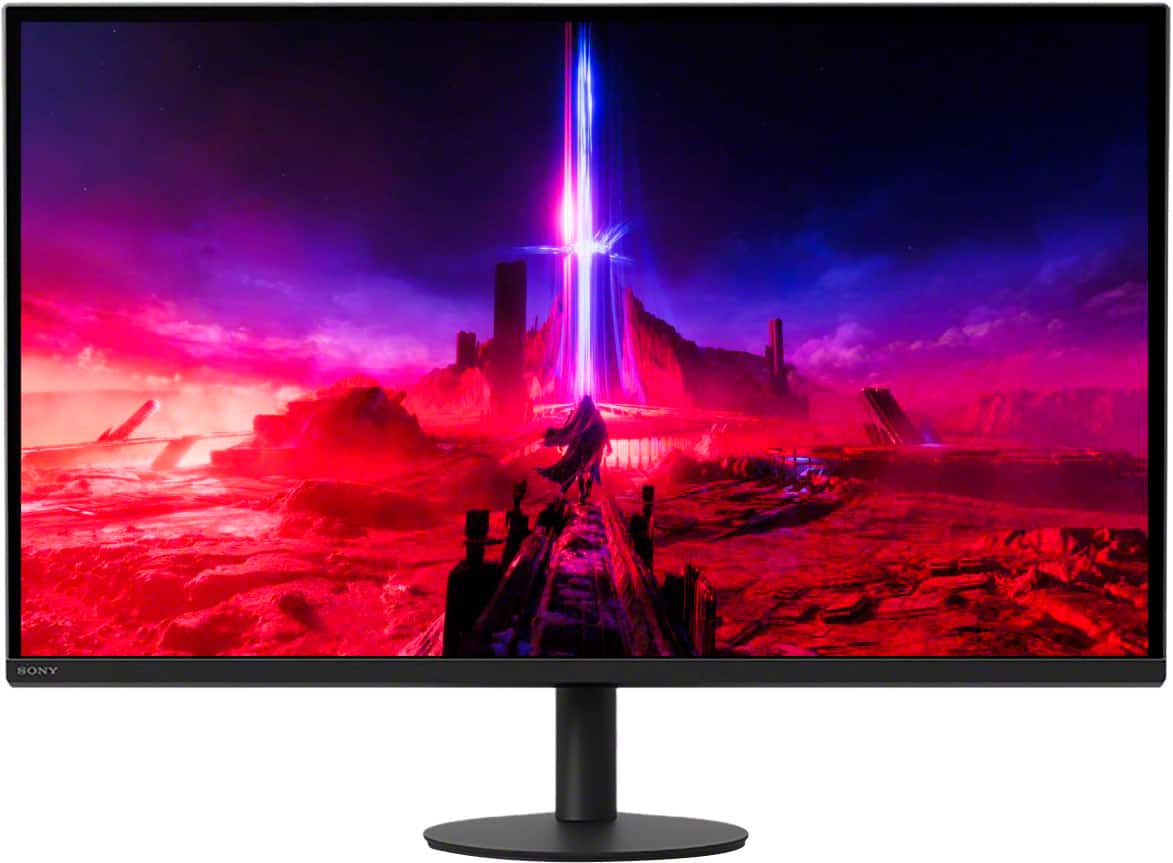
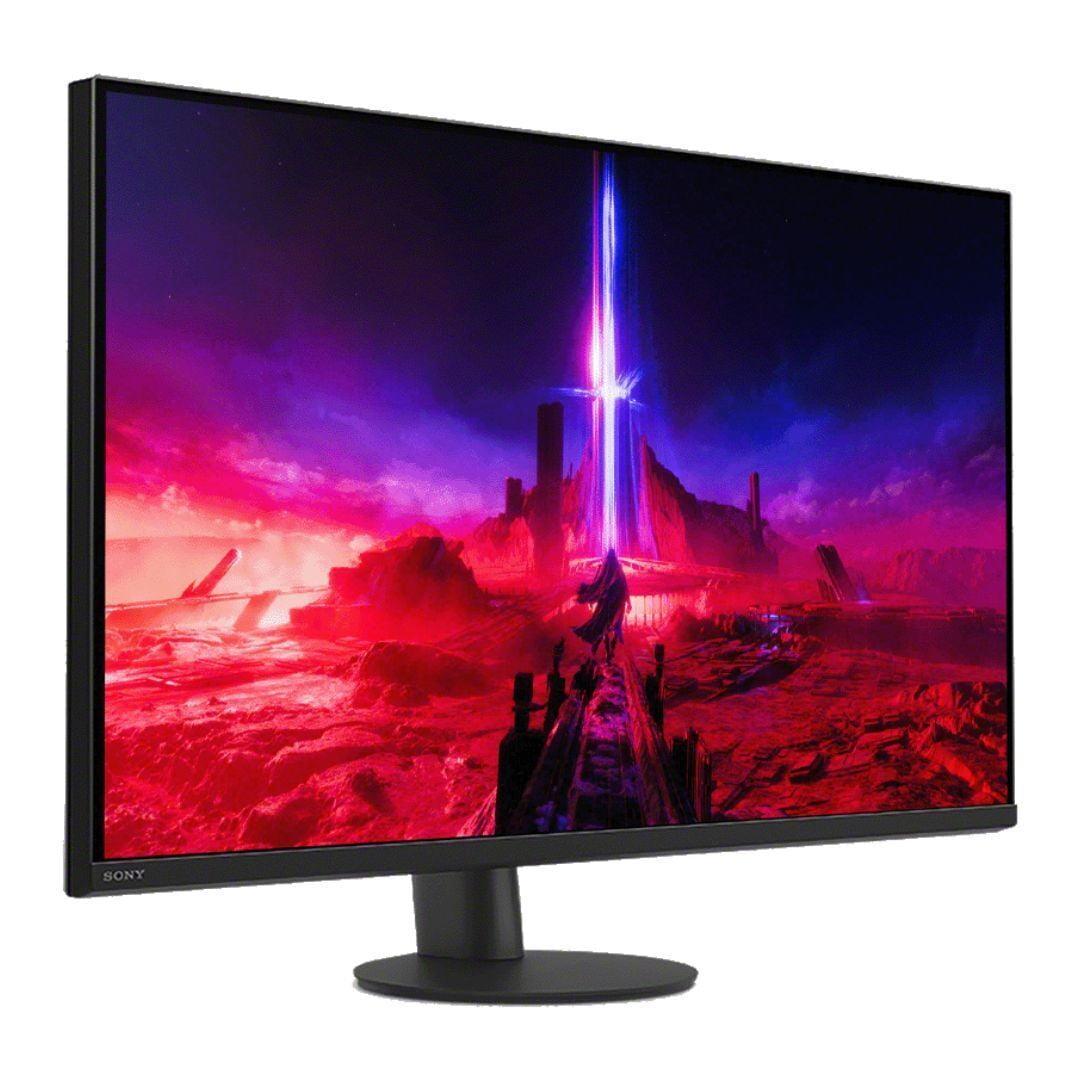
When you're shopping for a gaming monitor in 2024, you're essentially choosing between two very different philosophies. Do you want stunning visuals that make every game look like a movie, or do you want the sharpest competitive edge that could mean the difference between victory and defeat? The Sony INZONE M9 II and BenQ Zowie XL2746K represent these two approaches perfectly, and understanding their differences will help you make the right choice for your gaming setup.
Gaming monitors aren't just regular displays with faster refresh rates—they're specialized tools designed to enhance specific types of gaming experiences. The most important factors to consider include refresh rate (how many times per second the screen updates), response time (how quickly pixels can change colors), resolution (how detailed the image appears), and panel technology (which affects color accuracy and viewing angles).
Think of refresh rate like frames per second in a movie. A standard movie runs at 24 FPS, but gaming monitors can refresh 160 times per second or more, making motion appear incredibly smooth. Response time, measured in milliseconds, determines how quickly a pixel can change from one color to another—crucial for preventing ghosting effects during fast action.
The Sony INZONE M9 II, released in 2023, represents the premium all-around gaming monitor category. It's designed for gamers who want the best possible visual experience while maintaining excellent gaming performance. Meanwhile, the BenQ Zowie XL2746K, launched in 2022, belongs to the competitive esports category—monitors built specifically for professional gamers who prioritize performance over visual fidelity.
The most fundamental difference between these monitors lies in their display technology choices. The Sony INZONE M9 II uses a 4K IPS (In-Plane Switching) panel, while the BenQ XL2746K employs a 1080p TN (Twisted Nematic) panel. These aren't just technical specifications—they represent completely different approaches to gaming.
IPS panels, like the one in the Sony INZONE M9 II, excel at color accuracy and viewing angles. When you're sitting at your desk playing a single-player adventure game, those rich colors and sharp details create an immersive experience that draws you into the game world. The 4K resolution means you're getting four times as many pixels as a 1080p display, resulting in incredibly sharp text and detailed textures. This makes the Sony monitor excellent for both gaming and productivity work—you can game at night and use it for schoolwork or professional tasks during the day.
The TN panel in the BenQ XL2746K takes the opposite approach. TN technology prioritizes speed above all else, with faster pixel response times that minimize motion blur and ghosting. While the colors might not look as vibrant and the viewing angles aren't as wide, competitive gamers care more about seeing enemies clearly during fast movements than about perfect color reproduction. The 1080p resolution might seem like a step backward, but it serves a purpose—it's much easier for your graphics card to push high frame rates at 1080p than at 4K.
One area where the Sony INZONE M9 II truly shines is its HDR (High Dynamic Range) implementation. HDR allows displays to show a wider range of brightness levels, from deeper blacks to brighter whites, making images appear more realistic and dramatic. The Sony monitor features 96-zone Full Array Local Dimming (FALD), which means it has 96 separate LED zones that can dim or brighten independently.
Here's why this matters in practical terms: imagine you're exploring a dark cave in a fantasy game with bright sunlight streaming through an opening. Without local dimming, the entire screen brightness would be a compromise—either the cave would look washed out or the sunlight would appear dim. With FALD, the Sony monitor can make the cave areas truly dark while keeping the sunlit areas bright and detailed.
The BenQ XL2746K doesn't include HDR support, which might seem like a significant omission. However, this is intentional. Competitive gamers often prefer consistent brightness levels because HDR can sometimes make it harder to spot enemies in dark corners. The BenQ monitor instead focuses on features like Black eQualizer, which brightens dark areas without affecting bright areas, giving players a competitive advantage in spotting hidden opponents.
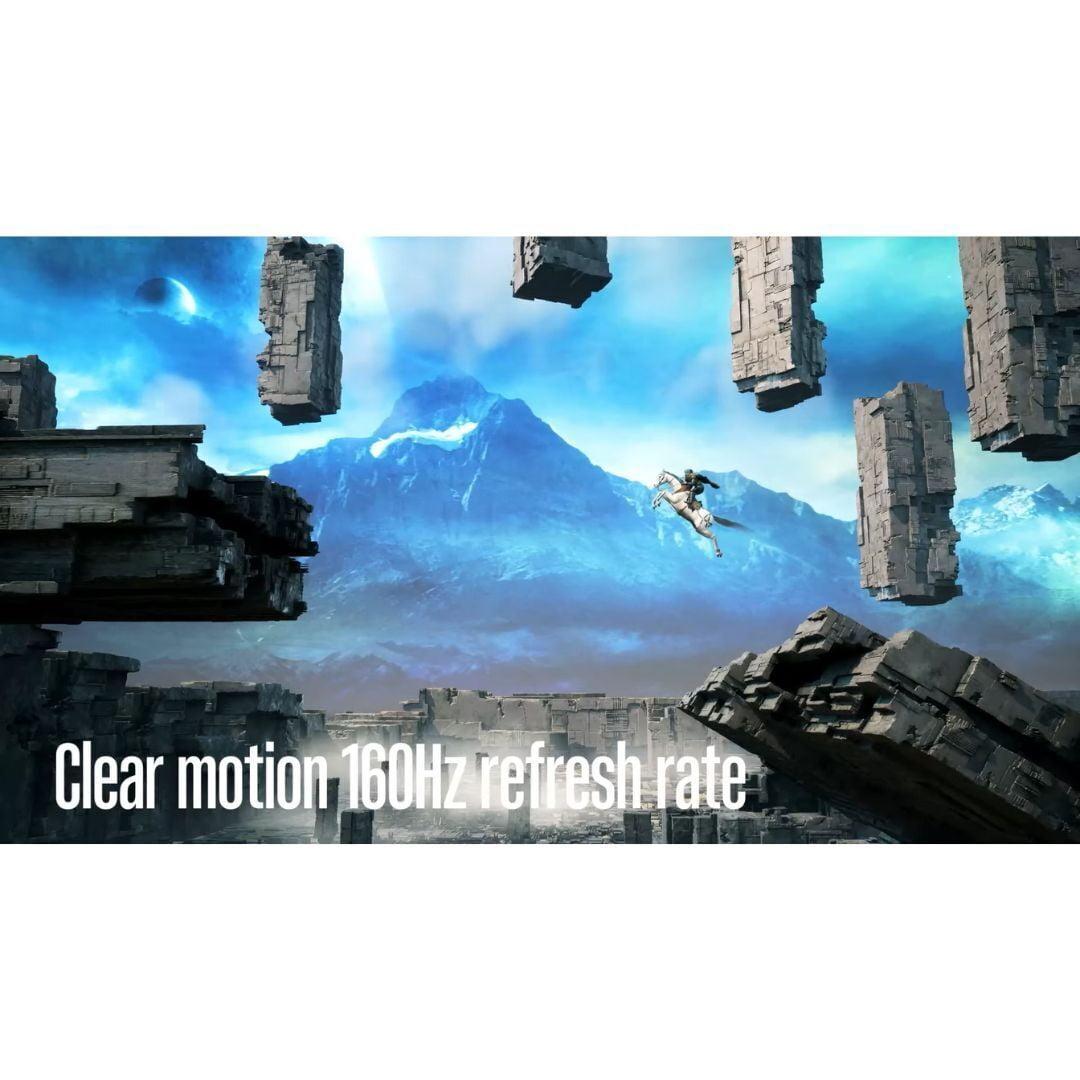
The refresh rate difference between these monitors—160Hz for the Sony INZONE M9 II versus 240Hz for the BenQ XL2746K—might seem significant, but the real story is more nuanced. Both refresh rates are well beyond what most gamers experienced just a few years ago when 60Hz was standard.
At 160Hz, the Sony monitor provides incredibly smooth gameplay that satisfies the vast majority of gamers. You'll notice the difference immediately if you're coming from a 60Hz display—camera movements feel more natural, and fast-paced action appears more fluid. For most gaming scenarios, including competitive play at moderate skill levels, 160Hz is more than sufficient.
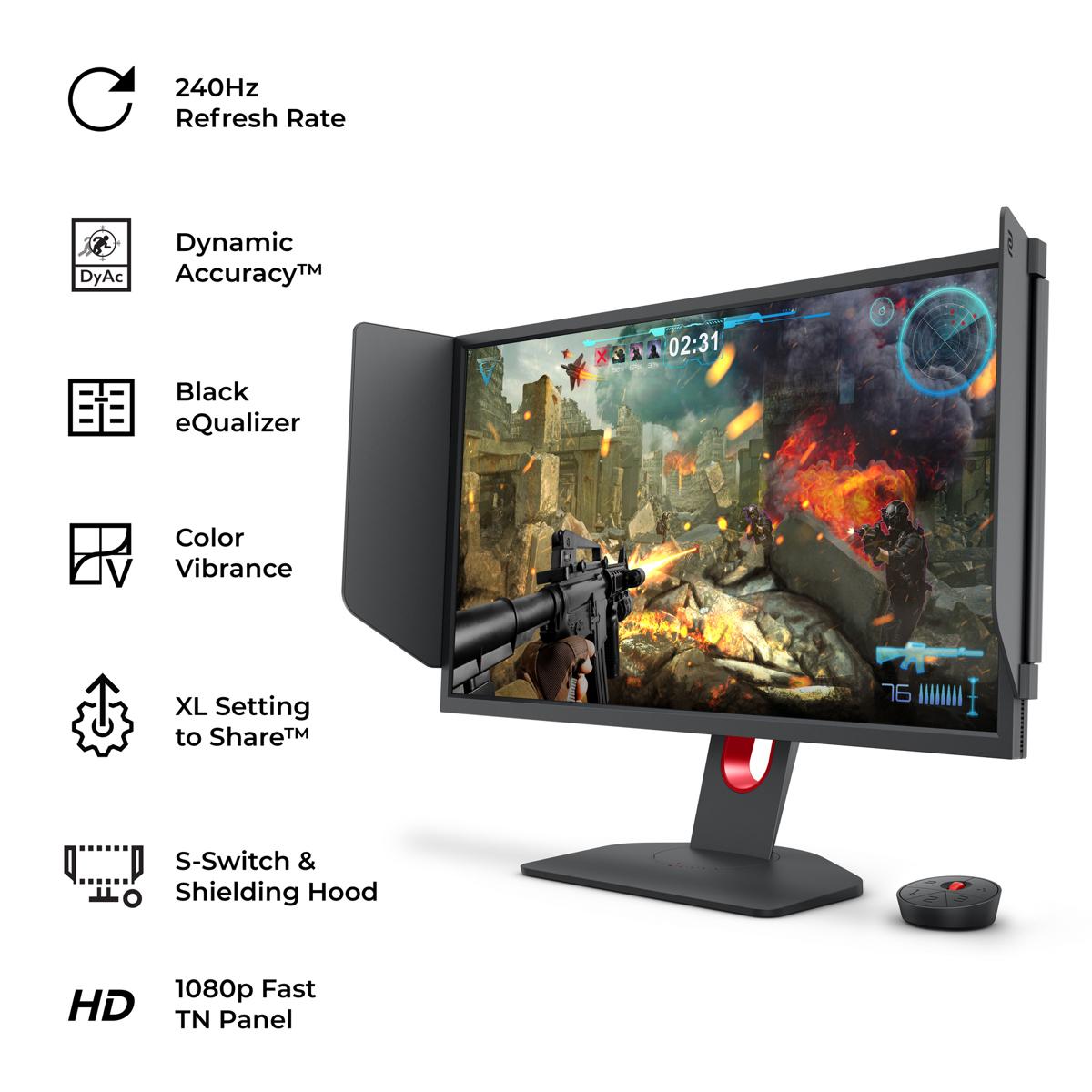
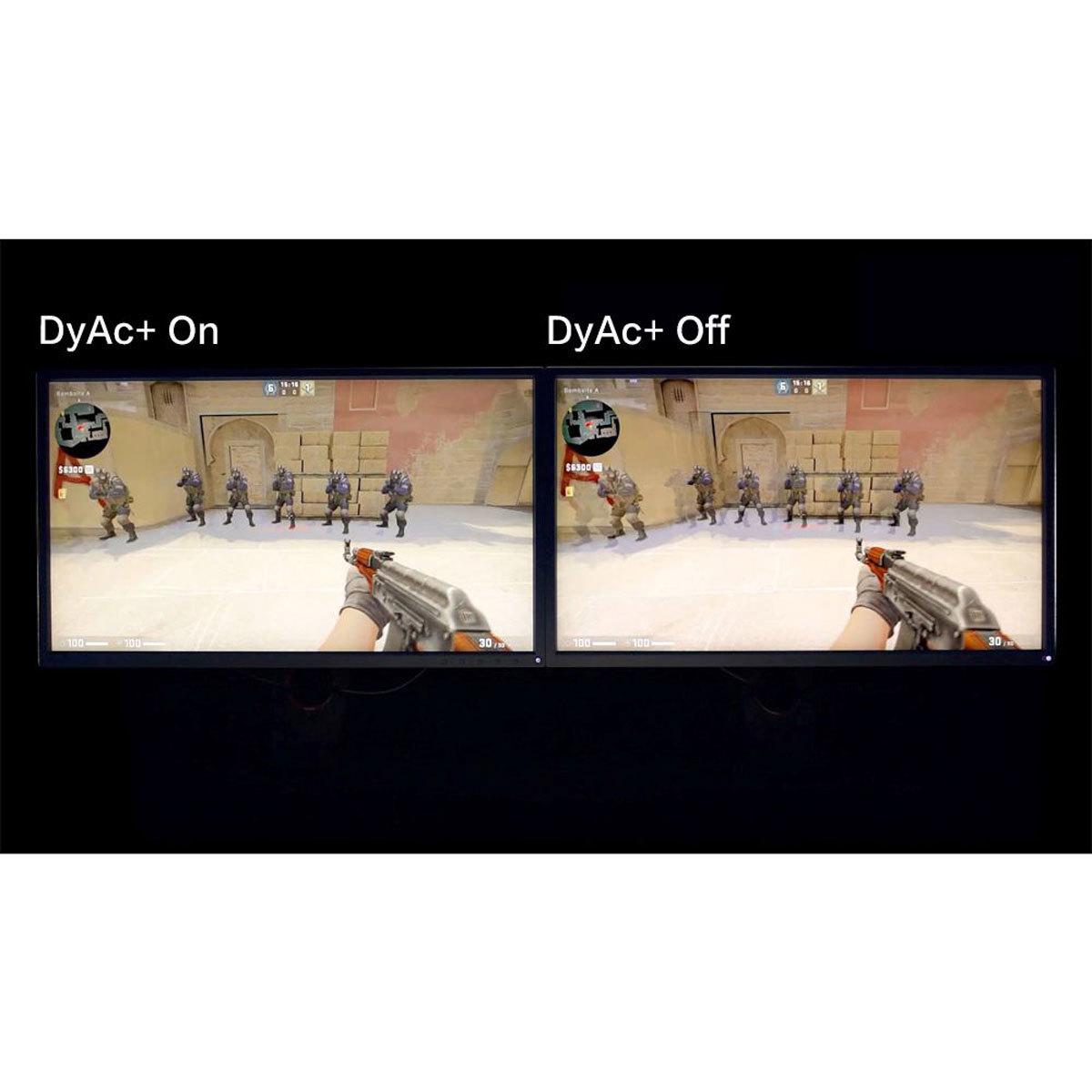
The BenQ XL2746K's 240Hz refresh rate enters the realm of diminishing returns for most players, but it serves a specific purpose for serious competitive gamers. The difference between 160Hz and 240Hz is subtle, but in professional esports where milliseconds matter, that extra smoothness can provide a competitive edge. More importantly, the BenQ monitor includes DyAc+ (Dynamic Accuracy Plus) technology, which is essentially advanced motion blur reduction.
DyAc+ works by precisely controlling the monitor's backlight to reduce motion blur during fast movements. When you're tracking an enemy player across the screen in a first-person shooter, DyAc+ helps keep that target sharp and clear rather than appearing as a blurry streak. This technology is particularly valuable in games like Counter-Strike or Valorant, where precise aiming is crucial.
The Sony INZONE M9 II excels in areas that matter for modern console gaming. With HDMI 2.1 support, it can handle 4K gaming at 120Hz from a PlayStation 5 or Xbox Series X—something that wasn't possible with older monitor standards. The Auto HDR Tone Mapping feature specifically optimizes the display for PlayStation 5 games, automatically adjusting settings for the best possible image quality without manual tweaking.
Sony has also included practical features like a 24.5-inch mode, which displays games at a smaller size with black borders around the edges. This might sound strange, but many professional esports players prefer smaller displays because they can see the entire screen without moving their eyes as much. By including this mode on a 27-inch panel, the Sony INZONE M9 II offers flexibility for different gaming preferences.
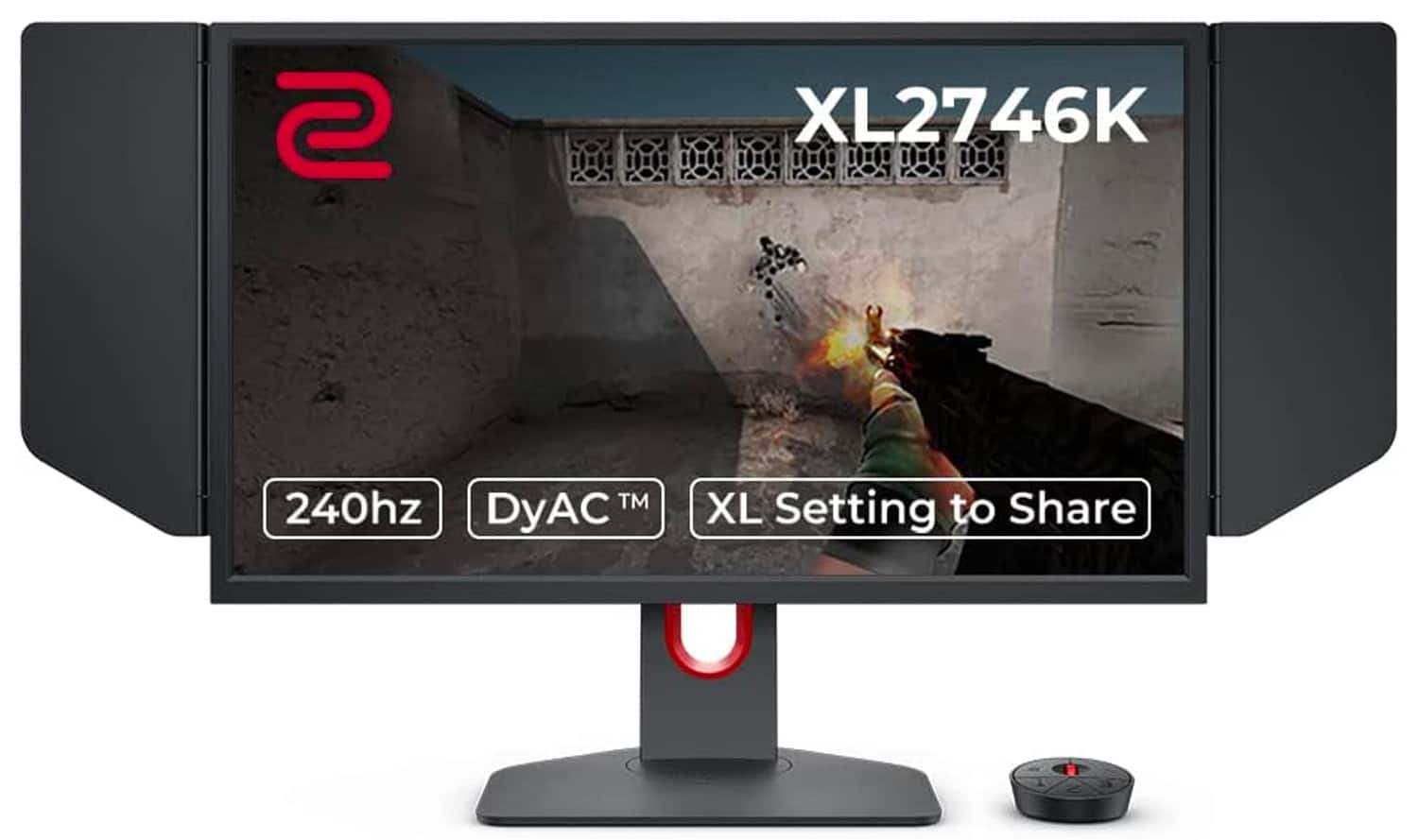
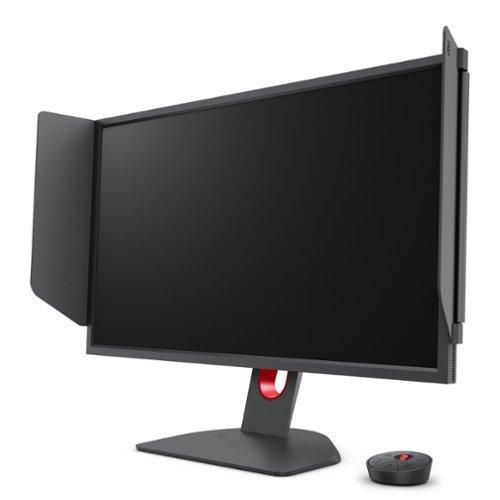
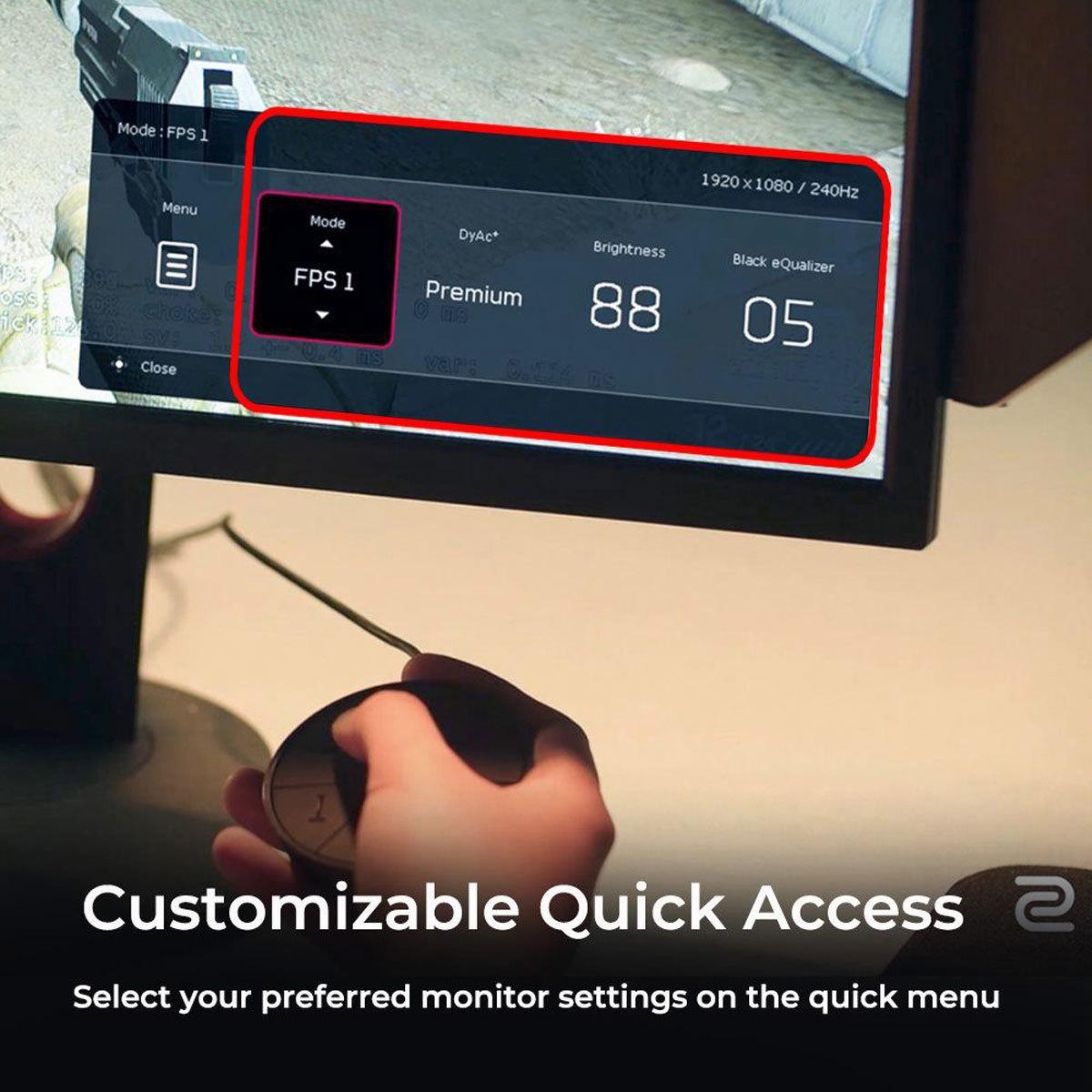
The BenQ XL2746K approaches gaming features from a purely competitive perspective. The S Switch is a wireless controller that lets players quickly change between saved setting profiles—useful when switching between different games or lighting conditions during tournaments. The XL Setting to Share feature allows players to export their monitor settings and share them with teammates or download settings from professional players.
Black eQualizer and Color Vibrance are two features specifically designed for competitive advantage. Black eQualizer brightens dark areas without affecting bright areas, making it easier to spot enemies hiding in shadows. Color Vibrance allows fine-tuning of color saturation, which can help make enemy players stand out more clearly against game backgrounds.
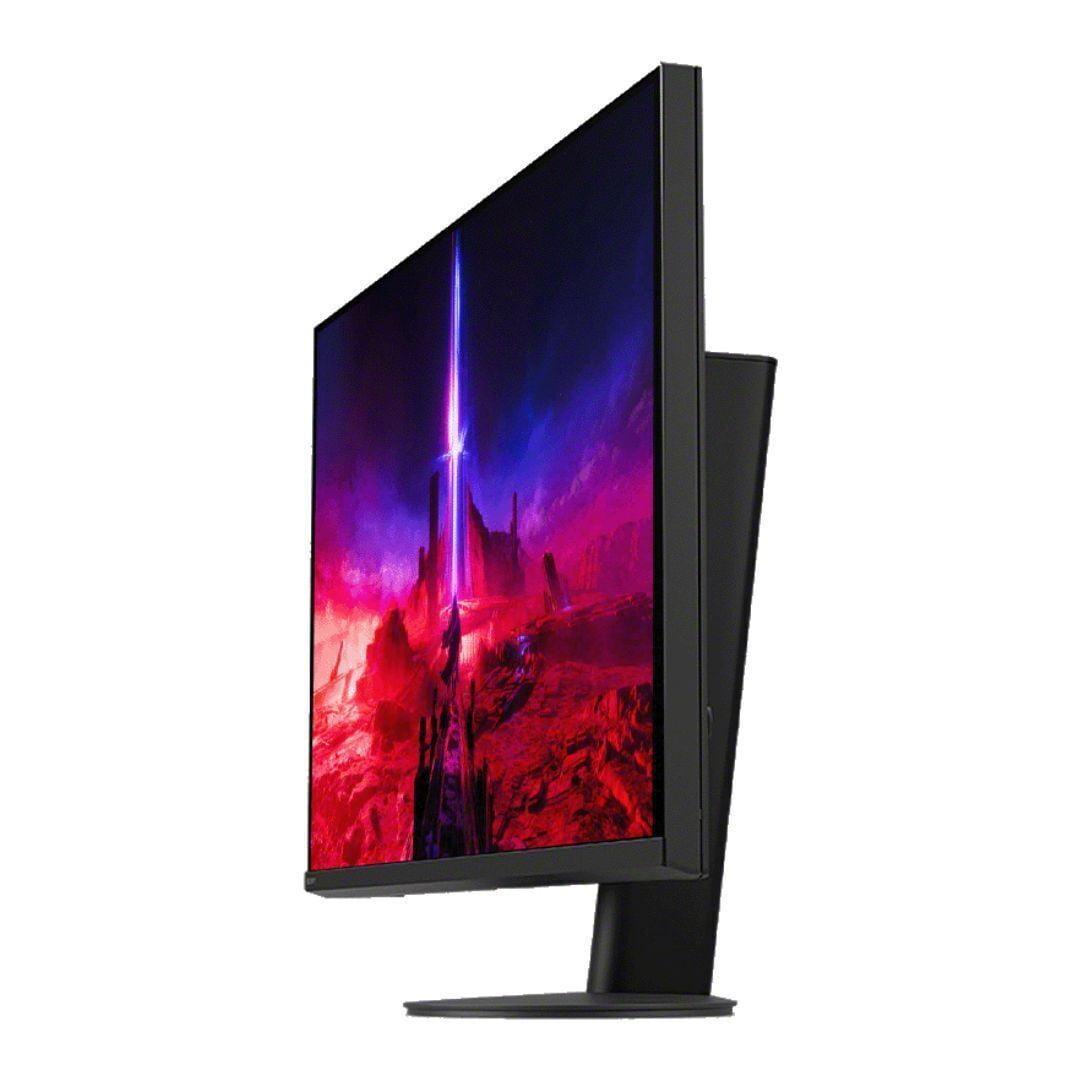
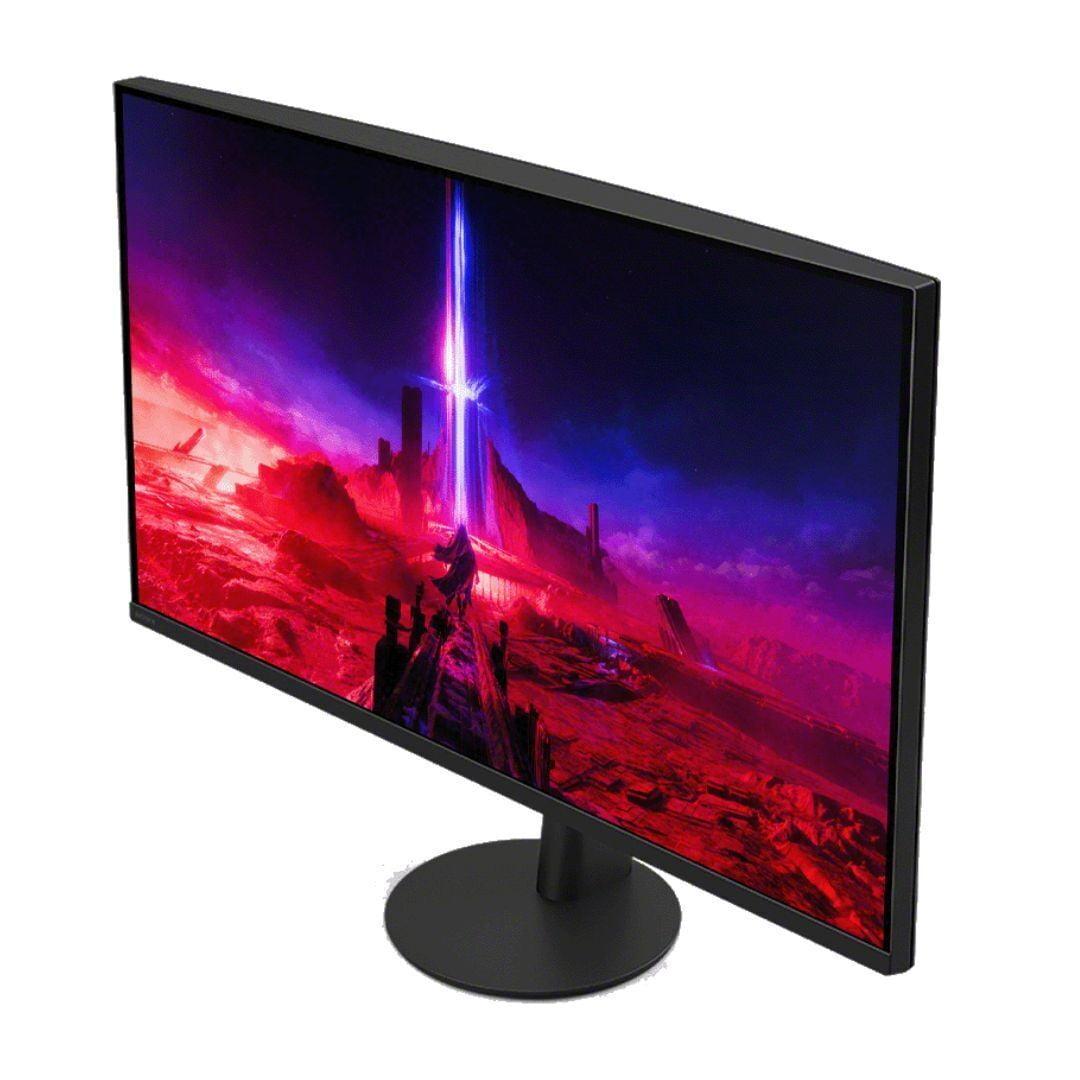
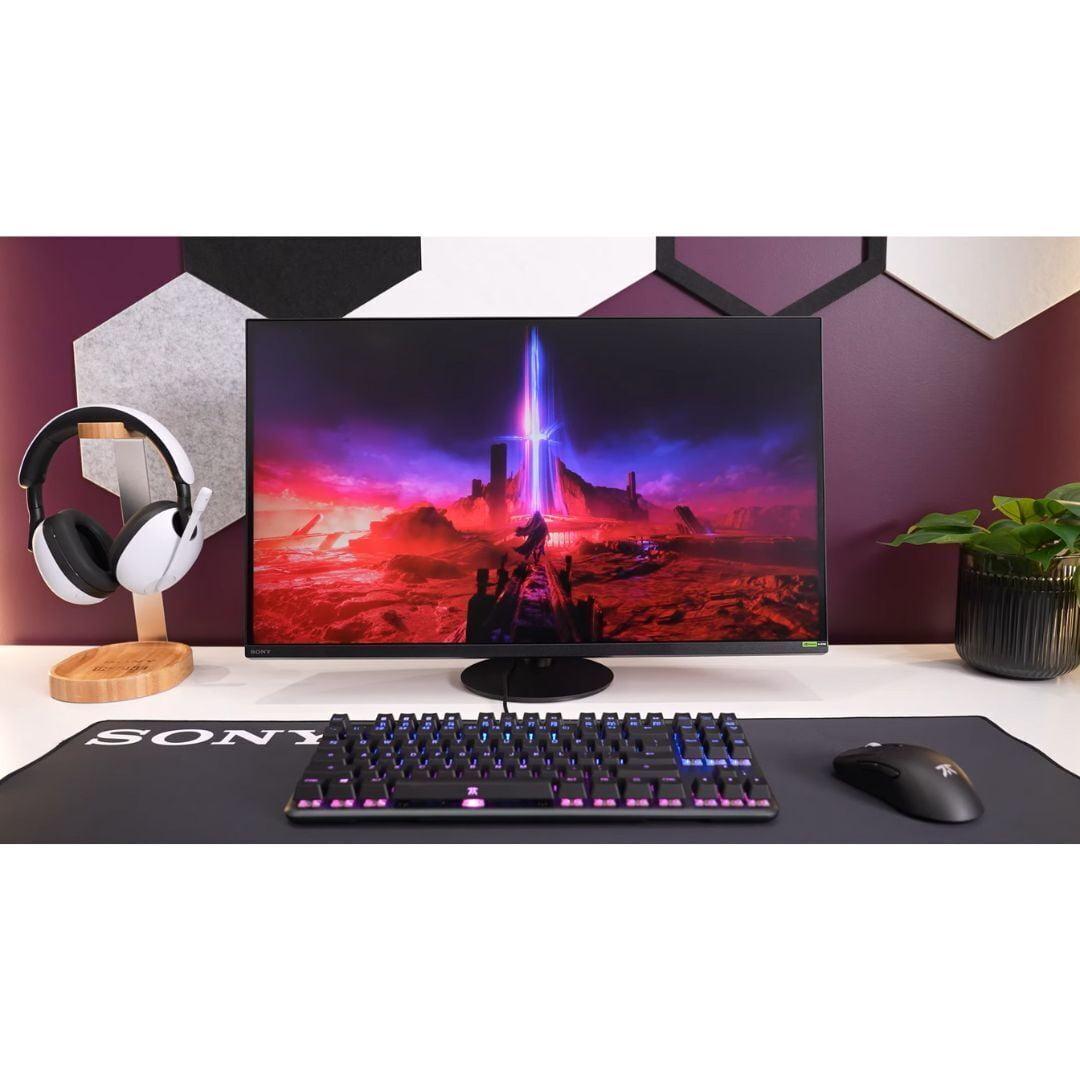
Both monitors offer excellent build quality, but they emphasize different aspects. The Sony INZONE M9 II features a premium design with a compact circular base that takes up minimal desk space while still providing stability. The stand offers height, tilt, and swivel adjustments, making it easy to find a comfortable viewing position for long gaming sessions.
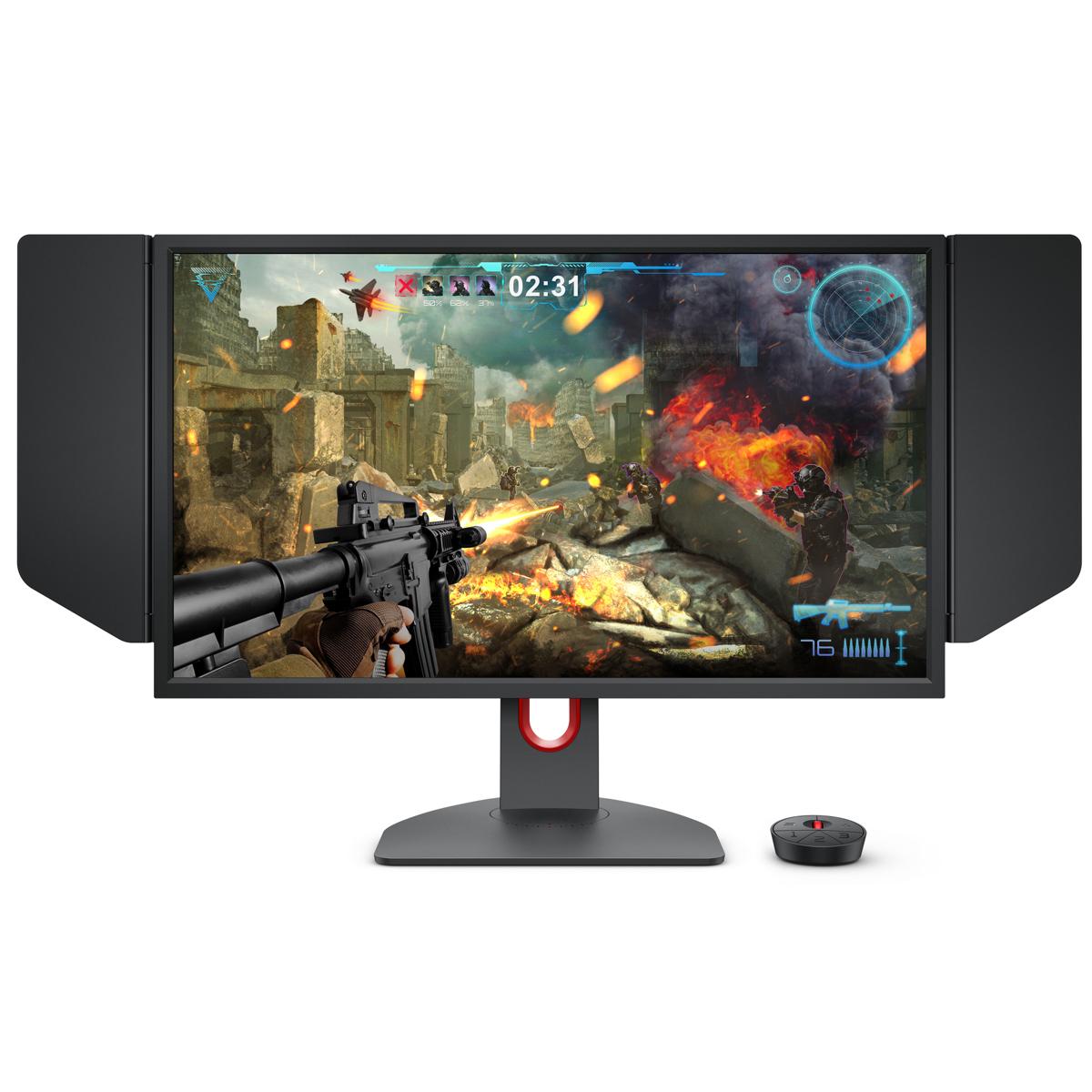
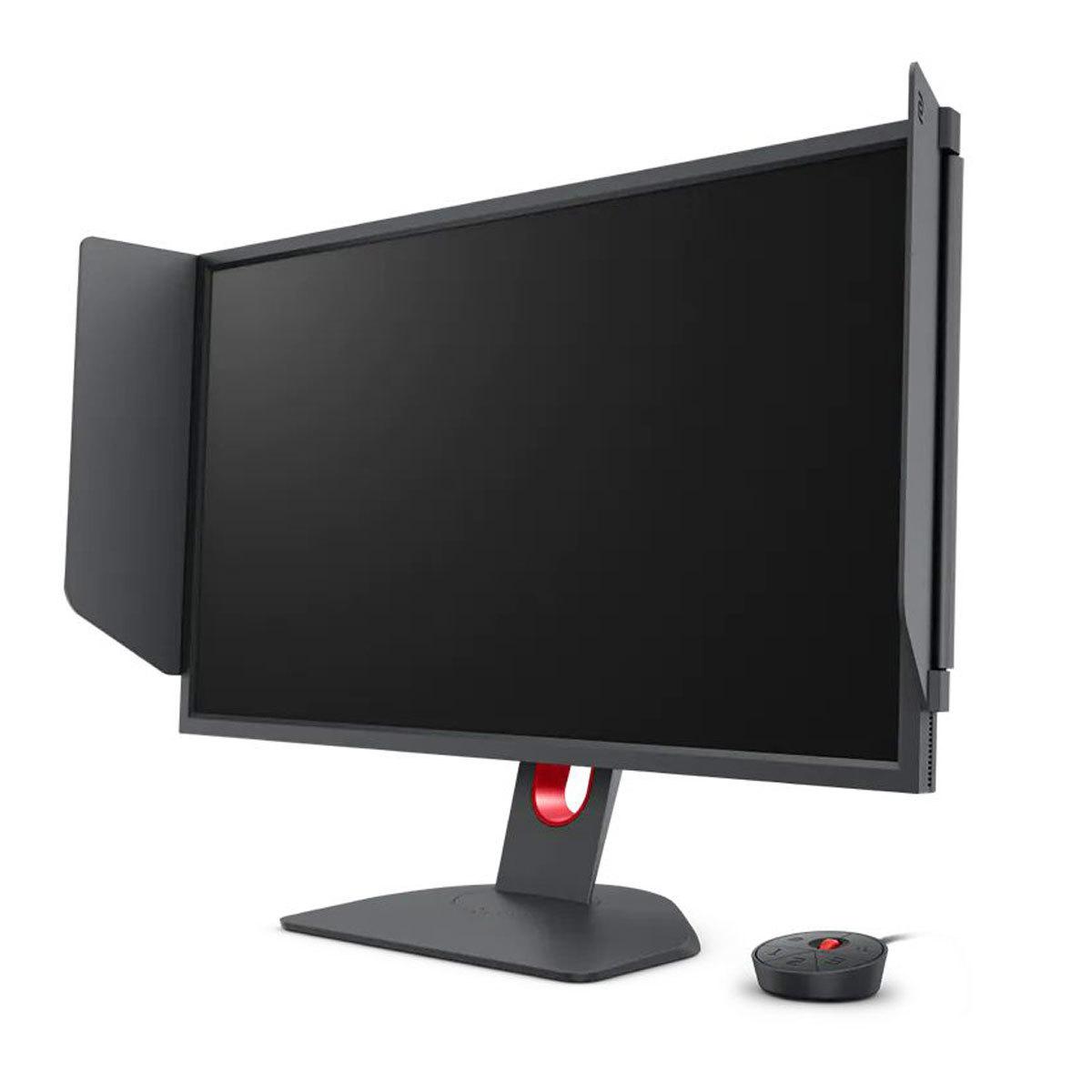
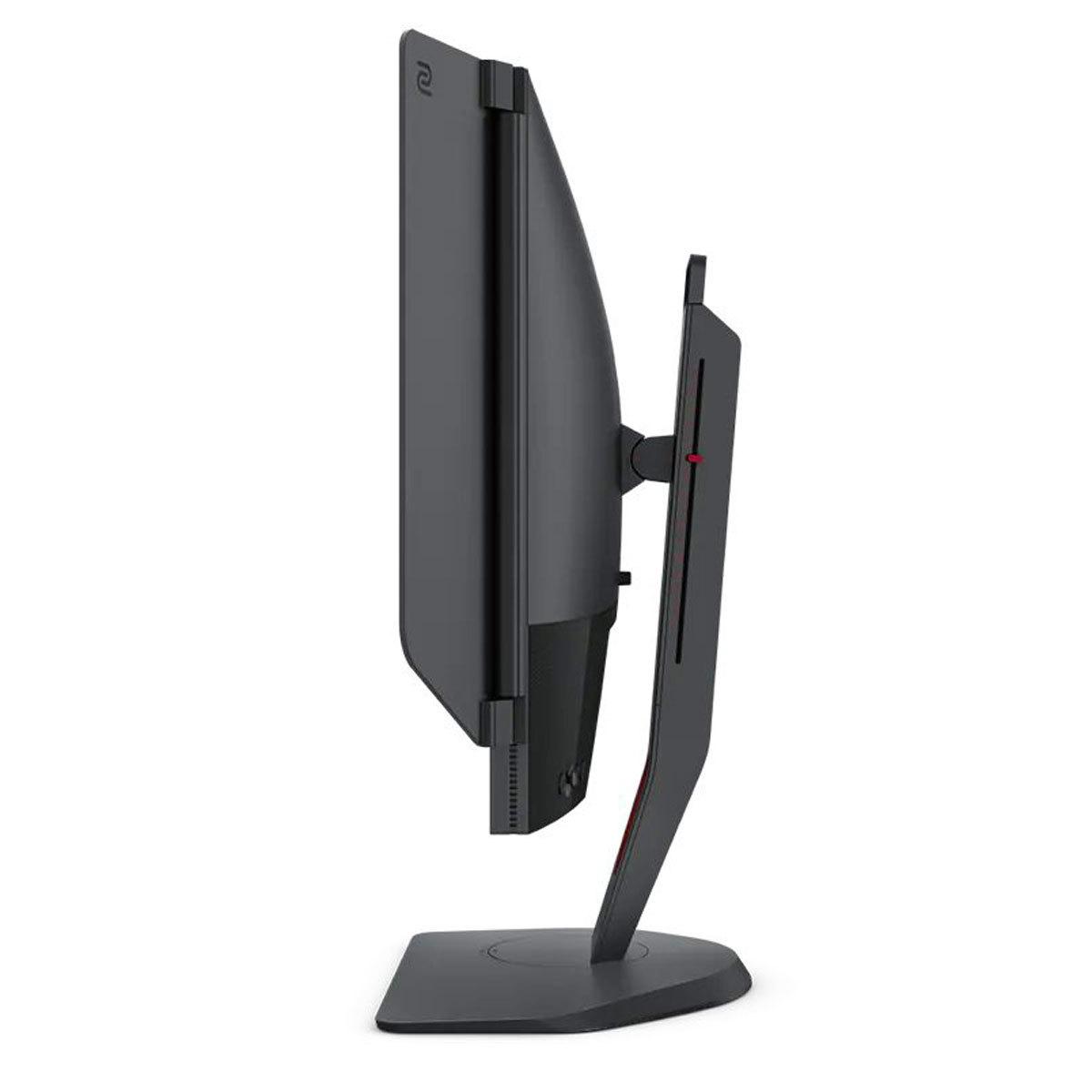
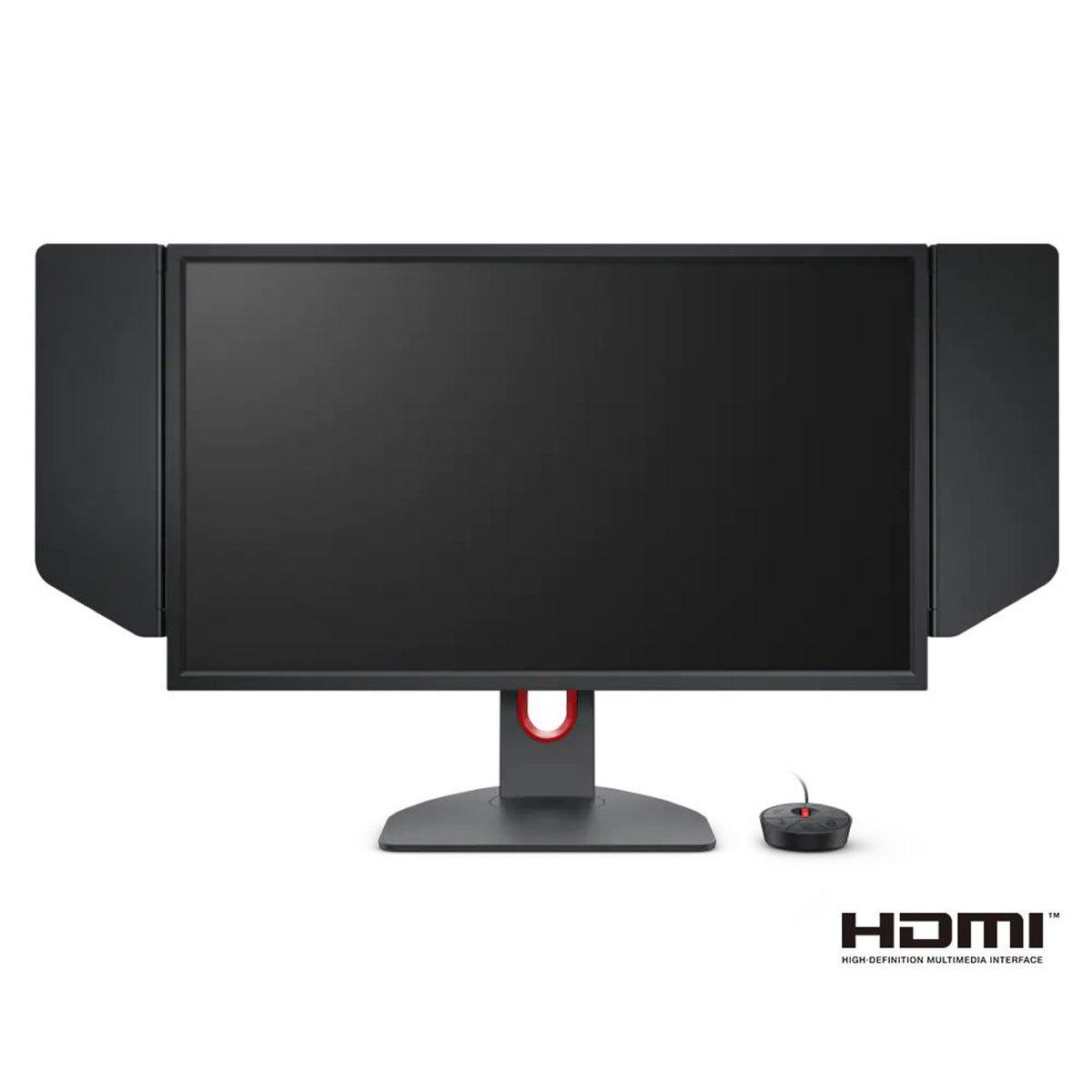
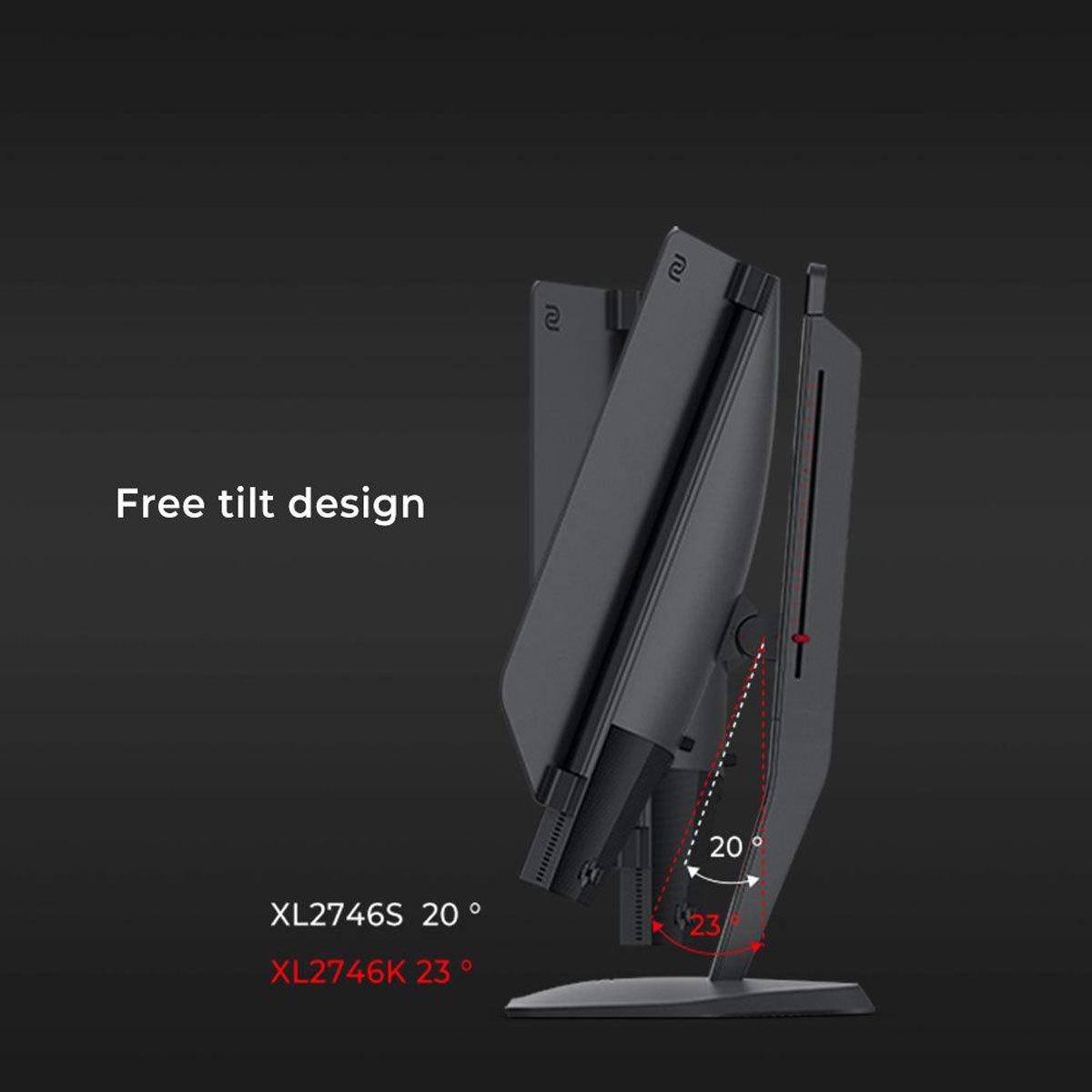
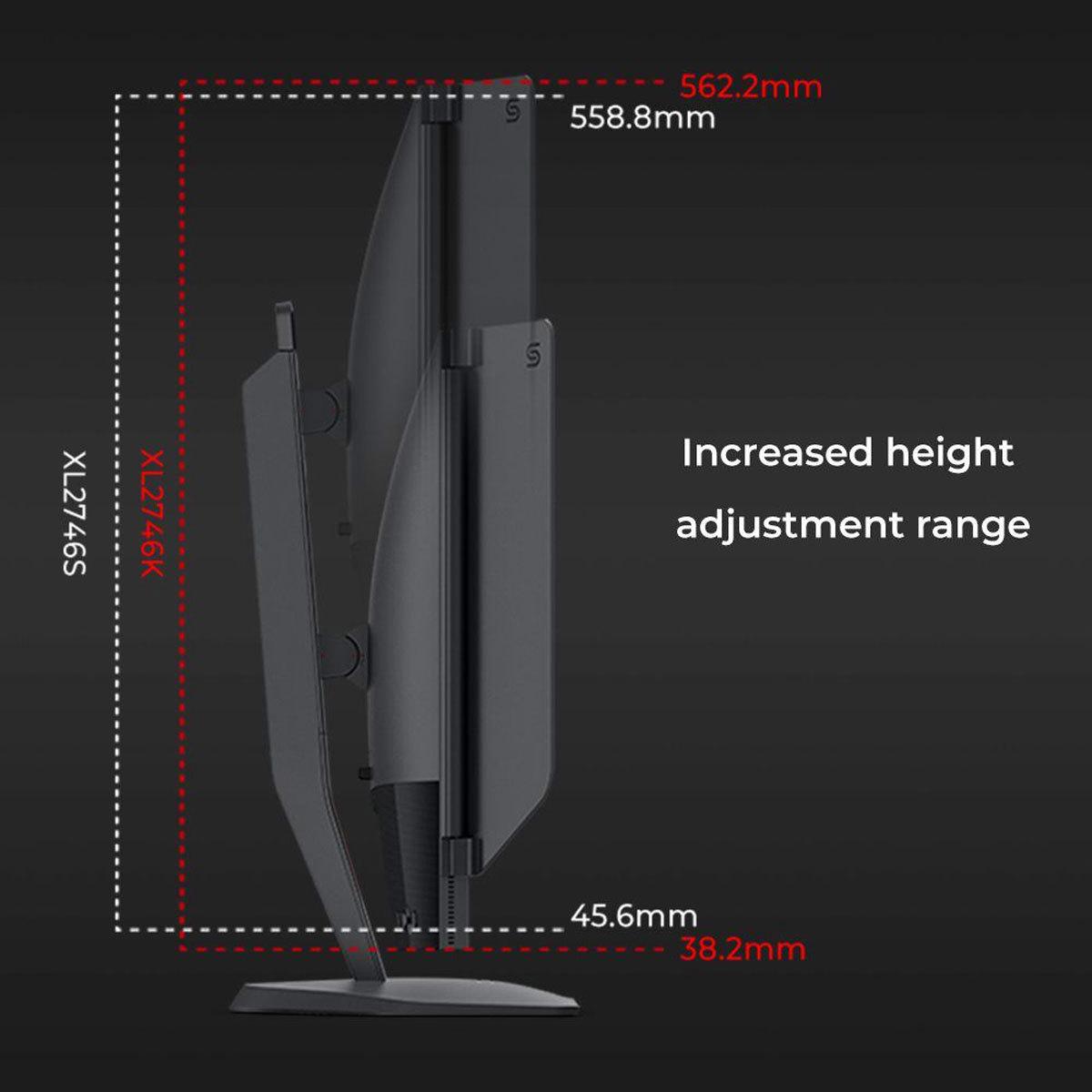
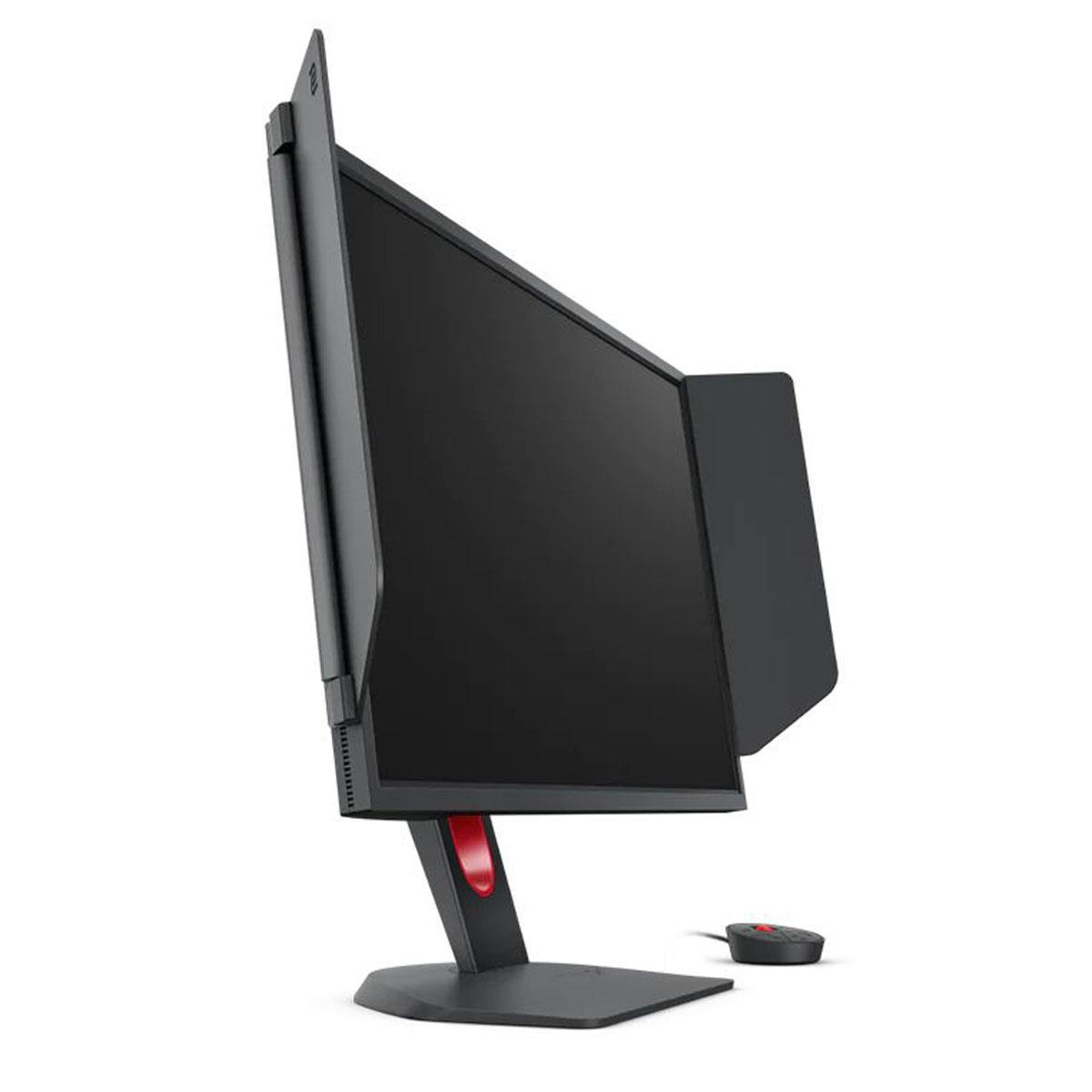
The BenQ XL2746K takes a more utilitarian approach with extensive ergonomic adjustments including height, tilt, swivel, and pivot capabilities. The ability to rotate the screen 90 degrees might seem unnecessary, but some competitive players prefer portrait orientation for certain games or streaming setups. The monitor also includes a detachable Shielding Hood—physical panels that attach to the sides of the display to block distractions and help maintain focus during intense gaming sessions.
Connectivity represents another area where these monitors serve different needs. The Sony INZONE M9 II includes DisplayPort 2.1 and dual HDMI 2.1 ports, providing bandwidth for high-resolution, high-refresh-rate gaming from both PCs and next-generation consoles. The USB hub functionality adds convenience for connecting peripherals like gaming keyboards and mice.
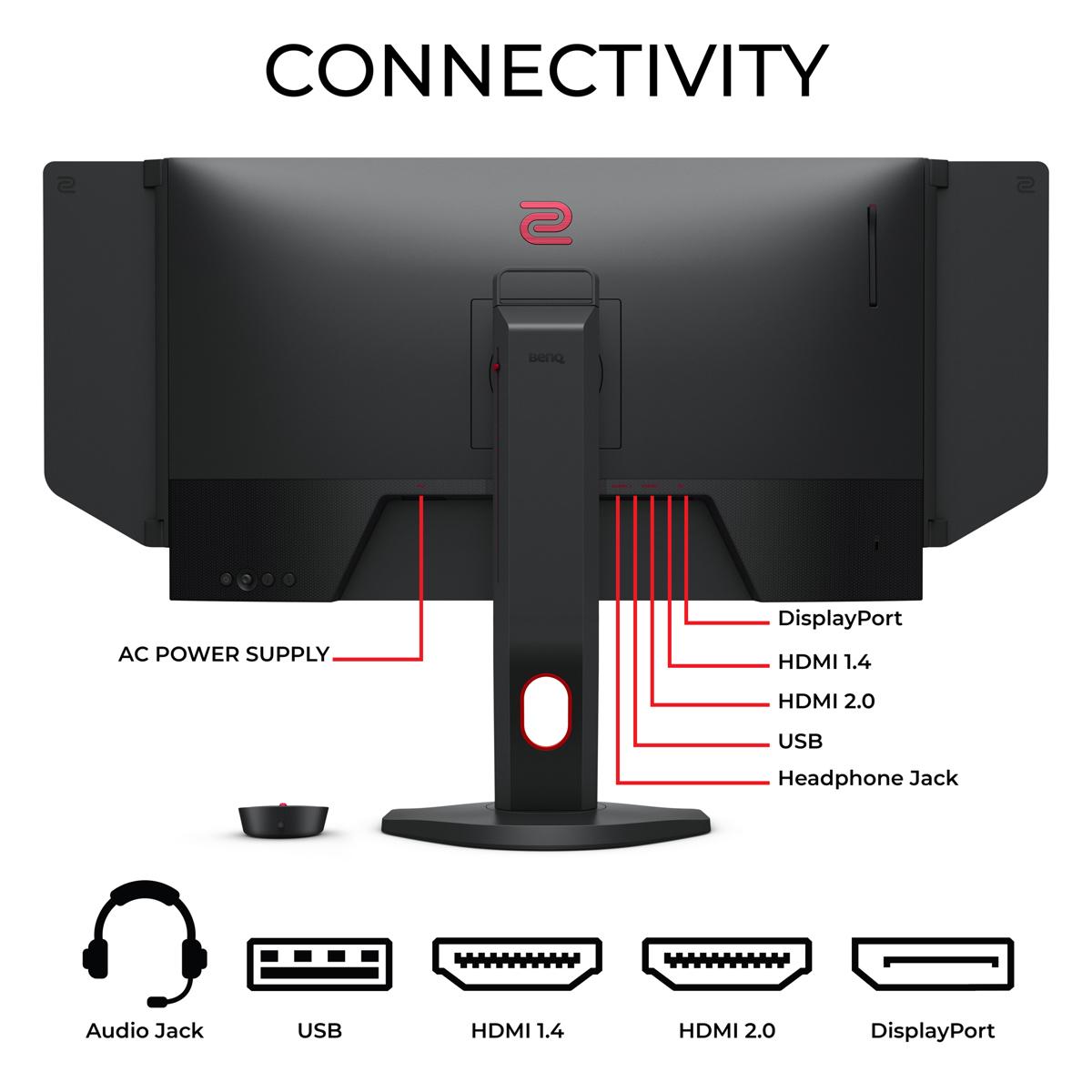
The BenQ XL2746K offers multiple HDMI 2.0 ports and DisplayPort 1.2, which provides sufficient bandwidth for 1080p gaming at 240Hz. While not as future-proof for 4K gaming, this connectivity setup perfectly matches the monitor's competitive gaming focus.
For single-player gaming, the Sony INZONE M9 II creates a more immersive experience. Games like Cyberpunk 2077 or Red Dead Redemption 2 benefit enormously from the 4K resolution and HDR support—you'll notice details in textures and lighting that simply aren't visible on lower-resolution displays. The color accuracy makes these games look closer to what the developers intended.
However, driving games at 4K resolution requires significant graphics card power. At the time of writing, you'll need at least a mid-to-high-end graphics card to maintain smooth frame rates in demanding games at 4K resolution. This is where the BenQ XL2746K offers an advantage—achieving 240 FPS at 1080p is much more attainable with mainstream graphics cards.
For competitive gaming, the BenQ XL2746K provides measurable advantages in motion clarity and responsiveness. The DyAc+ technology really does make moving targets appear clearer, and the 240Hz refresh rate provides the smoothest possible motion. These benefits are most noticeable in fast-paced first-person shooters where quick reactions are essential.
If you're considering using either monitor for home theater purposes, the Sony INZONE M9 II is the clear winner. The 4K resolution, HDR support, and accurate color reproduction make it suitable for watching movies and streaming content. While 27 inches isn't large for a home theater display, it works well for desktop viewing or smaller rooms.
The BenQ XL2746K isn't designed for media consumption. The TN panel's limited color accuracy and viewing angles, combined with the lack of HDR support, make it less enjoyable for watching movies or TV shows.
At the time of writing, these monitors occupy different price segments, reflecting their distinct target audiences. The Sony INZONE M9 II commands a premium price that's justified by its 4K resolution, HDR implementation, and comprehensive feature set. It's an investment in a display that can handle everything from competitive gaming to professional work to media consumption.
The BenQ XL2746K offers excellent value for competitive gamers who prioritize performance over visual fidelity. While it costs less than the Sony monitor, it excels in the specific metrics that matter most for esports competition.
Choose the Sony INZONE M9 II if you want a premium gaming experience with stunning visuals. It's ideal for gamers who enjoy single-player adventures, own a PlayStation 5, or need a monitor that can handle both gaming and productivity work. The 4K resolution and HDR support future-proof your setup for upcoming games and content.
The BenQ XL2746K is the better choice for serious competitive gamers who prioritize performance over visual fidelity. If you primarily play first-person shooters like Counter-Strike, Valorant, or Apex Legends, the superior motion clarity and ultra-low latency can provide a genuine competitive advantage.
Consider your graphics card capabilities as well—the Sony monitor requires significantly more GPU power to reach its full potential at 4K, while the BenQ monitor is easier to drive at maximum refresh rates.
Both monitors represent excellent choices within their respective categories. The Sony INZONE M9 II delivers a premium gaming experience with versatility for other uses, while the BenQ XL2746K provides specialized competitive gaming performance at a more accessible price point. Your choice ultimately depends on whether you prioritize visual excellence or competitive performance in your gaming setup.
| Sony INZONE M9 II 27" 4K 160Hz Gaming Monitor | BenQ Zowie XL2746K 27" 240Hz Esports Gaming Monitor |
|---|---|
| Resolution - Determines image sharpness and GPU requirements | |
| 4K (3840×2160) - Crystal clear detail but needs powerful graphics card | 1080p (1920×1080) - Lower pixel density but easier to drive at high frame rates |
| Refresh Rate - Higher numbers mean smoother motion | |
| 160Hz - Excellent for most gaming, noticeable improvement over 60Hz | 240Hz - Ultimate smoothness for competitive esports, diminishing returns for casual gaming |
| Panel Technology - Affects color quality and response speed | |
| IPS with 96-zone Full Array Local Dimming - Vibrant colors, good contrast, wide viewing angles | TN - Fastest response times but limited colors and narrow viewing angles |
| HDR Support - Enhanced contrast and color range for immersive gaming | |
| HDR600 certified, 750 nit peak brightness - Rich, cinematic visuals | No HDR - Consistent brightness preferred for competitive gaming |
| Response Time - Lower is better for reducing motion blur | |
| 1ms GtG - Fast enough for most gaming scenarios | Proprietary fast liquid crystal - Optimized specifically for competitive FPS gaming |
| Gaming Features - Specialized tools for different gaming styles | |
| PS5 Auto HDR mapping, 24.5" esports mode, crosshairs | DyAc+ motion blur reduction, Black eQualizer, S Switch controller, XL Setting Share |
| Connectivity - Future-proofing and device compatibility | |
| DisplayPort 2.1, 2× HDMI 2.1, USB hub - Ready for next-gen consoles and high-end PCs | DisplayPort 1.2, 3× HDMI 2.0 - Adequate for current competitive gaming setups |
| Target Audience - Who gets the most value from each monitor | |
| Premium gamers wanting 4K visuals, PS5 owners, mixed gaming/productivity users | Serious competitive FPS players, esports enthusiasts, budget-conscious competitive gamers |
| Build Quality & Ergonomics - Comfort and adjustability for long sessions | |
| Premium materials, height/tilt/swivel, compact circular base | Tournament-grade durability, full ergonomic adjustment including pivot, detachable side shields |
| Best Use Cases - When each monitor excels | |
| Single-player adventures, console gaming, content creation, mixed use | Competitive FPS games (CS:GO, Valorant), professional esports, high frame rate gaming |
The BenQ Zowie XL2746K is specifically designed for competitive gaming with its 240Hz refresh rate, DyAc+ motion blur reduction technology, and esports-focused features like Black eQualizer. Professional players prefer the ultra-fast TN panel and specialized tools for maximum performance in FPS games like CS:GO and Valorant.
The Sony INZONE M9 II offers 4K resolution with four times more pixels than the BenQ Zowie XL2746K's 1080p display. This means sharper images and more detail, but requires a more powerful graphics card. The 1080p monitor is easier to drive at high frame rates, making it better for competitive gaming where performance matters more than visual quality.
The Sony INZONE M9 II is specifically optimized for PS5 with Auto HDR Tone Mapping, HDMI 2.1 support for 4K at 120Hz, and seamless integration features. While the BenQ Zowie XL2746K supports consoles at 120Hz, it lacks the HDR and 4K capabilities that showcase next-gen console games.
Yes, the Sony INZONE M9 II requires a high-end graphics card to fully utilize its 4K resolution at 160Hz. The BenQ Zowie XL2746K is much easier to drive, allowing mid-range graphics cards to achieve 240 FPS at 1080p resolution, making it more accessible for budget-conscious gamers.
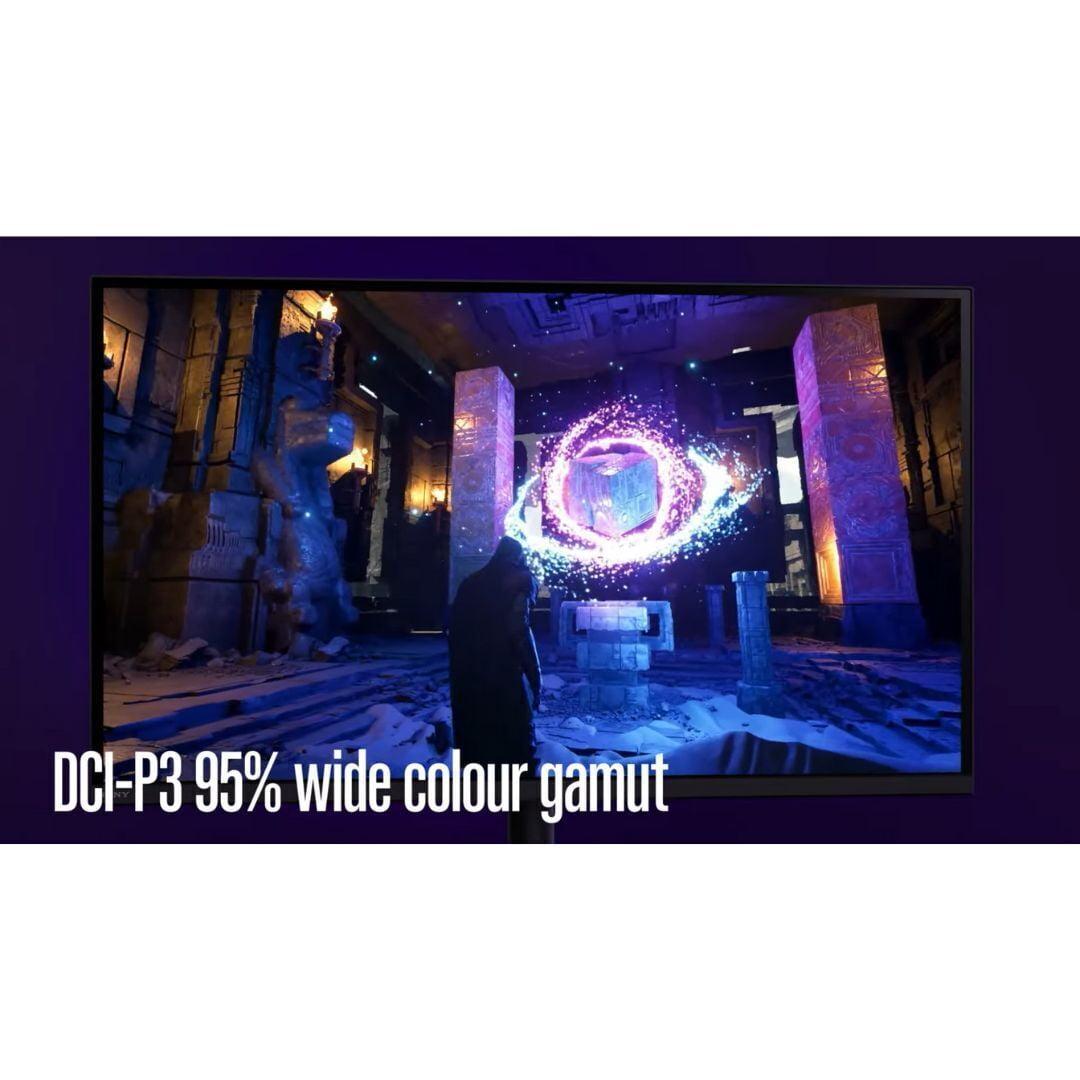
The Sony INZONE M9 II features an IPS panel with 95% DCI-P3 color coverage and HDR support, delivering vibrant and accurate colors ideal for immersive gaming and content creation. The BenQ Zowie XL2746K uses a TN panel focused on speed rather than color accuracy, making it less suitable for media consumption.
DyAc+ in the BenQ Zowie XL2746K is advanced motion blur reduction that makes moving objects appear clearer during fast-paced gaming. This proprietary technology helps competitive players track enemies more accurately in FPS games, giving them a potential advantage over standard monitors including the Sony INZONE M9 II.
The Sony INZONE M9 II excels for content creation with its 4K resolution, accurate colors, and HDR support. The higher resolution provides more screen real estate for editing software, while the superior color reproduction ensures content looks professional. The BenQ Zowie XL2746K is designed purely for competitive gaming.
The Sony INZONE M9 II works well for desktop home theater use with its 4K resolution, HDR600 certification, and accurate color reproduction for movies and streaming content. The BenQ Zowie XL2746K isn't recommended for media consumption due to its TN panel's limited color accuracy and lack of HDR support.
Value depends on your needs. The BenQ Zowie XL2746K offers excellent value for competitive gamers who prioritize performance over visual quality. The Sony INZONE M9 II provides premium features and versatility that justify its higher cost for users wanting the best overall gaming and productivity experience.
The Sony INZONE M9 II's IPS panel offers better color accuracy, wider viewing angles, and superior contrast, making it ideal for immersive gaming and mixed use. The BenQ Zowie XL2746K's TN panel prioritizes ultra-fast response times and low input lag, perfect for competitive gaming where speed matters more than color quality.
The Sony INZONE M9 II creates a more immersive single-player gaming experience with its 4K resolution, HDR support, and vibrant IPS colors. Games like Cyberpunk 2077 and Red Dead Redemption 2 look stunning with the enhanced detail and contrast. The BenQ Zowie XL2746K focuses on competitive multiplayer performance rather than visual immersion.
Both the Sony INZONE M9 II's 160Hz and BenQ Zowie XL2746K's 240Hz provide smooth gaming well beyond standard 60Hz displays. The difference between 160Hz and 240Hz is subtle and mainly benefits serious competitive players. For most gamers, 160Hz provides excellent smoothness while allowing higher resolutions like the 4K offered by the Sony monitor.
We've done our best to create useful and informative comparisons to help you decide what product to buy. Our research uses advanced automated methods to create this comparison and perfection is not possible - please contact us for corrections or questions. These are the sites we've researched in the creation of this article: bestbuy.com - bestbuy.com - rtings.com - rtings.com - tomshardware.com - youtube.com - bhphotovideo.com - bestbuy.com - sony.com - techpowerup.com - electronics.sony.com - sony.com - displayspecifications.com - direct.playstation.com - youtube.com - sony.com - sony.com - displayspecifications.com - bhphotovideo.com - displayspecifications.com - rtings.com - youtube.com - bestbuy.com - versus.com - youtube.com - versus.com - forums.blurbusters.com - pcmonitors.info - youtube.com - bhphotovideo.com - zowie.benq.com - bhphotovideo.com - device.report - newegg.com - bestbuy.com - displayspecifications.com - provantage.com - zowie.benq.com - smallonlineshop.com.sg - camcor.com

Privacy Policy
Terms and Conditions - Affiliate Policy
Home Security
© Copyright 2008-2026.
11816 Inwood Rd #1211, Dallas, TX 75244