

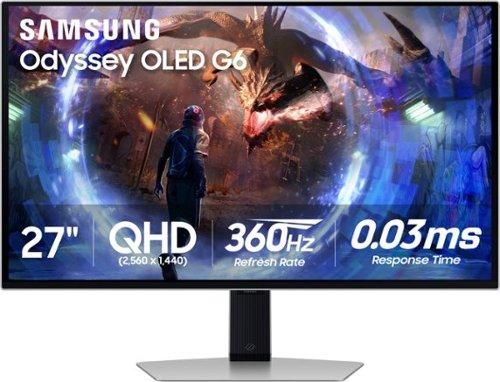
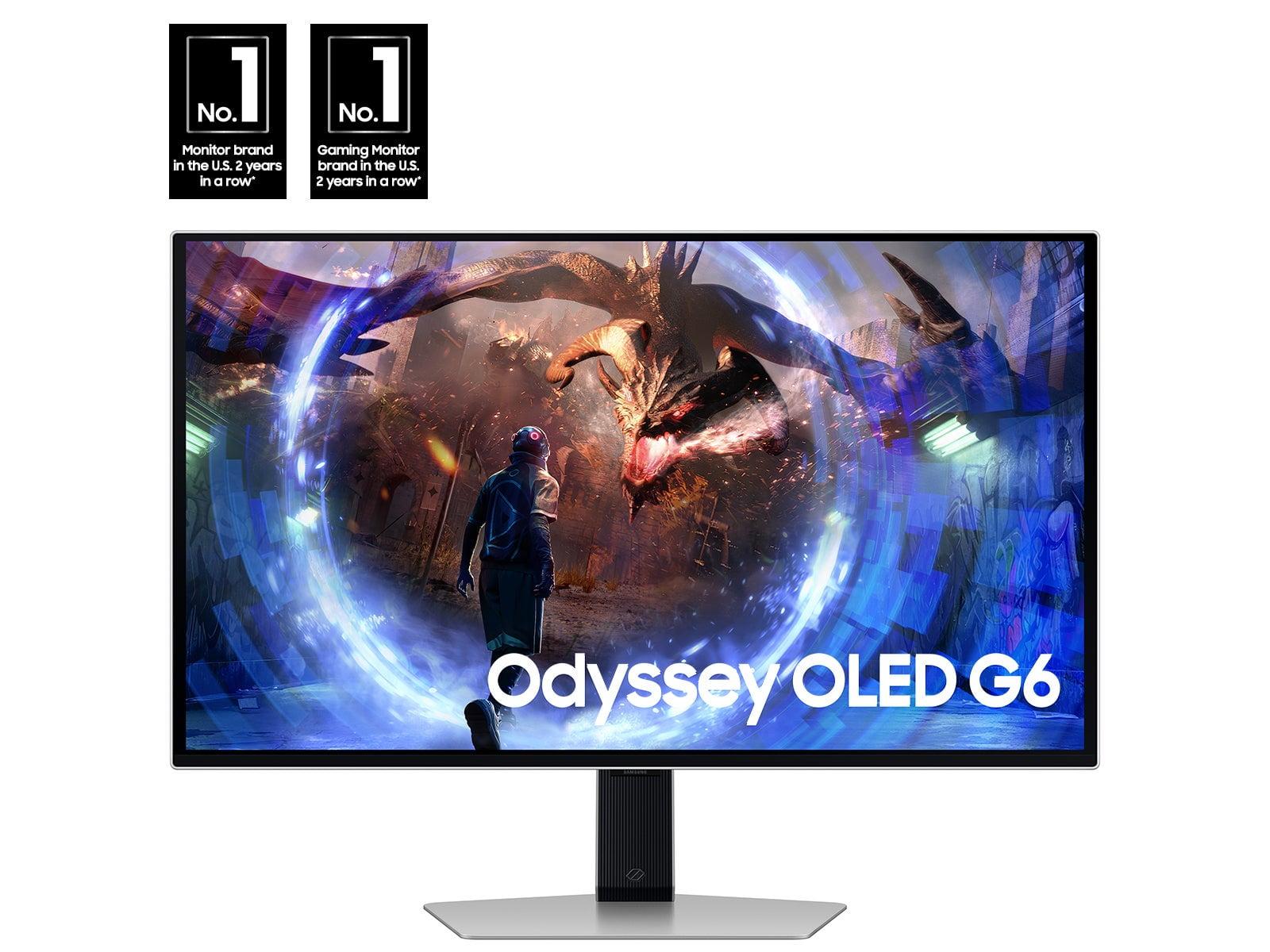

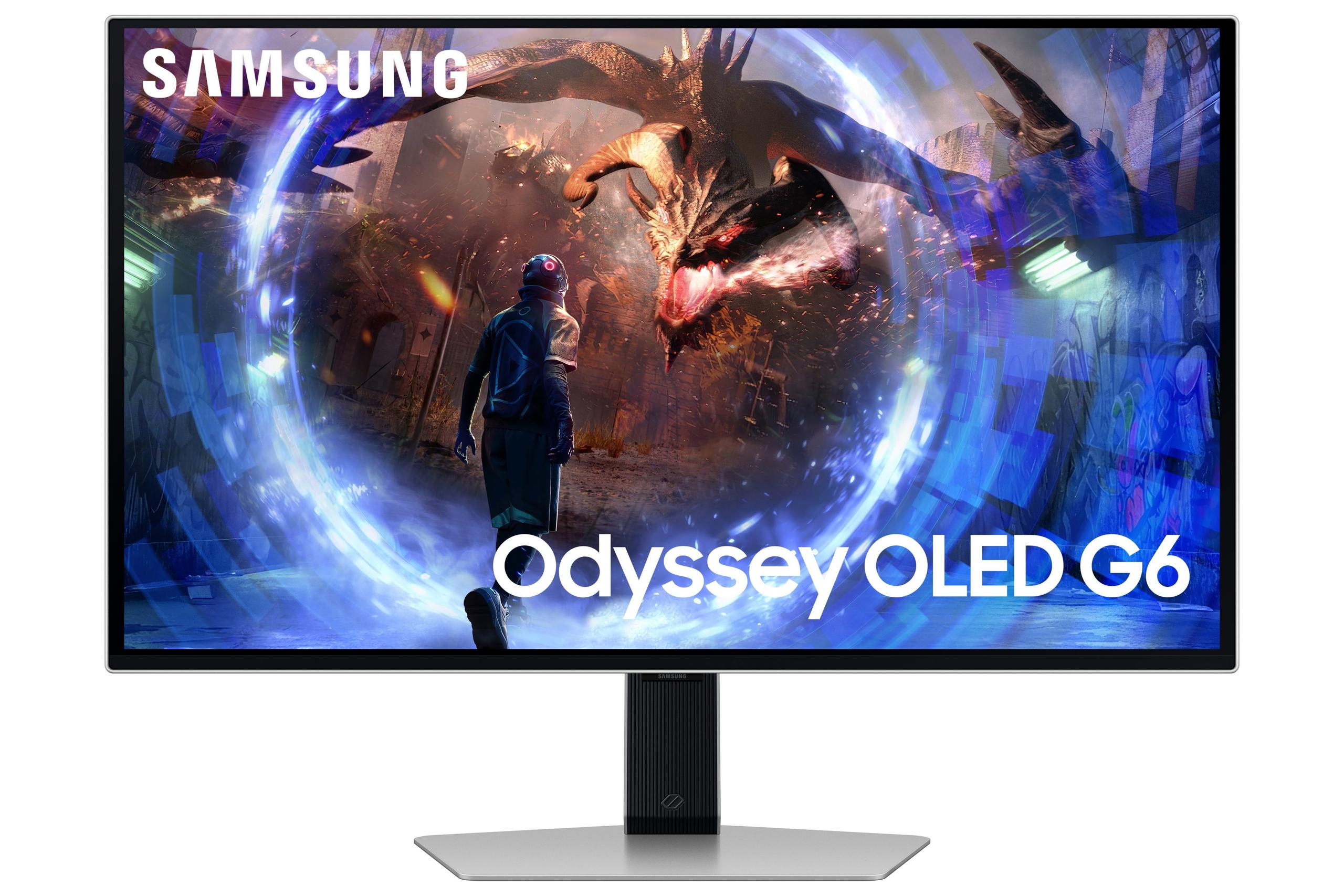
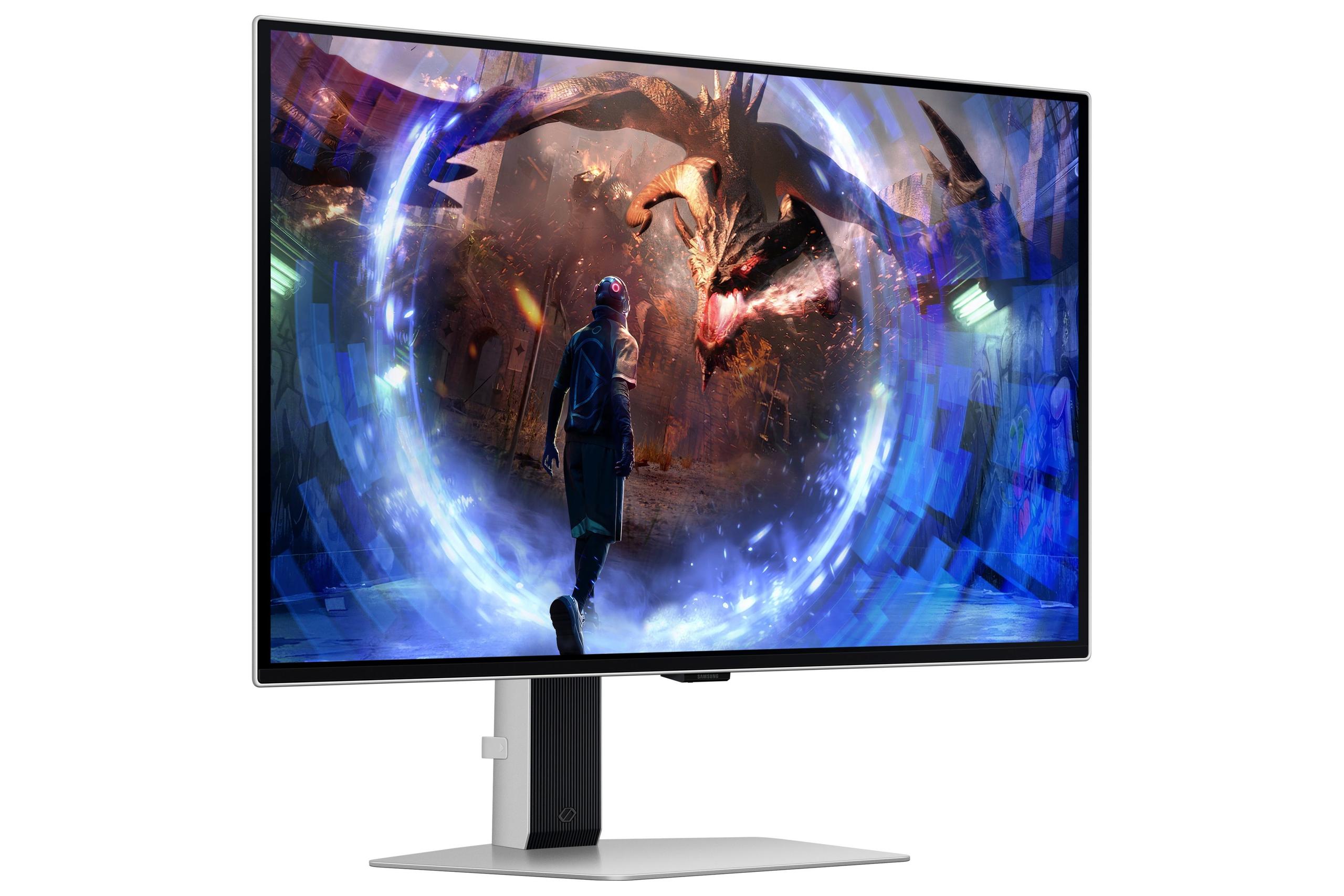
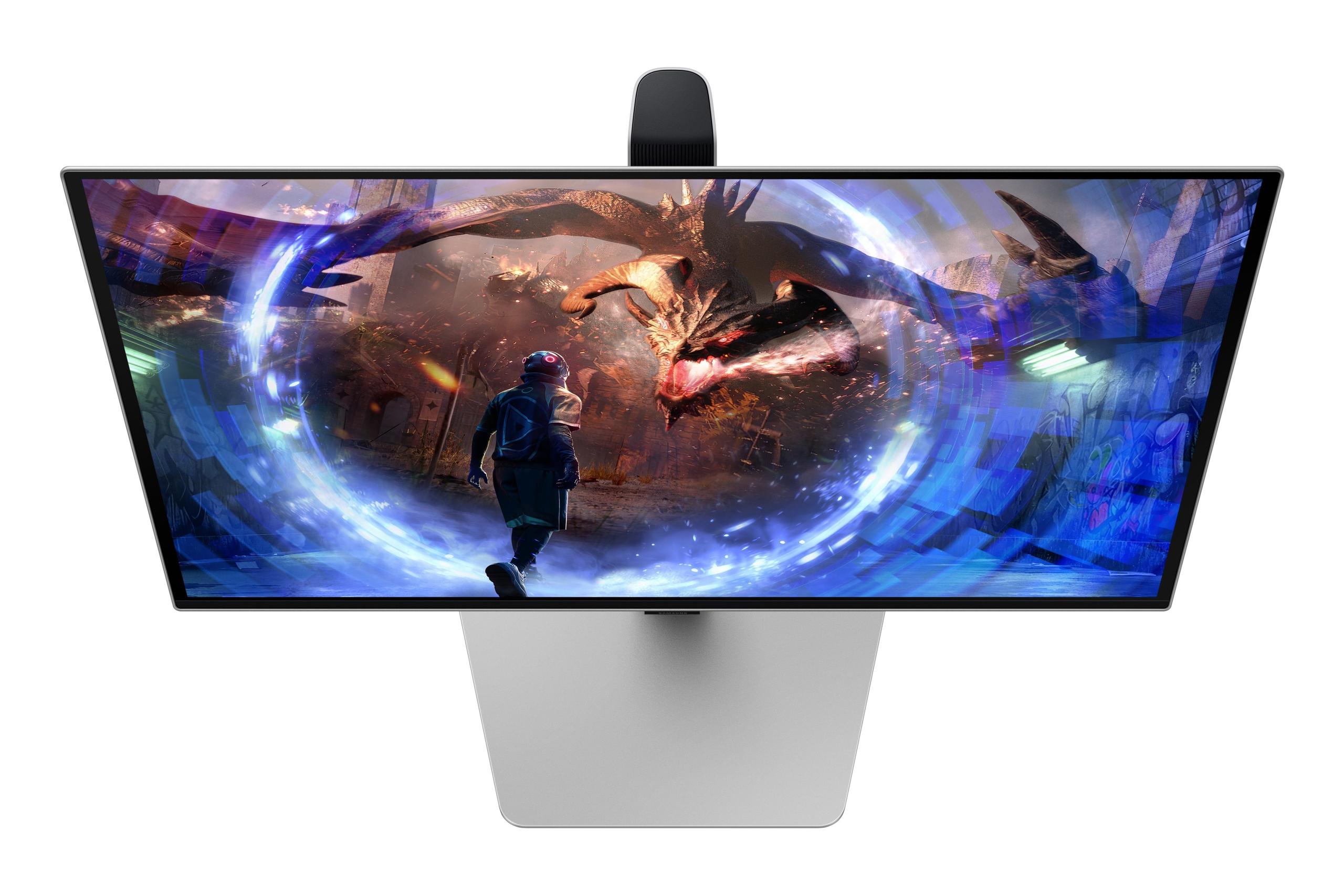
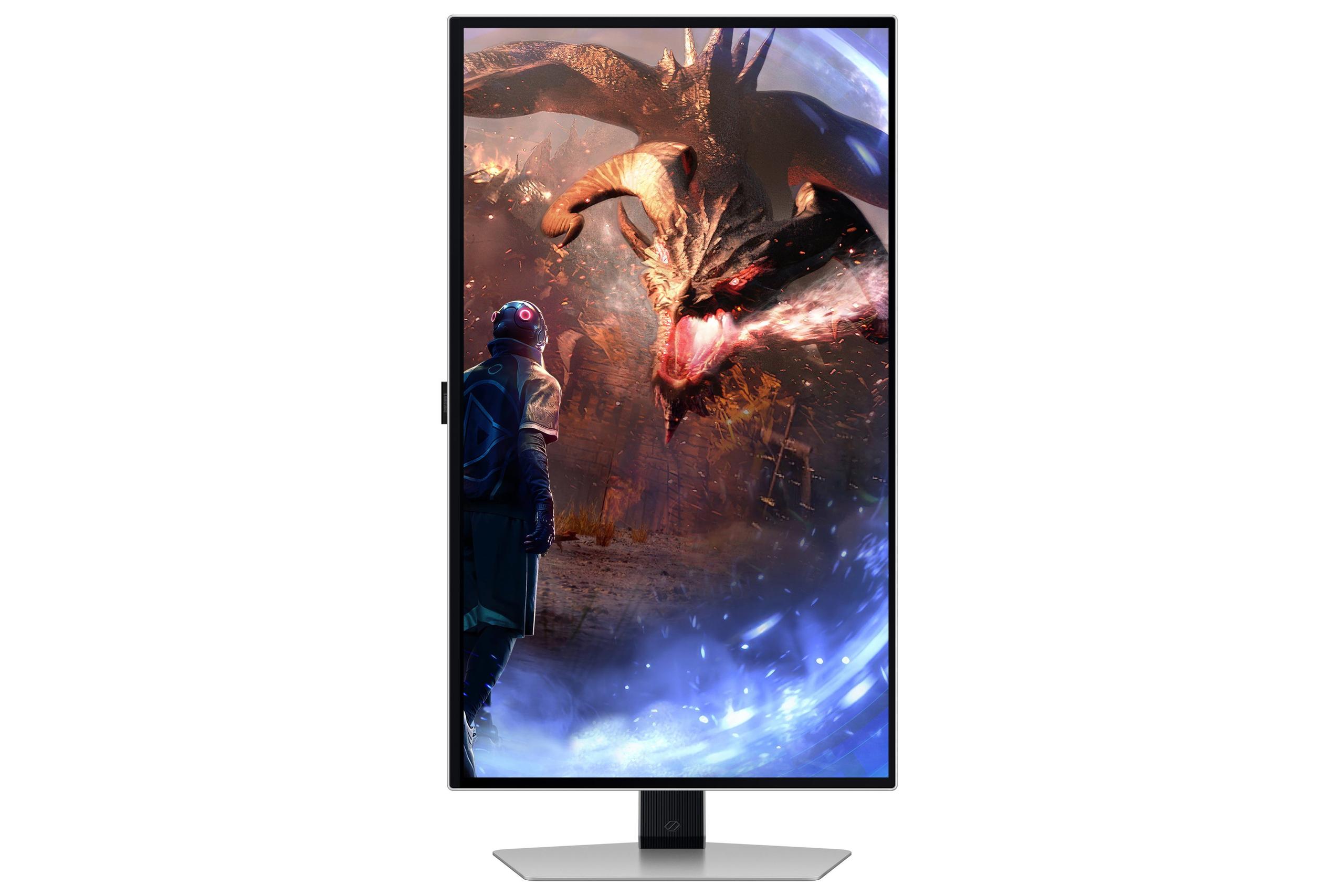

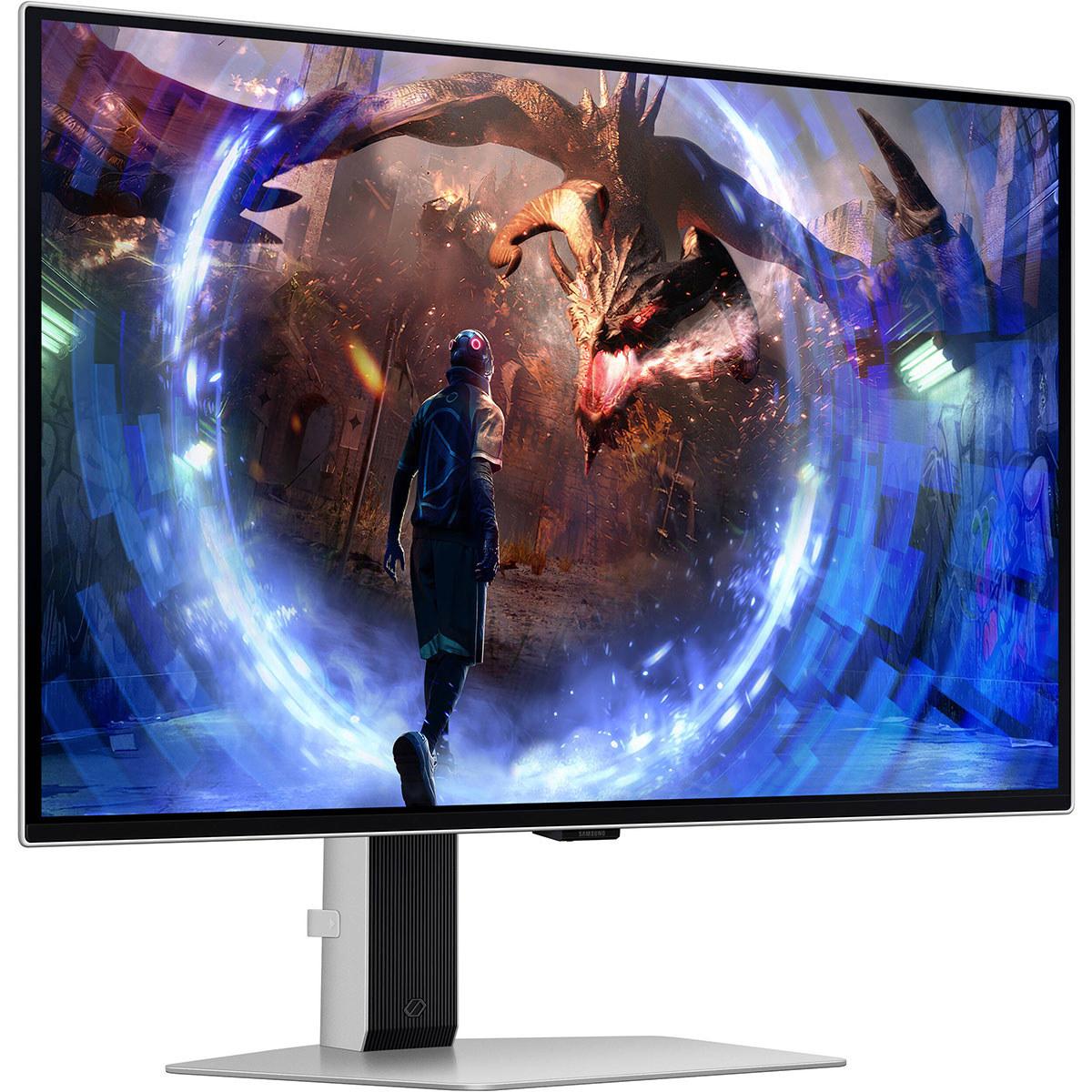
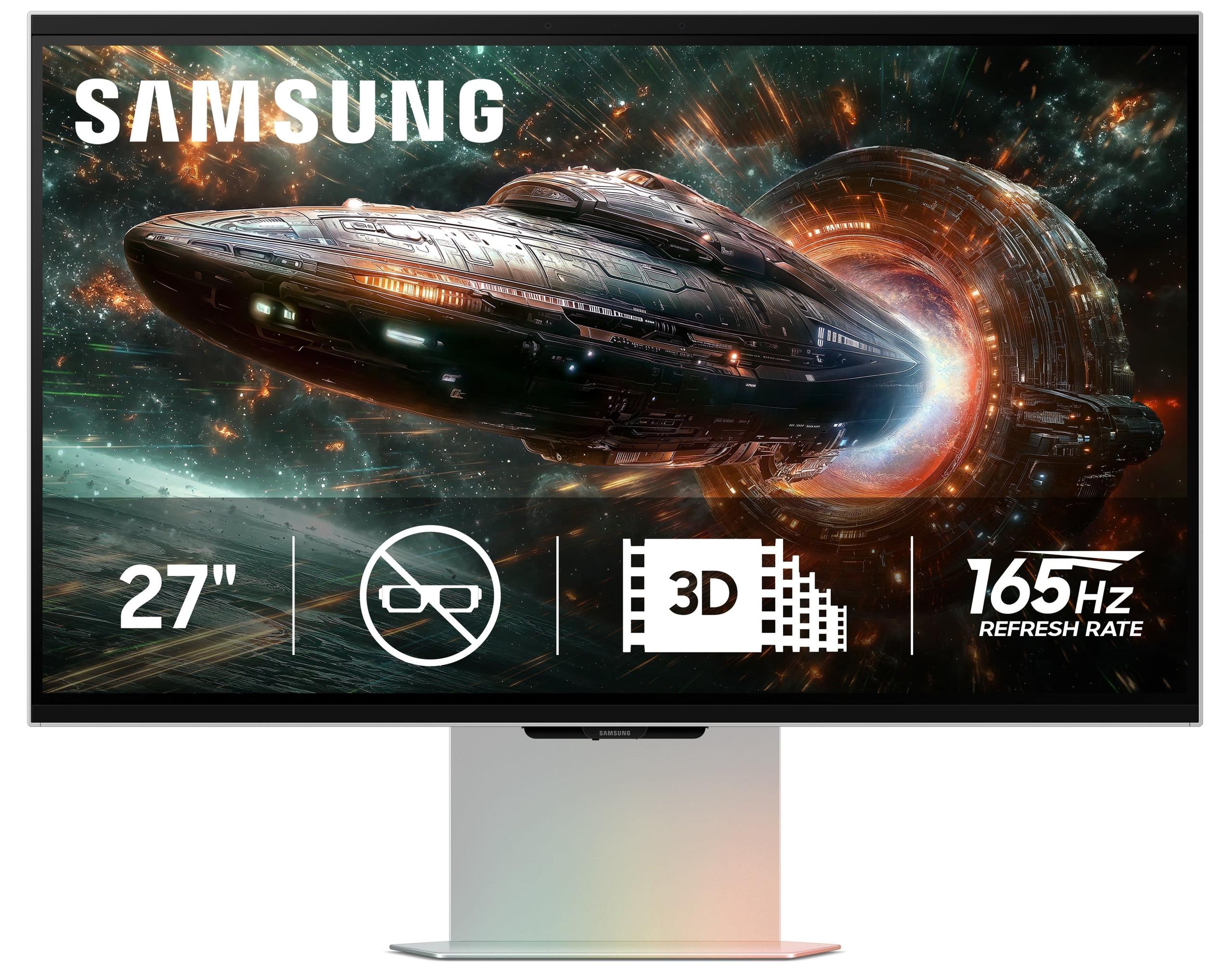
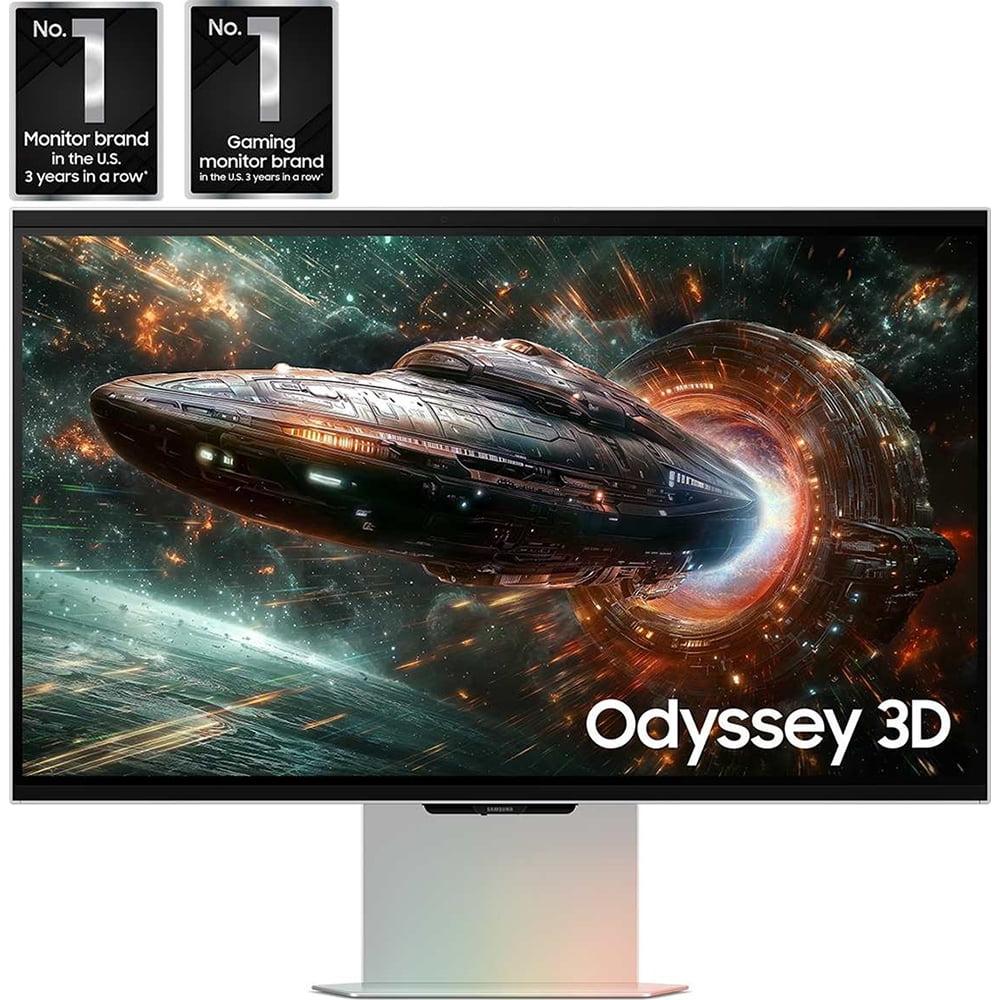
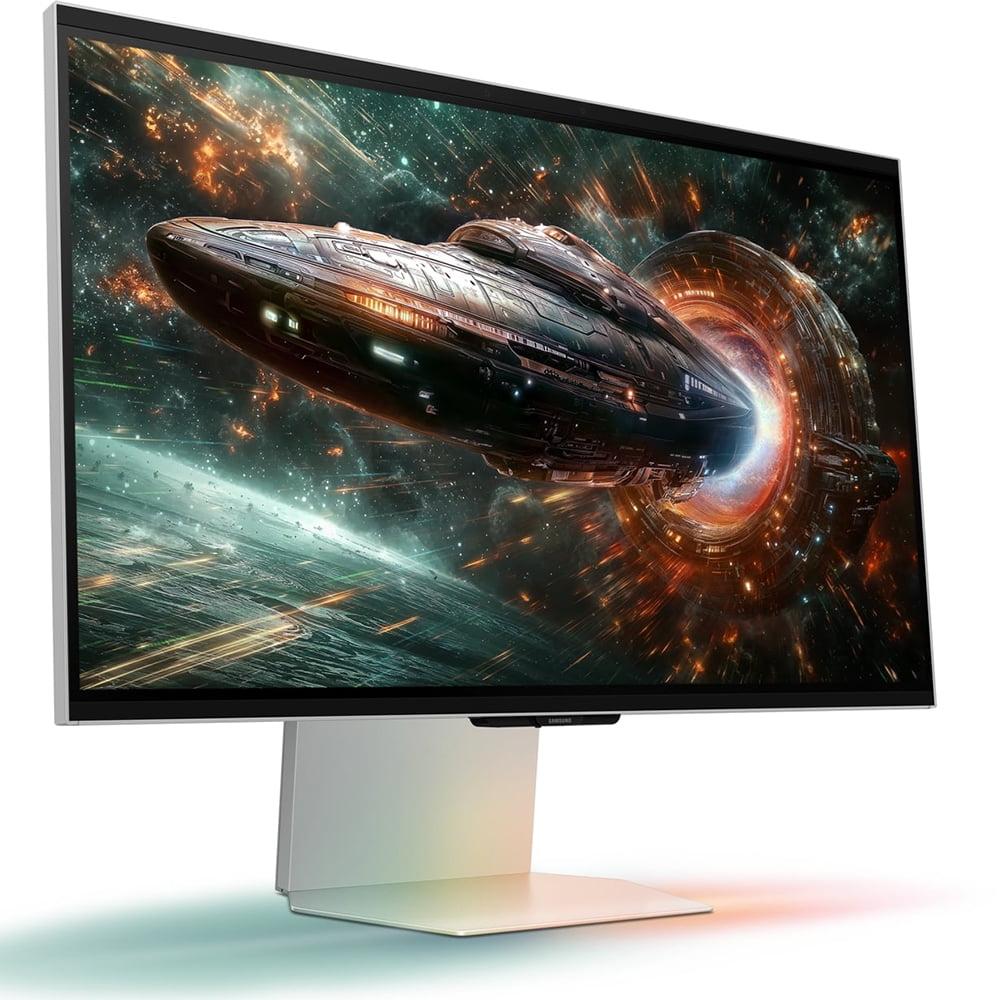

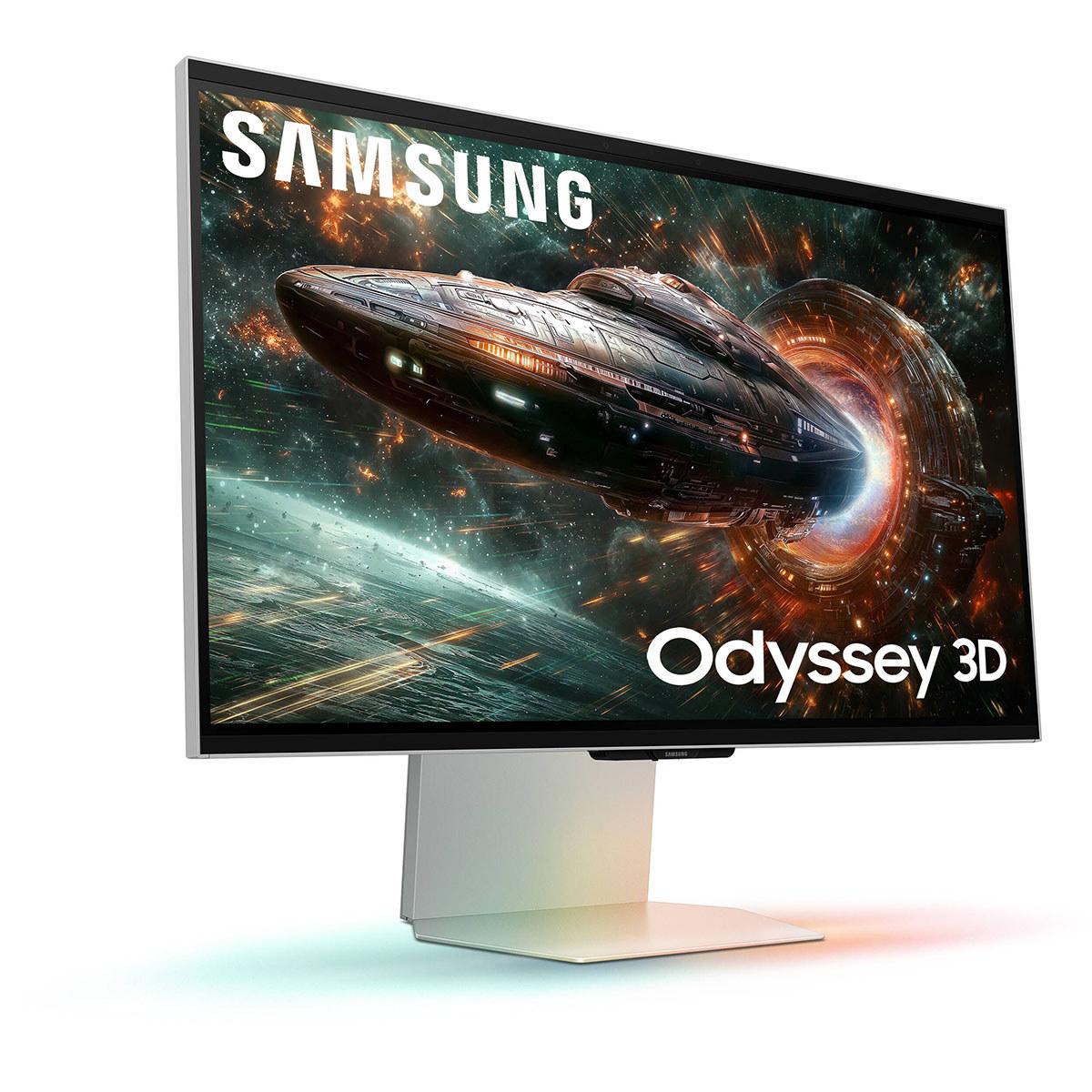
Gaming monitors have reached a fascinating crossroads. On one side, we have the tried-and-true pursuit of faster refresh rates, better colors, and quicker response times. On the other, we're seeing bold experiments that could reshape how we experience games entirely. Samsung's 2024-2025 monitor lineup perfectly illustrates this divide with two dramatically different approaches: the Samsung 27" Odyssey OLED G6, which pushes traditional gaming performance to new heights, and the Samsung 27" Odyssey 3D G90XF, which introduces glasses-free 3D technology that feels straight out of science fiction.
Both monitors target serious gamers, but they couldn't be more different in their philosophy. The OLED G6 is all about perfecting what we already know works – delivering the fastest, most responsive gaming experience possible with stunning visual quality. The 3D G90XF, meanwhile, asks whether we're ready to add an entirely new dimension to our games, literally.
When shopping for a premium gaming monitor today, you're essentially choosing between different technological priorities. Traditional high-performance monitors like the OLED G6 focus on what competitive gamers have demanded for years: lightning-fast response times (how quickly pixels change color), high refresh rates (how many times per second the screen updates), and exceptional color accuracy. These specs directly impact your gaming performance – faster response times mean less ghosting in fast-moving scenes, while higher refresh rates make motion appear smoother and give you a competitive edge in fast-paced games.
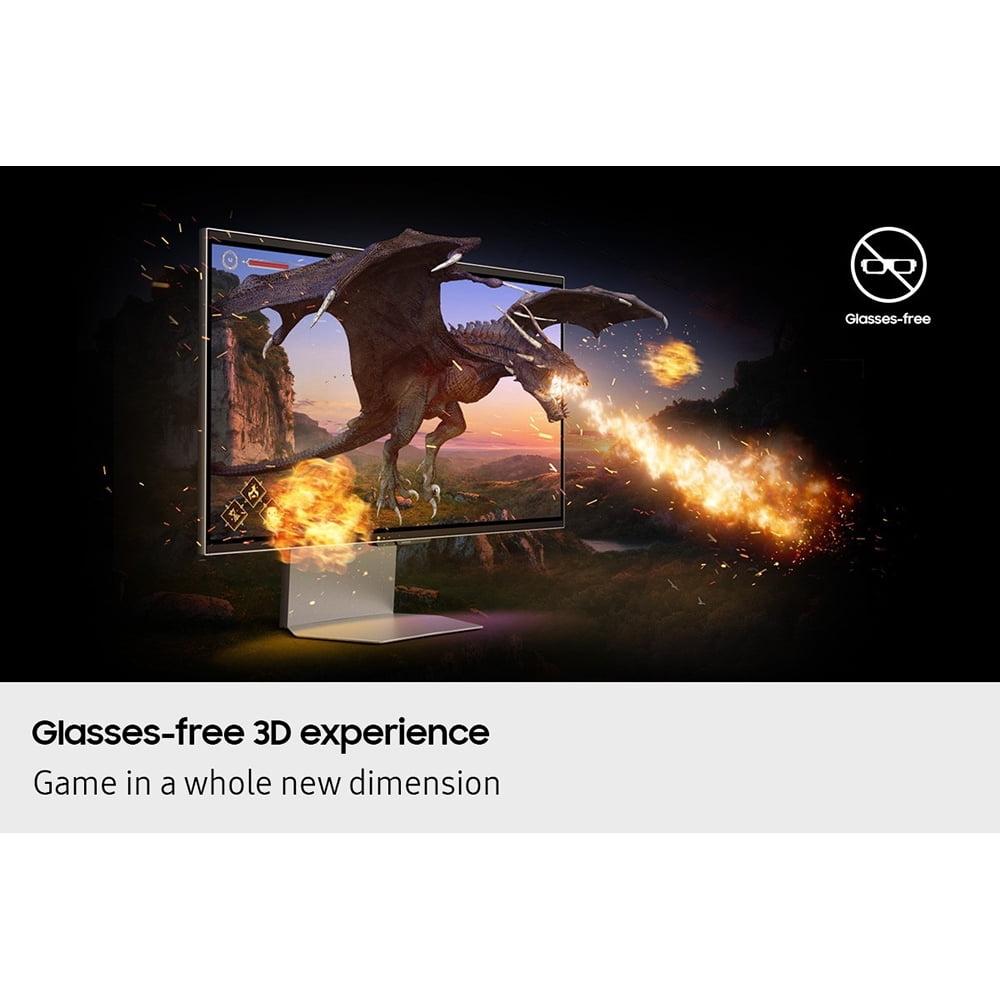
The 3D G90XF represents something entirely different. It's part of a small but growing category of monitors that prioritize immersive experiences over pure speed. Instead of just making existing games look and feel better, it aims to fundamentally change how you perceive depth and space in games. This technology uses a combination of hardware and software tricks to create convincing 3D effects without requiring those uncomfortable glasses that plagued 3D TVs in the early 2010s.
Understanding which category suits you better depends largely on what you value most: proven performance advantages that work with every game you own, or cutting-edge technology that could transform your experience with supported content.
The most fundamental difference between these monitors lies in their display technology. The OLED G6 uses an OLED panel, where each pixel generates its own light and can turn completely off to produce true black. This isn't just a technical curiosity – it creates what's called an "infinite" contrast ratio, meaning the difference between the darkest and brightest parts of an image is dramatically more pronounced than what traditional LCD screens can achieve.
I've spent considerable time with both OLED and traditional LCD monitors, and the difference is immediately apparent, especially in dark scenes. When you're exploring a dimly lit dungeon in an RPG or trying to spot enemies hiding in shadows in a tactical shooter, OLED's perfect blacks reveal details that simply disappear into gray mush on conventional displays.
The 3D G90XF, by contrast, uses an IPS LCD panel underneath its 3D technology. IPS (In-Plane Switching) panels are known for excellent color accuracy and wide viewing angles, but they can't achieve the same dramatic contrast as OLED because their backlight is always on. The tradeoff is typically higher brightness – the 3D monitor can reach 350 nits compared to the OLED's 250 nits, which can matter in very bright rooms.
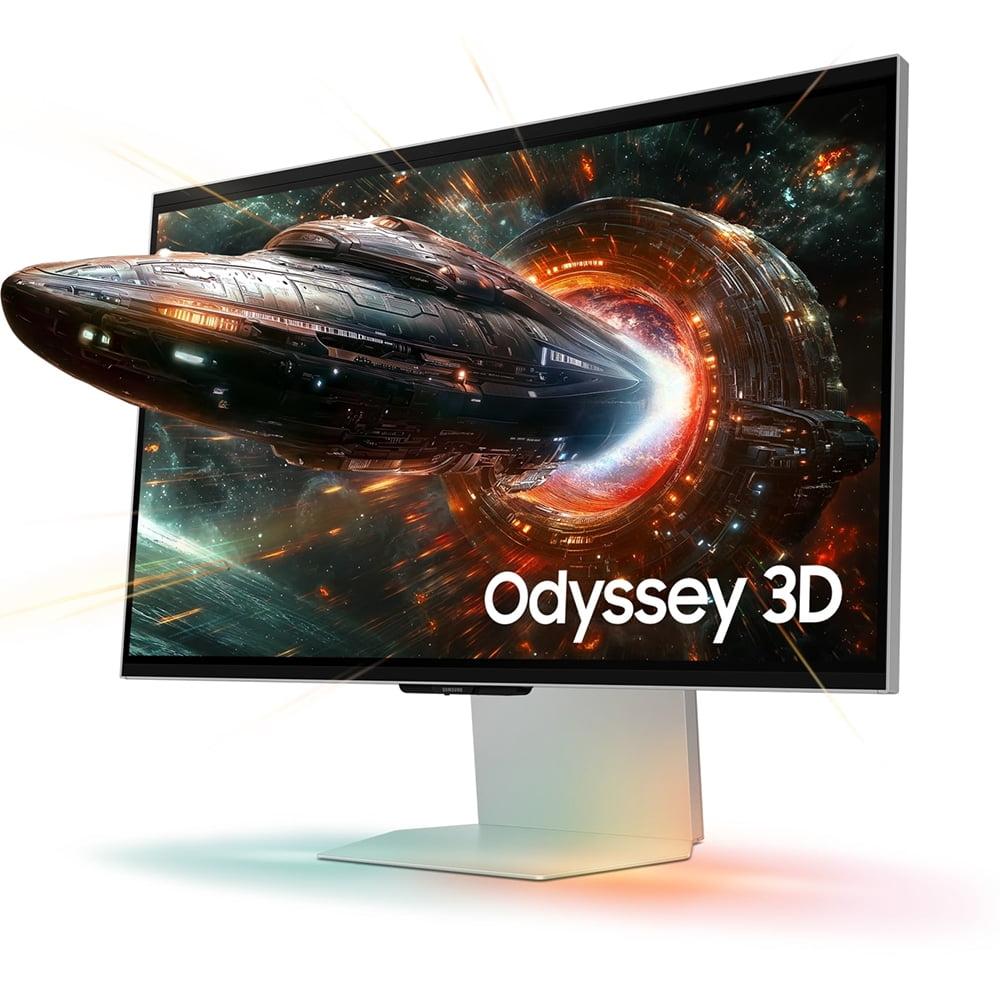
What makes the 3D G90XF truly unique is its lenticular lens system combined with eye-tracking cameras. Think of lenticular lenses as the same technology used in those postcards that show different images as you tilt them. The monitor uses a sophisticated version of this, combined with cameras that track your eye position up to 120 times per second, to deliver different images to each eye and create a convincing 3D effect.
This isn't the same as the 3D TVs from a decade ago that required heavy, battery-powered glasses and gave many people headaches. When it works properly, the effect is genuinely impressive – characters and objects appear to float in front of the screen, and you get a real sense of depth that can make games feel more immersive than traditional displays.
However, the technology is still in its early stages. The 3D effect requires specific software support, and the monitor essentially splits your display's resolution in half to create separate images for each eye. This means that while the panel is technically 4K (3840x2160), each eye sees roughly 1920x2160 pixels when 3D is active.
When discussing monitor performance for gaming, response time is often misunderstood. It's not the same as input lag (the delay between pressing a button and seeing the result on screen). Response time measures how quickly individual pixels can change from one color to another, typically measured in gray-to-gray transitions.
The OLED G6 achieves an almost impossibly fast 0.03ms response time. To put this in perspective, that's roughly 30 times faster than many budget gaming monitors. This translates to virtually zero ghosting or trailing behind moving objects – crucial for competitive games where tracking fast-moving targets can mean the difference between victory and defeat.
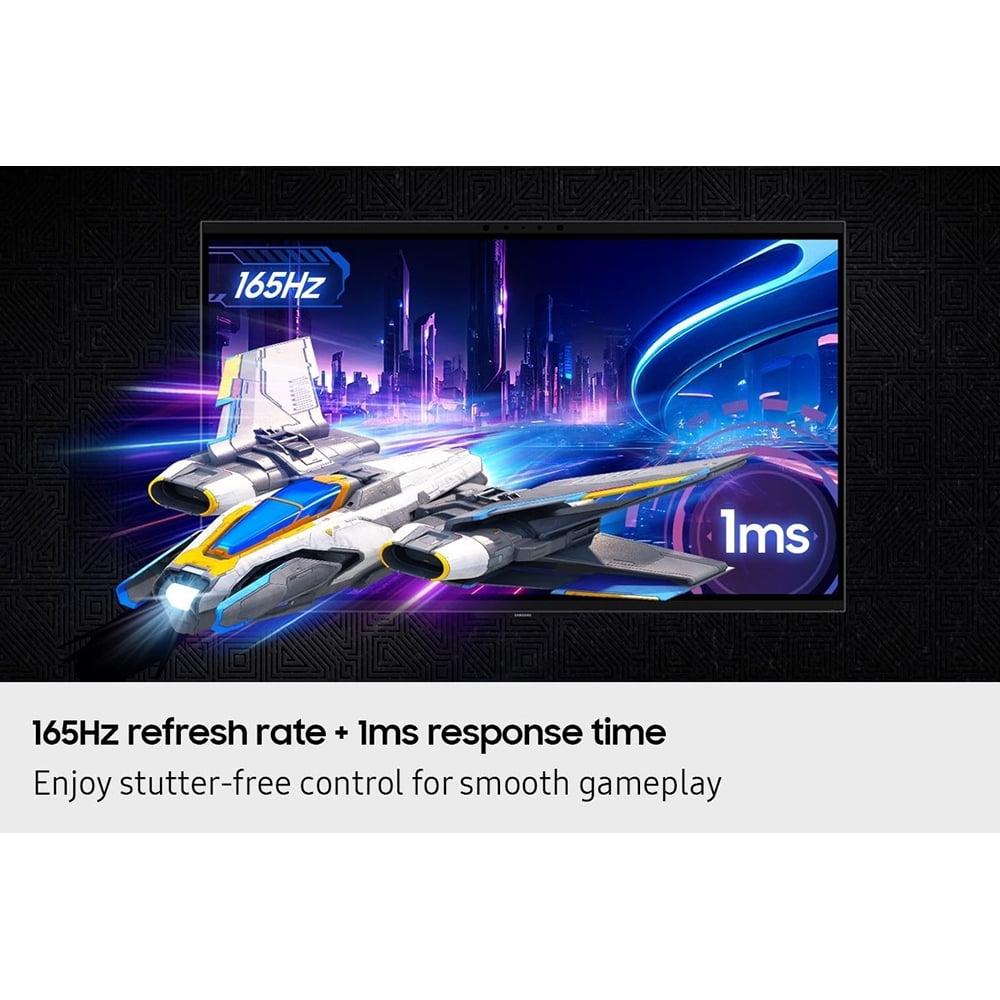
The 3D G90XF offers a more conventional 1ms response time, which is still excellent by most standards but noticeably slower than OLED technology. In practical terms, this means you might see slight trailing behind very fast-moving objects, though most gamers would find it perfectly acceptable for immersive gaming experiences.
Refresh rate, measured in Hz (hertz), determines how many times per second your monitor can display a new image. Standard monitors typically refresh at 60Hz, but gaming monitors have pushed this much higher. The OLED G6 reaches an impressive 360Hz, while the 3D G90XF tops out at 165Hz.
Higher refresh rates create noticeably smoother motion, especially in fast-paced games. The difference between 60Hz and 120Hz is dramatic, while the jump from 165Hz to 360Hz offers diminishing returns that mainly benefit competitive esports players. For most gaming scenarios, 165Hz provides an excellent balance of smooth motion and reasonable hardware requirements.
However, the 3D monitor's refresh rate becomes more complex when 3D is enabled, as the system needs to generate and display separate images for each eye, effectively requiring twice the processing power to maintain the same perceived refresh rate.
Both monitors excel in different aspects of color reproduction. The OLED G6 covers 99% of the DCI-P3 color space (a professional standard used in digital cinema) and supports HDR10+ Gaming. Its ability to display perfect blacks allows HDR content to truly shine, with bright highlights appearing to pop off the screen against completely dark backgrounds.
The 3D G90XF covers 99% of the sRGB color space (the standard for most computer content) and also supports HDR10+ Gaming, though its IPS panel can't achieve the same dramatic contrast ratios. The tradeoff is generally better performance in very bright rooms and more consistent color accuracy across different viewing angles.
For competitive gaming – think Counter-Strike, Valorant, Rocket League, or any esports title – the OLED G6 offers clear advantages. Its combination of 360Hz refresh rate and 0.03ms response time creates the most responsive gaming experience currently possible. This isn't just marketing hype; professional esports players often cite these specifications as crucial for maintaining their competitive edge.
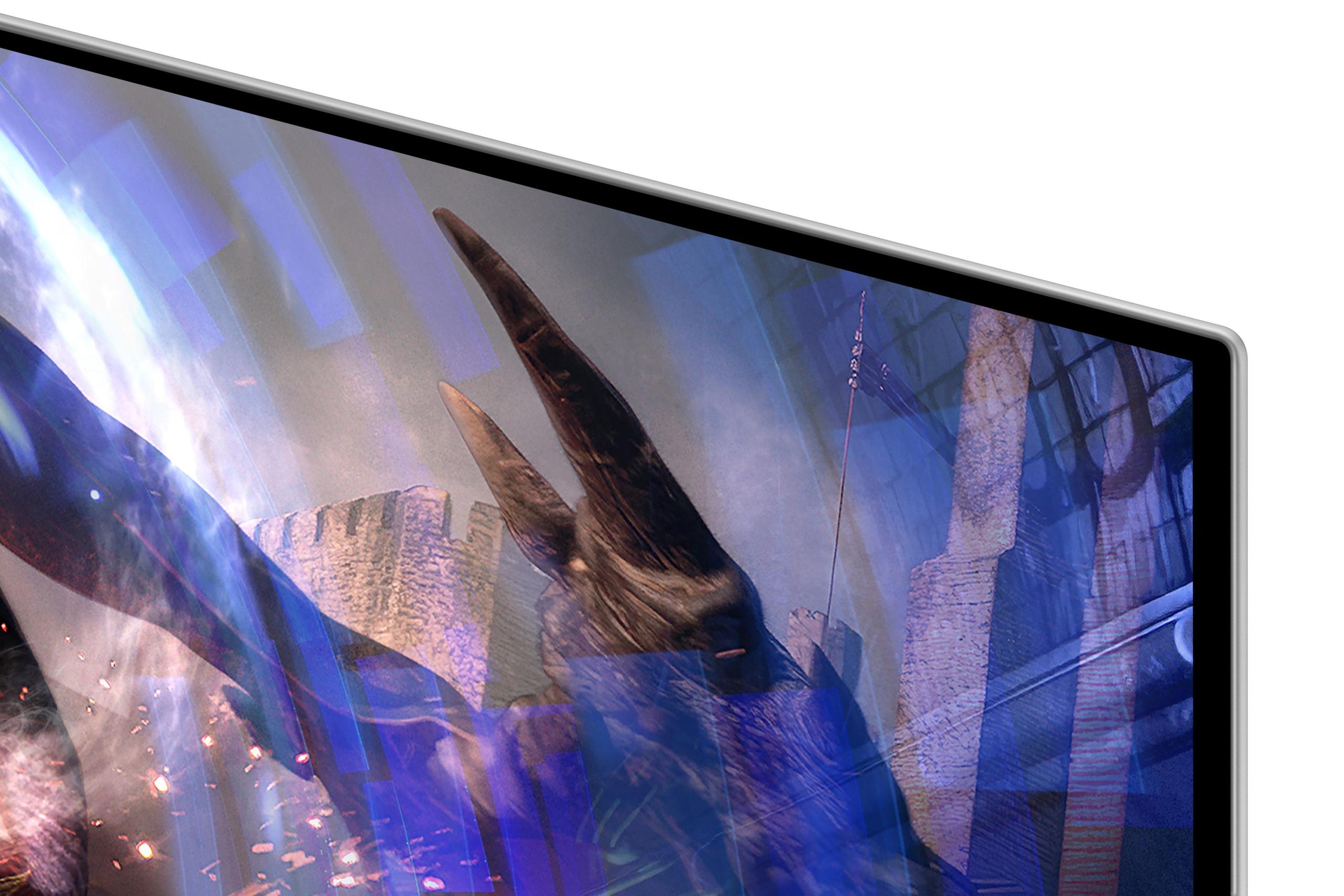
The monitor's OLED Glare Free technology is particularly clever, using a matte coating that reduces reflections without significantly impacting the panel's contrast advantages. Traditional matte coatings often make colors appear washed out, but Samsung's implementation maintains the OLED's visual punch while minimizing distracting reflections.
The 3D G90XF targets a completely different gaming experience. When playing supported games, the 3D effect can be genuinely transformative. Imagine playing a racing game where the track appears to extend into your room, or an RPG where characters seem to stand in front of the screen rather than on it.
However, this comes with significant caveats. The library of natively supported 3D games remains extremely limited as of 2025. Samsung includes AI-powered conversion that can add 3D effects to regular games, but results vary wildly. Some games convert beautifully, while others produce confusing or nauseating effects.
The monitor also includes spatial audio through built-in speakers that attempt to match sound direction with the 3D visuals. While this adds to the immersion, the speakers themselves are fairly basic and most serious gamers will still prefer dedicated headphones or speakers.
This is where the fundamental difference between these monitors becomes most apparent. The OLED G6 works flawlessly with any content you throw at it – PC games, console games, movies, productivity software, everything. The 3D G90XF offers the same universal compatibility when used in 2D mode, but its marquee 3D features only work with a handful of supported titles.
Samsung has partnered with several game developers and promises expanding support, but as of early 2025, you're looking at perhaps a dozen games with proper 3D implementation. This makes the 3D features feel more like a fascinating tech demo than a practical gaming feature.
Modern OLED monitors have largely solved the burn-in issues that plagued earlier generations. The OLED G6 includes Samsung's OLED Safeguard+ technology, featuring a dynamic cooling system that uses a pulsating heat pipe – the first of its kind in a monitor. This system, combined with intelligent pixel management and automatic screensavers, dramatically reduces the risk of permanent image retention.
The monitor also includes burn-in protection features like logo detection and brightness modulation. These work automatically in the background, adjusting brightness and shifting pixels slightly to prevent static elements from causing permanent damage.
The glasses-free 3D technology in the 3D G90XF represents a significant advancement over previous attempts. The eye-tracking system is remarkably sophisticated, using dual cameras to maintain the 3D effect even as you move your head naturally. When it works, it feels almost magical.
However, the technology still faces limitations. The 3D effect works best when you're positioned directly in front of the monitor within a specific range. Move too far to either side, and the effect breaks down. Multiple viewers can't experience the 3D effect simultaneously – it's optimized for a single user.
At the time of writing, these monitors occupy very different price tiers, with the 3D G90XF commanding a significant premium over the OLED G6. This price difference reflects not just the experimental 3D technology, but also the limited production volumes and specialized components required.
From a value perspective, the OLED G6 represents excellent value for what you get – cutting-edge OLED technology, exceptional gaming performance, and broad compatibility at a price that, while not cheap, reflects the current market reality for premium OLED displays.
The 3D G90XF is harder to evaluate on traditional value metrics. You're paying a substantial premium for technology that works with very limited content. However, if you're fascinated by cutting-edge display technology and don't mind being an early adopter, it offers an experience you simply can't get anywhere else.
Both monitors can serve double duty as home theater displays, though with different strengths. The OLED G6's perfect blacks and excellent HDR performance make it outstanding for movie watching, especially in darkened rooms. The 27-inch size is smaller than most people prefer for dedicated movie watching, but the image quality partially compensates.
The 3D G90XF offers 4K resolution that provides sharper detail for movies and streaming content, and its AI 3D conversion can add depth to regular video content with mixed results. However, the IPS panel's inferior contrast makes it less ideal for darkroom movie watching compared to the OLED option.
Neither monitor includes the smart TV features found in consumer televisions, so you'll need external streaming devices or a connected computer for accessing Netflix, Disney+, and other services.
The choice between these monitors ultimately comes down to your priorities and tolerance for experimental technology. The OLED G6 delivers everything most gamers want: exceptional performance, beautiful image quality, and universal compatibility. It's the safe choice that will enhance every gaming session immediately.
The 3D G90XF offers a glimpse into a potential future of gaming, but that future isn't quite here yet. If you're the type of person who bought the first VR headset or upgraded to 4K gaming before most games supported it properly, the 3D monitor might appeal to your early-adopter sensibilities.
Consider the OLED G6 if you prioritize proven performance, compete in esports, value exceptional image quality across all content types, or simply want the best gaming monitor you can buy today without compromises.
Consider the 3D G90XF if you're fascinated by cutting-edge display technology, primarily play immersive single-player games, have the budget for experimental features, and are comfortable with limited software support while the ecosystem develops.
Both monitors represent the cutting edge of their respective approaches to gaming displays. Your choice depends on whether you want to perfect the gaming experience as we know it, or help pioneer what gaming might become.
| Samsung 27" Odyssey OLED G6 | Samsung 27" Odyssey 3D G90XF |
|---|---|
| Display Technology - Fundamentally affects image quality and gaming performance | |
| OLED with perfect blacks and infinite contrast | IPS LCD with glasses-free 3D lenticular lens system |
| Resolution - Impacts sharpness and hardware requirements | |
| QHD (2560 x 1440) optimized for high refresh rates | 4K (3840 x 2160) split to dual 1920x2160 in 3D mode |
| Refresh Rate - Critical for competitive gaming smoothness | |
| 360Hz (exceptional for esports) | 165Hz (excellent for most gaming, reduced in 3D) |
| Response Time - Eliminates ghosting in fast motion | |
| 0.03ms (virtually instantaneous) | 1ms (still very fast for gaming) |
| Unique Gaming Features - What sets each monitor apart | |
| OLED Glare Free technology, burn-in protection | Eye-tracking glasses-free 3D, AI 2D-to-3D conversion |
| Brightness - Affects visibility in different lighting conditions | |
| 250 cd/㎡ (excellent for dark/medium rooms) | 350 cd/㎡ (better for bright rooms) |
| Contrast Ratio - Determines depth and detail in dark scenes | |
| 1,000,000:1 (perfect blacks, outstanding HDR) | 1,000:1 (typical LCD, grays instead of blacks) |
| Color Coverage - Important for accurate and vibrant colors | |
| 99% DCI-P3 (professional cinema standard) | 99% sRGB (standard computer color space) |
| Content Compatibility - How much of your game library benefits | |
| Universal compatibility with all games and content | 3D limited to handful of games; excellent 2D compatibility |
| Target Use Case - Who each monitor serves best | |
| Competitive gaming, content creation, proven performance | Early adopters, immersive single-player gaming, tech enthusiasts |
| Hardware Requirements - What you need to maximize performance | |
| High-end GPU for 360Hz QHD gaming | RTX 3080+ recommended for 4K 3D gaming |
| HDR Support - Enhanced contrast and color in supported content | |
| HDR10+ Gaming with true OLED blacks | HDR10+ Gaming (cannot use HDR and 3D simultaneously) |
The Samsung 27" Odyssey OLED G6 is significantly better for competitive gaming. It offers a 360Hz refresh rate and 0.03ms response time, which are crucial for fast-paced esports games like Counter-Strike and Valorant. The Samsung 27" Odyssey 3D G90XF has a slower 165Hz refresh rate and 1ms response time, making the OLED G6 the clear winner for competitive players who need every millisecond advantage.
The primary difference is their display technology and focus. The Samsung 27" Odyssey OLED G6 uses OLED technology for exceptional contrast and speed, while the Samsung 27" Odyssey 3D G90XF features glasses-free 3D technology that creates depth without special glasses. The OLED G6 prioritizes proven gaming performance, while the 3D G90XF offers experimental immersive features.
Picture quality depends on your priorities. The Samsung 27" Odyssey OLED G6 delivers superior contrast with perfect blacks and infinite contrast ratio, making it excellent for dark scenes and HDR content. The Samsung 27" Odyssey 3D G90XF offers higher 4K resolution for sharper details but has typical LCD contrast limitations. For overall image quality, the OLED G6 generally provides more impressive visuals.
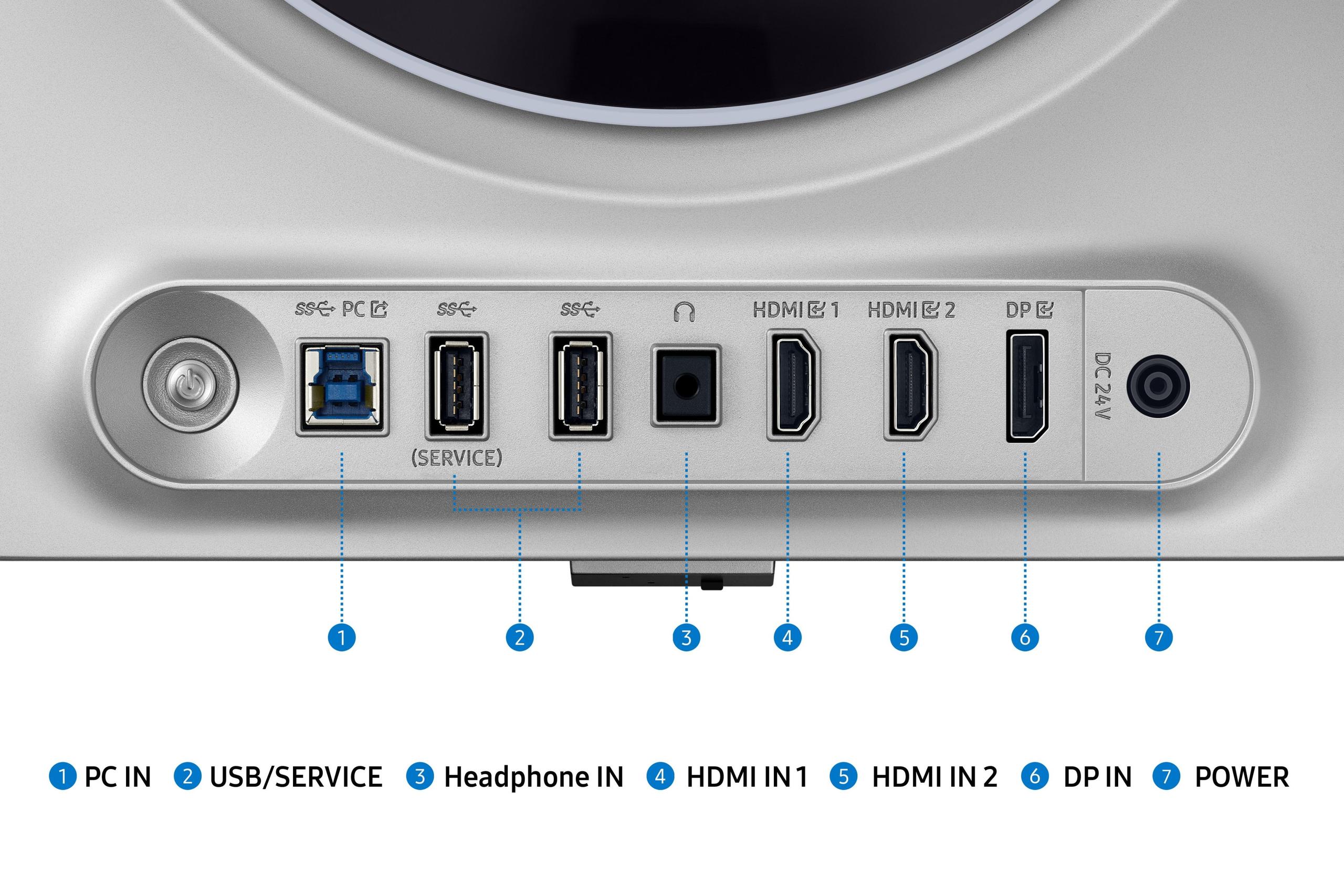
Yes, both monitors work with PlayStation 5, Xbox Series X/S, and other gaming consoles through HDMI connections. However, the 3D features of the Samsung 27" Odyssey 3D G90XF only work with PC gaming. Console gamers will get excellent 2D performance from both monitors, but the OLED G6 offers better console optimization with its superior contrast and color accuracy.
For immersive single-player experiences, the Samsung 27" Odyssey 3D G90XF offers unique 3D capabilities that can make supported games more engaging, though game support is currently limited. The Samsung 27" Odyssey OLED G6 provides exceptional visual quality with perfect blacks and vibrant colors that enhance any single-player game. The OLED G6 is the safer choice for consistent quality across all games.
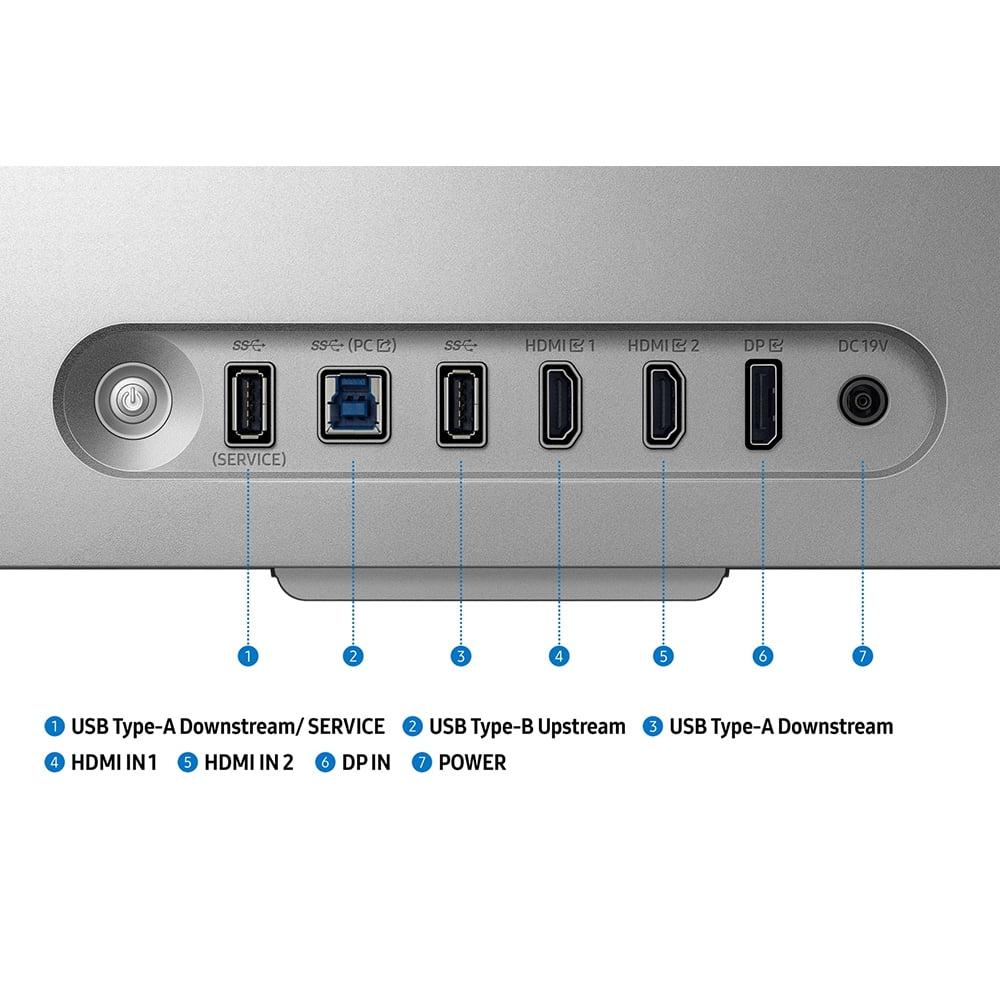
The Samsung 27" Odyssey OLED G6 works with most modern gaming PCs and consoles, though you'll need a powerful GPU to take advantage of its 360Hz refresh rate. The Samsung 27" Odyssey 3D G90XF requires more demanding hardware, particularly an RTX 3080 or better graphics card to properly drive 4K 3D gaming. Both monitors support standard connectivity options.
Both monitors include eye comfort technologies. The Samsung 27" Odyssey OLED G6 features OLED Glare Free technology that reduces reflections without compromising image quality, plus flicker-free operation. The Samsung 27" Odyssey 3D G90XF includes Eye Saver Mode and flicker-free technology. However, some users may experience eye strain from the 3D effects of the 3D G90XF.
Yes, both monitors work well for productivity tasks. The Samsung 27" Odyssey 3D G90XF offers 4K resolution that provides sharp text and detailed images for professional work. The Samsung 27" Odyssey OLED G6 delivers excellent color accuracy for content creation and design work. Both monitors support multiple connectivity options for workplace use, though the OLED G6 offers better color accuracy for professional applications.
Value depends on your needs and budget. The Samsung 27" Odyssey OLED G6 typically offers better value for most users, providing proven OLED technology and excellent gaming performance. The Samsung 27" Odyssey 3D G90XF commands a premium for its experimental 3D technology, making it primarily suitable for early adopters and tech enthusiasts rather than mainstream buyers seeking the best gaming monitor value.
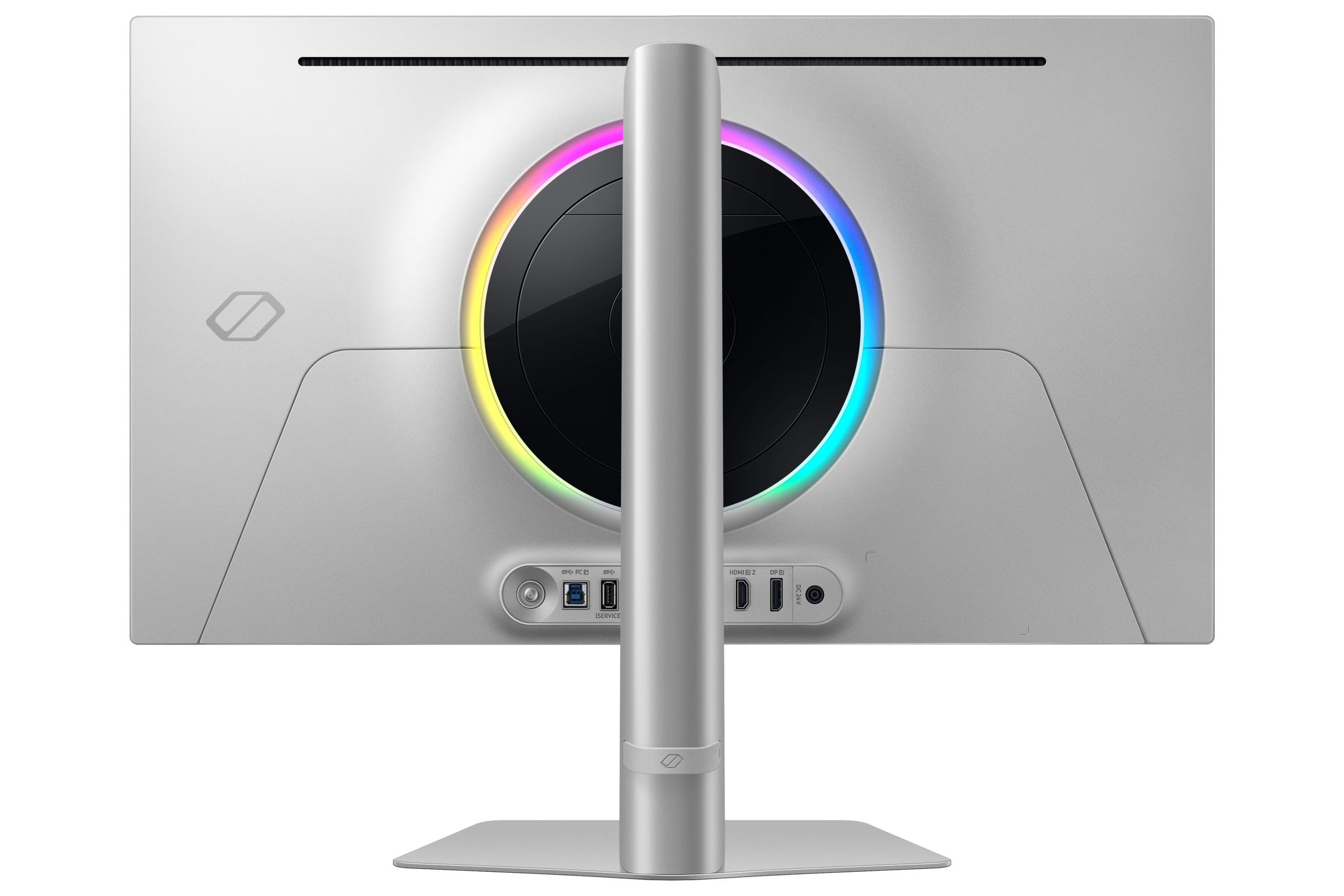
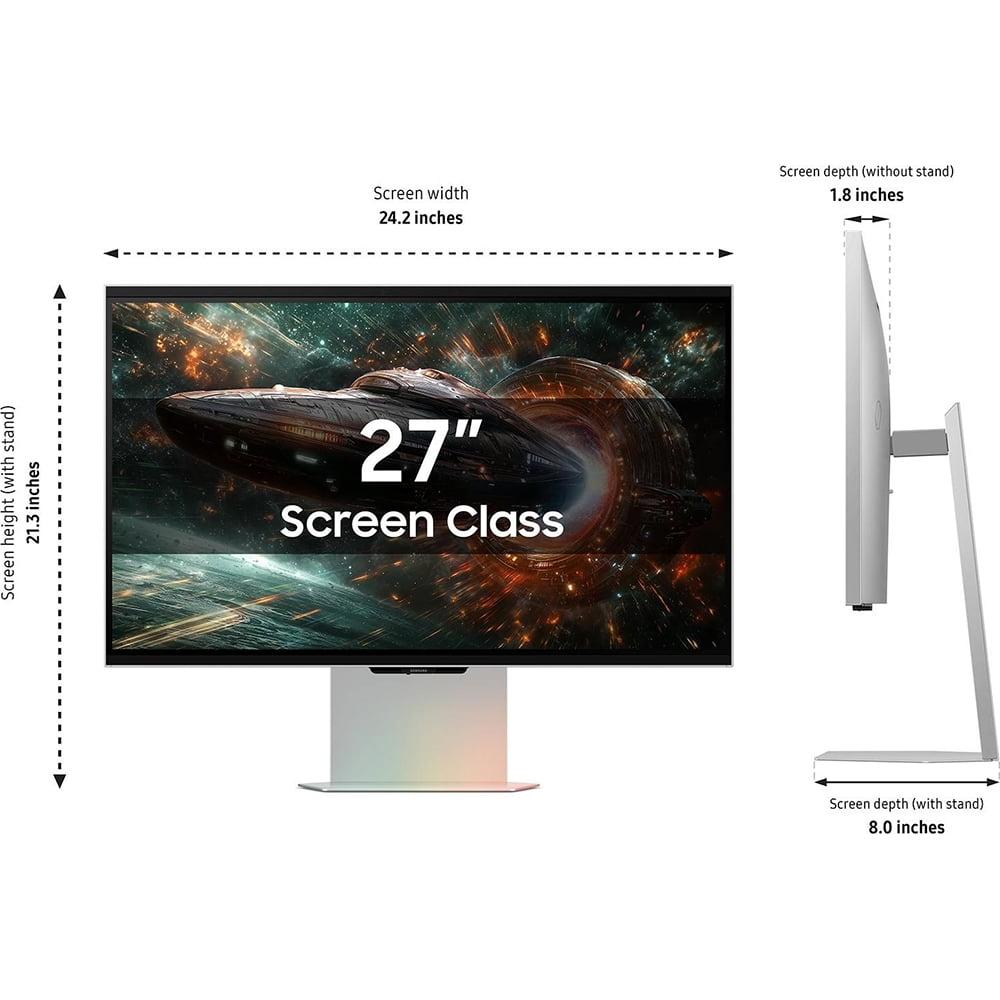
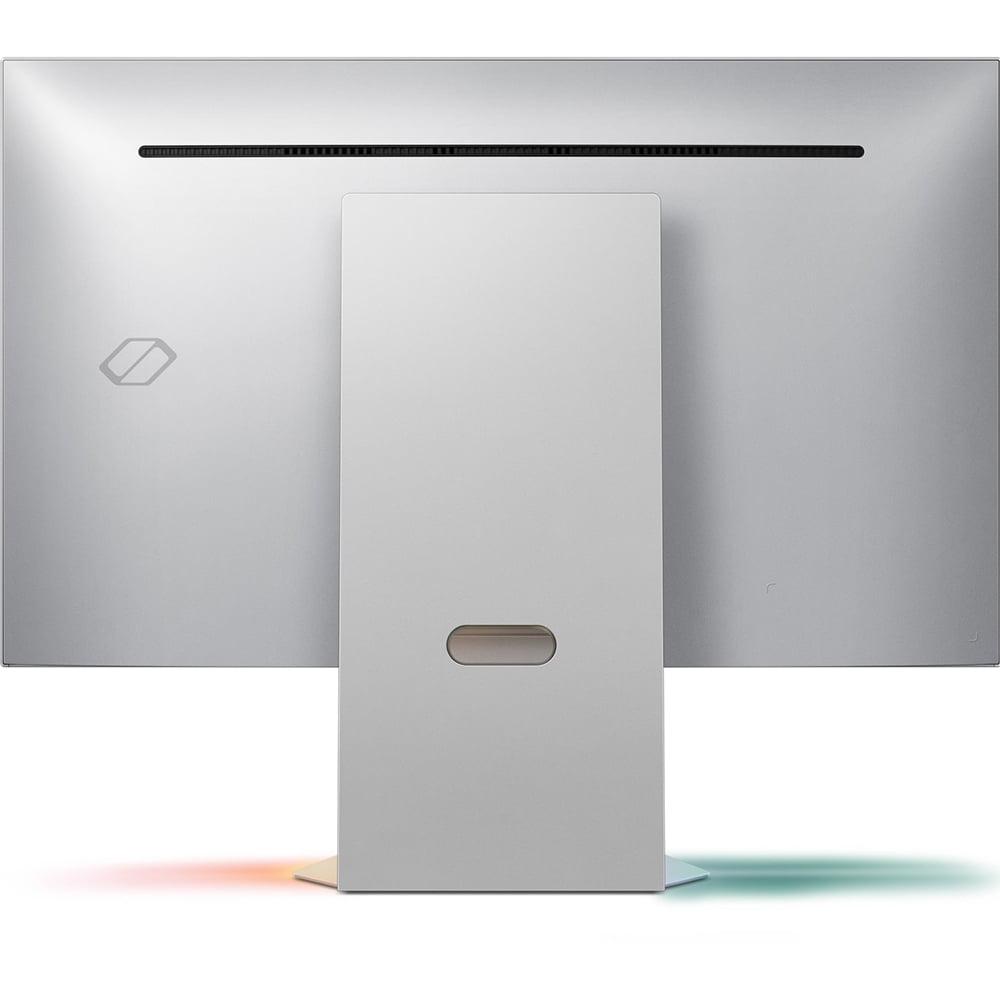
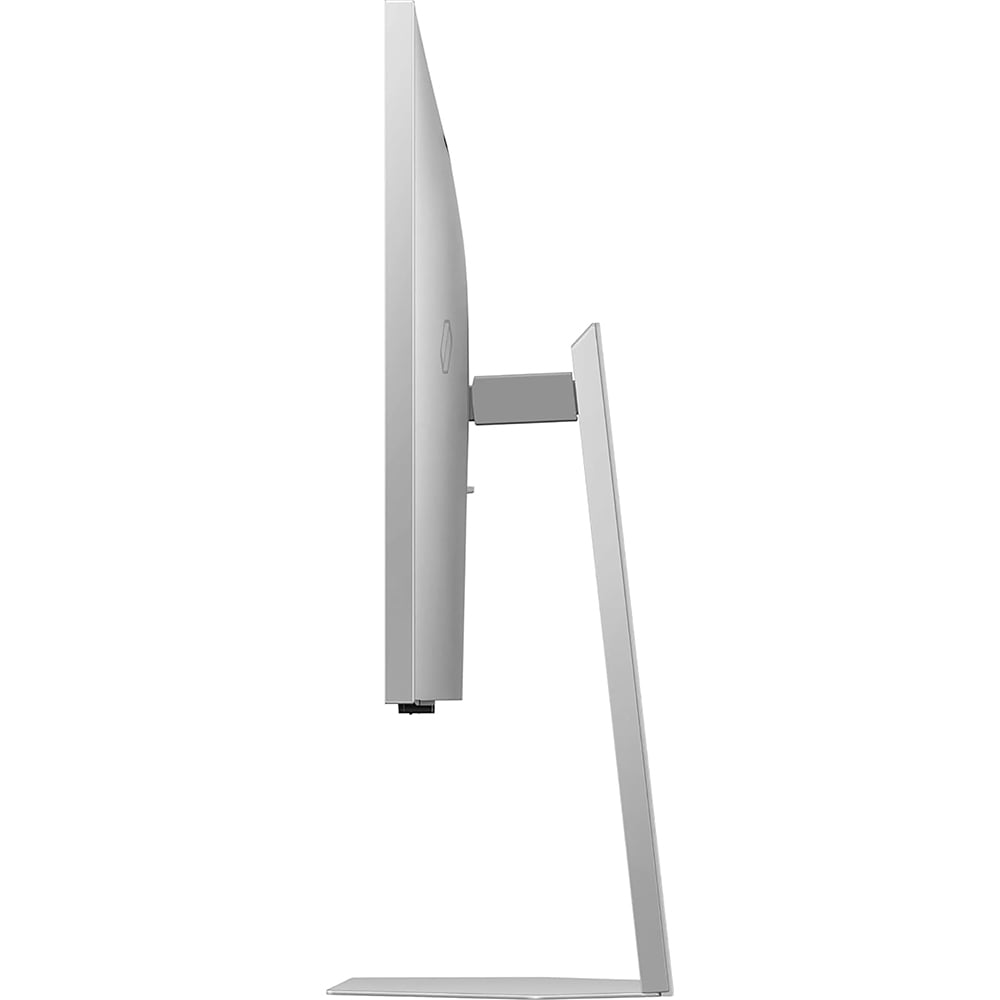
Both monitors have similar 27-inch screen sizes but different stand designs. The Samsung 27" Odyssey OLED G6 features an ergonomic stand with height, tilt, and swivel adjustments. The Samsung 27" Odyssey 3D G90XF has a modern stand design but lacks swivel functionality. Both monitors support VESA mounting if you prefer to use a monitor arm to save desk space.
For movie watching, the Samsung 27" Odyssey OLED G6 excels with its perfect blacks and excellent HDR performance, creating a cinema-like experience even on a 27-inch screen. The Samsung 27" Odyssey 3D G90XF offers 4K resolution for sharper detail and can convert some video content to 3D, though results vary. The OLED G6 provides superior contrast for darkroom viewing.
The Samsung 27" Odyssey OLED G6 includes advanced burn-in protection with OLED Safeguard+ technology and dynamic cooling systems to prevent image retention. Modern OLED monitors are much more reliable than earlier generations. The Samsung 27" Odyssey 3D G90XF uses traditional LCD technology with fewer long-term concerns, though its complex 3D system includes more components that could potentially fail. Both monitors come with manufacturer warranties for peace of mind.
We've done our best to create useful and informative comparisons to help you decide what product to buy. Our research uses advanced automated methods to create this comparison and perfection is not possible - please contact us for corrections or questions. These are the sites we've researched in the creation of this article: bestbuy.com - gamesradar.com - gamesradar.com - versus.com - youtube.com - versus.com - player2.net.au - youtube.com - rtings.com - youtube.com - samsung.com - files.bbystatic.com - techpowerup.com - samsung.com - bestbuy.com - samsung.com - bhphotovideo.com - bestbuy.com - youtube.com - de.shi.com - pangoly.com - hometechnologyreview.com - substack.com - rtings.com - youtube.com - techaeris.com - versus.com - tomsguide.com - avsforum.com - youtube.com - versus.com - bestbuy.com - samsung.com - samsung.com - samsung.com - samsung.com - m.media-amazon.com

Privacy Policy
Terms and Conditions - Affiliate Policy
Home Security
© Copyright 2008-2026.
11816 Inwood Rd #1211, Dallas, TX 75244