

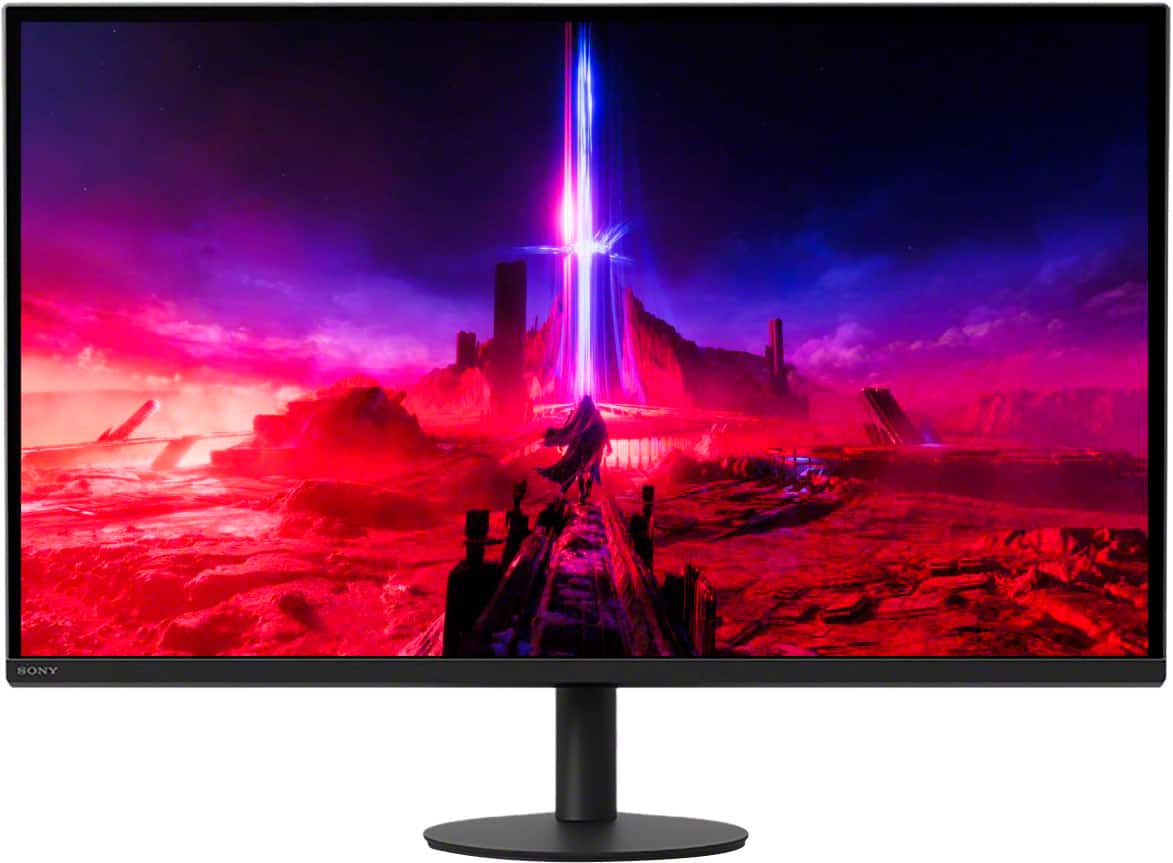
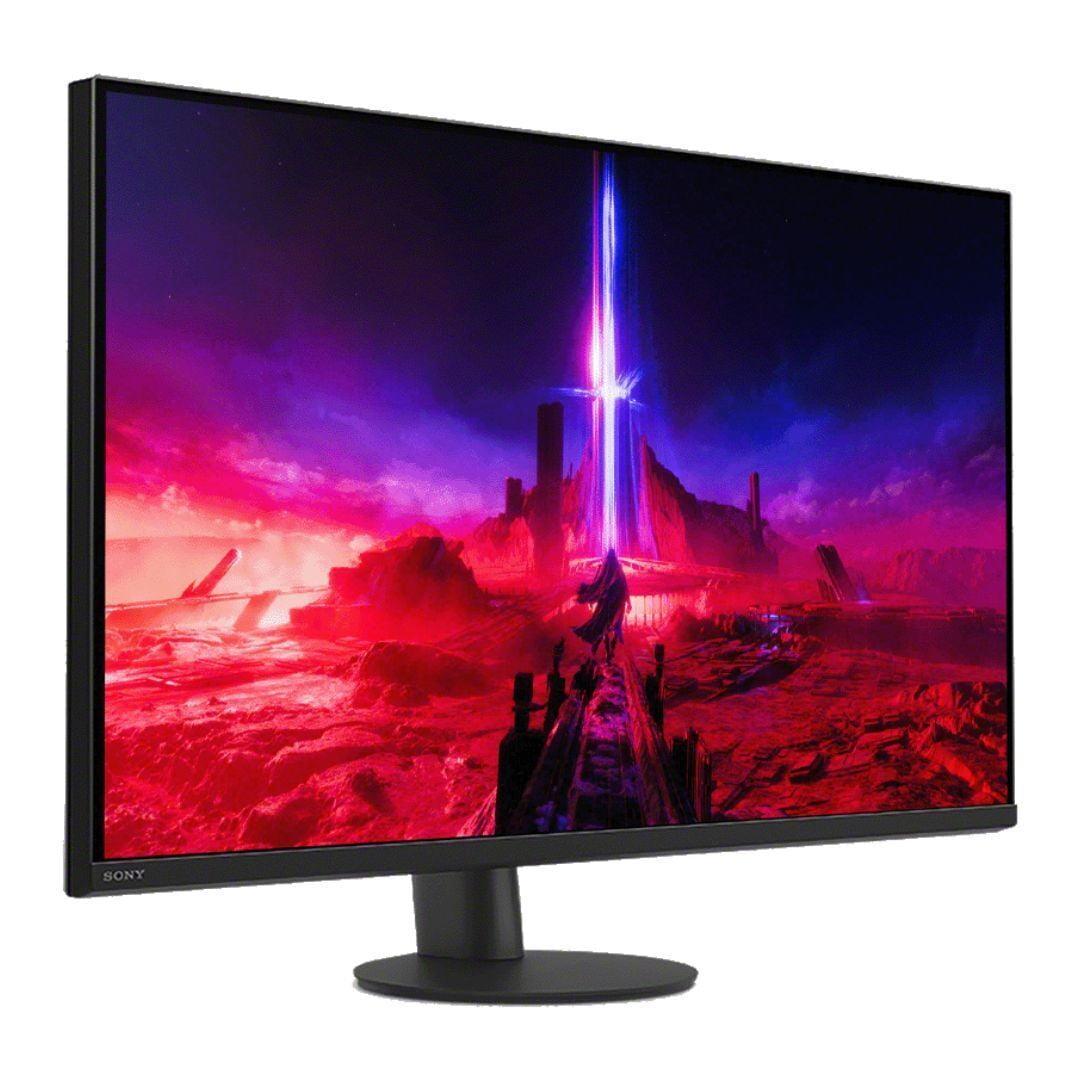
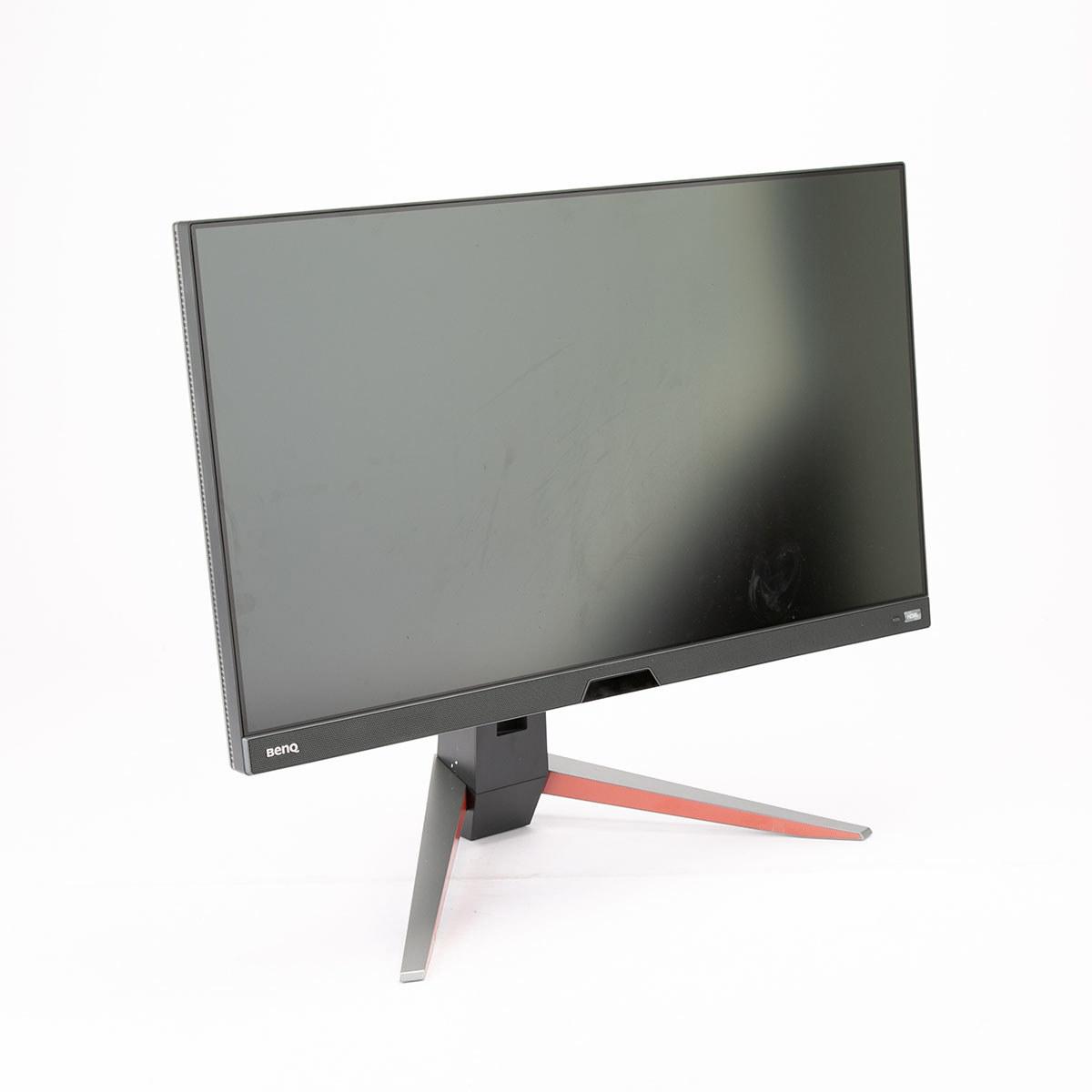
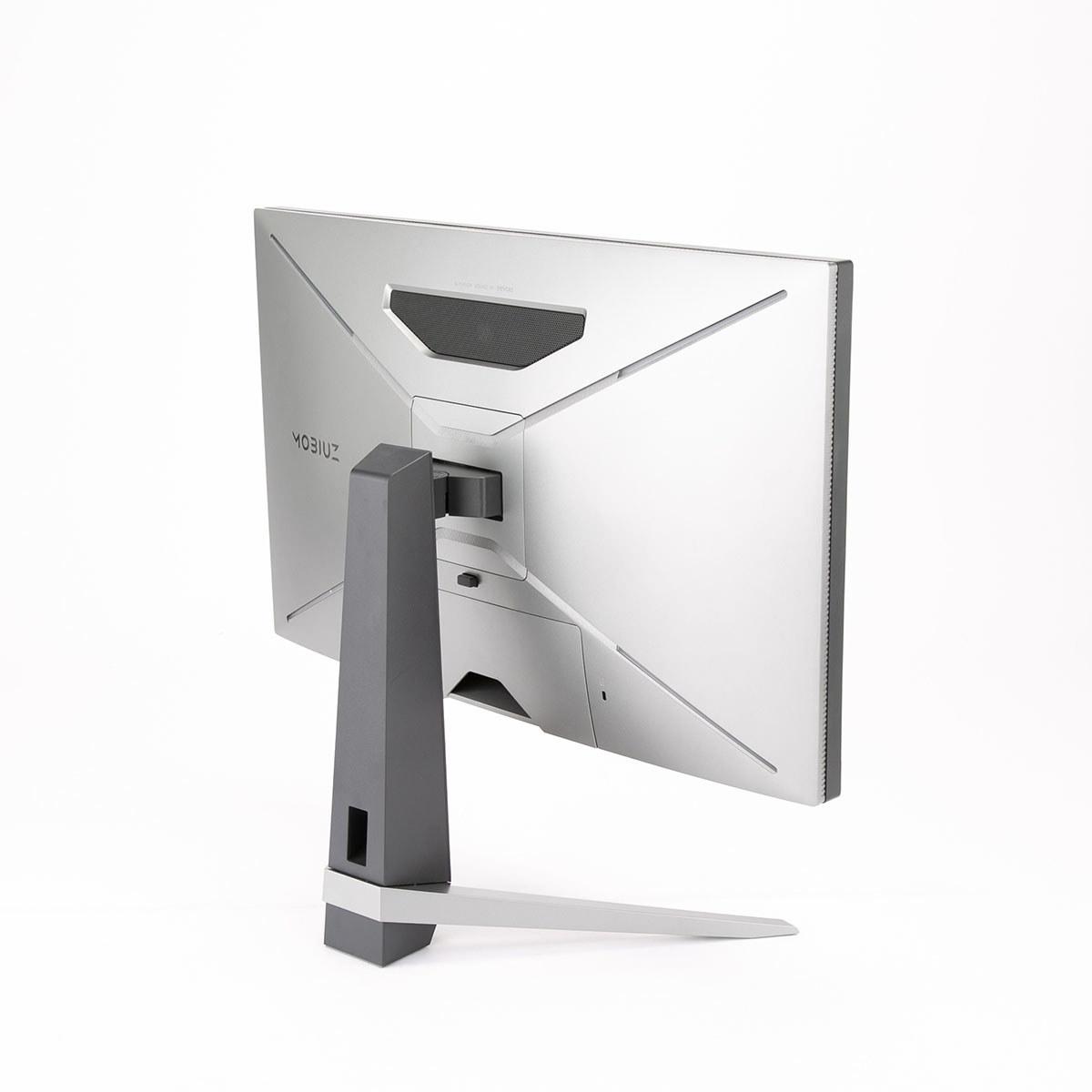
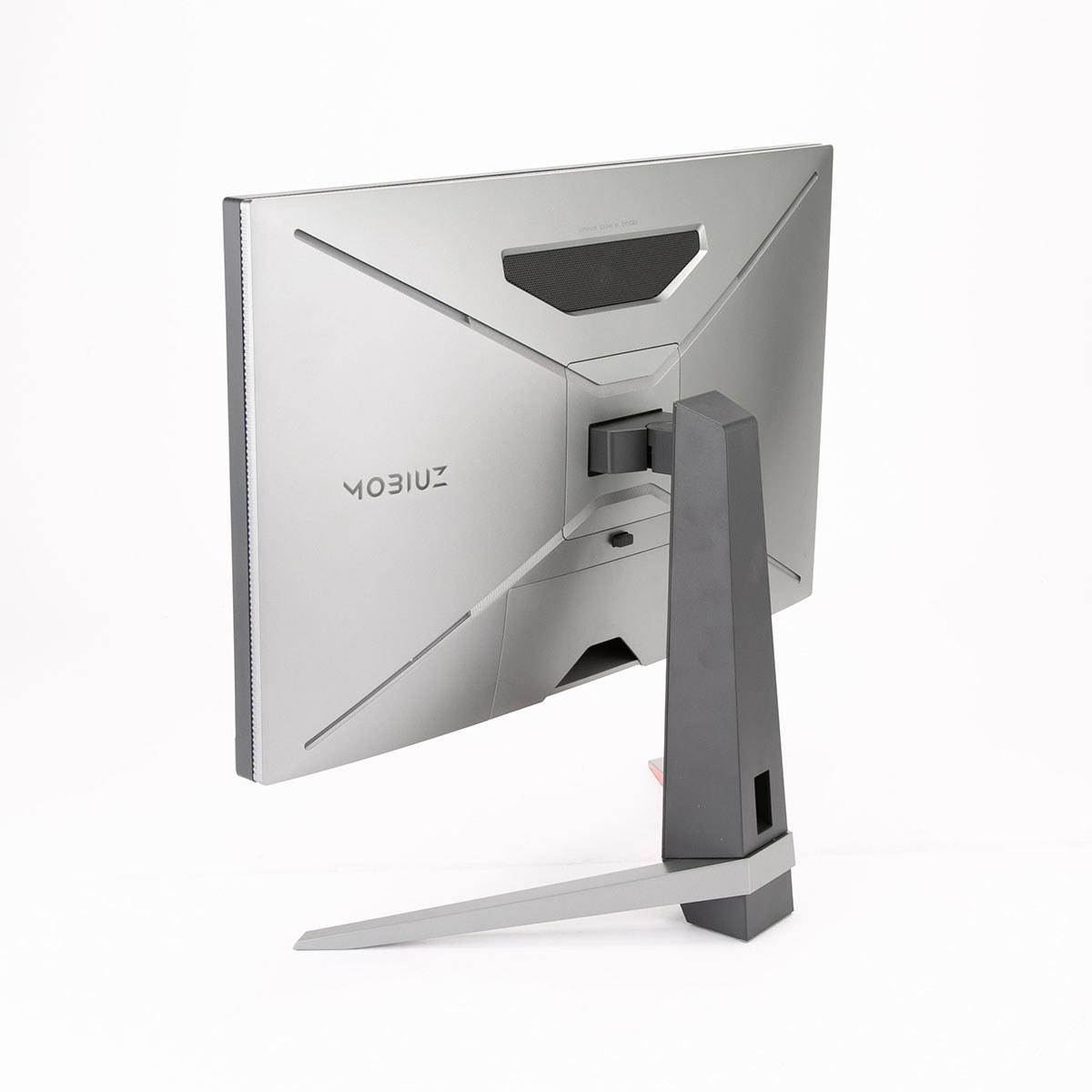
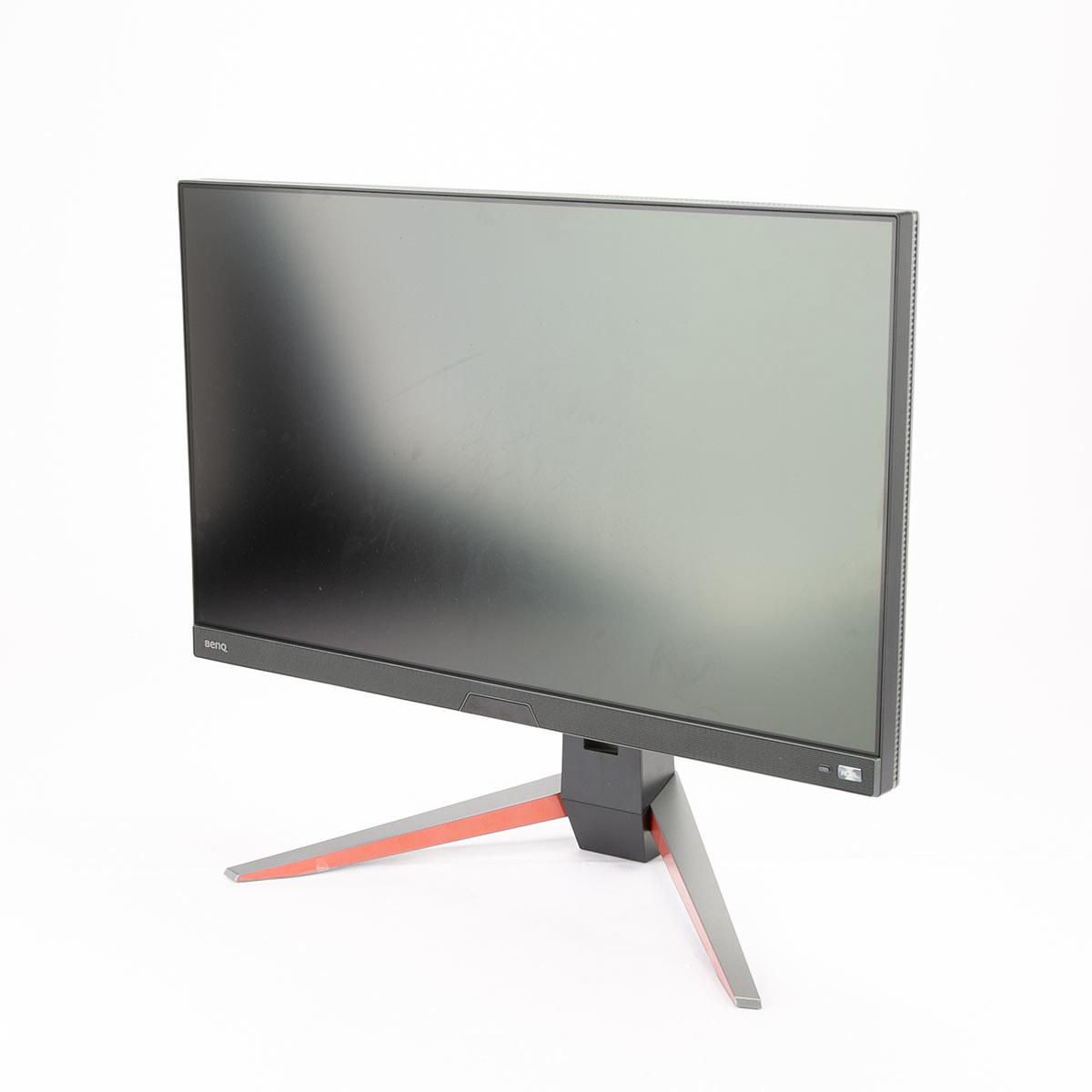
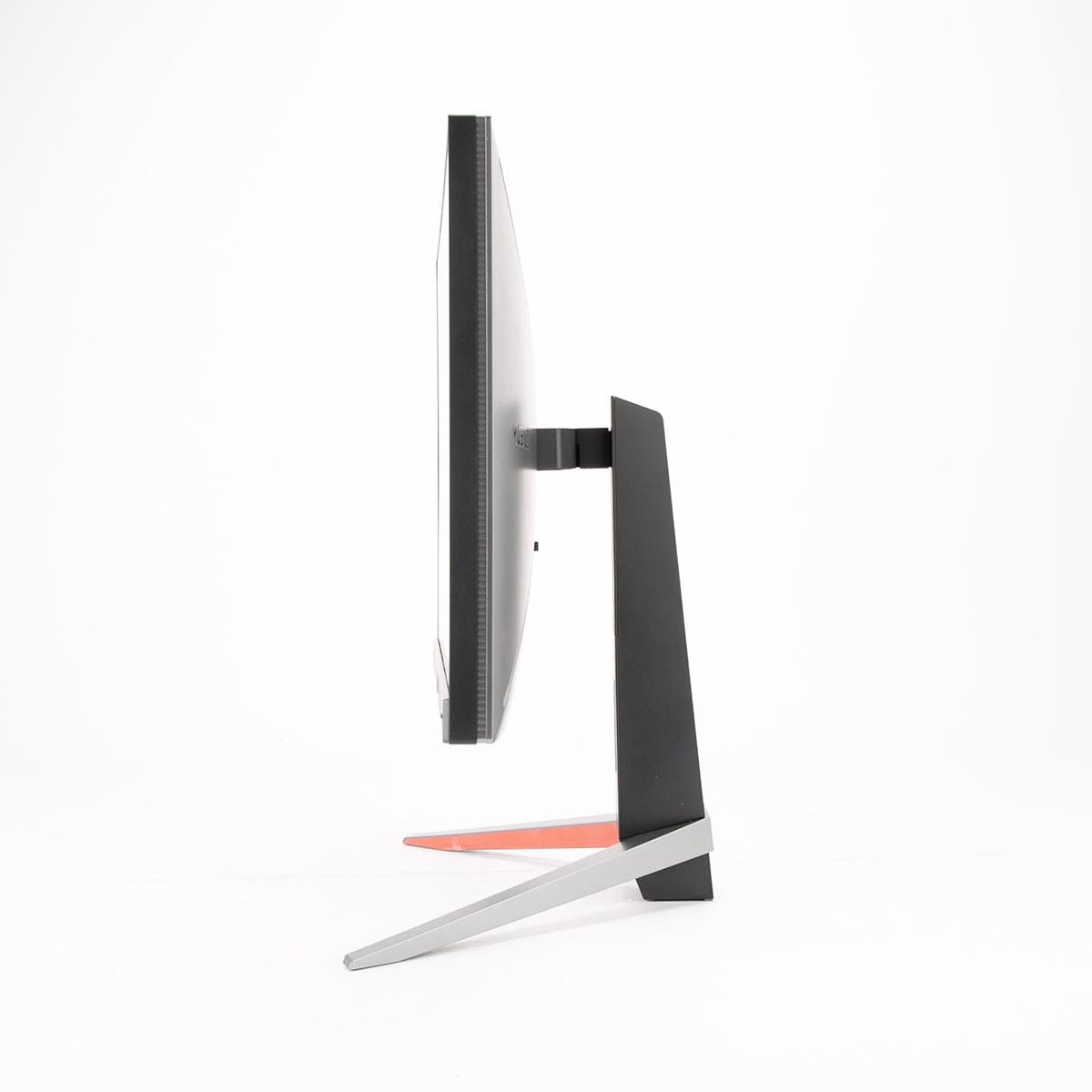
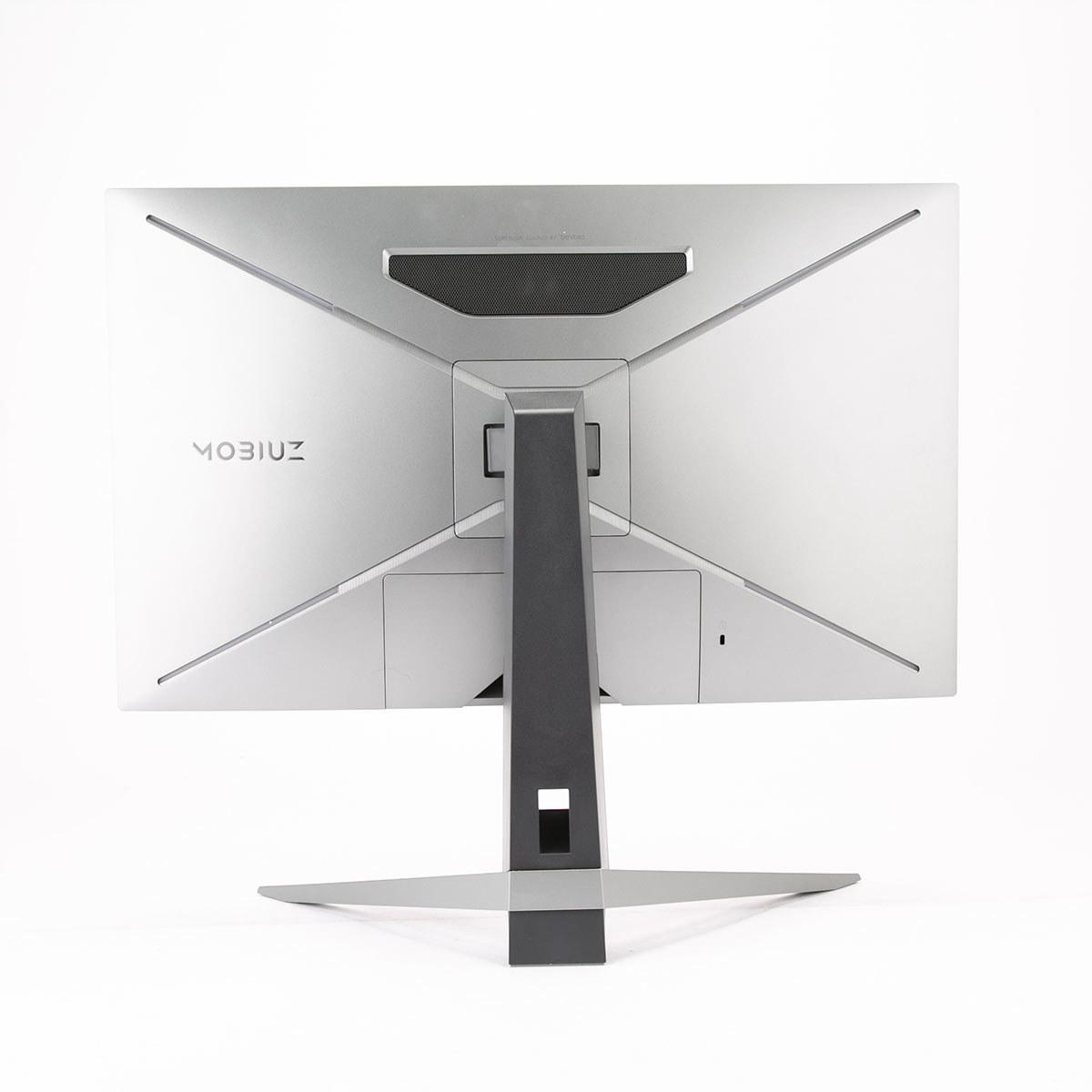
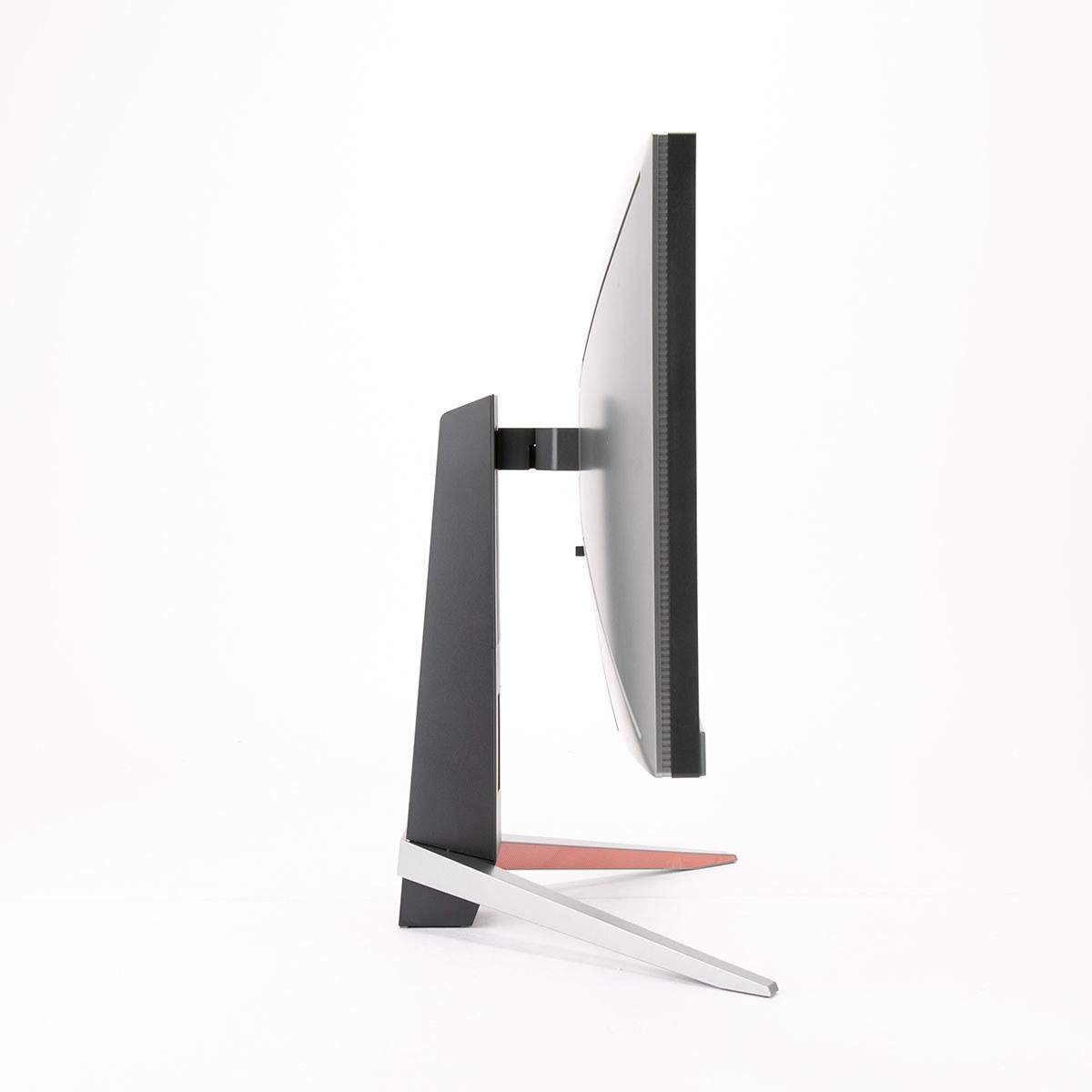
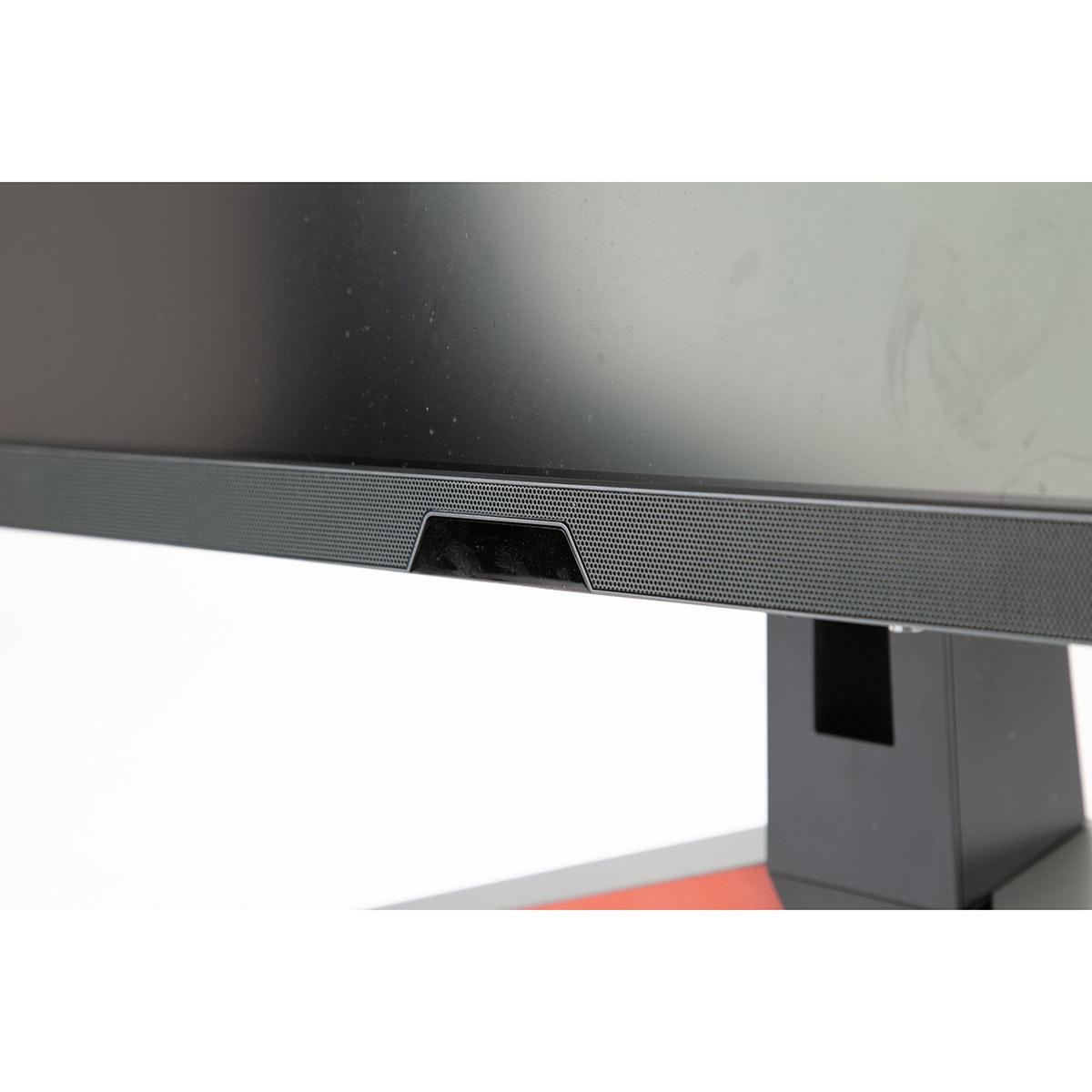
When you're shopping for a gaming monitor in 2024, you're entering one of the most exciting periods in display technology. The market has split into two compelling directions: ultra-high resolution displays that make games look stunning, and blazing-fast monitors that prioritize smooth motion above all else. Today, I'm comparing two monitors that perfectly represent these philosophies: the Sony INZONE M9 II and the BenQ MOBIUZ EX270QM.
Gaming monitors have evolved dramatically over the past few years. Gone are the days when you had to choose between good colors and fast response times. Modern IPS panels—which use liquid crystals aligned in parallel planes to produce better colors and viewing angles than older TN panels—now offer response times under 1 millisecond while maintaining vibrant, accurate colors.
The real decisions today center around resolution versus refresh rate, HDR implementation, and specialized gaming features. Resolution determines how sharp your games look, while refresh rate controls how smooth motion appears. HDR (High Dynamic Range) makes bright areas brighter and dark areas darker, creating more realistic lighting in games. Variable refresh rate technologies like AMD FreeSync and NVIDIA G-SYNC eliminate screen tearing by synchronizing your monitor's refresh with your graphics card's output.
Both the Sony INZONE M9 II and BenQ MOBIUZ EX270QM represent premium approaches to these challenges, but they take very different paths to get there.
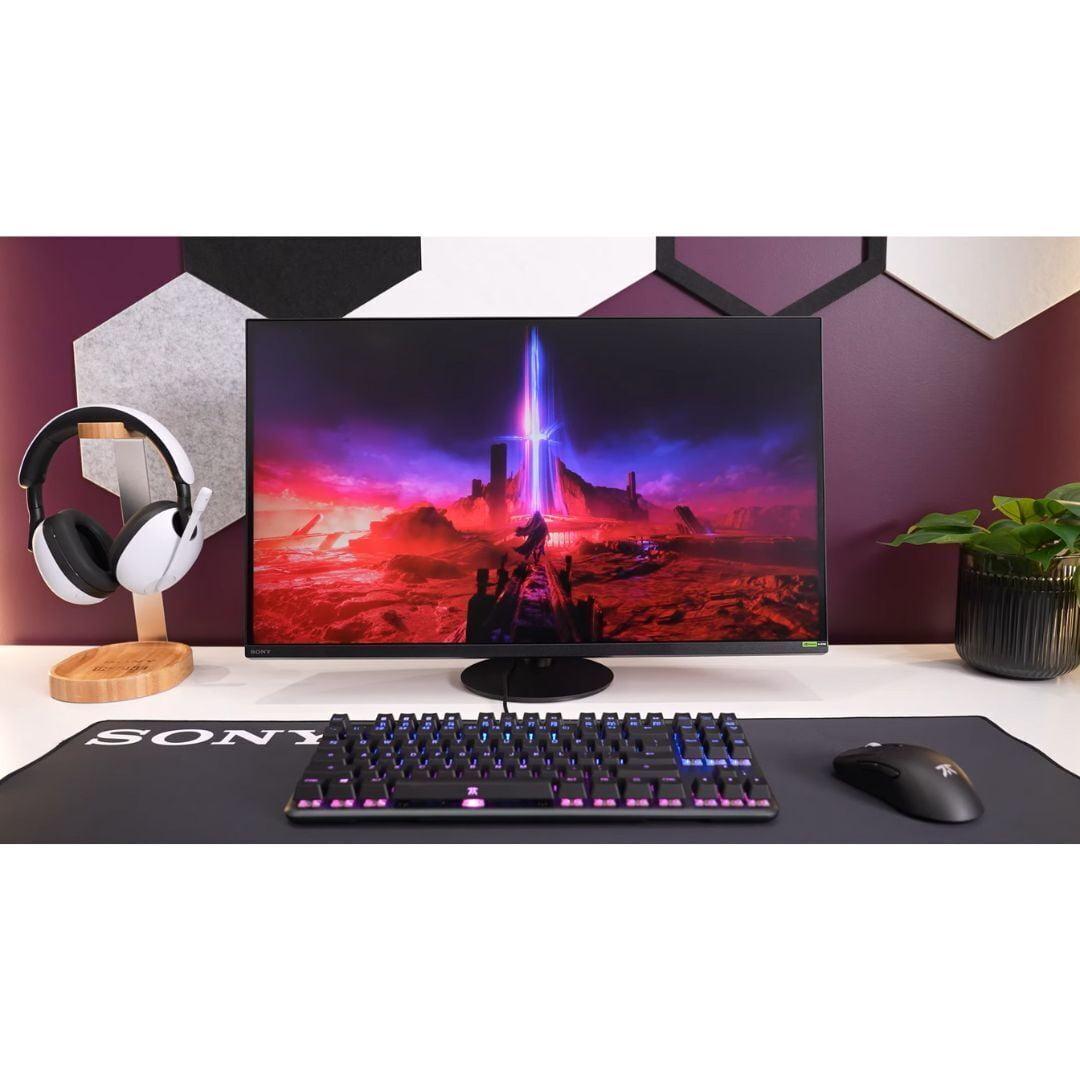
The Sony INZONE M9 II, released in 2024, embodies Sony's vision of premium visual quality. This 27-inch display prioritizes 4K resolution and sophisticated HDR implementation, targeting gamers who want their games to look as good as possible. Sony has leveraged their decades of TV manufacturing expertise to create a monitor that feels more like a high-end television shrunk down to desktop size.
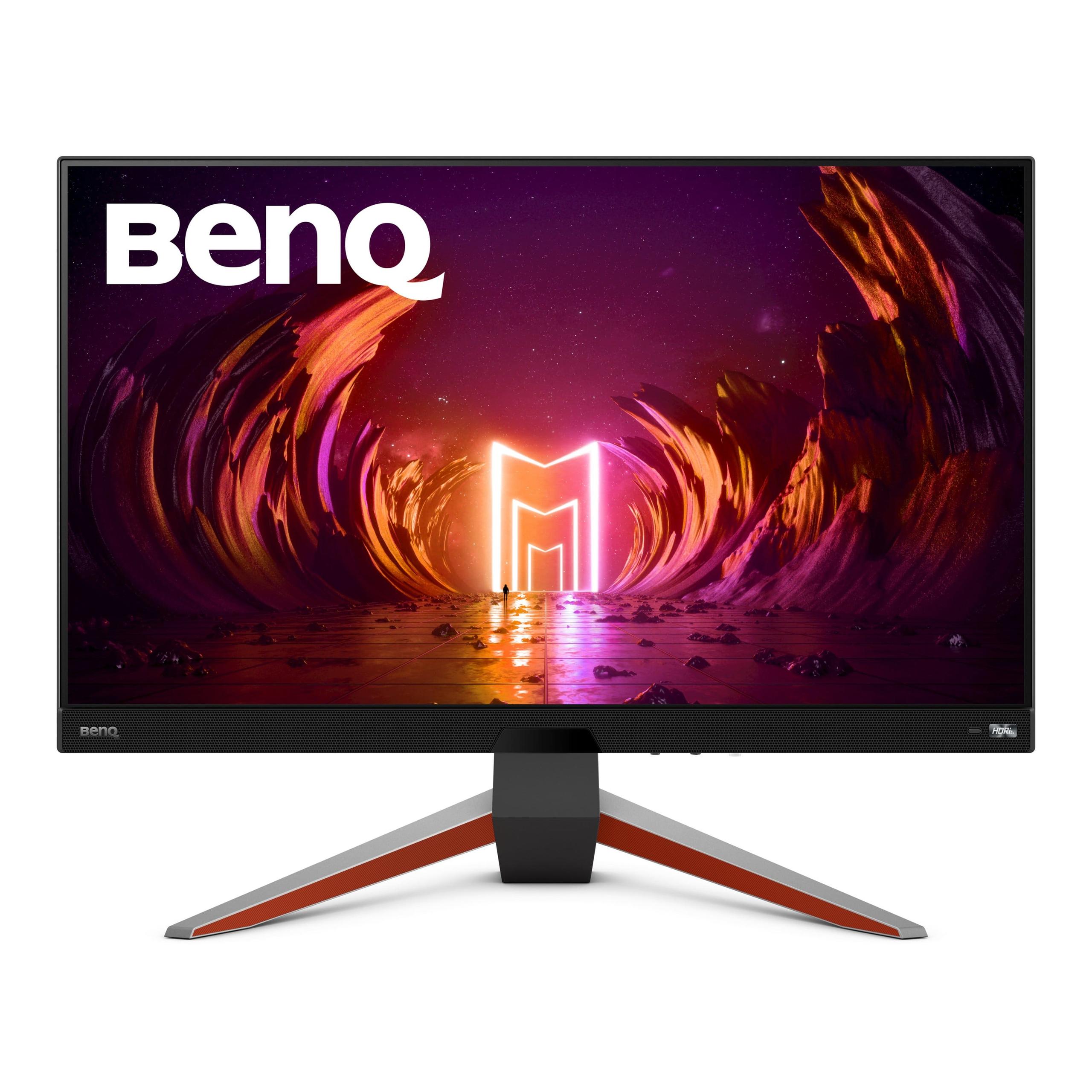
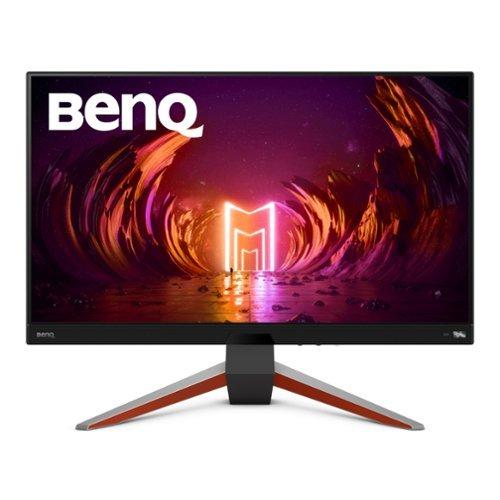
The BenQ MOBIUZ EX270QM, which hit the market in 2023, takes a different approach entirely. BenQ focused on creating the ultimate competitive gaming experience, prioritizing a 240Hz refresh rate—meaning the screen updates 240 times per second—while maintaining excellent color quality and adding unique features like a built-in subwoofer system.
The most immediately noticeable difference between these monitors is resolution. The Sony INZONE M9 II displays games at 4K (3840×2160 pixels), while the BenQ MOBIUZ EX270QM uses QHD resolution (2560×1440 pixels). This difference is more significant than the numbers suggest.
With 4K resolution, the Sony packs 163 pixels into every inch of screen space, compared to the BenQ's 109 pixels per inch. This means text appears razor-sharp on the Sony, game textures show incredible detail, and you can actually use the monitor for serious productivity work without eye strain. When I've used 4K monitors for gaming, the difference is immediately apparent in games like Cyberpunk 2077 or Red Dead Redemption 2, where environmental details that would be lost at lower resolutions become clearly visible.
However, this visual upgrade comes with a performance cost. Your graphics card has to work 78% harder to render 4K compared to QHD. If you're running a mid-range GPU, you might find yourself choosing between high resolution and high frame rates. The BenQ's QHD resolution hits what many consider the sweet spot for 27-inch gaming—sharp enough to look great while remaining achievable for most graphics cards.
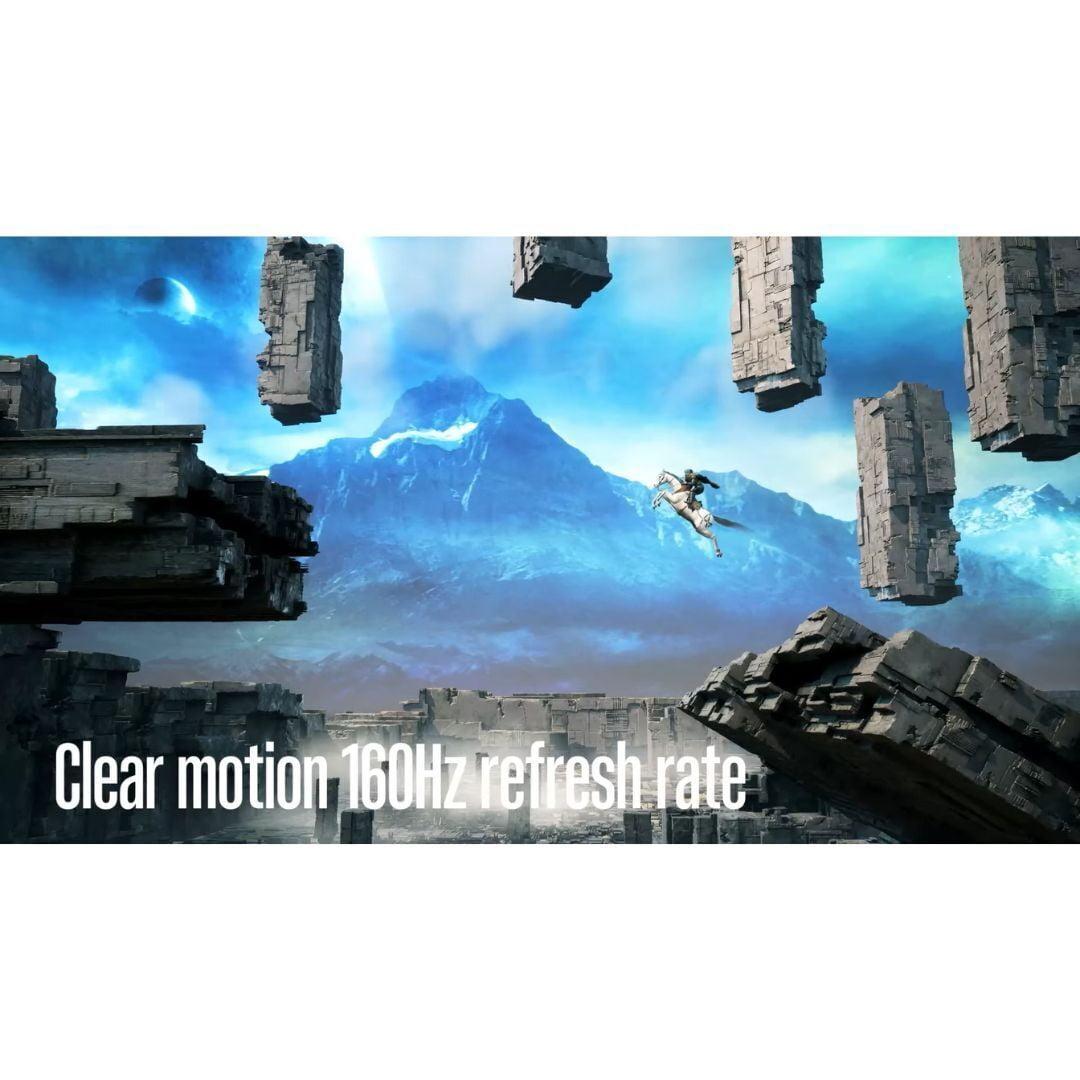
Here's where the BenQ MOBIUZ EX270QM pulls ahead dramatically. Its 240Hz refresh rate means the screen can display 240 unique frames every second, compared to the Sony INZONE M9 II's maximum of 160Hz. This difference becomes crucial in competitive gaming scenarios.
At 240Hz, fast-moving objects appear clearer and tracking targets becomes more precise. Your mouse movements translate to screen movement with less perceived delay. Professional esports players often cite 240Hz as the minimum for competitive play in fast-paced games like Counter-Strike or Valorant. The difference between 160Hz and 240Hz might seem small on paper, but it's noticeable during gameplay, especially if you're coming from a 60Hz or 144Hz monitor.
That said, the Sony's 160Hz is no slouch. For most gaming scenarios—including fast-paced single-player games and casual multiplayer—160Hz provides plenty of smoothness while allowing for the higher resolution rendering that makes games look spectacular.
High Dynamic Range represents one of the biggest advances in display technology over the past decade, and it's where the Sony INZONE M9 II demonstrates its premium positioning. Sony implements Full Array Local Dimming (FALD) with 96 zones across the screen. This means the backlight can be dimmed or brightened in specific areas independently, creating deeper blacks and brighter highlights simultaneously.
The Sony achieves 750 nits of peak brightness—significantly brighter than most laptop screens or basic monitors—and maintains excellent contrast through its local dimming system. When you're exploring a dark cave in a game and then step into bright sunlight, the Sony can make that transition feel dramatic and realistic. The monitor is certified for DisplayHDR 600, which represents a meaningful HDR experience rather than the basic HDR found on cheaper displays.
The BenQ MOBIUZ EX270QM also supports HDR600, reaching 600 nits of peak brightness, but it uses edge-lit LED backlighting rather than full array local dimming. This means it can't control contrast as precisely as the Sony. However, BenQ's HDRi technology adds an interesting twist—an ambient light sensor automatically adjusts the HDR performance based on your room's lighting conditions, which can actually provide a more comfortable viewing experience in varying lighting conditions.
Both monitors achieve the holy grail of 1ms response time, but they accomplish this through different methods. Response time measures how quickly a pixel can change from one color to another, with faster times reducing motion blur and ghosting effects.
The Sony INZONE M9 II includes backlight scanning technology, which rapidly strobes the backlight to reduce motion blur. This technique, borrowed from high-end TVs, can make moving objects appear incredibly sharp but may reduce overall brightness slightly. The Sony also benefits from premium video processing that reduces artifacts and maintains image quality even during fast motion.
The BenQ MOBIUZ EX270QM has been measured with exceptionally low input lag—just 0.7 milliseconds from when you move your mouse to when that movement appears on screen. This near-instantaneous response makes the monitor feel incredibly reactive, particularly important for competitive gaming where every millisecond matters.
Both monitors support variable refresh rate technologies. The Sony is G-SYNC Compatible and supports HDMI 2.1 Variable Refresh Rate for console gaming. The BenQ supports AMD FreeSync Premium Pro, which includes low-latency HDR gaming capabilities.
Color reproduction reveals the different priorities of these monitors. The Sony INZONE M9 II focuses on accuracy, with excellent out-of-box color calibration that rivals professional monitors. Sony's decades of experience in professional video equipment shows here—colors appear natural and well-balanced without the oversaturation common in gaming monitors.
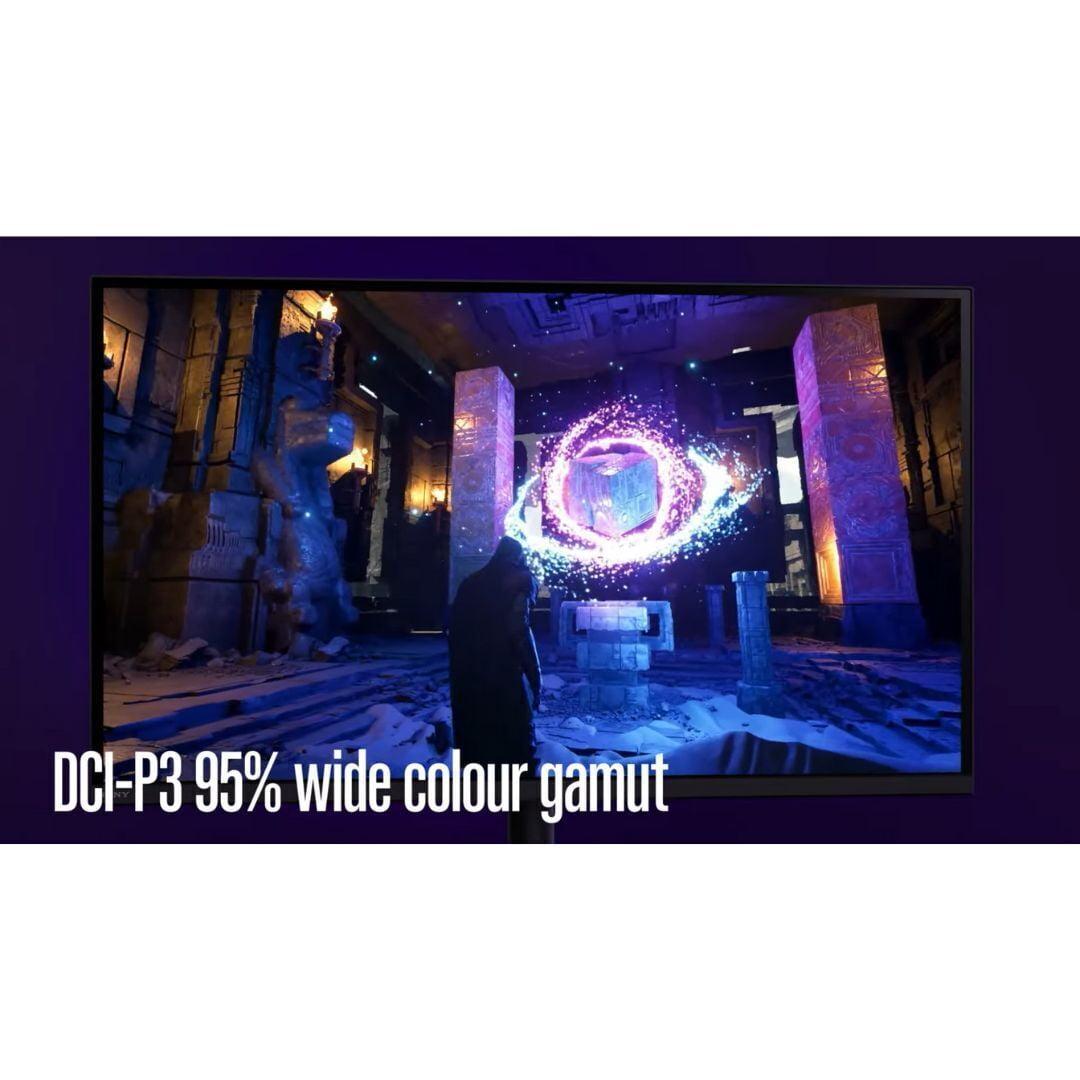
The BenQ MOBIUZ EX270QM takes a more gaming-focused approach with 98% DCI-P3 color coverage (slightly wider than Sony's 95%) and unique features like Light Tuner, which provides 20 different color presets optimized for different game genres. Want more vibrant colors for an RPG or enhanced visibility for a competitive shooter? The BenQ lets you customize the experience extensively.
Console compatibility shows another clear difference in approach. The Sony INZONE M9 II includes Auto HDR Tone Mapping specifically for PlayStation 5 and PS5 Pro, automatically optimizing HDR settings for the best possible image quality. Sony has also included a unique 24.5-inch mode for esports, displaying games at native resolution with black borders to simulate a smaller screen.
The BenQ MOBIUZ EX270QM takes a more universal approach, with HDMI 2.1 supporting 1440p at 120Hz on any console that supports these specs. While it lacks PlayStation-specific optimizations, it works excellently with Xbox Series X/S, PlayStation 5, and Nintendo Switch.
Here's where the BenQ MOBIUZ EX270QM offers something truly unique: a genuine 2.1 audio system with two 2W speakers and a dedicated 5W subwoofer. The audio quality is remarkably good for a monitor, with clear mids and highs and actual bass response. BenQ's treVolo audio tuning makes this system usable for gaming without external speakers—something I rarely say about monitor audio.
The Sony INZONE M9 II includes basic 2×2W speakers that are adequate but unremarkable. Most users will want external speakers or headphones.
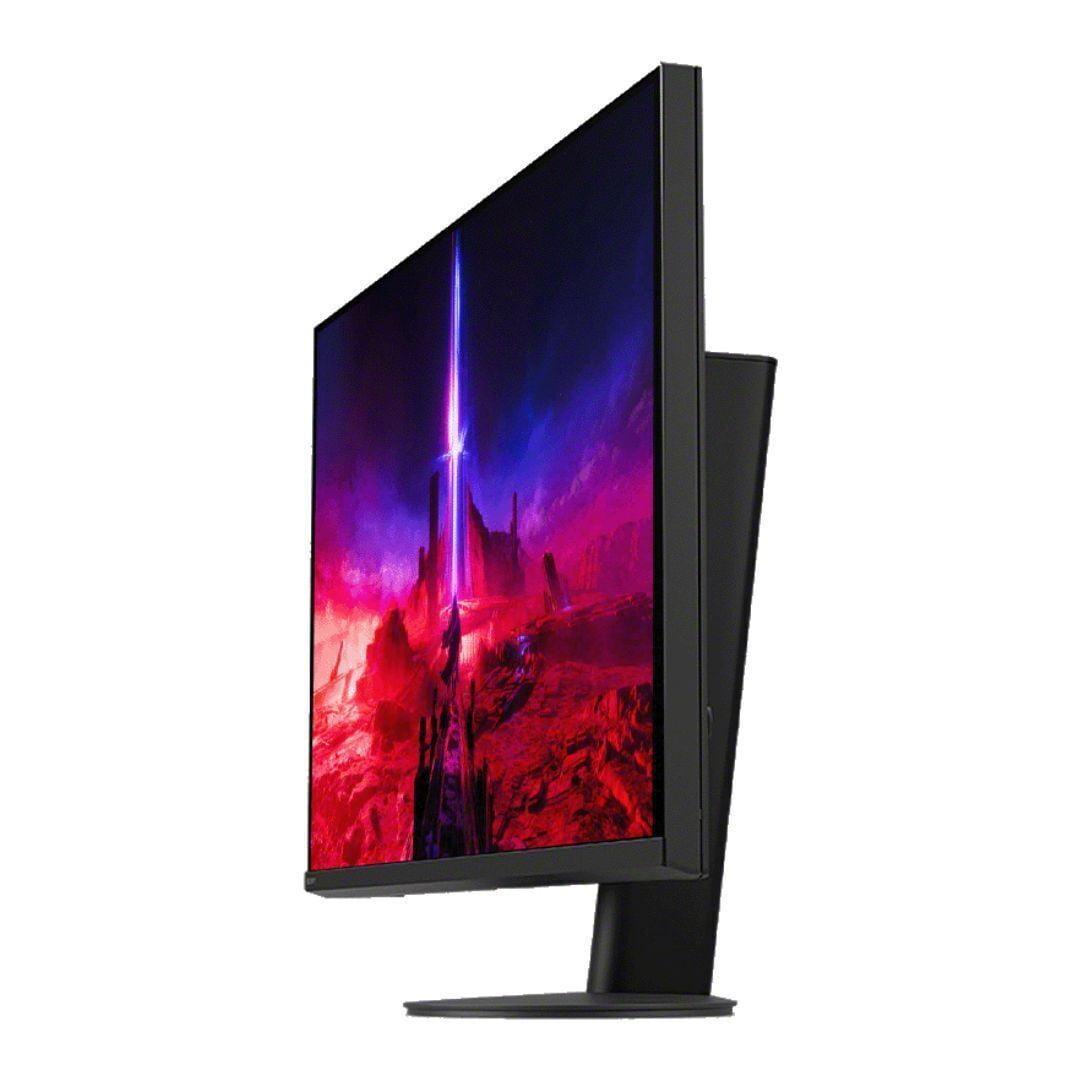
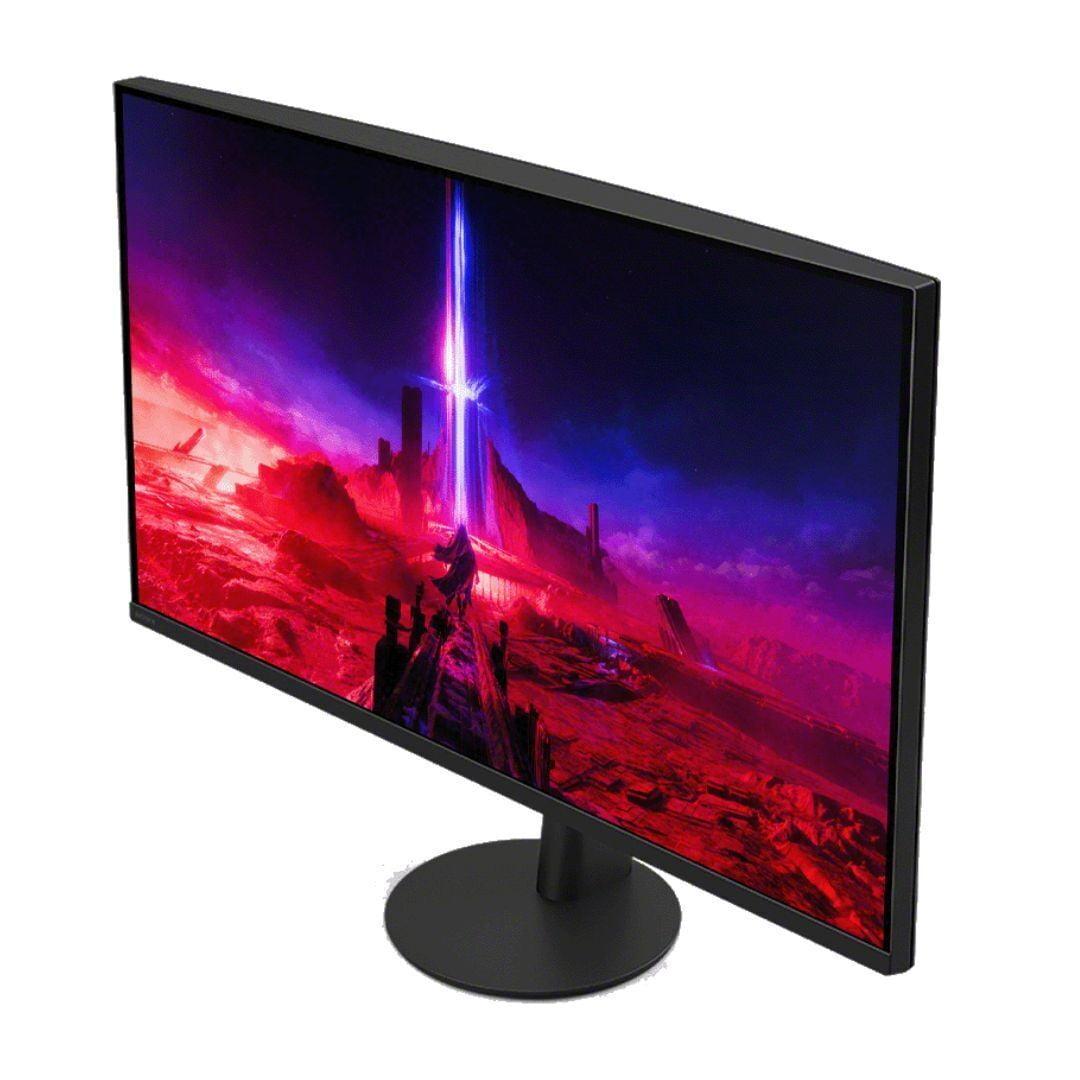
Both monitors offer excellent build quality, but with different design philosophies. The Sony INZONE M9 II features a sleek, minimalist design with a circular base that allows 360-degree swivel—useful for quickly showing something on screen to someone beside you. The build feels premium throughout, with high-quality plastics and solid construction.
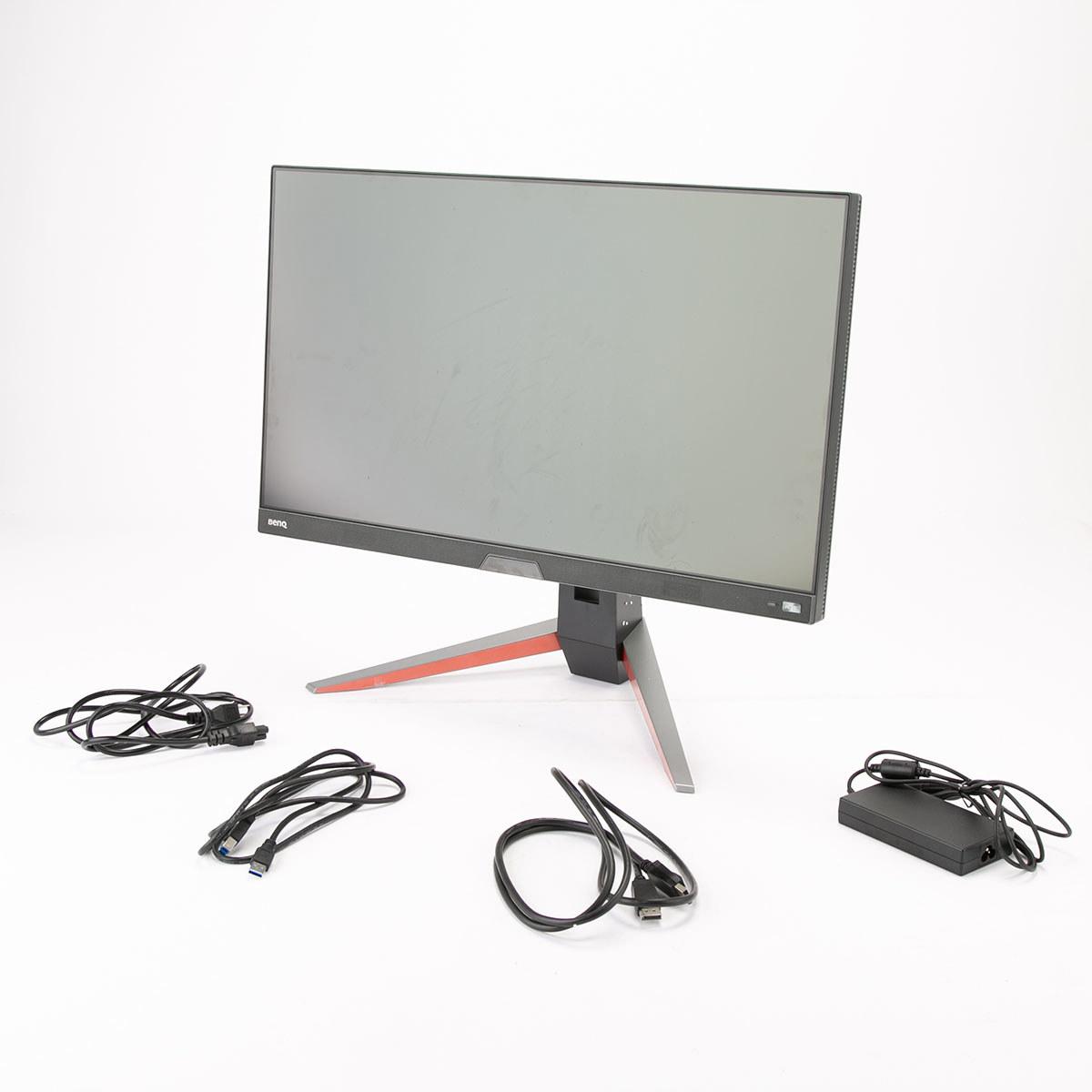
The BenQ MOBIUZ EX270QM offers more traditional ergonomics with height, tilt, and swivel adjustments, plus RGB lighting on the rear for ambiance. Both support VESA mounting if you prefer a monitor arm.
The Sony INZONE M9 II includes DisplayPort 2.1, which provides enormous bandwidth for future graphics cards and displays, though it ships with a DisplayPort 1.4 cable. Two HDMI 2.1 ports handle console connections admirably.
The BenQ MOBIUZ EX270QM includes HDMI 2.1 and DisplayPort 1.4, which is perfectly adequate for its 1440p resolution and high refresh rate. It also includes USB 3.0 hub functionality for connecting peripherals.
For home theater use, the Sony INZONE M9 II is clearly superior. Its 4K resolution, excellent HDR implementation, and accurate colors make it suitable for movie watching and streaming content. The larger screen real estate also makes it more comfortable for couch viewing distances.
The BenQ MOBIUZ EX270QM, while having better audio, is primarily designed for desk use. Its QHD resolution and gaming-focused features make it less ideal for media consumption.
At the time of writing, the BenQ MOBIUZ EX270QM represents significantly better value for most gamers. It typically costs several hundred dollars less than the Sony INZONE M9 II while delivering superior refresh rates and excellent gaming features.
However, the Sony offers premium experiences that justify its higher cost for users who prioritize visual quality or need console integration. The 4K resolution alone provides a level of detail that will remain relevant for years as graphics cards become more powerful.
Choose the Sony INZONE M9 II if you want the absolute best visual quality, prioritize 4K gaming, or primarily game on PlayStation 5. Its superior HDR implementation and premium build quality make it an excellent long-term investment, especially if you're planning to upgrade your graphics card in the near future.
Choose the BenQ MOBIUZ EX270QM if competitive gaming performance matters most to you, if you're working with a tighter budget, or if you want excellent integrated audio. Its 240Hz refresh rate and gaming-focused features provide immediate benefits for esports and competitive gaming.
The fundamental choice comes down to resolution versus refresh rate, premium positioning versus value, and visual fidelity versus competitive performance. Both monitors excel at their intended purposes—the Sony at delivering stunning visuals, and the BenQ at providing responsive, high-speed gaming with excellent value. Your choice should align with your gaming priorities and budget considerations.
| Sony INZONE M9 II | BenQ MOBIUZ EX270QM |
|---|---|
| Resolution - Higher resolution means sharper visuals but requires more GPU power | |
| 4K (3840×2160) - 78% more pixels for incredible detail | QHD (2560×1440) - Sweet spot for performance and clarity |
| Refresh Rate - Higher rates provide smoother motion, crucial for competitive gaming | |
| 160Hz - Excellent for most gaming scenarios | 240Hz - Professional esports standard |
| Panel Type - IPS offers better colors and viewing angles than older TN panels | |
| IPS with premium video processing | IPS with gaming-optimized tuning |
| HDR Implementation - Quality HDR needs high brightness and contrast control | |
| Full Array Local Dimming, 750 nits peak, DisplayHDR 600 | Edge-lit LED, 600 nits peak, DisplayHDR 600 with HDRi |
| Response Time - Lower times reduce motion blur and ghosting | |
| 1ms GTG with backlight scanning technology | 1ms GTG and MPRT with 0.7ms input lag |
| Color Coverage - Wider gamuts show more vibrant, lifelike colors | |
| 95% DCI-P3 with professional-grade accuracy | 98% DCI-P3 with 20 gaming color presets |
| Console Integration - Specialized features for PlayStation and Xbox gaming | |
| Auto HDR Tone Mapping for PS5/PS5 Pro, 24.5" esports mode | Universal HDMI 2.1 support for all consoles at 1440p 120Hz |
| Audio System - Built-in speakers can eliminate need for external audio | |
| Basic 2×2W speakers | Premium 2.1 system with 5W subwoofer and treVolo tuning |
| Variable Refresh Rate - Eliminates screen tearing for smooth gameplay | |
| G-SYNC Compatible, HDMI 2.1 VRR | AMD FreeSync Premium Pro |
| Connectivity - Future-proofing and device compatibility | |
| DisplayPort 2.1, 2×HDMI 2.1, USB hub | DisplayPort 1.4, 2×HDMI 2.1, USB 3.0 hub |
| Build Quality & Design - Premium materials and flexible positioning | |
| Sleek minimalist design, 360° swivel base | Gaming aesthetic with RGB lighting, traditional ergonomics |
| Target Use Case - Different monitors excel at different gaming styles | |
| 4K visual quality, PS5 gaming, productivity hybrid | Competitive esports, high refresh rate gaming, better value |
The Sony INZONE M9 II offers 4K (3840×2160) resolution, providing 78% more pixels than the BenQ MOBIUZ EX270QM's QHD (2560×1440) resolution. The Sony delivers sharper textures and more detailed visuals, but requires a more powerful graphics card to maintain high frame rates. The BenQ's QHD resolution is easier to drive and still looks excellent on a 27-inch screen.
The BenQ MOBIUZ EX270QM is superior for competitive gaming with its 240Hz refresh rate compared to the Sony INZONE M9 II's 160Hz. The BenQ also features exceptionally low 0.7ms input lag and gaming-specific features like customizable color presets. For esports titles like Counter-Strike or Valorant, the higher refresh rate provides a noticeable advantage in tracking fast-moving targets.
Yes, both monitors support HDR gaming with DisplayHDR 600 certification. The Sony INZONE M9 II has superior HDR implementation with Full Array Local Dimming and 750 nits peak brightness, creating deeper blacks and brighter highlights. The BenQ MOBIUZ EX270QM reaches 600 nits and includes HDRi technology that automatically adjusts HDR based on ambient lighting conditions.
The Sony INZONE M9 II is specifically optimized for PlayStation 5 with Auto HDR Tone Mapping that automatically configures HDR settings for the best image quality. It also includes a unique 24.5-inch esports mode. The BenQ MOBIUZ EX270QM works well with PS5 through HDMI 2.1 at 1440p 120Hz but lacks Sony's specialized PlayStation features.
The BenQ MOBIUZ EX270QM has significantly better audio with a 2.1 channel system featuring two 2W speakers and a dedicated 5W subwoofer with treVolo tuning. This provides clear sound with actual bass response. The Sony INZONE M9 II includes basic 2×2W speakers that are adequate but unremarkable, requiring external speakers for quality audio.
The BenQ MOBIUZ EX270QM typically offers better value, costing significantly less while delivering higher refresh rates and excellent gaming features including superior audio. The Sony INZONE M9 II commands a premium for its 4K resolution, advanced HDR implementation, and PlayStation integration, making it better value for users prioritizing visual quality over competitive performance.
Both the Sony INZONE M9 II and BenQ MOBIUZ EX270QM achieve 1ms response times, but through different technologies. The Sony uses backlight scanning to reduce motion blur, while the BenQ has been measured with exceptionally low 0.7ms input lag. Both provide excellent responsiveness for gaming with minimal ghosting or motion artifacts.
The Sony INZONE M9 II is superior for productivity due to its 4K resolution providing 163 pixels per inch for razor-sharp text and detailed images. The higher resolution allows for more screen real estate and better multitasking. The BenQ MOBIUZ EX270QM's QHD resolution is adequate for productivity but the Sony's 4K makes it more versatile for professional work.
Yes, both monitors support variable refresh rate to eliminate screen tearing. The Sony INZONE M9 II is G-SYNC Compatible and supports HDMI 2.1 Variable Refresh Rate for console gaming. The BenQ MOBIUZ EX270QM supports AMD FreeSync Premium Pro, which includes low-latency HDR gaming capabilities. Both work with modern graphics cards from AMD and NVIDIA.
The Sony INZONE M9 II focuses on professional-grade color accuracy with excellent out-of-box calibration, covering 95% of DCI-P3 color space. The BenQ MOBIUZ EX270QM offers slightly wider 98% DCI-P3 coverage with gaming-optimized color tuning and 20 customizable presets for different game genres. The Sony prioritizes accuracy while the BenQ emphasizes customization.
The Sony INZONE M9 II includes DisplayPort 2.1 for future-proofing, two HDMI 2.1 ports, and USB connectivity. The BenQ MOBIUZ EX270QM features DisplayPort 1.4, two HDMI 2.1 ports, and USB 3.0 hub functionality. Both provide excellent connectivity for modern PCs and consoles, with the Sony offering higher bandwidth potential for future graphics cards.
The Sony INZONE M9 II excels for single-player games with its 4K resolution revealing incredible detail in game environments and superior HDR creating dramatic lighting effects. Games like Cyberpunk 2077 or Red Dead Redemption 2 showcase the visual advantages beautifully. The BenQ MOBIUZ EX270QM still provides excellent visuals at QHD resolution with smoother motion at higher refresh rates, making both suitable depending on whether you prioritize resolution or refresh rate.
We've done our best to create useful and informative comparisons to help you decide what product to buy. Our research uses advanced automated methods to create this comparison and perfection is not possible - please contact us for corrections or questions. These are the sites we've researched in the creation of this article: bestbuy.com - bestbuy.com - rtings.com - rtings.com - tomshardware.com - youtube.com - bhphotovideo.com - bestbuy.com - sony.com - techpowerup.com - electronics.sony.com - sony.com - displayspecifications.com - direct.playstation.com - youtube.com - sony.com - sony.com - displayspecifications.com - bhphotovideo.com - displayspecifications.com - bgeek.eu - youtube.com - tomshardware.com - youtube.com - t3.com - versus.com - pcgamer.com - versus.com - gamesradar.com - pangoly.com - benq.eu - techaeris.com - shi.com - benq.com - bestbuy.com - benq.com - displayspecifications.com - benq.com - benq.eu - bhphotovideo.com - benq.com

Privacy Policy
Terms and Conditions - Affiliate Policy
Home Security
© Copyright 2008-2026.
11816 Inwood Rd #1211, Dallas, TX 75244