

The portable projector market has exploded in recent years, transforming from business-only tools to viable home entertainment solutions. Whether you're setting up a backyard movie night, need flexibility for work presentations, or want to create a home theater without permanent installation, today's portable projectors offer impressive capabilities. But with options ranging from budget-friendly to premium laser systems, choosing the right one requires understanding what truly matters for your specific needs.
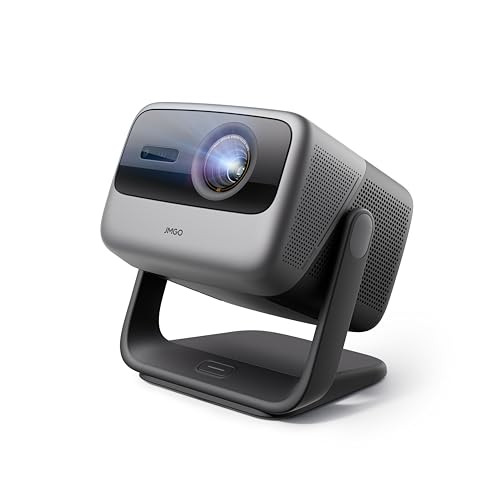
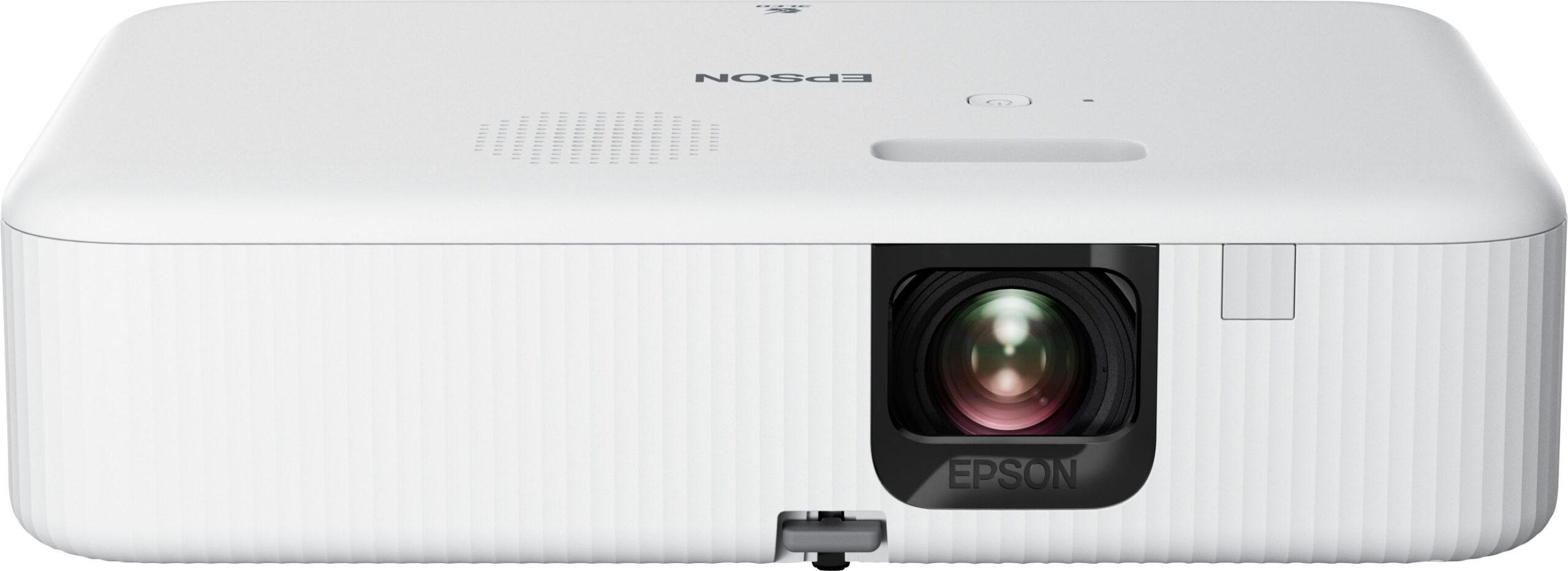
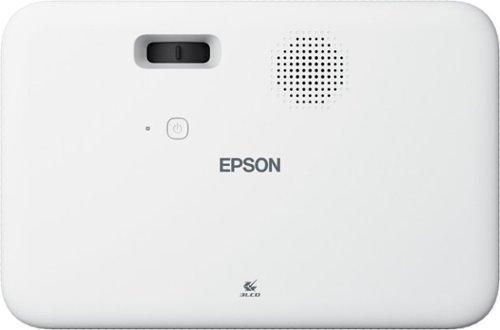
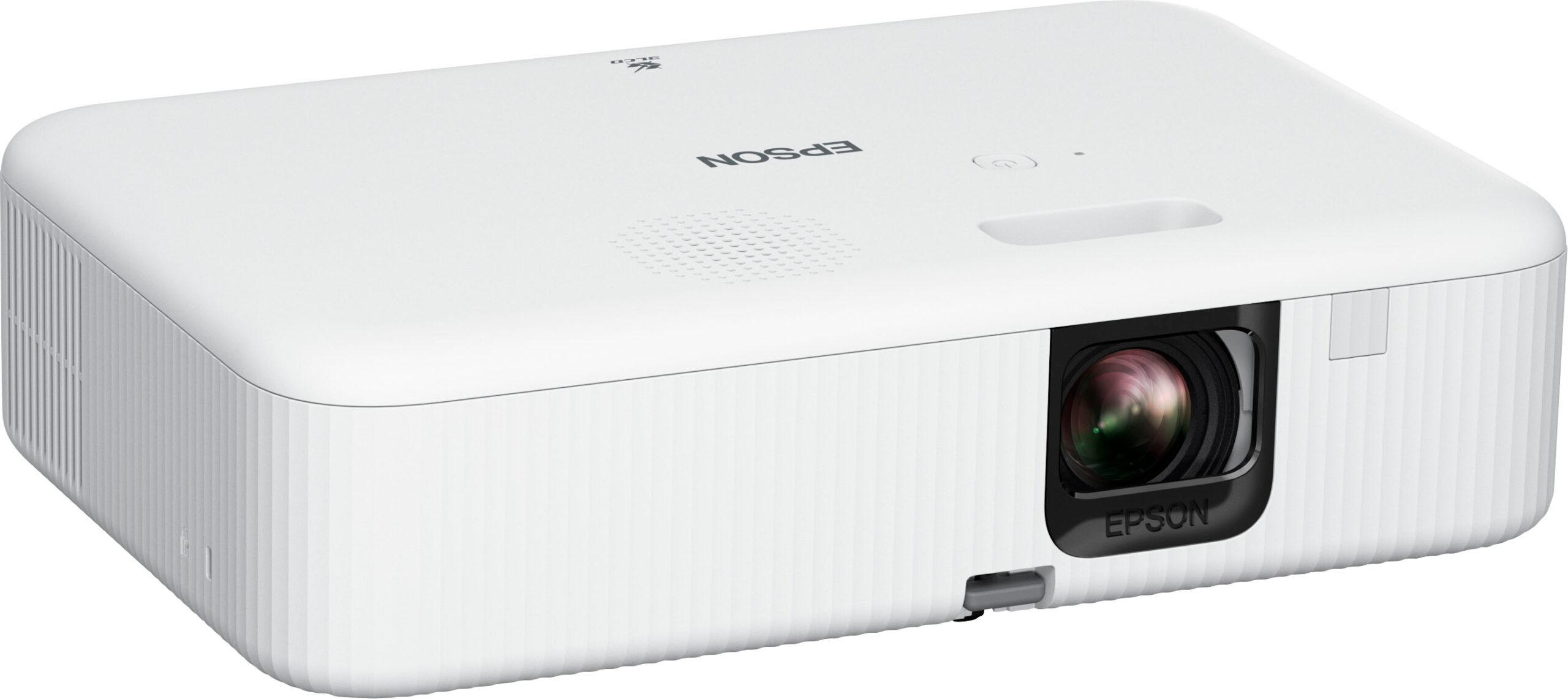
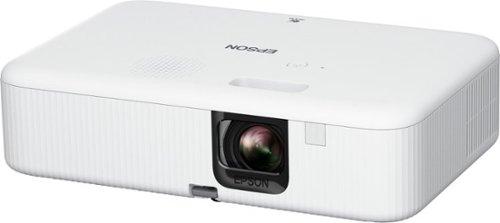
Two projectors perfectly illustrate this spectrum: the premium JMGO N1S Ultimate and the value-oriented Epson EpiqVision Flex CO-FH02. Released in 2024 and 2022 respectively, these models represent fundamentally different approaches to portable projection. The JMGO embraces cutting-edge laser technology with 4K resolution, while the Epson focuses on proven reliability with traditional lamp technology. At the time of writing, expect to pay roughly five times more for the JMGO compared to the Epson – a difference that demands careful consideration of whether those premium features justify the investment.
Before diving into specifics, it's crucial to understand the technological revolution happening in projectors. Traditional models used replaceable bulbs (usually UHE or metal halide lamps) that gradually dimmed and needed replacement every few thousand hours. Modern laser projectors eliminate this maintenance entirely, using precisely controlled laser light sources that can last 30,000 hours or more – potentially a lifetime of typical use.
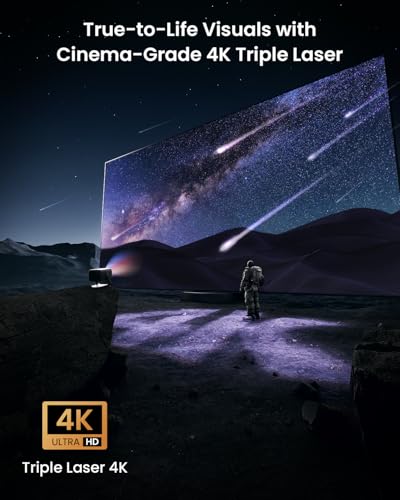
The JMGO N1S Ultimate represents this new generation with its MALC 2.0 Triple Color Laser Optics system. This uses separate red, green, and blue lasers to create incredibly accurate colors while maintaining consistent brightness throughout its lifespan. The Epson CO-FH02, meanwhile, sticks with proven 3LCD technology and a traditional UHE bulb. While this requires eventual lamp replacement, it keeps costs down and delivers the reliable performance Epson is known for.
Resolution tells another part of the story. The JMGO delivers true 4K (3840x2160 pixels) through pixel-shifting technology, where each pixel on the DMD chip (Digital Micromirror Device) creates four pixels on screen through rapid repositioning. The Epson provides native 1080p (1920x1080 pixels), which remains perfectly adequate for most content, especially at typical viewing distances.
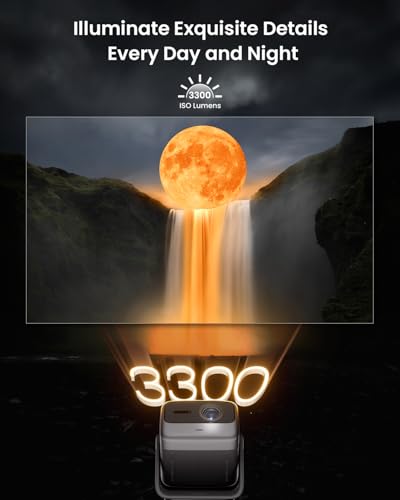
Having tested numerous projectors over the years, I can confidently say that brightness isn't everything – but it's critically important for versatile use. Both projectors achieve impressive brightness levels, with the JMGO N1S Ultimate reaching 3,500 ANSI lumens and the Epson CO-FH02 delivering 3,000 lumens. ANSI lumens represent standardized brightness measurements that account for real-world conditions, unlike cheaper projectors that might quote inflated "LED lumens" or other non-standard metrics.
What sets these projectors apart is how they handle color at these brightness levels. The JMGO's laser system maintains color accuracy across all brightness settings – something I particularly appreciate when switching between content types. Traditional projectors often sacrifice color accuracy for brightness, but the JMGO N1S Ultimate covers an impressive 110% of the Rec. 2020 color space. This color gamut represents the range of colors a display can reproduce, and exceeding 100% of Rec. 2020 means incredibly vibrant, lifelike images.
The Epson CO-FH02 uses 3LCD technology, which splits white light into red, green, and blue components using dichroic mirrors. This approach naturally produces accurate colors without the rainbow effect (brief flashes of separated colors) that can affect single-chip DLP projectors like the JMGO. For viewers sensitive to rainbow effects, this represents a significant advantage.
Contrast ratio – the difference between the brightest whites and darkest blacks – heavily influences image quality. The JMGO N1S Ultimate achieves a native contrast ratio of 1,600:1, which is excellent for a DLP projector. However, neither projector will match the deep blacks of OLED TVs or high-end home theater projectors. In my experience, both deliver satisfying contrast for their intended use cases, though the JMGO's laser precision provides slightly better black levels.
The resolution debate often generates more heat than light, but real-world differences matter. The JMGO N1S Ultimate's 4K capability shines with large screen sizes – say, 100 inches and above. At typical viewing distances, the extra detail becomes apparent in text sharpness, fine textures, and overall image clarity. Netflix 4K content, 4K Blu-rays, and high-quality streaming benefit noticeably from the additional resolution.
However, the Epson CO-FH02's 1080p resolution shouldn't be dismissed. For screen sizes under 100 inches or typical streaming content, the difference becomes less dramatic. Most broadcast television, many streaming services, and older content remain 1080p or lower. The Epson's proven 3LCD system often produces more naturally pleasing images with this content than 4K projectors struggling to upscale lower-resolution sources.
I've found that viewing distance plays a crucial role here. If you're sitting 8-10 feet from a 100-inch screen, 4K details become apparent. At 12-15 feet, the difference diminishes significantly. Consider your actual viewing setup rather than getting caught up in specification sheets.
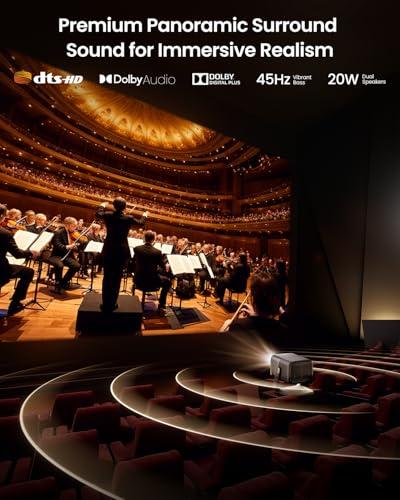
One area where the JMGO N1S Ultimate clearly dominates is audio. Its built-in sound system includes a 20-watt subwoofer alongside dual 10-watt speakers, creating genuinely impressive sound for an all-in-one projector. The system handles low frequencies down to 45Hz – deep enough for satisfying movie bass without external speakers. Having used many projectors with disappointing built-in audio, the JMGO's sound quality represents a genuine breakthrough.
The Epson CO-FH02 includes a basic 5-watt speaker that serves adequately for presentations or casual viewing but won't satisfy serious movie watching. However, it includes Bluetooth connectivity, making it easy to pair with external speakers when better audio is needed.
For home theater use, audio matters enormously. While dedicated surround sound systems remain ideal, the JMGO's built-in audio eliminates the need for additional equipment in many scenarios. This simplifies setup and reduces costs, particularly valuable given the projector's premium pricing.
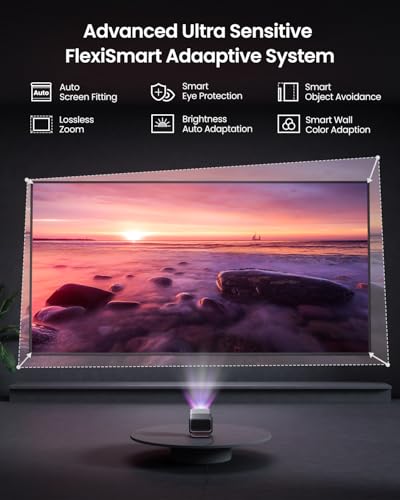
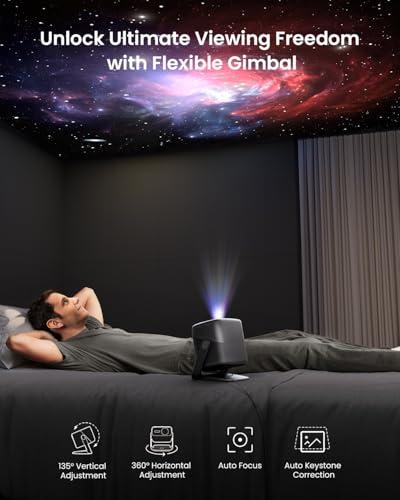
Here's where these projectors diverge most dramatically. The JMGO N1S Ultimate features a revolutionary gimbal design allowing 360-degree horizontal and 135-degree vertical rotation. This means you can place it on a coffee table and project onto the wall, ceiling, or even at odd angles without manual adjustments. The FlexiSmart 2.0 system automatically handles focus, keystone correction (correcting trapezoidal distortion), and even adjusts for wall color.
Having struggled with projector placement in oddly shaped rooms, I find this flexibility transformative. Traditional projectors require careful positioning to achieve rectangular images, often necessitating ceiling mounts or specific table heights. The JMGO's gimbal system essentially eliminates these constraints.
The Epson CO-FH02 takes a more conventional approach, requiring traditional throw distance calculations and manual adjustments. However, its compact 5.7-pound design makes it genuinely portable. You can easily carry it in a backpack for presentations or outdoor movie nights. The manual controls become less problematic when you're not frequently repositioning the projector.
For permanent home theater installations, the JMGO's flexibility allows creative setups that would be impossible with traditional projectors. For mobile use, the Epson's lightweight design and proven reliability make more sense.
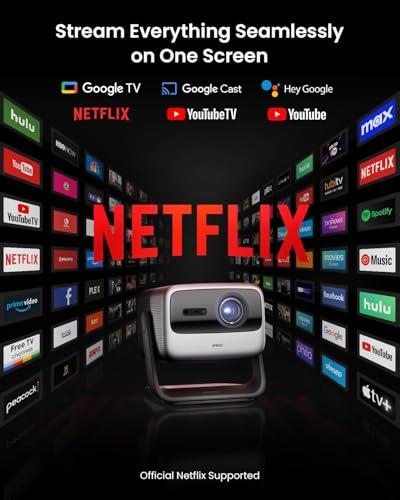
Both projectors include smart TV functionality, but their implementations differ significantly. The JMGO N1S Ultimate runs Google TV 3.0 with certified Netflix access – something surprisingly rare among projectors. This means you can access Netflix directly without workarounds, alongside other major streaming services. Google Assistant voice control and Chromecast built-in add convenience for smart home integration.
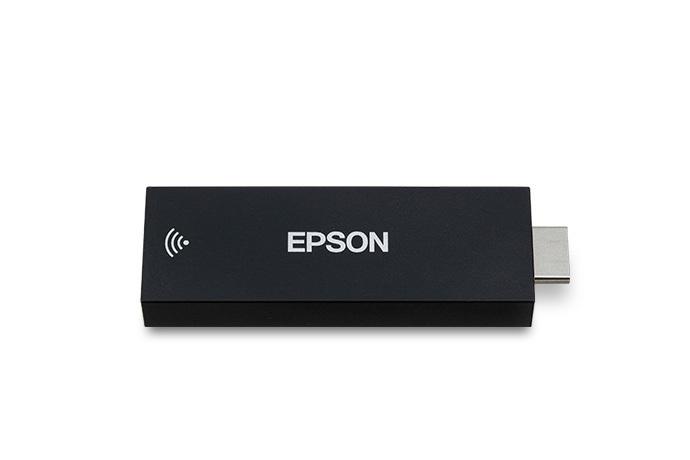
The Epson CO-FH02 includes Android TV functionality through a bundled streaming stick. While this provides access to most streaming services, the external stick adds complexity and another potential failure point. However, it also means you could potentially upgrade the smart functionality independently of the projector.
Connectivity options favor the JMGO with HDMI 2.1 and eARC support, enabling advanced gaming features and simplified audio return to soundbars. The Epson provides basic HDMI and USB connectivity adequate for most needs but lacking advanced features.
Room lighting dramatically affects projector performance. Both models handle moderate ambient light well, though the JMGO N1S Ultimate's slightly higher brightness and laser precision provide an edge in challenging lighting conditions. For dedicated home theater rooms, either projector works excellently. For family rooms with windows and multiple light sources, the JMGO's brightness advantage becomes more apparent.
Noise levels matter for immersive viewing. The JMGO N1S Ultimate operates at just 26 decibels – barely audible and impressive for any projector. The Epson CO-FH02 runs louder at 37 decibels in normal mode, noticeable during quiet movie scenes but not disruptively so.
Total cost of ownership extends beyond initial purchase price. The JMGO N1S Ultimate's laser light source should last 30,000 hours without replacement – potentially decades of typical use. The Epson CO-FH02's UHE bulb requires replacement every 6,000-12,000 hours, adding several hundred dollars over the projector's lifetime.
Power consumption also differs significantly. Laser projectors typically use less electricity than traditional lamp-based models, providing modest but measurable savings over years of use.
However, traditional projector technology like the Epson's has decades of refinement behind it. Replacement parts, service documentation, and repair expertise are widely available. Laser projectors, while generally more reliable, represent newer technology with potentially higher repair costs if problems occur outside warranty periods.
For gaming enthusiasts, the JMGO N1S Ultimate offers notable advantages. Its 16-millisecond input lag and 120Hz refresh rate capability provide responsive gaming suitable for competitive play. The large screen sizes possible with bright projectors create immersive gaming experiences that TVs can't match at comparable costs.
The Epson CO-FH02 handles gaming adequately but lacks the low-latency modes increasingly important for modern gaming. For casual gaming, it works fine, but serious gamers will appreciate the JMGO's optimizations.
Choosing between these projectors requires honest assessment of your priorities and budget constraints. At the time of writing, the JMGO N1S Ultimate commands premium pricing that may exceed many buyers' budgets, while the Epson CO-FH02 offers accessible entry into quality projection.
Choose the JMGO N1S Ultimate if:
Choose the Epson EpiqVision Flex CO-FH02 if:
Both projectors excel in their intended markets. The JMGO N1S Ultimate represents the future of portable projection with laser technology, 4K resolution, and innovative design features that eliminate traditional setup constraints. Its premium pricing reflects genuinely advanced technology that should provide years of maintenance-free operation.
The Epson EpiqVision Flex CO-FH02 proves that excellent projection doesn't require premium pricing. Its combination of proven 3LCD technology, genuine portability, and accessible cost makes it an ideal entry point into quality projection.
Consider your actual usage patterns rather than getting caught up in specification comparisons. If you primarily watch streaming content on screens under 100 inches, the Epson's 1080p resolution and lower cost make perfect sense. If you're building a serious home theater or want the flexibility to project anywhere in your home, the JMGO's advanced features justify its premium pricing.
The projector market continues evolving rapidly, with laser technology becoming more accessible and 4K content becoming standard. Whichever choice you make, both projectors represent solid investments in their respective categories, offering years of enjoyable viewing with the right expectations and setup.
| JMGO N1S Ultimate 4K Laser Projector | Epson EpiqVision Flex CO-FH02 Smart Portable Projector |
|---|---|
| Resolution - Higher resolution provides sharper detail on large screens | |
| 4K (3840x2160) with pixel shifting for crisp detail on 100"+ screens | 1080p (1920x1080) native, adequate for most content and screen sizes |
| Light Source Technology - Affects maintenance costs and color consistency | |
| RGB laser with 30,000-hour lifespan (maintenance-free for decades) | Traditional UHE bulb requiring replacement every 6,000-12,000 hours |
| Brightness - Critical for ambient light performance and large screens | |
| 3,500 ANSI lumens (excellent for well-lit rooms) | 3,000 lumens (good for moderate ambient light) |
| Color Performance - Impacts image vibrancy and accuracy | |
| 110% Rec. 2020 color gamut with 10-bit processing (exceptional color) | Standard 3LCD color accuracy with 8-bit processing (natural colors) |
| Setup Flexibility - Affects installation options and convenience | |
| 360° gimbal design with auto focus/keystone (project anywhere) | Traditional fixed lens with manual adjustments (requires careful positioning) |
| Audio System - Determines if external speakers are needed | |
| 20W subwoofer + dual 10W speakers with deep bass (theater-quality sound) | 5W basic speaker (adequate for casual use, external audio recommended) |
| Weight & Portability - Affects ease of transport | |
| 14.3 lbs with gimbal design (portable but substantial) | 5.7 lbs compact design (truly portable, fits in backpacks) |
| Smart Platform - Streaming capabilities and app selection | |
| Google TV 3.0 with certified Netflix and 10,000+ apps | Android TV via bundled streaming stick with standard app selection |
| Gaming Performance - Input lag for responsive gaming | |
| 16ms input lag with 120Hz support (excellent for gaming) | Standard input lag (adequate for casual gaming) |
| Noise Level - Affects viewing experience in quiet scenes | |
| 26 dB (virtually silent operation) | 37 dB normal / 29 dB eco mode (noticeable but not disruptive) |
| Contrast Ratio - Affects black levels and image depth | |
| 1,600:1 native contrast (good blacks for DLP technology) | Not specified (typical 3LCD contrast performance) |
| Connectivity Options - Determines device compatibility | |
| HDMI 2.1 with eARC, USB, advanced gaming features | Basic HDMI, USB-A, standard connectivity options |
| Best Use Cases - Who should choose each projector | |
| Premium home theater, flexible installation, 4K content enthusiasts | Budget-conscious buyers, mobile professionals, 1080p content adequate |
The JMGO N1S Ultimate 4K Laser Projector is significantly better for dedicated home theater use. It offers true 4K resolution, exceptional color accuracy covering 110% of Rec. 2020 color space, and a premium built-in audio system with 20W subwoofer. The laser light source provides consistent brightness and eliminates maintenance concerns. The Epson EpiqVision Flex CO-FH02 works for casual home viewing but lacks the resolution and audio quality serious home theater enthusiasts demand.
The primary difference is technology and target market. The JMGO N1S Ultimate uses advanced RGB laser technology with 4K resolution and premium features, while the Epson EpiqVision Flex CO-FH02 employs traditional lamp-based 3LCD technology with 1080p resolution. The JMGO costs significantly more but offers cutting-edge features and maintenance-free operation.
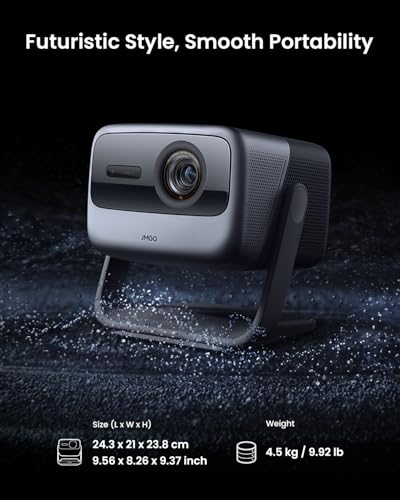
The Epson EpiqVision Flex CO-FH02 is more portable at just 5.7 pounds with compact dimensions that fit in backpacks. The JMGO N1S Ultimate weighs 14.3 pounds and is larger, making it less suitable for frequent transport despite being technically portable.
Both projectors handle ambient light reasonably well. The JMGO N1S Ultimate produces 3,500 ANSI lumens with laser precision, making it excellent for well-lit rooms. The Epson CO-FH02 delivers 3,000 lumens, which is adequate for rooms with moderate ambient light but may struggle in very bright environments.
The JMGO N1S Ultimate 4K Laser Projector has vastly superior audio with dual 10W speakers plus a 20W subwoofer that delivers deep bass down to 45Hz. The Epson EpiqVision Flex CO-FH02 includes only a basic 5W speaker that's adequate for presentations but requires external audio for quality movie watching.
The JMGO N1S Ultimate uses a laser light source rated for 30,000+ hours, essentially lasting decades without maintenance. The Epson CO-FH02 requires bulb replacement every 6,000-12,000 hours, adding ongoing maintenance costs but using proven, serviceable technology.
The JMGO N1S Ultimate 4K Laser Projector excels for gaming with 16ms input lag, 120Hz refresh rate support, and 4K resolution that enhances detail in modern games. The Epson EpiqVision Flex CO-FH02 handles casual gaming adequately but lacks the low-latency features competitive gamers prefer.
The JMGO N1S Ultimate runs Google TV 3.0 with certified Netflix access, allowing direct streaming without additional devices. The Epson CO-FH02 includes Android TV via a bundled streaming stick that provides access to most streaming services including Netflix.
Value depends on your needs and budget. The Epson EpiqVision Flex CO-FH02 offers excellent value for buyers seeking reliable 1080p projection at an accessible price. The JMGO N1S Ultimate provides premium value for those who prioritize 4K resolution, advanced features, and long-term ownership without maintenance costs.
The JMGO N1S Ultimate 4K Laser Projector offers revolutionary setup ease with its 360° gimbal design and automatic focus, keystone correction, and environmental adaptation. The Epson EpiqVision Flex CO-FH02 requires traditional manual setup with careful positioning and adjustments, though its lightweight design makes physical placement easier.
The JMGO N1S Ultimate operates at just 26 decibels, making it virtually silent during movies. The Epson CO-FH02 runs at 37 dB in normal mode or 29 dB in eco mode, which is noticeable but not disruptive for most viewing scenarios.
The JMGO N1S Ultimate 4K Laser Projector excels with large screens from 100-300 inches where its 4K resolution and high brightness truly shine. The Epson EpiqVision Flex CO-FH02 works well with screens up to 300 inches but is most cost-effective for smaller installations where 1080p resolution remains adequate for the viewing distance.
We've done our best to create useful and informative comparisons to help you decide what product to buy. Our research uses advanced automated methods to create this comparison and perfection is not possible - please contact us for corrections or questions. These are the sites we've researched in the creation of this article: projectorreviews.com - youtube.com - projectorcentral.com - tomsguide.com - global.jmgo.com - global.jmgo.com - projectorcentral.com - global.jmgo.com - youtube.com - vividstorm.us - youtube.com - global.jmgo.com - device.report - global.nothingprojector.com - expertreviews.co.uk - projectorcentral.com - youtube.com - bestbuy.com - specsradar.com - techwalls.com - cnet.com - epson.com - youtube.com - projectorreviews.com - epson.com - abt.com - youtube.com - cnet.com - techgearlab.com - staples.com - bestbuy.com - bestbuy.com - projectorcentral.com - bhphotovideo.com - dell.com - latin.epson.com - specsradar.com - projectorcentral.com - officedepot.com - files.support.epson.com - walmart.com - adorama.com - epson.com

Privacy Policy
Terms and Conditions - Affiliate Policy
Home Security
© Copyright 2008-2026.
11816 Inwood Rd #1211, Dallas, TX 75244