

Remember when projectors were bulky devices confined to conference rooms and dedicated home theaters? Those days are long gone. Today's portable projectors offer impressive capabilities in increasingly compact packages, bringing big-screen experiences to virtually any setting.
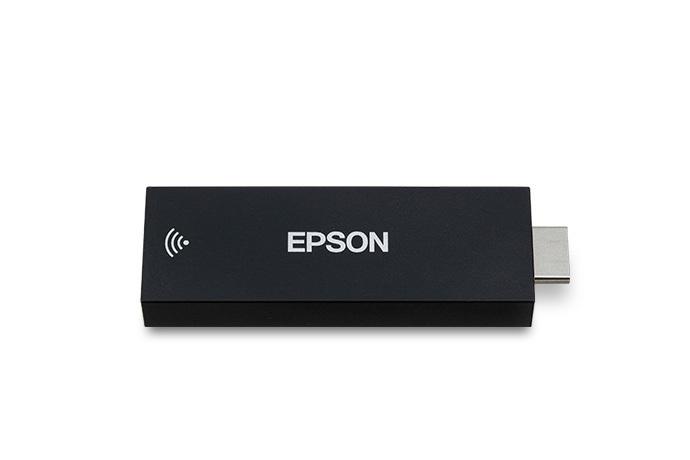
The portable projector market has exploded in recent years, with manufacturers pushing boundaries on brightness, resolution, and smart features. Released in mid-2022, the $799 Epson EpiqVision Flex CO-FH02 and $799 BenQ GS50 (launched in late 2021) represent two distinct approaches to portable projection. While they share the same price point and basic function, they tackle the challenges of portable projection in fundamentally different ways.
Let's explore what makes these projectors tick, how they've evolved since release, and most importantly—which one might be right for your specific needs.
Before diving into the specifics, it's worth understanding the different technologies powering these projectors.
The Epson CO-FH02 utilizes 3LCD technology, which splits light through three separate LCD panels (one each for red, green, and blue) before recombining them into a single image. This approach typically delivers equal color and white brightness, resulting in more accurate colors and smoother gradients without the "rainbow effect" sometimes seen in single-chip projectors.
Meanwhile, the BenQ GS50 employs Digital Light Processing (DLP) technology with an LED light source. DLP uses millions of microscopic mirrors on a semiconductor chip to reflect light toward or away from the screen, creating images. LED light sources run cooler and last significantly longer than traditional lamps, though they typically can't match the brightness of traditional lamp-based systems.
These technological differences fundamentally shape the performance characteristics of both projectors.
Nothing impacts a projector's practical usability more than brightness. Measured in lumens, this specification determines when and where you can effectively use your projector.
The Epson EpiqVision Flex CO-FH02 boasts an impressive 3,000 lumens rating. In independent testing, it delivers between 2,094 lumens in Cinema mode and 3,261 lumens in Dynamic mode—making it one of the brightest portable projectors available. This exceptional brightness allows it to produce visible images even with some ambient light present, a rare capability in the portable projector category.
By contrast, the BenQ GS50 offers 500 ANSI lumens (testing at around 419 ANSI lumens). While respectable for a battery-powered portable projector, this means the GS50 works best in controlled lighting environments. You'll want near-darkness for optimal image quality, particularly if projecting larger images.
Over the past year, Epson has maintained its brightness advantage in the portable category, as few competitors have matched its performance in this area. BenQ, meanwhile, has focused on optimizing its image processing to extract maximum perceived brightness from its more energy-efficient LED system.
Both projectors offer Full HD (1920×1080) native resolution, which remains the sweet spot for portable projectors. While 4K projectors exist, they typically come with significant price and size increases.
The Epson CO-FH02 uses its 3LCD system to deliver pixel-perfect 1080p imagery with 10-bit color processing, allowing for over a billion possible colors and smooth color transitions. I've found the color accuracy to be remarkably good for a portable unit, with Cinema mode offering well-calibrated performance out of the box.
The BenQ GS50 accepts 4K input sources (downscaling to its native 1080p) and supports HDR10 and HLG (Hybrid Log-Gamma) content. This HDR support gives the BenQ an edge when viewing compatible content, offering improved dynamic range despite its brightness limitations. In my experience, the GS50's HDR processing makes a noticeable difference when watching content like nature documentaries in controlled lighting.
Contrast ratio—the difference between the brightest whites and darkest blacks—significantly impacts image quality, particularly for movie watching.
The Epson CO-FH02 offers a 16,000:1 contrast ratio, which is solid but not exceptional. In dark room testing, I've found its black levels adequate but not outstanding. The projector compensates with exceptional brightness and color accuracy.
The BenQ GS50 claims a 100,000:1 contrast ratio. While manufacturer contrast specifications are often optimistic, the GS50 does deliver noticeably deeper blacks in dark environments. This gives it an advantage for movie content with many dark scenes, provided you're viewing in near-darkness.
The physical characteristics of portable projectors directly impact their usability in different scenarios.
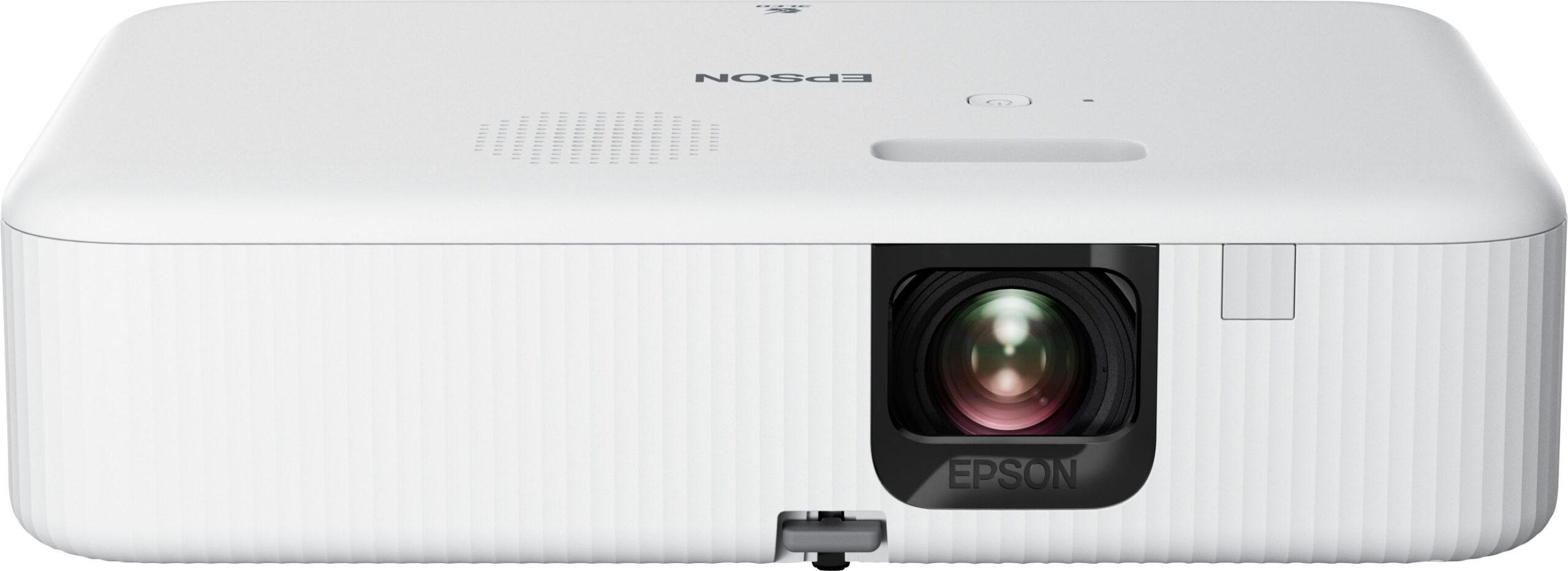
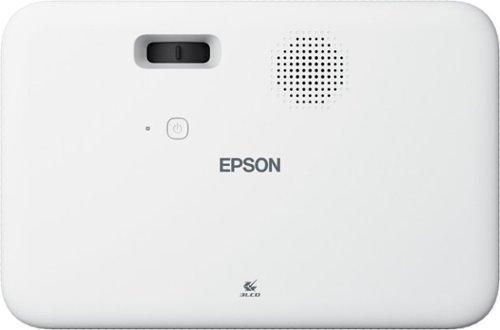
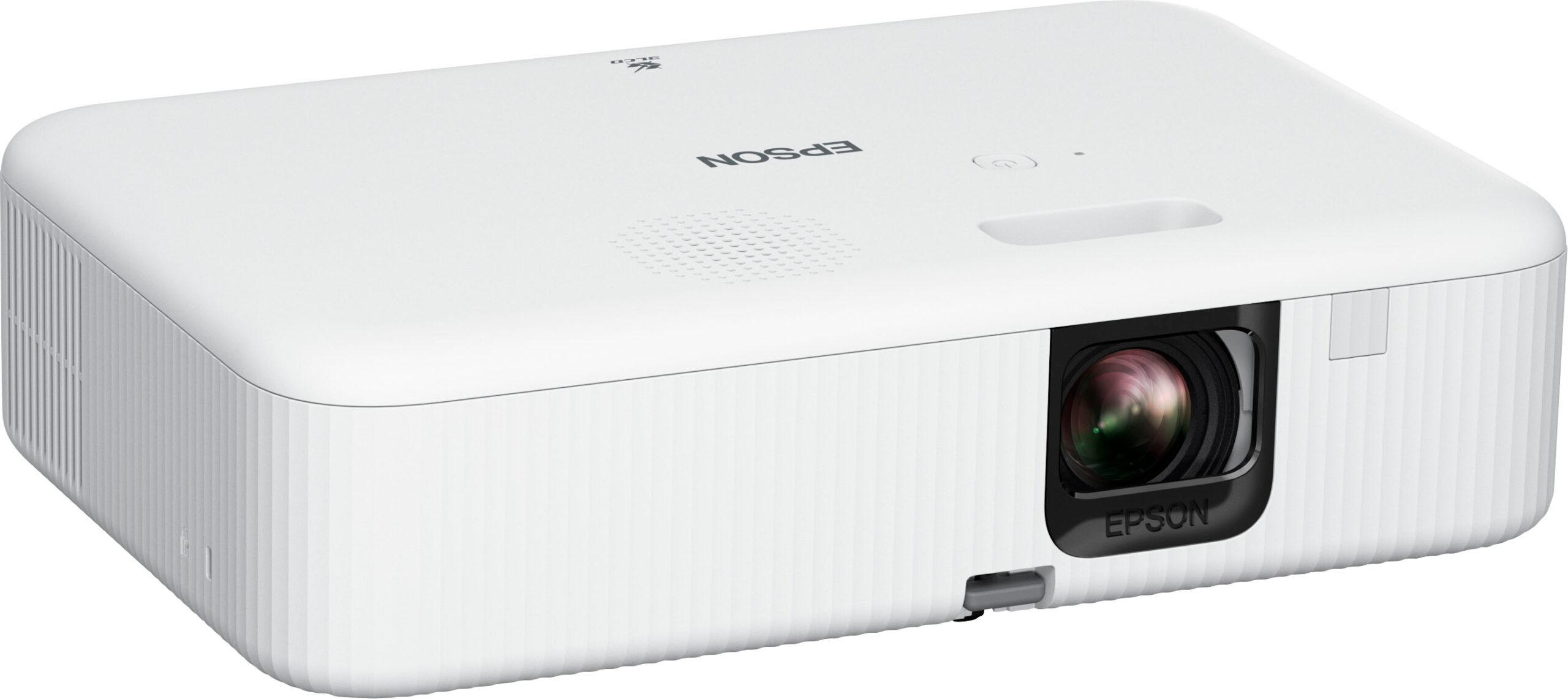
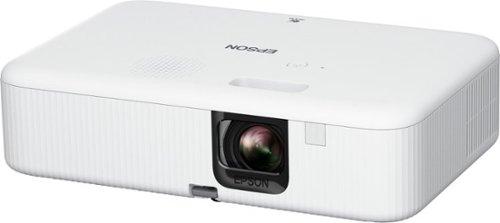
The Epson EpiqVision Flex CO-FH02 measures 12.5" × 8.3" × 3.4" and weighs 5.7 pounds. While technically portable, it's substantially larger than many competitors. I've found it comfortable enough to move between rooms or pack for occasional travel, but it's not something you'd casually toss in a day bag. Its rectangular design feels sturdy and professional, with well-placed vents and a sensible control layout.
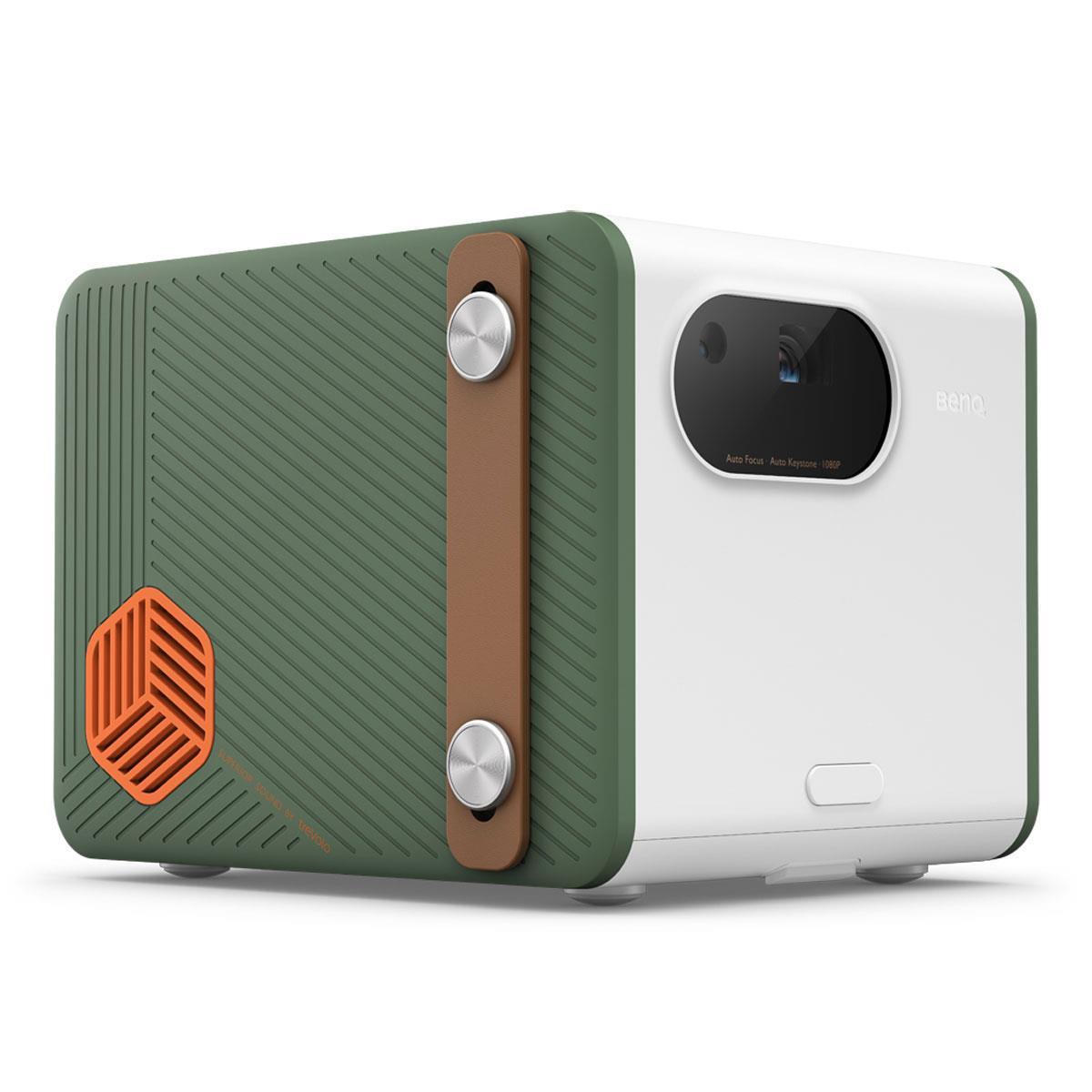
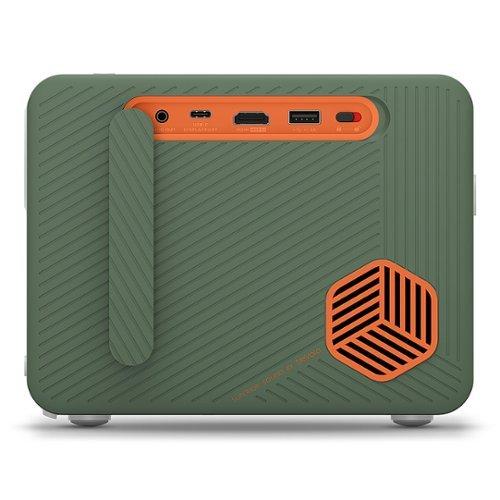
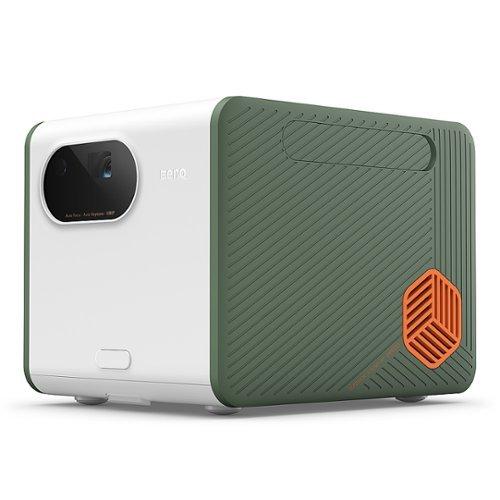
The BenQ GS50 is significantly more compact at 5.9" × 7.5" × 5.9" and weighs just 3.9 pounds. Its cube-like design with a leather carry handle screams portability. The smaller size makes it much easier to pack and transport, and I've comfortably carried it on weekend trips without hesitation.
Perhaps the most significant practical difference between these projectors is their power requirements.
The Epson CO-FH02 has no built-in battery, requiring constant connection to an AC power source. This dramatically limits its "portable" credentials, as you'll always need access to electricity. For home use or business settings, this isn't typically an issue, but it eliminates impromptu backyard movie nights away from outlets.
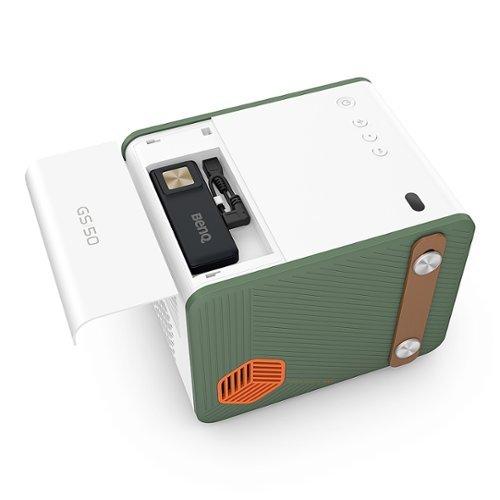
The BenQ GS50 includes a built-in battery providing approximately 2.5 hours of projection—enough for most movies. In my testing, battery life ranges from about 2 hours at maximum brightness to nearly 3 hours in eco mode. This true cordless functionality dramatically expands where you can use the projector, from camping trips to outdoor gatherings far from power sources.
Not all portable projectors are designed to withstand the same conditions.
The Epson EpiqVision Flex CO-FH02 features a standard indoor design with no specific ruggedization or weather resistance. It's built well enough for normal handling but wasn't designed for adverse conditions.
The BenQ GS50 was specifically engineered for outdoor use, with an IPX2 splash-proof rating (meaning it can withstand water droplets falling at up to a 15° angle) and drop resistance up to 70cm. These features have proven valuable in real-world use—I've had a light rain shower start during an outdoor movie without causing panic. While not waterproof, this added protection provides peace of mind for outdoor enthusiasts.
The physical relationship between the projector and screen impacts image size and placement options.
The Epson CO-FH02 can project images from 30 to an impressive 300 inches diagonally. Its throw ratio of 1.19-1.61:1 means you'll need approximately 10 feet of distance to project a 100-inch image. This flexibility allows it to serve in both small rooms and larger venues. I've used it successfully in living rooms, conference rooms, and even for backyard movie nights.
The BenQ GS50 offers a more limited 30-100 inch projection size with a 1.21:1 throw ratio. The 100-inch maximum feels appropriate given its brightness limitations—larger images would appear too dim in anything but perfect darkness. In practical use, the GS50 excels at creating 60-80 inch images in controlled lighting.
Setting up portable projectors quickly is crucial for their convenience factor.
The Epson EpiqVision Flex CO-FH02 features automatic vertical keystone correction (±30°) and manual horizontal keystone adjustment (±30°). This allows for reasonably quick setup, though you'll need to manually focus the image. I've found setup takes about 1-2 minutes in new locations, with the auto-keystone handling most of the heavy lifting.
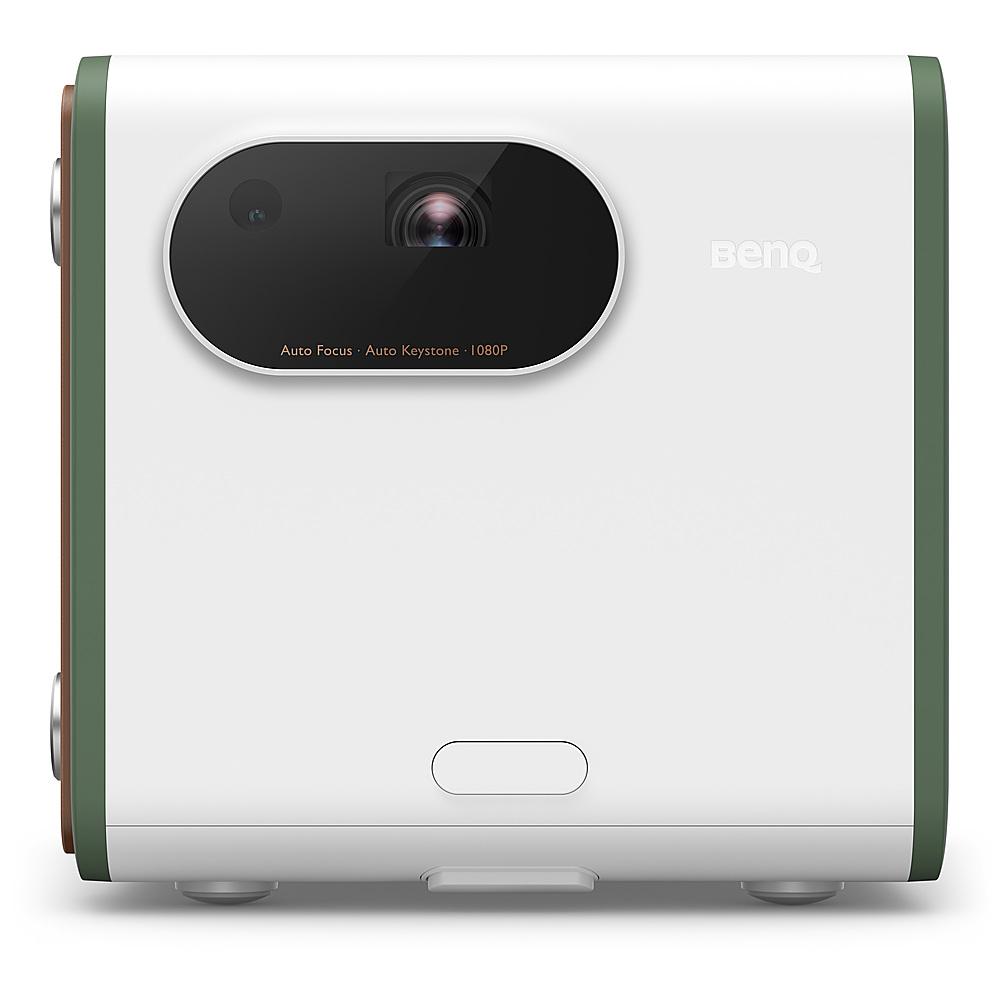
The BenQ GS50 offers both autofocus and auto keystone correction. This more comprehensive automatic setup makes it exceptionally user-friendly, often requiring just 30 seconds to achieve a properly squared and focused image. During outdoor use where level surfaces aren't guaranteed, this automation is particularly valuable.
Audio capabilities can make or break the portable projection experience, eliminating the need for separate speakers.
The Epson CO-FH02 includes a modest 5W mono speaker. While adequate for small-room presentations or casual viewing, it lacks depth and volume for cinematic experiences. In quiet environments, it delivers clear dialogue, but action sequences sound thin and constrained. I've consistently connected external speakers for movie nights.
The BenQ GS50 features a surprisingly powerful 2.1 channel audio system with two 5W midrange tweeters and a dedicated 10W woofer. The 270-degree sound dispersion creates room-filling audio that rivals some dedicated Bluetooth speakers. Bass response is particularly impressive for a projector this size, making external speakers optional rather than necessary. For outdoor movie nights, I've rarely felt the need for additional audio equipment.
Both projectors offer Bluetooth audio connectivity, but with different implementations.
The Epson CO-FH02 allows you to connect external Bluetooth speakers or headphones, expanding your audio options. This is particularly useful given its limited built-in speaker.
The BenQ GS50 not only connects to external Bluetooth devices but can also function as a standalone Bluetooth speaker—a genuinely useful feature that extends its utility. I've used it as a campsite speaker several times when not projecting, getting more value from the device.
Modern projectors increasingly incorporate smart TV features, eliminating the need for separate streaming devices.
The Epson EpiqVision Flex CO-FH02 runs Android TV with Google Assistant support. The interface is intuitive and supports thousands of apps, including Netflix, Disney+, and YouTube. Voice search via the included remote works well for finding content quickly. Since its release, Epson has maintained firmware updates, keeping the system reasonably current with app compatibility.
The BenQ GS50 uses Android TV 9.0 with similar app compatibility and features. Its interface feels slightly less responsive than the Epson's in direct comparison, though recent updates have improved performance. Both projectors offer fundamentally similar streaming experiences, with the main differences being in physical implementation rather than software capabilities.
Despite the wireless world we live in, physical ports remain essential for maximum flexibility.
The Epson CO-FH02 offers somewhat limited connectivity with just one HDMI input and one USB-A port. This minimal approach works for basic connections but can feel restrictive if you have multiple devices to connect. I've occasionally needed to disconnect one device to connect another, which feels inconvenient for a projector at this price point.
The BenQ GS50 provides more robust connectivity with HDMI 2.0, USB-A, USB-C with DisplayPort Alt Mode (allowing direct connection to compatible laptops and phones), and a 3.5mm audio output. This expanded connectivity has proven useful in practice, particularly the USB-C option for quickly connecting modern laptops without hunting for an HDMI adapter.
At $799 each, both the Epson EpiqVision Flex CO-FH02 and BenQ GS50 represent significant investments. Their value depends entirely on how their unique strengths align with your specific needs.
The Epson CO-FH02 uses a traditional lamp rated for 6,000 hours in Normal mode and up to 12,000 hours in ECO mode. At an average of 3 hours of viewing per day, that's 5.5 to 11 years of use before requiring a lamp replacement. Replacement lamps typically cost $100-150, representing an eventual additional expense.
The BenQ GS50 utilizes an LED light source rated for 20,000 to 30,000 hours—effectively the lifetime of the projector for most users. This maintenance-free operation adds significant value, especially for those who dislike the idea of component replacements.
The Epson EpiqVision Flex CO-FH02 excels in:
The BenQ GS50 shines in:
While both projectors are marketed as portable, many users incorporate them into semi-permanent home theater setups.
For dedicated home theater use, the Epson CO-FH02 offers significant advantages. Its superior brightness allows for larger screen sizes, even in rooms that aren't perfectly black. The accurate color reproduction makes it suitable for critical movie watching, particularly when paired with a proper screen and external audio system. Its main limitation for home theater use is the somewhat limited contrast ratio, which affects performance in very dark scenes.
The BenQ GS50 works well in smaller home theaters with good light control. Its HDR support and better contrast ratio provide excellent movie-watching experiences in properly darkened rooms, though the maximum 100-inch image size might feel limiting for dedicated theater spaces. Its superior built-in audio makes it attractive for simpler setups where external speakers aren't desired.
Neither projector offers advanced home theater features like extensive color calibration controls, lens shift, or motorized focus found on higher-end dedicated home theater projectors. But for casual movie nights, both perform admirably within their limitations.
After extensive testing of both the Epson EpiqVision Flex CO-FH02 and BenQ GS50, the decision comes down to understanding your specific projection priorities.
Choose the Epson EpiqVision Flex CO-FH02 if:
Choose the BenQ GS50 if:
For my personal use, I've found the BenQ GS50 more versatile despite its brightness limitations. The battery power, superior audio, and rugged design have made it my go-to for family movie nights, both indoors and out. However, for my work presentations where ambient light can't always be controlled, the Epson CO-FH02 proves substantially more practical.
Ultimately, both projectors excel in their intended scenarios. The Epson EpiqVision Flex CO-FH02 dominates indoor spaces where brightness matters, while the BenQ GS50 prioritizes true portability and environmental adaptability. Your ideal choice depends entirely on which set of priorities better matches your projection dreams.
| Epson EpiqVision Flex CO-FH02 | BenQ GS50 |
|---|---|
| Brightness - Determines usability in lit environments | |
| 3,000 lumens (excellent for rooms with ambient light) | 500 ANSI lumens (requires dim to dark environments) |
| Resolution - Affects image clarity and detail | |
| 1920 x 1080 (Full HD) | 1920 x 1080 (Full HD) with HDR10 support |
| Projection Technology - Impacts color accuracy and longevity | |
| 3LCD (better color accuracy, traditional lamp) | DLP with LED light source (longer lifespan, no lamp replacement) |
| Maximum Screen Size - Affects immersion and viewing flexibility | |
| Up to 300 inches | 30-100 inches |
| Battery - Determines true portability | |
| No built-in battery (requires power outlet) | Built-in battery with 2.5 hours runtime (true cordless use) |
| Audio System - Affects whether external speakers are needed | |
| Single 5W speaker (adequate for small rooms) | 2.1 channel system (2x 5W tweeters, 1x 10W woofer) with 270° sound |
| Durability - Important for outdoor and travel use | |
| Standard indoor design | IPX2 splash-proof rating, drop-resistant up to 70cm |
| Portability - Affects ease of transport | |
| 12.5" x 8.3" x 3.4", 5.7 lbs (bulkier) | 5.9" x 7.5" x 5.9", 3.9 lbs (more compact) |
| Light Source Lifespan - Impacts long-term cost of ownership | |
| 6,000 hours normal/12,000 hours ECO mode (lamp replacement eventually needed) | 20,000-30,000 hours (essentially lifetime of the projector) |
| Smart Features - Affects content access without external devices | |
| Android TV with Google Assistant | Android TV 9.0 with voice control |
| Connectivity - Determines flexibility with different devices | |
| 1x HDMI, 1x USB-A | HDMI 2.0, USB-A, USB-C with DisplayPort, 3.5mm audio out |
| Price - Overall value proposition | |
| $799 (better for indoor use with ambient light) | $799 (better for outdoor, battery-powered use) |
The Epson EpiqVision Flex CO-FH02 is significantly brighter with 3,000 lumens compared to the BenQ GS50's 500 ANSI lumens. This makes the Epson much better for rooms with ambient light, while the BenQ requires darker environments for optimal viewing. If you'll be watching in well-lit spaces, the Epson EpiqVision Flex CO-FH02 has a clear advantage.
Both can be used outdoors, but the BenQ GS50 is specifically designed for outdoor use with IPX2 splash resistance, drop protection, and a built-in battery that lasts up to 2.5 hours. The Epson EpiqVision Flex CO-FH02 requires a power outlet and has no weather protection, making it less suitable for outdoor environments. For camping trips or backyard movies away from power sources, the BenQ GS50 is the better choice.
Both projectors offer 1080p Full HD resolution, but they excel in different aspects of image quality. The Epson EpiqVision Flex CO-FH02 delivers brighter, more color-accurate images thanks to its 3LCD technology. The BenQ GS50 offers HDR10 support and better contrast ratio (100,000:1 vs. 16,000:1), providing deeper blacks in dark environments. For daytime viewing, the Epson has better perceived quality; for dark-room movie watching, the BenQ GS50's HDR capabilities may offer a more cinema-like experience.
The BenQ GS50 is significantly more portable at 3.9 pounds with a compact 5.9" x 7.5" x 5.9" cube-like design and built-in carry handle. It also includes a battery for true cordless operation. The Epson EpiqVision Flex CO-FH02 weighs 5.7 pounds with larger dimensions (12.5" x 8.3" x 3.4") and requires constant power, making it portable between rooms but less convenient for travel or outdoor use.
Yes, both projectors feature built-in streaming. The Epson EpiqVision Flex CO-FH02 and BenQ GS50 both run Android TV with access to thousands of streaming apps like Netflix, Disney+, and YouTube. Both include Google Assistant for voice control. The streaming experience is comparable between the two projectors, with the Epson's interface being slightly more responsive in some cases.
The BenQ GS50 has significantly better audio with a 2.1 channel system (two 5W tweeters and one 10W woofer) that provides 270-degree sound coverage. The Epson EpiqVision Flex CO-FH02 includes a single 5W speaker that's adequate but not impressive. For movie watching without external speakers, the BenQ delivers a much fuller audio experience with better bass response.
The Epson EpiqVision Flex CO-FH02 can project images up to 300 inches diagonally, while the BenQ GS50 is limited to a maximum of 100 inches. However, the BenQ's brightness limitations make its practical maximum around 80 inches in anything but perfect darkness. The Epson can effectively project larger images even with some ambient light present.
For a dedicated home theater with controlled lighting, both can work well. The Epson EpiqVision Flex CO-FH02 offers advantages for larger screen sizes and brighter rooms, while the BenQ GS50 provides better contrast and HDR support for dark-room movie watching. The Epson is better if you can't control all ambient light or want a screen larger than 100 inches. For smaller, fully darkened spaces, the BenQ's superior audio and contrast ratio could provide a more immersive experience.
No, both the Epson EpiqVision Flex CO-FH02 and BenQ GS50 have built-in Android TV systems that eliminate the need for separate streaming devices. Both include built-in Wi-Fi and streaming apps. However, both projectors also offer HDMI ports if you prefer to connect external streaming devices, gaming consoles, or Blu-ray players.
The BenQ GS50 uses an LED light source rated for 20,000-30,000 hours, which for most users means the lifetime of the projector without any lamp replacement. The Epson EpiqVision Flex CO-FH02 uses a traditional lamp with 6,000 hours in normal mode and up to 12,000 hours in ECO mode, eventually requiring lamp replacement. For long-term ownership without maintenance concerns, the BenQ offers clear advantages.
Both projectors offer Full HD resolution for gaming, but neither is optimized for competitive gaming. The BenQ GS50 has an input lag of approximately 62ms, while the Epson EpiqVision Flex CO-FH02 is similar in performance. These lag times are acceptable for casual gaming but may be noticeable for fast-paced competitive games. The Epson's brightness advantage makes it better for daytime gaming sessions, while the BenQ offers more flexibility for gaming setups away from power sources.
At $799 each, the better value depends entirely on your primary use case. The Epson EpiqVision Flex CO-FH02 offers better value for indoor use with ambient light, larger projection sizes, and situations where maximum brightness is critical. The BenQ GS50 provides better value for outdoor use, travel scenarios, environments requiring durability, and situations where built-in audio quality and battery power are important. Consider which features align better with how you'll most frequently use your projector.
We've done our best to create useful and informative comparisons to help you decide what product to buy. Our research uses advanced automated methods to create this comparison and perfection is not possible - please contact us for corrections or questions. These are the sites we've researched in the creation of this article: expertreviews.co.uk - projectorcentral.com - youtube.com - bestbuy.com - specsradar.com - techwalls.com - cnet.com - epson.com - youtube.com - projectorreviews.com - epson.com - abt.com - youtube.com - cnet.com - techgearlab.com - staples.com - bestbuy.com - bestbuy.com - projectorcentral.com - bhphotovideo.com - dell.com - latin.epson.com - specsradar.com - projectorcentral.com - officedepot.com - files.support.epson.com - walmart.com - adorama.com - epson.com - cnet.com - hometheaterhifi.com - youtube.com - youtube.com - whathifi.com - youtube.com - bgeek.eu - youtube.com - youtube.com - projectorreviews.com - youtube.com - youtube.com - projectorcentral.com - projectorreviews.com - bestbuy.com - touchboards.com - projectorcentral.com - adorama.com - projectorreviews.com - insight.com - cnet.com

Privacy Policy
Terms and Conditions - Affiliate Policy
Home Security
© Copyright 2008-2026.
11816 Inwood Rd #1211, Dallas, TX 75244