


The portable projector market has exploded in recent years, offering everything from tiny pocket-sized units to serious home theater alternatives that you can actually carry around. Two projectors that perfectly illustrate the different approaches in this space are the Hisense M2 Pro 4K Triple Laser Portable Projector and the Epson EpiqVision Flex CO-FH02 Smart Portable Projector. One takes the premium route with cutting-edge laser technology, while the other focuses on practical brightness and value. Let's dive deep into what makes each tick and help you figure out which one belongs in your setup.
Before we compare these specific models, it's worth understanding what really matters in a portable projector. The biggest challenge is balancing image quality with true portability – something that's genuinely easy to move around without sacrificing too much performance.
The most critical factors are brightness (measured in lumens), resolution, color accuracy, and how well the projector handles different lighting conditions. A projector might look amazing in a dark room but become completely unwatchable with even modest ambient light. Similarly, a super-bright projector might wash out colors or lack the sharpness you want for movie nights.
Smart features have become increasingly important too. Nobody wants to carry around extra streaming devices if they can avoid it, so built-in streaming capabilities and easy connectivity are now essential features rather than nice-to-haves.
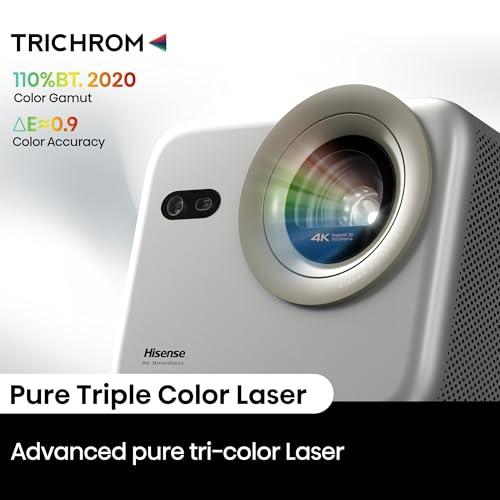
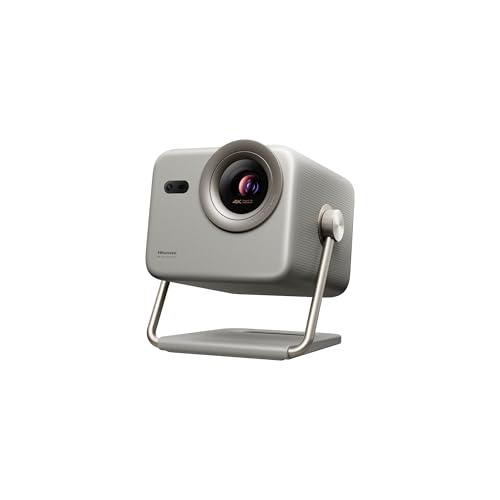
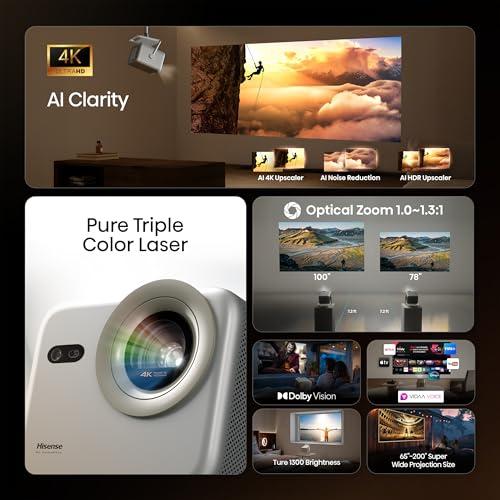
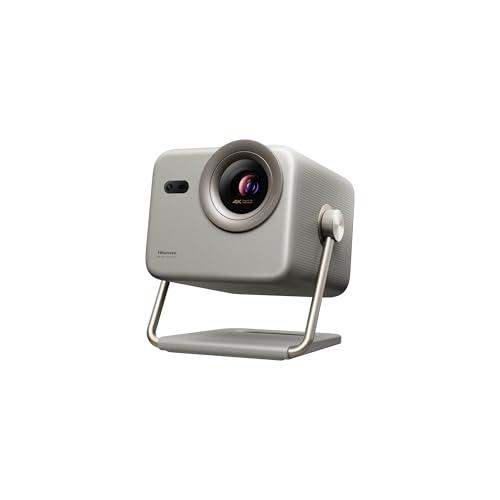
The Hisense M2 Pro, released in 2024, represents the premium end of portable projectors. At the time of writing, it commands a significantly higher price than most competitors, but it's packed with technology that was largely reserved for fixed installation projectors just a few years ago. The standout feature is its TriChroma laser system – essentially three separate lasers (red, green, and blue) working together instead of the single laser or LED systems found in most portable units.
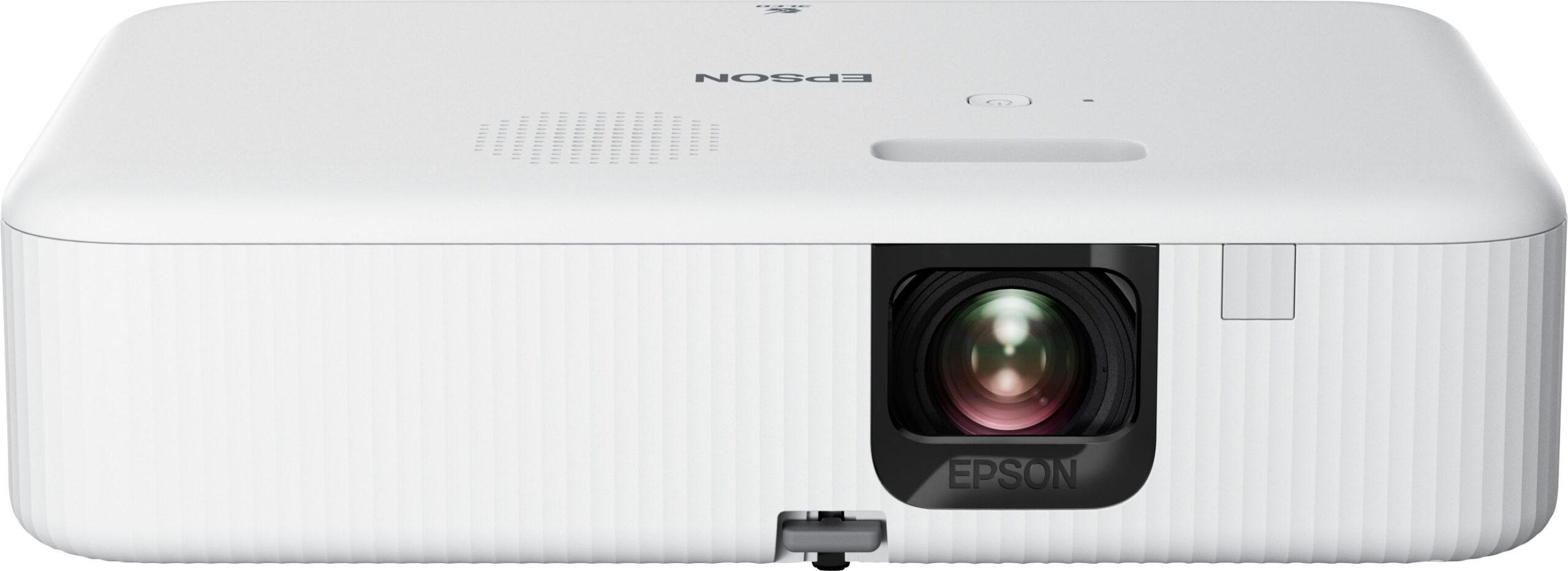
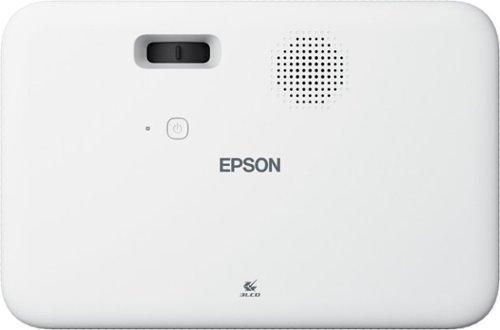
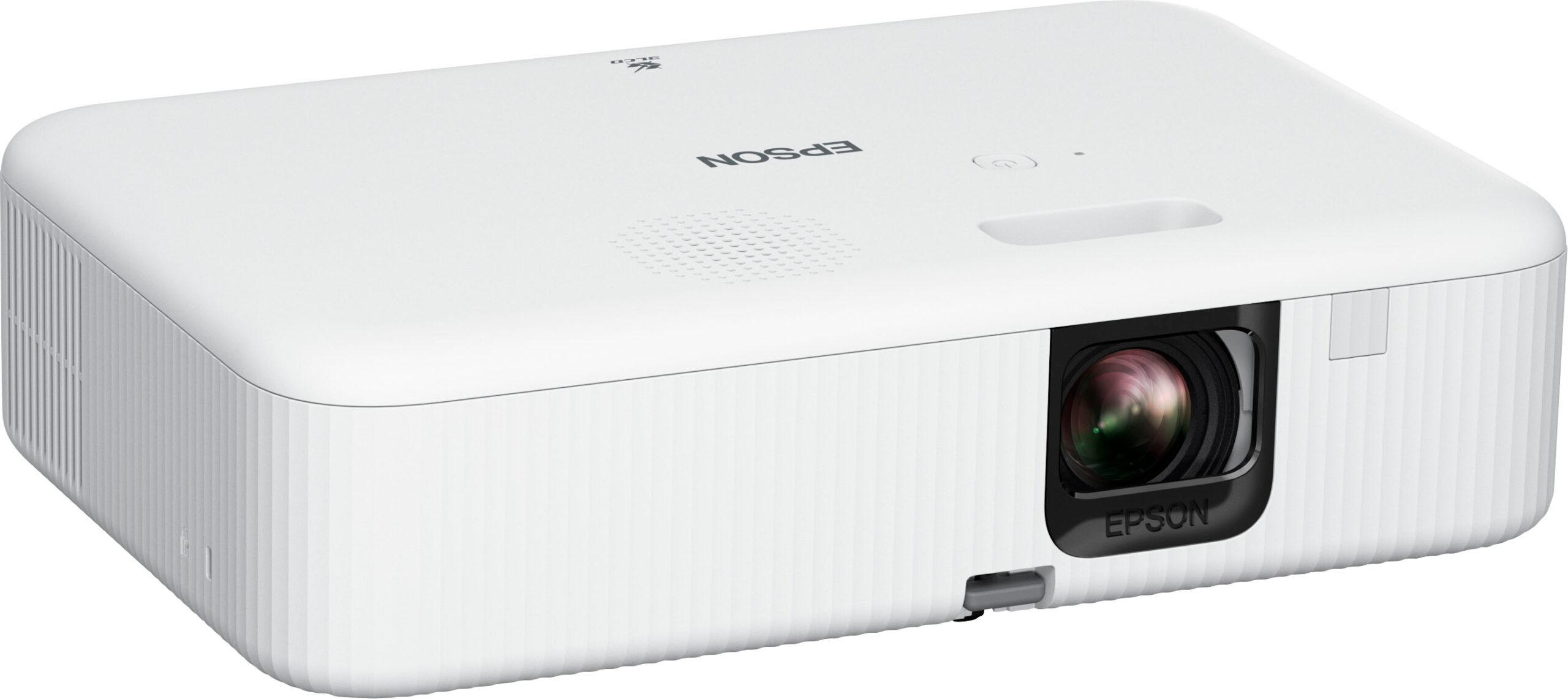
The Epson CO-FH02, which hit the market in 2022, takes a more practical approach. Rather than chasing the absolute cutting edge, Epson focused on delivering exceptional brightness and solid smart features at a more accessible price point. It uses traditional lamp technology with Epson's proven 3LCD system, which has been refined over decades.
This is where these two projectors diverge most dramatically. The Hisense M2 Pro delivers true 4K resolution with 3840 x 2160 pixels, while the Epson CO-FH02 maxes out at Full HD 1080p (1920 x 1080 pixels). That's four times more pixels for the Hisense – a massive difference when you're projecting onto large screens.
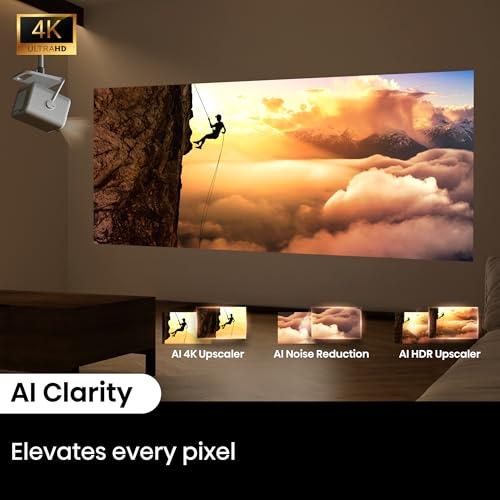
But raw pixel count only tells part of the story. The Hisense M2 Pro's DLP (Digital Light Processing) system uses over 2 million tiny mirrors that flip incredibly fast to create the image. Each pixel is razor-sharp because these mirrors can create truly discrete points of light. The AI 4K upscaling technology also works to enhance lower-resolution content, so even your 1080p Netflix shows look noticeably better.
The Epson CO-FH02 uses 3LCD technology, which creates images by combining three separate LCD panels (one each for red, green, and blue light). While it can't match 4K sharpness, 3LCD technology typically produces smoother gradients and can be easier on the eyes during extended viewing sessions. The automatic scene-based color correction also helps optimize the image based on what type of content you're watching.
For home theater use, the resolution difference is significant. If you're sitting relatively close to a large screen (say, 8-10 feet from a 100-inch image), you'll definitely notice the extra sharpness from 4K, especially with detailed content like nature documentaries or action movies with fine textures. But if you're using the projector more casually or sitting further back, the 1080p resolution of the Epson might be perfectly adequate.
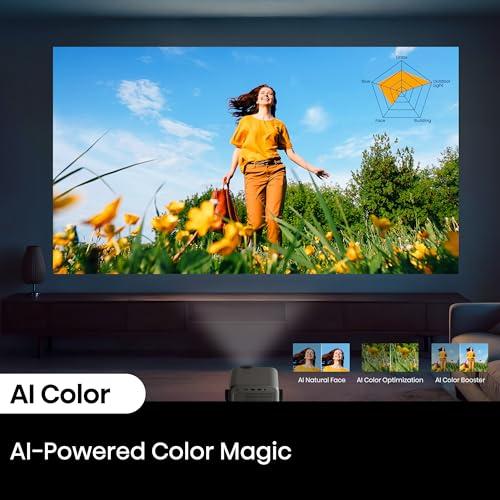
Here's where the Hisense M2 Pro really flexes its technical muscles. Those three separate lasers can produce colors that simply weren't possible with traditional projector light sources. The projector covers 110% of the BT.2020 color space – that's the new standard for HDR content and represents a much wider range of colors than older standards.
What this means in practical terms is that reds look more vivid, greens appear more natural, and the overall image has a richness that's closer to what you'd see in a high-end movie theater. The color accuracy measures at around ΔE 0.9, which is excellent – anything under 2.0 is considered professionally accurate.
The Epson CO-FH02, using lamp technology with color wheels and filters, can't quite match this color gamut. However, Epson's 3LCD technology has its own advantages. It doesn't suffer from the "rainbow effect" that some people notice with single-chip DLP projectors (brief flashes of red, green, and blue when moving your eyes quickly). The 10-bit color processing also helps create smooth color transitions without banding.
For most content, both projectors will look quite good. But if you're watching HDR movies or playing modern games with wide color gamuts, the Hisense M2 Pro will deliver a noticeably more immersive experience. The difference is most apparent in scenes with rich, saturated colors – think tropical sunsets, lush forests, or vibrant animated films.
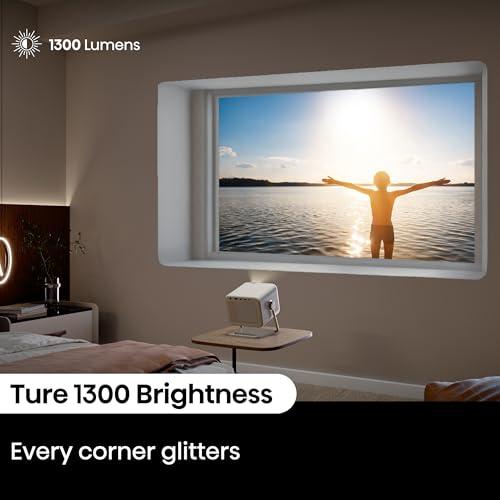
This is where the tables turn completely. The Epson CO-FH02 pumps out an impressive 3,000 lumens, making it one of the brightest portable projectors available. The Hisense M2 Pro, despite its advanced laser technology, produces 1,300 lumens.
Why does this matter so much? Brightness determines where and when you can actually use your projector. Those 3,000 lumens from the Epson mean you can watch content in rooms with significant ambient light – think family rooms during the day, conference rooms with overhead lights, or even outdoor spaces during twilight hours. Many users report being able to enjoy movies comfortably even with some lights on.
The Hisense M2 Pro, while still quite capable, really shows its best performance in darker environments. You'll want to dim the lights and close the curtains to get the full benefit of that beautiful 4K image and wide color gamut. This isn't necessarily a dealbreaker – many home theater enthusiasts prefer watching in dark rooms anyway – but it does limit the projector's versatility.
The brightness difference also affects screen size recommendations. The Epson CO-FH02 can handle projecting up to 300 inches while maintaining decent image brightness, whereas the Hisense M2 Pro is better suited to screen sizes in the 100-150 inch range for optimal performance.
Both projectors include built-in streaming capabilities, but they take different approaches. The Epson CO-FH02 runs full Android TV, which is essentially the same smart TV platform you'd find on many modern TVs. This means access to the Google Play Store, Google Assistant voice control, and Chromecast built-in. The interface is polished and familiar to anyone who's used an Android device.
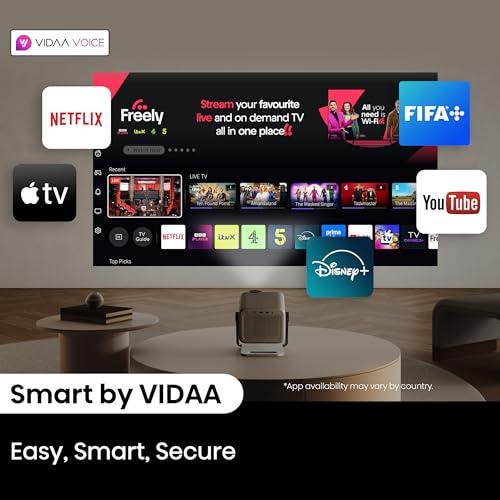
The Hisense M2 Pro uses VIDAA OS, Hisense's proprietary smart TV platform. While it includes all the major streaming apps (Netflix, Disney+, Prime Video, YouTube, Apple TV), the app selection isn't quite as extensive as Android TV. However, VIDAA has gotten significantly better over the past few years and most users won't feel limited by the available apps.
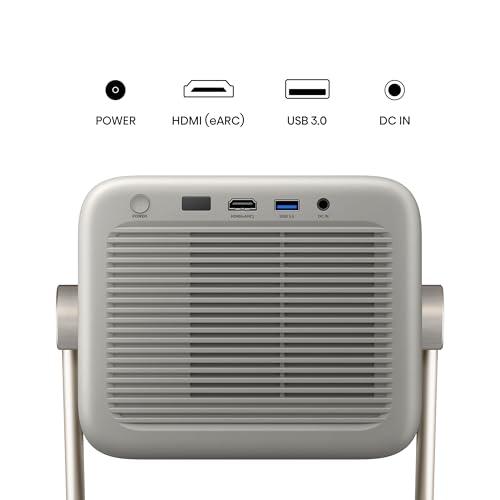
For connectivity, the Hisense M2 Pro offers more physical ports, which can be important if you need to connect multiple devices. The Epson CO-FH02 is more limited with just one HDMI port, though it does include USB ports for basic connectivity.
Both projectors support modern wireless standards and can connect to your home network for streaming and screen mirroring from phones and tablets.
Here's where the Hisense M2 Pro absolutely dominates. With support for 240Hz refresh rates and just 12ms of input lag, it's genuinely competitive with dedicated gaming monitors. The high refresh rate means incredibly smooth motion in fast-paced games, while the low input lag ensures your controller inputs register almost instantaneously on screen.
The Epson CO-FH02 offers standard 60Hz performance, which is fine for casual gaming but won't satisfy serious gamers, especially those into competitive shooters or racing games where every millisecond counts.
If gaming is a priority, this difference alone might determine your choice. The Hisense M2 Pro can serve double duty as both a movie projector and a legitimate gaming display, while the Epson CO-FH02 is better suited to casual gaming sessions.
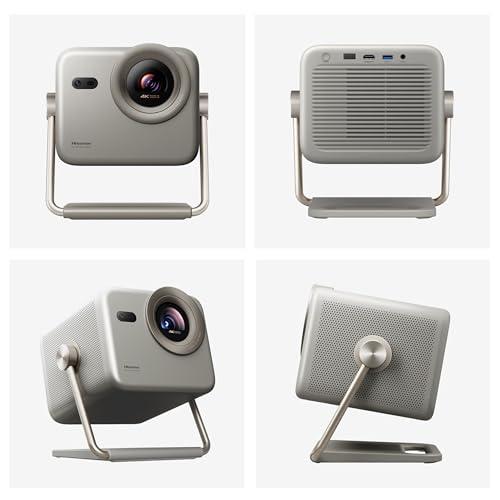
The Hisense M2 Pro introduces some genuinely innovative features that make setup incredibly flexible. The built-in gimbal system allows for 360-degree horizontal rotation and 135-degree vertical adjustment. This means you can project onto ceilings, walls, or even floors without having to physically move the projector. It's perfect for creative installations or situations where you can't position the projector in a traditional location.
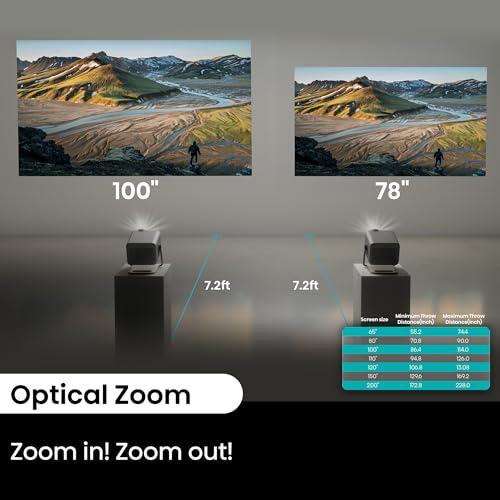
The optical zoom feature (1.0-1.3x) is another standout. Most portable projectors only offer digital zoom, which reduces image quality. True optical zoom lets you adjust the image size while maintaining full 4K sharpness – incredibly useful for getting the perfect screen size in different rooms.
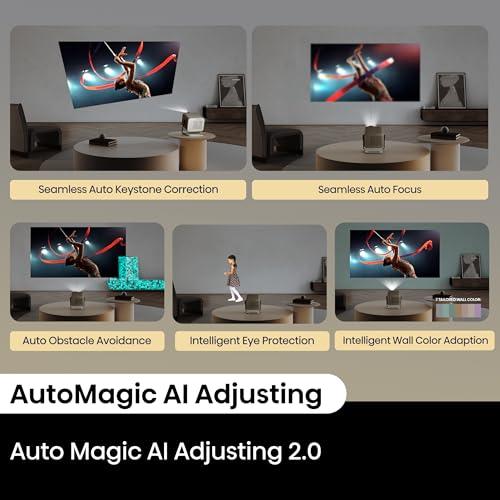
Auto focus and auto keystone correction work seamlessly, and the wall color adaptation feature automatically adjusts the image to compensate for projection onto colored walls rather than white screens.
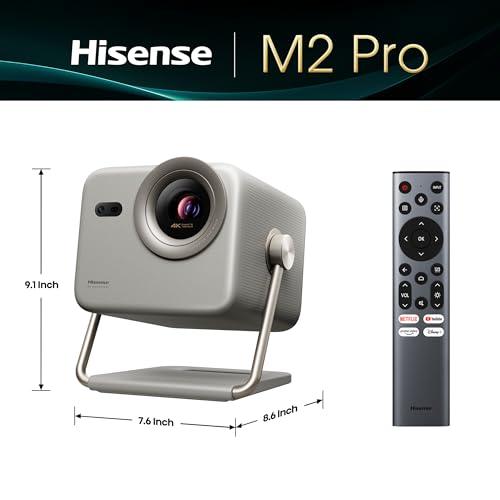
The Epson CO-FH02 takes a more traditional approach with manual keystone correction and standard positioning requirements. While it lacks the fancy gimbal system, it's still quite portable at 5.7 pounds compared to the Hisense's 8.6 pounds.
Neither projector will replace a dedicated sound system, but there are meaningful differences in their built-in audio. The Hisense M2 Pro includes a 20-watt stereo system with Dolby Audio and DTS Virtual:X processing. This creates a surprisingly immersive soundstage for a portable device, and many users find it adequate for casual viewing.
The Epson CO-FH02 includes a basic 5-watt speaker that's fine for presentations or basic content but will likely leave you wanting more for movie nights. However, both projectors support Bluetooth audio, so you can easily connect wireless speakers or headphones.
For home theater use, you'll probably want external audio regardless of which projector you choose, but the Hisense M2 Pro's superior built-in sound means you might not need to upgrade immediately.
This is where the different light source technologies create distinct ownership experiences. The Hisense M2 Pro's laser system is rated for over 25,000 hours of use – that's roughly 10 years of watching 7 hours per day. Lasers also maintain their brightness and color accuracy much better over time compared to traditional lamps.
The Epson CO-FH02 uses a traditional lamp with a rated life of 6,000 hours in normal mode or 12,000 hours in eco mode. This means you'll likely need to replace the lamp once or twice during the projector's useful life, which adds to the total cost of ownership.
Lamp replacement costs vary, but they typically run a few hundred dollars, partially offsetting the Epson's lower initial purchase price over time.
After researching user feedback and expert opinions extensively, clear patterns emerge about who should choose which projector.
Choose the Hisense M2 Pro if you're primarily focused on image quality and have some control over your viewing environment. Home theater enthusiasts who want the best possible picture quality in a portable package will love the 4K resolution, wide color gamut, and excellent HDR performance. The gaming capabilities make it perfect for users who want one device that handles both movies and gaming excellently. The innovative setup flexibility is also great for renters or people who need to set up in different locations regularly.
The Epson CO-FH02 makes more sense for users who need maximum versatility and brightness. If you'll be using the projector in various lighting conditions, for business presentations, or in spaces where you can't always control ambient light, the superior brightness is invaluable. The lower price point and comprehensive Android TV platform also make it appealing for users who want solid performance without paying for premium features they might not fully utilize.
For dedicated home theater use in a controlled environment, the Hisense M2 Pro is hard to beat despite its higher price. The 4K resolution and superior color performance create a genuinely cinematic experience that justifies the premium for serious movie watchers.
But if you need one projector to handle multiple scenarios – family movie nights, backyard parties, work presentations, and casual gaming – the Epson CO-FH02's combination of brightness, smart features, and value is tough to argue with.
Both projectors represent excellent options in their respective categories. Your choice ultimately depends on whether you prioritize ultimate image quality and cutting-edge features (Hisense M2 Pro) or practical versatility and exceptional value (Epson CO-FH02). Either way, you'll end up with a projector that would have been unimaginable in a portable form factor just a few years ago.
| Hisense M2 Pro 4K Triple Laser Portable Projector | Epson EpiqVision Flex CO-FH02 Smart Portable Projector |
|---|---|
| Resolution - Determines image sharpness and detail quality | |
| True 4K UHD (3840 x 2160) with AI upscaling | Full HD 1080p (1920 x 1080) |
| Brightness - Critical for ambient light performance and screen size | |
| 1,300 ANSI lumens (requires controlled lighting) | 3,000 ANSI lumens (excellent for bright rooms) |
| Light Source Technology - Affects color quality, lifespan, and maintenance | |
| TriChroma RGB triple laser (25,000+ hour lifespan) | Traditional lamp with 3LCD (6,000-12,000 hour lifespan) |
| Color Performance - Impact on image vibrancy and accuracy | |
| 110% BT.2020 color space with ΔE ~0.9 accuracy | Standard color gamut with scene-based correction |
| HDR Support - Enhanced contrast and dynamic range for modern content | |
| Dolby Vision, HDR10, HDR10+, HLG with AI processing | Limited HDR capabilities |
| Gaming Performance - Input lag and refresh rate for responsive gameplay | |
| 240Hz refresh rate, 12ms input lag | Standard 60Hz refresh rate |
| Smart Platform - Streaming apps and user interface quality | |
| VIDAA OS with major streaming apps | Full Android TV with Google Play Store |
| Projection Flexibility - Setup options and positioning versatility | |
| 360° rotation, optical zoom (1.0-1.3x), auto everything | Traditional setup with ±30° keystone correction |
| Maximum Screen Size - How big you can project effectively | |
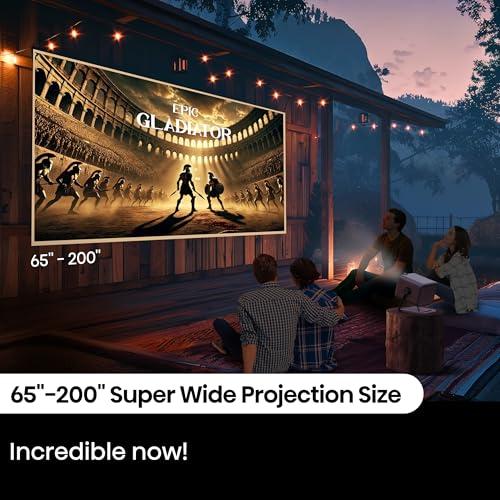
| 65" to 200" (optimal up to 150" for brightness) | Up to 300" (maintains brightness well at large sizes) |
| Weight and Portability - Ease of transport and setup | |
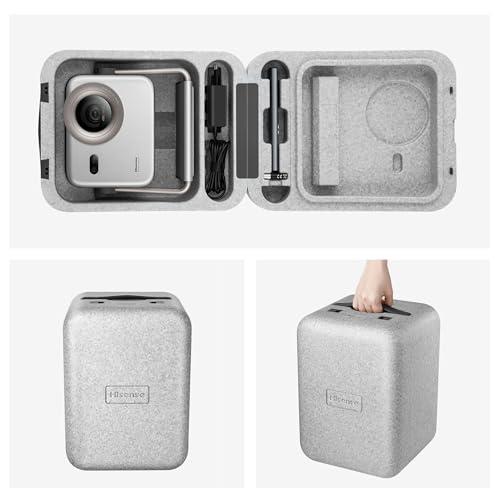
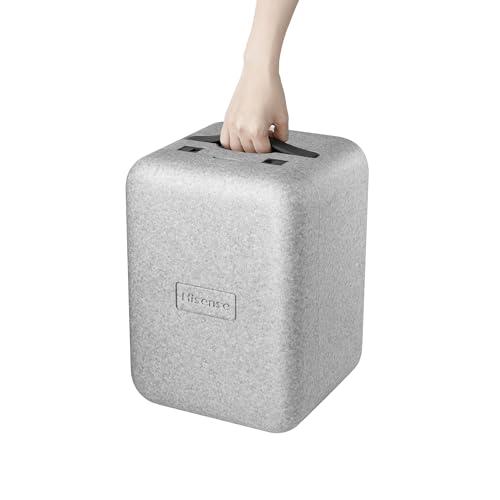
| 8.6 lbs with protective case included | 5.7 lbs, more traditionally portable |
| Built-in Audio - Sound quality without external speakers | |
| 20W stereo with Dolby Audio and DTS Virtual:X | 5W basic speaker (Bluetooth connectivity available) |
| Connectivity Options - Number and type of ports available | |
| Multiple ports including HDMI, USB, Wi-Fi, Bluetooth 5.0 | Limited to 1 HDMI port, USB, Wi-Fi, Bluetooth |
| Value Positioning - Target market and price-to-performance ratio | |
| Premium features justify higher cost for quality-focused users | Exceptional brightness and smart features at accessible price |
The Hisense M2 Pro 4K Triple Laser Portable Projector delivers superior image quality with true 4K resolution and advanced triple laser technology. It covers 110% of the BT.2020 color space for incredibly vibrant colors and supports Dolby Vision HDR for enhanced contrast. The Epson EpiqVision Flex CO-FH02 Smart Portable Projector offers solid Full HD 1080p quality with good color accuracy, but can't match the sharpness and color performance of the Hisense M2 Pro.
The Epson EpiqVision Flex CO-FH02 Smart Portable Projector is significantly better for bright rooms with its impressive 3,000 ANSI lumens output. You can watch movies comfortably even with ambient lighting or during daytime hours. The Hisense M2 Pro 4K Triple Laser Portable Projector produces 1,300 lumens, which requires more controlled lighting conditions for optimal viewing.
The Epson CO-FH02 runs full Android TV with access to the Google Play Store, Google Assistant, and Chromecast built-in. The Hisense M2 Pro uses VIDAA OS, which includes all major streaming apps like Netflix, Disney+, and Prime Video, but has a more limited app selection compared to Android TV's extensive ecosystem.
The Hisense M2 Pro 4K Triple Laser Portable Projector excels at gaming with 240Hz refresh rate support and just 12ms input lag, making it competitive with dedicated gaming monitors. The Epson EpiqVision Flex CO-FH02 Smart Portable Projector offers standard 60Hz performance suitable for casual gaming but won't satisfy competitive gamers who need ultra-responsive performance.
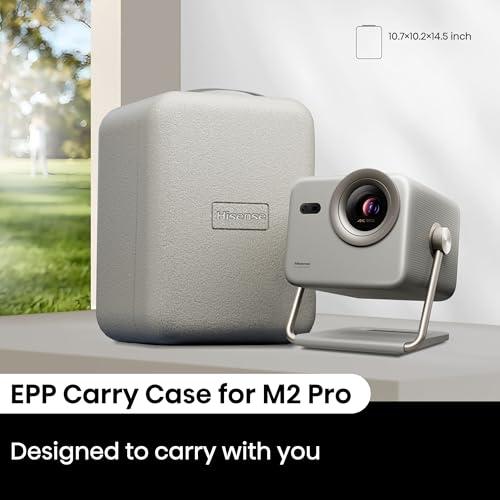
Both are genuinely portable, but the Epson CO-FH02 is lighter at 5.7 pounds compared to the Hisense M2 Pro's 8.6 pounds. However, the Hisense M2 Pro includes a protective carrying case and offers more setup flexibility with its 360-degree rotation capability and optical zoom features.
The Hisense M2 Pro 4K Triple Laser Portable Projector uses laser technology with a 25,000+ hour lifespan, meaning virtually no maintenance costs during ownership. The Epson EpiqVision Flex CO-FH02 Smart Portable Projector uses traditional lamp technology requiring replacement every 6,000-12,000 hours, adding ongoing maintenance expenses.
The Hisense M2 Pro features superior audio with a 20-watt stereo system supporting Dolby Audio and DTS Virtual:X for immersive sound. The Epson CO-FH02 includes a basic 5-watt speaker that's adequate for presentations but may require external speakers for movie watching.
The Epson EpiqVision Flex CO-FH02 Smart Portable Projector can project up to 300 inches while maintaining good brightness. The Hisense M2 Pro 4K Triple Laser Portable Projector supports 65-200 inch projection sizes, with optimal performance up to 150 inches due to its lower brightness output.
Value depends on priorities. The Epson CO-FH02 offers exceptional brightness and comprehensive smart features at a more accessible price point. The Hisense M2 Pro commands a premium price but delivers cutting-edge 4K laser technology, superior color accuracy, and unique flexibility features that justify the cost for quality-focused users.
The Hisense M2 Pro 4K Triple Laser Portable Projector provides more comprehensive connectivity with multiple HDMI ports, USB connections, Wi-Fi, and Bluetooth 5.0. The Epson EpiqVision Flex CO-FH02 Smart Portable Projector is more limited with just one HDMI port, though it includes USB ports and wireless connectivity options.
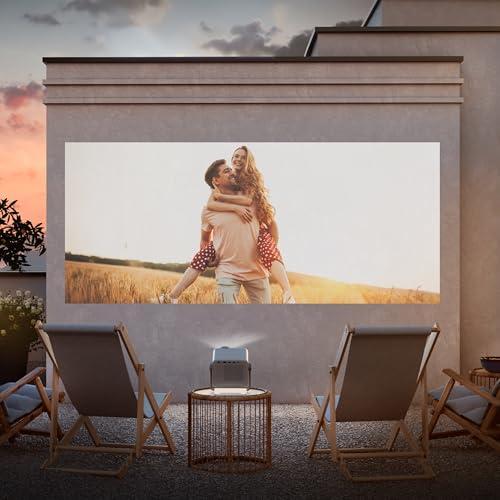
The Epson CO-FH02 is better suited for outdoor use due to its exceptional 3,000-lumen brightness that can handle ambient light from street lamps or porch lights. The Hisense M2 Pro requires darker conditions to showcase its superior image quality, making it less ideal for outdoor environments with any ambient lighting.
The Hisense M2 Pro 4K Triple Laser Portable Projector offers advanced setup features including auto focus, auto keystone correction, wall color adaptation, and unique 360-degree positioning with optical zoom. The Epson EpiqVision Flex CO-FH02 Smart Portable Projector uses traditional setup methods with manual keystone correction, making the Hisense M2 Pro significantly more user-friendly for quick setup in various locations.
We've done our best to create useful and informative comparisons to help you decide what product to buy. Our research uses advanced automated methods to create this comparison and perfection is not possible - please contact us for corrections or questions. These are the sites we've researched in the creation of this article: thegadgetflow.com - valueelectronics.com - youtube.com - projectorscreenstore.com - whathifi.com - hisense-usa.com - tomsguide.com - content.syndigo.com - youtube.com - shop.hisense-usa.com - avsforum.com - projectorscreen.com - projectorscreen.com - projectorcentral.com - avsforum.com - youtube.com - projector-database.com - expertreviews.co.uk - projectorcentral.com - youtube.com - bestbuy.com - specsradar.com - techwalls.com - cnet.com - epson.com - youtube.com - projectorreviews.com - epson.com - abt.com - youtube.com - cnet.com - techgearlab.com - staples.com - bestbuy.com - bestbuy.com - projectorcentral.com - bhphotovideo.com - dell.com - latin.epson.com - specsradar.com - projectorcentral.com - officedepot.com - files.support.epson.com - walmart.com - adorama.com - epson.com

Privacy Policy
Terms and Conditions - Affiliate Policy
Home Security
© Copyright 2008-2026.
11816 Inwood Rd #1211, Dallas, TX 75244