

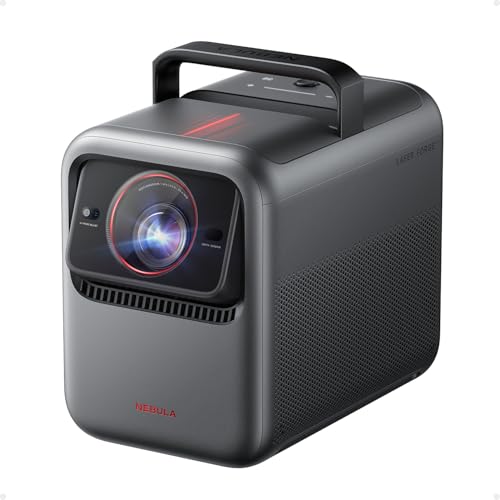
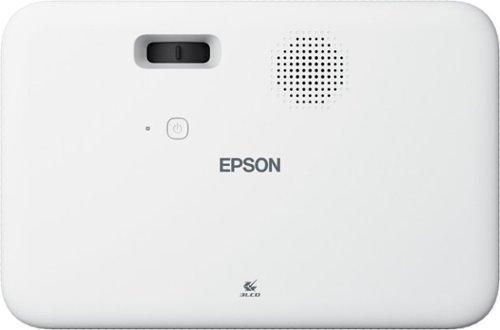
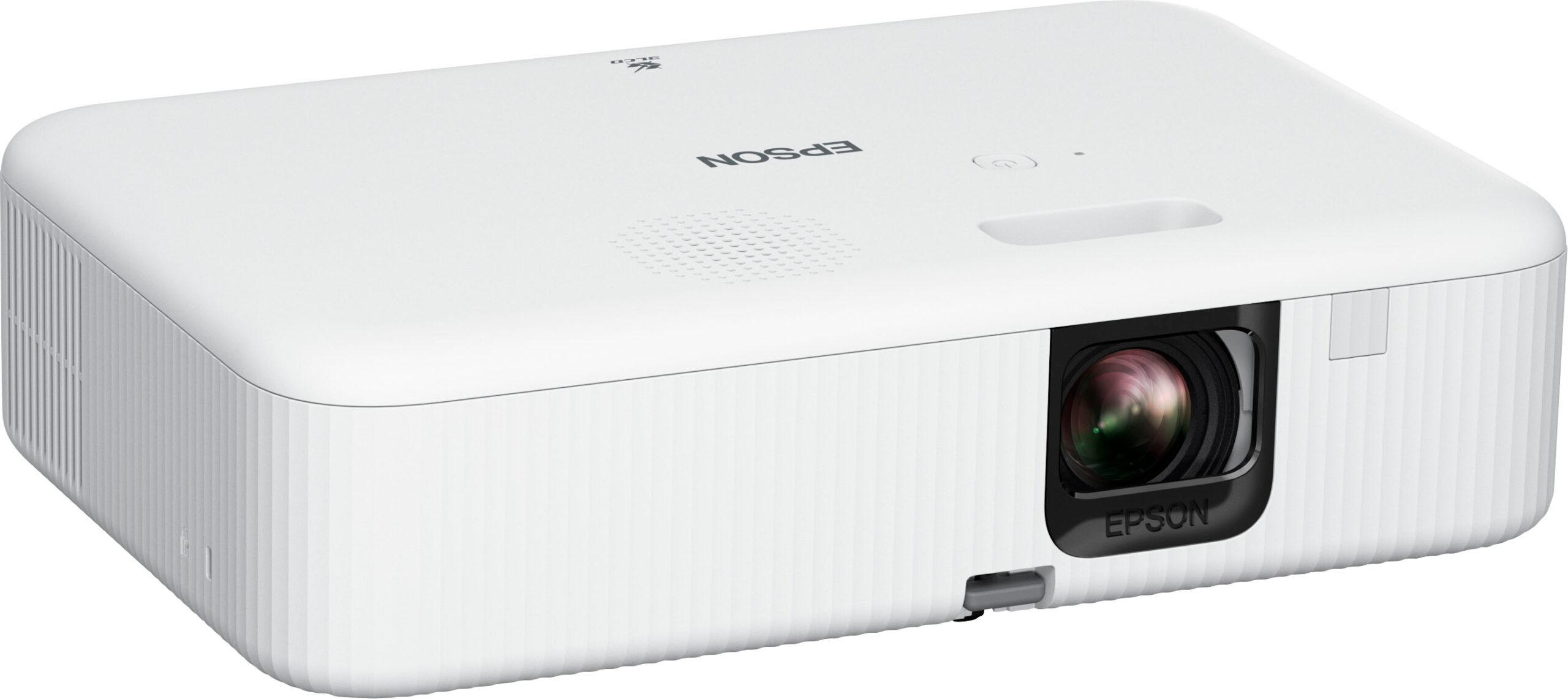
When I first started testing portable projectors years ago, the choices were pretty straightforward – you picked between dim LED models or bulky lamp-based units. Today's market tells a completely different story. The Nebula X1 4K Triple Laser Projector and Epson EpiqVision Flex CO-FH02 Smart Portable Projector represent two distinct philosophies in portable projection, each excelling in their own domain.
The projector landscape has evolved dramatically since these models launched – the Epson CO-FH02 arrived in 2022, while the Nebula X1 represents 2025's cutting-edge technology. This three-year gap showcases how rapidly projection technology advances, particularly in laser systems and AI-powered features.
Modern portable projectors fall into distinct categories based on their light source technology and intended use. At the entry level, you'll find LED projectors that prioritize ultra-portability but sacrifice brightness. Traditional lamp-based projectors like the Epson CO-FH02 occupy the middle ground, offering proven performance at reasonable prices. At the premium end, laser projectors like the Nebula X1 push boundaries with advanced technology and cinema-grade performance.
The key considerations when choosing have expanded beyond simple brightness numbers. Today, you need to think about color accuracy (how faithfully colors are reproduced), smart platform integration, setup complexity, and total cost of ownership. The light source technology particularly matters – LED units are compact but dim, traditional lamps require eventual replacement, while laser systems offer longevity and superior performance but at higher costs.
Resolution has become more nuanced too. While 4K sounds universally better than 1080p, the reality involves pixel shifting technology (where a 1080p chip creates 4K through rapid movement) versus true native resolution. Understanding these distinctions helps separate marketing claims from real-world performance.
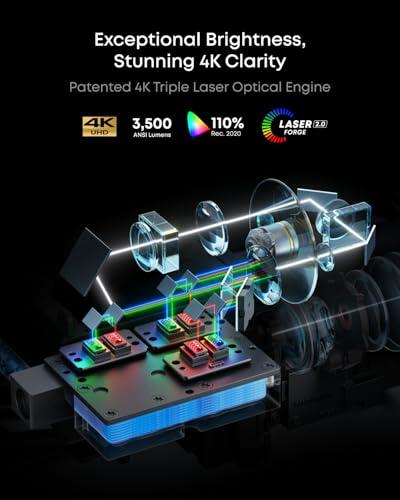
The Nebula X1 represents what happens when projector engineers throw conventional constraints aside. Its LaserForge™ 2.0 engine features the industry's first patented U-shaped RGB laser system – think of it as three separate colored lasers (red, green, blue) working together instead of a single white light source filtered into colors. This approach delivers significantly better color accuracy and brightness efficiency.
What makes this particularly impressive is the dual-pass speckle diffuser wheel. Laser light can create a grainy "speckle" effect that's distracting to viewers. The Nebula X1's solution passes the laser light through special diffusion wheels twice, essentially eliminating this problem while maintaining the laser's brightness advantages. It's like having the benefits of laser technology without the traditional drawbacks.
The projector's 14-element all-glass lens system deserves special attention. Most projectors use plastic elements that can warp under heat, causing focus drift during long viewing sessions. The Nebula X1 borrows from cinema projector design, using aspherical and ED (Extra-Low Dispersion) glass elements that maintain perfect focus regardless of temperature. This means your image stays sharp whether you're watching a 30-minute TV episode or a three-hour movie.
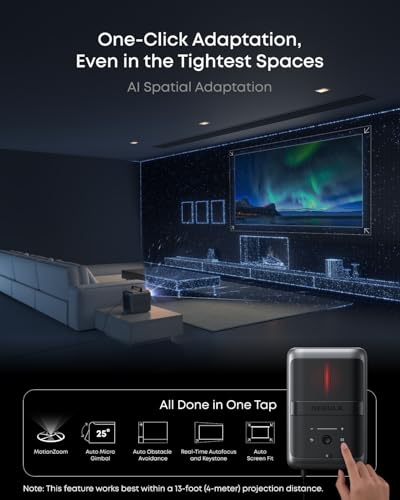
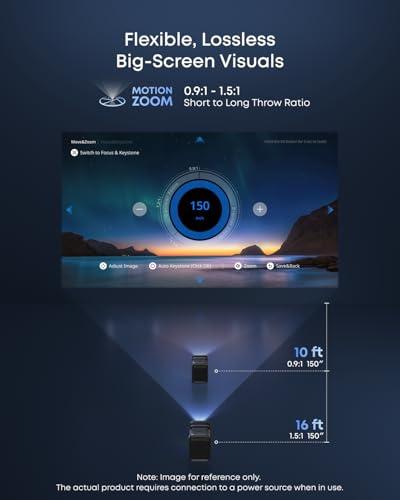
The AI Spatial Adaptation feature represents a genuine leap forward. Traditional projectors require manual adjustments for keystone correction (fixing image distortion when projecting at angles), focus, and sizing. The Nebula X1 uses cameras and sensors to automatically detect your wall or screen, then adjusts everything with a single button press. It even remembers settings for different rooms through its Spatial Recall function.
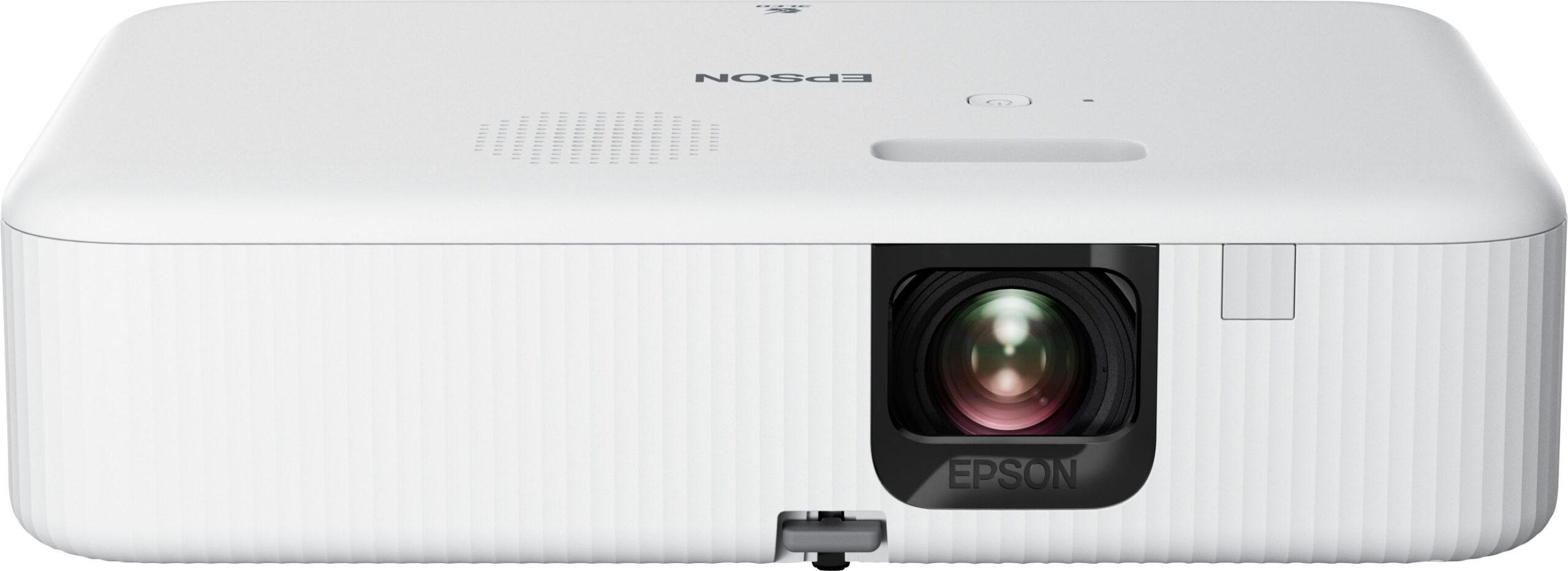
The Epson CO-FH02 takes a time-tested approach with modern conveniences. Its 3LCD technology uses three separate LCD panels for red, green, and blue light, then combines them for the final image. This method eliminates the rainbow effect that some people see with single-chip DLP projectors – those brief flashes of color that can be distracting, especially during fast-moving scenes.
What's particularly clever about the Epson's design is its balance of features and portability. At 5.7 pounds, it's genuinely portable – something you can actually carry in a backpack without thinking twice. The built-in Android TV eliminates the need for external streaming devices, while the simple control scheme makes setup straightforward for anyone.
The 3LCD system also provides what Epson calls "Best-in-Class Color Brightness" – essentially, the brightness measurements you see in specifications actually represent real, usable brightness for colorful content, not just white test patterns. This matters because many projectors achieve high brightness numbers with white light but struggle to maintain that brightness with actual colorful content.
The resolution difference between these projectors reveals important truths about modern display technology. The Nebula X1's 4K capability comes from pixel shifting – its 1080p DLP chip rapidly moves to create 8.3 million pixel positions, effectively quadrupling the detail. This works remarkably well with 4K source material, creating genuinely sharper images than traditional 1080p projection.
However, the Epson CO-FH02's native 1080p approach has its own advantages. Each pixel maps directly to a physical location on the LCD panel, creating consistent, stable imagery without any processing artifacts. For content that's already 1080p – which includes most streaming services and broadcast television – the difference may not be as pronounced as specifications suggest.
Color accuracy becomes crucial here. The Nebula X1's Delta E rating of less than 0.8 (where lower numbers mean more accurate colors) approaches professional monitor standards. Its 110% Rec.2020 color gamut coverage means it can display colors beyond what most TVs can manage. This isn't just technical showboating – you'll notice richer, more lifelike skin tones and more vibrant landscape scenes.
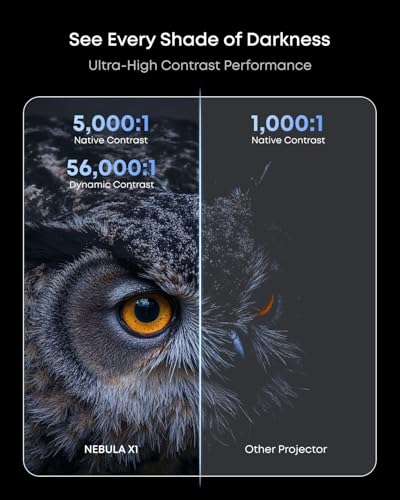
The contrast ratio tells another important story. The Nebula X1's 5,000:1 native contrast ratio, enhanced by its 6-blade dynamic iris system, creates genuinely deep blacks. This matters enormously for home theater use, where dark scenes need to feel cinematic rather than washed out. The dynamic iris automatically adjusts the aperture based on scene content, darkening during night scenes and opening up for bright daylight sequences.
Both projectors claim impressive brightness figures – 3,500 ANSI lumens for the Nebula X1 and 3,000 lumens for the Epson CO-FH02. But the real story lies in how they achieve and maintain these numbers.
The Nebula X1's laser system maintains consistent brightness throughout its 30,000-hour lifespan. Traditional lamp projectors lose brightness over time, sometimes dropping to half their original output before requiring replacement. This means the Nebula X1 will still be producing cinema-quality brightness years from now, while the Epson will gradually dim.
More importantly, the Nebula X1's RGB laser system maintains color accuracy even at maximum brightness. Many projectors achieve high brightness by emphasizing white and yellow content while struggling with deep blues and reds. The separate red, green, and blue lasers ensure consistent performance across the entire color spectrum.
For practical use, both projectors handle moderate ambient light well. The Epson CO-FH02's 3,000 lumens work fine for evening viewing with some room lights on, while the Nebula X1 can handle brighter conditions and larger screen sizes without compromising image quality.
The difference in setup complexity reflects each projector's target audience. The Epson CO-FH02 follows familiar patterns – connect power, aim at your surface, adjust keystone correction manually, and you're watching. The process takes a few minutes and works reliably every time.
The Nebula X1's AI Spatial Adaptation represents a more ambitious approach. Its sensors scan your projection surface, automatically detecting screen boundaries, obstacles, and even wall color, then adjusting the image accordingly. When it works perfectly, it's magical – one button press delivers a perfectly sized, focused, and geometrically correct image.
The motorized lens shift capability of the Nebula X1 solves a common projector placement problem. Instead of needing perfect alignment with your screen, you can place the projector off to one side and electronically shift the lens to center the image. This 25-degree adjustment range provides significantly more flexibility than traditional digital keystone correction, which can introduce image quality compromises.
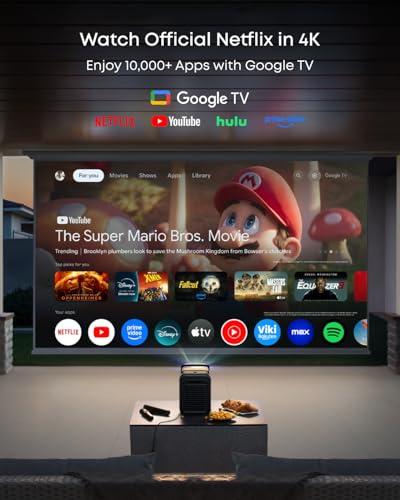
Both projectors include comprehensive smart TV platforms, but with different strengths. The Epson CO-FH02's Android TV provides broad app compatibility and familiar Google ecosystem integration. The Nebula X1's Google TV platform offers a more modern interface with better content recommendations, though both provide access to major streaming services.
Modern projectors increasingly serve as large-screen gaming displays, and the performance differences here are significant. The Nebula X1 supports 4K gaming at 60Hz through its HDMI 2.1 ports, with input lag under 19 milliseconds in game mode. This latency is competitive with gaming TVs, making it suitable for competitive gaming on screens up to 300 inches.
The Epson CO-FH02 handles 1080p gaming adequately, though its higher input lag makes it better suited for casual rather than competitive gaming. However, its lighter weight makes it more practical for gaming setups that require frequent repositioning.
The large screen gaming experience deserves special mention. Playing games on a 120-inch or larger screen creates an immersive experience that traditional TVs can't match. The Nebula X1's low input lag and high brightness make this practical for serious gaming, while the Epson CO-FH02 offers this experience more affordably for casual players.
Audio capabilities vary dramatically between these projectors. The Epson CO-FH02 includes a basic 5-watt speaker adequate for presentations or casual viewing, with Bluetooth connectivity for pairing external speakers.
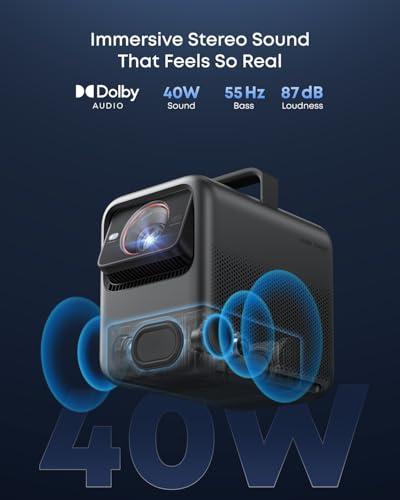
The Nebula X1 takes audio seriously, especially with its optional wireless speaker system that creates a genuine 4.1.2 surround sound experience. The FlexWave™ upmixing algorithm processes stereo and surround content to create multidimensional audio that matches the large visual experience. For home theater use, this eliminates the need for separate sound system planning.
True portability remains the Epson CO-FH02's strongest advantage. At 5.7 pounds, it fits comfortably in a laptop bag and sets up quickly in conference rooms, classrooms, or friend's houses. This genuine portability makes it practical for business travelers, educators, or anyone who frequently moves their projector.
The Nebula X1 weighs 13.7 pounds and requires a dedicated carrying case. While technically portable, it's better described as transportable – practical for moving between rooms or taking to outdoor movie nights, but not something you'd casually throw in a bag. The included case is well-designed, but the overall package becomes a planned transport rather than spontaneous portability.
The ownership experience differs significantly between these projectors. The Epson CO-FH02's traditional lamp will require replacement after 6,000-12,000 hours of use, depending on brightness settings. Replacement lamps typically cost $100-200 and require careful installation, adding to the total cost of ownership.
The Nebula X1's laser system is rated for 30,000 hours – essentially the life of the projector. This eliminates ongoing maintenance costs and ensures consistent performance throughout the device's lifespan. The liquid cooling system also runs quieter than traditional fan-cooled designs, typically producing only 26 decibels of noise compared to the Epson's 29-37 decibels.
For dedicated home theater use, the differences between these projectors become most pronounced. The Nebula X1 delivers genuinely cinematic image quality with its high contrast ratio, accurate colors, and 4K resolution. The automatic setup features mean you can optimize image quality without becoming a projection expert.
The Epson CO-FH02 can certainly create an enjoyable home theater experience, particularly in smaller rooms or for casual viewing. Its 1080p resolution remains perfectly adequate for most content, and its brightness handles moderate ambient light well.
However, the Nebula X1's advanced features like Dolby Vision support, cinema-grade optics, and professional color accuracy create a more immersive, theater-like experience. The built-in surround sound system (with the speaker package) eliminates the complexity of separate audio system setup while delivering genuinely impressive sound quality.
The decision between these projectors ultimately depends on your specific priorities and use cases. The Epson CO-FH02 excels for users who need genuine portability, straightforward operation, and excellent value. It's ideal for business presentations, classroom use, casual entertainment, or anyone wanting to experience large-screen viewing without significant investment.
The Nebula X1 targets users who prioritize image quality, advanced features, and long-term performance. It's best suited for dedicated home theaters, gaming enthusiasts, or anyone who wants cutting-edge projection technology and doesn't mind paying premium prices for premium performance.
At the time of writing, the price difference between these projectors is substantial – the Nebula X1 costs roughly five to six times more than the Epson CO-FH02. This price gap reflects not just better specifications, but fundamentally different approaches to portable projection.
For most users, the Epson CO-FH02 provides excellent value and capabilities that exceed their actual needs. However, for those seeking the ultimate portable projection experience, the Nebula X1 represents current state-of-the-art technology that will remain competitive for years to come.
The choice ultimately comes down to whether you need a practical tool for occasional large-screen viewing, or a premium device that can replace your primary display while offering unique capabilities that traditional TVs cannot match. Both projectors succeed admirably in their respective roles, making either a solid choice when matched to appropriate expectations and use cases.
| Nebula X1 4K Triple Laser Projector | Epson EpiqVision Flex CO-FH02 Smart Portable Projector |
|---|---|
| Resolution - Higher resolution provides sharper detail on large screens | |
| 4K (3840×2160) with pixel shifting from 1080p DLP chip | Native 1080p (1920×1080) Full HD |
| Brightness - Critical for performance in ambient light conditions | |
| 3,500 ANSI lumens from RGB laser system | 3,000 lumens (color and white brightness) |
| Light Source Technology - Affects longevity, color accuracy, and maintenance | |
| RGB Triple Laser (30,000 hour lifespan, no replacement needed) | Traditional UHE lamp (6,000-12,000 hours, requires eventual replacement) |
| Weight & True Portability - Determines if you can actually carry it around easily | |
| 13.7 lbs (transportable but requires planning) | 5.7 lbs (genuinely portable, fits in backpacks) |
| Contrast Ratio - Essential for deep blacks and cinematic image quality | |
| 5,000:1 native with 6-blade dynamic iris | Not specified (typical for 3LCD technology) |
| Color Accuracy - Professional-grade color reproduction vs consumer-level | |
| Delta E < 0.8, 110% Rec.2020 color gamut (professional grade) | 3LCD technology with scene-based color correction (consumer grade) |
| Smart Platform - Built-in streaming capabilities and app ecosystem | |
| Google TV with Netflix built-in | Android TV with comprehensive app support |
| Setup Automation - Reduces complexity for non-technical users | |
| AI Spatial Adaptation with one-click auto setup, motorized lens shift | Manual keystone correction and focus adjustment |
| Connectivity - Future-proofing and device compatibility | |
| 2× HDMI 2.1 (one eARC), USB-A, USB-C, optical audio | 1× HDMI, 2× USB ports, basic connectivity |
| Audio System - Built-in sound quality and surround capabilities | |
| 4.1.2 surround system with optional wireless speakers | 5W mono speaker with Bluetooth connectivity |
| Gaming Performance - Low latency and high refresh rate support | |
| 4K@60Hz, <19ms input lag, HDMI 2.1 support | 1080p@60Hz, standard input lag performance |
| Total Cost of Ownership - Upfront cost plus long-term maintenance | |
| Premium price, no ongoing lamp costs | Budget-friendly upfront, eventual lamp replacement needed |
The Nebula X1 4K Triple Laser Projector is significantly better for home theater applications. It offers true 4K resolution with pixel shifting, superior contrast ratio (5,000:1), professional-grade color accuracy (Delta E < 0.8), and an optional 4.1.2 surround sound system. The Epson EpiqVision Flex CO-FH02 works for casual home viewing but lacks the image quality and audio capabilities for a premium home theater experience.
The primary difference is technology level and target audience. The Nebula X1 uses cutting-edge RGB triple laser technology with advanced AI setup features, targeting home theater enthusiasts willing to pay premium prices. The Epson CO-FH02 uses traditional lamp-based 3LCD technology, focusing on affordability and true portability for casual users and business presentations.
The Epson EpiqVision Flex CO-FH02 is significantly more portable at 5.7 pounds and compact dimensions that fit in backpacks. The Nebula X1 weighs 13.7 pounds and requires a dedicated carrying case, making it transportable rather than truly portable. For frequent travel or presentation use, the Epson CO-FH02 is the clear winner.
The Nebula X1 4K Triple Laser Projector uses a laser light source rated for 30,000 hours with no bulb replacement needed throughout its lifespan. The Epson CO-FH02 uses a traditional UHE lamp that will need replacement after 6,000-12,000 hours of use, typically costing $100-200 for the replacement lamp.
The Nebula X1 is brighter at 3,500 ANSI lumens compared to the Epson CO-FH02's 3,000 lumens. However, both projectors provide adequate brightness for their intended use cases. The Nebula X1 maintains consistent brightness throughout its lifespan, while the Epson will gradually dim as its lamp ages.
Yes, both projectors include comprehensive smart TV platforms. The Nebula X1 runs Google TV with built-in Netflix support, while the Epson EpiqVision Flex CO-FH02 uses Android TV with Google Assistant integration. Both provide access to major streaming services including Netflix, Amazon Prime Video, Disney+, and YouTube.
The Nebula X1 4K Triple Laser Projector is superior for gaming with 4K@60Hz support via HDMI 2.1 and input lag under 19ms in game mode. This makes it suitable for competitive gaming on large screens. The Epson CO-FH02 handles casual 1080p gaming but has higher input lag, making it less ideal for serious gaming applications.
The Nebula X1 features advanced AI Spatial Adaptation that automatically adjusts focus, keystone correction, and image sizing with one button press. It also includes motorized lens shift and remembers settings for different locations. The Epson CO-FH02 requires manual keystone correction and focus adjustment but offers simpler, more straightforward operation that many users find more reliable.
This depends on your needs and budget. The Epson EpiqVision Flex CO-FH02 offers excellent value for users wanting basic large-screen projection, true portability, and smart features at an affordable price. The Nebula X1 provides premium value for home theater enthusiasts who prioritize cutting-edge technology, superior image quality, and advanced features despite the significantly higher cost.
The Nebula X1 delivers superior image quality with 4K resolution, professional-grade color accuracy covering 110% of Rec.2020 color space, and 5,000:1 contrast ratio with dynamic iris technology. The Epson CO-FH02 provides good 1080p image quality with reliable 3LCD technology and automatic color correction, but cannot match the Nebula X1's cinema-grade performance.
Both projectors handle moderate ambient light reasonably well due to their high brightness levels. The Nebula X1 4K Triple Laser Projector performs better in brighter conditions due to its 3,500 ANSI lumens and superior color accuracy maintenance. The Epson CO-FH02 works adequately in moderately lit rooms but may struggle in very bright environments or with larger screen sizes.
The Epson EpiqVision Flex CO-FH02 Smart Portable Projector is better suited for business use due to its lightweight design (5.7 lbs), simple setup process, reliable operation, and affordable price point. While the Nebula X1 offers superior image quality, its weight, complexity, and premium cost make it impractical for typical business presentation needs.
We've done our best to create useful and informative comparisons to help you decide what product to buy. Our research uses advanced automated methods to create this comparison and perfection is not possible - please contact us for corrections or questions. These are the sites we've researched in the creation of this article: youtube.com - seenebula.com - projectorreviews.com - seenebula.com - whathifi.com - bestbuy.com - techradar.com - projectorcentral.com - youtube.com - avsforum.com - seenebula.com - blog.son-video.com - youtube.com - projectorcentral.com - expertreviews.co.uk - projectorcentral.com - youtube.com - bestbuy.com - specsradar.com - techwalls.com - cnet.com - epson.com - youtube.com - projectorreviews.com - epson.com - abt.com - youtube.com - cnet.com - techgearlab.com - staples.com - bestbuy.com - bestbuy.com - projectorcentral.com - bhphotovideo.com - dell.com - latin.epson.com - specsradar.com - projectorcentral.com - officedepot.com - files.support.epson.com - walmart.com - adorama.com - epson.com

Privacy Policy
Terms and Conditions - Affiliate Policy
Home Security
© Copyright 2008-2026.
11816 Inwood Rd #1211, Dallas, TX 75244