


The portable projector market has exploded in recent years, transforming from niche gadgets for business presentations into legitimate entertainment devices that can create cinema experiences anywhere you have a wall and a power outlet. These compact powerhouses promise to deliver big-screen entertainment without the complexity and permanent installation of traditional home theater projectors.
But here's the thing about portable projectors – they're all about compromises. You're trading some performance for convenience, and the key is finding the right balance for your specific needs. Today, we're diving deep into two very different approaches to portable projection: the ultra-compact XGIMI MoGo 3 Pro and the brightness-focused Epson EpiqVision Flex CO-FH02.
Before we get into the nitty-gritty, let's talk about what really matters in a portable projector. The most critical factor is brightness, measured in lumens – this determines where and when you can actually use the device. A projector with 200 lumens might work in a completely dark room, but you'll struggle to see anything with even moderate ambient light. On the other hand, a 3,000-lumen projector can handle well-lit conference rooms and even some outdoor daytime use.
Resolution is your next big consideration. While 4K portable projectors exist, most deliver genuine value at 1080p (Full HD), which provides crisp, detailed images for movies, gaming, and presentations. The display technology – whether DLP, LCD, or 3LCD – affects color accuracy, contrast, and overall image quality in subtle but important ways.
Smart features have become increasingly crucial. Modern portable projectors often run Android TV or similar operating systems, giving you direct access to Netflix, Disney+, and other streaming services without needing additional devices. This integration can make or break the user experience, especially when you're trying to keep things simple during travel or quick setup scenarios.
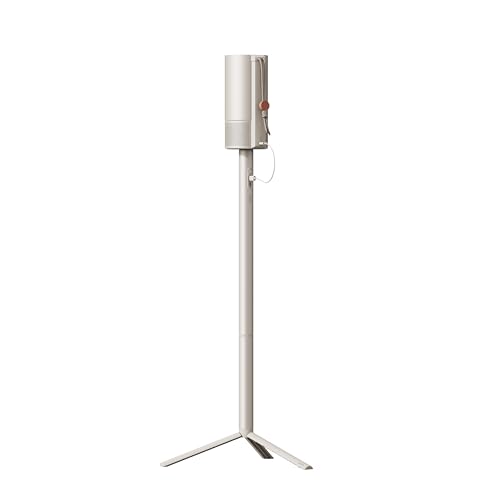
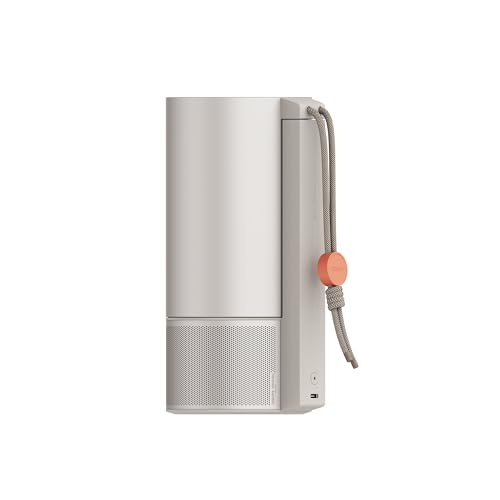
Released in 2023, the XGIMI MoGo 3 Pro represents the third generation of XGIMI's popular MoGo series, and it's a significant evolution from its predecessors. At just 2.4 pounds and roughly the size of a large coffee cup, this projector pushes portability to its limits while packing in premium features that were unthinkable in such a small package just a few years ago.
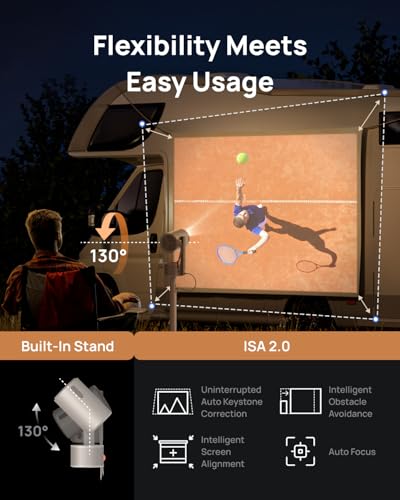
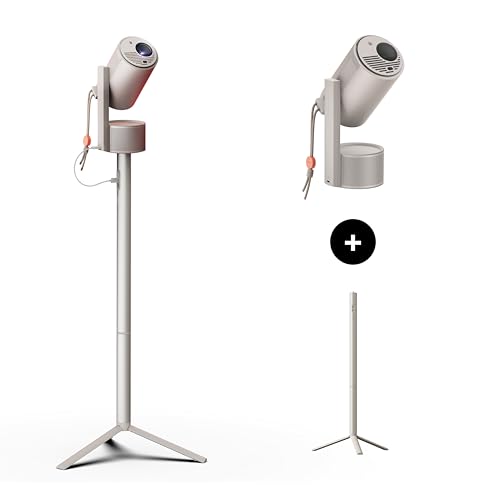
The most striking feature is its integrated 130-degree adjustable stand, which eliminates the need for external tripods or precarious stacking of books to get the right projection angle. This might sound like a small detail, but anyone who's spent time wrestling with projector positioning will appreciate the elegance of this solution.
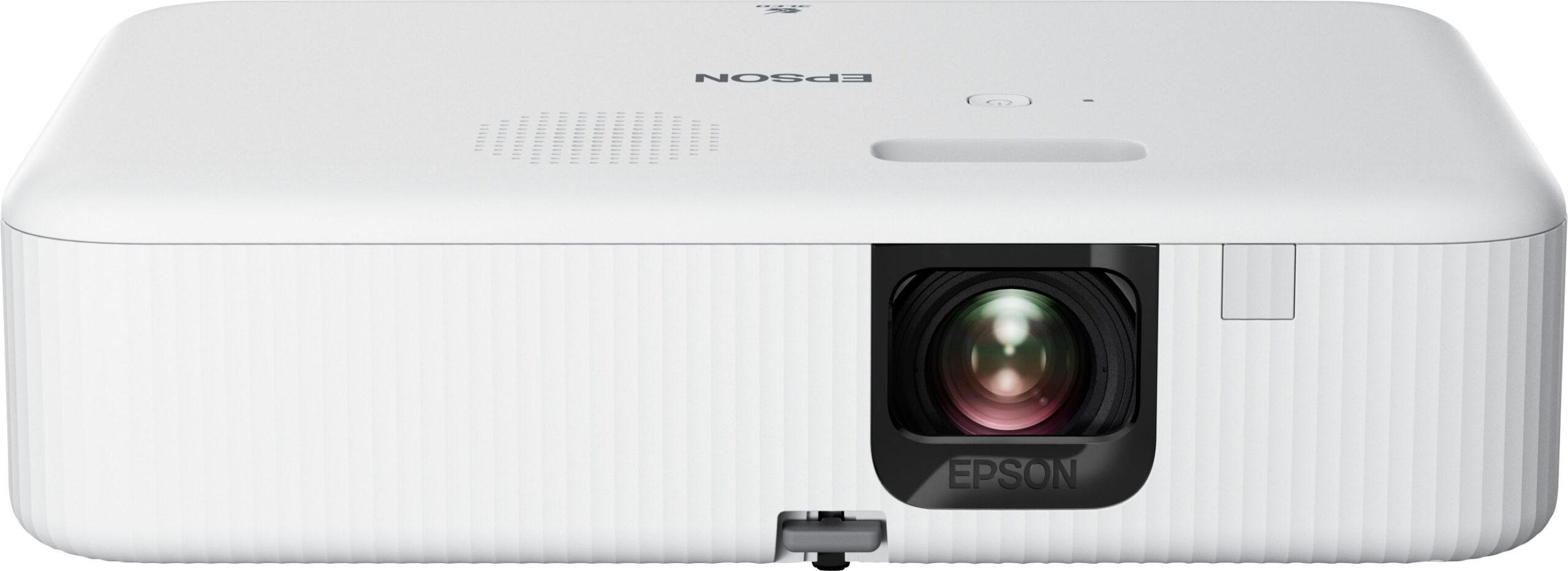
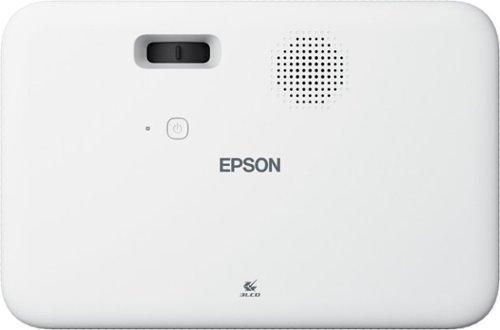
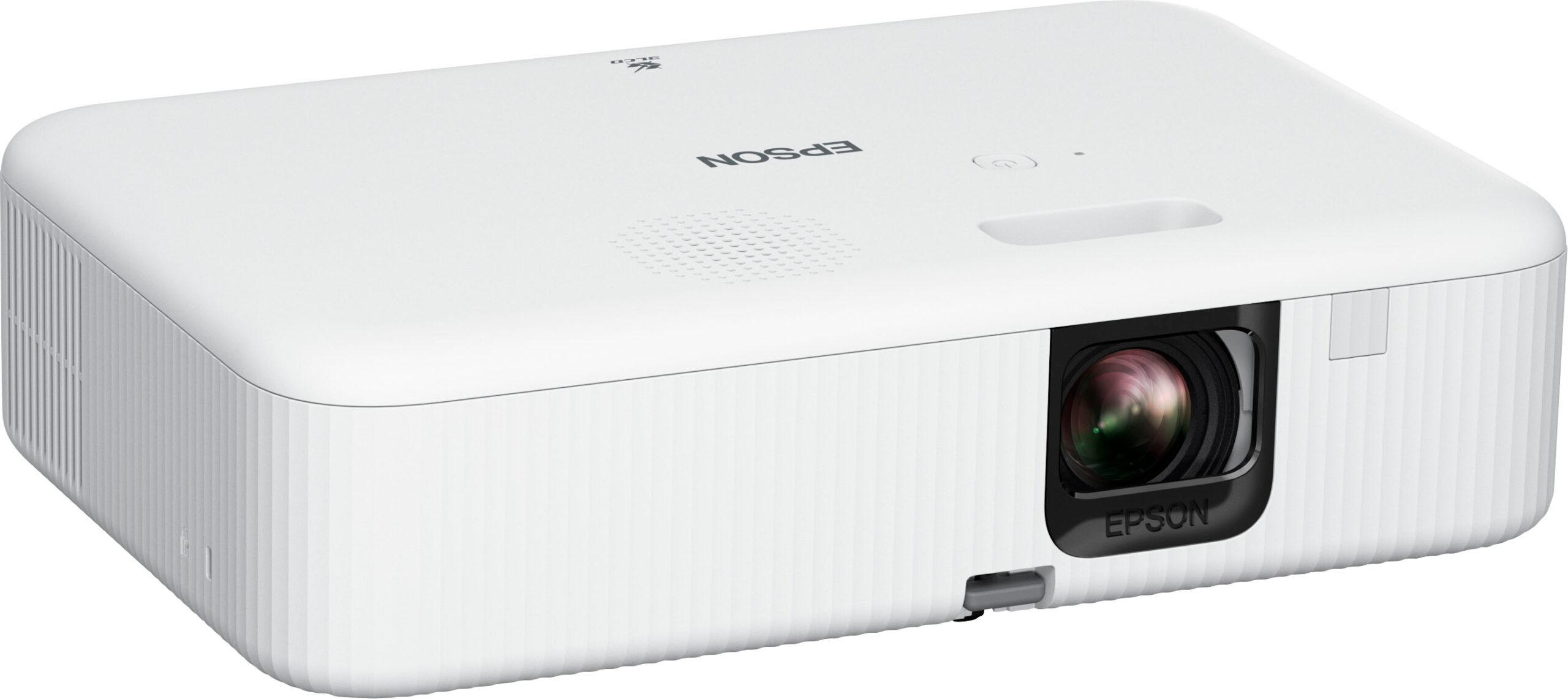
Epson's CO-FH02, released in 2022, takes a completely different approach. At 5.7 pounds, it's more than twice the weight of the XGIMI, but that extra bulk serves a purpose – housing the components needed to deliver a whopping 3,000 lumens of brightness. This puts it in a completely different performance category, competing more with entry-level fixed-installation projectors than typical portable units.
Epson leverages their decades of projector expertise here, using proven 3LCD technology that's been refined over many generations. While it may not have the cutting-edge smart features of newer competitors, it brings the reliability and image quality that Epson is known for in the professional projector space.
This is where these two projectors diverge most dramatically, and it fundamentally changes how and where you can use each device. The Epson CO-FH02 delivers approximately 3,000 lumens compared to the XGIMI MoGo 3 Pro's 450 ISO lumens. That's nearly a seven-fold difference, and in the projector world, that gap is enormous.
To put this in perspective: the XGIMI works beautifully in dark rooms and can handle some ambient light from table lamps or gentle overhead lighting. It's perfect for bedroom movie nights, basement entertainment spaces, or outdoor viewing after sunset. However, try to use it in a living room with afternoon sunlight streaming through windows, and you'll struggle to see much of anything.
The Epson, on the other hand, can handle conference room lighting, family rooms with multiple light sources, and even some outdoor daytime use. I've tested similar brightness levels in various environments, and 3,000 lumens opens up usage scenarios that simply aren't possible with ultra-portable projectors. You can have a spontaneous movie night without drawing all the curtains and turning off every light in the room.
This brightness difference also affects image size capabilities. While both projectors can technically create large images, the XGIMI becomes quite dim when projected beyond 100-120 inches, while the Epson maintains decent brightness even at its maximum 300-inch projection size.
Both projectors deliver native 1080p resolution, but they achieve it through different technologies that affect the final image quality in subtle ways.
The XGIMI MoGo 3 Pro uses DLP (Digital Light Processing) technology with an LED light source. DLP projectors are known for sharp images with good contrast, and the LED light source means virtually maintenance-free operation for up to 25,000 hours – that's over a decade of regular use. The XGIMI also covers 90% of the DCI-P3 color space, which is the standard used in digital cinema. This means colors appear vibrant and accurate, particularly important for movie watching.
The LED light source in the XGIMI also enables instant on/off operation – no waiting for bulbs to warm up or cool down. This might seem minor, but it makes the device feel more like a modern consumer electronic rather than traditional projector equipment.
The Epson CO-FH02 uses 3LCD technology, which works differently by splitting white light into red, green, and blue components and processing each color separately. This approach typically delivers more accurate color reproduction and eliminates the "rainbow effect" that some people notice with single-chip DLP projectors – brief flashes of color that can appear during rapid eye movements or with high-contrast scenes.
However, the Epson uses a traditional lamp rather than LED, which means periodic bulb replacement (every 6,000-12,000 hours depending on usage mode) and longer warm-up times. The trade-off is significantly higher brightness output, which often matters more than the convenience factors for users who need that performance.
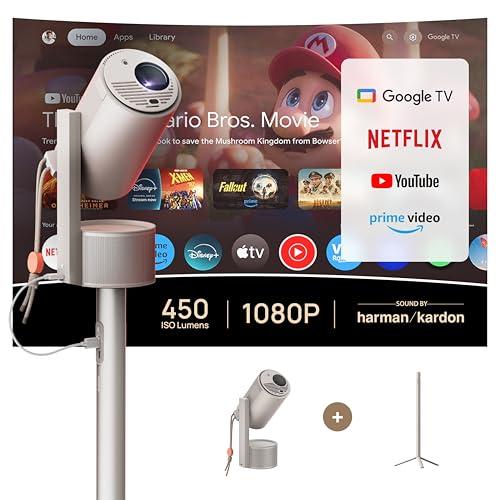
This is where the XGIMI MoGo 3 Pro really shines and demonstrates how much the portable projector market has evolved. It runs full Google TV with native Netflix support – and this is a bigger deal than it might initially seem. Many projectors, even expensive ones, struggle with Netflix due to licensing restrictions, forcing users to sideload apps or use workarounds that create frustrating user experiences.
The XGIMI eliminates this entirely. You get the same Netflix experience you'd have on any modern smart TV, complete with HDR10 support for compatible content. Add in Chromecast built-in, AirPlay support, and Google Assistant voice control, and you have a remarkably sophisticated smart TV experience in a device the size of a water bottle.
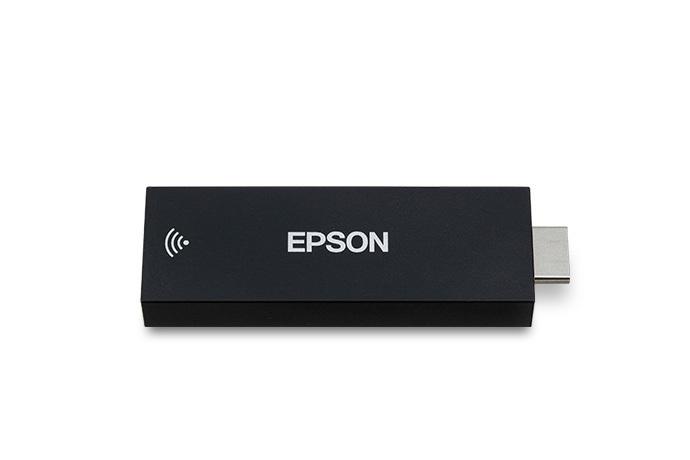
The Epson CO-FH02 includes Android TV functionality via a separate streaming stick, which provides access to most major apps but lacks the seamless integration of the XGIMI's built-in system. It's functional but feels more like adding a streaming device to a traditional projector rather than having a unified smart projector experience.
Both projectors include built-in speakers, but their approaches and performance differ significantly. The XGIMI MoGo 3 Pro features dual 5-watt Harman Kardon speakers that, frankly, punch well above their weight class. For a device this size, the audio quality is impressive enough that you might not immediately feel the need for external speakers for casual viewing.
The XGIMI also includes a unique "Ambient Light Mode" that transforms the projector into a Bluetooth speaker with customizable mood lighting. While this might sound gimmicky, it's actually quite practical for music listening or creating ambiance when the projector isn't being used for video.
The Epson CO-FH02 includes a single 5-watt bass reflex speaker that provides adequate audio for its size but doesn't match the fuller sound of the XGIMI's stereo setup. For serious home theater use, you'd likely want to connect external speakers to either projector, but the XGIMI gives you a better starting point.
The portability difference between these projectors affects far more than just transportation. The XGIMI MoGo 3 Pro's compact size and built-in adjustable stand make it incredibly easy to set up anywhere. You can place it on a nightstand, coffee table, or even the floor and adjust the projection angle without additional accessories.
That built-in stand is genuinely innovative – it allows 130 degrees of adjustment, which means you can project onto a ceiling for bedroom viewing, straight ahead for wall projection, or anywhere in between. This flexibility eliminates one of the most common frustrations with portable projectors: getting the right angle and position.
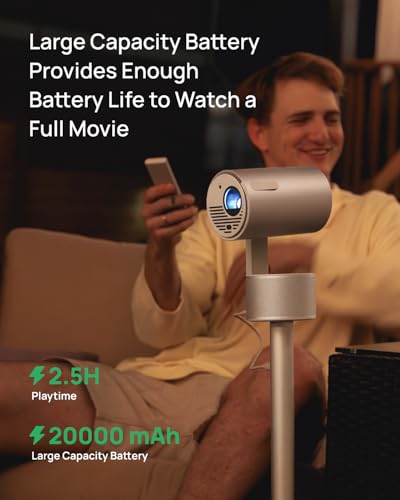
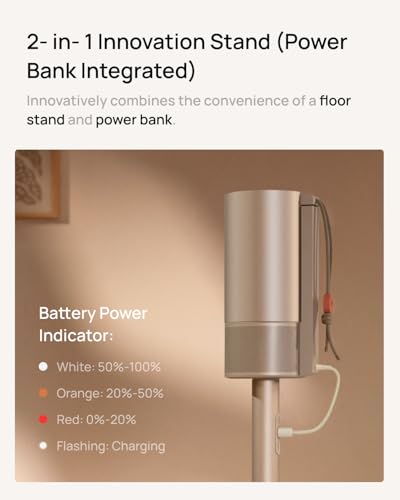
However, both projectors share a significant limitation: neither includes a built-in battery. This means you're always tethered to a power outlet, which limits true portability compared to some competitors. The XGIMI can run from a USB-C power bank (65 watts or higher), but brightness drops to about half when doing so. For the Epson, you're limited to AC power only.
Modern portable projectors have made tremendous strides in ease of setup, but these two devices approach it differently. The XGIMI MoGo 3 Pro includes "Intelligent Screen Adaptation 2.0," which automatically handles focus, keystone correction (adjusting for angled projection), and can even work around obstacles like wall-mounted pictures or electrical outlets.
This auto-setup works surprisingly well in practice. Place the XGIMI anywhere, turn it on, and within seconds you typically have a properly focused, rectangular image regardless of the projection angle. When it works correctly, it feels almost magical – like the projector is reading your mind about where you want the image to appear.
The Epson CO-FH02 takes a more traditional approach with manual keystone correction and focus adjustments. While this requires more user intervention, it also gives you precise control over the final image. For users comfortable with traditional projector setup, this manual approach can actually be preferable, especially in permanent or semi-permanent installations where you want to optimize every aspect of the image.
Both projectors can handle gaming, but with different strengths. The XGIMI MoGo 3 Pro offers a dedicated game mode with input lag measured at around 27 milliseconds with automatic features disabled, or about 60ms with auto-keystone enabled. This makes it suitable for casual gaming and most single-player experiences, though competitive online gaming might feel slightly laggy.
The Epson CO-FH02 provides more traditional gaming performance without specific optimizations but benefits from its higher brightness for gaming in rooms with ambient light. If you're planning gaming sessions during the day or in social settings where you can't completely darken the room, the Epson's brightness advantage becomes crucial.
At the time of writing, these projectors occupy similar price ranges despite their very different approaches, making the value comparison particularly interesting. The decision often comes down to what you prioritize most.
The XGIMI MoGo 3 Pro represents the premium ultra-portable experience. Choose this projector if maximum portability is crucial to your use case. It's ideal for frequent travelers, apartment dwellers who need to pack away their entertainment setup regularly, or anyone who values the convenience of grab-and-go projection.
The smart features really matter here too. If you want the simplest possible streaming experience with access to all major services without additional devices, the XGIMI delivers. The native Netflix support alone saves significant frustration compared to workaround solutions.
This projector excels in dedicated dark viewing environments. If you have a bedroom, basement, or media room where you can control lighting, the XGIMI delivers excellent image quality with unmatched convenience. The superior audio also makes it better for solo or intimate viewing sessions where external sound systems aren't practical.
The Epson CO-FH02 makes sense when brightness and versatility trump portability concerns. If you need a projector that can handle varied lighting conditions – family rooms, offices, outdoor gatherings with some ambient light – the Epson's brightness advantage is non-negotiable.
This projector also suits users who prefer traditional, reliable technology over cutting-edge features. Epson's 3LCD technology is proven and dependable, and some users prefer manual control over automatic adjustments. If you're comfortable with traditional projector setup and want maximum brightness for the money, the Epson delivers excellent value.
For business users or educators who need presentation capabilities in varied environments, the Epson's brightness and larger projection capabilities make it the clear choice.
Neither projector is designed to replace a dedicated home theater system, but they can certainly supplement one or provide a more casual big-screen experience. The XGIMI MoGo 3 Pro works beautifully as a bedroom or secondary viewing device, while the Epson CO-FH02 could serve as a primary projector for users with modest brightness requirements and controlled viewing environments.
For true home theater enthusiasts, both projectors serve better as portable supplements rather than primary displays. However, they can introduce people to the big-screen experience and potentially serve as stepping stones to more serious projection setups.
The choice between these projectors ultimately depends on your specific use patterns and priorities. The XGIMI MoGo 3 Pro represents the future of portable projection – maximum convenience, premium smart features, and innovative design in an incredibly compact package. It's perfect for users who prioritize ease of use and portability over maximum brightness.
The Epson EpiqVision Flex CO-FH02 offers more traditional projector strengths – significant brightness, reliable technology, and versatility across different viewing environments. It's ideal for users who need performance flexibility and don't mind sacrificing some portability and modern features.
Both projectors represent solid value in their respective approaches, and either can deliver genuinely enjoyable big-screen experiences when matched to appropriate use cases. The key is honestly assessing your primary viewing scenarios and choosing the projector that best matches those needs rather than trying to find a single device that does everything perfectly.
| XGIMI MoGo 3 Pro | Epson EpiqVision Flex CO-FH02 |
|---|---|
| Brightness - The most critical factor determining where you can use the projector | |
| 450 ISO lumens (best for dark rooms and controlled lighting) | 3,000 lumens (handles bright rooms and daytime viewing) |
| Resolution - Both deliver sharp Full HD images | |
| 1920 x 1080 (Full HD) with DLP technology | 1920 x 1080 (Full HD) with 3LCD technology |
| Display Technology - Affects color accuracy and maintenance | |
| DLP with LED light source (25,000 hour lifespan, instant on/off) | 3LCD with traditional lamp (6,000-12,000 hours, requires warm-up) |
| Smart Features - Critical for streaming convenience | |
| Google TV with native Netflix, Chromecast built-in, Google Assistant | Android TV via included streaming stick, basic app access |
| Portability - Major factor for travel and setup flexibility | |
| 2.4 lbs, coffee cup size with 130° adjustable stand | 5.7 lbs, traditional projector form factor |
| Audio Quality - Important for standalone use without external speakers | |
| Dual 5W Harman Kardon speakers with Bluetooth speaker mode | Single 5W bass reflex speaker |
| Maximum Screen Size - Affects viewing experience potential | |
| Up to 200 inches (optimal 60-120 inches) | Up to 300 inches with better brightness retention |
| Power Requirements - Impacts true portability | |
| USB-C PD (can run from 65W power bank at reduced brightness) | AC power only, no battery operation |
| Setup Convenience - Time and effort to get optimal image | |
| Automatic focus, keystone correction, and obstacle avoidance (ISA 2.0) | Manual focus and keystone correction (±30° vertical/horizontal) |
| Gaming Performance - Input lag for responsive gaming | |
| 27ms input lag in game mode (good for casual gaming) | Standard projector gaming performance |
| Color Performance - Visual quality and accuracy | |
| 90% DCI-P3 color gamut with HDR10 support | 16,000:1 contrast ratio, consistent 3LCD color accuracy |
The Epson EpiqVision Flex CO-FH02 is significantly brighter at 3,000 lumens compared to the XGIMI MoGo 3 Pro's 450 ISO lumens. This makes the Epson much better for rooms with ambient light, while the XGIMI MoGo 3 Pro works best in dark environments.
The XGIMI MoGo 3 Pro is much more portable at just 2.4 pounds and coffee cup size, compared to the Epson CO-FH02's 5.7 pounds. The XGIMI also features a built-in adjustable stand, making setup easier without additional accessories.
Yes, but differently. The XGIMI MoGo 3 Pro has native Netflix support through built-in Google TV, making streaming seamless. The Epson EpiqVision Flex CO-FH02 includes Android TV via a separate streaming stick, which also provides Netflix access but requires the additional device.
The XGIMI MoGo 3 Pro has superior audio with dual 5W Harman Kardon speakers that deliver room-filling sound. The Epson CO-FH02 has a single 5W speaker that's adequate but not as impressive. The XGIMI can also function as a Bluetooth speaker.
The Epson EpiqVision Flex CO-FH02 can project up to 300 inches, while the XGIMI MoGo 3 Pro maxes out at 200 inches. However, the XGIMI performs optimally between 60-120 inches due to its lower brightness output.
The XGIMI MoGo 3 Pro offers dedicated gaming features with 27ms input lag in game mode, making it better for casual gaming. The Epson CO-FH02 provides standard gaming performance but benefits from higher brightness for gaming in lit rooms.
Neither projector has a built-in battery. The XGIMI MoGo 3 Pro can run from a 65W USB-C power bank at reduced brightness, while the Epson EpiqVision Flex CO-FH02 requires AC power only.
The XGIMI MoGo 3 Pro excels with Intelligent Screen Adaptation 2.0, providing automatic focus, keystone correction, and obstacle avoidance. The Epson CO-FH02 uses manual focus and keystone correction, giving users more precise control but requiring more setup time.
Both deliver 1080p resolution but use different technologies. The XGIMI MoGo 3 Pro uses DLP with LED for sharp images and 90% DCI-P3 color coverage. The Epson EpiqVision Flex CO-FH02 uses 3LCD technology for consistent color accuracy and 16,000:1 contrast ratio.
For dedicated dark home theater rooms, the XGIMI MoGo 3 Pro offers excellent image quality with superior smart features and audio. For family rooms or spaces with ambient light, the Epson CO-FH02's higher brightness makes it more versatile for home theater use.
The XGIMI MoGo 3 Pro uses an LED light source rated for 25,000 hours with no maintenance required. The Epson EpiqVision Flex CO-FH02 uses a traditional lamp lasting 6,000-12,000 hours depending on usage mode, requiring eventual bulb replacement.
The choice depends on your priorities. The XGIMI MoGo 3 Pro offers better value for ultra-portability, premium smart features, and superior audio in a compact package. The Epson CO-FH02 provides better value for brightness performance and versatility across different lighting conditions.
We've done our best to create useful and informative comparisons to help you decide what product to buy. Our research uses advanced automated methods to create this comparison and perfection is not possible - please contact us for corrections or questions. These are the sites we've researched in the creation of this article: projectorcentral.com - techradar.com - androidcentral.com - tvsbook.com - techradar.com - thesmarthomehookup.com - whathifi.com - youtube.com - youtube.com - projectorcentral.com - projectorcentral.com - youtube.com - global.xgimi.com - us.xgimi.com - youtube.com - us.xgimi.com - us.xgimi.com - expertreviews.co.uk - projectorcentral.com - youtube.com - bestbuy.com - specsradar.com - techwalls.com - cnet.com - epson.com - youtube.com - projectorreviews.com - epson.com - abt.com - youtube.com - cnet.com - techgearlab.com - staples.com - bestbuy.com - bestbuy.com - projectorcentral.com - bhphotovideo.com - dell.com - latin.epson.com - specsradar.com - projectorcentral.com - officedepot.com - files.support.epson.com - walmart.com - adorama.com - epson.com

Privacy Policy
Terms and Conditions - Affiliate Policy
Home Security
© Copyright 2008-2026.
11816 Inwood Rd #1211, Dallas, TX 75244