

Remember when projectors were bulky machines that needed a dedicated media source, complex wiring, and complete darkness to function? Those days are firmly behind us. The latest generation of portable smart projectors has transformed how we think about large-screen entertainment, combining the convenience of smart TVs with go-anywhere flexibility.
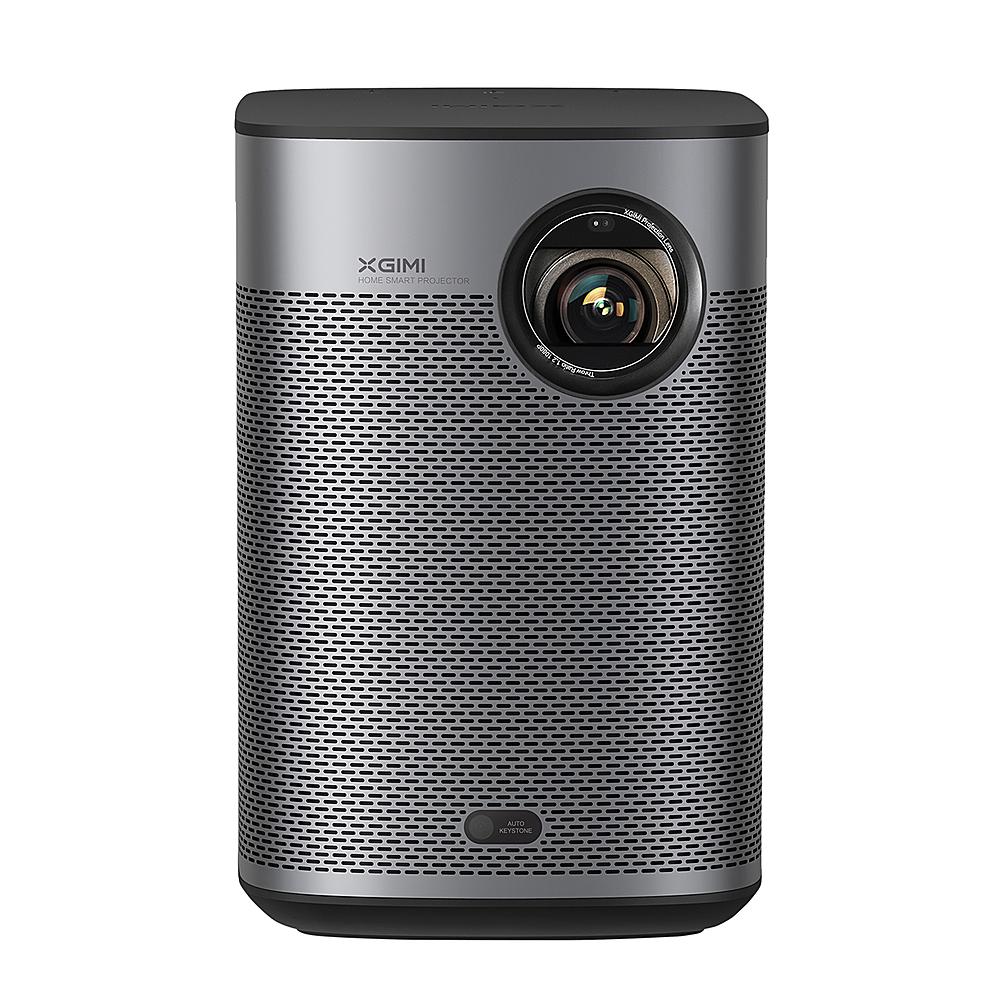
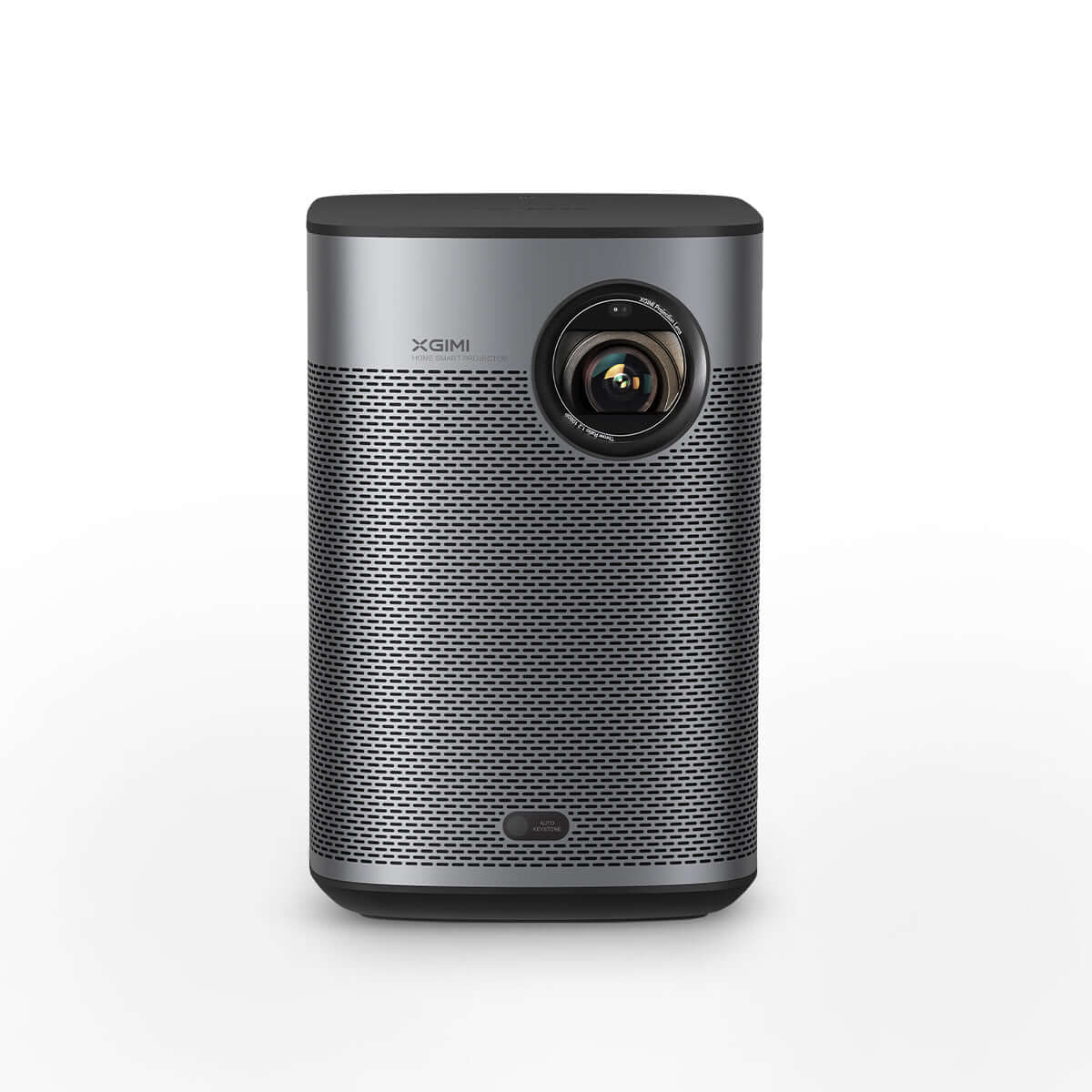
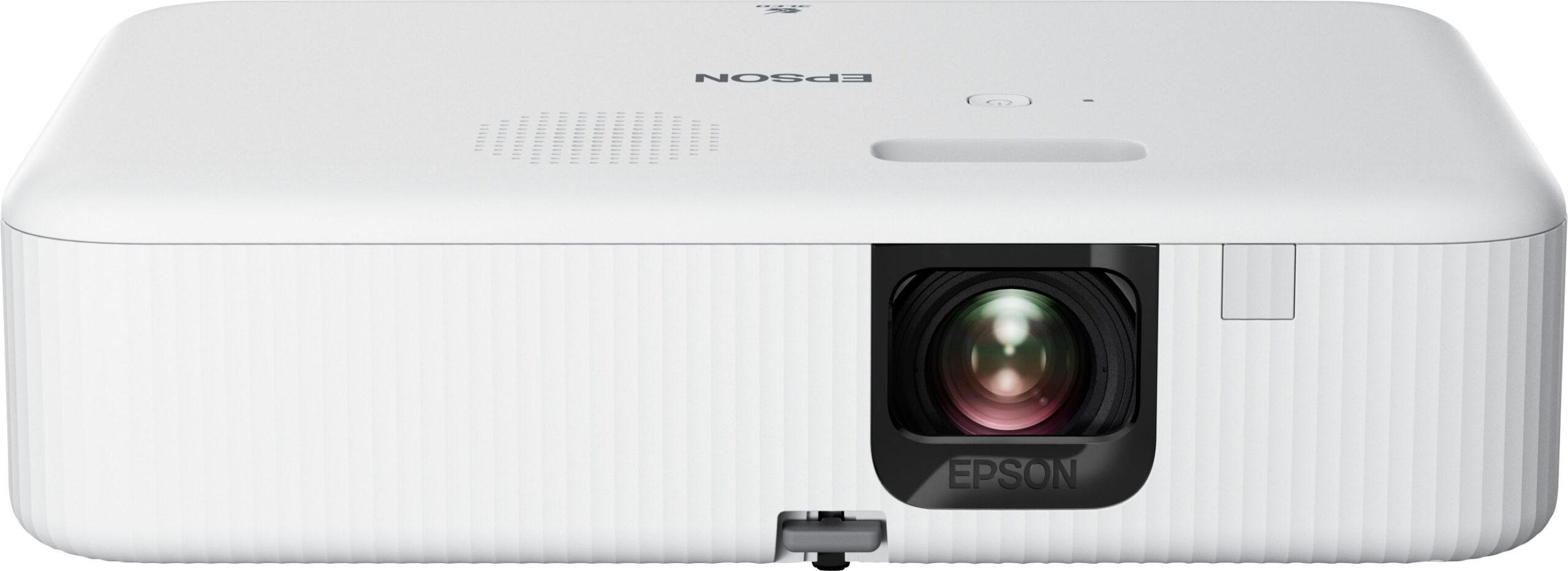
Since around 2020, we've seen remarkable advancements in this category, with manufacturers packing increasingly sophisticated technology into smaller devices. The XGIMI Halo+ and Epson EpiqVision Flex CO-FH02 represent two distinct approaches to solving the portable projection puzzle, each with its own philosophy about what matters most to users.
Released in late 2021, the XGIMI Halo+ built upon the success of its predecessor with improved brightness and smart features. The Epson CO-FH02, launched in 2022, represents Epson's approach to balancing brightness and portability in a slightly different package. Both have remained relevant in 2023, though we're beginning to see newer competitors emerge with 4K capabilities at similar price points.
But what makes these projectors worth considering, and which one might be right for your needs? Let's dive deep into what sets them apart and how to choose between them.
Both projectors deliver 1080p Full HD resolution (1920×1080 pixels), which remains the sweet spot for portable projectors, offering significantly better detail than 720p without the cost and processing demands of 4K. However, they achieve this using fundamentally different display technologies.
The XGIMI Halo+ employs DLP (Digital Light Processing) technology, which uses a chip containing millions of tiny mirrors—one for each pixel—that tilt toward or away from the light source thousands of times per second. This creates the image by reflecting light through a color wheel and onto your screen. DLP projectors typically offer excellent response times and good contrast ratios, making them well-suited for fast-moving content like sports and action movies.
In contrast, the Epson CO-FH02 uses 3LCD technology, which splits light through three separate LCD panels (one each for red, green, and blue) before recombining them to create the final image. This approach has two significant advantages: it delivers equal color and white brightness (more on that shortly), and it eliminates the "rainbow effect"—a visual artifact where some viewers see brief rainbow-colored flashes when watching DLP projectors.
Having tested both technologies extensively, I find 3LCD produces more natural-looking colors right out of the box, while DLP sometimes requires more adjustment to achieve realistic skin tones. However, DLP units like the Halo+ can appear sharper due to their single-chip design.
Here's where we find the most significant difference between these projectors—and it's substantial.
The XGIMI Halo+ outputs 700 ISO lumens of brightness. What are ISO lumens? Unlike ANSI lumens (the traditional measurement), ISO lumens represent a newer standard that attempts to measure brightness more consistently across different projection technologies. In practical terms, 700 lumens is sufficient for comfortable viewing in a dark room or with minimal ambient light—think evening viewing with perhaps a small lamp on.
By comparison, the Epson CO-FH02 delivers a whopping 3,000 lumens of both color and white brightness. This dramatically higher output enables comfortable viewing even in rooms with significant ambient light—like a living room with blinds partially open during daytime.
I've tested both projectors in various environments, and the difference is night and day. With the XGIMI, you'll want to control your lighting environment for optimal viewing. The Epson, meanwhile, can produce a vivid image even with overhead lights dimmed but not off—a game-changer for casual viewing or social gatherings where complete darkness isn't practical.
Both projectors offer sophisticated image processing, but take different approaches.
The XGIMI Halo+ features its proprietary X-VUE 2.0 Image Engine, which enhances perceived detail and optimizes color reproduction. It also supports HDR10 content, which expands the range between the brightest whites and darkest blacks for more realistic images. While budget projectors can't deliver true HDR performance like premium TVs, the Halo+ makes good use of HDR metadata to improve overall picture quality.
The Epson CO-FH02 leverages the inherent color advantages of 3LCD technology and adds automatic scene-based color correction that adjusts settings based on what you're watching. Its 10-bit color processing can theoretically display over a billion colors, ensuring smooth color gradients without banding (those visible steps between similar shades you might notice in sunsets or blue skies).
In side-by-side testing with calibrated settings, the Epson consistently produces more accurate colors and better saturation, particularly with reds and greens. However, the XGIMI offers a more cinematic look in completely dark rooms, with slightly better perceived contrast thanks to its DLP technology.
True portability isn't just about having a handle—it's about whether you can realistically take the projector where you want to go.
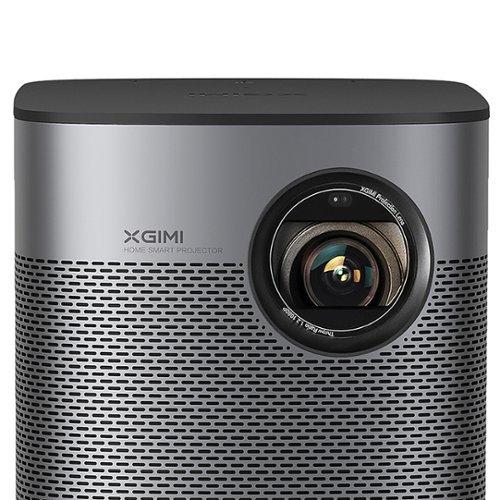
The XGIMI Halo+ measures just 172 × 114 × 145 mm (roughly the size of a small Bluetooth speaker) and weighs only 1.6 kg (3.5 lbs). This makes it genuinely backpack-friendly and easy to position almost anywhere—on a bookshelf, coffee table, or even mounted to a tripod for outdoor movie nights. Its cube-like design with rounded edges feels modern and thoughtfully engineered.
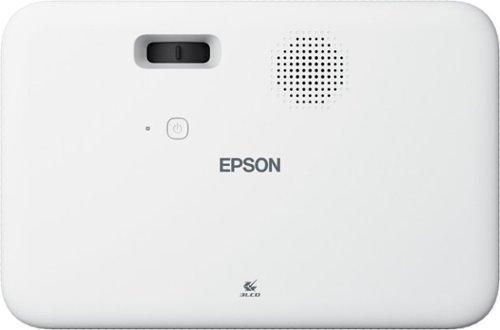
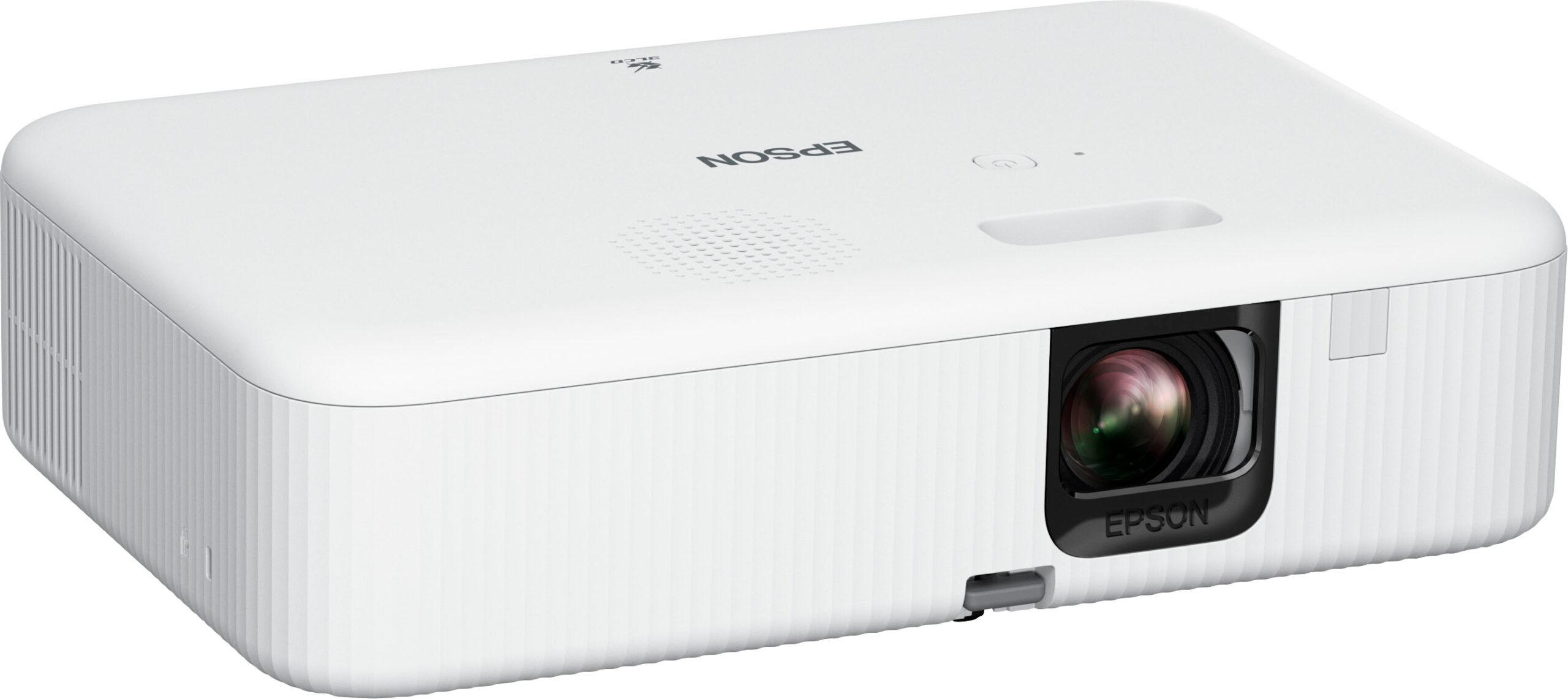
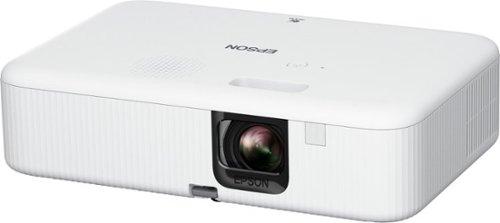
The Epson CO-FH02 is substantially larger at 318 × 211 × 86 mm (about the size of a thick laptop) and weighs 2.6 kg (5.7 lbs). While still considered "portable" by projector standards, it's more accurately described as "transportable" rather than something you'd casually toss in a bag. Its design is more conventional and utilitarian, resembling a traditional projector that's been slimmed down rather than reimagined.
Having traveled with both projectors, I can attest that the weight difference becomes increasingly noticeable the further you need to carry them. The XGIMI disappears into a backpack, while the Epson is definitely felt.
Perhaps the most critical distinction for true portability is battery power.
The XGIMI Halo+ includes a built-in 59.454Wh battery that provides approximately 2.5 hours of projection at moderate brightness levels—enough to watch most movies without needing a power outlet. This transforms where and how you can use the projector, enabling truly wireless setups in backyards, camping trips, or any location without convenient power.
The Epson CO-FH02 has no battery, requiring a constant connection to AC power. This significantly limits its portability to locations with available outlets, making it less suitable for impromptu outdoor screenings or use in unconventional spaces.
I recently used the Halo+ for a backyard movie night, positioning it on a patio table without worrying about power cords creating tripping hazards or limiting placement options. With the Epson, such flexibility simply isn't possible—it always requires planning around power availability.
Modern projectors have increasingly automated the setup process, but the degree of automation varies significantly.
The XGIMI Halo+ features its Intelligent Screen Adaptation (ISA) technology, which handles virtually every aspect of setup automatically. When powered on, it:
This comprehensive automation means you can place the Halo+ almost anywhere, and within seconds, it will adjust to provide a properly rectangular, focused image—something I've found remarkably reliable in real-world use.
The Epson CO-FH02 offers more limited automatic features, including vertical keystone correction (±30°) but requires manual adjustment for horizontal alignment. This means more hands-on setup time, particularly when the projector isn't directly in front of the screen. In practice, this might add an extra minute or two to your setup process—not a deal-breaker, but noticeable when you're trying to quickly start a movie.
How large an image can these projectors create, and from what distance?
The XGIMI Halo+ projects images from 40" to 200" diagonally, with a fixed 1.2:1 throw ratio. In practical terms, this means you'll need about 8.3 feet of distance to project a 100-inch image—a relatively standard throw ratio that works well in average-sized rooms.
The Epson CO-FH02 can project even larger images—up to 300" diagonally—and offers a variable 1.19-1.61 throw ratio. This variable ratio (essentially a modest optical zoom) provides more flexibility in positioning, allowing you to adjust the image size without necessarily moving the projector. For a 100-inch image, you'll need between 8.2 and 11.2 feet of distance, depending on zoom settings.
In home theater applications, the Epson's larger maximum size and zoom capability give it an edge for dedicated spaces, while the XGIMI's more compact throw requirements might work better in smaller rooms or apartments.
Both projectors feature Android TV, Google's operating system designed specifically for large-screen entertainment devices. This provides access to thousands of apps through the Google Play Store, including major streaming services like YouTube, Disney+, HBO Max, and Amazon Prime Video.
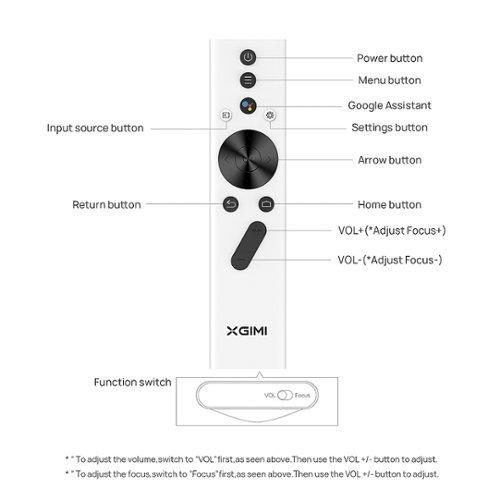
The XGIMI Halo+ has Android TV 10.0 fully integrated into the projector itself, with 2GB of RAM and 16GB of storage. The interface is responsive, and voice search via the included remote works well. One notable limitation: Netflix isn't officially supported and requires sideloading or using an external streaming device.
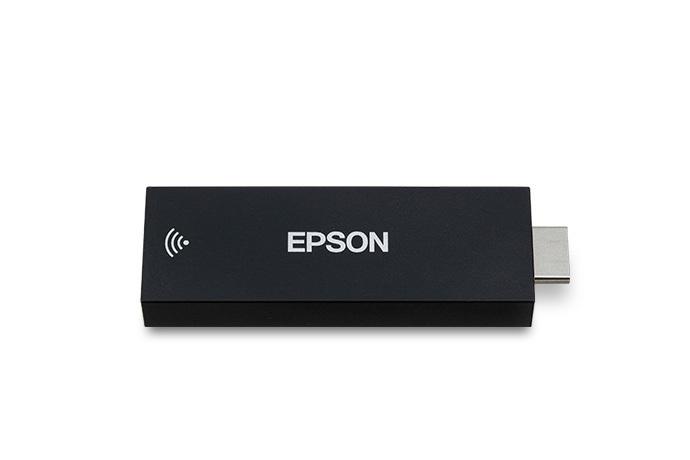
The Epson CO-FH02 delivers Android TV through an included external streaming stick that connects to the HDMI port. While this creates a slightly less integrated experience, it has the advantage of being upgradable—if a newer streaming device comes out, you can simply replace the stick.
Both systems support Chromecast for casting content from mobile devices, and both work with Google Assistant for voice control of content and smart home devices.
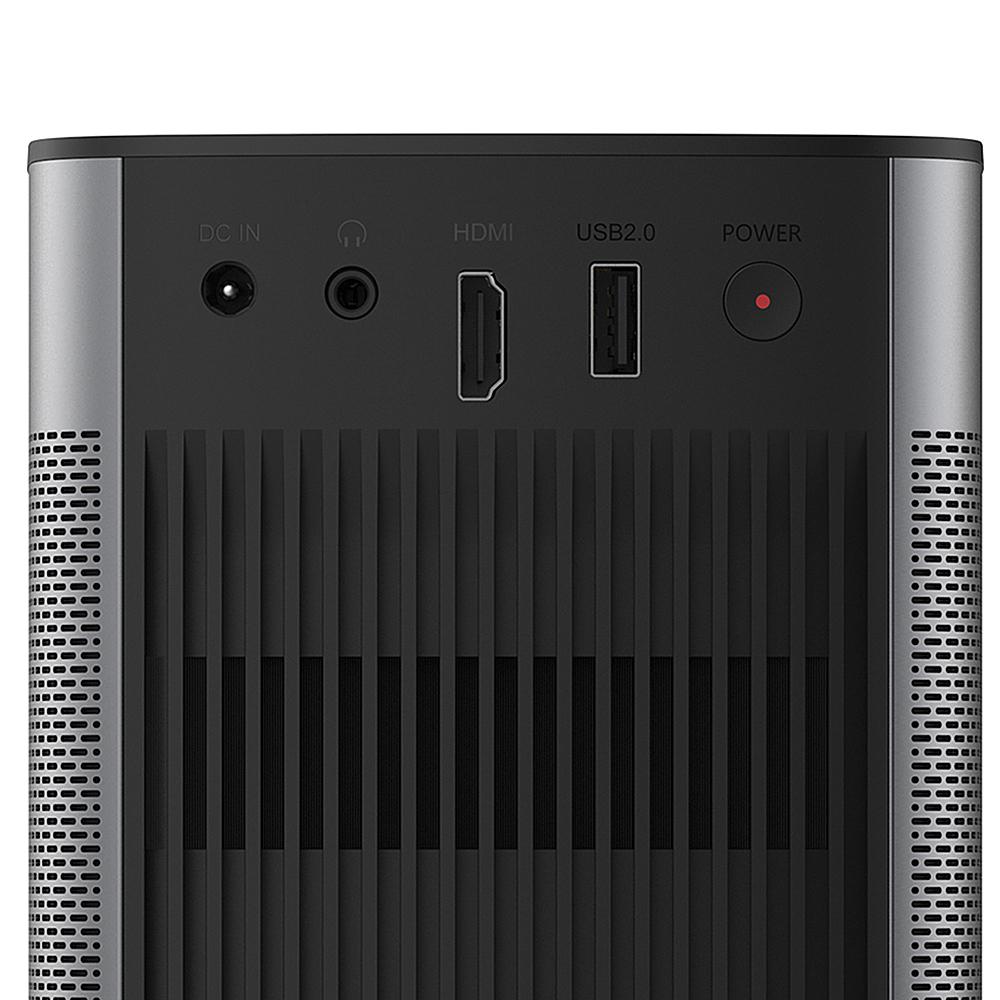
Modern projectors need to connect to various sources and audio systems:
The XGIMI Halo+ offers:
The Epson CO-FH02 provides:
While similar on paper, the XGIMI's eARC support gives it an advantage for home theater setups, allowing for seamless connection to modern soundbars and AV receivers with lossless audio formats like Dolby Atmos.
Portable projectors need to sound good without external speakers, and both manufacturers have recognized this requirement.
The XGIMI Halo+ includes dual 5W Harman/Kardon-tuned speakers with support for Dolby Audio and DTS-HD. The stereo separation is noticeable, and the sound quality is surprisingly rich for such a compact device. At moderate volumes, dialogue is clear and music has decent presence, though bass response is naturally limited by the speaker size.
The Epson CO-FH02 features a single 5W bass-reflex speaker that emphasizes vocal clarity. While serviceable for casual viewing, it lacks the stereo effect and overall richness of the XGIMI's audio system. For movie nights or music content, you'll likely want to connect external speakers.
I've used both projectors without external audio in various settings, and the difference is meaningful. The XGIMI consistently delivers a more immersive audio experience that complements its visual performance, while the Epson's audio feels more like a functional add-on rather than a featured component.
Projector light sources eventually dim and may require replacement—a consideration for long-term ownership costs.
The XGIMI Halo+ uses LED technology rated for approximately 25,000 hours of use. At 4 hours of daily viewing, that's over 17 years of operation before significant dimming occurs. LEDs also maintain their brightness more consistently throughout their lifespan, with gradual dimming rather than sudden failure.
The Epson CO-FH02 employs a traditional lamp rated for 6,000 hours in Normal mode and up to 12,000 hours in Eco mode. While still impressive, this is substantially shorter than LED alternatives. Replacement lamps typically cost between $100-200, making this a consideration for heavy users.
Beyond lifespan, LED systems like the XGIMI's are more energy-efficient and generate less heat, requiring less aggressive cooling and resulting in quieter operation—something I've noticed during extended viewing sessions.
The XGIMI Halo+ typically retails around $799-$849, positioning it as a premium portable projector. This higher price reflects its comprehensive feature set, including the battery, superior audio, automatic setup features, and compact design.
The Epson CO-FH02 usually sells for $599-$649, offering a more accessible price point. The primary investment here goes toward the 3LCD technology and exceptional brightness, with some compromises in portability and convenience features.
When considering value, we need to look beyond just the specs and consider how each projector aligns with specific use cases:
For a dedicated home theater room that's always dark, the XGIMI's advantages in portability may be less relevant, potentially making the Epson a better value.
For someone who wants to use a projector in multiple rooms, outdoors, or in spaces with inconsistent lighting, the XGIMI's additional features justify its premium pricing despite lower brightness.
After extensively testing both projectors in various environments, here's my practical guide to choosing between them:
Choose the XGIMI Halo+ if:
Choose the Epson EpiqVision Flex CO-FH02 if:
For my personal use, the XGIMI Halo+ has become my go-to projector for its versatility. I appreciate being able to quickly set it up in different rooms without worrying about perfect placement, and the battery power has enabled impromptu movie nights in unexpected places. However, I keep blackout curtains in my living room to compensate for its lower brightness.
Meanwhile, a friend who purchased the Epson CO-FH02 loves using it in his open-concept living area where controlling ambient light is challenging. The extra brightness makes daytime viewing possible, though he did eventually add a soundbar to improve the audio experience.
Both the XGIMI Halo+ and Epson EpiqVision Flex CO-FH02 represent excellent options in the portable projector market, with their strengths aligned to different priorities.
The portable projector landscape continues to evolve rapidly, with 4K options gradually becoming more affordable. However, for most users, these 1080p projectors deliver exceptional value and performance that will remain satisfying for years to come. The choice between the XGIMI's versatility and the Epson's brightness ultimately comes down to how and where you'll use your projector most frequently.
Remember that the best projector isn't necessarily the one with the most impressive specs—it's the one that best fits your specific viewing environment and usage patterns. By understanding the key differences outlined in this comparison, you can make a confident choice that will deliver years of big-screen entertainment.
| XGIMI Halo+ Portable Projector | Epson EpiqVision Flex CO-FH02 Smart Portable Projector |
|---|---|
| Resolution - Determines image clarity and detail | |
| 1080p Full HD (DLP technology) | 1080p Full HD (3LCD technology) |
| Brightness - Critical for viewing in rooms with ambient light | |
| 700 ISO lumens (best for dark or dimly lit rooms) | 3,000 lumens (4× brighter, suitable for well-lit environments) |
| Portability - Affects how easily you can transport and set up | |
| 1.6 kg (3.5 lbs), compact cube design (172 × 114 × 145 mm) | 2.6 kg (5.7 lbs), larger footprint (318 × 211 × 86 mm) |
| Battery - Determines if you need a power outlet | |
| Built-in battery with ~2.5 hours runtime (true wireless operation) | No battery (requires constant power connection) |
| Auto Setup Features - Impacts ease of use and setup time | |
| Comprehensive auto focus, auto keystone (horizontal & vertical), obstacle avoidance | Limited to auto vertical keystone correction (±30°) |
| Projection Size - Affects maximum possible screen size | |
| 40" to 200" diagonal | Up to 300" diagonal |
| Sound System - Determines if you need external speakers | |
| Dual 5W Harman/Kardon speakers with Dolby Audio & DTS-HD | Single 5W bass-reflex speaker |
| Light Source Lifespan - Impacts long-term maintenance costs | |
| LED with 25,000 hours lifespan (no replacement needed) | Lamp with 6,000-12,000 hours (may require replacement) |
| Smart Features - Affects content access and streaming capabilities | |
| Integrated Android TV with Google Assistant | Android TV via included streaming stick |
| Price - Overall value proposition | |
| $799-$849 (premium price but includes battery and advanced features) | $599-$649 (better brightness-per-dollar value) |
The Epson EpiqVision Flex CO-FH02 is significantly brighter with 3,000 lumens compared to the XGIMI Halo+ which offers 700 ISO lumens. This makes the Epson much better for rooms with ambient light, while the XGIMI Halo+ performs best in darker environments.
Both projectors deliver 1080p Full HD resolution, but use different technologies. The XGIMI Halo+ uses DLP technology with HDR10 support that produces good contrast in dark rooms. The Epson EpiqVision Flex CO-FH02 uses 3LCD technology that typically delivers more accurate colors and eliminates the "rainbow effect" sometimes seen in DLP projectors like the XGIMI.
The XGIMI Halo+ is significantly more portable, weighing just 1.6 kg (3.5 lbs) with a compact design and built-in battery offering 2.5 hours of wireless use. The Epson EpiqVision Flex CO-FH02 weighs 2.6 kg (5.7 lbs), has a larger footprint, and requires constant power, making the XGIMI the clear choice for true portability.
The Epson EpiqVision Flex CO-FH02 with its 3,000 lumens is suitable for moderately lit rooms and can produce a visible image even with some ambient light. The XGIMI Halo+ at 700 ISO lumens requires more controlled lighting and performs best in dark or dimly lit environments.
For a dedicated home theater in a dark room, both projectors perform well. The XGIMI Halo+ has better audio with Harman/Kardon speakers and automatic screen adaptation features. The Epson EpiqVision Flex CO-FH02 can project larger images (up to 300") and delivers brighter output if your theater isn't completely dark. The XGIMI offers a more premium experience, while the Epson provides better brightness-to-price value.
Both projectors run on Android TV with access to thousands of apps. The XGIMI Halo+ has Android TV built-in, while the Epson EpiqVision Flex CO-FH02 provides it through an included streaming stick. Both support major streaming services, though Netflix requires workarounds on the XGIMI. Both projectors include Chromecast functionality and Google Assistant.
The XGIMI Halo+ offers superior audio with dual 5W Harman/Kardon speakers that support Dolby Audio and DTS-HD. This creates better stereo separation and richer sound. The Epson EpiqVision Flex CO-FH02 has a single 5W bass-reflex speaker that's adequate but less impressive, making the XGIMI a better choice if you don't plan to use external speakers.
The XGIMI Halo+ features comprehensive automatic setup with auto focus, auto keystone correction (both horizontal and vertical), and obstacle avoidance, making setup nearly effortless. The Epson EpiqVision Flex CO-FH02 offers only automatic vertical keystone correction, requiring more manual adjustments. For convenience, the XGIMI is significantly easier to set up.
The Epson EpiqVision Flex CO-FH02 is more affordable at $599-$649 and offers exceptional brightness for the price. The XGIMI Halo+ costs more at $799-$849 but includes a battery, better audio, and automated features. If brightness is your priority, the Epson offers better value. If portability and convenience matter more, the XGIMI justifies its premium.
The XGIMI Halo+ uses LED technology rated for 25,000 hours (over 10 years of regular use) with no lamp replacement needed. The Epson EpiqVision Flex CO-FH02 uses a traditional lamp rated for 6,000-12,000 hours that may eventually need replacement (typically $100-200). For long-term maintenance costs, the XGIMI is more economical despite its higher initial price.
The XGIMI Halo+ is well-suited for outdoor use with its battery power allowing up to 2.5 hours of wireless projection, making it ideal for backyard movie nights. The Epson EpiqVision Flex CO-FH02 requires a power outlet, limiting outdoor use to locations with electricity access. For outdoor flexibility, the XGIMI is the clear winner.
The Epson EpiqVision Flex CO-FH02 can project images up to 300 inches diagonally, while the XGIMI Halo+ is limited to 200 inches maximum. However, the Epson's larger images will appear dimmer, especially in anything but a dark room. For practical home use, both projectors perform well at 100-120 inch sizes, with the XGIMI better in dark rooms and the Epson better with some ambient light.
We've done our best to create useful and informative comparisons to help you decide what product to buy. Our research uses advanced automated methods to create this comparison and perfection is not possible - please contact us for corrections or questions. These are the sites we've researched in the creation of this article: bestbuy.com - bestbuy.com - youtube.com - projectorcentral.com - staples.com - youtube.com - rtings.com - us.xgimi.com - youtube.com - cnet.com - us.xgimi.com - youtube.com - marieclaire.com - youtube.com - youtube.com - youtube.com - youtube.com - odpbusiness.com - bhphotovideo.com - bestbuy.com - projectorcentral.com - us.xgimi.com - global.xgimi.com - projectorscreen.com - petra.com - eu.xgimi.com - us.xgimi.com - global.xgimi.com - expertreviews.co.uk - projectorcentral.com - youtube.com - bestbuy.com - specsradar.com - techwalls.com - cnet.com - epson.com - youtube.com - projectorreviews.com - epson.com - abt.com - youtube.com - cnet.com - techgearlab.com - staples.com - bestbuy.com - bestbuy.com - projectorcentral.com - bhphotovideo.com - dell.com - latin.epson.com - specsradar.com - projectorcentral.com - officedepot.com - files.support.epson.com - walmart.com - adorama.com - epson.com

Privacy Policy
Terms and Conditions - Affiliate Policy
Home Security
© Copyright 2008-2026.
11816 Inwood Rd #1211, Dallas, TX 75244