

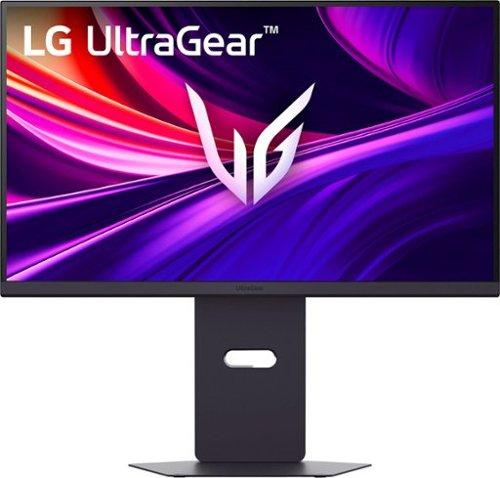

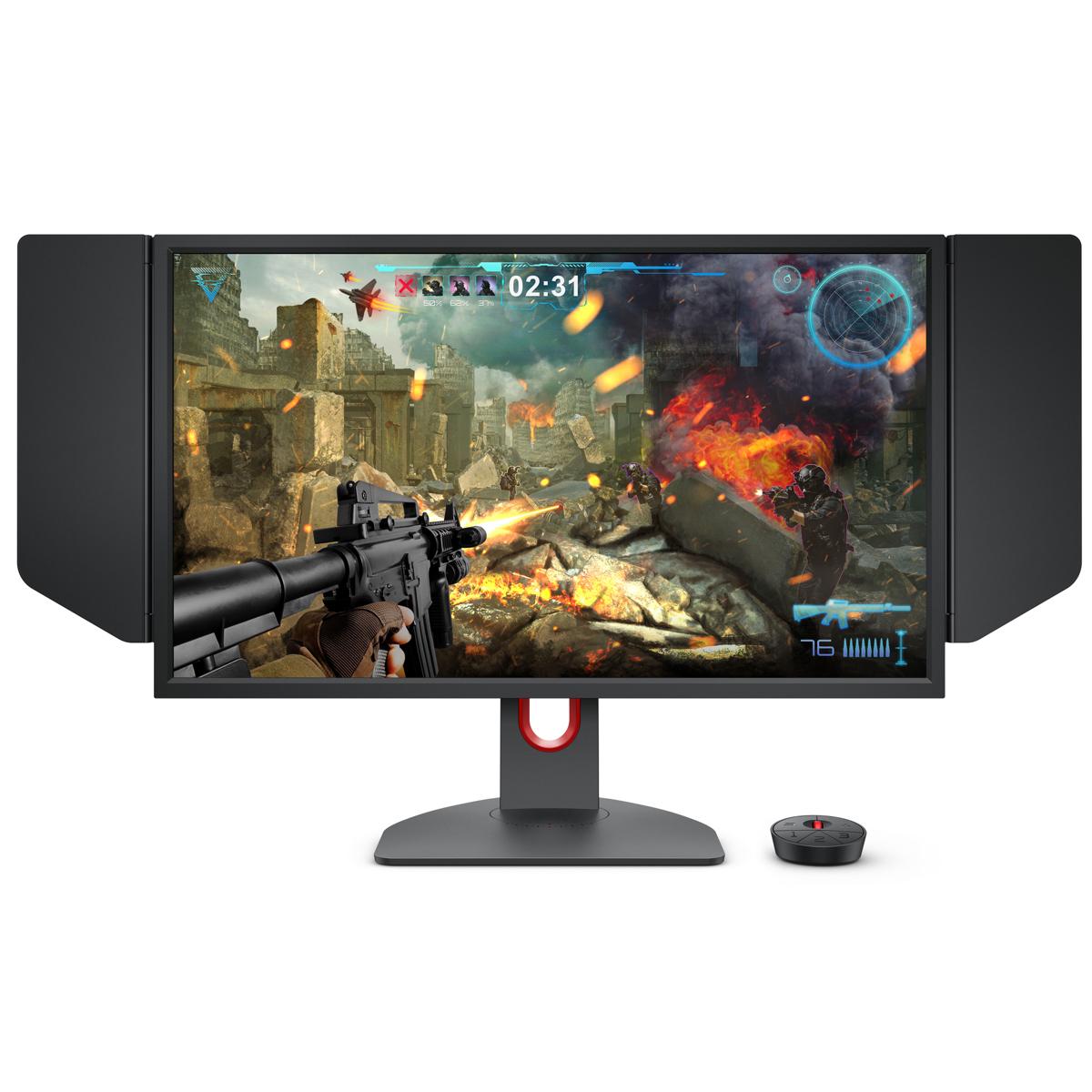
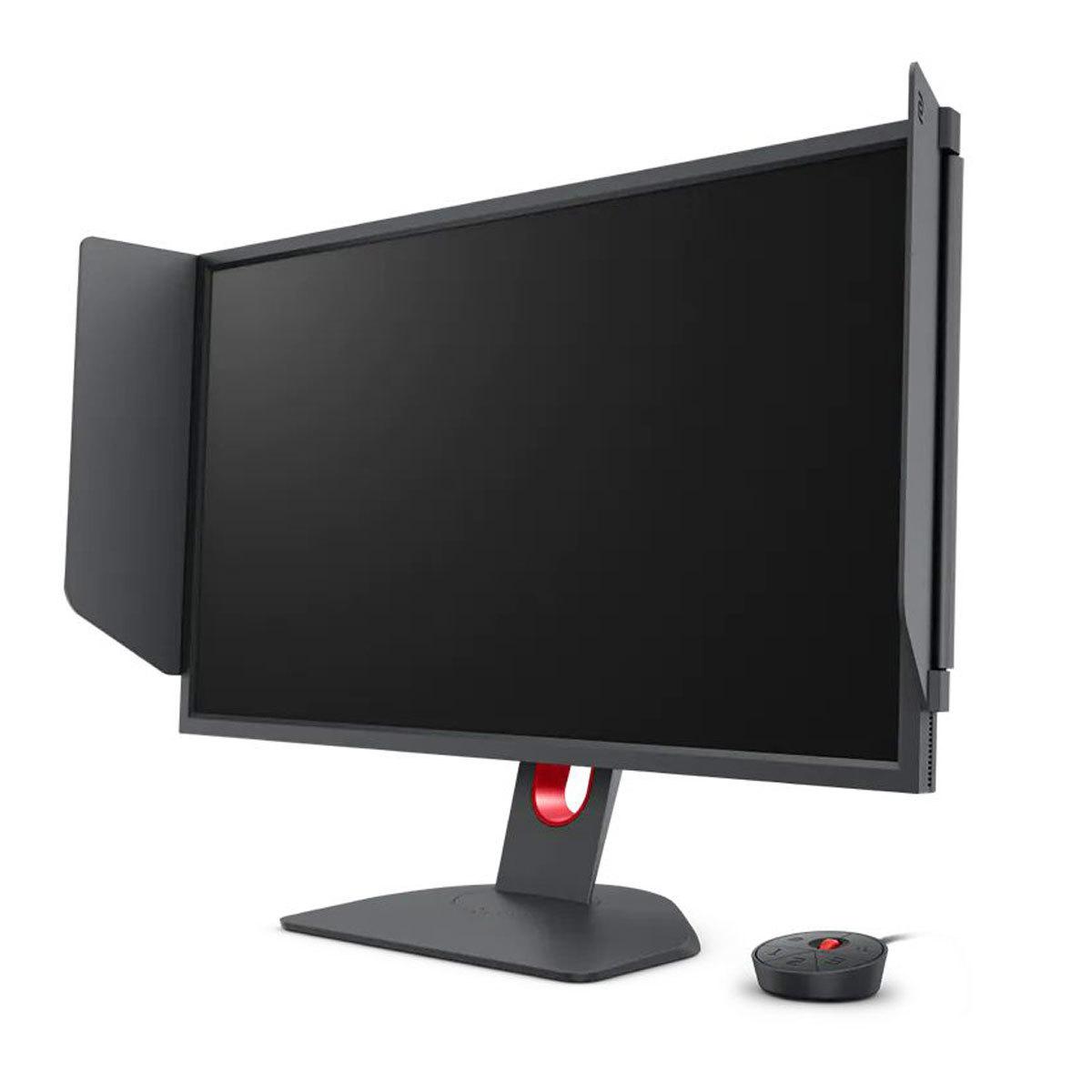
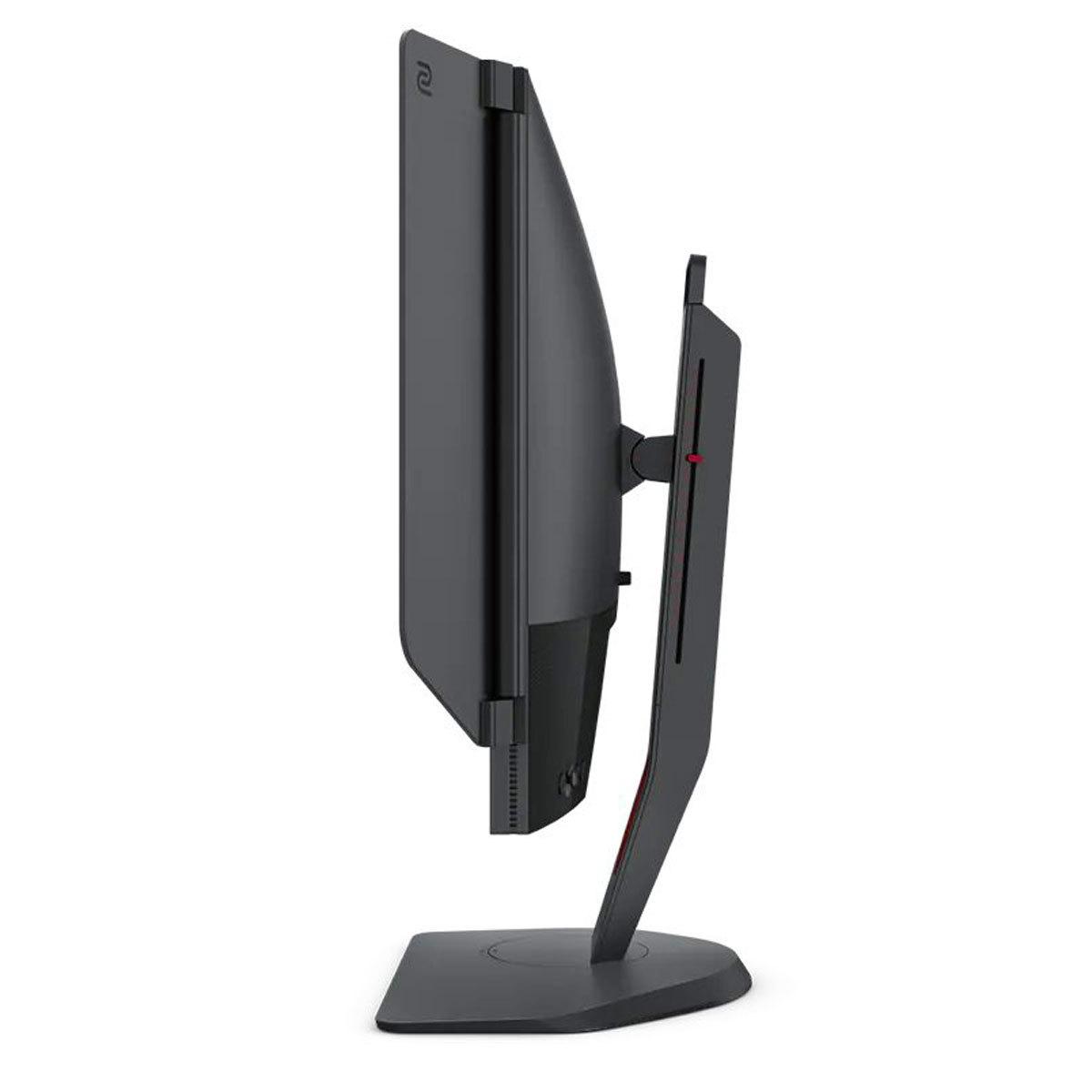
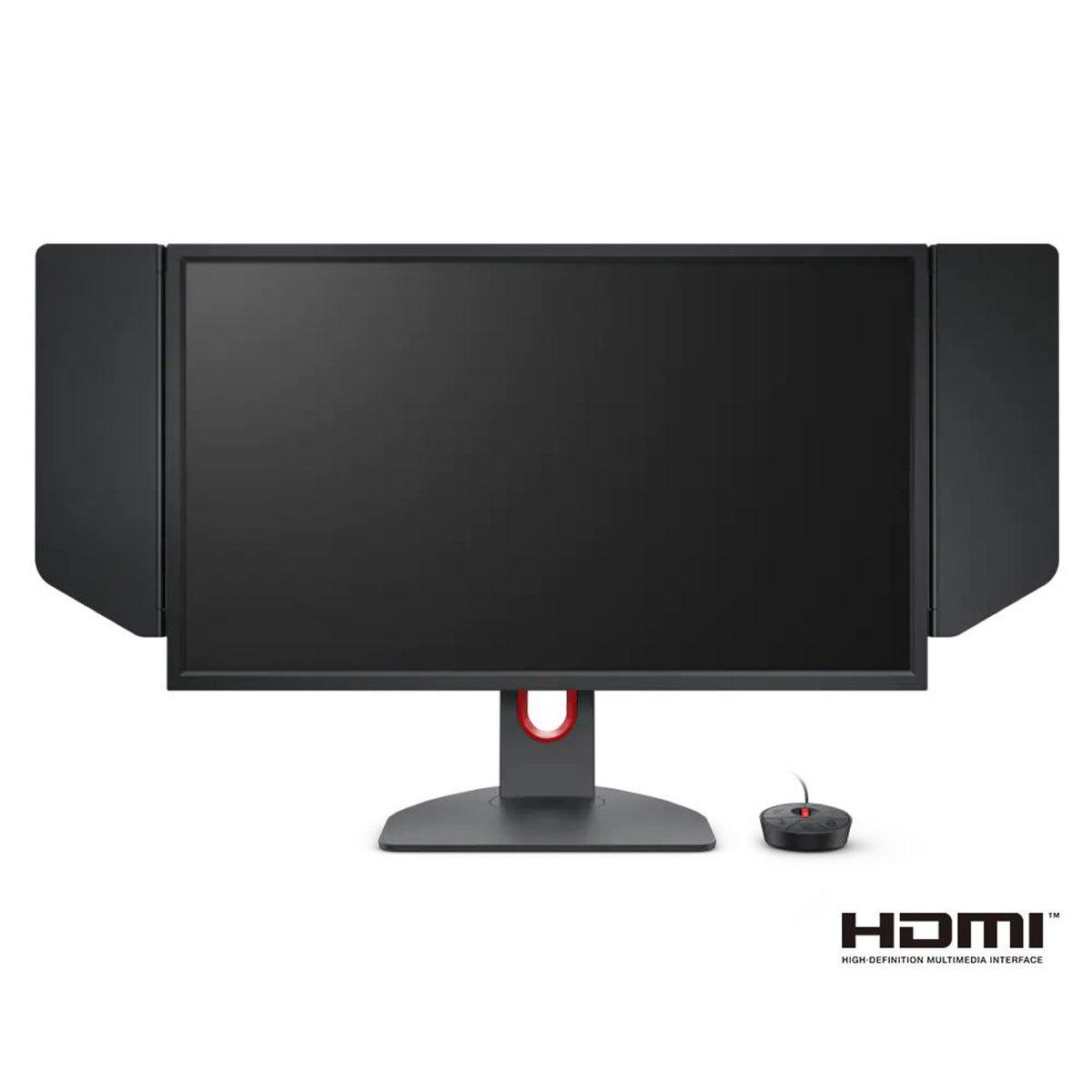
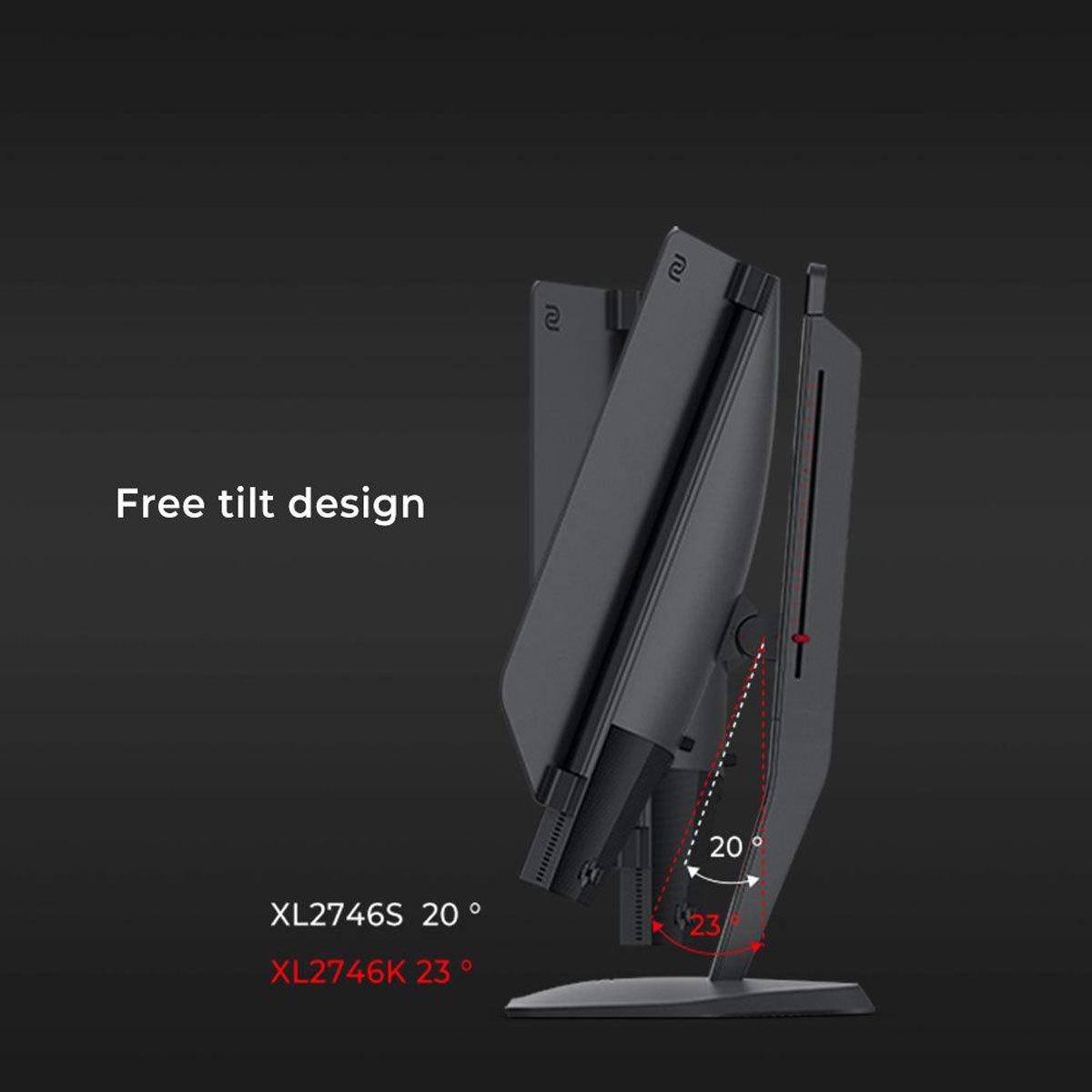
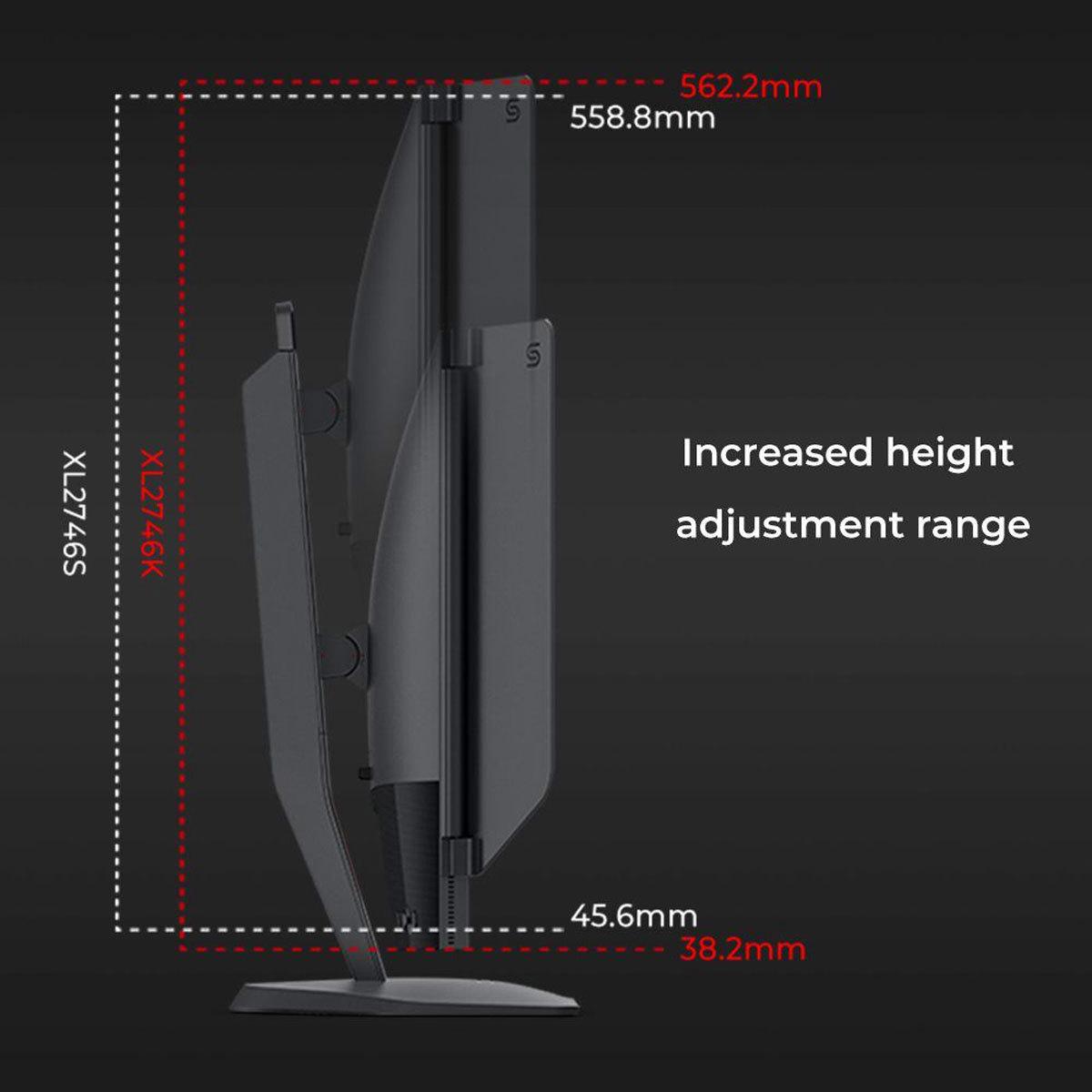
Choosing the right gaming monitor can make or break your gaming experience. Today, we're comparing two very different approaches to 27-inch gaming displays: the cutting-edge LG UltraGear 27G850A and the tournament-proven BenQ Zowie XL2746K. While both target serious gamers, they represent fundamentally different philosophies in monitor design.
Gaming monitors aren't one-size-fits-all devices. They generally fall into two distinct camps: versatile high-resolution displays and specialized competitive monitors. Understanding this divide is crucial because it affects everything from panel technology to price.
Versatile gaming monitors prioritize visual fidelity, color accuracy, and multi-purpose functionality. They're designed for gamers who want stunning visuals in single-player adventures, accurate colors for content creation, and the flexibility to handle various tasks beyond gaming. These monitors typically use IPS (In-Plane Switching) panels, which provide wide viewing angles and excellent color reproduction.
Competitive esports monitors focus exclusively on motion clarity, input responsiveness, and tournament-grade consistency. They're built for players who prioritize performance over pretty visuals, often using TN (Twisted Nematic) panels that sacrifice color accuracy for lightning-fast response times.
The key considerations when choosing between these categories include panel technology (which affects everything from colors to response times), the balance between resolution and refresh rate, motion clarity technologies, input lag, connectivity options, and build quality. Understanding where you fall on this spectrum will guide your decision.
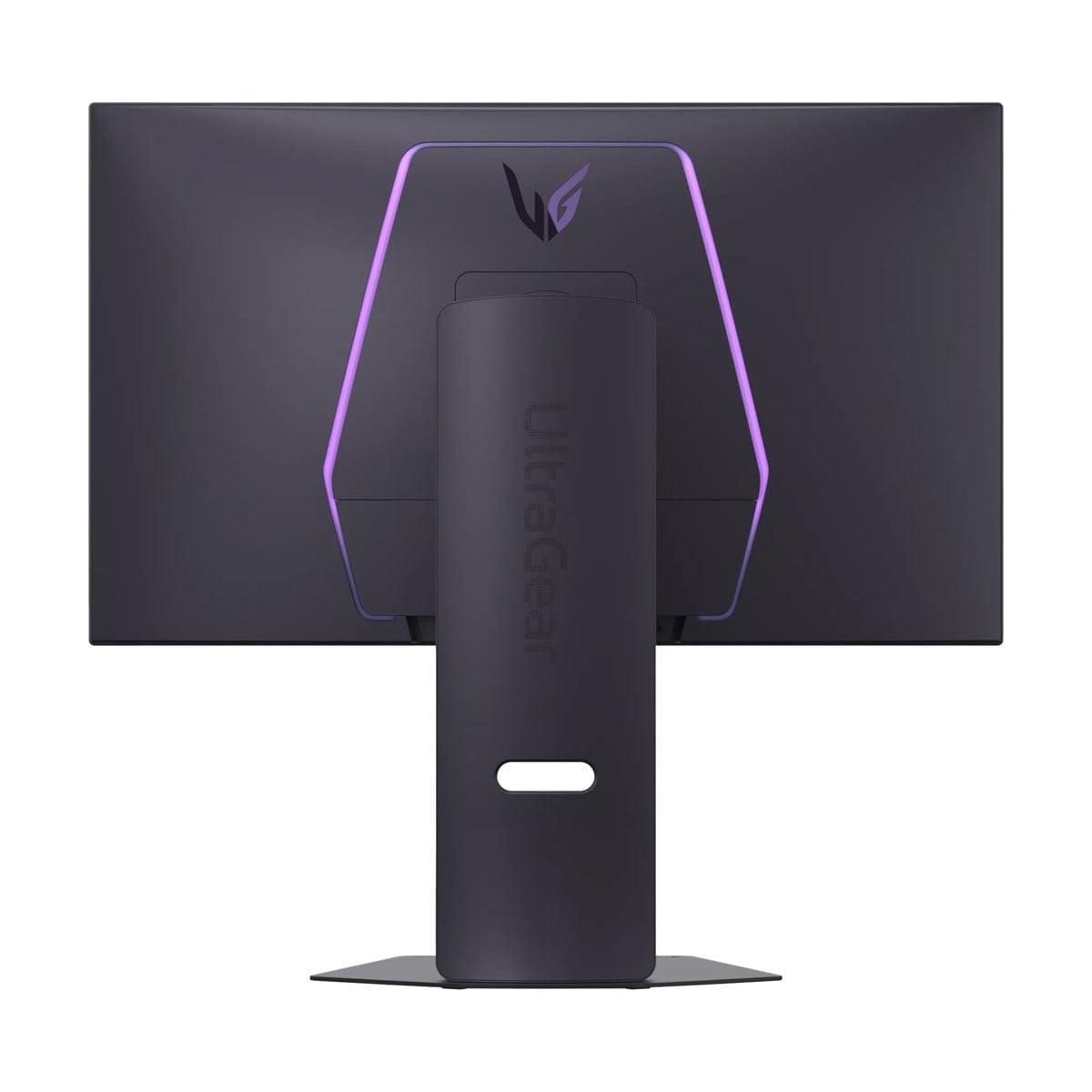
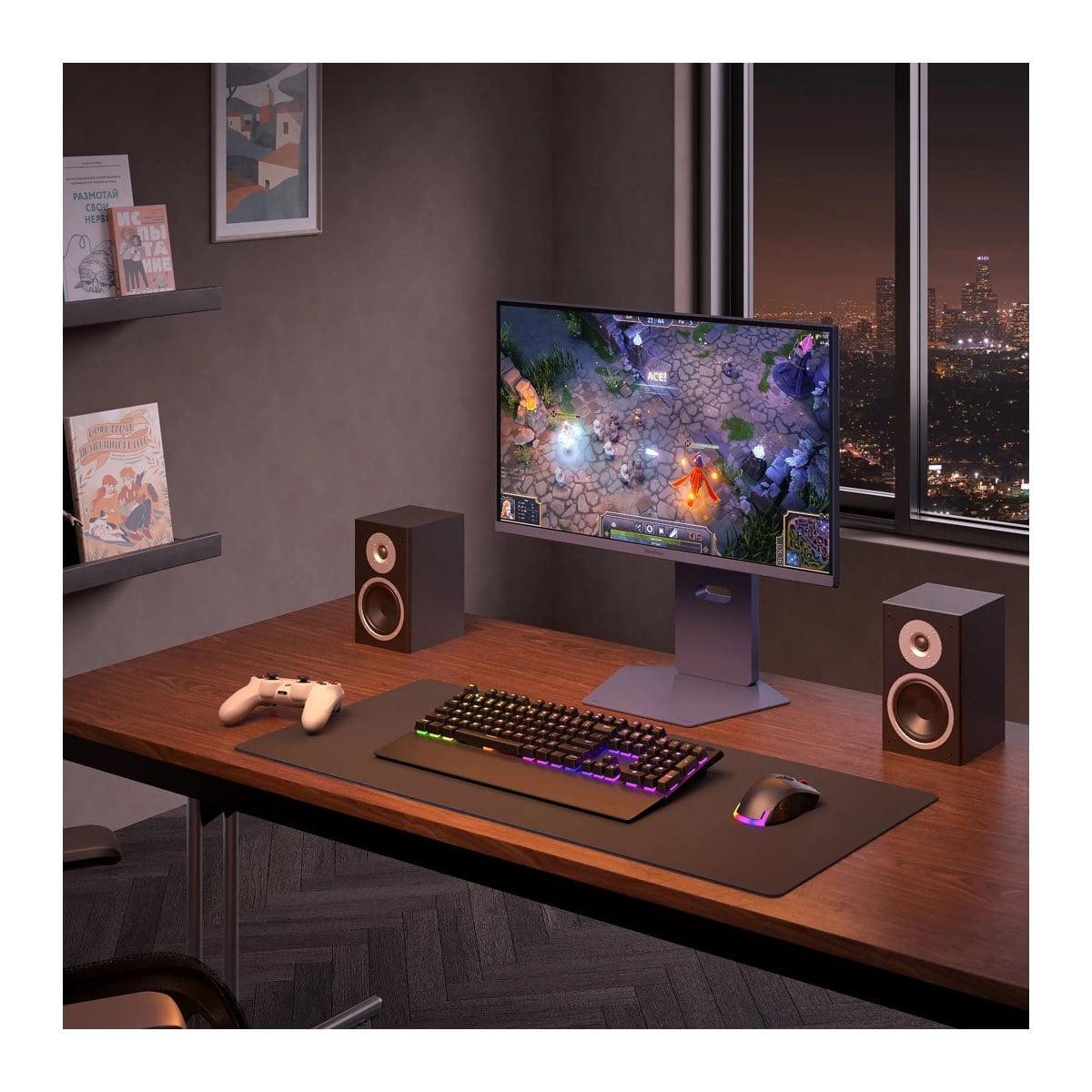
The LG UltraGear 27G850A, released in 2025, represents the bleeding edge of gaming monitor technology. It's the world's first 27-inch monitor to combine 4K resolution with a 240Hz refresh rate using IPS Black panel technology. At the time of writing, it commands a significant premium over traditional gaming monitors, positioning itself in the high-end market segment.
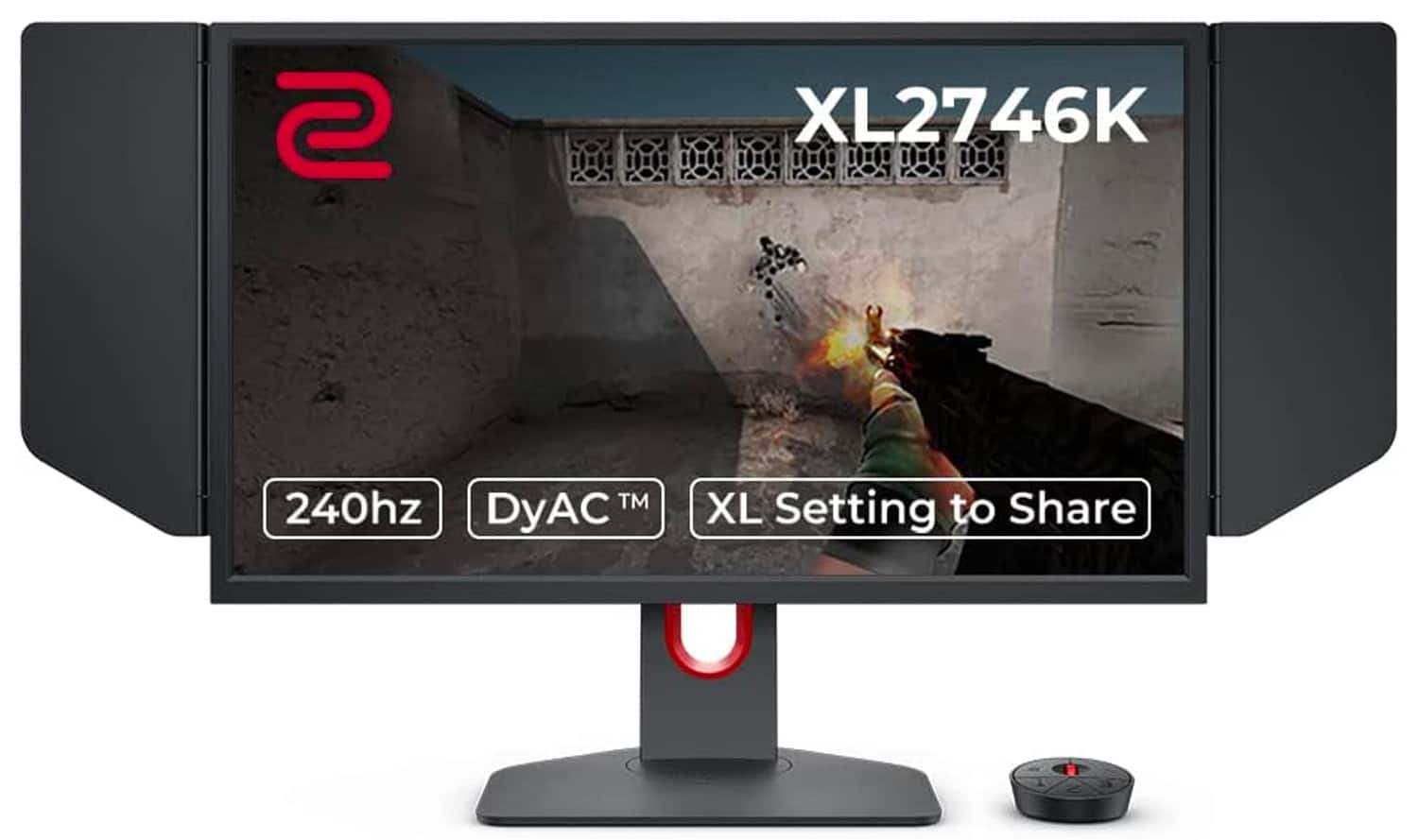
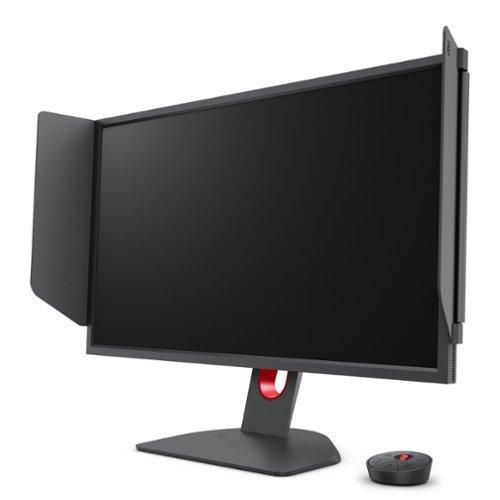
The BenQ Zowie XL2746K, released in 2021, takes a completely different approach. It's a purpose-built esports weapon that has been refined through years of professional feedback. With its more accessible pricing (roughly 60% less than the LG at the time of writing), it targets competitive players who want proven performance without paying for features they won't use.
This four-year gap between releases is significant in monitor technology. Since 2021, we've seen the introduction of DisplayPort 2.1 (which enables 4K at high refresh rates), improved IPS panel technology, and more sophisticated motion processing. The LG monitor benefits from all these advances, while the BenQ model represents the refined pinnacle of older, proven technology.
The most obvious difference between these monitors is resolution, but the implications go deeper than just pixel count. The LG UltraGear delivers true 4K (3840×2160) resolution, providing 163 pixels per inch (PPI) on its 27-inch screen. This pixel density makes text incredibly sharp and reveals fine details in games that simply aren't visible at lower resolutions.
When I first switched from 1080p to 4K gaming, the difference was immediately apparent in games like Cyberpunk 2077 and Red Dead Redemption 2. You can see individual leaves on distant trees, read signs from far away, and notice subtle texture details that enhance immersion. The LG monitor's IPS Black technology takes this further by improving contrast compared to traditional IPS panels, achieving a 2000:1 contrast ratio that makes blacks appear deeper while maintaining IPS's signature wide viewing angles.
The BenQ Zowie, meanwhile, sticks with 1080p (1920×1080) resolution. On a 27-inch screen, this results in 82 PPI – noticeably less sharp than the LG, but with important advantages. Lower resolution means your graphics card doesn't have to work as hard, allowing you to maintain higher frame rates with less powerful hardware. For competitive players, this trade-off makes sense because consistent high frame rates matter more than visual fidelity.
The panel technology difference is equally important. The LG's IPS Black panel covers 99% of the DCI-P3 color gamut, making it suitable for content creation and providing vibrant, accurate colors for gaming. The BenQ's TN panel offers more basic color reproduction but traditionally provides faster pixel response times – crucial for competitive gaming where every millisecond matters.
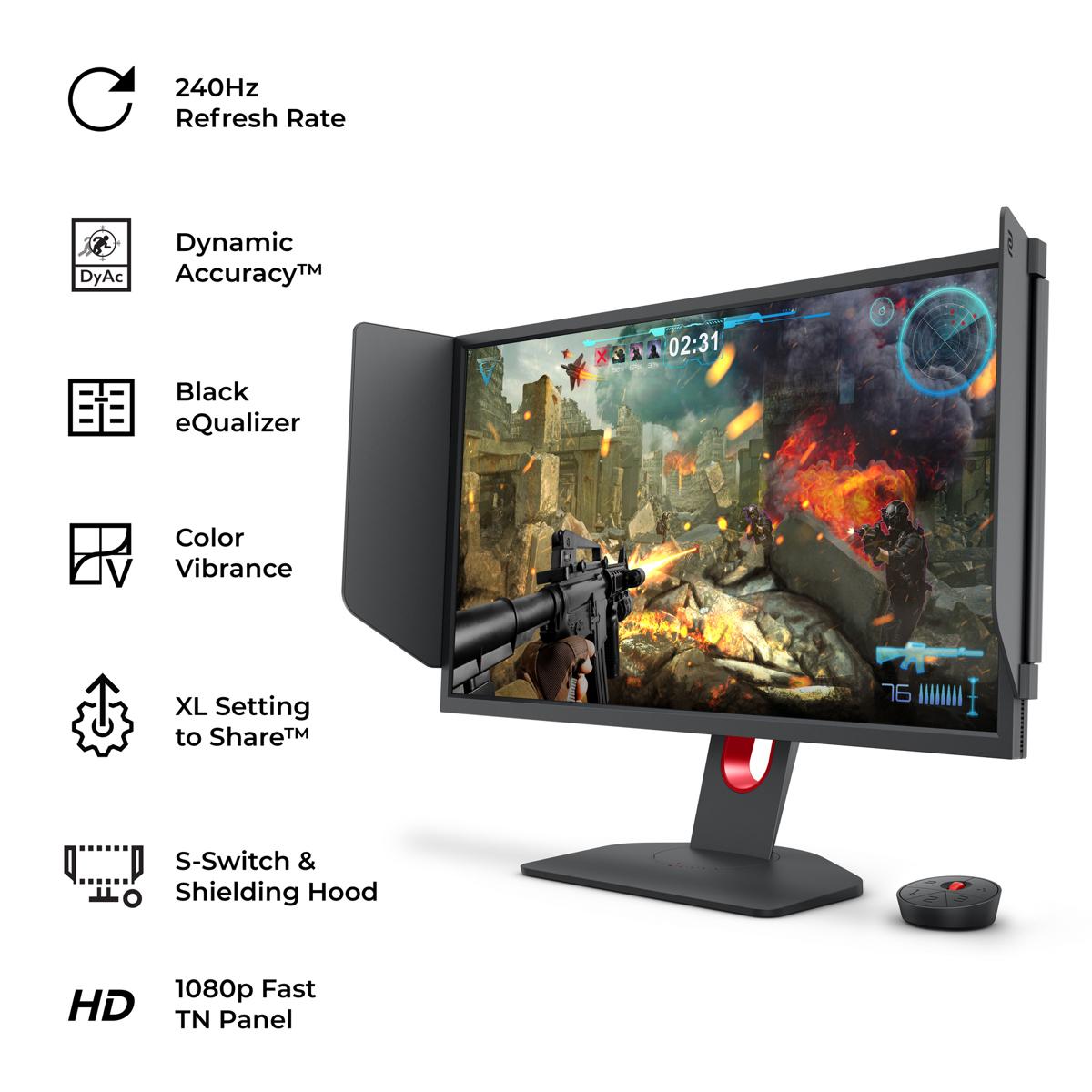
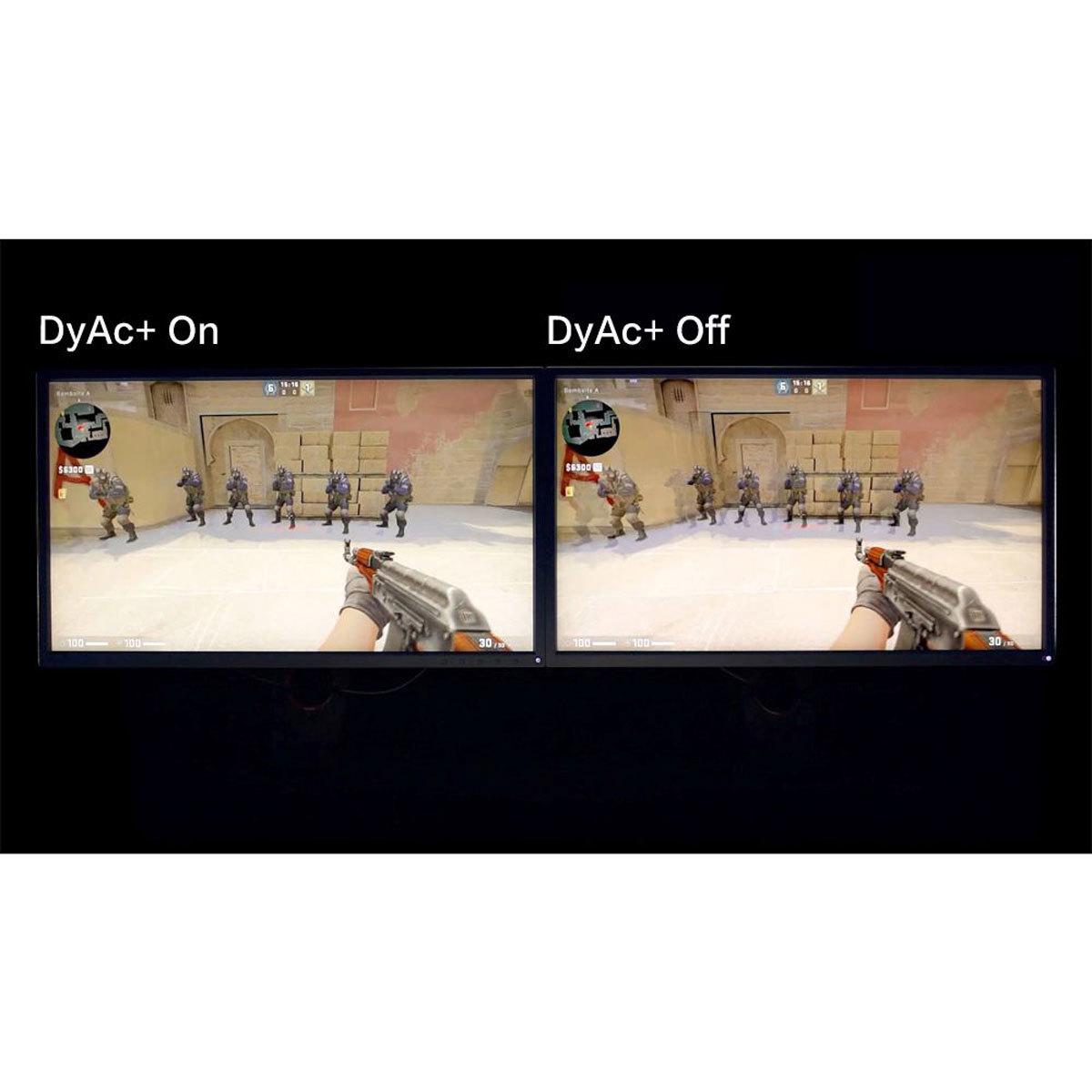
Motion performance is where these monitors diverge most dramatically. The BenQ Zowie features DyAc+ (Dynamic Accuracy Plus) technology, which is essentially advanced backlight strobing designed specifically for competitive FPS games. When you spray bullets in Counter-Strike or track enemies in Valorant, DyAc+ reduces motion blur to make moving objects appear clearer and more trackable.
This technology is highly regarded in the esports community because it addresses a specific problem: when objects move quickly across your screen, they naturally blur due to how LCD panels and our eyes work together. Traditional motion blur reduction techniques can introduce flickering or reduce brightness, but BenQ has refined DyAc+ through years of professional player feedback.
The LG UltraGear takes a different approach with its Dual Mode capability – a world-first feature that lets you switch between 4K at 240Hz and 1080p at 480Hz. In theory, 480Hz should provide even smoother motion than the BenQ's 240Hz, but early reviews suggest the implementation isn't perfect, with some visible ghosting (trails behind moving objects) at both refresh rate settings.
This highlights an important principle: higher numbers don't always mean better performance. The BenQ's mature, refined 240Hz implementation with DyAc+ often provides cleaner motion than newer, higher refresh rate displays that haven't been as thoroughly optimized.
From a technical standpoint, both monitors claim 1ms response times, but this metric can be misleading. Response time measures how quickly pixels can change from one color to another, typically measured as "gray-to-gray" (GtG). However, real-world motion performance depends on the entire signal chain, panel technology, and motion processing algorithms.
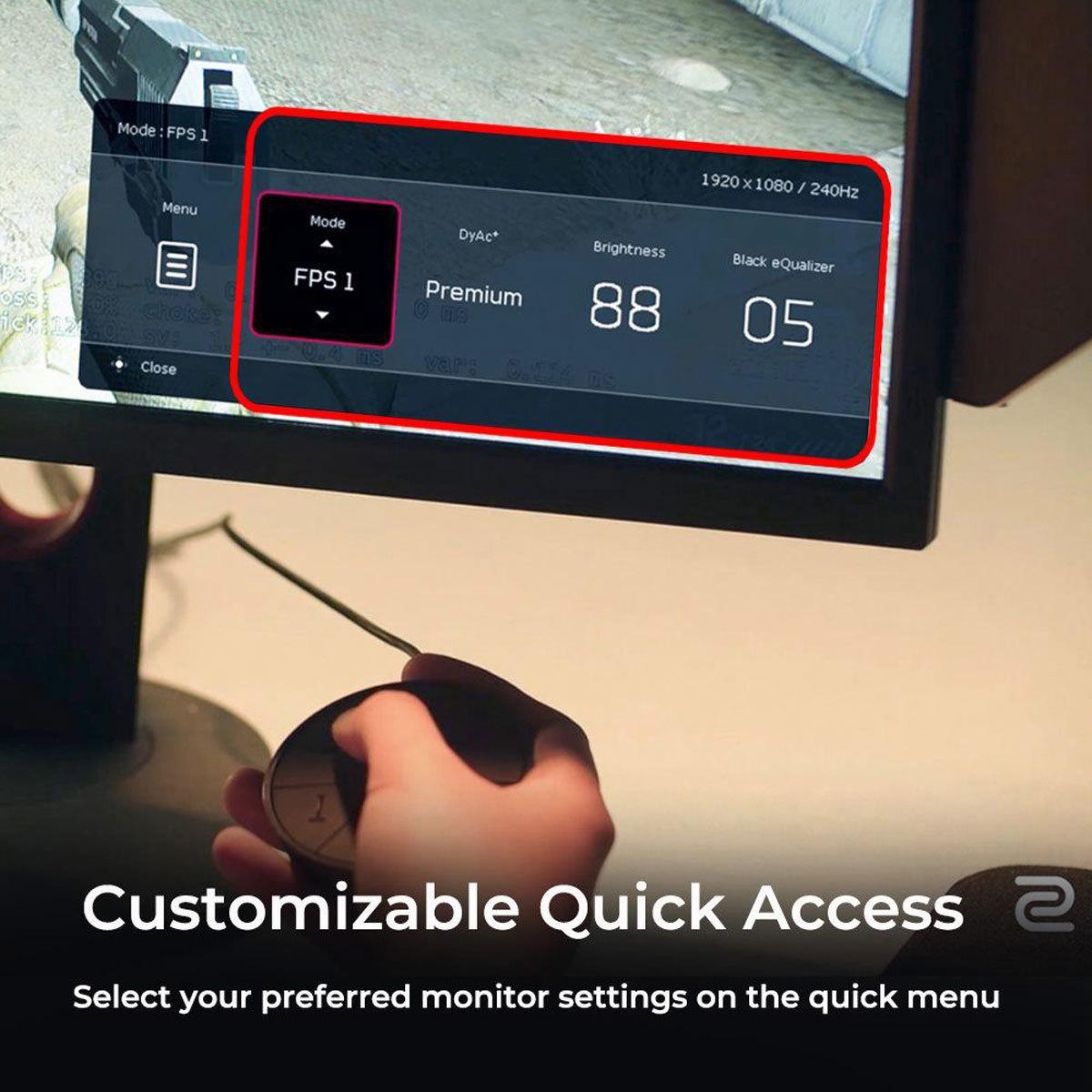
The BenQ Zowie is packed with features specifically designed for competitive gaming. The S Switch is a physical controller that lets you instantly switch between saved profiles – invaluable when switching between games or adjusting settings mid-match. Black eQualizer is another standout feature that brightens dark areas without overexposing bright areas, helping you spot enemies hiding in shadows.
These might seem like small details, but they matter enormously in competitive scenarios. I've seen professional players spend hours tweaking their Black eQualizer settings to gain tiny advantages in specific maps or game situations. The monitor even includes physical markings on its stand so players can replicate their exact positioning at tournaments – a detail that shows how seriously BenQ takes competitive gaming.
The LG UltraGear offers different competitive advantages. Its Dual Mode feature means you can enjoy 4K resolution for single-player games, then switch to 1080p/480Hz for competitive matches. This flexibility is unprecedented in gaming monitors, essentially giving you two monitors in one device.
However, flexibility can sometimes work against competitive performance. The BenQ's single-minded focus means everything is optimized for one purpose: competitive gaming. There's no adaptive sync that might introduce input lag, no complex mode switching that could cause driver conflicts, and no unnecessary features that could complicate setup in tournament environments.
This is where the four-year technology gap becomes most apparent. The LG UltraGear features DisplayPort 2.1 with UHBR 13.5 support – essential for driving 4K at 240Hz and future-proofing for even higher refresh rates. It also includes two HDMI 2.1 ports, perfect for next-generation consoles that support 4K gaming at 120Hz.
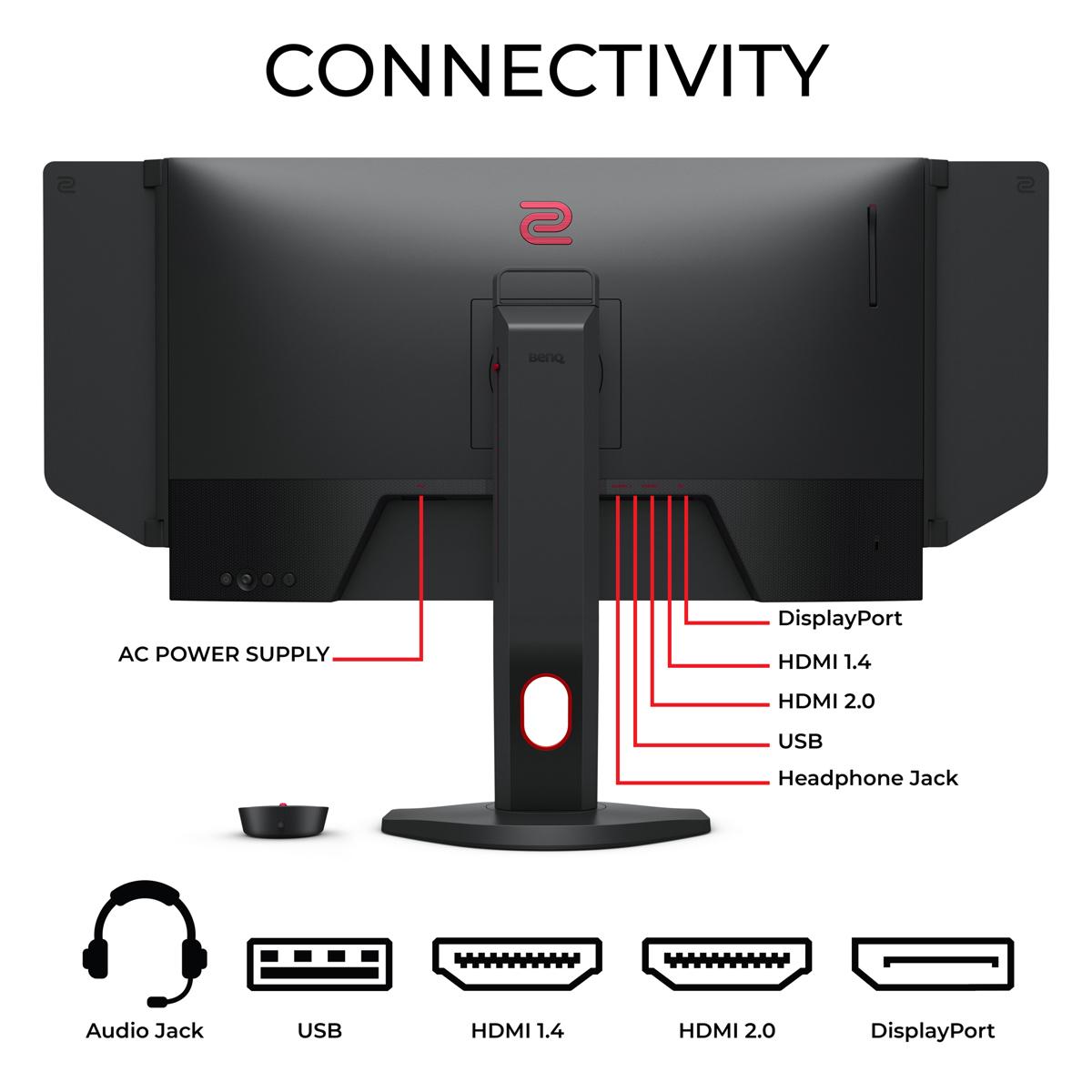
The BenQ Zowie uses older DisplayPort 1.2 and HDMI 2.0 connections, which are perfectly adequate for 1080p gaming but limit future expansion. This isn't necessarily a problem if you're focused on competitive gaming, where 1080p remains the standard, but it could matter if your needs evolve.
For home theater use, the LG monitor is clearly superior. Its 4K resolution, HDR support (VESA DisplayHDR 600 certification), and HDMI 2.1 connectivity make it excellent for console gaming and media consumption. The larger color gamut and higher brightness (up to 750 nits in HDR mode) provide a more cinematic experience for movies and single-player games.
The BenQ, with its basic TN panel and no HDR support, isn't designed for home theater use. Its strengths lie purely in competitive gaming scenarios.
At the time of writing, the LG UltraGear commands a significant premium – roughly 65% more than the BenQ Zowie. This price difference reflects not just newer technology, but fundamentally different target markets.
For competitive esports players, the BenQ often represents better value. Its motion clarity, proven tournament performance, and competitive gaming features provide everything needed for high-level play. The money saved could go toward other gaming hardware like a better graphics card or mechanical keyboard.
However, the LG monitor's higher price becomes more reasonable when you consider it as multiple devices in one. It's a 4K monitor for content creation, a premium HDR display for media consumption, and a high-refresh competitive gaming monitor. If you need all these capabilities, buying separate monitors would cost significantly more.
The warranty situation also factors into long-term value. The BenQ includes a three-year warranty compared to the LG's one-year coverage, suggesting greater confidence in long-term reliability.
For competitive esports players, the BenQ Zowie is often the better choice. If you primarily play FPS games like Counter-Strike, Valorant, or Apex Legends, and visual fidelity isn't a priority, the BenQ's motion clarity and competitive features provide tangible advantages. The lower resolution also means you can maintain higher frame rates with mid-range graphics cards.
For versatile gamers, the LG UltraGear offers unprecedented flexibility. If you enjoy both competitive multiplayer games and visually stunning single-player adventures, the Dual Mode capability lets you optimize for either scenario. The 4K resolution transforms games like Cyberpunk 2077 or Microsoft Flight Simulator into visual showcases.
For content creators, the LG monitor is clearly superior. Its color accuracy, hardware calibration support, and 4K resolution make it suitable for photo editing, video production, and streaming. The wide color gamut ensures accurate color reproduction for professional work.
For home theater enthusiasts, the LG doubles as an excellent display for movies and console gaming. Its HDR support, 4K resolution, and HDMI 2.1 connectivity provide a premium viewing experience that the BenQ simply can't match.
When evaluating gaming monitors, certain metrics matter more than others depending on your use case. For competitive gaming, input lag is crucial – this measures the delay between your mouse click and the corresponding action appearing on screen. Both monitors excel here, but the BenQ's simpler signal path may provide a slight advantage.
Motion clarity is another critical metric for competitive play. While refresh rate numbers get attention, the quality of motion processing matters more. The BenQ's DyAc+ technology has been refined through years of professional feedback, while the LG's higher refresh rates are newer and less proven.
For visual quality, color accuracy and contrast ratio become important. The LG's IPS Black panel provides superior color reproduction and viewing angles, making it better for content creation and media consumption.
The choice between these monitors ultimately depends on your priorities and use cases. The BenQ Zowie XL2746K represents focused excellence – it does one thing (competitive gaming) extremely well, with proven performance and competitive pricing. It's the choice for serious competitive players who don't need 4K resolution and want every advantage in fast-paced games.
The LG UltraGear 27G850A represents versatile innovation – it's a premium monitor that attempts to excel at multiple tasks. With its world-first Dual Mode capability, it offers unprecedented flexibility for users who want both stunning visual fidelity and competitive performance.
Consider the BenQ if competitive gaming is your primary focus, you have a mid-range graphics card, or you want proven performance at a more accessible price point. Choose the LG if you want cutting-edge technology, need 4K resolution for work or single-player gaming, or want a single monitor that can handle diverse tasks.
Both monitors excel in their intended roles, making this less about finding the "best" monitor and more about finding the right monitor for your specific needs and budget.
| LG UltraGear 27" 4K 240Hz Dual Mode Gaming Monitor | BenQ Zowie XL2746K 27" 240Hz Esports Gaming Monitor |
|---|---|
| Resolution & Pixel Density - Determines image sharpness and GPU requirements | |
| 4K UHD (3840×2160) at 163 PPI - razor-sharp detail but requires powerful GPU | 1080p FHD (1920×1080) at 82 PPI - lower detail but easier to drive at high frame rates |
| Panel Technology - Affects colors, viewing angles, and response characteristics | |
| IPS Black - superior color accuracy (99% DCI-P3), wide viewing angles, deeper blacks than standard IPS | TN Panel - faster native response, narrower viewing angles, basic color reproduction optimized for speed |
| Refresh Rate Capabilities - Higher rates provide smoother motion | |
| Dual Mode: 4K at 240Hz OR 1080p at 480Hz (world's first implementation) | Fixed 240Hz at 1080p (proven, consistent performance) |
| Motion Clarity Technology - Critical for competitive gaming performance | |
| Standard motion processing with some reported ghosting at high refresh rates | DyAc+ backlight strobing - specifically optimized for FPS games, highly regarded by pros |
| Competitive Gaming Features - Tools designed for esports performance | |
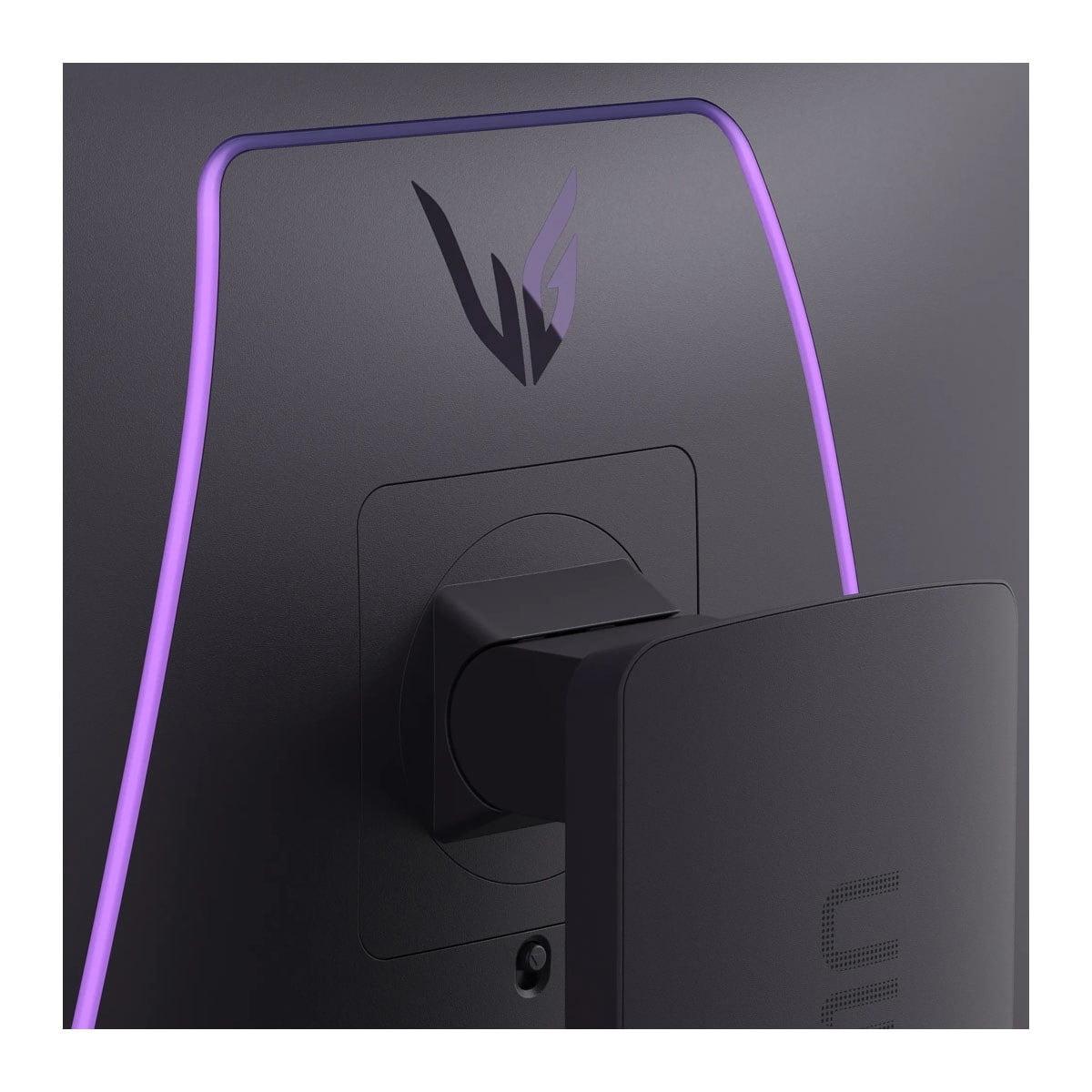
| Dual Mode switching, standard gaming overlays, RGB lighting | S Switch controller, Black eQualizer, Color Vibrance, physical positioning markers, shielding hood |
| HDR & Brightness - Important for visual fidelity and media consumption | |
| VESA DisplayHDR 600, 750 nits peak brightness, edge-lit local dimming | No HDR support, standard brightness for competitive gaming |
| Connectivity - Future-proofing and device compatibility | |
| DisplayPort 2.1 (UHBR 13.5), 2x HDMI 2.1, USB 3.0 hub | DisplayPort 1.2, 3x HDMI 2.0, basic connectivity sufficient for 1080p gaming |
| Target Use Cases - Who each monitor serves best | |
| Versatile gamers, content creators, 4K enthusiasts with high-end GPUs | Competitive esports players, FPS specialists, tournament participants |
| Value Proposition - Performance per dollar considerations | |
| Premium pricing for cutting-edge versatility and 4K capability | Strong value for focused competitive performance and proven tournament reliability |
| Warranty Coverage - Long-term support and reliability | |
| 1 year standard warranty | 3 year warranty - shows manufacturer confidence in durability |
The BenQ Zowie XL2746K is generally better for competitive gaming, especially FPS titles like Counter-Strike and Valorant. It features DyAc+ technology that reduces motion blur specifically for competitive play, along with specialized features like Black eQualizer for spotting enemies in dark areas and an S Switch controller for quick profile changes. The LG UltraGear offers higher refresh rates up to 480Hz in 1080p mode, but the BenQ provides more refined motion clarity that's been proven in tournament environments.
The LG UltraGear 27" 4K monitor delivers significantly sharper images with its 4K resolution (163 pixels per inch) compared to the BenQ Zowie at 1080p (82 pixels per inch). The LG also offers superior color accuracy with 99% DCI-P3 coverage and better contrast through its IPS Black panel technology, while the BenQ uses a basic TN panel optimized for speed over visual quality.
The LG UltraGear requires a much more powerful graphics card to fully utilize its 4K 240Hz capability. You'll need at least an RTX 4080 or similar high-end GPU to maintain high frame rates at 4K resolution. The BenQ Zowie XL2746K can achieve its maximum 240Hz performance with mid-range graphics cards like an RTX 4060 or 4070, making it more accessible for budget-conscious gamers.
The LG UltraGear is excellent for console gaming with its HDMI 2.1 ports supporting 4K at 120Hz for PS5 and Xbox Series X, plus HDR support for enhanced visuals. The BenQ Zowie works with consoles but only supports up to 120Hz through HDMI and lacks HDR, making it less ideal for console gaming where visual fidelity often matters more than competitive features.
The LG UltraGear 27" monitor is significantly better for movies and streaming thanks to its 4K resolution, HDR support (DisplayHDR 600), and superior color accuracy. The IPS Black panel provides better viewing angles for group viewing. The BenQ Zowie with its basic TN panel and no HDR support is not designed for media consumption and would provide a mediocre movie-watching experience.
The LG UltraGear offers modern connectivity with DisplayPort 2.1 and two HDMI 2.1 ports, plus a USB 3.0 hub for peripherals. This future-proofs the monitor for next-generation devices. The BenQ Zowie XL2746K uses older DisplayPort 1.2 and HDMI 2.0 connections, which are sufficient for current 1080p gaming but limit future expansion options.
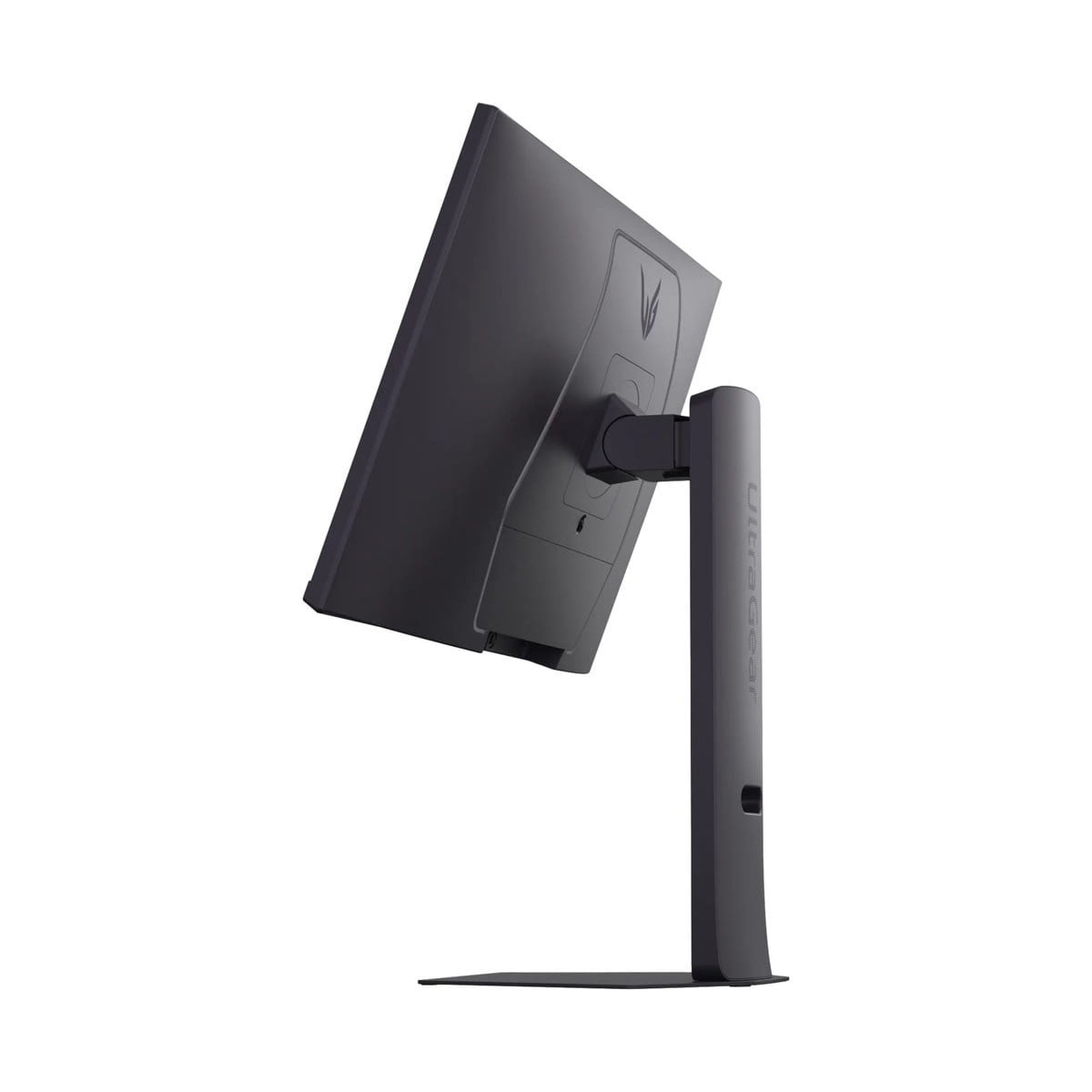
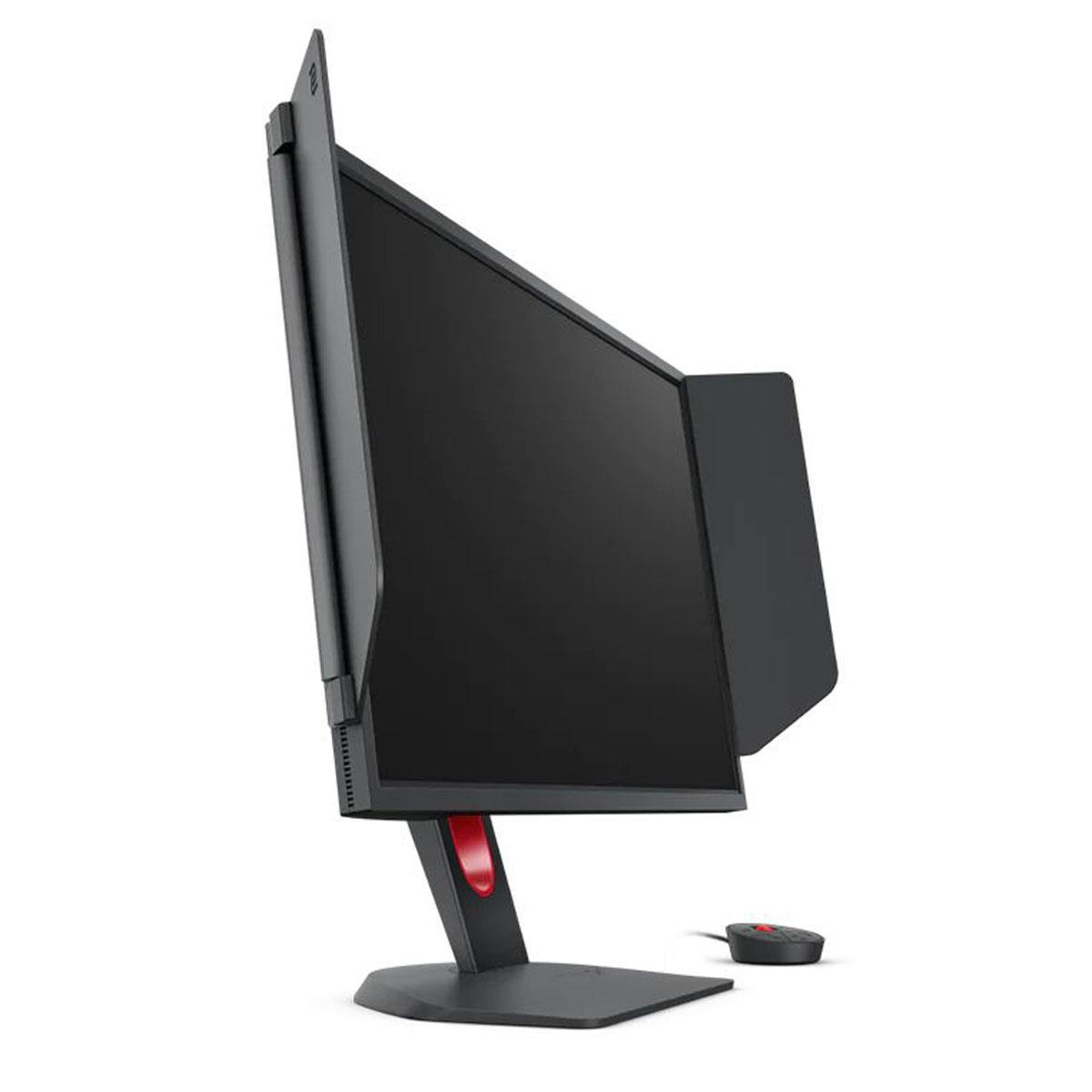
Both monitors have similar overall dimensions, but the BenQ Zowie includes a detachable shielding hood that extends the monitor's width when attached. However, the LG UltraGear has a more premium stand design, while the BenQ features a redesigned base that takes up less desk space. The BenQ also includes physical positioning markers for consistent setup.
The BenQ Zowie XL2746K offers superior warranty coverage with 3 years of parts and labor coverage, demonstrating the manufacturer's confidence in long-term reliability. The LG UltraGear comes with a standard 1-year warranty, which is typical for premium gaming monitors but provides less long-term protection.
The LG UltraGear is far superior for content creation, offering 4K resolution for detailed work, 99% DCI-P3 color coverage, and hardware calibration support for professional color accuracy. The wide viewing angles of the IPS panel are also beneficial for collaborative work. The BenQ Zowie is not suitable for professional content creation due to its basic color reproduction and lower resolution.
The LG UltraGear 27" monitor is the world's first 27-inch monitor with Dual Mode capability, allowing you to switch between 4K at 240Hz and 1080p at 480Hz. The BenQ Zowie XL2746K offers unique competitive gaming features including DyAc+ motion blur reduction, S Switch profile controller, Black eQualizer for enhanced visibility, and tournament-grade positioning markers.
The BenQ Zowie offers better value for dedicated competitive gamers with its lower price point, longer warranty, and proven tournament performance. The LG UltraGear provides better long-term value for versatile users who need both gaming performance and 4K capability for work, content creation, or media consumption, essentially replacing multiple specialized monitors.
The BenQ Zowie XL2746K excels at competitive FPS games where motion clarity and consistent performance matter most. The LG UltraGear is better for single-player adventure games, RPGs, and racing games where visual fidelity enhances the experience, while its Dual Mode allows switching to high refresh rates for competitive sessions when needed.
We've done our best to create useful and informative comparisons to help you decide what product to buy. Our research uses advanced automated methods to create this comparison and perfection is not possible - please contact us for corrections or questions. These are the sites we've researched in the creation of this article: bestbuy.com - displayninja.com - rtings.com - youtube.com - lg.com - rtings.com - tftcentral.co.uk - bestbuy.com - techpowerup.com - lg.com - lg.com - lg.com - rtings.com - youtube.com - bestbuy.com - versus.com - youtube.com - versus.com - forums.blurbusters.com - pcmonitors.info - youtube.com - bhphotovideo.com - zowie.benq.com - bhphotovideo.com - device.report - newegg.com - bestbuy.com - displayspecifications.com - provantage.com - zowie.benq.com - smallonlineshop.com.sg - camcor.com

Privacy Policy
Terms and Conditions - Affiliate Policy
Home Security
© Copyright 2008-2026.
11816 Inwood Rd #1211, Dallas, TX 75244