

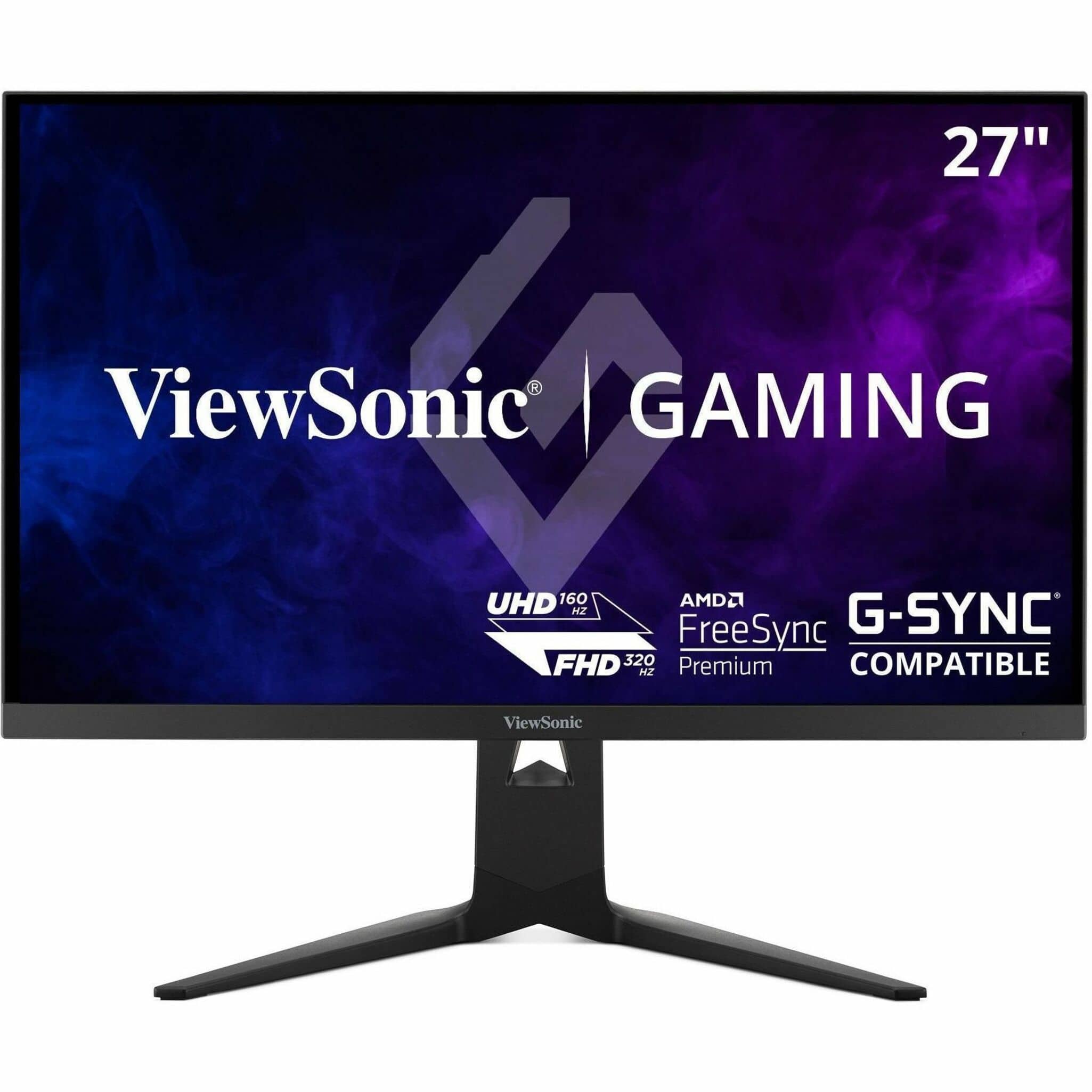
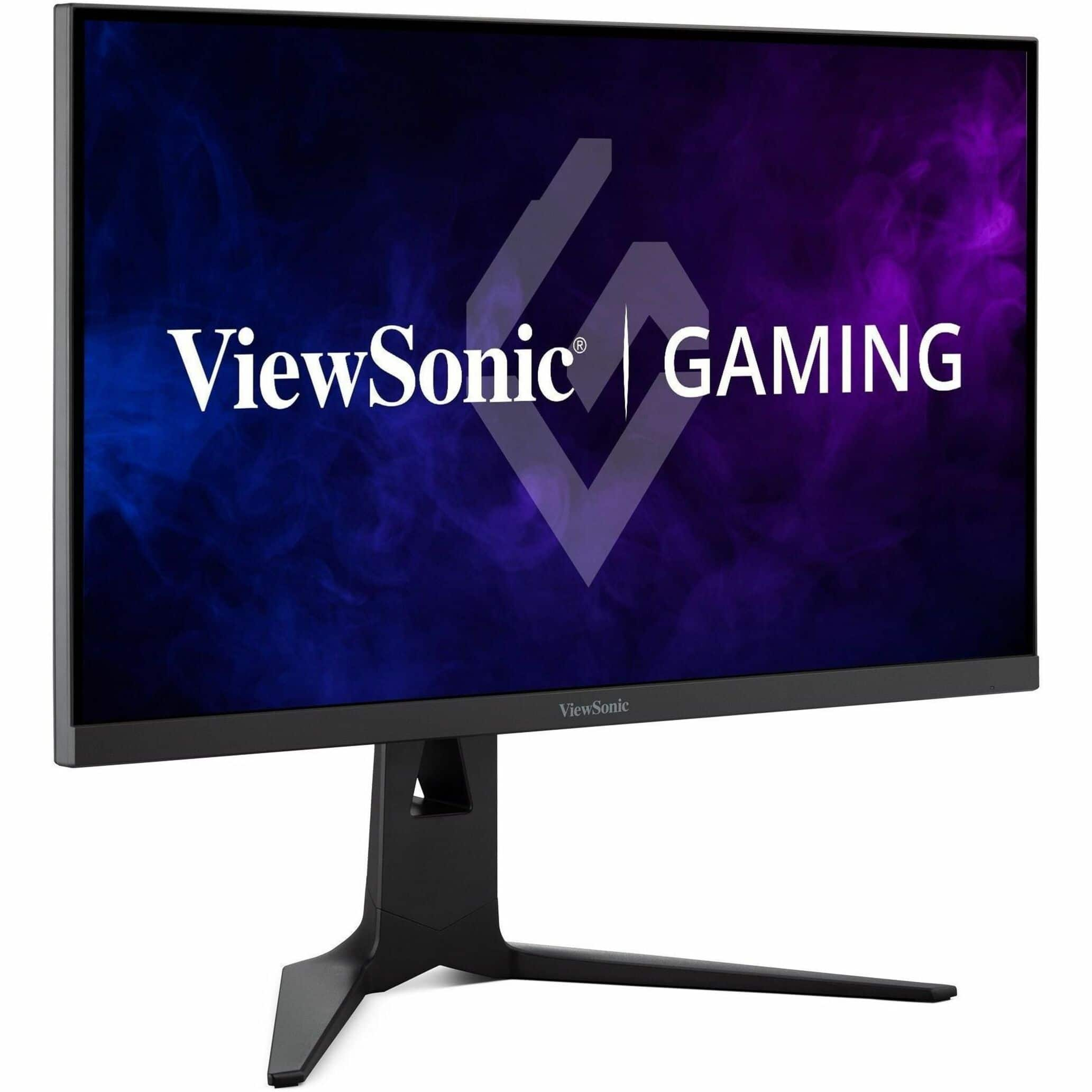
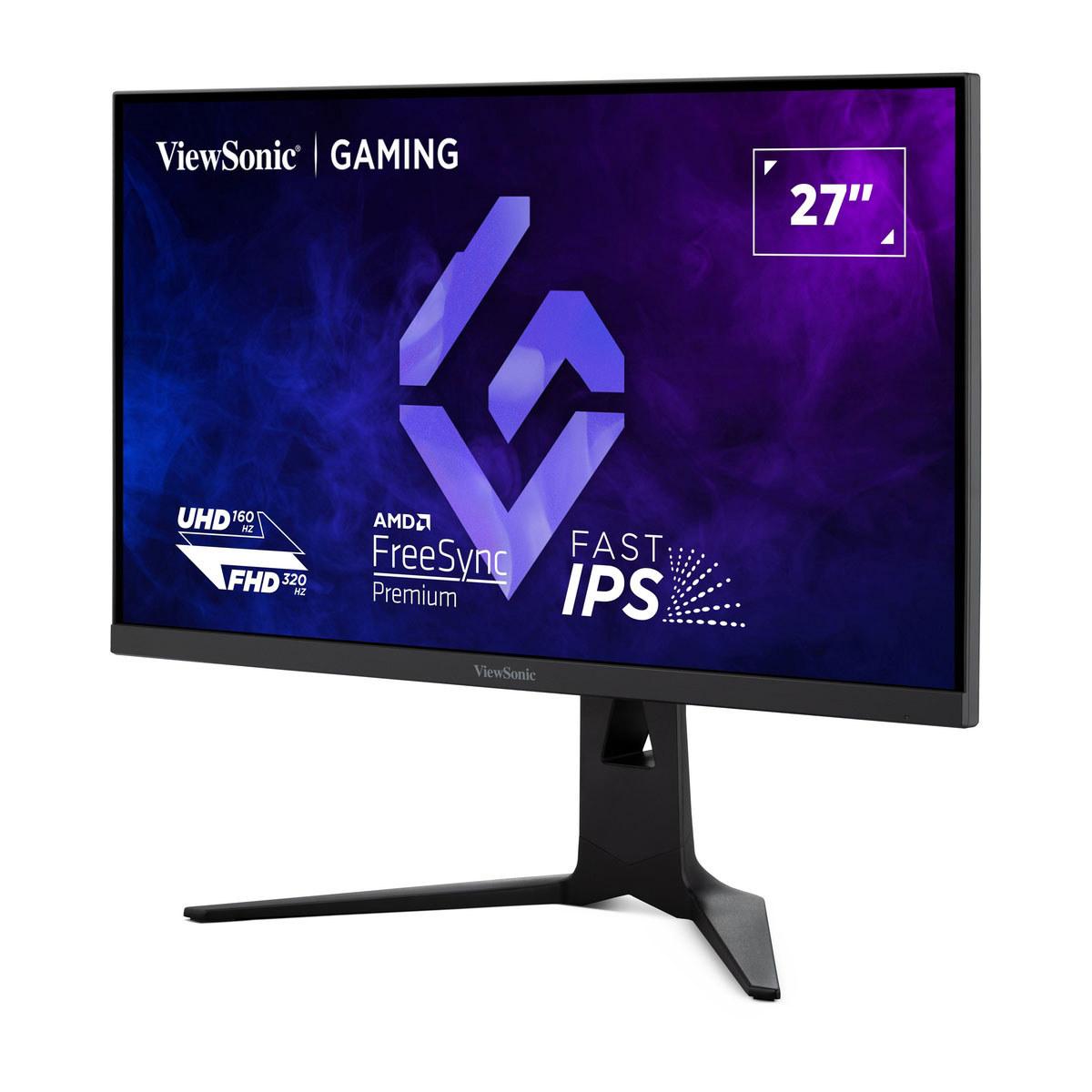
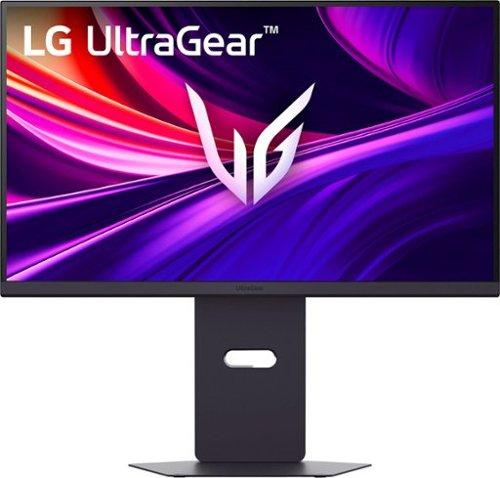

Gaming monitors have come a long way since the chunky CRT displays of the early 2000s. Today's high-performance 4K gaming monitors represent the cutting edge of display technology, combining crystal-clear resolution with lightning-fast refresh rates that would have been unimaginable just a decade ago. If you're shopping for a premium gaming monitor, you've probably encountered two standout options that both launched in 2024: the ViewSonic XG275D-4K and the LG UltraGear 27G850A.
These monitors tackle the same fundamental challenge that has plagued gamers for years: the trade-off between visual quality and competitive performance. Do you want gorgeous 4K visuals, or do you want the fastest possible refresh rates for competitive gaming? Both the ViewSonic XG275D-4K and LG UltraGear 27G850A attempt to solve this dilemma with innovative "dual-mode" technology, but they take distinctly different approaches.
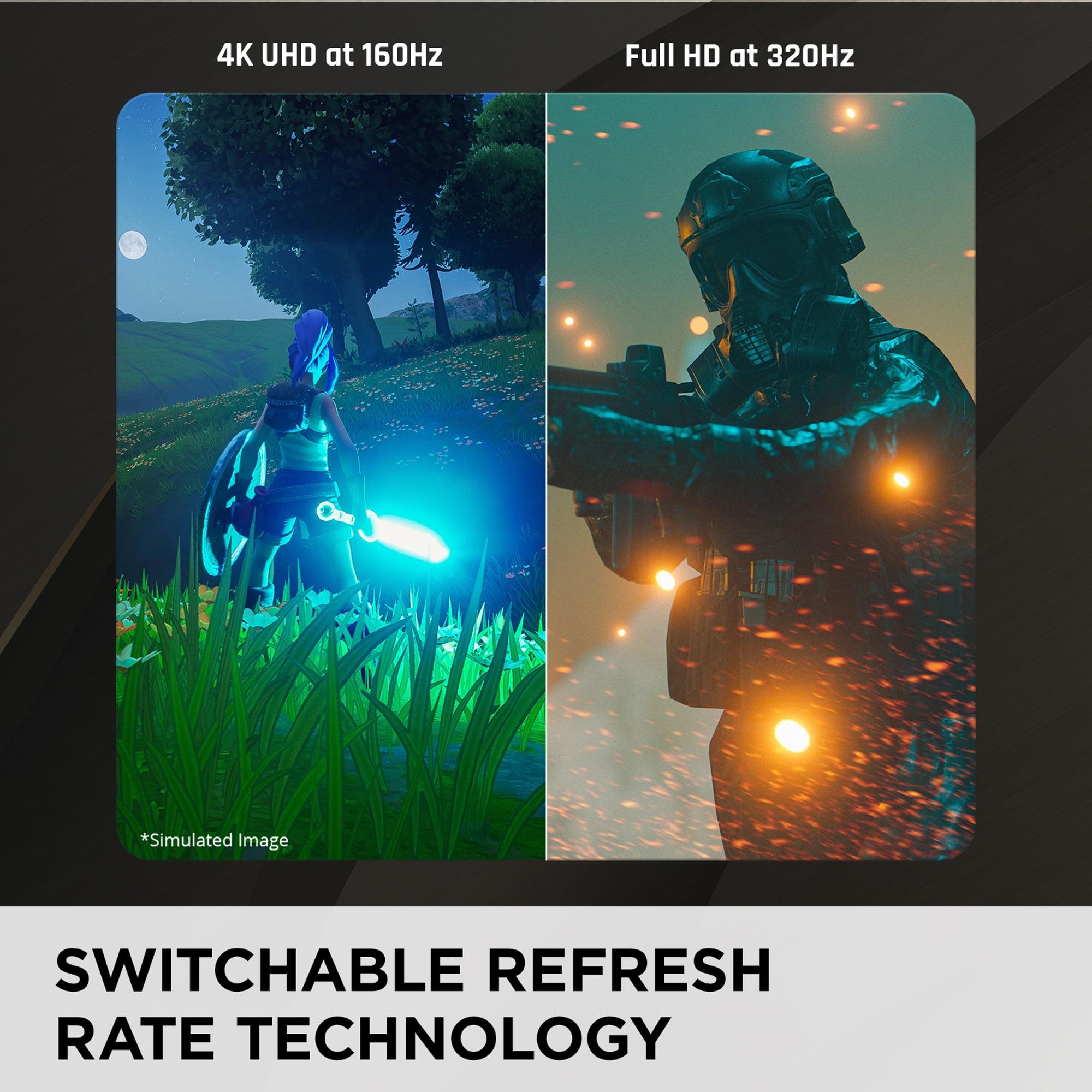
Before diving into the specifics, let's talk about what makes these monitors special. Both displays use what's called "switchable refresh rate" technology. Think of refresh rate as how many times per second your monitor can draw a new image—higher numbers mean smoother motion and reduced input lag (the delay between when you click your mouse and when you see the action on screen).
Traditional monitors force you to choose a single refresh rate, but these dual-mode displays let you switch between two different configurations depending on what you're playing. It's like having two monitors in one: a high-resolution mode for beautiful single-player games and a speed-focused mode for competitive multiplayer matches.
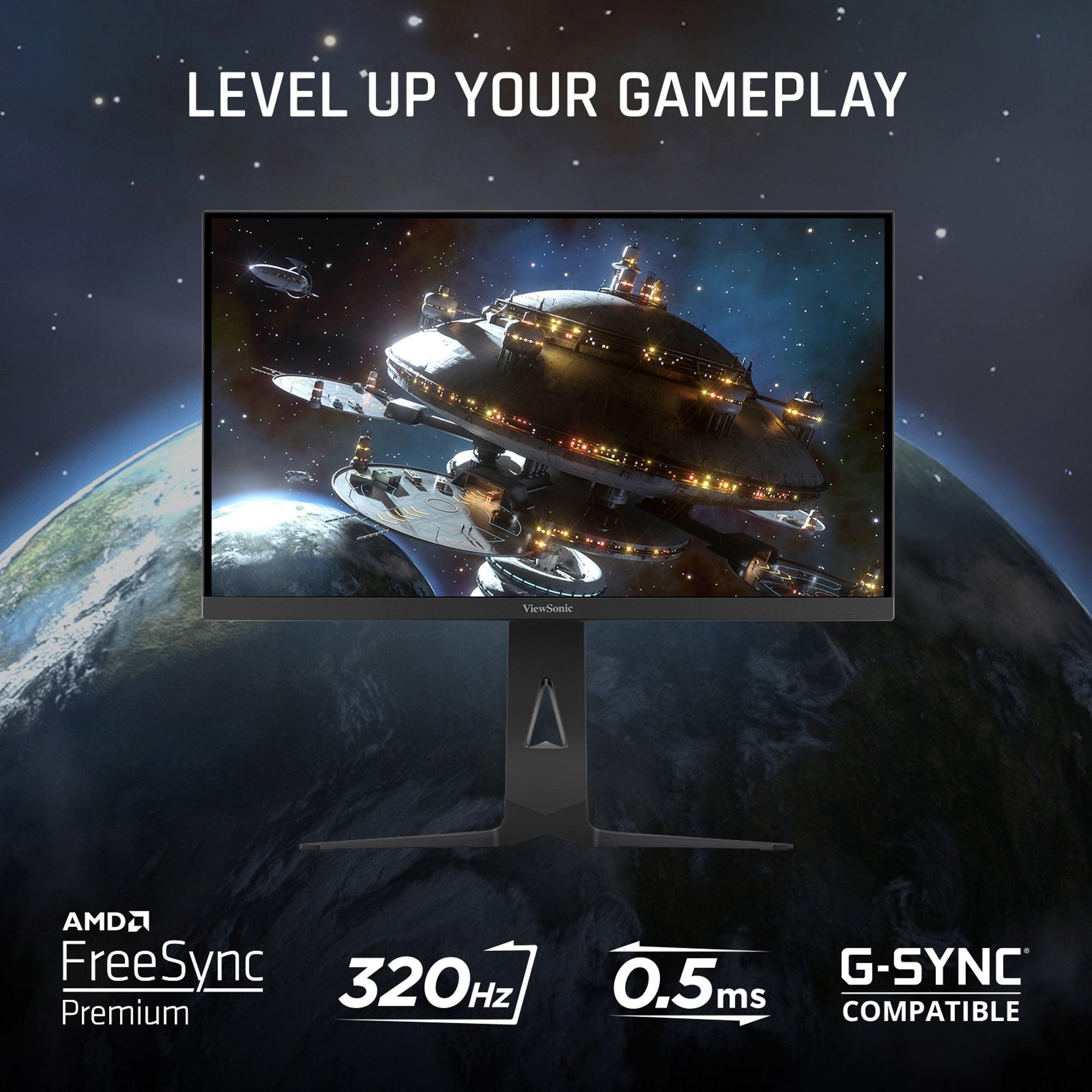
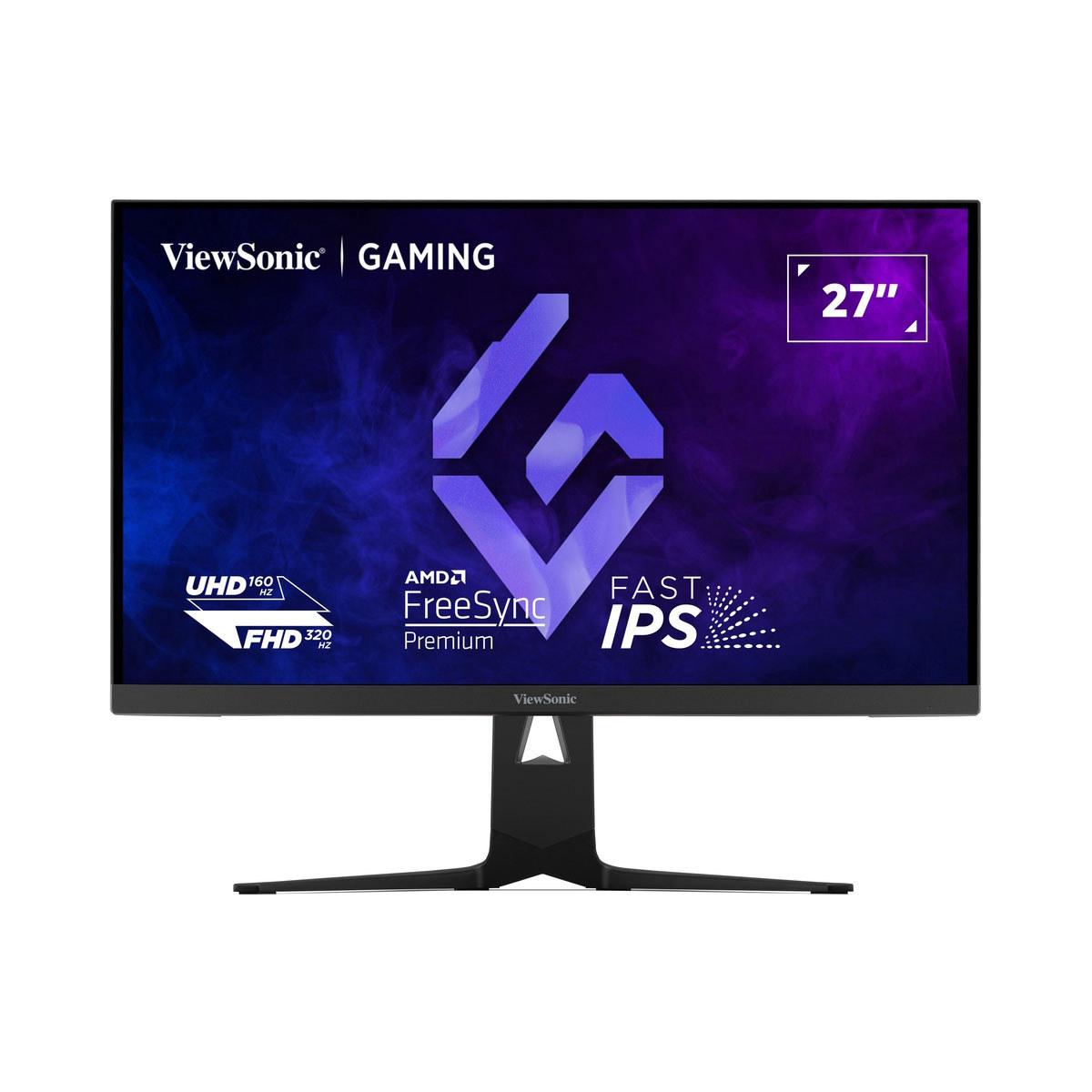
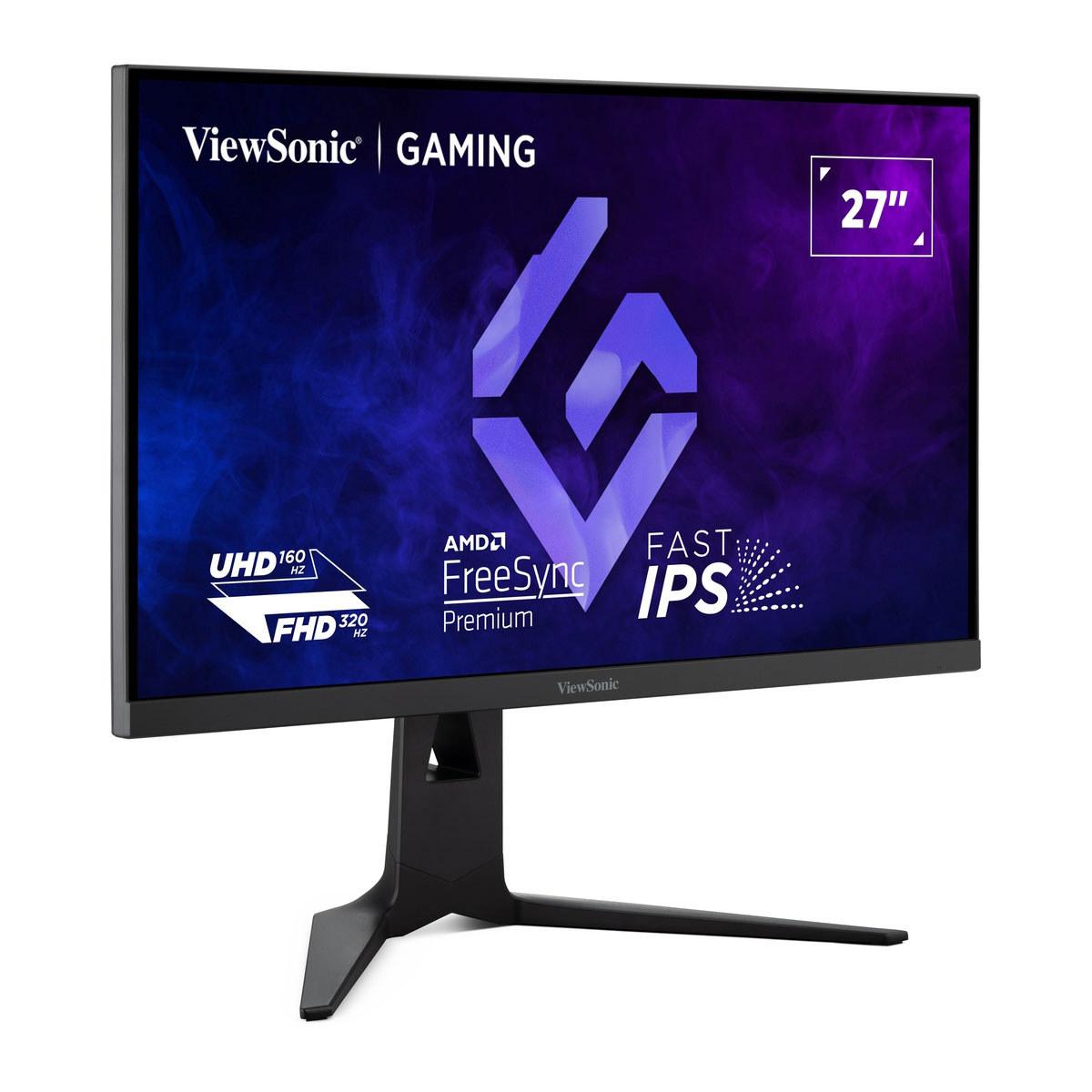
The ViewSonic XG275D-4K offers 160Hz at 4K resolution or 320Hz at Full HD (1920x1080). Meanwhile, the LG UltraGear 27G850A pushes things further with 240Hz at 4K or a blistering 480Hz at Full HD. These numbers might seem abstract, but they represent a massive leap in display technology that has evolved rapidly since 2020, when most gaming monitors maxed out at 144Hz.
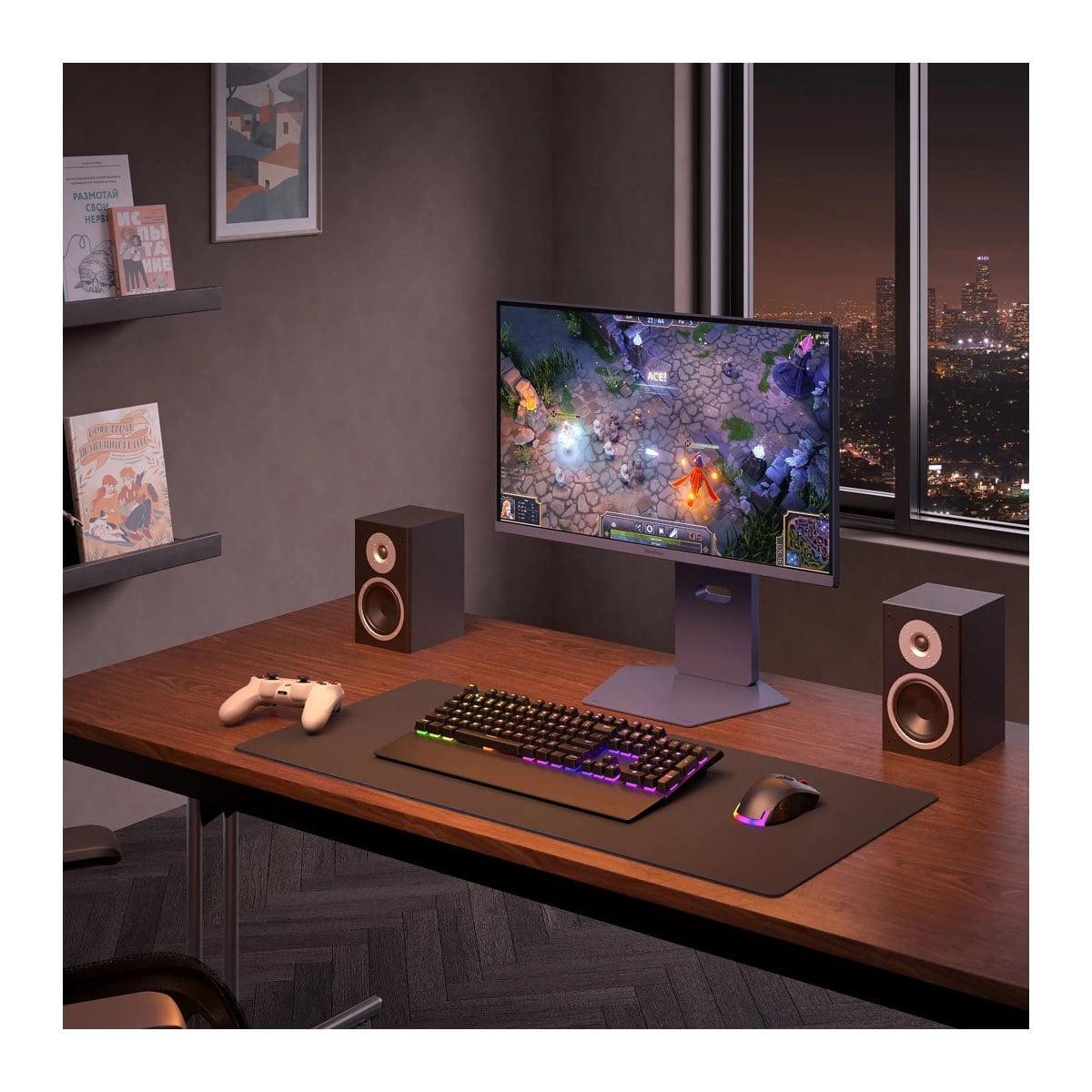
Both monitors share the modern gaming aesthetic with slim bezels and sturdy stands, but there are some important differences in their approach to design and functionality.
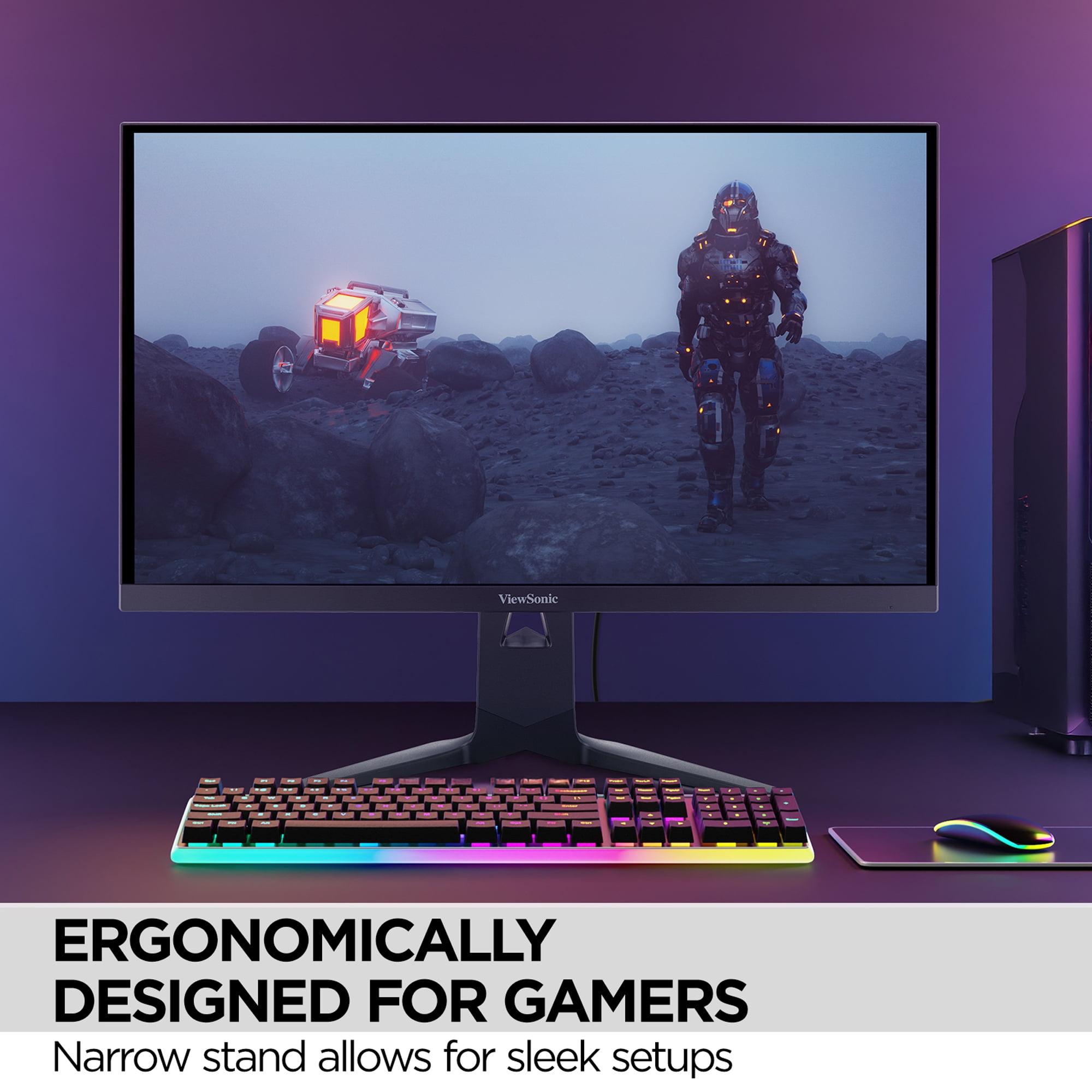
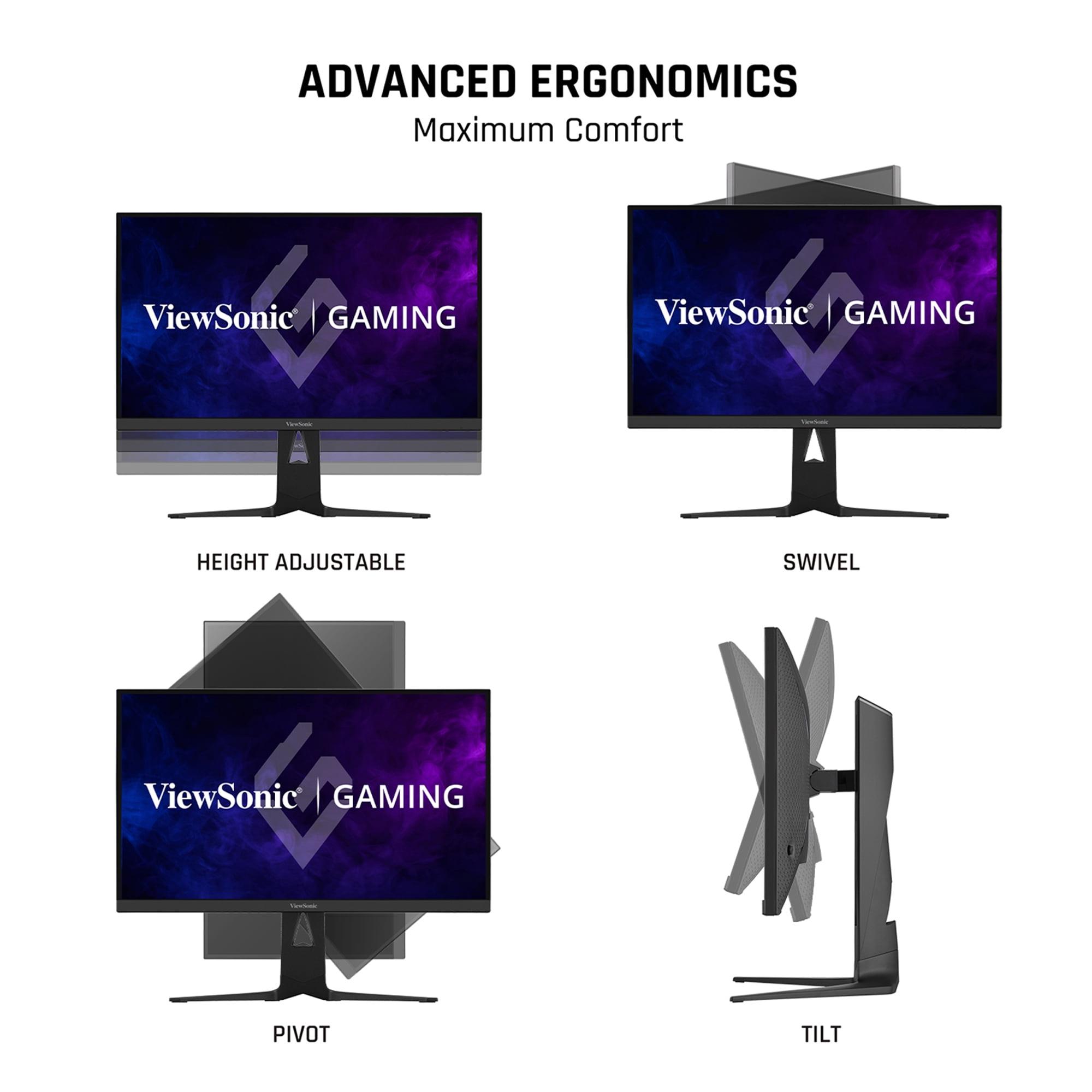
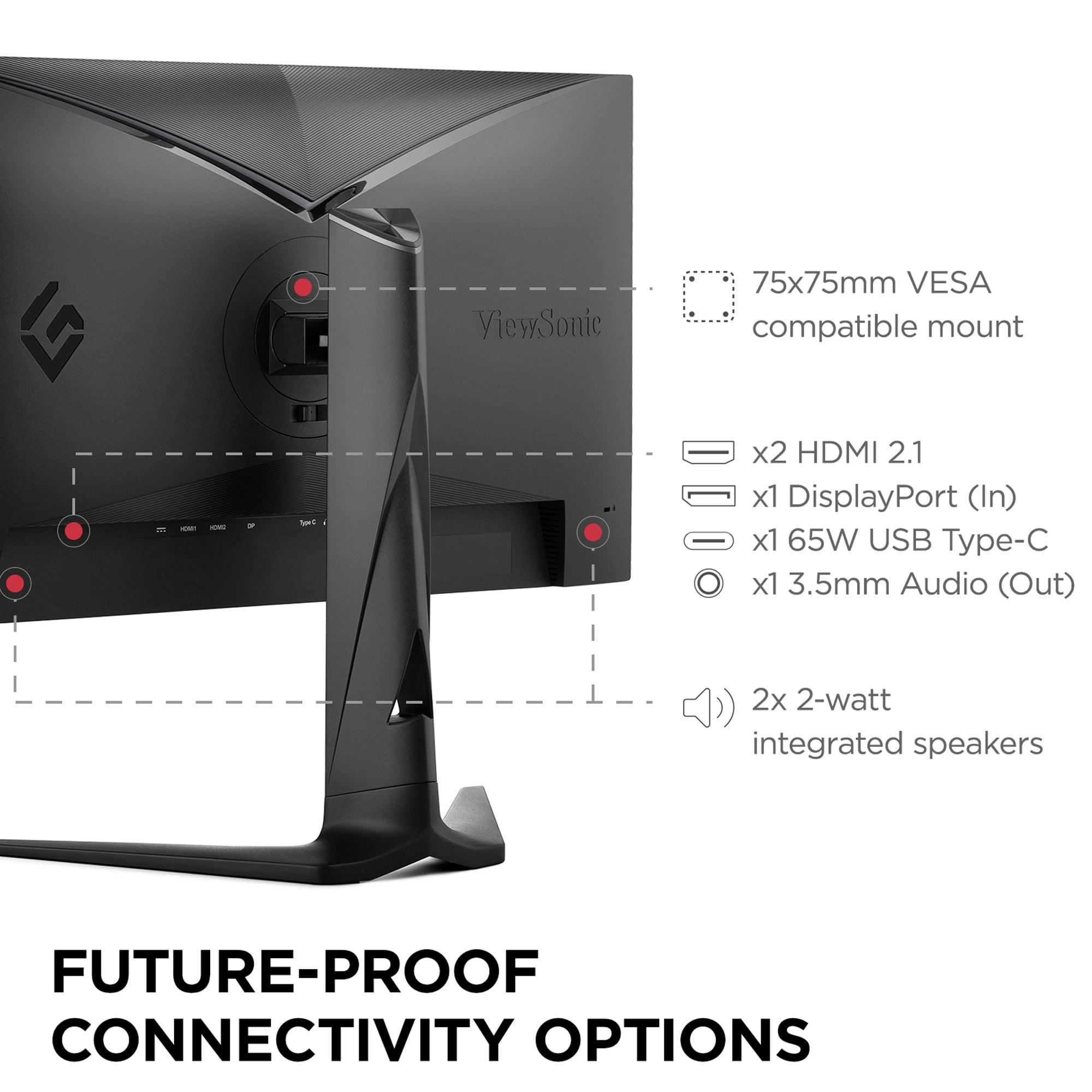
The ViewSonic XG275D-4K takes a more practical approach with integrated 2W speakers and USB-C connectivity that can deliver 65W of power. This means you can connect a laptop with a single cable and charge it simultaneously—incredibly convenient for people who use the same monitor for both work and gaming. The stand offers full ergonomic adjustability, and I've found that the narrow footprint leaves plenty of desk space for your keyboard and mouse setup.
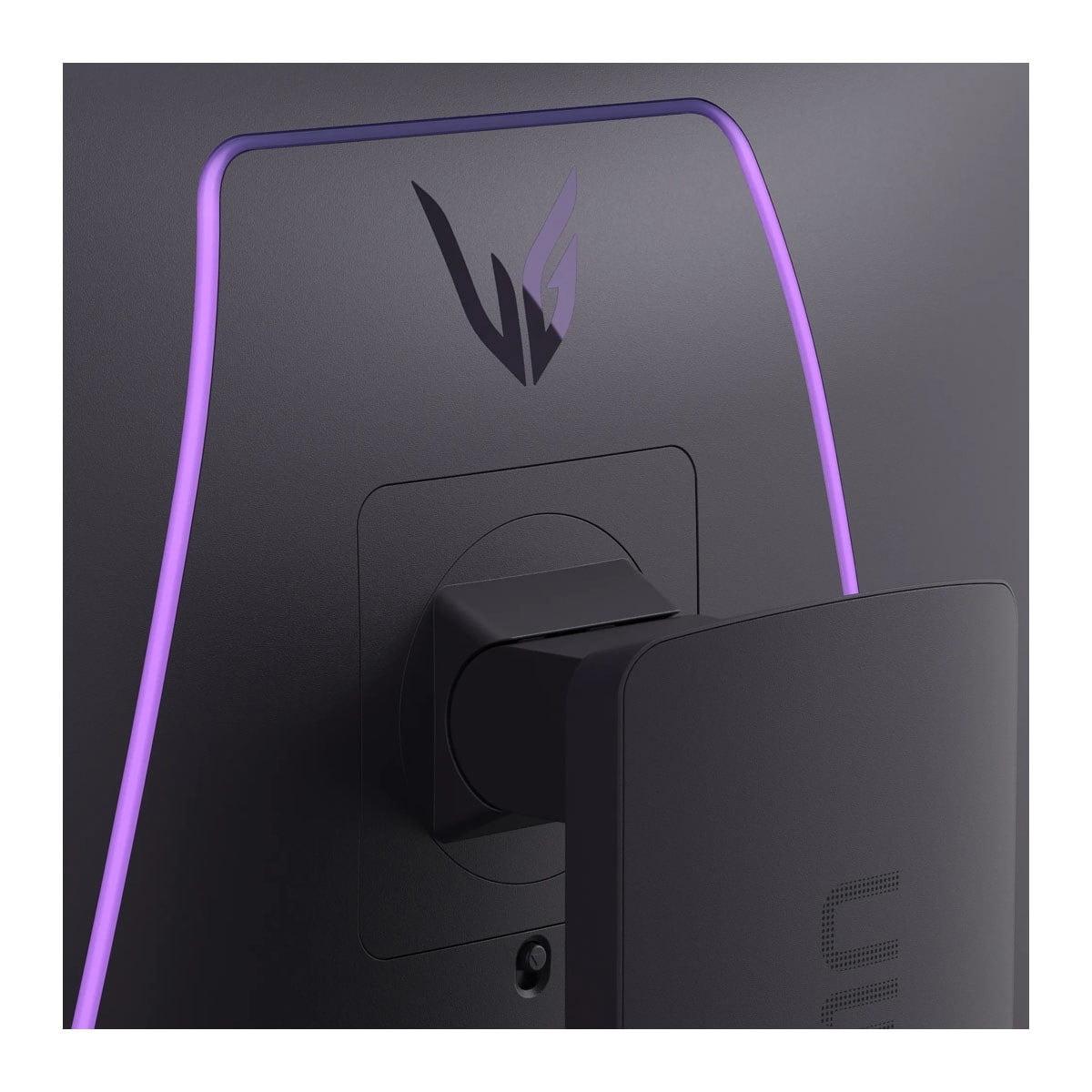
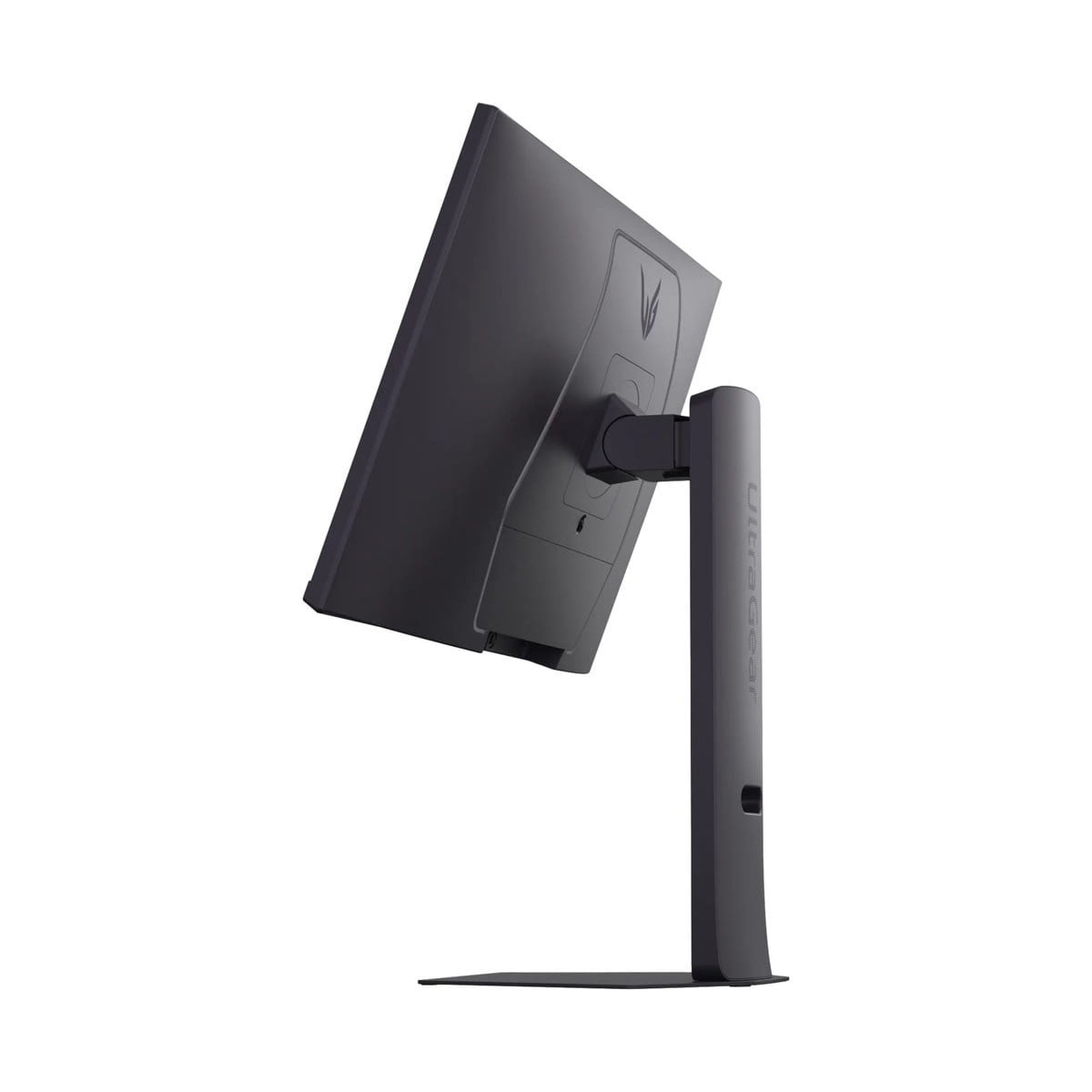
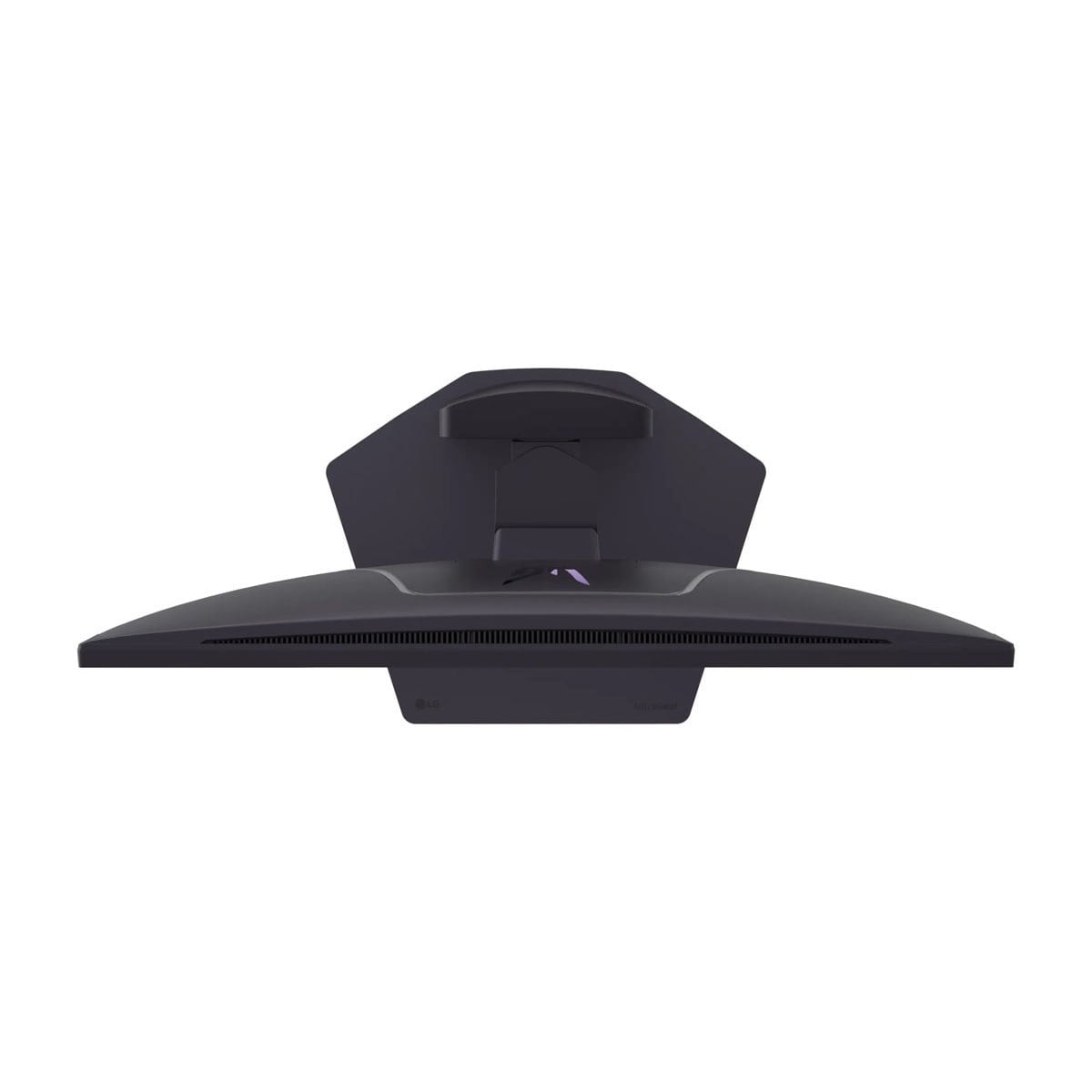
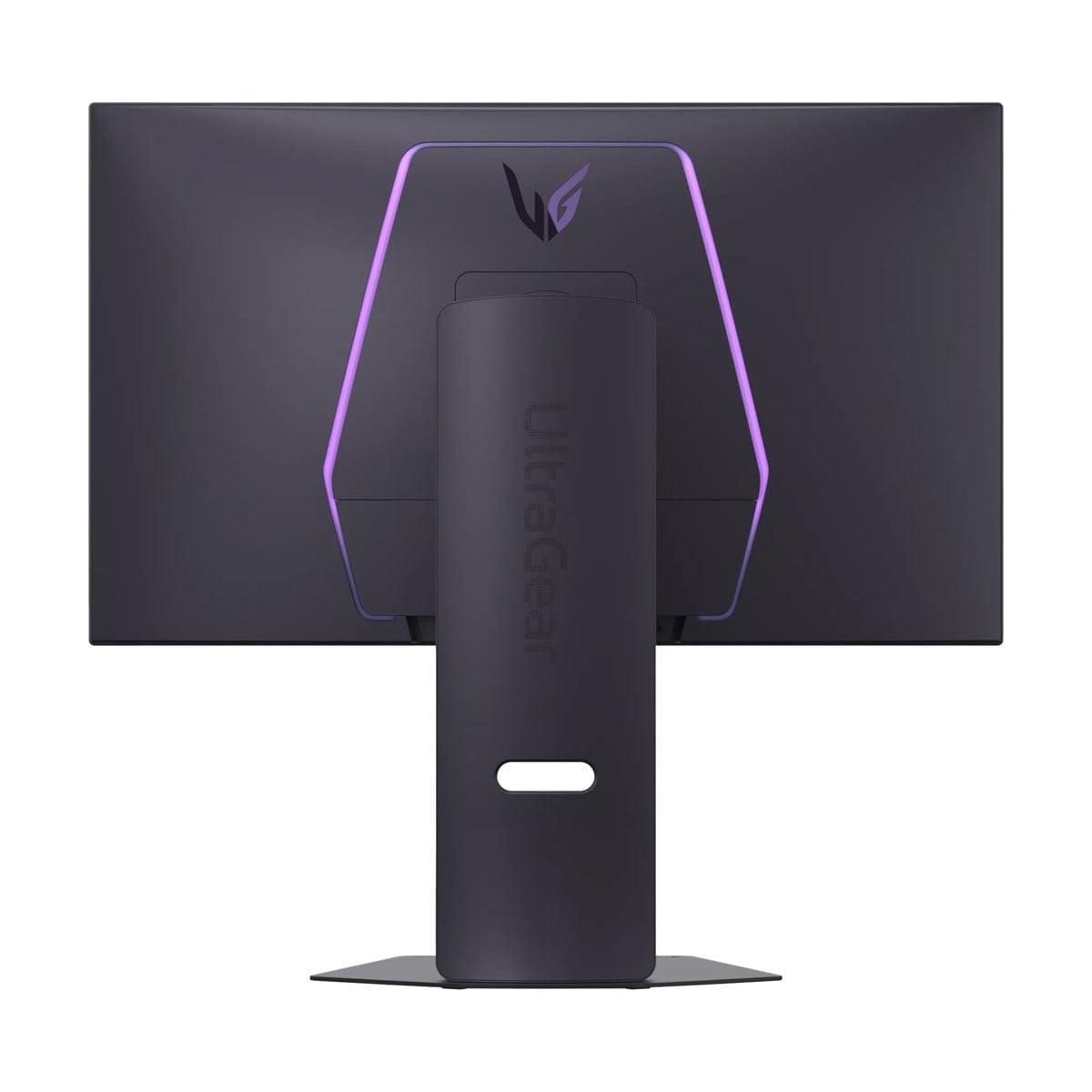
The LG UltraGear 27G850A skips the built-in speakers but adds RGB backlighting for that customizable gaming aesthetic. The build quality feels slightly more premium, with a heavier, more substantial stand. LG focused on pure gaming performance rather than the hybrid work-gaming approach of the ViewSonic.
Both monitors feature anti-glare coatings, which help reduce reflections from windows or overhead lights. However, these coatings can sometimes make images look slightly less crisp than glossy displays. It's a worthwhile trade-off for most gaming setups where controlling lighting isn't always possible.
Here's where things get really interesting, and where your specific gaming preferences will largely determine which monitor suits you better.
If you're serious about competitive games like Valorant, Counter-Strike, or Rocket League, the ViewSonic XG275D-4K's 320Hz mode is genuinely impressive. The difference between 240Hz and 320Hz might sound minimal on paper, but when you're trying to track enemies moving across your screen or react to split-second opportunities, every frame matters.
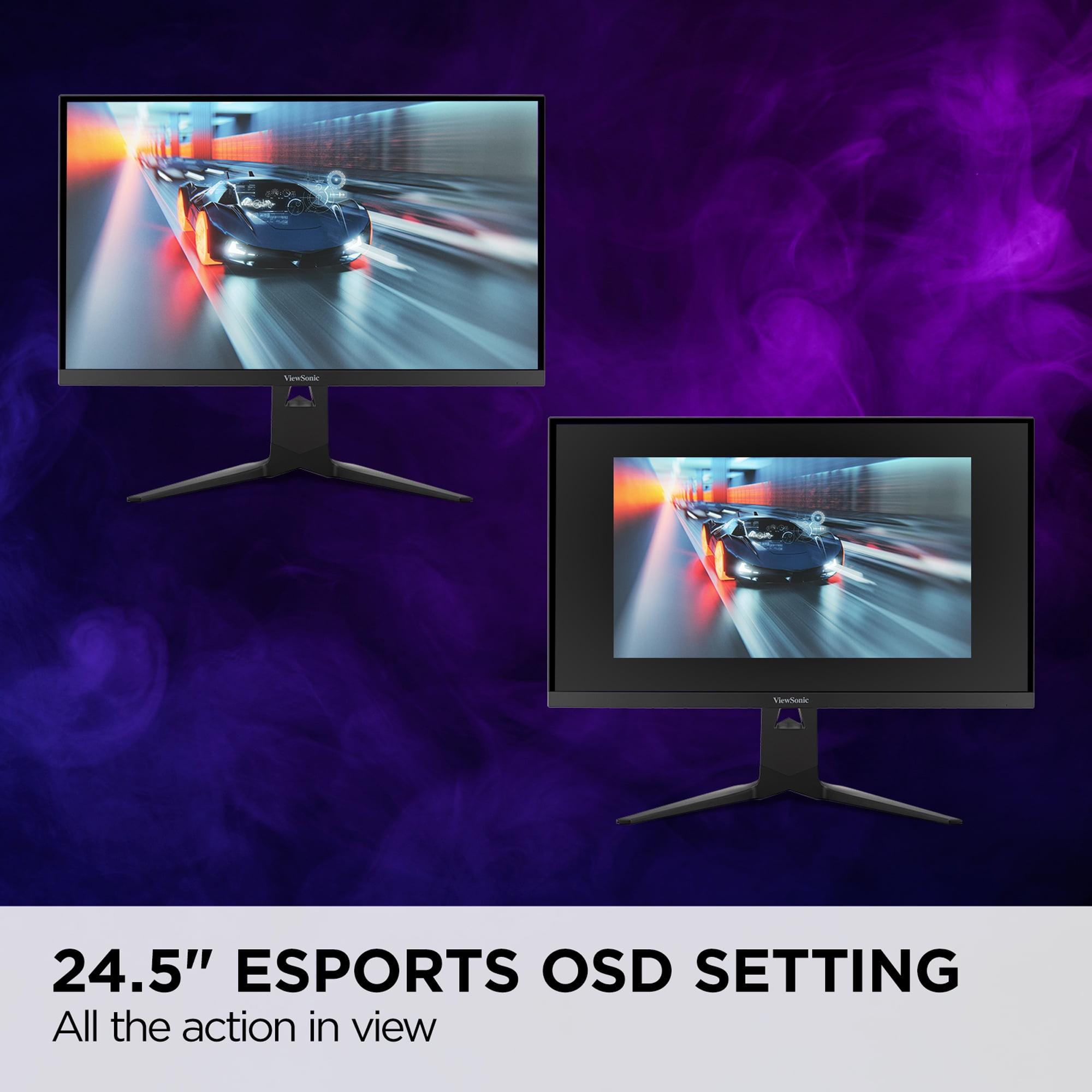
The ViewSonic also includes an "esports mode" that shrinks the active display area to 24.5 inches—the size typically used in professional tournaments. This feature helps competitive players practice on the same display dimensions they'll encounter in competitions, which can be surprisingly important for muscle memory and crosshair placement.
However, the LG UltraGear 27G850A counters with its own impressive 480Hz mode. While I question whether most human eyes can truly perceive the difference between 320Hz and 480Hz, there's no doubt that both represent the absolute cutting edge of competitive gaming performance. The LG's advantage here is more theoretical than practical for most players.
This is where the LG UltraGear 27G850A really flexes its muscles. Its 240Hz capability at 4K resolution is genuinely game-changing for modern AAA titles. Playing something like Cyberpunk 2077 or Red Dead Redemption 2 at 4K with 240Hz smoothness is a visual experience that's hard to describe—everything from character animations to camera pans feels incredibly fluid.
The ViewSonic XG275D-4K's 160Hz at 4K is still excellent and more than adequate for most gaming scenarios, but the difference is noticeable if you have a graphics card powerful enough to push those frame rates. Games with fast camera movement, like racing titles or first-person shooters, benefit significantly from the higher refresh rate.
Both monitors claim 1ms response times, but the underlying technology differs. The ViewSonic XG275D-4K achieves 0.5ms MPRT (Moving Picture Response Time), while the LG UltraGear 27G850A offers 1ms GtG (Gray-to-Gray). Without diving too deep into the technical weeds, both are excellent for gaming, with input lag so low it's essentially imperceptible.
This is perhaps the most significant difference between these two monitors, and where the LG UltraGear 27G850A clearly takes the lead.
The ViewSonic uses a traditional IPS panel, which provides good color accuracy and wide viewing angles. It covers 99% of the sRGB color space and 94% of DCI-P3, which is perfectly adequate for gaming and basic content creation.
However, the LG's Nano IPS Black panel is genuinely impressive. The "Black" designation isn't just marketing—it achieves a 2000:1 contrast ratio compared to the ViewSonic's 1000:1. In practical terms, this means darker scenes in games look more realistic, with deeper blacks and more distinct shadow details. Playing a game like The Witcher 3 during nighttime scenes, the difference is immediately apparent.
HDR (High Dynamic Range) is supposed to provide more realistic lighting and color in games and movies, but the implementation varies dramatically between these monitors.
The ViewSonic XG275D-4K supports basic HDR10 with a peak brightness of 300 nits. While this technically qualifies as HDR, it's not bright enough to deliver the dramatic improvements HDR is supposed to provide. It's more of a checkbox feature than a meaningful enhancement to your gaming experience.
The LG UltraGear 27G850A earns VESA DisplayHDR 600 certification with peak brightness reaching 670 nits. This is a substantial improvement and actually provides noticeable HDR benefits in supported games. However, it uses edge-lit local dimming with only 8 zones, which means it can't compete with premium OLED displays or monitors with full-array local dimming. Still, it's a significant step up from the ViewSonic's HDR implementation.
Both monitors offer solid connectivity, but with different priorities.
The ViewSonic XG275D-4K includes one HDMI 2.1 port, one DisplayPort 1.4, and that crucial USB-C port with 65W power delivery. This makes it ideal if you frequently switch between a gaming PC and a work laptop. The built-in speakers, while not audiophile quality, are surprisingly useful for quick gaming sessions or video calls.
The LG UltraGear 27G850A focuses on pure gaming connectivity with DisplayPort 2.1 and two HDMI 2.1 ports. The DisplayPort 2.1 connection is particularly important for future graphics cards that will fully utilize the monitor's 4K 240Hz capability. The dual HDMI 2.1 ports are perfect if you want to connect both a PlayStation 5 and Xbox Series X simultaneously.
At the time of writing, the ViewSonic XG275D-4K typically retails for significantly less than the LG UltraGear 27G850A—roughly $100-150 cheaper depending on sales and availability. This price difference reflects their different approaches to the market.
The ViewSonic represents exceptional value for competitive gamers who want maximum refresh rates without paying premium prices for features they might not use. Its integrated speakers and USB-C connectivity add practical value that extends beyond gaming.
The LG commands a premium price but justifies it with genuinely superior display technology. The Nano IPS Black panel, better HDR implementation, and DisplayPort 2.1 connectivity represent meaningful upgrades that will likely age better as games and graphics cards continue to evolve.
While both monitors are primarily designed for gaming, they can serve double duty for media consumption and home theater setups, though with some limitations.
The LG UltraGear 27G850A is better suited for this role thanks to its superior HDR performance and color accuracy. Watching 4K movies on Netflix or Disney+ is genuinely enjoyable, with vibrant colors and decent contrast. However, both monitors lack the deep blacks and infinite contrast that make OLED displays ideal for dark room viewing.
The ViewSonic XG275D-4K's built-in speakers are handy for casual media consumption, eliminating the need for external speakers in smaller setups. However, its limited HDR capability means you won't get the full benefit of HDR movies and shows.
Neither monitor is ideal as a primary home theater display compared to a large 4K TV, but both work well as secondary screens or for smaller spaces where a desk setup doubles as an entertainment center.
After extensive testing and consideration, here's my recommendation for different types of users:
You're primarily a competitive gamer who values maximum refresh rates above all else. The 320Hz capability at Full HD provides a genuine competitive advantage in esports titles, and the price point makes it accessible to more gamers.
You need a versatile monitor that works for both gaming and productivity. The USB-C connectivity and built-in speakers make it excellent for hybrid work-gaming setups, especially if you frequently connect a laptop.
You want premium gaming features without paying premium prices. At its typical retail price, the ViewSonic delivers exceptional value for the performance it provides.
You prioritize visual quality and want the smoothest possible 4K gaming experience. The 240Hz at 4K capability is genuinely impressive and future-proofs your setup for next-generation graphics cards.
You care about HDR and color accuracy. The Nano IPS Black panel and DisplayHDR 600 certification provide meaningfully better image quality for both gaming and media consumption.
You want cutting-edge connectivity and don't mind paying extra for it. The DisplayPort 2.1 connection ensures compatibility with future high-end graphics cards.
Both the ViewSonic XG275D-4K and LG UltraGear 27G850A represent impressive achievements in gaming monitor technology. They've solved the traditional resolution-versus-refresh-rate dilemma in different ways, giving gamers unprecedented flexibility.
The ViewSonic takes a practical, value-focused approach that maximizes competitive gaming performance while adding useful productivity features. It's the monitor I'd recommend to most gamers who want high-end performance without high-end prices.
The LG pursues technological excellence with superior display quality and cutting-edge connectivity. It's the choice for enthusiasts who want the absolute best 4K gaming experience and don't mind paying extra for meaningful improvements in image quality.
Ultimately, both monitors represent significant upgrades from older gaming displays, and either choice will dramatically improve your gaming experience. The decision comes down to whether you prioritize competitive performance and value (ViewSonic) or visual excellence and future-proofing (LG). Either way, you're getting access to display technology that represents the current state of the art in gaming monitors.
| ViewSonic XG275D-4K | LG UltraGear 27G850A |
|---|---|
| Display Size & Resolution - Both offer identical 27" 4K panels | |
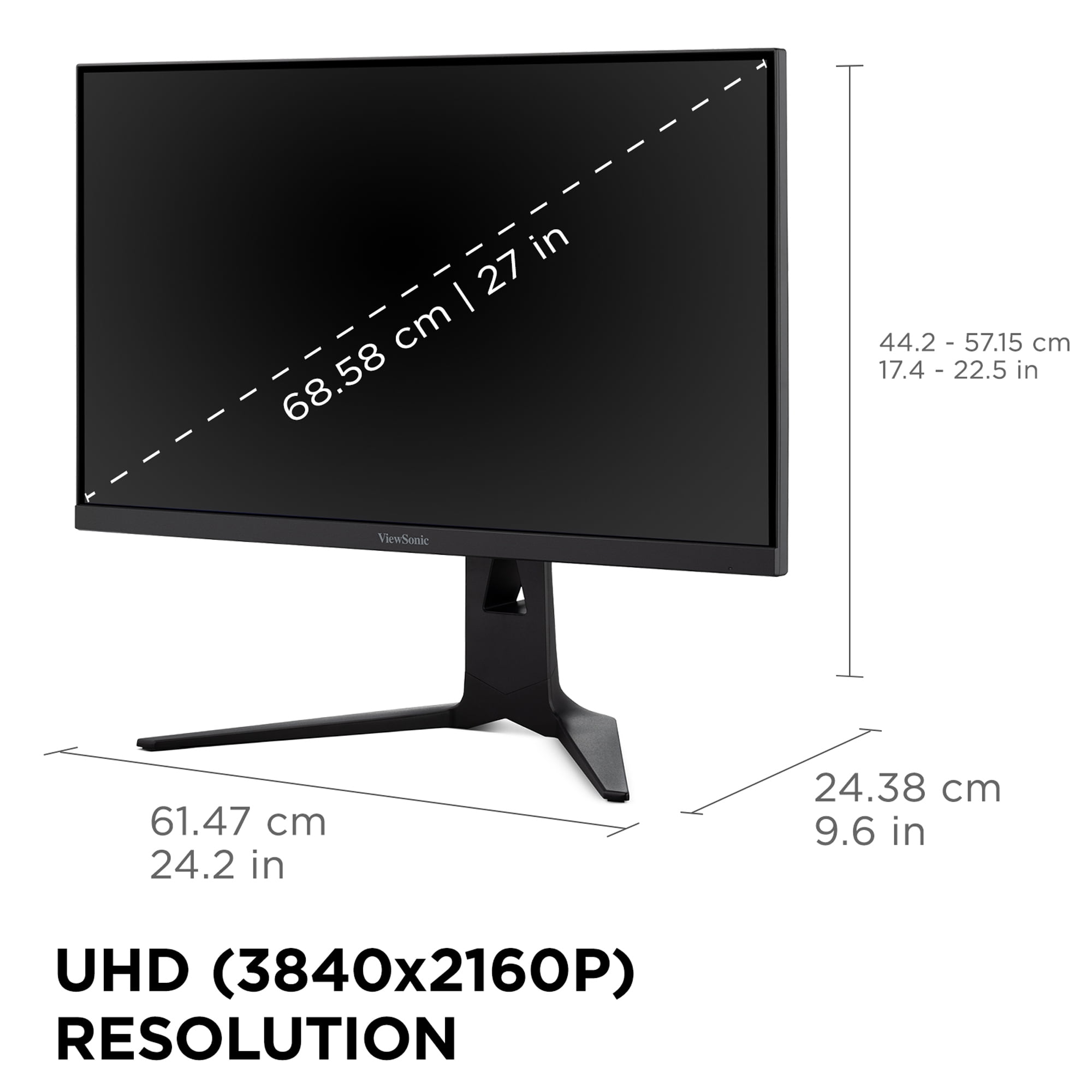
| 27" 4K UHD (3840x2160) | 27" 4K UHD (3840x2160) |
| 4K Refresh Rate - Critical for smooth high-resolution gaming | |
| 160Hz (good for most 4K gaming) | 240Hz (exceptional smoothness, future-proof) |
| Full HD Refresh Rate - Maximum competitive gaming performance | |
| 320Hz (excellent for esports) | 480Hz (overkill for most users) |
| Panel Technology - Affects image quality and contrast | |
| Standard IPS (good colors, average contrast) | Nano IPS Black (superior colors, 2x better contrast) |
| HDR Performance - Enhanced visuals in supported games | |
| Basic HDR10, 300 nits (minimal HDR benefit) | DisplayHDR 600, 670 nits peak (meaningful HDR improvement) |
| Response Time - Motion clarity in fast games | |
| 0.5ms MPRT (excellent) | 1ms GtG (excellent) |
| Color Accuracy - Important for content creation and visual quality | |
| sRGB 99%, DCI-P3 94% (good) | DCI-P3 99%, Adobe RGB 94% (excellent) |
| Key Connectivity - Future compatibility and convenience | |
| USB-C 65W, DisplayPort 1.4, HDMI 2.1 x1 | DisplayPort 2.1, HDMI 2.1 x2 |
| Built-in Audio - Convenience for all-in-one setups | |
| 2W speakers included | No speakers (requires external audio) |
| Adaptive Sync Technology - Eliminates screen tearing | |
| AMD FreeSync Premium, G-SYNC Compatible | AMD FreeSync Premium Pro, G-SYNC Compatible |
| Special Gaming Features - Competitive advantages | |
| 24.5" esports mode, USB-C laptop connectivity | RGB backlighting, dual HDMI for consoles |
| Value Proposition - Best fit for different users | |
| Best for competitive gaming + work hybrid use | Best for premium 4K gaming and visual quality |
The ViewSonic XG275D-4K is better for competitive gaming thanks to its 320Hz refresh rate at Full HD resolution. It also includes a dedicated 24.5" esports mode that mimics tournament monitor sizes. While the LG UltraGear 27G850A offers 480Hz, the ViewSonic's 320Hz provides the sweet spot for competitive performance at a better value.
The LG UltraGear 27G850A significantly outperforms the ViewSonic XG275D-4K in 4K gaming with 240Hz versus 160Hz refresh rates. This means smoother gameplay in AAA titles and better future-proofing for upcoming graphics cards. The difference is particularly noticeable in fast-paced games with rapid camera movement.
The LG UltraGear 27G850A delivers superior image quality with its Nano IPS Black panel technology, offering double the contrast ratio (2000:1 vs 1000:1) and better color accuracy covering 99% DCI-P3. It also features DisplayHDR 600 certification compared to the basic HDR10 support on the ViewSonic XG275D-4K.
Yes, both monitors support next-gen consoles through HDMI 2.1 connectivity. However, the LG UltraGear 27G850A is better for multiple consoles with two HDMI 2.1 ports, while the ViewSonic XG275D-4K has one HDMI 2.1 port but adds USB-C connectivity for laptops and other devices.
The ViewSonic XG275D-4K typically offers better value with a lower price point while including practical features like built-in speakers and USB-C power delivery. The LG UltraGear 27G850A costs more but justifies the premium with superior display technology and 4K performance that will age better over time.
The ViewSonic XG275D-4K is better suited for work-gaming hybrid use thanks to its USB-C port with 65W power delivery, allowing single-cable laptop connections with charging. It also includes built-in speakers for video calls. The LG UltraGear 27G850A focuses purely on gaming performance without productivity-focused features.
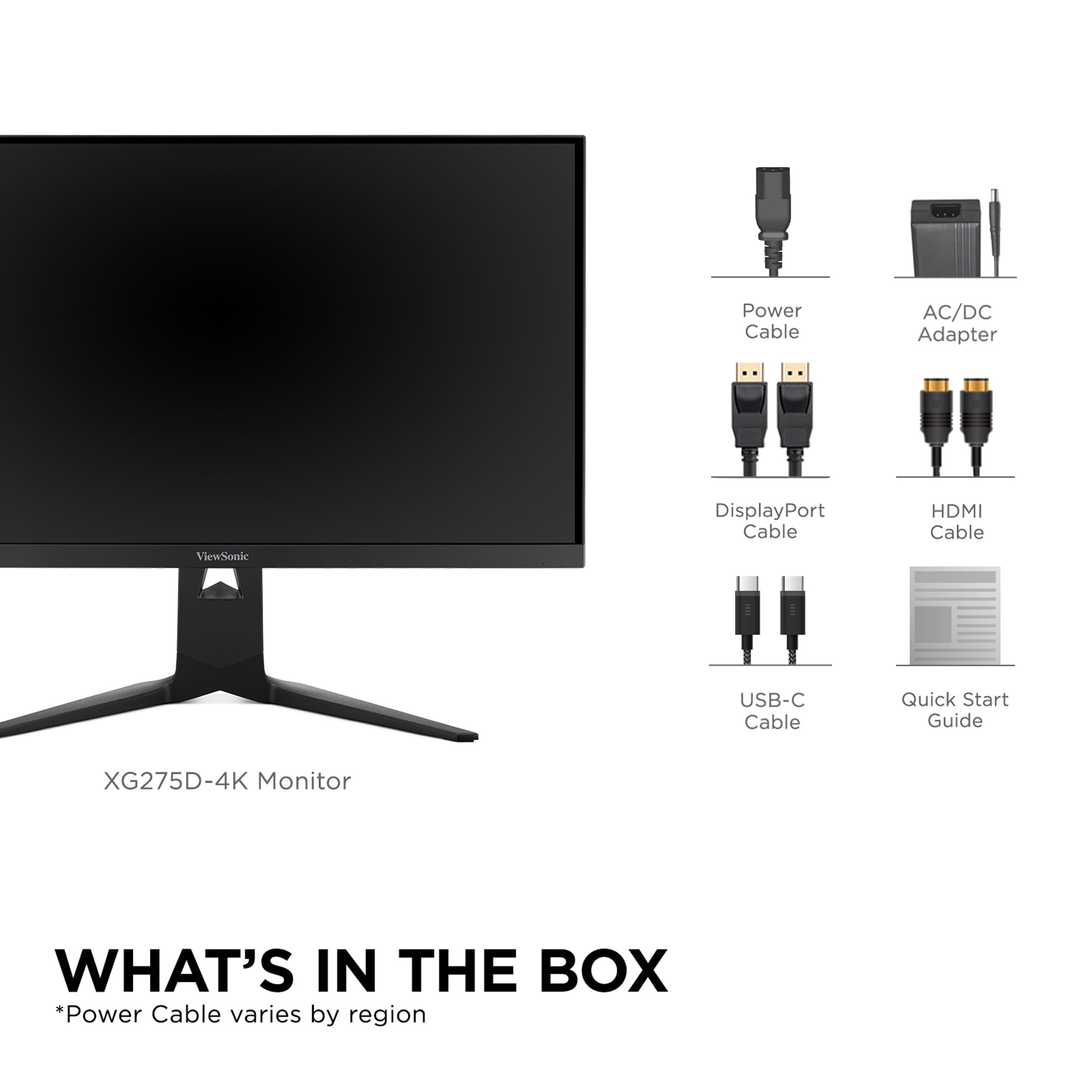
The ViewSonic XG275D-4K offers USB-C with 65W power delivery, one HDMI 2.1, and DisplayPort 1.4, plus built-in speakers. The LG UltraGear 27G850A provides DisplayPort 2.1 for future GPU compatibility, two HDMI 2.1 ports for multiple devices, and USB 3.0 hub functionality but no built-in audio.
The LG UltraGear 27G850A is significantly better for HDR with DisplayHDR 600 certification and 670 nits peak brightness, providing meaningful HDR improvements in games and movies. The ViewSonic XG275D-4K only supports basic HDR10 with 300 nits brightness, offering minimal HDR benefits.
Both monitors work for content creation, but the LG UltraGear 27G850A is better suited with superior color accuracy (99% DCI-P3, 94% Adobe RGB) and hardware calibration support. The ViewSonic XG275D-4K offers good color coverage for basic content creation and includes convenient features like USB-C connectivity for laptops.
The LG UltraGear 27G850A is more future-proof with DisplayPort 2.1 connectivity that supports next-generation graphics cards and higher bandwidth requirements. Its 240Hz 4K capability also provides more headroom for future gaming performance compared to the ViewSonic XG275D-4K's 160Hz 4K limit.
Both monitors feature anti-glare coatings, but the LG UltraGear 27G850A performs better in bright environments with higher peak brightness (450 nits SDR vs 300 nits). However, neither monitor is ideal for very bright rooms compared to dedicated bright-room displays. The anti-glare coatings on both help reduce reflections from windows and overhead lighting.
Choose the ViewSonic XG275D-4K if you prioritize competitive gaming, need work-gaming versatility, or want premium features at a more accessible price. Choose the LG UltraGear 27G850A if you primarily play AAA games at 4K, want the best possible image quality, or prefer future-proofing your investment with cutting-edge display technology.
We've done our best to create useful and informative comparisons to help you decide what product to buy. Our research uses advanced automated methods to create this comparison and perfection is not possible - please contact us for corrections or questions. These are the sites we've researched in the creation of this article: cgmagonline.com - gamingshogun.com - techpowerup.com - notebookcheck.net - bestbuy.com - newegg.com - techpowerup.com - shi.com - viewsonic.com - viewsonic.com - prnewswire.com - viewsonic.com - viewsonic.com - shop.avispl.com - guru3d.com - viewsonic.com - viewsonic.com - viewsonic.com - viewsonic.com - bestbuy.com - displayninja.com - rtings.com - youtube.com - lg.com - rtings.com - tftcentral.co.uk - bestbuy.com - techpowerup.com - lg.com - lg.com - lg.com

Privacy Policy
Terms and Conditions - Affiliate Policy
Home Security
© Copyright 2008-2026.
11816 Inwood Rd #1211, Dallas, TX 75244