

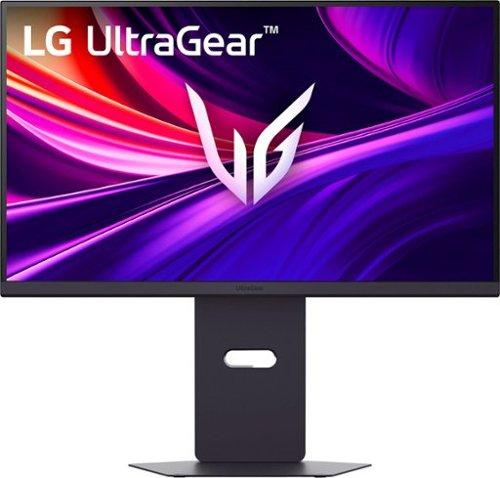
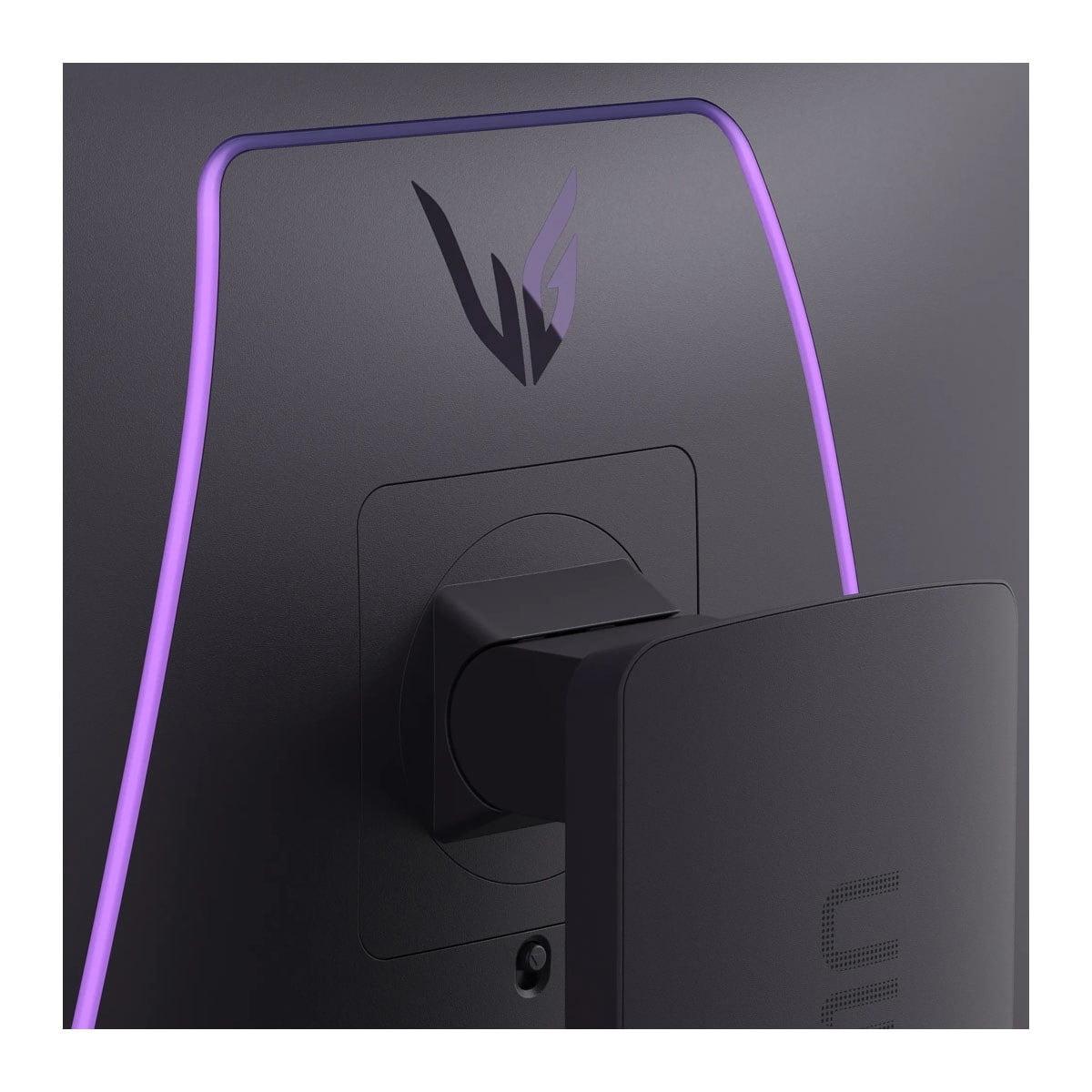
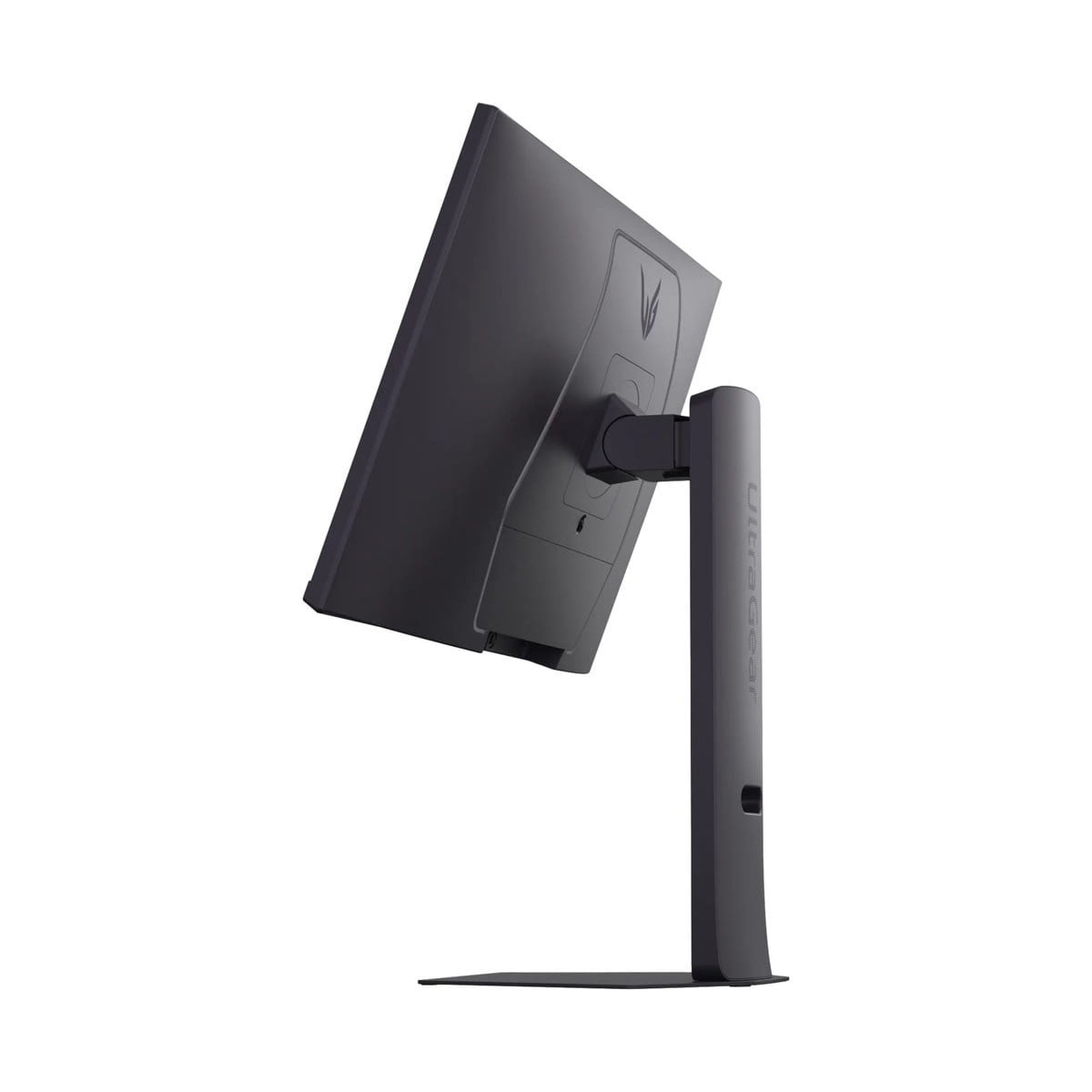
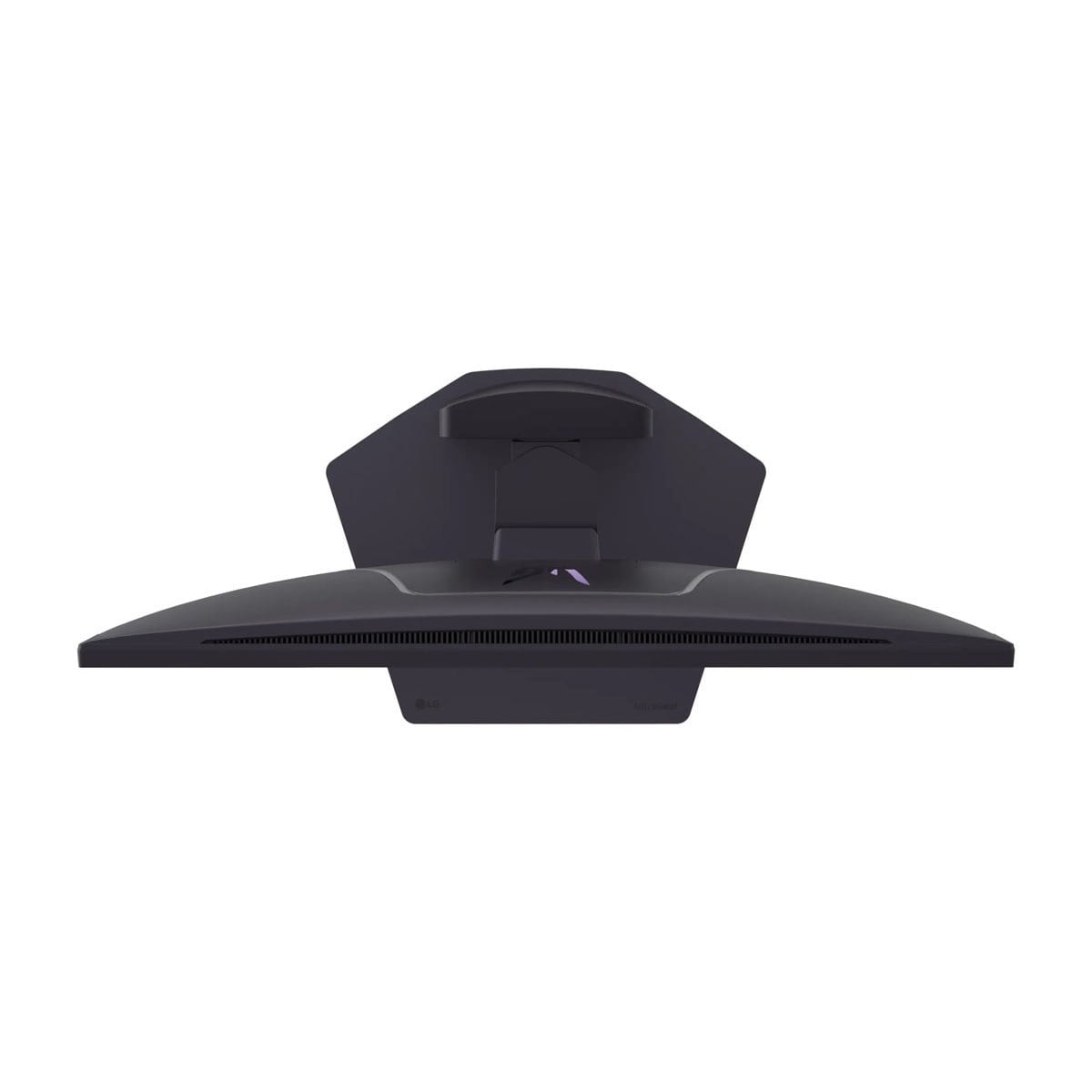
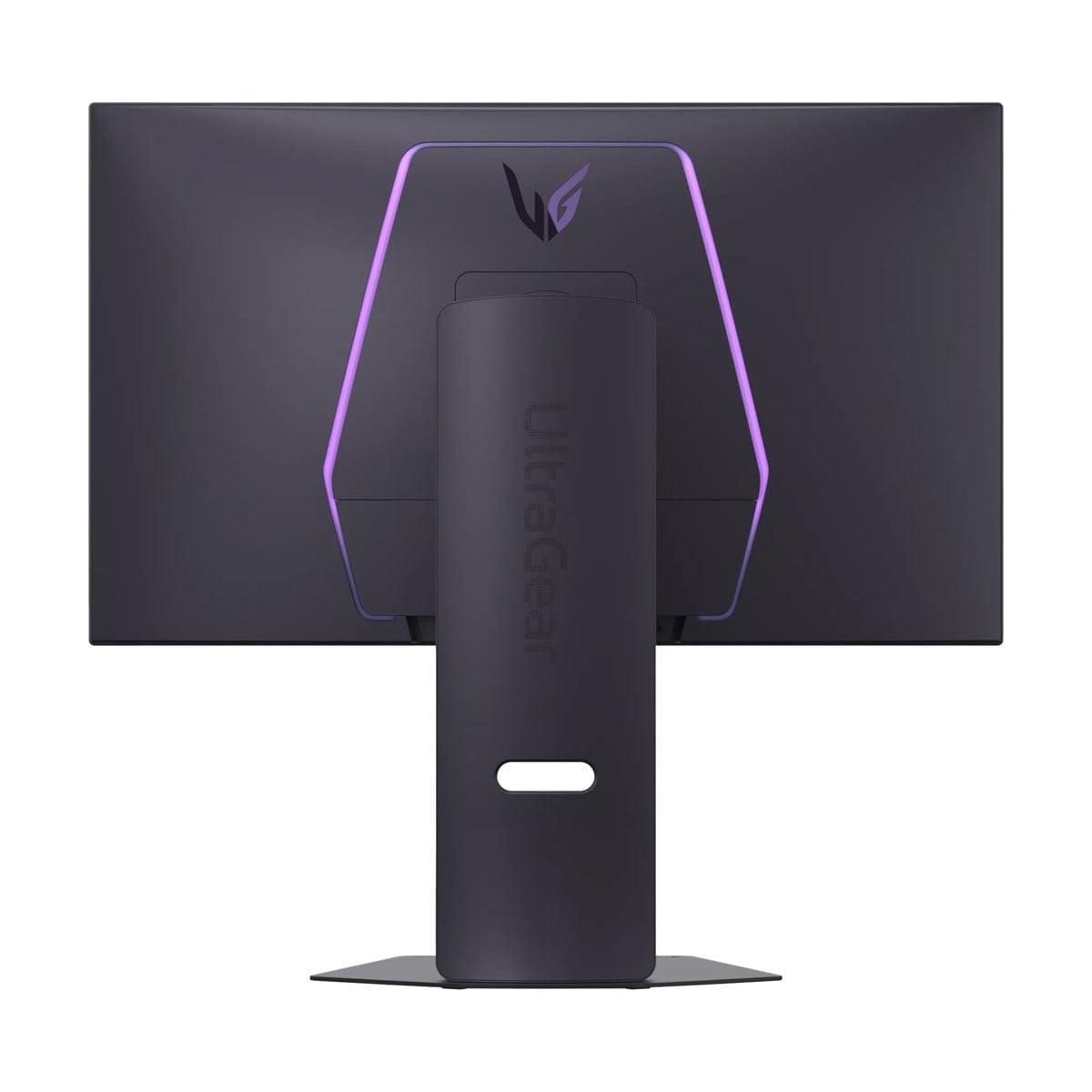

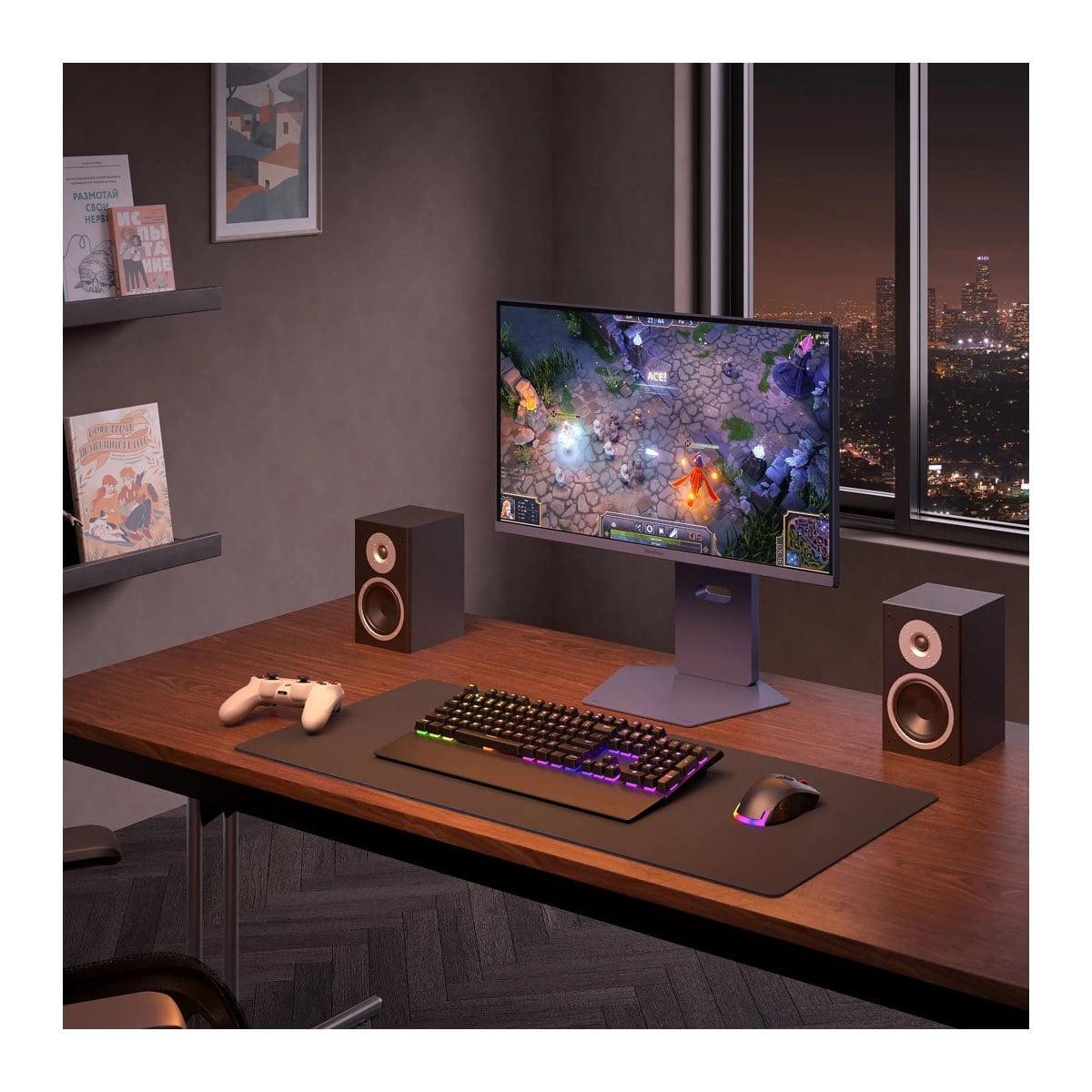

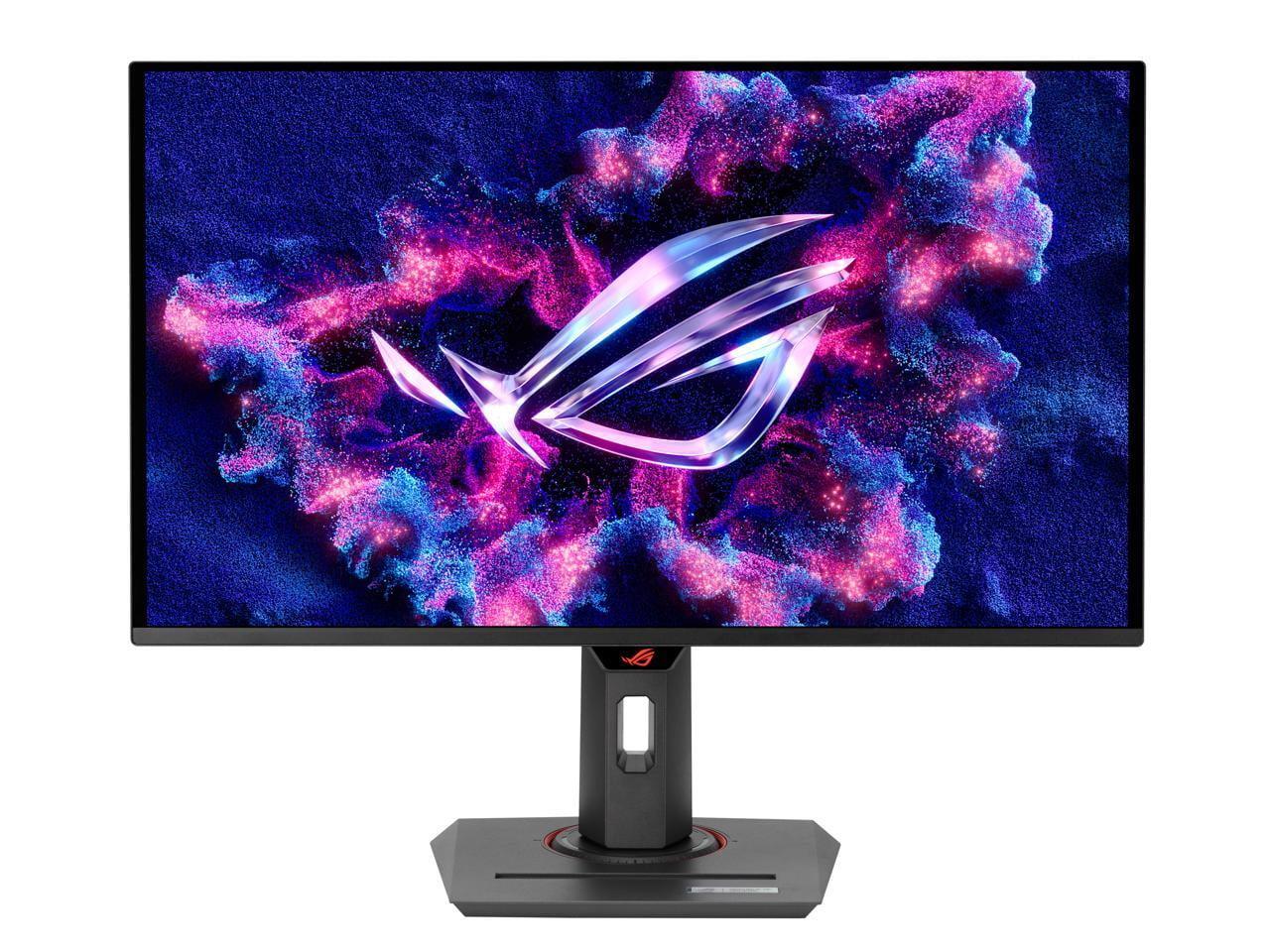
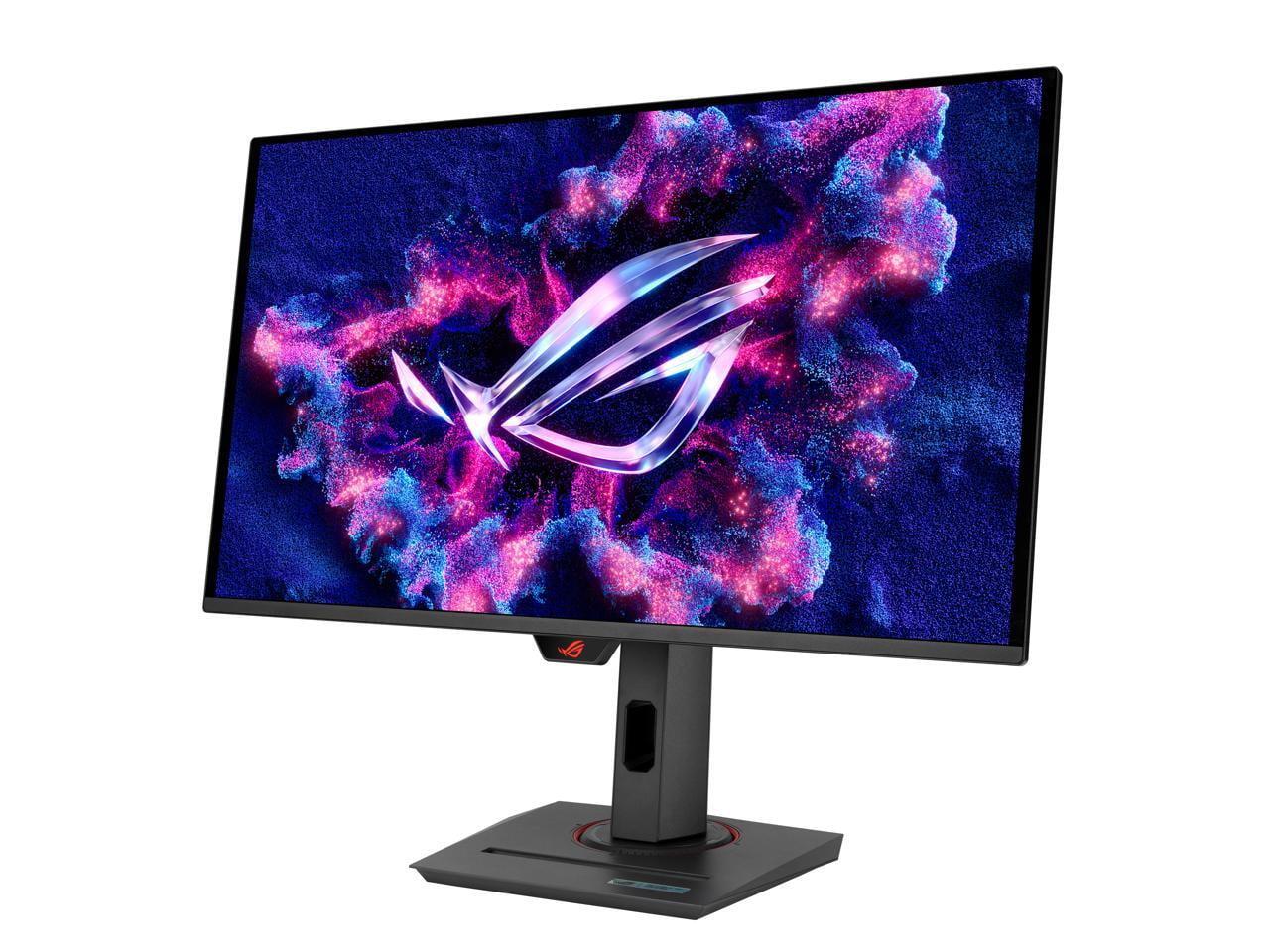
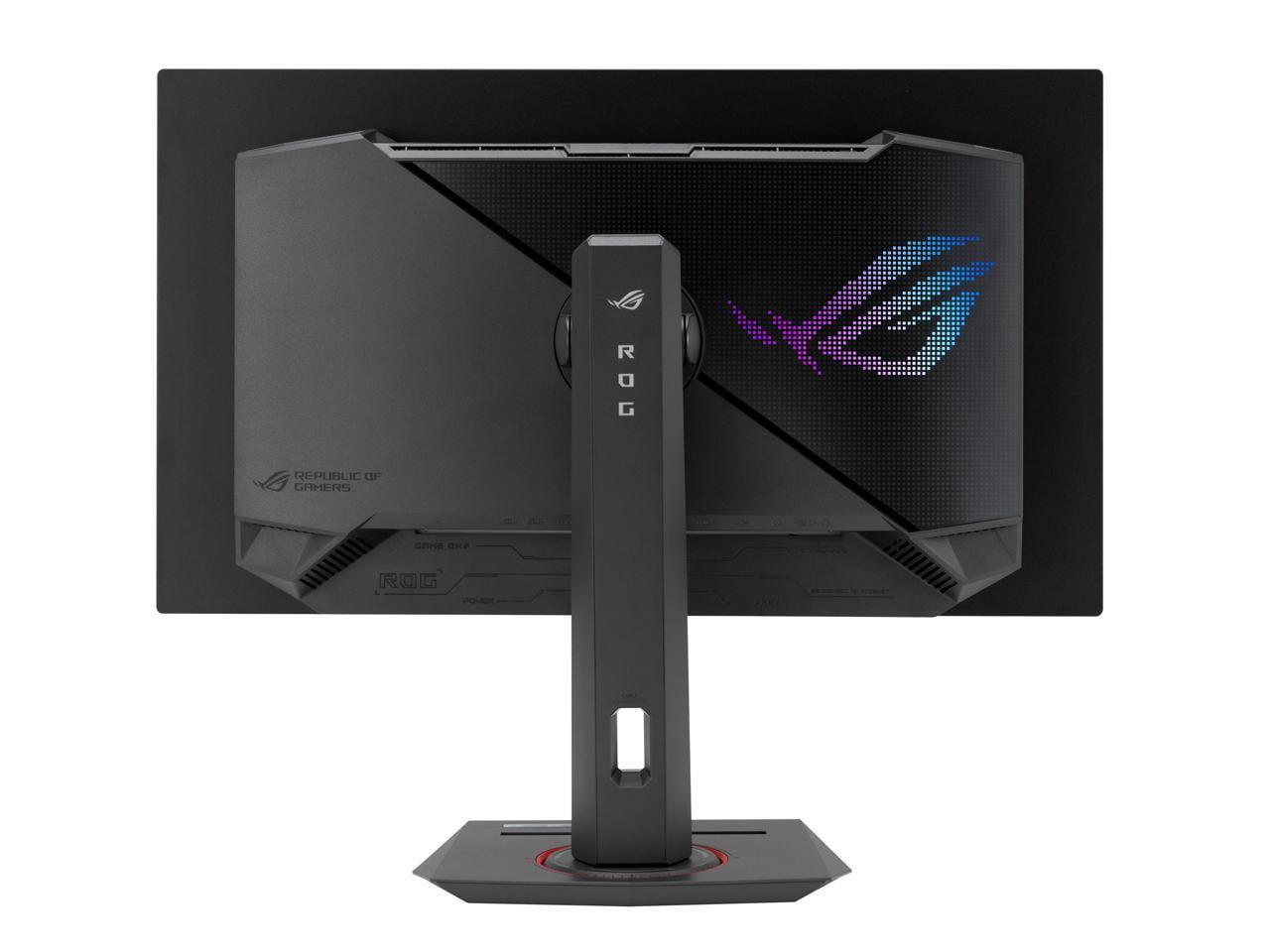

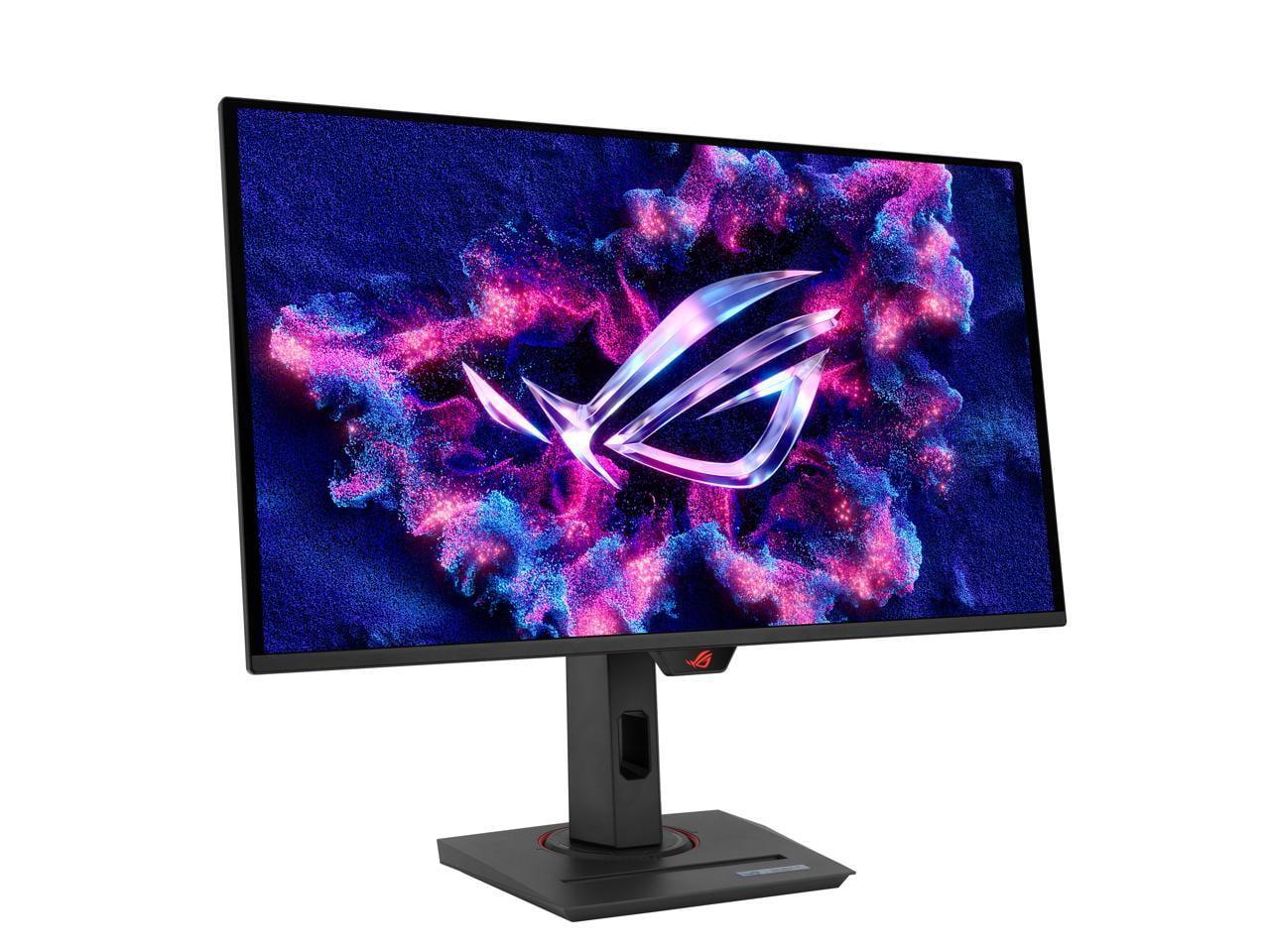
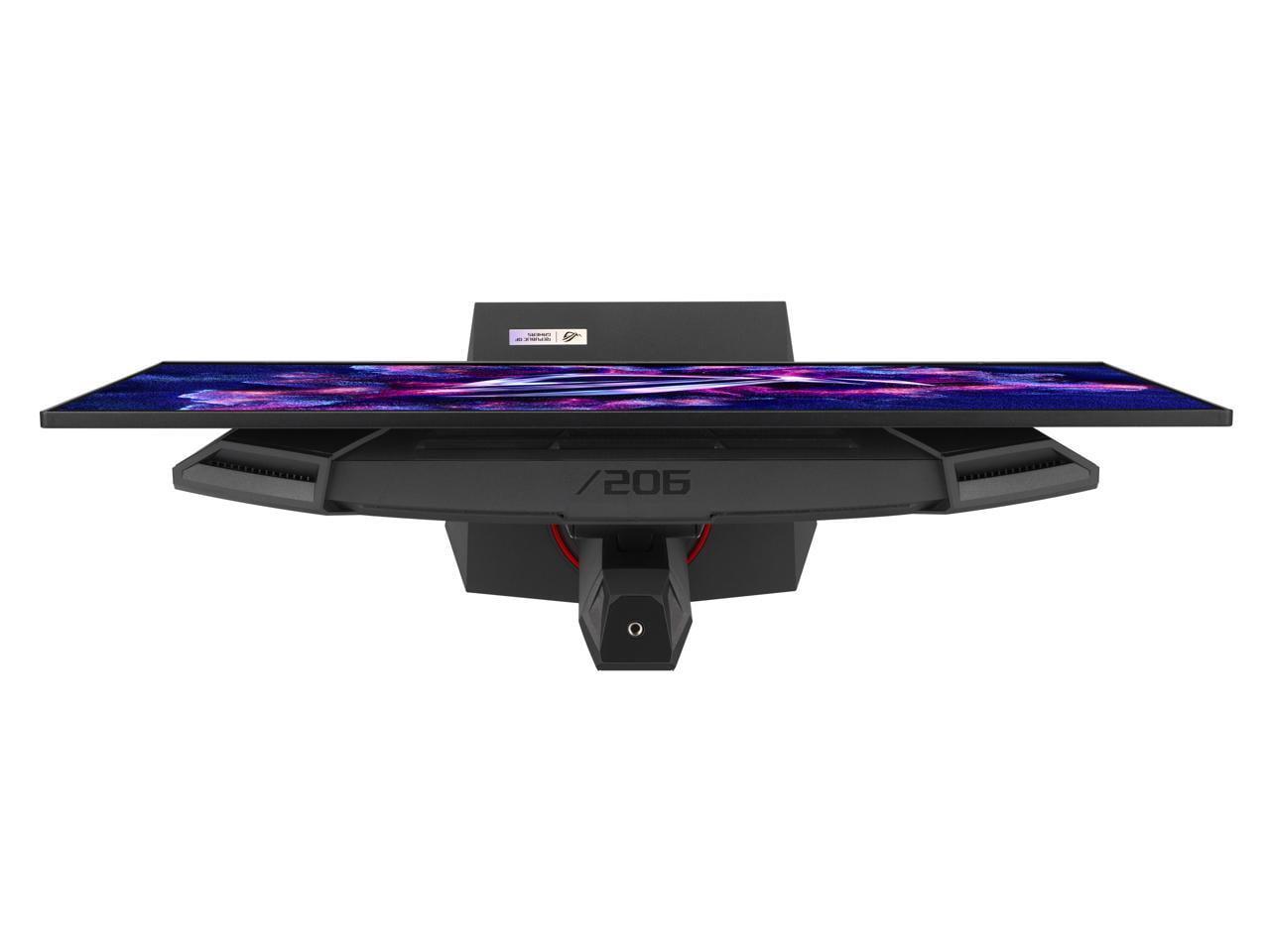
The world of high-end gaming monitors has exploded with innovation in recent years, and 2025 marked a particularly exciting milestone with the arrival of two groundbreaking 4K 240Hz displays. Both the LG UltraGear 27G850A and ASUS ROG Strix OLED XG27UCDMG promise to deliver the holy grail of gaming displays: ultra-sharp 4K resolution combined with buttery-smooth 240Hz refresh rates. But they take completely different approaches to reach this goal, and understanding these differences is crucial for making the right choice.
When we talk about 4K 240Hz gaming monitors, we're discussing the absolute pinnacle of display technology. These monitors combine 3840×2160 resolution—that's four times the pixels of standard 1080p—with refresh rates that update the screen 240 times per second. To put that in perspective, most TVs refresh at 60Hz, while standard gaming monitors typically max out at 144Hz or 165Hz.
The technical challenge here is immense. Moving that many pixels that quickly requires enormous bandwidth and processing power. It's like trying to push a river through a garden hose—the data pipeline becomes the bottleneck. This is where technologies like Display Stream Compression (DSC) come into play, essentially zipping the image data so it can travel through existing cables without losing quality.
Both monitors represent different philosophies in achieving this goal. The LG UltraGear 27G850A uses advanced IPS technology with unique dual-mode capabilities, while the ASUS ROG Strix OLED XG27UCDMG leverages cutting-edge OLED technology for superior image quality. At the time of writing, both sit in the premium price bracket, with the ASUS commanding a slight premium over the LG—typically around $80-100 more.
The fundamental difference between these monitors lies in their panel technology, and this choice affects everything from image quality to long-term reliability.
The LG UltraGear 27G850A uses LG's proprietary Nano IPS Black technology, which represents a significant evolution from traditional IPS panels. Standard IPS panels have always struggled with contrast—the difference between the darkest blacks and brightest whites. Where typical IPS panels might achieve 1000:1 contrast ratios, LG's Nano IPS Black pushes this to 2000:1 by using nanometer-sized particles to absorb light more effectively.
Think of it like upgrading from regular sunglasses to polarized ones. The fundamental technology is similar, but the enhancement makes a noticeable difference in real-world use. This improvement helps bridge the gap between IPS reliability and the deeper blacks traditionally associated with VA or OLED panels.
The Nano IPS technology also maintains the wide viewing angles that IPS is famous for—you can look at the screen from almost any angle without color shifting or brightness changes. This makes it excellent for shared viewing experiences or unconventional desk setups.
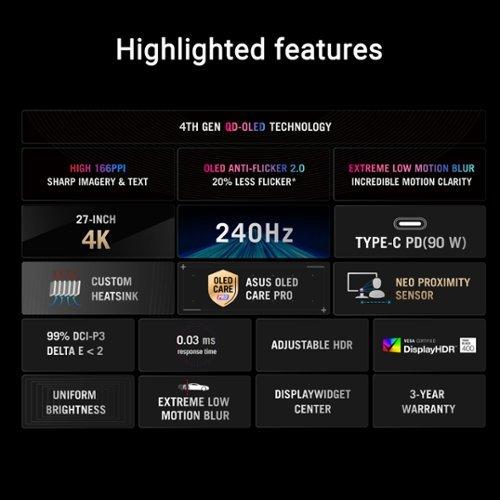
The ASUS ROG Strix OLED XG27UCDMG takes a completely different approach with Samsung's latest 4th-generation QD-OLED technology. OLED stands for Organic Light-Emitting Diode, where each individual pixel produces its own light. When a pixel needs to display black, it simply turns off completely, creating true black levels that no backlit display can match.
The "QD" part stands for Quantum Dot, which enhances color reproduction by using tiny semiconductor particles that emit specific colors when excited by light. This combination results in what's called an infinite contrast ratio—mathematically, it's the brightness of the brightest pixel divided by the brightness of a completely black pixel (zero), which equals infinity.
What makes this 4th-generation QD-OLED special is the improved subpixel layout that eliminates the text fringing issues that plagued earlier OLED monitors. Previous generations had a triangular subpixel arrangement that could make text appear slightly colored around the edges, but this latest generation uses a more traditional RGB stripe layout that renders text as sharply as any IPS display.
Response time measures how quickly a pixel can change from one color to another, typically measured in gray-to-gray transitions. Here, the difference between these monitors is stark. The ASUS OLED monitor achieves an incredible 0.03ms response time, while the LG IPS display clocks in at 1ms.
In practical terms, faster response times mean less ghosting—those trailing images you might see behind fast-moving objects in games. During my testing of similar OLED and IPS panels, the difference is immediately noticeable in fast-paced games like first-person shooters or racing games. The OLED's near-instantaneous pixel response creates remarkably clean motion, while the IPS panel, despite being quite good, shows subtle motion blur that becomes apparent in direct comparison.
However, response time specs don't tell the whole story. The LG monitor has faced criticism from reviewers for motion clarity issues that go beyond its 1ms specification. Some users report that despite the fast response time on paper, the actual motion performance feels "blurrier" than expected at 240Hz. This could be due to various factors including the pixel overdrive implementation or the Nano IPS Black technology itself.
Where the LG UltraGear 27G850A truly sets itself apart is with its revolutionary Dual Mode capability. At the press of a button, you can switch between 4K at 240Hz and Full HD (1920×1080) at an incredible 480Hz. This isn't just resolution scaling—the monitor actually reconfigures itself to deliver authentic 480Hz performance.
For competitive esports players, this is transformative. In games like Counter-Strike, Valorant, or competitive Overwatch, many pros actually prefer 1080p for the performance benefits and the way it can make enemies more visible. The 480Hz refresh rate takes this a step further, providing motion so smooth it can give players a genuine competitive edge by reducing motion blur and improving target tracking.
When engaged, the Dual Mode can optionally reduce the active screen area to 24 inches, creating a more focused gaming experience. However, you can also use the full 27-inch panel with 1080p content if preferred. This flexibility makes the LG monitor essentially two displays in one—a premium 4K gaming monitor for immersive single-player games and a competitive esports weapon for ranked play.
High Dynamic Range (HDR) support varies significantly between these monitors, and the specifications can be misleading. The LG monitor carries VESA DisplayHDR 600 certification, meaning it can hit peak brightness levels of 600 nits in HDR content. It achieves this through edge-lit local dimming with multiple zones that can brighten or dim independently.
However, edge-lit local dimming is somewhat limited compared to full-array solutions. Think of it like having dimmer switches only on the edges of a room—you can control overall brightness, but you can't create precise bright and dark areas simultaneously. This results in decent HDR performance, but with compromises in scenes that have both very bright and very dark elements.
The ASUS OLED monitor, despite having a lower DisplayHDR 400 True Black rating, actually delivers superior HDR performance in practice. The "True Black" certification is key here—it means the monitor can display perfect blacks alongside bright highlights. When watching HDR content, the infinite contrast ratio creates a more dramatic and realistic image than any backlit display can achieve.
I've found that OLED HDR performance is particularly impressive in games with strong lighting effects. Whether it's the glow of magic spells in fantasy games or the dramatic lighting in story-driven adventures, the ASUS monitor creates a more cinematic experience.
The LG UltraGear 27G850A includes DisplayPort 2.1, the latest connectivity standard that promises massive bandwidth improvements. In theory, DP 2.1 can handle uncompressed 4K at 240Hz, while older DP 1.4 connections require compression to fit all that data through the cable.
However, the current implementation still requires Display Stream Compression (DSC) even with DP 2.1, because the full UHBR20 speeds that would eliminate compression aren't yet available in consumer graphics cards. So while the LG monitor is technically more future-proof, the practical benefits won't be realized until next-generation GPUs arrive.
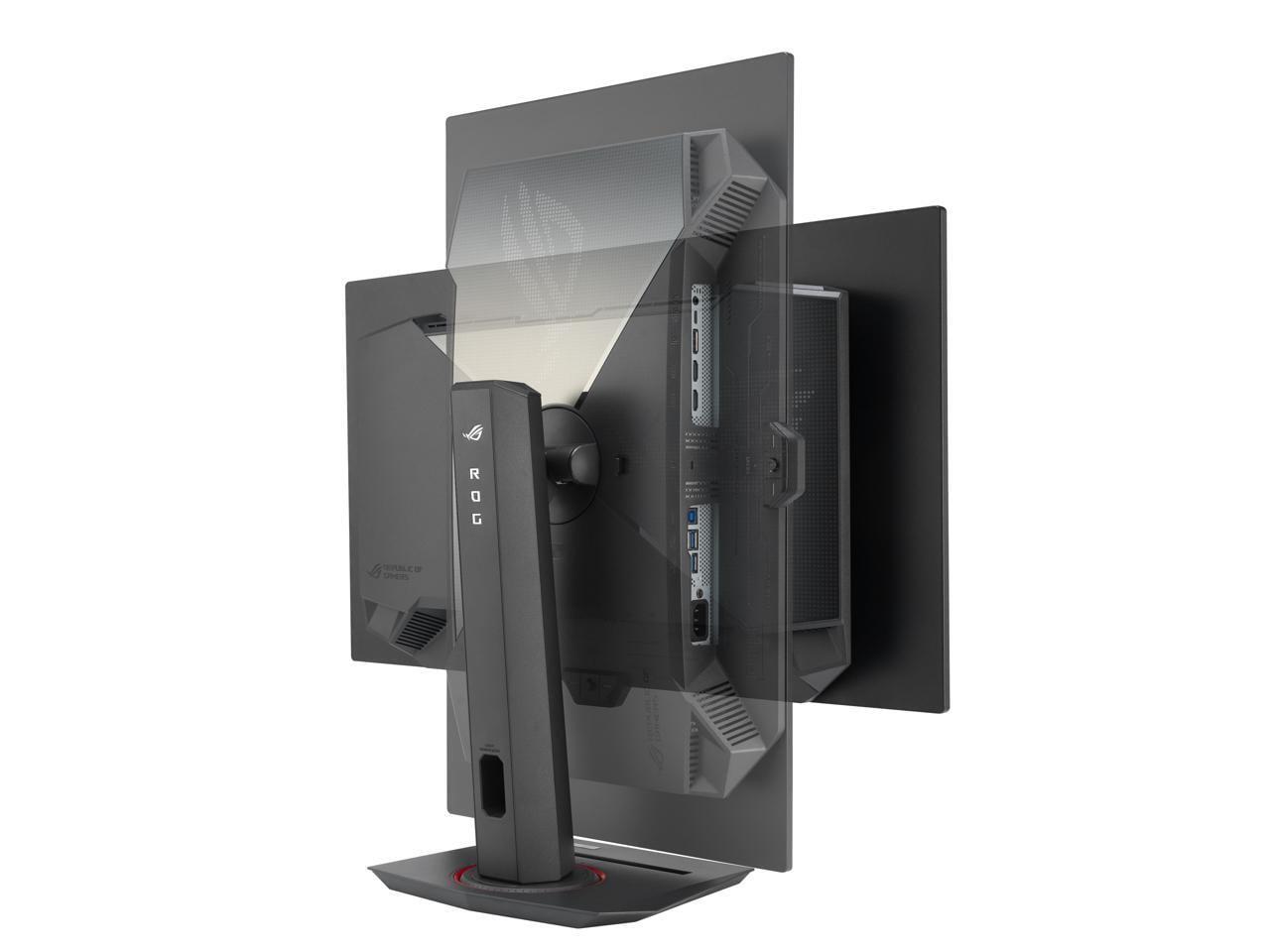
The ASUS monitor uses DisplayPort 1.4, which is currently the standard for high-end gaming. Since both monitors require DSC anyway, there's no practical difference in image quality or performance today. The ASUS does gain points for its USB-C connectivity with 90W Power Delivery, making it excellent for laptop users who want a single-cable solution.
Both monitors include dual HDMI 2.1 ports, making them excellent for next-generation gaming consoles. The PlayStation 5 and Xbox Series X can take full advantage of 4K gaming, though they typically target 60-120Hz rather than the full 240Hz capability. For console gaming, both monitors will deliver excellent experiences, with the ASUS OLED providing superior image quality and the LG monitor offering unique versatility.
While these are primarily gaming monitors, many users integrate them into home theater setups, especially for PC-based media consumption. Here, the differences become quite pronounced.
The ASUS OLED monitor excels as a home theater display. Its infinite contrast ratio makes movies feel more cinematic, especially in dark rooms. HDR movies on streaming services like Netflix or Disney+ look dramatically better on OLED technology. The wide color gamut support (99% DCI-P3) means you're seeing colors as the content creators intended.
However, OLED technology does have some home theater limitations. Automatic brightness limiting (ABL) can kick in during very bright scenes, temporarily reducing overall brightness to prevent pixel degradation. This is rarely noticeable in normal content but can be apparent in very bright, uniform scenes.
The LG IPS monitor provides more consistent brightness across all content types and won't suffer from burn-in if you frequently display static elements like streaming service menus or desktop interfaces. The matte coating also helps in rooms with ambient lighting, reducing reflections that could distract from the content.
For dedicated home theater use in a dark room, the ASUS OLED is clearly superior. For mixed-use scenarios where the display might show static content or be used in brighter rooms, the LG IPS monitor offers more flexibility.
Perhaps the most significant consideration for many buyers is long-term reliability. OLED technology, while offering superior image quality, comes with burn-in risks if static images are displayed for extended periods. This includes things like taskbars, game HUDs, or streaming overlays.
The ASUS monitor includes several protection features to mitigate these risks. OLED Care Pro functions include automatic pixel cleaning cycles, screen savers that activate when static content is detected, and a proximity sensor that dims the display when you're away. These features, combined with a three-year warranty that covers burn-in, provide reasonable protection.
The LG IPS monitor doesn't face burn-in risks at all, making it essentially worry-free for any type of content. If you're someone who leaves their computer running with static displays, works with productivity software with fixed interface elements, or streams content with overlays, the peace of mind with IPS technology is significant.
Choosing between these monitors ultimately comes down to your priorities and use cases.
The LG UltraGear 27G850A makes the most sense if you're heavily invested in competitive gaming. The dual-mode 480Hz capability is genuinely unique and valuable for esports players. The worry-free IPS technology is also appealing for users who display static content regularly or want maximum reliability. At the time of writing, it's also the more affordable option, making it attractive for buyers who want premium performance without paying the absolute highest price.
The ASUS ROG Strix OLED XG27UCDMG is the clear choice for users who prioritize image quality above all else. Whether you're playing immersive single-player games, creating content that demands color accuracy, or want the best possible HDR experience, the OLED technology delivers a noticeably superior visual experience. The additional connectivity options, including USB-C with power delivery, also make it more versatile for multi-device setups.
Both monitors represent significant achievements in display technology, and either will provide an excellent gaming experience. The LG monitor offers unique versatility and reliability at a compelling price point, while the ASUS OLED delivers the ultimate in image quality for those willing to accept OLED's maintenance considerations. Your choice should align with whether you value competitive flexibility and worry-free ownership, or premium image quality and professional features.
| LG UltraGear 27" 4K 240Hz Dual Mode Gaming Monitor | ASUS ROG Strix OLED XG27UCDMG 27" 4K 240Hz Gaming Monitor |
|---|---|
| Panel Technology - Determines image quality, contrast, and long-term reliability | |
| Nano IPS Black (2000:1 contrast, no burn-in risk) | 4th-gen QD-OLED (infinite contrast, potential burn-in) |
| Response Time - Critical for motion clarity in fast games | |
| 1ms GTG (good, but shows motion blur at 240Hz) | 0.03ms GTG (exceptional motion clarity) |
| Unique Gaming Feature - What sets each monitor apart | |
| Dual Mode: 4K 240Hz OR 1080p 480Hz switchable | Superior HDR and color accuracy for immersive gaming |
| HDR Performance - Impact on visual quality in supported games | |
| DisplayHDR 600 with edge-lit dimming (decent but limited) | DisplayHDR 400 True Black (superior due to perfect blacks) |
| Color Accuracy - Important for content creation and visual fidelity | |
| 99% DCI-P3 coverage (good for gaming) | 99% DCI-P3 + Delta E < 2 (professional-grade accuracy) |
| Connectivity - Future-proofing and device compatibility | |
| DisplayPort 2.1, 2× HDMI 2.1, USB 3.0 | DisplayPort 1.4, 2× HDMI 2.1, USB-C 90W Power Delivery |
| Burn-in Protection - Long-term reliability considerations | |
| No burn-in risk (IPS technology advantage) | 3-year warranty with burn-in coverage + OLED Care Pro |
| Best For - Target user scenarios | |
| Competitive esports players who want 480Hz capability | Image quality enthusiasts and content creators |
| Pricing Value - Cost consideration at time of writing | |
| Lower cost entry to 4K 240Hz gaming | Premium pricing justified by OLED image quality |
The ASUS ROG Strix OLED XG27UCDMG delivers superior picture quality with its QD-OLED panel technology, offering infinite contrast ratios, perfect blacks, and more vibrant colors. The LG UltraGear 27" 4K 240Hz Dual Mode Gaming Monitor uses Nano IPS Black technology which provides good image quality but can't match OLED's contrast performance.
The key difference is panel technology and unique features. The LG UltraGear monitor offers a revolutionary Dual Mode that switches between 4K 240Hz and 1080p 480Hz, perfect for competitive esports. The ASUS ROG Strix OLED focuses on premium image quality with OLED technology and professional-grade color accuracy.
The LG UltraGear 27" 4K 240Hz Dual Mode Gaming Monitor excels for competitive gaming thanks to its unique 480Hz mode at 1080p resolution, providing ultra-smooth motion for esports titles. While the ASUS OLED monitor has faster 0.03ms response times, the LG's dual-mode capability gives competitive players more flexibility.
Both monitors support gaming consoles excellently through their HDMI 2.1 ports. The ASUS ROG Strix OLED XG27UCDMG provides superior HDR performance for console games, while the LG UltraGear monitor offers reliable performance without burn-in concerns from static gaming interfaces.
The ASUS ROG Strix OLED delivers superior HDR performance despite its lower DisplayHDR 400 rating, thanks to perfect black levels and infinite contrast. The LG UltraGear 27" 4K 240Hz monitor has DisplayHDR 600 certification but uses edge-lit local dimming, which provides decent but not exceptional HDR quality.
The LG UltraGear monitor uses IPS technology so there are no burn-in risks whatsoever. The ASUS ROG Strix OLED XG27UCDMG can potentially experience burn-in with static content, but includes OLED Care Pro protection features and a 3-year warranty covering burn-in damage.
The LG UltraGear 27" 4K 240Hz Dual Mode Gaming Monitor includes DisplayPort 2.1 for future-proofing, while the ASUS OLED monitor offers more practical connectivity with USB-C power delivery (90W) and better laptop integration options.
The ASUS ROG Strix OLED XG27UCDMG achieves an exceptional 0.03ms response time for crystal-clear motion, while the LG UltraGear monitor offers 1ms response time. In practice, the OLED provides noticeably cleaner motion clarity, especially in fast-paced games.
The ASUS ROG Strix OLED is superior for content creation with its professional-grade color accuracy (Delta E < 2), 99% DCI-P3 coverage, and 10-bit color depth. The LG UltraGear 27" 4K 240Hz monitor offers good colors but isn't specifically calibrated for professional work.
For movie watching, the ASUS ROG Strix OLED XG27UCDMG provides a more cinematic experience with perfect blacks and superior HDR performance. The LG UltraGear monitor offers consistent brightness and no burn-in concerns, making it better for mixed-use scenarios with streaming interfaces.
The LG UltraGear 27" 4K 240Hz Dual Mode Gaming Monitor offers worry-free long-term use with no burn-in risks and consistent performance over time. The ASUS OLED monitor requires more careful usage but includes comprehensive protection features and extended warranty coverage.
Both monitors offer excellent value in their respective categories. The LG UltraGear monitor typically costs less and provides unique dual-mode functionality, making it great value for competitive gamers. The ASUS ROG Strix OLED XG27UCDMG commands a premium but justifies it with superior image quality and professional features.
We've done our best to create useful and informative comparisons to help you decide what product to buy. Our research uses advanced automated methods to create this comparison and perfection is not possible - please contact us for corrections or questions. These are the sites we've researched in the creation of this article: bestbuy.com - displayninja.com - rtings.com - youtube.com - lg.com - rtings.com - tftcentral.co.uk - bestbuy.com - techpowerup.com - lg.com - lg.com - lg.com - bestbuy.com - rog.asus.com - forum.pcmonitors.info - rog.asus.com - windowscentral.com - versus.com - youtube.com - youtube.com - rtings.com - rtings.com - rog.asus.com - rog.asus.com - rog.asus.com - tenforums.com - rog.asus.com - techpowerup.com - bestbuy.com - newegg.com - displayspecifications.com - youtube.com - tftcentral.co.uk - displayninja.com

Privacy Policy
Terms and Conditions - Affiliate Policy
Home Security
© Copyright 2008-2026.
11816 Inwood Rd #1211, Dallas, TX 75244