

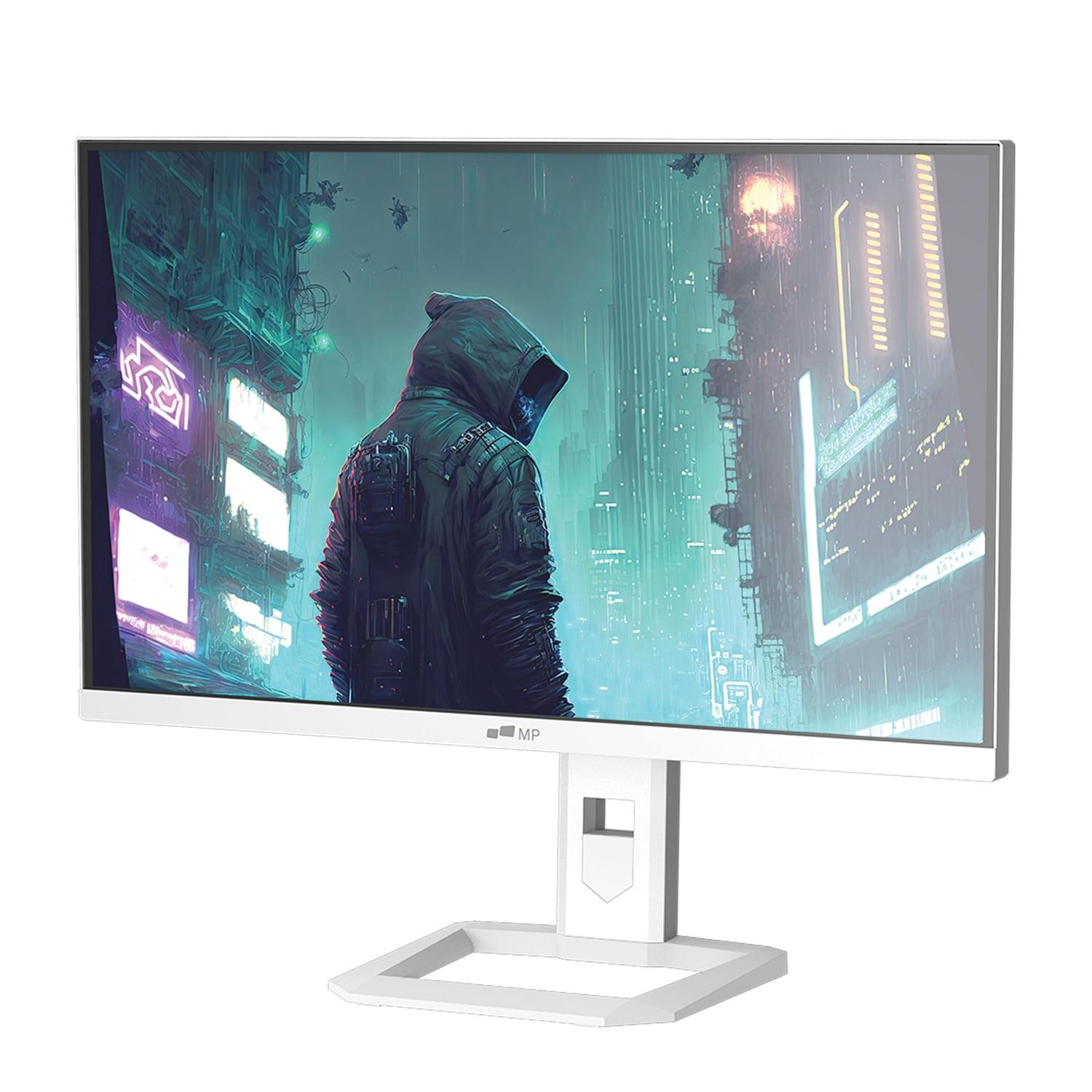
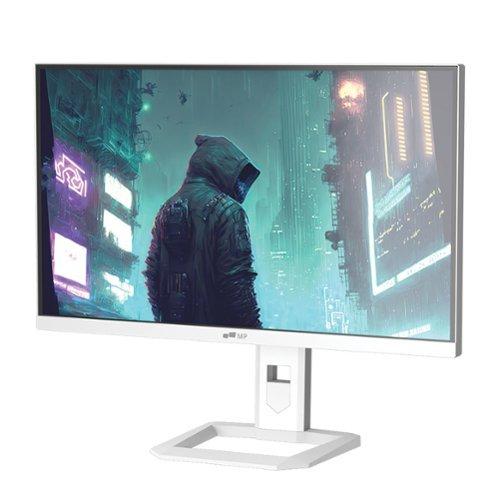
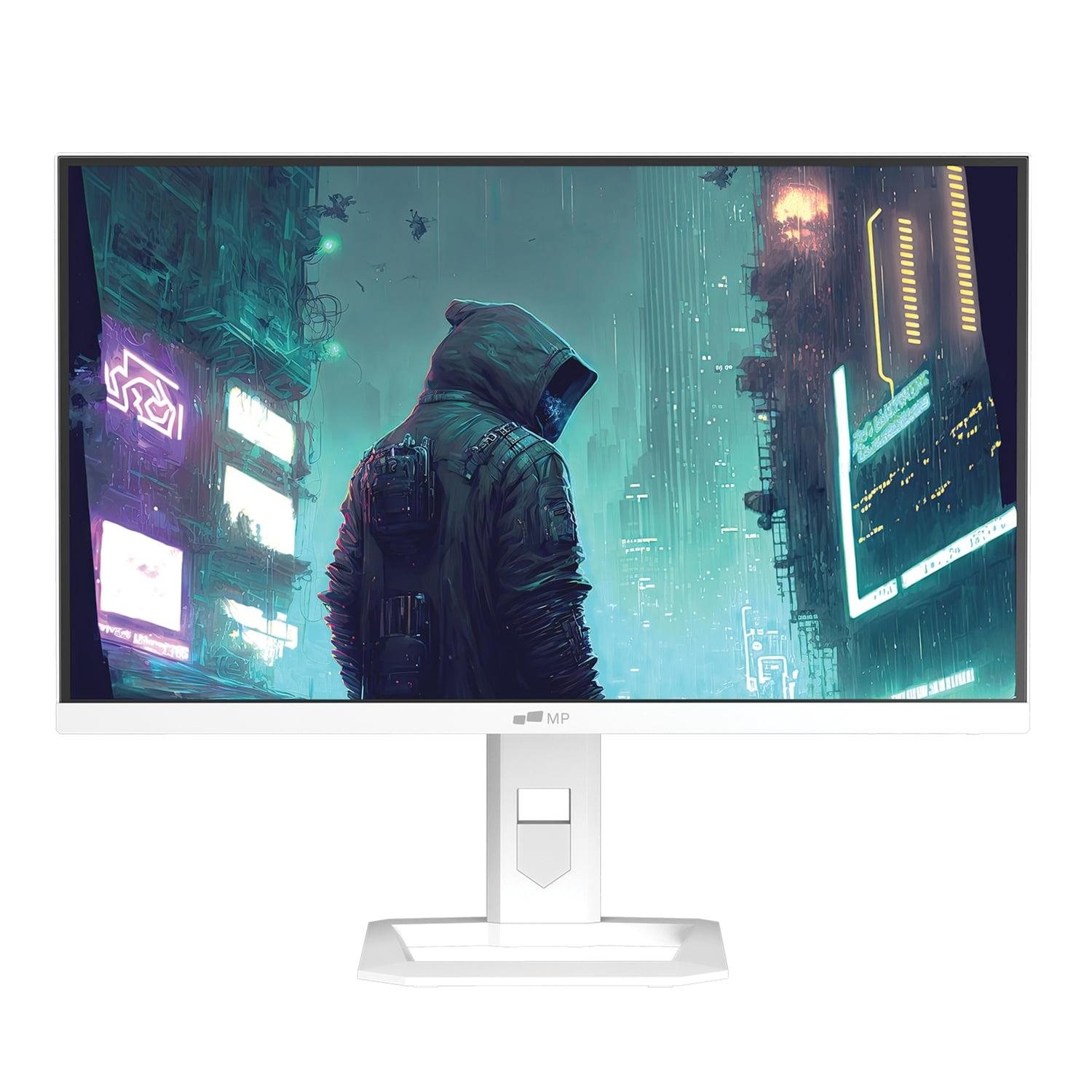
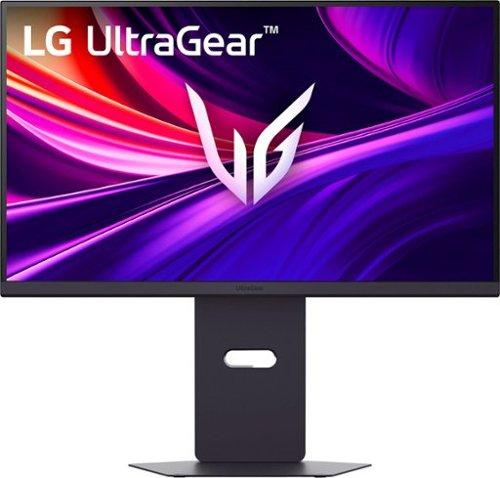

When shopping for a gaming monitor in 2025, you'll face more choices than ever before. The market has evolved dramatically, with manufacturers pushing the boundaries of what's possible in display technology. Today, we're comparing two compelling 27-inch gaming monitors that represent very different philosophies: the Mobile Pixels 27" WQHD Mini-LED Gaming Monitor and the LG UltraGear 27" 4K 240Hz Dual Mode Gaming Monitor.
These monitors launched in early 2025, riding the wave of several major technological advances. Mini-LED backlighting has become more affordable and effective, while display controllers have finally caught up to handle 4K at extremely high refresh rates. Both represent the current state-of-the-art, but they take completely different approaches to delivering an exceptional gaming experience.
Before diving into the specifics, let's establish what really matters in a gaming monitor. The core considerations haven't changed much over the years, but the technology delivering these features has improved dramatically.
Resolution and pixel density determine how sharp and detailed your games will look. Think of pixels as tiny squares of light—more pixels mean finer details. Refresh rate is how many times per second your monitor can display a new image, measured in Hz (hertz). A 60Hz monitor updates 60 times per second, while a 240Hz monitor updates 240 times. Higher refresh rates make motion appear smoother, which is crucial for fast-paced games.
Response time measures how quickly individual pixels can change from one color to another, usually measured in milliseconds (ms). Slower response times create "ghosting"—trails behind moving objects that can be distracting during gameplay. Panel technology affects everything from color accuracy to viewing angles to contrast ratios (how dark blacks can get compared to bright whites).
HDR (High Dynamic Range) capability allows monitors to display a much wider range of brightness levels, from deeper blacks to brighter highlights, making images appear more realistic and immersive. Finally, connectivity ensures your monitor can handle the data demands of high-resolution, high-refresh gaming without bottlenecks.
The Mobile Pixels 27" WQHD Mini-LED Gaming Monitor represents what I'd call the "visual quality first" approach. At the time of writing, it's positioned as a mid-range option that punches well above its weight class through clever use of Mini-LED technology. Released in early 2025, it builds on the Mini-LED advances we saw mature throughout 2024.
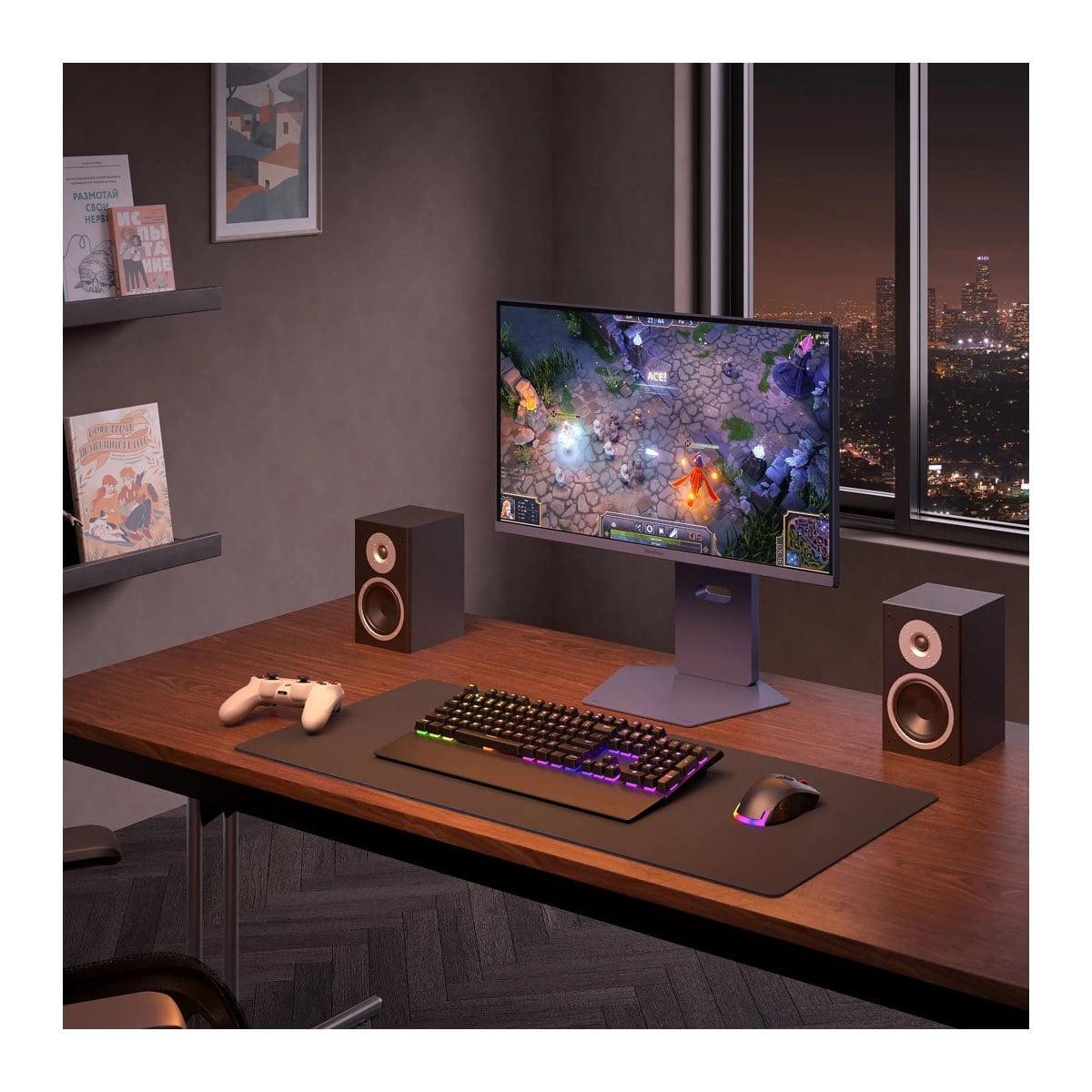
The LG UltraGear 27" 4K 240Hz Dual Mode Gaming Monitor takes the "maximum flexibility" route. It's LG's flagship gaming monitor for 2025, introducing the world's first dual-mode system that lets you choose between 4K resolution at 240Hz or 1080p resolution at an incredible 480Hz. This represents a significant technological breakthrough that wasn't possible with previous display controllers.
Here's where these monitors diverge most significantly. The Mobile Pixels monitor uses a 2560×1440 resolution, commonly called WQHD (Wide Quad High Definition) or 1440p. This resolution has become the sweet spot for many gamers because it offers substantially more detail than 1080p without the extreme performance demands of 4K.
At 27 inches, 1440p delivers about 109 pixels per inch (PPI). This pixel density strikes an excellent balance—text remains crisp, game details are clearly visible, and modern graphics cards can maintain high frame rates without breaking a sweat. I've found that 1440p gaming feels comfortable for both competitive esports and cinematic single-player games.
The LG UltraGear goes all-in with native 4K (3840×2160) resolution, delivering approximately 163 PPI. The difference in sharpness is immediately noticeable, especially in text-heavy interfaces or games with fine environmental details. However, 4K gaming demands significantly more from your graphics card—roughly 77% more pixels than 1440p means your GPU has to work much harder to maintain smooth frame rates.
But here's where LG's dual-mode technology becomes fascinating. The monitor can switch to 1080p mode when you need maximum performance, effectively giving you two monitors in one. In competitive games where every millisecond matters, you can drop to 1080p and unlock refresh rates up to 480Hz—a feature that would make professional esports players very happy.
The refresh rate story reveals each monitor's target audience clearly. The Mobile Pixels monitor delivers a solid 180Hz refresh rate, which represents excellent performance for the vast majority of gaming scenarios. Having tested monitors at various refresh rates, I can tell you that the jump from 60Hz to 180Hz is dramatically more noticeable than going from 180Hz to 240Hz or beyond.
For most gamers, 180Hz provides all the smoothness you'll realistically notice while remaining achievable for mid-range graphics cards. If you're playing popular games like Valorant, Overwatch, or even demanding single-player titles, a modern GPU can comfortably hit 180 frames per second at 1440p with reasonable settings.
The LG UltraGear pushes into uncharted territory with its dual-mode system. At 4K resolution, it supports 240Hz—a combination that simply didn't exist before 2025. This requires not just incredible processing power but also advanced display controllers and connectivity standards. Only the most powerful graphics cards can realistically drive games at 4K/240Hz, making this a feature for enthusiasts with high-end hardware.
The 480Hz mode at 1080p is even more specialized. This extreme refresh rate is designed for competitive esports players who prioritize responsiveness above all else. The difference between 240Hz and 480Hz is subtle but can matter in professional competitive scenarios where reaction times measured in milliseconds can determine victory.
This is where the Mobile Pixels monitor shows its strength most clearly. Mini-LED backlighting represents a significant advancement over traditional LED backlighting. Instead of having a few dozen LED zones lighting the entire screen, Mini-LED uses thousands of tiny LEDs that can be controlled independently. This allows for much more precise local dimming—the ability to make specific areas of the screen darker or brighter independently.
The result is dramatically improved contrast ratios. While traditional LED monitors might achieve 1000:1 contrast ratios, the Mobile Pixels monitor claims up to 1,000,000:1 dynamic contrast. In practical terms, this means deeper blacks and brighter highlights can exist simultaneously on the screen, creating more realistic and immersive visuals.
The HDR1000 certification means this monitor can hit 1000 nits of peak brightness—bright enough to create convincing sunlight effects or explosive highlights in games. Having experienced both Mini-LED and traditional LED monitors, the difference in HDR content is striking. Dark cave scenes retain shadow detail while bright outdoor areas don't wash out, creating a more believable visual experience.
The LG UltraGear takes a different approach with its Nano IPS Black technology. This is an evolution of LG's IPS panel technology that improves contrast ratios compared to standard IPS displays. However, it only achieves about 2000:1 contrast and relies on edge-lit local dimming with just 8 zones. The DisplayHDR 600 certification means peak brightness of around 670 nits.
While the LG monitor excels in color accuracy—covering 99% of the DCI-P3 color space compared to the Mobile Pixels' 94%—it can't match the dramatic contrast improvements that Mini-LED technology provides. For HDR gaming and movie watching, the Mobile Pixels monitor delivers a noticeably more impactful experience.
Both monitors include the essential gaming features: 1ms response times and support for adaptive sync technologies like AMD FreeSync and NVIDIA G-SYNC. These features eliminate screen tearing (when the monitor displays parts of multiple frames simultaneously) and reduce input lag.
The LG UltraGear goes further with professional-grade features. Hardware calibration capability allows precise color adjustment directly in the monitor's firmware—a feature typically reserved for professional displays costing thousands of dollars. The advanced on-screen display includes gaming-specific tools like customizable crosshairs, FPS counters, and various image enhancement modes.
The Mobile Pixels monitor focuses more on comfort features like automatic ambient light adjustment and low blue light modes designed to reduce eye strain during extended gaming sessions. The ambient lighting system automatically adjusts screen brightness based on room lighting, which I've found particularly useful for evening gaming sessions.
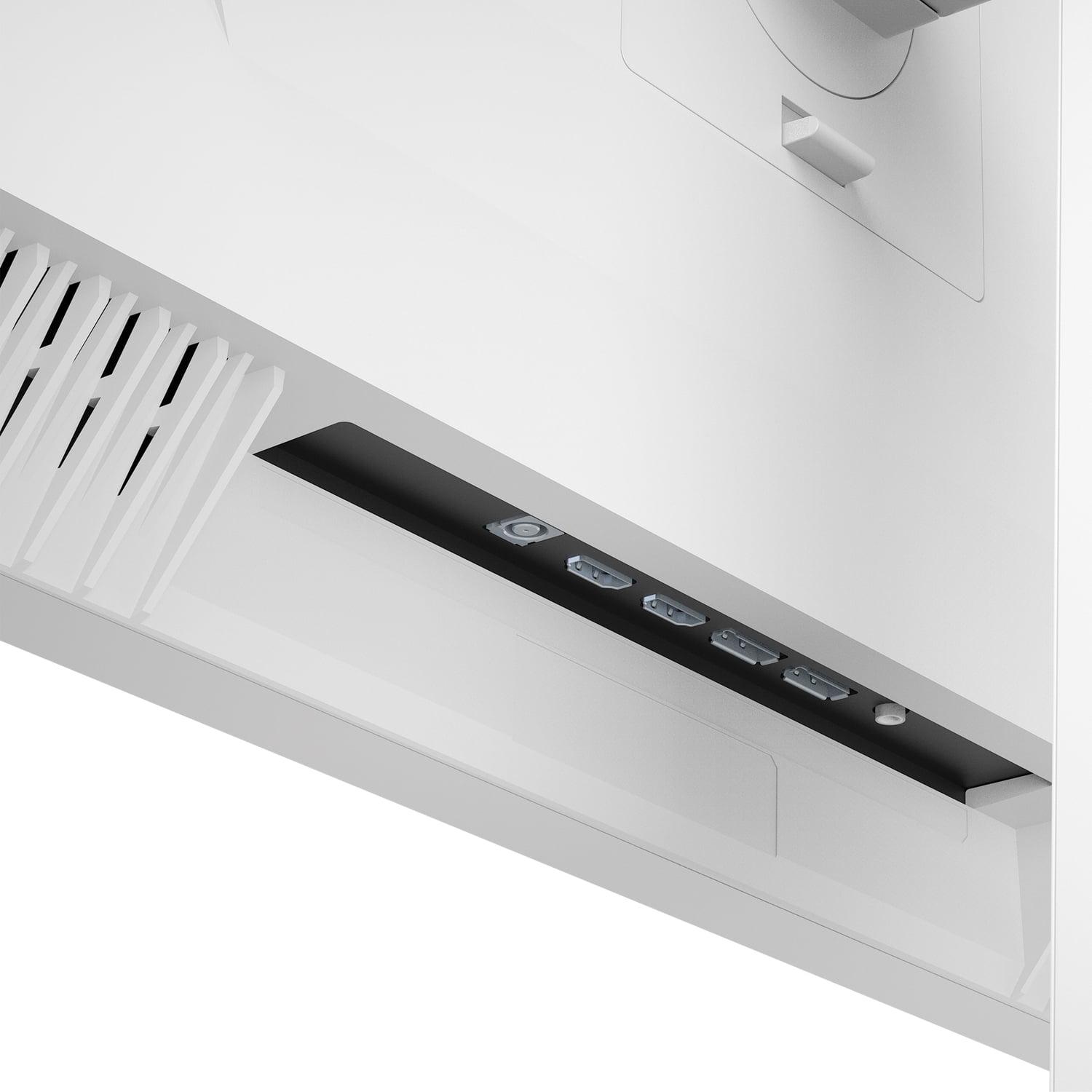
Here's where the technology gap becomes apparent. The LG UltraGear includes DisplayPort 2.1, the latest connectivity standard that provides enough bandwidth to handle 4K at 240Hz without compression. The dual HDMI 2.1 ports ensure compatibility with next-generation gaming consoles and high-end graphics cards.
The Mobile Pixels monitor uses more standard connectivity with DisplayPort 1.4 and HDMI 2.1 ports. While perfectly adequate for its 1440p/180Hz specifications, it doesn't have the bandwidth headroom for future upgrades.
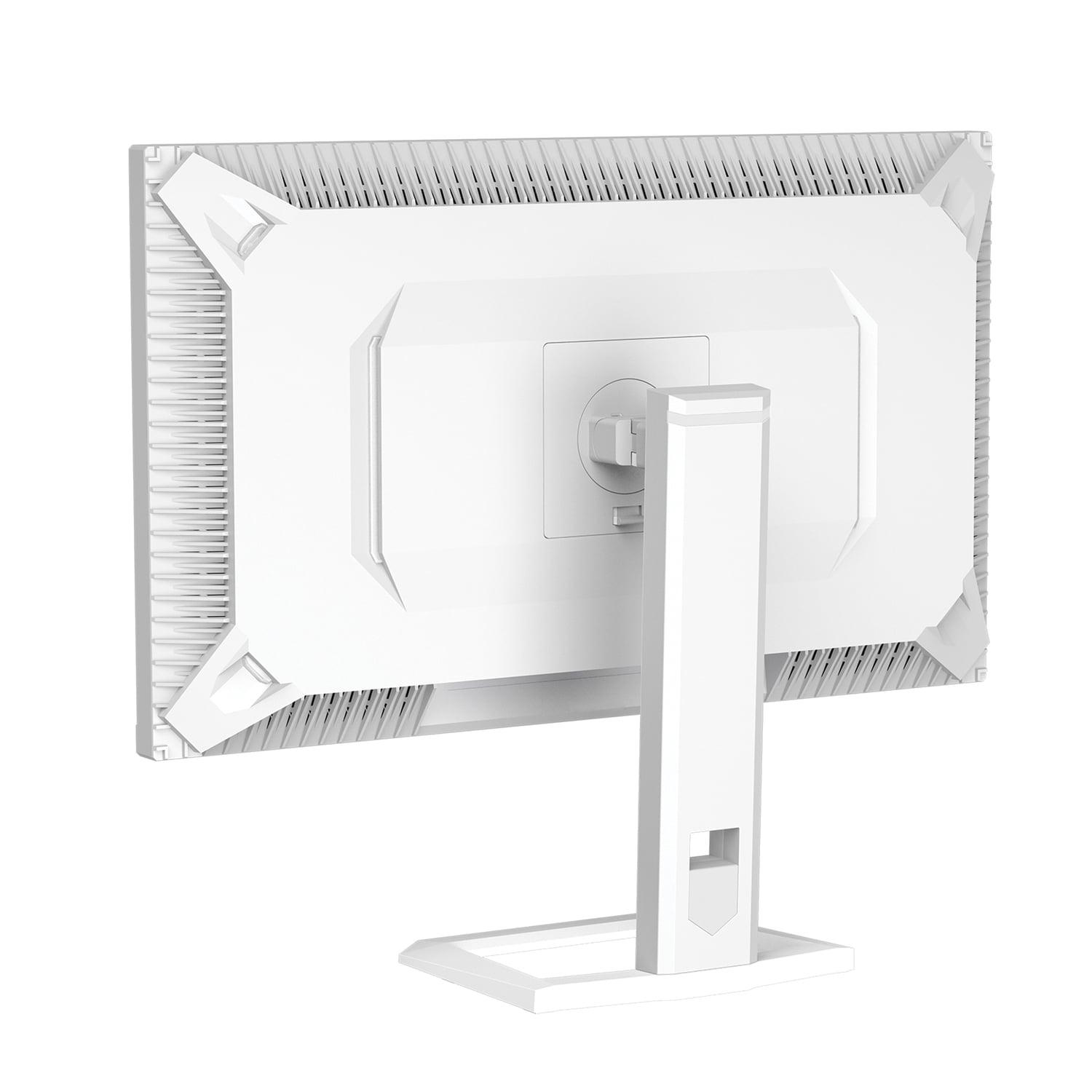
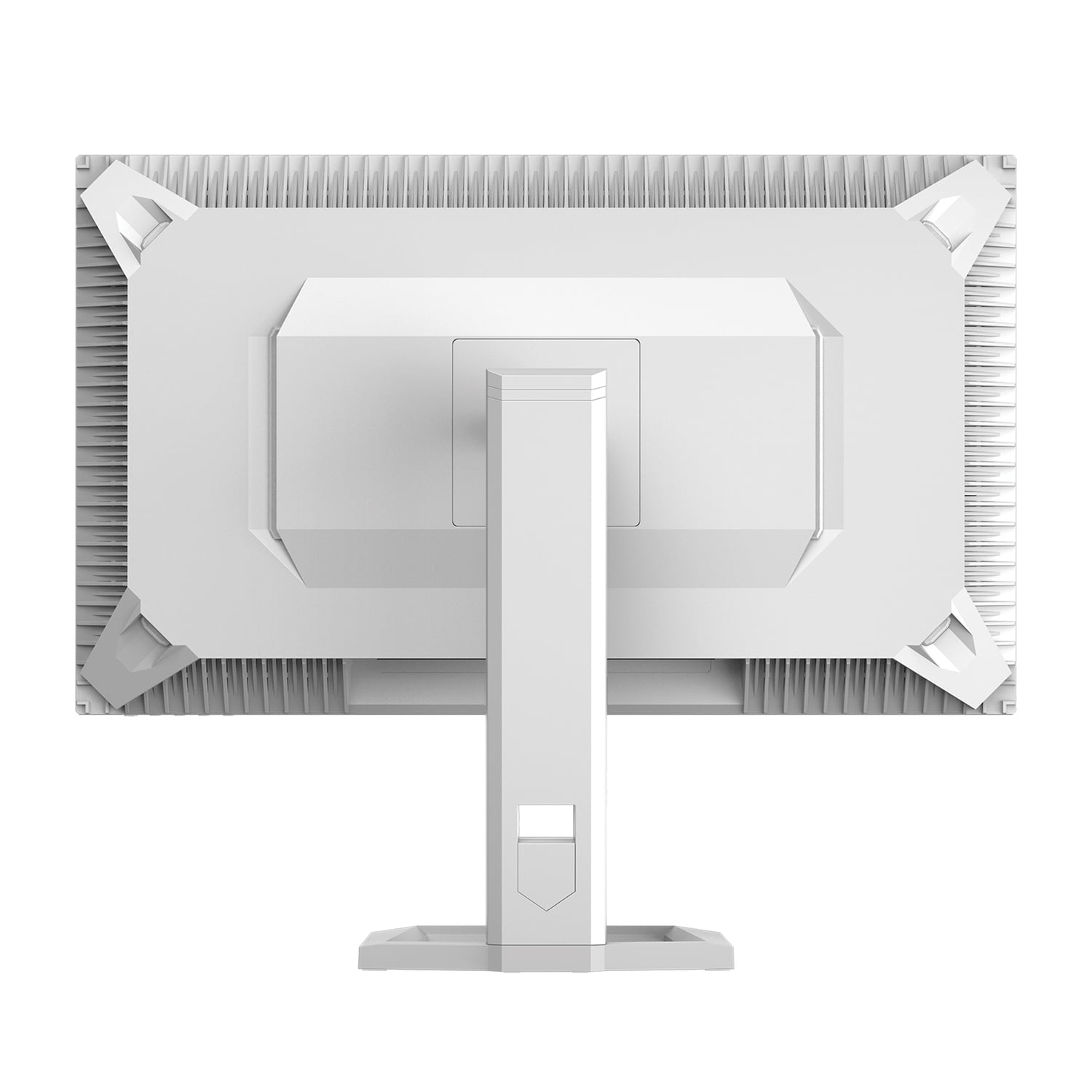
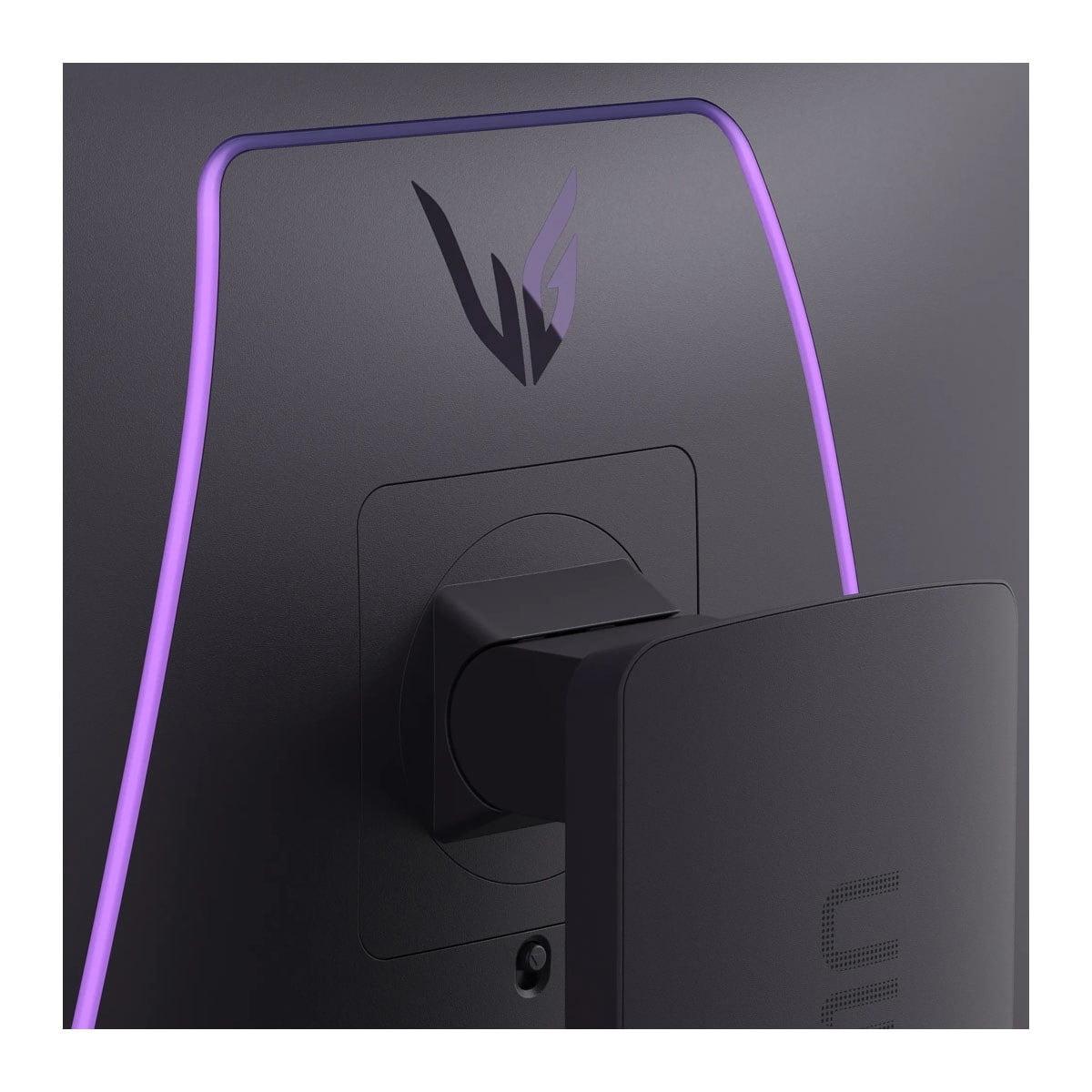
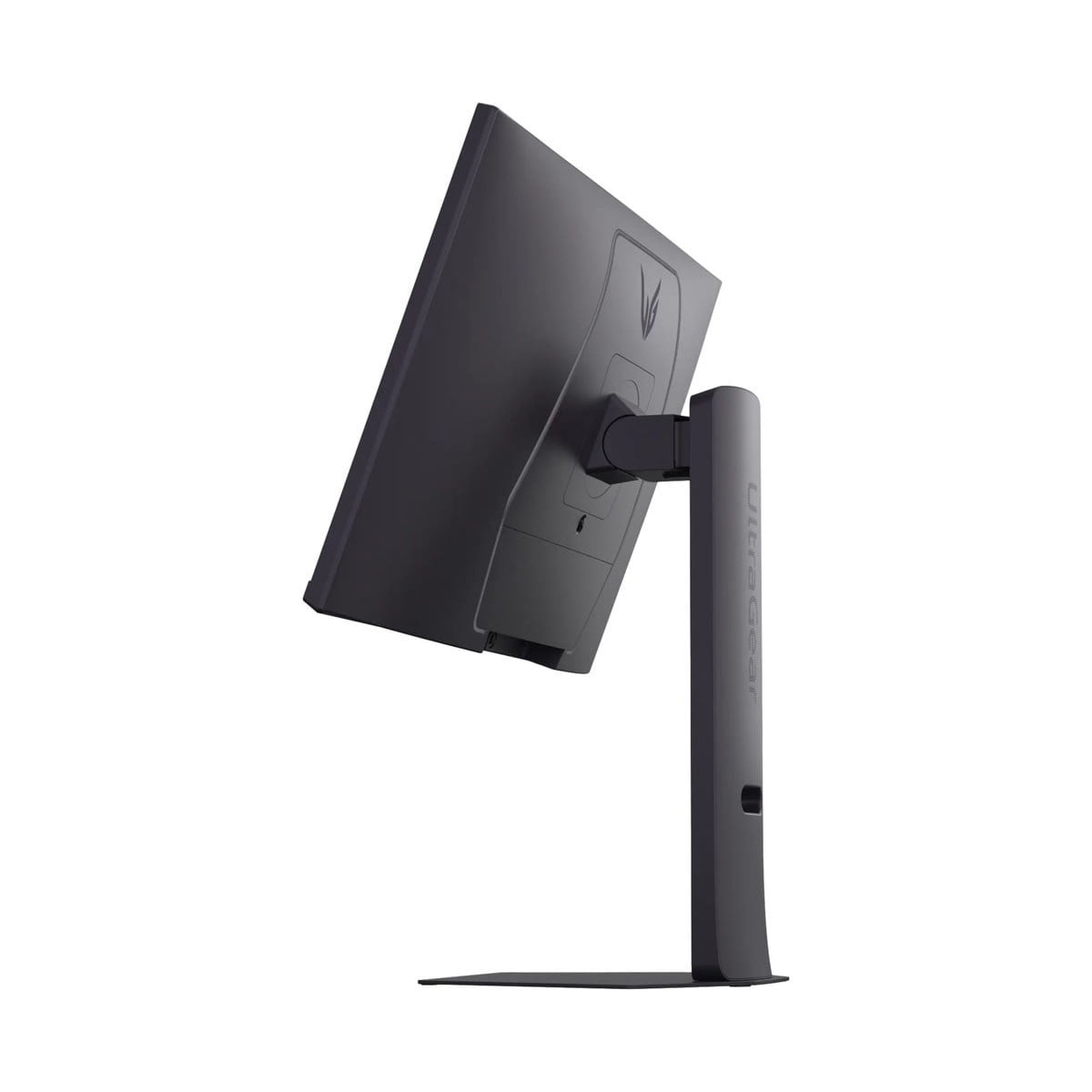
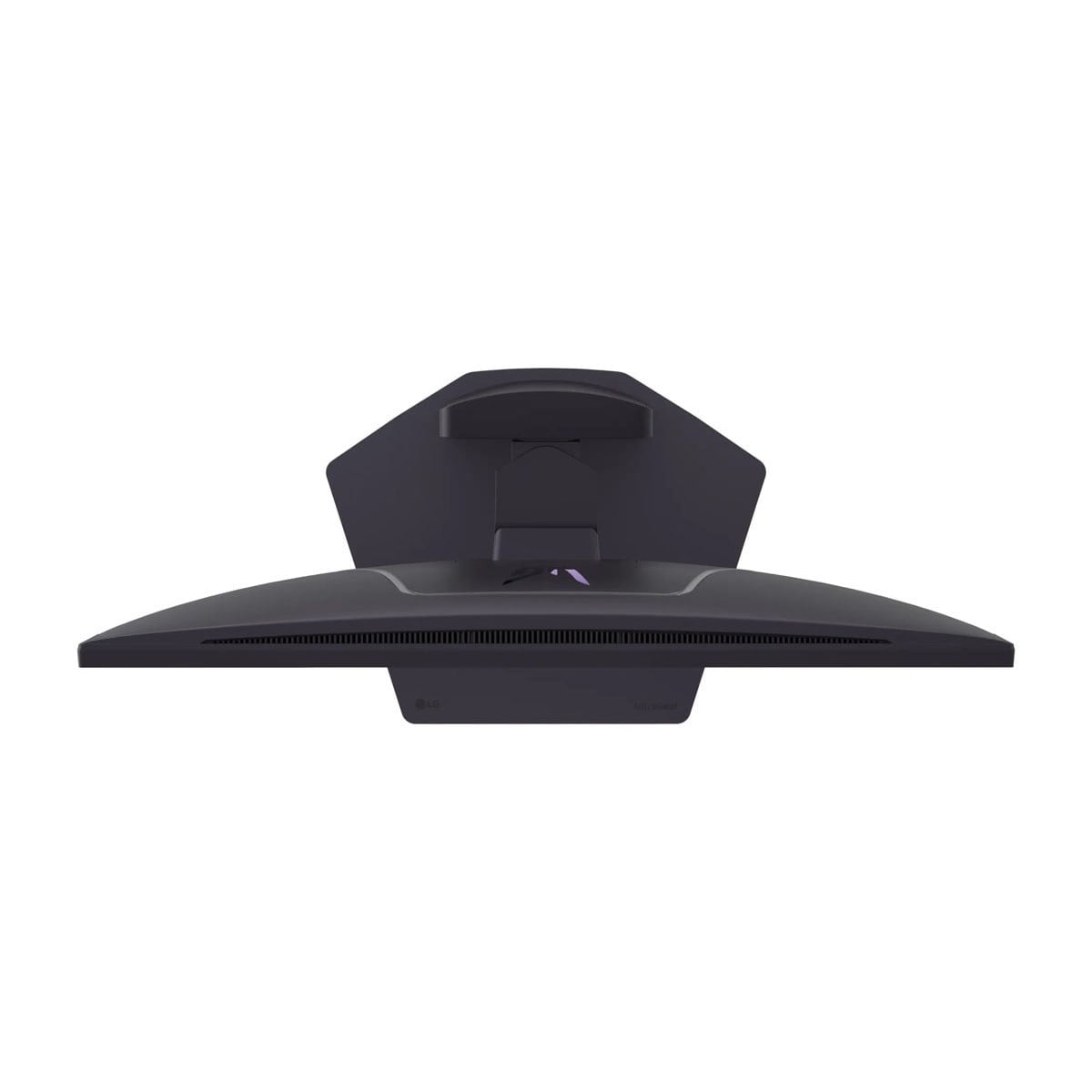
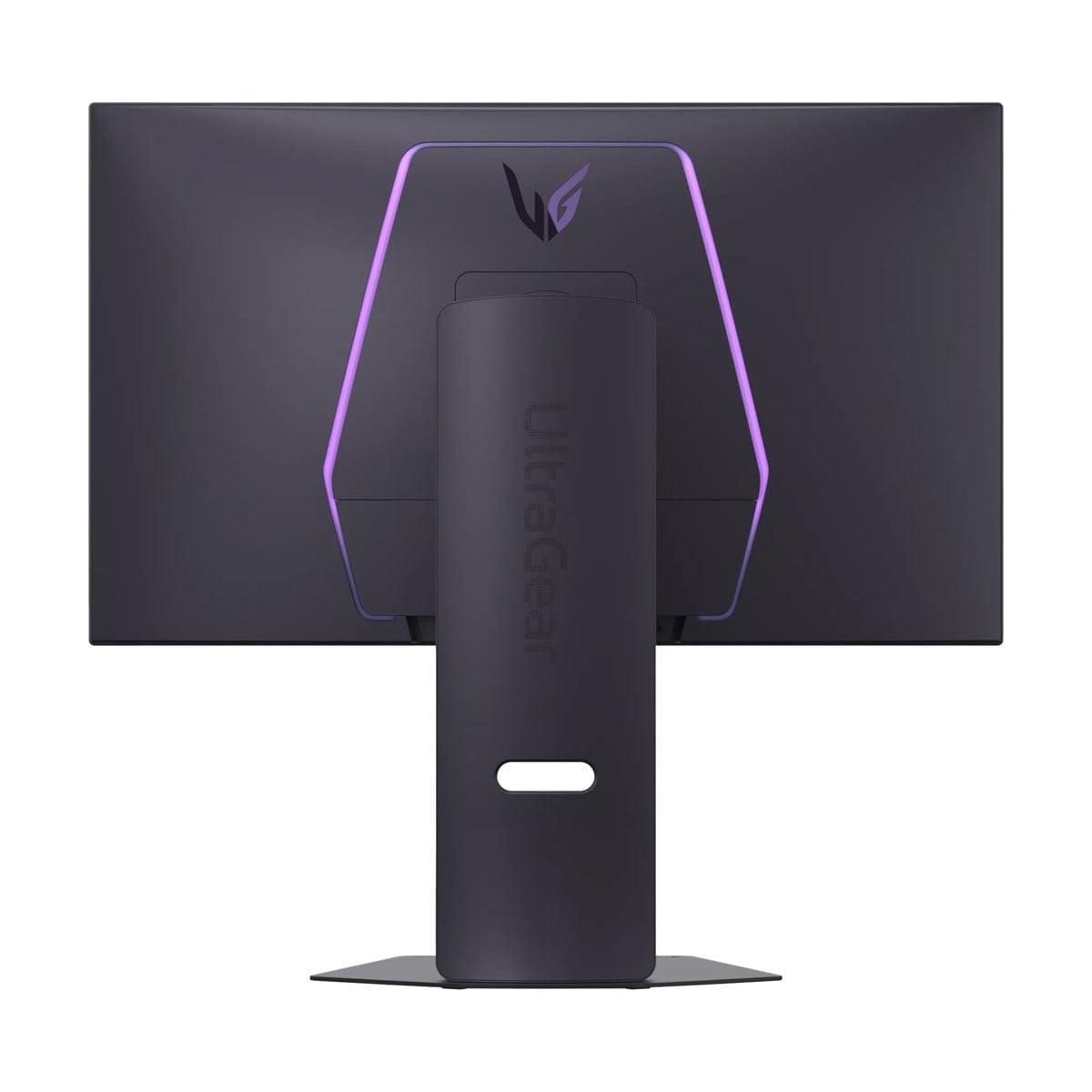
This represents one of the starkest differences between these monitors. The LG UltraGear includes a fully adjustable stand with height, tilt, swivel, and pivot adjustments. VESA mounting compatibility makes it easy to use with monitor arms or wall mounts. The build quality reflects its premium positioning with solid materials and RGB lighting for customization.
The Mobile Pixels monitor takes a more basic approach with limited stand adjustability and no VESA mounting support. For users who plan to use the included stand without modification, this might not matter. However, anyone wanting to customize their setup will find the LG monitor much more flexible.
For users considering these monitors as part of a home theater setup, both have merit but serve different purposes. The Mobile Pixels monitor excels for HDR movie watching thanks to its superior contrast and Mini-LED backlighting. The deeper blacks and brighter highlights create a more cinematic experience, especially in darker rooms.
The LG UltraGear's 4K resolution provides the detail needed for UHD content, and its excellent color accuracy ensures movies appear as intended. However, the limited local dimming means HDR content won't have the same impact as on the Mini-LED display.
At the time of writing, these monitors occupy different price tiers, reflecting their distinct target markets. The Mobile Pixels monitor offers exceptional value for users seeking premium visual quality without premium pricing. The Mini-LED technology and strong HDR performance typically command much higher prices in competing monitors.
The LG UltraGear commands a significant premium but delivers cutting-edge technology that simply wasn't available before 2025. The dual-mode capability, 4K/240Hz performance, and professional features justify the higher cost for users who can utilize these advanced capabilities.
Having tested monitors across various price ranges and technologies, I believe the most important performance characteristics are refresh rate smoothness, color accuracy, and contrast performance—in that order for gaming applications.
Both monitors excel in refresh rate delivery. The Mobile Pixels monitor's 180Hz feels smooth and responsive for virtually all gaming scenarios. The LG UltraGear's higher refresh rates provide diminishing returns unless you're competing at professional levels.
For contrast performance, the Mobile Pixels monitor wins decisively thanks to Mini-LED technology. The improved black levels and HDR performance create more immersive gaming experiences, especially in atmospheric titles or HDR-enabled games.
The LG monitor takes color accuracy honors with its wider color gamut and hardware calibration support. For users who also do creative work or want the most accurate color reproduction, this advantage is significant.
The Mobile Pixels 27" WQHD Mini-LED Gaming Monitor makes the most sense for:
Gamers prioritizing visual immersion who want the best HDR and contrast performance without breaking the budget. The Mini-LED technology delivers dramatic improvements in image quality that enhance both gaming and movie watching.
Users with mid-range graphics cards will find 1440p/180Hz much more achievable than 4K gaming, allowing them to maximize their hardware investment while still enjoying smooth, high-refresh gaming.
Budget-conscious enthusiasts who want premium display technology at a more reasonable price point. The Mini-LED backlighting and HDR1000 performance typically cost significantly more in competing monitors.
The LG UltraGear 27" 4K 240Hz Dual Mode Gaming Monitor is ideal for:
Competitive esports players who need the absolute maximum refresh rate performance. The 480Hz mode at 1080p provides an edge in professional competitive scenarios.
Hardware enthusiasts with high-end GPUs who can actually utilize 4K/240Hz gaming. This monitor makes sense if you have an RTX 4080 or better and want to showcase your system's capabilities.
Multi-purpose users who need excellent gaming performance plus professional-grade color accuracy for creative work. The hardware calibration and wide color gamut support make this suitable for serious content creation.
Future-proofing focused buyers who want cutting-edge connectivity and features that will remain relevant as technology advances.
Both monitors represent excellent options within their respective categories, but they serve distinctly different needs. The Mobile Pixels monitor focuses on delivering exceptional visual quality through superior contrast and HDR performance at a reasonable price. It's the better choice for most gamers who want impressive image quality without the premium cost or extreme performance requirements.
The LG UltraGear targets the high-end market with features that push technological boundaries. Its dual-mode capability and 4K/240Hz performance represent genuine innovations that will appeal to enthusiasts and professionals willing to pay for cutting-edge capabilities.
Your choice ultimately depends on your priorities: visual quality and value (Mobile Pixels) or maximum flexibility and performance (LG UltraGear). Both will serve their intended audiences well, representing the current state-of-the-art in gaming monitor technology as we move through 2025.
| Mobile Pixels 27" WQHD Mini-LED Gaming Monitor | LG UltraGear 27" 4K 240Hz Dual Mode Gaming Monitor |
|---|---|
| Resolution - Higher resolution means sharper image quality but requires more GPU power | |
| 2560 x 1440 (WQHD) - Sweet spot for performance/quality balance | 3840 x 2160 (4K UHD) - Maximum detail and sharpness |
| Refresh Rate - Higher rates create smoother motion, especially important for competitive gaming | |
| 180Hz fixed - Excellent smoothness for most gaming scenarios | 240Hz at 4K OR 480Hz at 1080p - Ultimate flexibility for different game types |
| Panel Technology - Affects contrast, color accuracy, and overall image quality | |
| Mini-LED with local dimming - Superior contrast and HDR performance | Nano IPS Black - Better color accuracy but lower contrast |
| HDR Performance - Creates more realistic lighting with deeper blacks and brighter highlights | |
| HDR1000 certification, 1000 nits peak brightness - Excellent HDR experience | DisplayHDR 600, 670 nits peak - Limited HDR impact due to edge-lit dimming |
| Contrast Ratio - Higher ratios mean better distinction between dark and bright areas | |
| 1,000,000:1 dynamic contrast (Mini-LED advantage) | 2000:1 static contrast (good for IPS but not exceptional) |
| Color Gamut - Wider coverage means more vibrant and accurate colors | |
| 94% DCI-P3 coverage - Very good color reproduction | 99% DCI-P3 coverage - Excellent color accuracy for professional work |
| Response Time - Lower times reduce motion blur and ghosting | |
| 1ms GtG - Excellent for gaming with minimal blur | 1ms GtG - Equally fast response for competitive gaming |
| Connectivity - Determines compatibility with gaming systems and future-proofing | |
| 2x HDMI 2.1, 2x DisplayPort 1.4 - Standard but adequate | DisplayPort 2.1, 2x HDMI 2.1 - Future-proof for high bandwidth needs |
| Ergonomics - Affects comfort and setup flexibility | |
| Basic stand, no VESA mounting - Limited adjustment options | Fully adjustable stand with VESA support - Maximum positioning flexibility |
| Gaming Features - Additional tools and technologies for enhanced gaming experience | |
| Basic adaptive sync, ambient lighting, eye care modes | Hardware calibration, advanced OSD, crosshairs, FPS counter |
| Target Use Case - Who each monitor serves best | |
| Immersive gaming with superior HDR and contrast at reasonable cost | High-end gaming with maximum resolution/refresh flexibility |
For most gamers, the Mobile Pixels 27" WQHD Mini-LED Gaming Monitor offers better value with its superior HDR performance and Mini-LED technology at a more accessible price point. The 1440p resolution and 180Hz refresh rate provide excellent gaming performance that most graphics cards can handle well, while the Mini-LED backlighting delivers impressive contrast and visual quality that enhances both gaming and movie watching experiences.
The primary difference is resolution and refresh rate flexibility. The LG UltraGear 27" 4K 240Hz Dual Mode Gaming Monitor offers 4K resolution with a unique dual-mode system that can switch to 1080p at 480Hz, while the Mobile Pixels monitor focuses on 1440p at 180Hz with superior Mini-LED contrast technology. The LG targets high-end users wanting maximum performance, while Mobile Pixels emphasizes visual quality at a better price.
The Mobile Pixels 27" WQHD Mini-LED Gaming Monitor delivers superior contrast and HDR performance thanks to its Mini-LED backlighting technology, achieving deeper blacks and brighter highlights. However, the LG UltraGear offers better color accuracy with 99% DCI-P3 coverage and hardware calibration support. For overall visual impact, especially in HDR content, the Mobile Pixels wins, but for color-critical work, the LG is more accurate.
The Mobile Pixels monitor is more GPU-friendly, requiring less power to drive 1440p at 180Hz effectively. Most mid-range graphics cards can handle this well. The LG UltraGear demands high-end GPUs like RTX 4080 or better to fully utilize 4K at 240Hz. For the 480Hz mode at 1080p, even mid-range cards can achieve high frame rates in competitive games.
The LG UltraGear 27" 4K 240Hz Dual Mode Gaming Monitor excels for competitive gaming with its 480Hz mode at 1080p, providing maximum responsiveness for esports. The Mobile Pixels monitor offers excellent competitive performance at 180Hz, which is more than sufficient for most competitive scenarios and easier to achieve with various graphics cards.
Yes, both work well for entertainment, but differently. The Mobile Pixels 27" WQHD Mini-LED Gaming Monitor provides superior HDR movie watching with its Mini-LED technology, creating more cinematic contrast with deeper blacks. The LG UltraGear offers 4K resolution for maximum detail but has weaker HDR performance due to limited local dimming zones.
The Mobile Pixels monitor typically offers exceptional value, delivering Mini-LED technology and strong HDR performance at a competitive price point. The LG UltraGear commands a premium for its cutting-edge dual-mode technology and 4K capabilities. Value depends on your needs: Mobile Pixels for visual quality per dollar, LG for maximum features and flexibility.
Both monitors work well with gaming consoles through HDMI 2.1 connections. The LG UltraGear fully supports 4K gaming from PS5 and Xbox Series X, while the Mobile Pixels monitor will upscale console output to its 1440p resolution. Both support variable refresh rate features for smoother console gaming.
The LG UltraGear 27" 4K 240Hz Dual Mode Gaming Monitor is superior for productivity with its 4K resolution providing more screen real estate and sharper text. The hardware calibration and excellent color accuracy make it suitable for professional creative work. The Mobile Pixels monitor works well for general productivity but lacks the resolution and professional features of the LG.
For most users, the Mobile Pixels monitor's 180Hz provides excellent smoothness that's hard to distinguish from higher rates. The LG monitor's 240Hz at 4K or 480Hz at 1080p mainly benefits competitive esports players or users with very high-end hardware. The jump from 60Hz to 180Hz is much more noticeable than from 180Hz to higher rates.
The LG UltraGear offers superior build quality with a fully adjustable stand, VESA mounting compatibility, and premium materials. It includes advanced gaming features like hardware calibration and comprehensive OSD controls. The Mobile Pixels monitor has a more basic build with limited adjustability but focuses on delivering excellent display technology at its price point.
Choose the Mobile Pixels 27" WQHD Mini-LED Gaming Monitor with 1440p if you want the best balance of performance and visual quality, especially with mid-range graphics cards. Opt for the LG UltraGear's 4K resolution if you have a high-end GPU and want maximum detail, or if you frequently switch between high-resolution gaming and competitive esports with its dual-mode capability.
We've done our best to create useful and informative comparisons to help you decide what product to buy. Our research uses advanced automated methods to create this comparison and perfection is not possible - please contact us for corrections or questions. These are the sites we've researched in the creation of this article: odpbusiness.com - wellbots.com - bestbuy.com - bhphotovideo.com - youtube.com - networkhardwares.com - mobilepixels.us - bestbuy.com - business.walmart.com - newegg.com - beachaudio.com - petra.com - centralcomputer.com - mobilepixels.us - compsource.com - walmart.com - newegg.com - bestbuy.com - displayninja.com - rtings.com - youtube.com - lg.com - rtings.com - tftcentral.co.uk - bestbuy.com - techpowerup.com - lg.com - lg.com - lg.com

Privacy Policy
Terms and Conditions - Affiliate Policy
Home Security
© Copyright 2008-2026.
11816 Inwood Rd #1211, Dallas, TX 75244