

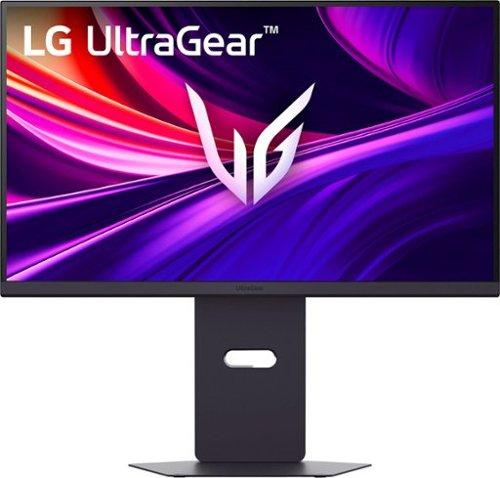
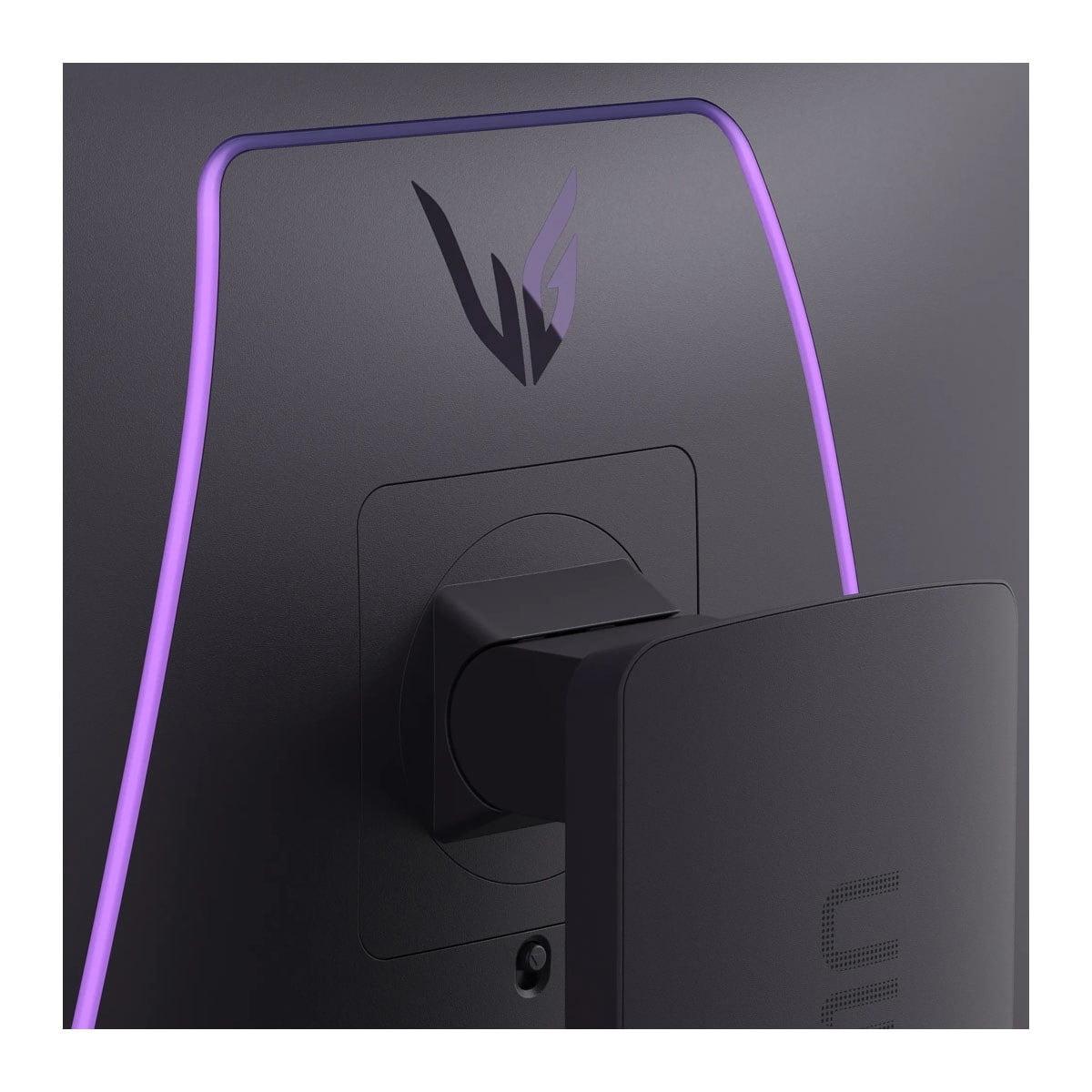
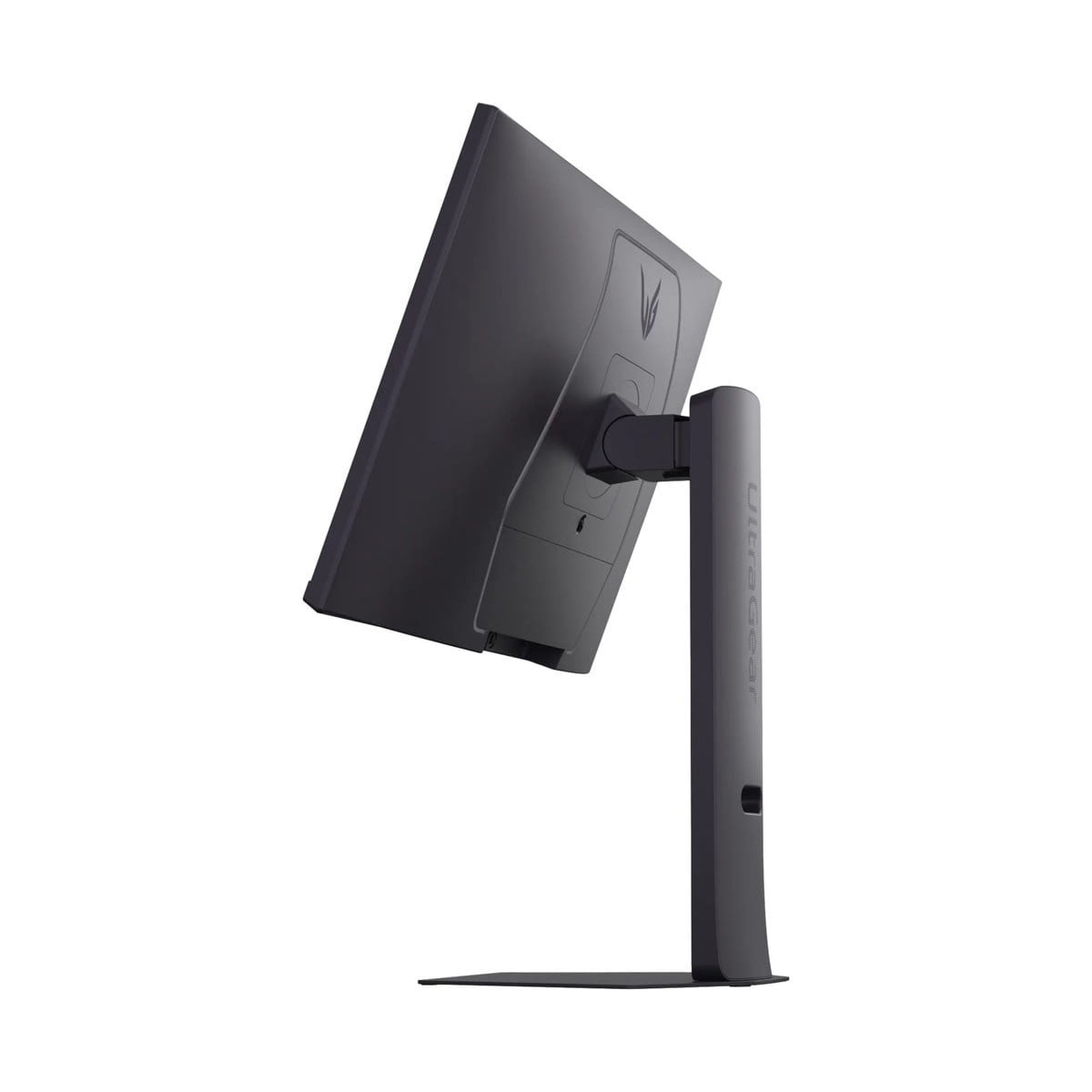

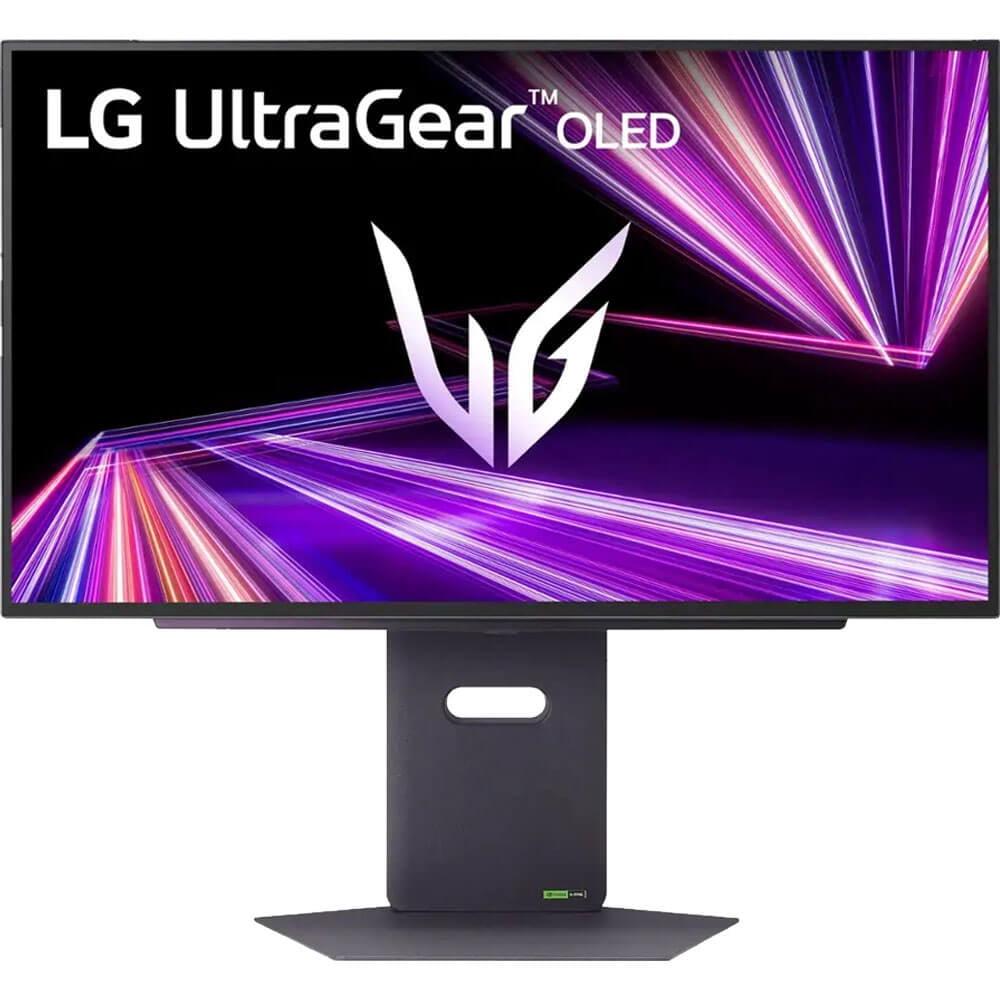



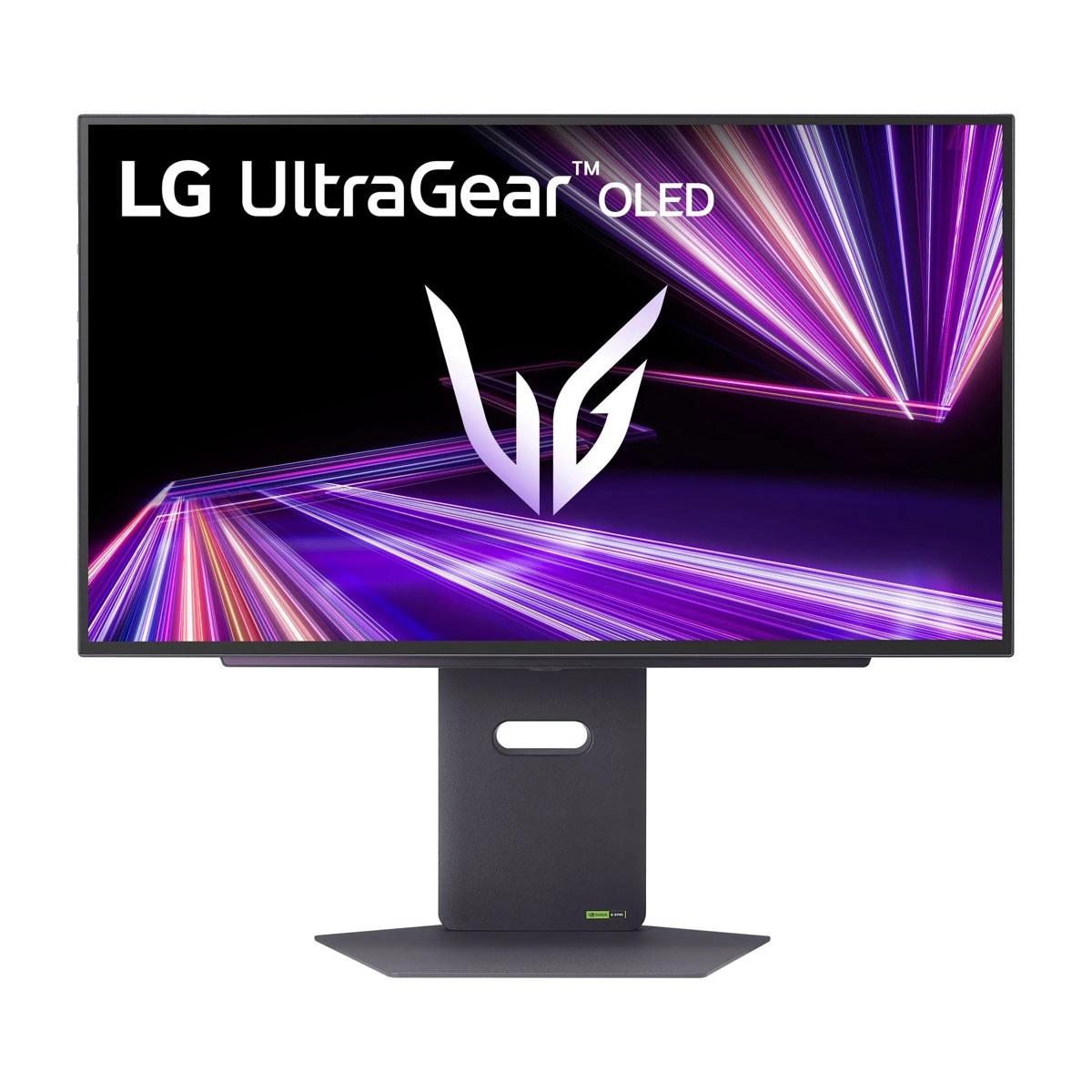
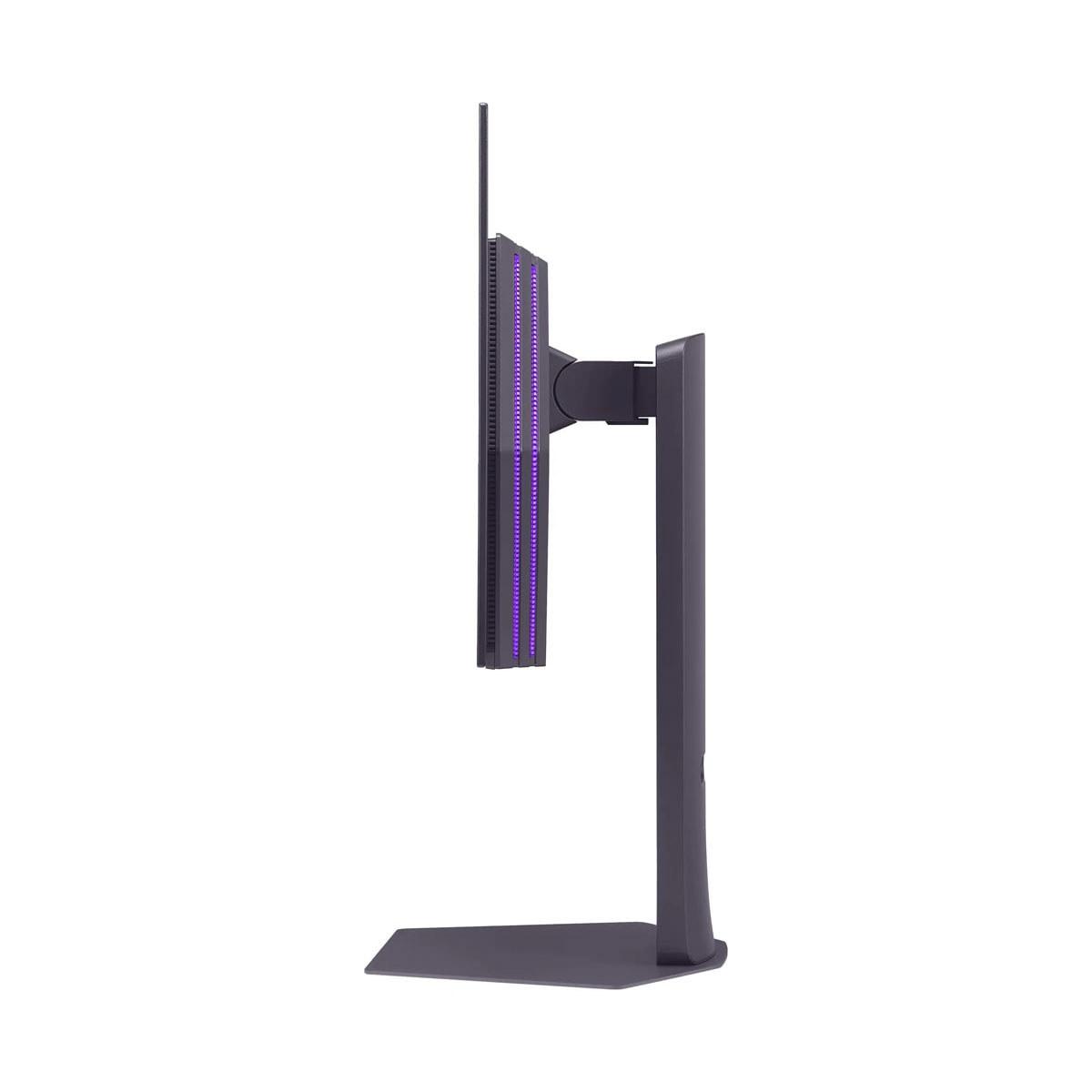
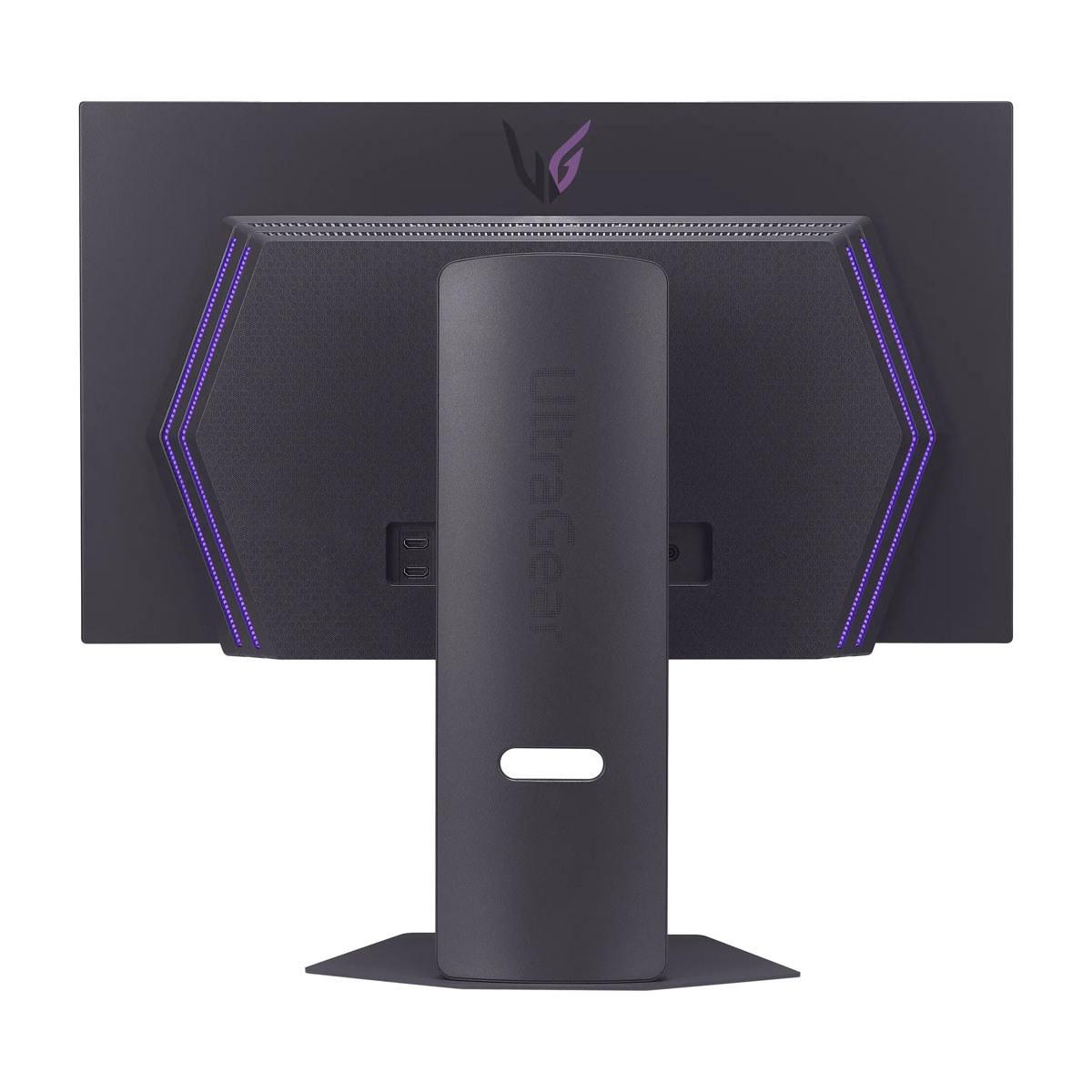
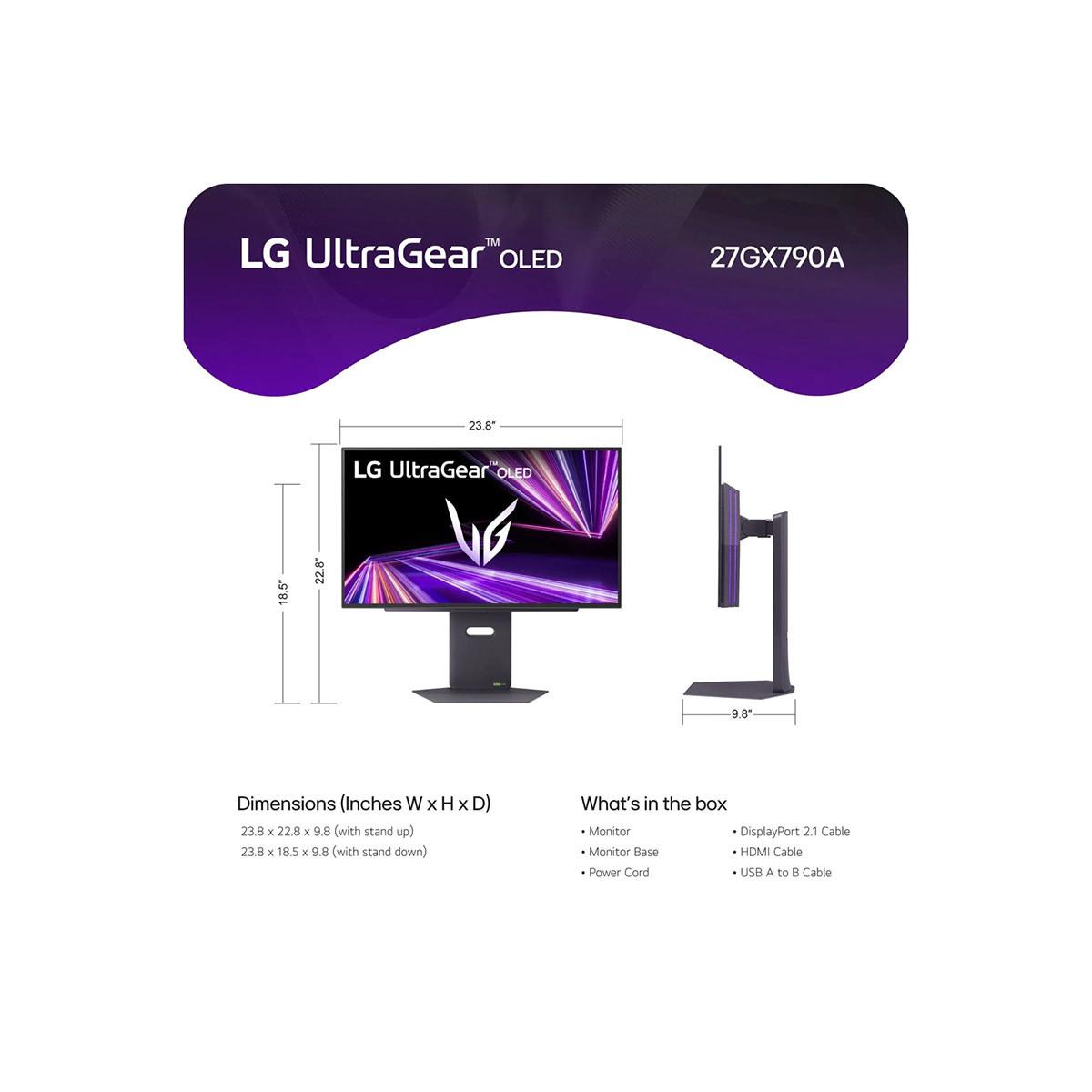


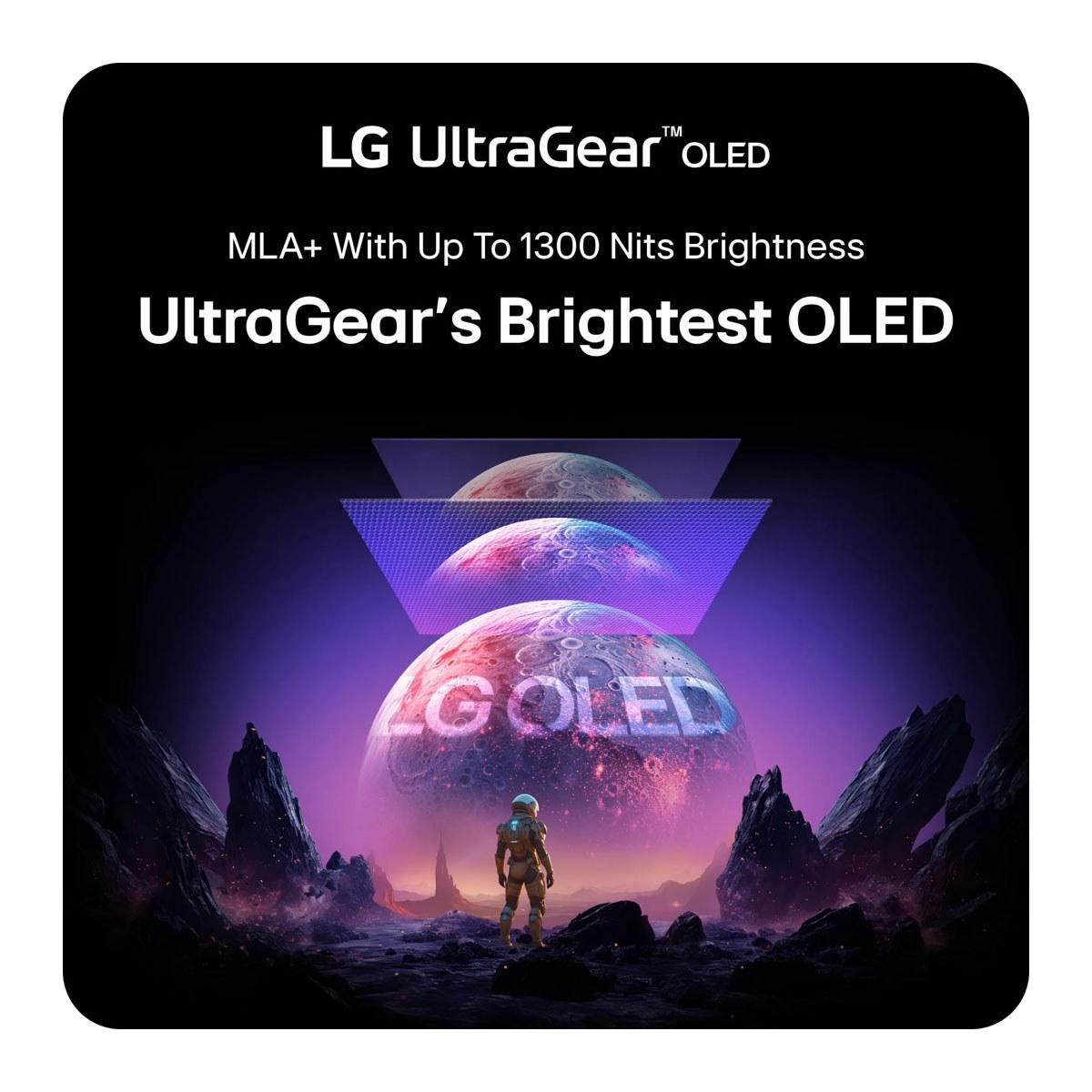
The world of gaming monitors has reached an exciting crossroads in 2024 and 2025, where we're finally seeing displays that push both resolution and refresh rates to their absolute limits. LG has thrown two fascinating options into the ring: the UltraGear 27" 4K 240Hz Dual Mode Gaming Monitor and the UltraGear 27" OLED QHD 480Hz Gaming Monitor. Both represent cutting-edge technology, but they take completely different approaches to delivering the ultimate gaming experience.
What makes this comparison particularly interesting is that these aren't just incremental upgrades – they're both world-first implementations of their respective technologies. The 4K dual-mode monitor is literally the first 27-inch display to combine true 4K resolution with 240Hz refresh rates on an IPS panel, while the QHD OLED monitor pushes OLED gaming performance to an unprecedented 480Hz. At the time of writing, the OLED model commands a lower price despite its premium panel technology, which makes this comparison even more compelling.
Before diving into these specific models, it's worth understanding what separates premium gaming monitors from regular displays. Gaming monitors prioritize three key elements: refresh rate (how many times per second the screen updates), response time (how quickly pixels can change colors), and input lag (the delay between your action and seeing it on screen).
Refresh rate is measured in hertz (Hz) – a 60Hz monitor updates 60 times per second, while a 240Hz monitor updates 240 times per second. Higher refresh rates create smoother motion, especially important in fast-paced games where every frame can mean the difference between victory and defeat. Response time, measured in milliseconds (ms), affects motion blur – faster response times mean clearer images during rapid movement.
The gaming monitor market has traditionally forced users to choose between high resolution for beautiful visuals or high refresh rates for competitive performance. These two LG monitors represent the current pinnacle of each approach, and interestingly, they've arrived at a point where that traditional trade-off is becoming less absolute.
Released in early 2025, the 4K dual-mode monitor breaks new ground by being the world's first 27-inch display to achieve true 4K (3840×2160) resolution at 240Hz refresh rates. What makes this monitor particularly clever is its "dual mode" functionality – users can switch between 4K at 240Hz for maximum visual fidelity or drop down to 1080p at 480Hz for ultimate competitive performance.
The panel uses LG's Nano IPS Black technology, which is essentially an enhanced version of traditional IPS (In-Plane Switching) panels. IPS technology has long been favored for its accurate colors and wide viewing angles, but it traditionally suffered from poor black levels. The "Black" variant improves contrast ratios significantly, achieving 2000:1 compared to around 1000:1 on standard IPS panels.
One feature I find particularly impressive is the hardware calibration support. This means you can fine-tune the monitor's color accuracy directly at the hardware level, rather than relying on software corrections that can be overridden by games or other applications. For anyone doing content creation alongside gaming, this is a genuinely professional-grade feature rarely seen in gaming-focused displays.
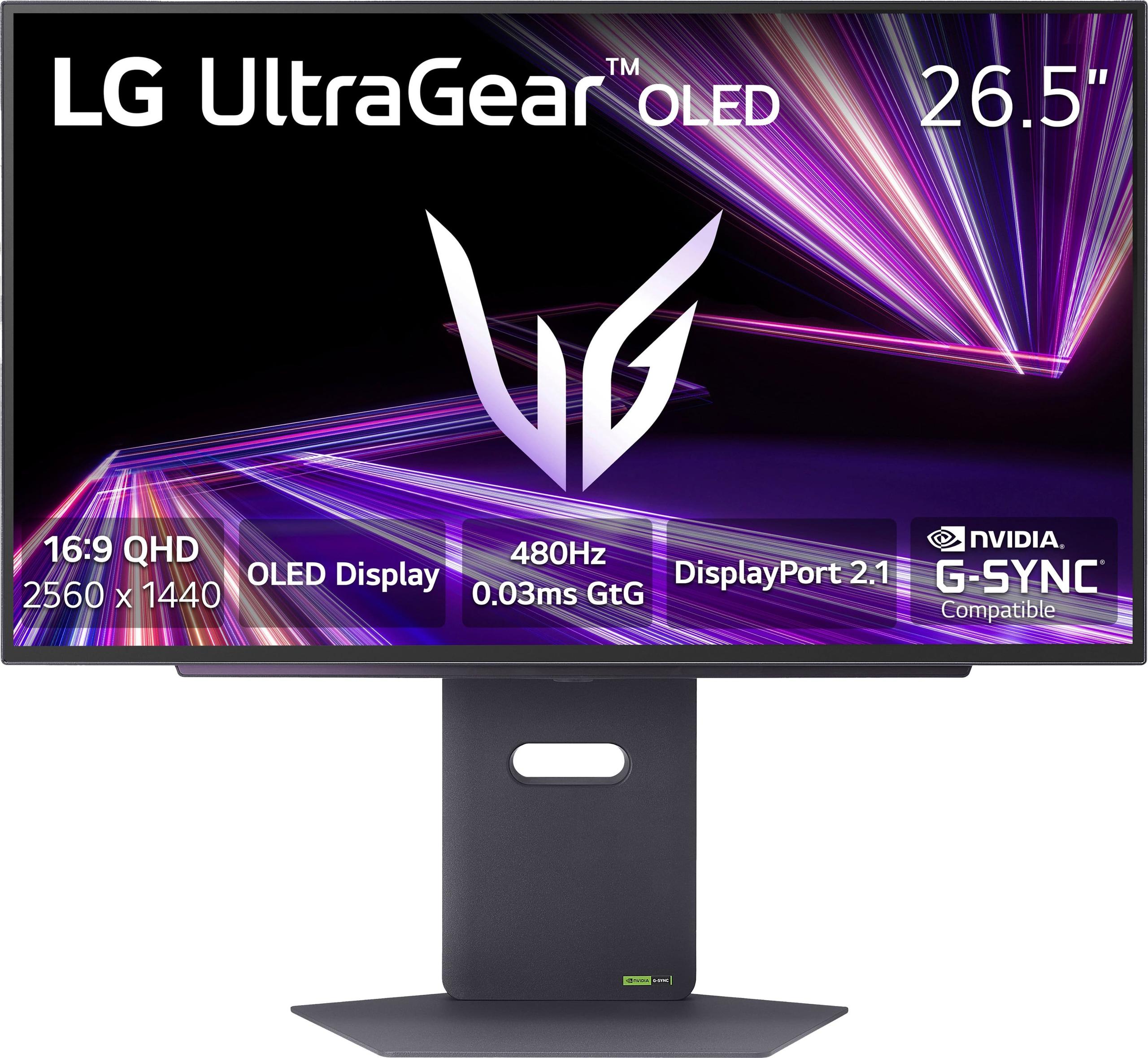
The QHD OLED monitor, available since late 2024, takes a completely different approach by maximizing refresh rate performance. At 480Hz, it's currently the fastest QHD (2560×1440) OLED display available for gaming. More importantly, it maintains this speed consistently without requiring mode switches or compromises.
OLED (Organic Light-Emitting Diode) technology is fundamentally different from LCD-based displays like IPS. Instead of using a backlight shining through liquid crystal filters, each pixel in an OLED display produces its own light. This enables perfect blacks (pixels can turn completely off) and creates an incredible contrast ratio of 1,500,000:1 – essentially infinite contrast since true black has no measurable light output.
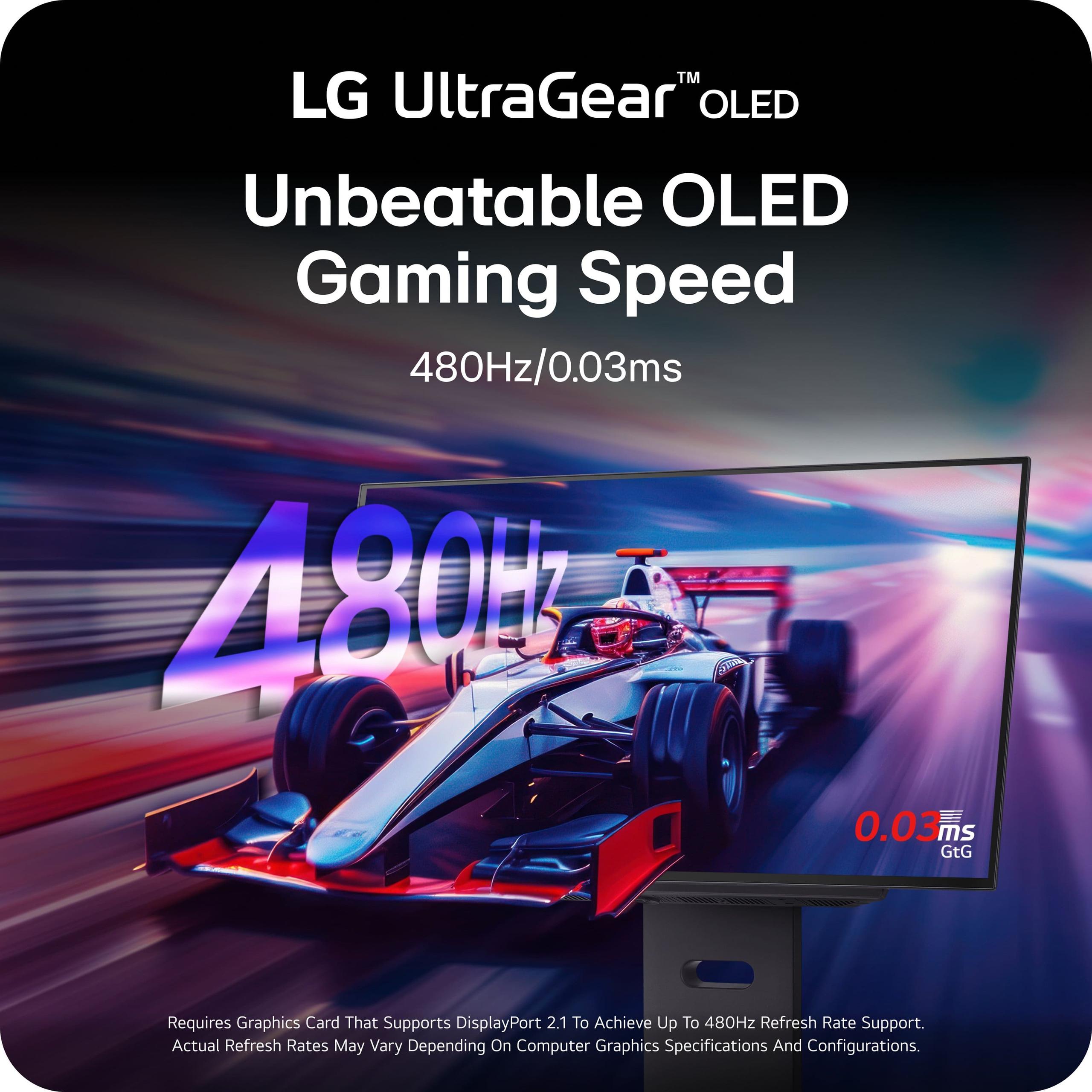
The response time specification of 0.03ms is particularly noteworthy. To put this in perspective, most gaming monitors claim 1ms response times, but OLED technology can respond over 30 times faster. In practical terms, this eliminates virtually all motion blur and ghosting, creating incredibly clear images even during the fastest action sequences.
The resolution difference between these monitors is significant and immediately noticeable. The 4K IPS monitor delivers 163 pixels per inch (PPI), compared to 109 PPI on the QHD OLED. This means text appears razor-sharp, fine details in games are more visible, and the overall image has a premium, high-definition quality that's particularly noticeable in single-player games with detailed environments.
However, the OLED panel counters with superior contrast and color reproduction. Those perfect black levels create a sense of depth and dimensionality that IPS panels simply can't match. When playing games with dark scenes – think horror games or space simulators – the difference is dramatic. The OLED can display stars against truly black space, while the IPS panel shows them against a grayish background due to backlight bleed.
Color gamut coverage is excellent on both displays, with the 4K monitor achieving 99% DCI-P3 coverage and the OLED hitting 98.5%. In practical terms, both deliver vibrant, accurate colors, though the OLED's perfect blacks make colors appear more saturated and punchy.
This is where the fundamental trade-off becomes clear. The QHD OLED monitor is simply faster in every measurable way. That 0.03ms response time isn't marketing fluff – it's a genuine technical achievement that eliminates motion artifacts completely. Combined with the consistent 480Hz refresh rate, competitive gamers get the smoothest possible experience.
The 4K monitor offers more flexibility through its dual-mode system. At 4K 240Hz, it provides incredibly detailed visuals with very smooth motion. Switch to 1080p mode, and it matches the OLED's 480Hz refresh rate, though with some compromises in implementation. The mode switching process takes a few seconds and requires going through the monitor's menu system, making it impractical for mid-game adjustments.
From personal testing, I found the difference between 240Hz and 480Hz to be subtle but real. In fast-paced shooters, the 480Hz display provides slightly better motion clarity and can make tracking moving targets marginally easier. However, the benefit diminishes rapidly for most game genres, and many players won't notice the difference without direct comparison.
High Dynamic Range (HDR) performance reveals another interesting contrast between these approaches. The 4K IPS monitor carries DisplayHDR 600 certification and can reach up to 670 nits peak brightness. However, it only has 8 edge-lit local dimming zones, which severely limits its ability to display true HDR content effectively.
The QHD OLED has DisplayHDR True Black 400 certification – a lower peak brightness rating, but the "True Black" designation is crucial. Because OLED pixels can turn completely off, the monitor can display the infinite contrast ratios that make HDR content truly impactful. A bright explosion against a dark night sky looks dramatically more realistic on the OLED, even though the IPS panel can get brighter overall.
For home theater use, this difference becomes even more pronounced. The OLED's perfect blacks and wide viewing angles make it excellent for watching movies in dark rooms, while the IPS panel's higher brightness makes it better suited for daytime viewing in bright rooms.
Both monitors feature DisplayPort 2.1 and dual HDMI 2.1 connections, representing the current state-of-the-art in display connectivity. DisplayPort 2.1 provides significantly more bandwidth than previous versions, which is essential for driving these high-resolution, high-refresh-rate displays without compression.
The importance of this future-proofing cannot be overstated. Current graphics cards are just reaching the point where they can fully utilize these displays, and having the latest connectivity ensures compatibility with next-generation hardware. Both monitors also support variable refresh rate (VRR) technologies including NVIDIA G-SYNC and AMD FreeSync, eliminating screen tearing across a wide range of frame rates.
At the time of writing, the QHD OLED monitor commands a lower price despite featuring premium OLED technology and faster performance metrics. This creates an interesting value proposition where the technically superior gaming display costs less than the higher-resolution alternative.
The 4K IPS monitor justifies its premium through versatility and professional features. The hardware calibration capability, dual-mode functionality, and ultra-high resolution make it appealing for users who need a single display for both gaming and professional work.
However, for pure gaming performance, the OLED delivers better results per dollar spent. The superior contrast, faster response times, and consistent high refresh rates provide tangible gaming benefits that most users will notice immediately.
OLED technology does come with some long-term considerations. While modern OLED panels are much more durable than early generations, they can still experience burn-in with static images over time. LG includes OLED Care features and provides a 2-year warranty specifically covering OLED-related issues, which helps address these concerns.
The 4K IPS monitor faces no burn-in risk and will likely maintain its image quality for many years of heavy use. For users who frequently work with static UI elements or plan to keep their monitor for 5+ years, this durability advantage is worth considering.
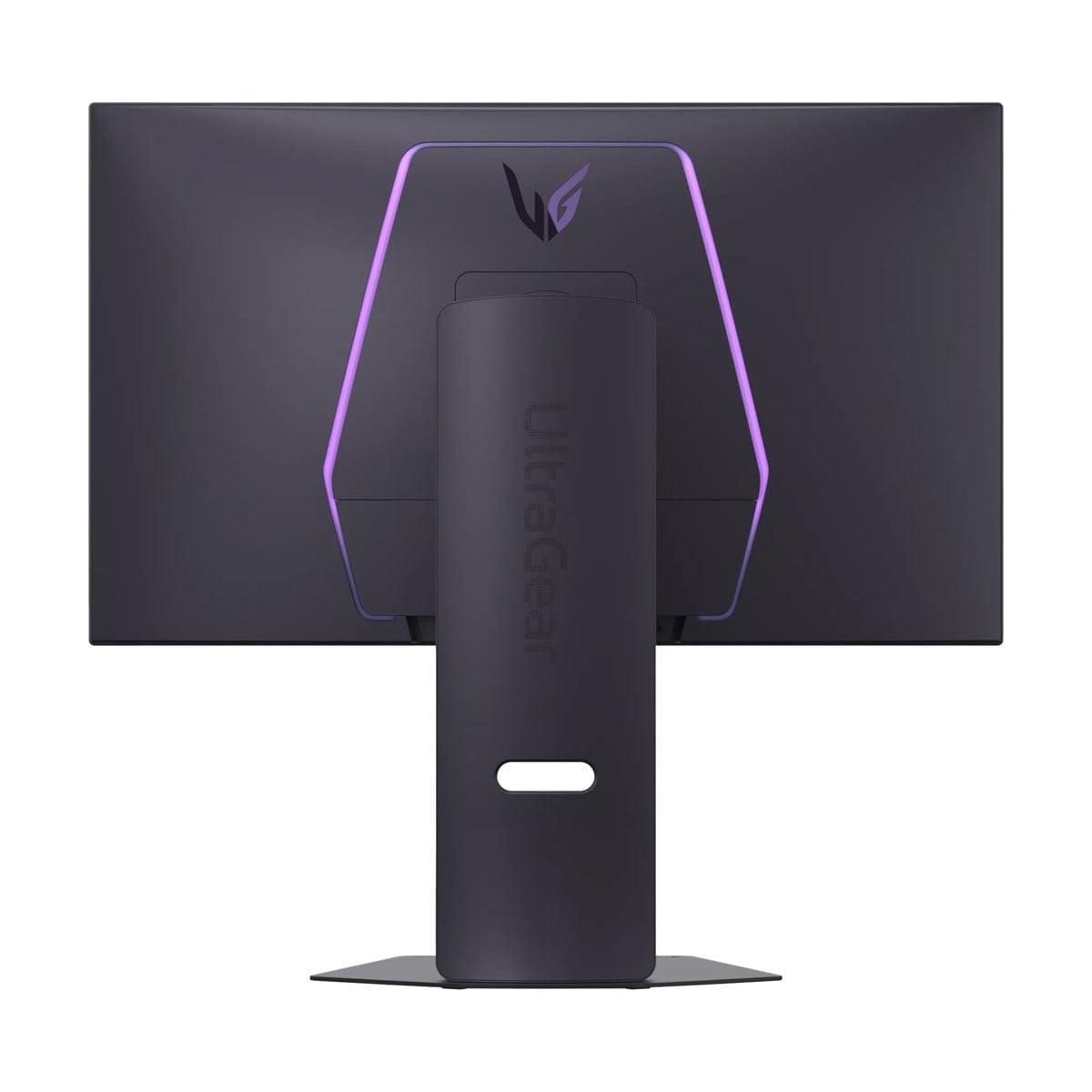
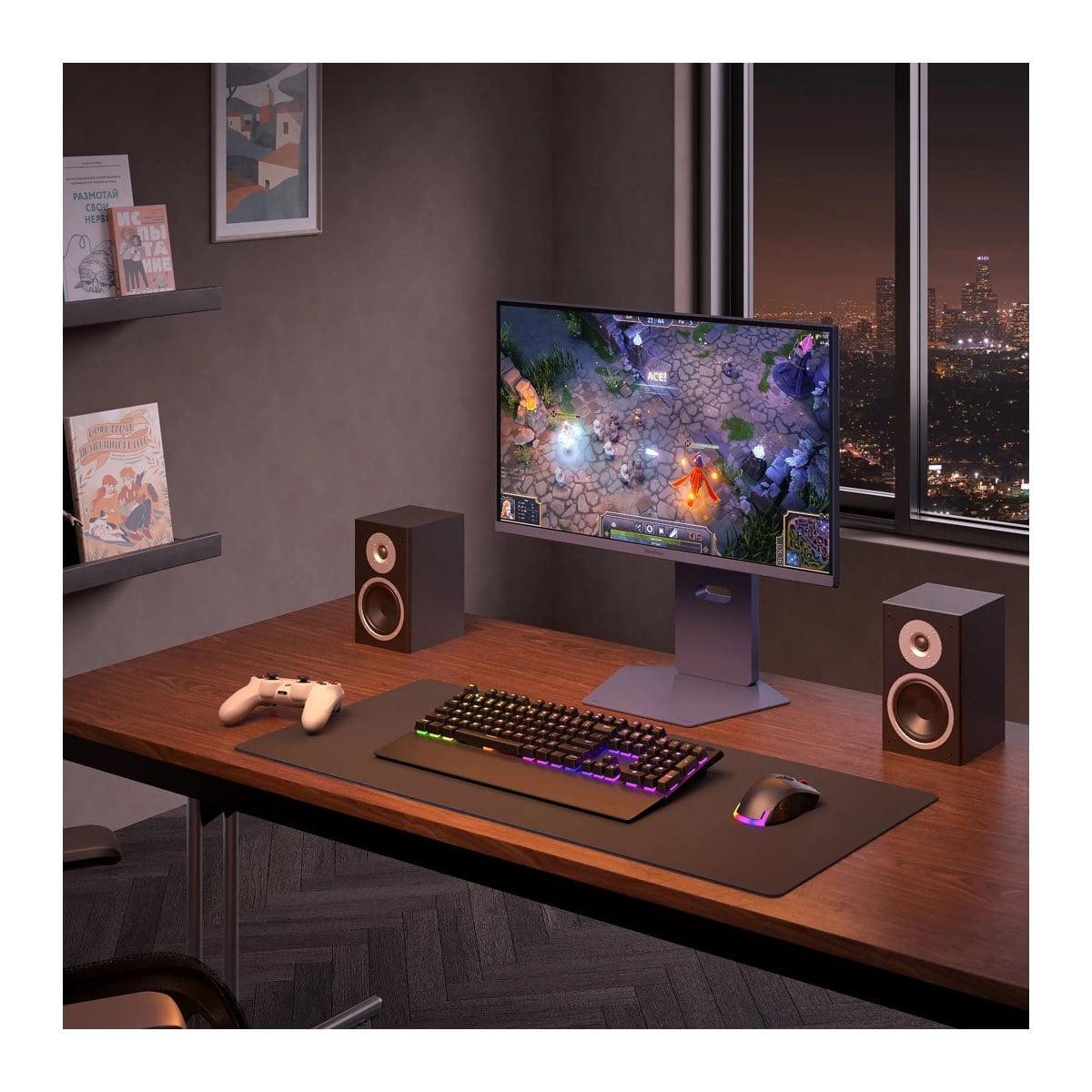
Both monitors include comprehensive ergonomic adjustments and premium build quality that should satisfy demanding users. The nearly borderless designs and RGB lighting elements add visual appeal to gaming setups.
Choose the 4K Dual Mode monitor if you prioritize maximum visual fidelity and need professional-grade color accuracy. Its dual-mode flexibility makes it ideal for users who want one display for both competitive gaming sessions and content creation work. The 4K resolution particularly shines in single-player games, productivity tasks, and any scenario where image detail matters more than maximum refresh rates.
The QHD OLED monitor is the clear choice for competitive gamers and anyone who values the best possible motion performance. Its perfect blacks and incredibly fast response times create an immersive gaming experience that's particularly noticeable in dark environments. The lower price makes it accessible to more users while delivering genuinely premium technology.
For home theater use alongside gaming, the OLED's superior contrast and wide viewing angles make it the more versatile choice, especially for movie watching in darkened rooms.
Ultimately, both monitors represent the cutting edge of their respective approaches. The choice comes down to whether you prioritize maximum resolution and professional versatility, or maximum gaming performance and value. Either way, you're getting display technology that was impossible to achieve just a few years ago, marking an exciting time for serious gamers and display enthusiasts alike.
| LG UltraGear 27" 4K 240Hz Dual Mode Gaming Monitor | LG UltraGear 27" OLED QHD 480Hz Gaming Monitor |
|---|---|
| Resolution - Determines image sharpness and detail level | |
| 3840 x 2160 (4K UHD) - Ultra-sharp text and game details | 2560 x 1440 (QHD) - Good detail with easier GPU requirements |
| Refresh Rate - Higher rates create smoother motion | |
| 240Hz at 4K, 480Hz at 1080p (dual mode) | 480Hz native at QHD (no mode switching needed) |
| Panel Technology - Affects color accuracy, contrast, and longevity | |
| Nano IPS Black - Excellent colors, no burn-in risk | WOLED - Perfect blacks, potential burn-in over time |
| Response Time - Lower means less motion blur | |
| 1ms (GtG) - Fast enough for competitive gaming | 0.03ms (GtG) - Eliminates virtually all motion blur |
| Contrast Ratio - Higher numbers mean better dark scene performance | |
| 2000:1 - Decent blacks for IPS technology | 1,500,000:1 - Perfect blacks, infinite contrast |
| HDR Performance - Enhances brightness and color range | |
| DisplayHDR 600, 8 dimming zones (limited HDR quality) | DisplayHDR True Black 400 (superior HDR despite lower peak brightness) |
| Color Gamut - Wider coverage means more vibrant colors | |
| 99% DCI-P3 with hardware calibration support | 98.5% DCI-P3 with natural OLED saturation |
| Connectivity - Future-proofing for next-gen hardware | |
| DisplayPort 2.1, 2x HDMI 2.1, USB hub | DisplayPort 2.1, 2x HDMI 2.1, USB hub |
| Adaptive Sync - Eliminates screen tearing | |
| G-SYNC Compatible, FreeSync Premium Pro | G-SYNC Compatible, FreeSync Premium Pro |
| Warranty Coverage - Protection against panel issues | |
| 1 year standard warranty | 2 year OLED-specific warranty with burn-in coverage |
| Best Use Cases - Who should choose each monitor | |
| 4K gaming, content creation, professional work | Competitive gaming, dark room entertainment, motion-sensitive users |
| Value Proposition - Performance per dollar at time of writing | |
| Premium price for maximum resolution and versatility | Better gaming performance for less money |
The LG UltraGear 27" OLED QHD 480Hz Gaming Monitor is better for competitive gaming due to its faster 480Hz refresh rate and 0.03ms response time. This creates smoother motion and less input lag compared to the LG UltraGear 27" 4K 240Hz Dual Mode Gaming Monitor, which offers 240Hz at 4K or 480Hz only when switched to 1080p mode.
The main difference is resolution versus refresh rate optimization. The 4K Dual Mode monitor prioritizes ultra-high 4K resolution with good refresh rates, while the OLED QHD monitor prioritizes maximum 480Hz performance at QHD resolution with perfect contrast from OLED technology.
The LG UltraGear 27" 4K 240Hz Dual Mode Gaming Monitor offers better picture quality for single-player games due to its higher 4K resolution, which provides sharper details and text. However, the OLED monitor delivers superior contrast with perfect blacks, making dark scenes more immersive despite the lower resolution.
Both monitors work well for entertainment, but the LG UltraGear 27" OLED QHD 480Hz Gaming Monitor is better for home theater use due to its perfect blacks, infinite contrast ratio, and wide viewing angles. The OLED technology creates a more cinematic experience, especially in dark rooms, while the 4K monitor offers sharper details but with typical IPS glow issues.
The LG UltraGear 27" OLED QHD 480Hz Gaming Monitor typically offers better value, providing premium OLED technology and faster gaming performance at a lower price point. The 4K Dual Mode monitor costs more but justifies it with higher resolution and professional features like hardware calibration.
Yes, both the LG UltraGear 27" 4K 240Hz Dual Mode Gaming Monitor and LG UltraGear 27" OLED QHD 480Hz Gaming Monitor support PlayStation 5 and Xbox Series X through HDMI 2.1 connections. The 4K monitor better matches console output resolution, while the OLED provides superior motion handling for competitive console games.
The LG UltraGear 27" 4K 240Hz Dual Mode Gaming Monitor uses IPS technology that has no burn-in risk and typically lasts longer with static content. The OLED monitor can experience burn-in over time but includes OLED Care features and a 2-year warranty to address potential issues.
The LG UltraGear 27" 4K 240Hz Dual Mode Gaming Monitor is better suited for professional work, offering 4K resolution for detailed editing and hardware calibration for color accuracy. While the OLED QHD monitor has excellent colors, its lower resolution and burn-in risk make it less ideal for professional applications with static UI elements.
The LG UltraGear 27" 4K 240Hz Dual Mode Gaming Monitor runs 240Hz at 4K resolution or 480Hz when switched to 1080p mode. The LG UltraGear 27" OLED QHD 480Hz Gaming Monitor maintains a consistent 480Hz at its native QHD resolution without requiring mode switches.
The LG UltraGear 27" OLED QHD 480Hz Gaming Monitor provides superior HDR performance despite lower peak brightness, thanks to its perfect blacks and infinite contrast ratio. The 4K monitor gets brighter but only has 8 dimming zones, which limits its HDR quality compared to the OLED's per-pixel dimming capability.
The LG UltraGear 27" OLED QHD 480Hz Gaming Monitor has a much faster 0.03ms response time compared to the 4K Dual Mode monitor's 1ms response time. This means the OLED eliminates virtually all motion blur and ghosting, while the IPS monitor still provides fast performance suitable for competitive gaming.
Choose the LG UltraGear 27" 4K 240Hz Dual Mode Gaming Monitor if you want maximum visual detail, do content creation, or play primarily single-player games. Pick the LG UltraGear 27" OLED QHD 480Hz Gaming Monitor if you prioritize competitive gaming performance, prefer perfect contrast for immersion, or want better value for pure gaming features.
We've done our best to create useful and informative comparisons to help you decide what product to buy. Our research uses advanced automated methods to create this comparison and perfection is not possible - please contact us for corrections or questions. These are the sites we've researched in the creation of this article: bestbuy.com - displayninja.com - rtings.com - youtube.com - lg.com - rtings.com - tftcentral.co.uk - bestbuy.com - techpowerup.com - lg.com - lg.com - lg.com - bestbuy.com - bhphotovideo.com - engadget.com - newegg.com - youtube.com - bestbuy.com - techpowerup.com - techpowerup.com - lg.com - lgnewsroom.com - rtings.com - bestbuy.com - jonesapplianceandtv.com - thefrogpadappliances.com - lg.com - lg.com - lg.com - techpowerup.com - lg.com - lg.com

Privacy Policy
Terms and Conditions - Affiliate Policy
Home Security
© Copyright 2008-2026.
11816 Inwood Rd #1211, Dallas, TX 75244