

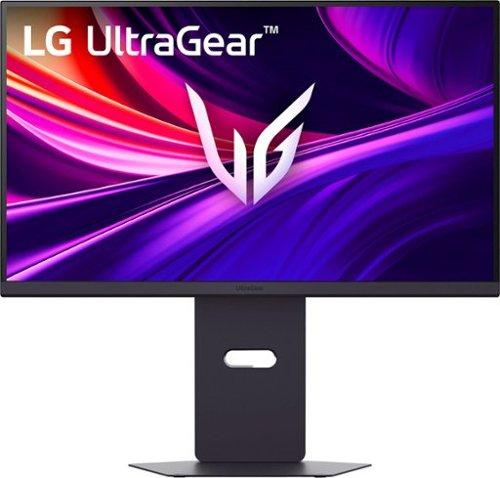
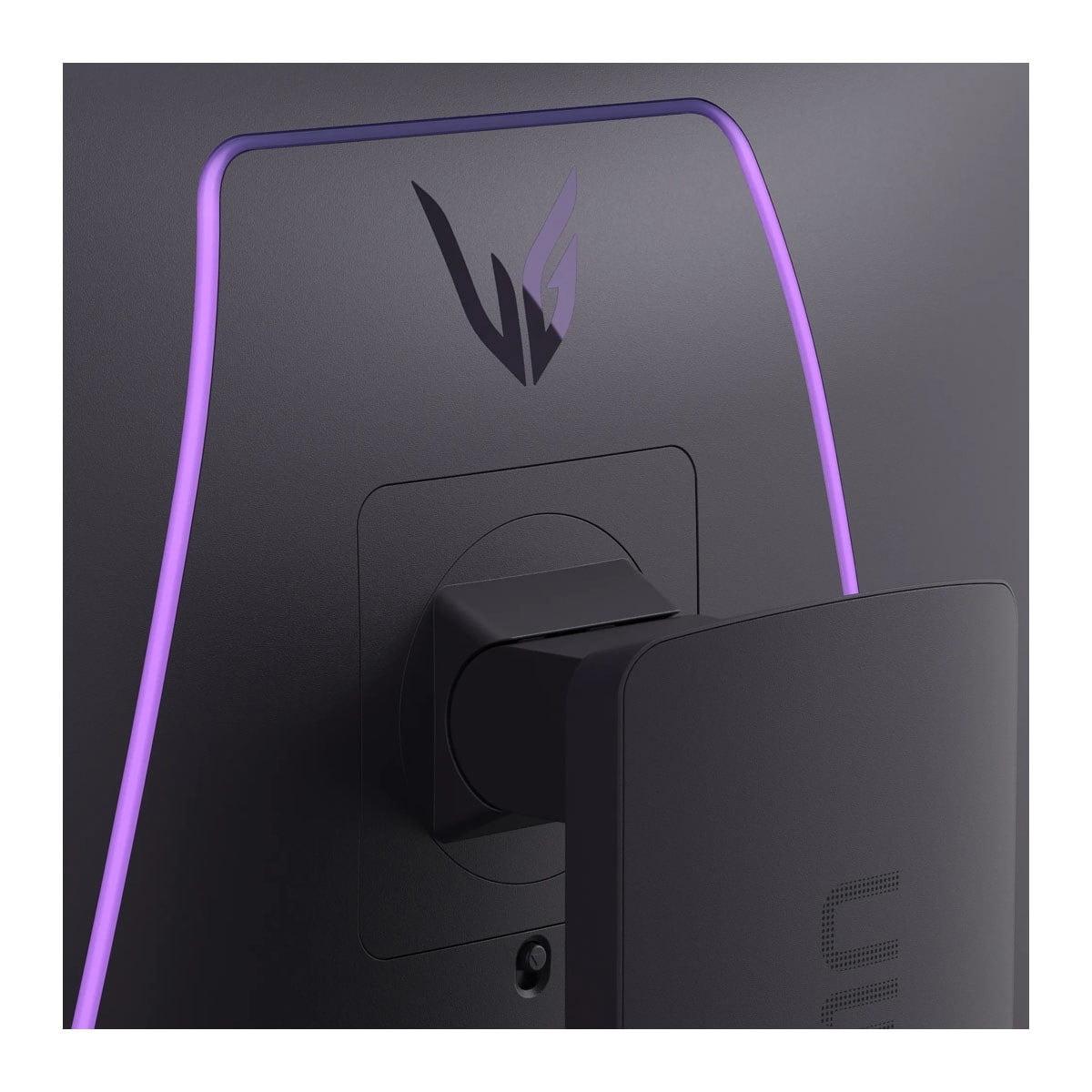
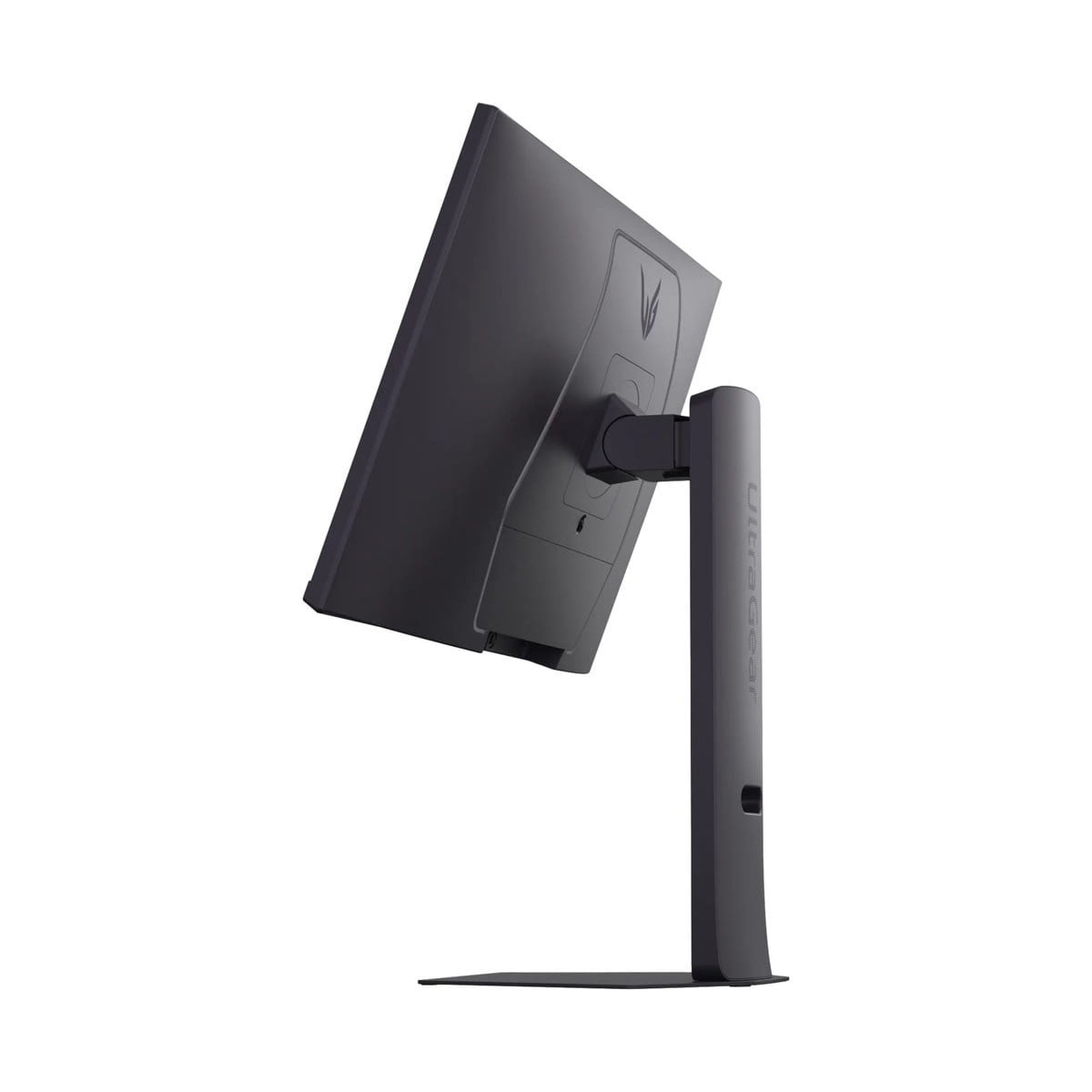
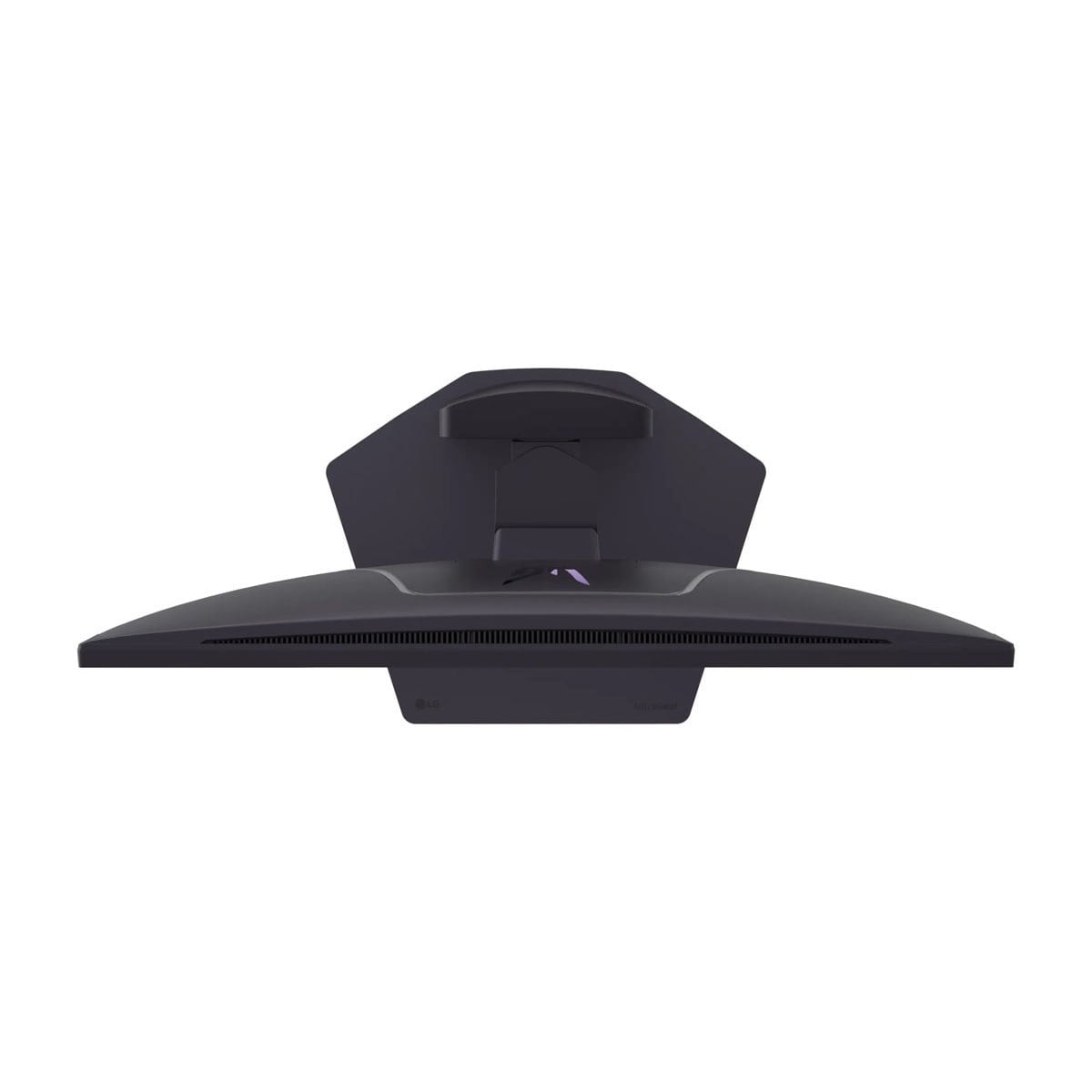
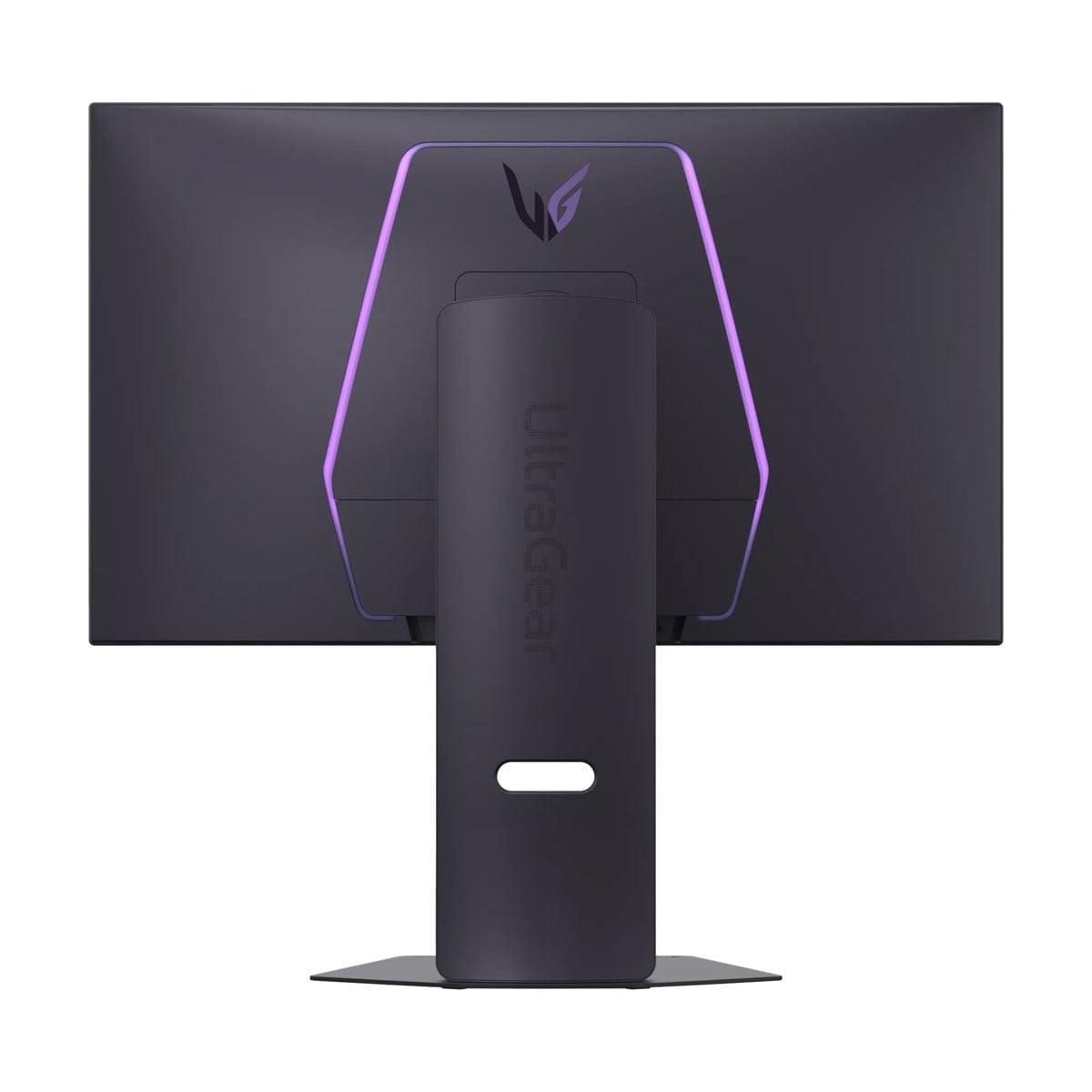

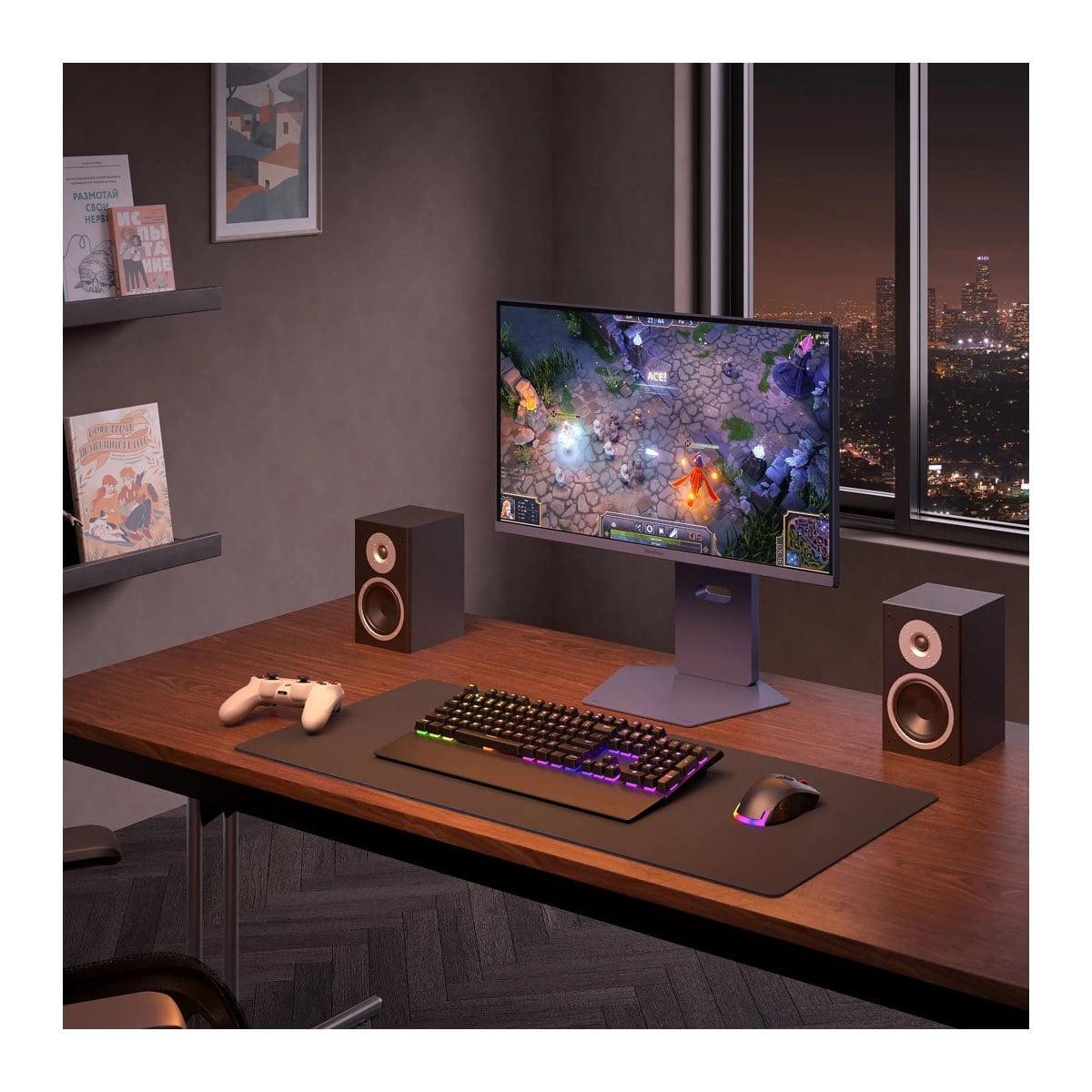

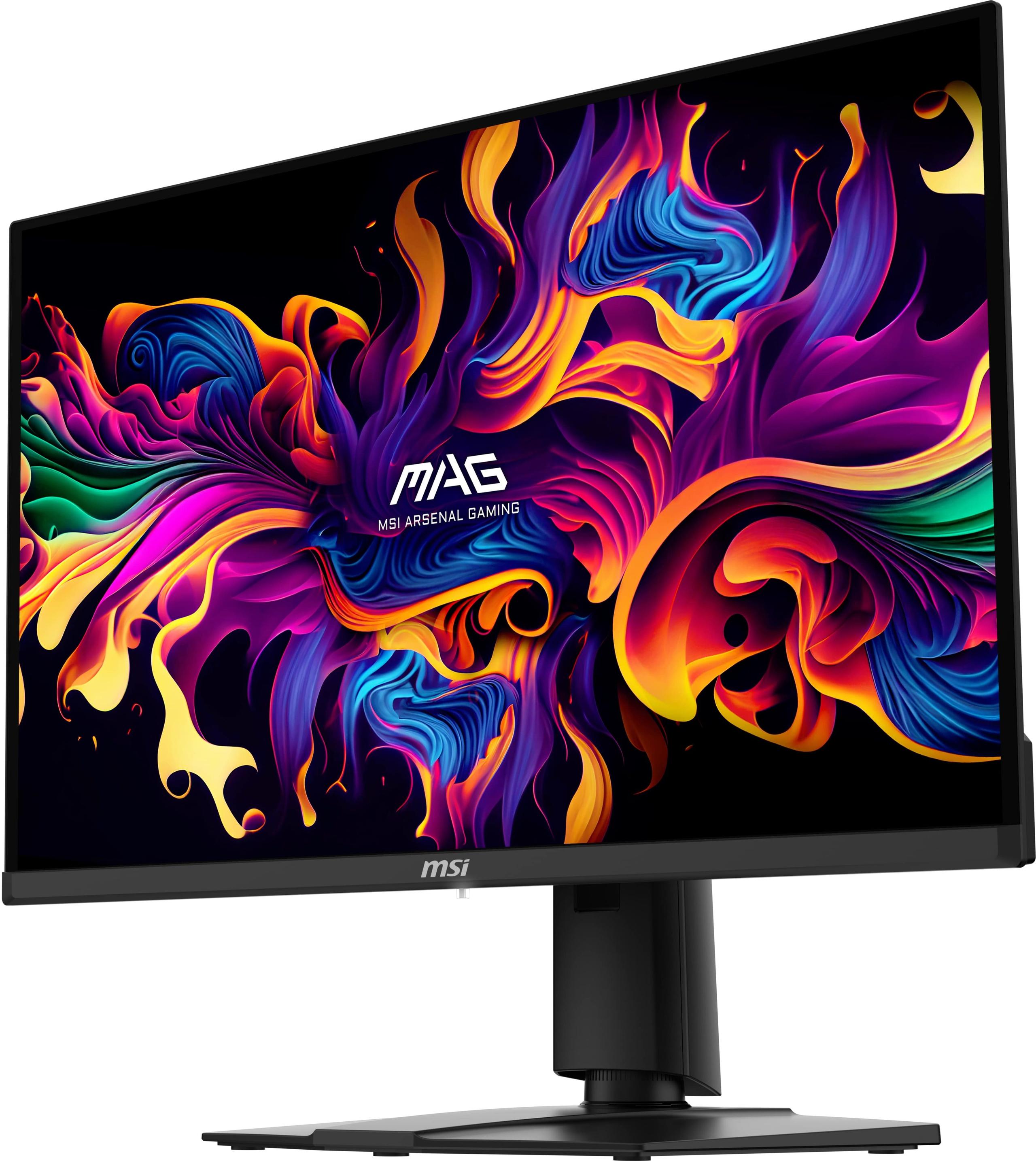
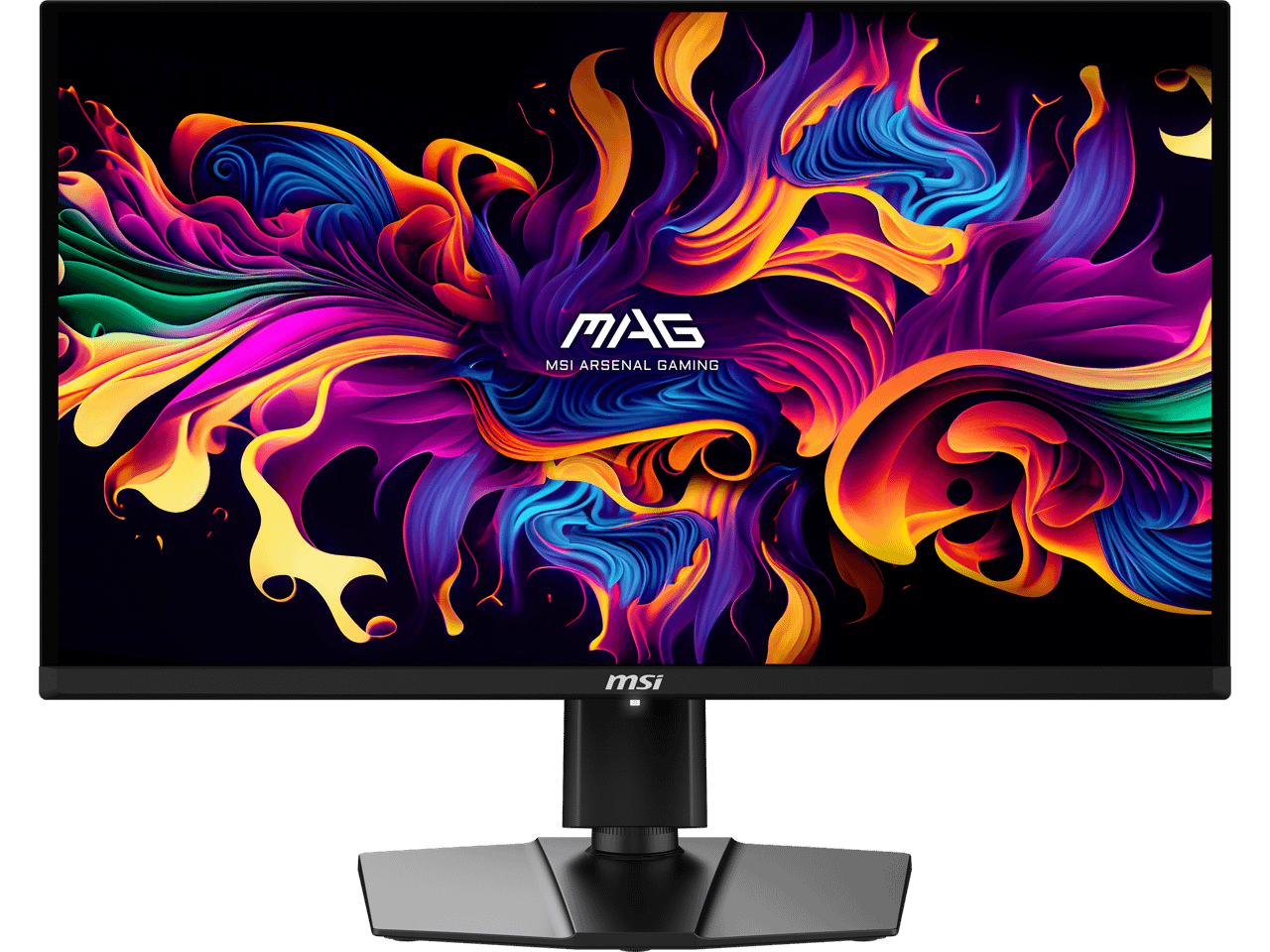
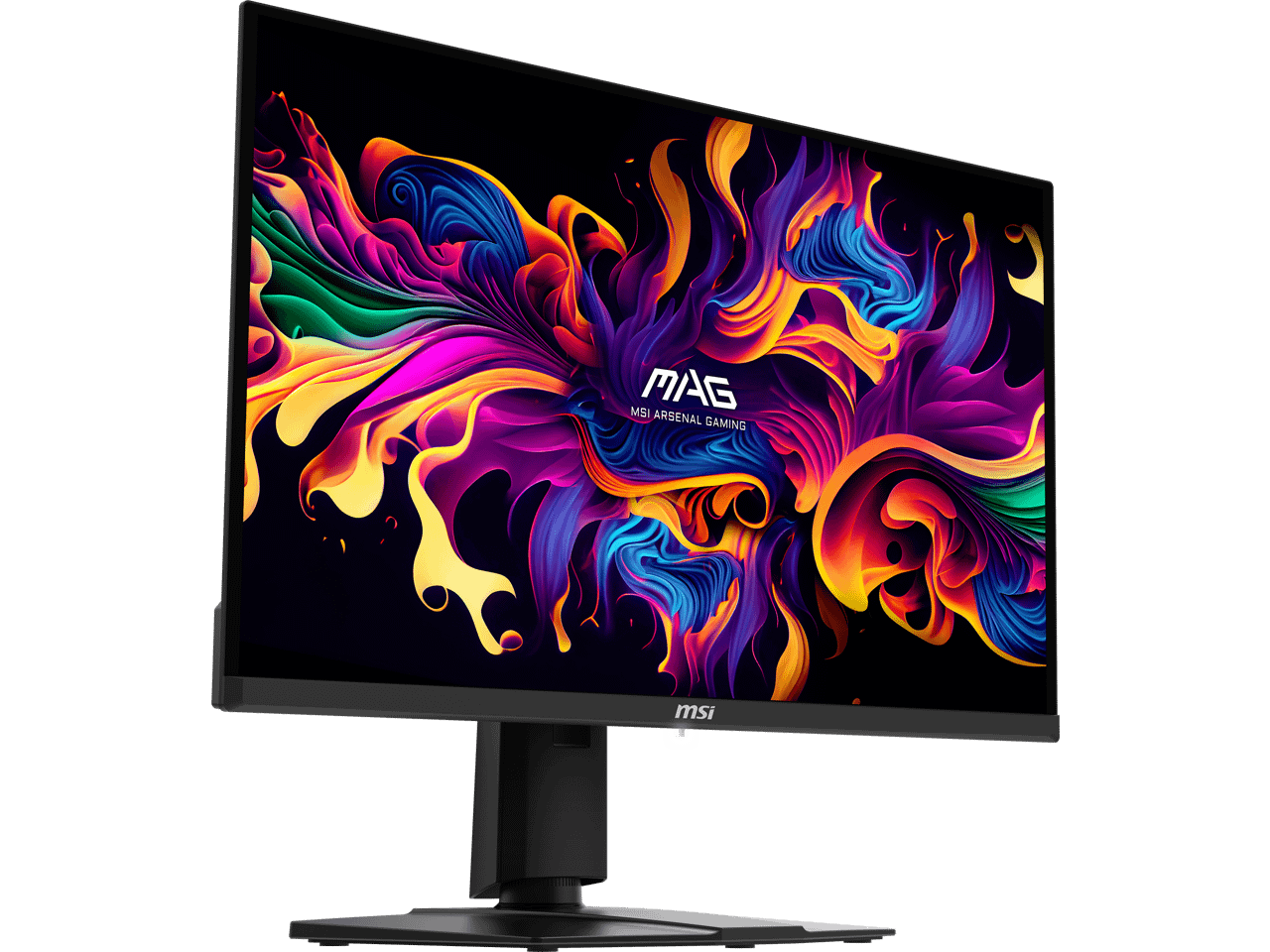
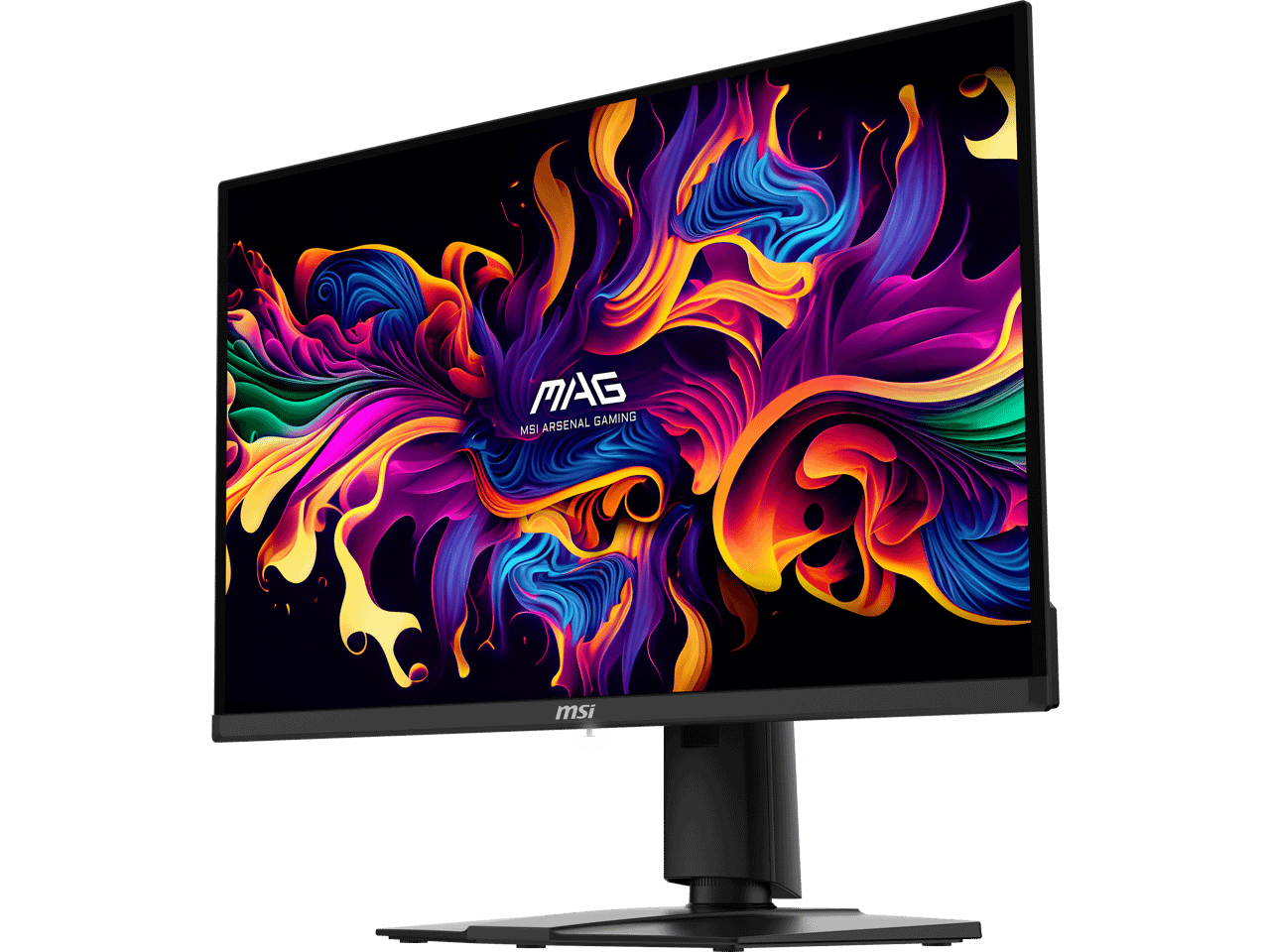
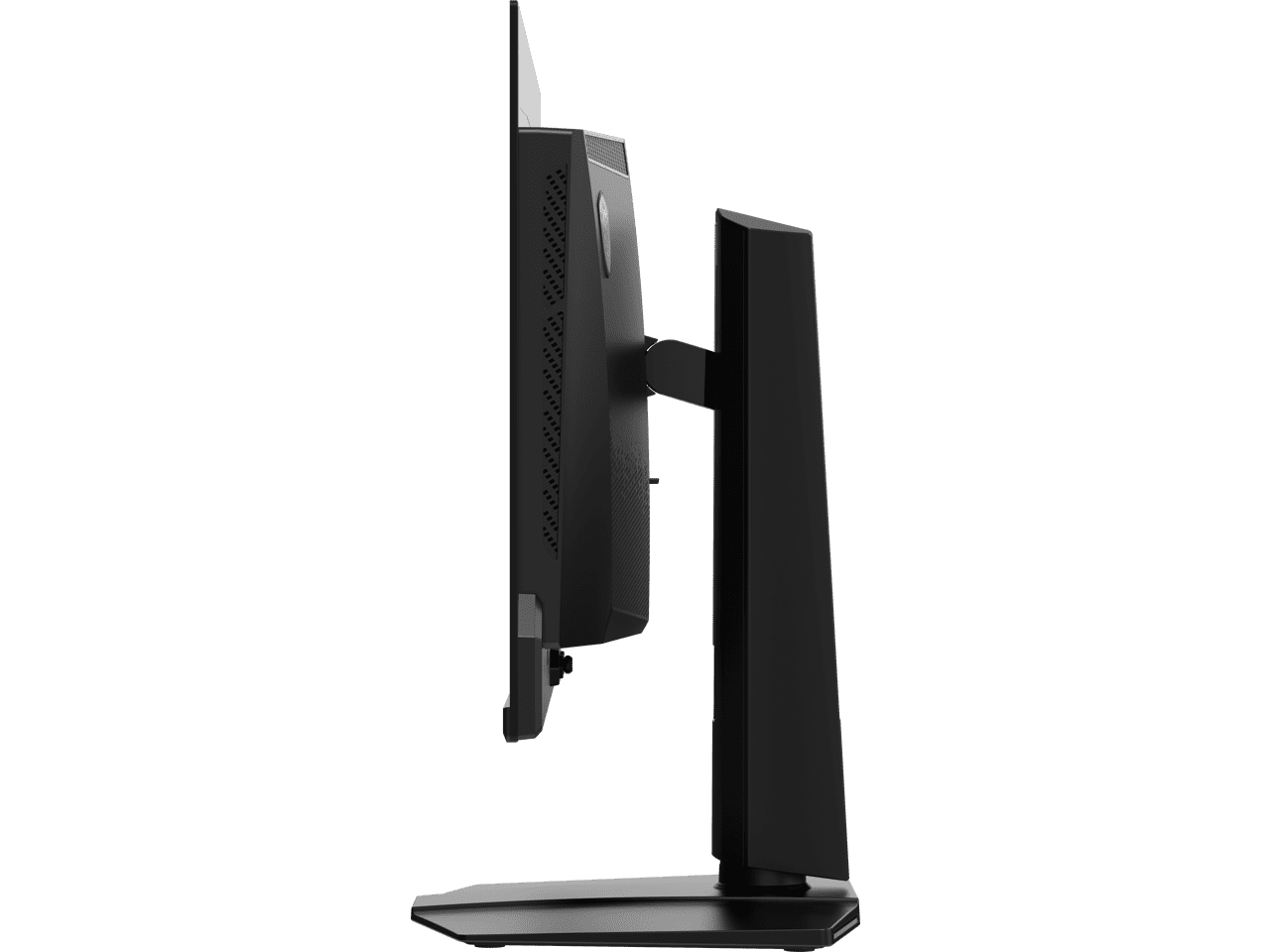


Gaming monitors have become incredibly sophisticated over the past few years, and 2025 has brought us two fascinating approaches to high-performance displays. The LG UltraGear 27" 4K 240Hz Dual Mode Gaming Monitor represents the absolute cutting edge of traditional LCD technology, while the MSI MAG 271QP QD-OLED X24 27" QHD 240Hz Gaming Monitor showcases what happens when you apply OLED technology specifically to gaming needs.
After spending considerable time with both technologies, I can tell you that choosing between them isn't simply about picking the "better" monitor – it's about understanding what each does exceptionally well and matching that to your specific needs and setup.
Modern gaming monitors need to juggle several competing demands that weren't as critical just a few years ago. You want sharp visuals, but you also need smooth motion. You want vibrant colors for immersive single-player games, but you need lightning-fast response times for competitive multiplayer. And increasingly, you want HDR support that actually makes a difference rather than just checking a marketing box.
The core considerations when shopping for a high-end gaming monitor include the trade-off between resolution and refresh rate (higher resolutions demand more from your graphics card), the panel technology's impact on image quality and responsiveness, the quality of HDR implementation (which varies dramatically between monitors), connectivity options for current and future devices, and build quality for long-term use.
Panel technology deserves special attention because it fundamentally affects everything else. IPS panels traditionally offer excellent color accuracy and wide viewing angles but struggle with contrast. OLED panels deliver perfect blacks and infinite contrast but historically suffered from burn-in concerns and lower peak brightness. VA panels split the difference with better contrast than IPS but slower response times.
The LG UltraGear 27G850A, released in early 2025, breaks significant ground as the world's first 27-inch monitor to combine native 4K resolution with a 240Hz refresh rate using an IPS panel. Even more intriguingly, it features "Dual Mode" technology that lets you switch between 4K at 240Hz or Full HD at an incredible 480Hz with the press of a button.
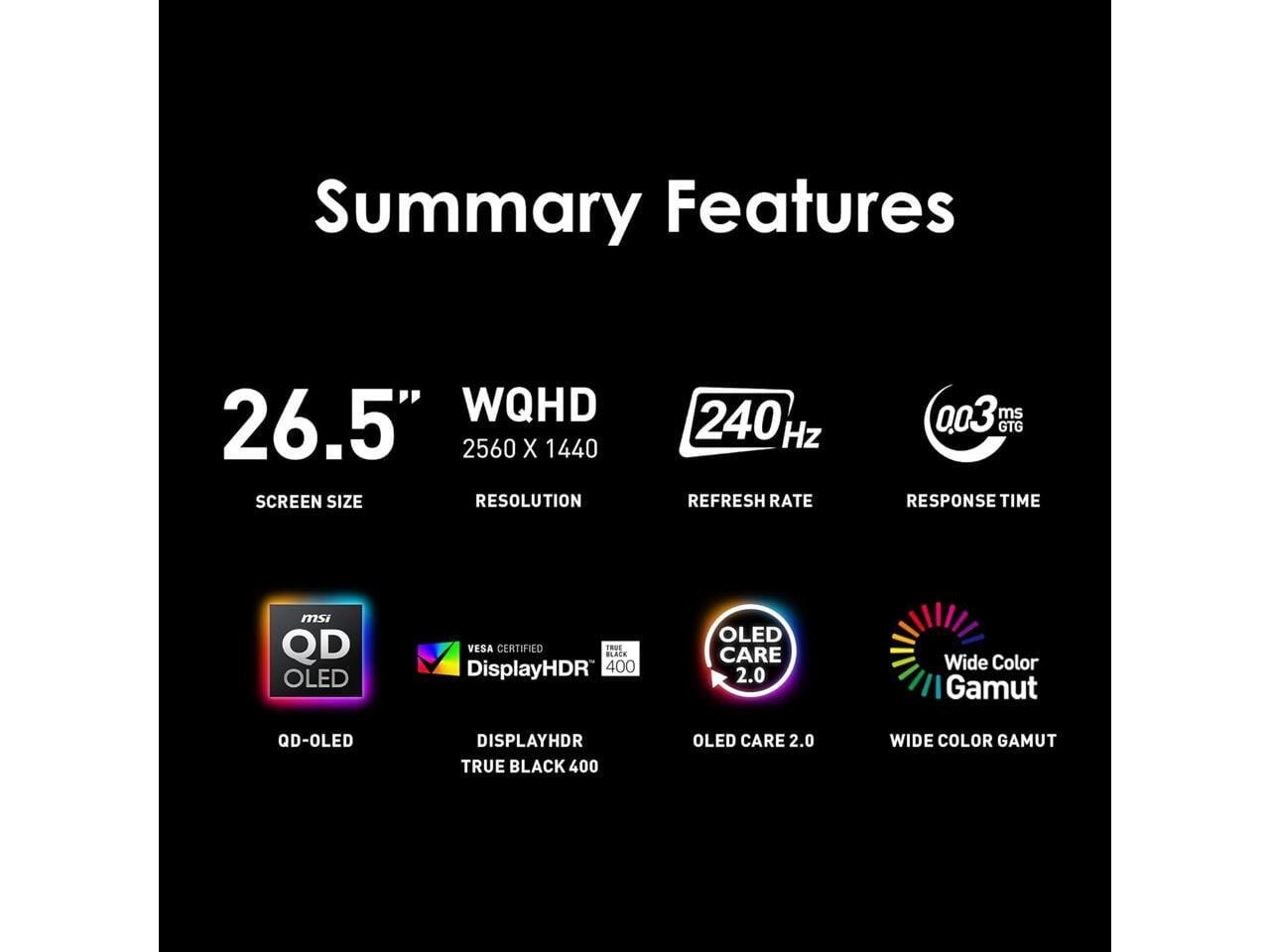
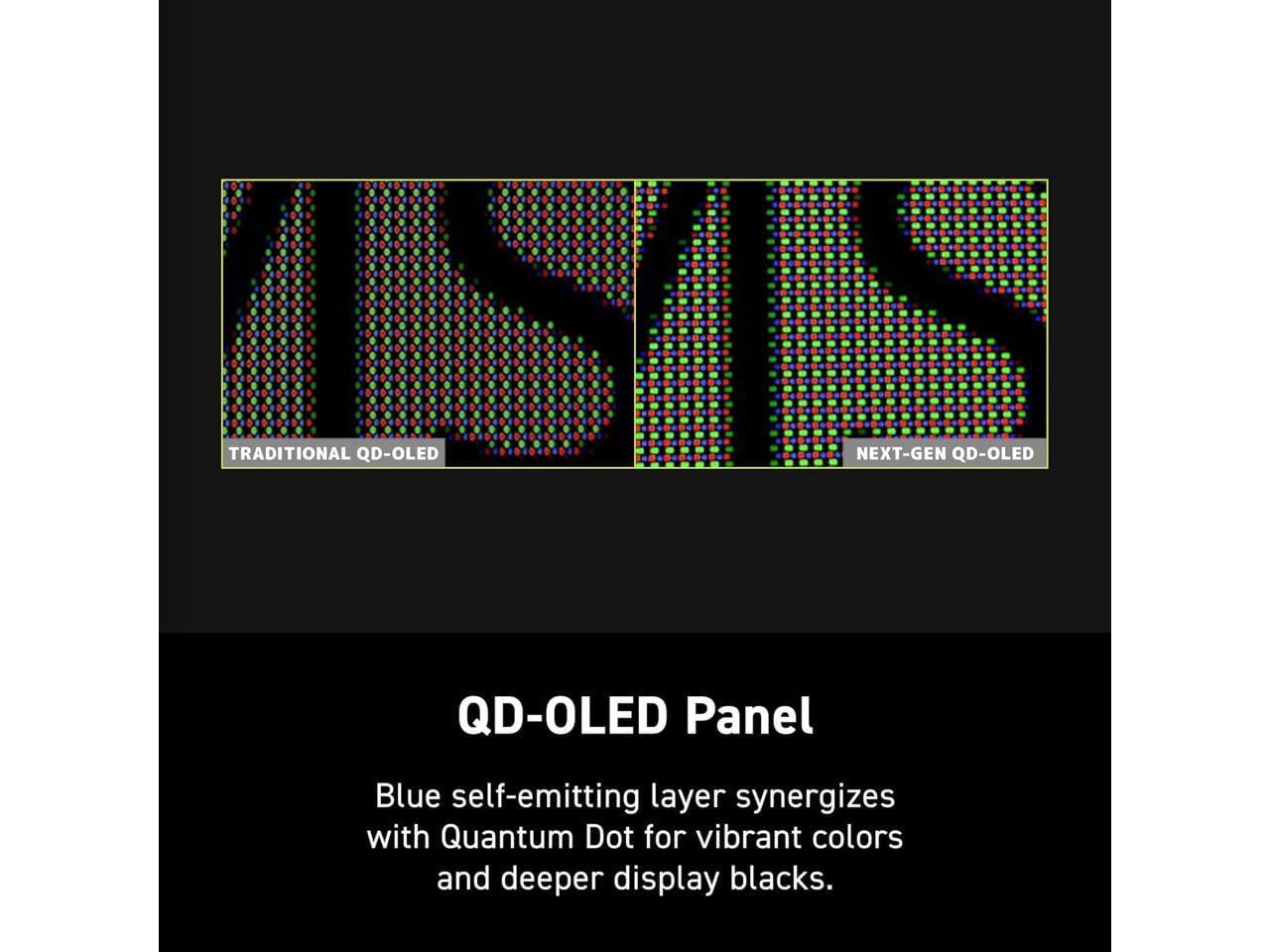
The MSI MAG 271QP QD-OLED X24, also arriving in 2025, takes a different approach. It uses QD-OLED (Quantum Dot OLED) technology to deliver exceptional contrast and color at 1440p resolution with a 240Hz refresh rate. Rather than pushing resolution boundaries, it focuses on perfecting the visual experience at what many consider the sweet spot for high-refresh gaming.
The most obvious difference between these monitors is resolution, and this impacts far more than just image sharpness. The LG UltraGear delivers true 4K at 3840×2160 pixels, creating a pixel density of 163 pixels per inch (PPI). This means text appears incredibly sharp, game details are clearly visible at longer distances, and you have more screen real estate for productivity tasks.
In practice, 4K gaming feels transformative when you have the GPU power to support it. Fine details in games like Cyberpunk 2077 or Red Dead Redemption 2 become clearly visible without needing to lean forward. User interface elements remain crisp and readable even when scaled down, and the overall sense of visual clarity creates a more immersive experience.
The MSI QD-OLED uses 2560×1440 resolution, resulting in 109 PPI. While this is noticeably less sharp than 4K when viewed up close, it offers a crucial advantage: your graphics card doesn't have to work nearly as hard. A GPU that might struggle to maintain 120+ fps at 4K could easily push 200+ fps at 1440p in the same game.
This performance difference matters enormously for competitive gaming. In fast-paced titles like Valorant, Counter-Strike, or Overwatch, maintaining high frame rates is often more important than maximum visual detail. The reduced GPU load also means you can often maximize other visual settings that impact gameplay, like anti-aliasing or shadow quality, while still hitting your target frame rate.
From a practical standpoint, 1440p represents what many consider the current sweet spot for gaming. It's sharp enough that most users don't feel they're sacrificing visual quality, but performance-friendly enough that high-end GPUs can really flex their muscles with frame rates.
Both monitors claim 240Hz refresh rates, but their approach to motion handling reveals important differences. The LG monitor achieves its 240Hz at full 4K resolution – a genuine technological breakthrough that required DisplayPort 2.1 connectivity to even make possible. More dramatically, its Dual Mode allows switching to 1080p resolution to achieve an astronomical 480Hz refresh rate.
However, specifications don't always translate directly to real-world performance. Professional testing reveals that despite the LG's impressive 1ms gray-to-gray specification, it shows noticeable motion blur and ghosting behind fast-moving objects at both 240Hz and 480Hz modes. This is likely due to the LCD panel's fundamental limitations in pixel switching speed, regardless of the specified response time.
The MSI QD-OLED takes a fundamentally different approach. Its 0.03ms response time isn't just a specification – it reflects OLED technology's ability to turn individual pixels completely on or off almost instantaneously. OLED pixels don't need to transition between different gray levels like LCD pixels; they simply switch between fully illuminated and completely black states.
This translates to genuinely superior motion clarity. Fast-moving objects in games appear much sharper and cleaner on the MSI monitor, with virtually no trailing or ghosting effects. For competitive gaming, where tracking moving targets is crucial, this advantage is immediately noticeable and can genuinely impact performance.
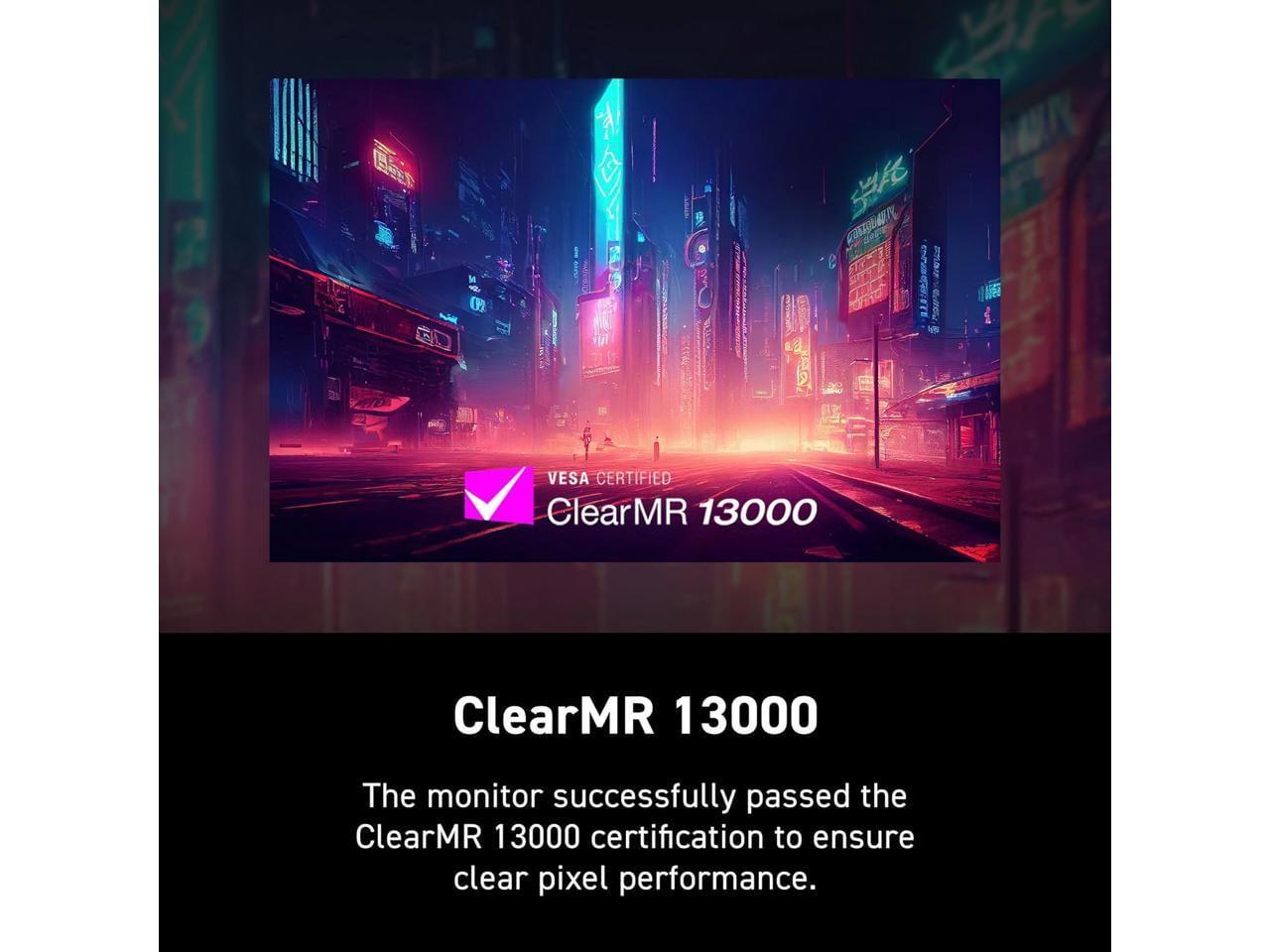
The VESA ClearMR 13000 certification on the MSI monitor provides third-party validation of its motion performance, indicating excellent clarity for moving images across the entire refresh rate range.
Color reproduction and contrast represent perhaps the starkest difference between these monitors. The LG UltraGear uses Nano IPS Black technology, an evolution of traditional IPS panels that incorporates quantum dots and improved backlighting to achieve better contrast and color reproduction than standard IPS displays.
The results are impressive for LCD technology. The LG monitor achieves a 2000:1 contrast ratio – significantly better than typical IPS panels – and covers 99% of the DCI-P3 color space. It also supports hardware calibration, allowing professional users to fine-tune color accuracy directly on the monitor rather than relying solely on software adjustments.
For content creation, photography, or any work requiring precise color reproduction, the LG monitor's combination of 4K resolution, wide color gamut, and hardware calibration makes it genuinely useful beyond gaming. The color accuracy out of the box is excellent, and the ability to calibrate at the hardware level provides professional-grade color management.
The MSI QD-OLED operates in a different league entirely when it comes to contrast and color. QD-OLED technology combines the perfect blacks of OLED with the wide color gamut and brightness advantages of quantum dots. The result is a contrast ratio that's effectively infinite – true blacks alongside bright highlights create a visual impact that LCD technology simply cannot match.
In dark scenes, the difference is immediately apparent. Areas that appear dark gray on even the best LCD monitors appear truly black on the MSI display. This isn't just about technical specifications – it fundamentally changes how games look and feel. Horror games become more atmospheric, space scenes look genuinely realistic, and even mundane indoor scenes gain depth and dimensionality that LCD panels struggle to reproduce.
The quantum dot layer in QD-OLED also enables exceptional color volume – the monitor can display bright, saturated colors alongside deep blacks simultaneously. This creates a sense of visual "pop" that makes games feel more vibrant and engaging.
HDR (High Dynamic Range) support varies dramatically in quality between monitors, and these two represent very different approaches to the technology. The LG UltraGear carries VESA DisplayHDR 600 certification, indicating it can reach 600 nits peak brightness and includes local dimming zones.
However, the implementation falls short of true HDR potential. With only 8 edge-lit local dimming zones across the entire 27-inch panel, the LG monitor cannot provide the precise brightness control needed for convincing HDR. In practice, HDR content often looks washed out or lacks the dynamic range that makes HDR worthwhile. The limited zone count means bright objects cause blooming (unwanted brightness spreading) in surrounding dark areas.
The MSI QD-OLED approaches HDR completely differently. With VESA DisplayHDR True Black 400 certification, it achieves perfect per-pixel dimming – every individual pixel can be completely black while adjacent pixels remain bright. This eliminates blooming entirely and creates the precise brightness control that HDR content demands.
While the MSI monitor's peak brightness is lower at 1000 nits compared to some LCD alternatives, the combination of perfect blacks and vibrant colors creates HDR that feels genuinely impactful. HDR games like Halo Infinite or Forza Horizon show dramatic improvement in visual depth and realism.
For home theater use, the MSI monitor excels with HDR movies and shows, provided you're viewing in a darkened room where OLED's advantages are maximized. The LG monitor is better suited for bright room viewing due to its higher sustained brightness, but HDR performance remains limited.
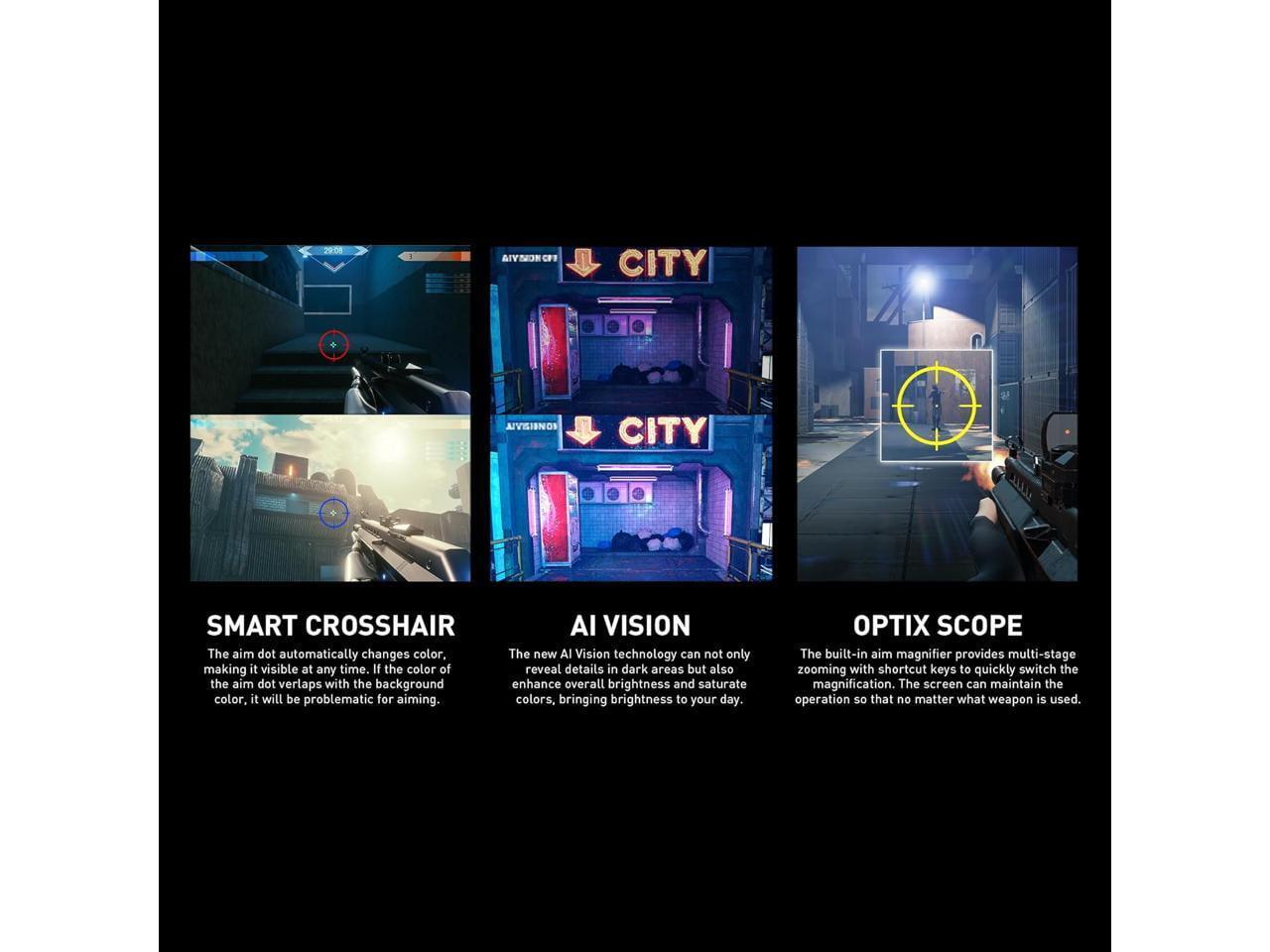
Both monitors include comprehensive gaming feature sets, but with different emphases. The LG UltraGear provides extensive gaming customization through its on-screen display, including FPS counters, customizable crosshairs, black level adjustments, and various gaming-specific color modes. It supports both NVIDIA G-SYNC Compatible and AMD FreeSync Premium Pro, ensuring compatibility with modern graphics cards from both manufacturers.
The Dual Mode functionality deserves special attention. Being able to switch between 4K for immersive single-player gaming and 1080p at 480Hz for competitive multiplayer represents genuine innovation. While the motion performance at 480Hz may not live up to theoretical expectations, the flexibility itself is valuable for users who play different types of games.
The MSI monitor focuses more on core performance than feature quantity. Its OLED Care 2.0 suite addresses the elephant in the room for OLED displays: burn-in protection. Features like pixel shifting, static screen detection, and automatic panel refresh help extend panel lifespan. The inclusion of specific protections against taskbar burn-in and logo retention shows MSI's understanding of real-world usage patterns.
Connectivity reveals different philosophies about future-proofing. The LG UltraGear includes DisplayPort 2.1 with UHBR10 bandwidth – essential for achieving 4K at 240Hz. This future-proof connection standard ensures compatibility with next-generation graphics cards and devices. It also includes dual HDMI 2.1 ports and USB hub functionality, making it genuinely useful as a workstation centerpiece.
The MSI monitor uses more conventional connectivity with DisplayPort 1.4a and dual HDMI 2.1 ports. While this handles 1440p at 240Hz without issues, it represents a more conservative approach to connectivity. The lack of USB-C or hub functionality limits its utility beyond gaming.
At the time of writing, both monitors command premium pricing, but they target different segments of the high-end market. The LG UltraGear represents cutting-edge technology with pricing that reflects its first-to-market status. You're paying for genuine innovation and specifications that didn't exist before 2025.
However, the total cost of ownership extends beyond the monitor price. To effectively utilize 4K at 240Hz, you'll need a top-tier graphics card, and even then, you'll need to adjust settings in many games to maintain high frame rates. This could necessitate GPU upgrades sooner than with a 1440p display.
The MSI monitor offers more immediate value for most gaming setups. QD-OLED technology provides dramatic visual improvements that are apparent regardless of your current graphics card, and 1440p at 240Hz is achievable with more mainstream hardware. The 3-year warranty covering burn-in adds significant value and addresses the primary concern with OLED technology.
Choosing between these monitors depends heavily on your specific use case and system setup. The LG UltraGear makes sense if you prioritize maximum resolution and pixel density, need a monitor that can handle both gaming and professional work, value cutting-edge specifications and future-proofing, have a high-end GPU capable of driving 4K at high frame rates, or prefer LCD reliability without burn-in concerns.
The MSI QD-OLED is the better choice if you prioritize visual quality, contrast, and HDR performance, primarily use your display for gaming rather than productivity, want the best possible motion clarity and response time, have a GPU that can effectively drive 1440p at 240Hz, game in darker environments where OLED advantages are maximized, or value immediate visual impact over specification leadership.
From a practical standpoint, I find myself recommending the MSI monitor to most gaming enthusiasts. The visual improvements from QD-OLED technology are immediately apparent and enhance every gaming session, while the LG monitor's advantages are more situational and require specific hardware to fully realize.
However, if you need a single display for both serious gaming and professional work, the LG UltraGear's combination of 4K resolution, hardware calibration, and comprehensive connectivity makes it the more versatile choice despite its motion performance limitations.
Both monitors represent significant achievements in display technology, but they serve different masters. The LG pushes technological boundaries and offers unprecedented specifications, while the MSI focuses on delivering the best possible gaming experience with current technology. Your choice should align with whether you value specification leadership or optimized real-world performance.
| LG UltraGear 27" 4K 240Hz Dual Mode Gaming Monitor | MSI MAG 271QP QD-OLED X24 27" QHD 240Hz Gaming Monitor |
|---|---|
| Display Resolution - Higher resolution means sharper images but requires more GPU power | |
| 4K UHD (3840 x 2160) - Ultra-sharp text and game details | QHD (2560 x 1440) - Sweet spot for gaming performance |
| Panel Technology - Fundamentally affects image quality and performance | |
| Nano IPS Black - Enhanced contrast for IPS, reliable LCD technology | QD-OLED - Perfect blacks, infinite contrast, vivid colors |
| Refresh Rate Options - Higher rates provide smoother motion in fast games | |
| Dual Mode: 4K at 240Hz or 1080p at 480Hz | Single Mode: QHD at 240Hz |
| Response Time - Lower is better for eliminating motion blur | |
| 1ms GtG (but real-world testing shows visible ghosting) | 0.03ms GtG (true OLED pixel switching speed) |
| HDR Performance - Quality varies dramatically between monitors | |
| DisplayHDR 600 with 8 edge-lit zones (limited HDR impact) | DisplayHDR True Black 400 with per-pixel dimming (excellent HDR) |
| Color Coverage - Important for both gaming visuals and content work | |
| 99% DCI-P3, hardware calibration support | 98% Adobe RGB, 138% sRGB, 99% DCI-P3, factory calibrated |
| Contrast Ratio - Higher contrast creates more realistic visuals | |
| 2000:1 (impressive for IPS technology) | 1,500,000:1 (effectively infinite with OLED) |
| Peak Brightness - Affects visibility in bright rooms and HDR impact | |
| 750 nits peak (good for bright rooms) | 1000 nits peak highlights, 250 nits sustained (best in dark rooms) |
| Connectivity - Future-proofing and device compatibility | |
| DisplayPort 2.1, 2x HDMI 2.1, USB hub | DisplayPort 1.4a, 2x HDMI 2.1 (no USB-C) |
| Burn-in Protection - Critical consideration for OLED displays | |
| Not applicable (LCD technology) | OLED Care 2.0 suite with 3-year burn-in warranty |
| Best Use Cases - Where each monitor excels | |
| 4K gaming with high-end GPU, productivity work, future-proofing | Competitive gaming, immersive single-player, home theater in dark rooms |
| GPU Requirements - Consider total system cost | |
| High-end GPU essential for 4K 240Hz gaming | Mid-to-high-end GPU sufficient for QHD 240Hz |
The LG UltraGear 27" 4K 240Hz Dual Mode Gaming Monitor offers sharper visuals with 4K resolution, while the MSI MAG 271QP QD-OLED X24 provides better performance at 1440p. For competitive gaming, the MSI's lower resolution allows higher frame rates with less GPU strain. For immersive single-player games where visual detail matters most, the LG's 4K resolution provides superior clarity.
The LG UltraGear uses IPS technology, which offers good color accuracy and no burn-in risk but limited contrast. The MSI MAG 271QP QD-OLED X24 uses OLED technology, delivering perfect blacks and infinite contrast but with potential burn-in concerns. OLED provides dramatically better visual quality, especially in dark scenes, while IPS offers worry-free long-term use.
The MSI MAG 271QP QD-OLED X24 has superior actual response time performance with 0.03ms and virtually no motion blur. While the LG UltraGear claims 1ms response time, real-world testing shows noticeable ghosting and motion blur. For competitive gaming where every millisecond matters, the MSI provides clearer motion tracking.
Both monitors support console gaming through HDMI 2.1 connectivity. The LG UltraGear offers 4K gaming for PS5 and Xbox Series X titles that support it, while the MSI MAG 271QP QD-OLED X24 provides better HDR performance and contrast for console games. Most console games run at 1440p or lower, making the MSI's resolution perfectly matched for console gaming.
The MSI MAG 271QP QD-OLED X24 excels for home theater use with its perfect blacks, infinite contrast, and superior HDR performance. Movies and shows look dramatically more realistic with true OLED blacks. The LG UltraGear offers higher resolution for streaming 4K content, but its limited HDR implementation reduces the cinematic experience compared to the MSI.
The LG UltraGear requires a high-end GPU like RTX 4080 or better to effectively run 4K at high frame rates. The MSI MAG 271QP QD-OLED X24 works well with mid-to-high-end GPUs like RTX 4070 or RX 7800 XT for 1440p gaming. Consider your current GPU capabilities when choosing between these monitors.
The LG UltraGear offers hardware calibration support and covers 99% DCI-P3, making it suitable for color-critical work. The MSI MAG 271QP QD-OLED X24 provides excellent color coverage with 138% sRGB and factory calibration to ΔE≤2. For professional photo editing, the LG's 4K resolution and calibration tools give it an advantage, while the MSI offers superior visual quality for general use.
The LG UltraGear uses LCD technology with no burn-in risk, making it worry-free for any usage pattern. The MSI MAG 271QP QD-OLED X24 uses OLED technology which can experience burn-in, but includes OLED Care 2.0 protection features and a 3-year warranty covering burn-in. With proper care, burn-in risk is minimal for most users.
The LG UltraGear excels for productivity with 4K resolution providing sharp text and more screen real estate. It also includes USB hub functionality for connecting peripherals. The MSI MAG 271QP QD-OLED X24 is primarily gaming-focused with 1440p resolution that's less ideal for detailed work. For mixed gaming and productivity use, the LG is the better choice.
The MSI MAG 271QP QD-OLED X24 delivers superior HDR with per-pixel dimming and true blacks, creating dramatic contrast in HDR content. The LG UltraGear has DisplayHDR 600 certification but only 8 dimming zones, resulting in limited HDR impact with noticeable blooming. For genuine HDR gaming and movies, the MSI provides a significantly better experience.
Value depends on your priorities. The MSI MAG 271QP QD-OLED X24 offers immediate visual improvements with any GPU and includes comprehensive warranty coverage. The LG UltraGear provides cutting-edge 4K 240Hz technology but requires expensive GPU upgrades to fully utilize. For most gamers, the MSI offers better real-world value and performance.
Both monitors work for gaming and streaming, but with different strengths. The LG UltraGear handles 4K streaming content at native resolution with sharp detail. The MSI MAG 271QP QD-OLED X24 provides superior contrast and HDR for streaming services, making movies and shows look more cinematic. The MSI is particularly excellent for home theater use in darkened rooms.
We've done our best to create useful and informative comparisons to help you decide what product to buy. Our research uses advanced automated methods to create this comparison and perfection is not possible - please contact us for corrections or questions. These are the sites we've researched in the creation of this article: bestbuy.com - displayninja.com - rtings.com - youtube.com - lg.com - rtings.com - tftcentral.co.uk - bestbuy.com - techpowerup.com - lg.com - lg.com - lg.com - bestbuy.com - youtube.com - xda-developers.com - newegg.com - notebookcheck.net - displayninja.com - ign.com - rtings.com - cdw.com - microcenter.com - bestbuy.com - us.msi.com - colamco.com - msi.com - msi.com - displayspecifications.com - msi.com - storage-asset.msi.com - msi.com - us.msi.com - displayspecifications.com

Privacy Policy
Terms and Conditions - Affiliate Policy
Home Security
© Copyright 2008-2026.
11816 Inwood Rd #1211, Dallas, TX 75244