



Gaming monitors have come a long way from the basic displays of just a few years ago. Today's monitors are sophisticated pieces of technology that can make or break your gaming experience, whether you're trying to climb the competitive ladder in Counter-Strike or get lost in the latest single-player epic. The two monitors we're comparing today represent wildly different approaches to the same basic goal: making your games look and feel amazing.
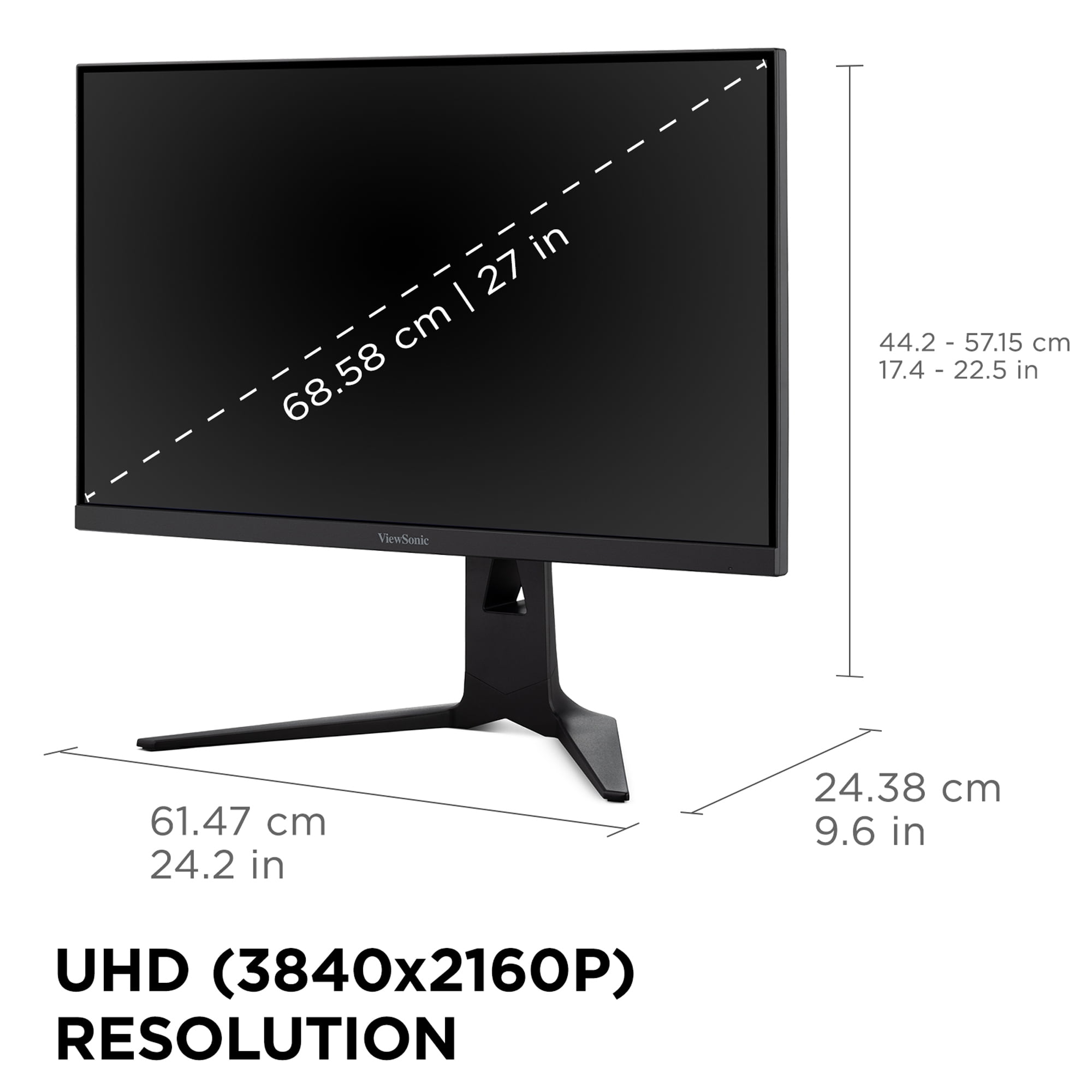
The ViewSonic XG275D-4K and Samsung Odyssey 3D G90XF both sport 27-inch 4K panels, but that's about where their similarities end. At the time of writing, these monitors sit at dramatically different price points – the ViewSonic costs roughly what you'd expect for a high-end gaming monitor, while the Samsung commands a significant premium that puts it in luxury territory. Understanding whether that price difference is justified requires diving deep into what each monitor actually delivers.
Before we get into the specifics, let's talk about what really matters in a gaming monitor. The most crucial specs are refresh rate and response time – but what do these actually mean for your gaming experience?
Refresh rate, measured in Hz (hertz), tells you how many times per second your monitor can display a new image. A 60Hz monitor shows 60 frames per second, while a 320Hz monitor can display 320 unique frames in that same second. Higher refresh rates create smoother motion, reduce perceived input lag (the delay between your mouse click and seeing the result on screen), and can give you a genuine competitive advantage in fast-paced games.
Response time, measured in milliseconds (ms), indicates how quickly individual pixels can change from one color to another. Lower response times mean less ghosting and motion blur – those annoying trailing effects you might see behind moving objects. For competitive gaming, every millisecond matters.
Adaptive sync technologies like AMD FreeSync and NVIDIA G-Sync solve the problem of screen tearing, which happens when your graphics card sends frames to your monitor faster or slower than the monitor's refresh rate. These technologies synchronize the monitor's refresh rate with your GPU's output, creating smooth, tear-free visuals.
Released in 2025, both monitors represent the latest thinking in gaming display technology, but they've taken completely different paths to get there.
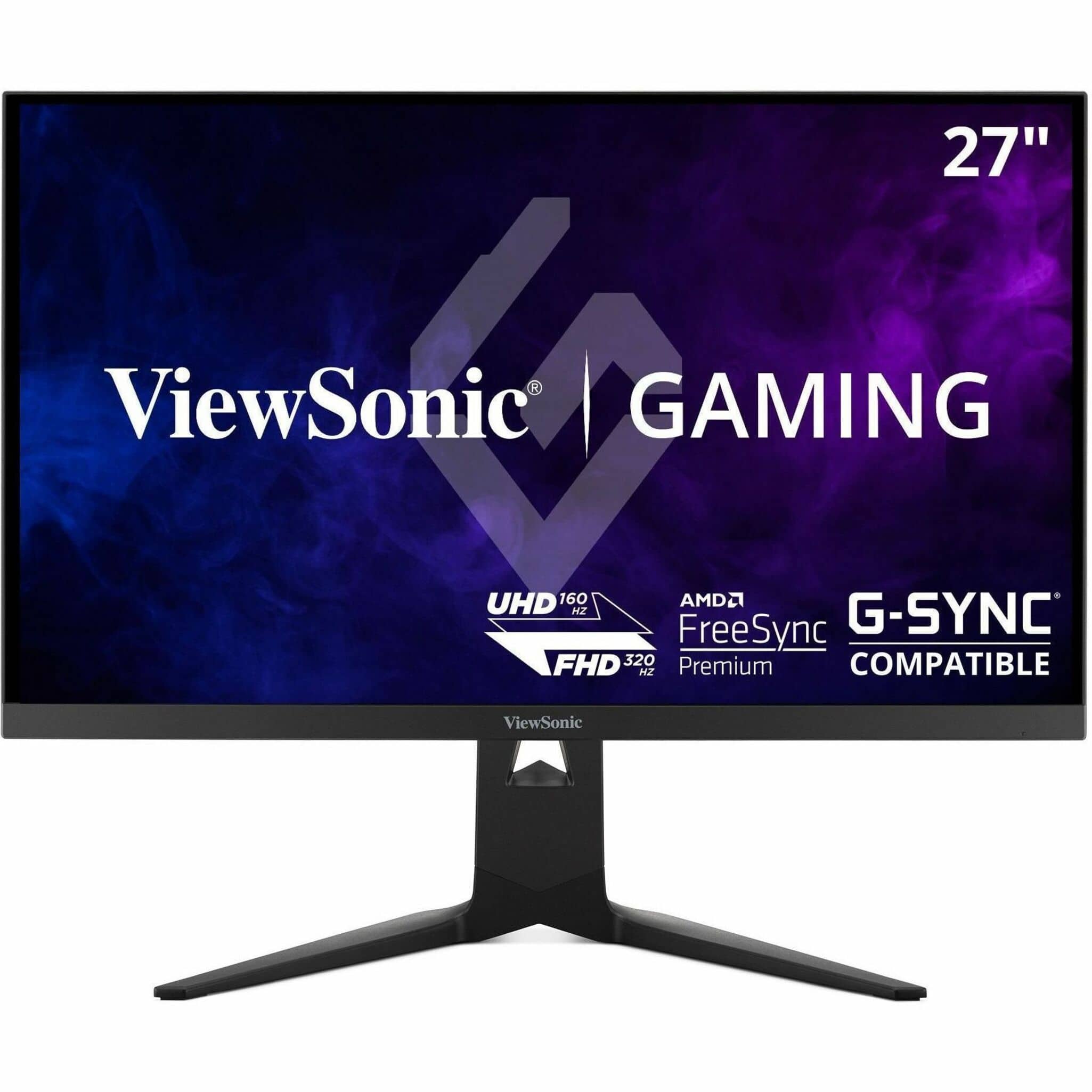
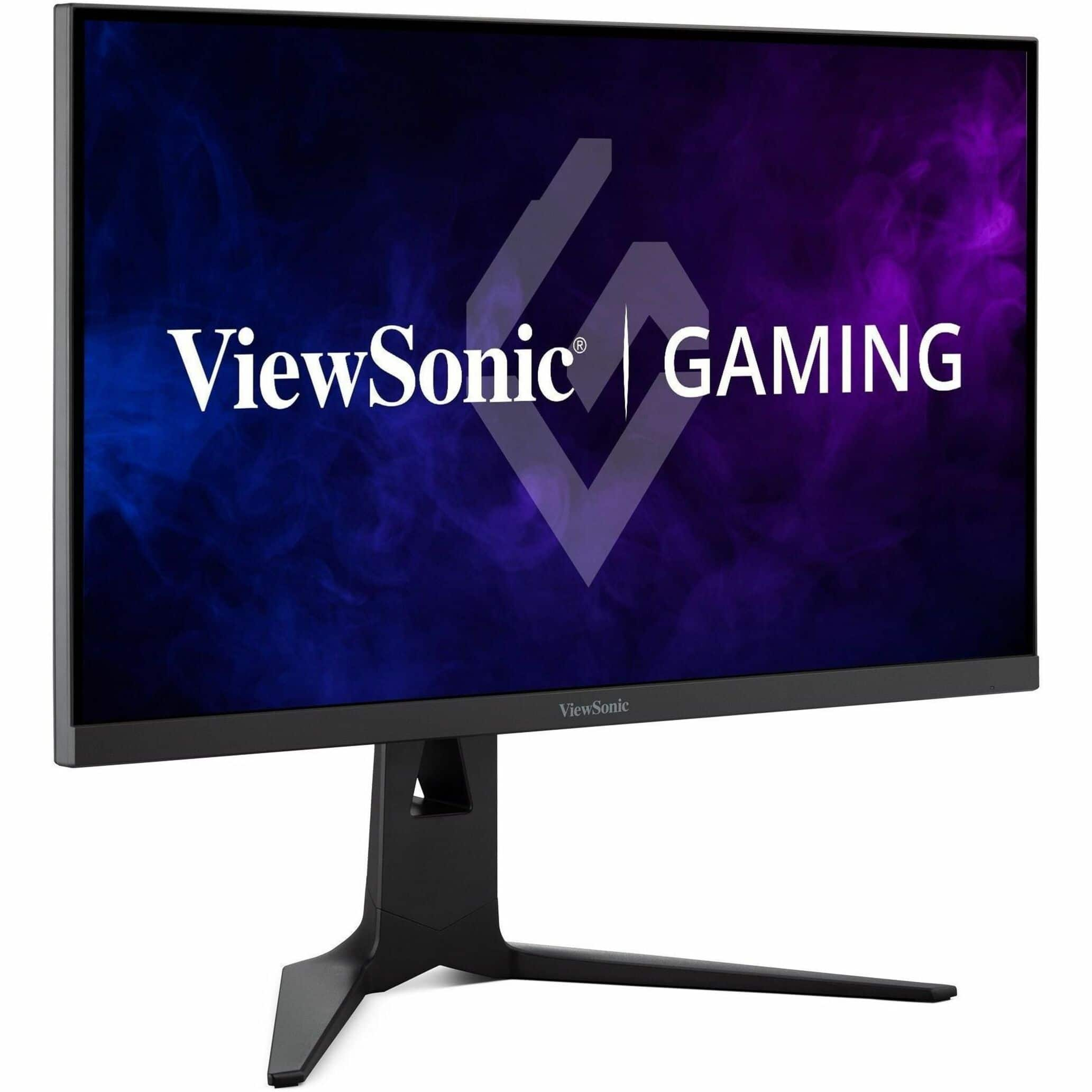
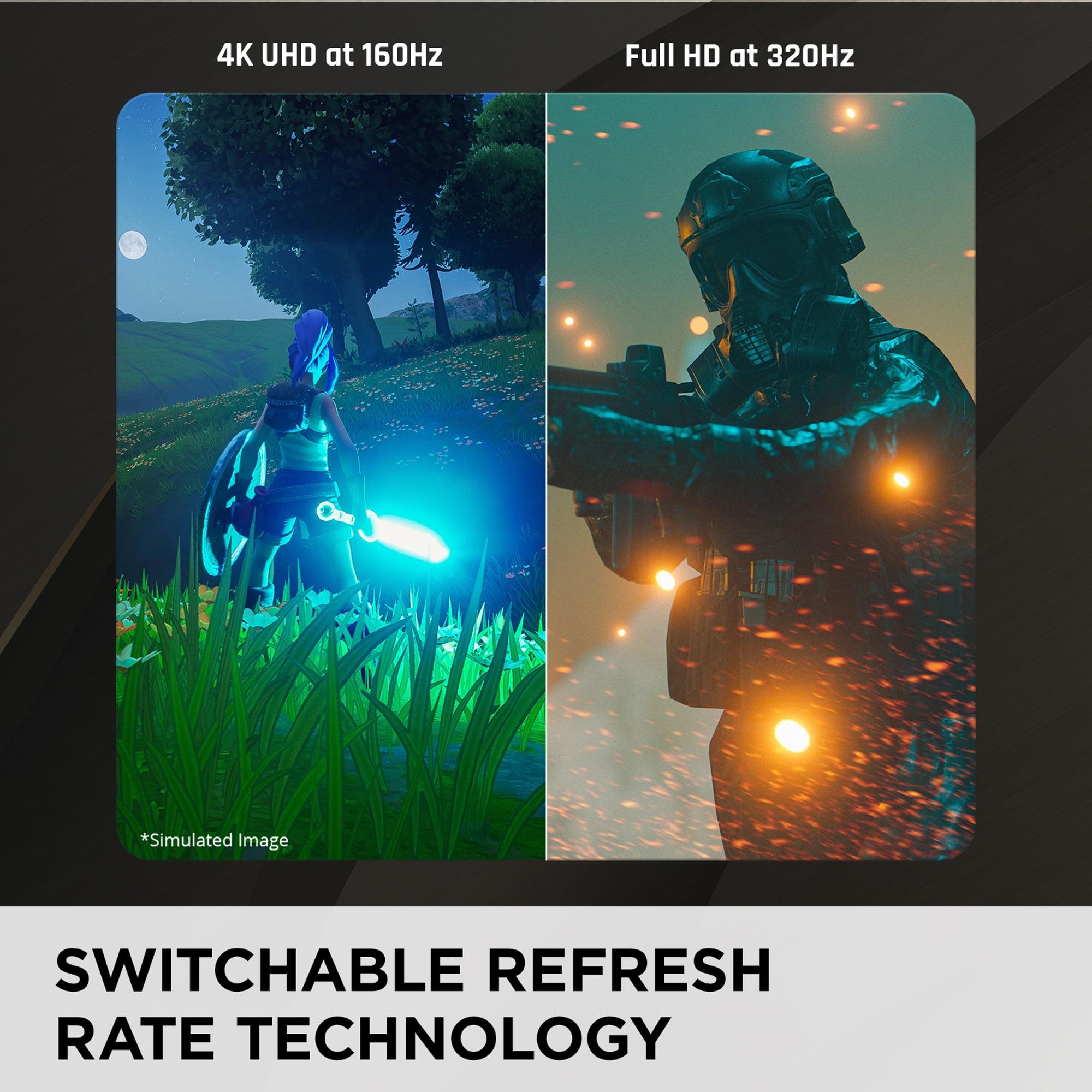
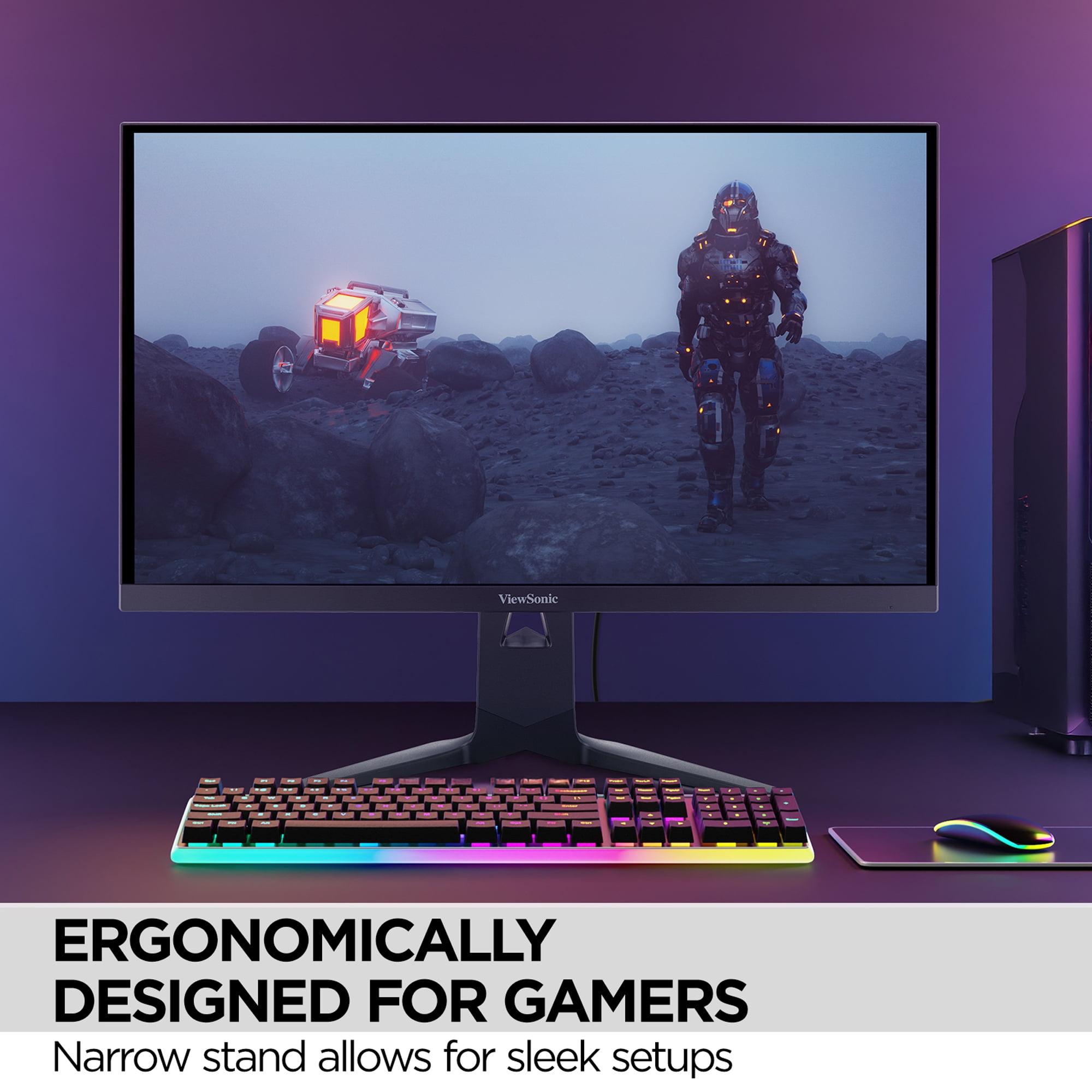
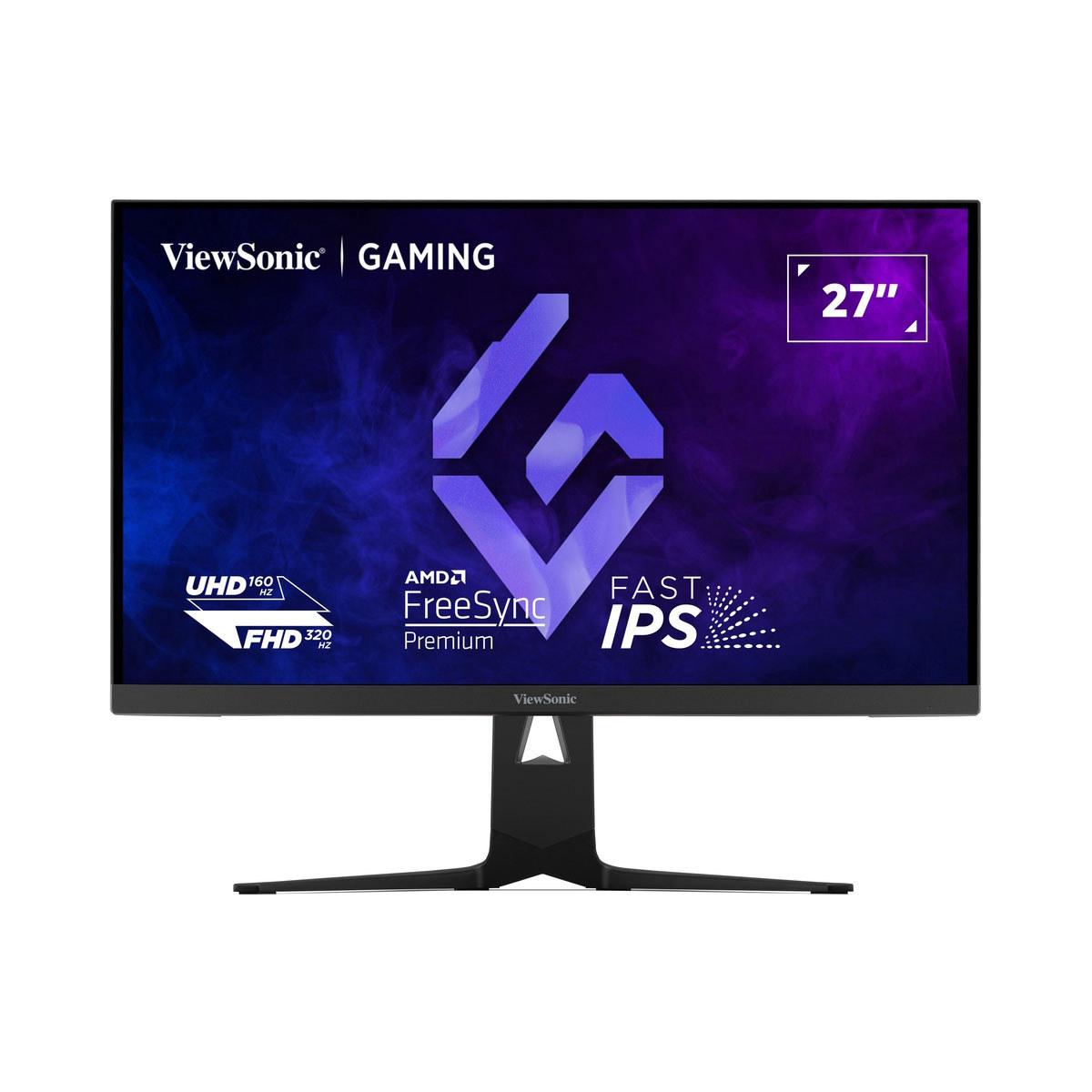
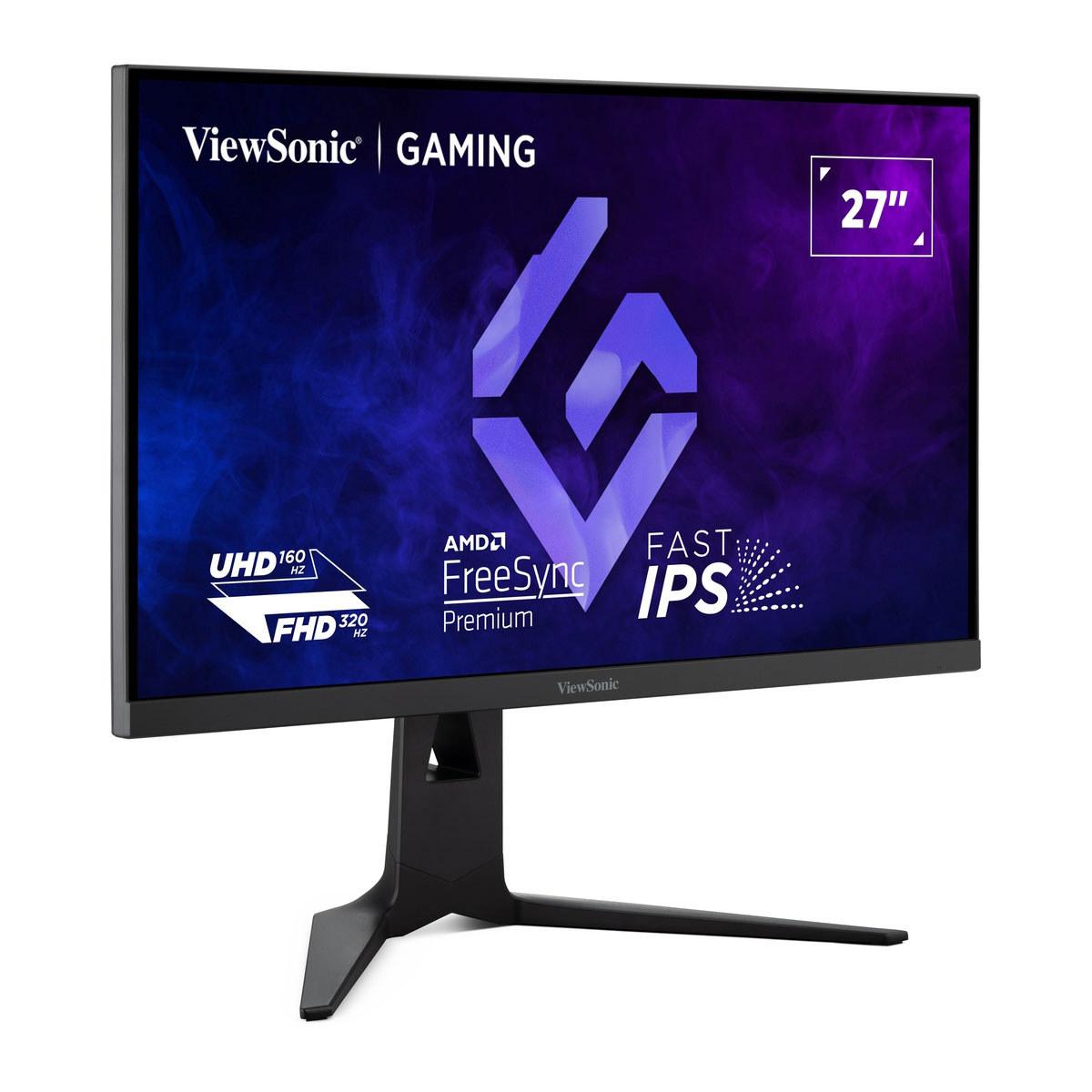
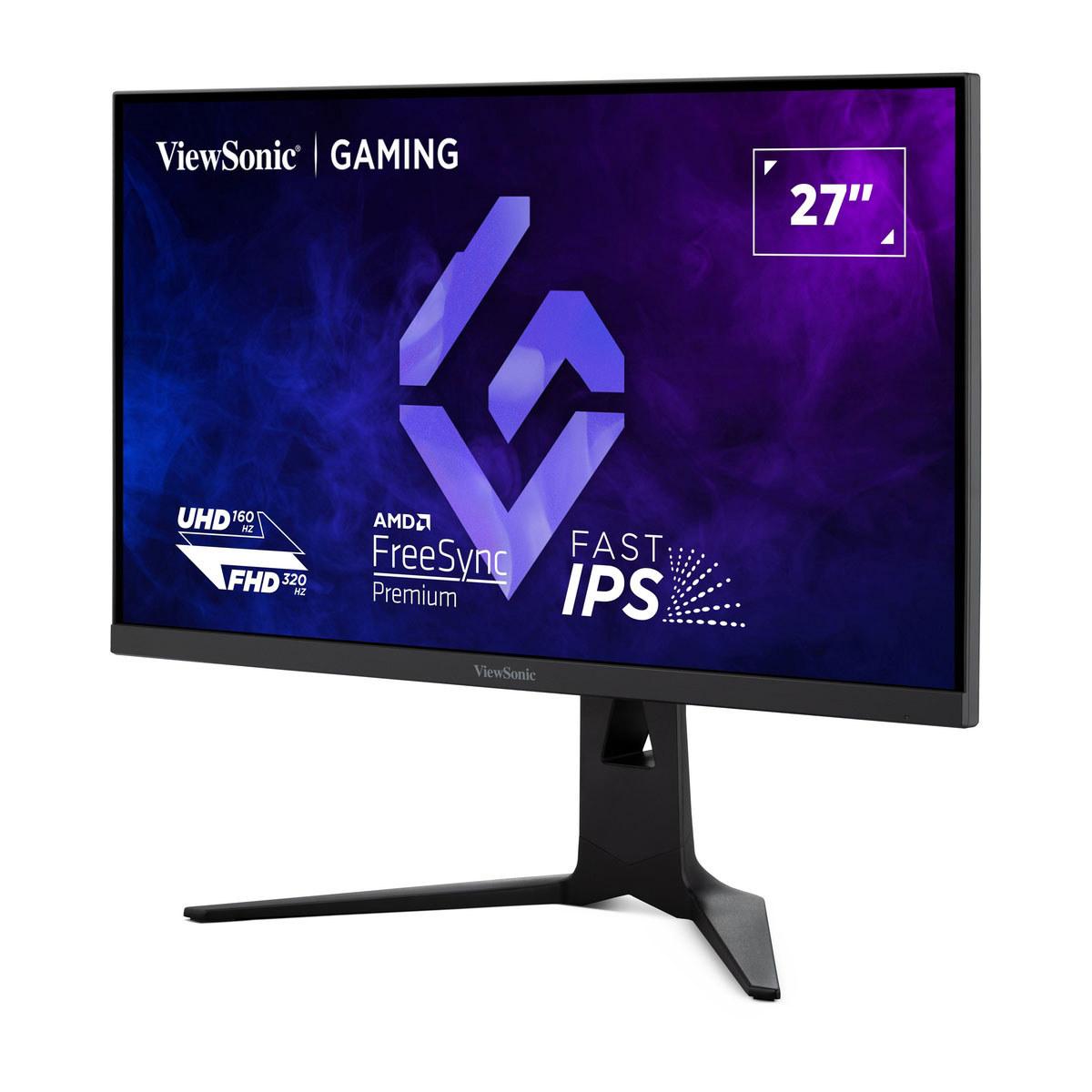
The ViewSonic XG275D-4K embodies a performance-first philosophy. ViewSonic looked at the fundamental problem many gamers face: choosing between ultra-high refresh rates for competitive gaming or high resolution for visual quality. Their solution is ingenious – a dual-mode system that lets you instantly switch between 320Hz at 1080p for competitive gaming and 160Hz at 4K for immersive experiences. It's like having two monitors in one, without the desk space requirements.
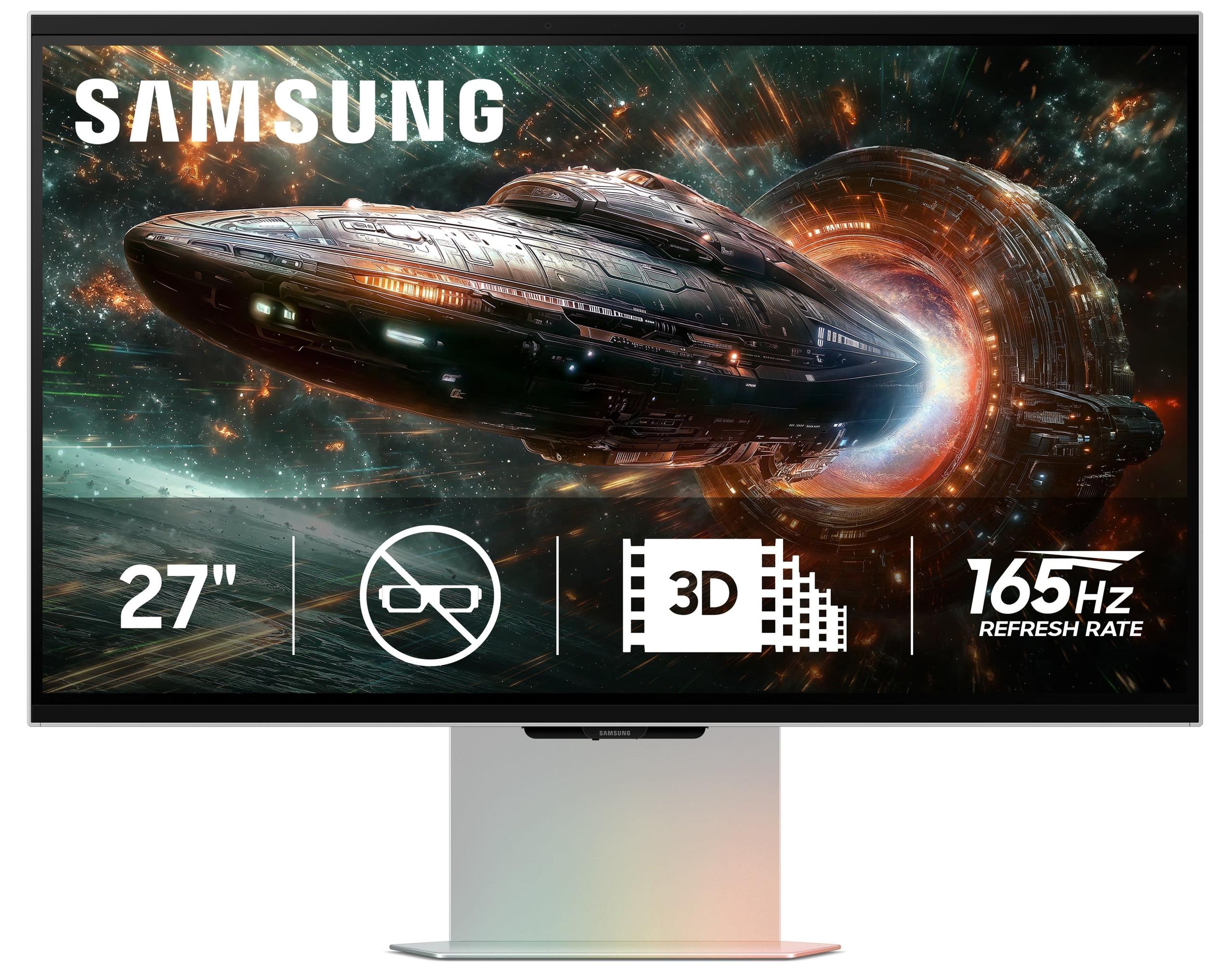
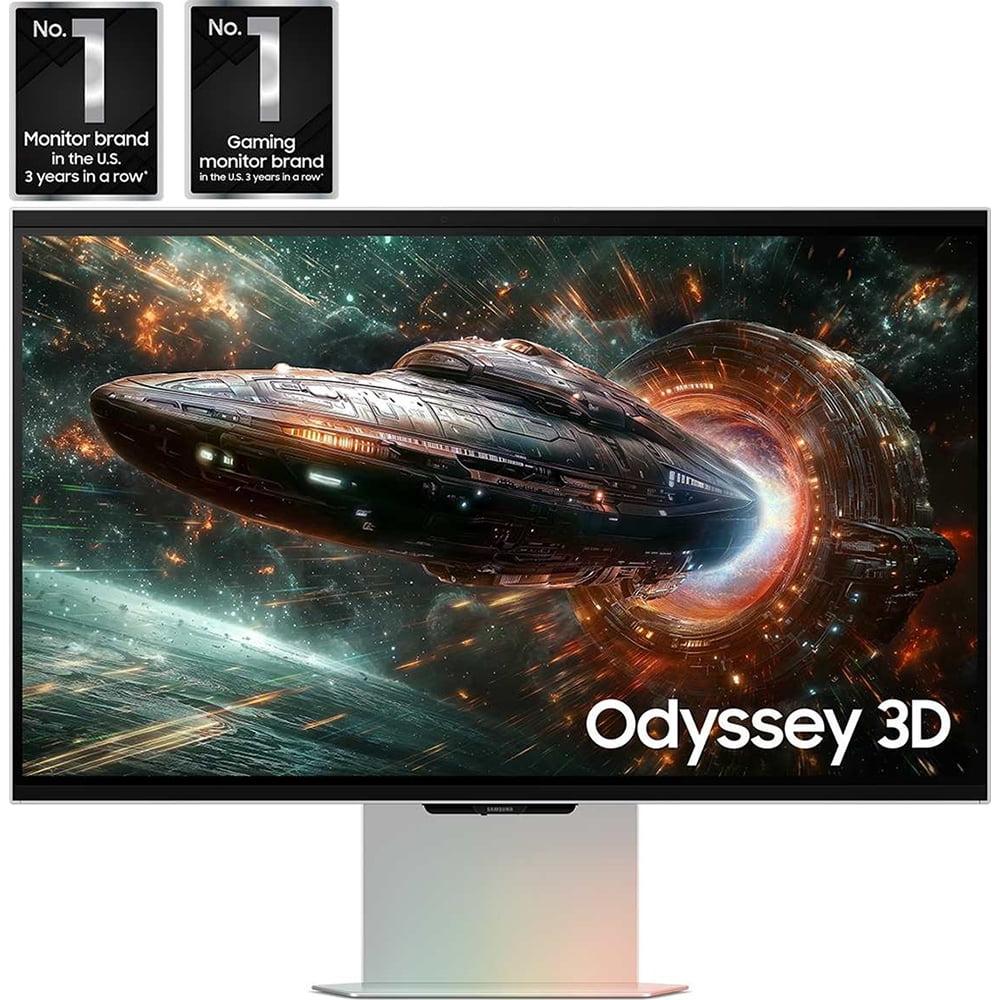
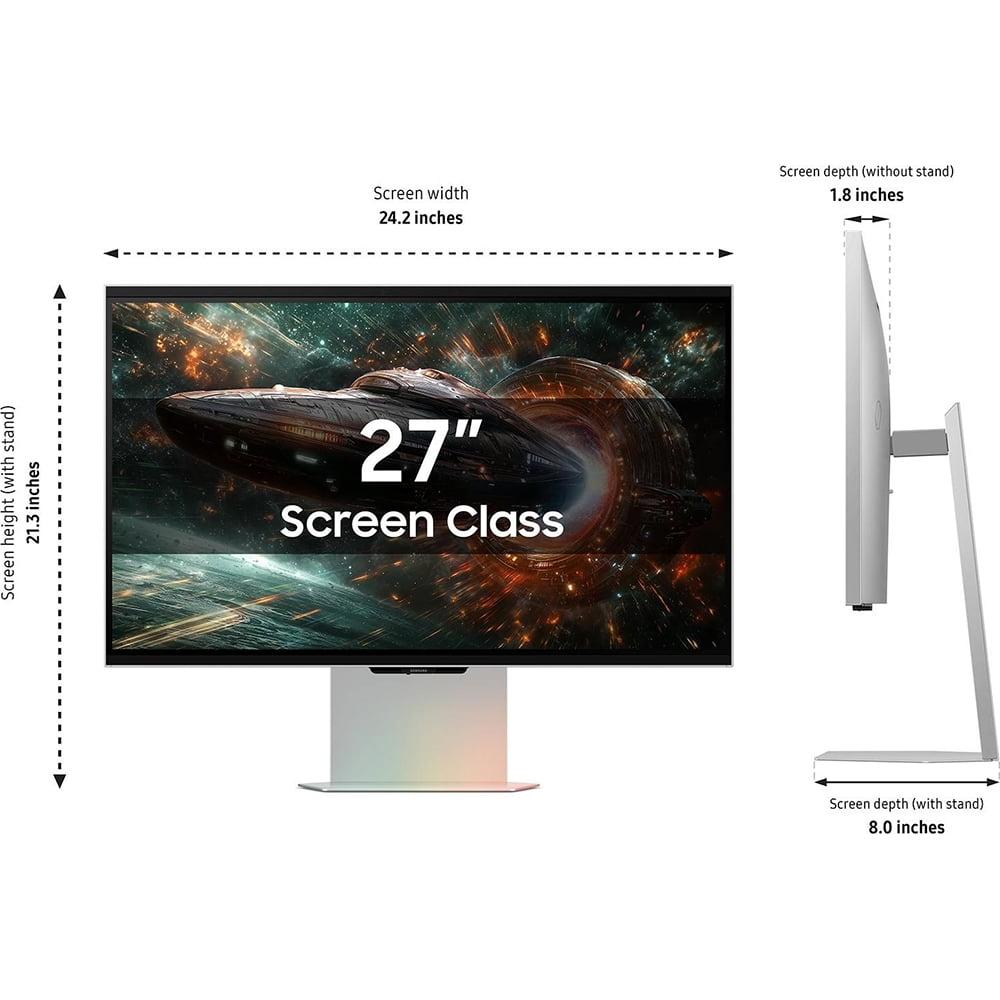
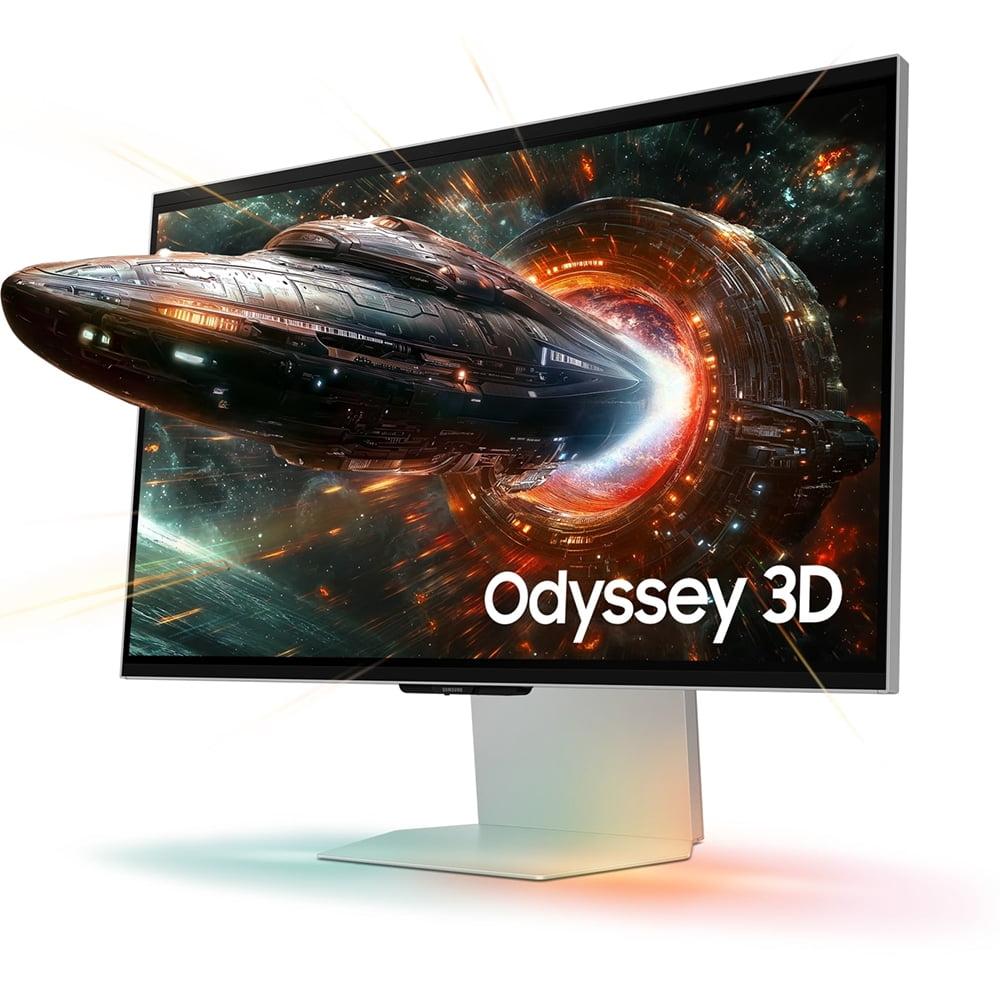
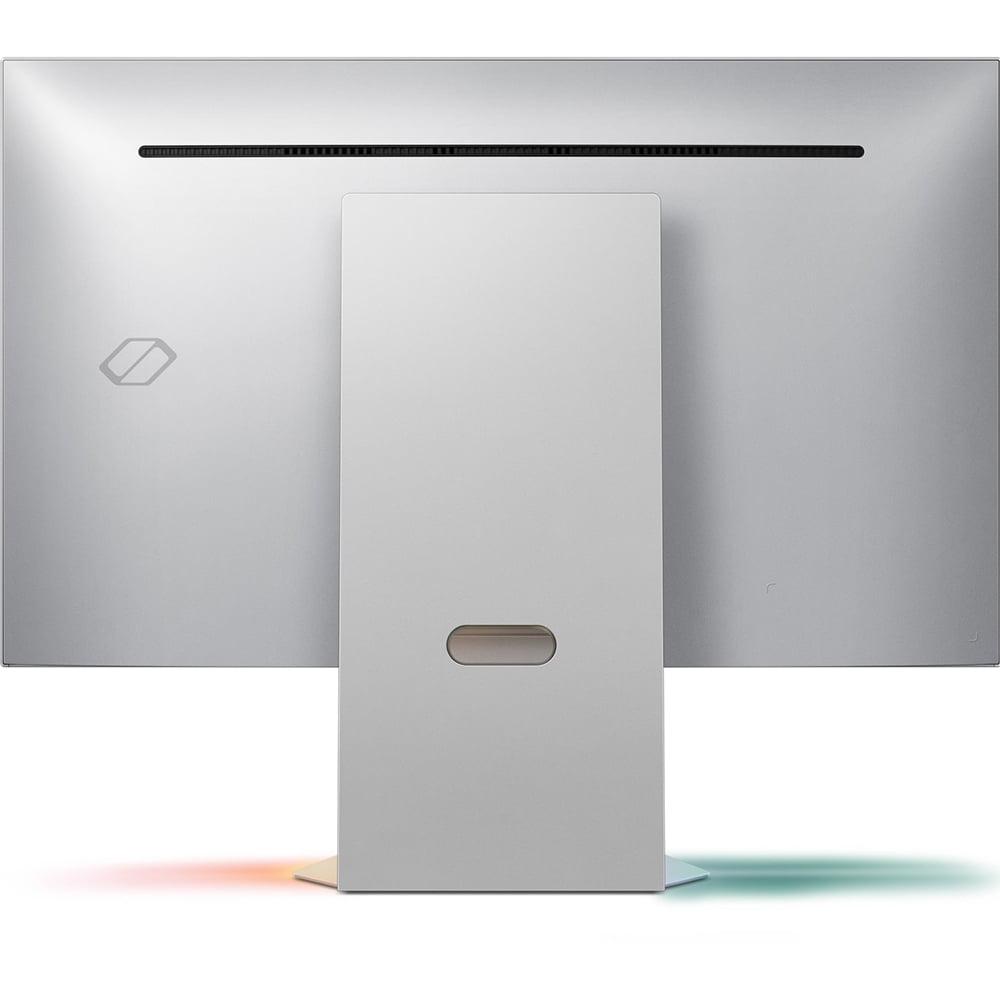
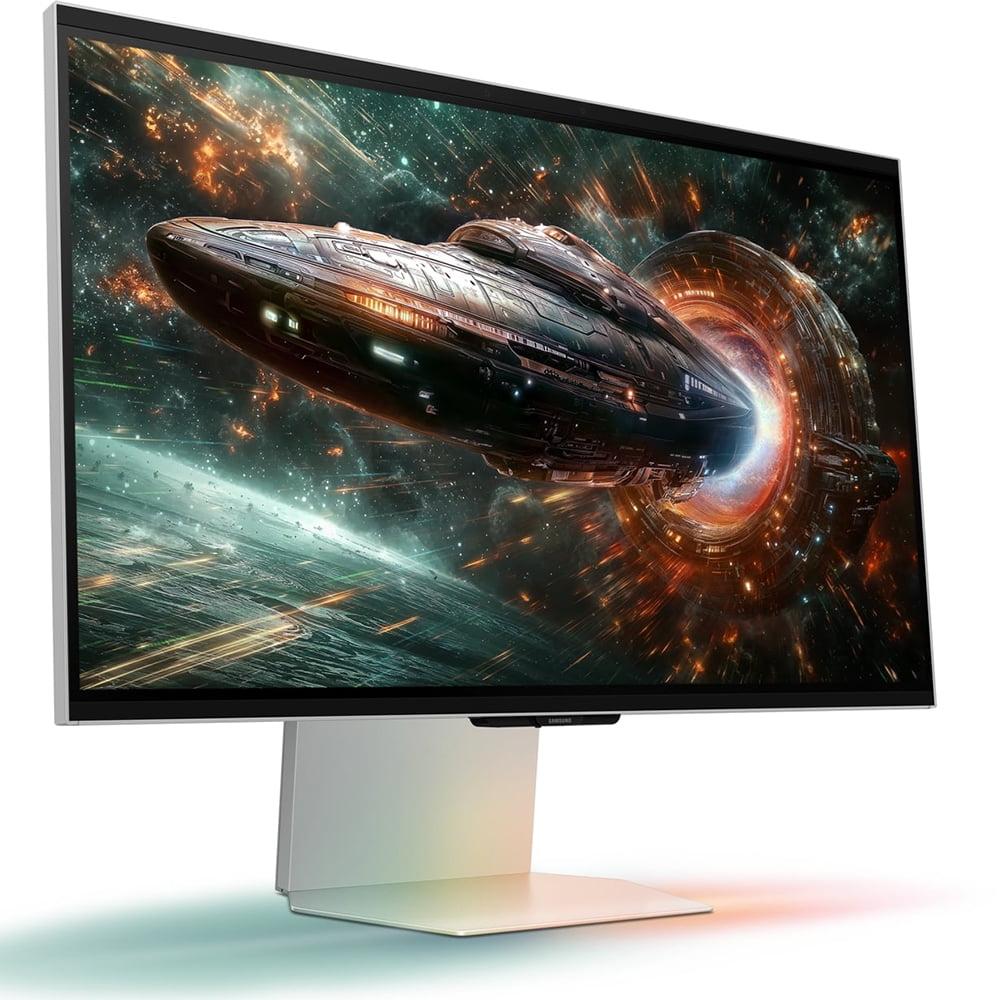
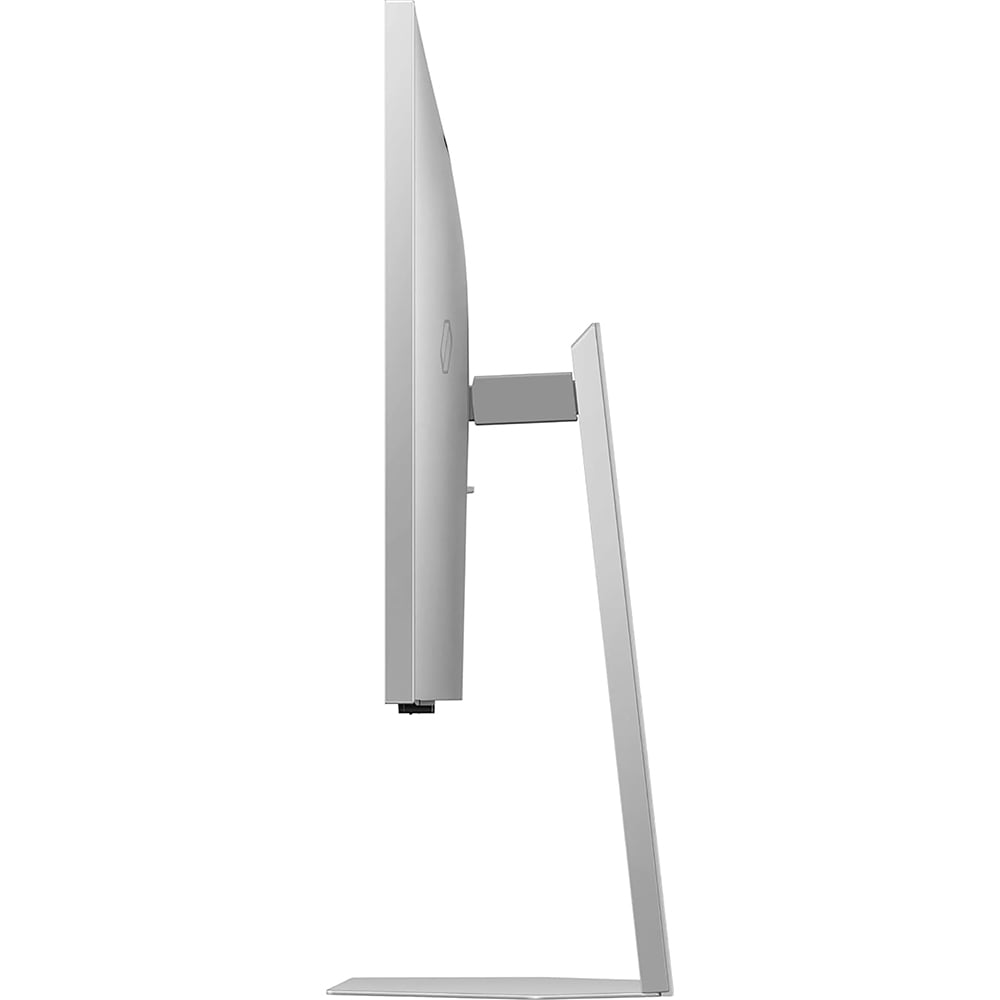
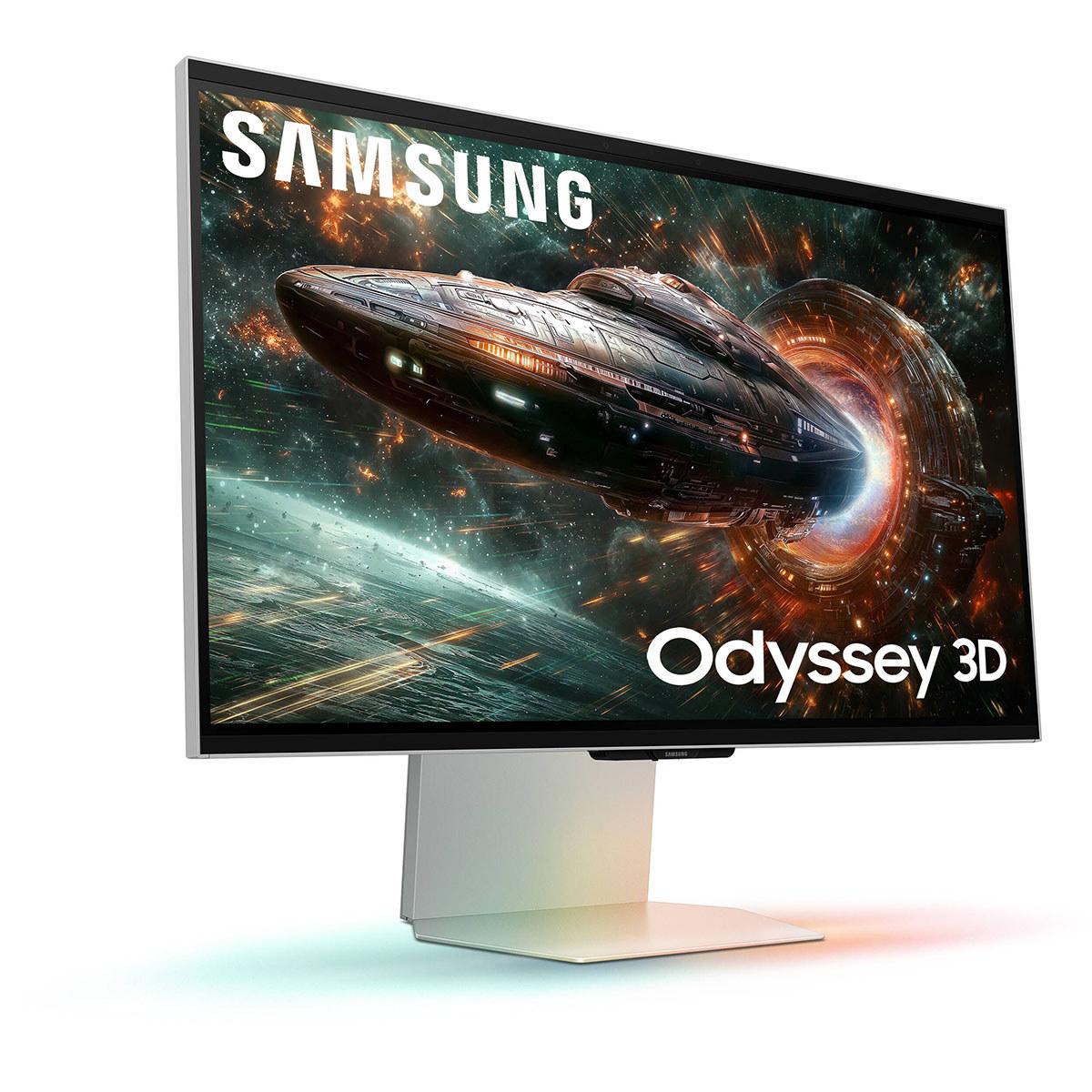
The Samsung Odyssey 3D G90XF, on the other hand, represents Samsung's bet on the future of gaming displays. It's the first mainstream gaming monitor to offer glasses-free 3D gaming, using sophisticated eye-tracking technology and a special lens array to create genuine depth perception without requiring those uncomfortable 3D glasses we all remember from movie theaters.
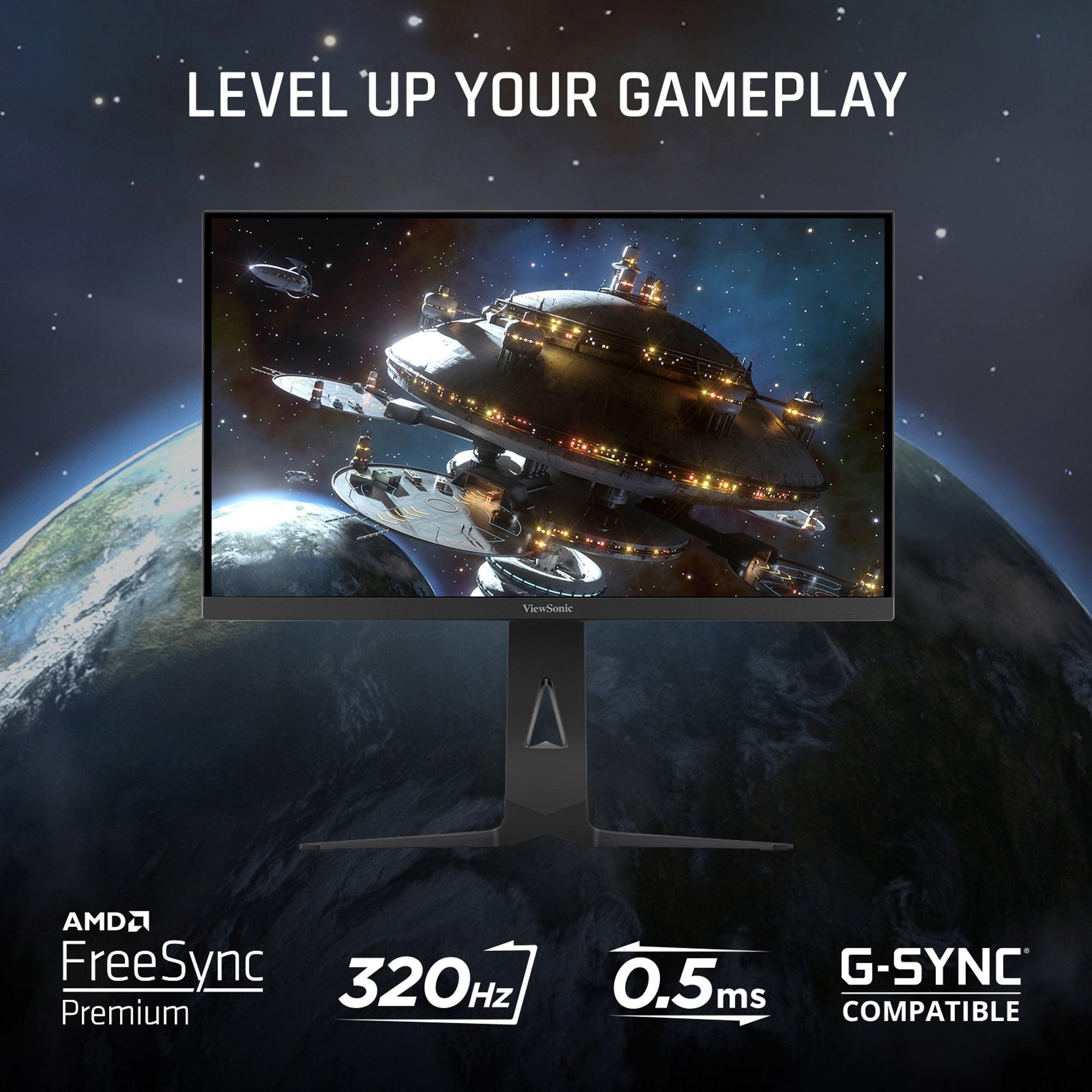
For competitive gaming – think Counter-Strike, Valorant, Overwatch, or any game where split-second reactions determine success – the ViewSonic XG275D-4K is in a league of its own. That 320Hz refresh rate in 1080p mode isn't just a marketing number; it's a genuine game-changer for serious competitive players.
Here's why this matters: at 144Hz, each frame is displayed for about 6.9 milliseconds. At 320Hz, that drops to just 3.1 milliseconds. Combined with the monitor's 0.5ms MPRT (Moving Picture Response Time), you're looking at some of the lowest total system latency available in any gaming monitor. Professional esports players often describe the difference as night and day – enemies feel more trackable, flick shots feel more responsive, and the overall gaming experience becomes more intuitive.
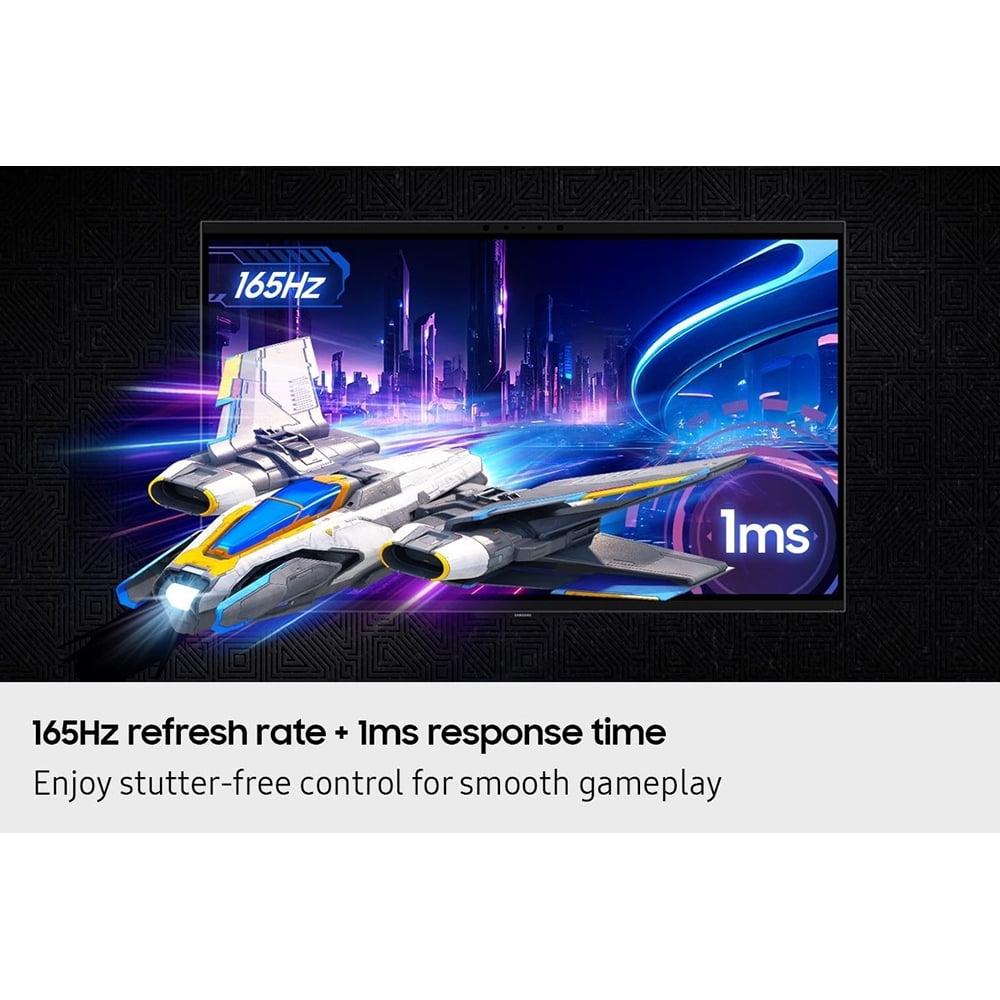
The Samsung G90XF, with its 165Hz maximum refresh rate, is respectable but can't compete in this arena. That 1ms GTG (Gray-to-Gray) response time is good, but when you're paying premium prices, you expect premium performance. For competitive gaming, the Samsung simply can't justify its price point based on pure performance metrics.
However, there's an important caveat: to actually benefit from 320Hz, you need a graphics card capable of pushing 320+ frames per second. This typically means high-end GPUs like an RTX 4080 or better, and you'll likely need to reduce some graphics settings to maintain those frame rates. But for competitive players, that trade-off is usually worthwhile.
Switch to single-player gaming or content consumption, and the equation changes significantly. Both monitors feature high-quality IPS panels with excellent color reproduction and wide viewing angles. The ViewSonic covers 94% of the DCI-P3 color space, which is the standard used for digital cinema, ensuring your games look as the developers intended.
Where the Samsung G90XF truly shines is in its revolutionary 3D experience. Having spent considerable time with glasses-free 3D displays, I can tell you the technology has finally reached a point where it's genuinely impressive rather than just a novelty. The monitor uses a lenticular lens array – essentially a sheet of tiny lenses that direct different images to each eye – combined with dual eye-tracking cameras that monitor your head position up to 120 times per second.
The result is genuine depth perception that doesn't require any special eyewear. Characters and objects appear to have real dimensionality, extending both into and out of the screen. It's particularly effective in games with strong depth cues – racing games where you can judge distances more accurately, or action-adventure games where environmental details gain new meaning.
The Samsung also includes AI-powered 2D-to-3D conversion through its Reality Hub software. This analyzes regular content and adds depth information in real-time. While it's not as convincing as native 3D content, it's surprisingly effective for extending the 3D experience to games and videos that weren't originally designed for it.
Both monitors use IPS panel technology, which means they share similar limitations when it comes to HDR (High Dynamic Range) performance. IPS panels typically achieve contrast ratios around 1000:1, which is respectable but far from the deep blacks and bright highlights that make HDR truly spectacular.
The ViewSonic supports HDR10, while the Samsung goes a step further with HDR10+ Gaming support. However, both are limited by their peak brightness levels – around 300-350 nits – which puts them in the "HDR compatible" category rather than delivering true HDR performance. For genuine HDR gaming, you'd need to look at OLED monitors or high-end mini-LED displays, both of which command even higher prices.
An important limitation of the Samsung is that you cannot use HDR and 3D simultaneously. This forces you to choose between enhanced dynamic range and 3D depth, which feels like an unnecessary compromise at this price point.
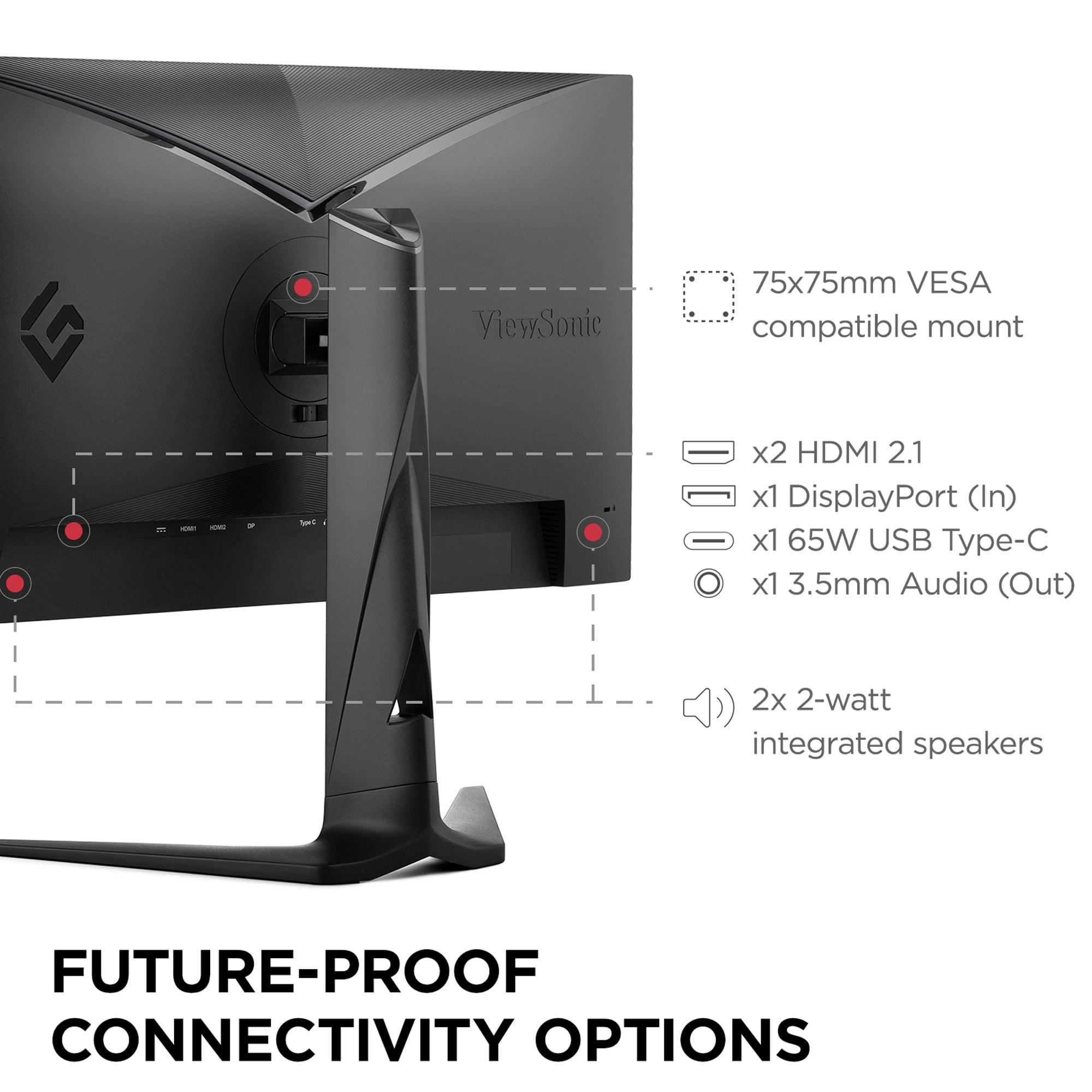
The ViewSonic XG275D-4K excels in versatility with its comprehensive connectivity options. The inclusion of USB-C with 65W power delivery is particularly valuable, allowing you to connect and charge a laptop with a single cable. This makes it excellent for users who game on their desktop but also need to connect work laptops or other devices.
The dual-mode functionality also adds significant practical value. I've found myself using 320Hz mode for competitive sessions in the evening, then switching to 4K mode for single-player games or productivity work during the day. The transition is seamless and takes just a button press.
The Samsung focuses more on premium features, with built-in speakers that include spatial audio enhancements and edge lighting that matches on-screen colors. While these features add to the immersive experience, they don't provide the same practical utility as the ViewSonic's connectivity options.
The ViewSonic's dual-mode system is more sophisticated than simply changing resolution settings. When you switch modes, the monitor adjusts its pixel processing, overdrive settings, and timing parameters to optimize for each use case. In 320Hz mode, it prioritizes response time and motion clarity. In 4K mode, it emphasizes image quality and color accuracy.
This approach addresses a real problem in the gaming monitor market. Previously, you'd need separate monitors for competitive gaming and immersive experiences, or you'd have to compromise on one aspect. The ViewSonic eliminates that choice, though there is a slight trade-off in that 1080p content on a native 4K panel can appear slightly soft due to scaling.
The Samsung's glasses-free 3D technology represents years of development in stereoscopic displays. The lenticular lens array works by directing specific pixels to each eye based on your viewing position. The eye-tracking cameras constantly monitor your head movement and adjust the 3D mapping accordingly.
The system works best when you're positioned directly in front of the monitor within the optimal viewing zone – roughly 24-32 inches away and centered. Move too far to either side, and the 3D effect breaks down. This makes it less suitable for group gaming sessions but perfect for individual use.
The processing requirements are significant: to display 3D at 4K, your graphics card essentially needs to render two separate 1920x2160 images simultaneously. This means you need substantial GPU power – typically an RTX 4070 or better – to maintain smooth frame rates in demanding games.
For home theater use, both monitors have limitations typical of 27-inch displays. Neither is large enough to serve as a primary TV replacement, but they can work well for personal viewing or smaller entertainment setups.
The Samsung G90XF has some advantages here, thanks to its 3D capabilities extending to video content. Watching 3D movies or YouTube videos with AI-enhanced depth can be genuinely engaging. The built-in speakers, while not audiophile quality, are sufficient for casual viewing.
The ViewSonic is more practical for mixed-use entertainment setups. Its USB-C connectivity makes it easy to connect streaming devices or laptops, and the 4K resolution provides excellent clarity for video content.
Neither monitor includes advanced TV features like multiple HDMI inputs optimized for different devices, or the smart TV functionality you'd find in dedicated television sets.
At the time of writing, the price difference between these monitors is substantial – the Samsung costs roughly 3-4 times more than the ViewSonic. This premium is entirely justified by the 3D technology, but only if you actually value and use that feature.
For most gamers, the ViewSonic XG275D-4K represents exceptional value. You're getting flagship-level gaming performance, excellent 4K visuals, and versatile connectivity at a price point that's competitive with standard high-refresh gaming monitors. The dual-mode functionality adds significant practical value, essentially giving you two specialized monitors in one package.
The Samsung G90XF is harder to recommend broadly. The 3D technology is genuinely impressive and unlike anything else on the market, but it comes with significant trade-offs. The limited library of native 3D content means you'll rely heavily on AI conversion, which produces mixed results. The lower refresh rate hurts its competitive gaming credentials, and the inability to use HDR and 3D simultaneously feels like an unnecessary limitation.
Choose the ViewSonic XG275D-4K if you're a serious gamer who wants maximum performance without breaking the bank. It's perfect for players who split time between competitive and single-player gaming, need versatile connectivity for work and play, or simply want proven technology that delivers exceptional results. The dual-mode system addresses real gaming needs, and the overall package represents some of the best value in the high-end gaming monitor market.
Choose the Samsung Odyssey 3D G90XF if you're fascinated by cutting-edge display technology and have the budget to support early adoption. It's ideal for enthusiasts who primarily play immersive single-player games, want a unique visual experience unlike any other monitor, and aren't concerned with competitive gaming performance. The 3D effect is genuinely impressive when it works well, but you're paying a significant premium for technology that's still finding its footing in terms of content support.
For most people reading this, the ViewSonic represents the smarter choice. It delivers exceptional performance where it matters most – in actual gaming – while providing practical features that enhance daily use. The Samsung is undeniably innovative, but innovation alone doesn't always translate to practical value, especially at such a significant price premium.
The gaming monitor market continues to evolve rapidly, with new panel technologies and features appearing regularly. Both of these monitors represent the cutting edge of their respective approaches as of 2025, but the fundamental trade-off remains the same: proven performance versus experimental innovation. Your choice should depend on which philosophy better matches your gaming priorities and budget constraints.
| ViewSonic XG275D-4K | Samsung Odyssey 3D G90XF |
|---|---|
| Maximum Refresh Rate - Critical for competitive gaming smoothness | |
| 320Hz at 1080p, 160Hz at 4K (dual-mode system) | 165Hz at 4K only |
| Response Time - Lower is better for motion clarity | |
| 0.5ms MPRT (exceptionally fast) | 1ms GTG (very good) |
| Unique Technology - What sets each monitor apart | |
| Dual-mode switching between resolution/refresh rate combos | Glasses-free 3D gaming with eye-tracking |
| Panel Type - Affects color accuracy and viewing angles | |
| IPS with anti-glare coating | IPS with glossy finish |
| HDR Support - Enhanced contrast and color range | |
| HDR10 support (entry-level) | HDR10, HDR10+ Gaming (cannot use with 3D simultaneously) |
| Connectivity - Versatility for different devices | |
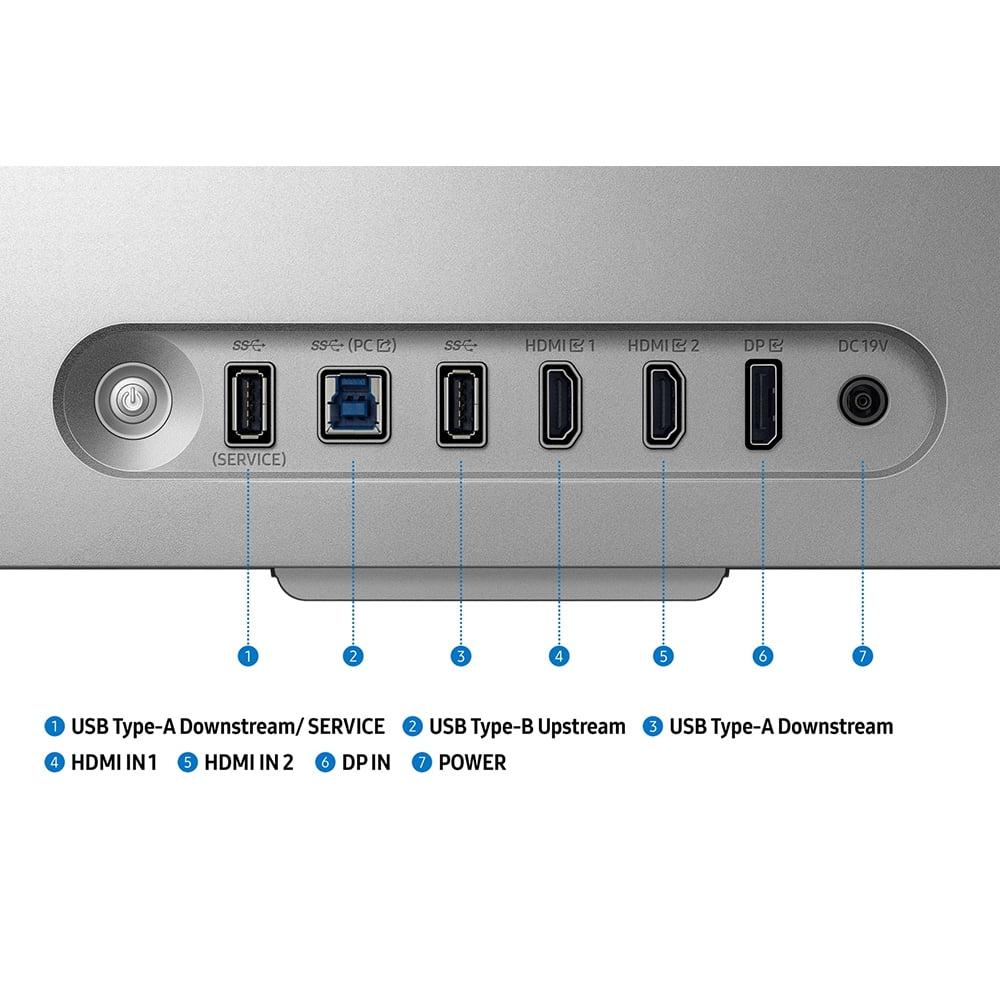
| HDMI 2.1, DisplayPort 1.4, USB-C with 65W power delivery | Dual HDMI 2.1, DisplayPort 1.4, USB 3.1 |
| Color Gamut Coverage - Important for accurate colors | |
| 94% DCI-P3, 128% sRGB | 99% sRGB coverage |
| Adaptive Sync - Eliminates screen tearing | |
| AMD FreeSync Premium, NVIDIA G-SYNC Compatible | AMD FreeSync Premium, NVIDIA G-SYNC Compatible |
| Built-in Audio - Convenience factor | |
| 2x 2W speakers (basic) | Built-in speakers with spatial audio enhancement |
| Special Features - Added value beyond core specs | |
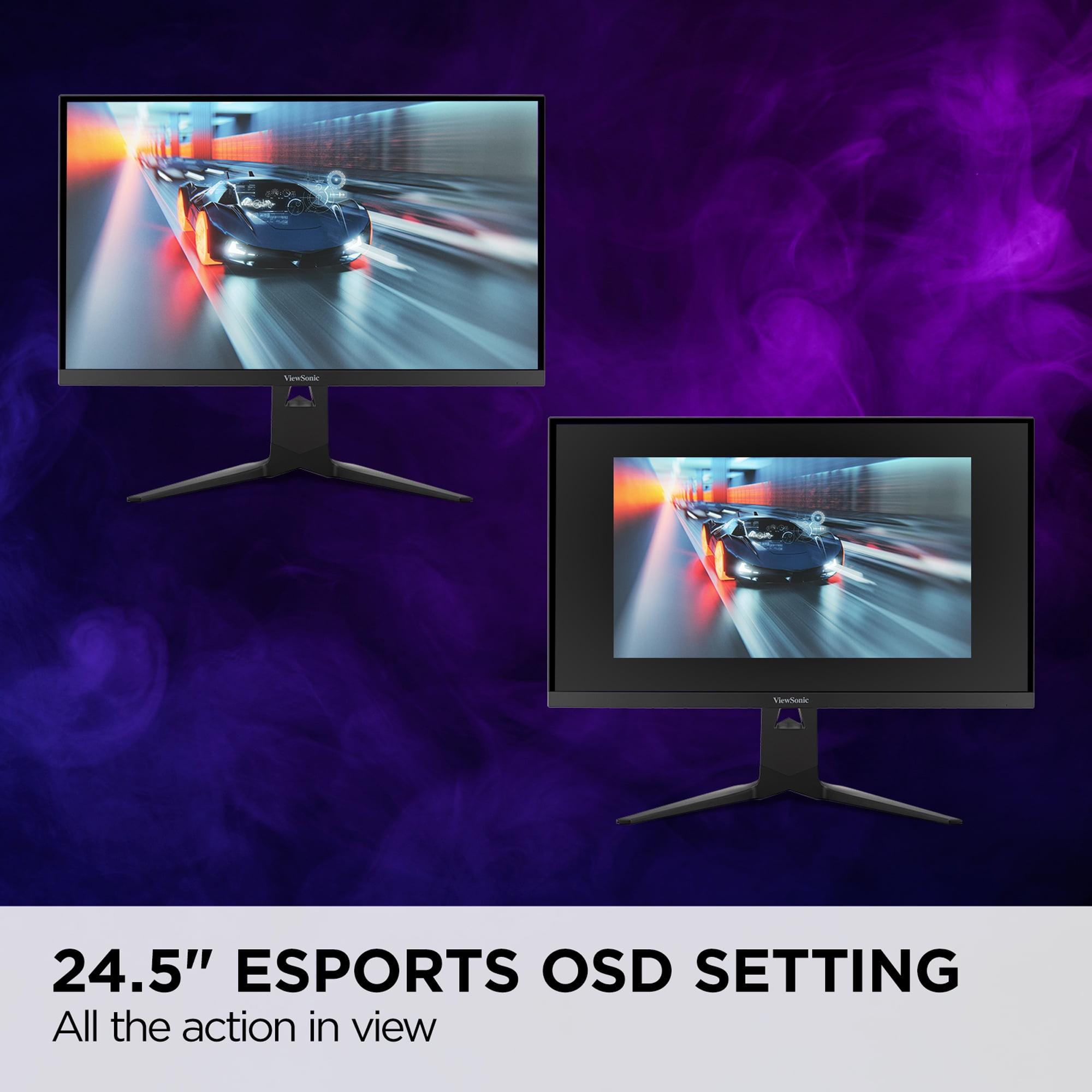
| 24.5" esports mode, flicker-free, low blue light | Edge lighting, AI 3D conversion, Reality Hub software |
| Ergonomics - Adjustability for comfort | |
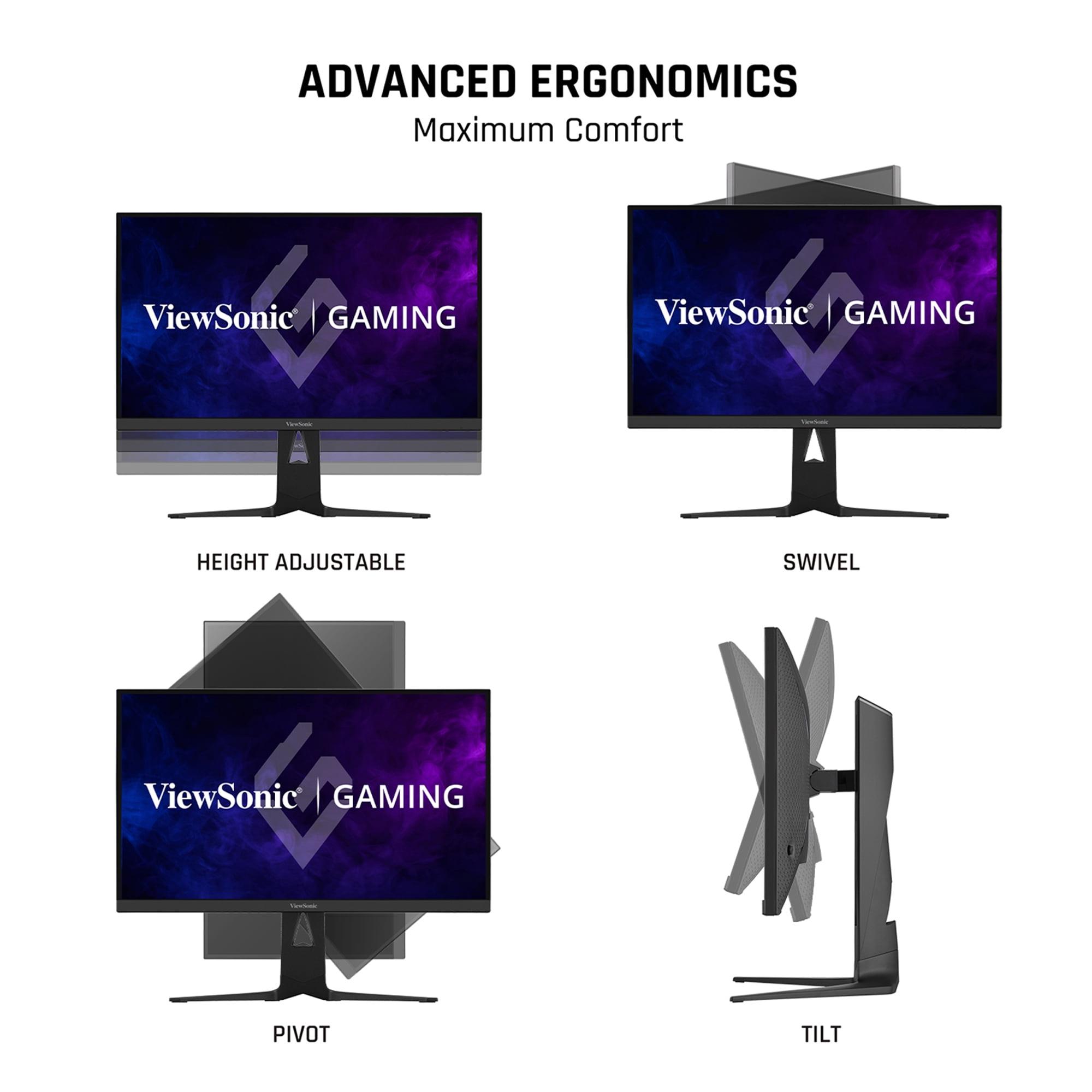
| Full adjustment: height, tilt, swivel, pivot | Full adjustment except no swivel |
| Target Use Case - Who each monitor serves best | |
| Competitive gaming, dual-purpose gaming/productivity | Immersive 3D gaming, early adopters, single-player focus |
The ViewSonic XG275D-4K is significantly better for competitive gaming with its 320Hz refresh rate at 1080p and ultra-fast 0.5ms response time. The Samsung Odyssey 3D G90XF maxes out at 165Hz, which is good but not competitive-level fast. For esports and competitive titles, the ViewSonic provides a clear advantage.
The core difference is their approach: the ViewSonic XG275D-4K focuses on maximum gaming performance with dual-mode refresh rates, while the Samsung Odyssey 3D G90XF introduces revolutionary glasses-free 3D gaming technology. The ViewSonic prioritizes speed and versatility, while the Samsung offers a unique 3D visual experience.
Yes, both the ViewSonic XG275D-4K and Samsung Odyssey 3D G90XF support native 4K gaming at 3840x2160 resolution. The ViewSonic runs 4K at 160Hz, while the Samsung runs 4K at 165Hz. Both deliver sharp, detailed visuals for modern gaming.
The ViewSonic XG275D-4K offers exceptional value with flagship gaming performance at a competitive price point. The Samsung Odyssey 3D G90XF commands a significant premium for its 3D technology, making it better suited for enthusiasts specifically seeking innovative display features rather than pure performance value.
Both monitors support HDR, but with limitations. The ViewSonic XG275D-4K supports HDR10, while the Samsung Odyssey 3D G90XF supports HDR10 and HDR10+ Gaming. However, the Samsung cannot use HDR and 3D simultaneously, forcing you to choose between enhanced contrast and 3D depth.
The Samsung Odyssey 3D G90XF uses glasses-free 3D technology with eye-tracking cameras and a lenticular lens array. It monitors your head position up to 120 times per second and adjusts the 3D effect accordingly. The monitor can also convert 2D content to 3D using AI through Samsung's Reality Hub software.
For immersive single-player gaming, the Samsung Odyssey 3D G90XF offers a unique 3D experience that adds genuine depth to supported games. However, the ViewSonic XG275D-4K provides excellent 4K visuals at 160Hz and may be more versatile for different types of single-player games, especially if 3D isn't a priority.
Yes, both the ViewSonic XG275D-4K and Samsung Odyssey 3D G90XF support AMD FreeSync Premium and are NVIDIA G-SYNC Compatible. This means they work seamlessly with graphics cards from both manufacturers to eliminate screen tearing and provide smooth gameplay.
The ViewSonic XG275D-4K includes HDMI 2.1, DisplayPort 1.4, and USB-C with 65W power delivery for charging laptops. The Samsung Odyssey 3D G90XF features dual HDMI 2.1 ports, DisplayPort 1.4, and USB 3.1 connections. The ViewSonic's USB-C power delivery adds significant practical value.
The Samsung Odyssey 3D G90XF has superior built-in audio with spatial audio enhancement that complements the 3D visual experience. The ViewSonic XG275D-4K includes basic 2x 2W speakers that are adequate for system sounds but not ideal for gaming or entertainment audio.
The ViewSonic XG275D-4K features a unique dual-mode system that lets you instantly switch between 320Hz at 1080p and 160Hz at 4K with a dedicated button. The Samsung Odyssey 3D G90XF operates at a fixed 165Hz maximum refresh rate and doesn't offer this switching functionality.
Choose the ViewSonic XG275D-4K if you want maximum gaming performance, play competitive games, need versatile connectivity, or want excellent value. Choose the Samsung Odyssey 3D G90XF if you're fascinated by 3D gaming technology, primarily play immersive single-player games, and have the budget for premium innovative features over pure performance metrics.
We've done our best to create useful and informative comparisons to help you decide what product to buy. Our research uses advanced automated methods to create this comparison and perfection is not possible - please contact us for corrections or questions. These are the sites we've researched in the creation of this article: cgmagonline.com - gamingshogun.com - techpowerup.com - notebookcheck.net - bestbuy.com - newegg.com - techpowerup.com - shi.com - viewsonic.com - viewsonic.com - prnewswire.com - viewsonic.com - viewsonic.com - shop.avispl.com - guru3d.com - viewsonic.com - viewsonic.com - viewsonic.com - viewsonic.com - hometechnologyreview.com - substack.com - rtings.com - youtube.com - techaeris.com - versus.com - tomsguide.com - avsforum.com - youtube.com - versus.com - bestbuy.com - samsung.com - samsung.com - samsung.com - samsung.com - m.media-amazon.com

Privacy Policy
Terms and Conditions - Affiliate Policy
Home Security
© Copyright 2008-2026.
11816 Inwood Rd #1211, Dallas, TX 75244