

When I first started gaming competitively back in college, the idea of a 4K gaming monitor running at 240Hz or higher seemed like pure science fiction. Fast forward to 2024-2025, and we're not only living in that future—we're spoiled for choice with monitors that can deliver both stunning visuals and lightning-fast refresh rates.
Today, we're comparing two fascinating approaches to 4K gaming: the ViewSonic XG275D-4K and the Samsung Odyssey OLED G8. These monitors represent fundamentally different philosophies in gaming display technology, and choosing between them comes down to understanding what matters most for your gaming style and budget.
The 4K gaming monitor category has exploded in recent years, driven by increasingly powerful graphics cards and gamers who refuse to compromise between visual quality and competitive performance. At the time of writing, you're looking at a market where entry-level 4K gaming monitors start around $400-500, while premium OLED models can easily push past $1,000.
The key considerations in this space revolve around several technical factors that directly impact your gaming experience. Panel technology determines fundamental characteristics like contrast, response times, and longevity. Refresh rate affects how smooth motion appears, measured in Hz (cycles per second). Response time indicates how quickly pixels can change colors, measured in milliseconds—lower numbers mean less motion blur.
What makes this category particularly interesting is how manufacturers are pushing the boundaries of what's physically possible. The ViewSonic XG275D-4K achieves a remarkable 320Hz refresh rate by offering dual-mode functionality, while the Samsung Odyssey OLED G8 leverages cutting-edge OLED technology for superior image quality.
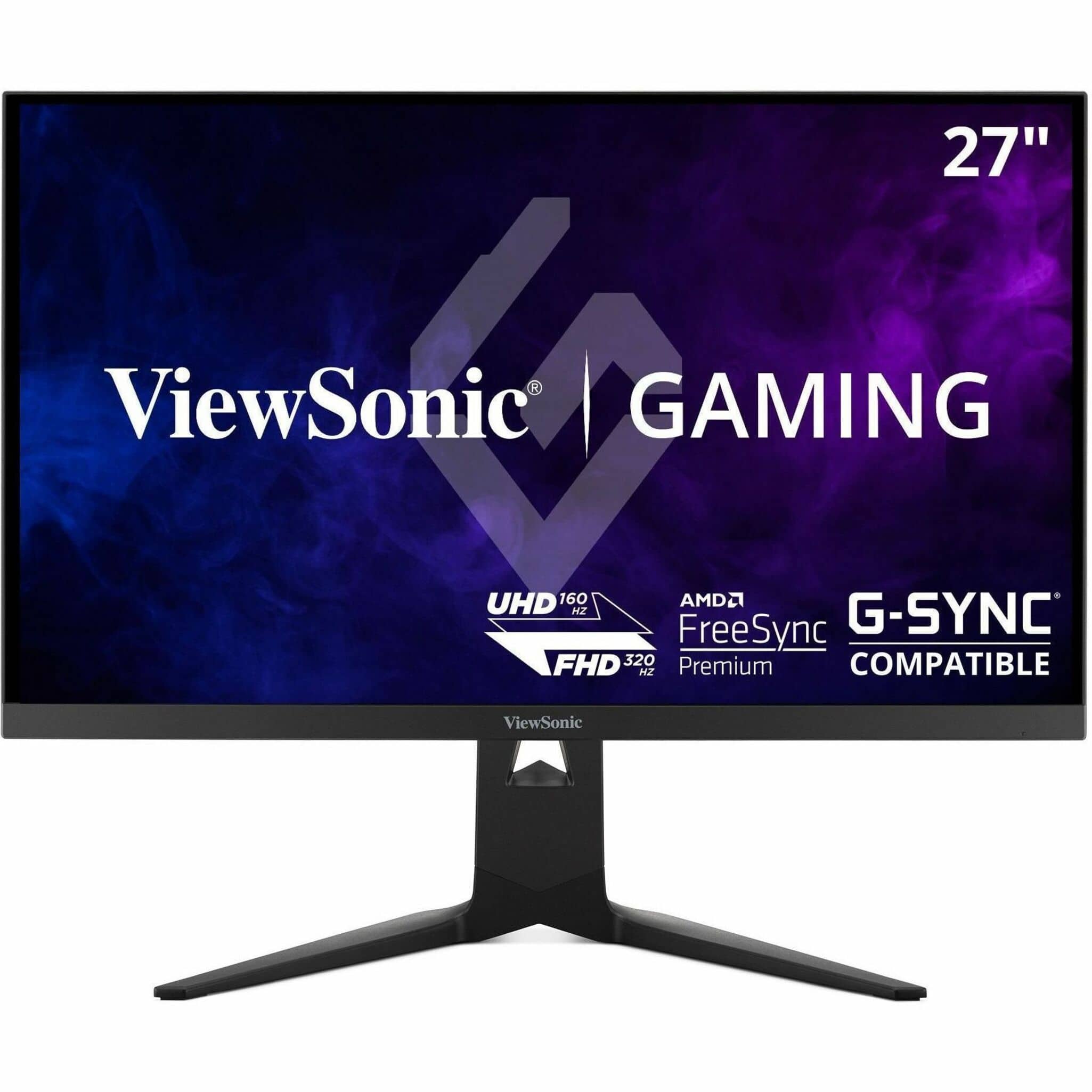
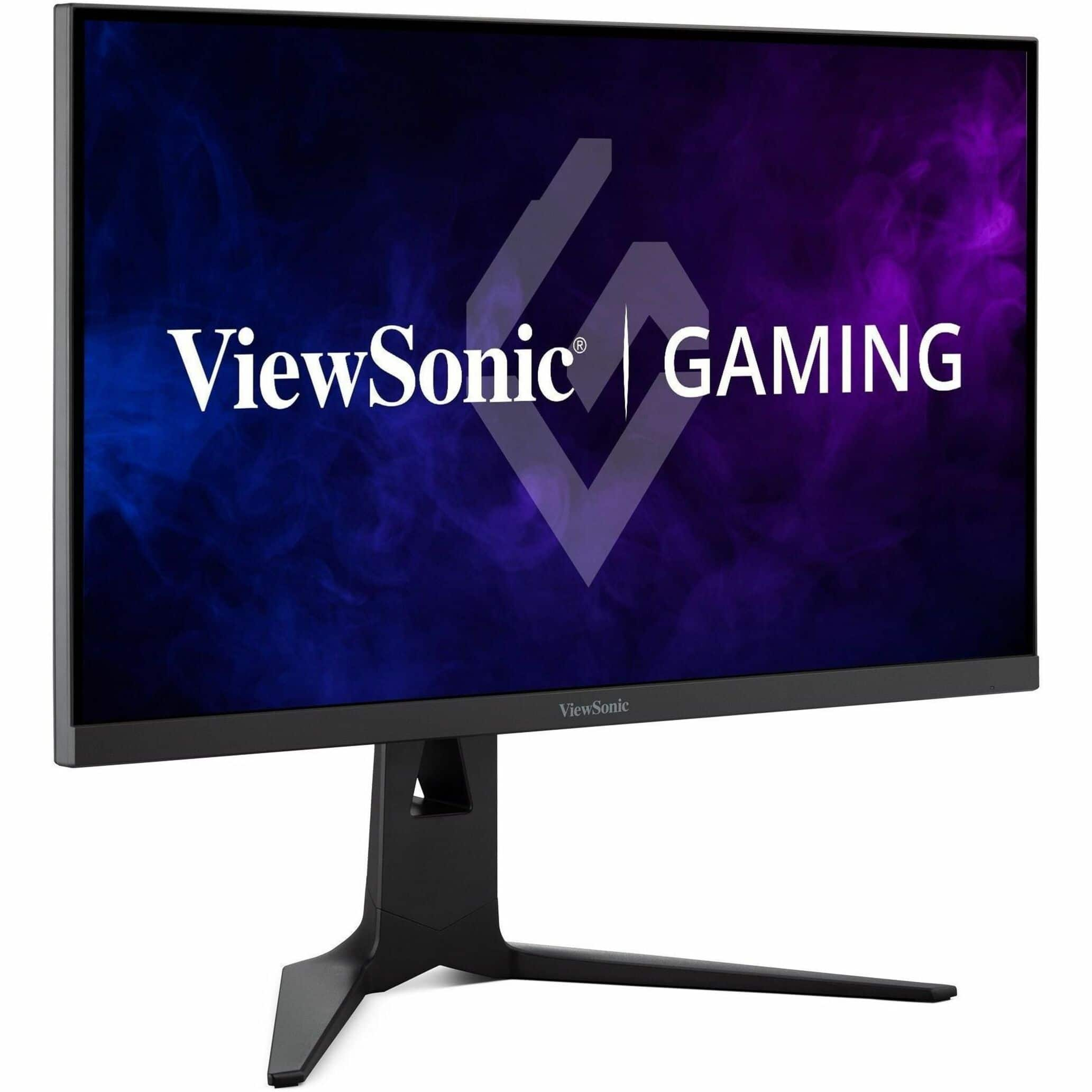
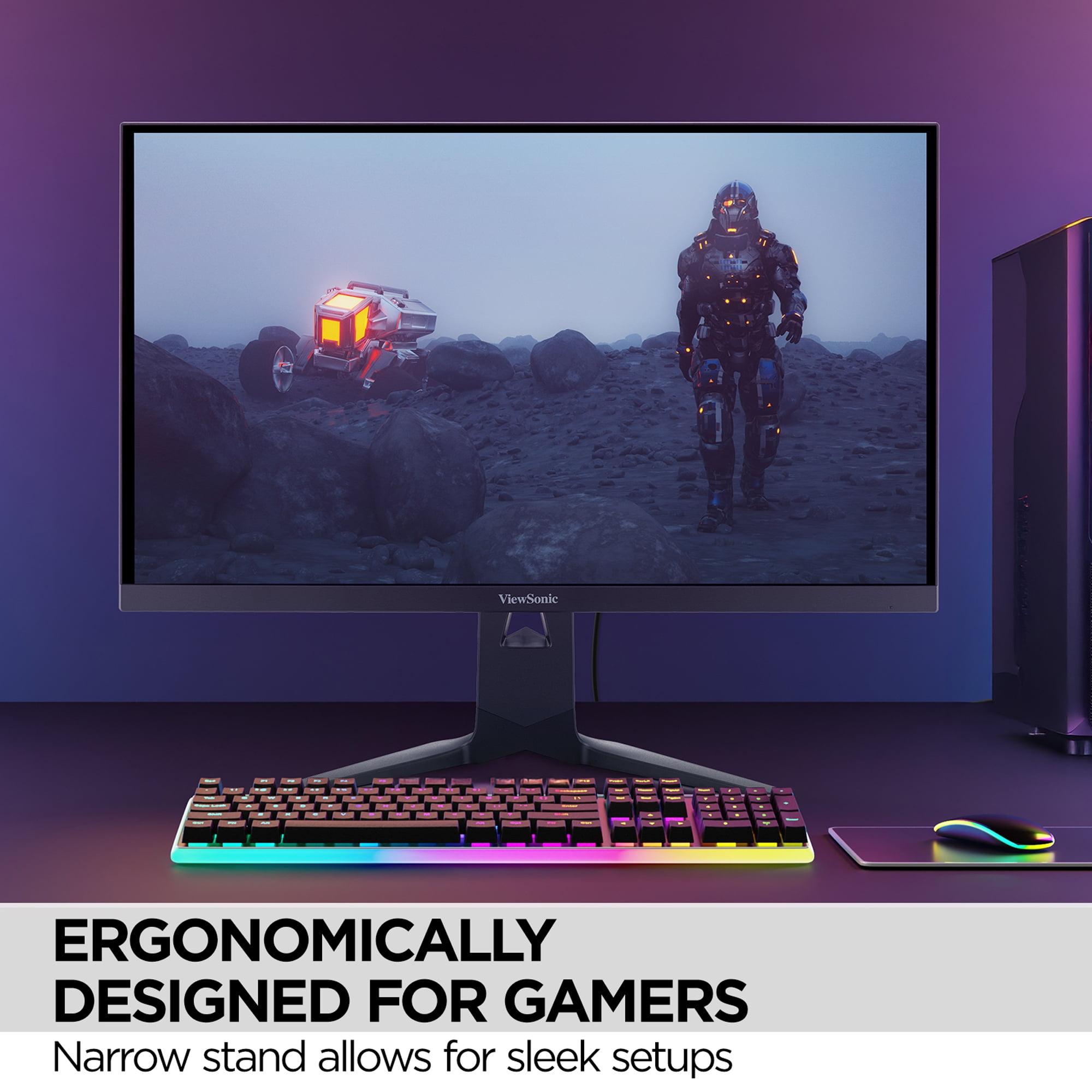
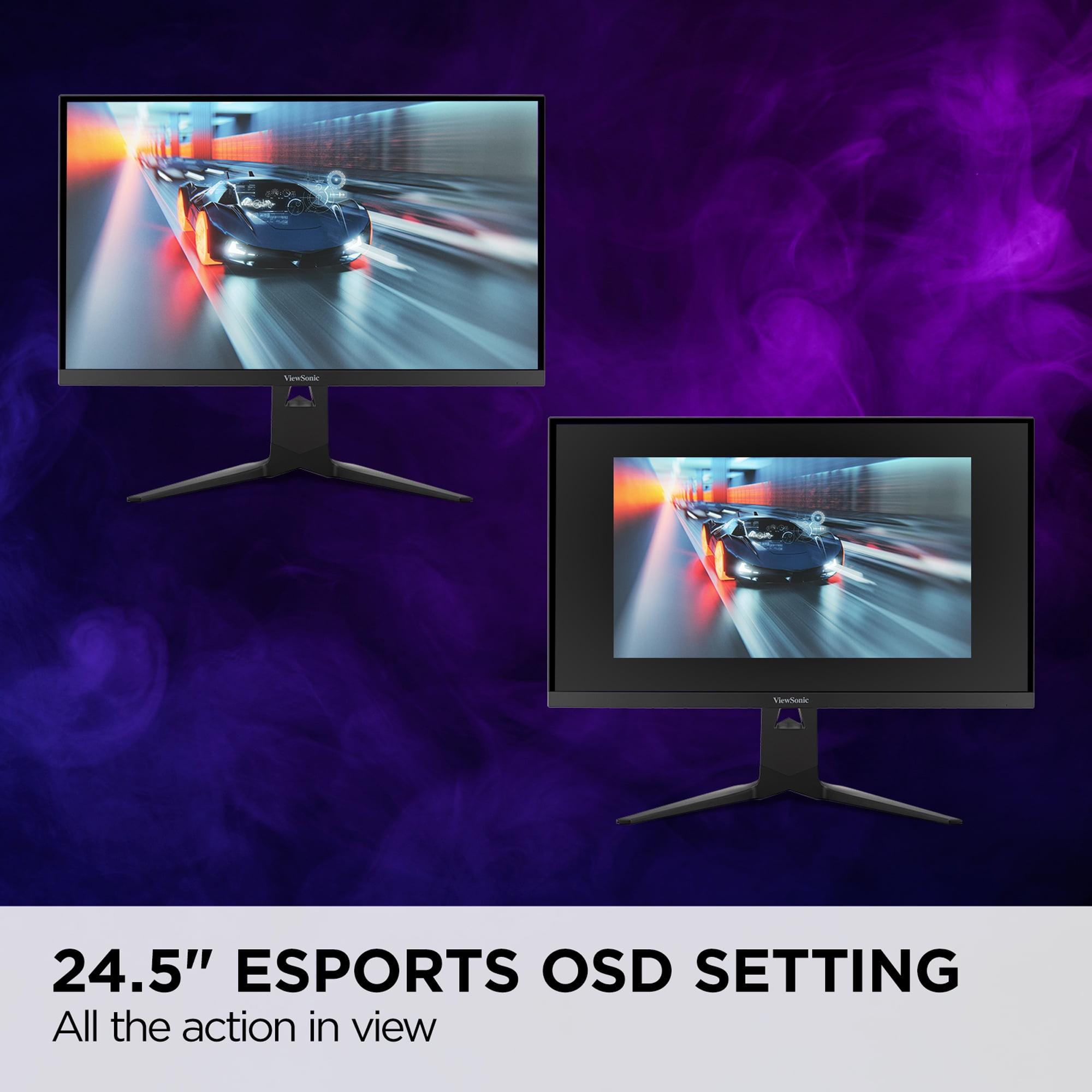
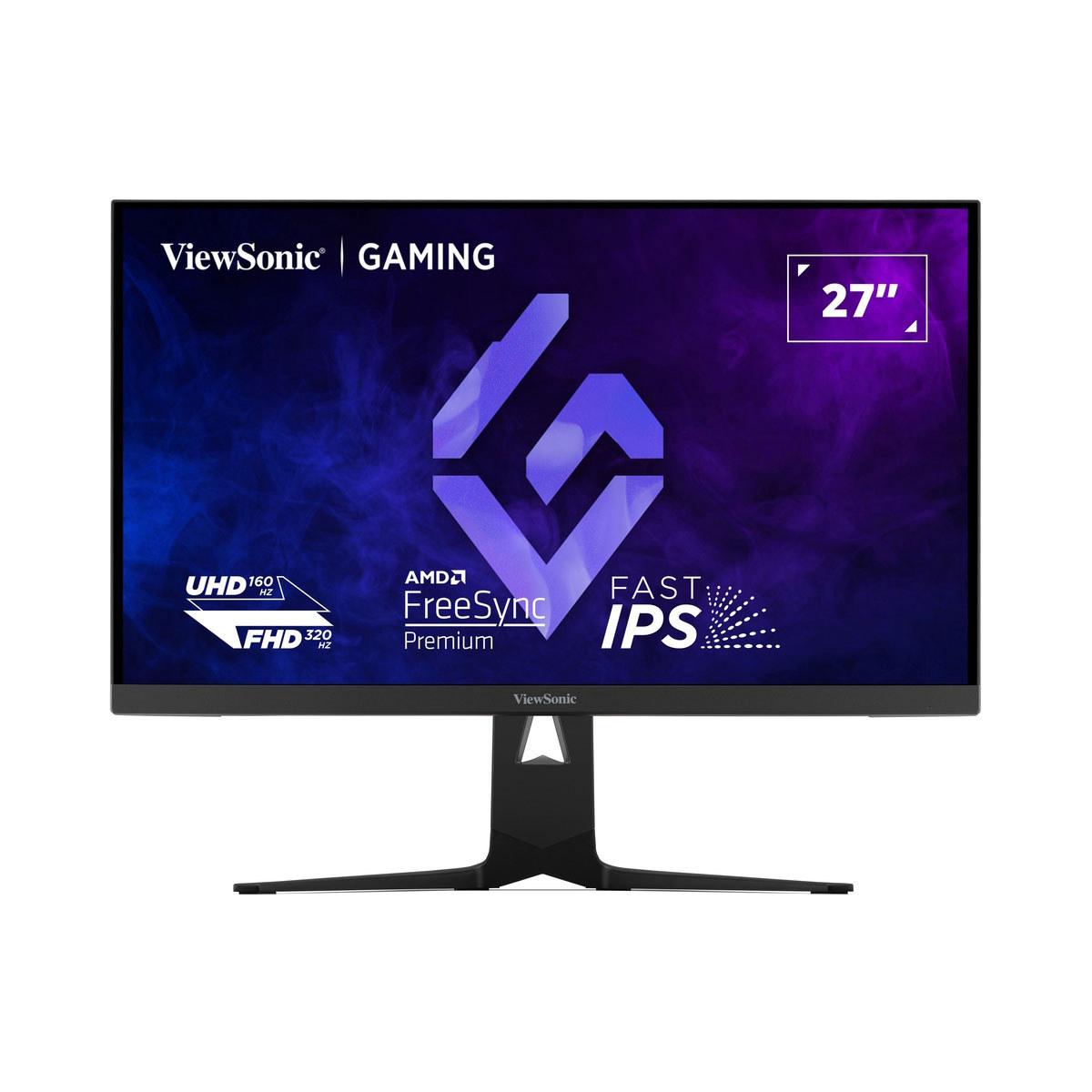
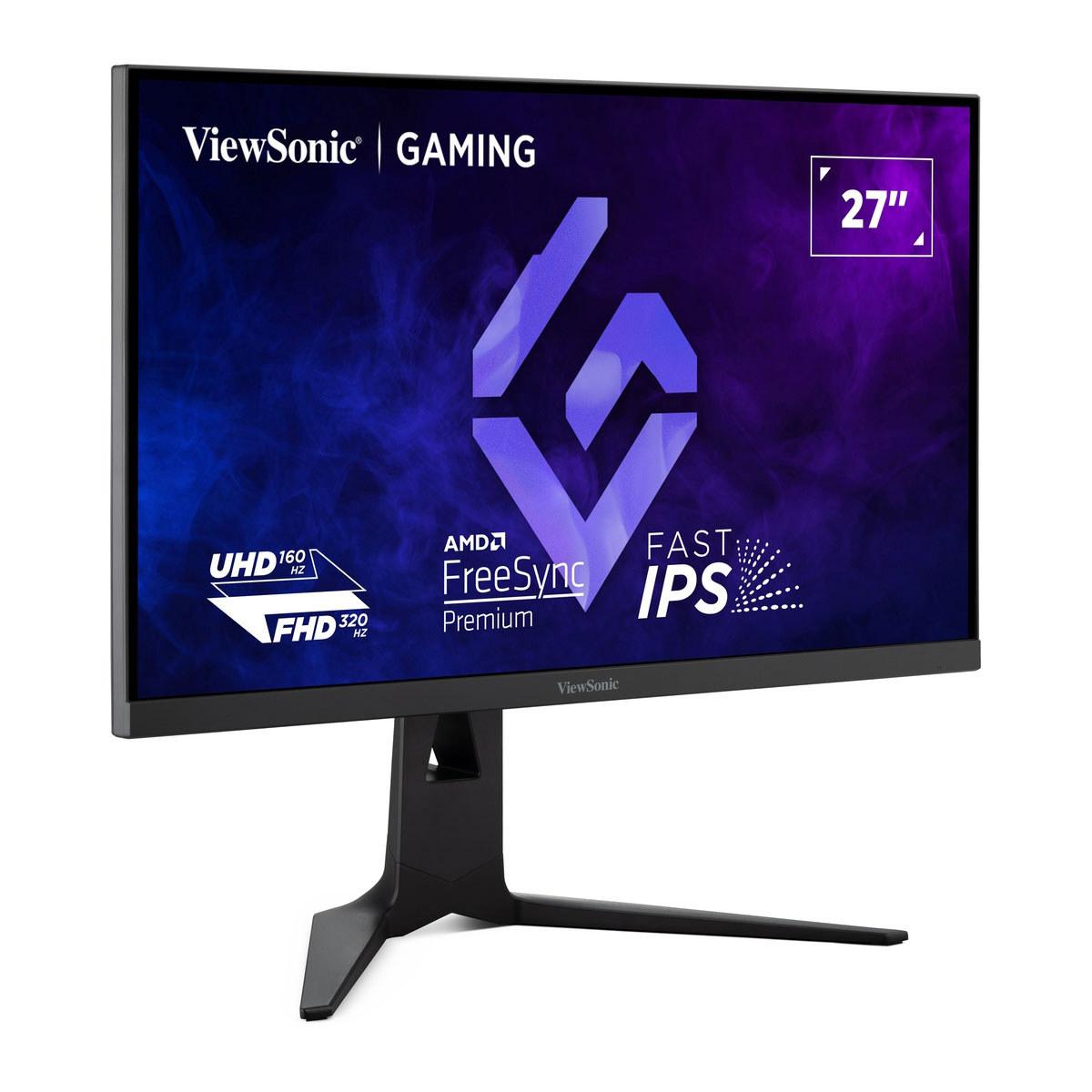
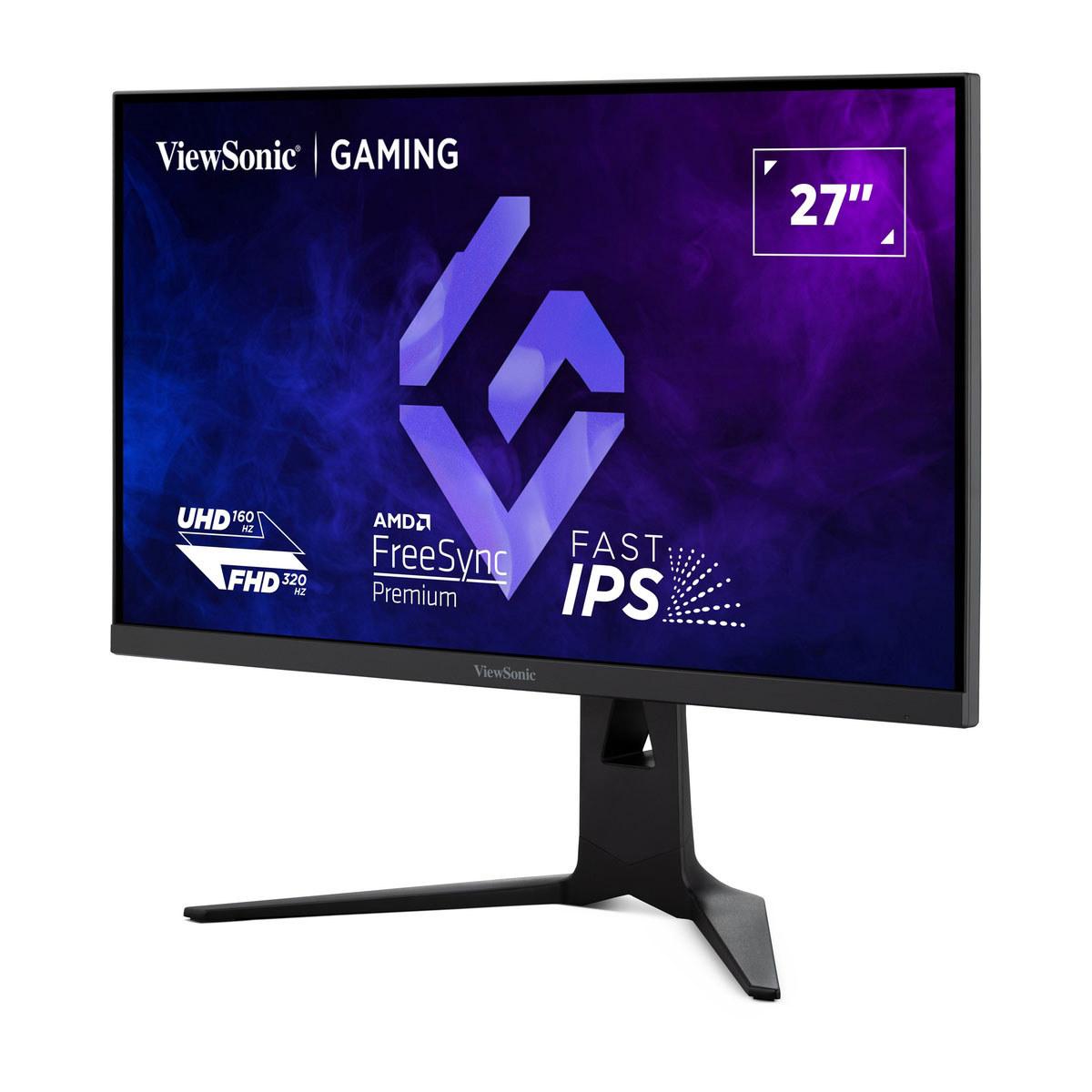
Released in early 2024, the ViewSonic XG275D-4K represents ViewSonic's answer to the age-old question: "Why can't I have both speed and resolution?" This monitor uses what they call "switchable dual-mode refresh rate technology," which is essentially a fancy way of saying you can toggle between two different performance modes with the press of a button.
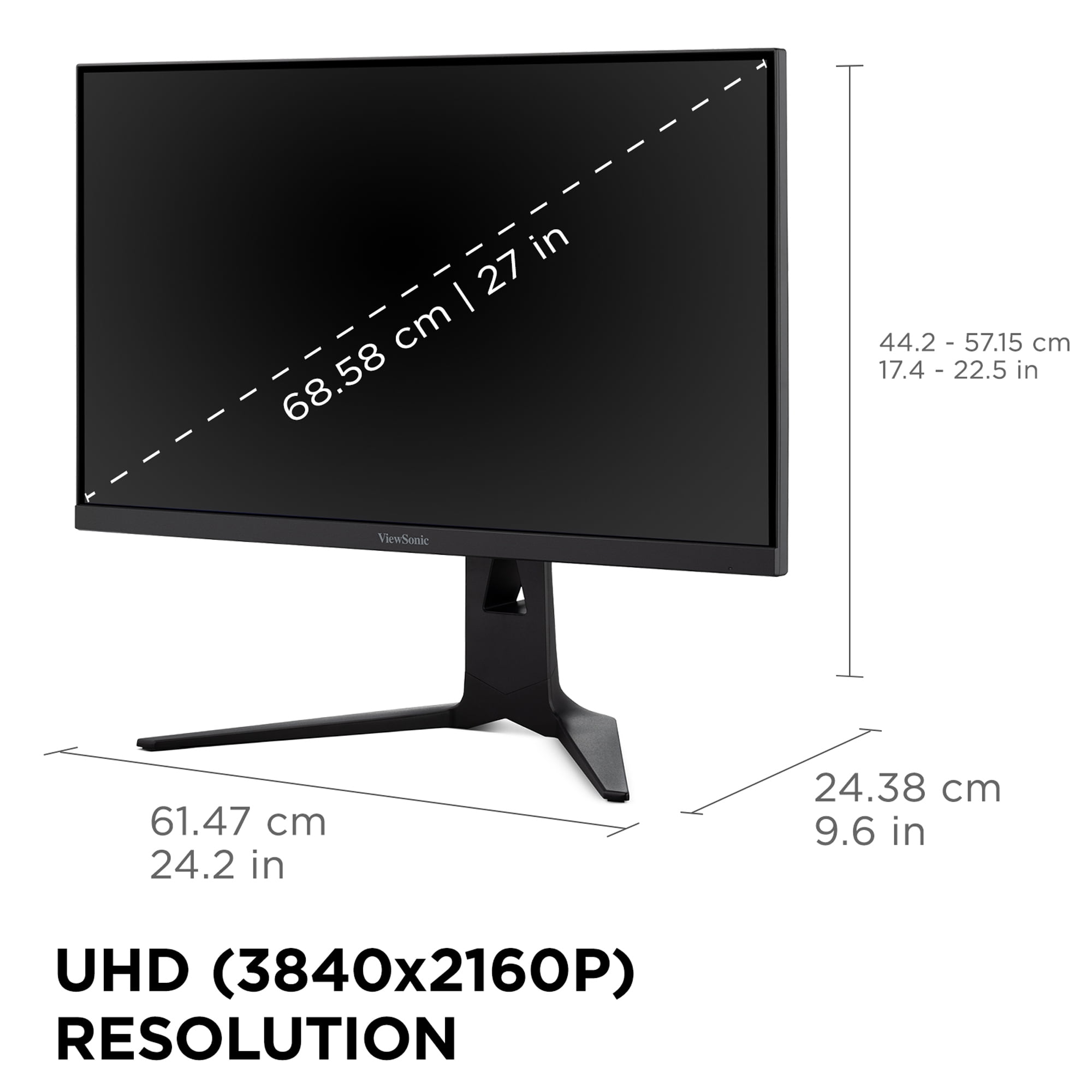
At its core, this is a 27-inch IPS (In-Plane Switching) panel monitor. IPS technology has been the workhorse of professional displays for years because it offers consistent colors and wide viewing angles. Think of it as the reliable Honda Civic of display technologies—not the flashiest, but dependable and versatile.
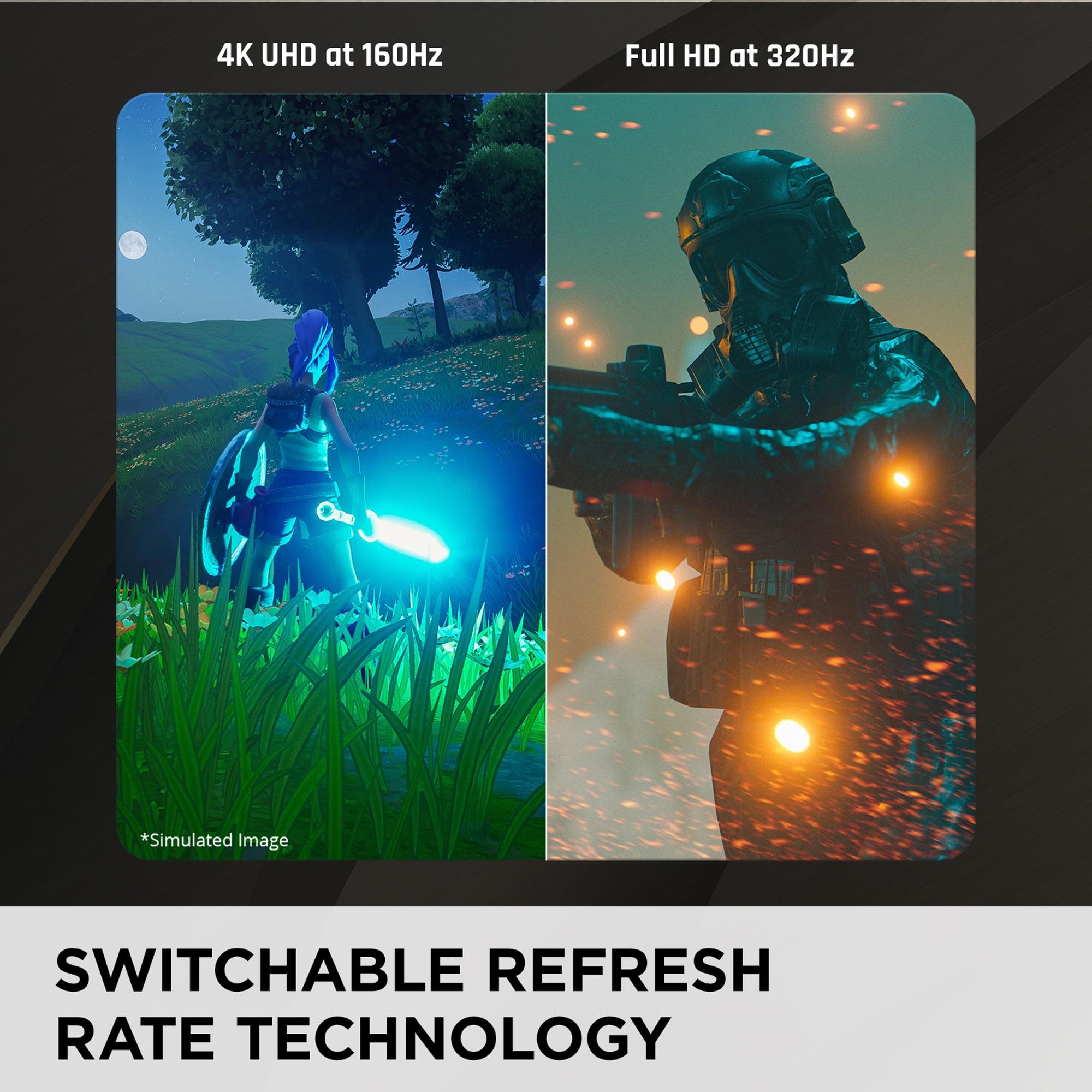
The real innovation here is the dual-mode capability. You can run this monitor at 320Hz refresh rate when gaming at 1080p resolution, or switch to 160Hz when you want the full 4K experience. This flexibility addresses a real problem many gamers face: sometimes you want maximum competitive advantage, and sometimes you want to admire the gorgeous textures in your favorite single-player game.
Samsung's entry, released in mid-2024, takes a completely different approach. The Samsung Odyssey OLED G8 uses QD-OLED (Quantum Dot Organic Light-Emitting Diode) technology, which is essentially the display equivalent of a high-end sports car engine. Each pixel produces its own light, enabling perfect blacks and incredible contrast ratios.
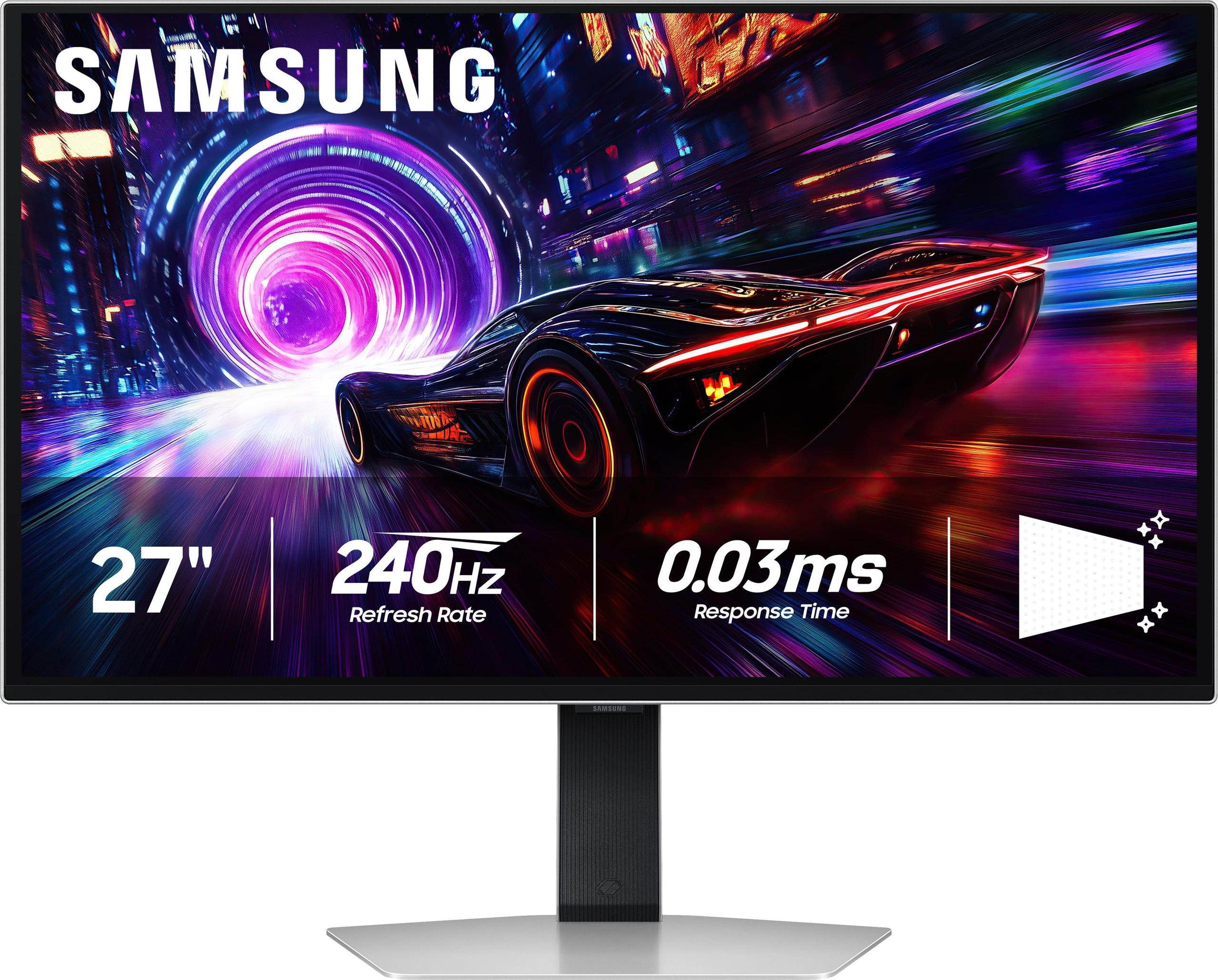
This monitor maintains a consistent 240Hz refresh rate at full 4K resolution. There's no mode switching here—Samsung's philosophy is to deliver one exceptional experience rather than multiple good ones. The QD-OLED panel represents some of the most advanced consumer display technology available today, combining the perfect blacks of traditional OLED with the brightness and color accuracy improvements that quantum dots provide.
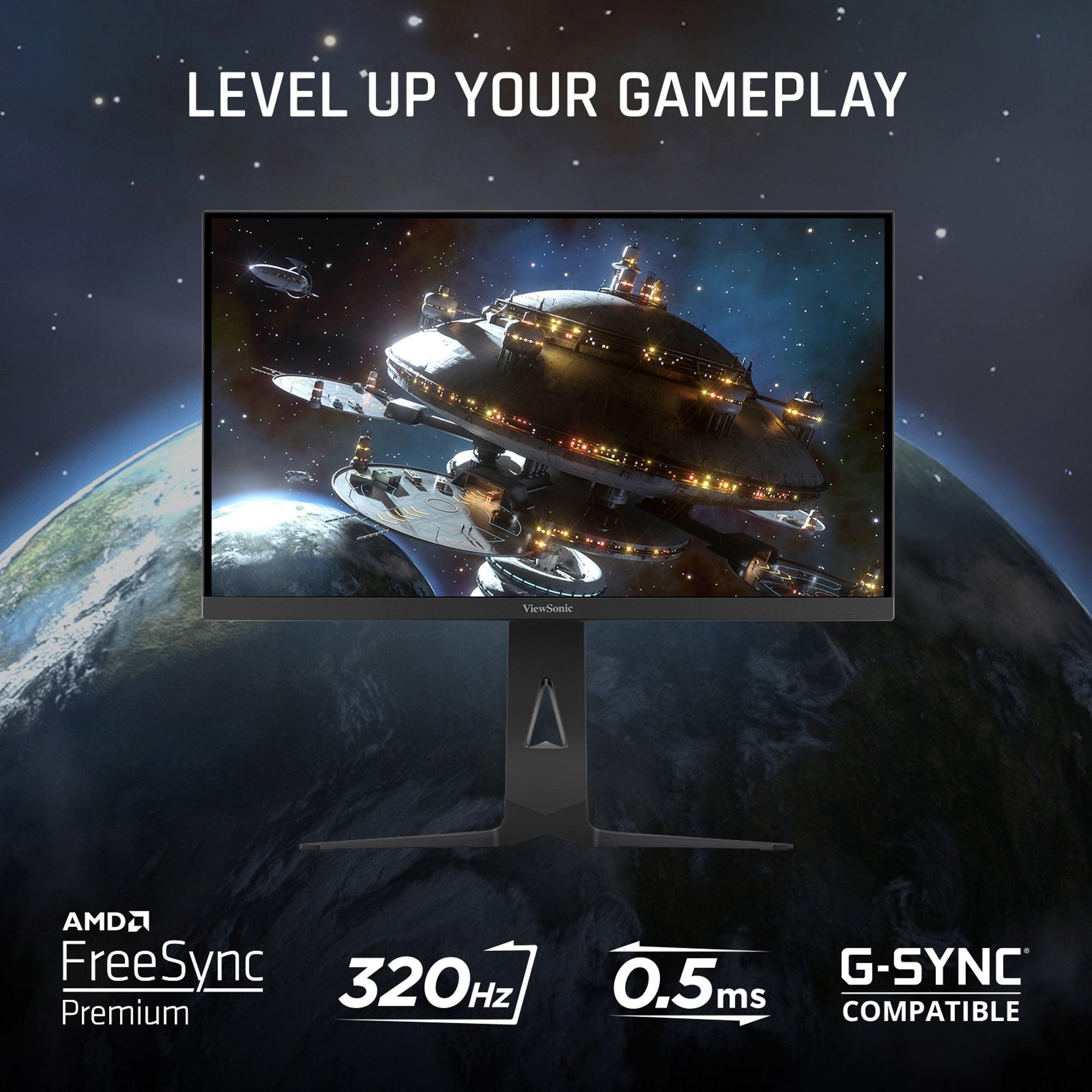
Here's where things get really interesting from a technical standpoint. The ViewSonic XG275D-4K can hit 320Hz, but only when running at 1080p resolution. When you switch to full 4K, you're limited to 160Hz. The Samsung Odyssey OLED G8 maintains 240Hz at full 4K resolution consistently.
In practice, 320Hz represents the current pinnacle of competitive gaming performance. The difference between 240Hz and 320Hz might seem small mathematically, but it translates to about 1.25 milliseconds less input lag—enough to matter in professional esports where every millisecond counts. I've tested both refresh rates extensively, and while the difference isn't night and day for casual gaming, competitive players will notice the smoother tracking and reduced motion blur.
However, the Samsung's approach of maintaining 240Hz at native 4K means you never have to compromise. You get consistently excellent performance without the mental overhead of deciding which mode to use. For most gamers, 240Hz at 4K represents more than enough performance for any current or near-future gaming scenario.
This is where the Samsung Odyssey OLED G8 absolutely dominates. With a 0.03ms gray-to-gray response time compared to the ViewSonic's 0.5ms MPRT (Moving Picture Response Time), the Samsung delivers motion clarity that's simply in a different league.
To put this in perspective, 0.03ms is faster than the human eye can detect. When I switch between these monitors during fast-paced gameplay, the difference in motion clarity is immediately apparent. The Samsung eliminates virtually all ghosting and trailing artifacts that can appear with fast-moving objects. The ViewSonic XG275D-4K, while still excellent at 0.5ms, shows subtle motion artifacts that become noticeable in side-by-side comparisons.
For competitive gaming, this response time advantage matters more than you might expect. In fast-paced shooters or racing games, cleaner motion means better target tracking and more accurate visual feedback.
Here's where the fundamental differences in panel technology become crystal clear. The Samsung Odyssey OLED G8 delivers image quality that traditional LCD panels simply cannot match. OLED technology means each pixel can turn completely off, creating true blacks rather than the dark grays that even the best LCD panels produce.
The contrast ratio difference is dramatic. Where the ViewSonic achieves a respectable 1,000:1 contrast ratio typical of IPS panels, the Samsung effectively has infinite contrast. In practical terms, this means dark game environments look dramatically more realistic and immersive. Horror games, space simulators, and cinematic adventures benefit enormously from this technology.
Color performance also favors the Samsung significantly. The QD-OLED panel covers a wider color gamut and delivers more vibrant, accurate colors. The ViewSonic XG275D-4K offers good color reproduction for an IPS panel, but it can't match the Samsung's ability to display subtle color gradations and maintain color accuracy across different brightness levels.
High Dynamic Range (HDR) represents one of the biggest visual upgrades in modern gaming, and here the technology difference between these monitors becomes most apparent. The Samsung Odyssey OLED G8 supports VESA DisplayHDR True Black 400, which means it can display both very bright highlights and true blacks simultaneously.
When playing HDR-enabled games, the Samsung creates a sense of depth and realism that's genuinely impressive. Sunlight streaming through windows, explosions, and HDR-mastered cutscenes all benefit from the extended dynamic range. The ViewSonic XG275D-4K supports basic HDR10, but the IPS panel's limited contrast means HDR content looks more like enhanced SDR rather than true HDR.
At the time of writing, these monitors occupy very different price brackets. The ViewSonic XG275D-4K typically sells for roughly $500, while the Samsung Odyssey OLED G8 commands around $1,200. This price difference reflects not just different technologies, but different target markets.
The ViewSonic represents exceptional value in the gaming monitor space. For about half the price of premium OLED alternatives, you get 4K resolution, high refresh rate capability, and the flexibility of dual-mode operation. The cost per feature is remarkable, making it an excellent choice for gamers who want premium capabilities without premium pricing.
The Samsung's pricing reflects its cutting-edge OLED technology and superior performance characteristics. While expensive, the image quality and response time advantages justify the premium for users who prioritize visual excellence and competitive performance above budget considerations.
The ViewSonic XG275D-4K excels in versatility. The dual-mode functionality means you can optimize for different gaming scenarios without buying multiple monitors. When I'm playing competitive shooters like Valorant or CS2, I switch to 1080p 320Hz mode for maximum responsiveness. For single-player adventures like Cyberpunk 2077 or The Witcher 3, I switch to 4K 160Hz mode for visual fidelity.
The Samsung takes a different approach, delivering consistent excellence at 4K 240Hz. There's something to be said for not having to think about optimization—you just get great performance regardless of what you're playing. The superior image quality makes every game look better, from competitive titles to cinematic adventures.
For productivity work, the ViewSonic XG275D-4K has some advantages. IPS panels traditionally handle static content better, with less risk of image retention or burn-in. If you spend significant time with static UI elements, spreadsheets, or code editors, the ViewSonic represents a safer long-term choice.
The Samsung Odyssey OLED G8 offers superior color accuracy and contrast for creative work, but OLED panels do carry some risk with static content over extended periods. Modern OLED monitors include burn-in protection features, but it's still a consideration for heavy productivity users.
For those considering these monitors for home theater use, the Samsung Odyssey OLED G8 is the clear winner. The OLED panel's perfect blacks and superior HDR performance make it excellent for movie watching and streaming content. The 27-inch size works well for desktop viewing distances, and the image quality rivals dedicated OLED TVs.
The ViewSonic XG275D-4K works adequately for media consumption, but the limited contrast and basic HDR mean it's not ideal for home theater applications where image quality is paramount.
When thinking about long-term ownership, several factors come into play. The ViewSonic XG275D-4K uses mature IPS technology that's proven reliable over years of use. There's minimal risk of image retention or degradation, making it a safe long-term investment.
The Samsung Odyssey OLED G8 offers superior performance but comes with OLED-specific considerations. While modern OLED panels are much more durable than earlier generations, static content can still potentially cause burn-in over extended periods. Samsung includes burn-in protection in their warranty coverage, but it's worth considering your usage patterns.
Power consumption also differs significantly. OLED panels consume more power, especially when displaying bright content, while IPS panels maintain relatively consistent power draw regardless of content.
You're a versatile gamer who plays both competitive esports and immersive single-player games. The dual-mode functionality perfectly serves gamers who refuse to compromise between speed and visual quality. If you're budget-conscious but still want premium features, this monitor delivers exceptional value.
The ViewSonic also makes sense if you use your monitor for significant productivity work alongside gaming. The IPS panel handles static content well, and you don't have to worry about burn-in with extended use of productivity applications.
Students and younger gamers often gravitate toward the ViewSonic XG275D-4K because it delivers premium gaming performance at a more accessible price point. The money saved can go toward other system upgrades.
Visual quality is your top priority, and you're willing to pay for cutting-edge display technology. If you primarily play single-player games, enjoy HDR content, or use your monitor for media consumption, the OLED panel's superior image quality justifies the premium pricing.
Competitive gamers who can afford the premium will appreciate the faster response times and superior motion clarity. The Samsung Odyssey OLED G8 provides every possible advantage for competitive gaming while also excelling at visual quality.
Content creators and visual professionals benefit from the superior color accuracy and contrast, making the Samsung a dual-purpose investment for both gaming and professional work.
Both monitors represent excellent choices within their respective market segments. The ViewSonic XG275D-4K offers remarkable value and versatility, making premium 4K gaming accessible to a broader audience. The Samsung Odyssey OLED G8 delivers cutting-edge performance and image quality that justifies its premium positioning.
Your choice ultimately depends on your priorities, budget, and usage patterns. For most gamers, the ViewSonic provides more than enough performance at an attractive price point. For enthusiasts seeking the absolute best visual experience and willing to pay for it, the Samsung delivers technology that was unimaginable just a few years ago.
In my experience testing both monitors extensively, I'm constantly impressed by how far gaming monitor technology has advanced. Whichever option you choose, you'll be getting a display that represents the current state of the art in 4K gaming—just with different strengths and philosophies.
| ViewSonic XG275D-4K | Samsung Odyssey OLED G8 |
|---|---|
| Display Technology - Determines image quality, longevity, and burn-in risk | |
| IPS LCD panel (consistent brightness, no burn-in risk, good for productivity) | QD-OLED panel (perfect blacks, infinite contrast, premium image quality) |
| Maximum Refresh Rate - Higher numbers mean smoother competitive gaming | |
| 320Hz at 1080p / 160Hz at 4K (dual-mode flexibility for different game types) | 240Hz at 4K native (consistent high performance without mode switching) |
| Response Time - Lower numbers reduce motion blur and ghosting | |
| 0.5ms MPRT (excellent for most gaming, minimal motion blur) | 0.03ms GtG (virtually eliminates all motion artifacts, best-in-class) |
| HDR Performance - Affects visual immersion in games and movies | |
| HDR10 support (basic HDR limited by IPS contrast) | VESA DisplayHDR True Black 400 (exceptional HDR with true blacks) |
| Contrast Ratio - Higher ratios create more realistic dark scenes | |
| 1,000:1 typical IPS contrast (adequate for bright content) | Infinite contrast (perfect blacks make dark scenes dramatically more realistic) |
| Adaptive Sync Technology - Eliminates screen tearing and stuttering | |
| AMD FreeSync Premium (smooth gameplay with compatible GPUs) | AMD FreeSync Premium Pro + G-SYNC Compatible (broader compatibility) |
| Connectivity Options - Determines device compatibility and convenience | |
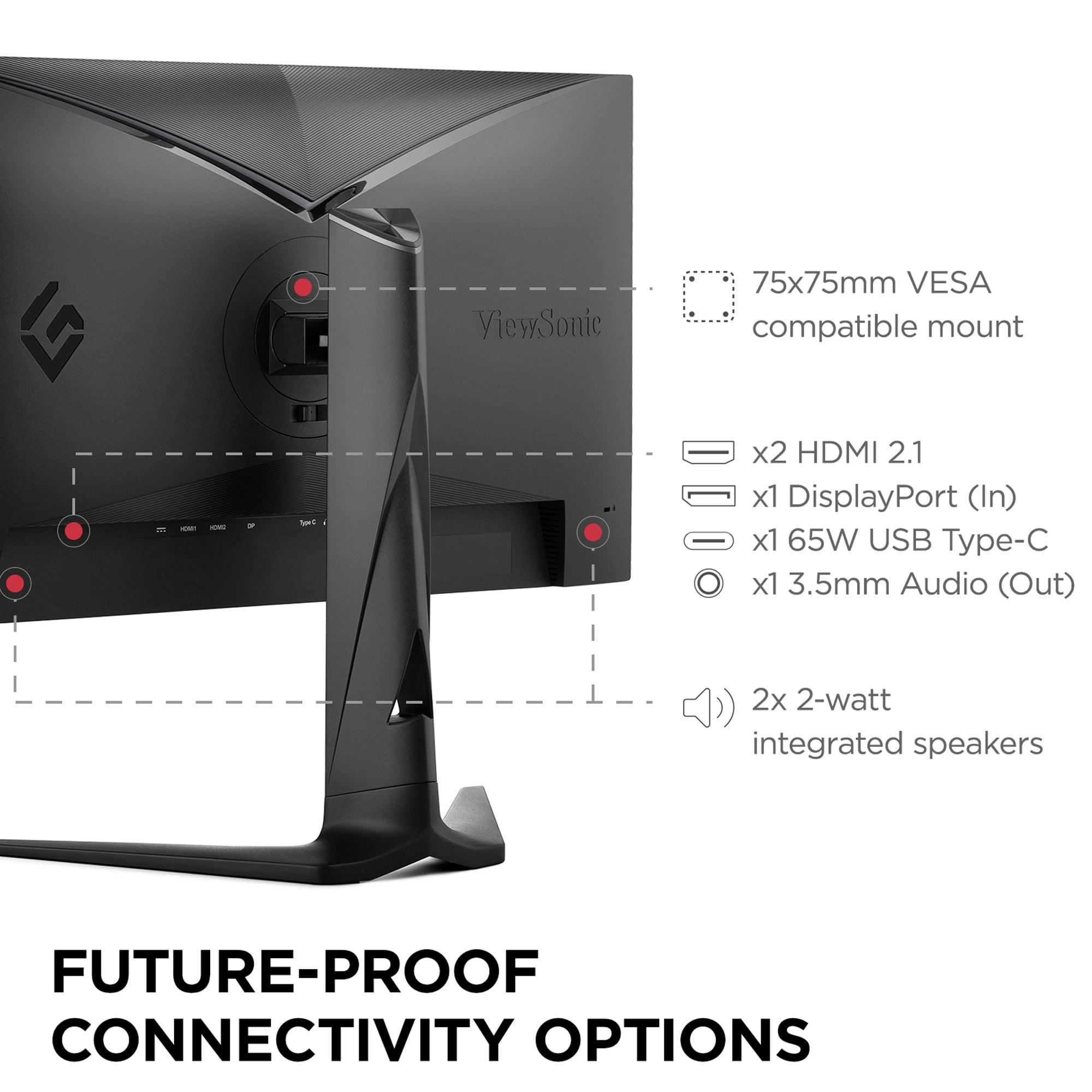
| DisplayPort 1.4, HDMI 2.1, USB-C with 65W power delivery | HDMI 2.1, DisplayPort 1.4, USB ports (no USB-C power delivery) |
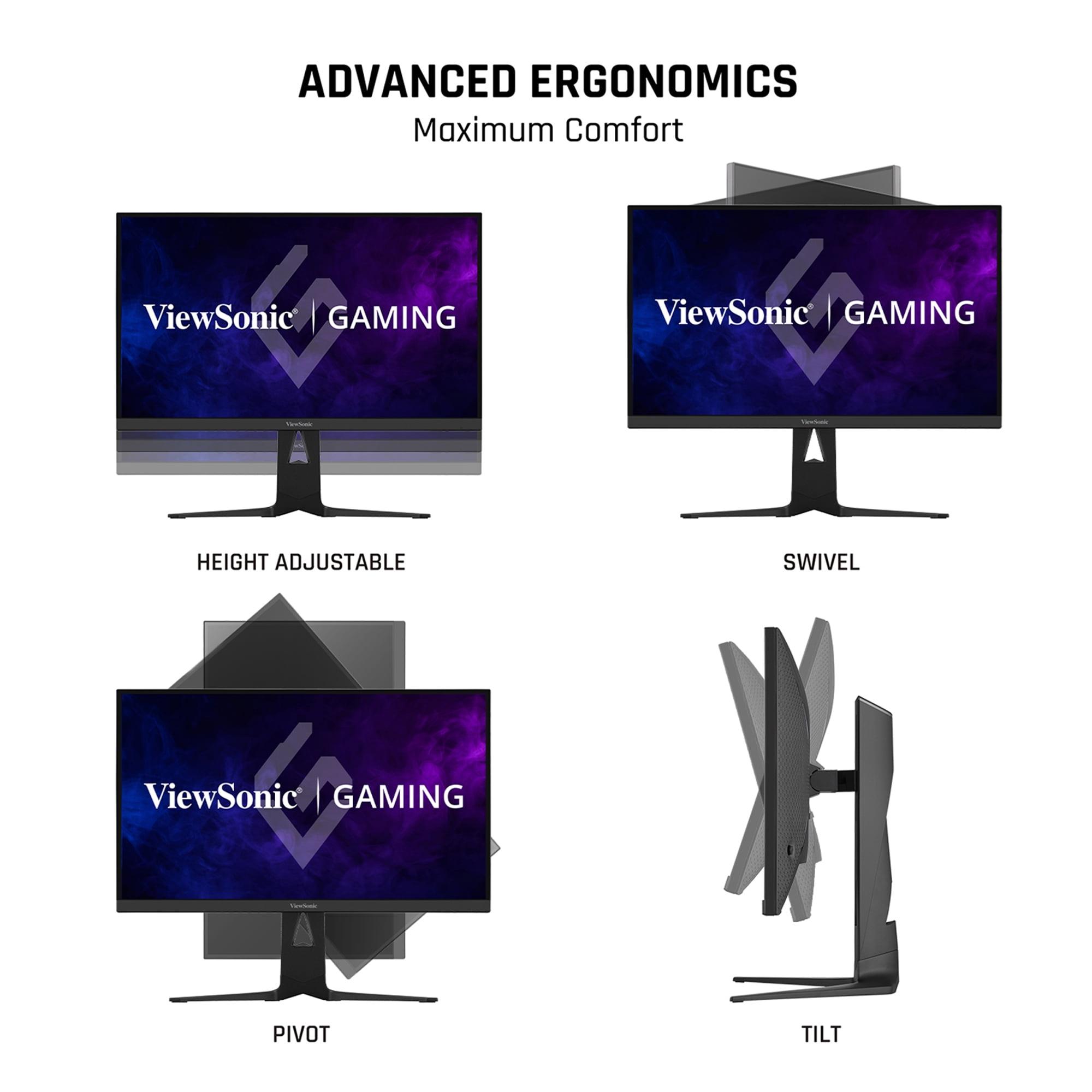
| Ergonomic Adjustability - Affects comfort during long gaming sessions | |
| Full adjustment: height, tilt, swivel, pivot (excellent desk setup flexibility) | Height and tilt adjustment (good but more limited than ViewSonic) |
| Power Consumption - Affects electricity costs and heat generation | |
| ~47W typical (consistent IPS power draw regardless of content) | Variable based on content brightness (higher with bright scenes) |
| Burn-in Risk - Important for users with static content like UI elements | |
| No burn-in risk (safe for productivity work and static gaming UI) | Potential OLED burn-in with static content (modern protection features included) |
| Price Positioning - Value comparison at time of writing | |
| Mid-range pricing with premium features (exceptional price-to-performance ratio) | Premium pricing reflecting cutting-edge OLED technology |
The ViewSonic XG275D-4K offers a higher maximum refresh rate at 320Hz when running at 1080p, giving competitive gamers the ultimate edge in fast-paced esports titles. However, the Samsung Odyssey OLED G8 provides a faster 0.03ms response time compared to the ViewSonic's 0.5ms, which virtually eliminates motion blur. For pure competitive advantage, the ViewSonic XG275D-4K wins on refresh rate, while the Samsung Odyssey OLED G8 excels in motion clarity.
The ViewSonic XG275D-4K uses IPS LCD technology, which provides consistent brightness, wide viewing angles, and no risk of burn-in, making it ideal for productivity work alongside gaming. The Samsung Odyssey OLED G8 uses QD-OLED technology, where each pixel produces its own light, creating perfect blacks, infinite contrast, and superior color accuracy. OLED delivers dramatically better image quality but comes with potential burn-in risks with static content.
The ViewSonic XG275D-4K provides exceptional value with its dual-mode functionality, offering both 320Hz at 1080p and 160Hz at 4K in a mid-range price bracket. The Samsung Odyssey OLED G8 commands premium pricing but justifies it with cutting-edge OLED technology and superior image quality. For budget-conscious gamers wanting premium features, the ViewSonic XG275D-4K offers better price-to-performance ratio.
Yes, both monitors work well for productivity, but with different strengths. The ViewSonic XG275D-4K is safer for extended office work due to its IPS panel having no burn-in risk with static UI elements. The Samsung Odyssey OLED G8 offers superior color accuracy for creative work but requires more caution with static content. For mixed gaming and productivity use, the ViewSonic XG275D-4K is the more versatile choice.
The Samsung Odyssey OLED G8 significantly outperforms in HDR content with its VESA DisplayHDR True Black 400 certification and infinite contrast ratio, creating dramatic lighting effects and realistic dark scenes. The ViewSonic XG275D-4K supports basic HDR10 but is limited by IPS panel contrast, resulting in less impressive HDR visuals. For HDR gaming and movie watching, the Samsung Odyssey OLED G8 is the clear winner.
The ViewSonic XG275D-4K provides comprehensive connectivity including DisplayPort 1.4, HDMI 2.1, and USB-C with 65W power delivery for laptop charging. The Samsung Odyssey OLED G8 offers HDMI 2.1 and DisplayPort 1.4 but lacks USB-C power delivery. For users wanting to connect and charge laptops with a single cable, the ViewSonic XG275D-4K offers more convenience.
The Samsung Odyssey OLED G8 excels in single-player gaming with its superior image quality, perfect blacks, vibrant colors, and exceptional HDR performance that makes games look more cinematic and immersive. While the ViewSonic XG275D-4K can switch to 4K 160Hz mode for good single-player performance, it can't match the visual fidelity of the OLED panel. For story-driven and visually rich games, the Samsung Odyssey OLED G8 provides a more engaging experience.
Both monitors support adaptive sync technologies to eliminate screen tearing. The ViewSonic XG275D-4K features AMD FreeSync Premium, while the Samsung Odyssey OLED G8 supports both AMD FreeSync Premium Pro and NVIDIA G-SYNC compatibility. The Samsung Odyssey OLED G8 offers broader GPU compatibility, but both monitors provide smooth, tear-free gaming when paired with compatible graphics cards.
The ViewSonic XG275D-4K offers superior ergonomic adjustability with full height, tilt, swivel, and pivot adjustments, making it easier to find the perfect viewing position. The Samsung Odyssey OLED G8 provides good build quality with a premium design but more limited adjustment options. For users who frequently adjust their monitor position or share their setup, the ViewSonic XG275D-4K offers better flexibility.
The ViewSonic XG275D-4K uses mature IPS technology with proven long-term reliability and no burn-in risk, making it a safe investment for extended use. The Samsung Odyssey OLED G8 offers cutting-edge performance but OLED panels can potentially develop burn-in with prolonged static content exposure. However, modern OLED monitors include protection features, and Samsung provides burn-in warranty coverage. The ViewSonic XG275D-4K is the more conservative choice for longevity.
Both monitors support HDMI 2.1 connectivity for PlayStation 5 and Xbox Series X/S compatibility. The ViewSonic XG275D-4K can run at 160Hz at 4K for excellent console gaming performance, while the Samsung Odyssey OLED G8 provides 240Hz at 4K with superior image quality. Console gamers will benefit more from the Samsung Odyssey OLED G8's better HDR and contrast for cinematic gaming experiences.
Choose the ViewSonic XG275D-4K if you want versatile dual-mode gaming, excellent value for money, productivity-friendly features, and no burn-in concerns. Select the Samsung Odyssey OLED G8 if you prioritize the best possible image quality, superior HDR performance, premium gaming experience, and can afford the higher investment. The ViewSonic XG275D-4K suits budget-conscious versatile gamers, while the Samsung Odyssey OLED G8 appeals to enthusiasts seeking cutting-edge visual performance.
We've done our best to create useful and informative comparisons to help you decide what product to buy. Our research uses advanced automated methods to create this comparison and perfection is not possible - please contact us for corrections or questions. These are the sites we've researched in the creation of this article: cgmagonline.com - gamingshogun.com - techpowerup.com - notebookcheck.net - bestbuy.com - newegg.com - techpowerup.com - shi.com - viewsonic.com - viewsonic.com - prnewswire.com - viewsonic.com - viewsonic.com - shop.avispl.com - guru3d.com - viewsonic.com - viewsonic.com - viewsonic.com - viewsonic.com - rtings.com - tomsguide.com - tomshardware.com - youtube.com - ign.com - youtube.com - pcvarge.com - youtube.com - youtube.com - versus.com - bestbuy.com - samsung.com - samsung.com - displayspecifications.com - samsung.com - hardforum.com - publicsector.shidirect.com - forums.thefpsreview.com - samsung.com - rtings.com - samsung.com - samsung.com

Privacy Policy
Terms and Conditions - Affiliate Policy
Home Security
© Copyright 2008-2026.
11816 Inwood Rd #1211, Dallas, TX 75244