

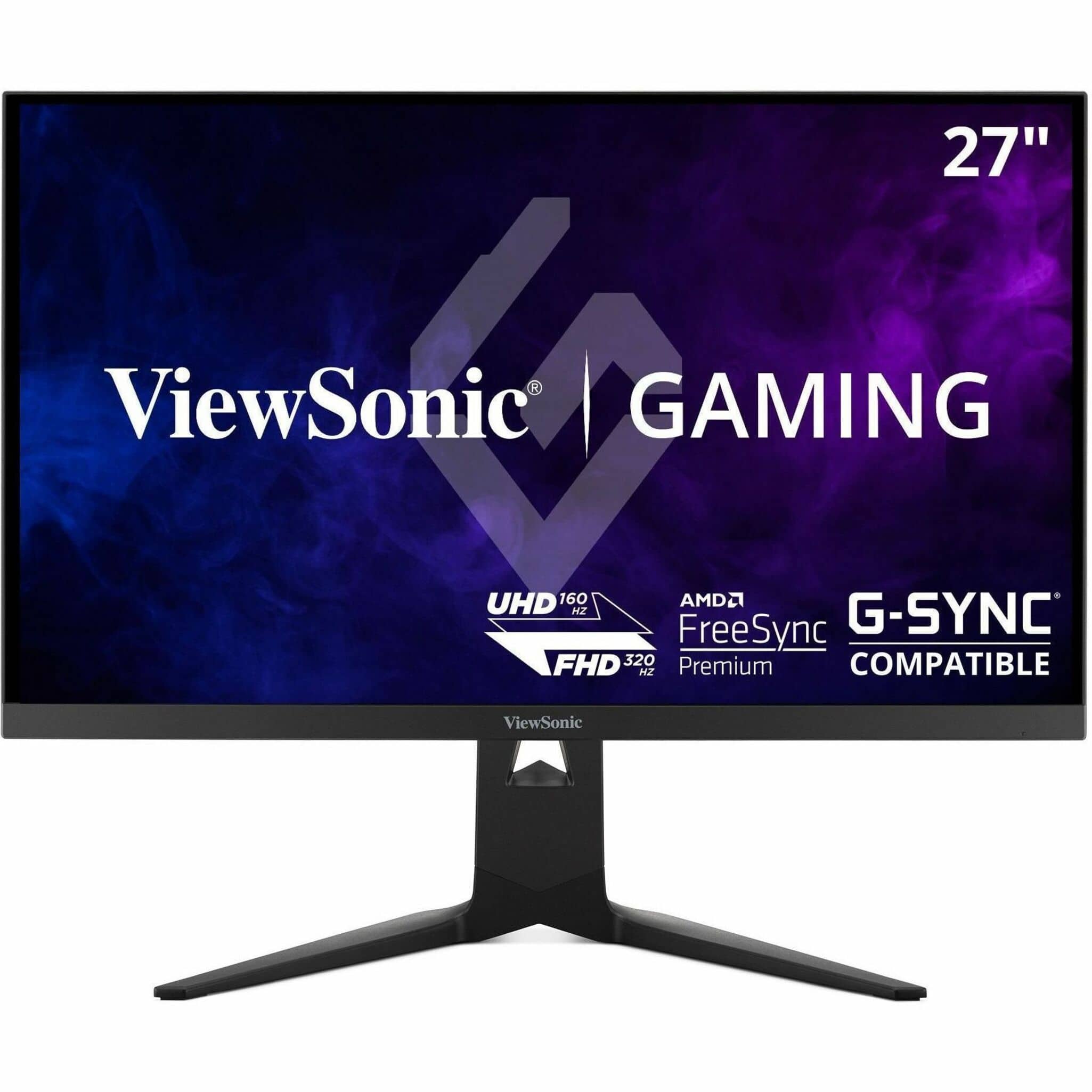
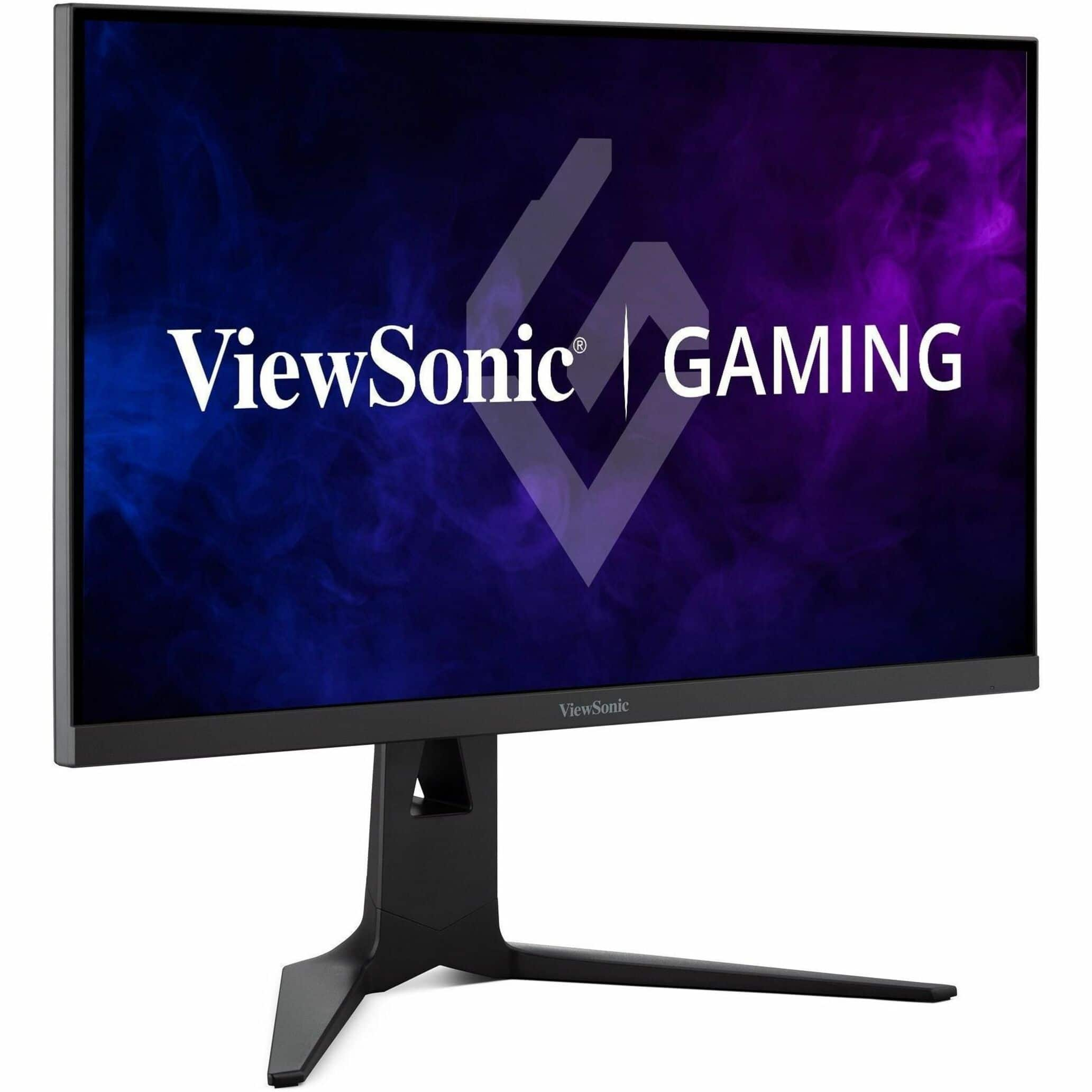


Choosing the right gaming monitor in 2024 feels like navigating a maze of acronyms and competing technologies. Do you go for blazing-fast refresh rates or pixel-perfect image quality? Should you prioritize 4K resolution or lightning-quick response times? Today we're diving deep into two fascinating approaches to high-end gaming displays: the ViewSonic XG275D-4K and the LG UltraGear 27" OLED.
These aren't just any gaming monitors – they represent fundamentally different philosophies about what makes the perfect gaming experience. One offers unprecedented flexibility with its dual-mode switching capability, while the other delivers what many consider the pinnacle of display technology with OLED panels. Let's break down everything you need to know to make the right choice.
Before we jump into the specifics, it's worth understanding what separates today's gaming monitors from the basic displays of just a few years ago. The gaming monitor landscape has exploded with innovation, driven by competitive esports and increasingly demanding games that can actually take advantage of premium display features.
Refresh rate – measured in hertz (Hz) – tells you how many times per second your monitor can display a new image. Think of it like frames per second, but for your display. Higher refresh rates mean smoother motion, which is crucial when tracking enemies in fast-paced shooters or racing games. While 60Hz was standard for years, competitive gamers now routinely use 144Hz, 240Hz, or even higher.
Response time measures how quickly individual pixels can change colors, typically measured in milliseconds (ms). Lower numbers mean less motion blur and ghosting – those annoying trails you sometimes see behind moving objects. This is where the magic happens in competitive gaming.
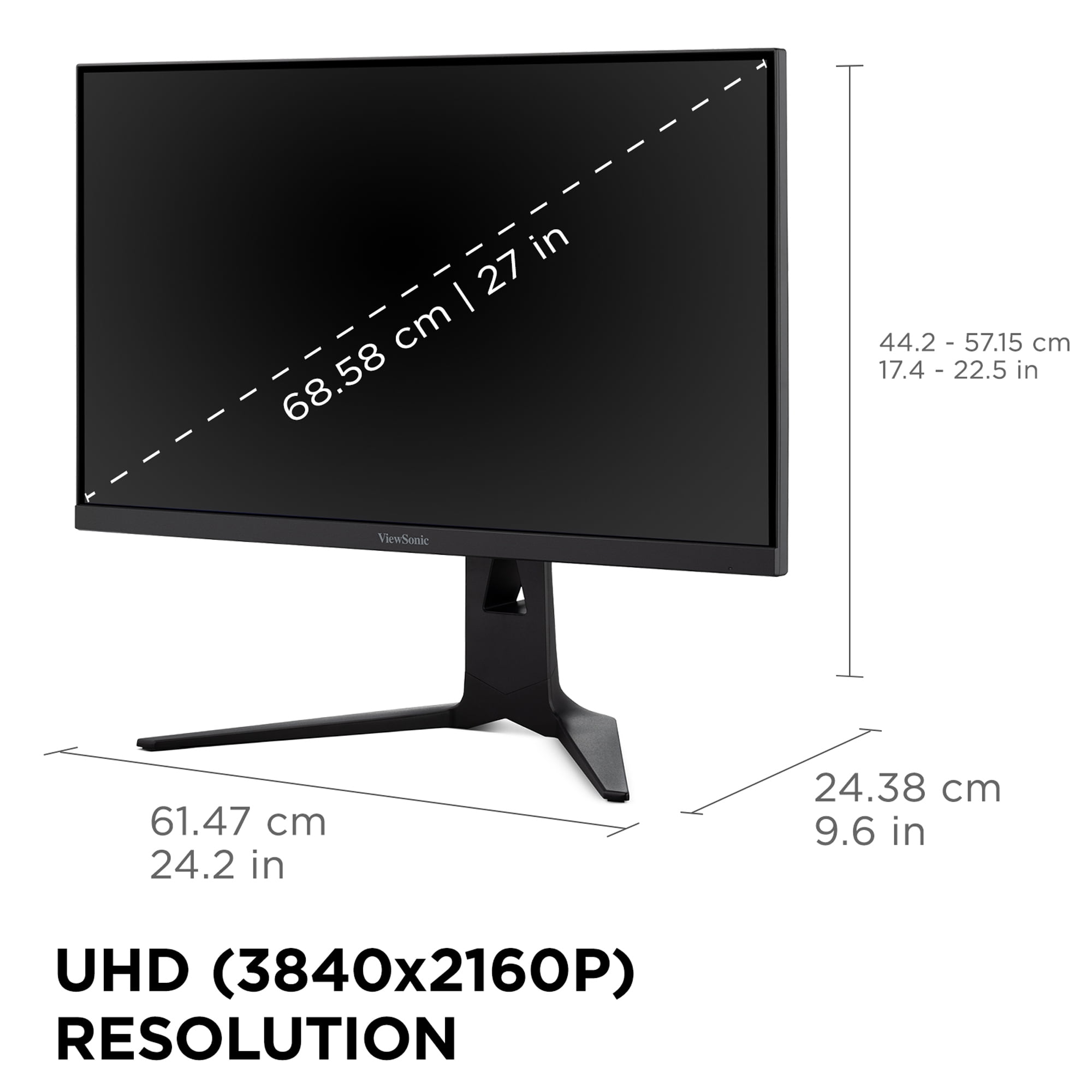
Resolution is probably familiar to most people – it's how many individual pixels make up your display. 4K (3840x2160) has four times as many pixels as standard 1080p, resulting in incredibly sharp images. However, driving all those pixels requires serious graphics card horsepower.
The real challenge in monitor design comes from balancing these factors. Higher resolutions typically mean lower maximum refresh rates due to bandwidth limitations, while different panel technologies offer various trade-offs in color accuracy, contrast, and response times.
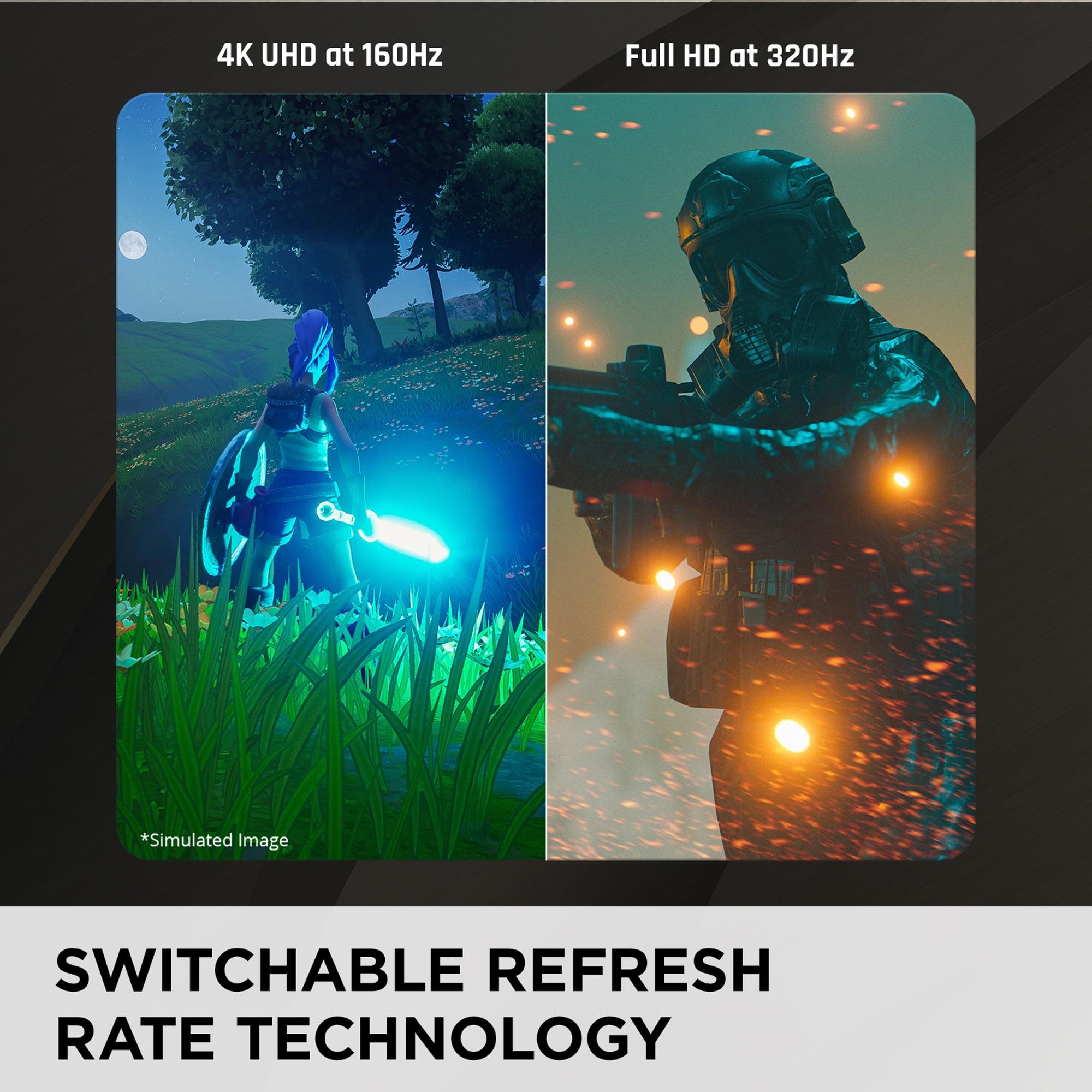
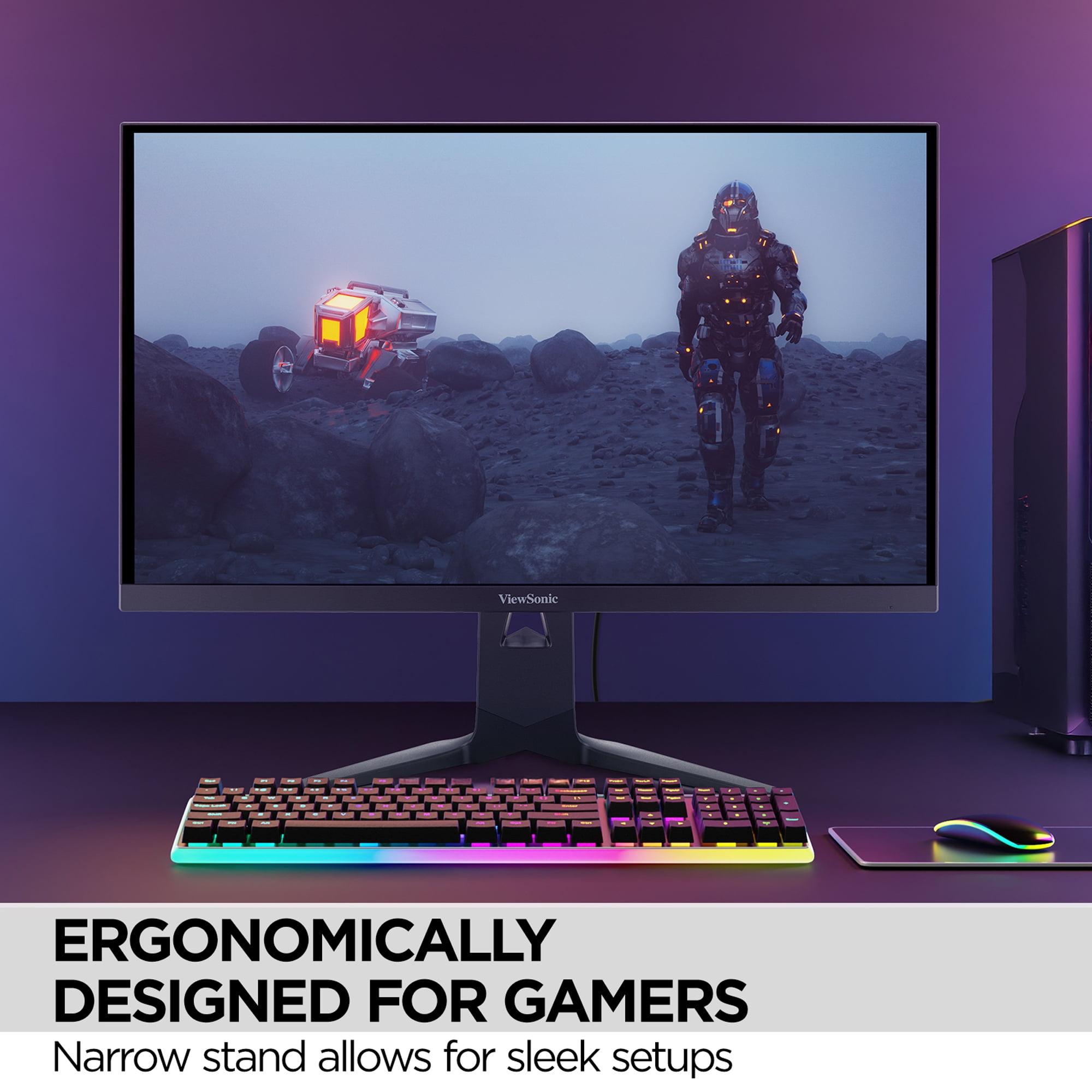
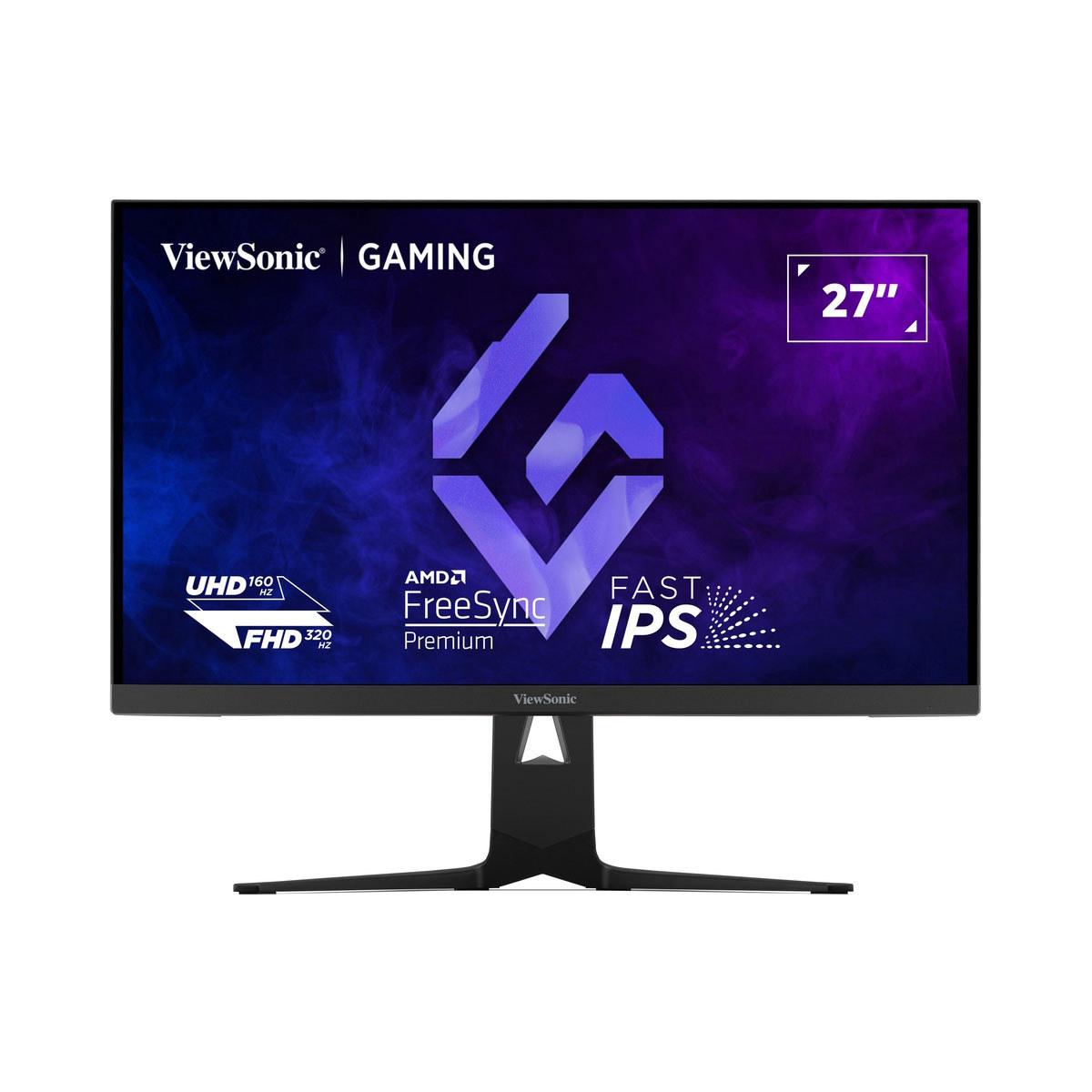
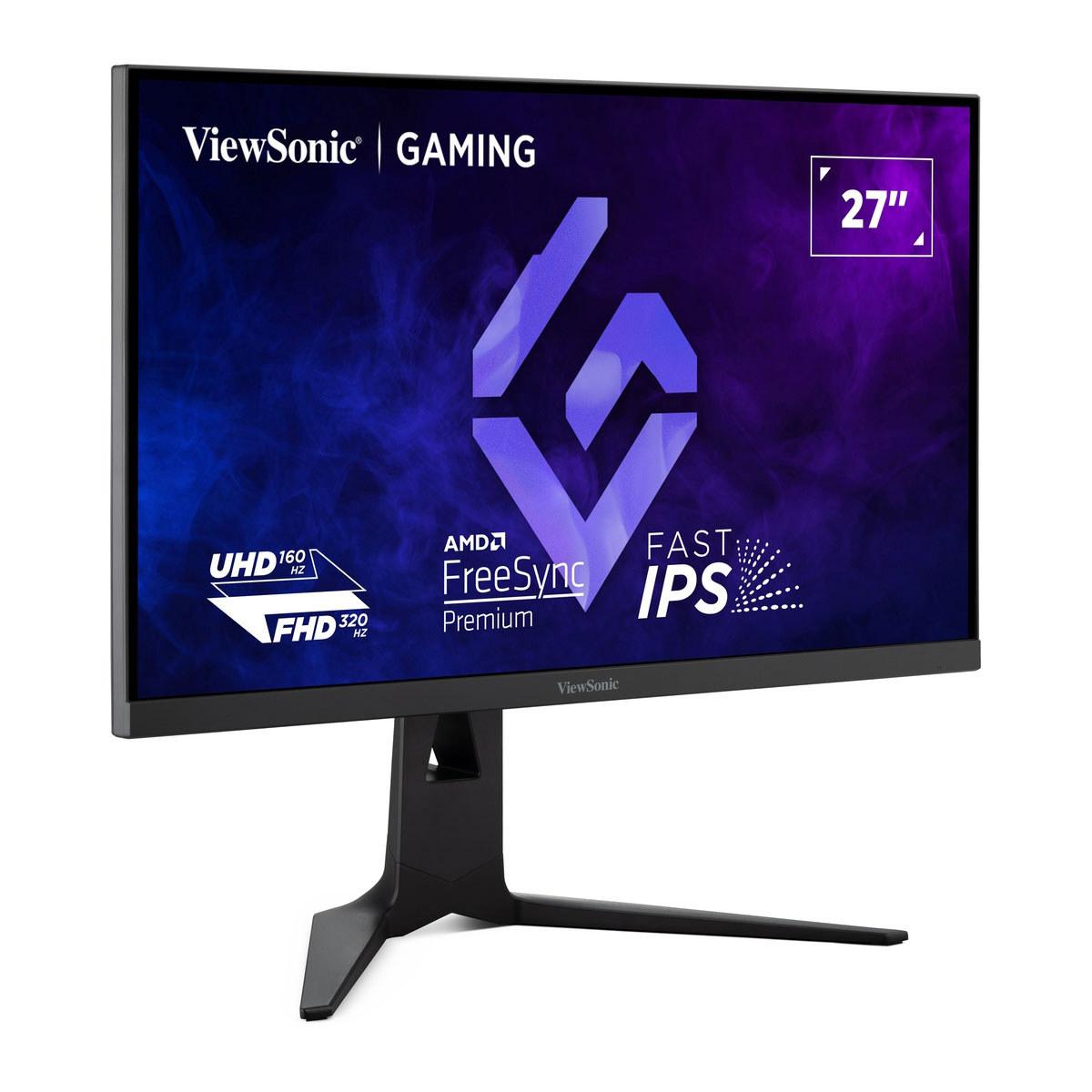
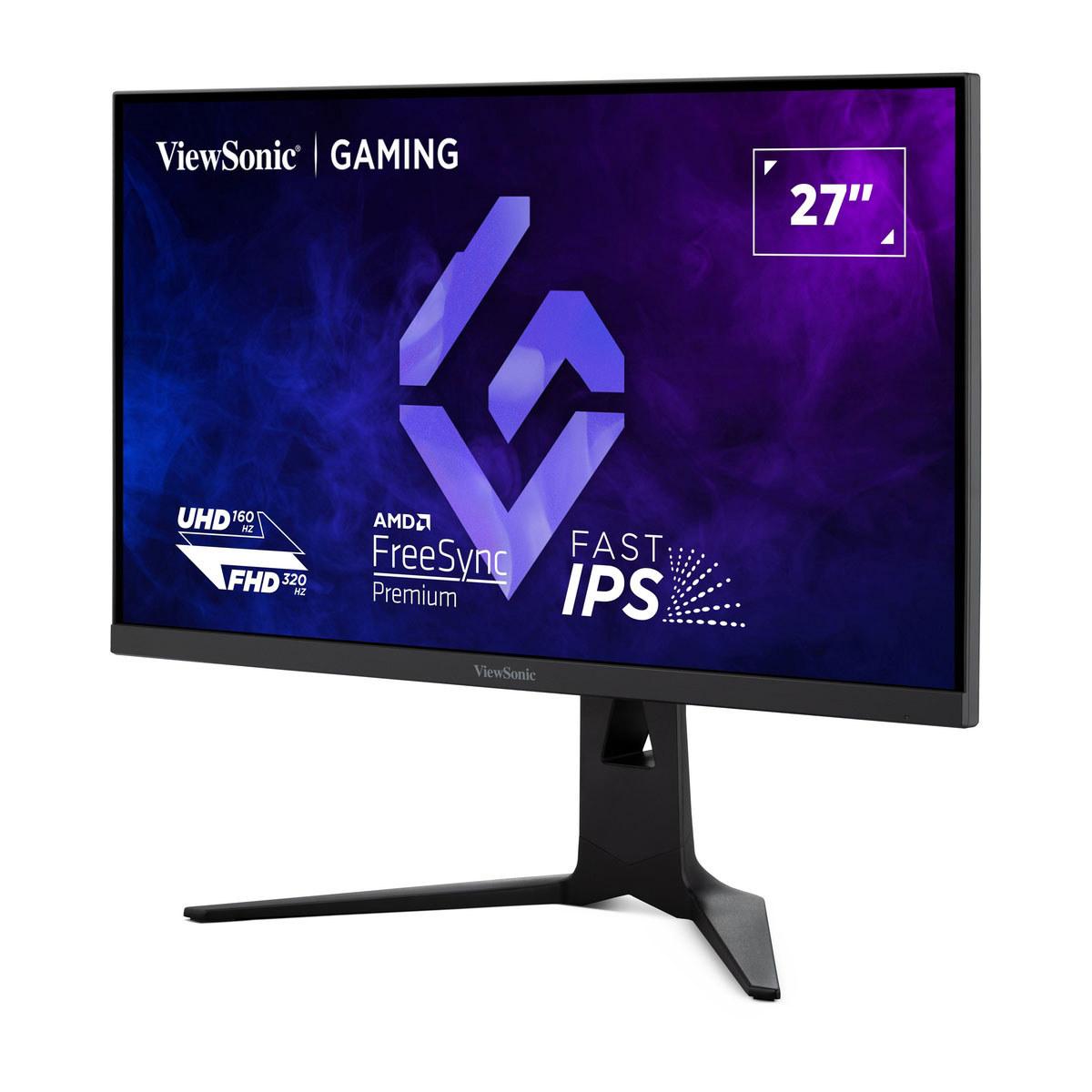
The ViewSonic XG275D-4K, released in 2024, represents something genuinely innovative in the monitor space. ViewSonic has created what they call "switchable refresh rate technology," allowing users to toggle between two distinct operating modes with the press of a button.
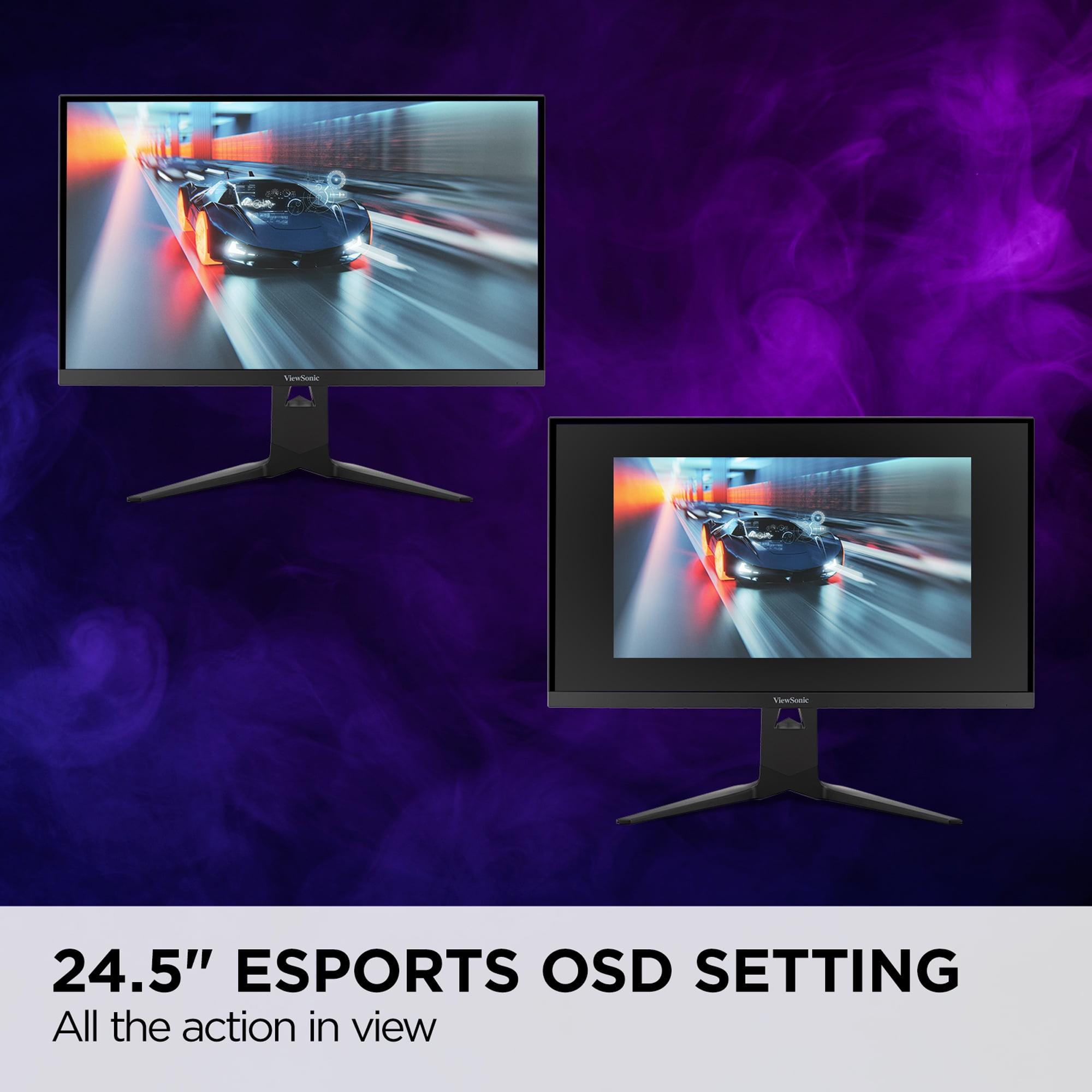
In 4K mode, you get the full 3840x2160 resolution running at 160Hz – perfect for immersive single-player adventures where visual detail matters most. Flip the switch, and suddenly you're running 1920x1080 at a blistering 320Hz, ideal for competitive gaming where every millisecond counts. This dual-mode approach eliminates the age-old dilemma of choosing between visual fidelity and competitive performance.
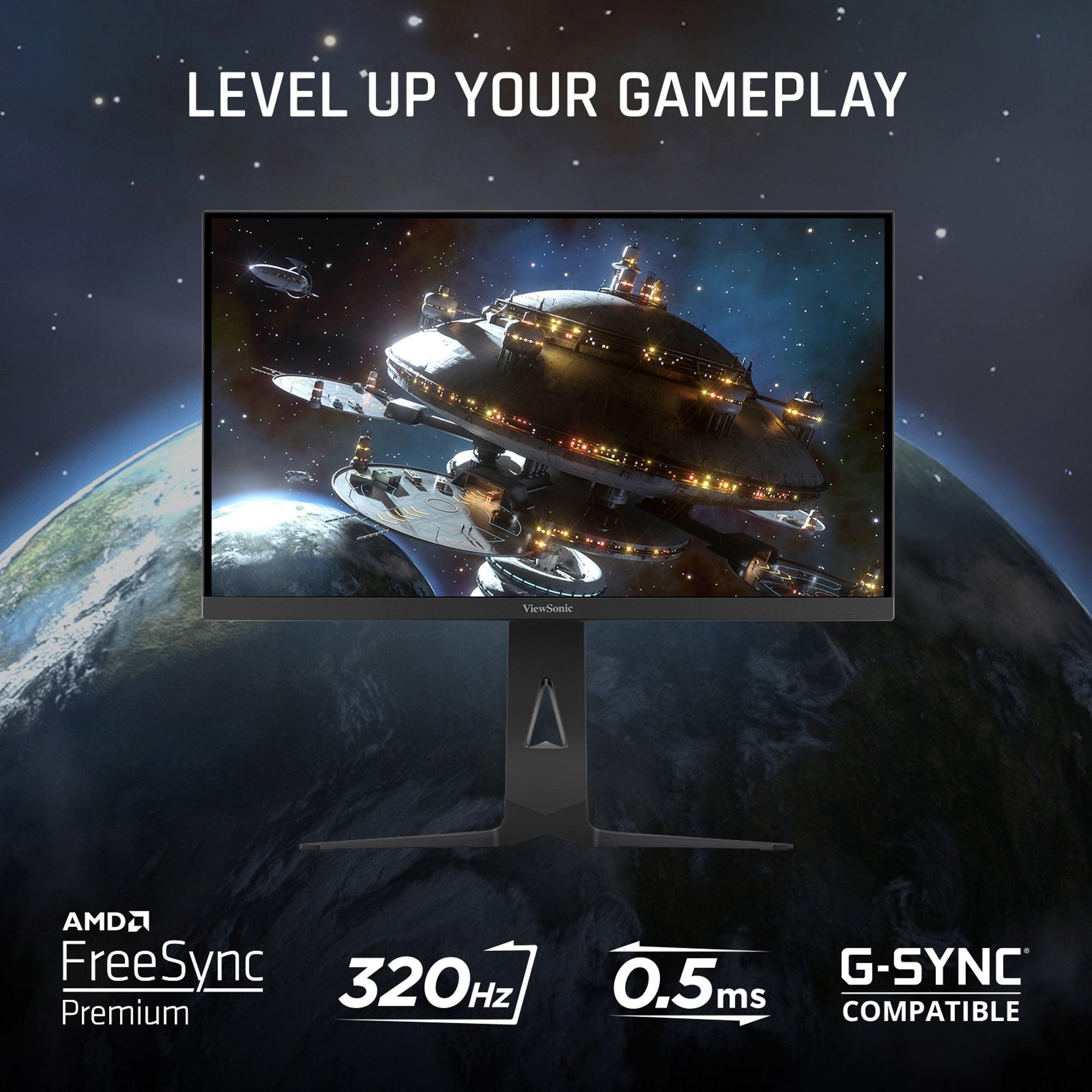
The monitor uses an IPS (In-Plane Switching) panel, which provides excellent color consistency and wide viewing angles. IPS technology has matured significantly over the past few years, with modern implementations offering much faster response times than older generations. The ViewSonic XG275D-4K achieves a 0.5ms MPRT (Motion Picture Response Time), which measures how long pixels stay illuminated rather than transition time.
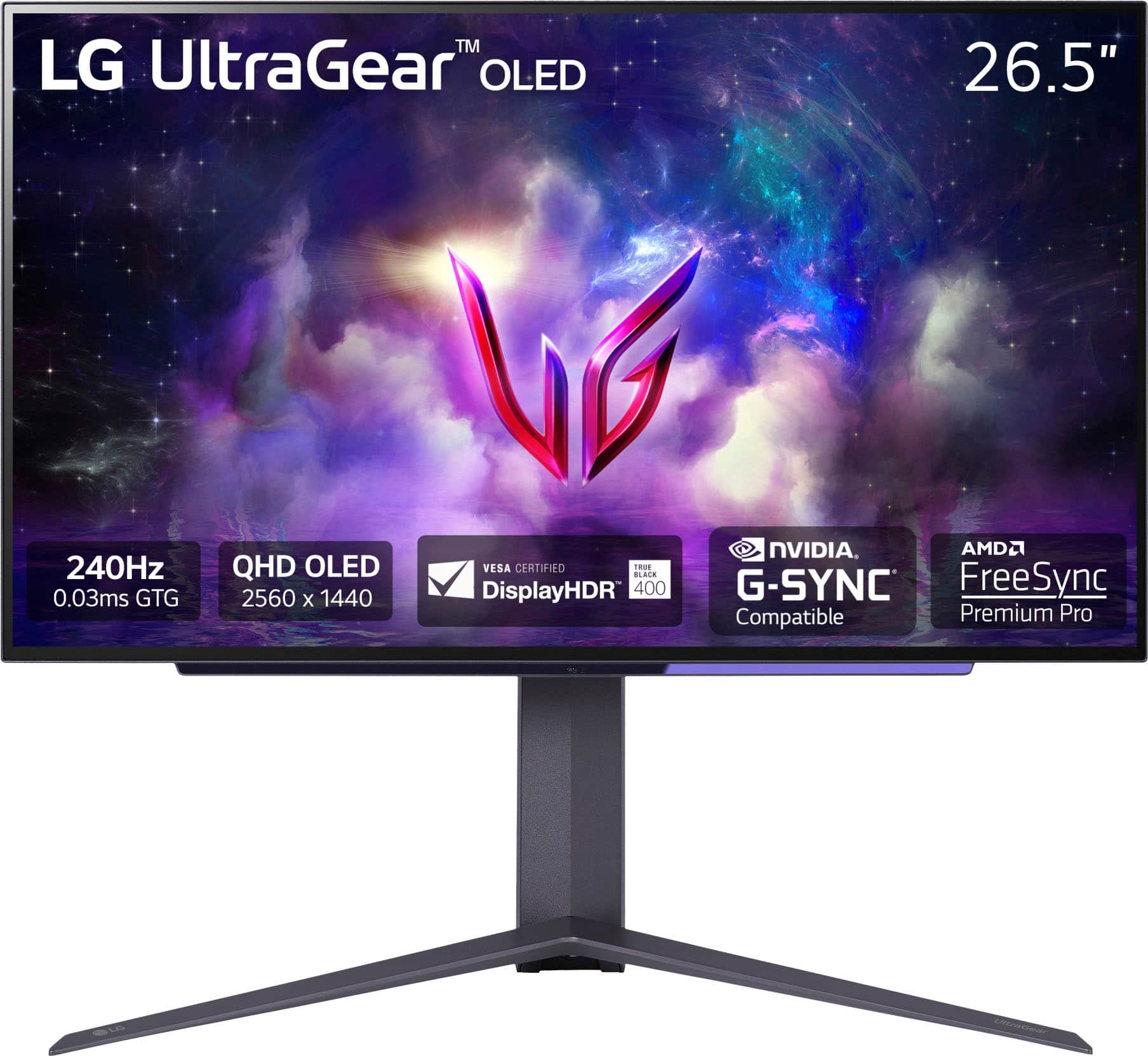
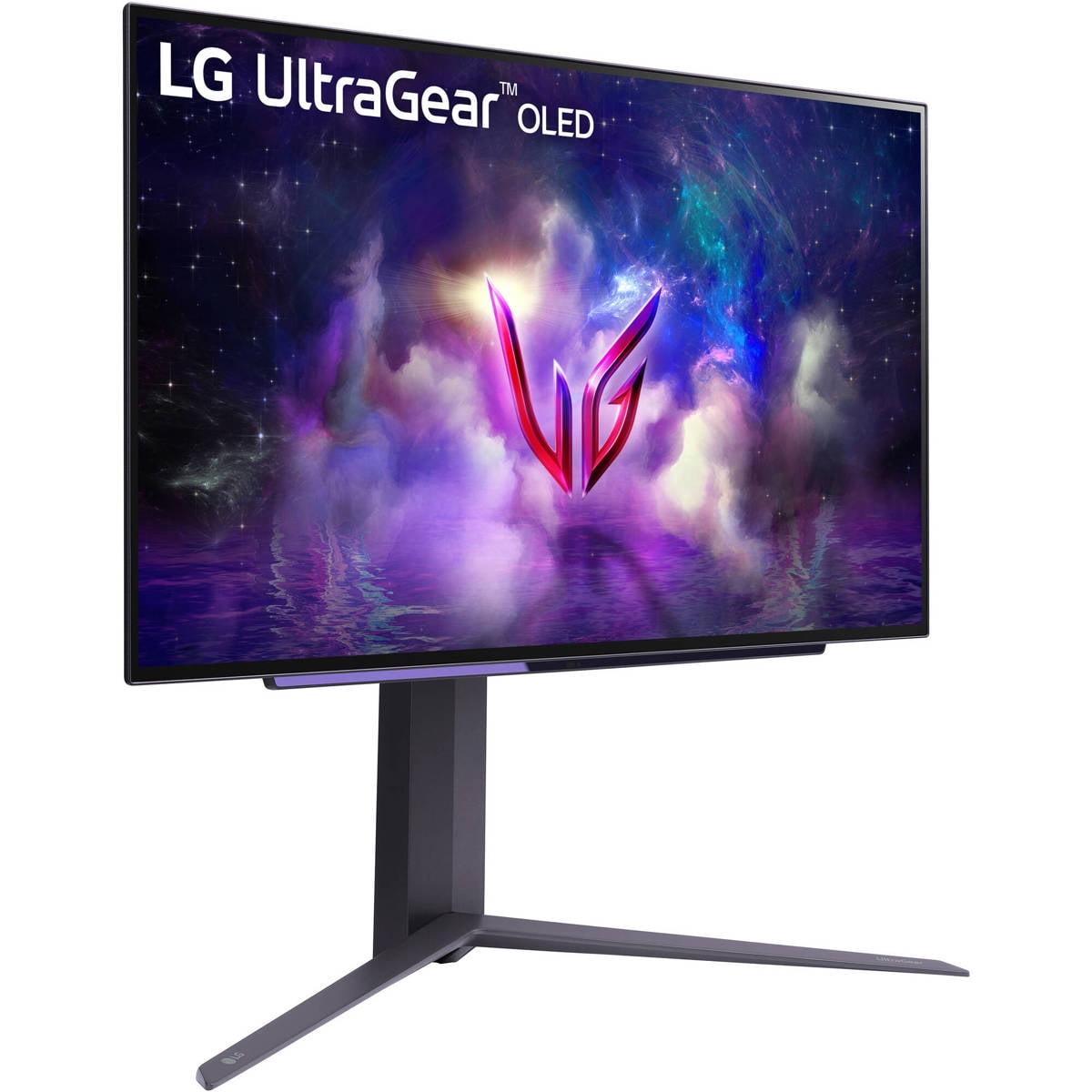
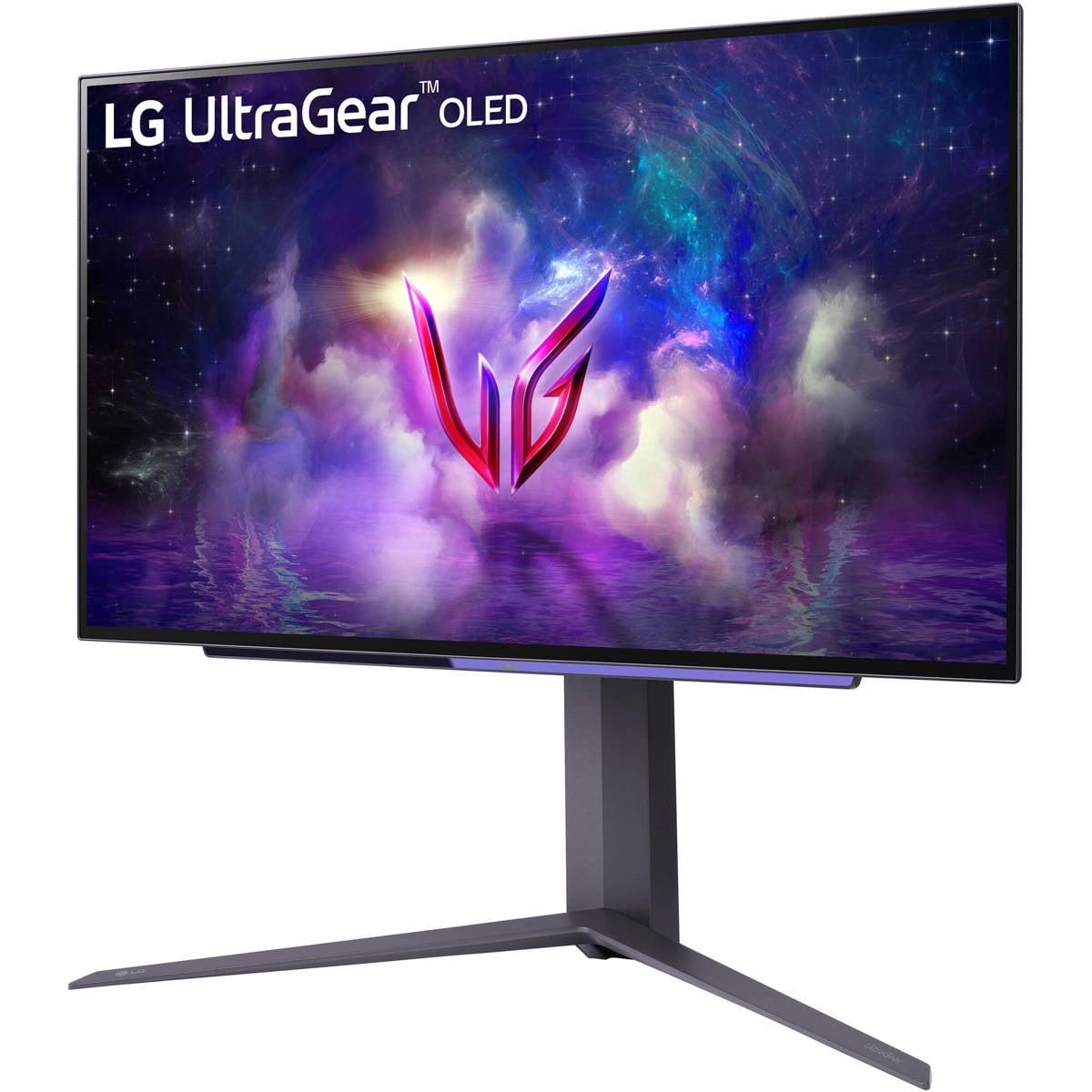
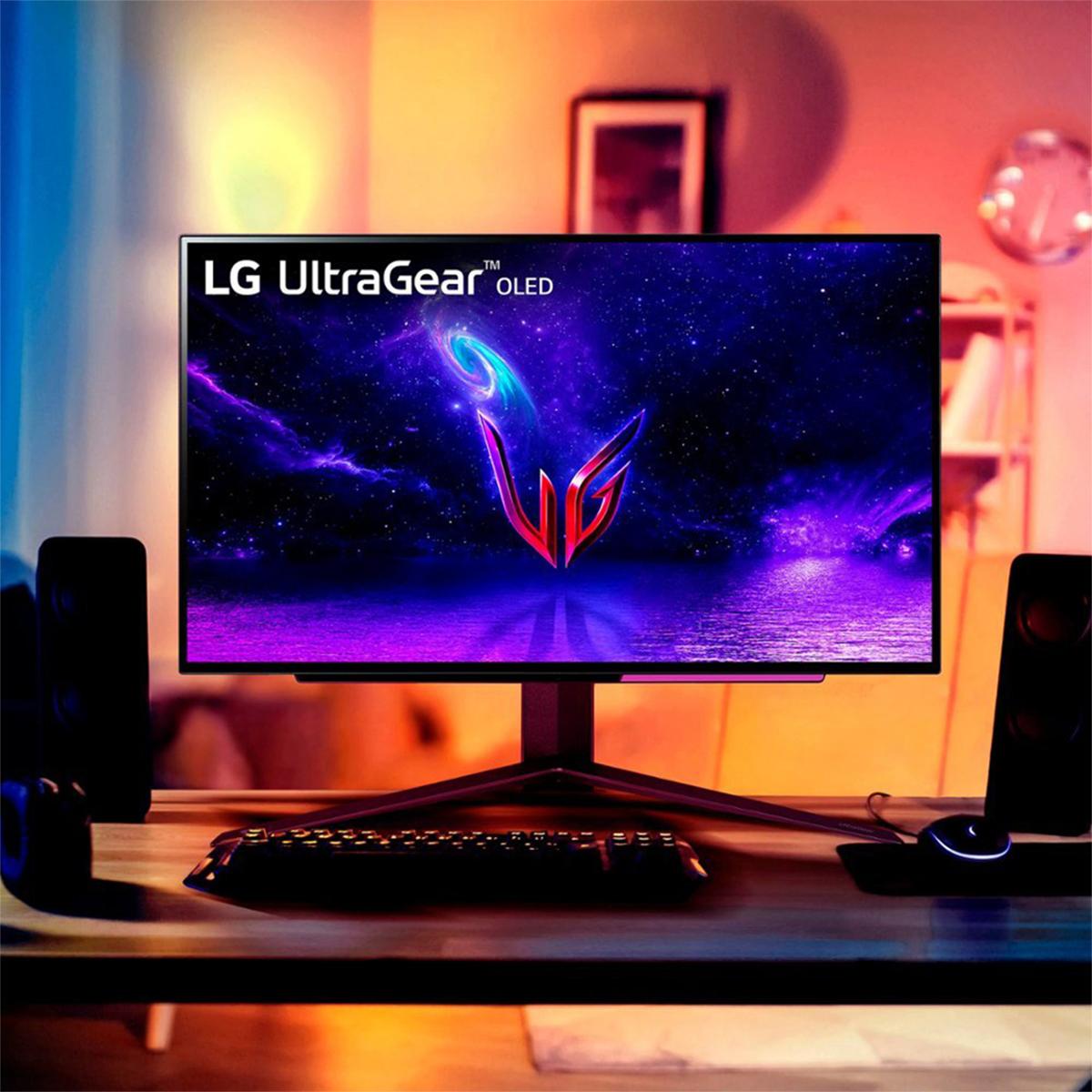
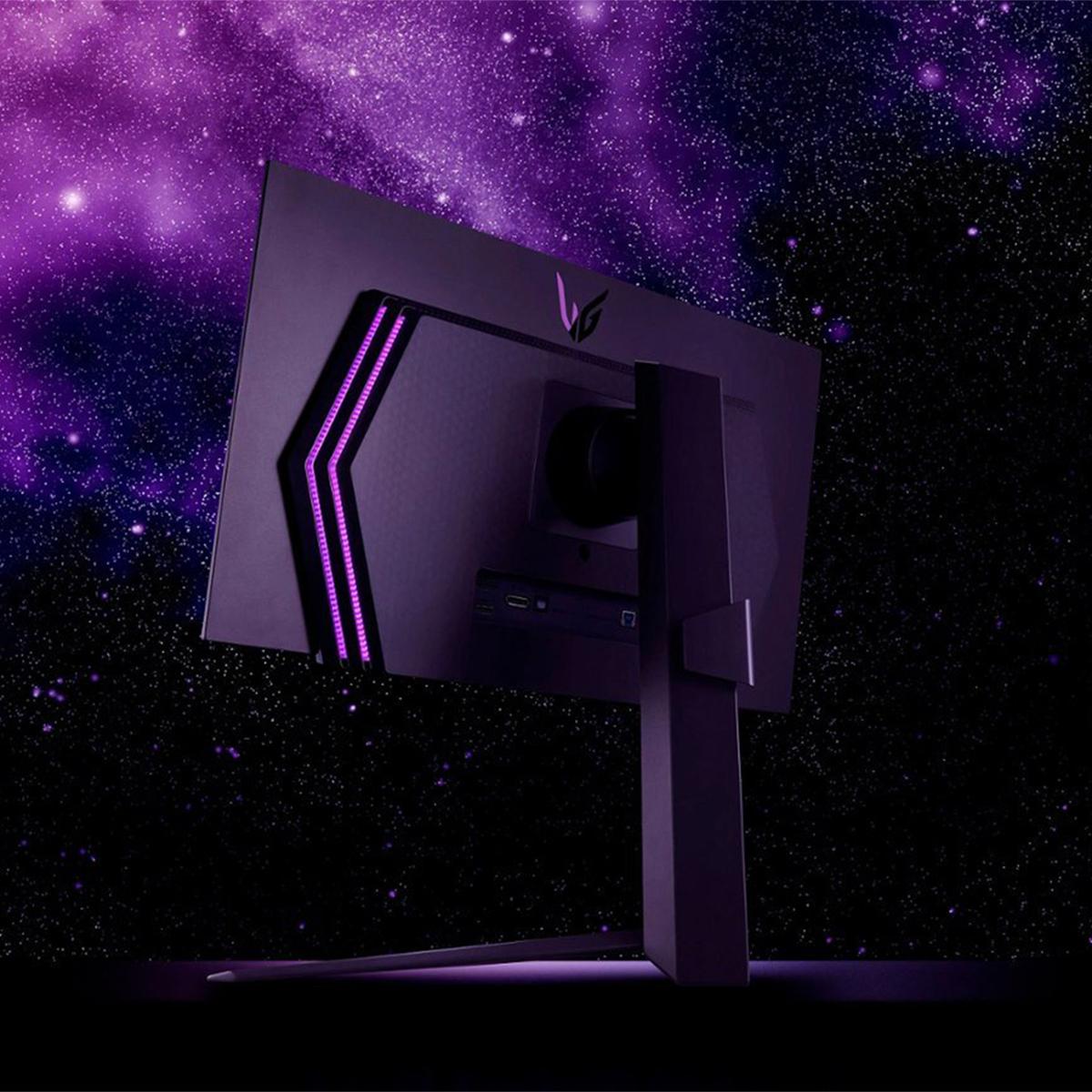
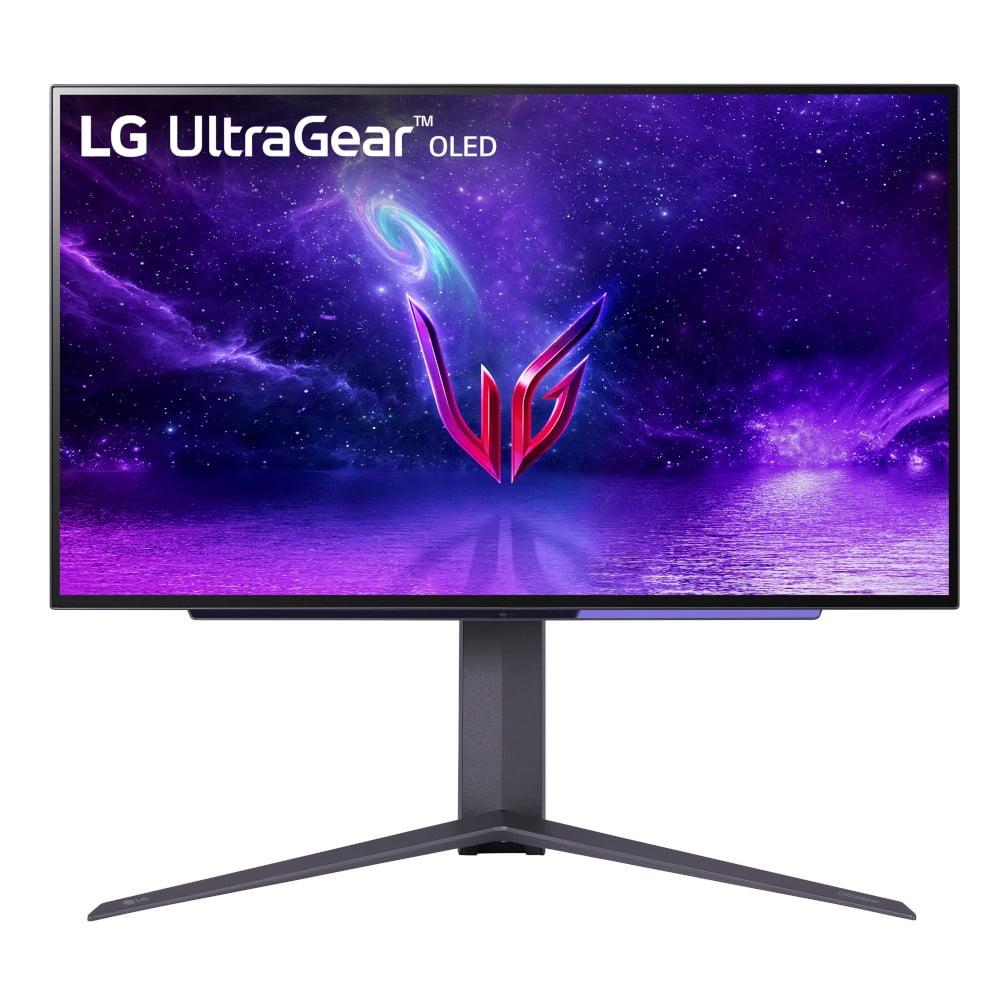
LG's entry into the OLED gaming monitor space in 2023 marked a significant moment for display enthusiasts. The LG UltraGear 27" OLED brings the same technology found in premium televisions to the desktop gaming world, with some impressive results.
OLED (Organic Light-Emitting Diode) panels work fundamentally differently from traditional LCD displays. Instead of a backlight shining through liquid crystal layers, each pixel generates its own light. This means true blacks – when a pixel is off, it produces literally zero light. The contrast ratio is effectively infinite, creating an incredibly dynamic image that LCD panels simply cannot match.
At 2560x1440 (QHD) resolution, the LG UltraGear OLED sits in the sweet spot for many gamers – higher resolution than 1080p for improved detail, but not as demanding as 4K. The 240Hz refresh rate pairs beautifully with the 0.03ms response time, creating what might be the smoothest gaming experience currently available.
When it comes to pure image quality, these monitors take dramatically different approaches. The LG UltraGear OLED delivers what I'd describe as a "wow factor" that's immediately apparent. Those perfect blacks create incredible depth in dark scenes – something you really notice in atmospheric games like horror titles or space exploration games. The contrast makes HDR content genuinely impressive, with highlights that pop against deep shadows.
The color reproduction on the OLED is exceptional, covering 98.5% of the DCI-P3 color space. This is the color standard used in digital cinema, meaning games and movies appear as their creators intended. The anti-glare coating helps in bright rooms, though it does slightly soften the image compared to glossy panels.
Meanwhile, the ViewSonic XG275D-4K takes a different approach with its 4K capability. When running in 4K mode, the additional pixel density creates incredibly sharp images – text looks crisp, game textures show fine detail, and the overall clarity is impressive. The IPS panel provides consistent colors across the entire screen and maintains accuracy even when viewed from the side.
However, the trade-off becomes apparent in darker scenes. IPS panels rely on LED backlights, and even with local dimming, they can't achieve true blacks. Dark grays are the best you'll get, which affects the overall sense of depth and contrast in games.
For competitive gaming, response time and input lag are crucial. The LG UltraGear OLED excels here with its 0.03ms response time – essentially instantaneous pixel transitions. This eliminates ghosting and motion blur even in the most fast-paced scenarios. I've tested this with first-person shooters, and the clarity of movement is remarkable.
The ViewSonic XG275D-4K counters with raw refresh rate in its 1080p mode. At 320Hz, it's displaying 320 unique frames every second, creating incredibly smooth motion. While the 0.5ms response time isn't quite as fast as OLED, it's still excellent and unlikely to be the limiting factor in competitive play.
Both monitors support adaptive sync technologies (AMD FreeSync and NVIDIA G-Sync compatibility), which synchronize your graphics card's output with the monitor's refresh rate to eliminate screen tearing – those horizontal lines that appear when your GPU and monitor get out of sync.
High Dynamic Range (HDR) is where the fundamental technology differences really show. HDR expands both the brightness range and color palette available to game developers, creating more realistic lighting and vibrant colors.
The LG UltraGear OLED supports DisplayHDR True Black 400, which might sound modest compared to some LCD monitors claiming HDR1000 or higher. However, OLED's perfect blacks make even modest peak brightness incredibly effective. The contrast between bright highlights and dark shadows creates a genuinely impressive HDR experience.
The ViewSonic monitor supports HDR10 but with more limited effectiveness. IPS panels struggle with HDR because they can't achieve the deep blacks that make highlights truly pop. While it's still an improvement over standard dynamic range, it's not in the same league as OLED for HDR content.
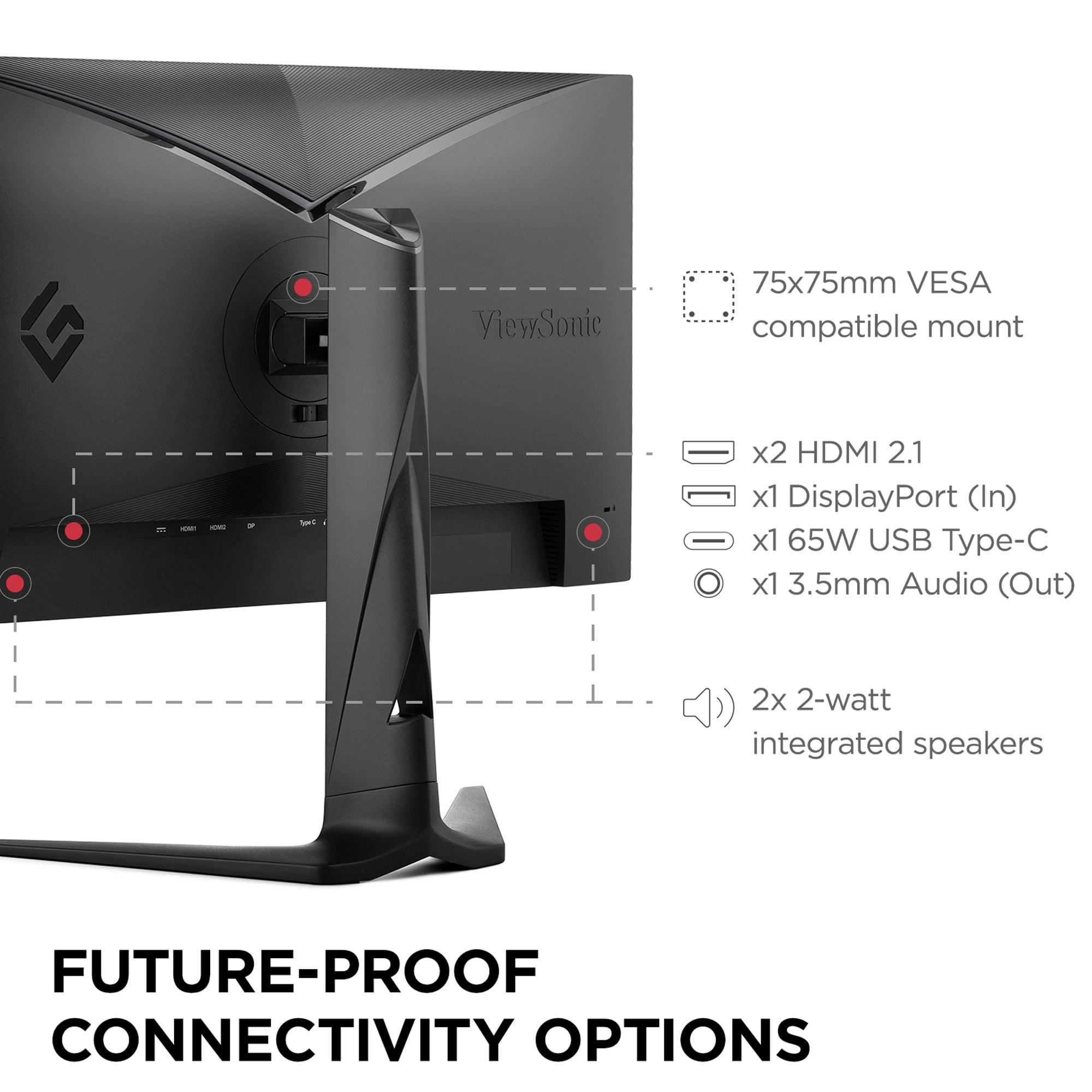
Modern gaming setups often involve multiple devices – gaming PC, console, laptop for work, maybe even a Steam Deck. The ViewSonic XG275D-4K shines in this area with its USB-C port offering 65W power delivery. This means you can connect a laptop with a single cable for both video and charging – incredibly convenient for hybrid work-gaming setups.
Both monitors offer HDMI 2.1 connectivity, crucial for getting the most out of PlayStation 5 and Xbox Series X consoles. However, the ViewSonic's dual-mode capability means you can optimize for console gaming at 4K or switch to ultra-high refresh rates for PC gaming.
If your primary focus is competitive gaming – think Counter-Strike, Valorant, or Overwatch – both monitors offer compelling but different advantages. The LG OLED provides the fastest pixel response available, ensuring crystal-clear motion tracking. Meanwhile, the ViewSonic in 320Hz mode offers the highest refresh rate currently available, providing the smoothest possible motion.
In my experience, both approaches work well, but I lean slightly toward the OLED for most competitive scenarios. The instant pixel response eliminates any motion blur, making it easier to track moving targets. However, if you're primarily playing games that can actually utilize 320Hz (and your graphics card can drive those frame rates), the ViewSonic has an edge.
For story-driven games, RPGs, and cinematic experiences, the choice becomes more complex. The ViewSonic's 4K mode provides incredible detail – you can see individual leaves on trees, read small text without squinting, and appreciate the artistic detail developers put into their games.
However, the LG OLED's contrast and HDR performance create a more cinematic experience. Dark dungeons feel genuinely dark, bright magical spells create dramatic highlights, and the overall atmosphere is more immersive. For games like Cyberpunk 2077, The Witcher 3, or atmospheric horror games, OLED technology really shines.
Both monitors work reasonably well for movie watching, though with different strengths. The LG OLED is closer to a traditional TV experience with its superior contrast and HDR performance. Movies look cinematic with deep blacks and vibrant colors.
The ViewSonic offers 4K resolution for streaming services and Blu-ray content, providing sharp detail that OLED's QHD resolution can't match. However, the IPS panel's limited contrast makes dark scenes less impressive than they'd appear on the OLED.
For serious home theater use, I'd lean toward the LG OLED despite the resolution difference. The improved contrast and HDR make movies more engaging, and the difference between 1440p and 4K is less noticeable at typical viewing distances than you might expect.
Here's where long-term considerations become important. The ViewSonic XG275D-4K excels for productivity with its 4K resolution providing ample screen real estate for multiple windows, detailed spreadsheets, or creative work. The IPS panel's color accuracy is excellent for photo editing, and there's no risk of burn-in from static desktop elements.
OLED panels can suffer from burn-in – permanent image retention from static elements left on screen for extended periods. While modern OLED panels include protective features, it's still a consideration for heavy desktop use. The LG monitor is primarily designed for gaming, and using it extensively for productivity work isn't ideal.
At the time of writing, these monitors occupy different price segments, with the ViewSonic XG275D-4K positioned as a premium but accessible option, while the LG OLED commands a significant premium for its cutting-edge technology.
The ViewSonic monitor offers exceptional value through versatility. You're essentially getting two monitors in one – a 4K display for immersive gaming and productivity, plus an ultra-high refresh rate monitor for competitive gaming. The 3-year warranty and proven IPS technology provide peace of mind for long-term ownership.
OLED technology comes with premium pricing but delivers a genuinely superior visual experience in many scenarios. The question becomes whether that visual improvement justifies the additional cost and potential long-term concerns about burn-in.
Choose the ViewSonic XG275D-4K if you value versatility above all else. It's perfect for users who want one monitor to handle multiple use cases – competitive gaming, immersive single-player experiences, and productivity work. The dual-mode switching means you never have to compromise, and the USB-C connectivity is genuinely useful for modern setups.
The LG UltraGear OLED is the choice for users who prioritize the absolute best gaming visual experience. If you primarily game and want the most immersive, responsive display possible, OLED technology delivers results that traditional panels simply cannot match.
Consider your primary use case, but don't forget about secondary uses. If you occasionally work from home, the ViewSonic's 4K resolution and burn-in immunity make it more versatile. If you're a dedicated gamer who rarely uses the computer for other tasks, the LG OLED's superior image quality makes every gaming session more engaging.
Both monitors represent excellent choices in their respective categories. The ViewSonic offers unprecedented flexibility and strong performance across multiple scenarios, while the LG OLED delivers the ultimate gaming visual experience with cutting-edge technology. Your choice should align with your primary needs, budget, and long-term plans for your gaming setup.
| ViewSonic XG275D-4K | LG UltraGear 27" OLED |
|---|---|
| Display Technology - Determines contrast, color accuracy, and lifespan | |
| IPS panel with LED backlight (consistent colors, no burn-in risk) | OLED panel with per-pixel lighting (perfect blacks, infinite contrast) |
| Resolution - Impact on image sharpness and GPU requirements | |
| 4K UHD (3840x2160) switchable to Full HD (1920x1080) | QHD (2560x1440) fixed resolution |
| Refresh Rate - Smoothness in fast-paced games | |
| Dual-mode: 160Hz at 4K or 320Hz at 1080p | 240Hz at 1440p |
| Response Time - Motion clarity and ghosting elimination | |
| 0.5ms MPRT (excellent for competitive gaming) | 0.03ms GtG (virtually instantaneous, best available) |
| HDR Performance - Dynamic range and visual impact | |
| HDR10 support with limited contrast improvement | DisplayHDR True Black 400 with exceptional contrast |
| Color Coverage - Accuracy for content creation and vibrant gaming | |
| sRGB 128% size / 99% coverage, DCI-P3 94% | DCI-P3 98.5% coverage with factory calibration |
| Peak Brightness - Performance in bright rooms and HDR content | |
| 300 cd/m² typical (good for most environments) | Up to 1,000 cd/m² in HDR mode (excellent contrast with perfect blacks) |
| Connectivity - Versatility for multiple devices | |
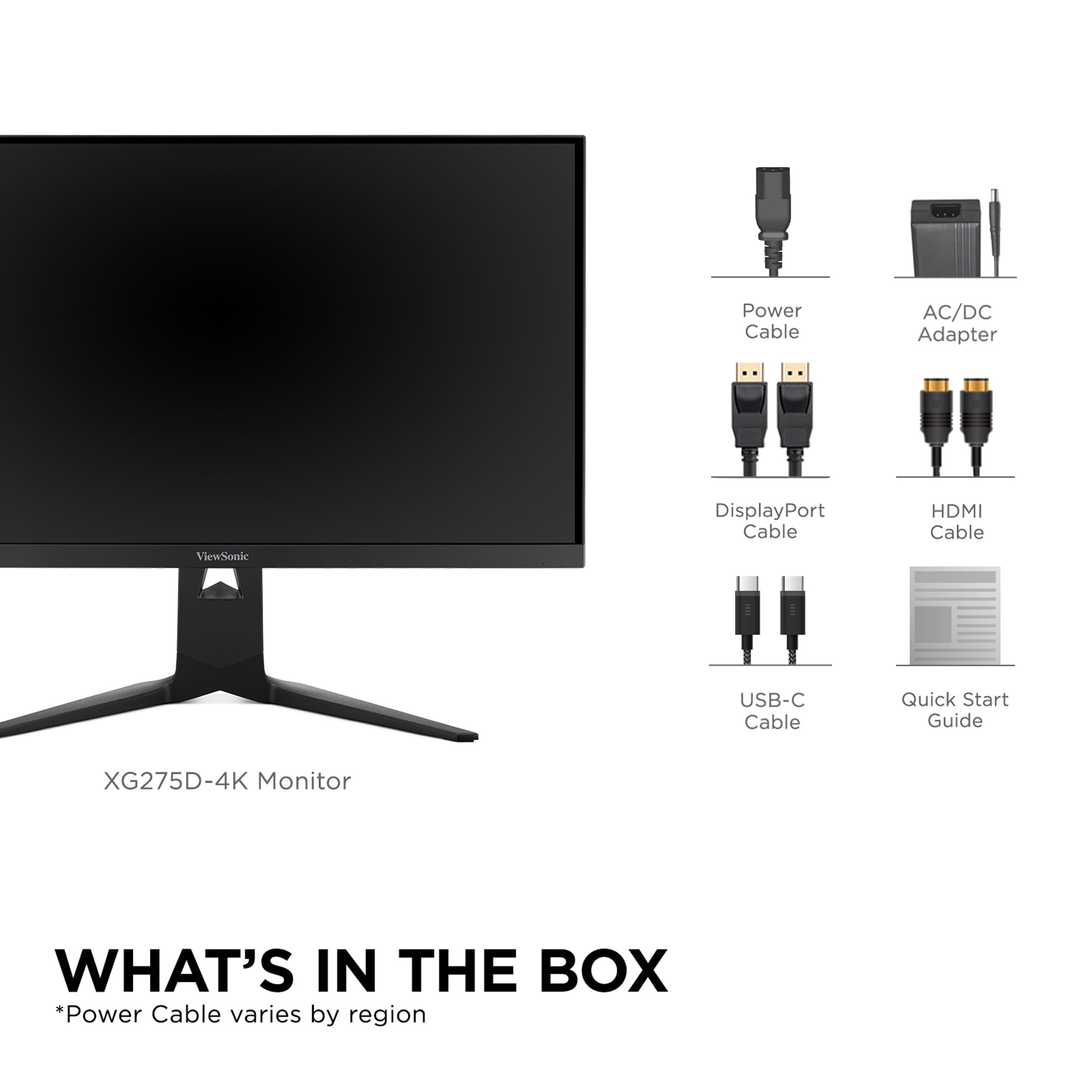
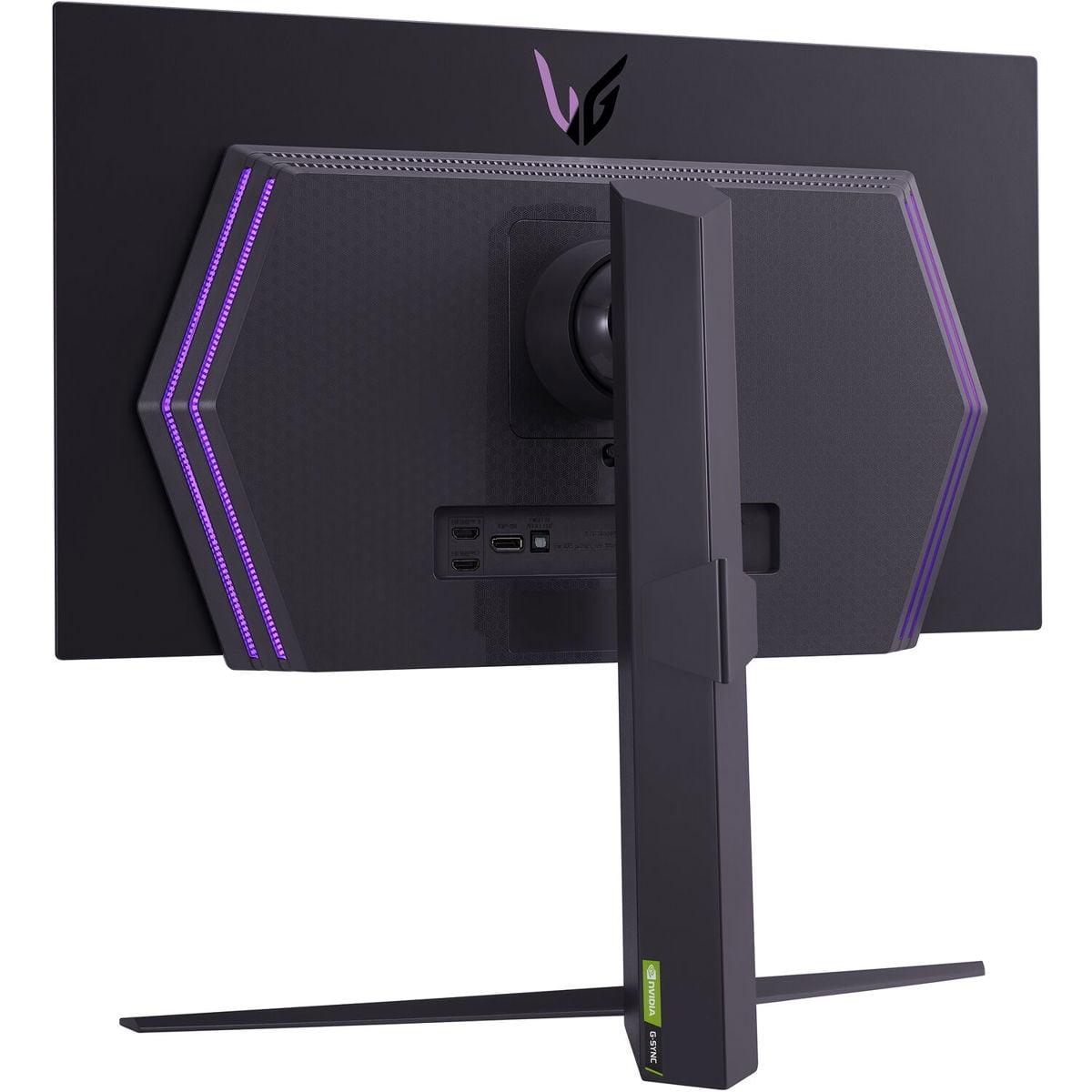
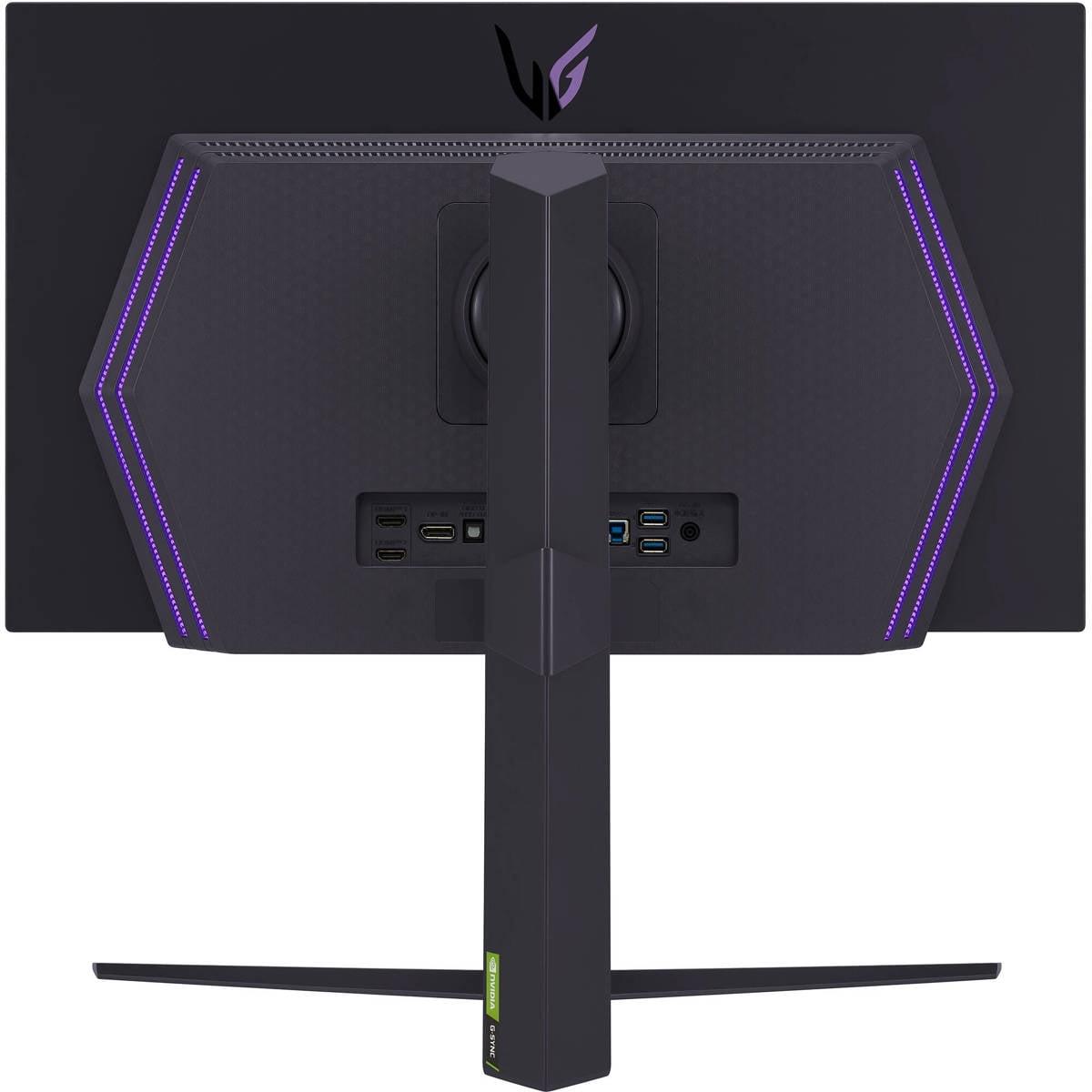
| HDMI 2.1, DisplayPort 1.4, USB-C with 65W power delivery | 2x HDMI 2.1, DisplayPort 1.4, USB hub |
| Adaptive Sync - Eliminates screen tearing | |
| AMD FreeSync Premium, NVIDIA G-SYNC Compatible | AMD FreeSync Premium, NVIDIA G-SYNC Compatible |
| Ergonomics - Comfort for extended use | |
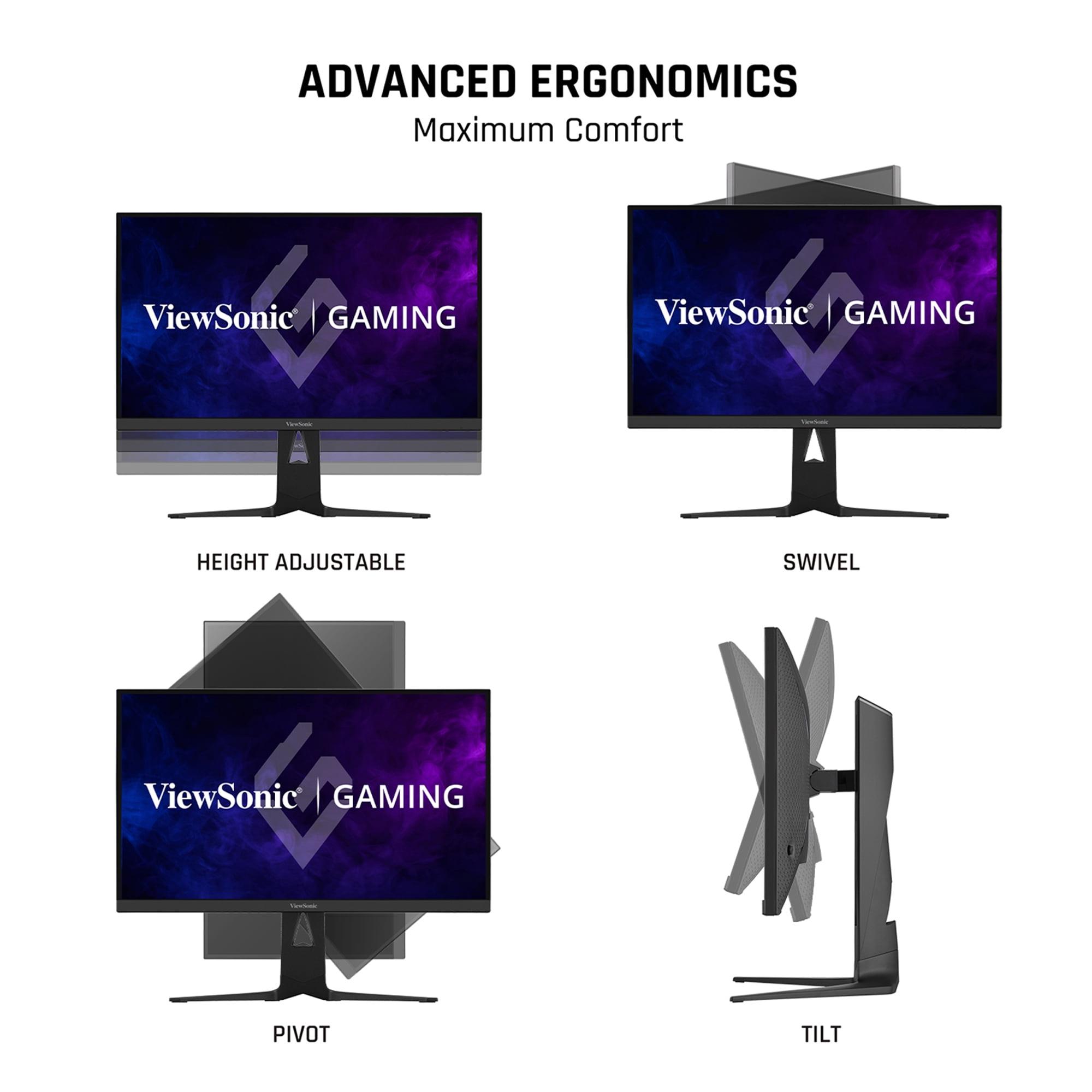
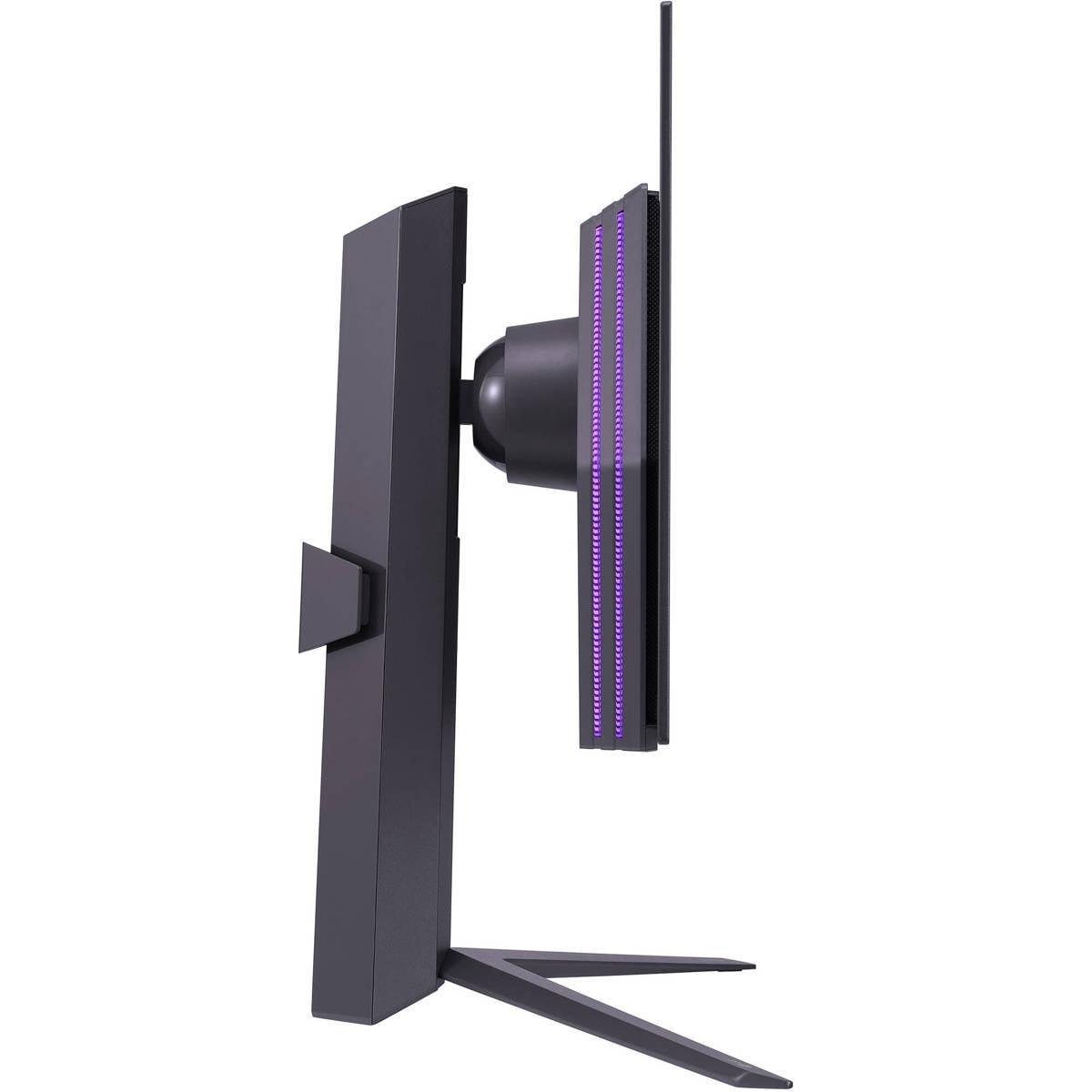
| Height, tilt, swivel, pivot adjustments with VESA 75x75 | Height, tilt, swivel adjustments with VESA 100x100 |
| Burn-in Risk - Long-term reliability concern | |
| No burn-in risk with IPS technology | Potential OLED burn-in with static content (includes protective features) |
| Warranty Coverage - Protection for your investment | |
| 3-year limited warranty | 2-year limited warranty (burn-in not covered) |
| Best Use Cases - Who should consider each monitor | |
| Versatile users wanting both 4K detail and ultra-high refresh rates | Dedicated gamers prioritizing best visual quality and fastest response |
For competitive gaming, it depends on your priorities. The LG UltraGear OLED offers the fastest response time at 0.03ms, virtually eliminating motion blur and ghosting. However, the ViewSonic XG275D-4K can reach 320Hz refresh rate in its 1080p mode, providing the smoothest possible motion. Both support adaptive sync technologies. Most competitive gamers will prefer the OLED's instant pixel response, but if you can drive 300+ fps consistently, the ViewSonic has an edge.
OLED panels like the LG UltraGear produce light from each individual pixel, creating perfect blacks and infinite contrast. IPS panels like the ViewSonic XG275D-4K use LED backlights shining through liquid crystals, offering consistent colors but limited contrast. OLED provides superior image quality but carries burn-in risk, while IPS is more durable for mixed gaming and productivity use.
The ViewSonic XG275D-4K is the clear winner for 4K gaming, as it's the only one that supports true 4K resolution (3840x2160) at 160Hz. The LG UltraGear OLED is limited to QHD resolution (2560x1440). If you want the sharpest possible gaming visuals and have a powerful graphics card, the ViewSonic delivers genuine 4K detail.
Both work for entertainment, but with different strengths. The LG UltraGear OLED excels at movie watching thanks to its perfect blacks, infinite contrast, and excellent HDR performance - creating a more cinematic experience. The ViewSonic XG275D-4K offers 4K resolution for streaming content but has limited contrast for dark scenes. For serious home theater use, the OLED provides better overall visual quality despite the resolution difference.
The LG UltraGear OLED significantly outperforms the ViewSonic in HDR. The OLED's perfect blacks and 1,000 nits peak brightness create dramatic contrast that makes HDR content truly impactful. While the ViewSonic XG275D-4K supports HDR10, IPS panels struggle to deliver meaningful HDR improvements due to limited contrast ratios and backlight bleeding.
The ViewSonic XG275D-4K offers dual-mode refresh rates: 160Hz at 4K resolution or 320Hz at 1080p resolution, switchable with a button press. The LG UltraGear OLED provides a fixed 240Hz at its native 1440p resolution. The ViewSonic's flexibility allows optimization for different gaming scenarios, while the LG offers consistently high refresh rates.
The ViewSonic XG275D-4K is superior for productivity thanks to its 4K resolution providing more screen real estate, USB-C connectivity with 65W power delivery for laptops, and no burn-in risk from static desktop elements. The LG UltraGear OLED isn't ideal for extensive productivity use due to potential burn-in from taskbars, icons, and other static interface elements.
The LG UltraGear OLED has a significantly faster 0.03ms response time compared to the ViewSonic XG275D-4K's 0.5ms MPRT. While both are excellent for gaming, the OLED's near-instantaneous pixel transitions provide the absolute best motion clarity available. The difference is most noticeable in fast-paced competitive games where every millisecond matters.
The ViewSonic XG275D-4K typically offers better value through its versatility - providing both 4K resolution and ultra-high refresh rates in one monitor, plus useful features like USB-C power delivery and a 3-year warranty. The LG UltraGear OLED commands a premium for cutting-edge OLED technology but delivers superior visual quality. Your choice depends on whether you prioritize flexibility or premium performance.
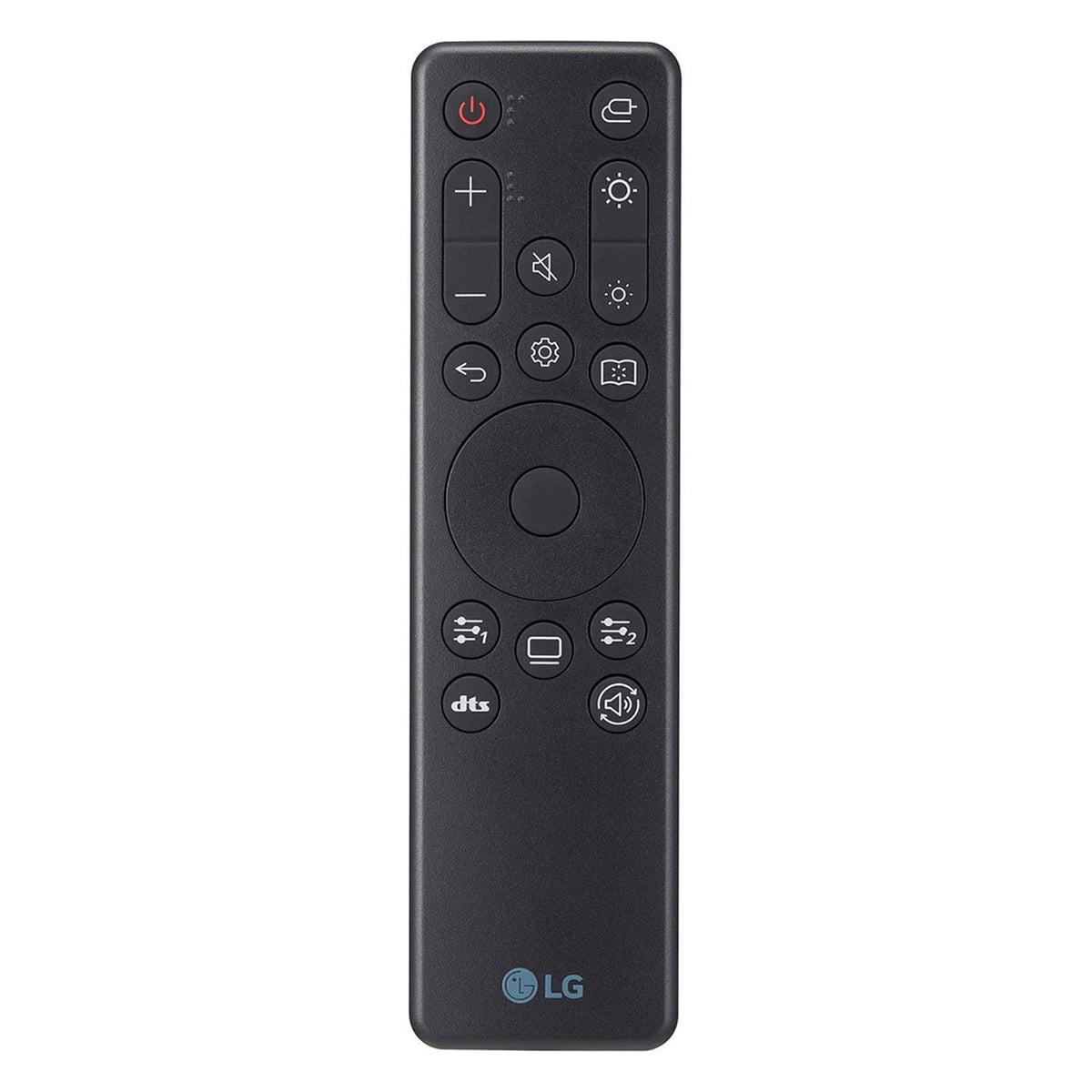
Both monitors offer HDMI 2.1 and DisplayPort connections for high refresh rate gaming. The ViewSonic XG275D-4K adds USB-C with 65W power delivery, making it excellent for laptop users who want single-cable connectivity and charging. The LG UltraGear OLED includes USB hub functionality and a remote control but lacks power delivery capabilities.
Both work well with PlayStation 5 and Xbox Series X through HDMI 2.1 connectivity. The ViewSonic XG275D-4K matches console output resolution perfectly in 4K mode, while the LG UltraGear OLED provides superior HDR performance that enhances console gaming visuals. Console gamers prioritizing visual quality should choose the OLED, while those wanting maximum resolution detail should pick the ViewSonic.
The ViewSonic XG275D-4K uses proven IPS technology with no degradation concerns and comes with a 3-year warranty. The LG UltraGear OLED uses newer OLED technology that can potentially suffer from burn-in over time, especially with static desktop elements, and includes only a 2-year warranty that doesn't cover burn-in. For mixed gaming and productivity use, the ViewSonic offers better long-term reliability.
We've done our best to create useful and informative comparisons to help you decide what product to buy. Our research uses advanced automated methods to create this comparison and perfection is not possible - please contact us for corrections or questions. These are the sites we've researched in the creation of this article: cgmagonline.com - gamingshogun.com - techpowerup.com - notebookcheck.net - bestbuy.com - newegg.com - techpowerup.com - shi.com - viewsonic.com - viewsonic.com - prnewswire.com - viewsonic.com - viewsonic.com - shop.avispl.com - guru3d.com - viewsonic.com - viewsonic.com - viewsonic.com - viewsonic.com - bestbuy.com - bestbuy.com - youtube.com - rtings.com - youtube.com - youtube.com - lg.com - bhphotovideo.com - bestbuy.com - forum.beyond3d.com - youtube.com - lg.com - lg.com - lg.com - techpowerup.com - newegg.com - bestbuy.com - pcmonitors.info - lg.com - lg.com

Privacy Policy
Terms and Conditions - Affiliate Policy
Home Security
© Copyright 2008-2026.
11816 Inwood Rd #1211, Dallas, TX 75244