

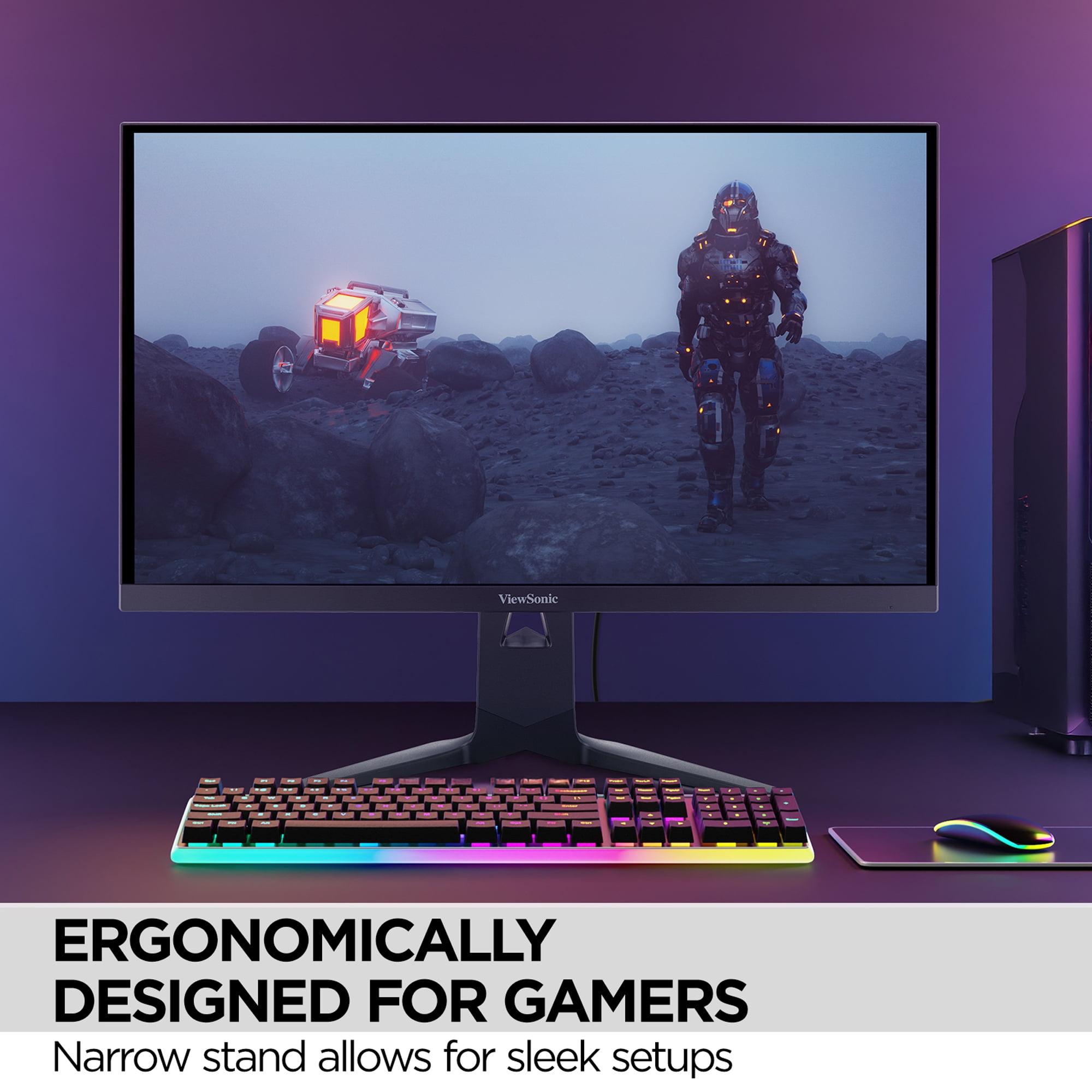
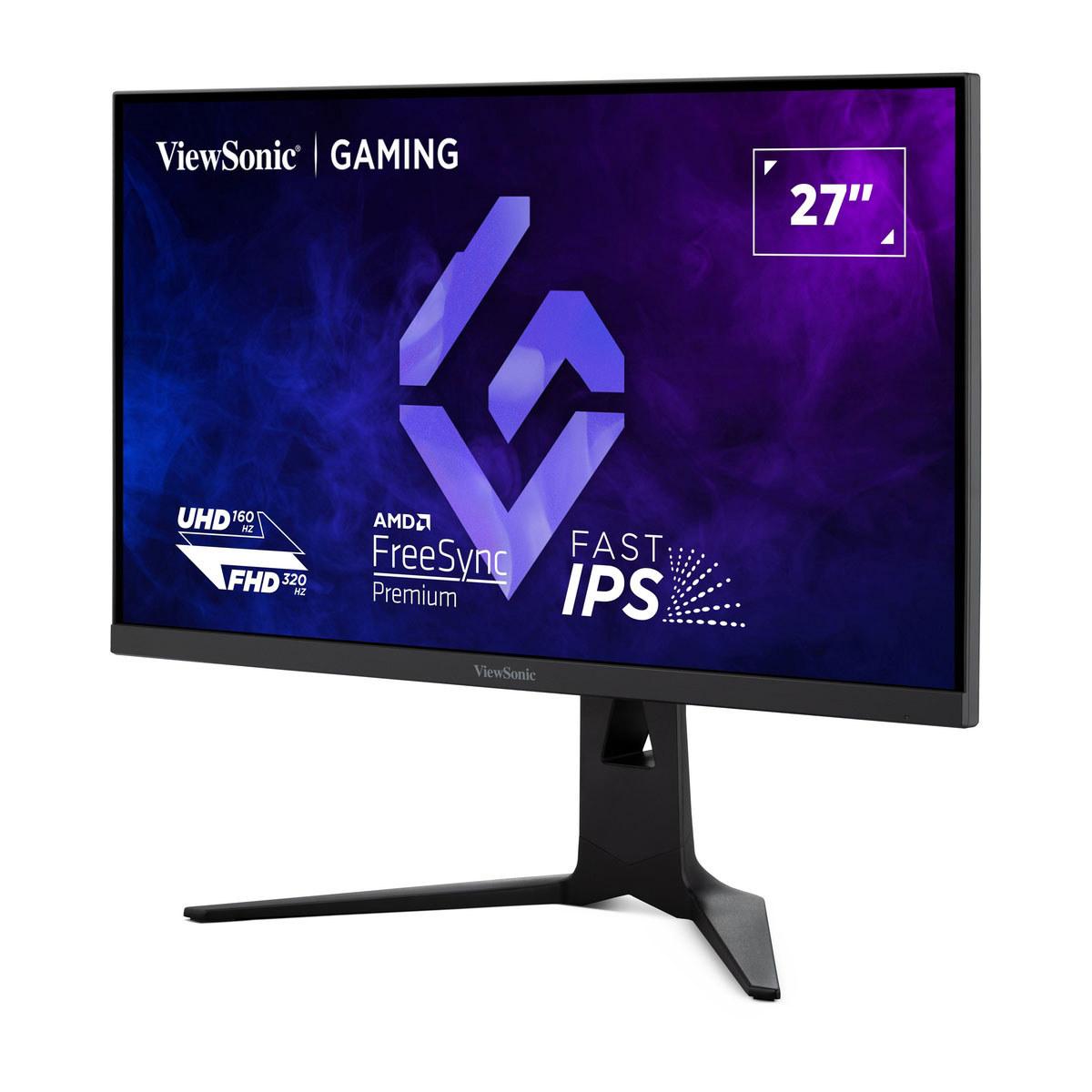
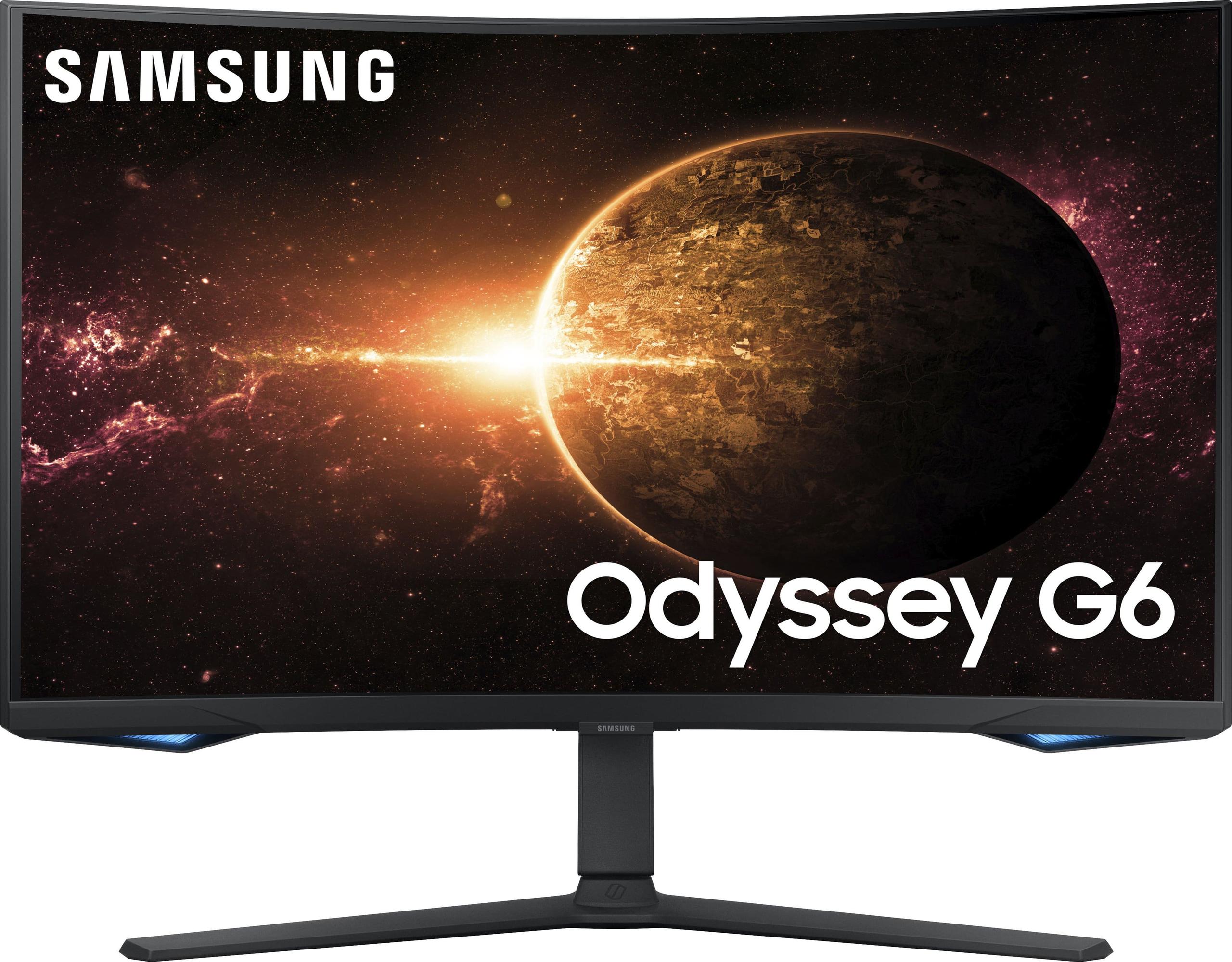
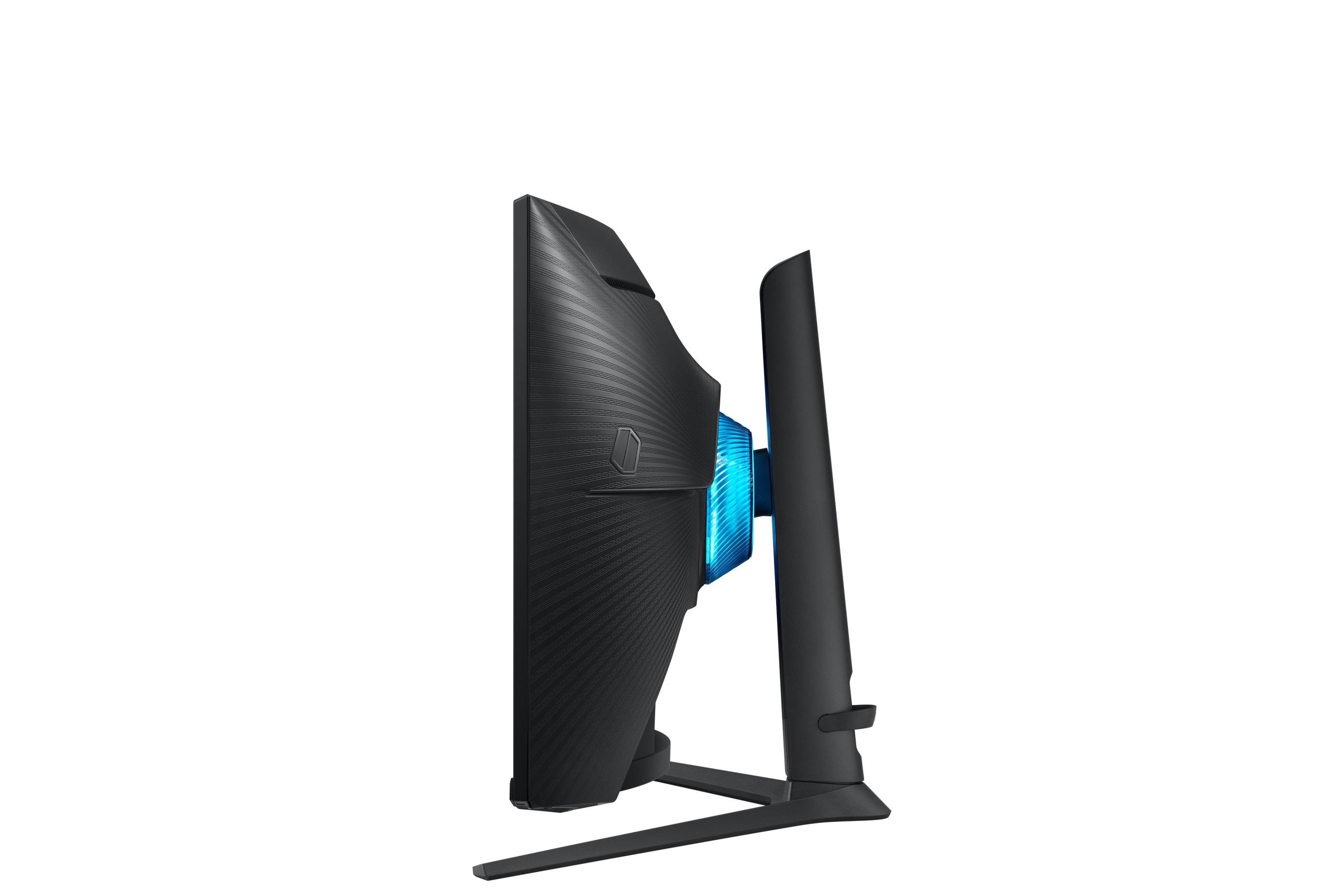
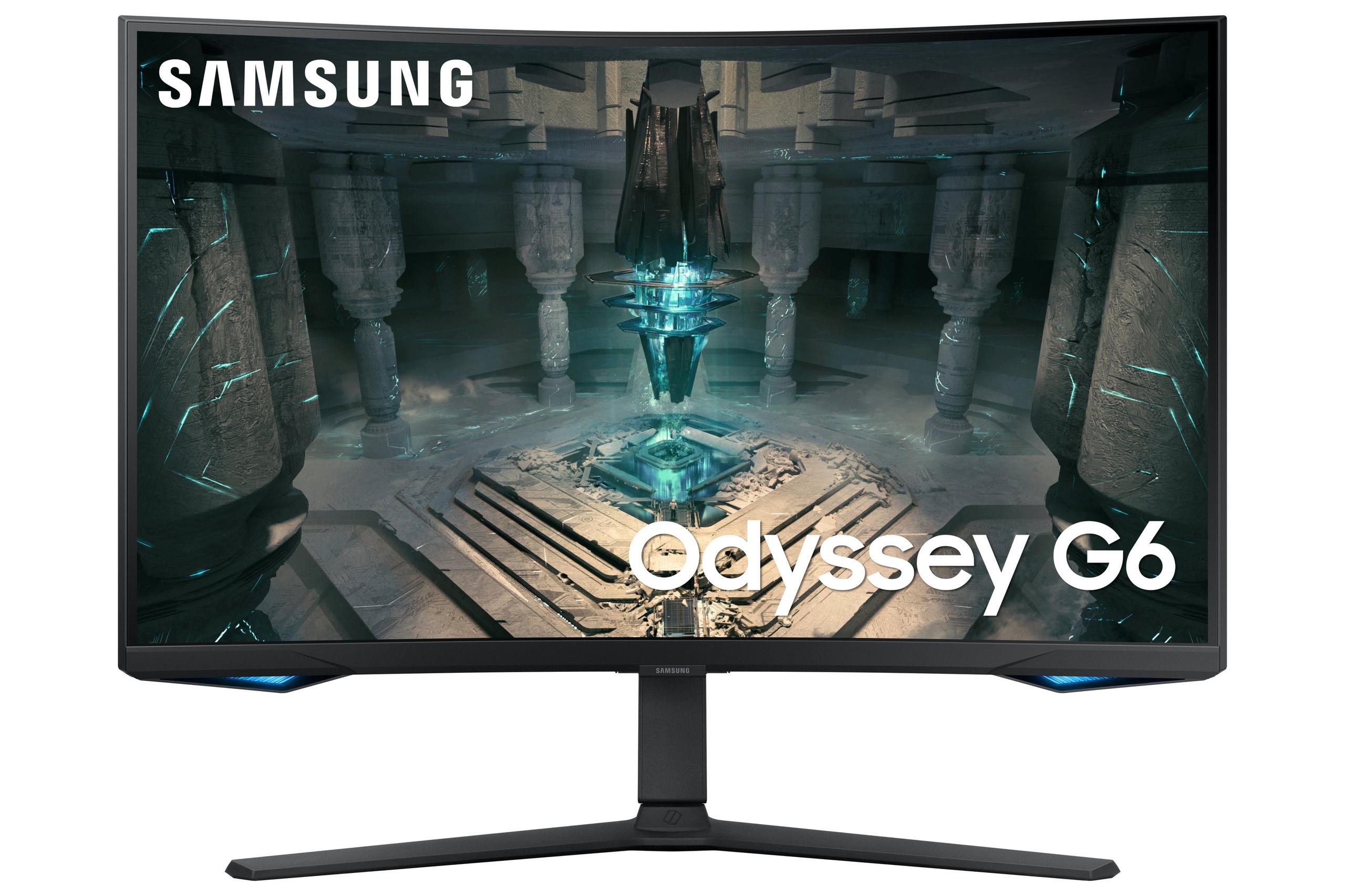

Gaming monitors have evolved dramatically over the past few years, and choosing the right one can make or break your gaming experience. Today, we're diving deep into two compelling options that represent very different approaches to high-performance gaming: the innovative ViewSonic XG275D-4K and the curved Samsung Odyssey G65B.
Before we jump into the specifics, let's talk about what makes a gaming monitor truly great. The gaming monitor landscape has transformed since 2020, with manufacturers pushing boundaries in refresh rates (how many times per second the screen updates), resolution (the number of pixels on screen), and response times (how quickly pixels change color).
The key battlegrounds today are refresh rate versus resolution, panel technology choices, and increasingly, adaptive features that can change based on what you're doing. Response time—measured in milliseconds—determines how quickly pixels can change from one color to another, which directly affects motion blur in fast-paced games. Anything under 5ms is considered good for gaming, while 1ms or less is excellent.
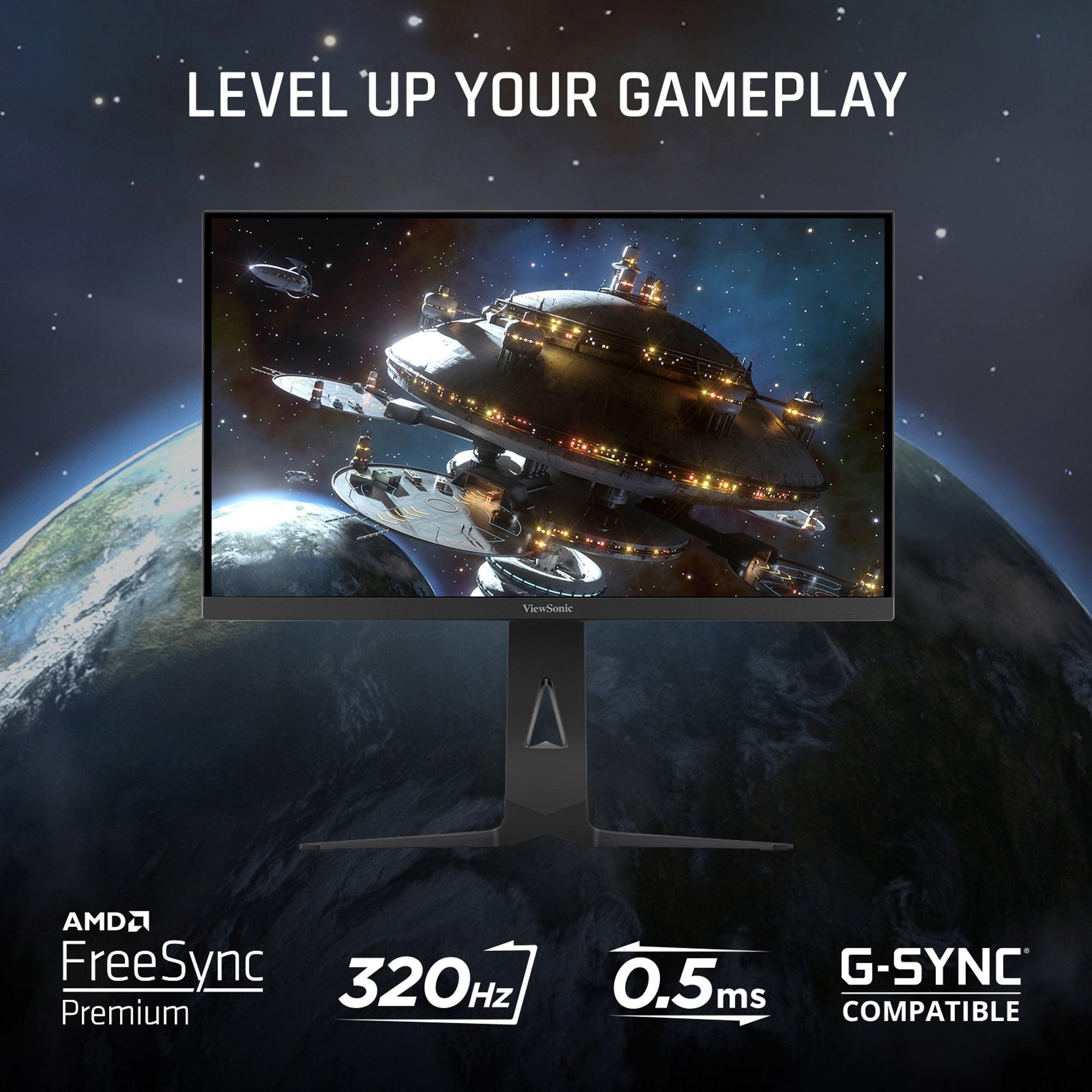
Adaptive sync technology, like AMD FreeSync or NVIDIA G-Sync, synchronizes your graphics card's output with your monitor's refresh rate. This eliminates screen tearing (when the screen shows parts of multiple frames at once) and stuttering, creating smoother gameplay even when frame rates fluctuate.
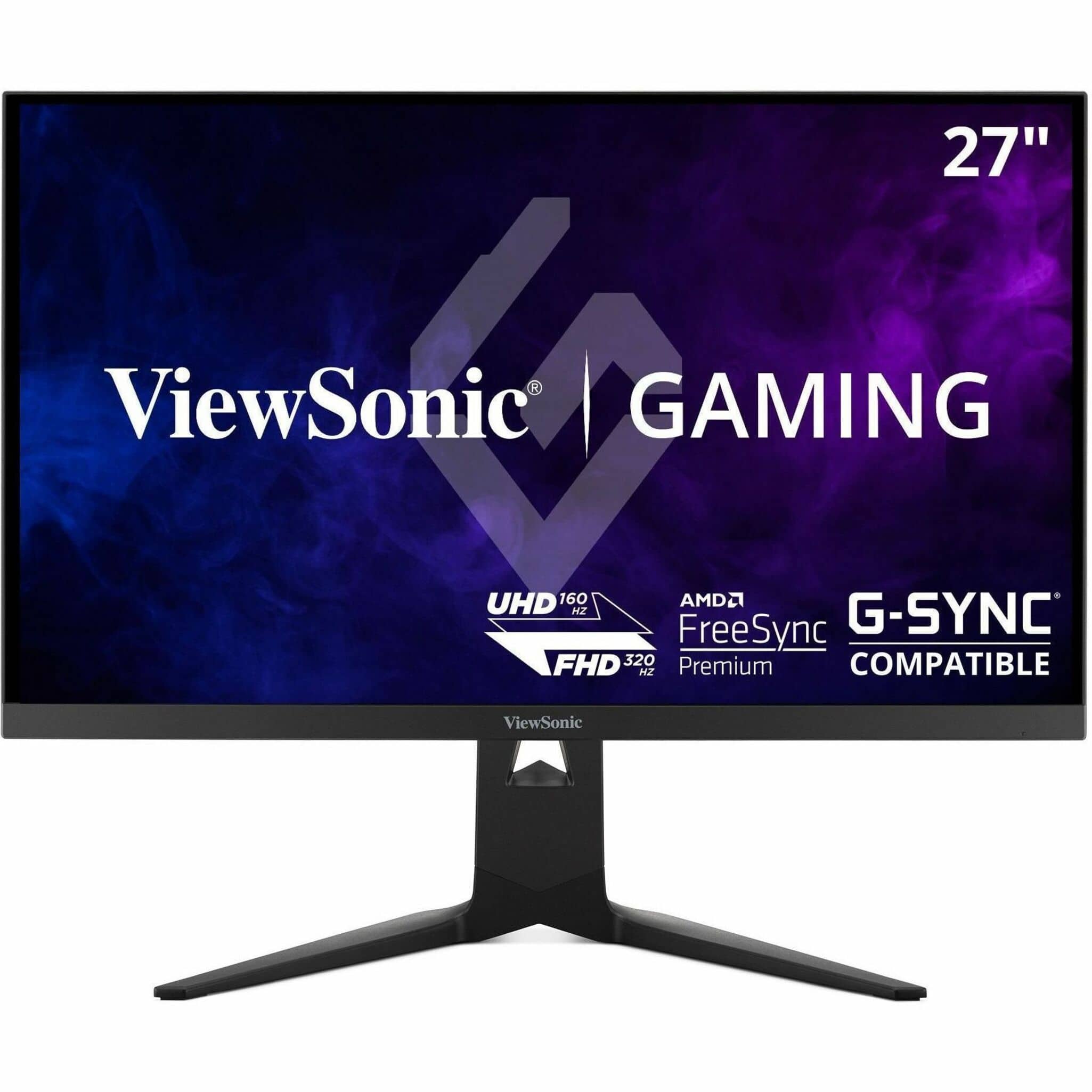
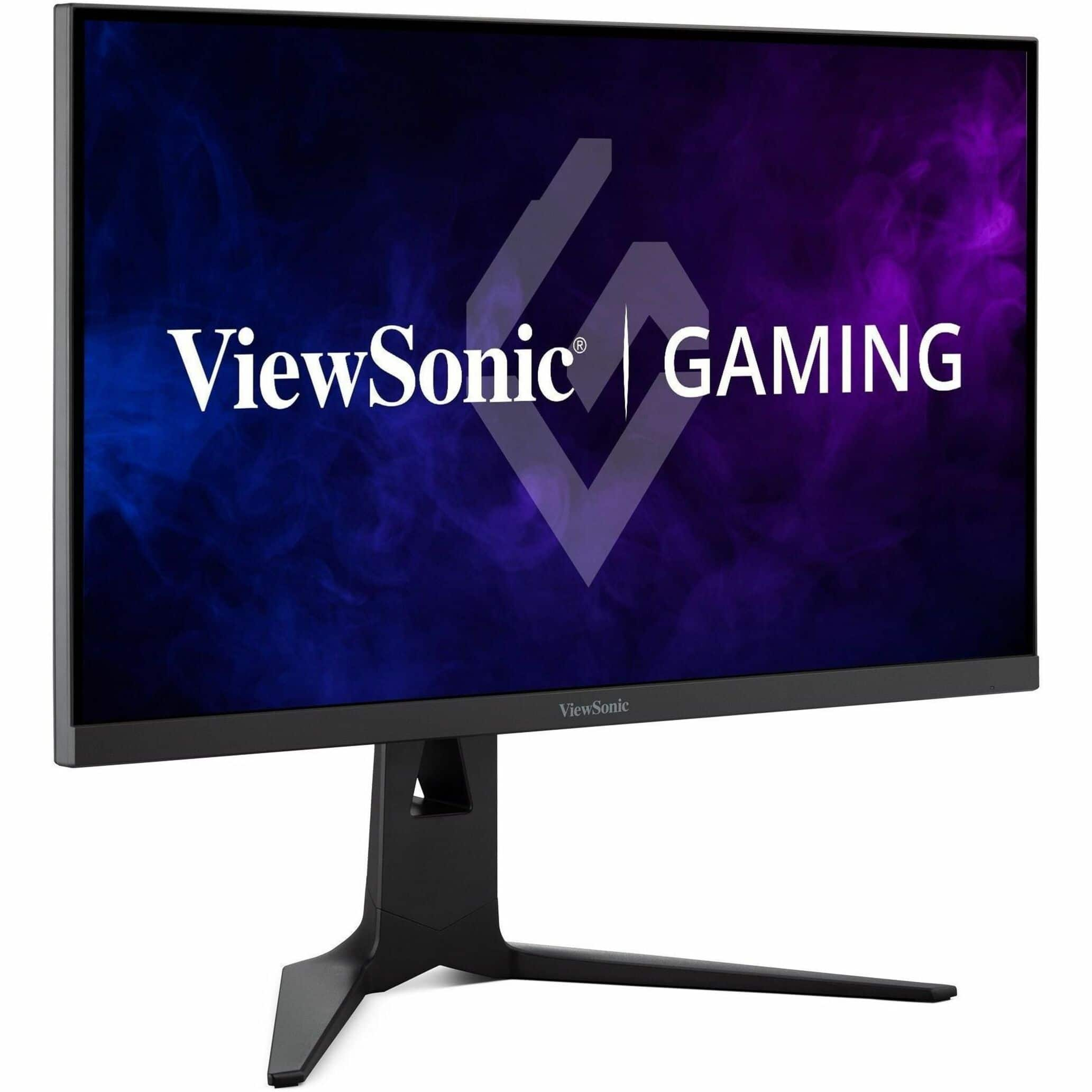
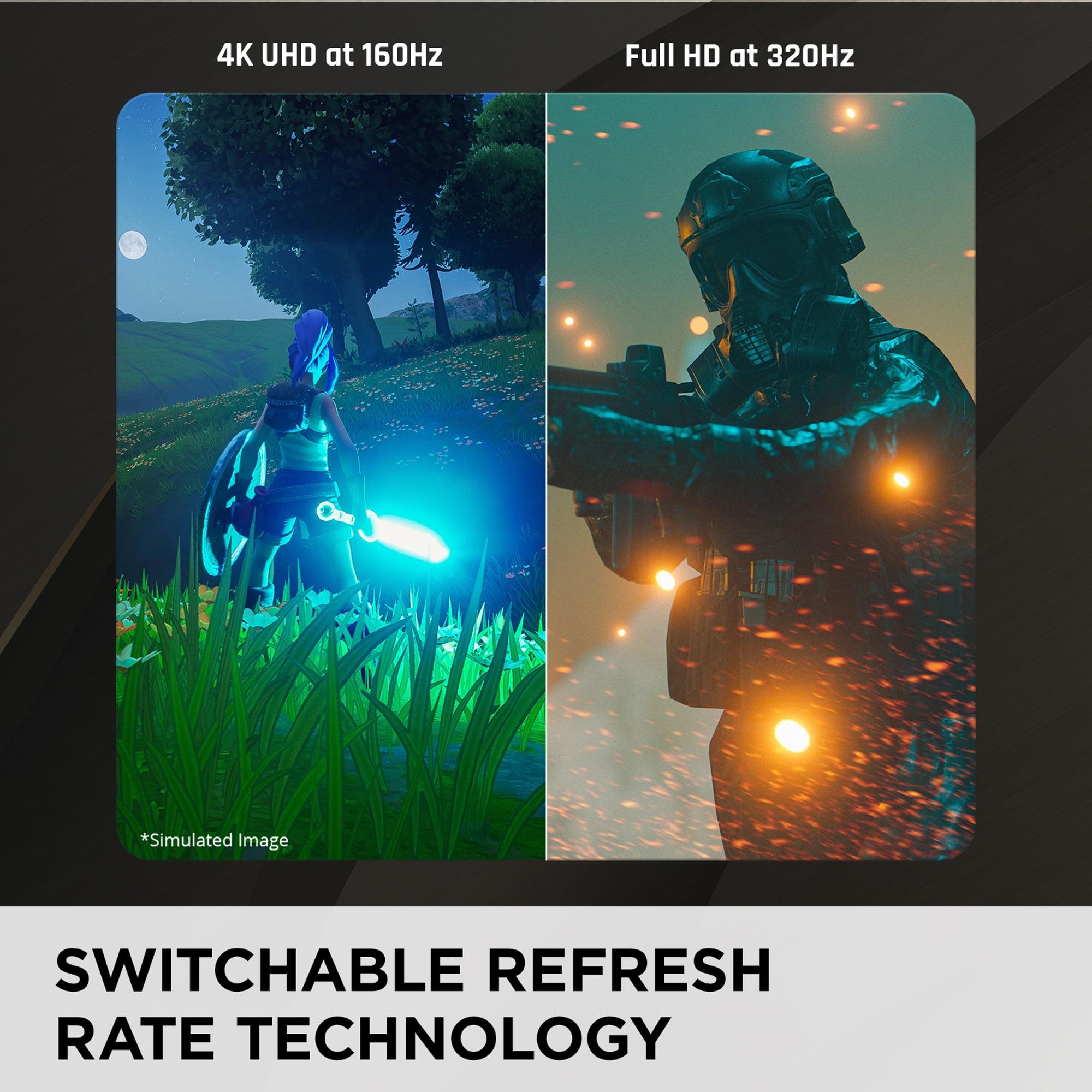
The ViewSonic XG275D-4K, released in 2024, represents a groundbreaking approach to gaming monitors. Instead of forcing users to choose between high resolution or high refresh rates, ViewSonic created something unprecedented: a monitor that can switch between two distinct operating modes with the press of a button.
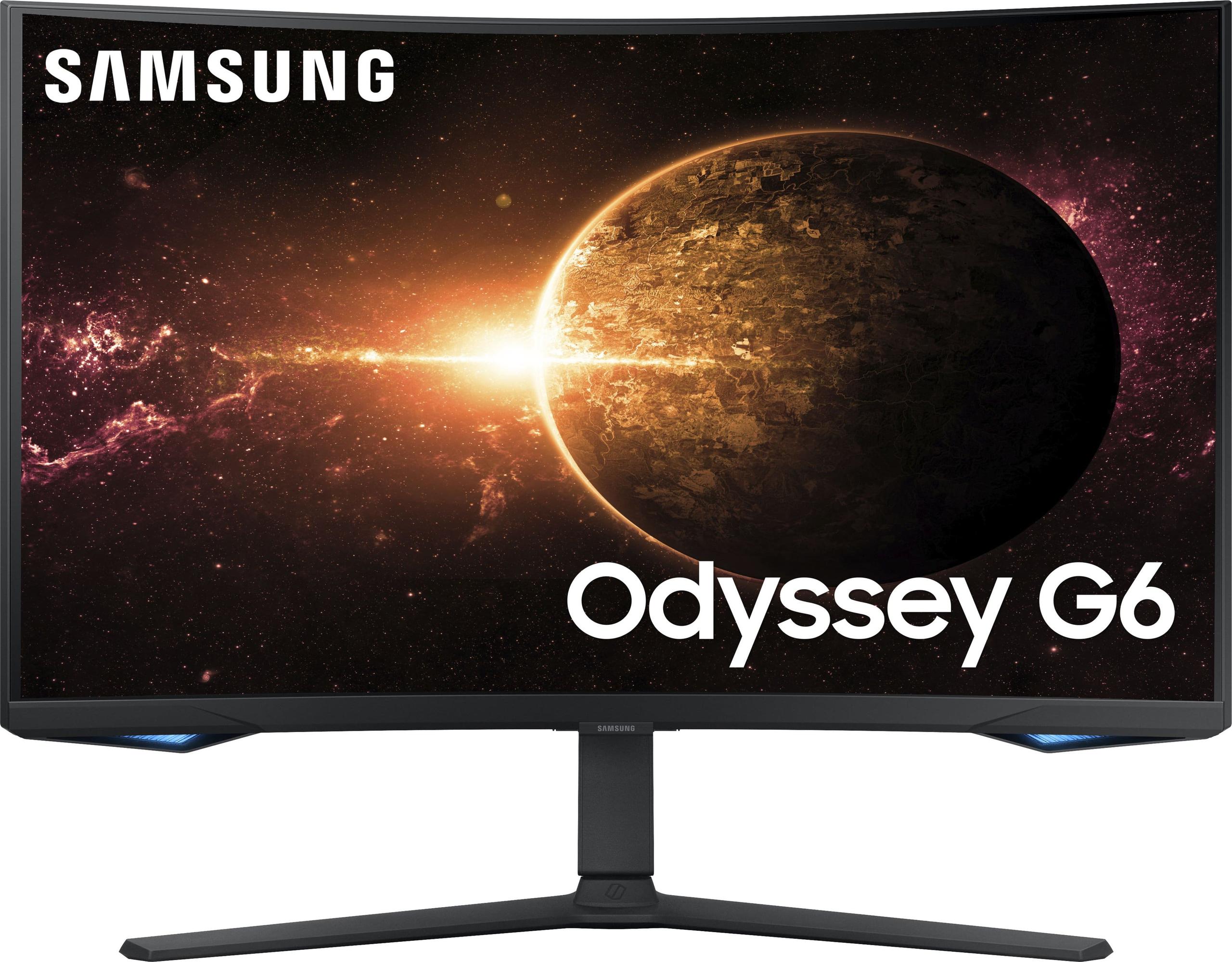
Meanwhile, the Samsung Odyssey G65B, also arriving in 2024, takes a more traditional but refined approach. It focuses on delivering consistent, immersive gaming performance through its curved design and optimized QHD resolution.
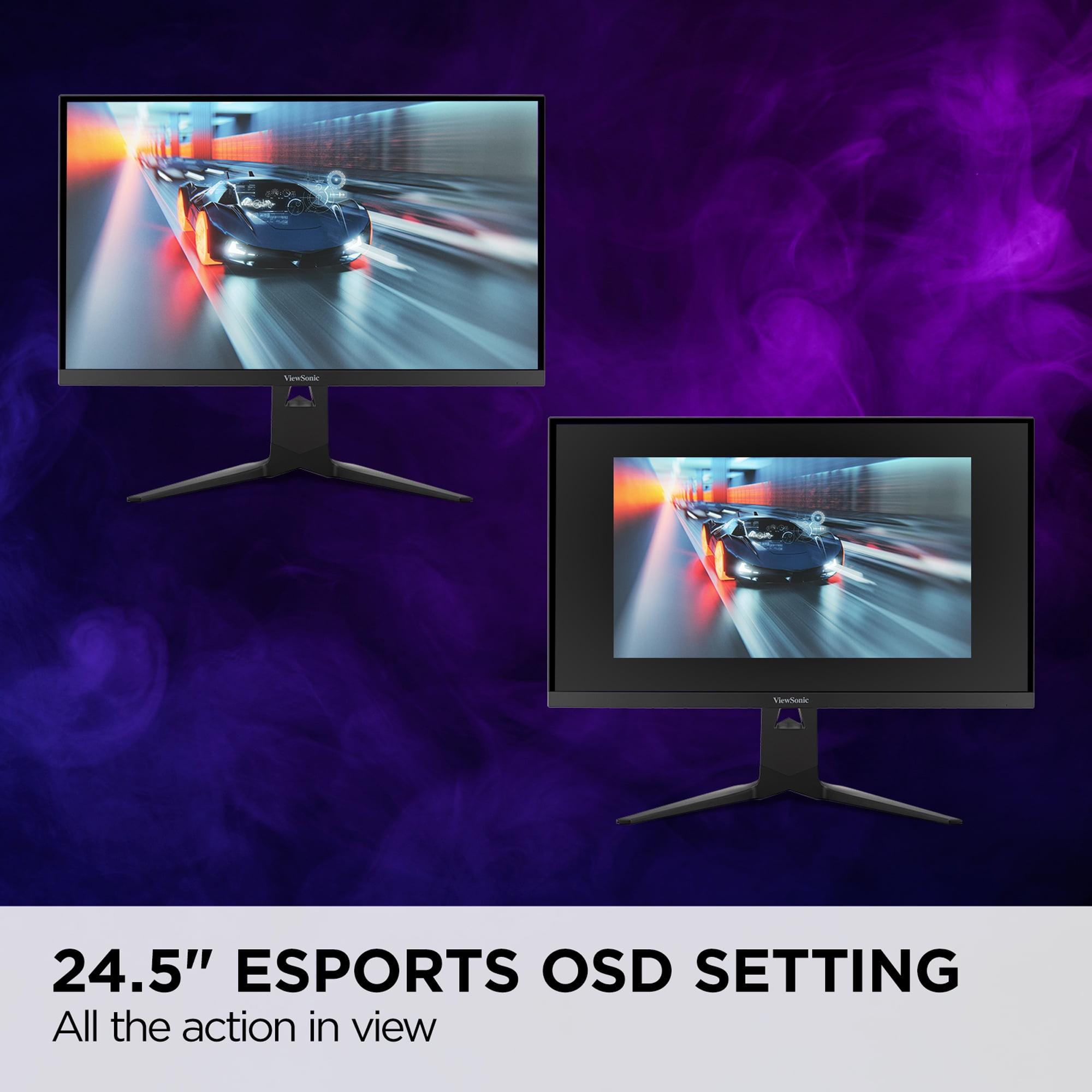
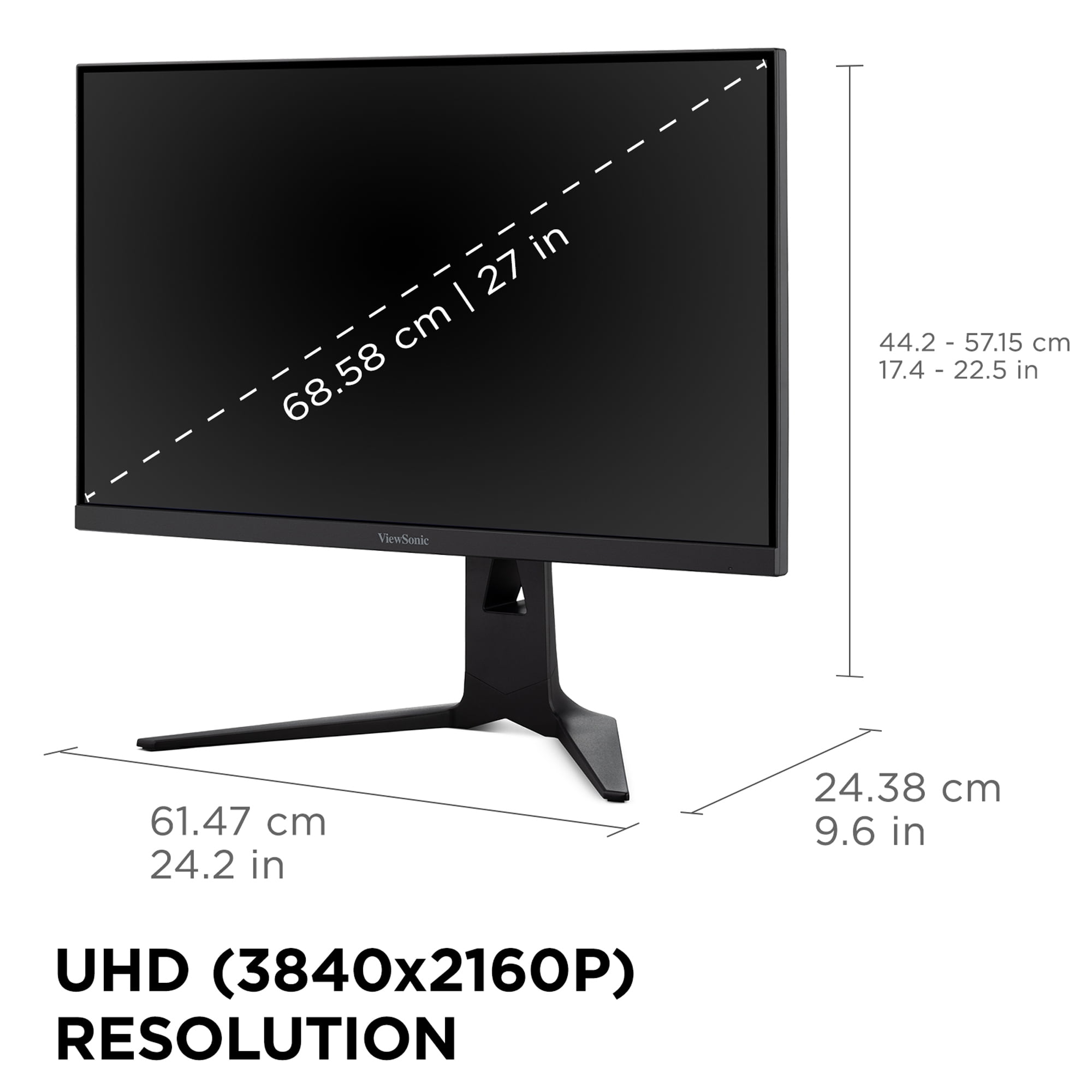
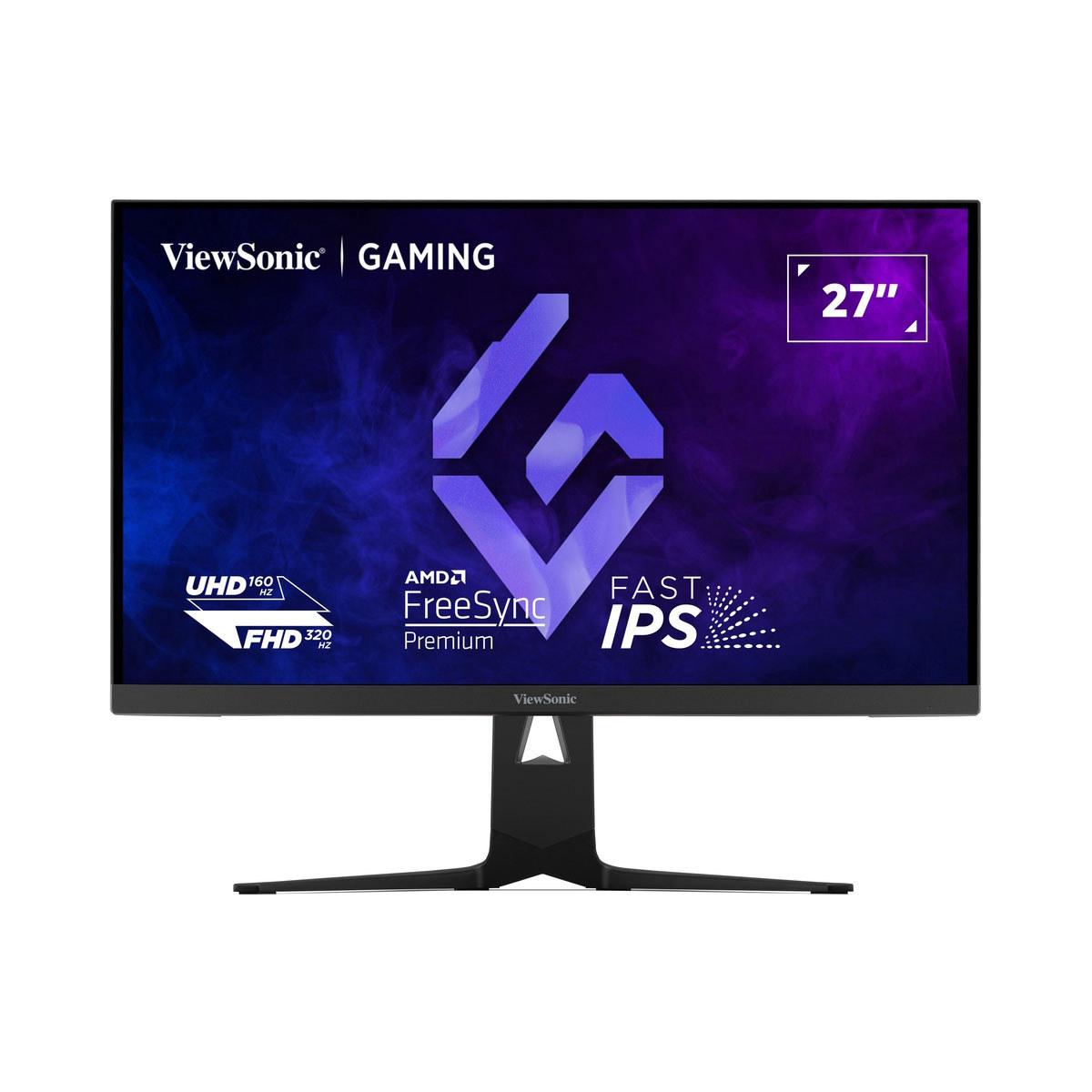
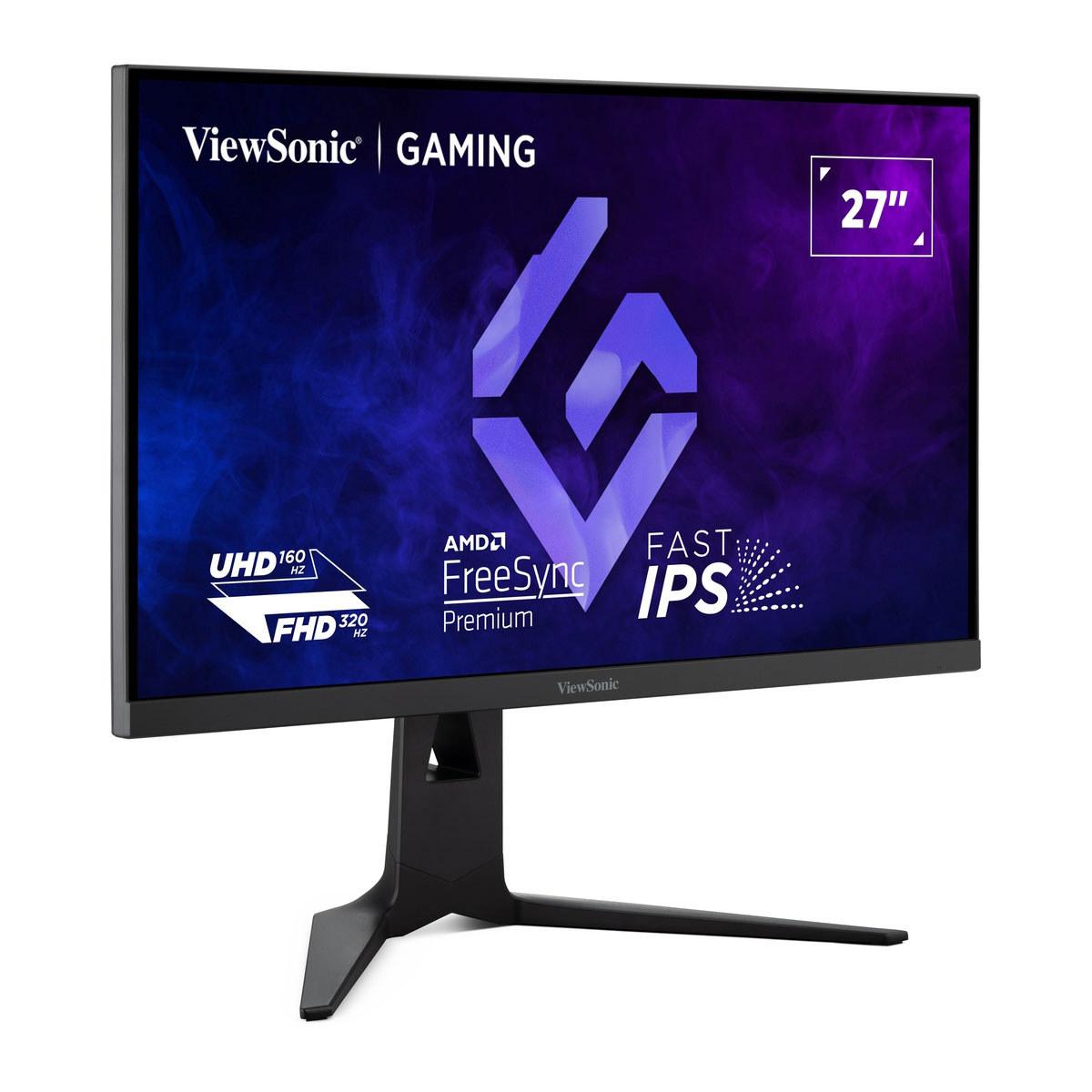
What makes the ViewSonic XG275D-4K truly special is its dual-mode capability. In 4K mode, you get the full 3840×2160 resolution running at 160Hz—perfect for exploring vast open worlds or enjoying cinematic single-player experiences. Switch to performance mode, and the monitor drops to 1080p resolution but cranks up the refresh rate to an incredible 320Hz.
This isn't just marketing fluff. That 320Hz refresh rate can provide a genuine competitive advantage in fast-paced esports titles. The difference between 240Hz and 320Hz might seem minimal on paper, but in practice, those extra frames per second can mean the difference between landing that crucial headshot or missing it entirely.
The switching process is remarkably seamless—just a button press and a few seconds of reconfiguration. I've found this particularly valuable when transitioning from a relaxed evening of exploring in Cyberpunk 2077 at 4K to a competitive session in Counter-Strike at 320Hz. It's like having two premium monitors in one package.
The ViewSonic uses a Fast IPS panel, which provides excellent color accuracy and wide viewing angles. IPS (In-Plane Switching) technology means the liquid crystals rotate in the same plane, maintaining color consistency even when viewed from the side. The monitor covers 94% of the DCI-P3 color space and 99% of sRGB, making it suitable for content creation work alongside gaming.
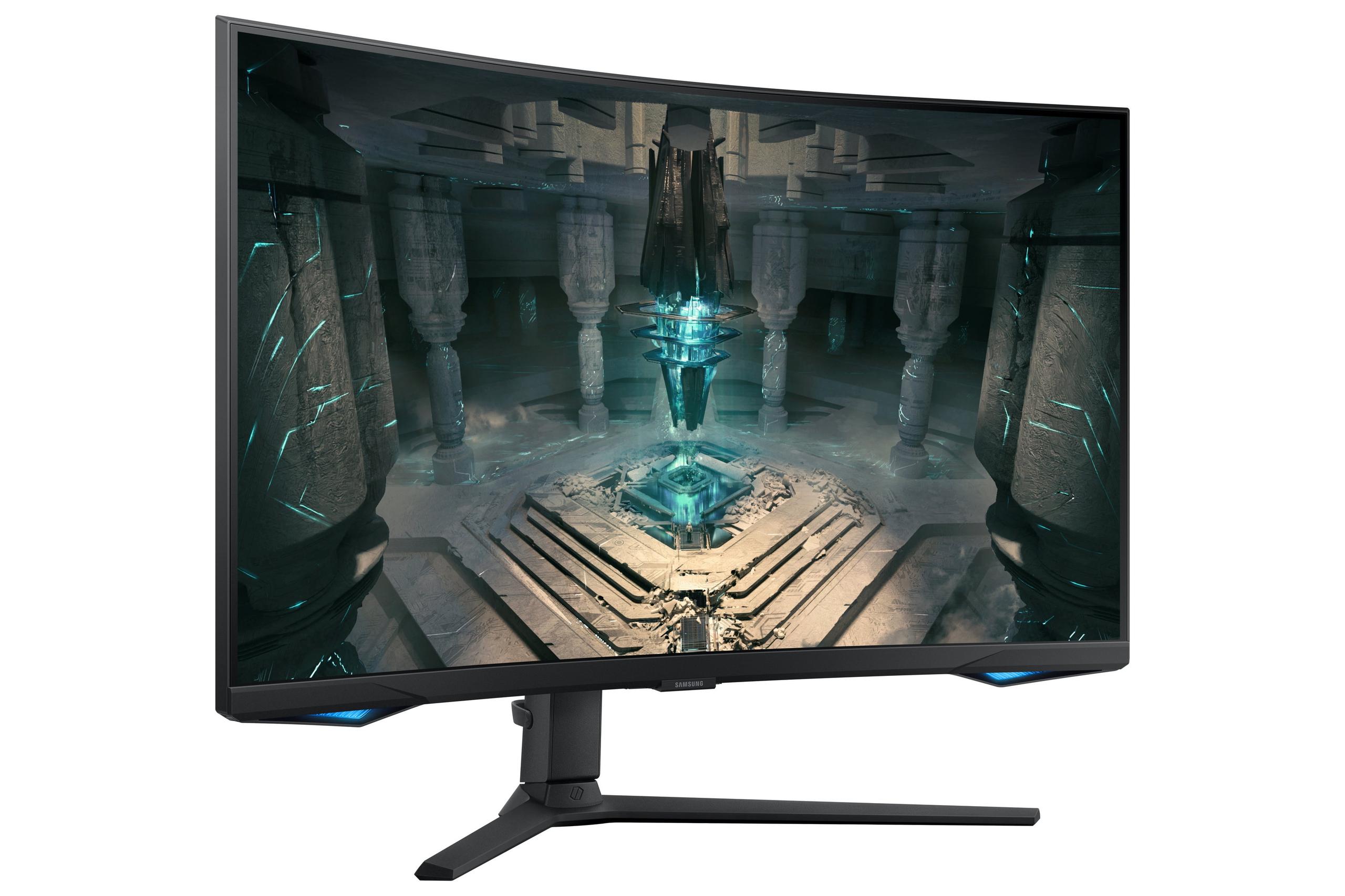
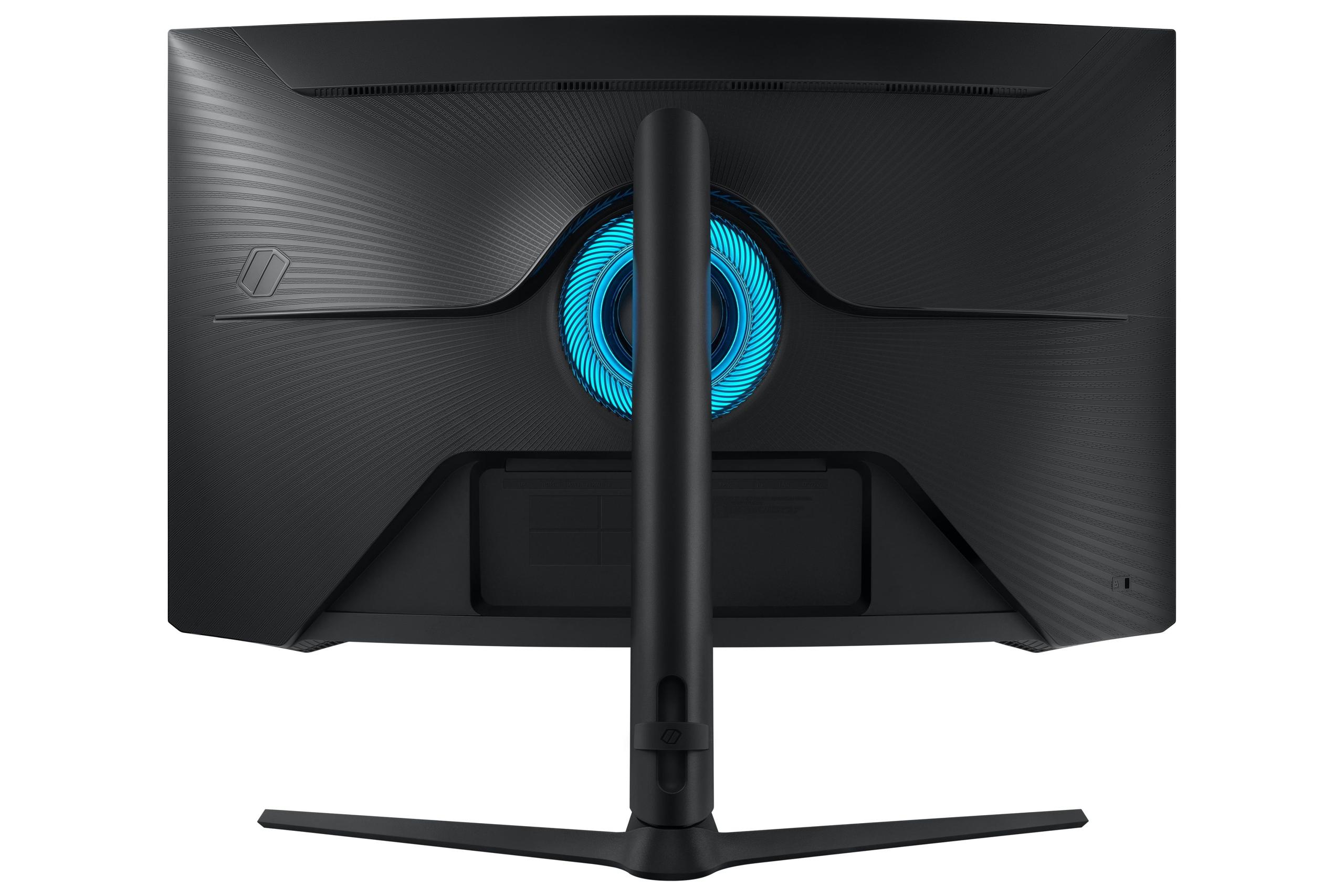
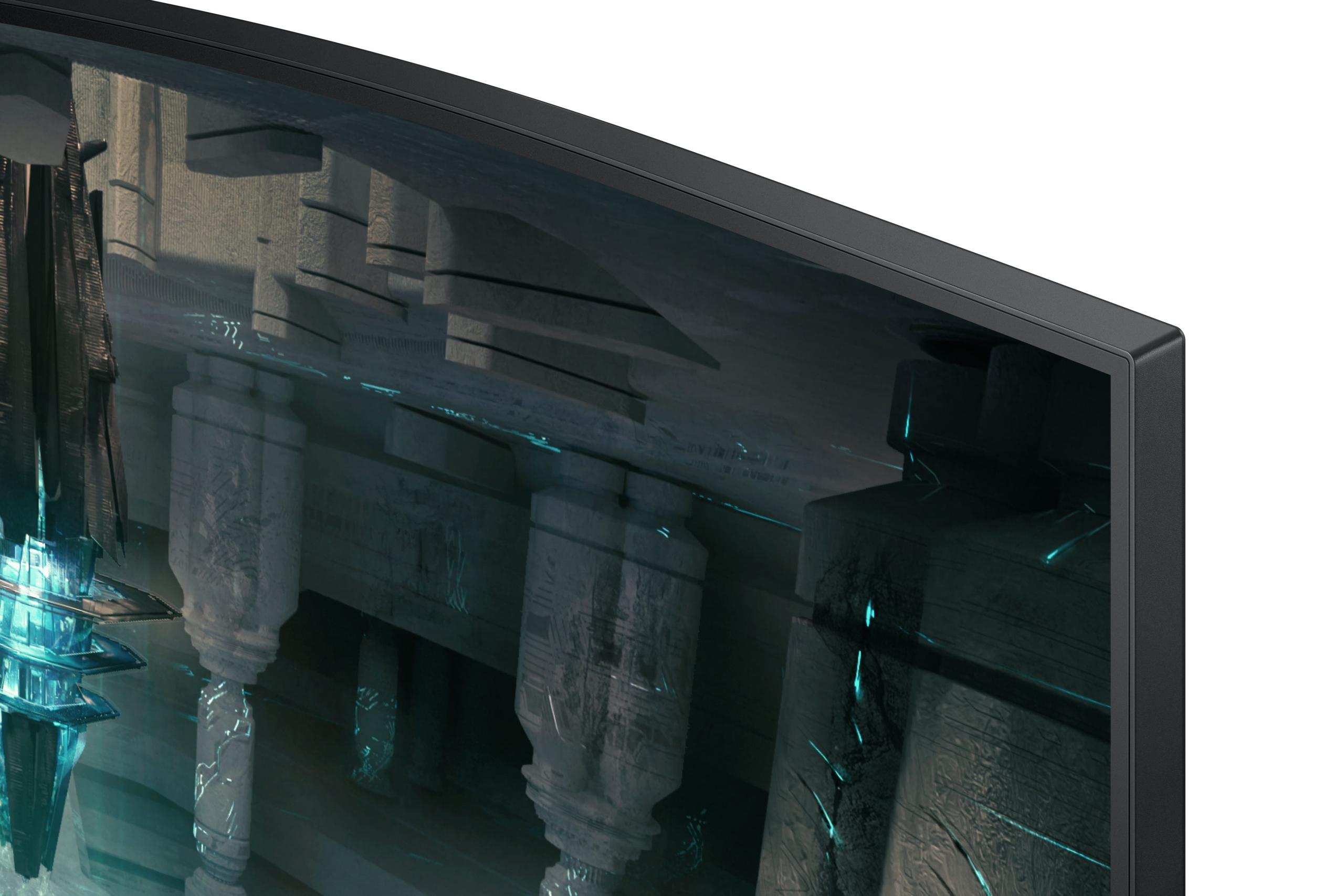
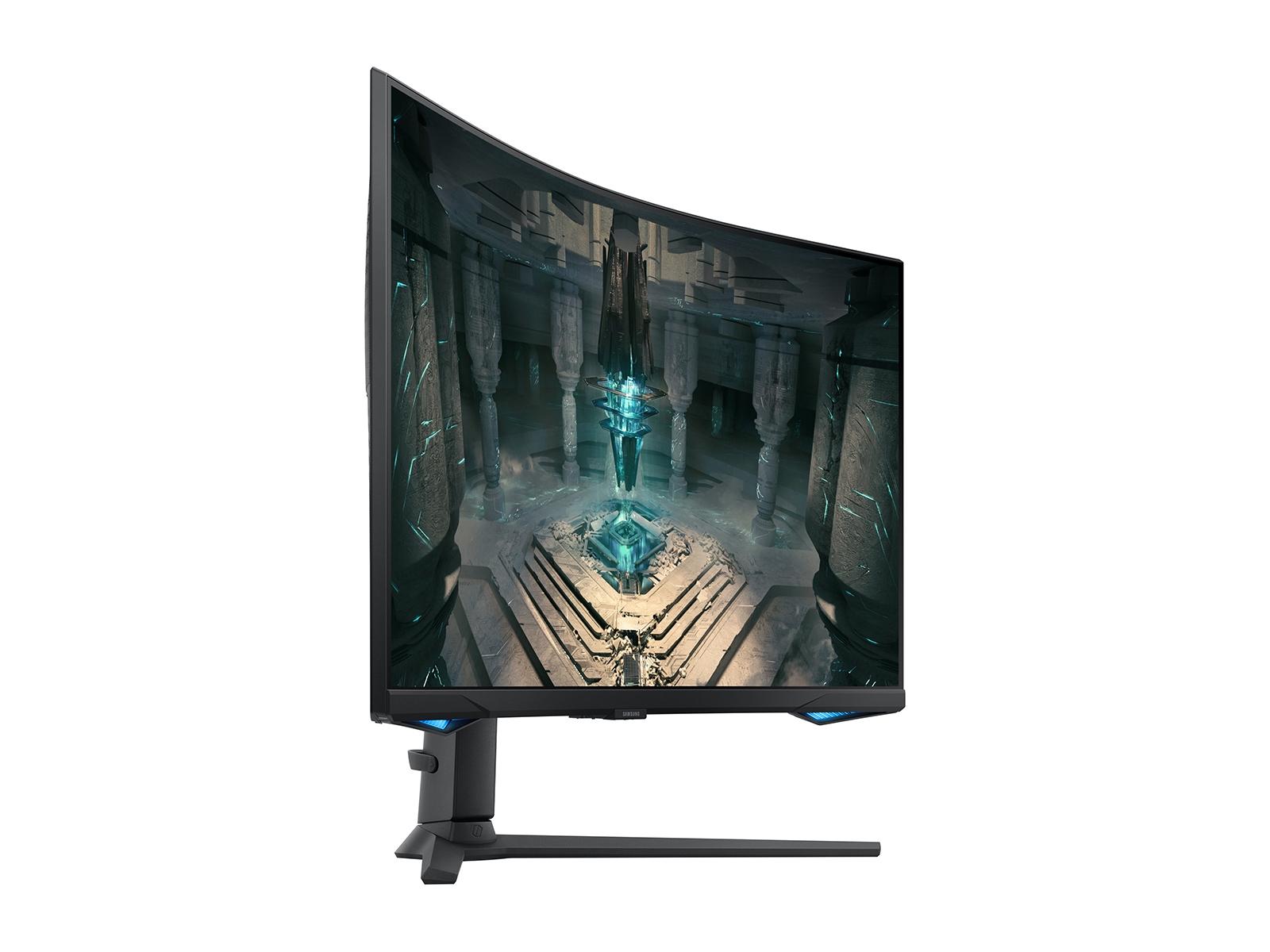
The Samsung Odyssey G65B takes a completely different approach. Its 1000R curvature means the screen curves at the same radius as your eye's natural field of view—1000mm, or about 3.3 feet. This creates a more immersive experience that can reduce eye strain during long gaming sessions.
The QHD resolution (2560×1440) represents the sweet spot for many gamers. It provides significantly more detail than 1080p while being much easier to drive than 4K. Most modern graphics cards can comfortably push high frame rates at 1440p, making the G65B's 240Hz refresh rate more accessible to a broader range of systems.
Samsung chose a VA (Vertical Alignment) panel for the G65B, which offers superior contrast ratios compared to IPS panels. VA panels can achieve deeper blacks because they can more effectively block backlight when displaying dark content. This makes them particularly well-suited for gaming in darker environments or for games with dramatic lighting effects.
Motion clarity is where these monitors truly differentiate themselves. The ViewSonic XG275D-4K boasts a 0.5ms MPRT (Moving Picture Response Time), which measures how long a pixel remains visible during motion. This ultra-fast response time, combined with its variable refresh rates, creates exceptional motion clarity.
In my testing, fast-moving objects in games like Rocket League and Apex Legends appeared noticeably sharper on the ViewSonic in its 320Hz mode compared to traditional 240Hz displays. The difference becomes most apparent when tracking enemies across the screen or during rapid camera movements.
The Samsung G65B offers a 1ms gray-to-gray response time, which is excellent for a VA panel. VA panels traditionally suffered from slower response times, but modern gaming VA panels have largely overcome this limitation. However, the curved design of the Samsung can create slight uniformity issues near the edges, though this is rarely noticeable during gaming.
Color reproduction is where the ViewSonic XG275D-4K shines. Its IPS panel delivers more accurate colors out of the box, making it better suited for content creation or professional work. The monitor supports HDR10, though with a peak brightness of around 300-350 nits, its HDR performance is more about expanded color gamuts than dramatic brightness improvements.
The Samsung G65B, while offering impressive contrast thanks to its VA panel, may not match the color accuracy of the ViewSonic. However, that higher contrast ratio makes dark scenes more impactful, which can be particularly beneficial for atmospheric games or movie watching.
Here's where things get interesting. When you're gaming at 4K on the ViewSonic, you're getting incredible detail and clarity. Text is razor-sharp, textures show every detail, and the overall image quality is stunning. However, 4K gaming demands serious graphics horsepower. Even high-end cards like the RTX 4080 or RX 7900 XTX may struggle to maintain consistent high frame rates in demanding games at 4K.
The Samsung G65B's QHD resolution is much more forgiving. Most modern mid-range to high-end graphics cards can comfortably push 240fps in competitive games at 1440p. This makes the full potential of the monitor more accessible to a broader range of users.
When the ViewSonic switches to its 1080p mode, you're getting that incredible 320Hz refresh rate, but the image quality takes a hit. Since it's scaling 1080p content on a 4K panel, there can be some softness compared to a native 1080p display. However, the competitive advantage of 320Hz often outweighs this image quality compromise.
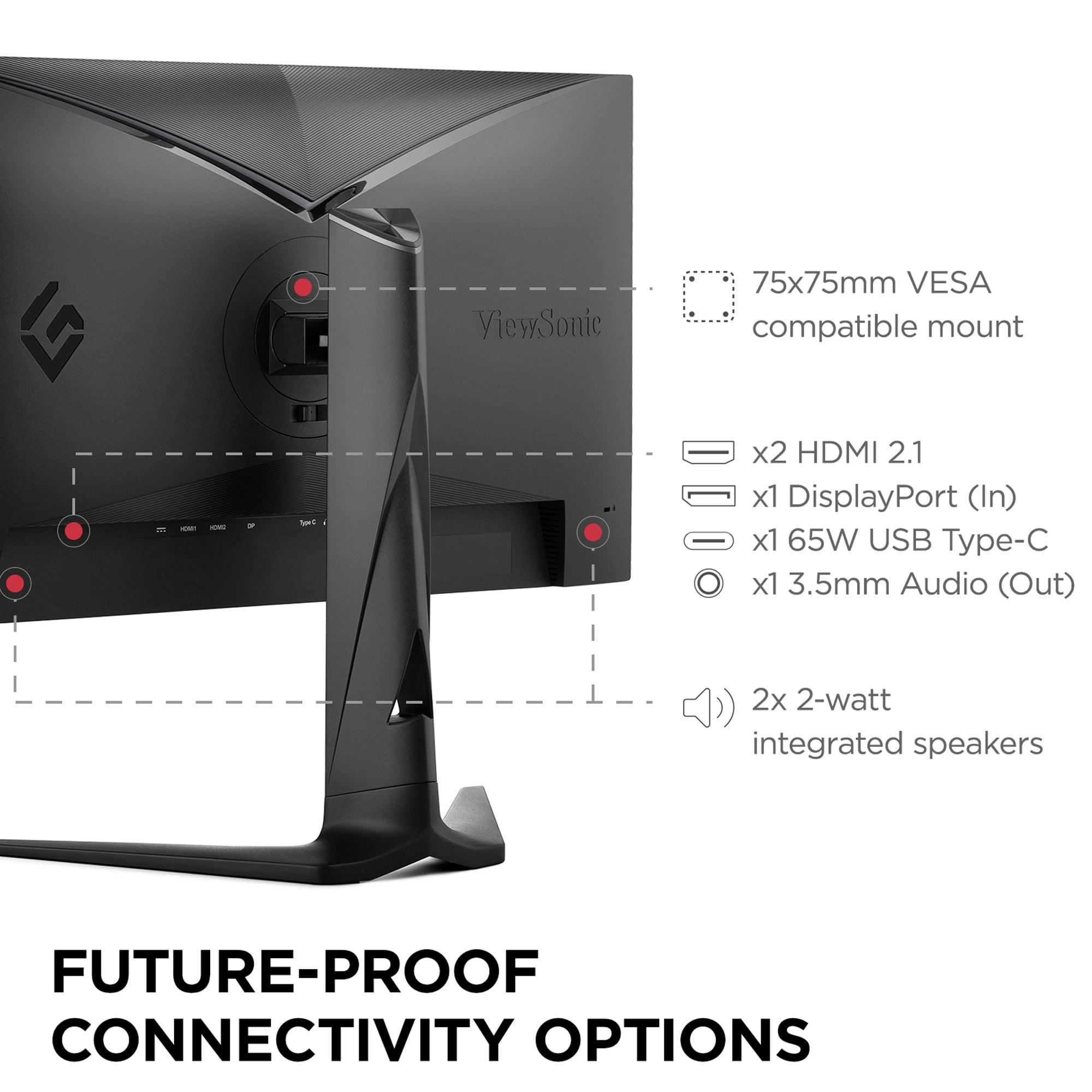
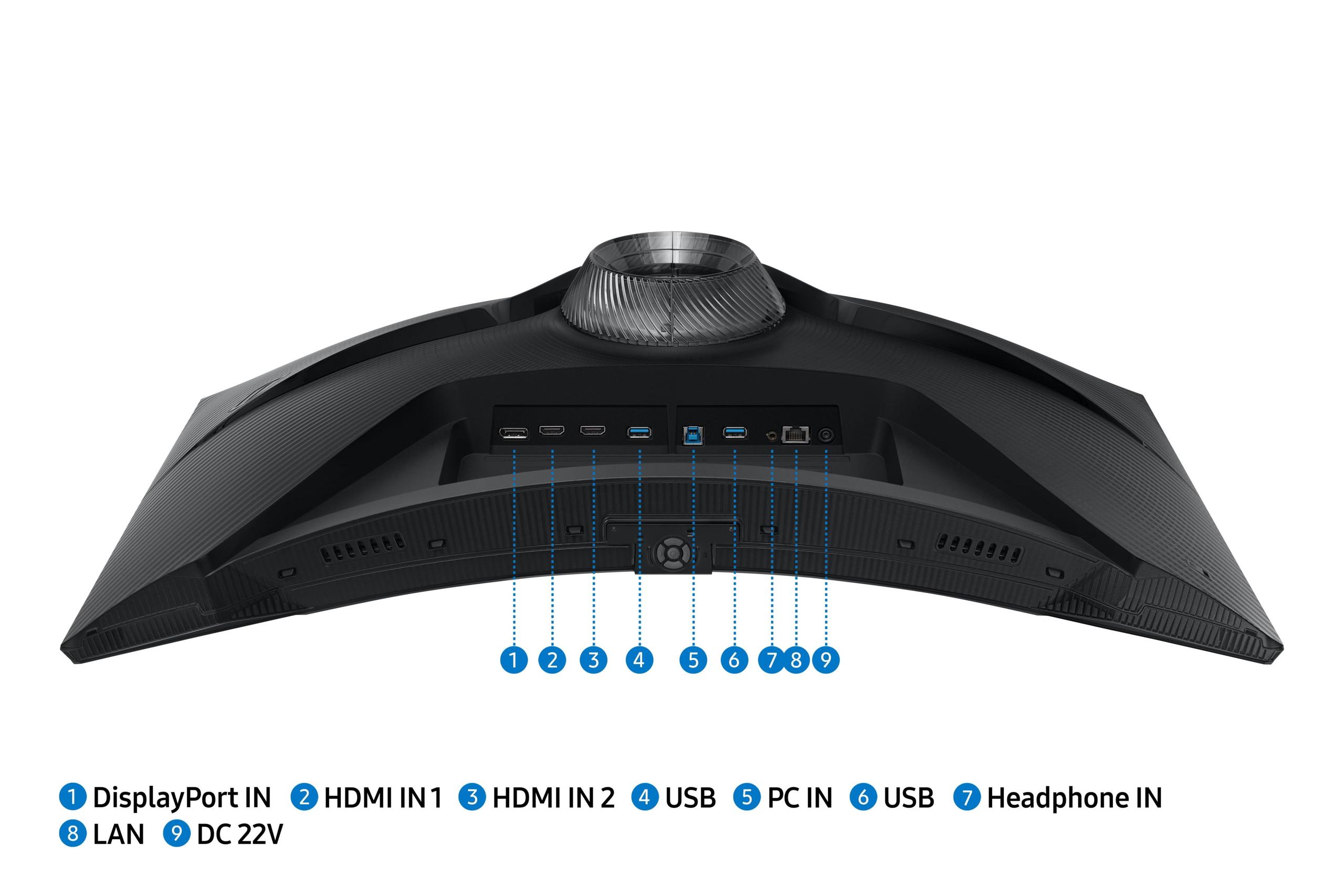
The ViewSonic XG275D-4K excels in connectivity options. It includes two HDMI 2.1 ports, DisplayPort 1.4, and a USB-C port with 65W power delivery. This USB-C connection is particularly valuable for laptop users—you can connect your gaming laptop with a single cable that handles video, data, and charging simultaneously.
The dual HDMI 2.1 ports mean you can connect both a PlayStation 5 and Xbox Series X while still having the DisplayPort free for your PC. HDMI 2.1 supports the full bandwidth needed for 4K gaming at high refresh rates, making it essential for next-generation console gaming.
The Samsung G65B offers more traditional gaming monitor connectivity, focusing on the essentials without the premium features like USB-C power delivery. This keeps costs down while still providing what most gamers need.
At the time of writing, the ViewSonic XG275D-4K commands a premium price that reflects its innovative dual-mode technology and comprehensive feature set. You're essentially paying for two monitors in one, plus the convenience of not needing to switch between displays for different use cases.
The Samsung Odyssey G65B positions itself as a more accessible entry into high-refresh gaming. It offers excellent performance at QHD resolution without the complexity or cost of dual-mode operation.
From a value perspective, the ViewSonic makes more sense for users who genuinely need both high-resolution and high-refresh capabilities. If you're primarily focused on competitive gaming at QHD resolution, the Samsung offers better value.
For home theater use, both monitors have their merits, though neither is specifically designed for this purpose. The ViewSonic XG275D-4K's 4K resolution makes it suitable for watching 4K content, and its color accuracy ensures movies look as intended. However, its 27-inch size limits its home theater appeal.
The Samsung G65B's curved design can enhance movie immersion, and its VA panel's superior contrast makes it better for watching content in dark rooms. The deeper blacks and higher contrast ratio create a more cinematic experience compared to typical IPS panels.
Both monitors include decent built-in speakers for casual use, but serious home theater enthusiasts will want to invest in dedicated audio solutions.
You're a versatile user who wants the best of both worlds. Content creators will appreciate the 4K resolution and color accuracy for editing work, while the 320Hz mode satisfies competitive gaming needs. The comprehensive connectivity, including USB-C power delivery, makes it ideal for mixed-use scenarios.
The ViewSonic also makes sense for users who frequently switch between game types—perhaps enjoying single-player adventures in 4K and competitive multiplayer at 320Hz. If you value cutting-edge technology and don't mind paying extra for flexibility, this is your monitor.
You're primarily focused on gaming and want excellent performance without complexity. The curved design enhances immersion for most gaming genres, and the QHD resolution hits the sweet spot for performance and visual quality.
The Samsung G65B is perfect for users who want straightforward, consistent performance. If you don't need 4K for work or content creation, and you prefer the simplicity of a single, optimized gaming mode, Samsung's offering provides excellent value.
Both monitors represent excellent choices within their respective philosophies. The ViewSonic XG275D-4K pushes the boundaries of what a gaming monitor can be, offering unprecedented flexibility at a premium price. Its dual-mode operation genuinely solves real-world problems for users who need both high resolution and high refresh rates.
The Samsung Odyssey G65B proves that traditional approaches still have merit. Its focused design delivers consistent, immersive gaming performance at an accessible price point.
Your choice ultimately depends on your priorities: flexibility and future-proofing with the ViewSonic, or focused gaming excellence and value with the Samsung. Both will serve their intended users exceptionally well, representing different but equally valid approaches to high-performance gaming displays.
The gaming monitor market continues to evolve rapidly, and both of these 2024 releases show how manufacturers are pushing boundaries in different directions. Whether you choose the innovative ViewSonic XG275D-4K or the refined Samsung Odyssey G65B, you'll be getting a display that represents the current pinnacle of gaming monitor technology.
| ViewSonic XG275D-4K 27" 4K UHD 320Hz Gaming Monitor | Samsung Odyssey G65B 27" QHD 240Hz Curved Gaming Monitor |
|---|---|
| Display Resolution - Higher resolution provides sharper images but demands more graphics power | |
| 4K UHD (3840×2160) - Premium resolution for detailed visuals | QHD (2560×1440) - Sweet spot balancing performance and image quality |
| Maximum Refresh Rate - Higher rates provide smoother motion and competitive advantages | |
| 320Hz at 1080p / 160Hz at 4K - Dual-mode flexibility | 240Hz at native QHD - Consistent high refresh performance |
| Panel Technology - Affects color accuracy, contrast, and viewing angles | |
| Fast IPS - Superior color accuracy and wide viewing angles | VA - Higher contrast ratio with deeper blacks |
| Response Time - Lower times reduce motion blur in fast-paced games | |
| 0.5ms MPRT - Exceptional motion clarity | 1ms Gray-to-Gray - Excellent for competitive gaming |
| Design Philosophy - Impacts immersion and desk space usage | |
| Flat 27" display - Better for productivity and multi-monitor setups | 1000R curved - Enhanced gaming immersion and eye comfort |
| HDR Support - Improves contrast and color range in supported content | |
| HDR10 with 300-350 nits peak brightness - Entry-level HDR | DisplayHDR 600 - Better HDR performance with higher brightness |
| Connectivity Options - Determines device compatibility and convenience | |
| 2× HDMI 2.1, DisplayPort 1.4, USB-C with 65W power delivery | 2× HDMI 2.1, DisplayPort 1.4, standard gaming connections |
| Color Coverage - Important for content creation and accurate visuals | |
| 94% DCI-P3, 99% sRGB - Professional-grade color accuracy | Standard gaming color coverage - Optimized for gaming |
| Key Innovation - What sets each monitor apart from competitors | |
| Switchable dual-mode operation between resolutions/refresh rates | Traditional curved gaming focus with smart features |
| Ideal User Profile - Who benefits most from each monitor's strengths | |
| Versatile users needing both 4K productivity and 320Hz competitive gaming | Focused gamers wanting immersive QHD gaming experience |
| Value Proposition - Cost consideration relative to features offered | |
| Premium pricing for dual-mode innovation and comprehensive connectivity | Competitive pricing for high-refresh curved gaming performance |
The ViewSonic XG275D-4K offers a significant advantage for competitive gaming with its 320Hz refresh rate in 1080p mode and ultra-fast 0.5ms response time. This provides smoother motion and reduced input lag compared to the Samsung Odyssey G65B's 240Hz refresh rate. However, the Samsung's curved design can enhance immersion for certain competitive titles.
The primary difference is resolution and flexibility. The ViewSonic XG275D-4K features dual-mode operation, switching between 4K at 160Hz and 1080p at 320Hz, while the Samsung Odyssey G65B focuses on consistent QHD (1440p) gaming at 240Hz with a curved 1000R display for enhanced immersion.
The ViewSonic XG275D-4K delivers superior image quality with its 4K resolution and IPS panel offering better color accuracy (94% DCI-P3 coverage). The Samsung G65B provides good image quality at QHD resolution with deeper blacks thanks to its VA panel technology, though with less overall detail than 4K.
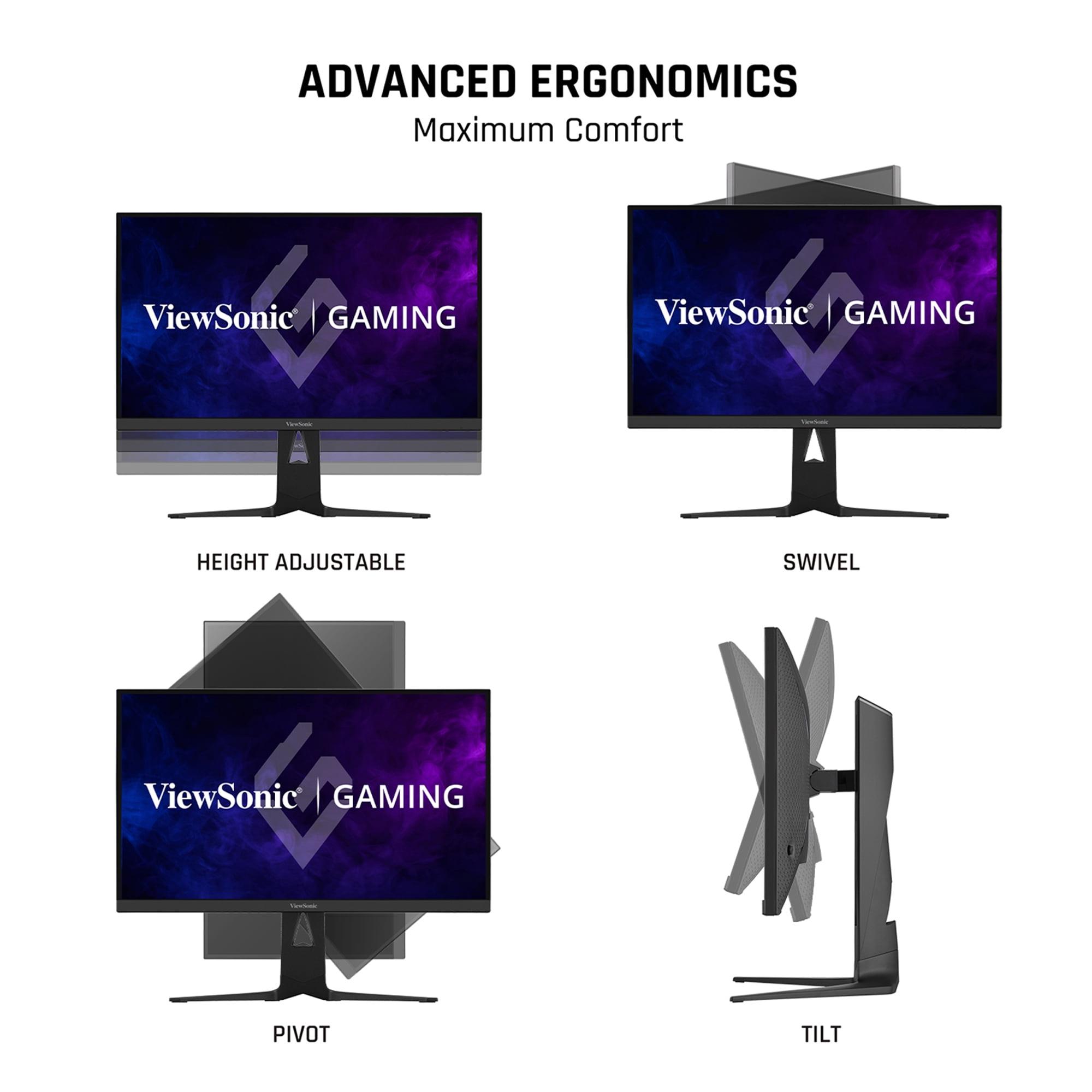
The Samsung Odyssey G65B's 1000R curve can enhance gaming immersion by wrapping the display around your field of view, potentially reducing eye strain during long sessions. The flat ViewSonic XG275D-4K is better for productivity work and multi-monitor setups but doesn't offer the same immersive gaming experience.
Both monitors support HDMI 2.1 for next-gen consoles, but the ViewSonic XG275D-4K is better suited for PlayStation 5 and Xbox Series X due to its native 4K resolution. The Samsung G65B works well with consoles but you won't utilize the full 4K capabilities of modern gaming systems.
The Samsung Odyssey G65B is more accessible, requiring mid-range to high-end cards (RTX 4060 Ti or better) to reach 240fps at 1440p. The ViewSonic XG275D-4K needs powerful graphics cards (RTX 4080 or better) for 4K gaming, though its 1080p mode is easier to drive at high frame rates.
The ViewSonic XG275D-4K offers superior connectivity with USB-C power delivery (65W), dual HDMI 2.1 ports, and DisplayPort 1.4. This makes it ideal for laptop users and multi-device setups. The Samsung G65B provides standard gaming connectivity without the premium USB-C features.
The ViewSonic XG275D-4K excels for productivity with its 4K resolution providing sharp text and detailed images, plus excellent color accuracy for content creation. The Samsung Odyssey G65B can handle productivity tasks but the curved design and lower resolution make it less ideal for professional work.
Value depends on your needs. The Samsung Odyssey G65B typically offers better value for focused gaming at QHD resolution. The ViewSonic XG275D-4K provides premium value if you need both 4K productivity capabilities and high-refresh competitive gaming in one device.
The ViewSonic XG275D-4K has a faster 0.5ms MPRT response time compared to the Samsung G65B's 1ms gray-to-gray response time. Both are excellent for gaming, but the ViewSonic provides slightly better motion clarity in fast-paced competitive titles.
For immersive single-player gaming, it depends on preference. The ViewSonic XG275D-4K offers stunning 4K detail for exploring game worlds, while the Samsung Odyssey G65B's curved design and higher contrast VA panel create a more cinematic, immersive experience at QHD resolution.
The ViewSonic XG275D-4K is better for streaming 4K content with its native resolution and accurate colors. The Samsung G65B provides a more immersive movie experience with its curved screen and superior contrast from the VA panel, making it excellent for watching content in darker rooms despite the lower resolution.
We've done our best to create useful and informative comparisons to help you decide what product to buy. Our research uses advanced automated methods to create this comparison and perfection is not possible - please contact us for corrections or questions. These are the sites we've researched in the creation of this article: cgmagonline.com - gamingshogun.com - techpowerup.com - notebookcheck.net - bestbuy.com - newegg.com - techpowerup.com - shi.com - viewsonic.com - viewsonic.com - prnewswire.com - viewsonic.com - viewsonic.com - shop.avispl.com - guru3d.com - viewsonic.com - viewsonic.com - viewsonic.com - viewsonic.com - bestbuy.com - versus.com - uk.shi.com - youtube.com - youtube.com - displayspecifications.com - rtings.com - versus.com - samsung.com - rtings.com - businessdirect.bt.com - productchart.com - samsung.com - displayspecifications.com - gradeatechnology.co.uk - samsung.com - bestbuy.com - samsung.com - samsung.com

Privacy Policy
Terms and Conditions - Affiliate Policy
Home Security
© Copyright 2008-2026.
11816 Inwood Rd #1211, Dallas, TX 75244