

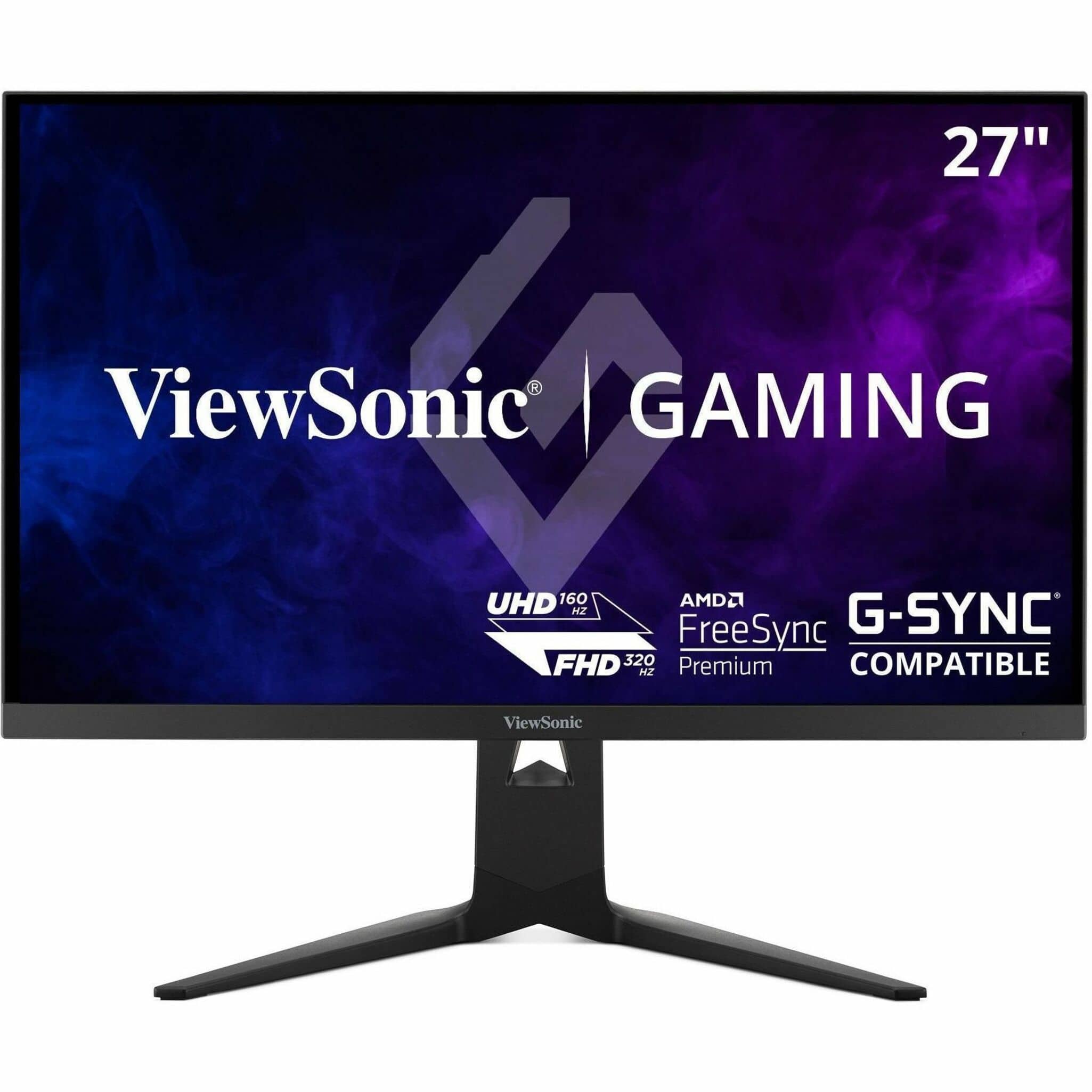
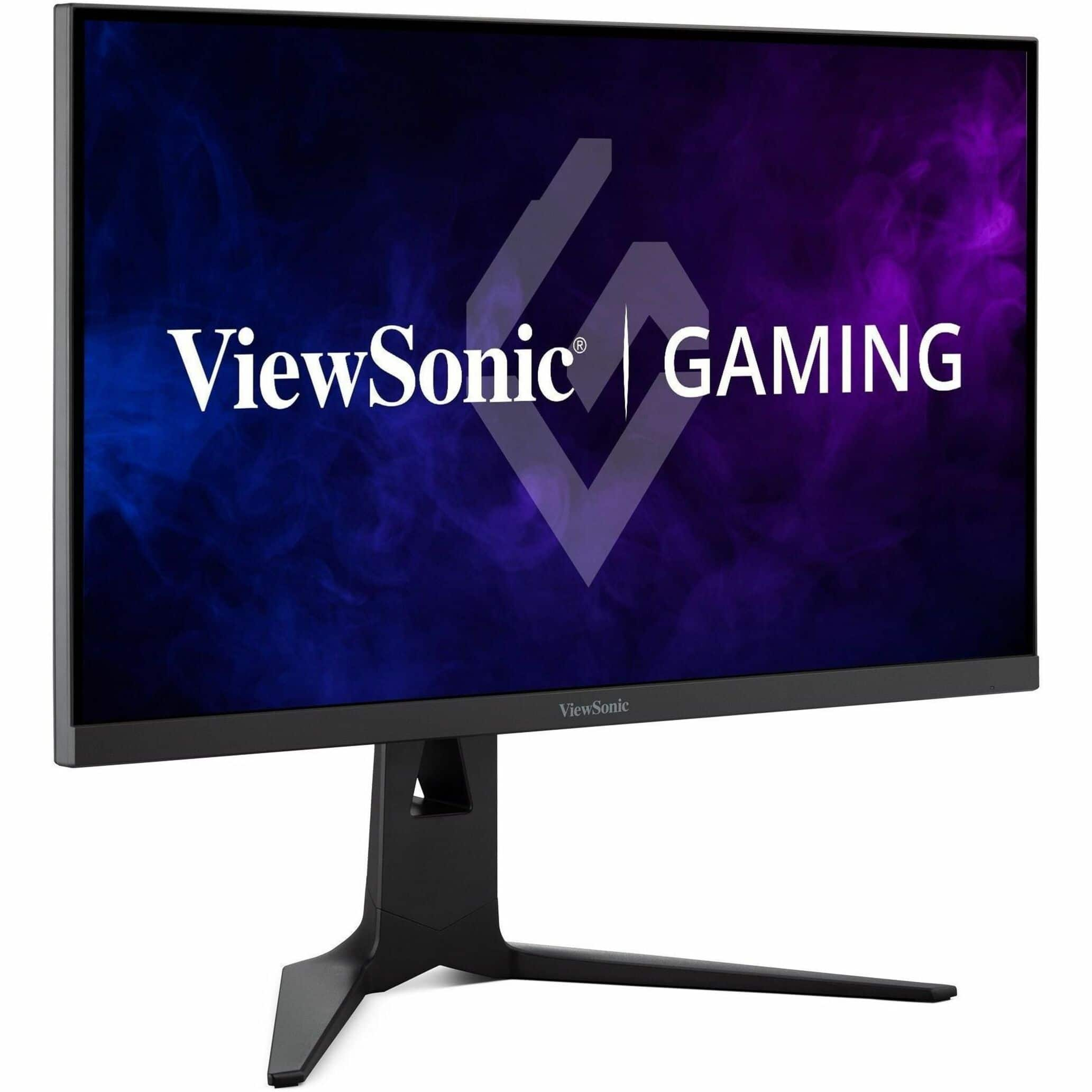
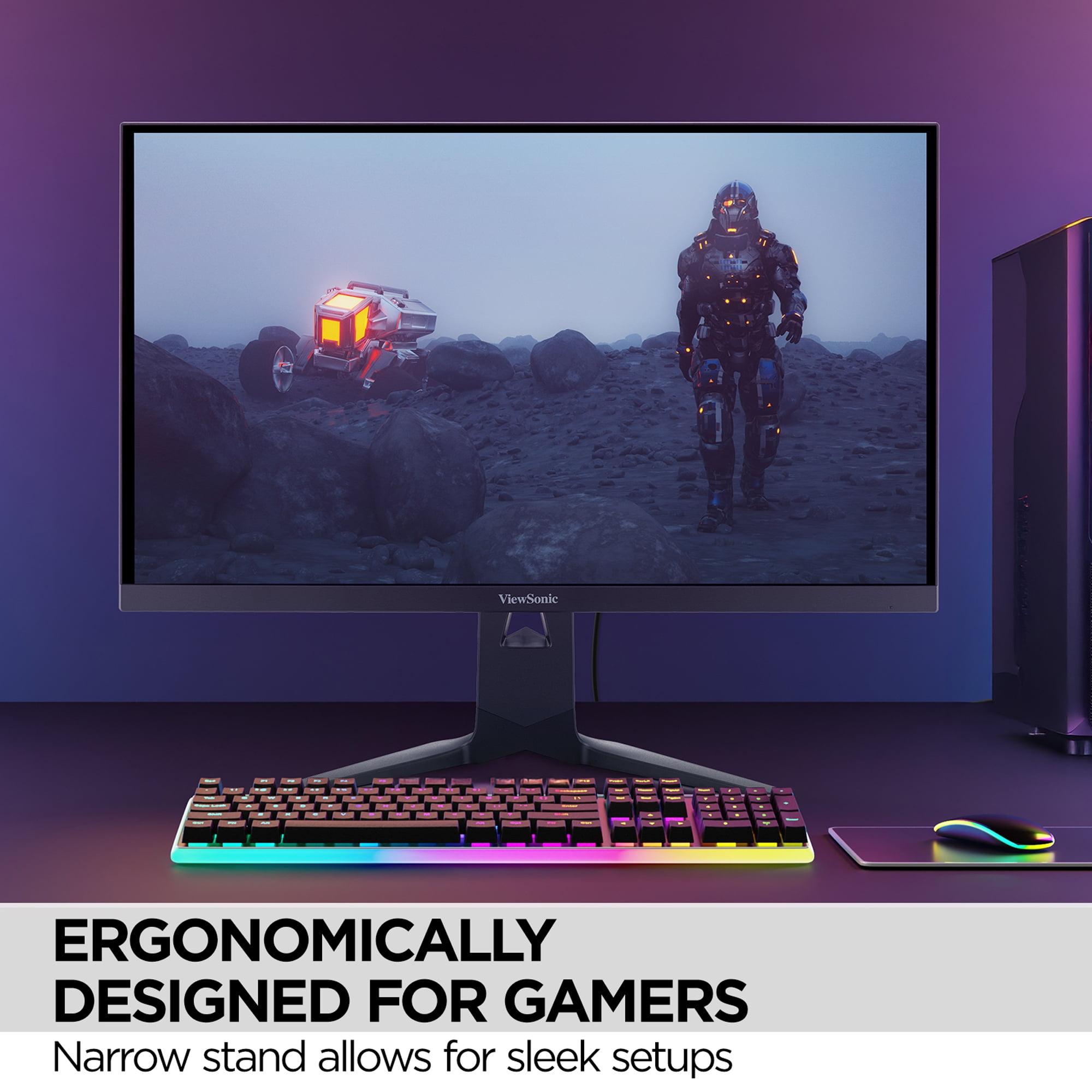



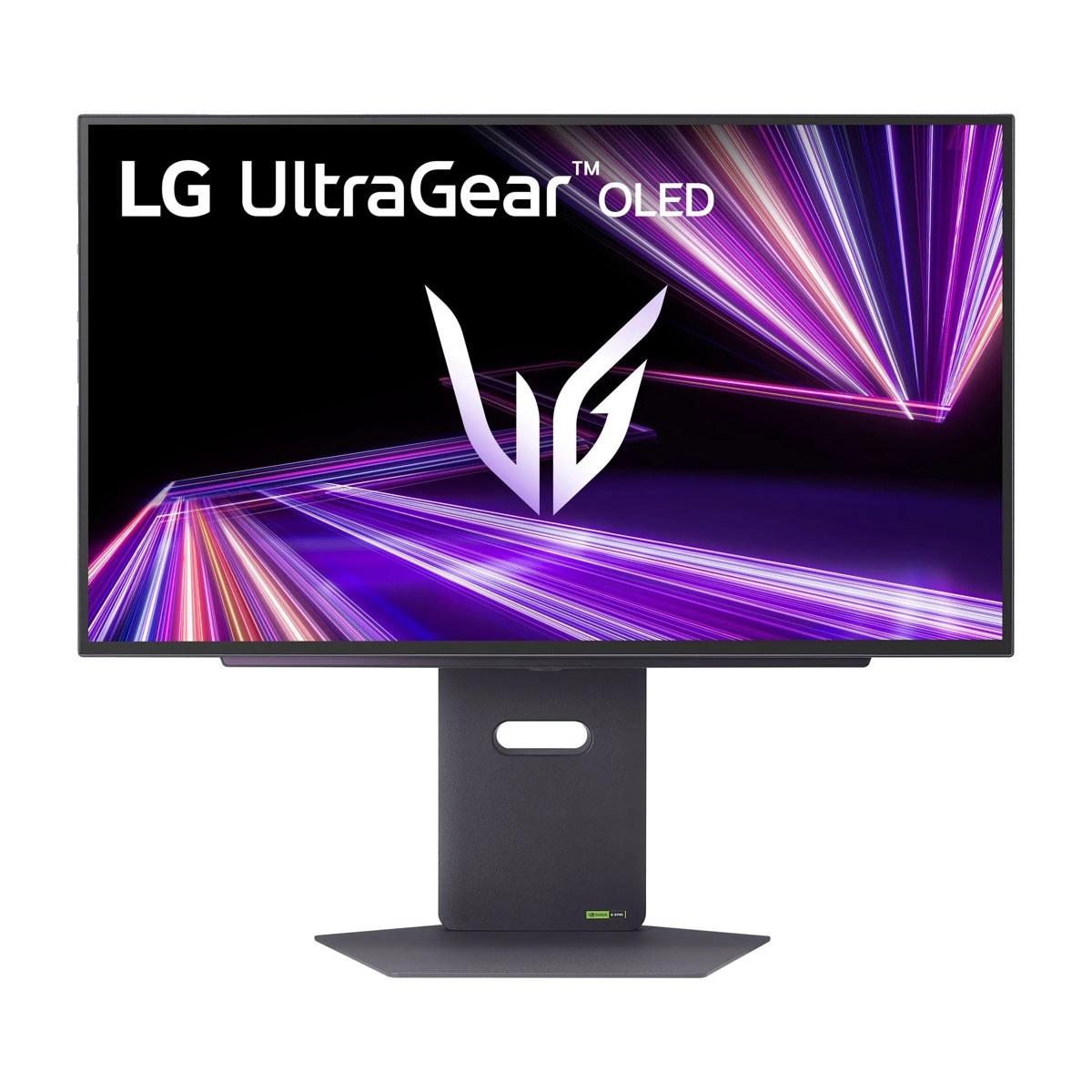
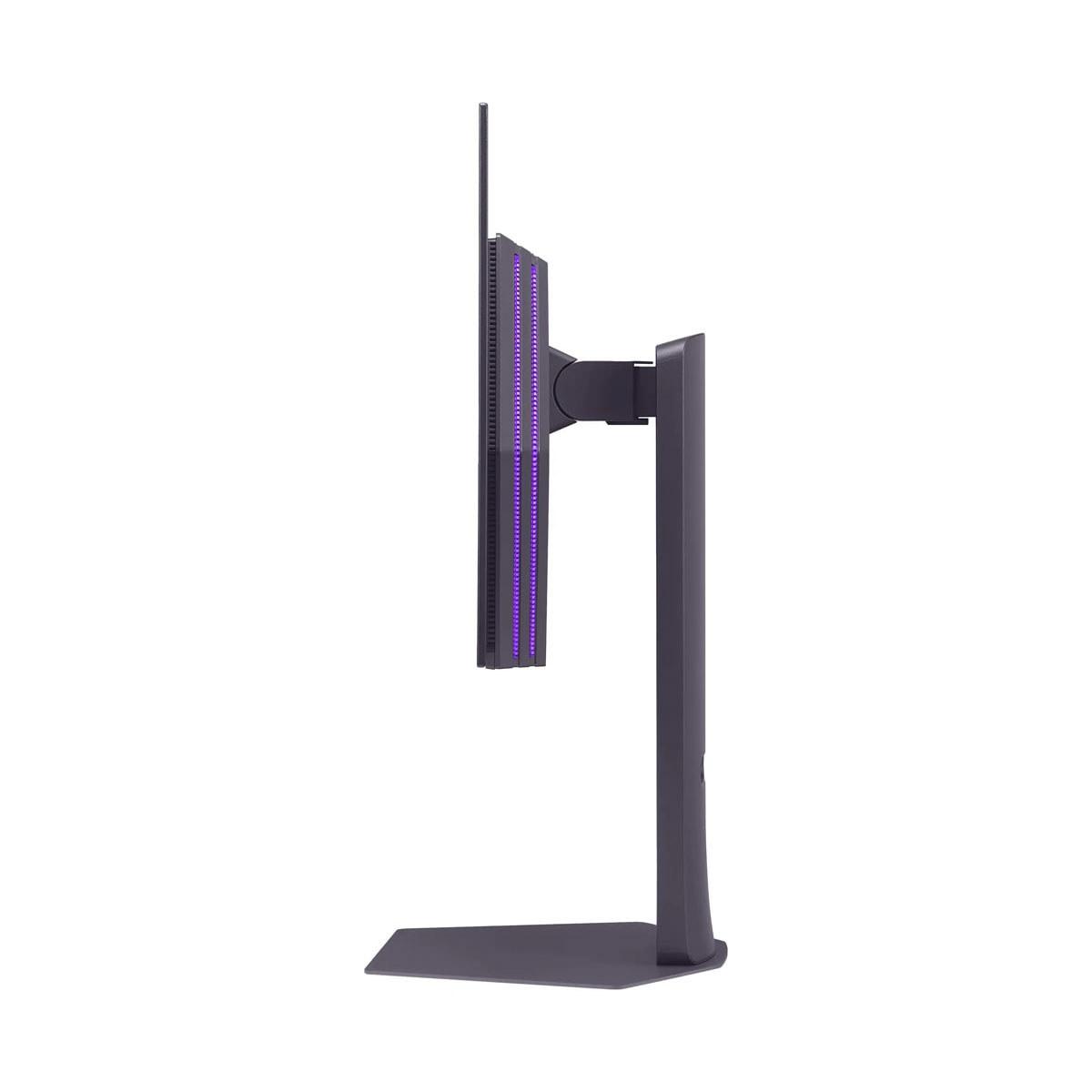
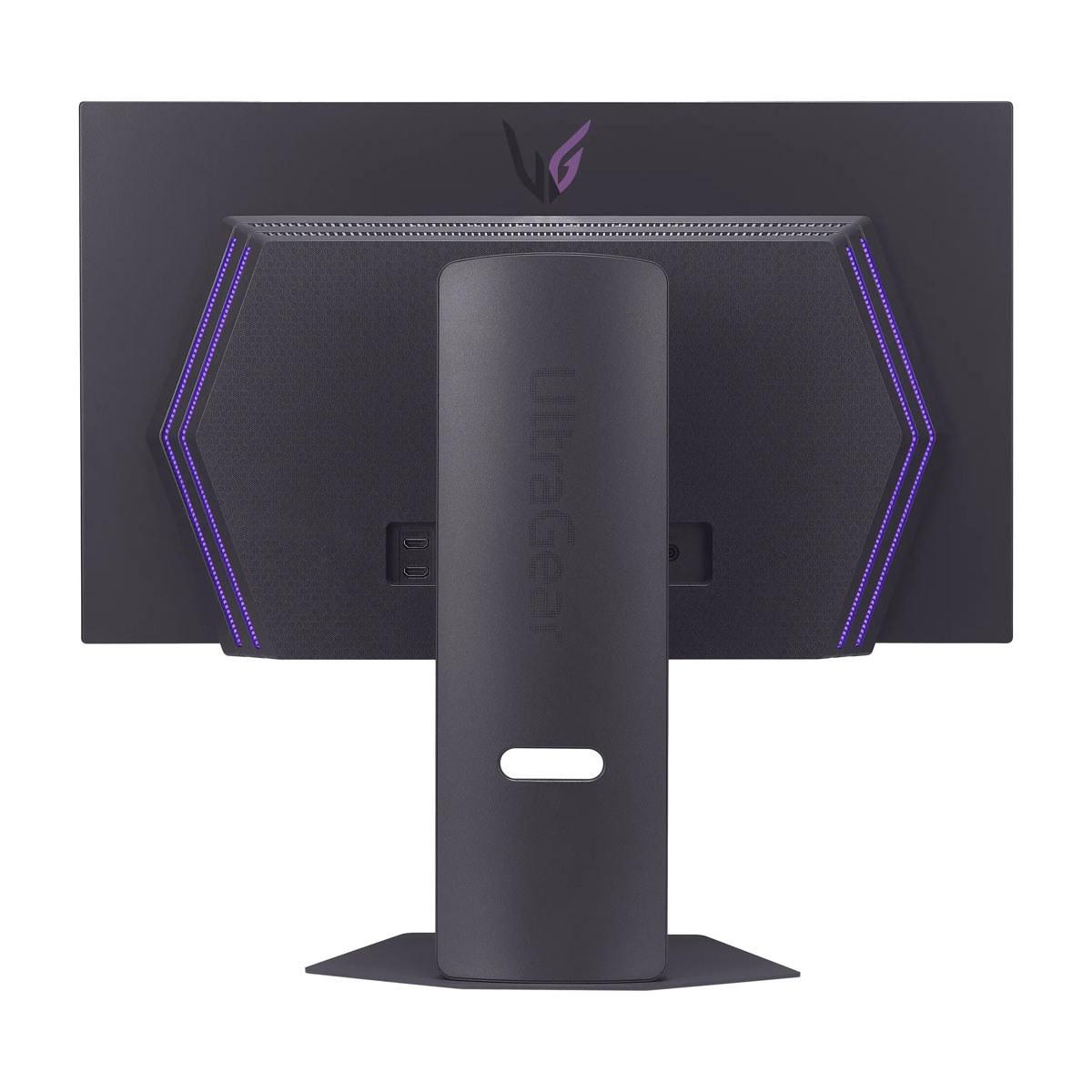
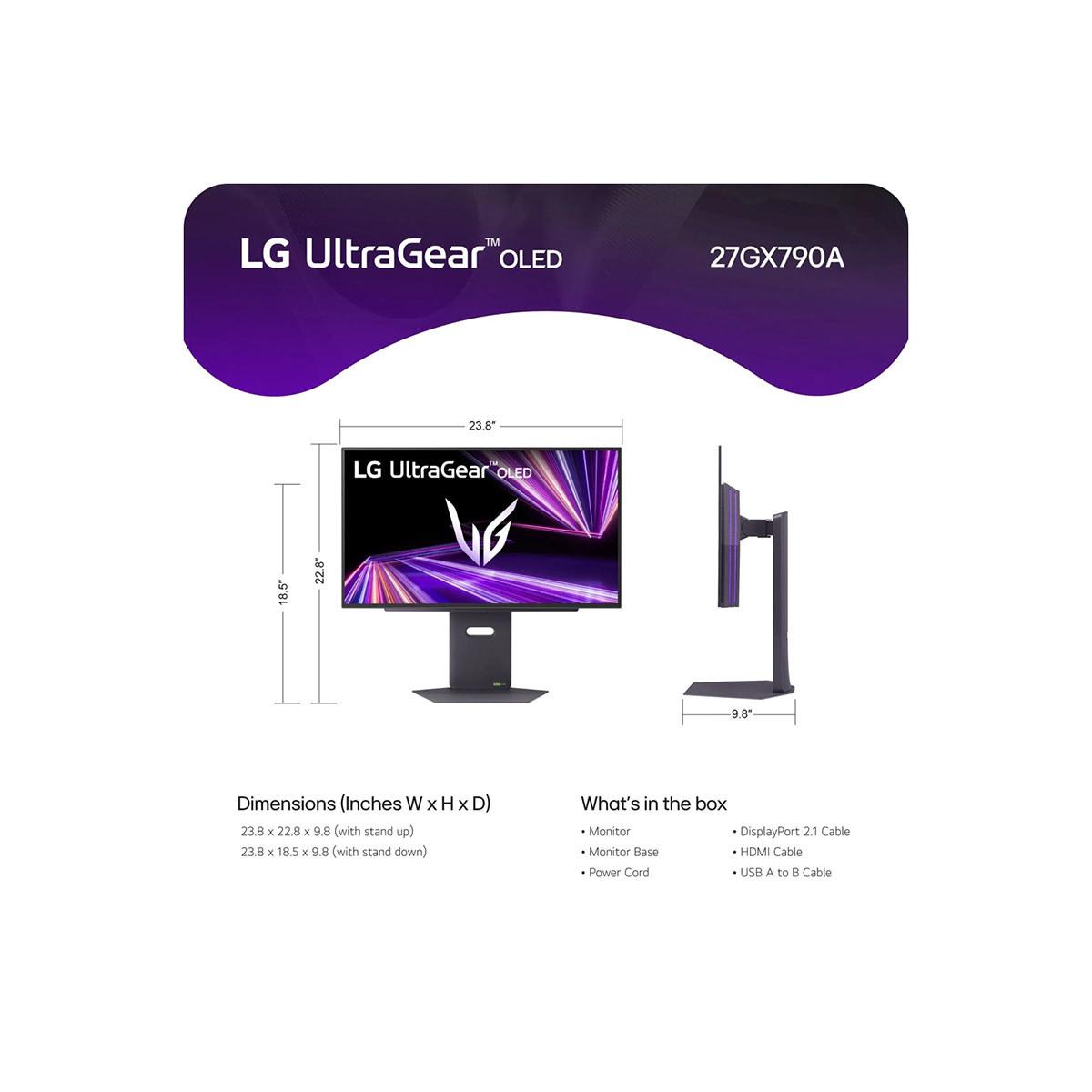


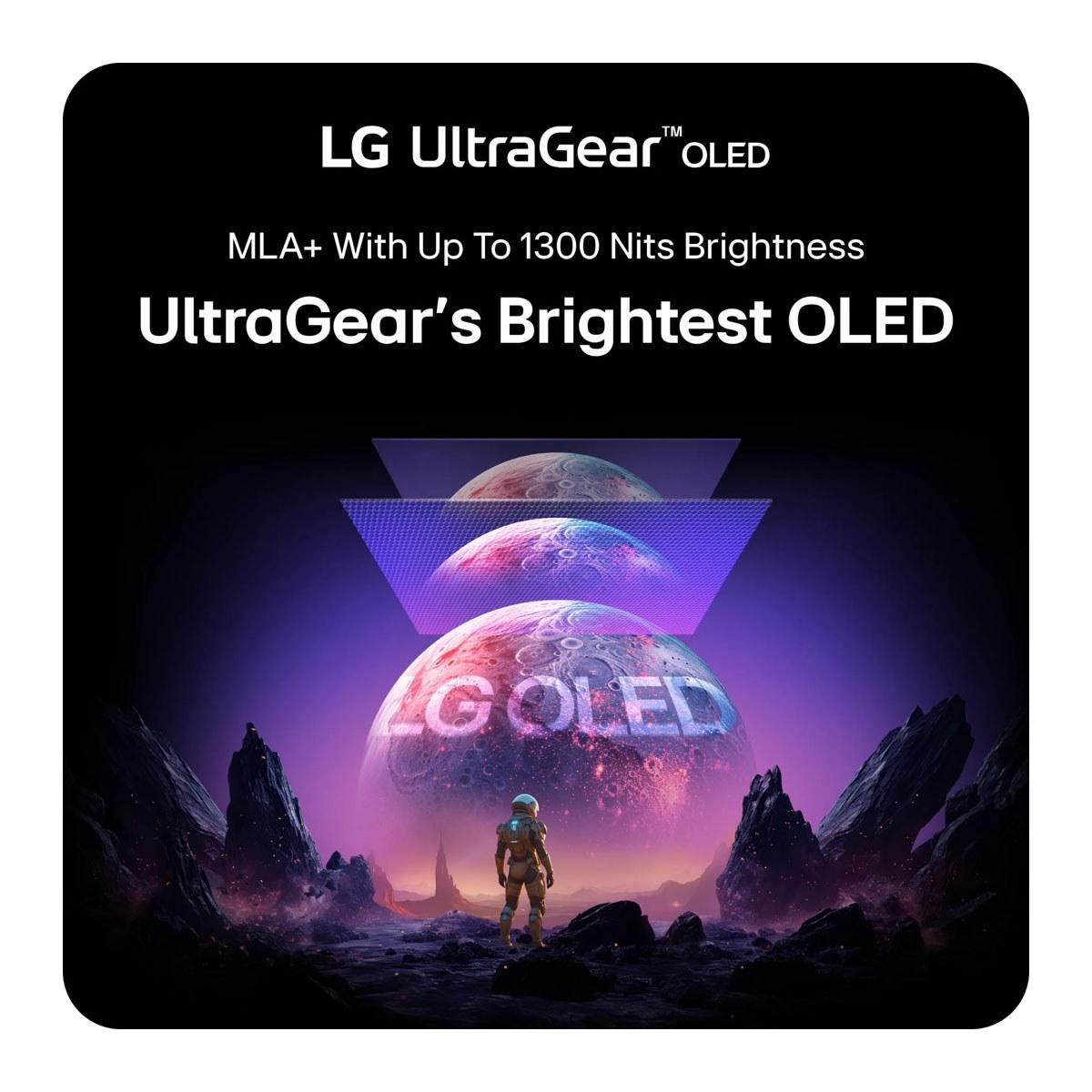
When I first started covering gaming monitors seriously, the choices were relatively simple: you picked between resolution or refresh rate, rarely getting both in an affordable package. Fast forward to 2024 and 2025, and we're living in what I'd call the golden age of gaming displays. Two monitors perfectly illustrate this evolution: the ViewSonic XG275D-4K and the LG UltraGear 27" OLED. Each represents a fundamentally different philosophy about what makes the perfect gaming monitor.
Before diving into specifics, it's worth understanding what actually matters in a gaming monitor today. The landscape has shifted dramatically since the early days of 60Hz TN panels that looked terrible but responded quickly.
Display technology forms the foundation of everything else. IPS (In-Plane Switching) panels like the one in the ViewSonic XG275D-4K offer consistent colors and viewing angles but traditionally struggled with response times. OLED (Organic Light-Emitting Diode) displays like the LG UltraGear 27" OLED use self-illuminating pixels that can turn completely off, creating perfect blacks and incredibly fast response times.
Refresh rate measures how many times per second the display can show a new image. Higher numbers mean smoother motion, especially crucial in competitive gaming where tracking enemies or projectiles can mean the difference between victory and defeat. Most gamers can perceive improvements up to around 240Hz, though diminishing returns set in beyond that point.
Response time indicates how quickly pixels can change from one color to another, measured in milliseconds. Lower numbers reduce motion blur and ghosting—those annoying trails that follow moving objects on slower displays.
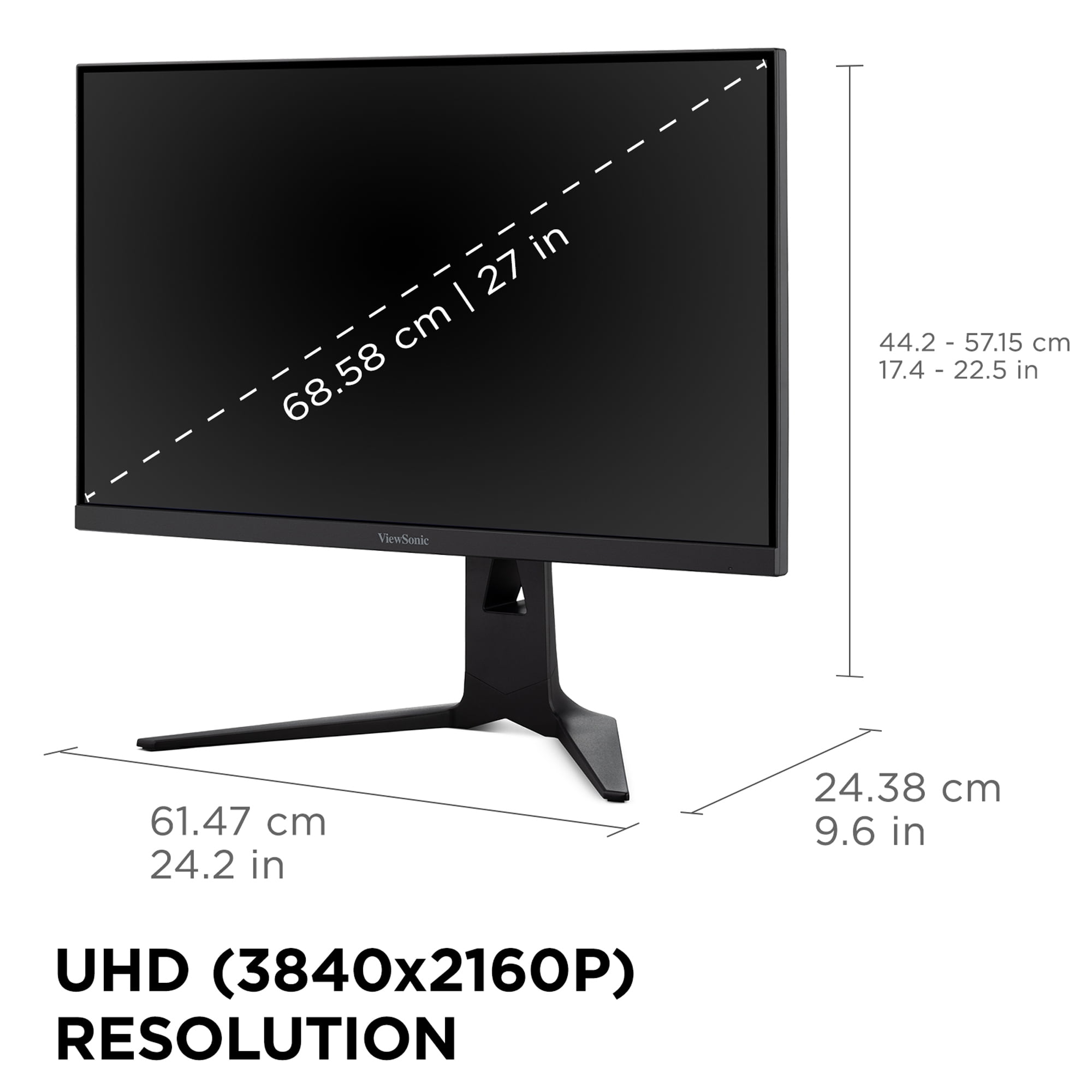
Resolution determines image sharpness and detail. 4K (3840×2160) provides incredibly sharp visuals, while QHD (2560×1440) offers a sweet spot between clarity and performance demands on your graphics card.
The challenge comes in balancing these competing priorities within reasonable budgets and use cases.
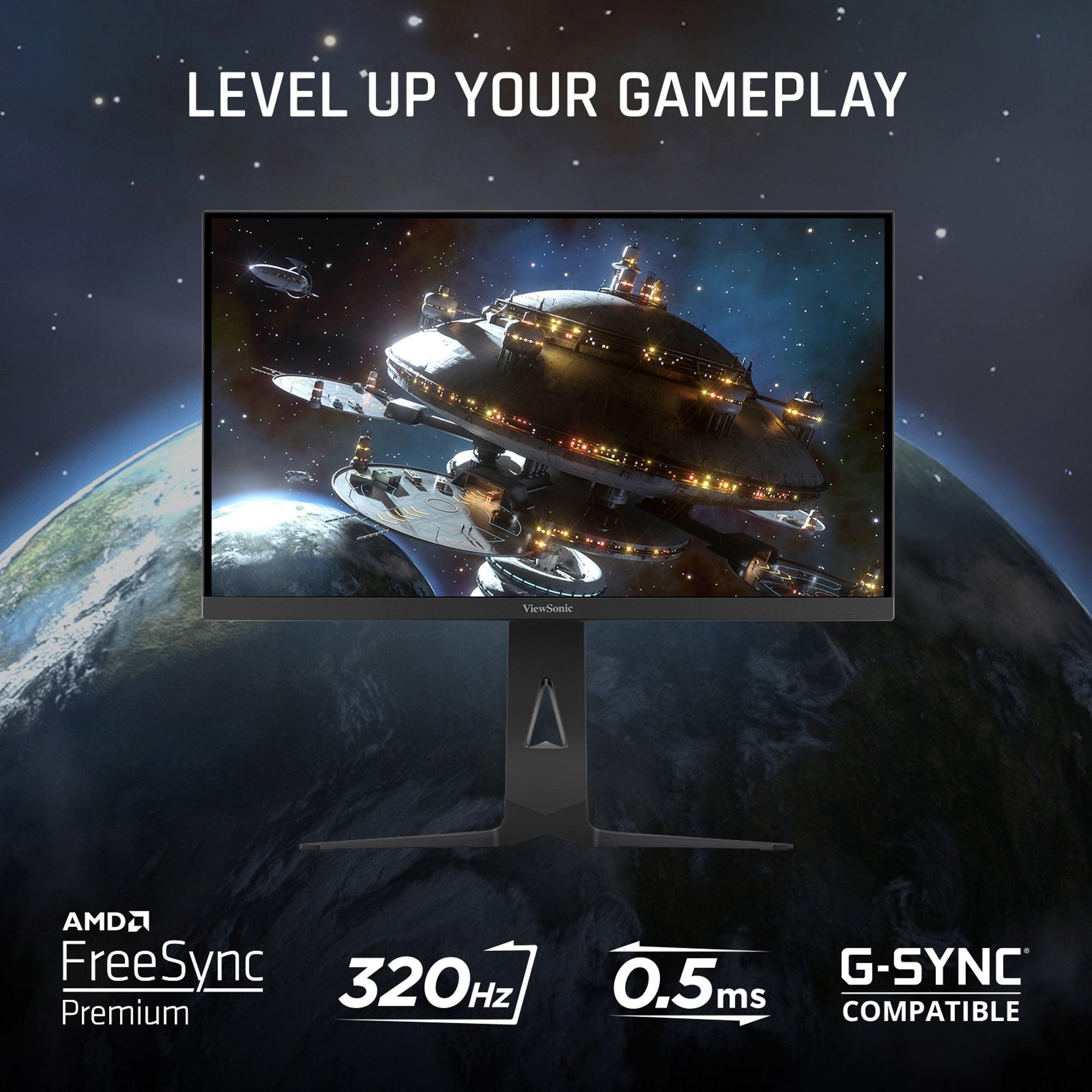
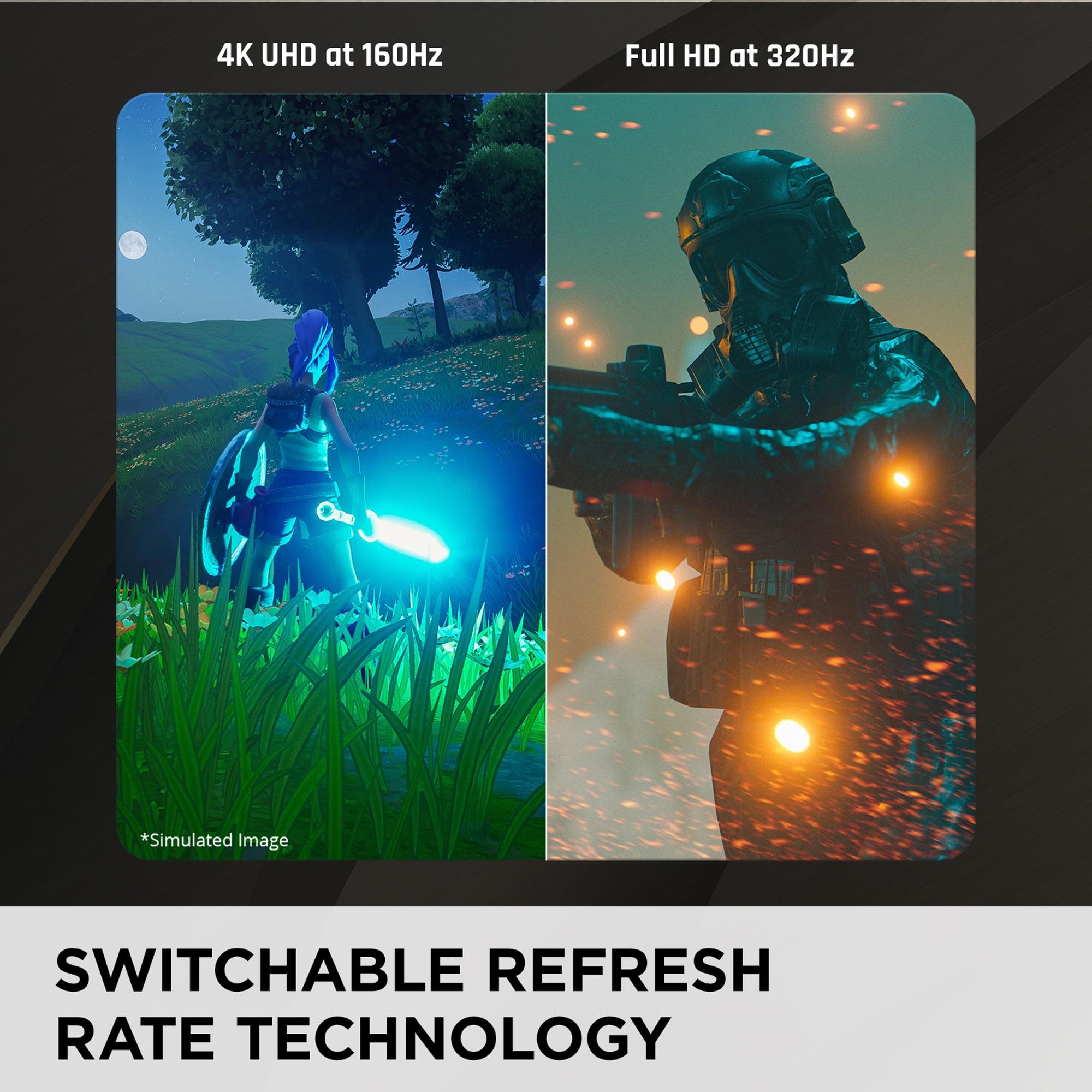
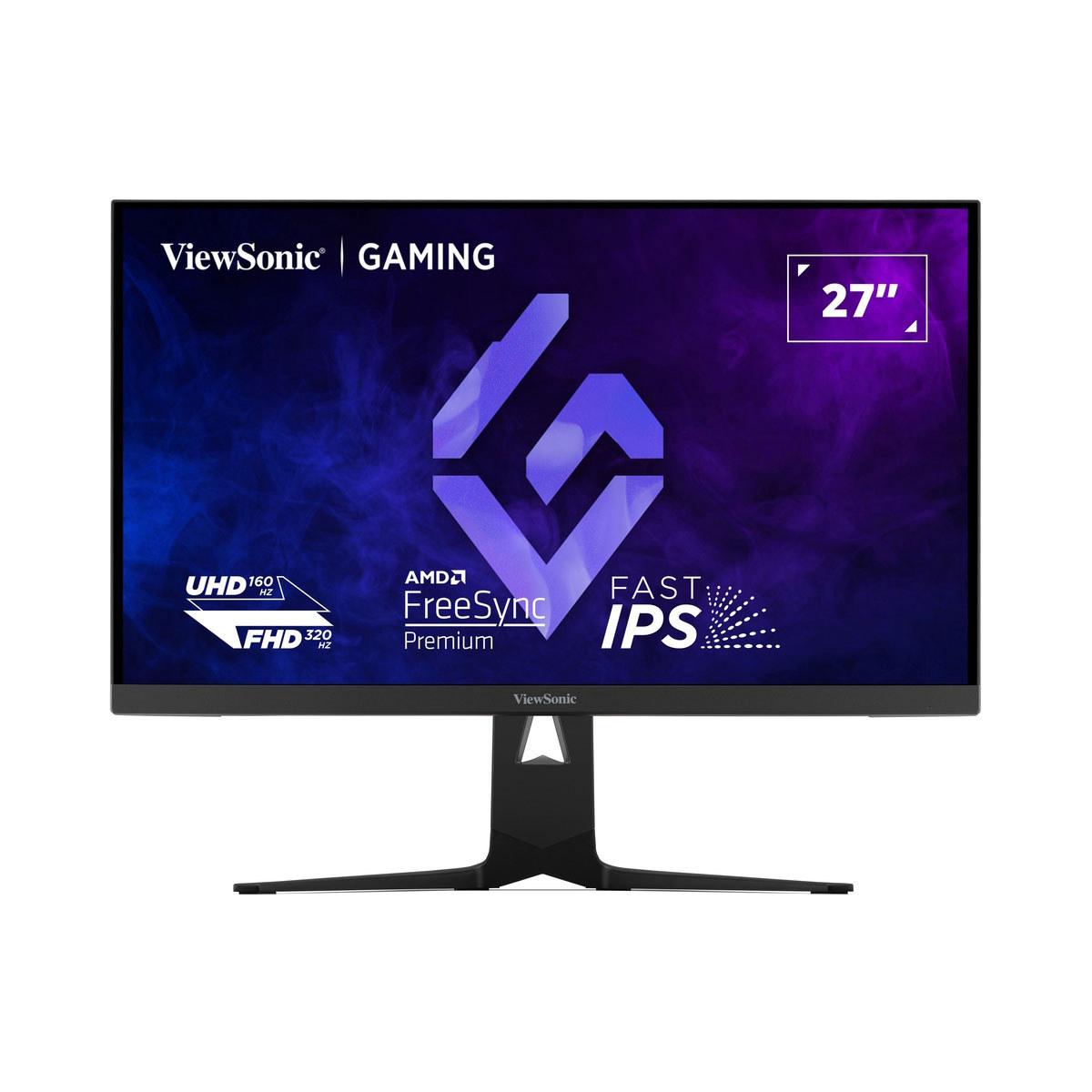
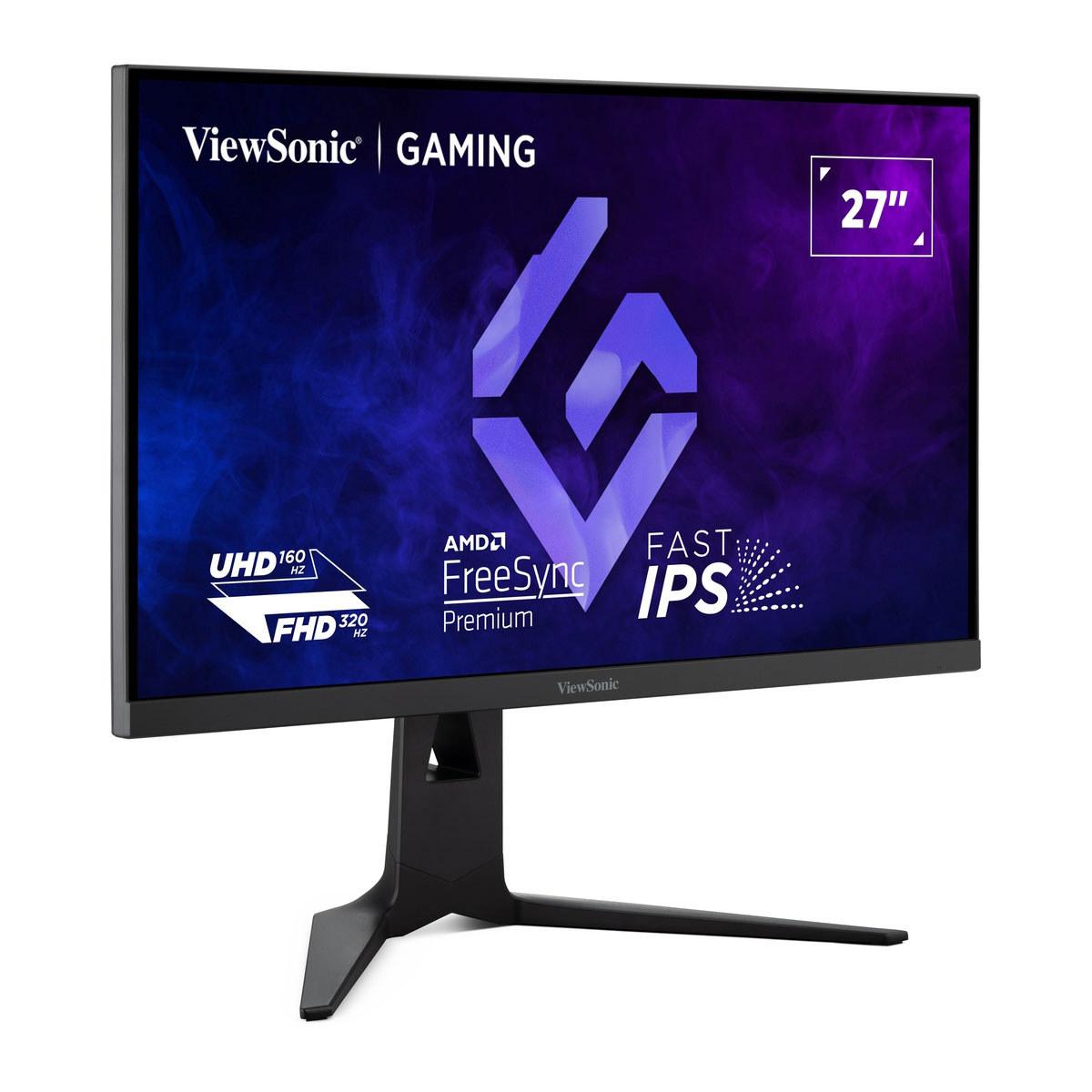
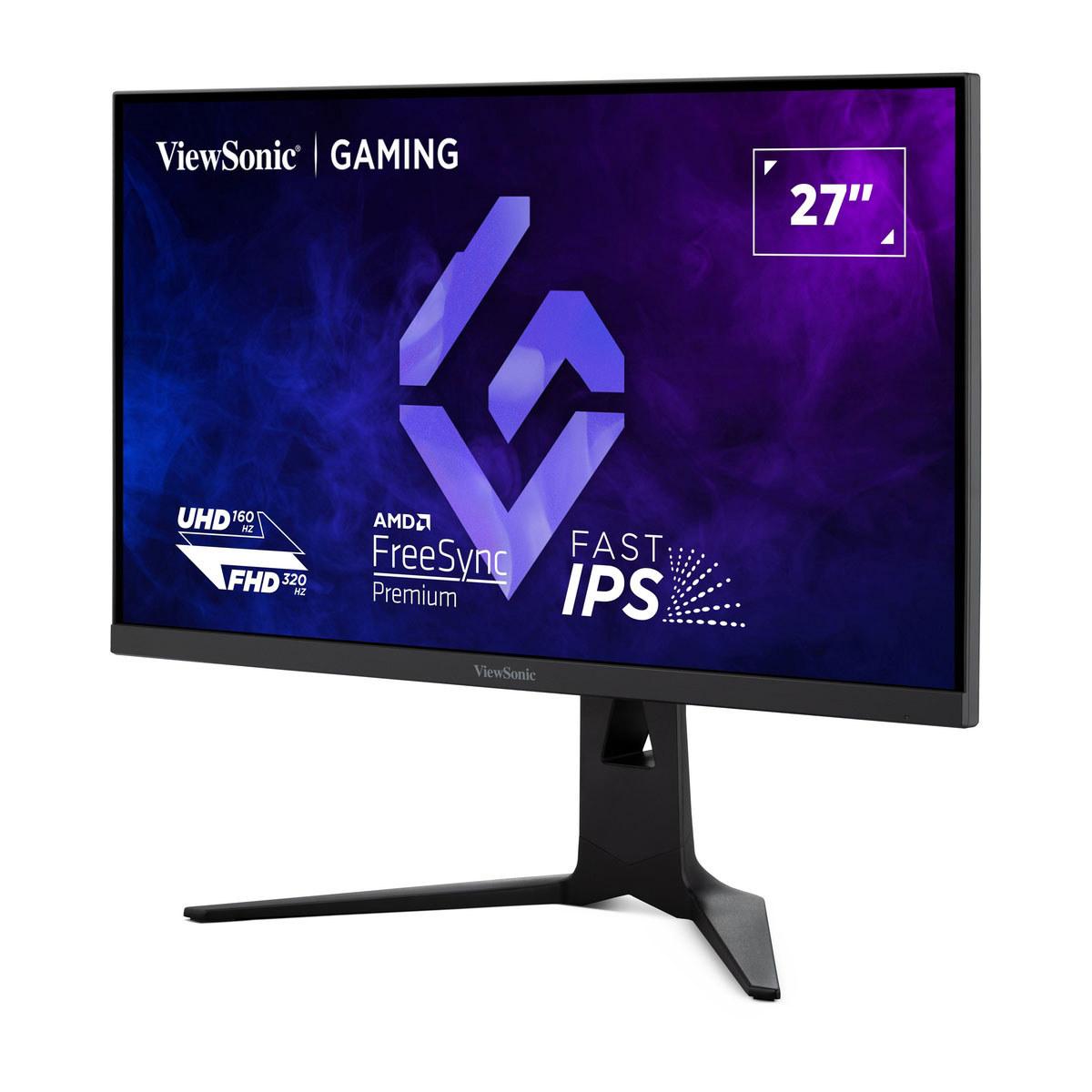
Released in early 2025, the ViewSonic XG275D-4K tackles the age-old dilemma of choosing between resolution and refresh rate with an innovative solution: why not both? This monitor features what ViewSonic calls "switchable dual-mode refresh rate technology," allowing users to toggle between 320Hz at 1080p resolution for competitive gaming, or 160Hz at native 4K for immersive experiences.
This flexibility addresses a real problem I've encountered in my own gaming setup. When I'm playing Valorant or Counter-Strike competitively, I want every possible frame rate advantage. But when I boot up Cyberpunk 2077 or The Witcher 3, I'm much more interested in visual fidelity and immersion. The ViewSonic XG275D-4K lets me have both experiences without owning multiple monitors.
The 27-inch IPS panel delivers solid fundamentals: 0.5ms MPRT (Moving Picture Response Time) response time, which measures motion blur rather than raw pixel switching speed. While not as fast as OLED, it's competitive for most gaming scenarios. The display covers 94% of the DCI-P3 color space—the standard used for digital cinema—ensuring vibrant, accurate colors whether you're gaming or working on creative projects.
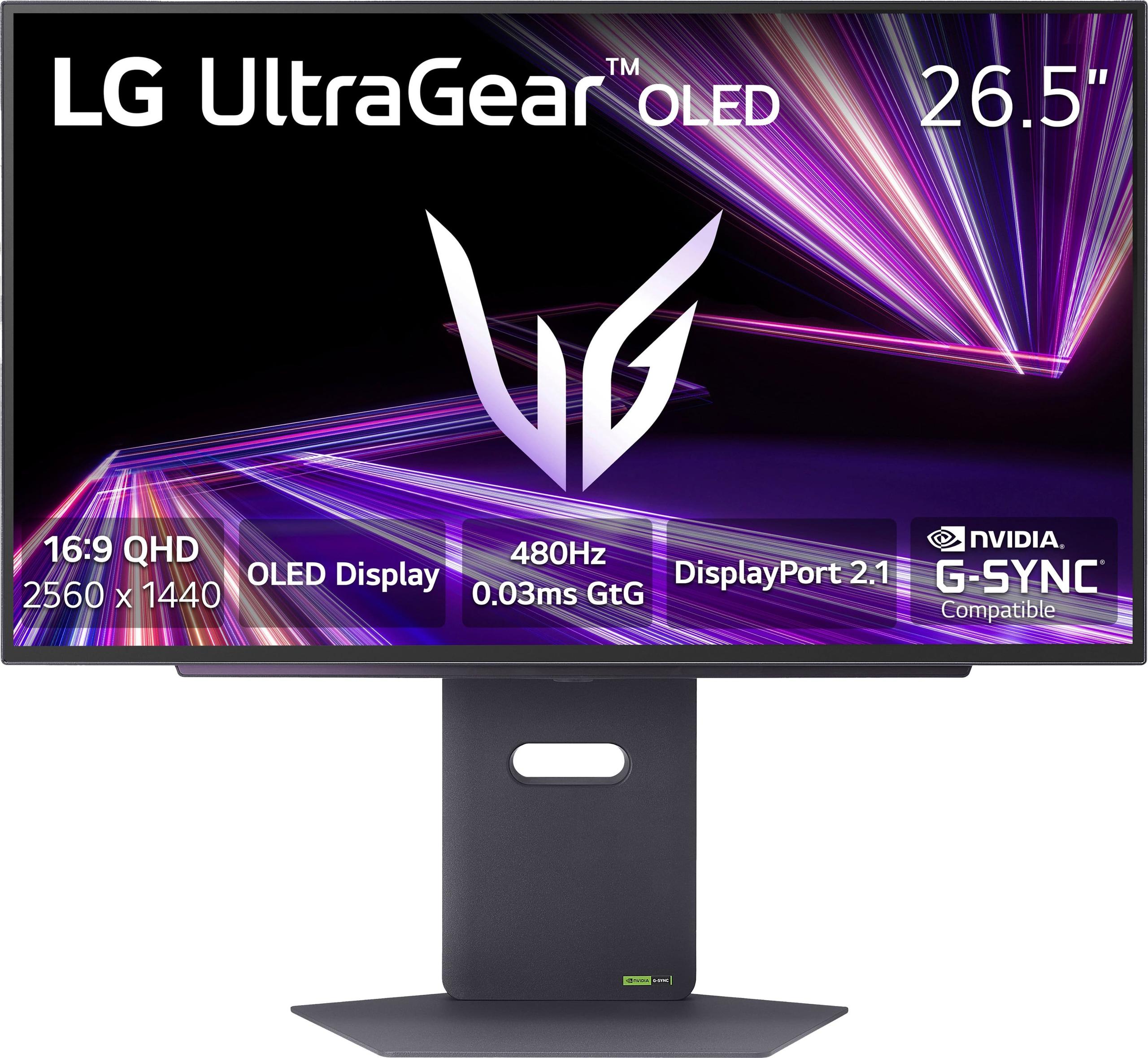
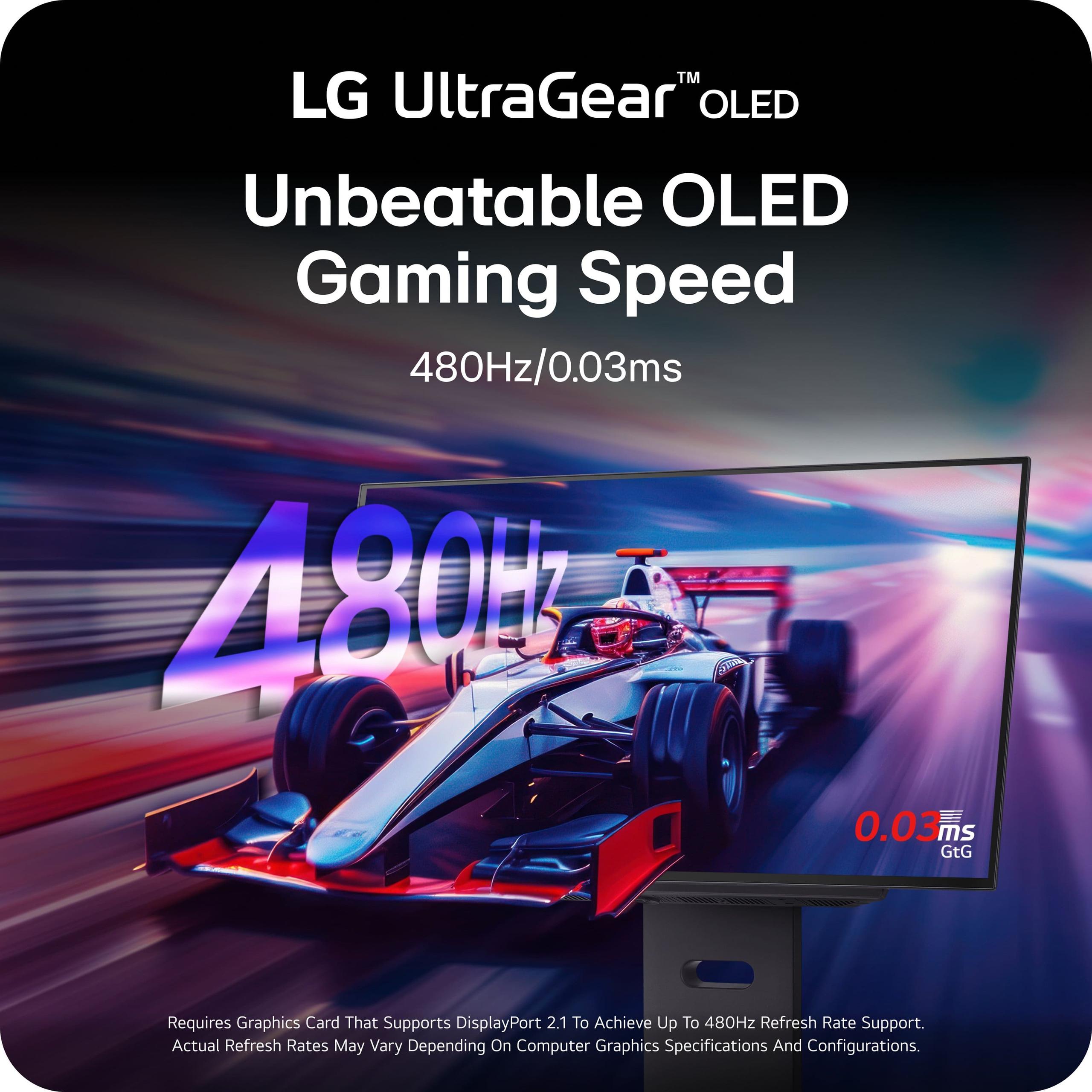
The LG UltraGear 27" OLED, arriving in late 2024, represents the current pinnacle of gaming monitor technology in terms of pure speed. With a fixed 480Hz refresh rate at its native QHD resolution and a mind-bending 0.03ms response time, it's designed for users who prioritize performance above all else.
That response time deserves emphasis—0.03ms is essentially instantaneous from a human perception standpoint. For context, it takes about 100ms just to blink your eyes. This speed comes from OLED's fundamental advantage: each pixel controls its own light output, eliminating the liquid crystal layer that slows down traditional LCD panels.
The trade-off is resolution. At QHD rather than 4K, you're getting roughly 77% of the pixel count. On a 27-inch display, this translates to a pixel density of about 109 pixels per inch compared to the ViewSonic's 163 PPI at 4K. It's still sharp—sharper than most monitors from just a few years ago—but noticeably less crisp for text and fine details.
The fundamental difference between IPS and OLED technology creates distinct visual experiences. The ViewSonic XG275D-4K delivers what I'd describe as "reference monitor" image quality—colors are accurate, consistent, and reliable. The matte coating effectively reduces reflections, making it suitable for various lighting conditions. When working on photo editing or color-sensitive projects, this consistency proves invaluable.
OLED technology in the LG monitor provides a more dramatic visual experience. The infinite contrast ratio—literally infinite, since OLED pixels can turn completely off—creates stunning depth in dark scenes. HDR content truly shines, with the monitor achieving VESA DisplayHDR True Black 400 certification. This means bright highlights can reach 400 nits while maintaining perfect blacks simultaneously.
However, OLED comes with caveats. Burn-in remains a consideration with static elements like taskbars or game UI elements potentially leaving permanent marks over time. LG includes "OLED Care" features to mitigate this risk, but it's still something to consider for mixed-use scenarios.
Here's where things get interesting. The LG OLED absolutely dominates in raw speed metrics. That 480Hz refresh rate paired with near-instantaneous response times creates the smoothest gaming experience currently available. In fast-paced shooters like Apex Legends or Overwatch 2, the difference is genuinely perceptible—enemies appear to move more smoothly, making tracking and prediction easier.
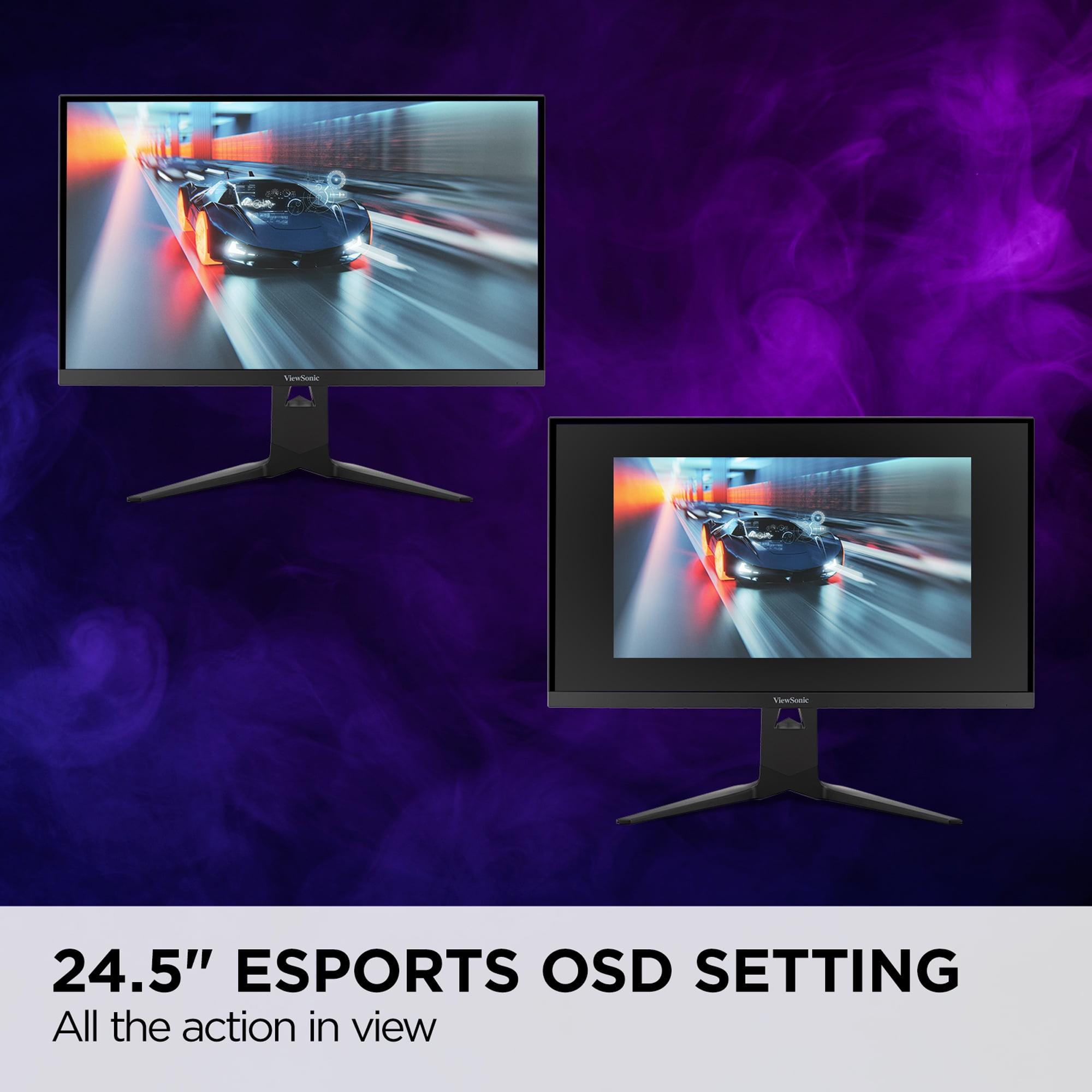
But the ViewSonic XG275D-4K counters with versatility. The ability to switch between 320Hz/1080p for competitive games and 160Hz/4K for single-player experiences means you're never compromising inappropriately for your current activity. The 24.5-inch "esports mode" is particularly clever, shrinking the display area to match tournament standard monitor sizes while maintaining the physical 27-inch screen.
From a practical standpoint, both monitors support AMD FreeSync and NVIDIA G-SYNC compatibility, ensuring tear-free gaming regardless of your graphics card choice. However, actually achieving 480Hz in modern games requires serious hardware—we're talking RTX 4090 or RX 7900 XTX territory, and even then, only in competitive titles with reduced settings.
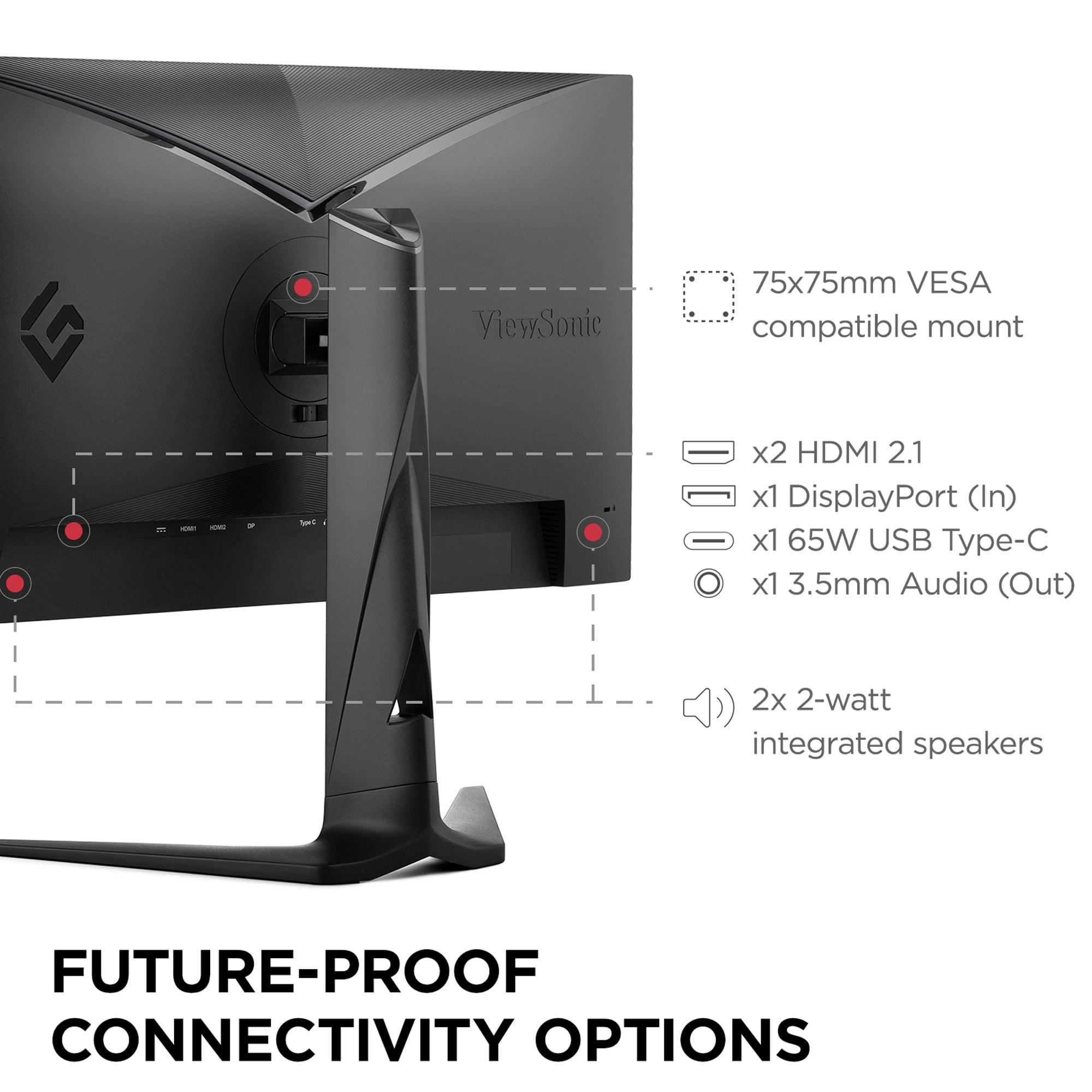
The ViewSonic XG275D-4K takes a more practical approach to connectivity. The inclusion of USB-C with 65W power delivery transforms it into a proper docking station for laptops. I've found this incredibly useful for hybrid work setups—plug in your laptop with a single cable and immediately have display, power, and peripheral connectivity.
The LG OLED focuses on cutting-edge gaming connectivity with DisplayPort 2.1 support. This newer standard provides significantly more bandwidth than DisplayPort 1.4, eliminating the need for Display Stream Compression (DSC) that can occasionally cause visual artifacts at high refresh rates. It's genuinely future-proof for next-generation graphics cards.
At 27 inches, the resolution difference between these monitors is significant but not overwhelming. The ViewSonic's 4K resolution really shines in productivity tasks—text is razor-sharp, spreadsheets are more readable, and creative work benefits from the additional screen real estate.
In gaming, 4K's advantage varies by genre. Strategy games, RPGs, and visually-driven titles like Red Dead Redemption 2 or Microsoft Flight Simulator showcase incredible detail that enhances immersion. However, competitive shooters often see diminishing returns—many professional players actually prefer lower resolutions for better performance and enemy visibility.
The LG OLED's QHD resolution strikes a practical balance. It's sharp enough for modern gaming while being significantly easier to drive at high frame rates. If your primary focus is competitive gaming, QHD often makes more sense than 4K.
At the time of writing, these monitors occupy different value segments. The ViewSonic XG275D-4K positions itself as a premium value proposition—offering high-end features at a more accessible price point. For users wanting to experience both 4K gaming and high refresh rate competitive play without buying separate monitors, it's compelling.
The LG UltraGear 27" OLED commands a significant premium, reflecting both the advanced OLED technology and cutting-edge 480Hz capability. This pricing puts it firmly in enthusiast territory, competing with other flagship gaming monitors rather than mainstream offerings.
Neither monitor is specifically designed for home theater use, but both can serve dual purposes. The ViewSonic XG275D-4K has advantages for mixed media consumption thanks to its 4K resolution and anti-glare coating, which helps in brighter rooms. The USB-C connectivity also makes it easy to connect streaming devices or laptops.
The LG OLED provides a more cinematic experience for dark room viewing. The perfect blacks and vibrant colors create stunning HDR movie experiences, though the 27-inch size limits its effectiveness as a primary home theater display. OLED's excellent viewing angles mean it maintains image quality even when viewed off-axis from a couch setup.
You want maximum flexibility in a single monitor purchase. This is ideal for users who split time between competitive gaming and single-player experiences, or who need a monitor that can pull double duty for work and play. The 4K resolution makes it excellent for productivity tasks, while the high refresh rate modes ensure competitive gaming performance.
The USB-C connectivity is particularly valuable for laptop users or anyone wanting to minimize desktop cable management. If you're building a versatile gaming setup on a more moderate budget, this monitor delivers premium features without extreme cost.
You're primarily focused on competitive gaming and have the hardware to drive high frame rates. The unmatched response times and 480Hz refresh rate provide genuine competitive advantages in fast-paced games. The superior contrast and color performance also benefit any gaming scenario, particularly in darker environments where OLED excels.
This monitor makes sense for enthusiasts who already own high-end graphics cards and prioritize having the fastest gaming display technology available. The premium pricing reflects cutting-edge performance that will remain competitive for years to come.
Both monitors represent significant achievements in gaming display technology, just with different priorities. The ViewSonic XG275D-4K exemplifies the modern trend toward versatile, multi-purpose displays that adapt to different use cases. The LG UltraGear 27" OLED pushes absolute performance boundaries, delivering speed that seemed impossible just a few years ago.
Your choice ultimately depends on how you actually use your monitor. If you're like most enthusiasts who enjoy various gaming genres plus some productivity work, the ViewSonic's flexibility and value proposition are compelling. If you're focused primarily on competitive gaming and want the absolute best performance money can buy, the LG OLED justifies its premium pricing.
Either way, you're getting a glimpse of where gaming monitors are heading: incredibly fast, beautifully designed, and more capable than ever before. The question isn't whether these monitors are good—it's which approach better matches your specific needs and budget.
| ViewSonic XG275D-4K | LG UltraGear 27" OLED |
|---|---|
| Display Technology - Determines image quality, durability, and cost | |
| IPS LCD with anti-glare coating (consistent colors, no burn-in risk) | WOLED with anti-glare coating (perfect blacks, potential burn-in) |
| Resolution - Higher resolution means sharper text and game details | |
| 4K UHD (3840×2160) - 163 PPI for razor-sharp visuals | QHD (2560×1440) - 109 PPI, easier to drive at high fps |
| Refresh Rate - Higher numbers mean smoother motion in fast games | |
| Dual-mode: 320Hz at 1080p OR 160Hz at 4K (switchable) | Fixed 480Hz at native QHD (industry-leading speed) |
| Response Time - Lower is better for reducing motion blur | |
| 0.5ms MPRT (competitive for IPS technology) | 0.03ms GtG (essentially instantaneous, OLED advantage) |
| Contrast Ratio - Higher numbers mean deeper blacks and more vivid colors | |
| 1,000:1 static (typical for IPS panels) | 1,500,000:1 (infinite contrast from OLED technology) |
| Color Coverage - Wider coverage means more vibrant, accurate colors | |
| DCI-P3 94%, sRGB 128% coverage (excellent for IPS) | DCI-P3 98.5% (premium color reproduction) |
| HDR Support - Better HDR means more realistic bright and dark scenes | |
| HDR10 support (entry-level HDR experience) | VESA DisplayHDR True Black 400 (superior HDR with perfect blacks) |
| Connectivity - More options mean better compatibility with devices | |
| HDMI 2.1, DisplayPort 1.4, USB-C with 65W power delivery | 2x HDMI 2.1, DisplayPort 2.1, USB 3.0 hub (future-proof) |
| Gaming Features - Specialized modes and sync technologies | |
| AMD FreeSync Premium, 24.5" esports mode, dual refresh rates | AMD FreeSync Premium Pro, NVIDIA G-SYNC Compatible, RGB lighting |
| Ergonomics - Adjustability affects comfort during long gaming sessions | |
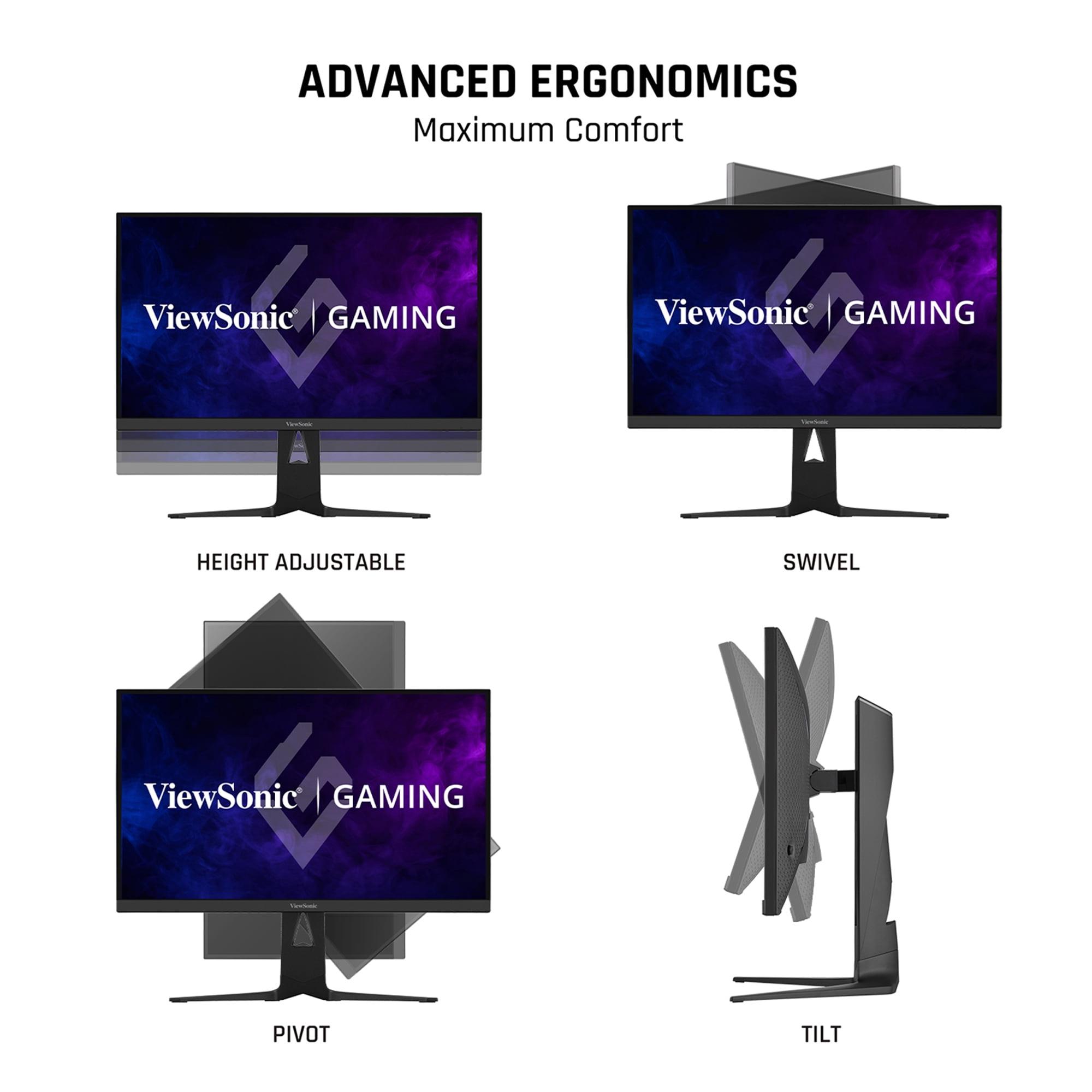
| Full adjustment: height, tilt, swivel, pivot, VESA 75x75mm | Full adjustment: height, tilt, swivel, pivot, VESA 100x100mm |
| Warranty - Important for expensive purchases, especially OLED | |
| 3-year limited warranty (standard LCD coverage) | 2-year OLED limited warranty with OLED Care features |
| Best For - Target user and primary use cases | |
| Versatile gamers wanting 4K detail AND high refresh rates | Competitive gamers prioritizing absolute fastest response times |
The LG UltraGear 27" OLED is superior for competitive gaming due to its 480Hz refresh rate and 0.03ms response time, providing the smoothest motion and fastest pixel response available. However, the ViewSonic XG275D-4K offers excellent competitive performance at 320Hz in 1080p mode and includes a dedicated 24.5" esports mode for tournament-style gaming.
The ViewSonic XG275D-4K uses IPS technology, which provides consistent colors across viewing angles and has no burn-in risk but offers limited contrast. The LG UltraGear 27" OLED uses OLED technology with perfect blacks, infinite contrast, and faster response times, but may experience burn-in over time with static images.
For single-player gaming, both monitors excel in different ways. The ViewSonic XG275D-4K offers sharper 4K resolution with more detail, while the LG UltraGear 27" OLED provides superior contrast with perfect blacks and more vibrant colors. OLED wins for dark, atmospheric games, while 4K resolution benefits detail-rich open-world titles.
The ViewSonic XG275D-4K is better suited for productivity work due to its higher 4K resolution providing sharper text and more screen real estate. It also includes USB-C connectivity with power delivery for laptop docking. The LG UltraGear 27" OLED can handle productivity tasks but the lower QHD resolution and potential burn-in concerns make it less ideal for extended text-heavy work.
The ViewSonic XG275D-4K typically offers better value with its dual-mode functionality, 4K resolution, and comprehensive connectivity at a lower price point. The LG UltraGear 27" OLED commands a premium for cutting-edge OLED technology and 480Hz performance, making it better value for users who prioritize absolute gaming performance over versatility.
Both monitors benefit from powerful graphics cards, but requirements differ. The ViewSonic XG275D-4K needs significant GPU power for 4K gaming but can run competitive games at 320Hz/1080p with mid-range cards. The LG UltraGear 27" OLED requires top-tier GPUs like RTX 4080/4090 to fully utilize its 480Hz capability in modern games.
The LG UltraGear 27" OLED provides superior HDR performance with VESA DisplayHDR True Black 400 certification, perfect blacks, and higher peak brightness in highlights. The ViewSonic XG275D-4K supports HDR10 but offers a more basic HDR experience. For movie watching, OLED's contrast advantage makes the LG monitor significantly better.
The ViewSonic XG275D-4K uses proven IPS technology with no inherent durability concerns and includes a 3-year warranty. The LG UltraGear 27" OLED has potential burn-in risks with static content over time, though it includes OLED Care features for protection and comes with a 2-year OLED-specific warranty.
Both monitors offer excellent connectivity. The ViewSonic XG275D-4K includes HDMI 2.1, DisplayPort 1.4, and USB-C with 65W power delivery for laptop docking. The LG UltraGear 27" OLED features dual HDMI 2.1 ports, DisplayPort 2.1 for future-proofing, and USB 3.0 hub functionality. The ViewSonic wins for versatility, while the LG offers more bandwidth.
The ViewSonic XG275D-4K uniquely offers switchable dual-mode refresh rates, allowing users to toggle between 320Hz at 1080p for competitive gaming and 160Hz at 4K for immersive experiences. The LG UltraGear 27" OLED operates at a fixed 480Hz at its native QHD resolution without mode switching.
Both monitors work well with consoles through HDMI 2.1 connectivity. The ViewSonic XG275D-4K better matches PS5 and Xbox Series X capabilities with its 4K resolution and 160Hz support. The LG UltraGear 27" OLED provides superior image quality with OLED technology but its 480Hz capability exceeds current console output, making some of its premium features underutilized.
This depends on your gaming preferences and hardware. Choose the ViewSonic XG275D-4K if you want both options with its dual-mode capability, prioritizing visual detail in single-player games and speed in competitive titles. Select the LG UltraGear 27" OLED if you primarily play fast-paced competitive games where the 480Hz refresh rate and OLED response times provide maximum advantage.
We've done our best to create useful and informative comparisons to help you decide what product to buy. Our research uses advanced automated methods to create this comparison and perfection is not possible - please contact us for corrections or questions. These are the sites we've researched in the creation of this article: cgmagonline.com - gamingshogun.com - techpowerup.com - notebookcheck.net - bestbuy.com - newegg.com - techpowerup.com - shi.com - viewsonic.com - viewsonic.com - prnewswire.com - viewsonic.com - viewsonic.com - shop.avispl.com - guru3d.com - viewsonic.com - viewsonic.com - viewsonic.com - viewsonic.com - bestbuy.com - bhphotovideo.com - engadget.com - newegg.com - youtube.com - bestbuy.com - techpowerup.com - techpowerup.com - rtings.com - lg.com - lgnewsroom.com - rtings.com - bestbuy.com - jonesapplianceandtv.com - thefrogpadappliances.com - lg.com - lg.com - lg.com - techpowerup.com - lg.com - lg.com

Privacy Policy
Terms and Conditions - Affiliate Policy
Home Security
© Copyright 2008-2026.
11816 Inwood Rd #1211, Dallas, TX 75244