

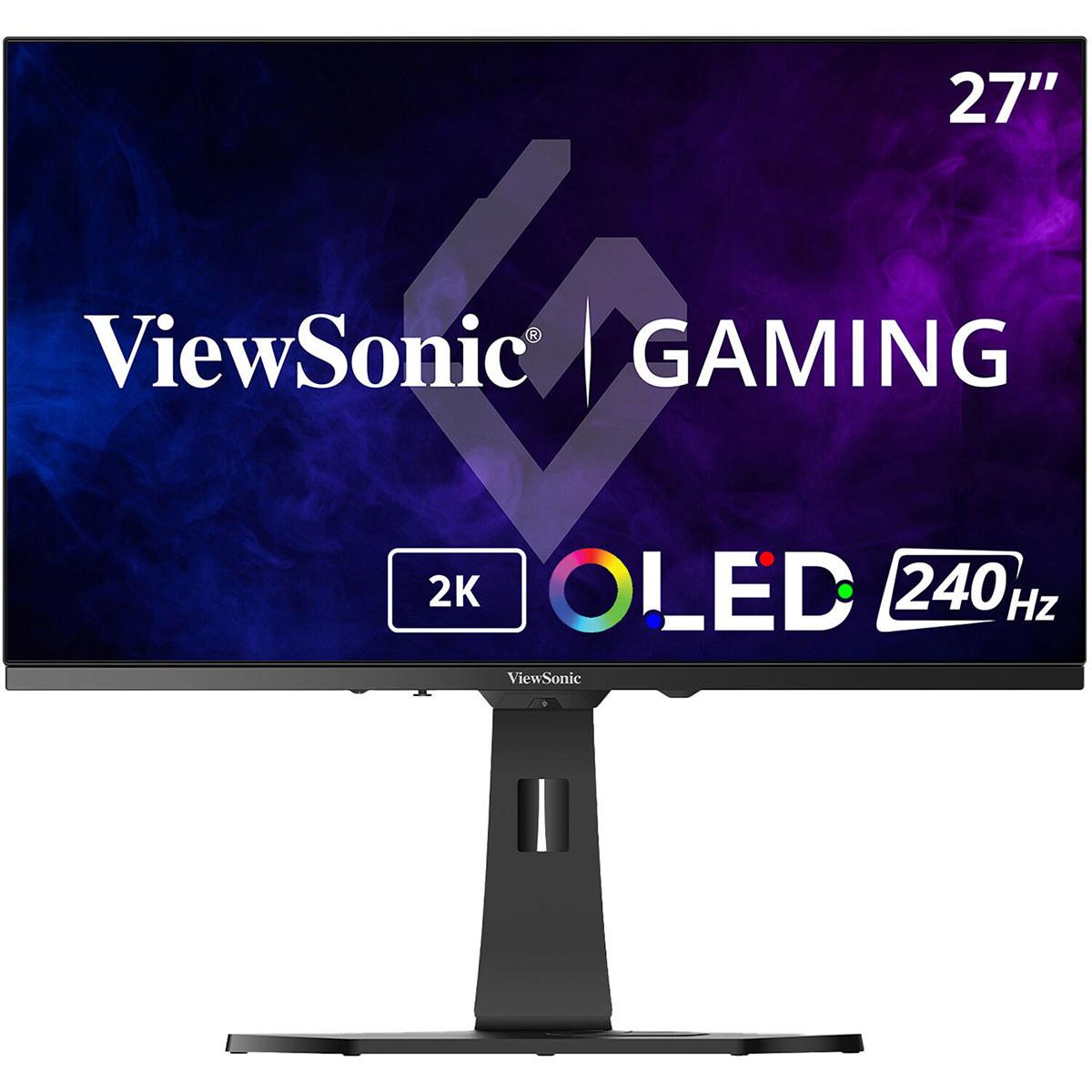
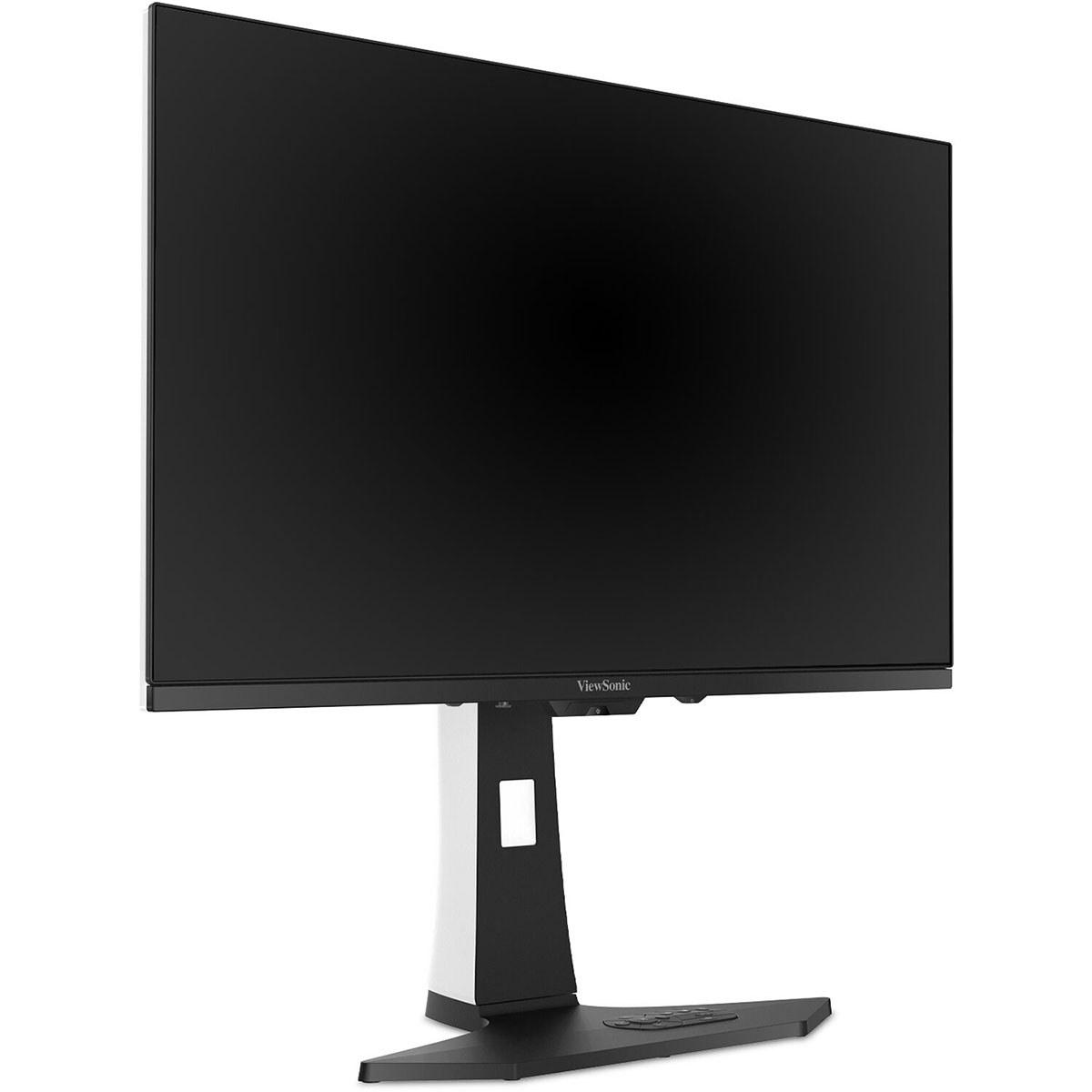
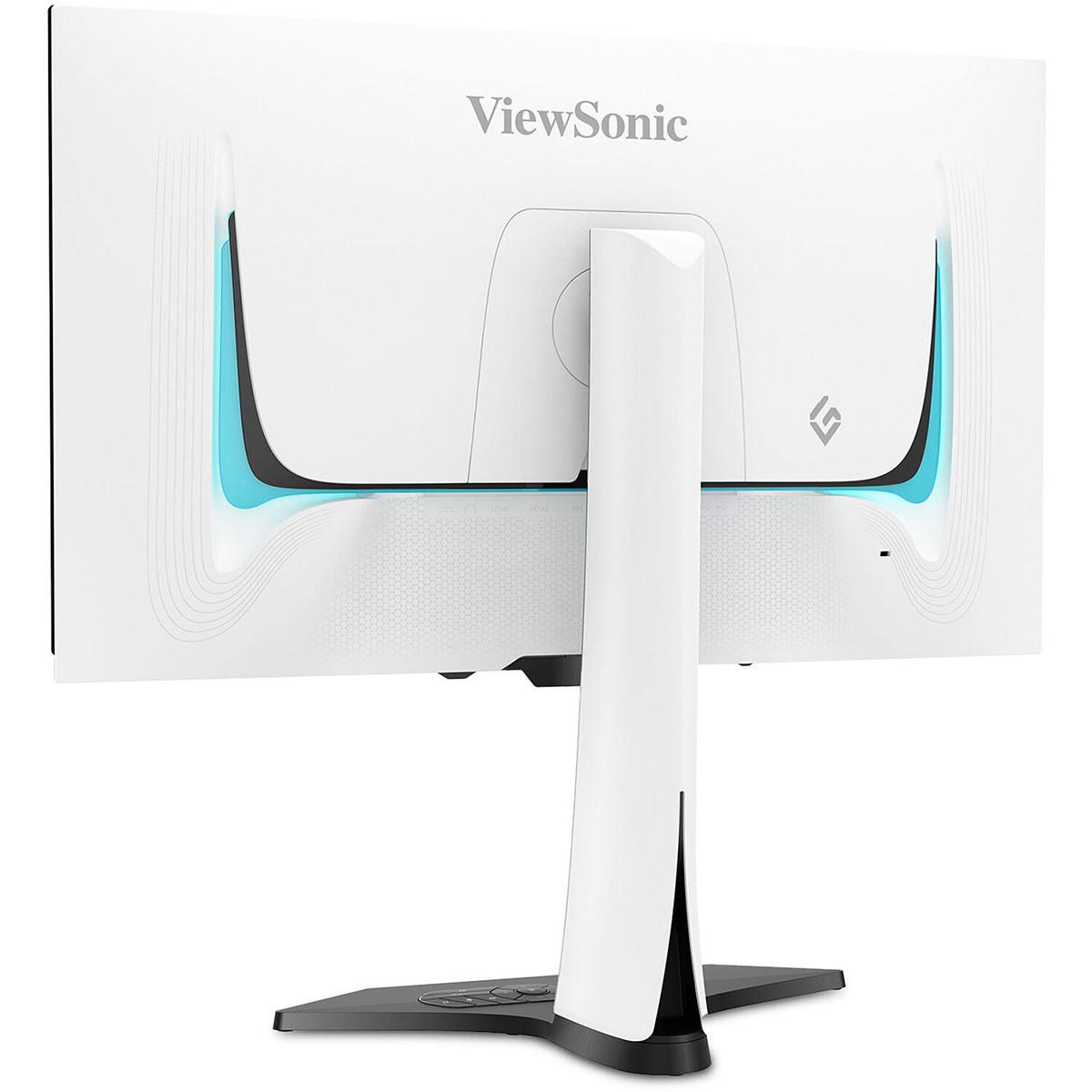
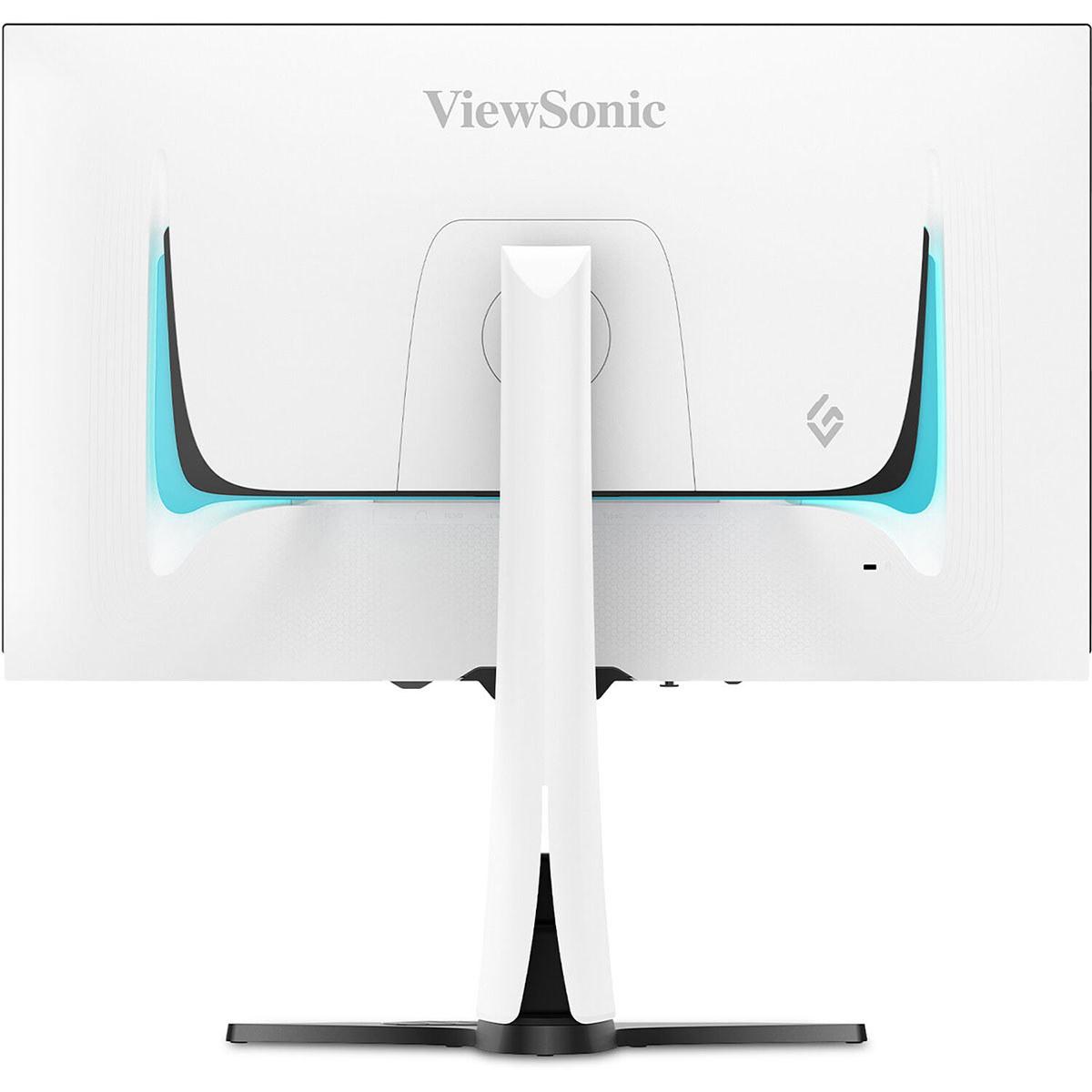
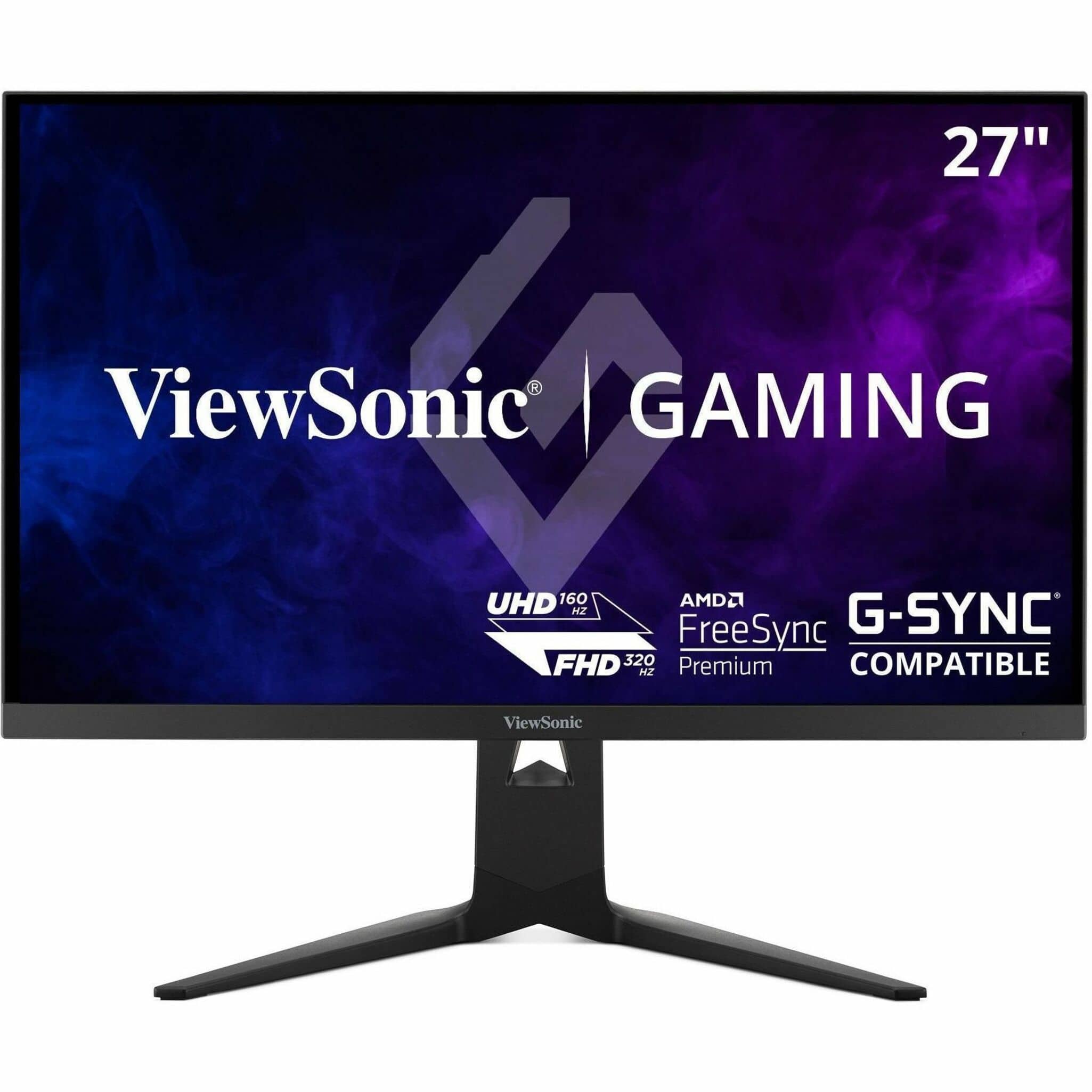
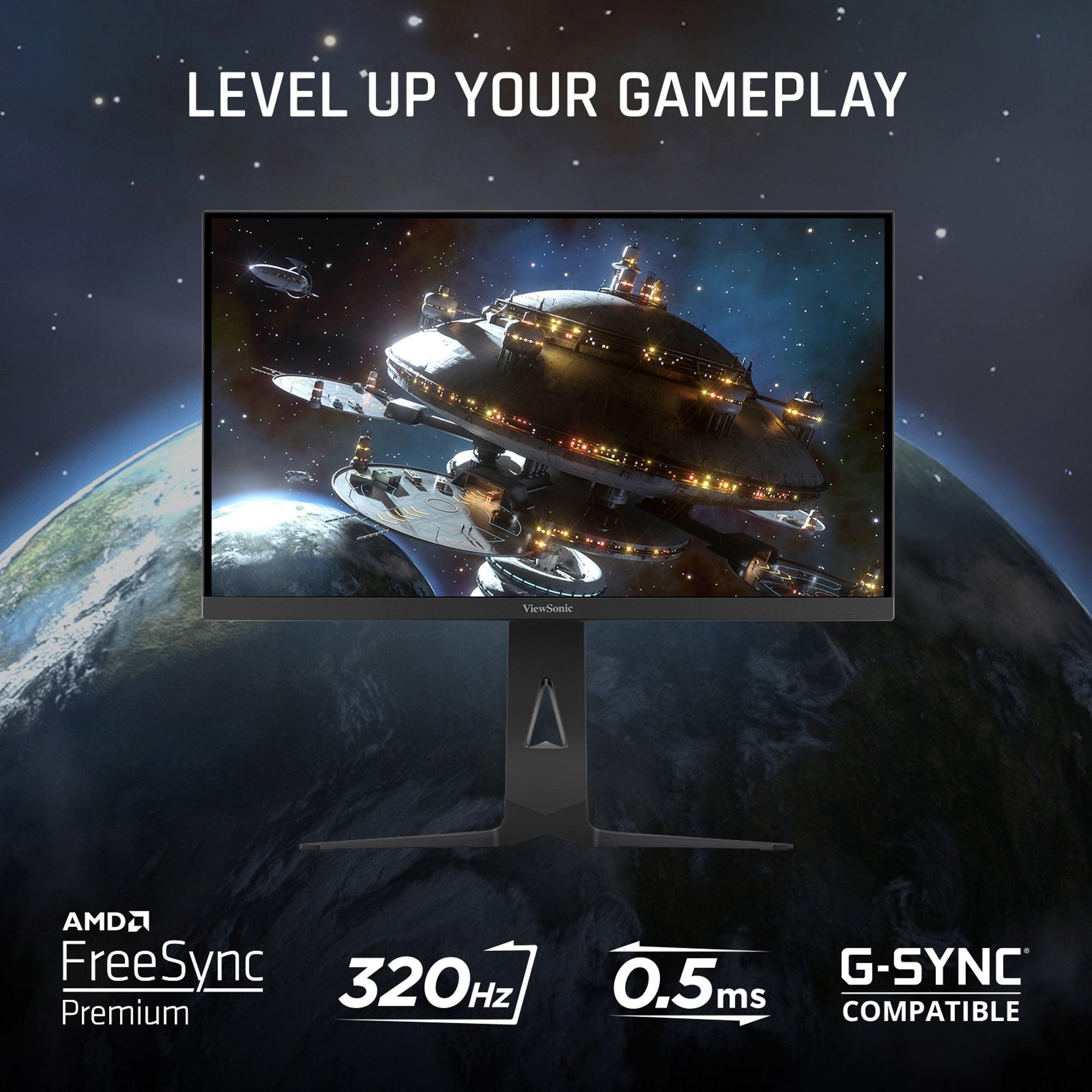
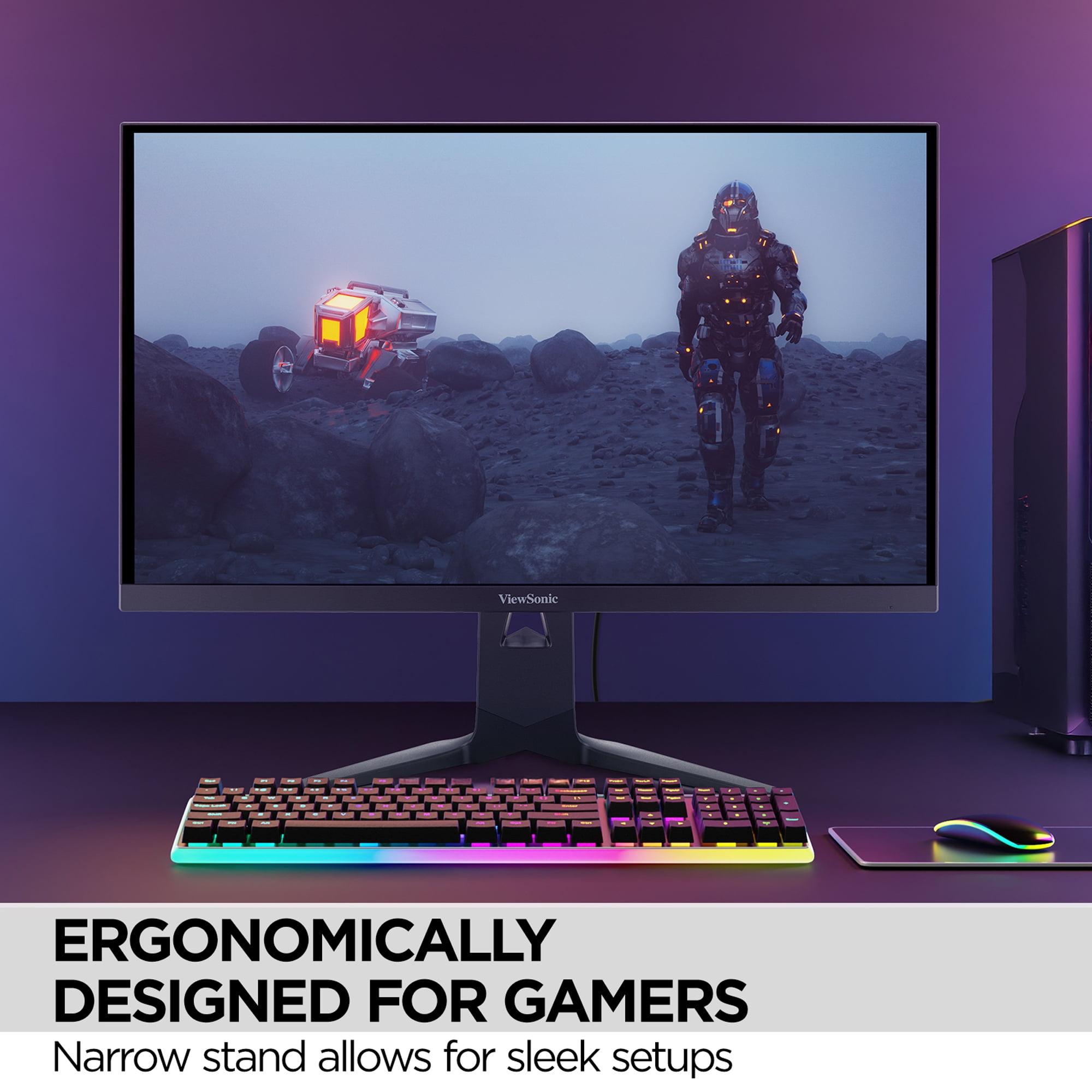
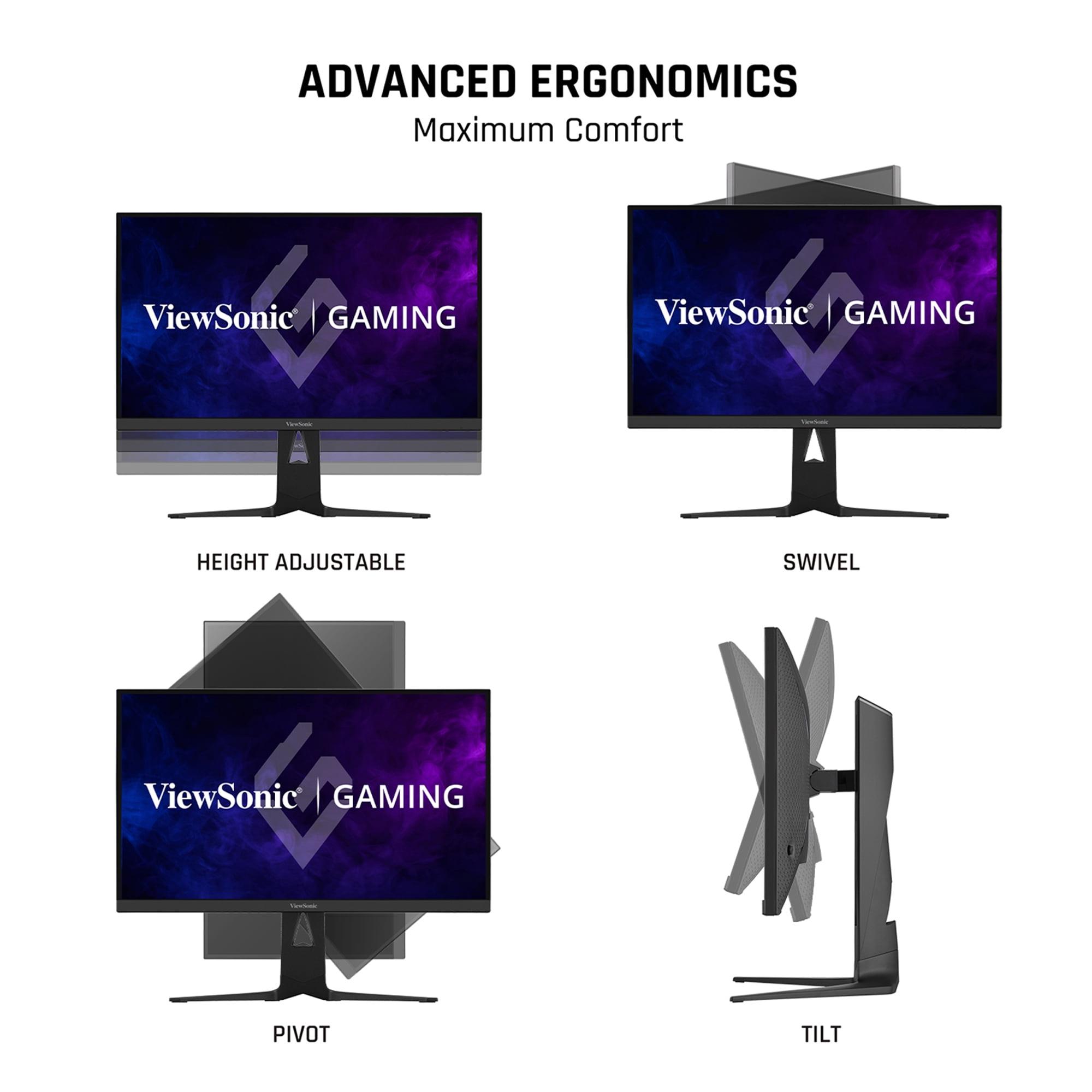
Choosing the right gaming monitor can feel overwhelming, especially when you're comparing vastly different technologies. Today, I'm diving deep into two fascinating monitors from ViewSonic that represent completely different philosophies in gaming display design: the premium XG272-2K-OLED and the innovative XG275D-4K.
Both monitors hit the market around 2024, during a period when gaming display technology was experiencing rapid evolution. OLED panels were finally becoming mainstream in the monitor space after dominating TVs for years, while traditional LCD technology was pushing boundaries with higher refresh rates and smarter feature sets. This timing makes these two monitors particularly interesting case studies in how different approaches can serve different types of gamers.
Before we dive into specifics, let's establish what really matters in a gaming monitor. The key factors that separate good displays from great ones include panel technology (the actual screen type), refresh rate (how many times per second the image updates), response time (how quickly pixels can change colors), and resolution (the number of pixels that make up the image).
Think of panel technology as the foundation of everything else. OLED (Organic Light-Emitting Diode) panels use individual pixels that light themselves up, creating perfect blacks when they're turned off completely. Traditional LCD panels use a backlight that shines through liquid crystals, which means they can never achieve true black since there's always some light bleeding through.
Refresh rate, measured in Hz (hertz), determines how smooth motion appears. A 60Hz monitor updates the image 60 times per second, while a 240Hz monitor updates it 240 times per second. Higher refresh rates reduce motion blur and make fast-paced games feel more responsive, though you need a powerful graphics card to take full advantage.
Response time, usually measured in milliseconds (ms), tells you how quickly pixels can change from one color to another. Faster response times mean less ghosting and clearer motion during fast scenes.
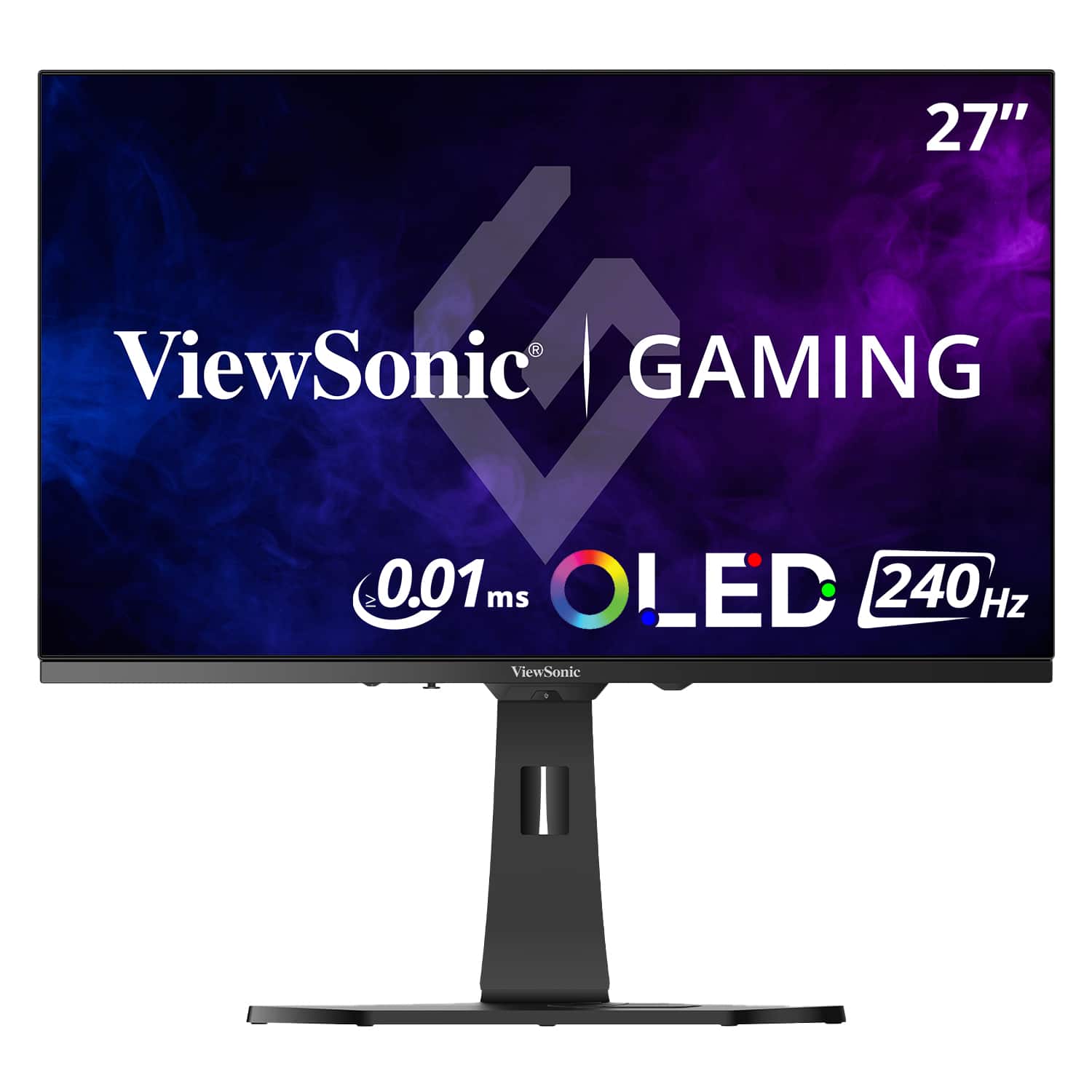
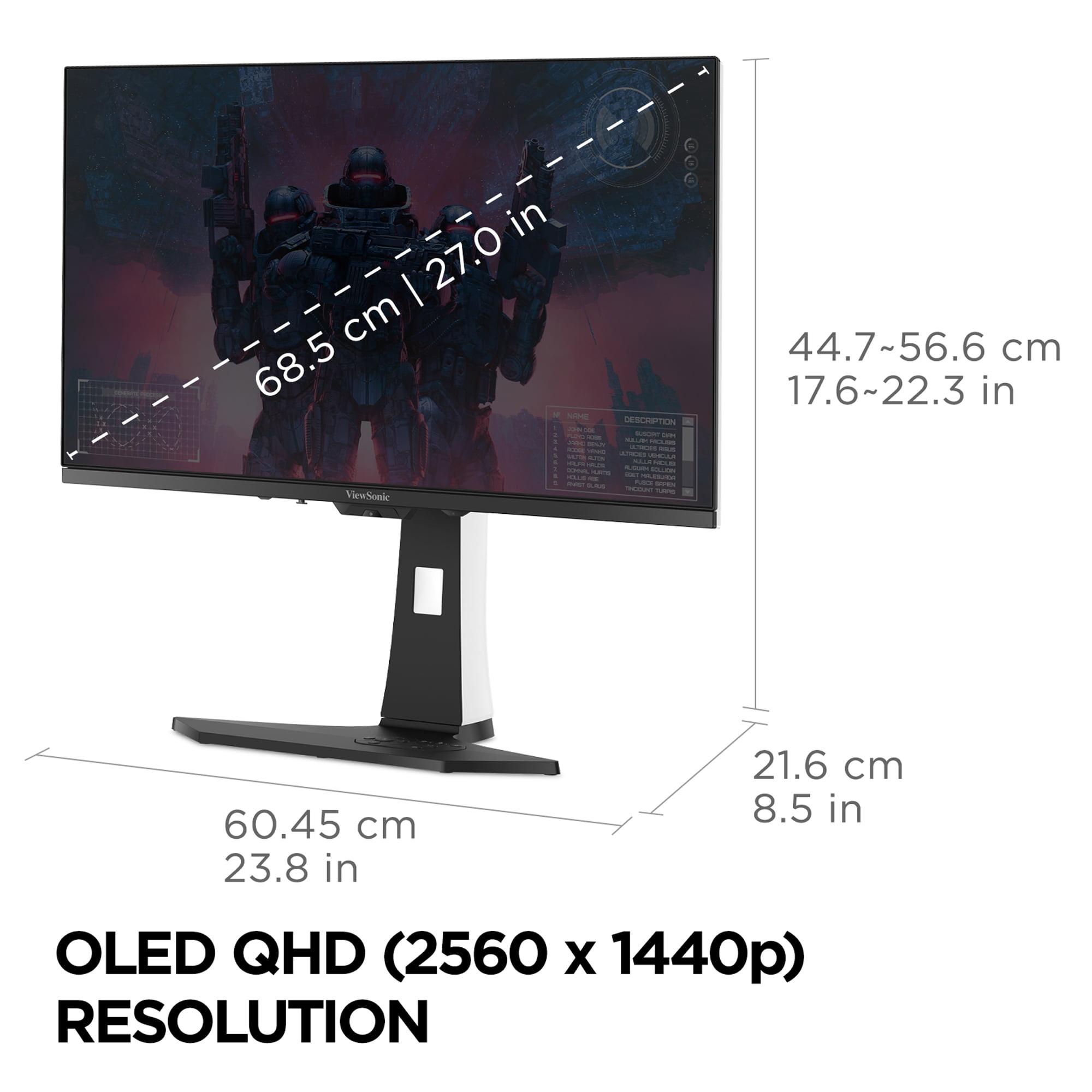
The XG272-2K-OLED represents ViewSonic's entry into the premium OLED gaming market. This 27-inch monitor runs at QHD resolution (2560×1440 pixels) with a fixed 240Hz refresh rate. At the time of writing, it sits in the higher price tier of gaming monitors, reflecting its premium OLED technology.
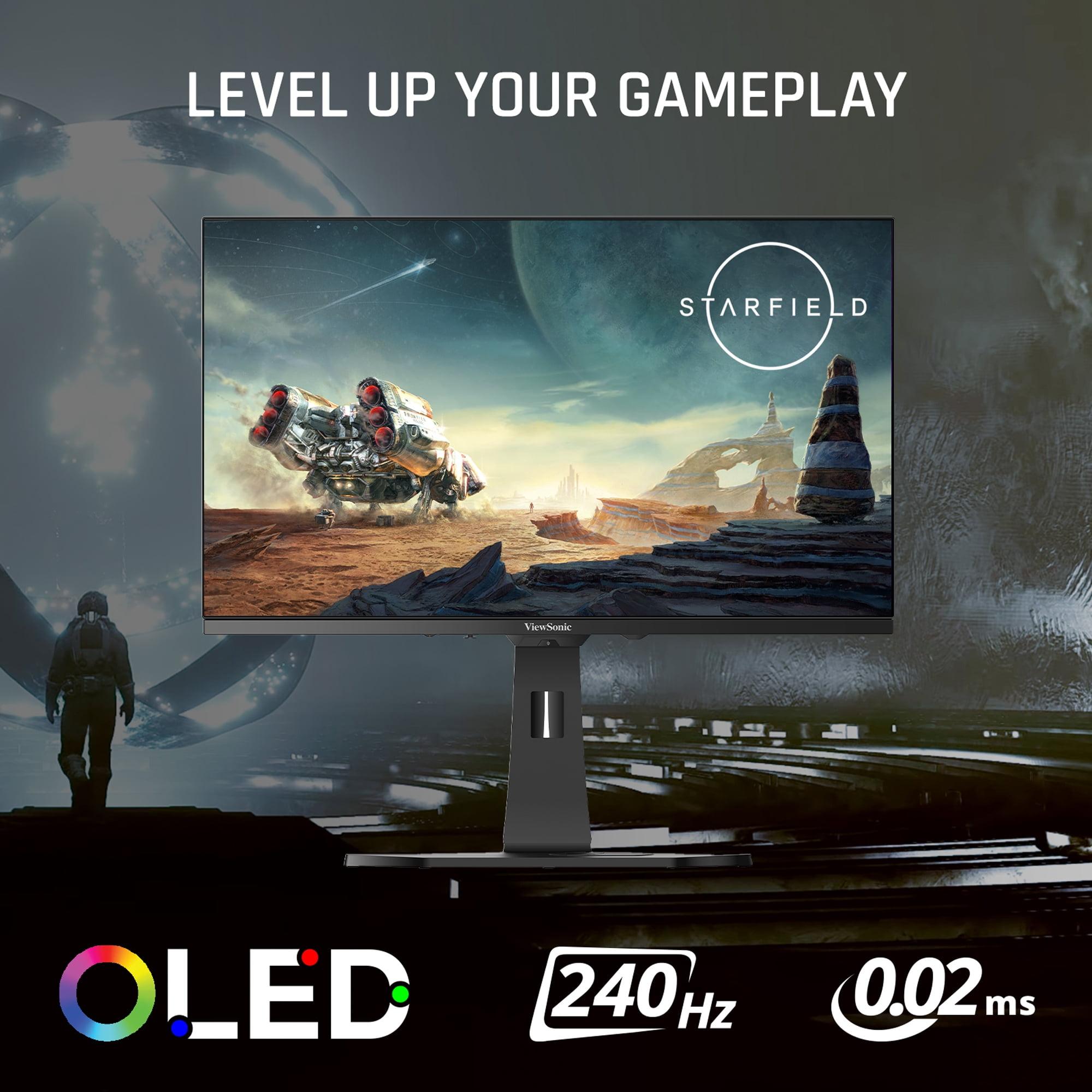
What makes this monitor special isn't just the OLED panel – it's how ViewSonic has implemented it. The display achieves an astounding 0.01ms pixel response time, which is essentially instantaneous. For context, that's about 50 times faster than many traditional gaming monitors. This speed comes from OLED's fundamental advantage: each pixel can turn on or off individually without waiting for liquid crystals to twist or backlights to adjust.
The color performance is equally impressive. The XG272-2K-OLED covers 97% of the DCI-P3 color space, which is the standard used in movie theaters. This means games and movies will display colors almost exactly as their creators intended. The monitor also supports 1.07 billion colors (10-bit color depth), creating smooth gradients without the banding you might see on cheaper displays.
One unique feature I found particularly clever is the Black Frame Insertion (BFI) technology. This feature inserts black frames between regular frames to reduce motion blur, something rarely seen on OLED monitors. Most OLED displays rely purely on their fast response times, but ViewSonic added this extra tool for users who want every possible advantage in competitive gaming.
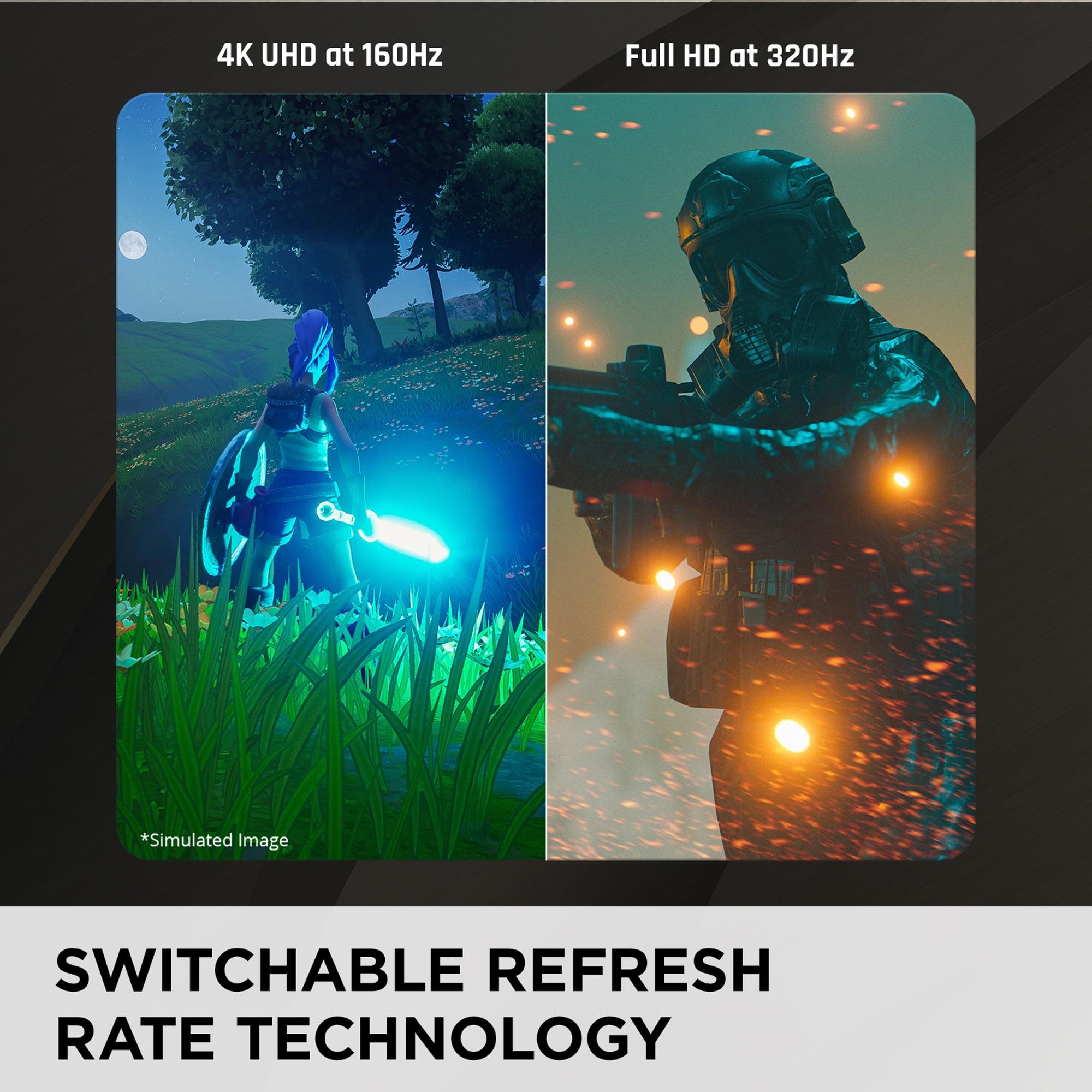
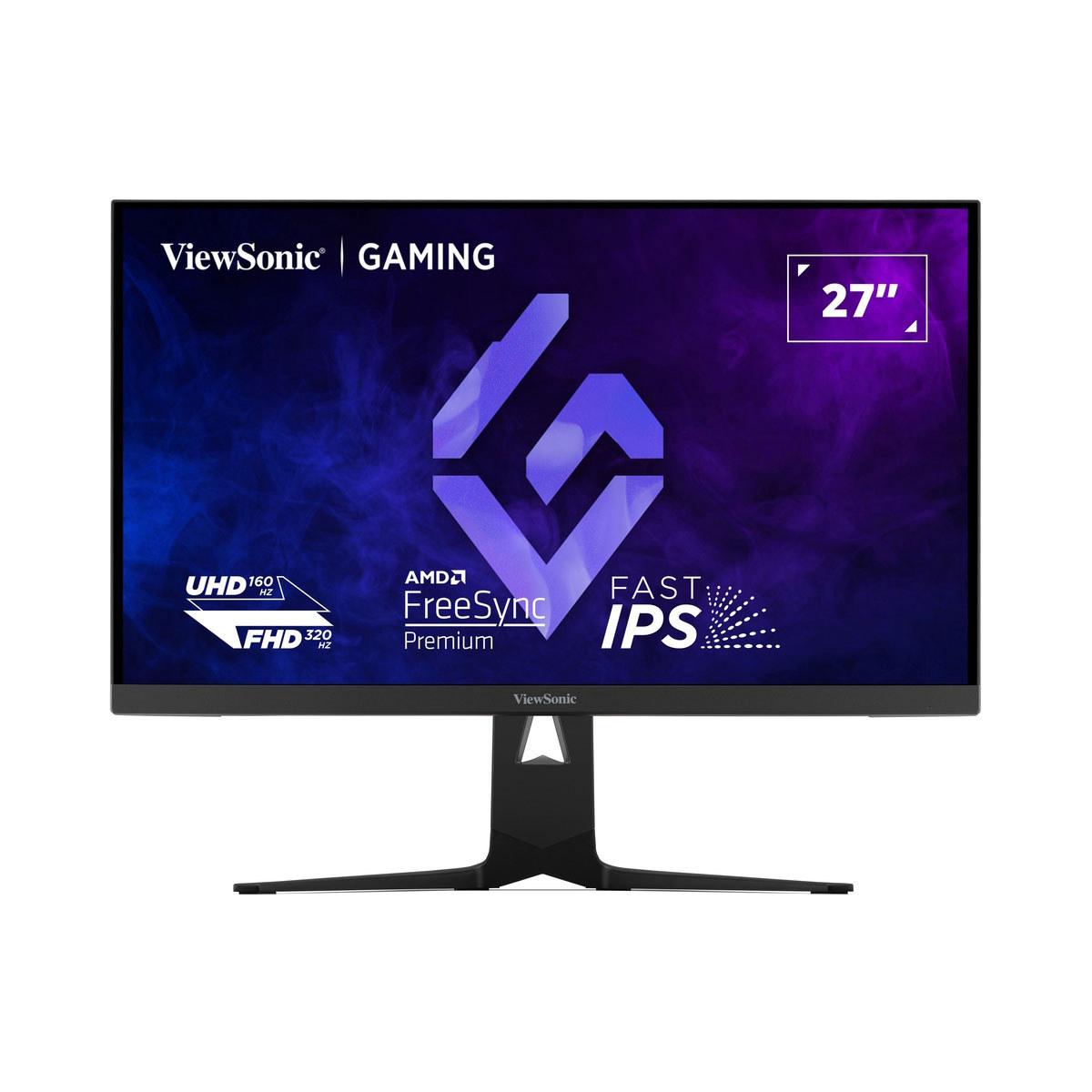
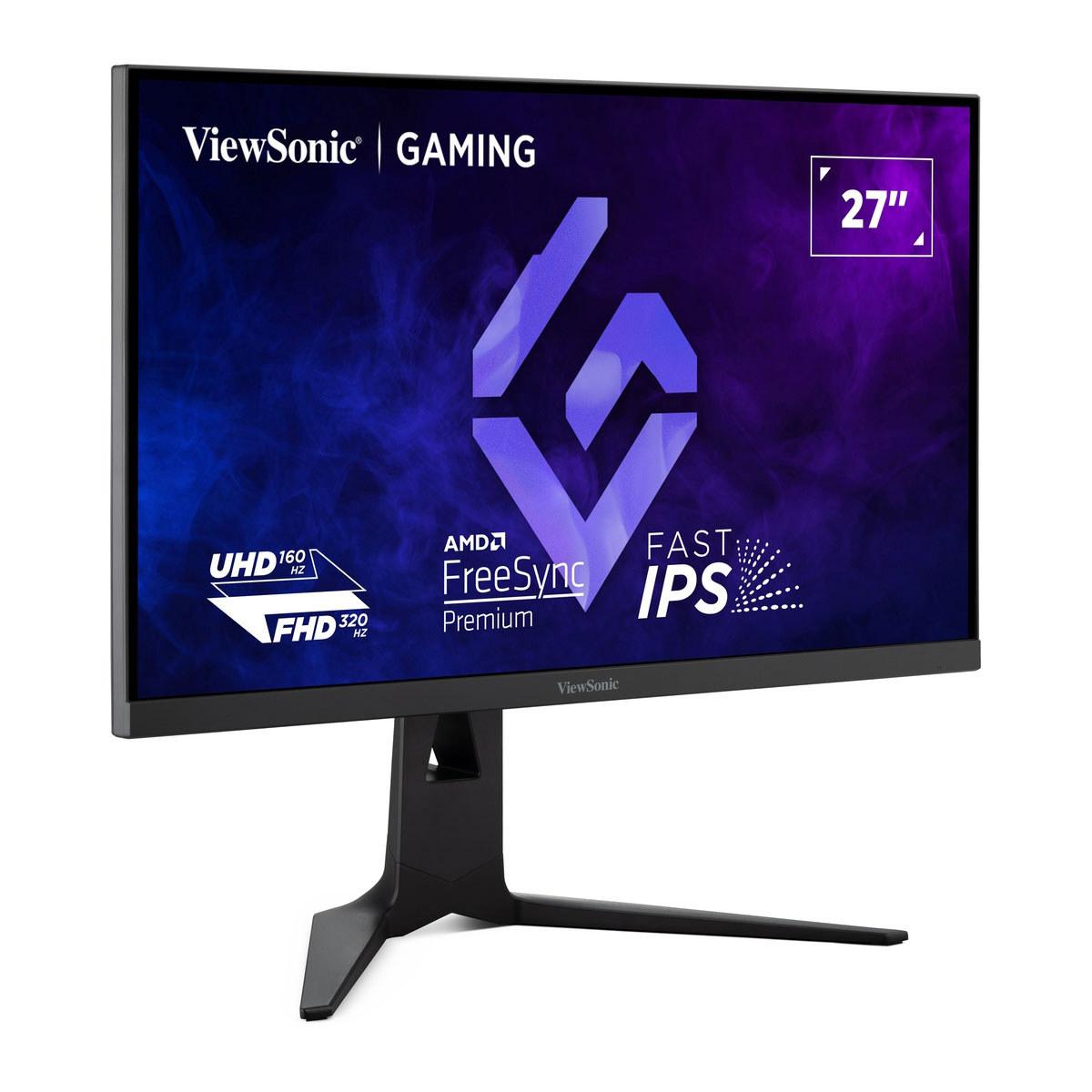
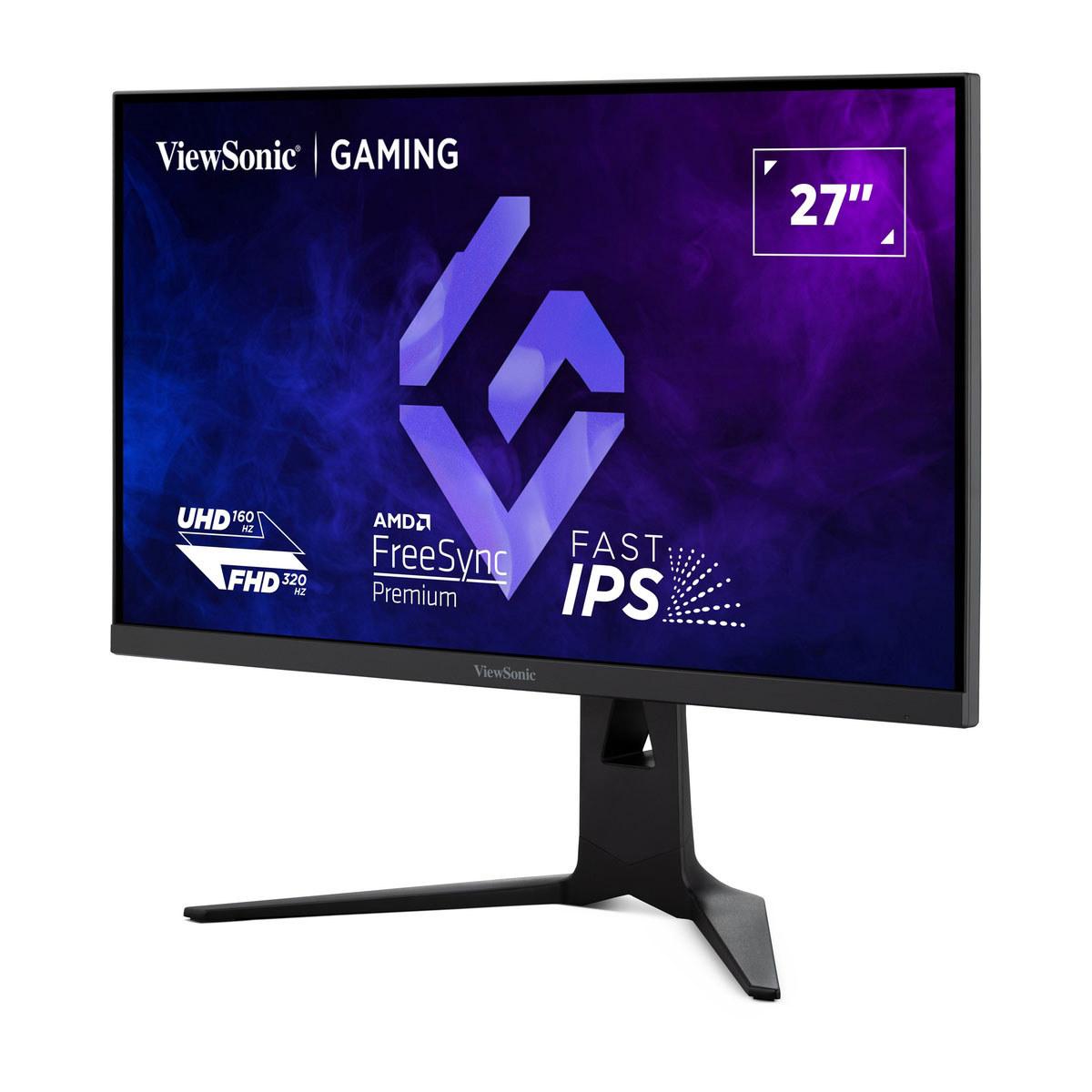
The XG275D-4K takes a completely different approach. Instead of focusing on premium panel technology, ViewSonic created something I've never seen before: a monitor that can switch between two completely different performance modes with the press of a button.
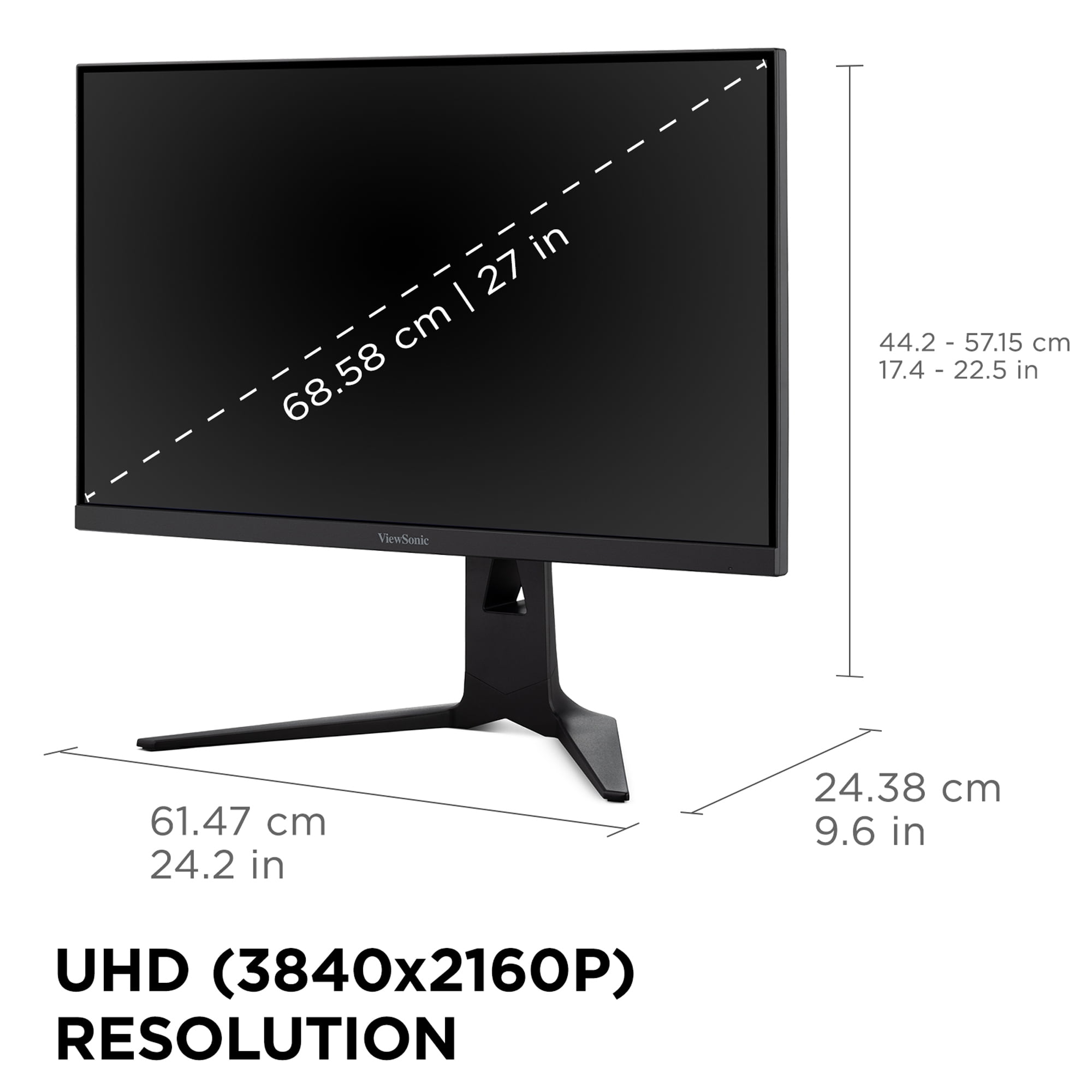
In 4K mode, you get the full 3840×2160 resolution at 160Hz – perfect for immersive single-player games where visual detail matters. Switch to performance mode, and the monitor runs at 1920×1080 resolution but cranks the refresh rate up to an incredible 320Hz. This dual-mode approach means you're not locked into choosing between high resolution or high refresh rate when you buy the monitor.
The panel uses Fast IPS technology, which bridges the gap between traditional IPS (In-Plane Switching) panels and newer technologies. IPS panels are known for consistent colors and wide viewing angles, but historically struggled with response times. Fast IPS improves on this with a 0.5ms MPRT (Moving Picture Response Time) rating, which is quite good for LCD technology, though still not matching OLED speeds.
At the time of writing, the XG275D-4K sits in the mid-to-upper price range of gaming monitors, offering significantly more value per dollar than OLED alternatives while providing unique functionality you can't find elsewhere.
Using the XG272-2K-OLED feels like switching from a regular TV to an OLED TV for the first time – the difference is immediately noticeable. The infinite contrast ratio (technically measured at 150,000:1) means that dark scenes in games reveal details you never knew were there. Playing atmospheric games like horror titles or space simulators becomes genuinely more immersive when black areas are truly black rather than the grayish black of LCD monitors.
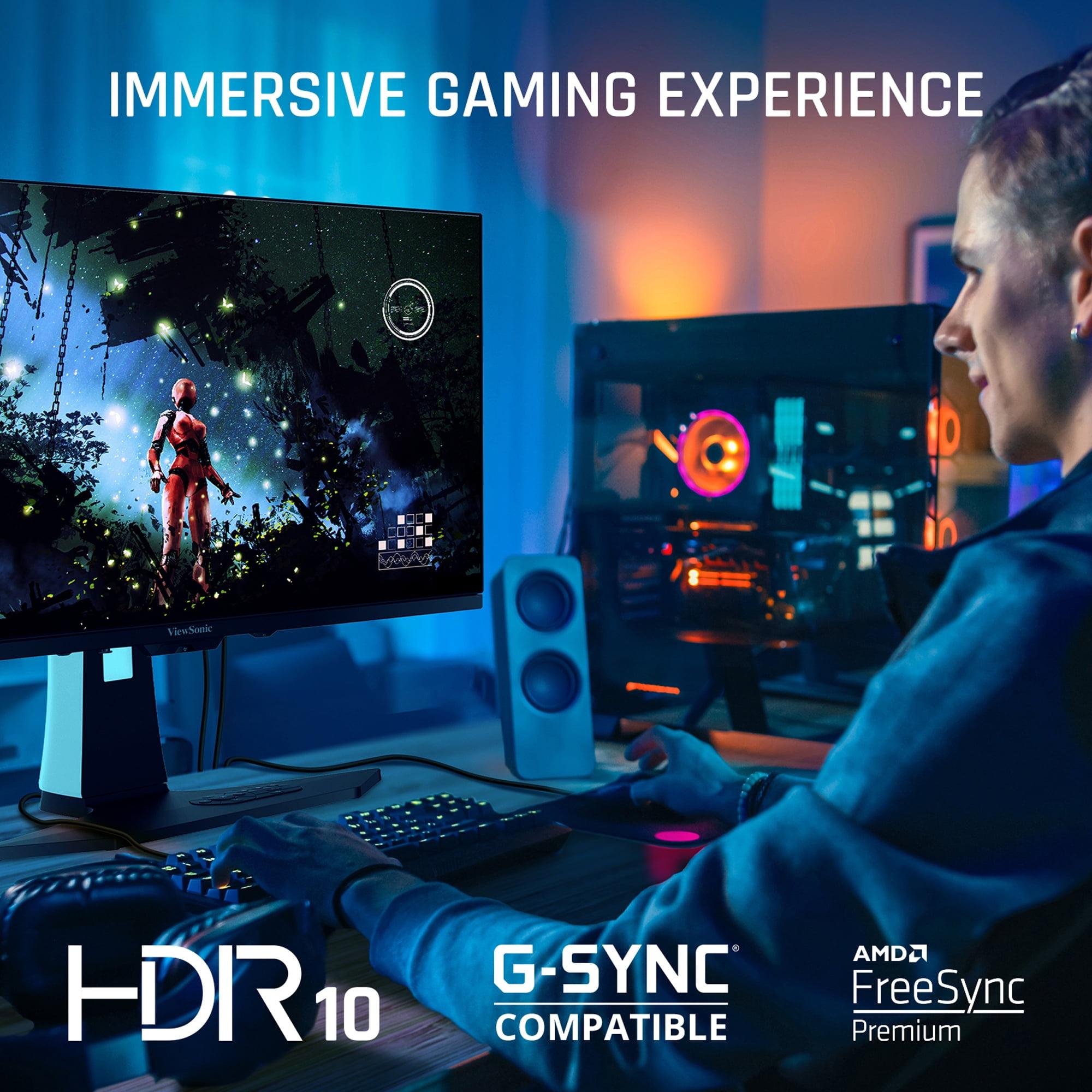
The HDR (High Dynamic Range) performance is where OLED really shines. HDR content can display brighter whites and darker blacks simultaneously, creating more realistic lighting. The XG272-2K-OLED reaches 450 nits of brightness, which might not sound impressive compared to some LCD monitors, but OLED's perfect blacks make this brightness much more effective. It's like the difference between a flashlight in daylight versus a flashlight in complete darkness – context matters.
However, OLED technology does come with considerations. Burn-in, where static images can permanently affect the display, remains a potential concern despite modern prevention technologies. ViewSonic has implemented several protection features including pixel shifting (moving the image slightly to prevent static elements from staying in one place) and automatic dimming when static content is detected for extended periods.
The XG275D-4K uses what I'd call "smart engineering" rather than cutting-edge materials. The Fast IPS panel delivers consistent performance without the potential longevity concerns of OLED. Colors are accurate and vibrant, though they lack the infinite contrast that makes OLED so compelling.
What's particularly impressive is how ViewSonic handles the dual-mode switching. When you switch from 4K to 1080p mode, the monitor isn't just changing resolution – it's optimizing the entire signal path for maximum refresh rate performance. The 320Hz mode transforms this into one of the fastest displays available, competing with specialized esports monitors that cost significantly more.
The 4K native resolution provides 77% more pixels than the XG272-2K-OLED's QHD resolution. This difference is most noticeable in desktop use and detailed games where text clarity and fine details matter. However, running games at 4K requires significantly more graphics processing power than QHD, which is something to consider when planning your overall system.
This is where the fundamental differences between these technologies become most apparent. The XG272-2K-OLED's 0.01ms response time is essentially perfect – there's no measurable delay in pixel transitions. In fast-paced games like first-person shooters or racing games, this translates to crystal-clear motion with zero ghosting or smearing.
The XG275D-4K's 0.5ms MPRT is still very good by LCD standards, but there's a noticeable difference if you're used to OLED or if you're highly sensitive to motion blur. However, for most users, this difference will only be apparent in direct comparison or in extremely fast-paced competitive scenarios.
Here's where things get interesting. The XG272-2K-OLED offers a consistent 240Hz experience, which is excellent for competitive gaming and general smoothness. Most modern graphics cards can achieve 240fps at QHD resolution in competitive titles, making this a well-balanced choice.
The XG275D-4K's dual-mode approach is genuinely innovative. In competitive games where every frame matters, the 320Hz mode provides a tangible advantage – assuming your graphics card can keep up. For context, even high-end graphics cards struggle to maintain 320fps consistently, but when they do, the smoothness is remarkable.
The 4K@160Hz mode serves a different purpose entirely. It's perfect for single-player games where visual fidelity matters more than ultra-high refresh rates. Games like Cyberpunk 2077 or Red Dead Redemption 2 look stunning at 4K resolution, and 160Hz is still plenty smooth for these experiences.
HDR is one of those features that's often marketed heavily but implemented poorly. Both monitors support HDR10, but their approaches differ significantly.
The XG272-2K-OLED delivers what I'd call "proper HDR." The combination of perfect blacks and 450 nits peak brightness creates the contrast range that makes HDR content look genuinely better than standard dynamic range. Dark scenes retain detail while bright elements pop off the screen.
The XG275D-4K offers more basic HDR support. At 300 nits peak brightness with traditional LCD contrast limitations, it's not going to deliver the dramatic HDR experience that modern games and streaming content can provide. It's functional HDR rather than transformative HDR.
For content creation or users who care about color accuracy, the XG272-2K-OLED is clearly superior. The 97% DCI-P3 coverage means colors are reproduced almost exactly as intended by game developers and content creators.
The XG275D-4K offers good color reproduction typical of quality IPS panels, but it's not in the same league for professional color work. For gaming and general use, the colors are vibrant and pleasant, just not reference-quality.
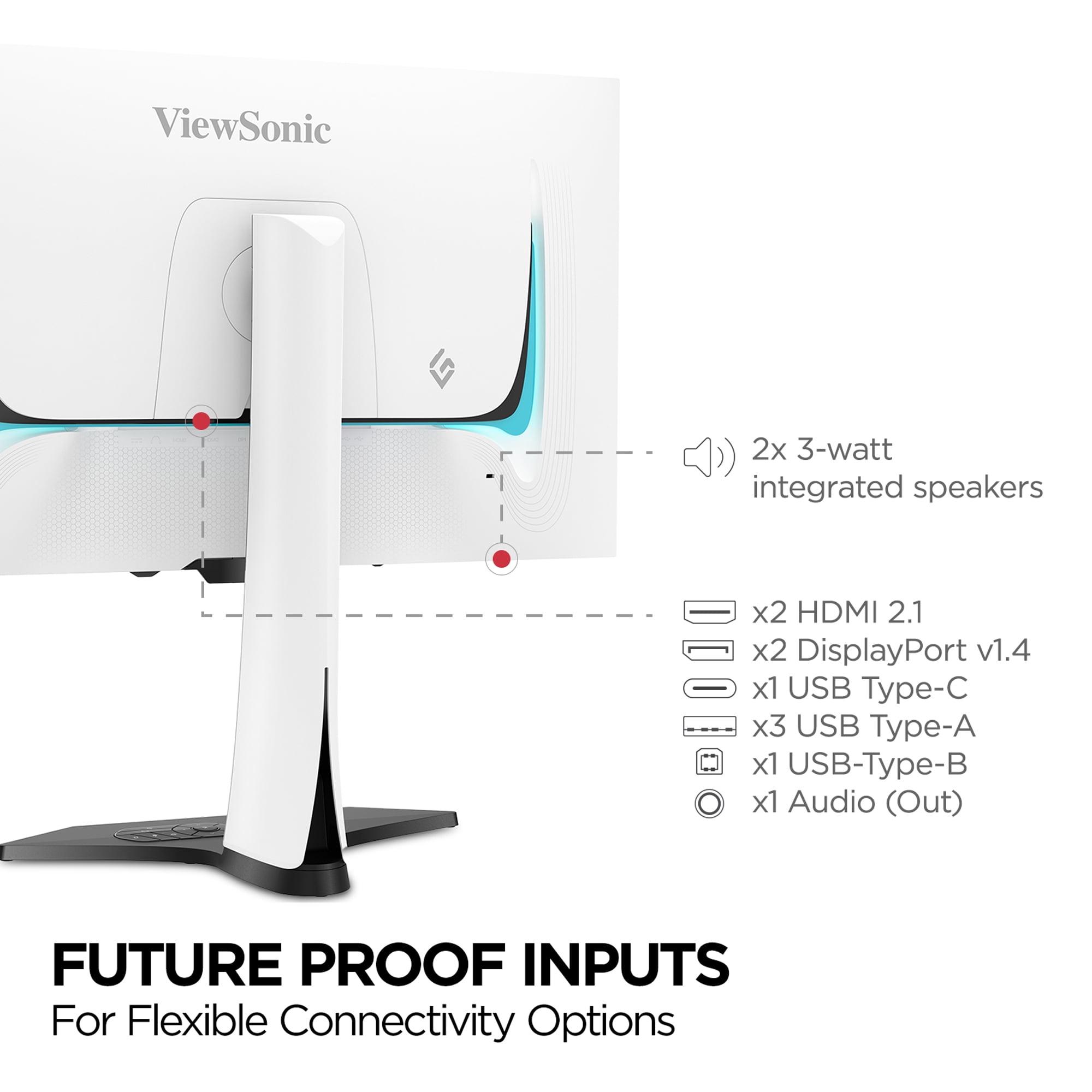
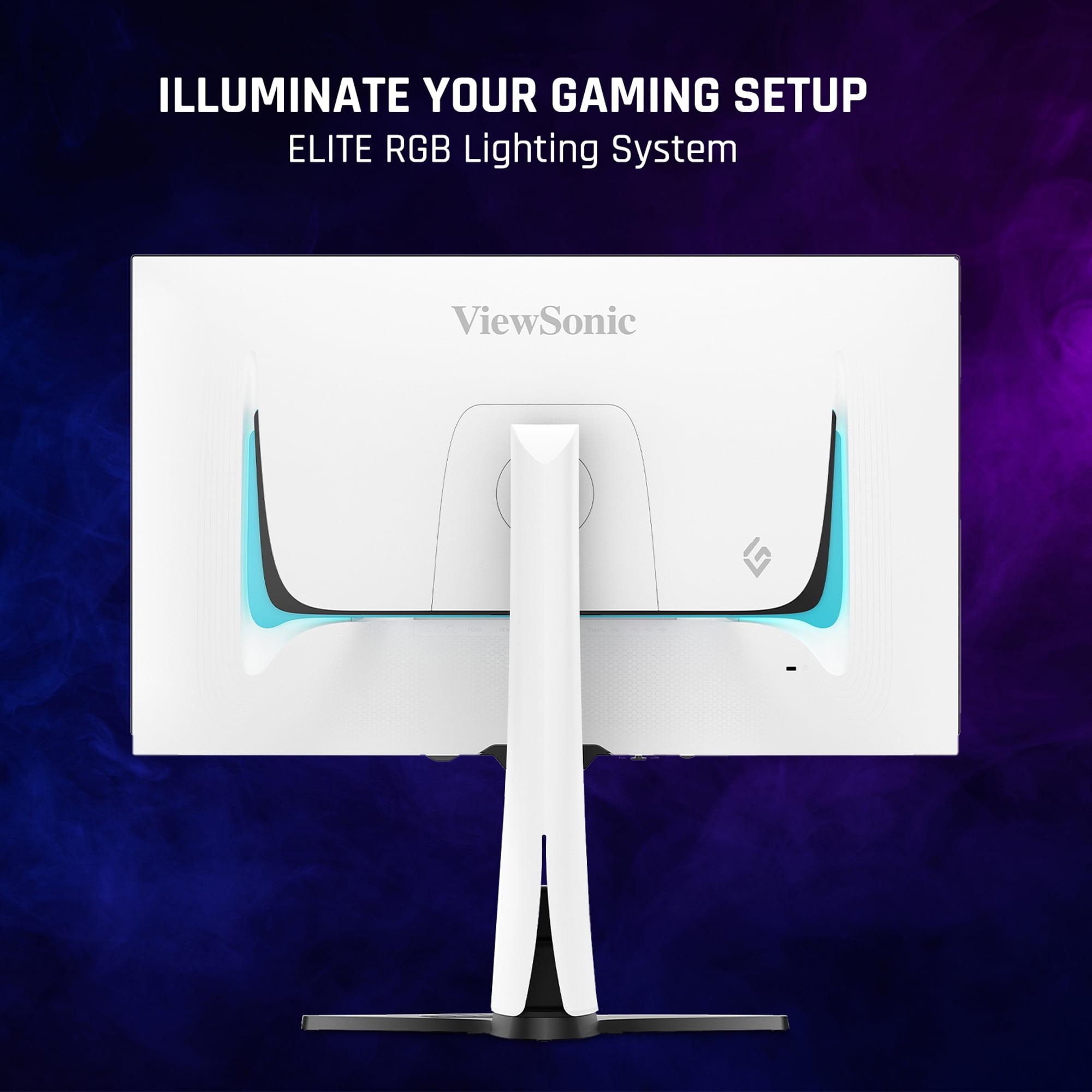
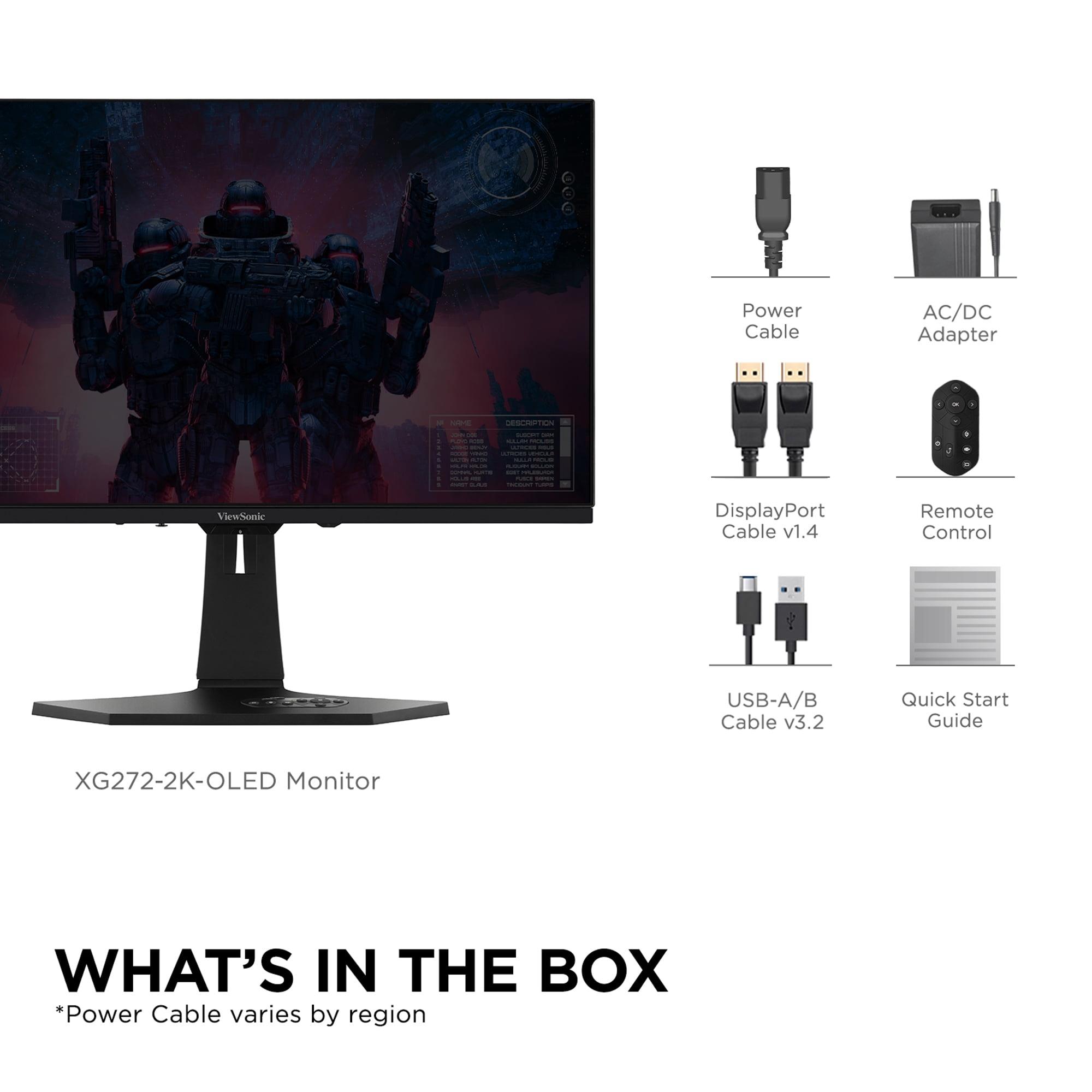
Both monitors offer comprehensive connectivity, but with different focuses. The XG272-2K-OLED includes features that complement its premium positioning: RGB lighting for aesthetic appeal, a remote control for convenient settings adjustment, and KVM switching for users with multiple computers.
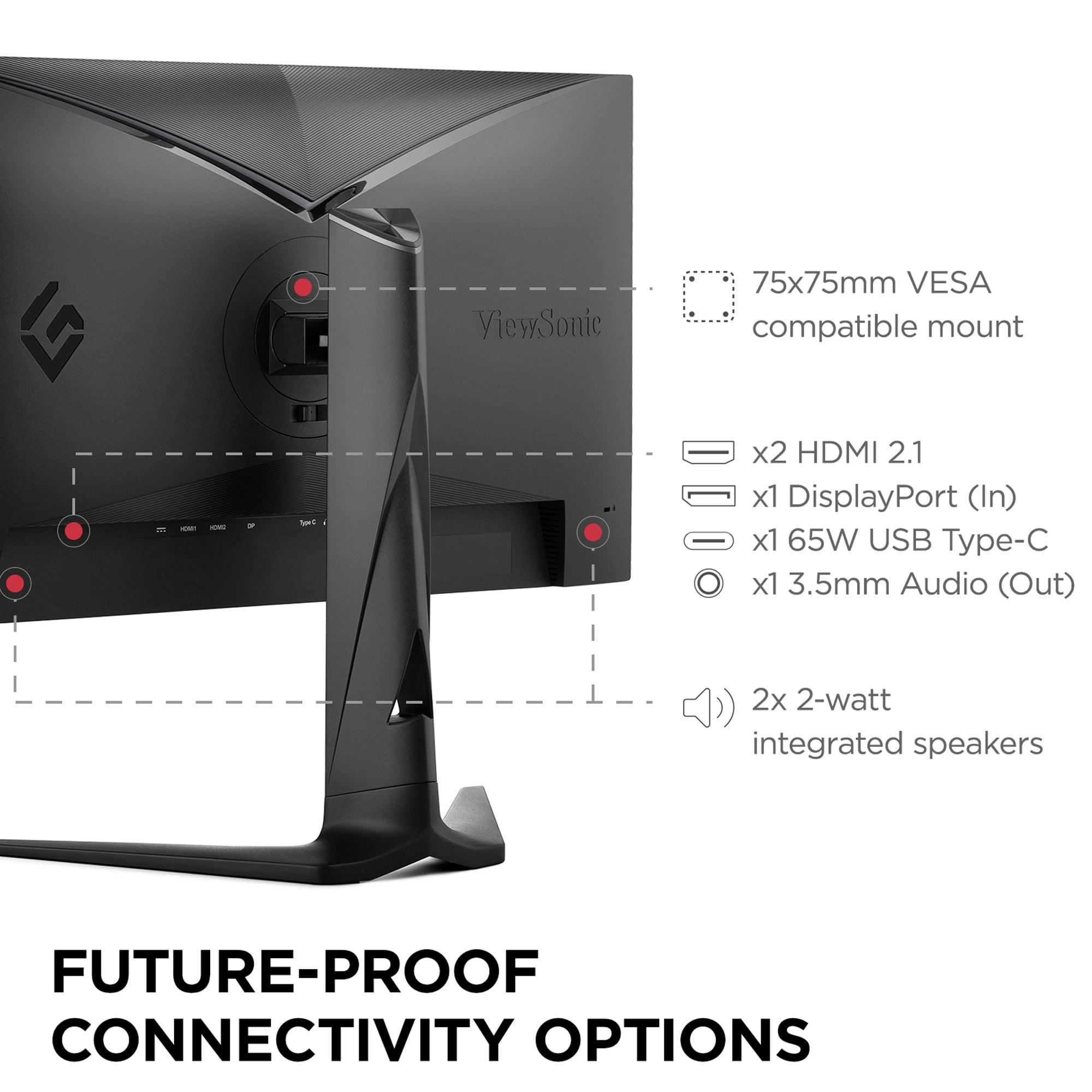
The XG275D-4K focuses on practical features. The USB-C port delivers 65W of power – enough to charge most laptops while providing video and data connectivity through a single cable. This makes it excellent for mixed desktop/laptop setups or users who want a clean, minimal cable setup.
Both monitors support variable refresh rate technologies (AMD FreeSync Premium and NVIDIA G-Sync Compatible), ensuring smooth gameplay regardless of your graphics card brand.
If you're considering either monitor for a home theater or console gaming setup, there are important distinctions to consider.
The XG272-2K-OLED excels in dark room environments where its perfect blacks and superior HDR create a more cinematic experience. The 27-inch size works well for desktop gaming but might feel small for couch gaming unless you're sitting relatively close.
The XG275D-4K offers better versatility for mixed content consumption. The 4K resolution makes it excellent for streaming 4K content, and the larger pixel count provides better text clarity for general computer use. The dual HDMI 2.1 ports make it easy to connect multiple current-generation consoles.
For console gaming specifically, both monitors support 120Hz modes that current-generation consoles can utilize, though the XG275D-4K's 4K capability makes it more future-proof as more games support 4K output.
At the time of writing, these monitors sit in different value categories entirely. The XG272-2K-OLED commands premium pricing that reflects its cutting-edge technology and superior image quality. You're paying for the best possible gaming experience in terms of visual quality and response time.
The XG275D-4K represents exceptional value engineering. It costs significantly less while offering unique dual-mode functionality that you can't find elsewhere. The savings could easily fund graphics card upgrades or other system improvements that might have more impact on your gaming experience than display technology alone.
Long-term reliability factors into this equation as well. OLED technology, while mature, still carries some risk of burn-in with heavy static content use. IPS technology is proven and reliable, with consistent performance over many years of use.
You prioritize image quality above all else and have the budget for premium technology. This monitor is perfect for users who want the absolute best visual experience and are willing to pay for cutting-edge OLED technology. It's ideal for immersive single-player gaming, content creation, and users who appreciate superior HDR performance.
The XG272-2K-OLED also makes sense if you're building a high-end gaming setup where every component is top-tier. If you're already investing in premium graphics cards, processors, and other components, the display shouldn't be the compromise point.
You want maximum flexibility and value from your monitor investment. The dual-mode functionality means you're essentially getting two different monitors in one: a 4K productivity/immersive gaming display and an ultra-high refresh rate competitive gaming monitor.
The XG275D-4K is perfect for users who play different types of games and want to optimize their experience for each. It's also excellent for anyone who needs to balance gaming with productivity work, thanks to the 4K resolution and laptop-friendly USB-C connectivity.
Budget-conscious enthusiasts will find this monitor particularly appealing. The money saved versus OLED alternatives can be invested in graphics hardware that will have a more immediate impact on gaming performance.
Both monitors represent excellent engineering, but they serve different priorities. The XG272-2K-OLED delivers the premium experience that OLED technology can provide – perfect for users who want the absolute best and are willing to pay for it. The XG275D-4K offers innovative flexibility and exceptional value, making cutting-edge gaming performance accessible to a broader range of users.
Your choice ultimately depends on whether you prioritize absolute visual quality or prefer versatile functionality with better value. Both monitors will deliver excellent gaming experiences, but through very different approaches to display technology and user needs.
| ViewSonic XG272-2K-OLED | ViewSonic XG275D-4K |
|---|---|
| Panel Technology - Determines image quality, contrast, and long-term reliability | |
| OLED with perfect blacks and infinite contrast | Fast IPS with consistent colors and no burn-in risk |
| Resolution - Affects sharpness and graphics card requirements | |
| 2560 x 1440 (QHD) - easier to drive at high fps | 3840 x 2160 (4K) - 77% more pixels for sharper detail |
| Refresh Rate - Higher rates provide smoother motion and competitive advantage | |
| Fixed 240Hz at QHD resolution | Switchable: 160Hz at 4K or 320Hz at 1080p |
| Response Time - Lower times reduce motion blur and ghosting | |
| 0.01ms pixel response (essentially instantaneous) | 0.5ms MPRT (very good for IPS technology) |
| HDR Performance - Enhances contrast and color range in supported content | |
| 450 nits with perfect blacks for excellent HDR | 300 nits with basic HDR10 support |
| Color Accuracy - Important for content creation and cinematic gaming | |
| 97% DCI-P3 coverage, professional-grade accuracy | Standard IPS color gamut, good for gaming |
| Unique Features - Special capabilities that differentiate each monitor | |
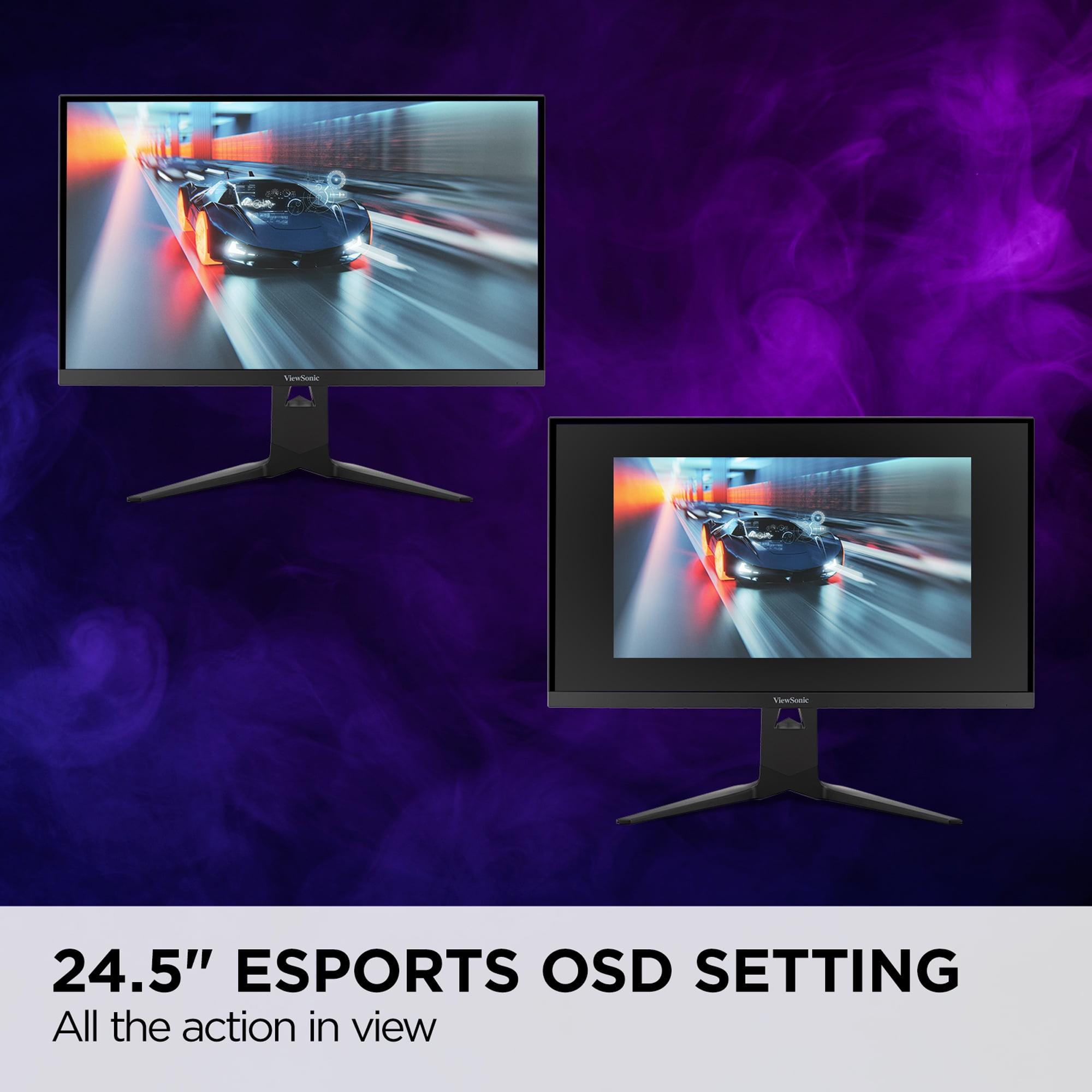
| Black Frame Insertion, RGB lighting, OSD remote | Dual-mode switching, 24.5" esports mode, 65W USB-C |
| Burn-in Risk - Long-term reliability consideration | |
| Potential OLED burn-in with static content | No burn-in risk with traditional LCD technology |
| Price Positioning - Value consideration at time of writing | |
| Premium pricing for cutting-edge OLED technology | Mid-to-upper range with exceptional feature-to-cost ratio |
The ViewSonic XG275D-4K is better for competitive gaming due to its 320Hz refresh rate in 1080p mode and dedicated 24.5" esports display setting. While the ViewSonic XG272-2K-OLED offers faster 0.01ms response times, the higher refresh rate of the XG275D-4K provides a more significant competitive advantage in fast-paced esports titles.
OLED panels like the ViewSonic XG272-2K-OLED have pixels that light themselves, creating perfect blacks and infinite contrast. IPS panels like the ViewSonic XG275D-4K use a backlight, so blacks appear grayish but offer no burn-in risk and consistent long-term reliability.
The ViewSonic XG272-2K-OLED has superior image quality with perfect blacks, 150,000:1 contrast ratio, and 97% DCI-P3 color coverage. The OLED technology delivers more vibrant colors and better HDR performance compared to the XG275D-4K's traditional LCD panel.
Only the ViewSonic XG275D-4K supports native 4K gaming at 160Hz. The ViewSonic XG272-2K-OLED is limited to QHD (1440p) resolution, though it provides excellent image quality at that resolution with its OLED technology.
The ViewSonic XG275D-4K offers better value with its dual-mode functionality, 4K resolution, and significantly lower price point. The XG272-2K-OLED costs more but justifies the premium with superior OLED image quality for users who prioritize visual excellence.
Yes, both support HDR10, but implementation differs significantly. The ViewSonic XG272-2K-OLED delivers superior HDR with 450 nits brightness and perfect blacks, while the ViewSonic XG275D-4K offers basic HDR support at 300 nits brightness.
For immersive single-player gaming, the ViewSonic XG272-2K-OLED excels with its perfect blacks, superior contrast, and excellent color accuracy. However, the ViewSonic XG275D-4K offers higher resolution detail that can enhance visual clarity in open-world games.
The ViewSonic XG275D-4K uses proven IPS technology with no burn-in risk and consistent long-term performance. The ViewSonic XG272-2K-OLED has potential OLED burn-in concerns with static content, though modern prevention technologies minimize this risk.
Both monitors offer comprehensive connectivity including HDMI 2.1, DisplayPort, and USB-C. The ViewSonic XG275D-4K provides 65W USB-C power delivery for laptops, while the XG272-2K-OLED includes KVM switching and RGB lighting features.
The ViewSonic XG275D-4K features unique dual-mode switching between 4K@160Hz and 1080p@320Hz with a simple button press. The ViewSonic XG272-2K-OLED operates at a fixed 240Hz refresh rate at QHD resolution.
The ViewSonic XG272-2K-OLED is superior for content creation with its 97% DCI-P3 color coverage and professional-grade color accuracy. The ViewSonic XG275D-4K offers good colors for general use but lacks the color precision needed for professional work.
Choose the ViewSonic XG272-2K-OLED if you prioritize image quality, have a higher budget, and want the best visual experience. Select the ViewSonic XG275D-4K if you want versatility, value, and the flexibility to switch between high resolution and ultra-high refresh rates.
We've done our best to create useful and informative comparisons to help you decide what product to buy. Our research uses advanced automated methods to create this comparison and perfection is not possible - please contact us for corrections or questions. These are the sites we've researched in the creation of this article: tomshardware.com - viewsonic.com - cgmagonline.com - bhphotovideo.com - forums.blurbusters.com - pangoly.com - youtube.com - rtings.com - youtube.com - bhphotovideo.com - viewsonic.com - assetserver.net - viewsonic.com - viewsonic.com - colamco.com - viewsonic.com - store.connectcause.com - displayspecifications.com - bhphotovideo.com - manuals.viewsonic.com - viewsonic.com - pangoly.com - visioncomputers.com - bestbuy.com - cgmagonline.com - gamingshogun.com - techpowerup.com - notebookcheck.net - bestbuy.com - newegg.com - techpowerup.com - shi.com - viewsonic.com - viewsonic.com - prnewswire.com - viewsonic.com - viewsonic.com - shop.avispl.com - guru3d.com - viewsonic.com - viewsonic.com - viewsonic.com - viewsonic.com

Privacy Policy
Terms and Conditions - Affiliate Policy
Home Security
© Copyright 2008-2026.
11816 Inwood Rd #1211, Dallas, TX 75244