



Gaming monitors have evolved dramatically since their early days of basic LCD panels with sluggish response times. Today's market offers sophisticated displays that can make or break your gaming experience, whether you're climbing ranked ladders in competitive shooters or exploring vast open worlds in single-player adventures.
When choosing a gaming monitor, you're essentially picking the window through which you'll experience every game. The wrong choice can leave you with motion blur during fast action, screen tearing that breaks immersion, or simply a display that doesn't match how you actually use your setup. That's why understanding the key differences between monitors like the HP OMEN 27s and ViewSonic XG275D-4K matters so much.
Before diving into these specific models, let's establish what makes a gaming monitor special. The most critical factors are refresh rate (how many times per second the screen updates), response time (how quickly pixels can change colors), and resolution (the number of pixels that create the image you see).
Refresh rate, measured in Hertz (Hz), determines how smoothly motion appears on screen. A standard 60Hz monitor updates 60 times per second, while gaming monitors often reach 240Hz or higher. Think of it like frames in a movie – more frames per second create smoother motion. This becomes crucial in fast-paced games where tracking moving targets or reacting quickly gives you a competitive edge.
Response time, measured in milliseconds (ms), indicates how fast a pixel can change from one color to another. Faster response times reduce "ghosting" – those annoying trails that follow moving objects on screen. When manufacturers claim 1ms response time, they're usually referring to "gray-to-gray" (GtG) measurements, which test how quickly pixels transition between shades of gray.
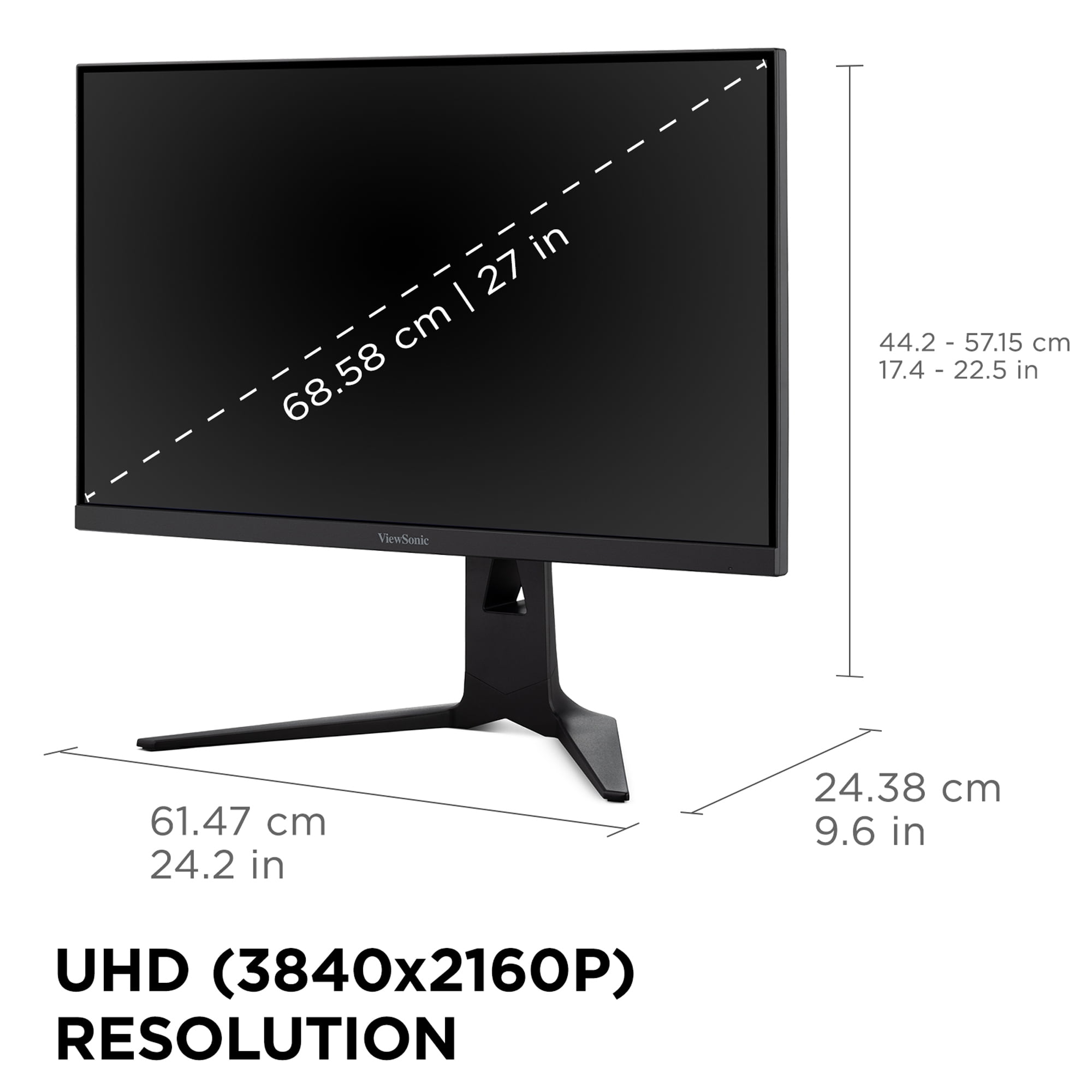
Resolution determines image sharpness and detail. Full HD (1920x1080) provides decent clarity on 27-inch screens, while 4K (3840x2160) offers four times as many pixels for incredibly sharp visuals. However, higher resolutions require more processing power from your graphics card, potentially limiting the frame rates you can achieve.
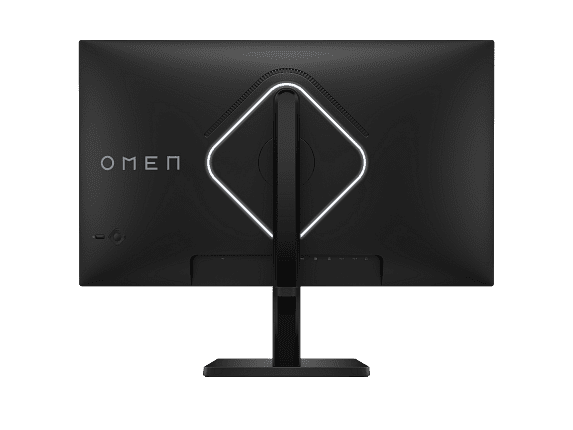
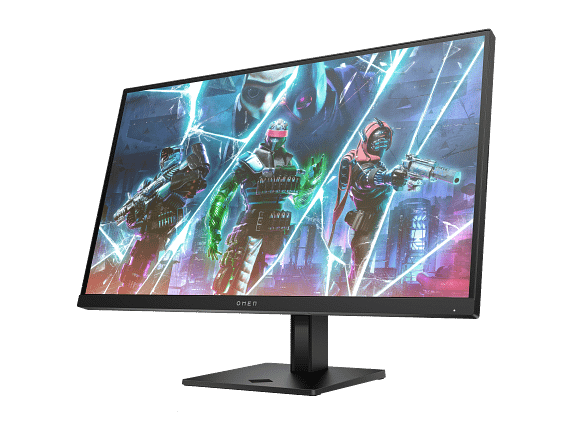
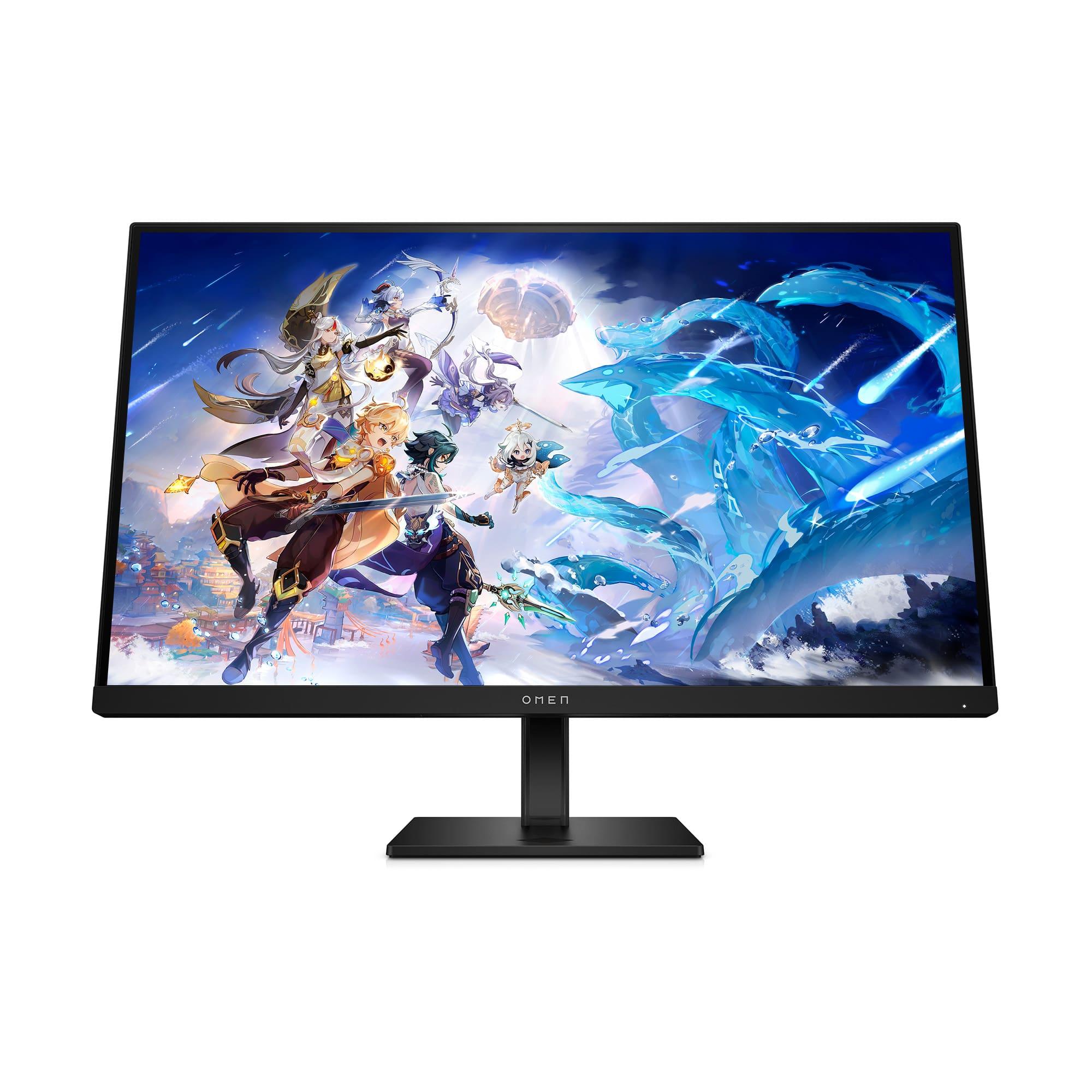
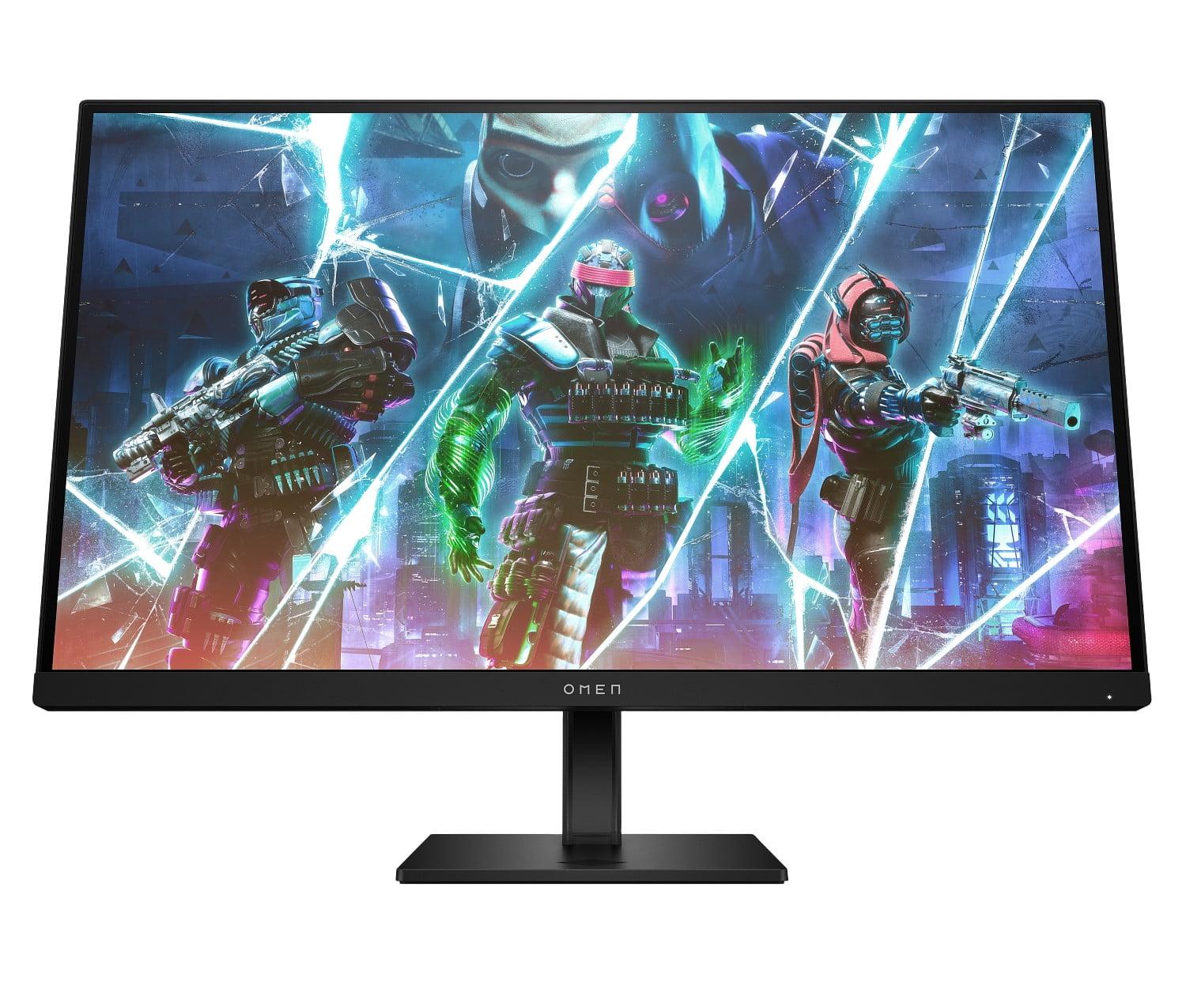
Released in 2023, the HP OMEN 27s represents the traditional competitive gaming approach – focus on one thing and do it exceptionally well. This 27-inch monitor delivers Full HD resolution at a consistent 240Hz refresh rate, targeting serious competitive gamers who prioritize speed and responsiveness above all else.
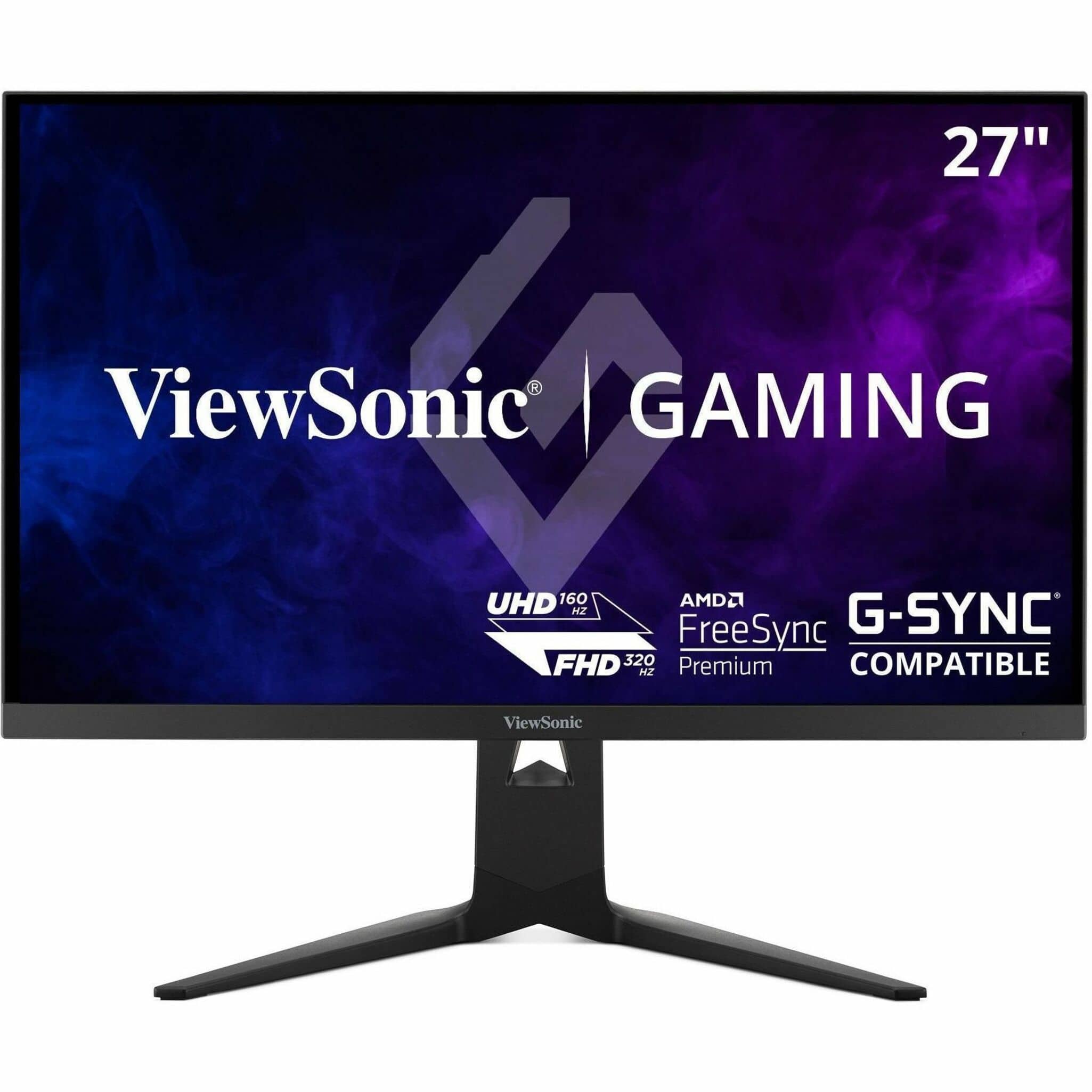
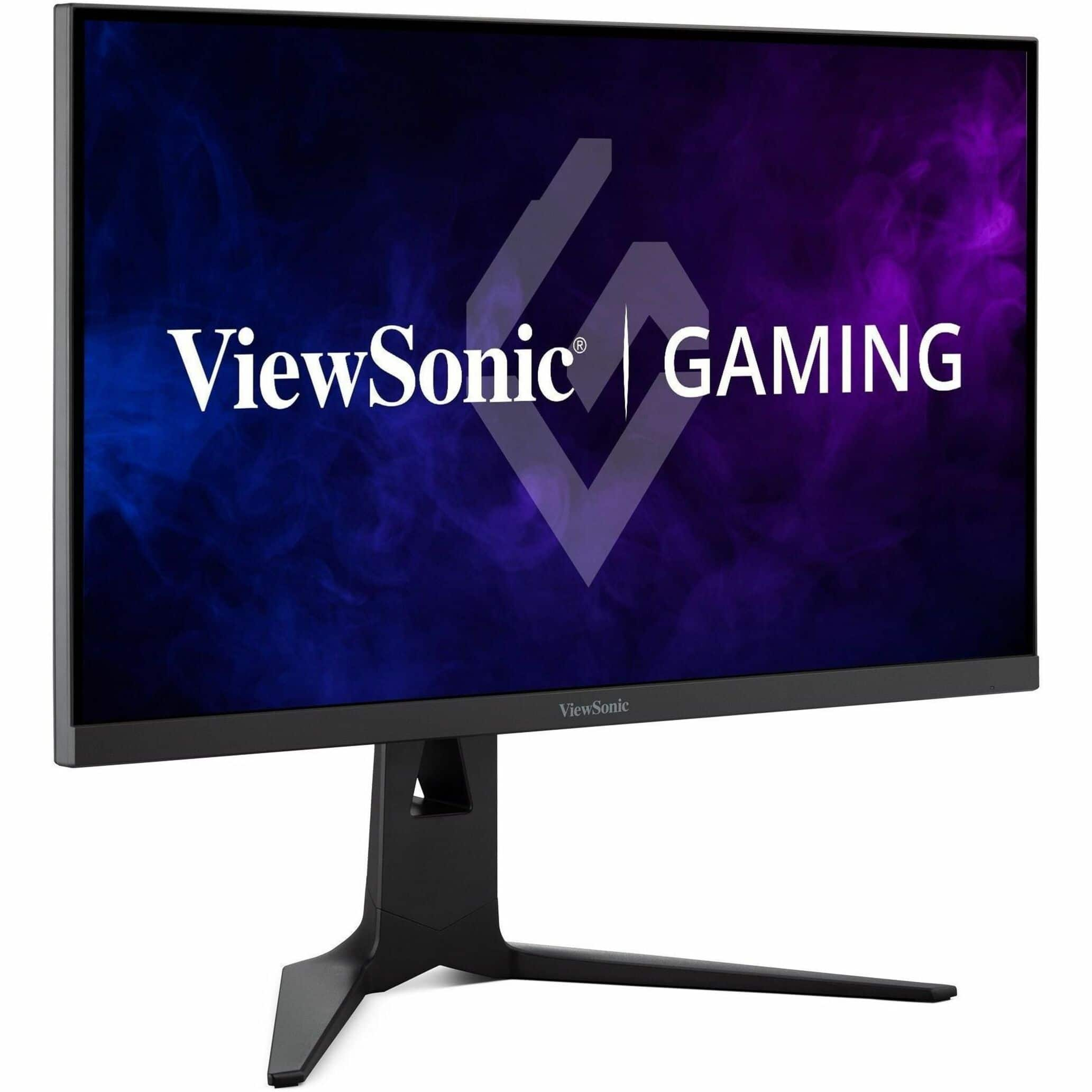
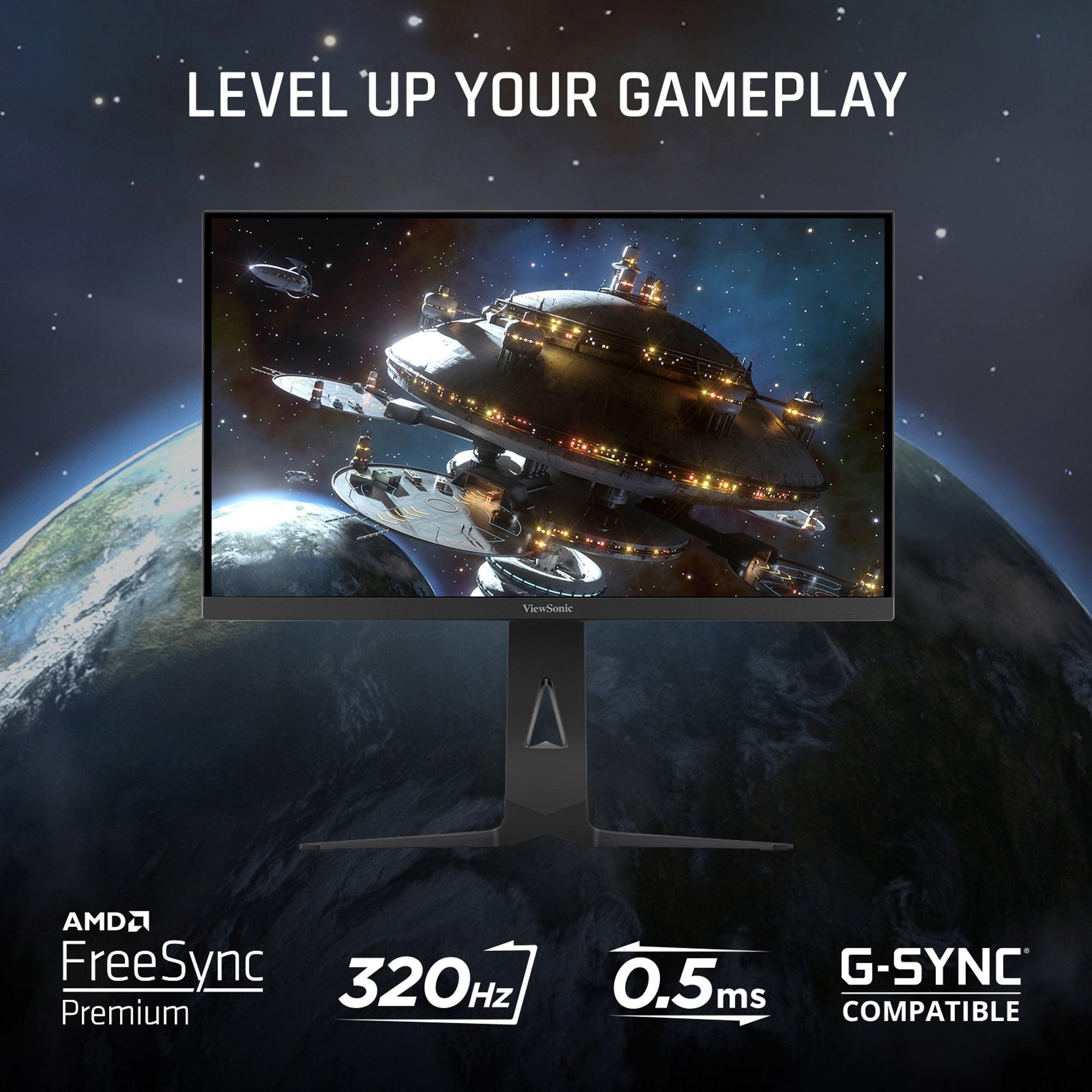
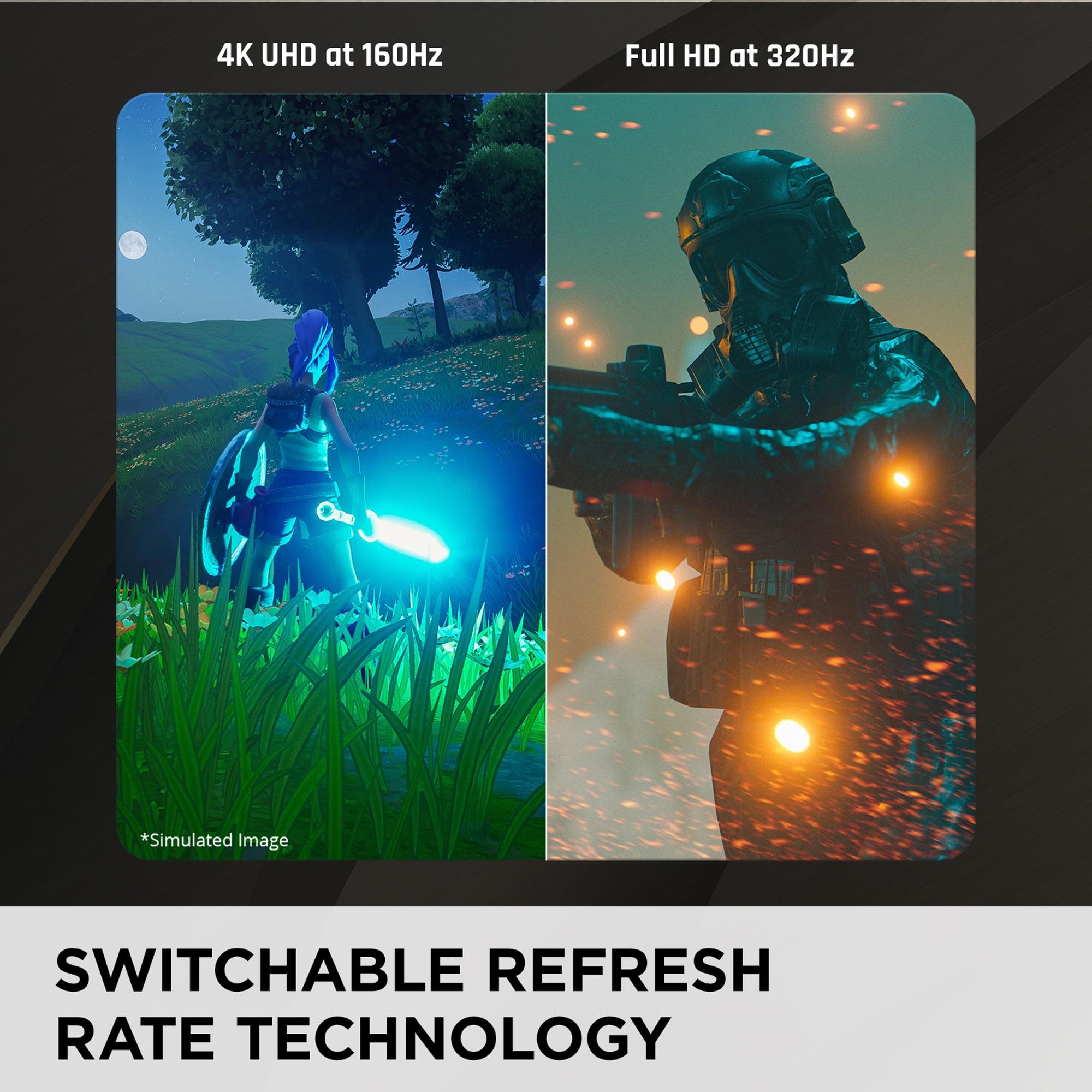
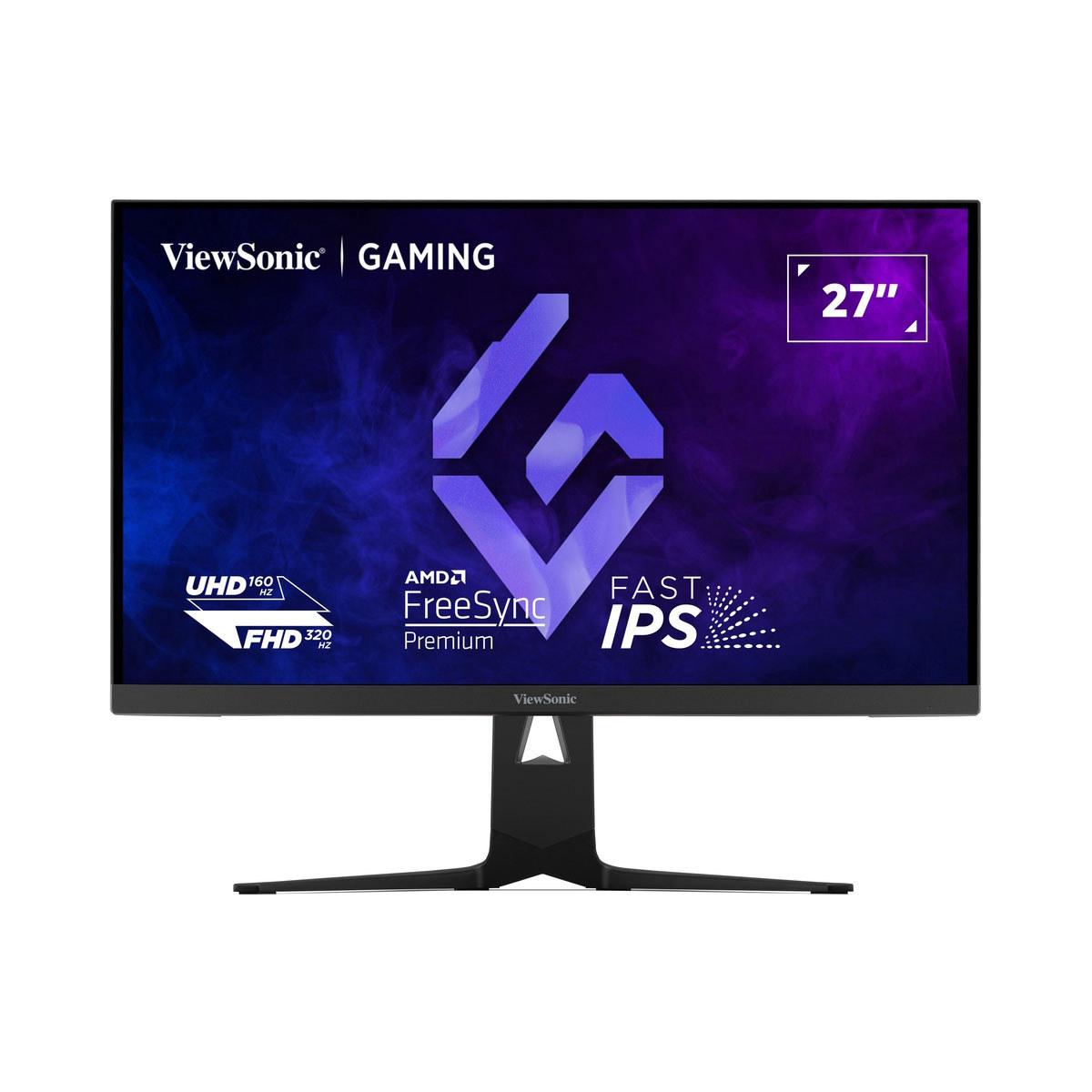
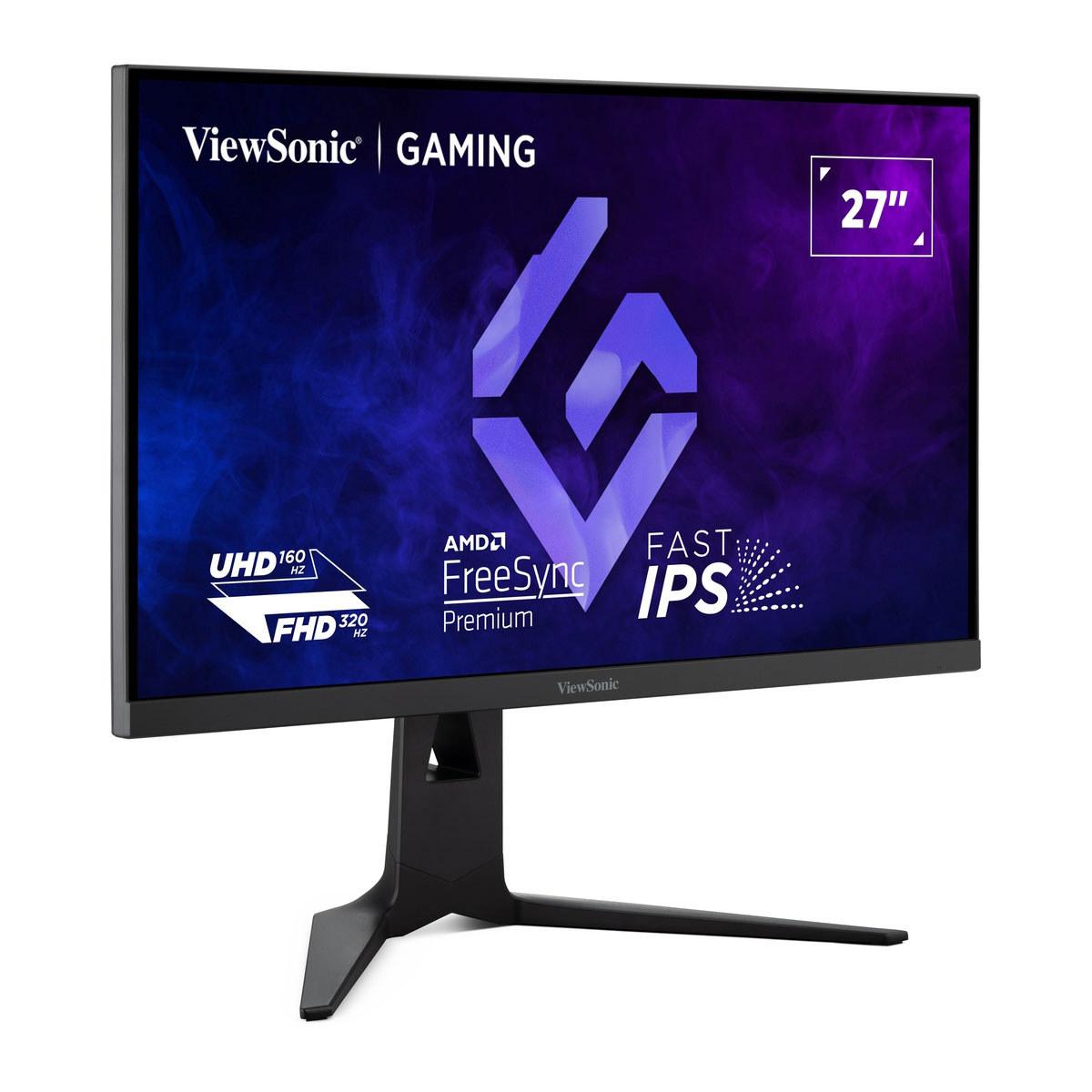
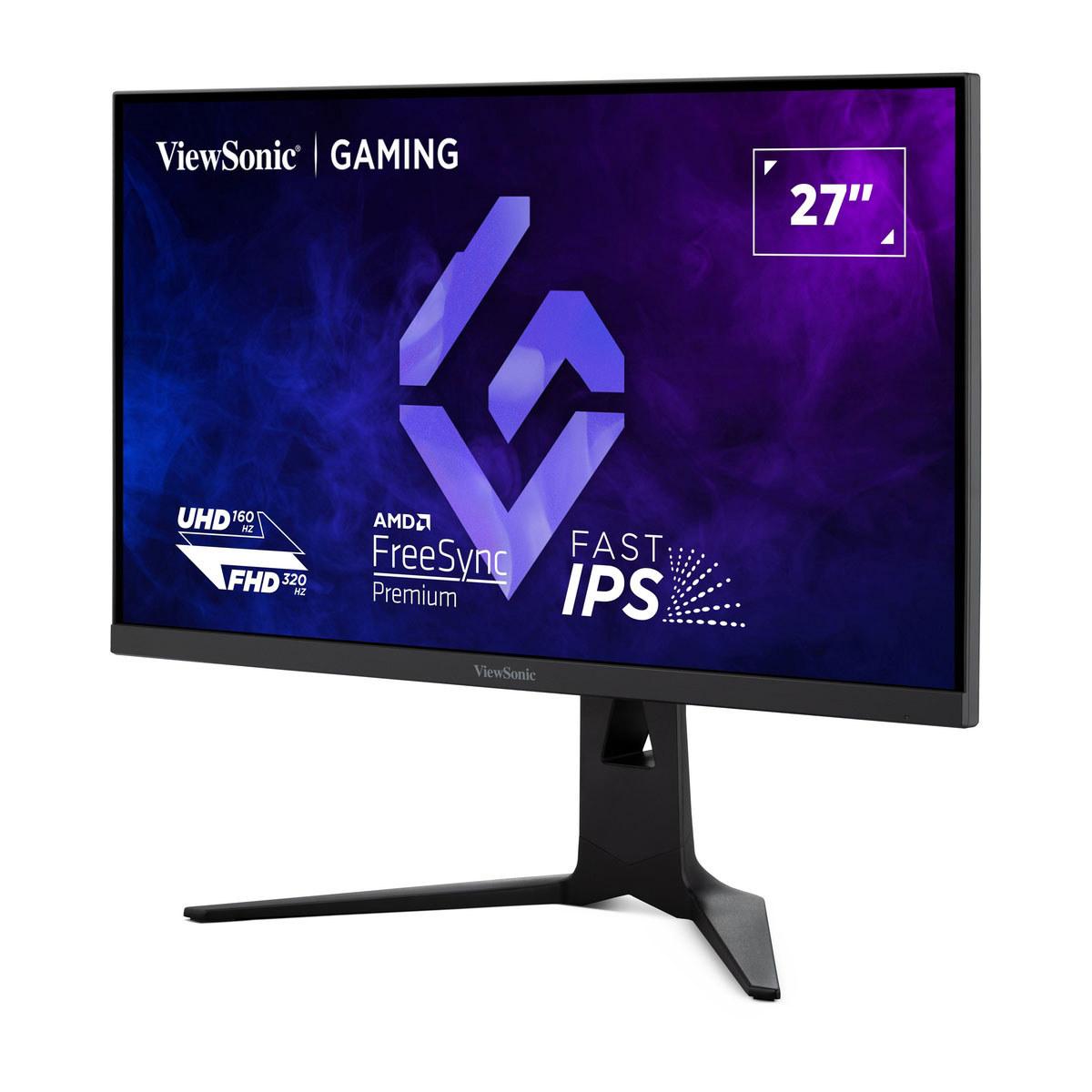
The ViewSonic XG275D-4K, launching more recently in 2024, embodies a newer philosophy in gaming monitor design. Rather than forcing users to choose between high refresh rates and high resolution, it offers both through innovative "dual-mode" technology. Users can switch between 4K resolution at 160Hz for immersive gaming, or drop to Full HD at an impressive 320Hz for competitive play.
This fundamental difference in approach shapes everything about how these monitors perform and who they're best suited for.
For competitive gaming – think Counter-Strike, Valorant, or League of Legends – every millisecond counts. The ViewSonic XG275D-4K technically wins on paper with its 320Hz maximum refresh rate compared to the HP OMEN 27s's 240Hz. That 33% increase in refresh rate can provide a noticeable advantage in tracking fast-moving targets and reducing input lag.
However, the story becomes more nuanced when considering real-world usage. The HP OMEN 27s maintains consistent performance at its rated specifications, while the ViewSonic XG275D-4K requires switching between modes depending on your needs. This mode-switching, while innovative, introduces complexity that some competitive gamers prefer to avoid during intense gaming sessions.
Both monitors feature adaptive sync technologies – NVIDIA G-SYNC compatibility and AMD FreeSync support – which synchronize the display's refresh rate with your graphics card's output. This eliminates screen tearing (when the image appears split across horizontal lines) and stuttering, creating smoother gameplay regardless of frame rate fluctuations.
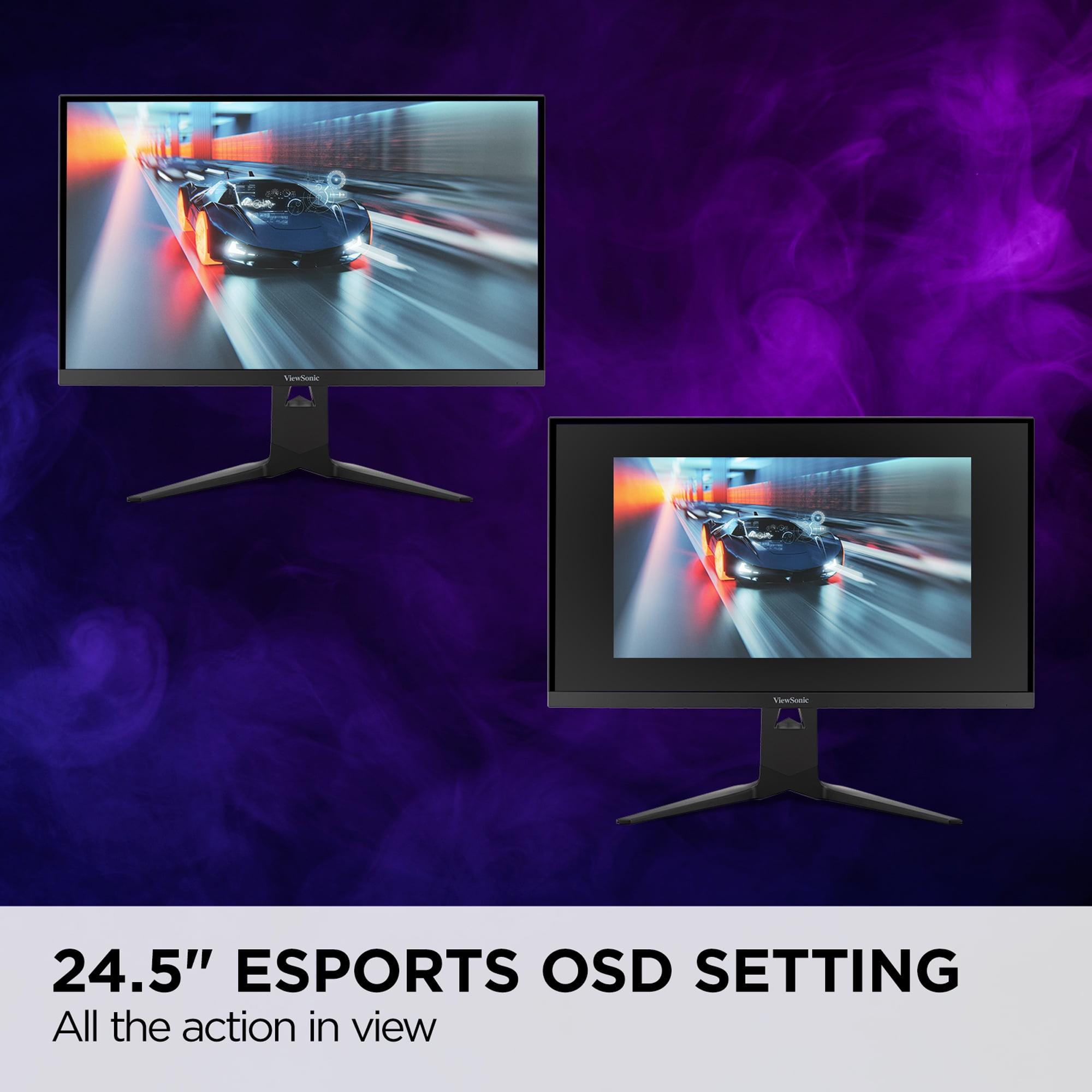
The ViewSonic XG275D-4K includes a clever "24.5-inch esports mode" that shrinks the active display area to mimic the smaller monitors commonly used in professional tournaments. This feature helps competitive players practice with the same field of view they'll encounter in organized competition.
Here's where the resolution difference becomes crucial. The HP OMEN 27s sticks with Full HD, which provides adequate sharpness on a 27-inch screen but won't wow you with pixel density. Text appears reasonably crisp, and game details remain clear, but you'll notice the difference if you're used to higher-resolution displays.
The ViewSonic XG275D-4K's 4K capability transforms the visual experience entirely. Text becomes razor-sharp, game environments reveal intricate details you'd miss at lower resolutions, and the overall image quality approaches what you'd expect from premium television displays. This makes it significantly better for single-player games where atmosphere and visual fidelity matter more than raw competitive performance.
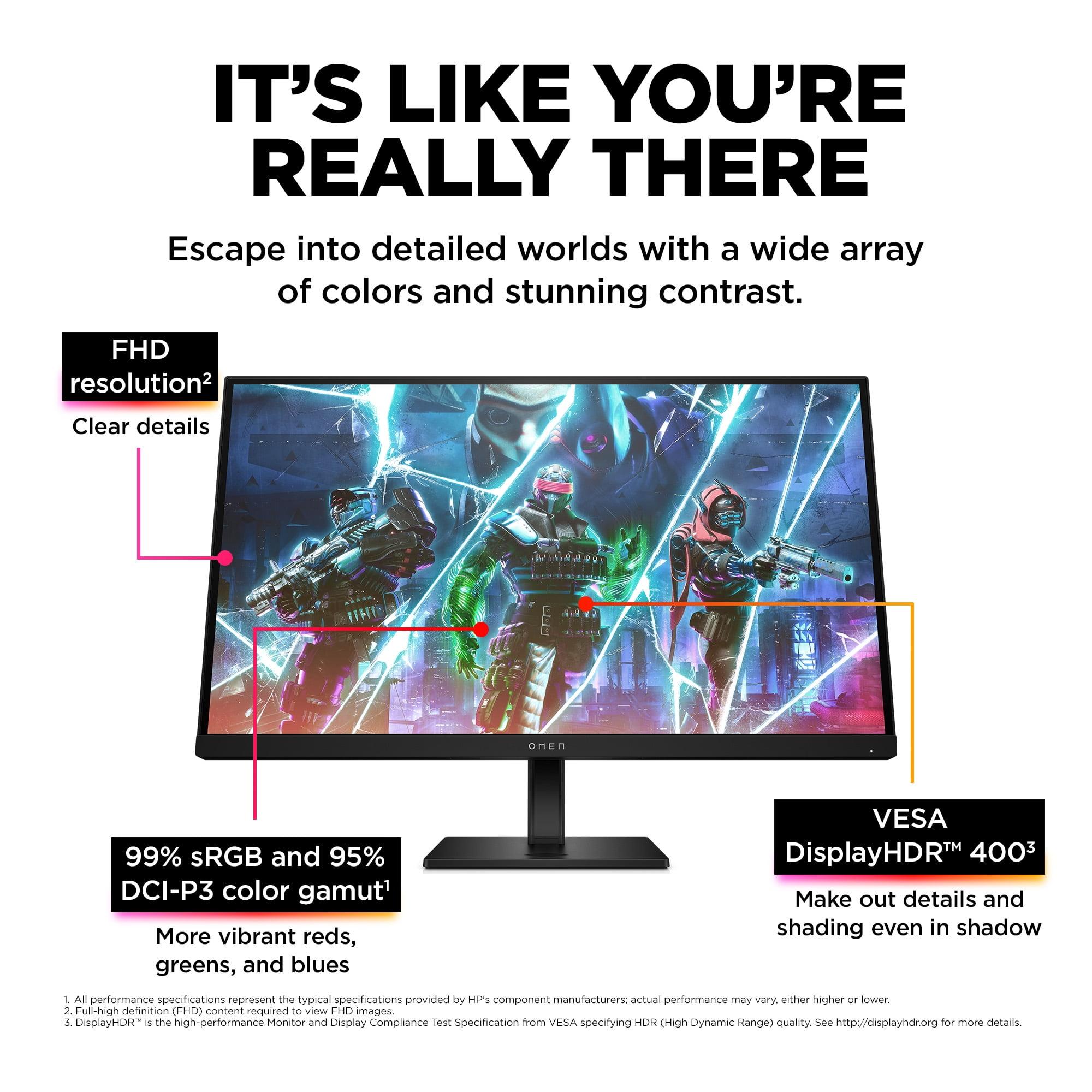
Both monitors use IPS (In-Plane Switching) panel technology, which provides wide viewing angles and good color reproduction. The HP OMEN 27s covers 99% of the sRGB color space and 95% of DCI-P3, delivering vibrant colors suitable for both gaming and content consumption. The ViewSonic XG275D-4K offers similar color coverage with additional 10-bit color depth, creating smoother color gradients and reducing banding in scenes with subtle color transitions.
High Dynamic Range (HDR) capability varies significantly between these monitors. The HP OMEN 27s supports VESA DisplayHDR 400, which provides modest improvements in contrast and brightness over standard displays. With 400 nits peak brightness, it can make highlights pop and improve shadow detail in supported games.
The ViewSonic XG275D-4K also supports HDR10 but with a lower 300-350 nit brightness rating. While this seems counterintuitive given its premium positioning, the 4K resolution partially compensates by providing more detailed imagery even if the HDR experience isn't dramatically better than standard dynamic range content.
Neither monitor offers the deep blacks and extreme brightness of OLED displays or high-end mini-LED monitors, but both provide reasonable HDR performance for their respective price segments at the time of writing.
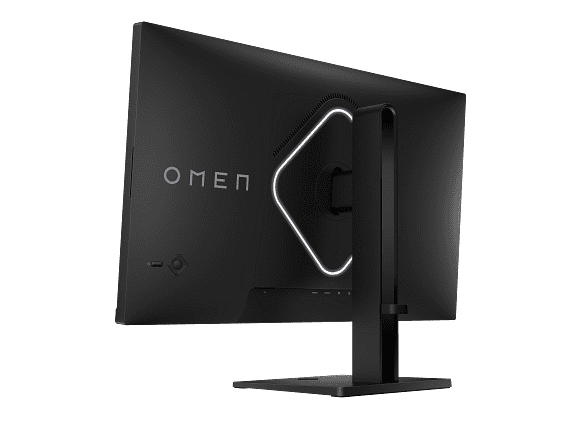
The connectivity story reveals another key difference in target audiences. The HP OMEN 27s provides solid but straightforward options: two HDMI 2.0 ports, one DisplayPort 1.4, and a USB hub for connecting peripherals. This covers the basics for most gaming setups without unnecessary complexity.
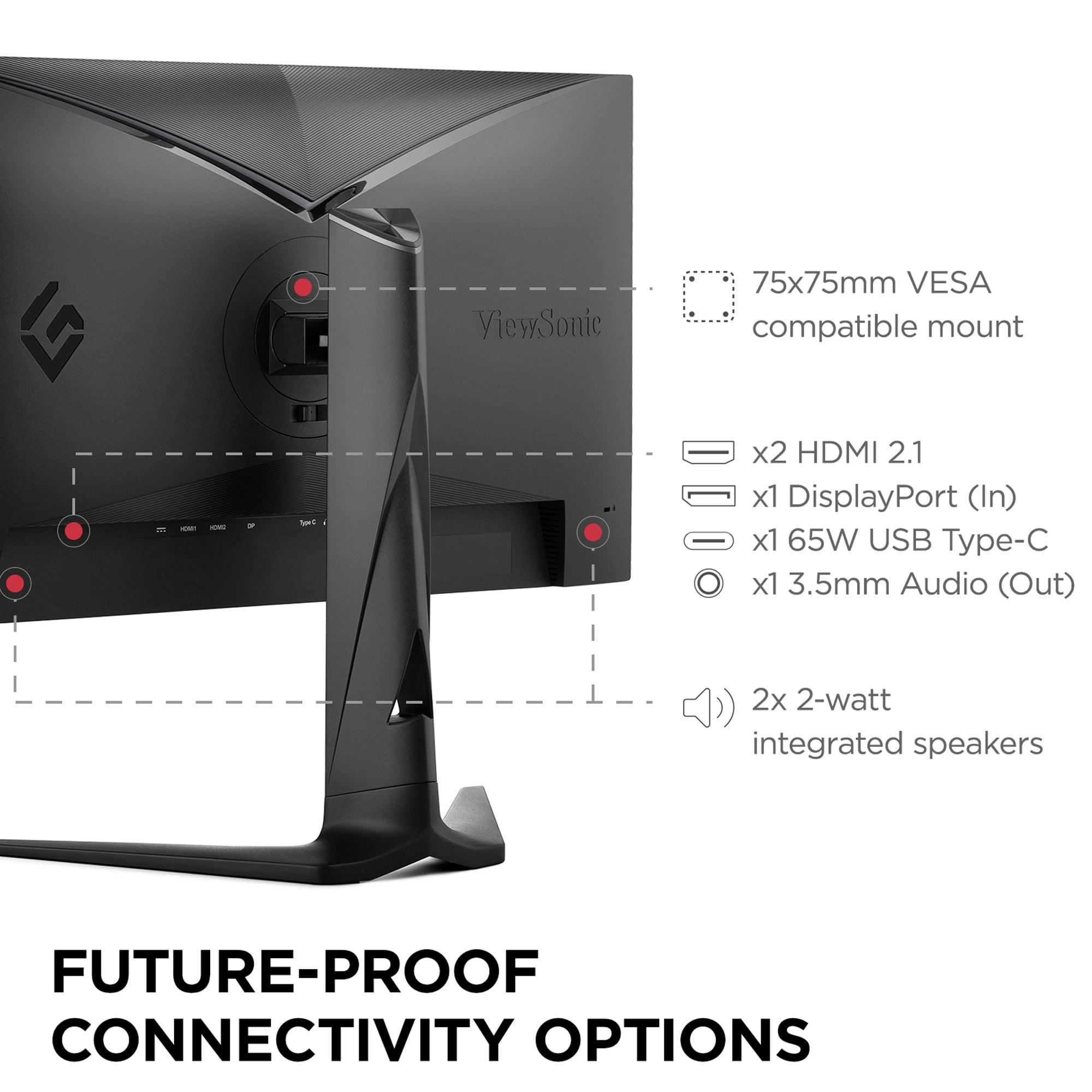
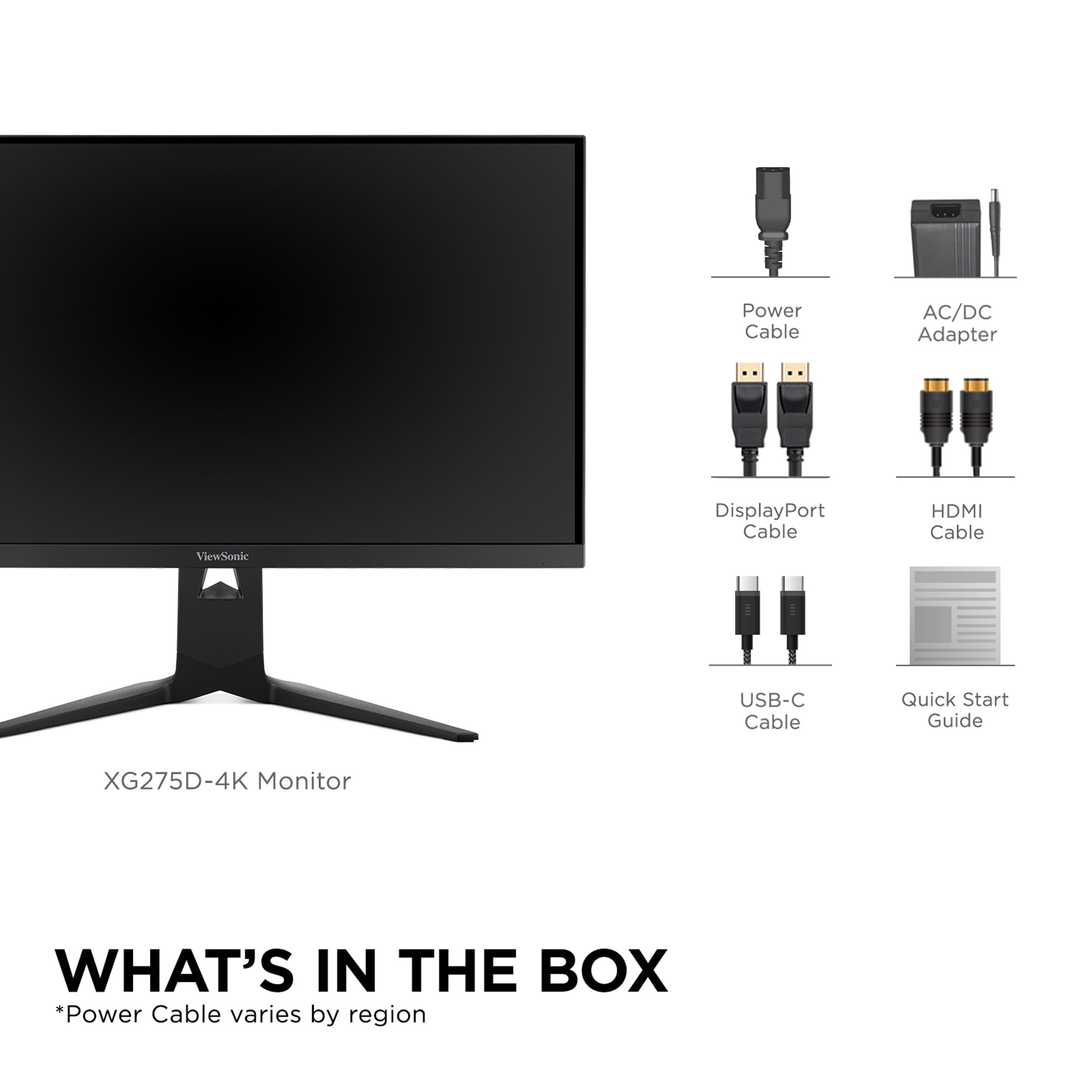
The ViewSonic XG275D-4K steps up with more advanced connectivity, including HDMI 2.1 support crucial for current-generation consoles and a USB-C port with 65W power delivery. This USB-C connection allows laptop users to connect, display, and charge their device through a single cable – a significant convenience for mixed-use setups.
For console gaming, the ViewSonic XG275D-4K offers clear advantages. PlayStation 5 and Xbox Series X can take full advantage of the HDMI 2.1 connection and benefit from the ability to switch between 4K mode for cinematic games and high-refresh mode for competitive titles.
While neither monitor is primarily designed for home theater use, the ViewSonic XG275D-4K makes a more compelling case for media consumption. The 4K resolution properly displays streaming content from Netflix, Disney+, and other services that offer 4K material. The larger color gamut and HDR support also improve the viewing experience for movies and TV shows.
The HP OMEN 27s, while perfectly capable of media playback, lacks the resolution to take full advantage of modern streaming content. However, it might actually be preferable for older content or situations where you're sitting closer to the screen, as the lower pixel density can make compressed video sources appear smoother.
Both monitors include integrated speakers, though these are best considered emergency backup options rather than primary audio solutions. Serious gaming or media consumption benefits significantly from dedicated speakers or headphones.
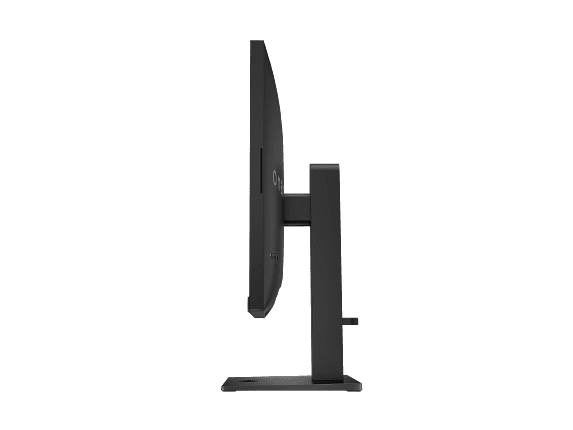
Physical design and adjustability often get overlooked but significantly impact daily use. The HP OMEN 27s provides standard height, tilt, and pivot adjustments with a sturdy base that occupies a reasonable amount of desk space. The build quality feels solid, and the anti-glare coating effectively reduces reflections from ambient lighting.
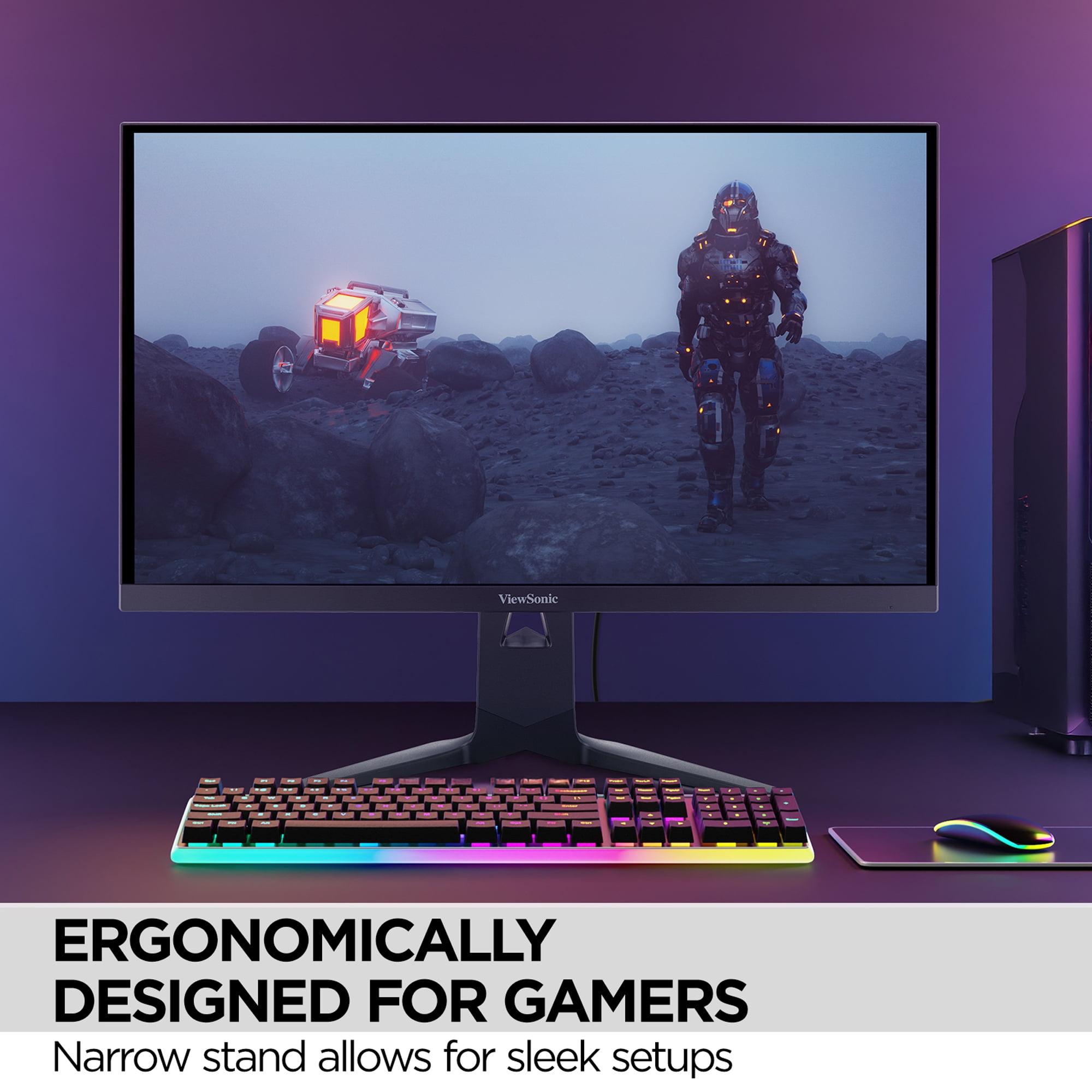
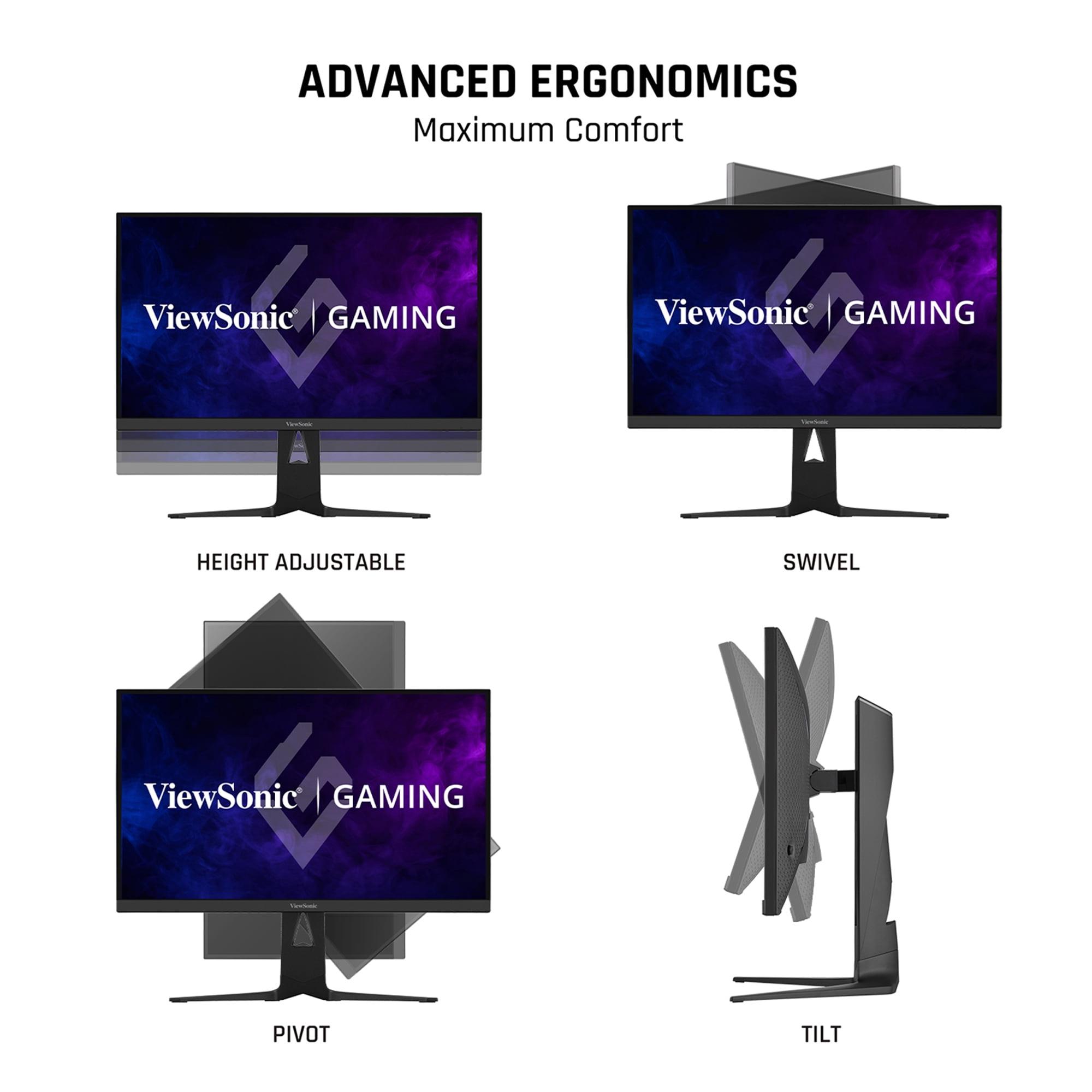
The ViewSonic XG275D-4K offers more comprehensive ergonomic adjustments, including a wider range of height adjustment (130mm travel) and more flexible swivel capabilities. The stand's narrower footprint also maximizes available desk space – important for competitive gaming setups where mouse movement area matters.
Both monitors support VESA mounting, though they use different patterns (100x100mm for the HP OMEN 27s, 75x75mm for the ViewSonic XG275D-4K). This allows integration into monitor arms or wall mounts for ultimate flexibility.
At the time of writing, these monitors occupy different price tiers that reflect their distinct approaches. The HP OMEN 27s positions itself in the competitive mid-range segment, offering excellent gaming performance without premium pricing. It delivers exactly what competitive gamers need without unnecessary features that drive up cost.
The ViewSonic XG275D-4K commands a higher price reflecting its dual-mode innovation and 4K capability. While more expensive, it potentially eliminates the need for multiple monitors, making the cost more reasonable when considered as a single solution for diverse gaming needs.
The value equation becomes particularly interesting when considering future-proofing. Graphics cards continue improving their 4K gaming performance, making the ViewSonic XG275D-4K's resolution capability increasingly relevant. Meanwhile, the HP OMEN 27s's focus on Full HD means it might feel outdated sooner, though it will remain perfectly functional for competitive gaming for years to come.
The ViewSonic XG275D-4K represents a significant step forward in gaming monitor technology. The seamless switching between resolution and refresh rate modes addresses a long-standing dilemma in the gaming community: choosing between visual fidelity and competitive performance. This innovation has influenced other manufacturers to explore similar approaches.
The HP OMEN 27s, while less revolutionary, perfects the traditional high-refresh gaming monitor formula. Its consistent performance and reasonable pricing demonstrate that innovation doesn't always require reinventing the wheel – sometimes executing established concepts exceptionally well provides greater value.
The choice between these monitors ultimately depends on your gaming priorities and usage patterns. The HP OMEN 27s excels for dedicated competitive gamers who primarily play esports titles and want consistent, reliable performance. If you spend most of your time in ranked matches and don't need 4K resolution for other activities, it provides excellent value and straightforward operation.
Choose the ViewSonic XG275D-4K if you want maximum flexibility and future-proofing. It's ideal for gamers who enjoy both competitive multiplayer and immersive single-player experiences, or those who need their monitor to serve multiple purposes including productivity work and media consumption. The premium price reflects genuine innovation and versatility that justifies the cost for users who will take advantage of its full capabilities.
For most gaming enthusiasts, the ViewSonic XG275D-4K offers superior long-term value despite its higher upfront cost. The ability to switch between modes as needed, combined with excellent connectivity and 4K capability, makes it a more comprehensive solution. However, competitive gaming purists might prefer the HP OMEN 27s's focused approach and consistent performance.
Both monitors represent solid choices in their respective segments, reflecting the continued evolution of gaming display technology and the diverse needs of modern gamers.
| HP OMEN 27s FHD 240Hz Gaming Monitor | ViewSonic XG275D-4K 27" 4K UHD 320Hz Gaming Monitor |
|---|---|
| Resolution - Determines visual clarity and sharpness | |
| 1920 x 1080 (Full HD) - adequate for competitive gaming | 3840 x 2160 (4K UHD) - four times sharper for immersive gaming |
| Refresh Rate - Higher rates create smoother motion and competitive advantage | |
| 240Hz (consistent) - excellent for esports | 160Hz at 4K / 320Hz at 1080p (switchable) - best of both worlds |
| Panel Type & Response Time - Affects color quality and motion blur | |
| IPS, 1ms GtG - wide viewing angles, good colors | Fast IPS, 0.5ms MPRT - slightly faster response, better motion clarity |
| Adaptive Sync Technology - Eliminates screen tearing and stuttering | |
| NVIDIA G-SYNC Compatible, AMD FreeSync Premium | NVIDIA G-SYNC Compatible, AMD FreeSync Premium |
| HDR Support - Enhanced contrast and brightness for better visuals | |
| VESA DisplayHDR 400 (400 nits peak) - modest HDR improvement | HDR10 support (300-350 nits) - basic HDR despite 4K capability |
| Color Coverage - Determines how vibrant and accurate colors appear | |
| 99% sRGB, 95% DCI-P3 - excellent color reproduction | 94% DCI-P3, 10-bit color depth - smoother gradients, wide color range |
| Connectivity - Important for multi-device setups and future compatibility | |
| 2x HDMI 2.0, 1x DisplayPort 1.4, USB-A hub | 1x HDMI 2.1, 1x DisplayPort 1.4, USB-C with 65W power delivery |
| Unique Gaming Features - Special capabilities for competitive or versatile gaming | |
| Consistent 240Hz performance, custom crosshair overlay | Dual-mode switching, 24.5" esports OSD mode, single-cable laptop connection |
| Ergonomics - Affects comfort during long gaming sessions | |
| Height, tilt, pivot adjustments; VESA 100x100mm | Full ergonomic range including 130mm height adjustment; VESA 75x75mm |
| Target Use Case - Who each monitor serves best | |
| Dedicated competitive gamers prioritizing consistency | Versatile gamers wanting both 4K visuals and high refresh rates |
| Value Positioning - Performance per dollar consideration | |
| Mid-range pricing for focused competitive gaming performance | Premium pricing justified by dual-mode innovation and 4K capability |
The ViewSonic XG275D-4K offers superior resolution with native 4K (3840x2160), providing four times more pixels than the HP OMEN 27s's Full HD (1920x1080). For immersive single-player games and detailed visuals, the ViewSonic XG275D-4K delivers significantly sharper images, while the HP OMEN 27s focuses on competitive gaming performance at lower resolution.
The HP OMEN 27s provides a consistent 240Hz refresh rate, while the ViewSonic XG275D-4K offers dual modes: 160Hz at 4K resolution or 320Hz at 1080p. The ViewSonic XG275D-4K technically achieves higher maximum refresh rates, but requires switching between modes depending on your gaming needs.
Both excel for competitive gaming, but with different strengths. The ViewSonic XG275D-4K reaches 320Hz in 1080p mode with 0.5ms response time, plus includes a dedicated 24.5" esports display mode. The HP OMEN 27s offers consistent 240Hz performance without mode switching complexity, making it simpler for dedicated competitive players.
The ViewSonic XG275D-4K is significantly better for console gaming with HDMI 2.1 support, allowing full compatibility with PlayStation 5 and Xbox Series X. It can display 4K games and switch to high refresh rates for competitive titles. The HP OMEN 27s works with consoles but is limited by HDMI 2.0 connections.
Both monitors offer good color reproduction, but the ViewSonic XG275D-4K has 10-bit color depth for smoother gradients and HDR10 support. The HP OMEN 27s features VESA DisplayHDR 400 with higher 400-nit brightness compared to the ViewSonic XG275D-4K's 300-350 nits, providing slightly better HDR performance despite lower resolution.
The HP OMEN 27s includes 2x HDMI 2.0, DisplayPort 1.4, and USB-A hub for basic connectivity. The ViewSonic XG275D-4K offers more advanced options with HDMI 2.1, DisplayPort 1.4, and USB-C with 65W power delivery, allowing single-cable laptop connection and charging.
The ViewSonic XG275D-4K excels for productivity with 4K resolution providing crisp text and detailed images, plus USB-C connectivity for easy laptop integration. The HP OMEN 27s works for basic productivity but the lower Full HD resolution makes text less sharp on a 27-inch display.
The ViewSonic XG275D-4K has a faster 0.5ms MPRT response time compared to the HP OMEN 27s's 1ms GtG response time. Both are excellent for gaming, but the ViewSonic XG275D-4K technically offers slightly better motion clarity and reduced ghosting during fast-paced action.
The HP OMEN 27s provides excellent value for competitive gamers who don't need 4K resolution, offering reliable 240Hz performance at a more accessible price point. The ViewSonic XG275D-4K costs more but potentially replaces multiple monitors with its dual-mode functionality, making it better value for versatile users.
The ViewSonic XG275D-4K is significantly better for media consumption with native 4K resolution that properly displays streaming content from Netflix and other services. The HP OMEN 27s can play media but lacks the resolution to take full advantage of modern 4K streaming content.
Both offer solid build quality with full ergonomic adjustments. The ViewSonic XG275D-4K provides more comprehensive adjustment range including 130mm height adjustment and a more compact stand footprint. The HP OMEN 27s offers standard adjustments with sturdy construction and effective anti-glare coating.
Choose the HP OMEN 27s if you primarily play competitive games, want consistent performance, and prefer straightforward operation at a reasonable price. Select the ViewSonic XG275D-4K if you play various game types, need 4K resolution for media or productivity, want maximum refresh rate flexibility, and don't mind paying more for versatility.
We've done our best to create useful and informative comparisons to help you decide what product to buy. Our research uses advanced automated methods to create this comparison and perfection is not possible - please contact us for corrections or questions. These are the sites we've researched in the creation of this article: bestbuy.com - hp.com - shi.com - hp.com - bestbuy.com - hp.com - tomshardware.com - hp.com - rtings.com - hp.com - displayspecifications.com - support.hp.com - publicsector.shidirect.com - objects.icecat.biz - files.bbystatic.com - hp.com - displayspecifications.com - cgmagonline.com - gamingshogun.com - techpowerup.com - notebookcheck.net - bestbuy.com - newegg.com - techpowerup.com - shi.com - viewsonic.com - viewsonic.com - prnewswire.com - viewsonic.com - viewsonic.com - shop.avispl.com - guru3d.com - viewsonic.com - viewsonic.com - viewsonic.com - viewsonic.com

Privacy Policy
Terms and Conditions - Affiliate Policy
Home Security
© Copyright 2008-2026.
11816 Inwood Rd #1211, Dallas, TX 75244