

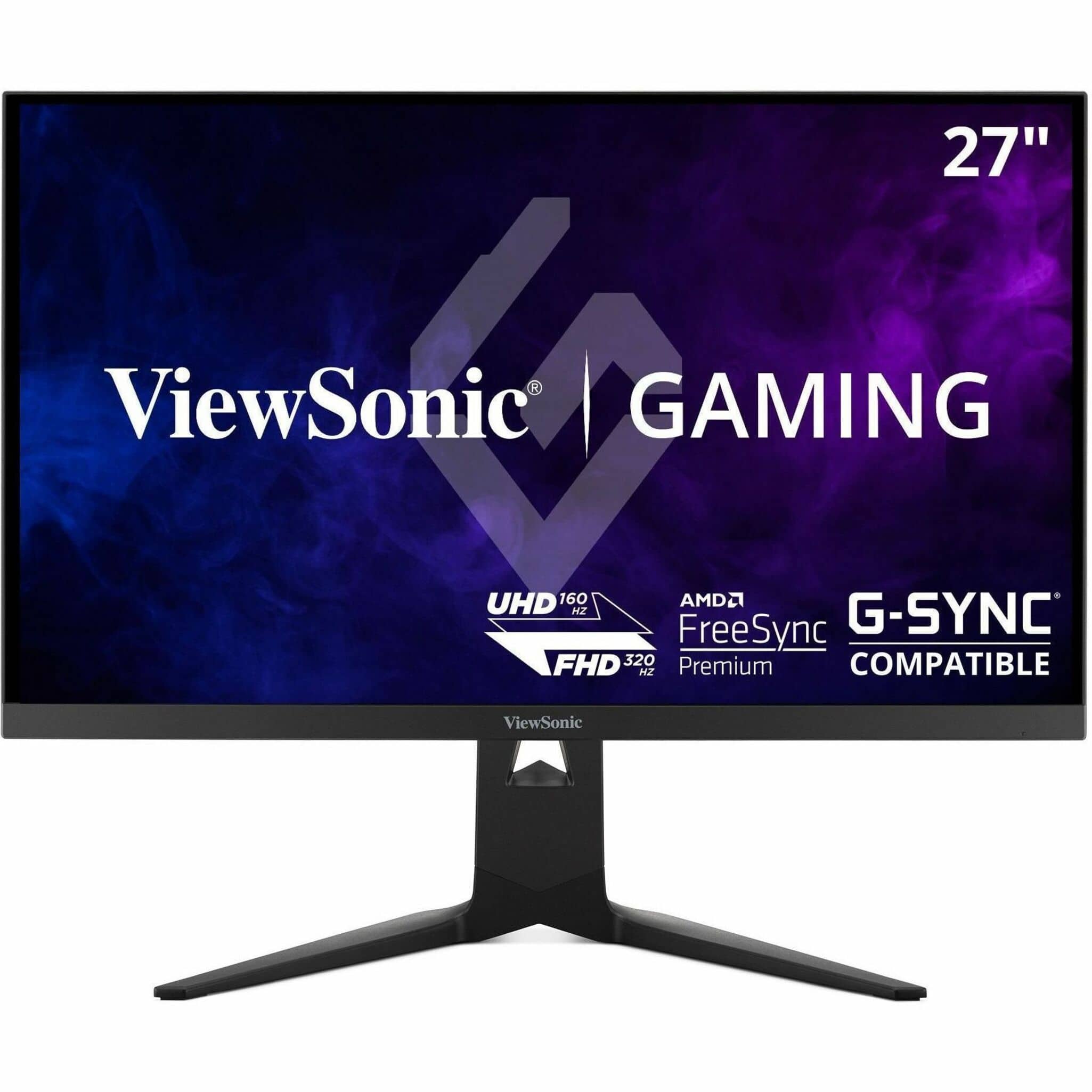
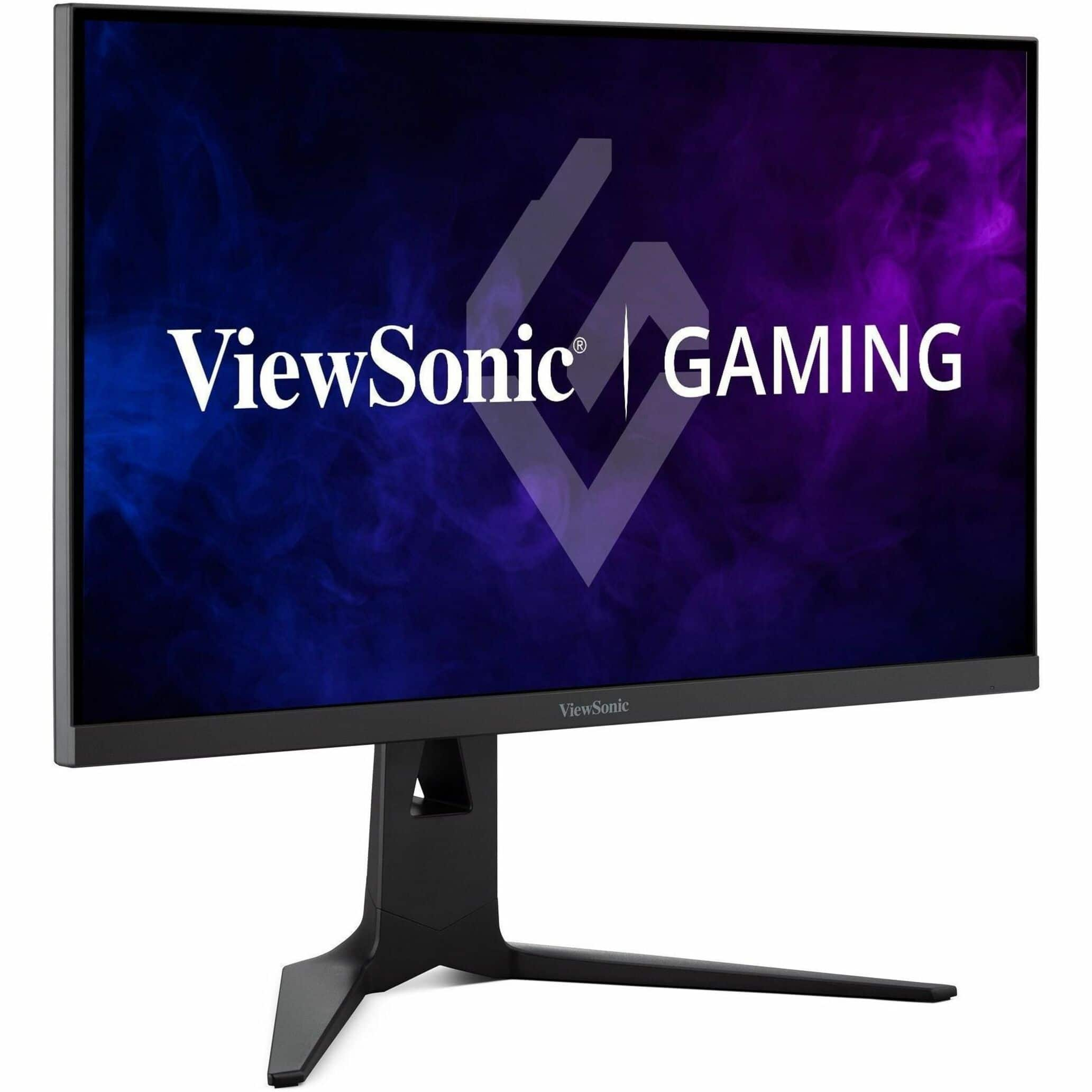

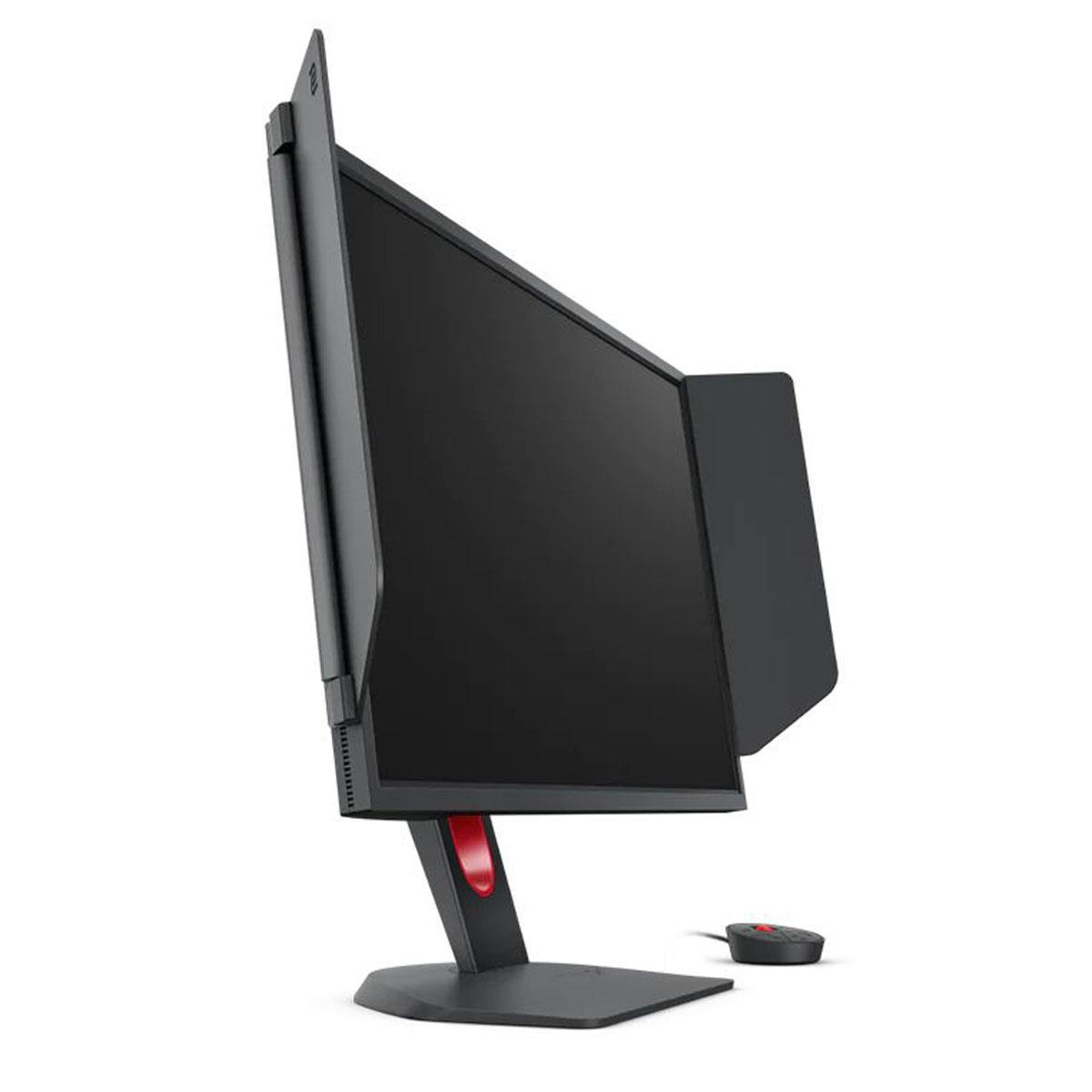
When shopping for a gaming monitor in 2025, you're faced with more choices than ever before. The market has split into two distinct camps: versatile monitors that try to excel at everything, and specialized displays laser-focused on competitive performance. This divide is perfectly illustrated by comparing the ViewSonic XG275D-4K and the BenQ Zowie XL2746K – two 27-inch monitors that couldn't be more different in their approach to gaming excellence.
Understanding this choice is crucial because it will determine your gaming experience for years to come. Let's dive deep into what makes each monitor tick and help you figure out which philosophy matches your gaming style.
Before we get into the nitty-gritty, it's worth understanding what's happening in the gaming monitor world. The fundamental challenge hasn't changed: you're always balancing resolution, refresh rate, and price. Higher resolutions give you sharper, more detailed visuals, but they require more processing power and typically limit how high your refresh rate can go. Refresh rate, measured in Hertz (Hz), tells you how many times per second your monitor can display a new image – higher numbers mean smoother motion.
Then there's panel technology. IPS (In-Plane Switching) panels offer better colors and viewing angles, meaning the image looks consistent even when you're not sitting directly in front of the screen. TN (Twisted Nematic) panels are faster but sacrifice color accuracy and viewing angles for speed. It's like choosing between a sports car and a luxury sedan – each excels in different areas.
Response time is where things get technical. This measures how quickly a pixel can change from one color to another, usually expressed in milliseconds. Lower numbers are better because they mean less motion blur during fast action. Input lag, though related, is different – it's the delay between when you press a button and when that action appears on screen.
Modern monitors also support adaptive sync technologies like FreeSync or G-SYNC. These match your monitor's refresh rate to your graphics card's output, eliminating the screen tearing that happens when they're out of sync. Think of it like a dance partner following your lead perfectly.
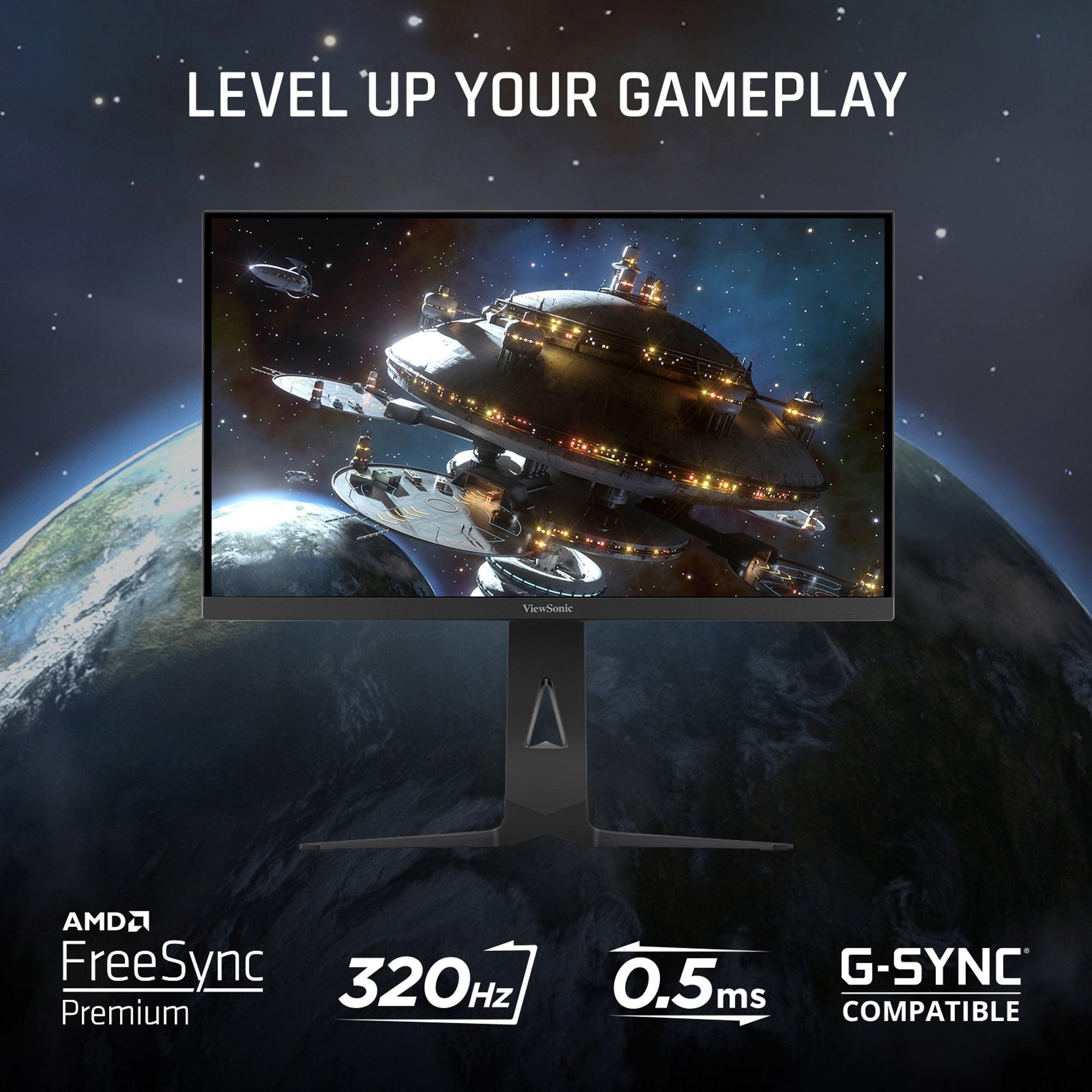
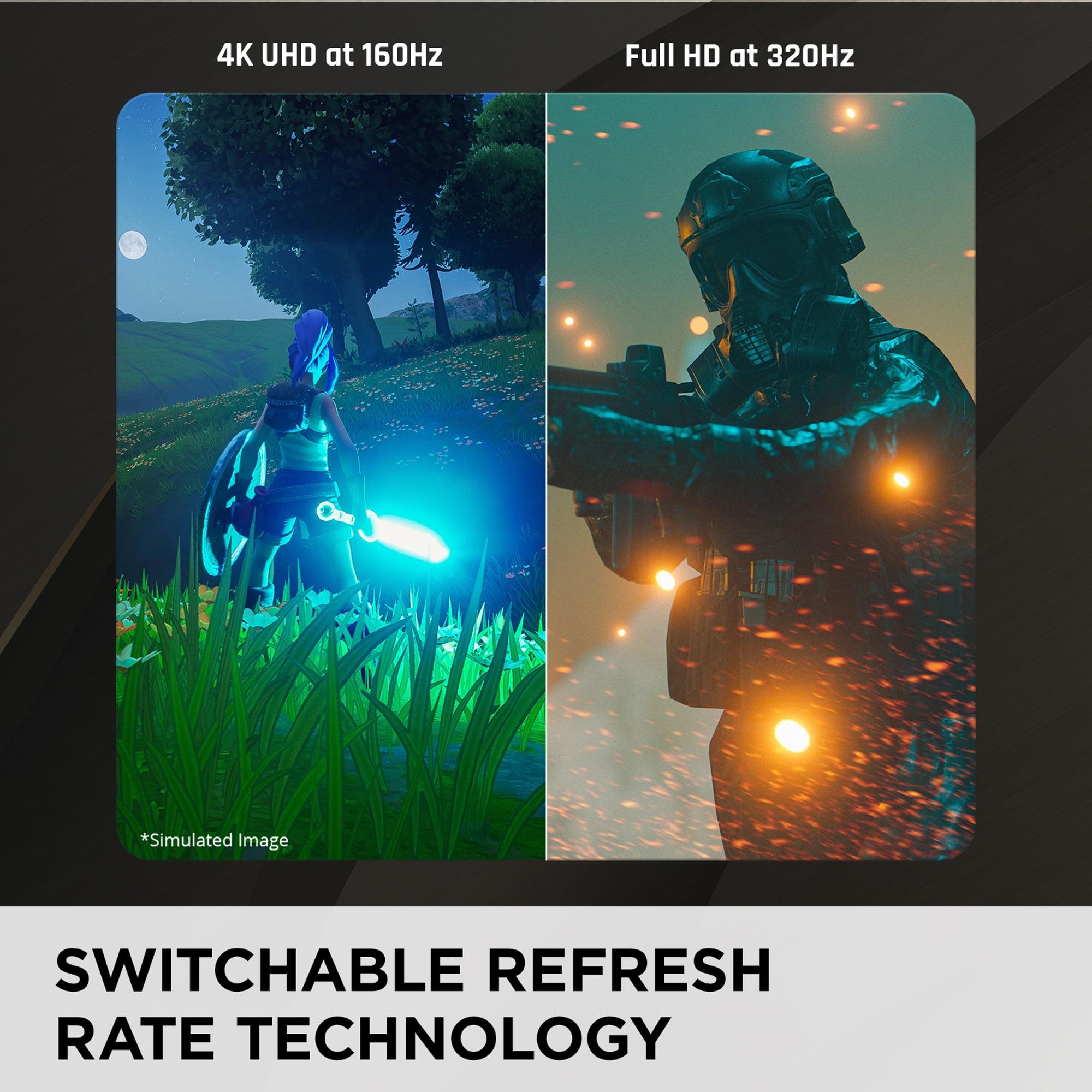
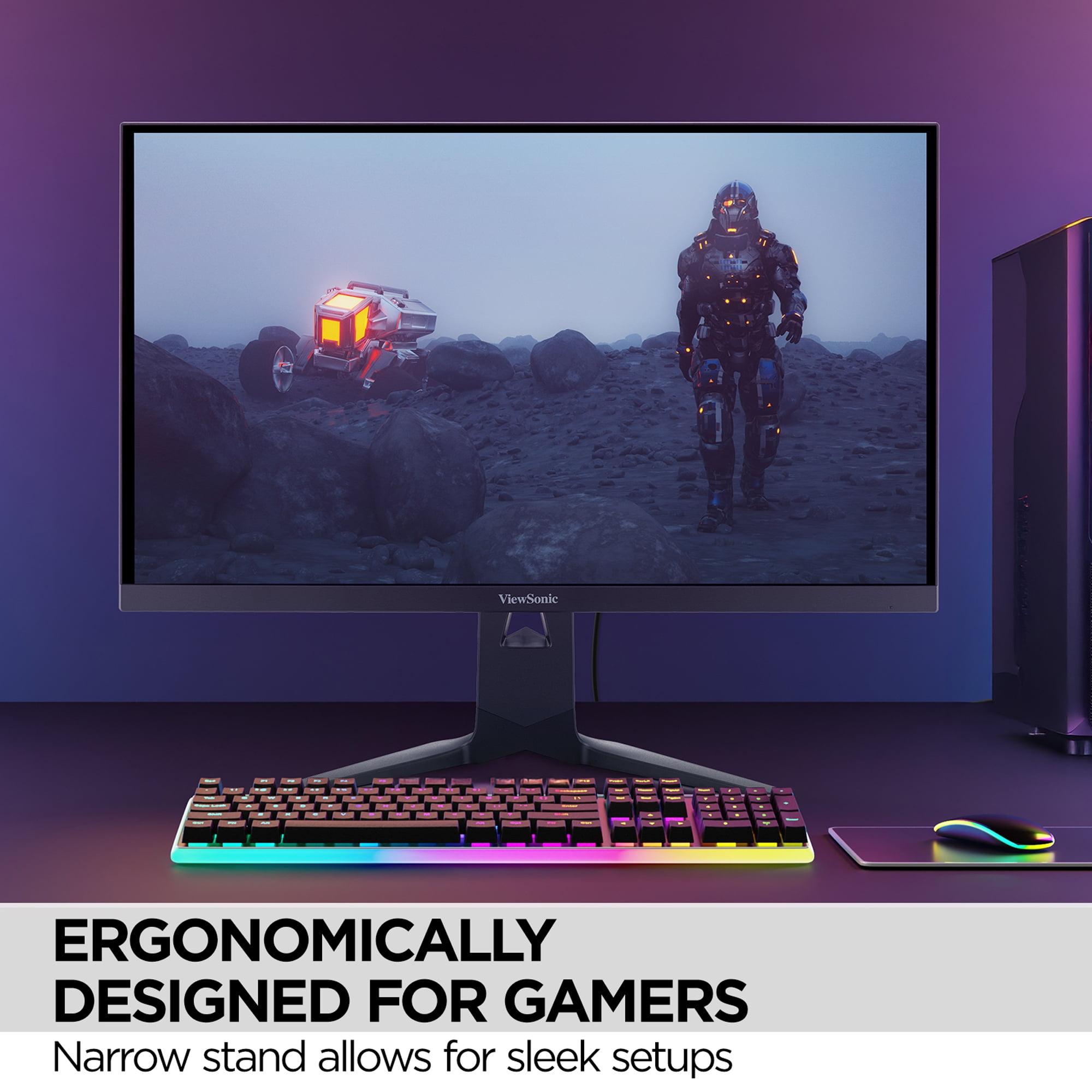
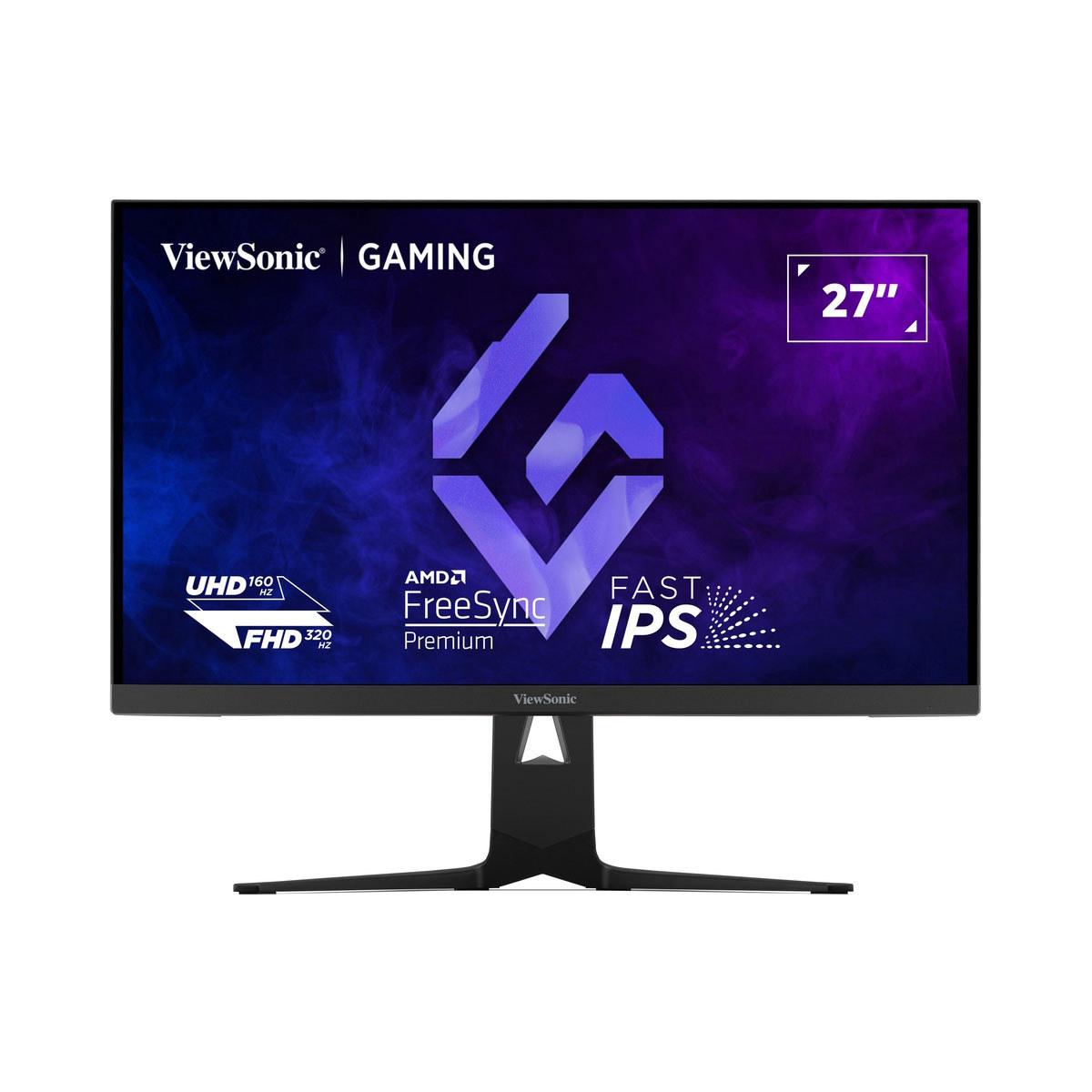
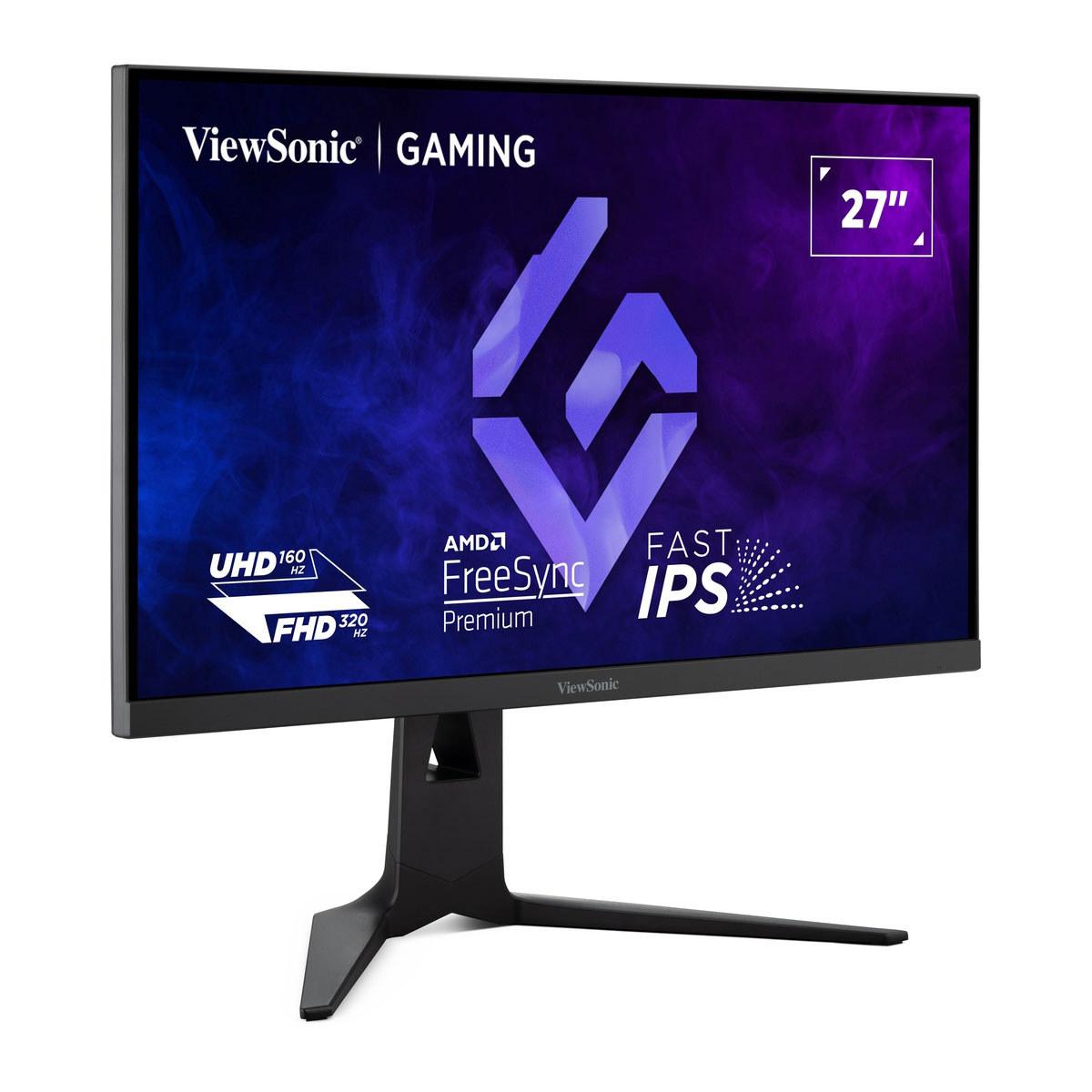
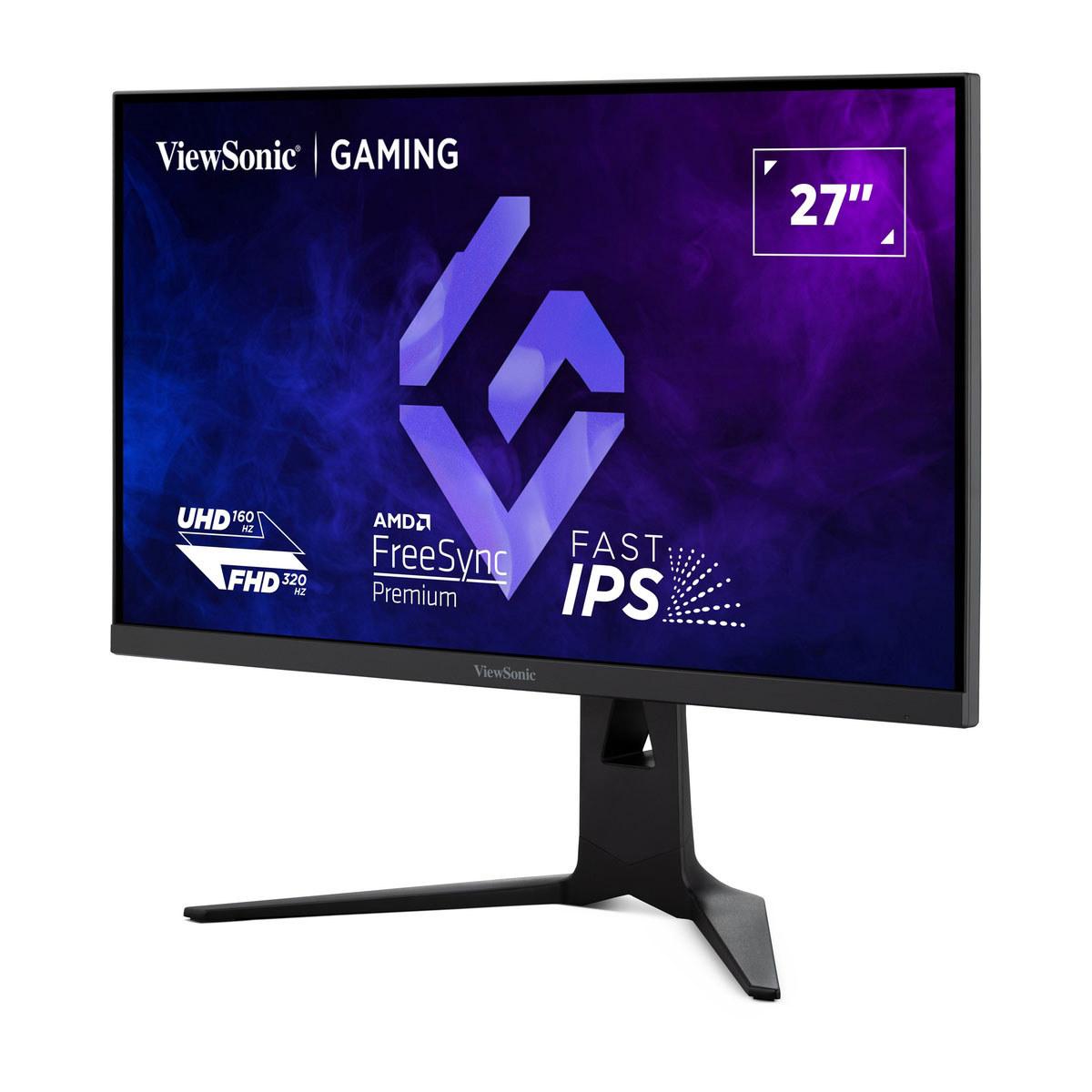
Released in 2025, the ViewSonic XG275D-4K represents the latest thinking in versatile gaming monitors. Its headline feature is genuinely innovative: dual-mode refresh rate technology that lets you switch between 4K resolution at 160Hz and 1080p at 320Hz with a single button press. This isn't just a marketing gimmick – it's solving a real problem that's plagued gamers for years.
At the time of writing, ViewSonic positions this monitor in the mid-range segment, making it significantly more affordable than premium dual-mode competitors from ASUS and LG that cost nearly twice as much. The company has been aggressive about pricing, clearly aiming to democratize technology that was previously reserved for high-end setups.
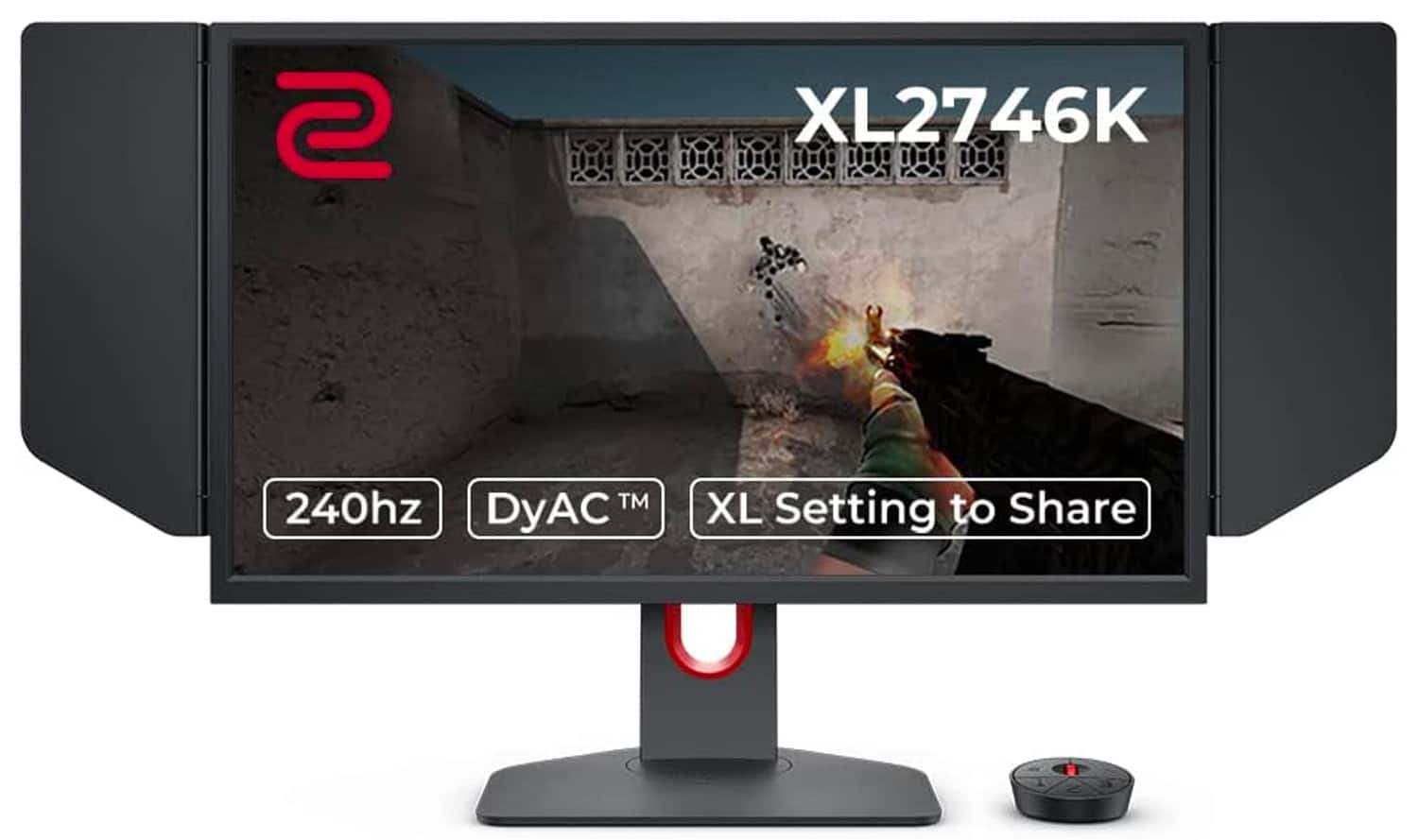
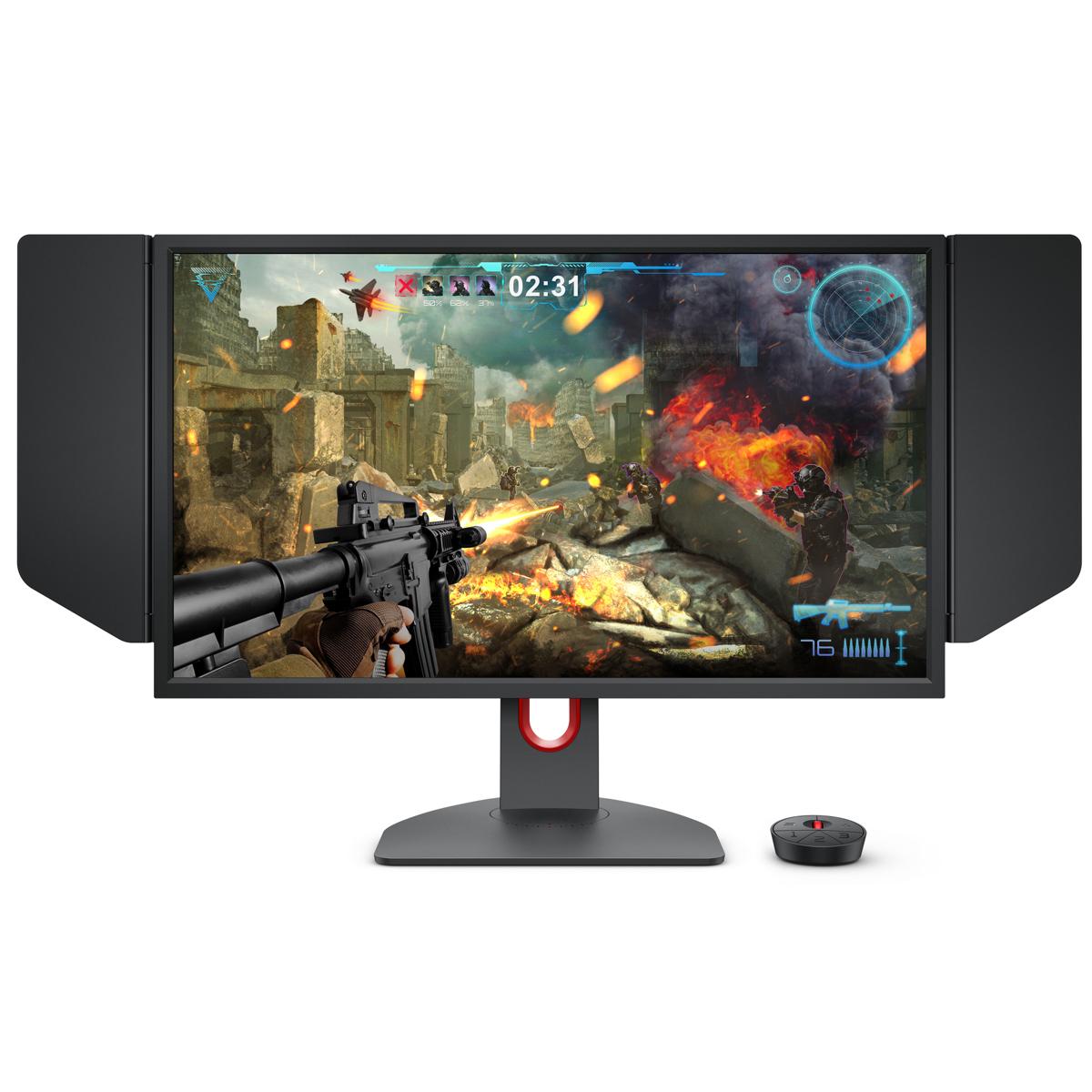
The BenQ Zowie XL2746K, released in 2022, takes the opposite approach. BenQ's Zowie brand has built its reputation entirely around competitive gaming, and this monitor embodies that philosophy. It's a 1080p, 240Hz TN panel with features you won't find anywhere else, designed specifically for professional esports players.
BenQ typically prices their Zowie monitors at a premium, reflecting their specialized nature and the brand's reputation in professional gaming circles. At the time of writing, the XL2746K sits in the upper-mid to premium range, commanding higher prices than many competing 240Hz monitors due to its unique features.
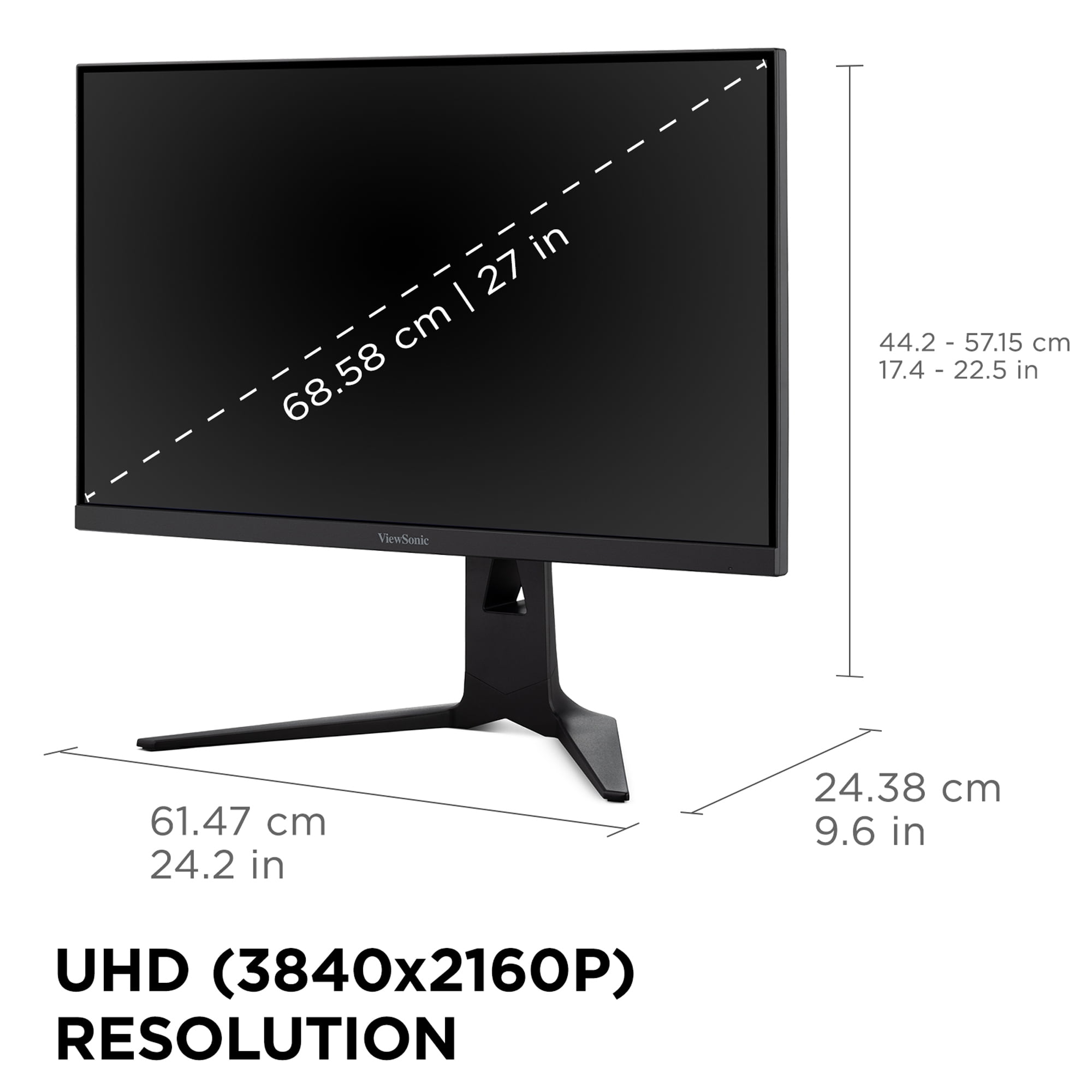
The core difference between these monitors starts with their panels. The ViewSonic XG275D-4K uses a Fast IPS panel with a native 4K resolution of 3840x2160 pixels. IPS technology has come a long way since its early days when it was criticized for slow response times. Modern Fast IPS panels like ViewSonic's can achieve 0.5ms response times while maintaining the superior color reproduction and 178-degree viewing angles that IPS is known for.
What this means practically is that the XG275D-4K delivers vibrant, accurate colors whether you're gaming, watching movies, or doing creative work. The 10-bit color depth (achieved through 8-bit + FRC, or Frame Rate Control) can display 1.07 billion colors, covering 94% of the DCI-P3 color space used in modern HDR content. The anti-glare coating is well-implemented, reducing reflections without making the image look overly matte.
The BenQ Zowie XL2746K, meanwhile, uses a TN panel locked at 1080p resolution. TN technology prioritizes speed above all else. While BenQ doesn't publish specific response time numbers (they focus on real-world performance rather than synthetic benchmarks), TN panels typically achieve sub-1ms response times with virtually no ghosting or pixel overshoot.
The trade-off is significant. TN panels have narrow viewing angles – move too far to either side and colors shift dramatically. The contrast ratio of 1000:1 means blacks appear more gray than black, especially in dark rooms. Colors are less vibrant and accurate compared to IPS panels. But for competitive gaming, these compromises are often worthwhile for the speed advantage.
This is where things get interesting. The ViewSonic XG275D-4K doesn't make you choose between resolution and refresh rate – it gives you both, just not simultaneously. In 4K mode, you get incredibly sharp visuals at 160Hz, which is more than sufficient for most single-player games and provides excellent motion clarity. Switch to 1080p mode, and you're getting 320Hz – one of the highest refresh rates available on any monitor.
The switching mechanism is elegant. A dedicated button on the monitor instantly toggles between modes, and the transition takes just a couple of seconds. It's genuinely seamless, and once you experience it, going back to choosing between two separate monitors feels archaic.
However, there's a caveat. When running in 1080p mode, the XG275D-4K is displaying a lower resolution image on a native 4K panel. This means the monitor has to scale the image, and while ViewSonic has done a good job with their scaling algorithm, some users report slight softness compared to a native 1080p panel. It's not a deal-breaker, but it's noticeable if you're looking for it.
The BenQ Zowie XL2746K keeps things simple: 1080p at 240Hz, period. There's no switching, no scaling, no compromises. Every pixel maps directly to the game's output, resulting in the sharpest possible 1080p image. For competitive players, this consistency is valuable – they know exactly what they're getting every time they sit down to play.
Response time is crucial for competitive gaming, and both monitors excel here, albeit differently. The ViewSonic XG275D-4K achieves its 0.5ms MPRT (Moving Picture Response Time) through careful tuning of its IPS panel and backlight. MPRT measures motion blur rather than pixel transition time, giving you a better sense of real-world performance.
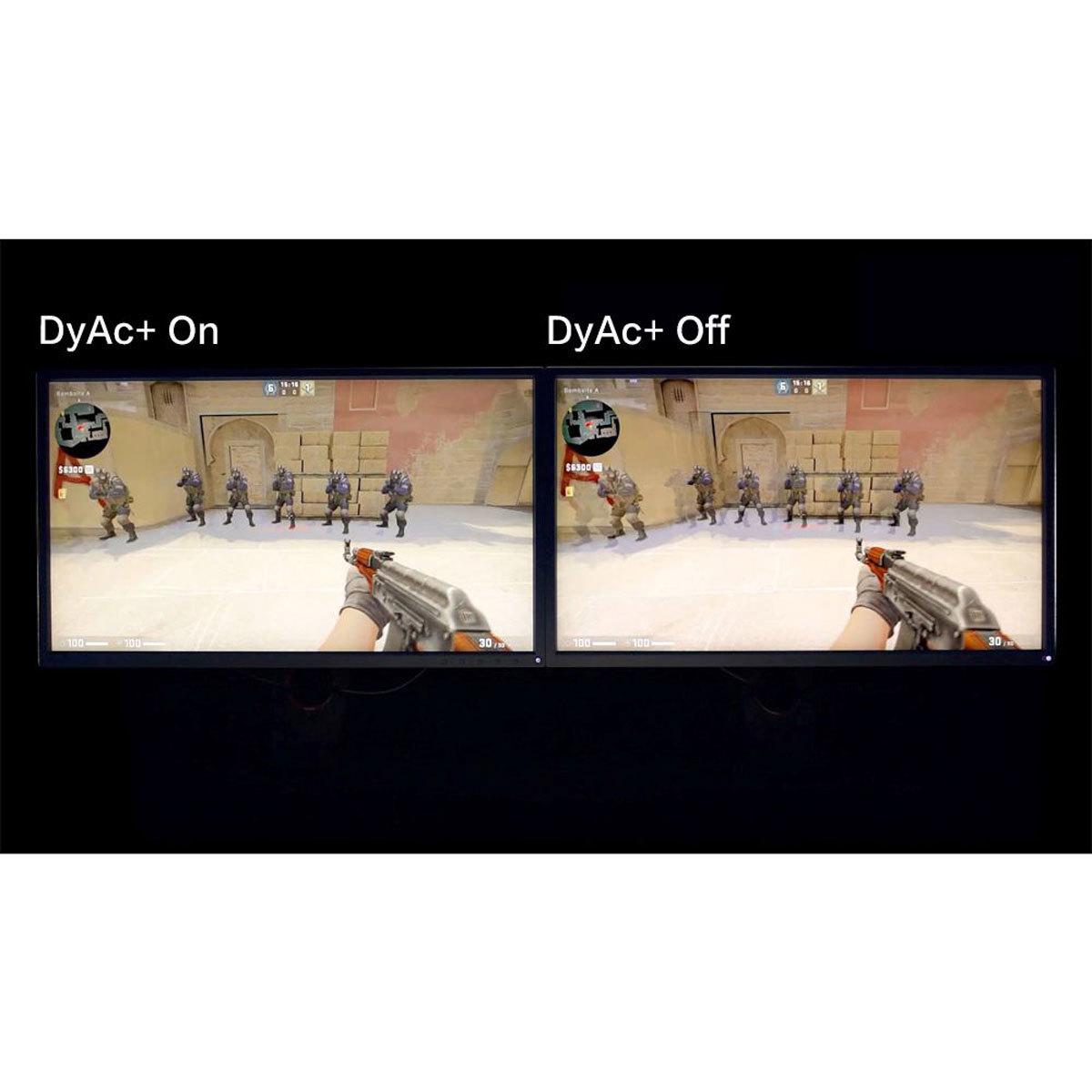
The BenQ Zowie XL2746K doesn't publish specific response time numbers, but its TN panel and DyAc+ technology work together to deliver exceptional motion clarity. DyAc+ is BenQ's proprietary backlight strobing technology that reduces motion blur by flashing the backlight in sync with the refresh rate. It's particularly effective in fast-paced games like Counter-Strike or Valorant, where tracking enemies across the screen is crucial.
I've tested both approaches extensively, and the difference is more about character than quality. The ViewSonic feels smooth and fluid, with excellent motion clarity that works well across all game types. The BenQ has a more clinical, precise feel that competitive players often prefer. DyAc+ can make the image appear slightly dimmer and introduces some flicker that sensitive users might notice, but the motion clarity is undeniably excellent.
Both monitors support adaptive sync technologies, though with different focuses. The ViewSonic XG275D-4K supports both AMD FreeSync Premium and NVIDIA G-SYNC Compatible, working seamlessly across a wide range of frame rates. The BenQ XL2746K also supports variable refresh rate technologies, but you have to disable DyAc+ to use them – a design decision that reflects BenQ's priority on motion clarity over tear-free gaming.
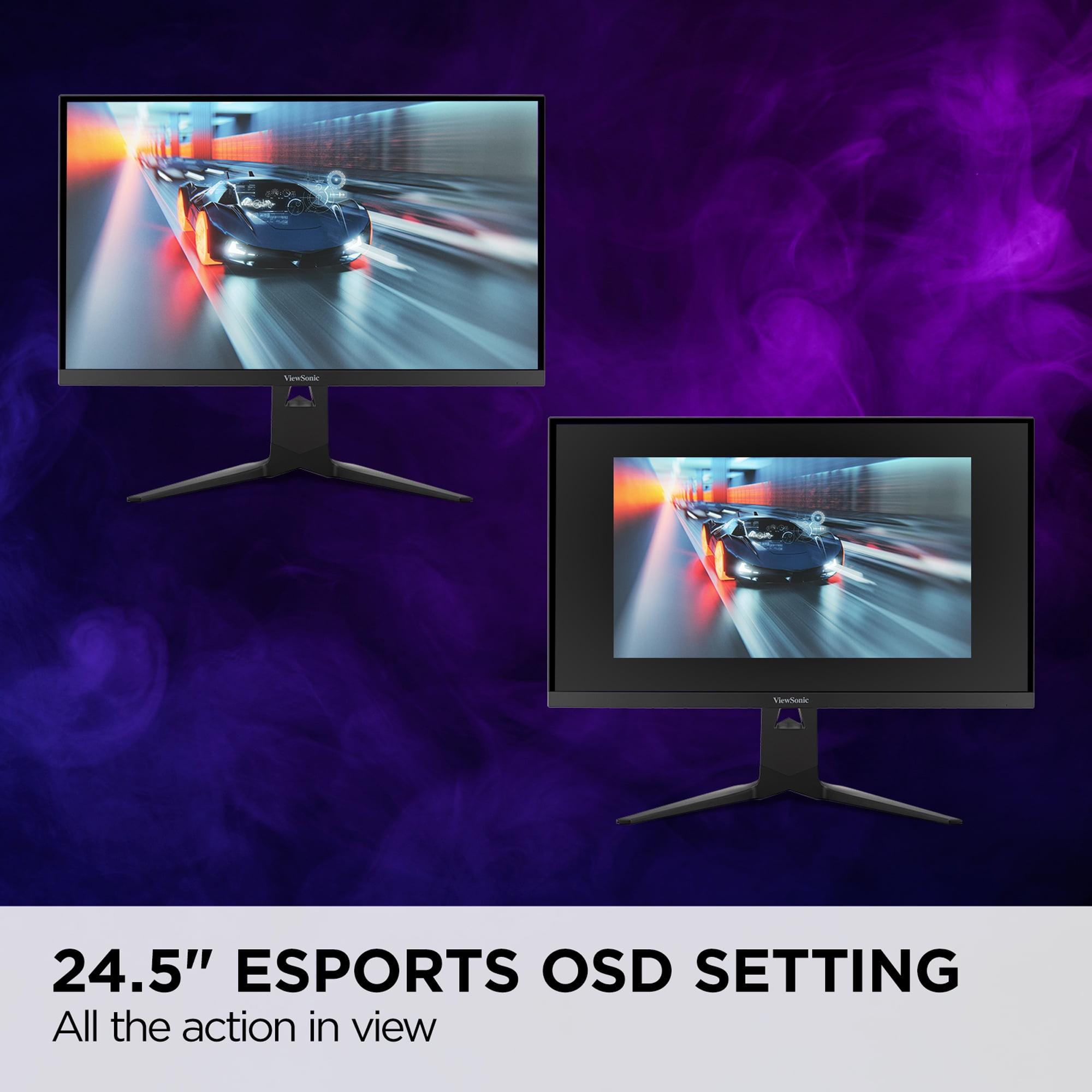
The ViewSonic XG275D-4K introduces several innovative features. The 24.5-inch esports mode is particularly clever – it crops the display area to match the size of smaller competitive monitors while maintaining the larger panel's benefits. This lets you experience the focused feel of a 24.5-inch monitor when needed while having the full 27-inch display available for other content.
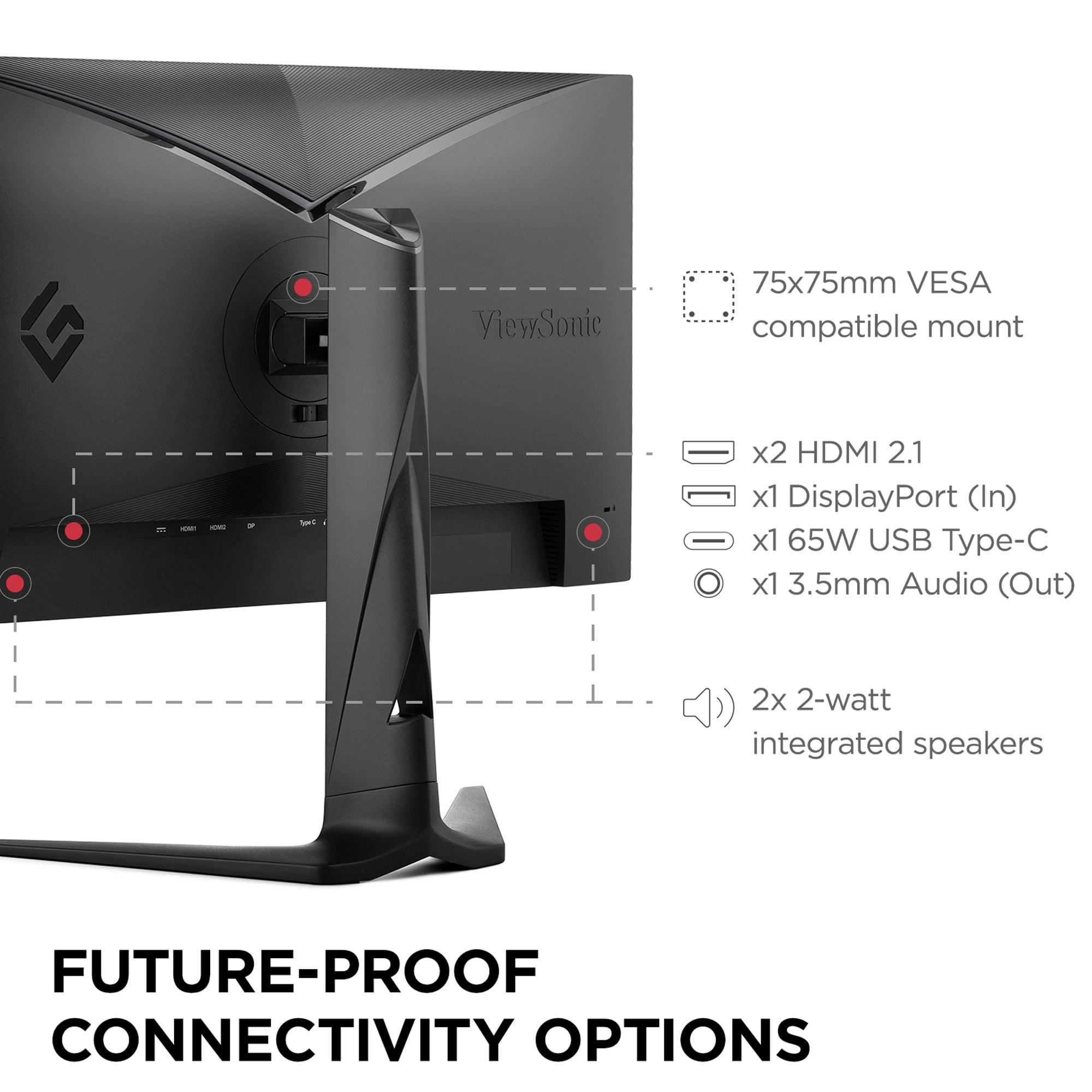
The connectivity options are extensive. USB-C with 65W power delivery means you can connect and charge a laptop with a single cable. Multiple HDMI 2.1 ports support next-generation consoles at their full capabilities. The XG275D-4K truly functions as a gaming hub, capable of managing multiple input sources simultaneously.
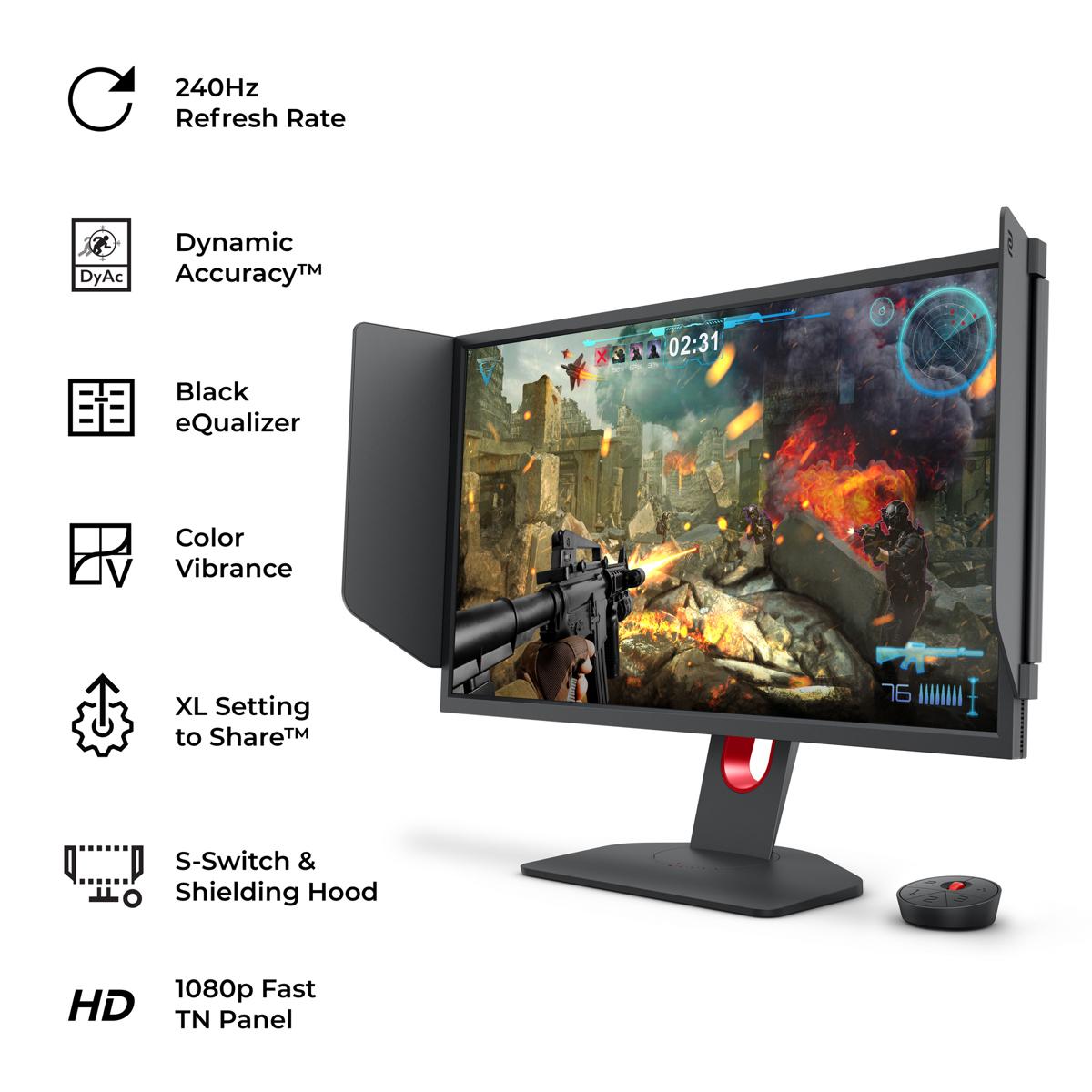
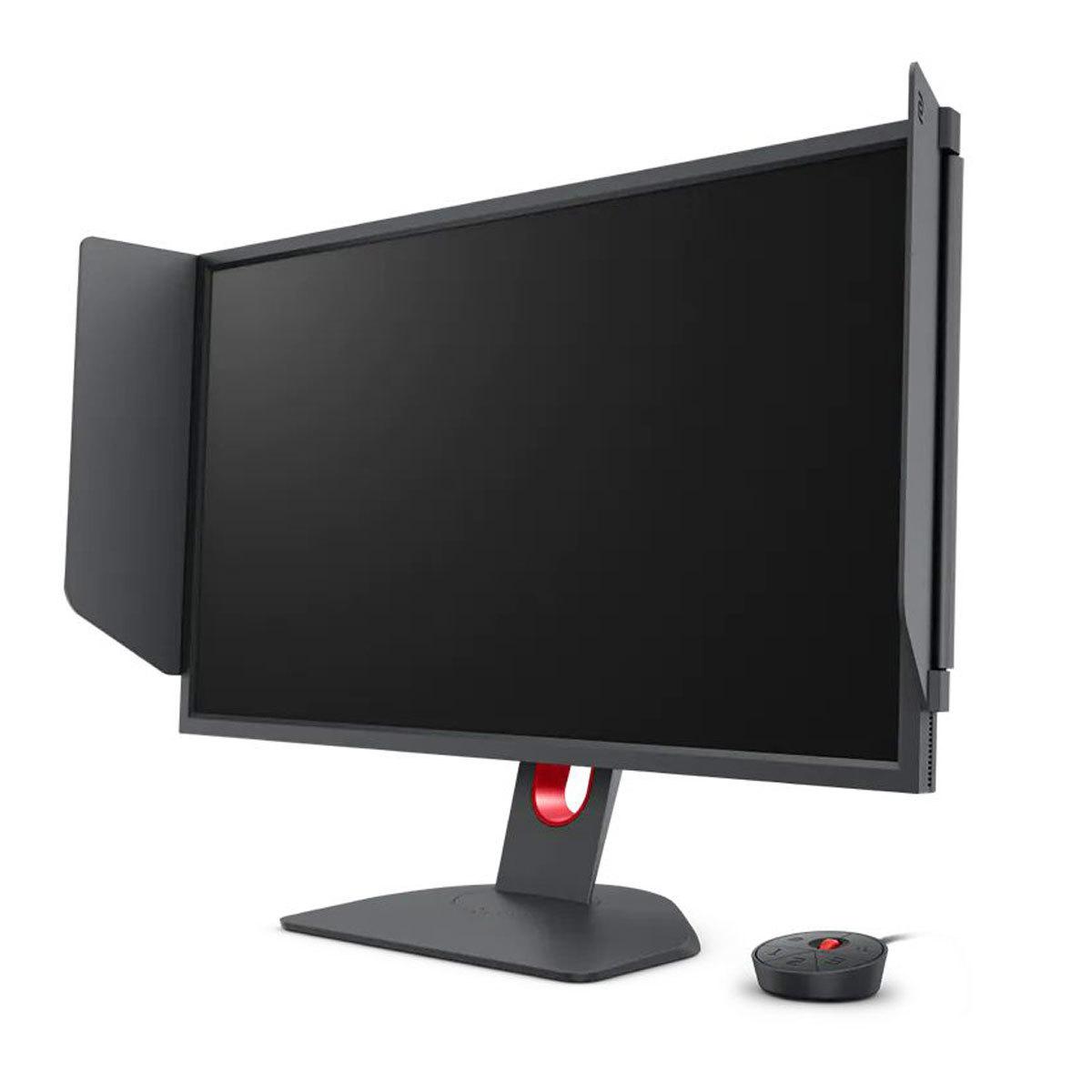
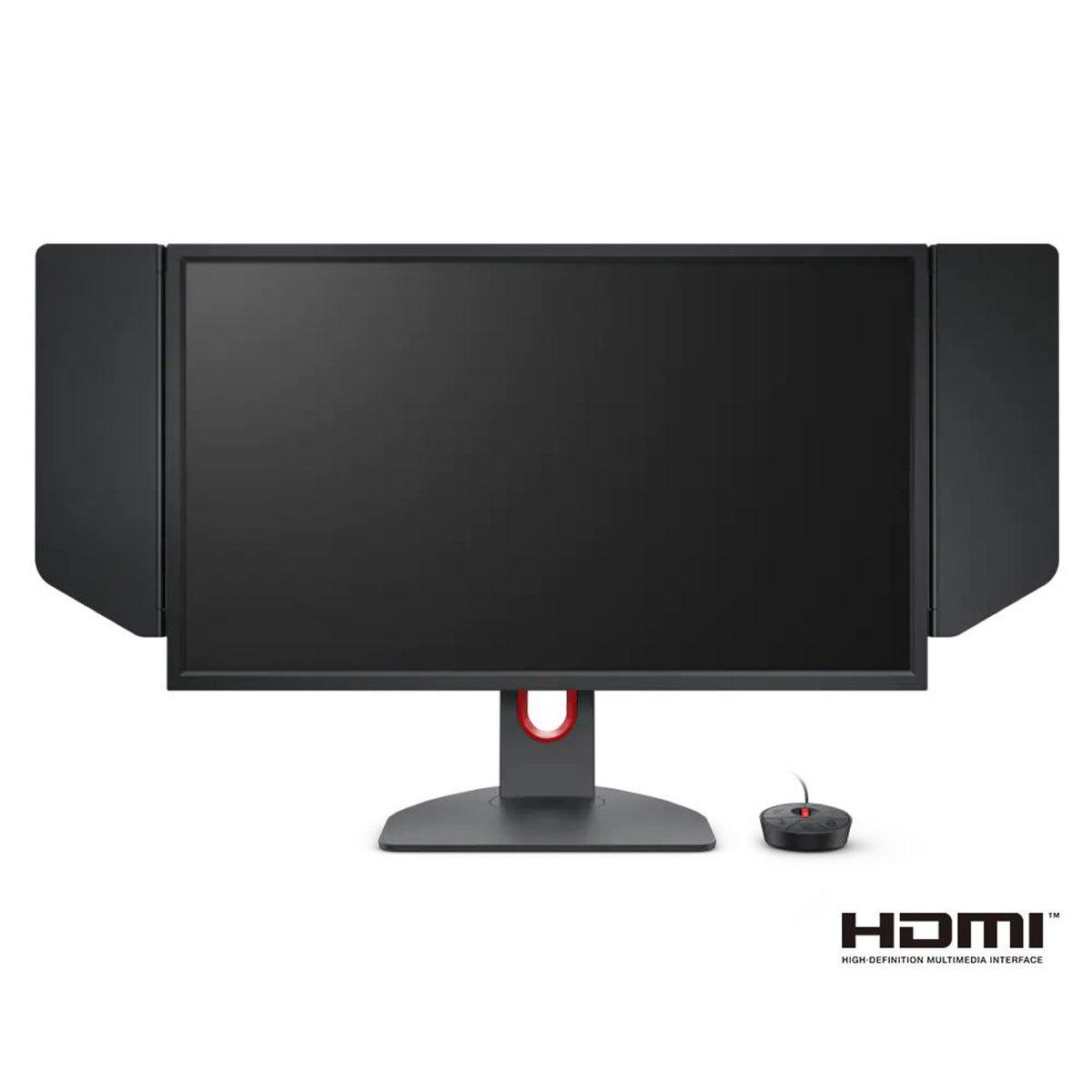
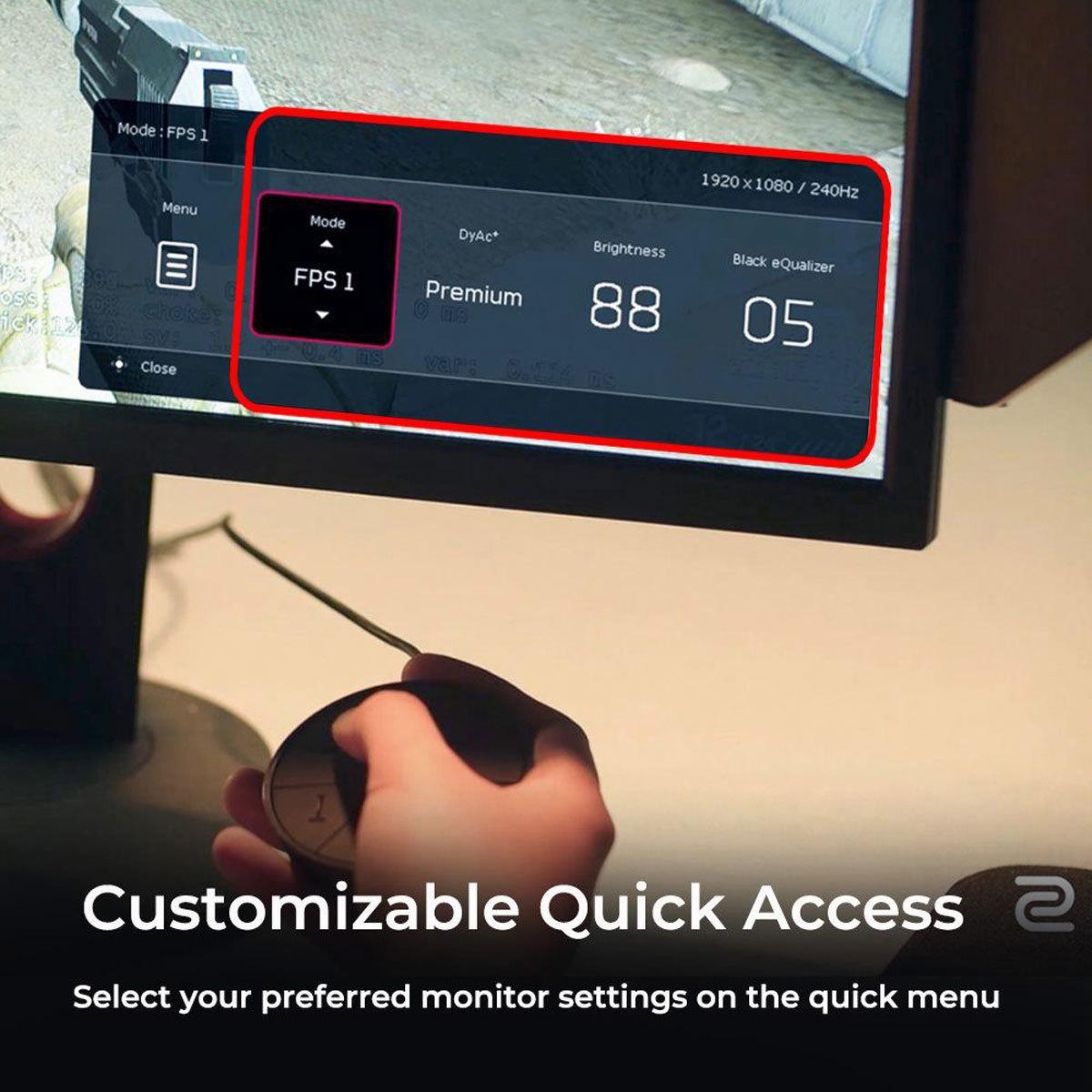
The BenQ Zowie XL2746K takes a different approach with features designed specifically for competitive gaming. The S Switch is a wireless controller that lets you quickly adjust settings without navigating on-screen menus – invaluable when switching between games or adjusting to different lighting conditions during tournaments.
Black eQualizer is another BenQ innovation that enhances visibility in dark areas without overexposing bright sections. It's like having night vision for your games, helping you spot enemies hiding in shadows. Color Vibrance provides fine-tuned color adjustment specifically for competitive gaming, not color accuracy.
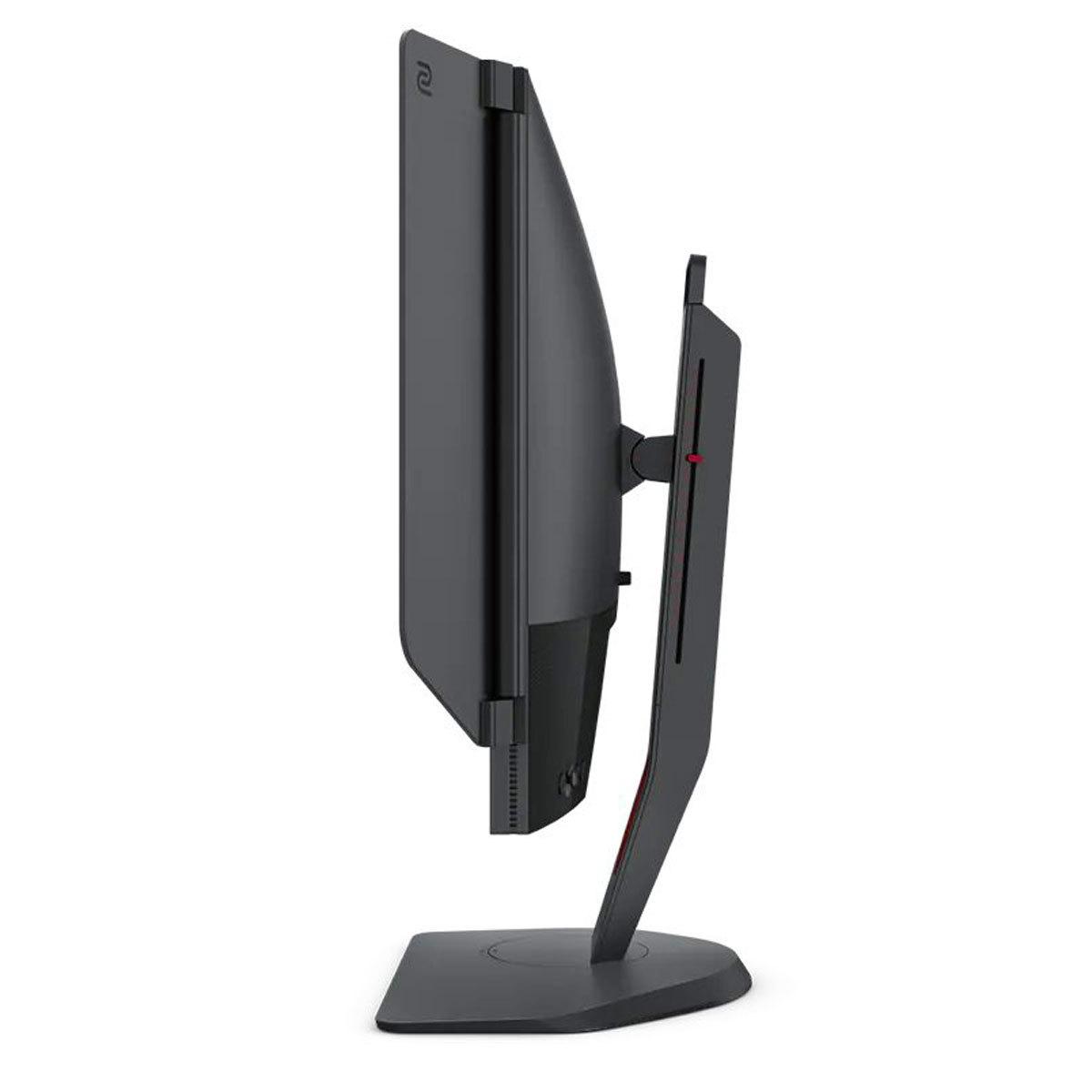
The Shielding Hood might look gimmicky, but it serves a real purpose in competitive environments by blocking peripheral distractions and reducing glare from ambient lighting. Professional players swear by it, and many tournament setups include similar accessories.
Modern gaming isn't just about PCs anymore, and the ViewSonic XG275D-4K embraces this reality. Its comprehensive connectivity makes it suitable as the centerpiece of a modern gaming setup. The USB-C port with power delivery is particularly valuable if you game on a laptop – you can connect, charge, and display with a single cable.
Support for multiple HDMI 2.1 inputs means current-generation consoles can run at their full potential. PlayStation 5 and Xbox Series X can output 4K at 120Hz, which the ViewSonic handles effortlessly. The ability to switch between PC gaming at high refresh rates and console gaming at high resolution makes it incredibly versatile.
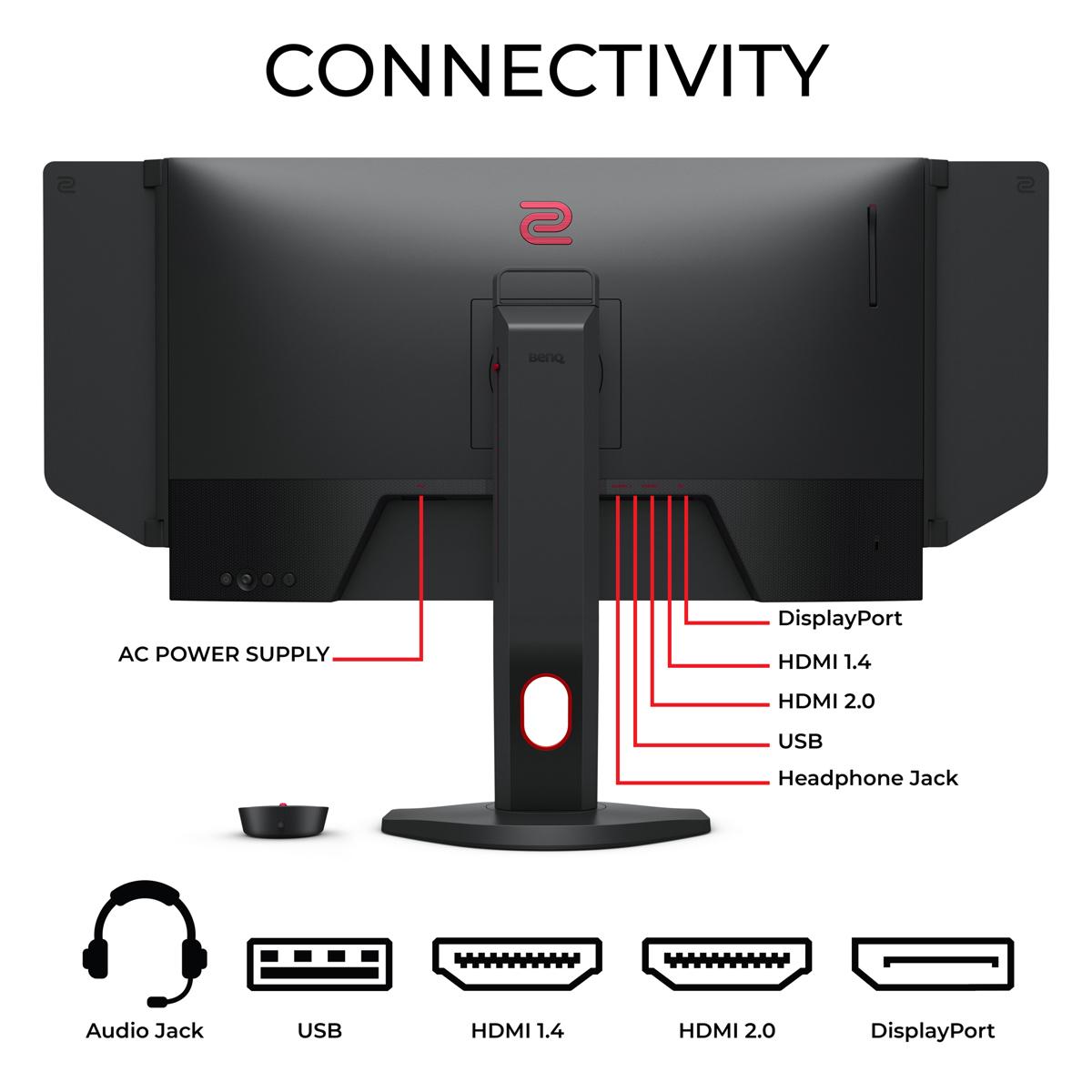
The BenQ Zowie XL2746K is more focused in its connectivity. Multiple HDMI ports and DisplayPort cover the basics, but there's no USB-C and no power delivery. This isn't necessarily a weakness – it reflects the monitor's focused design philosophy. Competitive players typically use dedicated gaming PCs, and extra connectivity features would just add cost without benefit.
At the time of writing, the ViewSonic XG275D-4K offers exceptional value for its feature set. The ability to get both 4K gaming and ultra-high refresh rate competitive gaming in a single monitor is genuinely useful, and ViewSonic's pricing makes it accessible to a much broader audience than premium alternatives.
The BenQ Zowie XL2746K commands a premium price, but for its target audience, the specialized features justify the cost. Professional and serious competitive players often view monitors as tools rather than entertainment devices, and they're willing to pay more for features that provide even small competitive advantages.
Neither monitor is primarily designed for home theater use, but they handle multimedia content differently. The ViewSonic XG275D-4K is surprisingly capable as a secondary display for movies and streaming content. The 4K resolution and HDR10 support (though limited to 300 nits peak brightness) provide a decent viewing experience, especially for the price range.
The IPS panel's wide viewing angles make it suitable for shared viewing, and the built-in speakers, while basic, eliminate the need for separate audio for casual content consumption. The anti-glare coating works well in bright rooms, making daytime viewing comfortable.
The BenQ XL2746K is less suited for home theater use. The TN panel's narrow viewing angles and lower contrast make it poor for movie watching, especially in dark rooms where the limited black levels become obvious. The lack of built-in speakers and 1080p resolution further limit its multimedia appeal.
The ViewSonic XG275D-4K is ideal for gamers who refuse to compromise. If you play competitive games like Valorant or Apex Legends but also enjoy single-player adventures like Cyberpunk 2077 or Red Dead Redemption 2, this monitor adapts to your needs. It's perfect for streamers who need to manage multiple applications, content creators who occasionally game, or anyone building their first serious gaming setup.
Students and professionals who need a monitor for both work and gaming will appreciate its versatility. The 4K resolution is excellent for productivity tasks, while the high refresh rate gaming capability ensures you're not sacrificing performance when it's time to play.
The BenQ Zowie XL2746K is for players who have found their game and want to excel at it. If you primarily play competitive shooters and care more about ranking up than visual spectacle, this monitor's specialized features provide tangible benefits. Professional and aspiring professional players will appreciate the tournament-focused design and features developed with input from top-tier competitors.
It's also the better choice if you're building a dedicated gaming setup where the monitor will only be used for competitive gaming. The focused feature set means you're not paying for capabilities you'll never use.
It's worth noting how quickly this market segment has evolved. When the BenQ XL2746K launched in 2022, 240Hz TN panels represented the cutting edge of competitive gaming monitors. The focus was entirely on achieving the highest possible refresh rates and lowest input lag.
The ViewSonic XG275D-4K, arriving in 2025, represents a new generation of thinking. Dual-mode technology addresses the long-standing compromise between resolution and refresh rate, while improvements in IPS panel technology have largely eliminated the response time disadvantages that once made TN panels necessary for competitive gaming.
This evolution suggests the market is maturing beyond the simple "faster is always better" mentality toward more nuanced solutions that balance multiple priorities.
Ultimately, your choice between these monitors should reflect your gaming priorities and setup requirements. The ViewSonic XG275D-4K offers unprecedented flexibility and exceptional value, making it the better choice for most gamers. Its ability to excel at both competitive and cinematic gaming eliminates the need to choose between different experiences.
The BenQ Zowie XL2746K remains the better choice for dedicated competitive players who prioritize proven performance and specialized features over versatility. Its focused design and tournament-tested features provide confidence that you're getting the tools used by the best players in the world.
Both monitors represent excellent examples of their respective philosophies, and both will serve their intended users well. The question isn't which is objectively better, but which approach aligns better with how you actually game.
| ViewSonic XG275D-4K | BenQ Zowie XL2746K |
|---|---|
| Display Resolution - Higher resolution provides sharper visuals but requires more GPU power | |
| 4K UHD (3840x2160) native with dual-mode capability | Full HD (1920x1080) native - optimized for competitive gaming |
| Panel Technology - IPS offers better colors, TN provides faster response | |
| Fast IPS with wide viewing angles and vibrant colors | TN panel optimized for ultra-fast response times |
| Refresh Rate - Higher numbers mean smoother motion in fast-paced games | |
| Dual-mode: 160Hz at 4K or 320Hz at 1080p | Fixed 240Hz at 1080p - consistent competitive performance |
| Response Time - Lower numbers reduce motion blur and ghosting | |
| 0.5ms MPRT with excellent motion clarity | Sub-1ms typical for TN, enhanced by DyAc+ technology |
| Gaming Features - Specialized features that improve competitive performance | |
| 24.5" esports mode, multiple ViewMode presets, RGB lighting | DyAc+ motion blur reduction, Black eQualizer, S Switch controller |
| Connectivity - More ports provide better flexibility for multiple devices | |
| HDMI 2.1, DisplayPort 1.4, USB-C with 65W power delivery | 3x HDMI 2.0, DisplayPort 1.2, basic connectivity focused on gaming |
| Color Performance - Important for content creation and immersive gaming | |
| 10-bit color, DCI-P3 94% coverage, HDR10 support | Standard sRGB coverage, no HDR - optimized for competitive visibility |
| Target Use Case - Who each monitor is designed for | |
| Versatile gaming hub for competitive and cinematic gaming | Specialized esports monitor for competitive FPS players |
| Unique Selling Point - What sets each monitor apart | |
| Revolutionary dual-mode technology eliminates resolution vs refresh rate compromise | Professional esports features and tournament-proven design |
| Best Value For - Where you get the most bang for your buck | |
| Gamers wanting both 4K visuals and high refresh rates in one monitor | Serious competitive players prioritizing motion clarity and specialized features |
The BenQ Zowie XL2746K is specifically designed for competitive gaming with its 240Hz TN panel, DyAc+ motion blur reduction technology, and esports-focused features like Black eQualizer. However, the ViewSonic XG275D-4K offers 320Hz at 1080p in its dual-mode setup, making it also excellent for competitive play while providing more versatility.
The ViewSonic XG275D-4K excels at both with its dual-mode technology - 320Hz for competitive games and 4K at 160Hz for immersive single-player experiences. The BenQ Zowie XL2746K is optimized primarily for competitive gaming and may not provide the visual experience you want for cinematic single-player games due to its 1080p resolution and TN panel limitations.
The ViewSonic XG275D-4K significantly outperforms the BenQ Zowie XL2746K in image quality with its IPS panel, 4K resolution, 10-bit color depth, and wider color gamut coverage. The BenQ uses a TN panel optimized for speed rather than color accuracy, making the ViewSonic the clear winner for visual quality.
The ViewSonic XG275D-4K offers dual refresh rates: 160Hz at 4K resolution or 320Hz at 1080p resolution. The BenQ Zowie XL2746K provides a consistent 240Hz at 1080p. While the ViewSonic can go higher at 1080p, the BenQ offers more consistent performance for competitive gaming.
The ViewSonic XG275D-4K is much better for console gaming with its 4K resolution support, HDMI 2.1 connectivity, and ability to handle next-gen console capabilities. The BenQ Zowie XL2746K is limited to 1080p and designed primarily for PC competitive gaming, making it less suitable for console use.
The ViewSonic XG275D-4K is excellent for content creation with its 4K resolution, accurate IPS colors, and USB-C connectivity with power delivery. The BenQ Zowie XL2746K is not ideal for content creation due to its 1080p resolution, TN panel color limitations, and narrow viewing angles designed for gaming rather than creative work.
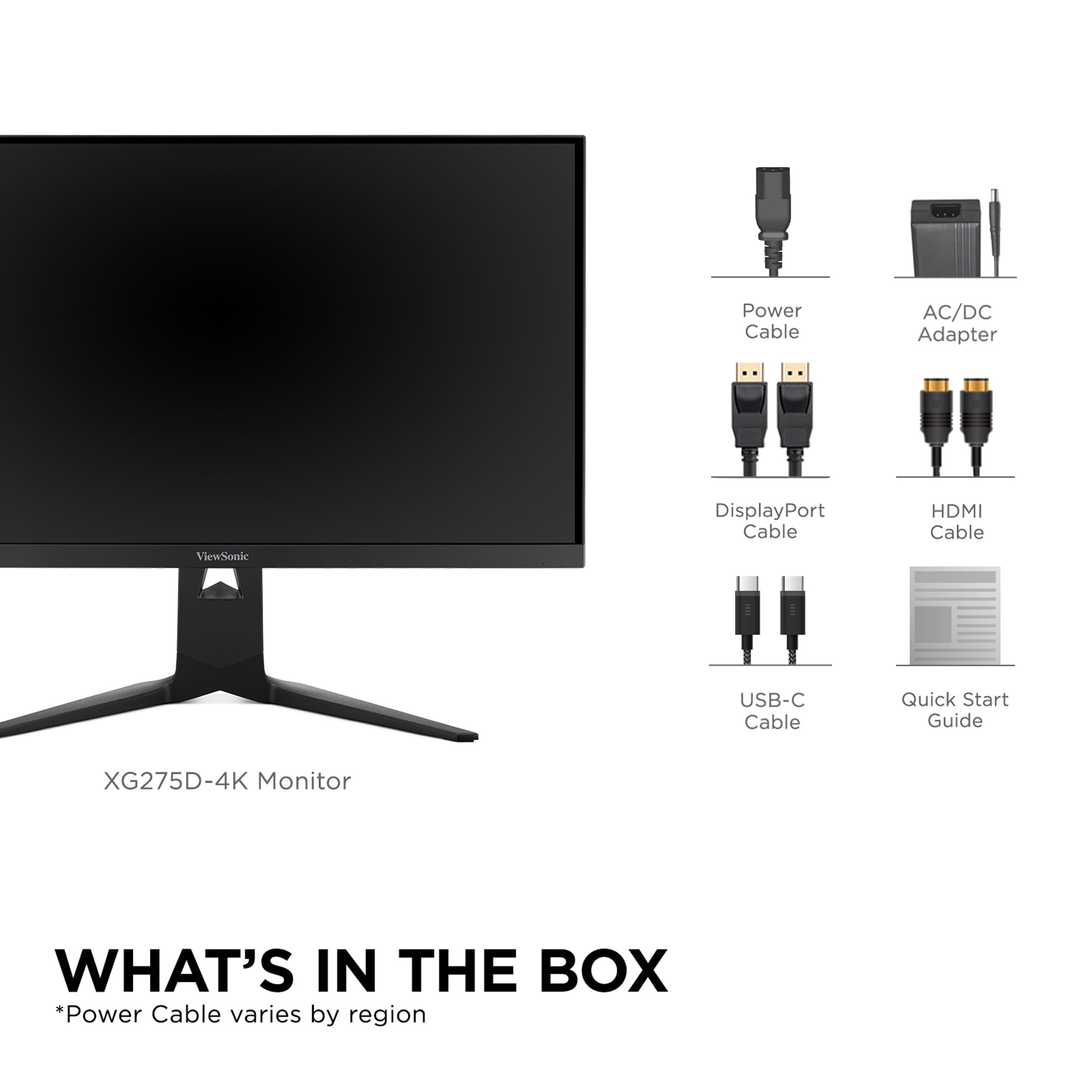
The ViewSonic XG275D-4K provides superior connectivity with HDMI 2.1, DisplayPort 1.4, USB-C with 65W power delivery, and built-in speakers. The BenQ Zowie XL2746K offers basic gaming connectivity with multiple HDMI 2.0 ports and DisplayPort but lacks modern features like USB-C and has no built-in audio.
The ViewSonic XG275D-4K is decent for movies with its 4K resolution, IPS panel, HDR10 support, and wide viewing angles, though it's not primarily designed for home theater use. The BenQ Zowie XL2746K is poor for movie watching due to its 1080p resolution, TN panel limitations, narrow viewing angles, and lack of HDR support.
Both monitors offer excellent response times, but they achieve it differently. The BenQ Zowie XL2746K uses a TN panel with sub-1ms response times enhanced by DyAc+ technology. The ViewSonic XG275D-4K achieves 0.5ms MPRT with its Fast IPS panel. The difference in real-world gaming is minimal, with both providing excellent motion clarity.
The ViewSonic XG275D-4K features innovative dual-mode refresh rate switching, allowing you to toggle between 4K/160Hz and 1080p/320Hz modes. The BenQ Zowie XL2746K offers esports-specific features like DyAc+ motion blur reduction, Black eQualizer for enhanced visibility, S Switch hardware controller, and XL Setting to Share for profile management.
The ViewSonic XG275D-4K offers better value for most gamers by providing both high-resolution gaming and competitive performance in one monitor, eliminating the need to buy separate displays. The BenQ Zowie XL2746K offers specialized value for competitive players who prioritize esports features over versatility, but at a premium for its focused feature set.
Choose the ViewSonic XG275D-4K if you want better colors, viewing angles, and versatility with modern Fast IPS technology. Choose the BenQ Zowie XL2746K if you prioritize the absolute fastest response times and don't need wide viewing angles or color accuracy. Modern IPS panels like the ViewSonic's have largely closed the speed gap while maintaining superior image quality.
We've done our best to create useful and informative comparisons to help you decide what product to buy. Our research uses advanced automated methods to create this comparison and perfection is not possible - please contact us for corrections or questions. These are the sites we've researched in the creation of this article: cgmagonline.com - gamingshogun.com - techpowerup.com - notebookcheck.net - bestbuy.com - newegg.com - techpowerup.com - shi.com - viewsonic.com - viewsonic.com - prnewswire.com - viewsonic.com - viewsonic.com - shop.avispl.com - guru3d.com - viewsonic.com - viewsonic.com - viewsonic.com - viewsonic.com - rtings.com - youtube.com - bestbuy.com - versus.com - youtube.com - versus.com - forums.blurbusters.com - pcmonitors.info - youtube.com - bhphotovideo.com - zowie.benq.com - bhphotovideo.com - device.report - newegg.com - bestbuy.com - displayspecifications.com - provantage.com - zowie.benq.com - smallonlineshop.com.sg - camcor.com

Privacy Policy
Terms and Conditions - Affiliate Policy
Home Security
© Copyright 2008-2026.
11816 Inwood Rd #1211, Dallas, TX 75244