

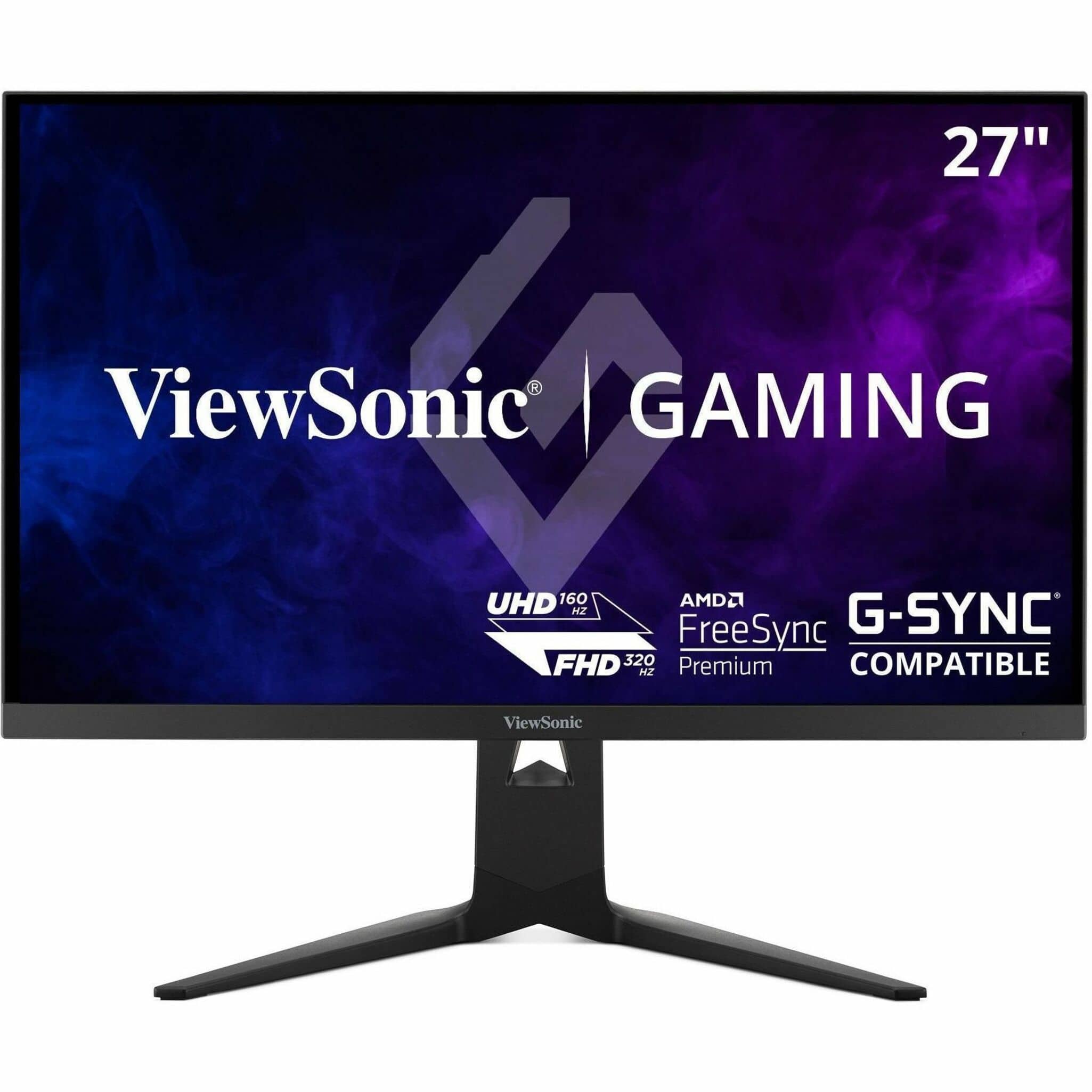
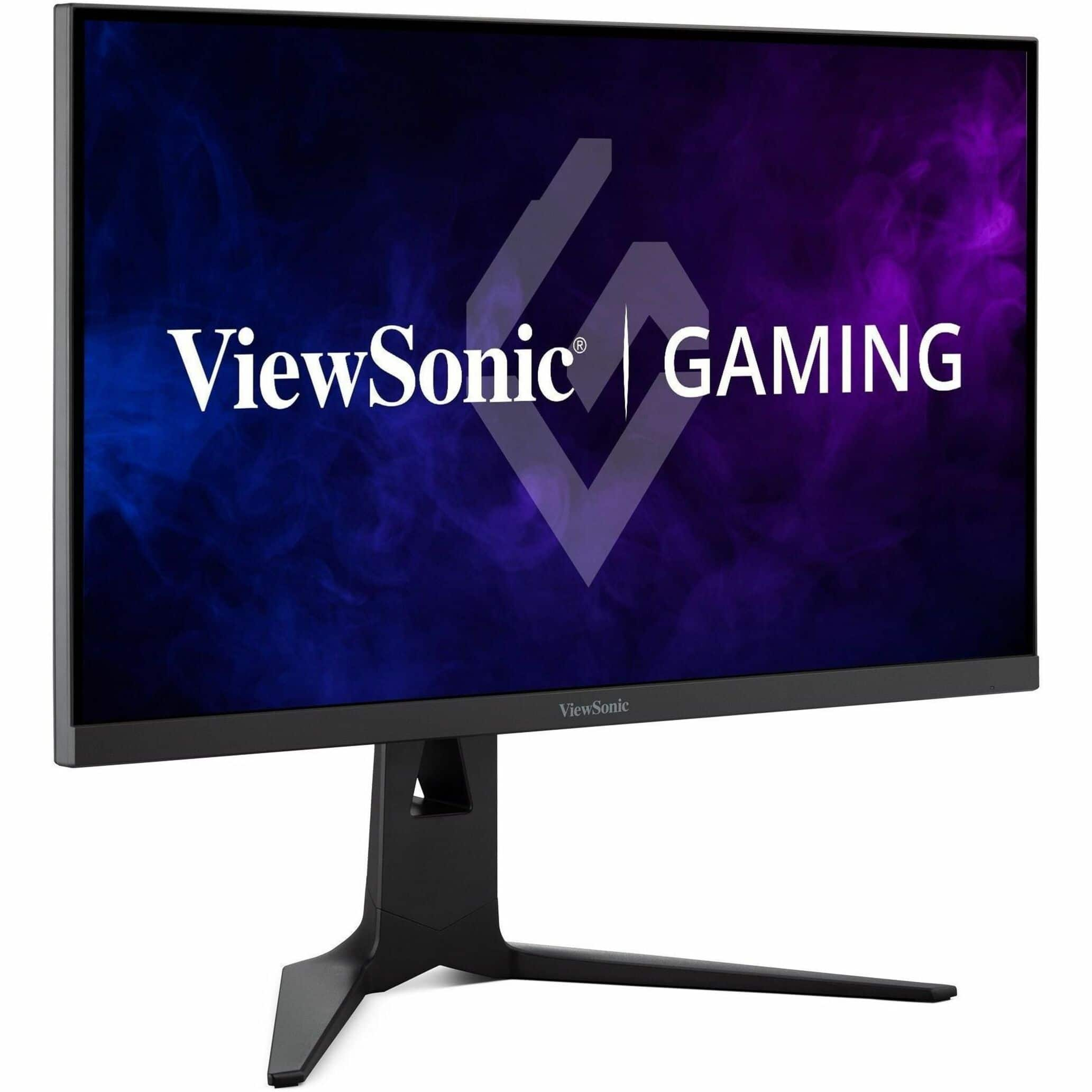
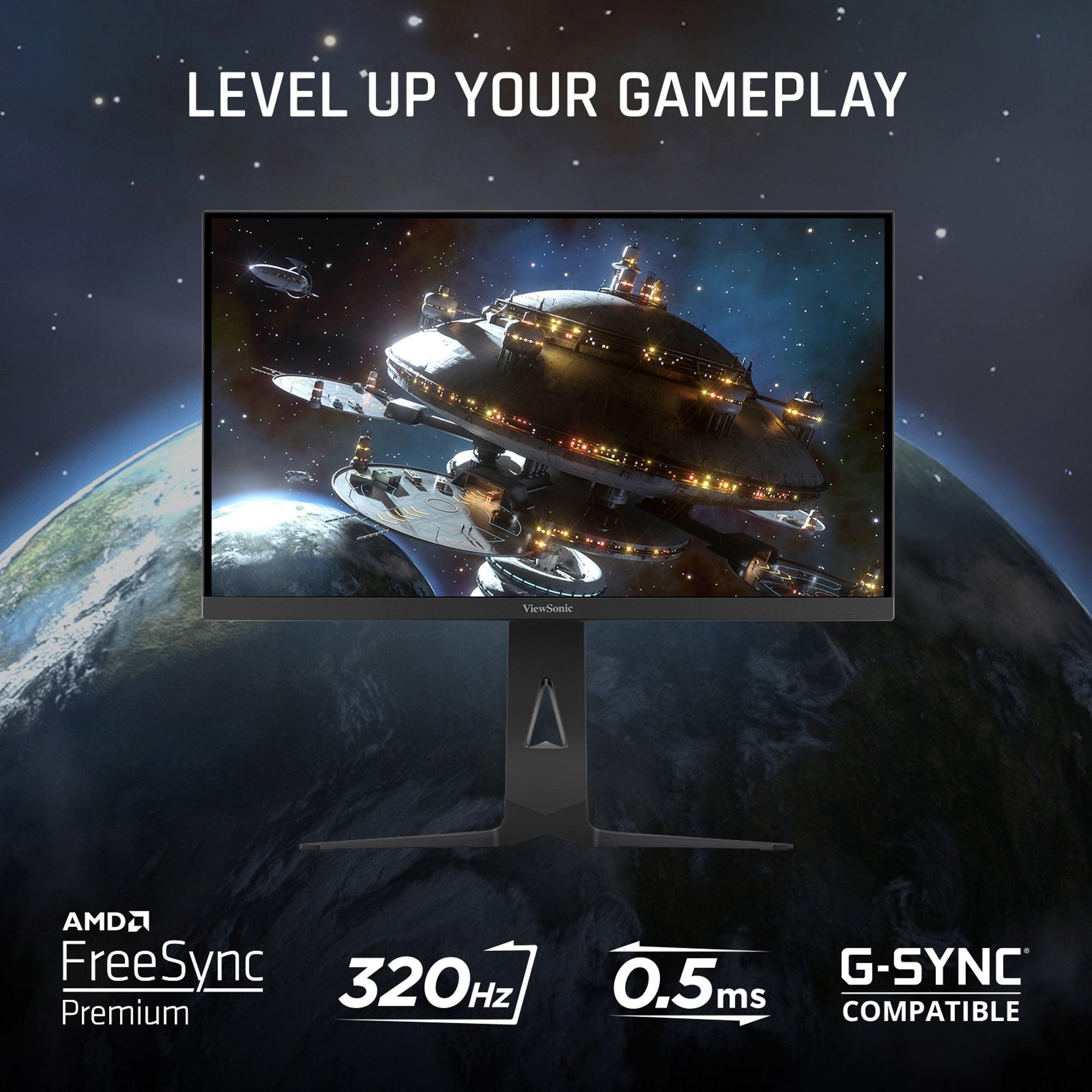


When you're looking to upgrade your gaming setup, choosing the right monitor can feel overwhelming. The display market has exploded with options in recent years, and two monitors that perfectly represent different approaches to high-performance gaming are the ViewSonic XG275D-4K and the Samsung Odyssey OLED G6. These displays showcase fundamentally different philosophies: one prioritizes versatility and future-proofing, while the other focuses purely on competitive gaming excellence.
Both monitors launched in 2024, representing the latest thinking in gaming display technology. The ViewSonic XG275D-4K introduced an innovative dual-mode approach that lets you switch between resolutions and refresh rates, while the Samsung Odyssey OLED G6 brought cutting-edge OLED technology to the competitive gaming space at a more accessible price point than previous OLED monitors.
Before diving into specifics, let's talk about what makes a gaming monitor "high-performance." At its core, it's about three things: how fast the display can refresh (measured in Hertz or Hz), how quickly pixels can change colors (response time), and how smoothly your graphics card can communicate with the display (adaptive sync technology).
Refresh rate is probably the most talked-about specification. Think of it like frames per second for your display – a 60Hz monitor shows 60 new images every second, while a 360Hz monitor shows 360. Higher refresh rates make motion appear smoother and can give you a competitive edge in fast-paced games where every millisecond matters.
Response time measures how quickly a pixel can change from one color to another, typically measured in milliseconds (ms). Faster response times reduce ghosting – those annoying trails you sometimes see behind moving objects. Modern gaming monitors aim for response times under 1ms.
Adaptive sync technologies like AMD FreeSync and NVIDIA G-SYNC eliminate screen tearing by synchronizing your graphics card's output with your monitor's refresh rate. This creates smoother gameplay without the stuttering you might experience with traditional vertical sync (V-Sync).
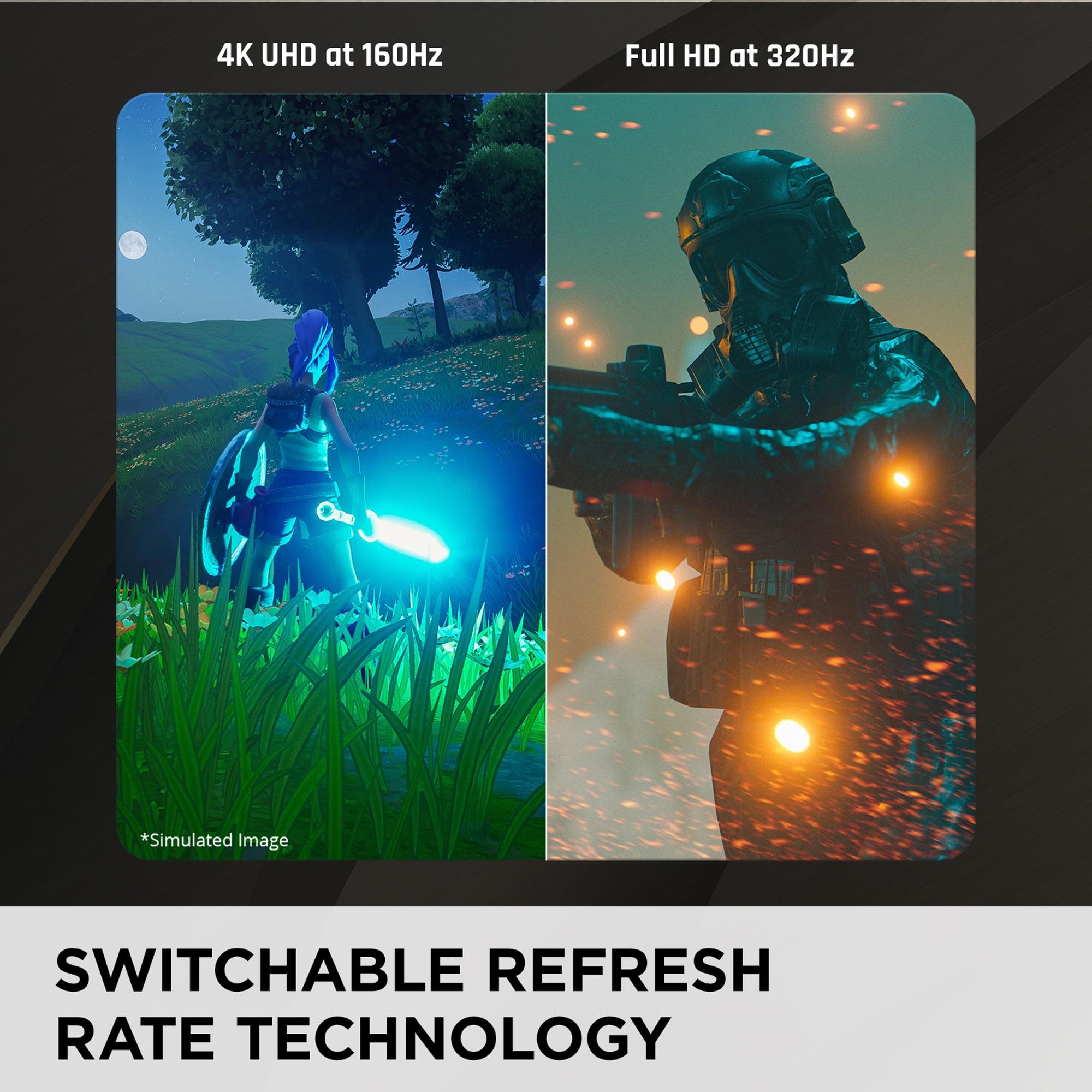
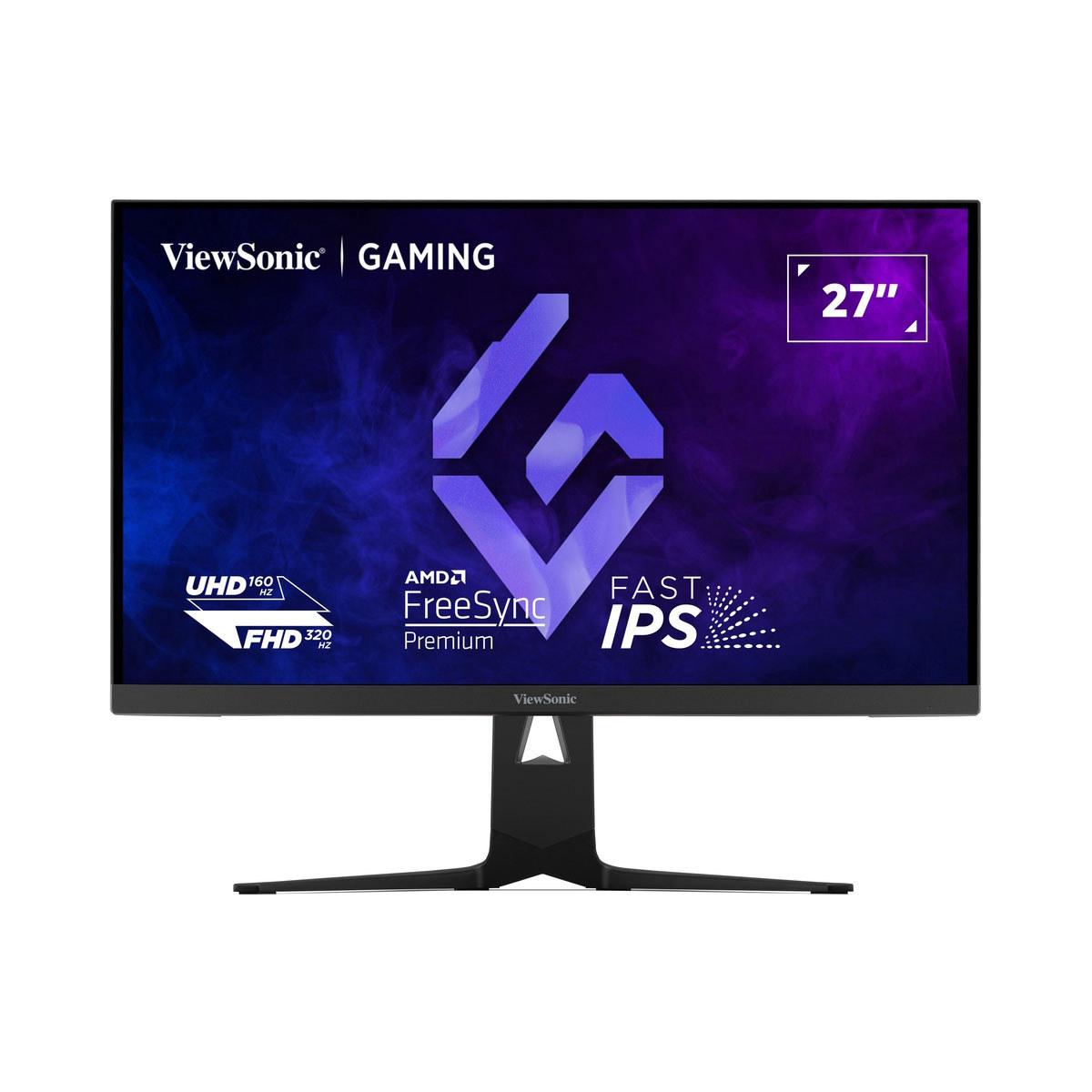
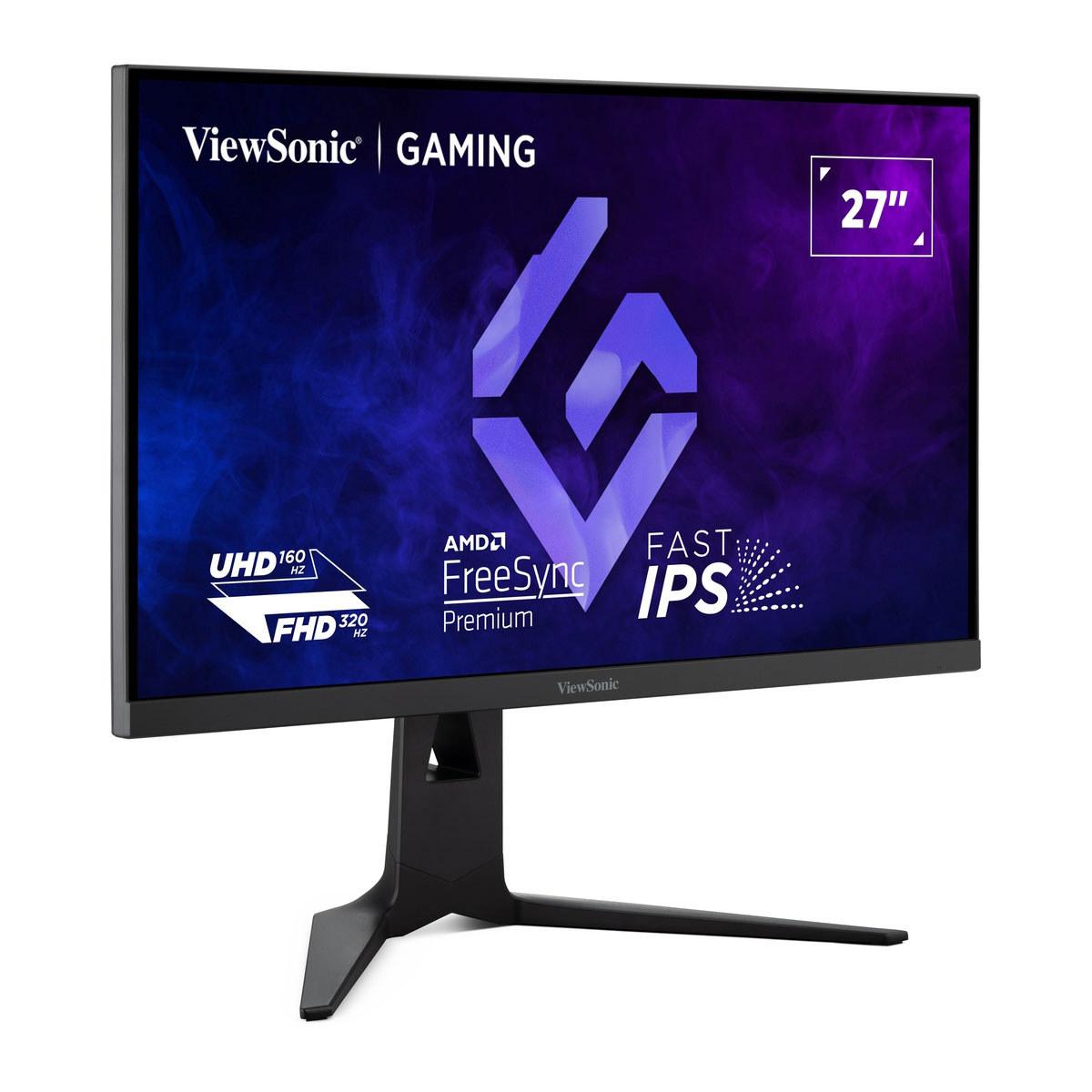
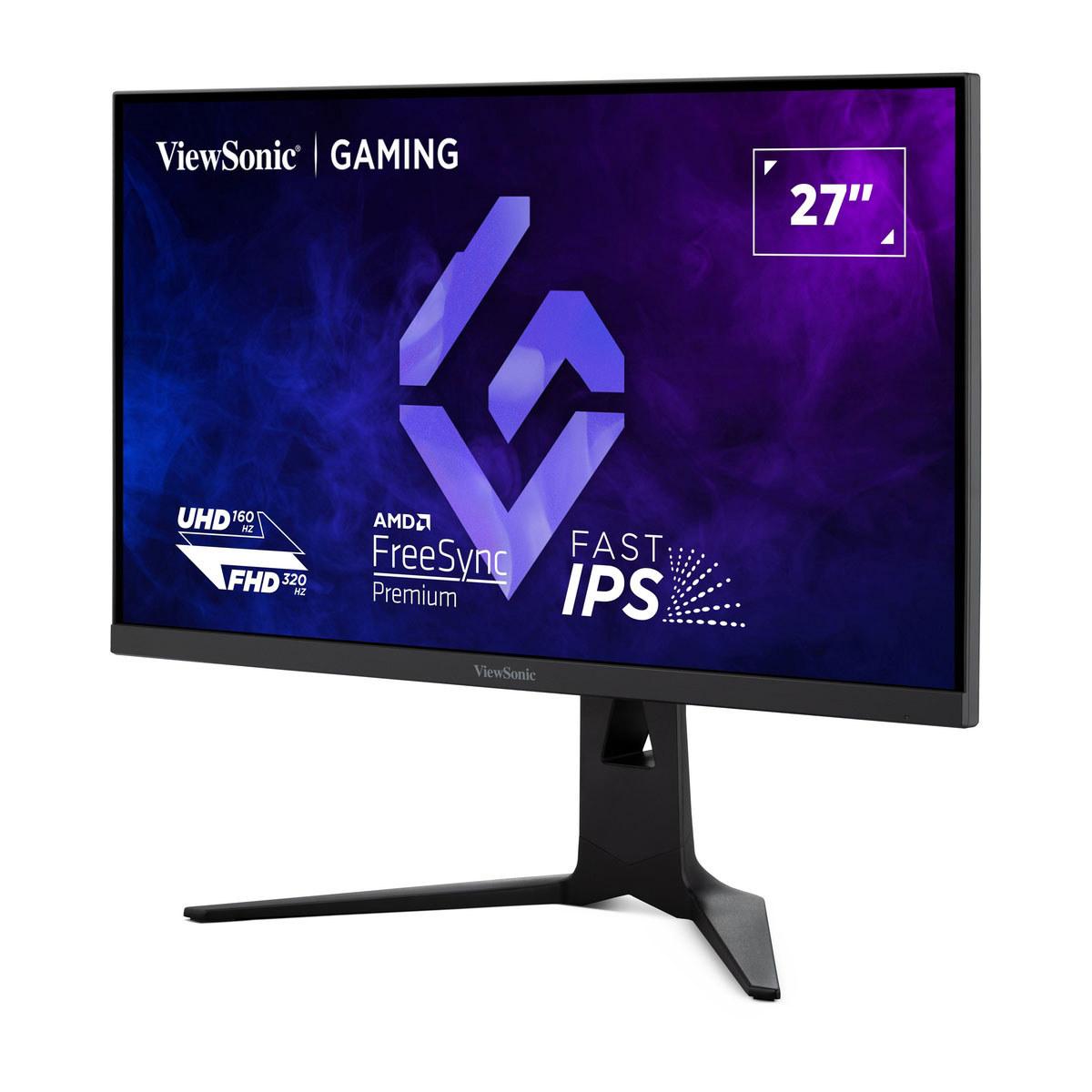
The ViewSonic XG275D-4K takes a unique approach with its dual-mode functionality. This isn't just marketing speak – it's genuinely two different monitors in one package. With the press of a button, you can switch between native 4K resolution at 160Hz for stunning visuals, or drop to 1080p at an incredibly fast 320Hz for competitive gaming.
This flexibility addresses a real problem many gamers face: do you prioritize beautiful visuals or maximum performance? Traditionally, you'd need to buy separate monitors or compromise. The ViewSonic XG275D-4K lets you have both, though with some trade-offs we'll discuss.
The monitor uses a Fast IPS (In-Plane Switching) panel, which represents the latest evolution of IPS technology. Traditional IPS panels were known for excellent colors but slower response times. Fast IPS technology has largely solved the speed problem while maintaining IPS's color accuracy advantages.
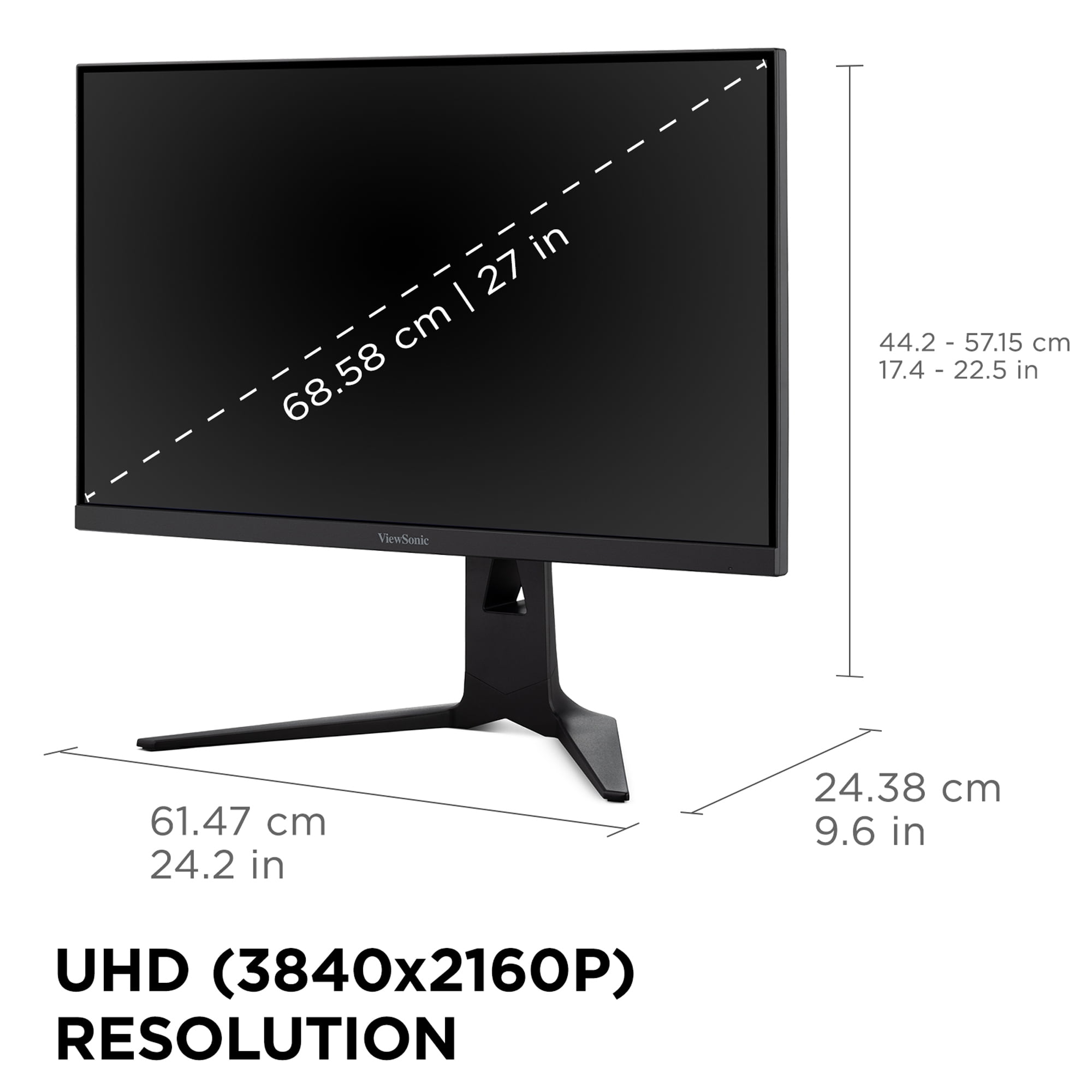
At 4K resolution, the ViewSonic XG275D-4K delivers sharp, detailed images with good color coverage – it hits 94% of the DCI-P3 color space, which is what many movie theaters use. This means colors look vibrant and accurate, whether you're gaming or watching movies. The 99% sRGB coverage ensures compatibility with standard web content and most games.
However, like all IPS panels, it can't achieve true black levels. The best contrast ratio you'll get is about 1000:1, meaning the darkest blacks are still slightly gray. In a dark room, this becomes noticeable, especially compared to OLED technology.
The HDR (High Dynamic Range) support is present but entry-level. With peak brightness around 300-350 nits, HDR content will look better than standard content, but it won't have the dramatic impact you'd see on higher-end displays. Think of it as HDR that's "good enough" rather than spectacular.
What makes the ViewSonic XG275D-4K special is its ability to switch between two distinct operating modes. In 4K mode, you get the full 3840×2160 resolution at up to 160Hz – perfect for single-player games where you want maximum visual fidelity. Games like Cyberpunk 2077 or Red Dead Redemption 2 look stunning with all the fine detail a 4K display can provide.
Switch to performance mode, and the monitor drops to 1080p but cranks the refresh rate up to 320Hz. This is where competitive gamers live – in fast-paced shooters like Counter-Strike or Valorant, that extra smoothness and reduced input lag can mean the difference between winning and losing a firefight.
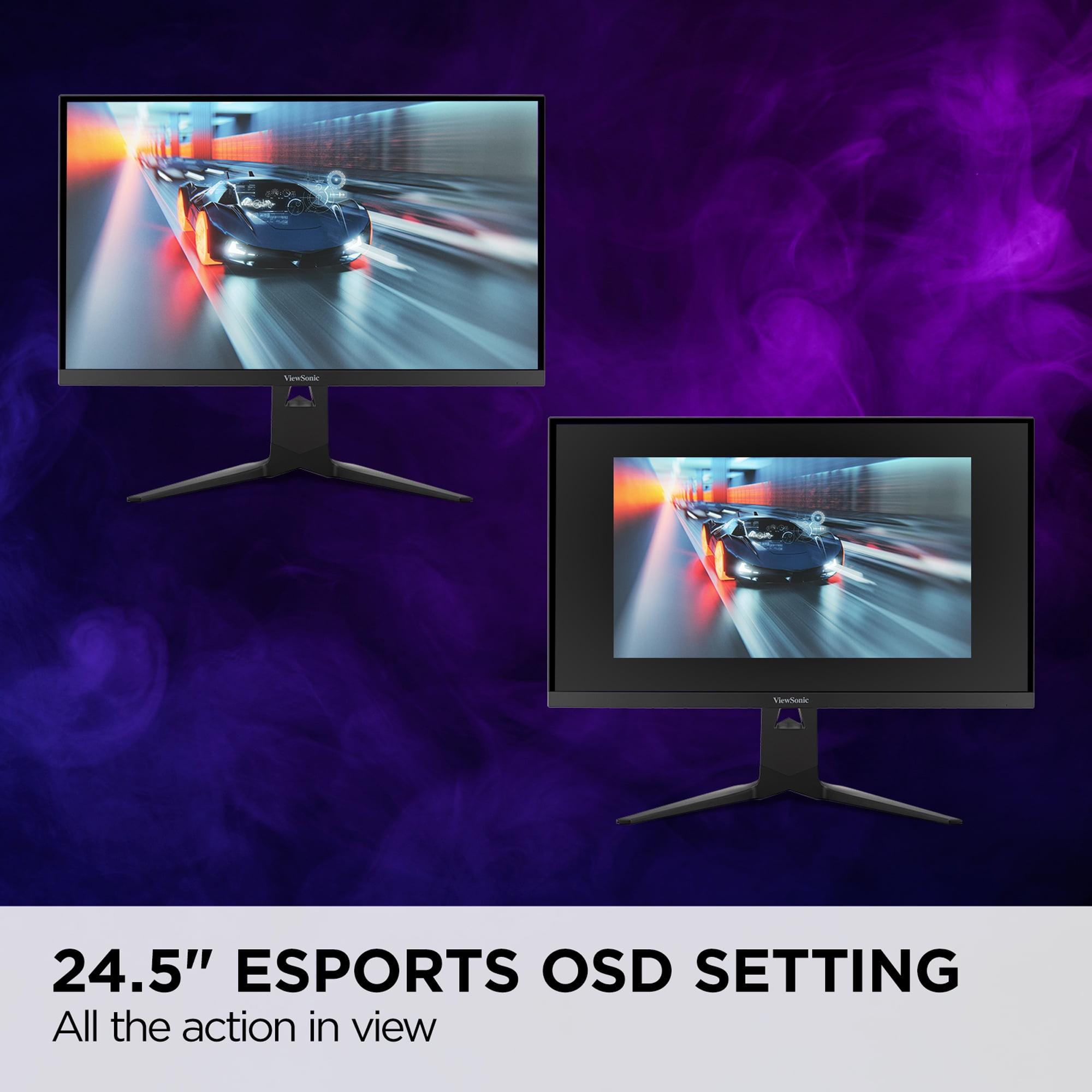
The switching process takes a few seconds, and there's even a dedicated esports mode that shrinks the display area to 24.5 inches – the standard size for tournament play. This feature shows ViewSonic really thought about competitive gamers' needs.
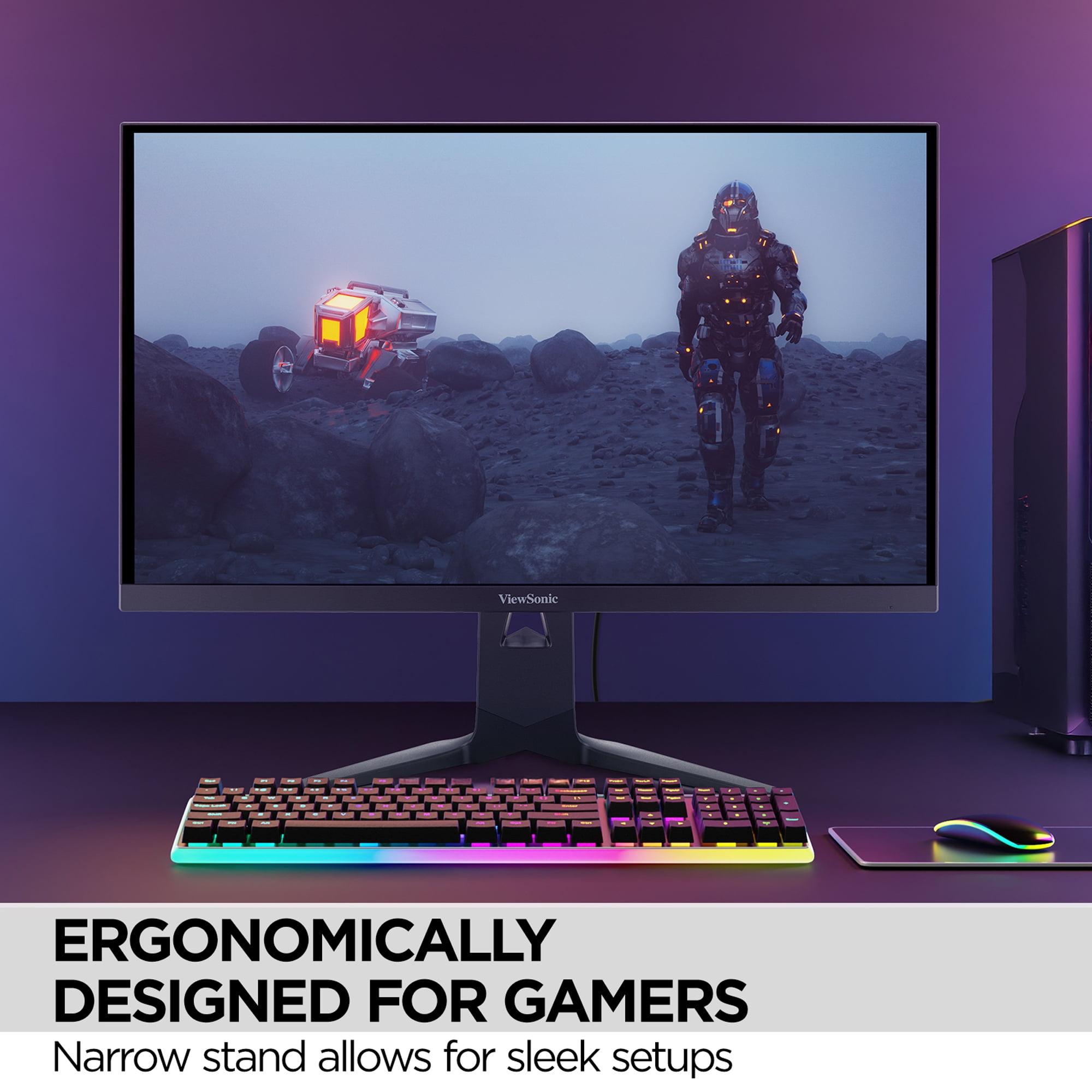
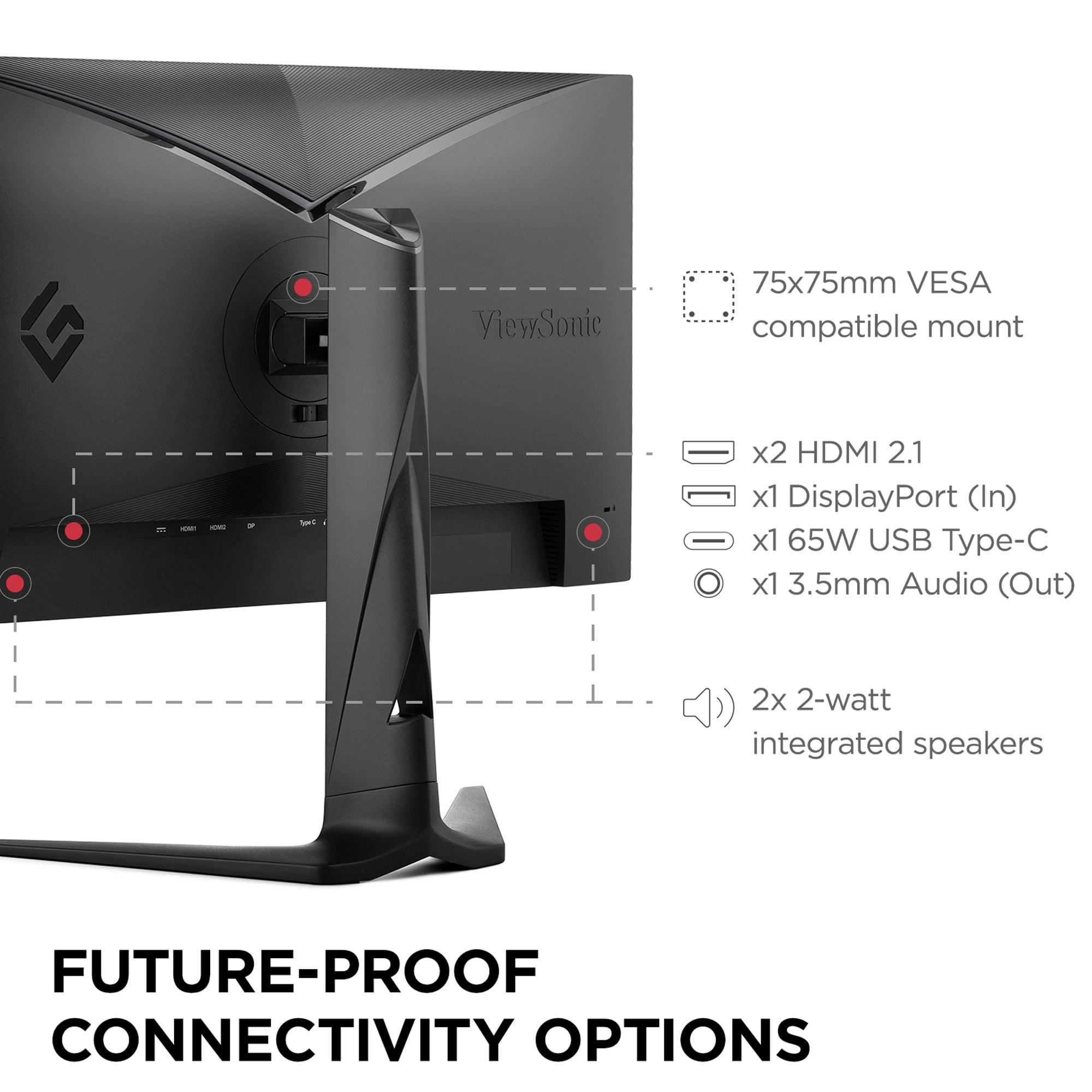
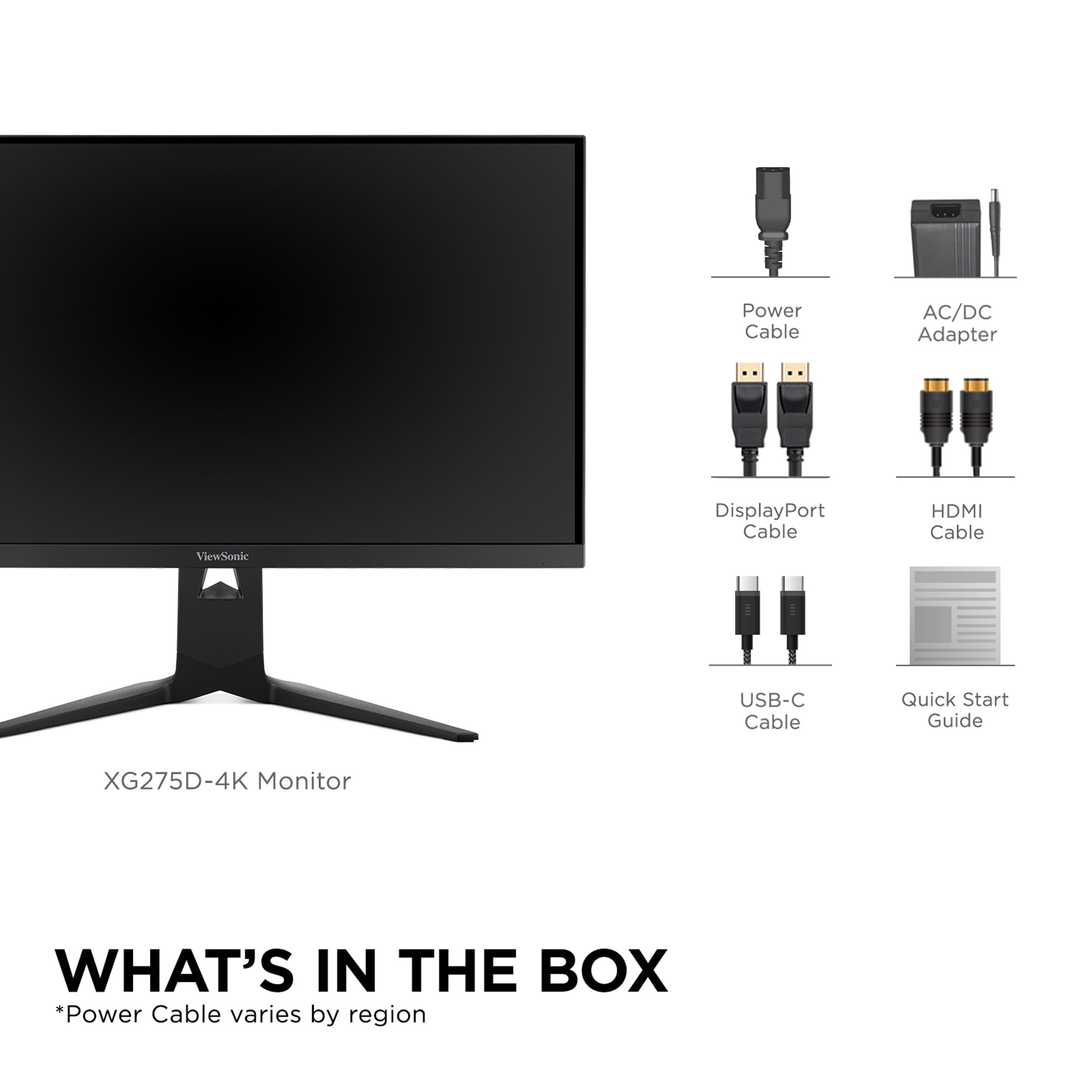
One area where the ViewSonic XG275D-4K truly shines is connectivity. It includes two HDMI 2.1 ports, DisplayPort 1.4, and – this is rare – a USB-C port with 65W power delivery. This means you can connect your laptop with a single cable and have it charge while using the monitor.
For console gamers, those HDMI 2.1 ports are crucial. Both PlayStation 5 and Xbox Series X can output 4K at 120Hz over HDMI 2.1, so you can take full advantage of next-gen console capabilities. The ViewSonic XG275D-4K handles these signals perfectly in its 4K mode.
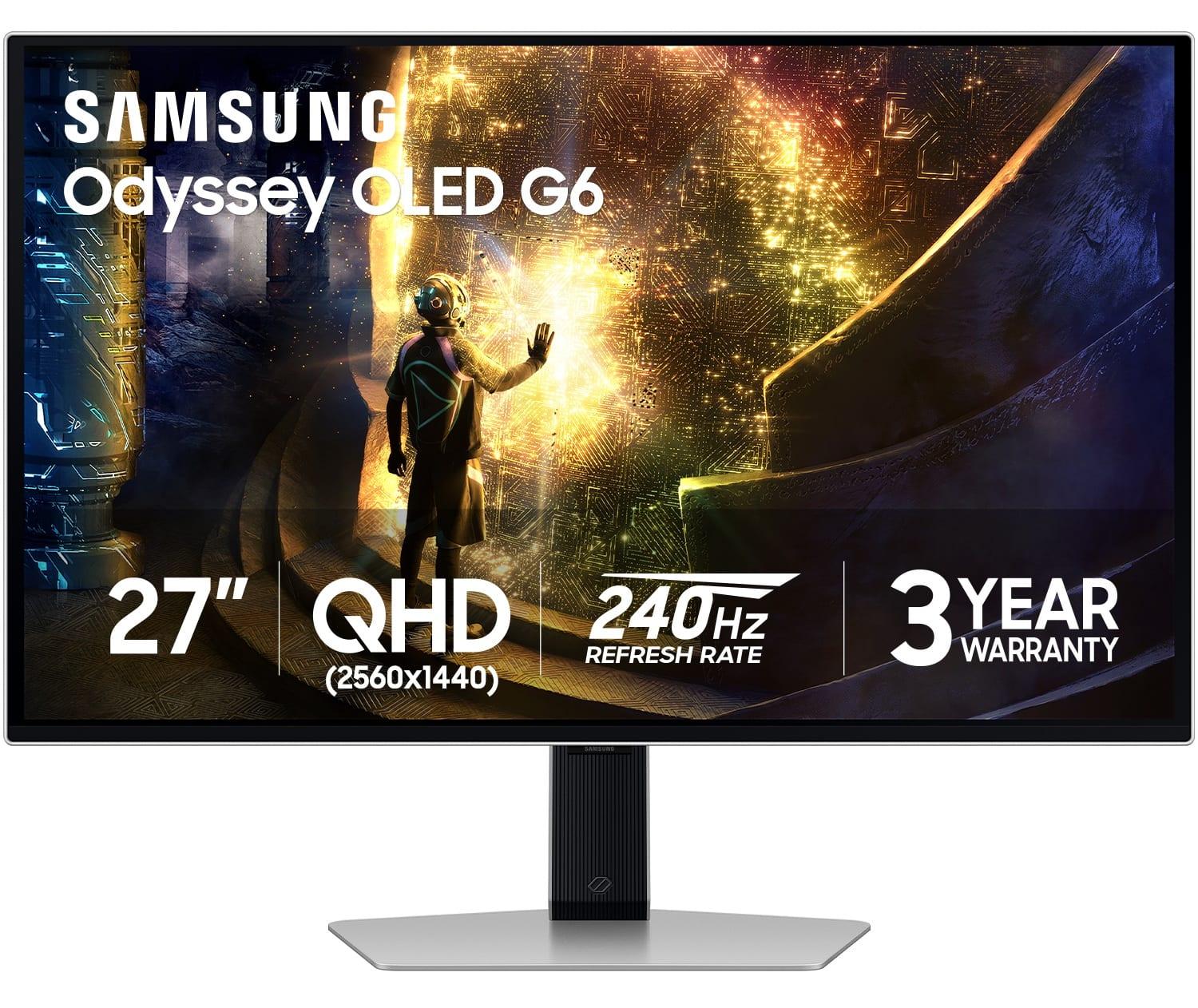
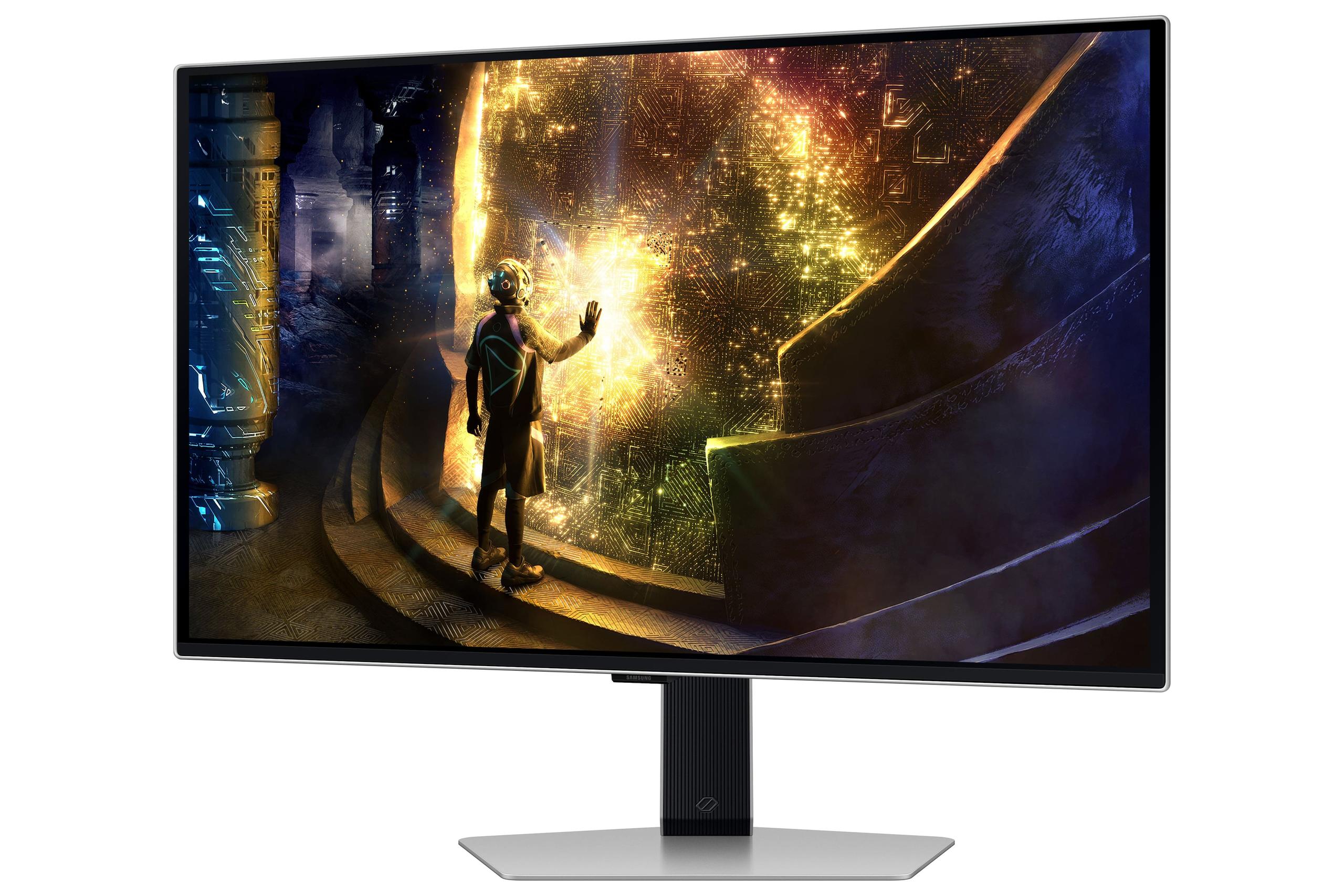
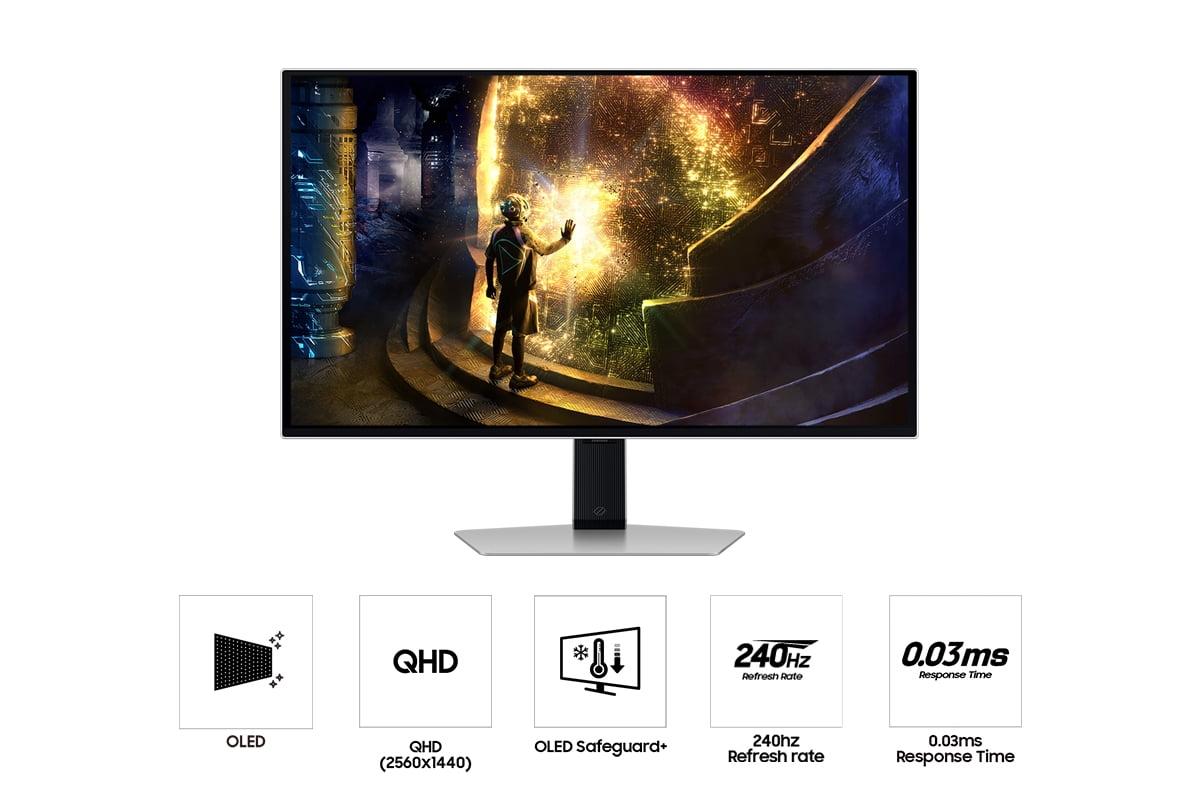
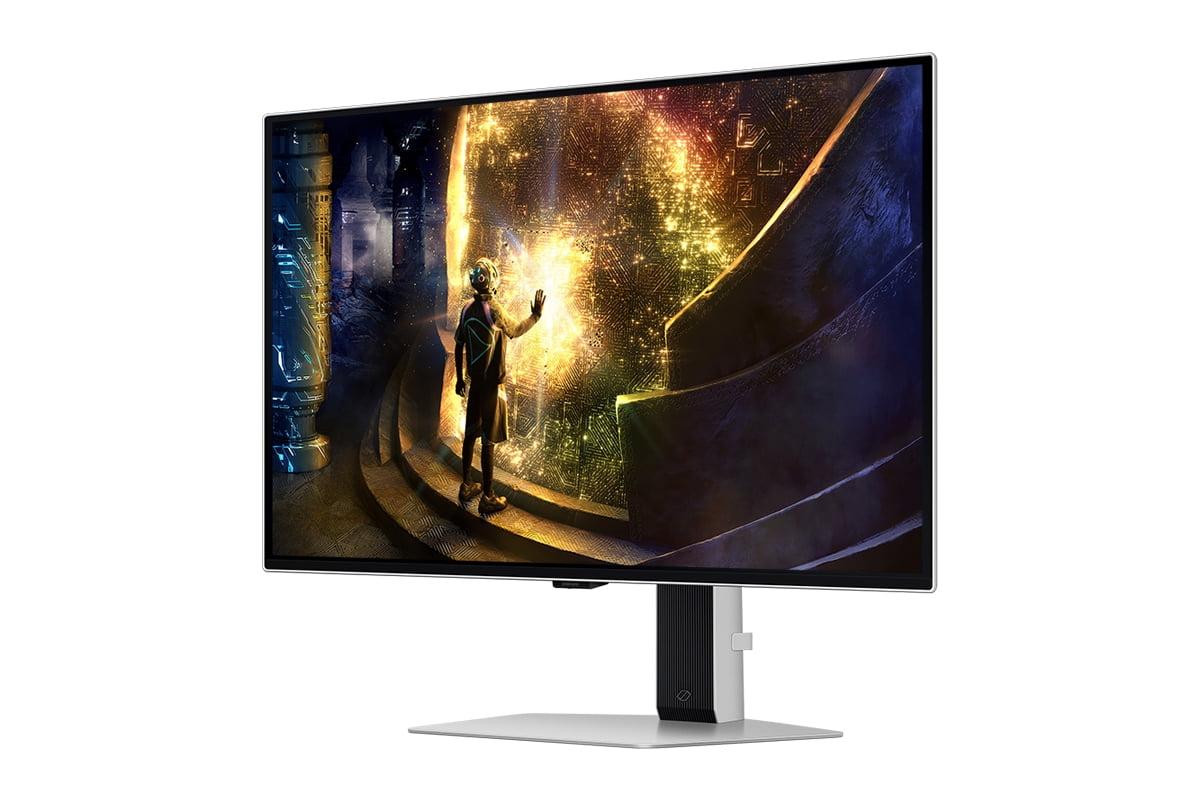
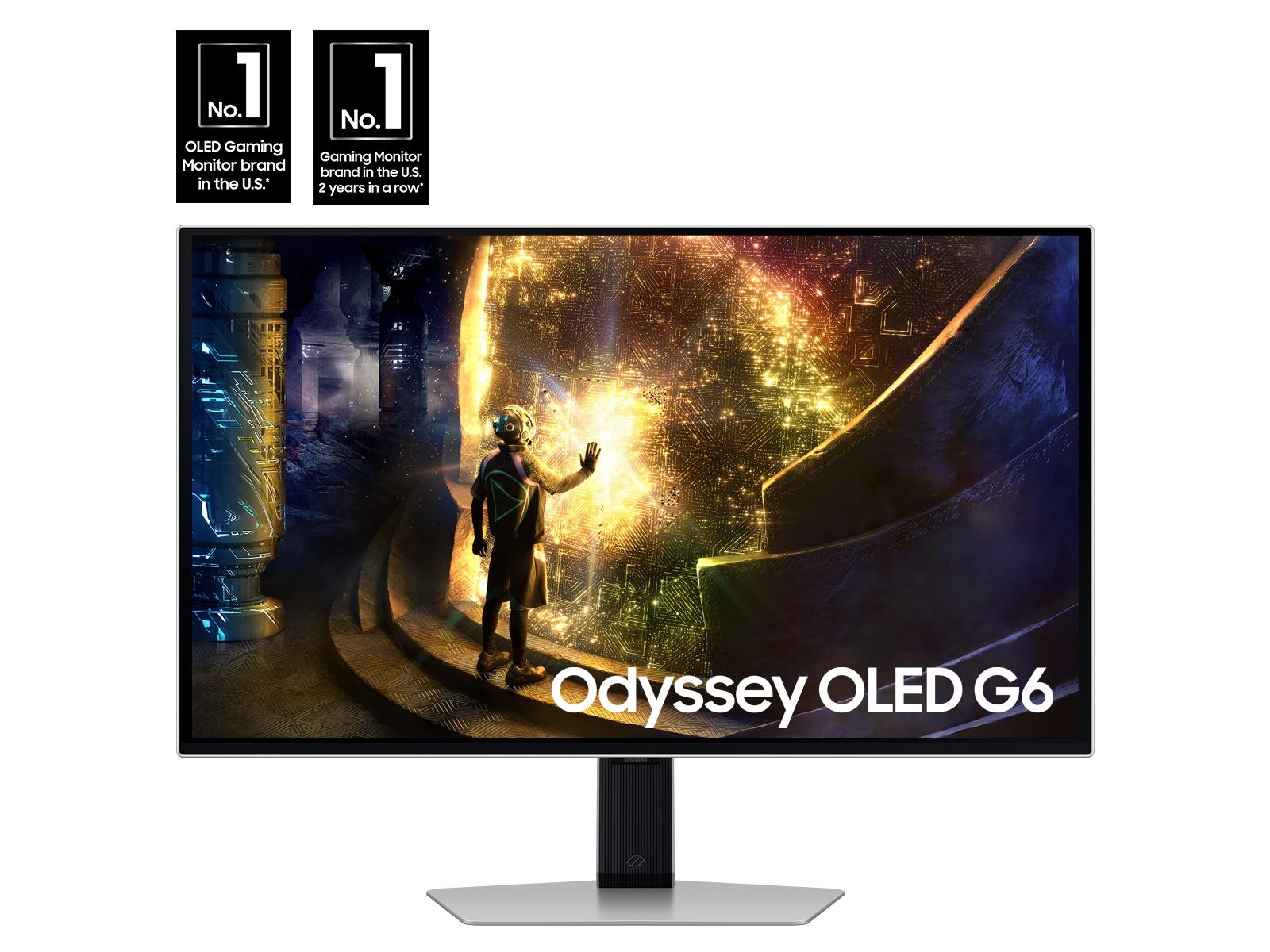
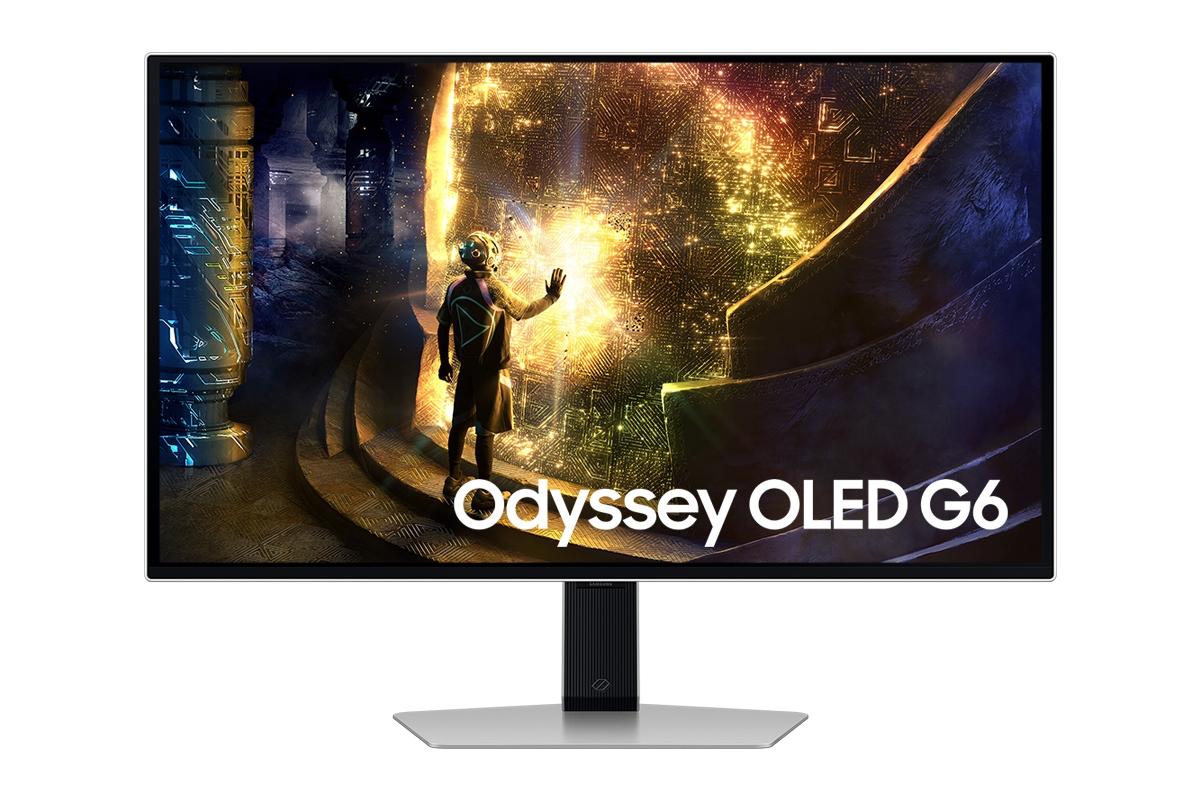
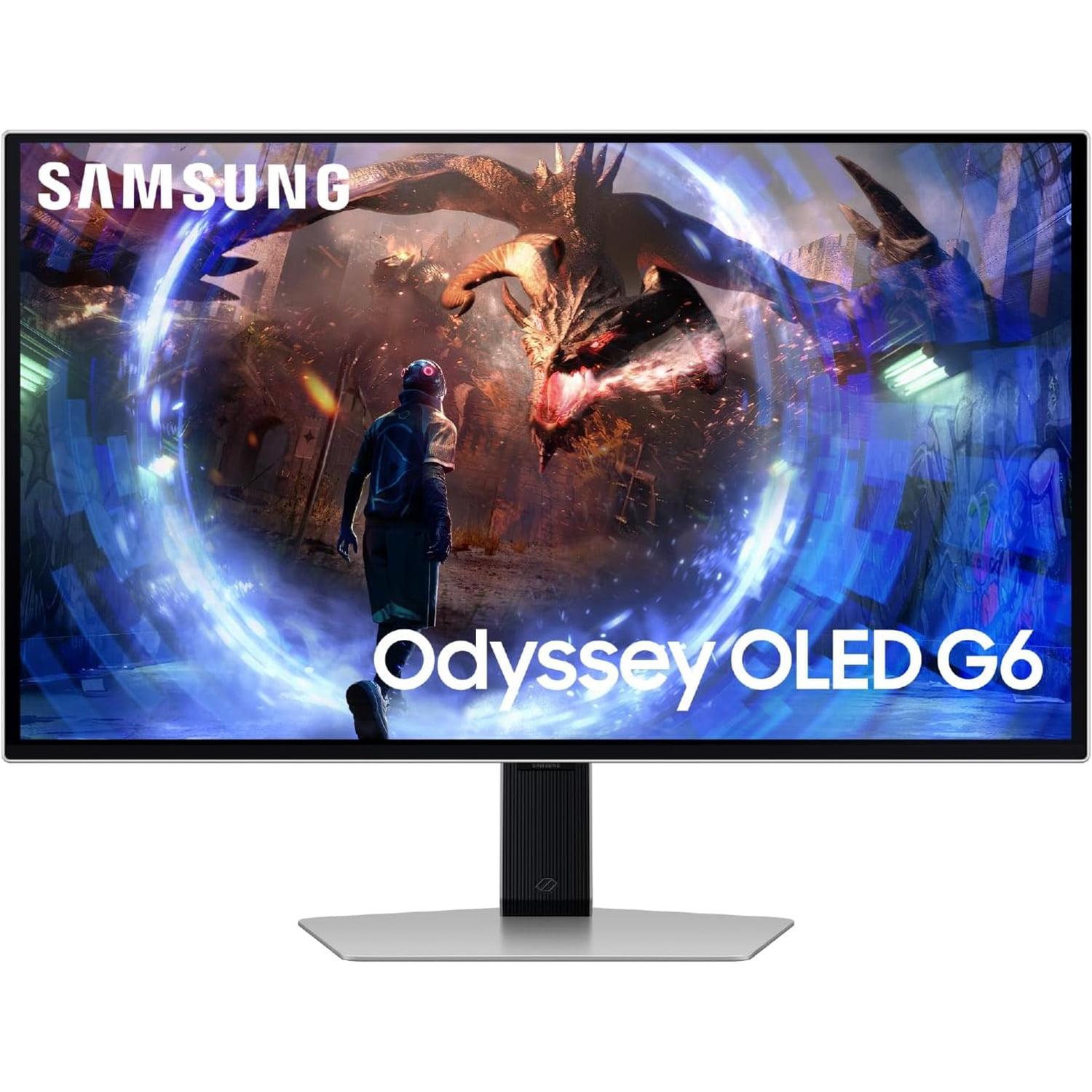
The Samsung Odyssey OLED G6 takes a completely different approach. Instead of trying to do everything, it focuses on doing one thing exceptionally well: delivering the fastest, most responsive gaming experience possible at 1440p resolution.
This monitor uses QD-OLED (Quantum Dot OLED) technology, which combines the infinite contrast and perfect blacks of OLED with the color brilliance of quantum dots. The result is a display that can show true black – as in, pixels actually turn off – alongside incredibly vibrant colors.
The biggest advantage of OLED technology is contrast. While the ViewSonic XG275D-4K manages a 1000:1 contrast ratio, the Samsung Odyssey OLED G6 achieves 1,000,000:1. This isn't just a numbers game – it translates to dramatically better image quality in dark scenes. When you're exploring a cave in Skyrim or sneaking through shadows in a stealth game, the difference is immediately apparent.
OLED pixels can change states almost instantaneously, giving the Samsung Odyssey OLED G6 a response time of just 0.03ms. To put this in perspective, that's about 16 times faster than the already-quick ViewSonic XG275D-4K. In practical terms, this means zero ghosting or motion blur, even in the fastest-paced games.
The color reproduction is exceptional, covering 99% of the DCI-P3 color space with the vibrancy that only OLED can deliver. Colors literally pop off the screen in a way that's hard to describe until you see it in person.
At 1440p resolution, the Samsung Odyssey OLED G6 pushes an incredible 360Hz refresh rate. This is the sweet spot for many competitive gamers – high enough resolution to see details clearly, but not so high that it tanks your frame rates. Modern graphics cards can actually push 360+ frames per second at 1440p in competitive titles.
The monitor supports AMD FreeSync Premium Pro, which includes low framerate compensation and HDR support. It's also compatible with NVIDIA G-SYNC, so regardless of your graphics card, you'll get smooth, tear-free gameplay.
One traditional weakness of OLED displays has been their glossy screens, which can be problematic in bright rooms. Samsung addressed this with their OLED Glare Free technology – a matte coating that reduces reflections by up to 54% compared to standard anti-reflective treatments.
This is genuinely innovative. Most OLED monitors struggle in bright rooms because reflections wash out the display's deep blacks. The Samsung Odyssey OLED G6 maintains its OLED advantages even with ambient light, though it's still best in controlled lighting conditions.
For competitive gaming, the Samsung Odyssey OLED G6 has clear advantages. The combination of 360Hz refresh rate, 0.03ms response time, and near-zero input lag creates an incredibly responsive experience. In fast-paced shooters, the difference is noticeable – tracking moving targets feels more precise, and your reactions feel more immediate.
The ViewSonic XG275D-4K is no slouch in performance mode, delivering 320Hz at 1080p with 0.5ms response time. For most gamers, this is still incredibly fast – the difference between 320Hz and 360Hz is subtle. However, that 0.5ms vs 0.03ms response time gap is more significant, though you'd need to be a very serious competitive player to notice it.
For single-player gaming, the picture changes. The ViewSonic XG275D-4K's 4K resolution provides much more detail and clarity. Games with beautiful landscapes or intricate details benefit enormously from the extra pixels. The Samsung Odyssey OLED G6's superior contrast and colors make up some ground, but pixel density matters for visual fidelity.
This is where the Samsung Odyssey OLED G6 pulls ahead significantly. Its HDR performance is genuinely impressive, with peak brightness reaching around 1000 nits in small areas and the ability to display true blacks. HDR games look dramatically better – explosions are more brilliant, night scenes are more atmospheric, and the overall visual impact is much stronger.
The ViewSonic XG275D-4K's HDR is functional but not spectacular. At 300-350 nits peak brightness, HDR content looks better than SDR, but it doesn't have the dynamic range to really make HDR shine. If cinematic gaming experiences are important to you, the Samsung has a clear advantage despite its lower resolution.
Both monitors work well with modern consoles, but they serve different purposes. The ViewSonic XG275D-4K can take full advantage of PlayStation 5 and Xbox Series X's 4K output at up to 120Hz in its native mode. This gives you the full resolution these consoles can deliver.
The Samsung Odyssey OLED G6 caps out at 1440p, but many console games actually look better on it due to the superior contrast and colors. The anti-glare coating also makes it more suitable for living room setups where you might have ambient light.
If you're considering either monitor for a dual gaming/entertainment setup, there are important considerations. The ViewSonic XG275D-4K offers 4K resolution, which matches streaming content and 4K Blu-rays perfectly. However, its IPS panel and limited HDR performance mean movies won't look as cinematic as they could.
The Samsung Odyssey OLED G6 delivers a much more theater-like experience despite the lower resolution. The infinite contrast ratio makes dark scenes in movies look incredible, and the color reproduction is closer to what directors intended. At typical viewing distances for a 27-inch display, the resolution difference between 1440p and 4K is less noticeable for video content than for gaming.
For a dedicated home theater setup, I'd lean toward the Samsung Odyssey OLED G6, but if you need one display for both computer work and entertainment, the ViewSonic XG275D-4K's 4K resolution becomes more important.
At the time of writing, both monitors occupy similar price ranges, though the Samsung Odyssey OLED G6 typically commands a premium for its OLED technology. The ViewSonic XG275D-4K offers more features per dollar, especially considering its unique dual-mode capability and comprehensive connectivity.
For longevity, both have advantages. The ViewSonic XG275D-4K's 4K resolution is more future-proof as games and content continue to push higher resolutions. However, OLED technology in the Samsung Odyssey OLED G6 represents the cutting edge of display technology.
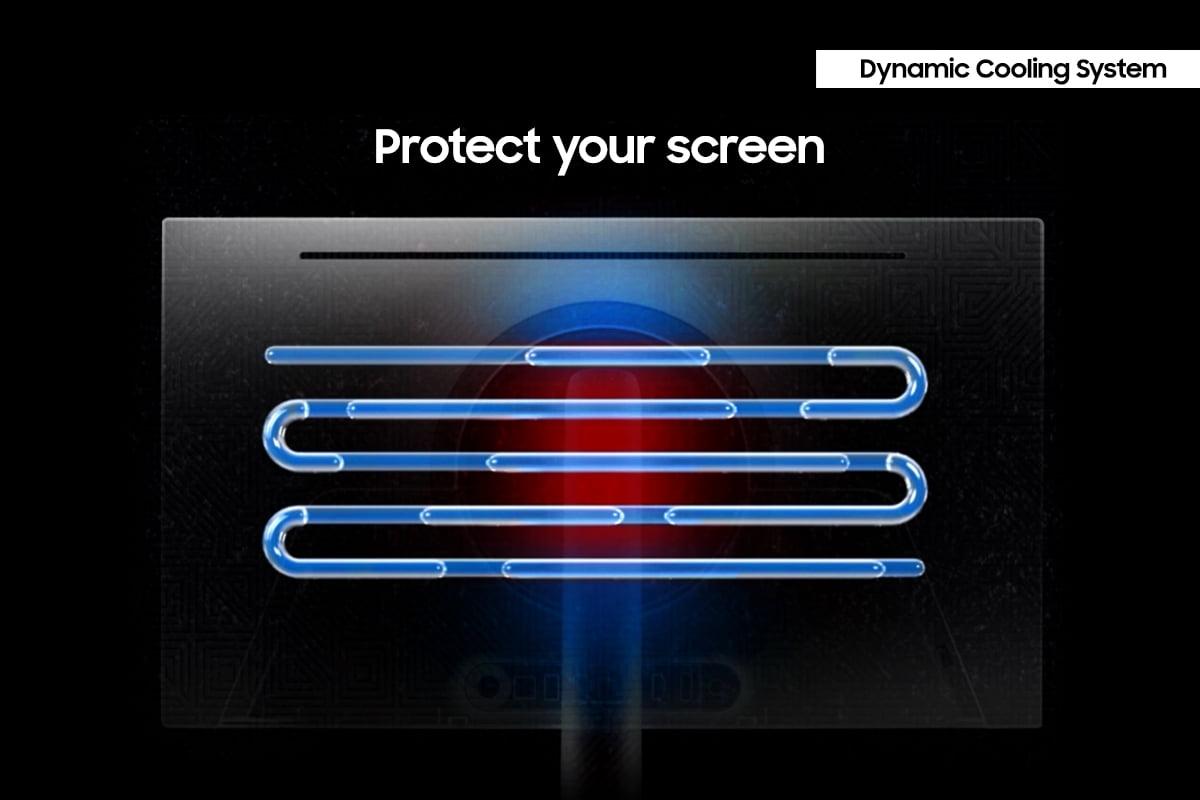
OLED burn-in remains a consideration, though Samsung has implemented extensive protection measures. For typical gaming use with varied content, burn-in is unlikely to be an issue. However, if you plan to use the display for productivity with static elements like taskbars, the IPS panel in the ViewSonic XG275D-4K might be safer long-term.
Choose the ViewSonic XG275D-4K if you want maximum versatility. It's the better choice for users who need one monitor to handle gaming, productivity, and content consumption. The 4K resolution is beneficial for detail work, and the dual-mode feature genuinely eliminates the need for multiple displays. The comprehensive connectivity, including USB-C power delivery, makes it excellent for laptop users or anyone wanting a clean, single-cable setup.
The Samsung Odyssey OLED G6 is for gamers who prioritize the best possible gaming experience. If you primarily play competitive games or want the most cinematic single-player experiences, its superior contrast, colors, and response times create a noticeably better gaming experience. It's also the better choice if you have a dedicated gaming setup in a controlled lighting environment.
Both represent excellent examples of their respective approaches to high-performance gaming displays. The ViewSonic XG275D-4K proves that innovation doesn't always mean the most expensive technology – sometimes it's about solving real problems in clever ways. The Samsung Odyssey OLED G6 shows how premium technology can filter down to more accessible price points while maintaining most of the benefits.
Ultimately, your choice comes down to priorities: do you value versatility and future-proofing, or do you want the absolute best gaming performance available today? Both monitors deliver on their respective promises, making either a solid choice depending on your specific needs and preferences.
| ViewSonic XG275D-4K | Samsung Odyssey OLED G6 |
|---|---|
| Display Technology - Determines contrast, color quality, and longevity | |
| Fast IPS with LED backlighting | QD-OLED (Quantum Dot OLED) |
| Resolution - Higher resolution means sharper details and more screen real estate | |
| 4K UHD (3840×2160) - Sharp for productivity and detailed gaming | QHD (2560×1440) - Sweet spot for high refresh rate gaming |
| Refresh Rate - Higher rates provide smoother motion and competitive advantage | |
| Dual-mode: 160Hz at 4K / 320Hz at 1080p | Single mode: 360Hz at 1440p |
| Response Time - Lower times reduce ghosting and motion blur | |
| 0.5ms MPRT (very fast for IPS) | 0.03ms (essentially instantaneous) |
| Contrast Ratio - Higher ratios provide better dark scene detail and image depth | |
| 1,000:1 (typical for IPS panels) | 1,000,000:1 (true blacks with OLED) |
| Peak Brightness - Affects HDR performance and visibility in bright rooms | |
| 300-350 nits (adequate for most environments) | 250 nits typical, 1000 nits HDR peaks |
| HDR Support - Better HDR provides more realistic lighting and colors | |
| HDR10 (entry-level implementation) | HDR10+ with excellent performance |
| Color Coverage - Wider gamuts display more vivid and accurate colors | |
| 94% DCI-P3, 99% sRGB | 99% DCI-P3 with superior vibrancy |
| Adaptive Sync - Eliminates screen tearing for smoother gameplay | |
| AMD FreeSync Premium, G-Sync Compatible | AMD FreeSync Premium Pro |
| Connectivity - More options provide greater flexibility for devices | |
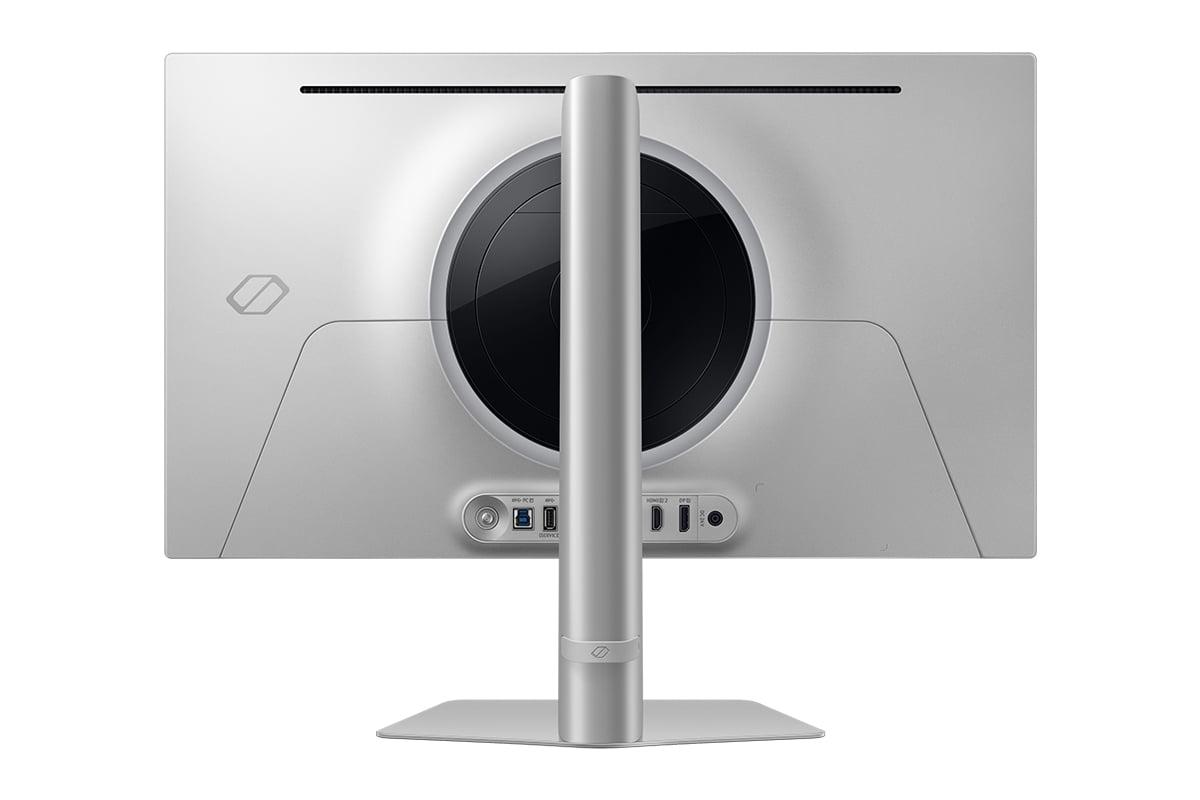
| 2× HDMI 2.1, DP 1.4, USB-C with 65W power delivery | 2× HDMI 2.1, DP 1.4, USB 3.0 hub |
| Unique Features - Special capabilities that differentiate the products | |
| Dual-mode switching, 24.5" esports mode, comprehensive USB-C hub | Anti-glare OLED coating, 0.03ms response, superior HDR |
| Best For - Primary use cases where each product excels | |
| Versatile users wanting 4K resolution and flexibility | Competitive gamers prioritizing speed and visual quality |
| Value Proposition - What you get for your investment | |
| Maximum versatility with dual-mode operation and connectivity | Premium OLED experience at accessible pricing |
The Samsung Odyssey OLED G6 is superior for competitive gaming with its 360Hz refresh rate at 1440p and ultra-fast 0.03ms response time. The ViewSonic XG275D-4K offers 320Hz at 1080p in performance mode, which is still excellent but slightly behind the Samsung's pure speed advantage.
The key difference is approach: the ViewSonic XG275D-4K offers versatility with dual-mode operation (4K@160Hz or 1080p@320Hz), while the Samsung Odyssey OLED G6 focuses on maximum performance at 1440p with superior OLED picture quality and 360Hz refresh rate.
The Samsung Odyssey OLED G6 delivers superior picture quality thanks to its OLED technology, providing true blacks, infinite contrast ratio, and more vibrant colors. The ViewSonic XG275D-4K offers higher pixel density with 4K resolution but cannot match OLED's contrast and color performance.
Both monitors work excellently with next-gen consoles. The ViewSonic XG275D-4K supports full 4K@120Hz gaming via HDMI 2.1, while the Samsung Odyssey OLED G6 provides superior color and contrast at 1440p with faster response times for competitive console gaming.
The ViewSonic XG275D-4K is better for productivity due to its 4K resolution providing more screen real estate and sharper text. It also includes USB-C with power delivery for single-cable laptop connections, making it more versatile for work scenarios than the Samsung Odyssey OLED G6.
Yes, both support HDR but with different quality levels. The Samsung Odyssey OLED G6 offers excellent HDR performance with true blacks and peak brightness up to 1000 nits. The ViewSonic XG275D-4K provides basic HDR10 support that improves image quality but isn't as dramatic as OLED HDR.
The Samsung Odyssey OLED G6 has significantly faster response time at 0.03ms compared to the ViewSonic XG275D-4K's 0.5ms. This translates to virtually zero motion blur and ghosting on the Samsung, making it ideal for fast-paced competitive gaming.
The ViewSonic XG275D-4K features unique dual-mode switching between 4K@160Hz and 1080p@320Hz with a dedicated button. The Samsung Odyssey OLED G6 operates at a fixed 1440p resolution with up to 360Hz refresh rate, offering consistency rather than switching options.
For immersive single-player gaming, it depends on priorities. The ViewSonic XG275D-4K provides more detail with 4K resolution, while the Samsung Odyssey OLED G6 offers dramatically better contrast and colors that make games more cinematic, especially in dark scenes.
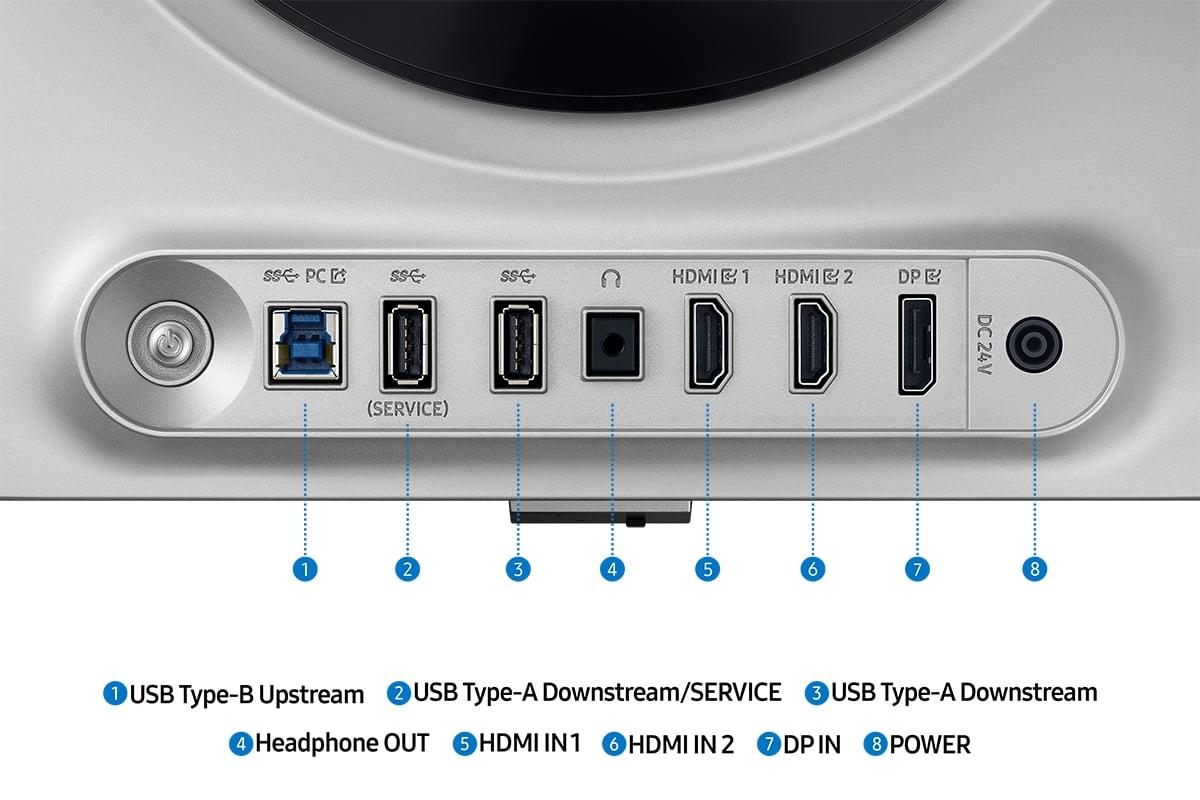
The ViewSonic XG275D-4K provides superior connectivity with USB-C power delivery (65W), dual HDMI 2.1, and DisplayPort. The Samsung Odyssey OLED G6 offers standard gaming connectivity with dual HDMI 2.1, DisplayPort, and USB hub, but lacks the versatile USB-C power delivery feature.
The ViewSonic XG275D-4K uses IPS technology with no burn-in risk. The Samsung Odyssey OLED G6 has potential OLED burn-in concerns, but Samsung includes extensive protection features like automatic dimming and thermal management to minimize this risk during normal gaming use.
Value depends on your needs. The ViewSonic XG275D-4K offers more versatility with 4K resolution, dual-mode operation, and comprehensive connectivity. The Samsung Odyssey OLED G6 provides premium OLED technology and maximum gaming performance, typically at a higher price point but with superior visual quality.
We've done our best to create useful and informative comparisons to help you decide what product to buy. Our research uses advanced automated methods to create this comparison and perfection is not possible - please contact us for corrections or questions. These are the sites we've researched in the creation of this article: cgmagonline.com - gamingshogun.com - techpowerup.com - notebookcheck.net - bestbuy.com - newegg.com - techpowerup.com - shi.com - viewsonic.com - viewsonic.com - prnewswire.com - viewsonic.com - viewsonic.com - shop.avispl.com - guru3d.com - viewsonic.com - viewsonic.com - viewsonic.com - viewsonic.com - bestbuy.com - gamesradar.com - gamesradar.com - versus.com - lowyat.net - youtube.com - player2.net.au - versus.com - rtings.com - youtube.com - samsung.com - files.bbystatic.com - bestbuy.com - samsung.com - samsung.com - bestbuy.com - de.shi.com - bhphotovideo.com - pangoly.com - youtube.com

Privacy Policy
Terms and Conditions - Affiliate Policy
Home Security
© Copyright 2008-2026.
11816 Inwood Rd #1211, Dallas, TX 75244