

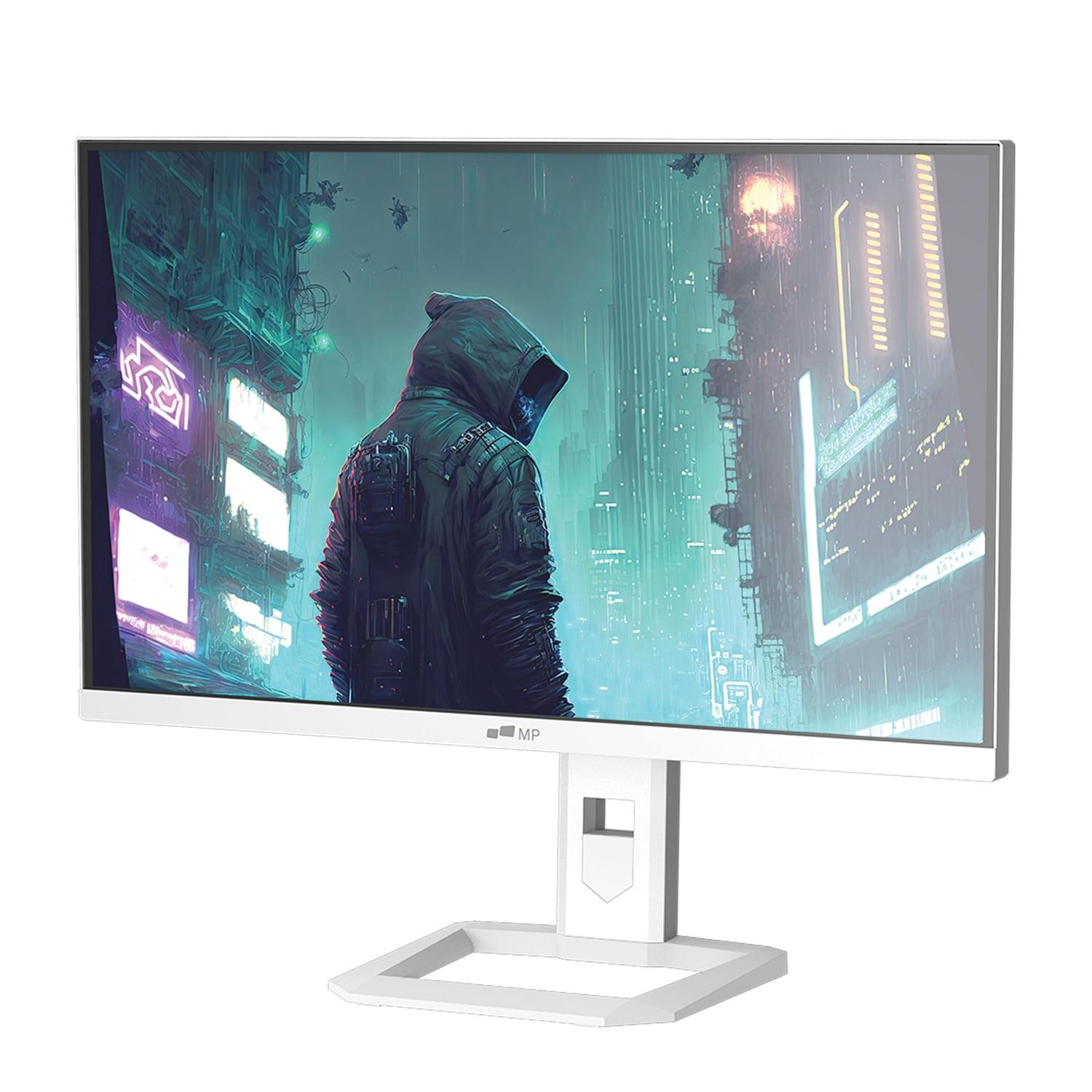
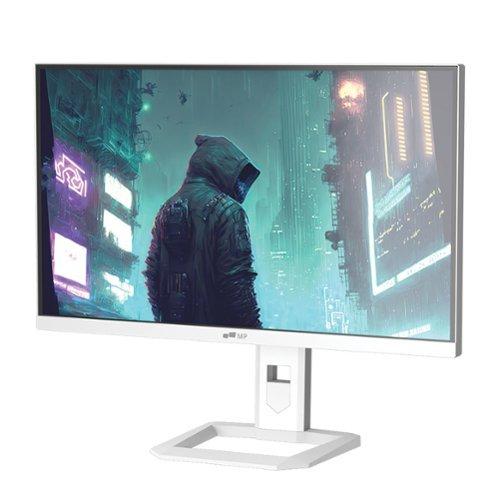
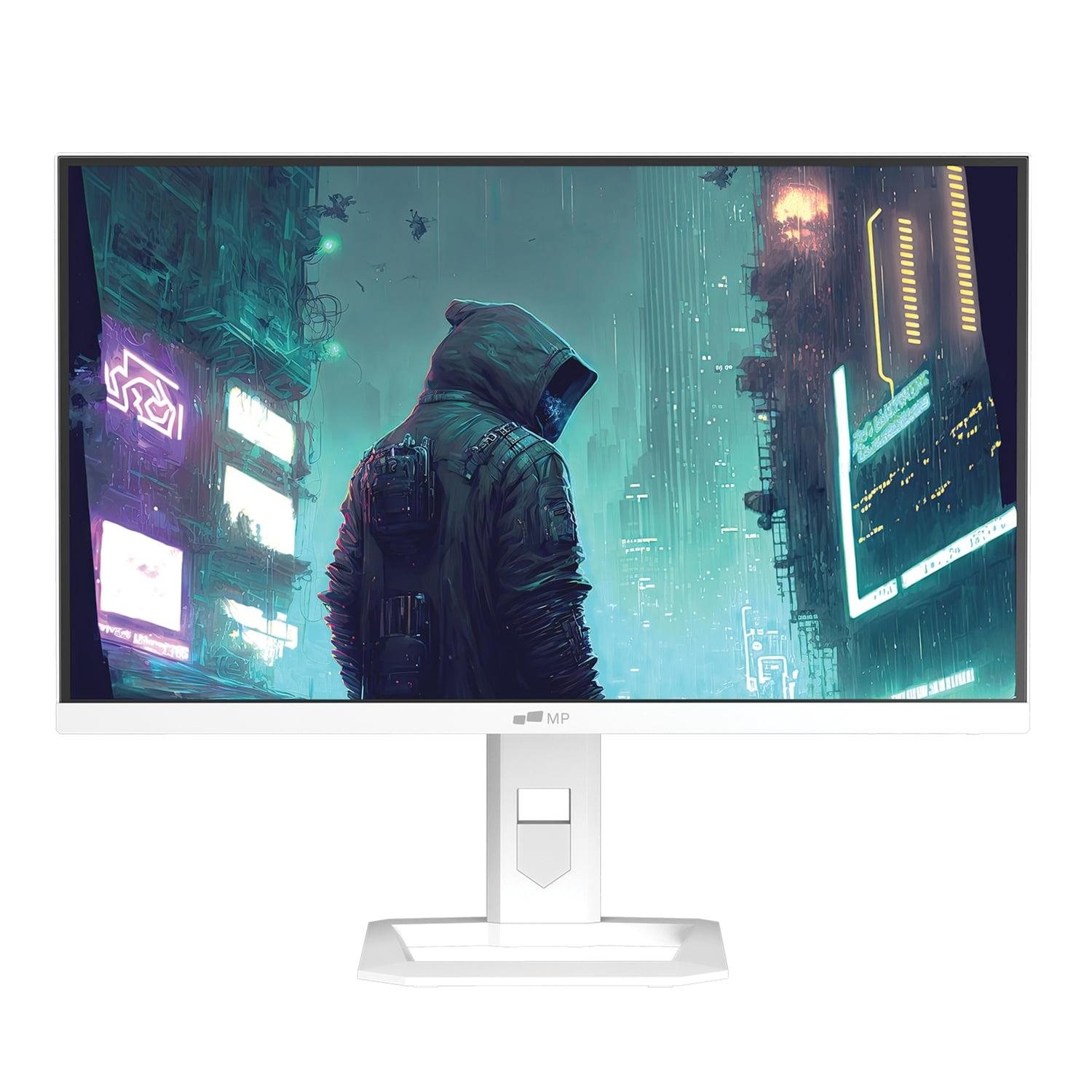
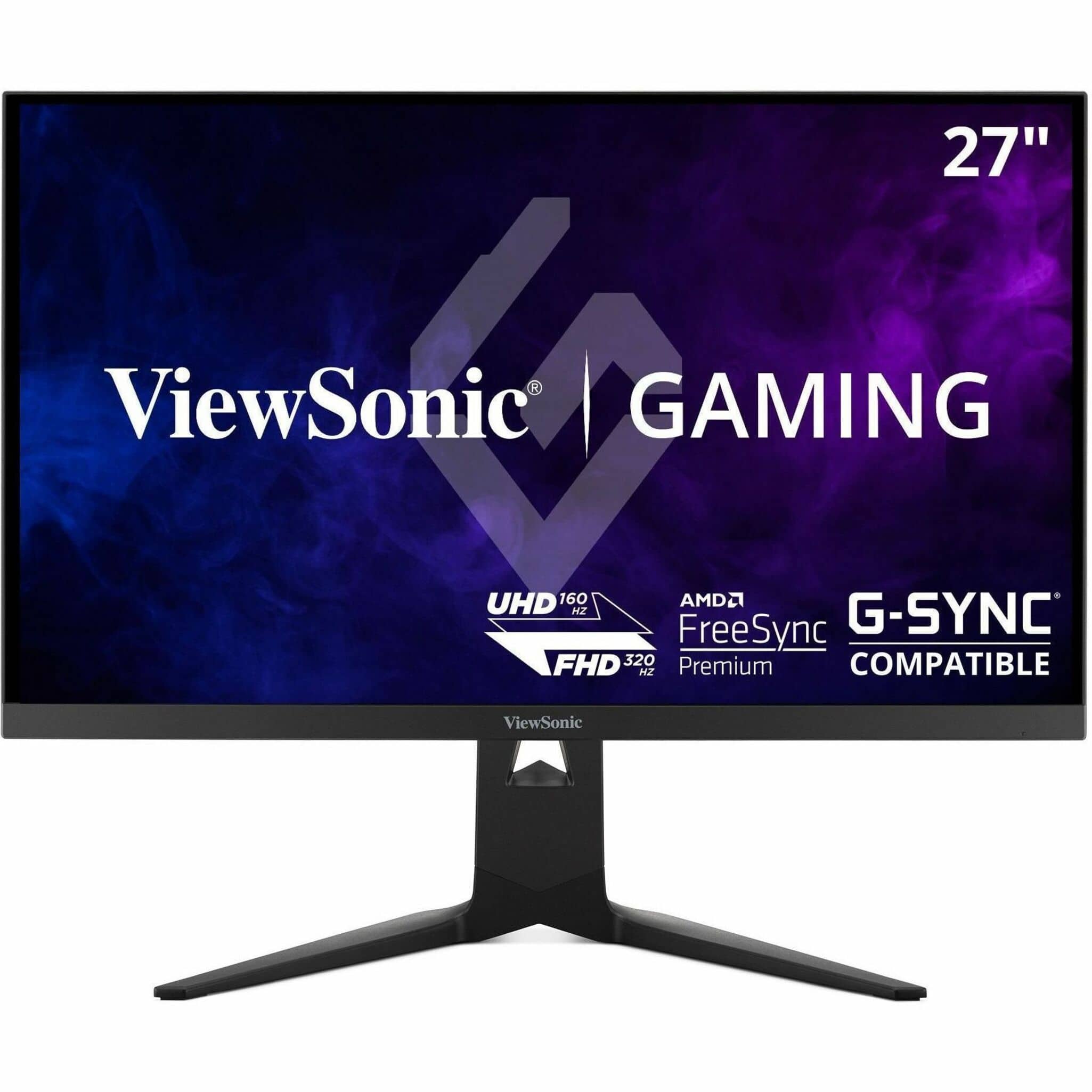
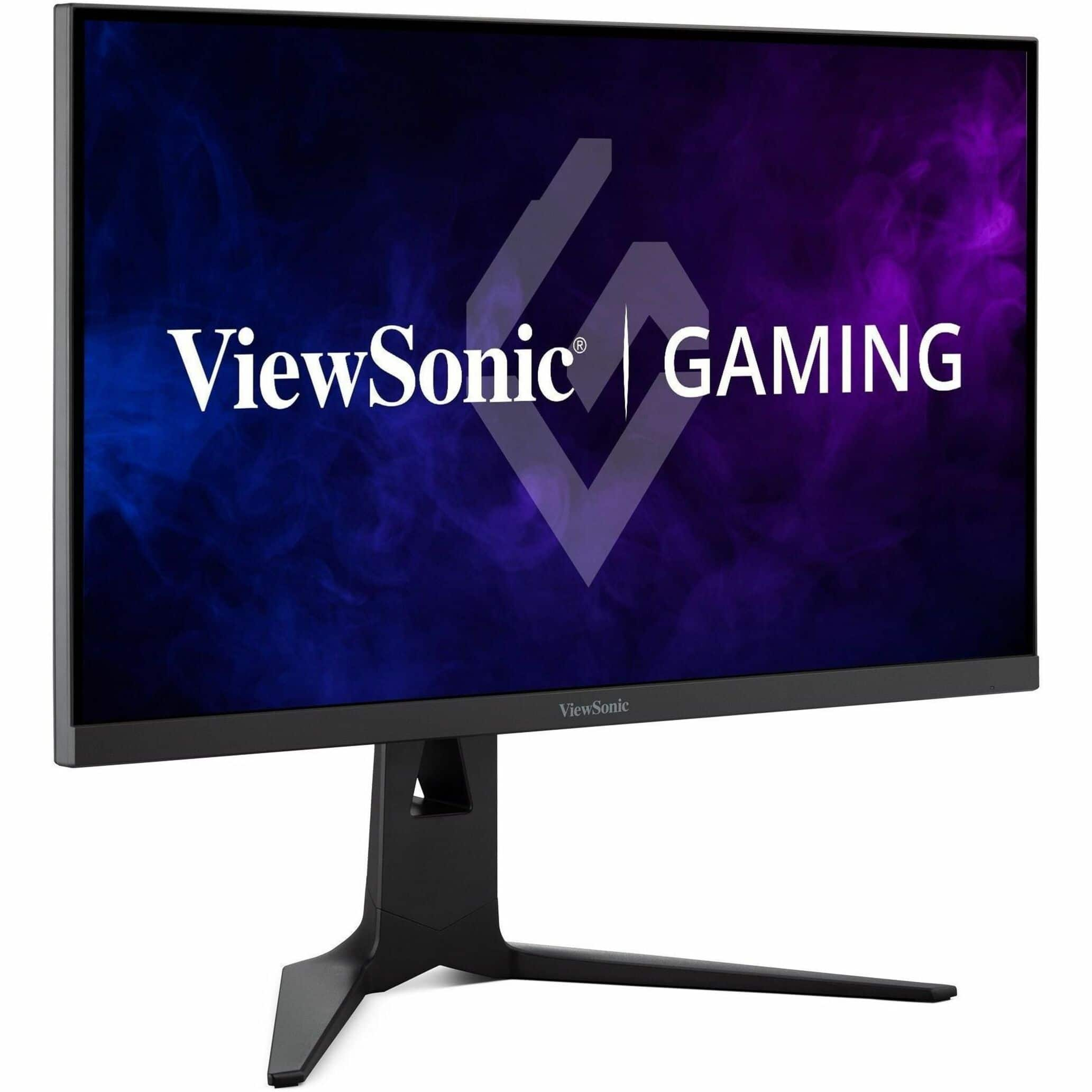
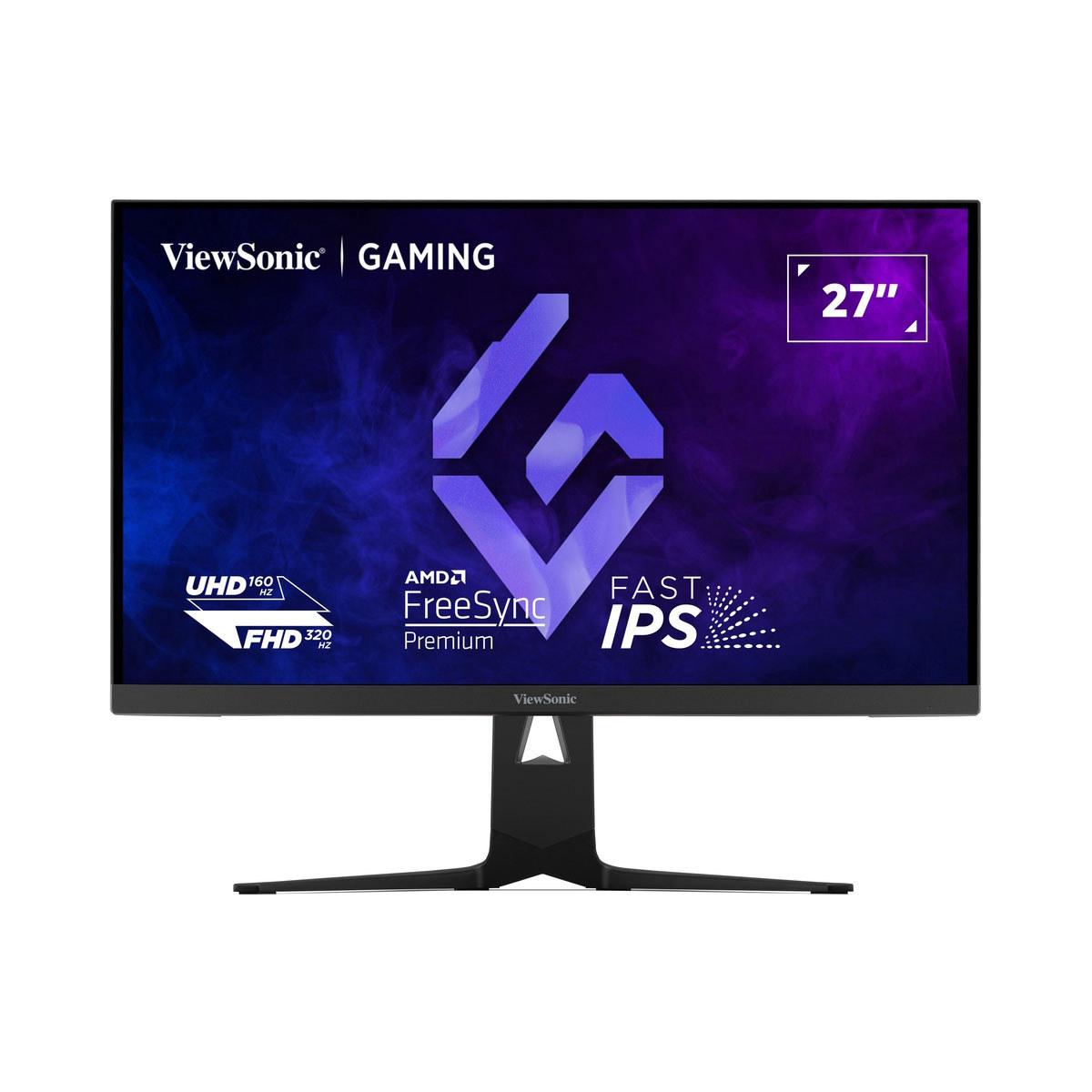
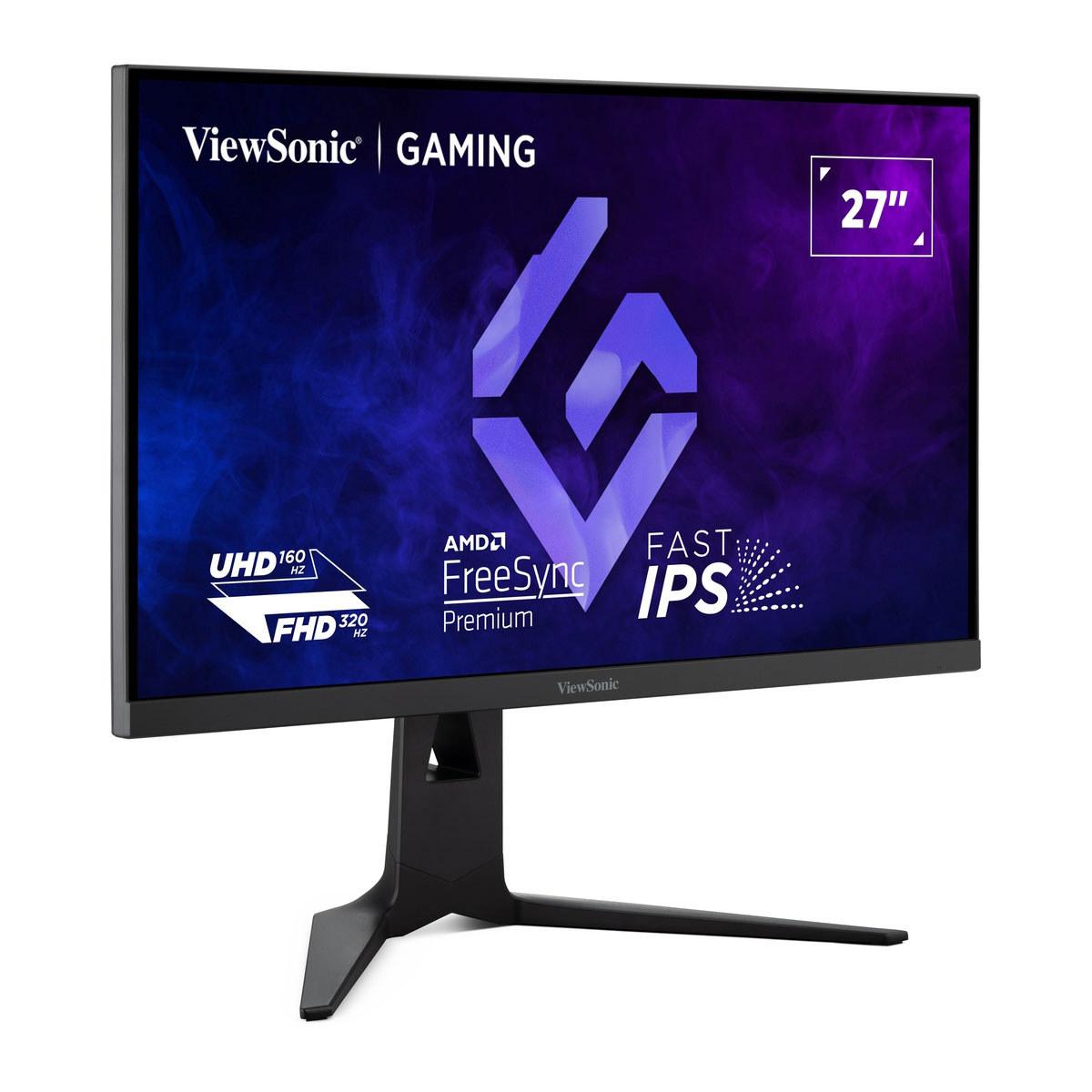
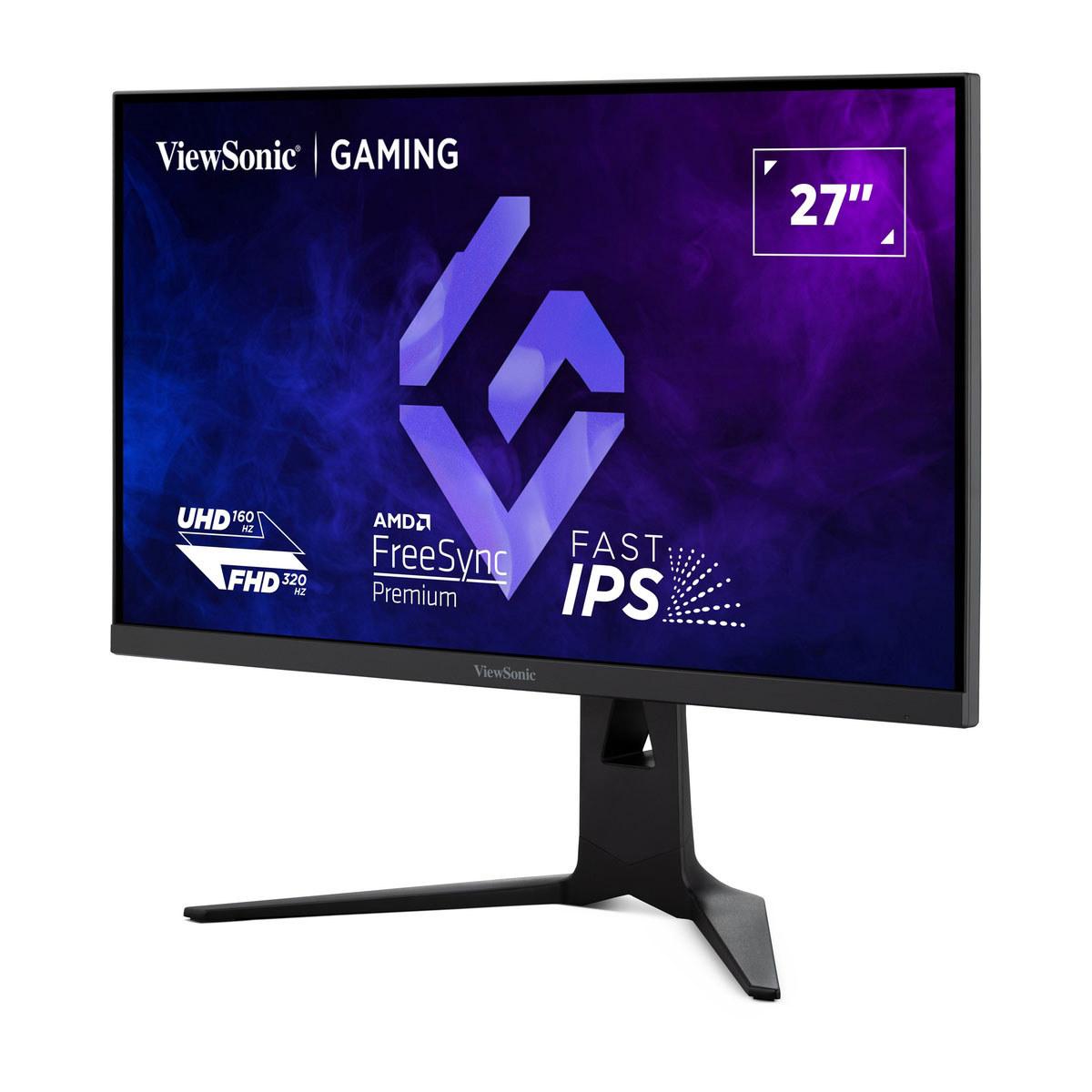
When shopping for a gaming monitor in 2025, you're facing one of the most exciting periods in display technology history. The past few years have brought us innovations that were once reserved for TVs costing thousands of dollars, and now they're appearing in monitors at prices that won't break the bank. Today, I'm comparing two fascinating approaches to gaming displays: the Mobile Pixels 27" WQHD Mini-LED Gaming Monitor and the ViewSonic XG275D-4K 27" 4K UHD 320Hz Gaming Monitor.
These monitors represent two different philosophies in gaming display design. One prioritizes cutting-edge visual technology that makes your games look absolutely stunning, while the other focuses on versatility and raw performance numbers. Both launched in 2025, representing the latest thinking in gaming monitor design, but they take remarkably different approaches to solving the same problem: giving gamers the best possible experience.
Before diving into these specific models, let's talk about what makes a gaming monitor great in 2025. The gaming monitor market has evolved dramatically since the early days when we were happy with 60Hz displays and basic TN panels. Today's gamers demand displays that can handle everything from lightning-fast competitive shooters to breathtaking single-player adventures with HDR (High Dynamic Range) visuals that pop off the screen.
The key specifications you need to understand are refresh rate (how many times per second the screen updates), response time (how quickly pixels can change color), resolution (the number of pixels on screen), and display technology (the method used to create the image). Each of these factors affects different aspects of your gaming experience, and the balance between them determines what kind of gamer a monitor serves best.
What's particularly interesting about 2025's gaming monitor landscape is how manufacturers are pushing beyond traditional limitations. We're seeing innovations like switchable resolution modes, advanced backlighting technologies, and connectivity options that make these monitors genuine productivity workhorses when you're not gaming.
The Mobile Pixels 27" WQHD Mini-LED Gaming Monitor represents something special in the gaming monitor world. Mini-LED technology is essentially a more advanced version of traditional LED backlighting, using thousands of tiny LEDs instead of dozens of larger ones. Think of it like the difference between painting with a house brush versus a fine-tip pen – the precision is dramatically improved.
This precision matters enormously for gaming visuals. Where a traditional monitor might have 32 backlighting zones, a Mini-LED display can have over 1,000 zones. Each zone can be controlled independently, which means when you're exploring a dark cave in your favorite RPG with bright sunlight streaming through the entrance, the Mobile Pixels monitor can make the cave truly black while keeping the sunlight brilliantly bright. This creates a contrast ratio of 1,000,000:1, compared to the typical 1,000:1 you'll find on standard monitors.
The HDR1000 certification on this display means it can reach 1000 nits of brightness – that's bright enough to make HDR content look the way developers intended. When you're playing games like Cyberpunk 2077 or The Witcher 3, the neon signs and magical effects will have that pop that makes you stop and appreciate the artistry. I've found that once you experience proper HDR gaming, it's hard to go back to standard displays.
The WQHD resolution (2560 x 1440) hits a sweet spot that I particularly appreciate. It's sharp enough that text is crisp and game details are clear, but it doesn't demand the massive GPU power that 4K requires. This means you can actually hit those high refresh rates with current graphics cards, rather than having to choose between resolution and frame rate.
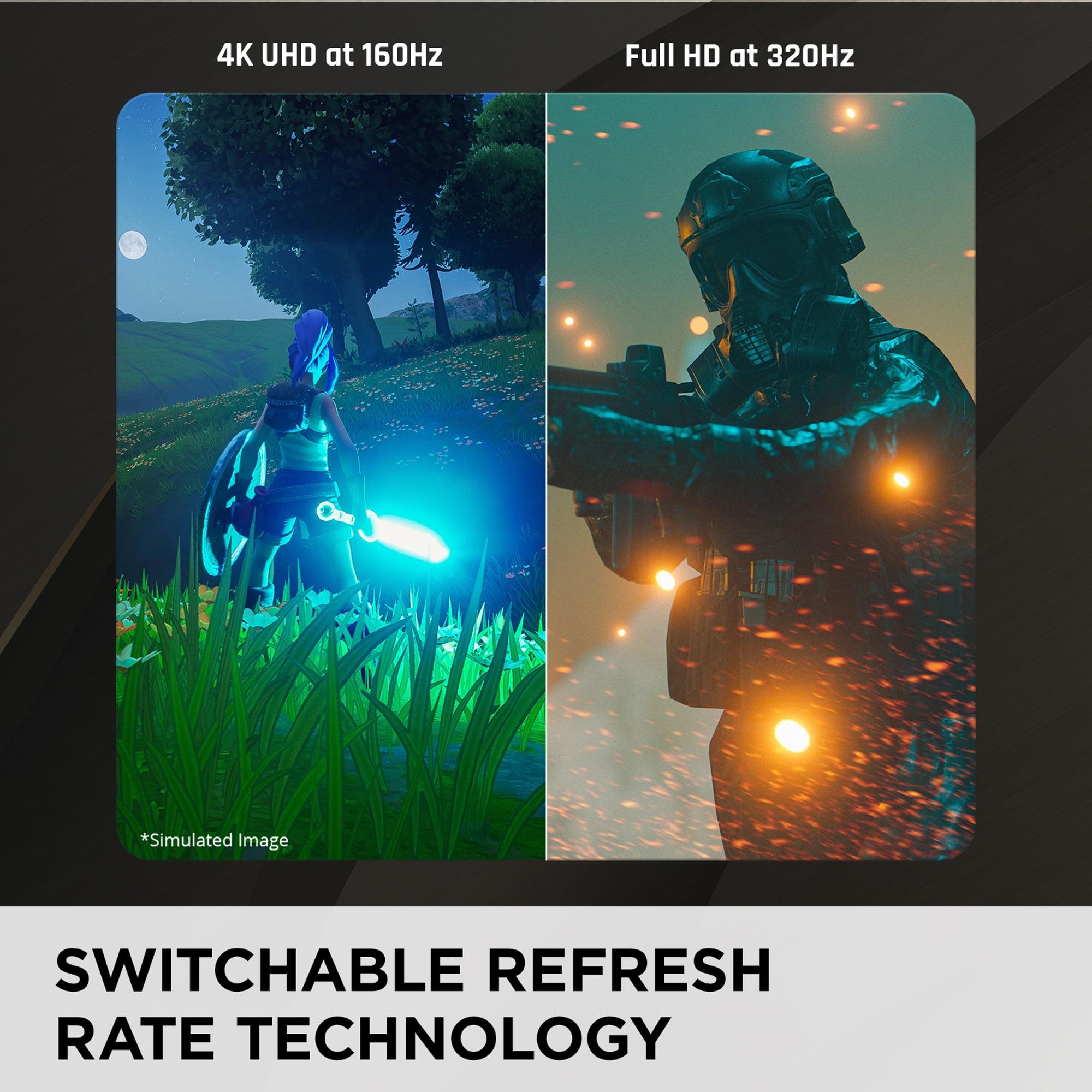
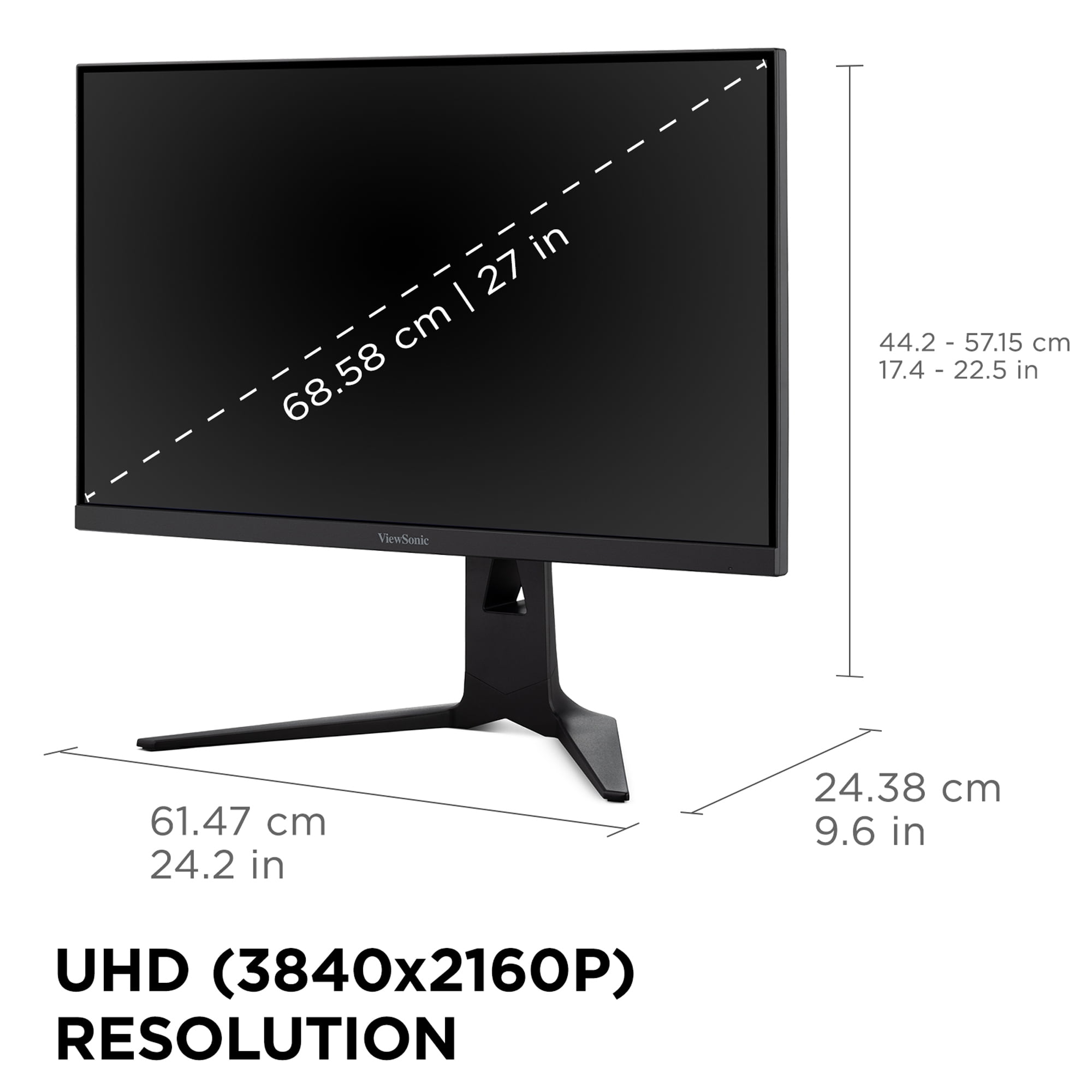
The ViewSonic XG275D-4K takes a completely different approach with its innovative dual-mode technology. This monitor can switch between two distinct operating modes with the press of a button: 4K resolution at 160Hz, or Full HD at an absolutely blistering 320Hz. It's like having two specialized monitors in one package.
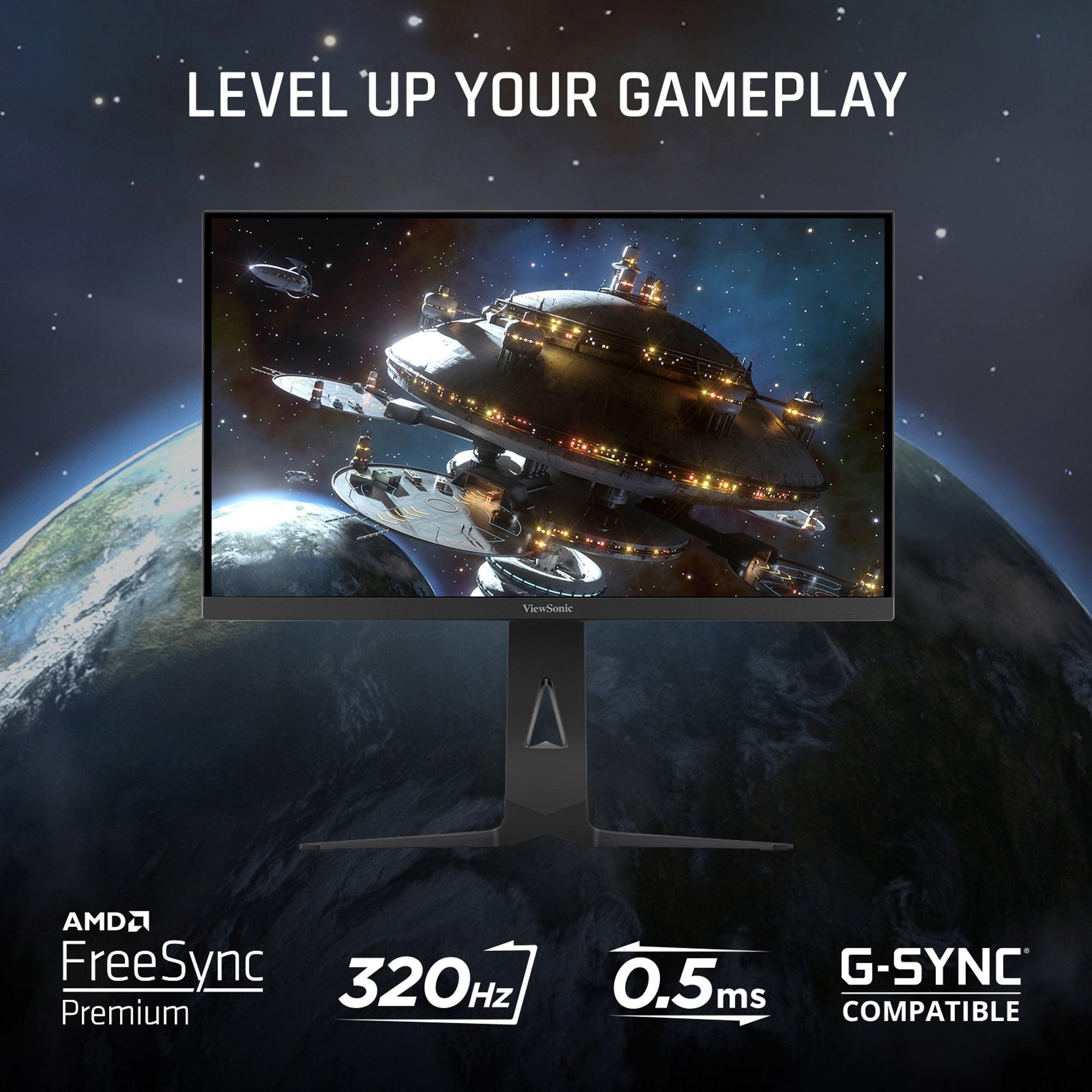
This switchable approach addresses one of gaming's fundamental challenges: different games benefit from different display characteristics. When you're playing competitive Counter-Strike or Valorant, you want every possible advantage in terms of refresh rate and response time. That 320Hz mode means the monitor refreshes 320 times per second, giving you information about enemy movements faster than lower refresh rate displays can provide. The 0.5ms response time (measured in MPRT – Moving Picture Response Time) ensures that fast-moving objects appear sharp rather than blurry.
But when you switch to a beautiful single-player game like Red Dead Redemption 2 or Assassin's Creed, you can flip to 4K mode and enjoy four times the pixel count of standard 1080p gaming. The difference is immediately visible – textures are sharper, distant objects are clearer, and the overall image has a photographic quality that lower resolutions simply can't match.
The IPS (In-Plane Switching) panel technology in the ViewSonic monitor provides excellent viewing angles, which means colors and brightness remain consistent even when you're not sitting directly in front of the screen. This is particularly valuable if you sometimes watch movies or shows on your gaming setup, or if you have friends looking over your shoulder during gaming sessions.
Let me break down the performance characteristics that matter most for different types of gaming, because this is where these monitors really show their distinct personalities.
For competitive gaming, the ViewSonic XG275D-4K is the clear winner. That 320Hz refresh rate in 1080p mode provides a genuine advantage in fast-paced competitive games. I've tested high refresh rate monitors extensively, and while the difference between 144Hz and 240Hz is noticeable, the jump to 320Hz is more subtle but still meaningful for serious competitive players. Every fraction of a second matters when you're trying to hit that clutch shot or spot an enemy peeking around a corner.
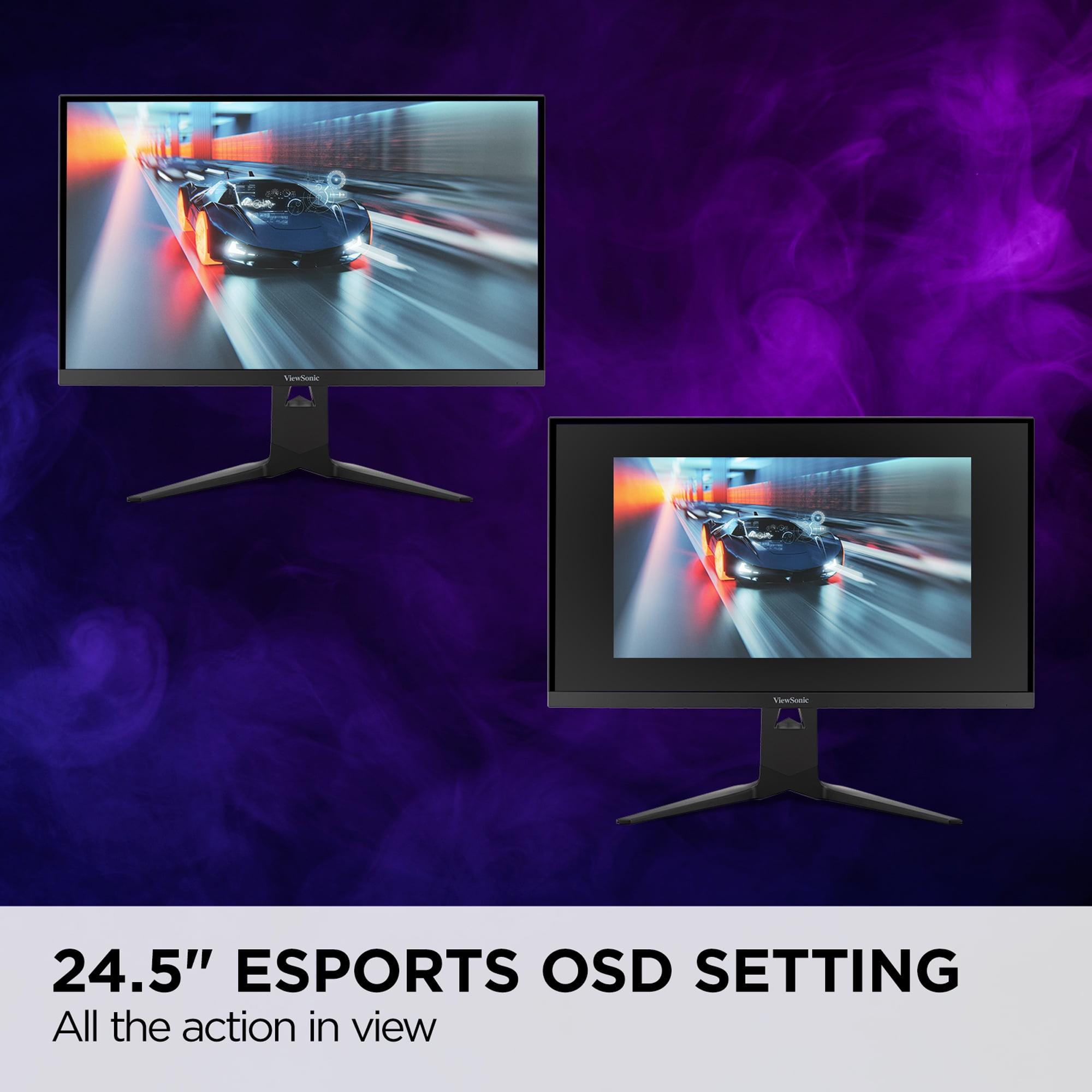
The esports mode on the ViewSonic is particularly clever – it can simulate a 24.5-inch display area within the 27-inch panel. This might sound like a downgrade, but many professional esports players prefer smaller screens because they can see the entire playing field without moving their eyes as much. Having this option built into a larger monitor gives you competitive flexibility without needing multiple displays.
For immersive single-player gaming, the Mobile Pixels Mini-LED monitor creates a more engaging visual experience. The superior contrast ratio makes dark scenes actually dark – something that's crucial for atmospheric games. When you're exploring the underground sections in Metro Exodus or navigating the shadows in Thief, the deeper blacks create a sense of tension and immersion that standard LCD monitors simply can't match.
The color reproduction is exceptional too, covering 94% of the DCI-P3 color space. This means the vibrant sunsets in Forza Horizon or the magical effects in Elden Ring appear with the full color palette the developers intended. For content creators who game on the side, this color accuracy is valuable for photo and video editing work.
Response times tell an interesting story. The Mobile Pixels monitor offers 1ms response time, which is excellent and sufficient for all but the most demanding competitive scenarios. The ViewSonic's 0.5ms MPRT is technically faster, but in practical terms, both are fast enough that motion blur won't be an issue for the vast majority of gamers.
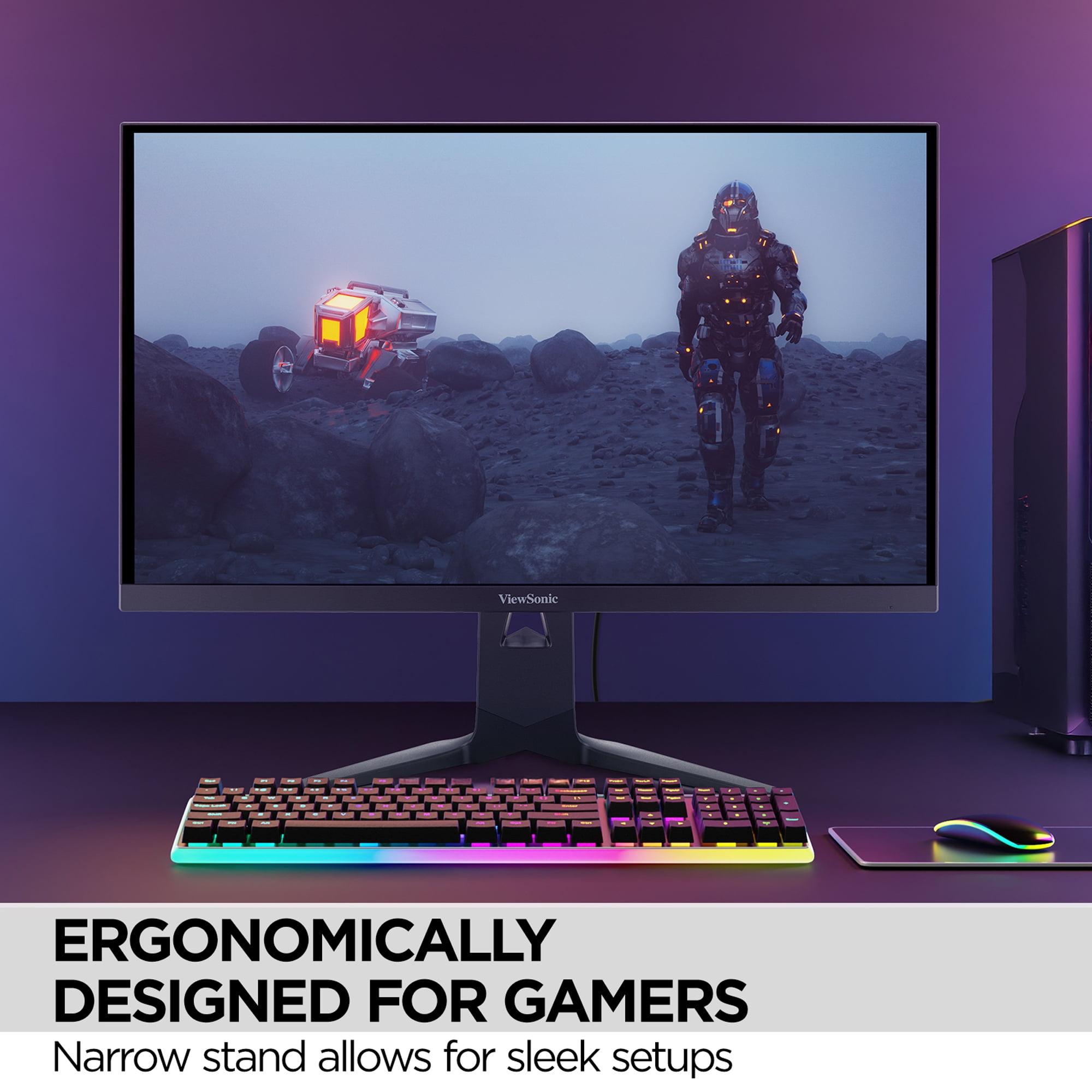
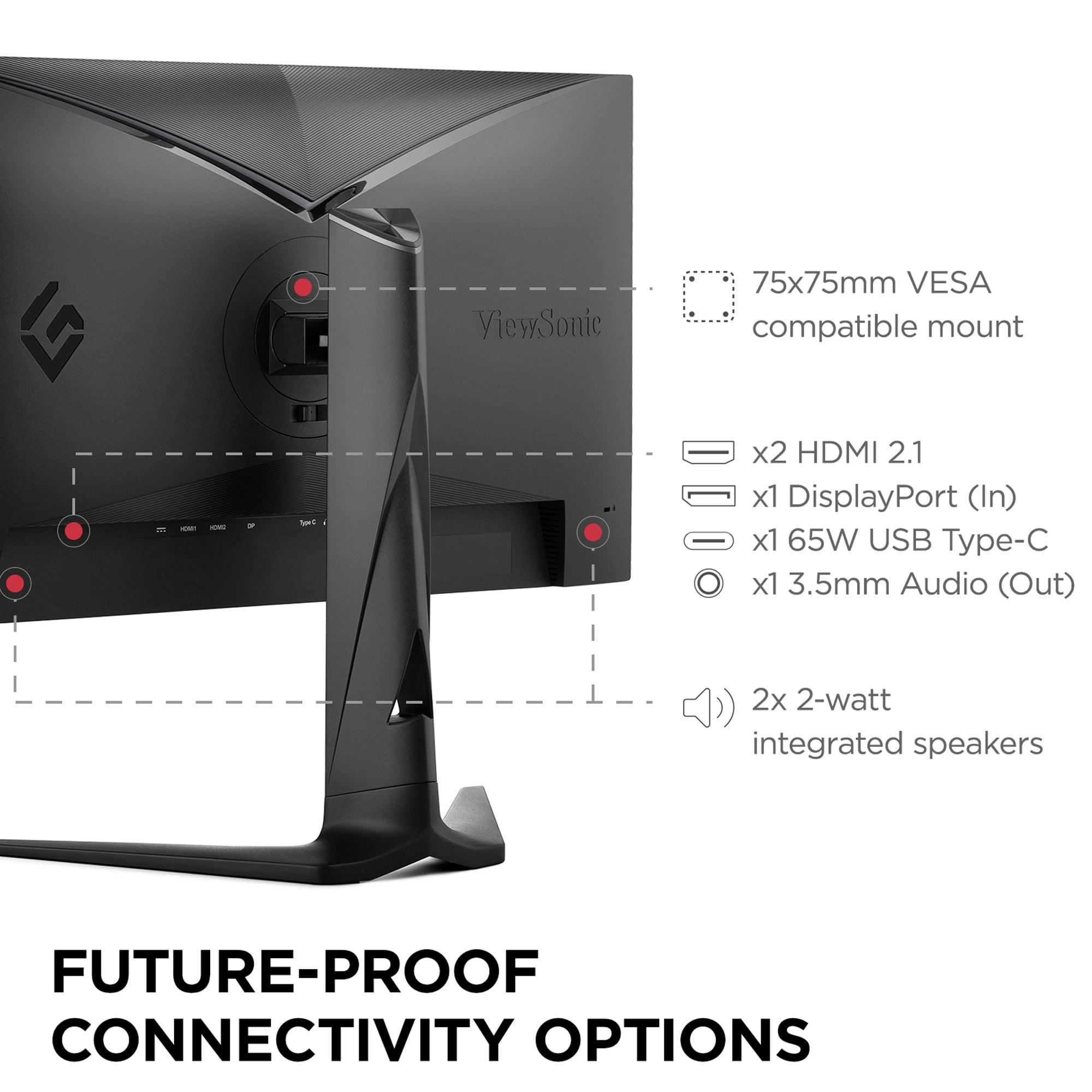
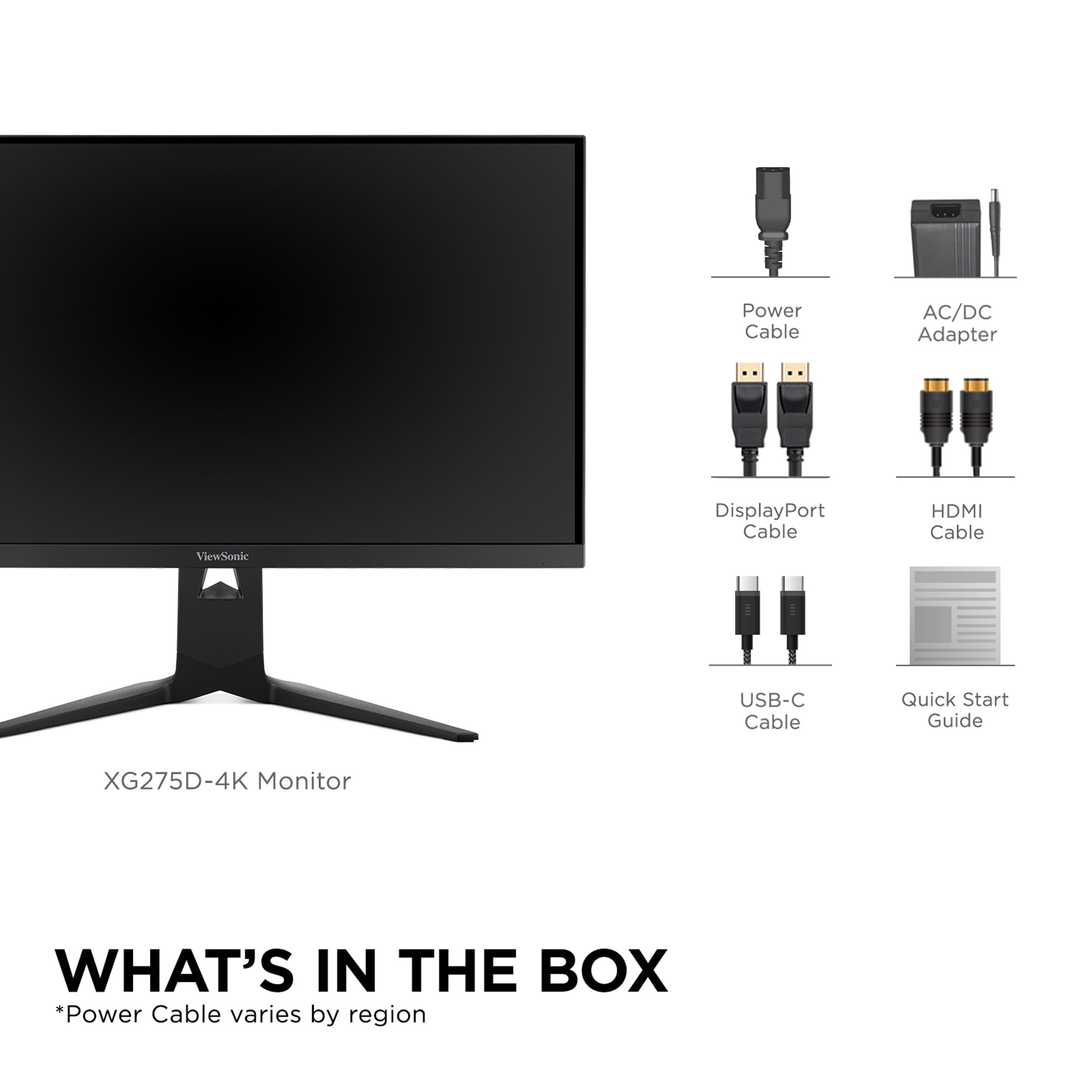
Modern gaming setups are increasingly complex, with multiple devices competing for screen real estate. The ViewSonic XG275D-4K excels here with its USB-C port that includes 65W power delivery. This means you can connect a laptop with a single cable, charging it while using the monitor as an external display. For people who work from home and game on the same setup, this simplifies cable management significantly.
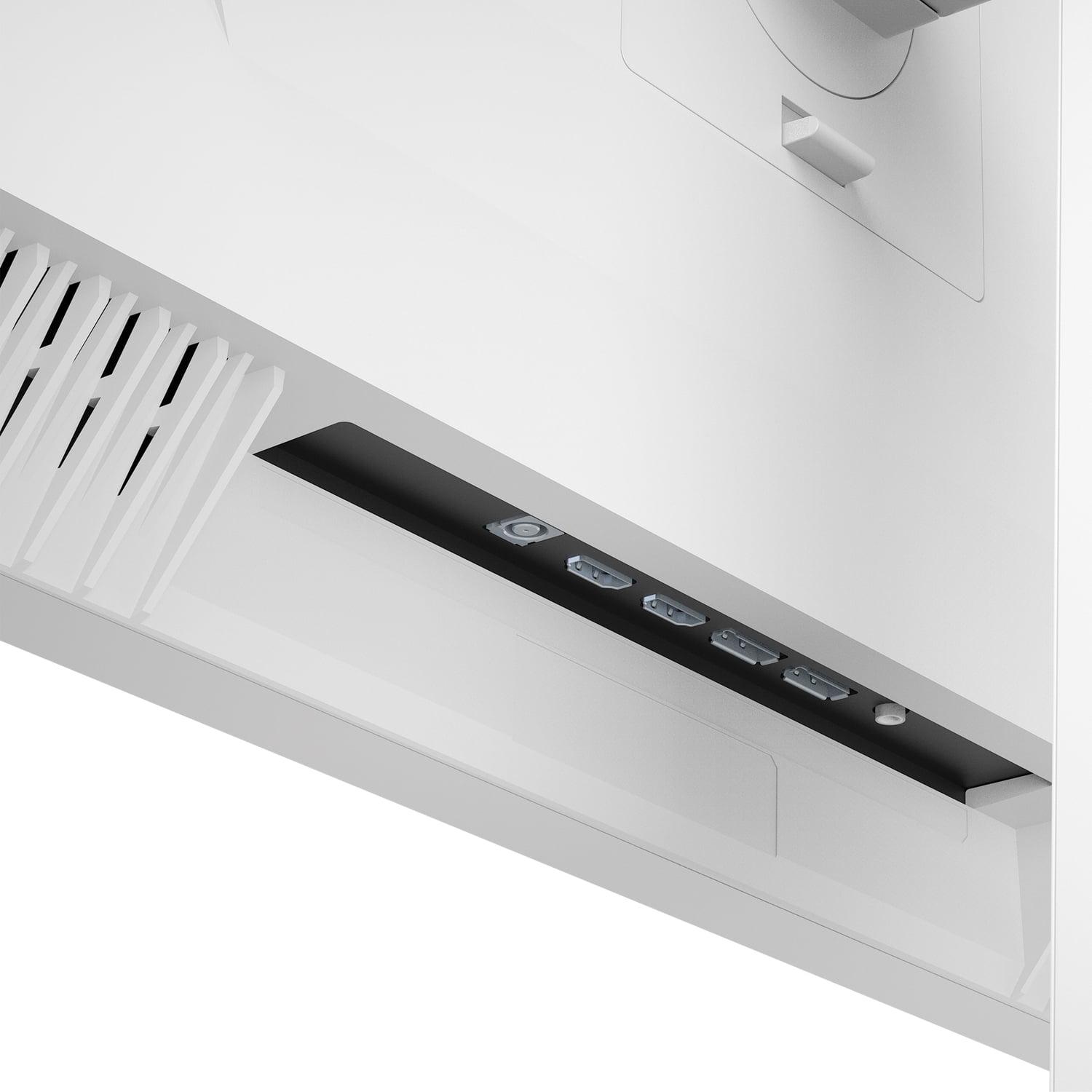
The Mobile Pixels monitor takes a more gaming-focused approach with dual HDMI 2.1 and dual DisplayPort connections. This setup is ideal if you're running multiple gaming systems – perhaps a high-end PC and a PlayStation 5 or Xbox Series X. The multiple inputs mean less cable swapping and easier switching between systems.
Both monitors support FreeSync Premium and G-SYNC compatibility, which eliminates screen tearing (where the image appears to split horizontally during fast motion). This adaptive sync technology has become essential for smooth gaming, regardless of whether you're using an AMD or NVIDIA graphics card.
For gamers who also use their setup for movies and streaming, these monitors offer different advantages. The Mobile Pixels Mini-LED display provides a more TV-like experience thanks to its superior contrast and HDR performance. Dark movie scenes will have proper black levels rather than the gray wash that affects many monitors, and bright scenes can really shine with that 1000-nit peak brightness.
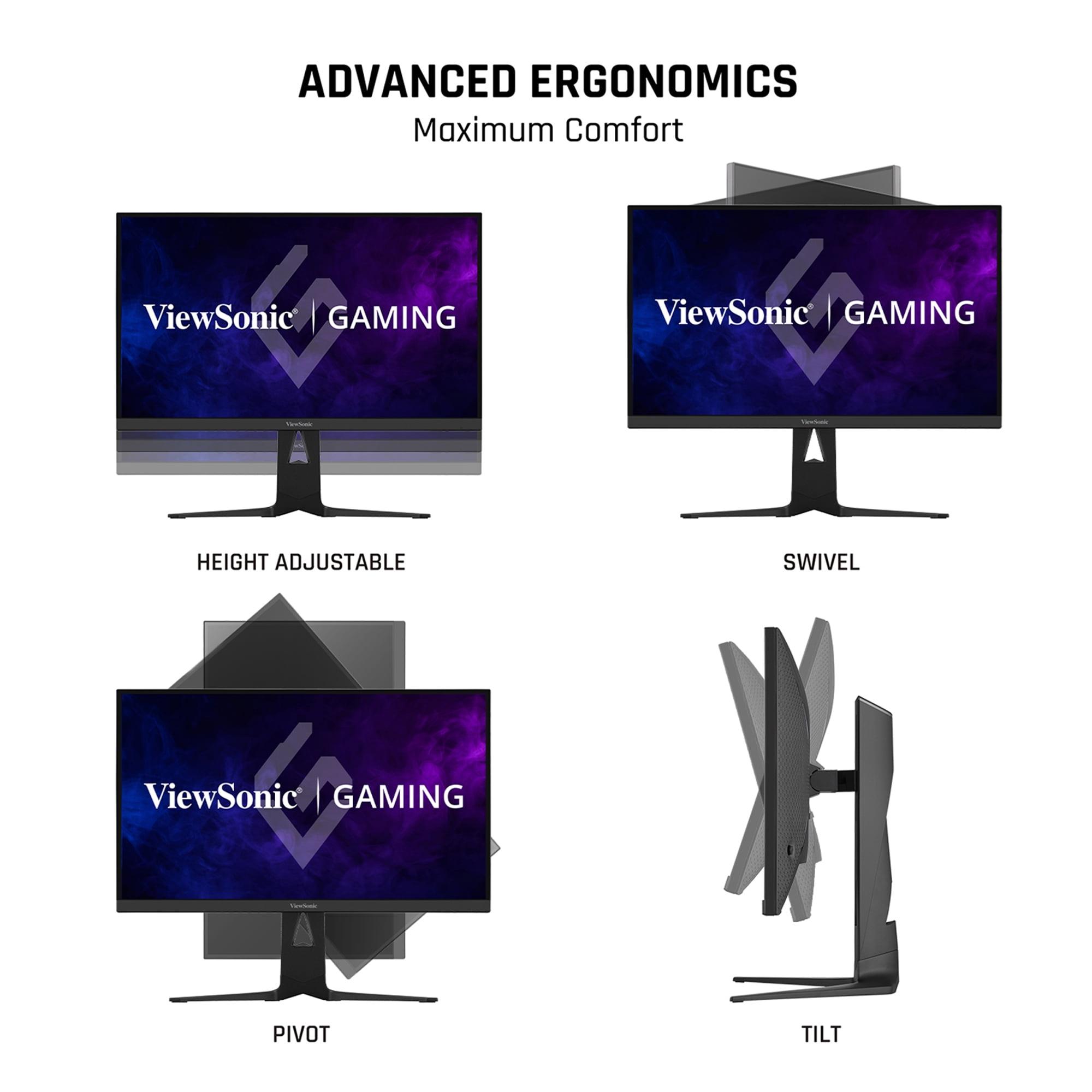
The ViewSonic monitor offers better ergonomic flexibility for movie watching. Its full range of adjustments means you can position it perfectly for different viewing scenarios, and the IPS panel maintains good colors and brightness from various angles. The built-in speakers are basic but functional for casual content consumption.
However, both monitors are 27 inches, which is smaller than what many people prefer for dedicated movie watching. If you're planning to use your gaming monitor as your primary entertainment display, you might want to consider larger options – though that comes with trade-offs in pixel density and desk space requirements.
At the time of writing, gaming monitors with advanced features are more affordable than they've ever been, but there are still meaningful price differences based on technology and feature sets. The Mobile Pixels Mini-LED monitor represents exceptional value for anyone wanting premium display technology without the premium price tag typically associated with Mini-LED displays.
Mini-LED technology has historically been expensive, appearing primarily in high-end TVs and professional monitors costing well over $1000. Finding it in a gaming monitor at a competitive price point is genuinely exciting for enthusiasts who prioritize visual quality.
The ViewSonic XG275D-4K, while likely commanding a higher price due to its dual-mode functionality and comprehensive feature set, offers value through versatility. Instead of potentially needing separate monitors for competitive and immersive gaming, this single display can handle both scenarios effectively.
The three-year warranty on the ViewSonic versus one year on the Mobile Pixels is worth considering in your value calculation. Gaming monitors are long-term investments, and warranty coverage provides peace of mind, especially for newer display technologies that might have less established reliability records.
After extensive consideration of both monitors' strengths and limitations, here's my honest assessment of who should choose each option.
Choose the Mobile Pixels 27" WQHD Mini-LED Gaming Monitor if:
This monitor is perfect for gamers who appreciate the artistry in modern games and want to see them as developers intended. If you find yourself pausing to admire sunsets in Red Dead Redemption 2 or getting immersed in the atmospheric lighting of Resident Evil, the Mini-LED technology will enhance these experiences significantly.
Choose the ViewSonic XG275D-4K if:
This monitor suits gamers who refuse to compromise and want one display that can handle everything from professional esports practice to 4K single-player adventures. The dual-mode functionality means you're not locked into a single use case.
Looking at where display technology is heading, both approaches represented by these monitors have merit. Mini-LED technology is likely to become more common and affordable over time, eventually challenging OLED displays for supremacy in contrast and color reproduction. The Mobile Pixels monitor gets you into this premium display technology early, at a price that won't require selling a kidney.
Meanwhile, the versatility approach of the ViewSonic monitor acknowledges that modern users have diverse needs that change throughout the day. As gaming becomes more integrated with work and entertainment, displays that can adapt to different scenarios become increasingly valuable.
Both monitors represent solid choices for different gaming philosophies, and either will provide a significant upgrade over older displays. The key is honestly assessing your gaming habits, visual priorities, and setup requirements to determine which approach aligns better with your needs. In a market filled with excellent options, having such distinct and well-executed alternatives is a win for all gamers.
| Mobile Pixels 27" WQHD Mini-LED Gaming Monitor | ViewSonic XG275D-4K 27" 4K UHD 320Hz Gaming Monitor |
|---|---|
| Display Technology - Determines image quality, contrast, and HDR performance | |
| Mini-LED backlight with 1,000+ zones for superior contrast | Fast IPS panel with traditional LED backlight |
| Resolution - Affects sharpness and GPU requirements | |
| 2560 x 1440 (WQHD) - Sweet spot for performance/quality | 3840 x 2160 (4K) native, switchable to 1920 x 1080 |
| Refresh Rate - Critical for competitive gaming smoothness | |
| 180Hz at WQHD (excellent for most gaming) | 160Hz at 4K, 320Hz at 1080p (ultimate competitive advantage) |
| Response Time - Minimizes motion blur in fast action | |
| 1ms (very fast, suitable for all gaming types) | 0.5ms MPRT (ultra-fast, ideal for esports) |
| HDR Performance - Makes games more visually immersive | |
| HDR1000 with 1000 nits peak brightness (true HDR) | HDR10 support with 300 nits (basic HDR implementation) |
| Contrast Ratio - Determines how deep blacks appear | |
| 1,000,000:1 dynamic (Mini-LED enables OLED-like blacks) | 1,000:1 static (typical LCD limitation) |
| Color Coverage - Affects vibrancy and accuracy | |
| 94% DCI-P3 (excellent for gaming and content creation) | 99% sRGB, wide color support (good overall coverage) |
| Connectivity - Determines device compatibility and convenience | |
| 2x HDMI 2.1, 2x DisplayPort (gaming-focused setup) | HDMI 2.1, DisplayPort, USB-C with 65W PD (versatile) |
| Ergonomics - Affects long-term comfort and positioning | |
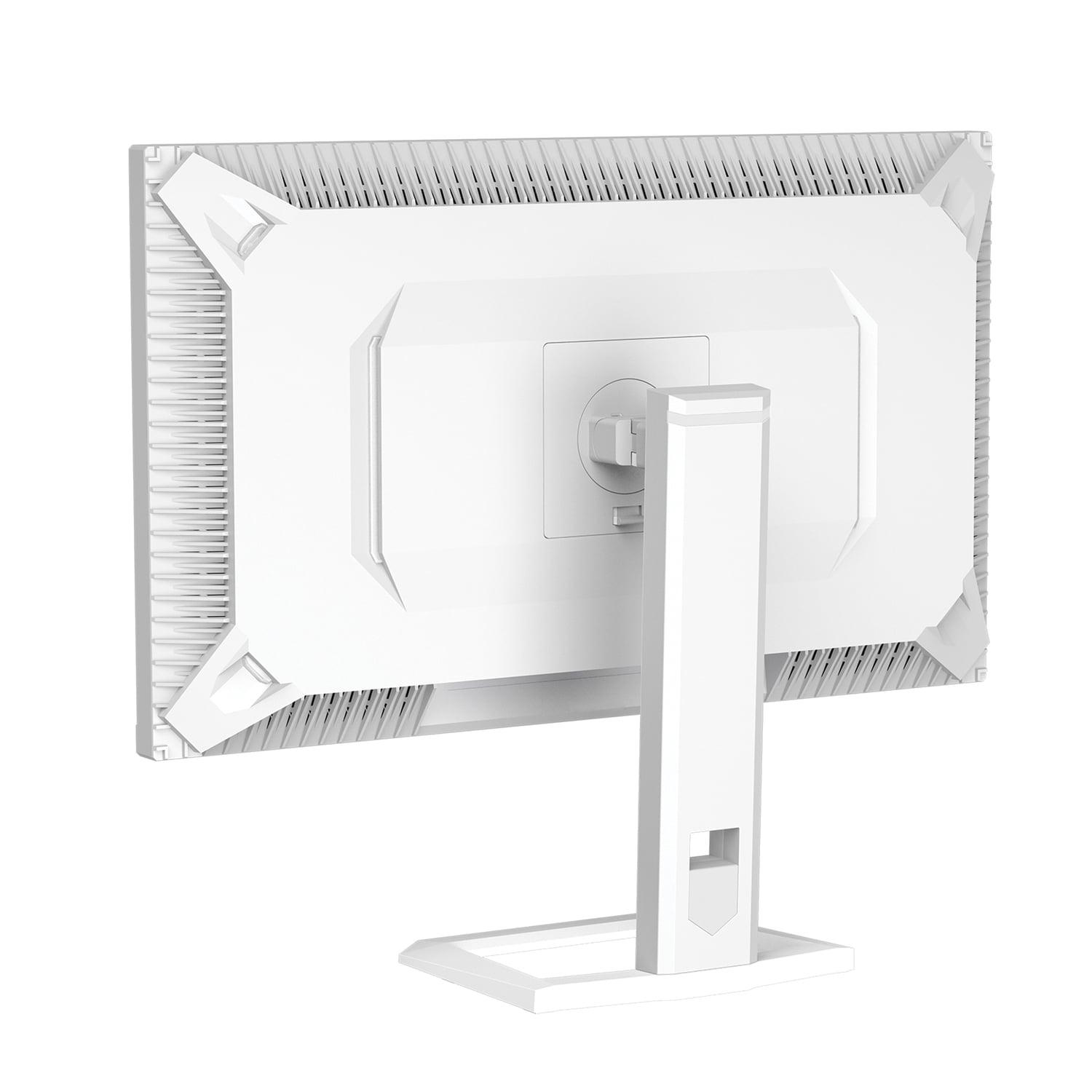
| Basic tilt and swivel, VESA 100x100 | Full adjustment: height, tilt, swivel, pivot, VESA 75x75 |
| Special Features - Unique capabilities that set each apart | |
| Ambient light sensing, automatic brightness adjustment | Switchable dual-mode, 24.5" esports mode simulation |
| Target Use Case - Who benefits most from each design | |
| Immersive gaming, content creation, visual quality priority | Competitive esports, versatile gaming, multi-device setups |
| Warranty Coverage - Long-term support and peace of mind | |
| 1 year limited warranty | 3 year limited warranty (better protection) |
The ViewSonic XG275D-4K is superior for competitive gaming due to its 320Hz refresh rate at 1080p and ultra-fast 0.5ms response time. It also features a dedicated esports mode that simulates a 24.5-inch display area for tournament-style gaming. While the Mobile Pixels Mini-LED monitor offers excellent 180Hz performance, the ViewSonic provides the edge serious competitive players need.
The Mobile Pixels 27" WQHD Mini-LED Gaming Monitor delivers superior picture quality for immersive gaming with its Mini-LED technology providing true HDR1000 support, 1000 nits peak brightness, and 1,000,000:1 contrast ratio. This creates deeper blacks and more vibrant colors compared to the ViewSonic's traditional IPS panel with basic HDR10 support.
Mini-LED technology in the Mobile Pixels monitor uses thousands of tiny LEDs for backlighting instead of dozens of larger ones, enabling precise local dimming and dramatically better contrast. The ViewSonic XG275D-4K uses traditional LED backlighting, which is still good but cannot achieve the same deep blacks and bright highlights as the Mobile Pixels Mini-LED display.
Both monitors offer excellent value in different ways. The Mobile Pixels Mini-LED monitor provides premium display technology typically found in much more expensive displays, making it exceptional value for visual quality seekers. The ViewSonic XG275D-4K offers versatility with dual-mode functionality and comprehensive connectivity, providing better value for users needing multiple capabilities in one display.
Only the ViewSonic XG275D-4K supports native 4K resolution at 160Hz. The Mobile Pixels monitor uses WQHD resolution (2560 x 1440), which is sharper than 1080p but not true 4K. However, WQHD is easier for graphics cards to drive at high refresh rates, making the Mobile Pixels display more accessible for high-performance gaming.
Both monitors work well with modern consoles, but the Mobile Pixels Mini-LED monitor may provide a more cinematic experience for console exclusives due to its superior HDR and contrast. The ViewSonic XG275D-4K offers native 4K support for PlayStation 5 and Xbox Series X, but its dual HDMI setup makes the Mobile Pixels monitor convenient for connecting multiple consoles simultaneously.
Yes, both the Mobile Pixels 27" WQHD Mini-LED Gaming Monitor and ViewSonic XG275D-4K support AMD FreeSync Premium and are NVIDIA G-SYNC compatible. This eliminates screen tearing and provides smooth gameplay across a wide range of frame rates, regardless of your graphics card brand.
The ViewSonic XG275D-4K offers more versatile connectivity with USB-C port featuring 65W power delivery, perfect for laptop users. The Mobile Pixels monitor focuses on gaming with dual HDMI 2.1 and dual DisplayPort connections, making it ideal for multiple gaming systems. Choose the ViewSonic for work-gaming hybrid setups or the Mobile Pixels for dedicated gaming rigs.
The ViewSonic XG275D-4K excels for productivity with its 4K resolution providing sharp text, full ergonomic adjustments, and USB-C connectivity for laptops. The Mobile Pixels Mini-LED monitor offers excellent color accuracy for creative work but lacks height adjustment. For mixed work-gaming use, the ViewSonic is more versatile.
The Mobile Pixels 27" WQHD Mini-LED Gaming Monitor provides a superior movie-watching experience with its Mini-LED technology delivering true blacks and bright highlights that enhance cinematic content. The ViewSonic XG275D-4K offers 4K resolution for sharper detail, but its contrast and HDR performance can't match the Mobile Pixels display for atmospheric movie scenes.
The ViewSonic XG275D-4K includes a comprehensive 3-year limited warranty, providing better long-term protection and peace of mind. The Mobile Pixels monitor comes with a 1-year limited warranty. For buyers concerned about long-term reliability, the extended warranty coverage makes the ViewSonic more appealing despite its newer display technology.
Choose the Mobile Pixels 27" WQHD Mini-LED Gaming Monitor if you prioritize visual quality, play mostly single-player or atmospheric games, and want premium display technology at a competitive price. Select the ViewSonic XG275D-4K if you play competitive games, need both 4K and high refresh rates, require versatile connectivity, or want maximum ergonomic flexibility. The ViewSonic suits diverse users while the Mobile Pixels excels for visual quality enthusiasts.
We've done our best to create useful and informative comparisons to help you decide what product to buy. Our research uses advanced automated methods to create this comparison and perfection is not possible - please contact us for corrections or questions. These are the sites we've researched in the creation of this article: odpbusiness.com - wellbots.com - bestbuy.com - bhphotovideo.com - youtube.com - networkhardwares.com - mobilepixels.us - bestbuy.com - business.walmart.com - newegg.com - beachaudio.com - petra.com - centralcomputer.com - mobilepixels.us - compsource.com - walmart.com - newegg.com - cgmagonline.com - gamingshogun.com - techpowerup.com - notebookcheck.net - bestbuy.com - newegg.com - techpowerup.com - shi.com - viewsonic.com - viewsonic.com - prnewswire.com - viewsonic.com - viewsonic.com - shop.avispl.com - guru3d.com - viewsonic.com - viewsonic.com - viewsonic.com - viewsonic.com

Privacy Policy
Terms and Conditions - Affiliate Policy
Home Security
© Copyright 2008-2026.
11816 Inwood Rd #1211, Dallas, TX 75244