






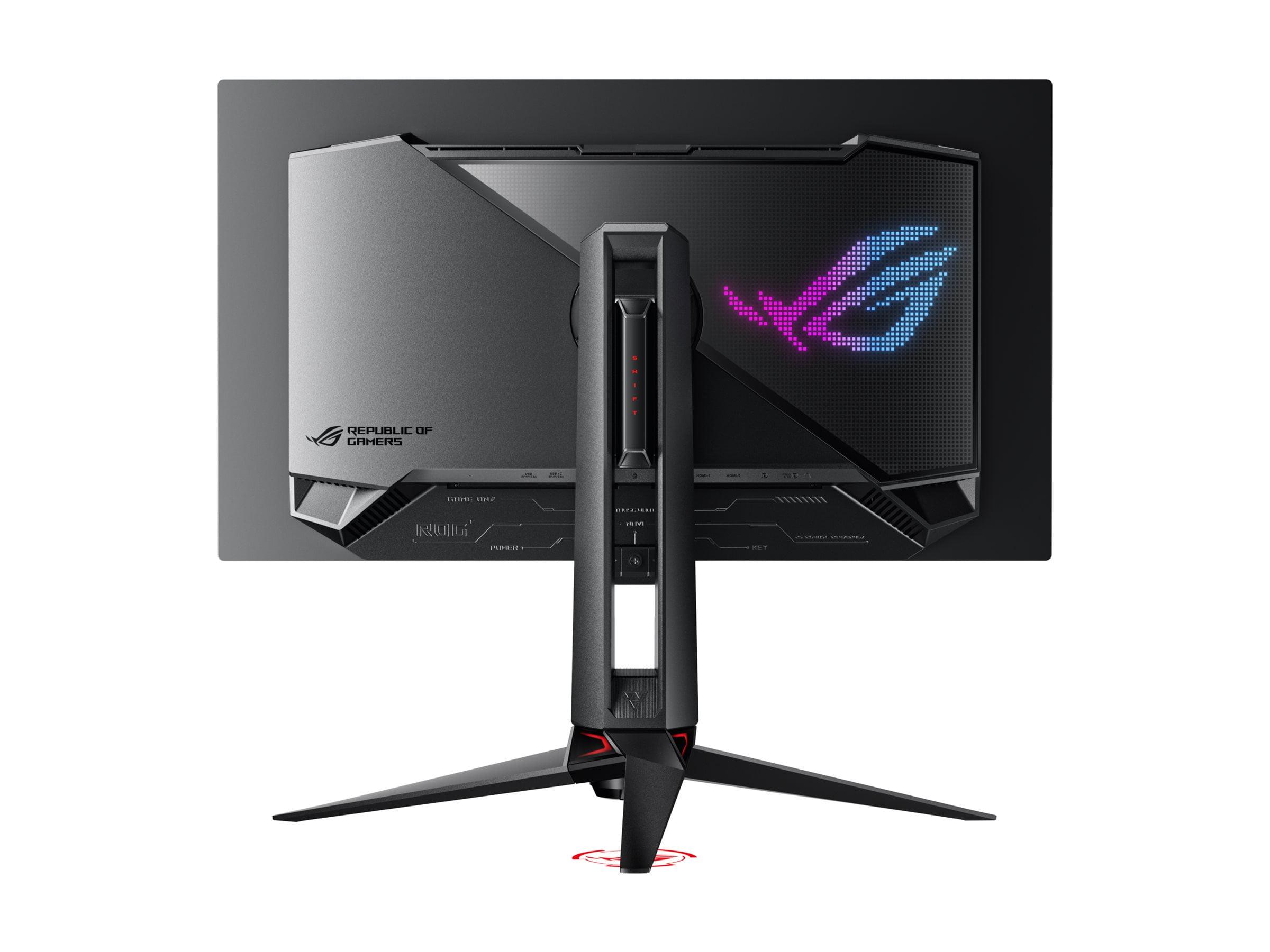
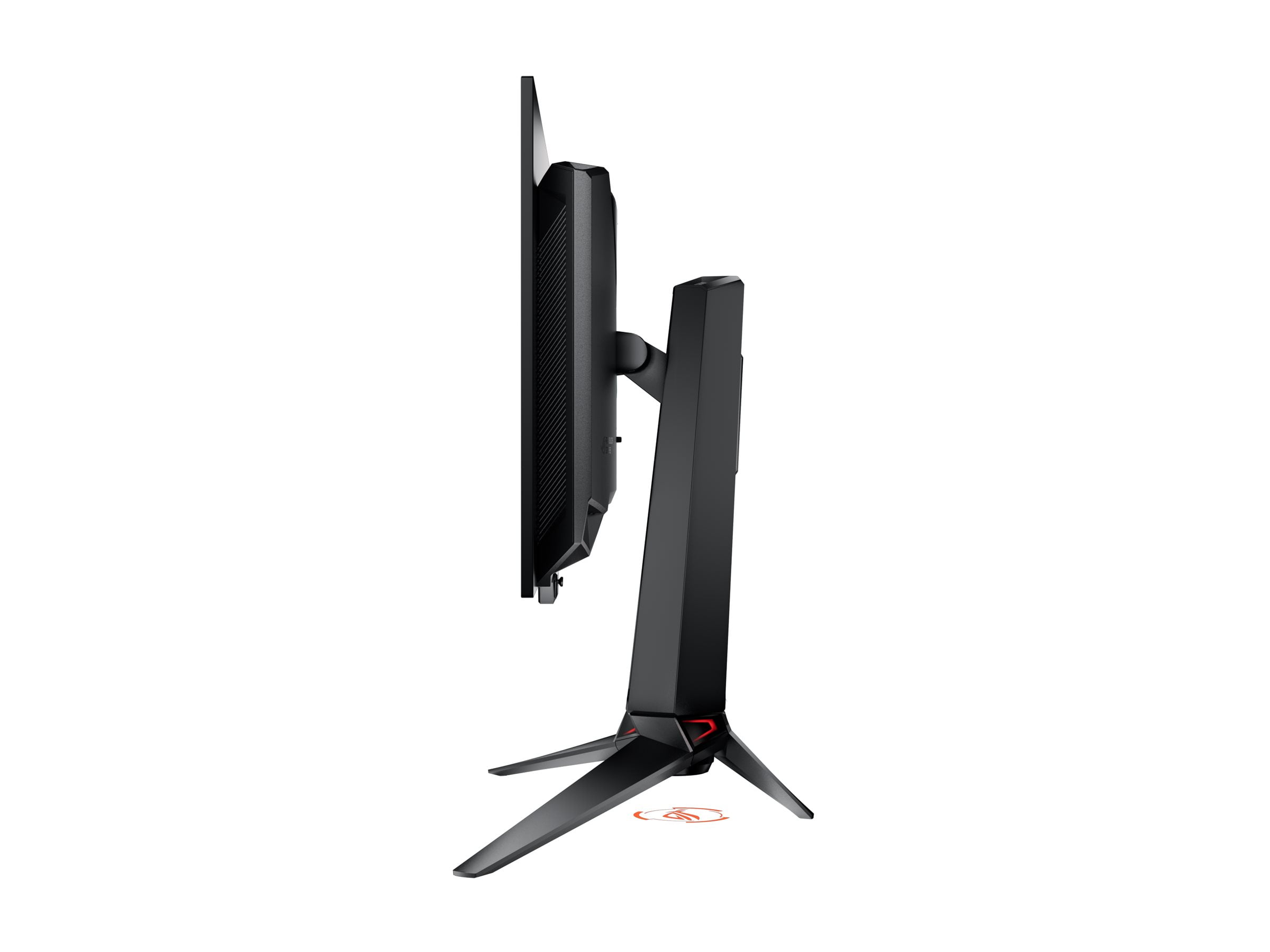
When you're looking for a 27-inch 4K gaming monitor, you're entering one of the most competitive and exciting segments of the display market. These monitors need to balance razor-sharp 4K resolution with high refresh rates for competitive gaming – a technical challenge that manufacturers have only recently mastered. The two monitors we're comparing today, the ViewSonic XG275D-4K and the ASUS ROG Swift OLED PG27UCDM, represent completely different approaches to solving this challenge.
At the time of writing, you can expect to pay roughly $500 for the ViewSonic and around $1,100 for the ASUS – a significant price difference that reflects their fundamentally different technologies and target audiences. But which one offers better value for your specific needs? Let's dive deep into what makes each monitor special.
Before we compare these specific models, it's worth understanding what makes a great gaming monitor in 2024-2025. The key specifications that actually impact your gaming experience are refresh rate (how many times per second the screen updates), response time (how quickly pixels can change color), input lag (the delay between your actions and what appears on screen), and color accuracy.
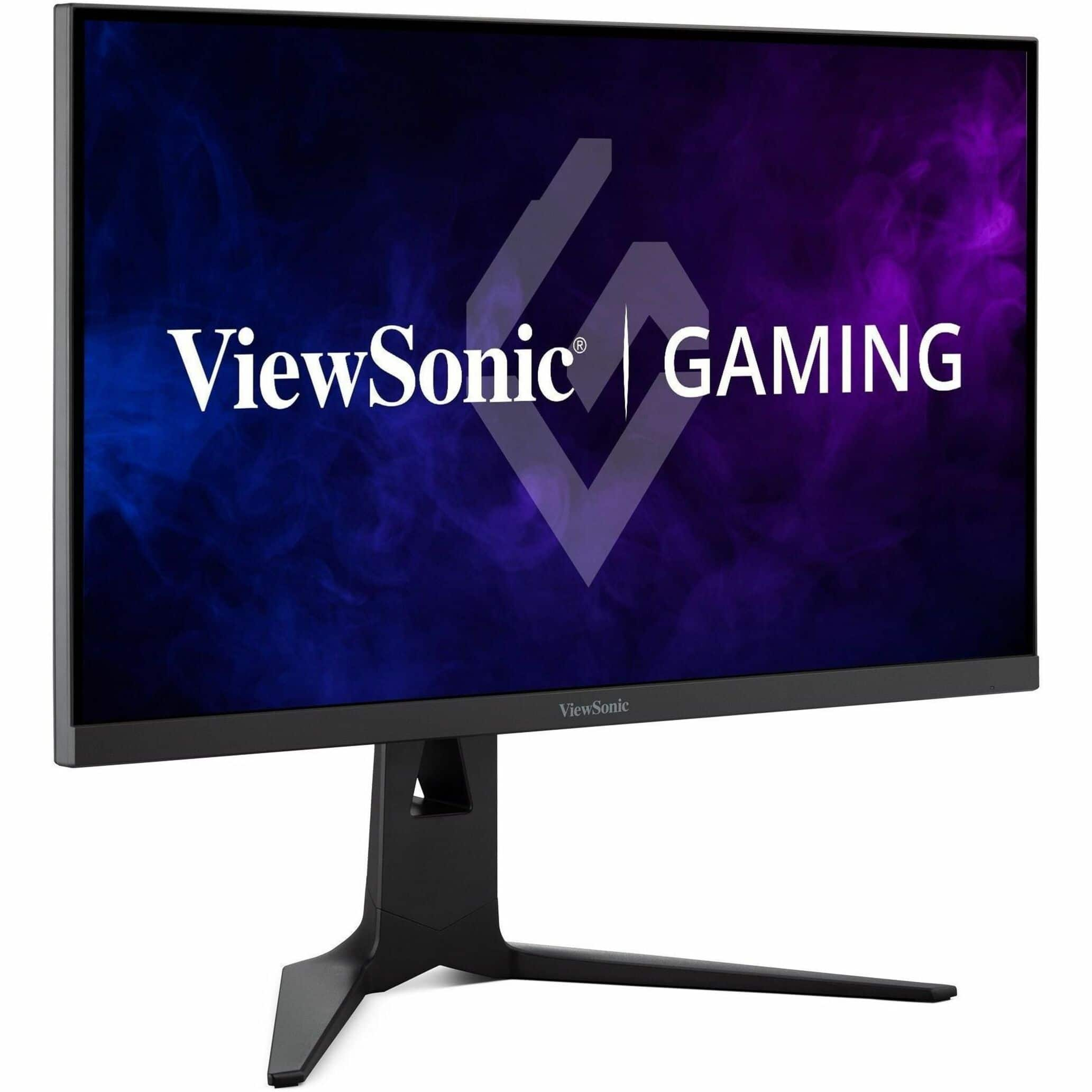
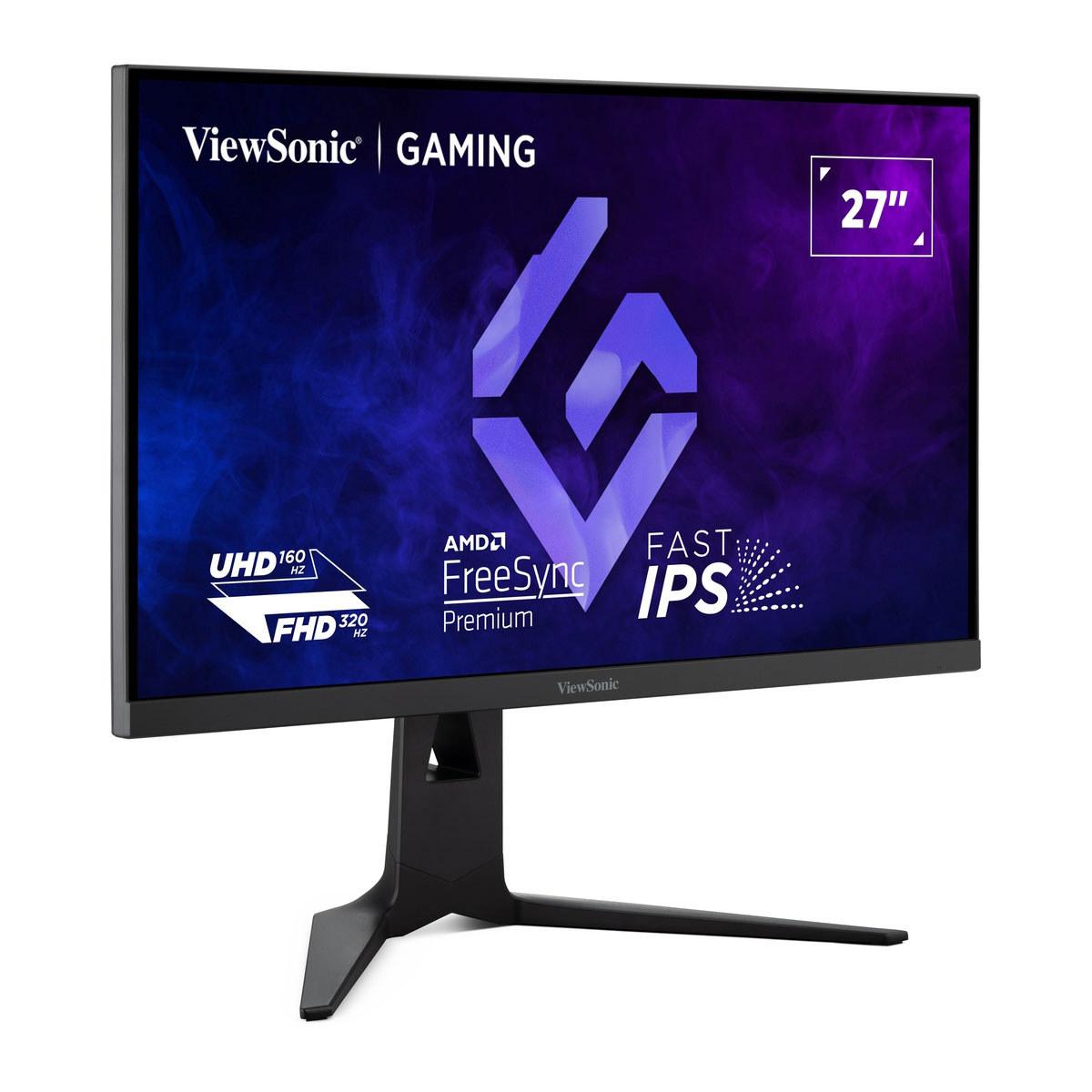
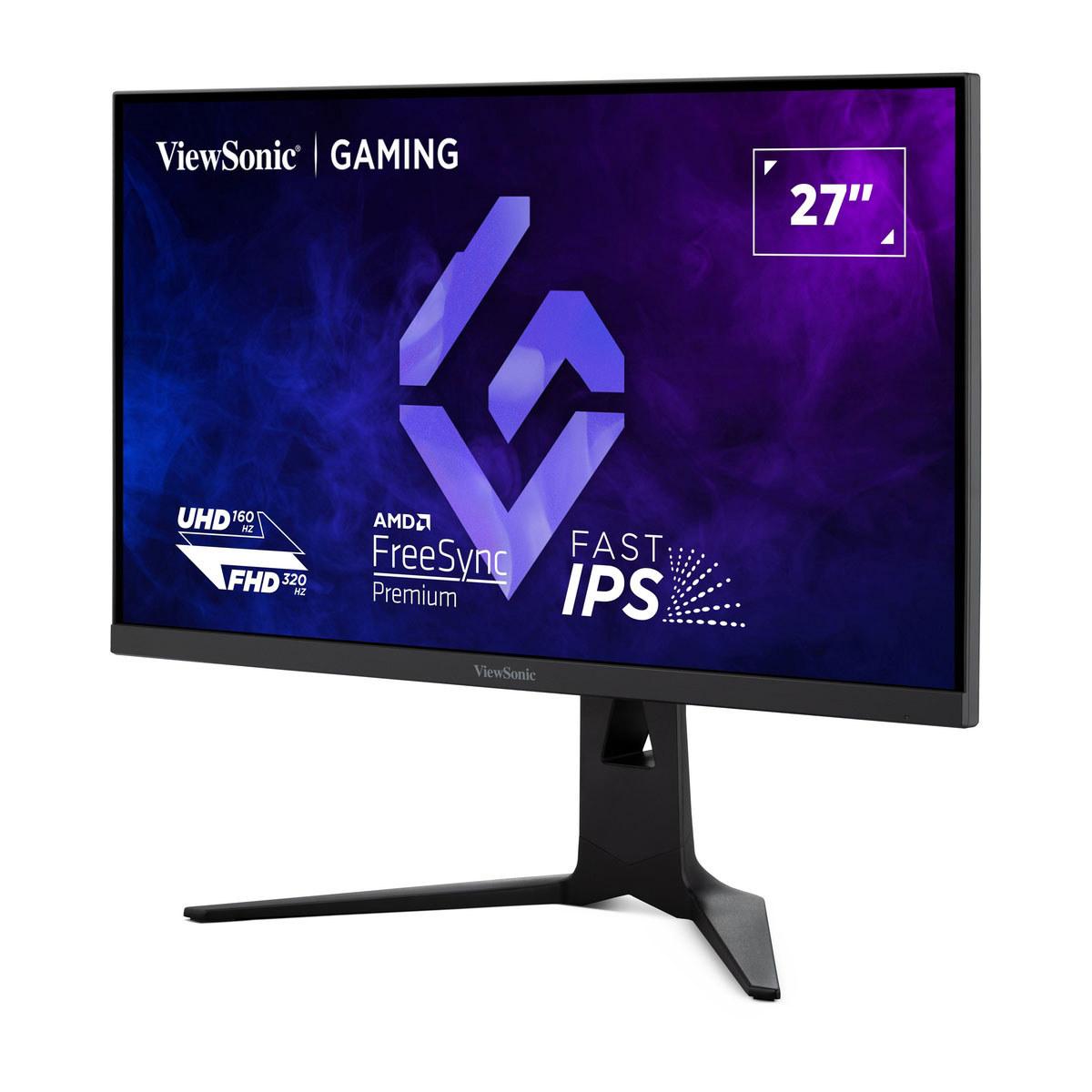
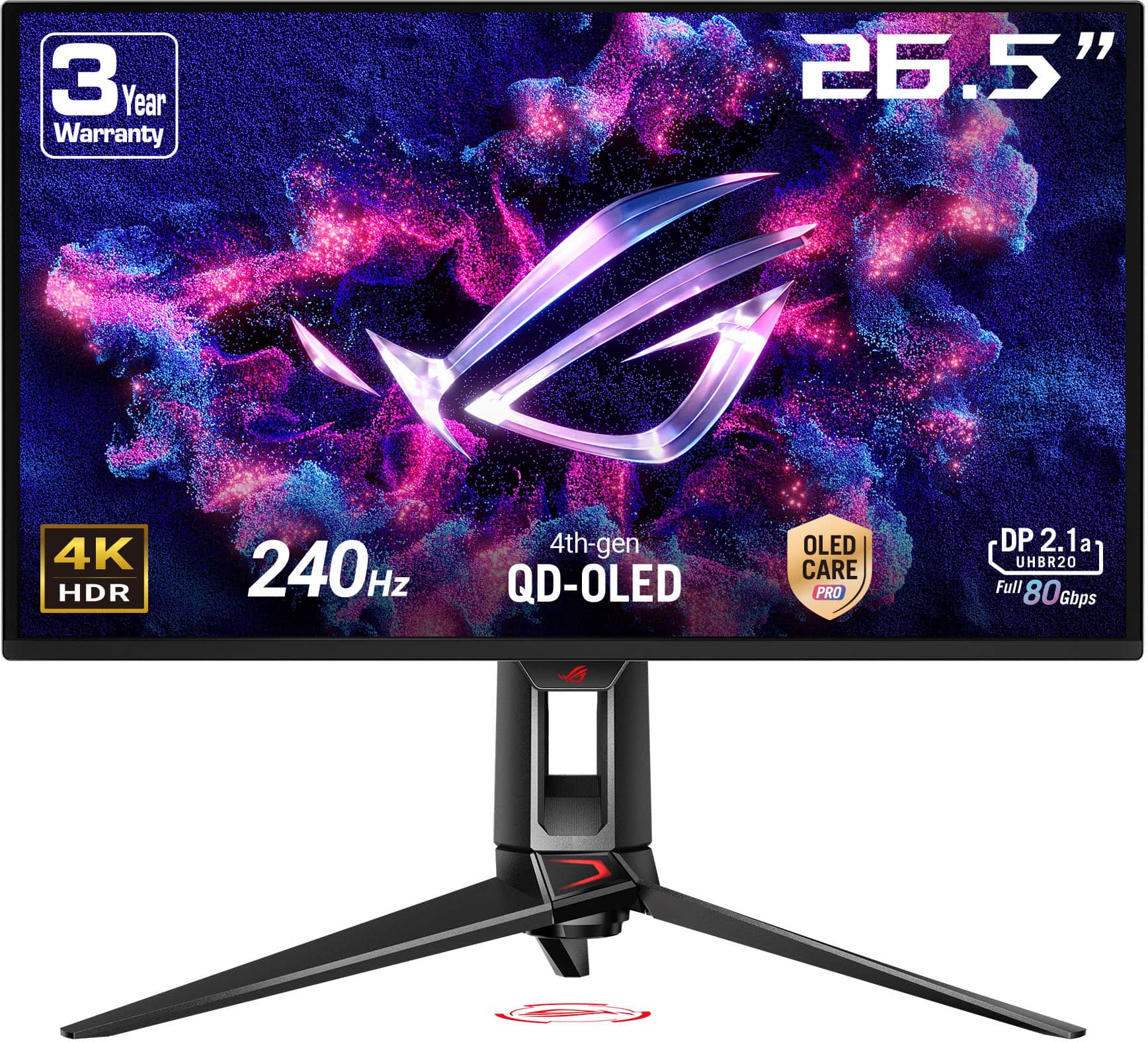
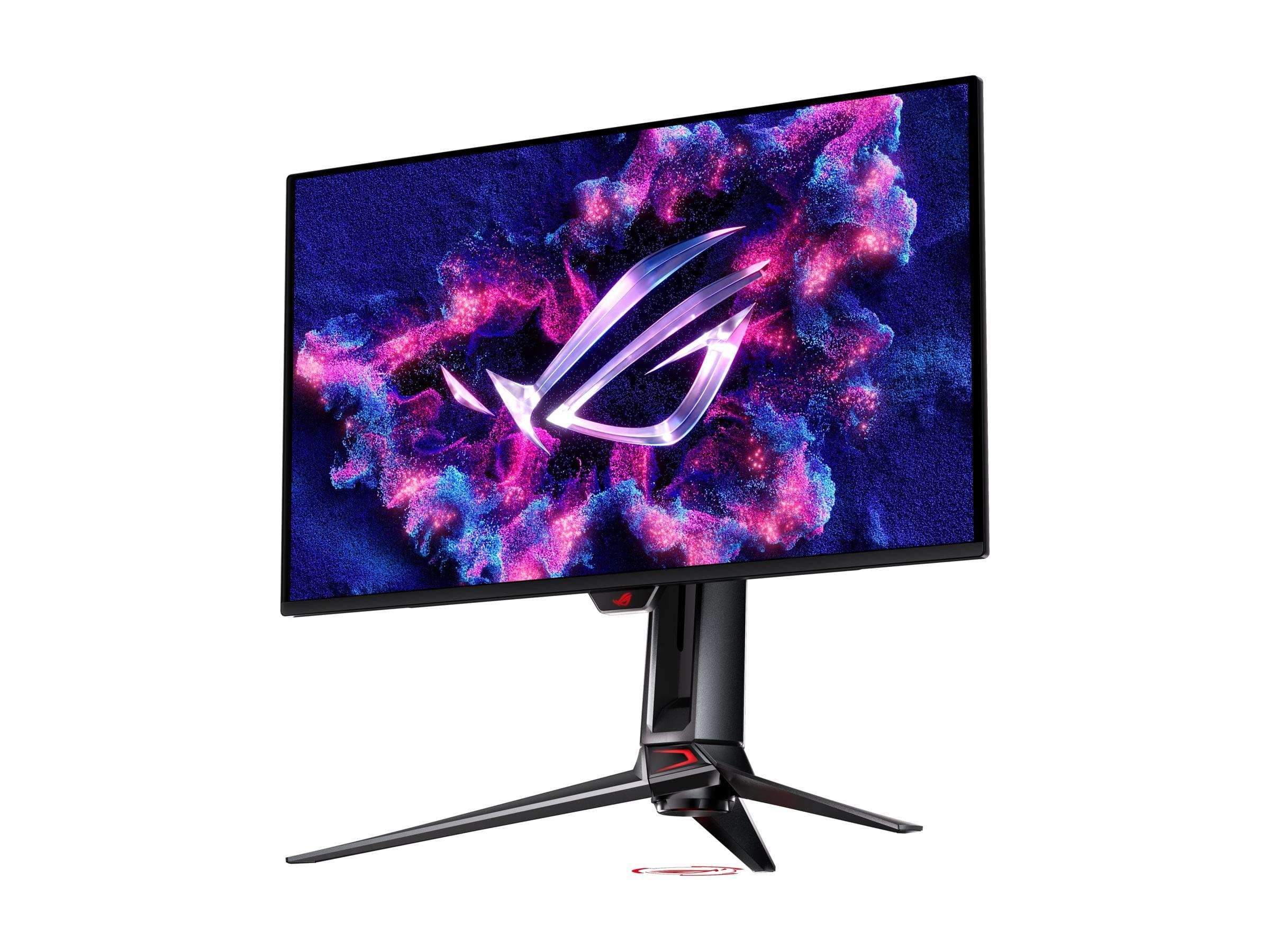
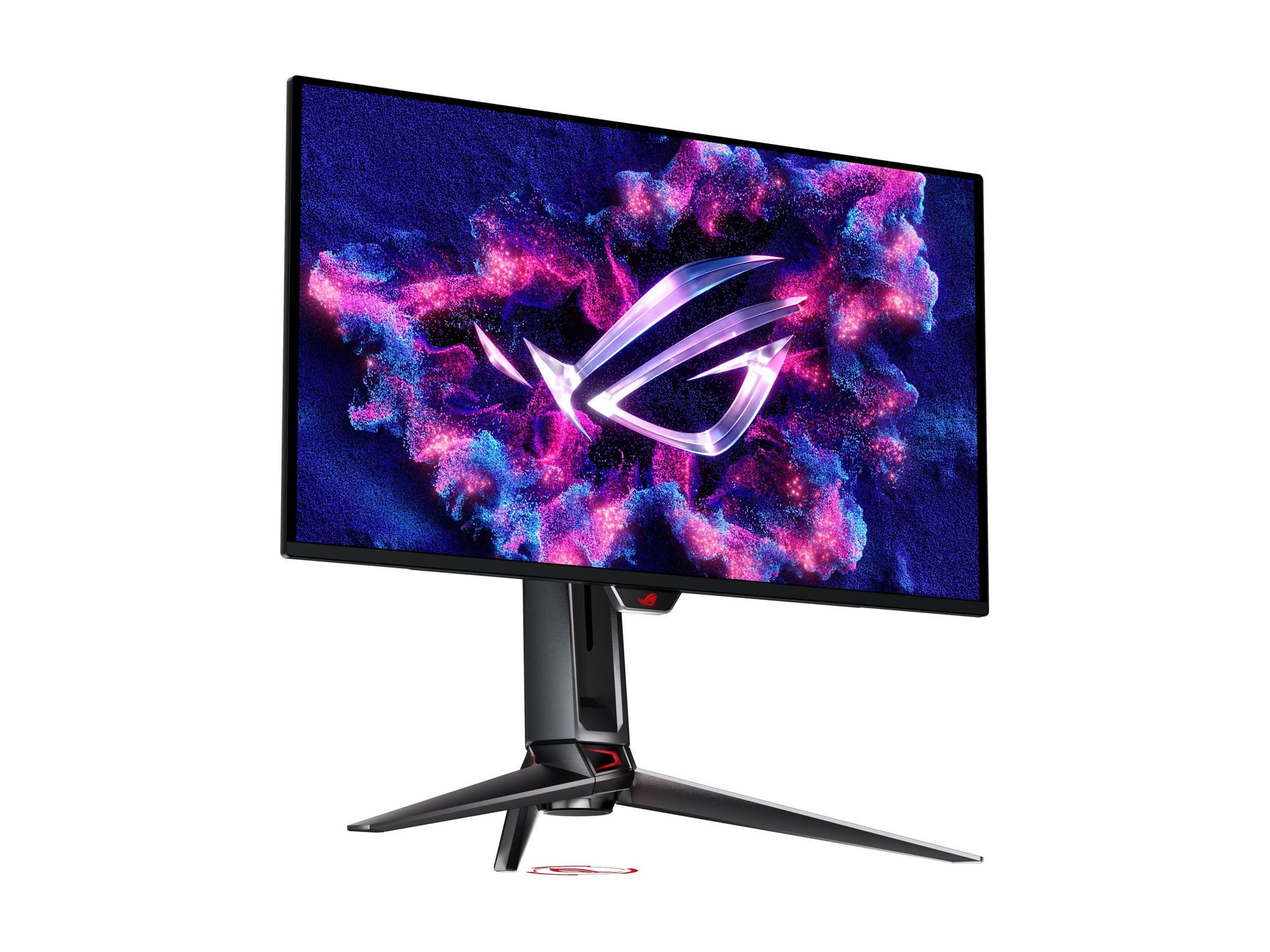
The ViewSonic XG275D-4K, released in 2024, uses traditional IPS LCD technology but with a twist – it can switch between different resolution and refresh rate combinations on the fly. The ASUS ROG Swift OLED PG27UCDM, also from 2024, represents the cutting edge of OLED technology, using Quantum Dot OLED (QD-OLED) panels that were virtually impossible to produce affordably just a few years ago.
The most fundamental difference between these monitors lies in their panel technology. The ViewSonic XG275D-4K uses an IPS LCD panel, which has been the gold standard for gaming monitors for years. IPS panels offer consistent colors, wide viewing angles, and excellent durability. They use a backlight (usually LED) that shines through liquid crystals to create the image you see.
The ASUS ROG Swift OLED PG27UCDM takes a completely different approach with its QD-OLED panel. OLED stands for Organic Light-Emitting Diode, meaning each pixel generates its own light rather than relying on a backlight. This fundamental difference has massive implications for image quality. When an OLED pixel needs to display black, it simply turns off completely, creating true blacks that LCD panels can't match. The "QD" part refers to Quantum Dots, which enhance color reproduction and brightness compared to traditional OLED panels.
From a practical standpoint, this means the ASUS delivers dramatically better contrast. While the ViewSonic XG275D-4K offers a respectable 1,000:1 contrast ratio (meaning whites are 1,000 times brighter than blacks), the ASUS ROG Swift OLED PG27UCDM achieves an infinite contrast ratio since its blacks are truly black. In dark game scenes, this difference is immediately noticeable – shadows have depth and detail that simply disappears into gray on LCD monitors.
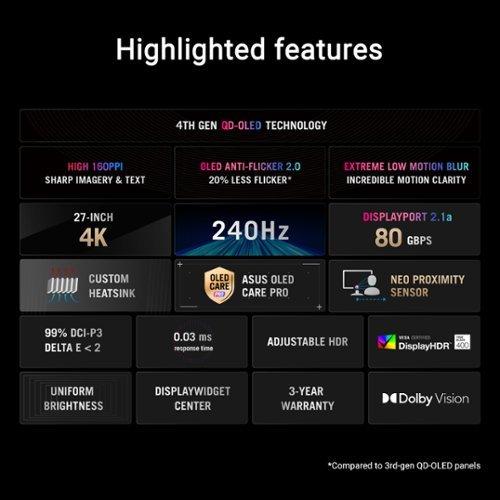
However, OLED technology comes with trade-offs. The organic compounds in OLED panels can degrade over time, potentially leading to burn-in where static images become permanently etched into the screen. Modern OLED monitors like the ASUS ROG Swift OLED PG27UCDM include sophisticated protection mechanisms, including pixel shifting, automatic dimming, and even a proximity sensor that turns off the screen when you step away.
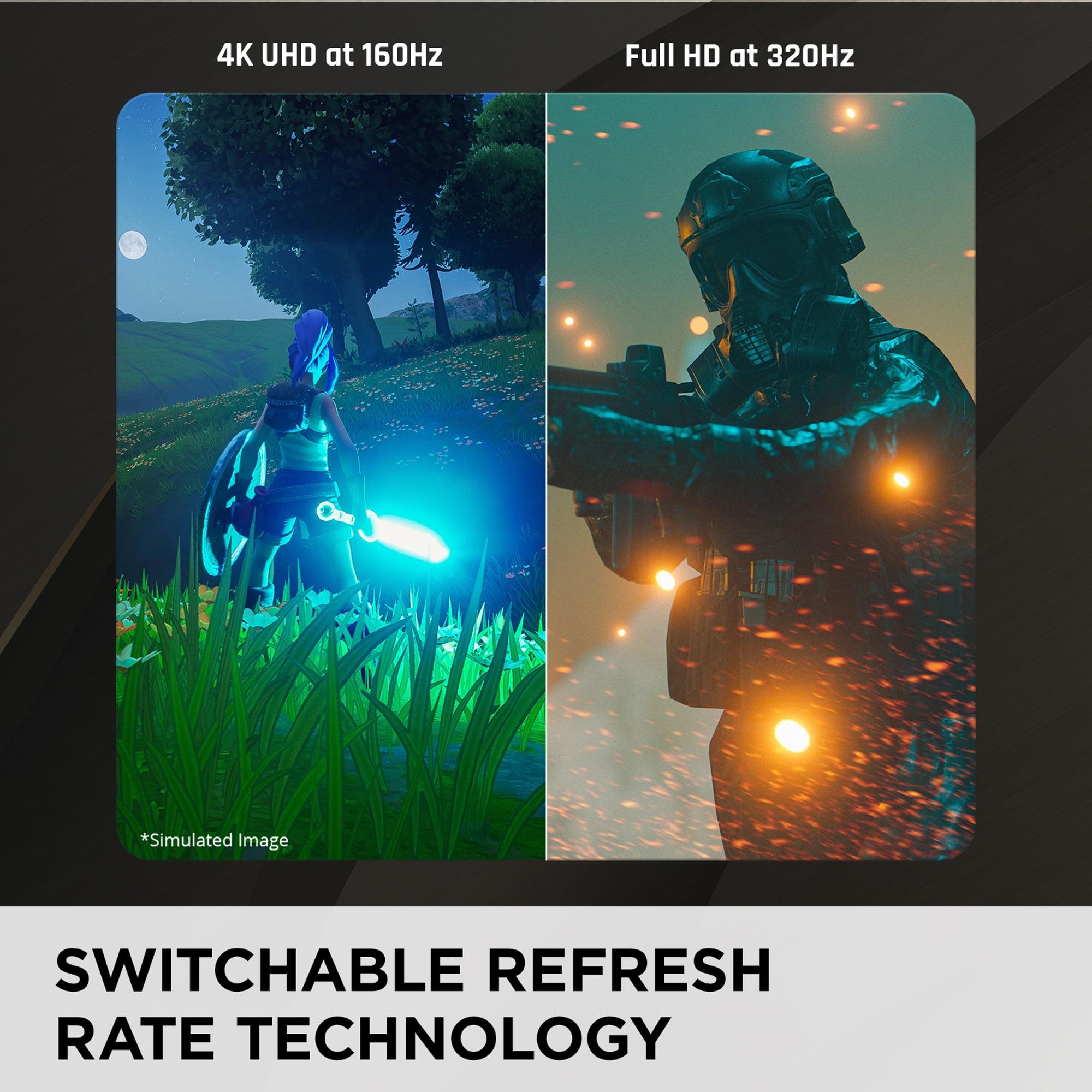
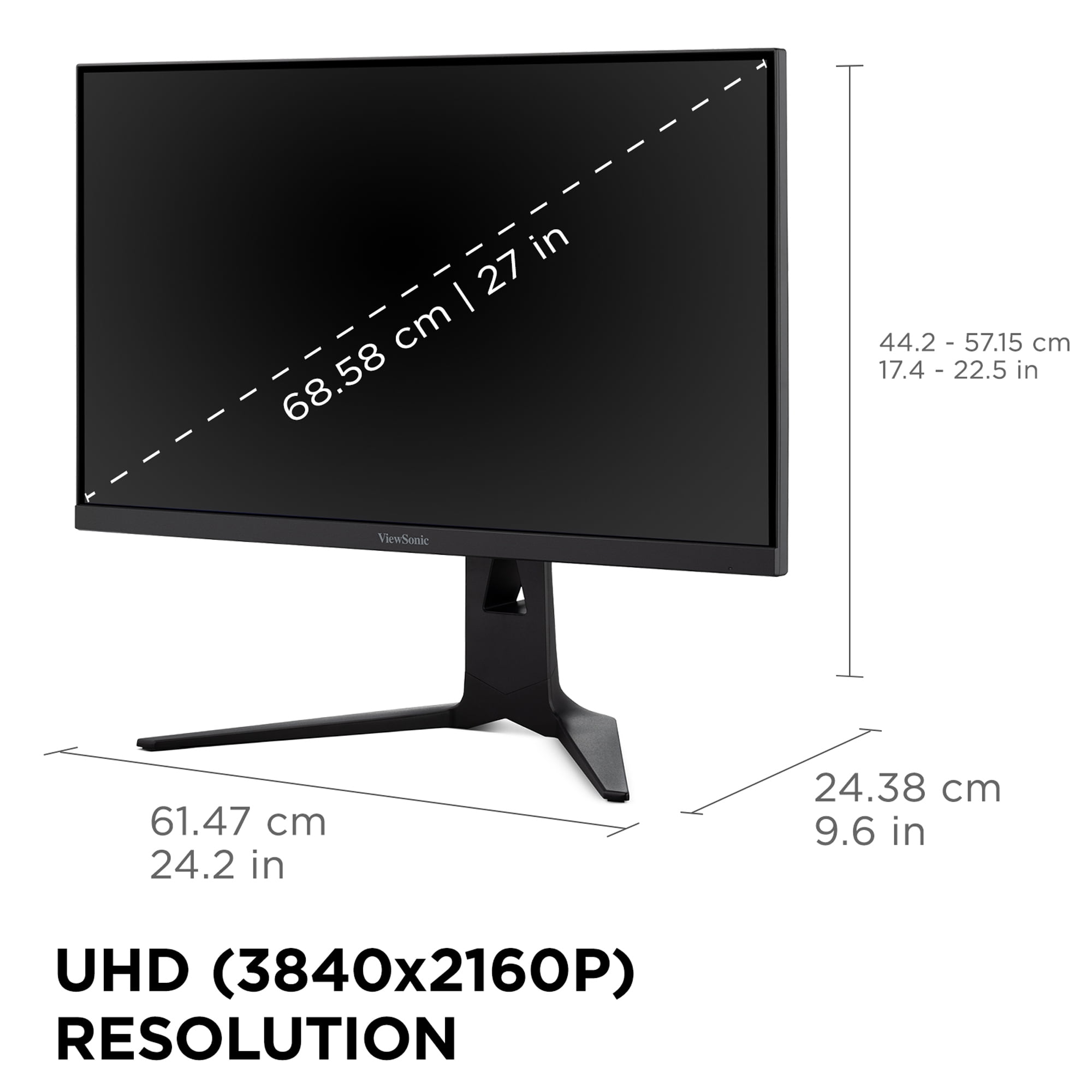
Here's where things get interesting. The ViewSonic XG275D-4K introduces something genuinely innovative – switchable refresh rate technology. With the press of a button, you can toggle between 320Hz at Full HD (1920x1080) resolution and 160Hz at 4K (3840x2160) resolution. This isn't just a marketing gimmick; it addresses a real problem that competitive gamers face.
Most esports professionals prefer extremely high refresh rates for competitive advantages, but they often sacrifice resolution to achieve this. The ViewSonic lets you have both: ultra-high refresh rates when you need that competitive edge in games like Counter-Strike or Valorant, and stunning 4K resolution when you want to enjoy single-player games like Cyberpunk 2077 or Red Dead Redemption 2.
The ASUS ROG Swift OLED PG27UCDM takes a different approach, offering a fixed 240Hz at 4K resolution. This is still incredibly fast – faster than most gamers will ever need – but it doesn't have the flexibility of the ViewSonic's dual-mode system.
Response time measures how quickly a pixel can change from one color to another, typically measured in milliseconds. Slower response times create motion blur and ghosting effects that can seriously impact competitive gaming.
The ViewSonic XG275D-4K achieves a 0.5ms MPRT (Moving Picture Response Time) and 2ms GTG (Gray-to-Gray) response time. For an IPS panel, these are excellent numbers that will satisfy all but the most demanding competitive gamers.
The ASUS ROG Swift OLED PG27UCDM absolutely dominates here with a 0.03ms GTG response time. This is nearly instantaneous and represents one of the fastest response times available in any monitor. In fast-paced games, this translates to noticeably sharper motion with virtually no blur or ghosting.
Input lag is often overlooked but critically important – it's the delay between when you click your mouse or press a key and when that action appears on screen. The ASUS ROG Swift OLED PG27UCDM achieves an impressive 18ms total input lag, which puts it among the fastest gaming monitors available.
While specific input lag measurements aren't available for the ViewSonic XG275D-4K, IPS gaming monitors typically perform well in this area, though they rarely match the best OLED panels.
HDR (High Dynamic Range) is where the technology gap becomes most apparent. The ViewSonic XG275D-4K supports basic HDR10 but with a peak brightness of only 300 cd/m², it's really offering what we call "HDR compliance" rather than a true HDR experience. You'll see some improvement in supported games, but don't expect the dramatic difference that proper HDR can provide.
The ASUS ROG Swift OLED PG27UCDM supports both HDR10 and Dolby Vision, with the OLED panel's infinite contrast ratio making HDR content truly shine. Dolby Vision is particularly impressive because it provides dynamic tone mapping – essentially, the monitor receives instructions on how to optimize the image for each scene. When I tested HDR content on similar OLED panels, the difference was immediately obvious, especially in scenes with both bright highlights and dark shadows.
Both monitors offer good color accuracy, but they target different users. The ViewSonic XG275D-4K covers 94% of the DCI-P3 color space, which is excellent for gaming and general use. The ASUS ROG Swift OLED PG27UCDM goes further with 99% DCI-P3 coverage and factory calibration that achieves Delta E < 2 – a level of accuracy that content creators will appreciate.
For context, Delta E is a measurement of color accuracy where lower numbers mean more accurate colors. A Delta E of less than 2 means the colors are so accurate that most people can't distinguish them from perfect reference colors.
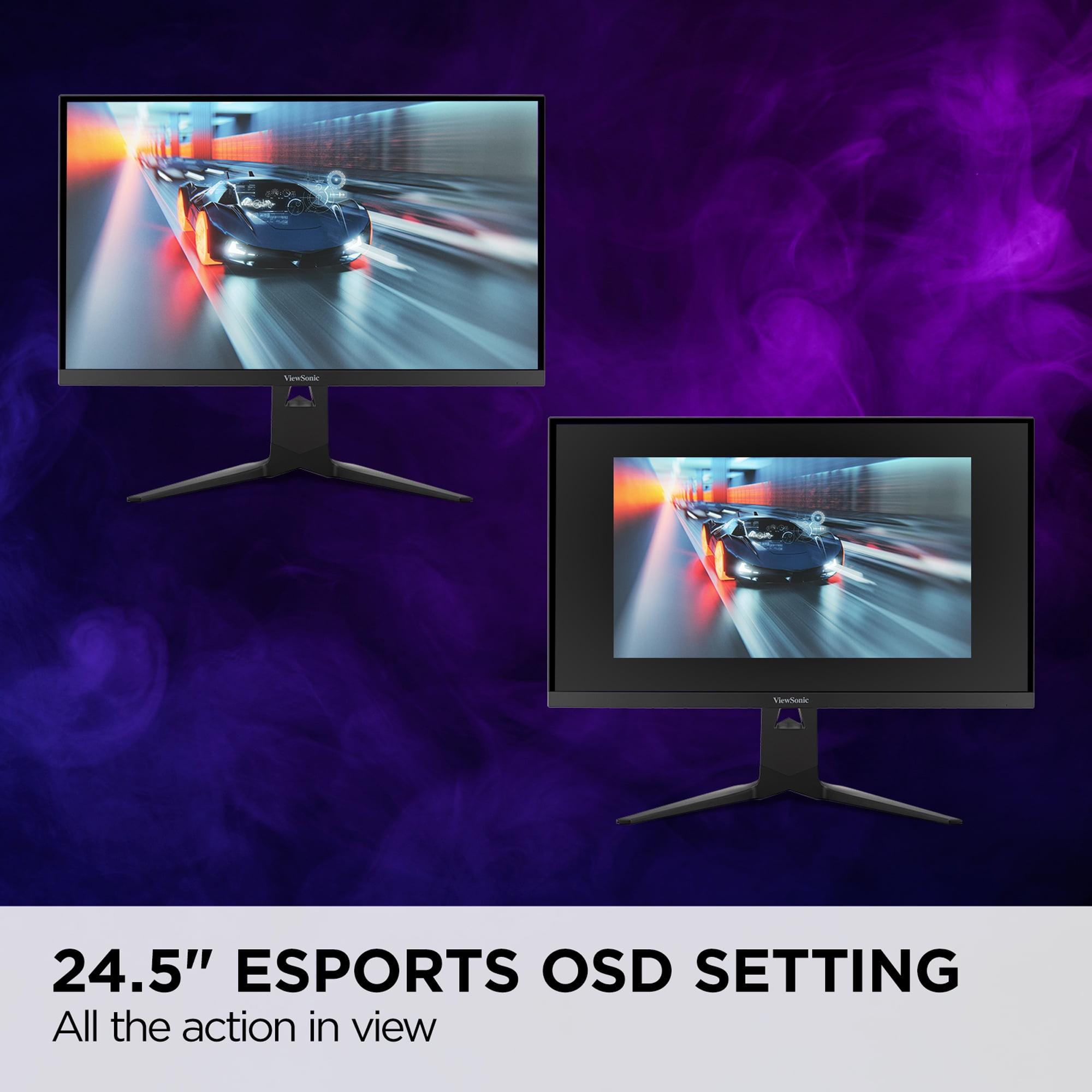
The ViewSonic XG275D-4K includes a clever feature called "24.5-inch esports mode" that shrinks the active display area to simulate the smaller screens used in professional esports tournaments. This might sound like a downgrade, but many competitive players prefer smaller displays because they can see the entire screen without moving their eyes.
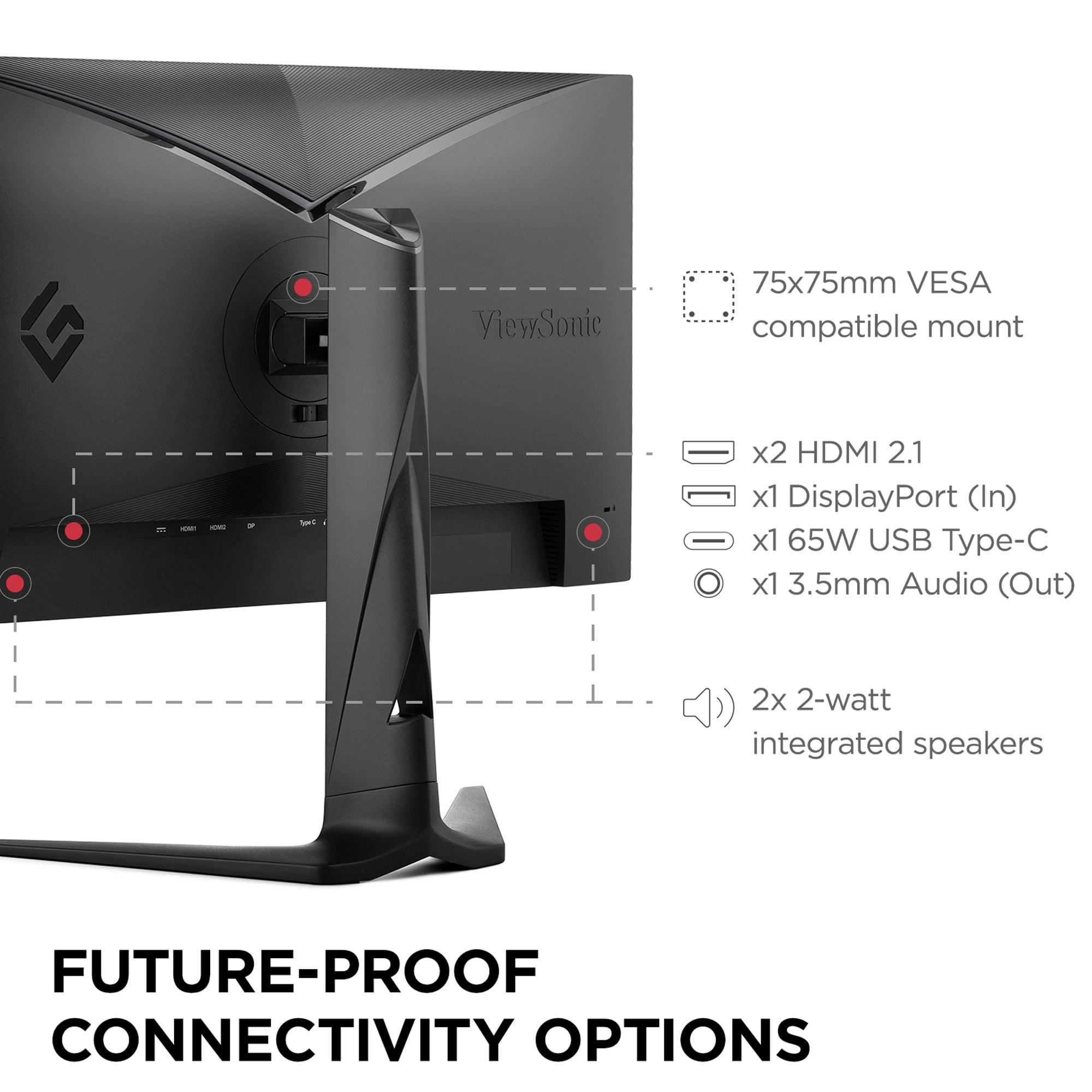
The monitor also includes 65W USB-C power delivery, which means you can connect and charge a laptop with a single cable – a genuinely useful feature for people who switch between gaming and work setups.
The ASUS ROG Swift OLED PG27UCDM is packed with premium features that justify its higher price point. The Neo Proximity Sensor automatically detects when you step away from the monitor and switches to a black screen, helping prevent burn-in while saving power. This kind of thoughtful engineering shows throughout the monitor.
The DisplayPort 2.1 connection provides 80Gbps of bandwidth – enough to handle uncompressed 4K at 240Hz. Most current graphics cards don't fully utilize this bandwidth yet, but it's future-proofing for upcoming GPU generations.
The monitor also includes a KVM switch, letting you control multiple computers with one set of peripherals, and comprehensive RGB lighting that can sync with other ASUS components.
For competitive gaming, the ViewSonic XG275D-4K has a compelling advantage with its 320Hz mode. In games like CS:GO, Valorant, or Rocket League, that extra refresh rate can provide a genuine competitive edge. The ability to switch back to 4K for other games makes this monitor incredibly versatile.
However, the ASUS ROG Swift OLED PG27UCDM isn't far behind with its 240Hz performance and superior response time. The perfect blacks can also provide a tactical advantage in dark game scenes where enemies might be hiding in shadows.
For single-player games and immersive experiences, the ASUS is the clear winner. The combination of OLED's perfect blacks, excellent HDR performance, and vibrant colors creates a viewing experience that's closer to what game developers intended. Games like The Witcher 3, Cyberpunk 2077, or any horror game benefit enormously from OLED's superior contrast.
If you do any photo editing, video work, or graphic design, the ASUS ROG Swift OLED PG27UCDM is worth the investment. The factory calibration and excellent color accuracy mean you can trust what you see on screen. However, be aware that static interface elements in professional applications can increase burn-in risk with extended use.
Both monitors can serve double duty as small home theater displays, but they excel in different areas. The ViewSonic XG275D-4K includes built-in 2W speakers (basic but functional) and its anti-glare coating helps in rooms with ambient light.
The ASUS ROG Swift OLED PG27UCDM delivers a more cinematic experience with its superior contrast and Dolby Vision support, making it excellent for streaming movies and shows. However, it lacks built-in speakers, so you'll need external audio. The OLED panel's deep blacks make it particularly good for viewing in dark rooms.
This is where the technology differences really matter. IPS LCD panels like the one in the ViewSonic XG275D-4K are incredibly durable and can last for many years without degradation. You can leave static images on screen indefinitely without worry.
OLED panels require more careful handling. While the ASUS ROG Swift OLED PG27UCDM includes extensive burn-in protection, you still need to be mindful of leaving static elements on screen for extended periods. However, for most gaming use cases, this isn't a practical concern with modern OLED care technologies.
At the time of writing, the price difference between these monitors is substantial – roughly double for the ASUS. Whether that premium is justified depends entirely on your priorities and budget.
The ViewSonic XG275D-4K offers exceptional value for gamers who want flexibility and solid performance without breaking the bank. The switchable refresh rate technology is genuinely innovative and addresses real user needs. You get reliable IPS performance, good color accuracy, and unique gaming features at roughly half the cost of premium OLED alternatives.
The ASUS ROG Swift OLED PG27UCDM is for enthusiasts who want the absolute best image quality and are willing to pay for cutting-edge technology. If you primarily play atmospheric single-player games, do any content creation work, or simply want the most impressive visual experience possible, the premium is justifiable.
Choose the ViewSonic XG275D-4K if you:
Choose the ASUS ROG Swift OLED PG27UCDM if you:
Both monitors represent excellent engineering in their respective categories. The ViewSonic proves that innovation doesn't always require the most expensive technology – sometimes, clever engineering and understanding user needs can create compelling value. The ASUS showcases what's possible when cost is less of a constraint, delivering reference-quality image performance with premium features to match.
The gaming monitor market has never offered more choice or better performance than it does today. Whether you choose the innovative flexibility of the ViewSonic XG275D-4K or the premium excellence of the ASUS ROG Swift OLED PG27UCDM, you'll be getting a monitor that would have been impossible to produce just a few years ago.
| ViewSonic XG275D-4K | ASUS ROG Swift OLED PG27UCDM |
|---|---|
| Panel Technology - Determines image quality, durability, and long-term value | |
| IPS LCD with LED backlight (reliable, no burn-in risk) | QD-OLED (superior contrast but requires careful use) |
| Refresh Rate - Higher rates provide smoother motion and competitive advantage | |
| 320Hz at 1080p / 160Hz at 4K (switchable modes) | 240Hz at 4K (fixed but consistently high performance) |
| Response Time - Lower numbers reduce motion blur in fast games | |
| 0.5ms MPRT, 2ms GTG (excellent for IPS technology) | 0.03ms GTG (best-in-class, virtually eliminates blur) |
| Contrast Ratio - Affects depth and detail in dark scenes | |
| 1,000:1 static (typical LCD performance) | 1,500,000:1 (infinite blacks, dramatic visual improvement) |
| HDR Support - Enhances color and brightness in compatible content | |
| HDR10 only, limited by 300 nits brightness | HDR10 + Dolby Vision with true HDR performance |
| Color Accuracy - Important for content creation and accurate visuals | |
| 94% DCI-P3, good for gaming | 99% DCI-P3, Delta E < 2 (professional-grade accuracy) |
| Unique Gaming Features - Special capabilities that set each monitor apart | |
| Switchable modes + 24.5" esports setting | Neo Proximity Sensor, advanced OLED care features |
| Connectivity - Determines compatibility with current and future devices | |
| HDMI 2.1, DisplayPort 1.4, USB-C 65W PD | DisplayPort 2.1 (80Gbps), HDMI 2.1, USB-C 90W PD, KVM switch |
| Long-term Durability - Lifespan and maintenance considerations | |
| Excellent LCD reliability, no special care needed | Requires burn-in prevention, premium OLED protection features |
| Value Positioning - Performance per dollar and target audience | |
| Innovative dual-mode at budget-friendly price | Premium OLED technology with enthusiast pricing |
The ViewSonic XG275D-4K has a significant advantage for competitive gaming with its switchable 320Hz mode at 1080p resolution. This ultra-high refresh rate provides the smoothest motion and fastest response for esports titles like CS:GO and Valorant. The ASUS ROG Swift OLED PG27UCDM offers 240Hz at 4K, which is still excellent for competitive gaming, but the ViewSonic XG275D-4K takes the edge with its dedicated high-speed mode.
The ViewSonic XG275D-4K uses IPS LCD technology with a backlight, while the ASUS ROG Swift OLED PG27UCDM uses OLED where each pixel creates its own light. OLED provides perfect blacks and infinite contrast, making dark scenes look dramatically better. However, IPS panels like in the ViewSonic XG275D-4K are more durable and don't have burn-in risks that come with OLED technology.
The ASUS ROG Swift OLED PG27UCDM delivers superior image quality for immersive gaming with its perfect blacks, infinite contrast ratio, and vibrant colors. Games like Cyberpunk 2077 and horror titles look stunning on OLED. While the ViewSonic XG275D-4K offers good IPS image quality, it can't match the dramatic visual impact of the ASUS ROG Swift OLED PG27UCDM in atmospheric games.
Both monitors excel for console gaming with HDMI 2.1 support for PS5 and Xbox Series X. The ASUS ROG Swift OLED PG27UCDM provides a more cinematic console experience with superior HDR and contrast. The ViewSonic XG275D-4K offers great versatility, letting you switch to 4K mode for console games and high refresh rates when gaming on PC.
The ViewSonic XG275D-4K is significantly more affordable while still delivering excellent gaming performance. It offers innovative dual-mode functionality at roughly half the cost of premium OLED alternatives. The ASUS ROG Swift OLED PG27UCDM commands a premium price for cutting-edge OLED technology and professional-grade features.
The ViewSonic XG275D-4K uses IPS LCD technology that has no burn-in risk and can last many years without degradation. The ASUS ROG Swift OLED PG27UCDM includes advanced burn-in protection like a proximity sensor and pixel shifting, but OLED panels still require more careful use with static images. For worry-free long-term use, the ViewSonic XG275D-4K is more reliable.
The ASUS ROG Swift OLED PG27UCDM offers dramatically better HDR with Dolby Vision support and OLED's infinite contrast ratio. HDR content looks stunning with deep blacks and bright highlights. The ViewSonic XG275D-4K supports basic HDR10 but with limited brightness, it provides more of an HDR-compatible experience rather than true HDR performance.
The ASUS ROG Swift OLED PG27UCDM is excellent for content creation with factory-calibrated colors, 99% DCI-P3 coverage, and Delta E < 2 accuracy. The ViewSonic XG275D-4K offers good color accuracy for general use but isn't specifically calibrated for professional work. Content creators will appreciate the precision of the ASUS ROG Swift OLED PG27UCDM.
Both monitors provide modern connectivity, but the ASUS ROG Swift OLED PG27UCDM is more future-proof with DisplayPort 2.1 offering 80Gbps bandwidth for uncompressed 4K at high refresh rates. The ViewSonic XG275D-4K includes practical features like 65W USB-C power delivery for laptop charging, while the ASUS ROG Swift OLED PG27UCDM adds a KVM switch and higher 90W power delivery.
The ASUS ROG Swift OLED PG27UCDM dominates with a 0.03ms response time, virtually eliminating motion blur and ghosting. The ViewSonic XG275D-4K achieves 0.5ms MPRT and 2ms GTG, which is excellent for IPS technology but can't match OLED speeds. For the fastest possible gaming response, the ASUS ROG Swift OLED PG27UCDM is unbeatable.
Both can serve as compact home theater screens, but with different strengths. The ASUS ROG Swift OLED PG27UCDM provides a more cinematic experience with perfect blacks and Dolby Vision support, ideal for dark room movie watching. The ViewSonic XG275D-4K includes built-in speakers and anti-glare coating, making it more practical for rooms with ambient light.
Choose the ViewSonic XG275D-4K if you want innovative dual-mode flexibility, excellent value, and worry-free durability for mixed gaming and work use. Pick the ASUS ROG Swift OLED PG27UCDM if you prioritize the absolute best image quality, have the budget for premium technology, and primarily play immersive single-player games or do content creation work.
We've done our best to create useful and informative comparisons to help you decide what product to buy. Our research uses advanced automated methods to create this comparison and perfection is not possible - please contact us for corrections or questions. These are the sites we've researched in the creation of this article: cgmagonline.com - gamingshogun.com - techpowerup.com - notebookcheck.net - bestbuy.com - newegg.com - techpowerup.com - shi.com - viewsonic.com - viewsonic.com - prnewswire.com - viewsonic.com - viewsonic.com - shop.avispl.com - guru3d.com - viewsonic.com - viewsonic.com - viewsonic.com - viewsonic.com - tomshardware.com - thepcenthusiast.com - rtings.com - youtube.com - rtings.com - rog.asus.com - tweaktown.com - youtube.com - youtube.com - versus.com - rog.asus.com - rog.asus.com - newegg.com - rog.asus.com - cdw.com - pcmonitors.info - displayspecifications.com - rog.asus.com - bhphotovideo.com - techpowerup.com - shi.com - bhphotovideo.com

Privacy Policy
Terms and Conditions - Affiliate Policy
Home Security
© Copyright 2008-2026.
11816 Inwood Rd #1211, Dallas, TX 75244