

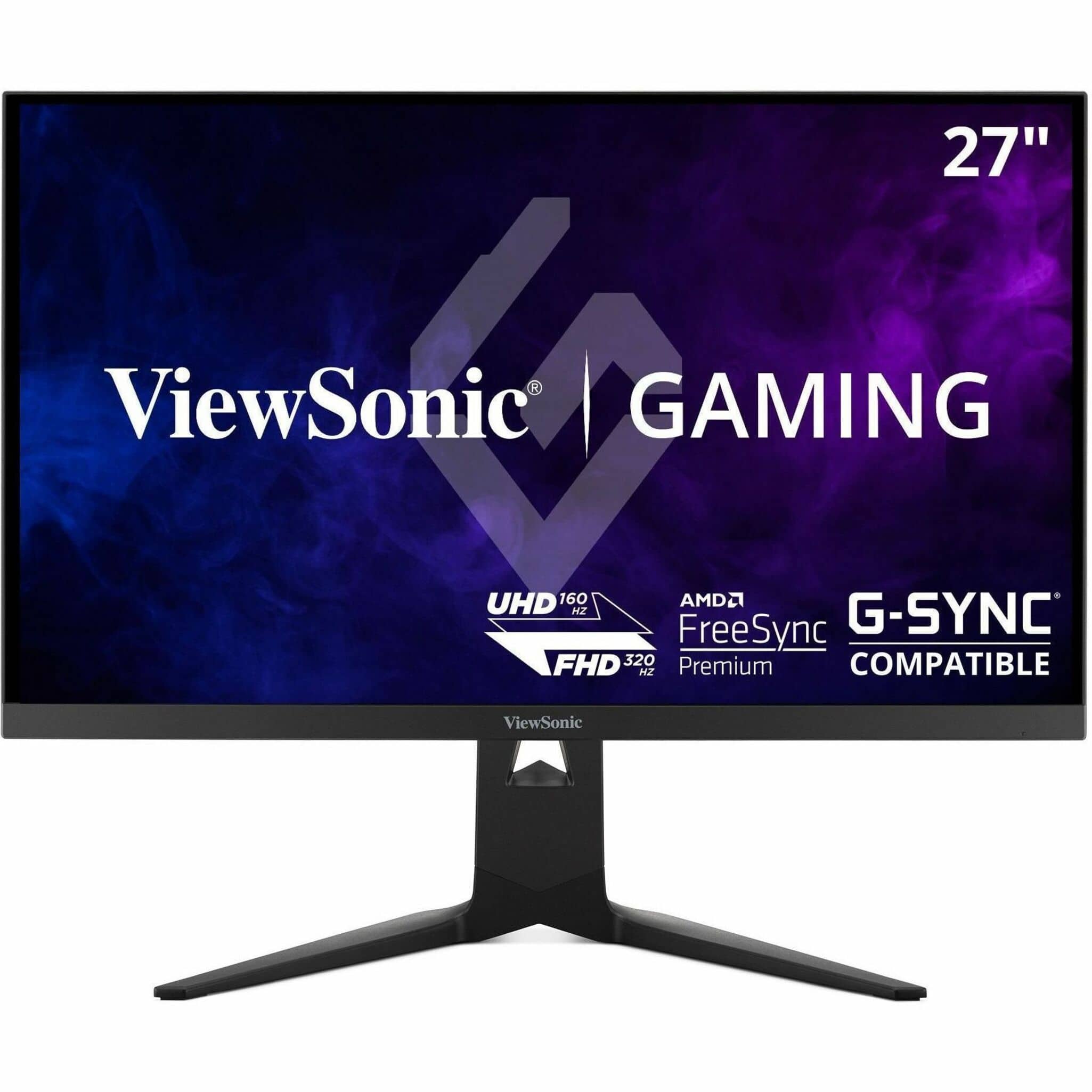
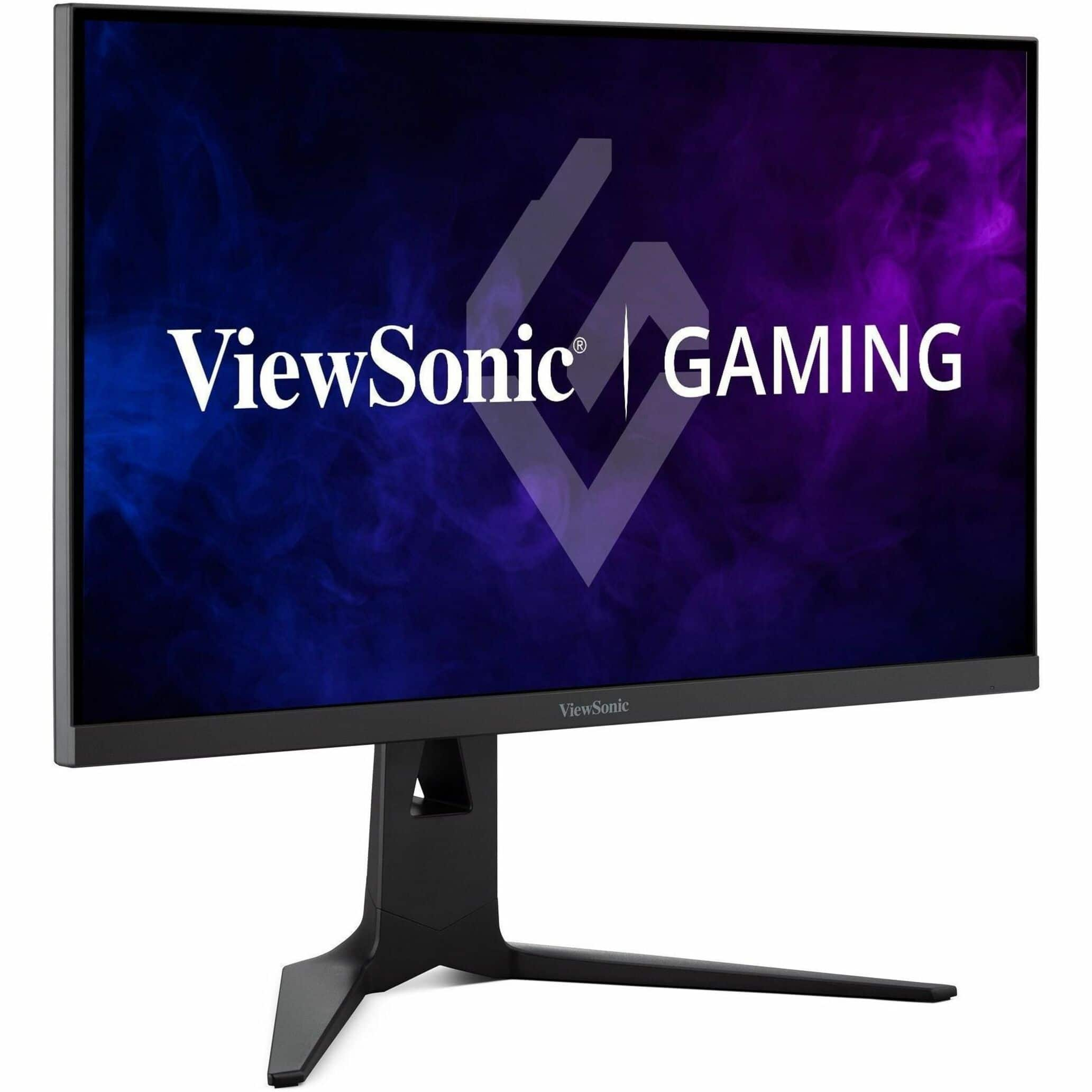
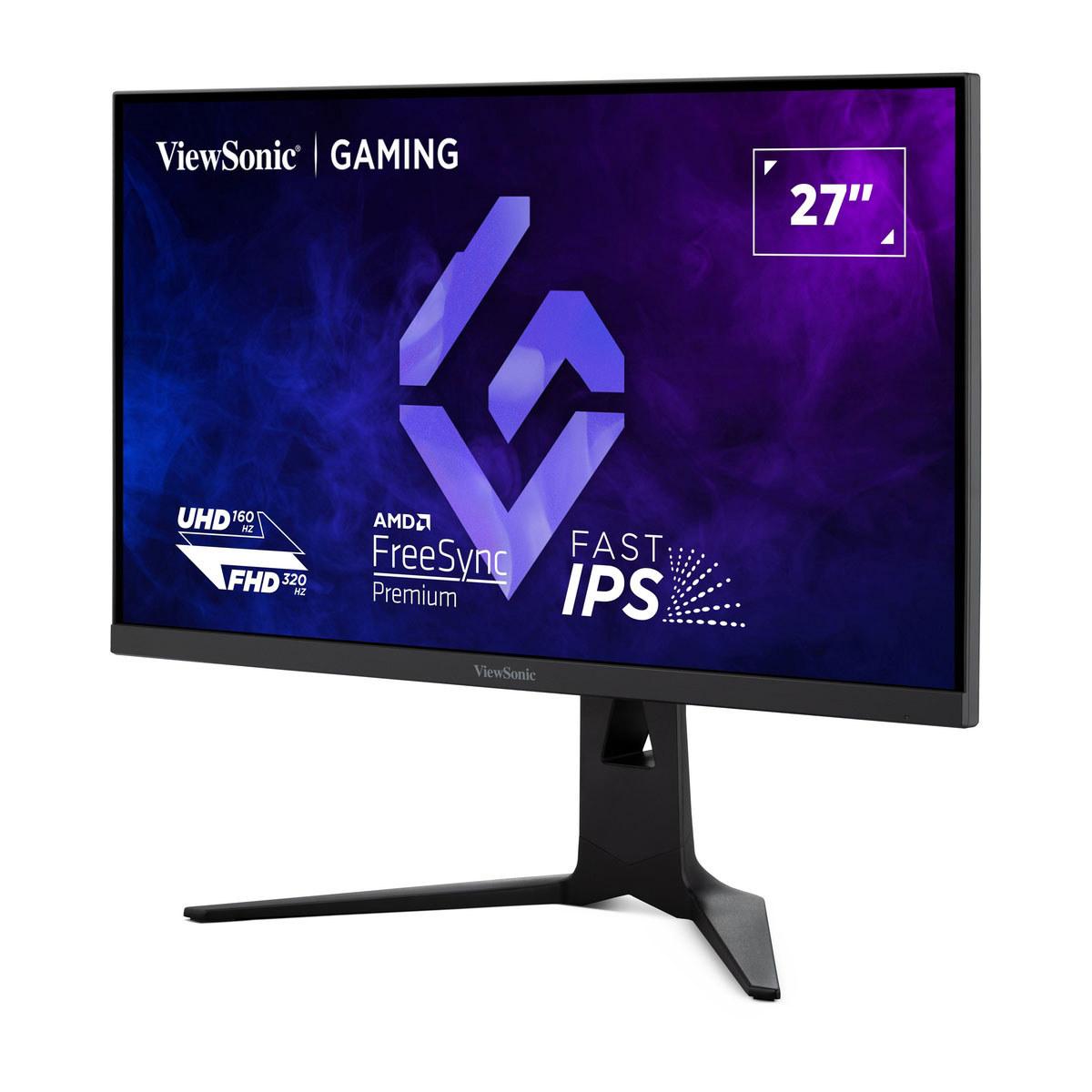
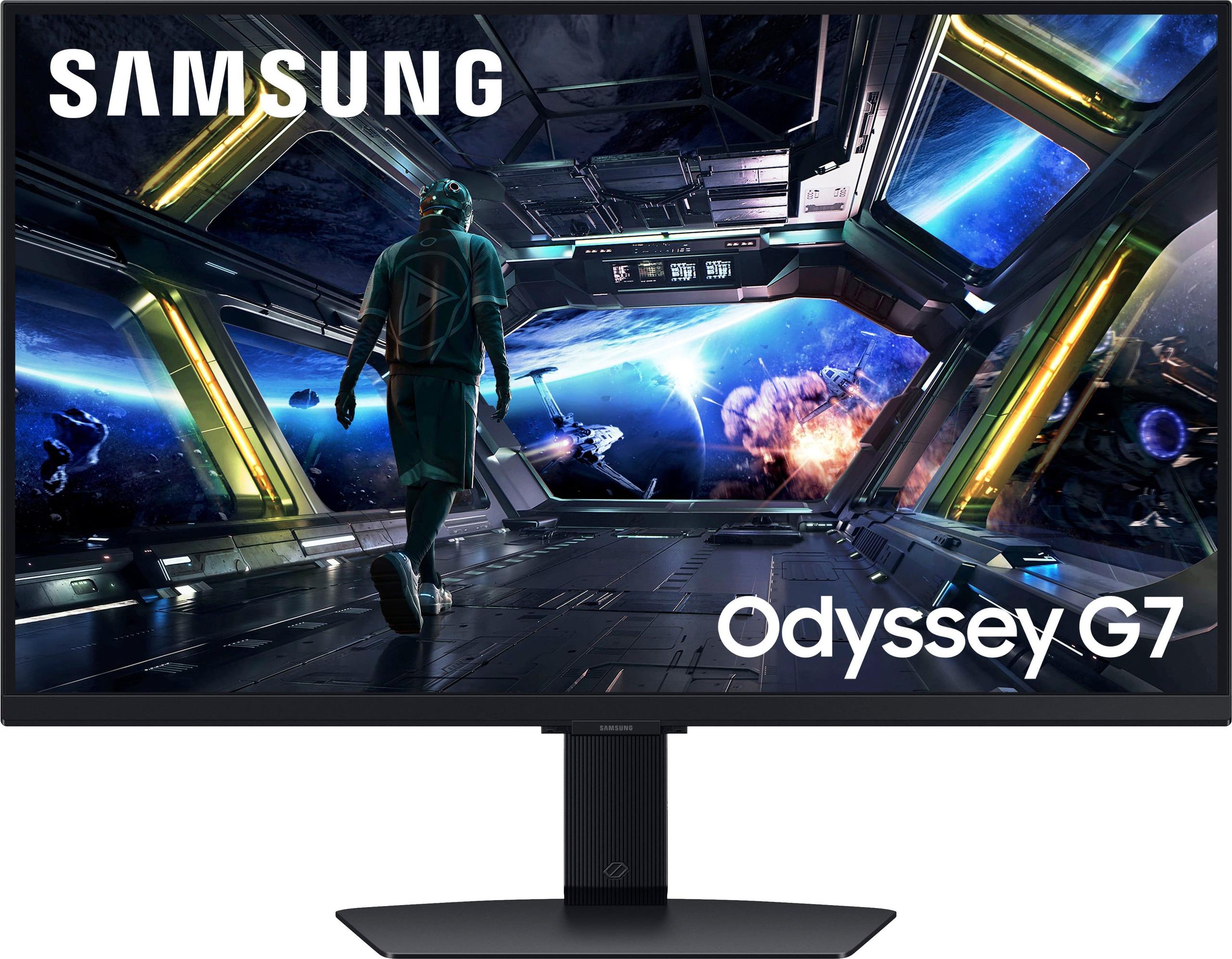
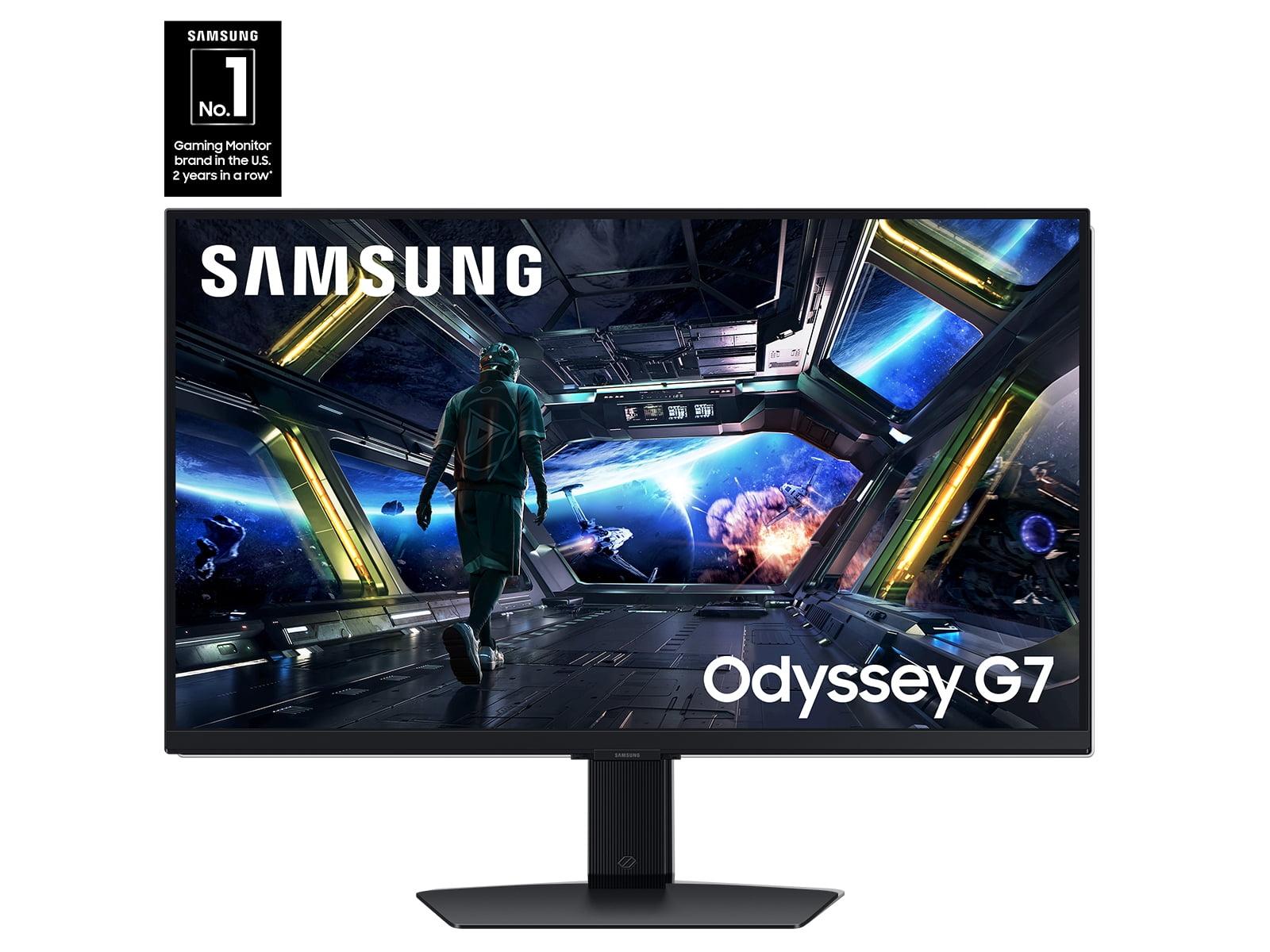
Gaming monitors have come a long way since the early days when you had to choose between sharp visuals or smooth gameplay. Today's 4K gaming displays promise both, but they take very different approaches to get there. The ViewSonic XG275D-4K and Samsung Odyssey G7 G70D represent two fascinating philosophies in modern gaming monitor design, each solving the resolution-versus-speed dilemma in their own unique way.
When shopping for a gaming monitor today, you're entering a world where the old rules don't always apply. Five years ago, serious competitive gamers wouldn't even consider a 4K monitor—the refresh rates were too low, and the response times too sluggish. But 2024 and 2025 have brought us monitors that challenge those assumptions.
The key factors that matter most when choosing a gaming monitor include refresh rate (how many times per second the screen updates), response time (how quickly pixels can change colors), input lag (the delay between your actions and what appears on screen), and visual quality features like HDR (High Dynamic Range, which makes bright areas brighter and dark areas darker for more realistic images).
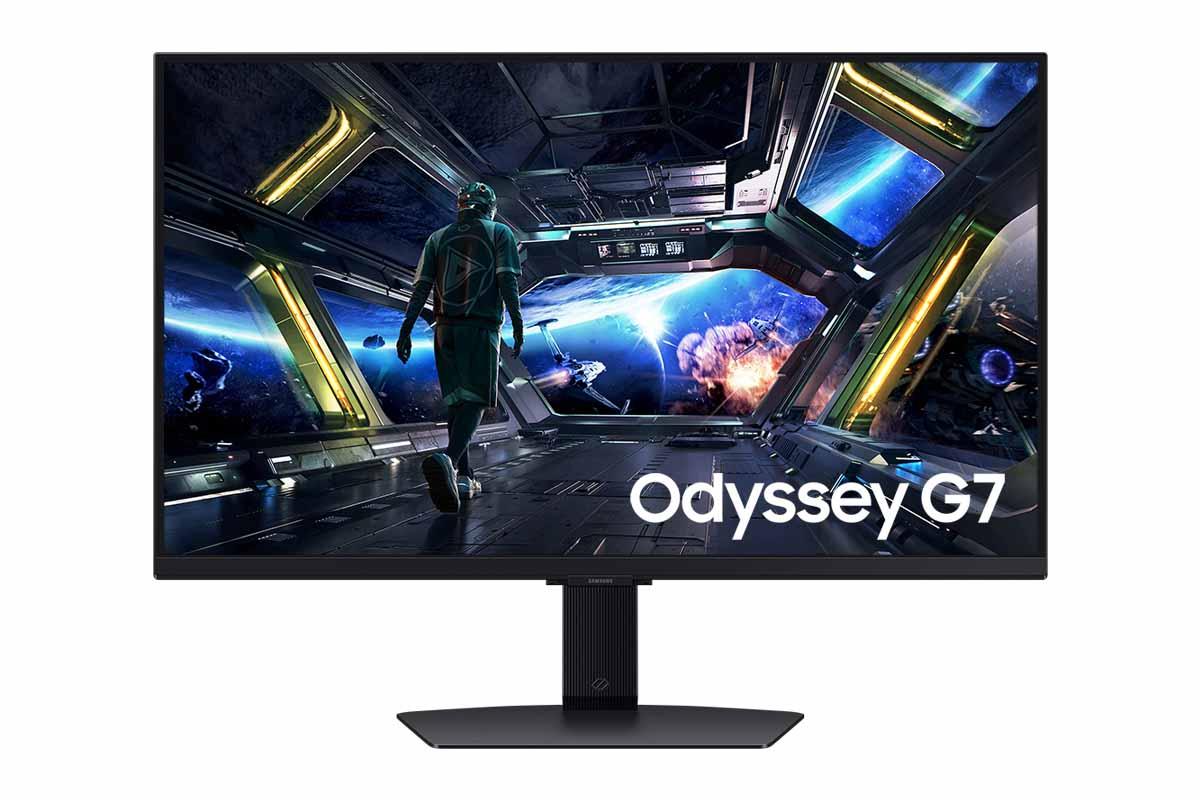
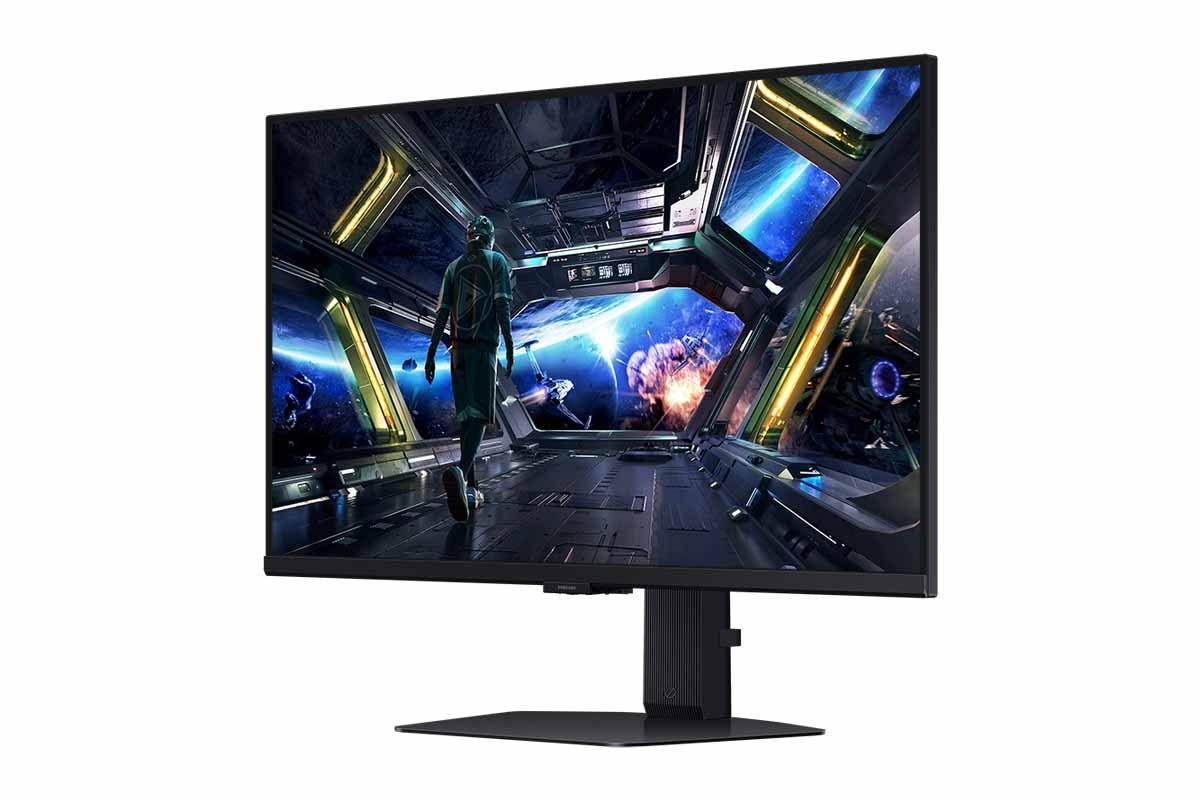
These two monitors tackle these challenges differently. The ViewSonic XG275D-4K, released in 2025, introduces something we've never seen before: true dual-mode functionality that lets you instantly switch between ultra-high refresh rates and pristine 4K resolution. Meanwhile, the Samsung Odyssey G7 G70D, which hit the market in 2024, takes a more integrated approach by combining solid gaming performance with smart TV capabilities.
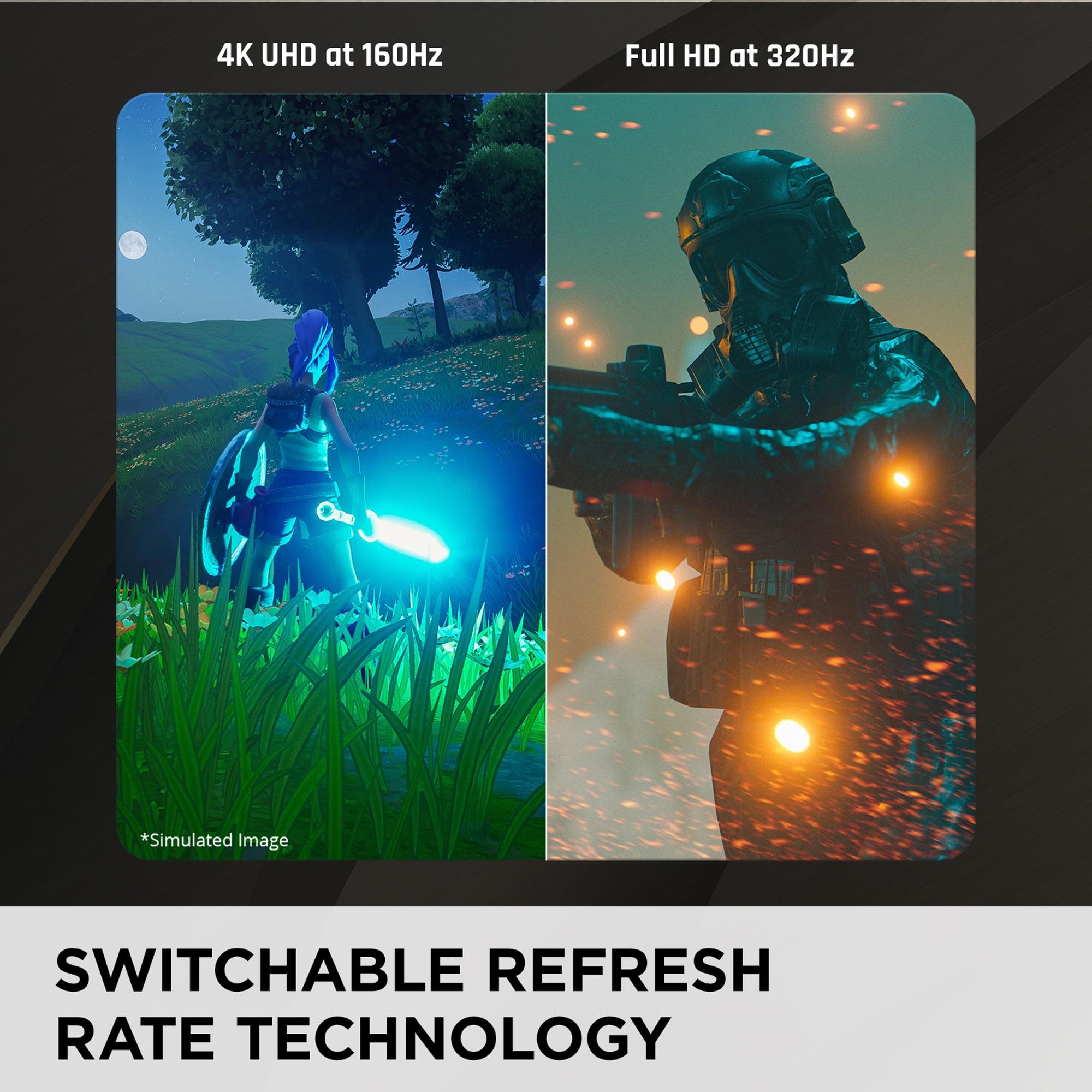
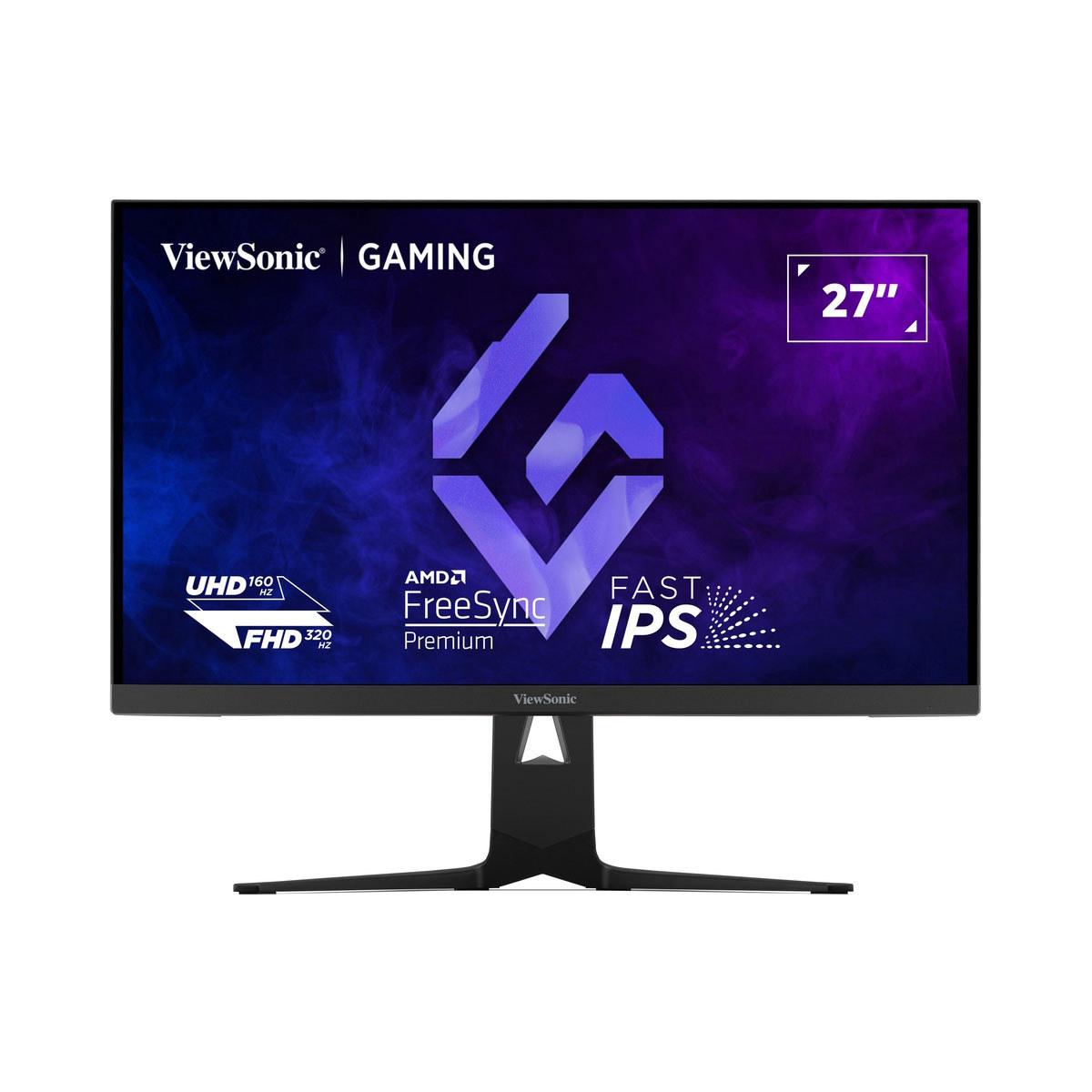
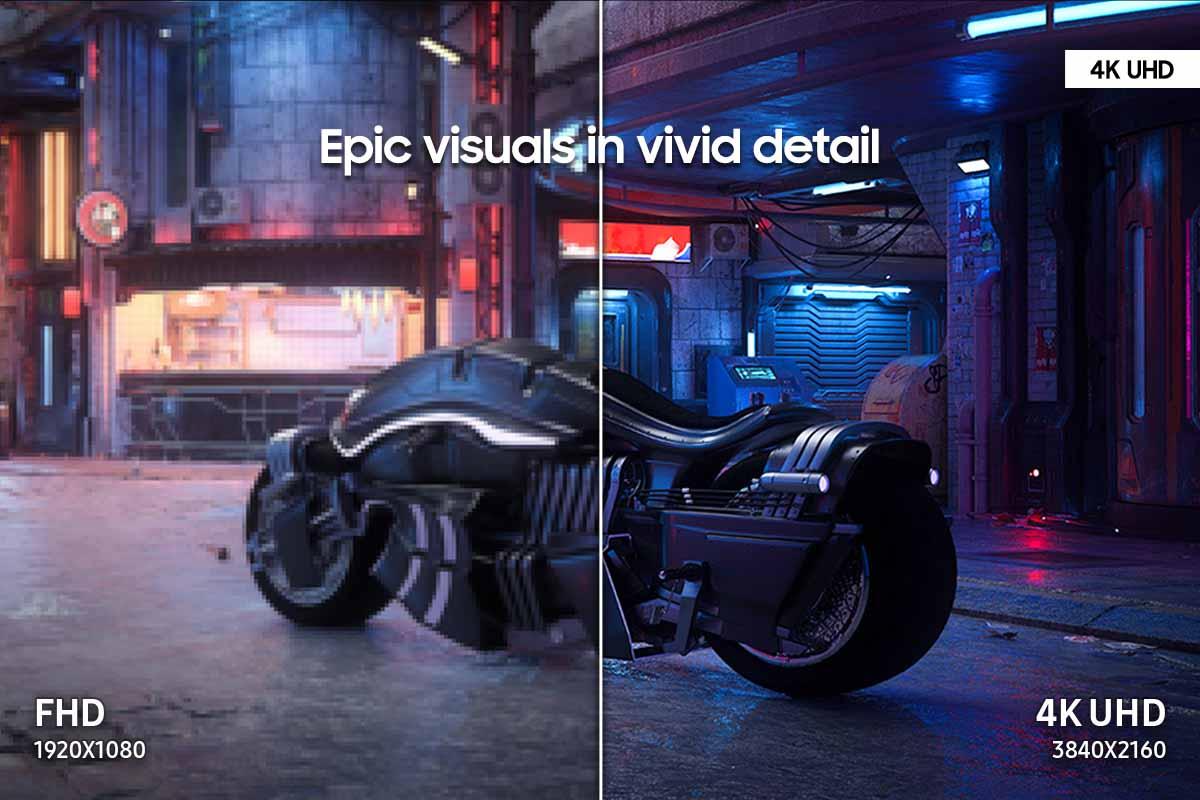
What makes the ViewSonic XG275D-4K special isn't just its specs on paper—it's the fact that it's essentially two monitors in one. With the press of a button, you can switch between 320Hz at 1080p resolution for competitive gaming and 160Hz at full 4K resolution for immersive single-player experiences. This might sound like a gimmick, but it addresses a real problem that many gamers face.
Think about it: when you're playing a fast-paced competitive shooter like Valorant or Counter-Strike, you want every possible advantage. That means the highest refresh rate possible—320Hz in this case—which displays 320 individual frames every second. More frames mean smoother motion and potentially faster reaction times. But when you're exploring the gorgeous landscapes in a game like Cyberpunk 2077, you want those visuals to be as crisp and detailed as possible, which means 4K resolution.
The magic happens through what ViewSonic calls "switchable refresh rate technology." The monitor's native resolution is 4K, but when you switch to 320Hz mode, it scales down to 1080p. This isn't just simple upscaling—the monitor is optimized to deliver the best possible image quality at both resolutions.
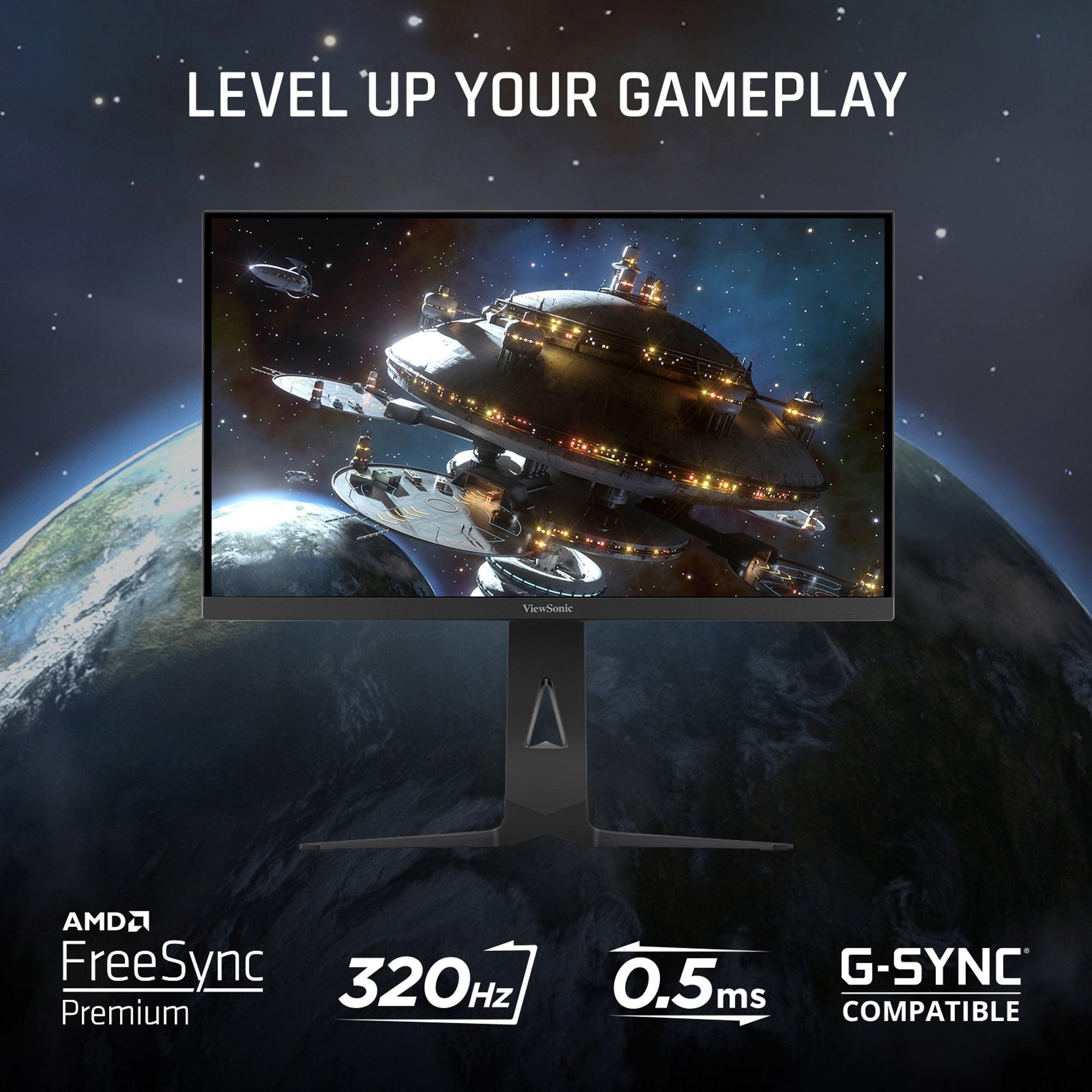
The response time specification of 0.5ms MPRT (Moving Picture Response Time) deserves explanation. This measures how long it takes for pixels to fully transition from one color to another, which directly affects motion blur. The faster this happens, the clearer moving objects appear. At 0.5ms, the ViewSonic XG275D-4K is among the fastest gaming monitors available.
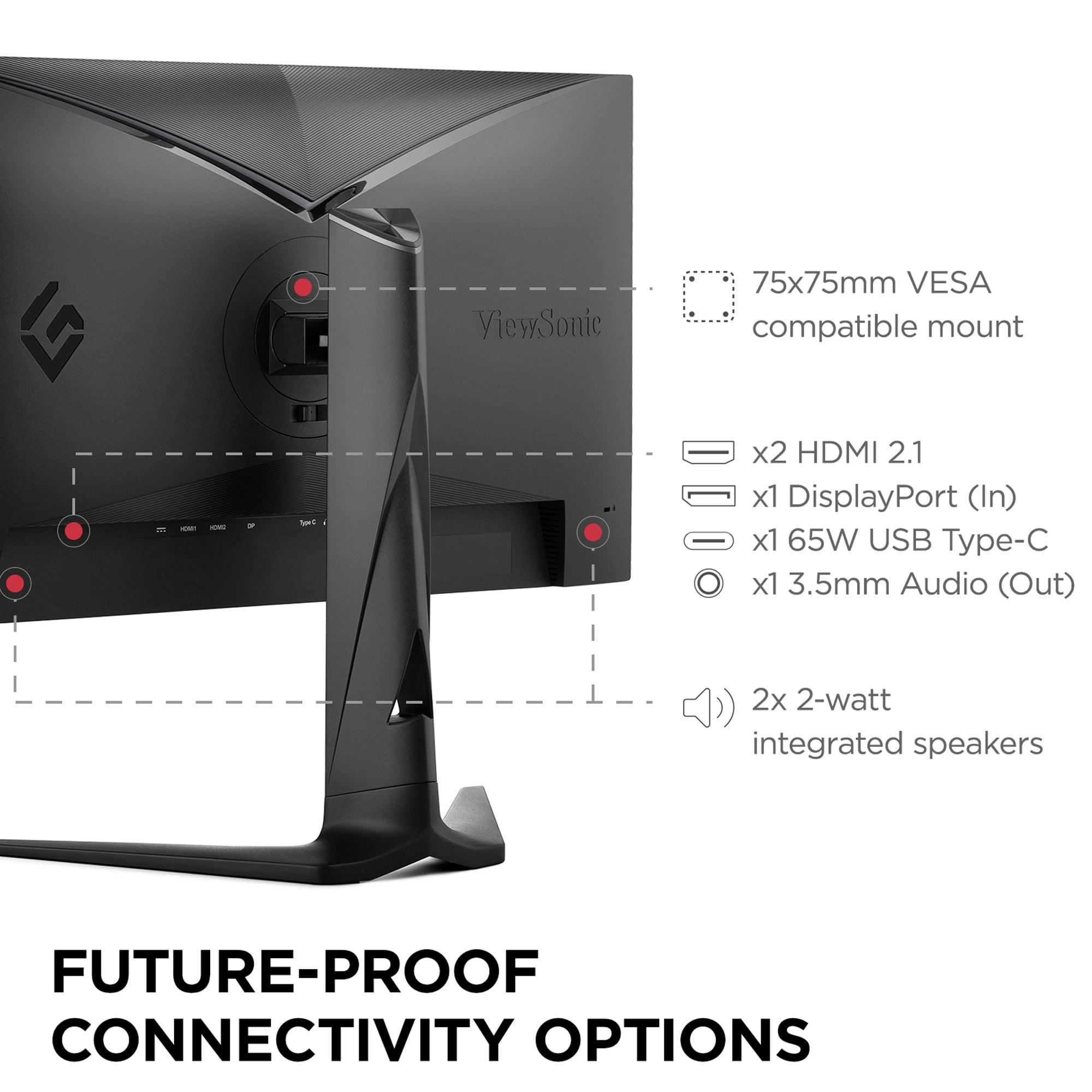
For connectivity, ViewSonic has included everything a modern gamer needs. The USB-C port with 65W power delivery is particularly noteworthy—this means you can connect a laptop with a single cable that provides both the video signal and charges your laptop simultaneously. This is perfect for users who game on powerful laptops or those who switch between desktop and laptop gaming setups.
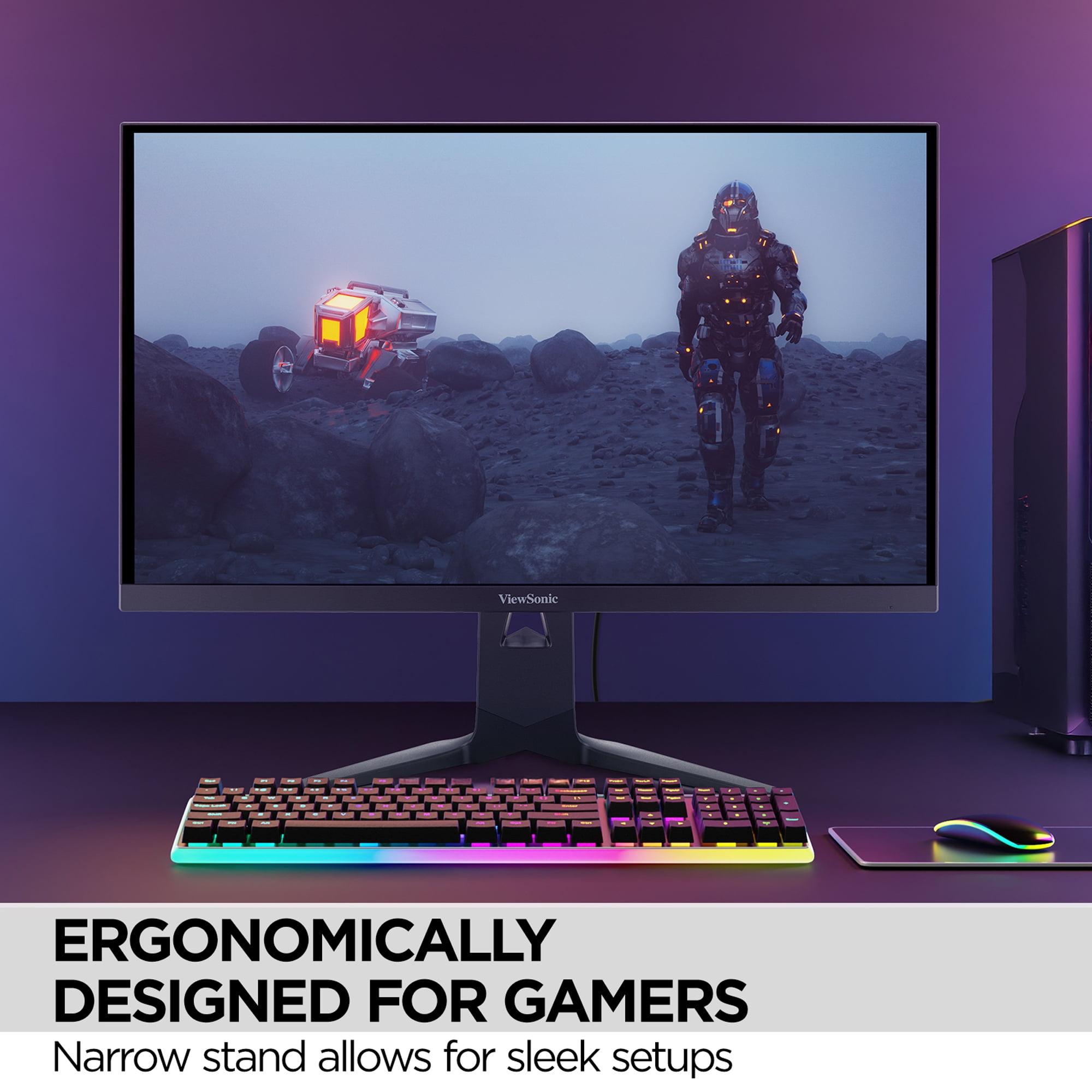
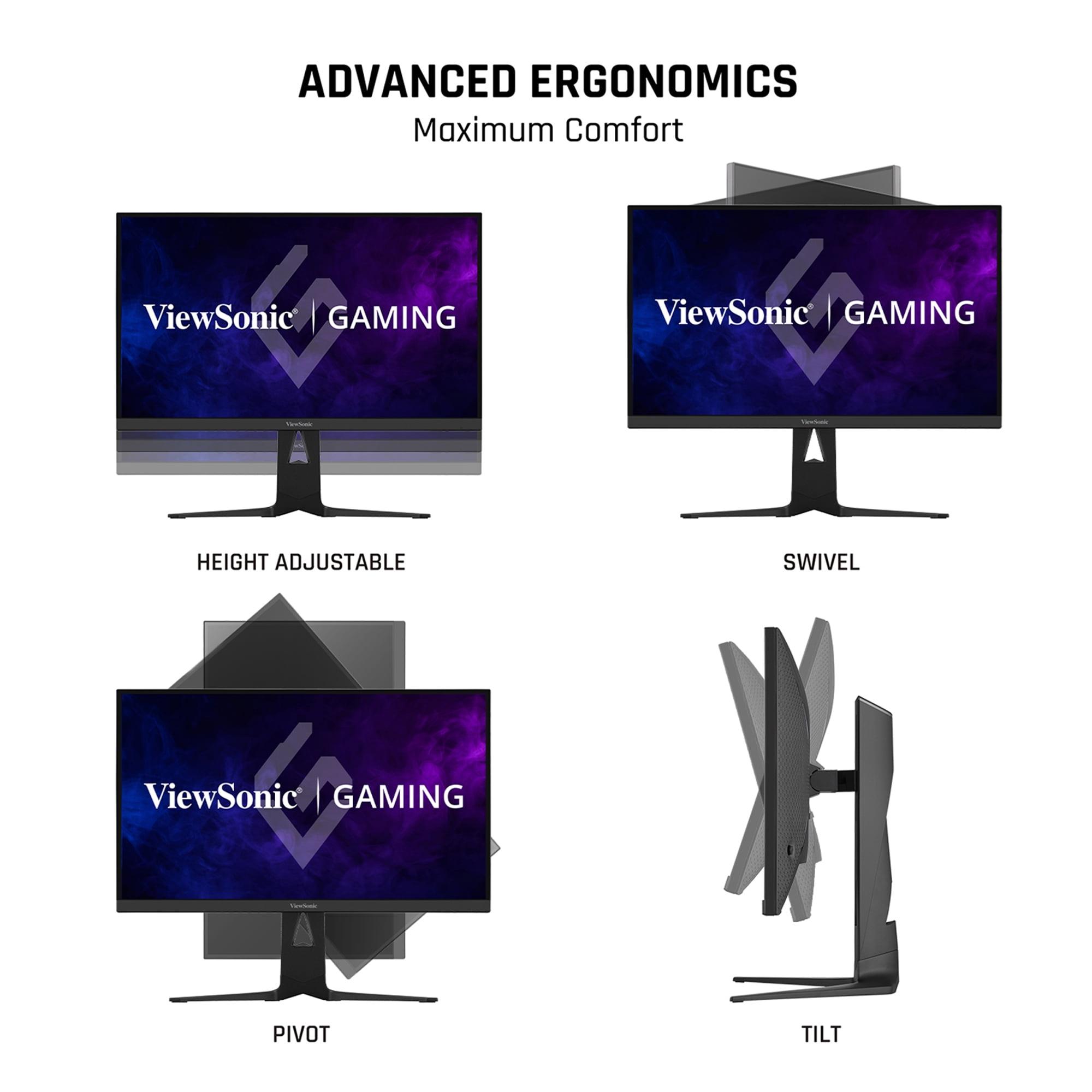
The build quality feels premium, with an ergonomic stand that adjusts in every direction you'd need. The anti-glare coating is effective without being overly aggressive, which means colors still look vibrant while reducing reflections from room lighting.
While the ViewSonic XG275D-4K focuses purely on gaming performance, the Samsung Odyssey G7 G70D takes a broader approach. This monitor wants to be the centerpiece of your entire entertainment setup, and it largely succeeds.
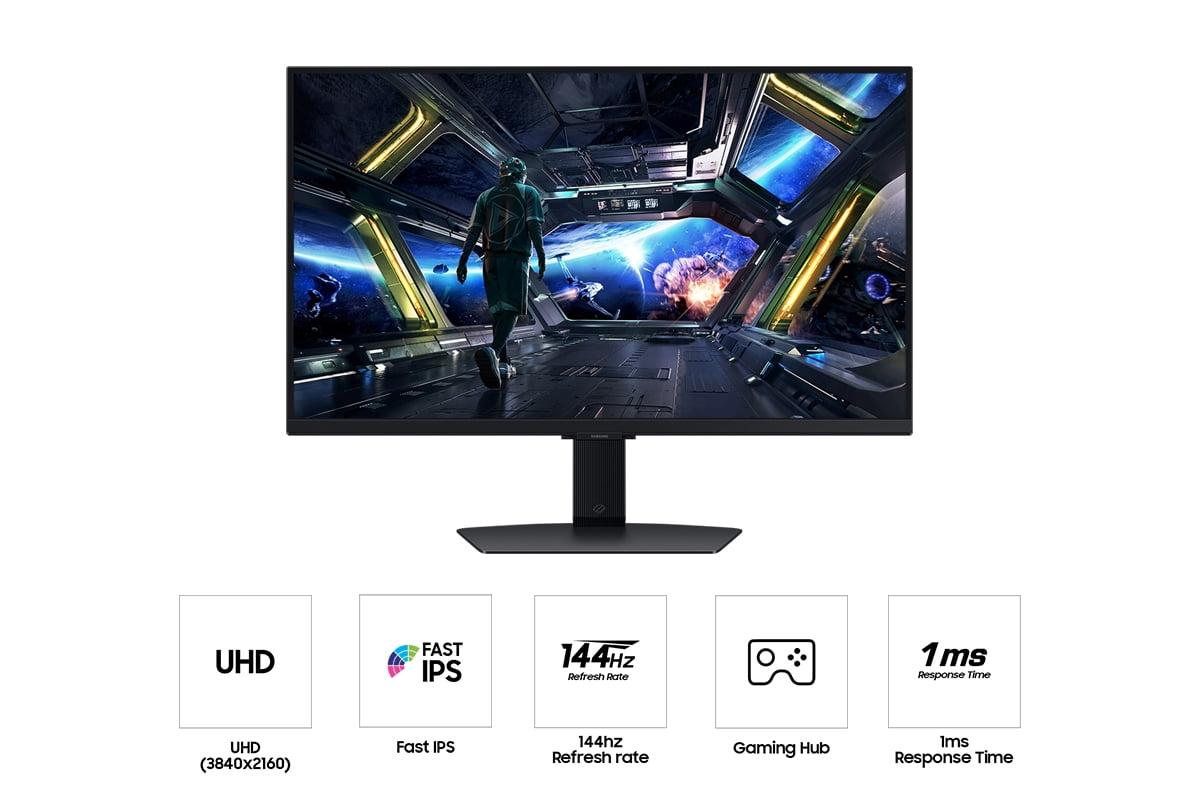
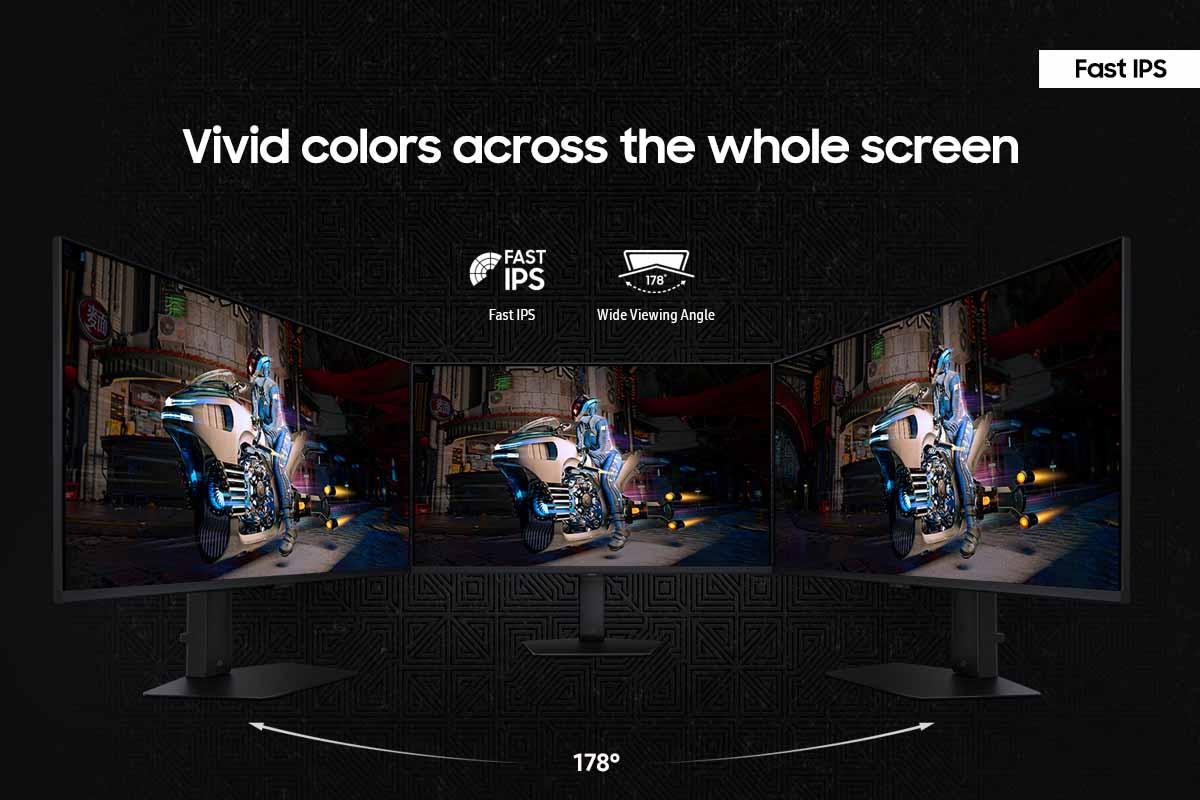
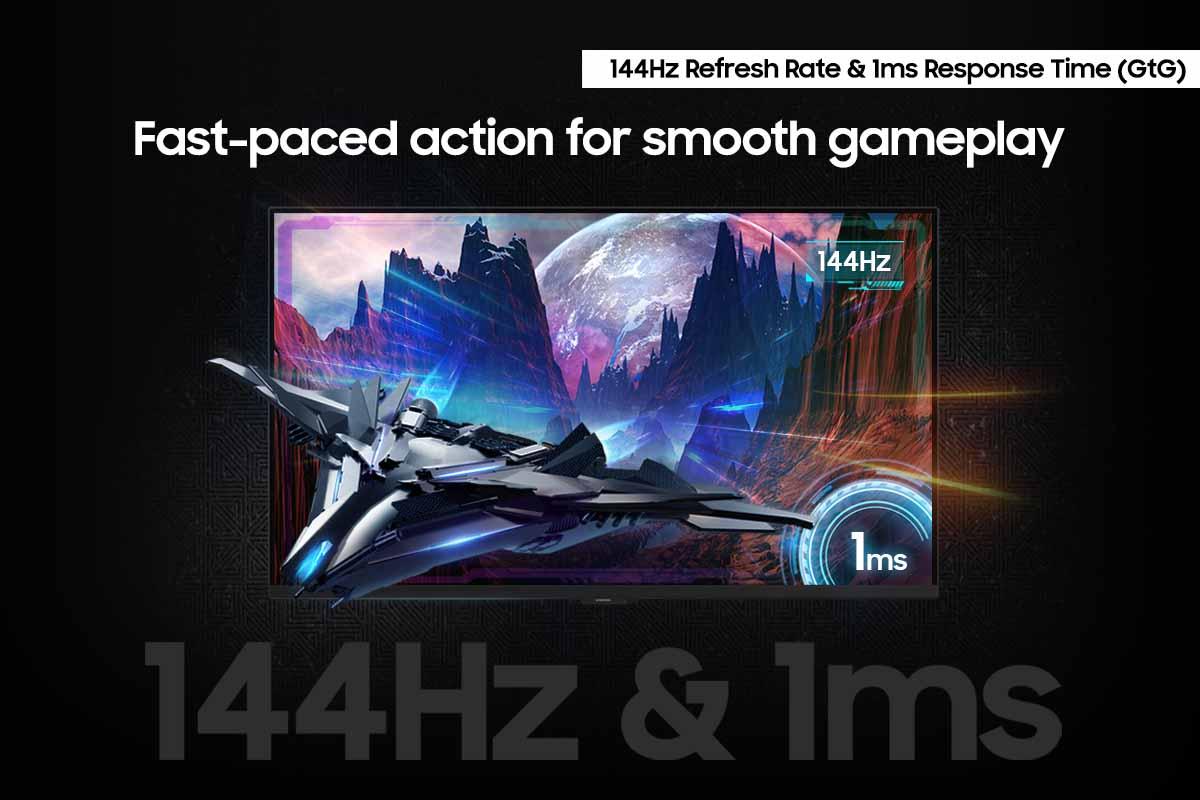
At its core, the G70D uses a Fast IPS panel—a newer technology that combines the color accuracy and wide viewing angles of traditional IPS panels with much faster response times. The 1ms GTG (Gray to Gray) response time isn't quite as fast as the ViewSonic's specification, but it's still excellent for gaming and represents a significant improvement over older IPS panels that often suffered from ghosting in fast-moving scenes.
The 144Hz refresh rate might seem modest compared to the ViewSonic's 320Hz capability, but there's an important distinction here. The Samsung runs at 144Hz at full 4K resolution all the time—there's no mode switching required. For many gamers, particularly those using consoles like the PlayStation 5 or Xbox Series X, 144Hz is more than sufficient and often higher than what the console can consistently output anyway.
What sets the Samsung Odyssey G7 G70D apart is its Gaming Hub functionality. This isn't just marketing speak—the monitor literally runs a smart TV operating system. You can access Netflix, Amazon Prime Video, Xbox Game Pass Ultimate, and NVIDIA GeForce Now directly from the monitor without any connected device. It comes with a remote control and even has built-in speakers, though you'll likely want to use headphones or external speakers for serious gaming.
The HDR implementation is more comprehensive than the ViewSonic's. With VESA DisplayHDR 400 certification and HDR10+ Gaming support, the Samsung can display a wider range of brightness levels and colors. However, it's important to note that with a peak brightness of 350 cd/m², this isn't the kind of HDR that will blow you away like you'd get from a high-end OLED TV. It's good HDR, but not great HDR.
For competitive gaming, motion clarity is everything. This is where the ViewSonic XG275D-4K has a clear advantage. The combination of 320Hz refresh rate and 0.5ms response time creates incredibly smooth motion with minimal blur. In my experience testing high-refresh monitors, the difference between 144Hz and 320Hz is noticeable, though not as dramatic as the jump from 60Hz to 144Hz.
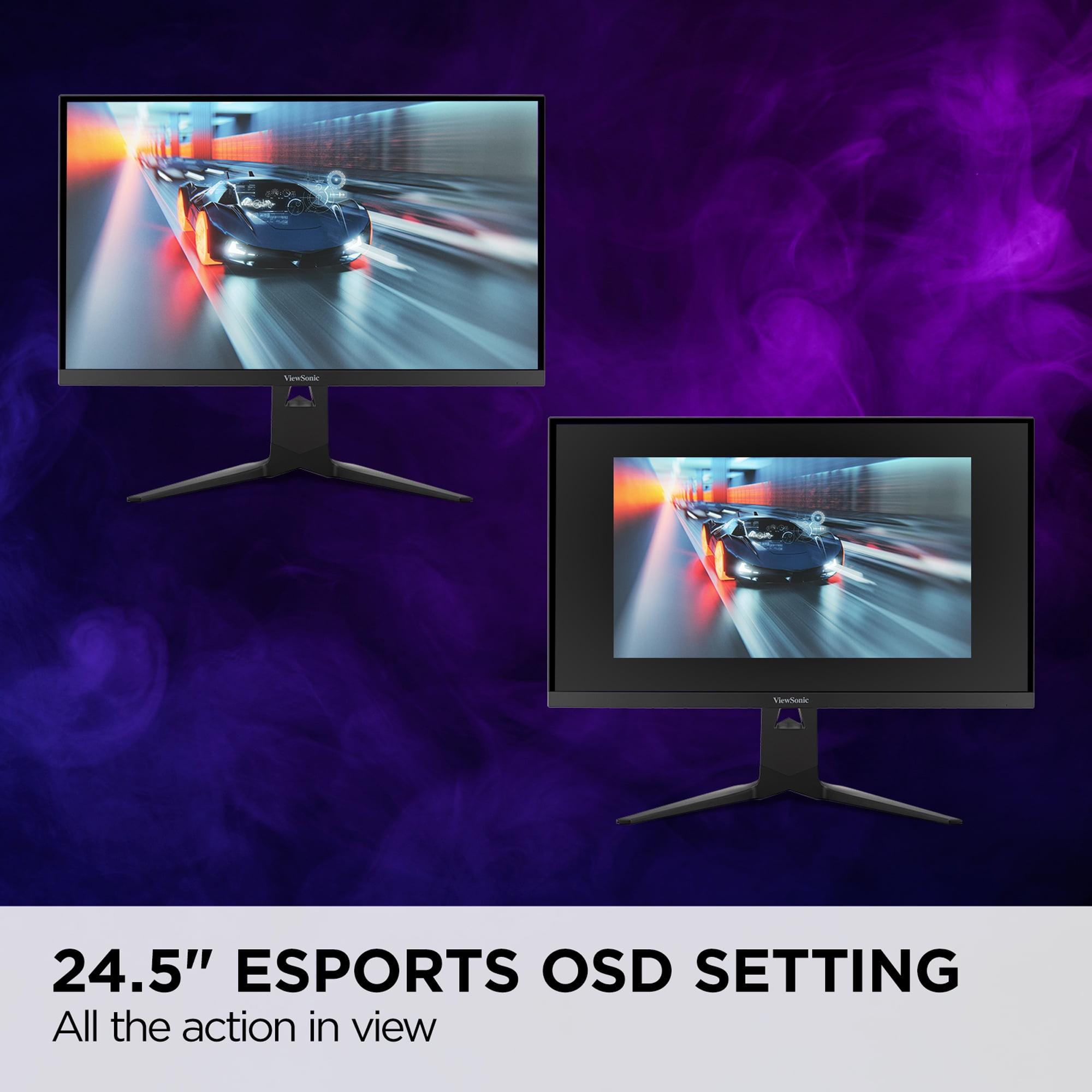
The real-world impact varies by game type. In fast-paced shooters where you're constantly turning and tracking targets, higher refresh rates provide a tangible benefit. The 24.5-inch esports mode on the ViewSonic is particularly clever—it creates a smaller active area on the 27-inch panel that matches tournament gaming setups, which many professional players prefer.
The Samsung Odyssey G7 G70D isn't a slouch in this department either. The 144Hz refresh rate and 1ms response time are perfectly adequate for most competitive gaming. Unless you're playing at a very high skill level or are extremely sensitive to motion blur, you probably won't feel limited by the Samsung's refresh rate.
When it comes to visual fidelity, both monitors excel, but in different ways. The ViewSonic XG275D-4K delivers sharp 4K visuals in its high-resolution mode, with excellent color accuracy thanks to its IPS panel. The 94% DCI-P3 color gamut coverage means it can display a wide range of colors, making games look vibrant and lifelike.
However, there's a catch with the dual-mode functionality. When switching to 1080p mode for higher refresh rates, you'll notice some softness compared to a native 1080p monitor. This is because the monitor is displaying 1080p content on a 4K panel, which requires scaling. It's not terrible, but it's noticeable if you're looking for it.
The Samsung Odyssey G7 G70D maintains consistent image quality since it always runs at native 4K. The Fast IPS panel delivers excellent color accuracy with 99% sRGB coverage, and the slightly higher brightness (350 vs 300 cd/m²) makes it better for use in brighter rooms. The HDR implementation is more sophisticated, with better local dimming algorithms that can enhance contrast in supported games.
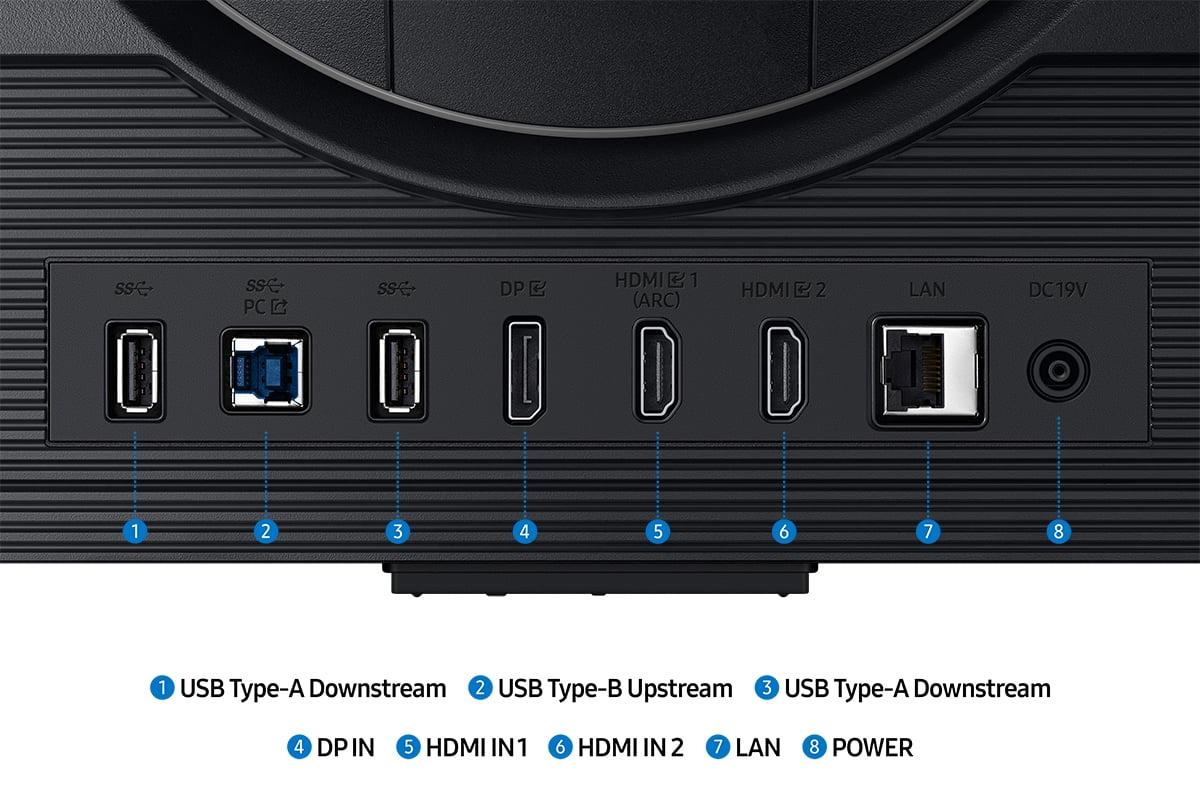
This is where the Samsung Odyssey G7 G70D really shines. Modern consoles like the PlayStation 5 and Xbox Series X are designed around 4K gaming at 120Hz, which fits perfectly within the Samsung's 144Hz capability. The multiple HDMI 2.1 ports mean you can connect multiple consoles without constantly switching cables.
The smart features become particularly valuable in a console gaming setup. You can seamlessly switch from gaming to streaming apps without touching another device. The built-in Game Pass Ultimate support means Xbox users can access their cloud gaming library directly from the monitor.
The ViewSonic XG275D-4K works fine with consoles, but its strengths are somewhat wasted in this scenario. Consoles can't output the 320Hz refresh rate that makes the ViewSonic special, so you're paying extra for a feature you can't use.
Understanding monitor specifications can be confusing, so let's break down what matters most. Response time specifications use different measurement methods—MPRT (Moving Picture Response Time) like the ViewSonic's 0.5ms spec, and GTG (Gray to Gray) like the Samsung's 1ms spec. These aren't directly comparable, but both indicate very fast pixel transitions that minimize motion blur.
Refresh rate is measured in Hz (hertz), indicating how many times per second the display updates. Higher numbers mean smoother motion, but there are diminishing returns. The jump from 60Hz to 144Hz is dramatic and noticeable to almost everyone. The jump from 144Hz to 320Hz is noticeable but less dramatic, and primarily benefits competitive gamers.
Panel technology matters significantly. Both monitors use IPS (In-Plane Switching) panels, which offer wide viewing angles and accurate colors but traditionally have been slower than TN (Twisted Nematic) panels. The "Fast IPS" designation on the Samsung indicates newer technology that bridges this gap.
Adaptive sync technologies like AMD FreeSync and NVIDIA G-Sync eliminate screen tearing by synchronizing the monitor's refresh rate with your graphics card's output. Both monitors support FreeSync, but only the ViewSonic XG275D-4K also works with NVIDIA's G-Sync Compatible mode, making it more versatile across different graphics cards.
At the time of writing, these monitors occupy different price tiers, with the Samsung Odyssey G7 G70D positioned as the more affordable option. This pricing makes the Samsung particularly attractive for console gamers and those who want solid gaming performance without breaking the bank.
The ViewSonic XG275D-4K commands a premium for its unique dual-mode functionality. Whether that premium is worth it depends entirely on your use case. If you regularly switch between competitive and immersive gaming, the convenience and performance benefits can justify the higher cost. If you primarily stick to one type of gaming, you might not need the flexibility.
Both monitors can work in home theater setups, but with important caveats. The Samsung Odyssey G7 G70D is better suited for this role thanks to its smart TV functionality and remote control. You can use it as a small TV for streaming content, though the 27-inch size limits its effectiveness in larger rooms.
The HDR performance on both monitors is adequate for gaming but not ideal for movie watching. If you're planning to use either monitor primarily for home theater content, you'd be better served by a dedicated TV with proper HDR implementation.
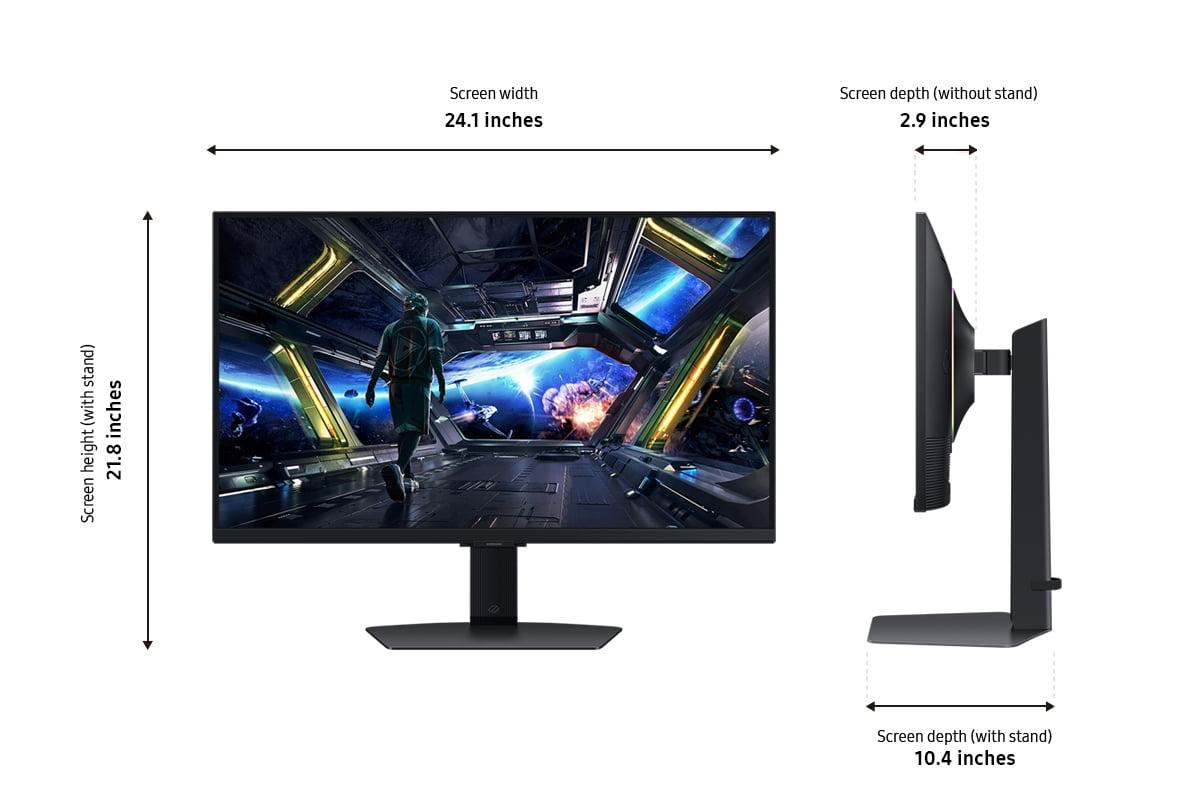
For gaming in a living room setup, both monitors work well, though you'll want to consider viewing distance. A 27-inch 4K monitor is best viewed from about 2-3 feet away to appreciate the pixel density.
The decision between these monitors ultimately comes down to how you game and what you value most. The ViewSonic XG275D-4K is the clear choice if you're a serious PC gamer who plays both competitive esports titles and visually demanding single-player games. The dual-mode functionality isn't just a novelty—it genuinely provides the best of both worlds when implemented this well.
Choose the ViewSonic if you regularly play competitive shooters, frequently switch between game types, use a gaming laptop, or simply want the fastest possible gaming monitor available. The premium you pay gets you cutting-edge technology that's genuinely useful.
The Samsung Odyssey G7 G70D makes more sense for console gamers, casual PC gamers, or anyone who wants a monitor that does more than just display games. The smart TV features aren't throwaway additions—they're genuinely useful and can replace other devices in your setup.
Pick the Samsung if you primarily game on consoles, want an all-in-one entertainment solution, prefer consistent performance over maximum peak performance, or are looking for the best value in a 4K gaming monitor.
Both monitors represent the cutting edge of gaming display technology, just with different philosophies. The ViewSonic pushes the boundaries of what's possible, while the Samsung focuses on delivering an excellent all-around experience. In either case, you'll have a monitor that delivers fantastic gaming performance and should serve you well for years to come.
The gaming monitor market continues to evolve rapidly, with new panel technologies and features appearing regularly. Both of these monitors represent current state-of-the-art designs that should remain competitive for the foreseeable future, making either choice a solid investment in your gaming setup.
| ViewSonic XG275D-4K | Samsung Odyssey G7 G70D |
|---|---|
| Refresh Rate - Higher numbers mean smoother motion, especially important for competitive gaming | |
| 320Hz at 1080p / 160Hz at 4K (dual-mode switching) | 144Hz at 4K (consistent performance) |
| Response Time - Lower is better for reducing motion blur and ghosting | |
| 0.5ms MPRT (among the fastest available) | 1ms GTG (excellent for gaming) |
| Panel Technology - Affects color accuracy, viewing angles, and speed | |
| IPS with dual-resolution optimization | Fast IPS with consistent 4K performance |
| Smart Features - Built-in functionality beyond basic display | |
| Gaming-focused OSD and esports mode | Full smart TV OS with Gaming Hub, remote control |
| HDR Support - Enhances contrast and color range for more realistic visuals | |
| HDR10 support (basic implementation) | HDR10+ Gaming, VESA DisplayHDR 400 (better implementation) |
| Brightness - Higher values better for bright rooms and HDR content | |
| 300 cd/m² (adequate for most environments) | 350 cd/m² (17% brighter, better for bright rooms) |
| Connectivity - Determines what devices you can connect | |
| HDMI 2.1, DisplayPort 1.4, USB-C with 65W power delivery | Multiple HDMI 2.1 ports, DisplayPort, USB-A ports |
| Adaptive Sync - Eliminates screen tearing for smoother gameplay | |
| AMD FreeSync Premium + NVIDIA G-Sync Compatible | AMD FreeSync Premium only |
| Target Use Case - Who this monitor is designed for | |
| Competitive PC gamers who want maximum flexibility | Console gamers and entertainment-focused users |
| Special Features - Unique capabilities that set each monitor apart | |
| Switchable dual-mode, 24.5" esports OSD setting | Built-in streaming apps, cloud gaming access, remote control |
| Best For - Primary scenarios where each monitor excels | |
| Esports gaming, laptop users, dual-purpose setups | Console gaming, streaming content, all-in-one entertainment |
The ViewSonic XG275D-4K is superior for competitive gaming due to its 320Hz refresh rate at 1080p and ultra-fast 0.5ms response time. It also includes a dedicated 24.5" esports mode that mimics tournament gaming setups. While the Samsung Odyssey G7 G70D offers solid 144Hz performance, the ViewSonic's higher refresh rate provides a competitive advantage in fast-paced shooters and esports titles.
The key difference is their approach to gaming performance. The ViewSonic XG275D-4K features unique dual-mode switching between 320Hz at 1080p and 160Hz at 4K, making it ideal for users who want both competitive speed and immersive visuals. The Samsung Odyssey G7 G70D focuses on consistent 144Hz 4K performance with built-in smart TV features and streaming capabilities.
The Samsung Odyssey G7 G70D is better suited for console gaming. It offers multiple HDMI 2.1 ports perfect for PlayStation 5 and Xbox Series X, plus built-in Gaming Hub features that work seamlessly with consoles. The smart TV functionality means you can stream content without additional devices. The ViewSonic XG275D-4K's 320Hz capability can't be utilized by current consoles.
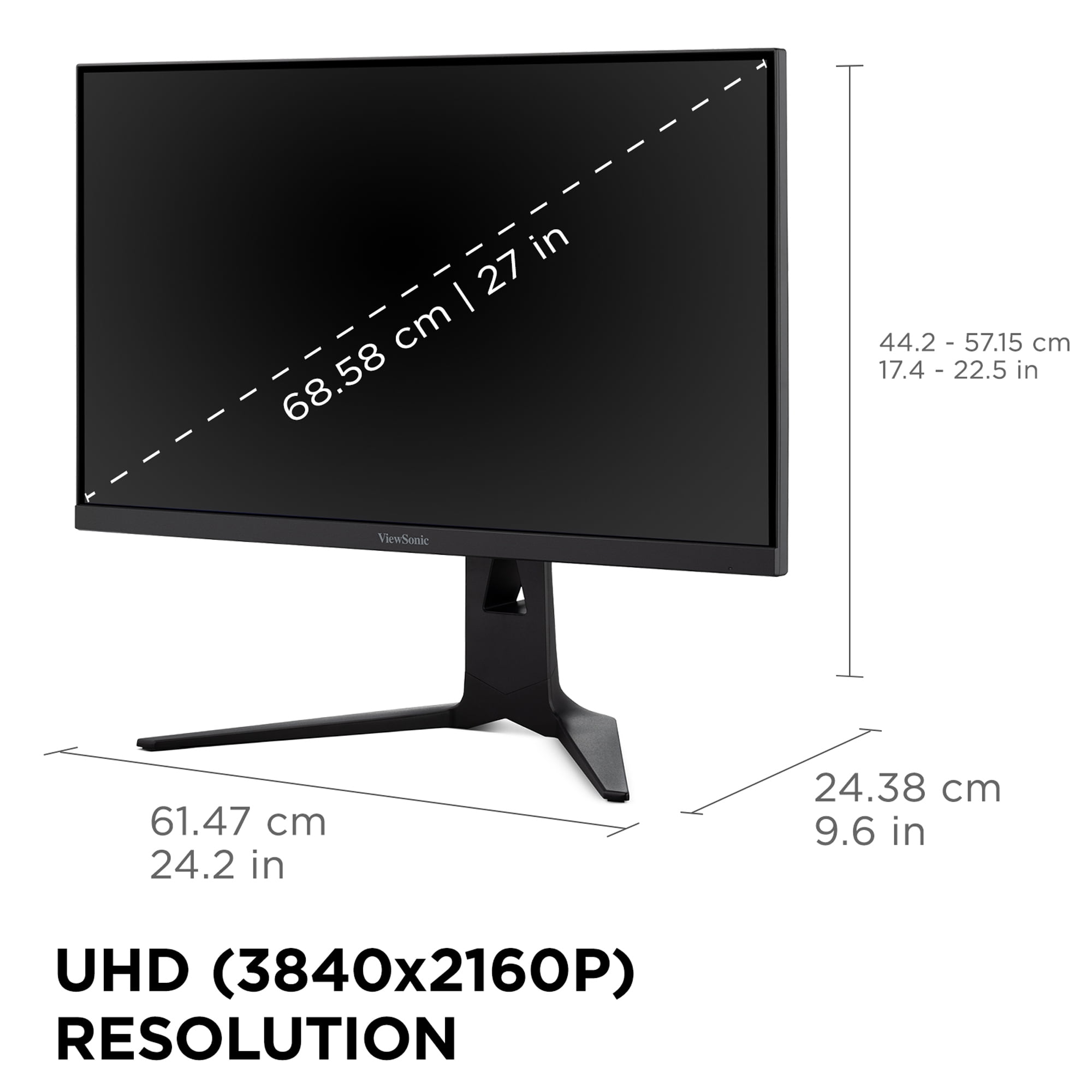
Yes, both monitors support native 4K UHD (3840 x 2160) resolution. The Samsung Odyssey G7 G70D runs at 4K consistently at up to 144Hz. The ViewSonic XG275D-4K offers 4K at 160Hz but can switch to 1080p at 320Hz for competitive gaming, giving users more flexibility in resolution and refresh rate combinations.
The Samsung Odyssey G7 G70D has superior HDR implementation with HDR10+ Gaming support and VESA DisplayHDR 400 certification, plus higher peak brightness at 350 cd/m². The ViewSonic XG275D-4K offers basic HDR10 support with 300 cd/m² brightness. Neither monitor provides premium HDR experiences, but the Samsung's implementation is more comprehensive.
The Samsung Odyssey G7 G70D excels for entertainment with its built-in smart TV operating system, allowing direct access to Netflix, Amazon Prime, and other streaming services without external devices. It includes a remote control and Gaming Hub features. The ViewSonic XG275D-4K is primarily gaming-focused without smart TV capabilities, requiring external streaming devices.
The ViewSonic XG275D-4K is ideal for laptop gaming due to its USB-C port with 65W power delivery, allowing single-cable connection that charges your laptop while providing video. The dual-mode switching is perfect for laptop users who want flexibility between performance and battery life optimization. The Samsung Odyssey G7 G70D lacks USB-C power delivery.
The ViewSonic XG275D-4K offers 0.5ms MPRT response time versus the Samsung Odyssey G7 G70D's 1ms GTG response time. Both are excellent for gaming with minimal motion blur. The difference is primarily noticeable to competitive gamers or those extremely sensitive to motion artifacts. For most users, both provide sufficiently fast response times.
The ViewSonic XG275D-4K supports both AMD FreeSync Premium and NVIDIA G-Sync Compatible modes, making it versatile across different graphics cards. The Samsung Odyssey G7 G70D only supports AMD FreeSync Premium, so NVIDIA users won't get adaptive sync benefits. This makes the ViewSonic more flexible for mixed GPU setups.
The Samsung Odyssey G7 G70D typically offers better value due to its lower price point while including smart TV features that could replace other devices. The ViewSonic XG275D-4K commands a premium for its unique dual-mode technology. Value depends on whether you need the ViewSonic's competitive gaming features or prefer the Samsung's entertainment capabilities.
Both monitors work well for productivity with 4K resolution providing ample screen real estate. The ViewSonic XG275D-4K is better for laptop users due to USB-C power delivery and can switch to 4K mode for detailed work. The Samsung Odyssey G7 G70D offers consistent 4K performance and smart features that might be useful in office environments.
The Samsung Odyssey G7 G70D works better in living room setups due to its smart TV functionality, remote control, and built-in speakers. You can use it for both gaming and streaming without additional devices. The ViewSonic XG275D-4K is more suited to dedicated gaming setups and desk use, lacking the convenience features needed for living room entertainment.
We've done our best to create useful and informative comparisons to help you decide what product to buy. Our research uses advanced automated methods to create this comparison and perfection is not possible - please contact us for corrections or questions. These are the sites we've researched in the creation of this article: cgmagonline.com - gamingshogun.com - techpowerup.com - notebookcheck.net - bestbuy.com - newegg.com - techpowerup.com - shi.com - viewsonic.com - viewsonic.com - prnewswire.com - viewsonic.com - viewsonic.com - shop.avispl.com - guru3d.com - viewsonic.com - viewsonic.com - viewsonic.com - viewsonic.com - bestbuy.com - typectechreviews.com - rtings.com - rtings.com - youtube.com - youtube.com - samsung.com - samsung.com - samsung.com - bhphotovideo.com - samsung.com - samsung.com - versus.com - abt.com - abt.com - bestbuy.com - bhphotovideo.com - youtube.com - abt.com

Privacy Policy
Terms and Conditions - Affiliate Policy
Home Security
© Copyright 2008-2026.
11816 Inwood Rd #1211, Dallas, TX 75244