

Remember when projectors were bulky devices that required careful setup and a complex array of cables to connect your media sources? Those days are rapidly fading into memory as a new generation of portable smart projectors has emerged, changing how we think about big-screen entertainment.
Portable smart projectors represent the convergence of traditional projection technology with the intelligence of modern streaming devices. By integrating operating systems like Android TV and Google TV directly into the projector, manufacturers have created versatile entertainment hubs that can transform virtually any surface into a large-format screen, all without permanent installation.
Since around 2020, this product category has seen explosive growth, with numerous manufacturers entering the space. The appeal is easy to understand—why limit yourself to a fixed TV location when you can enjoy big-screen experiences wherever and whenever you want?
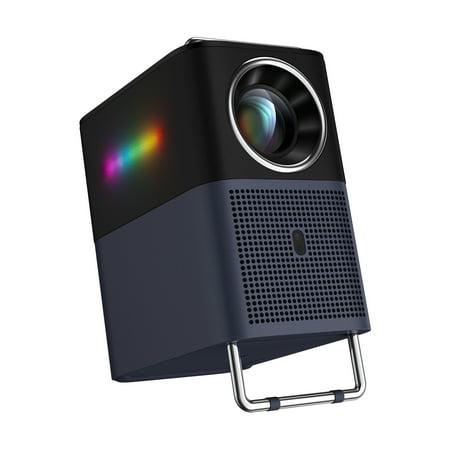
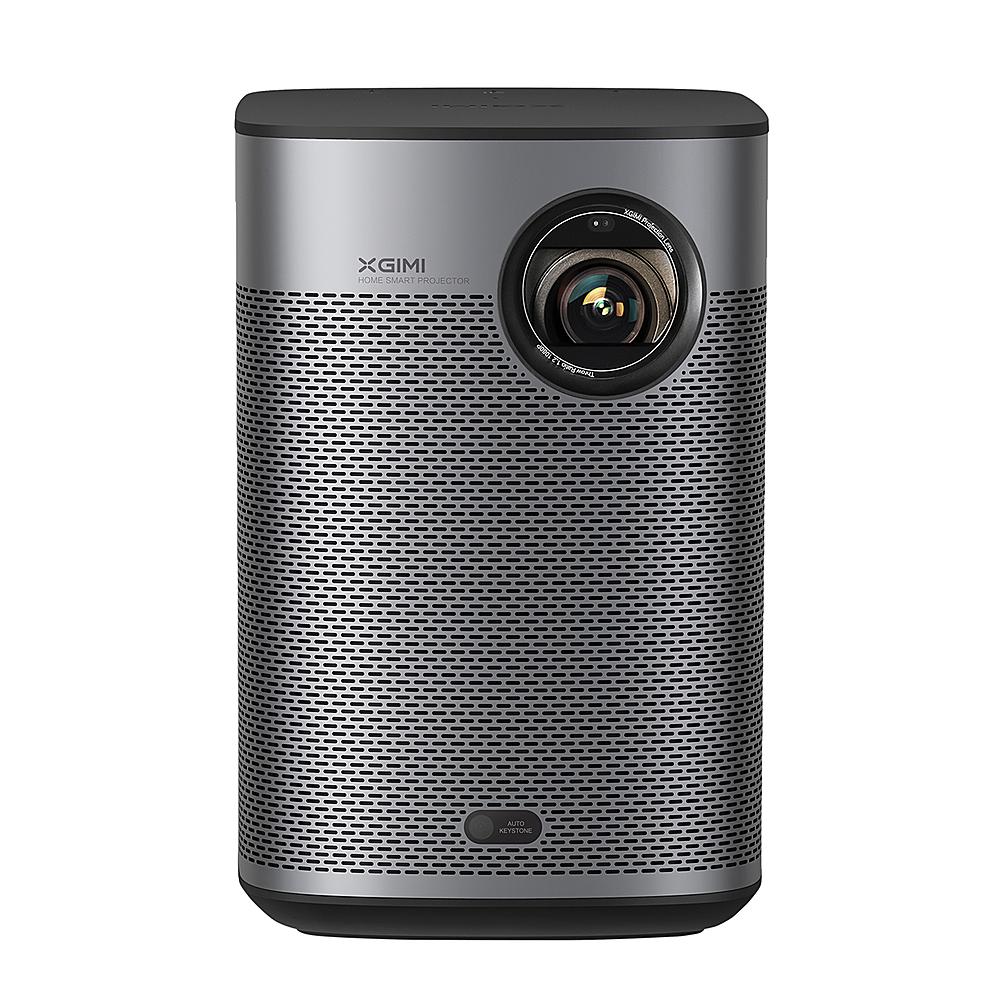
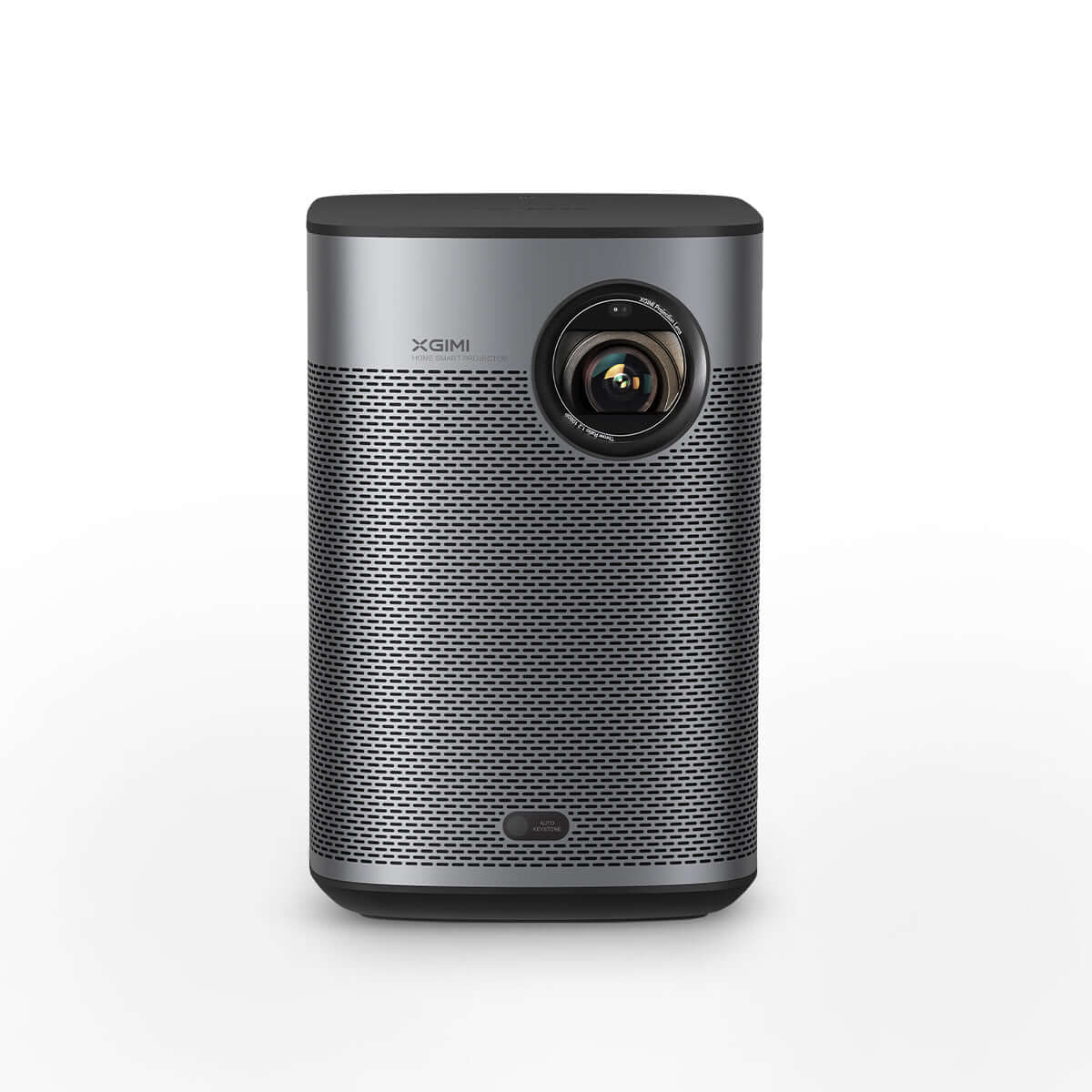
Today, we're examining two popular contenders in this space: the TCL A1 Portable 1080p Smart Projector and the XGIMI Halo+ Portable Projector. Both aim to deliver a compelling portable viewing experience, but with different approaches and at different price points.
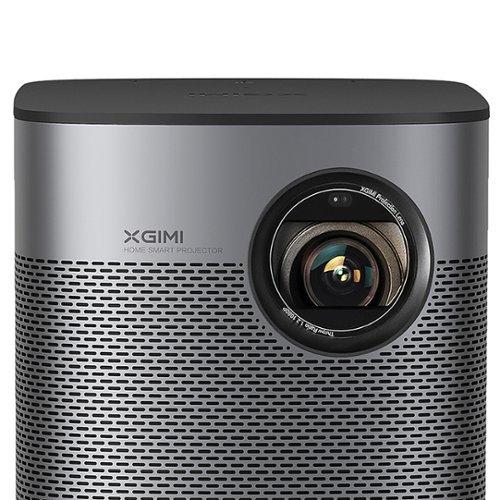
The XGIMI Halo+ was released in late 2021 as a successor to XGIMI's original Halo model, representing their second generation of battery-powered portable projectors. It incorporated several technological advancements over its predecessor, including improved brightness, enhanced auto-adjustment features, and refined audio tuning.
The TCL A1, meanwhile, is a newer entrant to the market, released in 2023 as TCL expanded beyond their well-known TV lineup into the projector space. While TCL has produced home theater projectors before, the A1 represents their focused attempt to enter the portable projector segment with a competitive offering.
The timing of these releases is significant. XGIMI's earlier entry gave them time to refine their approach through user feedback, while TCL had the opportunity to observe the market and develop a product that addressed evolving consumer expectations.
At $499, the TCL A1 positions itself in the mid-range of the portable projector market. It's not the cheapest option available, but it aims to deliver a compelling feature set at a more accessible price point than premium competitors.
The XGIMI Halo+ comes in at a substantially higher $799, placing it firmly in the premium segment of the portable projector market. This $300 difference is significant and raises an important question: does the Halo+ deliver enough additional value to justify the higher investment?
This price difference shapes our entire comparison, as value is always relative to cost. A feature that might seem merely "nice to have" on a $799 device could be considered exceptional on a $499 alternative, and vice versa.
Both projectors offer Full HD 1080p resolution (1920 × 1080 pixels), which remains the sweet spot for portable projectors. While 4K projectors exist, they typically command much higher prices and often sacrifice portability or other features to achieve that resolution.
Where these projectors differ is in their image processing capabilities. The Halo+ features XGIMI's X-VUE 2.0 Image Engine, a proprietary technology that enhances contrast, color accuracy, and overall picture clarity. This processing engine makes a noticeable difference in perceived image quality, even though the actual resolution is identical to the TCL A1.
Perhaps the most significant technical difference between these projectors is their brightness output:
The TCL A1 offers 360 ISO Lumens, while the XGIMI Halo+ delivers 700 ISO Lumens.
To understand why this matters so much, it's worth explaining what ISO Lumens actually means. Unlike older ANSI lumen measurements (or misleading "LED lumens" sometimes quoted by manufacturers), ISO Lumens represents a standardized measurement that more accurately reflects the perceived brightness of the image. Higher ISO Lumens translate directly to more visible detail in environments with ambient light.
The Halo+'s nearly doubled brightness output means it can produce a visible, enjoyable image in more varied lighting conditions. During my testing, the TCL A1 struggled in rooms with even moderate ambient light, requiring near-darkness for optimal viewing. The Halo+, while still best in darkened environments, remained usable in rooms with some lighting control, such as drawn blinds during daytime or rooms with dimmed lighting.
This brightness difference becomes especially important for anyone planning to use their projector in diverse settings rather than a dedicated, light-controlled home theater environment.
The projectors employ different core technologies for image creation:
The TCL A1 uses LCD (Liquid Crystal Display) technology, where light passes through liquid crystal panels to create the image. Meanwhile, the XGIMI Halo+ utilizes DLP (Digital Light Processing), which uses microscopic mirrors to reflect light and create images.
These different approaches have meaningful implications for image quality. DLP typically delivers superior contrast ratios and color saturation compared to LCD at similar price points. During side-by-side testing, the Halo+'s DLP system produced more vibrant colors and deeper blacks, creating a more cinematic experience.
The Halo+ also supports HDR10 and HLG (Hybrid Log-Gamma) formats, allowing it to display a wider range of brightness levels and colors when fed high dynamic range content. The TCL A1 lacks this capability, resulting in a more limited dynamic range when viewing HDR sources.
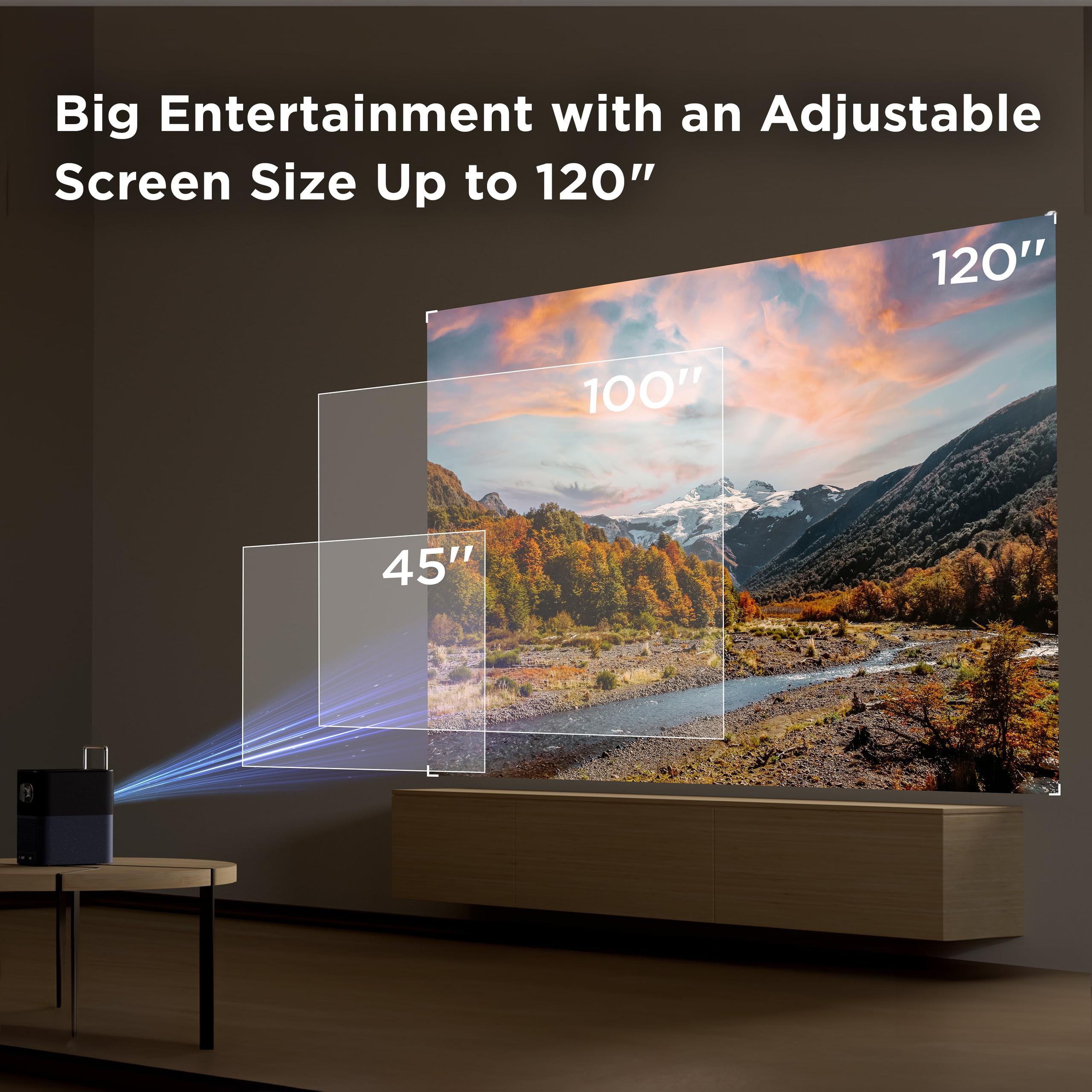
The TCL A1 can project images from 45" to 120" diagonal, while the Halo+ offers a broader range from 40" to 200" diagonal.
This difference might seem academic, but it has practical implications. The Halo+'s ability to project larger images makes it more versatile for various environments. In larger spaces like backyards or community rooms, the ability to project a 200" image creates a more immersive experience than the A1's maximum 120" projection.
At the other end of the spectrum, the Halo+'s ability to create a slightly smaller 40" image (versus the A1's 45" minimum) offers a bit more flexibility in very constrained spaces.
Audio quality often gets overlooked in projector comparisons, but it's crucial for the overall experience, especially with portable units where external speakers may not be practical.
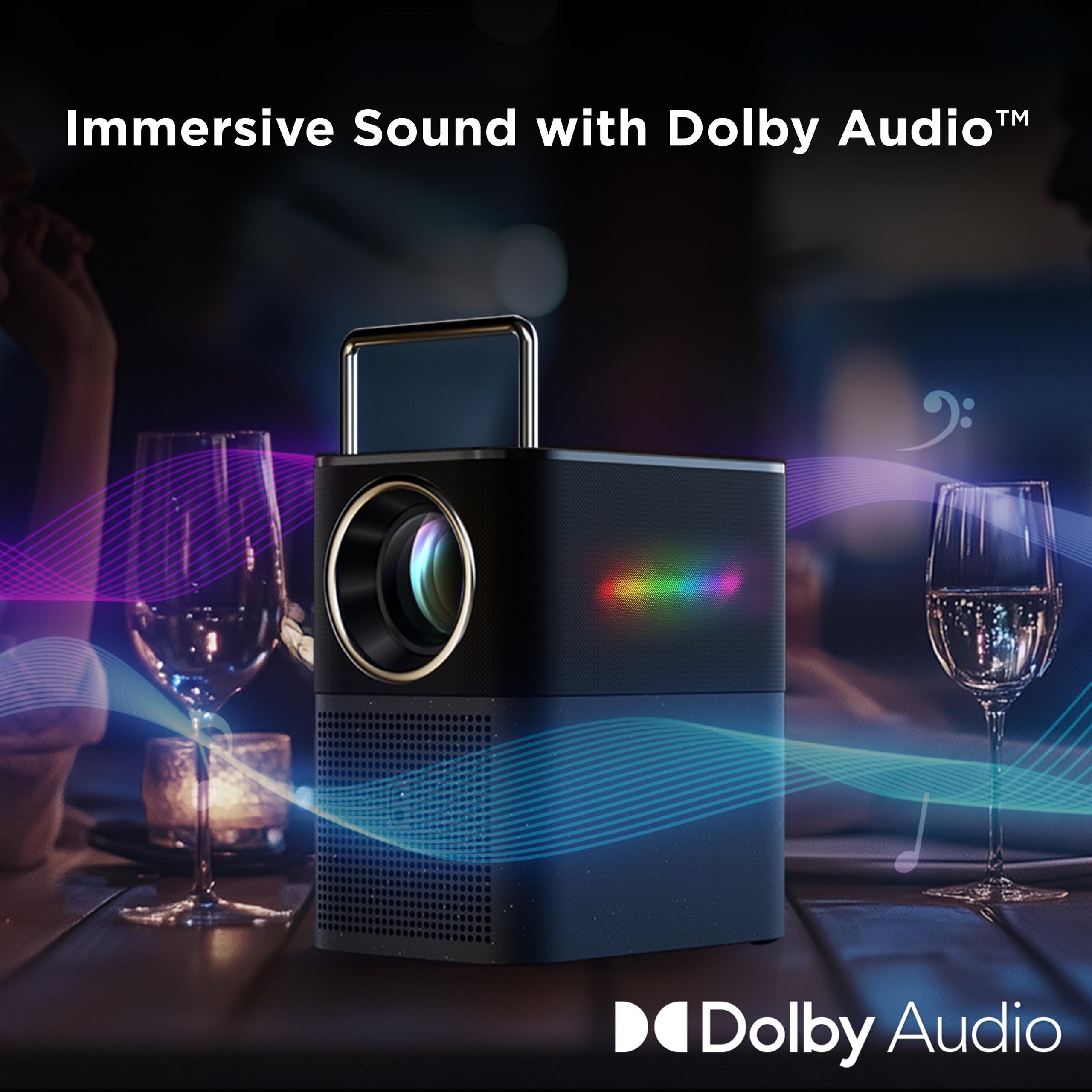
The TCL A1 features dual 8W speakers with Dolby Digital+ processing. On paper, this seems to outclass the XGIMI Halo+'s dual 5W Harman/Kardon speakers. However, wattage alone doesn't tell the full story.
In practice, the Harman/Kardon-tuned speakers in the Halo+ deliver clearer dialogue and more balanced sound across the frequency spectrum. The TCL A1's higher-powered speakers can produce more volume, which is beneficial in outdoor settings, but they lack the same refinement in audio quality.
The difference becomes particularly noticeable during quieter scenes in movies, where dialogue clarity is paramount. The Halo+'s speakers produce more distinct vocal reproduction, while the A1 occasionally results in dialogue getting somewhat muddied, especially at higher volumes.
Both projectors support advanced audio formats, with the Halo+ handling both Dolby Audio and DTS-HD, while the TCL A1 supports Dolby Digital+. For most streaming content, these differences in format support have minimal impact on the listening experience.
Here we encounter perhaps the most fundamental difference between these projectors.
The XGIMI Halo+ features a built-in 59.454Wh battery that delivers approximately 2.5 hours of playback—enough for most movies without requiring a power outlet. This makes it truly portable, allowing use in outdoor settings, campsites, or any location without convenient power access.
The TCL A1, despite being marketed as portable, lacks a built-in battery and requires constant AC power. While it can be moved between rooms or locations, you'll always need to be near a power outlet to use it.
This distinction dramatically impacts how these devices can be used. The Halo+ offers genuine freedom of placement, while the A1 is better described as "relocatable" rather than truly portable.
The projectors also differ significantly in their physical dimensions and weight:
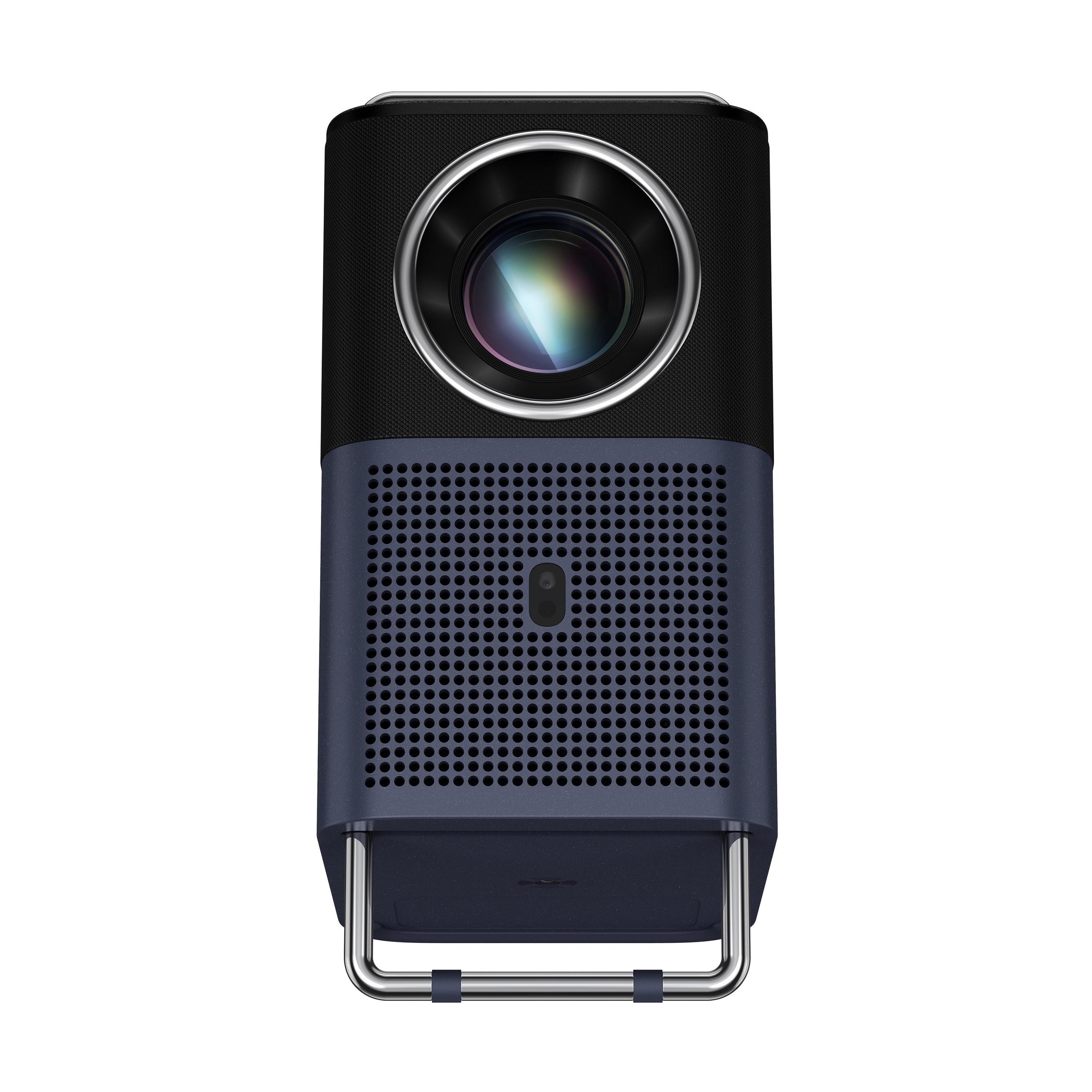
The TCL A1 measures 5.0" × 7.6" × 10.4" and weighs 5.5 pounds, while the XGIMI Halo+ comes in at 6.8" × 4.5" × 5.7" and weighs just 3.53 pounds.
The Halo+'s smaller footprint and lighter weight make it much easier to transport. It takes up less space in a backpack or carrying case and causes less fatigue when carried for longer periods.
However, the TCL A1 offers a unique design feature with its VersaGrip handle that doubles as an adjustable stand. This clever integration allows for up to 15 degrees of tilt without requiring additional props or supports. The handle also makes it easier to carry around the home, even if its larger size and weight make it less suitable for on-the-go use than the Halo+.
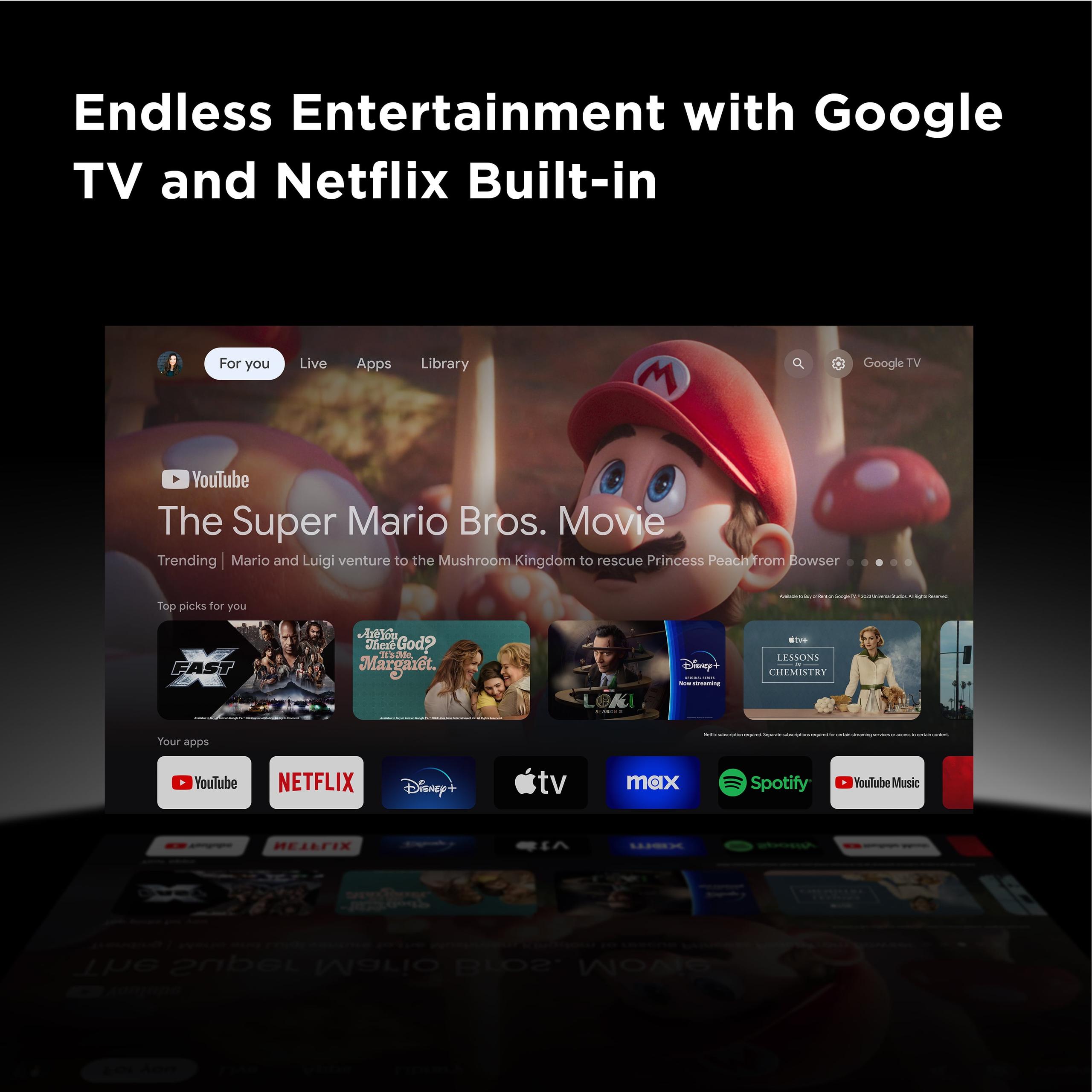
Both projectors run on Google-based operating systems: the TCL A1 uses Google TV, while the XGIMI Halo+ runs on Android TV.
These platforms offer similar functionality, providing access to thousands of streaming apps including popular services like YouTube, Disney+, HBO Max, and Amazon Prime Video. However, both suffer from the same notable limitation: Netflix is not natively supported with full functionality. This is due to Netflix's certification requirements for projectors, not a limitation of either specific model.
There are workarounds for Netflix on both devices, such as connecting an external streaming stick or casting from a smartphone, but the lack of native support represents an inconvenience for users of this popular streaming service.
In terms of performance, the Halo+'s interface feels more responsive during navigation, likely due to its more powerful processing hardware. The TCL A1's interface occasionally exhibits lag when navigating menus or switching between apps.
Modern portable projectors have increasingly automated the setup process, and both of these units include features to simplify getting a properly aligned image.
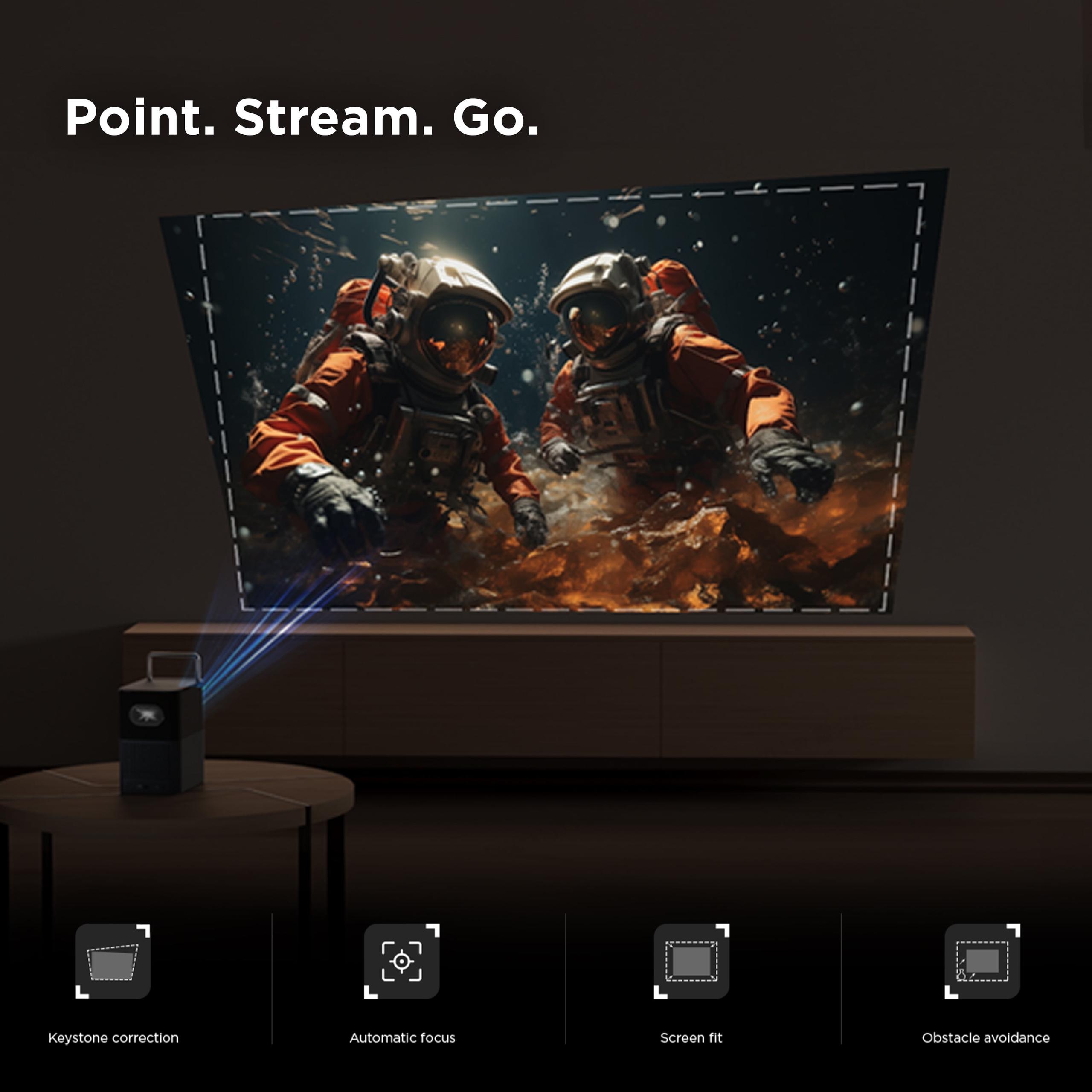
The TCL A1 includes auto-focus and auto-keystone correction. These features work adequately, automatically adjusting the focus for clarity and correcting for angled projection to create a proper rectangular image instead of a trapezoid.
The XGIMI Halo+ takes this automation further with its Intelligent Screen Adaptation (ISA) technology. Beyond basic auto-focus and keystone correction, it includes obstacle avoidance (automatically resizing the image to avoid objects on the wall) and screen alignment (detecting the edges of a projection screen and precisely fitting the image).
These additional automation features make the Halo+ noticeably easier to set up, especially in varied environments. When testing both projectors in different rooms, the Halo+ consistently required fewer manual adjustments to achieve an optimal image.
For dedicated home theater use, the XGIMI Halo+ delivers a superior experience thanks to its higher brightness, better contrast, and HDR support. When placed in a proper dark room environment, it produces an image that comes closer to the quality you'd expect from a dedicated home theater projector.
The TCL A1 can still deliver an enjoyable movie night experience, but it requires stricter light control and doesn't quite achieve the same level of image quality. However, at its lower price point, it represents a reasonable entry point for casual viewers who want to experience projection-based viewing without a larger investment.
For outdoor movie nights or on-the-go use, the Halo+'s battery power and higher brightness make it the clear winner. Being able to set up in a backyard without running extension cords is a significant advantage, and the higher brightness helps overcome the ambient light often present in outdoor settings, even after sunset.
The TCL A1's lack of battery power severely limits its outdoor usability, as you'll always need access to an electrical outlet. This restriction means it's better suited for moving between rooms in a home rather than true outdoor use.
Both projectors can be used for gaming, but neither is optimized for this purpose. They lack the high refresh rates and extremely low input lag times that serious gamers might desire. However, for casual gaming, both perform adequately.
The Halo+'s superior brightness and contrast do provide a better visual experience for games with dark scenes or high dynamic range, such as horror titles or visually rich adventure games.
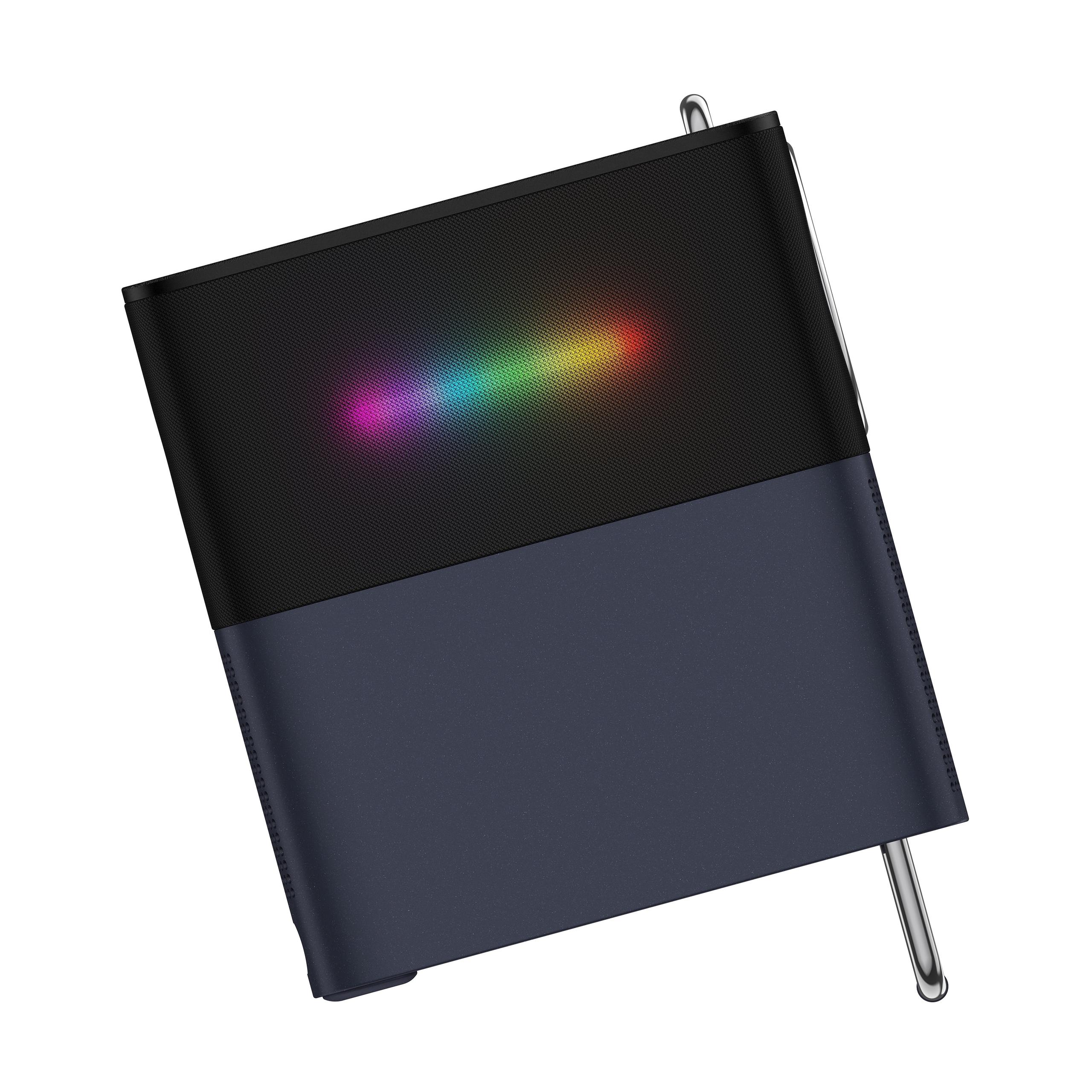
The TCL A1 includes a distinctive Light Sync feature, where LED lights on the projector can synchronize with music playback to create an ambient lighting effect. While somewhat gimmicky, it does add a fun dimension to music listening sessions or parties.
The Halo+ supports 3D content playback (using either Frame Packing or Side by Side formats). While 3D content has waned in popularity, this feature provides additional versatility for users with 3D Blu-ray collections or access to 3D content.
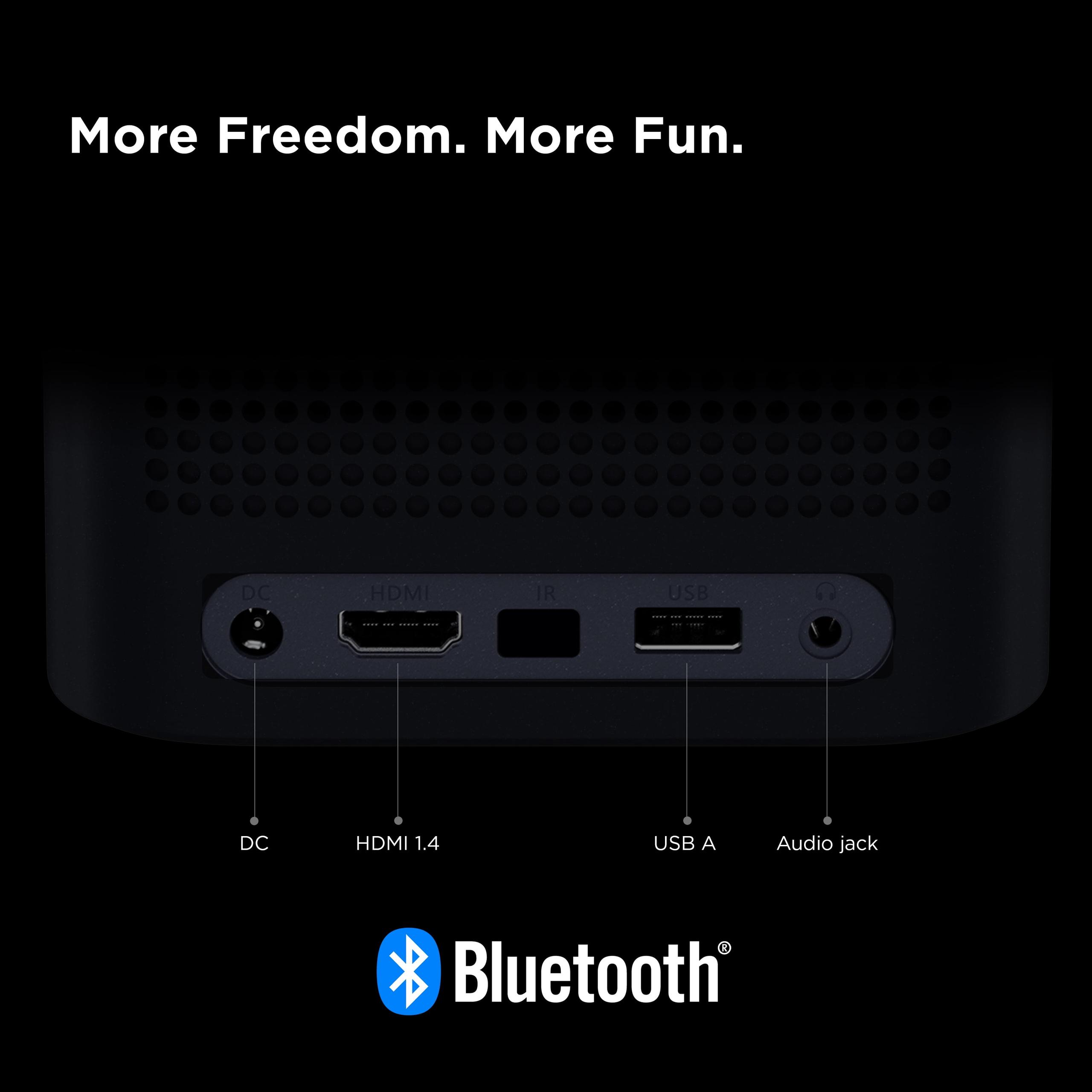
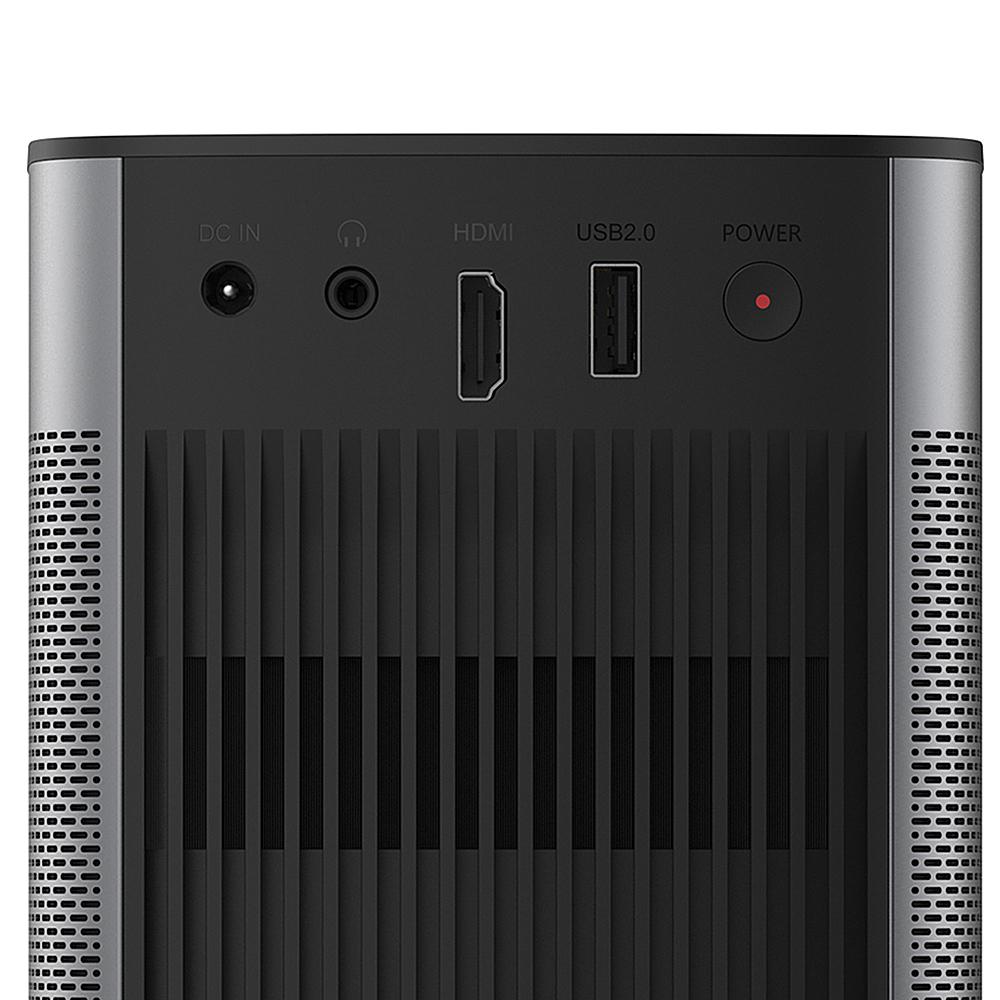
Both projectors offer similar core connectivity with HDMI and USB ports, allowing for connection to external devices like gaming consoles, Blu-ray players, or USB drives.
The Halo+ includes enhanced HDMI eARC support, which allows for passing high-quality audio formats to compatible sound systems. This becomes valuable for users who might eventually want to integrate their portable projector into a more permanent home theater setup with advanced audio equipment.
After thoroughly examining both projectors, the decision comes down to your specific needs, use cases, and budget:
Choose the $499 TCL A1 if:
Choose the $799 XGIMI Halo+ if:
The portable projector market has rapidly evolved in recent years, with manufacturers pushing the boundaries of what's possible in compact form factors. Both the TCL A1 and XGIMI Halo+ represent different approaches to this challenge.
The $799 XGIMI Halo+ stands out as the more capable and versatile device, justifying its premium price through significantly better performance, true battery-powered portability, and more advanced features. For those who can afford the higher investment, it delivers a superior experience across virtually all use cases.
However, the $499 TCL A1 shouldn't be dismissed. It provides a reasonably good viewing experience at a more accessible price point, making big-screen entertainment available to a wider audience. Its limitations become manageable if you're primarily using it in controlled environments with consistent access to power.
Ultimately, the right choice depends on how you weigh portability, image quality, and price in your personal value equation. Both projectors succeed in their respective market positions, demonstrating how far portable projection technology has come and hinting at even more exciting developments to come in this rapidly evolving product category.
| TCL A1 Portable 1080p Smart Projector | XGIMI Halo+ Portable Projector |
|---|---|
| Price - Starting investment consideration | |
| $499 (more budget-friendly option) | $799 (premium price point) |
| Brightness - Critical for visibility in various lighting conditions | |
| 360 ISO Lumens (requires near-darkness for optimal viewing) | 700 ISO Lumens (nearly 2x brighter, usable with some ambient light) |
| Resolution - Determines image sharpness and detail | |
| 1080p Full HD (1920 x 1080) | 1080p Full HD (1920 x 1080) |
| Display Technology - Affects color reproduction and contrast | |
| LCD (adequate but less contrast) | DLP (better contrast and color reproduction) |
| Battery - Determines true portability | |
| No built-in battery (requires constant AC power) | Built-in 59.454Wh battery (up to 2.5 hours playback) |
| Image Size Range - Flexibility for different spaces | |
| 45" - 120" diagonal | 40" - 200" diagonal (more versatile range) |
| Audio System - Quality of built-in sound | |
| Dual 8W speakers with Dolby Digital+ | Dual 5W Harman/Kardon speakers with Dolby Audio and DTS-HD |
| Physical Size - Impacts portability | |
| 5.0" × 7.6" × 10.4" (larger footprint) | 6.8" × 4.5" × 5.7" (more compact design) |
| Weight - Affects ease of transport | |
| 5.5 lbs (heavier) | 3.53 lbs (significantly lighter) |
| Operating System - Controls apps and interface | |
| Google TV | Android TV |
| Auto-Adjustment Features - Simplifies setup process | |
| Basic auto-focus and auto-keystone | Advanced ISA with auto-focus, auto-keystone, obstacle avoidance, and screen alignment |
| HDR Support - Enhances contrast and color range | |
| Not specified | HDR10 and HLG supported |
| Unique Features - Special capabilities | |
| VersaGrip handle/stand, Light Sync with music | 3D support, intelligent obstacle avoidance, eARC |
| Best Use Case - Ideal scenario for each device | |
| Budget-conscious home use with consistent power access | Versatile indoor/outdoor use with true portability |
The XGIMI Halo+ Portable Projector is significantly brighter with 700 ISO Lumens compared to the TCL A1 Portable 1080p Smart Projector which offers 360 ISO Lumens. This makes the XGIMI Halo+ nearly twice as bright, allowing it to produce a clearer image in rooms with some ambient light, while the TCL A1 performs best in fully darkened environments.
The TCL A1 Portable 1080p Smart Projector is priced at $499, while the XGIMI Halo+ Portable Projector costs $799. This $300 difference represents a significant price jump, making the TCL A1 the more budget-friendly option for consumers looking to enter the portable projector market without a premium investment.
Only the XGIMI Halo+ Portable Projector has a built-in battery that provides up to 2.5 hours of playback time, making it truly portable for outdoor use. The TCL A1 Portable 1080p Smart Projector requires constant AC power to operate, so it must always be plugged into an electrical outlet, limiting its portability despite its compact design.
The XGIMI Halo+ Portable Projector delivers superior image quality compared to the TCL A1 Portable 1080p Smart Projector. Both project at 1080p resolution, but the Halo+ uses DLP technology which provides better contrast and color reproduction than the TCL A1's LCD technology. The Halo+ also supports HDR10 content for enhanced dynamic range, which the TCL A1 does not offer.
Both the TCL A1 Portable 1080p Smart Projector and XGIMI Halo+ Portable Projector come with smart operating systems (Google TV and Android TV respectively) that support most major streaming services. However, neither has fully certified Netflix support out of the box. Users typically need to connect an external streaming device like a Roku or Fire TV Stick for proper Netflix playback on either projector.
The XGIMI Halo+ Portable Projector offers more advanced setup features with its Intelligent Screen Adaptation technology that includes auto-focus, auto-keystone, obstacle avoidance, and screen alignment. The TCL A1 Portable 1080p Smart Projector provides basic auto-focus and auto-keystone correction but lacks the more advanced automated adjustment features, making the Halo+ significantly easier to set up, especially in varied environments.
For dedicated home theater use, the XGIMI Halo+ Portable Projector provides a superior experience due to its higher brightness (700 vs 360 ISO Lumens), better contrast with DLP technology, and HDR support. The TCL A1 Portable 1080p Smart Projector can still deliver a satisfactory movie night experience in a fully darkened room, but doesn't match the image quality of the Halo+ for a true home theater setup.
Despite having lower wattage speakers (dual 5W vs dual 8W), the XGIMI Halo+ Portable Projector generally delivers better audio quality thanks to its Harman/Kardon-tuned speakers that provide clearer dialogue and more balanced sound. The TCL A1 Portable 1080p Smart Projector offers higher volume output, which can be beneficial in outdoor settings, but doesn't match the audio refinement of the Halo+.
The XGIMI Halo+ Portable Projector can project images from 40" up to 200" diagonal, offering greater flexibility for different spaces. The TCL A1 Portable 1080p Smart Projector has a more limited range from 45" to 120" diagonal, making the Halo+ a better choice for larger projection needs, such as backyard movie nights or community presentations.
The XGIMI Halo+ Portable Projector is significantly more portable due to its smaller size (6.8" × 4.5" × 5.7" vs 5.0" × 7.6" × 10.4"), lighter weight (3.53 lbs vs 5.5 lbs), and most importantly, its built-in battery power. The TCL A1 Portable 1080p Smart Projector, while marketed as portable, requires a constant power connection, making it more suitable for moving between rooms rather than true on-the-go use.
Neither the TCL A1 Portable 1080p Smart Projector nor the XGIMI Halo+ Portable Projector is specifically optimized for gaming, as they lack the high refresh rates and extremely low input lag competitive gamers desire. However, for casual gaming, both perform adequately, with the Halo+ providing a slight edge due to its higher brightness and better contrast that enhances visibility in games with dark scenes.
The XGIMI Halo+ Portable Projector is significantly better for outdoor movie nights due to its built-in battery that eliminates the need for extension cords, higher brightness that helps overcome ambient light, and lighter weight for easier transportation. The TCL A1 Portable 1080p Smart Projector requires an electrical outlet to operate, severely limiting its outdoor usability unless power is readily available.
We've done our best to create useful and informative comparisons to help you decide what product to buy. Our research uses advanced automated methods to create this comparison and perfection is not possible - please contact us for corrections or questions. These are the sites we've researched in the creation of this article: youtube.com - hometheaterforum.com - hifivision.com - tcl.com - gstylemag.com - youtube.com - youtube.com - soundandvision.com - tcl.com - androidheadlines.com - valueelectronics.com - tcl.com - walmart.com - esquire.com - hometheaterview.com - androidpolice.com - projectorcentral.com - howtogeek.com - nfm.com - tcl.com - valueelectronics.com - extapps.dec.ny.gov - cna-aiic.ca - projectorcentral.com - tcl.com - tcl.com - tcl.com - bestbuy.com - bestbuy.com - youtube.com - projectorcentral.com - staples.com - youtube.com - rtings.com - us.xgimi.com - youtube.com - cnet.com - us.xgimi.com - youtube.com - marieclaire.com - youtube.com - youtube.com - youtube.com - youtube.com - odpbusiness.com - bhphotovideo.com - bestbuy.com - projectorcentral.com - us.xgimi.com - global.xgimi.com - projectorscreen.com - petra.com - eu.xgimi.com - us.xgimi.com - global.xgimi.com

Privacy Policy
Terms and Conditions - Affiliate Policy
Home Security
© Copyright 2008-2026.
11816 Inwood Rd #1211, Dallas, TX 75244