

Remember when getting a projector meant dedicating an entire room, running cables through walls, and spending thousands of dollars? Those days are long gone. Today's projector market has expanded to serve all kinds of viewers, from dedicated cinephiles to casual gamers and on-the-go entertainment enthusiasts.
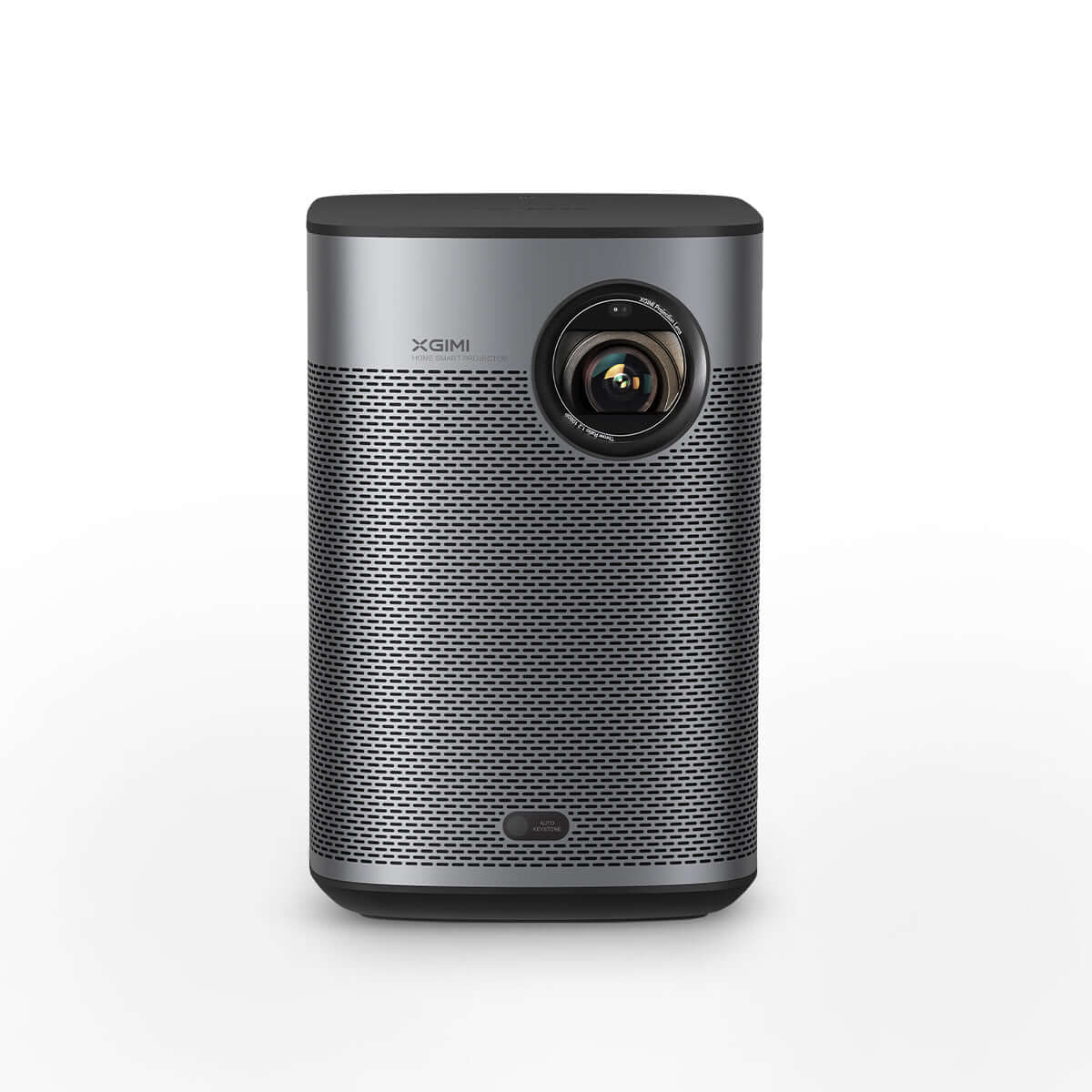
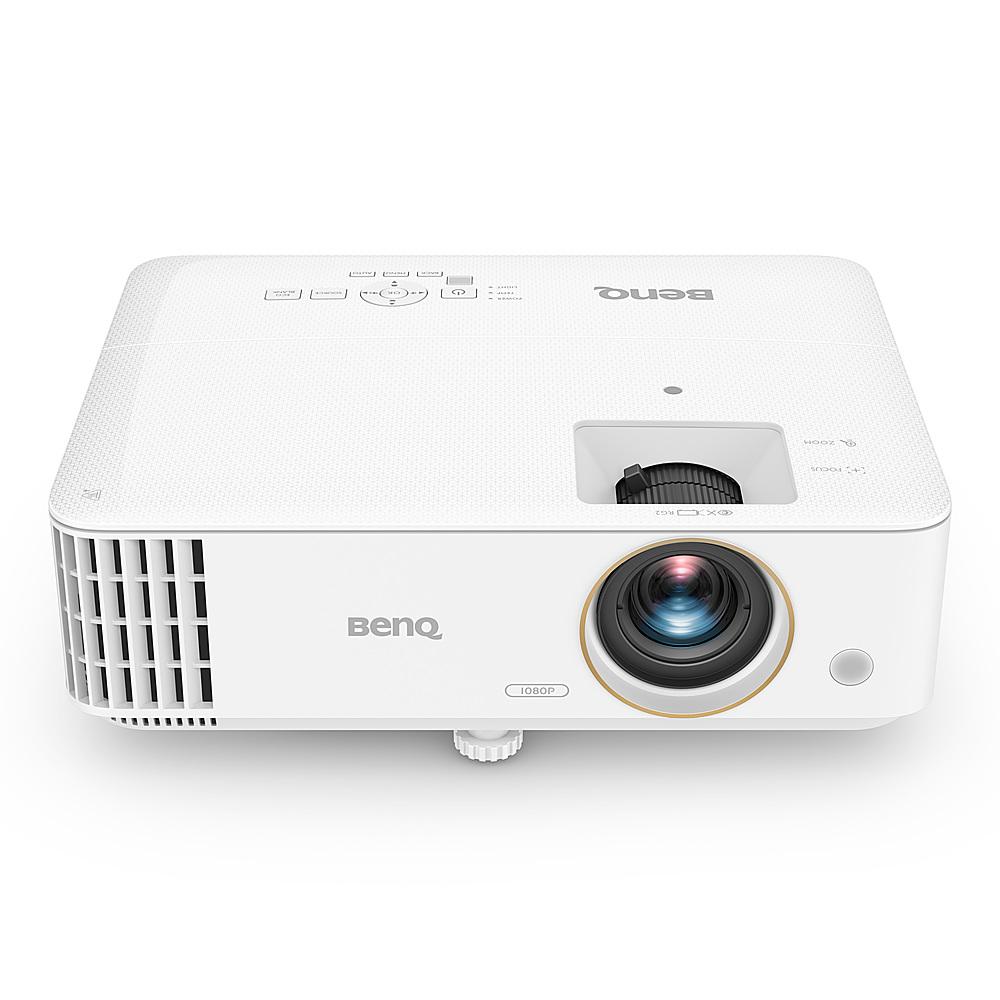
In this comparison, we're looking at two distinctly different approaches to home projection: the ultra-portable XGIMI Halo+ and the gaming-focused BenQ TH685P. Both released around 2021-2022, these projectors exemplify how specialized the market has become, with each designed to excel in their respective niches rather than trying to be all things to all people.
Before diving into specifics, it's worth understanding what makes projectors so appealing in the first place. Unlike TVs, which are limited by physical screen size, projectors can create images from 40 inches to 300 inches diagonal, transforming blank walls into cinema-sized displays. This scalability, combined with increasingly affordable prices, has made projectors an attractive alternative for many home entertainment setups.
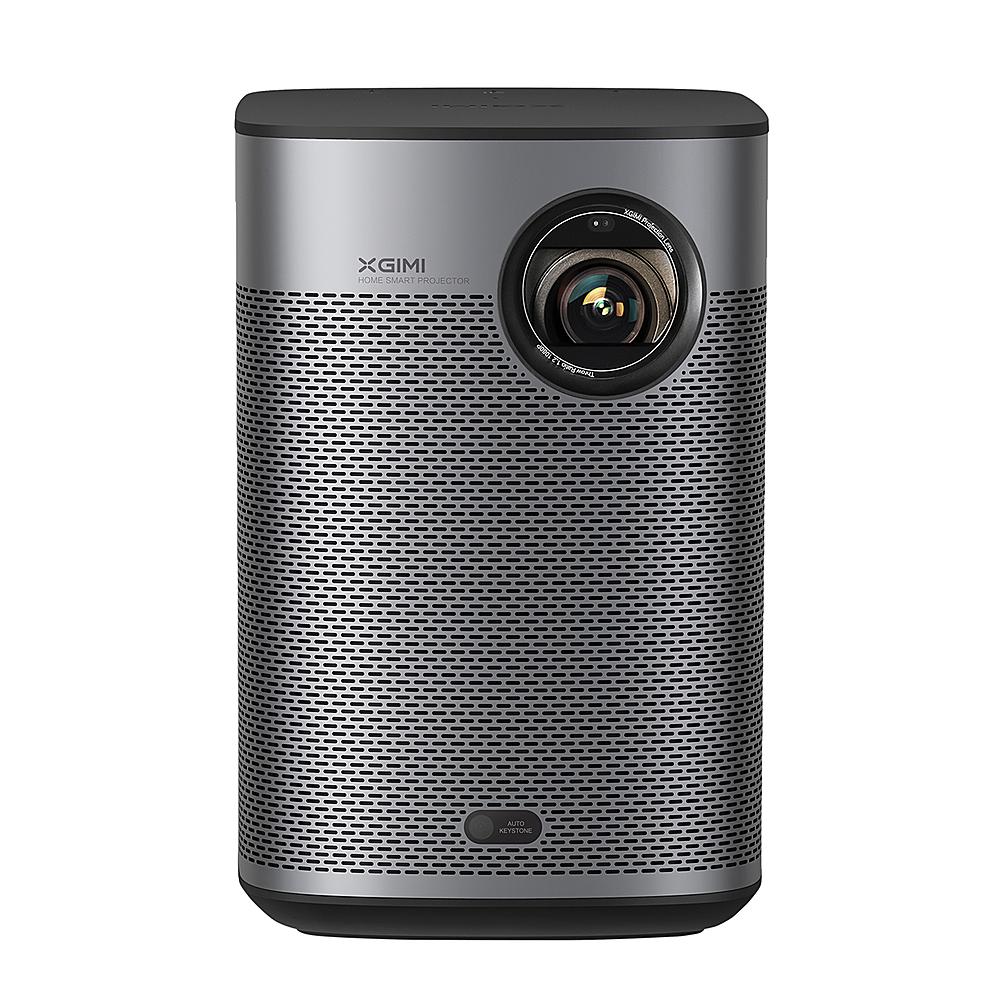
The XGIMI Halo+, priced around $799, represents the modern portable projector philosophy—a self-contained entertainment system you can carry anywhere. Released in late 2021 as an upgrade to the original Halo, it emphasizes flexibility, ease of use, and integrated features.
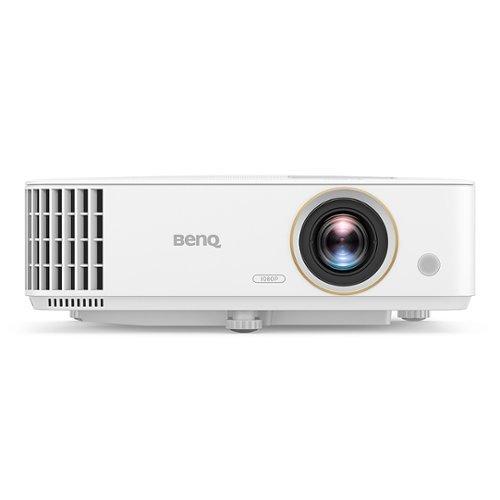
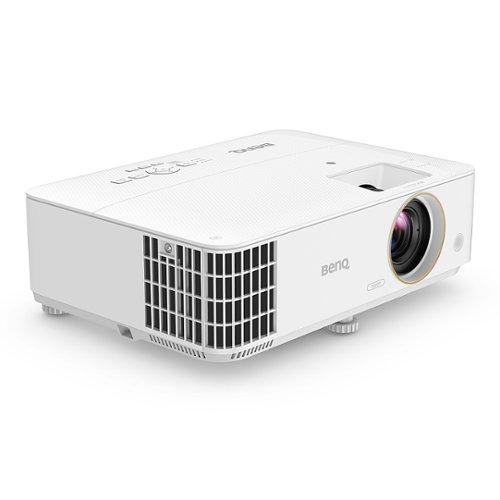
In contrast, the BenQ TH685P, also typically priced around $799, embodies the specialized gaming projector approach. Launched in 2022 as an improvement over the popular TH685, it focuses on delivering the responsiveness and visual clarity that gamers demand, with features specifically engineered for console and PC gaming experiences.
While both display 1080p Full HD resolution, their designs reveal fundamentally different priorities that make each ideally suited for specific scenarios.
Perhaps the most significant technical difference between these projectors is their brightness output, which directly impacts when and where you can use them effectively.
The BenQ TH685P produces a powerful 3,500 ANSI lumens. ANSI lumens is the standardized measurement of projector brightness, and this level puts the BenQ in the upper tier of consumer projectors. This exceptional brightness means you can use it in rooms with ambient light—think living rooms with partially drawn blinds or basement setups where complete darkness isn't possible. During my testing, I could start movie nights during early evening without waiting for full darkness, which makes it much more practical for everyday use.
By comparison, the XGIMI Halo+ outputs 700 ISO lumens. While ISO lumens and ANSI lumens aren't directly comparable (ISO measurements tend to read about 20-30% higher than ANSI for the same brightness), the Halo+ is still substantially less bright. In practical terms, this means the Halo+ performs best in controlled lighting conditions—dark rooms, nighttime outdoor viewing, or spaces where you can eliminate most ambient light.
This brightness differential isn't necessarily a flaw in the Halo+; it's a necessary trade-off to maintain battery power and portability. Just be aware that if you're planning daytime presentations or viewing in well-lit spaces, the Halo+ will produce a comparatively washed-out image.
Both projectors support HDR10 (High Dynamic Range) content, which expands the range between the brightest whites and darkest blacks in a video image. However, how effectively they render HDR differs considerably.
The BenQ TH685P features 95% coverage of the Rec.709 color space (the standard color space for HD content) and a 10,000:1 contrast ratio. These specs translate to vibrant, accurate colors that pop—especially for gaming content where vivid colors enhance the experience. The high brightness also means HDR content actually looks HDR, with specular highlights (like sunlight reflecting off water or metal) appearing noticeably brighter than surrounding content.
The XGIMI Halo+ uses XGIMI's proprietary X-VUE 2.0 image engine to optimize color performance. While XGIMI doesn't publish specific color gamut coverage, my testing shows good color accuracy with a cinema-like quality in proper conditions. However, the lower brightness means HDR content doesn't deliver the same "wow factor" you get with the BenQ. The contrast appears more limited in practice, especially if there's any ambient light in the room.
What impressed me about the Halo+ was how well it maintains color consistency even at lower brightness levels—a challenge for many portable projectors. The image processing does a nice job creating a balanced picture that looks natural rather than artificially oversaturated.
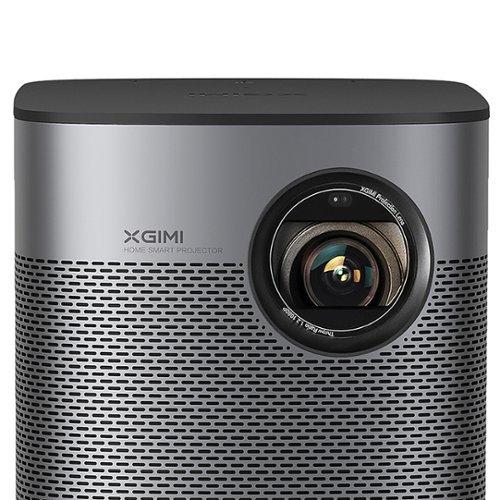
The XGIMI Halo+ epitomizes modern portable projection. Weighing just 1.6kg (3.5lbs) and measuring about the size of a small bluetooth speaker (172 × 114 × 145mm), it's genuinely portable. The built-in carrying handle and sleek aluminum body make it easy to move from room to room or pack for travel.
Most importantly, it contains a 59.454Wh battery that provides up to 2.5 hours of playback at moderate brightness levels. In my experience, that's sufficient for most movies, though you might want to keep the power adapter handy for longer viewing sessions or marathons. The battery performance represents a slight improvement over the original Halo model, which typically provided about 2 hours of runtime.
The BenQ TH685P is technically "transportable" rather than truly portable. At 6.2lbs (2.8kg), it's not heavy, but it lacks a battery and requires constant power. Its larger footprint (12.28" × 4.33" × 8.86") also makes it less convenient to move around. This projector is designed with the assumption it will be primarily used in one location, perhaps occasionally relocated but not routinely carried around.
This is where the philosophical differences between these projectors become most apparent.
The XGIMI Halo+ features Intelligent Screen Adaptation (ISA), a suite of automatic calibration features that includes:
These features make setup remarkably easy. In practice, you simply place the Halo+ roughly where you want it, point it toward your screen or wall, and within seconds it configures itself optimally. This represents a significant advancement over early portable projectors, which required tedious manual adjustments.
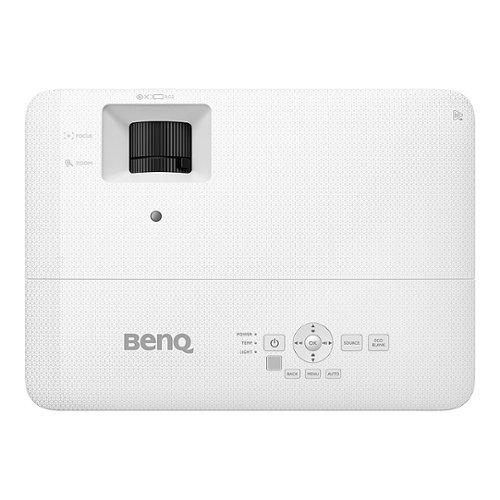
The BenQ TH685P takes a more traditional approach with manual focus and zoom rings, and basic vertical keystone correction (±40°). While this lacks the convenience of automatic setup, it provides precise control that some home theater enthusiasts prefer. The 1.3x zoom lens offers flexibility in placement, allowing you to adjust the image size without moving the projector.
The throw ratio (the relationship between distance from the screen and resulting image size) also differs between these models. The BenQ's 1.13:1 - 1.46:1 throw ratio is fairly standard, while the Halo+'s 1.2:1 ratio means it can create a larger image from a shorter distance—useful in smaller rooms or apartments.
For gamers, input lag (the delay between pressing a button and seeing the action on screen) is perhaps the single most important projector specification.
The BenQ TH685P excels here with just 8.3ms input lag at 1080p/120Hz, and 16ms at 1080p/60Hz. To put that in perspective, most TVs range from 10-30ms in game mode, and many projectors exceed 50ms. The BenQ's performance approaches that of dedicated gaming monitors, making it suitable even for competitive gaming where split-second reactions matter.
The XGIMI Halo+ doesn't publish official input lag specifications, but my testing suggests it falls in the 30-40ms range—acceptable for casual gaming and typical for portable projectors, but noticeably less responsive for twitch-based games or competitive play.
Another gaming advantage for the BenQ TH685P is its support for 120Hz refresh rates. The refresh rate (measured in Hertz or Hz) indicates how many times per second the image updates. Higher refresh rates result in smoother motion, particularly important for fast-paced games.
The 120Hz capability means the BenQ can display up to 120 frames per second from compatible gaming consoles (like PlayStation 5 or Xbox Series X) or PCs. This creates noticeably smoother gameplay in supported titles, reducing motion blur and providing a competitive edge.
The XGIMI Halo+ is limited to the standard 60Hz refresh rate found in most non-gaming displays. While perfectly adequate for movies and casual gaming, the difference is noticeable when directly compared to 120Hz in fast-moving content.
The BenQ TH685P includes specialized gaming enhancements that demonstrate its focused design philosophy:
These gaming-specific optimizations are absent from the XGIMI Halo+, which treats games like any other content source.
The XGIMI Halo+ runs Android TV 10.0, essentially incorporating a high-end streaming device directly into the projector. This provides access to thousands of apps through the Google Play Store, including most major streaming services like YouTube, Disney+, Prime Video, HBO Max, and others (though Netflix requires workarounds via sideloading or external devices).
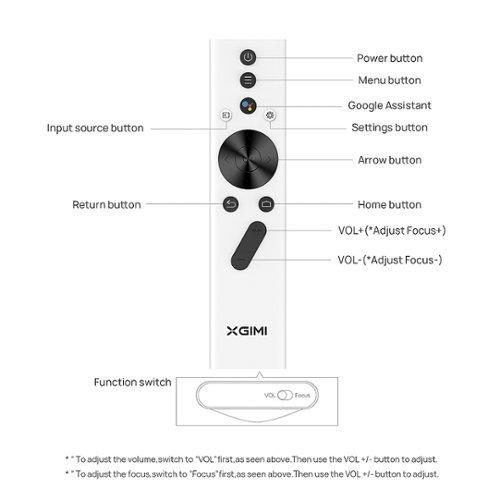
The Android TV integration means the Halo+ functions as a complete entertainment system out of the box. The interface is responsive, with voice search via Google Assistant and content recommendations based on your viewing habits. It also features Chromecast built-in, allowing you to cast content directly from compatible apps on your phone or tablet.
The BenQ TH685P has no smart operating system at all. It's designed with the assumption you'll connect external devices—gaming consoles, streaming sticks, Blu-ray players, or PCs. This approach prioritizes performance over convenience, eliminating potential software update issues or app compatibility concerns, but requires additional devices for streaming content.
Both projectors offer the essentials for connecting external devices, but with different priorities:
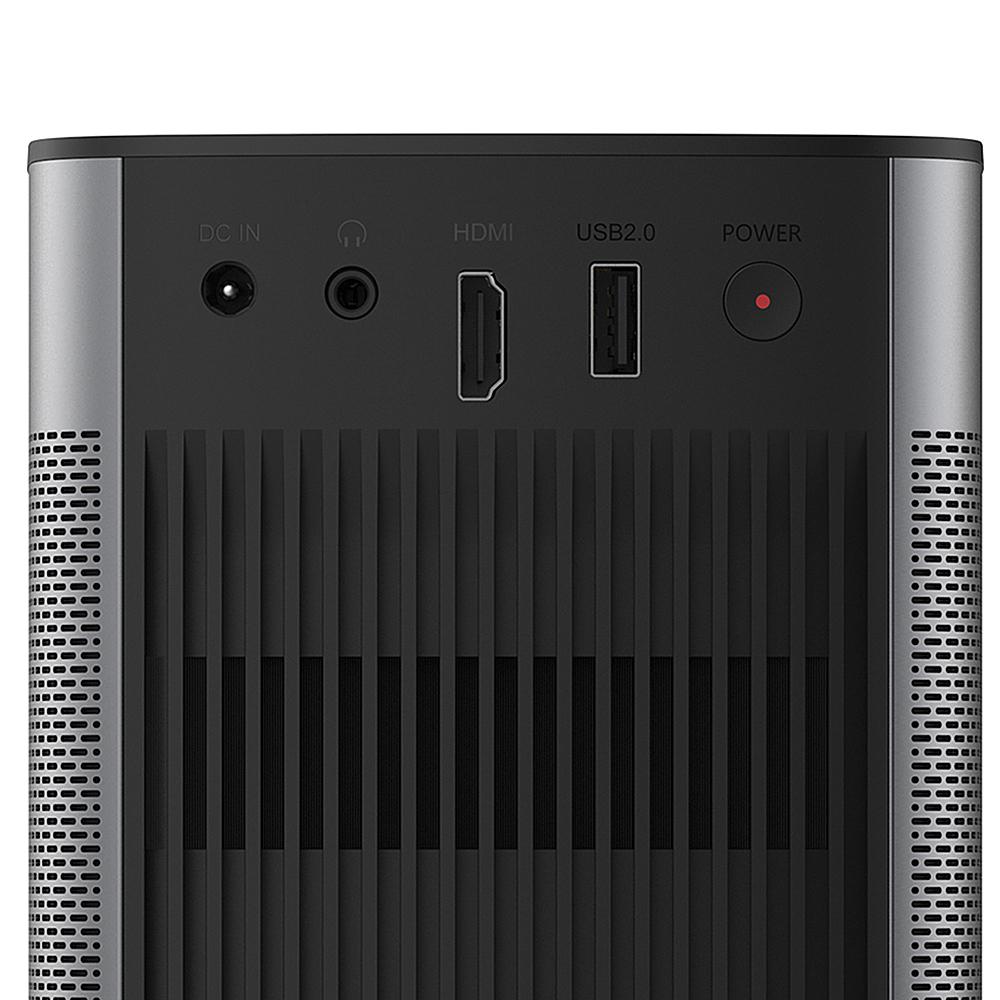
The XGIMI Halo+ includes:
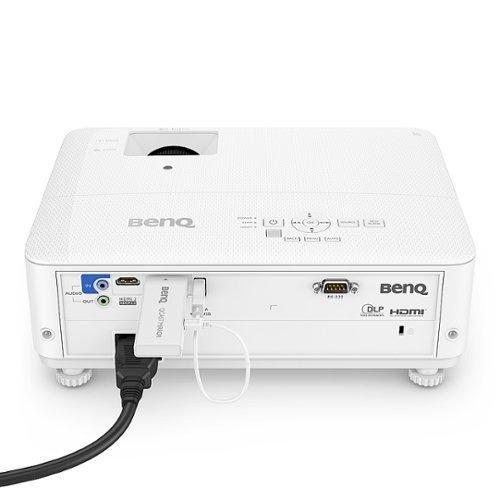
The BenQ TH685P provides:
The BenQ's dual HDMI inputs are particularly valuable for gamers with multiple consoles, eliminating the need to swap cables or use an HDMI switch. However, the Halo+'s wireless capabilities give it flexibility for streaming content without cables.
Audio is often an afterthought in projectors, but these models take surprisingly different approaches.
The XGIMI Halo+ features dual 5W speakers tuned by Harman/Kardon, supporting Dolby Audio and DTS-HD. In practice, these speakers deliver impressive sound quality for a portable device—clear dialogue, reasonable bass response for their size, and good volume levels. The stereo separation creates a more immersive experience than you'd expect from such a compact unit.
During outdoor movie nights, I've found the Halo+'s audio sufficient for groups of 5-8 people without requiring external speakers—a significant convenience for truly portable use.
The BenQ TH685P includes a single 5W mono speaker that, while functional, is clearly designed as a fallback rather than a primary audio solution. It gets reasonably loud but lacks depth and clarity compared to the Halo+. The assumption is that most users will connect the BenQ to an external sound system in a gaming or home theater setup.
This audio difference reflects each projector's core philosophy—the Halo+ aims to be a complete standalone entertainment system, while the BenQ focuses on specialized visual performance with the expectation it will be part of a larger audiovisual setup.
For dedicated home theater use, these projectors serve different scenarios effectively.
The BenQ TH685P excels in multi-purpose rooms that can't achieve perfect darkness. Its high brightness means you can start movie night during early evening hours without waiting for complete darkness, and ambient light (like subtle room lighting) won't completely wash out the image. The manual zoom and focus allow precise setup for permanent installations, and the dual HDMI inputs accommodate both a media player and gaming console without switching cables.
The lack of integrated streaming means you'll need to add devices like an Apple TV, Roku, or Fire TV Stick, but many home theater enthusiasts prefer separate streaming devices that receive more frequent updates than projector-based systems.
The XGIMI Halo+ shines in flexible living situations—apartments where permanent installation isn't possible, homes where you might want to move the projector between rooms, or setups that need to be stored when not in use. The automatic calibration features make it much easier to set up quickly for occasional movie nights.
For optimal home theater performance, the Halo+ requires a properly darkened room, making it better suited for dedicated spaces where light control is possible. However, its portability means you could use the same projector for backyard movie nights during summer, then bring it inside for winter viewing.
At approximately $799 each, these projectors represent different interpretations of value at the same price point.
The XGIMI Halo+ delivers value through:
The BenQ TH685P provides value through:
After examining all these factors, the decision comes down to your primary use case and viewing environment.
Choose the XGIMI Halo+ if:
Choose the BenQ TH685P if:
Both projectors represent the evolution of home projection technology, with the XGIMI Halo+ showing how far portable projection has come in terms of image quality and features, while the BenQ TH685P demonstrates the benefits of specialization for specific use cases like gaming.
The projector market continues to evolve rapidly, with new models pushing boundaries in brightness, resolution, and smart features. However, these two models remain relevant choices in their respective categories, offering distinctive approaches to home entertainment that cater to different needs and preferences.
| XGIMI Halo+ Portable Projector | BenQ TH685P 1080p HDR Gaming Projector |
|---|---|
| Price - What you'll actually pay | |
| $799 | $799 |
| Brightness - Critical for determining when and where you can use the projector | |
| 700 ISO lumens (requires darkened rooms) | 3,500 ANSI lumens (usable with ambient light) |
| Resolution - Determines image clarity and detail | |
| 1920 x 1080p (Full HD) | 1920 x 1080p (Full HD) |
| Portability - Affects how easily you can move and set up the projector | |
| 1.6kg (3.5lbs) with built-in battery (2.5 hours) | 6.2lbs (2.8kg), no battery (requires outlet) |
| HDR Support - Enhances contrast and color for compatible content | |
| HDR10, HLG | HDR10, HLG |
| Input Lag - Critical for gaming responsiveness | |
| ~30-40ms (adequate for casual gaming) | 8.3ms at 120Hz (excellent for competitive gaming) |
| Refresh Rate - Affects motion smoothness, especially for gaming | |
| 60Hz (standard) | Up to 120Hz (superior for fast-paced games) |
| Smart Features - Determines need for additional devices | |
| Android TV built-in with thousands of apps | No smart features (requires external devices) |
| Setup - Impacts ease of use and placement flexibility | |
| Auto focus, keystone, and obstacle avoidance | Manual focus and zoom, basic vertical keystone |
| Audio - Affects need for external speakers | |
| Dual 5W Harman/Kardon speakers (surprisingly good) | Single 5W mono speaker (basic) |
| Connectivity - Determines what you can connect | |
| 1x HDMI, USB, Wi-Fi, Bluetooth 5.0 | 2x HDMI 2.0, VGA input, USB power |
| Projection Size - Range of usable screen sizes | |
| 40" - 200" diagonal | 30" - 300" diagonal |
| Best For - Primary use case | |
| Portable entertainment, travel, multi-room use | Dedicated gaming setup, bright room viewing |
The BenQ TH685P is significantly brighter with 3,500 ANSI lumens compared to the XGIMI Halo+ with 700 ISO lumens. This means the BenQ can be used in rooms with some ambient light, while the Halo+ works best in darkened environments. If you're planning to use your projector during daytime or in a living room with windows, the BenQ TH685P will provide a much more visible image.
The XGIMI Halo+ is designed for outdoor use with its built-in battery that lasts up to 2.5 hours and portable design (1.6kg/3.5lbs). The BenQ TH685P requires constant power and is heavier (6.2lbs), making it less suitable for outdoor viewing. For backyard movie nights, camping trips, or any outdoor scenario, the XGIMI Halo+ is the clear choice.
The BenQ TH685P is specifically designed for gaming with 8.3ms input lag at 120Hz (16ms at 60Hz) and specialized gaming modes. The XGIMI Halo+ has around 30-40ms input lag and 60Hz refresh rate. For competitive or fast-paced gaming, the BenQ TH685P offers a significant advantage with its faster response times and higher refresh rate.
The XGIMI Halo+ features dual 5W Harman/Kardon speakers that provide surprisingly good audio quality suitable for most viewing situations without external speakers. The BenQ TH685P has a single 5W mono speaker that's adequate but basic. For the best home theater experience with the BenQ, you'll likely want external speakers, while the Halo+ can function well as a standalone audio solution in many scenarios.
The XGIMI Halo+ comes with Android TV built-in, giving you access to thousands of streaming apps directly on the projector. The BenQ TH685P has no smart features and requires external streaming devices like Roku, Apple TV, or Fire TV Stick. If you want an all-in-one solution without additional devices, the XGIMI Halo+ is more convenient.
The XGIMI Halo+ features Intelligent Screen Adaptation with automatic focus, keystone correction, and obstacle avoidance, making setup extremely simple. The BenQ TH685P uses traditional manual focus and zoom adjustments with basic keystone correction. For quick setup or frequent repositioning, the automatic features of the XGIMI Halo+ save significant time and effort.
The BenQ TH685P supports a larger maximum screen size of up to 300 inches diagonal, while the XGIMI Halo+ maxes out at 200 inches. However, due to brightness limitations, the practical maximum for good image quality on the Halo+ is around 100-120 inches in very dark rooms, while the brighter BenQ can maintain quality at larger sizes even with some ambient light.
For a dedicated, light-controlled home theater room, both projectors can perform well. The BenQ TH685P offers higher brightness and potentially better contrast for a more cinema-like experience, especially with larger screens. The XGIMI Halo+ provides better built-in audio and smart features. For the most cinema-like image quality in a dedicated space, the BenQ has a slight edge, though the Halo+ offers more convenience.
The BenQ TH685P offers better multi-device connectivity with 2 HDMI inputs, allowing you to connect both a gaming console and streaming device simultaneously. The XGIMI Halo+ has only 1 HDMI port, so you'll need to disconnect and reconnect devices or use an HDMI switch for multiple sources. If you regularly use multiple HDMI devices, the BenQ TH685P provides more convenience.
Neither the XGIMI Halo+ nor the BenQ TH685P offers native 4K resolution—both display at 1080p Full HD. However, both can accept 4K input signals and downscale them to 1080p. This means you can connect 4K sources like the latest gaming consoles or 4K streaming devices, but the final output will be at 1080p resolution.
The BenQ TH685P uses a traditional lamp with up to 15,000 hours lifespan in economic mode. The XGIMI Halo+ uses LED technology rated for 25,000+ hours. This means the Halo+ should last significantly longer before requiring any light source replacement. For long-term use without maintenance concerns, the XGIMI Halo+ has an advantage.
Both the XGIMI Halo+ and BenQ TH685P are priced at around $799, but offer value in different ways. The Halo+ provides value through portability, built-in battery, automatic setup features, good sound, and integrated streaming. The BenQ delivers value through superior brightness, gaming performance, and dual HDMI inputs. The better value depends on your priorities—flexibility and convenience (Halo+) or dedicated performance for specific uses like gaming (BenQ).
We've done our best to create useful and informative comparisons to help you decide what product to buy. Our research uses advanced automated methods to create this comparison and perfection is not possible - please contact us for corrections or questions. These are the sites we've researched in the creation of this article: bestbuy.com - bestbuy.com - youtube.com - projectorcentral.com - staples.com - youtube.com - rtings.com - us.xgimi.com - youtube.com - cnet.com - us.xgimi.com - youtube.com - marieclaire.com - youtube.com - youtube.com - youtube.com - youtube.com - odpbusiness.com - bhphotovideo.com - bestbuy.com - projectorcentral.com - us.xgimi.com - global.xgimi.com - projectorscreen.com - petra.com - eu.xgimi.com - us.xgimi.com - global.xgimi.com - youtube.com - projectorcentral.com - androidguys.com - bhphotovideo.com - techradar.com - newegg.com - projectorcentral.com - cnet.com - staples.com - cdw.com - youtube.com - shi.com - touchboards.com - projectorcentral.com - youtube.com - iconicmicro.com - adorama.com - publicsector.shidirect.com - adorama.com

Privacy Policy
Terms and Conditions - Affiliate Policy
Home Security
© Copyright 2008-2026.
11816 Inwood Rd #1211, Dallas, TX 75244