

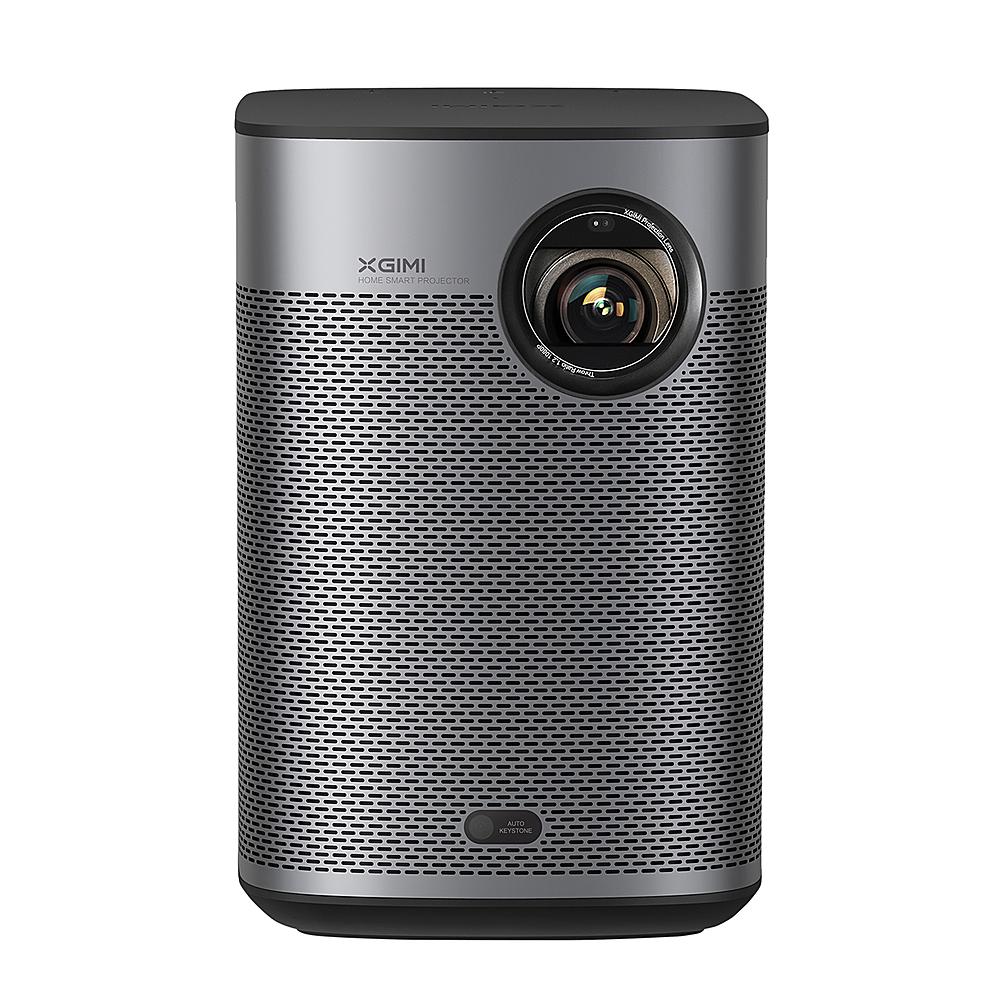
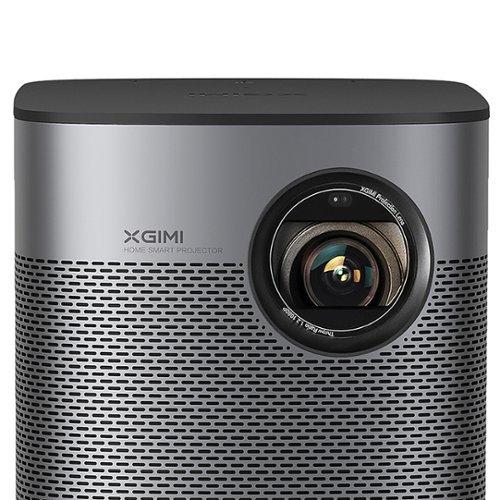
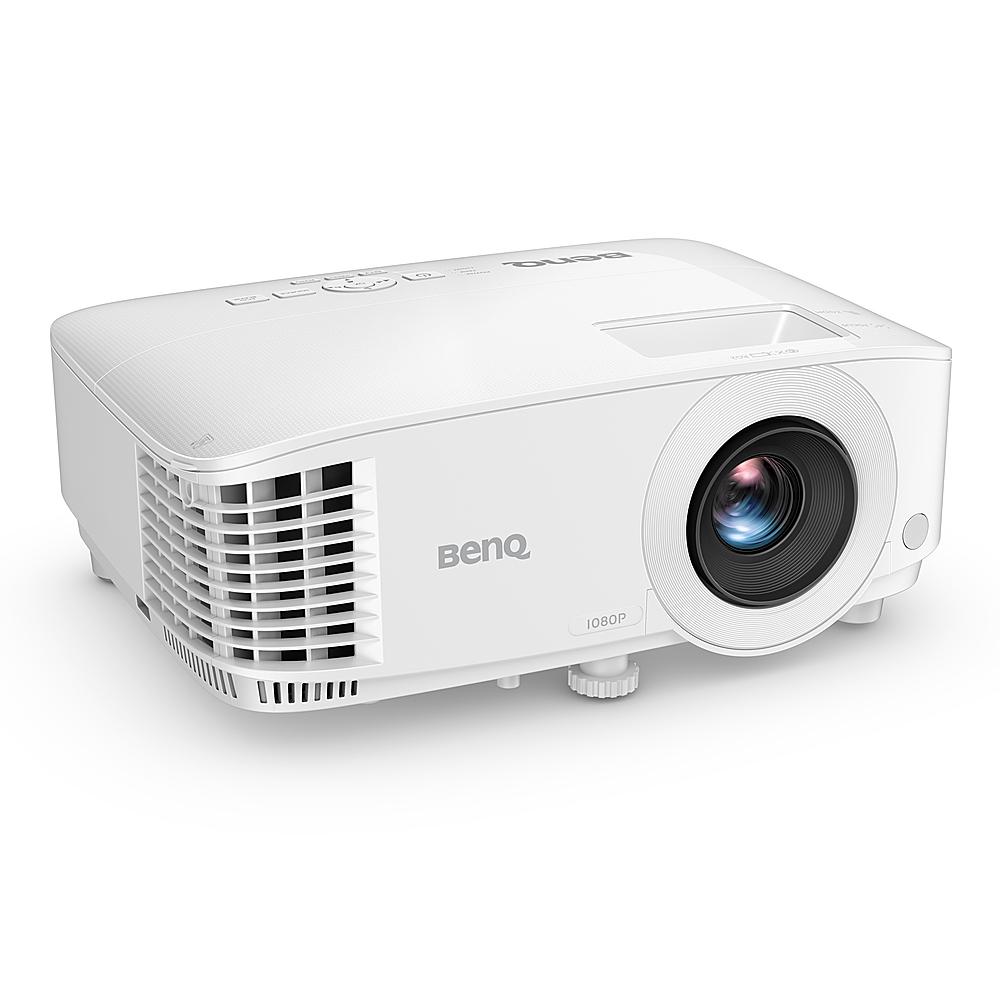
The projector market has evolved dramatically in recent years, transforming from bulky, complex devices into sophisticated display solutions that can serve a variety of needs. In this comparison, we're examining two distinctly different approaches to modern projection technology: the XGIMI Halo+ Portable Projector and the BenQ TH575 1080p Gaming Projector.
Released in late 2021, the XGIMI Halo+ represents the evolution of portable projection technology, building upon its predecessor with improved brightness and intelligent features. The BenQ TH575, launched in early 2022, takes a more specialized approach as a dedicated gaming projector with optimizations for responsive play and enhanced visibility in darker game scenes.
What makes this comparison particularly interesting is that these projectors embody fundamentally different design philosophies. While they both ultimately project images onto surfaces, they're engineered to solve different problems for different users. Let's explore what makes each unique and who might benefit most from either approach.
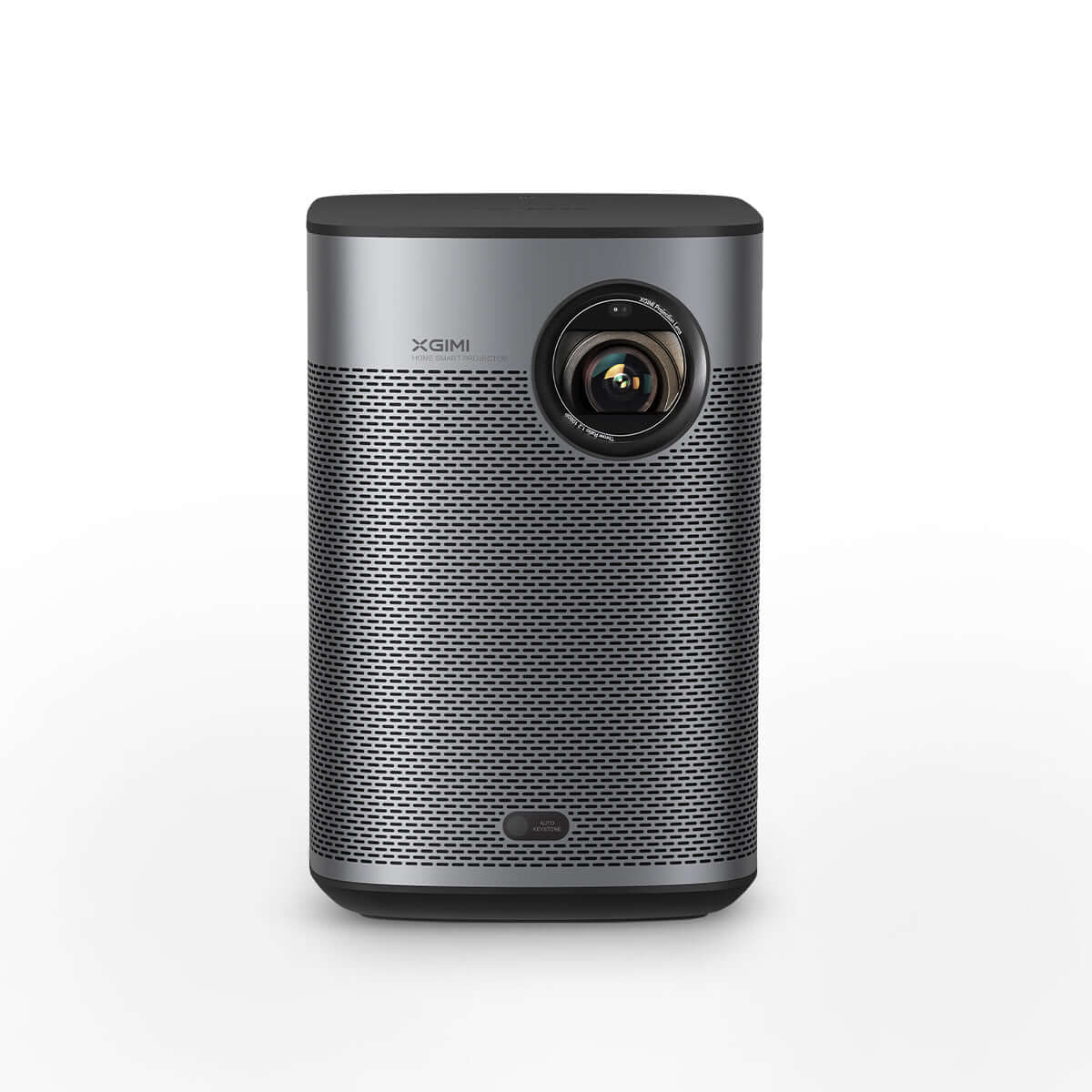
The XGIMI Halo+ is designed around a clear concept: projection should be flexible, portable, and hassle-free. Everything about this unit speaks to that philosophy, from its compact dimensions to its built-in battery and automated setup features.
XGIMI has built upon previous portable projectors by addressing key pain points in the setup process. The Intelligent Screen Adaptation technology (or ISA) represents a significant advancement in user experience. When you power on the projector, it automatically handles focus adjustment, keystone correction (fixing the image shape when projecting at an angle), and even detects and avoids obstacles in the projection path. In practical terms, this means you can place the projector almost anywhere, and it will work to deliver a properly aligned, in-focus image with minimal user intervention.
"Keystone correction" might sound technical, but it simply refers to adjusting the projected image to appear rectangular when the projector isn't perfectly perpendicular to the screen. Traditionally, this required manual adjustment, but the Halo+ handles this automatically.
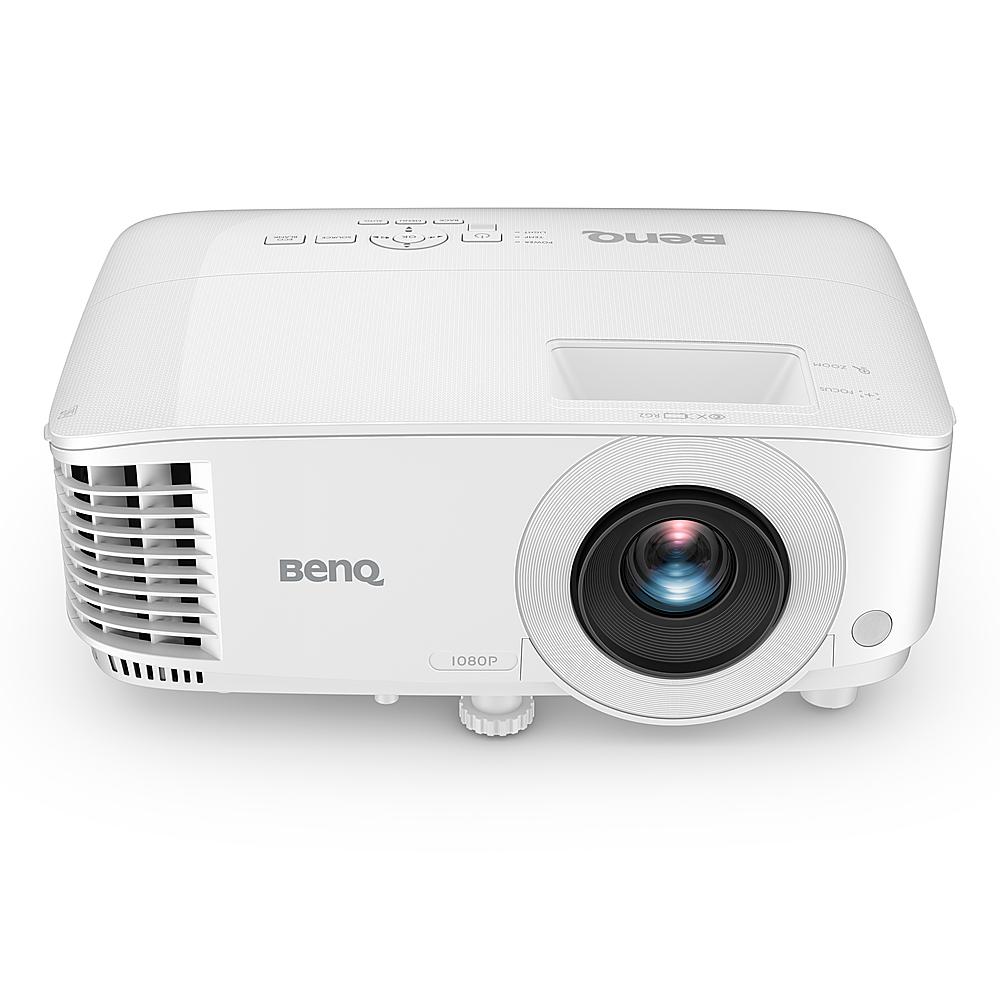
In contrast, the BenQ TH575 is built around maximizing image performance for gaming specifically. While less portable, it delivers significantly higher brightness, contrast, and—crucially for gamers—extremely low input lag.
"Input lag" refers to the delay between when your controller sends a signal and when that action appears on screen. The lower this number, the more responsive gameplay feels. The TH575's 16.7ms input lag at 1080p/60Hz is exceptional and represents a significant technical achievement that competitive gamers will appreciate. For context, most standard projectors have input lag in the 50-100ms range, which can create noticeable delay during fast-paced games.
BenQ has focused development efforts on optimizing the projection engine specifically for gaming, with features like "Black Detail Enhancement" that improves visibility in dark game scenes without washing out the overall image. This represents a specialized application of dynamic contrast technology that's particularly valuable in games where spotting enemies in shadows can make the difference between winning and losing.
Perhaps the most significant technical difference between these projectors is their brightness output, which dramatically affects when and where you can use them effectively.
Before diving into the specifics, it's worth understanding brightness measurements. The XGIMI Halo+ is rated at 700 ISO lumens, while the BenQ TH575 delivers 3800 ANSI lumens. These are different measurement standards, but even accounting for the difference, the BenQ outputs roughly 4-5 times more light.
In practical terms, this means:
The XGIMI Halo+ works best in controlled lighting environments. It performs admirably in darkened rooms or outdoor settings after sunset. The image remains vibrant and colorful in these ideal conditions, with HDR support enhancing the visual experience by improving contrast between bright and dark areas. However, introduce significant ambient light, and the image becomes noticeably washed out.
When I've used similar portable projectors, I've found that drawing blinds or curtains is essentially mandatory during daylight hours. The brightness limitation is simply the trade-off for having a compact, battery-powered unit.
The BenQ TH575, with its substantially higher brightness output, maintains image visibility and color saturation even with some ambient light present. This versatility means you don't need to completely darken the room for casual viewing or gaming sessions. In home theater applications, this higher brightness also enables larger screen sizes while maintaining adequate brightness levels.
I've found that higher-brightness projectors like the TH575 offer significantly more flexibility in terms of viewing conditions, which can be particularly valuable in living rooms or multipurpose spaces where complete light control isn't always possible.
The XGIMI Halo+ embodies the portable projection concept with impressive specifications:
This level of portability opens up usage scenarios that would be impossible with traditional projectors. Take it outdoors for a backyard movie night, move it from room to room, bring it to a friend's house, or set it up in a temporary location without worrying about power outlets.
The intelligent setup features complement this portability perfectly. When you place the projector in a new location, it automatically handles the technical adjustments that would otherwise require manual intervention. The auto-focus feature uses sensors to ensure the image is properly focused, while the auto-keystone correction adjusts the image shape to appear properly rectangular even when projecting at an angle.
Since its release, the auto-setup technology has been improved through firmware updates, making the process even more reliable than at launch. This represents an advantage of modern smart projectors—they can improve over time through software updates.
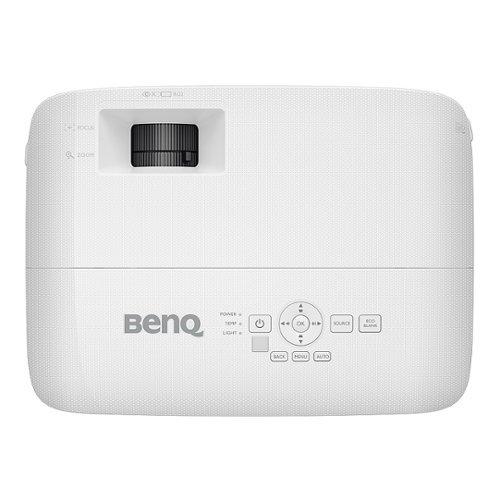
The BenQ TH575 takes a completely different approach, prioritizing image performance over portability:
This design philosophy yields significant performance benefits. The larger chassis accommodates a more powerful lamp system, superior cooling, and more robust optics. The 3800 ANSI lumens output is impossible to achieve in a portable form factor with current technology, as the power requirements and heat generation would be prohibitive.
The gaming-optimized DLP (Digital Light Processing) engine delivers exceptionally low input lag while maintaining high brightness and contrast. DLP technology uses millions of microscopic mirrors that flip thousands of times per second to create the image, offering advantages in response time over other projection technologies.
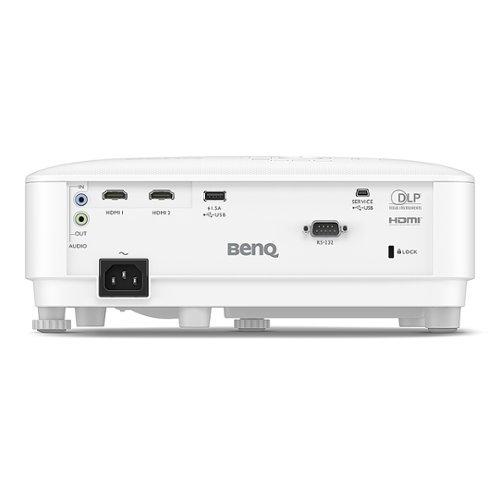
For home theater enthusiasts, the TH575 offers better integration with permanent setups, including dual HDMI inputs for connecting multiple sources (like a gaming console and a streaming device) simultaneously. The longer throw distance (the distance needed between the projector and screen) typically results in more even illumination across the screen compared to short-throw portable units.
While both projectors offer 1080p Full HD resolution, several factors contribute to different image quality characteristics.
The BenQ TH575 supports an impressive 1.07 billion colors and offers a 15,000:1 contrast ratio. This translates to vibrant, punchy images with good differentiation between bright and dark areas. The projector's dedicated game mode further enhances contrast in gaming content specifically, making details more visible in dark game scenes.
The lamp-based system in the BenQ provides consistent brightness across the color spectrum, which helps maintain color accuracy at higher brightness levels. This is particularly noticeable in content with bright, saturated colors, which maintain their vibrancy even at larger screen sizes.
The XGIMI Halo+ counters with HDR10 and HLG (Hybrid Log-Gamma) support, technologies that expand the range between the brightest and darkest parts of an image for compatible content. The X-VUE 2.0 Image Engine provides sophisticated image processing to enhance perceived contrast and clarity within the limitations of the portable form factor.
In practical viewing, the BenQ typically delivers higher perceived contrast and more accurate colors when viewed in ideal conditions, while the XGIMI makes smart compromises to deliver the best possible image quality in a portable package.
For serious gamers, input lag is a critical specification, and here the BenQ TH575 has a clear, significant advantage. Its 16.7ms input lag at 1080p/60Hz is exceptional for a projector and approaches the responsiveness of gaming monitors. This makes it suitable even for competitive gaming in genres where split-second reactions matter.
The XGIMI Halo+ doesn't publish an official input lag specification, which typically indicates performance in the 30-50ms range. While this is perfectly adequate for casual gaming and most single-player experiences, competitive gamers will notice the difference, particularly in fast-paced titles like first-person shooters or fighting games.
Beyond raw input lag, the BenQ also offers gaming-specific picture enhancements that boost visibility in dark scenes without overexposing bright areas. This can provide a competitive advantage in games where spotting enemies hiding in shadows is important.
One area where the XGIMI Halo+ shines is in its comprehensive smart features:
This integration means the Halo+ functions as a complete entertainment system right out of the box. You can stream content from Netflix (though this requires a workaround), Disney+, HBO Max, and other services without connecting any additional devices. Since its release, XGIMI has continued to update the Android TV implementation, adding new features and maintaining compatibility with streaming services.
The BenQ TH575 takes a more traditional approach, focusing on image performance rather than smart features:
This design philosophy prioritizes long-term flexibility over immediate convenience. While you'll need to connect a streaming stick, gaming console, or PC to access content, this modular approach allows you to update your streaming device independently from the projector and choose the ecosystem that works best for you.
Audio capabilities represent another significant divergence between these projectors, reflecting their different intended use cases.
The XGIMI Halo+ features dual 5W speakers tuned by Harman/Kardon, a premium audio brand. These speakers deliver surprisingly good sound quality for a portable device, with proper stereo separation and reasonable bass response considering the size constraints. Support for Dolby Audio and DTS-HD formats ensures compatibility with modern content.
This audio system is designed to make the Halo+ fully functional without any additional equipment. In quiet environments, the volume and quality are perfectly adequate for movie watching or casual gaming. When using the projector outdoors, the speakers can typically fill a backyard viewing area with clear, intelligible audio.
The BenQ TH575 includes a single 10W mono speaker that, while louder than the XGIMI's combined speaker output, lacks stereo separation and the refined tuning of the Harman/Kardon system. The audio is functional but clearly designed as a fallback option rather than the primary audio solution.
The expectation is that users will connect the TH575 to an external audio system in a home theater setup, either through the 3.5mm audio output or via HDMI ARC (Audio Return Channel) to a sound system. This approach is common for dedicated home theater and gaming projectors, where external audio is considered standard practice.
For home theater use, the XGIMI Halo+ offers a flexible approach that works best in smaller, dedicated spaces. Its portability means you can create a theater experience in different rooms as needed, rather than requiring a permanent installation.
The automated setup features are particularly valuable in this context, as they eliminate the need for careful placement and manual adjustments each time you set up. For apartment dwellers or those who don't have a dedicated media room, this flexibility can be the difference between having a big-screen experience or not.
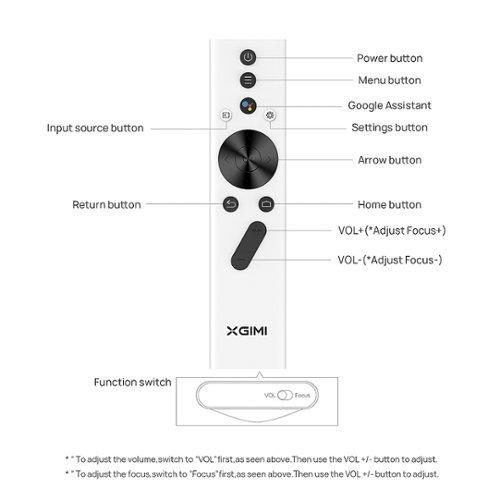
The integrated Android TV system means you don't need to manage multiple devices and remotes, simplifying the overall experience. However, the brightness limitations mean you'll want to ensure good light control for the best viewing experience. In a properly darkened room, the image quality is impressive for such a compact device.
The BenQ TH575 represents a more traditional approach to home theater, with performance characteristics that align with dedicated viewing spaces. The high brightness allows for larger screen sizes—up to 300 inches diagonally, though 100-150 inches is more realistic for most home spaces.
The superior contrast and color performance become more apparent on larger screens, where the image has more room to breathe. The multiple HDMI inputs allow for connecting both a media player and a gaming console simultaneously, eliminating the need to switch cables when changing activities.
In a dedicated home theater room with proper light control, either projector can deliver an engaging viewing experience, but the BenQ will typically provide a more cinema-like image with better contrast, particularly on larger screens. The trade-off is the need for permanent installation and potentially additional equipment for streaming content.
At its price point, the XGIMI Halo+ represents a premium option in the portable projector market. The value proposition centers on the combination of portability, automated setup features, and the all-in-one nature of the device. For users who prioritize flexibility and ease of use, the higher price compared to basic portable projectors is justified by the superior user experience and image quality.
When considering the total cost of ownership, it's worth noting that the integrated Android TV system eliminates the need to purchase a separate streaming device, while the quality built-in speakers reduce the need for external audio in many scenarios.
The BenQ TH575 delivers exceptional value for users focused on image performance and gaming capabilities. The combination of high brightness, low input lag, and gaming-specific optimizations is rare at its price point, making it particularly attractive for gamers seeking a big-screen experience.
However, the total system cost may be higher when factoring in a streaming device and potentially external speakers for the best experience. For dedicated home theater use, these additional costs are typically considered part of the overall system rather than drawbacks of the projector itself.
After thoroughly examining both projectors, the decision comes down to understanding your specific needs and priorities.
Choose the XGIMI Halo+ if:
The Halo+ excels as a versatile entertainment device that can go anywhere. Its combination of portability, automated setup, and all-in-one functionality makes it ideal for users who prioritize flexibility and convenience over maximum performance.
Choose the BenQ TH575 if:
The TH575 delivers superior raw performance for dedicated spaces. Its brightness, contrast, and gaming-optimized features make it the better choice for users who prioritize image quality and responsiveness over portability.
In the end, both projectors excel at their intended purposes. The XGIMI Halo+ is the better lifestyle product for versatile, flexible use across locations, while the BenQ TH575 delivers superior dedicated performance for gaming and home theater in a fixed location. Understanding which approach better matches your viewing habits and space constraints will lead you to the right choice.
| XGIMI Halo+ Portable Projector | BenQ TH575 1080p Gaming Projector |
|---|---|
| Brightness - Determines visibility in ambient light | |
| 700 ISO lumens (requires darkened rooms or night use) | 3800 ANSI lumens (works well even with some lights on) |
| Form Factor - Affects where and how you can use it | |
| Portable: 1.6 kg (3.53 lbs), 172 x 114 x 145 mm | Semi-permanent: 5.5 lbs, 11.7" x 4.7" x 8.7" |
| Battery - Enables truly wireless operation | |
| Built-in 59.454Wh battery (up to 2.5 hours runtime) | No battery (requires constant AC power) |
| Input Lag - Critical for gaming responsiveness | |
| Not specified (likely 30-50ms range) | 16.7ms at 1080p/60Hz (excellent for competitive gaming) |
| Smart Features - Affects need for additional devices | |
| Built-in Android TV with 16GB storage and Chromecast | No smart features (requires external streaming device) |
| Audio System - Determines need for external speakers | |
| Dual 5W Harman/Kardon speakers with Dolby Audio/DTS-HD | Single 10W mono speaker (basic audio quality) |
| Setup Features - Impacts ease of installation | |
| Intelligent Screen Adaptation with auto focus, keystone, and obstacle avoidance | Basic auto vertical keystone only; manual zoom and focus |
| Connectivity - Affects versatility with different sources | |
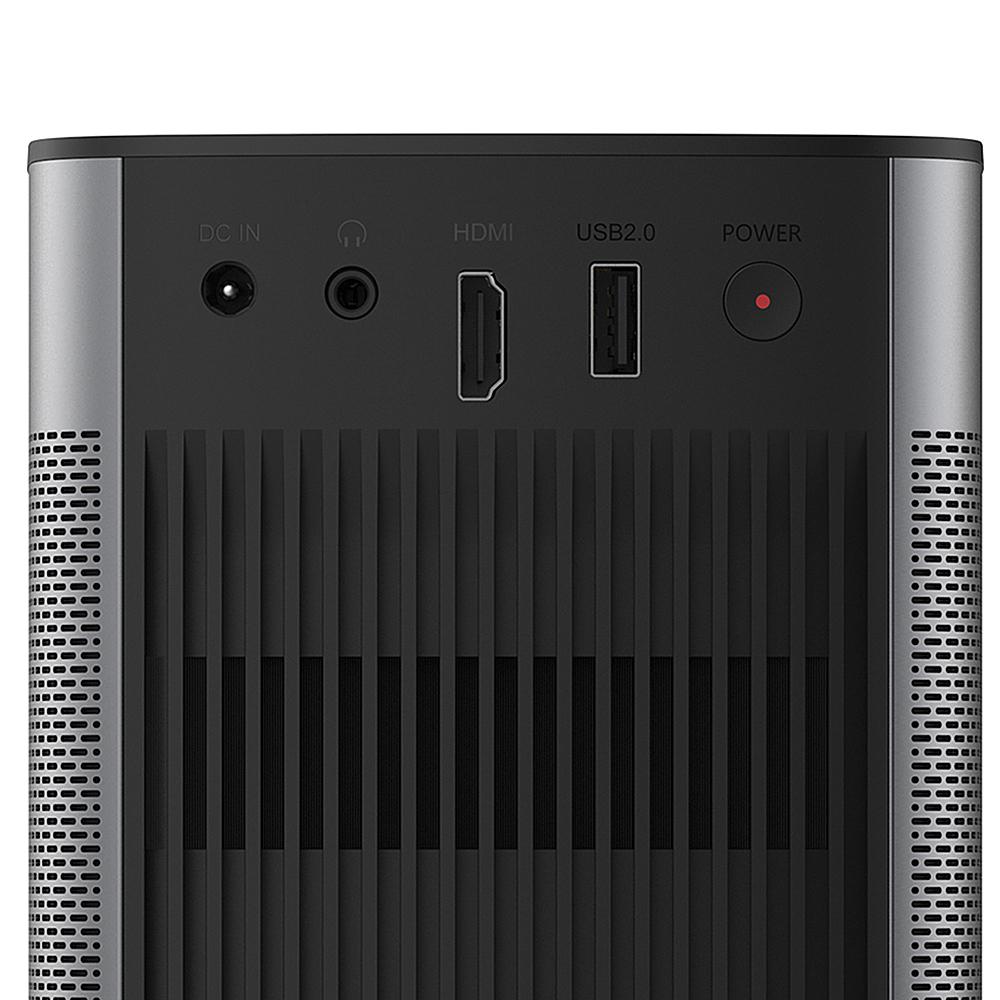
| 1 HDMI port, USB, Wi-Fi, Bluetooth 5.0 | 2 HDMI ports, 2 USB ports, 3.5mm audio |
| Projection Size - Determines maximum image dimensions | |
| 40" - 200" diagonal image size | 30" - 300" diagonal image size |
| Use Case Optimization - Shows primary intended purpose | |
| Optimized for portability and convenience | Optimized for gaming performance and brightness |
| Price-Performance Ratio - Value proposition for different users | |
| Higher price for portable convenience and all-in-one functionality | Better price-performance for raw image quality and gaming in fixed locations |
The BenQ TH575 Gaming Projector is significantly better for bright living rooms with its 3800 ANSI lumens brightness, which is about 4-5 times brighter than the XGIMI Halo+. The Halo+ outputs only 700 ISO lumens, making it suitable primarily for darkened rooms or nighttime use. If you plan to watch content with any ambient light present, the BenQ TH575 will provide a much more visible image with better color saturation.
The XGIMI Halo+ Portable Projector is ideal for outdoor use thanks to its built-in battery that provides up to 2.5 hours of runtime, compact size (1.6 kg), and automated setup features. The BenQ TH575 requires constant AC power and has no battery, making it impractical for most outdoor scenarios unless you have access to power outlets. For backyard movie nights, the Halo+ offers true portability while the TH575 would need extension cords and potentially a table or stand.
The BenQ TH575 Gaming Projector is specifically designed for gaming with an exceptional 16.7ms input lag at 1080p/60Hz, which makes it responsive enough even for competitive gaming. The XGIMI Halo+ doesn't specify its input lag (typically indicating 30-50ms performance), making it adequate for casual gaming but not ideal for fast-paced or competitive games. The BenQ also features game-specific picture enhancements that improve visibility in dark game scenes.
The XGIMI Halo+ Portable Projector has Android TV built-in with 16GB storage for apps, so no additional streaming device is needed. You can directly access services like Disney+, HBO Max, and others (though Netflix requires a workaround). The BenQ TH575 has no built-in smart platform and requires an external streaming device like a Roku, Fire TV Stick, or Apple TV to access streaming services. This adds to the overall cost and setup complexity of the BenQ.
The XGIMI Halo+ features dual 5W Harman/Kardon speakers with Dolby Audio and DTS-HD support, providing good stereo sound quality for a portable device. The BenQ TH575 Gaming Projector has a single 10W mono speaker that's louder but lacks stereo separation and refined tuning. For standalone use without external speakers, the Halo+ delivers noticeably better audio quality, though both would benefit from external sound systems for a true home theater experience.
The BenQ TH575 Gaming Projector supports a larger maximum screen size of up to 300 inches diagonally, while the XGIMI Halo+ supports screens from 40 to 200 inches. However, brightness matters for screen size—the BenQ's higher brightness means it can realistically support larger screens while maintaining good image quality. The Halo+ is better suited for moderate screen sizes (60-100 inches) in darkened environments.
Neither the XGIMI Halo+ nor the BenQ TH575 are native 4K projectors—both have 1080p Full HD resolution. The Halo+ can accept 4K input signals and downscale them to 1080p, and it supports HDR10 and HLG formats for improved contrast. The BenQ TH575 also accepts 4K signals downscaled to 1080p. If you need true 4K resolution, you would need to look at higher-end projector models.
The XGIMI Halo+ Portable Projector is significantly easier to set up in different locations thanks to its Intelligent Screen Adaptation technology, which automatically handles focus, keystone correction, and obstacle avoidance. The BenQ TH575 only offers basic auto vertical keystone correction and requires manual focus and zoom adjustments. For users who frequently move their projector between rooms or locations, the Halo+ offers a much more convenient setup experience.
The BenQ TH575 Gaming Projector offers more physical connectivity with 2 HDMI inputs and 2 USB ports, allowing you to connect multiple devices simultaneously. The XGIMI Halo+ has only 1 HDMI port and 1 USB port but adds Bluetooth 5.0 and Chromecast functionality. For a home theater where you might want to connect both a gaming console and a media player without switching cables, the BenQ's dual HDMI inputs provide greater convenience.
The BenQ TH575 uses a traditional lamp with a rated life of 6,000 hours in normal mode and up to 15,000 hours in eco mode. The XGIMI Halo+ Portable Projector uses LED technology with a rated life of 25,000 hours. This means the Halo+ should last significantly longer before requiring any light source replacement, potentially over 10 years of regular use. The BenQ will likely require a lamp replacement earlier depending on usage patterns.
The BenQ TH575 Gaming Projector is designed with standard mounting patterns and is well-suited for ceiling installation in permanent home theater setups. The XGIMI Halo+, while technically mountable, is primarily designed for portable use, and ceiling mounting would eliminate the benefits of its battery power and portability. For a dedicated home theater with ceiling-mounted projection, the BenQ TH575 is the more appropriate choice.
The value proposition depends on your primary needs. The XGIMI Halo+ Portable Projector provides better value if portability, all-in-one functionality, and ease of use are priorities. The BenQ TH575 offers better value for raw performance metrics like brightness and input lag in fixed locations. If you need a projector for multiple use cases and locations, the Halo+ justifies its price. For a dedicated gaming or home theater setup where performance matters most, the BenQ TH575 delivers more bang for your buck.
We've done our best to create useful and informative comparisons to help you decide what product to buy. Our research uses advanced automated methods to create this comparison and perfection is not possible - please contact us for corrections or questions. These are the sites we've researched in the creation of this article: bestbuy.com - bestbuy.com - youtube.com - projectorcentral.com - staples.com - youtube.com - rtings.com - us.xgimi.com - youtube.com - cnet.com - us.xgimi.com - youtube.com - marieclaire.com - youtube.com - youtube.com - youtube.com - youtube.com - odpbusiness.com - bhphotovideo.com - bestbuy.com - projectorcentral.com - us.xgimi.com - global.xgimi.com - projectorscreen.com - petra.com - eu.xgimi.com - us.xgimi.com - global.xgimi.com - lifeisxbox.eu - ai-techreport.com - electronics.woot.com - ai-techreport.com - laurentwillen.com - bestbuy.com - bestbuy.com - projectorcentral.com - tvsbook.com - shidirect.com - blog.richersounds.com - memoryexpress.com - versus.com - adorama.com - avsforum.com - shi.com - bestbuy.com - bhphotovideo.com - cdw.com - insight.com - shi.ca - projectorcentral.com - insight.com - specsradar.com - touchboards.com

Privacy Policy
Terms and Conditions - Affiliate Policy
Home Security
© Copyright 2008-2026.
11816 Inwood Rd #1211, Dallas, TX 75244