

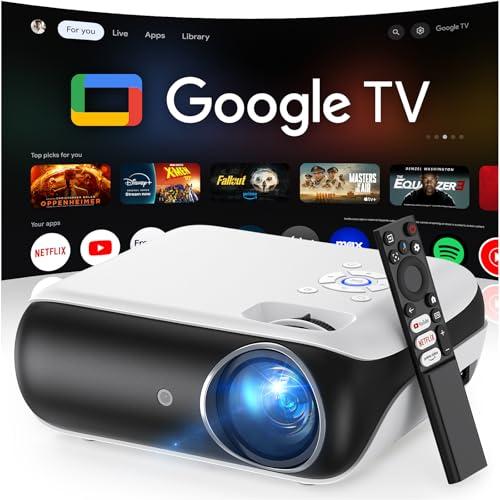
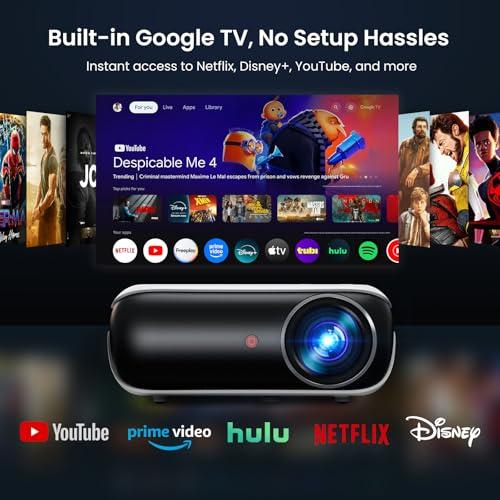
When Netflix announced they'd finally start allowing smart projectors to access their platform directly—without requiring workarounds or casting—it changed the entire landscape for home entertainment. Suddenly, these devices weren't just glorified computer monitors anymore; they became legitimate TV replacements. This shift has made 2024 and 2025 particularly exciting years for anyone looking to upgrade their viewing setup without breaking the bank or sacrificing convenience.
Today we're comparing two projectors that perfectly represent this evolution: the HAPPRUN Google TV Smart Projector and the XGIMI Halo+ Portable Projector. Released in 2024 and 2022 respectively, these devices take completely different approaches to the same goal—delivering big-screen entertainment with smart features built right in.
Before diving into specifics, let's clarify what makes a projector "smart" and why it matters. Traditional projectors were essentially fancy computer monitors that happened to use light instead of LCD panels. You needed separate devices—Apple TVs, Roku sticks, game consoles—to actually watch anything interesting. Smart projectors eliminate this hassle by building streaming capabilities directly into the device, complete with Wi-Fi, app stores, and user interfaces designed for living rooms rather than boardrooms.
The most critical performance factors for any projector include brightness (measured in lumens—think of it as how powerful the light bulb is), resolution (the number of pixels that create the image), contrast ratio (how deep the blacks look compared to bright whites), and color accuracy. For smart projectors specifically, we also need to consider the operating system's responsiveness, app compatibility, and wireless connectivity stability.
What separates good projectors from great ones often comes down to brightness and smart platform integration. A projector that looks stunning in a pitch-black room becomes unwatchable with even modest ambient lighting if it lacks sufficient brightness. Similarly, a projector with poor smart TV software will frustrate you every time you want to watch something, no matter how good the picture quality might be.
The HAPPRUN Google TV Smart Projector represents the budget-focused approach—maximize smart features and streaming capability while keeping costs low. At the time of writing, it sits in the under-$300 category, making it accessible to almost anyone wanting to upgrade from a traditional TV setup.
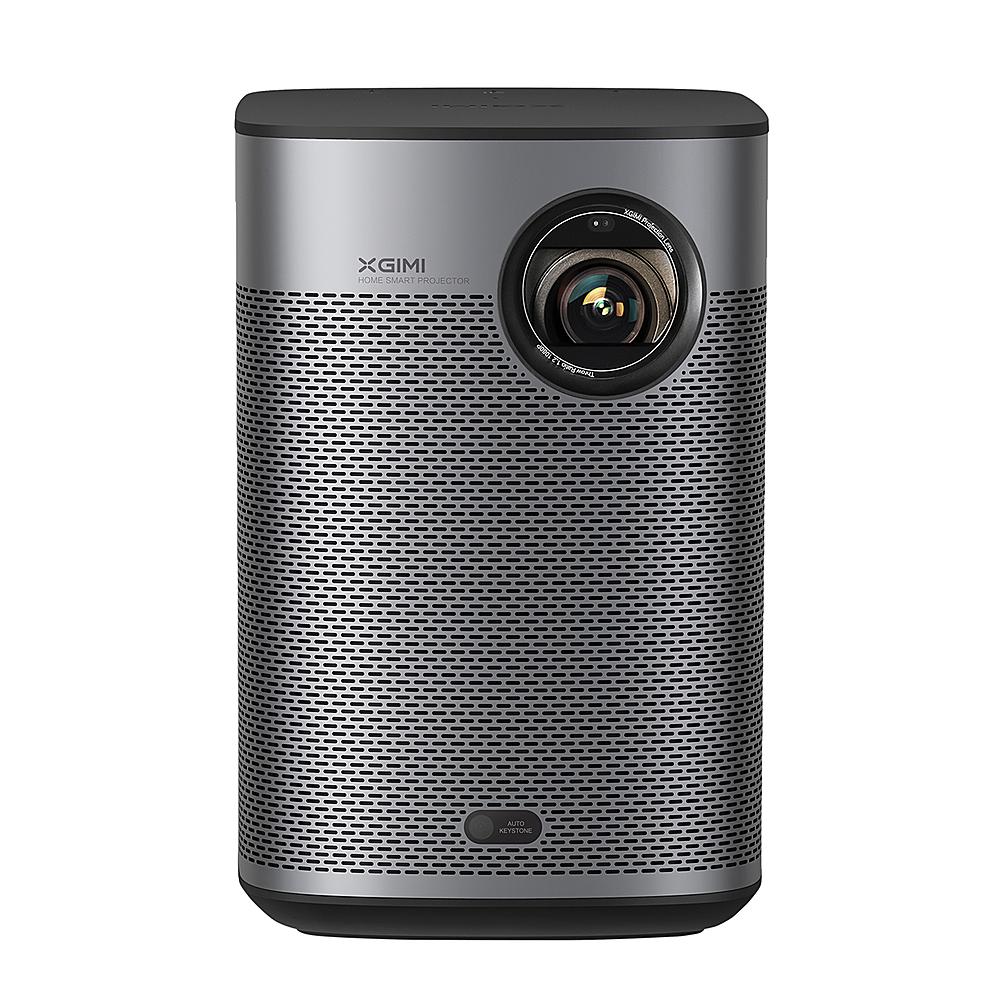
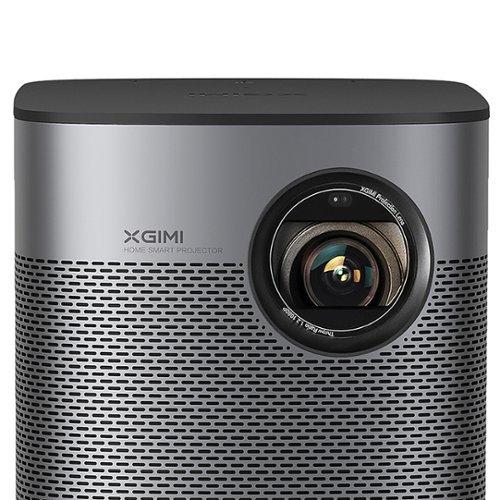
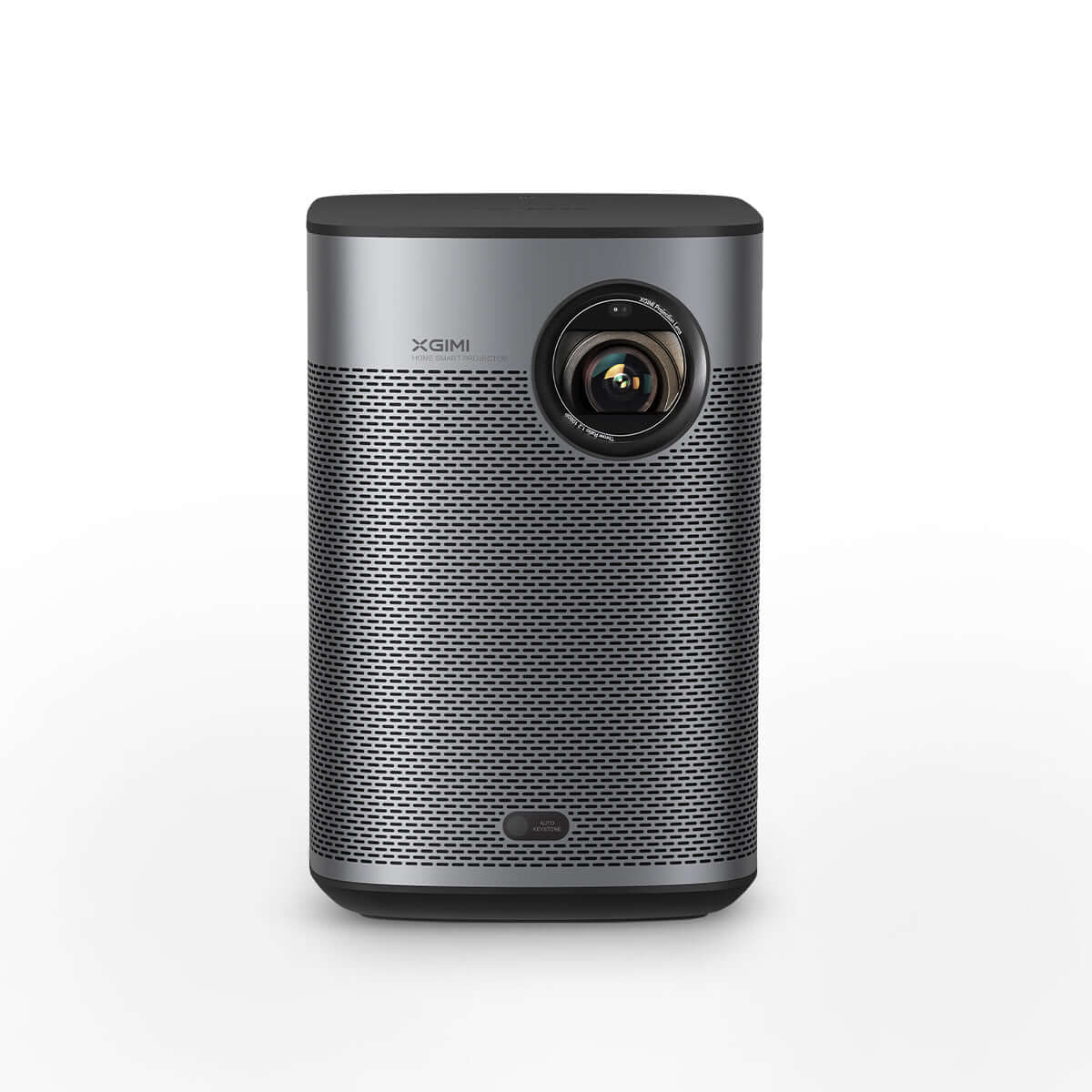
The XGIMI Halo+ Portable Projector, released in 2022, takes the premium route. It costs roughly three times more than the HAPPRUN but focuses on superior image quality, true portability with built-in battery power, and automated setup features that border on magical.
Here's where the XGIMI Halo+ shows its premium credentials most clearly. With 700 ISO lumens compared to the HAPPRUN's 350-400 ANSI lumens, the difference is immediately noticeable. But what do these numbers actually mean for your viewing experience?
Lumens measure light output, and the distinction between ISO and ANSI standards matters less than the raw numbers in this case. The XGIMI produces roughly twice as much light, which translates to usable viewing in moderately lit rooms. You could watch a movie in your living room with some lights on, though you'd still want to dim them for the best experience.
The HAPPRUN, like most budget projectors, really needs a dark room to shine. This isn't necessarily a dealbreaker—many people prefer dedicated home theater setups anyway—but it does limit versatility. If you're planning to use your projector in multiple locations or want the flexibility to watch during the day, the brightness difference becomes crucial.
Both projectors offer native 1080p resolution (1920 x 1080 pixels), which remains the sweet spot for most content in 2025. While true 4K projectors exist, they typically cost several thousand dollars and the content library benefits are still limited for most users.
The HAPPRUN includes 4K upscaling, meaning it can accept 4K content from streaming services or game consoles and intelligently convert it to fit its 1080p display. The results won't match a native 4K projector, but they often look noticeably better than standard 1080p content thanks to the additional image processing.
More importantly, the HAPPRUN supports HDR10+, while the XGIMI Halo+ only handles standard HDR10. HDR (High Dynamic Range) dramatically improves the contrast and color range of compatible content. HDR10+ is a more advanced version that adjusts these improvements scene-by-scene rather than applying static settings to entire movies. In practice, this means better-looking dark scenes and more realistic highlights, particularly noticeable when watching newer Netflix originals or Amazon Prime content.
The XGIMI Halo+ uses professional DLP (Digital Light Processing) technology with advanced color calibration, while the HAPPRUN relies on more budget-oriented components. DLP projectors typically offer more accurate colors and better contrast ratios—the difference between the brightest whites and deepest blacks in an image.
The XGIMI's X-VUE 2.0 image processing engine represents several years of software development focused specifically on optimizing picture quality. This shows up in subtle but important ways: skin tones look more natural, fast-moving scenes appear smoother, and dark movie scenes retain detail instead of turning into murky messes.
However, the HAPPRUN punches above its weight class with its 20,000:1 contrast ratio specification. While these manufacturer-provided numbers should be taken with some skepticism, user reviews consistently mention surprisingly good black levels for a budget projector.
This is where things get interesting from a usability perspective. The HAPPRUN runs Google TV 11.0, which is essentially Android TV's newer, more consumer-friendly interface. Google TV organizes content by what you might actually want to watch rather than which app contains it, pulling recommendations from across all your streaming services into a unified homepage.
The XGIMI Halo+ uses the older Android TV platform, which works well but feels more app-focused and less intuitive for casual users. However, XGIMI has optimized this experience specifically for projector use, with custom interfaces that work better with remote controls and larger screen distances.
Here's where the HAPPRUN delivers something genuinely rare at its price point: official Netflix certification. This means the Netflix app works exactly like it would on a premium smart TV, with full 4K content support (downscaled to 1080p), HDR compatibility, and all user profiles intact.
Most budget projectors either don't support Netflix at all or require workarounds like casting from your phone. While casting works, it drains your phone battery, creates another potential point of failure, and generally feels less seamless than having the app built-in properly.
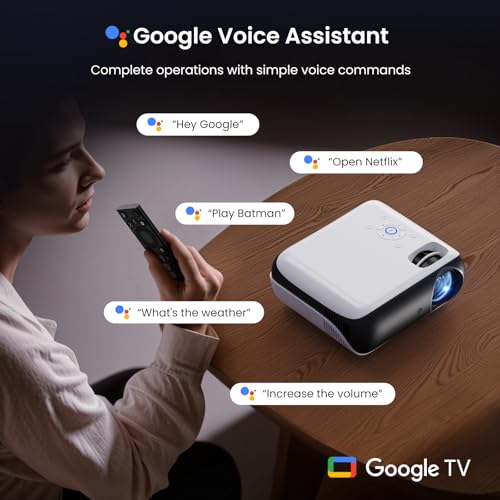
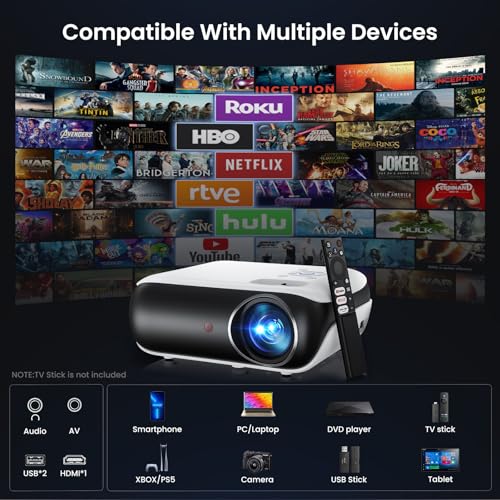
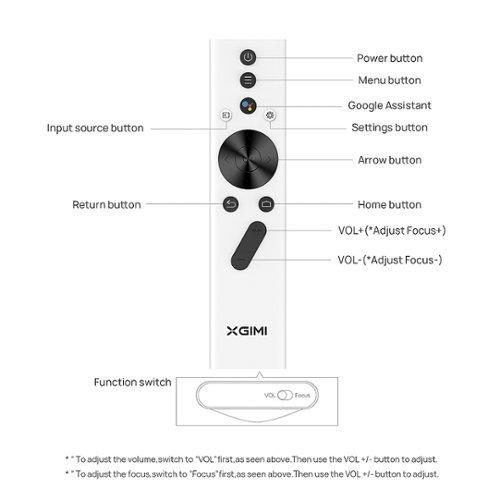
Both projectors support the major streaming platforms—YouTube, Amazon Prime Video, Disney+, and others—through their respective app stores. The HAPPRUN also includes Google Assistant voice control, letting you search for content or control playback using the remote's microphone button.
Projector audio has historically been terrible—afterthought speakers that barely qualify as functional. Both of these projectors take audio seriously, though in different ways.
The XGIMI Halo+ includes speakers tuned by Harman/Kardon, the premium audio company behind high-end car stereos and home theater systems. The dual 5W configuration delivers genuinely impressive sound for a portable device, with clear dialogue and reasonable bass response. The audio processing includes Dolby Audio and DTS-HD support, meaning it can handle surround sound content intelligently even through stereo speakers.
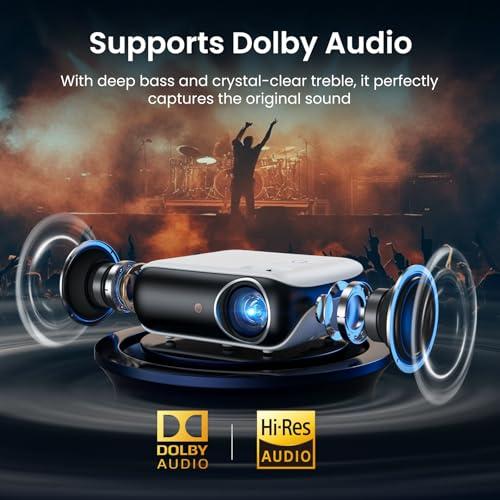
The HAPPRUN features Dolby-certified audio with what they call "3D stereo sound." While the speaker power is lower (5-8W depending on the specific model), the digital signal processing creates a surprisingly wide soundstage. For a dedicated home theater setup where you might add a soundbar later, the built-in audio serves as a perfectly adequate starting point.
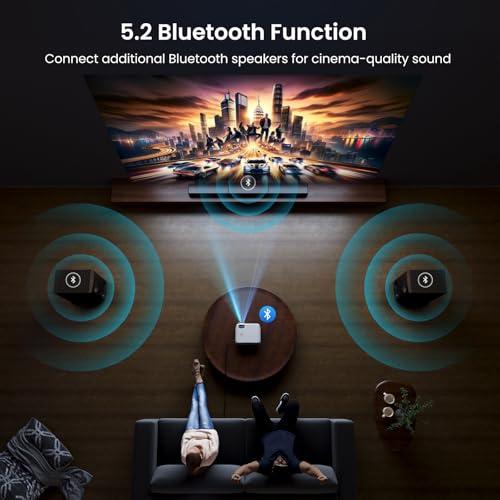
Both projectors support Bluetooth 5.0+ for connecting wireless headphones or external speakers, though some users report slight audio delay when using Bluetooth. For critical listening, both include analog audio outputs that eliminate this sync issue.
This represents the most fundamental difference between these projectors. The XGIMI Halo+ includes a substantial built-in battery rated for 2.5 hours of continuous use. This transforms it from a home entertainment device into something genuinely portable—think backyard movie nights, camping trips, or presentations in locations without convenient power access.
The battery capacity (59.454Wh) provides enough power for most movies, though you'd need to plan charging breaks for longer binge-watching sessions. More importantly, the XGIMI weighs just 1.6 kg and fits easily in a backpack, making it practical to transport regularly.
The HAPPRUN requires constant AC power but offers flexibility in permanent installation. Its multiple mounting options—ceiling, wall, tabletop, or tripod—make it suitable for dedicated home theater setups where you want the projector to disappear into the room's design.
Both projectors handle modern connectivity well, though with different strengths. The HAPPRUN provides more physical ports: dual USB connections, HDMI, AV input, and a headphone jack. This makes it more versatile for connecting older devices, gaming consoles, or external storage drives loaded with media files.
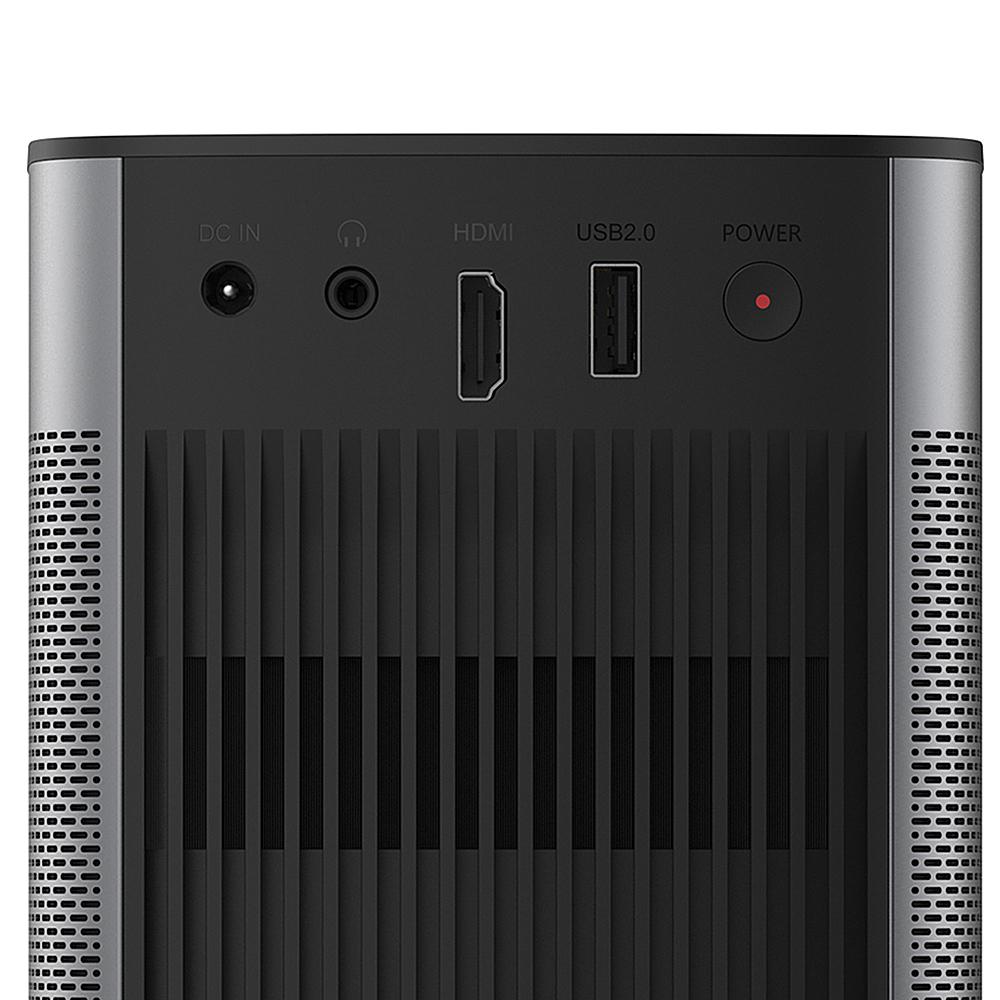
The XGIMI Halo+ focuses on quality over quantity with its single HDMI port supporting eARC (enhanced Audio Return Channel). This advanced feature allows the projector to receive high-quality audio from compatible sound systems and send control signals back through the same cable—particularly useful in sophisticated home theater setups.
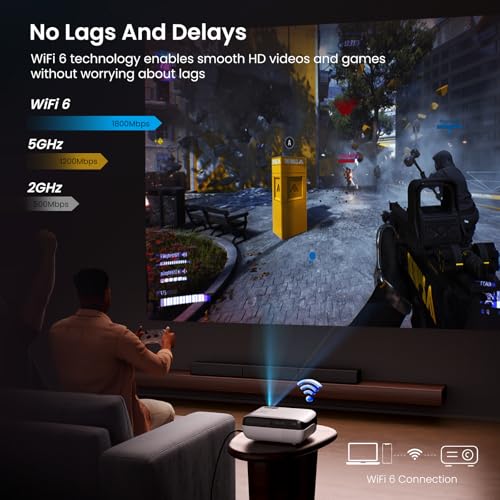
Both support dual-band Wi-Fi, though the HAPPRUN includes newer Wi-Fi 6 support in some configurations. Wi-Fi 6 offers faster speeds and better performance in crowded network environments, though the practical benefits for streaming video are minimal in most homes.
The XGIMI Halo+ includes genuinely impressive automated setup features that eliminate most of the traditional projector hassles. Its Intelligent Screen Adaptation (ISA) technology automatically detects your projection surface, adjusts focus, corrects keystone distortion (the trapezoid effect when projecting at an angle), and even moves the image to avoid obstacles like light switches or picture frames.
This automation makes the XGIMI particularly appealing for users who plan to move it frequently or lack technical expertise for manual adjustments. You can literally place it on a table, turn it on, and have a properly aligned image within seconds.
The HAPPRUN requires more manual setup but includes the same adjustment capabilities. For a permanent installation, this matters less since you'll configure it once and forget about it. However, the learning curve is steeper for less technical users.
For dedicated home theater use, both projectors offer compelling but different value propositions. The HAPPRUN excels as the centerpiece of a budget home theater, particularly when paired with a proper projection screen and external audio system. Its HDR10+ support and Google TV interface create a experience that rivals much more expensive setups.
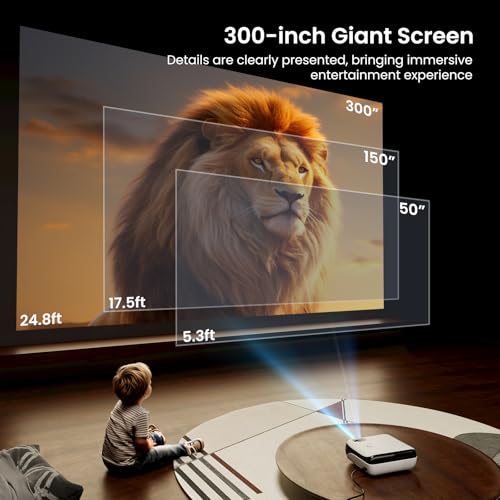
The projection size capabilities matter here too. The HAPPRUN can theoretically project up to 300 inches diagonal, while the XGIMI Halo+ maxes out around 200 inches. In practice, both work best in the 100-150 inch range where brightness remains adequate and detail stays sharp.
For home theater purists, the XGIMI Halo+'s superior DLP technology and color accuracy provide noticeably better picture quality, particularly in dark, detail-heavy scenes. The Harman/Kardon audio also reduces the immediate need for external speakers, though serious enthusiasts will eventually want dedicated home theater audio regardless of which projector they choose.
Both projectors handle gaming reasonably well for their categories, though neither targets serious competitive gaming. The HAPPRUN supports 4K input from modern gaming consoles like the PlayStation 5 or Xbox Series X, downscaling to its native 1080p resolution. Input lag—the delay between controller input and on-screen response—remains low enough for casual gaming, though competitive players would notice the difference compared to dedicated gaming monitors.
The XGIMI Halo+ offers similar gaming performance with the added benefit of portability for gaming gatherings or tournaments. Its automated setup features also simplify the process of achieving optimal gaming picture quality without manual adjustments.
Both projectors launched with features that should remain relevant for several years. The HAPPRUN's Google TV platform receives regular updates directly from Google, ensuring continued app compatibility and new feature additions. Its 2024 release means it includes the latest streaming standards and wireless technologies.
The XGIMI Halo+, despite its 2022 release, remains competitive thanks to its superior hardware foundations. The DLP technology and optical components don't become obsolete like software features might, and XGIMI has continued providing firmware updates to improve performance and add features.
However, the XGIMI's built-in battery will eventually degrade and require replacement, adding long-term cost considerations that don't apply to the always-plugged HAPPRUN.
Choose the HAPPRUN Google TV Smart Projector if you want maximum smart TV features at the lowest cost for a dedicated home theater setup. It's particularly compelling if you prioritize official Netflix support, Google ecosystem integration, or plan to use it primarily in a dark room where its brightness limitations won't matter.
The XGIMI Halo+ Portable Projector makes sense when portability is essential or when you can invest in premium image quality and automated convenience features. It's the clear choice for users who want to use their projector in multiple locations, need moderate ambient light performance, or value hassle-free setup above all else.
At the time of writing, the price difference represents roughly three times the cost for the XGIMI, but you're getting significantly more than three times the brightness and a completely different category of portability. Whether that trade-off makes sense depends entirely on your specific use cases and budget flexibility.
Both projectors deliver genuine value within their respective categories, representing the current state of smart projector technology done right. The choice comes down to whether you prioritize maximum features per dollar or premium performance with true portability.
| HAPPRUN Google TV Smart Projector | XGIMI Halo+ Portable Projector |
|---|---|
| Brightness - Critical for room versatility and daytime viewing | |
| 350-400 ANSI lumens (requires dark room) | 700 ISO lumens (handles moderate ambient light) |
| Resolution & HDR - Picture quality and streaming compatibility | |
| Native 1080p with 4K upscaling, HDR10+ support | Native 1080p with 4K upscaling, HDR10 support |
| Smart Platform - Streaming apps and user experience | |
| Google TV 11.0 with official Netflix certification | Android TV with optimized projector interface |
| Portability - Battery life and mobility options | |
| AC power only, designed for fixed installation | Built-in 59Wh battery, 2.5 hours runtime |
| Audio Quality - Built-in speakers for all-in-one convenience | |
| 5-8W Dolby certified speakers | Dual 5W Harman/Kardon tuned speakers |
| Weight & Size - Transport and installation flexibility | |
| ~2kg, multiple mounting options | 1.6kg compact design, travel-friendly |
| Connectivity Ports - Device compatibility and expansion | |
| 2x USB, HDMI, AV, headphone jack | 1x HDMI (eARC), 1x USB, headphone jack |
| Wireless Technology - Streaming performance and device pairing | |
| Wi-Fi 6, Bluetooth 5.2, Google Cast/AirPlay | Dual-band Wi-Fi, Bluetooth 5.0, Chromecast |
| Setup Automation - Ease of use and adjustment features | |
| Manual focus and keystone correction | Intelligent Screen Adaptation with auto-focus |
| Projection Size Range - Maximum screen size capabilities | |
| 40-300 inches (optimal 100-150 inches) | 40-200 inches (optimal 80-120 inches) |
| Voice Control - Hands-free operation and search | |
| Google Assistant with microphone remote | No built-in voice control |
| Price Category - Value positioning at time of writing | |
| Budget tier under $300 | Premium portable around $800+ |
For dedicated home theater setups, the HAPPRUN Google TV Smart Projector offers excellent value with HDR10+ support, official Netflix integration, and larger projection capabilities up to 300 inches. However, the XGIMI Halo+ Portable Projector delivers superior image quality with 700 ISO lumens brightness and professional DLP technology, making it better for rooms with any ambient light.
The XGIMI Halo+ produces 700 ISO lumens compared to the HAPPRUN Google TV Smart Projector's 350-400 ANSI lumens. This means the XGIMI is roughly twice as bright, allowing for viewing in moderately lit rooms while the HAPPRUN requires a dark environment for optimal picture quality.
Yes, the HAPPRUN Google TV Smart Projector includes official Netflix certification and runs the app natively through Google TV 11.0. The XGIMI Halo+ Portable Projector also supports Netflix through its Android TV platform, though some users may need to use workarounds depending on the region and firmware version.
The XGIMI Halo+ Portable Projector is genuinely portable with a built-in battery providing 2.5 hours of runtime and weighing just 1.6kg. The HAPPRUN Google TV Smart Projector requires AC power and is designed for fixed installation, though it can be moved between locations with a power source.
The XGIMI Halo+ features Harman/Kardon tuned dual 5W speakers with Dolby Audio and DTS-HD support, delivering superior sound quality. The HAPPRUN Google TV Smart Projector has 5-8W Dolby certified speakers that are adequate for the price point but not as refined as the XGIMI's premium audio system.
Both the HAPPRUN Google TV Smart Projector and XGIMI Halo+ Portable Projector offer native 1080p resolution with 4K upscaling. They can accept 4K input from streaming services and gaming consoles but display it at 1080p resolution. The HAPPRUN also supports HDR10+ for enhanced color and contrast.
The HAPPRUN Google TV Smart Projector runs the latest Google TV 11.0 with Google Assistant voice control, official app support, and seamless Google ecosystem integration. The XGIMI Halo+ uses Android TV with custom optimizations for projector use, offering a stable but less feature-rich smart platform experience.
Both projectors support gaming with adequate input lag for casual play. The HAPPRUN Google TV Smart Projector accepts 4K input from modern consoles like PlayStation 5 and Xbox Series X. The XGIMI Halo+ Portable Projector offers similar gaming performance with the added benefit of portability for gaming gatherings.
The XGIMI Halo+ features Intelligent Screen Adaptation with automatic focus, keystone correction, and obstacle avoidance for virtually hands-free setup. The HAPPRUN Google TV Smart Projector requires manual adjustments for focus and positioning but offers more mounting flexibility for permanent installations.
The HAPPRUN Google TV Smart Projector can project from 40-300 inches, making it suitable for large home theater screens. The XGIMI Halo+ Portable Projector projects 40-200 inches, which is still substantial but more focused on portable and medium-sized viewing experiences.
The HAPPRUN Google TV Smart Projector provides more physical ports including dual USB, HDMI, AV, and headphone connections, plus Wi-Fi 6 and Bluetooth 5.2. The XGIMI Halo+ has fewer ports but includes HDMI eARC support and reliable dual-band Wi-Fi for wireless streaming.
Choose the HAPPRUN Google TV Smart Projector for maximum smart features at a budget-friendly price point, especially for dedicated home theater setups in dark rooms. Select the XGIMI Halo+ Portable Projector if you need true portability, superior image quality, and can invest in premium features for versatile viewing locations.
We've done our best to create useful and informative comparisons to help you decide what product to buy. Our research uses advanced automated methods to create this comparison and perfection is not possible - please contact us for corrections or questions. These are the sites we've researched in the creation of this article: youtube.com - topvisiontec.com - youtube.com - happrunprojector.com - youtube.com - happrunprojector.com - youtube.com - business.walmart.com - youtube.com - walmart.com - cordcuttersnews.com - nexpow.com - bestbuy.com - bestbuy.com - youtube.com - projectorcentral.com - staples.com - youtube.com - rtings.com - us.xgimi.com - youtube.com - cnet.com - us.xgimi.com - youtube.com - marieclaire.com - youtube.com - youtube.com - youtube.com - youtube.com - odpbusiness.com - bhphotovideo.com - bestbuy.com - projectorcentral.com - us.xgimi.com - global.xgimi.com - projectorscreen.com - petra.com - eu.xgimi.com - us.xgimi.com - global.xgimi.com

Privacy Policy
Terms and Conditions - Affiliate Policy
Home Security
© Copyright 2008-2026.
11816 Inwood Rd #1211, Dallas, TX 75244