

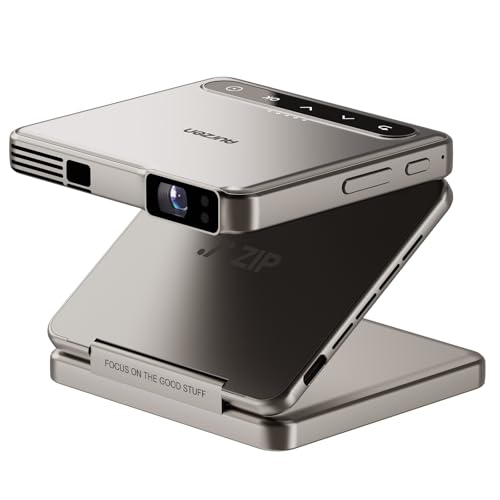

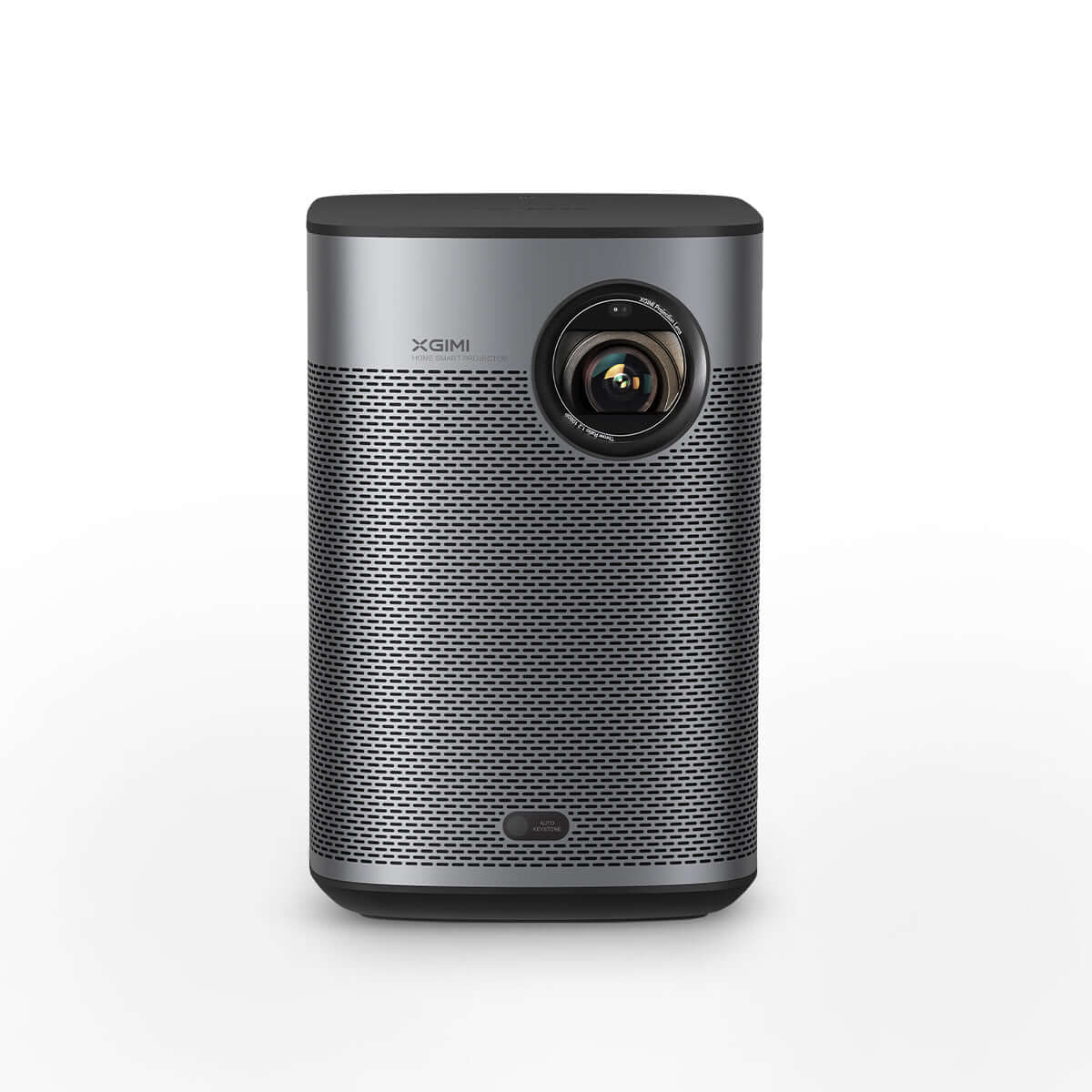
The portable projector market has experienced a fascinating evolution over the past few years, with two distinct philosophies emerging that cater to very different user needs. On one side, we have groundbreaking innovations like the Aurzen ZIP Tri-Fold Portable Mini Projector, which launched in 2025 and completely reimagines what "portable" can mean. On the other, we have refined performance-focused options like the XGIMI Halo+ Portable Projector, released in 2021, which represents the mature end of traditional portable projection technology.
Understanding which approach suits your needs requires diving deep into what makes each philosophy work—and where each one falls short.
Before we dive into specifics, it's worth understanding that portable projectors exist to solve a fundamental problem: bringing big-screen entertainment to places where traditional setups can't go. However, the physics of projection technology create unavoidable trade-offs between size, brightness, battery life, and image quality.
The XGIMI Halo+ represents what I'd call the "compromise optimization" approach. It asks: "How small can we make a projector while still delivering genuinely good performance?" The Aurzen ZIP, by contrast, takes a "revolution over evolution" approach, asking: "What becomes possible if we completely rethink projector design?"
These different philosophies lead to dramatically different products, each excelling in scenarios where the other struggles.
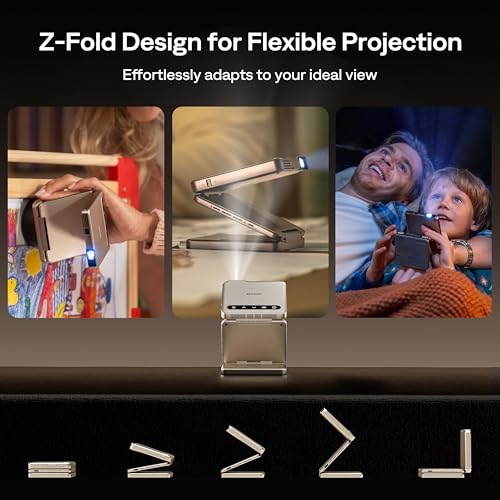
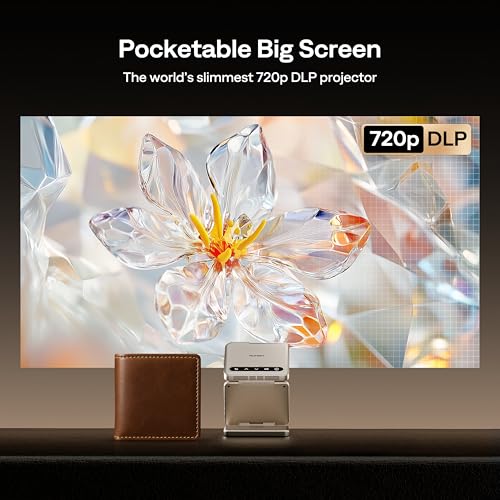
The Aurzen ZIP introduces the world's first tri-fold projector design, and having examined its engineering closely, I can confidently say this isn't just a gimmick—it's a genuine breakthrough. The Z-shaped folding mechanism allows the device to collapse down to just 280 grams and roughly the size of a thick smartphone. When I first heard these dimensions, I was skeptical, but the engineering makes sense.
The key innovation lies in how Aurzen integrated the projection system, speakers, and gimbal stand into the folding mechanism itself. Each section of the "Z" serves multiple purposes: the bottom section houses the main processing and battery components, the middle contains the projection optics, and the top section integrates the speakers and provides the gimbal mounting points.
This design enables something no traditional projector can do: genuine ceiling projection without additional mounting hardware. The Z-shape naturally creates the angle needed to project upward, making it perfect for bed-time movie watching or tent camping scenarios.
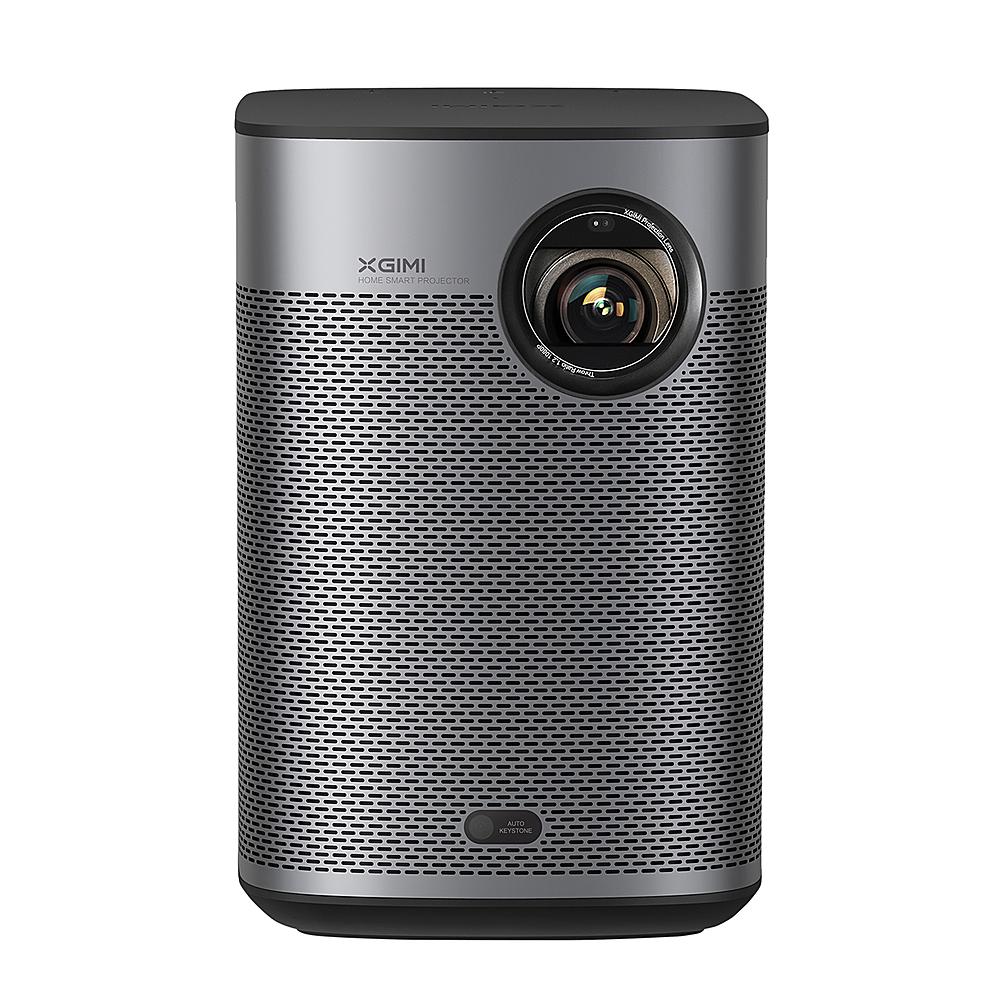
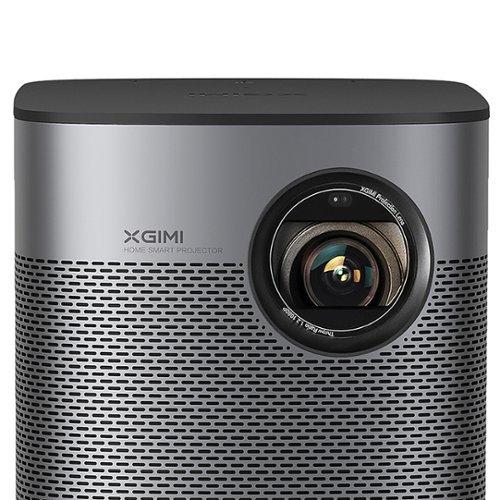
The XGIMI Halo+, weighing 1.6kg and measuring roughly the size of a large lunch box, follows conventional projector design principles but executes them exceptionally well. Its cylindrical form factor maximizes internal volume for heat dissipation—crucial for the higher-powered LED system that generates its superior brightness.
What XGIMI gets right is thermal management. Projector LEDs generate substantial heat, and the Halo+'s larger chassis allows for proper cooling, which directly translates to both brightness capabilities and longevity. This is fundamental physics: you can't cheat thermodynamics, and the ZIP's ultra-compact design necessarily limits how much heat it can dissipate.
Here's where the philosophical differences become stark. The XGIMI Halo+ delivers full 1080p HD resolution (1920×1080 pixels), while the Aurzen ZIP maxes out at 720p (1280×720). In practical terms, this means the Halo+ can display roughly 2.25 times more detail.
The difference becomes apparent at larger screen sizes. On a 60-inch projection—about the sweet spot for both devices—the ZIP's 720p resolution starts showing pixel structure, especially with text or fine details. The Halo+ maintains sharpness that looks genuinely impressive for a portable device.
Both use DLP (Digital Light Processing) technology, but with different DMD (Digital Micromirror Device) chips. The ZIP uses Texas Instruments' groundbreaking 0.16-inch DMD—the smallest ever made—while the Halo+ uses a larger 0.33-inch chip. The ZIP's chip is an engineering marvel, using XPR (pixel-shifting) technology to achieve 720p from a native 640×360 array, but there's no substitute for native resolution when it comes to image clarity.
This is perhaps the most critical difference between these devices. Brightness in projectors is measured in lumens, and the XGIMI Halo+ delivers 700 ISO lumens compared to the ZIP's 100 ANSI lumens. Different measurement standards make direct comparison tricky, but real-world testing suggests the Halo+ is roughly 5-7 times brighter.
Why does this matter so much? Projector brightness directly determines where and when you can use the device. The ZIP genuinely requires near-complete darkness—think bedroom with blackout curtains or camping at night. The Halo+ can handle dimly lit rooms and even some ambient light, dramatically expanding its practical usage scenarios.
In my experience, 100 lumens is the absolute minimum for an enjoyable viewing experience, and even then, only in pitch-black conditions. The ZIP hits this threshold, but just barely. The Halo+'s brightness puts it in genuinely usable territory for various lighting conditions.
Audio quality reflects the size constraints perfectly. The ZIP includes dual 1-watt speakers, which is impressive engineering for the size but predictably limited in performance. The Halo+ features dual 5-watt Harman/Kardon speakers with Dolby Audio and DTS-HD support.
In practical terms, the ZIP's speakers work fine for personal viewing but struggle in any environment with background noise. The Halo+'s audio system can actually fill a room and provides genuine stereo separation—important for movie enjoyment.
For the ZIP, I'd strongly recommend pairing with Bluetooth headphones or a portable speaker. The Halo+ includes quality audio as part of the package.
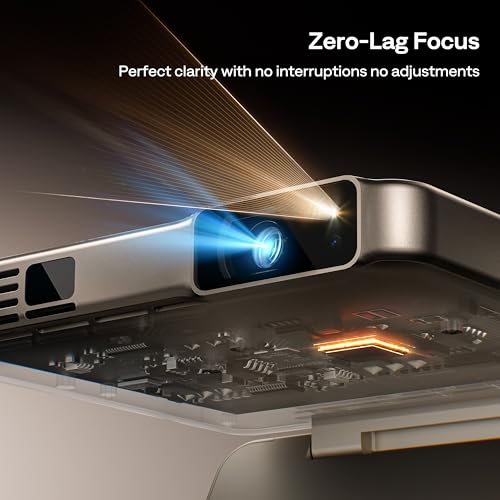
Both projectors excel at automatic setup, but through different approaches. The ZIP uses ToF (Time-of-Flight) sensor technology, measuring distance 30 times per second for instant focus adjustment. This system, borrowed from aerospace applications, provides genuinely zero-lag focusing that responds immediately as you move the projector.
The Halo+ implements XGIMI's Intelligent Screen Adaptation (ISA), which combines auto-focus with intelligent keystone correction and obstacle avoidance. ISA can detect objects in the projection path and automatically adjust the image to avoid them—incredibly useful in real-world scenarios where perfect projection surfaces don't exist.
Both systems work well, but they optimize for different scenarios. The ZIP's system excels at quick adjustments as you move between positions, while the Halo+'s system better handles complex room environments.
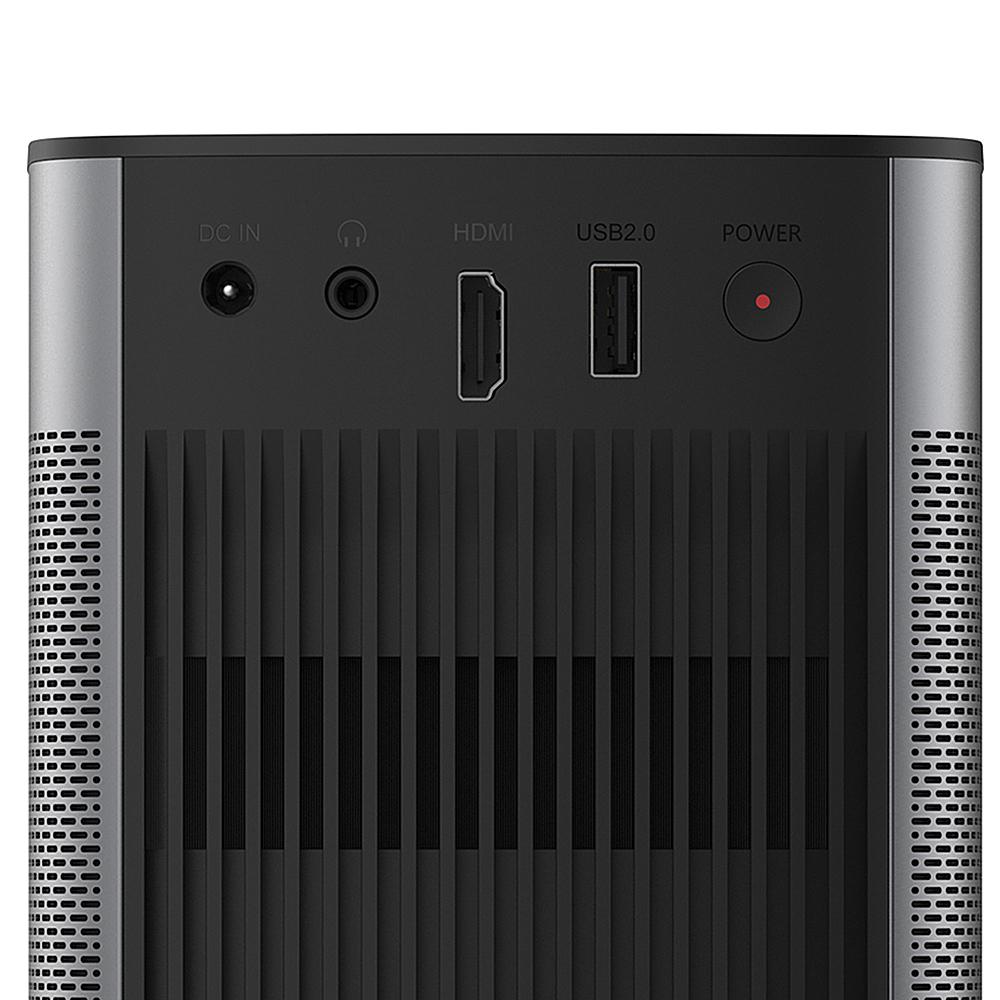
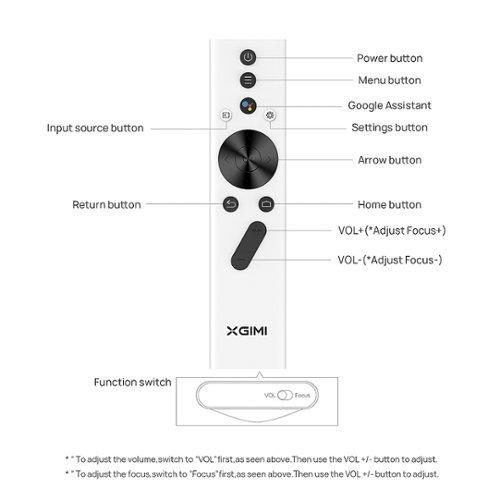
Here's where modern projector design philosophy really diverges. The Halo+ runs Android TV 10.0, providing access to thousands of streaming apps including Netflix, Disney+, and Amazon Prime Video directly on the device. It's essentially a smart TV in projector form.
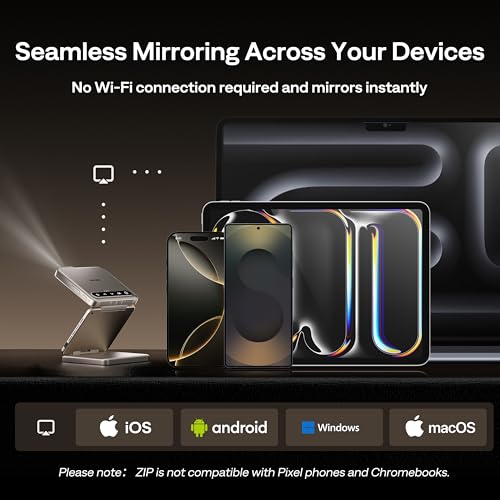
The ZIP takes a completely different approach with AirLink wireless mirroring. Instead of built-in apps, it focuses on seamlessly displaying content from your existing devices. The "tap to mirror" functionality works without requiring Wi-Fi networks—a genuine advantage in hotels, camping, or other locations with connectivity issues.
However, the ZIP has notable compatibility limitations, excluding Pixel phones and Chromebooks from its mirroring capabilities. It also cannot handle DRM-protected content from streaming services without additional hardware dongles.
For home theater applications, the Halo+'s built-in streaming capabilities offer significant convenience. For travel and temporary setups, the ZIP's device-agnostic mirroring can be more flexible.
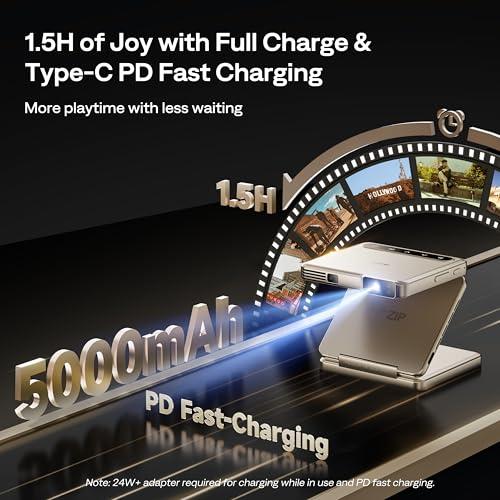
Battery performance directly impacts portable projector usability, and both devices handle power management differently. The Halo+ provides 2.5 hours of runtime from its 59.454Wh battery, while the ZIP offers approximately 1.5 hours from its 5,000mAh battery.
These differences reflect power consumption realities. The Halo+'s brighter projection system and more powerful processors require more energy, but its larger chassis accommodates a bigger battery. The ZIP optimizes for efficiency with lower-power components, but physical size limits battery capacity.
For practical use, both devices benefit from power bank compatibility for extended viewing sessions. The ZIP includes an optional magnetic charging stand with additional battery capacity, extending runtime to approximately 3 hours—a clever accessory that maintains portability while addressing the battery limitation.
For dedicated home theater use, the XGIMI Halo+ clearly offers superior performance. Its 1080p resolution, higher brightness, and quality audio system create a more immersive experience. The Android TV platform means you can use it as your primary entertainment device without additional equipment.
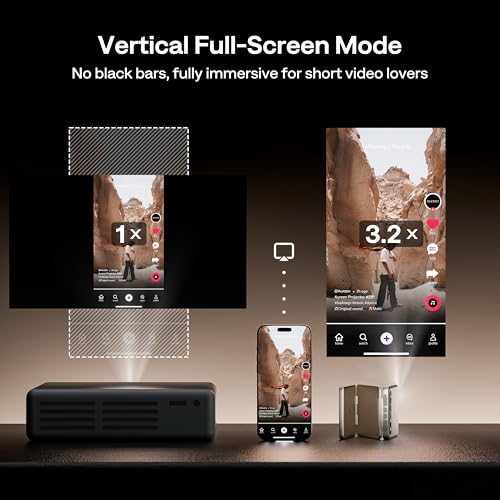
However, the ZIP's unique form factor opens interesting home theater possibilities. Its ceiling projection capability transforms bedrooms into personal theaters without wall mounting or complex setups. The portrait mode support also makes it surprisingly good for social media content viewing—something traditional projectors can't handle.
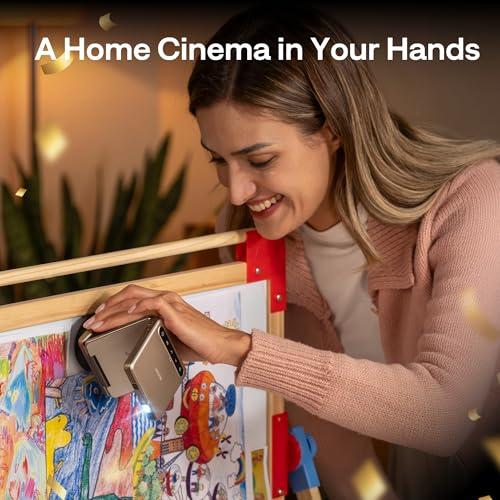
This is where the ZIP's revolutionary design pays dividends. Its genuine pocket-sized form factor means it travels like a phone accessory rather than dedicated electronics gear. Hotel room entertainment, vacation house movie nights, or camping scenarios all become feasible in ways that simply aren't possible with larger projectors.
The Halo+ remains portable but requires dedicated packing space and planning. It's excellent for planned movie nights in various locations but doesn't offer the spontaneous portability of the ZIP.
Both projectors handle basic presentations, but with different strengths. The Halo+'s higher brightness and resolution make it better for conference rooms with ambient light. The ZIP's instant setup and creative positioning options excel in informal presentation scenarios.
At the time of writing, these projectors occupy similar price ranges but offer dramatically different value propositions. The ZIP commands premium pricing for its revolutionary design and ultra-portability, while the Halo+ prices competitively for its performance capabilities.
Value assessment depends entirely on usage priorities. If ultimate portability enables use cases that wouldn't otherwise exist, the ZIP's premium may be justified. If image quality and versatile performance matter more, the Halo+ offers more traditional projector value.
The XGIMI Halo+, released in 2021, represents mature portable projector technology refined over several product generations. XGIMI has continued iterating on this design philosophy with newer models that improve brightness and features while maintaining the established form factor.
The ZIP, launching in 2025, represents a potential paradigm shift in portable projection. Its success could inspire similar ultra-miniaturization efforts across the industry, much like how ultra-thin smartphones drove mobile device evolution.
After extensive analysis, the choice between these projectors comes down to fundamental usage priorities.
Choose the Aurzen ZIP if:
Choose the XGIMI Halo+ if:
For most users, I'd lean toward the XGIMI Halo+. Its superior image quality, brightness, and feature set create a more consistently satisfying experience across various scenarios. The ZIP excels in specific situations where its unique design enables uses that simply aren't possible with traditional projectors, but these scenarios may not justify the performance compromises for general use.
However, if the ZIP's revolutionary portability aligns with your lifestyle—frequent travel, space-constrained living, or desire for spontaneous entertainment anywhere—its innovative design could be genuinely transformative in ways that traditional performance metrics can't capture.
Both projectors succeed at their intended goals. The question isn't which is better, but which philosophy better matches how you actually plan to use portable projection in your life.
| Aurzen ZIP Tri-Fold Portable Mini Projector | XGIMI Halo+ Portable Projector |
|---|---|
| Resolution - Higher resolution means sharper text and clearer details | |
| 720p (1280 x 720) - adequate for small screens | 1080p Full HD (1920 x 1080) - crisp detail at larger sizes |
| Brightness - Determines usable lighting conditions and screen sizes | |
| 100 ANSI lumens - requires complete darkness | 700 ISO lumens - works in dim rooms with some ambient light |
| Size & Weight - Critical for true portability and travel convenience | |
| 280g, folds to smartphone size (84×78×26mm) | 1.6kg, traditional portable size (172×114×145mm) |
| Design Innovation - Unique positioning and setup capabilities | |
| Revolutionary tri-fold Z-shape enables ceiling projection and portrait mode | Conventional cylindrical design with intelligent screen adaptation |
| Battery Life - Runtime away from power outlets | |
| 1.5 hours (5,000mAh battery) | 2.5 hours (59.454Wh battery) |
| Audio Quality - Built-in speaker performance for movie watching | |
| Dual 1W basic speakers - recommend external audio | Dual 5W Harman/Kardon speakers with Dolby Audio |
| Content Access - How you get movies and shows on the projector | |
| Wireless mirroring only (AirLink) - requires phone/laptop | Built-in Android TV with Netflix, Disney+, streaming apps |
| Auto-Focus System - Speed and accuracy of image adjustment | |
| ToF zero-lag focusing (30 measurements/second) | Intelligent Screen Adaptation with obstacle avoidance |
| Device Compatibility - Which phones and devices work for mirroring | |
| iOS, Android, Windows, macOS (excludes Pixel phones, Chromebooks) | Universal compatibility plus built-in streaming |
| Optimal Screen Size - Best viewing experience range | |
| 40-60 inches (up to 80" in complete darkness) | 60-120 inches (larger sizes possible with good performance) |
| Best Use Cases - Where each projector excels | |
| Ultra-portable travel, camping, hotel rooms, ceiling viewing | Home theater replacement, versatile room projection, family viewing |
The XGIMI Halo+ Portable Projector is significantly better for home theater applications. It delivers full 1080p HD resolution compared to the Aurzen ZIP Tri-Fold Portable Mini Projector's 720p, providing much sharper image quality on larger screens. The XGIMI Halo+ also produces 700 ISO lumens of brightness versus just 100 ANSI lumens from the ZIP, making it usable in dimly lit rooms rather than requiring complete darkness.
The Aurzen ZIP Tri-Fold Portable Mini Projector is dramatically more portable, weighing just 280g and folding down to smartphone size (84×78×26mm). The XGIMI Halo+ weighs 1.6kg and measures 172×114×145mm, making it roughly 6 times heavier. The ZIP can literally fit in your pocket, while the Halo+ requires dedicated bag space for travel.
The XGIMI Halo+ Portable Projector delivers superior image quality with full 1080p resolution and significantly higher brightness. The Aurzen ZIP Tri-Fold Portable Mini Projector maxes out at 720p resolution and produces much dimmer images. For sharp text and detailed viewing, especially on screens over 50 inches, the XGIMI Halo+ provides a noticeably better experience.
The XGIMI Halo+ Portable Projector has substantially better audio with dual 5W Harman/Kardon speakers supporting Dolby Audio. The Aurzen ZIP Tri-Fold Portable Mini Projector includes basic dual 1W speakers that work for personal viewing but lack the volume and quality for room-filling sound. For serious movie watching, the XGIMI Halo+ eliminates the need for external speakers in most situations.
The XGIMI Halo+ Portable Projector runs Android TV and can stream Netflix, Disney+, Prime Video, and thousands of other apps directly without additional devices. The Aurzen ZIP Tri-Fold Portable Mini Projector requires wireless mirroring from your phone, tablet, or laptop to display content. For convenience and standalone operation, the XGIMI Halo+ offers a complete smart TV experience.
The XGIMI Halo+ Portable Projector provides approximately 2.5 hours of runtime, while the Aurzen ZIP Tri-Fold Portable Mini Projector offers about 1.5 hours. Both can operate while charging via USB-C. The ZIP's shorter battery life reflects its ultra-compact design constraints, while the Halo+'s larger battery supports longer viewing sessions.
The XGIMI Halo+ Portable Projector performs much better in rooms with ambient light due to its 700 ISO lumen brightness. The Aurzen ZIP Tri-Fold Portable Mini Projector requires near-complete darkness with its 100 ANSI lumen output. For daytime use or rooms where you can't control all lighting, the XGIMI Halo+ is the only practical choice between these two options.
The Aurzen ZIP Tri-Fold Portable Mini Projector features a revolutionary tri-fold design that enables ceiling projection and portrait mode viewing - capabilities no traditional projector offers. The XGIMI Halo+ Portable Projector includes intelligent screen adaptation with obstacle avoidance and a comprehensive Android TV platform. The ZIP prioritizes innovative positioning, while the Halo+ focuses on smart features and performance.
Both projectors offer excellent auto-setup capabilities. The Aurzen ZIP Tri-Fold Portable Mini Projector uses ToF zero-lag auto-focus that adjusts instantly as you move it, perfect for quick repositioning. The XGIMI Halo+ Portable Projector features intelligent screen adaptation that automatically handles focus, keystone correction, and obstacle avoidance. The ZIP excels at rapid adjustments, while the Halo+ better handles complex room environments.
The XGIMI Halo+ Portable Projector performs optimally at 60-120 inches due to its higher brightness and 1080p resolution. The Aurzen ZIP Tri-Fold Portable Mini Projector works best at 40-60 inches, though it can project up to 80 inches in completely dark conditions. For larger home theater screens, the XGIMI Halo+ maintains better image quality and visibility.
Value depends on your priorities. The XGIMI Halo+ Portable Projector delivers traditional projector value with superior image quality, brightness, and features for home entertainment. The Aurzen ZIP Tri-Fold Portable Mini Projector commands a premium for revolutionary portability and unique positioning capabilities. If ultimate portability enables new use cases, the ZIP may justify its cost, but the Halo+ provides more performance per dollar.
The XGIMI Halo+ Portable Projector can realistically serve as a TV replacement with its 1080p resolution, decent brightness, built-in streaming apps, and quality speakers. The Aurzen ZIP Tri-Fold Portable Mini Projector works better as a supplementary device due to its limited brightness and 720p resolution. For primary home entertainment, the XGIMI Halo+ offers the performance and features needed for daily viewing comfort.
We've done our best to create useful and informative comparisons to help you decide what product to buy. Our research uses advanced automated methods to create this comparison and perfection is not possible - please contact us for corrections or questions. These are the sites we've researched in the creation of this article: aurzen.com - youtube.com - tomsguide.com - aurzen.com - aurzen.com - projectorcentral.com - appleinsider.com - youtube.com - aurzen.com - aurzen.com - aurzen.com - aurzen.com - bestbuy.com - bestbuy.com - youtube.com - projectorcentral.com - staples.com - youtube.com - rtings.com - us.xgimi.com - youtube.com - cnet.com - us.xgimi.com - youtube.com - marieclaire.com - youtube.com - youtube.com - youtube.com - youtube.com - odpbusiness.com - bhphotovideo.com - bestbuy.com - projectorcentral.com - us.xgimi.com - global.xgimi.com - projectorscreen.com - petra.com - eu.xgimi.com - us.xgimi.com - global.xgimi.com

Privacy Policy
Terms and Conditions - Affiliate Policy
Home Security
© Copyright 2008-2026.
11816 Inwood Rd #1211, Dallas, TX 75244