

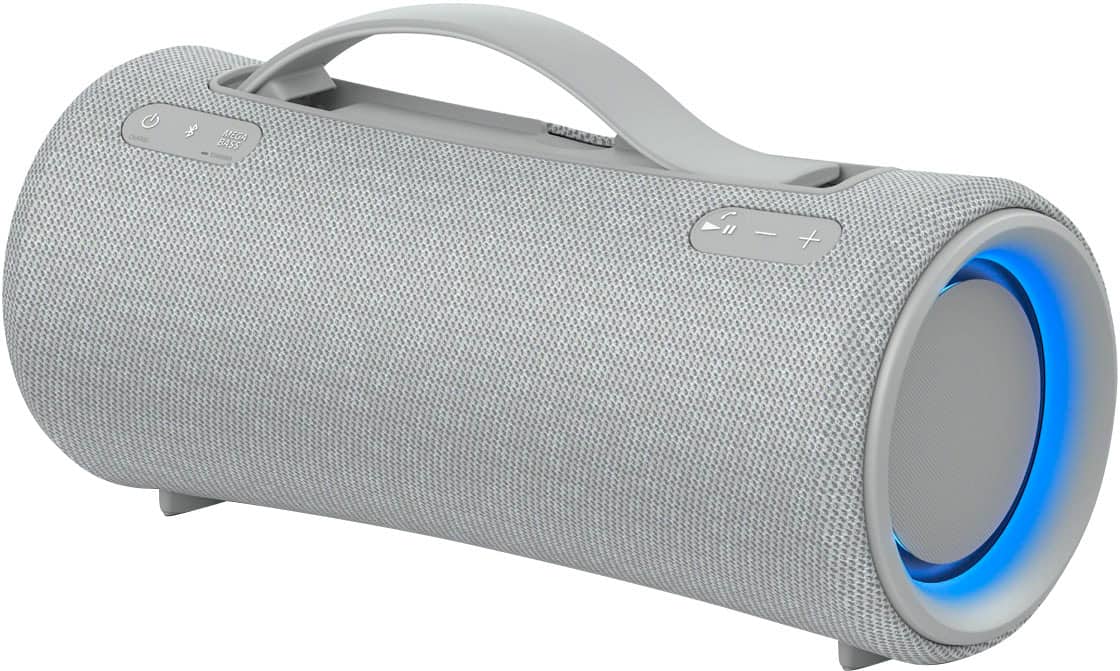
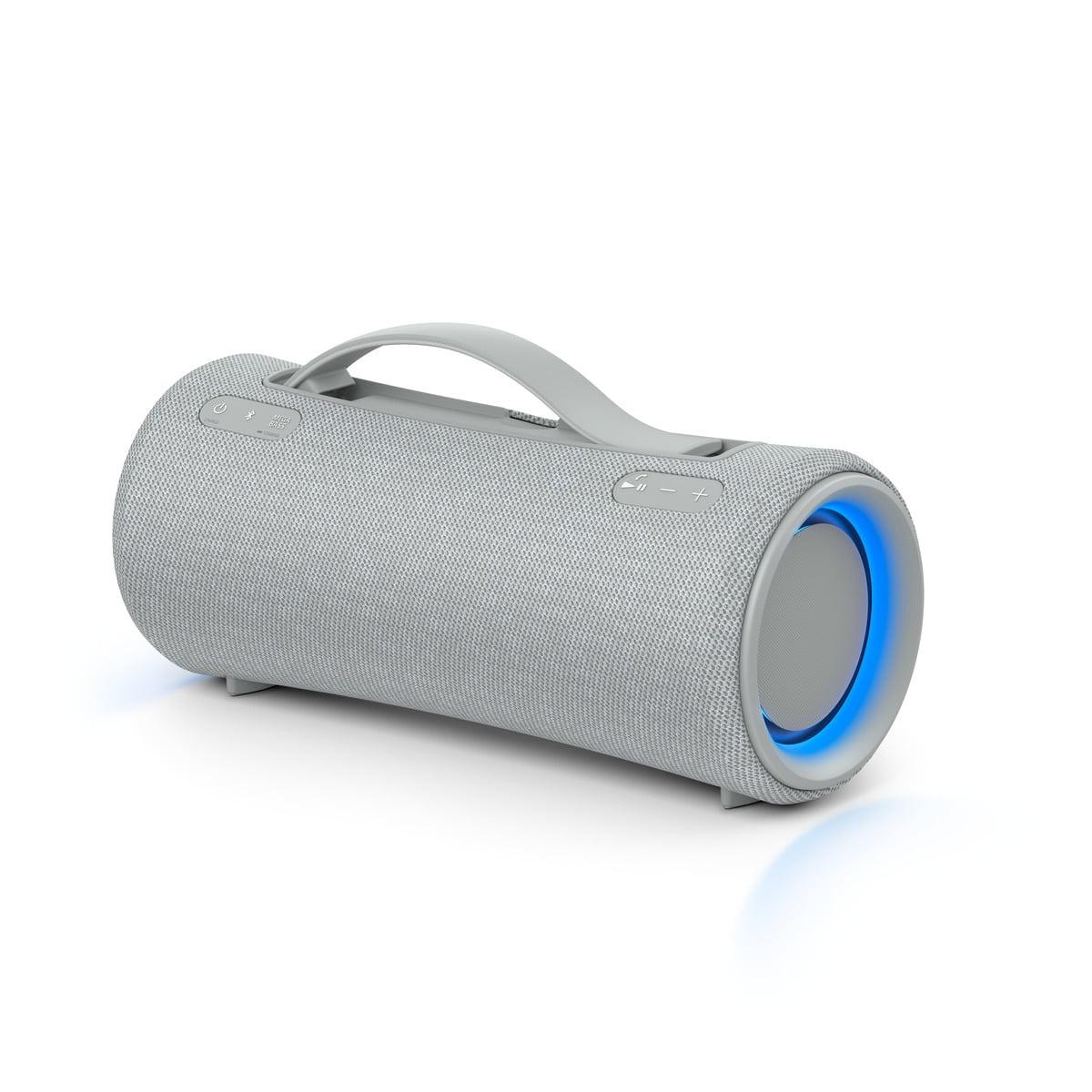

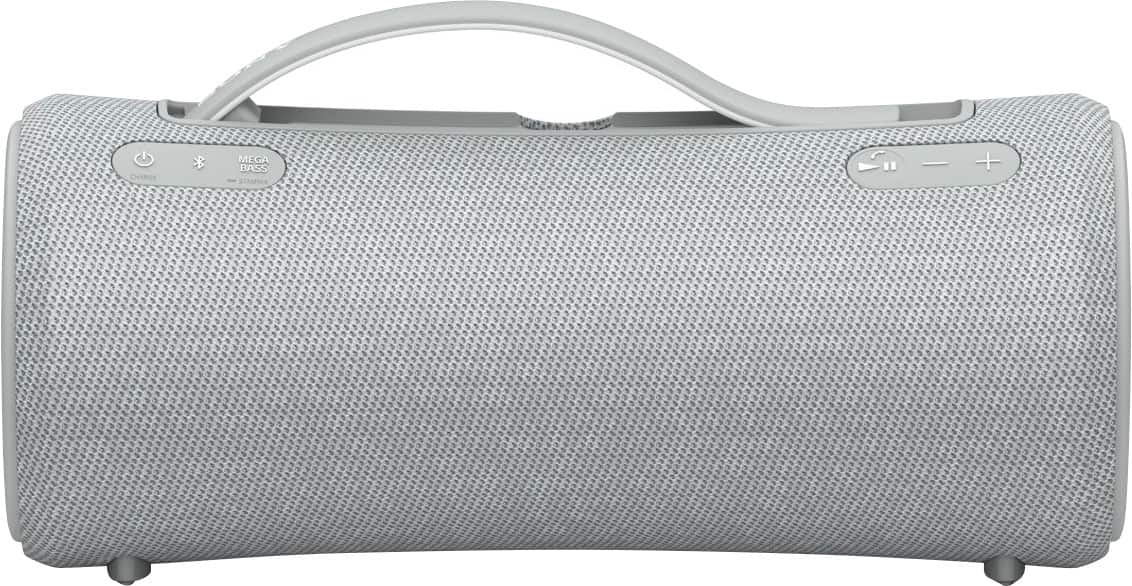
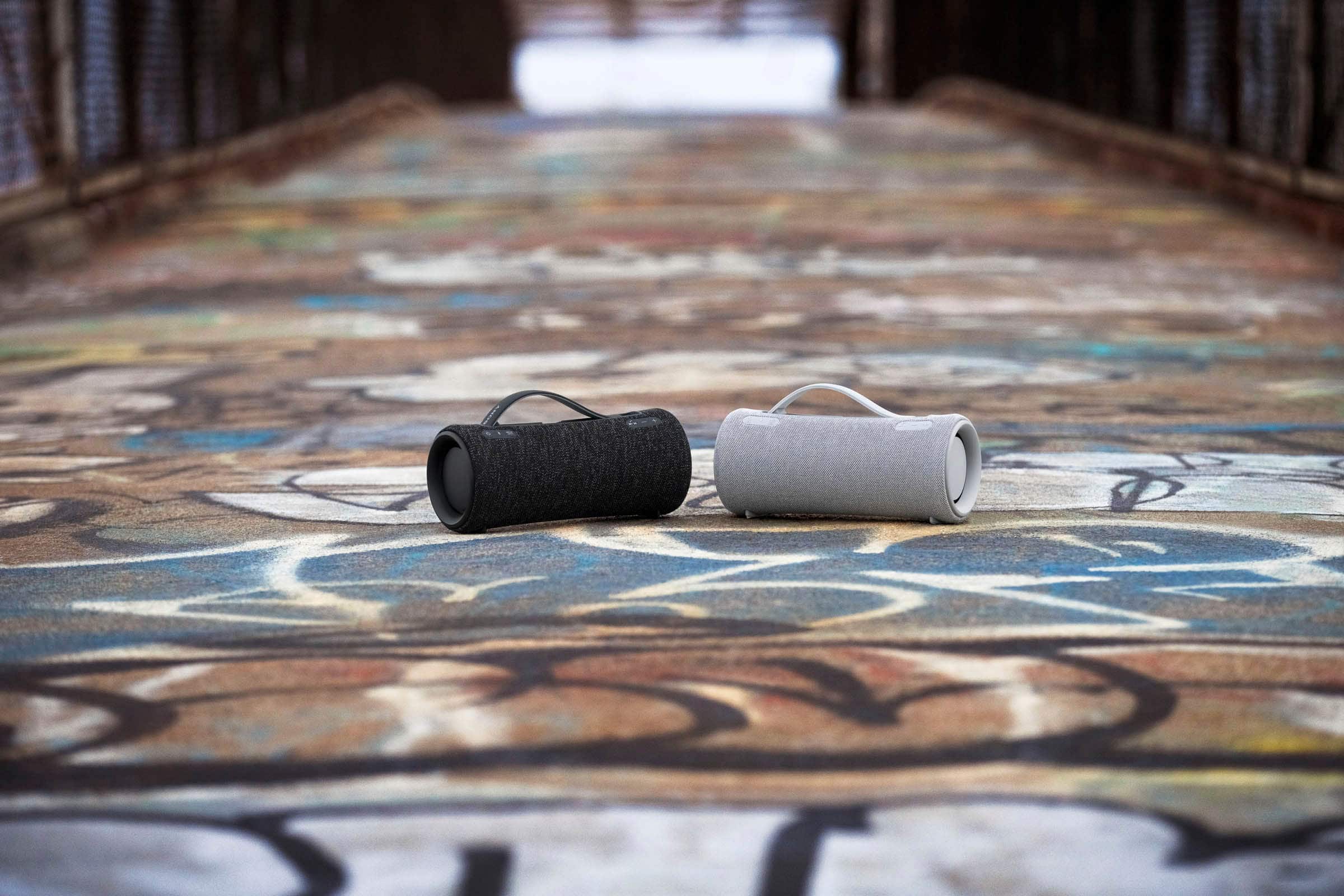
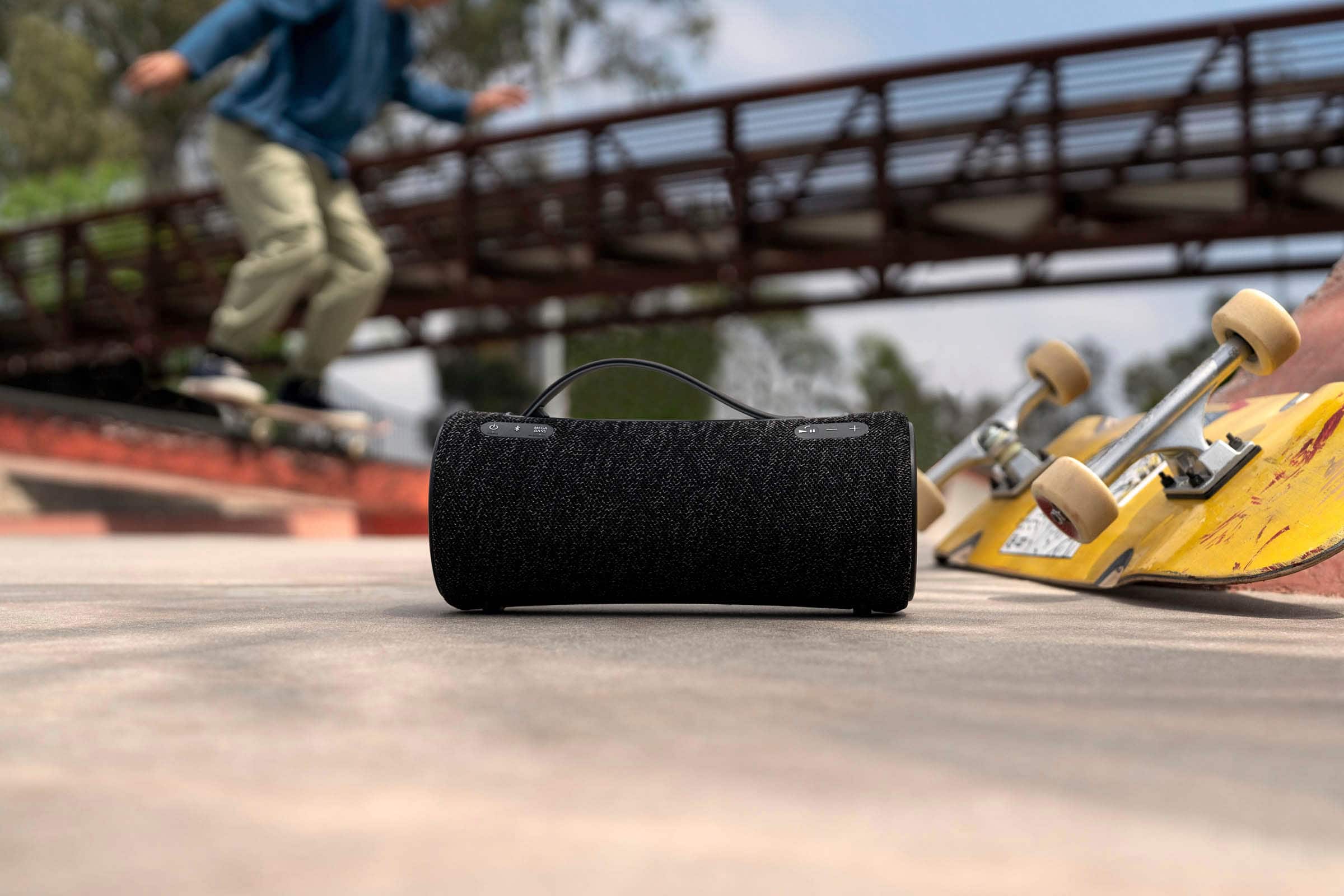
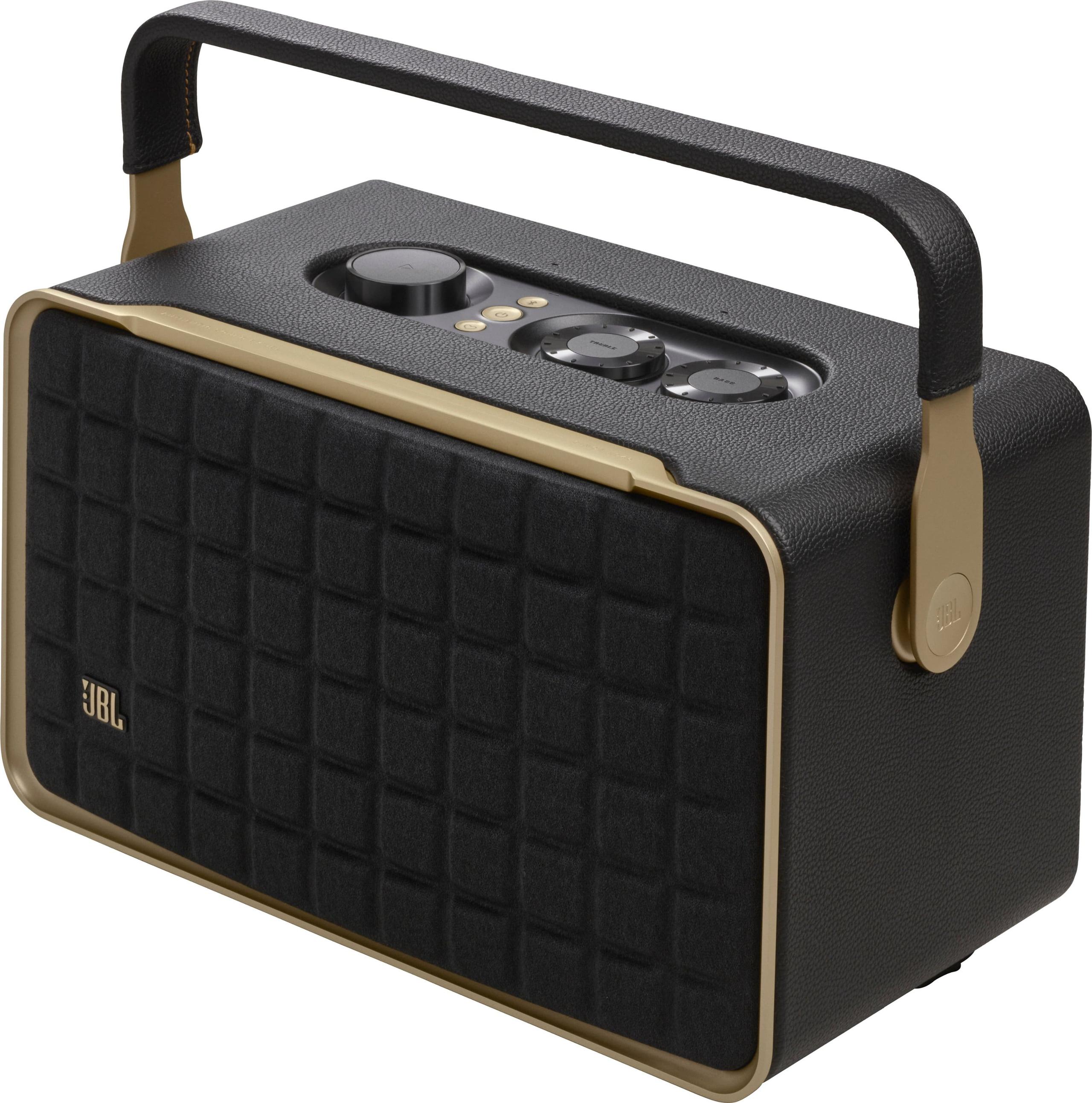
The portable speaker market has undergone a dramatic transformation in recent years. What started as simple Bluetooth speakers has evolved into sophisticated audio devices that blur the lines between portable sound and smart home integration. Today we're comparing two distinctive approaches to premium audio: the outdoor-ready Sony XG300 ($349.99, often discounted to $149.99) and the sophisticated JBL Authentics 300 ($449.99).
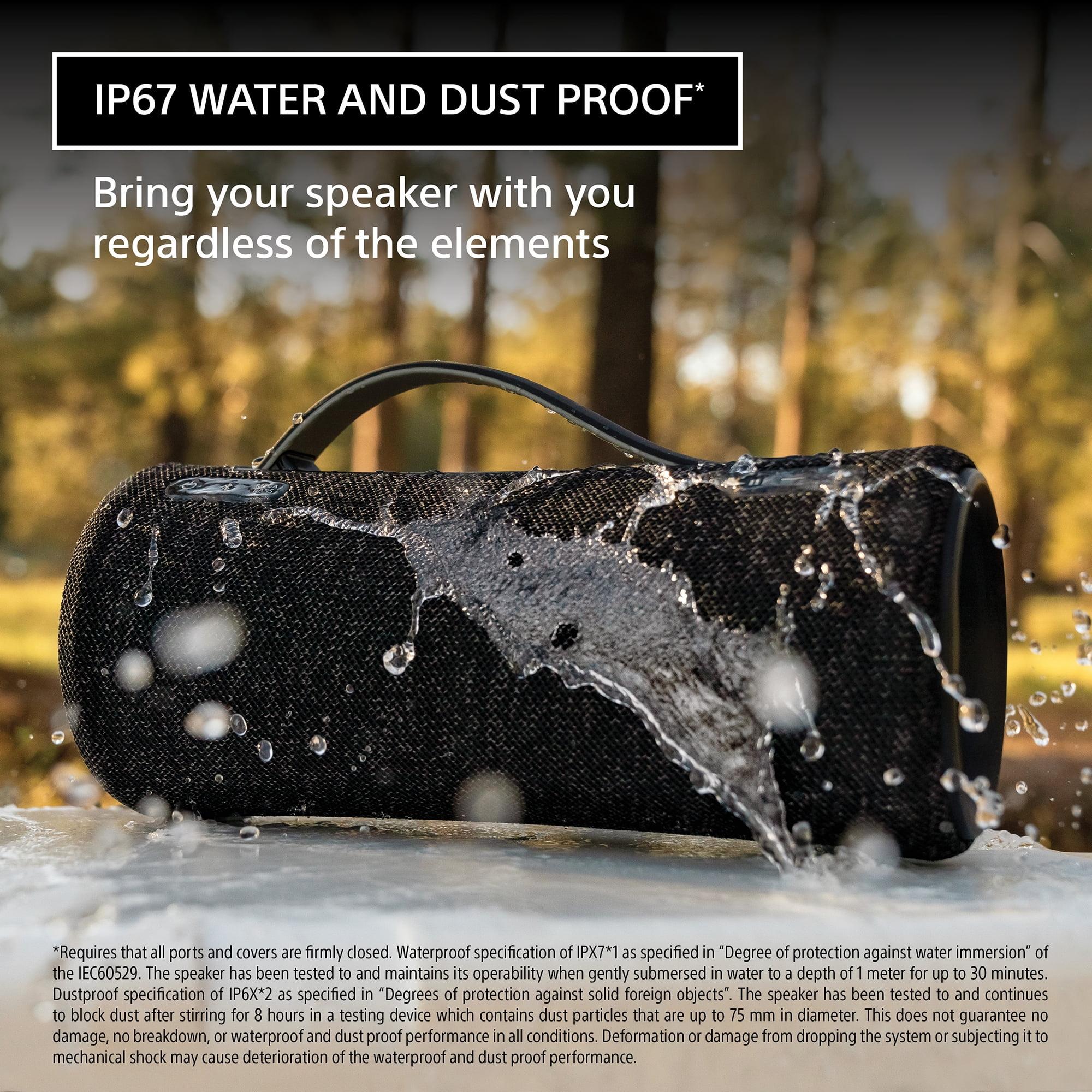
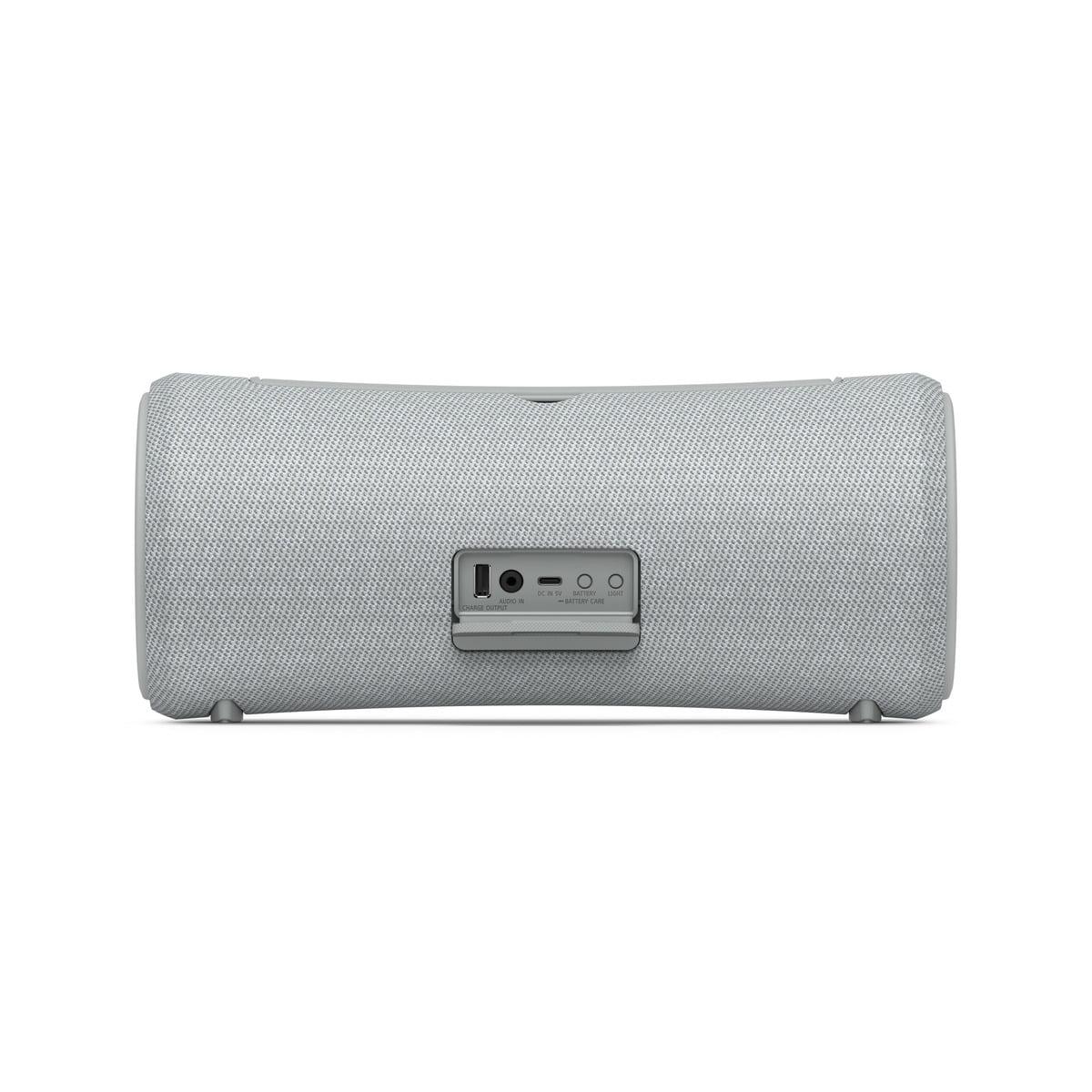
Released in July 2022, the Sony XG300 represents a focus on versatile portability with impressive durability. Its IP67 water and dust resistance rating means it can handle submersion in up to 1 meter of water for 30 minutes – perfect for pool parties or beach days.
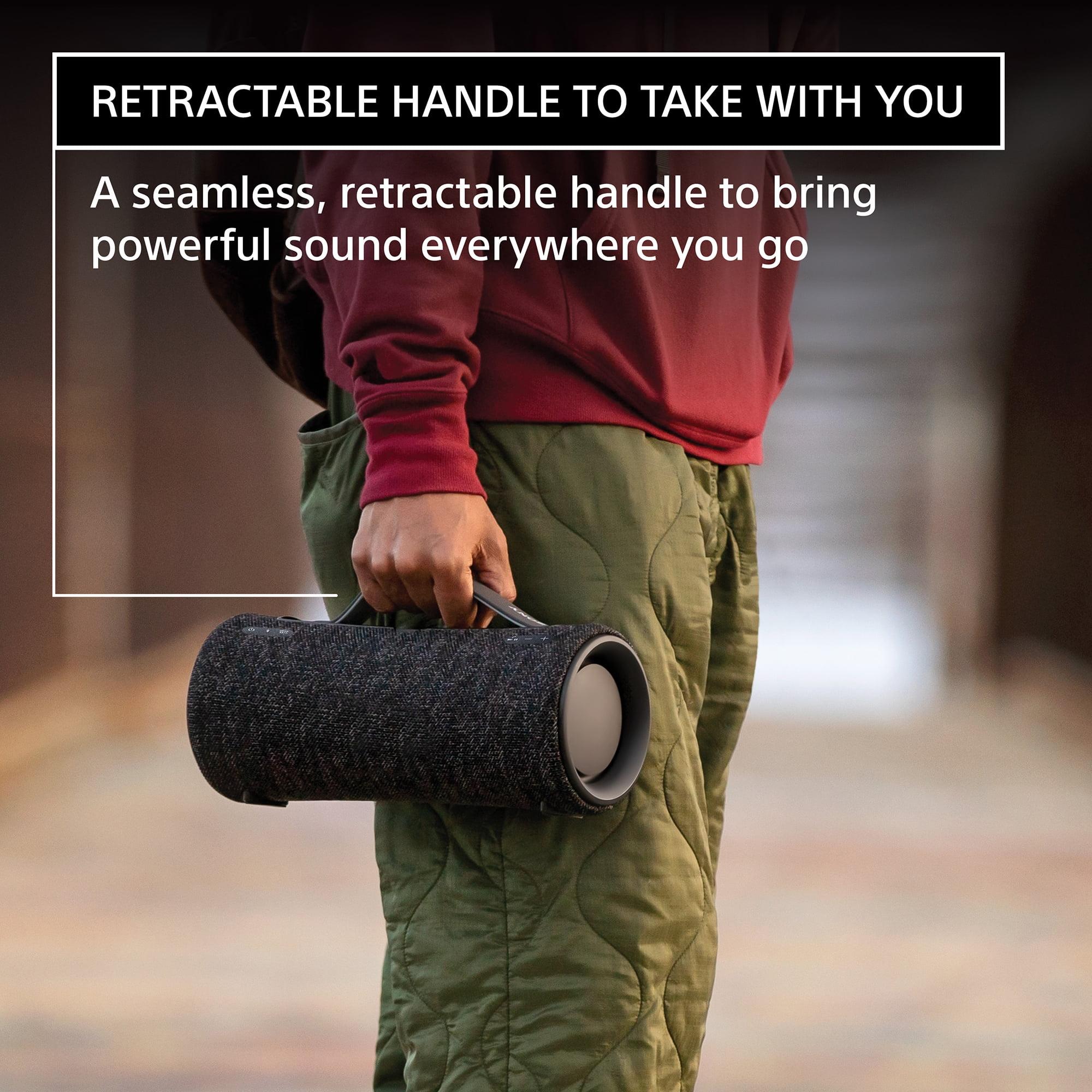
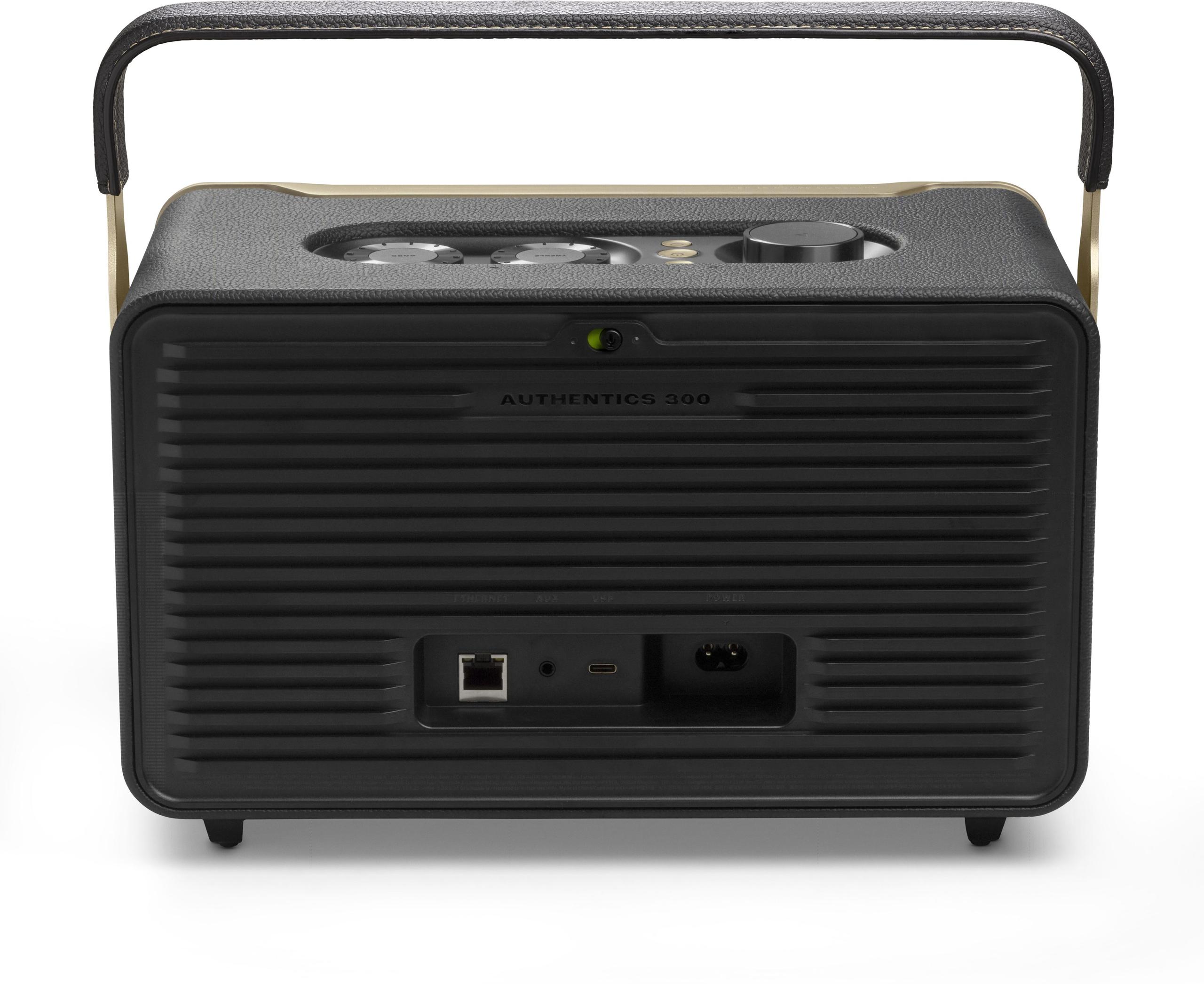
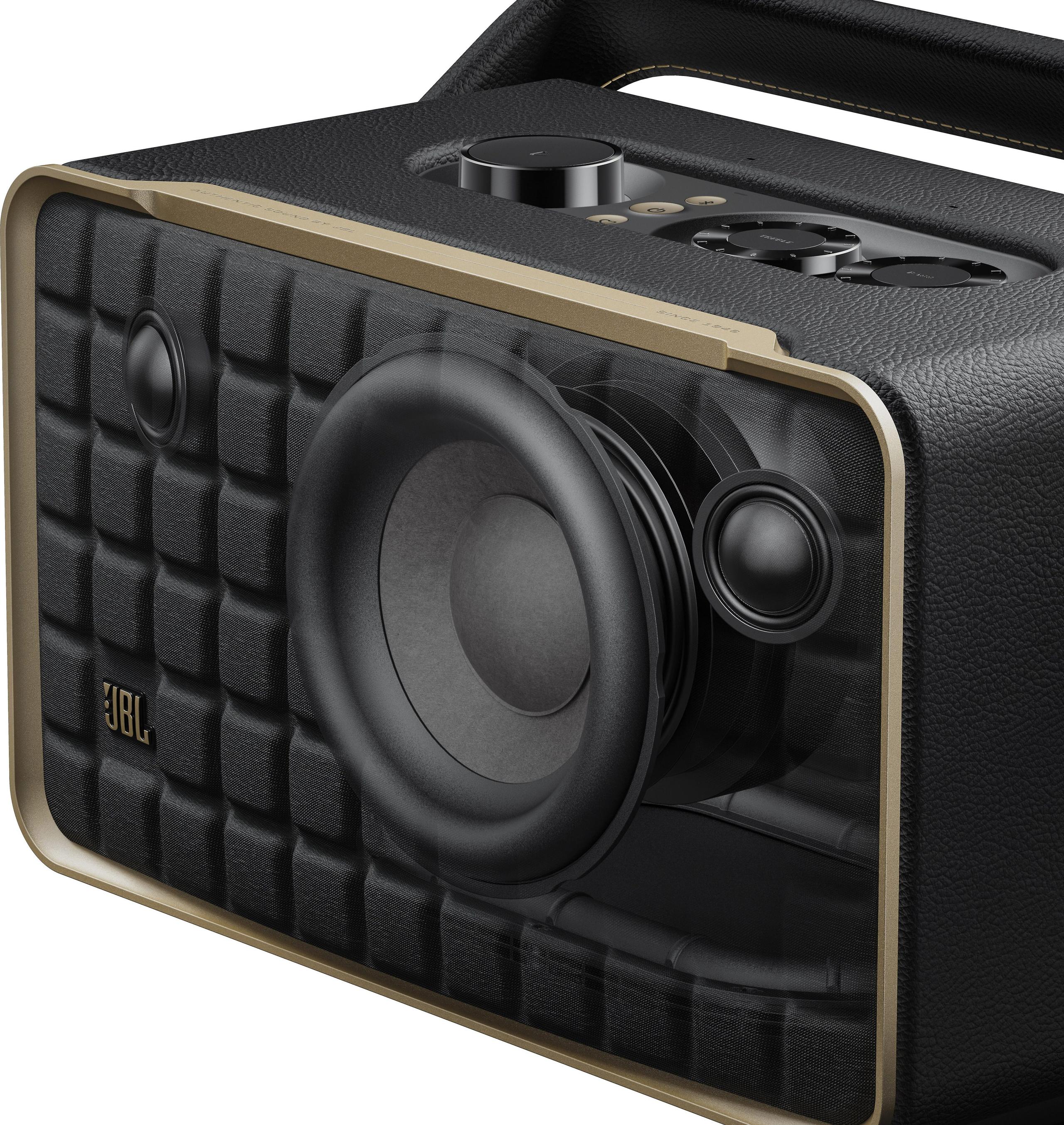
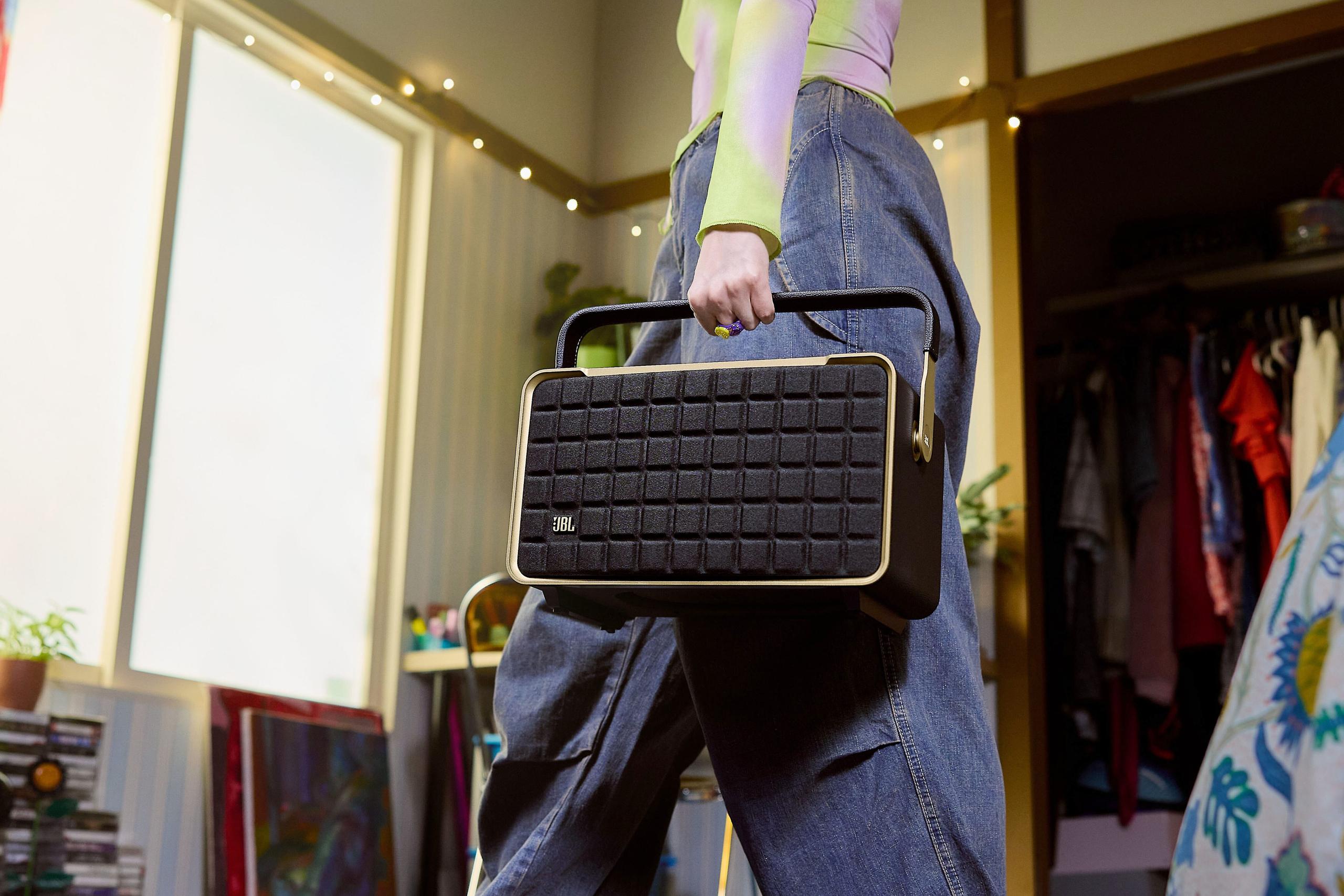
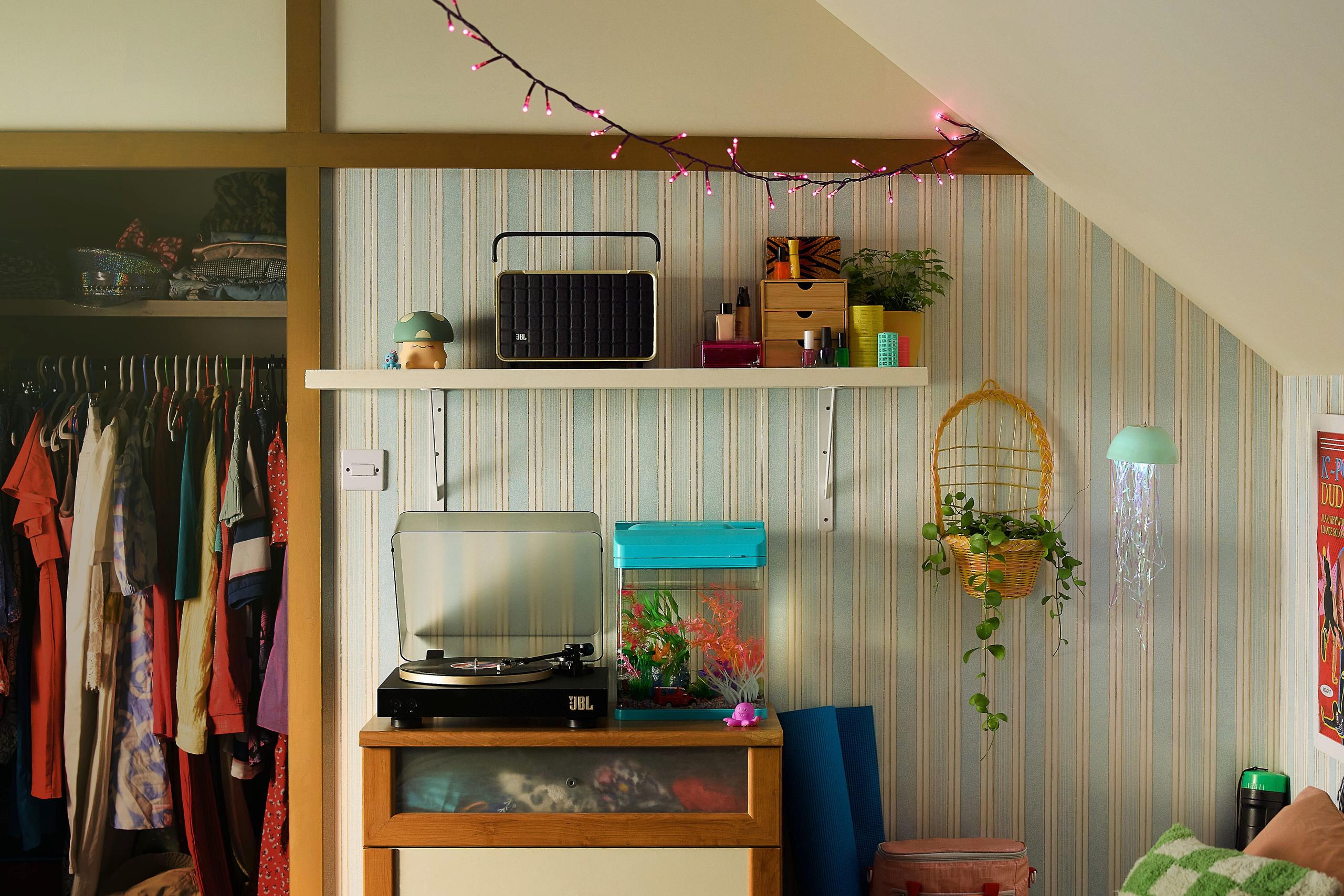
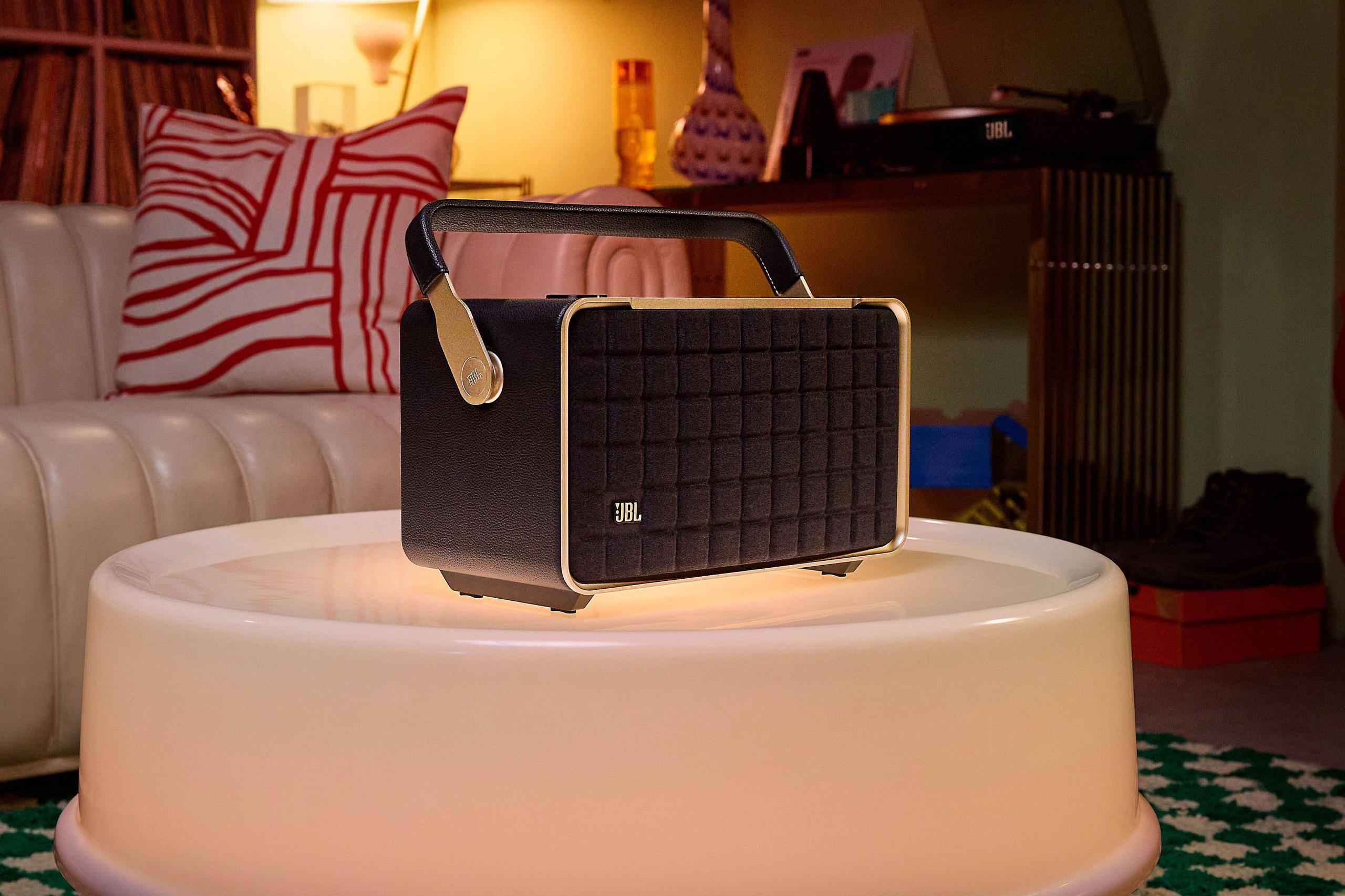
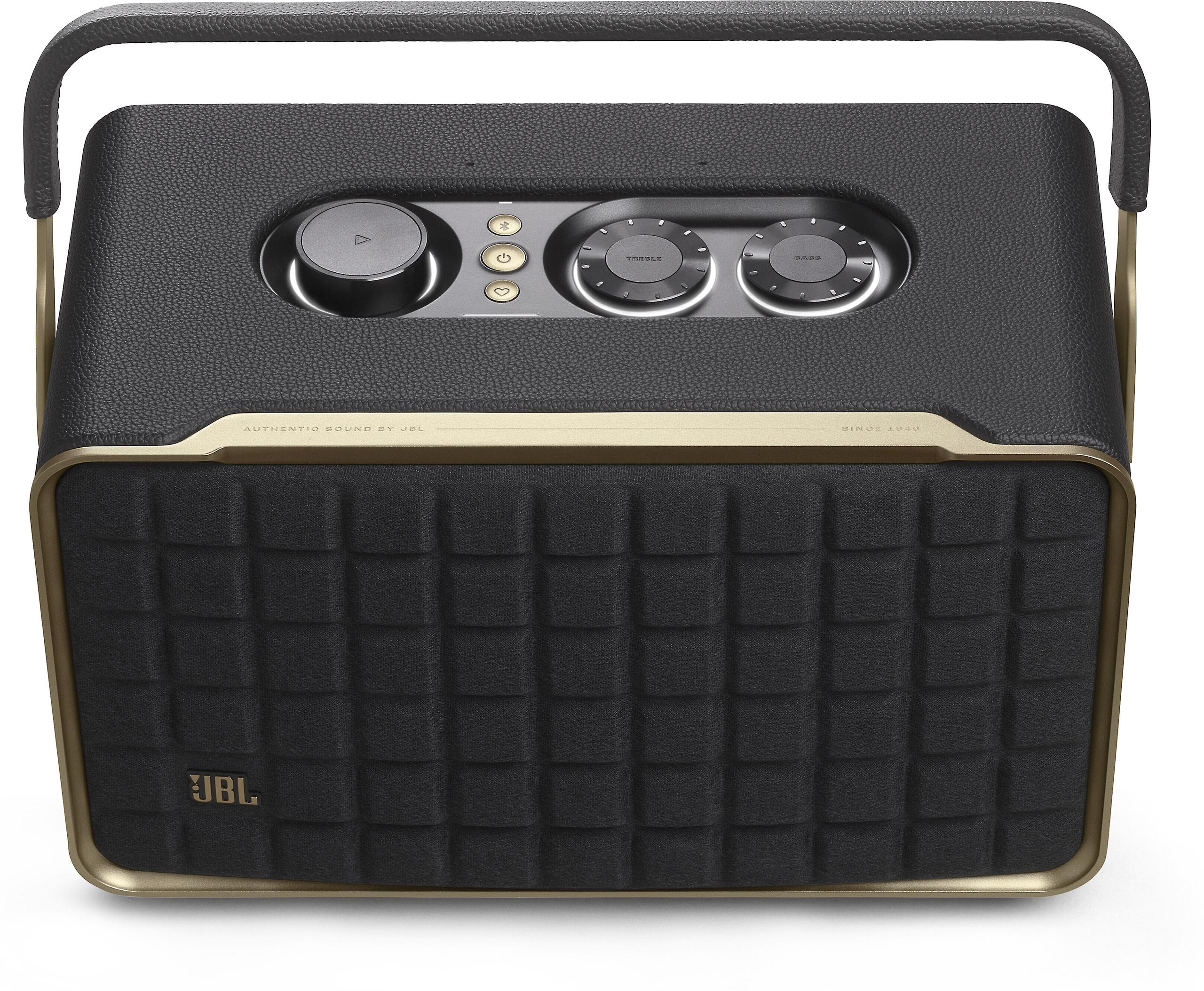
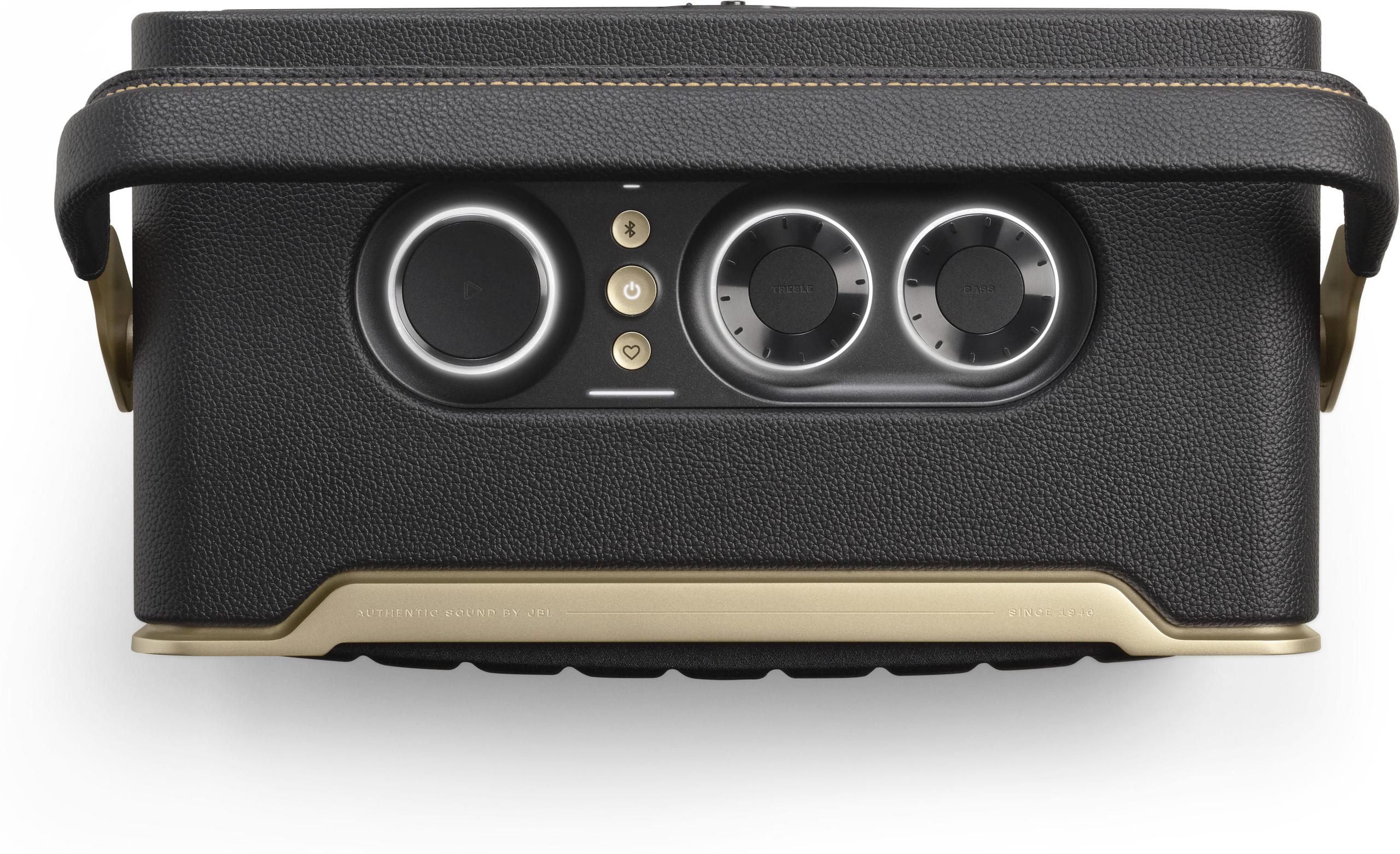
In contrast, the JBL Authentics 300, launched in September 2023, takes a different approach. Its retro-inspired design featuring the classic Quadrex grille pattern and premium materials (including recycled fabrics and aluminum) speaks to a more home-focused use case, though it maintains some portability with its built-in handle and battery power.
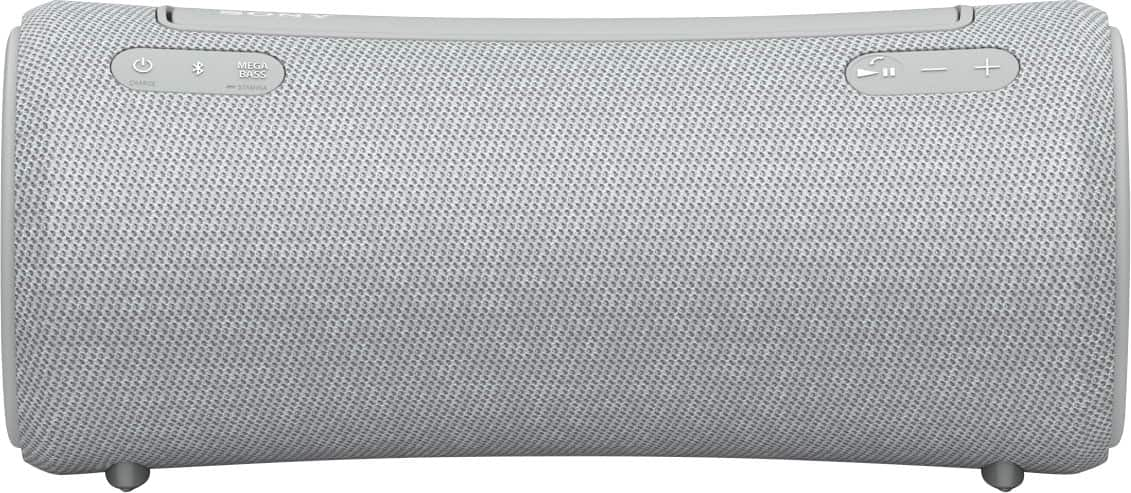
The Sony's X-Balanced Speaker Unit uses a non-circular diaphragm to maximize sound pressure while minimizing distortion. Its MEGA BASS feature provides impressive low-end punch that can be toggled on or off. The dual passive radiators help extend bass response without requiring a larger enclosure.
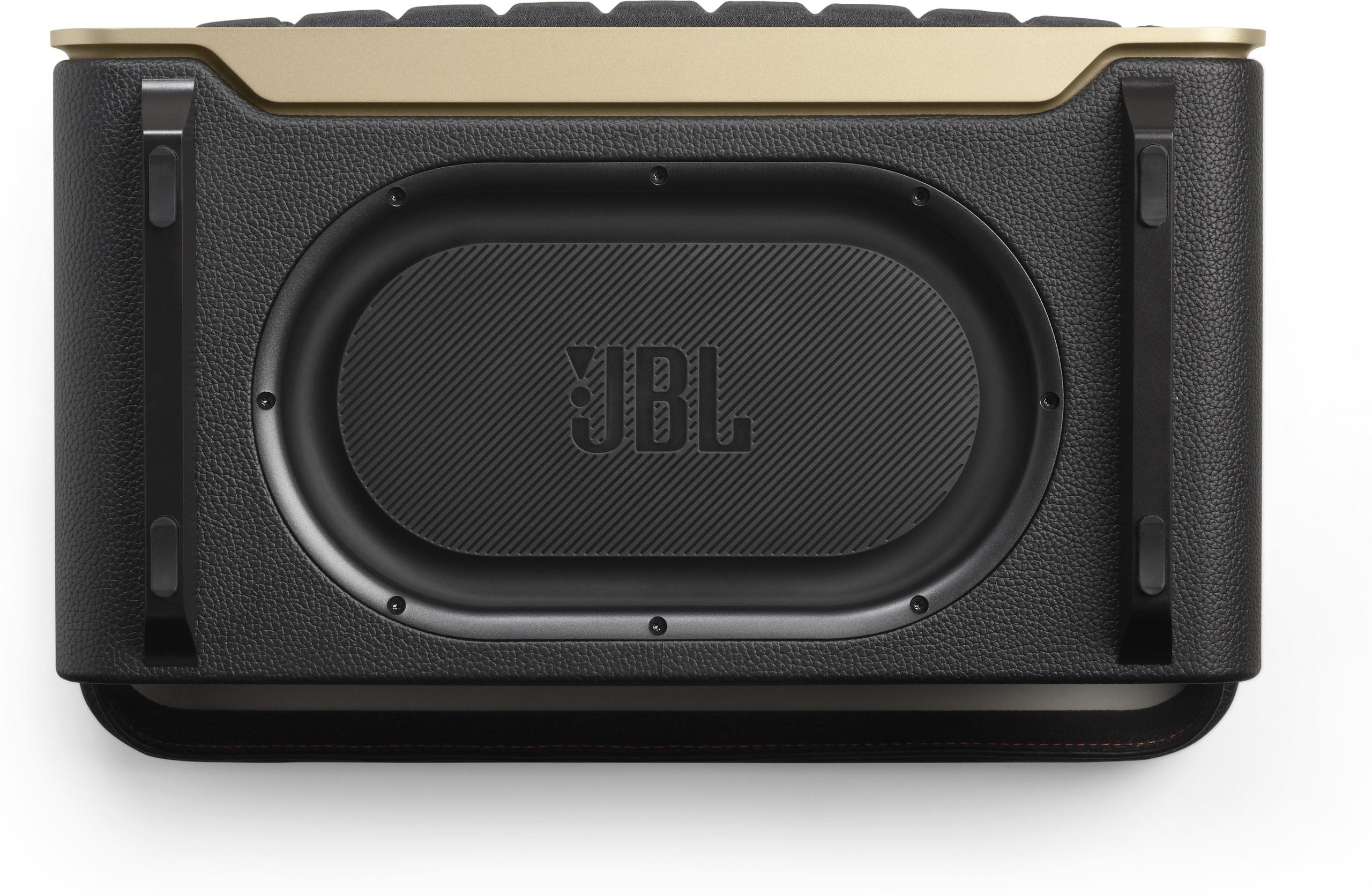
JBL's approach uses a more traditional but powerful setup: dual 1-inch tweeters paired with a 5.25-inch woofer and a substantial 6.5-inch passive radiator. This configuration delivers what many consider a more neutral, hi-fi oriented sound signature. The larger drivers generally provide more natural bass extension without requiring additional processing.
Both speakers offer room-filling sound, but with different characteristics. The Sony excels at outdoor projection, where its forward-firing drivers and bass enhancement features help it cut through ambient noise. However, at maximum volume, some users report mild distortion in bass-heavy tracks.
The JBL, with its more powerful amplification (100W vs Sony's ~40W), maintains better composure at high volumes. Its larger drivers and more sophisticated digital signal processing help it deliver cleaner output at peak levels, though it may not match the Sony's raw outdoor projection capabilities.
The technological gap between these speakers becomes most apparent in their connectivity options. While both support Bluetooth 5.3, the JBL adds comprehensive Wi-Fi connectivity including AirPlay, Chromecast, and Spotify Connect. This enables higher-quality streaming and more flexible multi-room setups.
The Sony focuses on Bluetooth-centric features like Party Connect (linking up to 100 compatible Sony speakers) and Stereo Pair mode. While impressive, these features require all speakers to be from Sony's compatible line.
The JBL's dual voice assistant support (simultaneous Google Assistant and Alexa) and Wi-Fi integration make it a more capable smart home device. It can control other smart devices, play music from multiple services, and participate in whole-home audio setups.
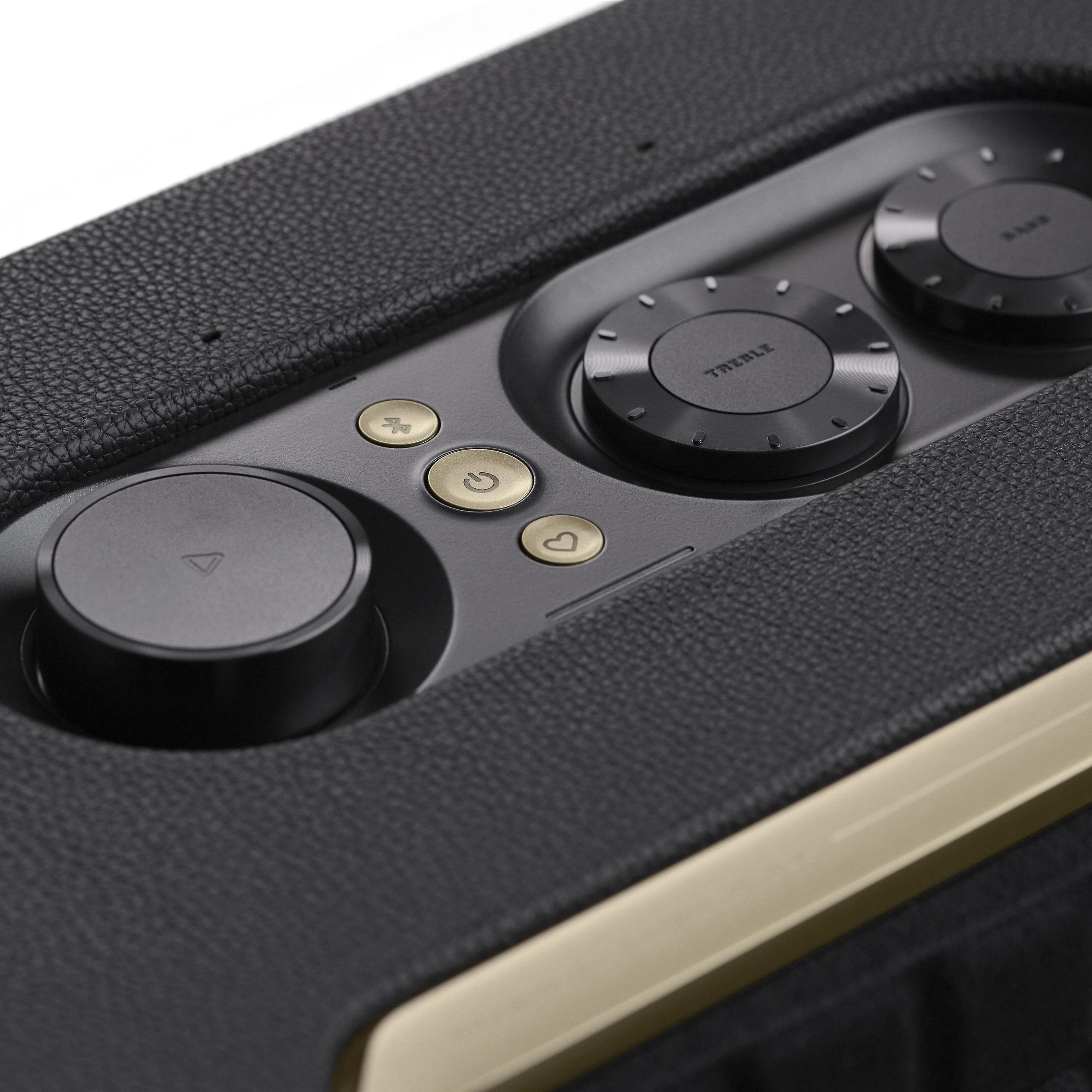
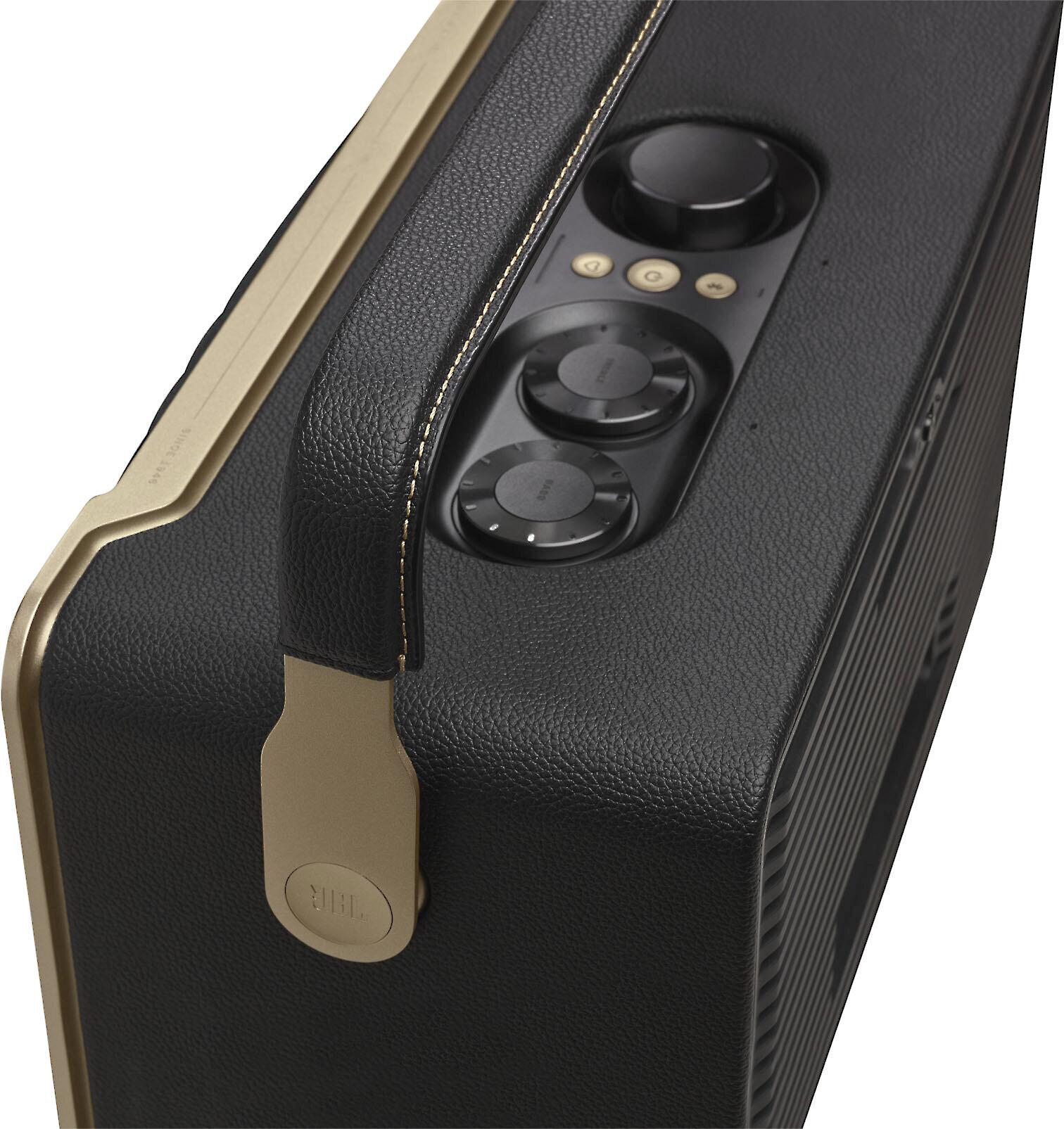
In home environments, the JBL's more sophisticated audio processing and room calibration features help it adapt to different spaces. Its wider soundstage and more neutral tuning make it excellent for background music or focused listening sessions. The physical EQ controls (bass and treble knobs) provide quick adjustments without needing an app.
The Sony performs admirably indoors but lacks some of the JBL's refinement. Its sound signature is more focused on impact than accuracy, which some users might prefer for certain genres or casual listening.
This is where the Sony really shines. The IP67 rating, 25-hour battery life, and robust build quality make it a perfect outdoor companion. The MEGA BASS feature helps maintain low-end presence even in open spaces, where bass typically dissipates quickly.
The JBL, while portable, is limited by its 8-hour battery life and lack of weather resistance. It's better suited for occasional outdoor use on a covered patio rather than regular outdoor adventures.
The Sony XG300 offers exceptional battery performance: 25 hours of playback and quick charging that provides 70 minutes of use from a 10-minute charge. This makes it much more practical for extended outdoor use or weekend trips.
The JBL Authentics 300's 8-hour battery life reflects its primary role as a home speaker that can occasionally move around. While adequate for most indoor use cases, it's less suitable for all-day outdoor events.
At their respective price points, these speakers target different users. The Sony, especially when discounted to $149.99, offers exceptional value for those prioritizing portability and durability. Its feature set and performance at this price point make it a compelling option for outdoor enthusiasts.
The JBL's higher price point ($449.99) reflects its premium positioning, superior build quality, and more advanced connectivity options. For users deeply invested in smart home technology or prioritizing sound quality over portability, the additional cost may be justified.
Choose the Sony XG300 if:
Choose the JBL Authentics 300 if:
Both speakers represent excellent choices in their respective categories, but they serve distinctly different use cases. The Sony excels as a durable, long-lasting portable speaker, while the JBL shines as a sophisticated smart speaker that happens to be portable. Your specific needs and usage scenarios should guide your decision more than pure specifications.
| Sony XG300 MEGA BASS | JBL Authentics 300 |
|---|---|
| Price - Key factor in value assessment | |
| $349.99 (often $149.99) | $449.99 |
| Audio Power - Impacts maximum volume and clarity | |
| 40W total output | 100W total output |
| Speaker Configuration - Determines sound quality and balance | |
| 2x tweeters + 2x X-Balanced woofers with dual passive radiators | 2x 1" tweeters + 5.25" woofer + 6.5" passive radiator |
| Battery Life - Critical for portable use | |
| 25 hours, 10-min quick charge for 70-min playback | 8 hours, 3.5-hour full charge |
| Water/Dust Resistance - Important for outdoor use | |
| IP67 (fully waterproof) | No IP rating |
| Smart Features - Affects versatility | |
| Basic Bluetooth control via app | Dual voice assistants, Wi-Fi, AirPlay, Chromecast |
| Weight - Impacts portability | |
| 3 kg (6.6 lbs) | 4.9 kg (10.8 lbs) |
| Multi-Speaker Features - Expands use cases | |
| Party Connect (up to 100 speakers), Stereo Pair | Multi-room audio via Wi-Fi |
| Connectivity - Affects streaming quality | |
| Bluetooth 5.2, LDAC codec support | Bluetooth 5.3, Wi-Fi 6, AirPlay, Spotify Connect |
| Physical Controls - Ease of use | |
| Basic playback controls | Physical bass/treble knobs, touch controls |
| Construction - Build quality and durability | |
| Durable plastic, water-resistant fabric | Premium materials: recycled fabric, aluminum, leather-like finish |
| Additional Features - Extra value | |
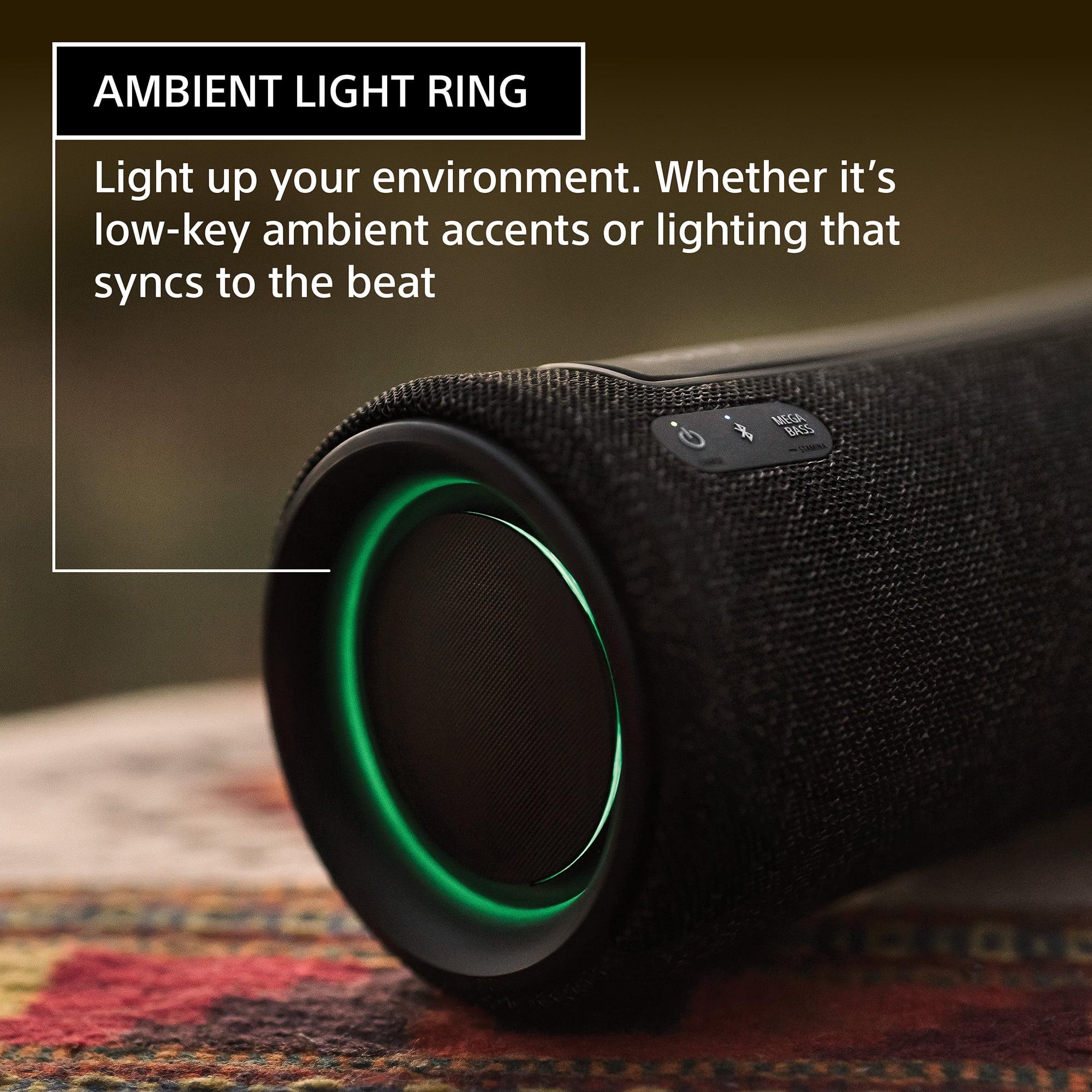
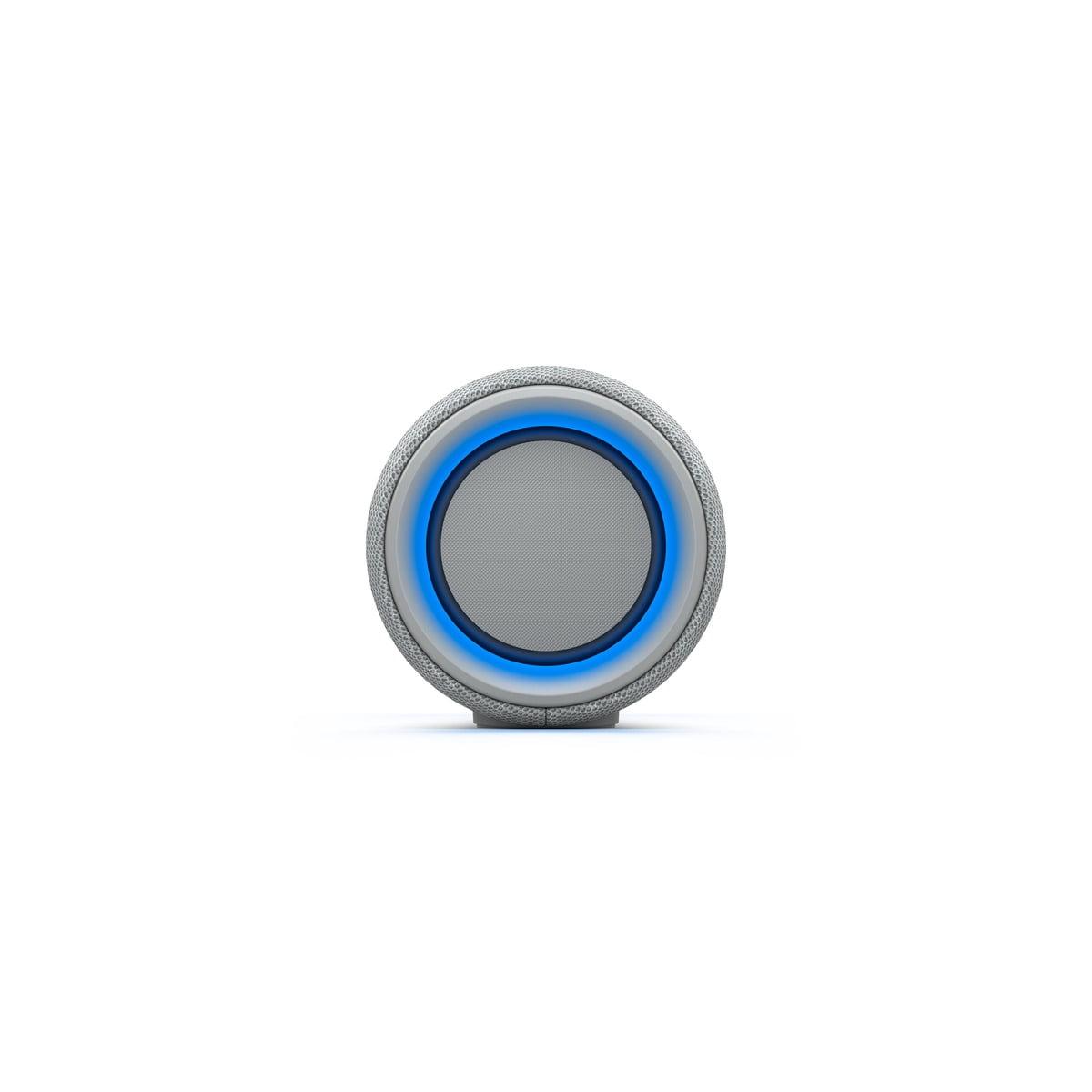
| LED light show, USB power bank function | Auto room calibration, dual voice assistant support |
The Sony XG300 is significantly better for outdoor use with its IP67 waterproof rating and 25-hour battery life. The JBL Authentics 300 lacks water resistance and only offers 8 hours of battery life.
The JBL Authentics 300 offers superior sound quality with its larger drivers and 100W output. However, the Sony XG300 still provides excellent audio, especially with its MEGA BASS feature for enhanced low-end performance.
The JBL Authentics 300 costs $449.99, while the Sony XG300 is listed at $349.99 but frequently discounted to $149.99, making it significantly more affordable.
The JBL Authentics 300 offers full smart home integration with both Google Assistant and Alexa, plus Wi-Fi connectivity. The Sony XG300 only offers basic Bluetooth connectivity and app control.
The Sony XG300 is more portable at 6.6 lbs compared to the JBL Authentics 300 at 10.8 lbs. It's also more durable and weather-resistant for transportation.
Both can connect to additional speakers, but differently. The Sony XG300 can connect to 100 compatible Sony speakers via Bluetooth, while the JBL Authentics 300 offers Wi-Fi-based multi-room audio.
The Sony XG300 clearly wins with 25 hours of playback versus 8 hours for the JBL Authentics 300.
Both speakers support Bluetooth streaming, but the JBL Authentics 300 adds Wi-Fi streaming options like AirPlay, Chromecast, and Spotify Connect for better quality.
The Sony XG300 is better suited for parties with its waterproof design, longer battery life, and ability to connect multiple speakers. The JBL Authentics 300 is more suited for indoor gatherings.
The JBL Authentics 300 features both Google Assistant and Alexa voice control. The Sony XG300 doesn't have built-in voice assistants.
While both offer strong bass, the Sony XG300 has more aggressive bass with its MEGA BASS feature. The JBL Authentics 300 provides more natural, balanced bass response.
When found at its discounted price of $149.99, the Sony XG300 offers exceptional value. The JBL Authentics 300 justifies its higher price with premium features and better sound quality, but may not be worth the extra cost for everyone.
We've done our best to create useful and informative comparisons to help you decide what product to buy. Our research uses advanced automated methods to create this comparison and perfection is not possible - please contact us for corrections or questions. These are the sites we've researched in the creation of this article: bestbuy.com - youtube.com - sony.ca - youtube.com - electronics.sony.com - sony.com - abt.com - helpguide.sony.net - bhphotovideo.com - rtings.com - thesonyshop.ca - helpguide.sony.net - tomsguide.com - 9to5google.com - bestbuy.com - jbl.com - androidpolice.com - jbl.com - greentoe.com - jbl.com - jbl.com - projectorscreen.com - kh.jbl.com - jbl.com

Privacy Policy
Terms and Conditions - Affiliate Policy
Home Security
© Copyright 2008-2026.
11816 Inwood Rd #1211, Dallas, TX 75244