

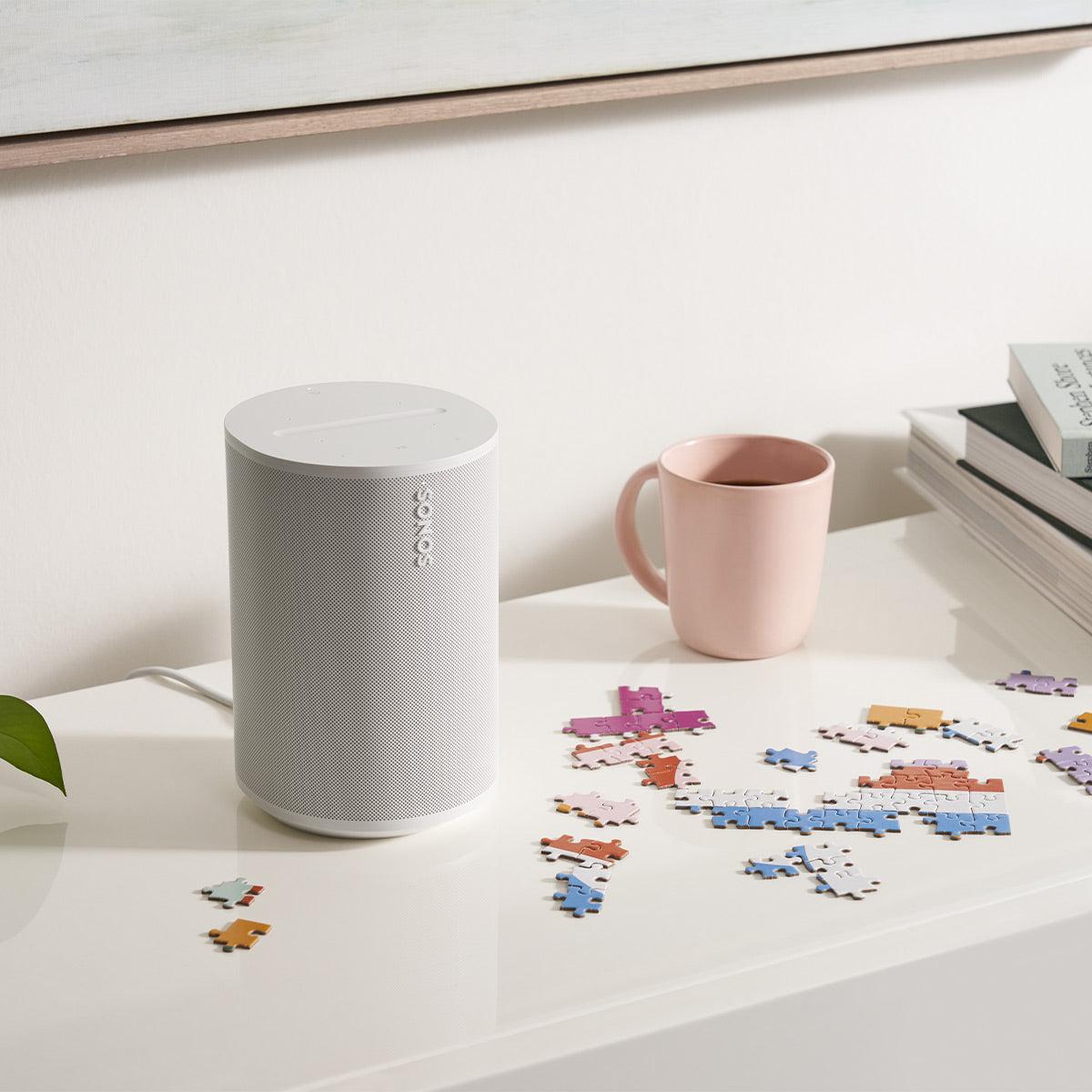
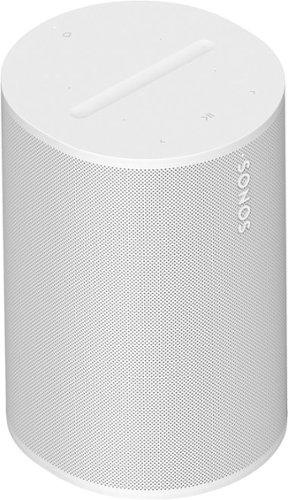
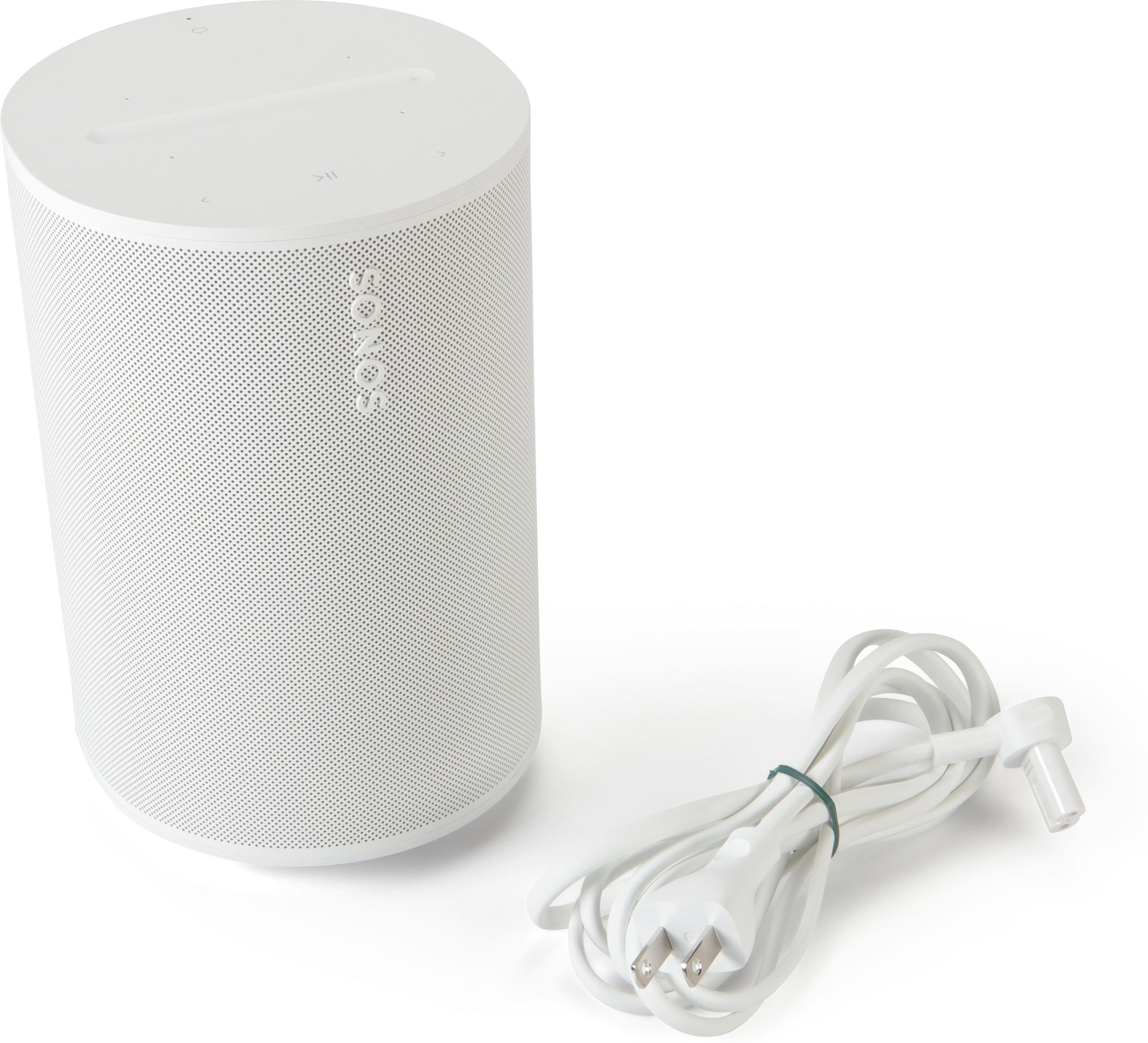
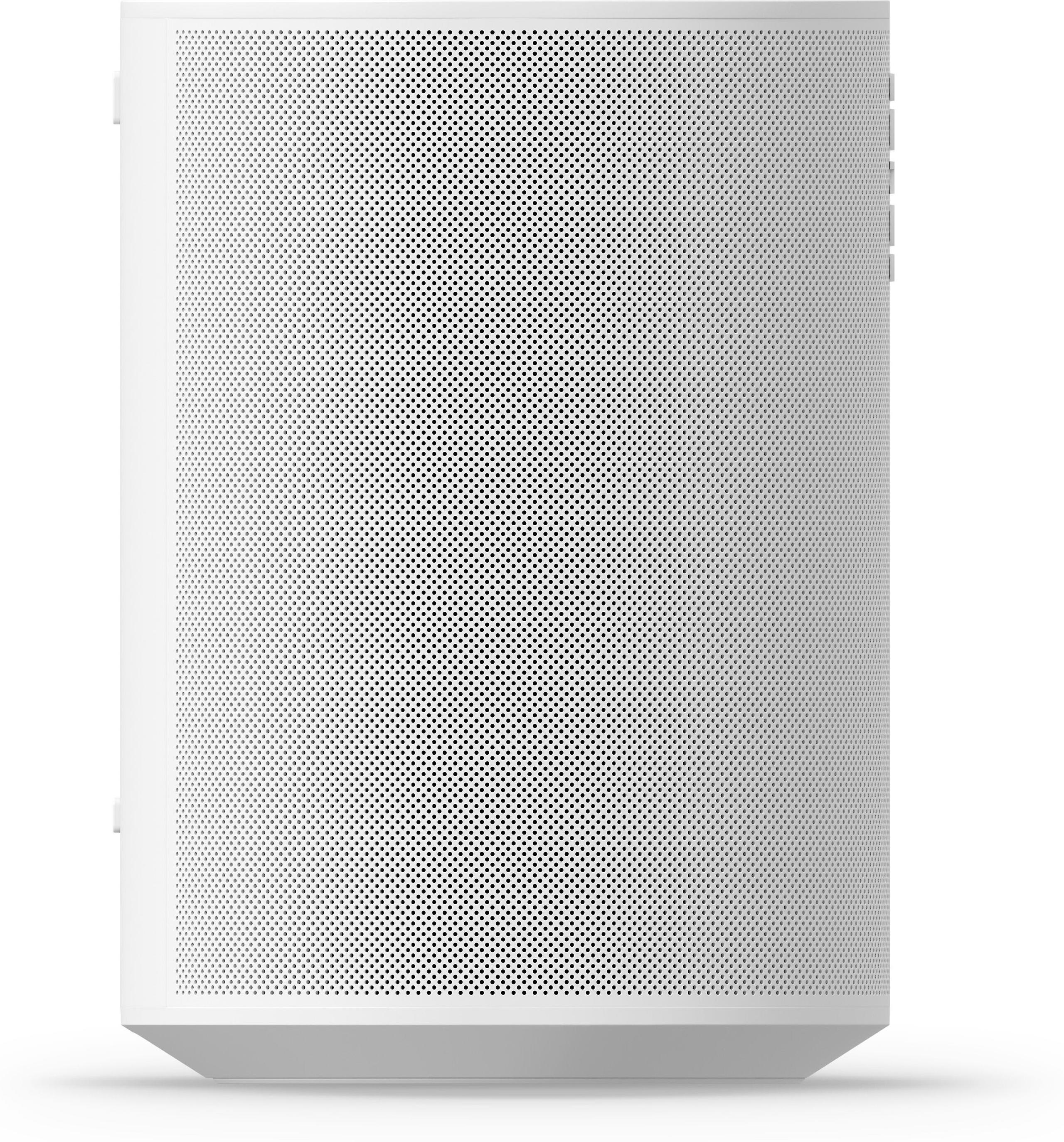
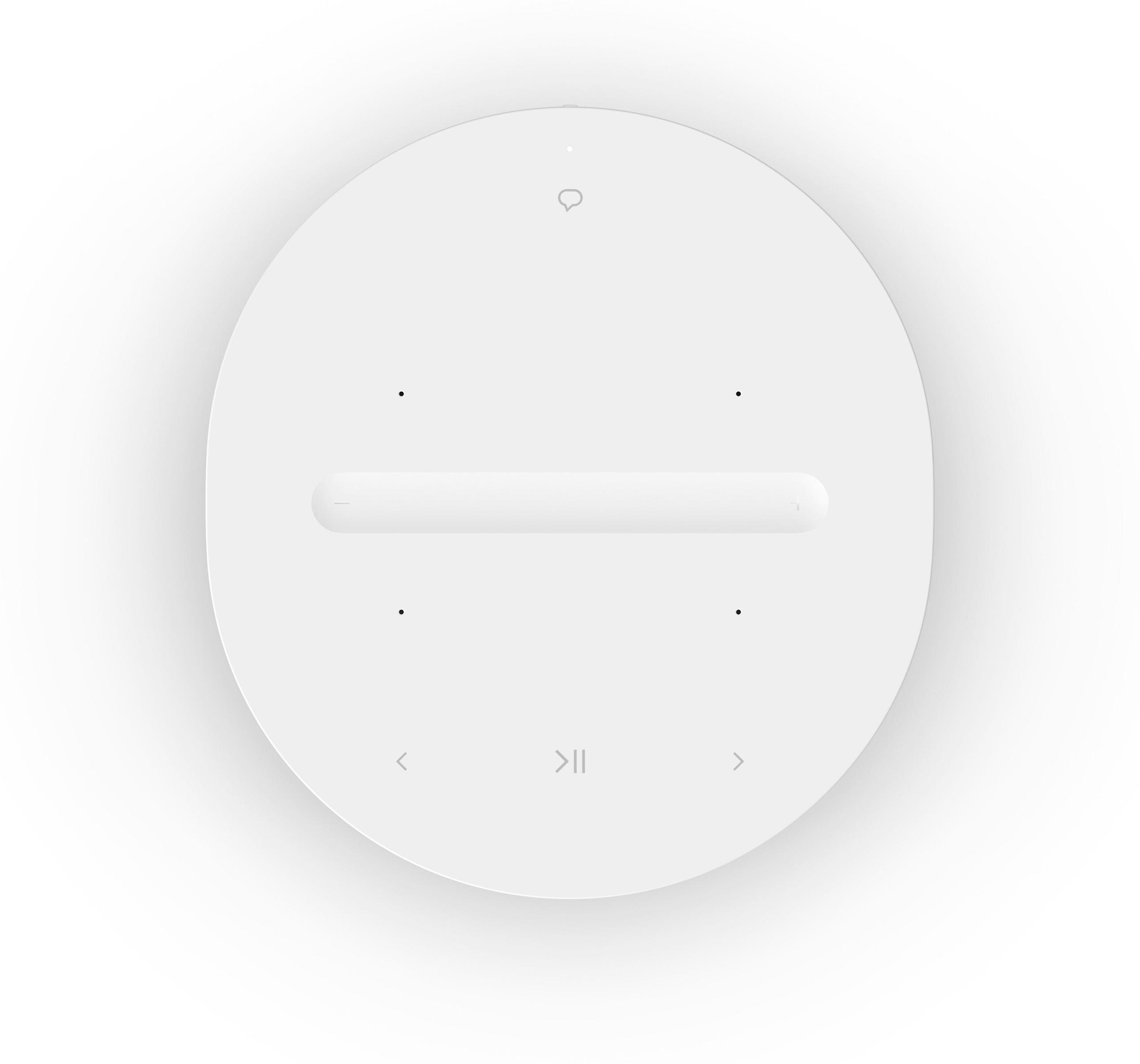
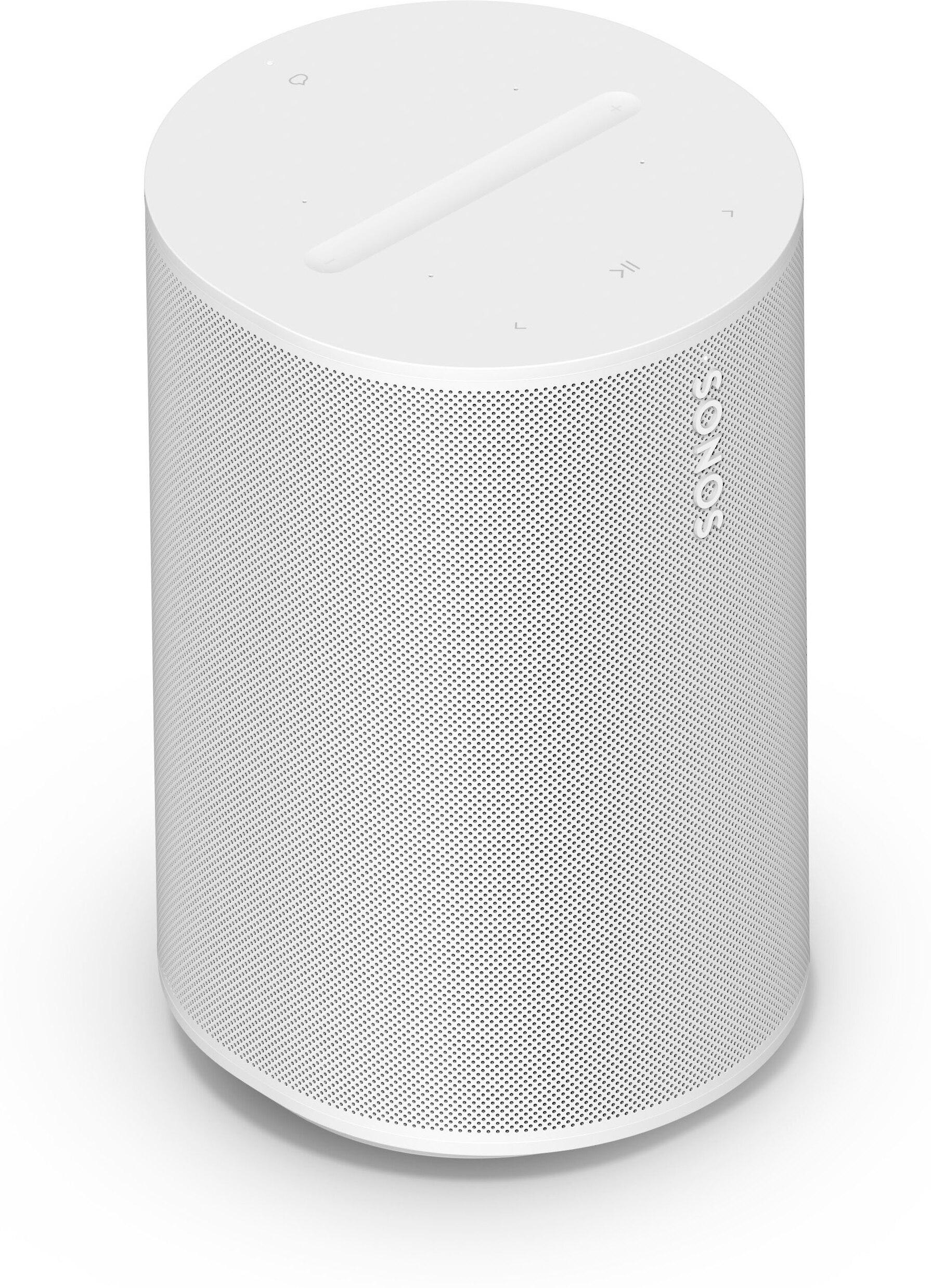
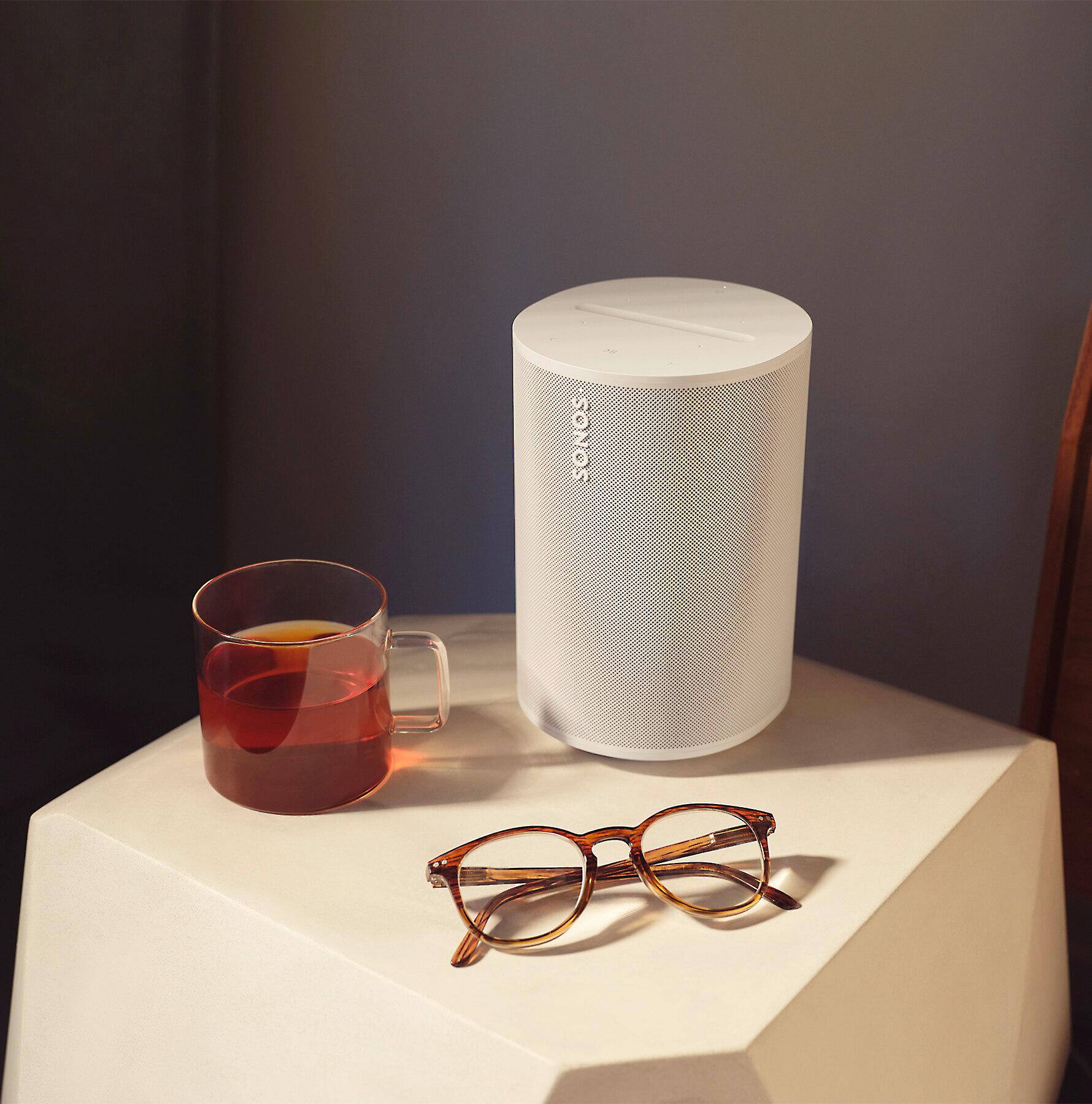
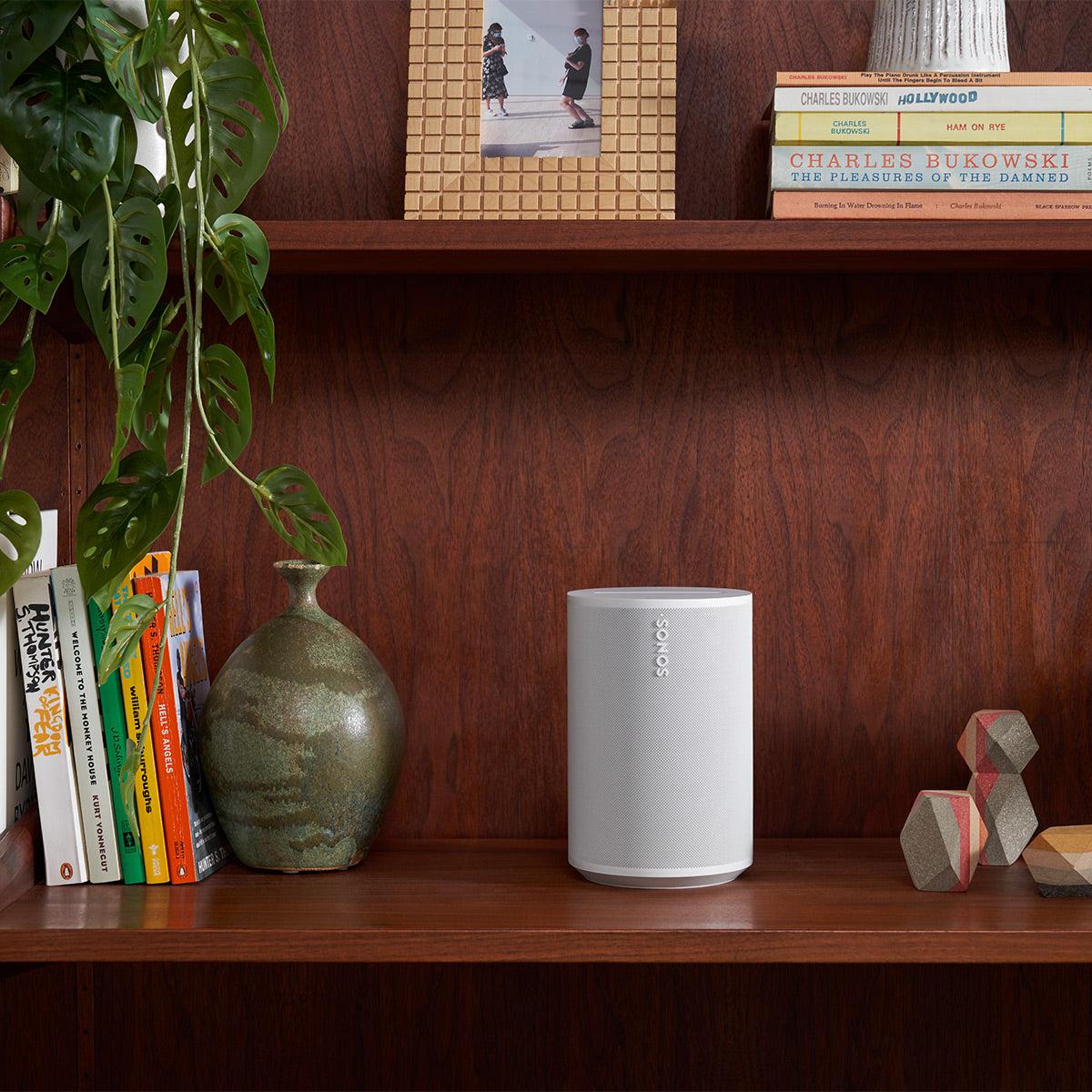
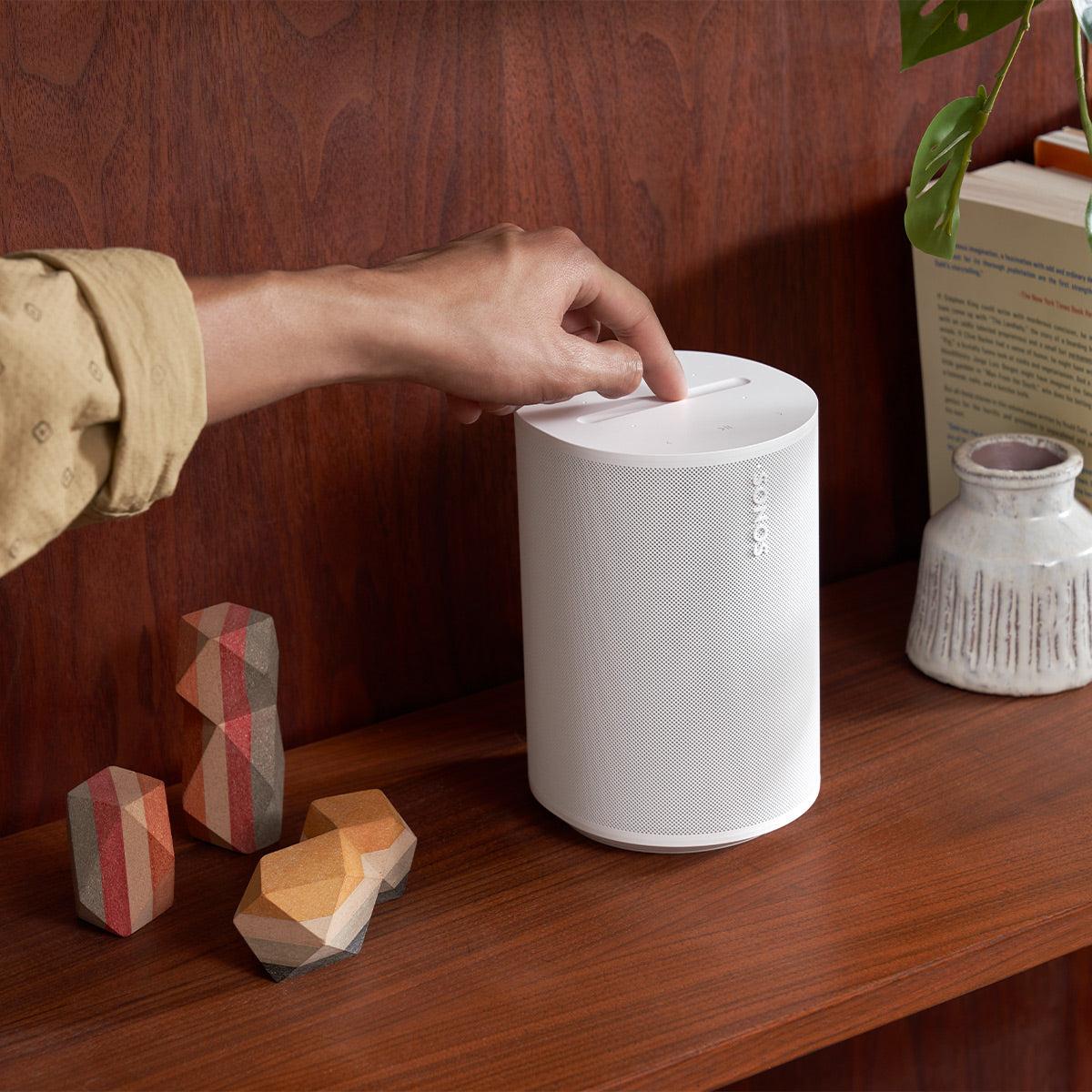
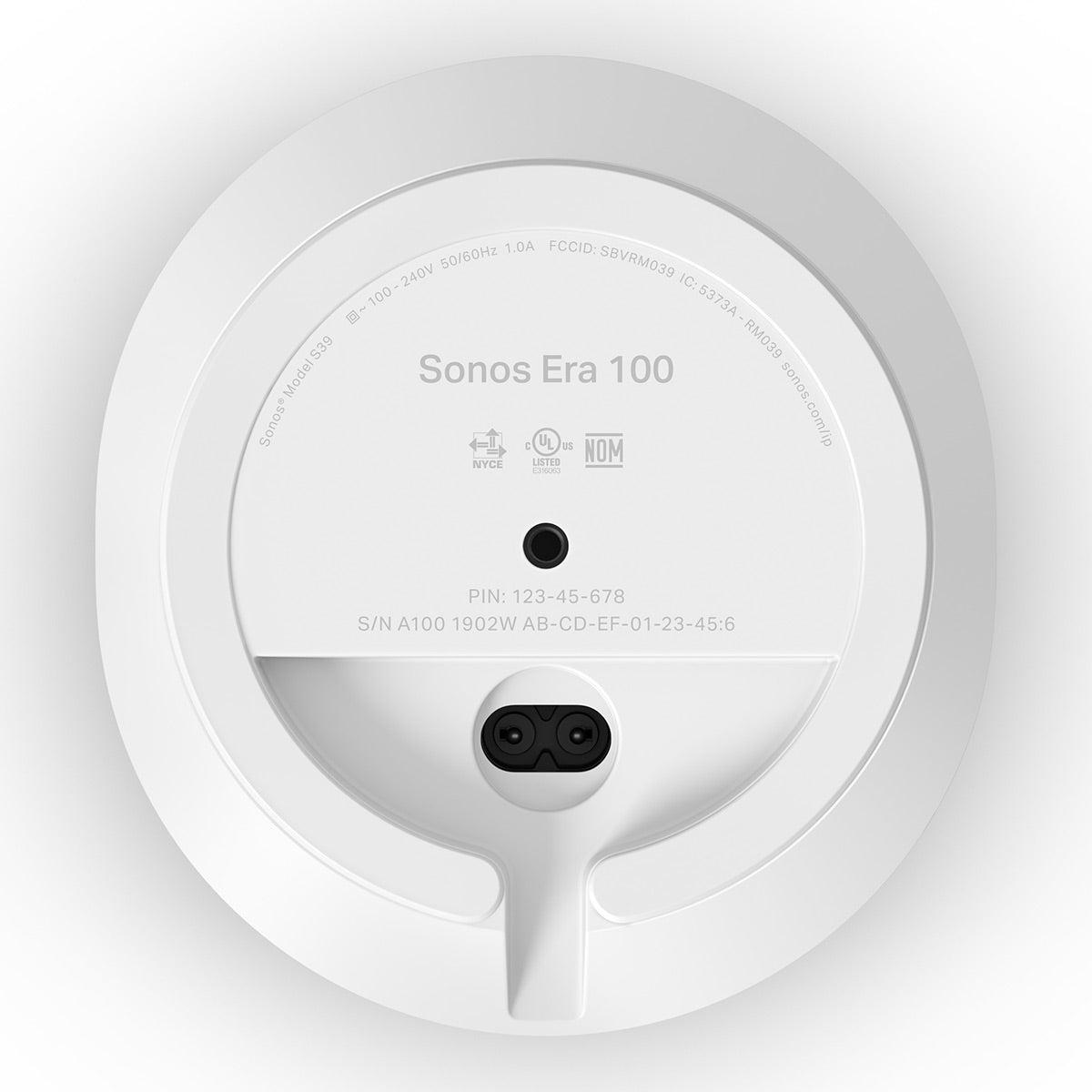
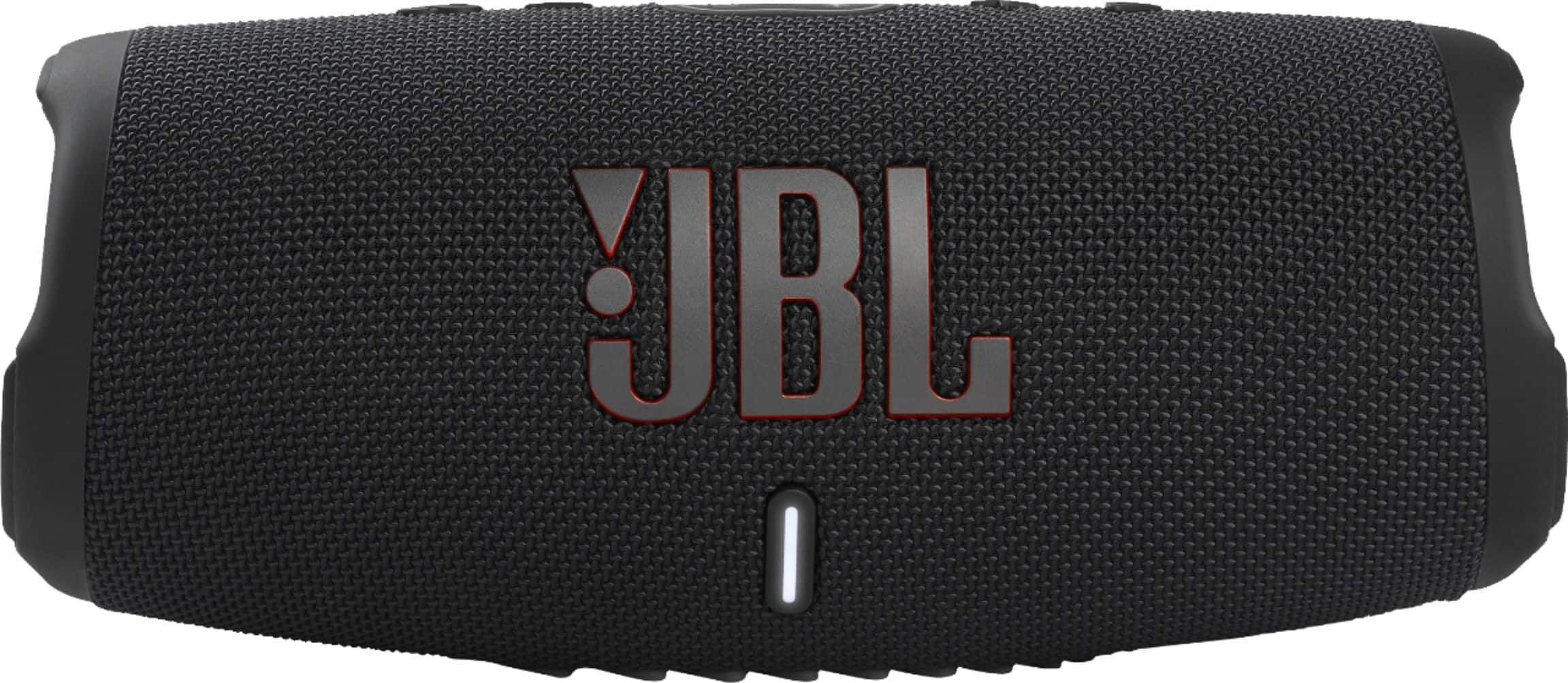
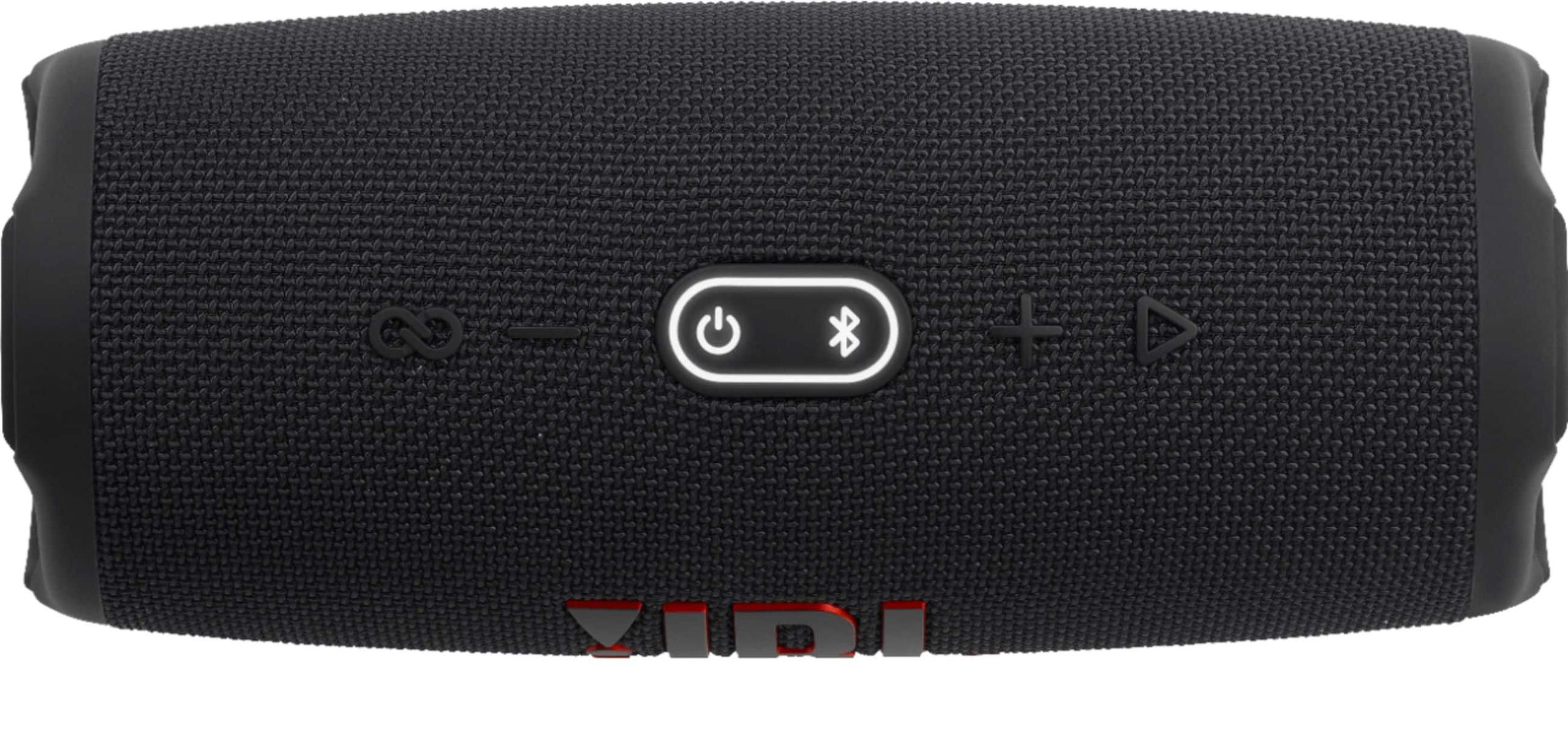
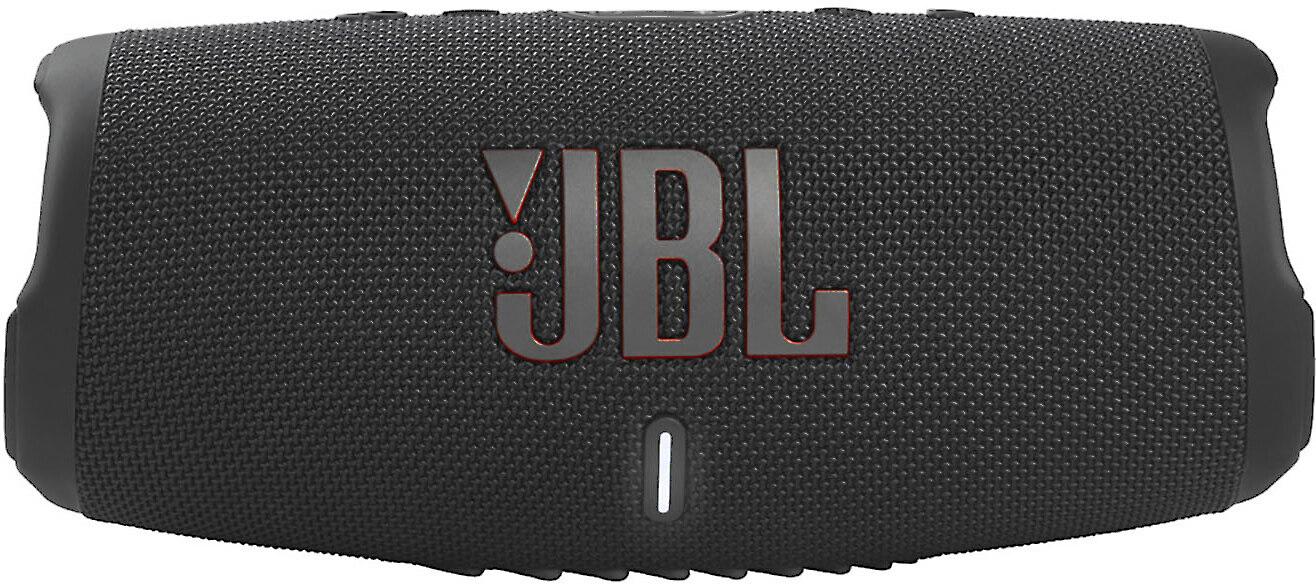
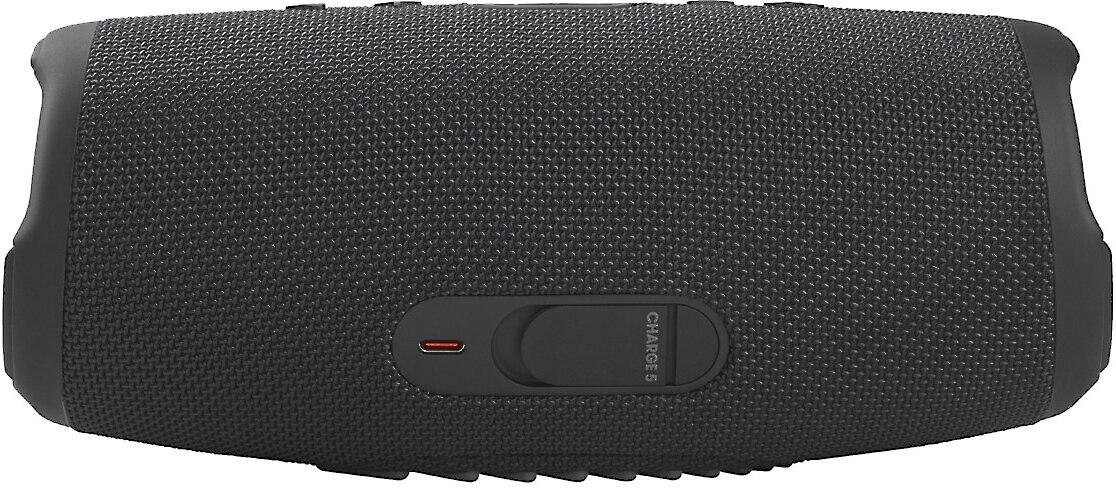
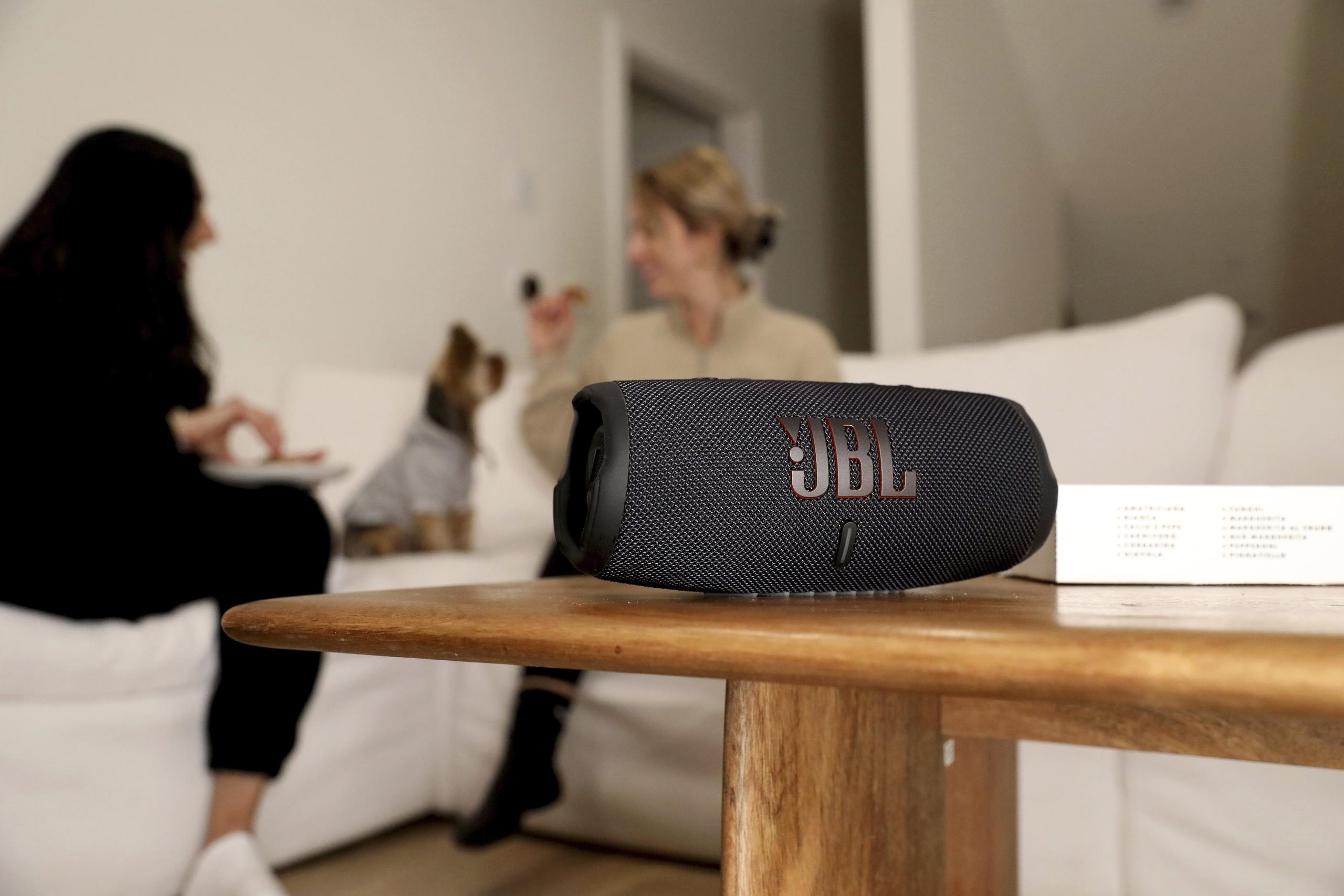

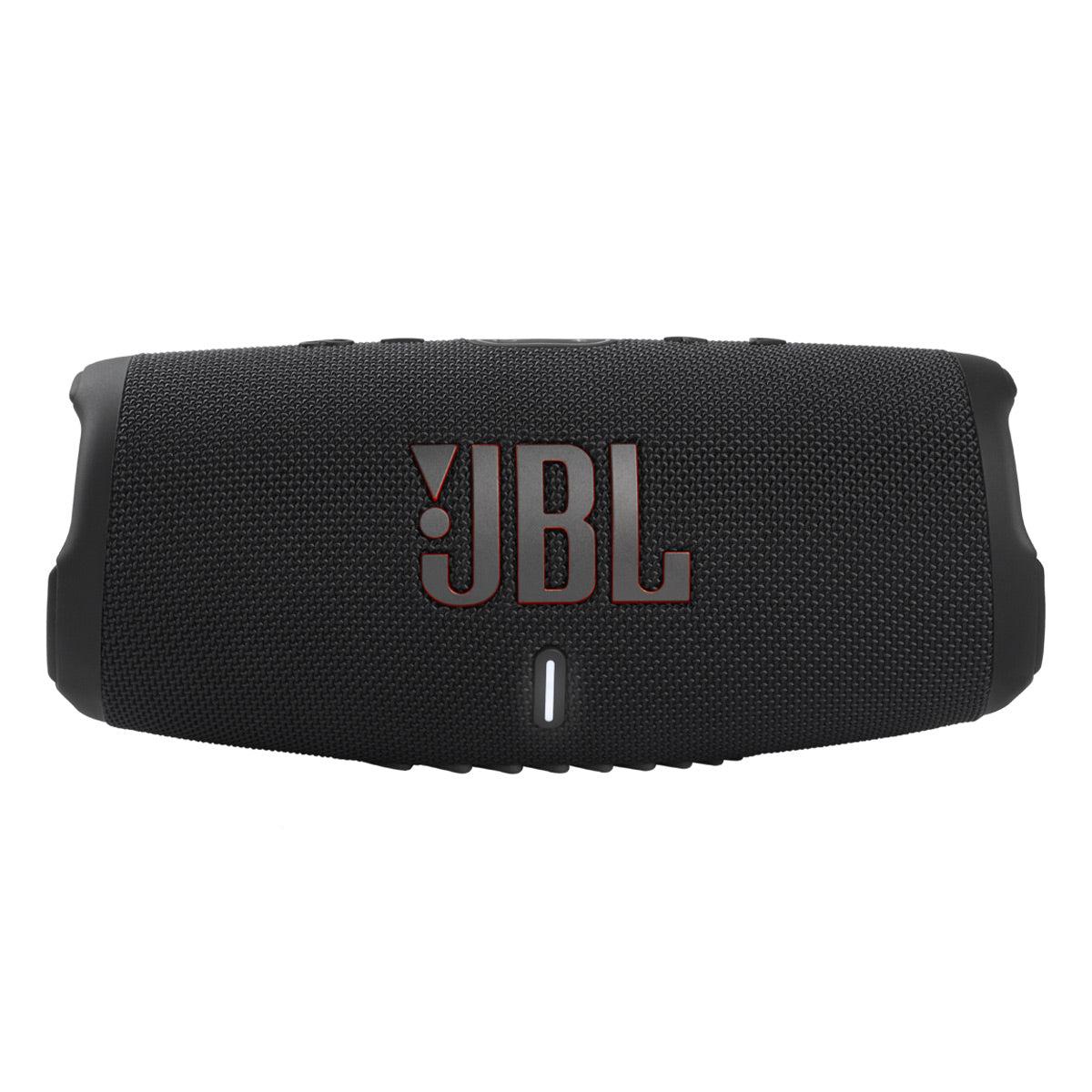
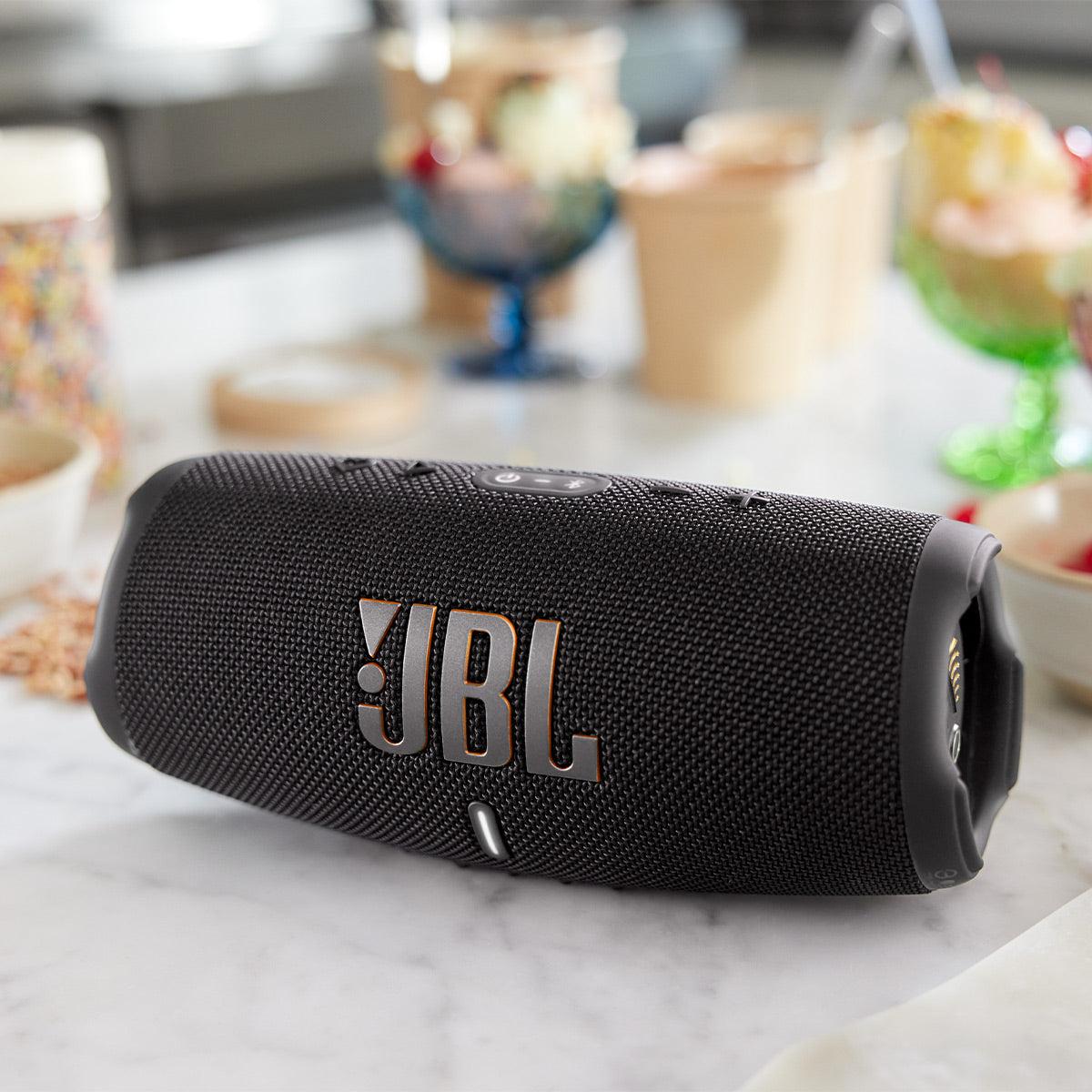
When it comes to wireless speakers in 2024, we're seeing an interesting divide between high-end home audio solutions and premium portable speakers. The Sonos Era 100 ($249) and JBL Charge 5 ($179) represent two distinct approaches to delivering quality wireless sound, each optimized for different listening scenarios.
The wireless speaker market has matured significantly in recent years. The Era 100, released in March 2023, represents Sonos's latest iteration of premium home audio, while the Charge 5, launched in early 2021, showcases JBL's expertise in portable audio. Both incorporate modern features like advanced Bluetooth codecs and refined driver designs, but they're built for fundamentally different use cases.
The Sonos Era 100 is engineered specifically for home environments. Its sophisticated acoustic architecture includes dual angled tweeters (the speakers handling high frequencies) and a larger mid-woofer for bass, all powered by three Class-D amplifiers. This configuration creates true stereo separation – meaning you can clearly hear instruments and sounds positioned left and right, just as they were recorded.
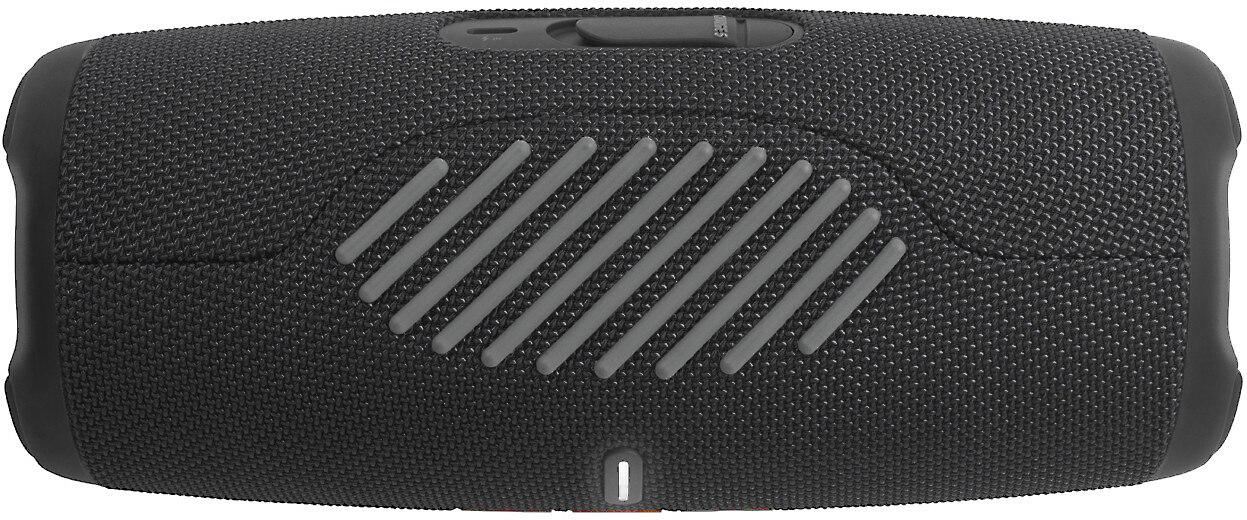
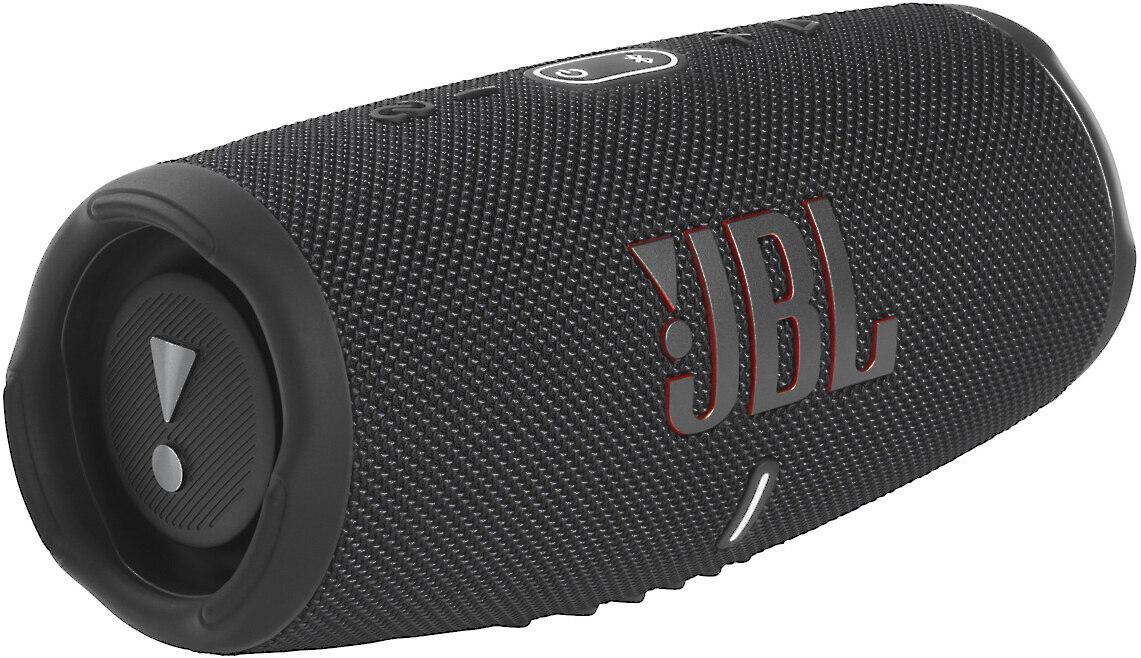
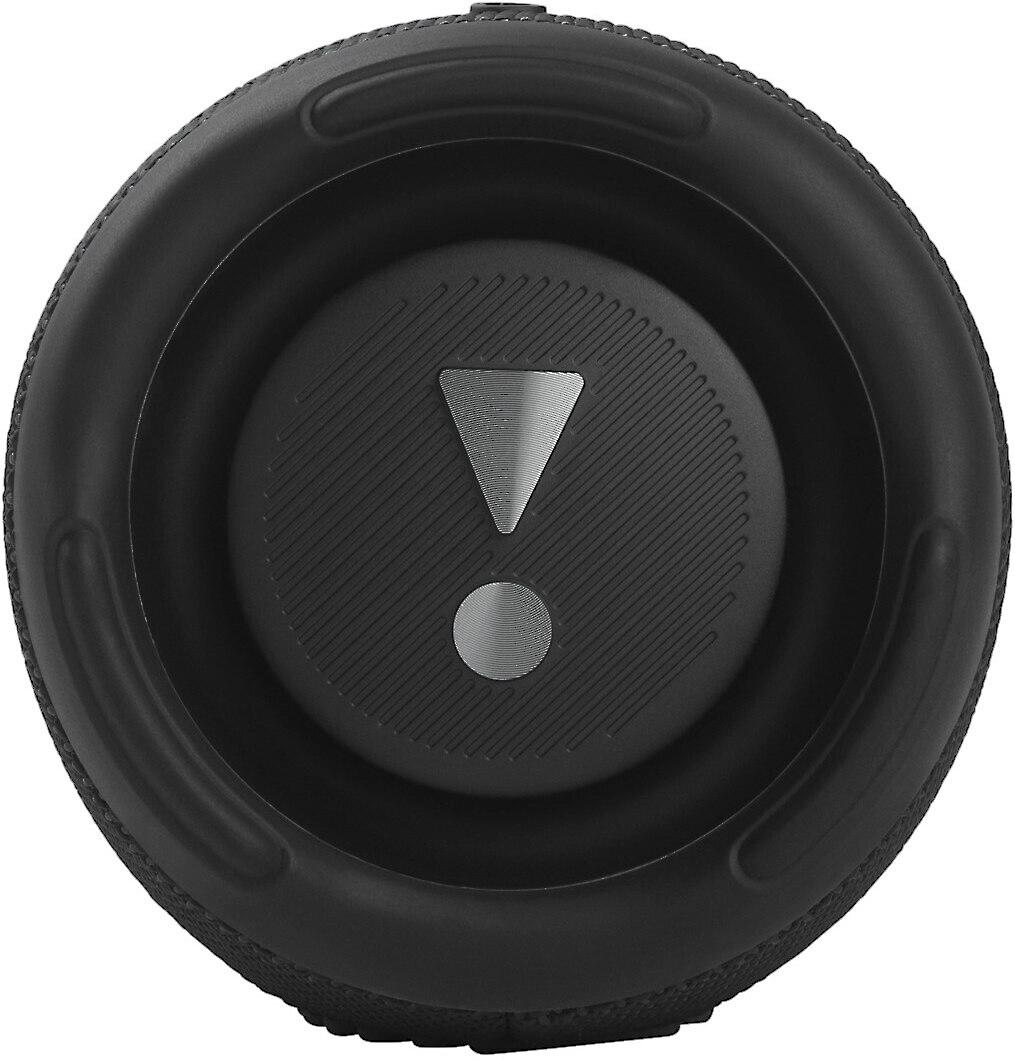
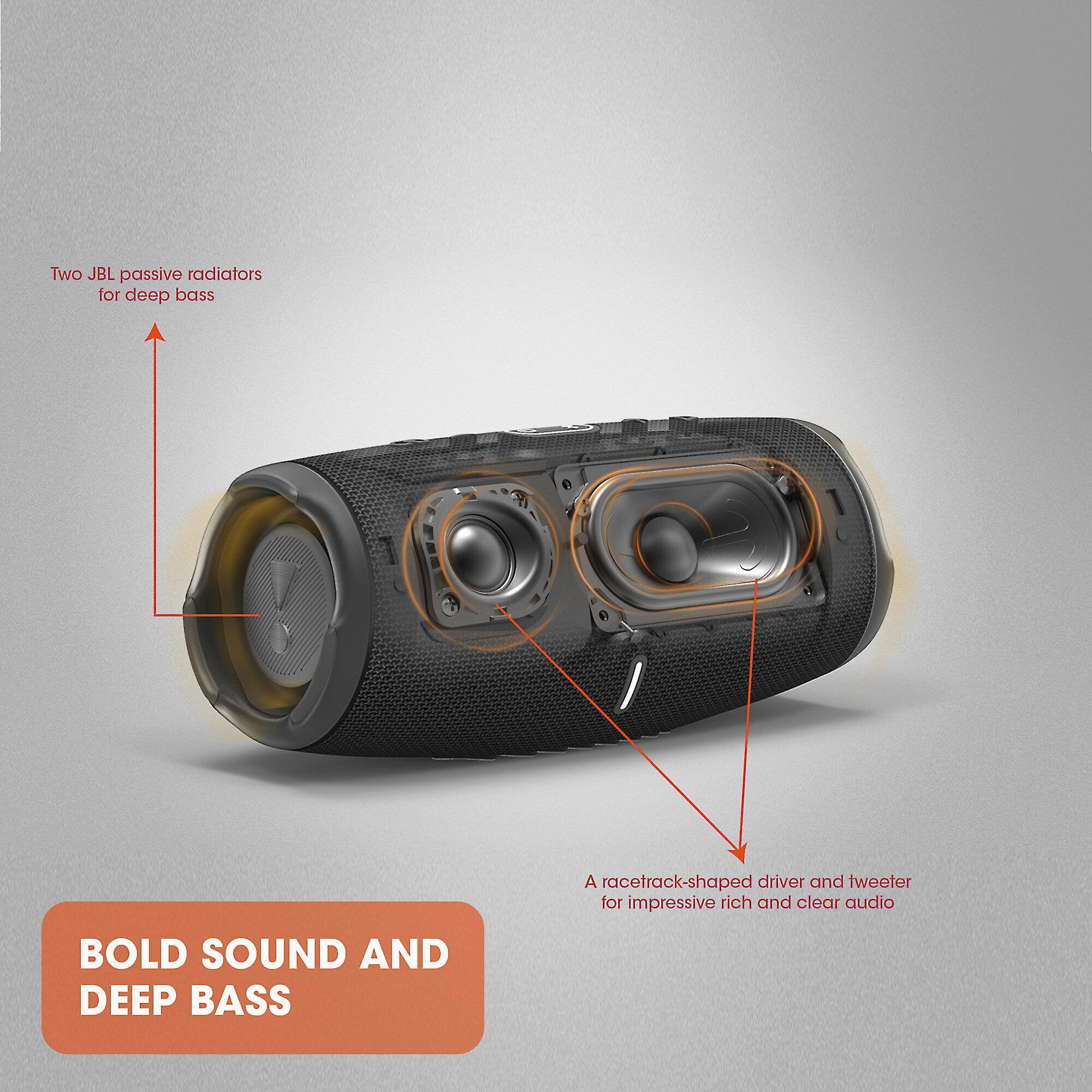
In contrast, the JBL Charge 5 employs a mono design with a powerful driver system optimized for outdoor spaces. Its 52x90mm woofer and 20mm tweeter are combined with dual passive radiators (which help produce deeper bass without requiring additional power). While it doesn't offer stereo separation, it projects sound effectively in all directions – perfect for outdoor gatherings.
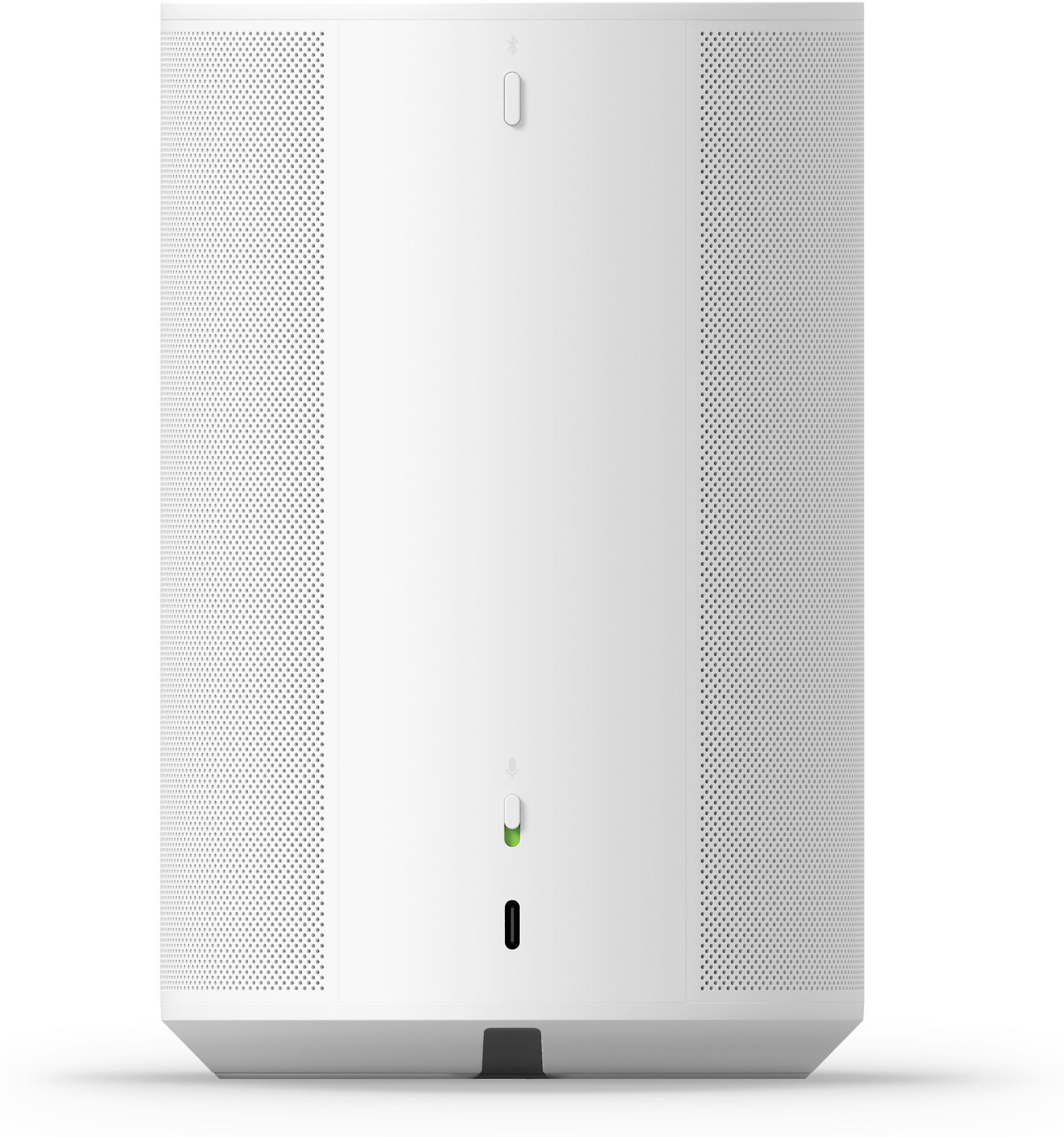
The Era 100 brings modern connectivity options including WiFi 6 (the latest high-speed wireless standard), Bluetooth 5.0, and Apple AirPlay 2. This variety allows for both high-quality whole-home audio and convenient direct streaming. The speaker's integration with the Sonos ecosystem means you can easily create a multi-room setup or add it to a home theater system as a surround speaker.
The Charge 5 focuses on robust Bluetooth 5.1 connectivity, which provides reliable wireless playback up to about 30 feet. While it lacks WiFi capabilities, its PartyBoost feature allows you to connect multiple JBL speakers for bigger sound – though you're limited to other PartyBoost-compatible JBL models.
Having tested both speakers extensively, the sound quality differences are notable. The Era 100 delivers remarkably detailed audio with excellent spatial separation. Its Trueplay tuning technology (which uses built-in microphones to optimize sound for your room's acoustics) makes a noticeable difference, especially in challenging spaces like corners or near walls.
The Charge 5's audio signature emphasizes clarity and impact, with particularly impressive bass response for its size. While it can't match the Era 100's refined soundstage, it excels at projecting clear, powerful audio outdoors – where many speakers struggle.
The Era 100 offers 40 watts of total power (30W woofer, 10W tweeter), providing ample volume for most indoor spaces. It maintains composure at high volumes, though you might notice some compression kicking in at maximum levels – a deliberate choice to prevent distortion.
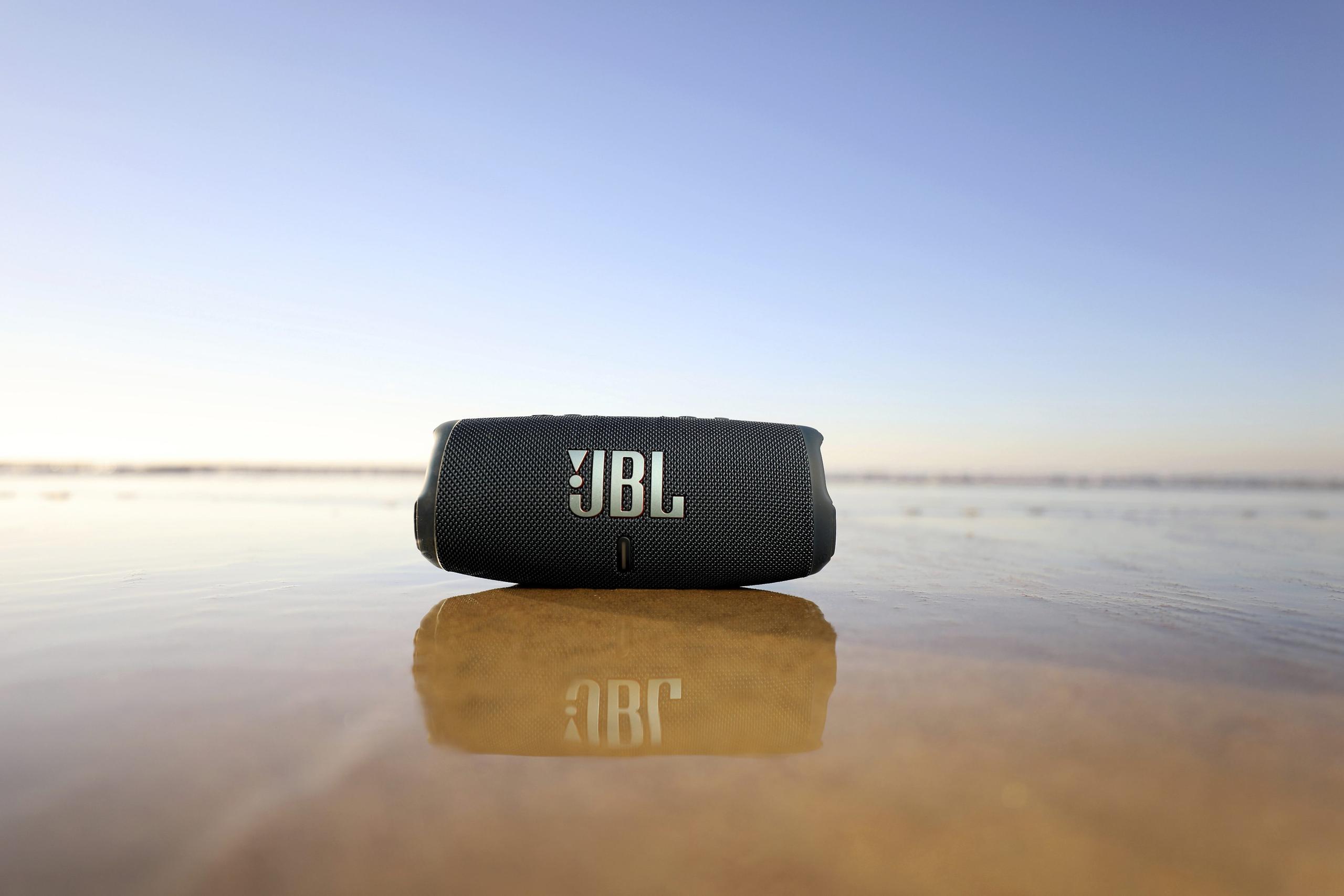
The Charge 5 matches this power rating but distributes it differently, optimizing for outdoor projection. It can get surprisingly loud without distortion, making it ideal for pool parties or beach outings where ambient noise is a factor.
In daily use, the Era 100 shines in a home environment. Its ability to stream high-quality audio over WiFi means better sound than Bluetooth alone can provide. The speaker particularly excels with vocal-heavy content and complex musical arrangements where its stereo separation becomes apparent.
The Charge 5 proves its worth in versatility. Its 20-hour battery life and ability to charge other devices via USB make it an excellent travel companion. The IP67 water and dust resistance means you don't have to worry about rain or sand, and the rugged construction has proven durable in my testing.
The Sonos Era 100 offers unique advantages for home theater use. You can pair two units as rear surrounds with a Sonos Arc or Beam soundbar, creating a genuine surround sound experience. The speakers' precise imaging and processing help create convincing environmental effects in movies and TV shows.
While the JBL Charge 5 wasn't designed for home theater use, it can serve as a temporary solution for watching movies outdoors, like for backyard movie nights. Its powerful mono output works well enough for casual viewing, though you won't get true surround effects.
The Era 100's $249 price point reflects its premium positioning and advanced features. For those invested in building a quality home audio system, especially within the Sonos ecosystem, it represents solid value despite the higher initial cost. The ability to expand into multi-room audio or home theater use adds long-term flexibility.
The Charge 5's $179 price tag feels right for its capabilities. The combination of powerful sound, robust build quality, and genuine portability makes it a versatile investment. The included power bank functionality adds practical value for outdoor use.
The choice between these speakers ultimately comes down to your primary use case:
Choose the Era 100 if you:
Choose the Charge 5 if you:
Both speakers excel in their intended roles, but they're designed for different purposes. The Era 100 represents the future of home audio, while the Charge 5 exemplifies the best of portable sound. Your choice should align with where and how you'll actually use the speaker most often.
Remember, these aren't mutually exclusive options – many audio enthusiasts eventually own both types of speakers, using each where it performs best. Whether you choose the Sonos Era 100 for your living room or the JBL Charge 5 for your active lifestyle, both represent excellent options in their respective categories.
| Sonos Era 100 | JBL Charge 5 |
|---|---|
| Price - Investment consideration | |
| $249 (premium home audio) | $179 (premium portable) |
| Sound Architecture - Impacts audio quality and soundstage | |
| Dual angled tweeters + mid-woofer, true stereo | Single tweeter + woofer, mono with dual passive radiators |
| Power Output - Determines maximum volume and clarity | |
| 40W total (30W woofer, 10W tweeters) | 40W total (30W woofer, 10W tweeter) |
| Connectivity - Affects streaming quality and flexibility | |
| WiFi 6, Bluetooth 5.0, AirPlay 2 | Bluetooth 5.1 only |
| Smart Features - Enables voice control and automation | |
| Voice assistants, Trueplay tuning, multi-room audio | Basic Bluetooth controls only |
| Portability - Determines where you can use it | |
| AC powered, not portable | 20-hour battery, built-in power bank |
| Environmental Protection - Important for versatile use | |
| Basic humidity resistance | IP67 water/dustproof |
| Multi-Speaker Features - Expands audio possibilities | |
| Full Sonos ecosystem integration, home theater capable | PartyBoost pairing with other JBL speakers |
| Size & Weight - Impacts placement options | |
| 18.25 x 12.0 x 13.0 cm, 2.0 kg | 22.3 x 9.7 x 9.4 cm, 0.96 kg |
| Additional Features - Adds functionality | |
| USB-C line-in (with adapter), room correction, streaming service integration | USB charging for devices, outdoor-optimized sound, rugged design |
The Sonos Era 100 is specifically designed for home use with better room-filling sound, WiFi connectivity, and multi-room capabilities. The JBL Charge 5 is primarily a portable speaker, making it less optimal for permanent home setups.
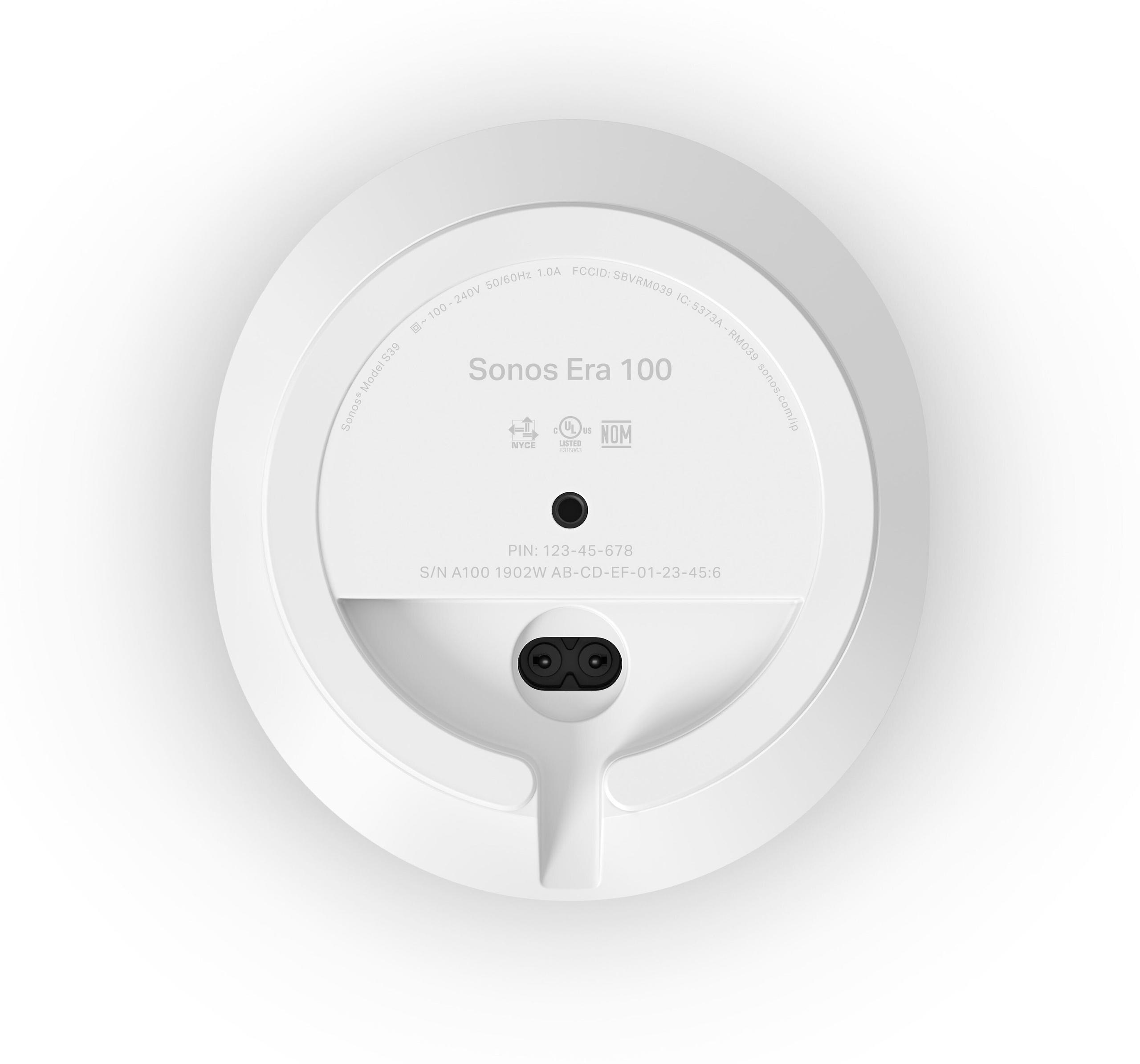
The JBL Charge 5 is designed for outdoor use with IP67 waterproofing and battery power. The Sonos Era 100 requires AC power and isn't weather-resistant, making it unsuitable for outdoor use.
The Sonos Era 100 offers superior sound quality for indoor listening with true stereo separation and room correction. The JBL Charge 5 focuses on outdoor-optimized sound that's loud and clear but doesn't match the Era 100's detail and separation.
The Sonos Era 100 costs $249, while the JBL Charge 5 is priced at $179, a $70 difference reflecting their different capabilities and target uses.
The Sonos Era 100 can be integrated into a home theater system as surrounds when paired with a Sonos soundbar. The JBL Charge 5 doesn't offer TV connectivity options.
The JBL Charge 5 offers 20 hours of battery life, while the Sonos Era 100 requires constant AC power and has no battery option.
Both speakers offer multi-speaker options. The Sonos Era 100 works with all Sonos products for whole-home audio, while the JBL Charge 5 can only pair with other JBL PartyBoost speakers.
The JBL Charge 5 is better for parties due to its portability, water resistance, and outdoor-optimized sound. The Sonos Era 100 is better for indoor gatherings where power is available.
The Sonos Era 100 supports voice assistants and smart home integration. The JBL Charge 5 doesn't have voice assistant capabilities.
The Sonos Era 100 offers WiFi 6, Bluetooth 5.0, and AirPlay 2, while the JBL Charge 5 only provides Bluetooth 5.1 connectivity.
Neither the Sonos Era 100 nor the JBL Charge 5 is designed specifically for conferencing, though both can function as audio output devices via Bluetooth.
The JBL Charge 5 is more durable with IP67 water and dust resistance, making it virtually weatherproof. The Sonos Era 100 is designed for indoor use and offers only basic humidity resistance.
We've done our best to create useful and informative comparisons to help you decide what product to buy. Our research uses advanced automated methods to create this comparison and perfection is not possible - please contact us for corrections or questions. These are the sites we've researched in the creation of this article: goodhousekeeping.com - tomsguide.com - techradar.com - youtube.com - whathifi.com - dxomark.com - rtings.com - abt.com - sonos.com - bhphotovideo.com - sonos.com - sonos.com - audiolab.com - en.community.sonos.com - techradar.com - outeraudio.com - youtube.com - soundguys.com - howtogeek.com - jbl.com - abt.com - youtube.com - harmanaudio.com - homedepot.com - bhphotovideo.com - dxomark.com

Privacy Policy
Terms and Conditions - Affiliate Policy
Home Security
© Copyright 2008-2026.
11816 Inwood Rd #1211, Dallas, TX 75244