

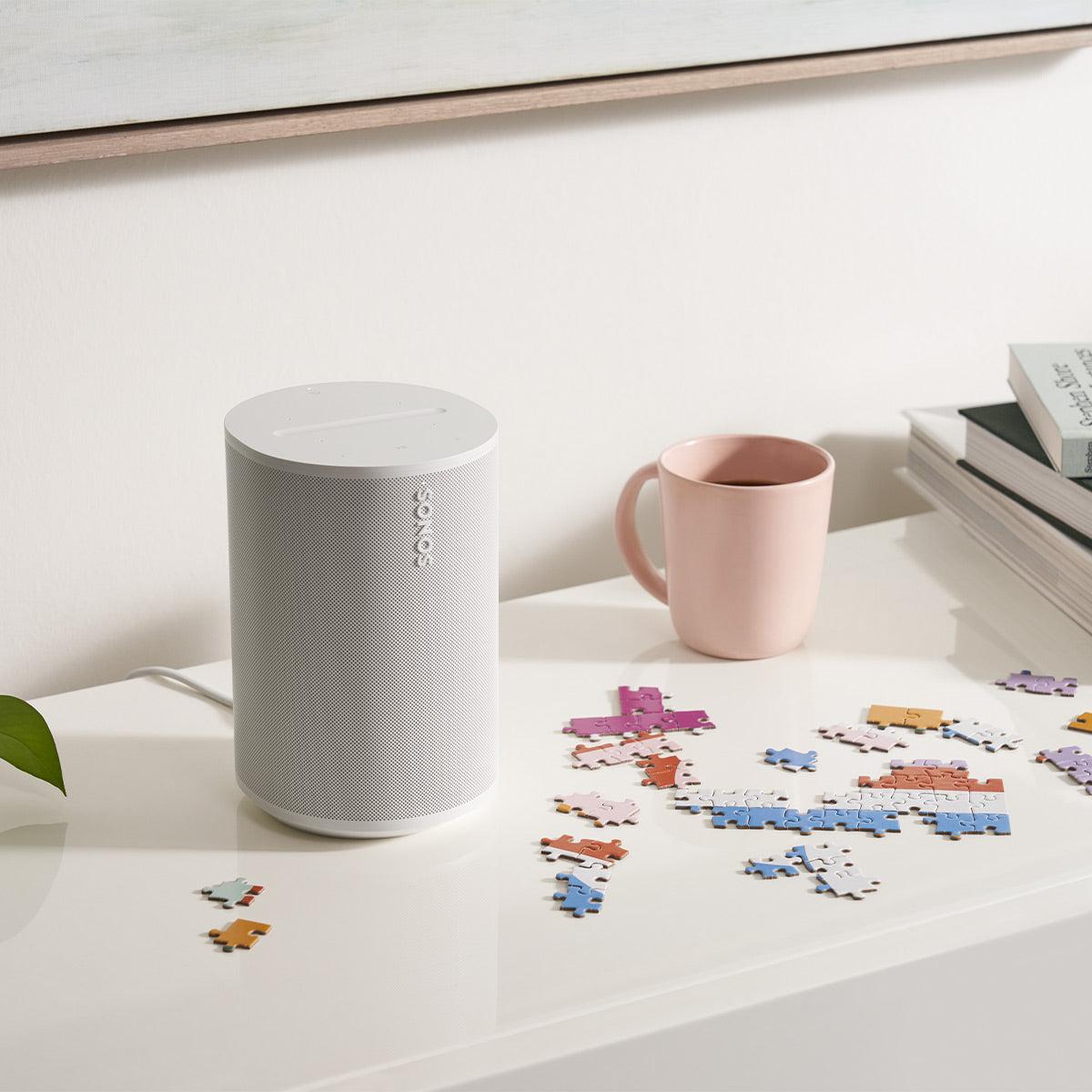
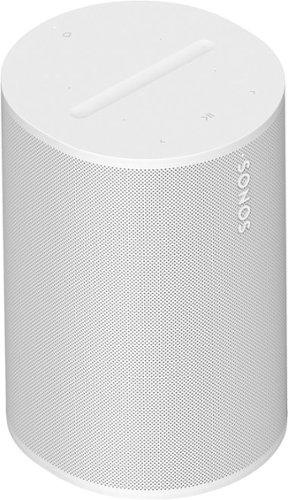
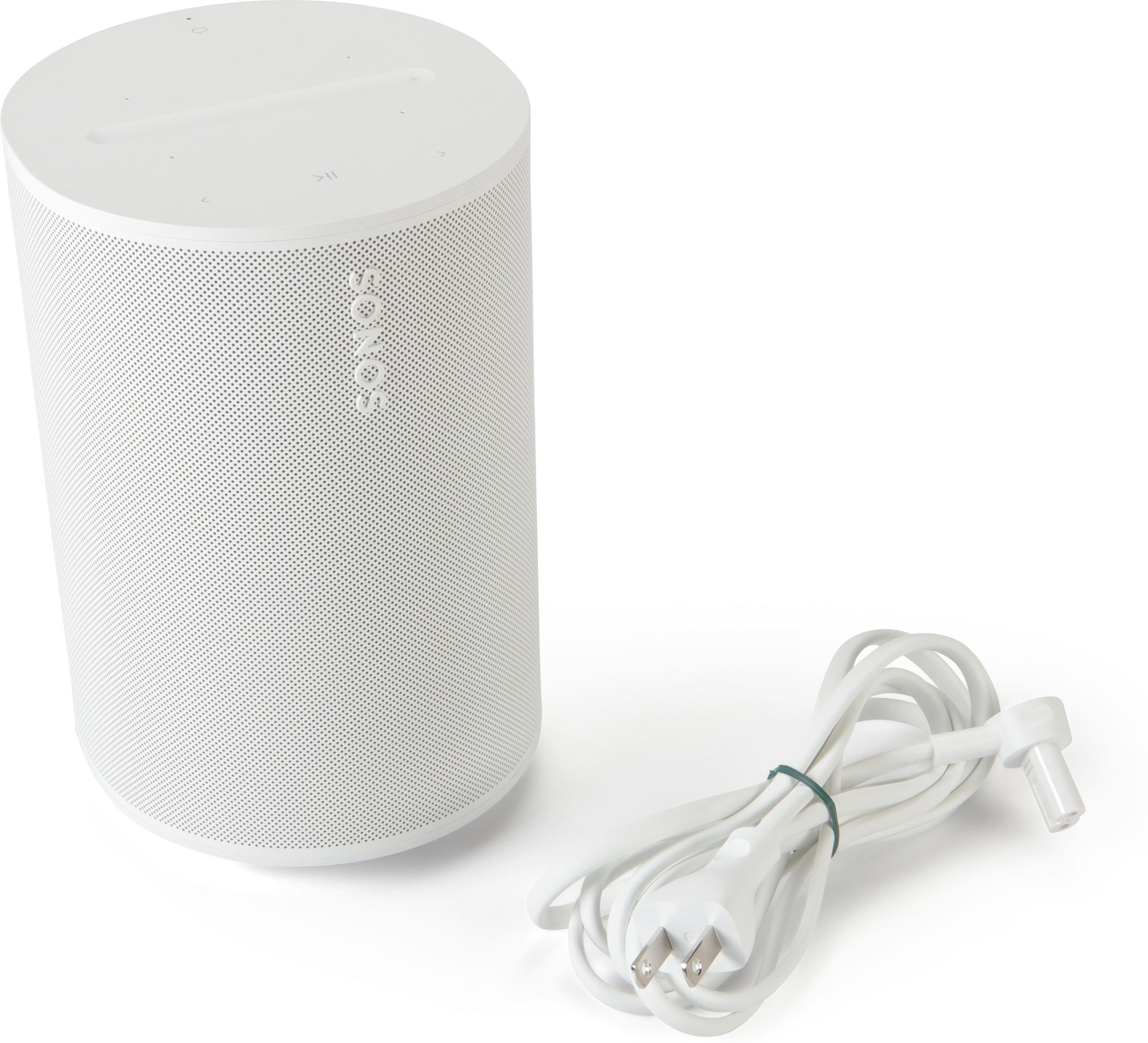
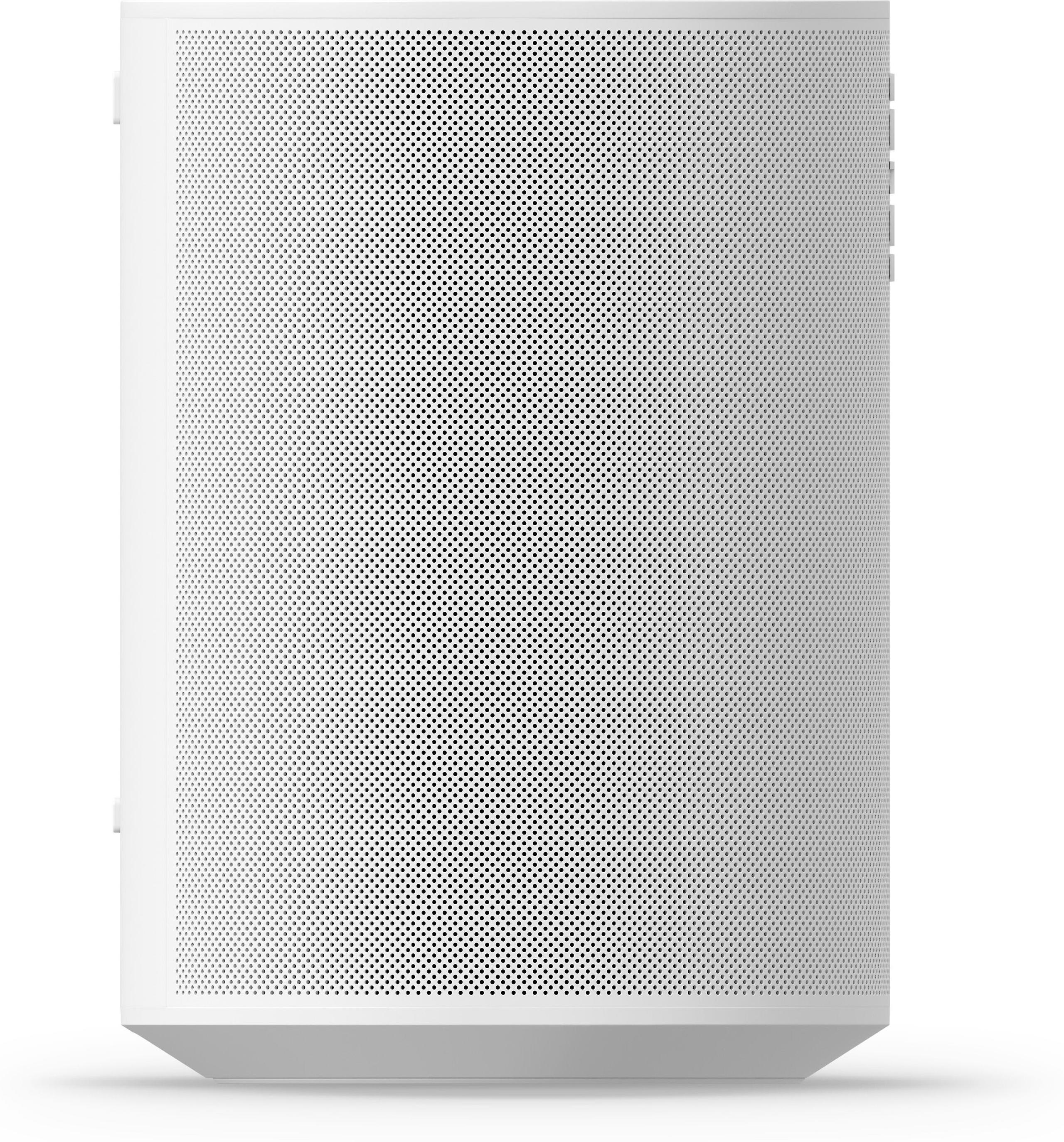
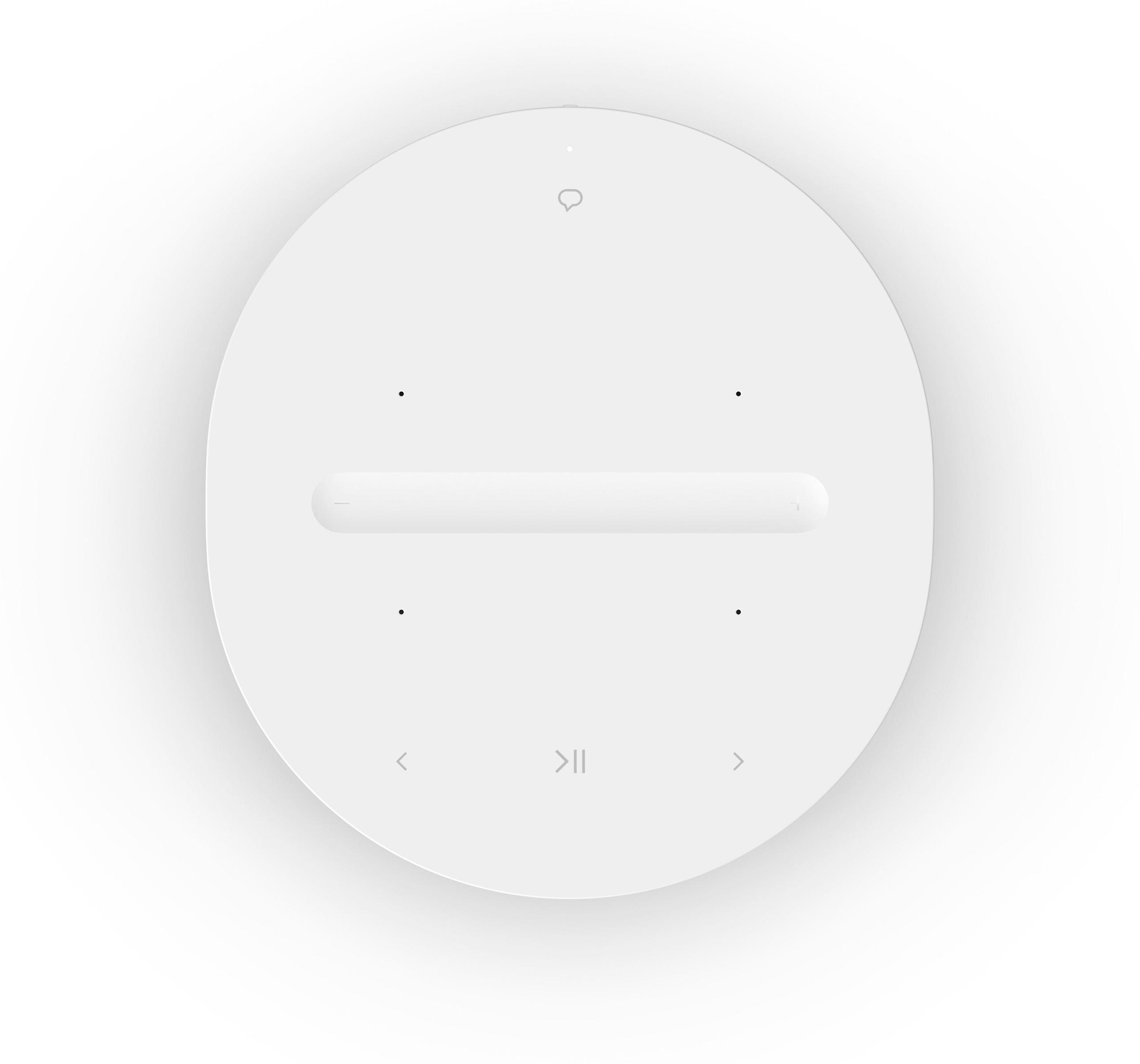
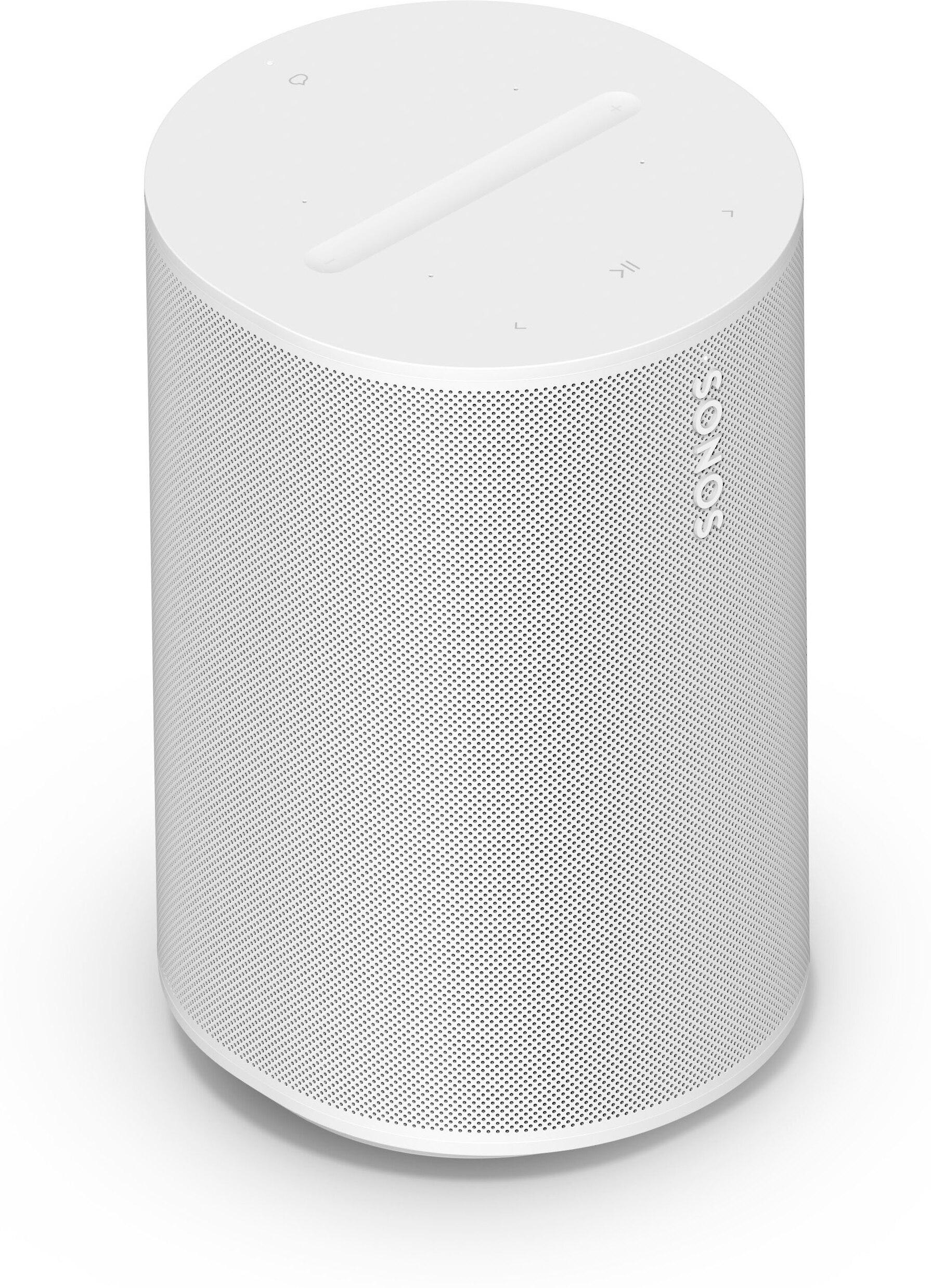
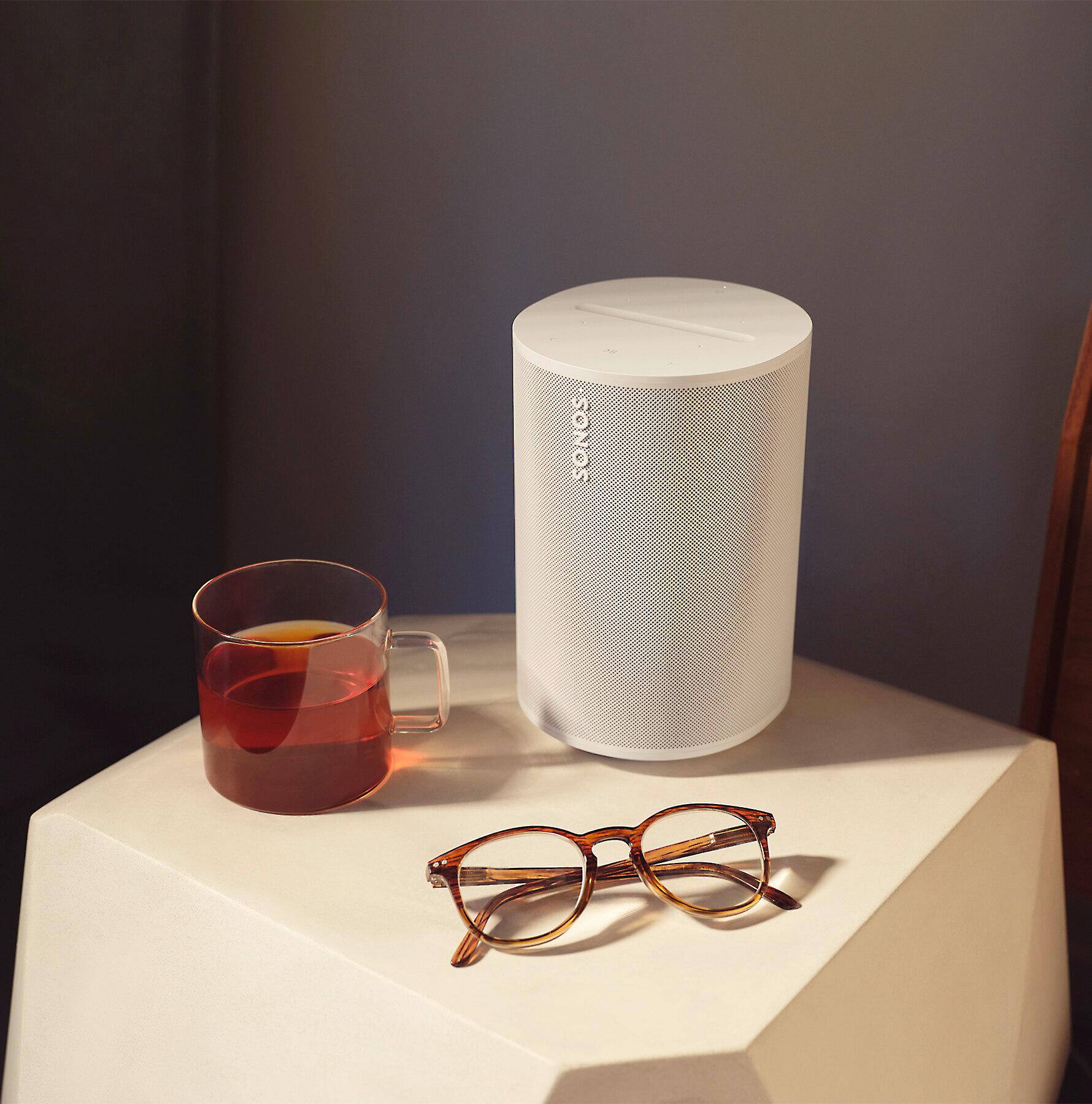
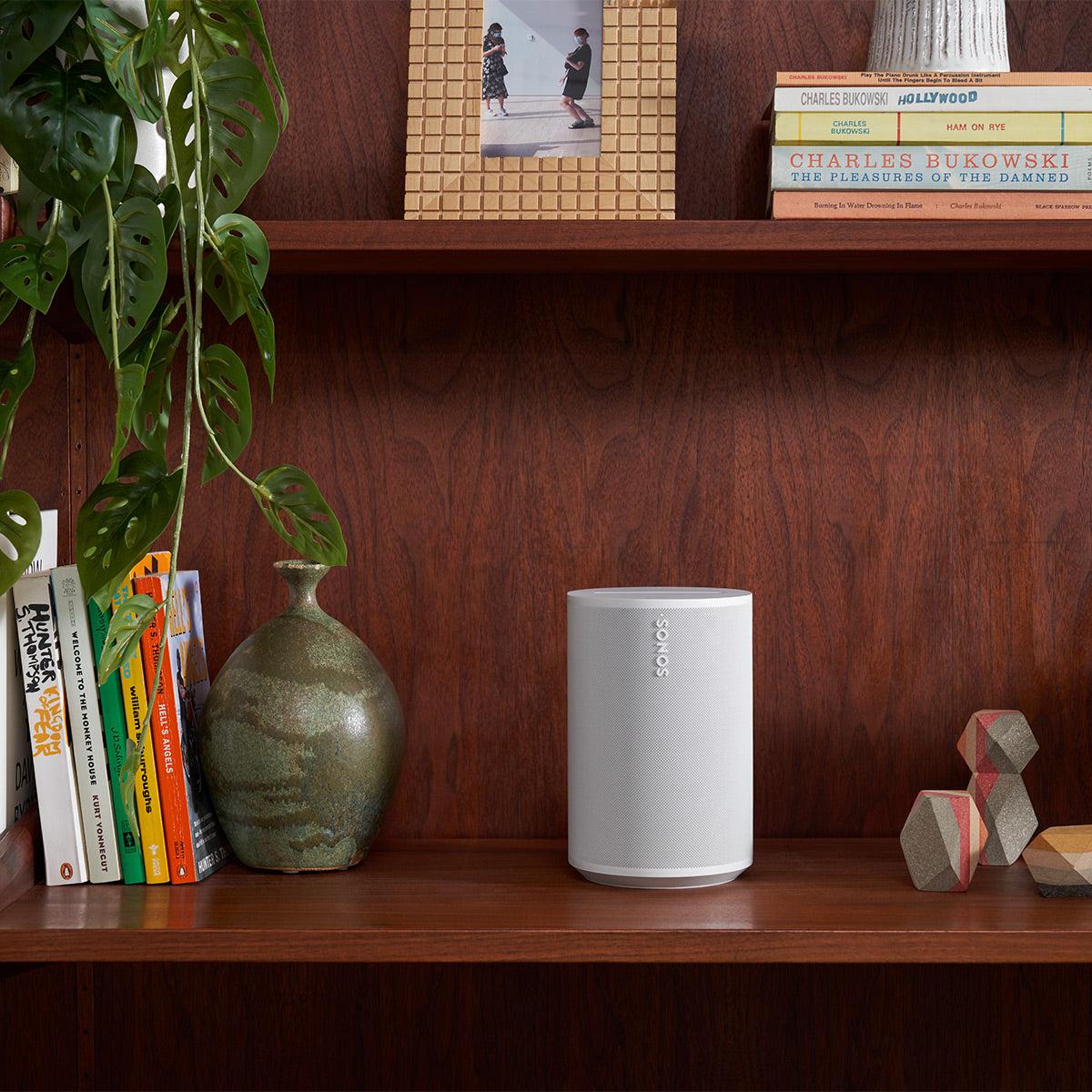
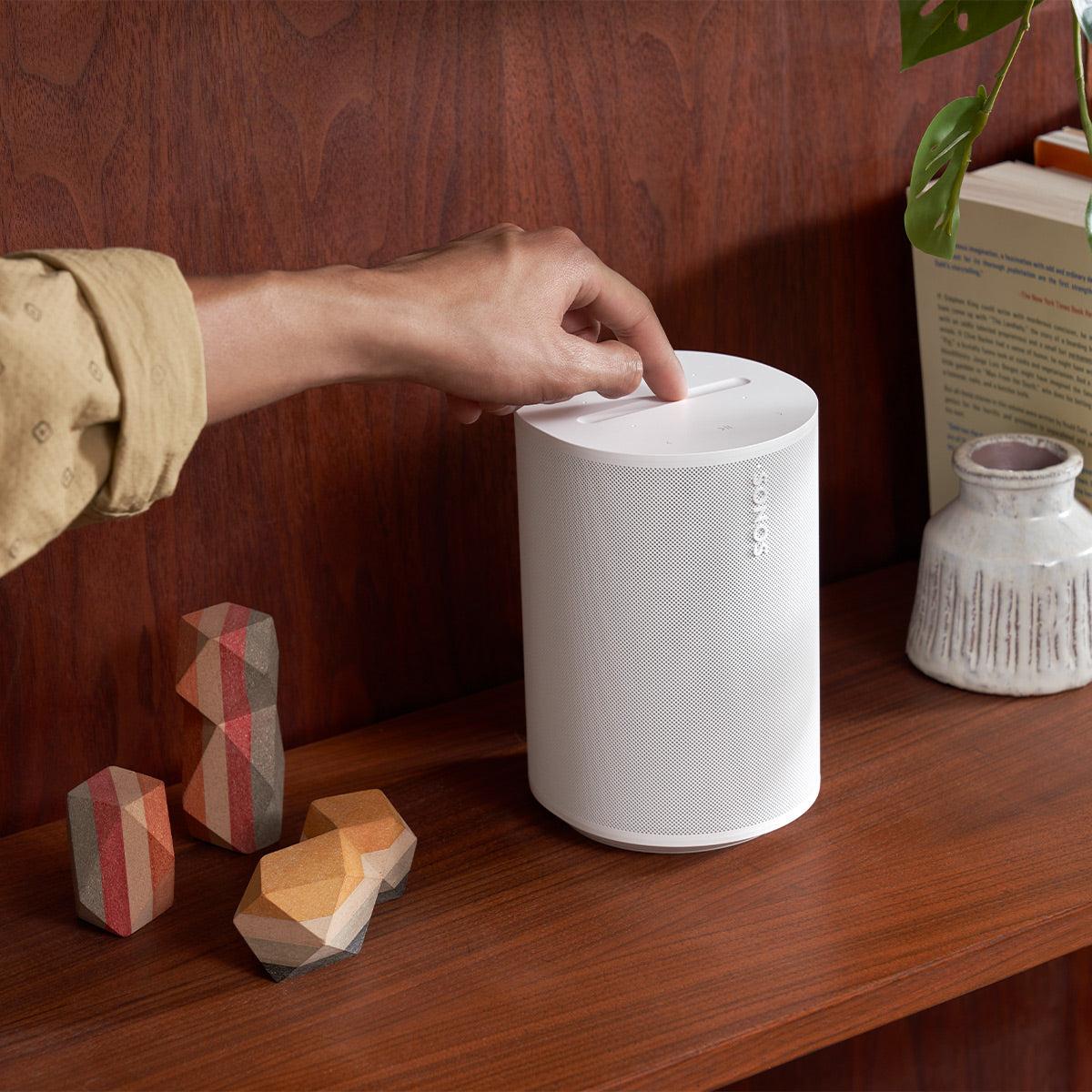
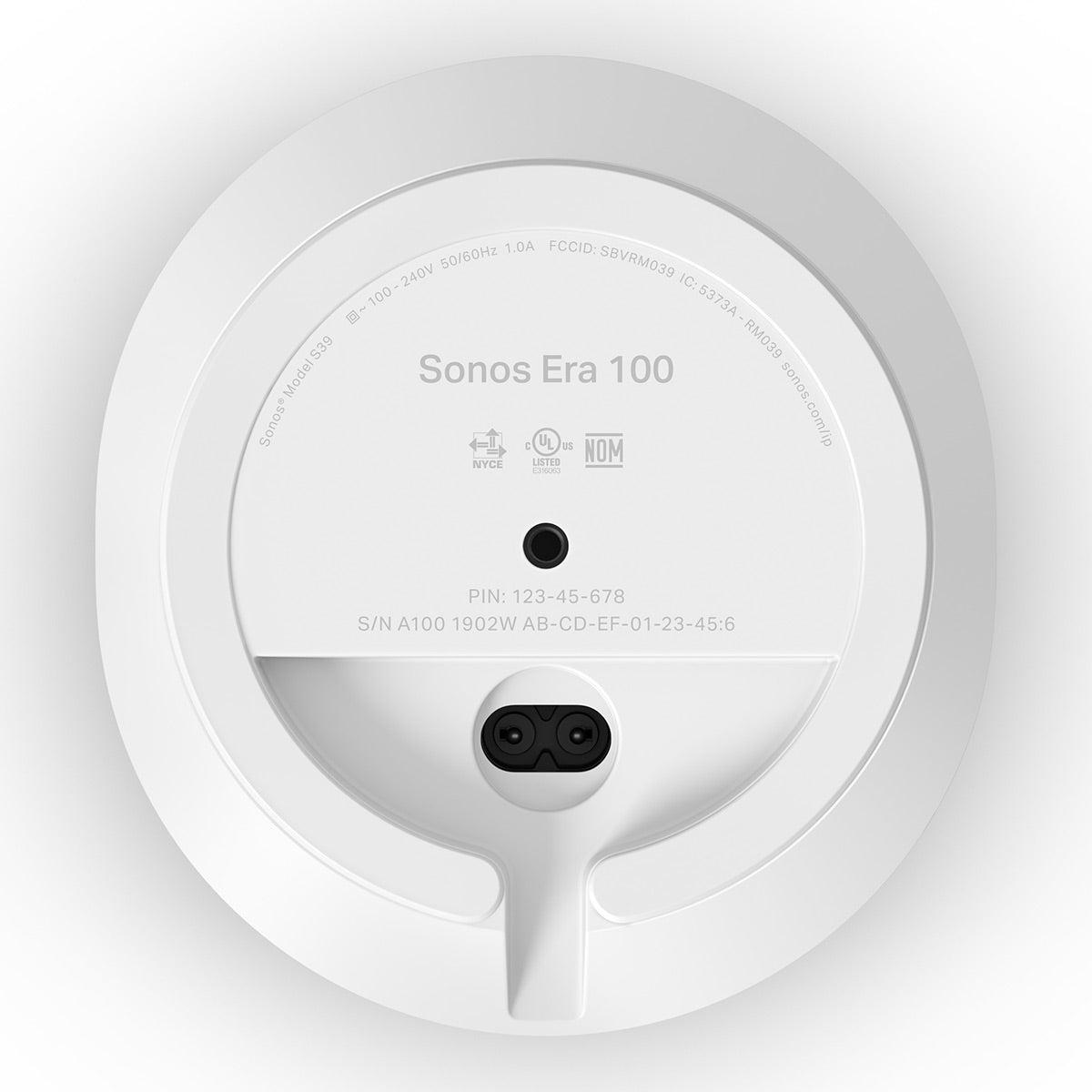

The wireless speaker market has evolved dramatically in recent years, with options ranging from portable Bluetooth units to sophisticated whole-home audio systems. Today, we're comparing two popular but distinctly different approaches: the $249 Sonos Era 100 and the $129 JBL Flip 6.
Modern wireless speakers have moved far beyond simple Bluetooth boxes. They now encompass everything from waterproof portable units to smart home integration hubs with voice control. Before diving into our comparison, it's worth understanding that these two speakers, while both "wireless," serve quite different purposes.
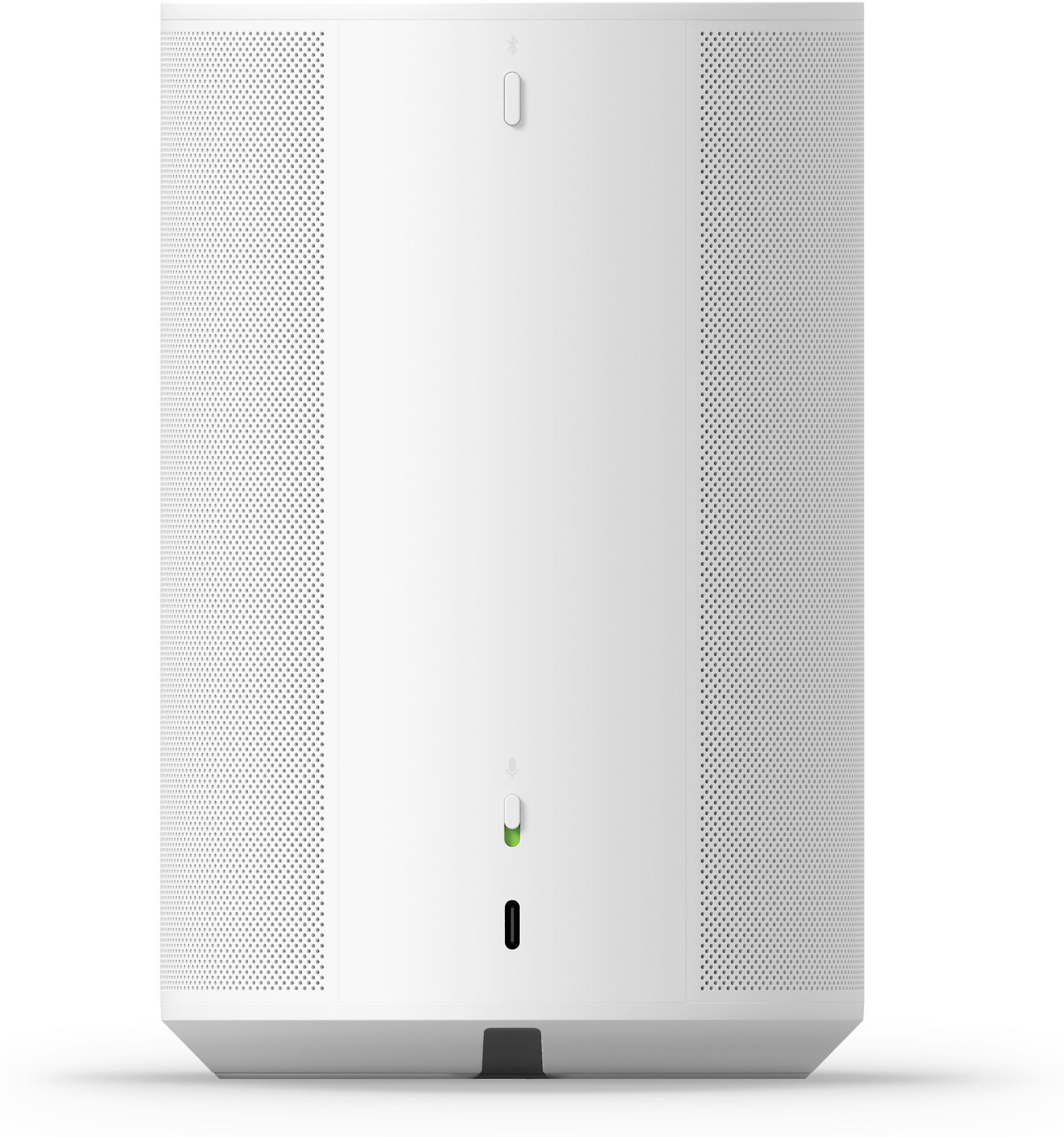
The Sonos Era 100 launched in March 2023, representing a significant upgrade over the popular Sonos One. It brings several meaningful improvements, including stereo sound, Bluetooth connectivity (a first for this class of Sonos speaker), and a 25% larger woofer for improved bass response.
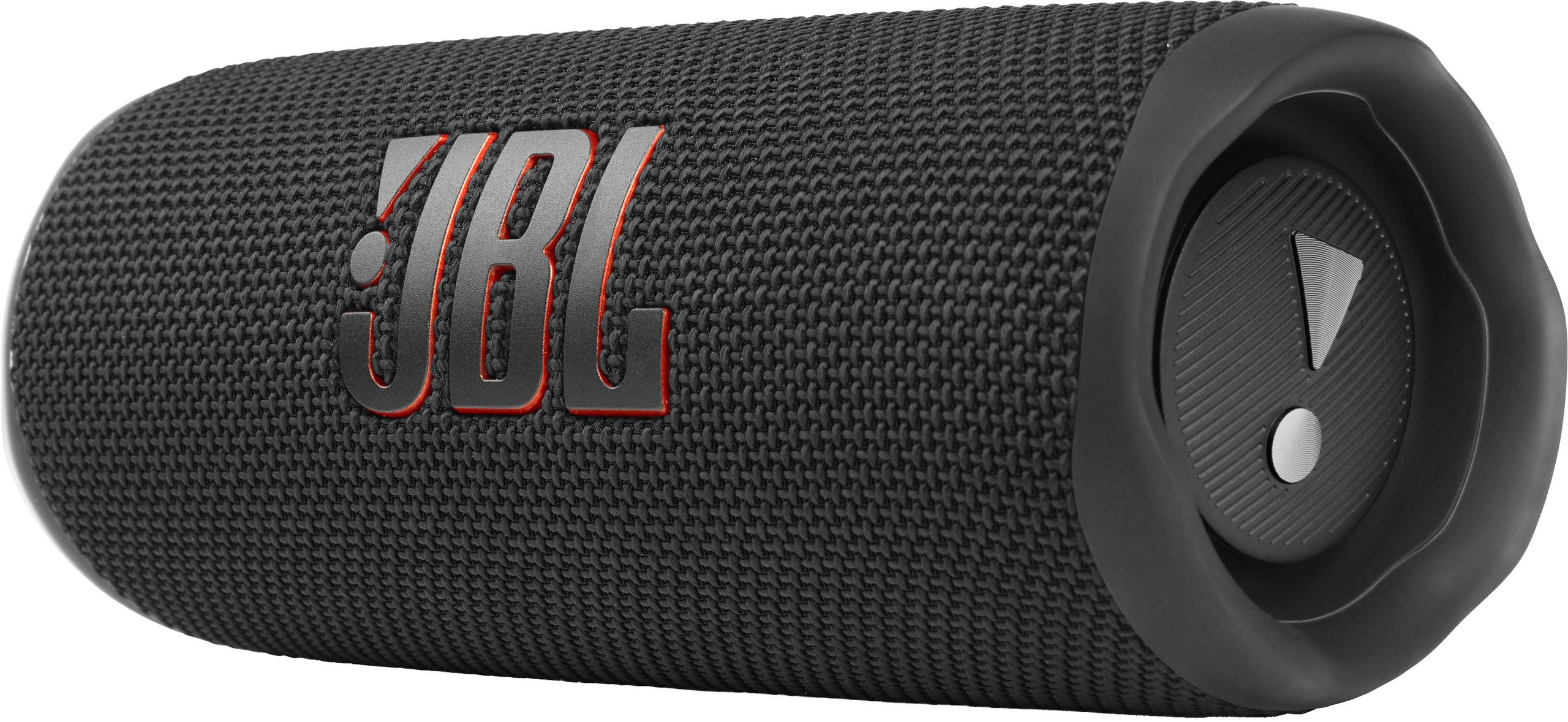
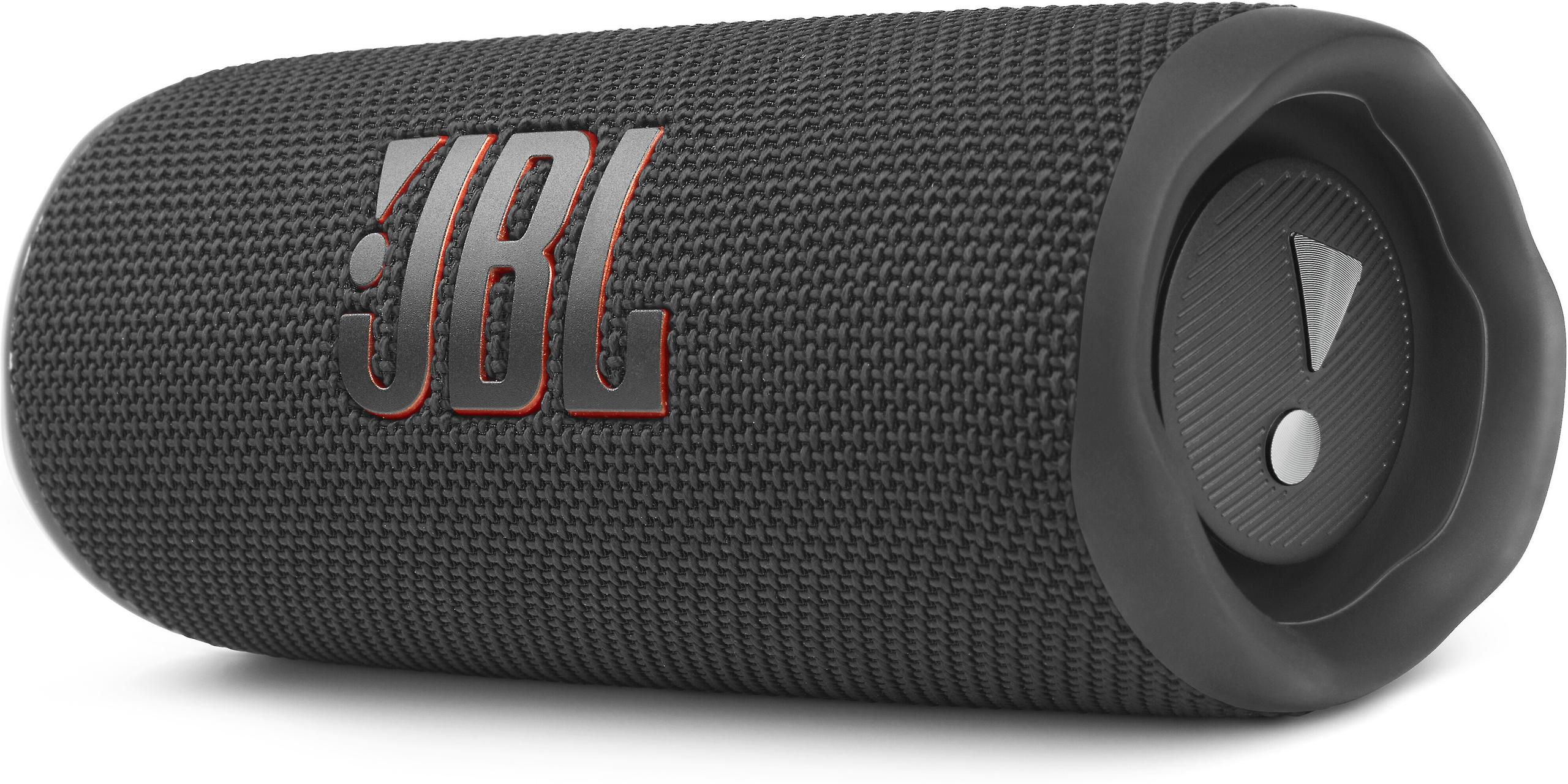
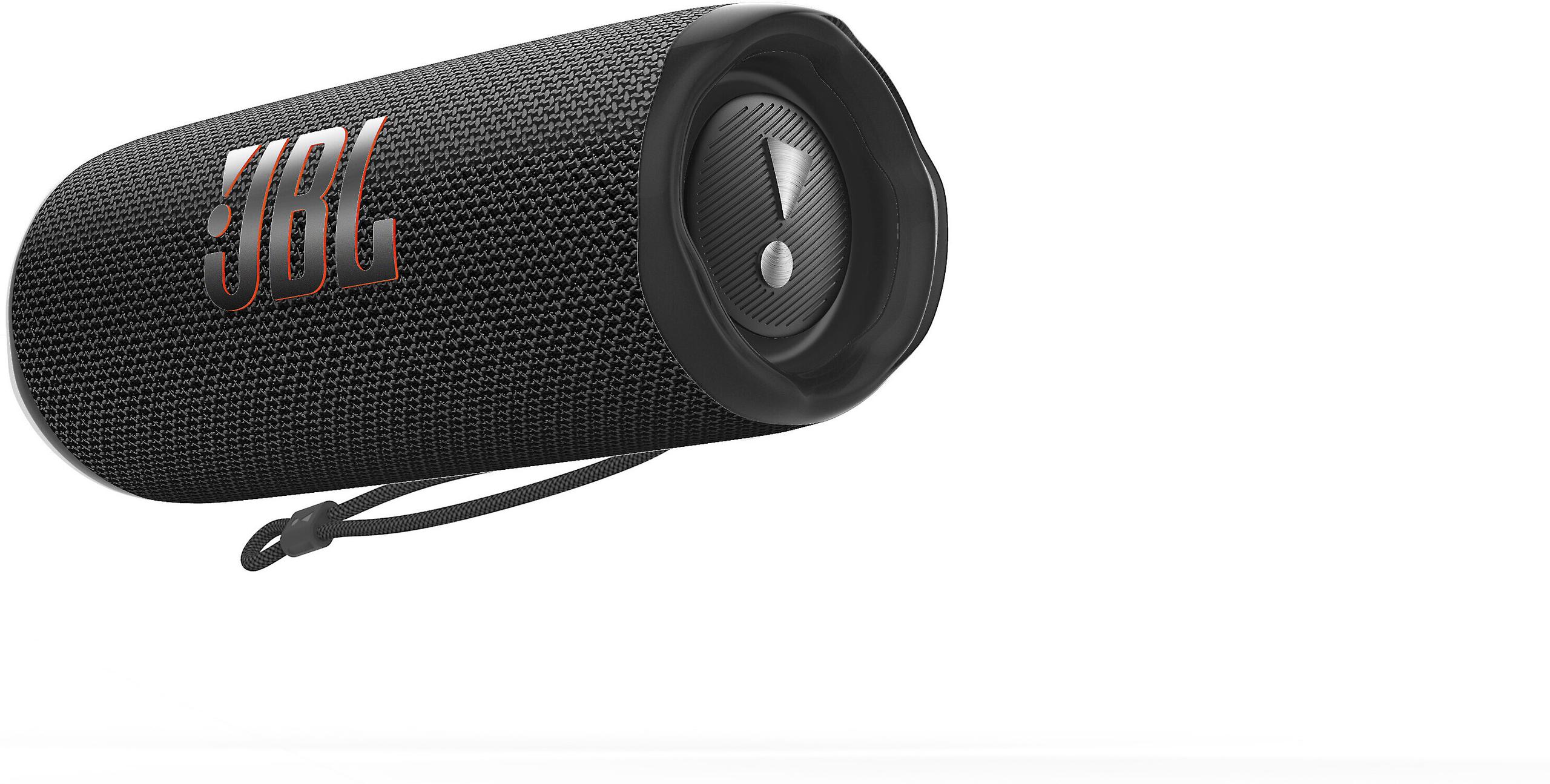
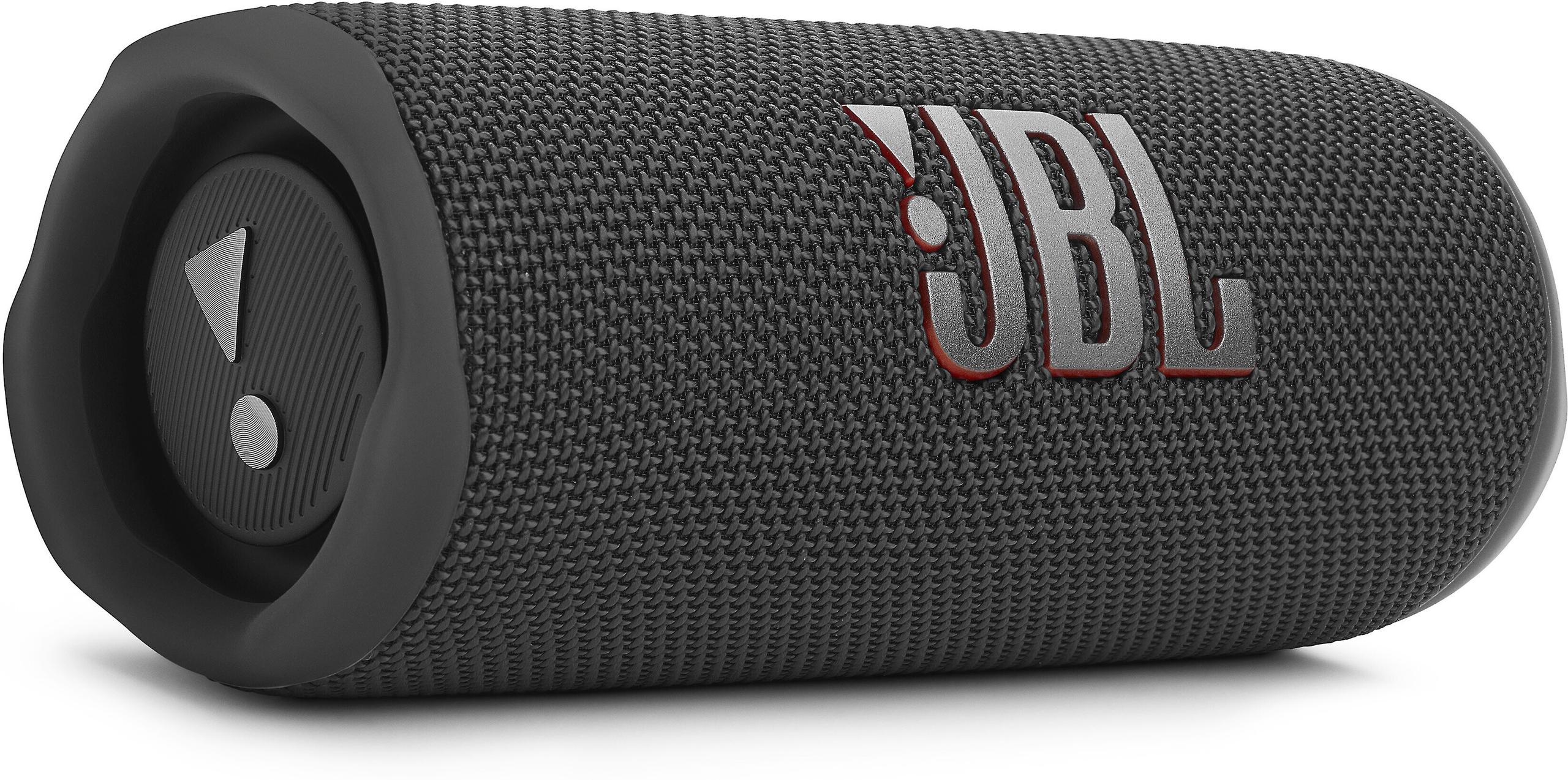
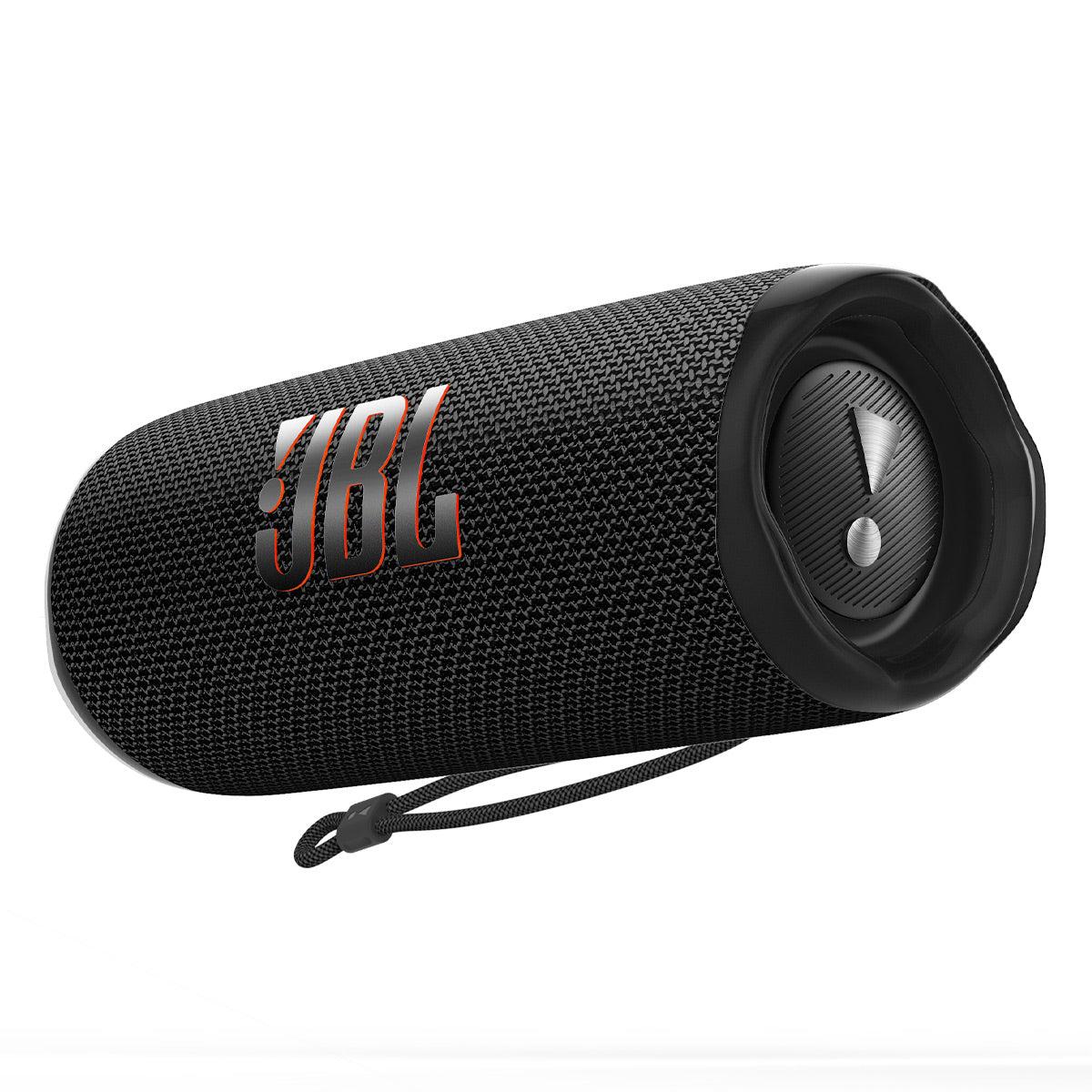
The JBL Flip 6 arrived in December 2021, building on JBL's successful portable speaker lineup. It added a dedicated tweeter, improved dust resistance, and better overall sound quality compared to the Flip 5.
The Era 100's sound quality demonstrates why Sonos commands premium prices. Its stereo design uses two angled tweeters (the speakers that handle high frequencies) and a larger midwoofer (handling bass and midrange sounds). This creates a notably wider soundstage - meaning you can better hear where different instruments and sounds are positioned in the music.
The speaker's room-filling capability is impressive for its size. Bass response is rich without being overwhelming, and the midrange clarity makes vocals stand out beautifully. Sonos's Trueplay technology, which tunes the speaker to your room's acoustics, makes a noticeable difference in sound quality.
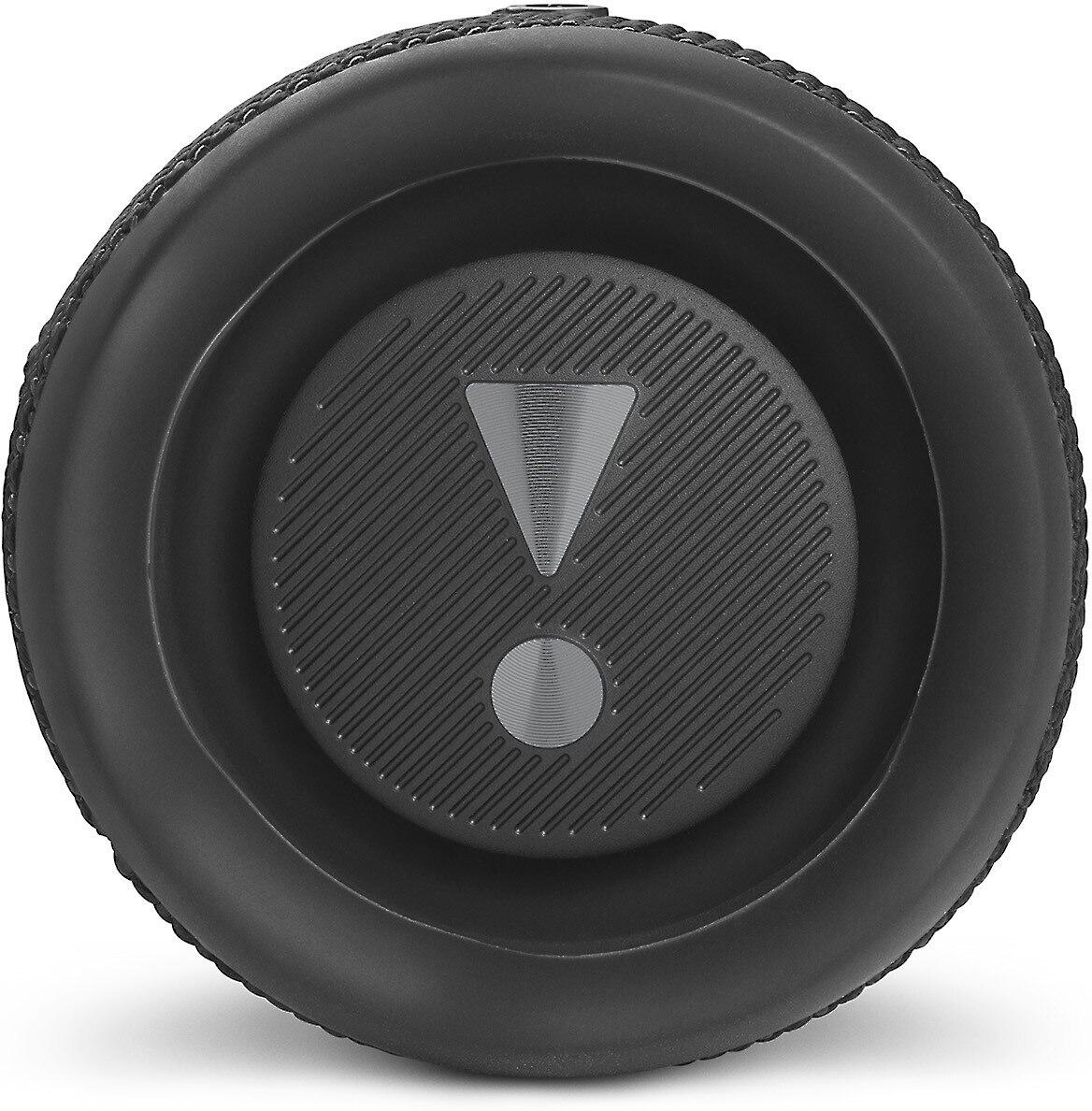
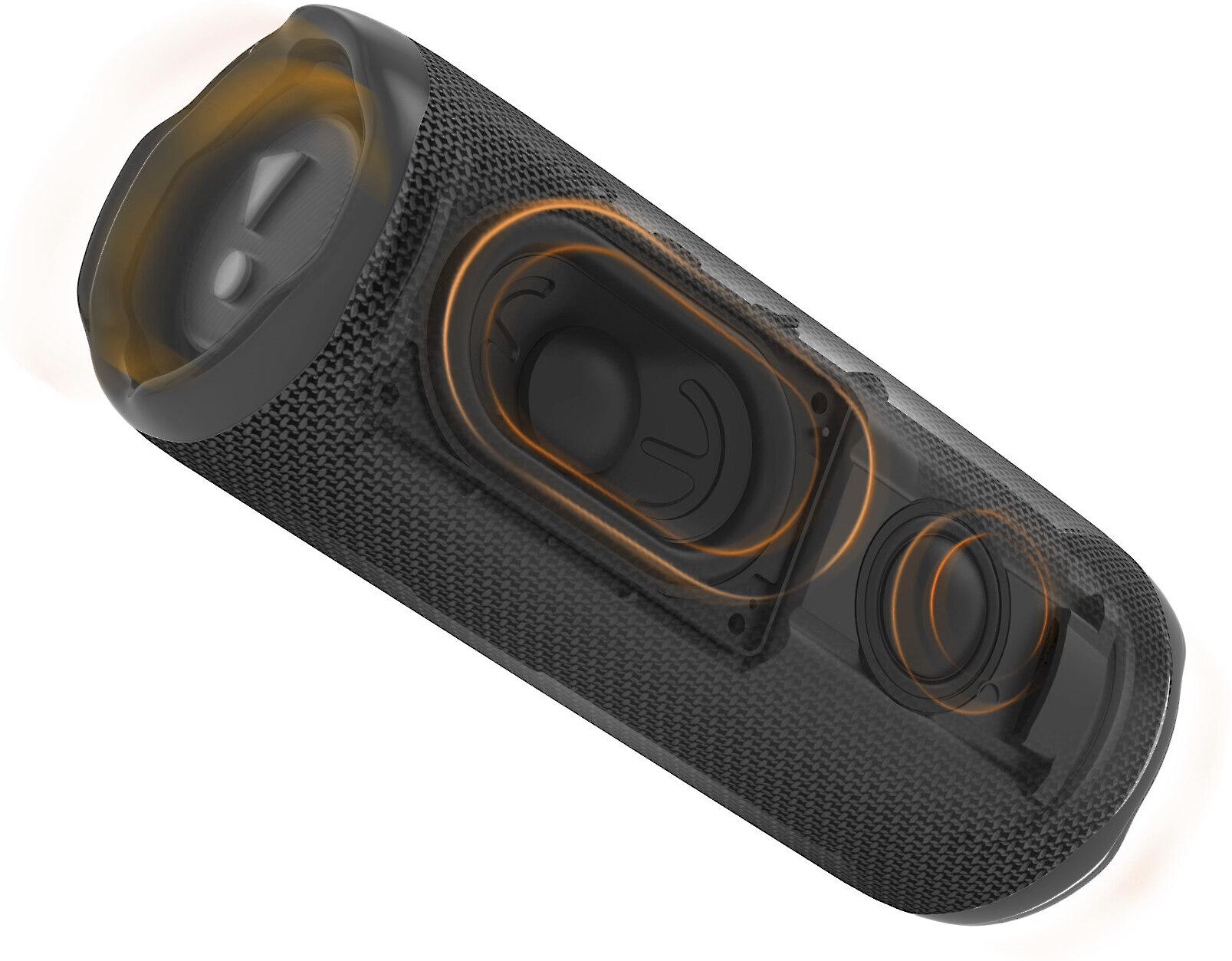
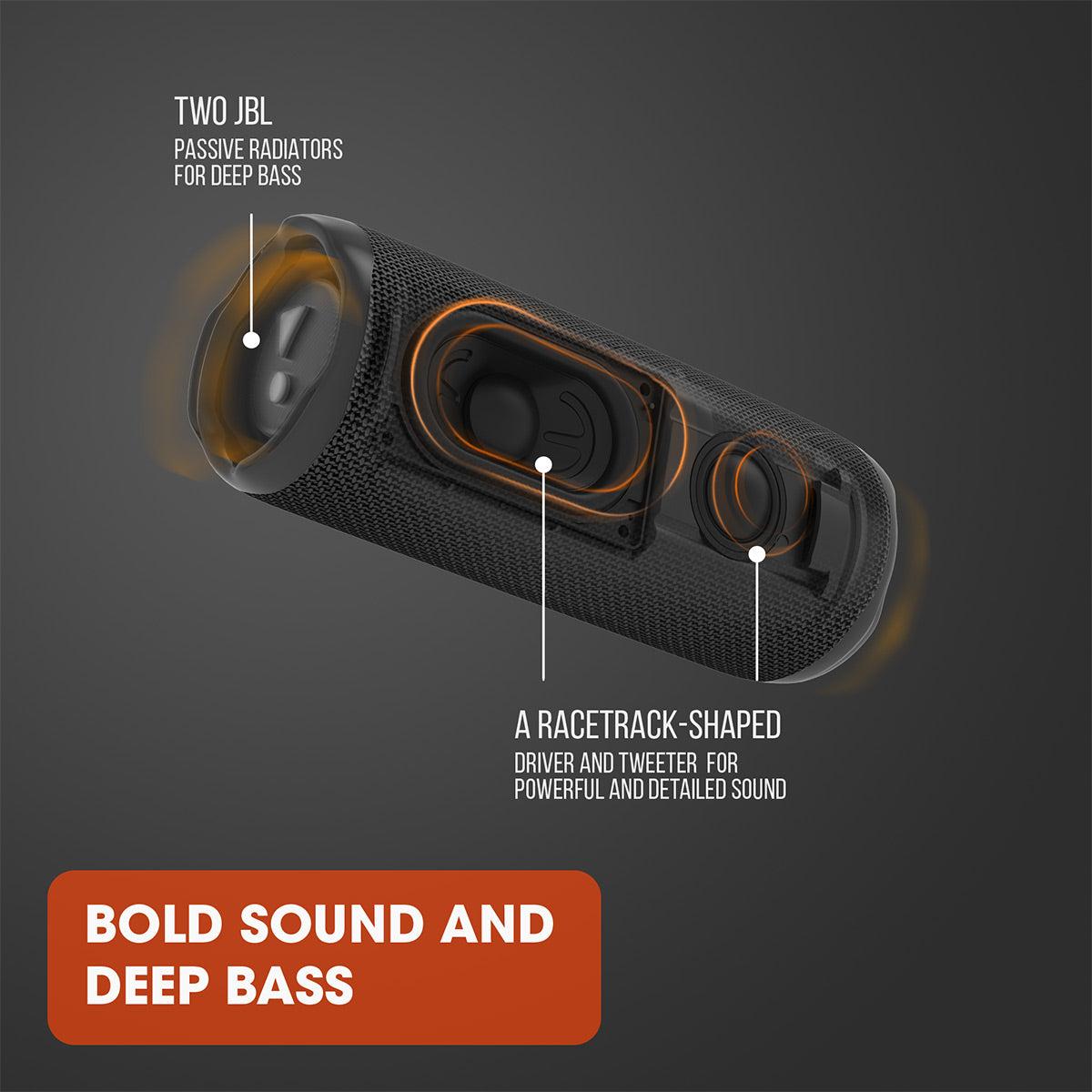
The Flip 6 takes a different approach, using a racetrack-shaped woofer (for bass and mids), a separate tweeter, and dual passive radiators (which help produce stronger bass). For its size, the sound is remarkably well-balanced. The bass is punchy rather than deep, but it works perfectly for outdoor use where deeper bass often gets lost anyway.
While it can't match the Era 100's room-filling ability, the Flip 6 excels in near-field listening and outdoor scenarios where its focused sound projection becomes an advantage.
Connectivity is where the Era 100 really shines. It supports:
The WiFi connection enables higher-quality audio streaming and multi-room capabilities. You can group multiple Sonos speakers together or play different music in different rooms. The speaker also supports voice assistants (Alexa and Sonos Voice Control) and can be controlled through the comprehensive Sonos app.
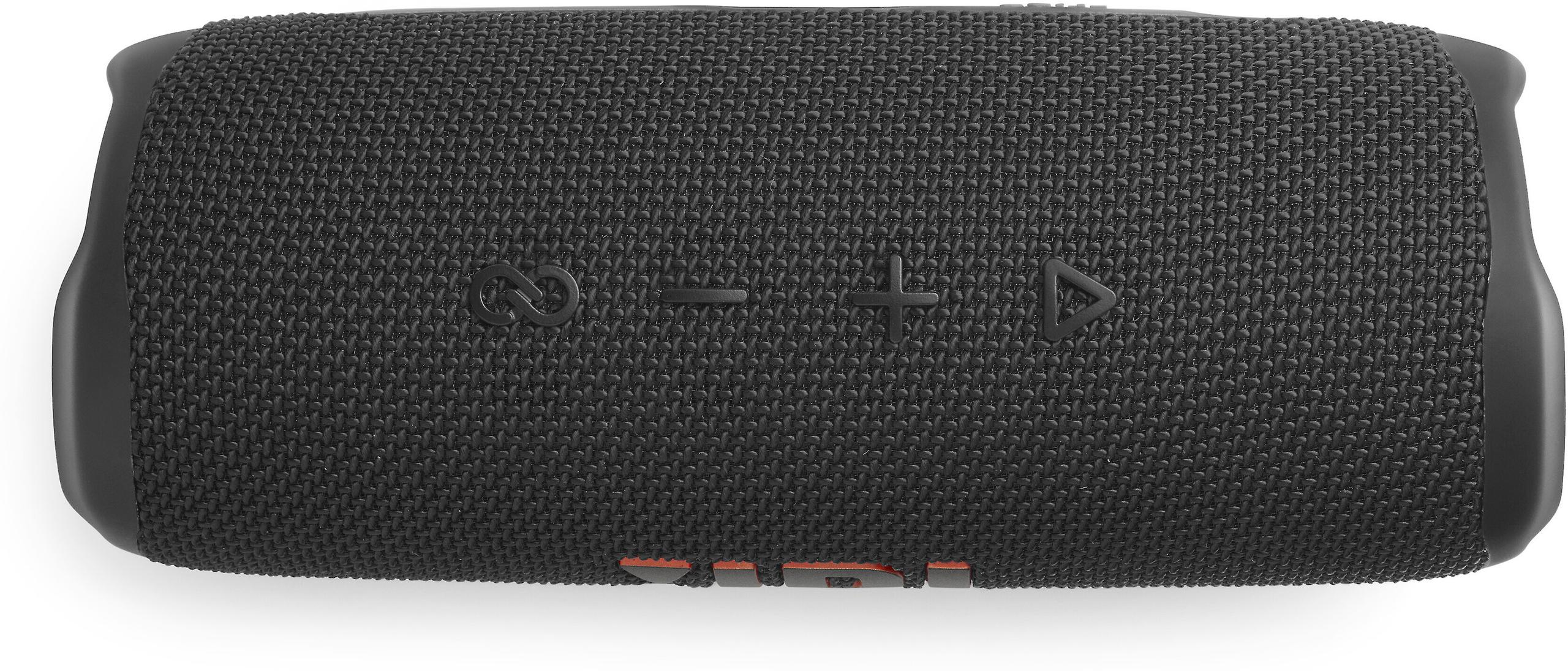
The Flip 6 keeps things simpler with Bluetooth 5.1 as its sole connection option. While this might seem limited, it makes the speaker more straightforward to use - just pair and play. The PartyBoost feature lets you connect multiple compatible JBL speakers for bigger sound, though this isn't quite as flexible as Sonos's multi-room capabilities.
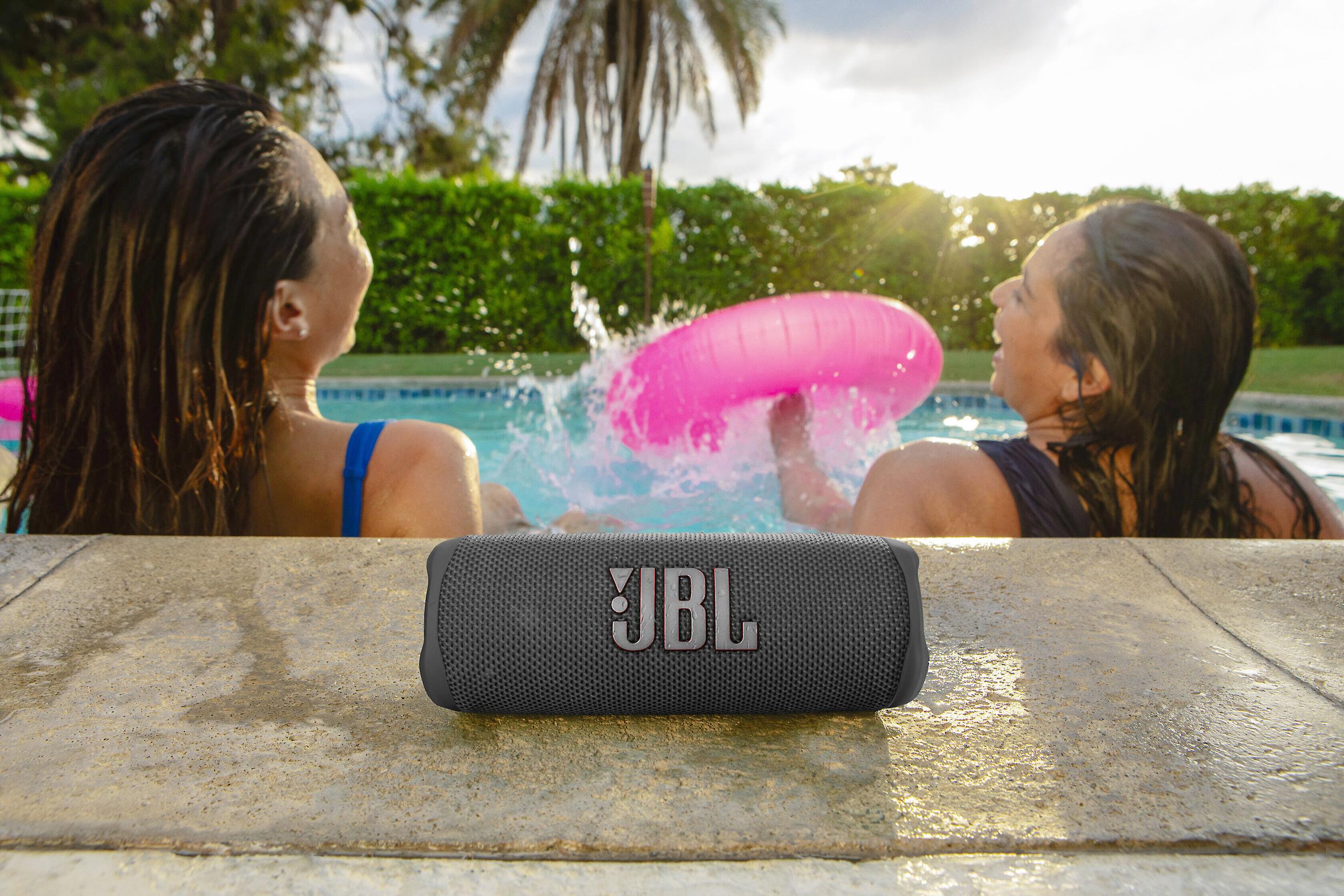
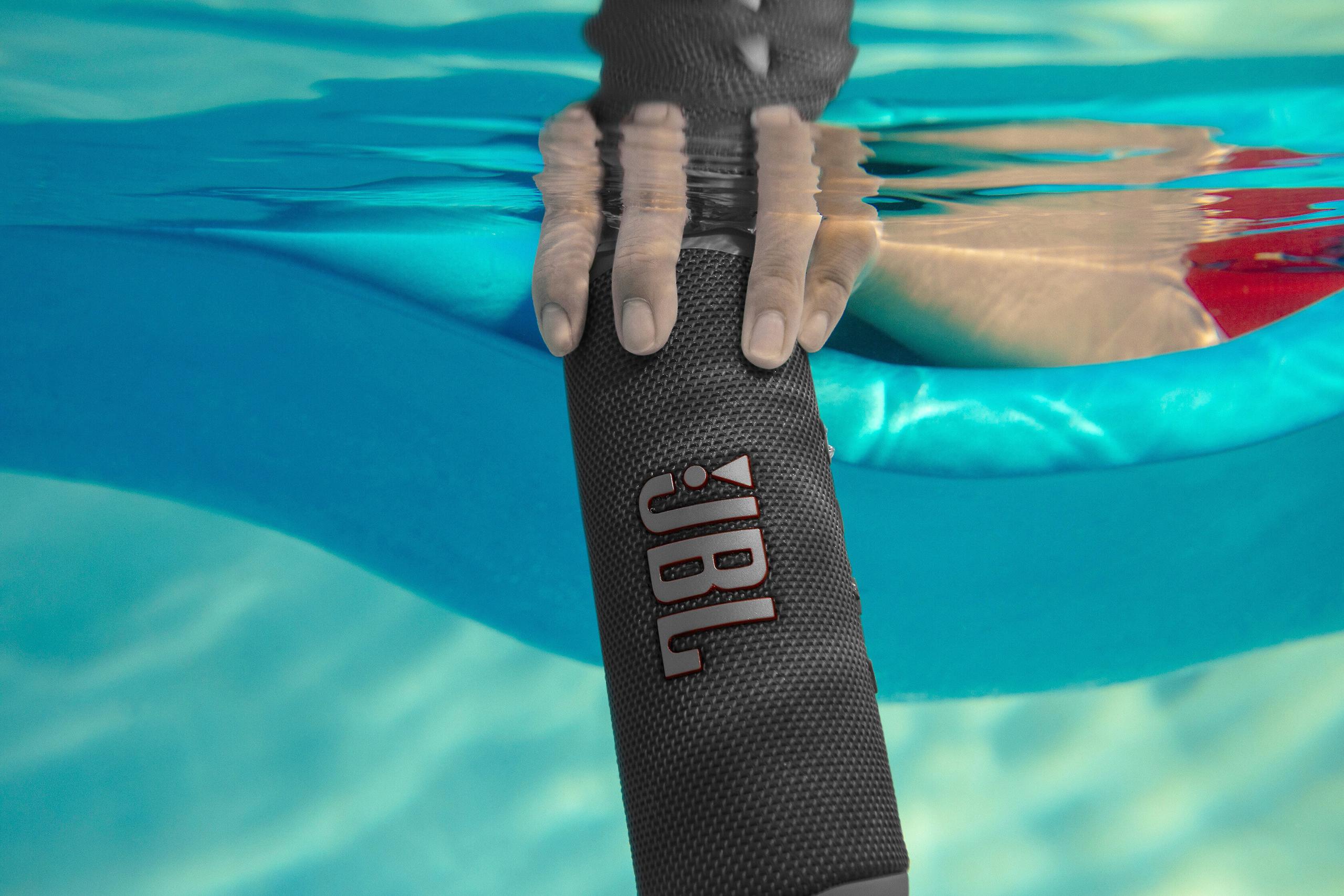
The JBL Flip 6 is built for adventure with an IP67 rating, meaning it's fully dustproof and can be submerged in water up to 1 meter deep for 30 minutes. Its rugged design and 12-hour battery life make it perfect for outdoor use.
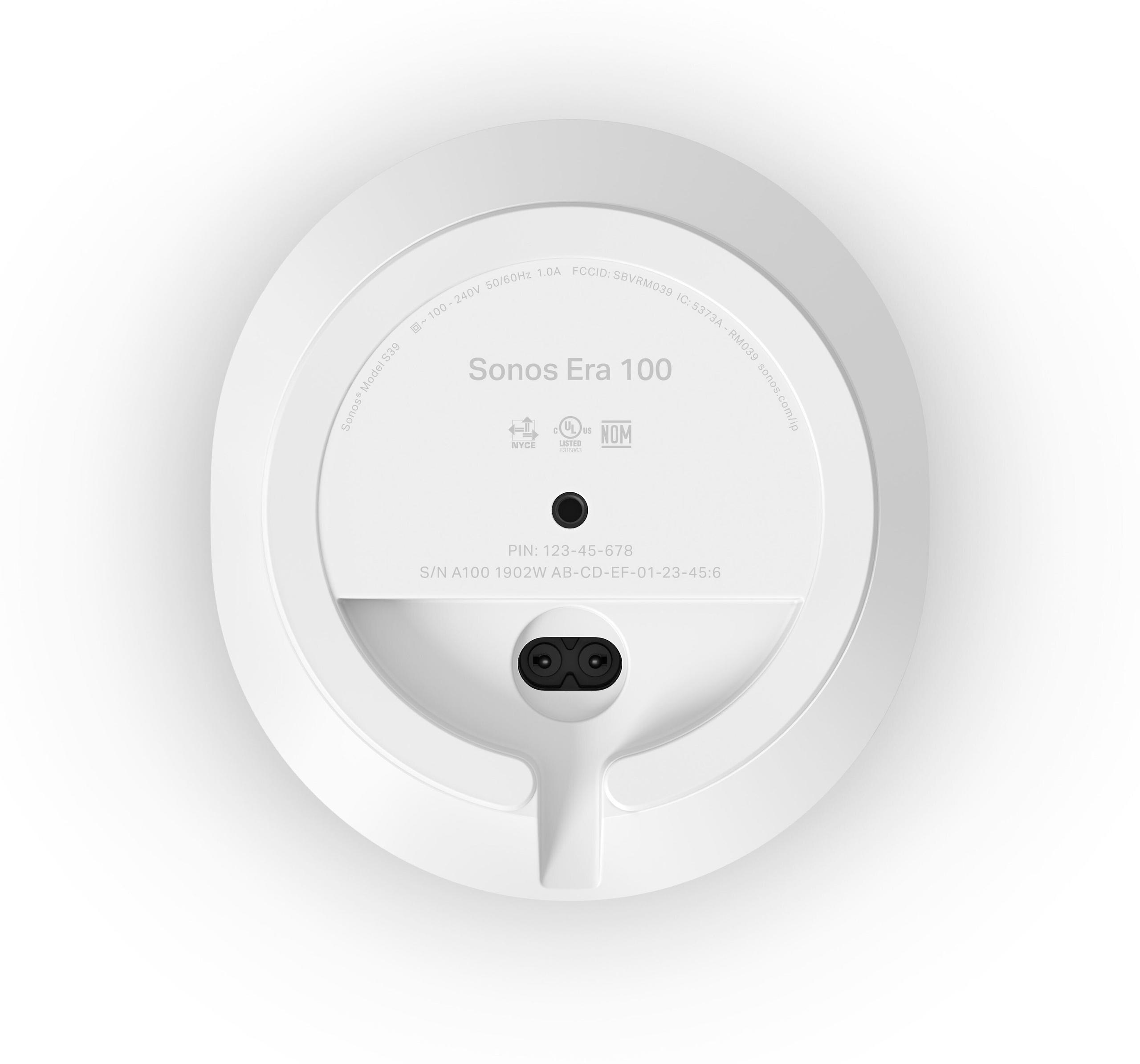
The Sonos Era 100, while well-built, is designed for indoor use. It needs to be plugged in and isn't water-resistant. However, its permanent placement allows for better sound optimization and integration with your home setup.
For home theater use, the Era 100 has a clear advantage. It can be paired with other Sonos products like the Arc or Beam soundbars to create a surround sound system. Two Era 100s as rear speakers can provide impressive surround effects, though this is a significant investment.
The Flip 6 isn't designed for home theater use - it's purely a music speaker.
At $249, the Era 100 isn't cheap, but it offers:
At $129, the Flip 6 provides:
Your choice between these speakers should primarily depend on your intended use:
Choose the Sonos Era 100 if:
Choose the JBL Flip 6 if:
The Era 100's processing power (quad-core 1.4 GHz processor) allows for sophisticated audio processing and feature updates over time. Its Trueplay tuning system can now work with the built-in microphones on Android devices, making this formerly iOS-only feature more accessible.
The Flip 6's dual passive radiators are precisely tuned using Harman's (JBL's parent company) advanced algorithms, helping it produce surprisingly robust bass for its size. Its USB-C charging includes protection features that warn you if water is detected in the port.
Both speakers excel in their intended roles. The Sonos Era 100 represents the future of home audio - connected, smart, and adaptable. The JBL Flip 6 shows that portable speakers can deliver excellent sound while standing up to real-world use.
Your choice ultimately comes down to how you'll use the speaker most often. If you're primarily looking for home use and appreciate higher-quality sound and smart features, the Era 100 is worth the premium. If you need something you can take anywhere and don't mind trading some sound quality for portability and durability, the Flip 6 is an excellent choice at almost half the price.
| Sonos Era 100 ($249) | JBL Flip 6 ($129) |
|---|---|
| Sound Architecture - Determines overall audio quality and performance | |
| Two angled tweeters + one midwoofer with three Class-D amplifiers | Single tweeter + racetrack-shaped woofer with dual passive radiators |
| Connectivity - Affects streaming quality and system flexibility | |
| WiFi 6, Bluetooth 5.0, AirPlay 2, Line-in (with adapter) | Bluetooth 5.1 only |
| Smart Features - Important for home integration and control | |
| Voice assistants, multi-room audio, automatic room tuning | Basic app control, PartyBoost speaker pairing |
| Durability Rating - Critical for portable use | |
| Not rated for water resistance (indoor use only) | IP67 (fully waterproof and dustproof) |
| Power Source - Determines placement flexibility | |
| AC power only (requires outlet) | 12-hour rechargeable battery |
| Size and Weight - Affects portability and placement | |
| 7.18" x 4.72" x 5.14", 4.45 lbs | 7" x 2.6" x 2.8", 1.21 lbs |
| Audio Processing - Impacts sound optimization | |
| Trueplay room tuning, adjustable EQ, stereo sound | Basic EQ adjustment in app |
| System Integration - Important for expanding audio setup | |
| Full Sonos ecosystem, home theater compatibility | PartyBoost pairing with other JBL speakers only |
| Additional Inputs - Provides connection flexibility | |
| USB-C for line-in (requires adapter) | None |
| Voice Control Options - Enables hands-free operation | |
| Sonos Voice Control, Amazon Alexa | None |
The Sonos Era 100 ($249) is better for permanent home audio with superior sound quality and smart features, while the JBL Flip 6 ($129) is better for portable and outdoor use with its waterproof design and battery power.
The Sonos Era 100 costs $249, while the JBL Flip 6 is priced at $129, making it $120 less expensive.
The JBL Flip 6 is specifically designed for outdoor use with IP67 waterproofing and battery power. The Sonos Era 100 requires AC power and isn't water-resistant, making it unsuitable for outdoor use.
The Sonos Era 100 offers superior overall sound quality with better stereo separation and deeper bass, though the JBL Flip 6 provides excellent sound quality for its portable size.
The Sonos Era 100 can connect via WiFi, Bluetooth, and AirPlay 2, supporting multiple devices easily. The JBL Flip 6 uses only Bluetooth but can switch between paired devices.
The Sonos Era 100 works with Sonos Voice Control and Amazon Alexa. The JBL Flip 6 does not support voice assistants.
The Sonos Era 100 offers full multi-room audio capabilities within the Sonos ecosystem. The JBL Flip 6 can only pair with other JBL speakers using PartyBoost.
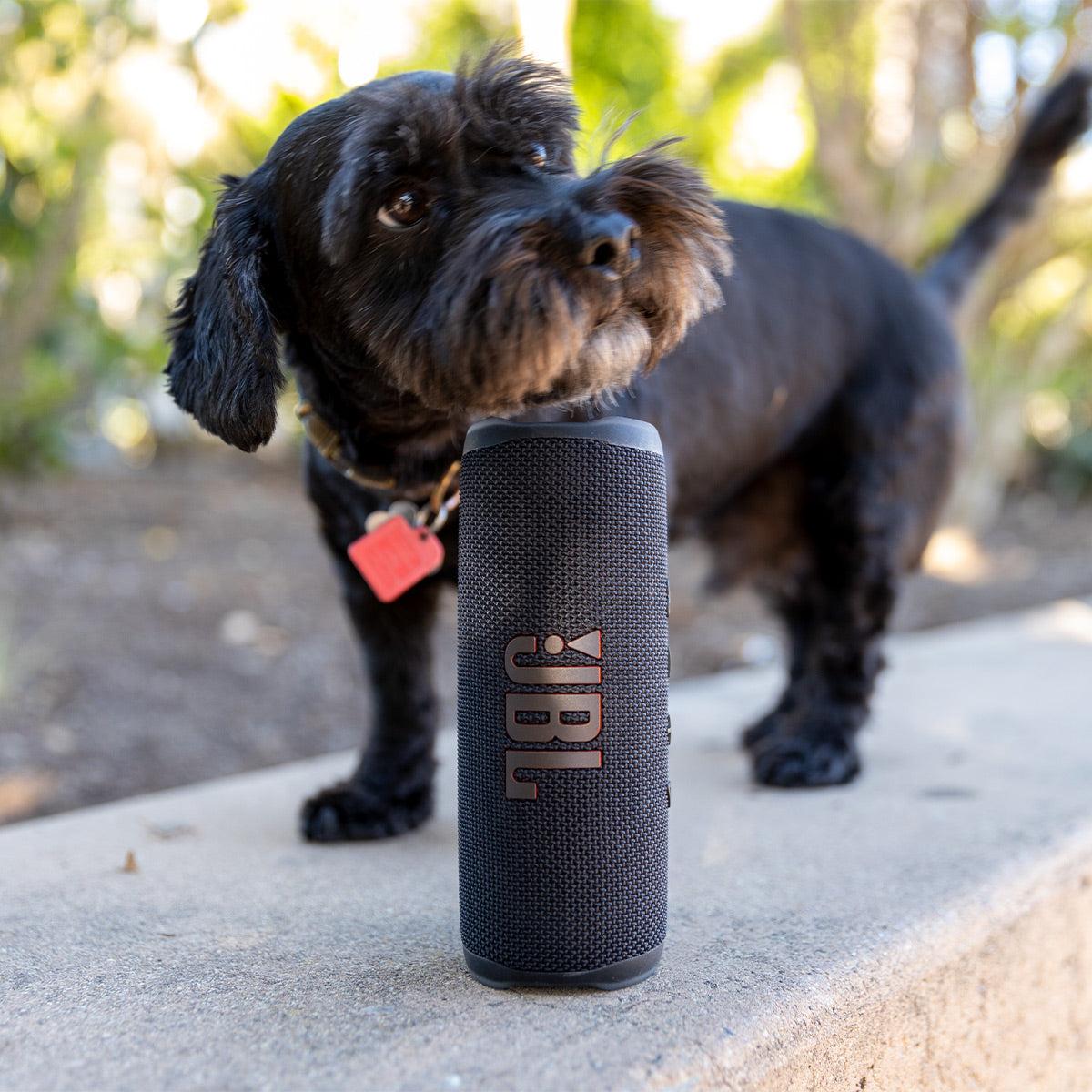
The JBL Flip 6 is significantly more portable at 1.21 lbs with battery power, while the Sonos Era 100 requires AC power and weighs 4.45 lbs.
The JBL Flip 6 offers up to 12 hours of battery life. The Sonos Era 100 doesn't have a battery and requires constant AC power.
The Sonos Era 100 can integrate with other Sonos products for home theater use. The JBL Flip 6 isn't designed for TV audio use.
The Sonos Era 100 offers higher quality streaming over WiFi and supports more services. The JBL Flip 6 streams via Bluetooth only, which is more limited but still good for most users.
Both speakers offer good value for their intended use. The Sonos Era 100 justifies its higher price with superior sound and features for home use, while the JBL Flip 6 offers excellent value for a portable, waterproof speaker.
We've done our best to create useful and informative comparisons to help you decide what product to buy. Our research uses advanced automated methods to create this comparison and perfection is not possible - please contact us for corrections or questions. These are the sites we've researched in the creation of this article: goodhousekeeping.com - tomsguide.com - techradar.com - youtube.com - whathifi.com - dxomark.com - rtings.com - abt.com - sonos.com - bhphotovideo.com - sonos.com - sonos.com - audiolab.com - en.community.sonos.com - techradar.com - phonearena.com - youtube.com - tomsguide.com - outeraudio.com - wcucampusstore.com - jbl.com.sg - pcrichard.com - kh.jbl.com - musicarts.com - jbl.com - cnet.com - youtube.com

Privacy Policy
Terms and Conditions - Affiliate Policy
Home Security
© Copyright 2008-2026.
11816 Inwood Rd #1211, Dallas, TX 75244