

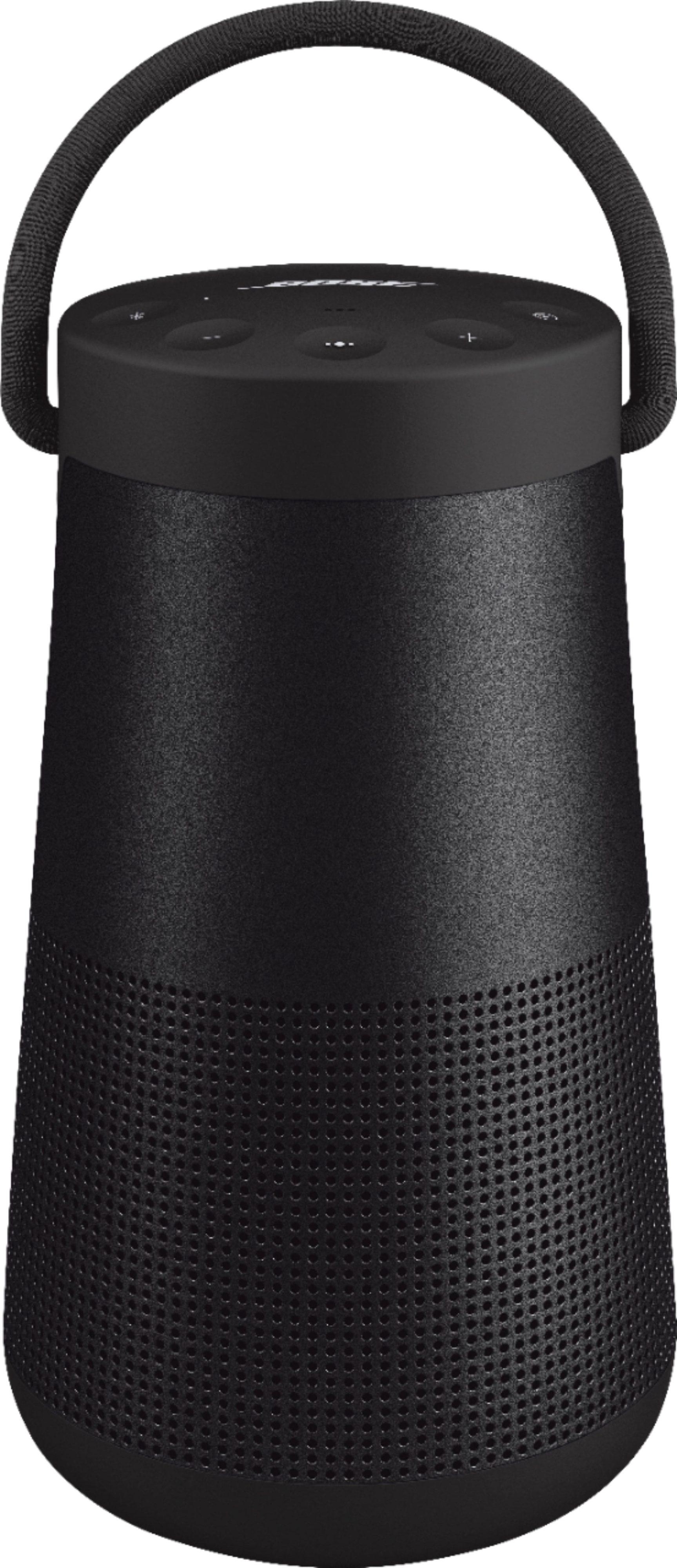
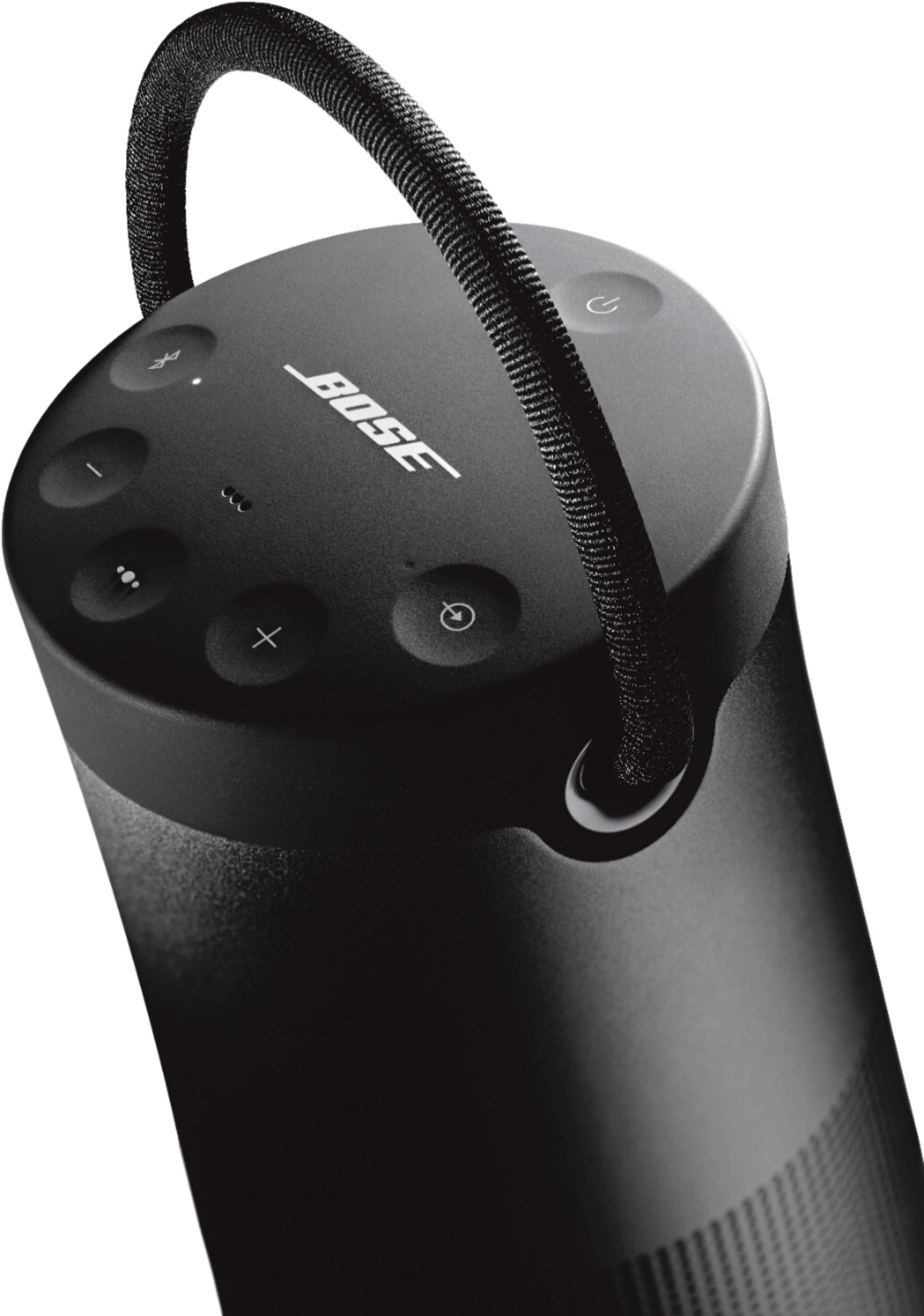
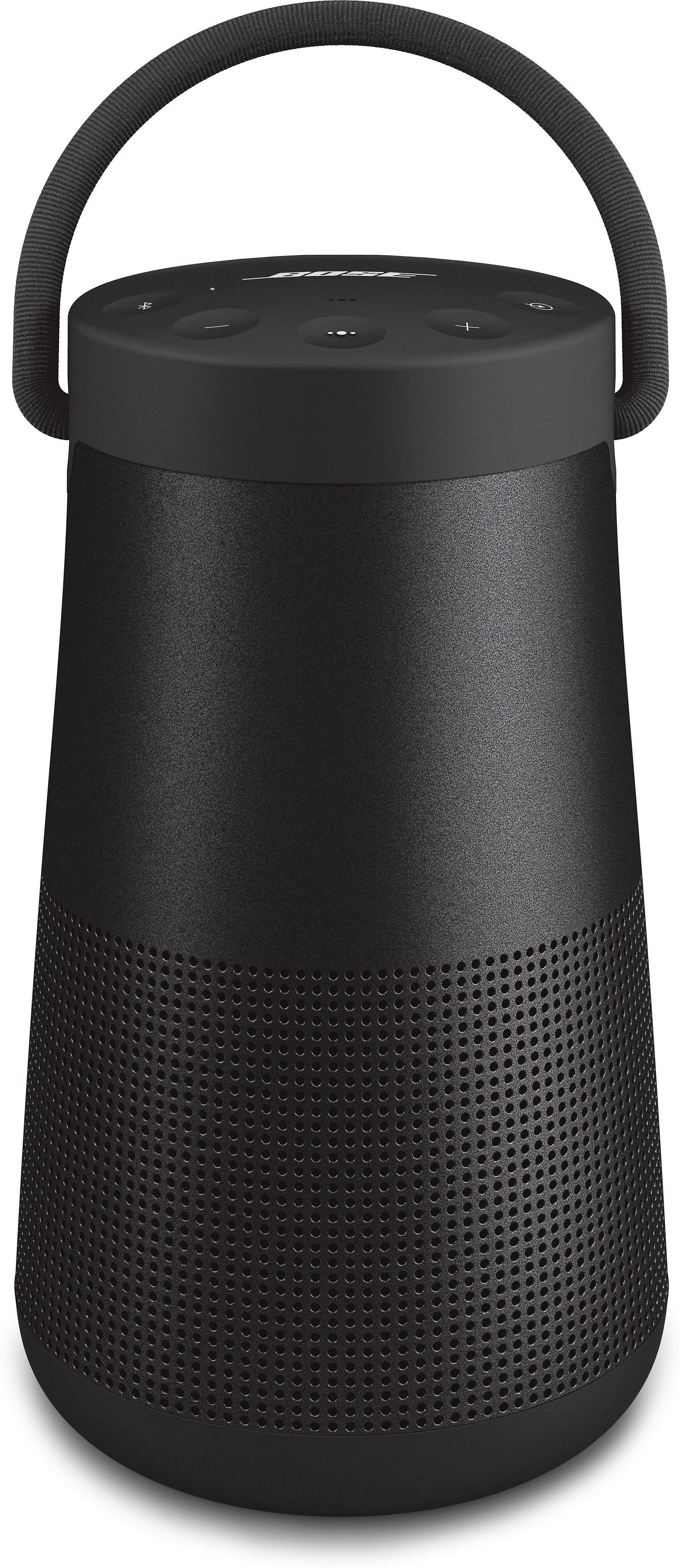
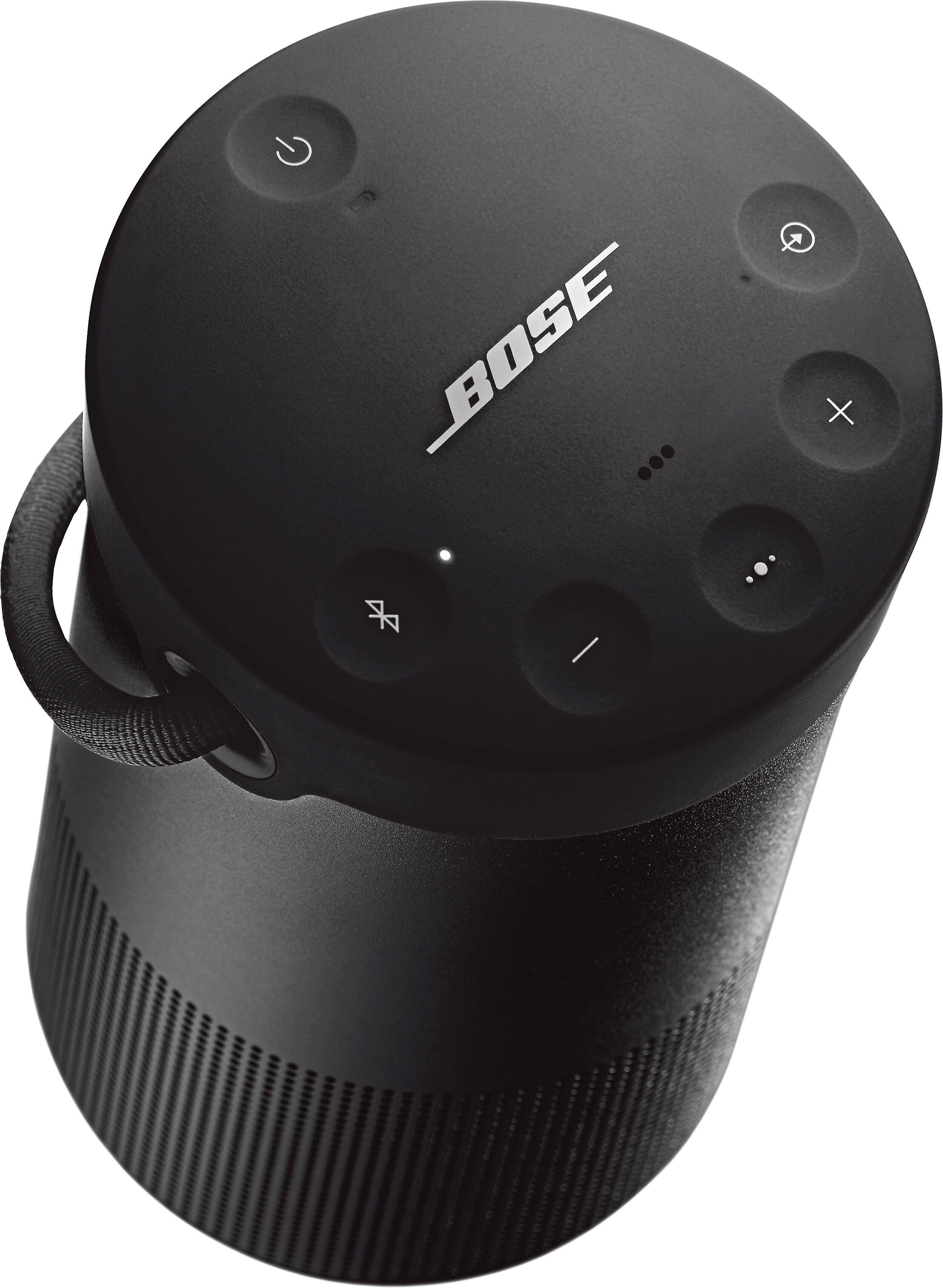
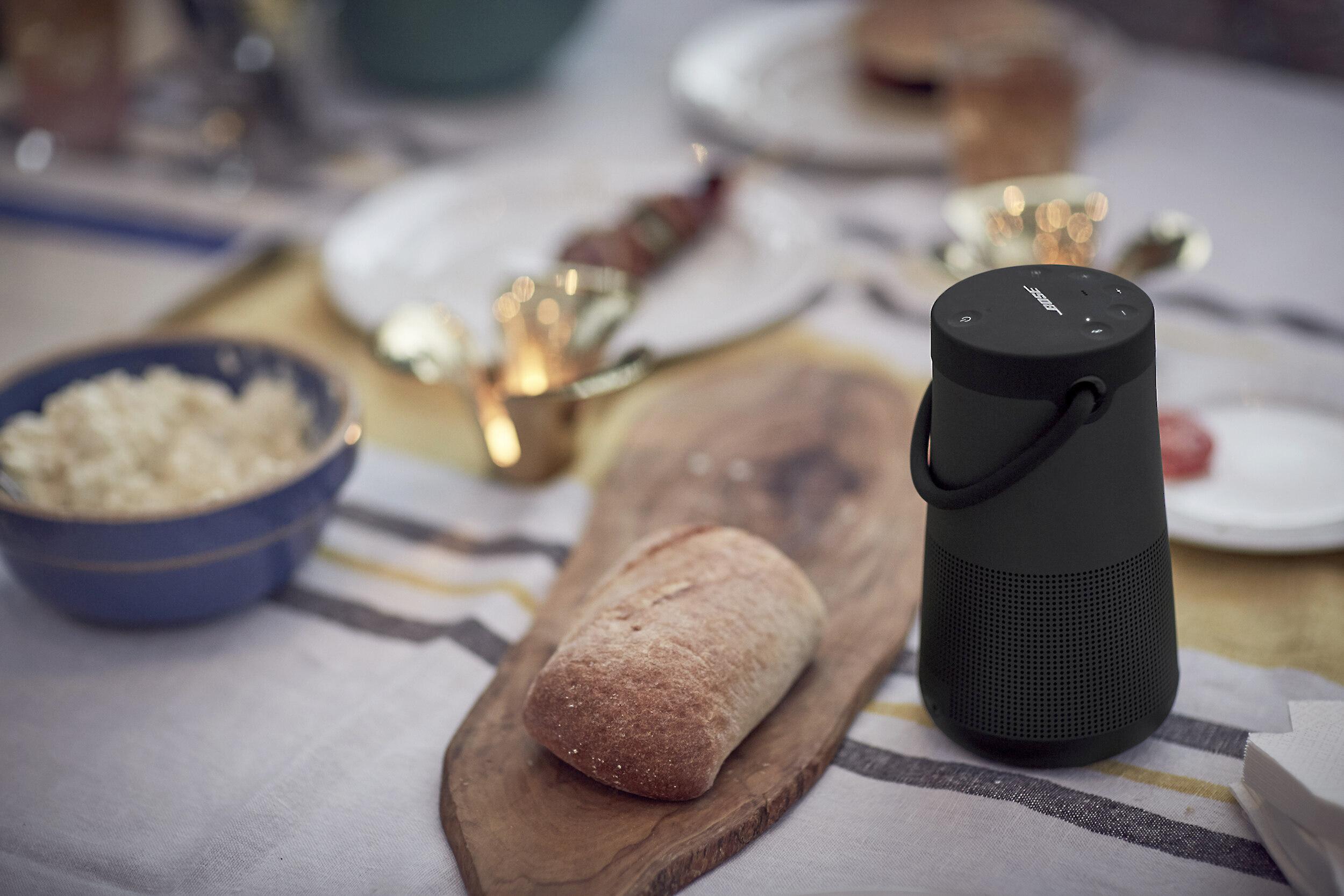
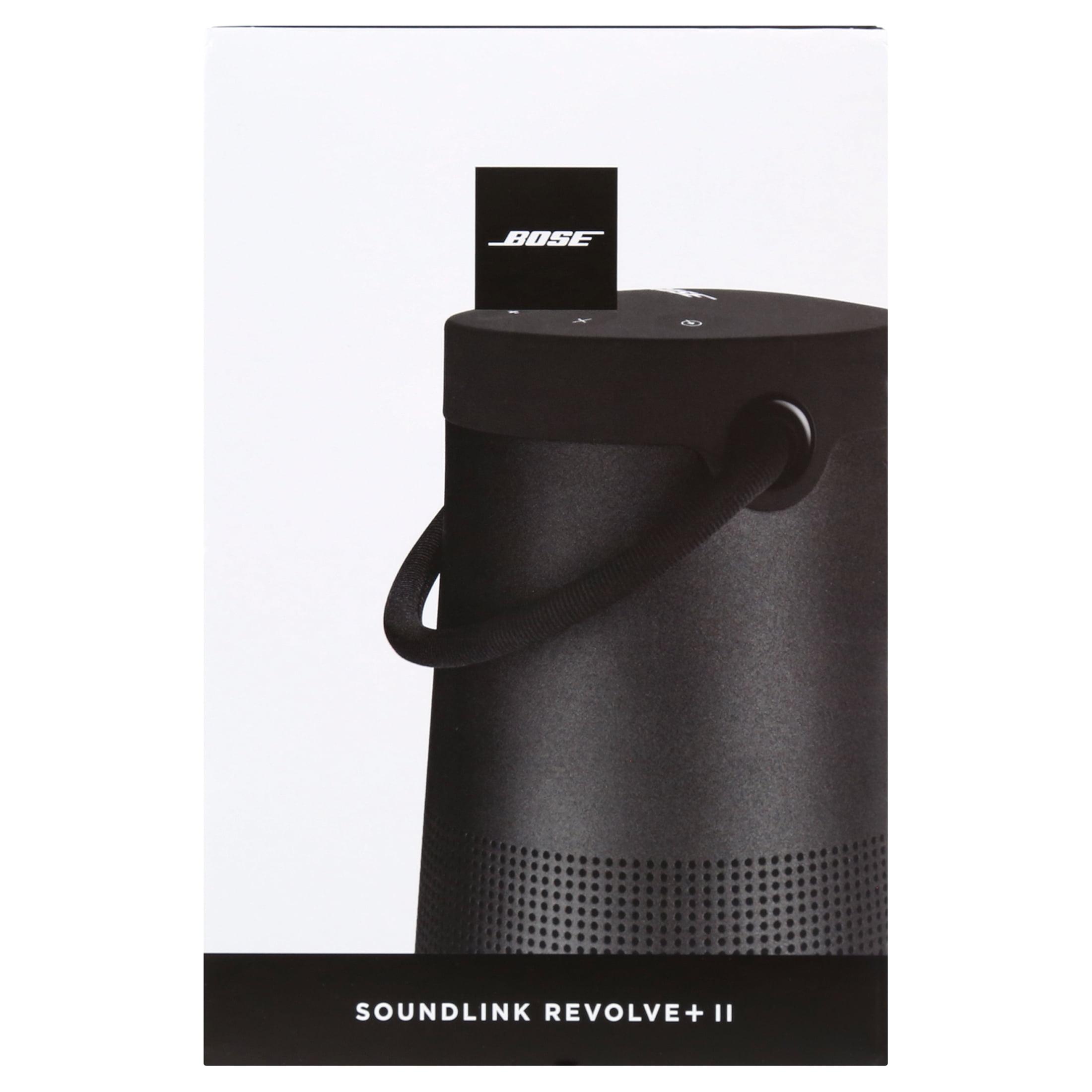

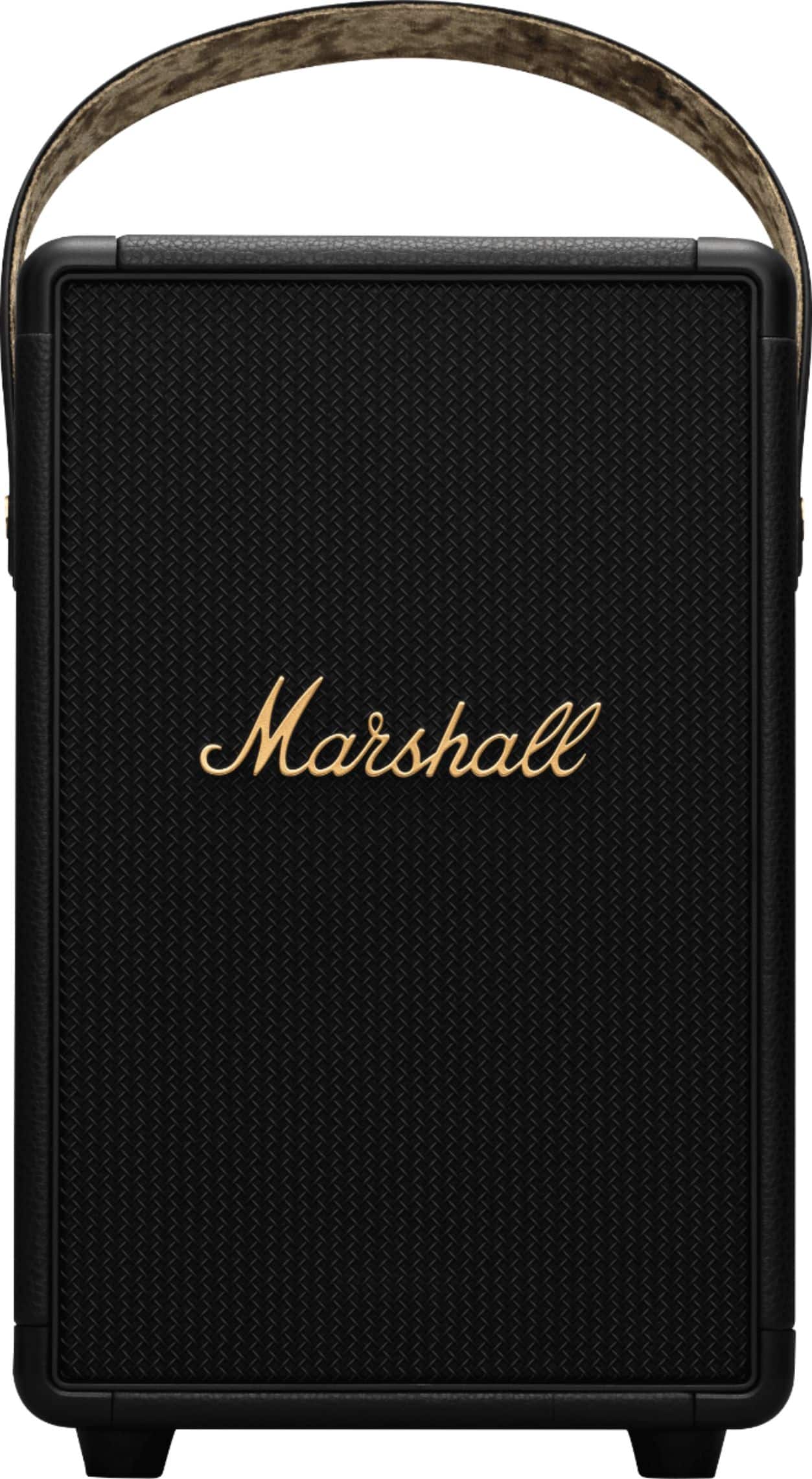
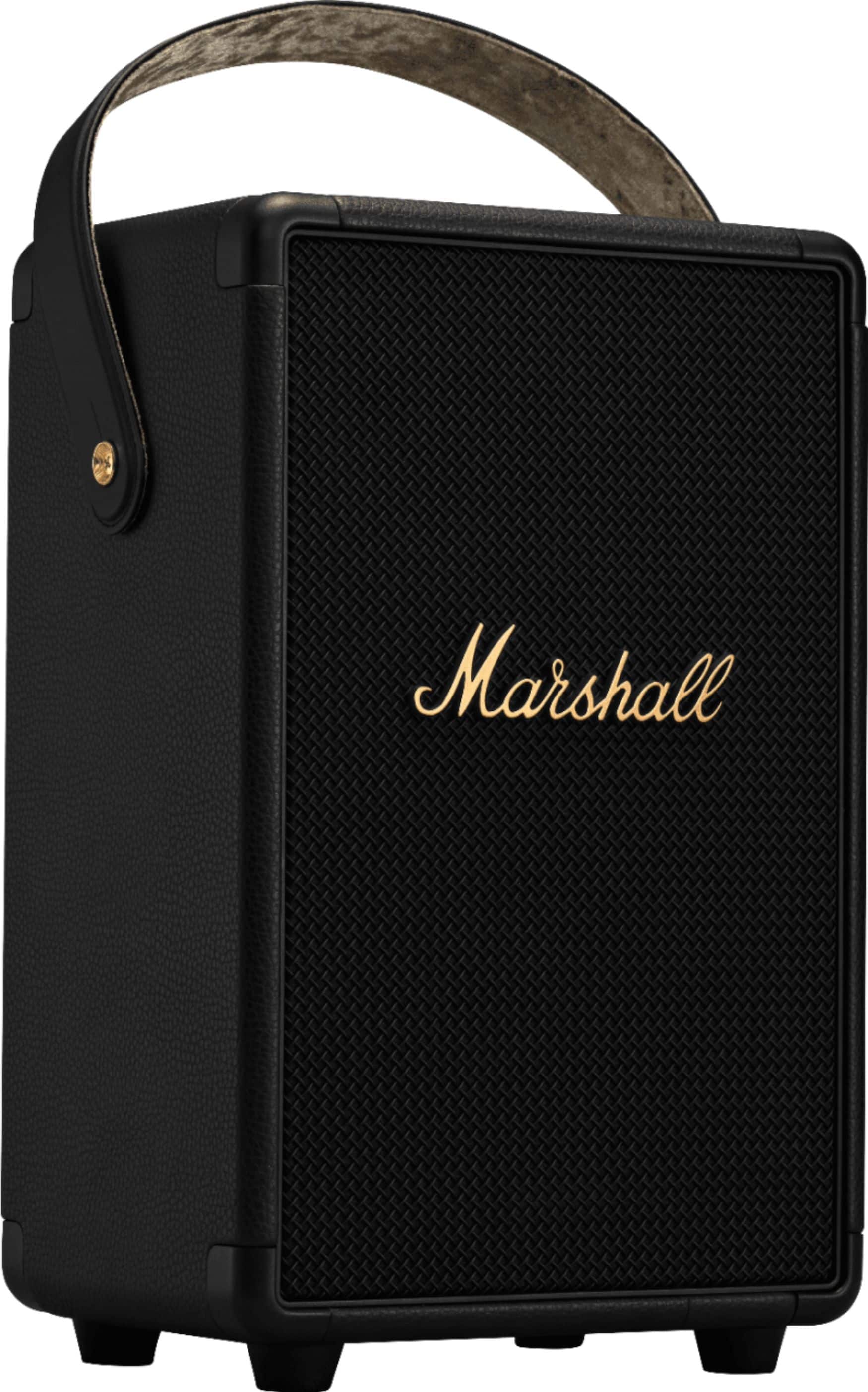
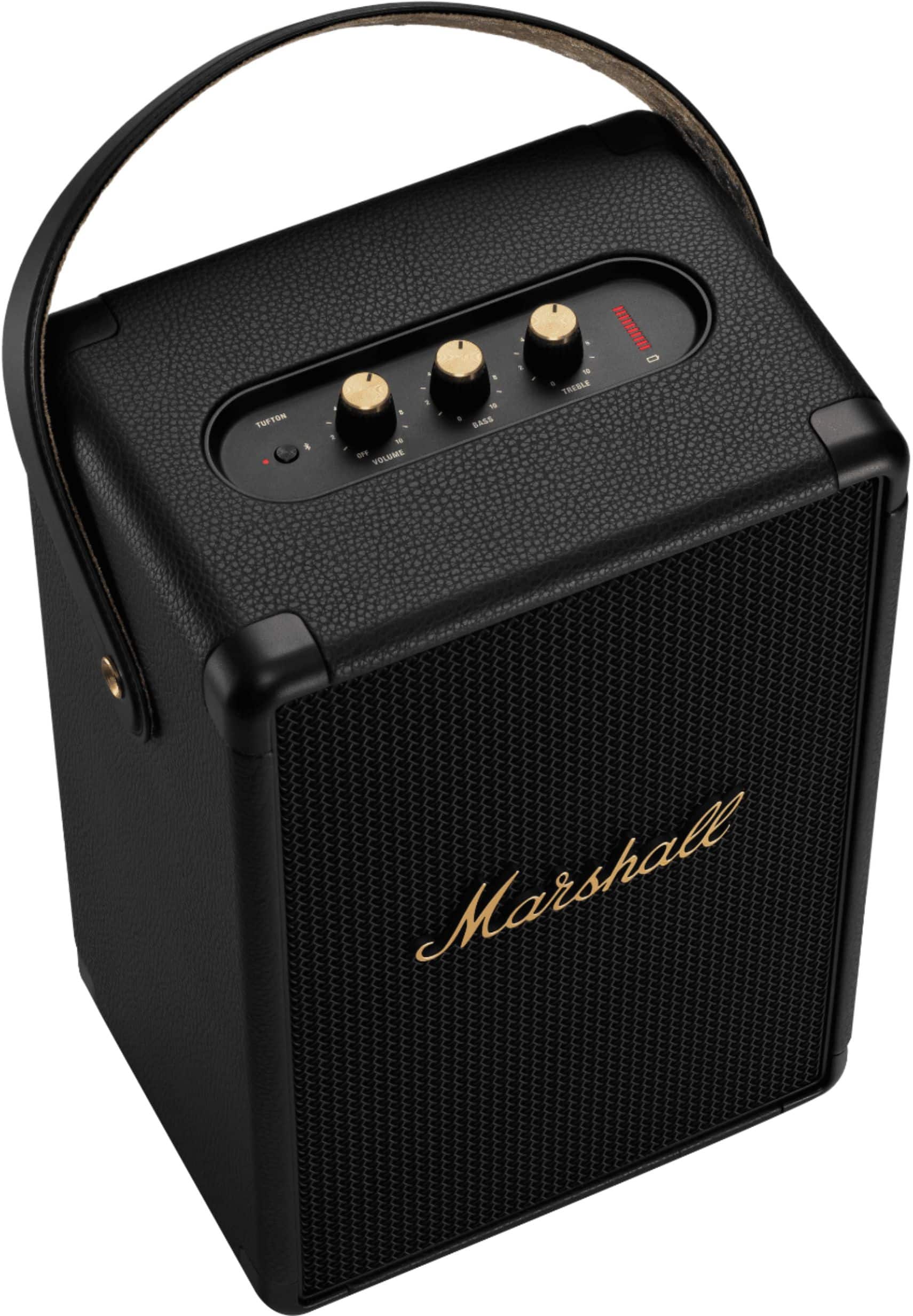
When it comes to high-end portable Bluetooth speakers, the Bose SoundLink Revolve+ II ($229) and Marshall Tufton ($299) represent two distinct approaches to delivering quality audio on the go. Let's dive into how these speakers compare and who they might be best suited for.
Portable Bluetooth speakers have evolved significantly over the past decade, moving from simple wireless convenience devices to sophisticated audio solutions that can rival traditional home speakers. Today's premium portable speakers need to balance sound quality, durability, and convenience - three areas where our contenders take notably different approaches.
The Bose SoundLink Revolve+ II, released in early 2021, represents the latest iteration of Bose's portable speaker technology, while the Marshall Tufton, launched in 2019, brings Marshall's iconic guitar amp heritage to the portable speaker world.
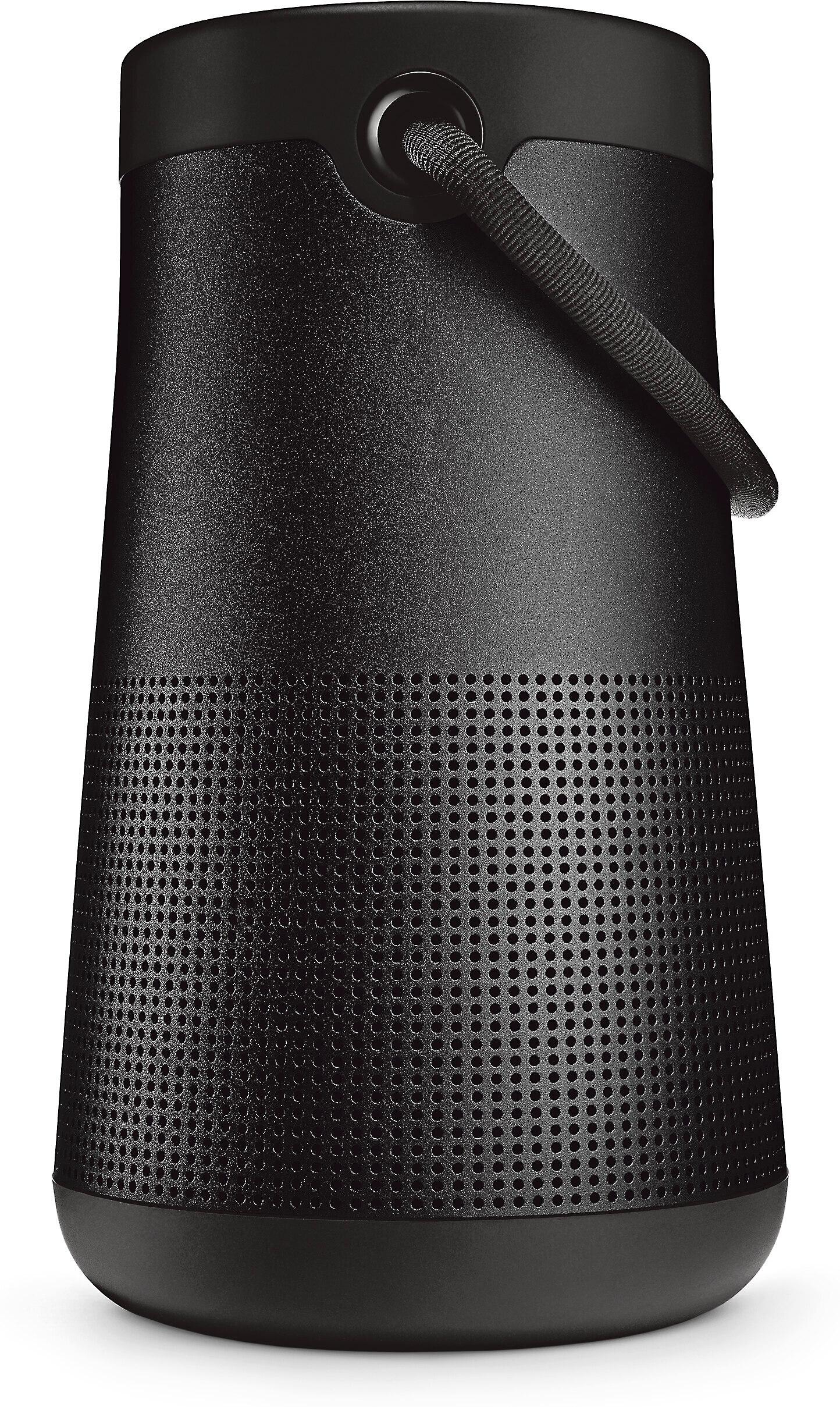
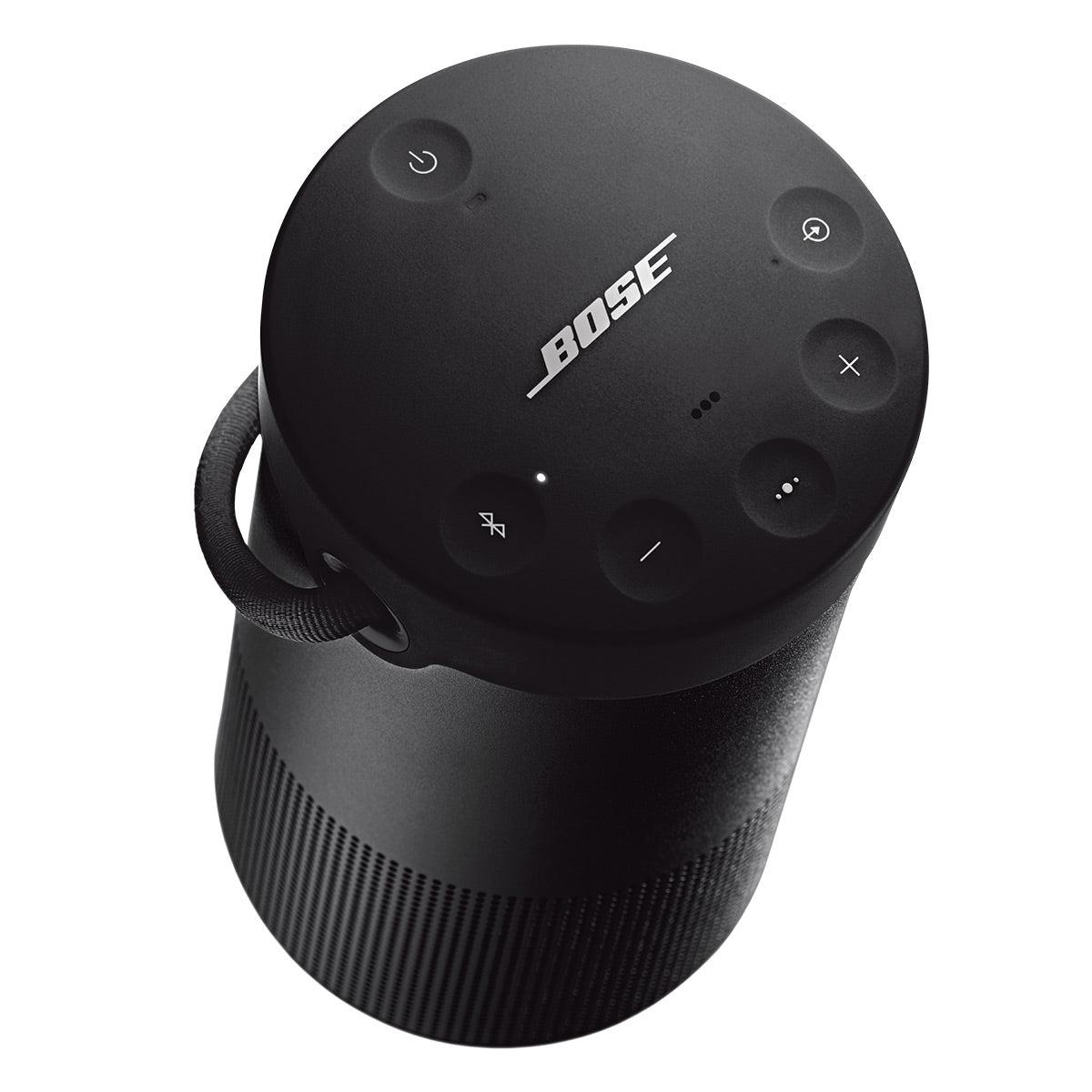
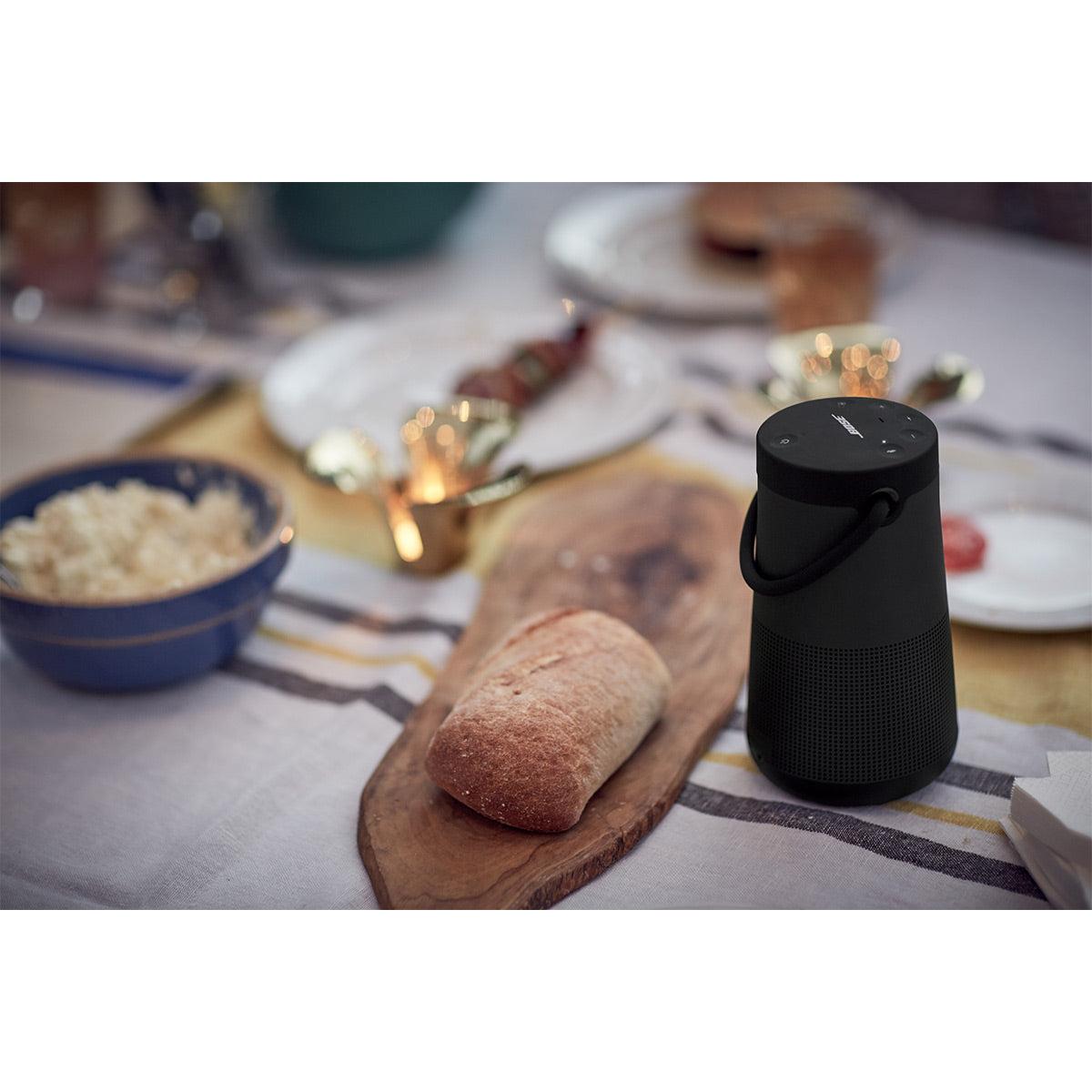
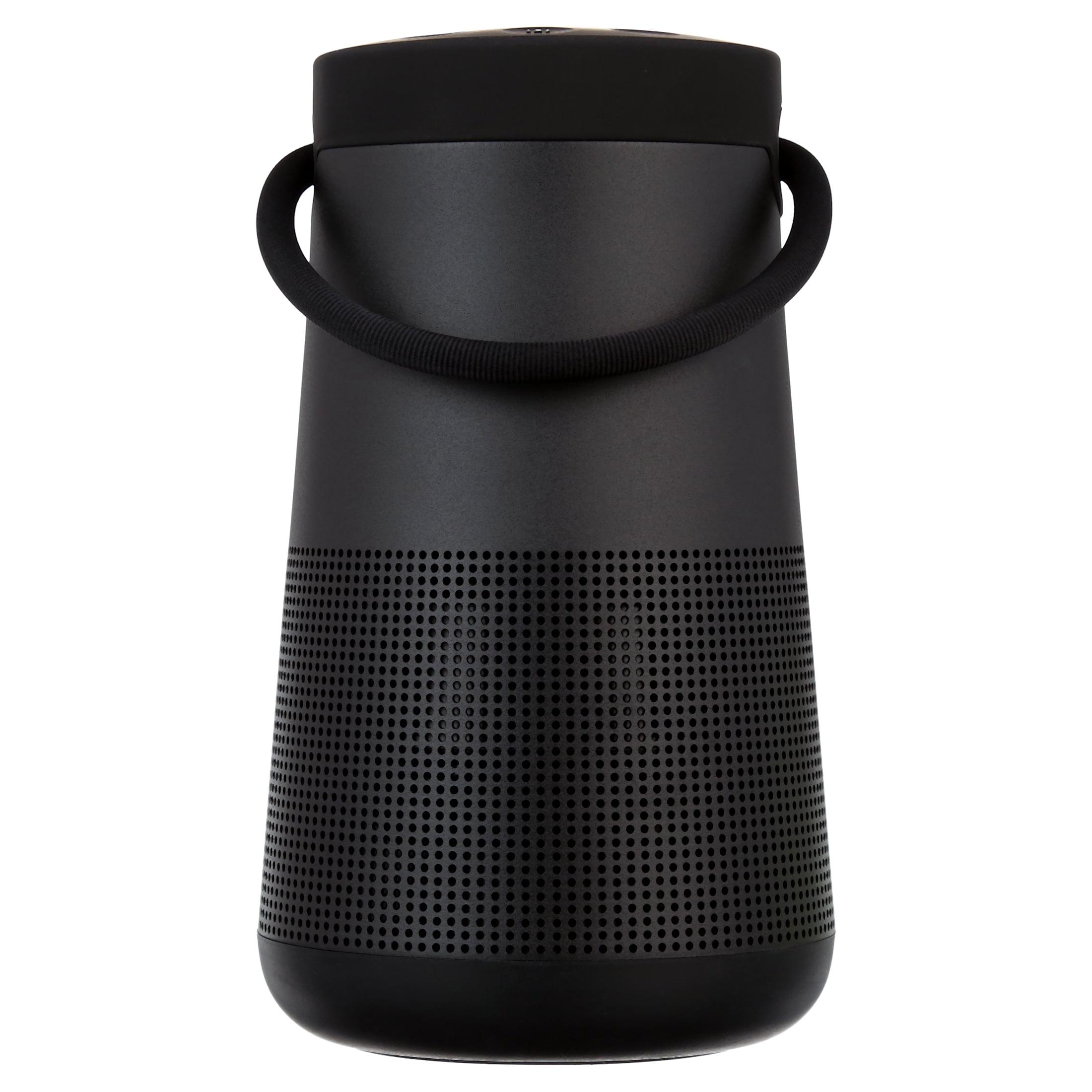
The fundamental design differences between these speakers tell us a lot about their intended use cases. The Bose takes a modern, lifestyle-oriented approach with its cylindrical design and 360-degree sound radiation pattern. Standing just over 7 inches tall and weighing 4.13 pounds, it's genuinely portable - something you could easily toss in a backpack or carry with its integrated handle.
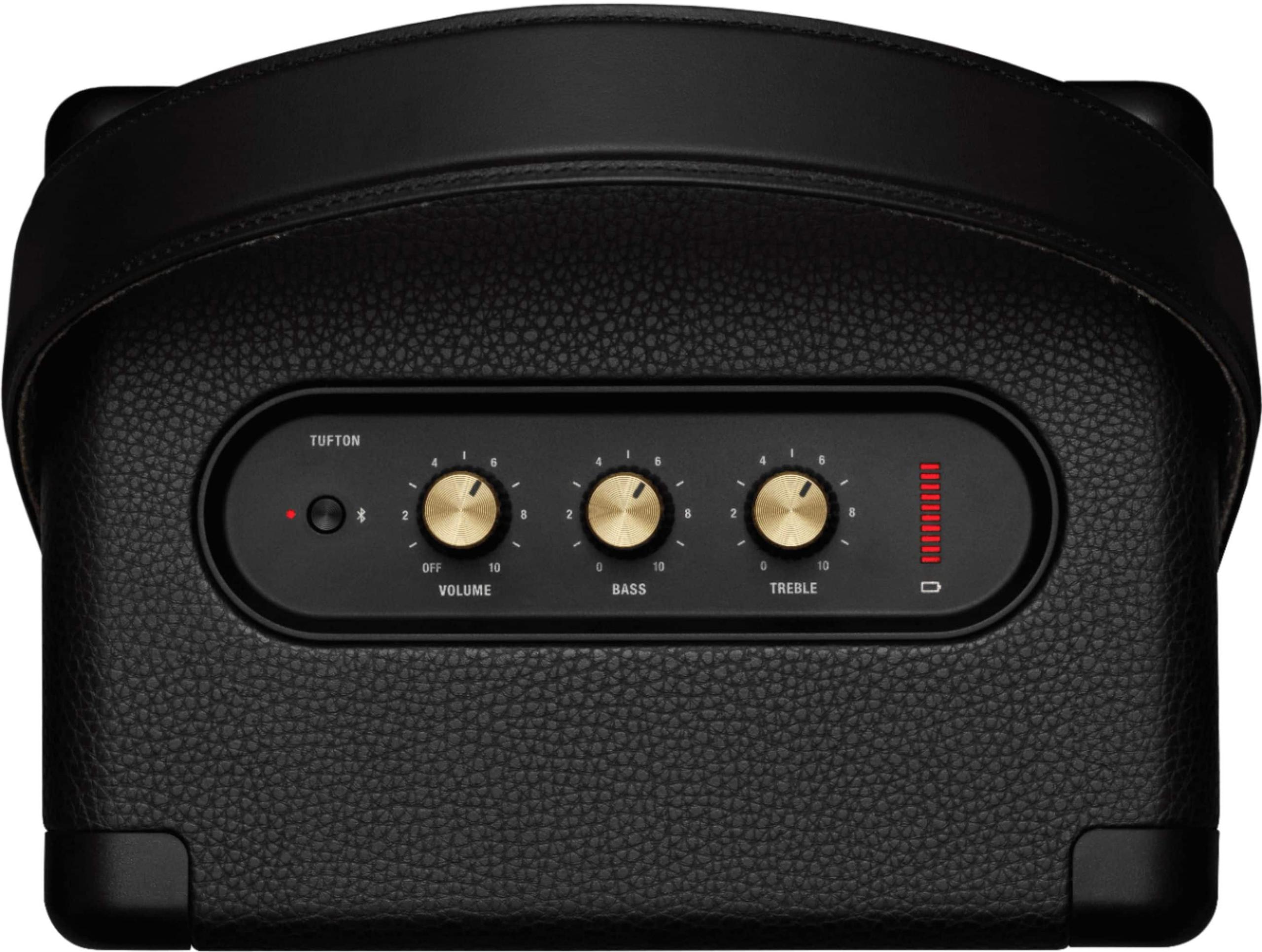
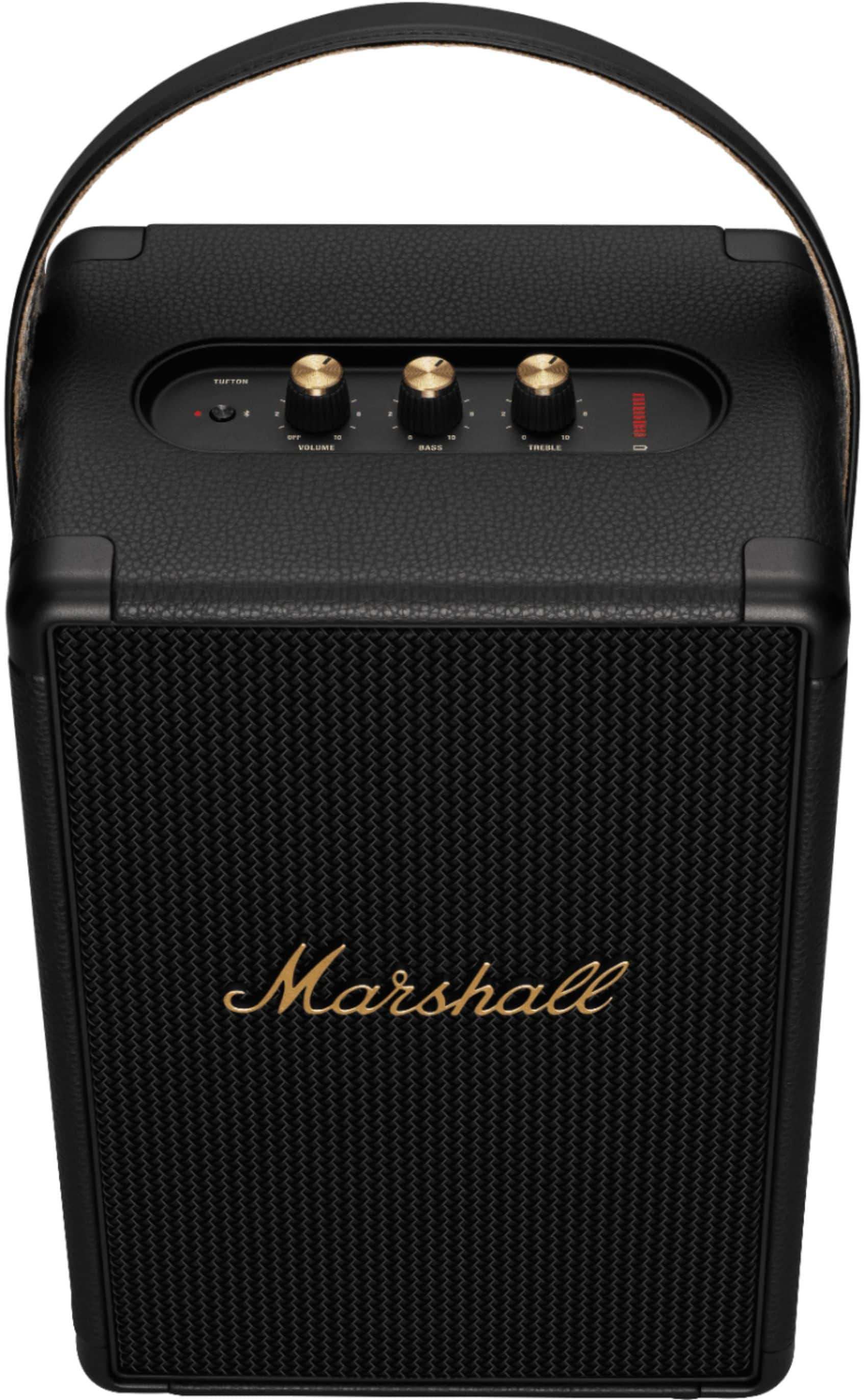
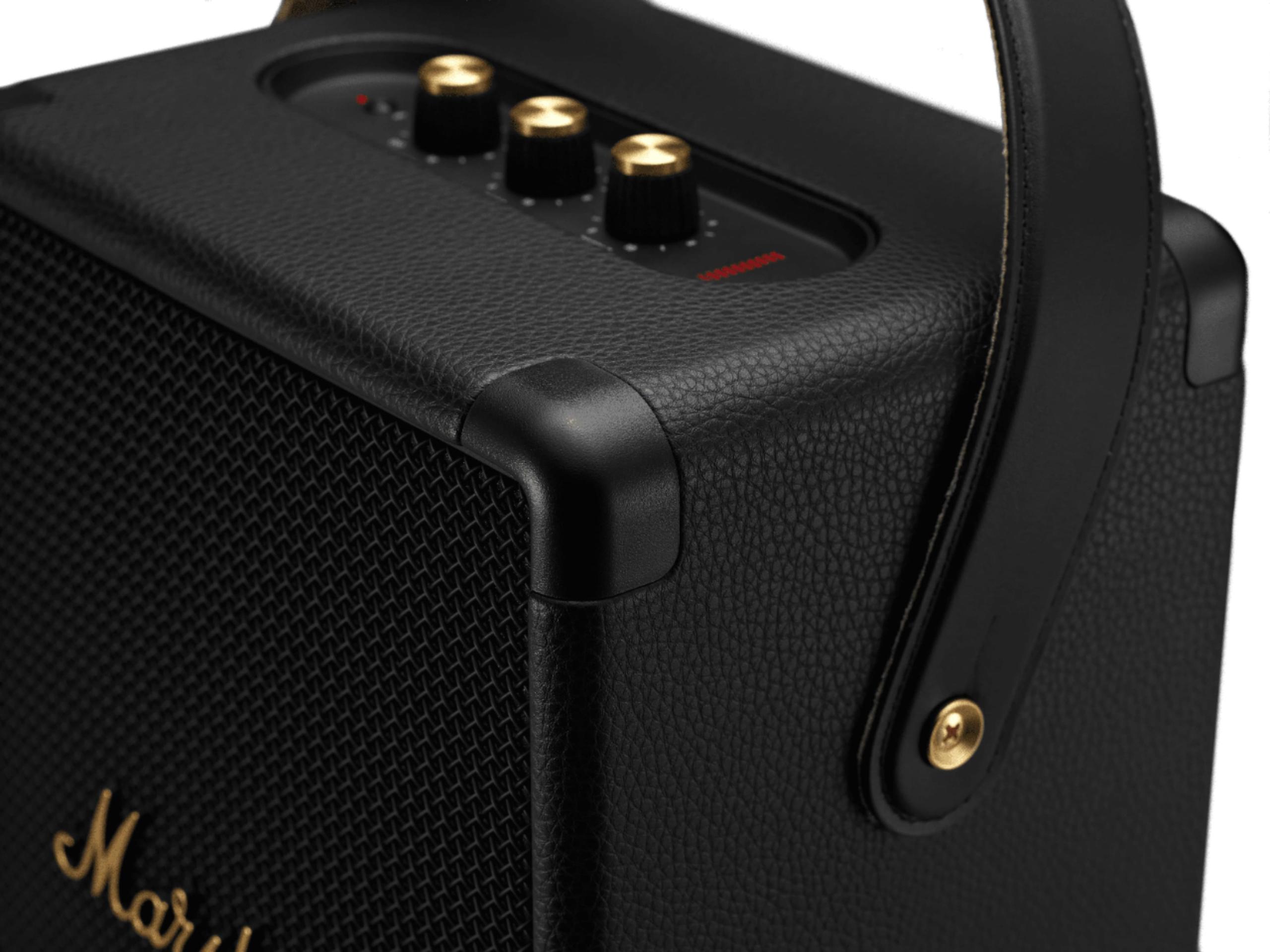
The Marshall Tufton, by contrast, is unapologetically bold. At nearly 11 pounds and with dimensions more akin to a small suitcase, it's what I'd call "party portable" - you can move it around, but you'll probably want to pick a spot and leave it there. Its design, complete with analog control knobs and classic Marshall styling, makes a statement that will either delight or detract, depending on your aesthetic preferences.
The Bose employs a clever downward-firing full-range transducer (think of it as a speaker that points down instead of out) combined with an "omnidirectional acoustic deflector." This technology spreads sound evenly in all directions, creating a consistent listening experience regardless of where you are in relation to the speaker.
In practice, this means:
The Tufton takes a more traditional approach with a three-way system (separate woofer, mid-range, and tweeter speakers). This classic design delivers:
I've found the Tufton particularly impressive when playing rock and electronic music, where its ability to move air really shines. The Bose, meanwhile, excels with acoustic music and podcasts, where its balanced sound signature helps voices and instruments sound natural and clear.
Both speakers have made meaningful technical advances since their release. The Bose's SimpleSync technology allows it to pair with other Bose smart speakers and soundbars - a useful feature for creating multi-room audio setups. The speaker also features advanced digital signal processing that helps maintain balanced sound at different volume levels.
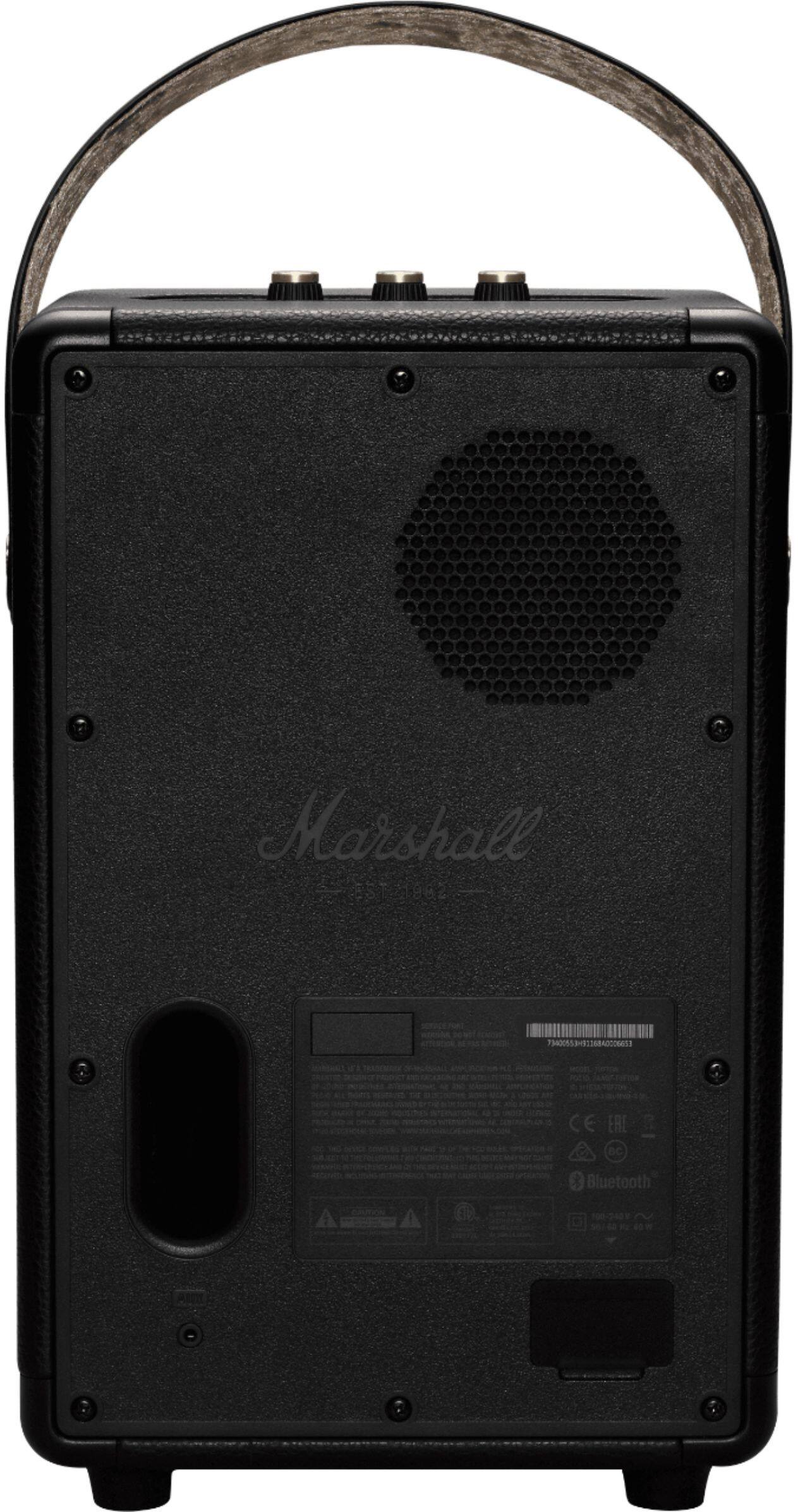
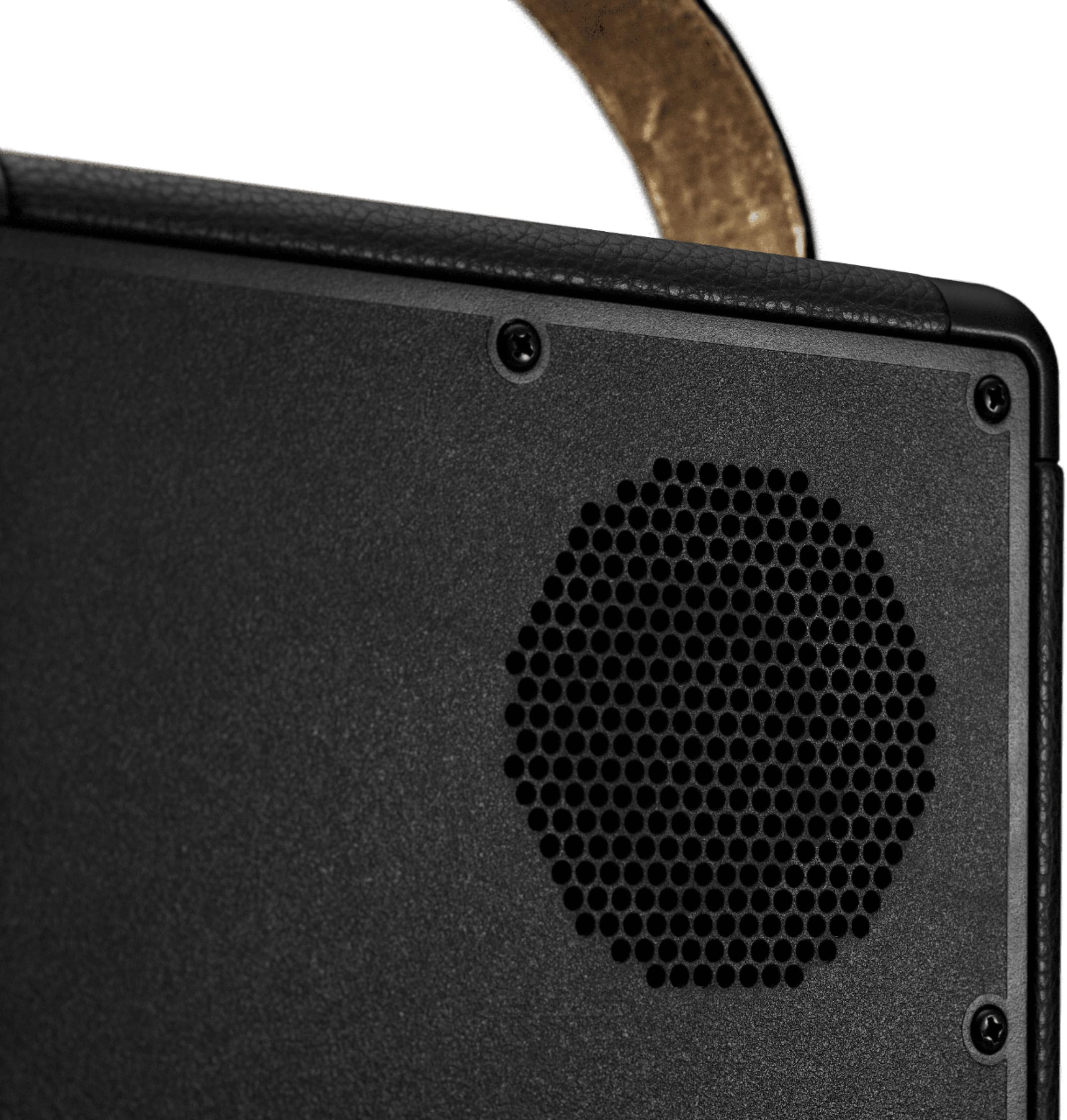
The Marshall's innovations focus more on traditional audio engineering, with its multi-directional sound system (including a rear-firing driver) and quick-charge capability providing 4 hours of playback from just 20 minutes of charging. The analog EQ controls, while not technically innovative, provide an intuitive way to adjust sound that many users prefer over app-based controls.
The Marshall Tufton edges out the Bose SoundLink Revolve+ II in battery life (20 hours vs 17 hours), though both provide enough juice for most use cases. The Marshall's quick-charge feature is particularly useful for those "oops, forgot to charge" moments before a party.
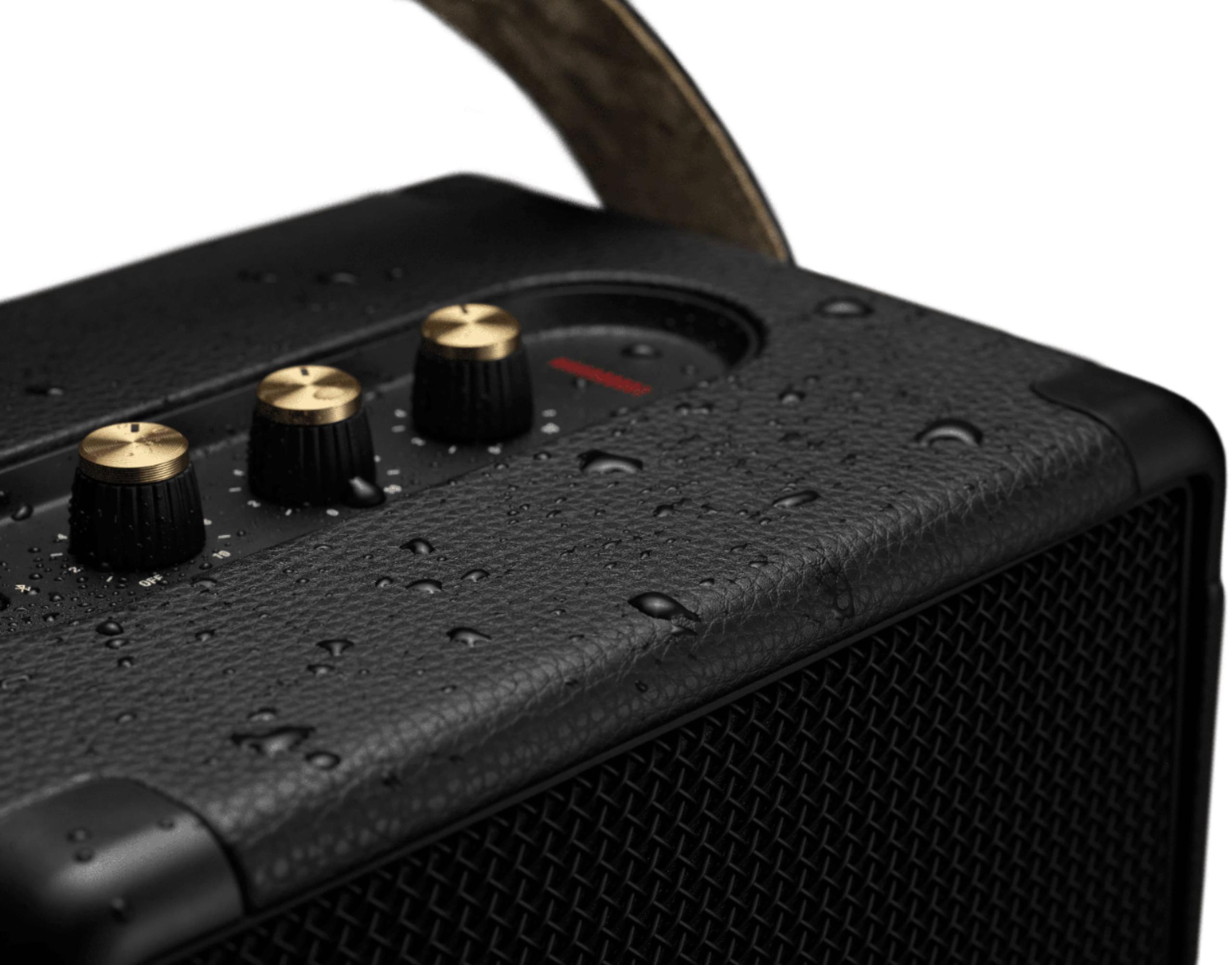
Bose takes the lead here with IP55 water and dust resistance, meaning it can handle rain and sand without issue. The Marshall's IPX2 rating only promises protection from light water splashes, making it less suitable for outdoor adventures.
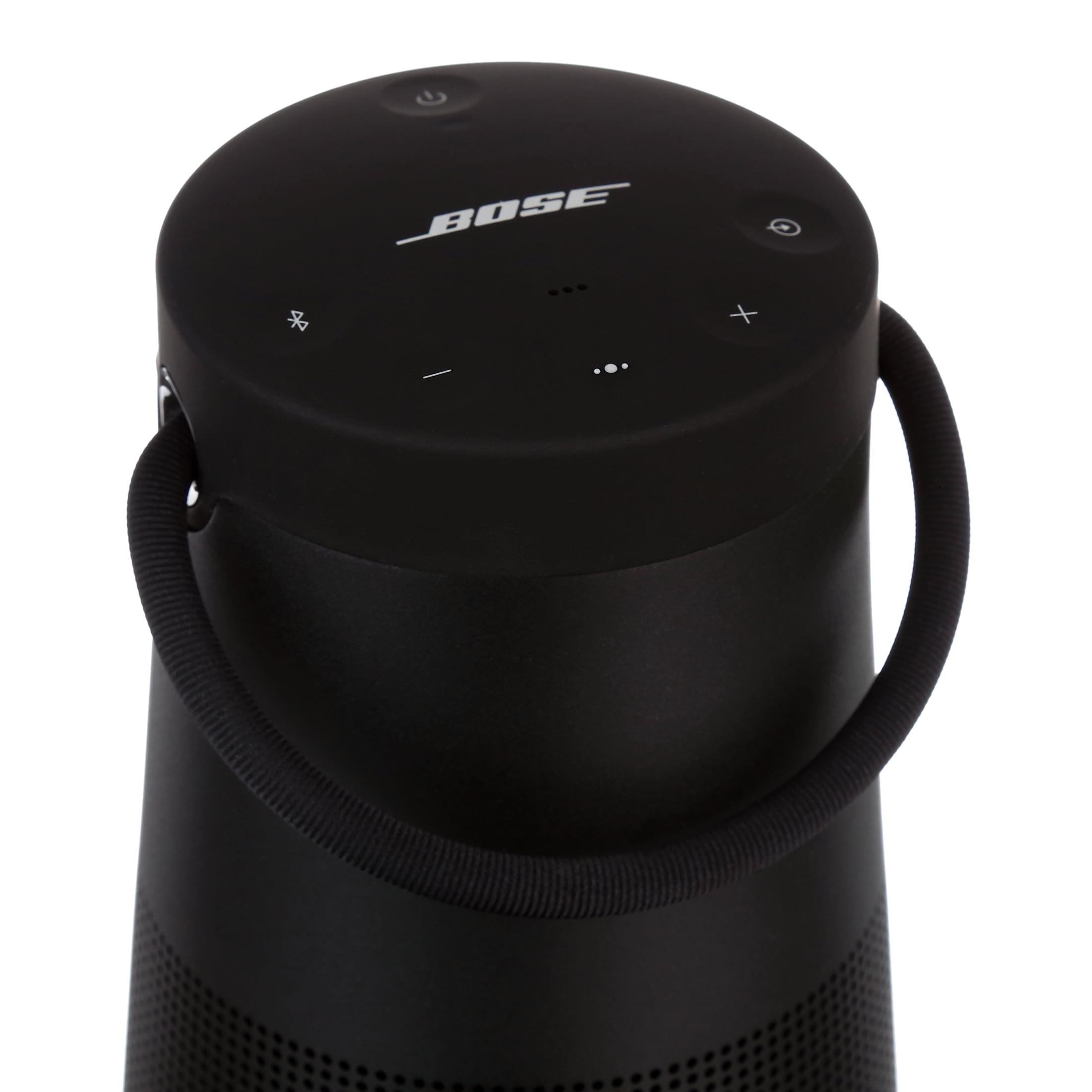
Both speakers feature Bluetooth 5.0, providing stable connections up to about 30 feet. The Bose adds NFC pairing (tap-to-connect with compatible devices) and multi-point technology for connecting two devices simultaneously. The Marshall counters with multi-host functionality, allowing seamless switching between paired devices.
While neither speaker is designed primarily for home theater use, the Bose's 360-degree sound makes it an interesting option for casual TV viewing, especially in smaller rooms. The Marshall's more directional sound might work better when placed near a TV, but neither should be considered a primary home theater solution.
For backyard gatherings, both speakers excel in different ways:
The Bose is clearly superior for travel, with its smaller size and better weather resistance. The Marshall, while movable, is better suited to occasional relocation rather than regular transport.
At $229, the Bose SoundLink Revolve+ II represents solid value for those prioritizing portability and versatility. Its build quality, weather resistance, and balanced sound justify the premium price point.
The Marshall Tufton at $299 might seem steep, but for those needing maximum volume and bass response, it delivers performance that could otherwise require multiple smaller speakers or a much larger home audio solution.
Choose the Bose if you:
Go with the Marshall if you:
Both speakers excel in their intended use cases, but they're designed for different types of listeners. The Bose SoundLink Revolve+ II is a versatile, portable solution that prioritizes balanced sound and convenience, while the Marshall Tufton is a powerful party speaker that emphasizes volume and impact over portability.
In my experience, the decision often comes down to how you plan to use the speaker most often. If you're constantly on the move and value versatility, the Bose is likely your better choice. If you're looking for a powerful speaker that can handle larger spaces and you don't mind the weight, the Marshall won't disappoint.
| Bose SoundLink Revolve+ II | Marshall Tufton |
|---|---|
| Price - Key factor in value proposition | |
| $229 (balanced features for price) | $299 (premium for power/volume) |
| Size & Weight - Impacts true portability | |
| 7.25" H x 4.25" W x 4.25" D, 4.13 lbs (truly portable) | 13.8" H x 9.06" W x 6.37" D, 10.8 lbs (semi-portable) |
| Sound Design - Affects listening experience | |
| 360° omnidirectional sound with single full-range driver | Directional 3-way system with dedicated woofer, mid, tweeter |
| Maximum Volume - Important for outdoor/party use | |
| Moderate volume suitable for small gatherings | High volume capability ideal for parties |
| Weather Resistance - Critical for outdoor usage | |
| IP55 (protected against dust and water jets) | IPX2 (protected against light water spray only) |
| Battery Life - Determines usage duration | |
| 17 hours (typical use) | 20 hours with quick charge feature (4hrs from 20min charge) |
| Sound Customization - Affects adaptability | |
| App-based EQ through Bose Connect | Physical analog knobs for bass, treble, volume |
| Bluetooth Features - Connectivity options | |
| Bluetooth 5.0, NFC pairing, multi-point connection | Bluetooth 5.0, multi-host functionality |
| Additional Features - Extra value considerations | |
| SimpleSync with Bose speakers, voice assistant integration | Quick charge, rear-facing driver, classic amplifier design |
| Bass Performance - Important for music enjoyment | |
| Limited bass due to size constraints | Strong bass presence with dedicated woofer |
| Best Use Case - Helps determine fit for needs | |
| Versatile daily use, travel, small gatherings | Party speaker, semi-permanent placement, larger events |
The Bose SoundLink Revolve+ II is better for portability and balanced sound, while the Marshall Tufton excels at maximum volume and bass response. The better choice depends on your primary use case.
The Bose SoundLink Revolve+ II costs $229, while the Marshall Tufton is priced at $299.
The Marshall Tufton offers 20 hours of battery life, slightly more than the Bose SoundLink Revolve+ II's 17 hours. Both provide enough power for most use cases.
The Bose SoundLink Revolve+ II is significantly more portable at 4.13 lbs, compared to the Marshall Tufton at 10.8 lbs.
The Bose SoundLink Revolve+ II has better weather resistance (IP55) for outdoor use, while the Marshall Tufton (IPX2) is less protected against weather elements.
The Marshall Tufton offers more powerful sound with stronger bass, while the Bose SoundLink Revolve+ II provides more balanced, 360-degree audio coverage.
The Marshall Tufton is better suited for parties due to its higher volume output and stronger bass, while the Bose SoundLink Revolve+ II is better for smaller gatherings.
Both speakers feature Bluetooth 5.0, but the Bose adds NFC pairing while the Marshall offers multi-host functionality. Both perform reliably within 30 feet.
Both speakers justify their prices through different strengths - the Bose through versatility and portability, the Marshall through power and sound impact.
The Bose SoundLink Revolve+ II's 360-degree sound works well in any room, while the Marshall Tufton's directional sound is better for larger indoor spaces.
Yes, both the Bose SoundLink Revolve+ II and Marshall Tufton support connecting multiple devices, though they handle switching between devices differently.
Both speakers are well-built, but the Bose offers better weather protection for long-term outdoor use. The Marshall's physical controls might be more durable than touch controls.
We've done our best to create useful and informative comparisons to help you decide what product to buy. Our research uses advanced automated methods to create this comparison and perfection is not possible - please contact us for corrections or questions. These are the sites we've researched in the creation of this article: rtings.com - dxomark.com - youtube.com - bestbuy.com - techradar.com - bhphotovideo.com - boselatam.com - nfm.com - bose.com - support.bose.com - bose.com - abt.com - bose.com - techradar.com - youtube.com - youtube.com - bestbuy.com - trustedreviews.com - crutchfield.com - eriksonconsumer.com - youtube.com - runbazaar.com - marshall.com

Privacy Policy
Terms and Conditions - Affiliate Policy
Home Security
© Copyright 2008-2026.
11816 Inwood Rd #1211, Dallas, TX 75244