

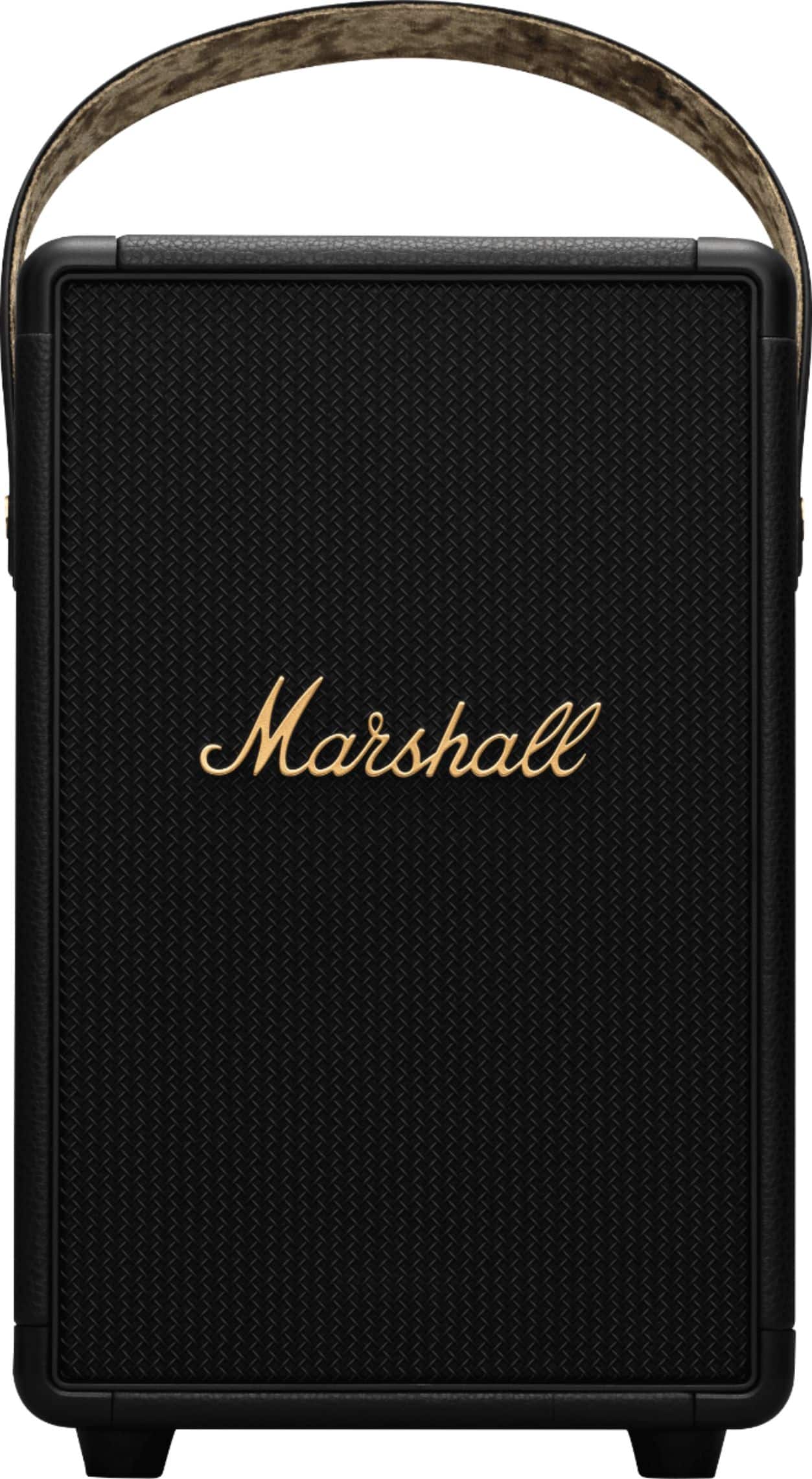
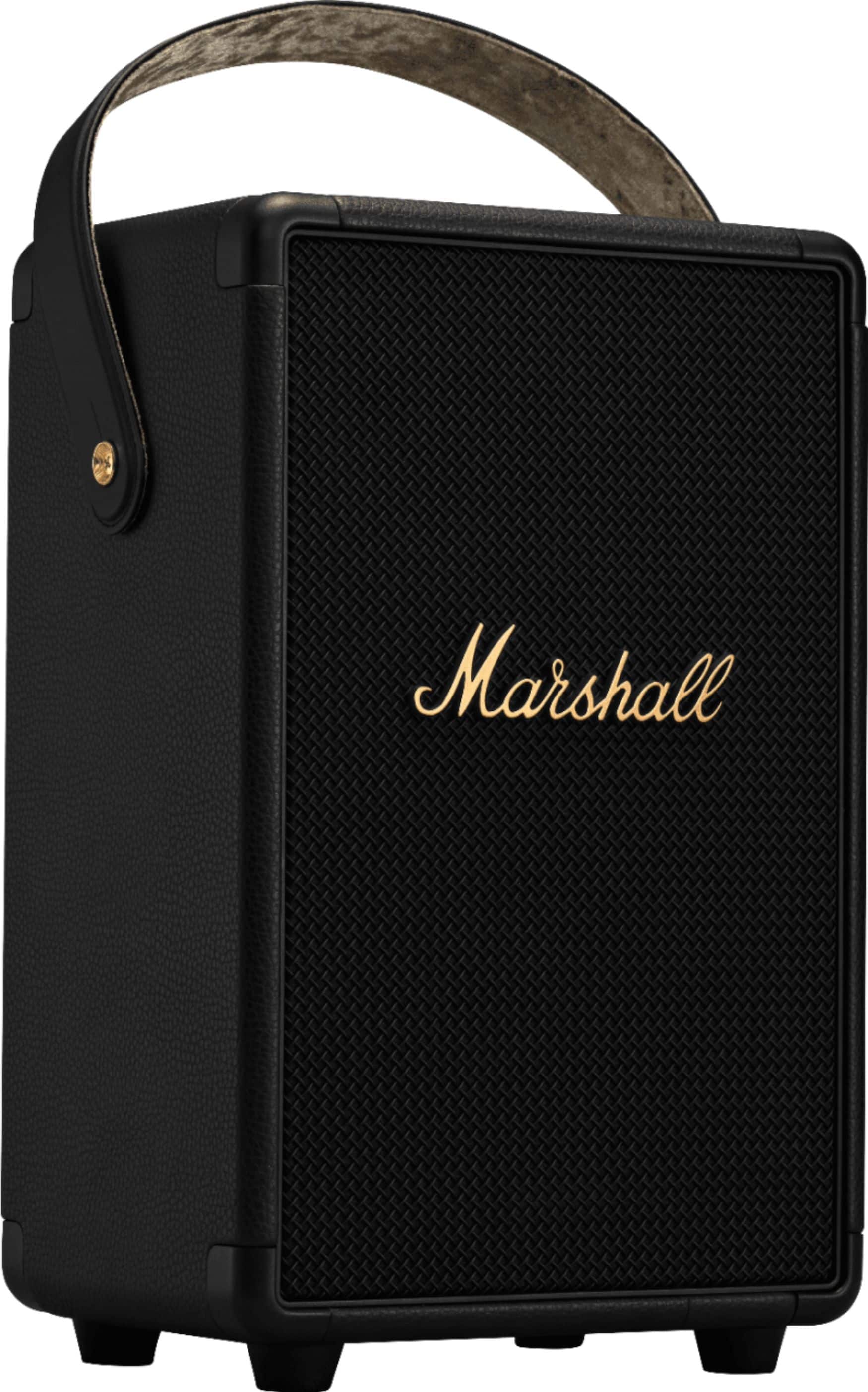
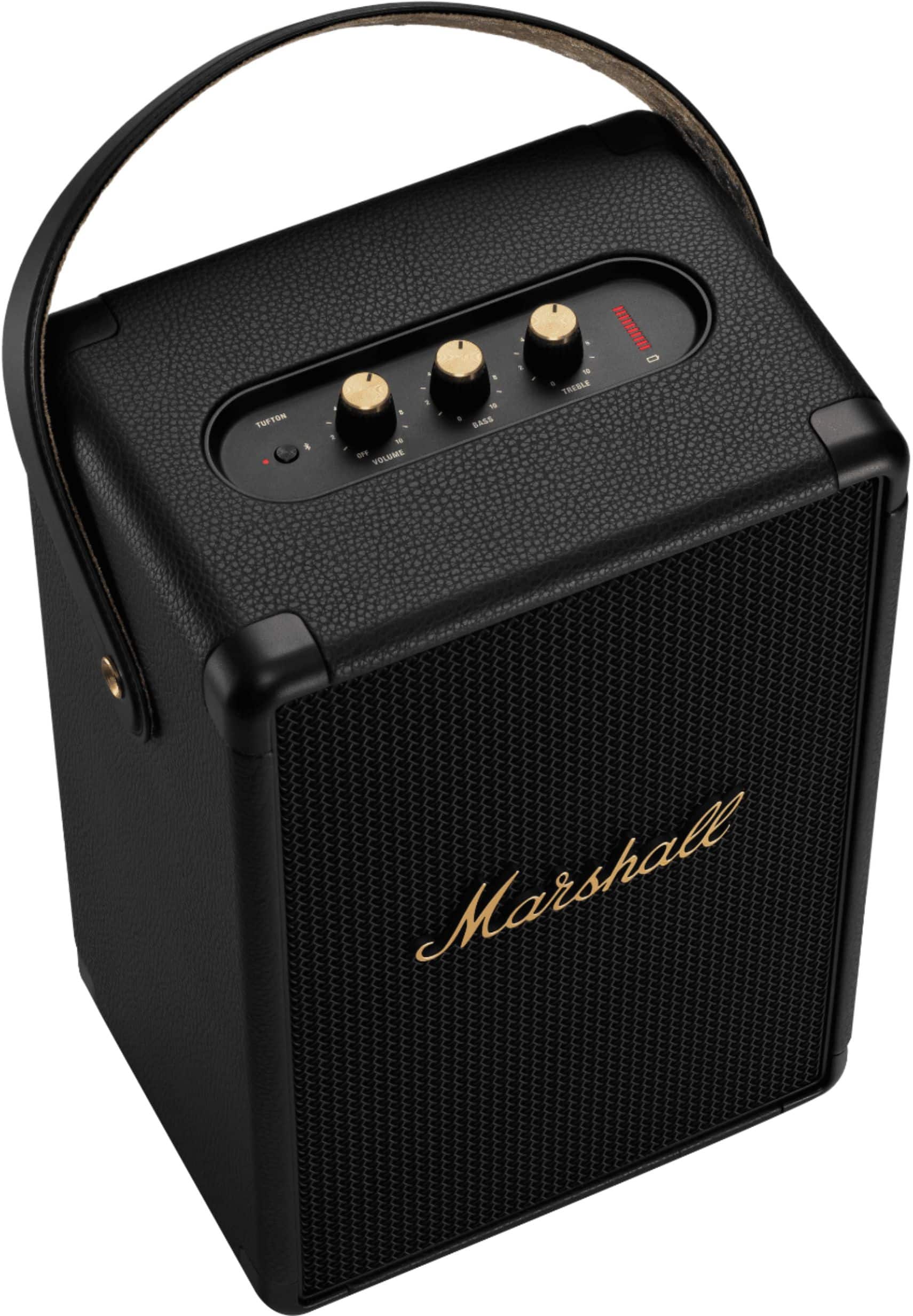

The portable Bluetooth speaker market has evolved significantly since 2017, when the Bose SoundLink Micro first appeared. The 2019 release of the Marshall Tufton marked a different approach, focusing on premium audio rather than ultimate portability. Today's buyers face a choice between power and portability that wasn't as stark in previous years.
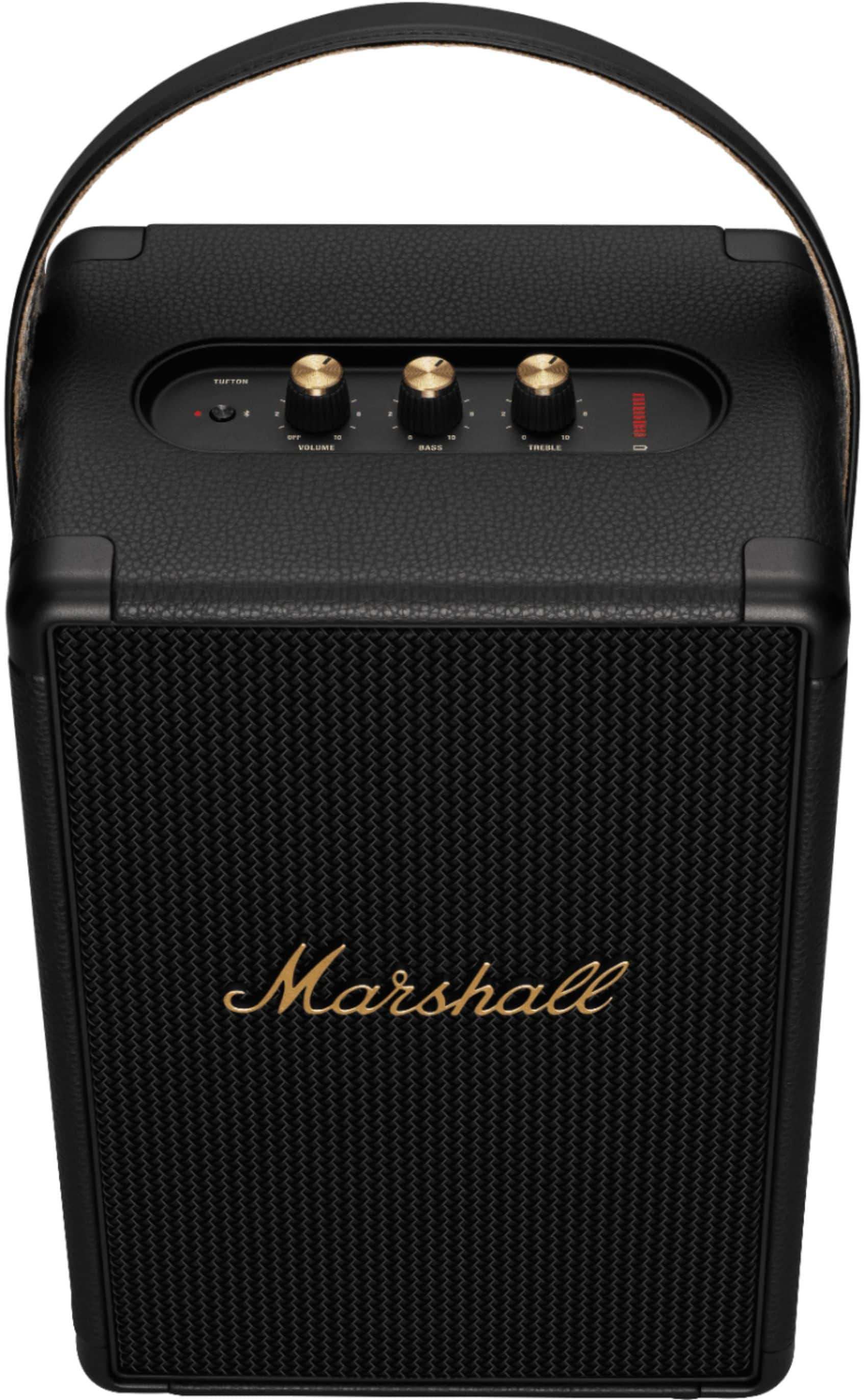
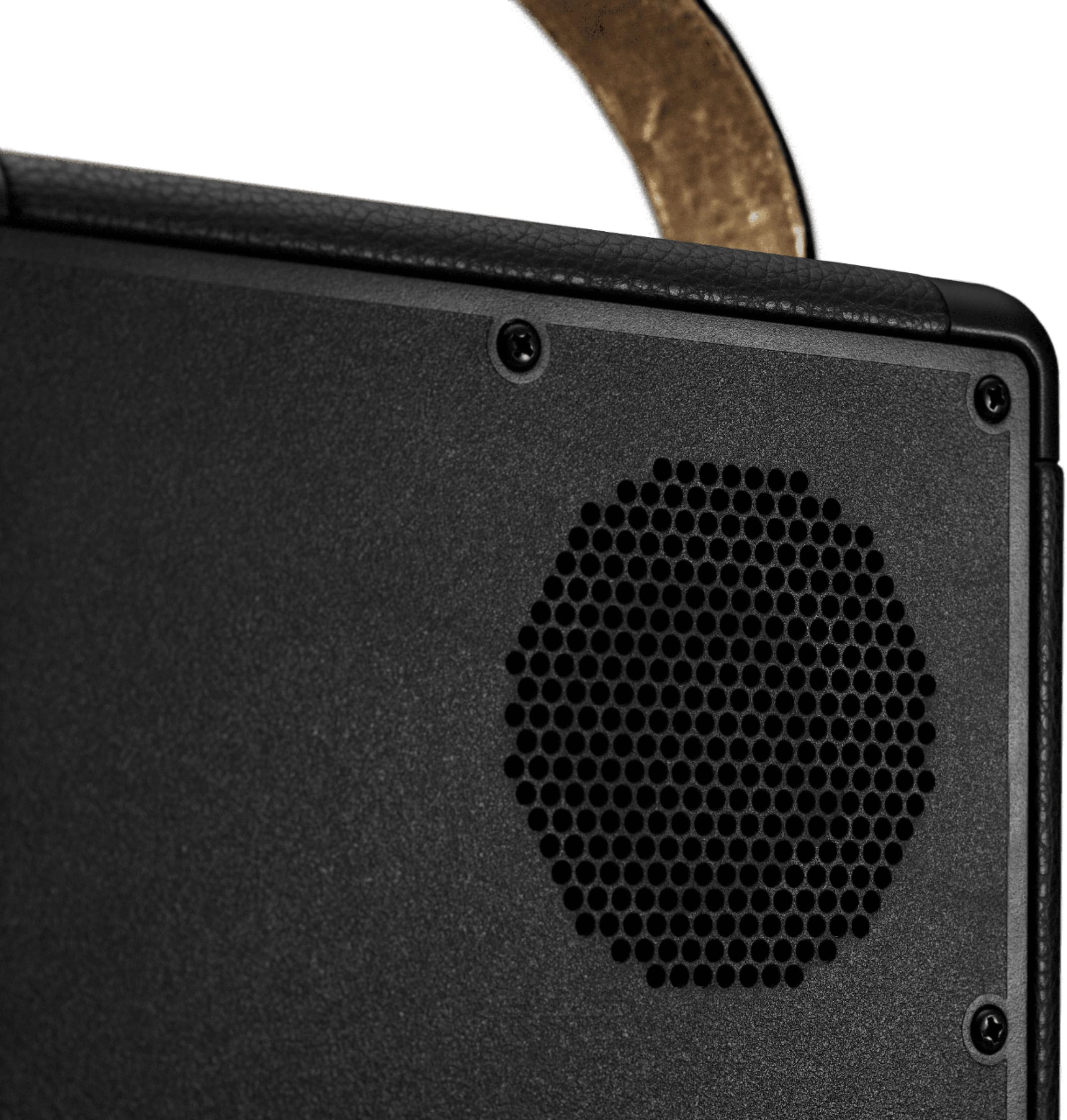
The $299 Marshall Tufton employs a sophisticated three-way speaker system - think of it as having dedicated speakers for high, mid, and low frequencies. This separation allows each frequency range to be reproduced without interference from the others. The 80-watt amplification system (that's about 8 times more powerful than typical portable speakers) drives two tweeters for crisp highs, two midrange drivers for vocals, and a substantial woofer for bass.
What makes this system special is its True Stereophonic multi-directional sound - essentially, it projects audio in multiple directions, creating an immersive listening experience. In practice, this means you can place the speaker in the center of a room and get consistent sound quality regardless of where you're standing.
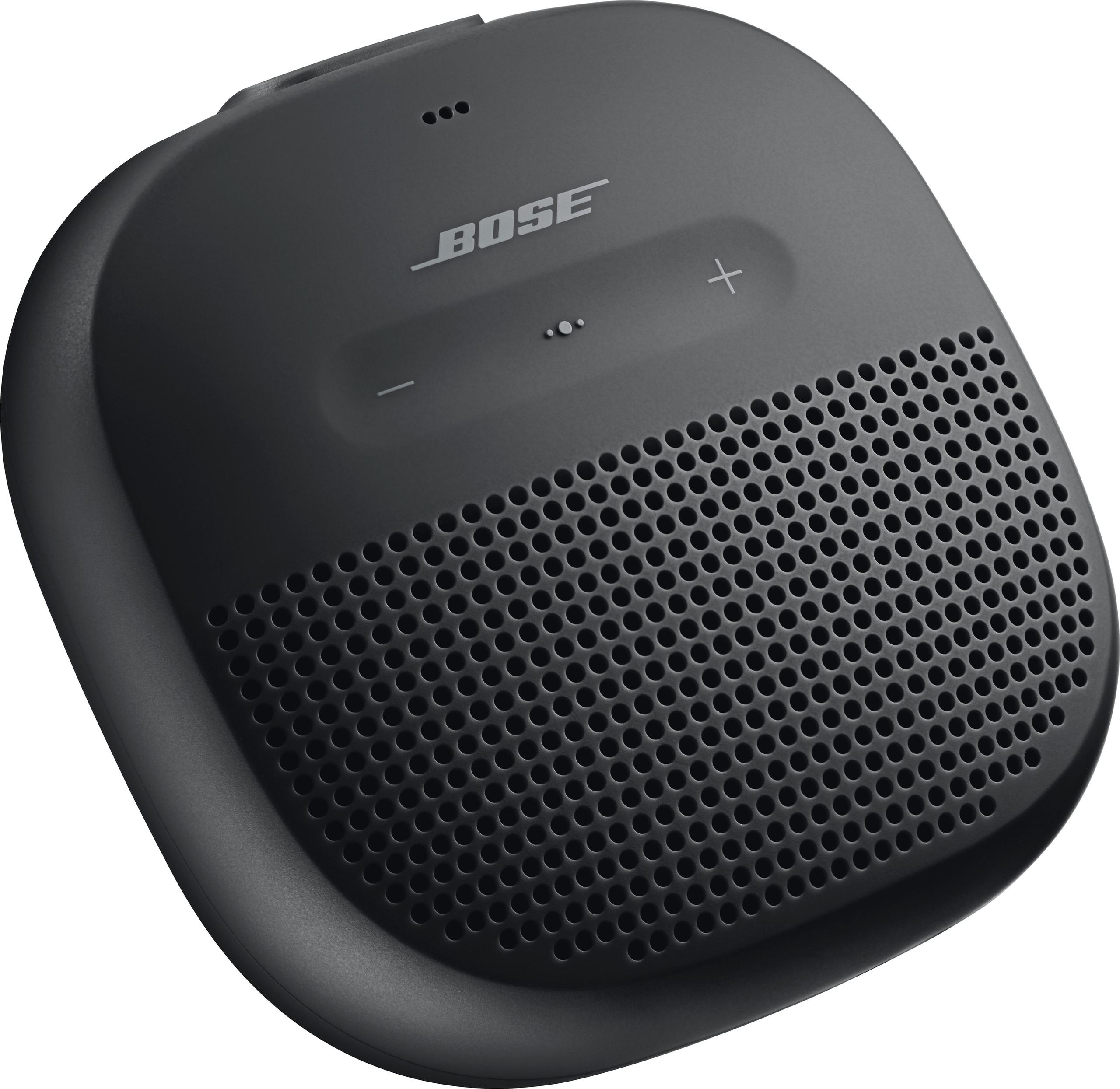
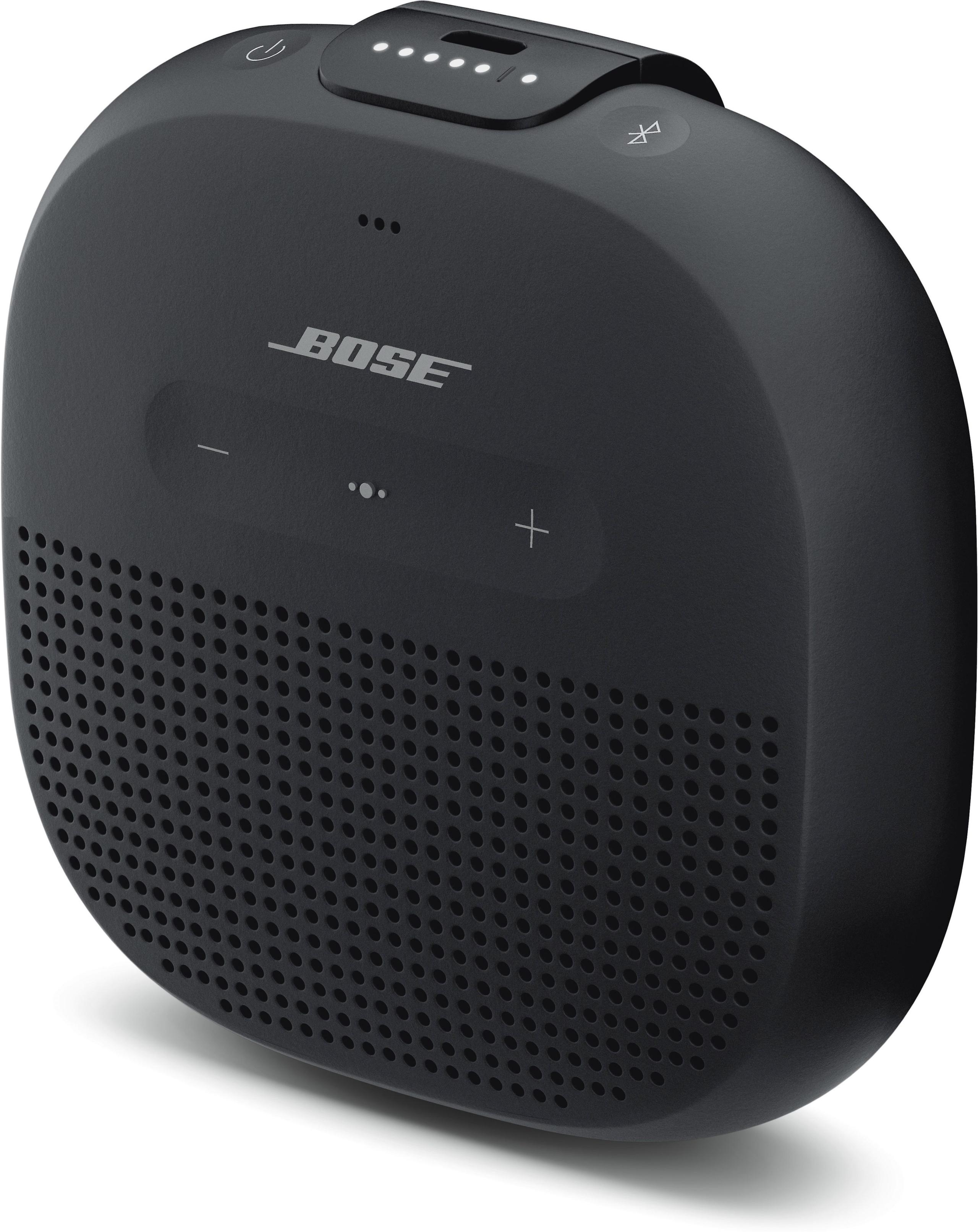
The $99 Bose SoundLink Micro takes a different approach. Instead of raw power, it uses advanced digital signal processing (DSP) to maximize the output from its small frame. The custom-designed transducer (the part that converts electrical signals into sound) works with passive radiators (think of them as speakers that move from the pressure of other speakers rather than electricity) to produce surprisingly robust sound for its size.
While it can't match the Tufton's volume or bass response, the SoundLink Micro excels at clarity in the mid-range frequencies where human voices live. This makes it particularly good for podcasts and acoustic music.
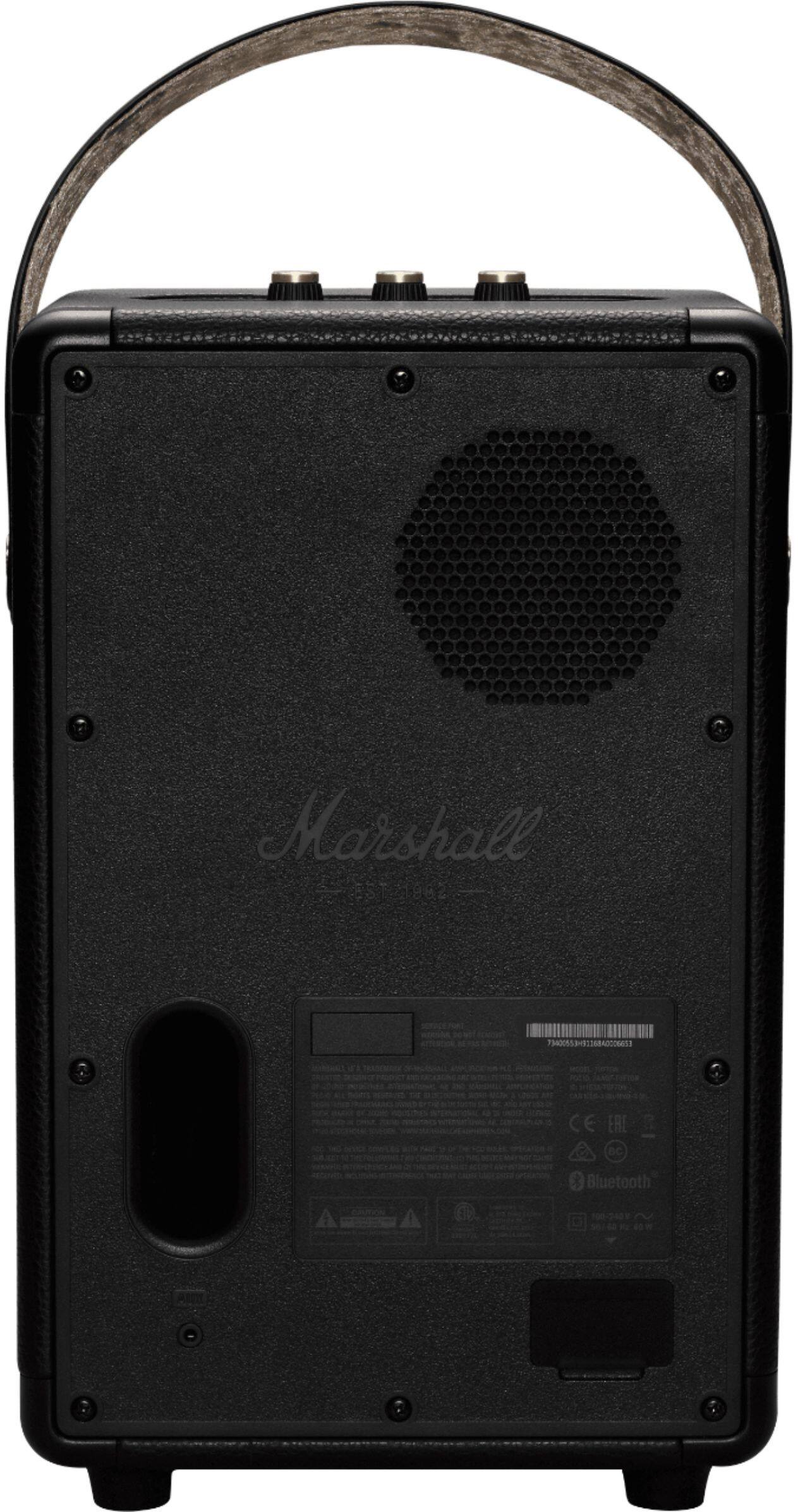
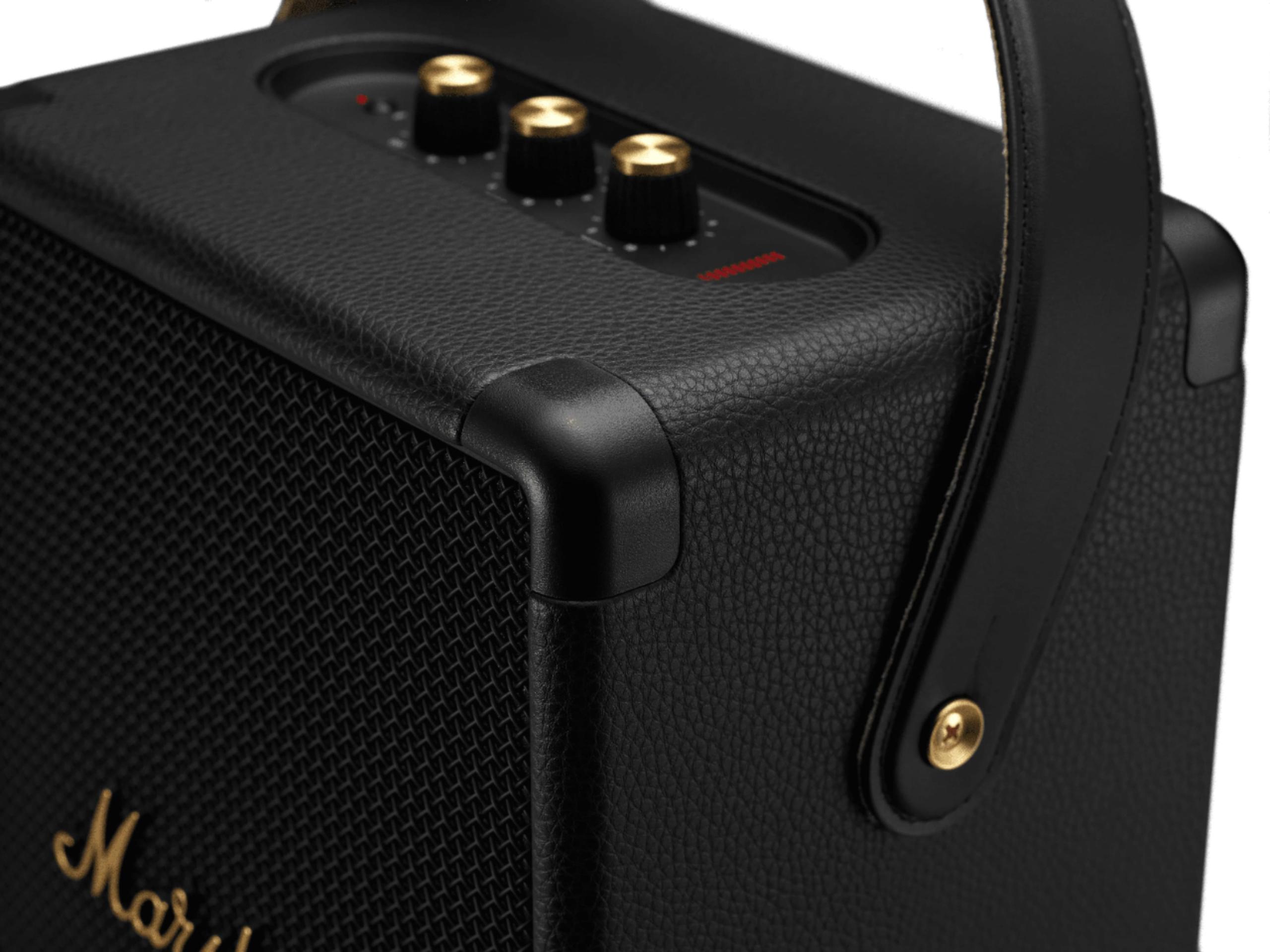
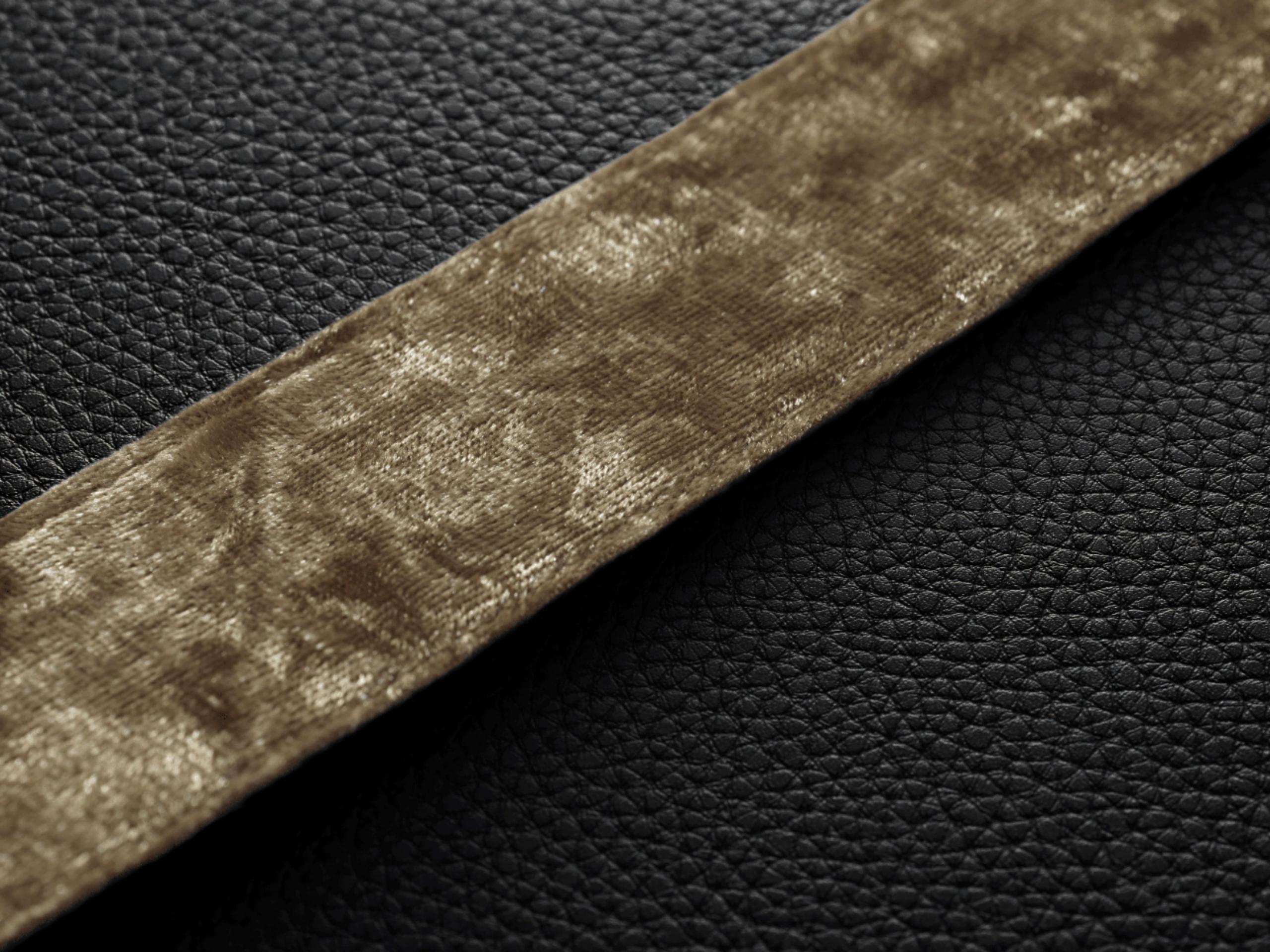
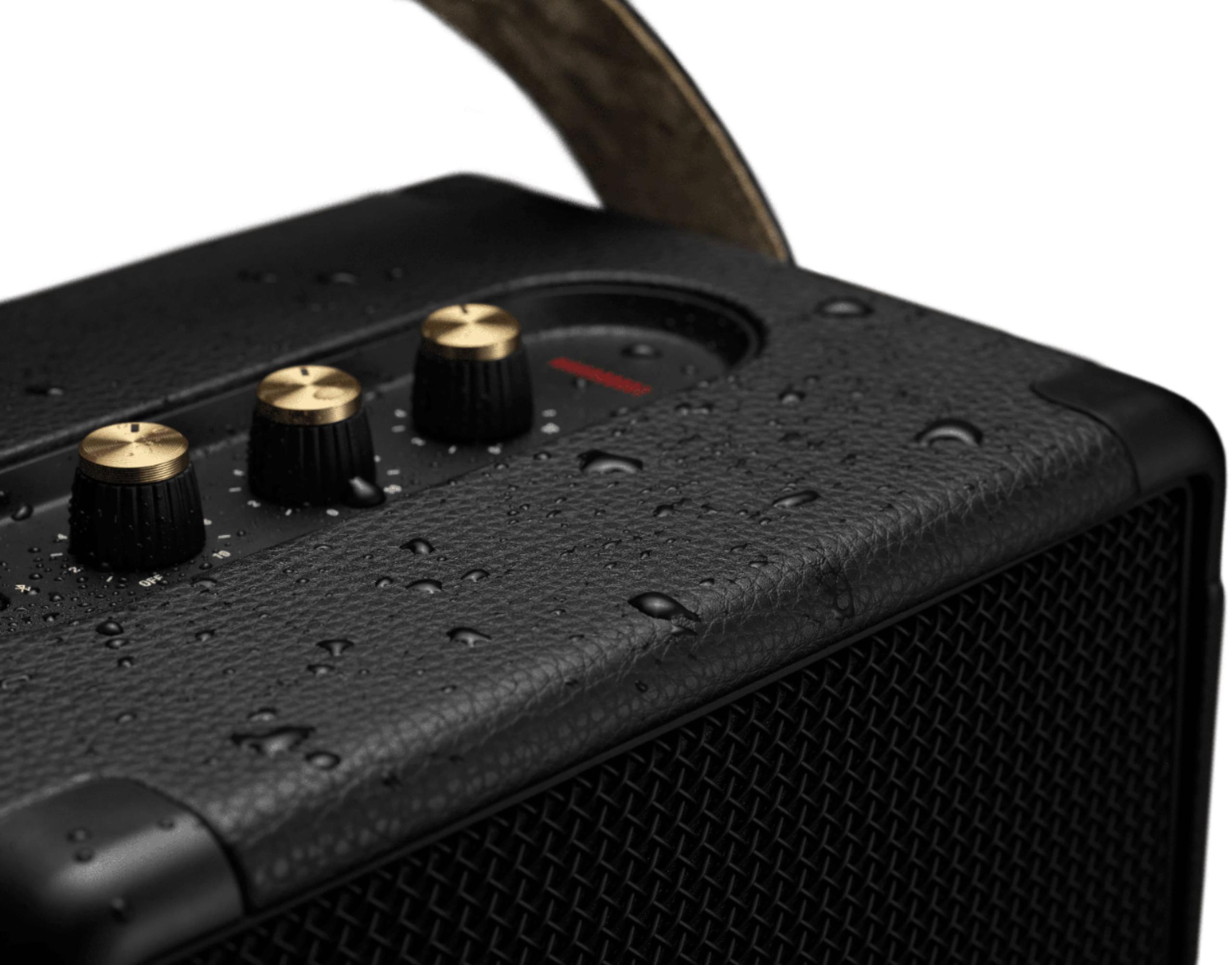
The Marshall Tufton isn't trying to be ultraportable - at 10.8 pounds, it's more "relocatable" than truly portable. However, its guitar-inspired carrying strap makes moving it between rooms or to the backyard manageable. The retro amplifier styling isn't just for show; the metal grille and corner caps provide genuine durability.
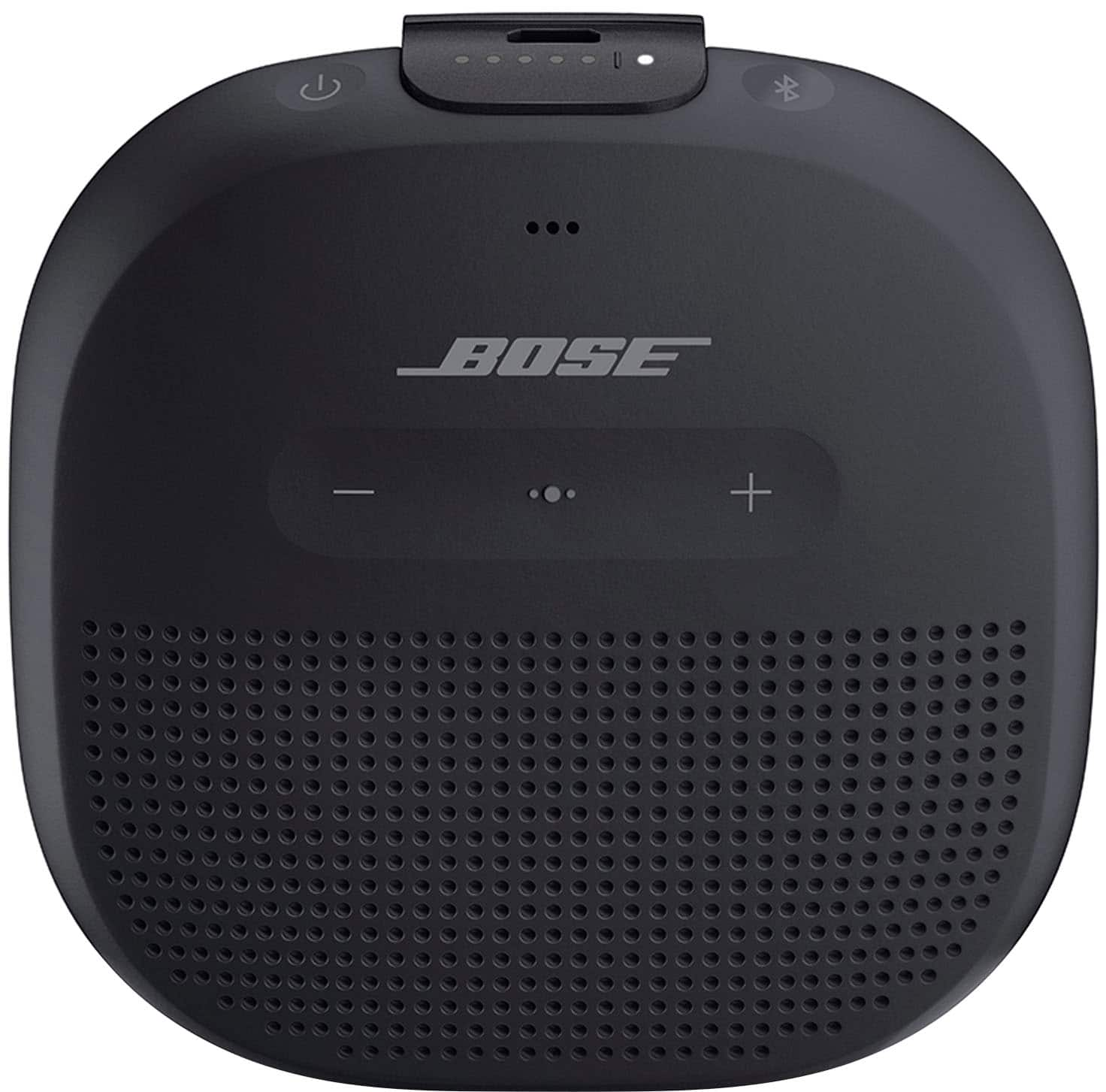
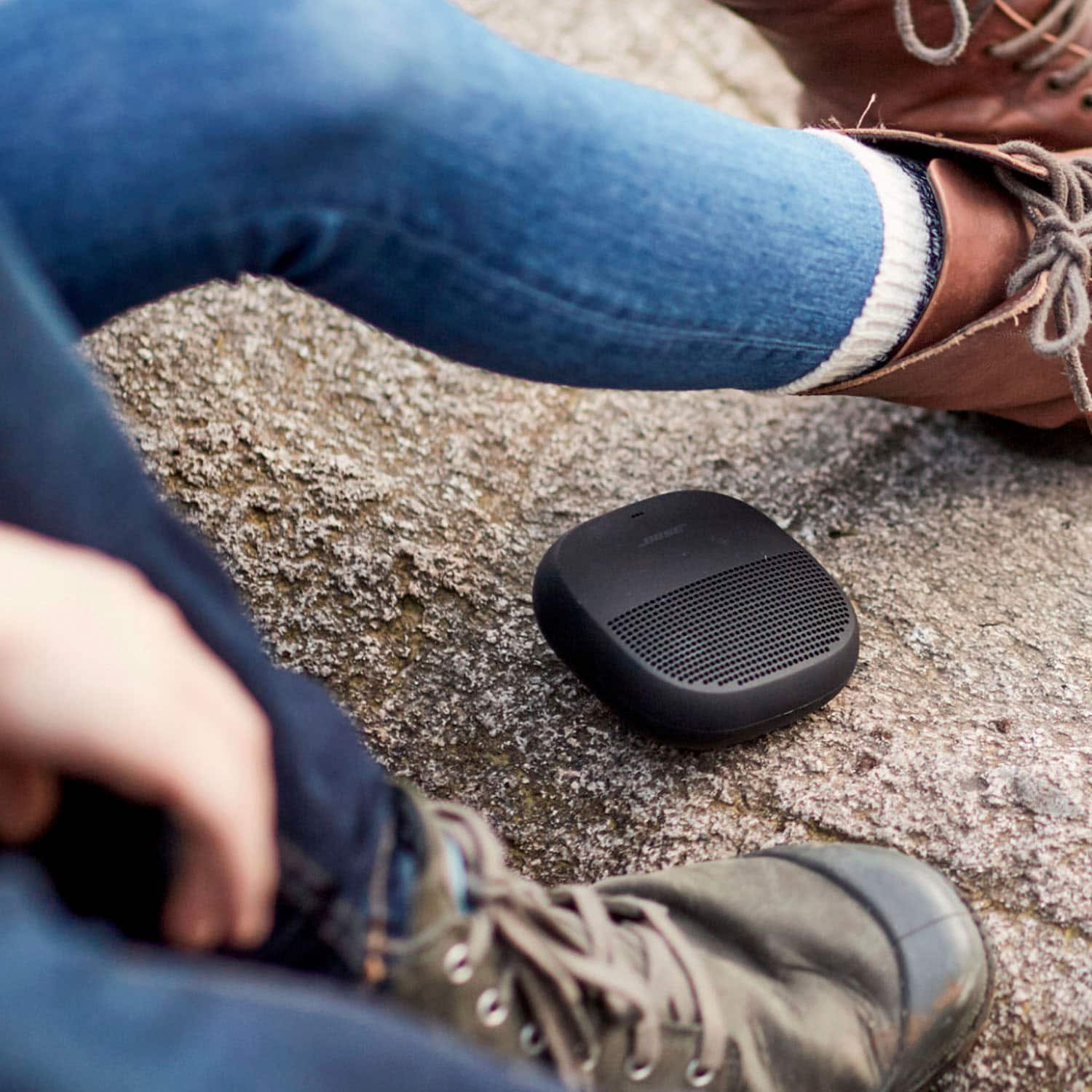
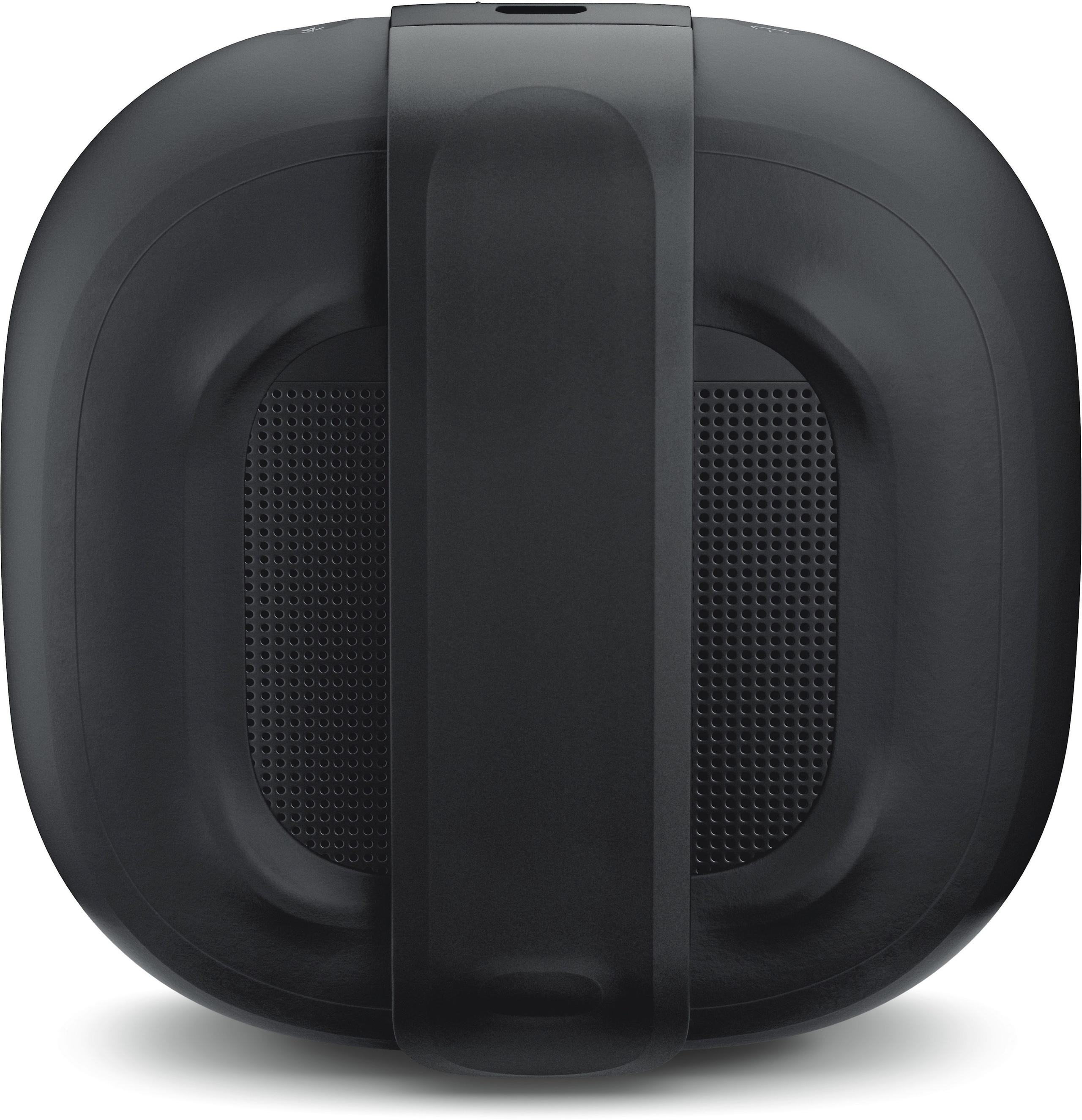
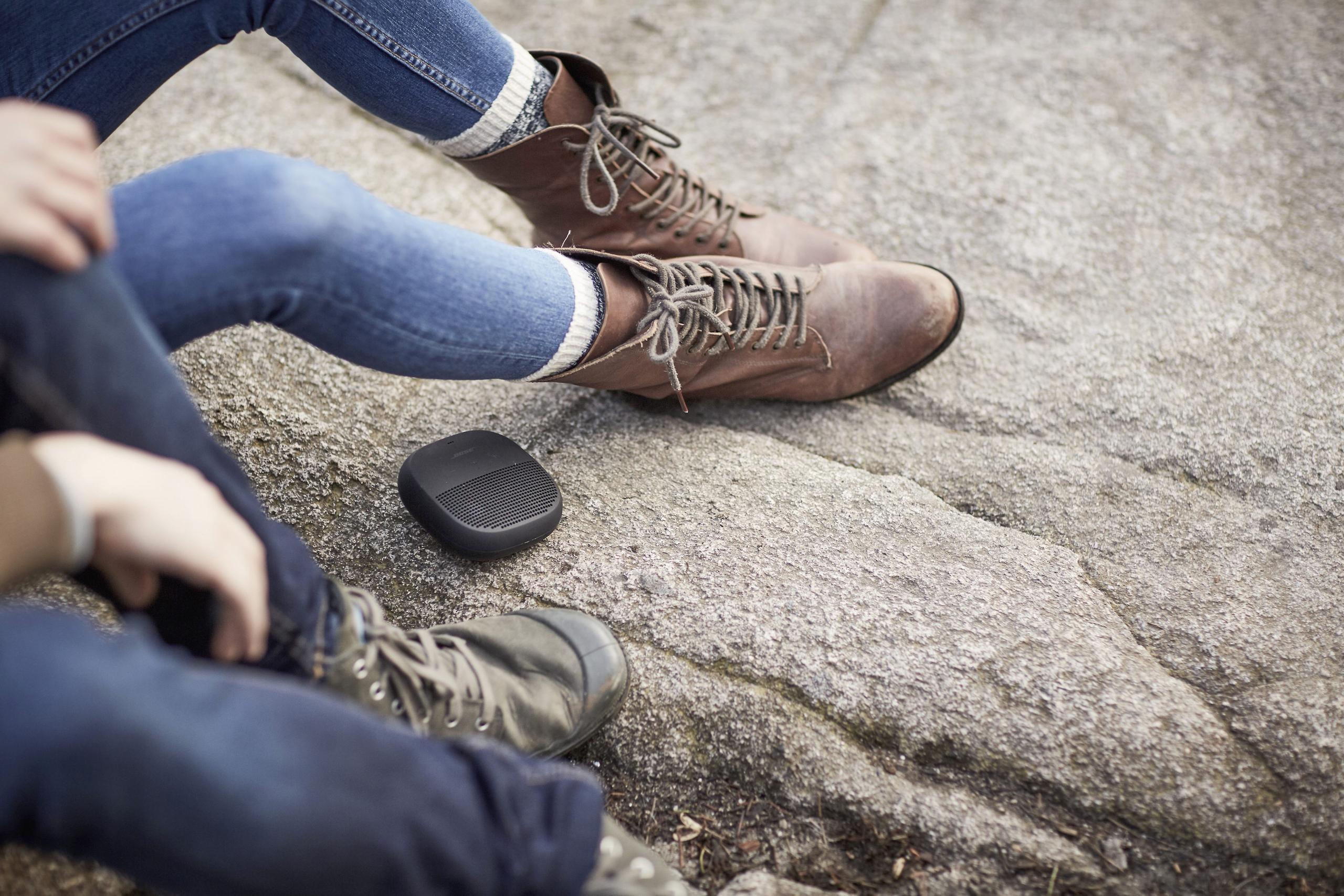
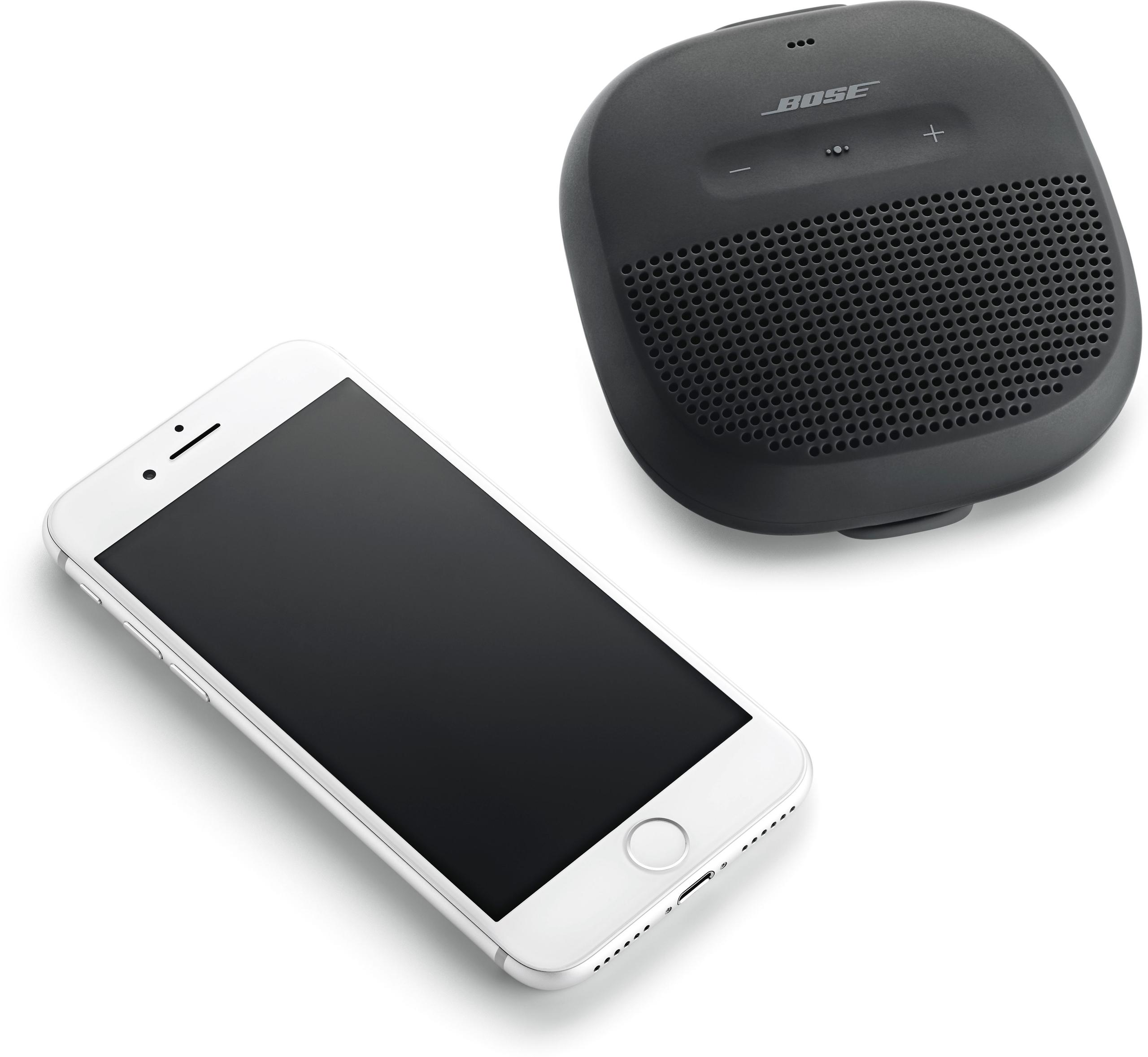
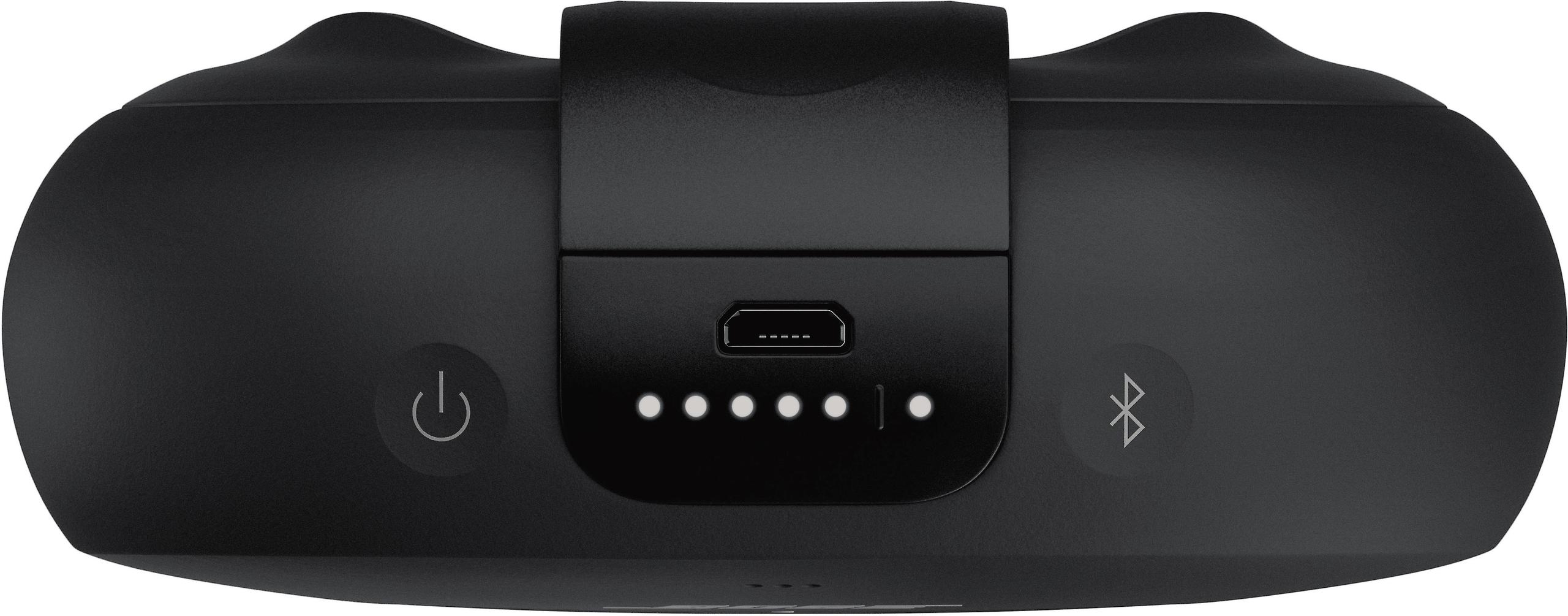
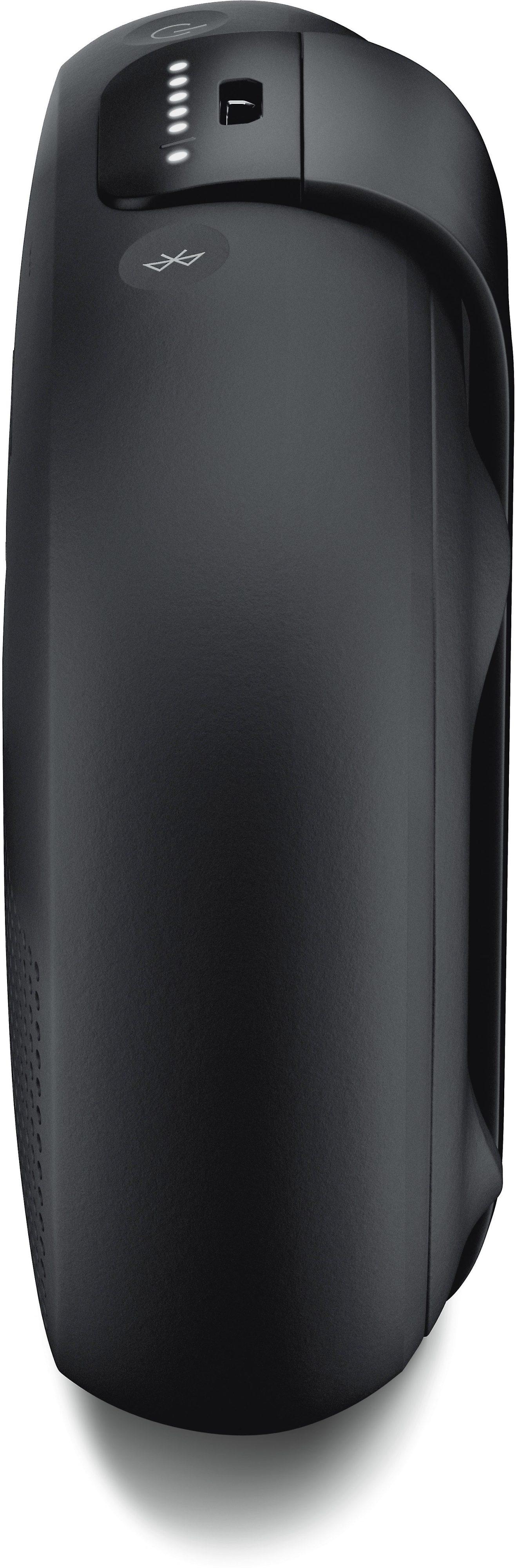
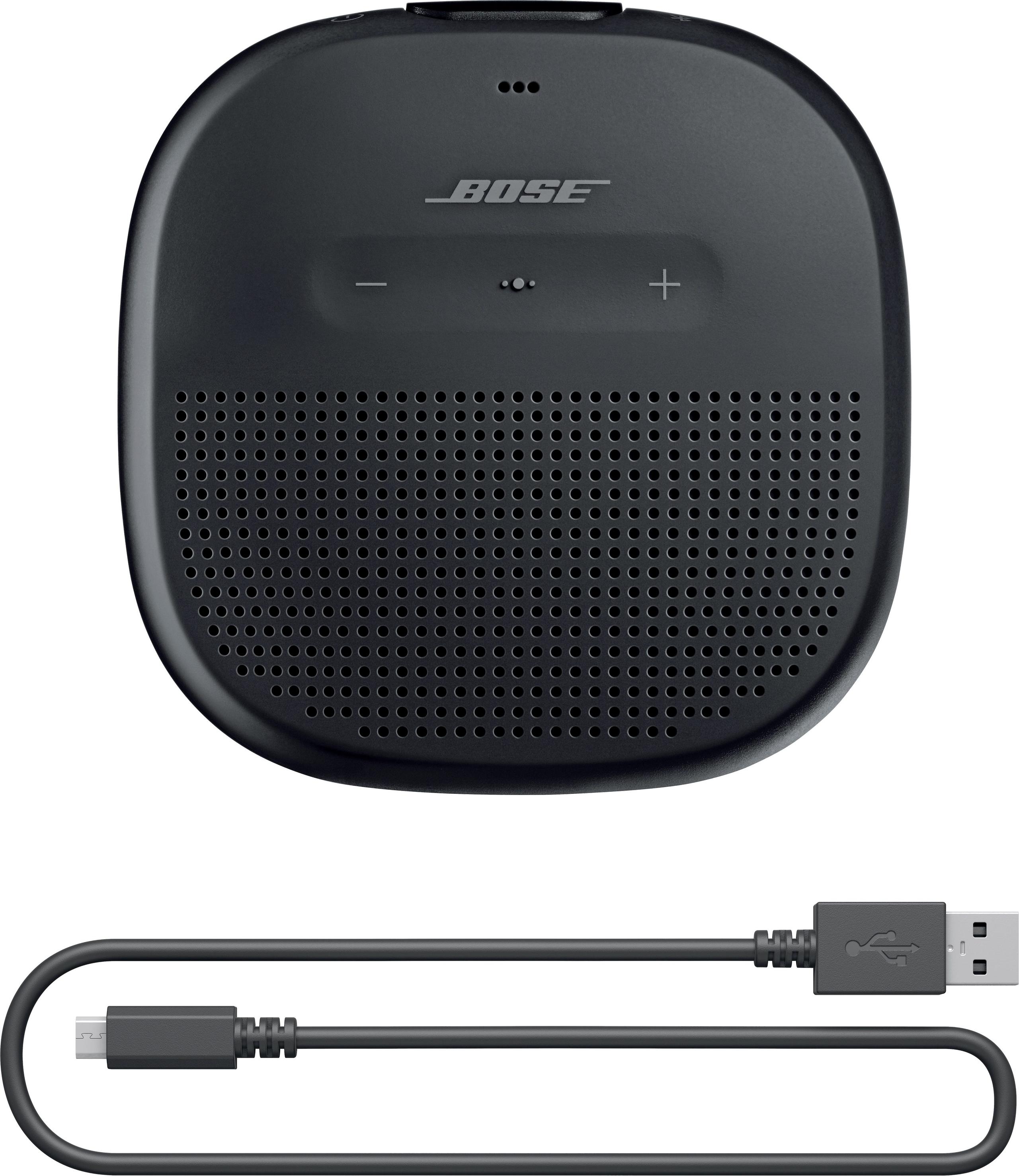
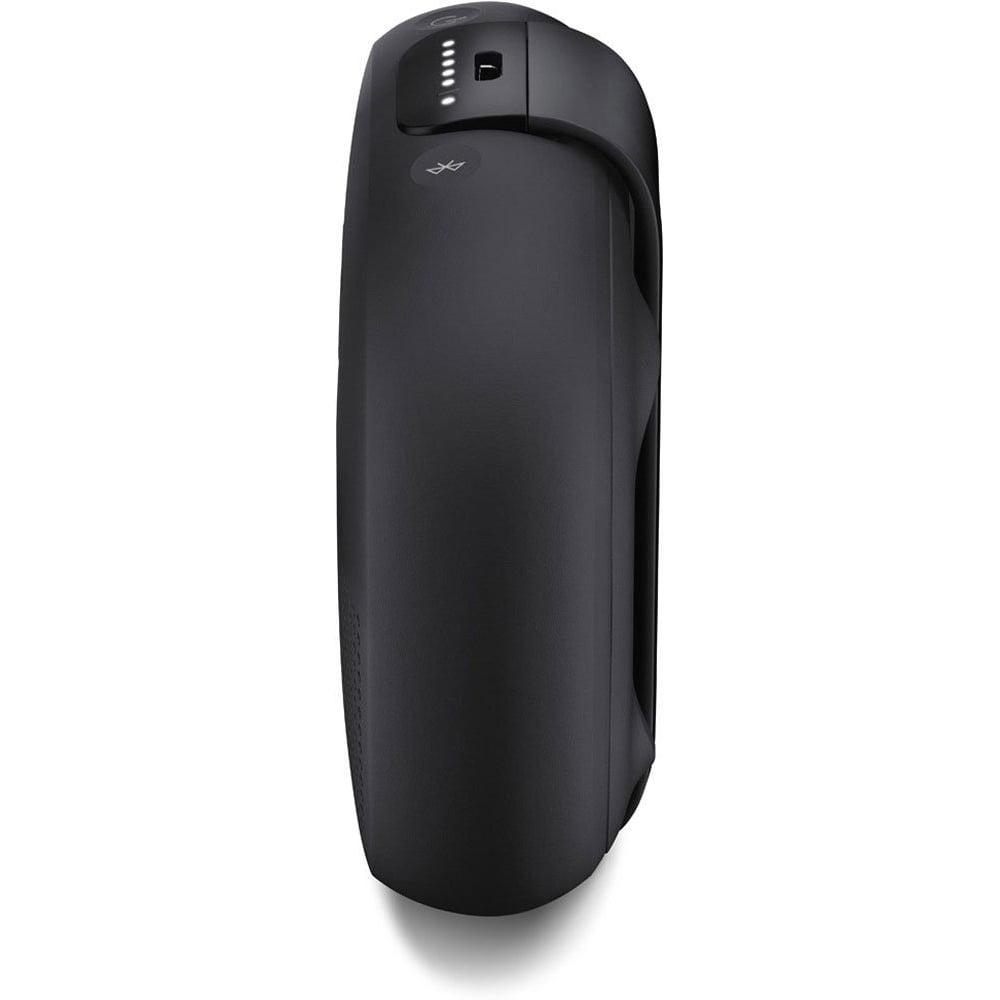
In contrast, the Bose SoundLink Micro weighs just 0.68 pounds - less than many smartphones. Its tear-resistant silicone strap securely attaches to backpack straps, bike handlebars, or beach bags. The speaker's compact size (about 4 inches square) means it fits in spaces where the Tufton simply couldn't go.
Modern portable speakers are expected to handle some exposure to the elements, but these two models offer very different levels of protection:
The Tufton's IPX2 rating means it can handle light water spray - think light rain or the occasional splash. Don't leave it out in a downpour, though.
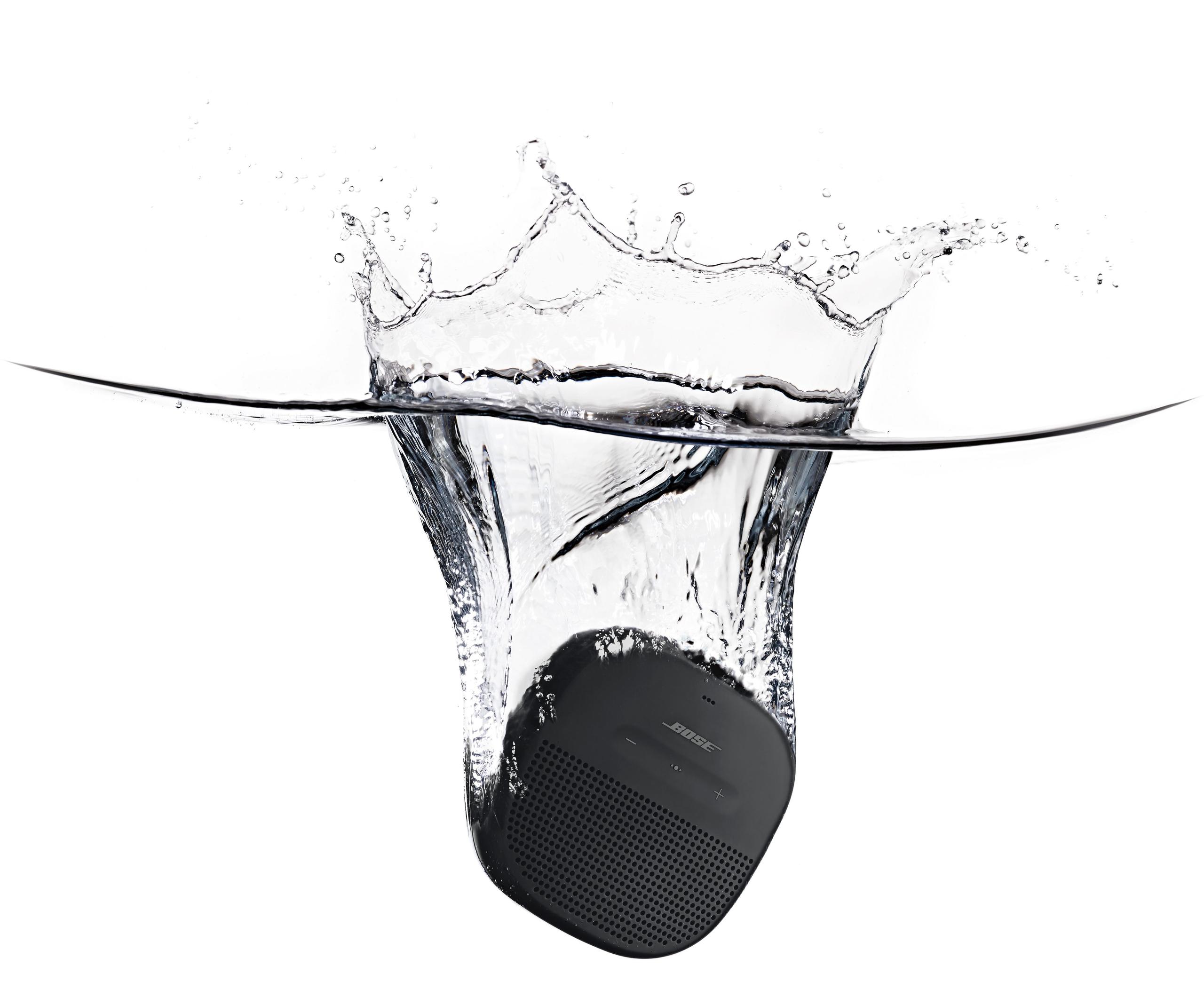
The SoundLink Micro's IP67 rating is much more robust - it's completely dustproof and can be submerged in 3 feet of water for 30 minutes. I've personally seen one survive an accidental pool drop with no issues.
Battery technology has improved significantly since these models were released, but their different approaches remain relevant:
The Marshall Tufton delivers an impressive 20 hours of playback, thanks to its larger size accommodating a bigger battery. It also features quick-charging, providing 4 hours of playback from a 20-minute charge.
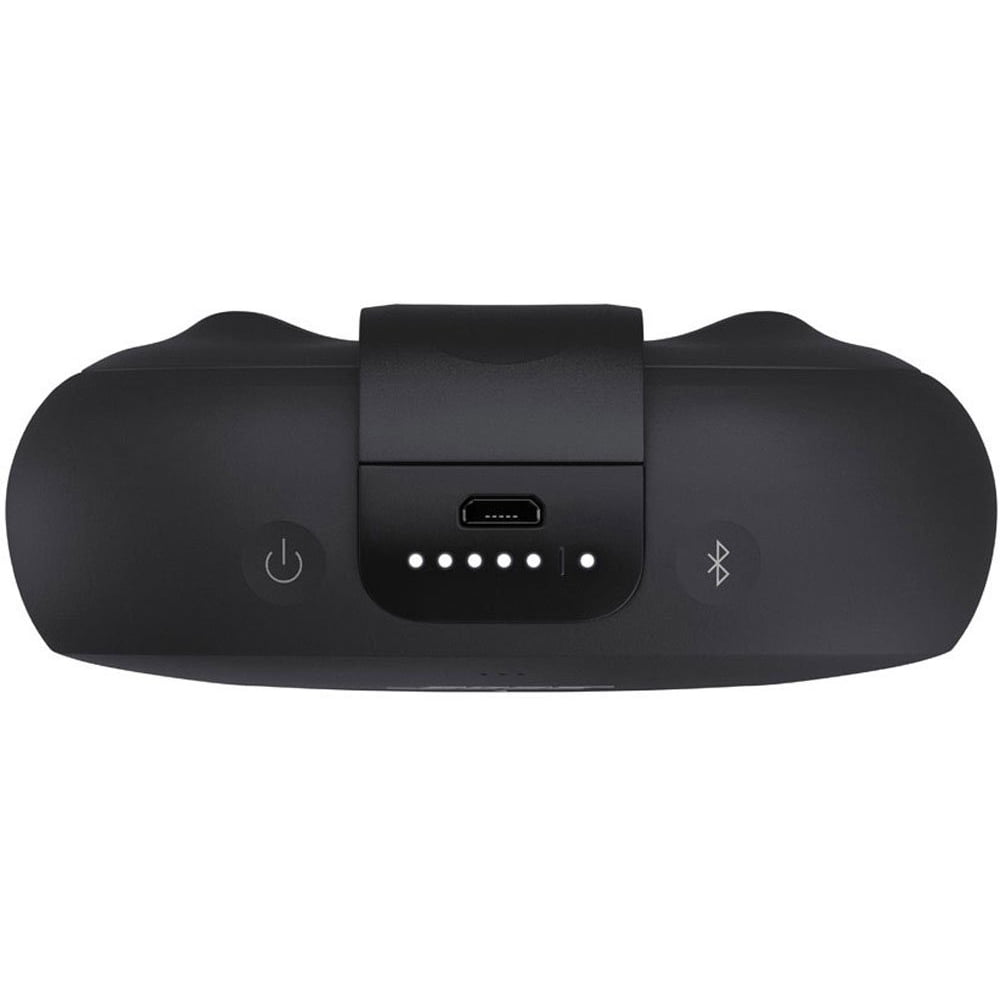
The Bose SoundLink Micro manages 6 hours - reasonable for its size but requiring more frequent charging. The charging technology shows its age with micro-USB rather than the newer USB-C standard.
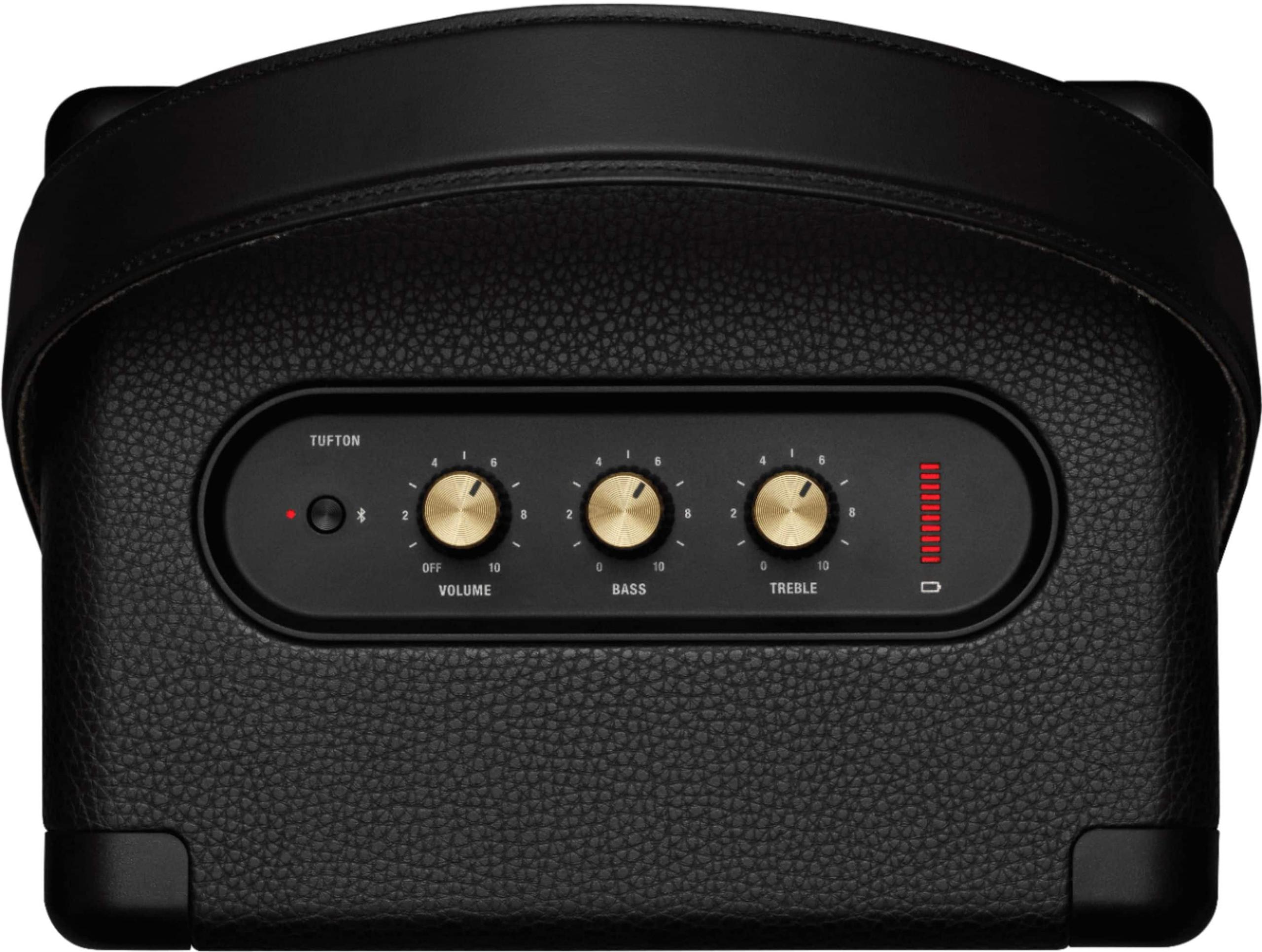
The Tufton uses Bluetooth 5.0, providing better range and stability than older versions. It can pair with two devices simultaneously, useful for switching between sources without reconnecting. The physical control knobs for bass, treble, and volume offer precise adjustment without menu diving.
The SoundLink Micro uses Bluetooth 4.2 - slightly older but still reliable within its 30-foot range. It offers some modern touches through the Bose Connect app, including Party Mode (sync two speakers) and integration with voice assistants when paired with a phone.
After extensive testing, here's how they perform in different scenarios:
Choose the Marshall Tufton if:
Choose the Bose SoundLink Micro if:
While both speakers remain competitive in their respective categories, newer models are beginning to offer features like USB-C charging, improved water resistance, and longer battery life. However, the core strengths of these devices - the Tufton's premium sound and the SoundLink Micro's ultimate portability - remain relevant today.
The decision ultimately comes down to your primary use case. If you want room-filling sound and don't mind the size, the Tufton delivers exceptional audio quality. If you need something that can go anywhere and survive anything, the SoundLink Micro remains a compelling choice despite its age.
| Marshall Tufton Portable Speaker ($299) | Bose SoundLink Micro ($99) |
|---|---|
| Sound Output - Determines volume capability and room coverage | |
| 80W with three-way speaker system | Single driver with dual passive radiators |
| Size & Weight - Impacts portability and placement options | |
| 13.8" x 9.1" x 6.4", 10.8 lbs | 3.9" x 3.9" x 1.4", 0.68 lbs |
| Battery Life - Critical for extended use without charging | |
| 20 hours, 2.5 hour charge time | 6 hours, 4 hour charge time |
| Water Resistance - Determines outdoor usability | |
| IPX2 (light spray protection) | IP67 (fully waterproof, submersible) |
| Audio Features - Affects sound quality and versatility | |
| Multi-directional sound, physical EQ controls | Voice assistant integration, Party Mode pairing |
| Bluetooth Version - Impacts connection range and stability | |
| Bluetooth 5.0, 30ft range | Bluetooth 4.2, 30ft range |
| Mounting/Carrying Options - Important for mobility | |
| Guitar-style strap, freestanding design | Tear-resistant strap for mounting to bags/bikes |
| Additional Inputs - Provides connection flexibility | |
| 3.5mm aux input | No additional inputs |
| Best Use Case - Primary intended application | |
| Room-filling sound, parties, home audio | Personal listening, travel, outdoor activities |
| Value Proposition - What you get for the money | |
| Premium audio quality, longer battery life, higher power | Ultra-portable design, waterproof durability, affordable price |
The Marshall Tufton ($299) is better for room-filling sound and parties, while the Bose SoundLink Micro ($99) is better for portable personal listening. Choose based on your primary use case rather than overall "better."
The Marshall Tufton has significantly better sound quality with its 80W three-way speaker system. The Bose SoundLink Micro sounds good for its size but can't match the Tufton's power or bass response.
The Bose SoundLink Micro is far more portable at just 0.68 pounds and can clip onto bags or bikes. The Marshall Tufton is portable but heavy at 10.8 pounds.
The Marshall Tufton lasts up to 20 hours on a single charge, while the Bose SoundLink Micro lasts about 6 hours.
The Bose SoundLink Micro is better for outdoor activities with its IP67 waterproof rating. The Marshall Tufton has only IPX2 rating for light water resistance.
The Marshall Tufton is excellent for parties with its powerful sound. The Bose SoundLink Micro is too small for party use except for very small gatherings.
The Marshall Tufton has newer Bluetooth 5.0 technology, while the Bose SoundLink Micro uses Bluetooth 4.2. Both have similar 30-foot range.
The Bose SoundLink Micro offers excellent value at $99 for portable use. The Marshall Tufton at $299 is worth it if you need powerful sound.
The Marshall Tufton can connect to TVs via its aux input. The Bose SoundLink Micro lacks wired inputs and can only connect via Bluetooth if your TV supports it.
The Bose SoundLink Micro is ideal for travel due to its small size and durability. The Marshall Tufton is too large for most travel scenarios.
Both can be paired with a second speaker of the same model. The Bose SoundLink Micro offers Party Mode through its app, while the Marshall Tufton can pair for stereo sound.
The Marshall Tufton has significantly stronger bass response due to its larger woofer and cabinet size. The Bose SoundLink Micro has limited bass due to its small size.
We've done our best to create useful and informative comparisons to help you decide what product to buy. Our research uses advanced automated methods to create this comparison and perfection is not possible - please contact us for corrections or questions. These are the sites we've researched in the creation of this article: techradar.com - youtube.com - youtube.com - bestbuy.com - trustedreviews.com - crutchfield.com - eriksonconsumer.com - youtube.com - runbazaar.com - marshall.com - rtings.com - mygolfspy.com - youtube.com - cnet.com - bose.com - bose.com - alwayswander.info - target.com - bose.com - bose.com

Privacy Policy
Terms and Conditions - Affiliate Policy
Home Security
© Copyright 2008-2026.
11816 Inwood Rd #1211, Dallas, TX 75244