

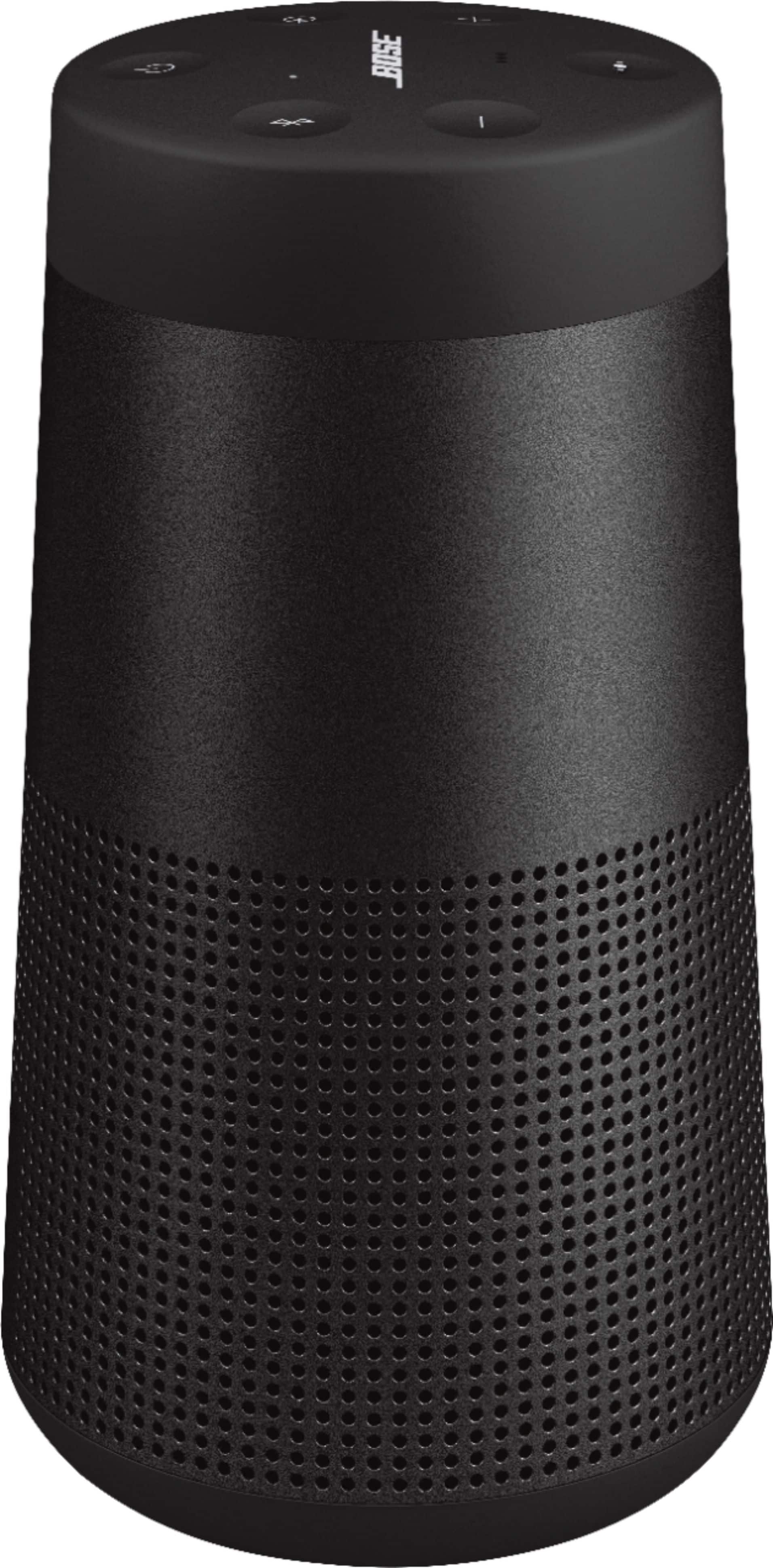
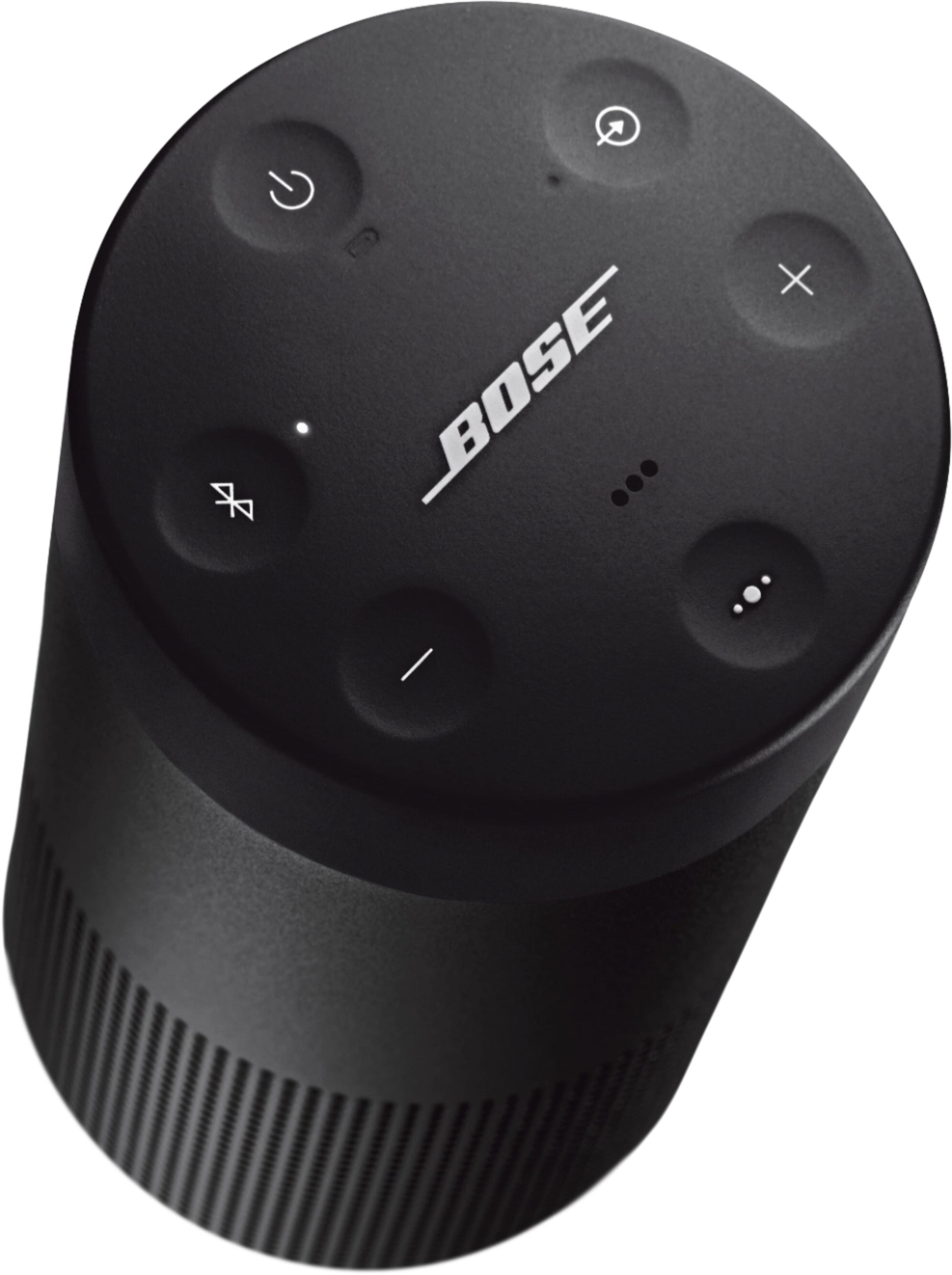
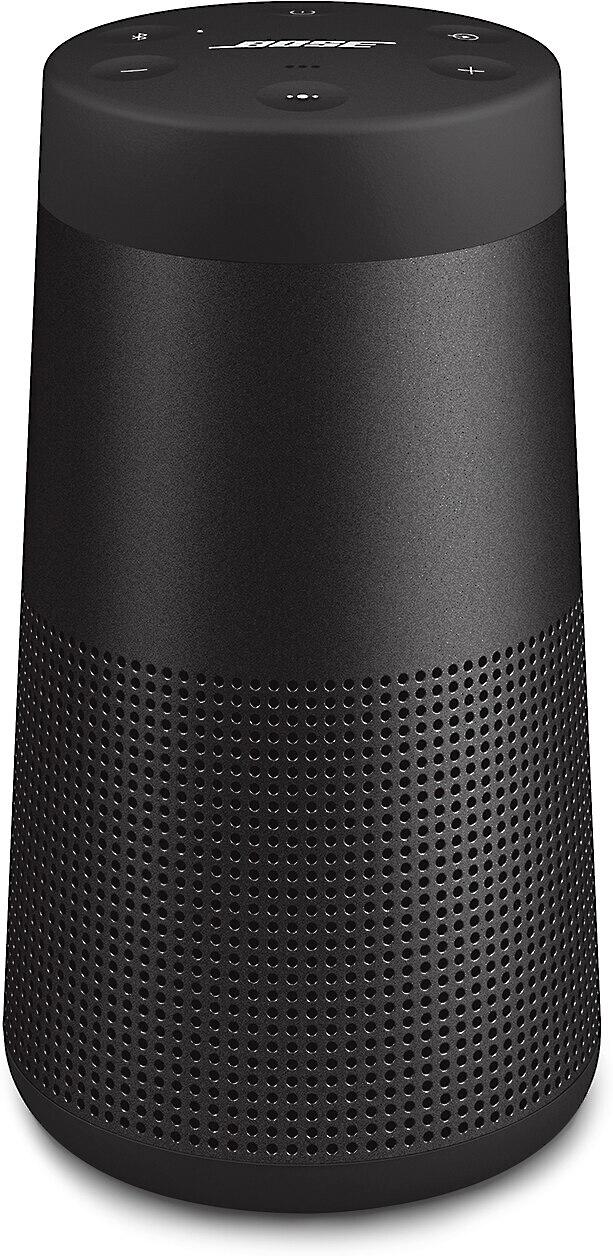
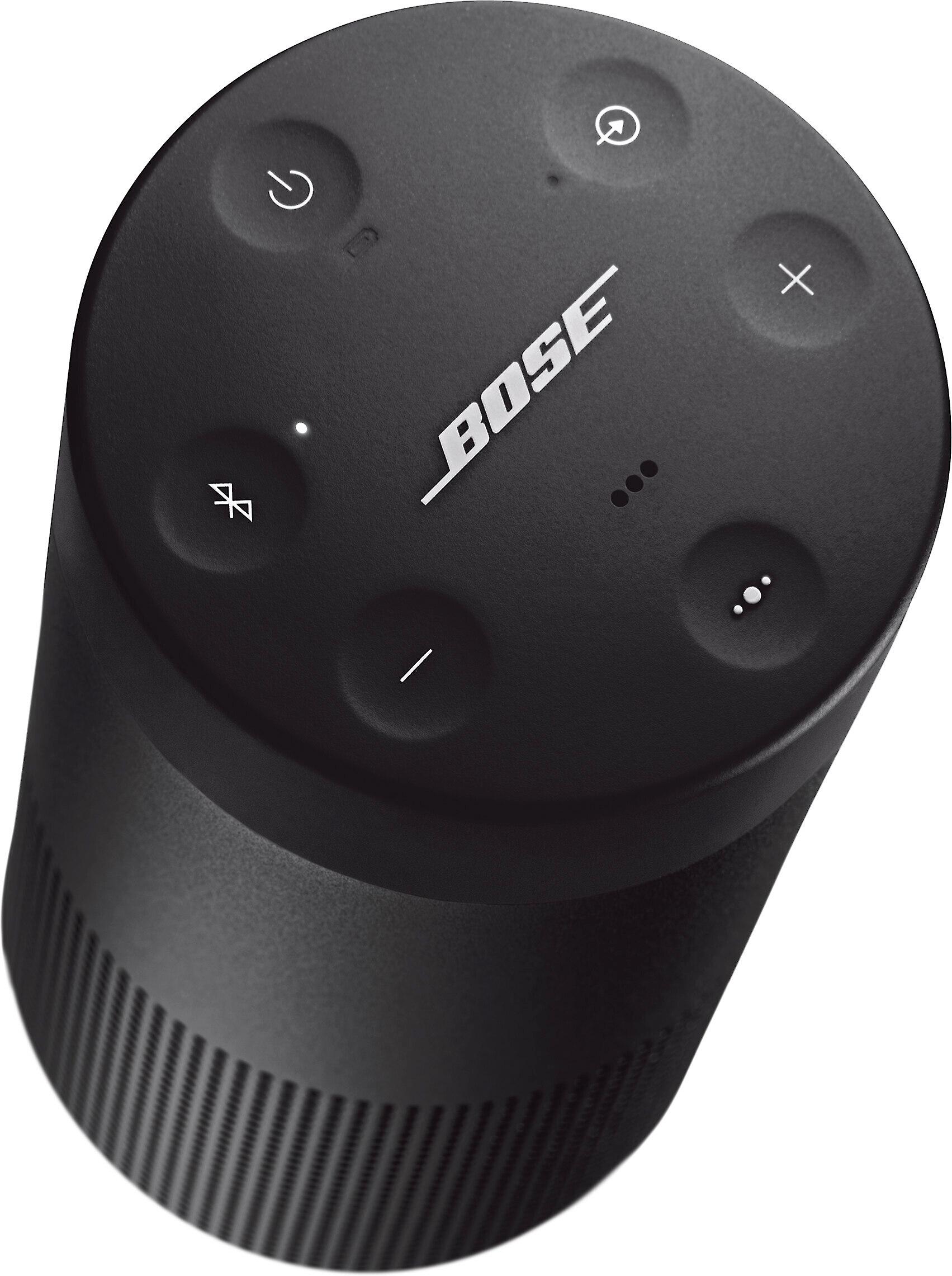
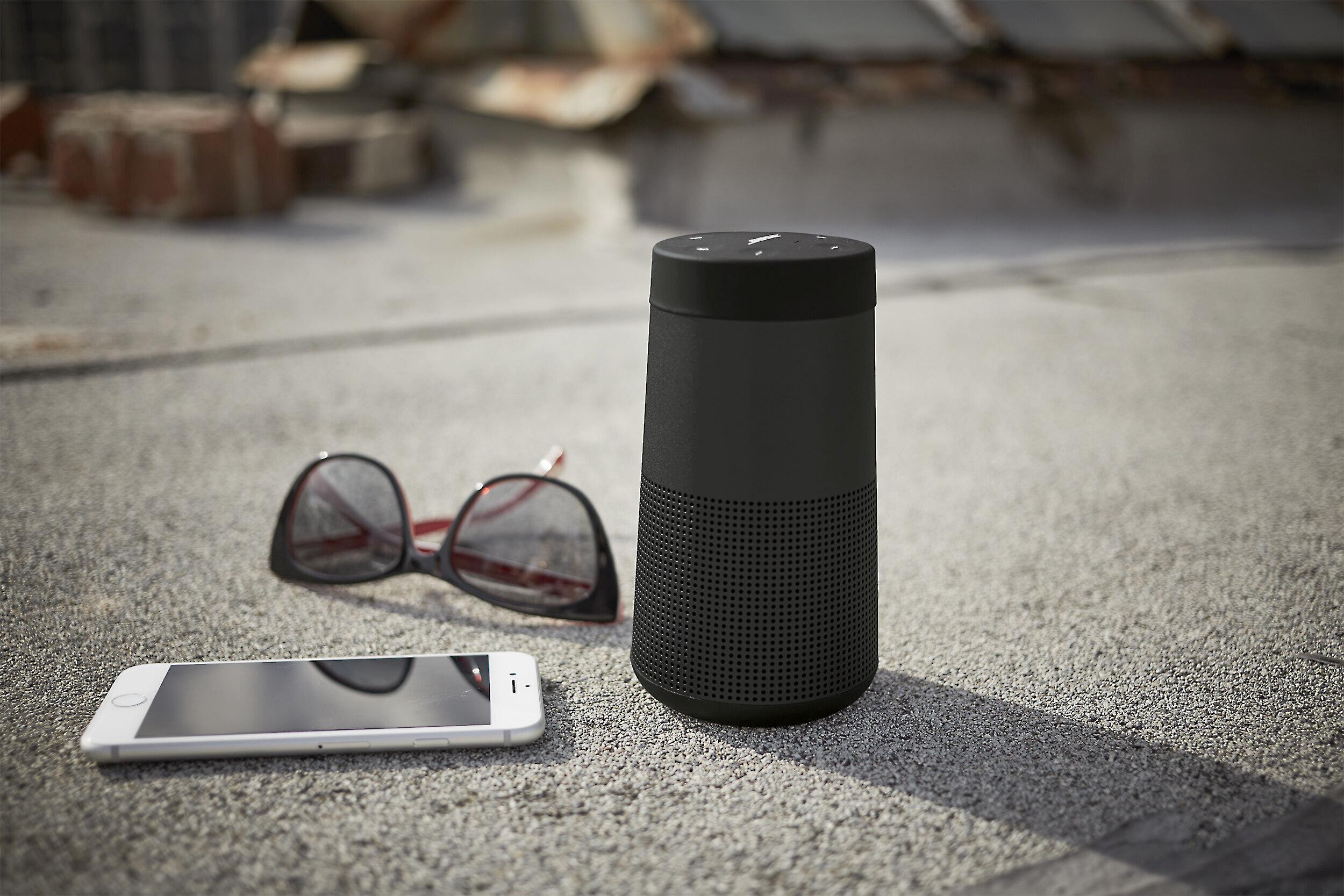
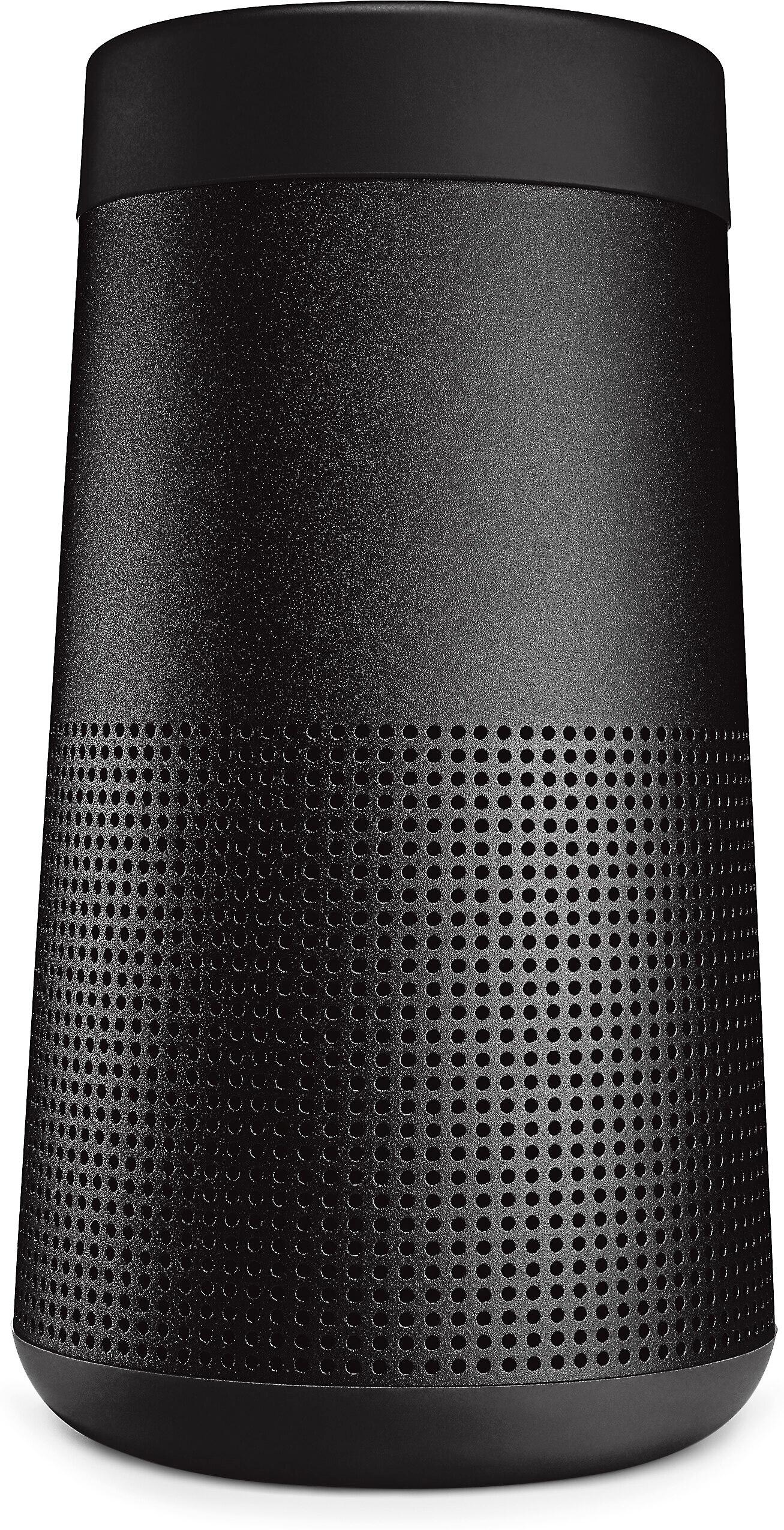
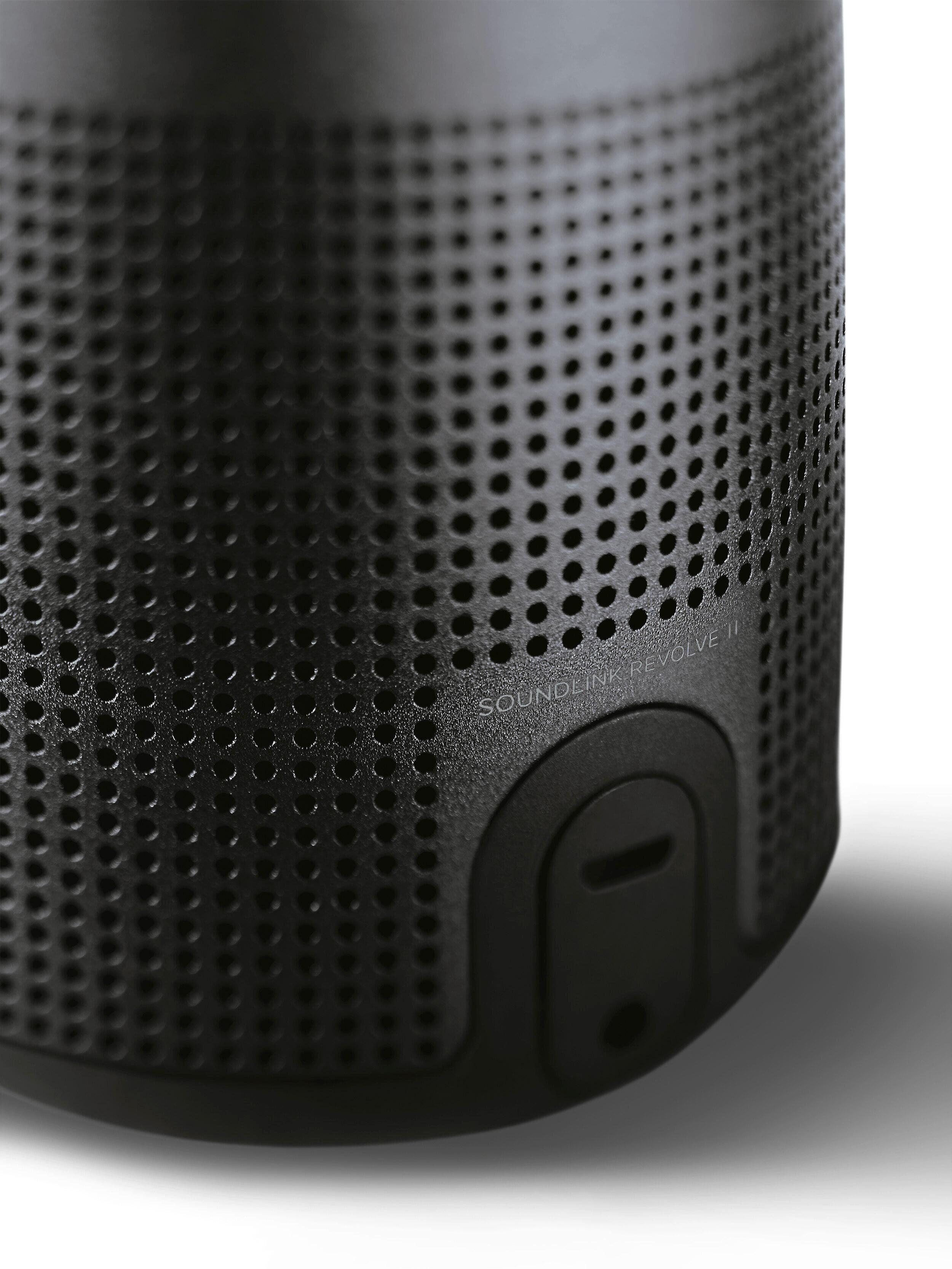
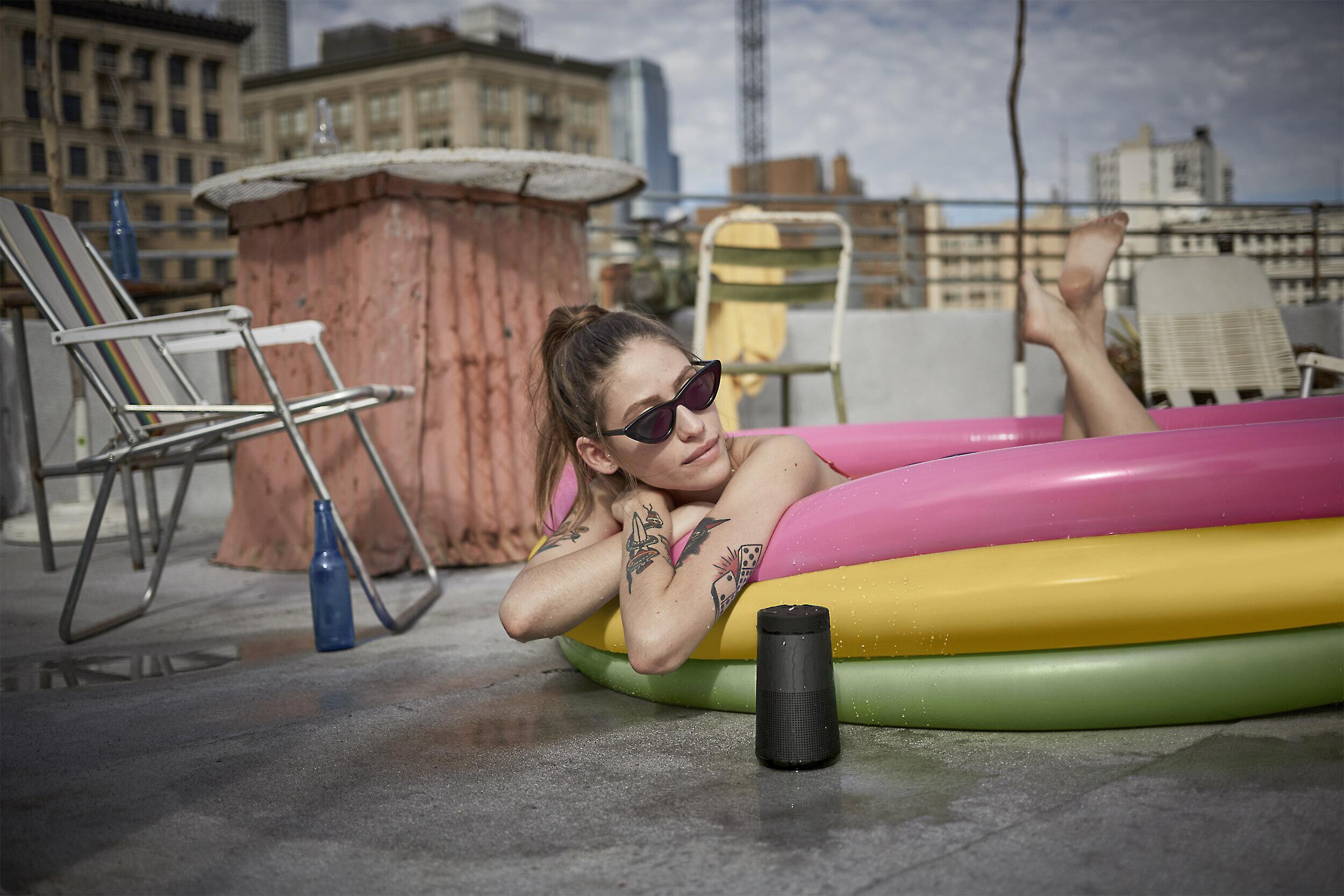
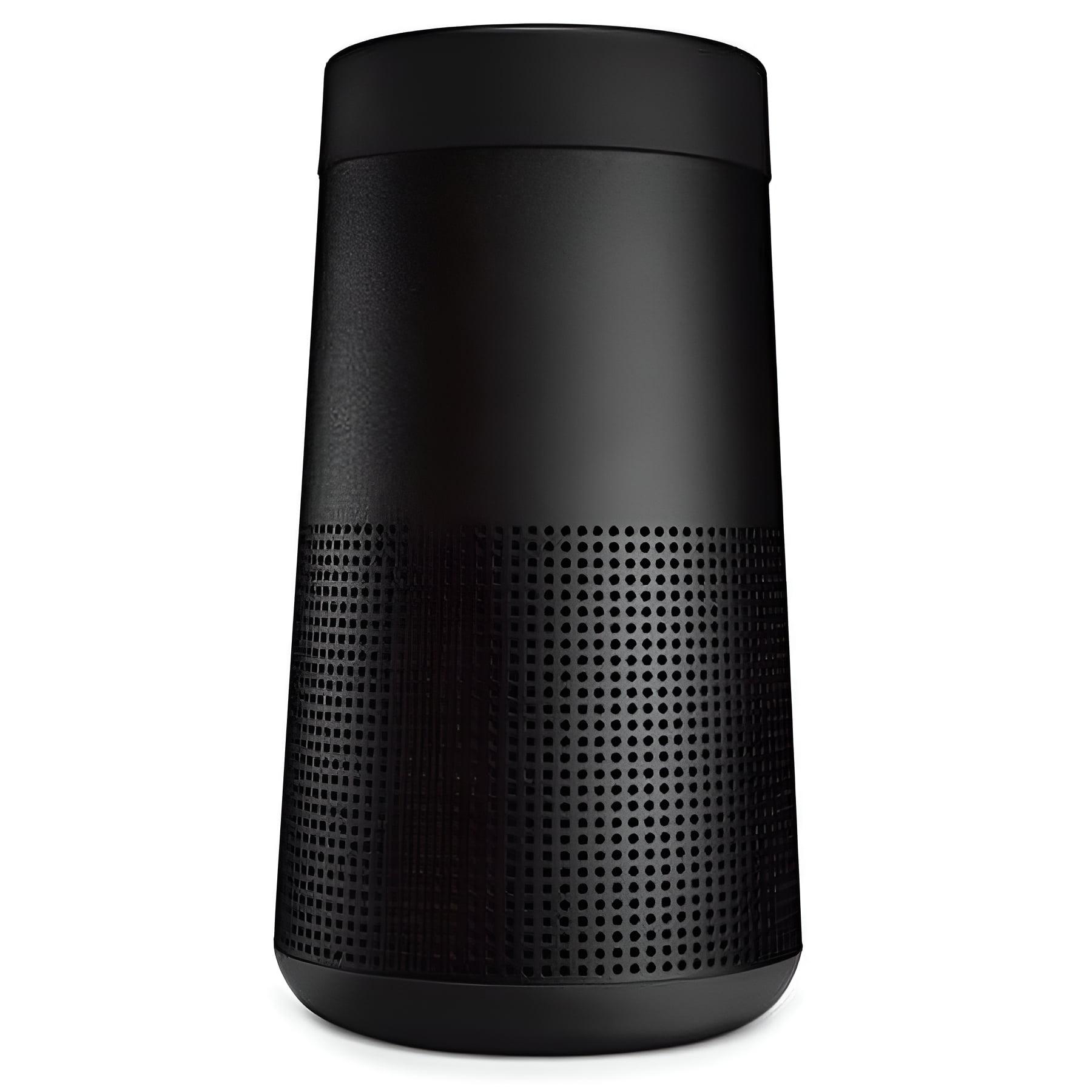
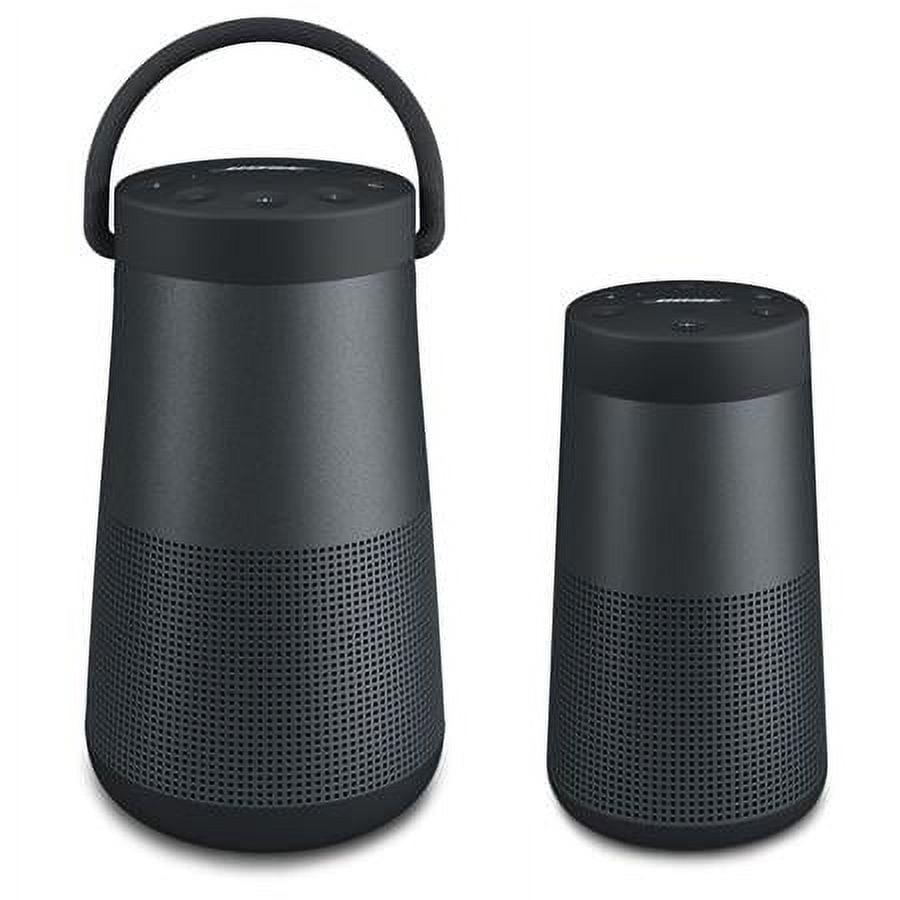

When Bose SoundLink Revolve II ($219) launched in April 2021, it refined Bose's approach to 360-degree sound in a portable package. Two years earlier, the Marshall Tufton ($299) took a different path, focusing on raw power and classic aesthetics. Both speakers showcase how far portable audio has come, but they serve distinctly different needs.
Modern Bluetooth speakers need to balance multiple priorities - sound quality, portability, durability, and battery life. The technology has matured significantly, with features like water resistance and advanced Bluetooth connectivity becoming standard. But the core challenge remains: how to deliver room-filling sound from a portable package.
The Bose SoundLink Revolve II uses a clever 360-degree design that disperses sound evenly in all directions. This works through a downward-firing transducer (the part that creates sound waves) that reflects audio off a specially designed deflector plate, creating consistent coverage throughout a room. It's particularly effective in spaces up to about 200 square feet.
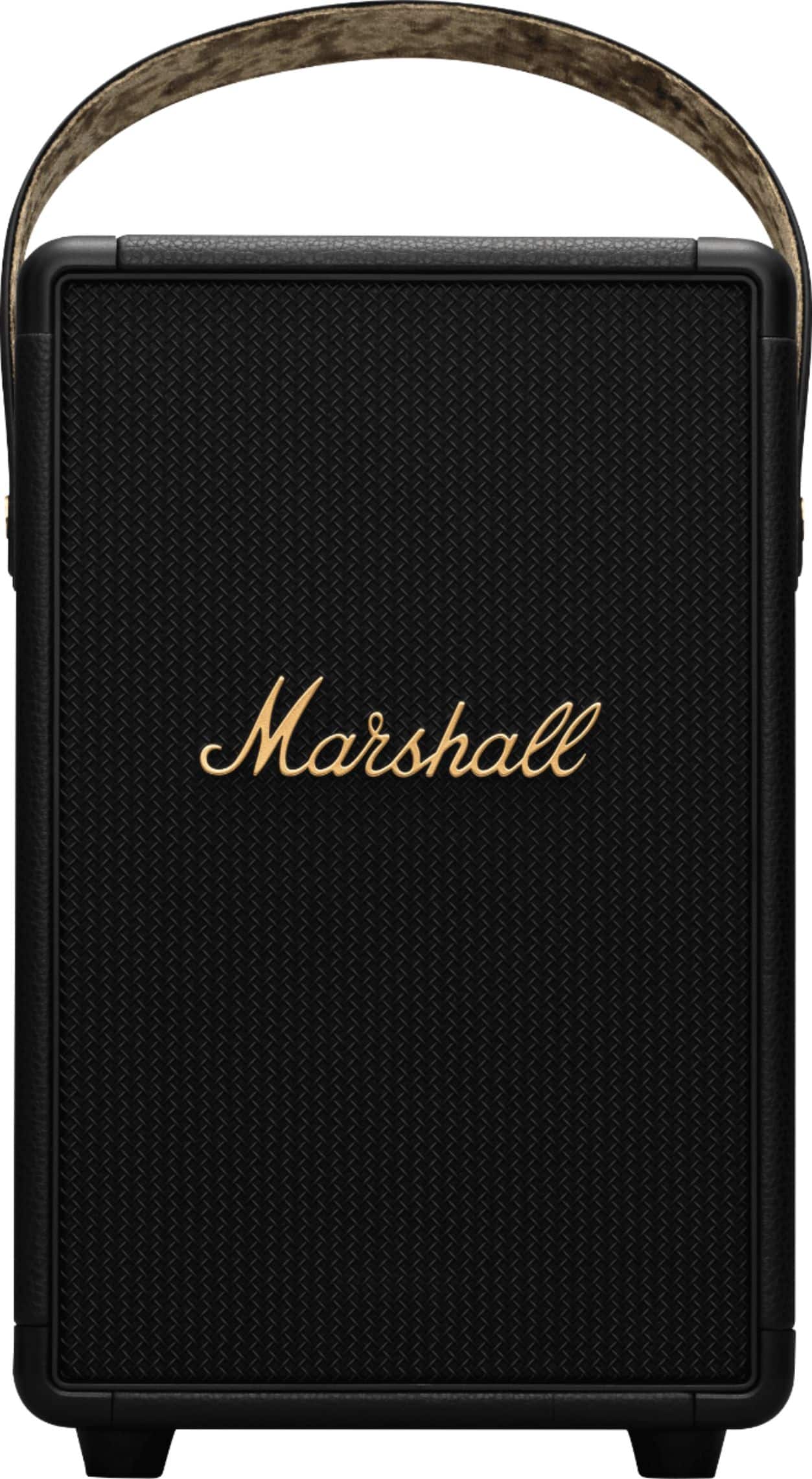
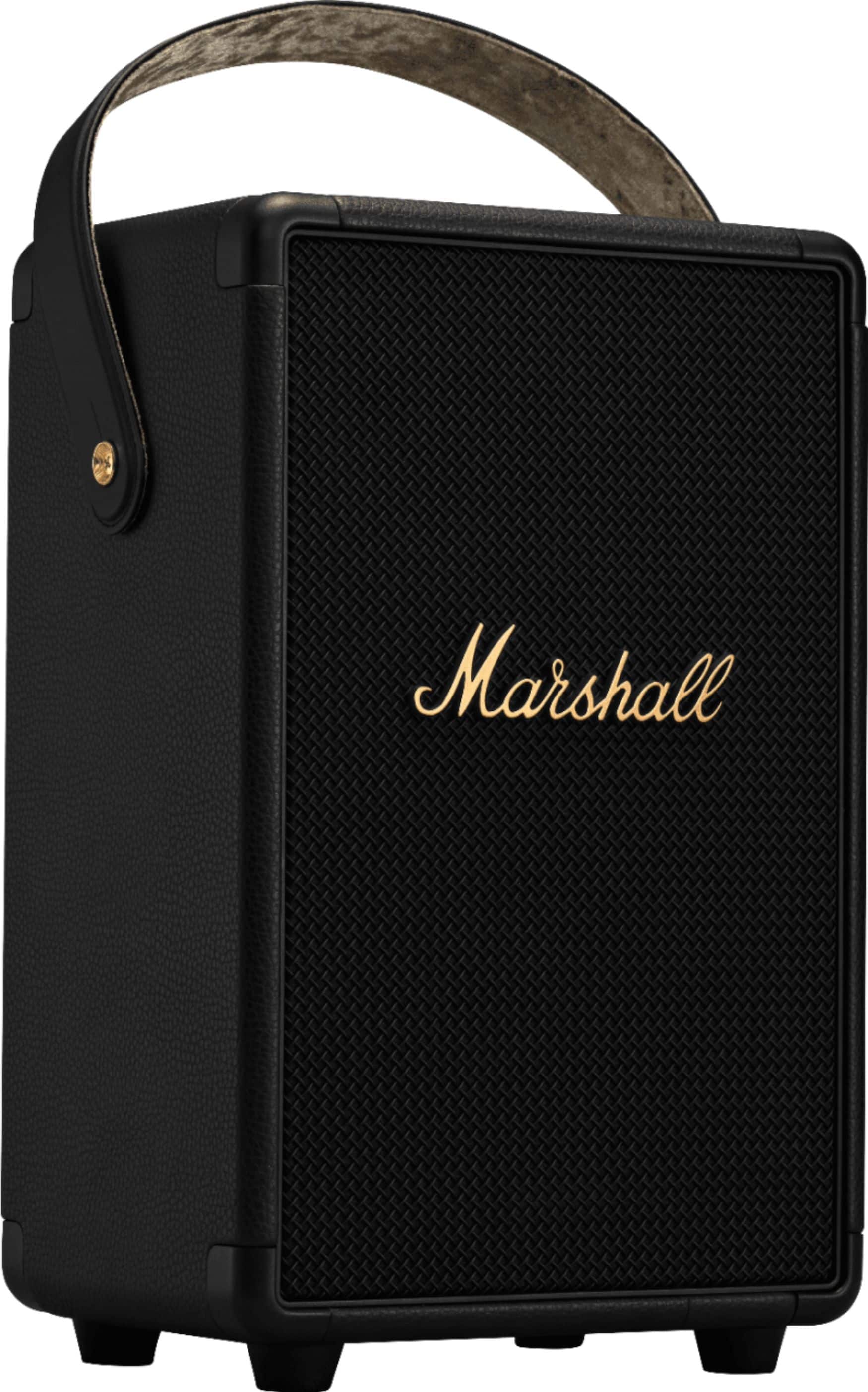
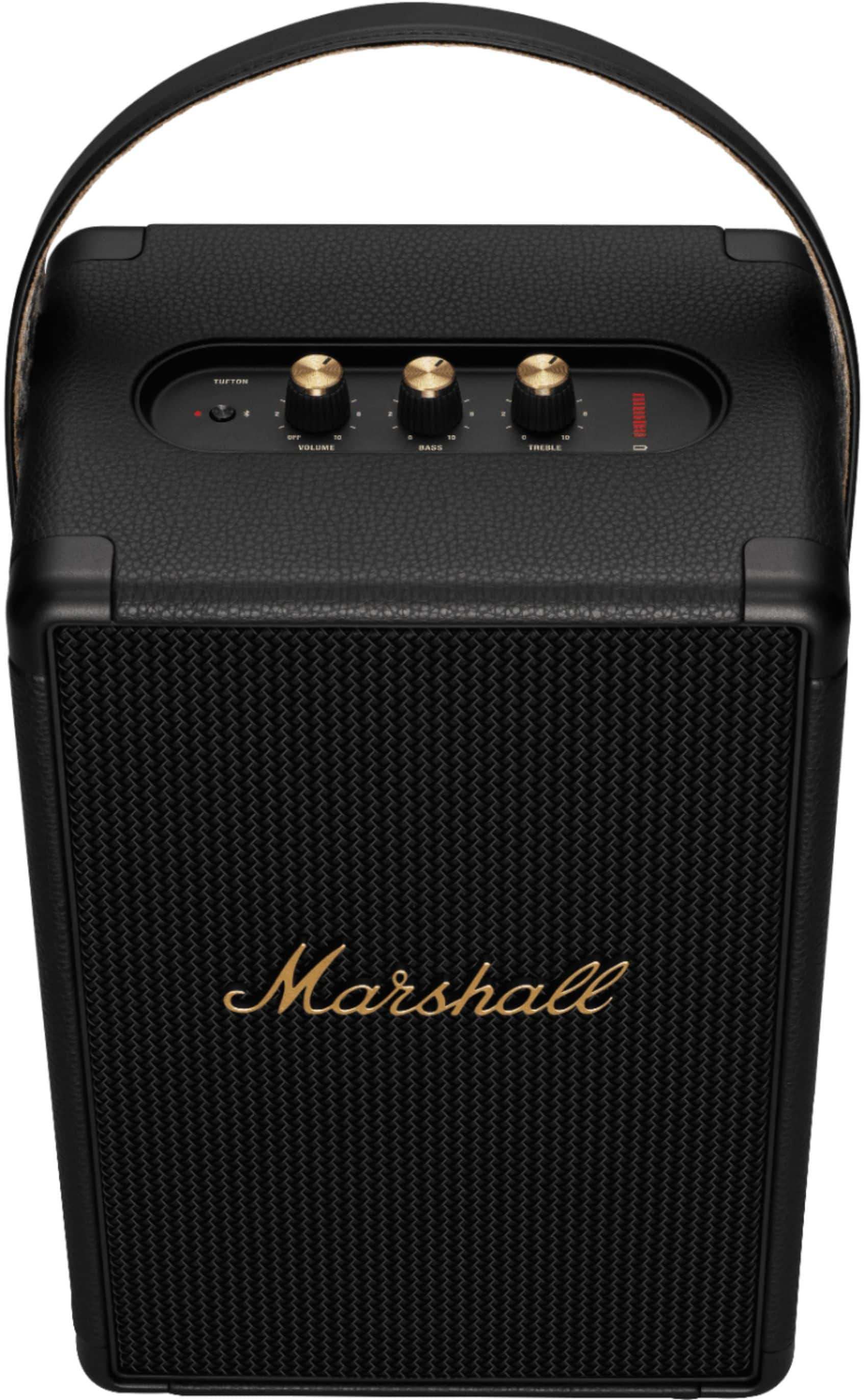
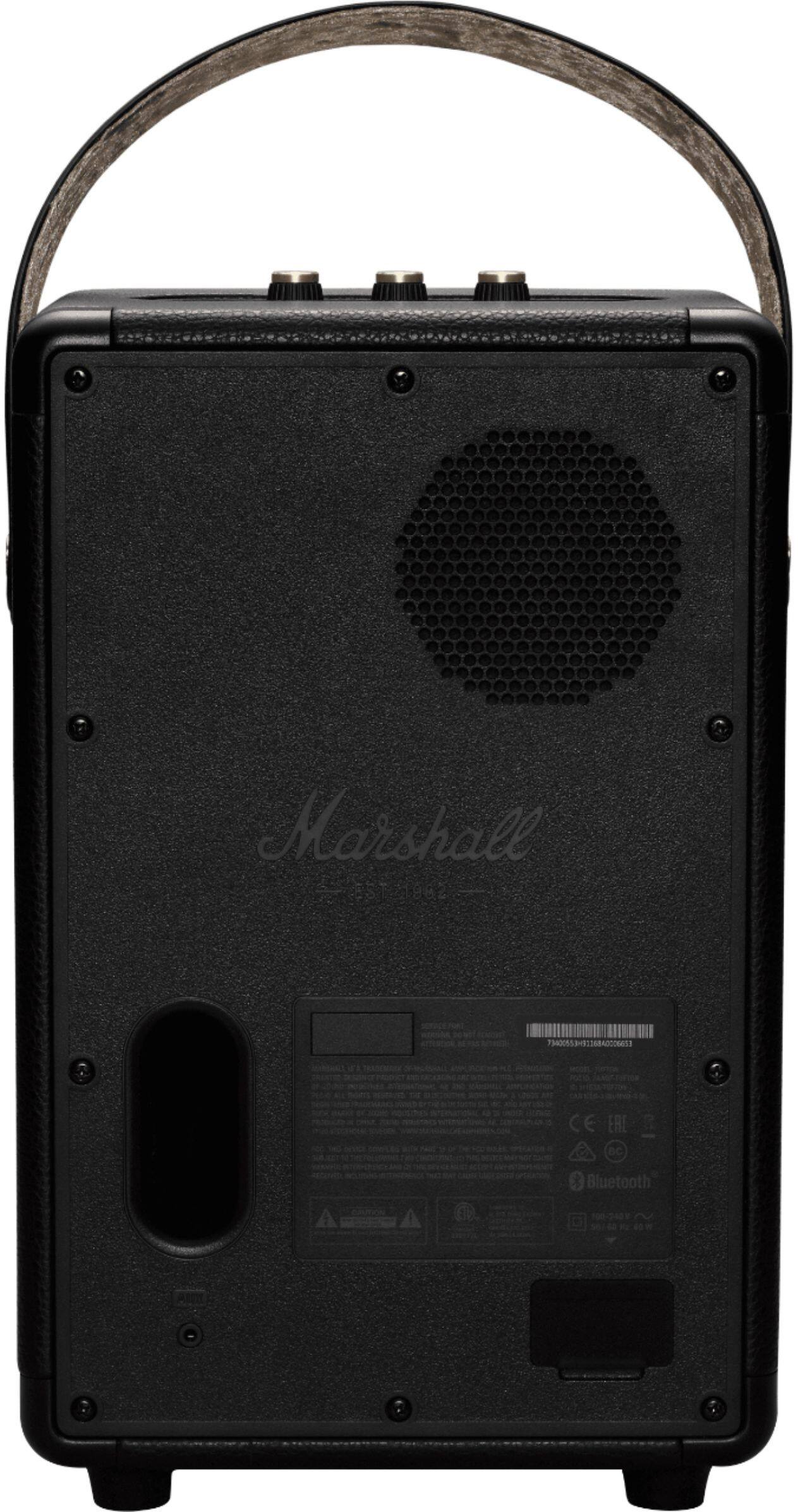
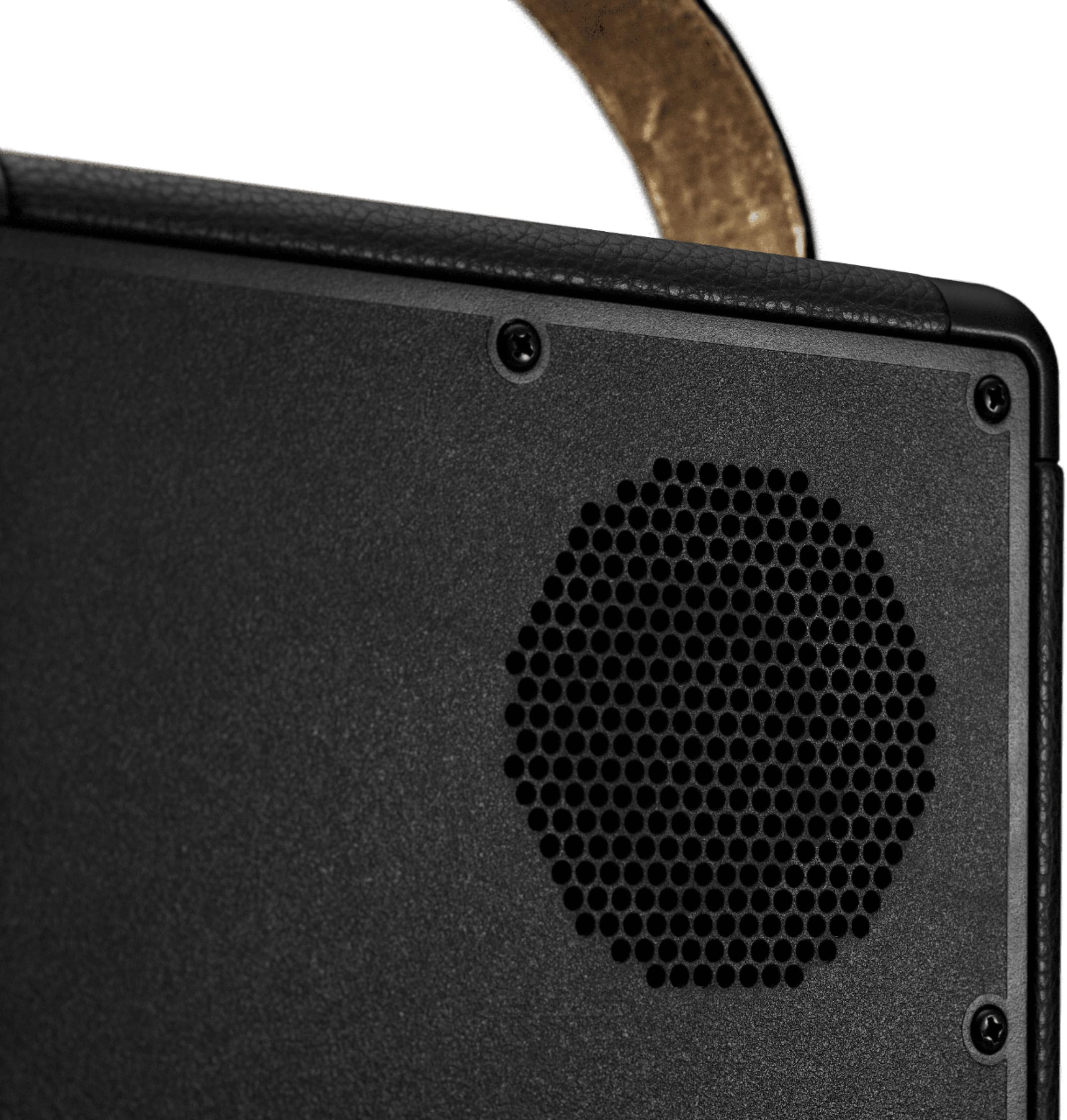
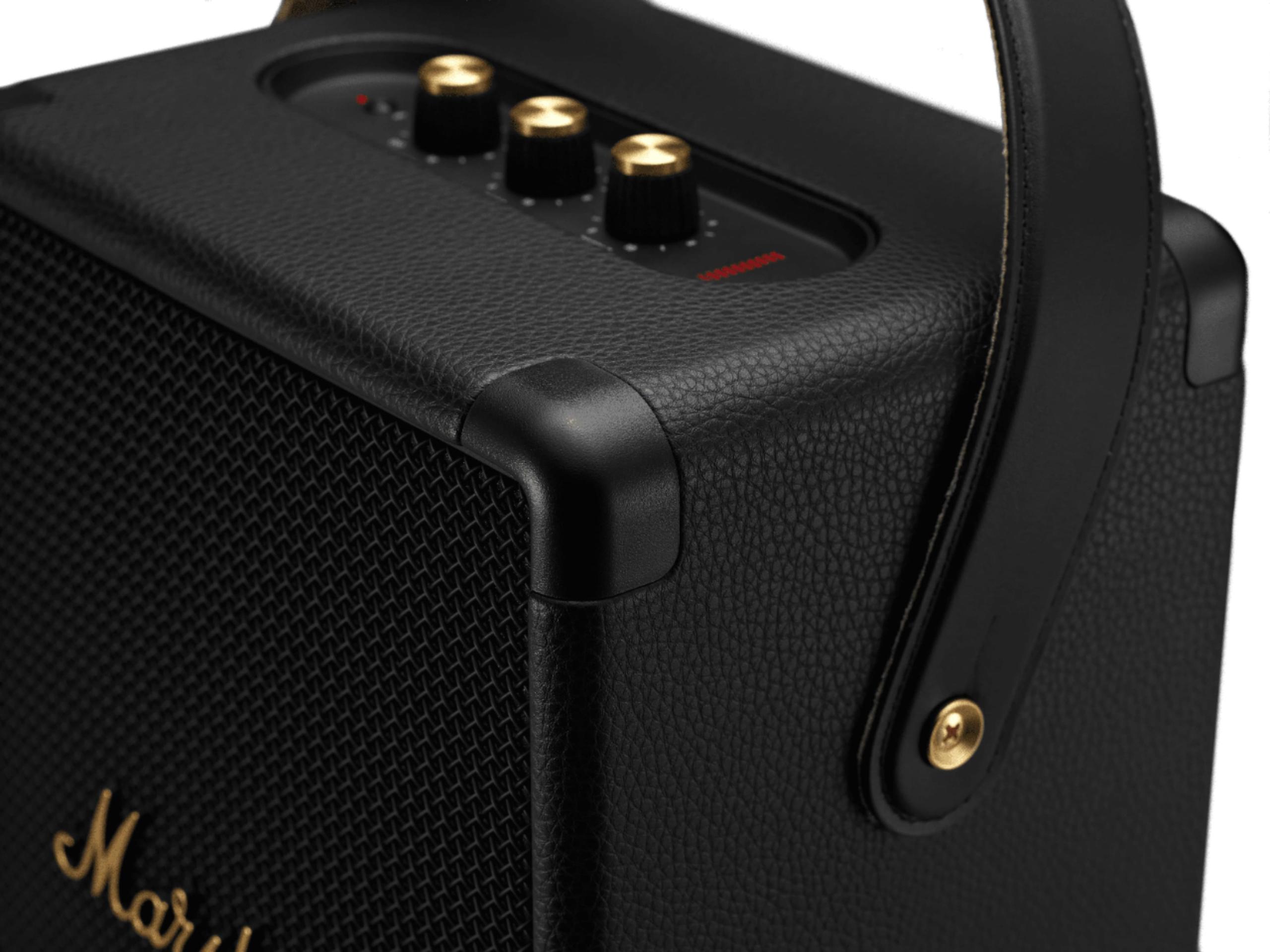
The Marshall Tufton takes a more traditional approach with its three-way speaker system. It combines a powerful woofer (for bass), midrange drivers, and tweeters (for high frequencies) to create a more directional but substantially more powerful sound. The rear-firing midrange driver adds some dimensionality, but it's primarily designed to project sound forward with authority.
The Revolve II delivers remarkably balanced sound, with clear vocals and good detail in the midrange. Bass response is impressive for its size, though it can't match larger speakers. The 360-degree dispersion means you don't need to worry about speaker placement or sweet spots.
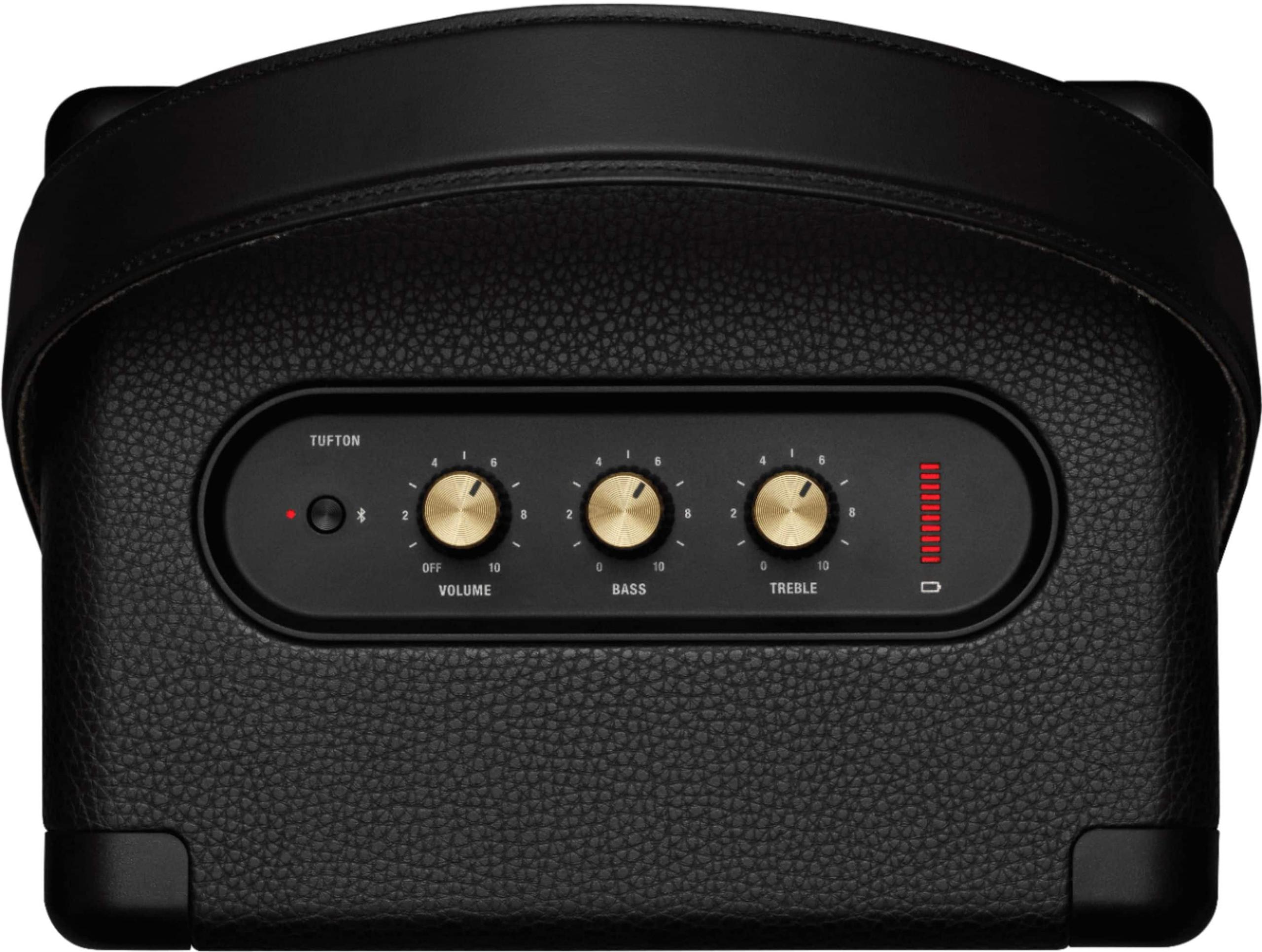
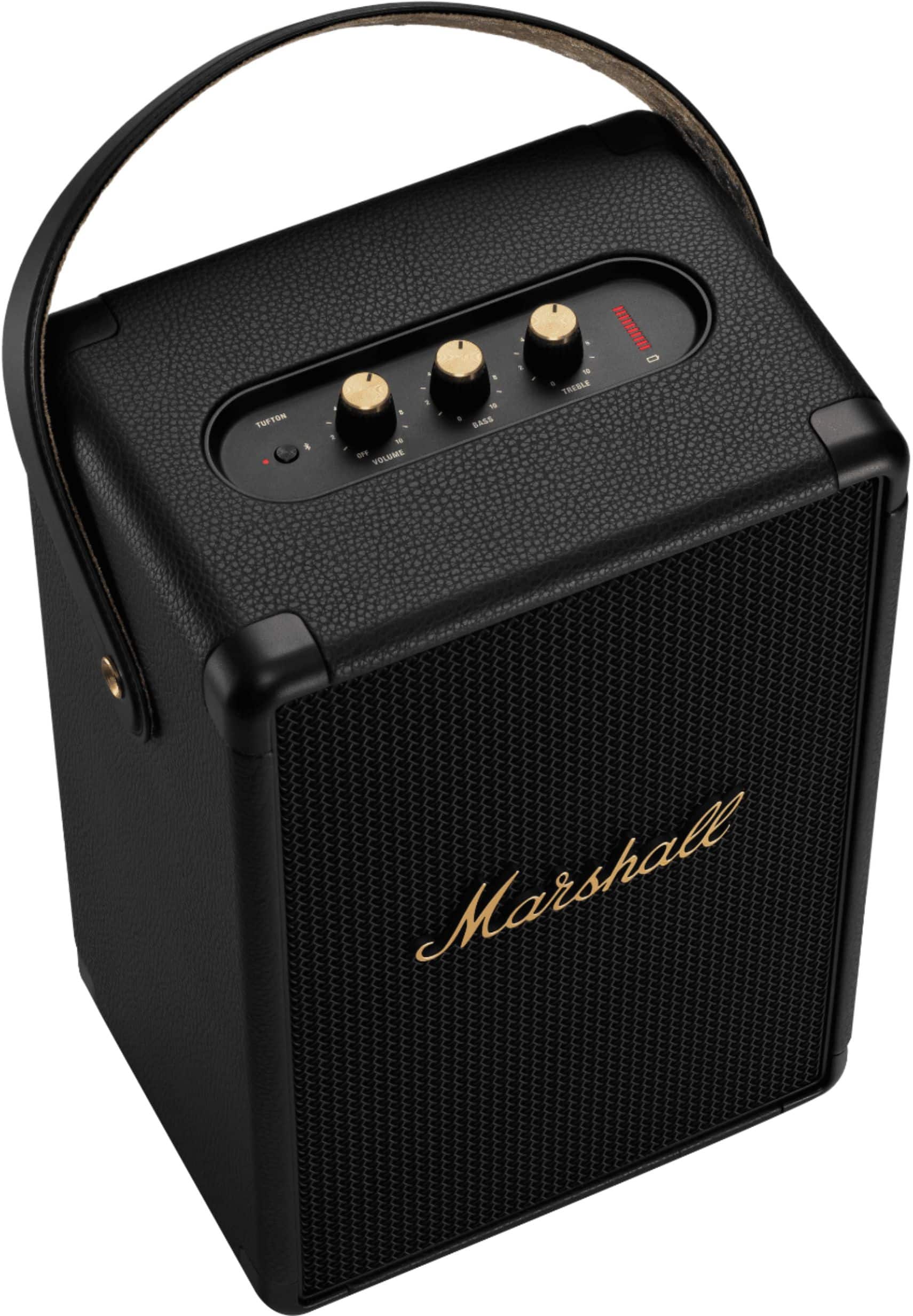
The Tufton excels in raw power and dynamic range (the difference between quiet and loud sounds). Its larger woofer produces significantly more bass impact, and the dedicated tweeters provide crisp high frequencies. The physical EQ controls let you tune the sound to your preference - something the Bose lacks.
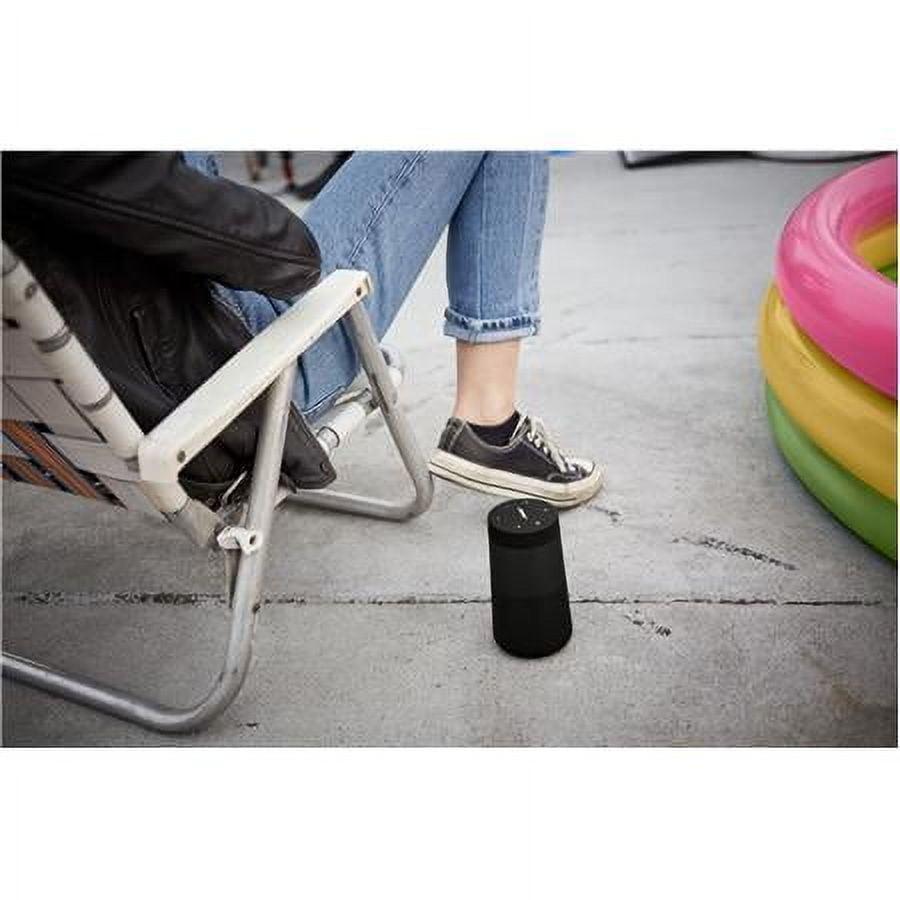
The weight difference between these speakers fundamentally affects how you'll use them. At 1.5 pounds, the Revolve II easily fits in a backpack or carry-on. I've taken mine hiking and to beach picnics without hesitation. The IP55 rating means it can handle rain, dust, and splashes without worry.
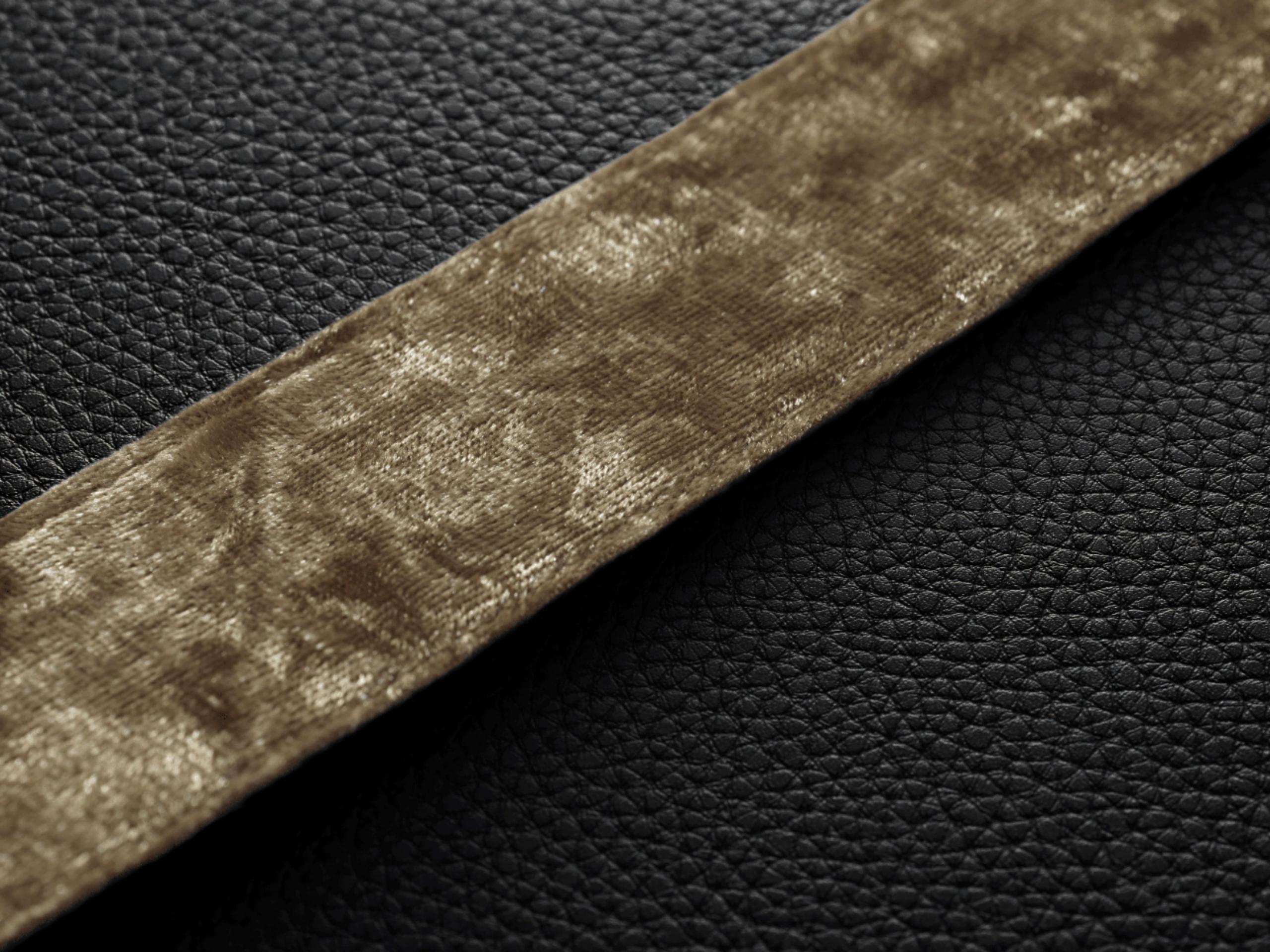
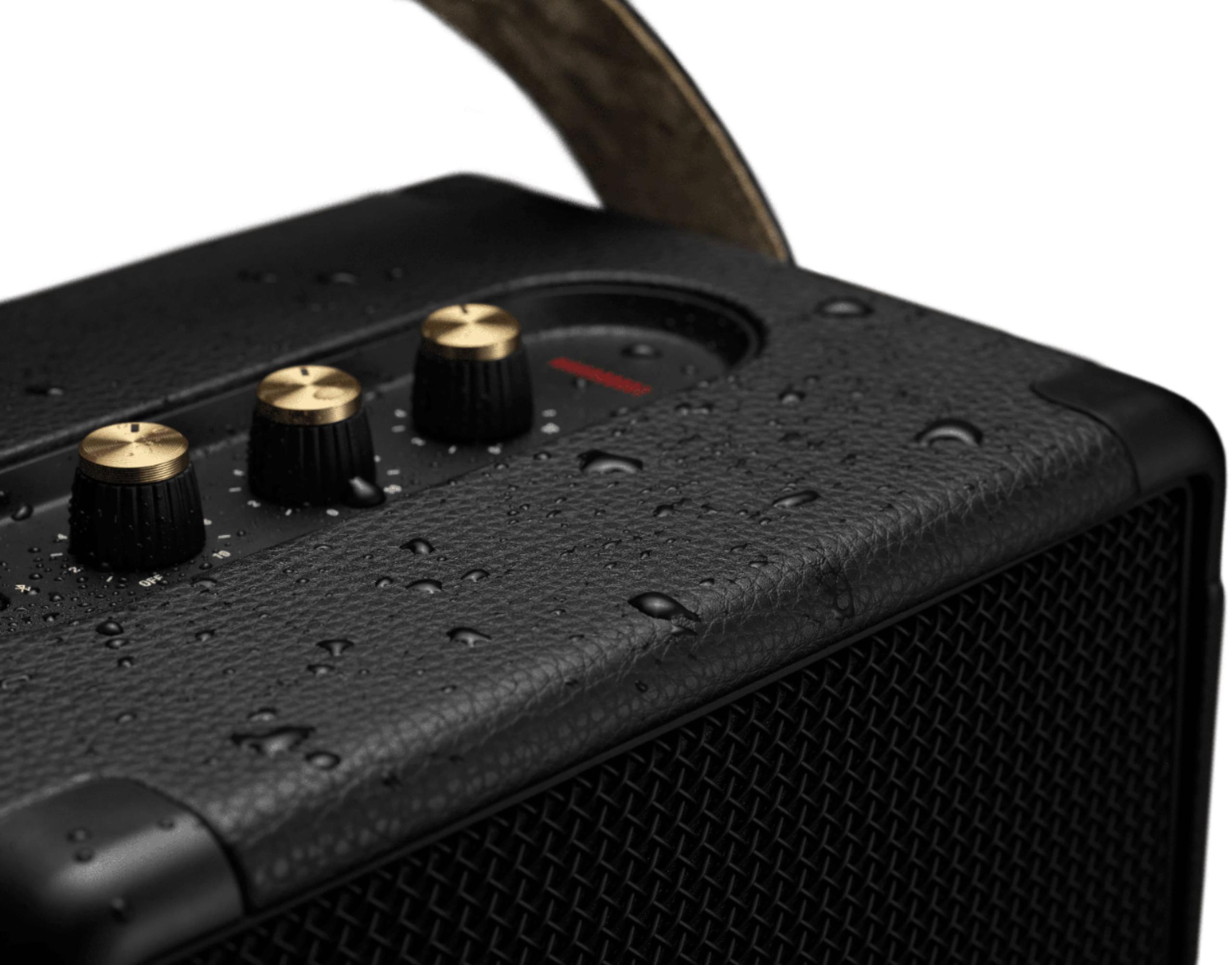
The Tufton, weighing 10.8 pounds, is more of a "portable when needed" speaker. Its guitar-inspired strap makes carrying easier, but this isn't something you'll want to transport daily. The IPX2 rating only protects against light water exposure - think occasional rain, not poolside use.
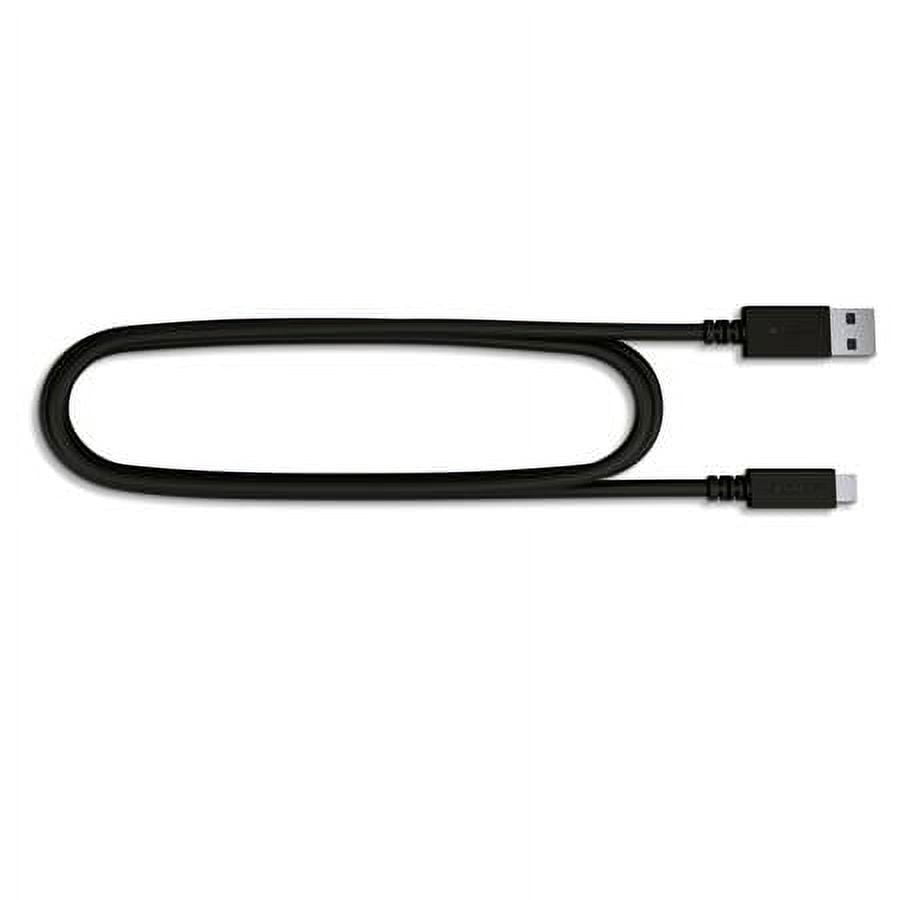
Battery technology has improved significantly in recent years. The Revolve II's 13-hour battery life is good, though not class-leading. It uses older micro-USB charging, which feels dated in 2024.
The Tufton shines here with 20+ hours of playback. Its quick-charge feature provides 4 hours of play from just 20 minutes of charging - perfect for last-minute parties. The battery indicator on top helps prevent unexpected shutdowns.
Both speakers use Bluetooth, but with different implementations:
The Tufton's ability to connect to two devices simultaneously is particularly useful for parties where multiple people want to play DJ.
The Revolve II includes:
The Tufton offers:
I've tested both speakers in various settings, and their strengths become clear in different scenarios:
The Revolve II excels here. Its 360-degree sound means everyone gets the same audio experience, and it's loud enough without overwhelming conversation.
The Tufton dominates this category. Its powerful output and robust bass make it ideal for larger spaces and outdoor use where sound tends to dissipate quickly.
Both speakers work well in home settings, but for different uses:
The Bose SoundLink Revolve II at $219 represents good value for those prioritizing portability and versatility. Its build quality and feature set justify the premium price point.
The Marshall Tufton at $299 is a significant investment but delivers professional-level sound quality and power. For those who need its capabilities, the price is justified by its performance.
Choose the Revolve II if:
Choose the Tufton if:
The final decision often comes down to intended use. The Revolve II is the more versatile daily companion, while the Tufton is the better choice for those prioritizing sound quality and power over portability.
Both speakers represent the current state of portable audio technology, but they approach the challenge from different angles. Your specific needs will determine which approach makes more sense for your situation.
| Bose SoundLink Revolve II | Marshall Tufton |
|---|---|
| Price - Investment consideration | |
| $219 - Mid-range premium pricing | $299 - Higher premium pricing |
| Sound Projection - Impacts where you can place the speaker | |
| 360-degree omnidirectional sound, ideal for central placement | Front-focused with rear driver, traditional directional projection |
| Power Output - Determines maximum volume and sound quality at high levels | |
| Not specified, optimized for small-medium rooms | 80 watts total (3 Class D amplifiers), fills large spaces easily |
| Water Resistance - Critical for outdoor use and durability | |
| IP55 - Protected against dust and water jets | IPX2 - Only protected against light water splashes |
| Battery Life - Affects usage flexibility and event planning | |
| 13 hours typical use | 20+ hours typical use, 4-hour quick charge available |
| Weight - Major factor in portability | |
| 1.5 lbs - Highly portable | 10.8 lbs - Limited portability |
| Sound System Configuration - Impacts audio quality and performance | |
| Single full-range driver with deflector | 3-way system: woofer, dual midrange, tweeters |
| Additional Features - Adds versatility | |
| Voice assistant integration, speakerphone, Bose Connect app | Physical EQ controls, multi-host Bluetooth, guitar-style strap |
| Bluetooth Version - Affects connection stability and range | |
| Bluetooth 4.1, 30ft range | Bluetooth 5.0, 30ft range, dual device connection |
| Size - Consider space requirements | |
| 6" x 3.2" x 3.2" - Compact | 14" x 9" x 6.5" - Substantial presence |
The Marshall Tufton has more power and volume for outdoor spaces, but the Bose SoundLink Revolve II has better water resistance (IP55 vs IPX2). Choose Tufton for large outdoor gatherings and Revolve II for beach trips or poolside use.
The Marshall Tufton offers superior battery life at 20+ hours compared to the Bose SoundLink Revolve II's 13 hours. The Tufton also features quick charging, providing 4 hours of playback from a 20-minute charge.
The Bose SoundLink Revolve II is significantly more portable at 1.5 pounds versus the Marshall Tufton's 10.8 pounds. The Revolve II can easily fit in a backpack or bag, while the Tufton is more suited for occasional relocation.
The Marshall Tufton delivers superior sound quality with its 3-way speaker system and more powerful output. The Bose SoundLink Revolve II offers balanced, 360-degree sound but can't match the Tufton's bass response and overall volume.
The Marshall Tufton is better for larger parties due to its higher volume and power. The Bose SoundLink Revolve II works well for intimate gatherings of 15-20 people but lacks the power for larger events.
The Marshall Tufton supports multi-host functionality, allowing two devices to connect simultaneously. The Bose SoundLink Revolve II only supports one connection at a time but can be paired with other Bose speakers.
The Bose SoundLink Revolve II has better weather resistance with its IP55 rating, while the Marshall Tufton only offers IPX2 protection. Both are well-built, but the Revolve II is better protected against elements.
At $219, the Bose SoundLink Revolve II offers good value for portable use. The Marshall Tufton at $299 provides better value if you need higher power and sound quality.
Neither speaker is specifically designed for home theater use, but the Marshall Tufton can serve as a capable TV speaker due to its power and bass response. The Bose SoundLink Revolve II is better suited for casual music listening.
Both speakers offer similar 30-foot Bluetooth range, but the Marshall Tufton uses newer Bluetooth 5.0 compared to the Bose SoundLink Revolve II's Bluetooth 4.1, potentially providing better stability.
The Marshall Tufton features physical bass and treble controls, while the Bose SoundLink Revolve II relies on its companion app for sound adjustments.
The Bose SoundLink Revolve II is significantly better for travel due to its compact size and lighter weight. The Marshall Tufton is too heavy for frequent transportation despite its carrying strap.
We've done our best to create useful and informative comparisons to help you decide what product to buy. Our research uses advanced automated methods to create this comparison and perfection is not possible - please contact us for corrections or questions. These are the sites we've researched in the creation of this article: dxomark.com - bose.com - youtube.com - rtings.com - consumerreports.org - soundguys.com - boselatam.com - boselatam.com - bose.com - adorama.com - leedsworldrefill.com - bose.com - bestbuy.com - techradar.com - youtube.com - youtube.com - bestbuy.com - trustedreviews.com - crutchfield.com - eriksonconsumer.com - youtube.com - runbazaar.com - marshall.com

Privacy Policy
Terms and Conditions - Affiliate Policy
Home Security
© Copyright 2008-2026.
11816 Inwood Rd #1211, Dallas, TX 75244