

When it comes to portable speakers, JBL has long been a top contender. Today we're comparing two of their latest offerings - the JBL Pulse 5 ($199) and the JBL PartyBox On-The-Go Essential ($249). While both can get the party started, they take distinctly different approaches to portable audio.
Portable Bluetooth speakers have evolved significantly over the past decade. What started as simple wireless audio devices have become feature-rich entertainment systems. Modern portable speakers need to balance sound quality, durability, battery life, and special features - all while remaining reasonably portable.
These two speakers, both released within the last two years, represent different philosophies in portable audio. The Pulse 5 focuses on premium personal audio with ambient lighting, while the PartyBox aims to be a complete mobile entertainment system.
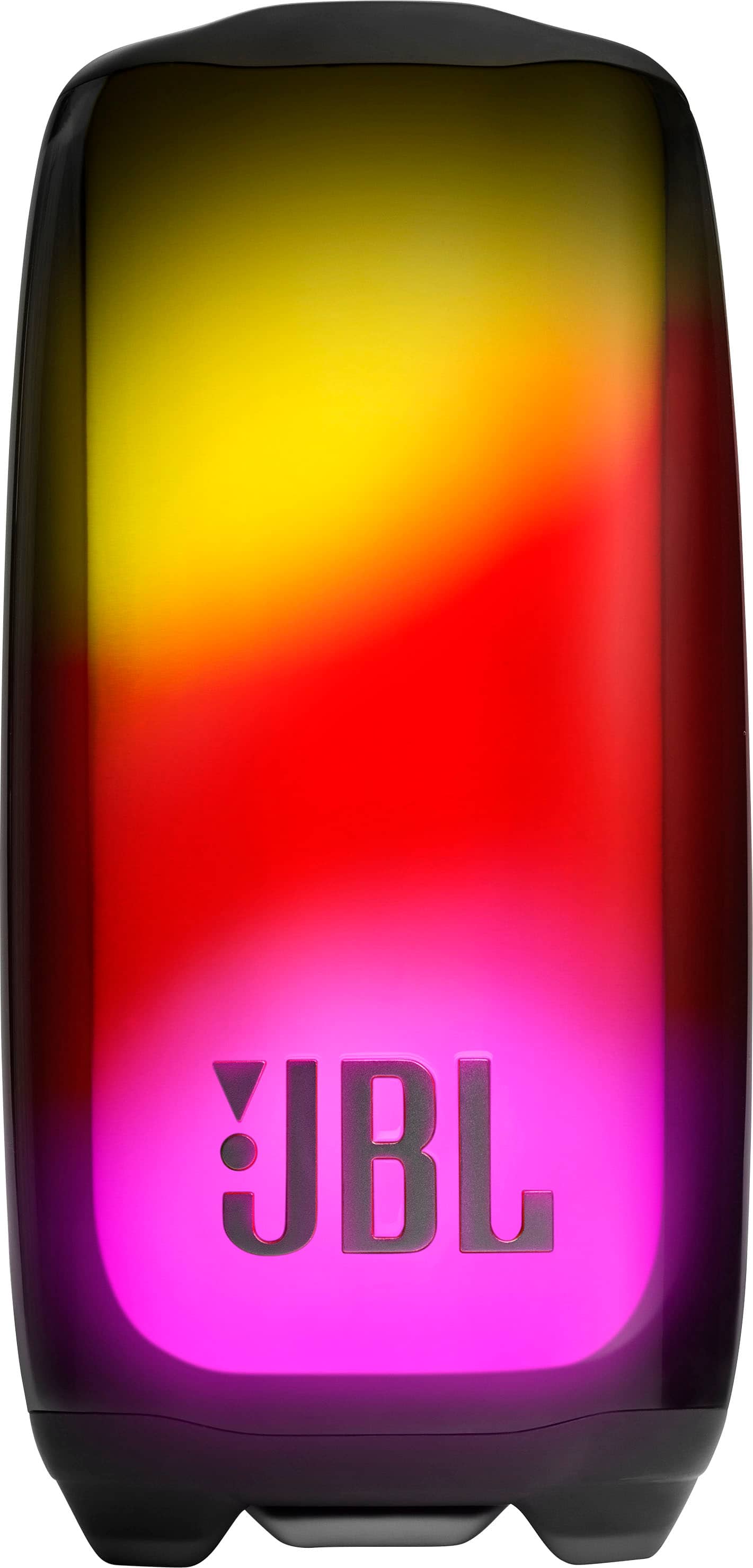
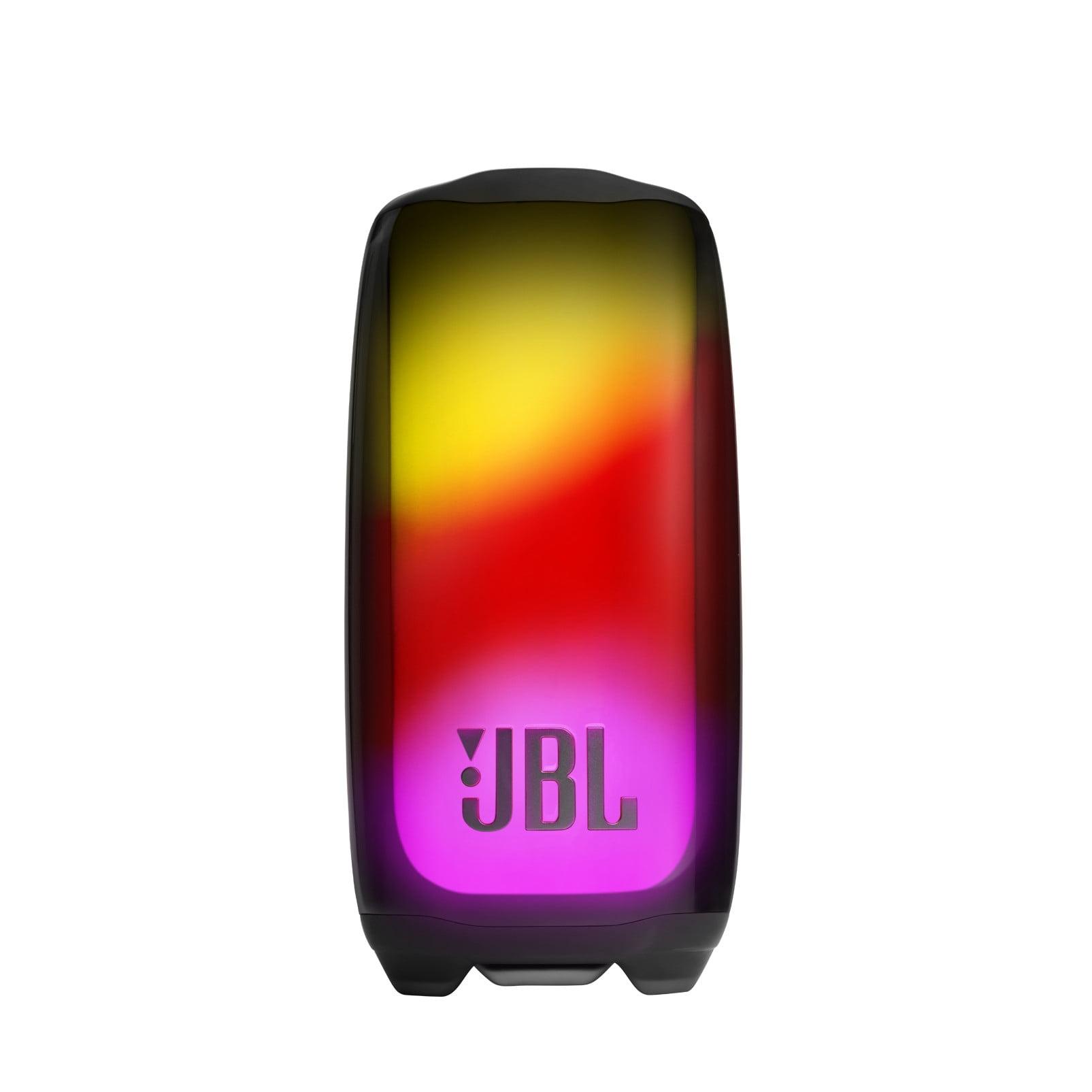
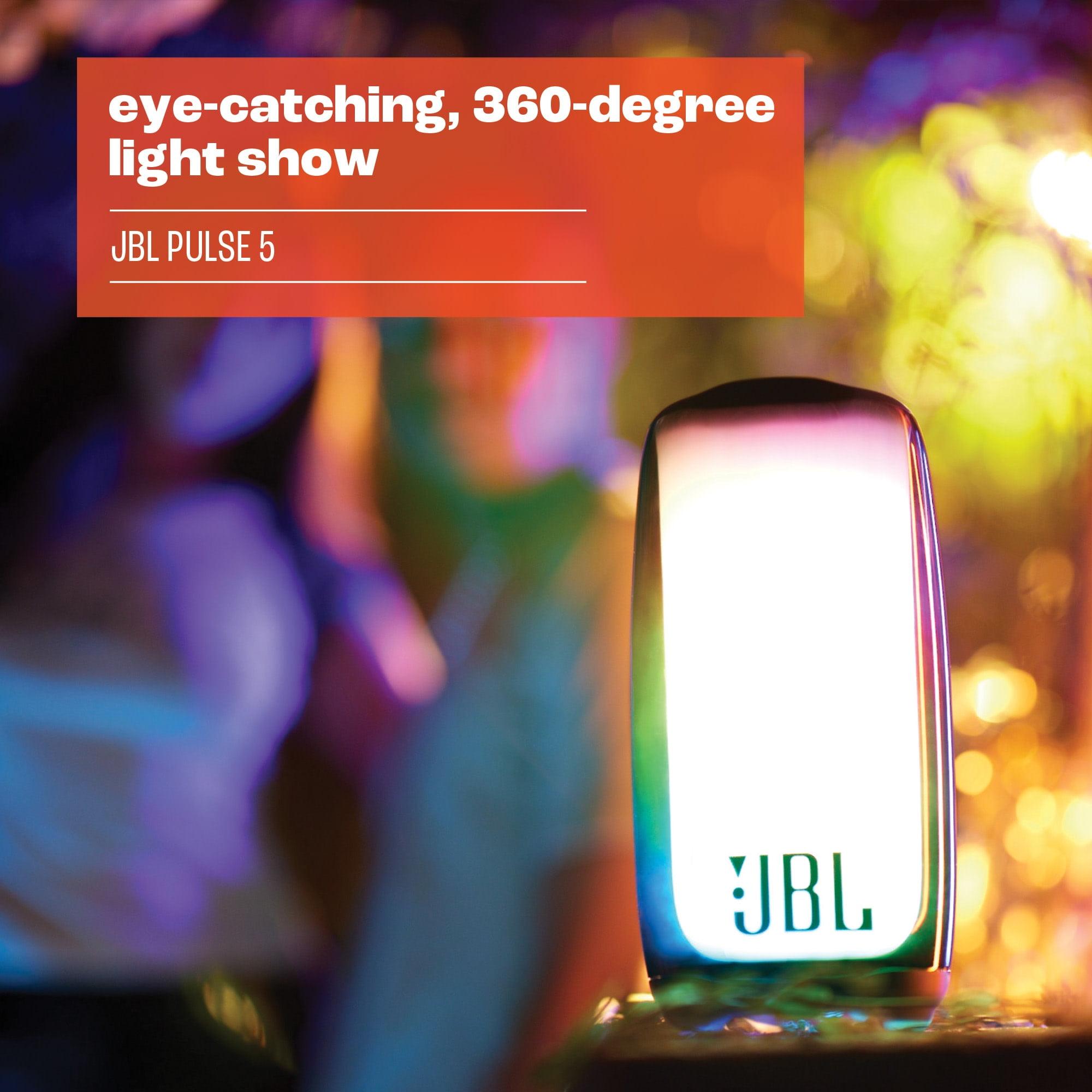
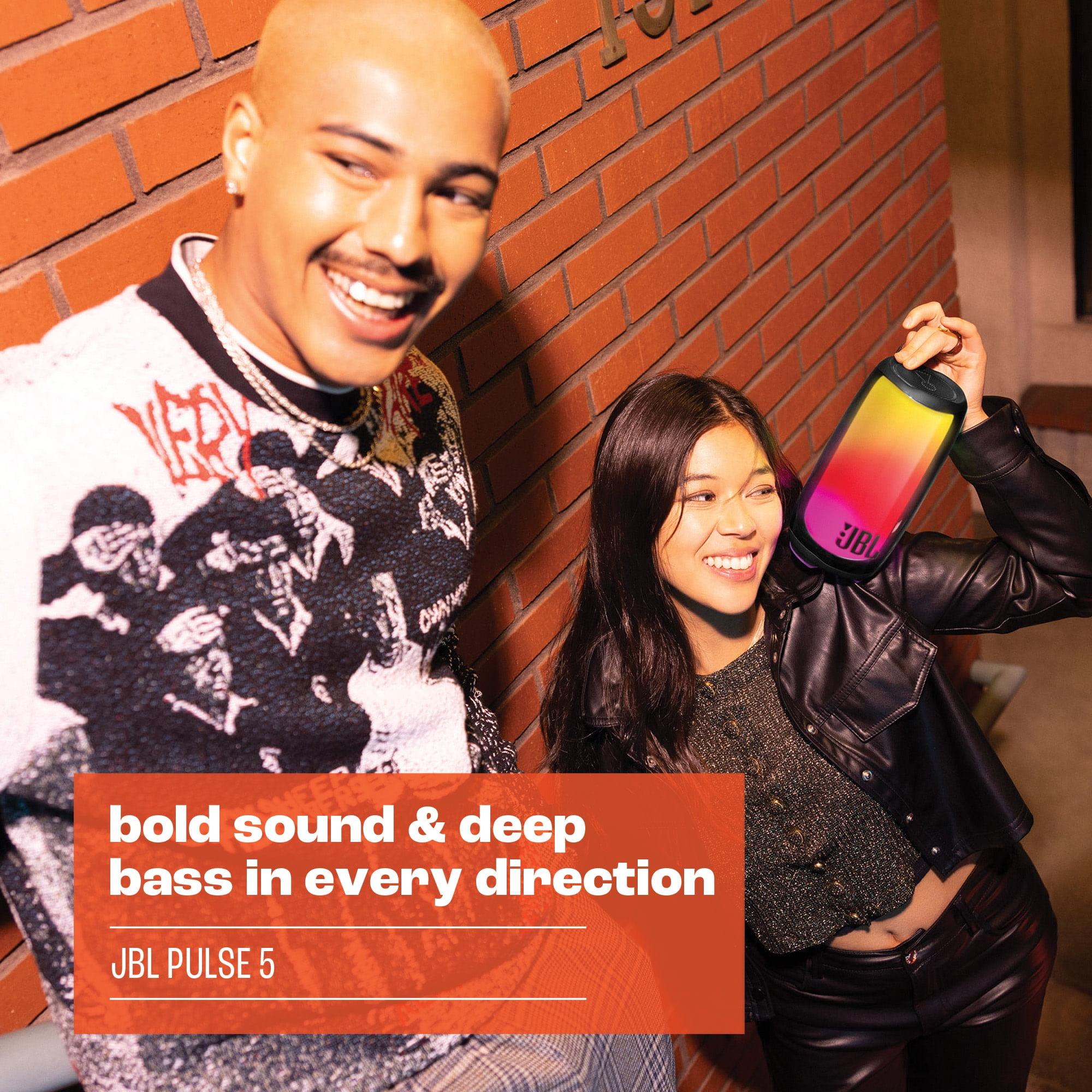
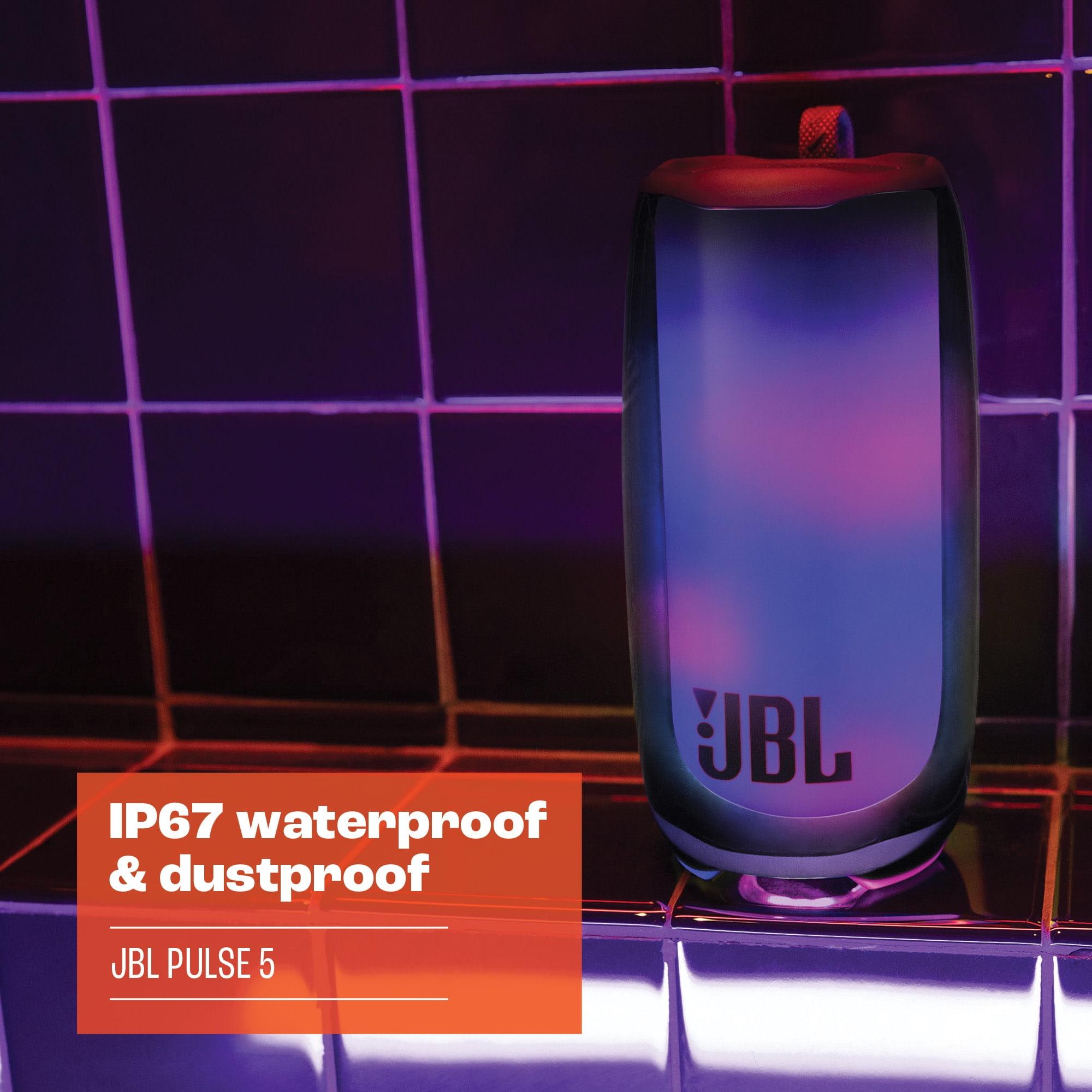
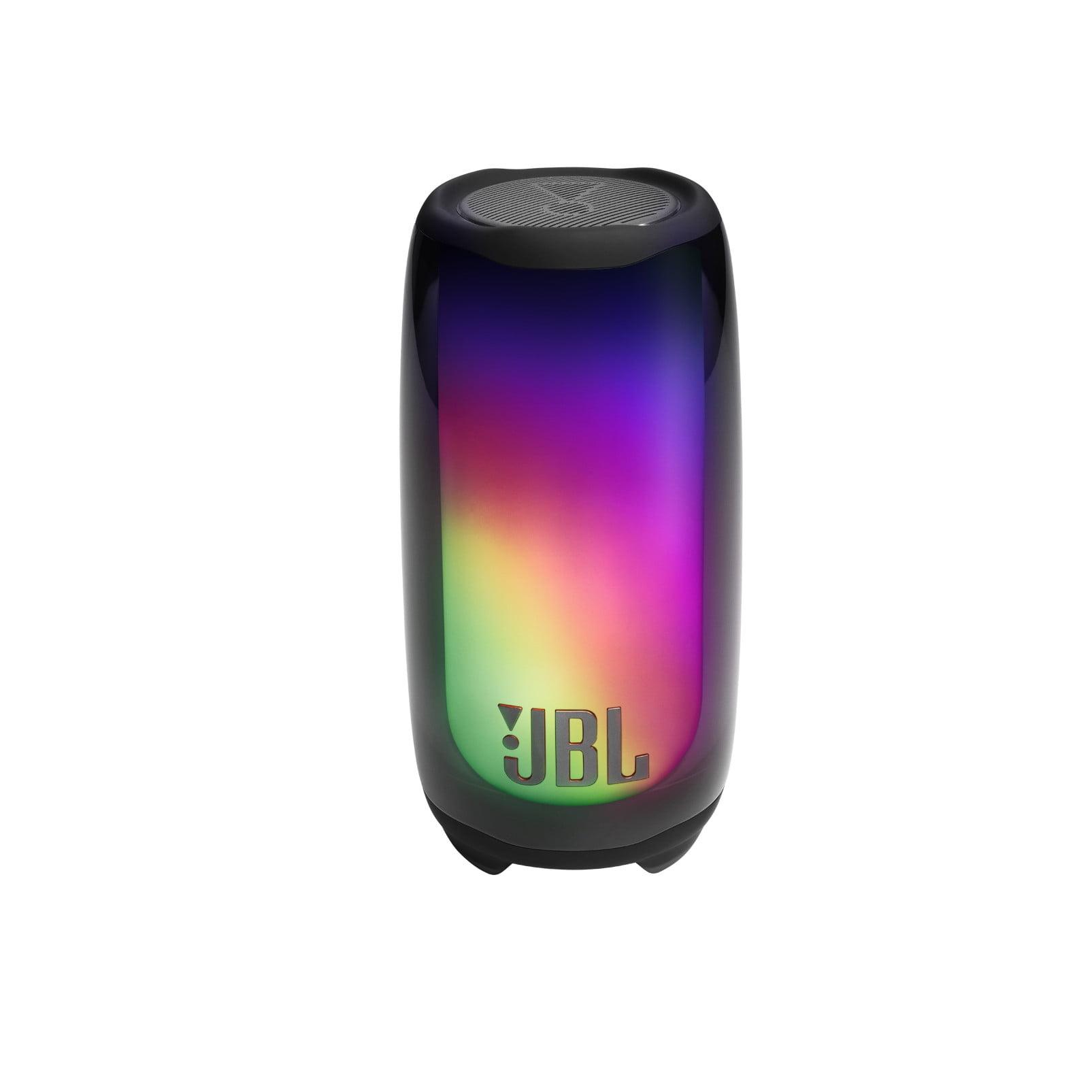
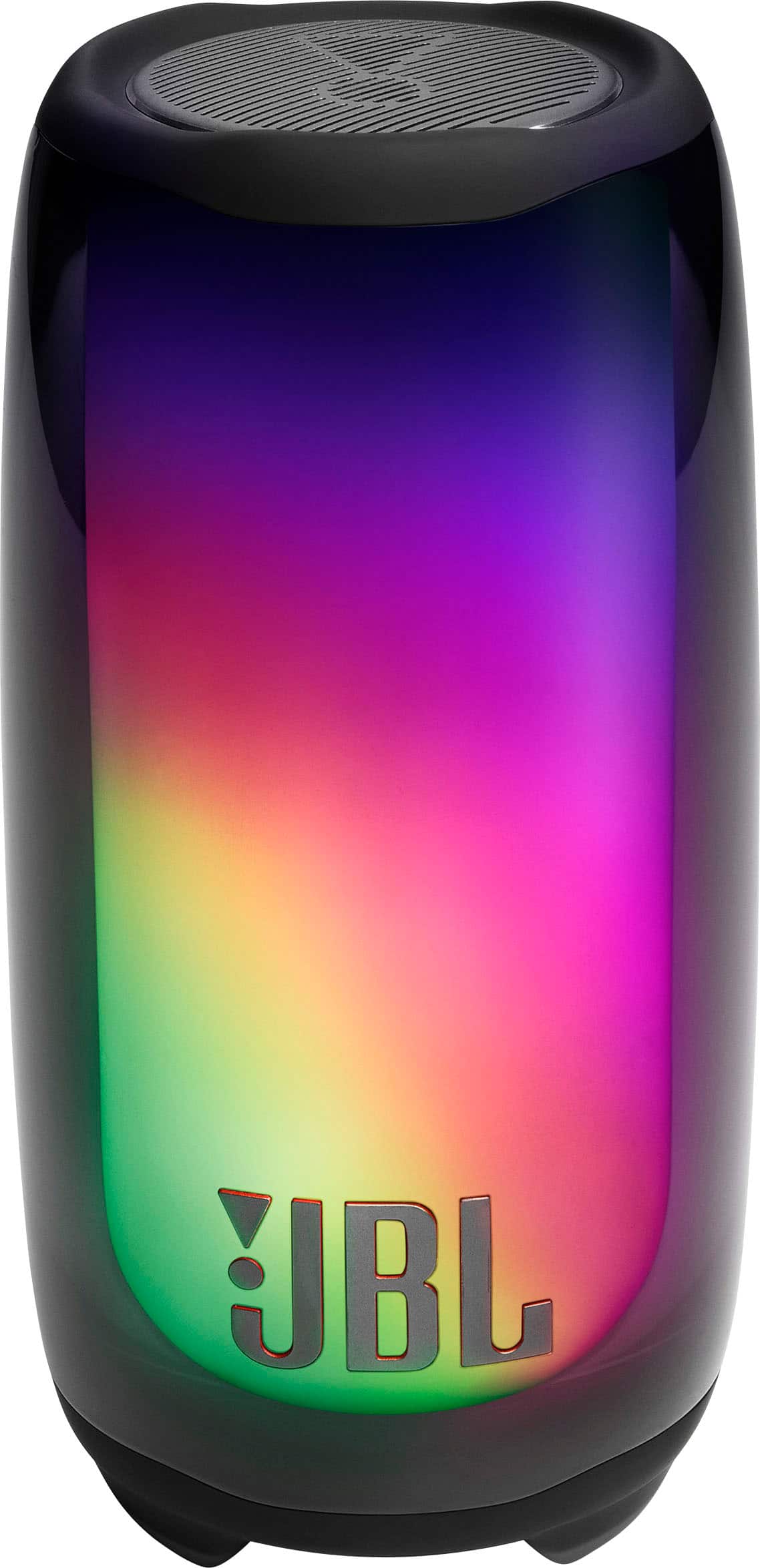
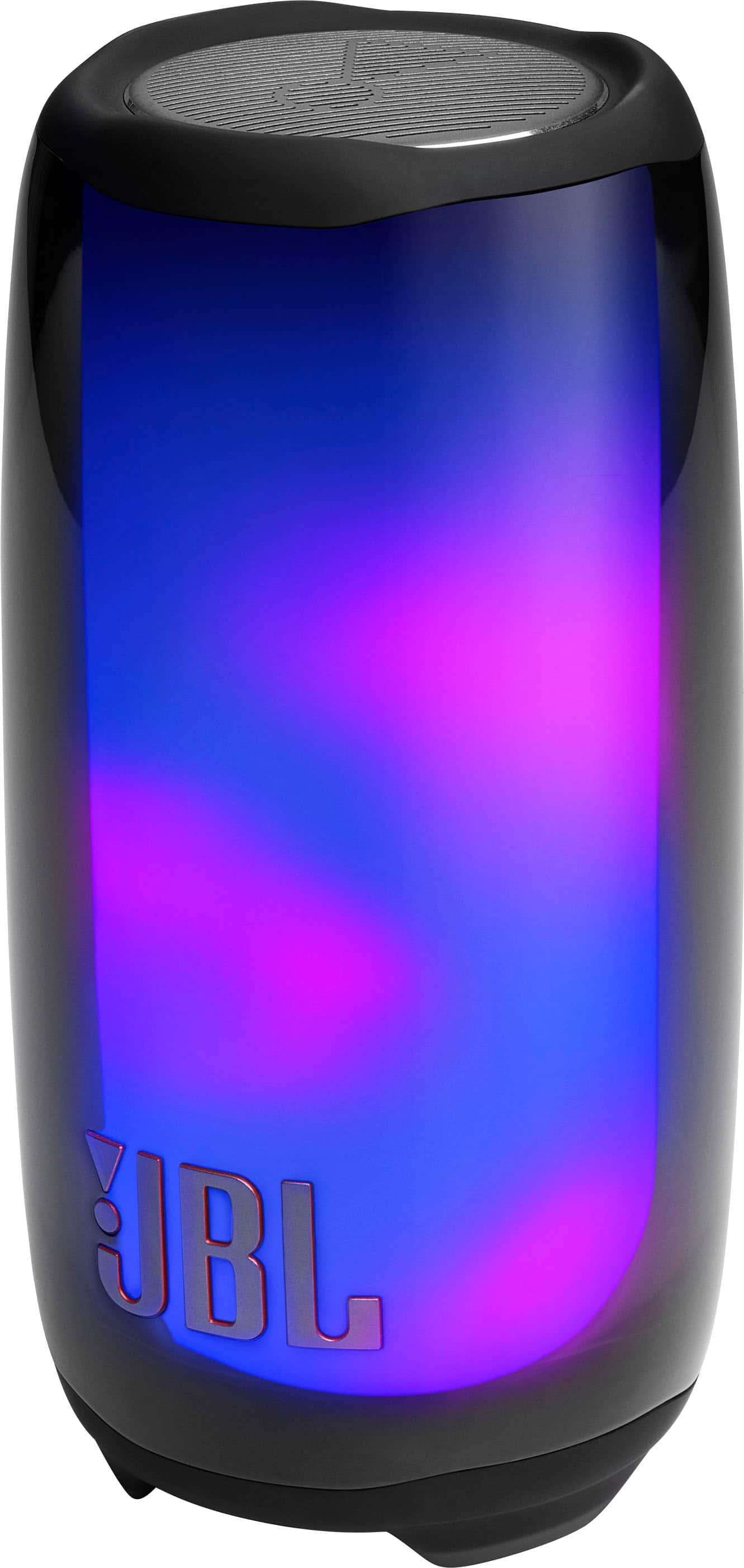
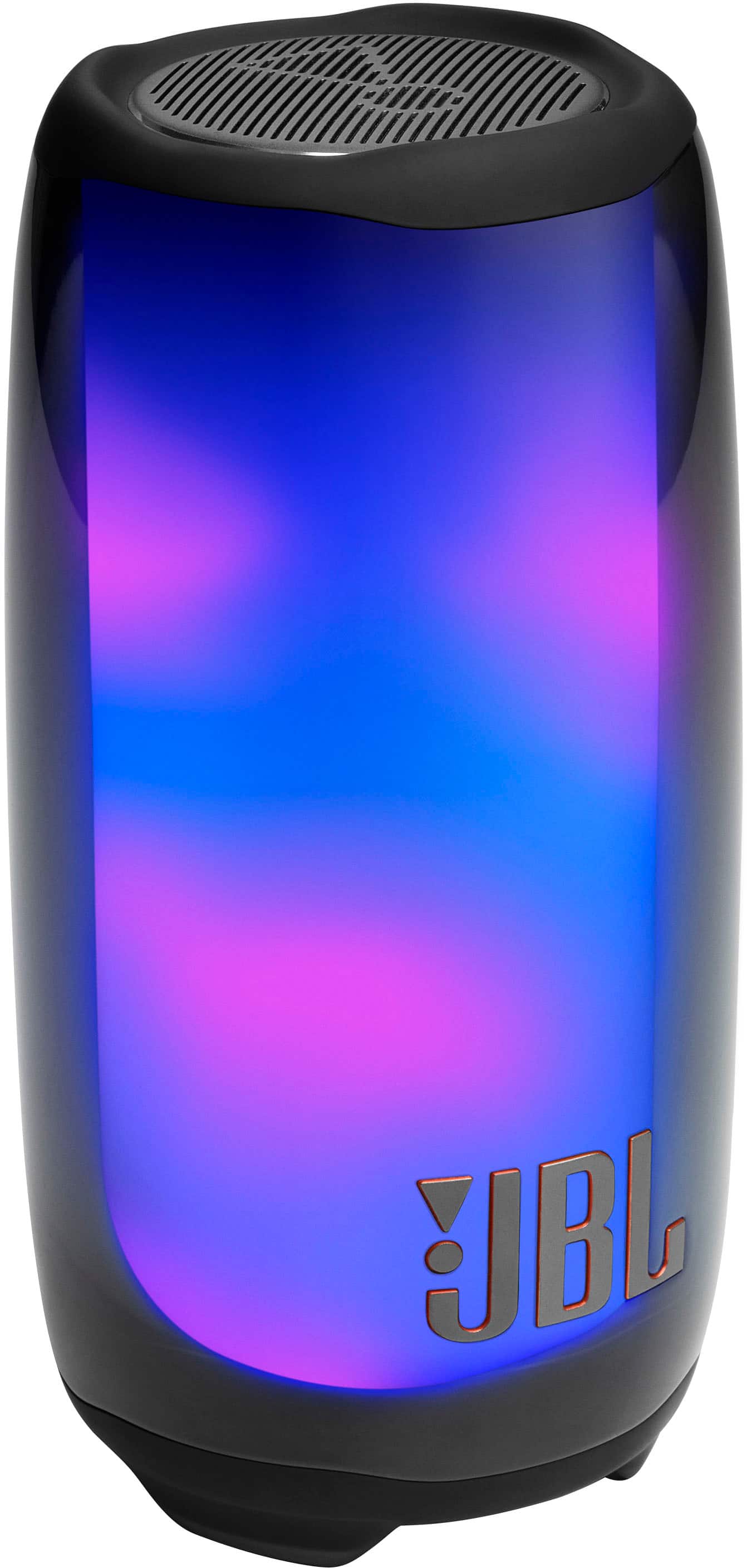
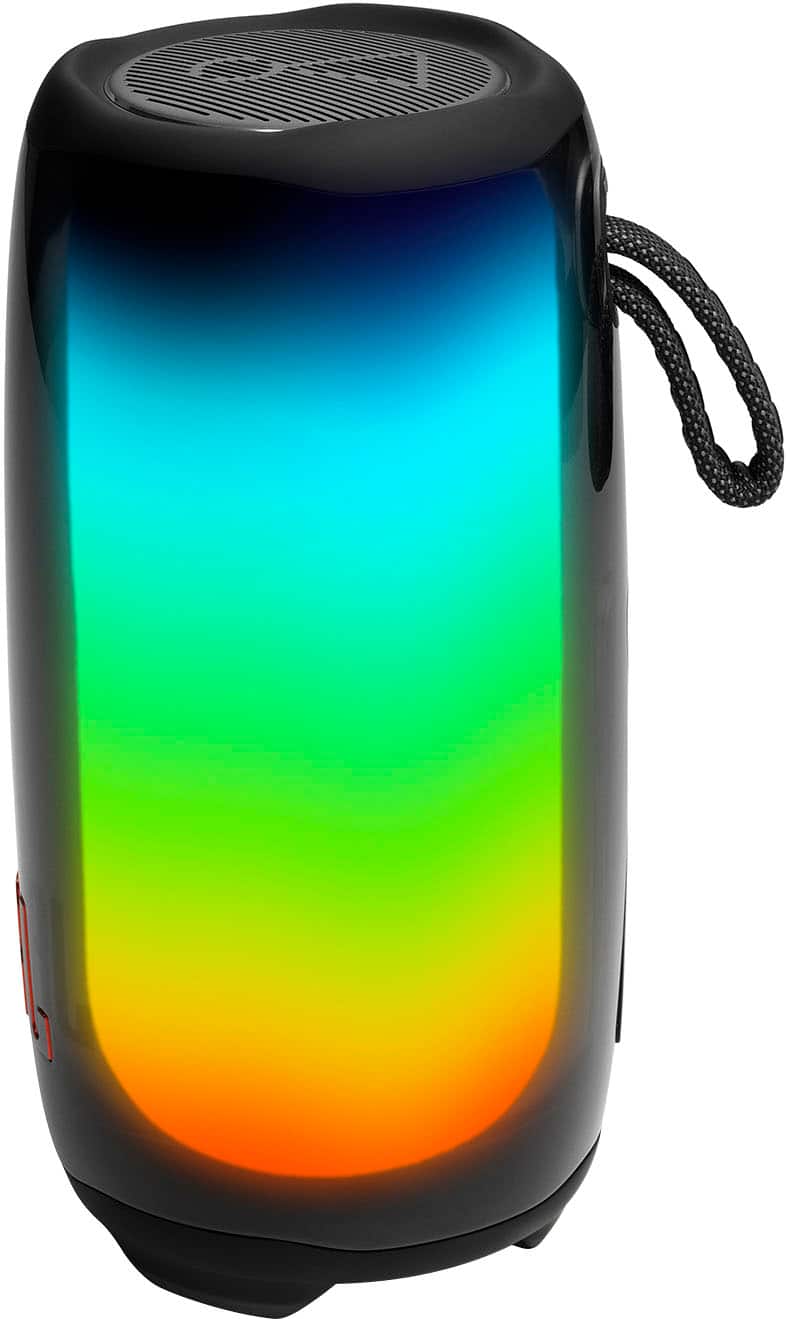
The Pulse 5, released in late 2022, represents JBL's latest iteration of their popular light-show speaker series. At just 3.2 pounds and roughly the size of a large water bottle, it's genuinely portable. The transparent outer shell houses an impressive 360-degree LED light show that synchronizes with your music.
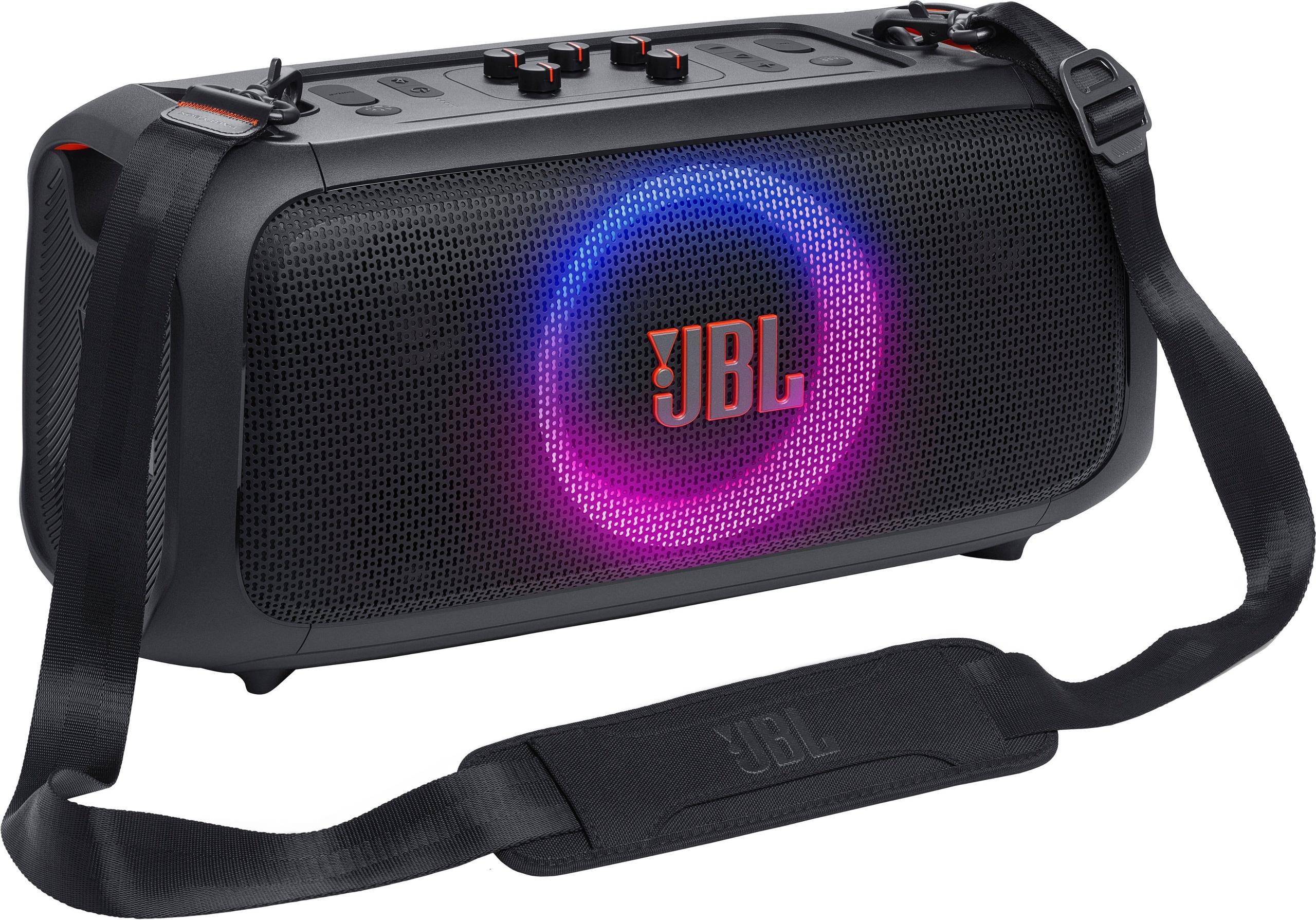
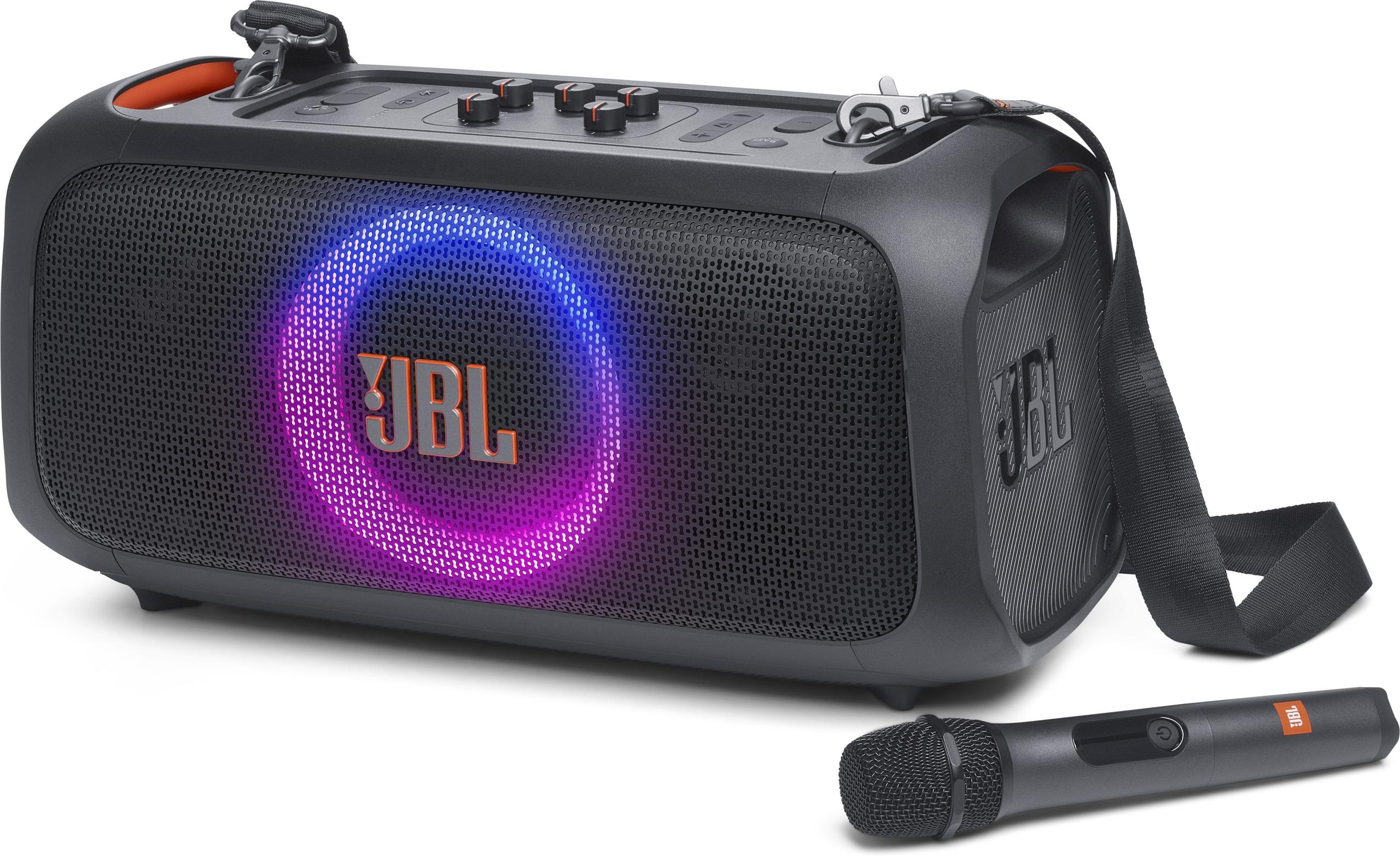
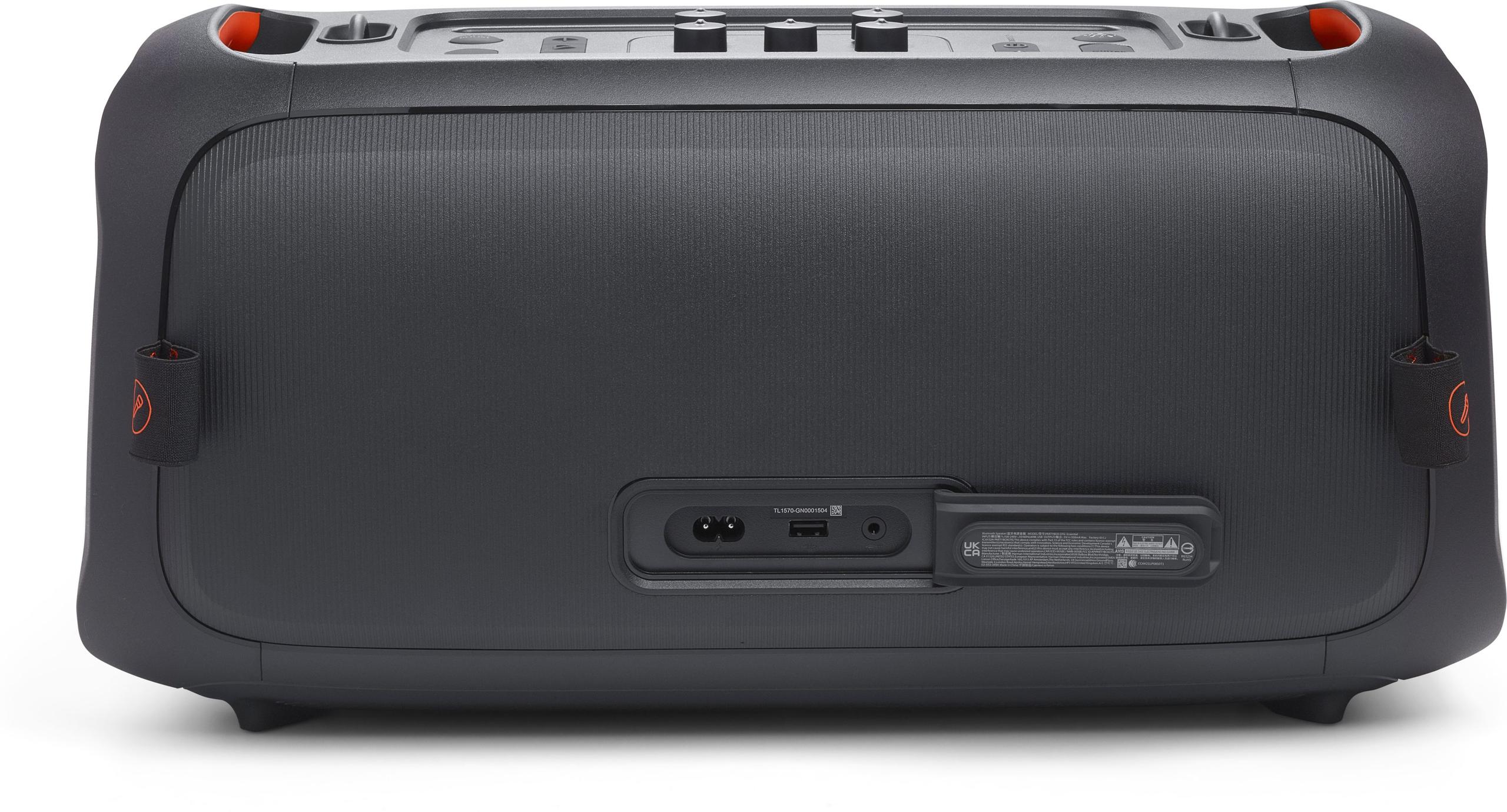
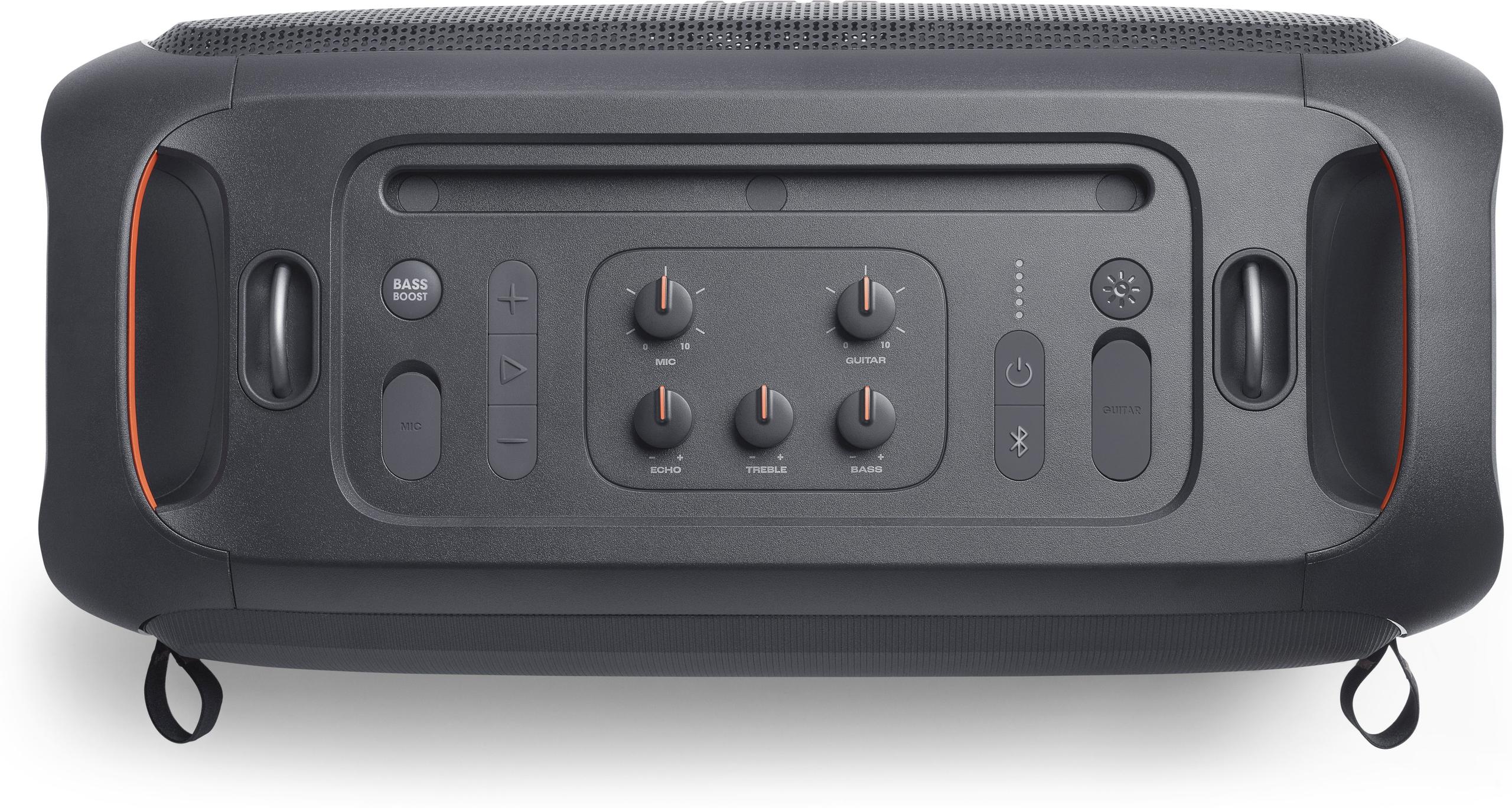
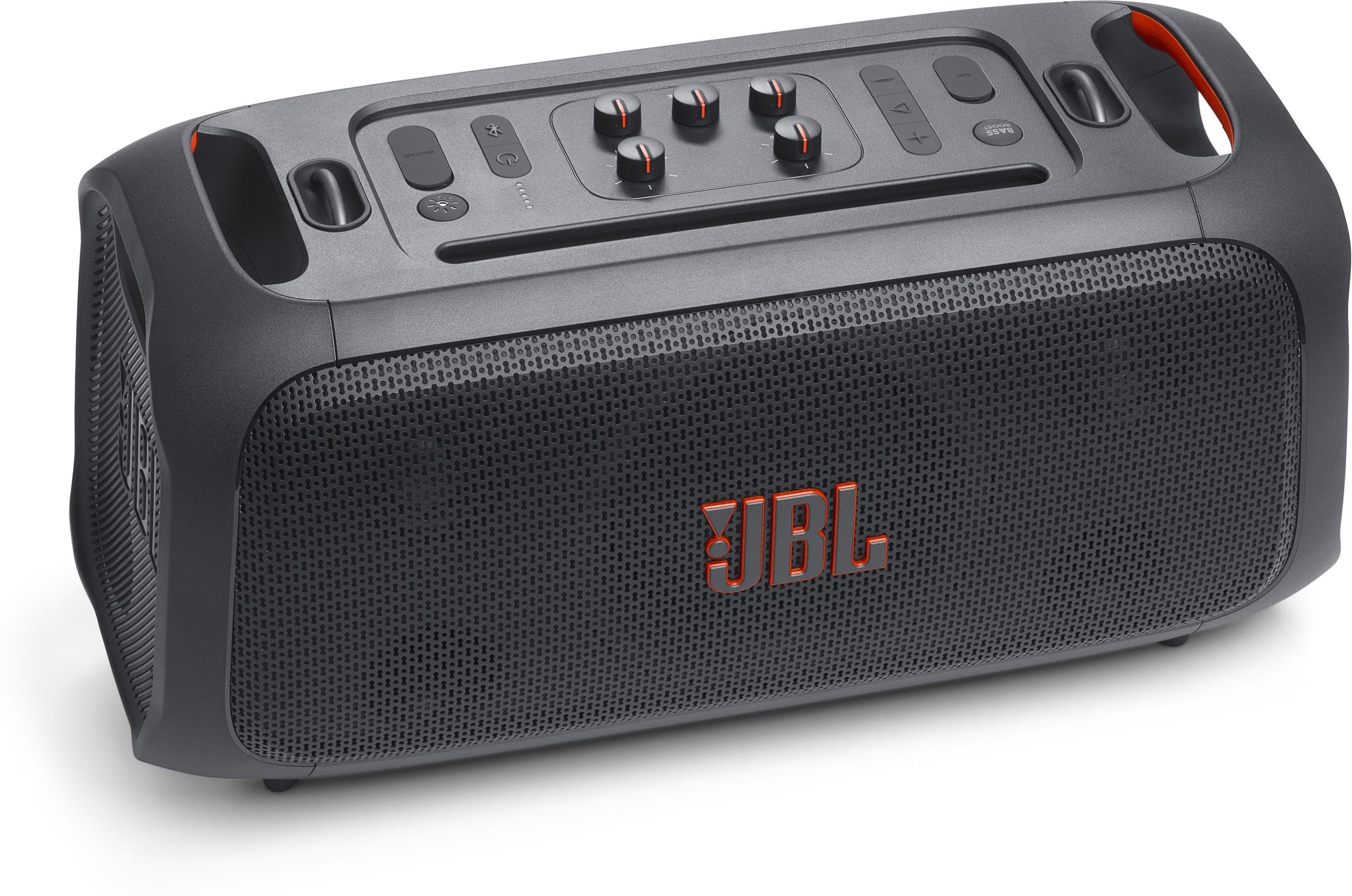
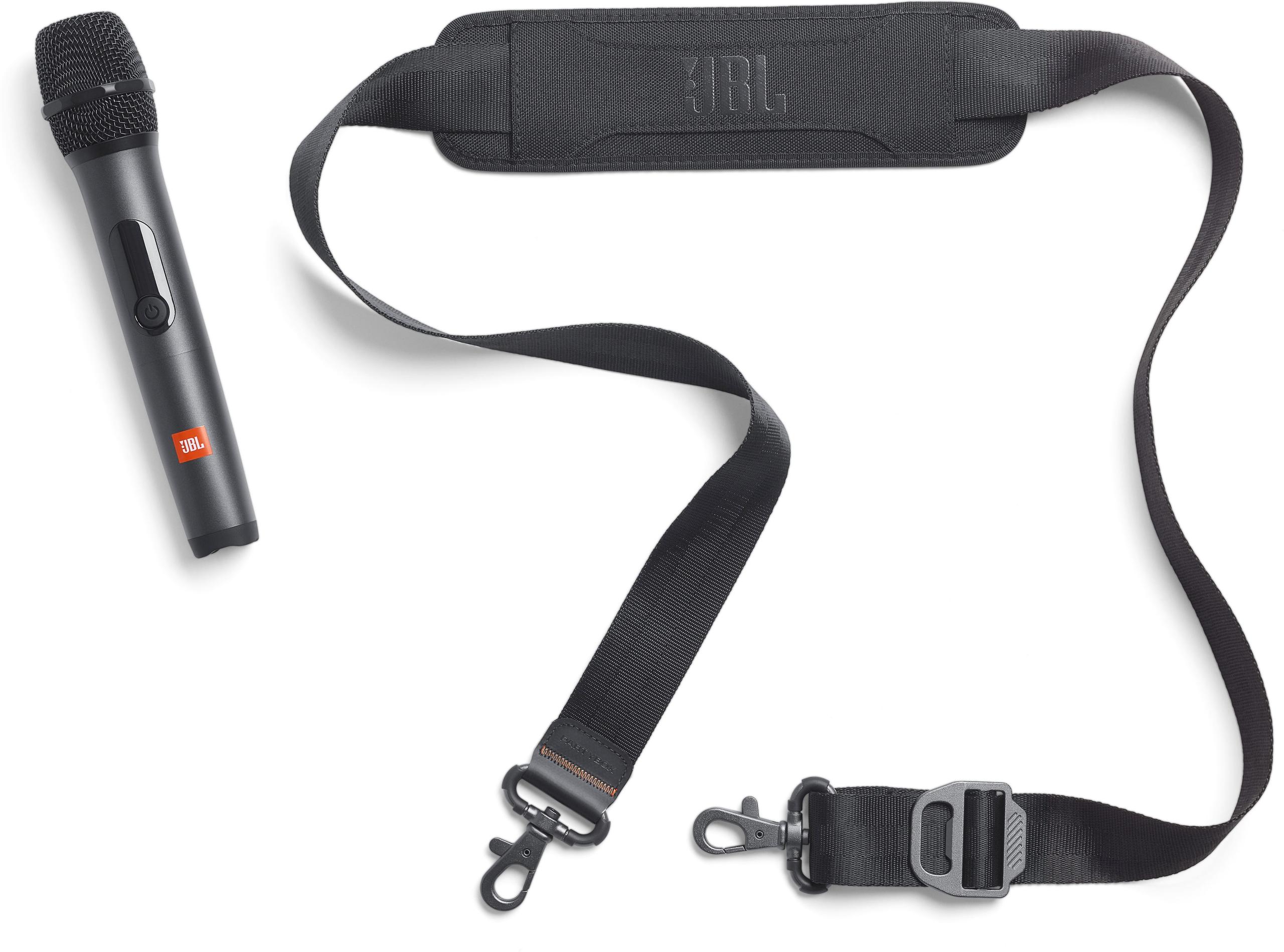
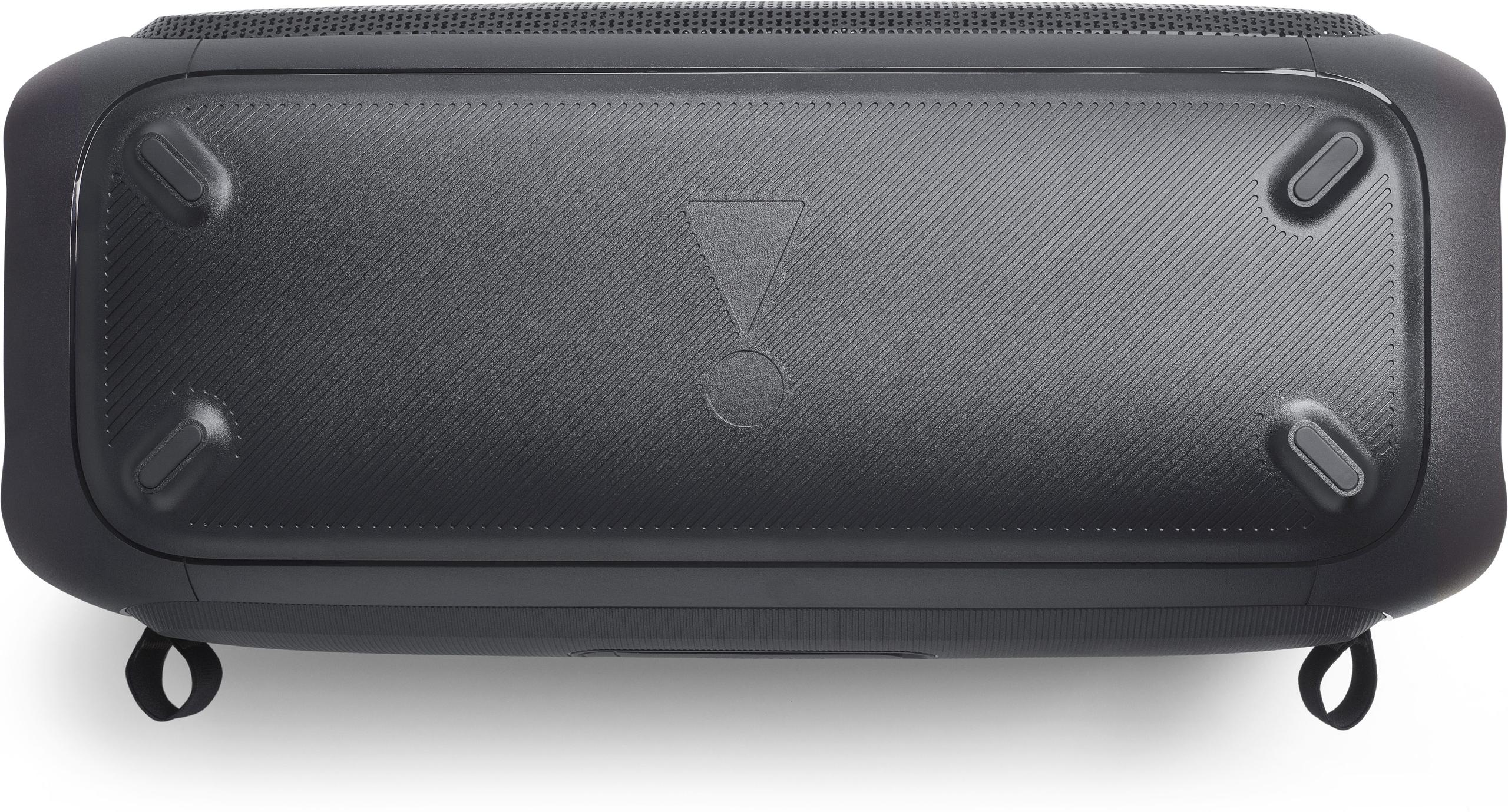
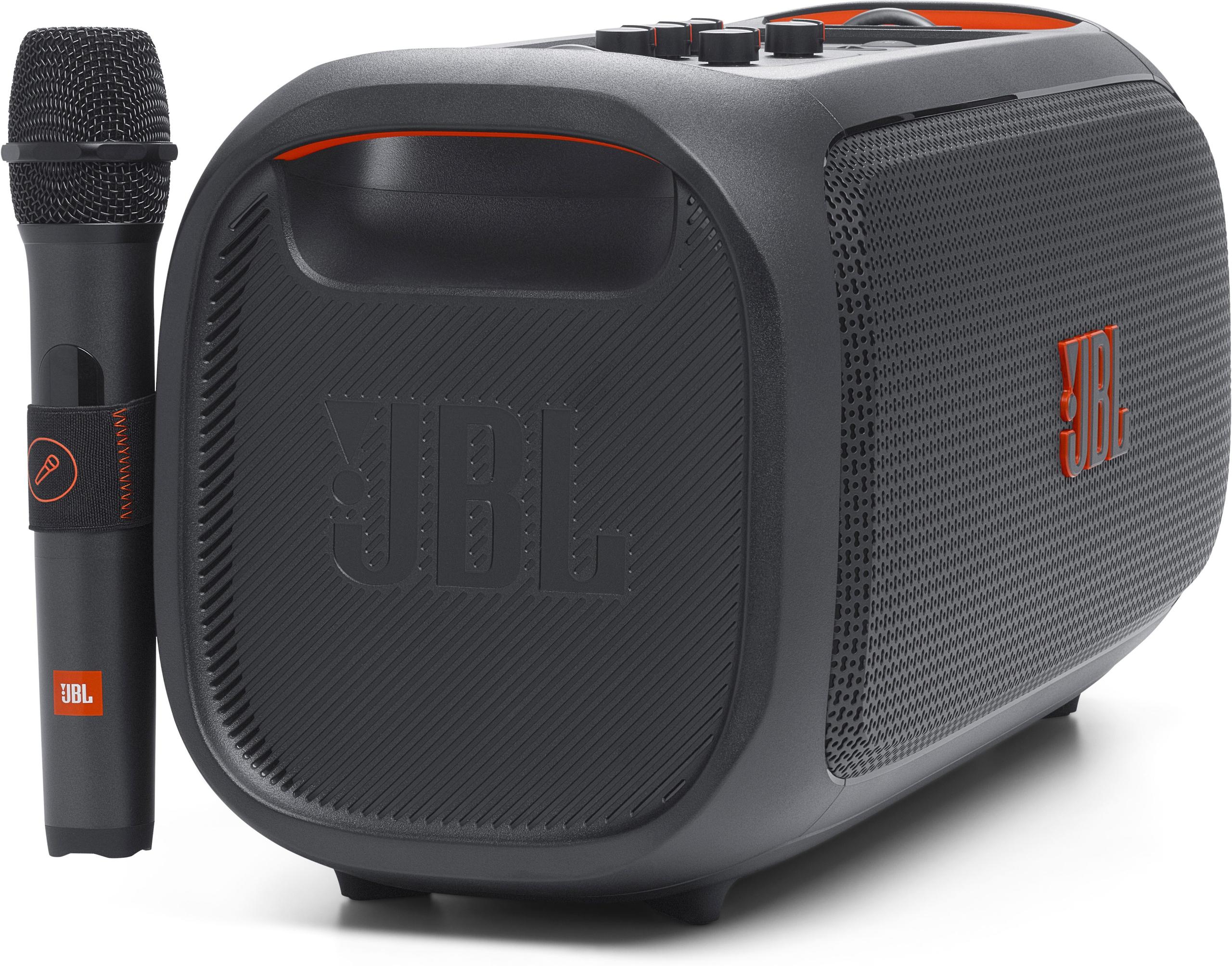
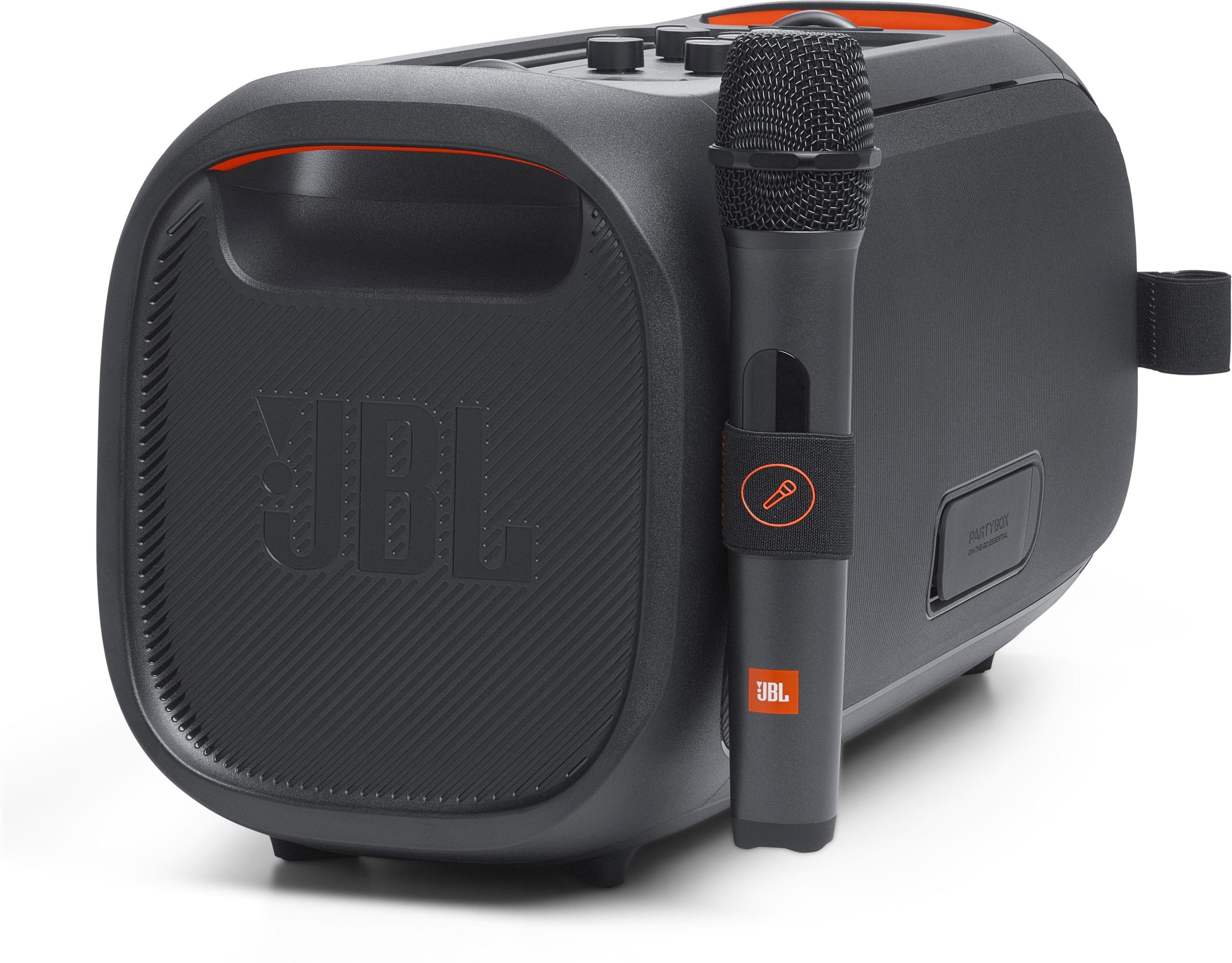
In contrast, the PartyBox On-The-Go Essential, launched in 2021, is more of a modern boombox. Weighing 13.4 pounds and measuring nearly 20 inches wide, it's "portable" in the sense that you can move it between locations, but you won't be taking it on your daily commute. It includes a shoulder strap with a built-in bottle opener - a clear nod to its party-focused design.
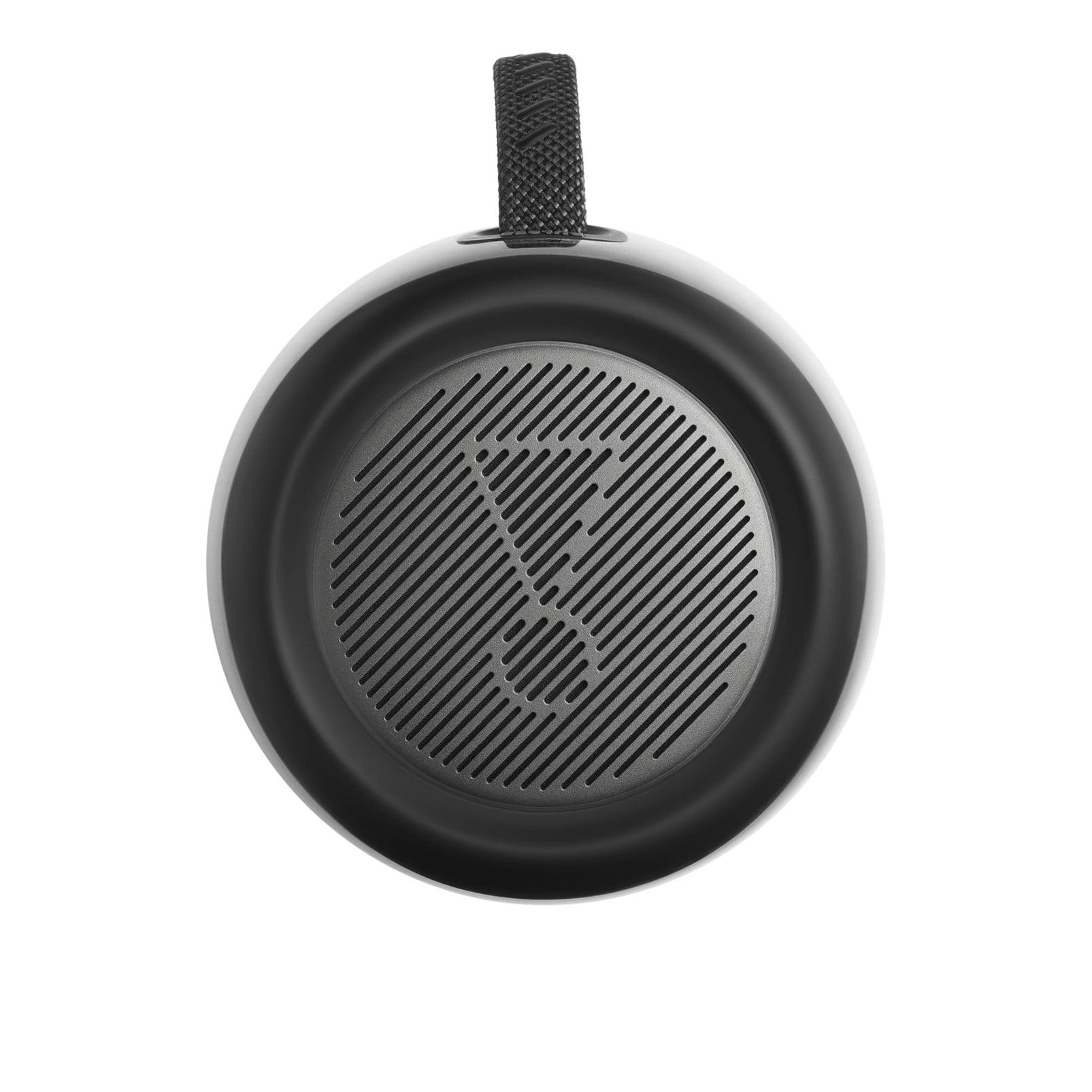
The Pulse 5 uses a sophisticated audio setup with separate tweeter (handles high frequencies) and upfiring driver (provides omnidirectional sound), plus a passive radiator for enhanced bass. This creates a 360-degree soundstage that's impressive for its size. While it won't shake the walls, the sound remains clear and balanced at most volumes.
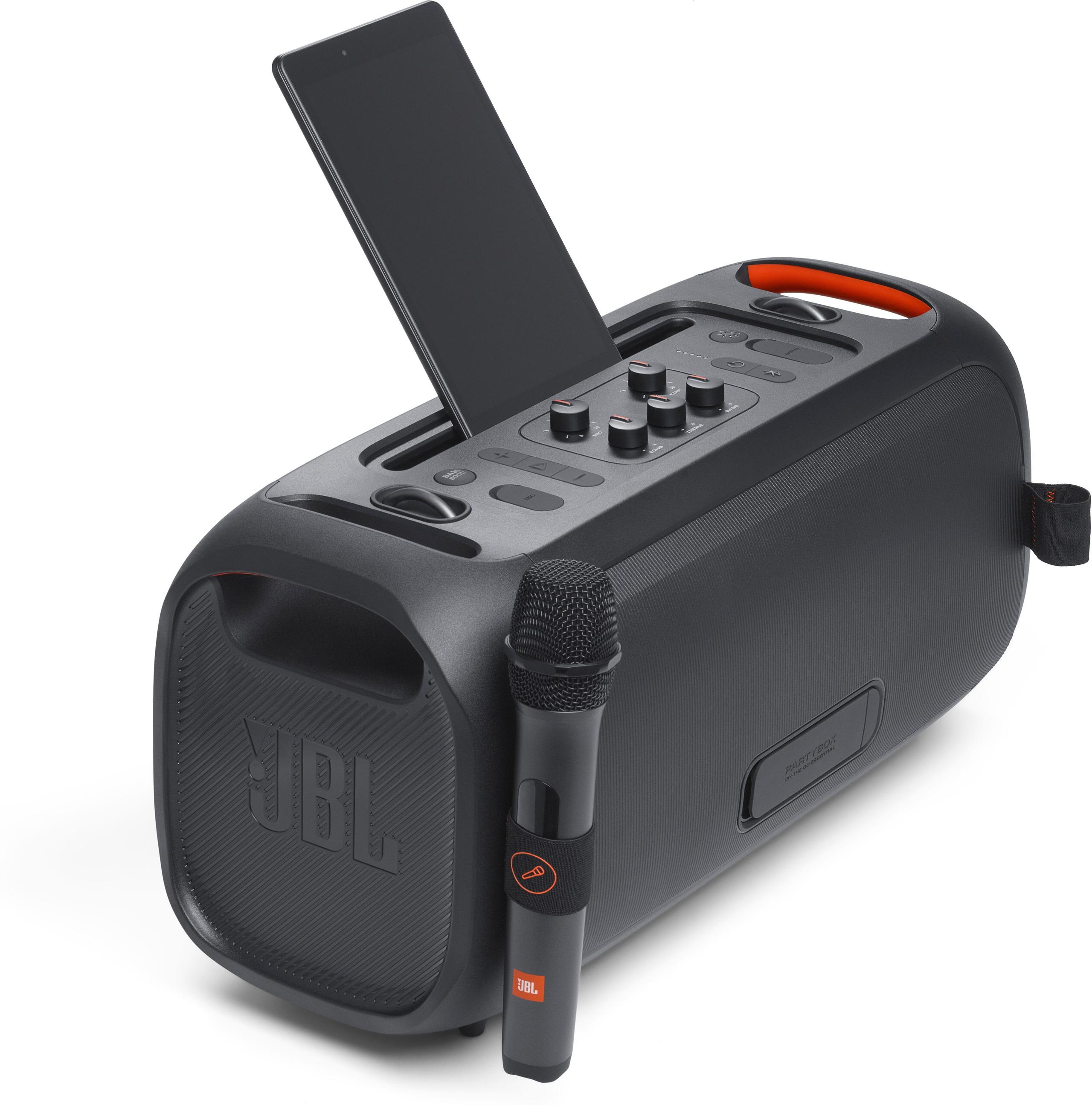
The PartyBox On-The-Go Essential takes a more traditional approach with its 100-watt system. It uses two 1.75" tweeters and a 5.25" woofer, delivering significantly more power. The bass response is notably stronger, especially with its Bass Boost feature engaged. While it doesn't offer 360-degree sound, it projects further and can fill larger spaces more effectively.
This is where the size difference really shows. The Pulse 5's 40-watt system is perfect for personal listening or small gatherings. It maintains clarity at high volumes, though you might notice some compression kicking in at maximum volume (this is actually a good thing - it prevents distortion).
The PartyBox's 100-watt system can get significantly louder. If you're hosting a pool party or need to fill a large room with sound, this is the clear winner. The additional power handling also means it maintains clarity at higher volumes.
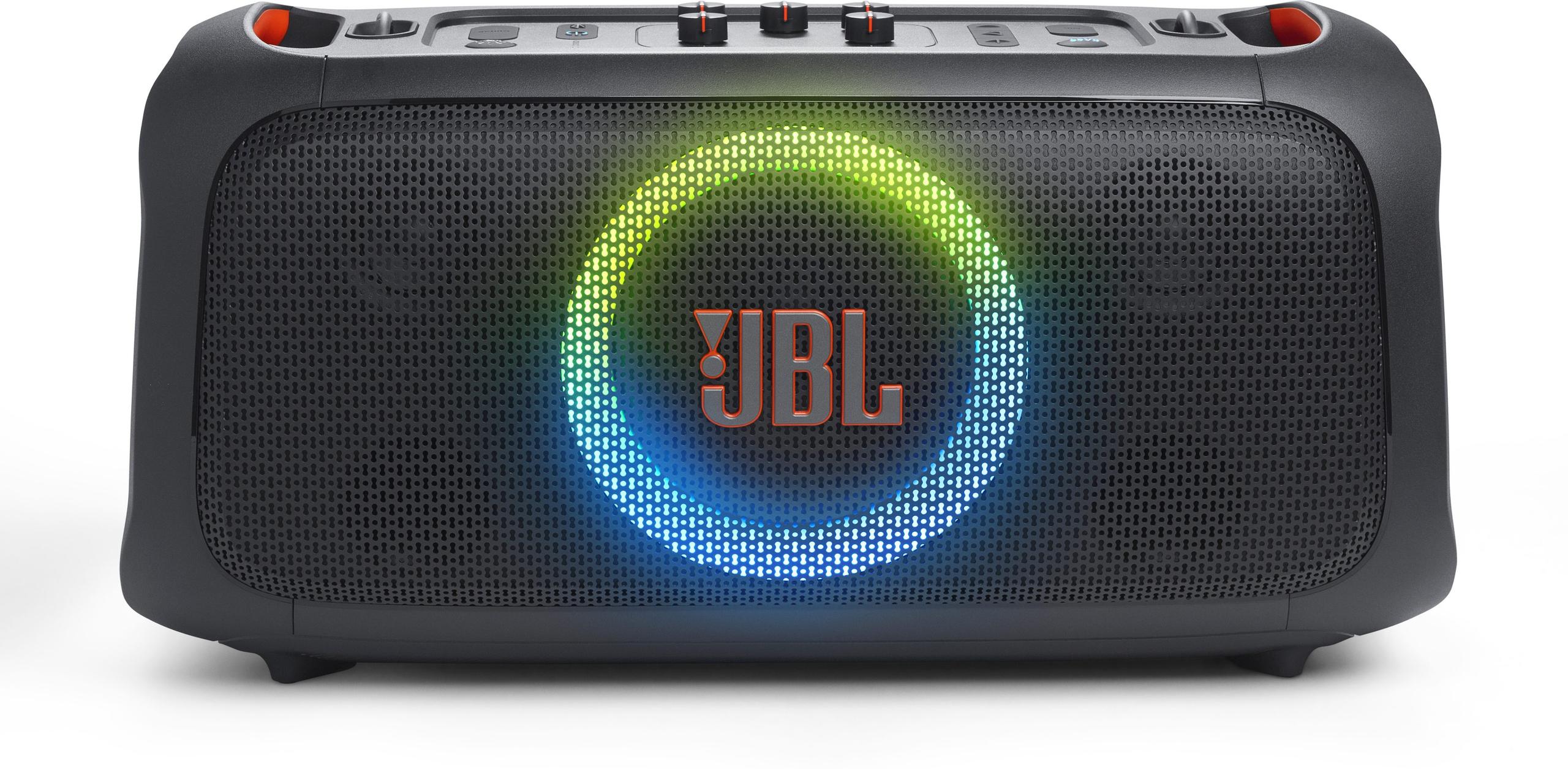
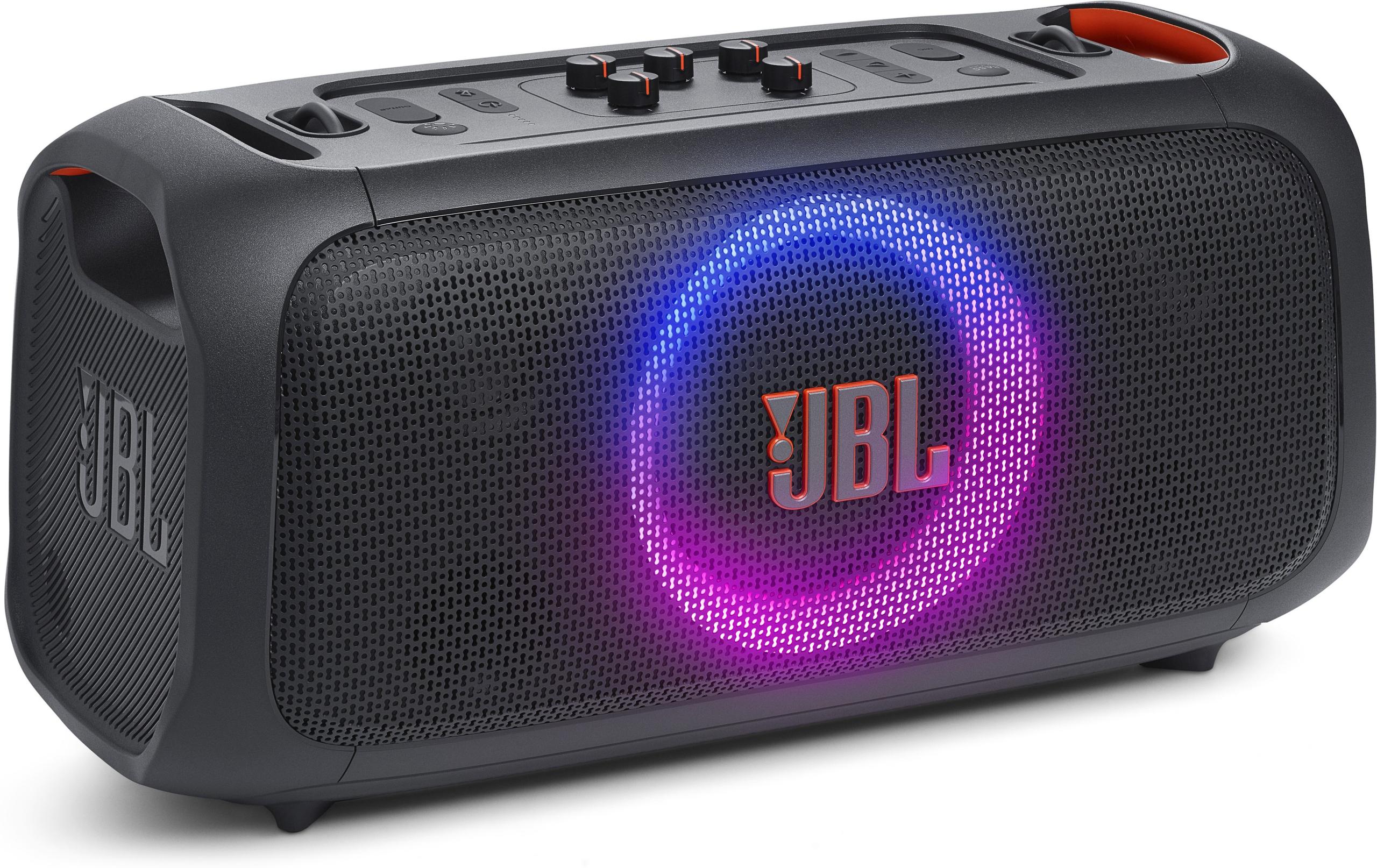
The Pulse 5's light show is truly impressive. The expanded transparent outer shell creates mesmerizing patterns that sync with your music. Using the JBL Portable app, you can customize these patterns or choose from various presets. It's not just a gimmick - the lighting adds a genuine ambiance to any space.
The PartyBox includes more basic lighting effects that pulse with the music. While engaging, they're not nearly as sophisticated as the Pulse 5's system.
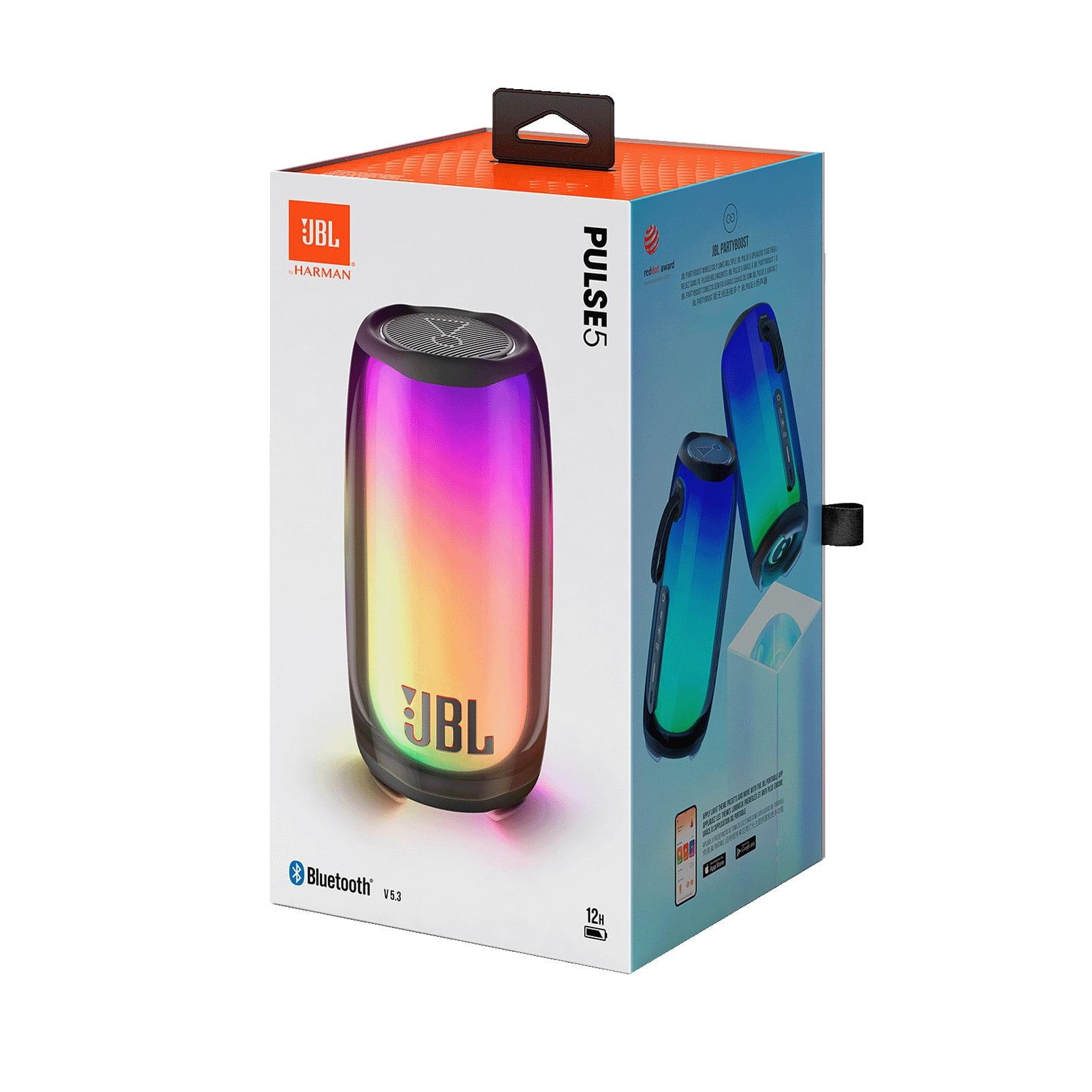
Both speakers support Bluetooth, but the Pulse 5 has the edge with Bluetooth 5.3 (versus 4.2 on the PartyBox). This newer version provides better range and stability. The Pulse 5 also supports PartyBoost, allowing you to connect multiple compatible JBL speakers for expanded sound.
The PartyBox really shines with its input options. It includes a wireless microphone for karaoke, plus inputs for a second mic and even a guitar. This makes it incredibly versatile for entertainers or karaoke enthusiasts.
The Pulse 5's IP67 rating means it's fully dustproof and can be submerged in water up to 1 meter for 30 minutes. The PartyBox's IPX4 rating only provides protection against splashes - fine for poolside use but not for accidental dunking.
Battery life is another significant difference. The Pulse 5 offers 12 hours of playback, while the PartyBox manages 6 hours. This difference matters less for home use where you can keep it plugged in, but it's crucial for truly portable applications.
At $199, the Pulse 5 represents good value for a premium portable speaker. Its combination of sound quality, durability, and impressive lighting effects justifies the price for those seeking a versatile personal audio solution.
The PartyBox On-The-Go Essential at $249 might seem expensive, but when you consider its power output and additional features (especially the included wireless microphone), it's actually quite reasonable for what you get.
Choose the Pulse 5 if:
Choose the PartyBox if:
Both speakers excel in their intended use cases. The Pulse 5 is a sophisticated personal audio device that can handle occasional party duty, while the PartyBox is a purpose-built party machine that sacrifices some portability for raw power and features.
The key is honestly assessing how you'll use the speaker most often. If you're mainly looking for personal listening with the occasional small gathering, the Pulse 5's portability and versatility make it the better choice. But if you're regularly hosting parties or need a karaoke system, the PartyBox's additional features and power will be worth the extra size and weight.
| JBL Pulse 5 | JBL PartyBox On-The-Go Essential |
|---|---|
| Power Output - Determines maximum volume and sound quality | |
| 40W total (30W woofer + 10W tweeter) | 100W total with larger drivers |
| Size & Weight - Impacts true portability | |
| 10.7 x 21.4 x 13.2 cm, 1.47 kg (3.2 lbs) | 49.0 x 24.4 x 22.9 cm, 6.1 kg (13.4 lbs) |
| Battery Life - Critical for portable use | |
| 12 hours playback | 6 hours playback |
| Waterproof Rating - Important for outdoor use | |
| IP67 (fully waterproof & dustproof) | IPX4 (splash resistant only) |
| Bluetooth Version - Affects connection quality & range | |
| Bluetooth 5.3 (latest tech) | Bluetooth 4.2 (older standard) |
| Special Features - Adds versatility | |
| 360° customizable LED lightshow, PartyBoost pairing | Wireless mic included, guitar input, basic light effects |
| Sound Characteristics - Different strengths for different uses | |
| 360° sound, balanced audio, moderate bass | Directional sound, stronger bass, higher max volume |
| Price - Value proposition | |
| $199 (premium portable speaker) | $249 (party entertainment system) |
| Primary Use Case - Who it's best for | |
| Personal listening, small gatherings, outdoor activities | Parties, karaoke, performances, large group entertainment |
| Charging Time - Convenience factor | |
| 4 hours to full charge | 3.5 hours to full charge |
| Frequency Response - Audio quality range | |
| 58 Hz - 20 kHz (fuller range) | 50 Hz - 20 kHz (slightly better bass extension) |
| Additional Inputs - Flexibility | |
| Bluetooth only | 3.5mm aux, mic input, guitar input, USB playback |
The JBL PartyBox On-The-Go Essential is better for parties due to its 100W output, included wireless microphone, and guitar inputs. The Pulse 5 is more suited for smaller gatherings.
The JBL Pulse 5 offers 12 hours of playback compared to 6 hours on the PartyBox On-The-Go Essential, making it better for extended portable use.
Both can be used outdoors, but the Pulse 5 has superior IP67 waterproof rating compared to the PartyBox's IPX4 splash resistance.
The JBL Pulse 5 is significantly more portable at 3.2 lbs compared to the PartyBox at 13.4 lbs.
The PartyBox On-The-Go Essential is designed for karaoke with its included wireless microphone and mic inputs, while the Pulse 5 doesn't support microphones.
The JBL Pulse 5 features newer Bluetooth 5.3 technology, while the PartyBox uses older Bluetooth 4.2.
Both work well for home audio, but the Pulse 5 is more suited for background music with its 360° sound and ambient lighting.
The PartyBox On-The-Go Essential gets significantly louder with its 100W output compared to the Pulse 5's 40W system.
We've done our best to create useful and informative comparisons to help you decide what product to buy. Our research uses advanced automated methods to create this comparison and perfection is not possible - please contact us for corrections or questions. These are the sites we've researched in the creation of this article: digitaltrends.com - youtube.com - target.com - rtings.com - jbl.com - jblonlinestore.com - harmanaudio.com - assistivetech.com.au - stereoguide.com - mm.jbl.com - jbl.com - creativeaudio.net - jbl.com - pcrichard.com - jbl.com - bestbuy.com - verizon.com - greentoe.com - youtube.com - listenup.com - hypermicro.com - jbl.com - mm.jbl.com

Privacy Policy
Terms and Conditions - Affiliate Policy
Home Security
© Copyright 2008-2026.
11816 Inwood Rd #1211, Dallas, TX 75244